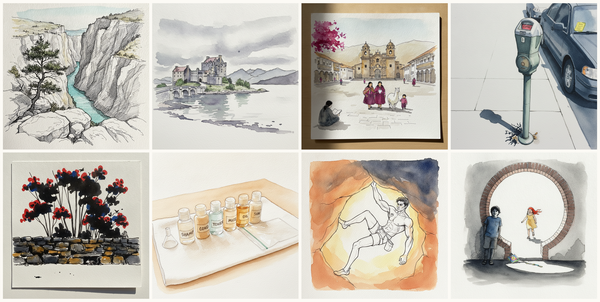
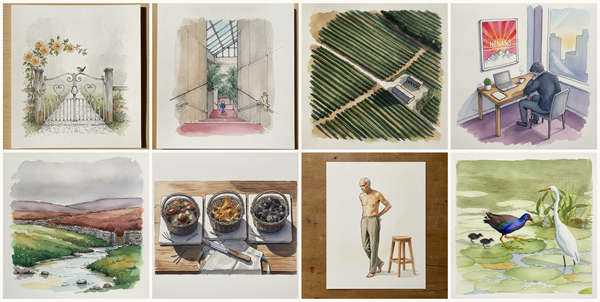
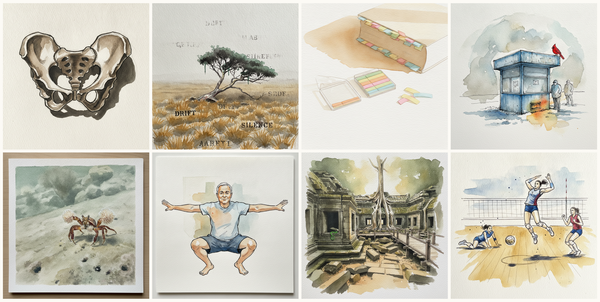
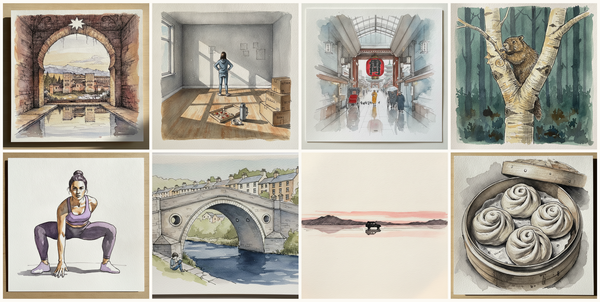
Carl Schurz Park Gate, Motorola DynaTAC 8000X brick, Dante Station, Naples Metro, Italy, Ship-deck bow view approaching tabular berg, Weddell Sea, and more — pen + watercolor for November 23, 2026
AI-generated daily art-practice references for pen and watercolor: Carl Schurz Park Gate, Motorola DynaTAC 8000X brick, Dante Station, Naples Metro, Italy, Ship-deck bow view approaching tabular berg, Weddell Sea, Pillow fort with kids, Carolina truffle, Bent up legs scissored, Inversion over Hig…
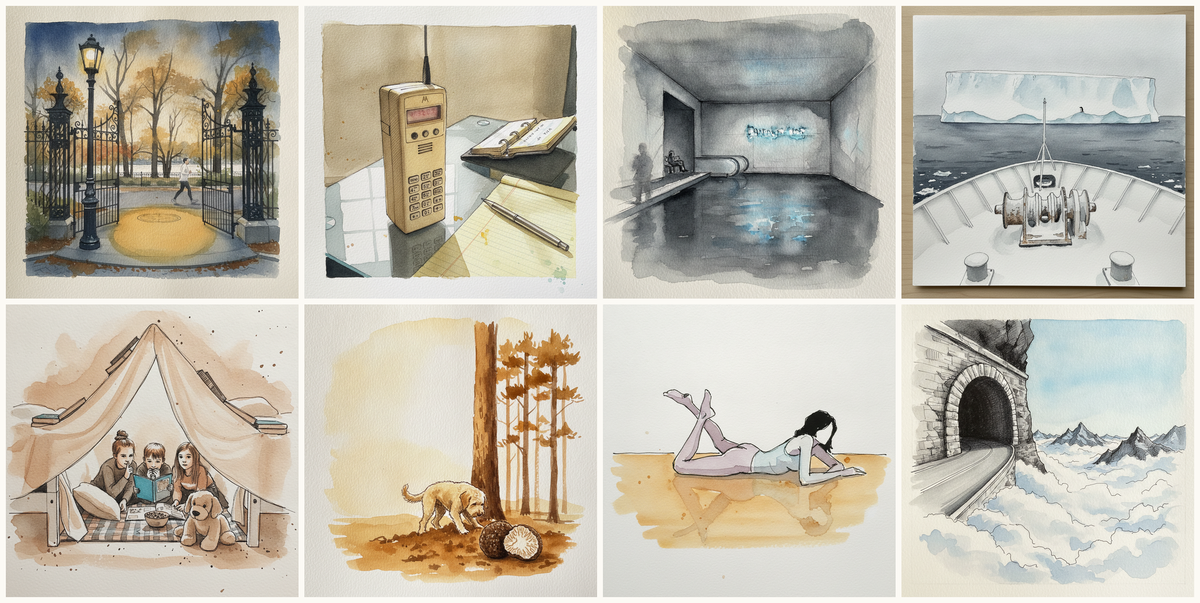
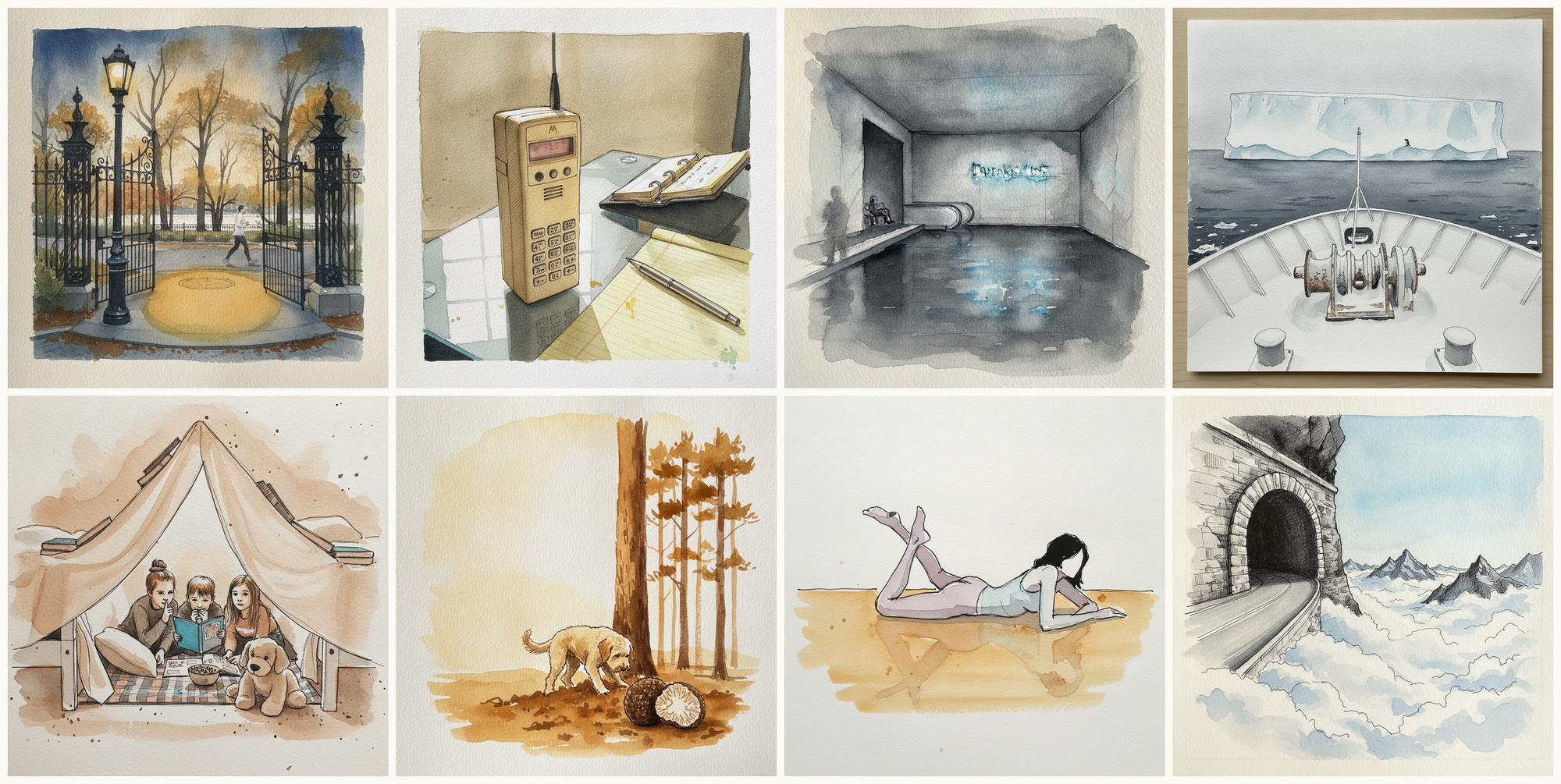
Today's 8 pen-and-watercolor pieces: Carl Schurz Park Gate, Motorola DynaTAC 8000X brick, Dante Station, Naples Metro, Italy, Ship-deck bow view approaching tabular berg, Weddell Sea, Pillow fort with kids, Carolina truffle, Bent up legs scissored, Inversion over Highway Tunnel. Each piece comes with an AI-generated photoreal reference, three AI-generated example artworks in different treatments, and a short focus paragraph naming what to study in this one.
Why these references use AI
This daily series uses AI-generated images as practice prompts, not as finished artwork to copy. Each subject starts with a synthetic photoreal reference generated with Gemini/Nano Banana, then moves into three pen-and-watercolor interpretations of the same subject.
I use AI here because daily art practice needs variety and low friction. Real life can get repetitive, busy, or visually narrow. These generated reference sets make it easier to study bodies, buildings, animals, landscapes, objects, gestures, light, palettes, and compositions that might not show up in an ordinary day.
The goal is not to reproduce any image directly. Treat each set as a starting point for observation and study: choose what interests you, change the framing, simplify the subject, alter the palette, and make your own version.
Piece 1 — Carl Schurz Park Gate
Pen + Watercolor · Loose pen and watercolor line-and-wash
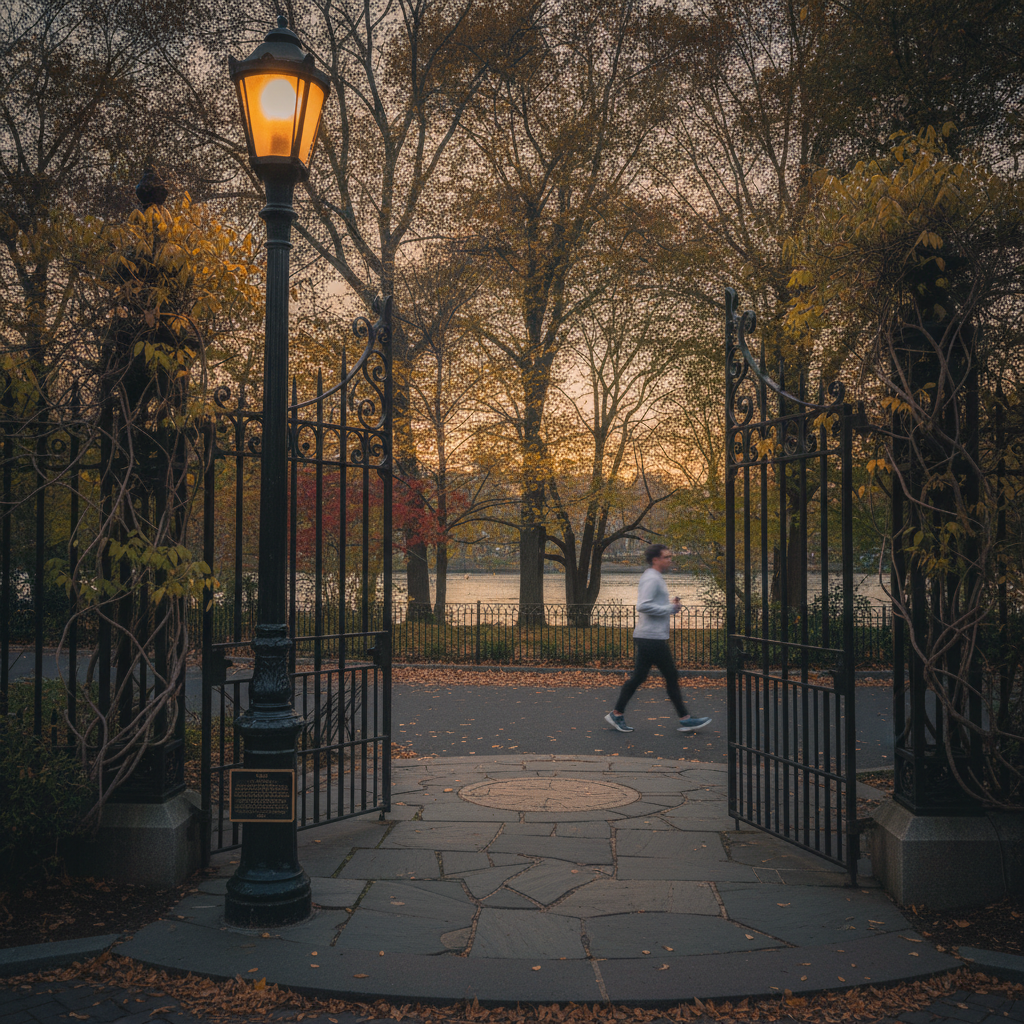
Three takes
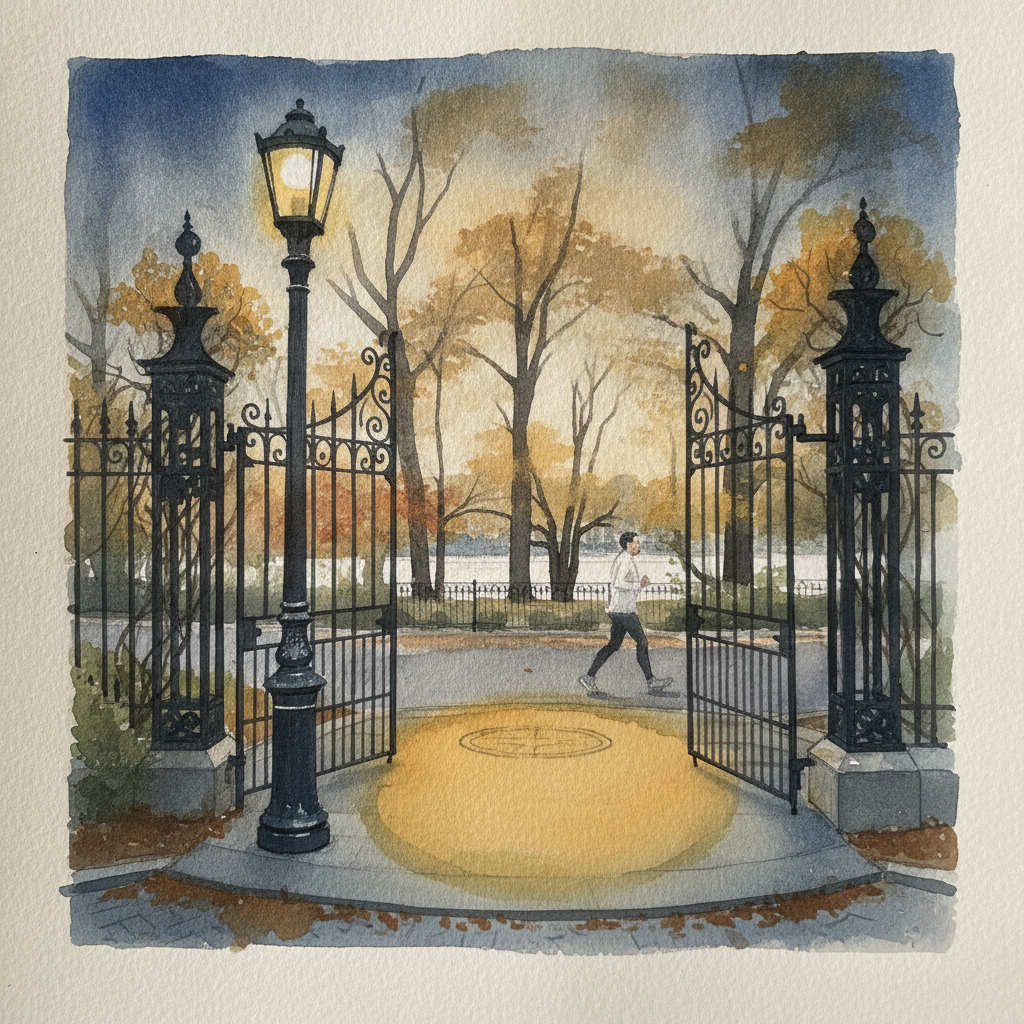
Focus for this piece
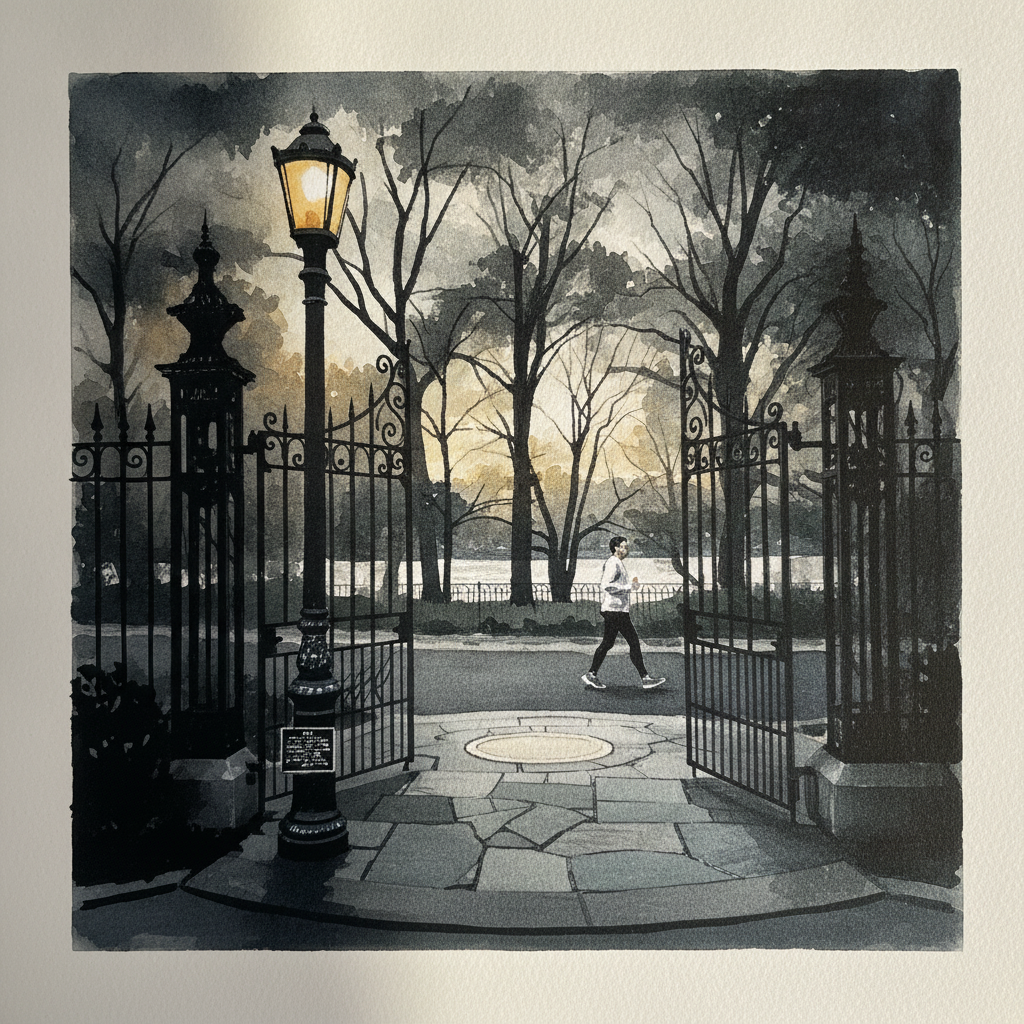
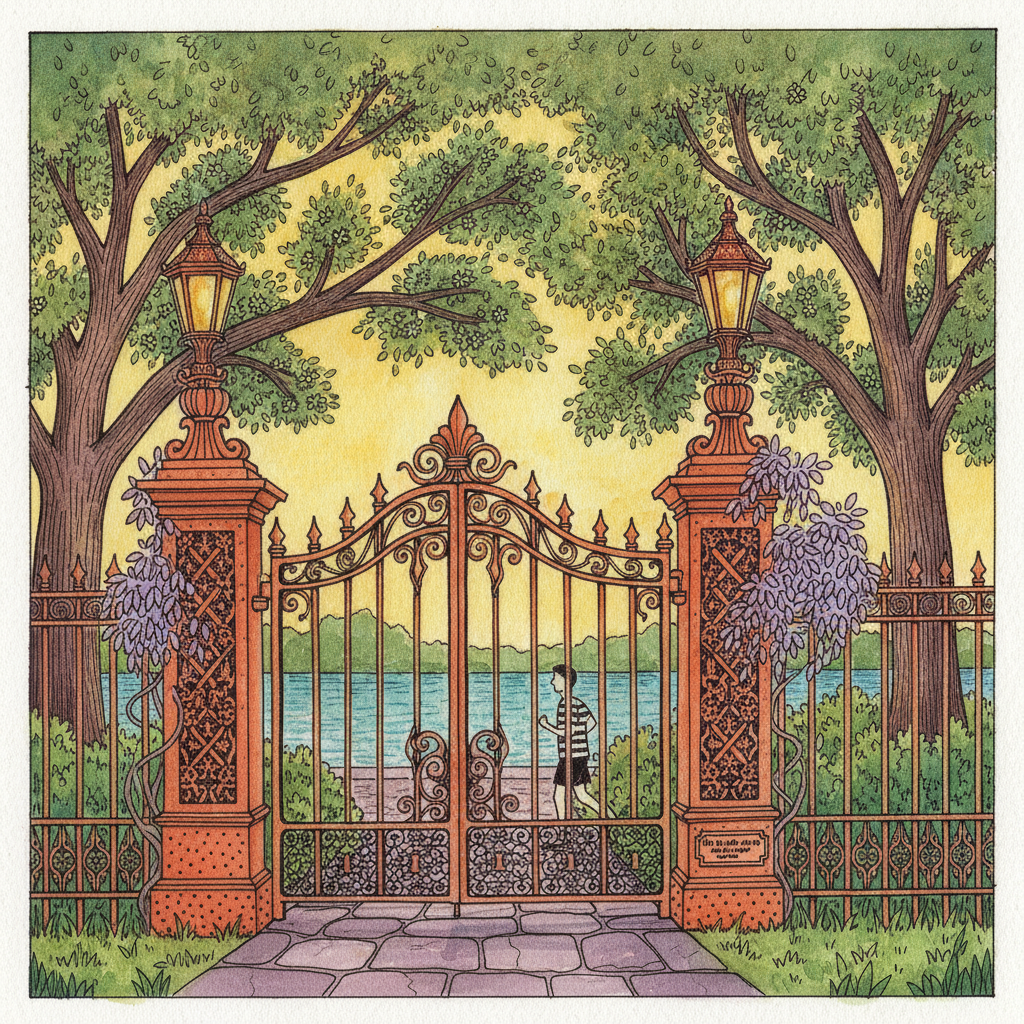
This piece offers a compelling study in rendering intricate structural detail against a soft, atmospheric light source. Pay close attention to varying your pen's line weight: use fine, deliberate lines for the delicate wrought-iron filigree, allowing subsequent watercolor washes to provide their shadowed depth. Employ softer, wetter washes for the glowing lantern and its warm spill on the bluestone, letting those edges bleed gently to capture the dusk light.
Piece 2 — Motorola DynaTAC 8000X brick
Pen + Watercolor · Loose pen and watercolor line-and-wash
Three takes
Focus for this piece
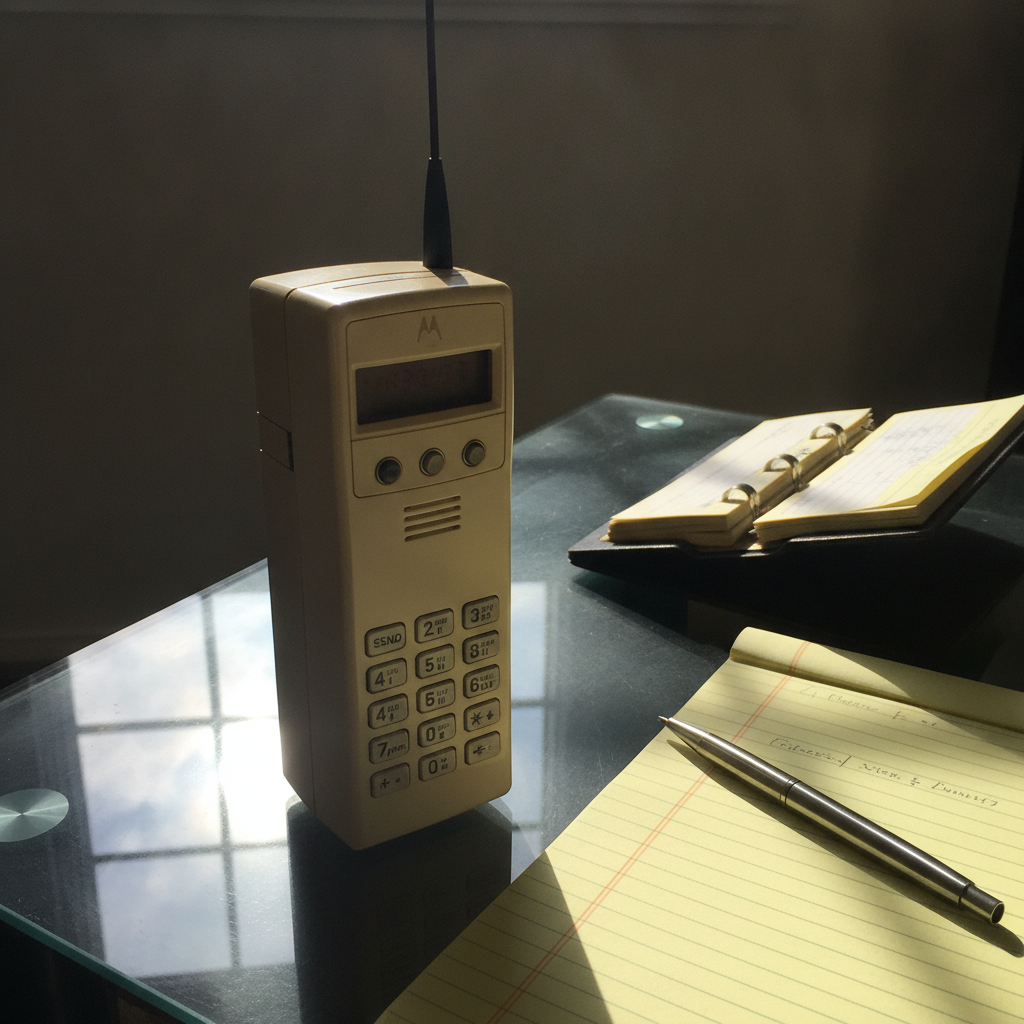
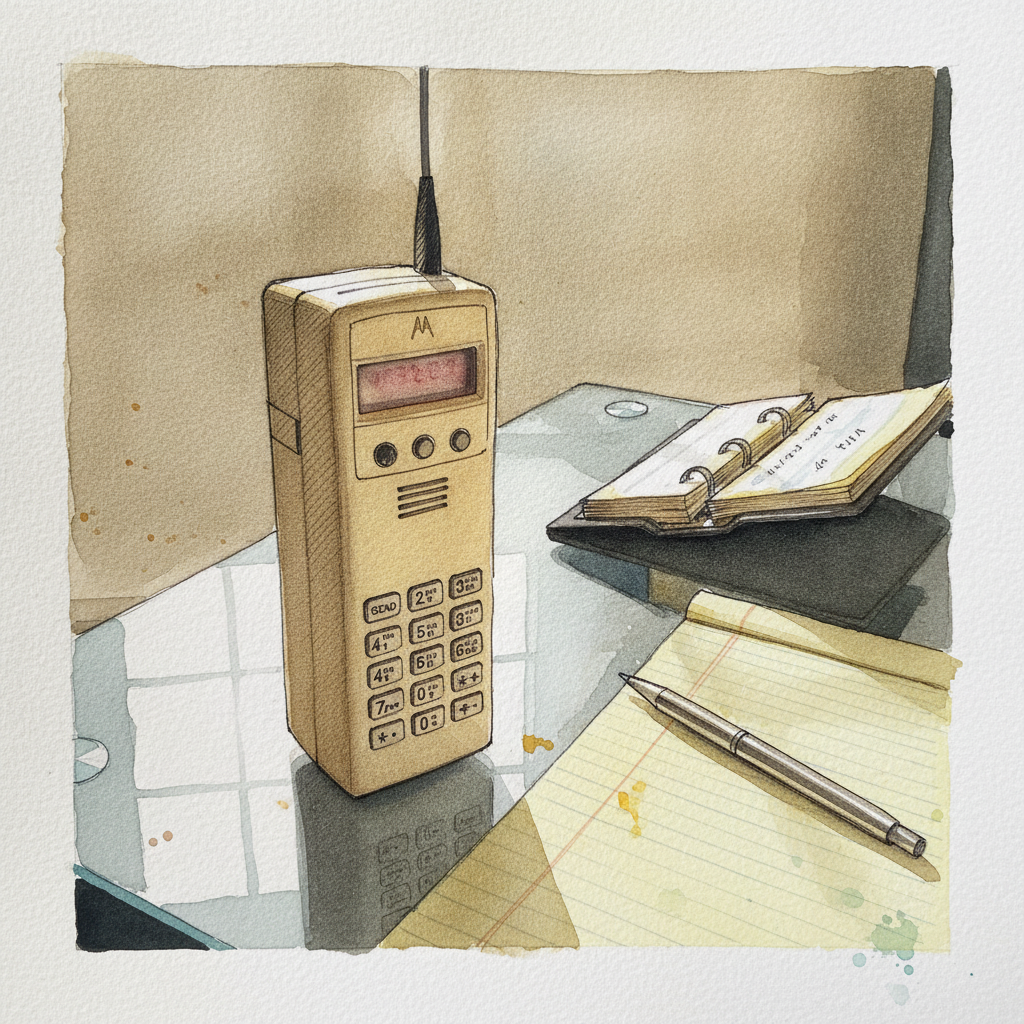
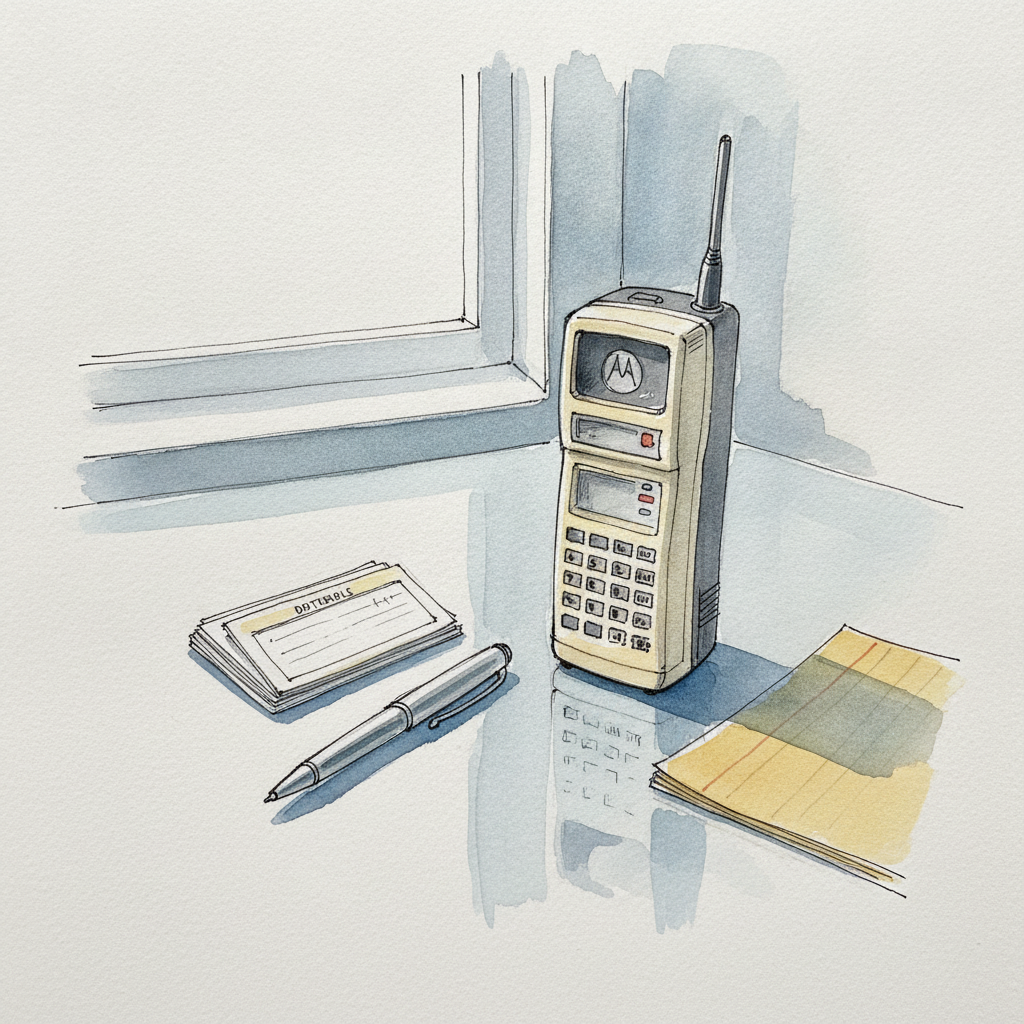
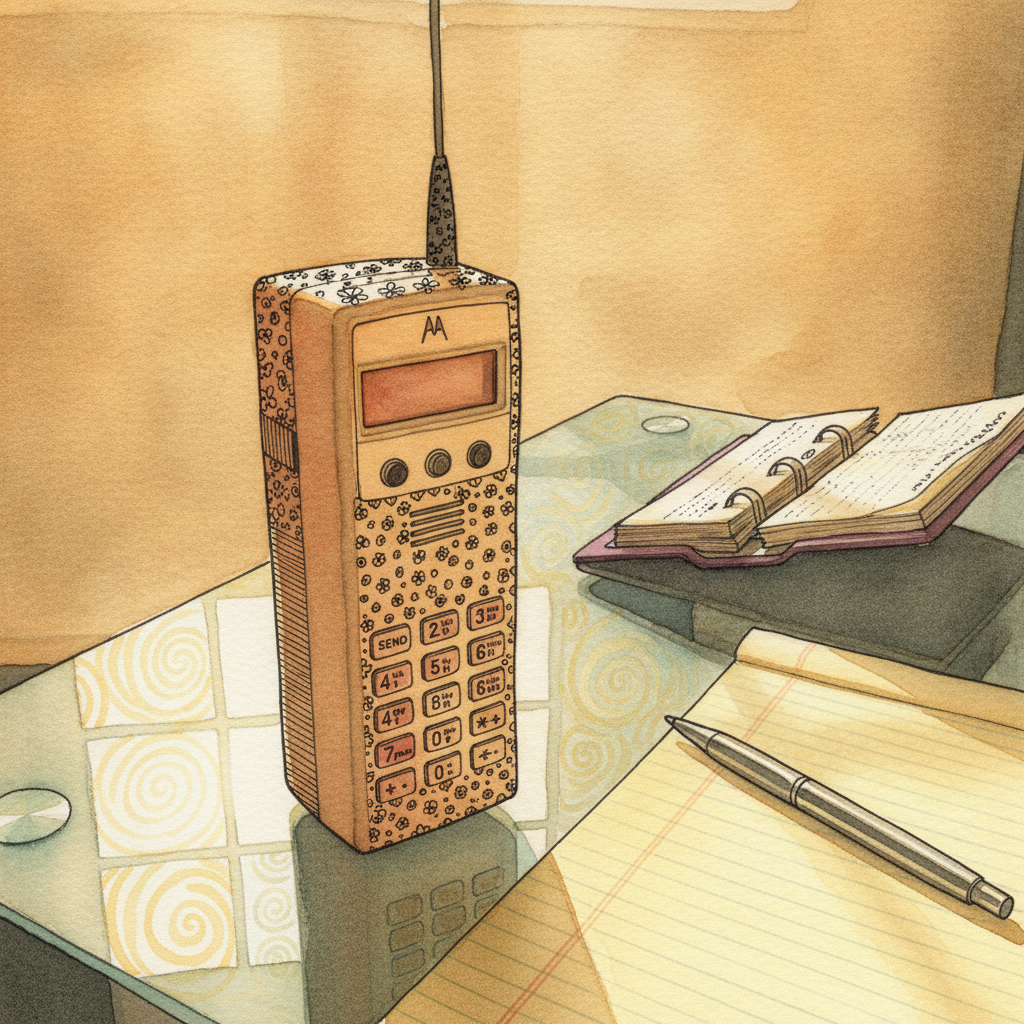
Today’s study is ideal for tackling reflections and transparency, particularly with the glass desktop. Focus on building the subtle depth of the glass and its window reflections using layered, dilute washes applied with a damp, flat brush, allowing each layer to dry before adding the next. Then, use crisp, fine pen lines to define the distinct, opaque edges of the phone and other objects *over* these transparent passages, clearly separating foreground from background details.
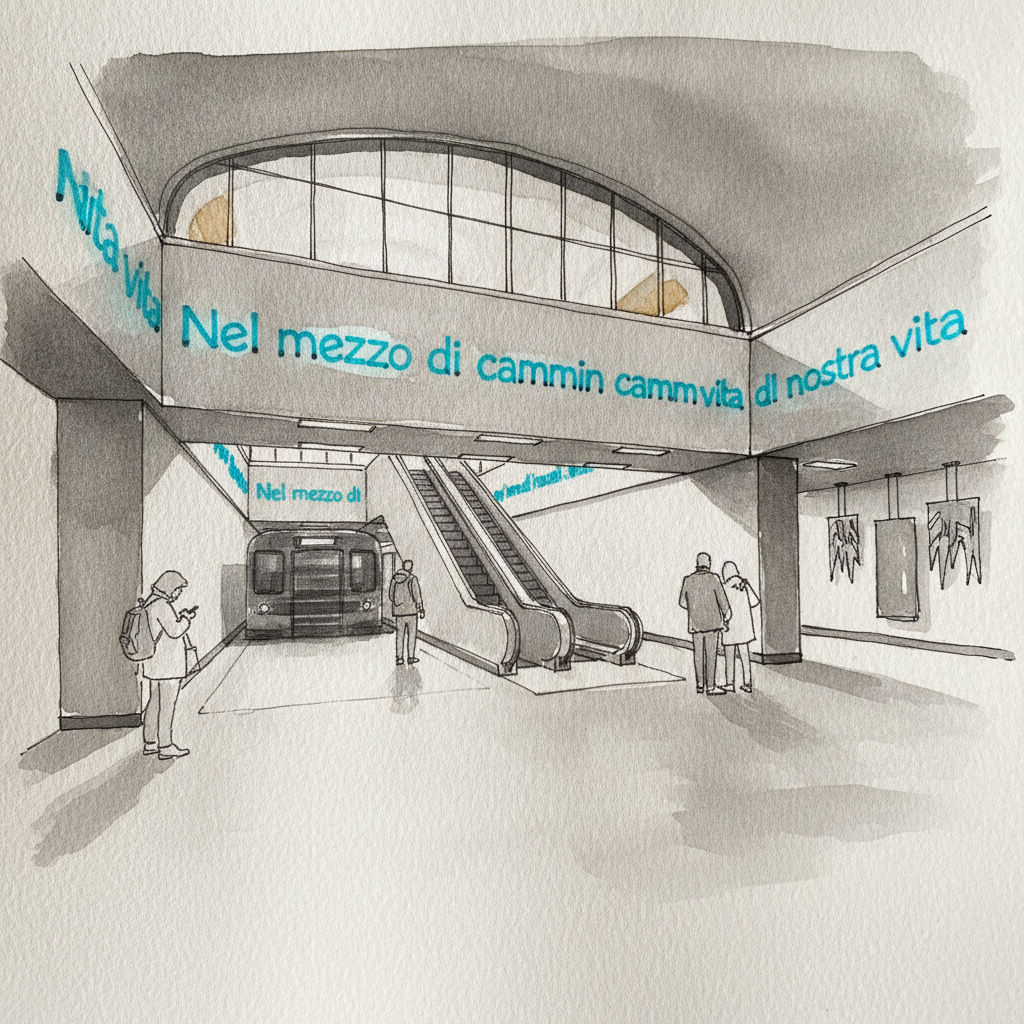
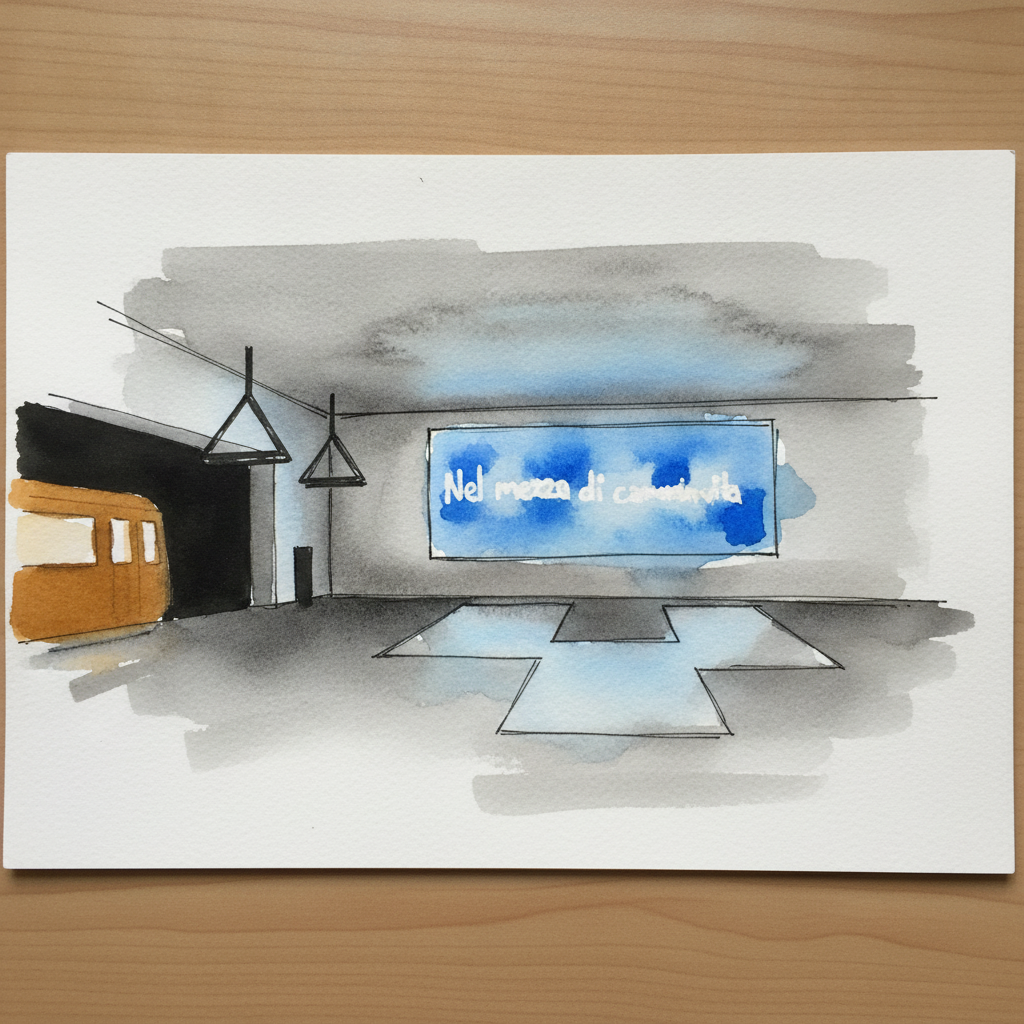
Piece 3 — Dante Station, Naples Metro, Italy
Pen + Watercolor · Loose pen and watercolor line-and-wash
Three takes
Focus for this piece
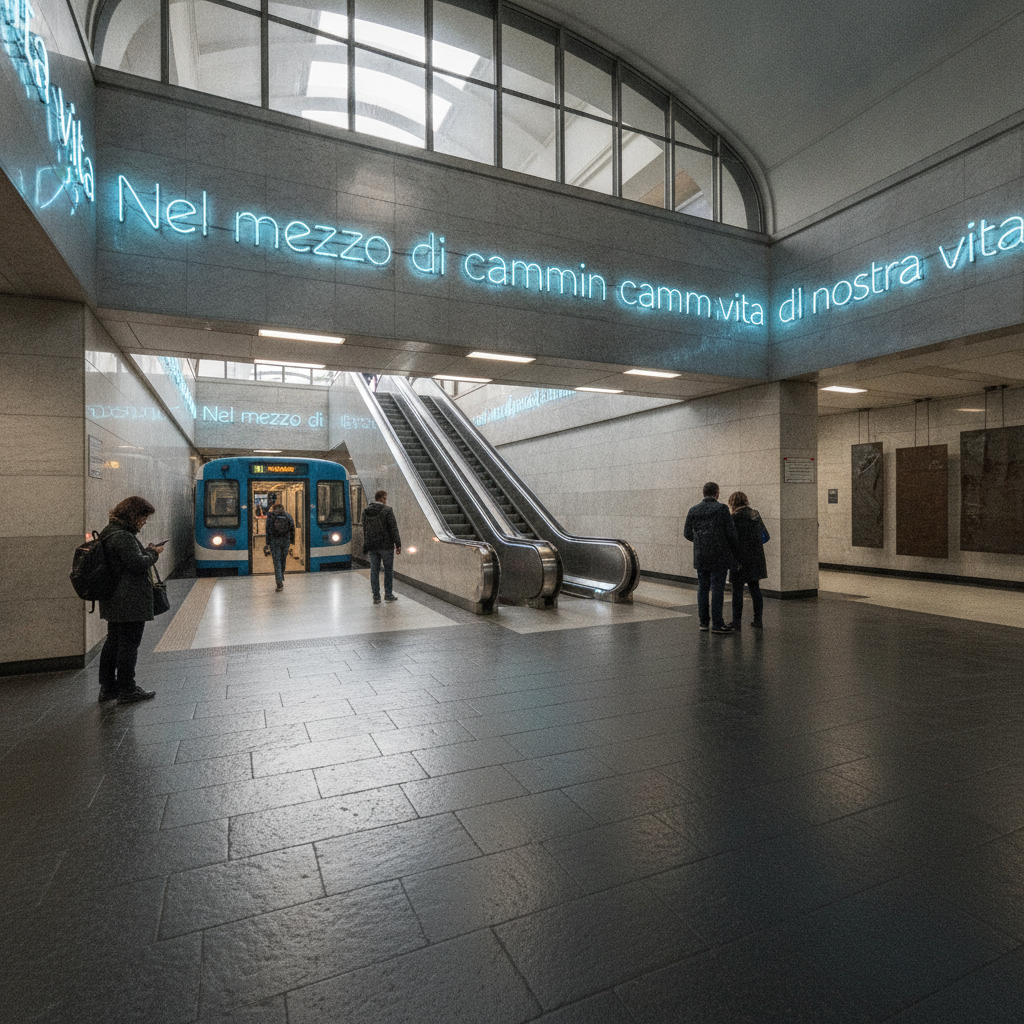
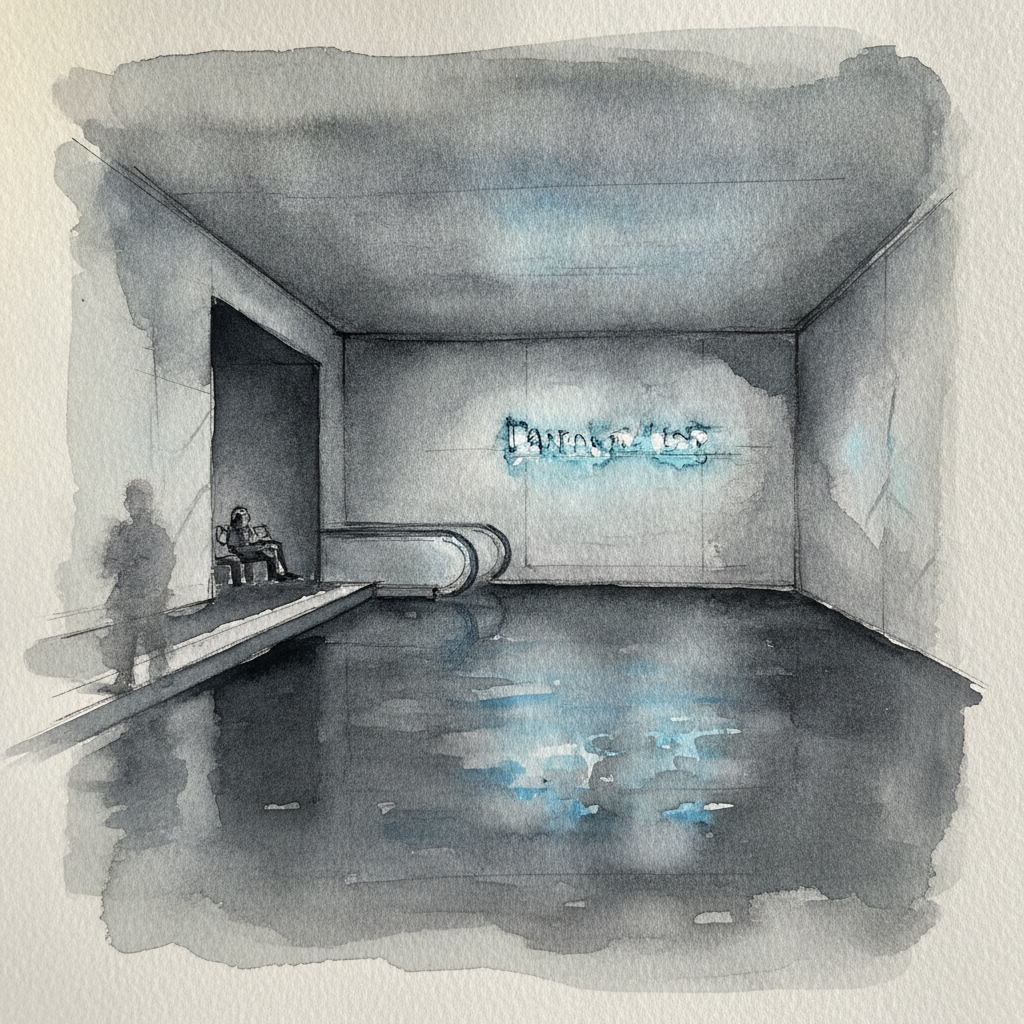
This piece offers a compelling study in capturing luminosity and reflections within a strong architectural framework. Use crisp, varying line weights to define the station's geometric planes, emphasizing deep perspective and structural anchors. Your watercolor washes should then focus on creating the ethereal blue glow of the neon text and its shimmering reflections on the pale marble, allowing the interplay of soft edges and negative space to convey the light's intensity and atmospheric depth.
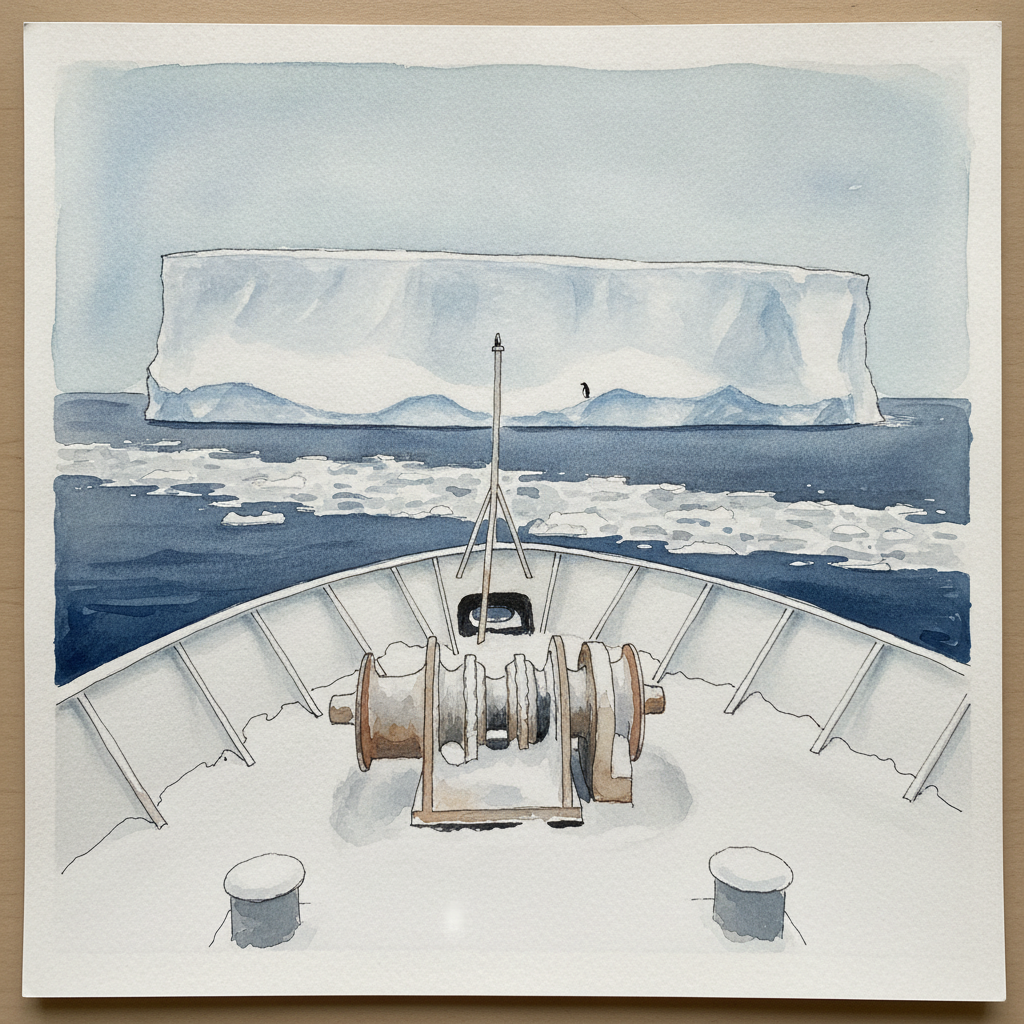
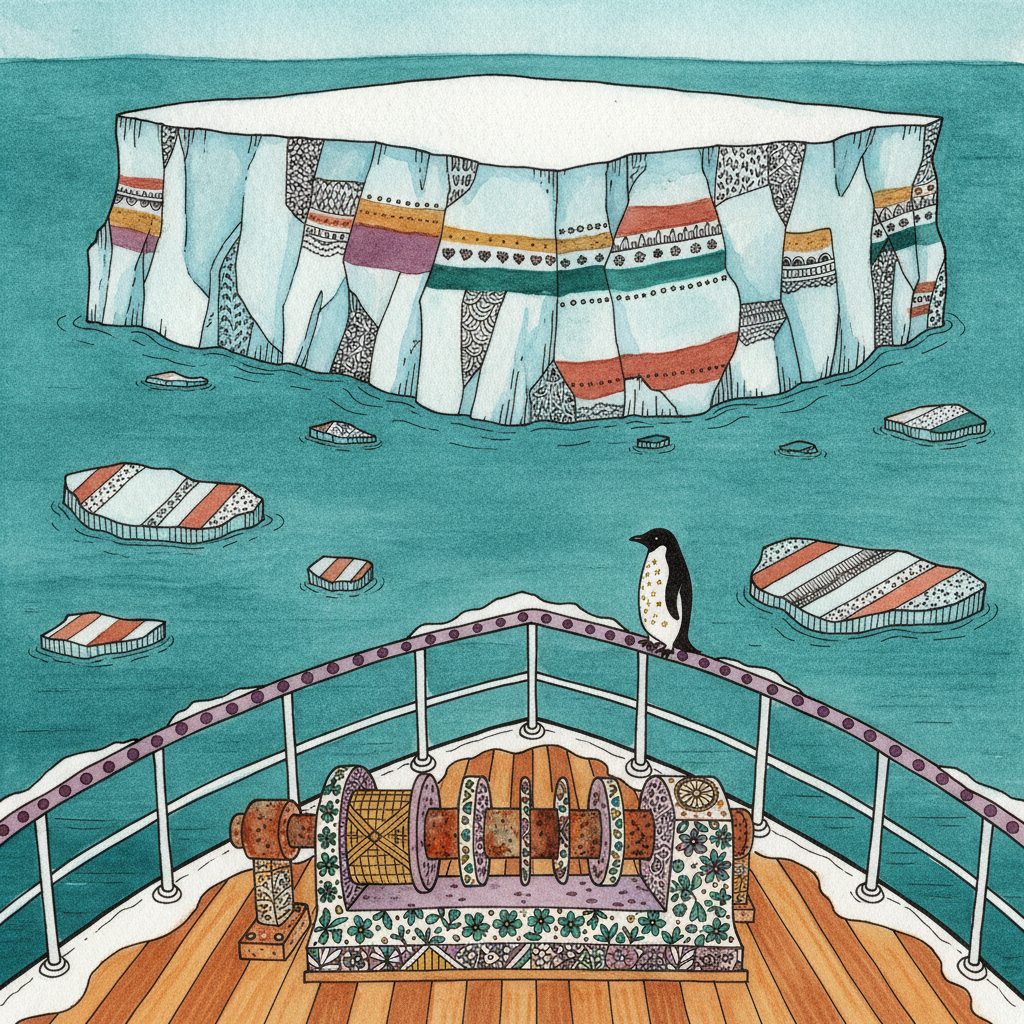
Piece 4 — Ship-deck bow view approaching tabular berg, Weddell Sea
Pen + Watercolor · Loose pen and watercolor line-and-wash
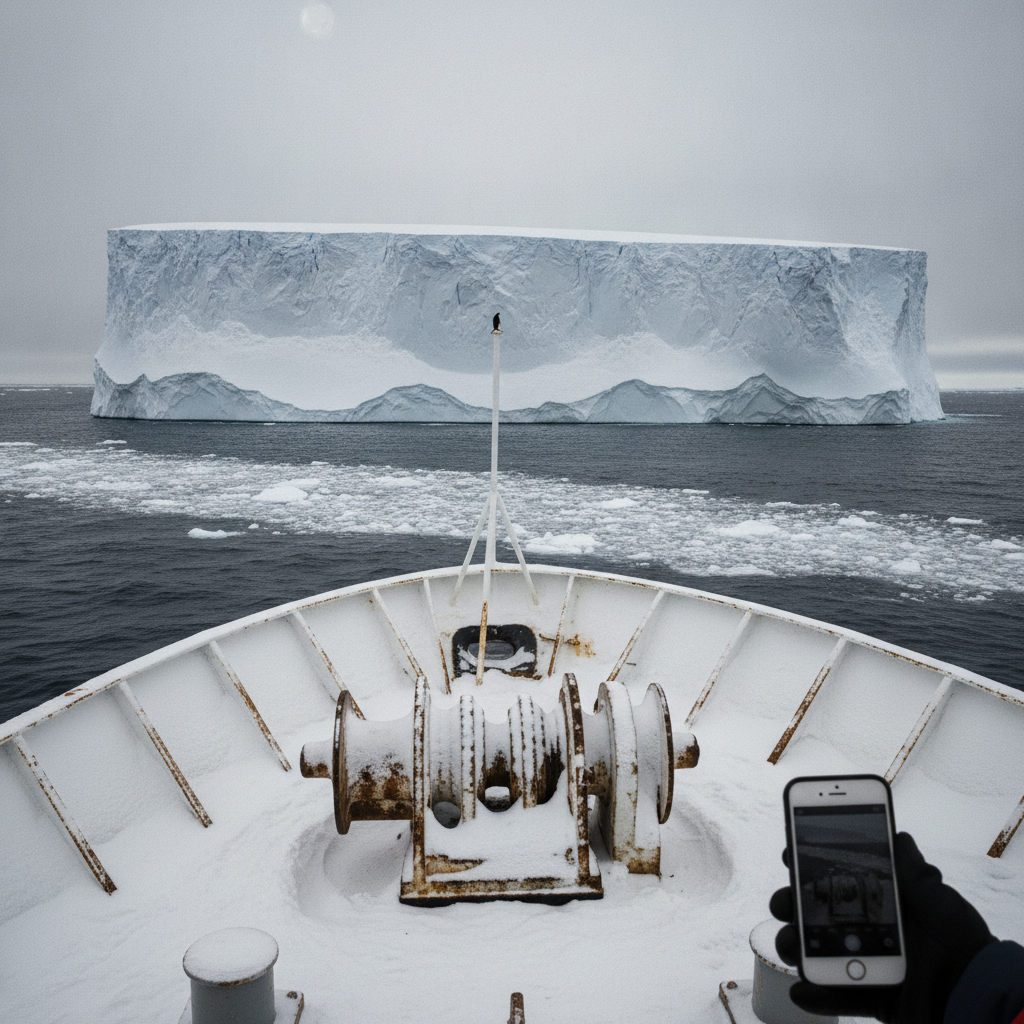
Three takes
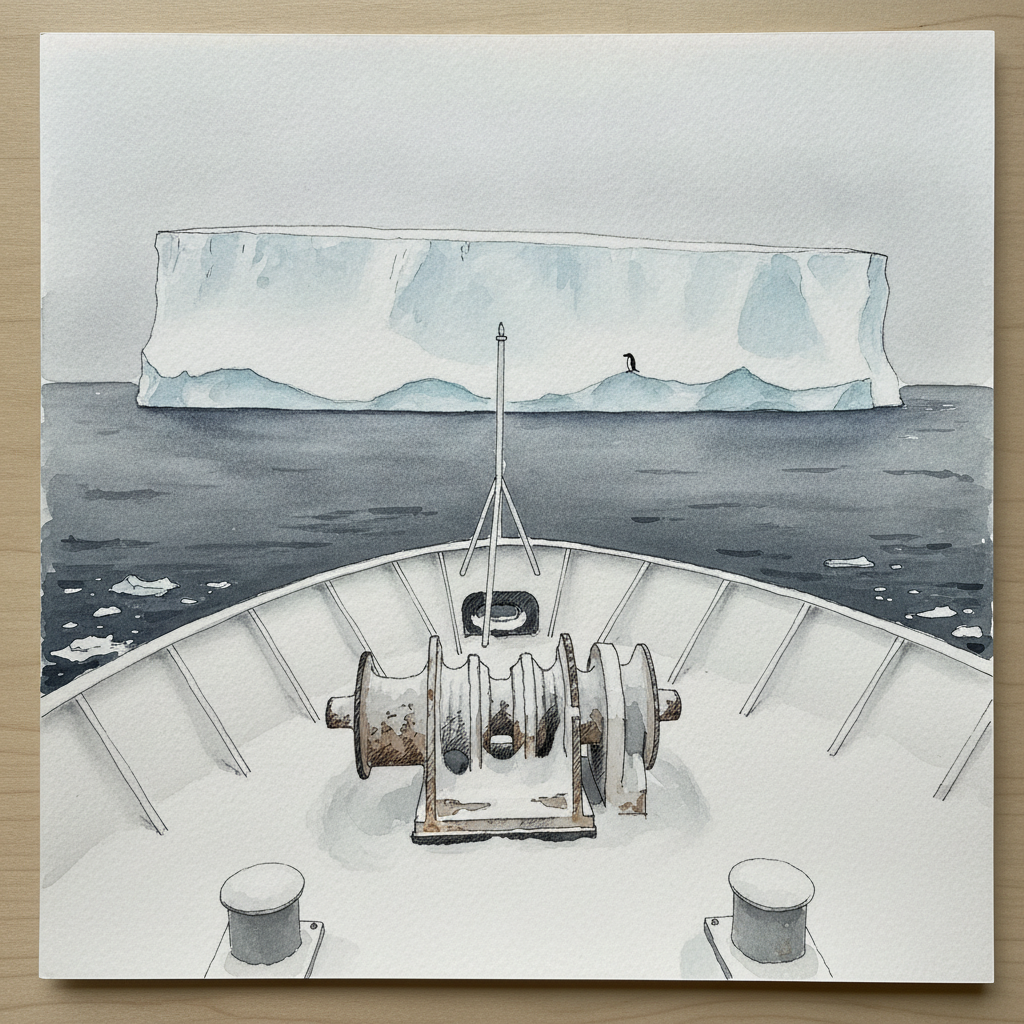
Focus for this piece
This piece offers an excellent study in rendering vast scale and atmospheric depth using a restrained, cool palette. Practice employing strong, varied line weights for the immediate foreground ship elements, contrasting them with minimal line work and broad, layered washes of a dark, desaturated color to define the immense middle-ground sea. For the distant tabular berg, utilize delicate, fine lines for its horizontal stratigraphy, allowing pale blue and white washes to convey its sheer faces and the flat, soft polar light. Pay special attention to the single Adélie penguin as a small, sharp mark to emphasize the immense scale of the berg.
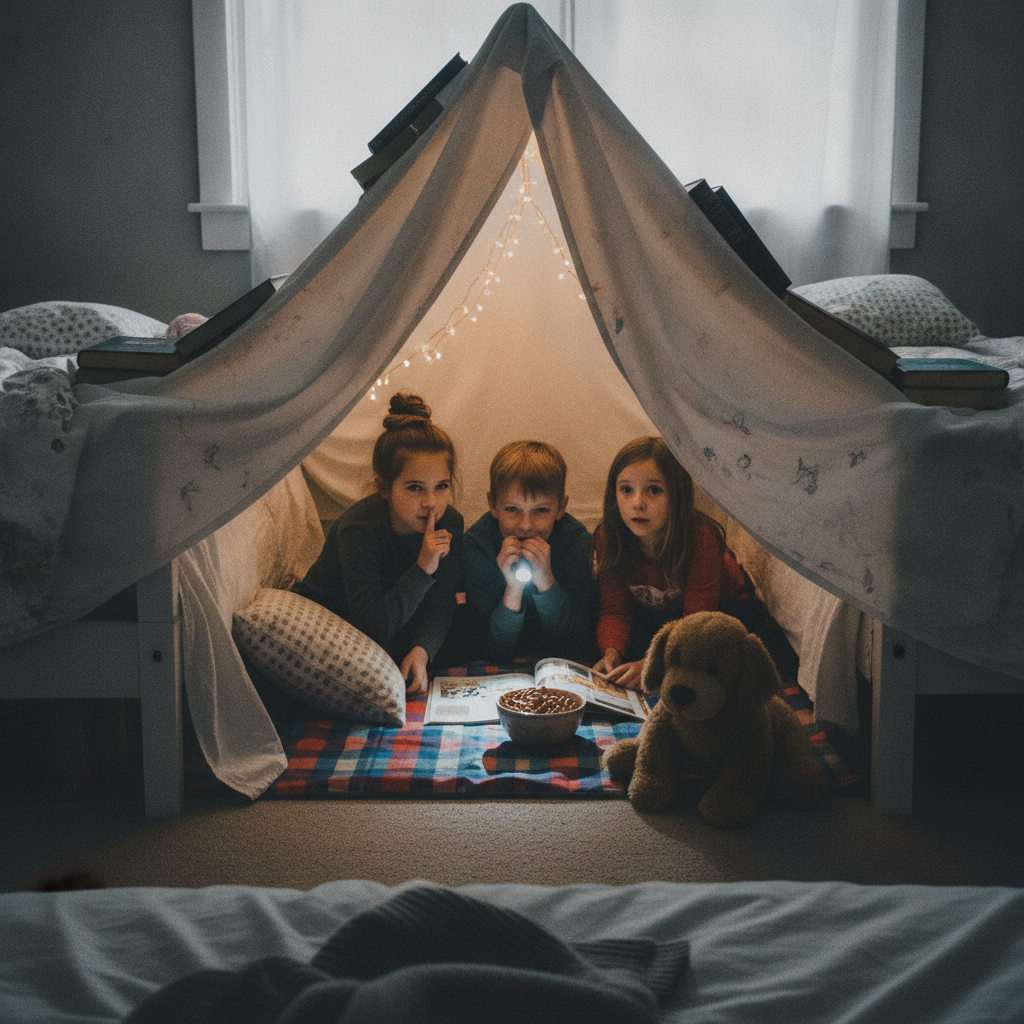
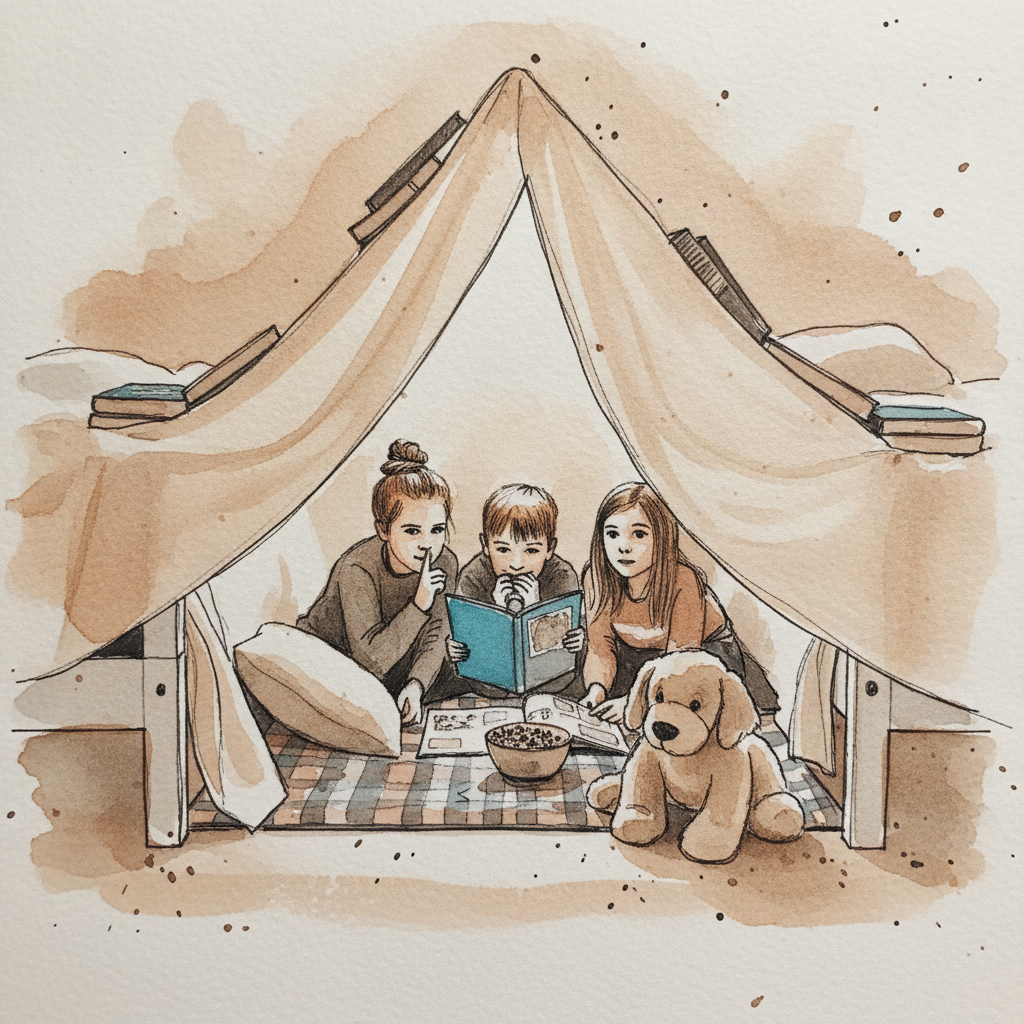
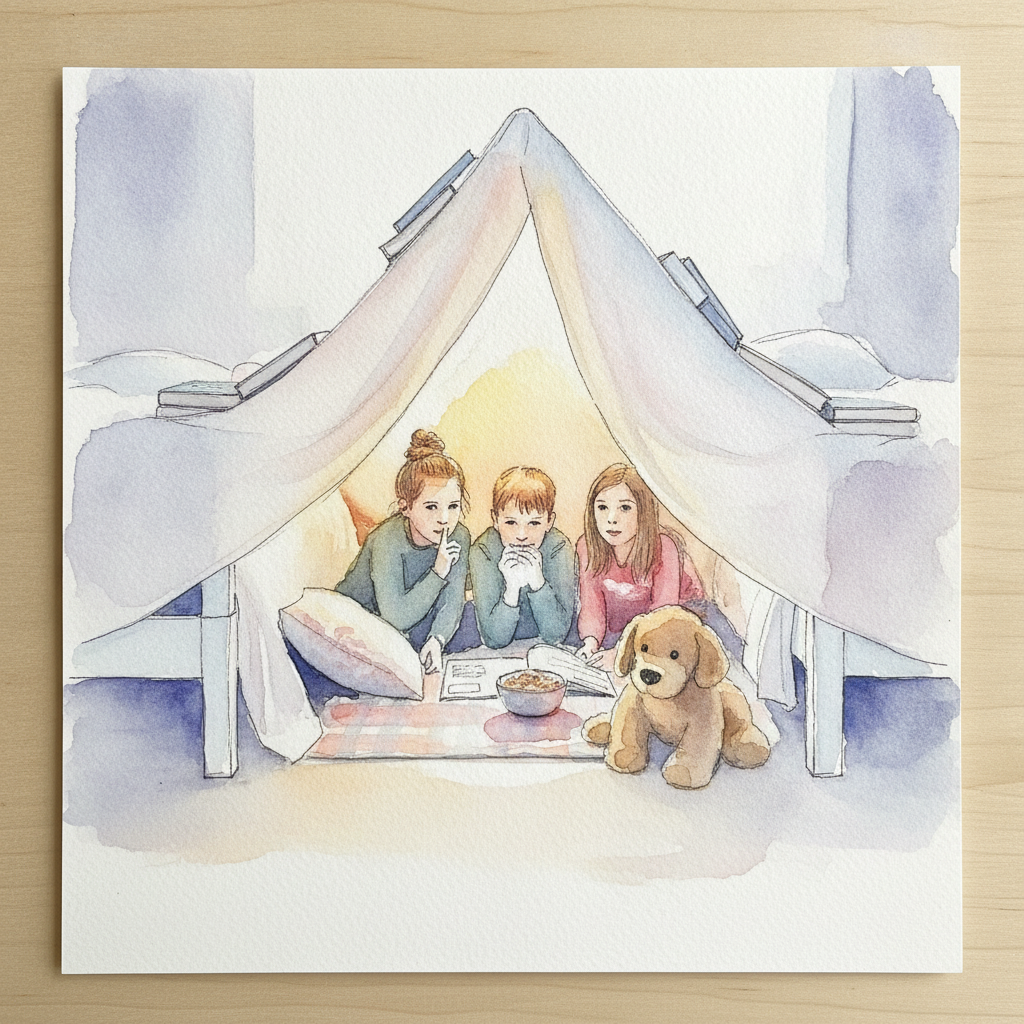
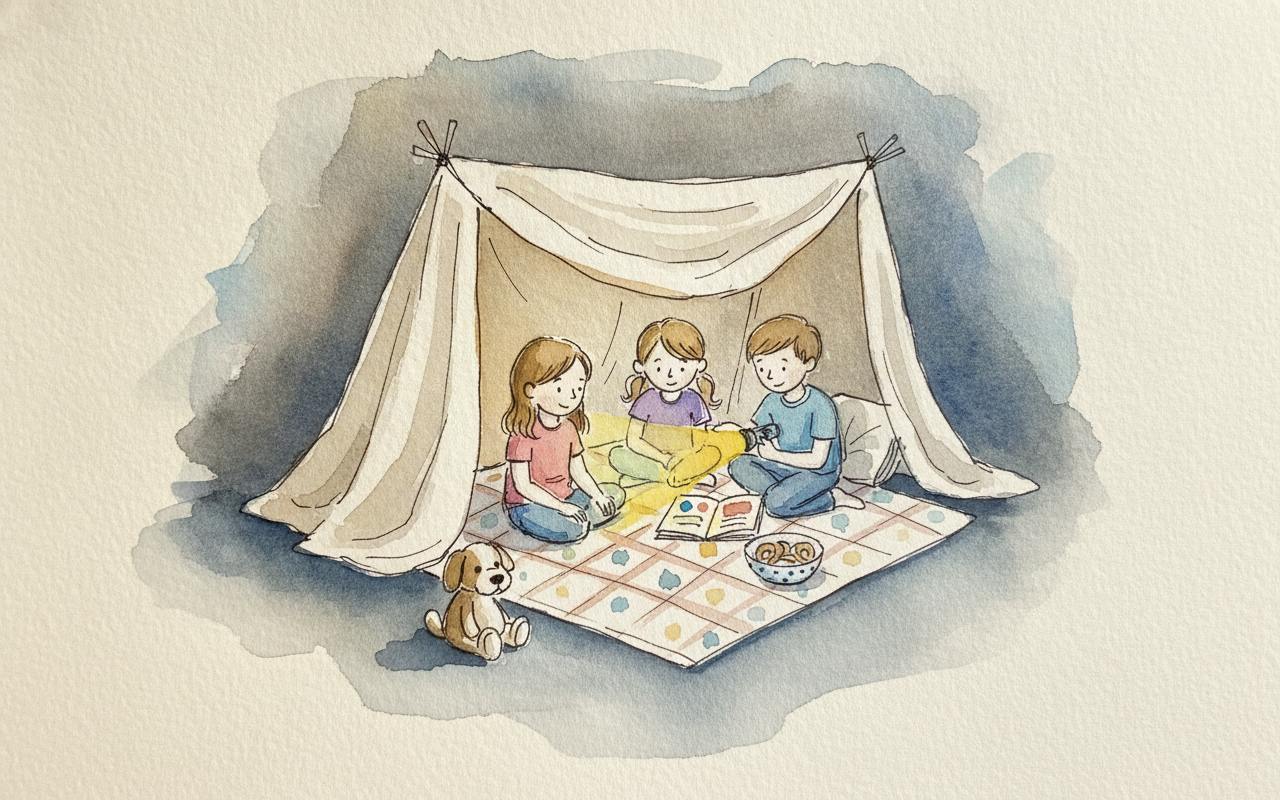
Piece 5 — Pillow fort with kids
Pen + Watercolor · Loose pen and watercolor line-and-wash
Three takes
Focus for this piece
This piece offers a fantastic opportunity to study dramatic internal lighting and value contrast. Focus on building the warm glow of the fairy lights and flashlight with concentrated yellow and orange washes, allowing them to create a strong focal point within the fort. Use deliberate, varied line weights: crisp, darker lines for illuminated edges of the draped sheets and huddling figures, transitioning to lighter, broken lines that dissolve into the cooler, dimmer blues and grays of the surrounding bedroom shadows.
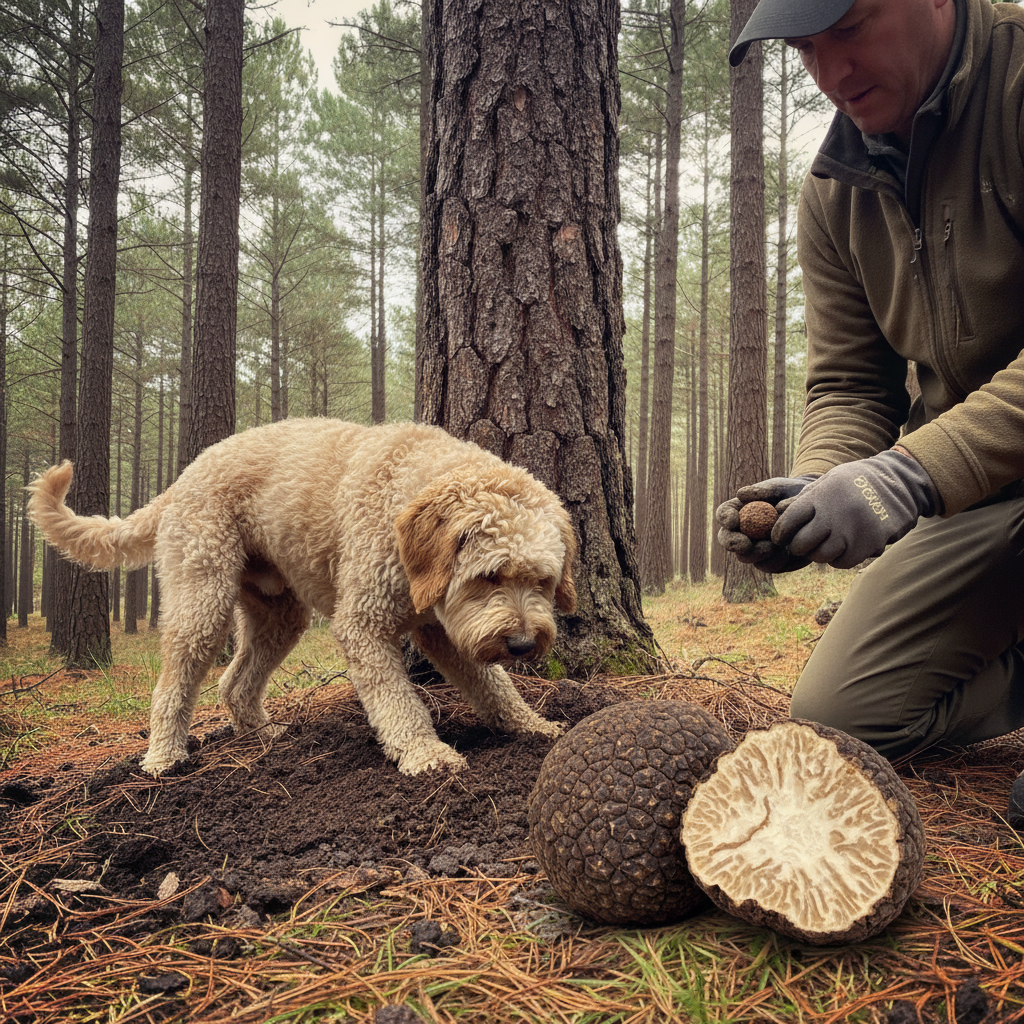
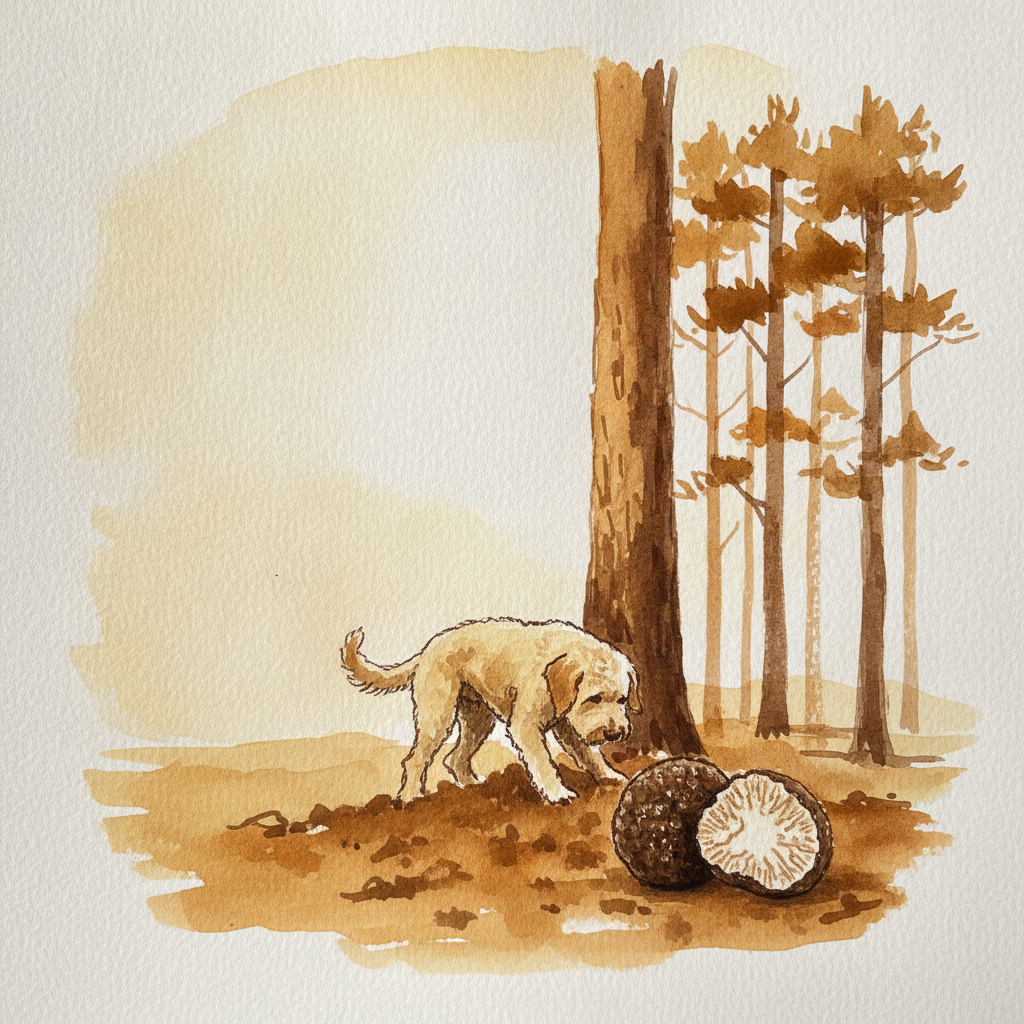
Piece 6 — Carolina truffle
Pen + Watercolor · Loose pen and watercolor line-and-wash
Three takes
Focus for this piece
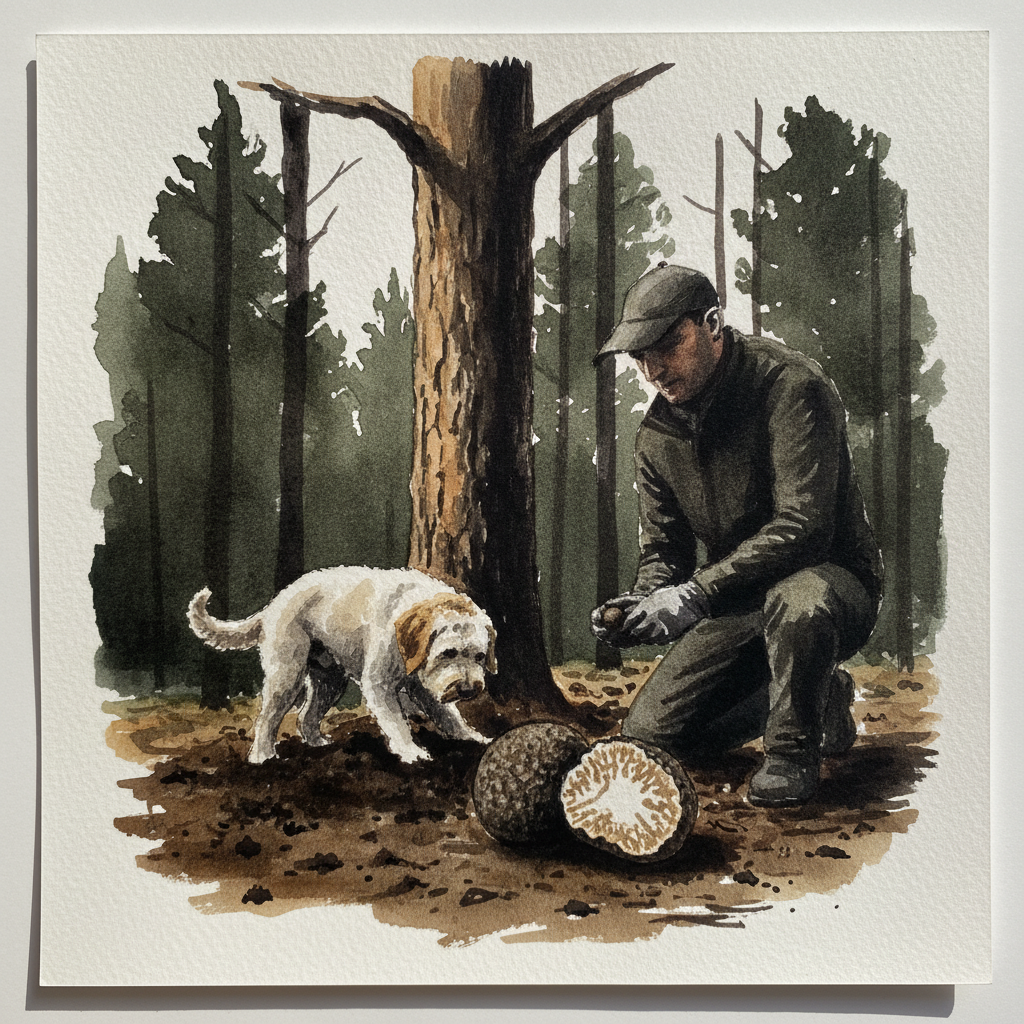
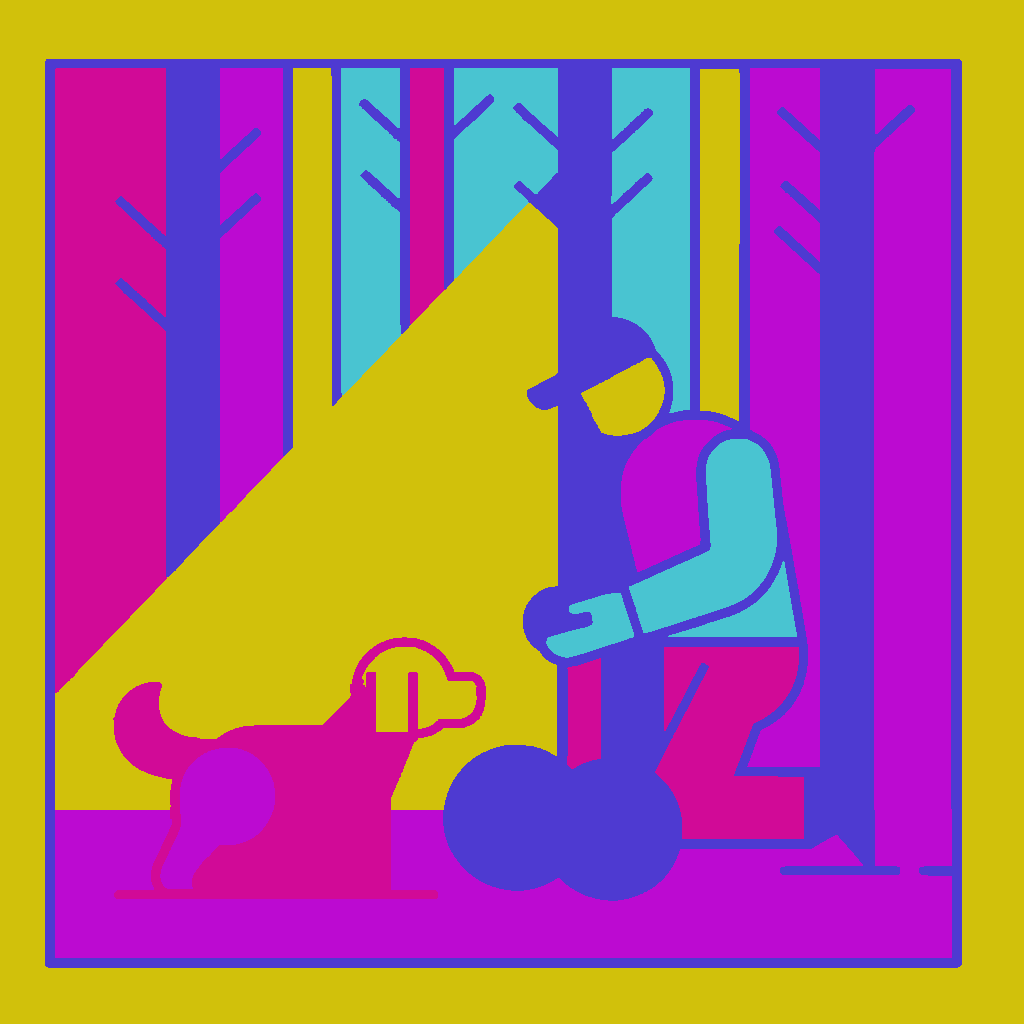
This piece is ideal for studying how to depict atmospheric morning light using a combination of line and wash. Focus on employing soft, graded wet-on-wet washes for the background pines to create a sense of misty depth, then layer sharper, cooler washes to define the distinct cast shadows from the trees and figures on the sloped ground. For your pen work, use fine, broken lines to suggest the sunlit edges of the dog and truffle, reserving bolder, continuous lines to model their shadowed forms and draw the viewer's eye to the key focal points.
Piece 7 — Bent up legs scissored
Pen + Watercolor · Loose pen and watercolor line-and-wash

Three takes
Focus for this piece
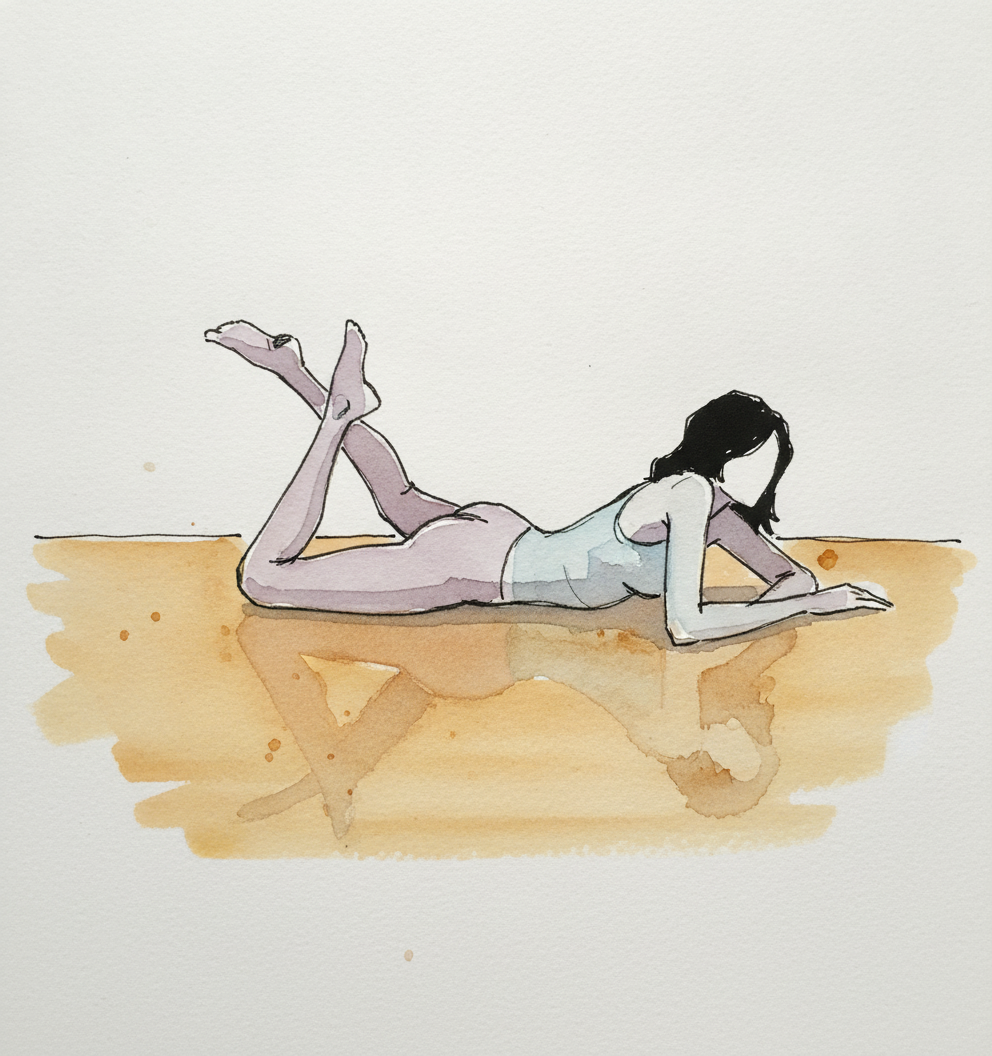
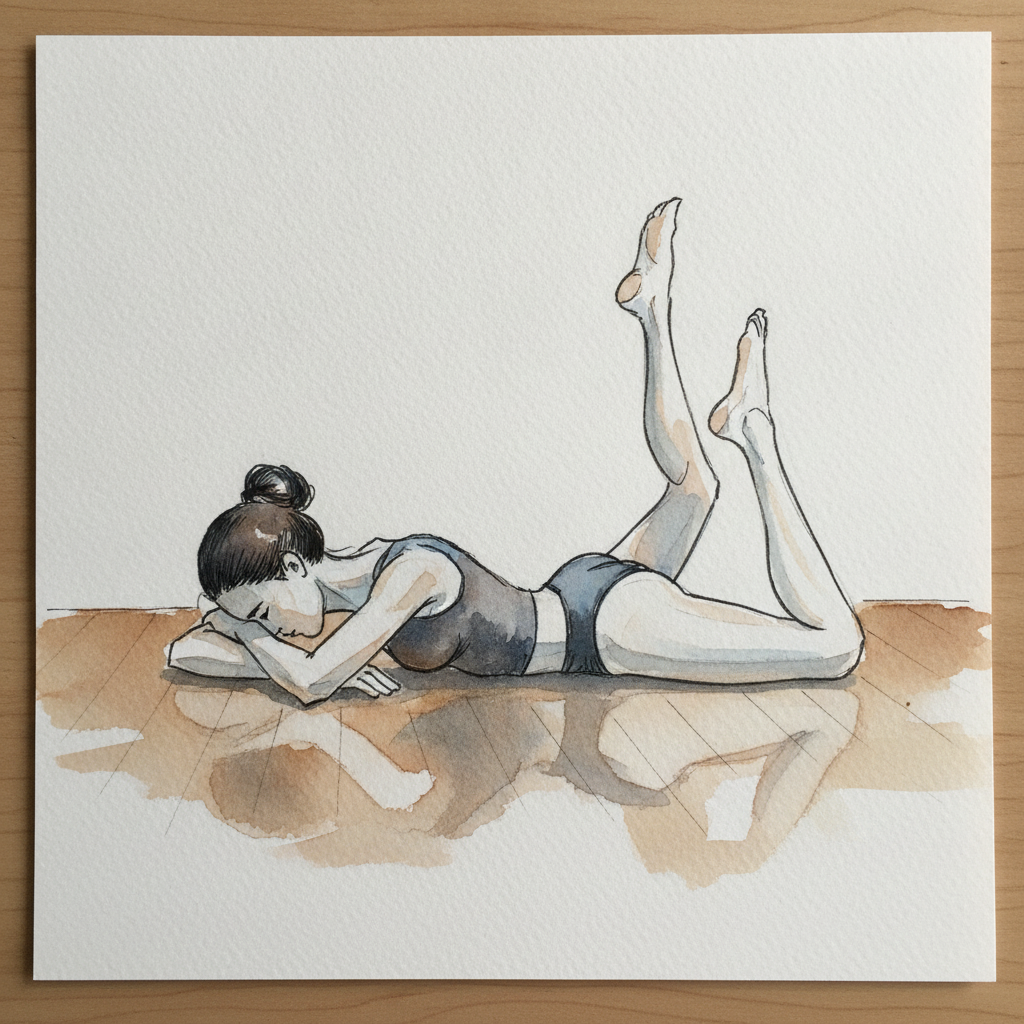
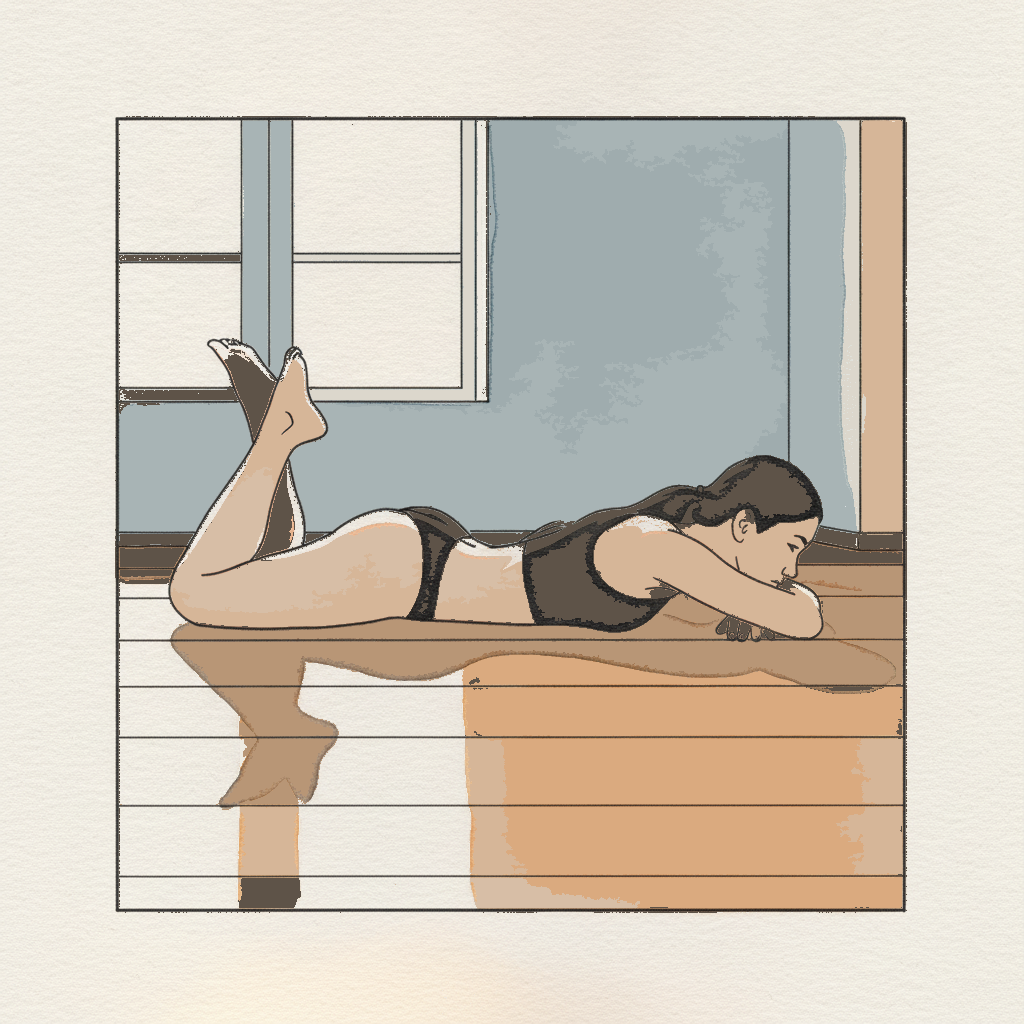
Today, practice defining the dynamic, asymmetric volumes of the bent, scissored legs and glutes using expressive line work. Employ varied pen pressure to suggest depth and form in the irregular cylindrical shapes, making key edges sharper and closer elements bolder. Follow this with controlled, cool-toned washes, carefully building value to sculpt the precise highlights and shadows cast by the raking studio light.
Piece 8 — Inversion over Highway Tunnel
Pen + Watercolor · Loose pen and watercolor line-and-wash
Three takes
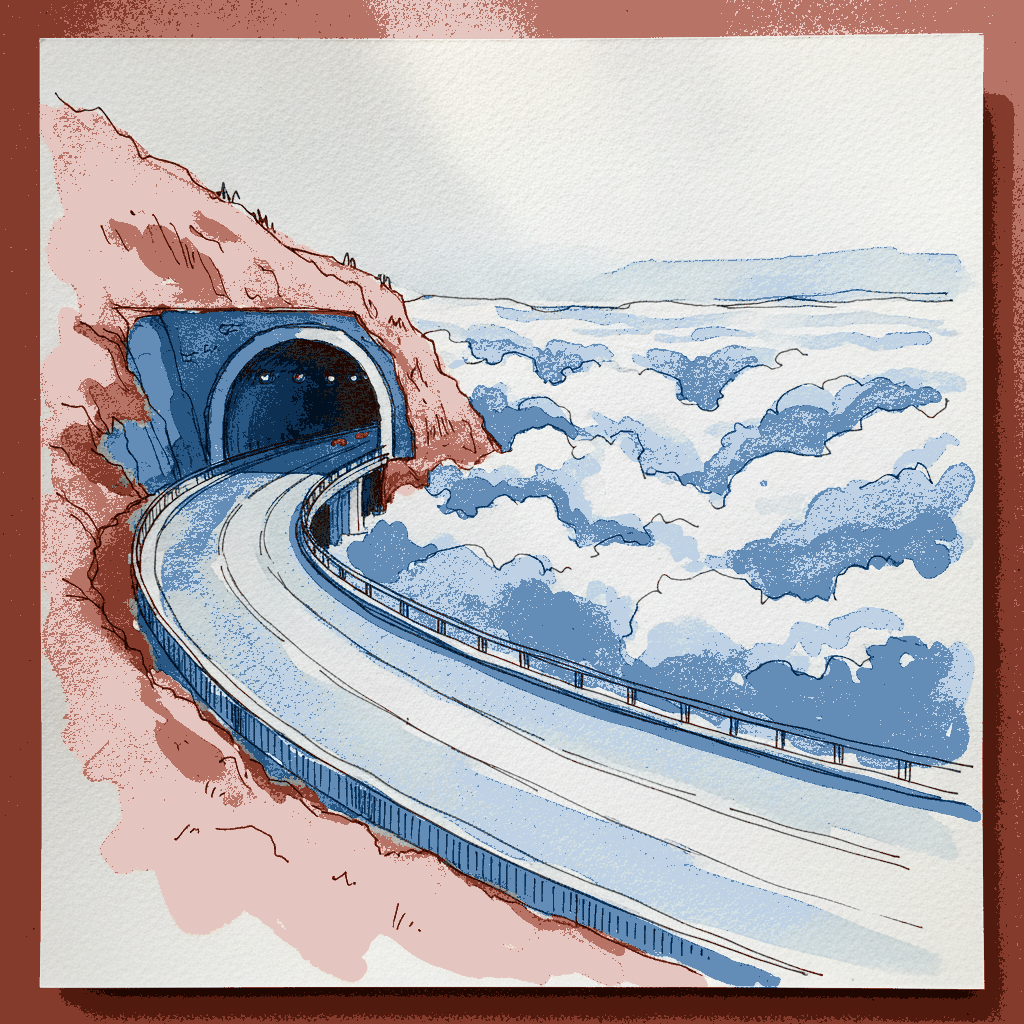

Focus for this piece
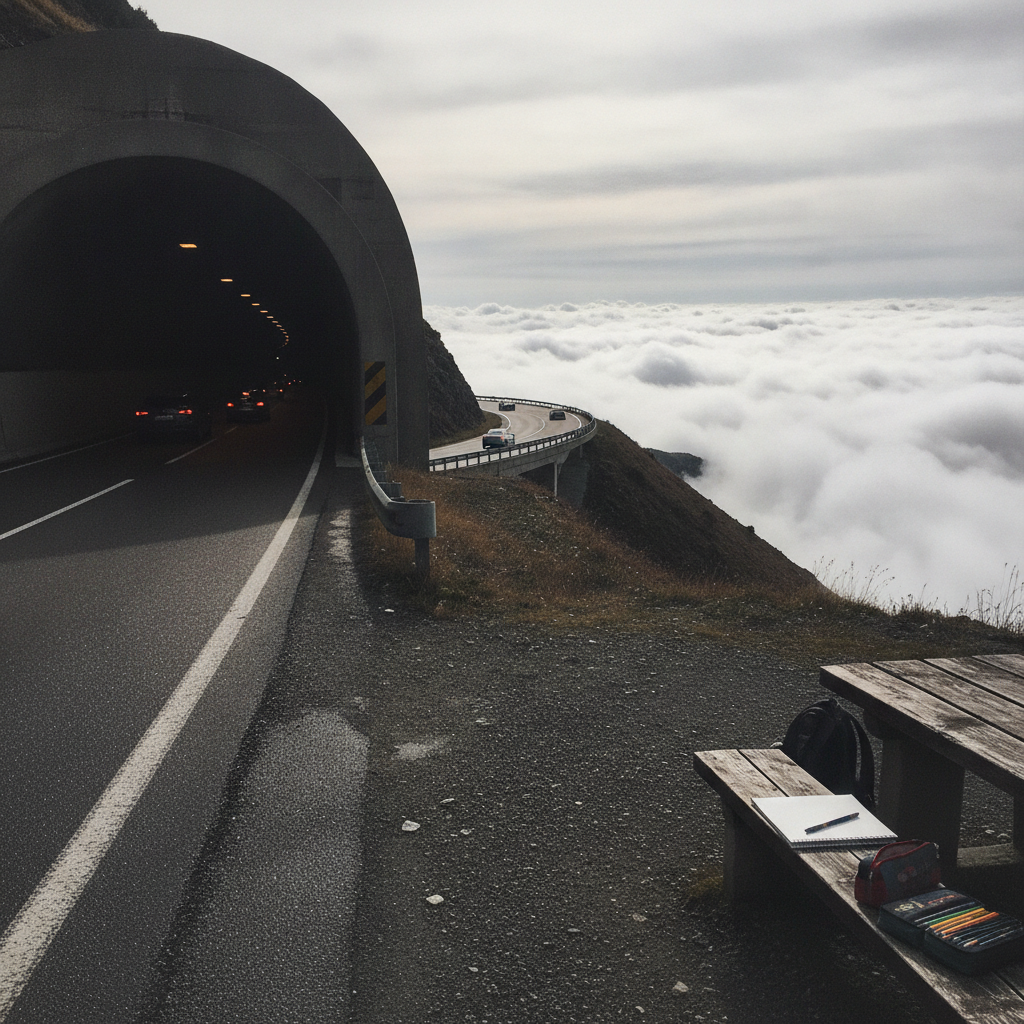
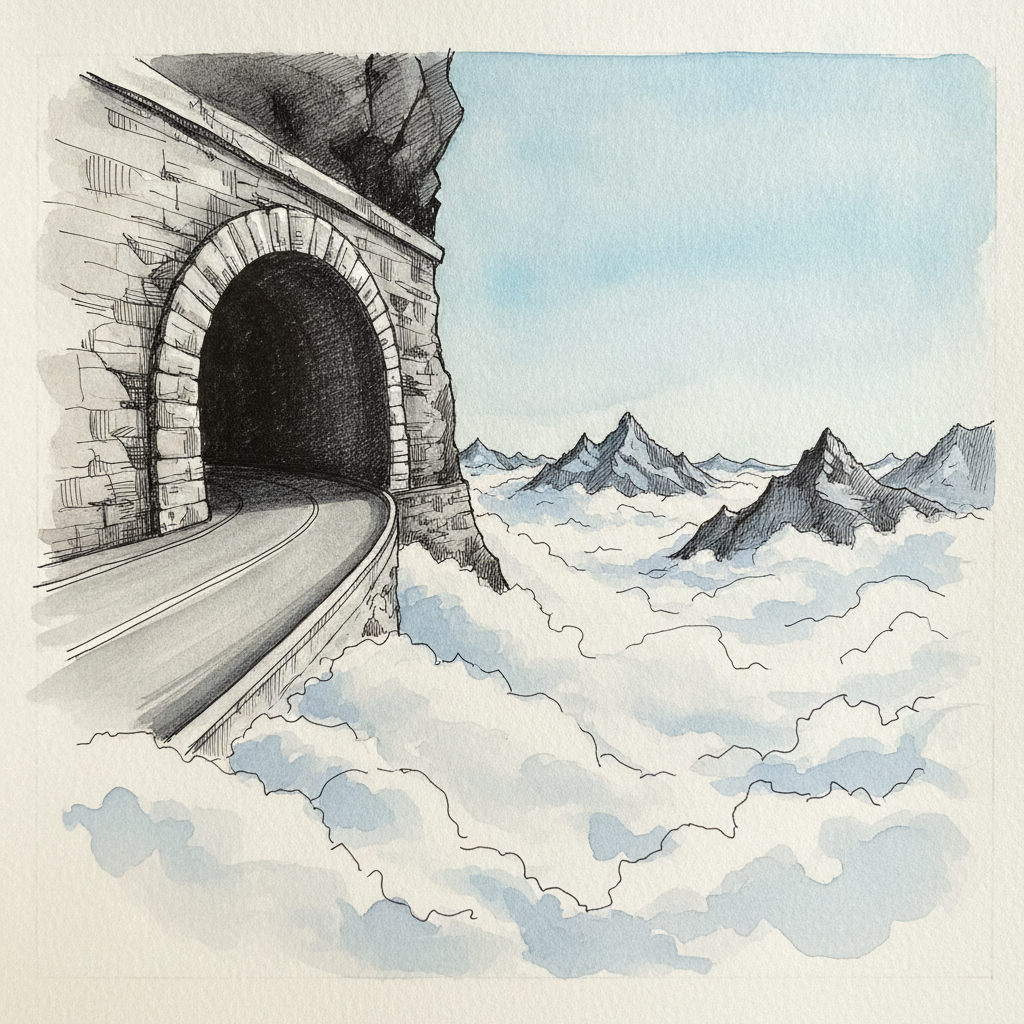
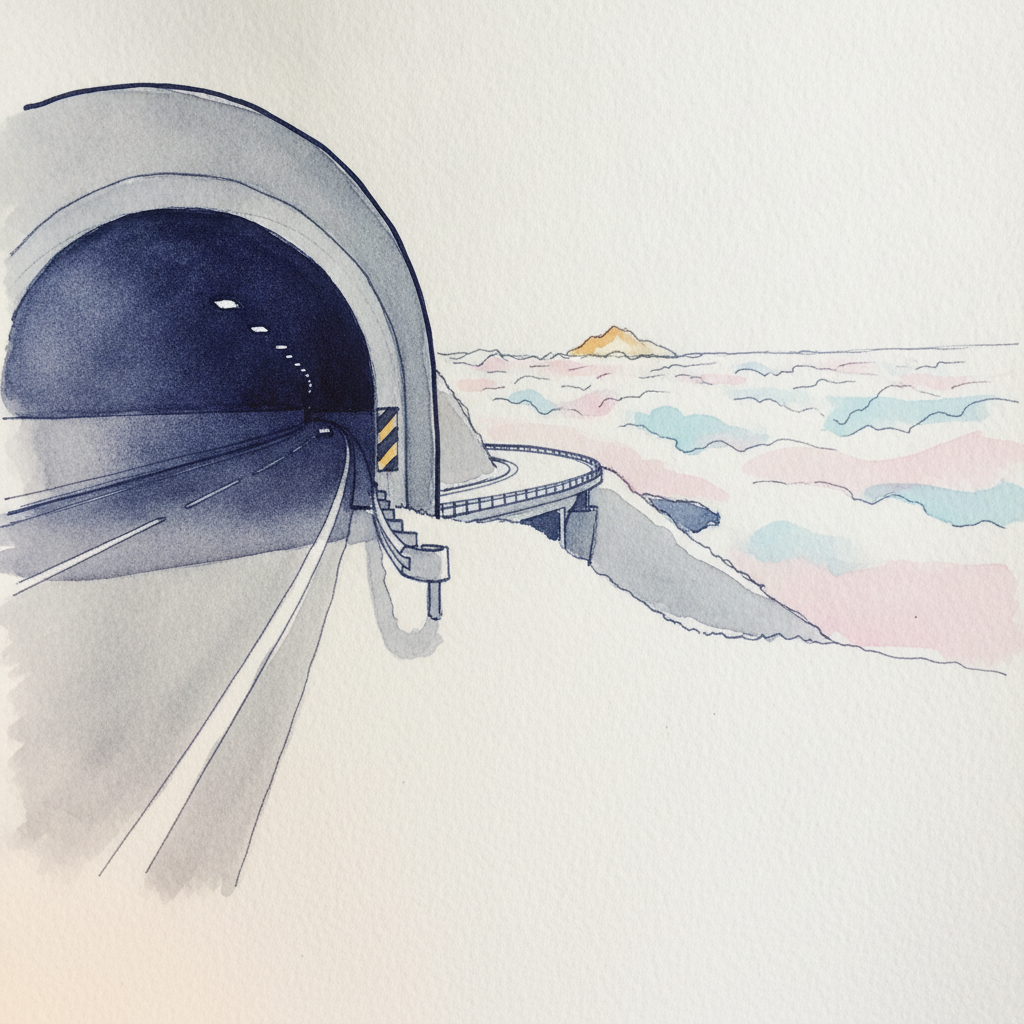
This piece is an excellent study in contrasting definitive structure with atmospheric vastness, particularly for managing extreme values and soft edges. Focus on rendering the tunnel and highway with strong, varied ink lines and dark, crisp washes to anchor the foreground. Then, practice building the expansive cloud inversion with multiple layers of very light, cool-toned washes applied wet-on-wet, purposefully letting soft edges and the absence of ink lines suggest immense, airy volume.