Alhambra, Granada, Spain, Empty room mid-move with boxes, Tokyo Asakusa Senso-ji Approach in Rain, North American porcupine, and more — pen + watercolor for November 19, 2026
AI-generated daily art-practice references for pen and watercolor: Alhambra, Granada, Spain, Empty room mid-move with boxes, Tokyo Asakusa Senso-ji Approach in Rain, North American porcupine, Sumo squat with one hand on floor, Pontypridd Old Bridge, Salar de Uyuni sunset reflection, wet season, B…
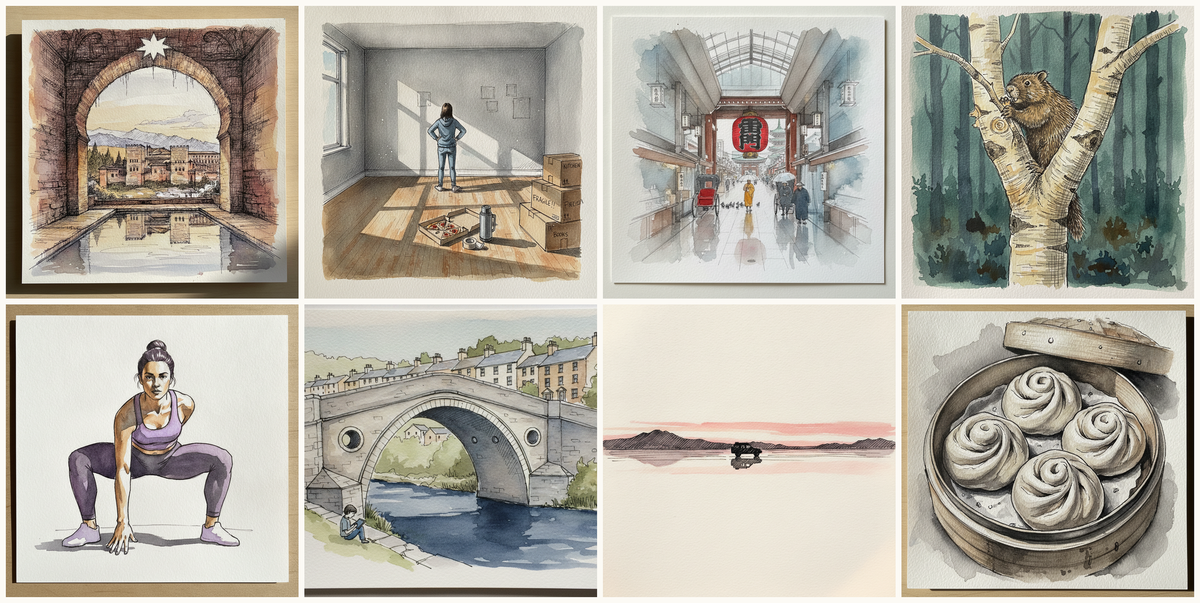
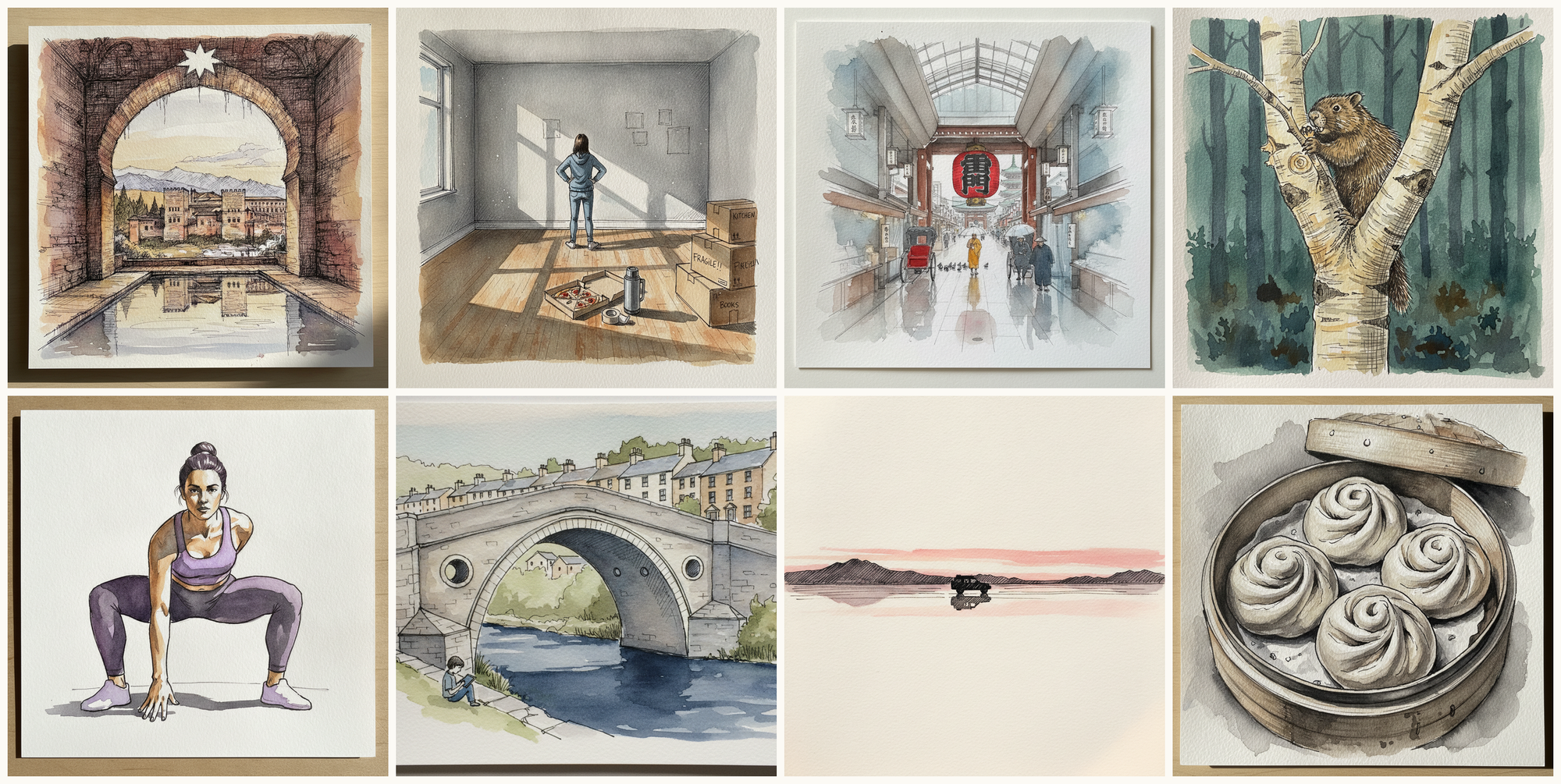
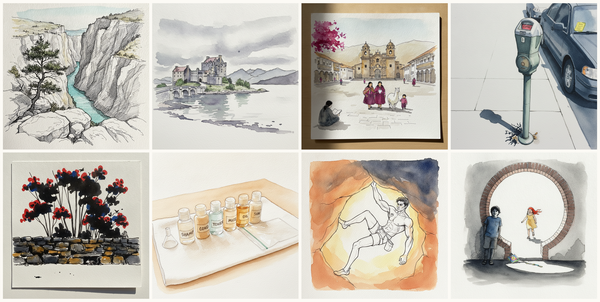
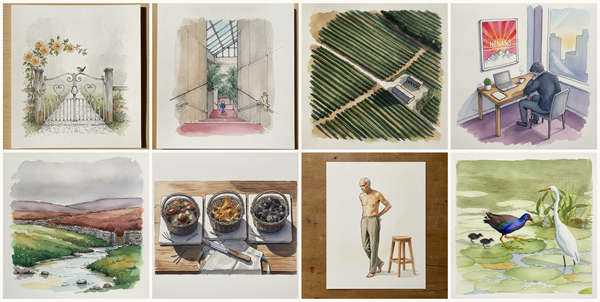
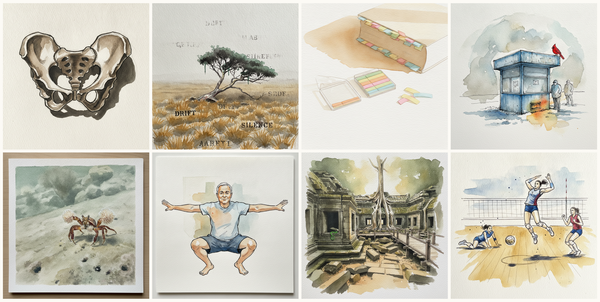
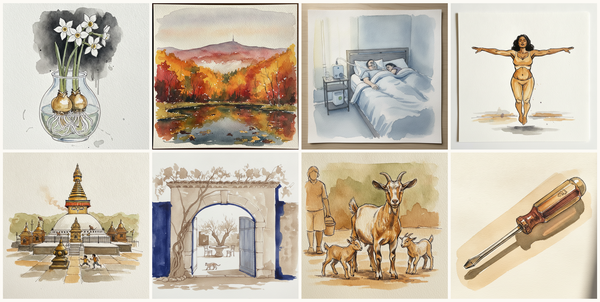
Today's 8 pen-and-watercolor pieces: Alhambra, Granada, Spain, Empty room mid-move with boxes, Tokyo Asakusa Senso-ji Approach in Rain, North American porcupine, Sumo squat with one hand on floor, Pontypridd Old Bridge, Salar de Uyuni sunset reflection, wet season, Bolivia, Tibetan tingmo folded and steamed. Each piece comes with an AI-generated photoreal reference, three AI-generated example artworks in different treatments, and a short focus paragraph naming what to study in this one.
Why these references use AI
This daily series uses AI-generated images as practice prompts, not as finished artwork to copy. Each subject starts with a synthetic photoreal reference generated with Gemini/Nano Banana, then moves into three pen-and-watercolor interpretations of the same subject.
I use AI here because daily art practice needs variety and low friction. Real life can get repetitive, busy, or visually narrow. These generated reference sets make it easier to study bodies, buildings, animals, landscapes, objects, gestures, light, palettes, and compositions that might not show up in an ordinary day.
The goal is not to reproduce any image directly. Treat each set as a starting point for observation and study: choose what interests you, change the framing, simplify the subject, alter the palette, and make your own version.
Piece 1 — Alhambra, Granada, Spain
Pen + Watercolor · Loose pen and watercolor line-and-wash
Three takes

Focus for this piece
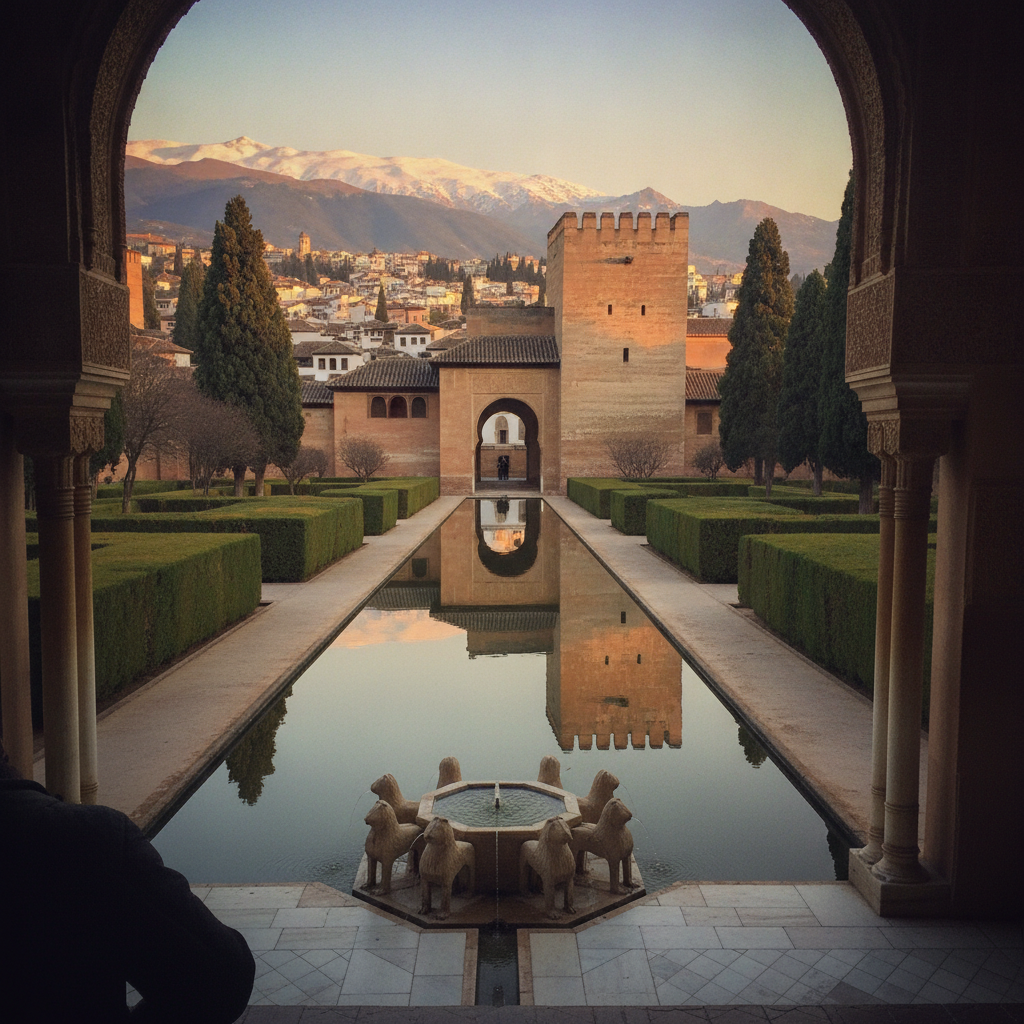
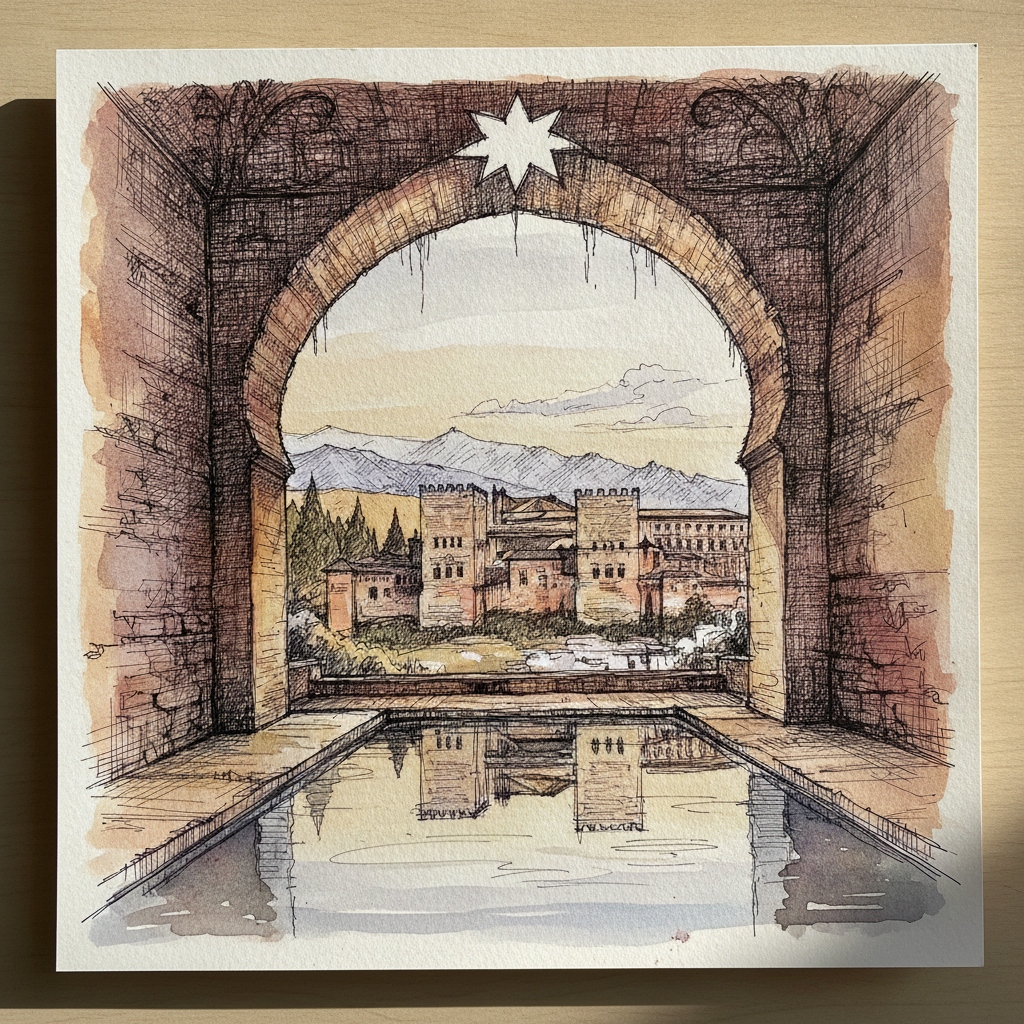
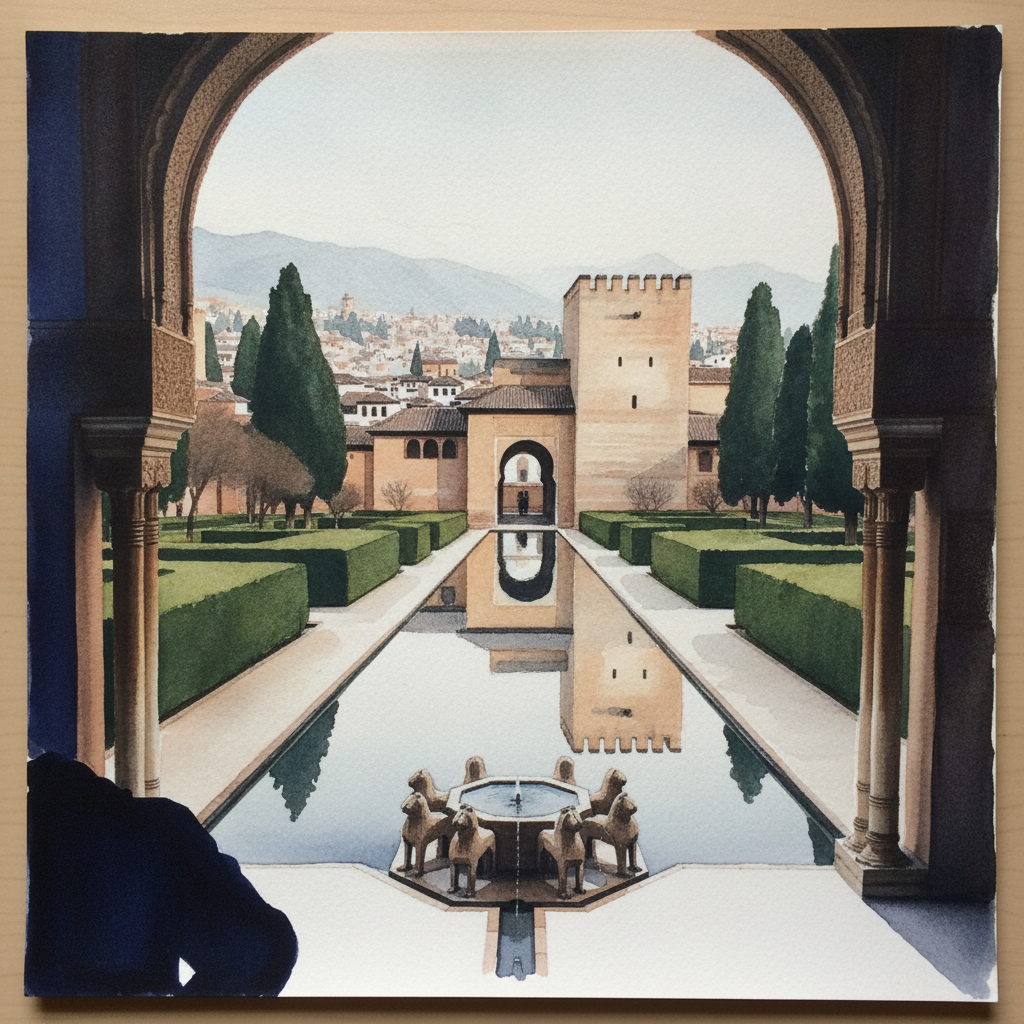
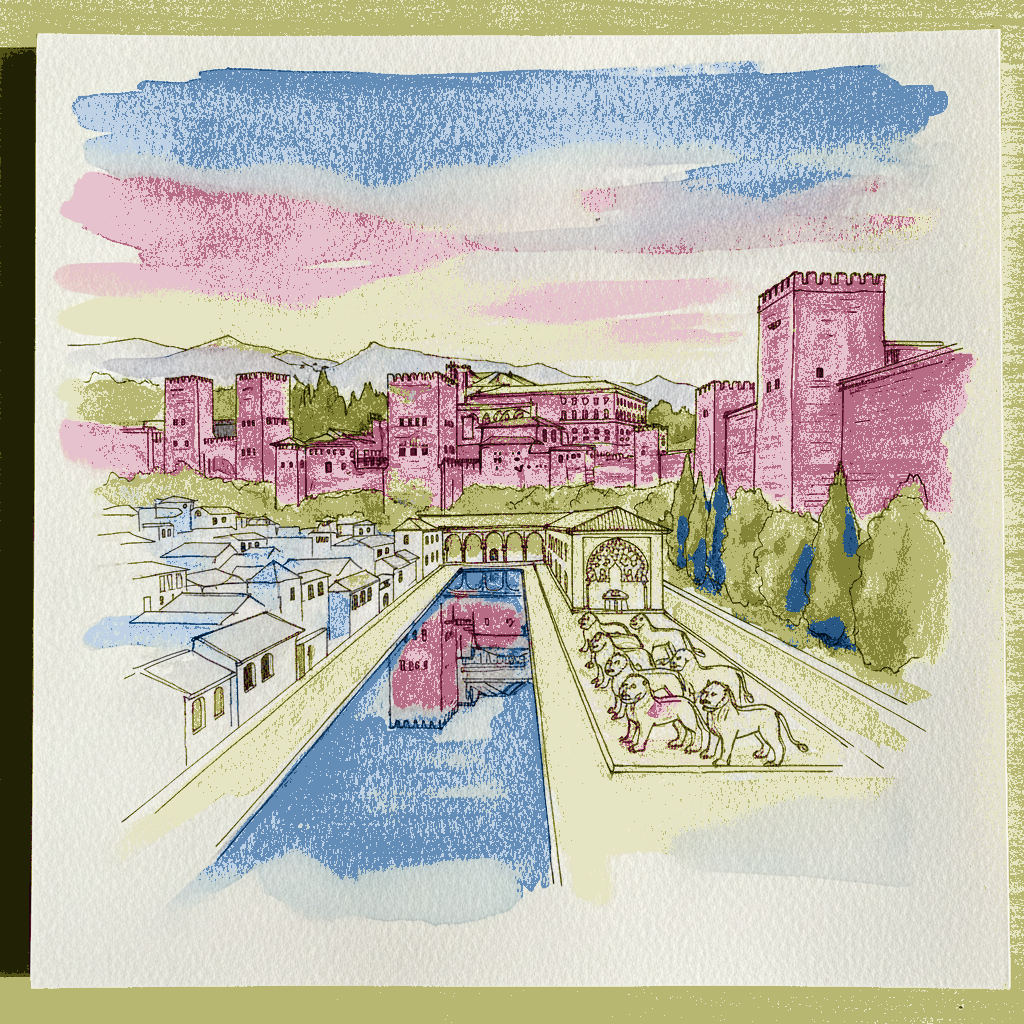
This piece offers a compelling study in using varied pen line weights to define intricate architectural details like the Muqarnas vaulting and the Court of the Lions, contrasted with broad, atmospheric watercolor washes. Focus on achieving depth by employing stronger ink lines and warmer washes in the foreground Alcazaba walls, allowing cooler, lighter washes and suggested ink marks to depict the receding Albaicín and the distant Sierra Nevada. Observe how layering transparent watercolor can create the sunset's rich, red tones while maintaining the underlying ink structure. Finally, practice rendering reflections in the Court of the Myrtles with soft, fluid washes that allow subtle, broken ink lines to shimmer through.
Piece 2 — Empty room mid-move with boxes
Pen + Watercolor · Loose pen and watercolor line-and-wash
Three takes
Focus for this piece
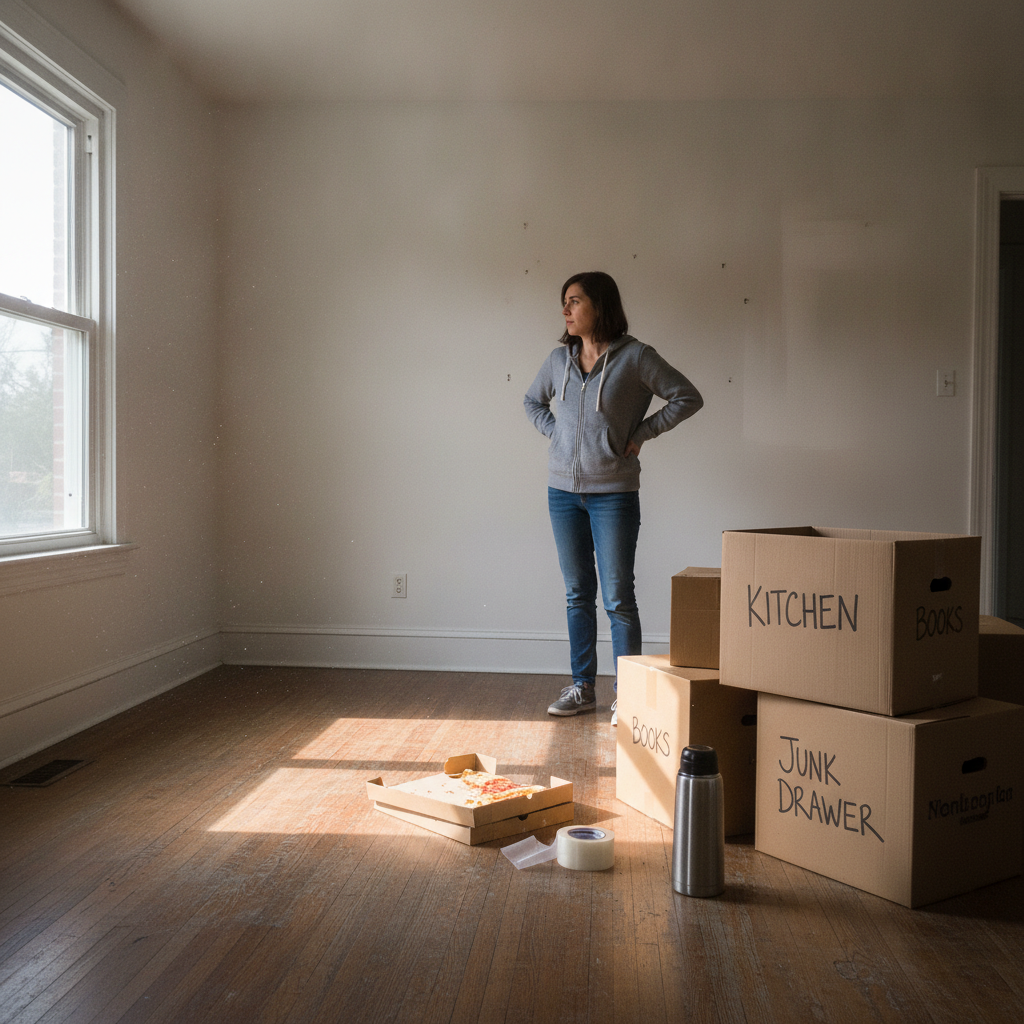
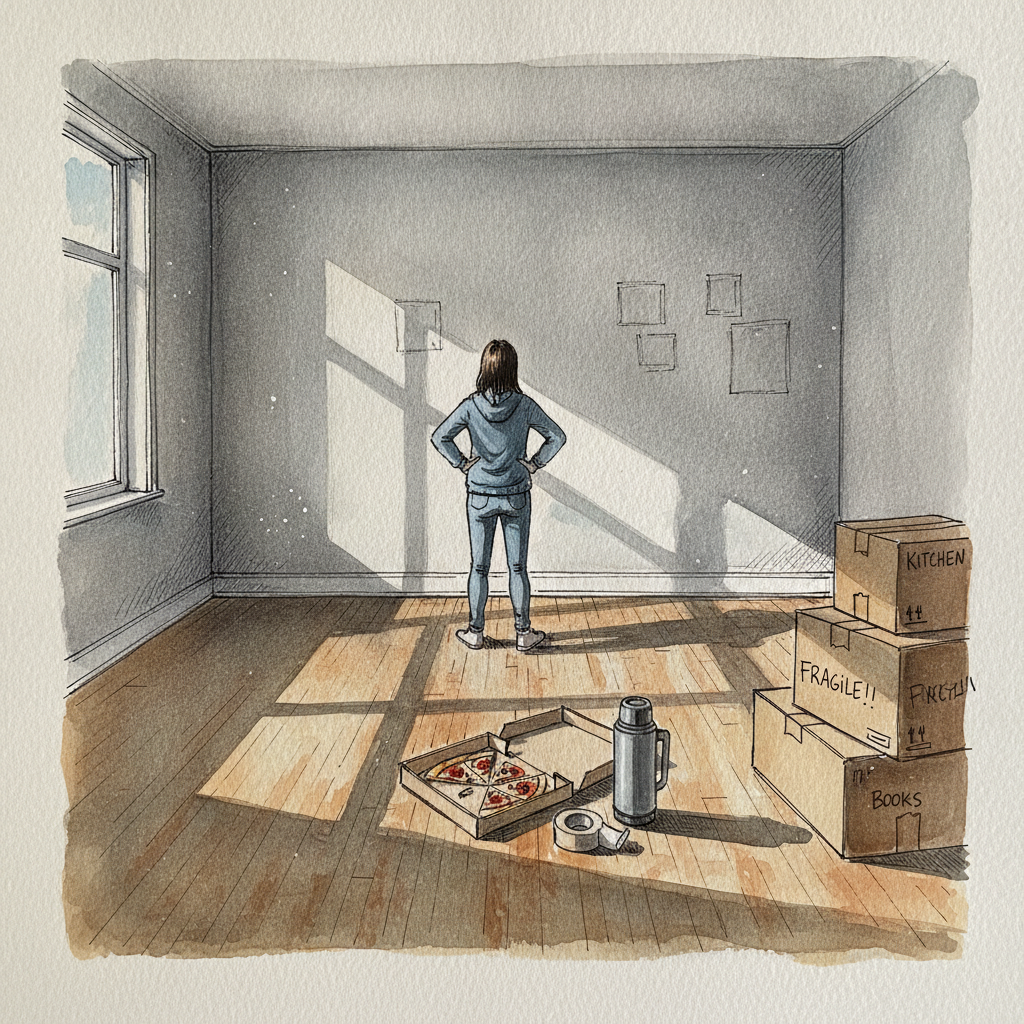
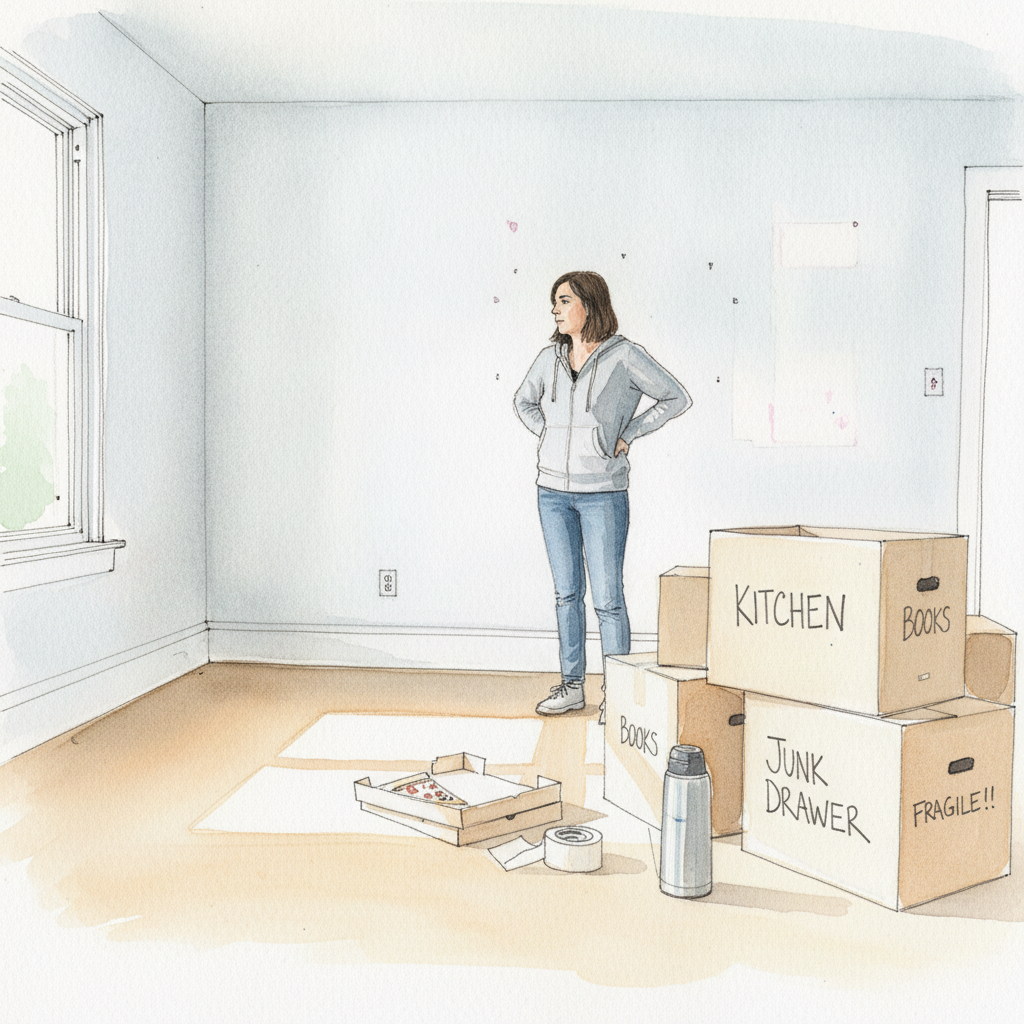
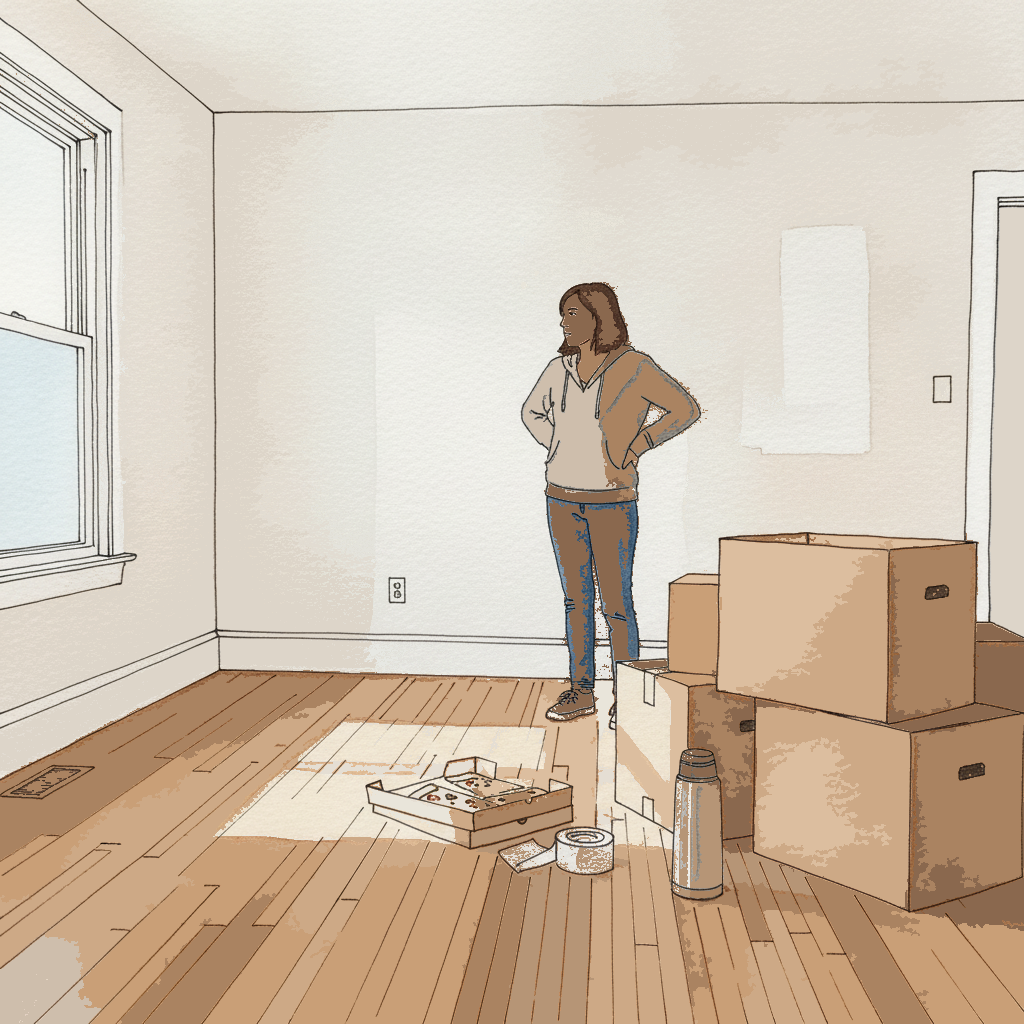
This piece offers a strong opportunity to study **creating a sense of depth and focus within a minimalist interior**. Utilize robust one-point perspective for the room's architecture, employing heavier pen lines and slightly richer watercolor values for foreground elements like the nearest moving boxes and the pizza box. In contrast, keep the background walls and the distant floor plane lighter in value, using finer, more broken pen lines for subtle details like the faint dust outlines and nail holes. This distinction in line weight and value will effectively guide the viewer's eye and enhance atmospheric recession.
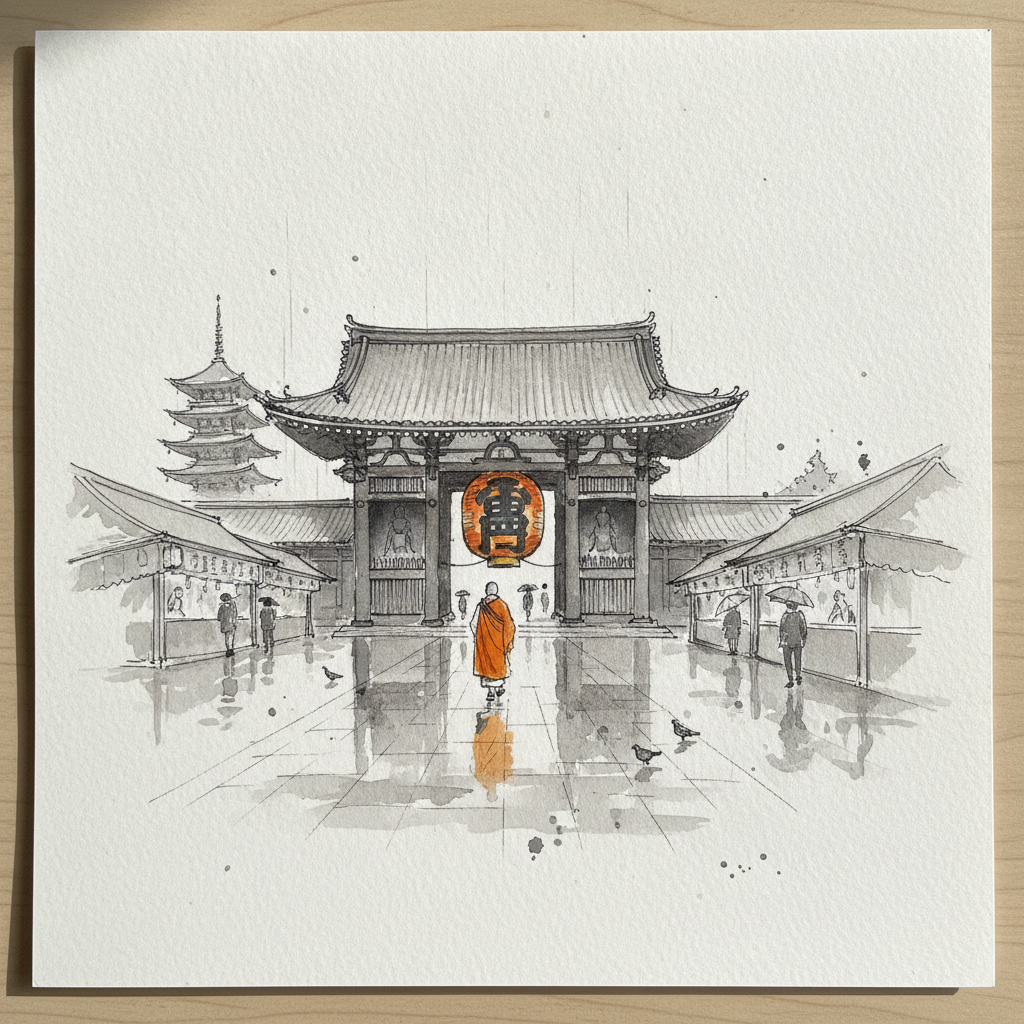
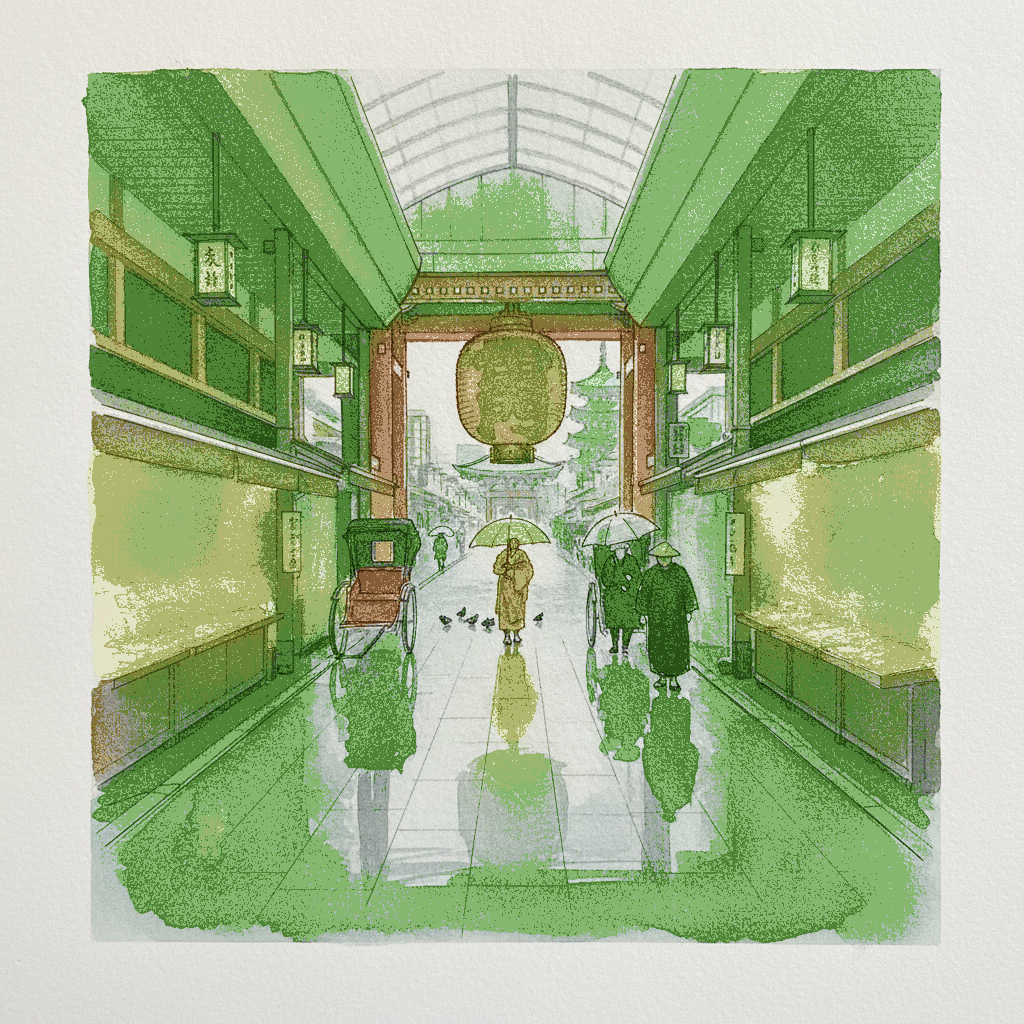
Piece 3 — Tokyo Asakusa Senso-ji Approach in Rain
Pen + Watercolor · Loose pen and watercolor line-and-wash
Three takes

Focus for this piece
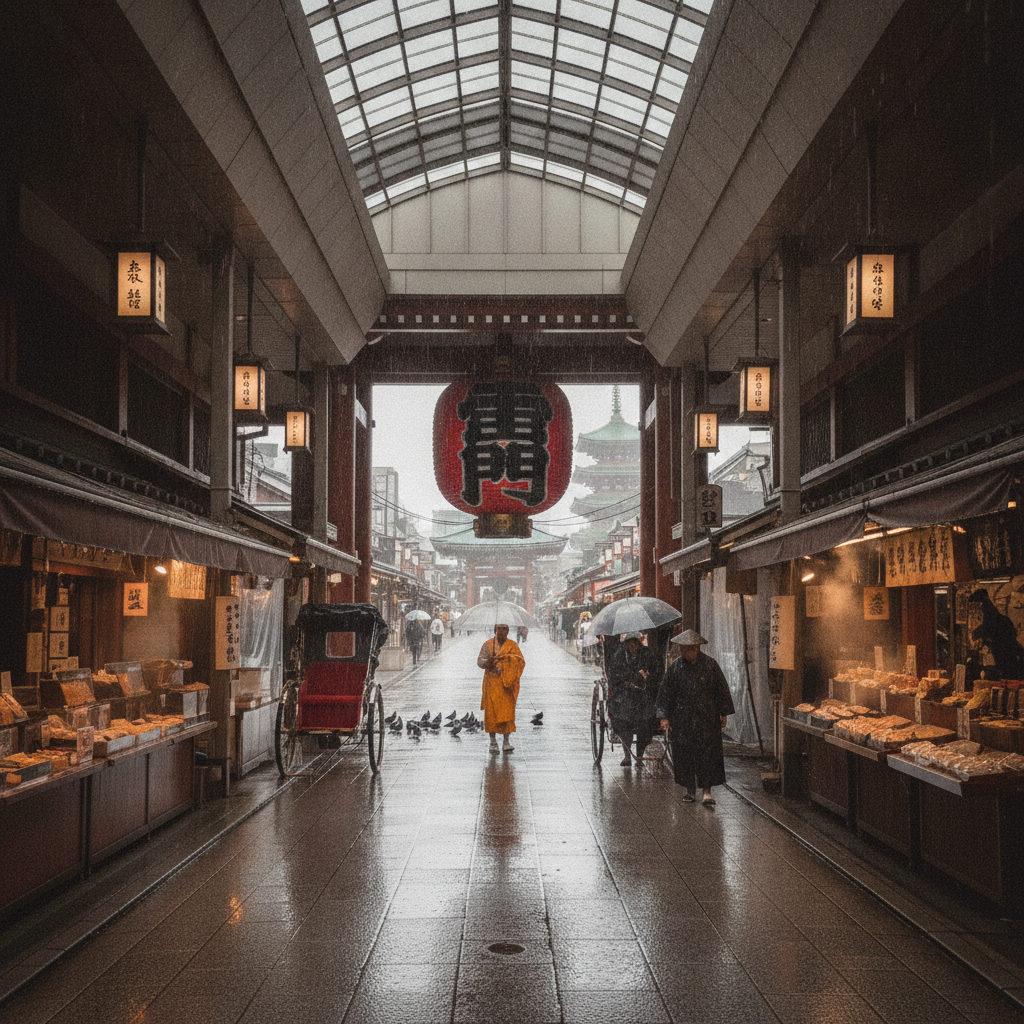
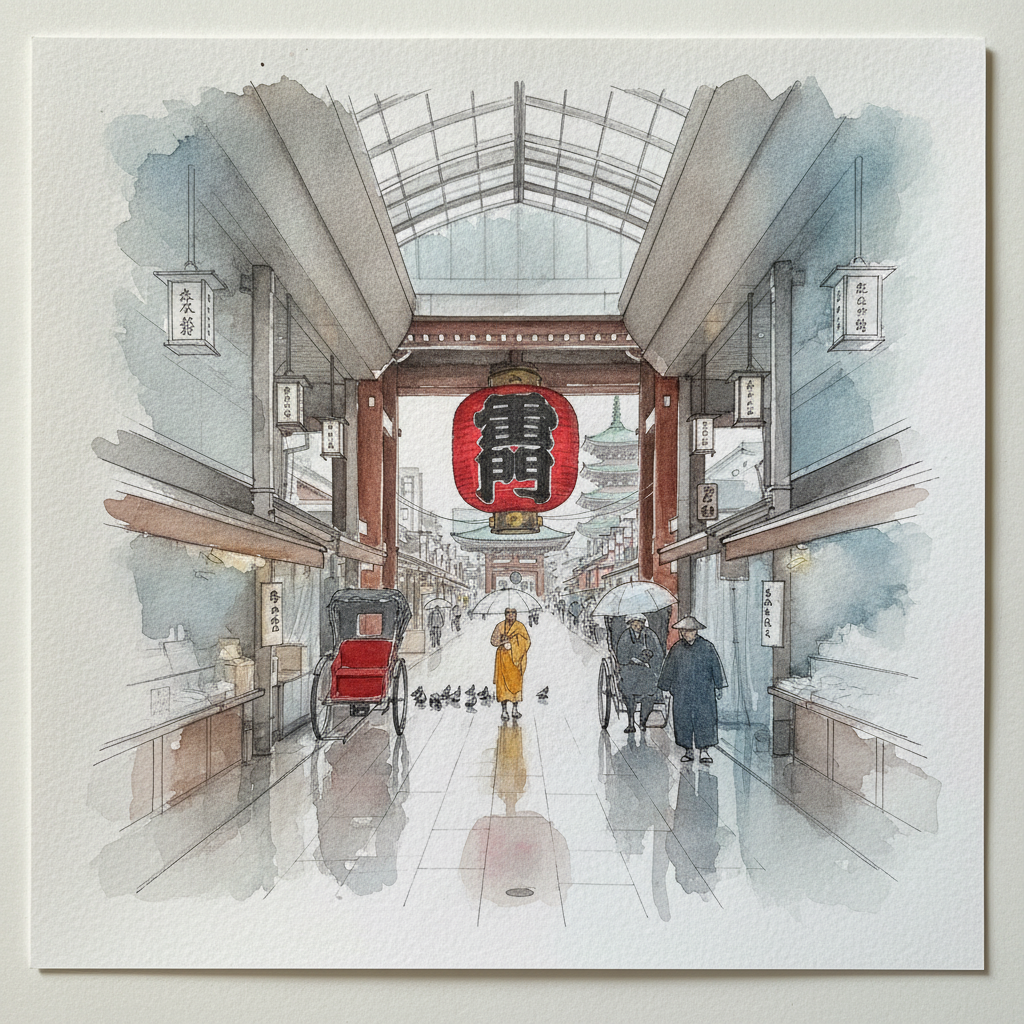
This rainy Tokyo scene offers an excellent study in contrasting the absolute decision of ink with the provisional nature of watercolor. Use varied, deliberate line weights to define the Kaminarimon Gate and foreground structures, then soften distant forms like the pagoda with minimal, broken lines. Capture the vibrant glow of the red lantern and the wet reflections on the street using broad, wet-on-wet washes, allowing the watercolor to suggest atmosphere and movement around the ink framework.
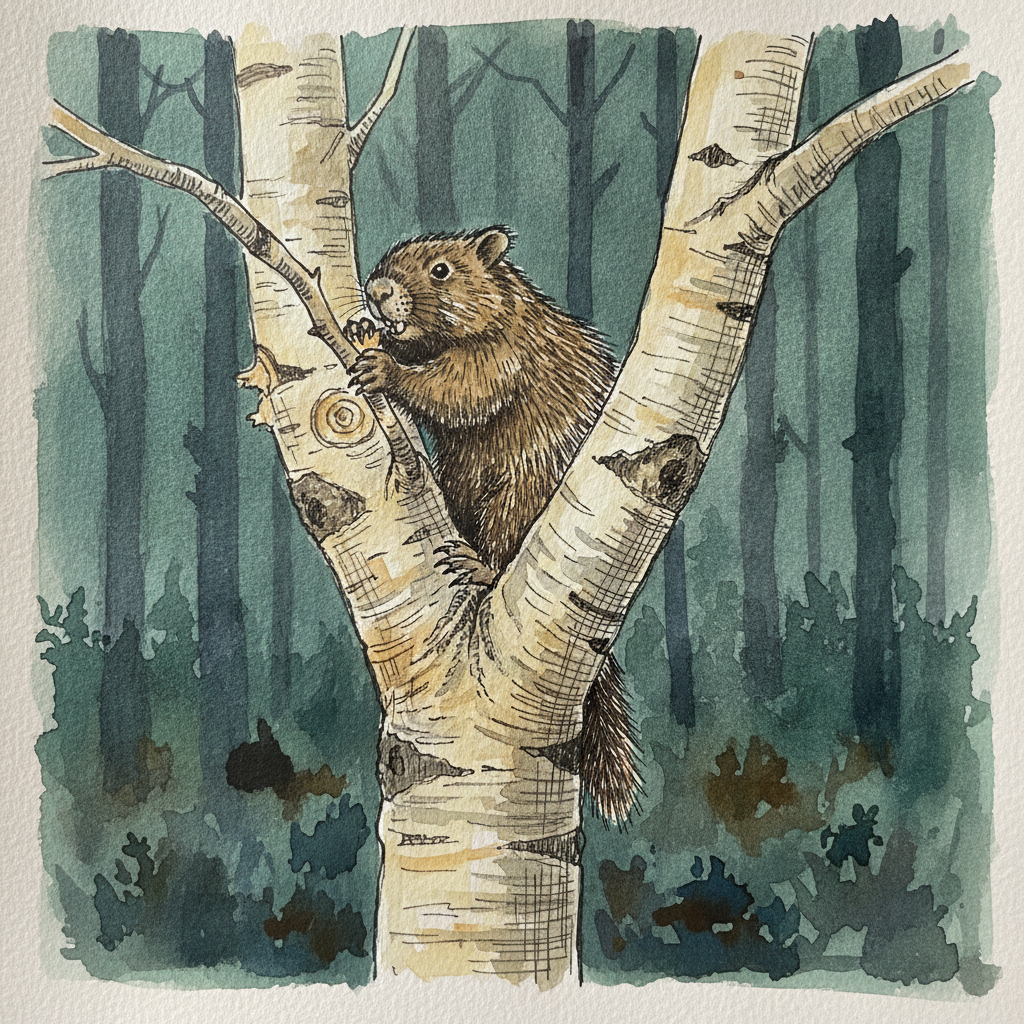
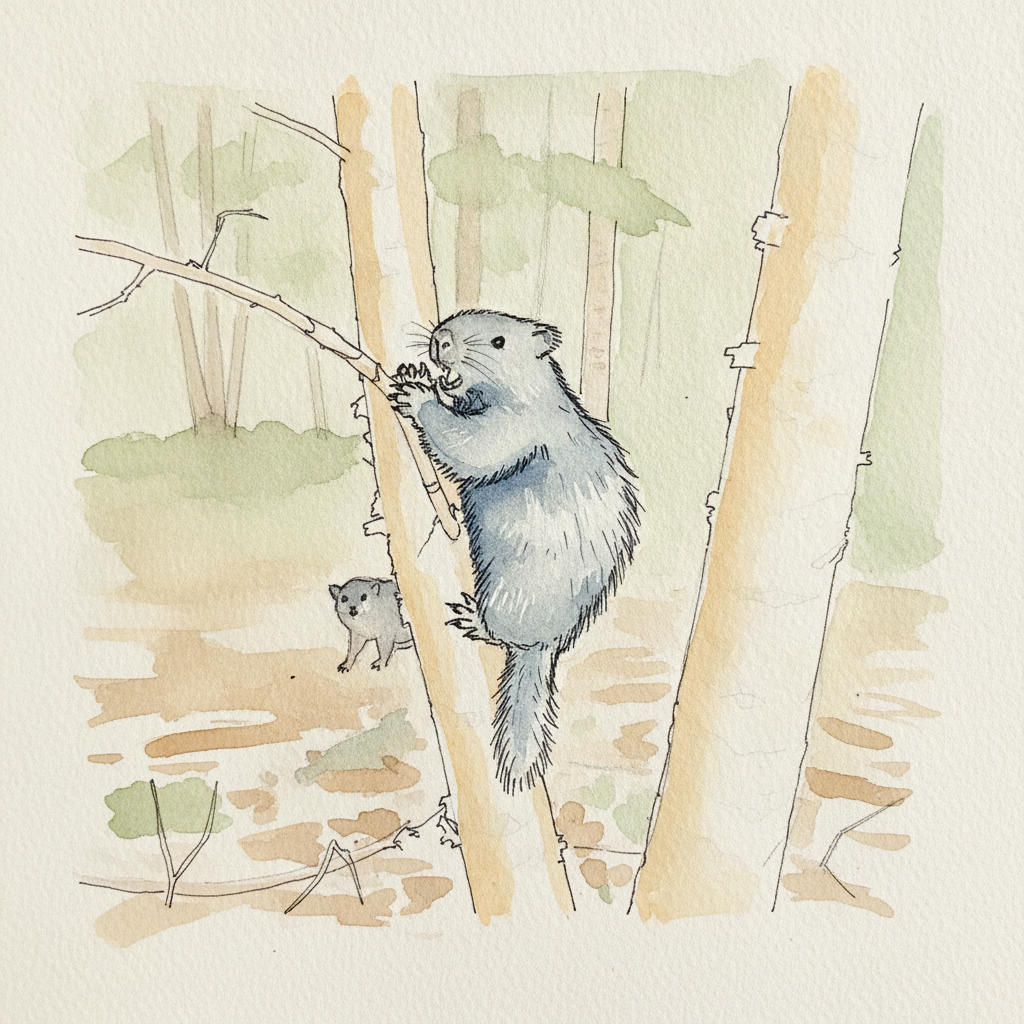
Piece 4 — North American porcupine
Pen + Watercolor · Loose pen and watercolor line-and-wash

Three takes

Focus for this piece
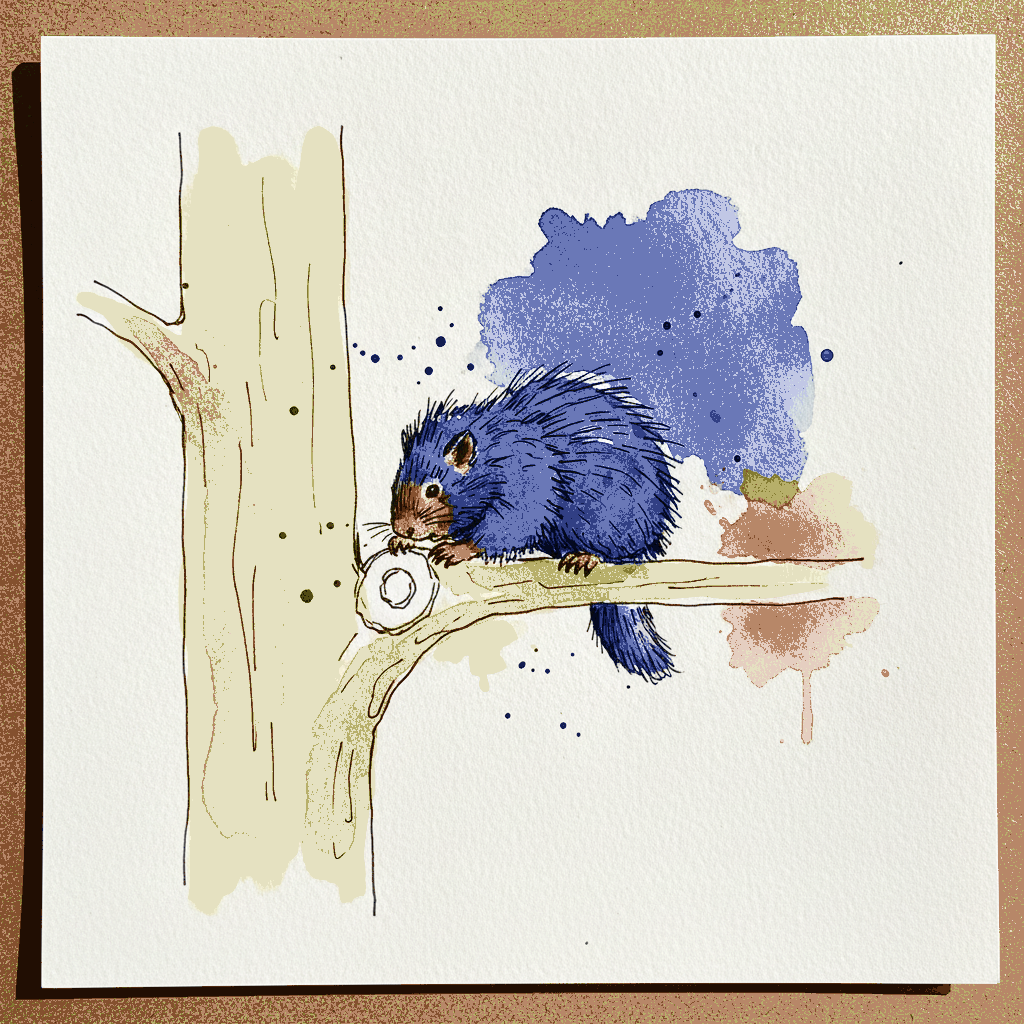
This piece presents an excellent opportunity to study rendering organic texture and form using contrasting approaches for ink and wash. Employ varied line weights for the porcupine's quills, keeping them crisp and individual on its rounded body, while using a softer, broken line to suggest the rugged, peeling bark of the birch. Build volume and the cool midnight atmosphere with layered, desaturated washes, letting the watercolors soften and blend while your ink lines maintain specific details and edges.
Piece 5 — Sumo squat with one hand on floor
Pen + Watercolor · Loose pen and watercolor line-and-wash
Three takes

Focus for this piece
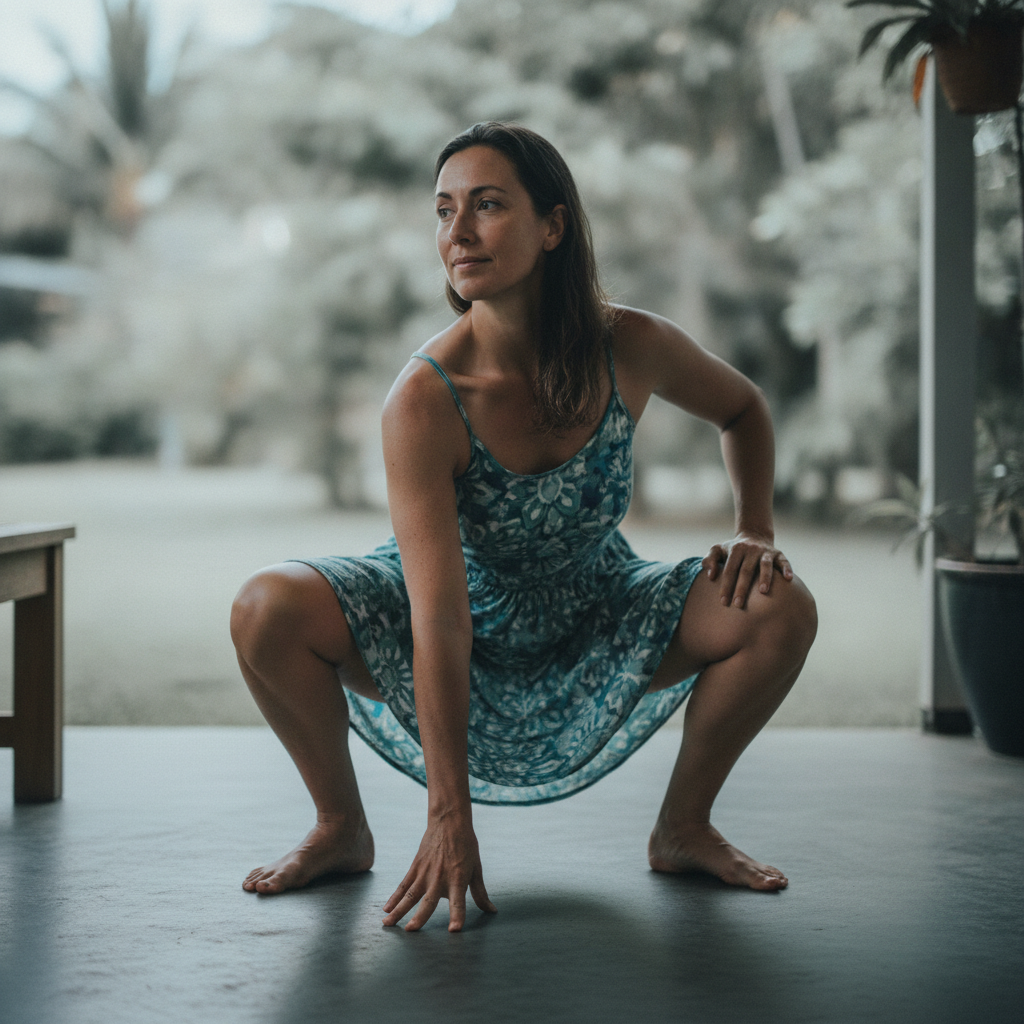
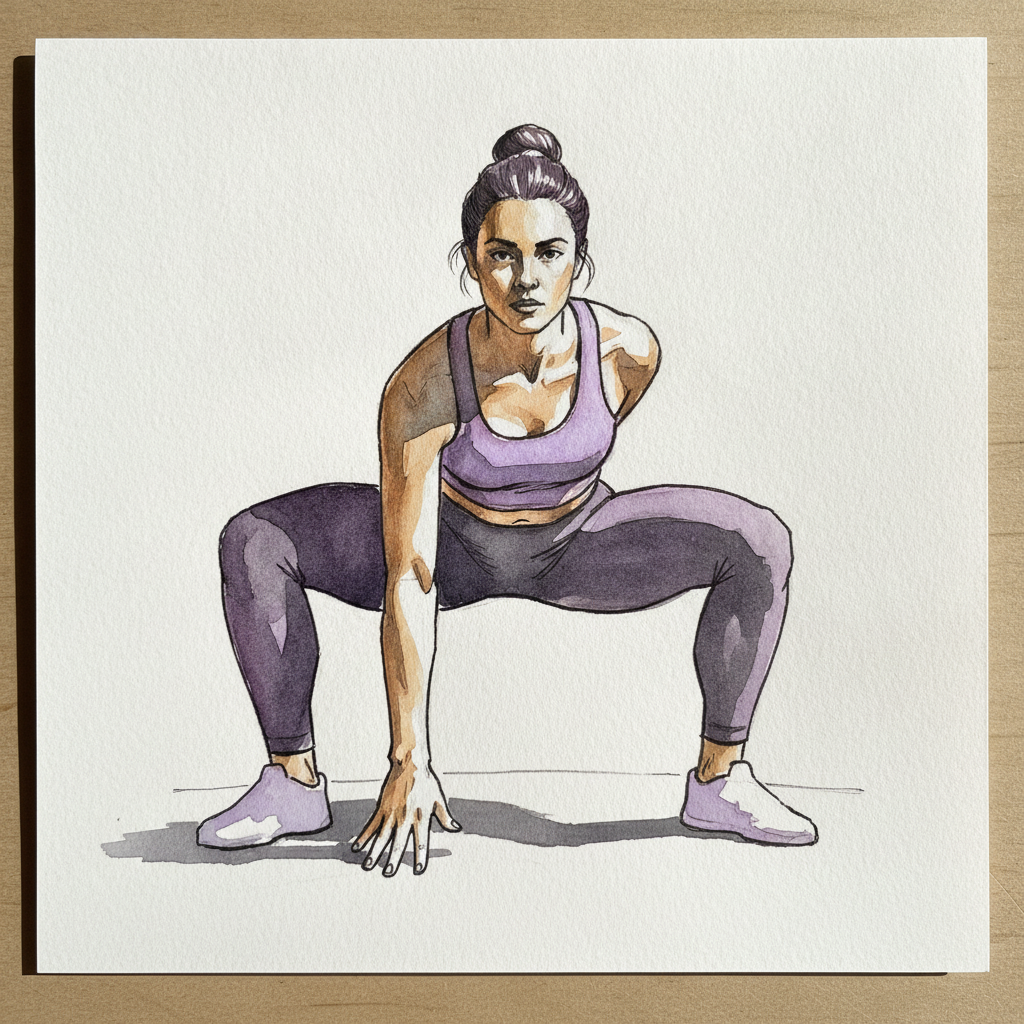
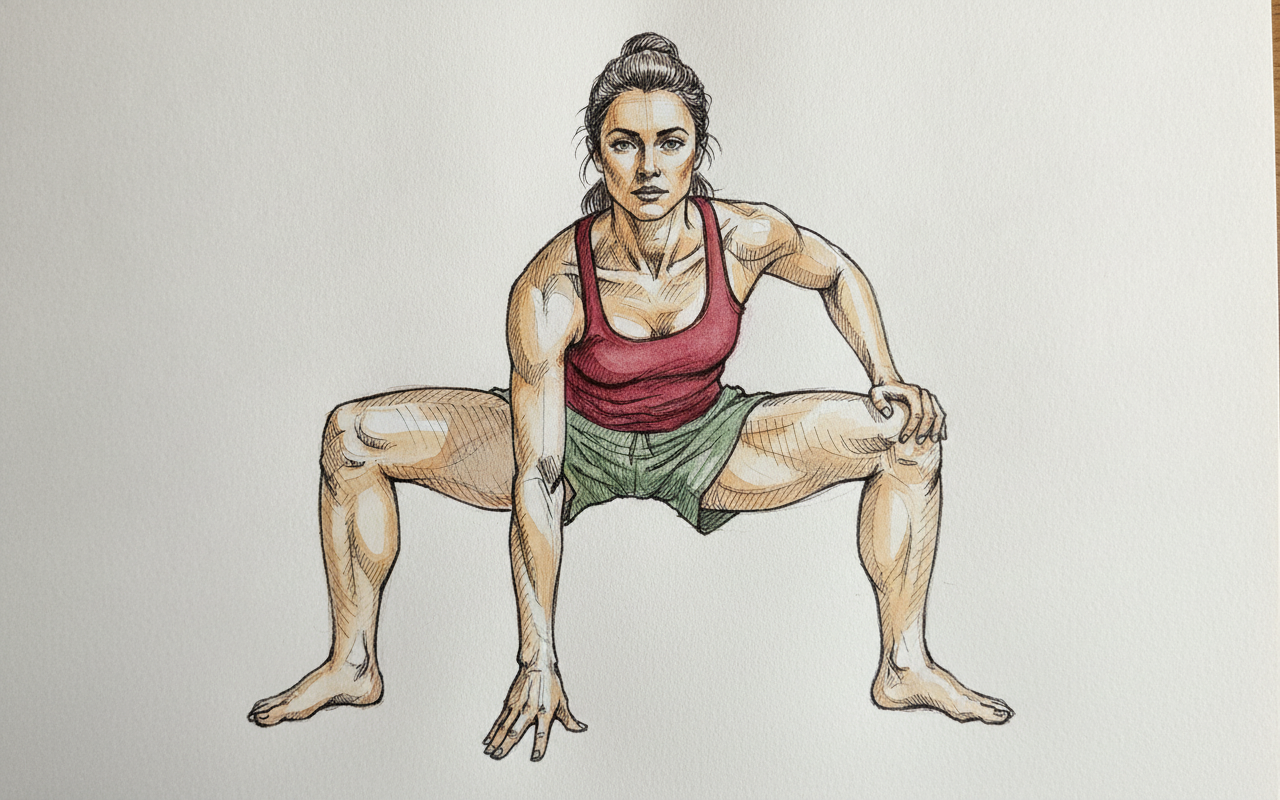
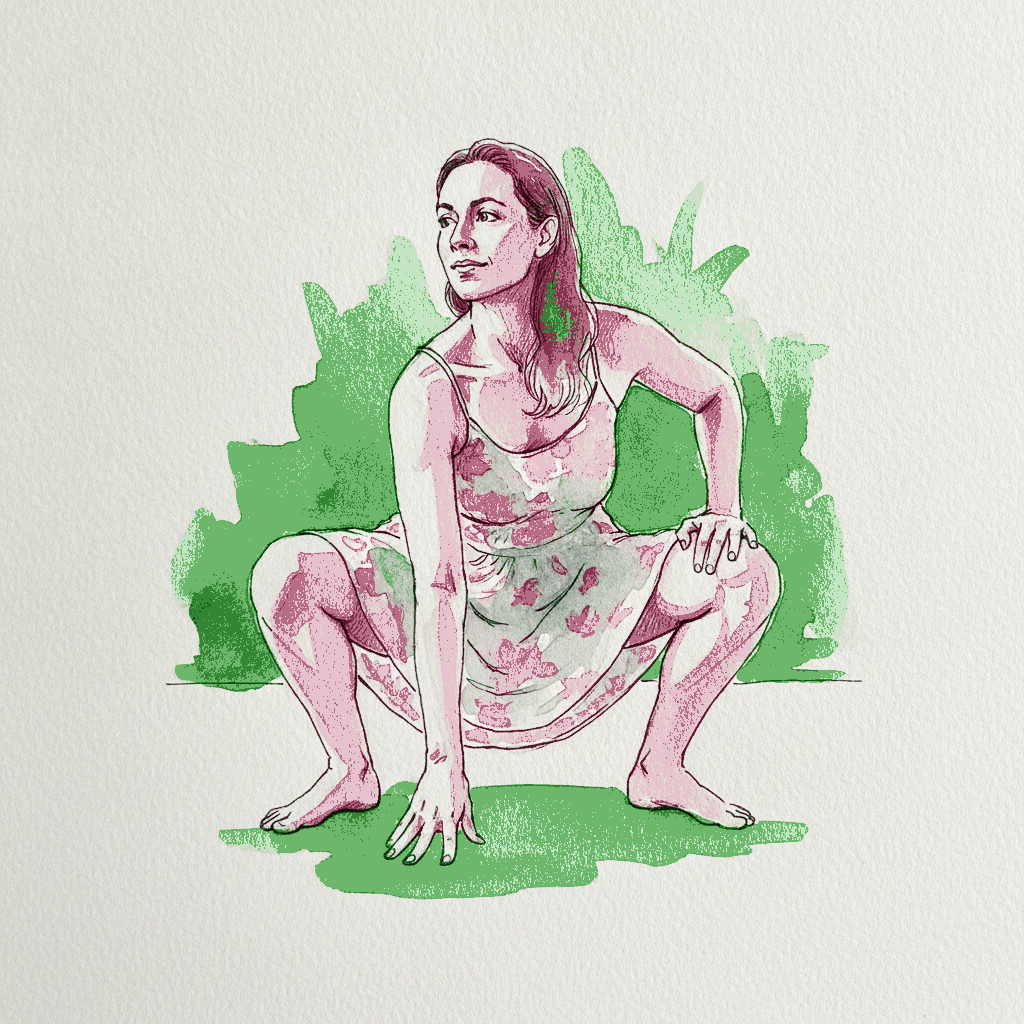
This piece offers an excellent study in conveying dynamic human form through contrasting line weights and cool, layered washes. Use varied ink lines to anchor the grounded hand and feet, while softer, broken lines help define the gentle spinal spiral. Model the volume and the soft afternoon shade with a restricted cool palette, letting washes build subtly to articulate the figure's twisted posture.
Piece 6 — Pontypridd Old Bridge
Pen + Watercolor · Loose pen and watercolor line-and-wash
Three takes

Focus for this piece
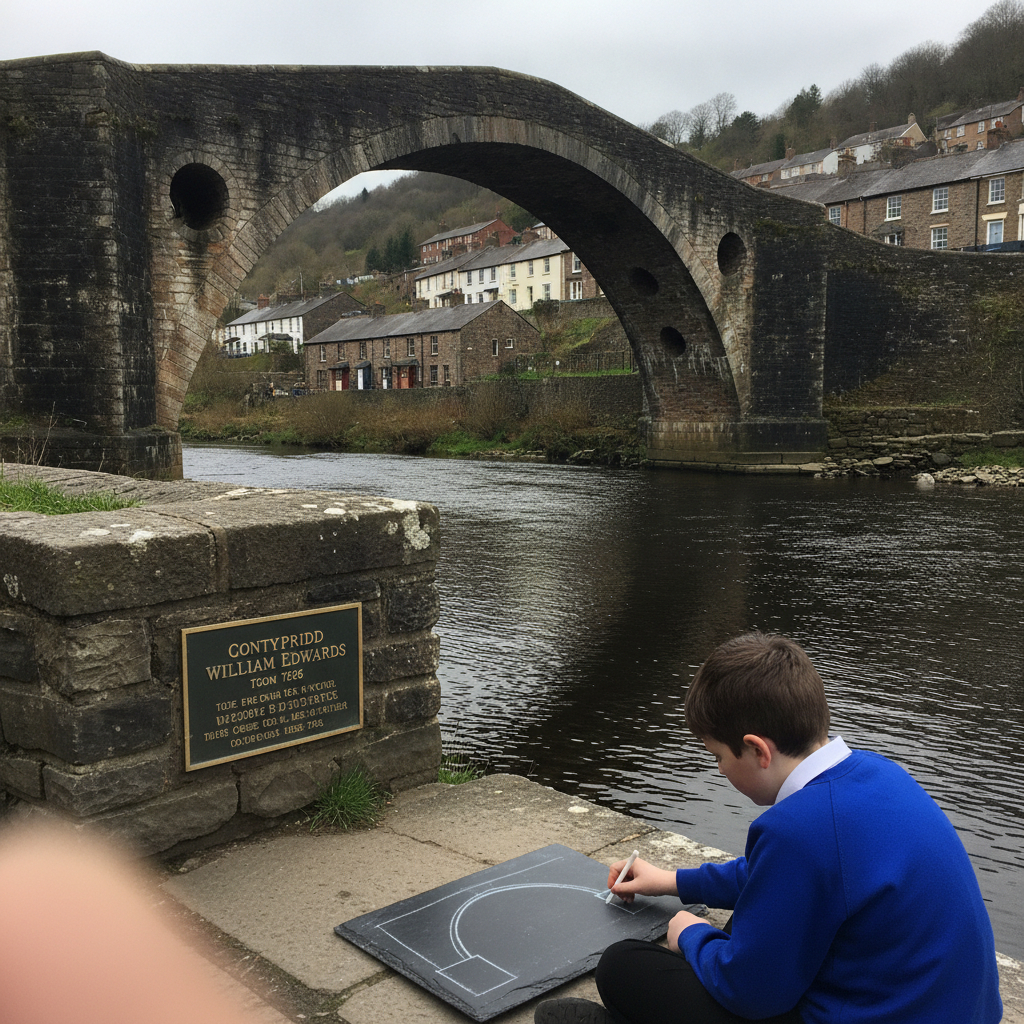
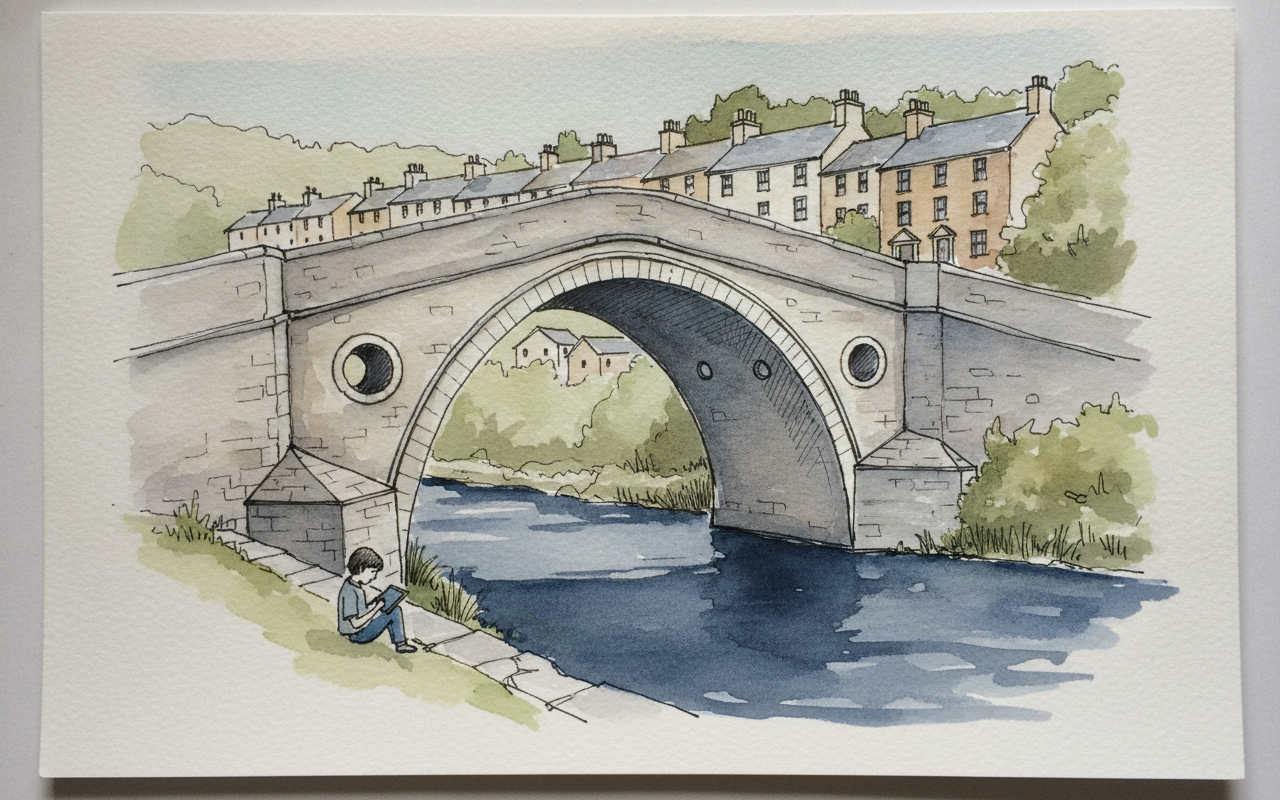
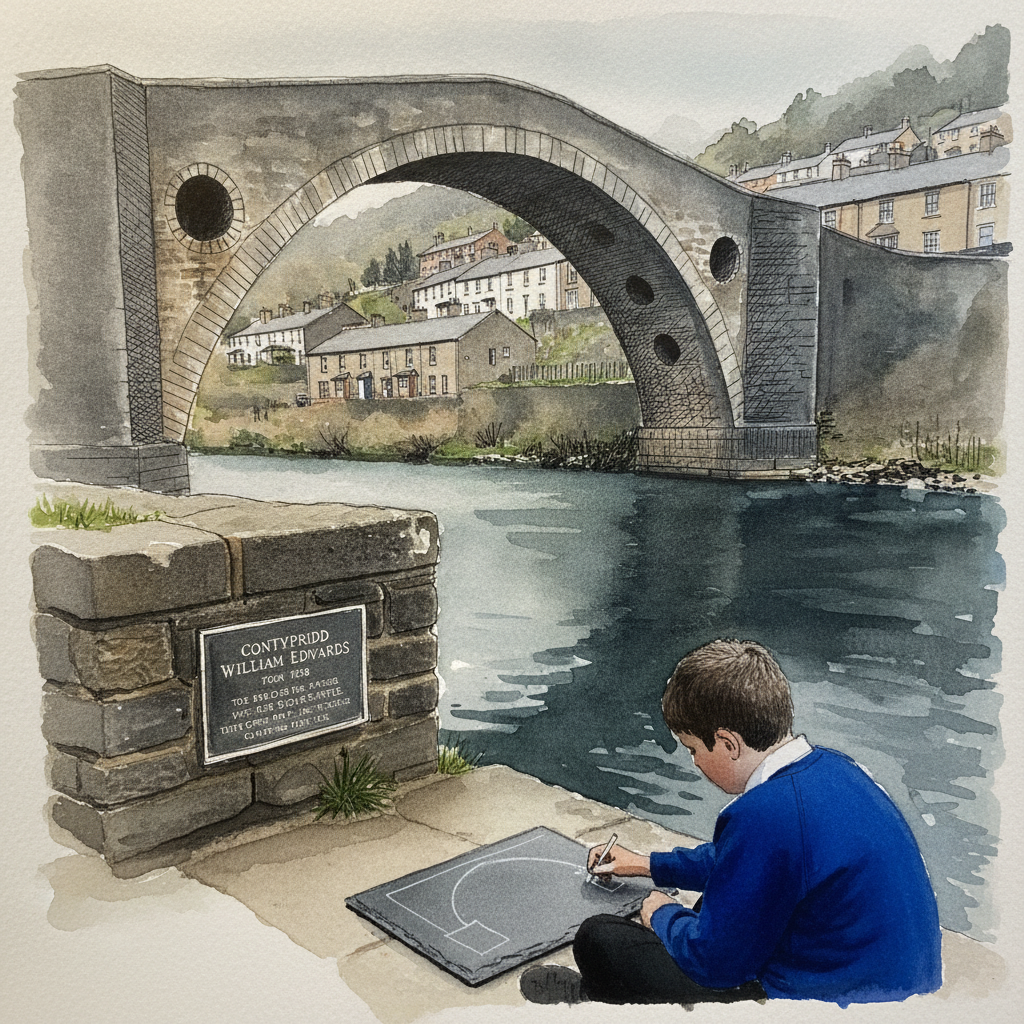
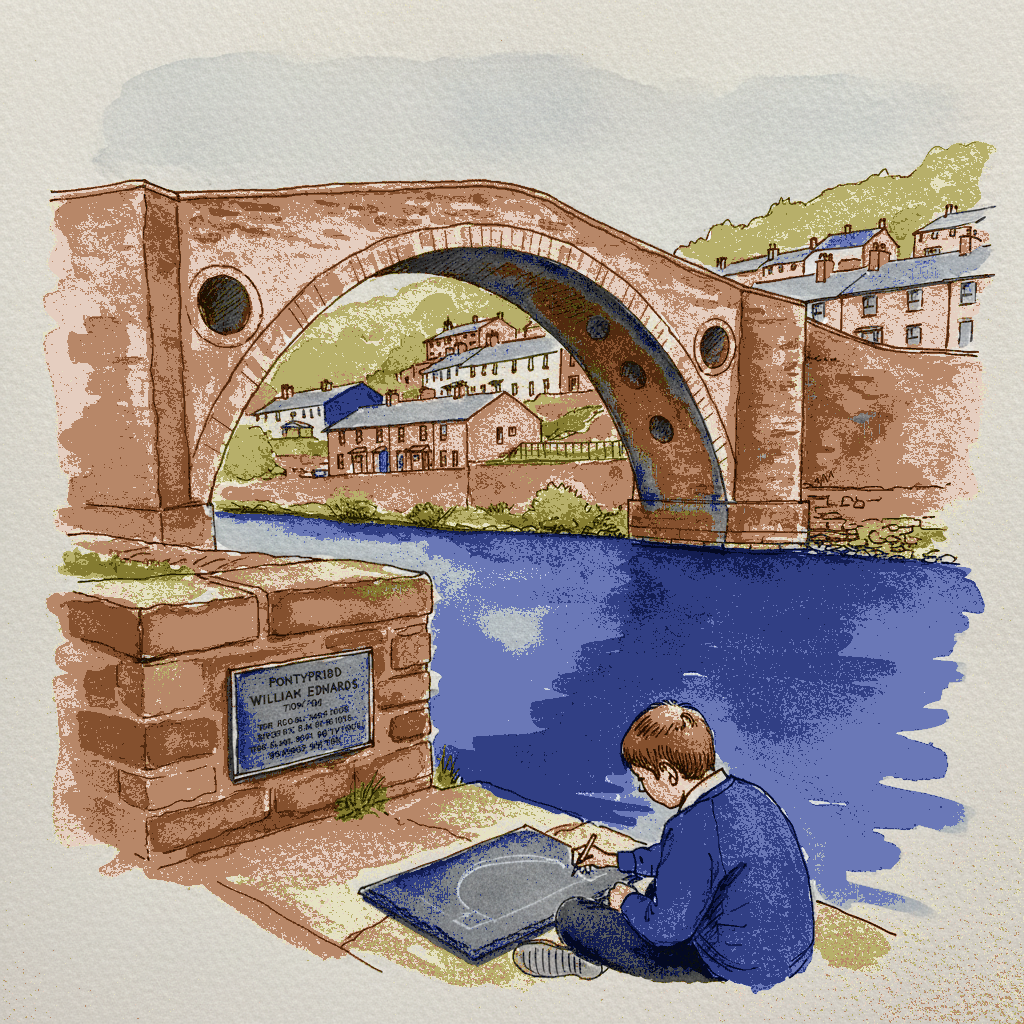
This piece provides a superb opportunity to differentiate between the precision of waterproof ink and the fluidity of watercolor. Use fine, consistent lines to define the impossibly thin arch and the intricate detail of the haunch holes, ensuring structural clarity. Then, employ soft, wet-on-wet washes for the coal-dark Taff and distant terraced houses, allowing the watercolor to create atmosphere and depth without dissolving the crisp ink lines.
Piece 7 — Salar de Uyuni sunset reflection, wet season, Bolivia
Pen + Watercolor · Loose pen and watercolor line-and-wash
Three takes

Focus for this piece
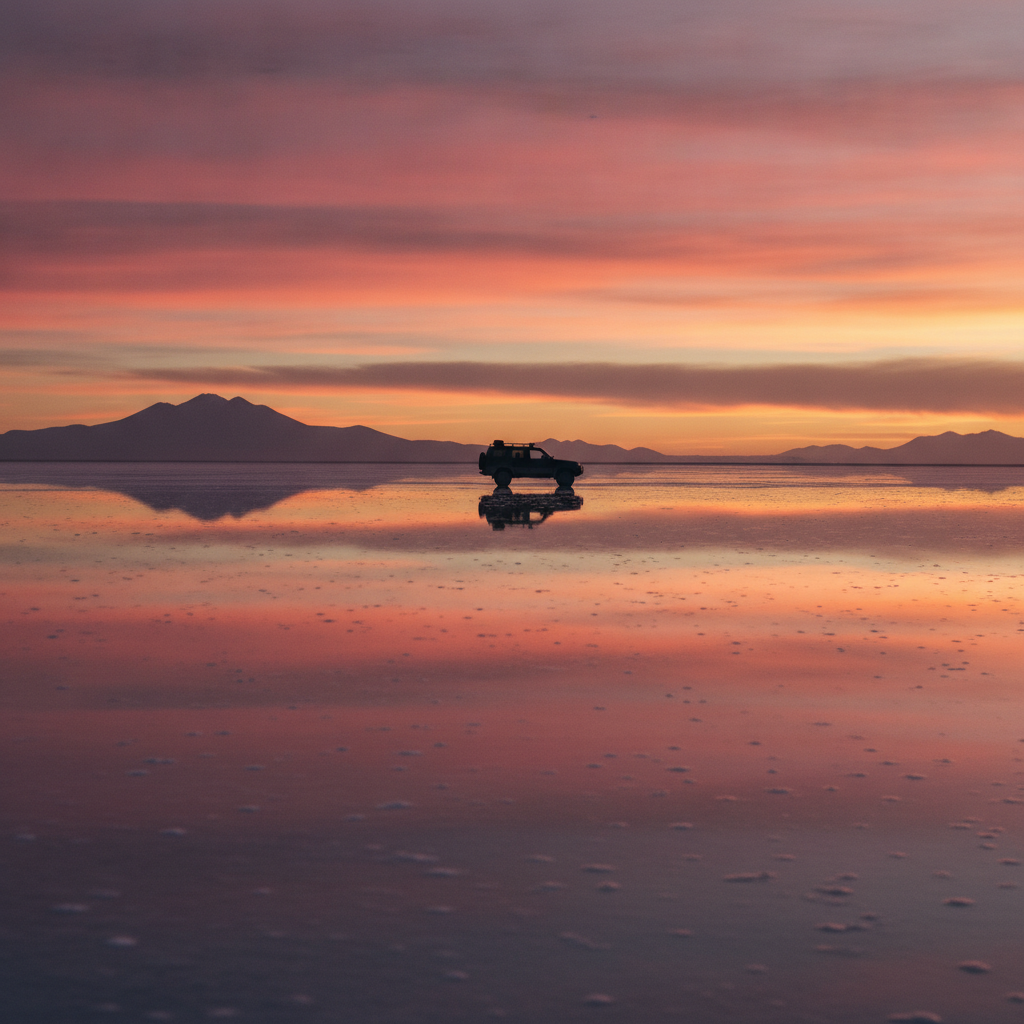
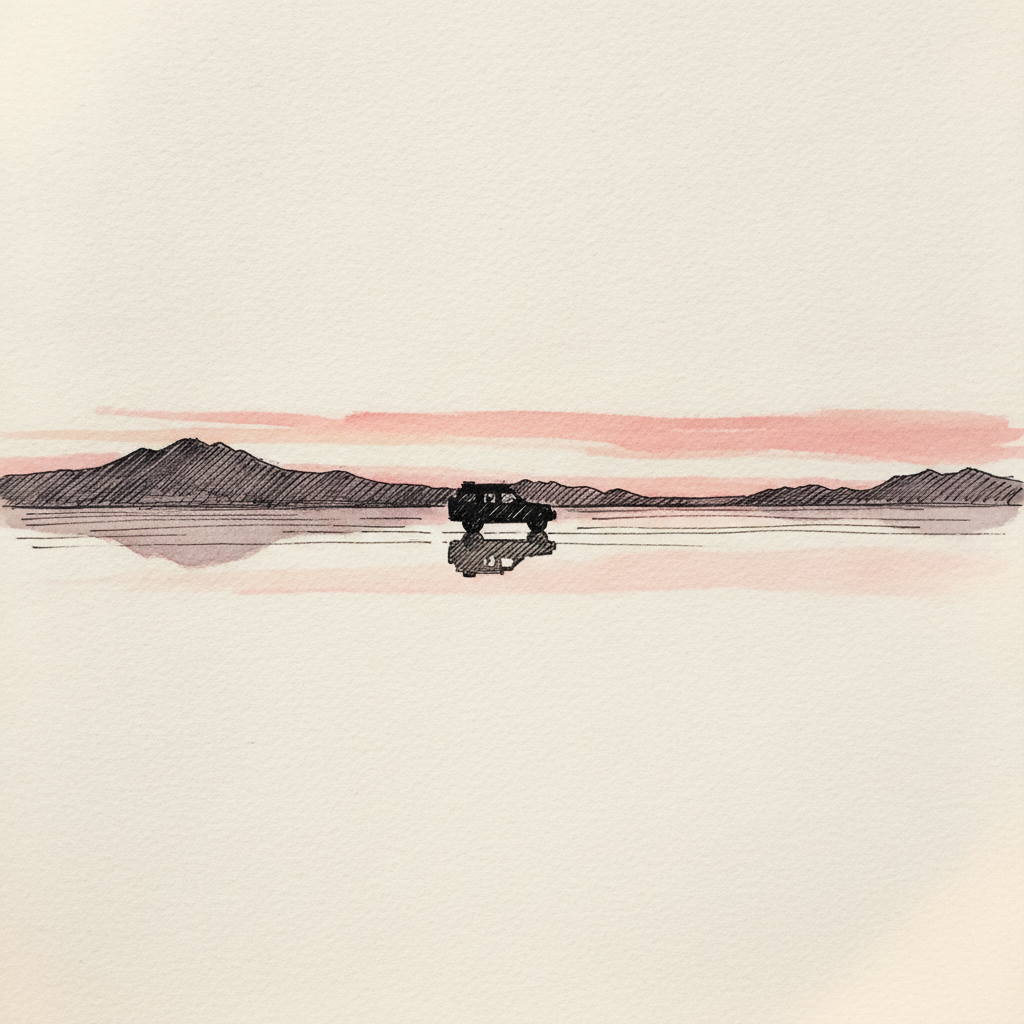
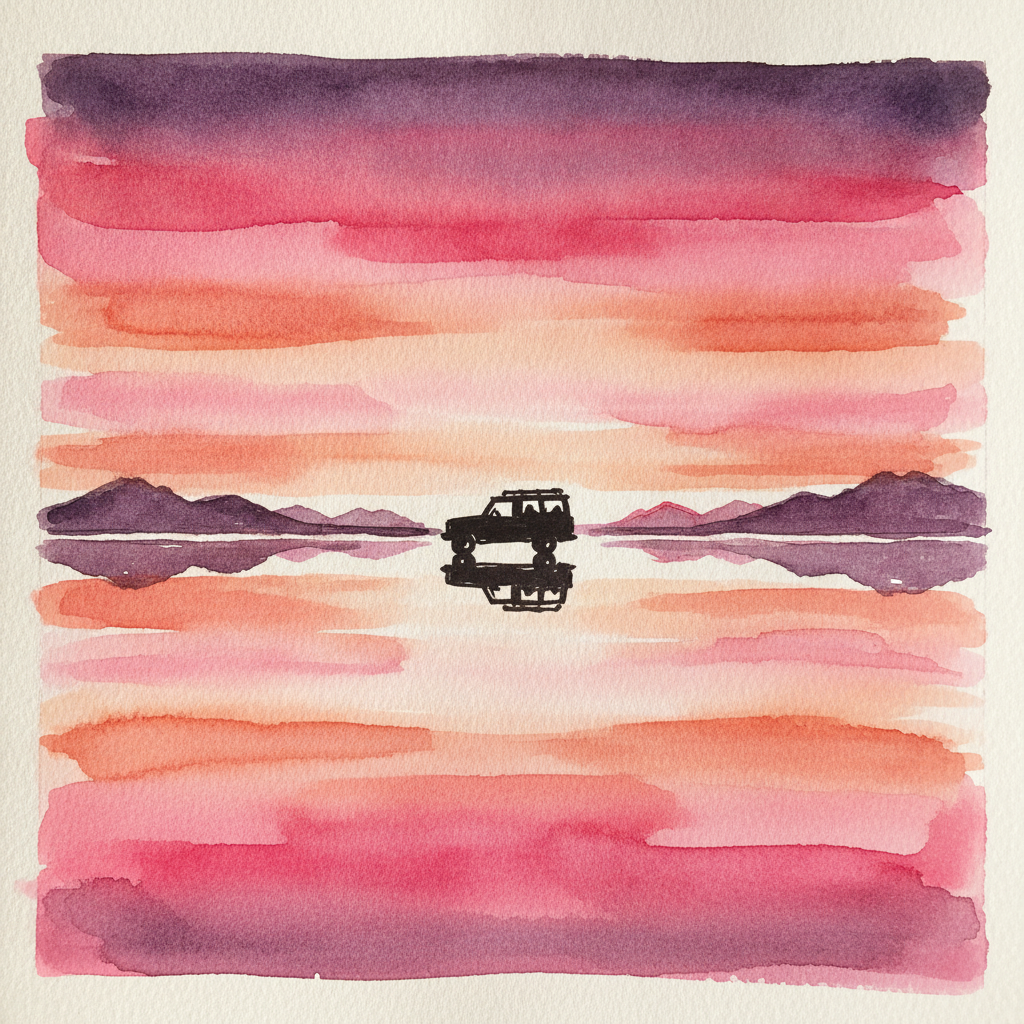
This piece offers a superb opportunity to practice rendering expansive, wet-into-wet washes for the luminous, banded sunset and its perfect mirror reflection. Concentrate on maintaining distinct warm color transitions (magenta, salmon, amber) while employing a firm, consistent line weight with waterproof ink to create sharp, dark silhouettes for the 4x4 and distant mountains, ensuring they pop against the soft, pearlescent foreground.
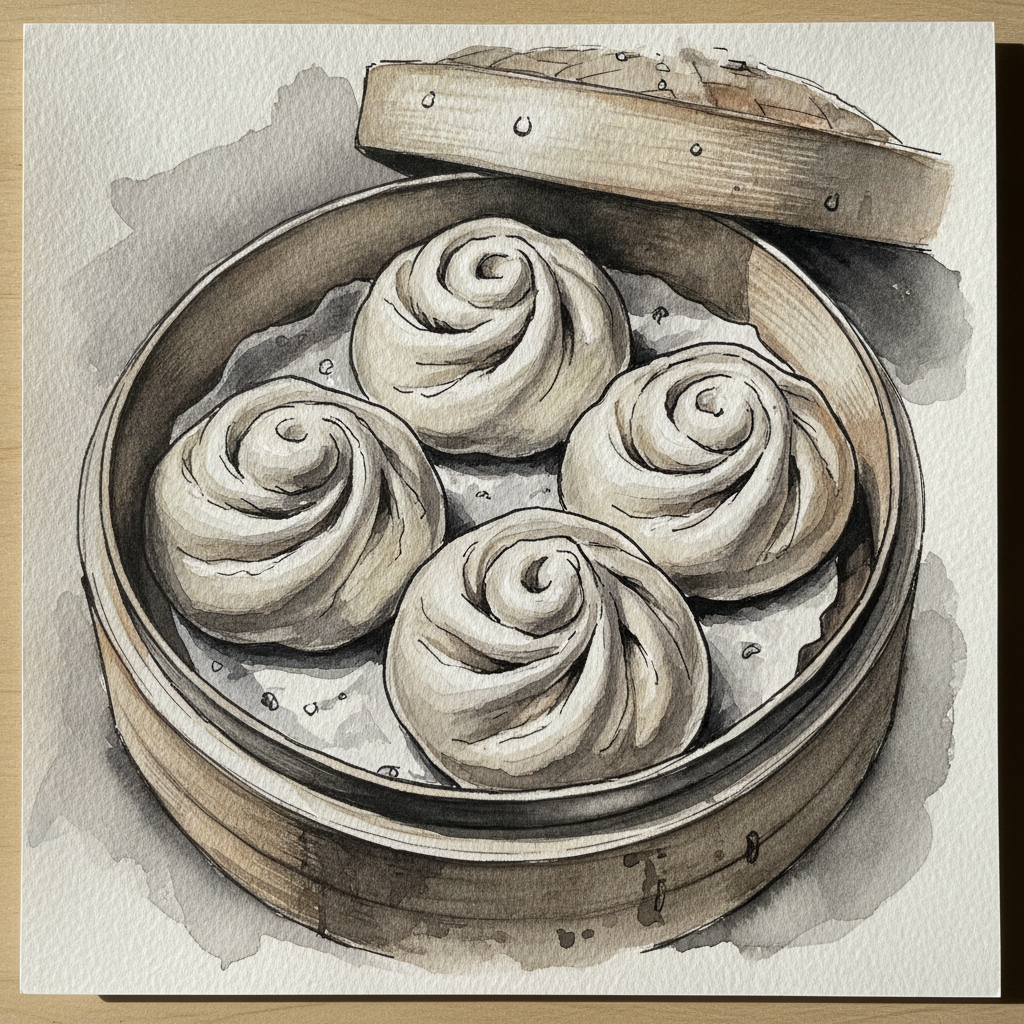
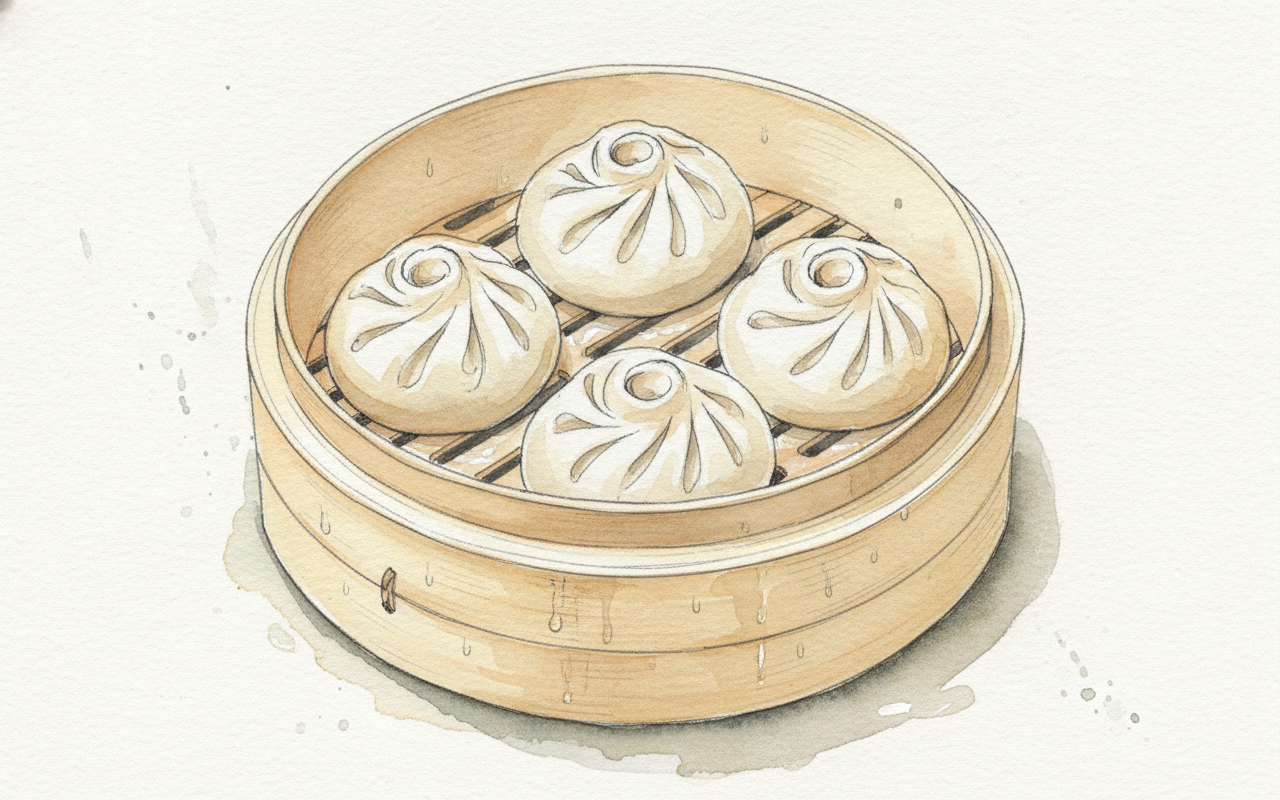
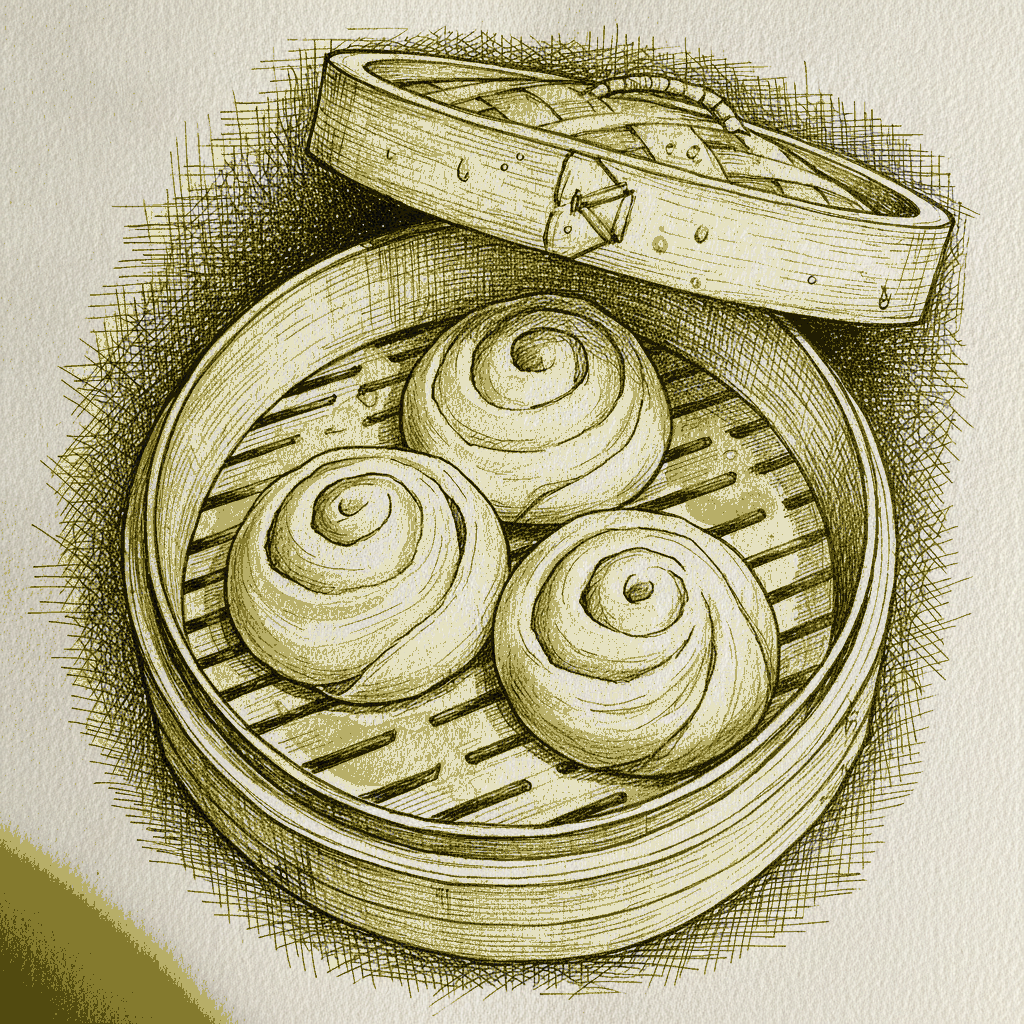
Piece 8 — Tibetan tingmo folded and steamed
Pen + Watercolor · Loose pen and watercolor line-and-wash
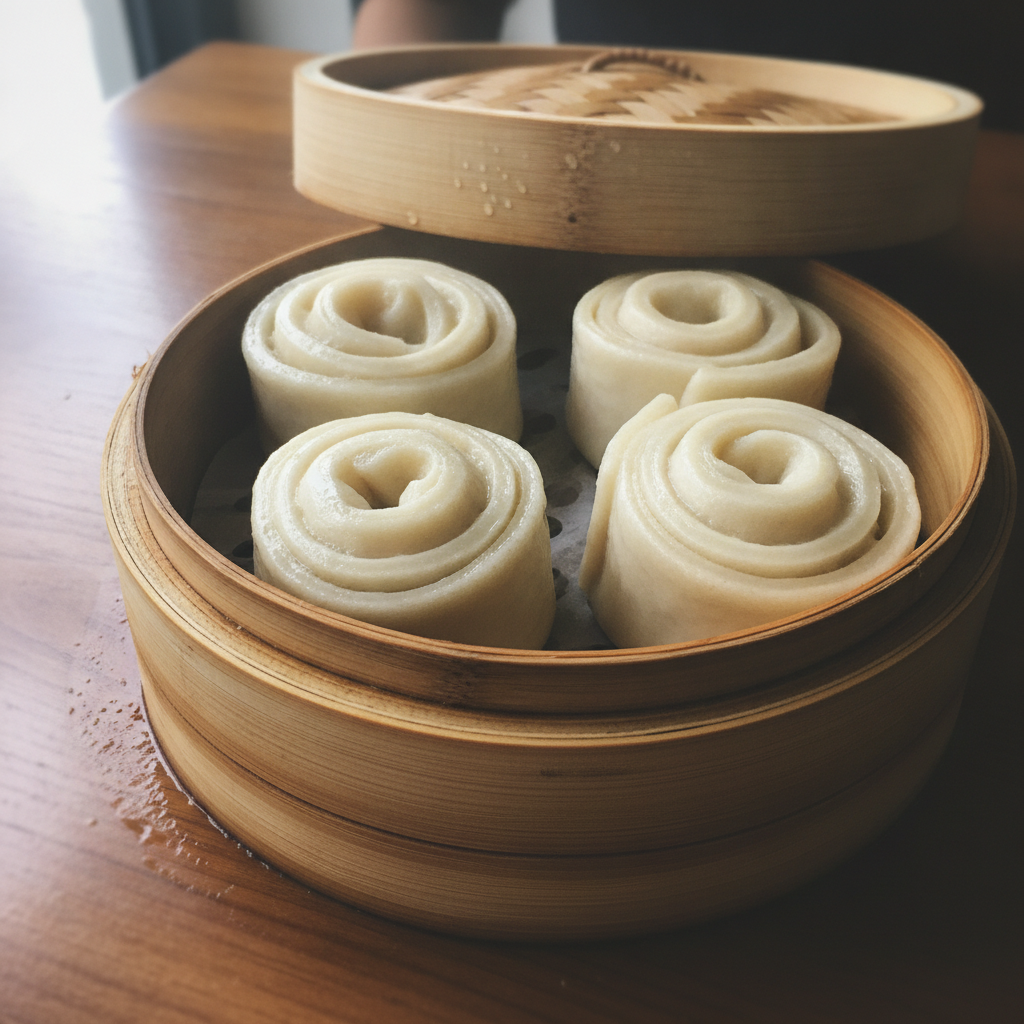
Three takes

Focus for this piece
This piece offers an excellent study in rendering soft, organic forms using a limited, near-monochromatic palette. Focus on establishing the spiraled contours of the tingmo with extremely delicate ink lines, then build their subtle volume and damp translucence through careful layering of pale, wet-on-wet washes. Use stronger, varied line weights to articulate the bamboo steamer, creating a contrast that emphasizes the tingmo's delicate texture and highlights its glossy, wet surface with careful lifting.