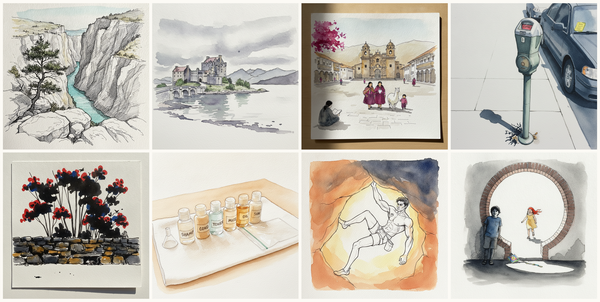
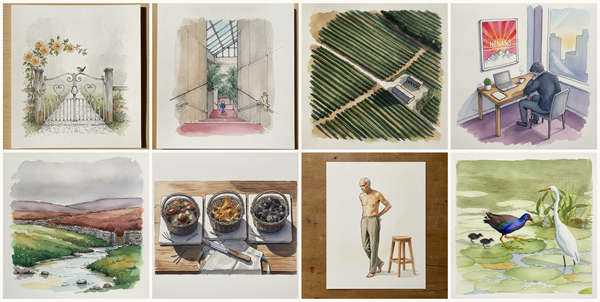
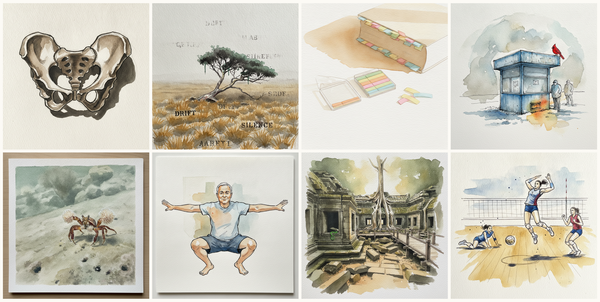
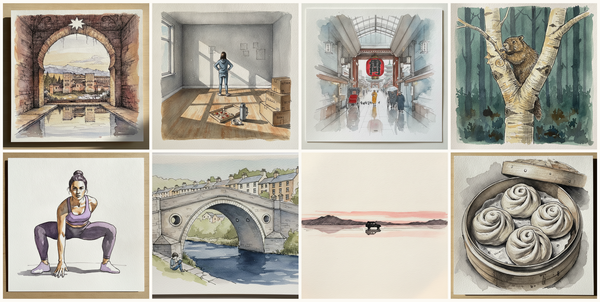
Forced bulbs in glass, Mount Greylock from October Mountain, Berkshires, Massachusetts, USA, Person with sleep apnea machine, Superman, Mother and Child Studio Series, and more — pen + watercolor for November 18, 2026
AI-generated daily art-practice references for pen and watercolor: Forced bulbs in glass, Mount Greylock from October Mountain, Berkshires, Massachusetts, USA, Person with sleep apnea machine, Superman, Mother and Child Studio Series, Swayambhunath, Kathmandu, Nepal, Wisteria arch at the gate of…
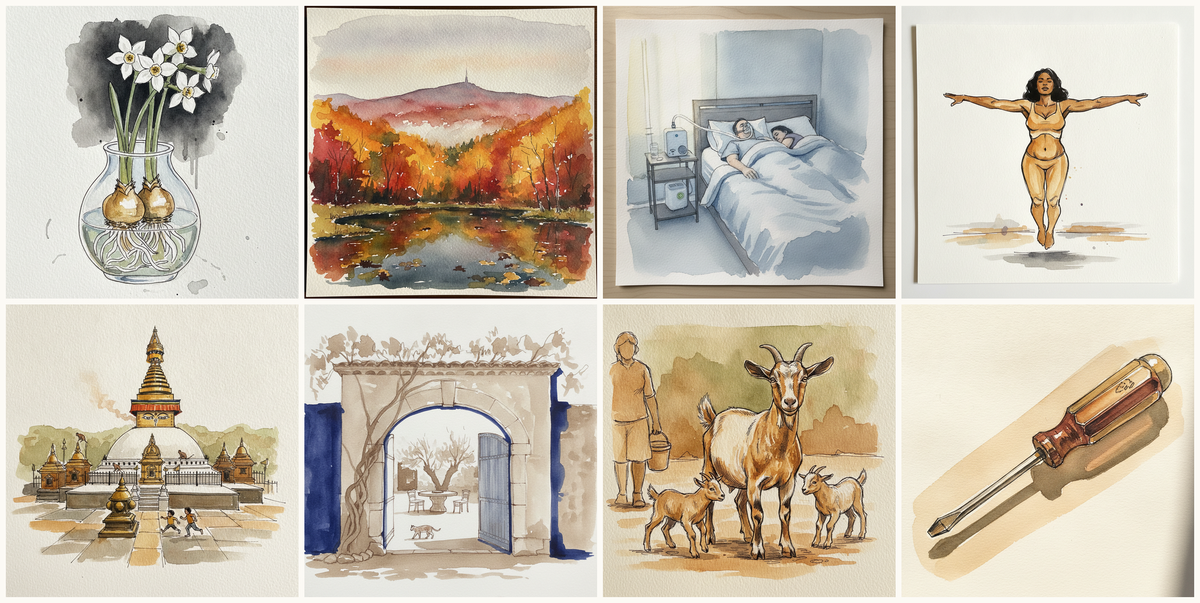
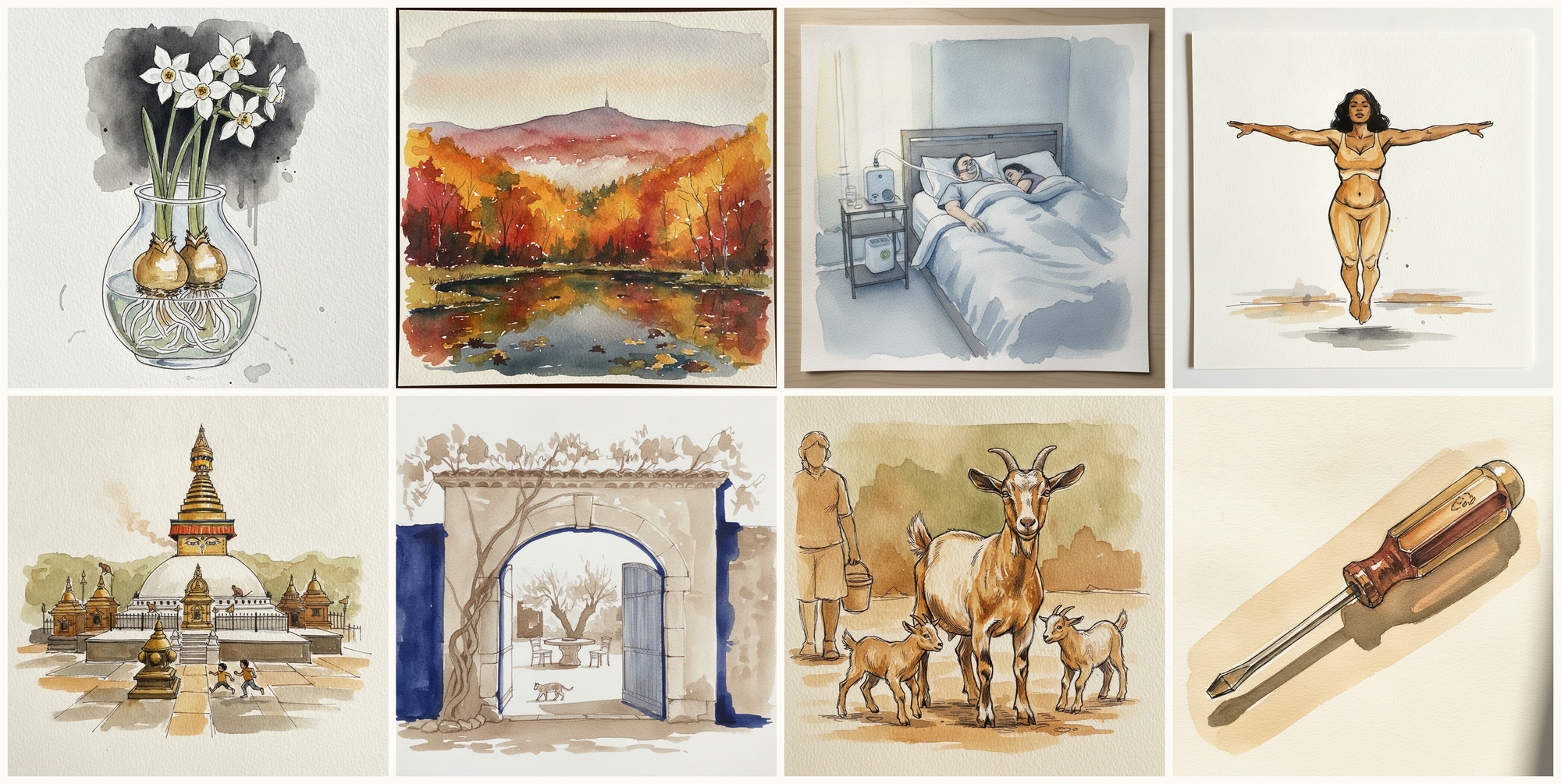
Today's 8 pen-and-watercolor pieces: Forced bulbs in glass, Mount Greylock from October Mountain, Berkshires, Massachusetts, USA, Person with sleep apnea machine, Superman, Mother and Child Studio Series, Swayambhunath, Kathmandu, Nepal, Wisteria arch at the gate of a Provence farmhouse, Nigerian Dwarf, Phillips Screwdriver, Worn Tip. Each piece comes with an AI-generated photoreal reference, three AI-generated example artworks in different treatments, and a short focus paragraph naming what to study in this one.
Why these references use AI
This daily series uses AI-generated images as practice prompts, not as finished artwork to copy. Each subject starts with a synthetic photoreal reference generated with Gemini/Nano Banana, then moves into three pen-and-watercolor interpretations of the same subject.
I use AI here because daily art practice needs variety and low friction. Real life can get repetitive, busy, or visually narrow. These generated reference sets make it easier to study bodies, buildings, animals, landscapes, objects, gestures, light, palettes, and compositions that might not show up in an ordinary day.
The goal is not to reproduce any image directly. Treat each set as a starting point for observation and study: choose what interests you, change the framing, simplify the subject, alter the palette, and make your own version.
Piece 1 — Forced bulbs in glass
Pen + Watercolor · Loose pen and watercolor line-and-wash
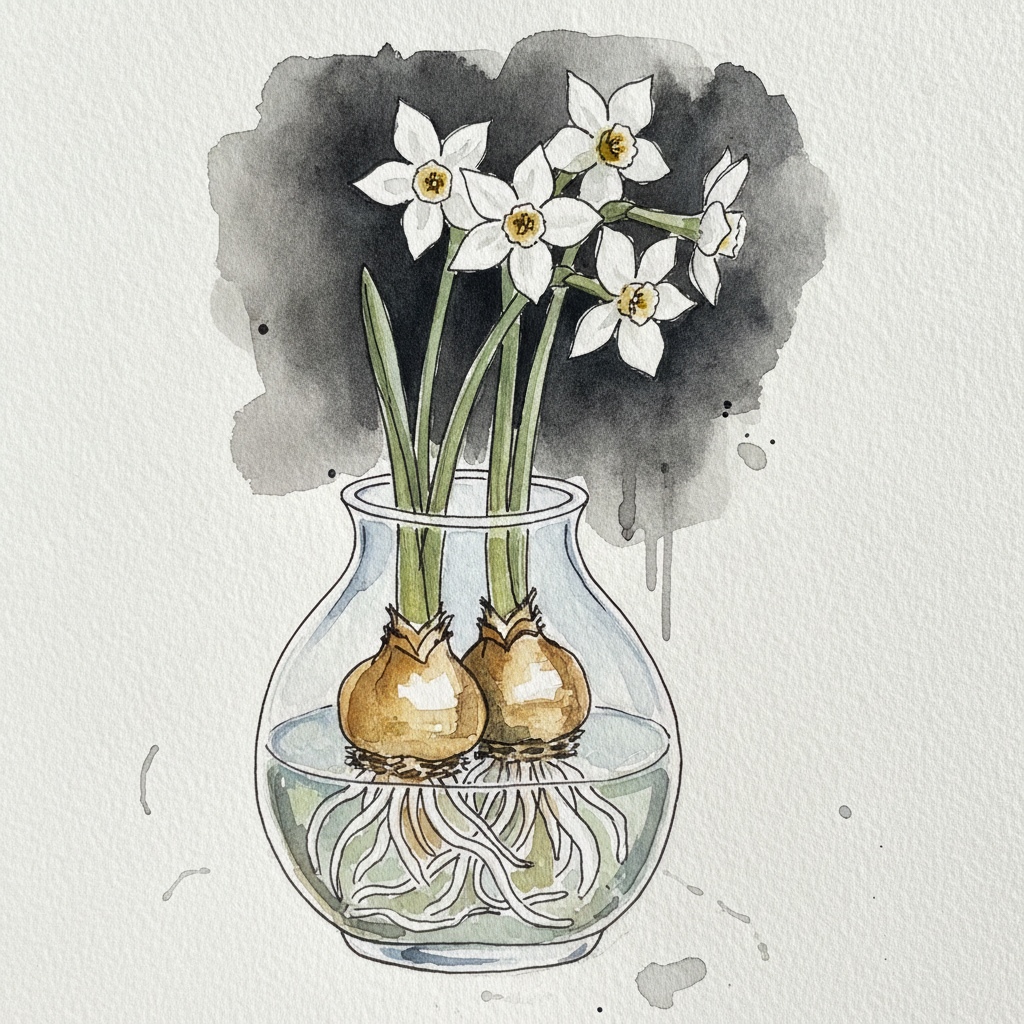
Three takes
Focus for this piece
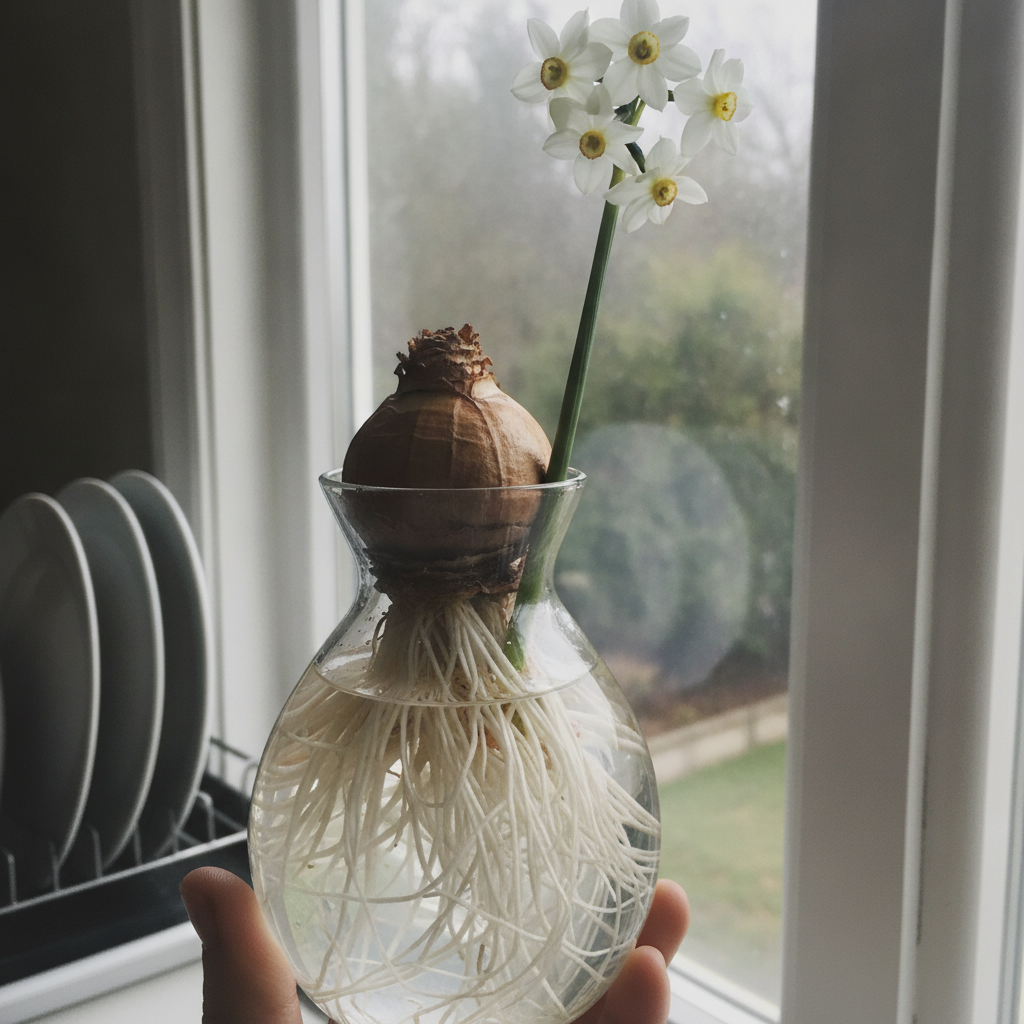
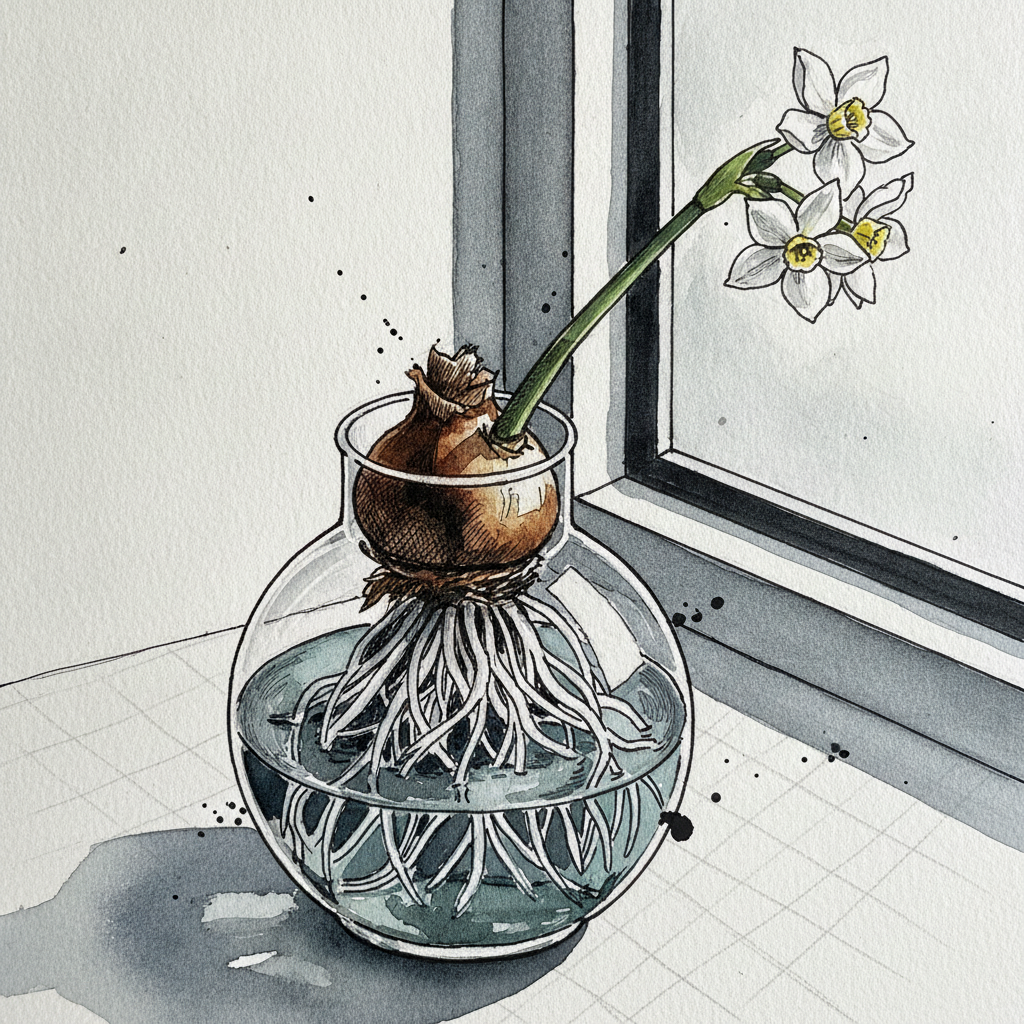
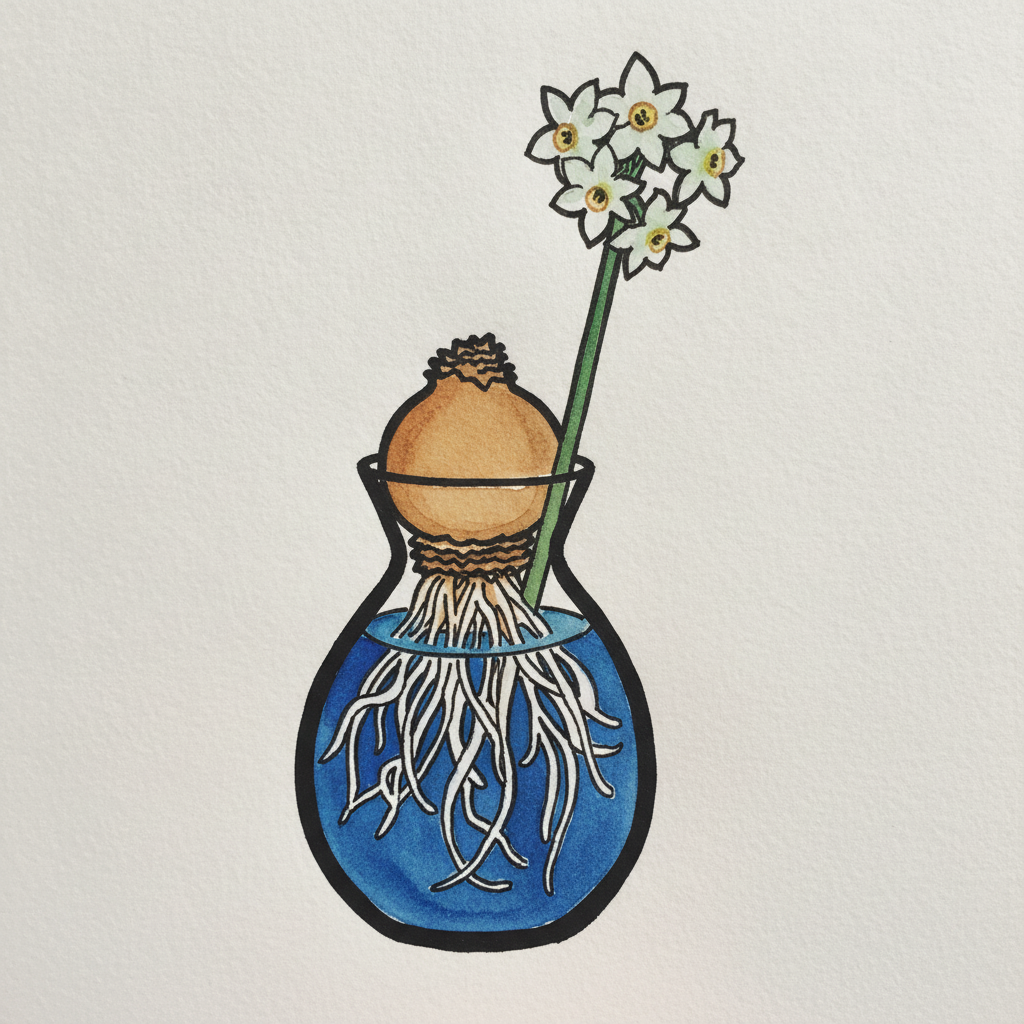
Today's subject provides a rich opportunity to practice contrasting smooth, transparent surfaces with intricate organic textures. Begin by defining the clear glass vase with a precise, consistent line weight, using very dilute washes and soft edges to suggest its subtle form and reflections. Then, switch to finer pen lines and slightly stronger washes to capture the papery bulb and the delicate, tangled white roots, practicing negative painting around the palest elements to make them glow. Focus on allowing the ink and watercolor to interact for depth, particularly in the watery areas, letting fine root hairs subtly bleed into a damp wash for added realism.
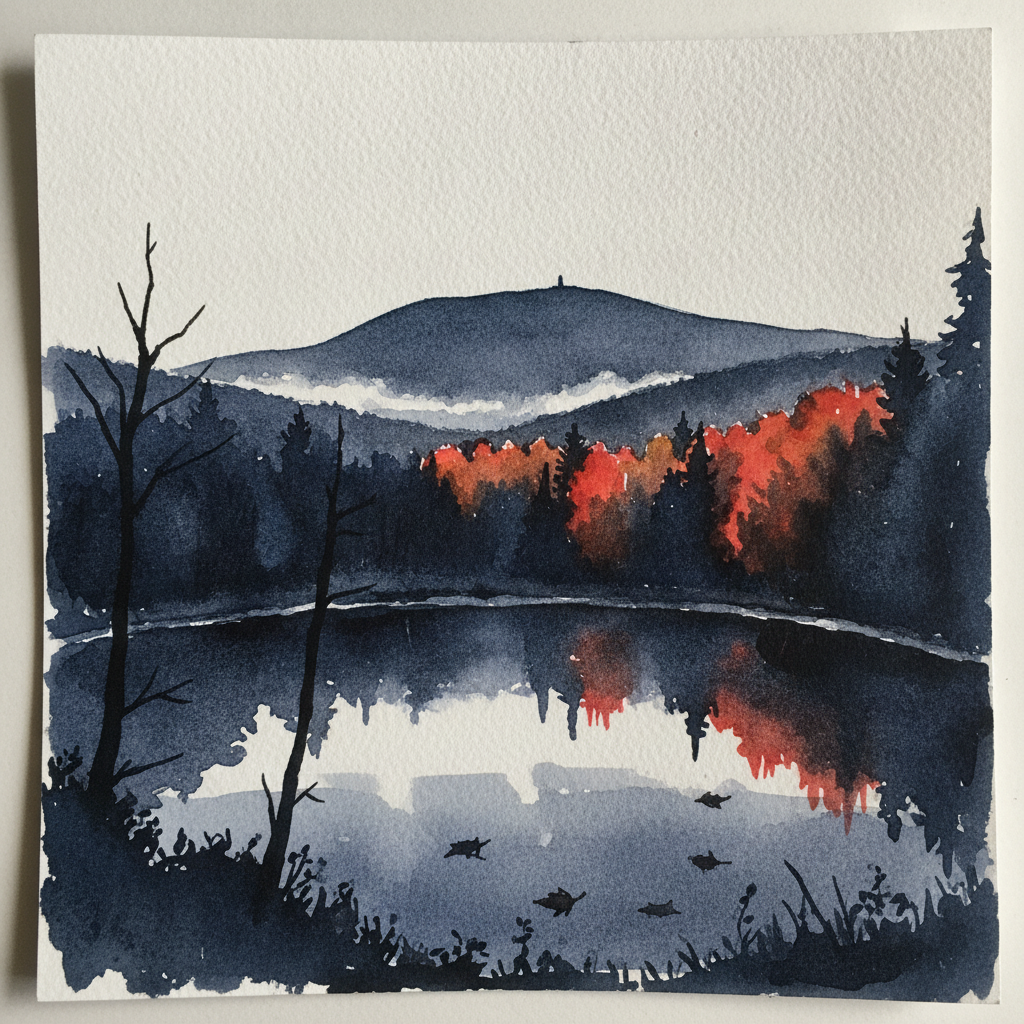
Piece 2 — Mount Greylock from October Mountain, Berkshires, Massachusetts, USA
Pen + Watercolor · Loose pen and watercolor line-and-wash
Three takes
Focus for this piece
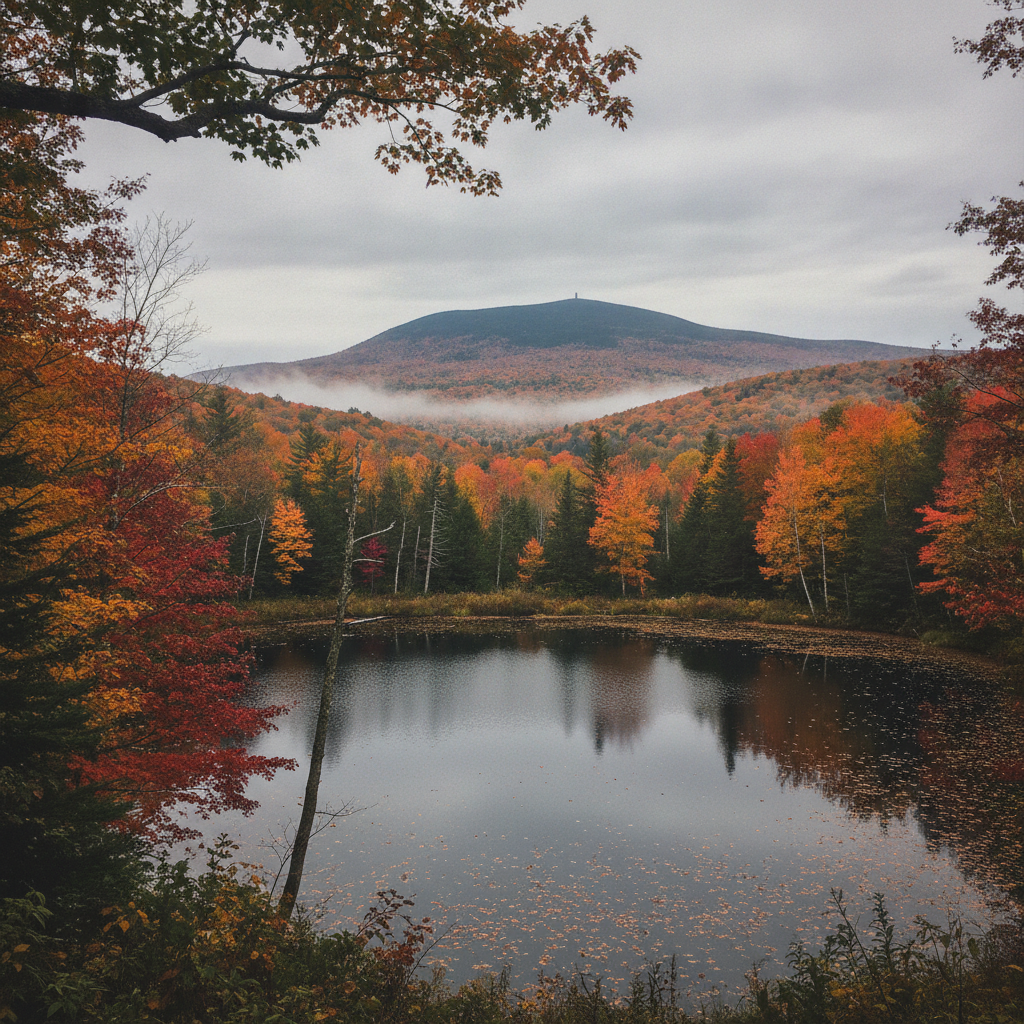
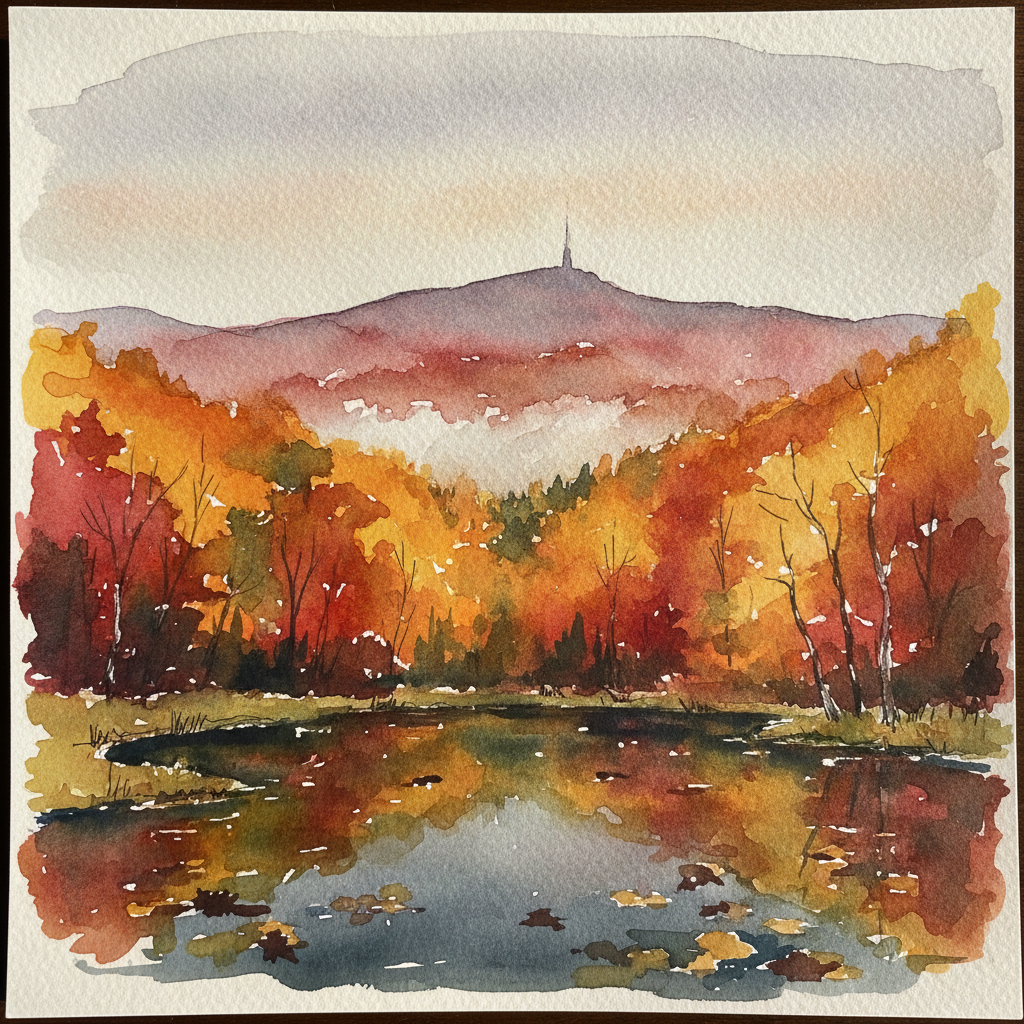
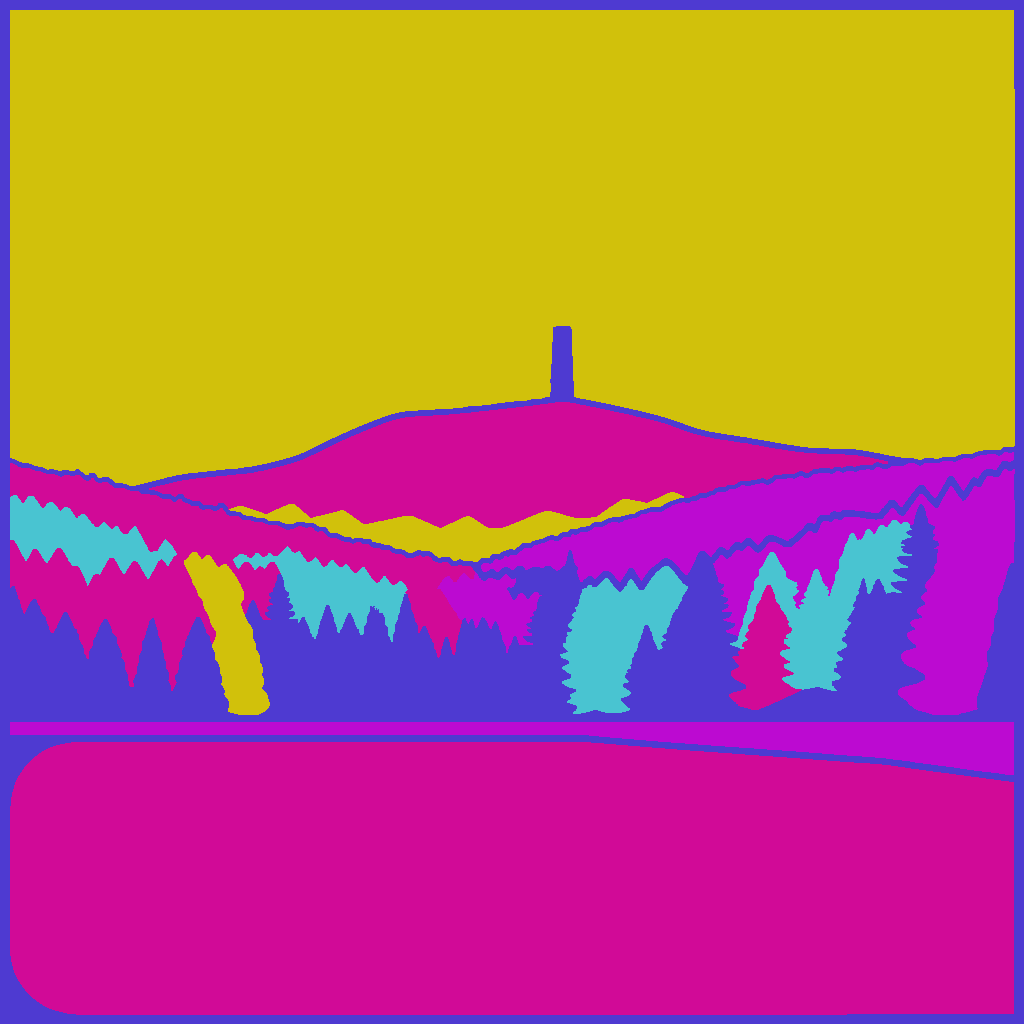
This piece is excellent for studying atmospheric depth through the strategic use of line and wash. Employ soft, gradated washes of autumn hues for the middle-ground hills and morning mist, allowing them to recede softly into the distance. Contrast this with a light, implied line weight for the distant Mount Greylock profile and tower, while reserving bolder, textured pen lines for the distinct shapes of the foreground beaver pond and dead snags.
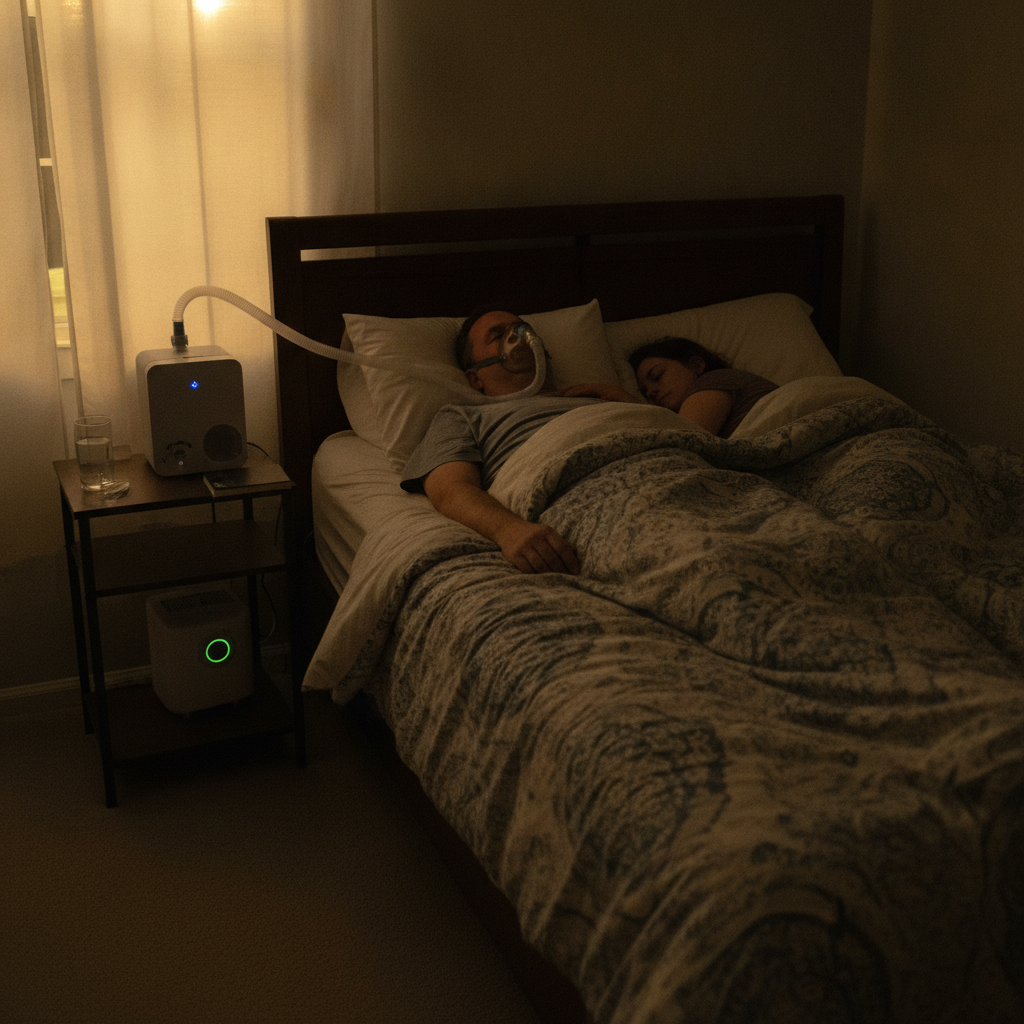
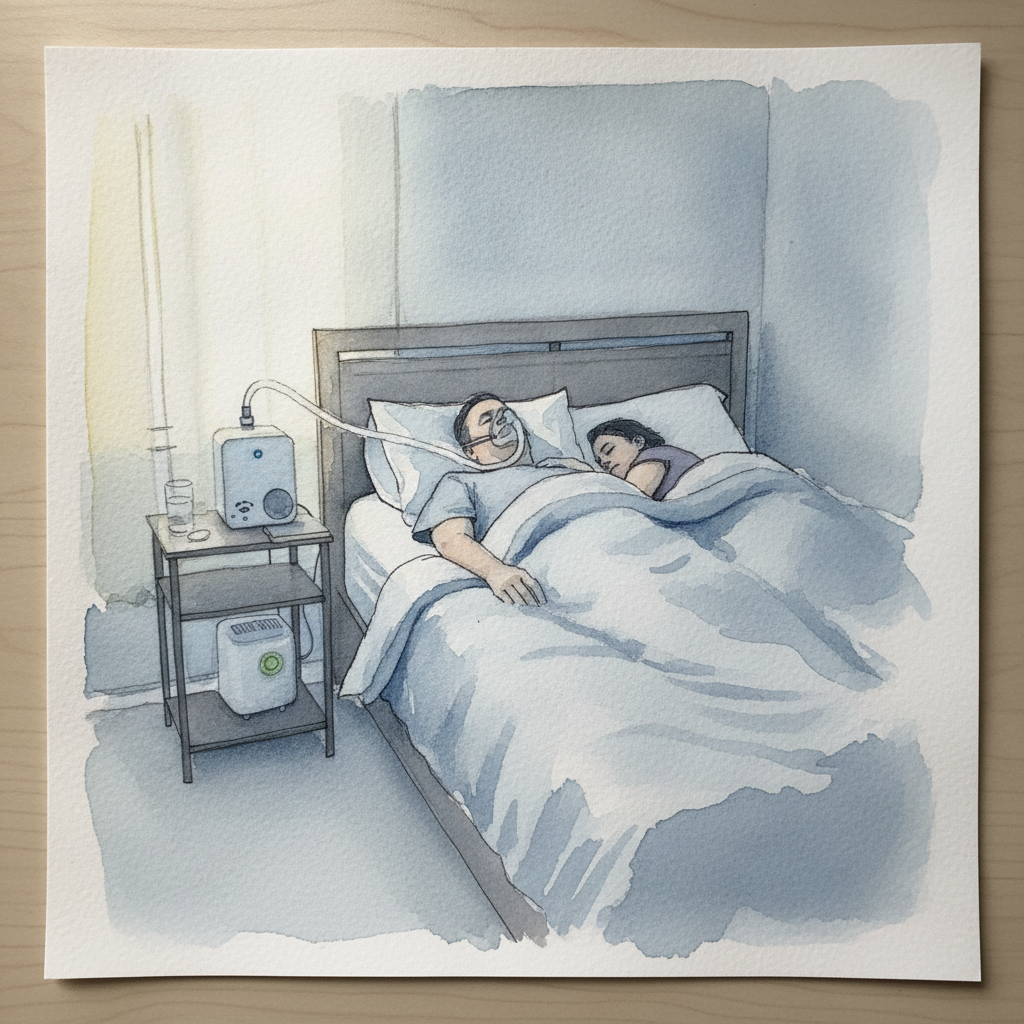
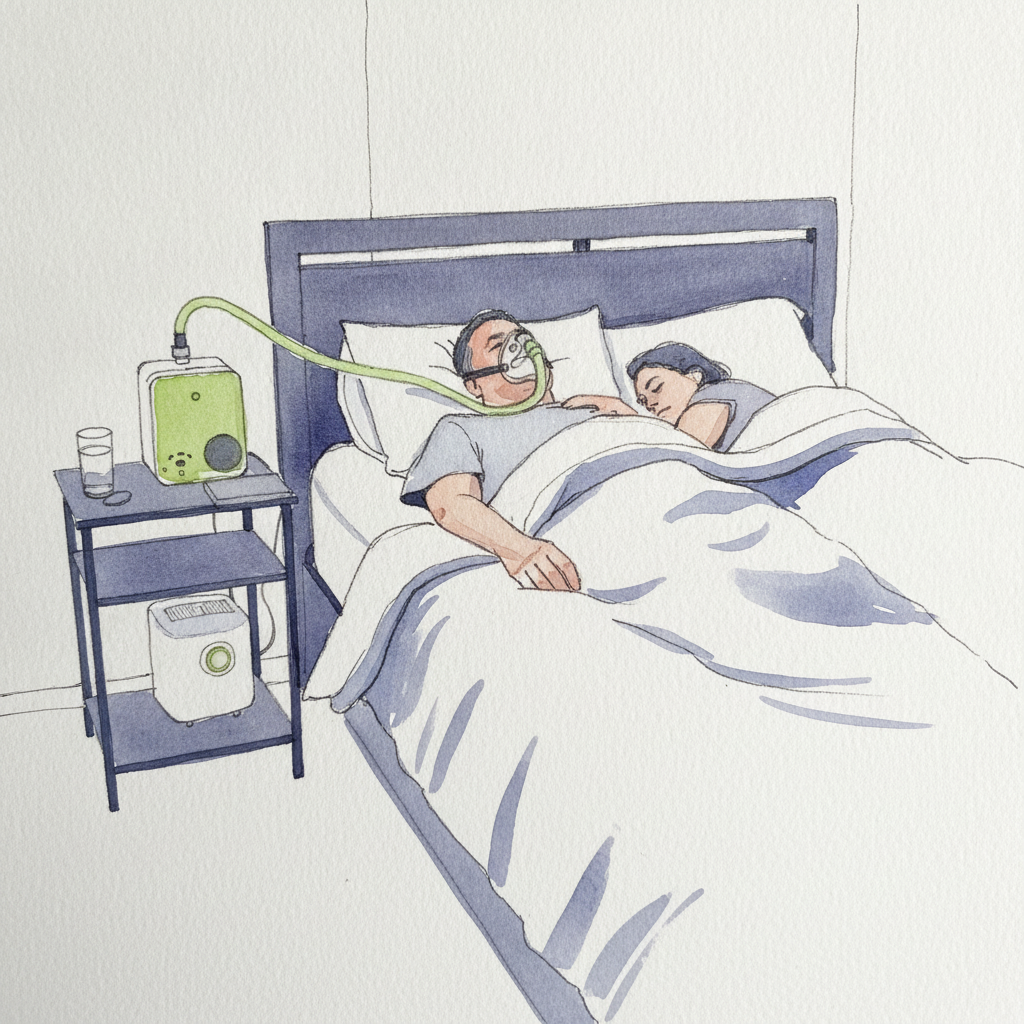
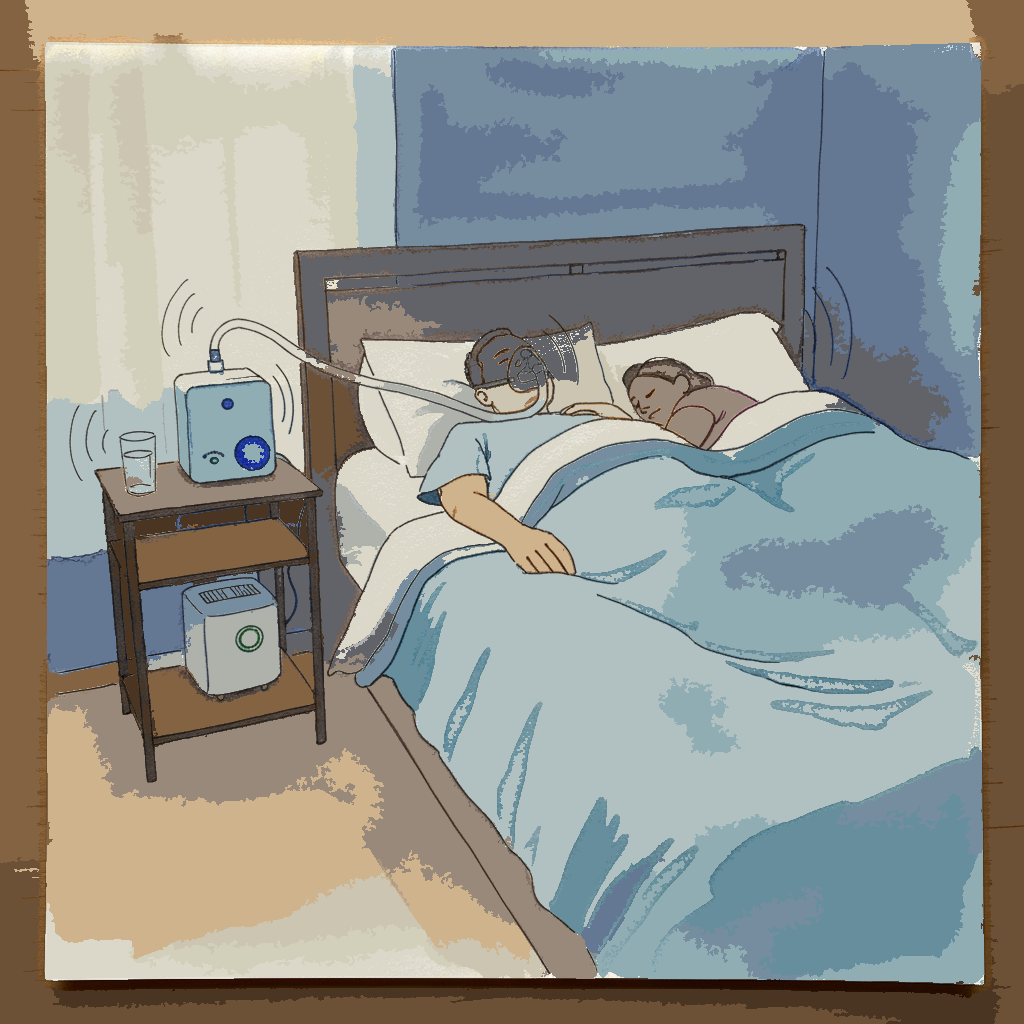
Piece 3 — Person with sleep apnea machine
Pen + Watercolor · Loose pen and watercolor line-and-wash
Three takes
Focus for this piece
This piece is an excellent study in rendering nuanced low-light environments and contrasting textures. Use deliberate, descriptive line weights to capture the distinct, structured forms of the CPAP mask, hose, and machine. Then, employing a restrained, cool-dominant palette, build the dim, atmospheric light of the bedroom with soft, layered washes, allowing delicate wet-in-wet effects to suggest the gentle undulations of the duvet and the subtle glow of the machine's lights.
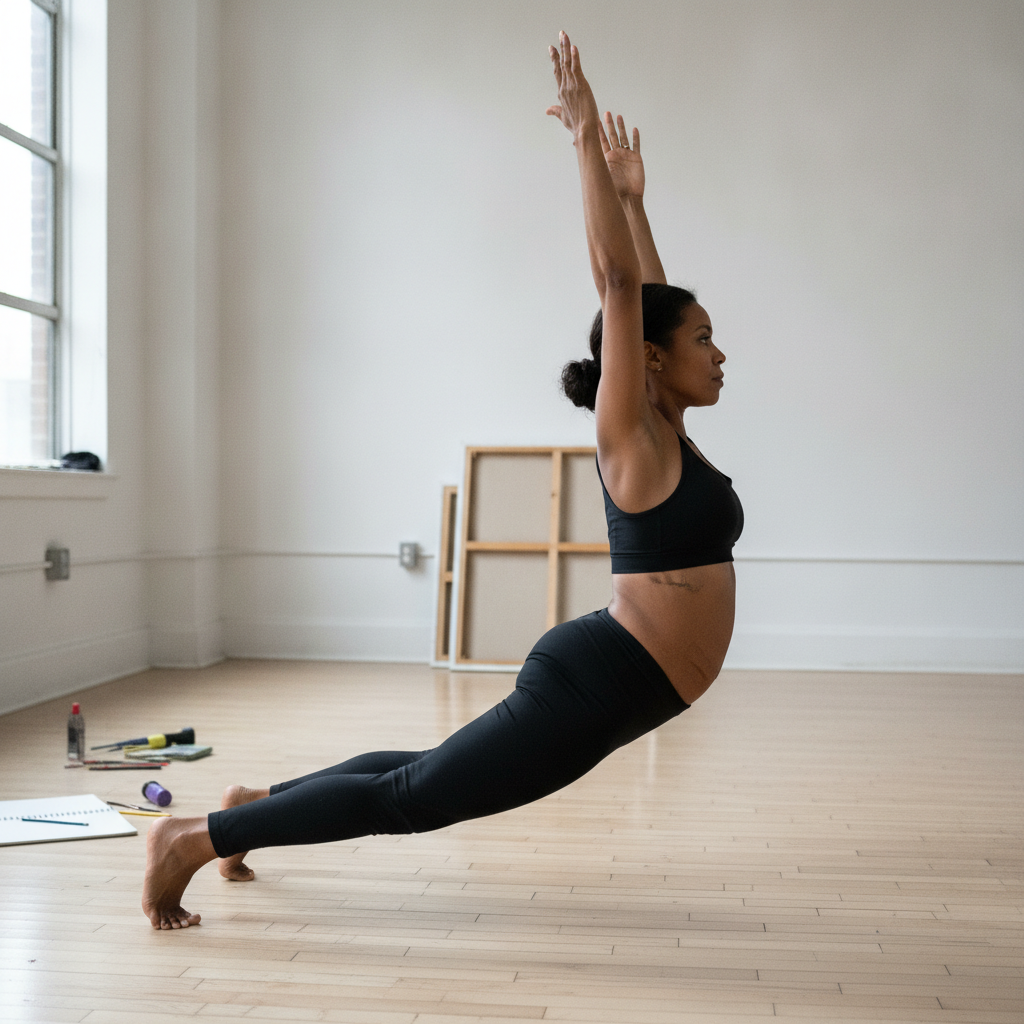
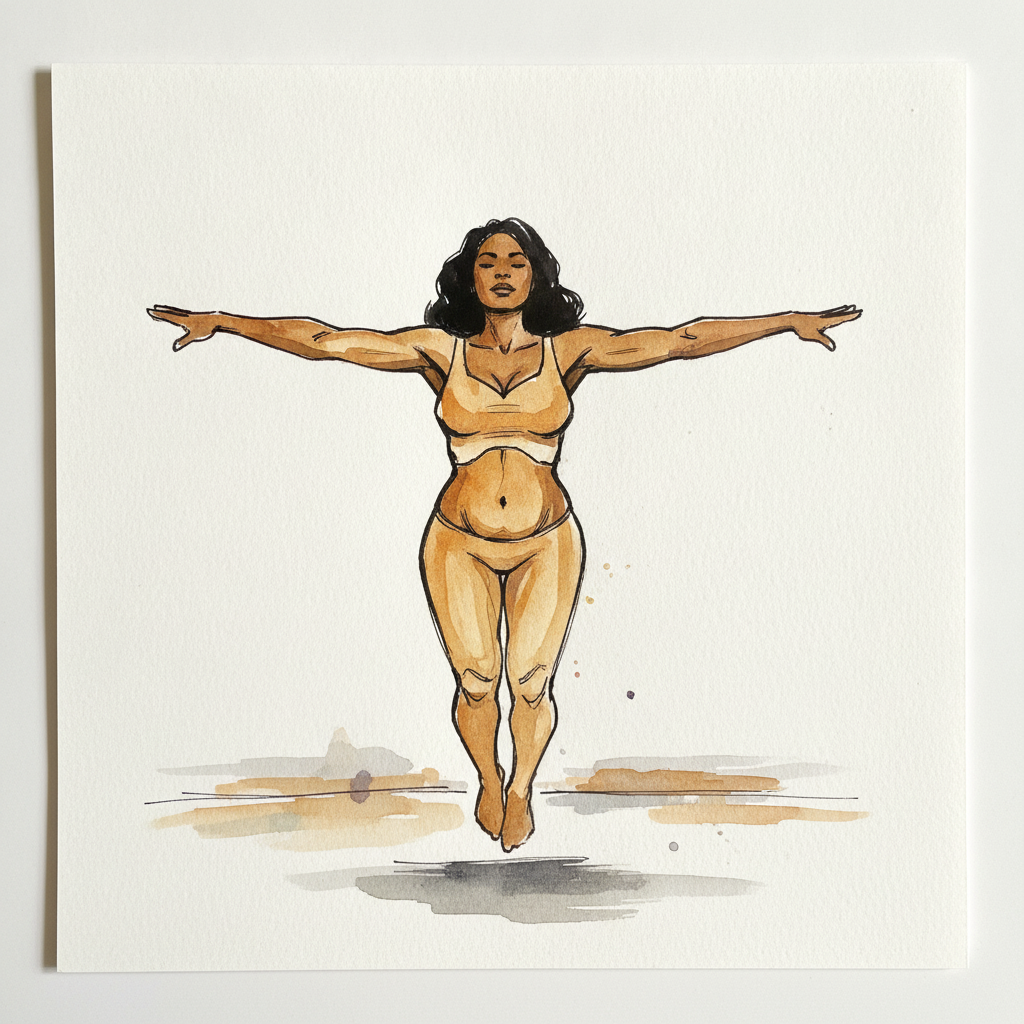
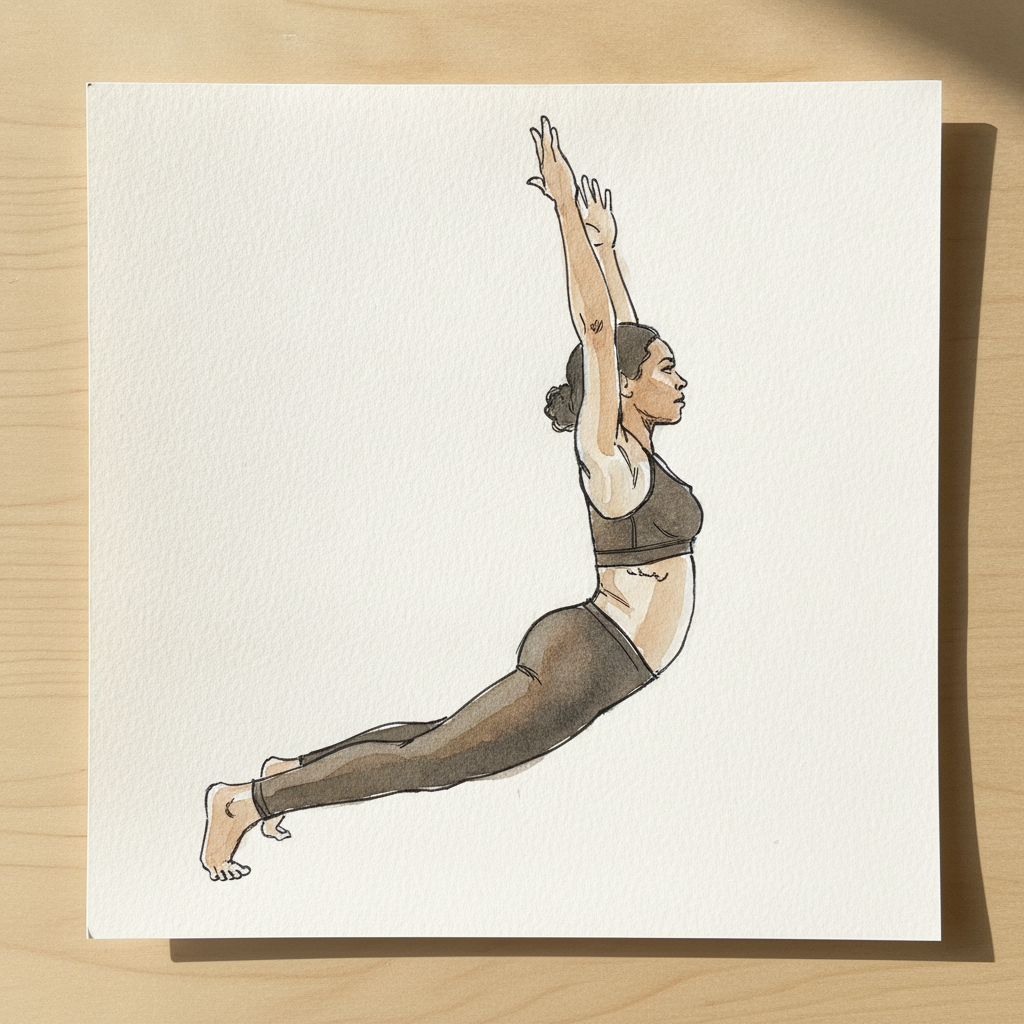
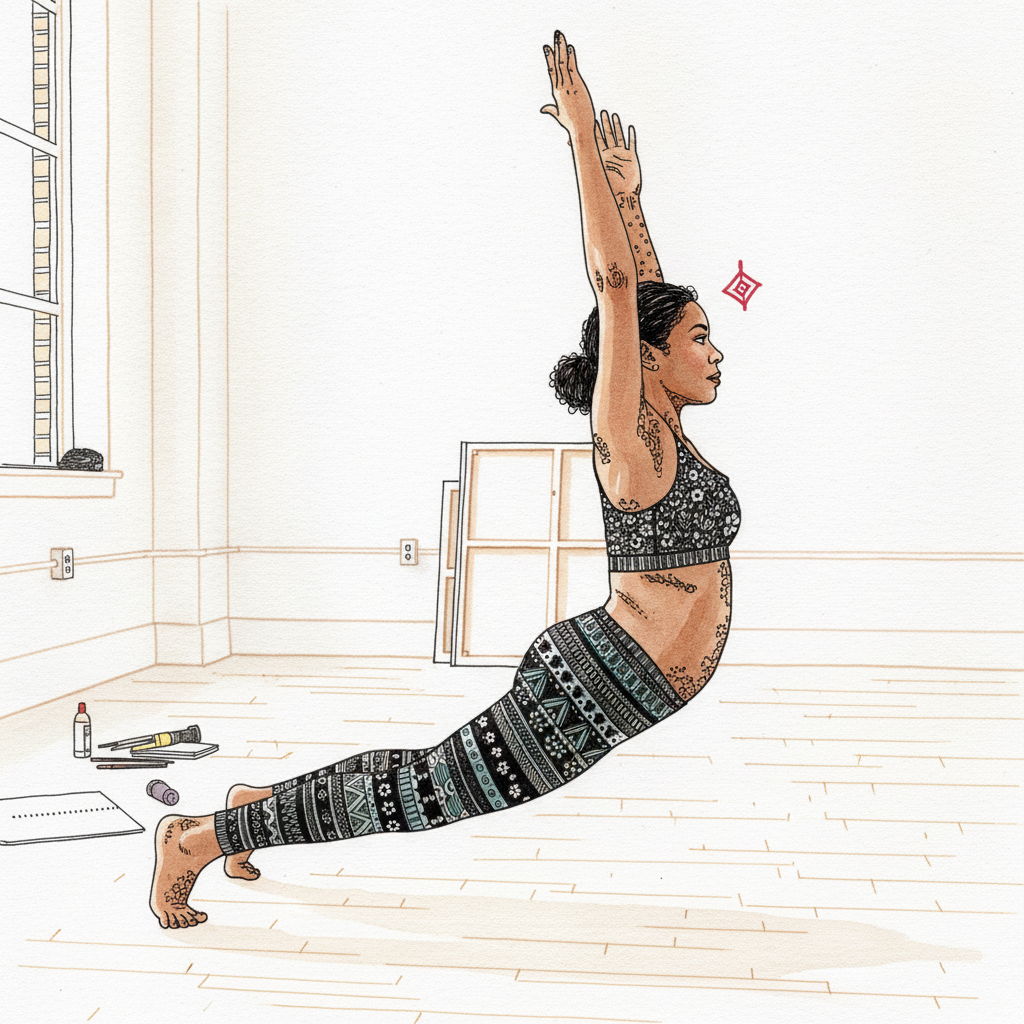
Piece 4 — Superman, Mother and Child Studio Series
Pen + Watercolor · Loose pen and watercolor line-and-wash
Three takes
Focus for this piece
For this powerful piece, concentrate on using varying pen line weights—heavier for the points of greatest tension like the engaged back muscles, lighter and more suggestive for the soft curves of the midsection. Employ thin, transparent watercolor washes to build the rich brown skin tones and model the body's volumetric form under the soft frontal light. Pay particular attention to how subtle value shifts in the washes define the visible diastasis and convey reclaimed strength, letting the fluid watercolor complement the decisive ink. Use a minimal palette for the wide studio floor to emphasize the figure's grounded yet airborne pose.
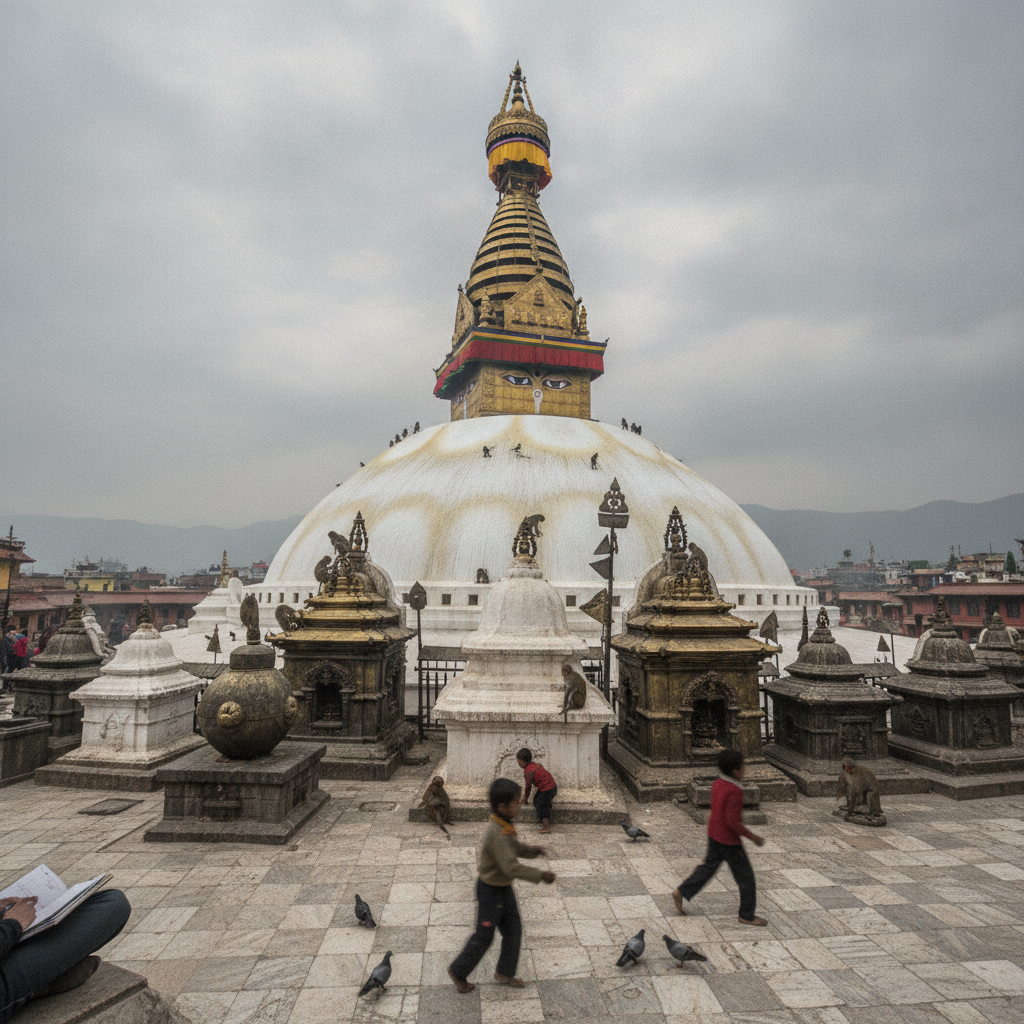
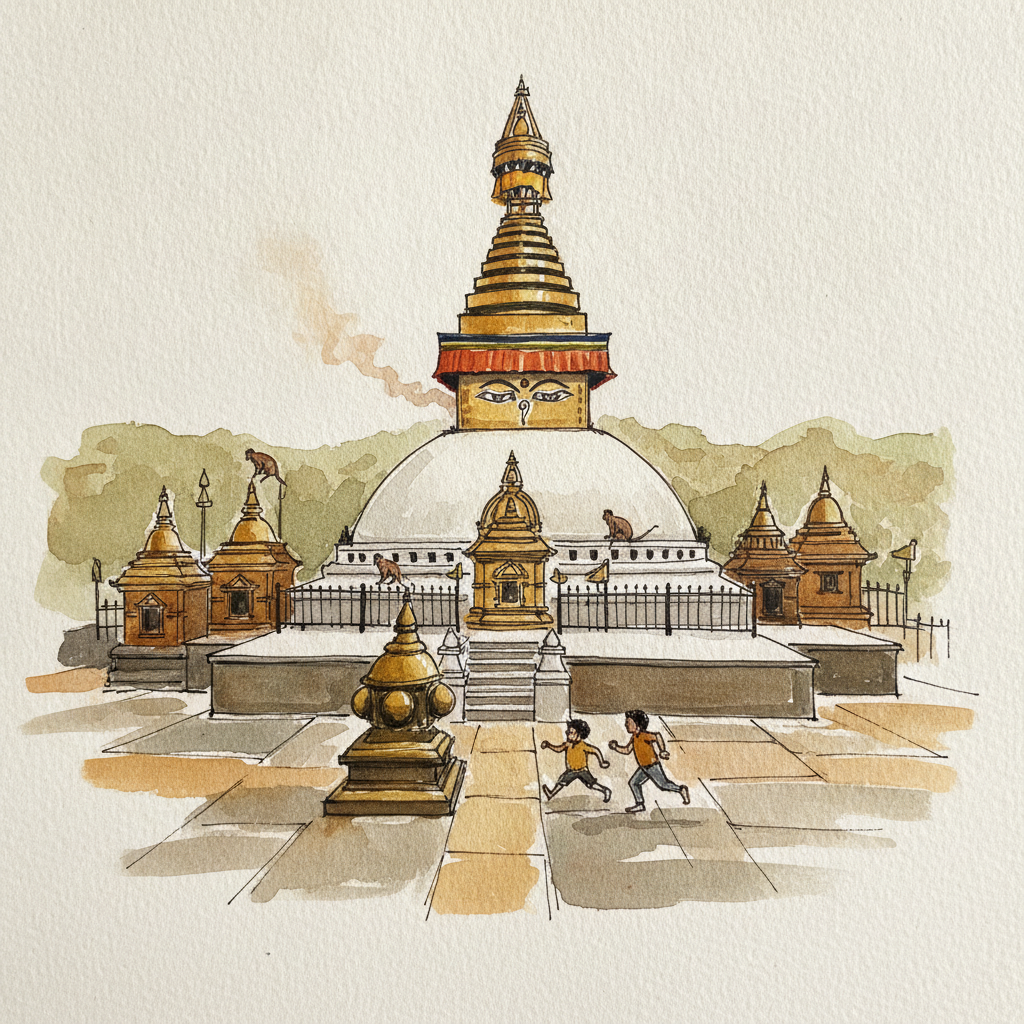
Piece 5 — Swayambhunath, Kathmandu, Nepal
Pen + Watercolor · Loose pen and watercolor line-and-wash
Three takes
Focus for this piece
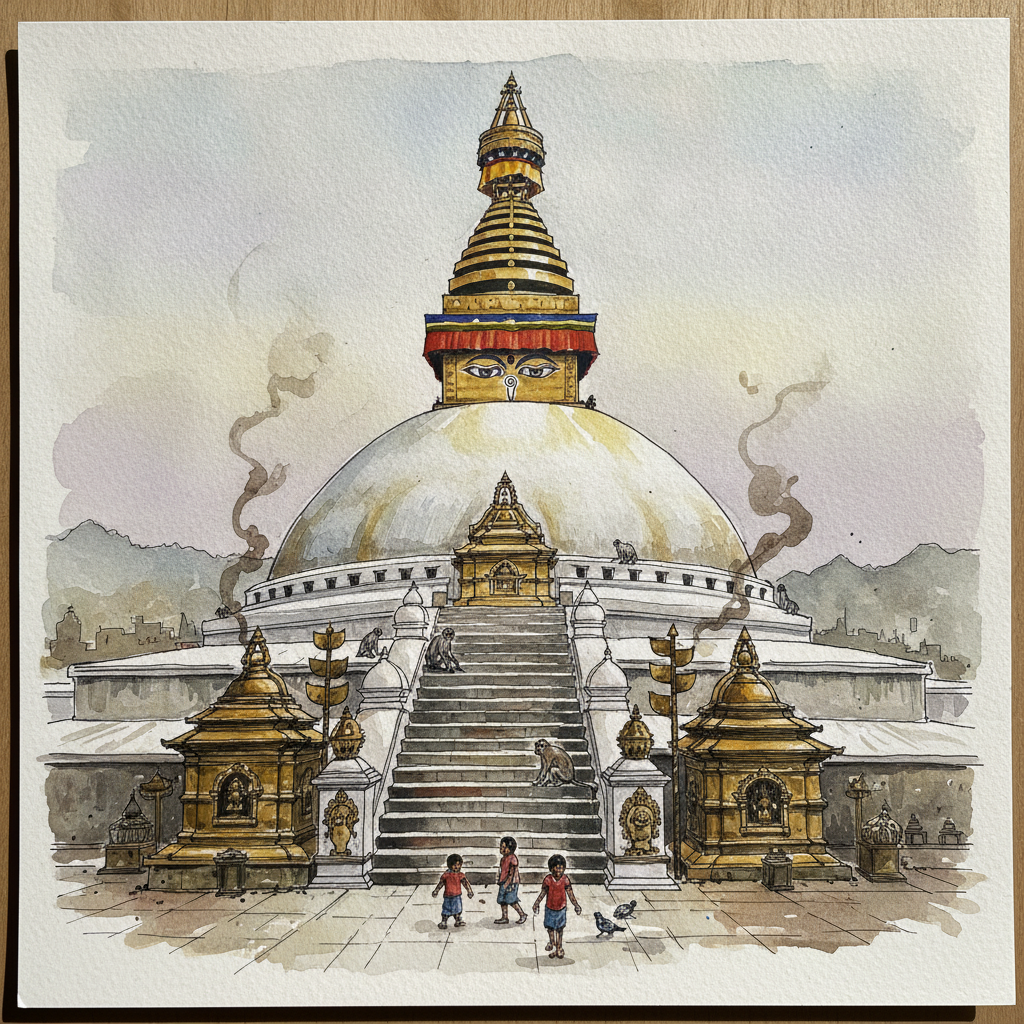
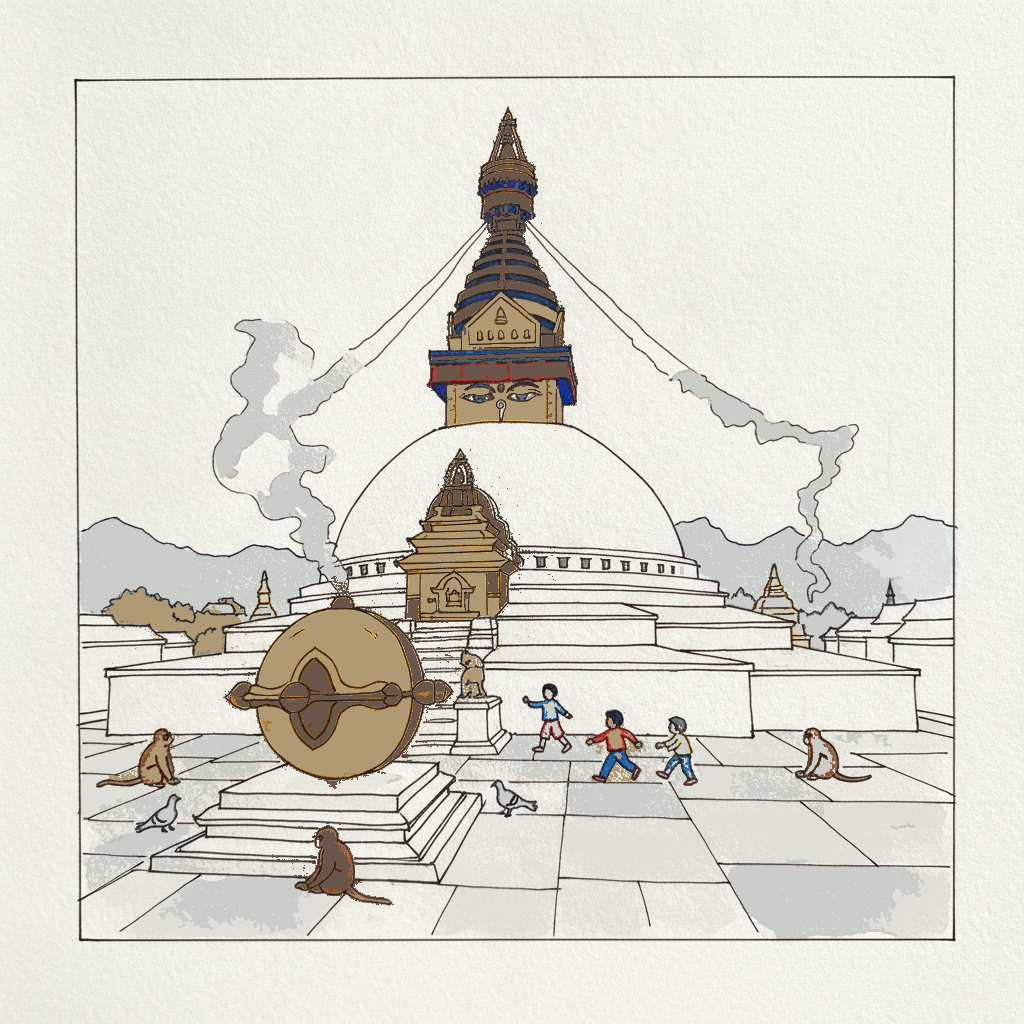
This piece is ideal for practicing the integration of crisp architectural detail with fluid atmospheric effects. Use precise, varied ink lines for the stupa's distinct dome, gilded harmika, and spire, contrasting with expansive wet-on-wet washes to capture the hazy Kathmandu Valley and drifting smoke. Pay particular attention to how sharp pen lines define the temple's structure while soft watercolor suggests volume and distant atmosphere.
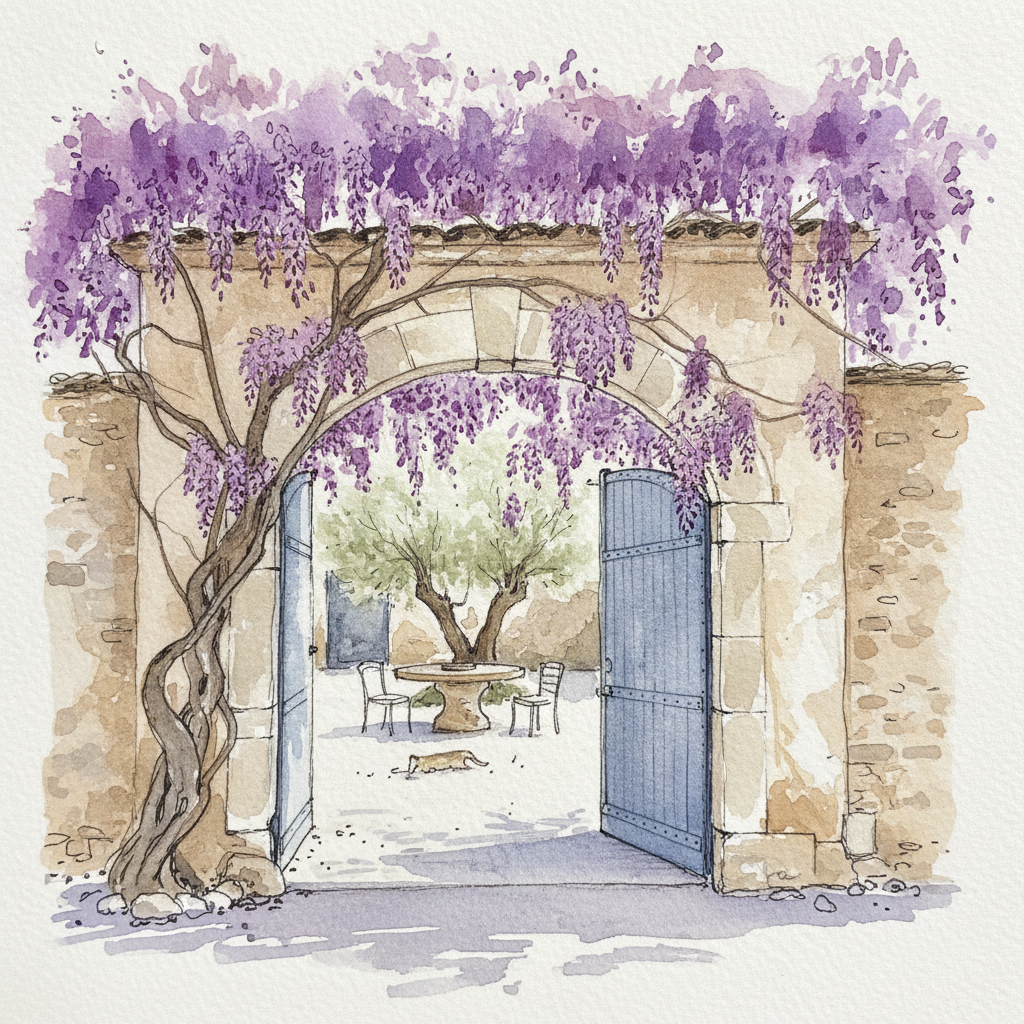
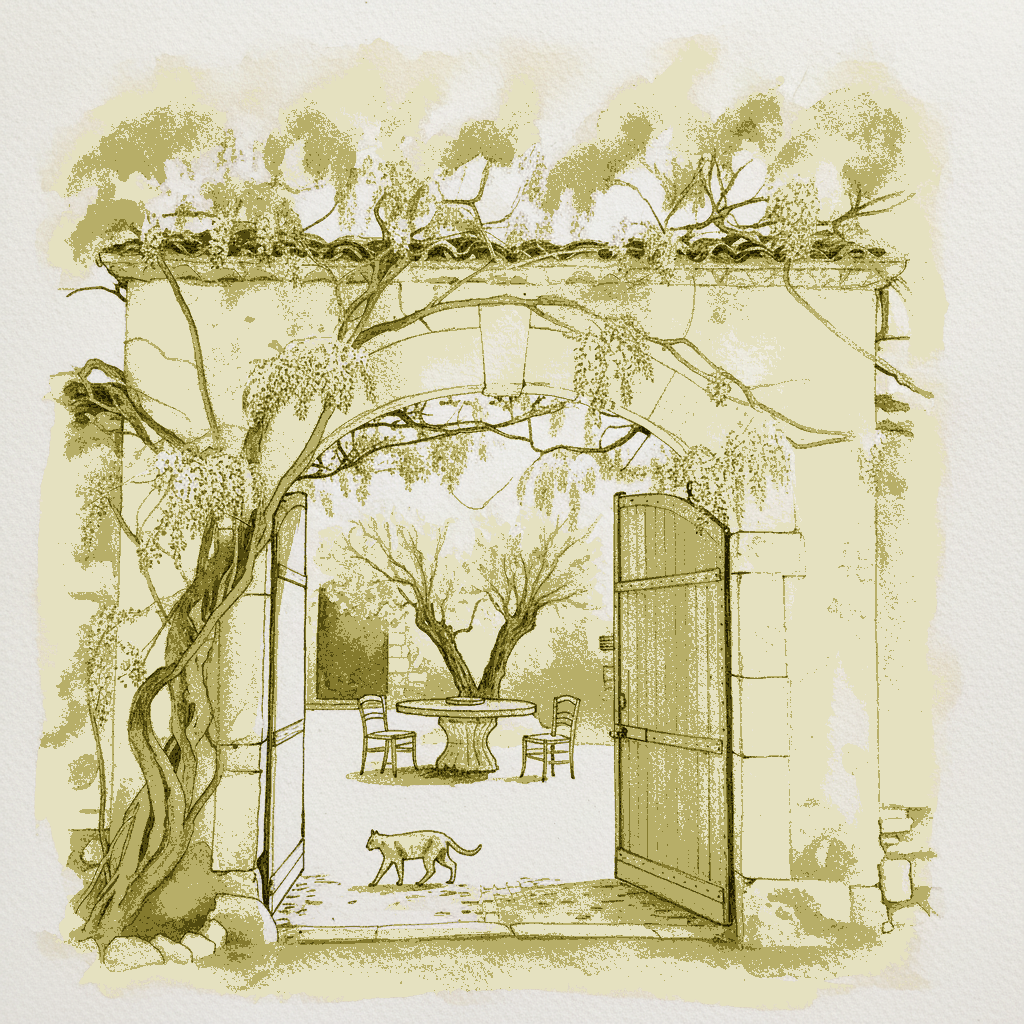
Piece 6 — Wisteria arch at the gate of a Provence farmhouse
Pen + Watercolor · Loose pen and watercolor line-and-wash
Three takes

Focus for this piece
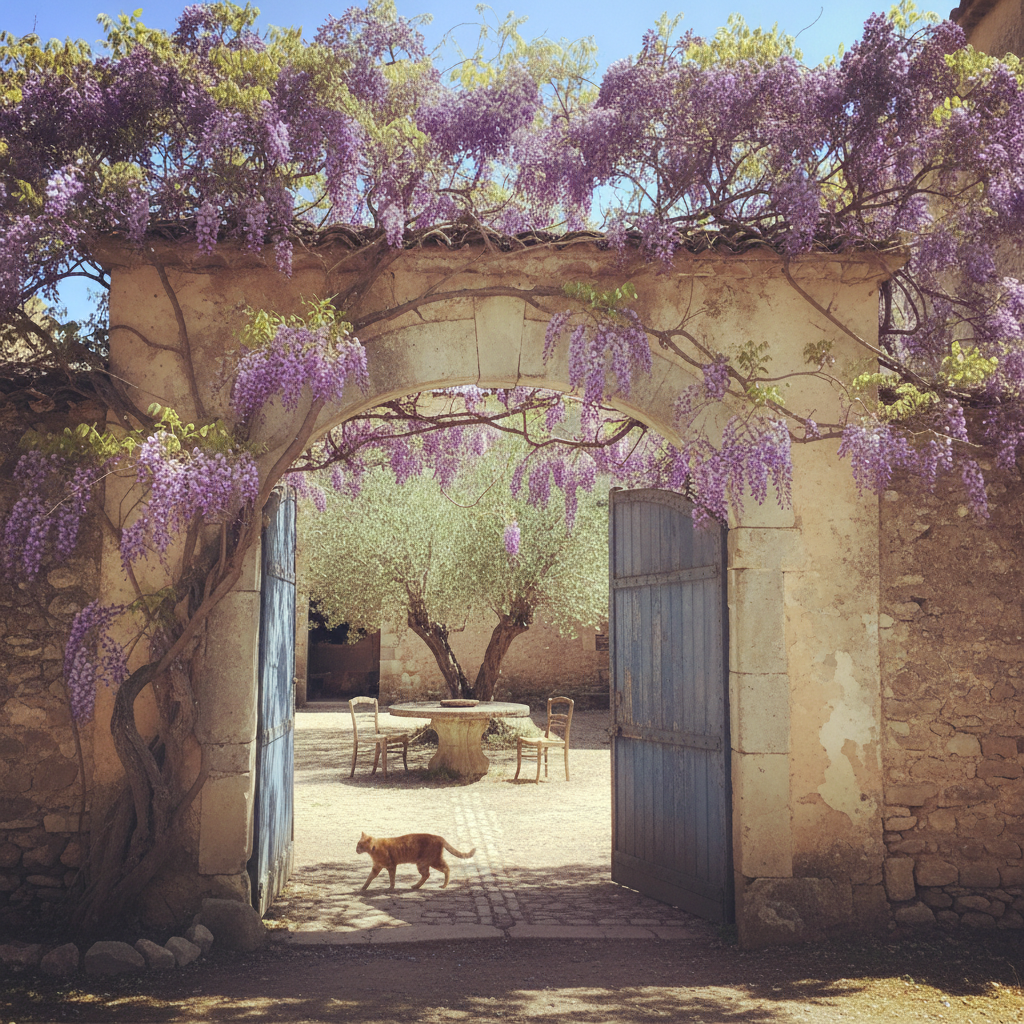
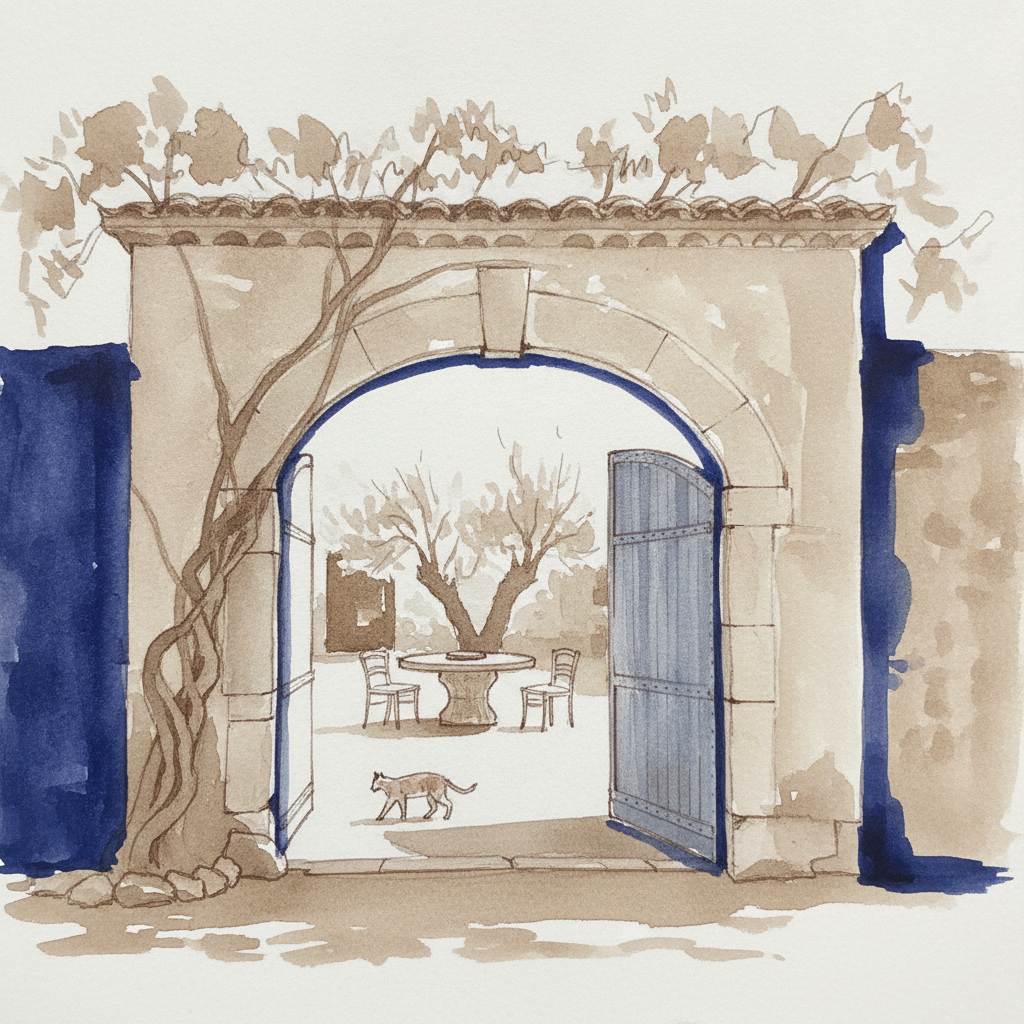
This piece is an excellent study in creating strong focal points through contrasts in saturation and value. Focus on using light, diluted washes and minimal line detail for the sun-bleached stone arch and distant courtyard elements, allowing the vibrant, multi-pigment wet-in-wet washes of the wisteria to sing. Experiment with varying your pen line weight—stronger, expressive lines for the gnarled wisteria trunk and gate's immediate edges, dissolving into lighter suggestions for the deeper courtyard elements—to enhance depth and lead the eye. For the rough stucco, consider a subtle dry-brush texture over a pale beige wash to suggest peeling without overworking.
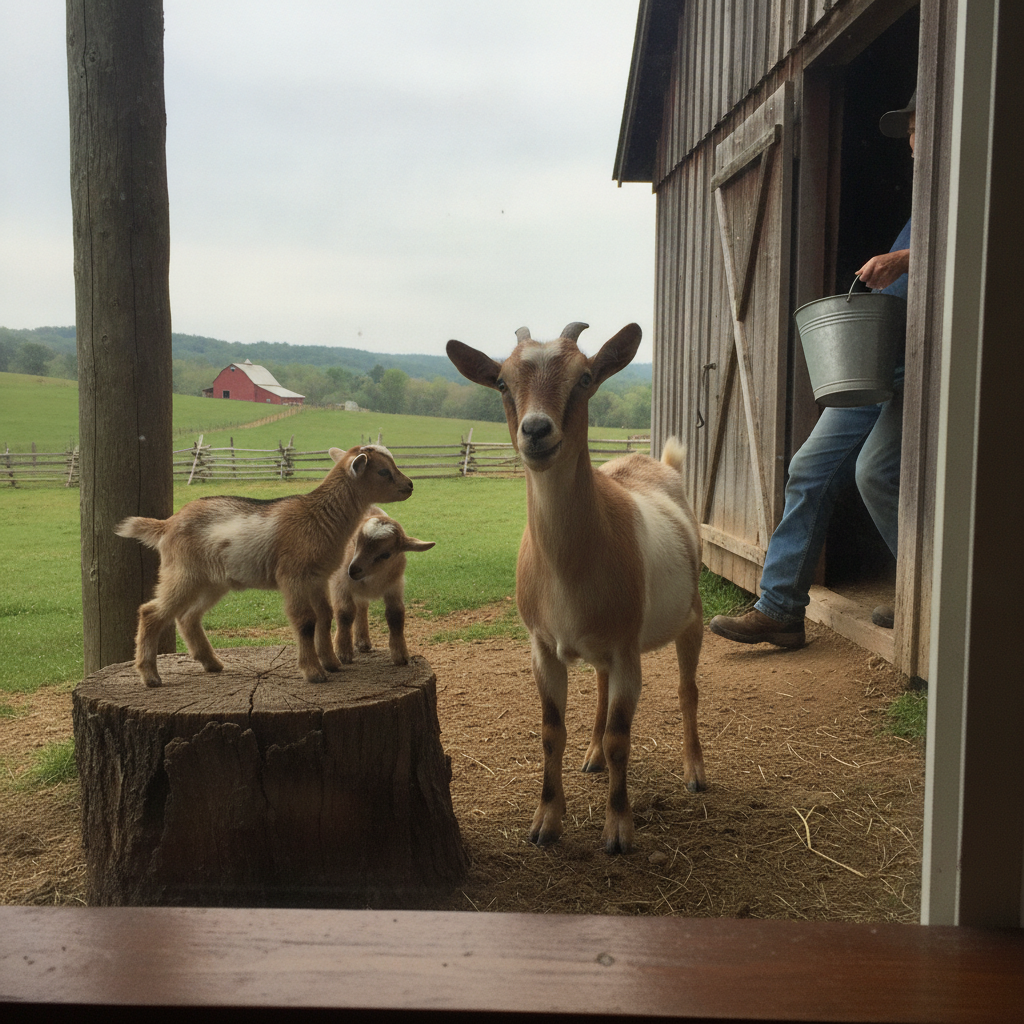
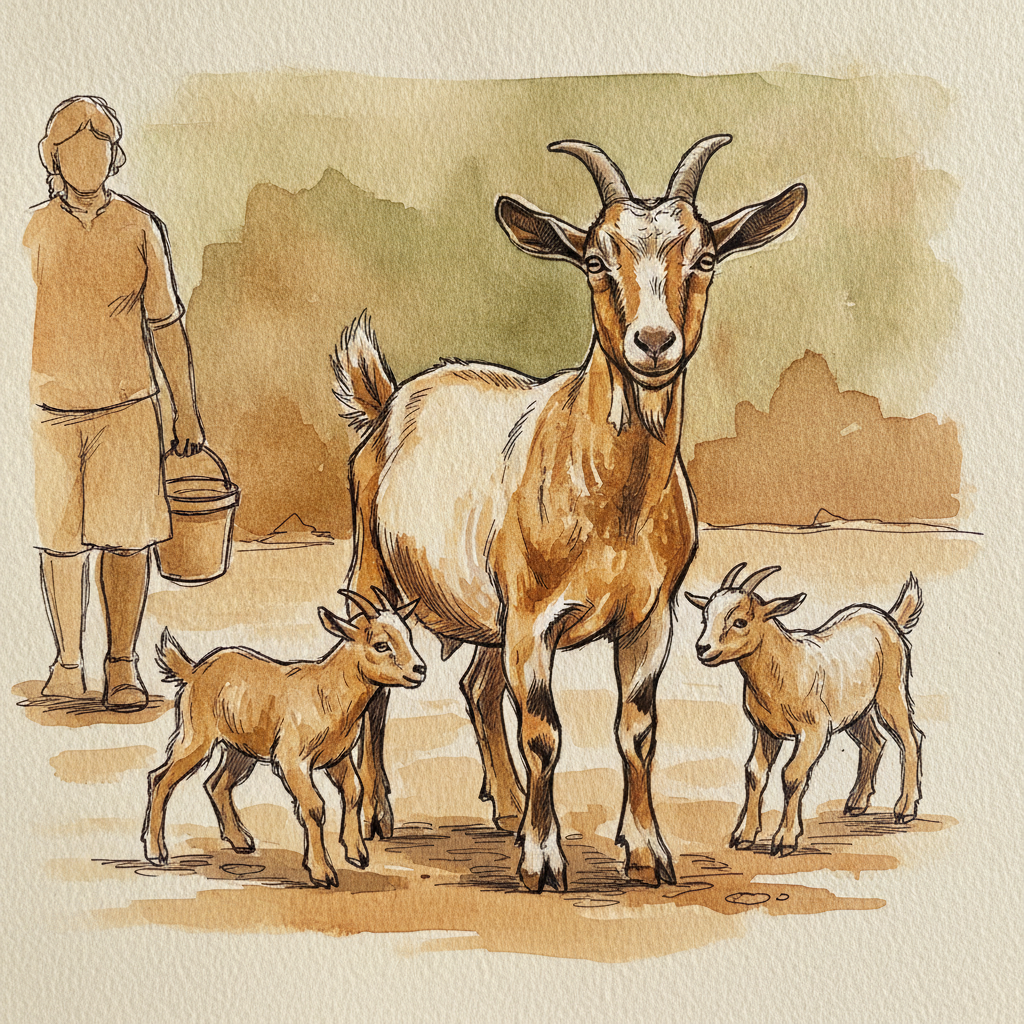
Piece 7 — Nigerian Dwarf
Pen + Watercolor · Loose pen and watercolor line-and-wash
Three takes
Focus for this piece
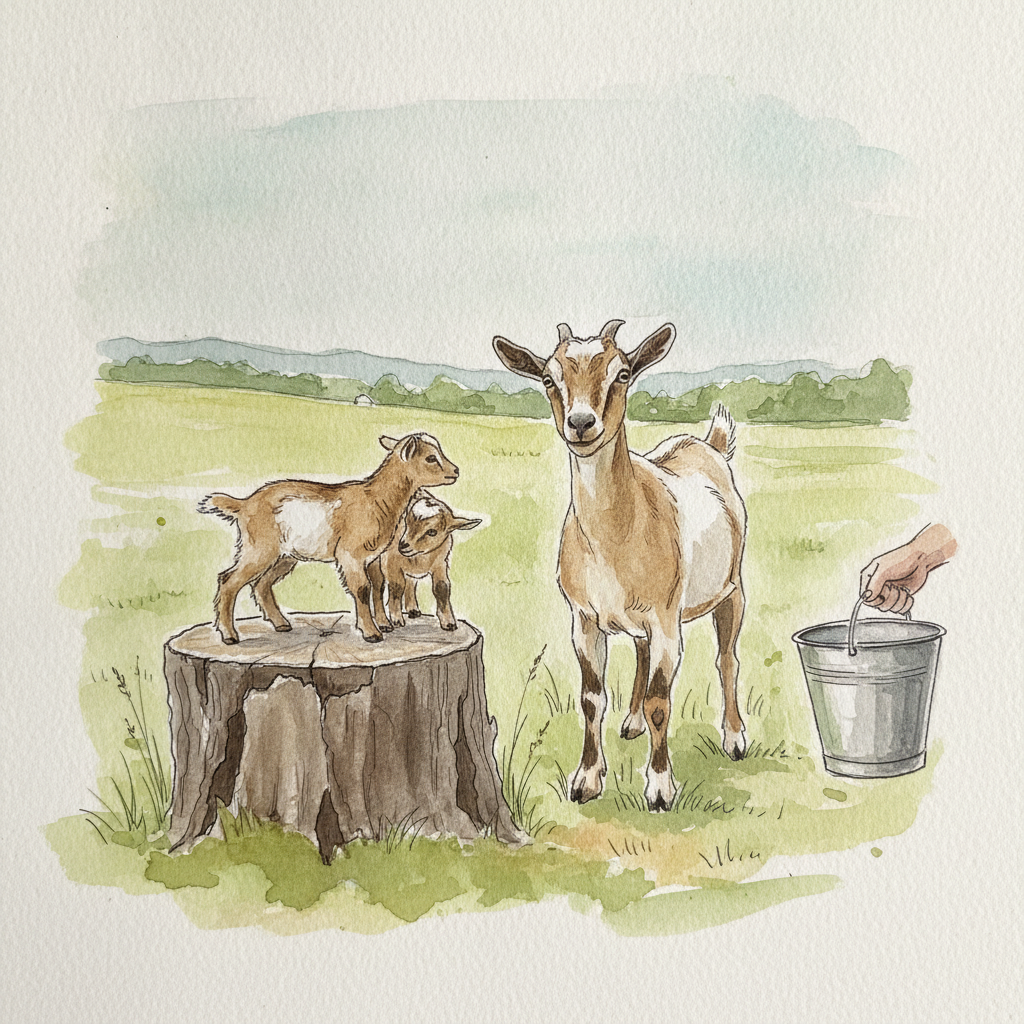
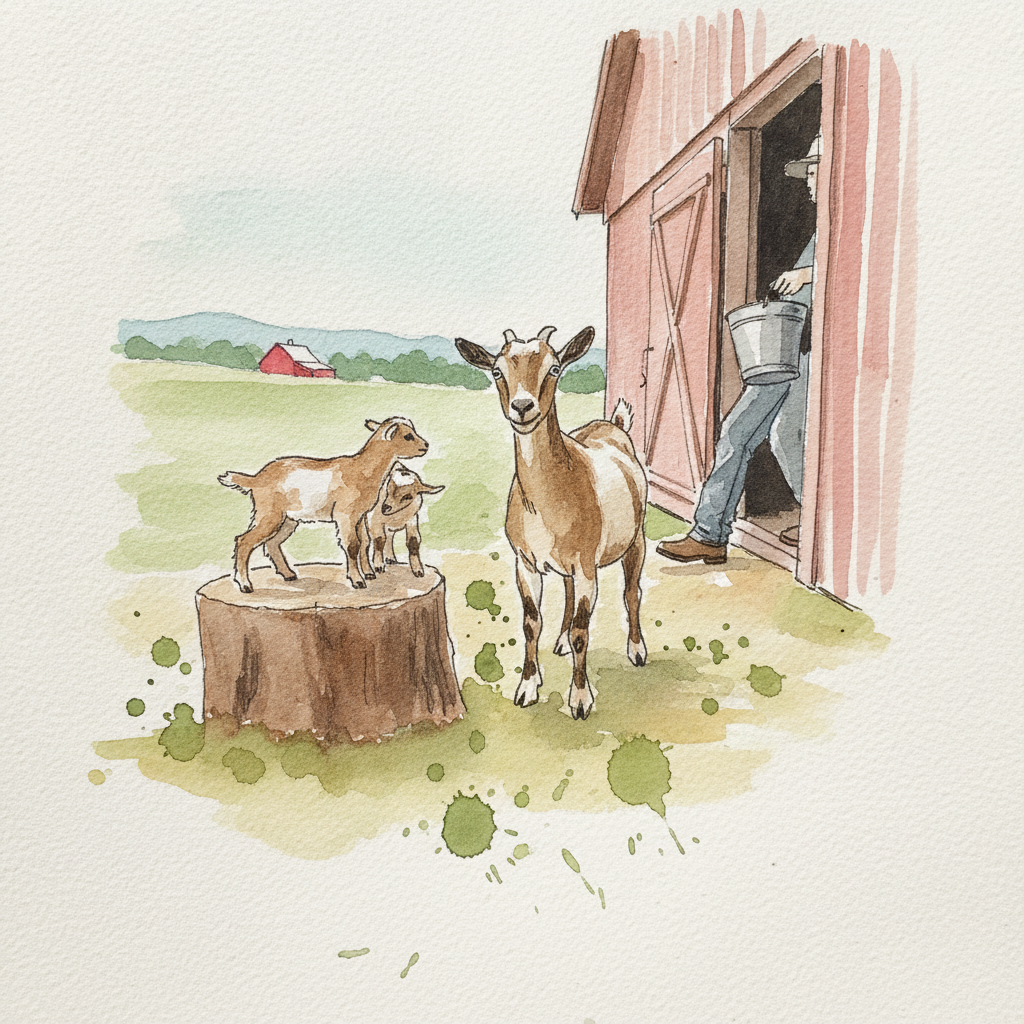
For this piece, concentrate on capturing both dynamic movement and calm presence using varied line weights to define the goats' forms. Use crisp, deliberate lines for the "perky upright ears" and "large kid-like eyes," letting a bolder, more expressive line suggest the playful energy of the leaping kids. Apply controlled, layered washes for the "cream and chocolate markings" to build dimension on the does, reserving softer, looser washes for the surrounding pasture to establish atmosphere and depth.
Piece 8 — Phillips Screwdriver, Worn Tip
Pen + Watercolor · Loose pen and watercolor line-and-wash
Three takes

Focus for this piece
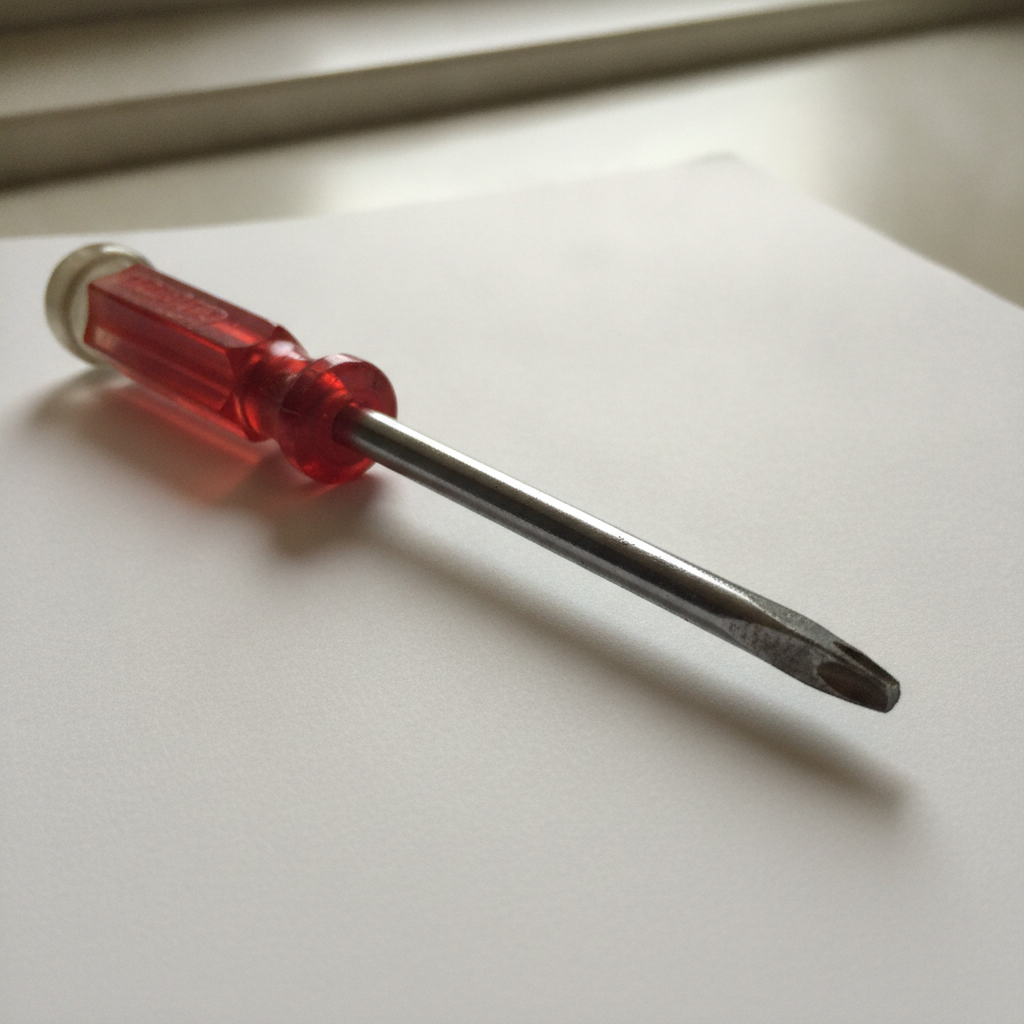
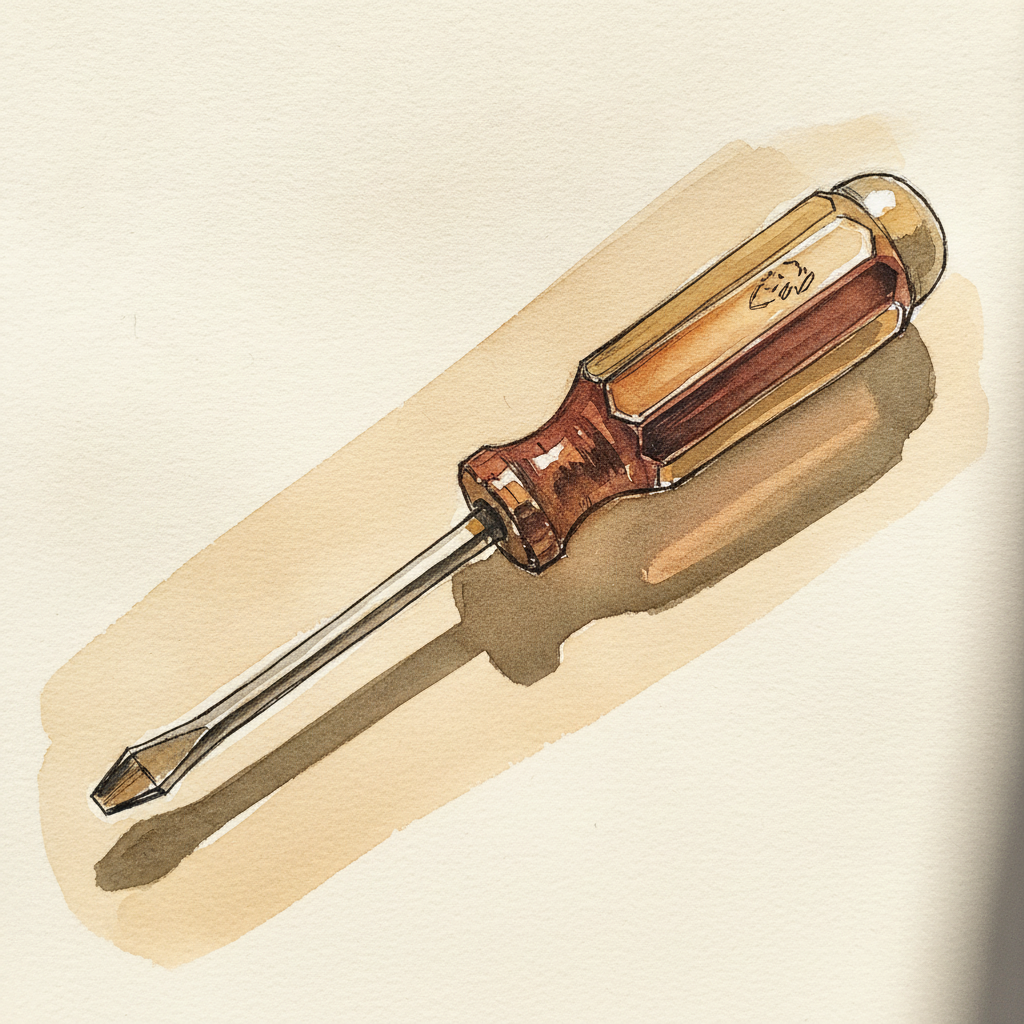
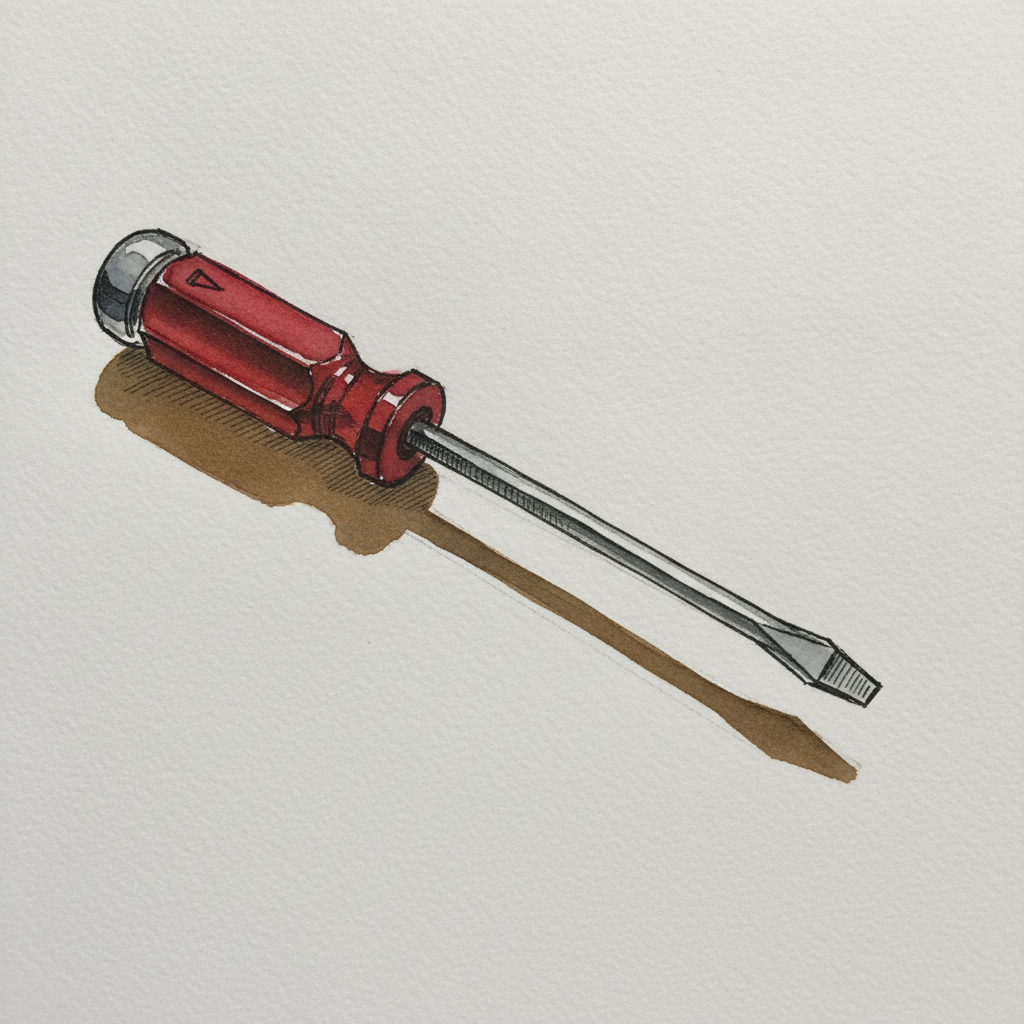
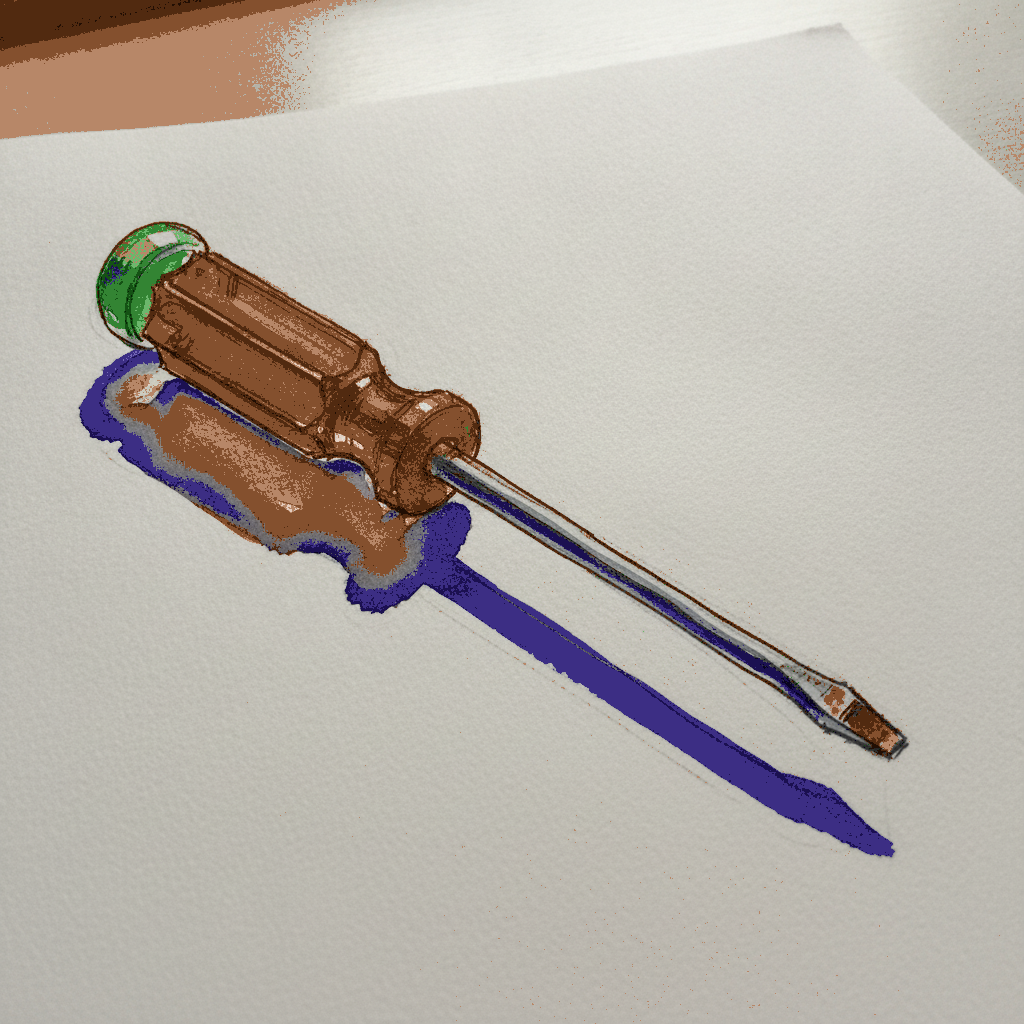
This piece is excellent for studying how to depict varied material textures and translucency by coordinating line weight with watercolor washes. Use firm, continuous ink lines for the reflective chrome shaft, but render the translucent plastic handle with delicate, broken lines, allowing subsequent layered washes of thinned pigment to build its volume and reveal the embedded scuffs. Pay close attention to rendering the long oval shadow with a soft, single wash of warm umber, letting its precise placement define the strong side-light.