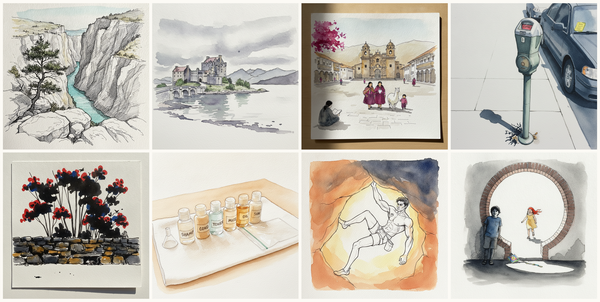
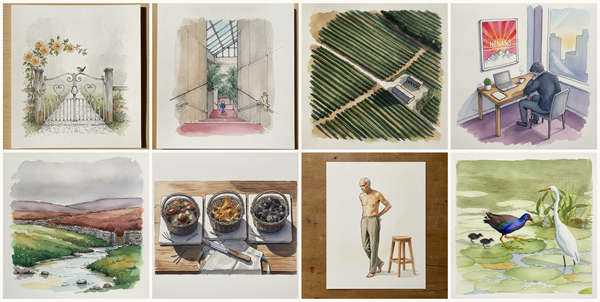
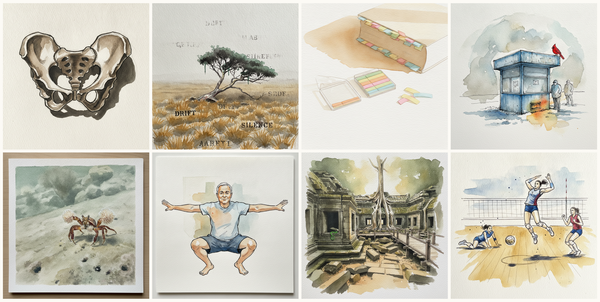
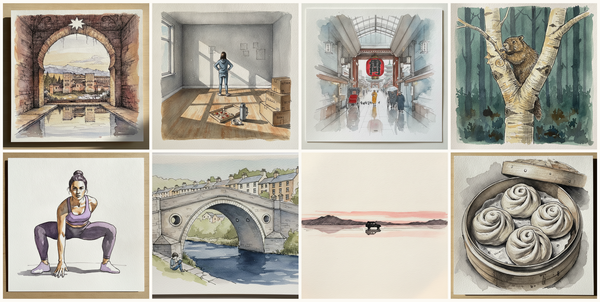
Talavera Bird Medallion, Japanese walnut, Sliding Door in Pine Forest Light, Dog chasing ball in field, and more — pen + watercolor for November 13, 2026
AI-generated daily art-practice references for pen and watercolor: Talavera Bird Medallion, Japanese walnut, Sliding Door in Pine Forest Light, Dog chasing ball in field, Skidoo and Nansen sled, single ski track, National Library of China, Beijing, China, Indian street chai vendor close crop, Bot…
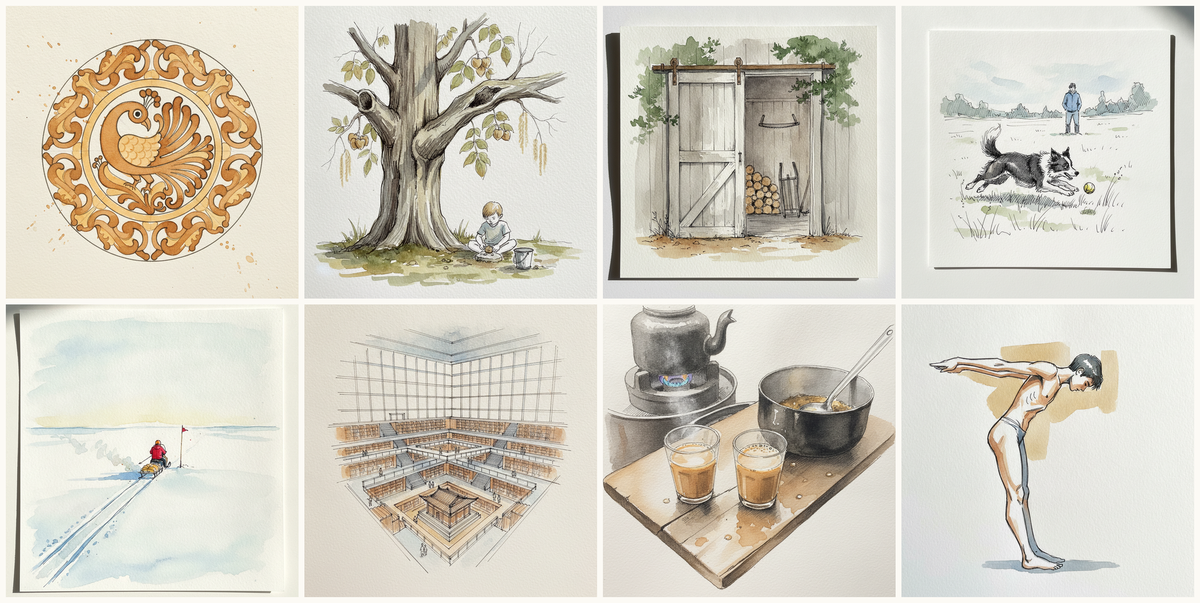
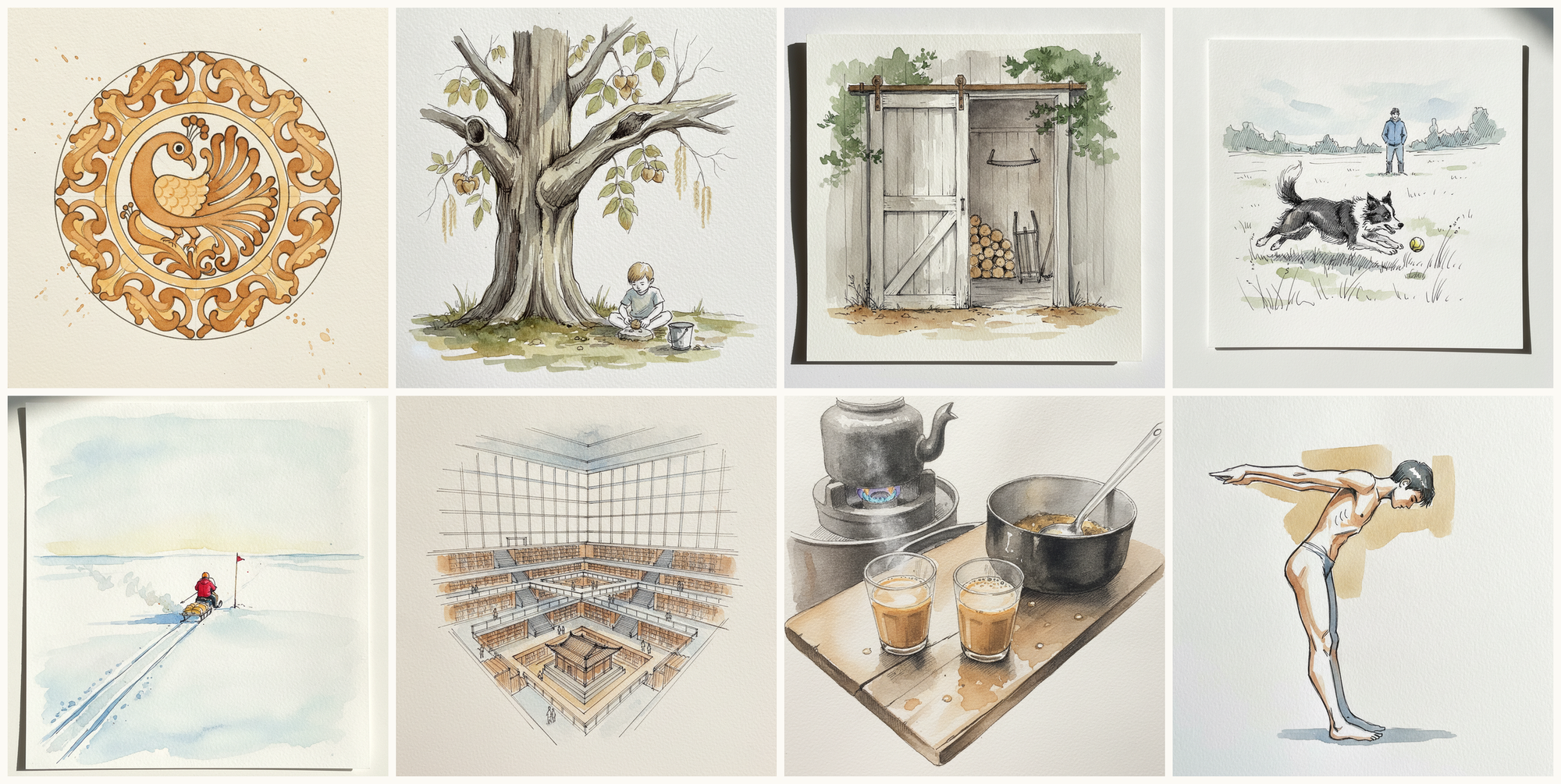
Today's 8 pen-and-watercolor pieces: Talavera Bird Medallion, Japanese walnut, Sliding Door in Pine Forest Light, Dog chasing ball in field, Skidoo and Nansen sled, single ski track, National Library of China, Beijing, China, Indian street chai vendor close crop, Both arms straight back overhead. Each piece comes with an AI-generated photoreal reference, three AI-generated example artworks in different treatments, and a short focus paragraph naming what to study in this one.
Why these references use AI
This daily series uses AI-generated images as practice prompts, not as finished artwork to copy. Each subject starts with a synthetic photoreal reference generated with Gemini/Nano Banana, then moves into three pen-and-watercolor interpretations of the same subject.
I use AI here because daily art practice needs variety and low friction. Real life can get repetitive, busy, or visually narrow. These generated reference sets make it easier to study bodies, buildings, animals, landscapes, objects, gestures, light, palettes, and compositions that might not show up in an ordinary day.
The goal is not to reproduce any image directly. Treat each set as a starting point for observation and study: choose what interests you, change the framing, simplify the subject, alter the palette, and make your own version.
Piece 1 — Talavera Bird Medallion
Pen + Watercolor · Loose pen and watercolor line-and-wash
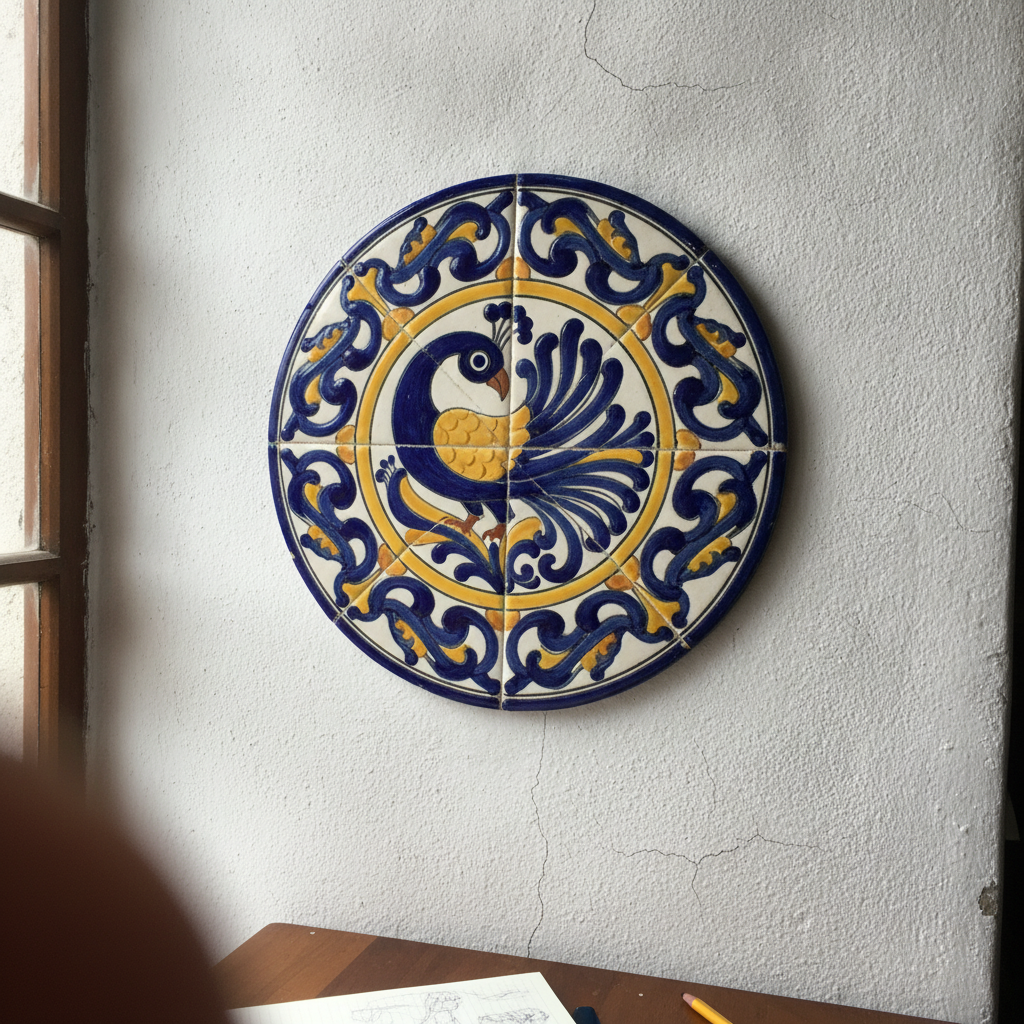
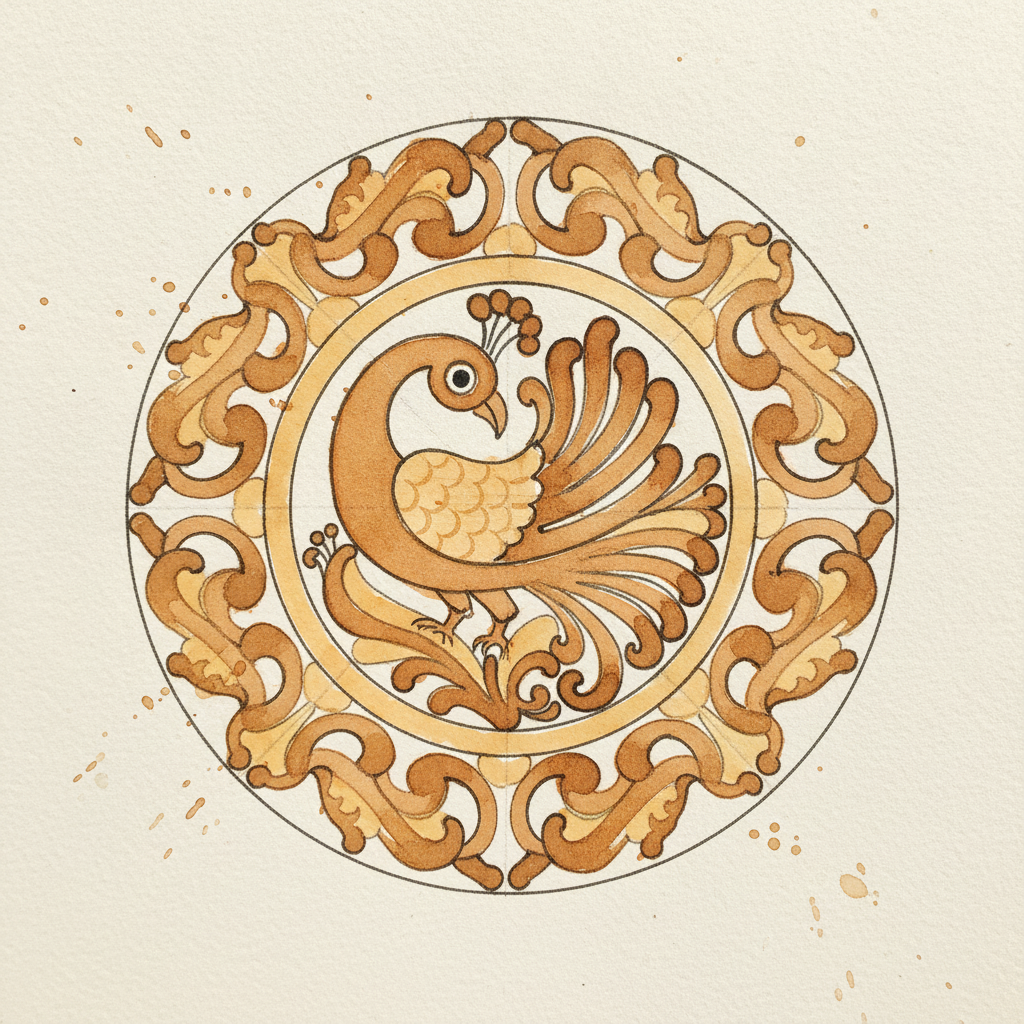
Three takes
Focus for this piece
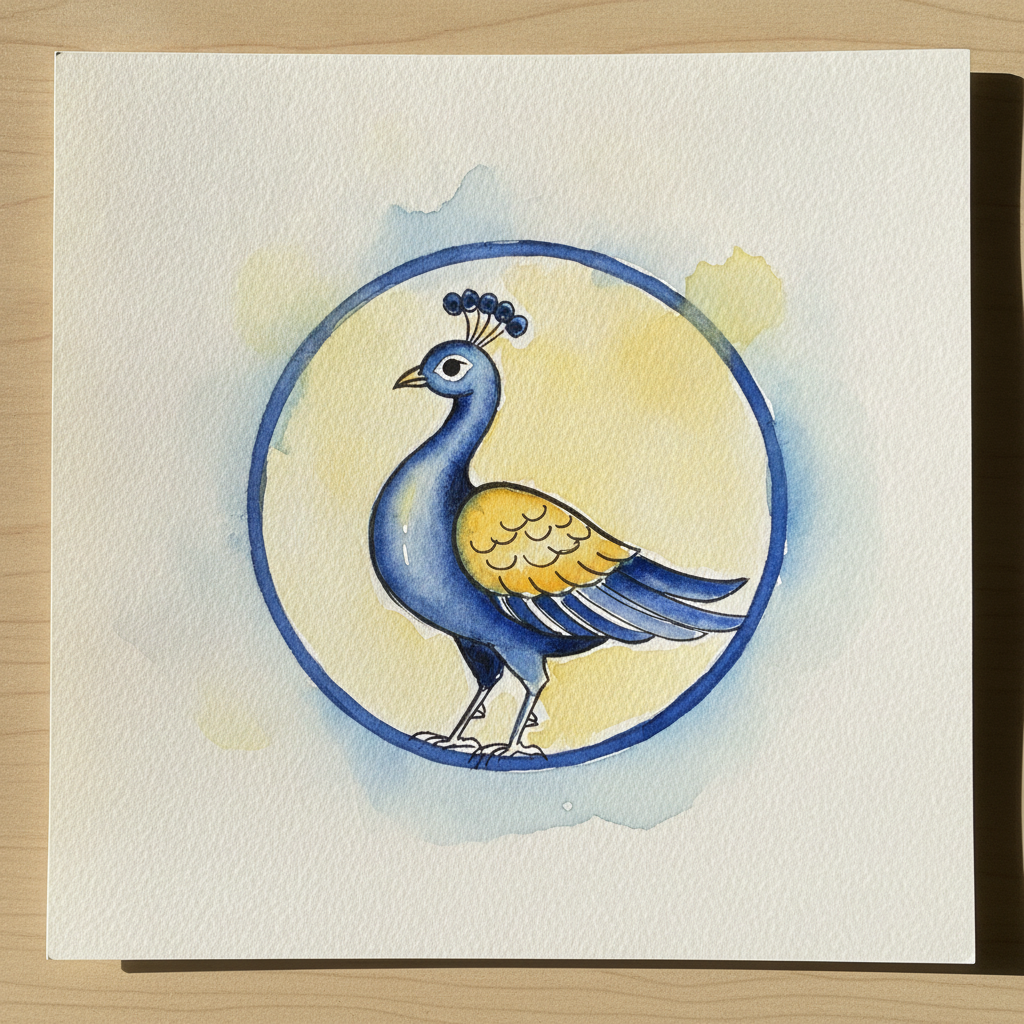
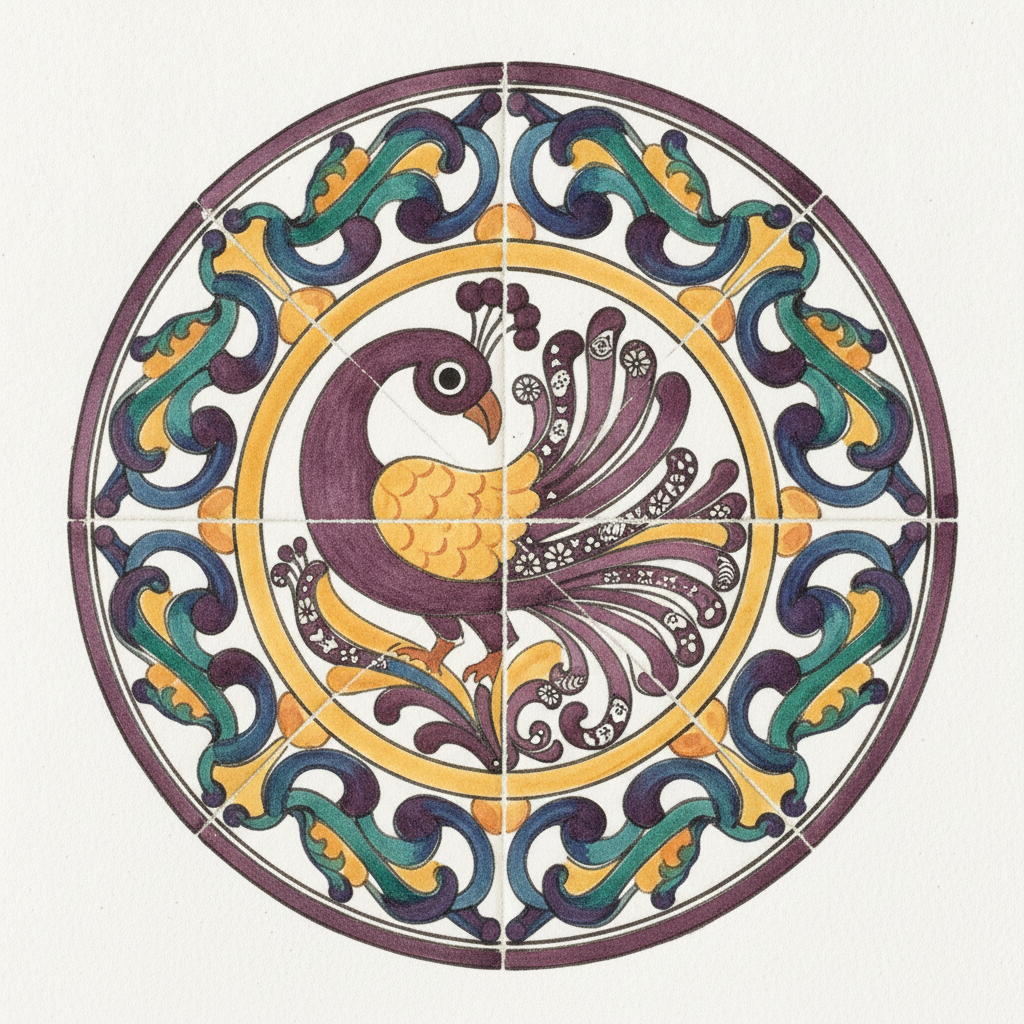
This Talavera medallion is a fantastic study in integrating watercolor's fluidity within firm ink structures. Focus on laying down confident, consistent waterproof ink lines to define the stylized bird and symmetric borders. Then, practice controlled wet-on-wet washes with cobalt and yellow within these shapes, allowing the colors to bloom gently to emulate the characteristic tin-glaze flow while preserving the crisp white ground.
Piece 2 — Japanese walnut
Pen + Watercolor · Loose pen and watercolor line-and-wash
Three takes
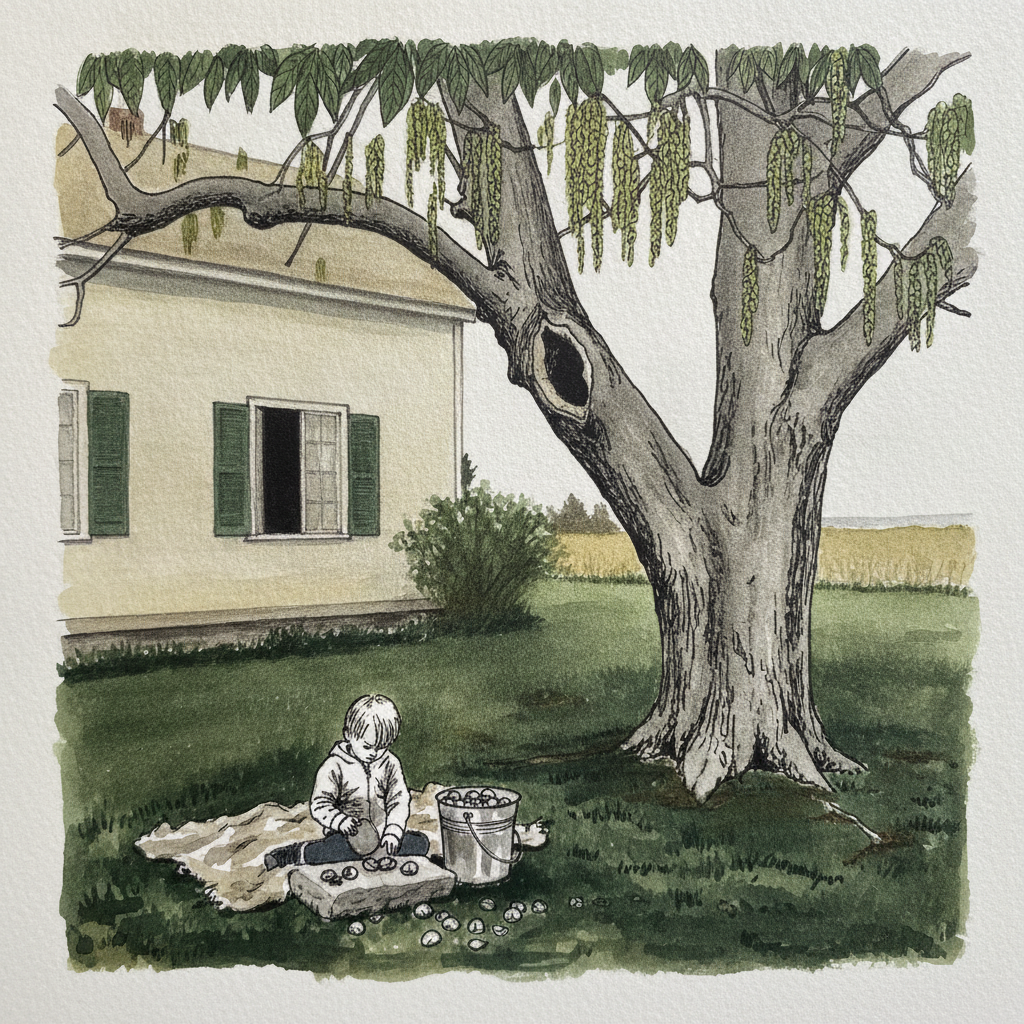
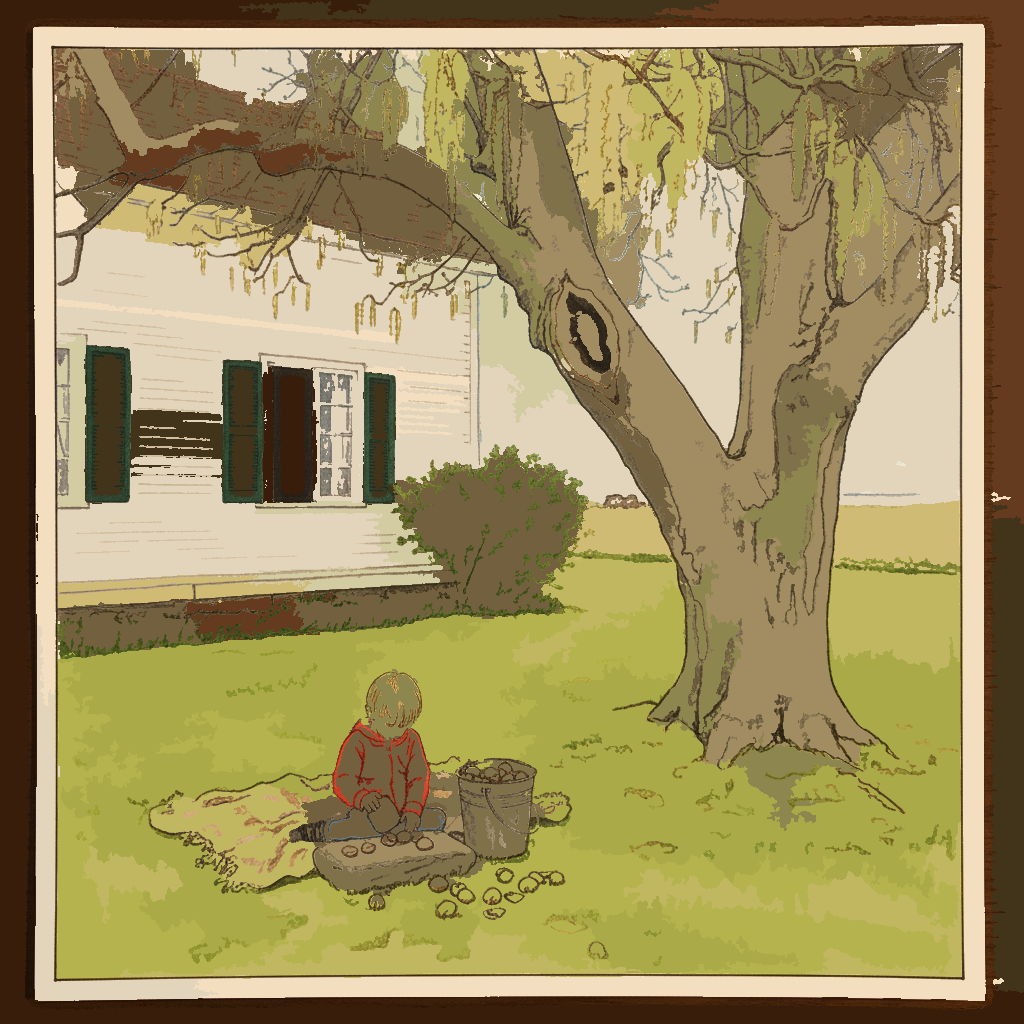
Focus for this piece
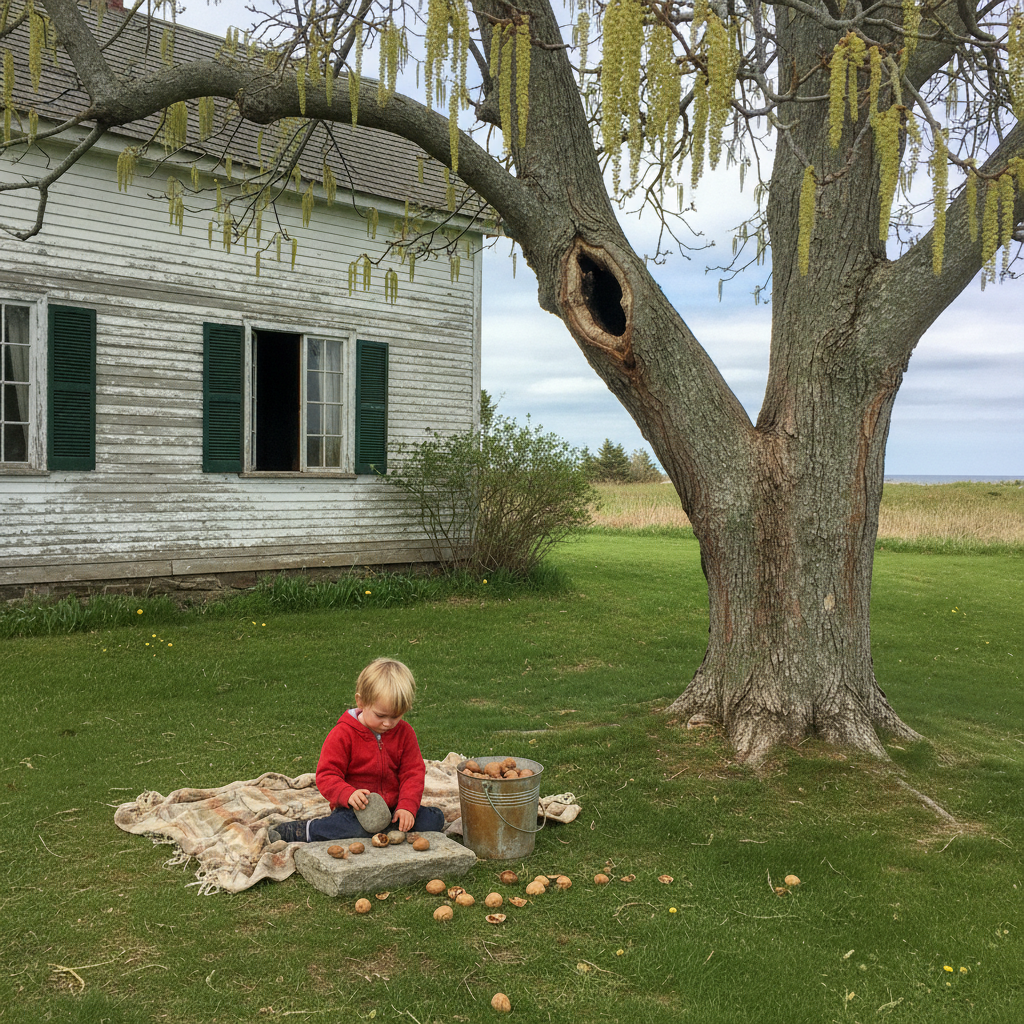
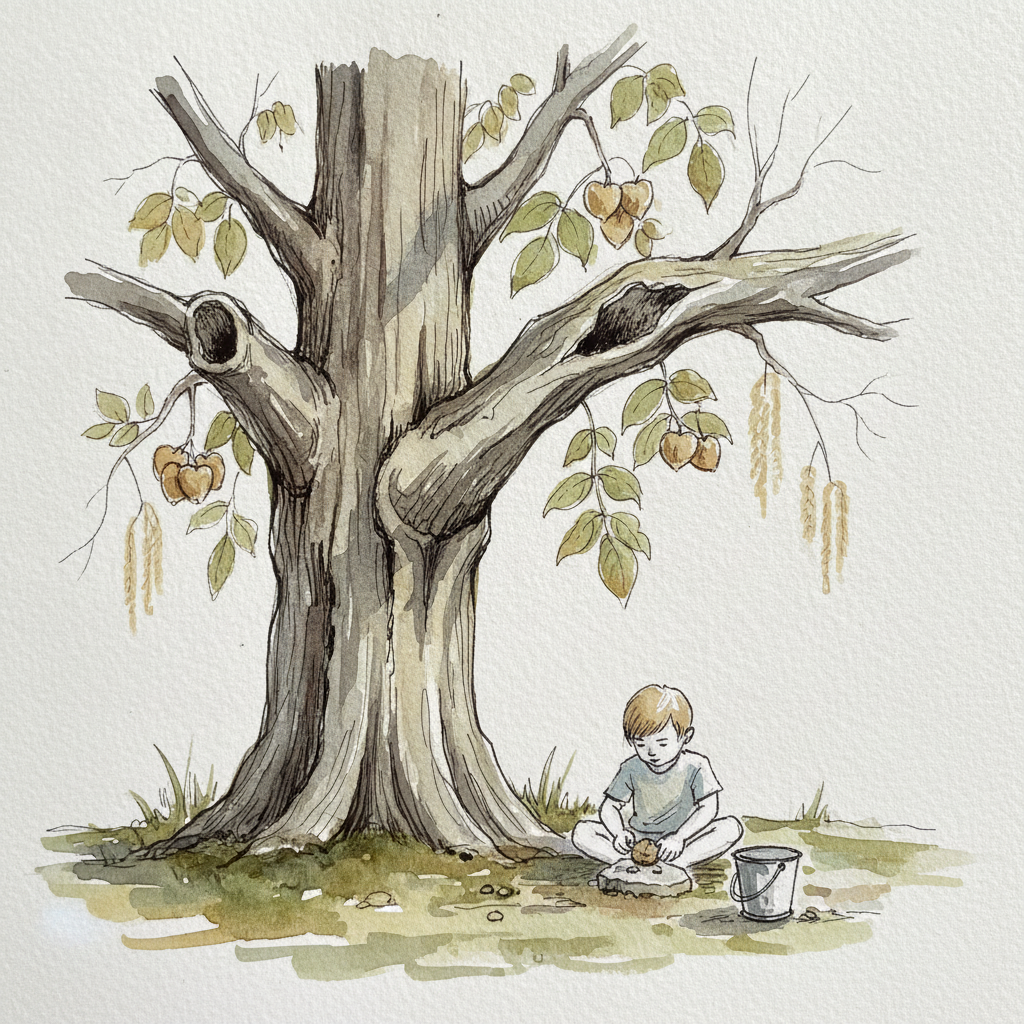
This subject provides an excellent study in building rich organic texture and form through varied applications of both media. Use deliberate, varied pen lines—from bold, broken strokes for the ridged bark and dead limb to fine, fluid curves for the enormous leaves and delicate catkins. Then, layer cool, muted washes to suggest the damp, atmospheric light of coastal Maine, letting the ink provide crisp definition for the tree's structure and the child's figure, while the watercolor softens edges and creates depth.
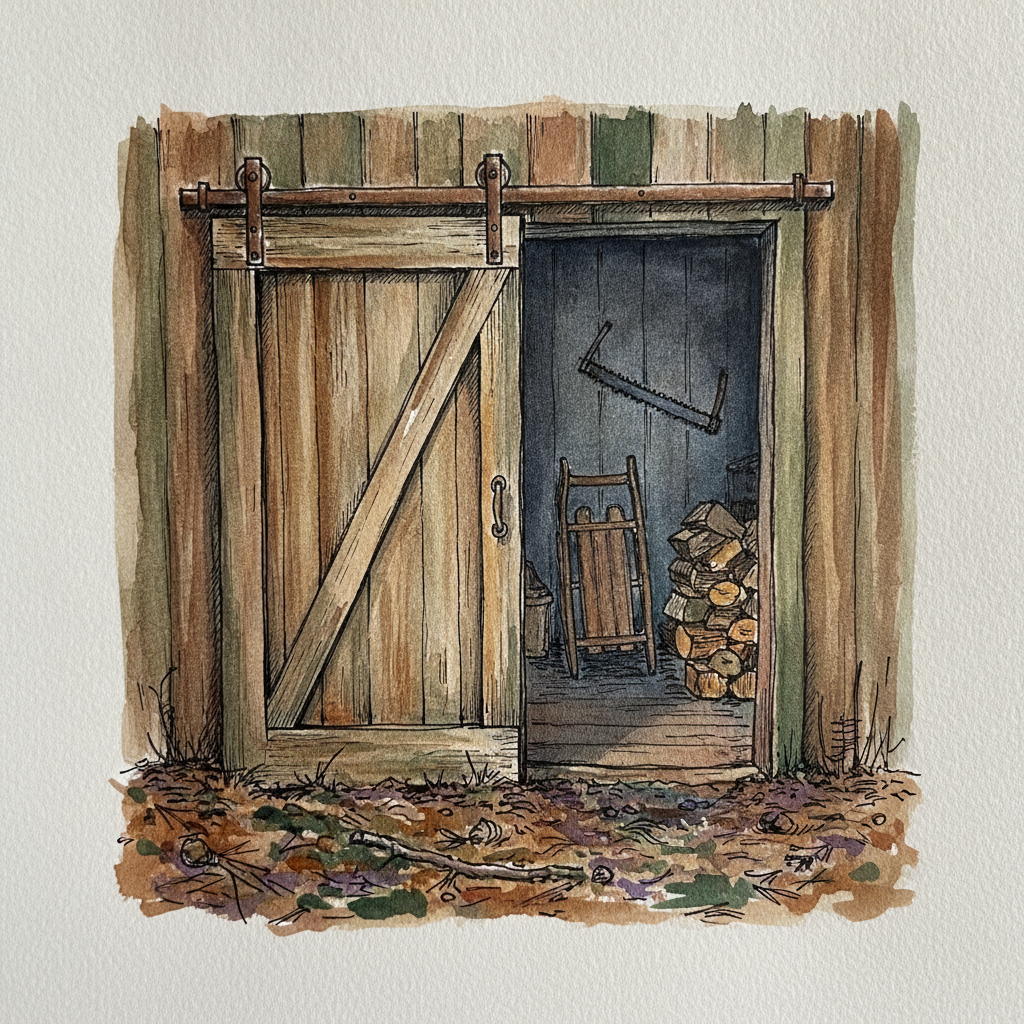
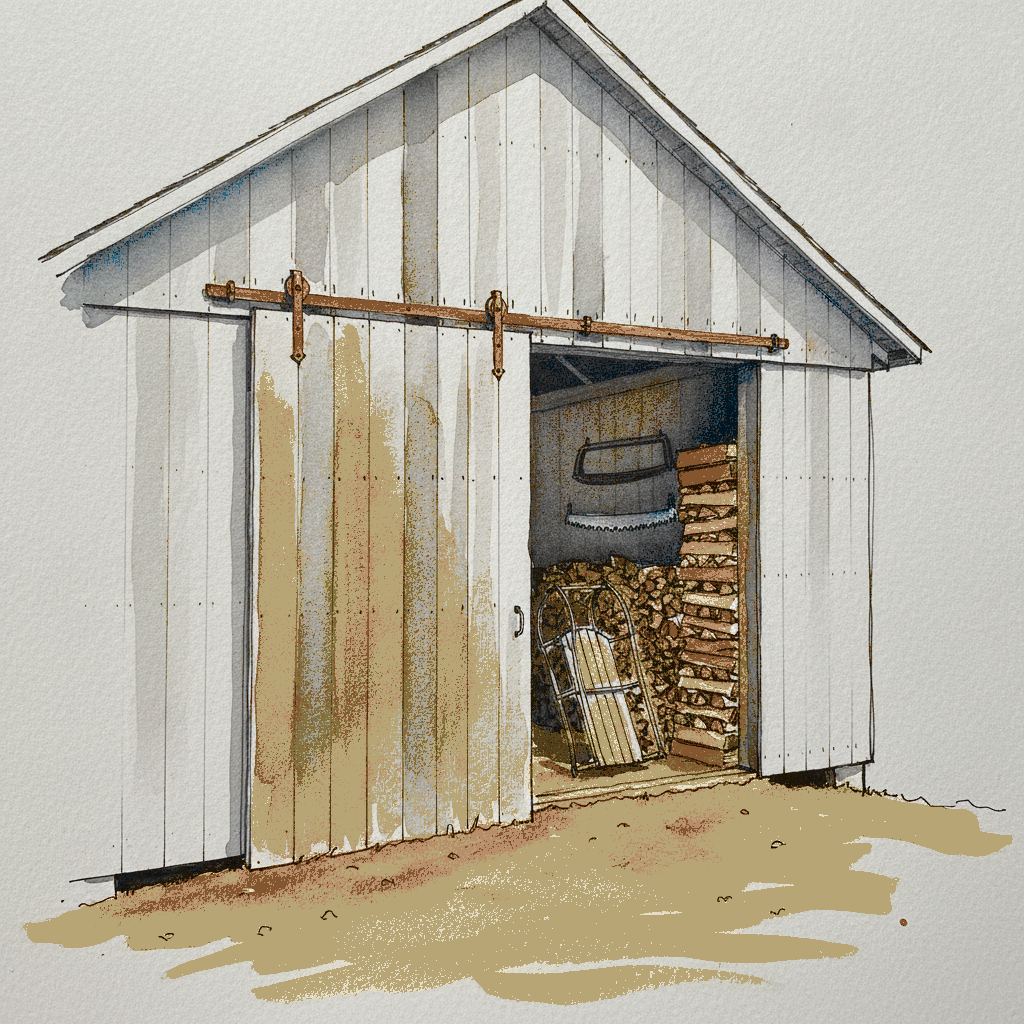
Piece 3 — Sliding Door in Pine Forest Light
Pen + Watercolor · Loose pen and watercolor line-and-wash
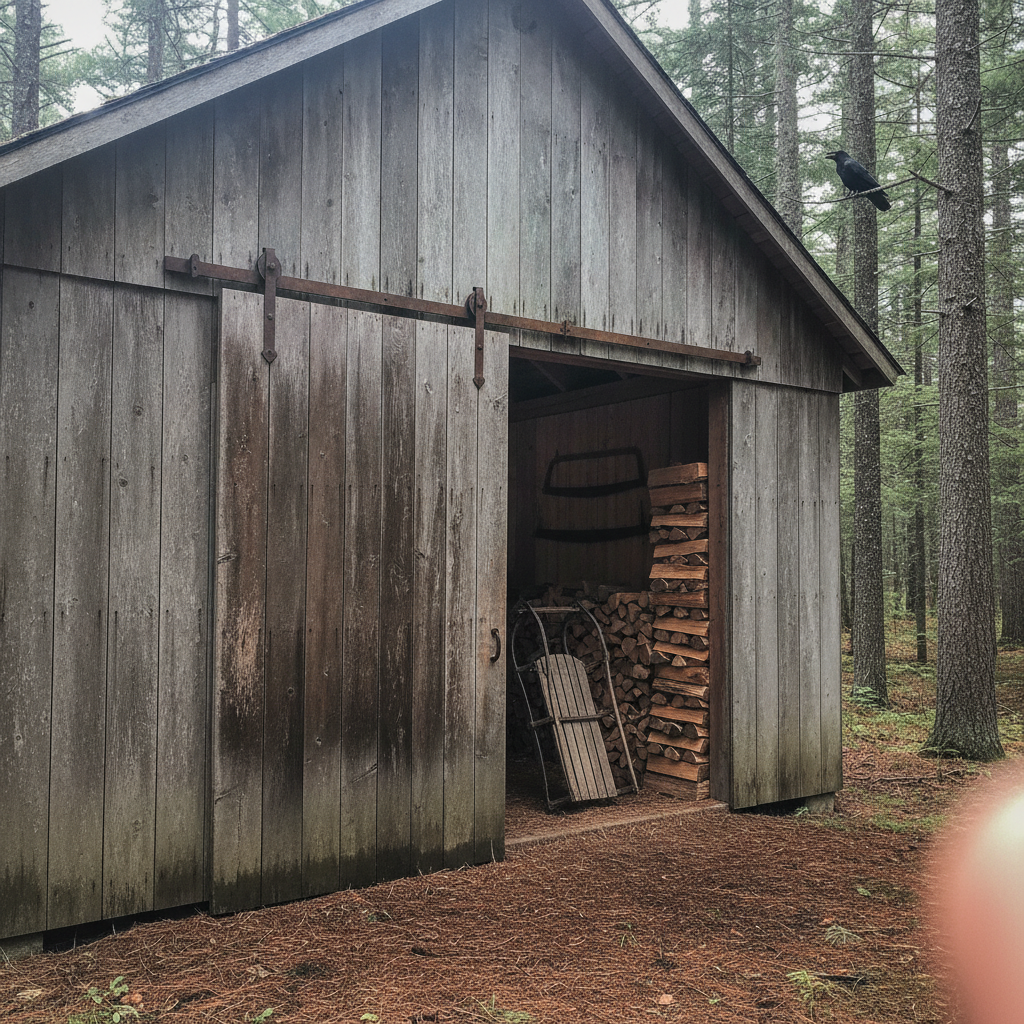
Three takes
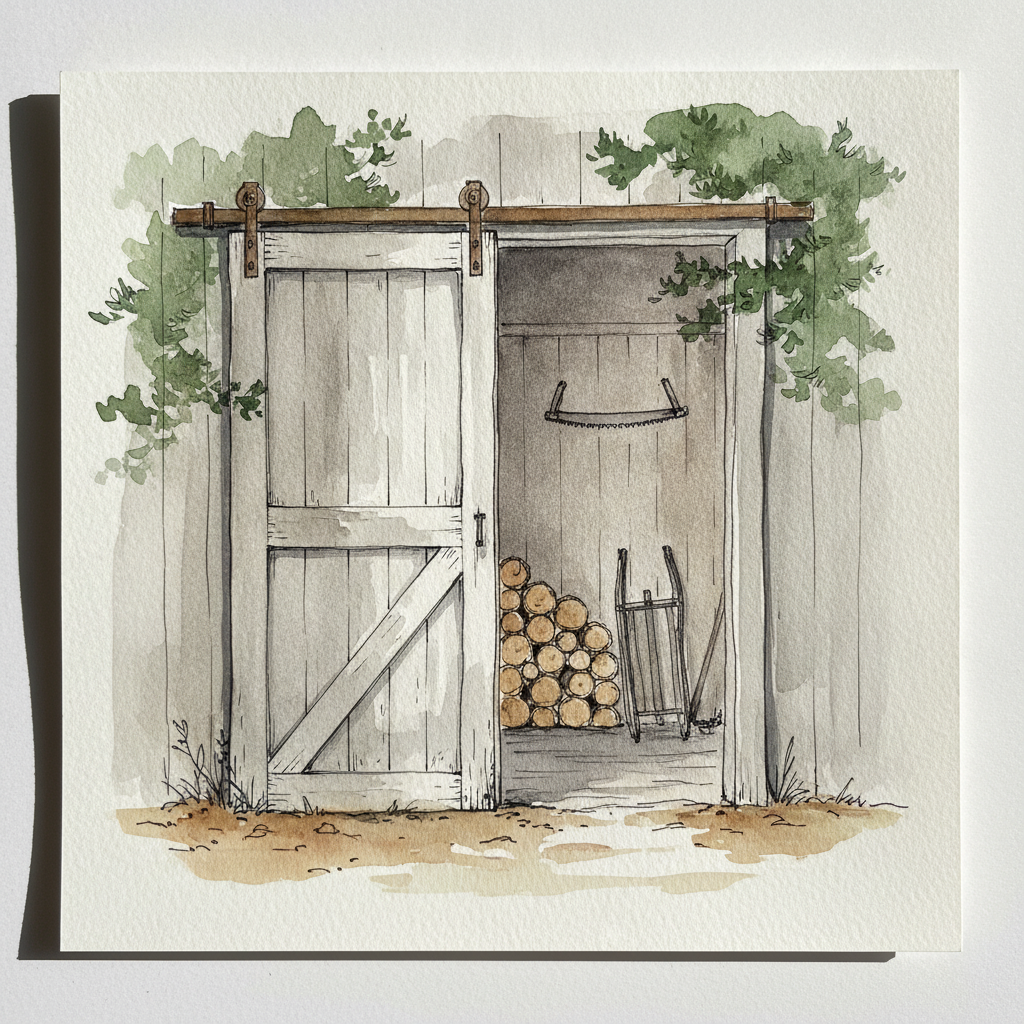

Focus for this piece
This piece offers a strong opportunity to study how light defines texture and form, particularly in weathered wood. Use firm, structural ink lines to establish the board-and-batten planks and the crisp edges of the sliding door, varying line weight to indicate depth. Then, apply subtle, graduated washes to capture the weathered hemlock's value shifts and the diffuse "pine forest light" falling across the surfaces. Contrast these with soft, wet-into-wet washes for the organic shapes of the pine duff and surrounding foliage, allowing the watercolor's fluidity to suggest their softness.
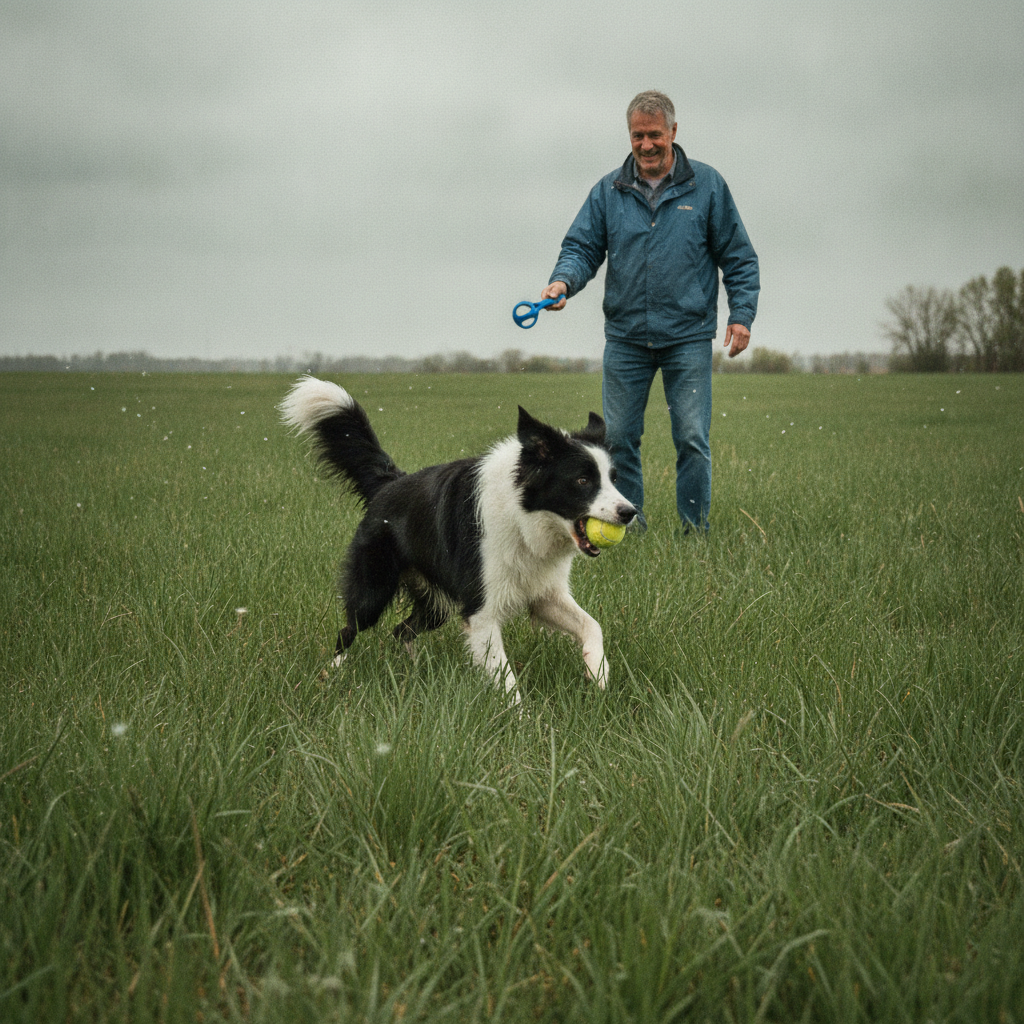
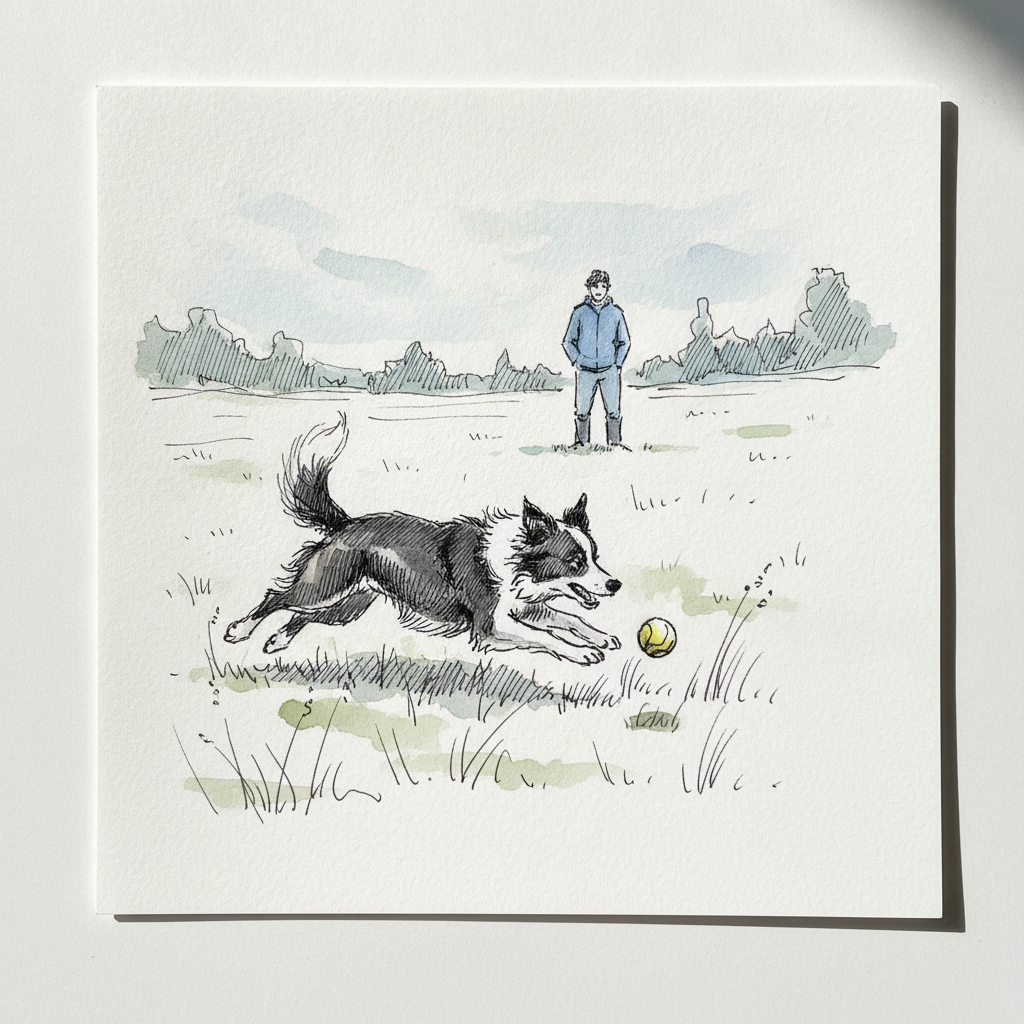
Piece 4 — Dog chasing ball in field
Pen + Watercolor · Loose pen and watercolor line-and-wash
Three takes

Focus for this piece
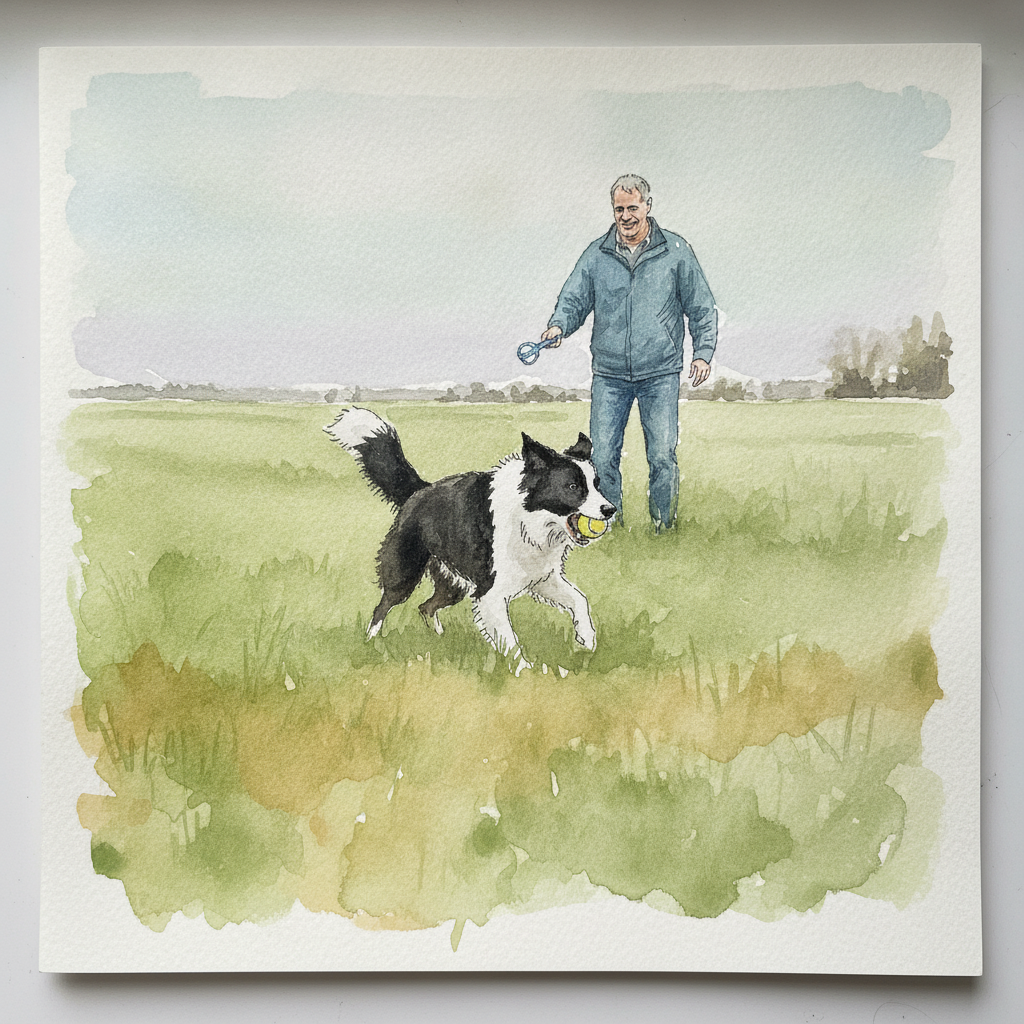
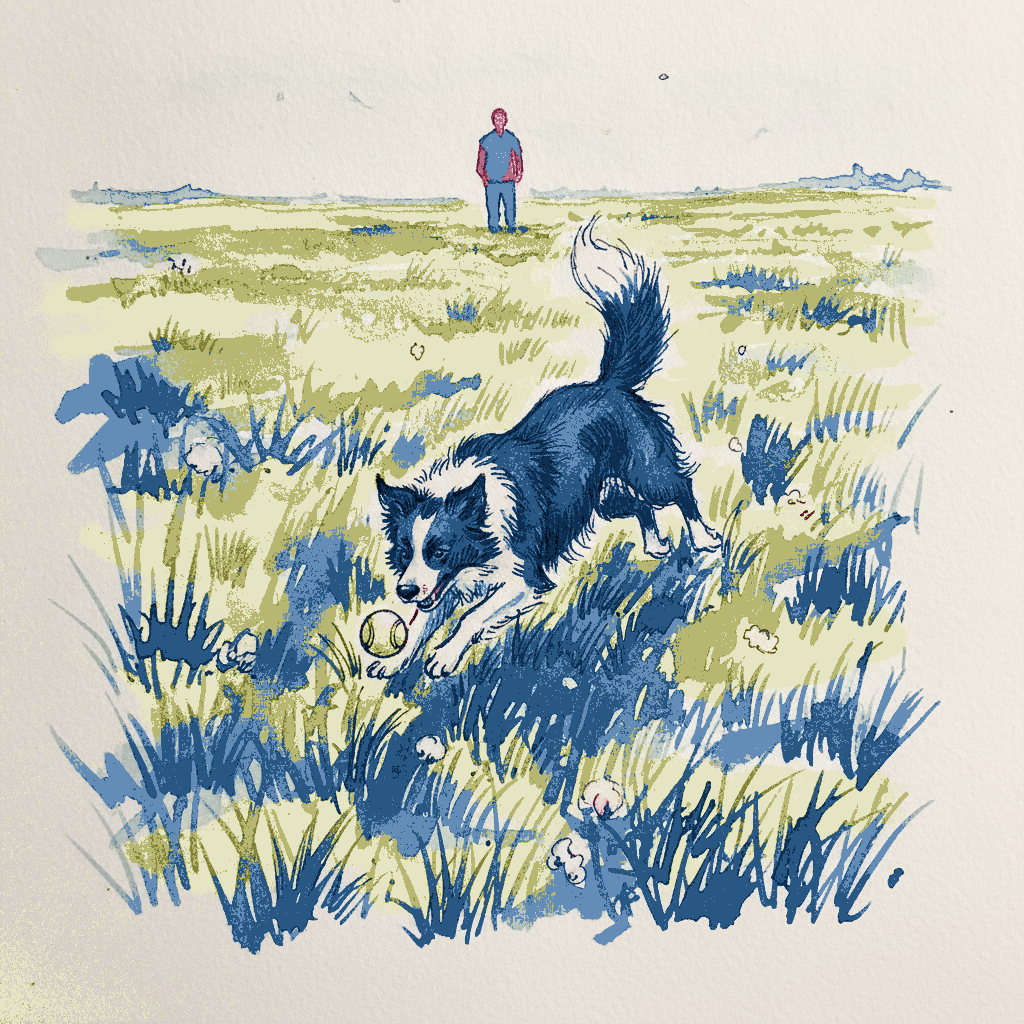
For this piece, concentrate on conveying kinetic energy through line and wash. Use strong, varied pen lines to define the dog's powerful, elongated forms and the ball's trajectory, allowing them to anchor the action. Then, employ quick, gestural wet-on-wet washes for the tall grass and blurred background, letting the colors flow and soften to amplify the sensation of speed and movement around the sprinting collie. Remember to leave strategic areas of unpainted paper to suggest highlights and accentuate the dog's dynamic silhouette.
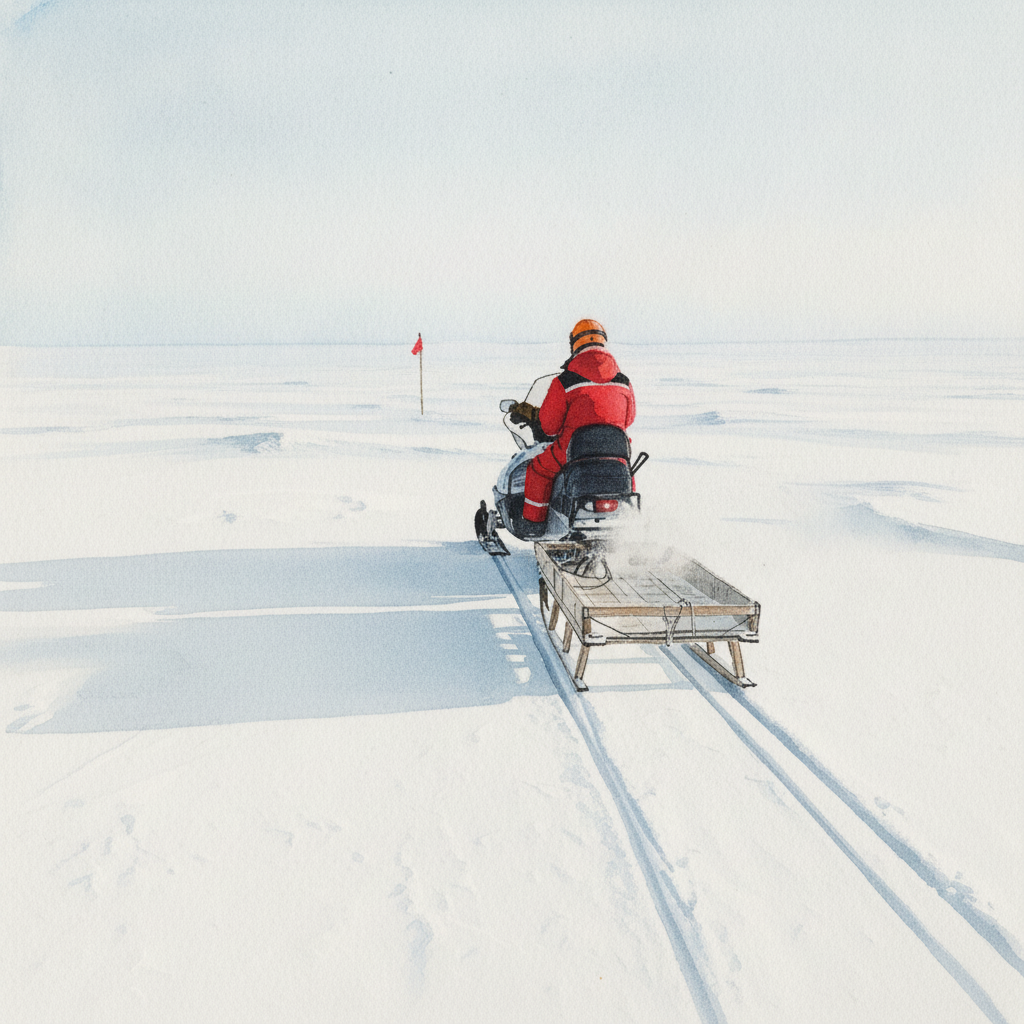
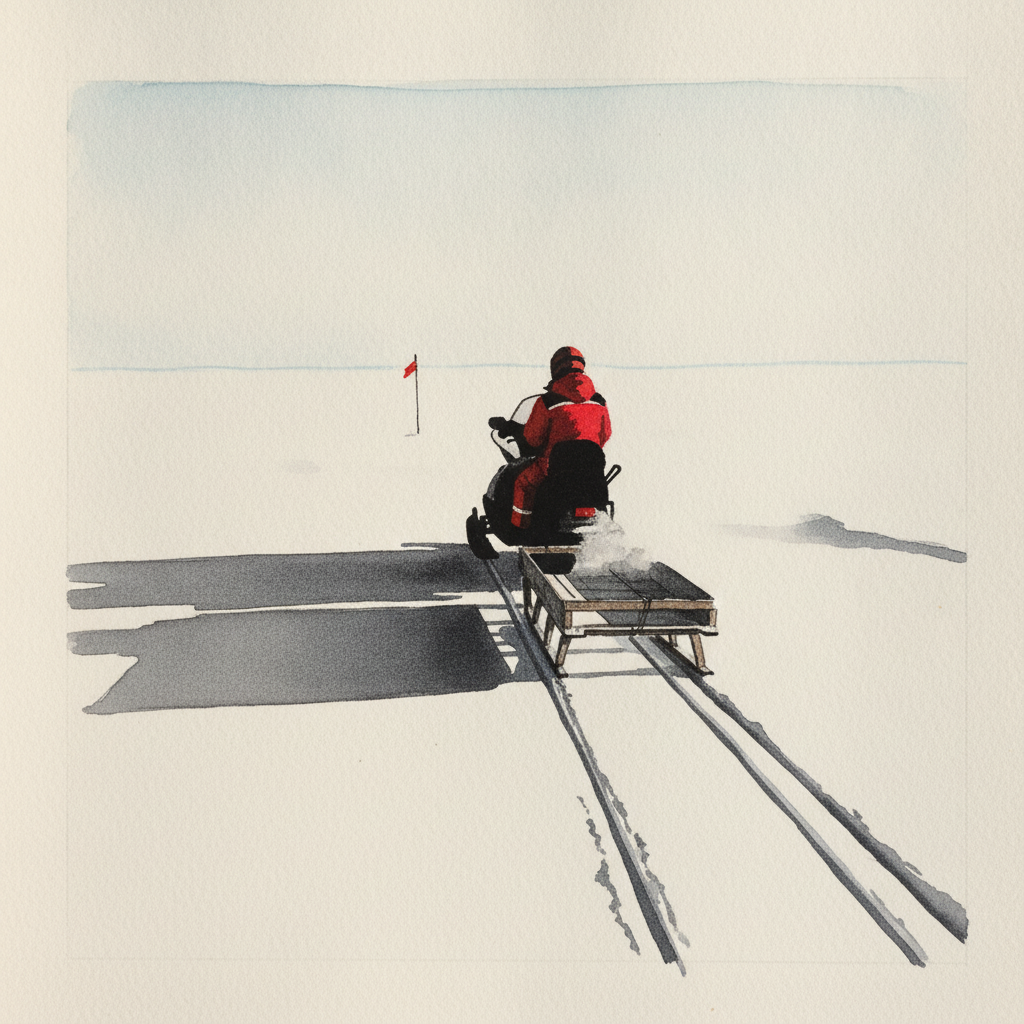
Piece 5 — Skidoo and Nansen sled, single ski track
Pen + Watercolor · Loose pen and watercolor line-and-wash
Three takes
Focus for this piece
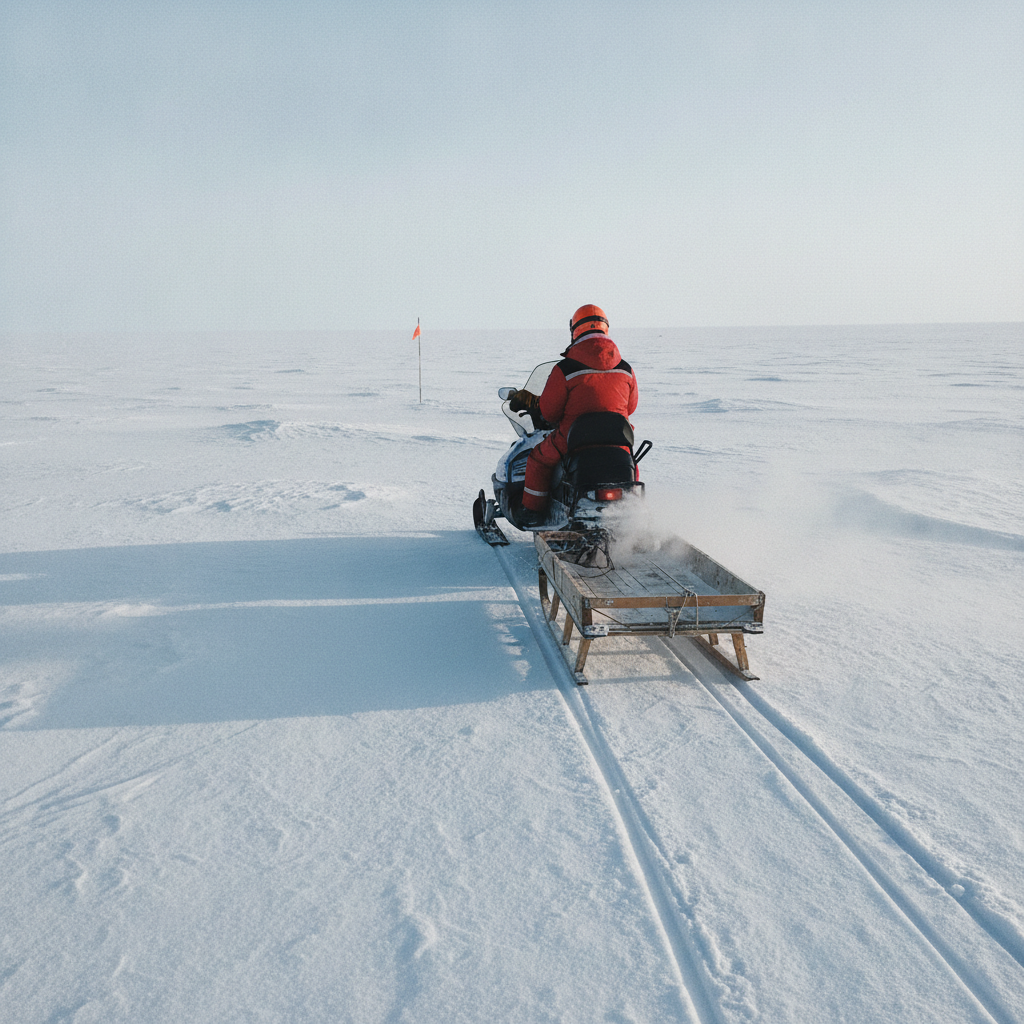
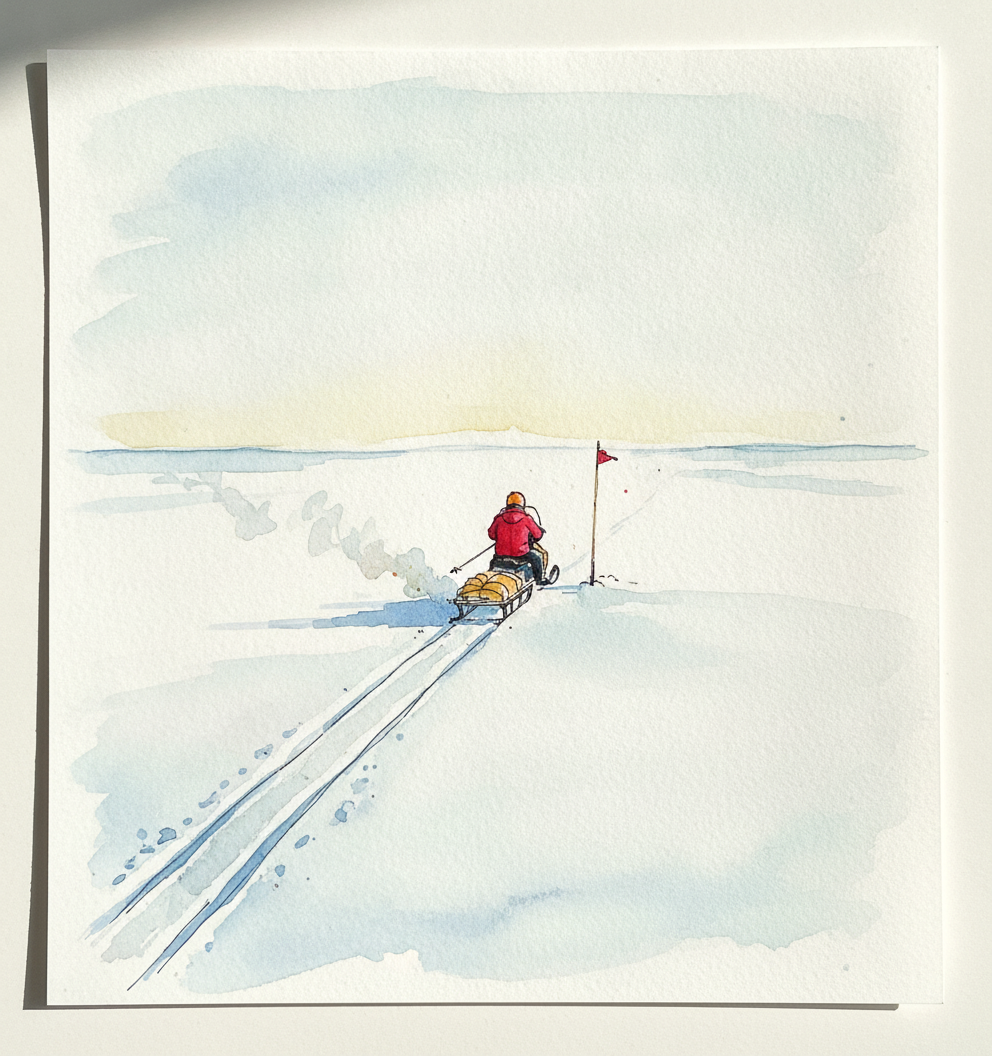
This piece challenges you to convey vast scale and subtle polar textures through careful layering. Begin with expansive, pale washes of cool grays and blues for the snow and sky, allowing for subtle granulation to suggest sastrugi and exhaust, then use precise, fine-nibbed waterproof ink to define the parallel ski and runner tracks, ensuring their recession creates deep perspective. Reserve heavier ink lines and intense, small dabs of color for the skidoo and figure, making them pop as tiny focal points against the immense, soft landscape.
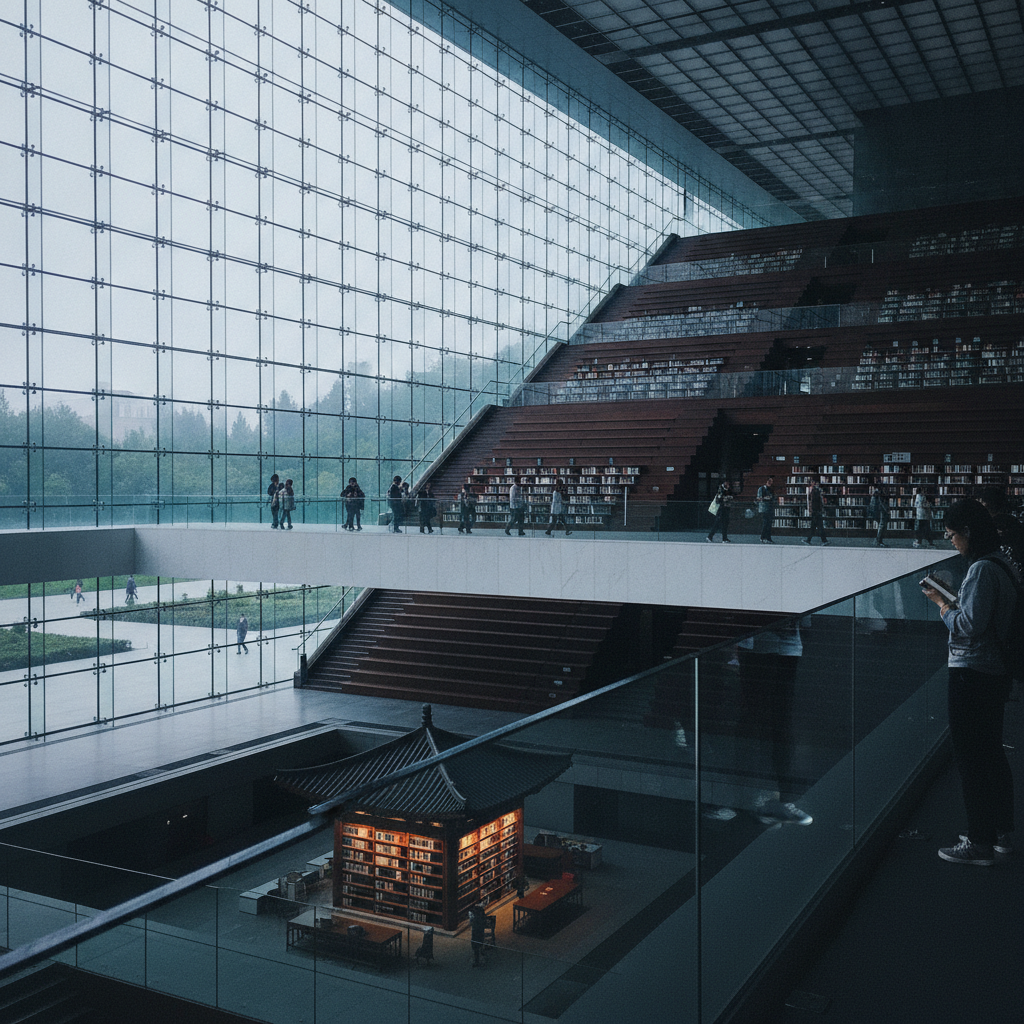
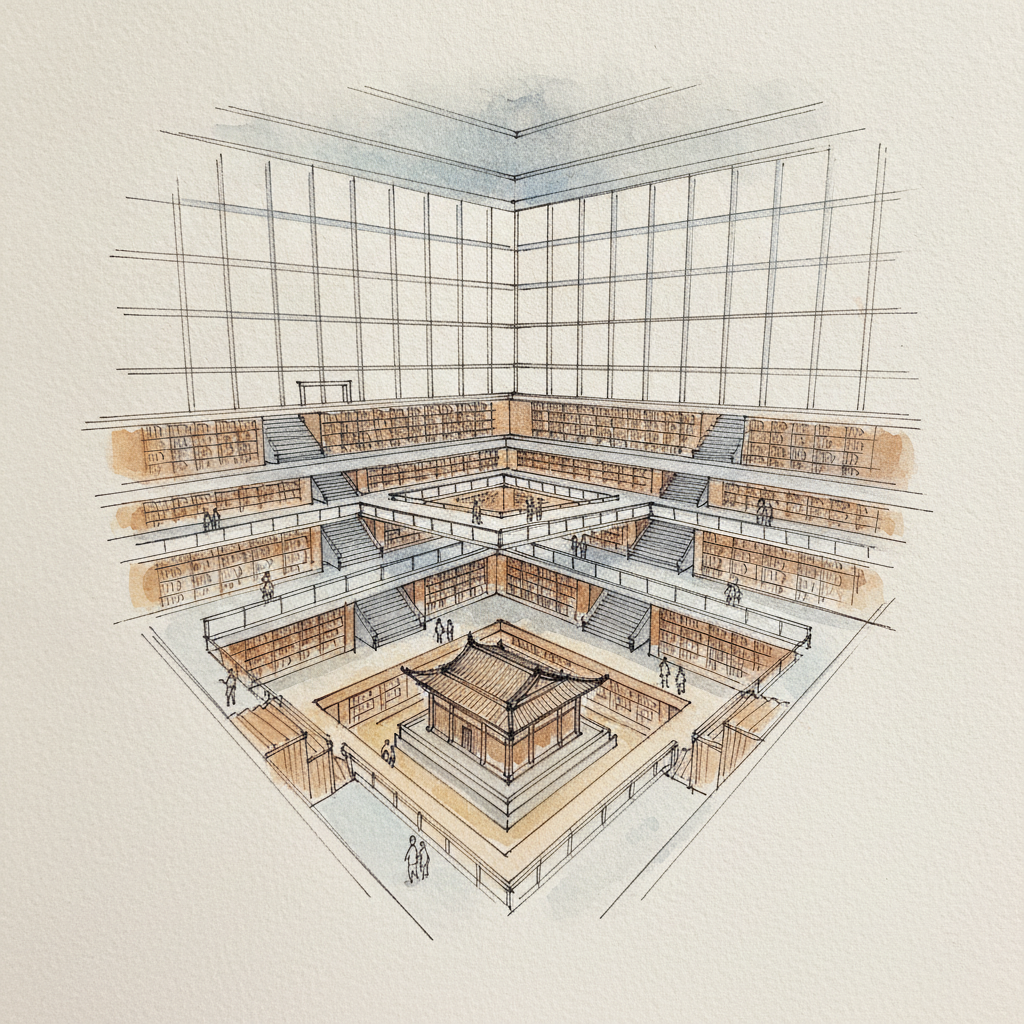
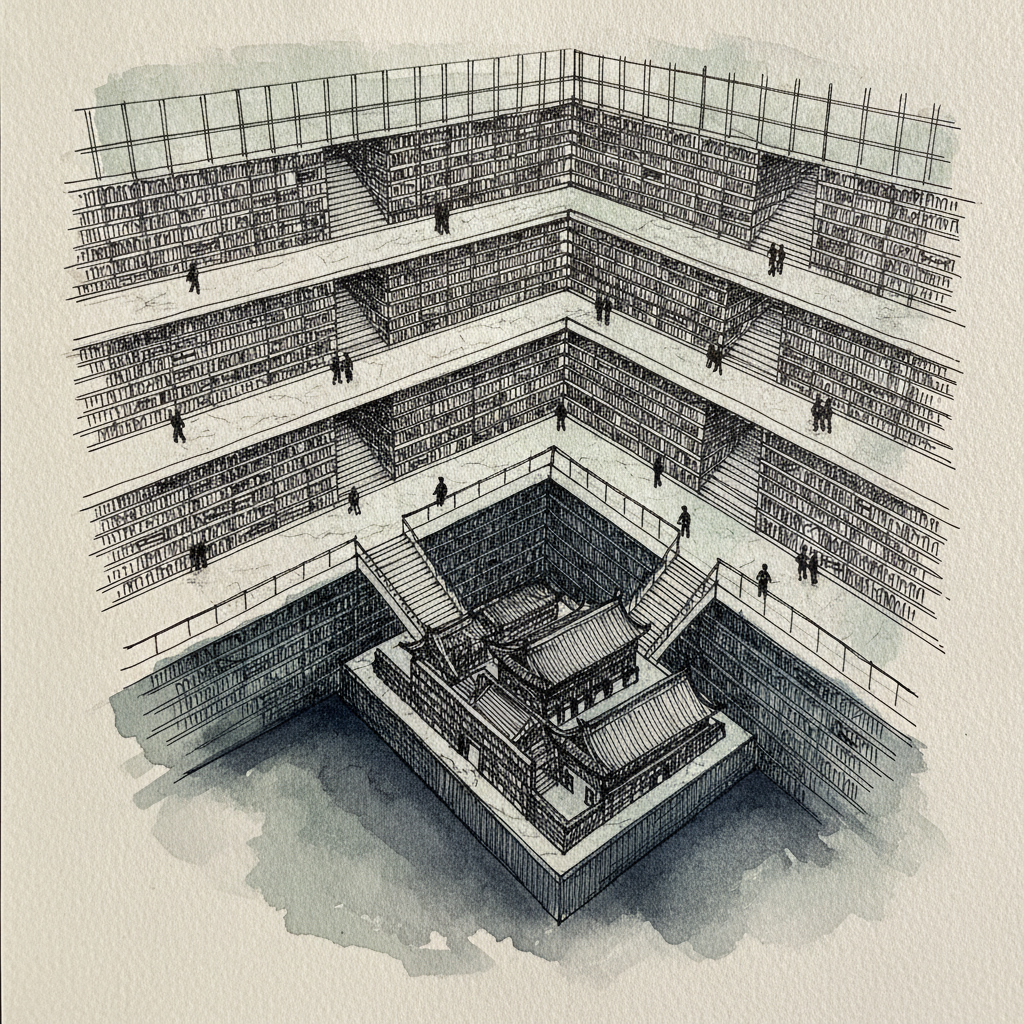
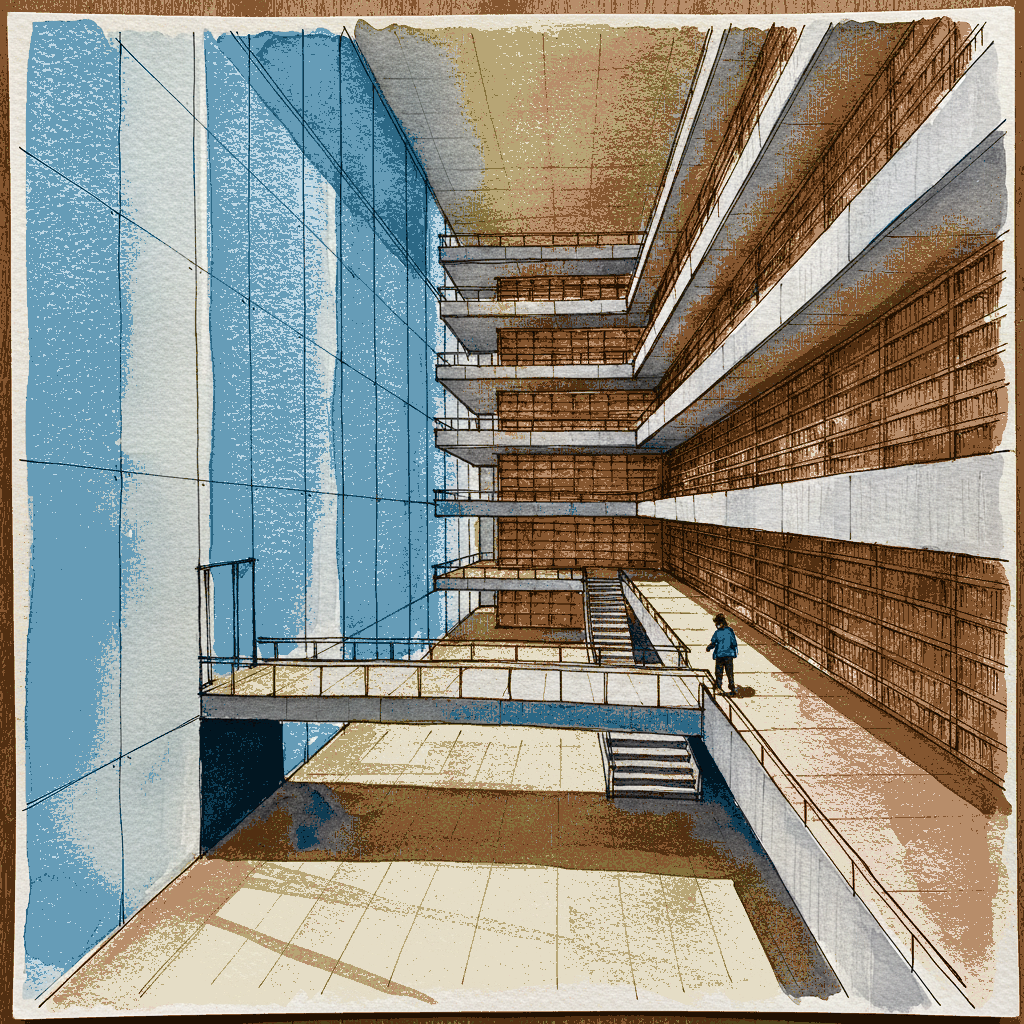
Piece 6 — National Library of China, Beijing, China
Pen + Watercolor · Loose pen and watercolor line-and-wash
Three takes

Focus for this piece
This piece offers an excellent study in rendering complex architectural forms and materials by differentiating their edges and surfaces. Use strong, varied line weights to define the crisp geometry of the cantilevered glass and steel structure, paying close attention to the receding planes of the stepped terraces and bridges. Then, apply transparent, layered washes of cool grays and blues to suggest the reflective quality of the vast glass walls, letting your precise ink work provide the underlying structural integrity without being obscured.
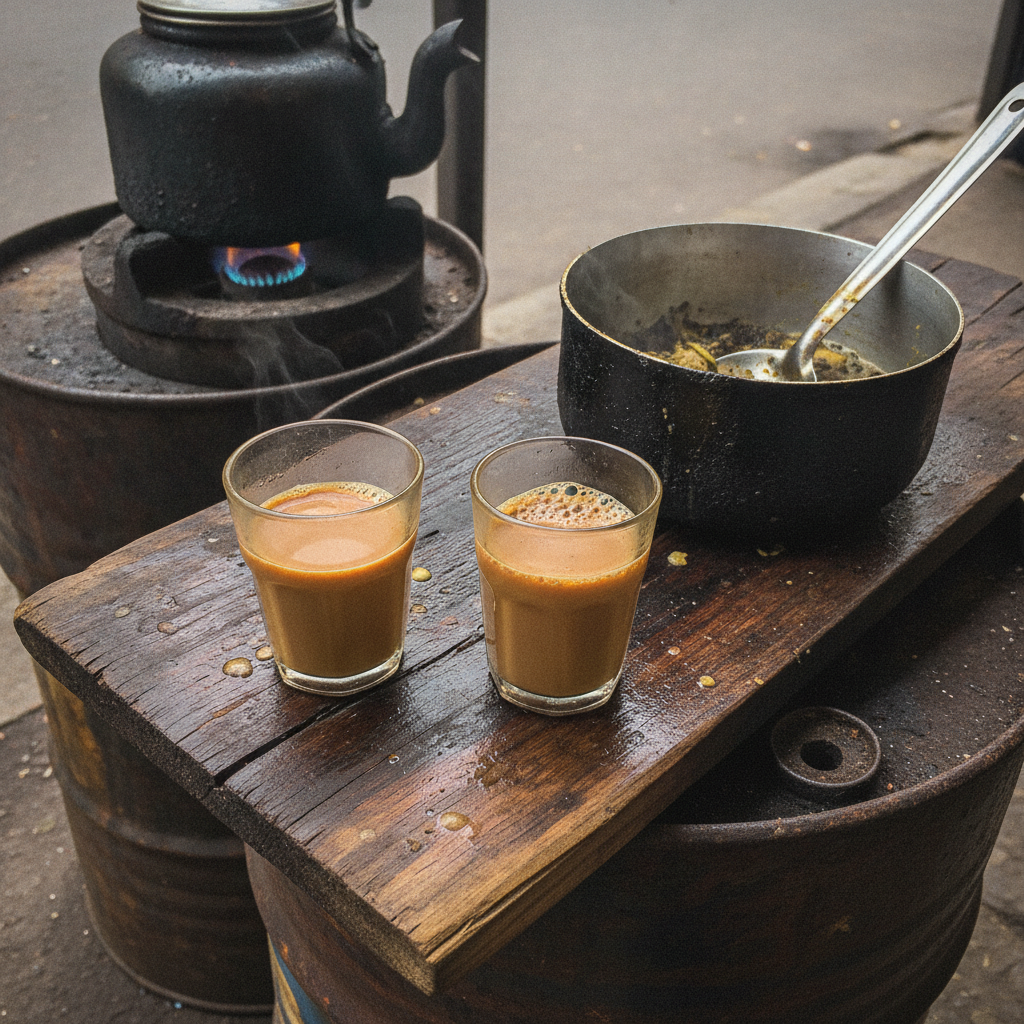
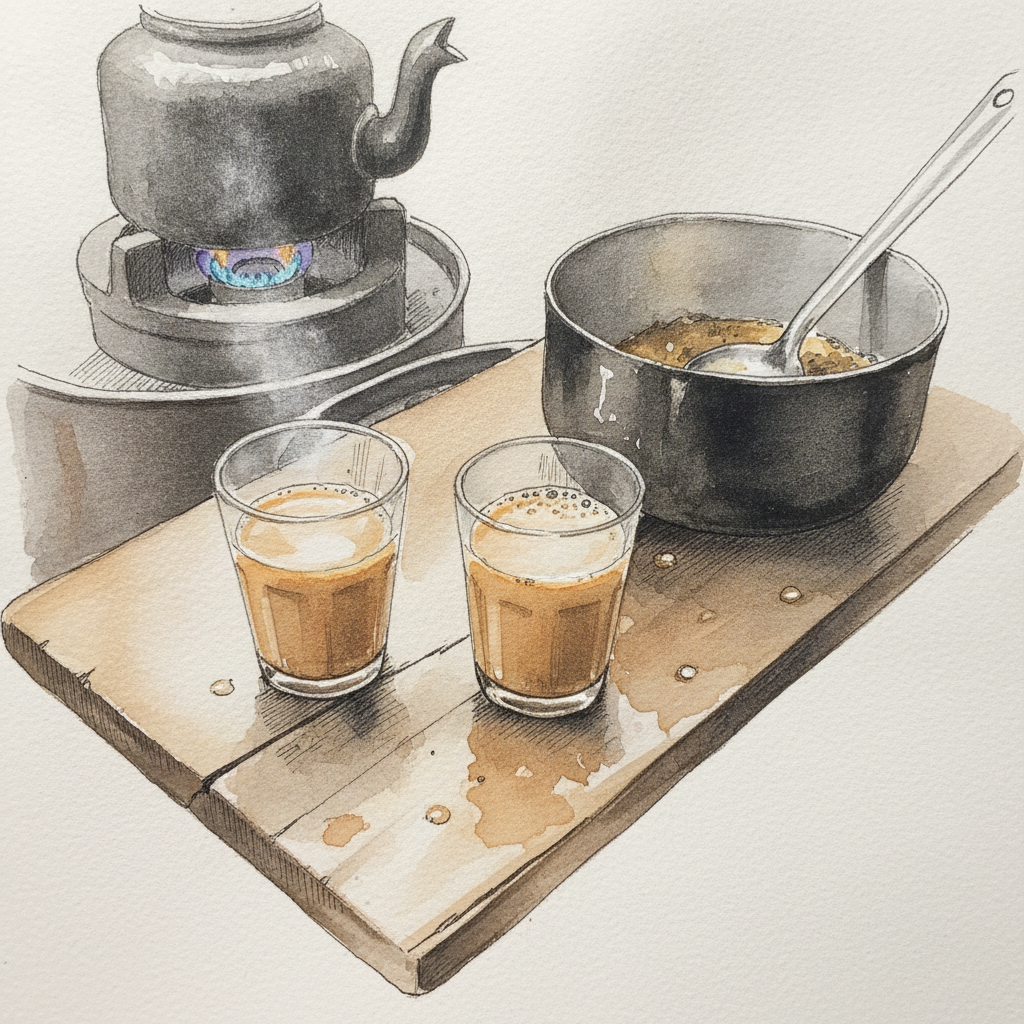
Piece 7 — Indian street chai vendor close crop
Pen + Watercolor · Loose pen and watercolor line-and-wash
Three takes
Focus for this piece
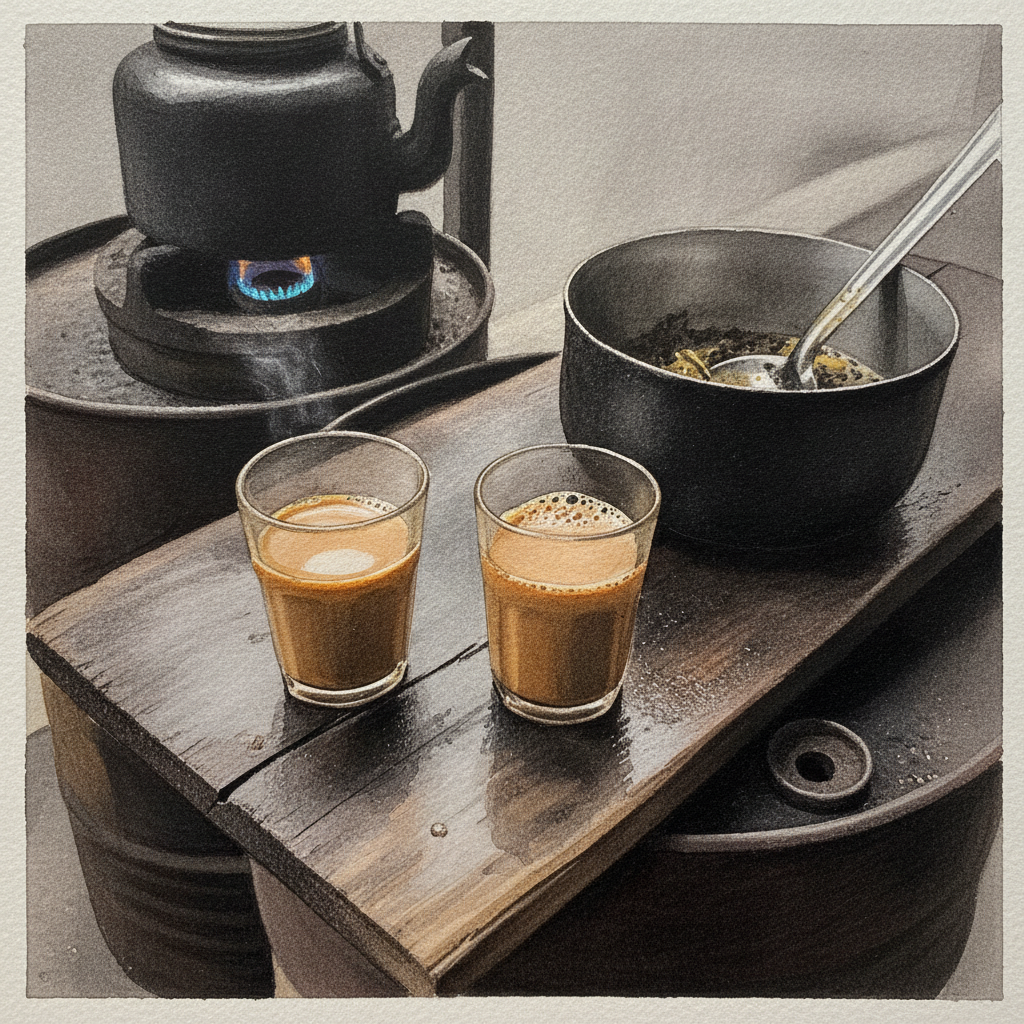
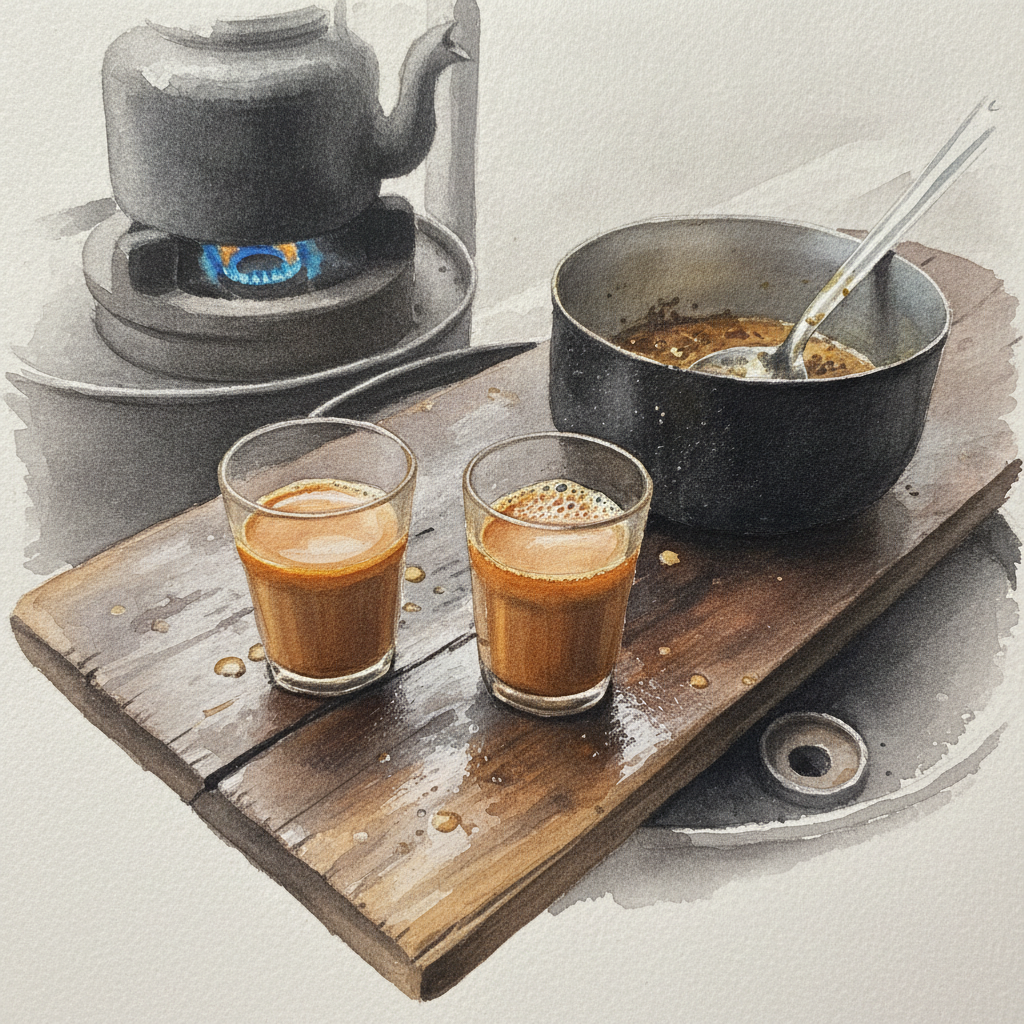
This piece is an excellent study in building rich, earthy textures using a focused warm palette, offset by a single cool accent. Concentrate on developing the varied patinas of the rough wooden plank and blackened tin through deliberate line choices—think broken, irregular lines for the wood and nuanced cross-hatching for the saucepan soot. Use successive washes of warm browns and oranges for the chai and wood, focusing on granulation and lifting for highlights, and a soft, lost-edge blue wash to suggest the background kerosene burner's subtle glow.
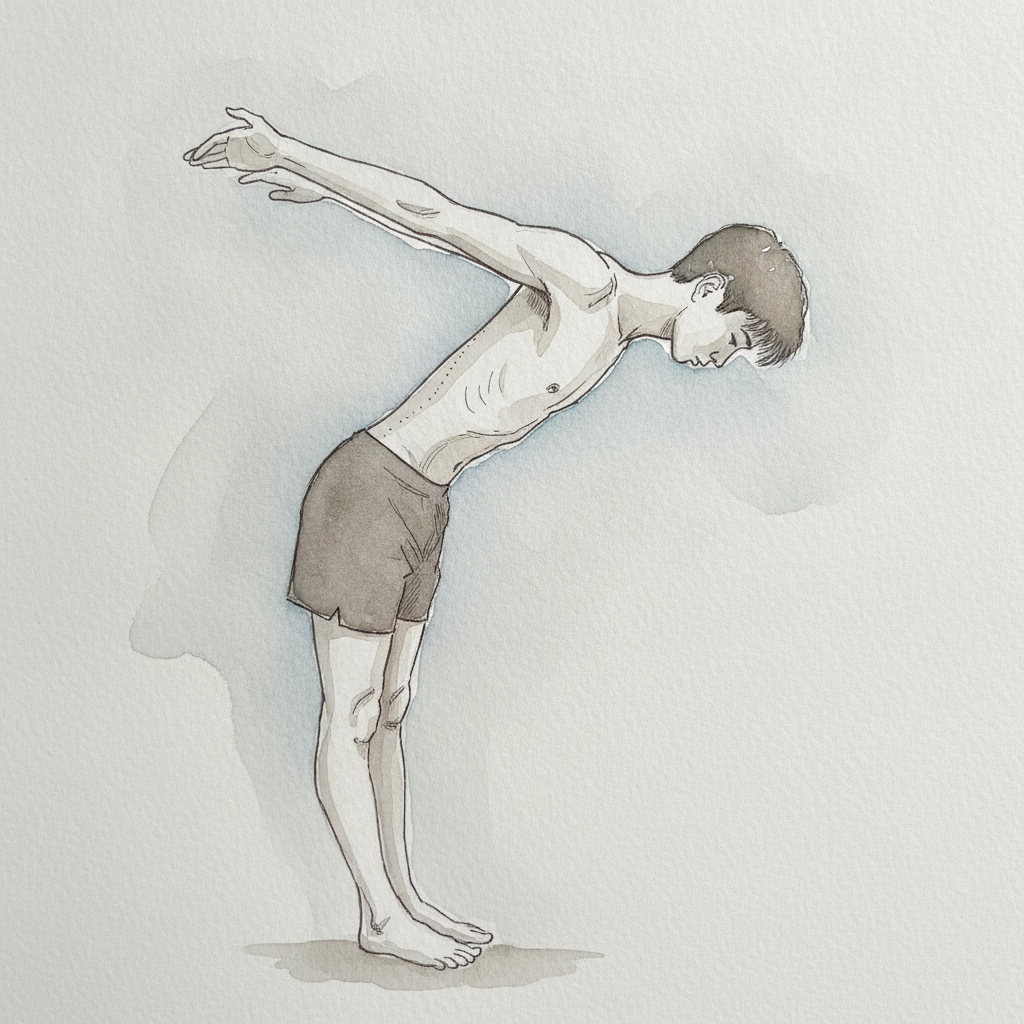
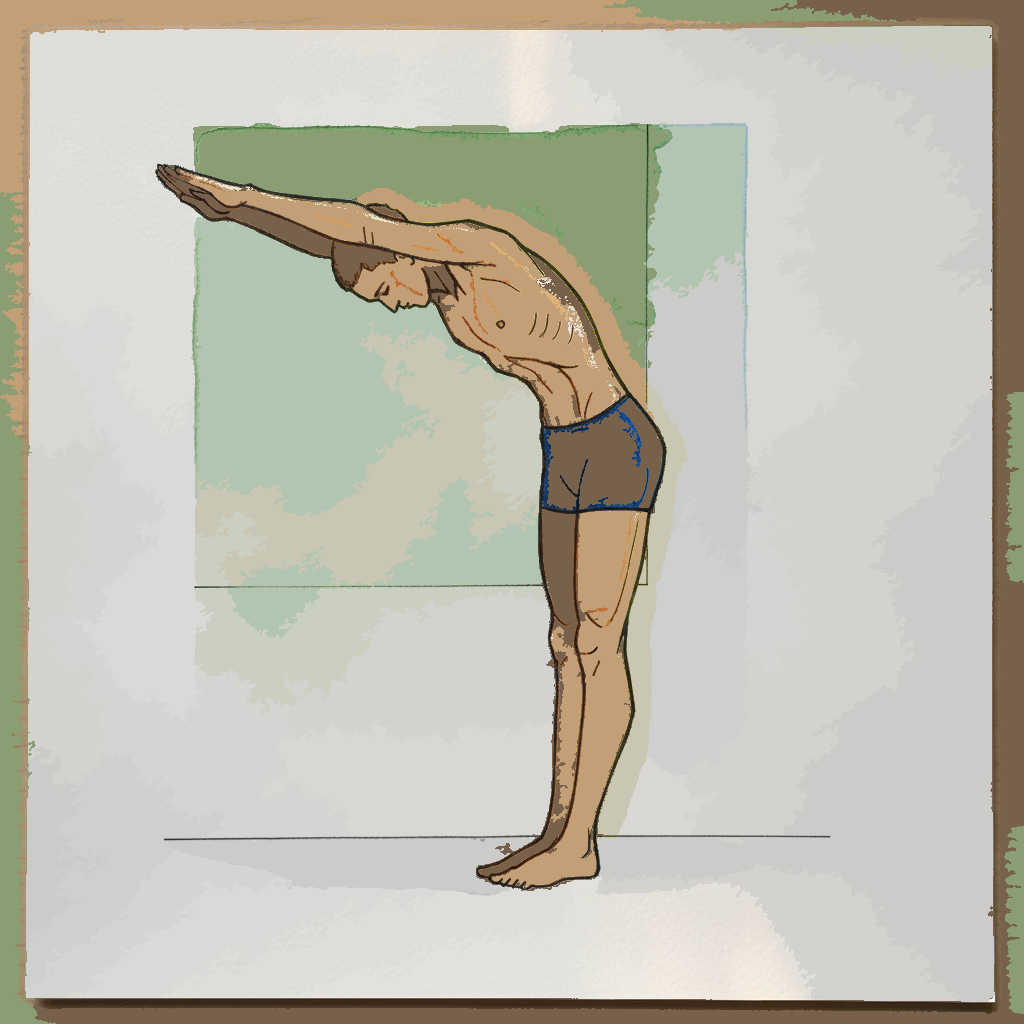
Piece 8 — Both arms straight back overhead
Pen + Watercolor · Loose pen and watercolor line-and-wash
Three takes
Focus for this piece
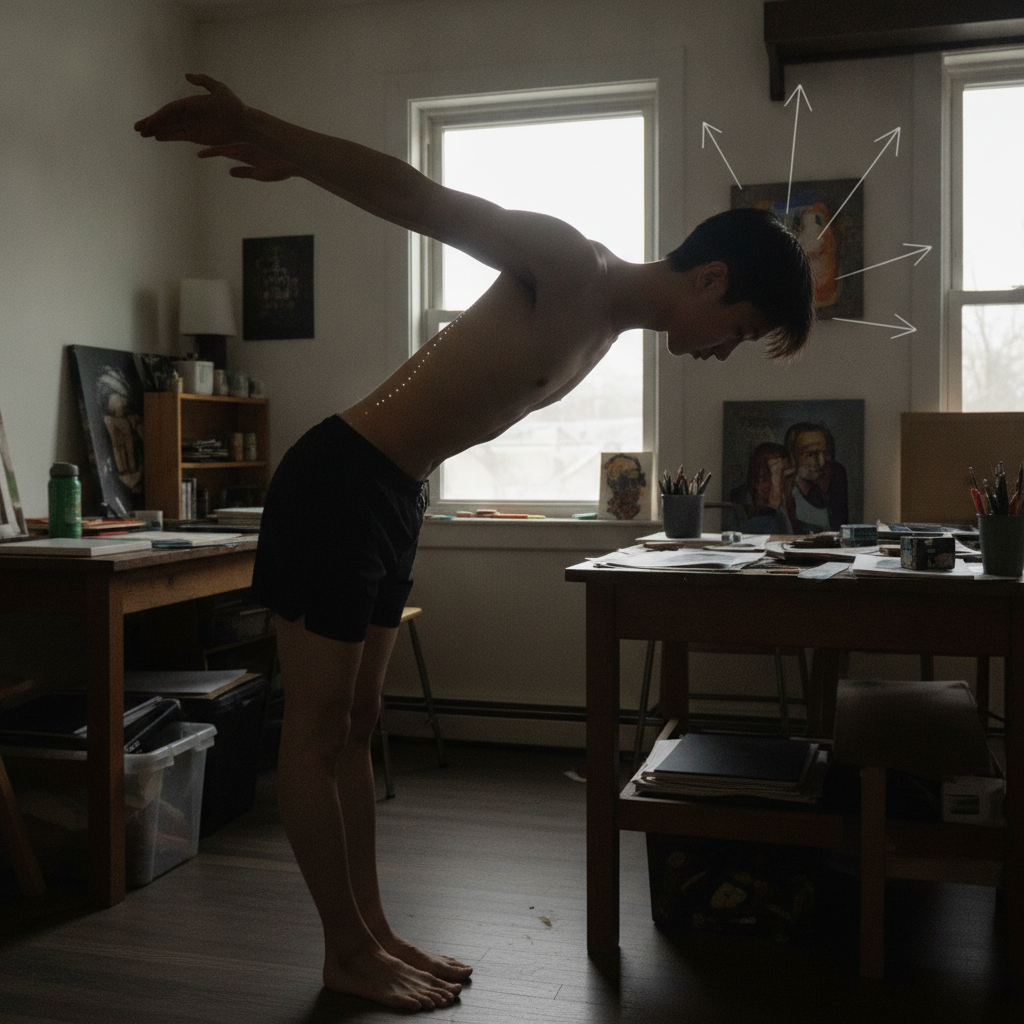
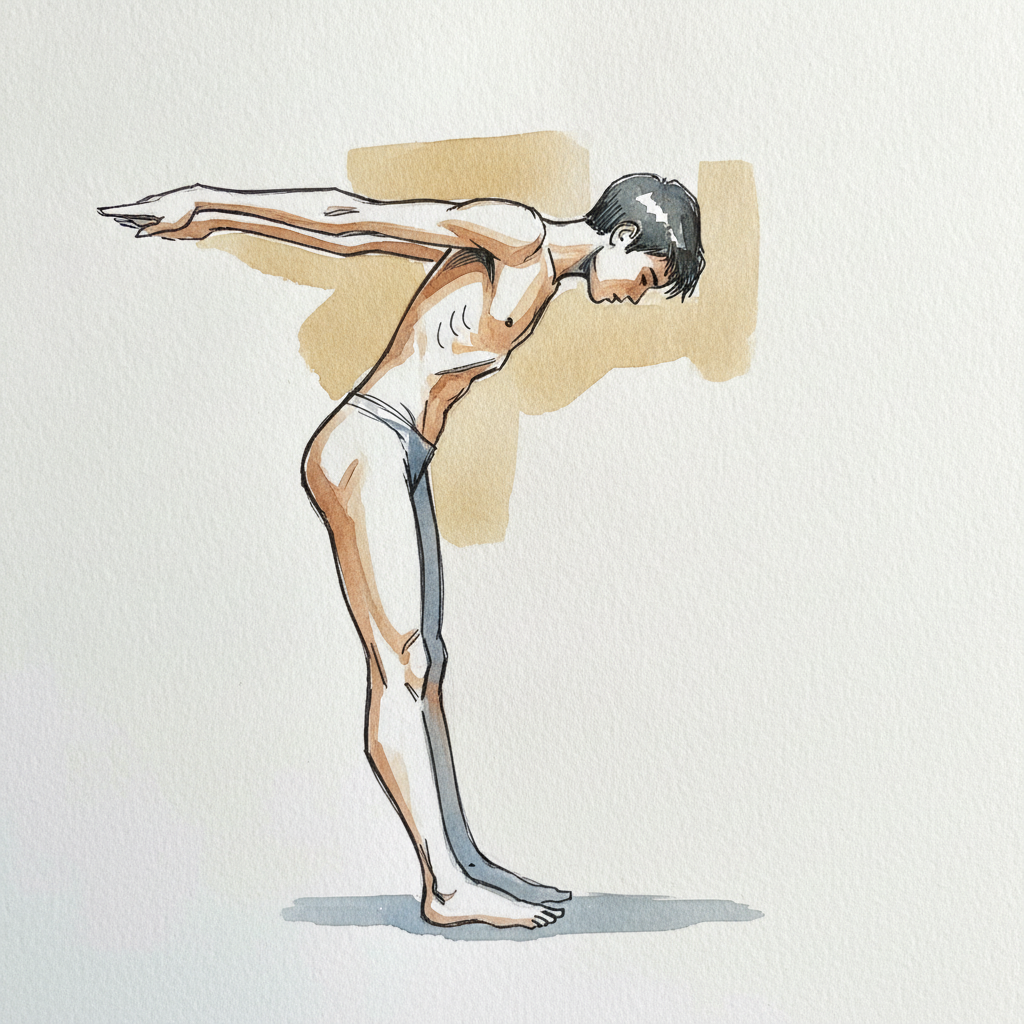
This pose is a prime study for using contrasting line weights and broad washes to define dynamic form. Capture the expansive stretch of the latissimus and arms with single, confident pen lines that vary in weight, conveying the figure's energetic tension. Then, use soft, transparent washes to model the body's volume, consciously preserving the sharp edges where the rim light catches the spine and deltoids for impactful contrast.