Waterford Pattern Tumbler, Norilsk Russia Polluted Cityscape, Tasmanian Fern Gully, Inuit hunter silhouette at floe edge, and more — pen + watercolor for November 11, 2026
AI-generated daily art-practice references for pen and watercolor: Waterford Pattern Tumbler, Norilsk Russia Polluted Cityscape, Tasmanian Fern Gully, Inuit hunter silhouette at floe edge, Mountain tapir, Pantry door with chalkboard, Older Black male, dignified repose, Tempel Synagogue, Kazimierz…
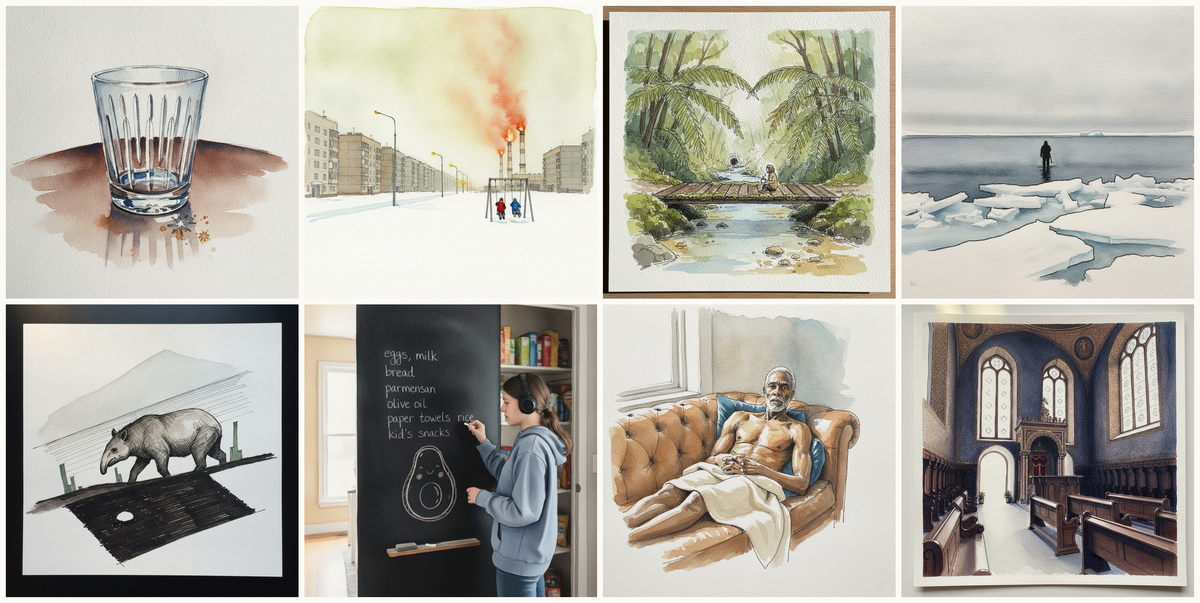
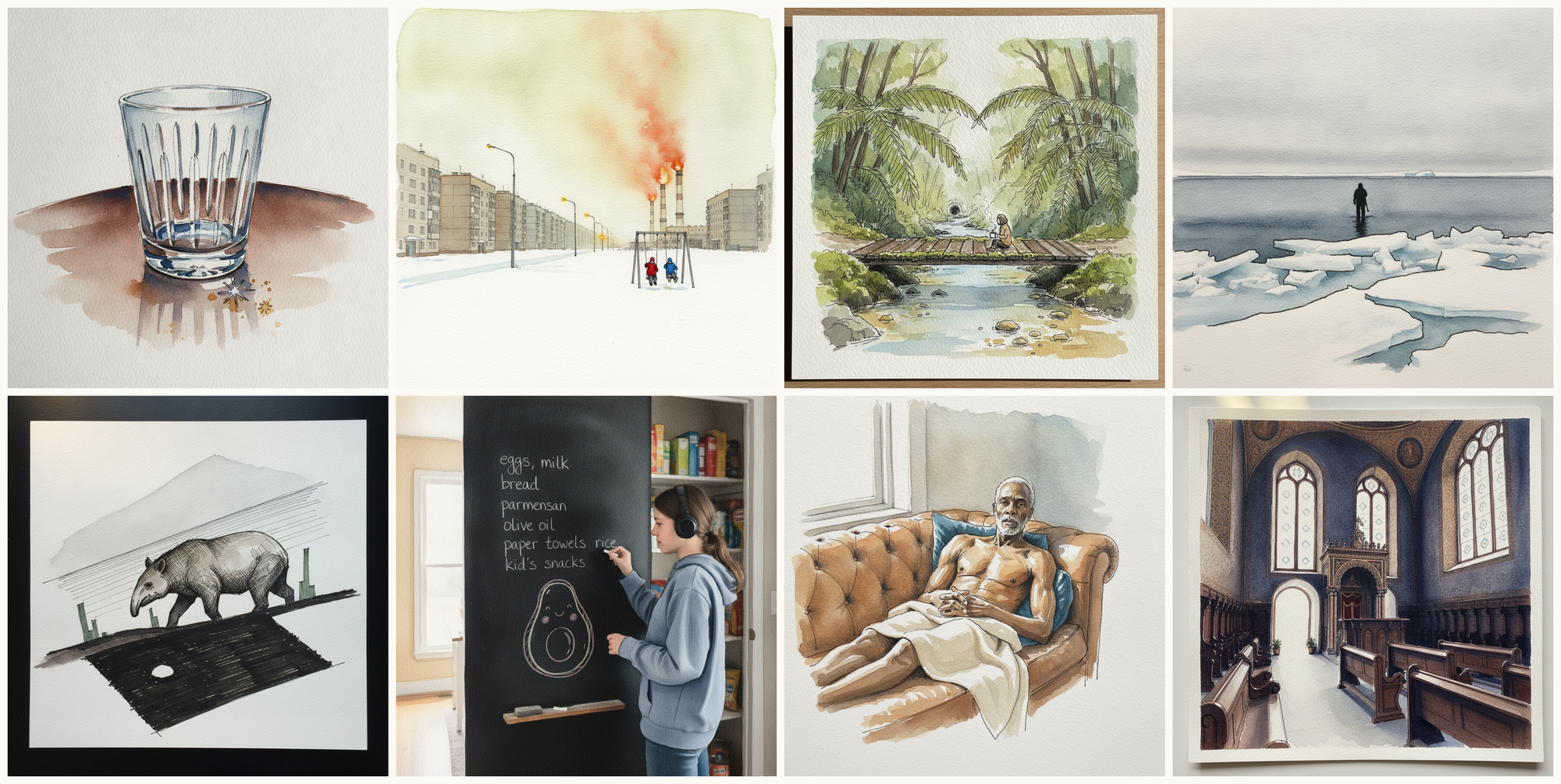
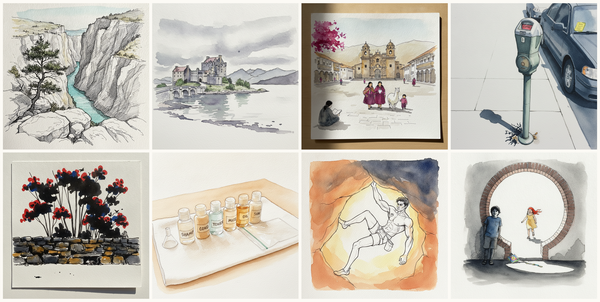
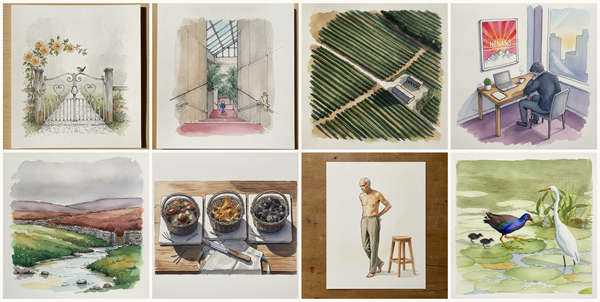
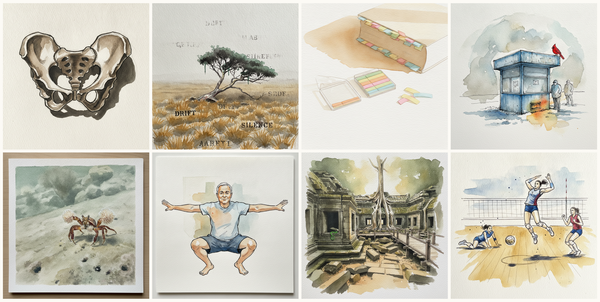
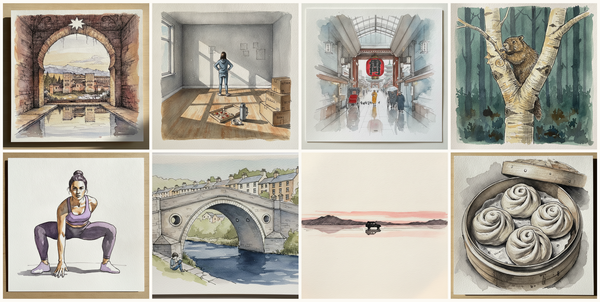
Today's 8 pen-and-watercolor pieces: Waterford Pattern Tumbler, Norilsk Russia Polluted Cityscape, Tasmanian Fern Gully, Inuit hunter silhouette at floe edge, Mountain tapir, Pantry door with chalkboard, Older Black male, dignified repose, Tempel Synagogue, Kazimierz, Kraków, Poland. Each piece comes with an AI-generated photoreal reference, three AI-generated example artworks in different treatments, and a short focus paragraph naming what to study in this one.
Why these references use AI
This daily series uses AI-generated images as practice prompts, not as finished artwork to copy. Each subject starts with a synthetic photoreal reference generated with Gemini/Nano Banana, then moves into three pen-and-watercolor interpretations of the same subject.
I use AI here because daily art practice needs variety and low friction. Real life can get repetitive, busy, or visually narrow. These generated reference sets make it easier to study bodies, buildings, animals, landscapes, objects, gestures, light, palettes, and compositions that might not show up in an ordinary day.
The goal is not to reproduce any image directly. Treat each set as a starting point for observation and study: choose what interests you, change the framing, simplify the subject, alter the palette, and make your own version.
Piece 1 — Waterford Pattern Tumbler
Pen + Watercolor · Loose pen and watercolor line-and-wash
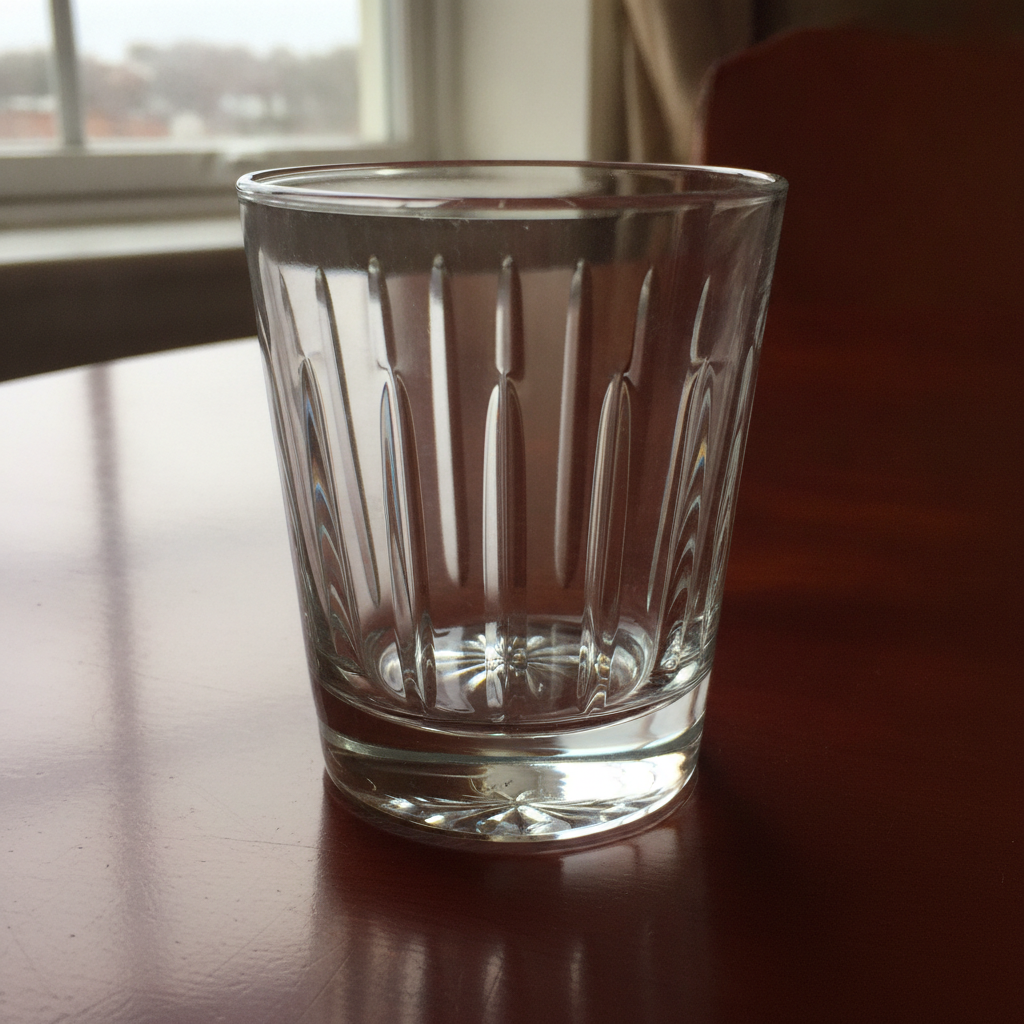
Three takes
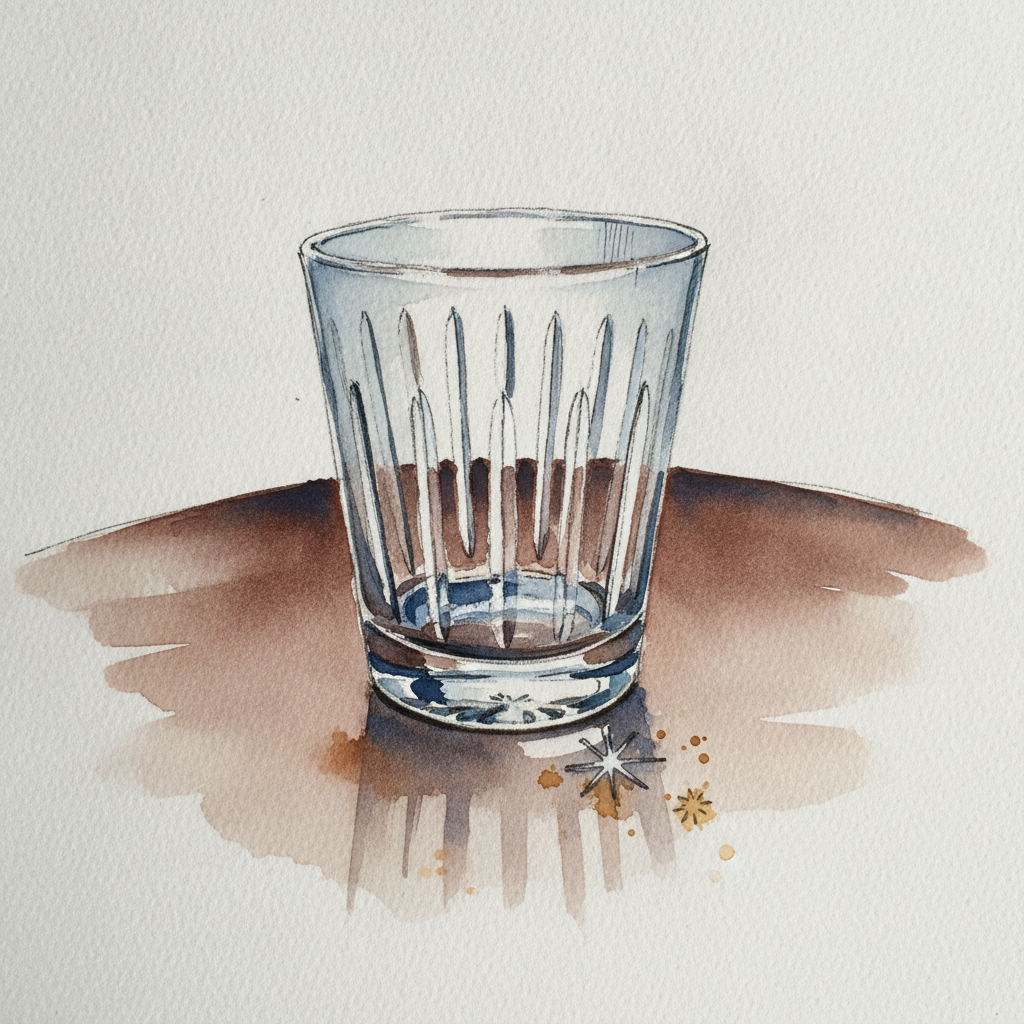
Focus for this piece
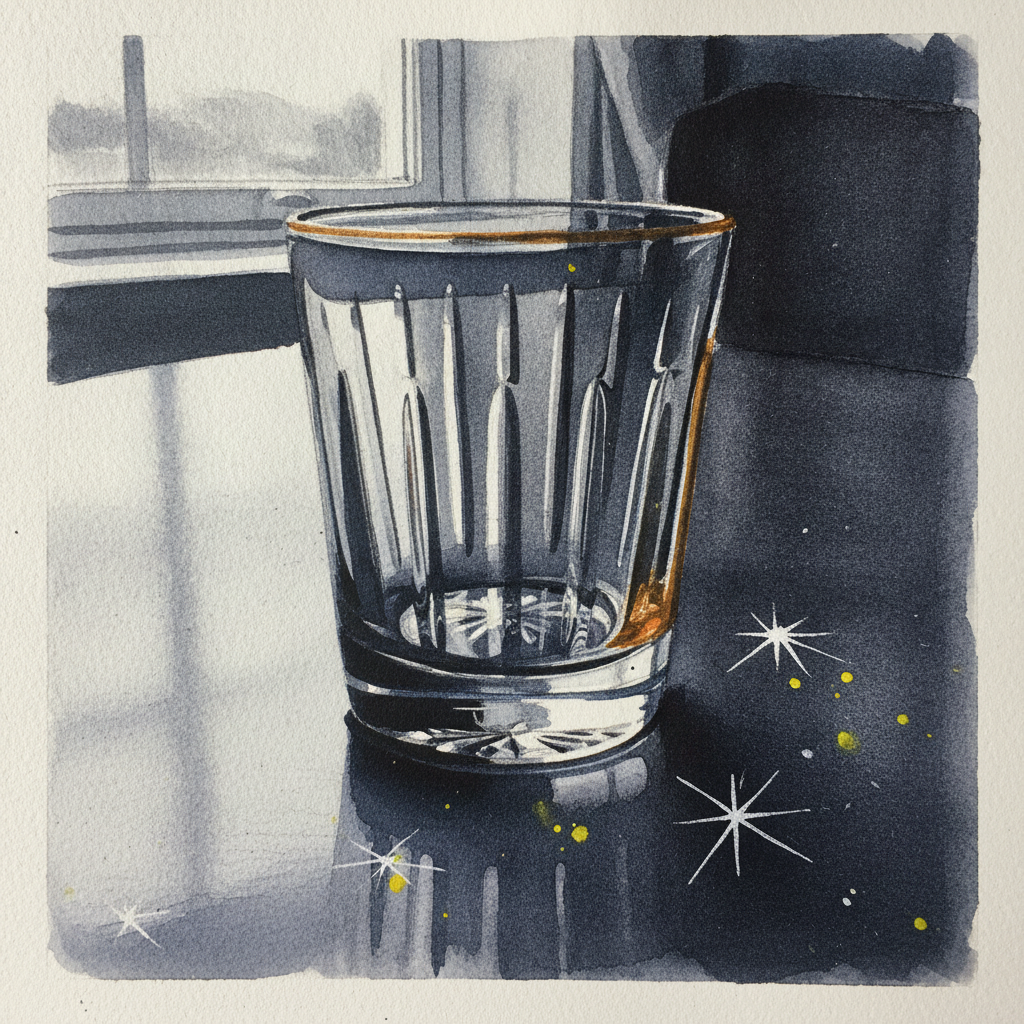
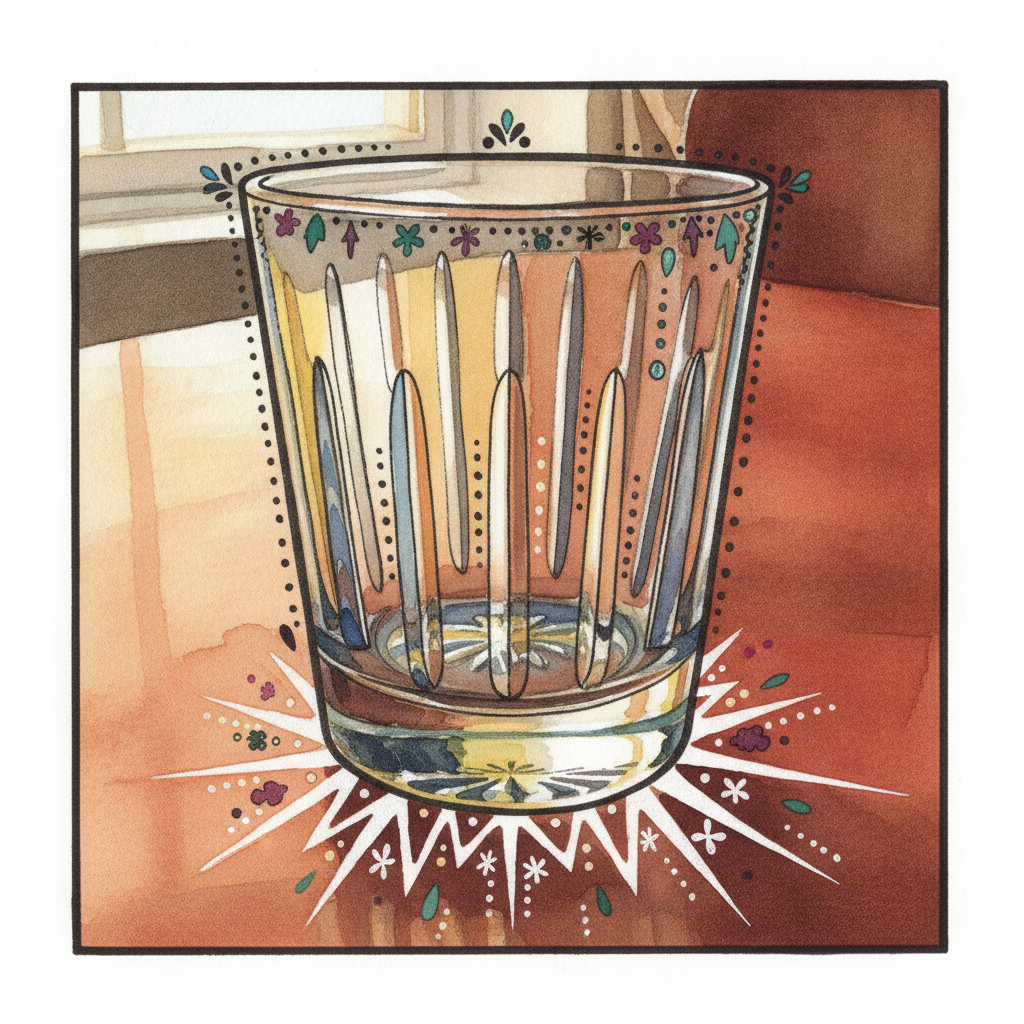
This piece is an excellent exercise in rendering reflective surfaces, challenging you to define the faceted glass using carefully varied line weights and negative space for the wedge cuts. Observe how subtle layering of transparent washes builds form and thickness, especially where the base catches a heavy highlight. Finally, integrate delicate, star-like pen details for the caustics on the mahogany, ensuring they sit convincingly within the surrounding washes.
Piece 2 — Norilsk Russia Polluted Cityscape
Pen + Watercolor · Loose pen and watercolor line-and-wash
Three takes
Focus for this piece
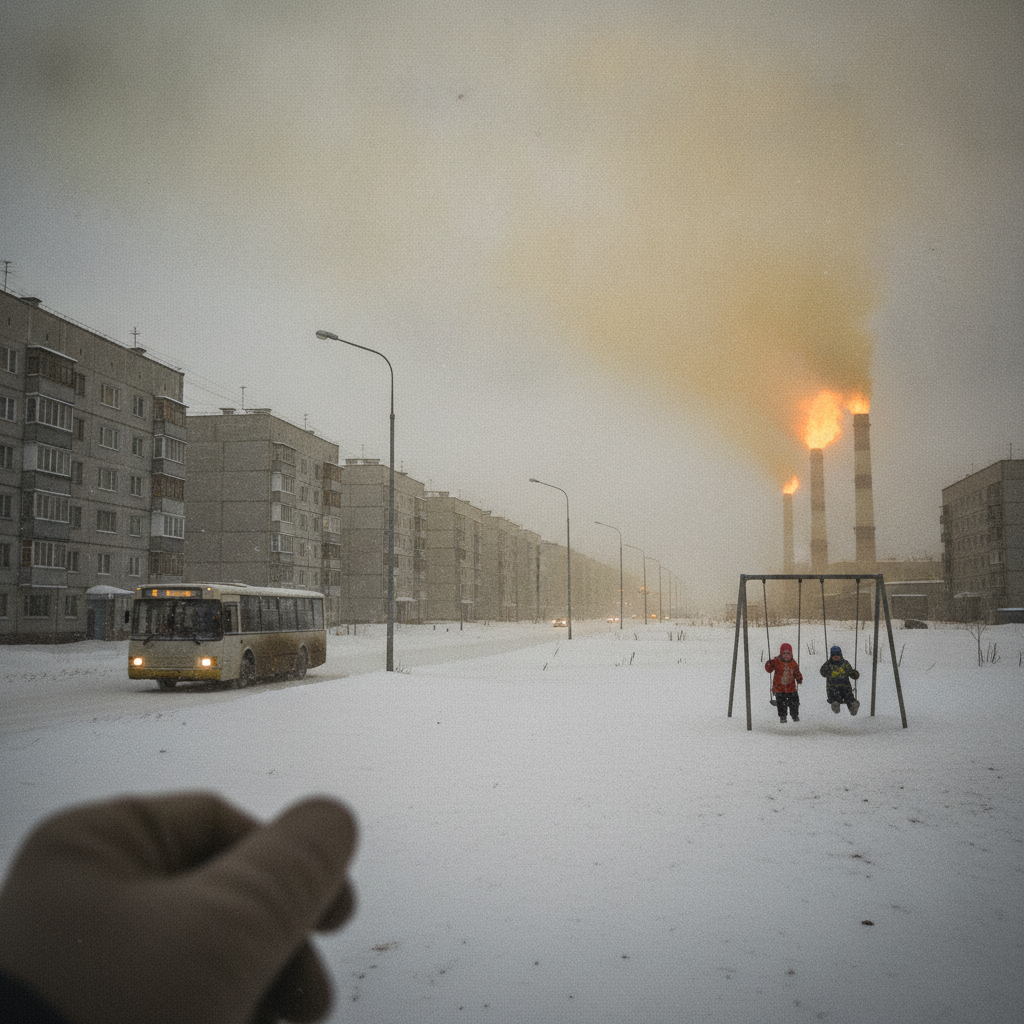
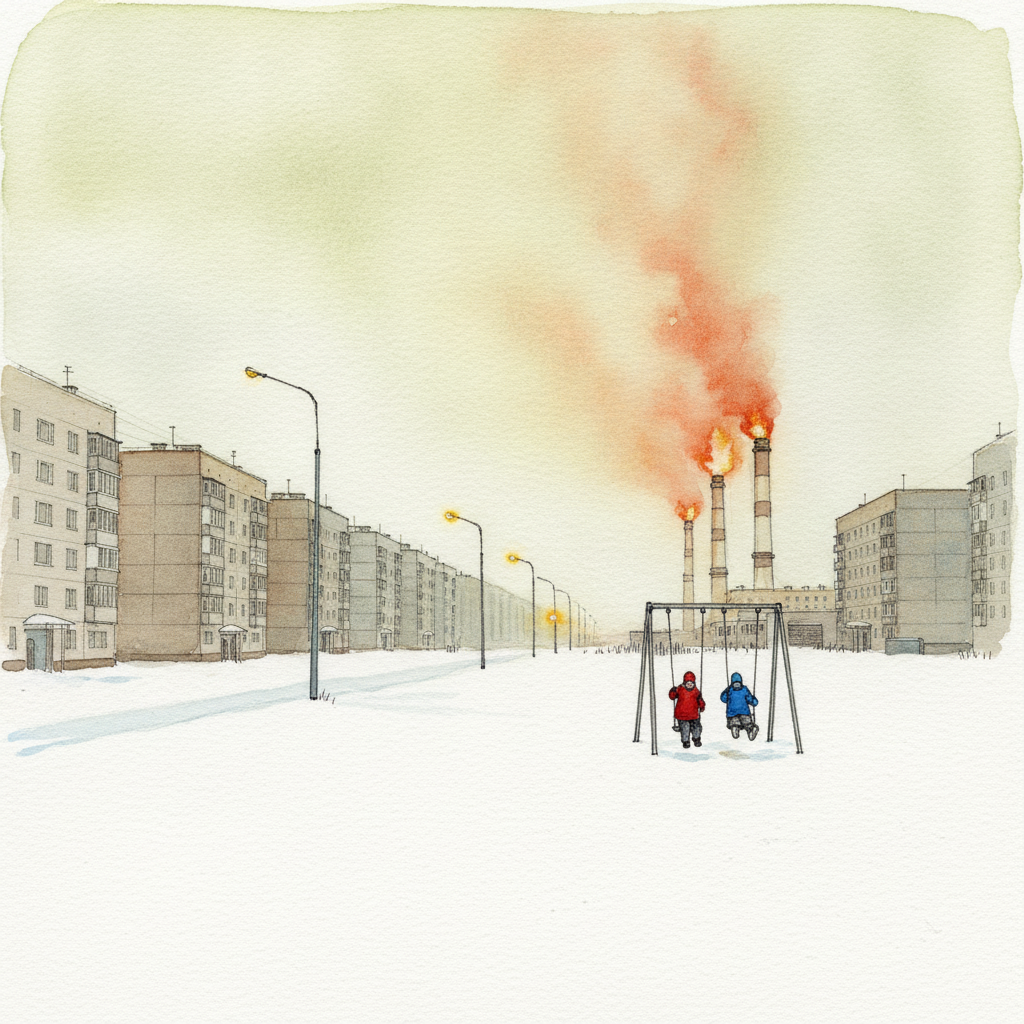
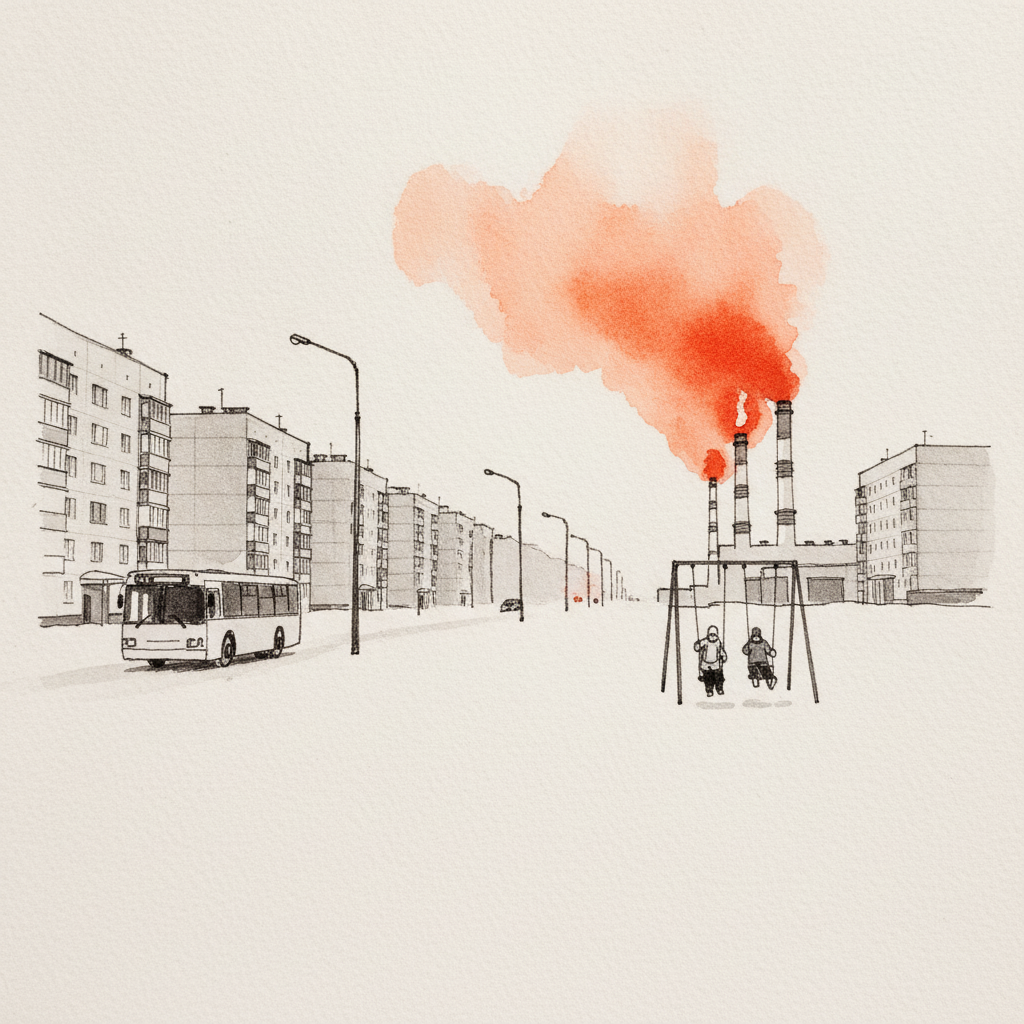
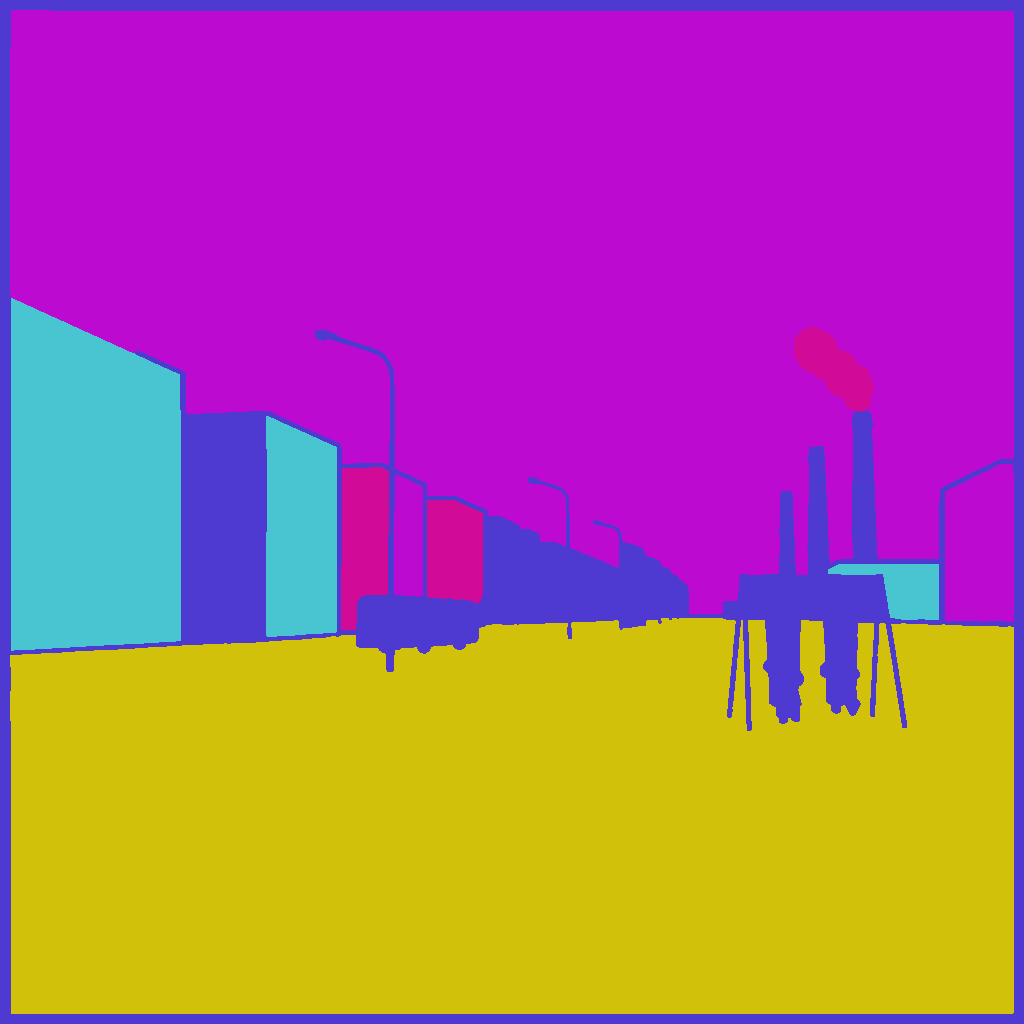
For this Norilsk piece, focus on integrating fluid atmospheric washes with structured ink work to capture the pervasive haze and industrial geometry. Use broad, wet-on-wet washes with a constrained palette of sulfurous yellows, oranges, and cool greys to establish the smoky, twilight sky. Reserve your sharper, darker pen lines for the closest apartment blocks and smelter chimneys, letting them gradually soften or disappear into the lighter washes as they recede into the distant smog. This practice will strengthen your ability to use watercolor to convey atmosphere and depth while ink provides essential structural clarity.
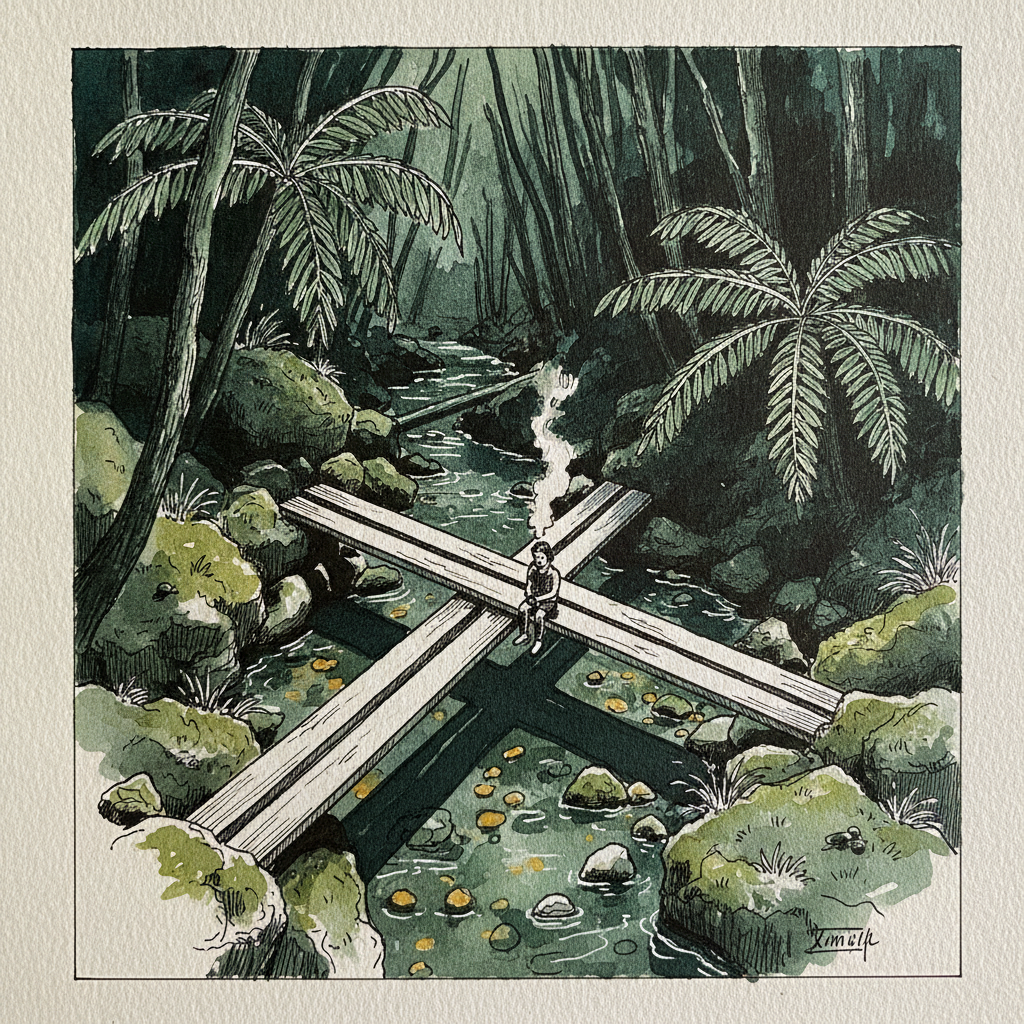
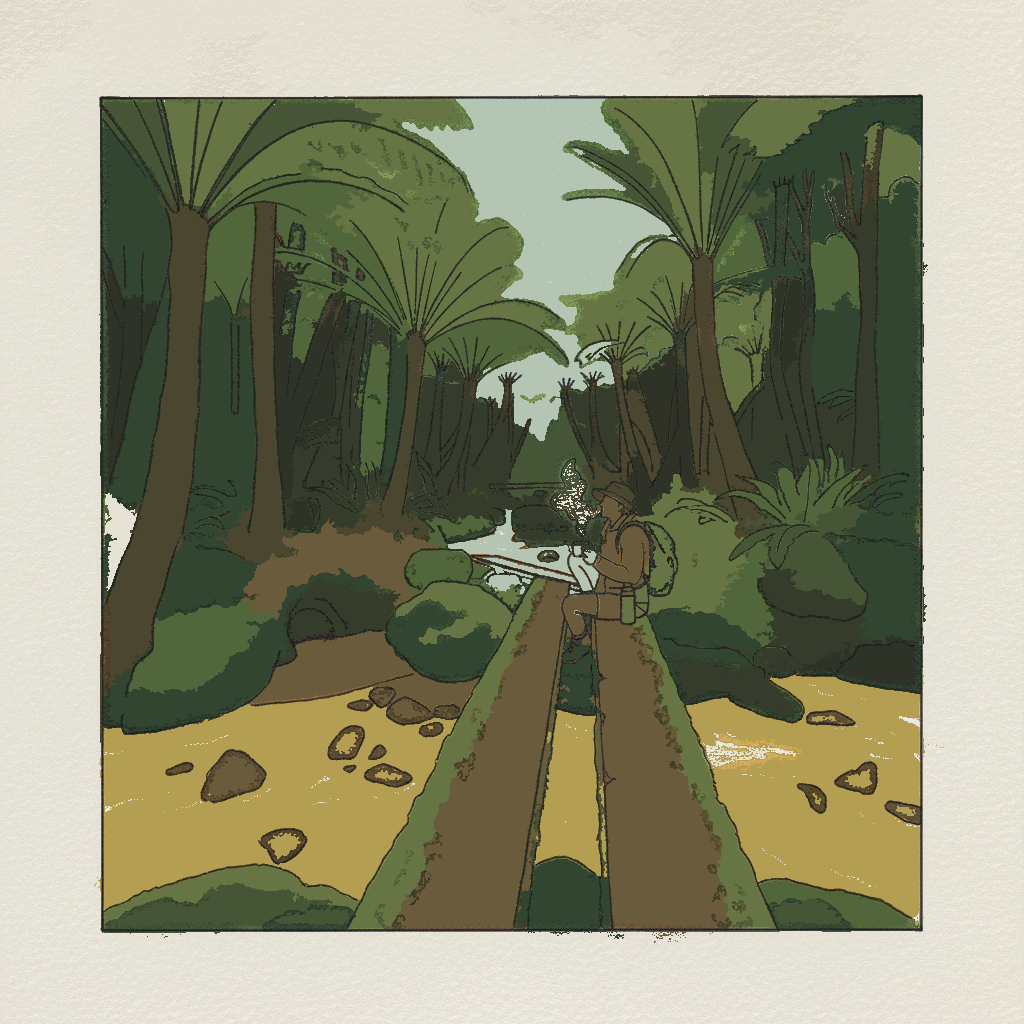
Piece 3 — Tasmanian Fern Gully
Pen + Watercolor · Loose pen and watercolor line-and-wash
Three takes
Focus for this piece
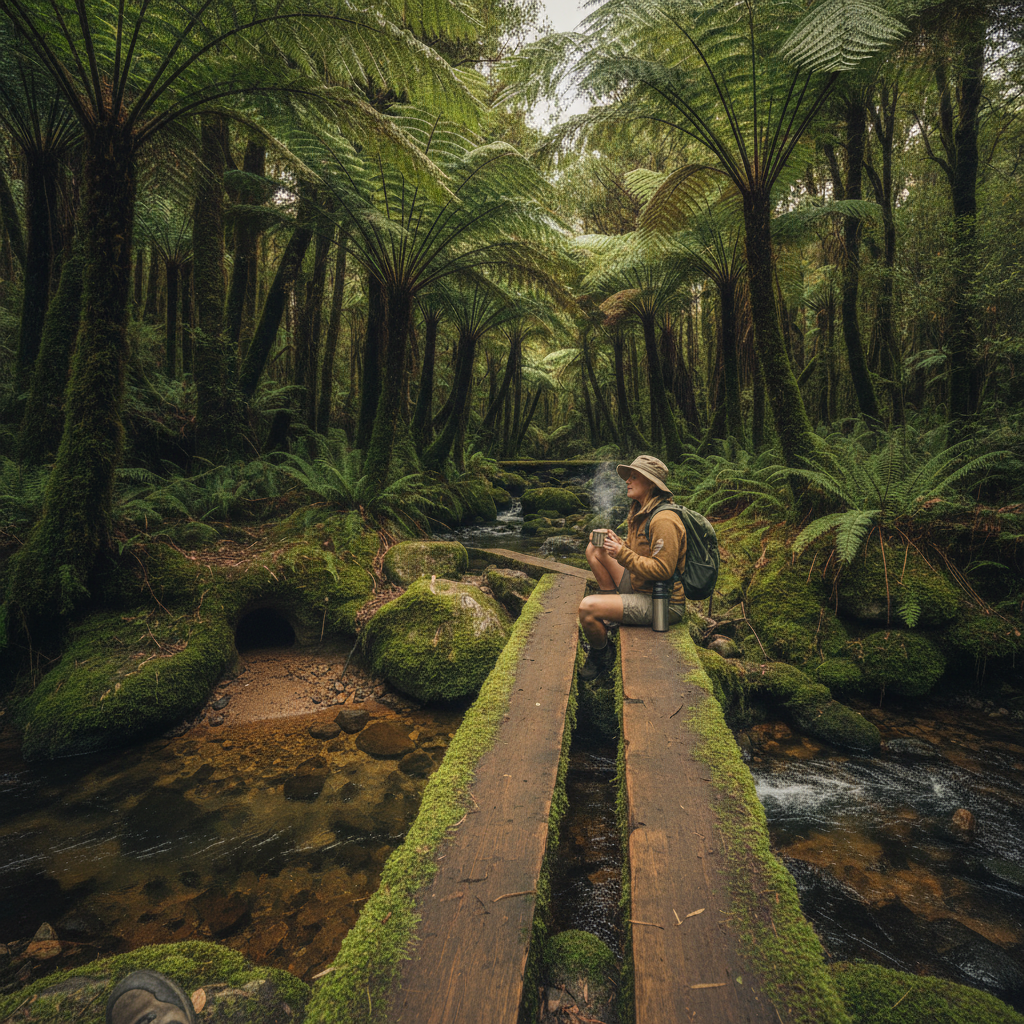
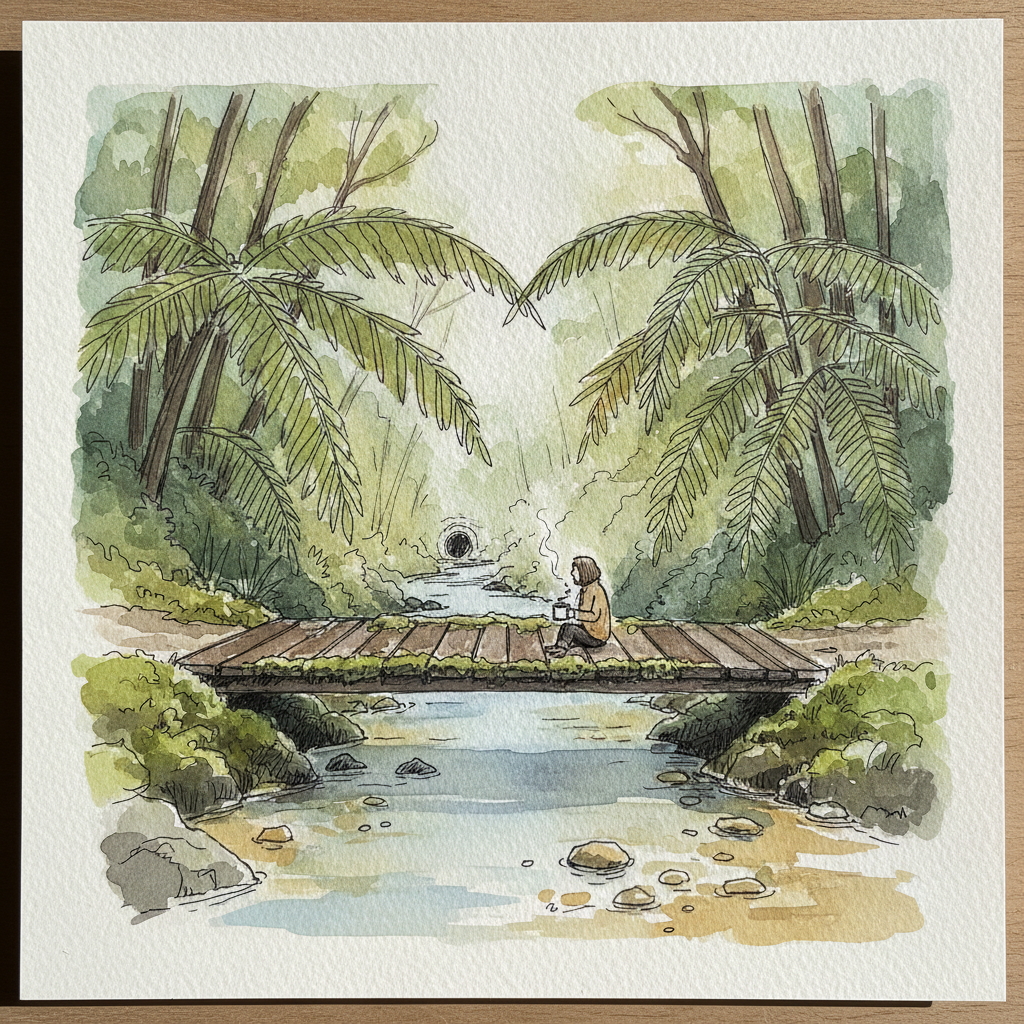
This piece provides an excellent opportunity to practice creating atmospheric depth in a lush, filtered light environment. Employ varied pen line weights: use light, broken lines for the distant, lacy fern fronds to suggest their transparency, reserving bolder, more continuous strokes for the mossy planks and foreground details. Build the "aquarium-like" green light by layering dilute washes, letting lighter, cooler greens recede while richer, warmer tones define the immediate surroundings. Pay attention to how the platypus's dark burrow offers a crucial anchor point for depth in the mid-ground.
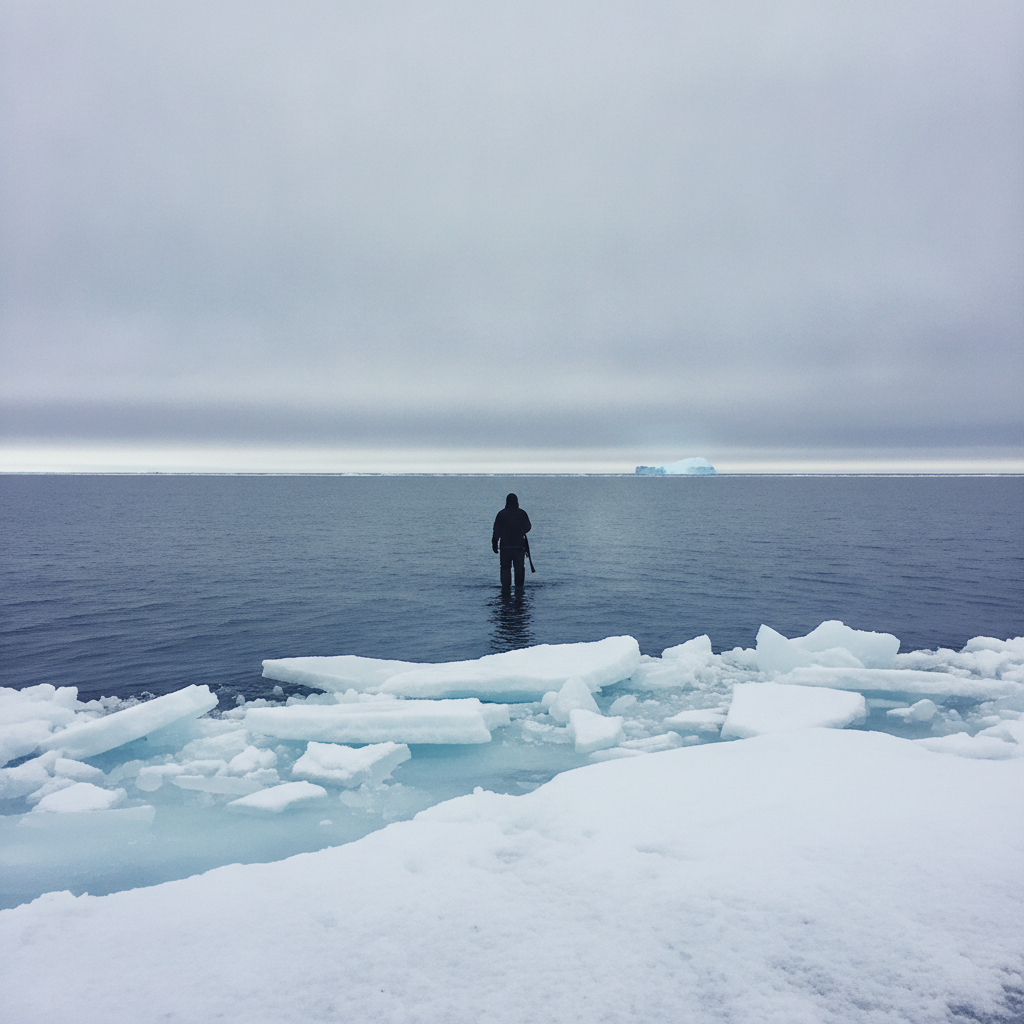
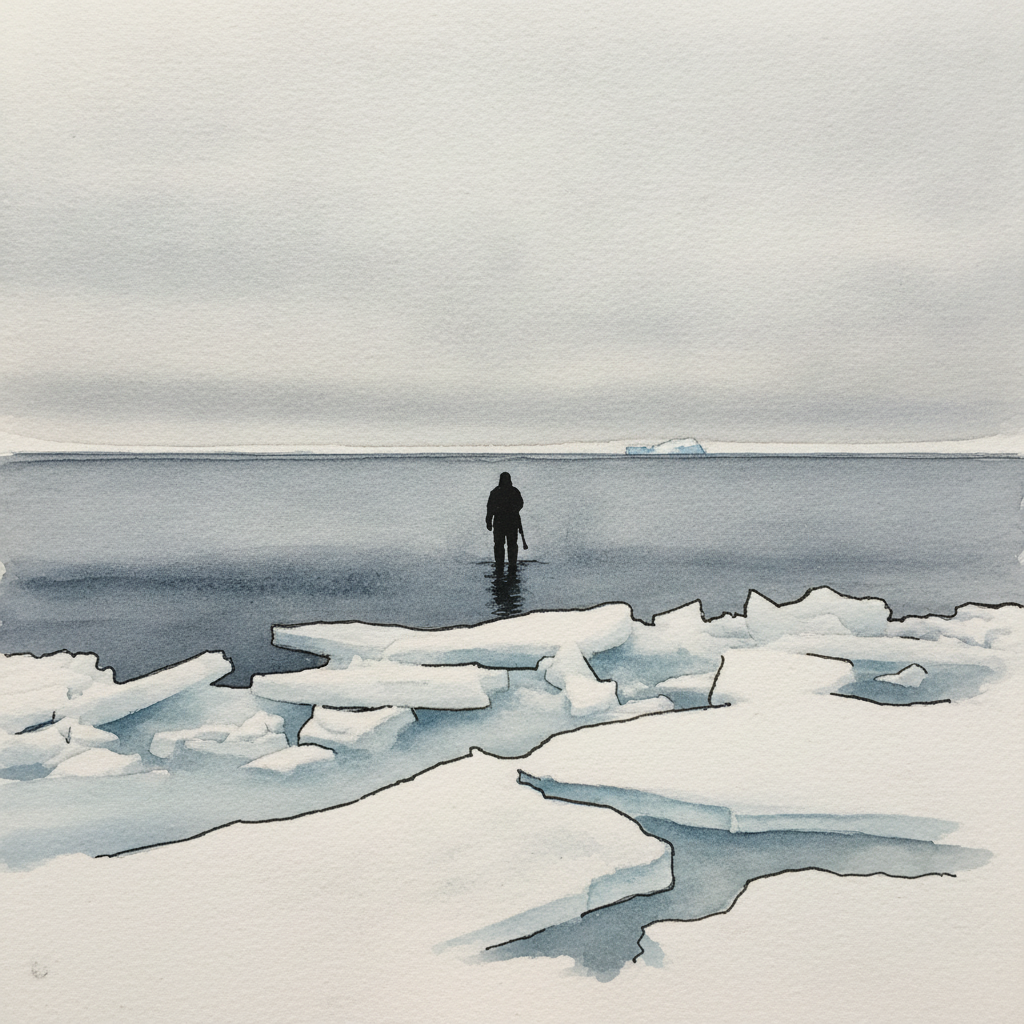
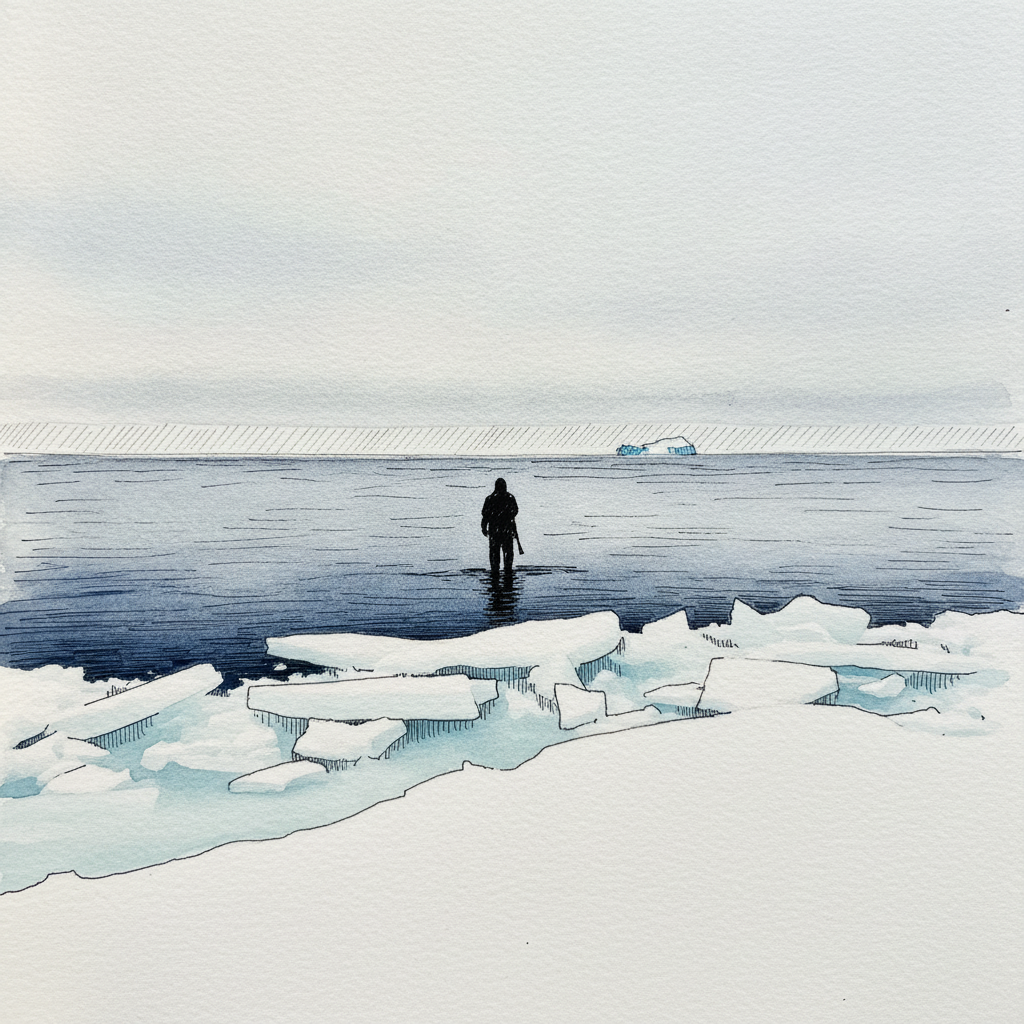
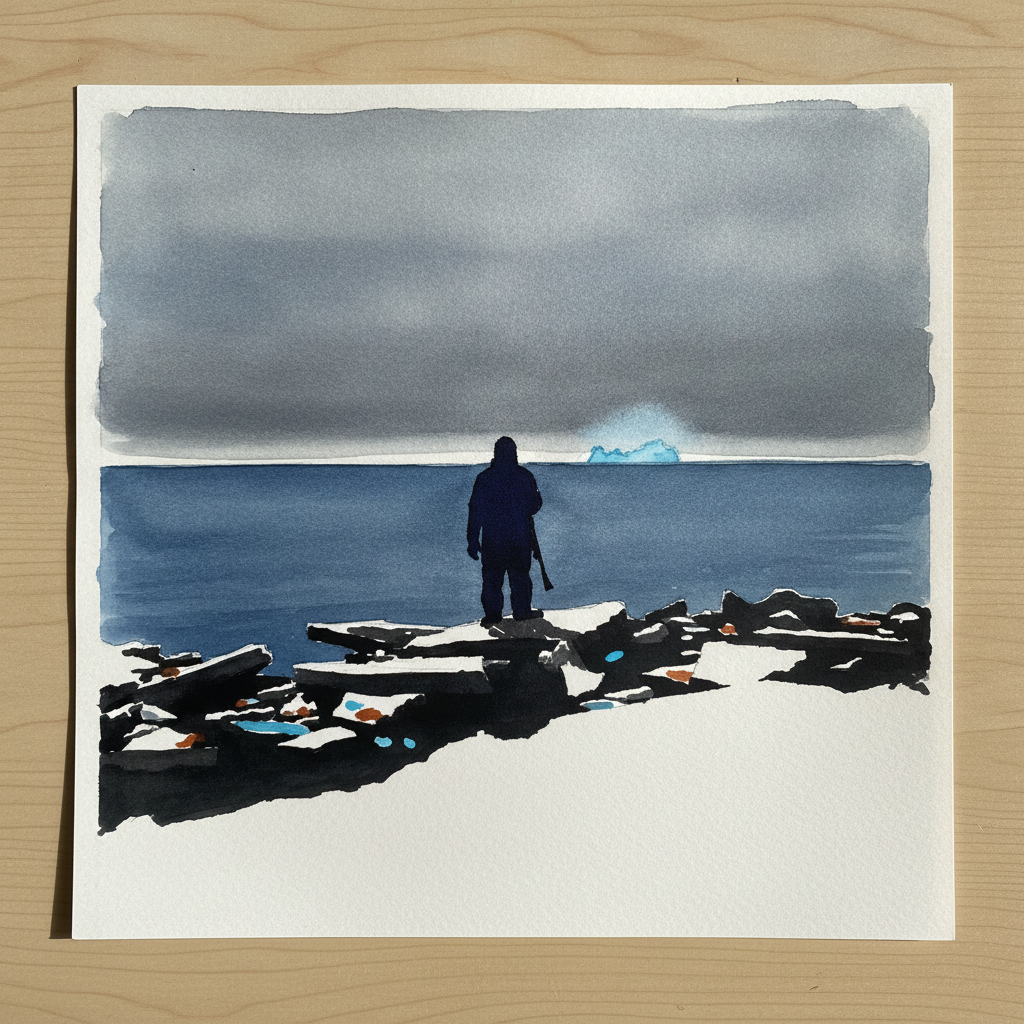
Piece 4 — Inuit hunter silhouette at floe edge
Pen + Watercolor · Loose pen and watercolor line-and-wash
Three takes
Focus for this piece
This piece is ideal for practicing a minimalist approach to line work, using a consistent, heavier line weight to define the stark, dark silhouette of the hunter and the rough edges of the foreground ice. Complement this structural clarity with subtle, expansive wet-on-wet washes of a cool, limited palette—think pearl grey for the sky and deep indigo for the dark water—allowing the watercolor to evoke the vast, quiet atmosphere and patience inherent in the scene.
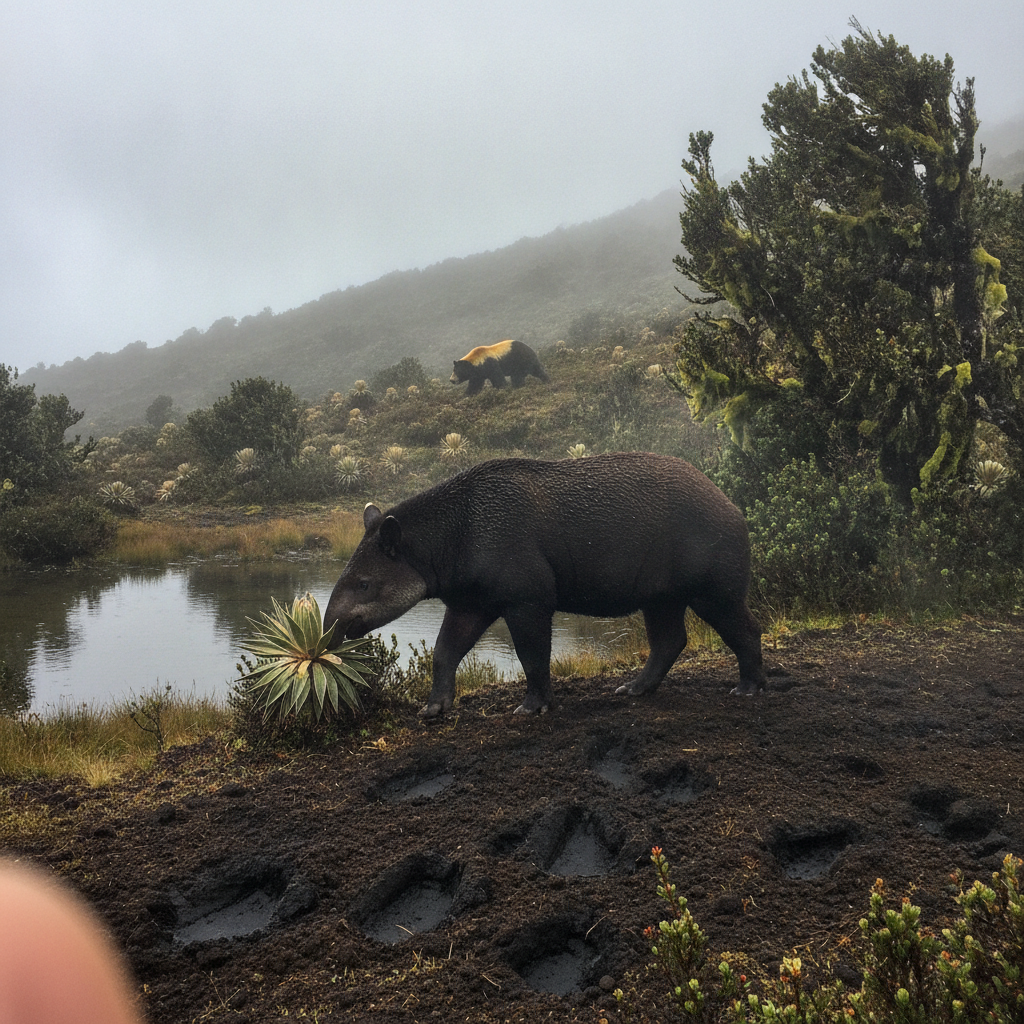
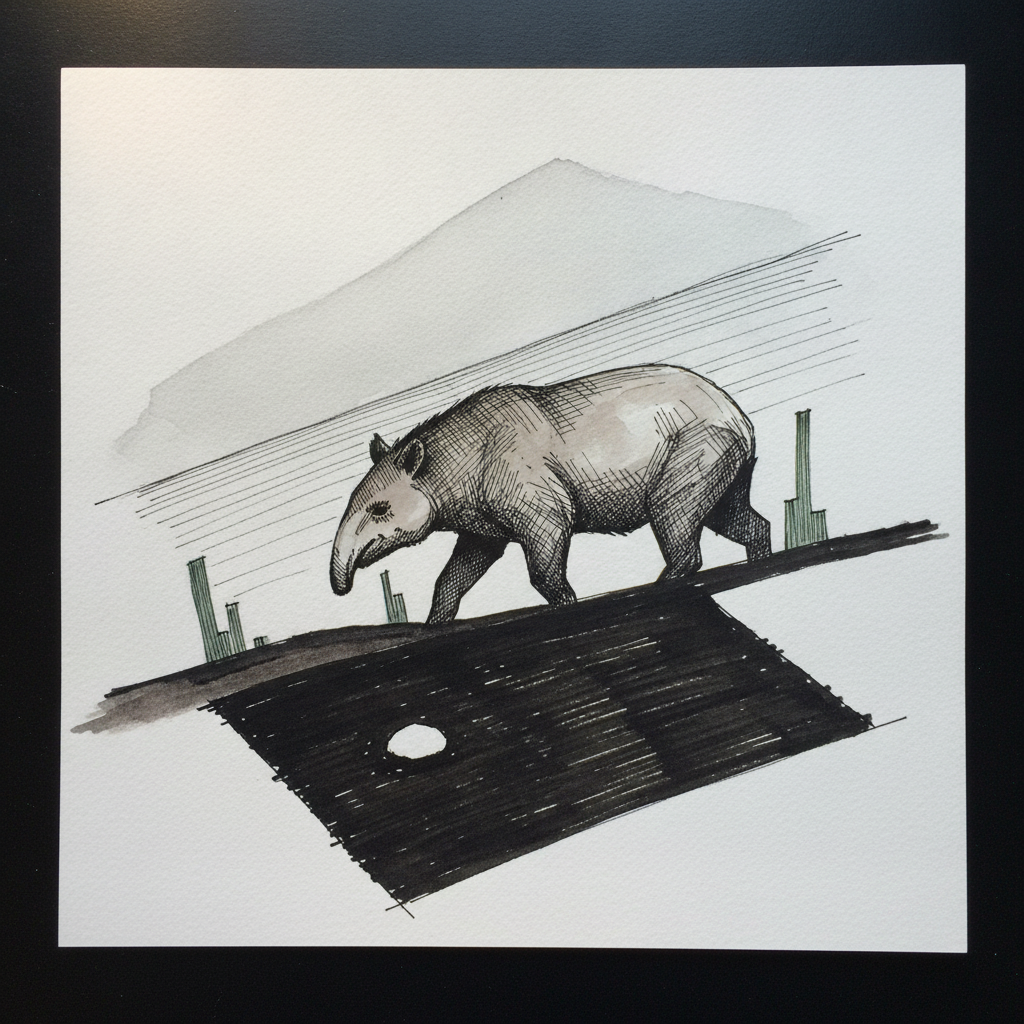
Piece 5 — Mountain tapir
Pen + Watercolor · Loose pen and watercolor line-and-wash
Three takes

Focus for this piece
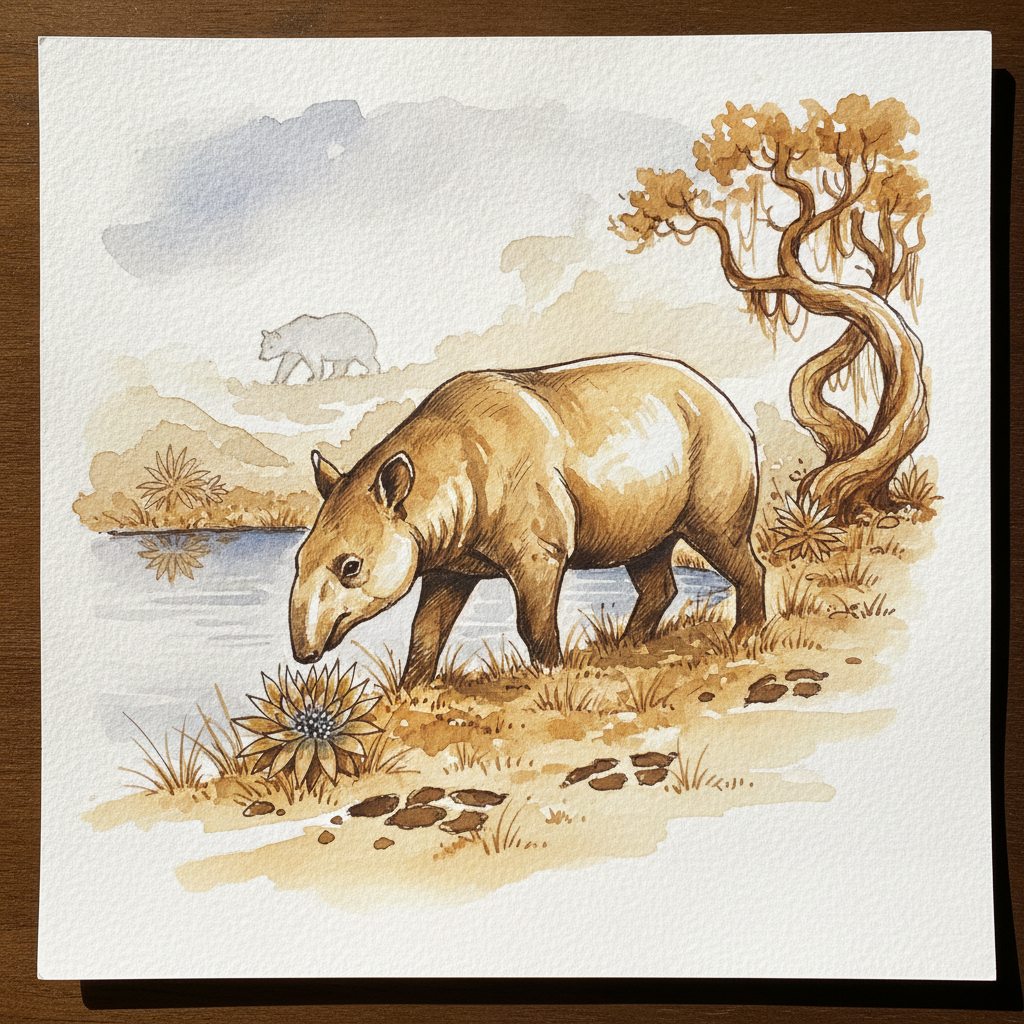
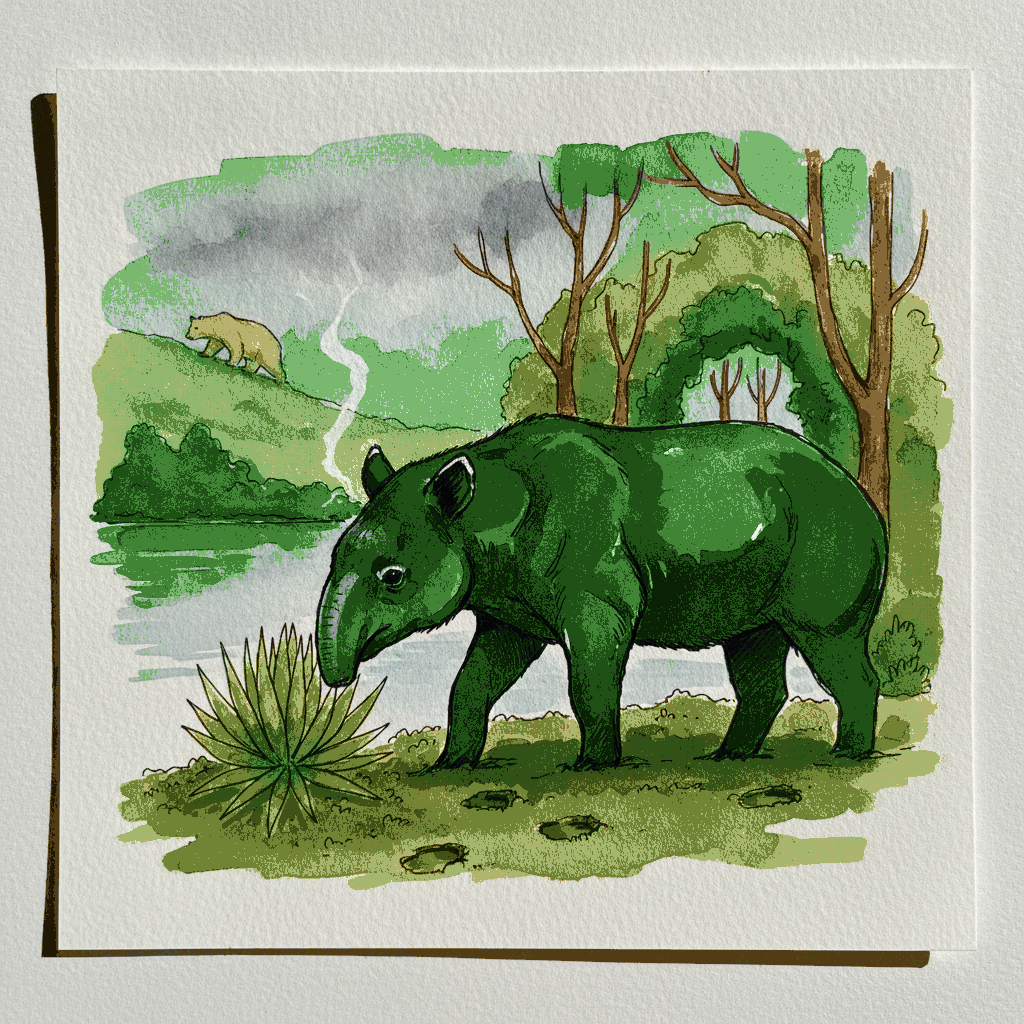
For this piece, focus on using soft, expansive wet-on-wet washes with a cool, desaturated palette to establish the misty, high-altitude atmosphere. Contrast this ethereal background by rendering the mountain tapir's woolly, dark form with varied ink line weights—heavier for its main contours, lighter for internal textures—and building up its coat with rich, layered washes. Pay attention to how crisp foreground lines, like those for the tapir and tussock grass, gradually soften or disappear into the atmospheric watercolor as distance increases, creating a strong sense of depth.
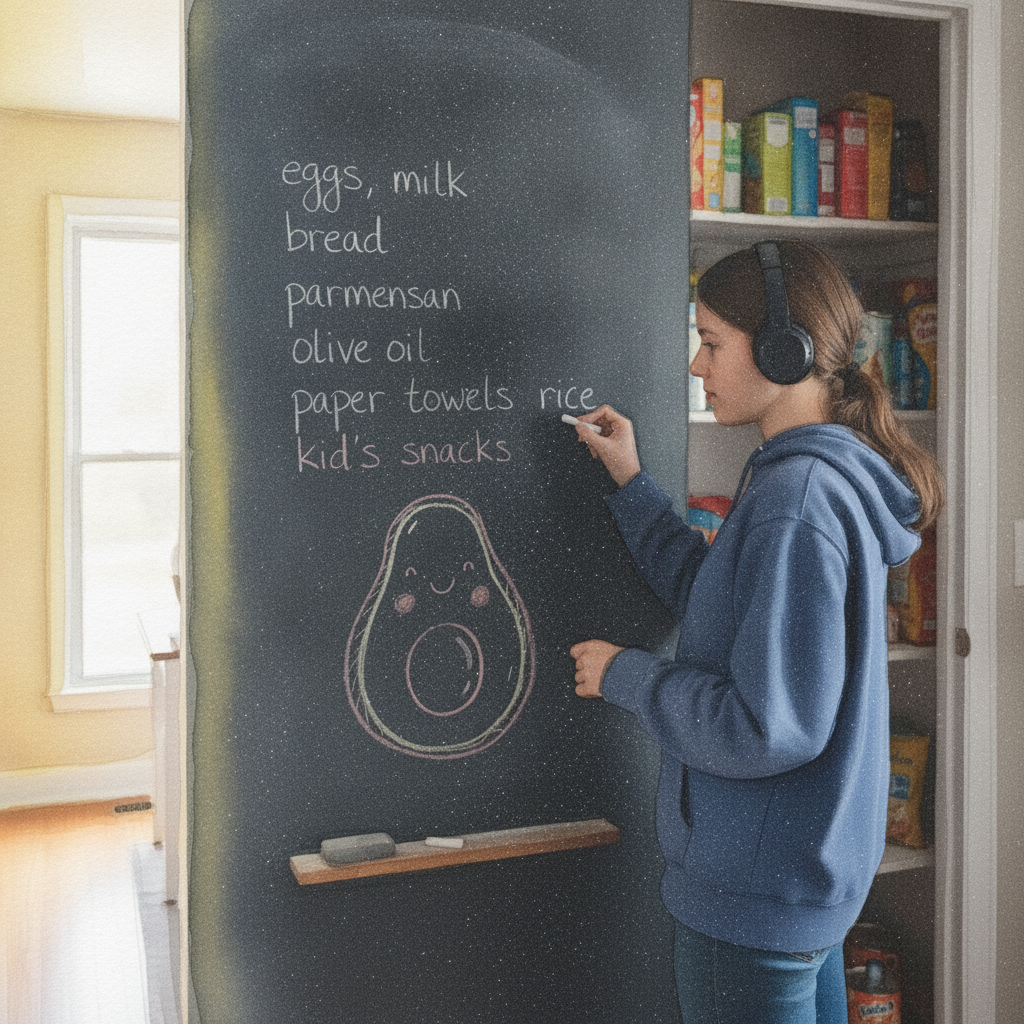
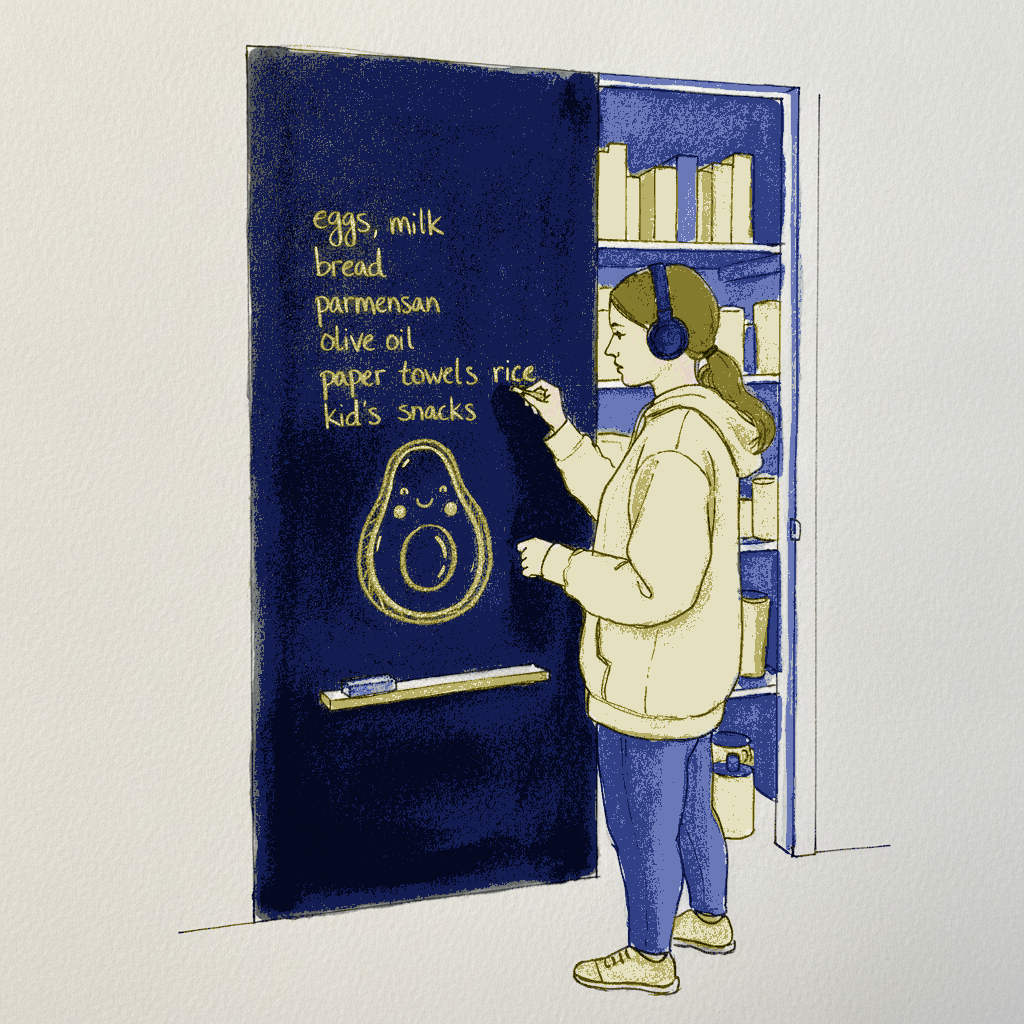
Piece 6 — Pantry door with chalkboard
Pen + Watercolor · Loose pen and watercolor line-and-wash
Three takes

Focus for this piece
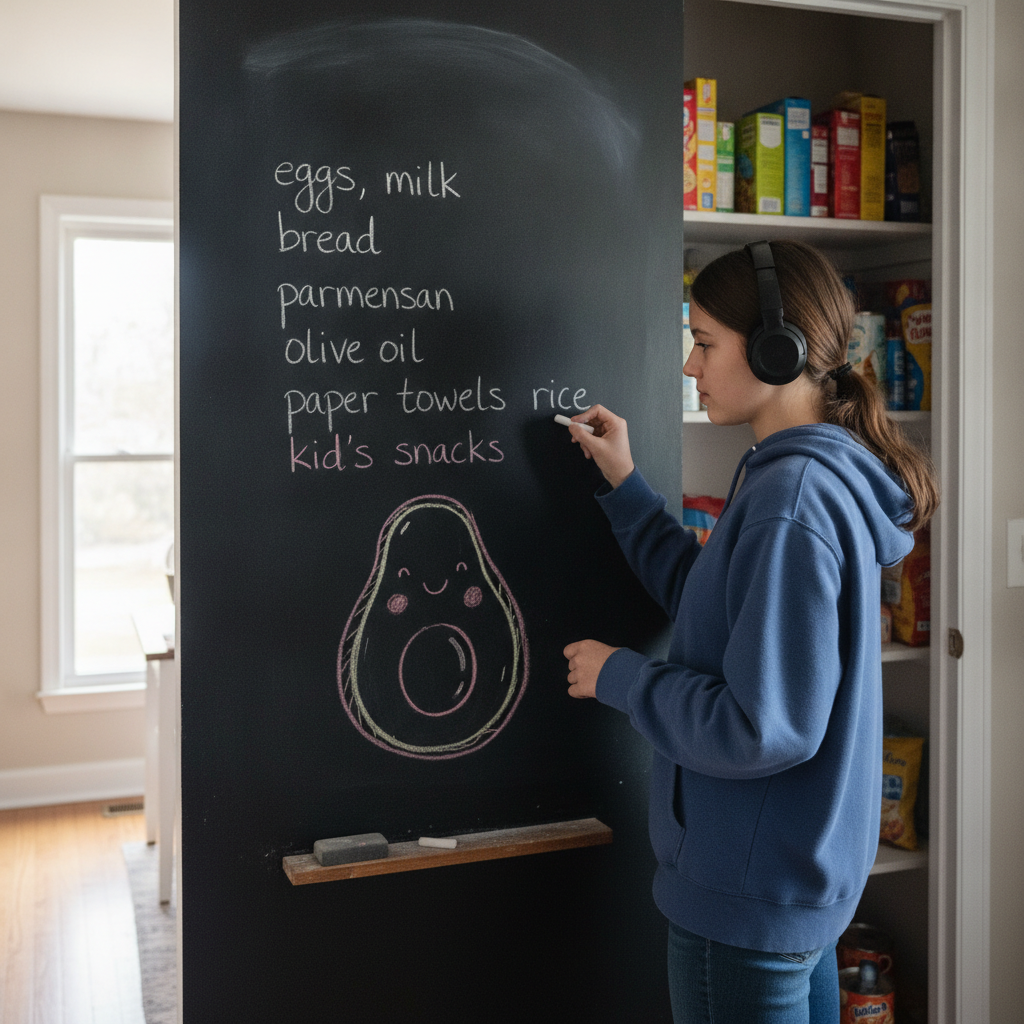
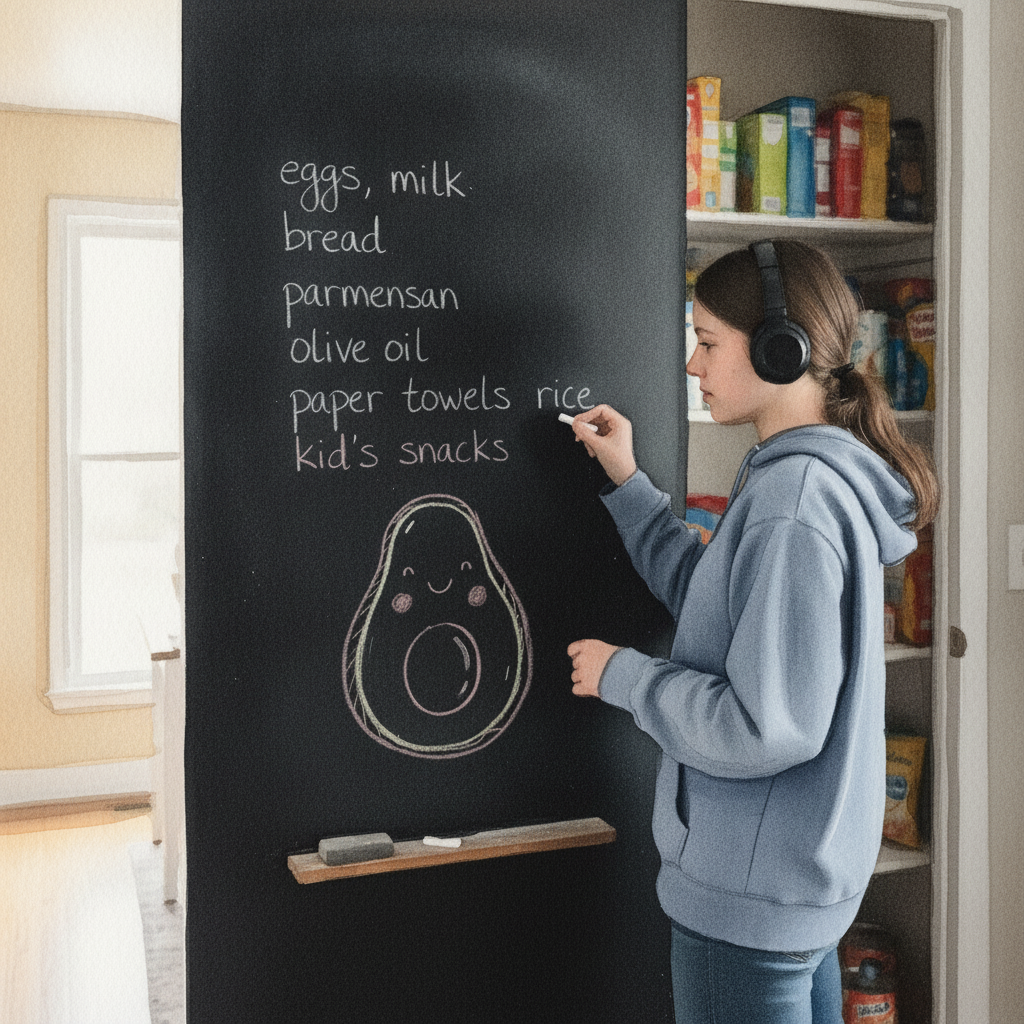
This piece is an excellent study in using extreme value contrast and varied line weights to create depth. Use a finer pen to delineate the delicate chalk writing and the vivid pink avocado, ensuring they pop crisply against the deep, multi-layered washes of the matte black chalkboard. Reserve the brightest whites of the paper for the chalk marks and the faint dust on the ledge. For the background pantry and kitchen, employ softer, muted washes and lighter, less detailed lines to make them recede into the bright afternoon light.
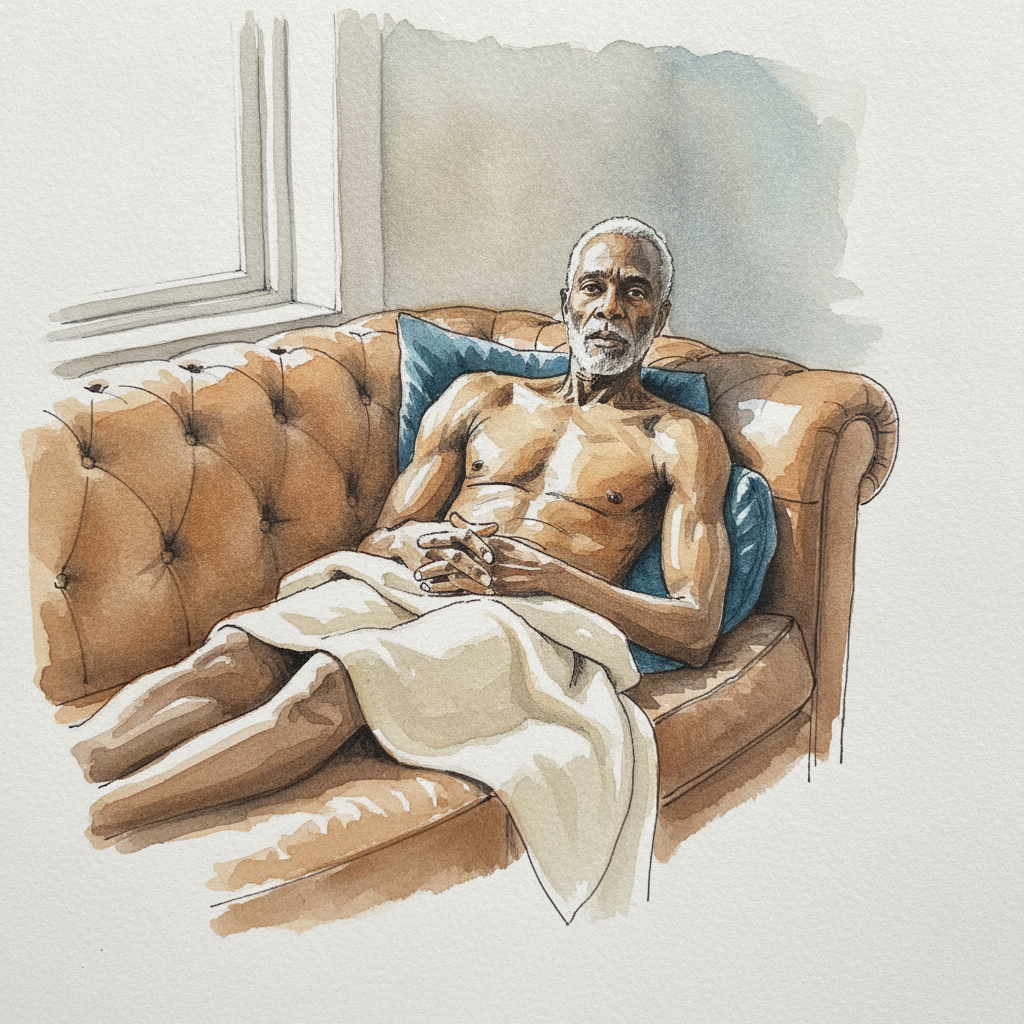
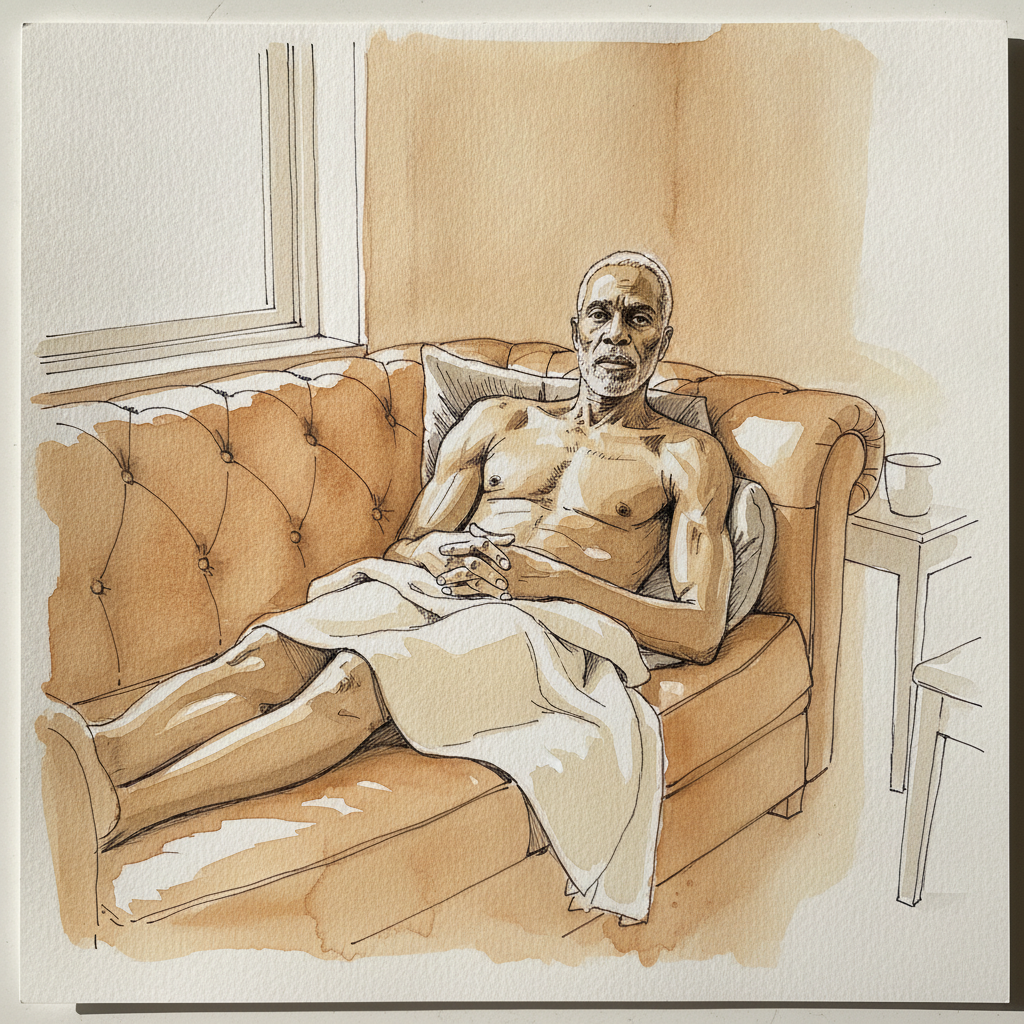
Piece 7 — Older Black male, dignified repose
Pen + Watercolor · Loose pen and watercolor line-and-wash

Three takes
Focus for this piece
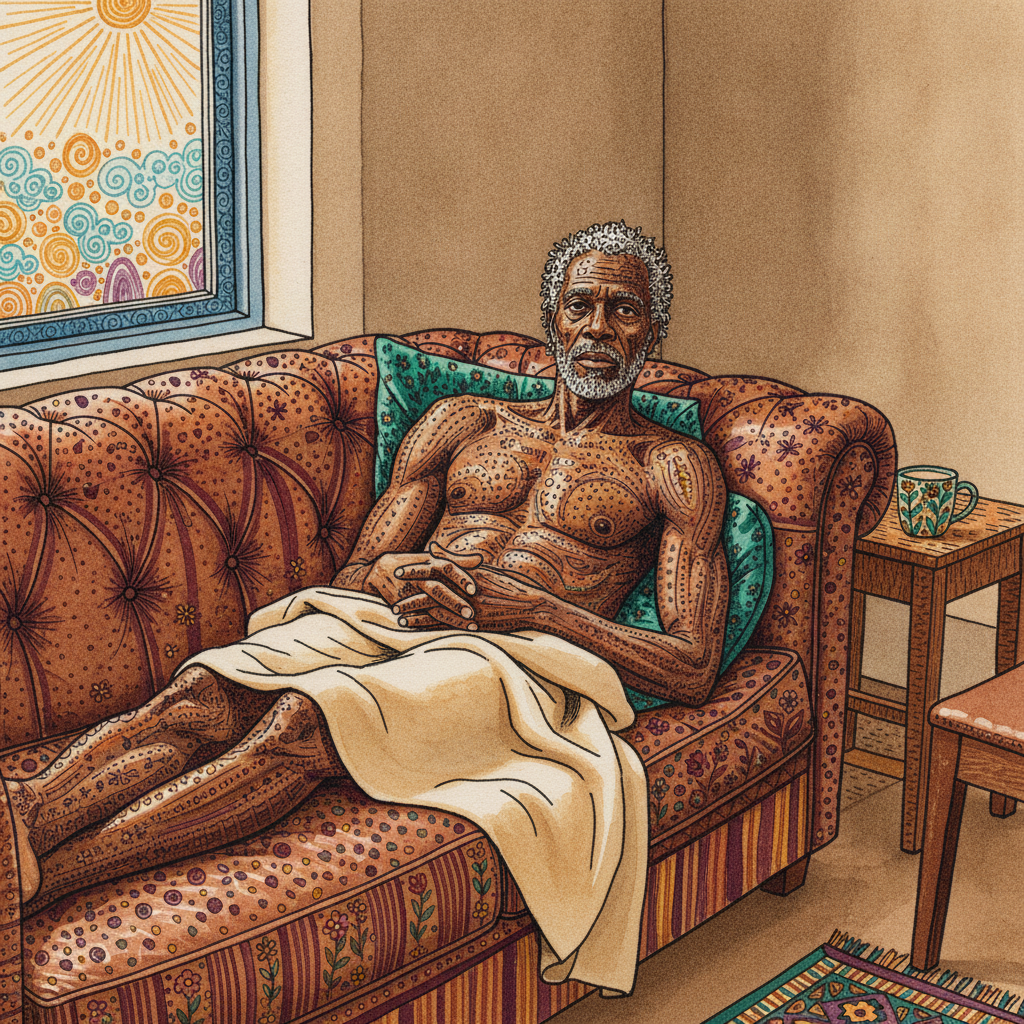
This piece provides an excellent study in rendering the figure's form and texture using both precise lines and atmospheric washes. Focus on how varied line weights—heavier for the strong angles of cheekbones and clavicles, lighter for the subtle curves of the arms—can define structure, while cool, layered washes model the volume under the morning window light. Use judicious wet-on-dry washes to build the rich textures of the dark leather chesterfield and draped wool, letting the pen suggest detail where washes can only hint.
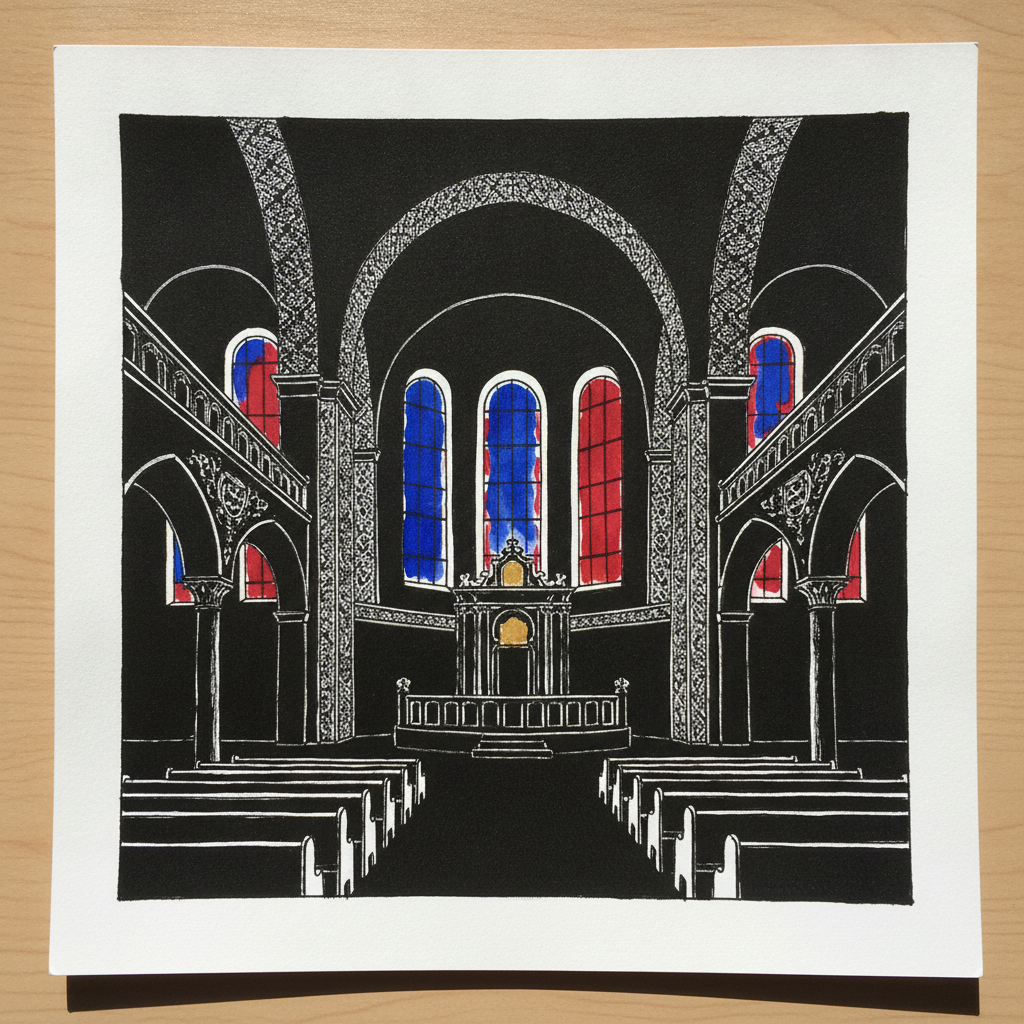
Piece 8 — Tempel Synagogue, Kazimierz, Kraków, Poland
Pen + Watercolor · Loose pen and watercolor line-and-wash
Three takes
Focus for this piece
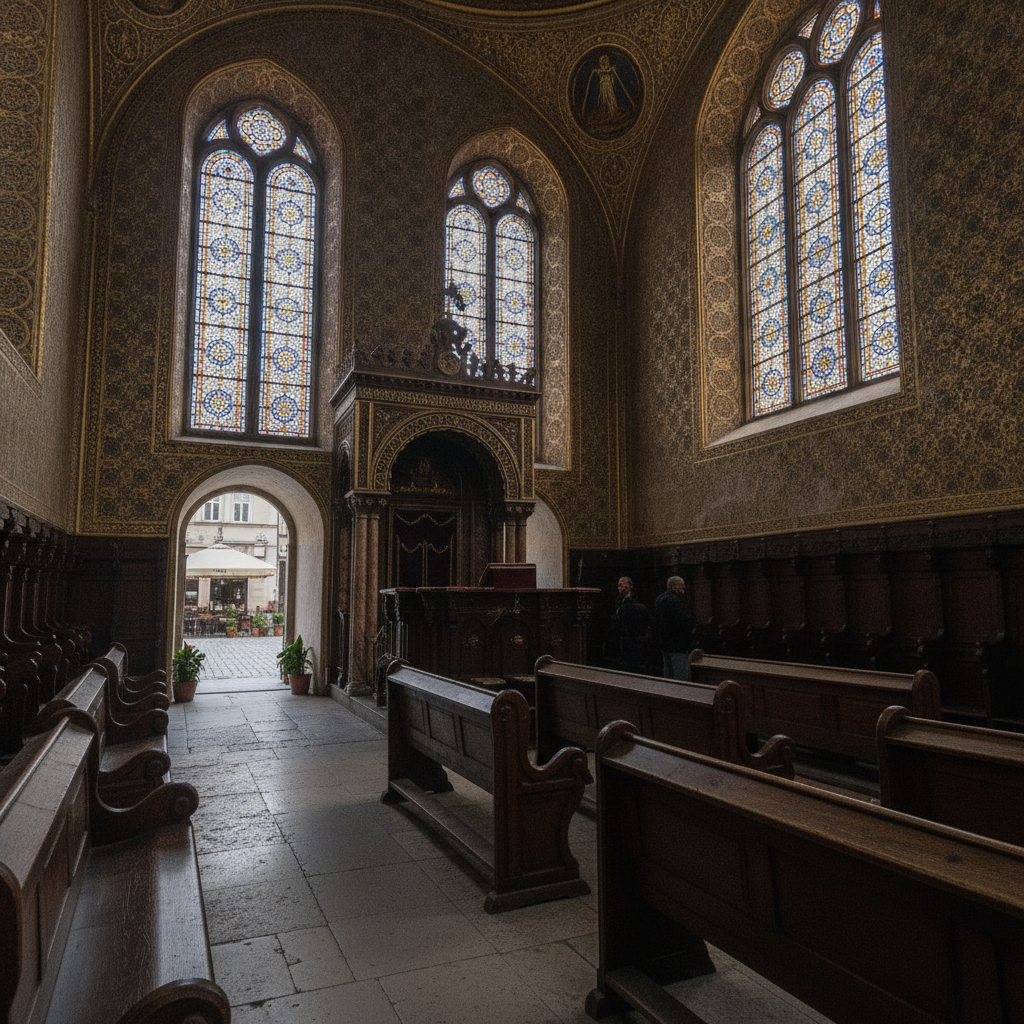
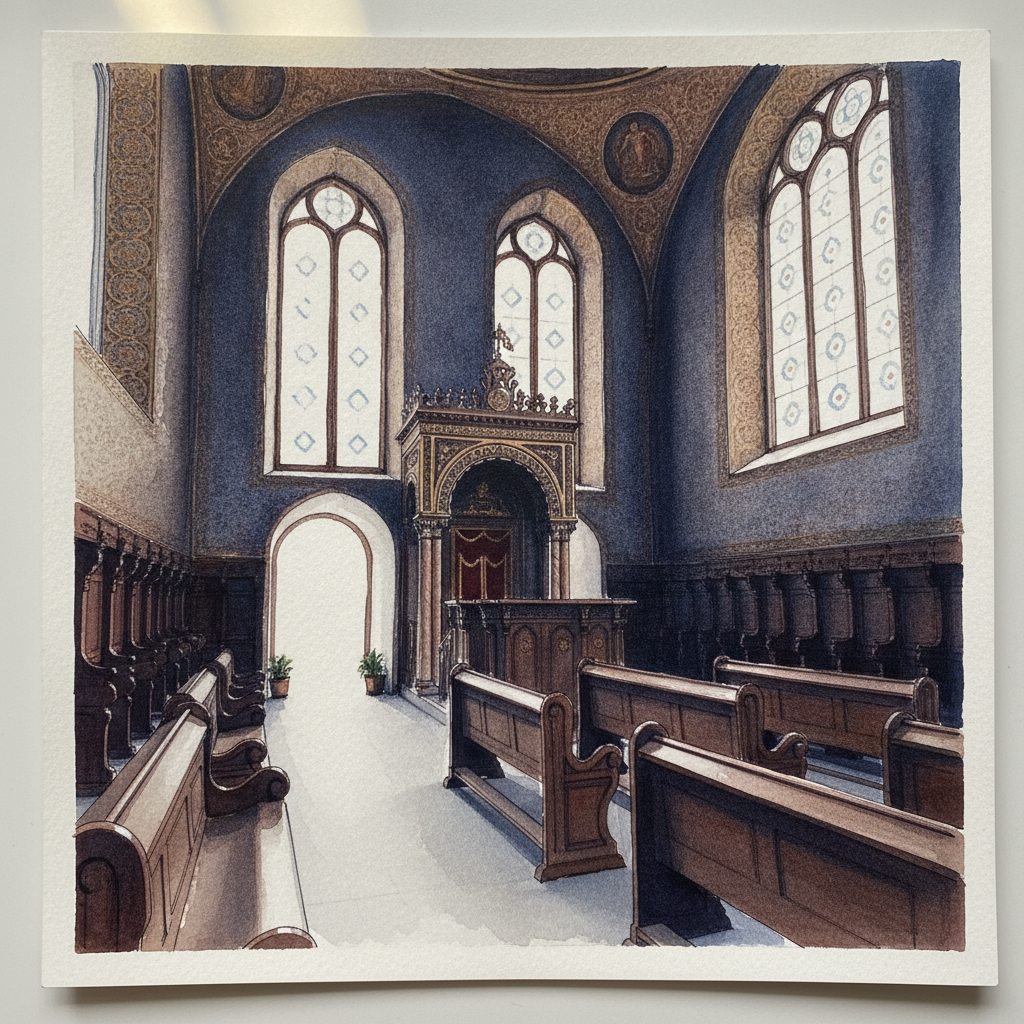
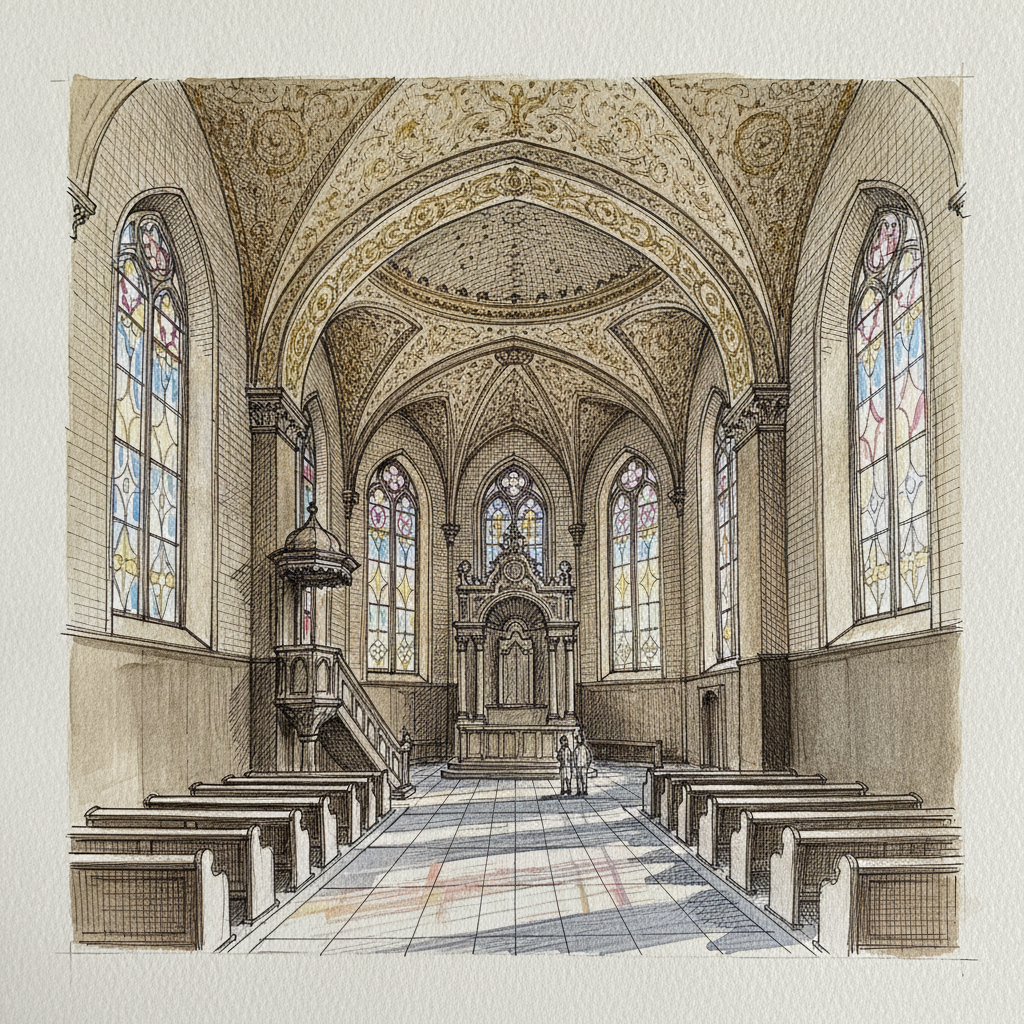
This piece offers an excellent study in conveying both structural elegance and luminous atmosphere. Focus on defining the strong verticality and pointed-arch windows with varied ink line weights, using a firmer hand for main architectural elements and a lighter touch for intricate arabesque details. Then, use layered, jewel-toned watercolor washes, particularly in cobalt, ruby, and gold, to suggest the glowing depth of the stained-glass while allowing the underlying ink patterns to shine through.