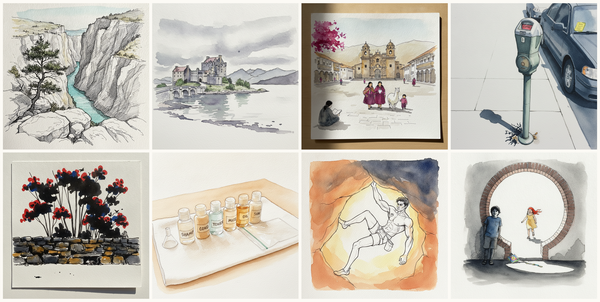
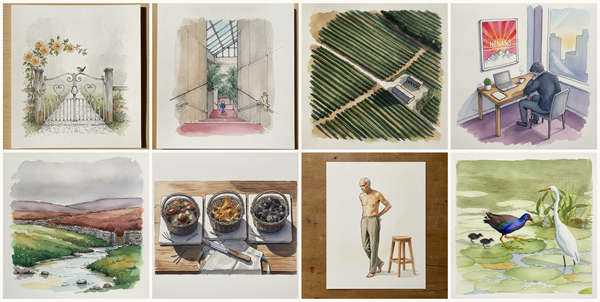
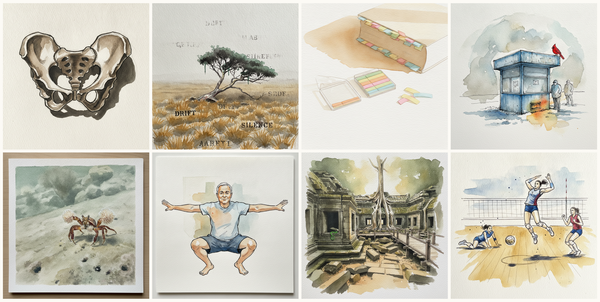
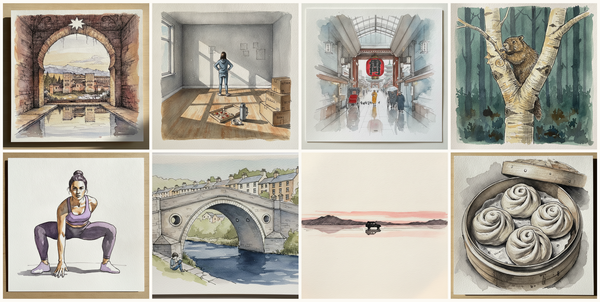
Reach forward and down for shoes, end-of-day at 55, Storm Cell over Desert, Garlic bulbs with paper skins peeling, Giant moray, and more — pen + watercolor for November 8, 2026
AI-generated daily art-practice references for pen and watercolor: Reach forward and down for shoes, end-of-day at 55, Storm Cell over Desert, Garlic bulbs with paper skins peeling, Giant moray, Sagano grove looking straight up, Kyoto, Bonnefantenmuseum, Maastricht, Netherlands, Masjid Negara Ent…
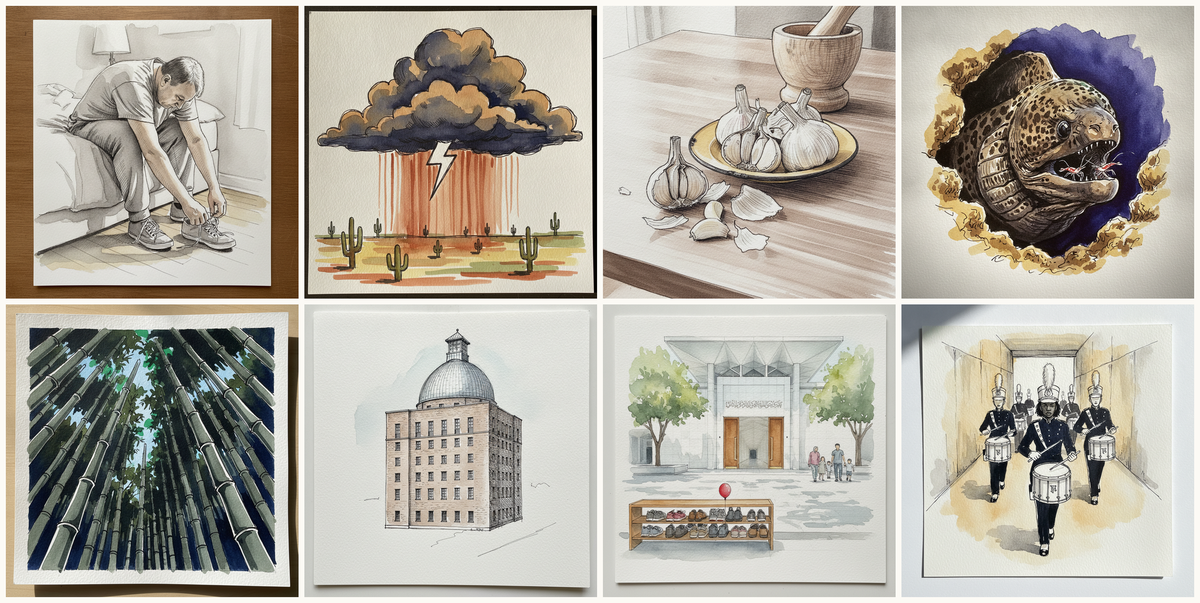
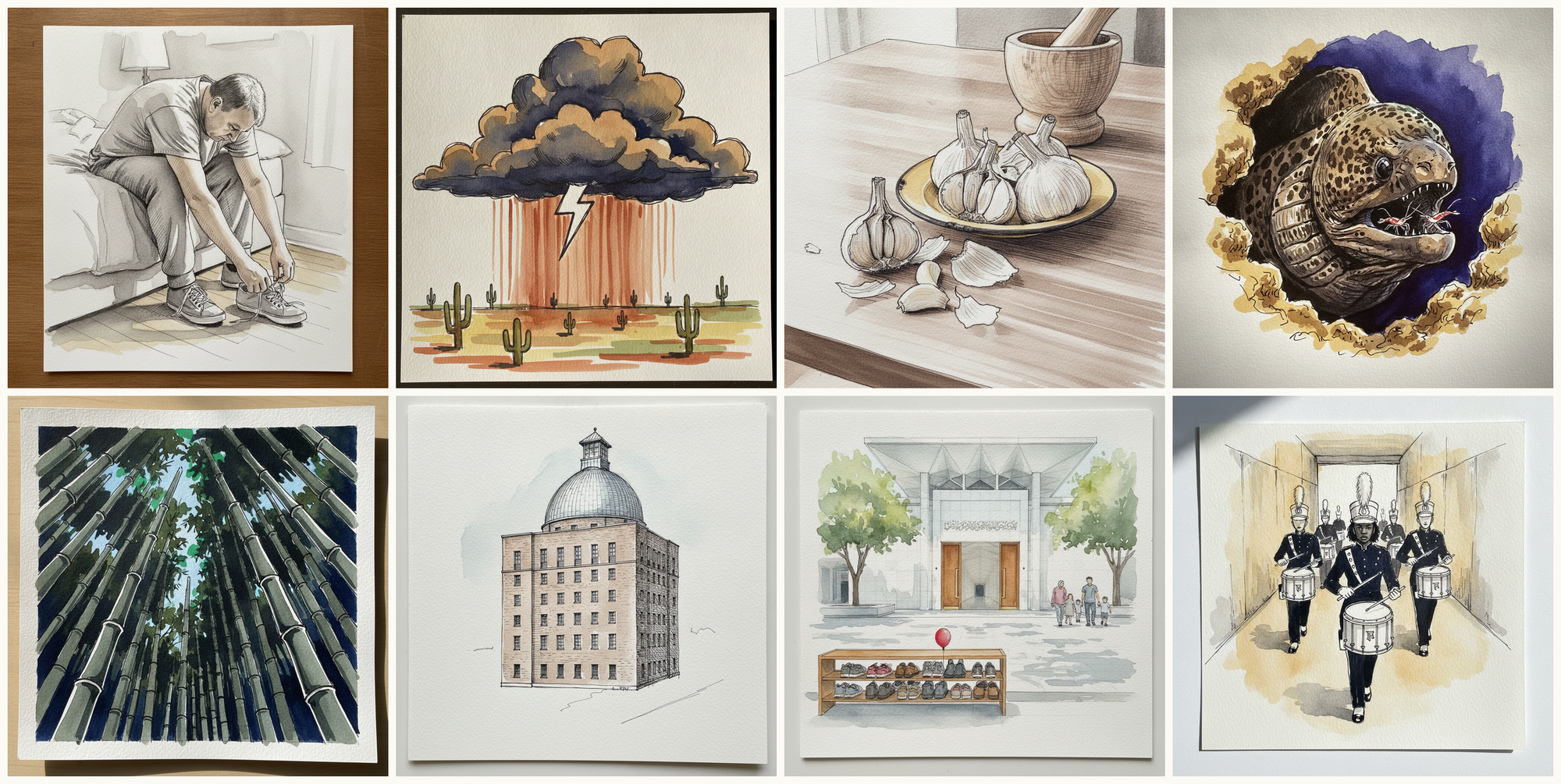
Today's 8 pen-and-watercolor pieces: Reach forward and down for shoes, end-of-day at 55, Storm Cell over Desert, Garlic bulbs with paper skins peeling, Giant moray, Sagano grove looking straight up, Kyoto, Bonnefantenmuseum, Maastricht, Netherlands, Masjid Negara Entry, Kuala Lumpur, Drummer in drum line. Each piece comes with an AI-generated photoreal reference, three AI-generated example artworks in different treatments, and a short focus paragraph naming what to study in this one.
Why these references use AI
This daily series uses AI-generated images as practice prompts, not as finished artwork to copy. Each subject starts with a synthetic photoreal reference generated with Gemini/Nano Banana, then moves into three pen-and-watercolor interpretations of the same subject.
I use AI here because daily art practice needs variety and low friction. Real life can get repetitive, busy, or visually narrow. These generated reference sets make it easier to study bodies, buildings, animals, landscapes, objects, gestures, light, palettes, and compositions that might not show up in an ordinary day.
The goal is not to reproduce any image directly. Treat each set as a starting point for observation and study: choose what interests you, change the framing, simplify the subject, alter the palette, and make your own version.
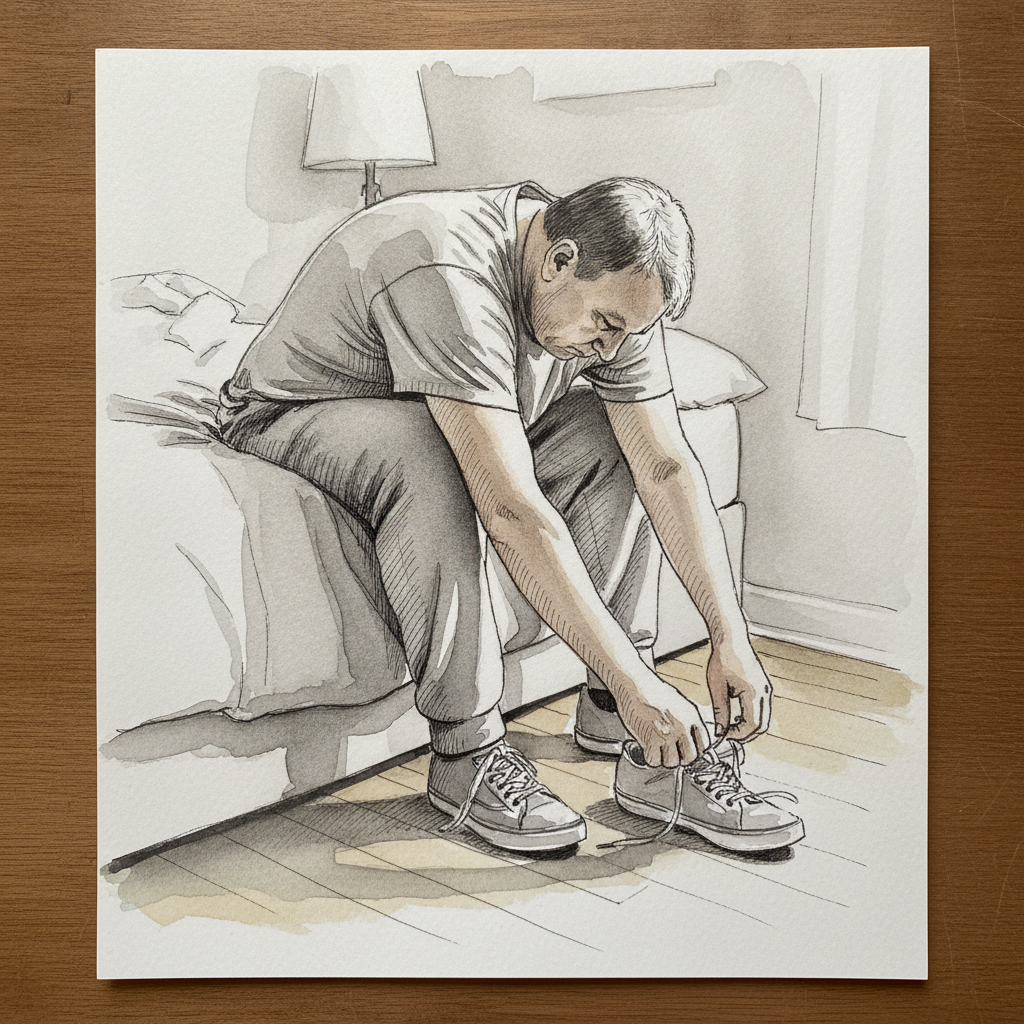
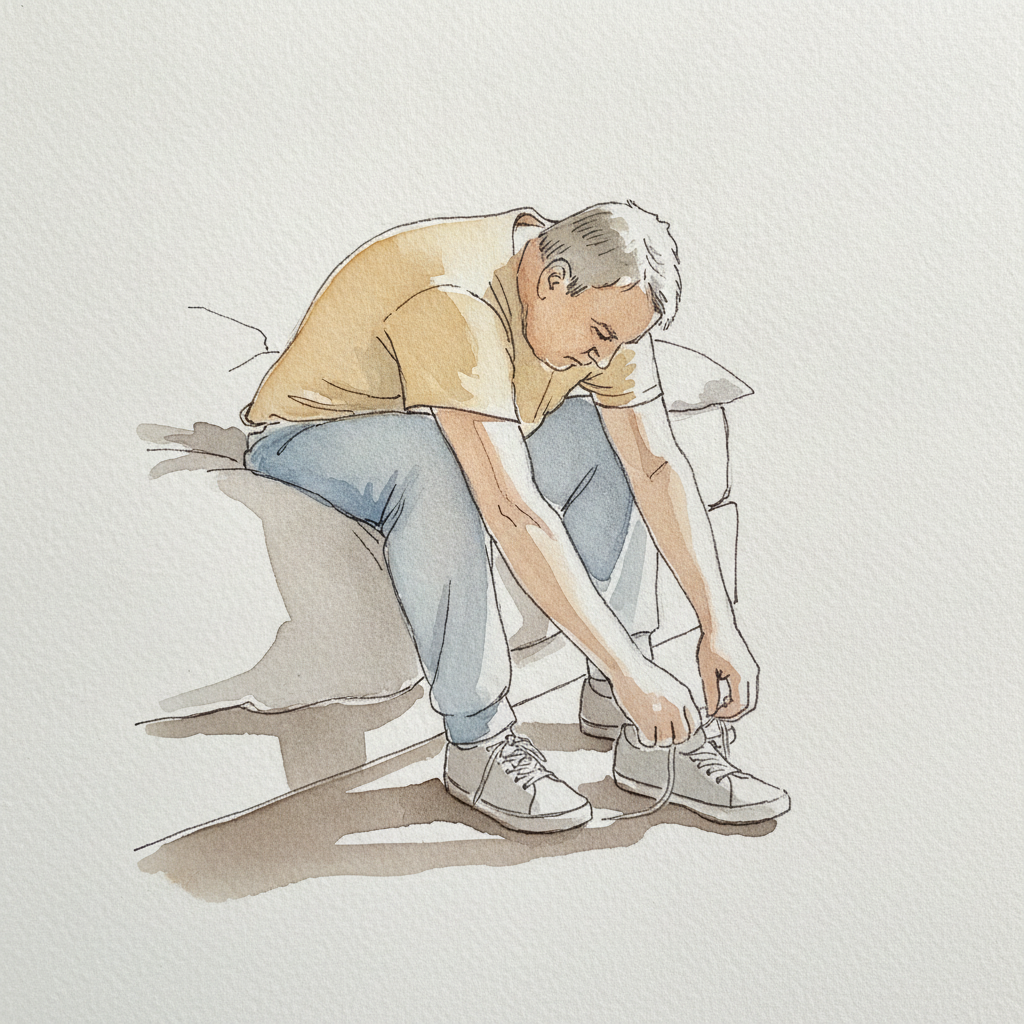
Piece 1 — Reach forward and down for shoes, end-of-day at 55
Pen + Watercolor · Loose pen and watercolor line-and-wash

Three takes

Focus for this piece
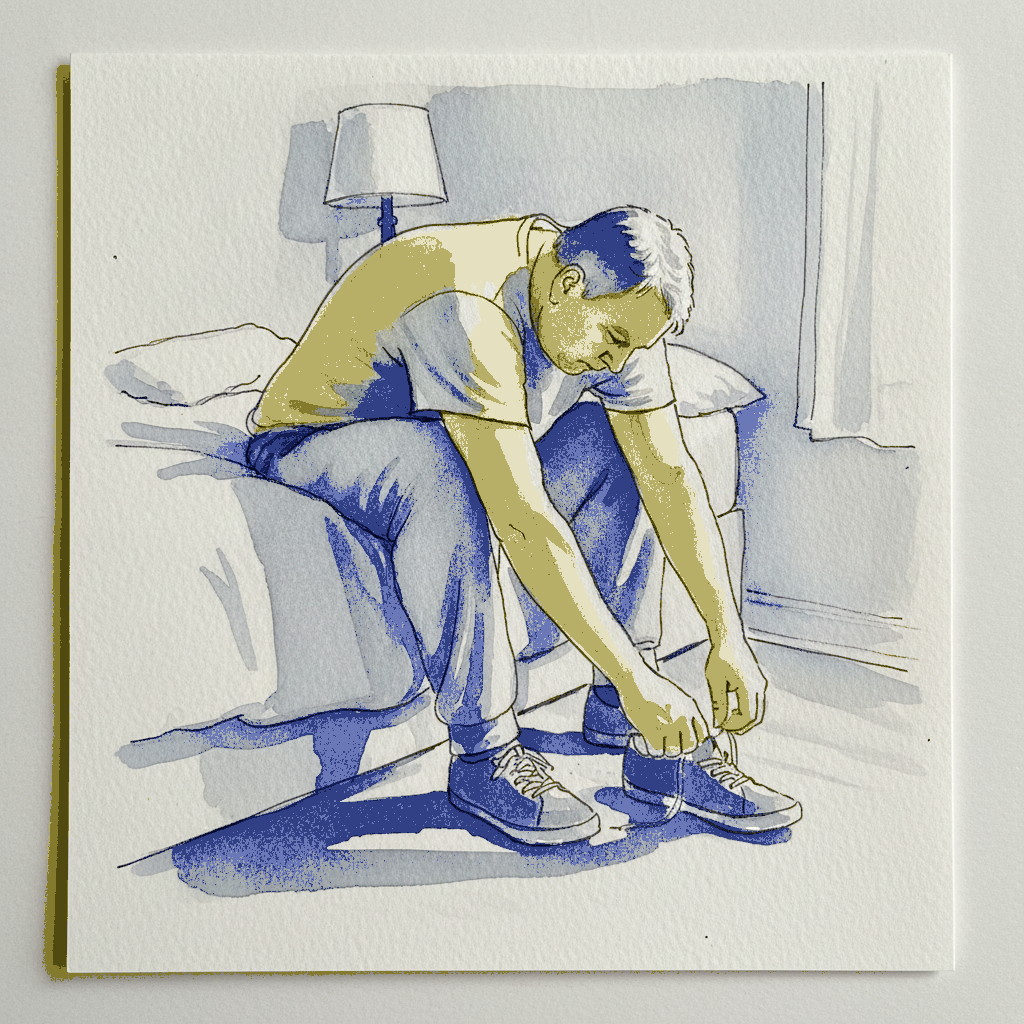
This study is ideal for exploring how to convey physical weight and emotional fatigue through line and wash. Use varied, heavier line weights for the primary downward-pulled contours of the figure's back and arms, letting gravity define their shape. Complement this with soft, layered washes to model the rounded forms of the torso and limbs, paying close attention to how the warm side-light creates clear value shifts and a sense of volume.
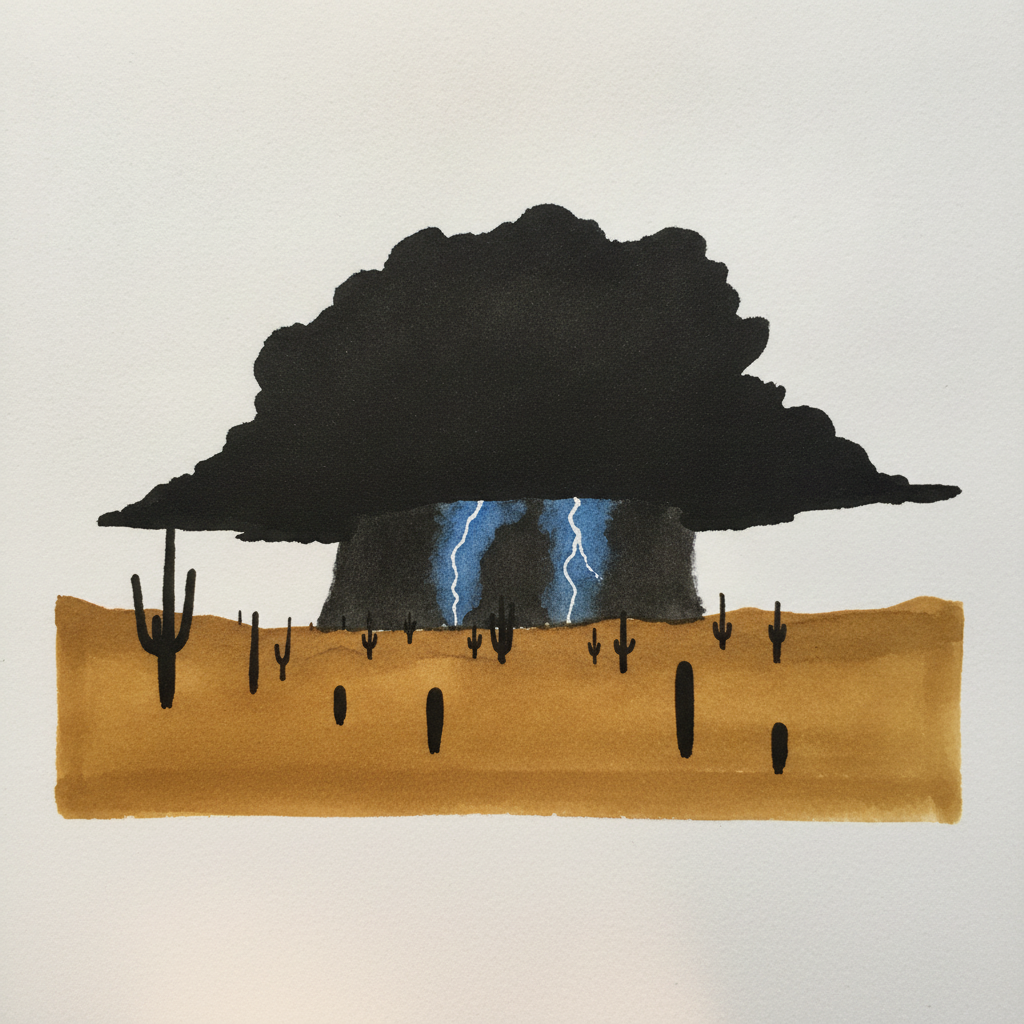
Piece 2 — Storm Cell over Desert
Pen + Watercolor · Loose pen and watercolor line-and-wash
Three takes
Focus for this piece
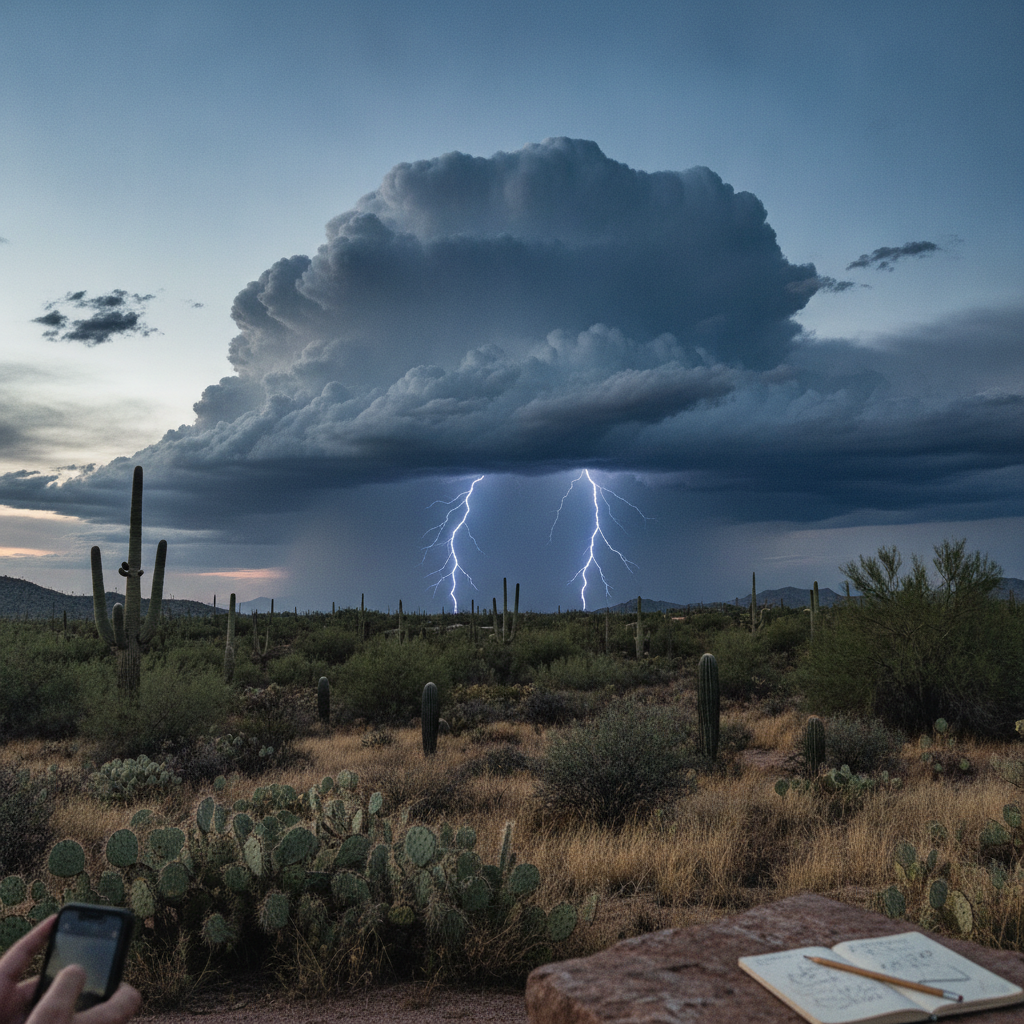
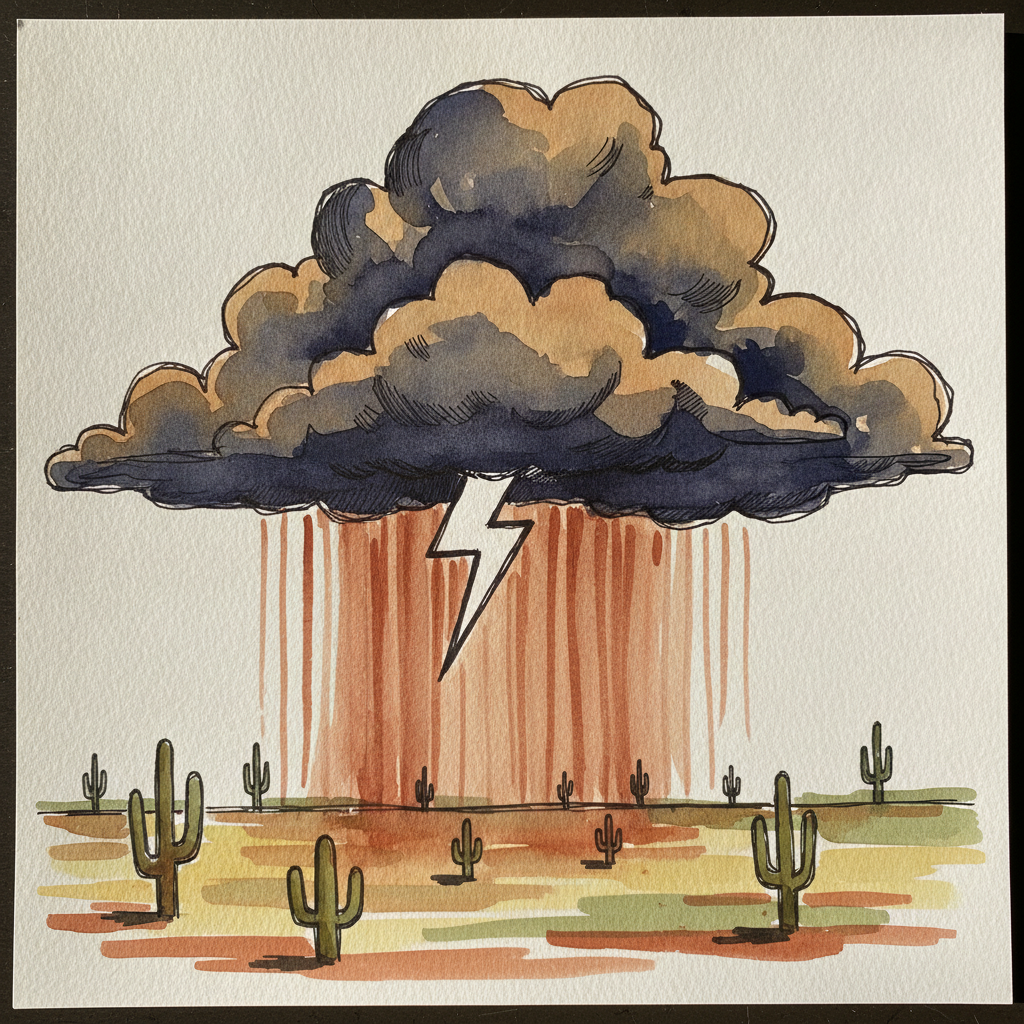
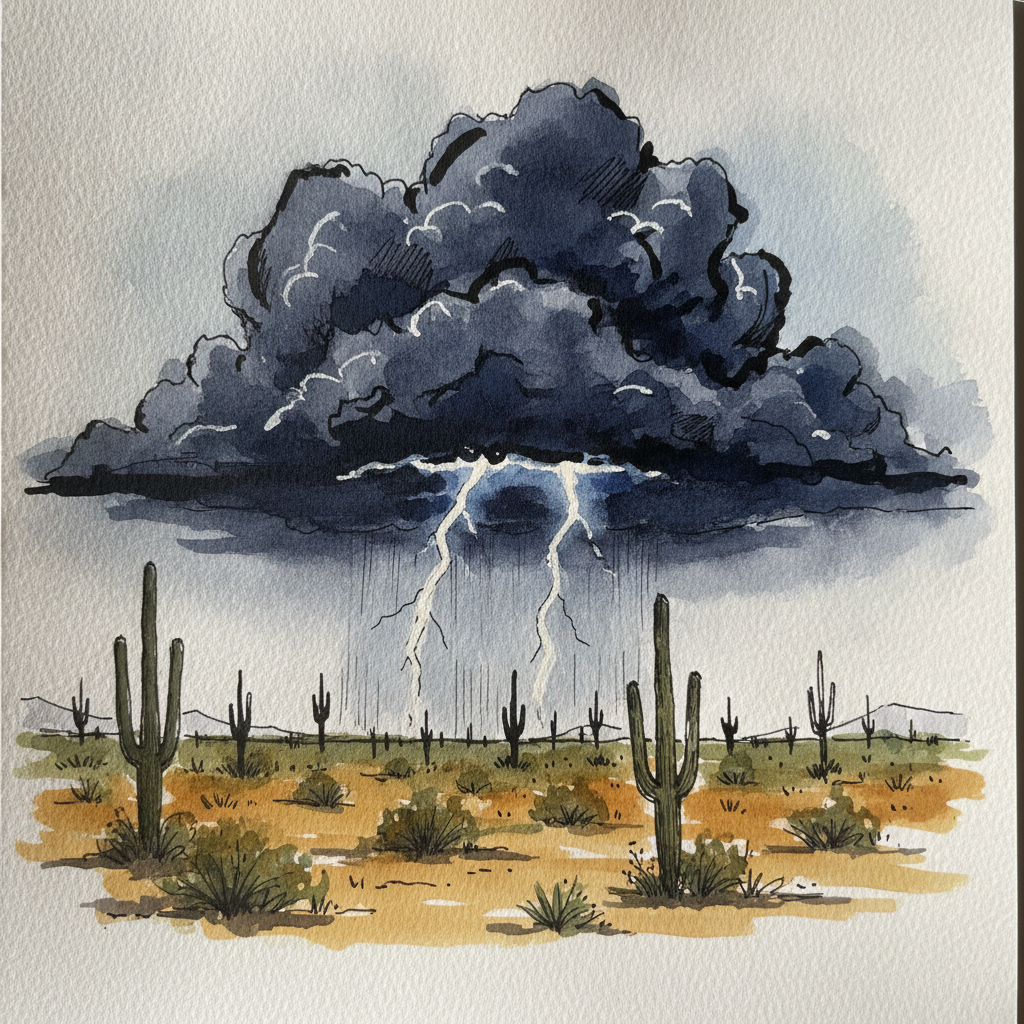
For this piece, concentrate on the dynamic contrast between crisp detail and atmospheric diffusion. Use sharp, varied line weights to define the angular saguaros and the storm cloud's leading edge, juxtaposing these with soft, graded washes for the trailing rain shaft and distant, clear sky. Focus on executing a strong value range, letting the bright negative space of the lightning cut through the darkest washes of the storm cell to heighten the drama.
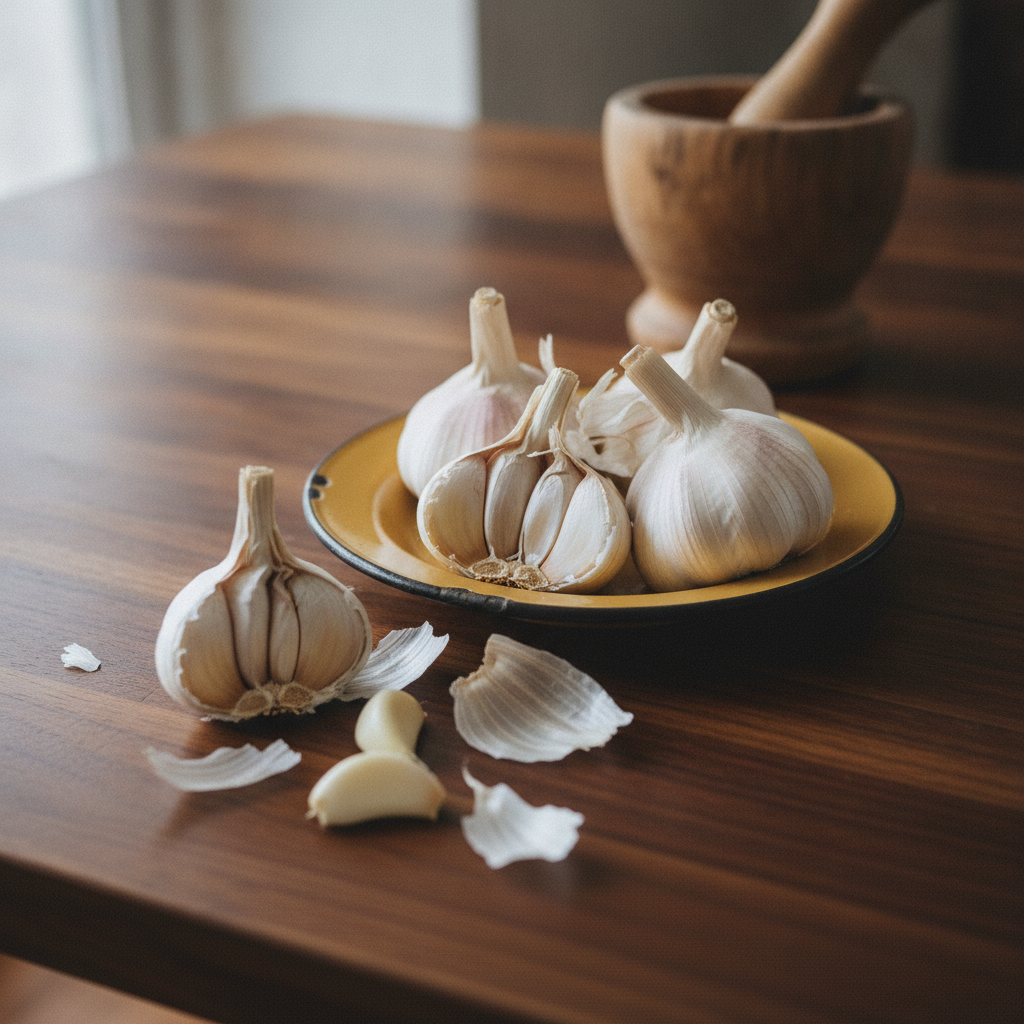
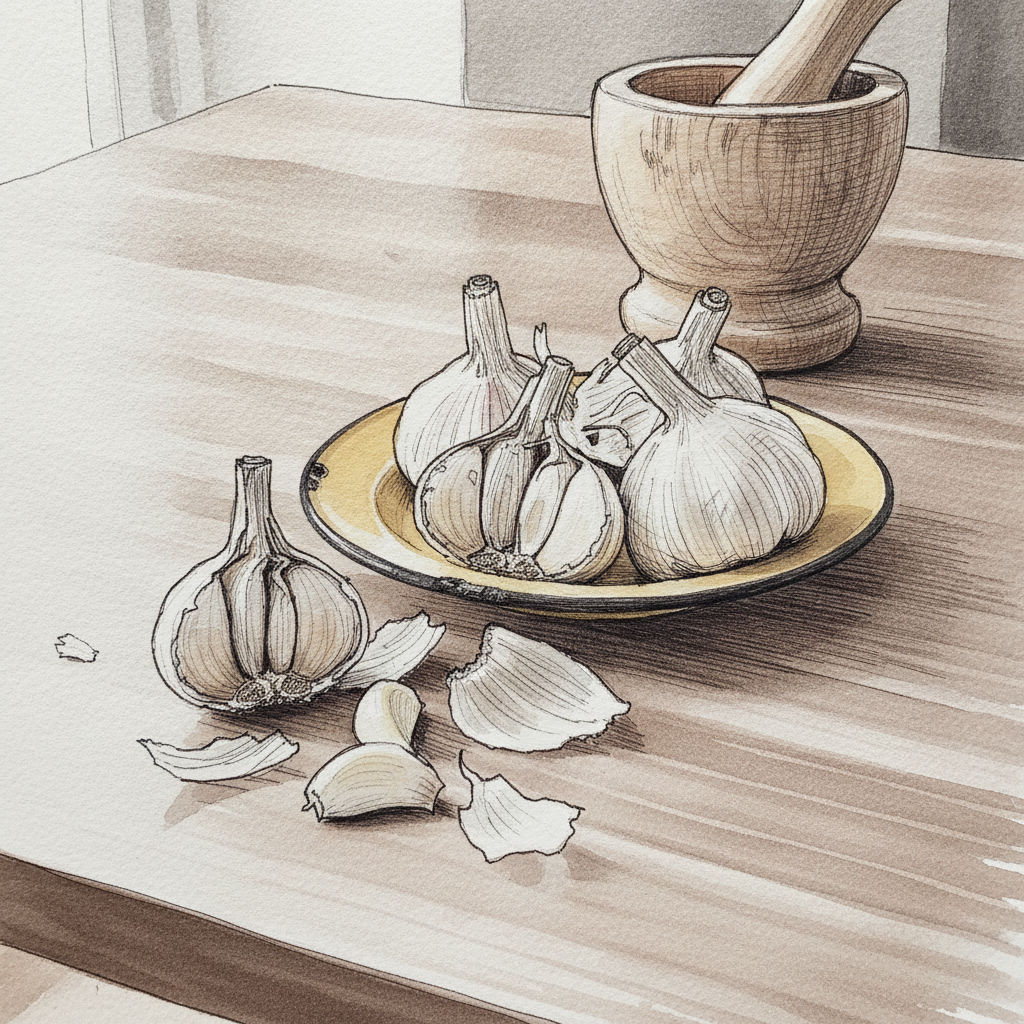
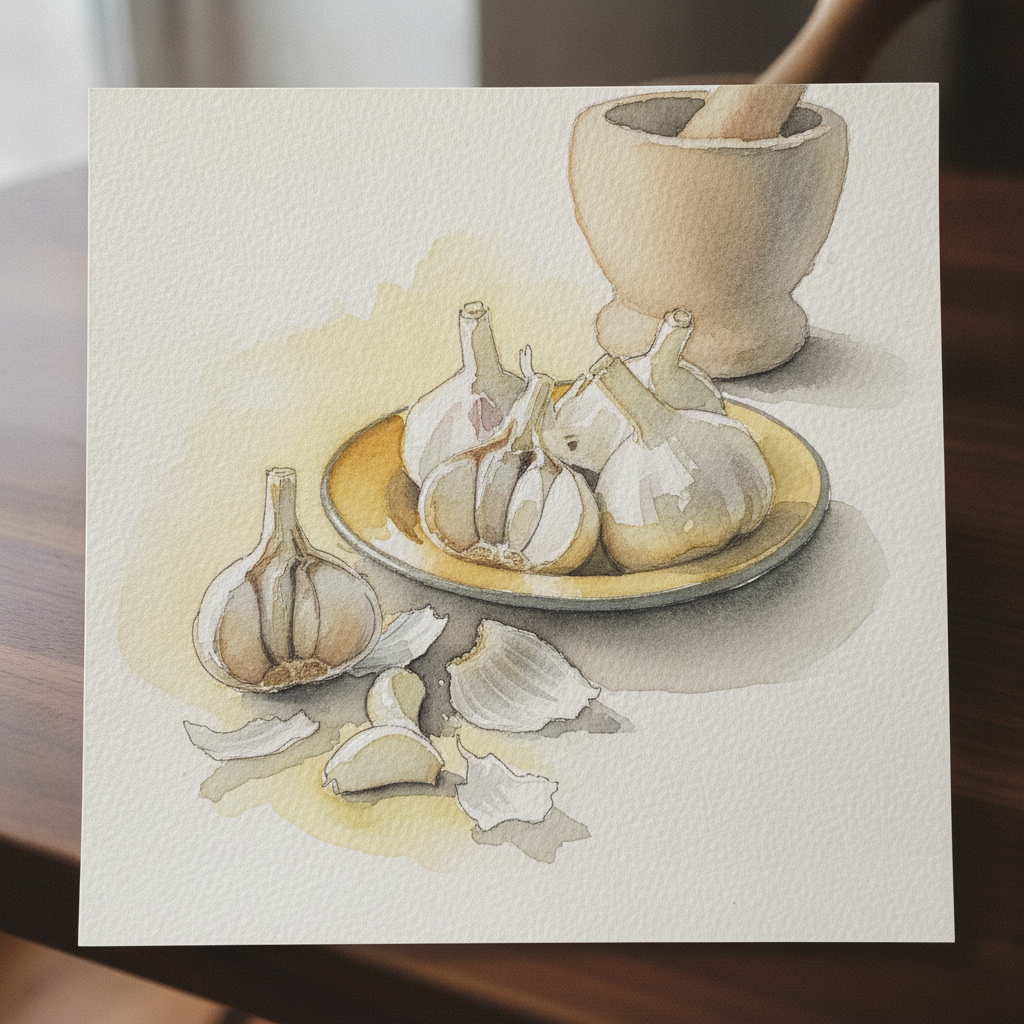
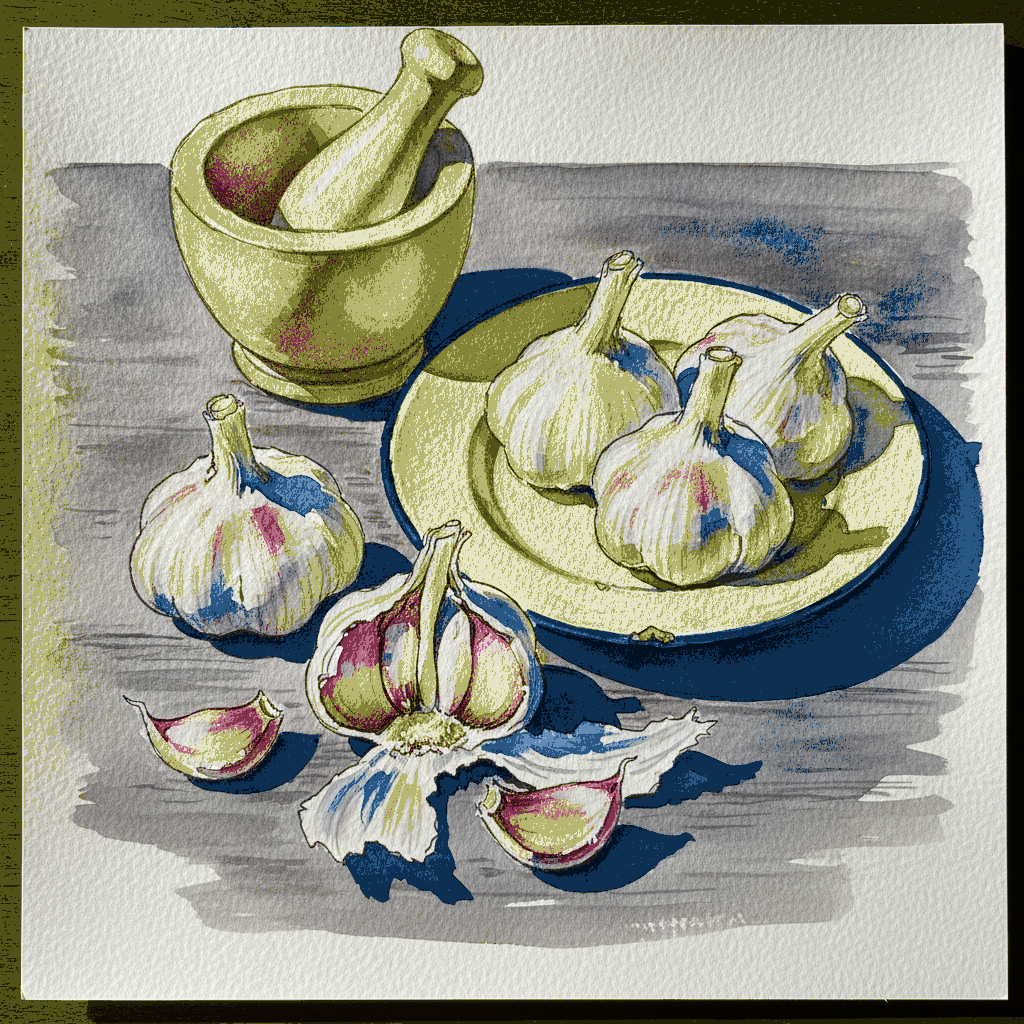
Piece 3 — Garlic bulbs with paper skins peeling
Pen + Watercolor · Loose pen and watercolor line-and-wash
Three takes

Focus for this piece
This piece is ideal for exploring how to differentiate textures and forms using varied pen and wash techniques. Focus on articulating the delicate, papery curl of the garlic skins with expressive, broken lines and soft, damp washes that suggest translucence and luminosity. In contrast, render the solid forms of the mustard-yellow saucer and dark walnut table with crisp, continuous lines and more controlled, layered washes to convey their distinct weight and surface qualities. Pay attention to how the warm yellow of the saucer makes the pale garlic pop.
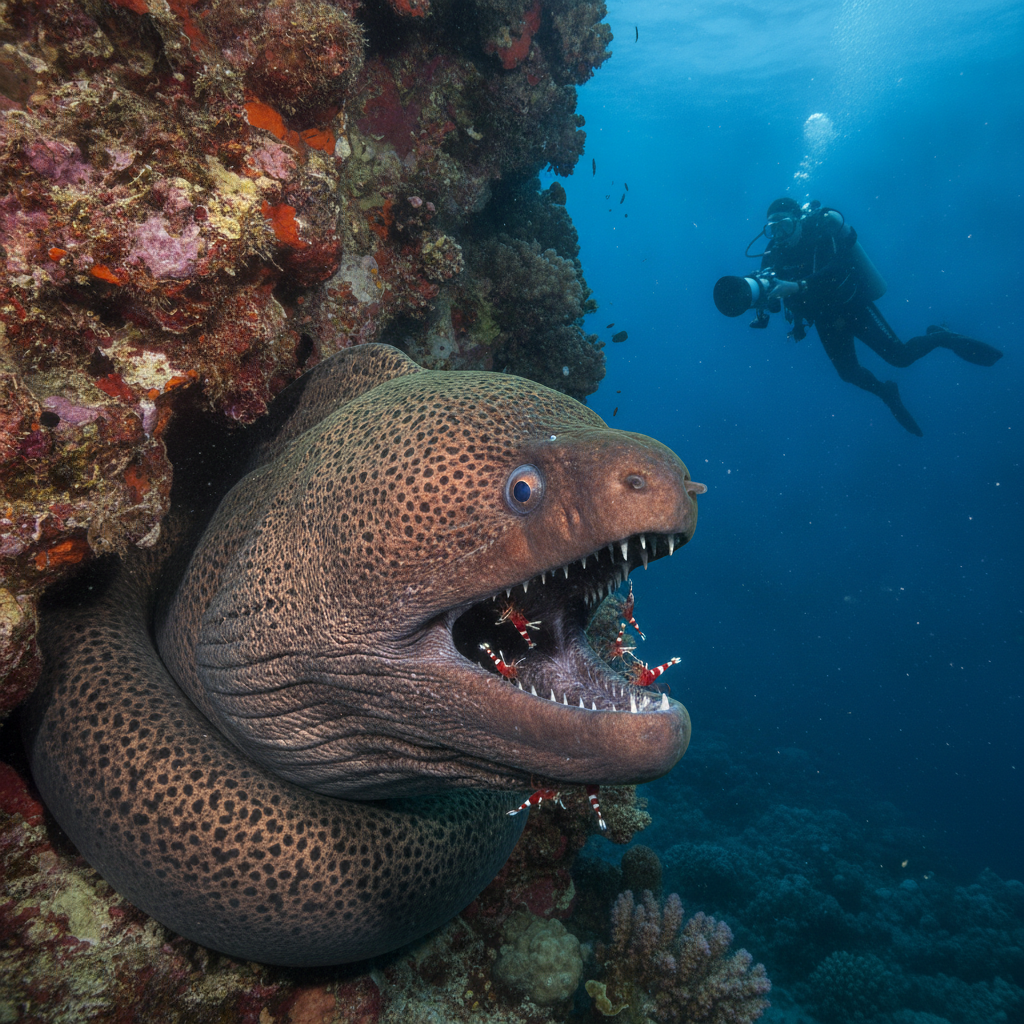
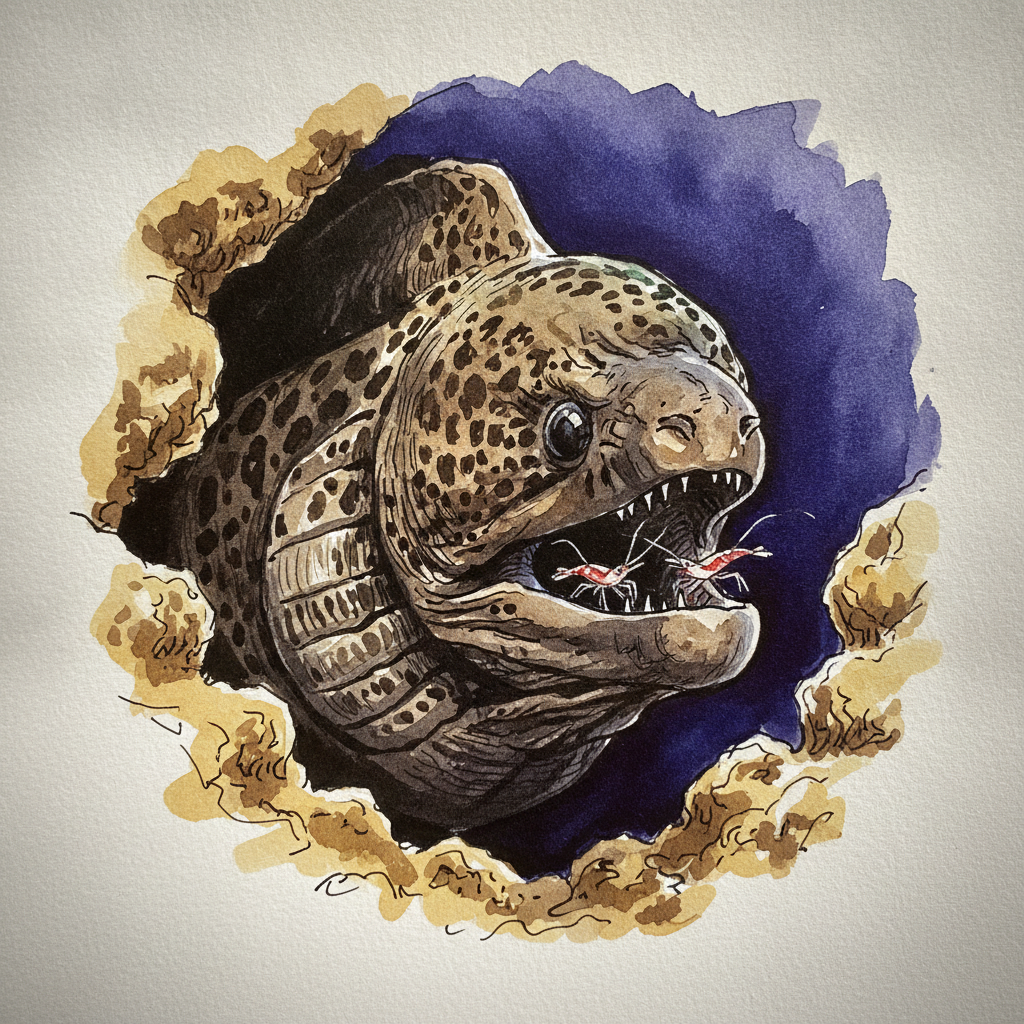
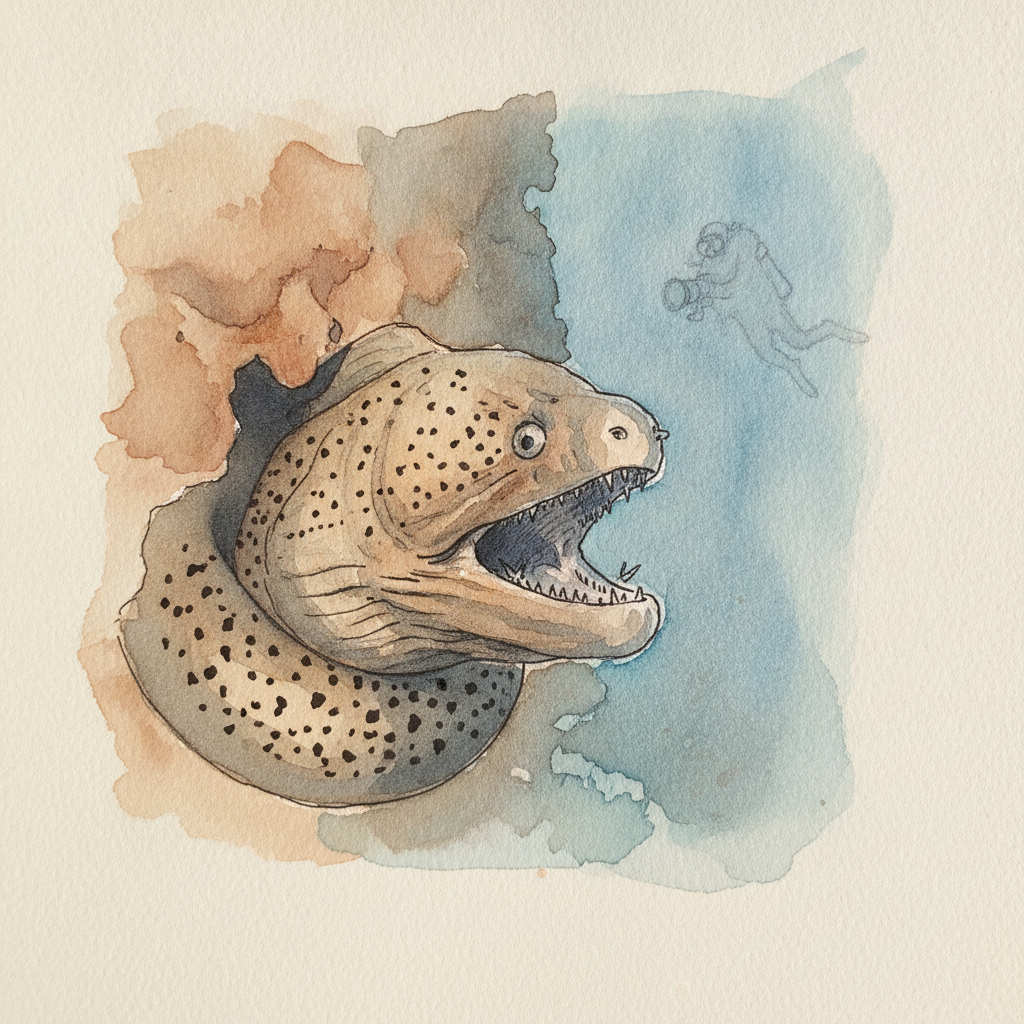
Piece 4 — Giant moray
Pen + Watercolor · Loose pen and watercolor line-and-wash
Three takes
Focus for this piece
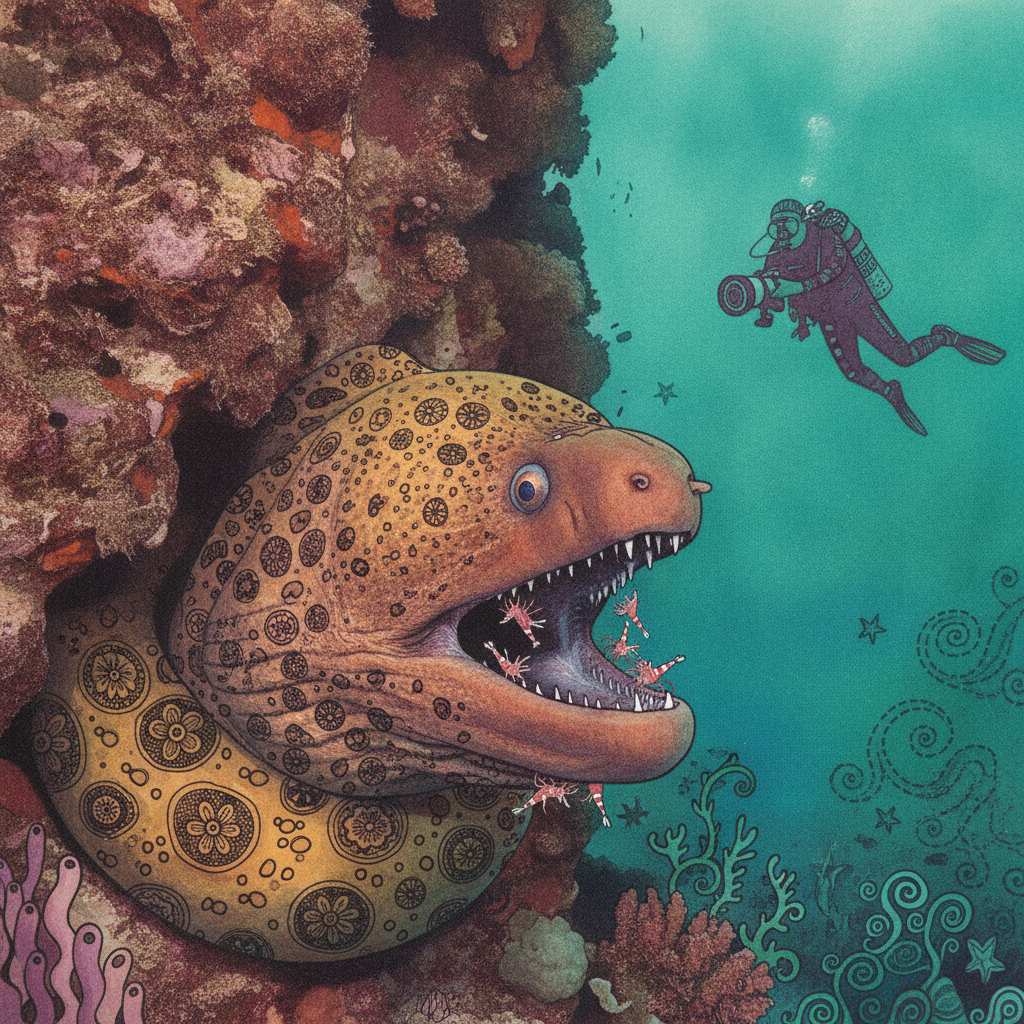
This piece provides a focused study in rendering complex organic volume, specifically the moray's cylindrical body within the dark confines of its crevice. Concentrate on using varied pen line weights along the moray's form to suggest its muscularity, allowing the dense, speckled pattern to be defined by a delicate, higher-density dot work. Complement this with layered, transparent washes that gradually build the deep, soft shadows of the crevice, letting the moray's spotted form emerge with subtle light and atmospheric depth. Pay particular attention to defining the moray's massive head and its open mouth with increased line detail and stronger value contrast to create a clear focal point.
Piece 5 — Sagano grove looking straight up, Kyoto
Pen + Watercolor · Loose pen and watercolor line-and-wash
Three takes
Focus for this piece
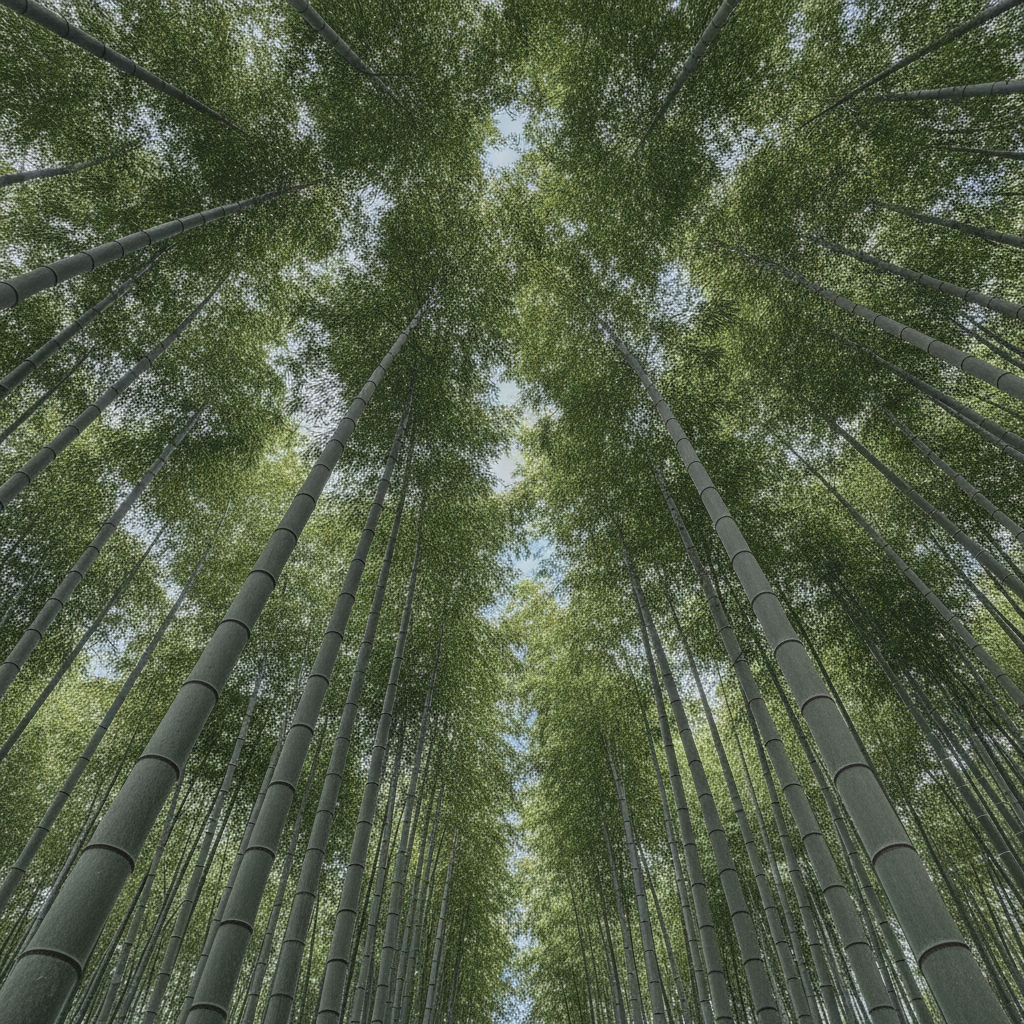
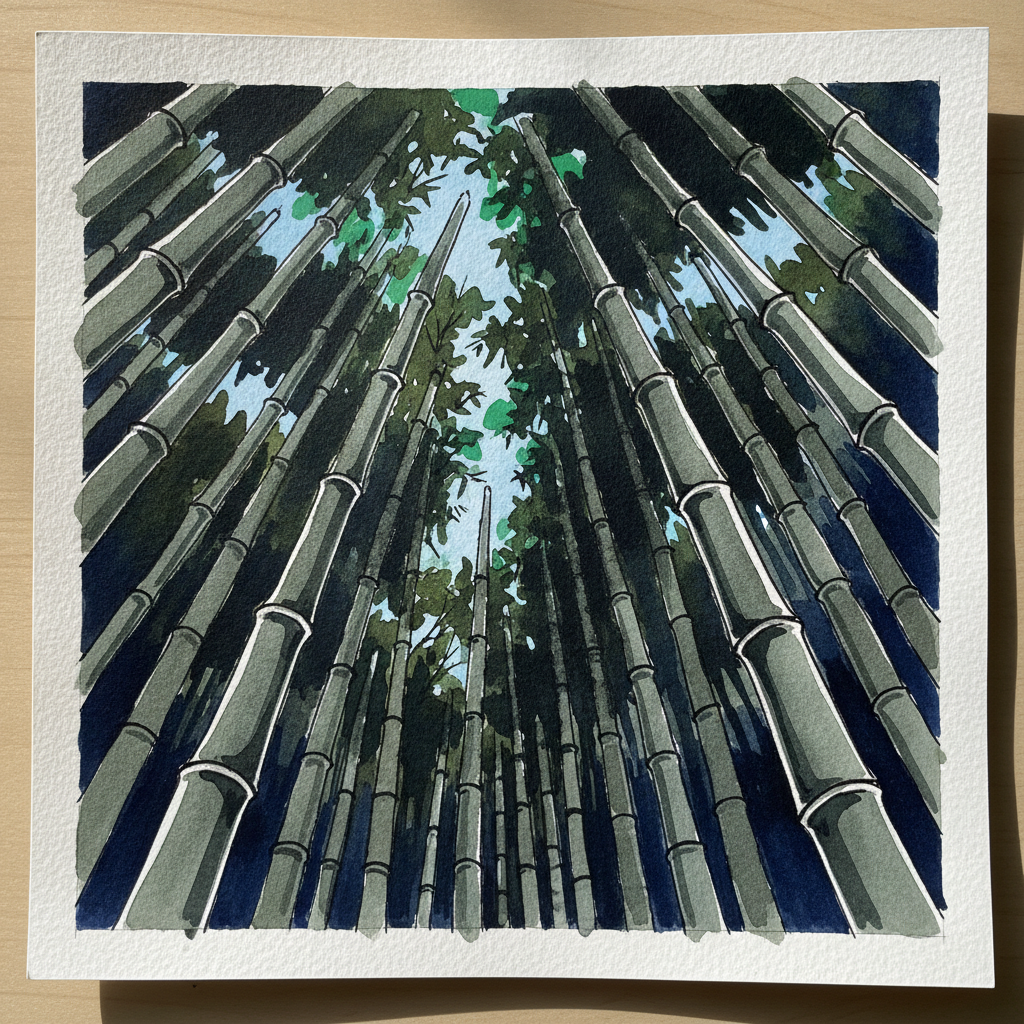
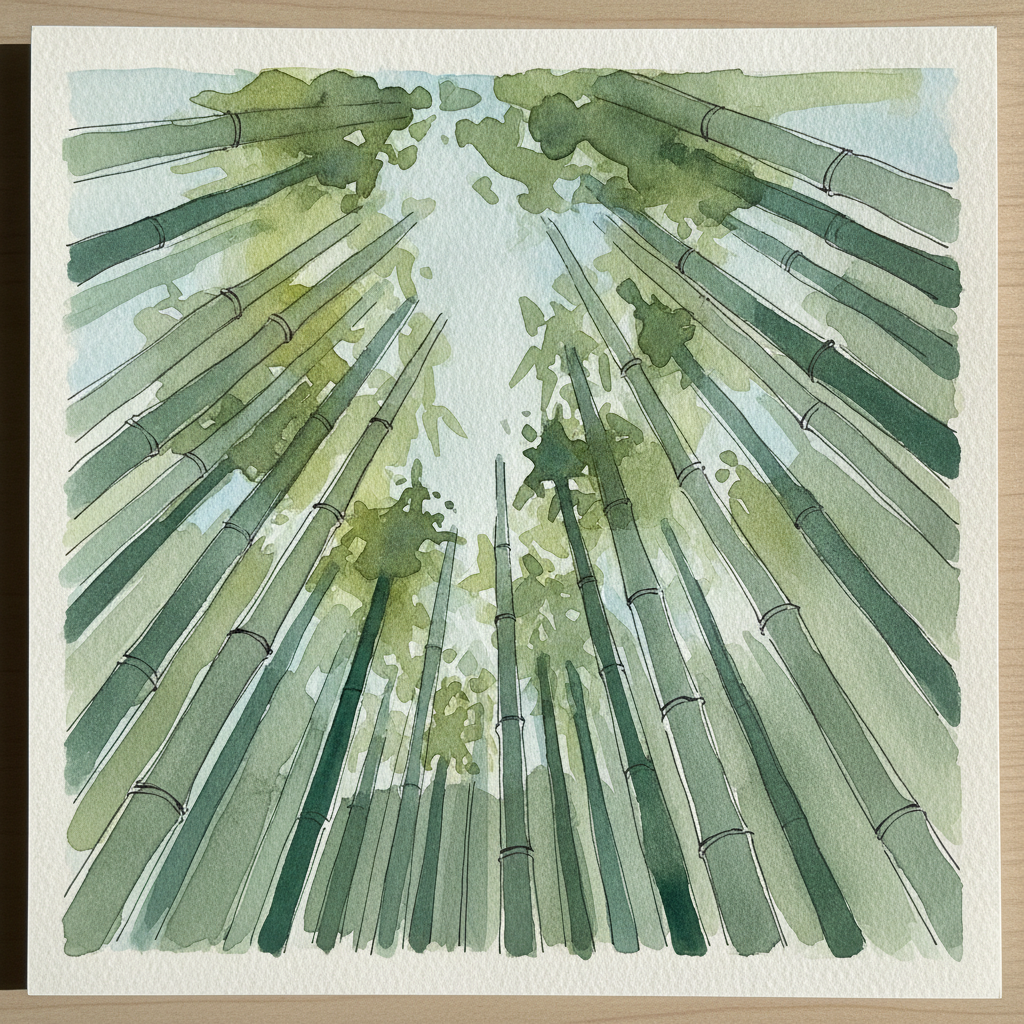
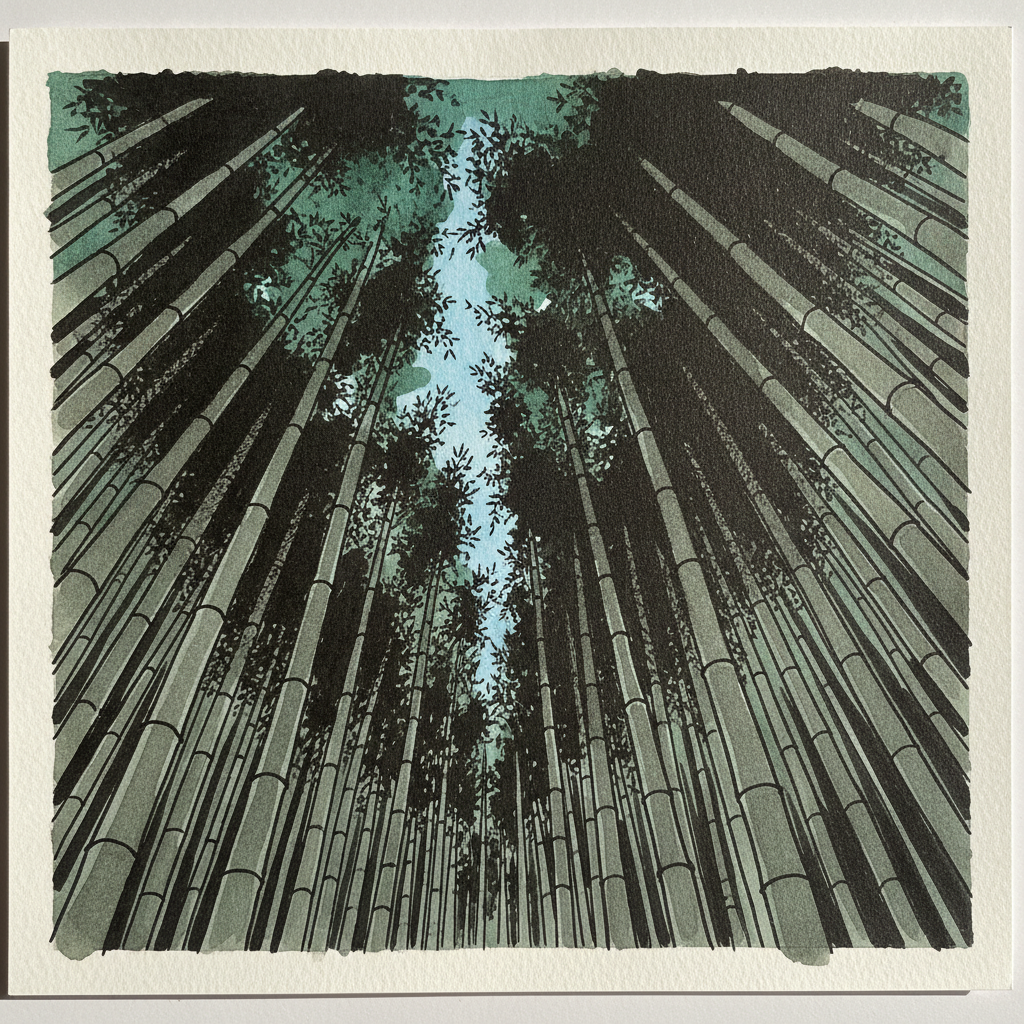
This piece offers a compelling study in dynamic vertical composition, using varied line weight to articulate depth and distance within the bamboo grove. Focus on rendering the foreground culms with strong, tapering lines, allowing them to diminish in intensity and break up into the dense canopy as they rise. Use careful negative painting for the "sky-jigsaw" fragments, letting pale blue washes sculpt the irregular shapes of the surrounding foliage and suggest light filtering through.
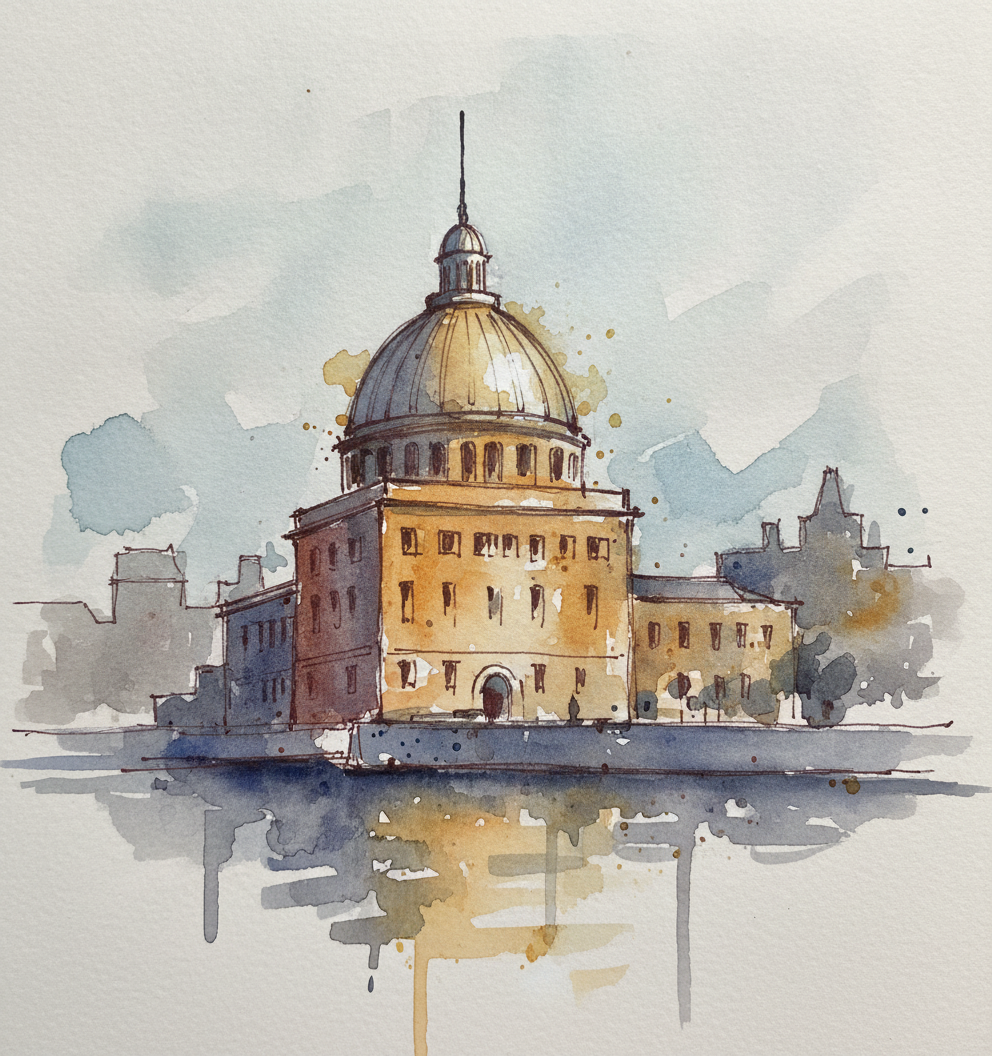
Piece 6 — Bonnefantenmuseum, Maastricht, Netherlands
Pen + Watercolor · Loose pen and watercolor line-and-wash
Three takes
Focus for this piece
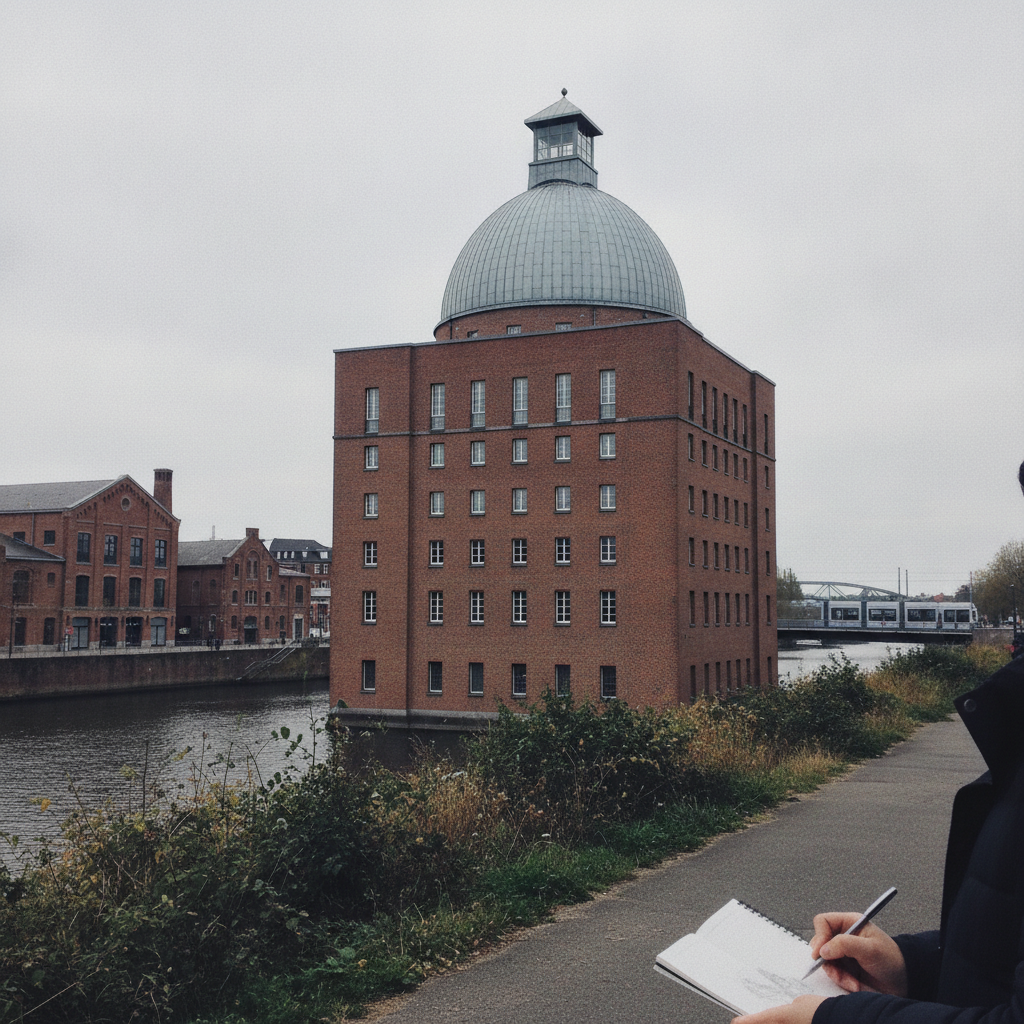
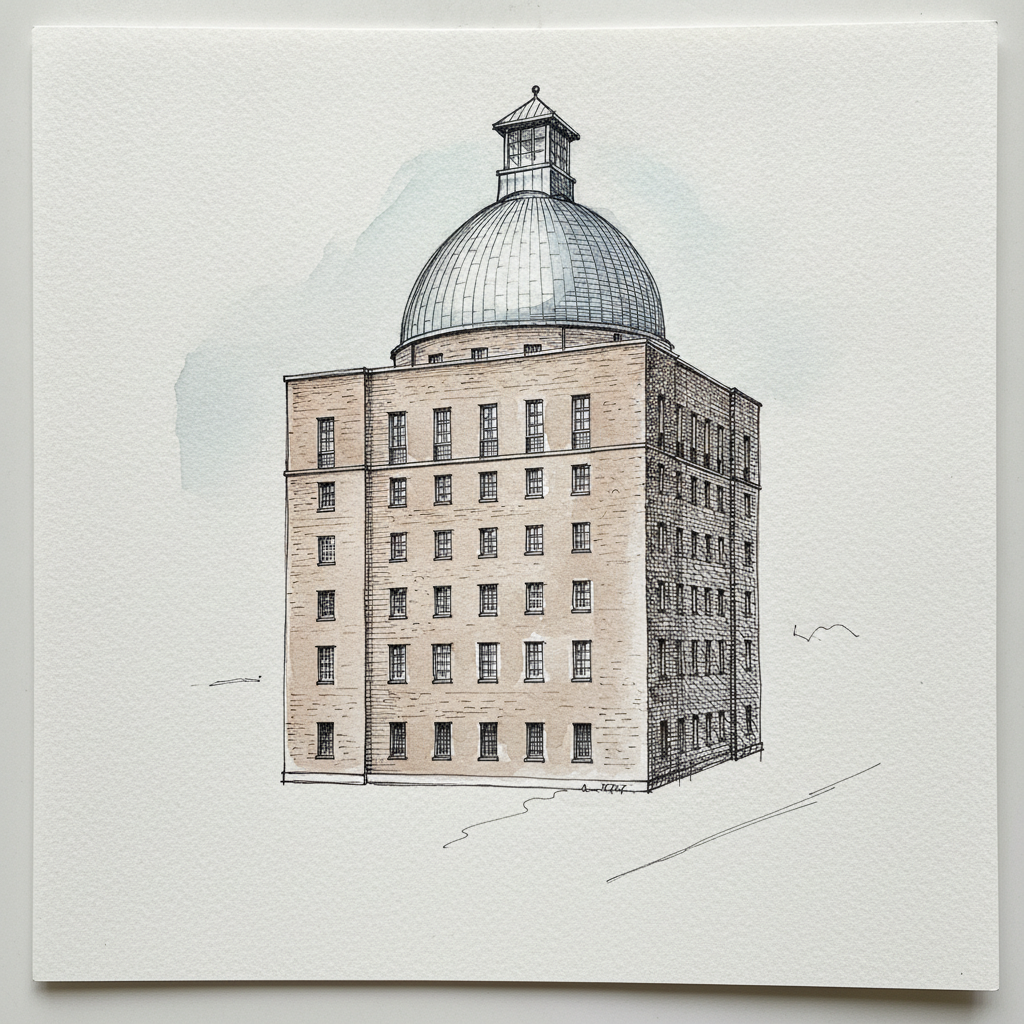
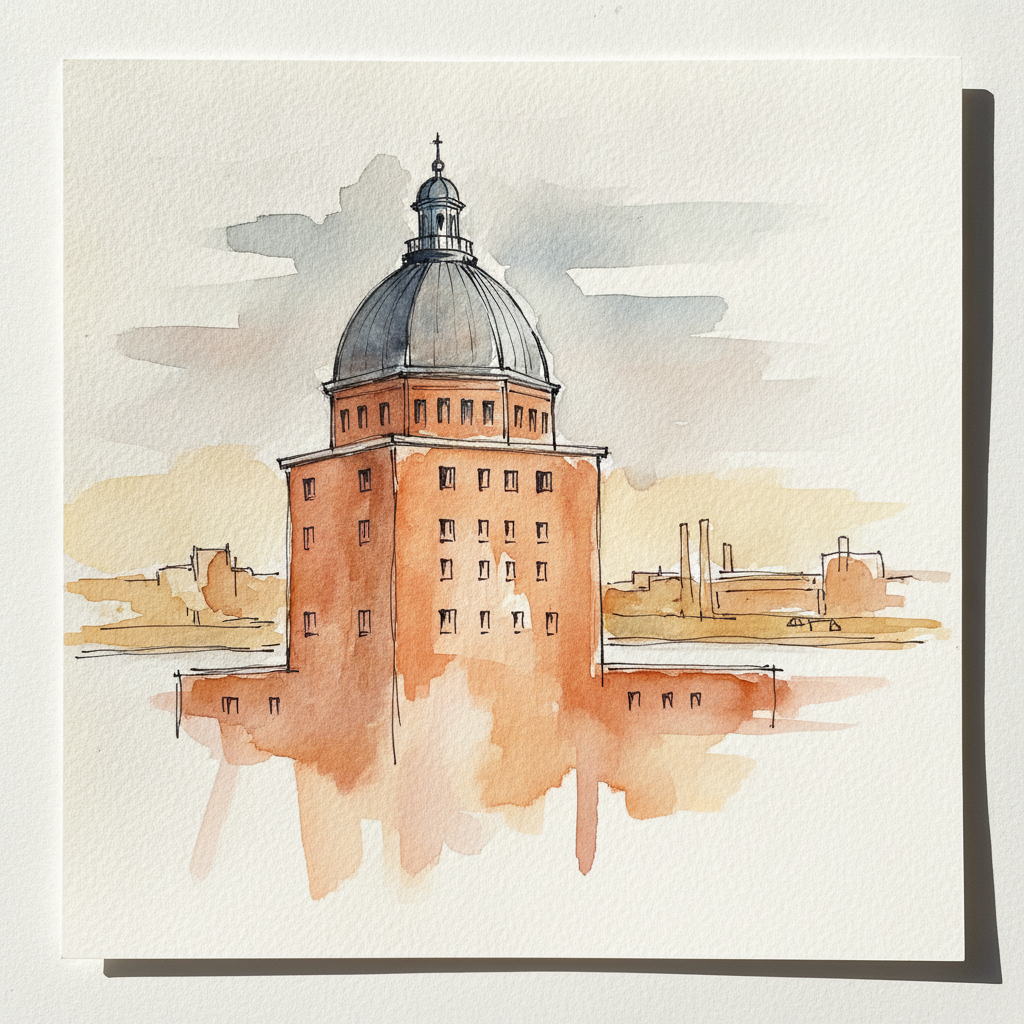
This piece is an excellent study in rendering strong geometric forms with precision while using color to create depth. Focus on varying your pen line weight to define the crisp edges of the red-brick block and the distinctive zinc dome, using heavier lines for emphasis. Then, apply clean, flat washes of a limited, contrasting palette to establish volume and make the building's silhouette read as that "emphatic punctuation mark."
Piece 7 — Masjid Negara Entry, Kuala Lumpur
Pen + Watercolor · Loose pen and watercolor line-and-wash
Three takes
Focus for this piece
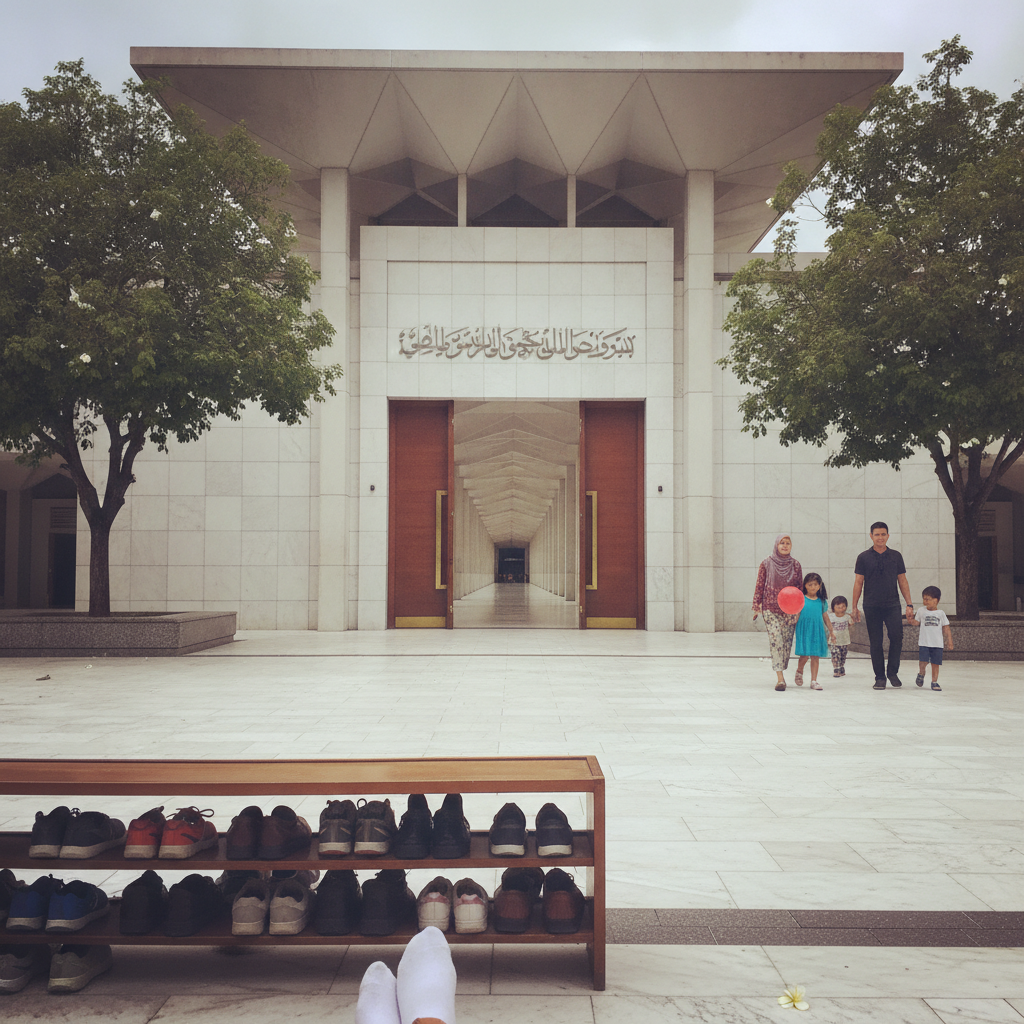
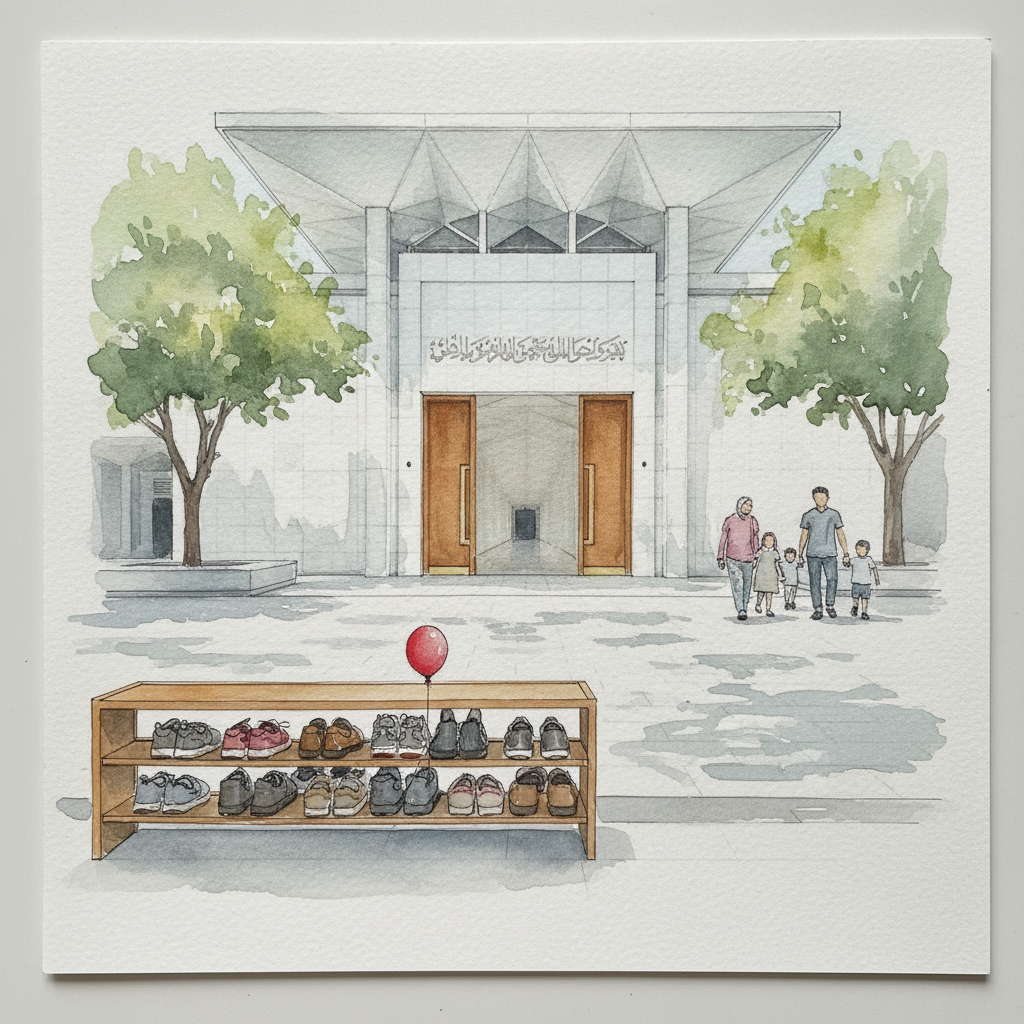
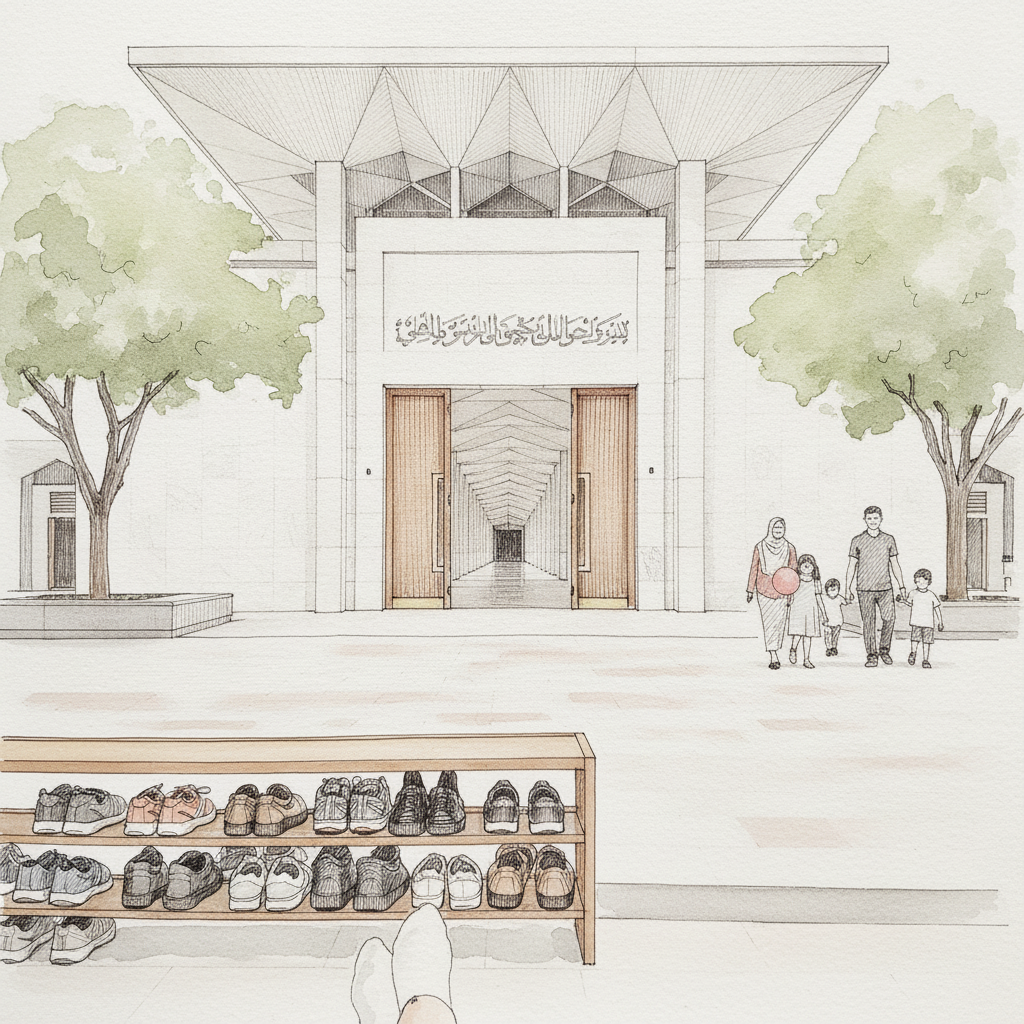
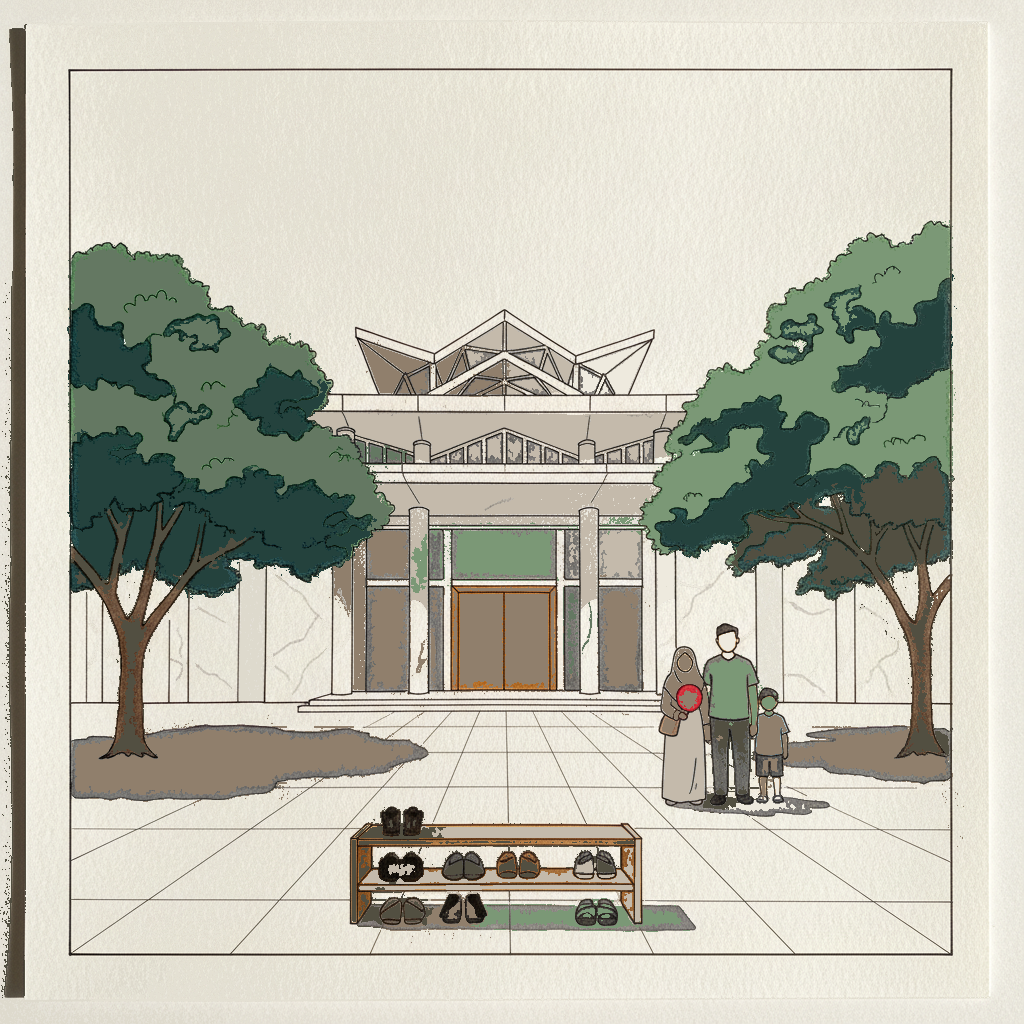
This piece is excellent for studying how to articulate complex geometric forms like the folded-plate roof and arcade primarily through careful observation of negative spaces and varied ink line weights. Challenge yourself to use a restrained, almost monochromatic watercolor palette, focusing on subtle value shifts to establish the intense white light and dappled angsana shadows across the marble and plaza. Let the minimal color define atmosphere and volume without overwhelming the precision of your underlying structural ink work.
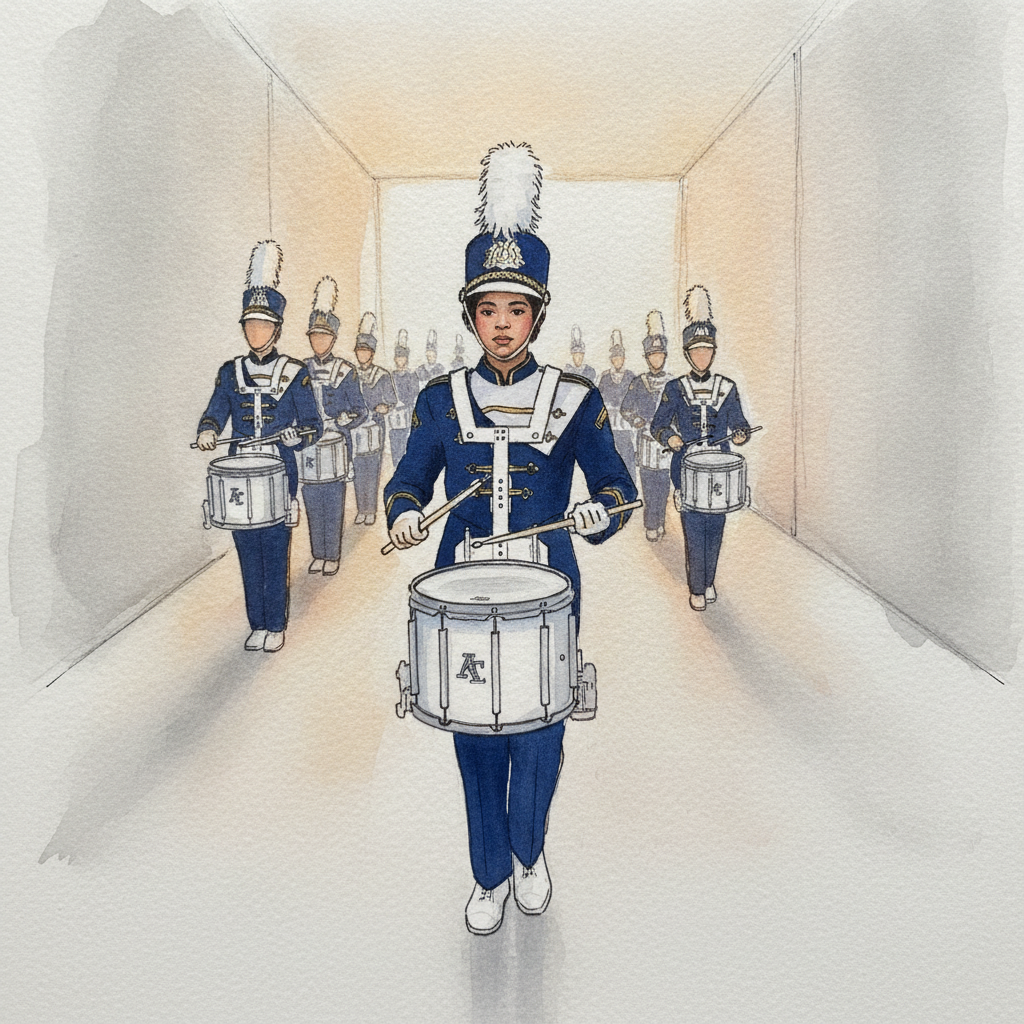
Piece 8 — Drummer in drum line
Pen + Watercolor · Loose pen and watercolor line-and-wash
Three takes
Focus for this piece
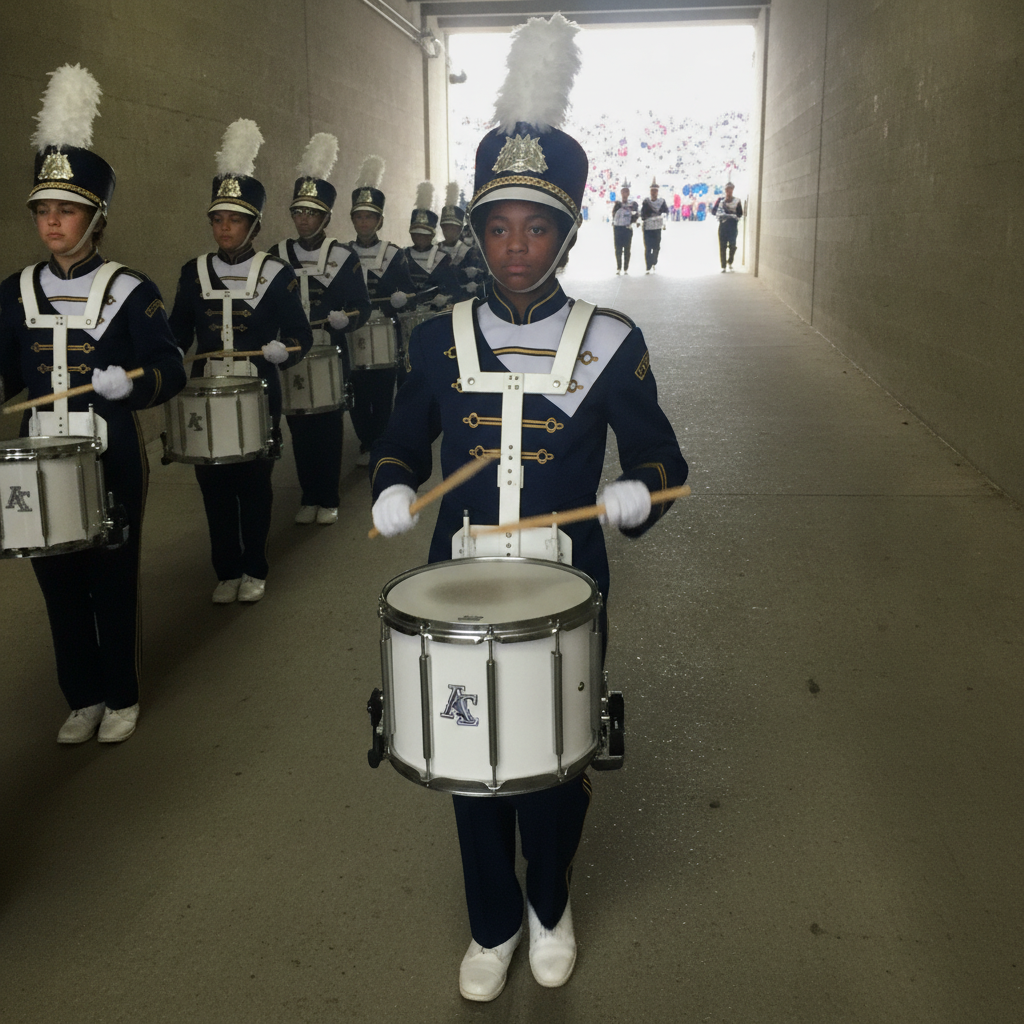
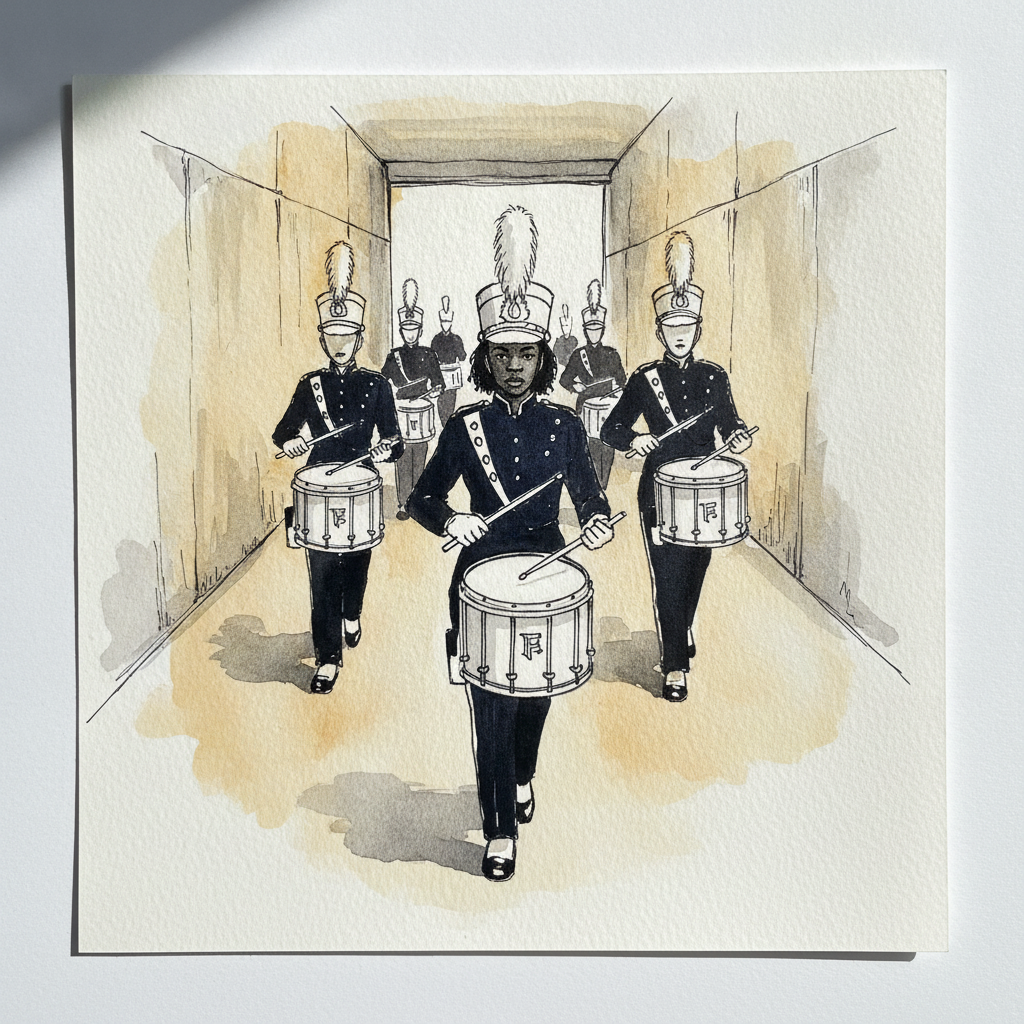
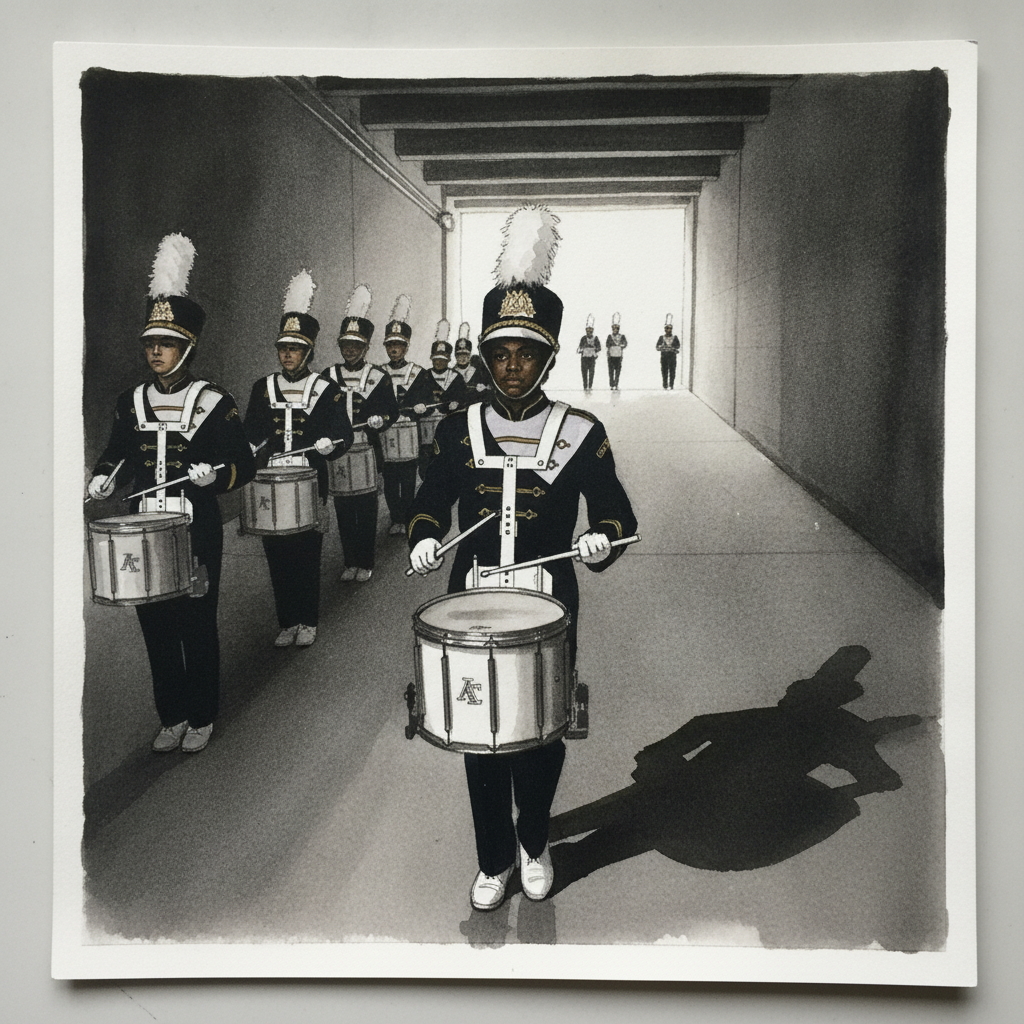
This piece is ideal for studying how to define crisp, structured forms with varied pen lines, focusing on the distinct geometric shapes of the drum and uniform. Use heavier line weights to emphasize the immediate figure, transitioning to lighter, implied lines for the receding drummers in the tunnel. Then, employ broad, fluid washes to capture the stadium lights spilling onto the concrete, creating soft gradients and strong value contrasts against your precise ink work.