Arms Above Head with One Knee Bent, Black Man on Bed, Hexagonal pattern stretching to horizon, generic high-altitude salar, Rooftop water tower, Place des Abbesses Carousel, and more — pen + watercolor for November 7, 2026
AI-generated daily art-practice references for pen and watercolor: Arms Above Head with One Knee Bent, Black Man on Bed, Hexagonal pattern stretching to horizon, generic high-altitude salar, Rooftop water tower, Place des Abbesses Carousel, Final blank page of a closed album with one pressed peta…
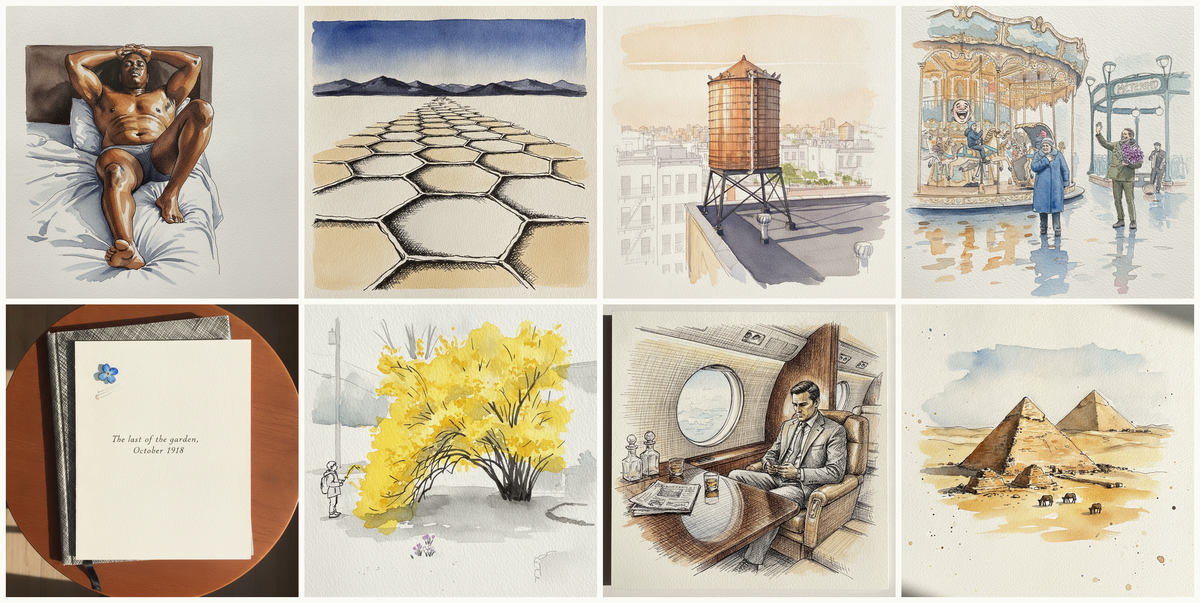
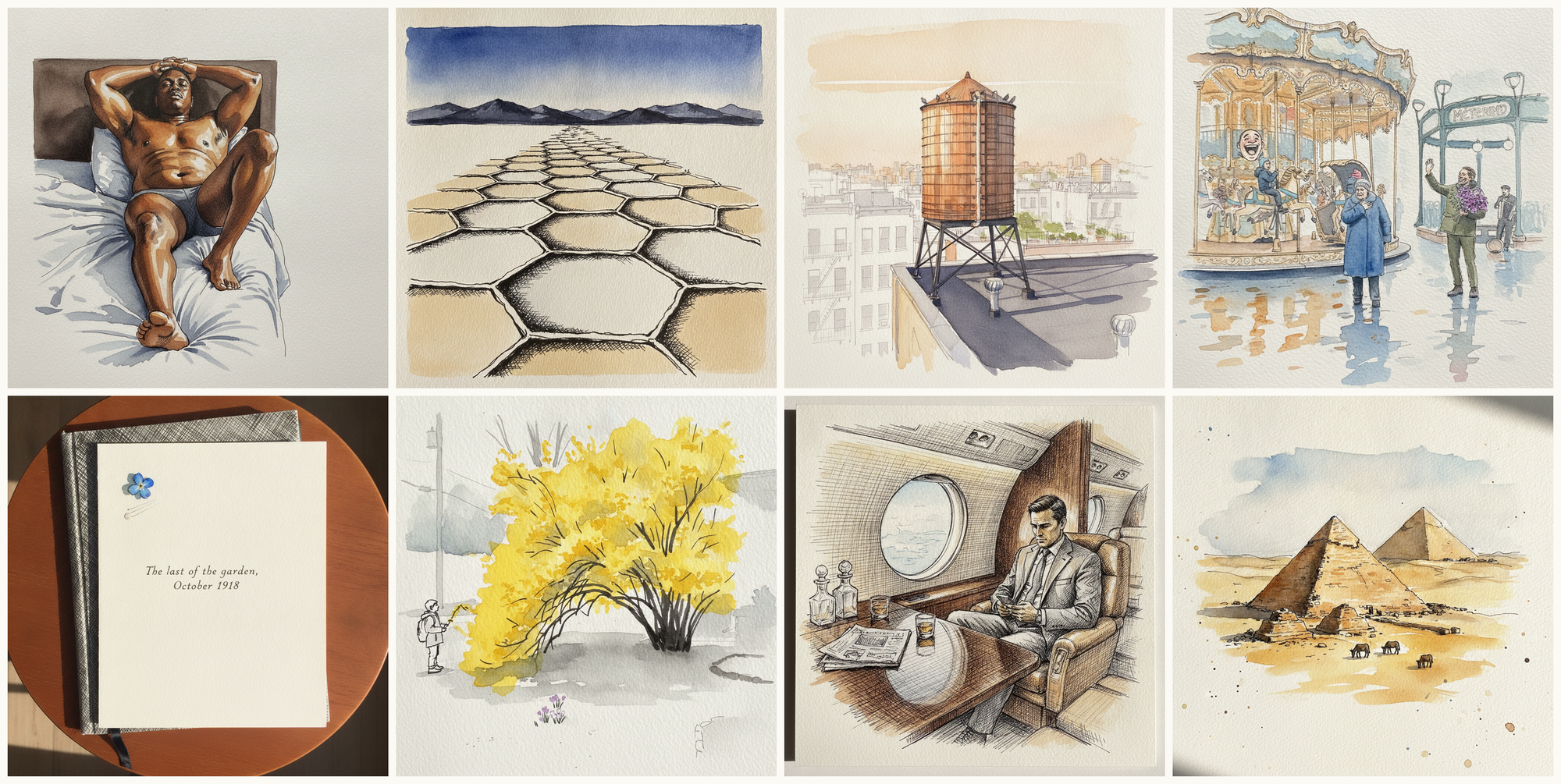
Today's 8 pen-and-watercolor pieces: Arms Above Head with One Knee Bent, Black Man on Bed, Hexagonal pattern stretching to horizon, generic high-altitude salar, Rooftop water tower, Place des Abbesses Carousel, Final blank page of a closed album with one pressed petal, Forsythia, Private jet cabin, El-Lisht Pyramids, El-Lisht, Egypt. Each piece comes with an AI-generated photoreal reference, three AI-generated example artworks in different treatments, and a short focus paragraph naming what to study in this one.
Why these references use AI
This daily series uses AI-generated images as practice prompts, not as finished artwork to copy. Each subject starts with a synthetic photoreal reference generated with Gemini/Nano Banana, then moves into three pen-and-watercolor interpretations of the same subject.
I use AI here because daily art practice needs variety and low friction. Real life can get repetitive, busy, or visually narrow. These generated reference sets make it easier to study bodies, buildings, animals, landscapes, objects, gestures, light, palettes, and compositions that might not show up in an ordinary day.
The goal is not to reproduce any image directly. Treat each set as a starting point for observation and study: choose what interests you, change the framing, simplify the subject, alter the palette, and make your own version.
Piece 1 — Arms Above Head with One Knee Bent, Black Man on Bed
Pen + Watercolor · Loose pen and watercolor line-and-wash
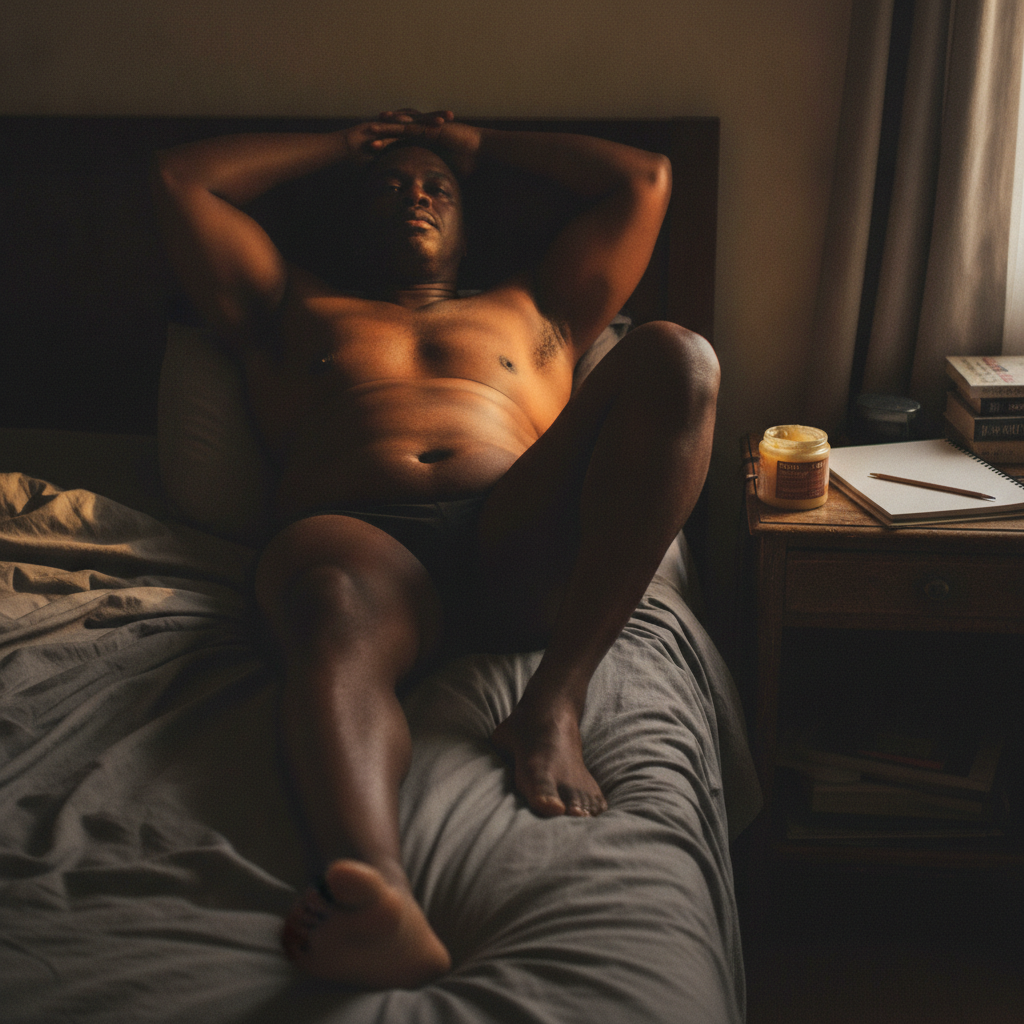
Three takes
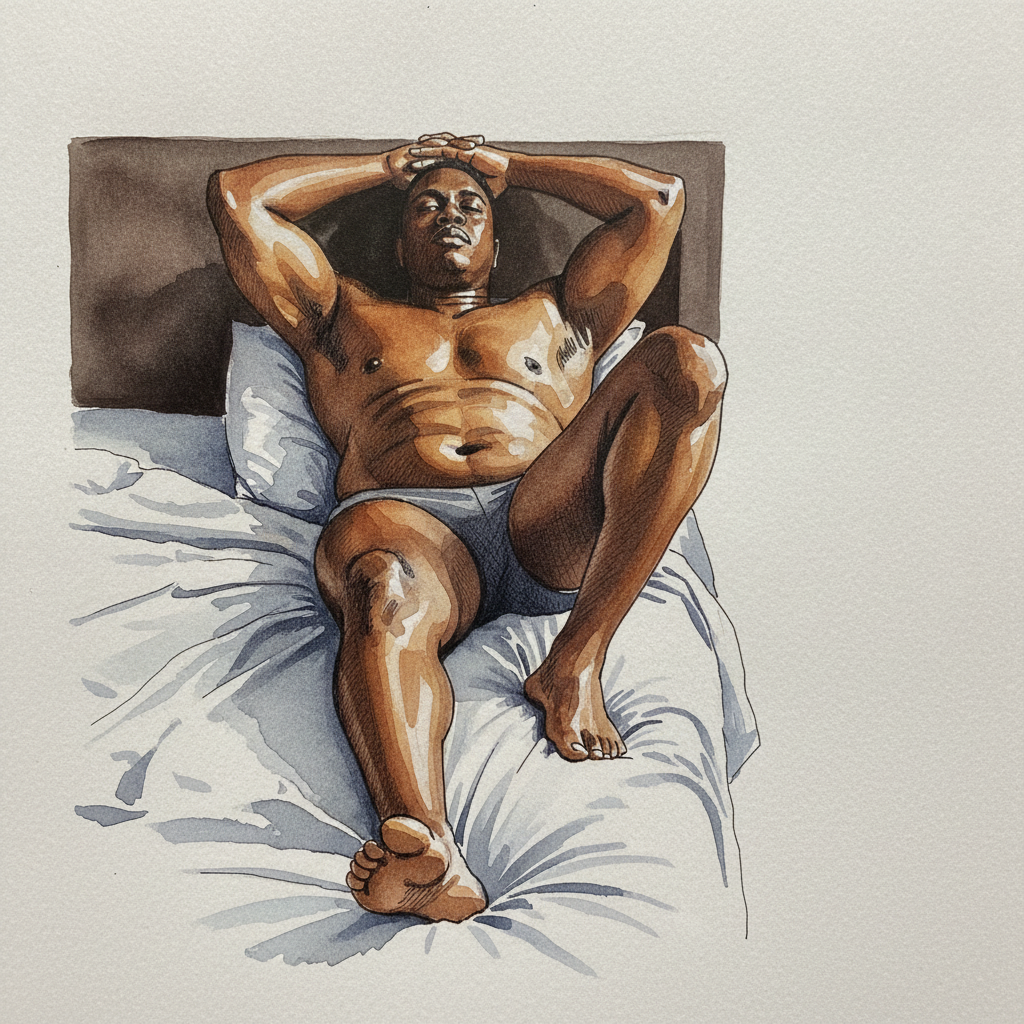

Focus for this piece
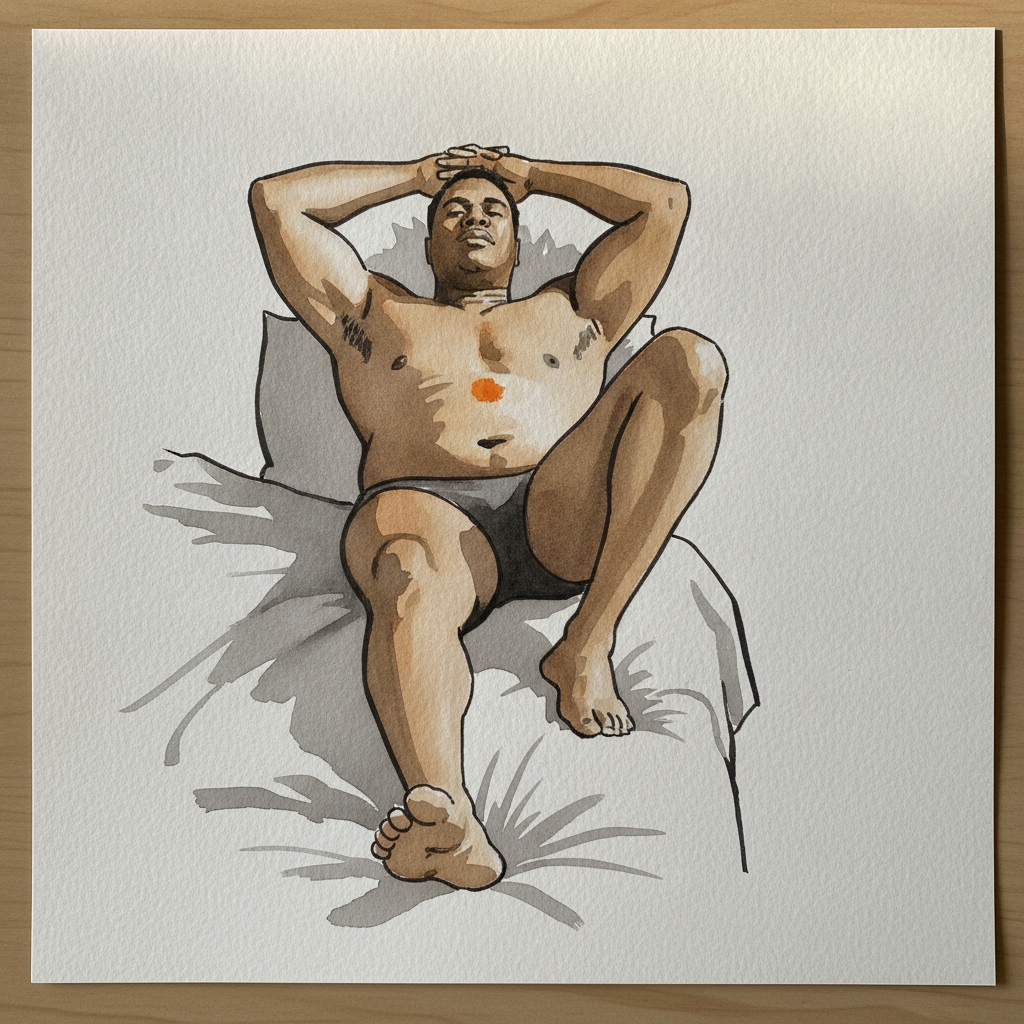
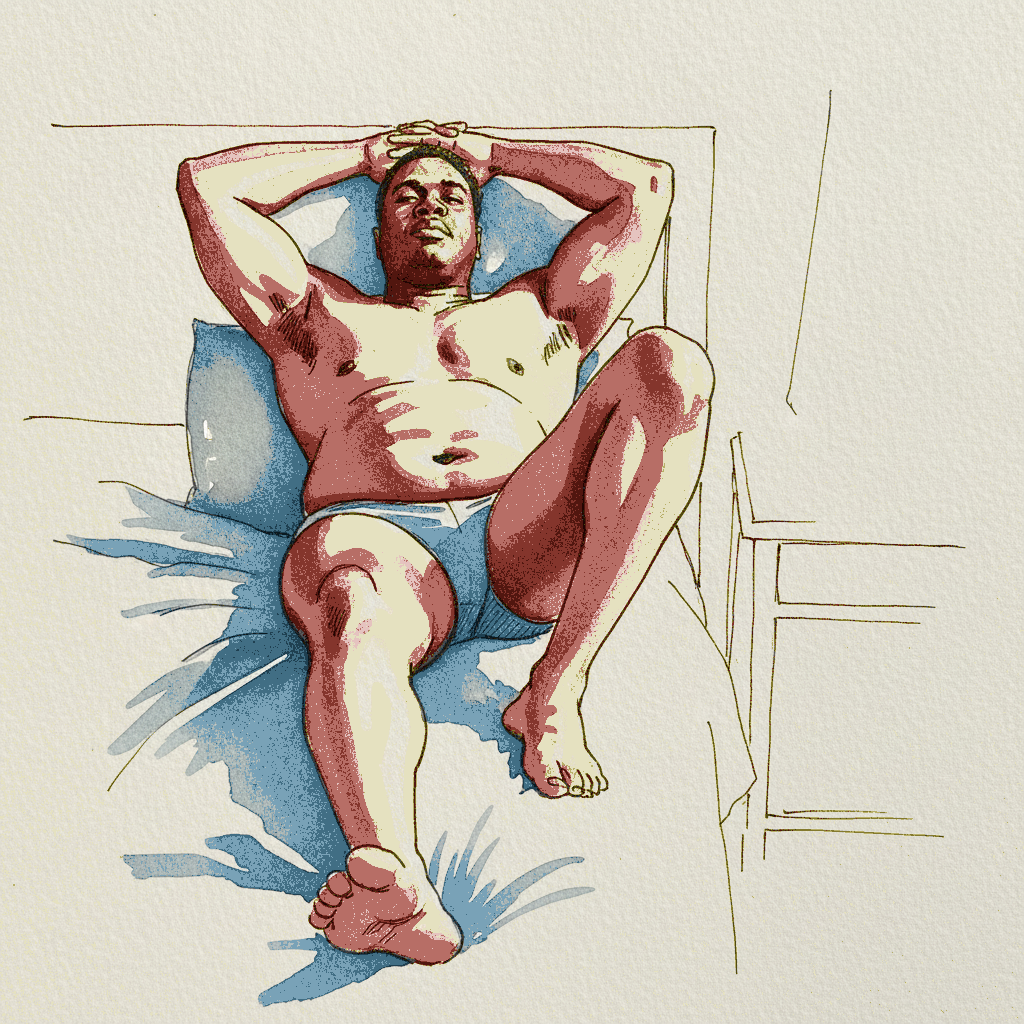
This piece offers an excellent opportunity to study how raking light reveals complex organic volume. Use delicate, varied line weights with your pen to delineate contours and key anatomical landmarks, especially on the rounded belly and tented thigh. Then, build subtle shifts in the golden light and shadow across the form using layered, soft-edged watercolor washes, allowing the pigments to define the body's powerful curvature with dramatic depth.
Piece 2 — Hexagonal pattern stretching to horizon, generic high-altitude salar
Pen + Watercolor · Loose pen and watercolor line-and-wash
Three takes

Focus for this piece
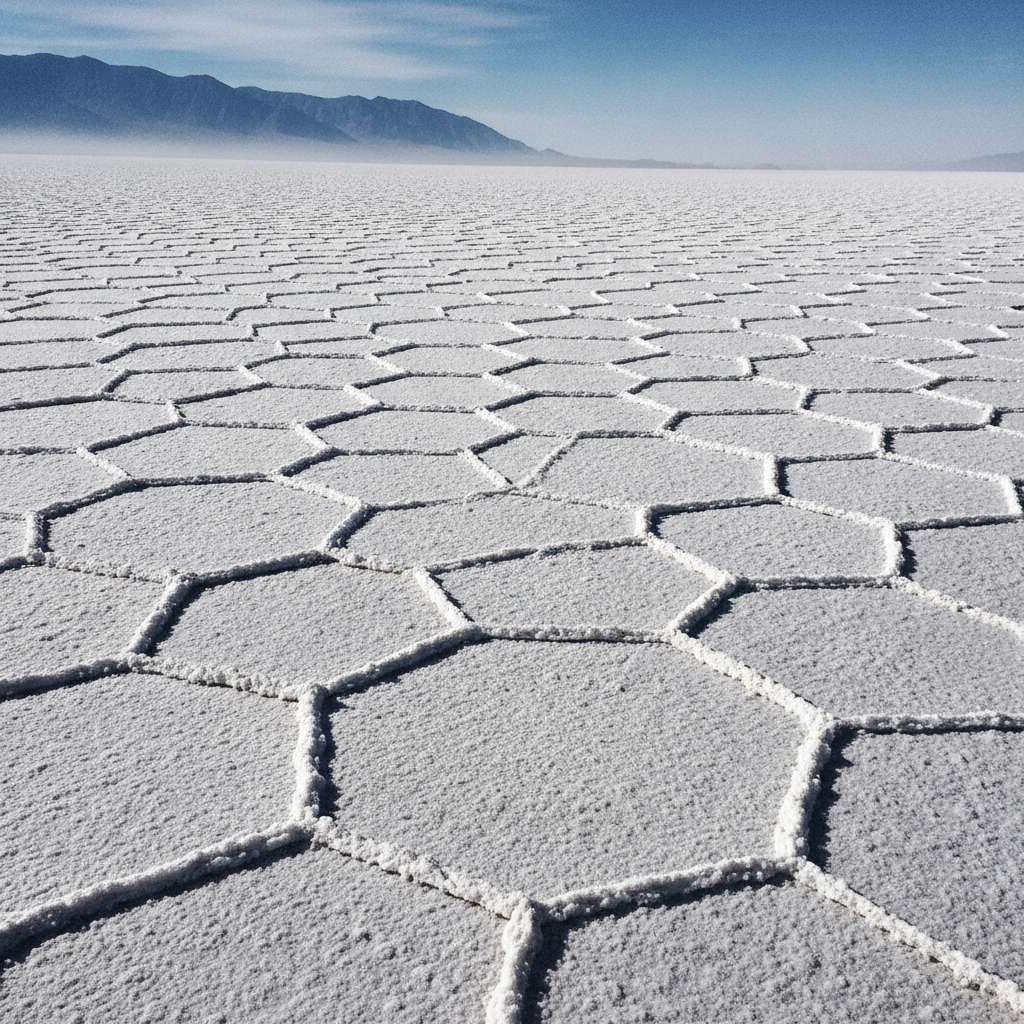
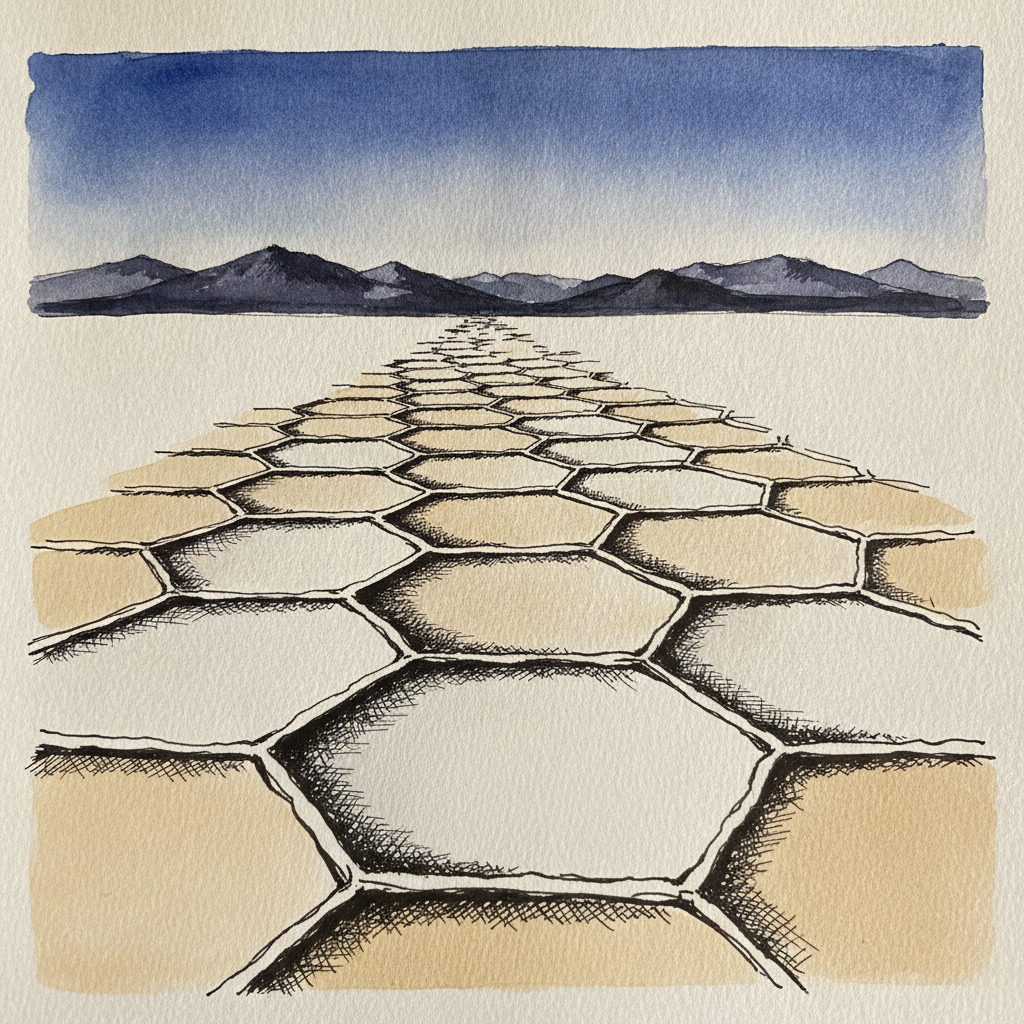
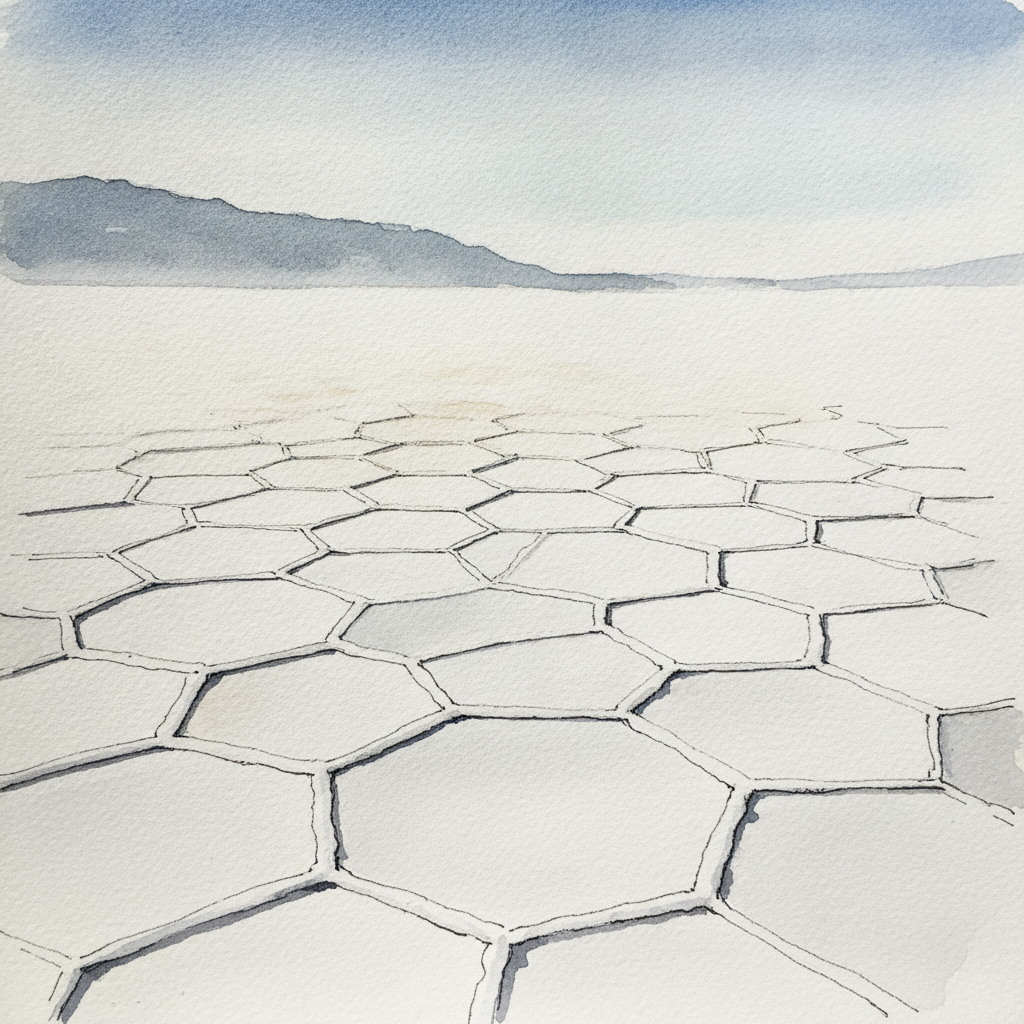
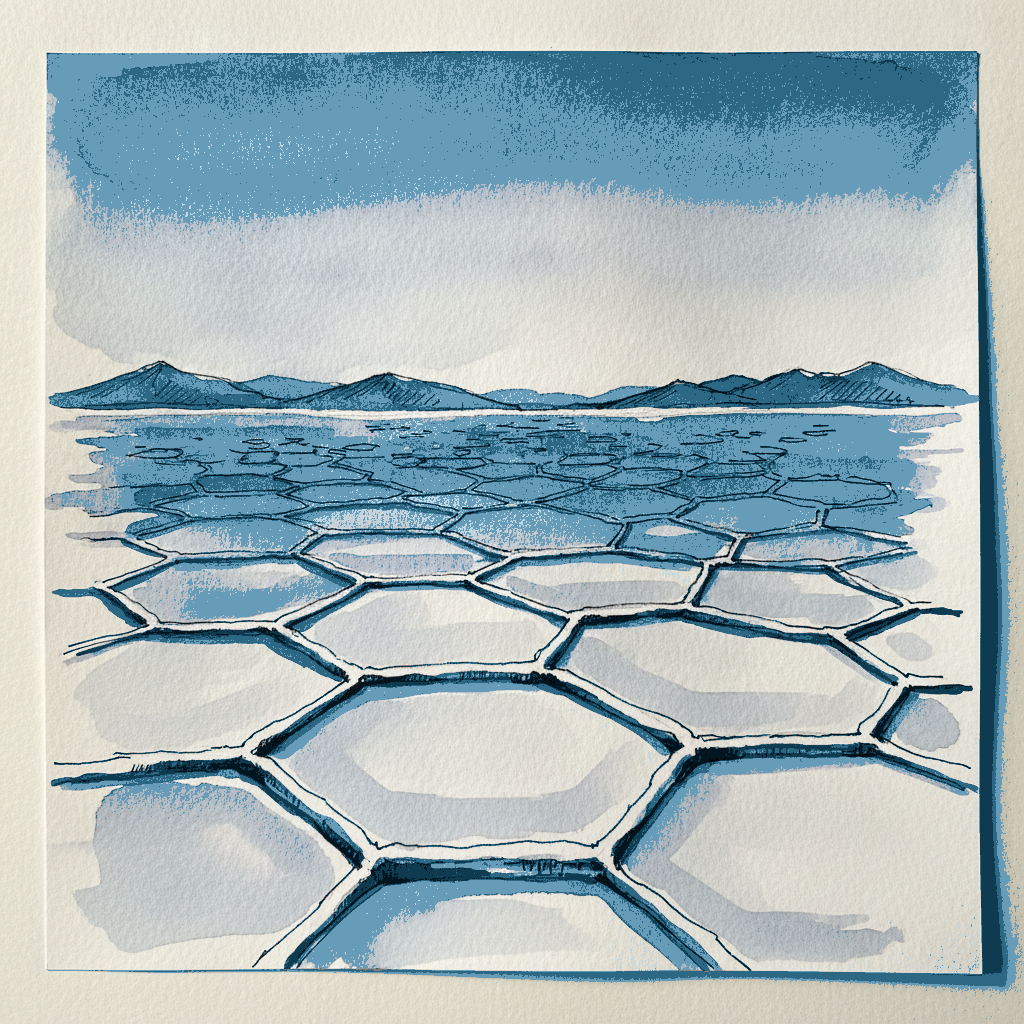
For this vast salar, concentrate on establishing **deep linear perspective** through your pen work: use heavier, detailed lines for the individual foreground hexagons and their raised ridges, allowing your lines to become progressively finer and less defined as the pattern recedes. Complement this with a **seamless, saturated blue gradient wash** for the sky, ensuring a clear value contrast with the dark distant mountains. This interplay of precise line, diminishing detail, and expansive wash will capture the immense, empty scale of the landscape.
Piece 3 — Rooftop water tower
Pen + Watercolor · Loose pen and watercolor line-and-wash
Three takes
Focus for this piece
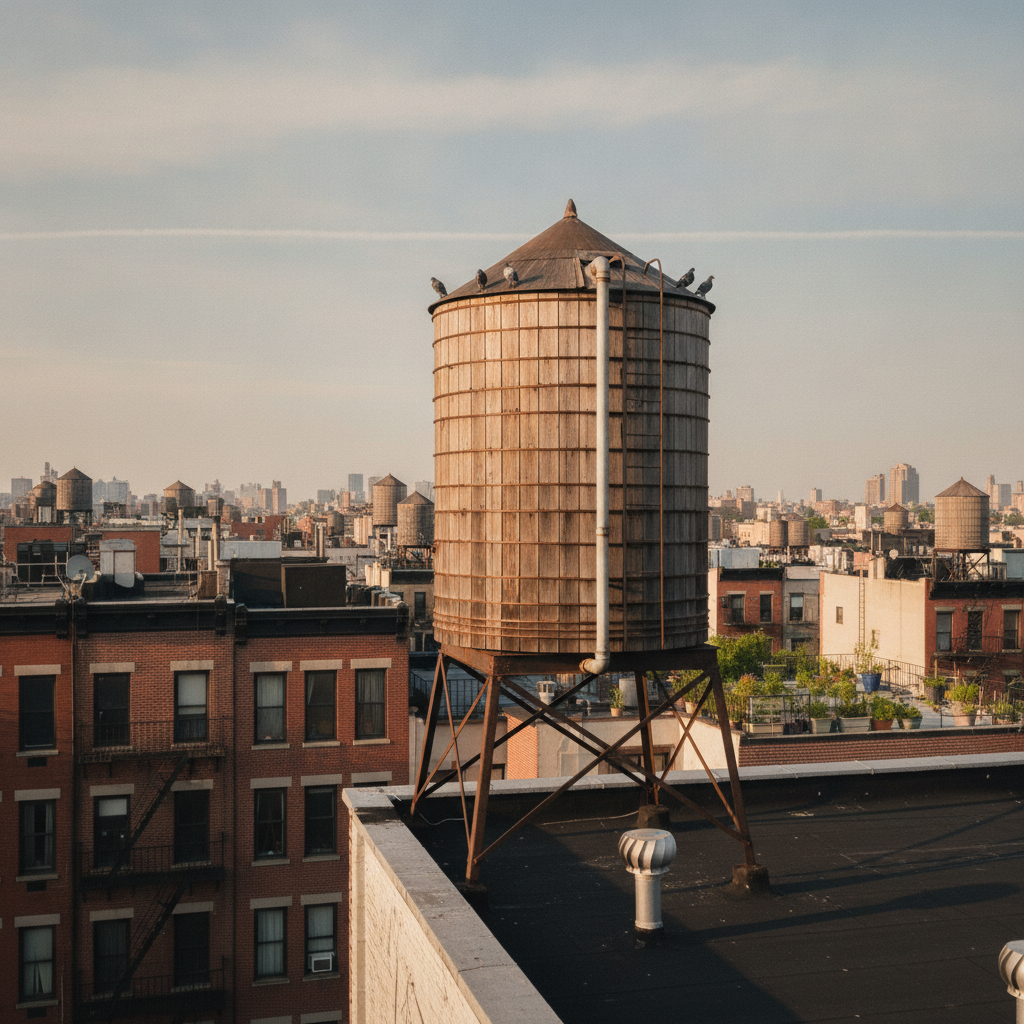
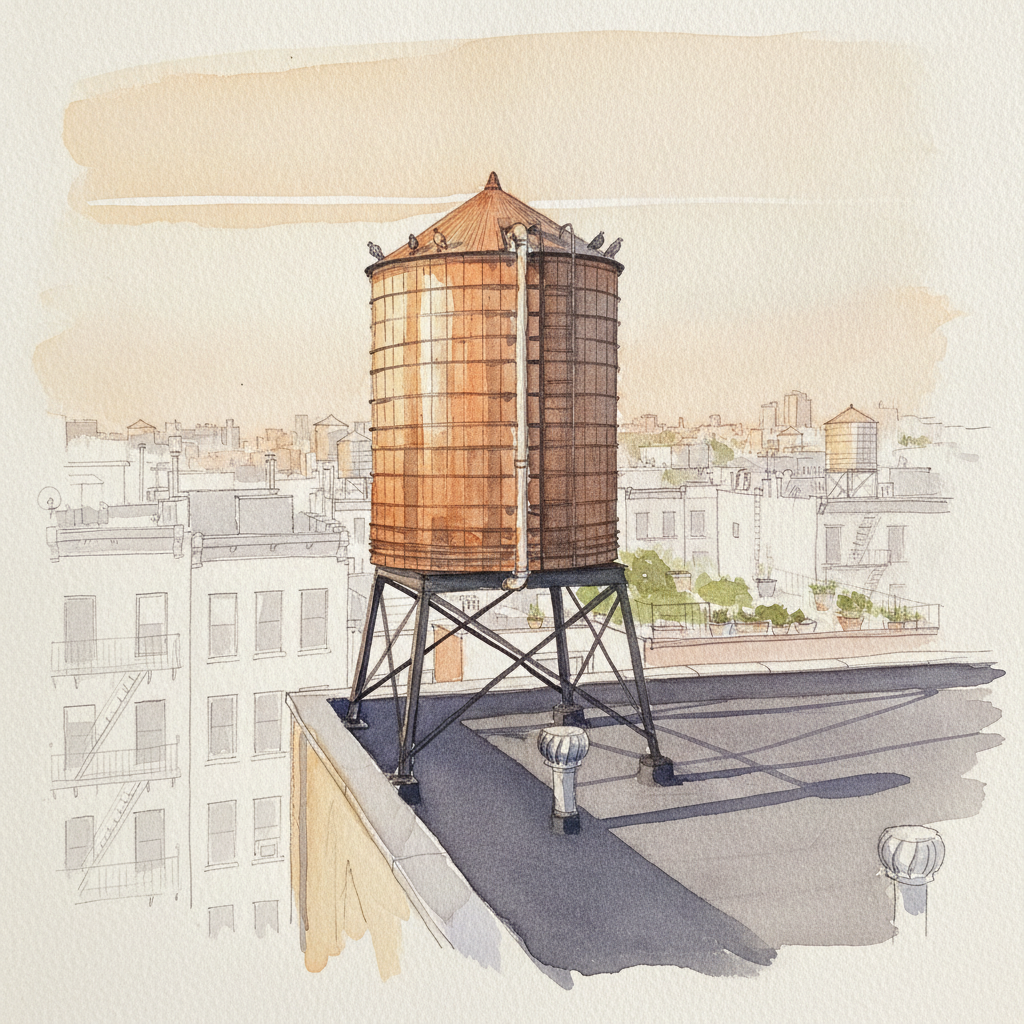
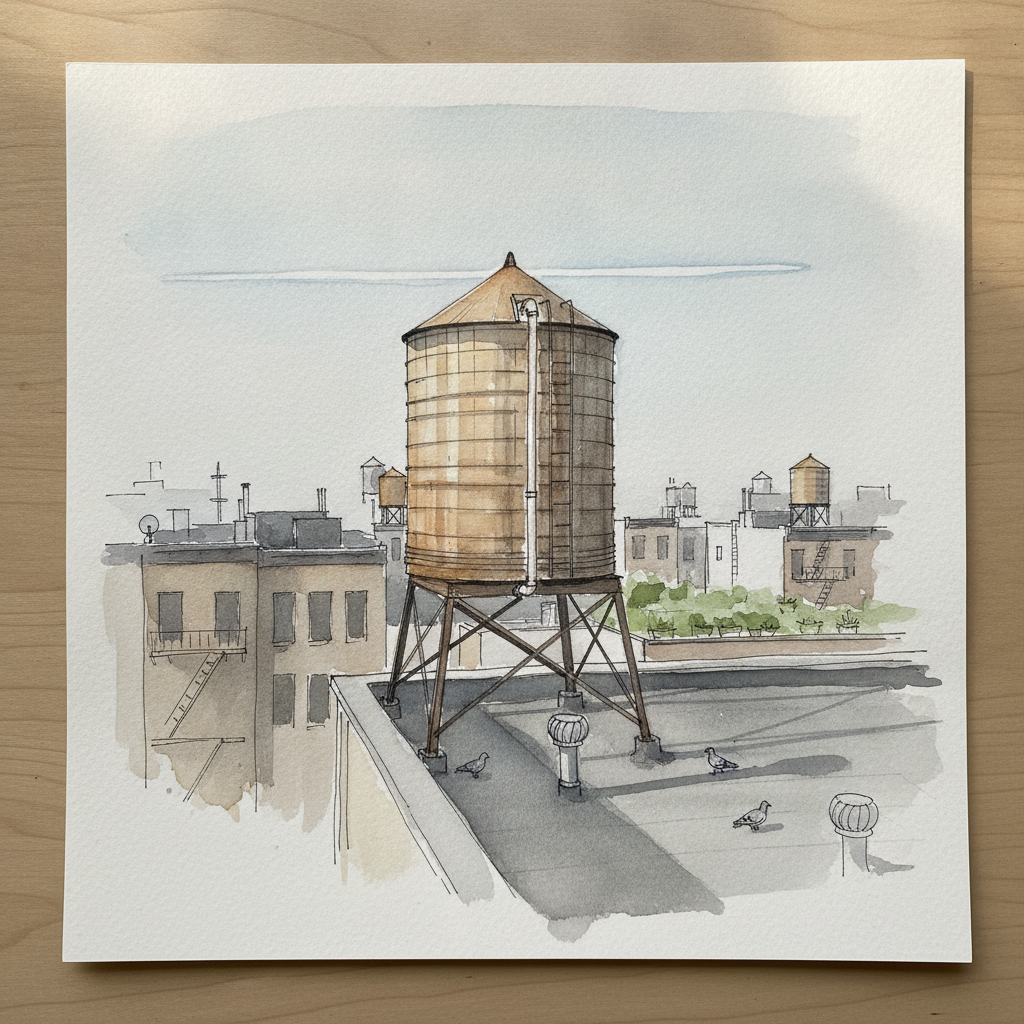
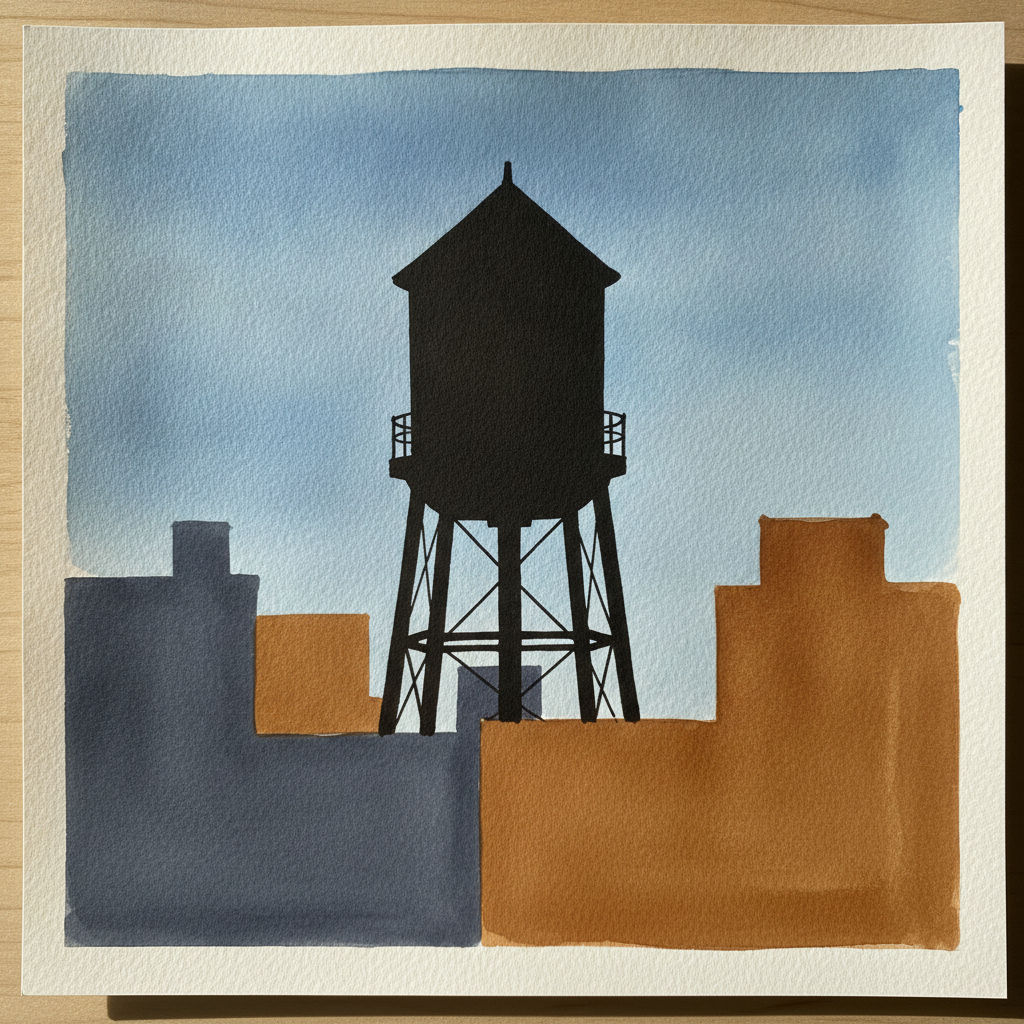
This piece is an excellent study in creating depth through atmospheric perspective. Focus on using confident, varied line weights to articulate the tower's immediate details, like the cedar staves and iron hoops, gradually lightening your ink lines and diluting your washes for the receding rooftops. Allow soft, higher-value washes to suggest the expansive sky and the subtle presence of the jet contrail, drawing the eye towards the foreground tower.
Piece 4 — Place des Abbesses Carousel
Pen + Watercolor · Loose pen and watercolor line-and-wash
Three takes

Focus for this piece
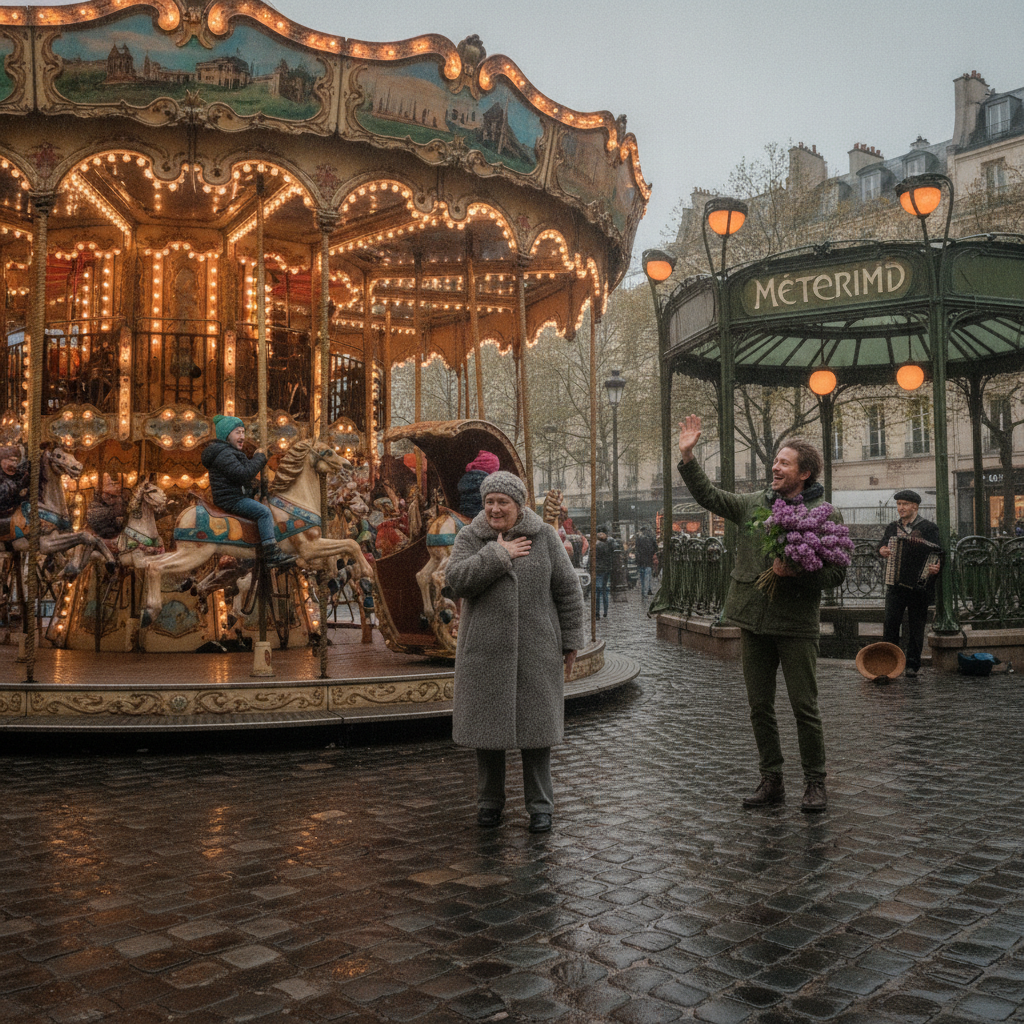
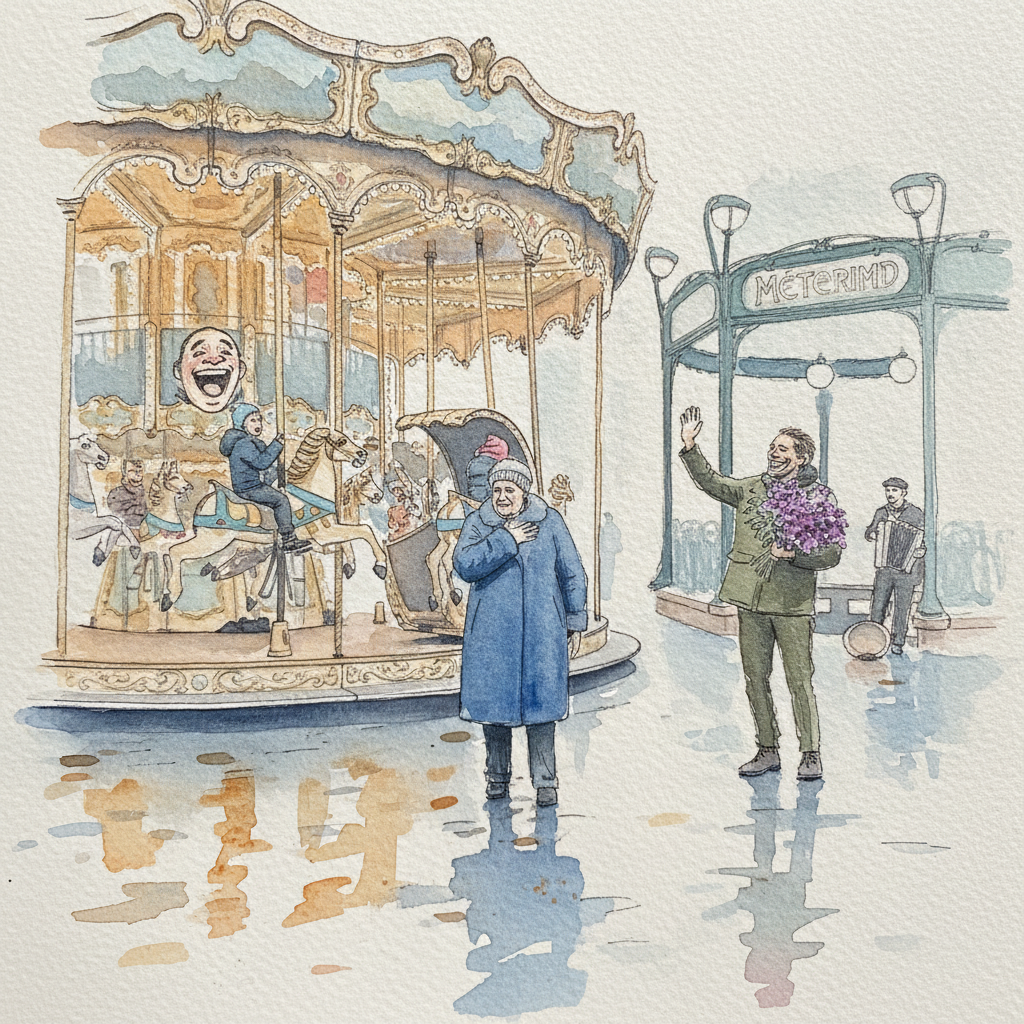
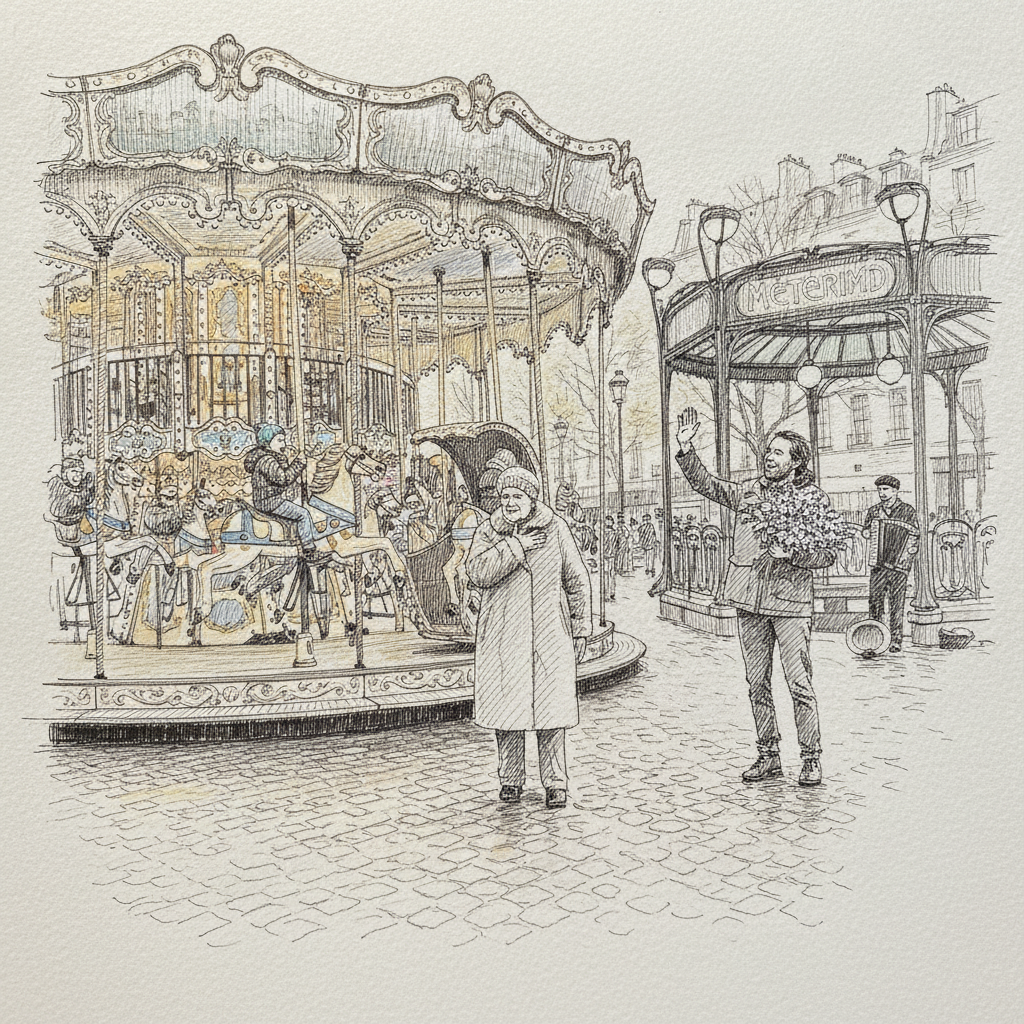
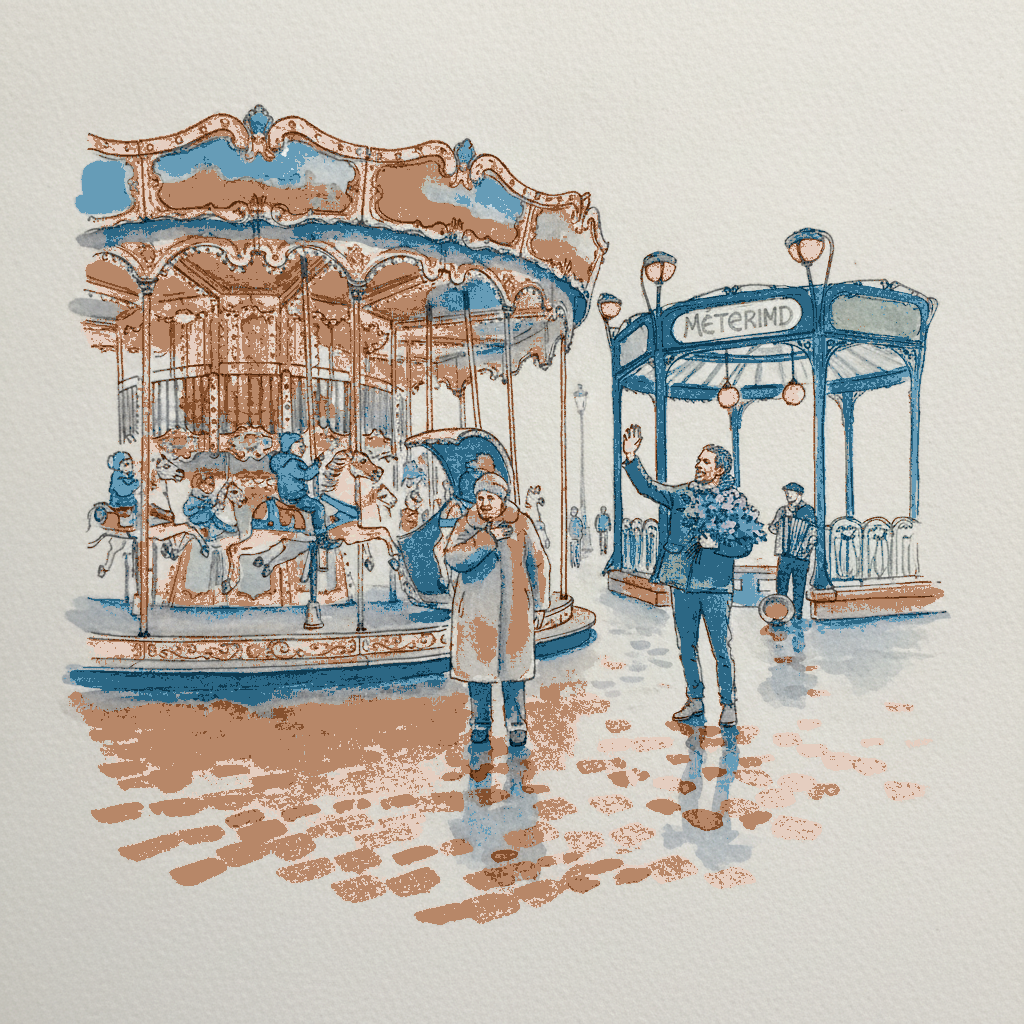
This piece offers a compelling study in rendering complex circular forms and the dynamic interplay of light within a lively scene. Employ varied line weights to articulate the carousel's structure and the distinct brass details of the horses, giving them form and definition. Then, utilize soft, diluted washes to create the glowing effect of the carousel and canopy lights, allowing subtle wet-on-wet blends to depict the glistening wet cobblestones and reflections. Emphasize warm hues for the light sources contrasted against cooler shadows to build atmospheric depth throughout the composition.
Piece 5 — Final blank page of a closed album with one pressed petal
Pen + Watercolor · Loose pen and watercolor line-and-wash
Three takes
Focus for this piece
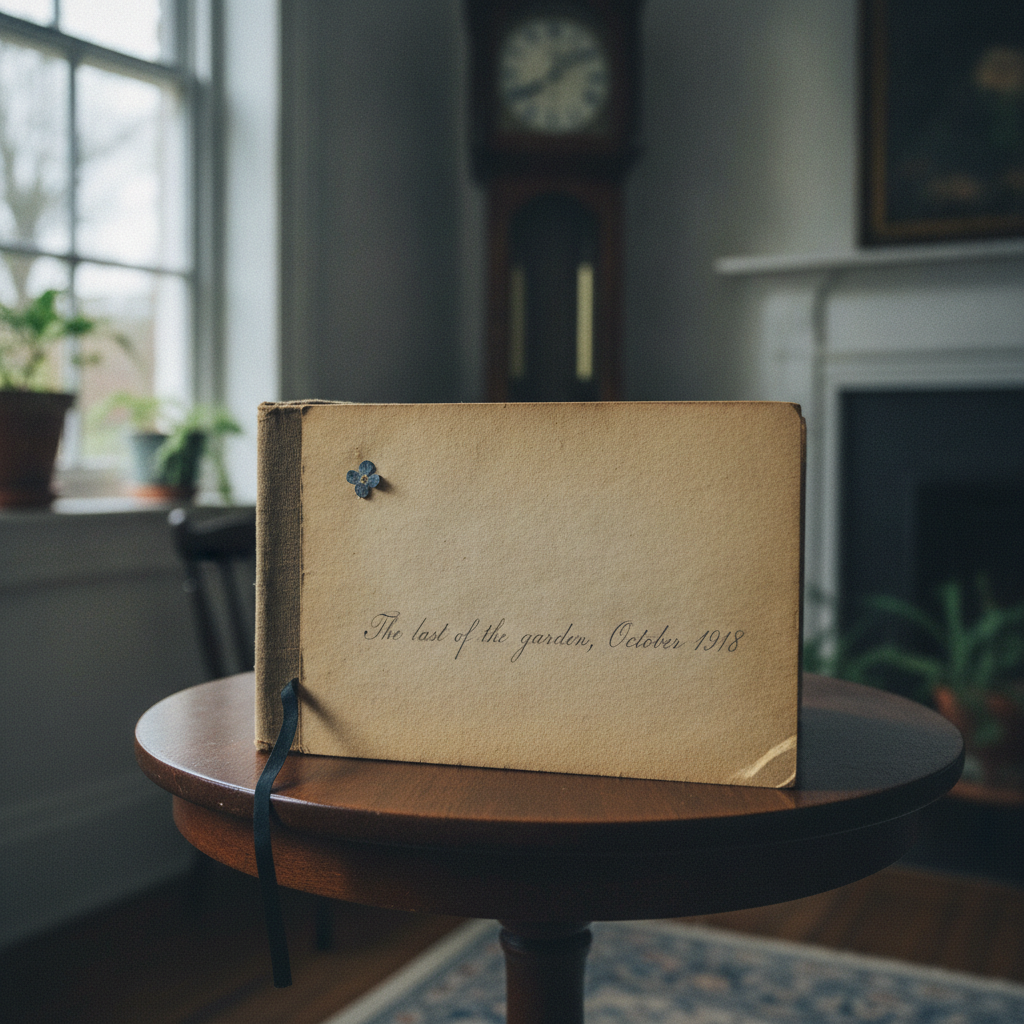
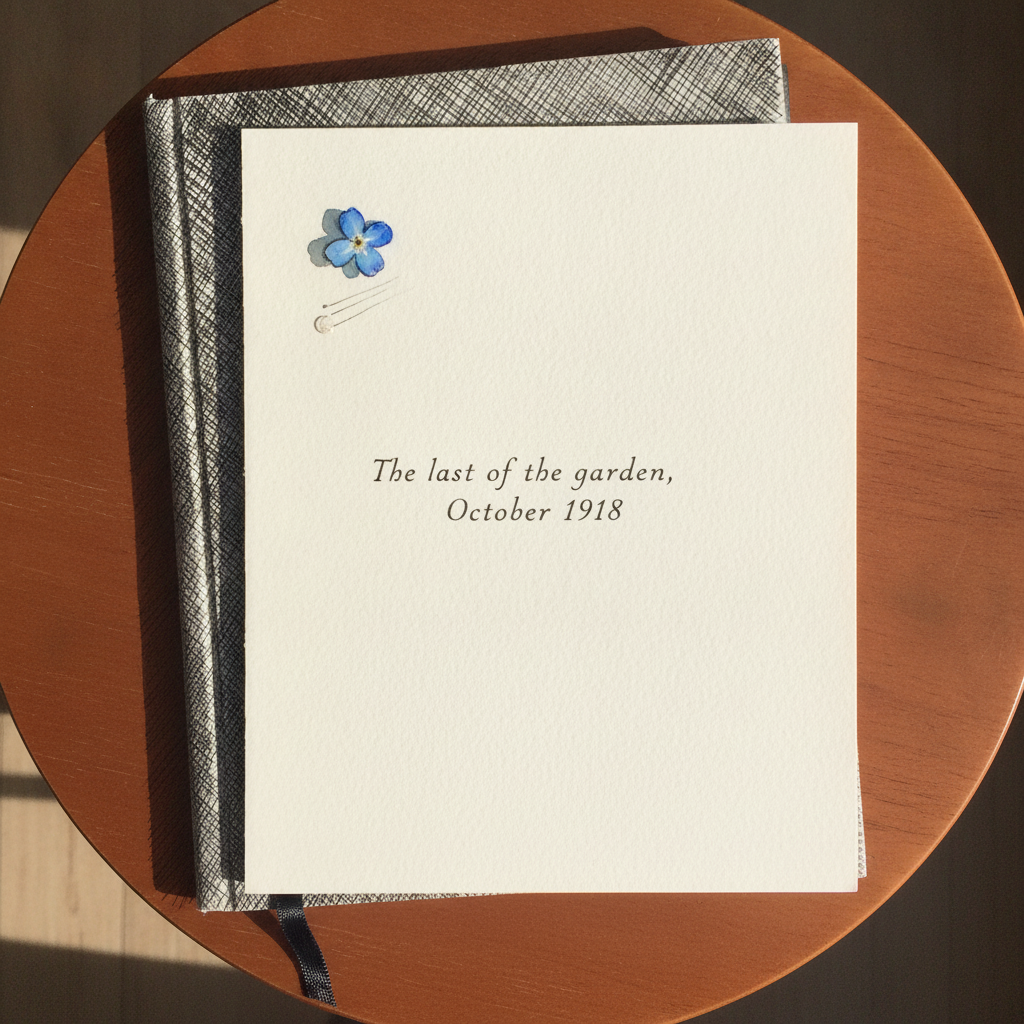
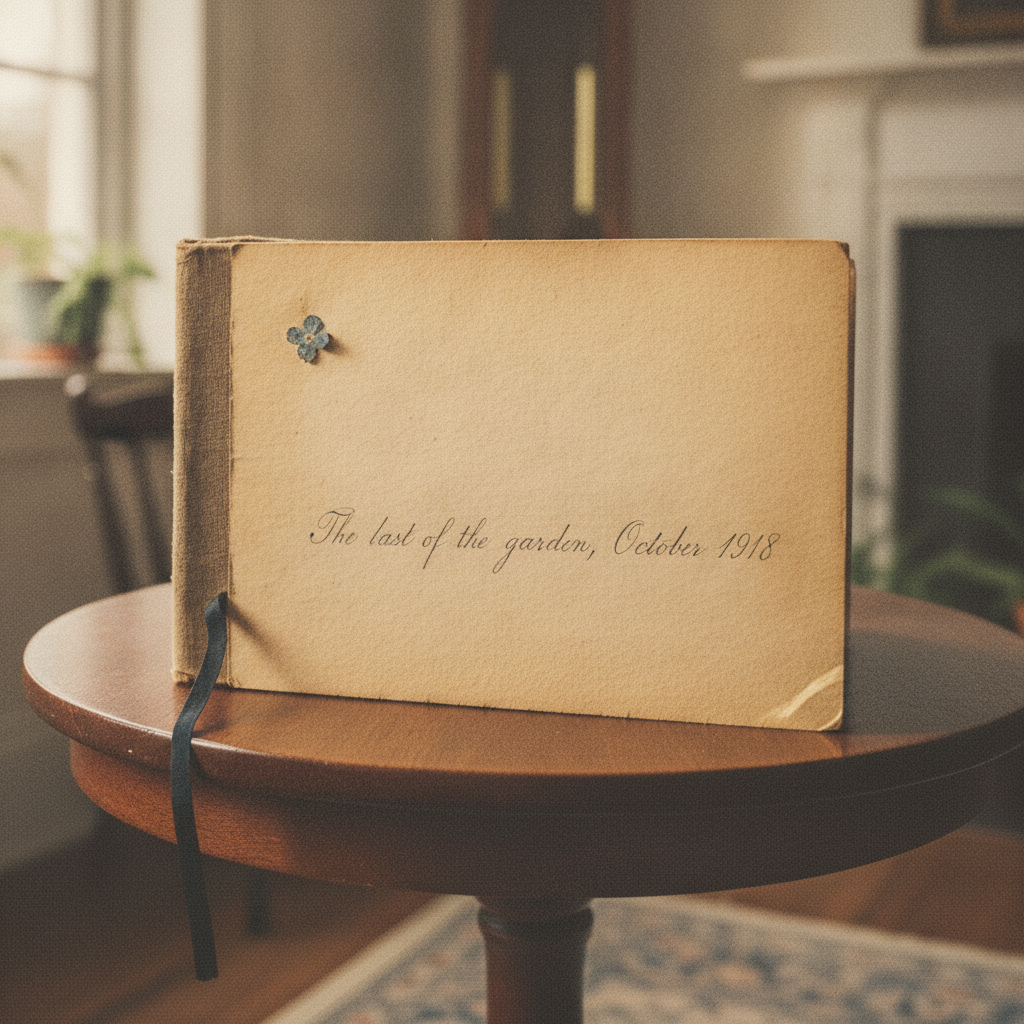
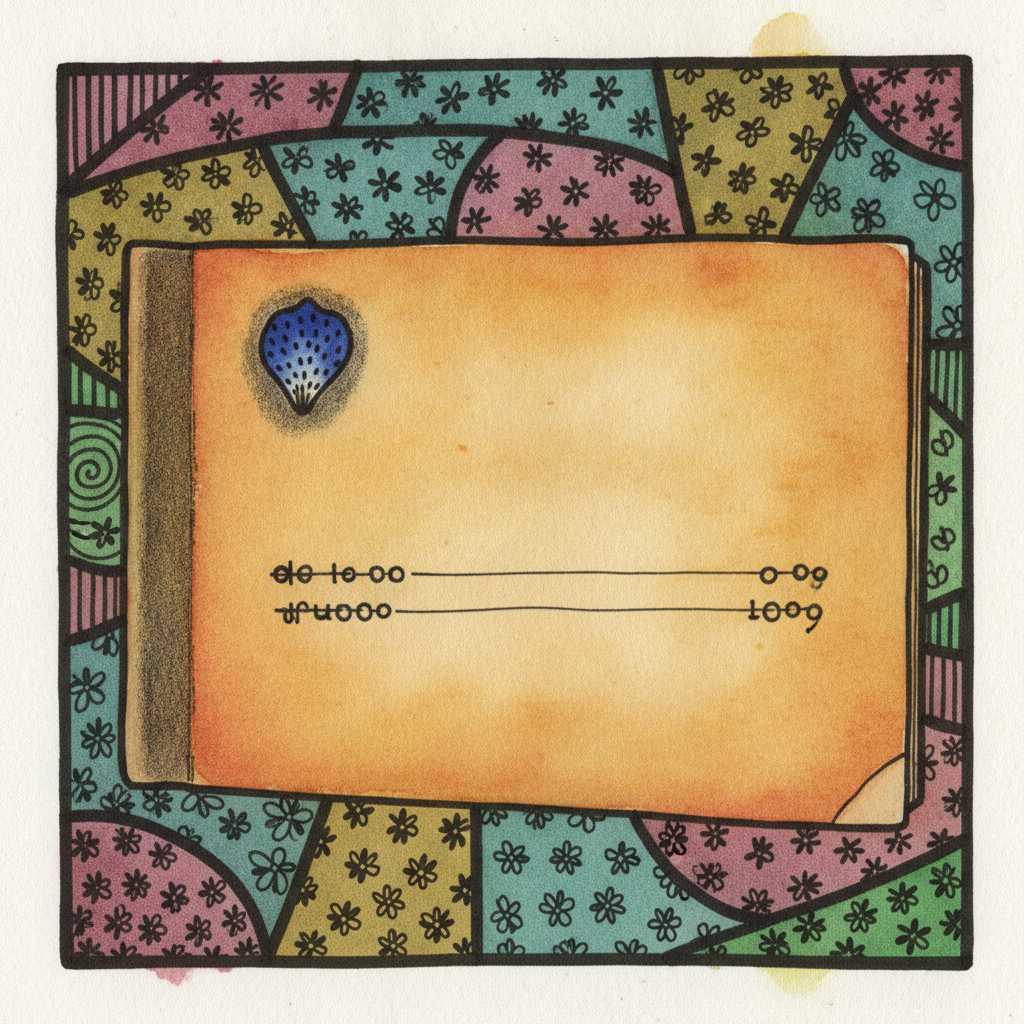
This study focuses on rendering delicate details and subtle textures against a dominant field of negative space. Practice using a fine-tipped pen for the crisp album edges and ribbon marker, contrasting this with the soft, graphite lines of the handwritten note, which you'll retain as pencil. Employ precise wet-on-dry watercolor applications with a small round brush to build translucent layers for the page's cool texture and the tiny pressed petal, preserving the paper's luminosity.
Piece 6 — Forsythia
Pen + Watercolor · Loose pen and watercolor line-and-wash
Three takes
Focus for this piece
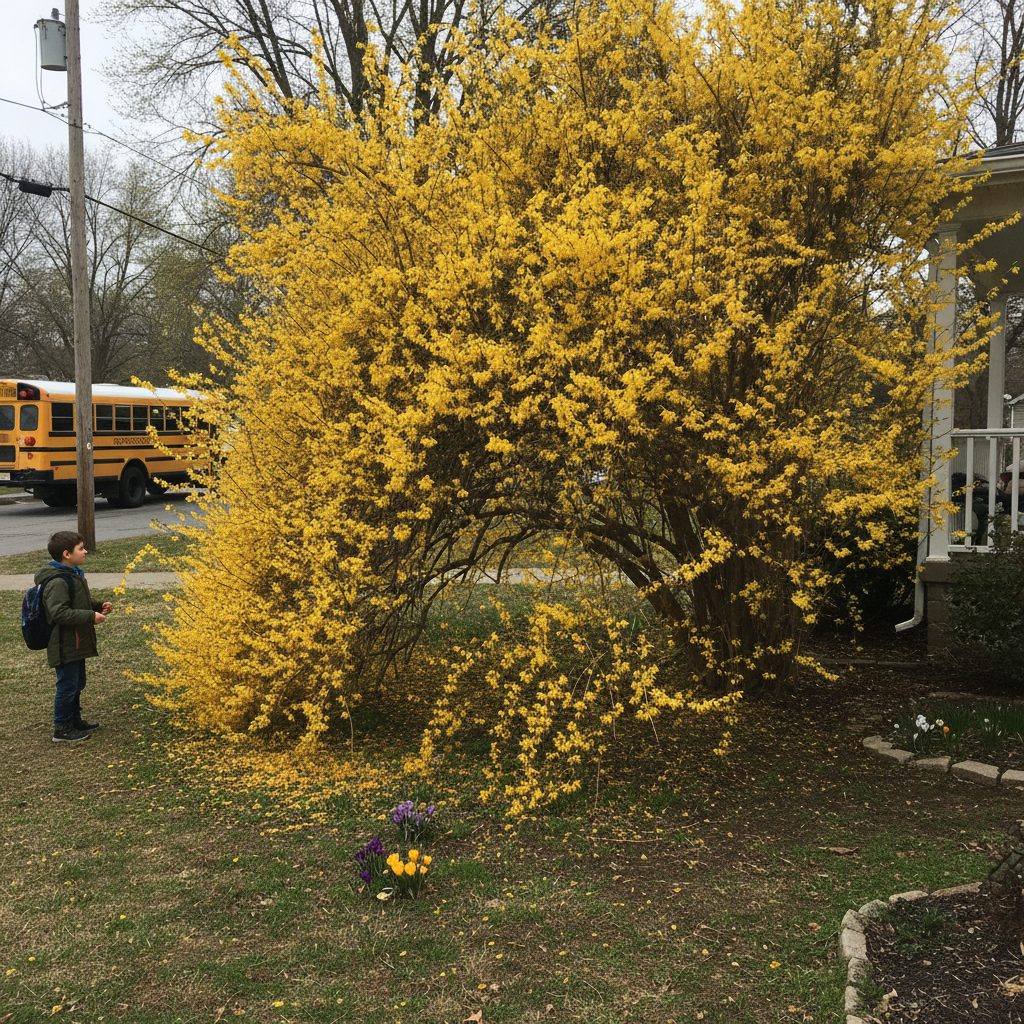
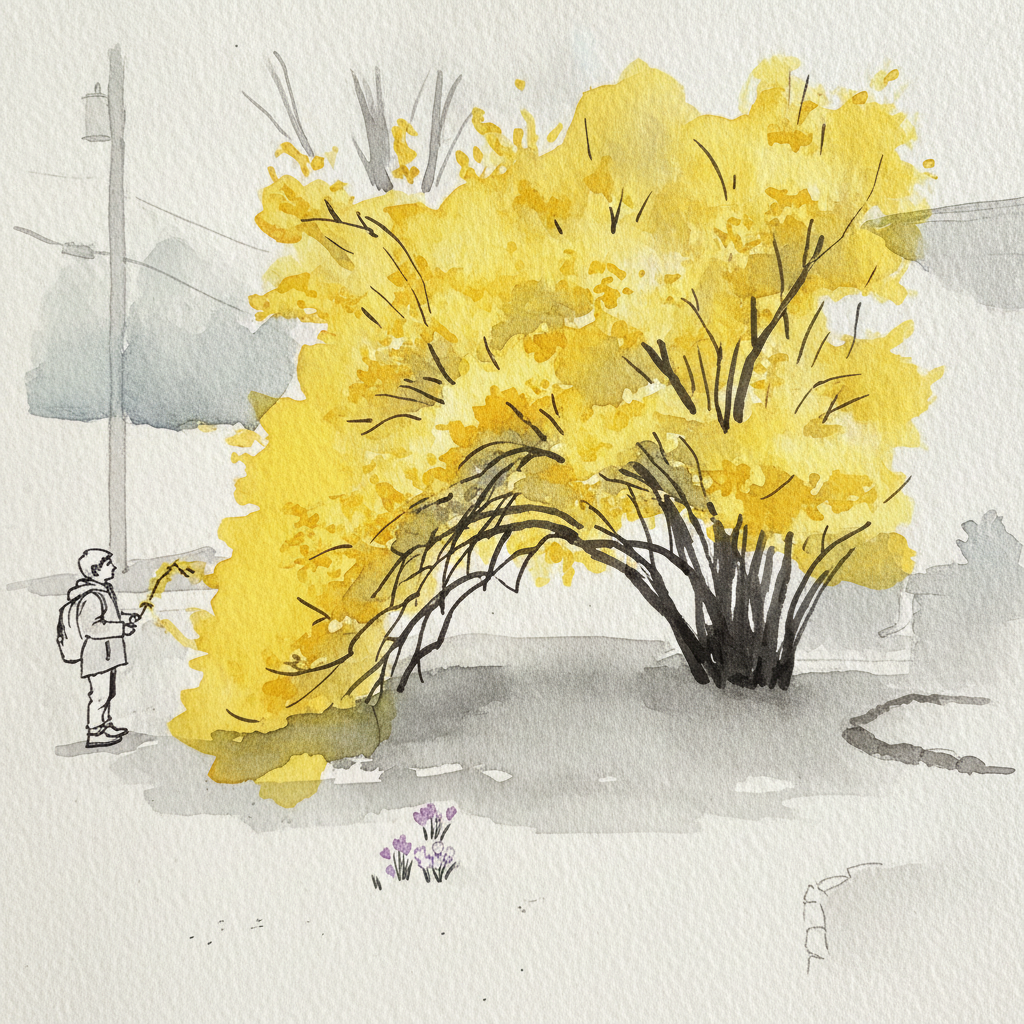
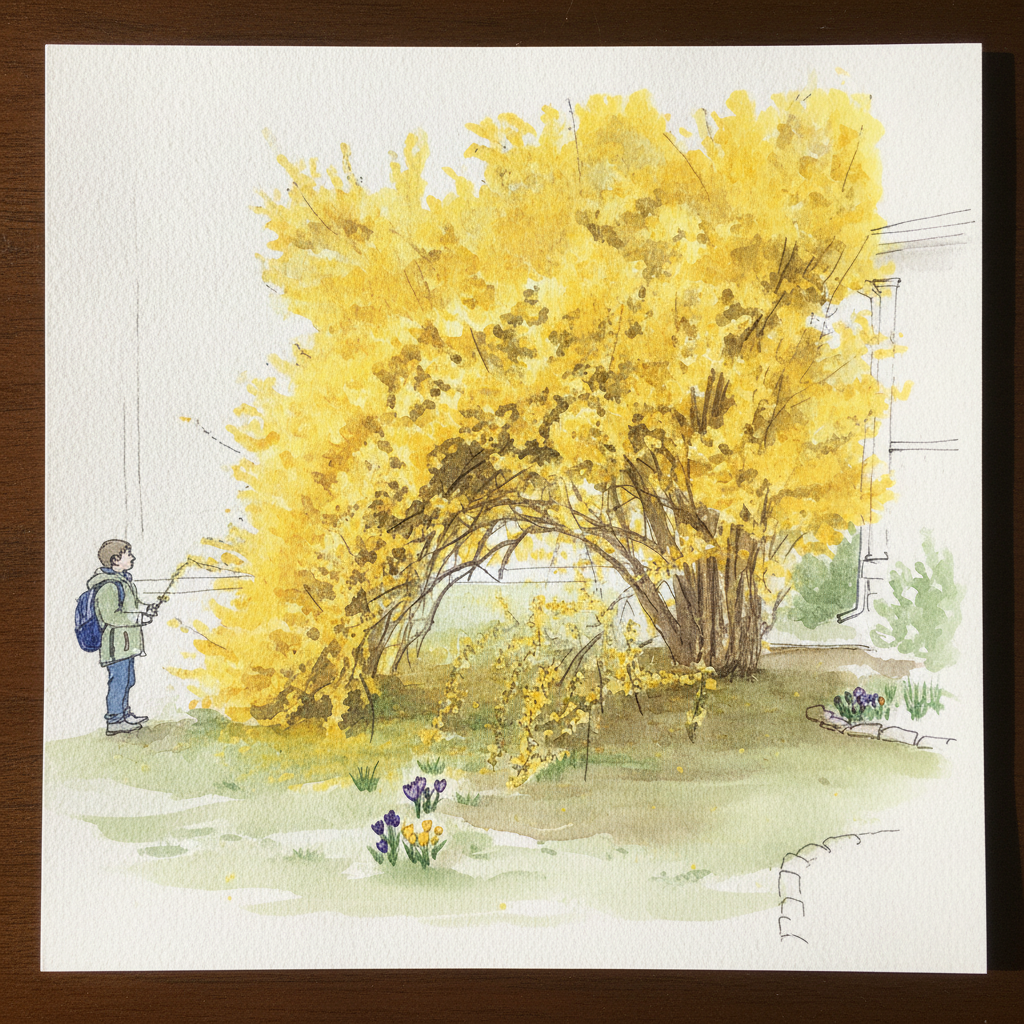
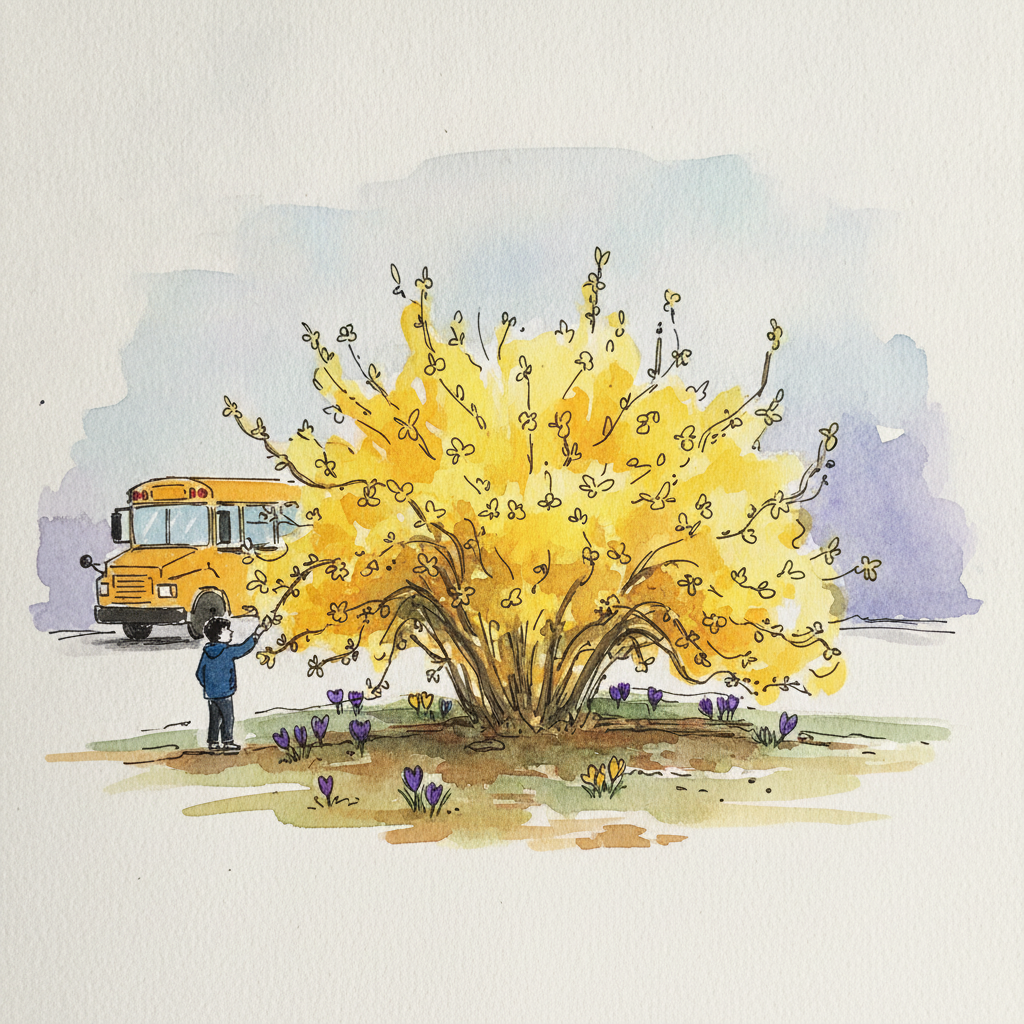
This piece is an excellent study in conveying vibrant, high-key yellow and the impact of intense color against a muted spring setting. Focus your pen work on establishing the strong, arching structure of the canes, varying line weight to suggest their movement. Then, use luminous, layered yellow washes, intentionally leaving pure white paper in key areas, to capture the explosion of blossoms and their forceful brightness. A restrained, cooler palette for the subtle background elements will further amplify the forsythia's glow.
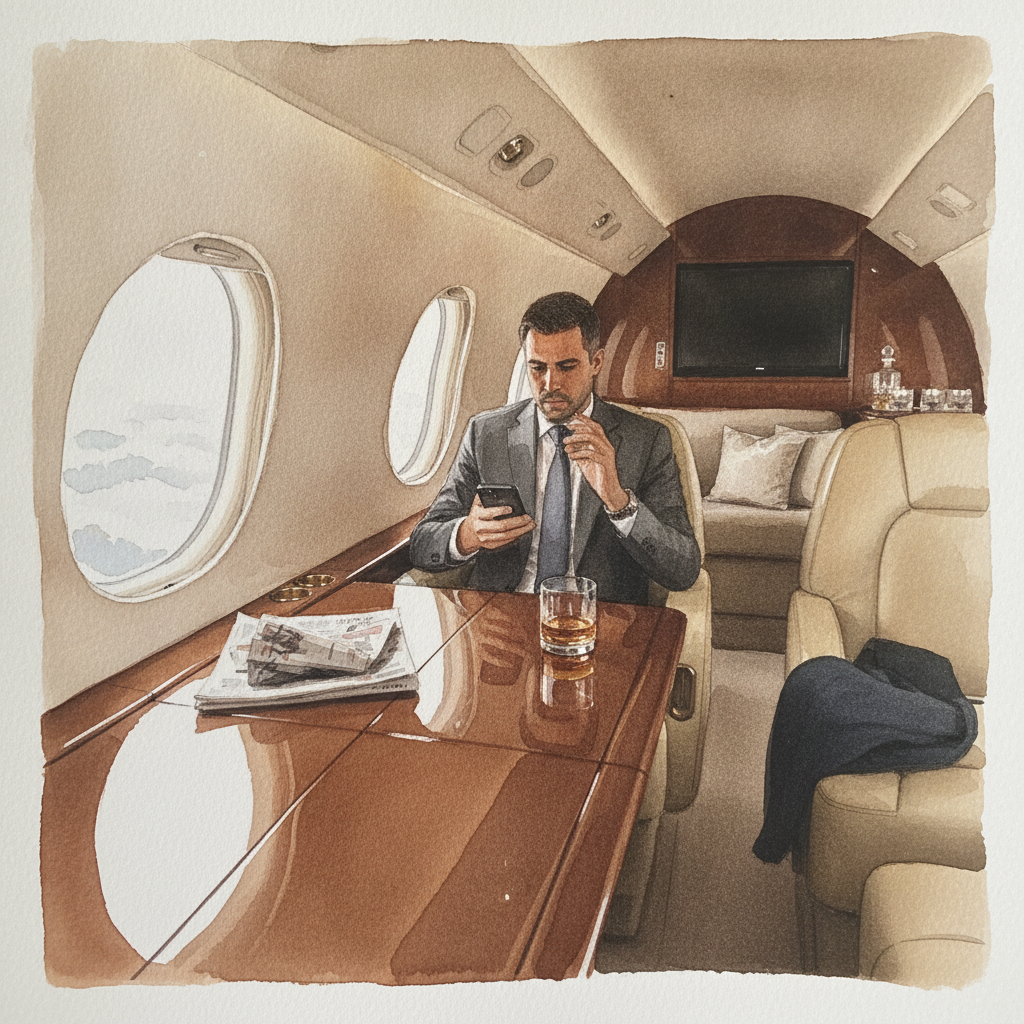
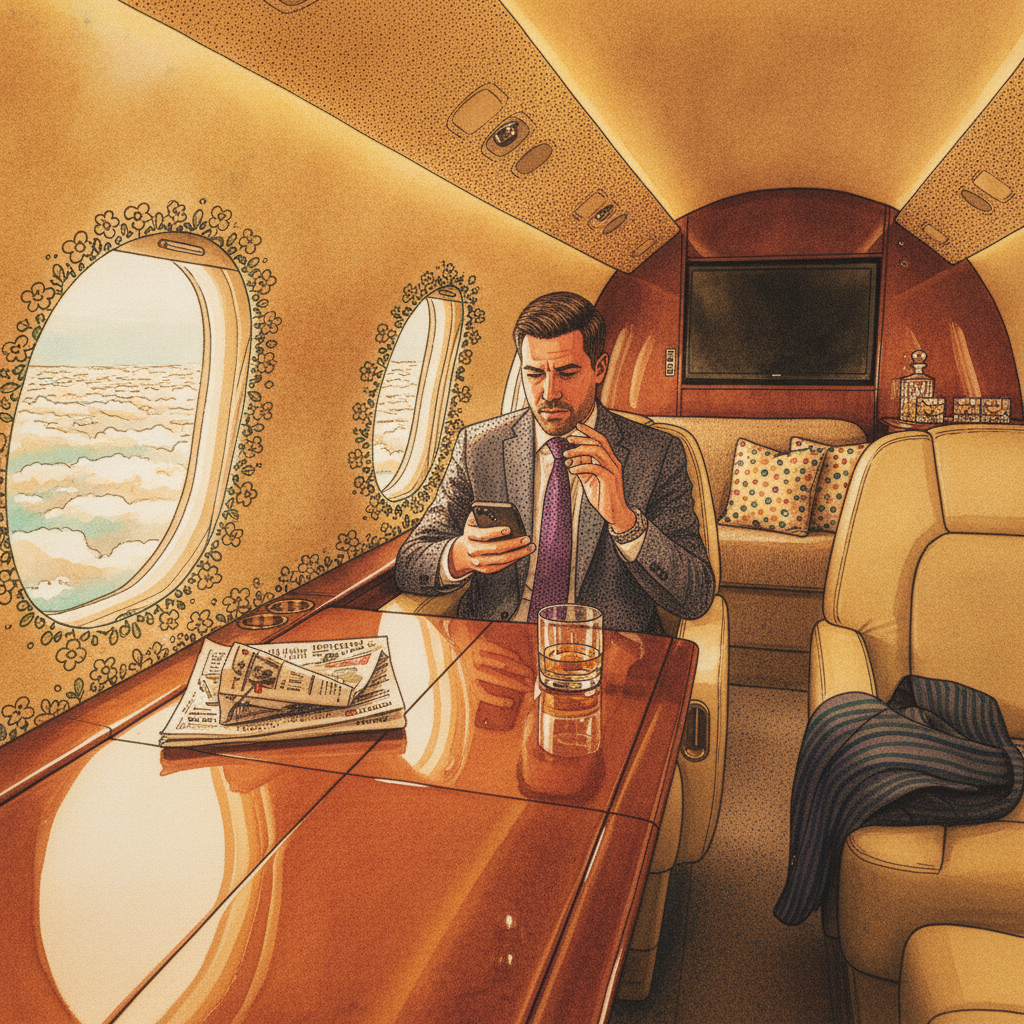
Piece 7 — Private jet cabin
Pen + Watercolor · Loose pen and watercolor line-and-wash
Three takes
Focus for this piece
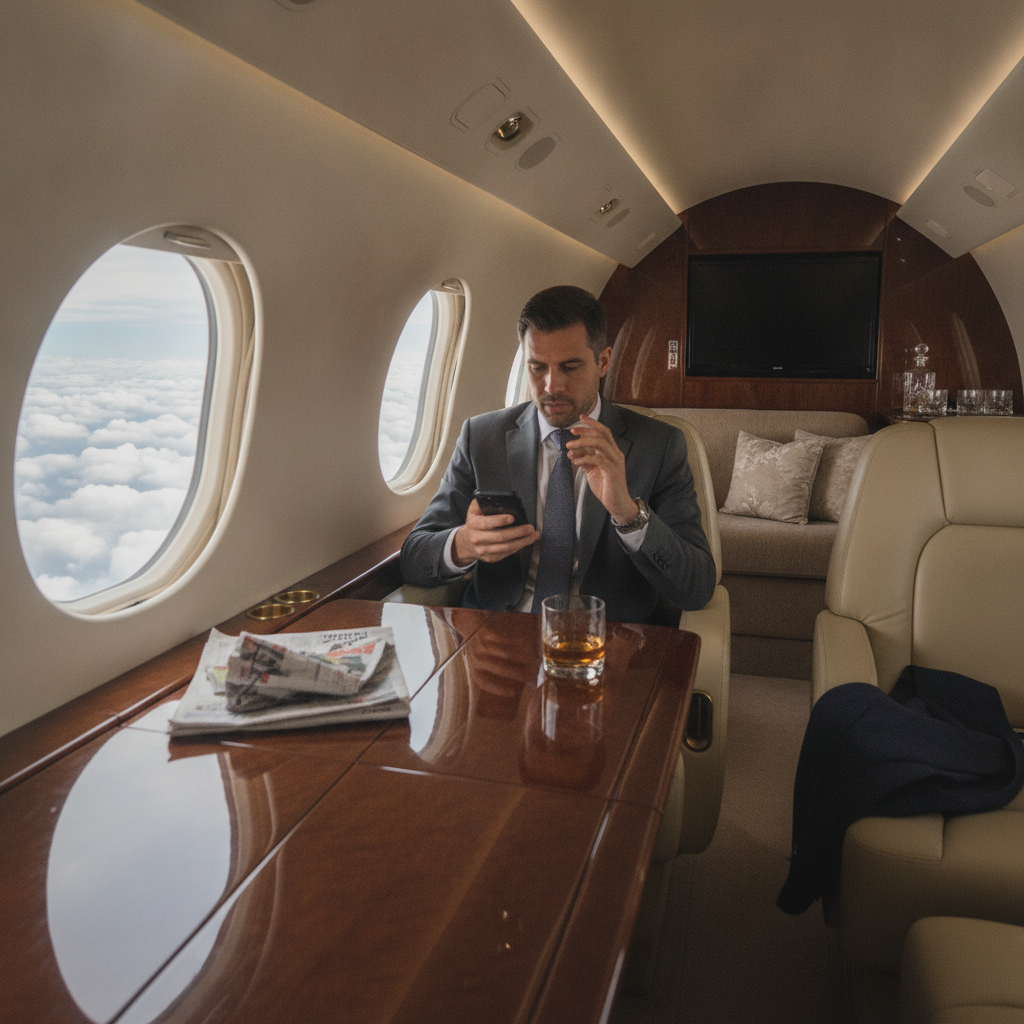
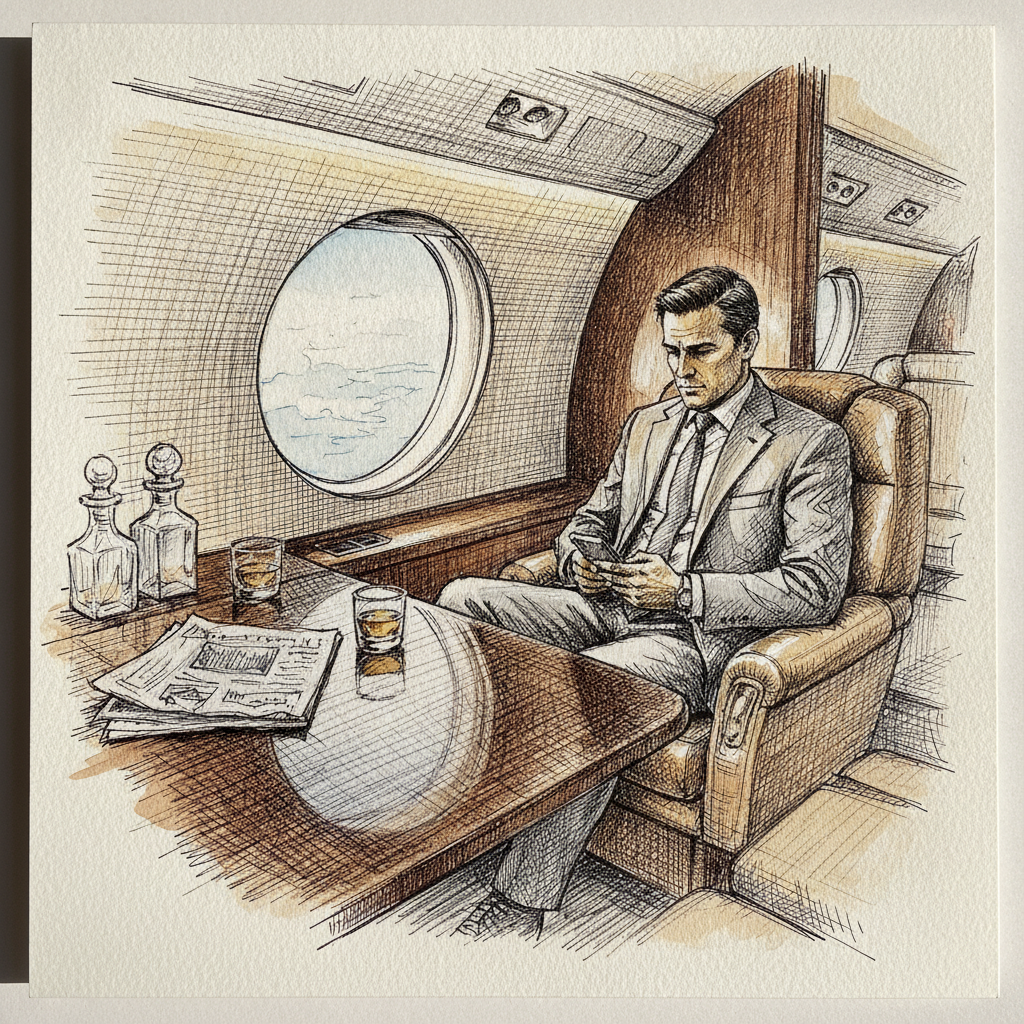
This piece is excellent for studying how to create a sense of luxurious warmth and depth through subtle value shifts. Focus on using a restrained analogous palette of warm browns, ochres, and muted reds for your washes, allowing wet-into-wet blending to capture the soft, ambient light. Vary your line weights, employing delicate, broken lines for the upholstered seating and heavier, continuous strokes to define the reflective surfaces of the polished table and crystal decanters. This interplay of soft washes and precise lines will evoke the cabin's quiet opulence and comfortable intimacy.
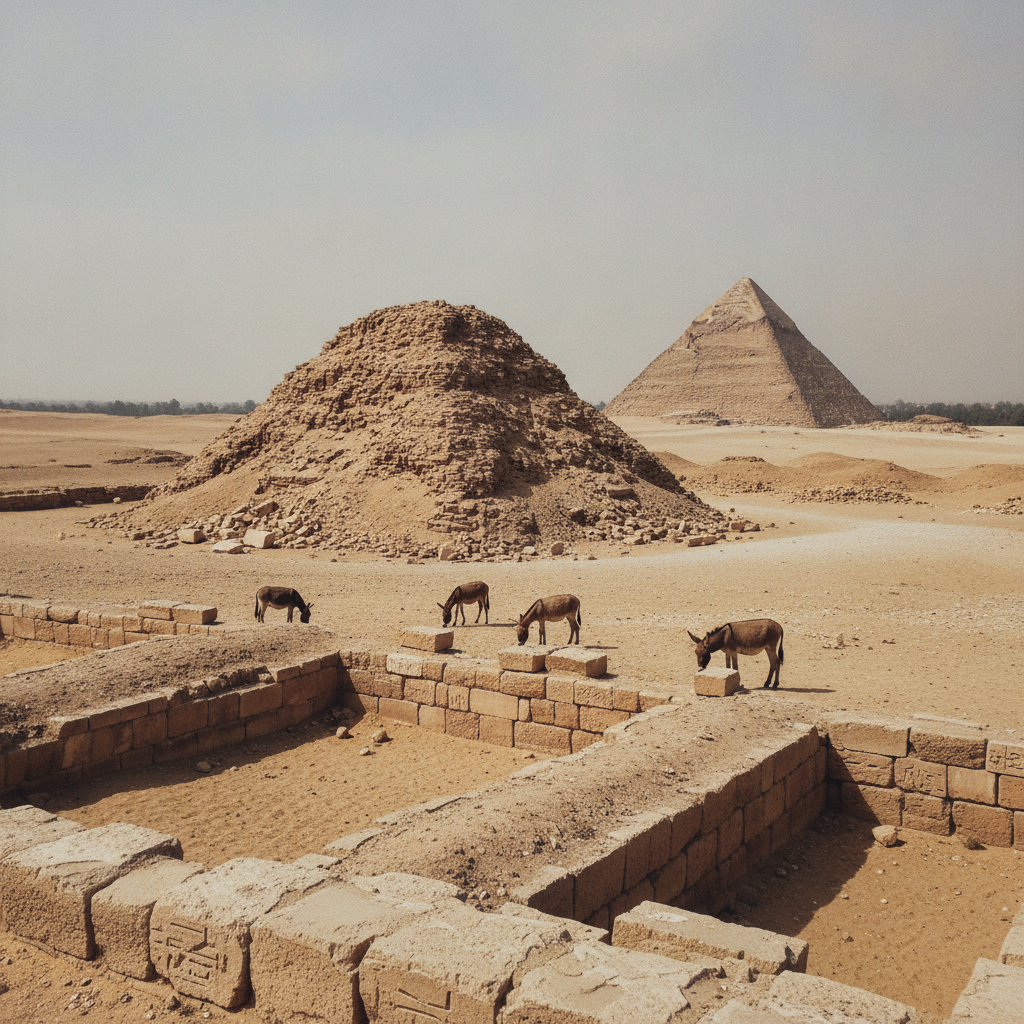
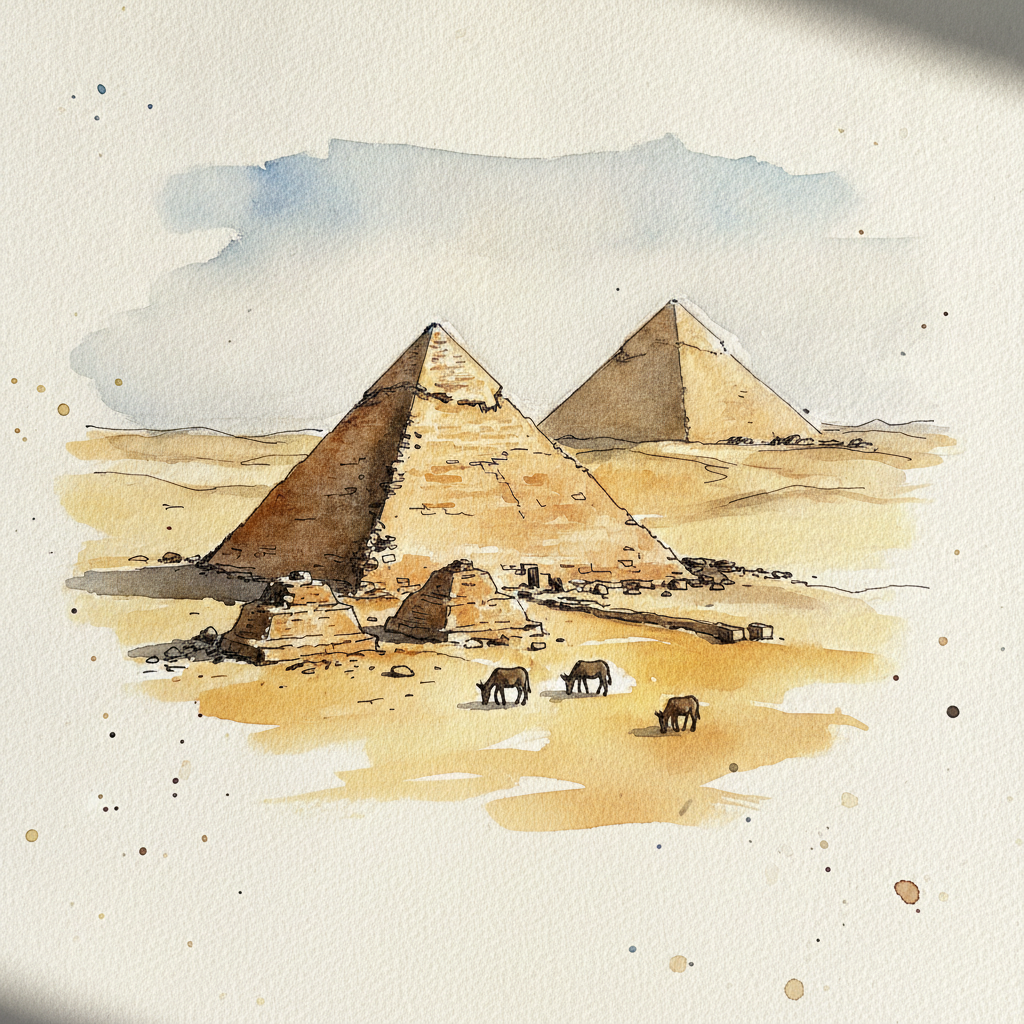
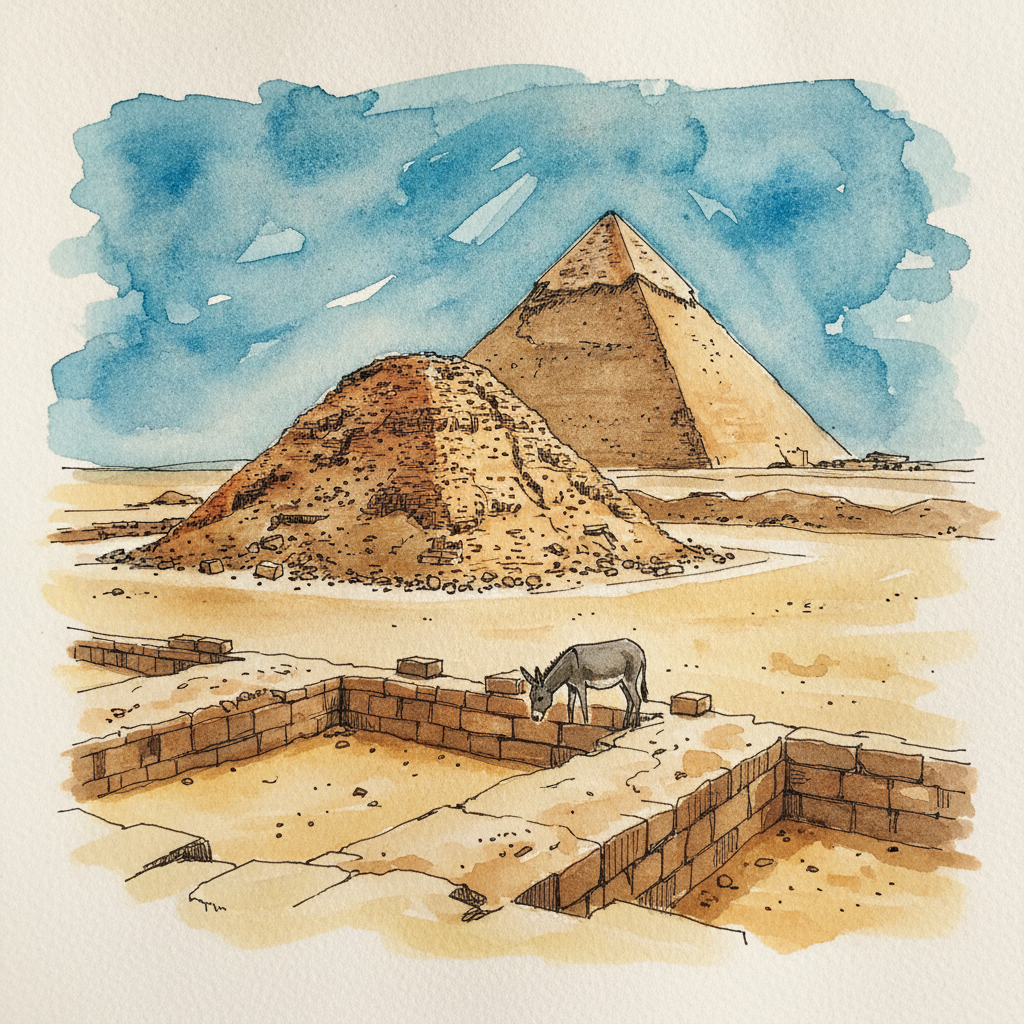
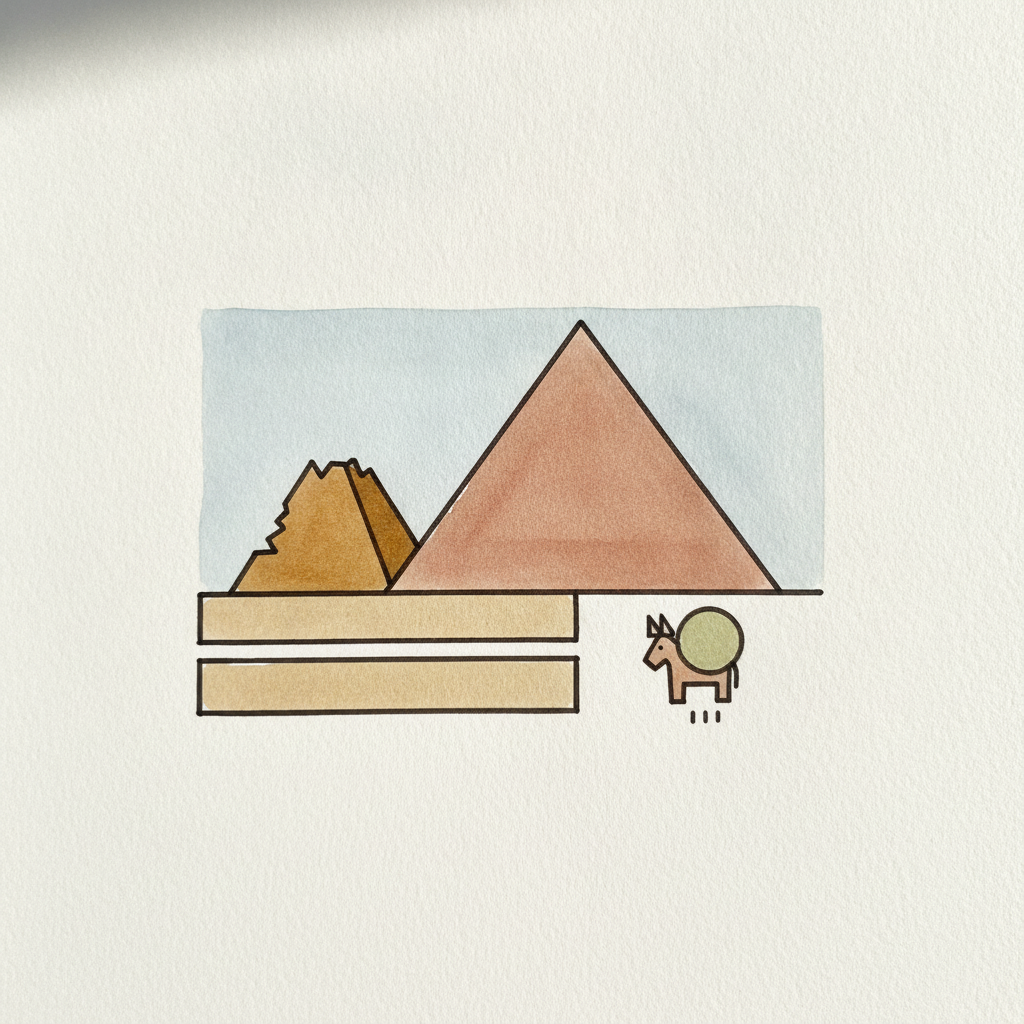
Piece 8 — El-Lisht Pyramids, El-Lisht, Egypt
Pen + Watercolor · Loose pen and watercolor line-and-wash
Three takes
Focus for this piece
This piece offers a compelling study in rendering implied texture and the weight of ancient structures. Use varied line weights, from strong, broken contours for the pyramid's general shape to lighter, suggestive marks for individual cracked blocks, allowing the watercolor washes to define broad planes and subtle decay. Employ a restrained palette of warm earth tones, letting dry-brush strokes suggest the sun-baked, crumbling stone and desert terrain.