Seated on stool, mild twist looking back, Magnetic knife strip on wall, Mývatn Nature Baths, North Iceland, Wat Phra That Hariphunchai, Lamphun, Thailand, and more — pen + watercolor for November 5, 2026
AI-generated daily art-practice references for pen and watercolor: Seated on stool, mild twist looking back, Magnetic knife strip on wall, Mývatn Nature Baths, North Iceland, Wat Phra That Hariphunchai, Lamphun, Thailand, Phidias-style toga on a senator, Stack of folded ordnance survey maps, Nort…
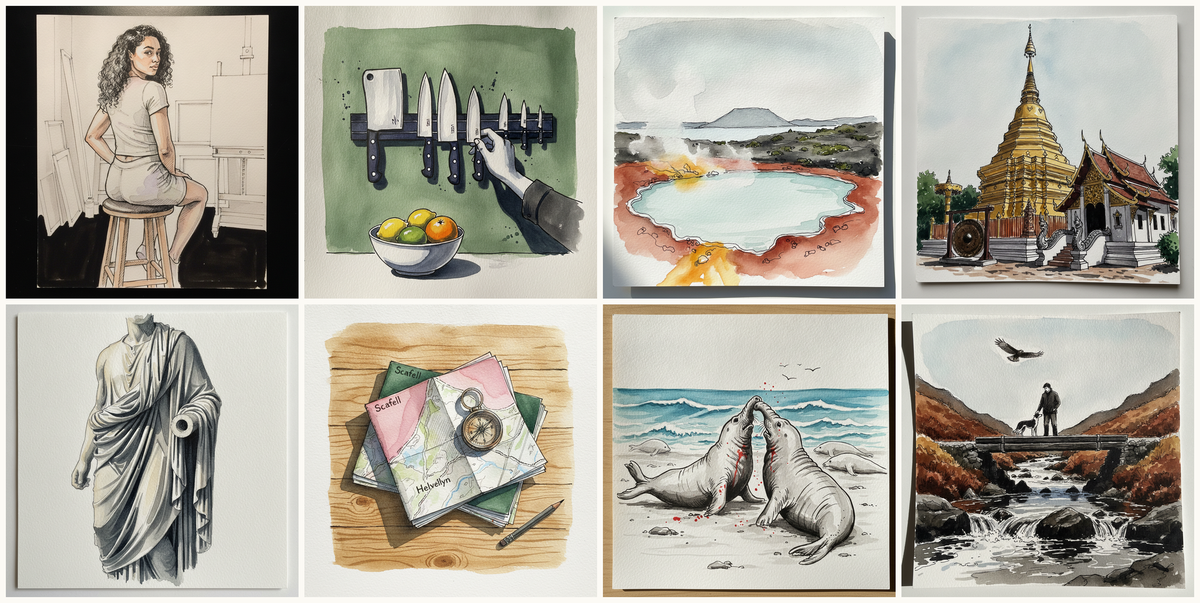
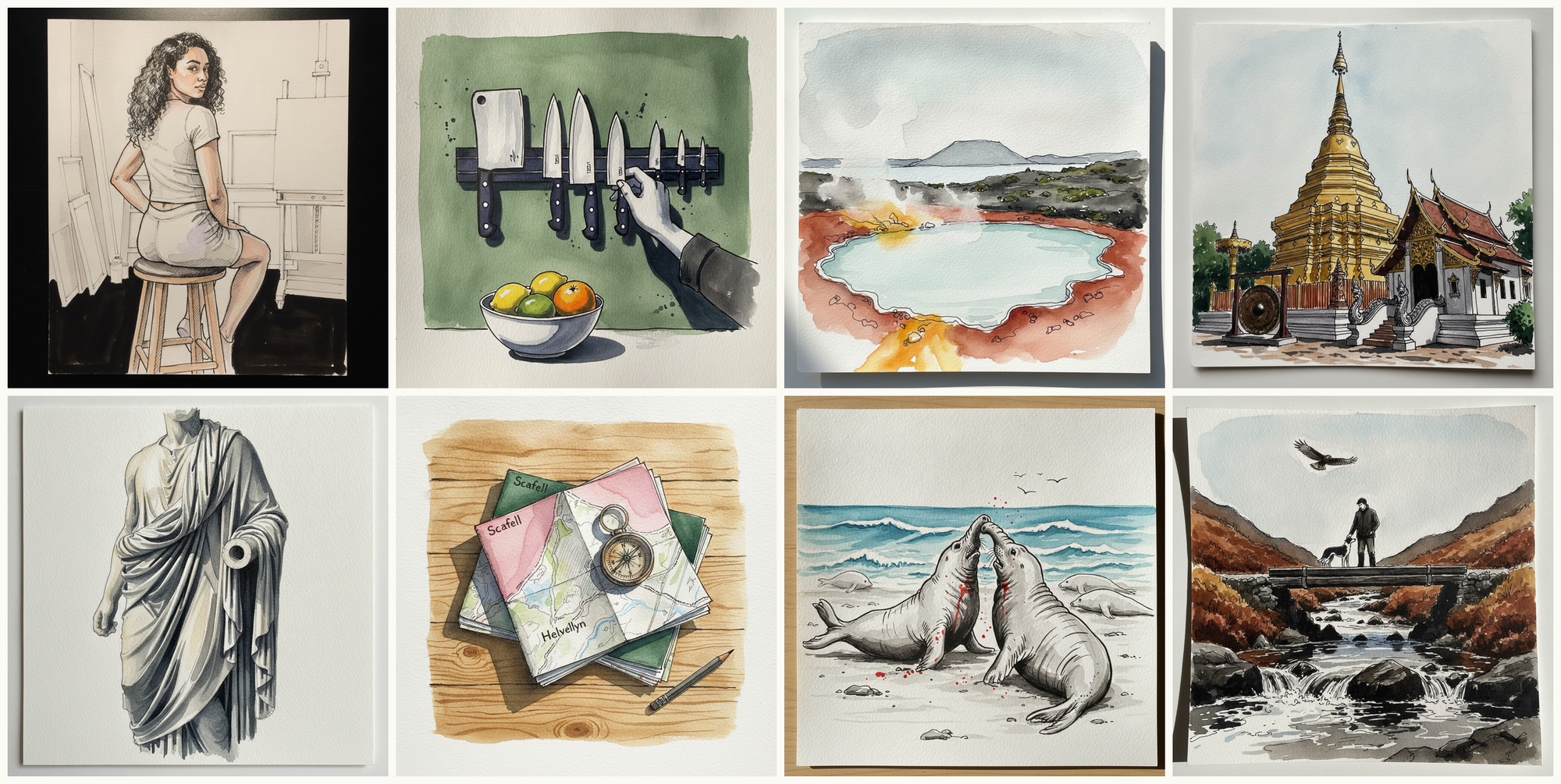
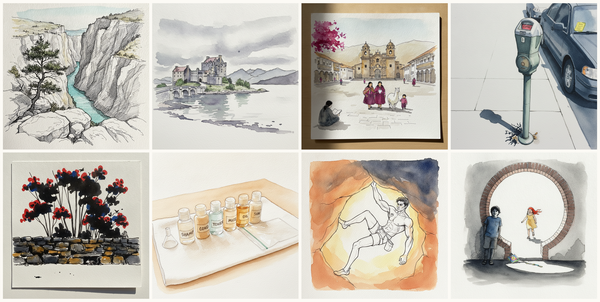
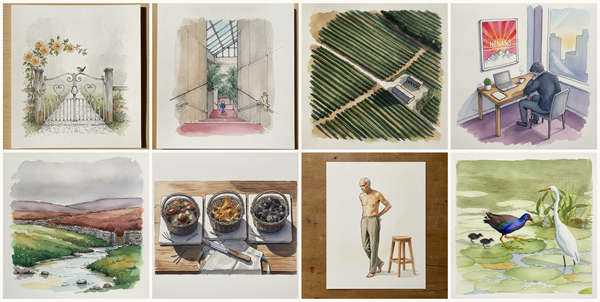
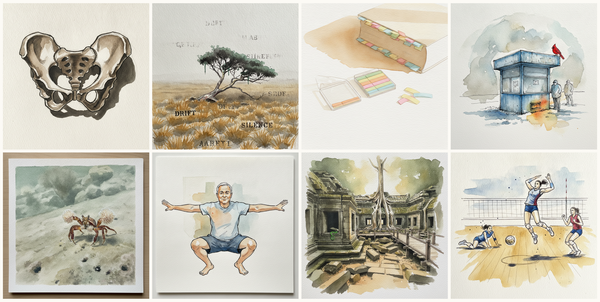
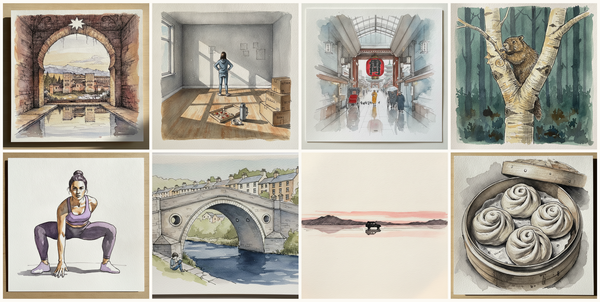
Today's 8 pen-and-watercolor pieces: Seated on stool, mild twist looking back, Magnetic knife strip on wall, Mývatn Nature Baths, North Iceland, Wat Phra That Hariphunchai, Lamphun, Thailand, Phidias-style toga on a senator, Stack of folded ordnance survey maps, Northern elephant seal, Welsh Mountain Burn. Each piece comes with an AI-generated photoreal reference, three AI-generated example artworks in different treatments, and a short focus paragraph naming what to study in this one.
Why these references use AI
This daily series uses AI-generated images as practice prompts, not as finished artwork to copy. Each subject starts with a synthetic photoreal reference generated with Gemini/Nano Banana, then moves into three pen-and-watercolor interpretations of the same subject.
I use AI here because daily art practice needs variety and low friction. Real life can get repetitive, busy, or visually narrow. These generated reference sets make it easier to study bodies, buildings, animals, landscapes, objects, gestures, light, palettes, and compositions that might not show up in an ordinary day.
The goal is not to reproduce any image directly. Treat each set as a starting point for observation and study: choose what interests you, change the framing, simplify the subject, alter the palette, and make your own version.
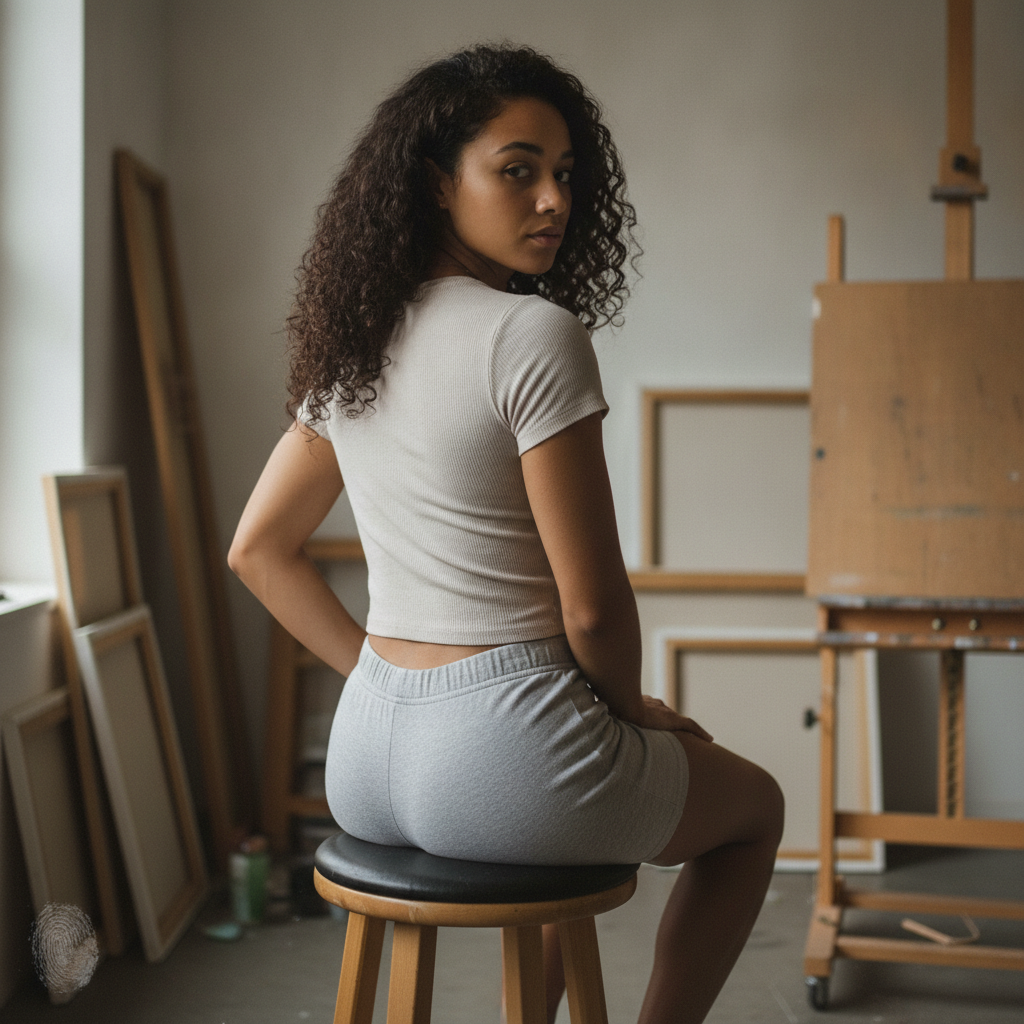
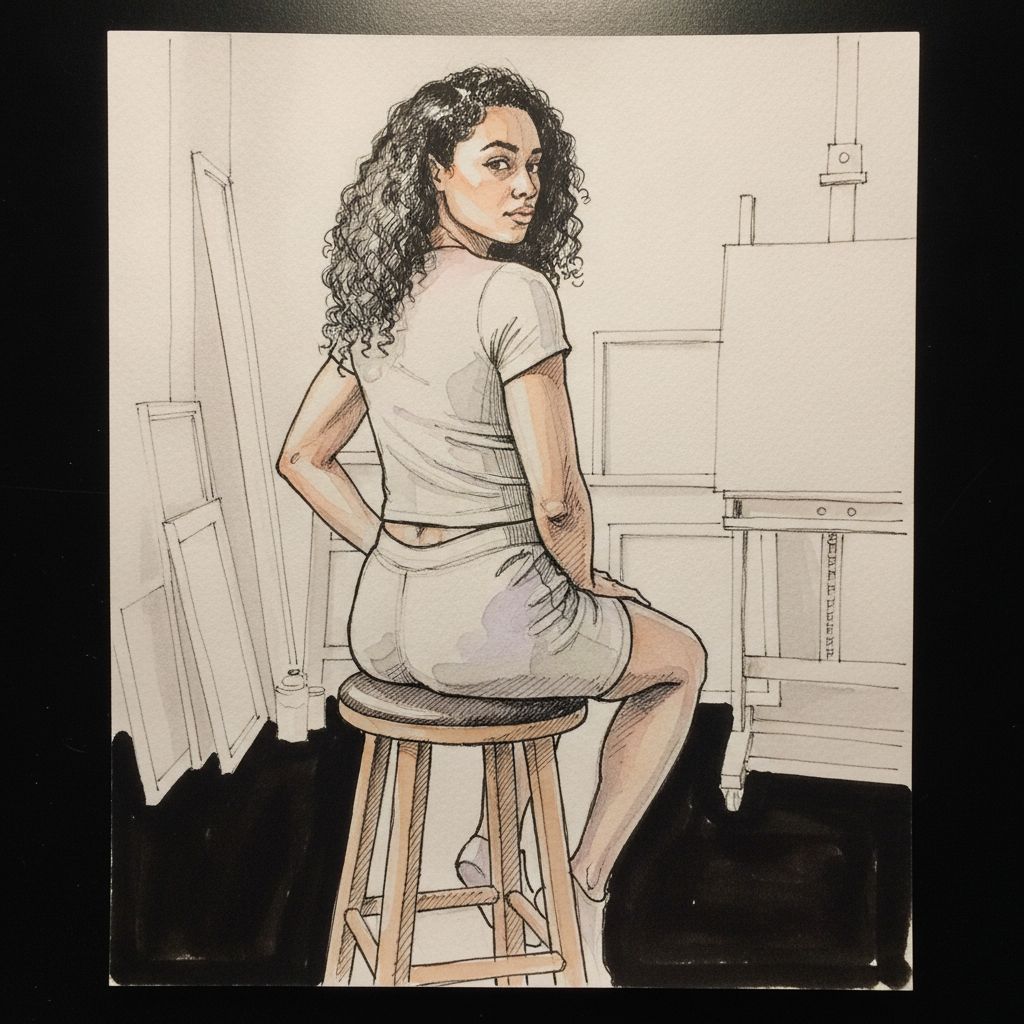
Piece 1 — Seated on stool, mild twist looking back
Pen + Watercolor · Loose pen and watercolor line-and-wash
Three takes
Focus for this piece
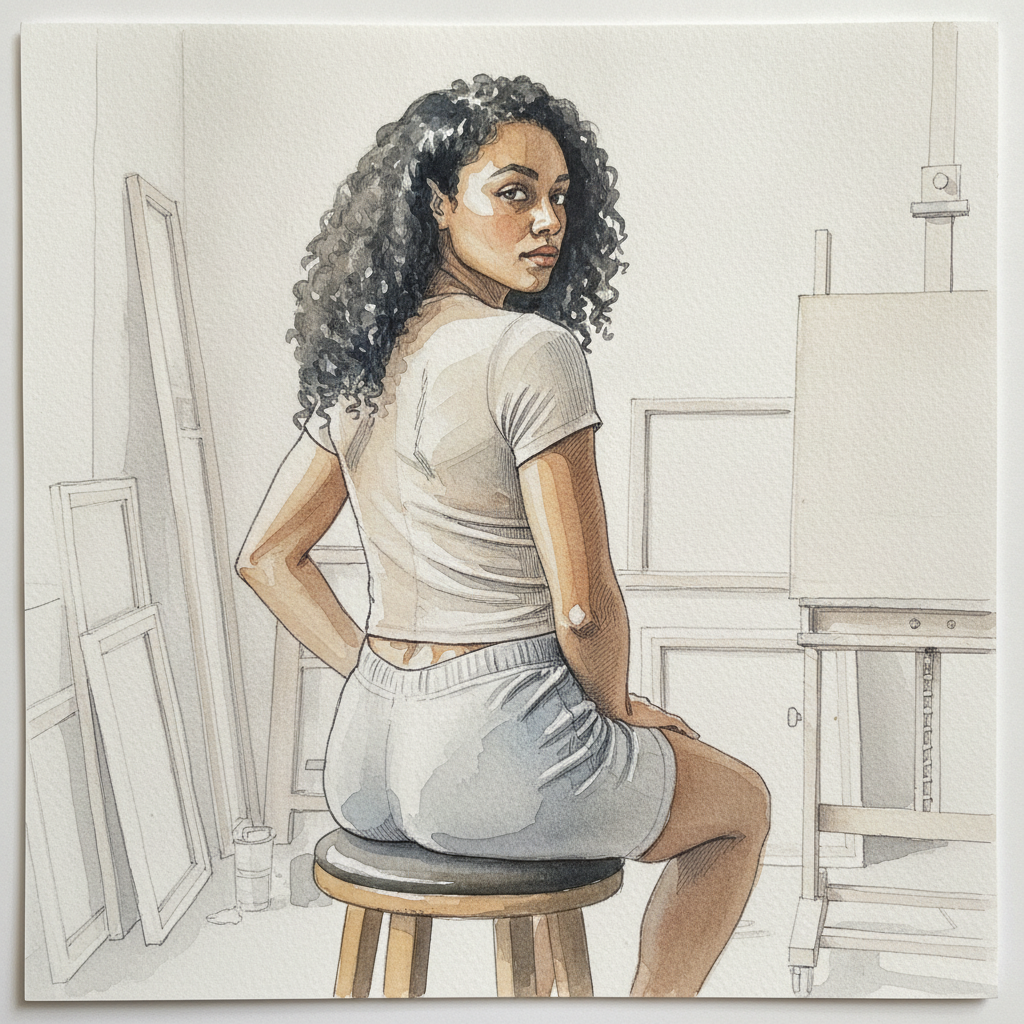
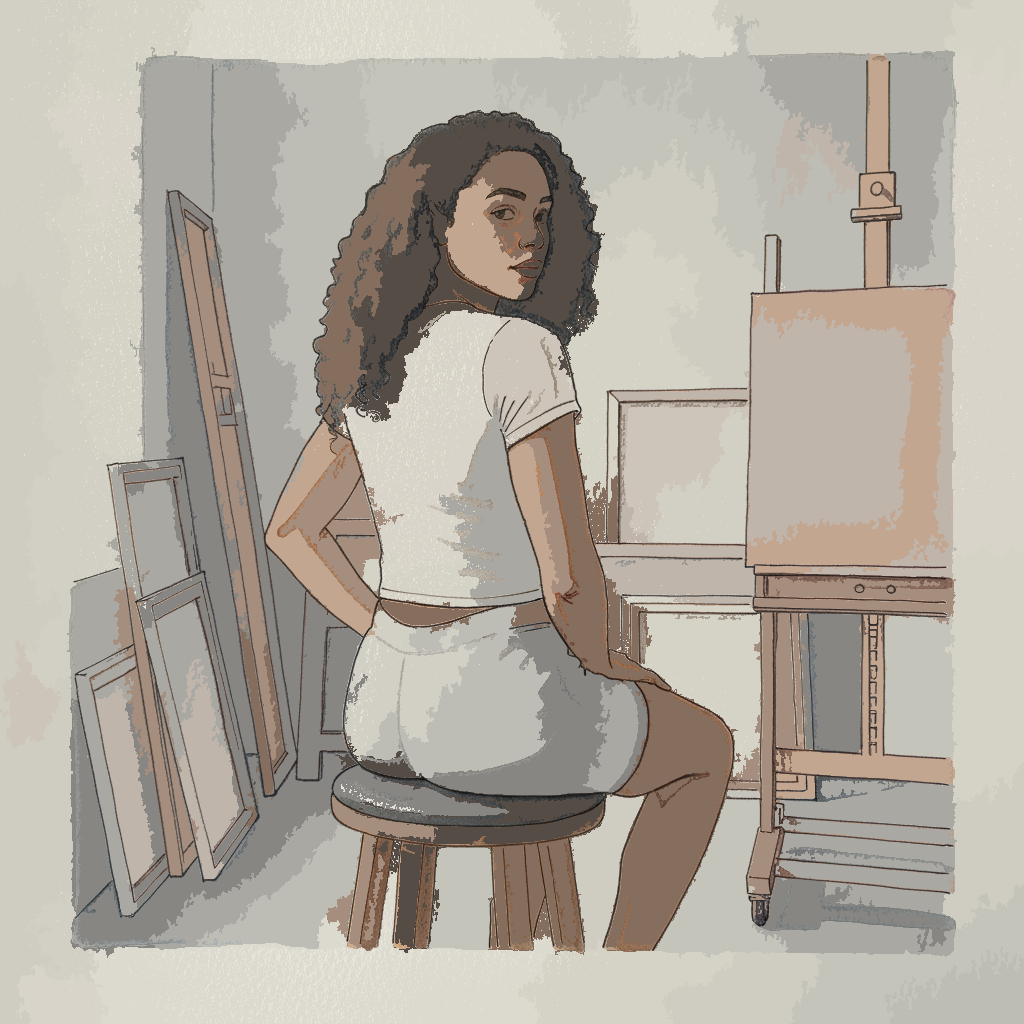
This piece offers an excellent study in rendering the figure's subtle rotation, particularly how the torso's form shifts under soft window light. Focus on using a confident, varying line weight to define the stable hips and core, while employing lighter, broken lines to suggest the dynamic twist of the shoulders and the subtle tension of the serratus. Then, use delicate, layered washes to model the gentle planes of the rotated ribcage, letting the soft light define volume without relying on hard edges. This approach will help you capture both the structural integrity and the fluid movement of the pose.
Piece 2 — Magnetic knife strip on wall
Pen + Watercolor · Loose pen and watercolor line-and-wash
Three takes
Focus for this piece
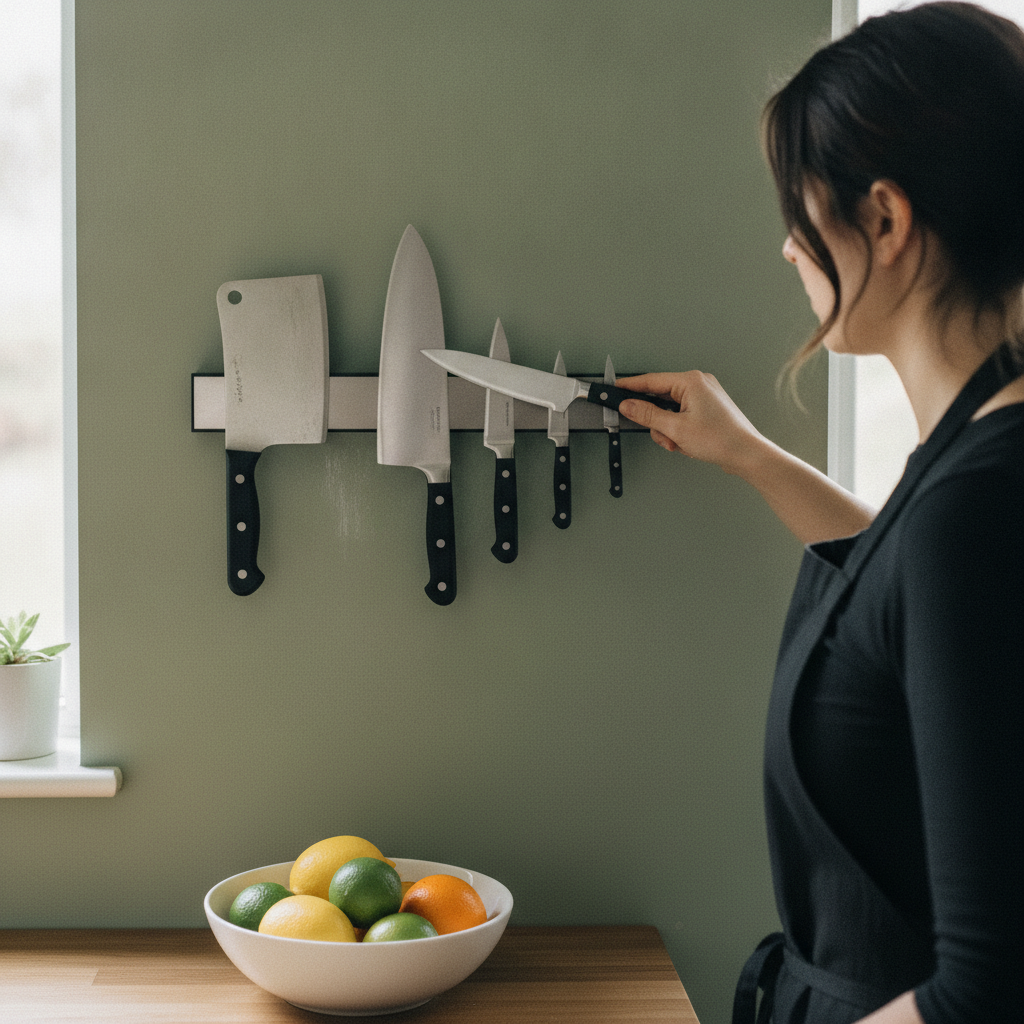
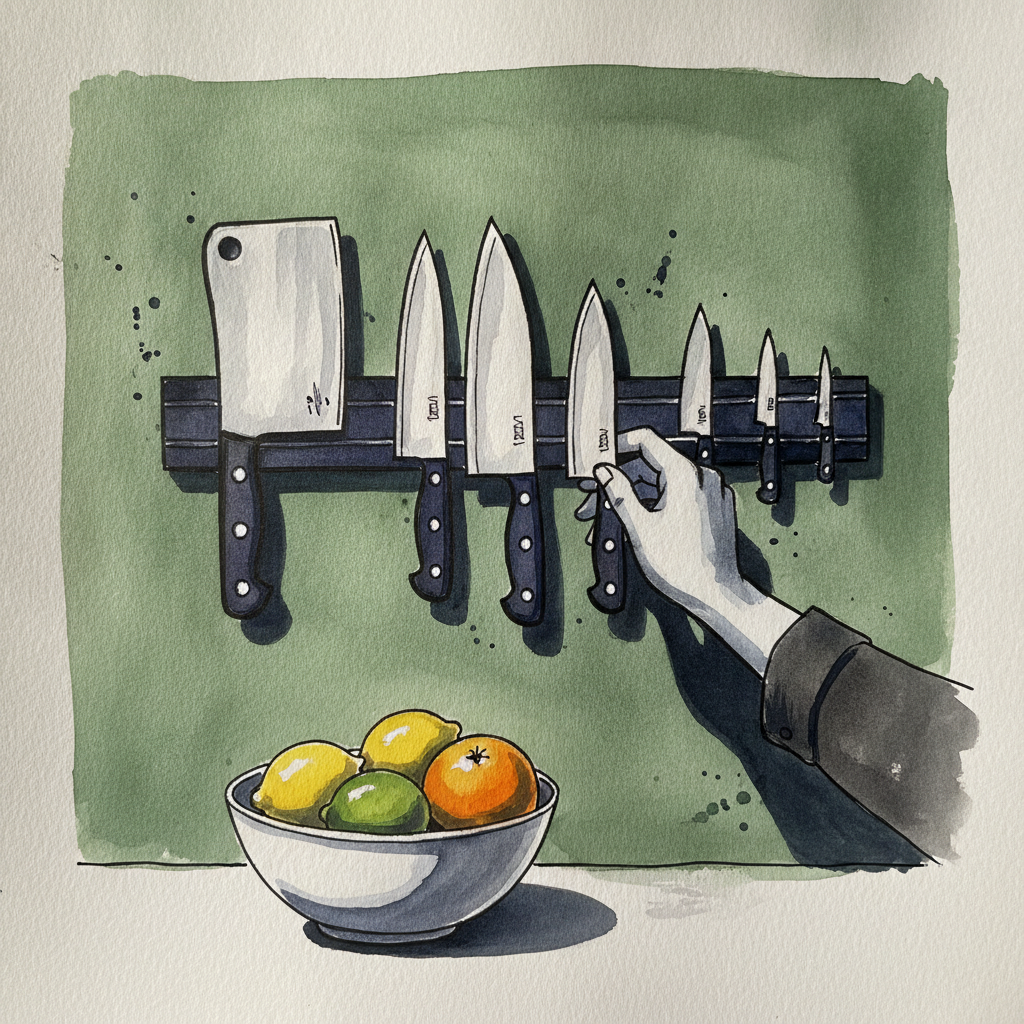
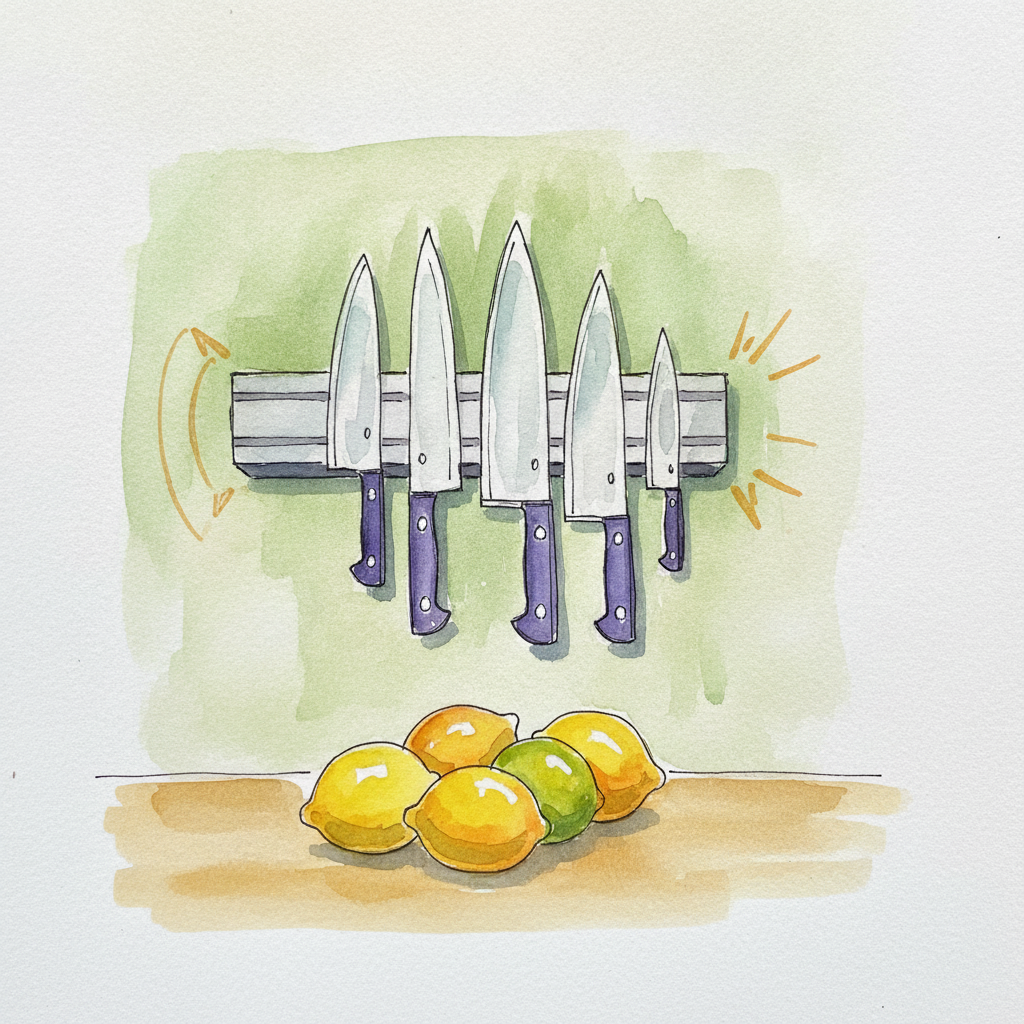
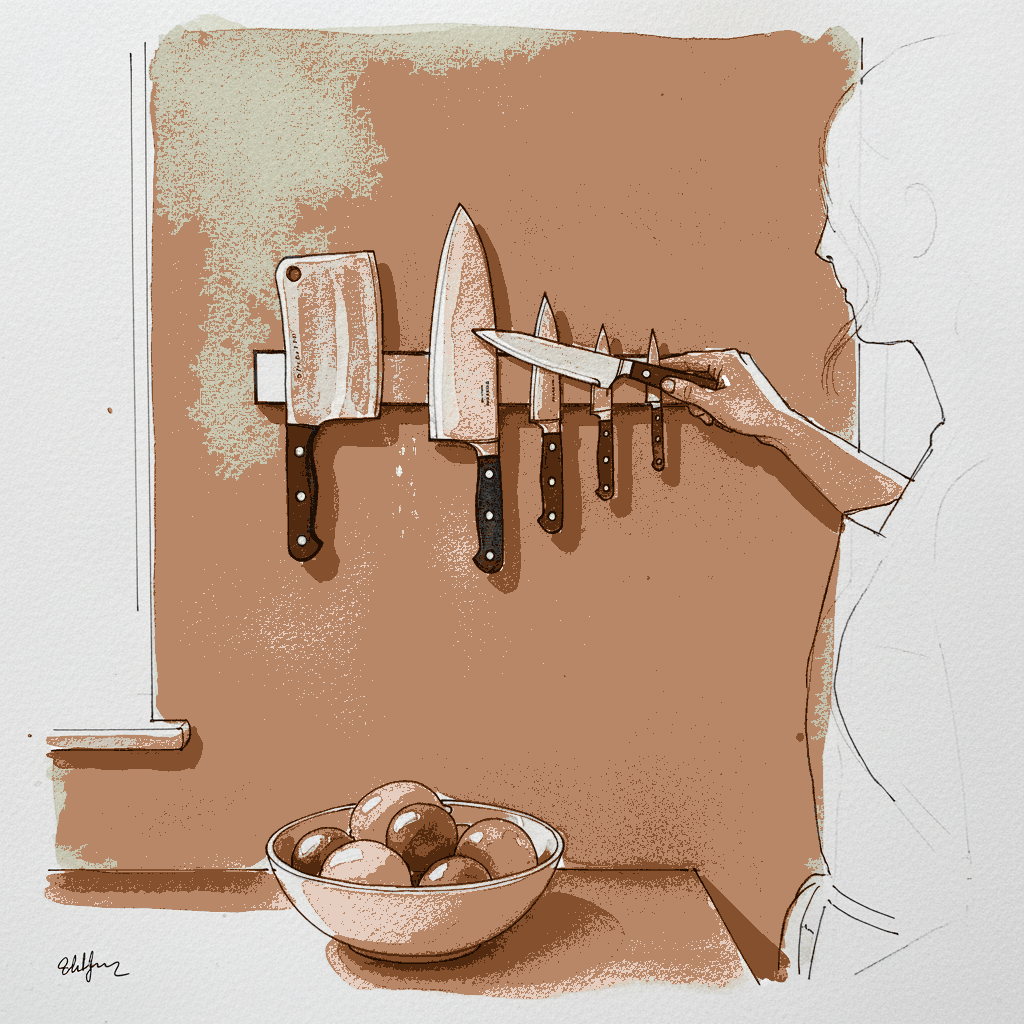
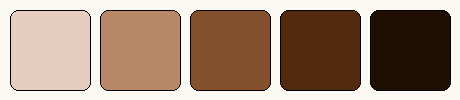
This piece offers a strong opportunity to practice rendering highly reflective metallic surfaces and sharp edges. Use varied, decisive pen lines to define the knife blades and the strip's profile, contrasting with the soft sage wall. Focus your watercolor application on precise, hard-edged washes to capture the distinct values and reflections of the brushed steel, carefully preserving key whites for ultimate gleam. Pay close attention to the negative shapes between the knives to enhance their individual forms and the strip's presence.
Piece 3 — Mývatn Nature Baths, North Iceland
Pen + Watercolor · Loose pen and watercolor line-and-wash
Three takes
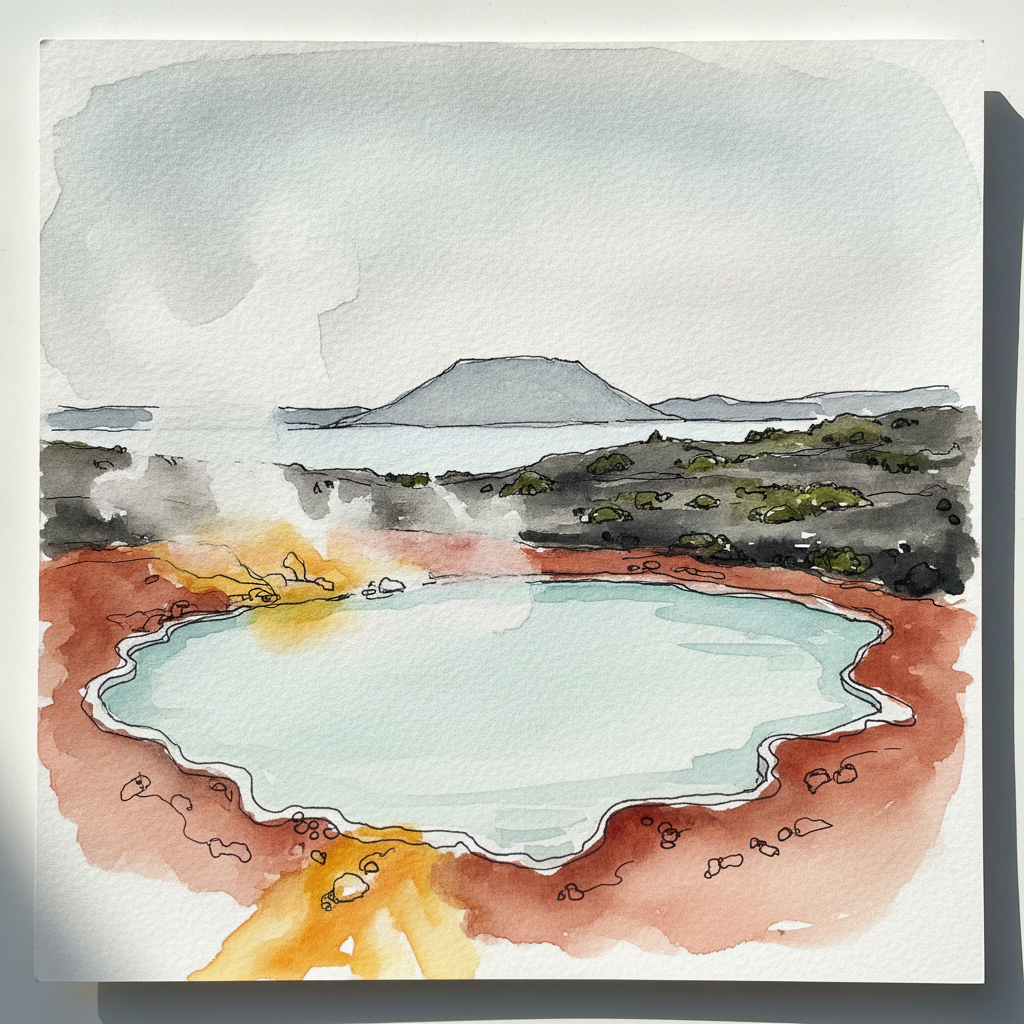
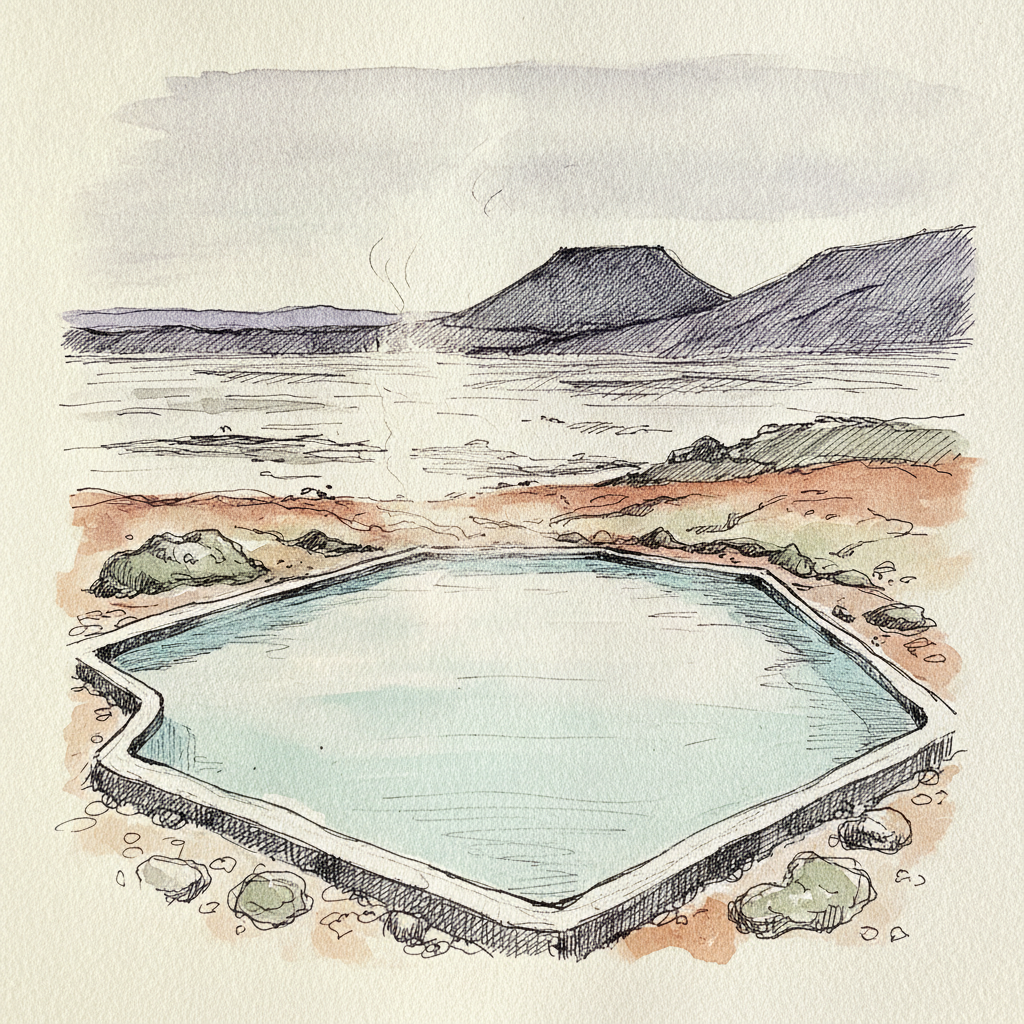
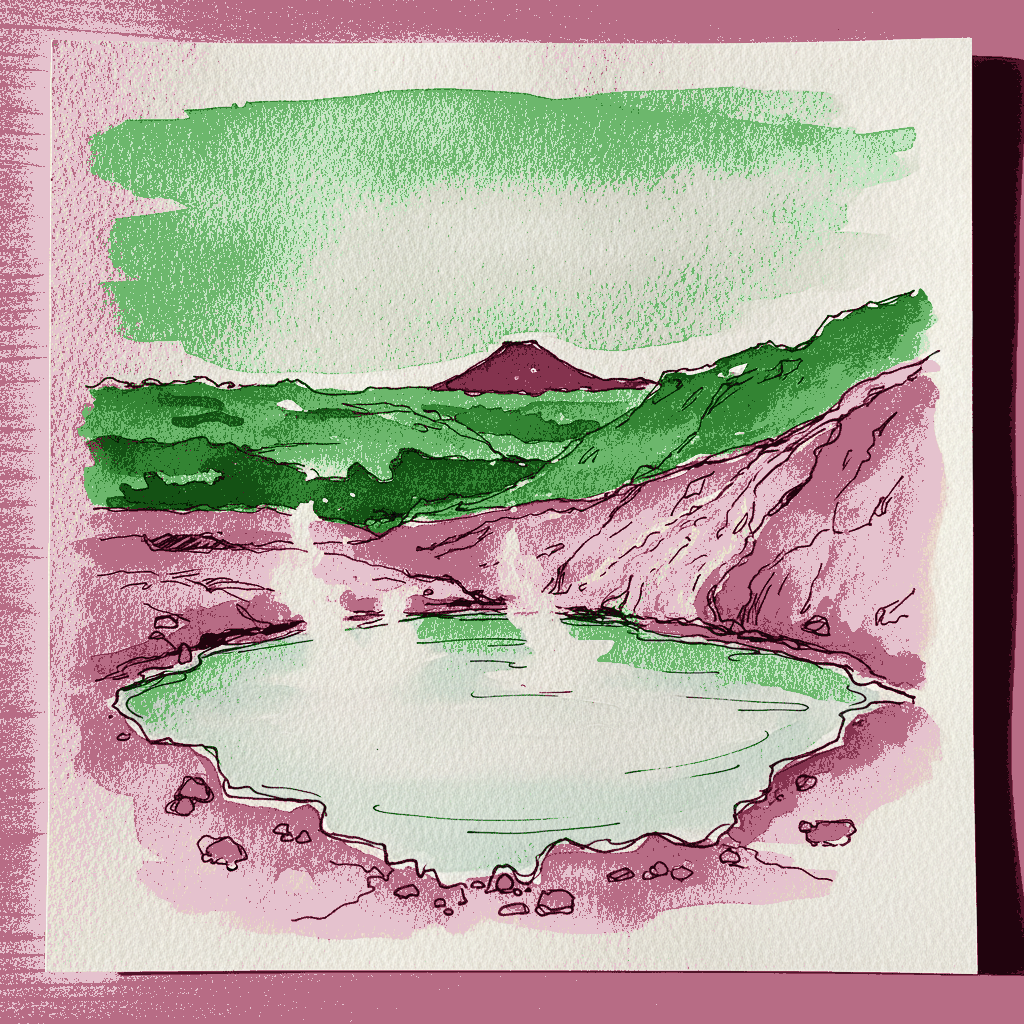

Focus for this piece
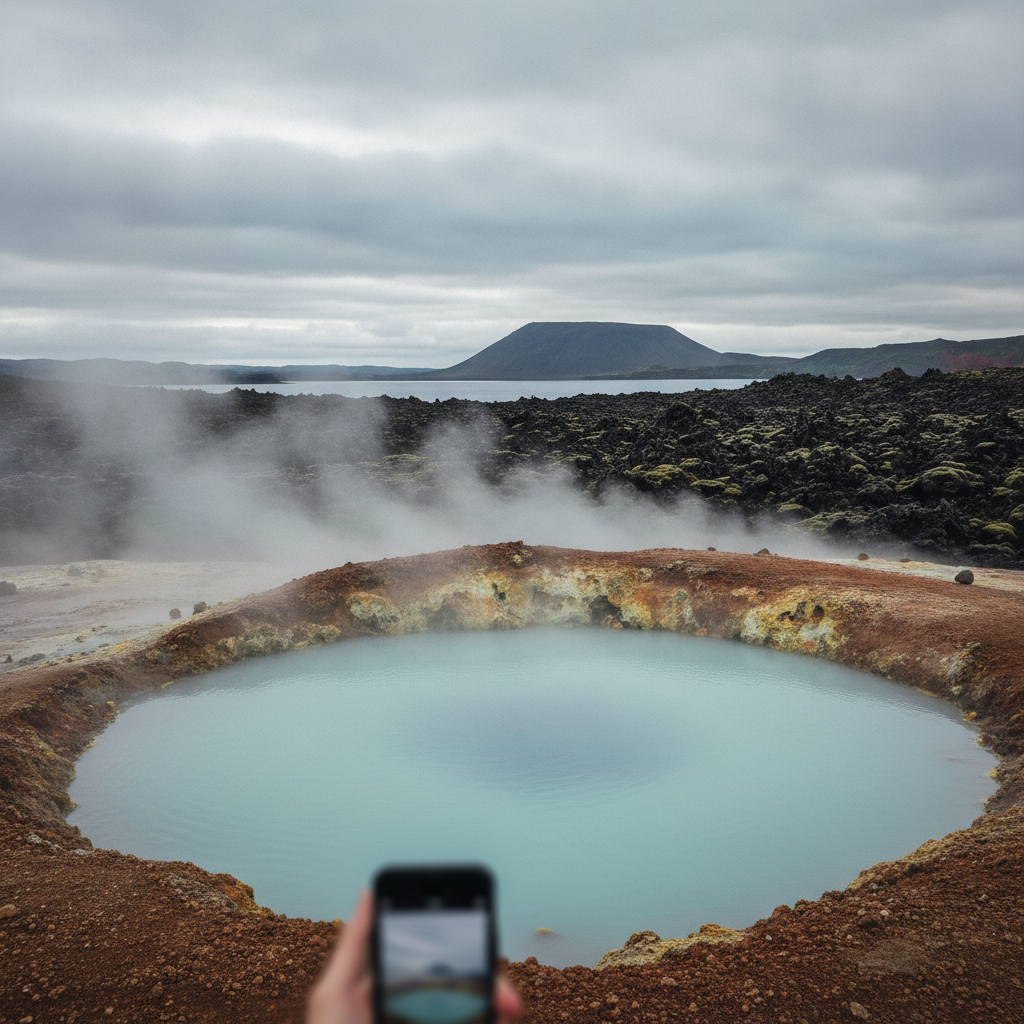
This Mývatn scene offers an excellent opportunity to practice juxtaposing soft atmospheric effects with strong structural elements. Employ wet-on-wet washes to capture the ethereal steam lifting from the pale aqua pool and the subtle cool tones of the distant sky and crater. Contrast this fluidity by using confident, varied ink line weights to define the textured red-brown geothermal earth in the foreground and the stark, receding shapes of the dark lava field. This approach will enhance both form and atmospheric depth across the landscape.
Piece 4 — Wat Phra That Hariphunchai, Lamphun, Thailand
Pen + Watercolor · Loose pen and watercolor line-and-wash
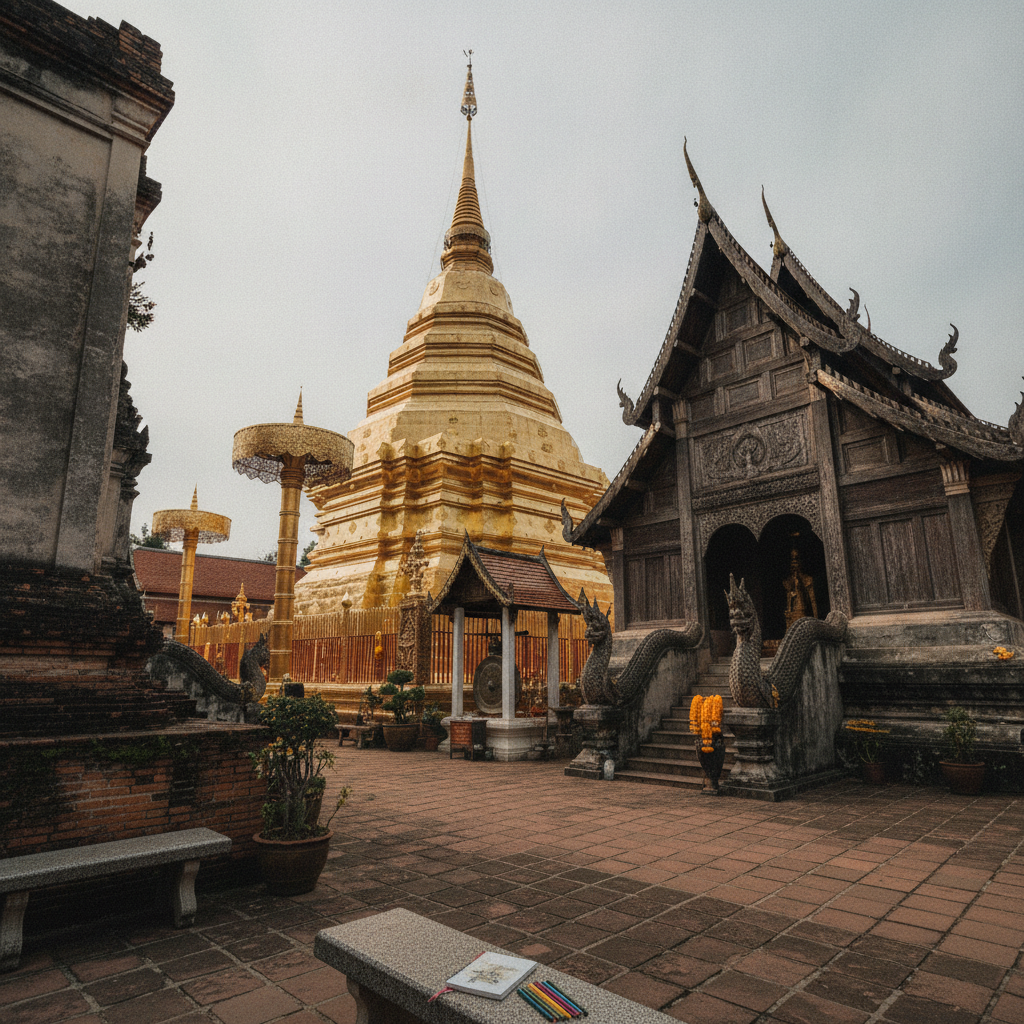
Three takes
Focus for this piece
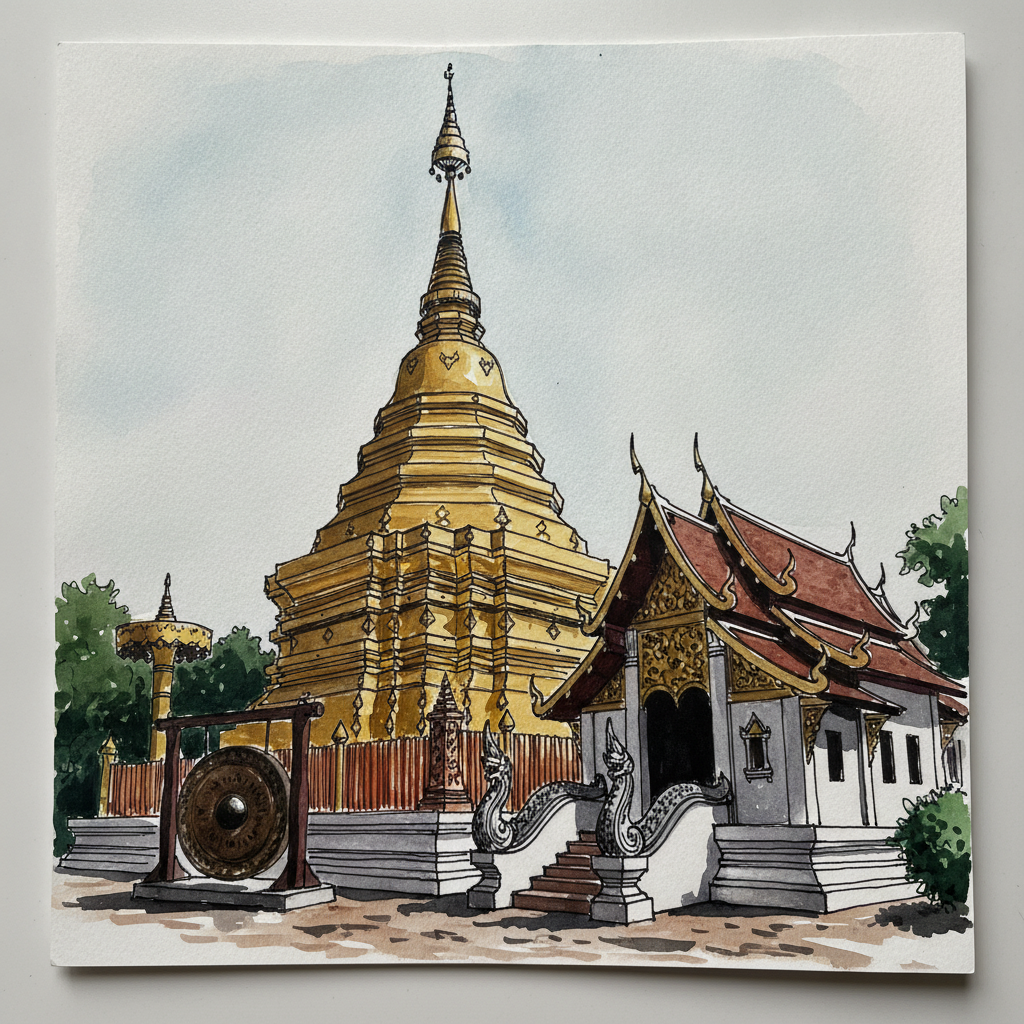
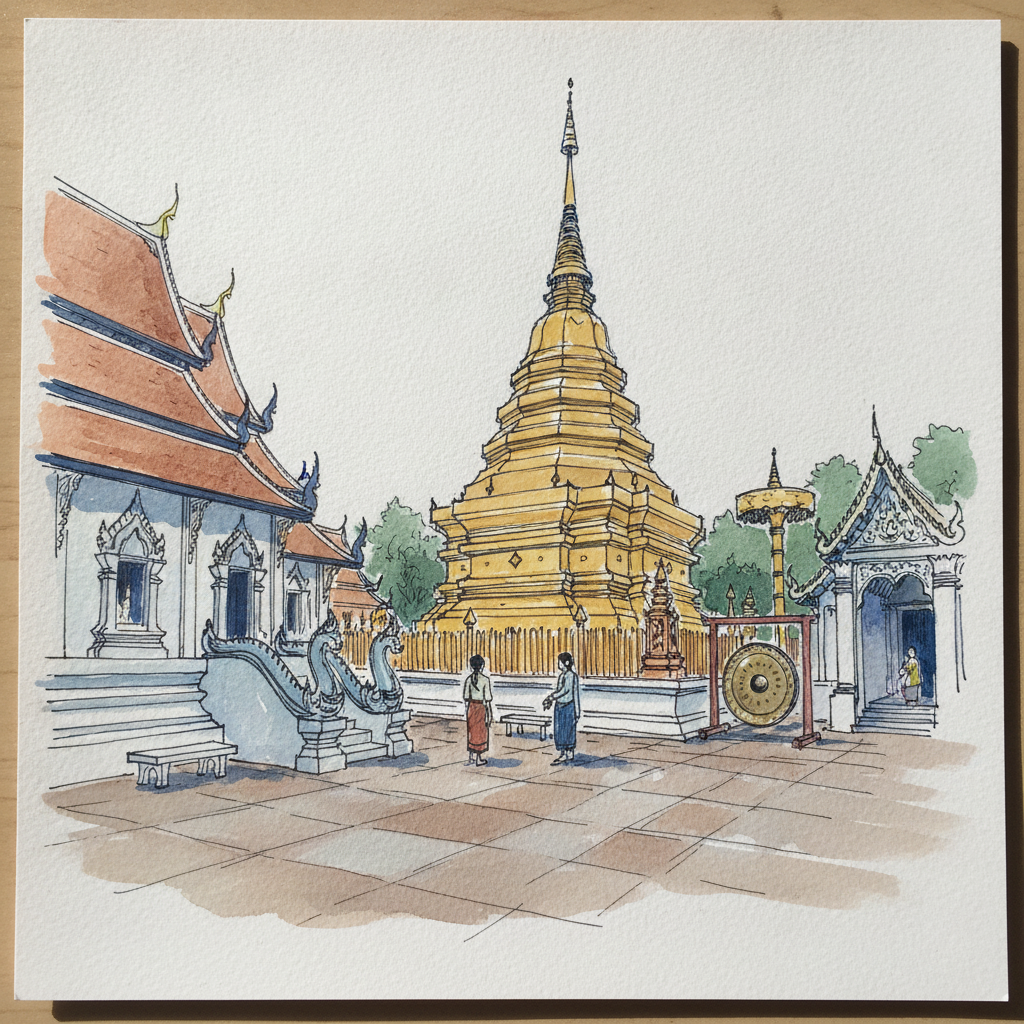
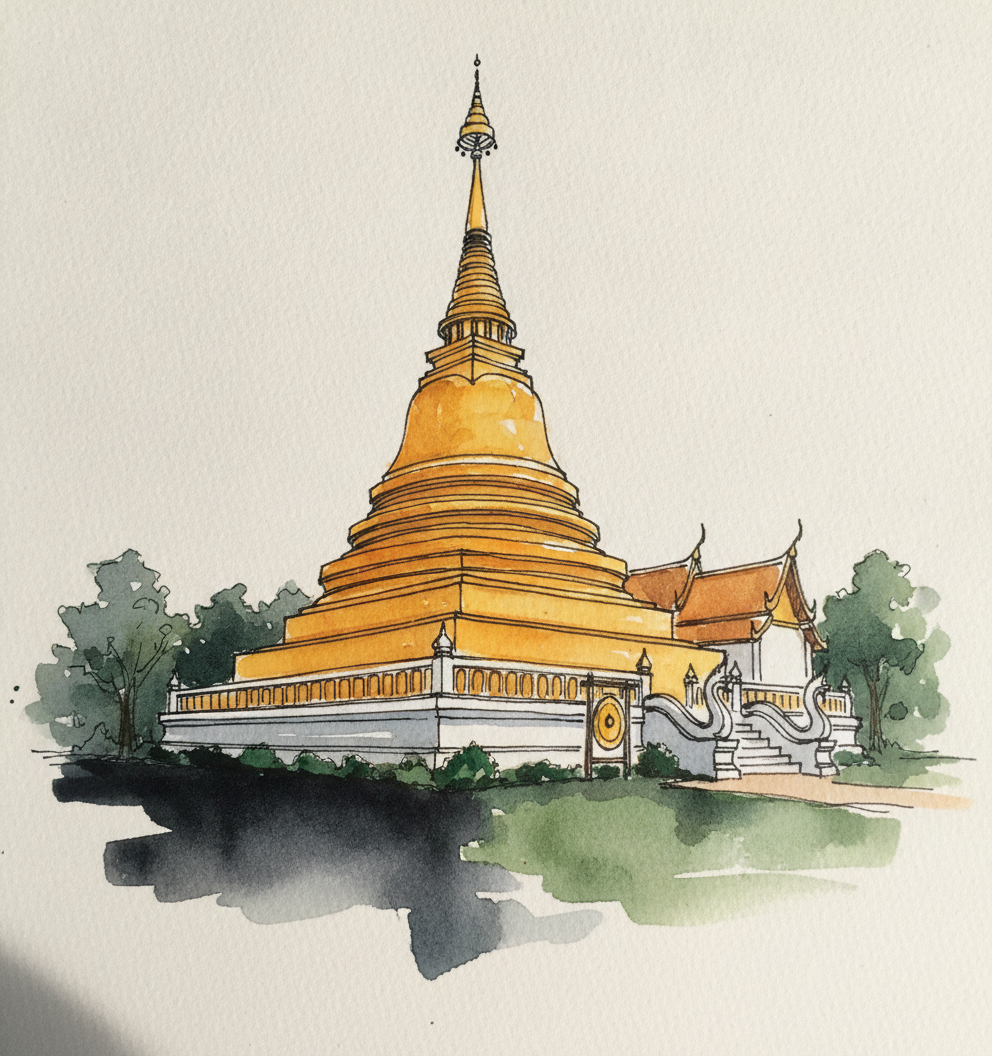
This piece offers an excellent study in establishing strong architectural form with confident, varied pen lines, particularly for the chedi's square base and bell-shaped body. Focus your washes on creating the illusion of gilded copper, building luminosity through transparent layers of warm yellows and browns while carefully reserving highlights. Pay close attention to how precise line weight for the tiered htis and naga balustrades, combined with crisp versus softened watercolor edges, defines both intricate detail and atmospheric depth.
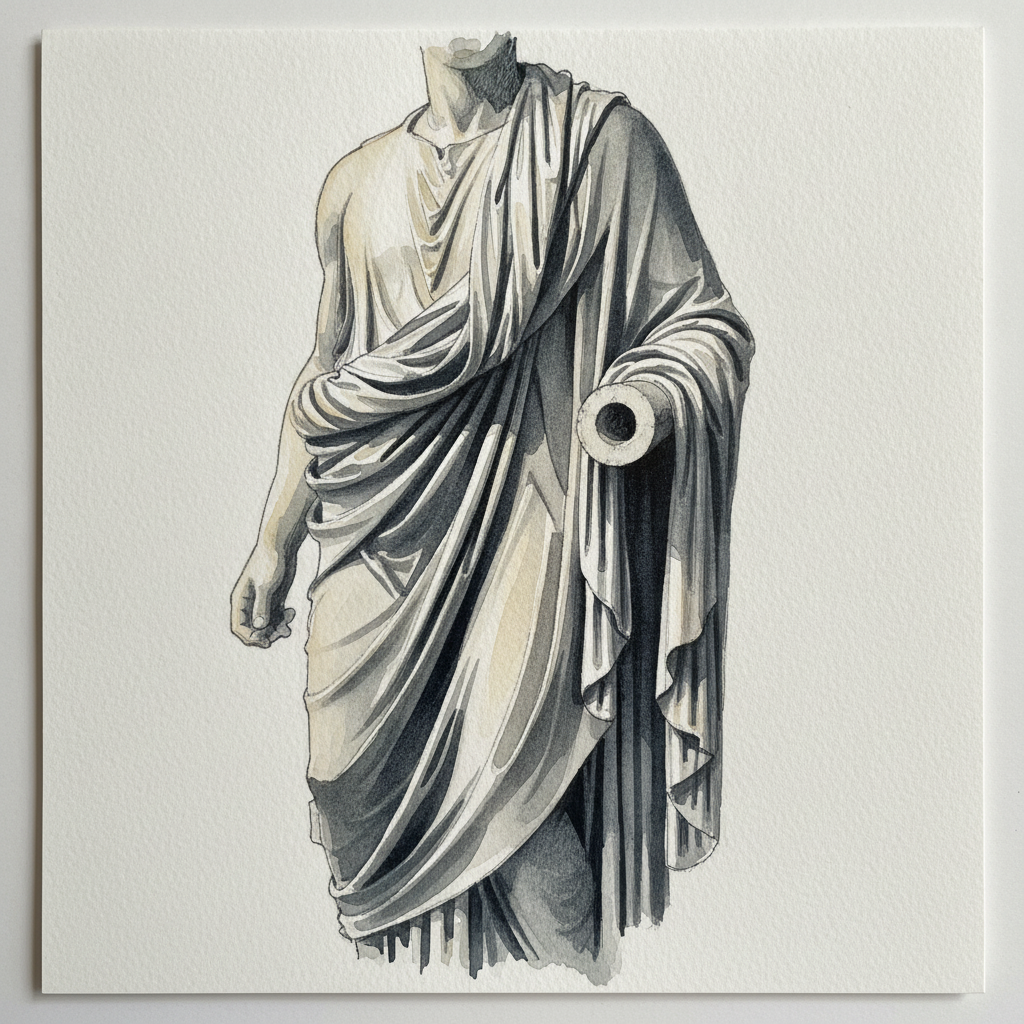
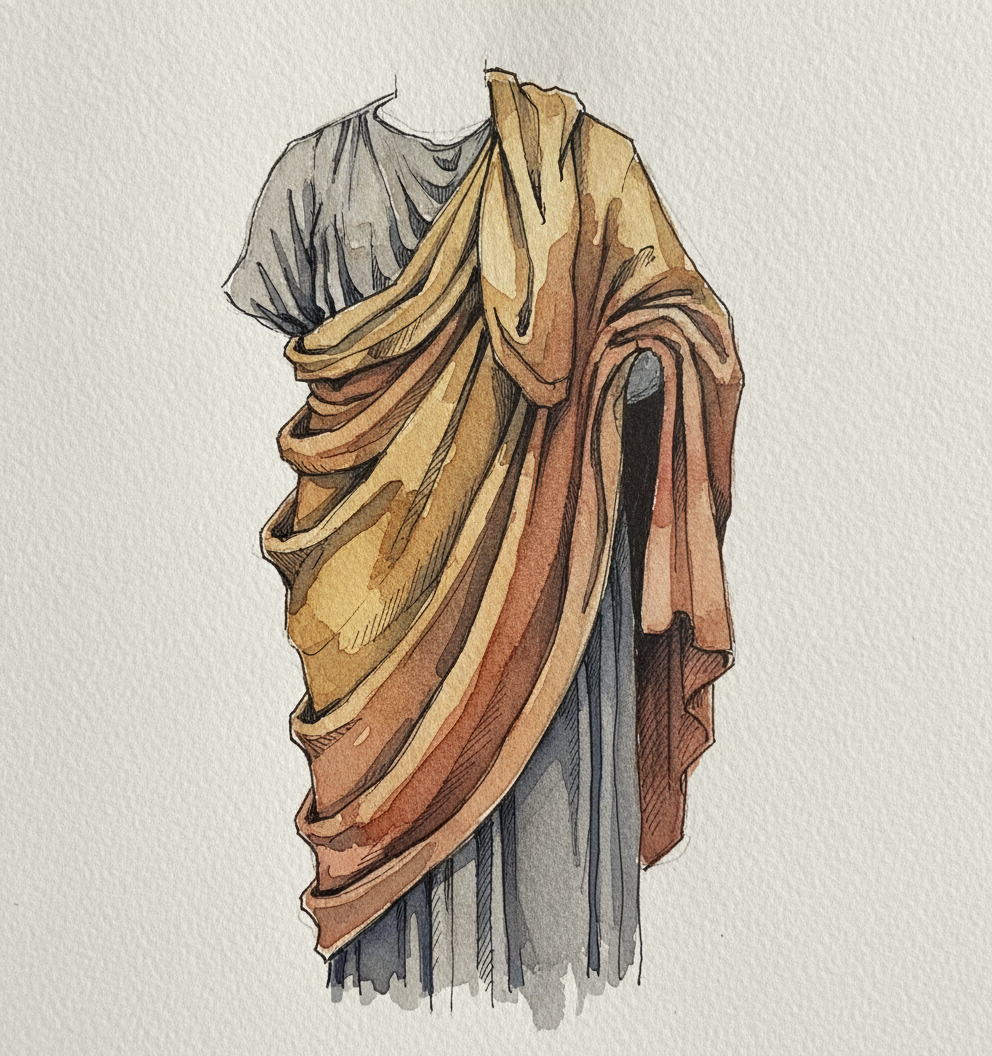
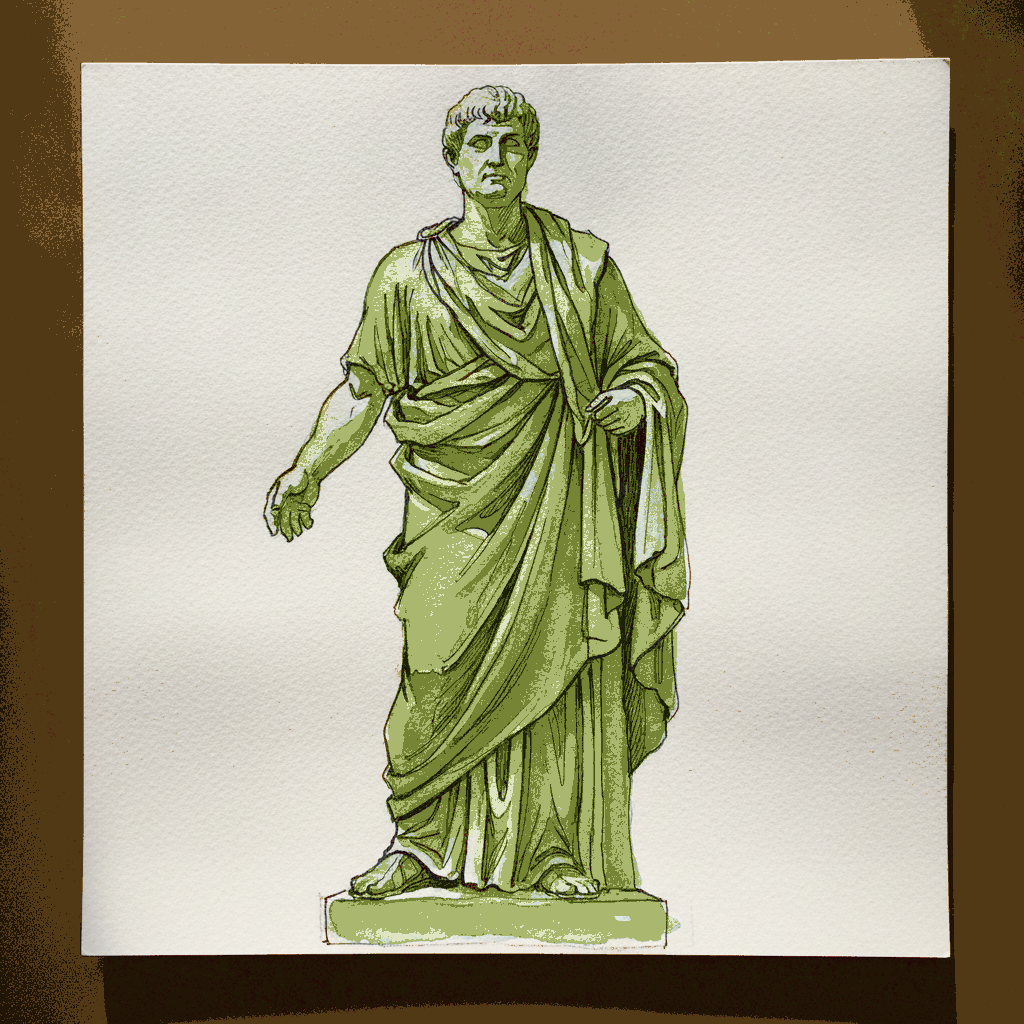
Piece 5 — Phidias-style toga on a senator
Pen + Watercolor · Loose pen and watercolor line-and-wash
Three takes

Focus for this piece
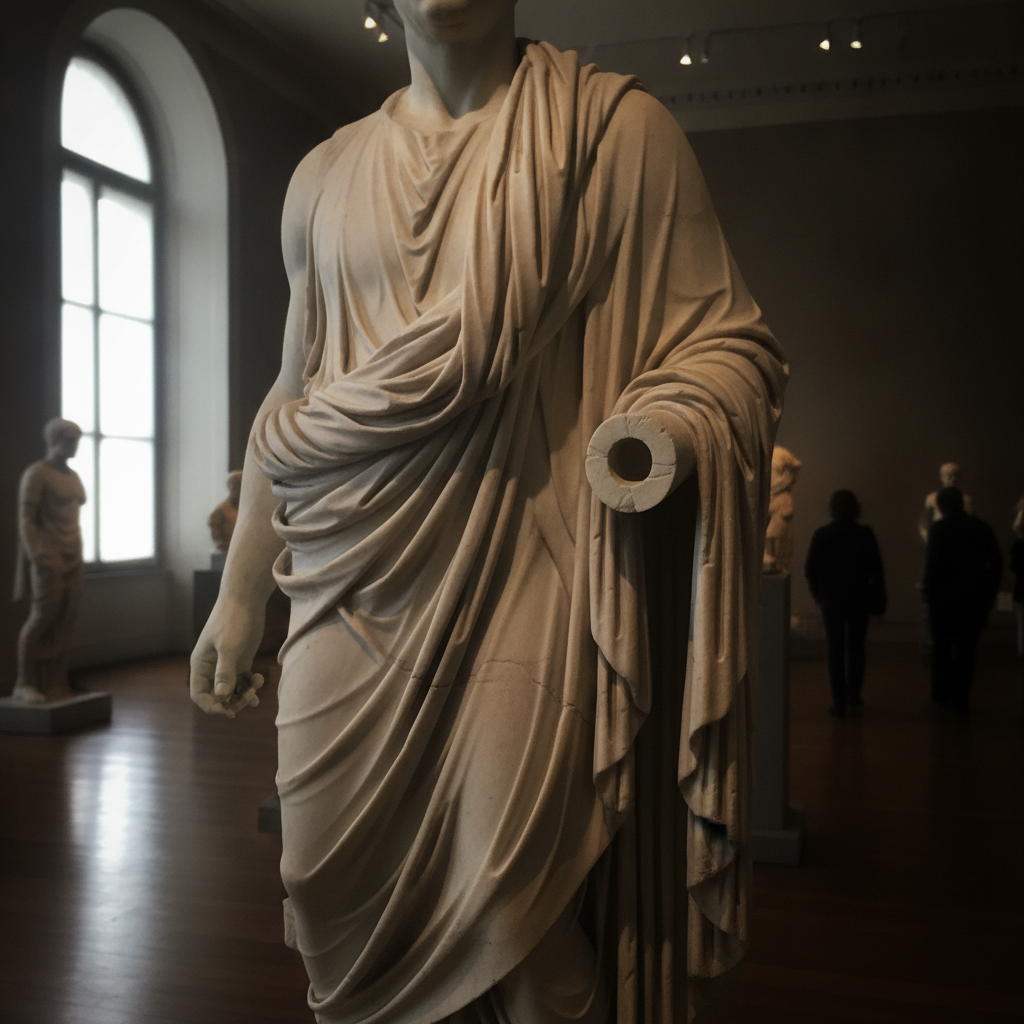
Today's piece offers a superb opportunity to practice defining deep three-dimensional form using strong line-and-wash contrast. Utilize varied line weight, employing a fine-tipped pen for the subtle radiating gathers at the elbow and a bolder line or heavier pressure to carve the deep undercut shadow grooves between the fluted folds. Build your shadows with 2-3 transparent washes of a cool grey or muted earth tone, ensuring the strong parallel cascades down the right side gain convincing weight and depth against the lighter marble.
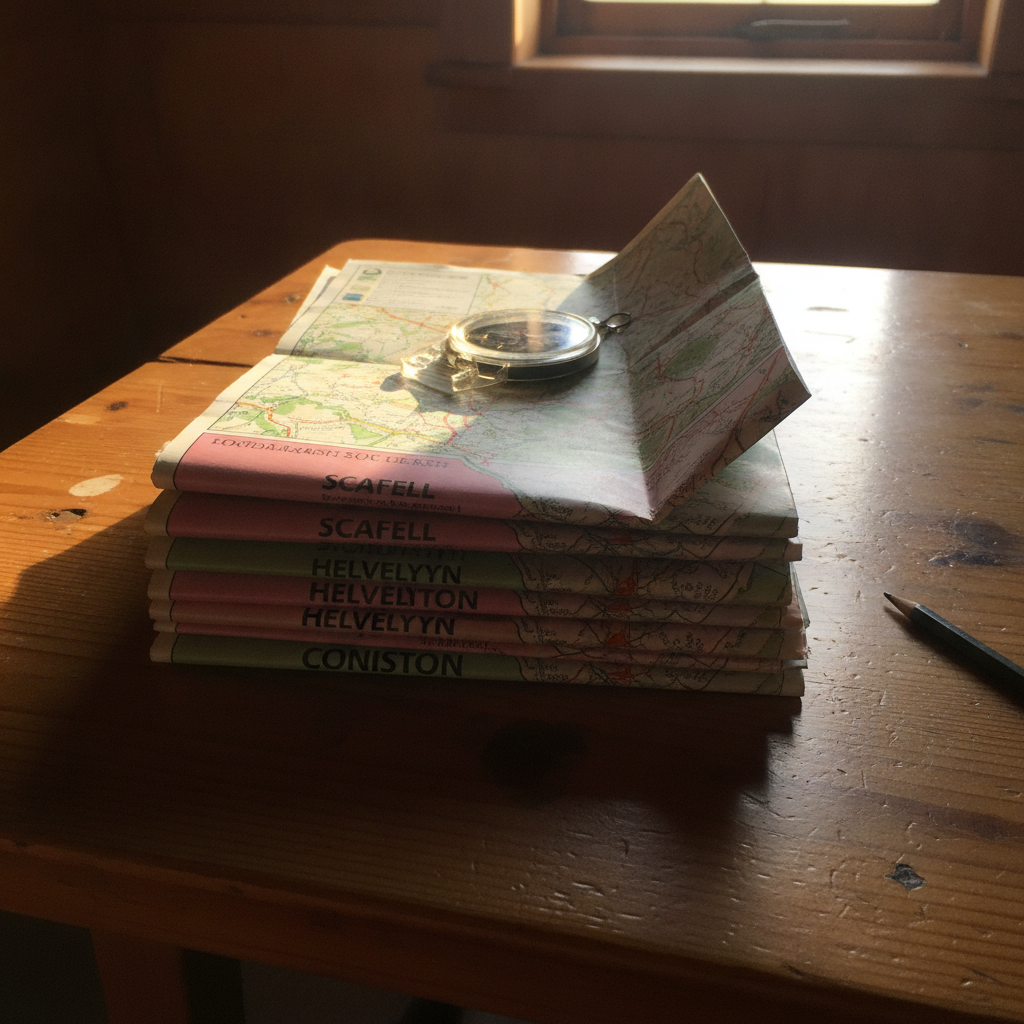
Piece 6 — Stack of folded ordnance survey maps
Pen + Watercolor · Loose pen and watercolor line-and-wash
Three takes

Focus for this piece
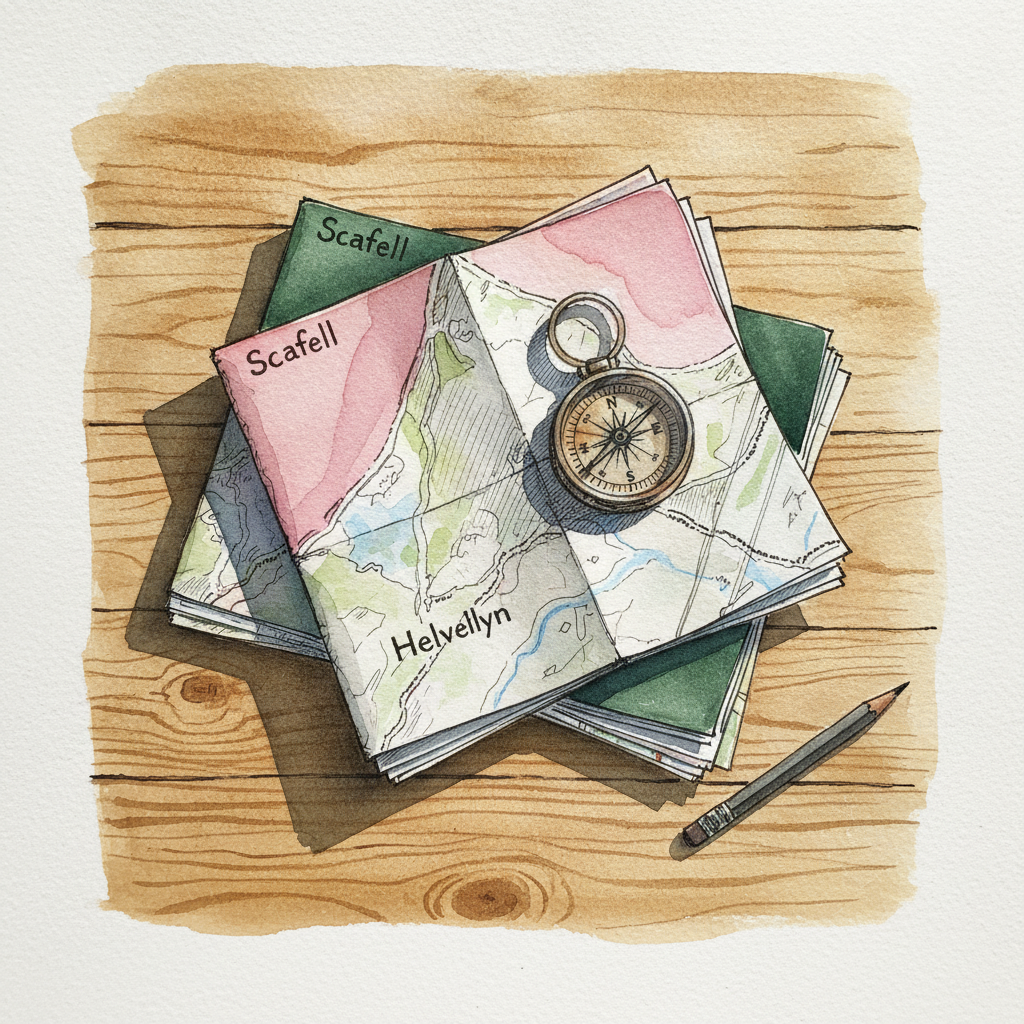
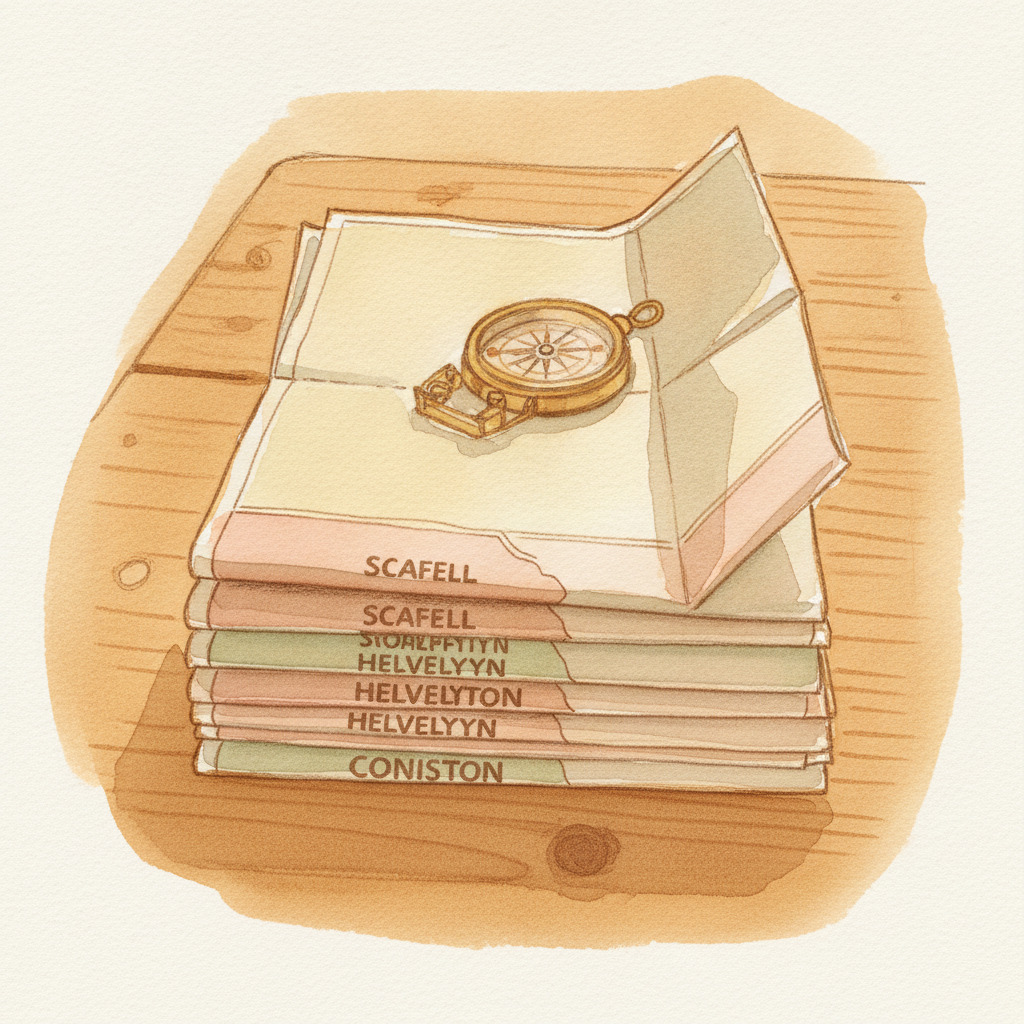
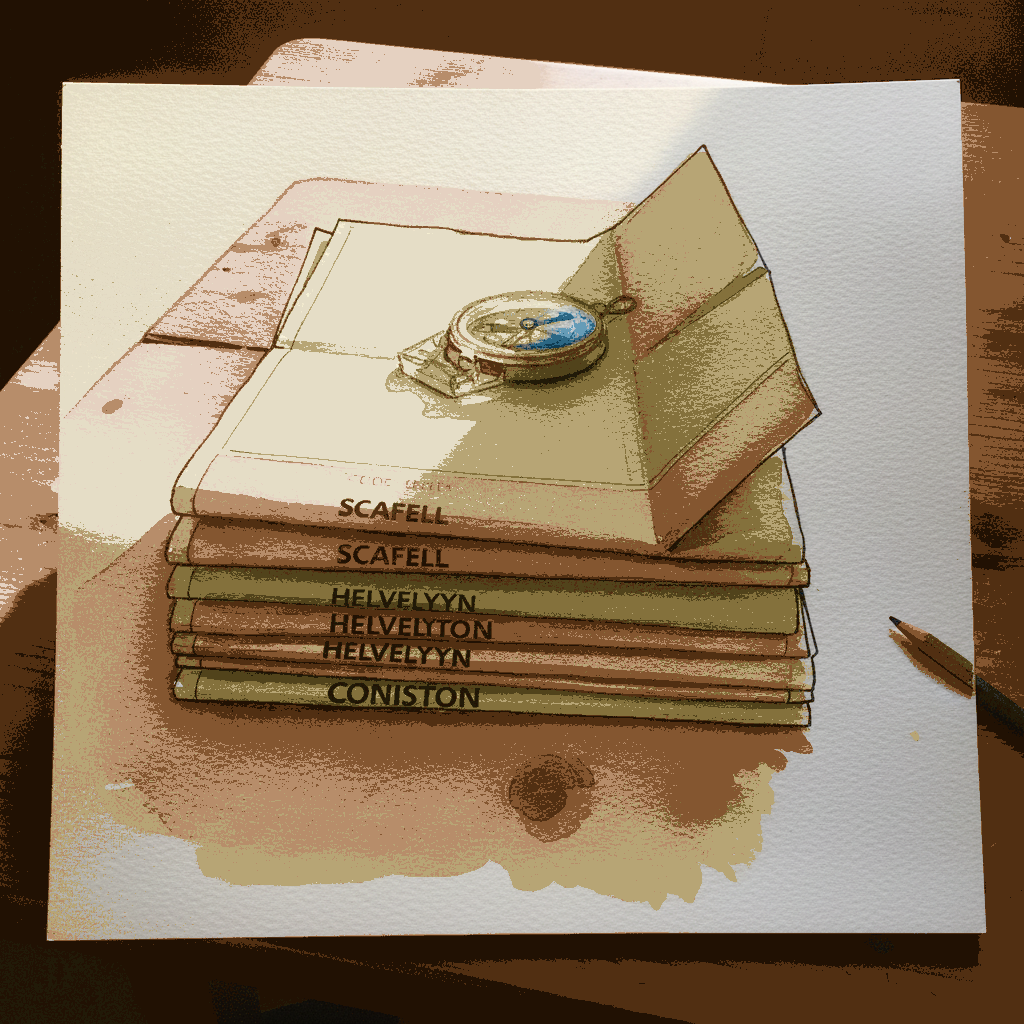
This piece is ideal for studying how strong, directional light illuminates varied textures and defines form. Focus on rendering the sharp geometric edges of the map stack and compass with precise pen lines, while using soft watercolor washes to build the volume of the maps' folds and the textured surface of the pine table. Specifically, use thin, crisp lines for the worn white creases of the maps, and allow heavier line weights to anchor the immediate foreground elements like the compass, emphasizing the late-afternoon light.
Piece 7 — Northern elephant seal
Pen + Watercolor · Loose pen and watercolor line-and-wash
Three takes
Focus for this piece
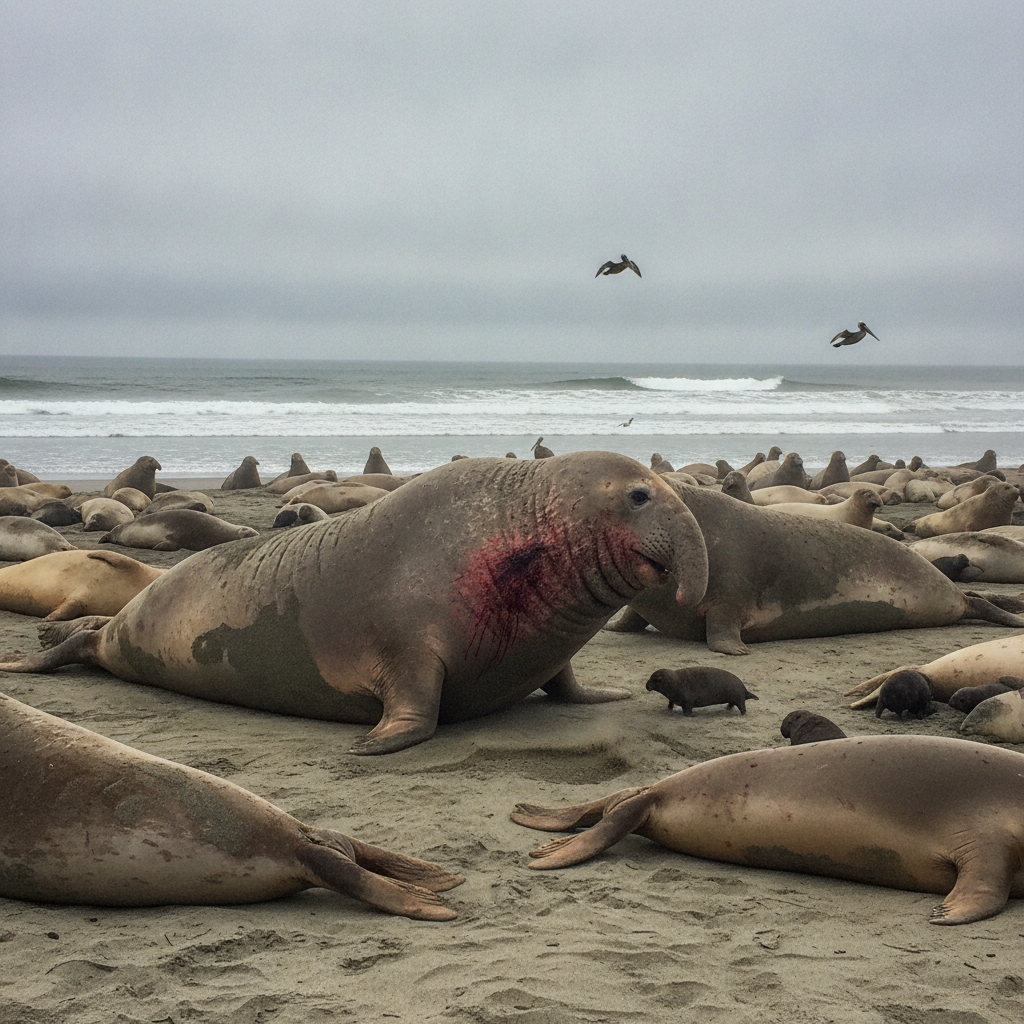
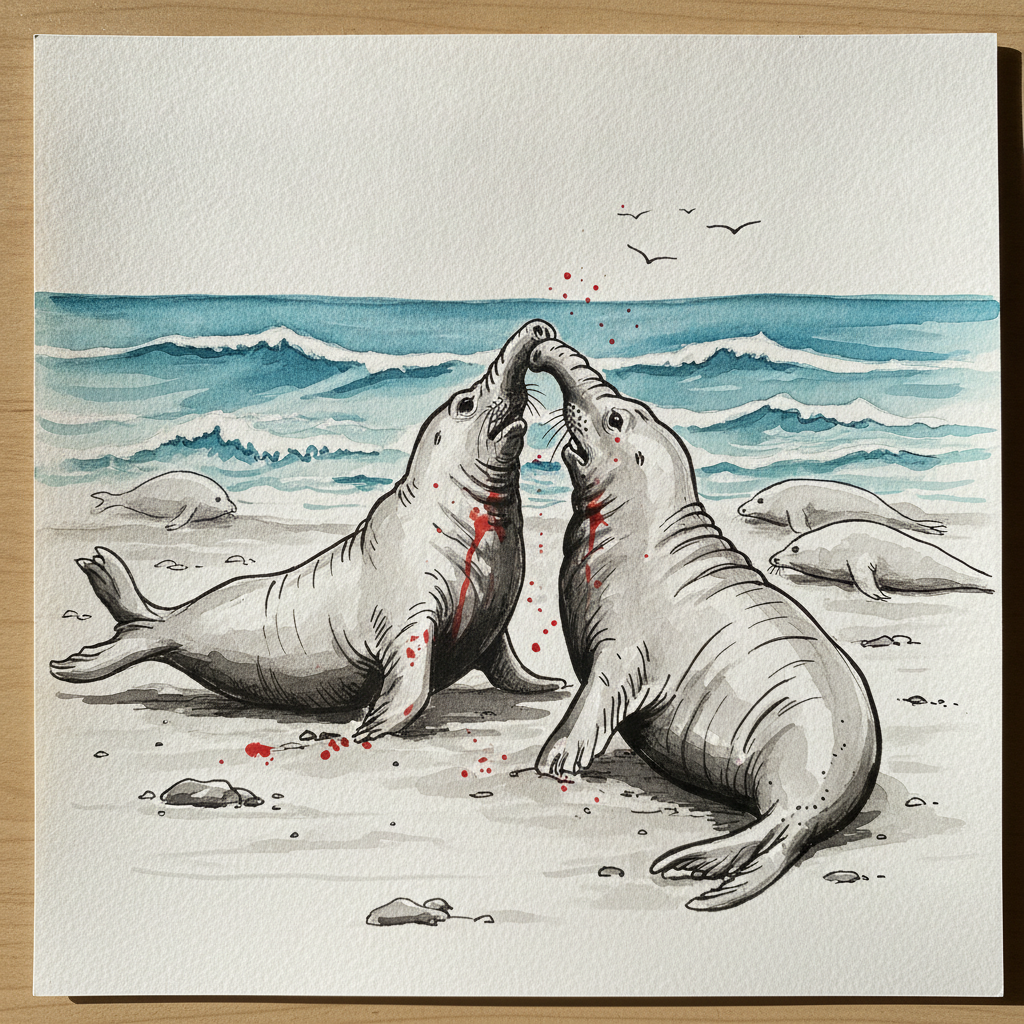
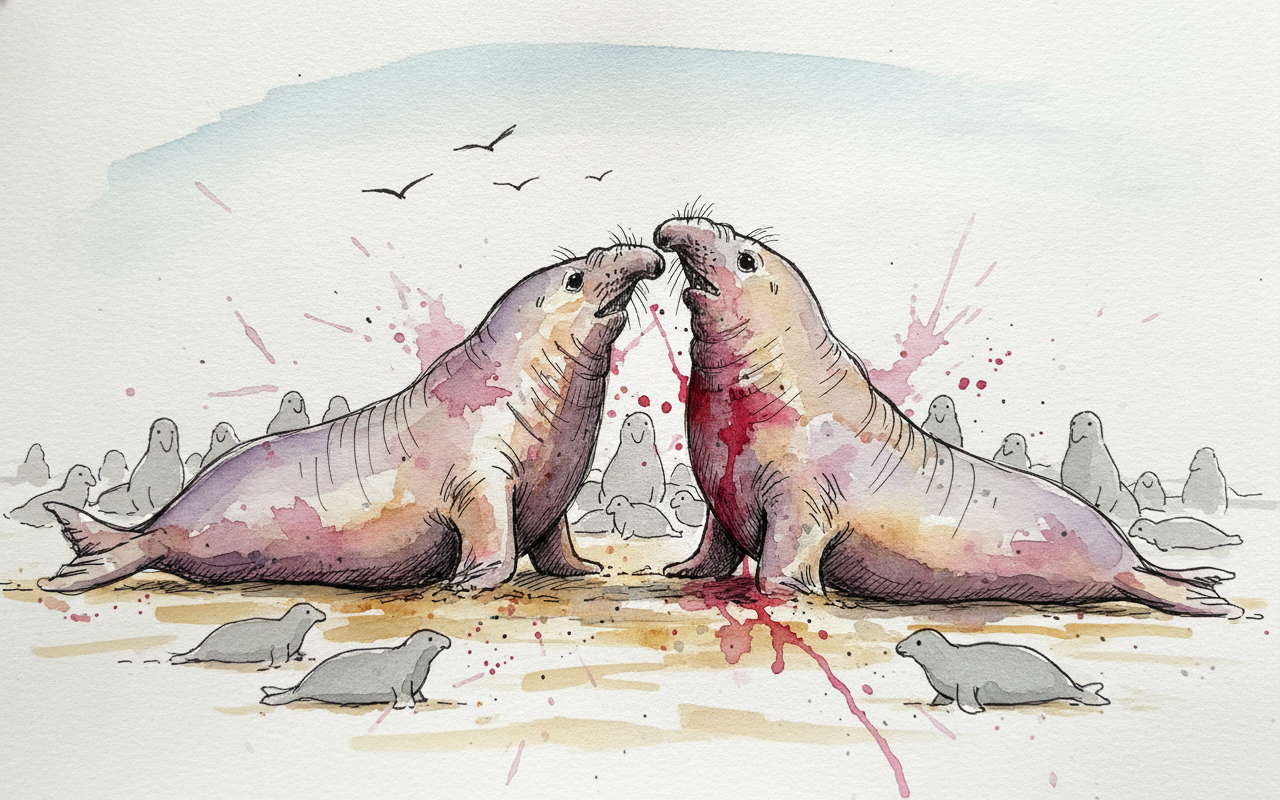
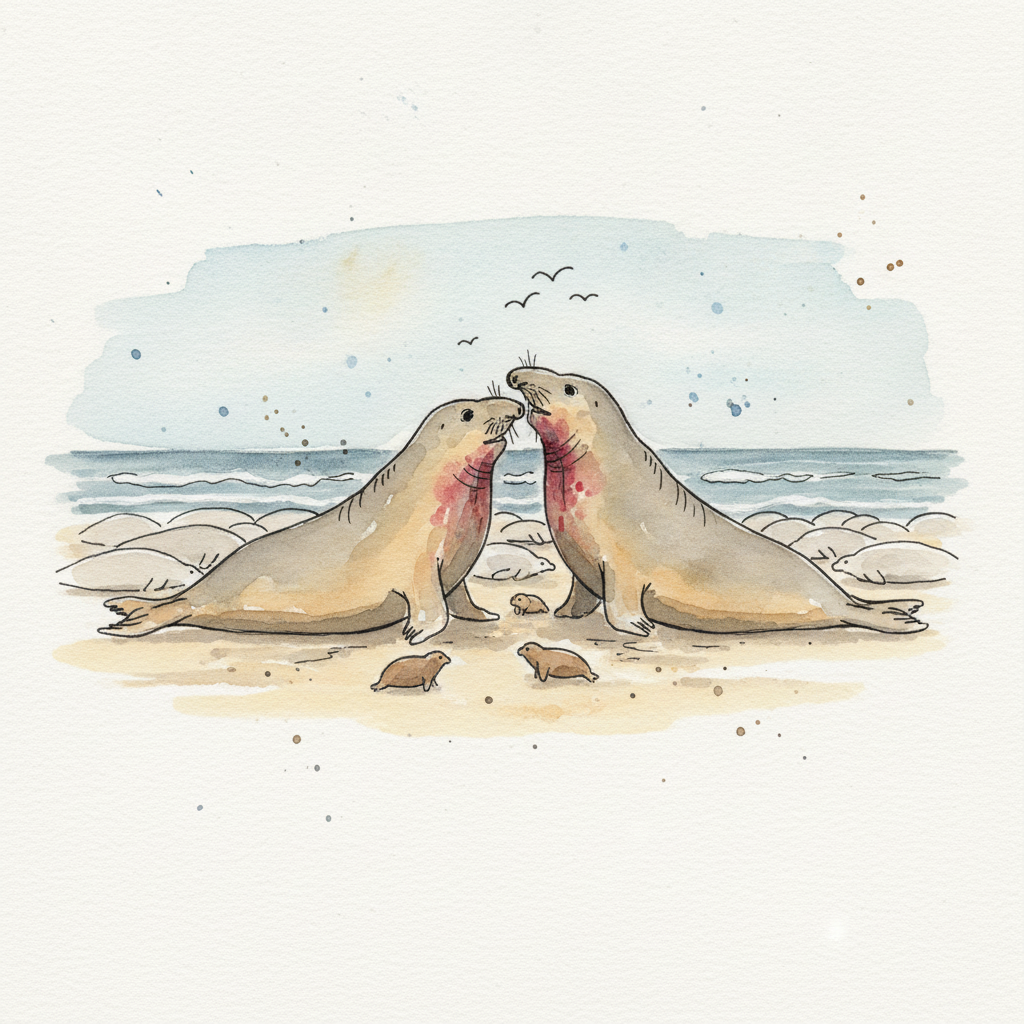
This piece is ideal for practicing how to render immense weight and textured form through the interplay of line and wash. Use strong, varied pen lines to sculpt the shifting contours of the seal's blubber and define the rugged scars on its hide, establishing the structural bulk. Then, employ layered, transparent washes of muted earth tones and cool greys to build volume, letting the watercolor soften edges and suggest the deep folds and wetness of its skin, with just a touch of bold red for the fresh blood.
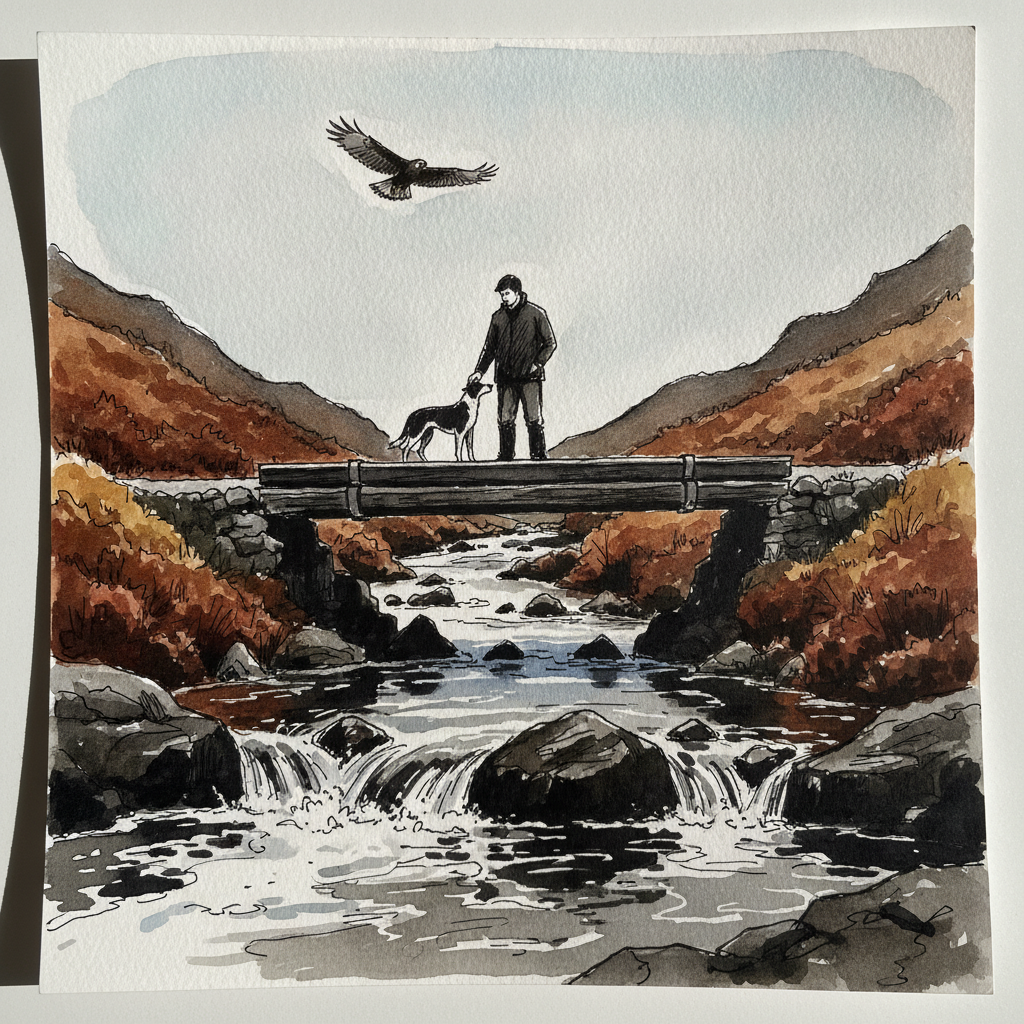
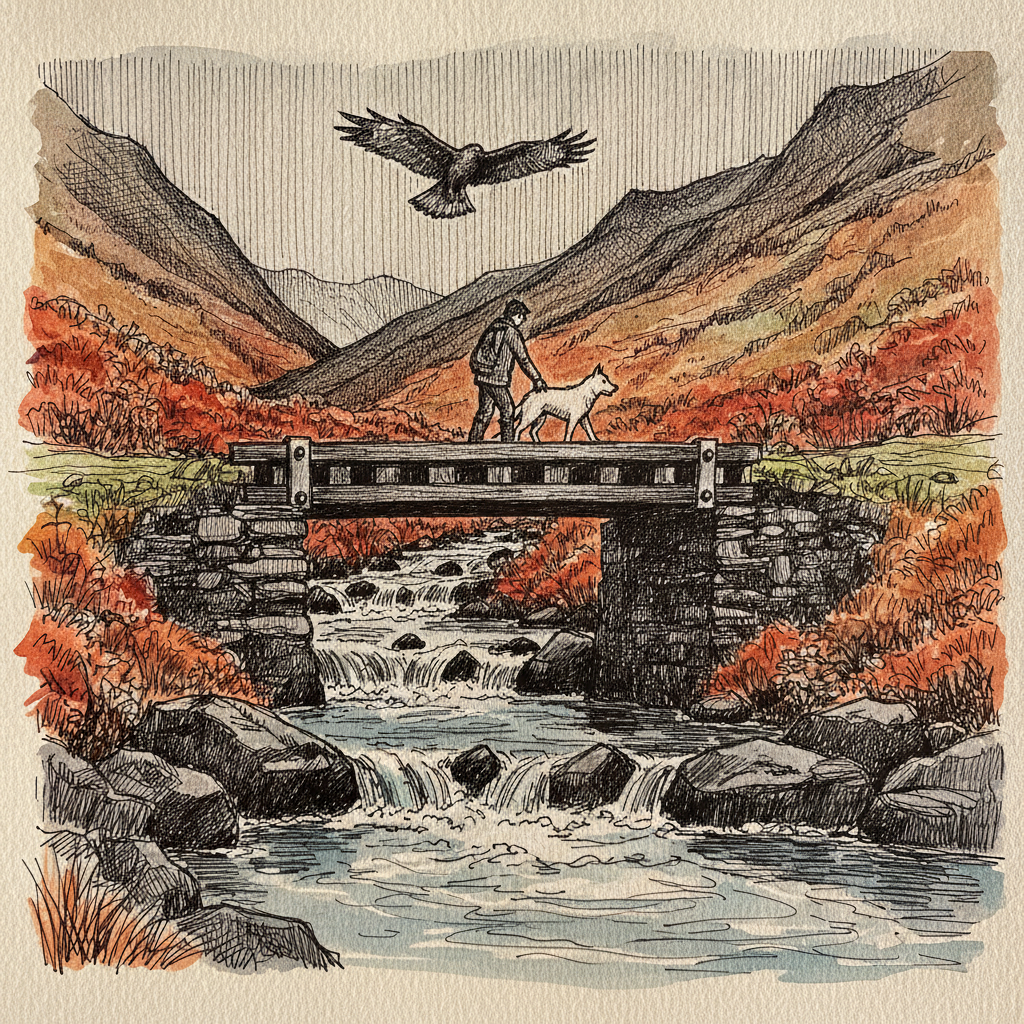
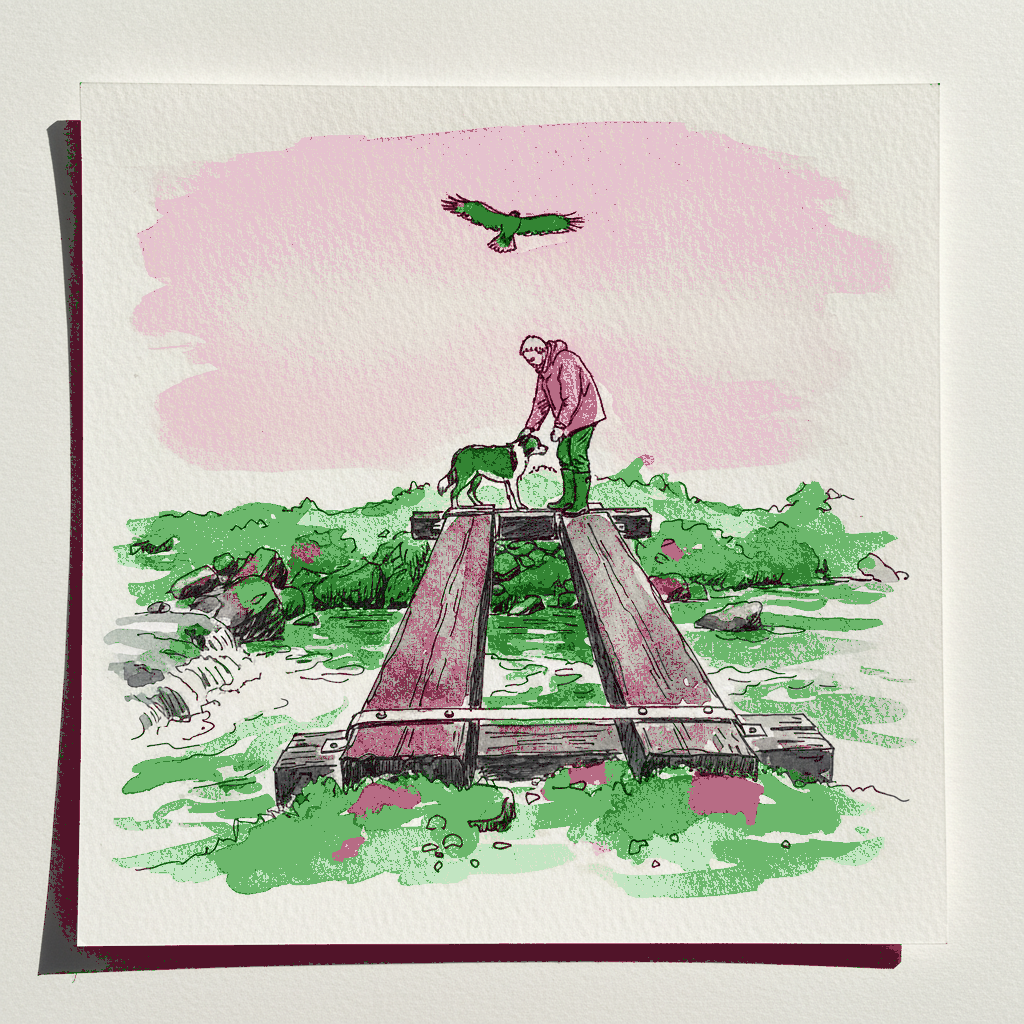
Piece 8 — Welsh Mountain Burn
Pen + Watercolor · Loose pen and watercolor line-and-wash
Three takes

Focus for this piece
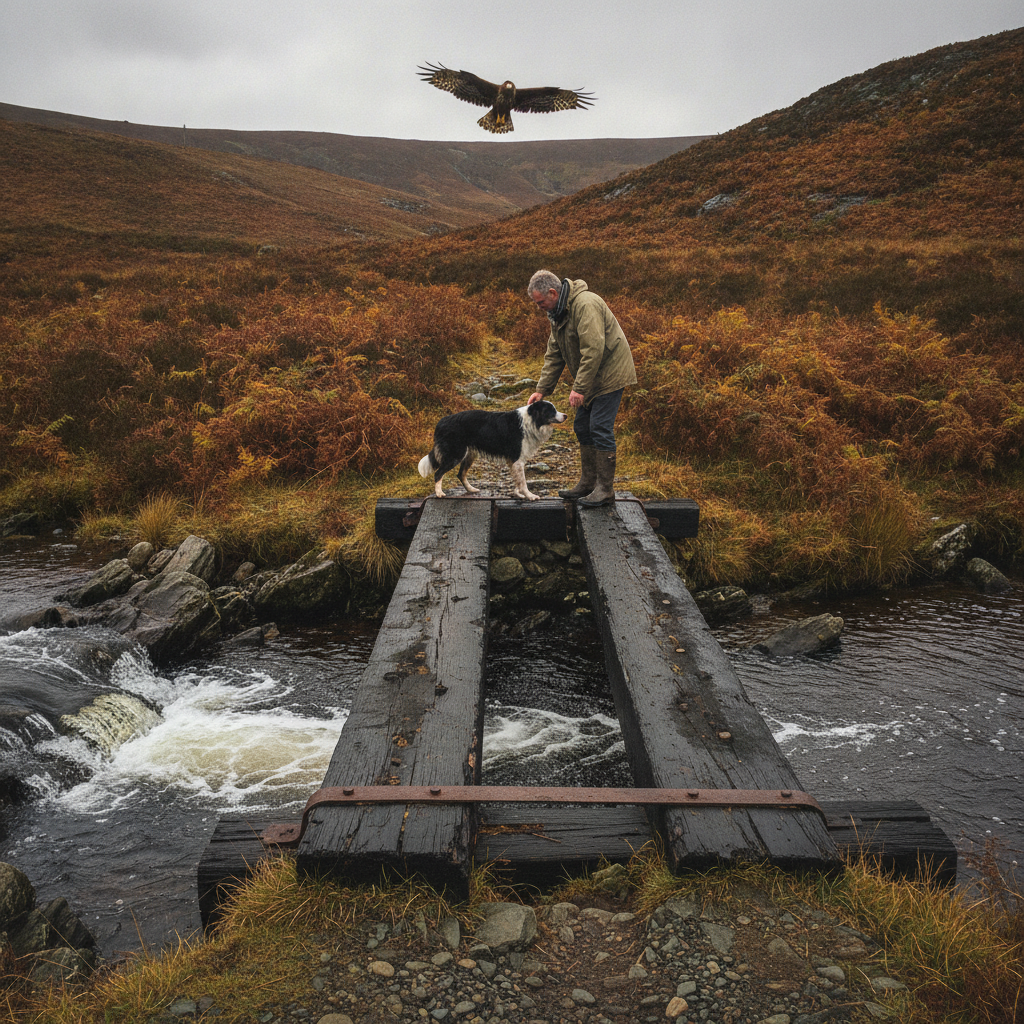
This piece offers a superb study in rendering contrasting textures and values. Practice using distinct, firm pen lines for the creosote-blackened sleepers and iron straps, making them stand out against the soft, dynamic wet-on-wet washes that capture the rushing, white water. Experiment with an earthy, autumn-toned palette for the bracken and peat-stained pools, and use subtle shifts in line weight to draw the eye to the shepherd and dog crossing the bridge.