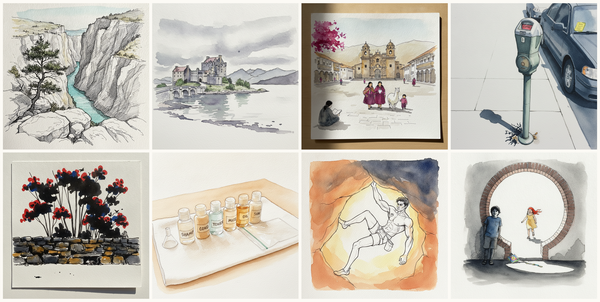
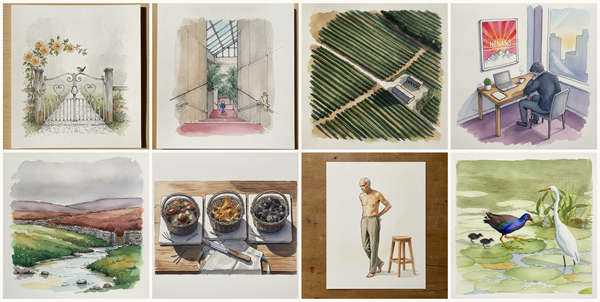
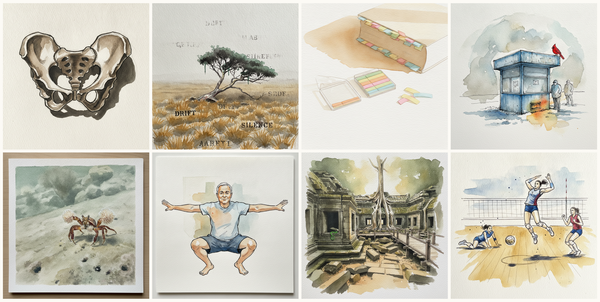
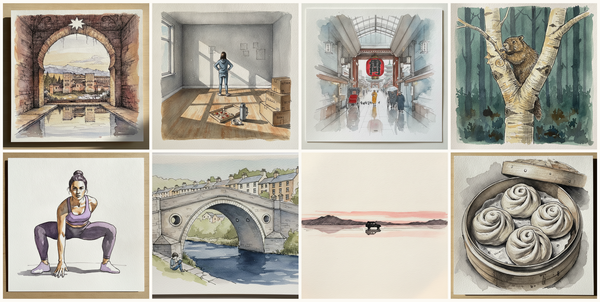
Common merganser, Church altar, white lilies, Candi Pawon, Magelang Regency, Central Java, Indonesia, Burlap sack hanging from a nail, and more — pen + watercolor for November 3, 2026
AI-generated daily art-practice references for pen and watercolor: Common merganser, Church altar, white lilies, Candi Pawon, Magelang Regency, Central Java, Indonesia, Burlap sack hanging from a nail, Hardangerfjord at Trolltunga viewpoint, Norway, Mature Korean woman in modest yoga arch, Pastry…
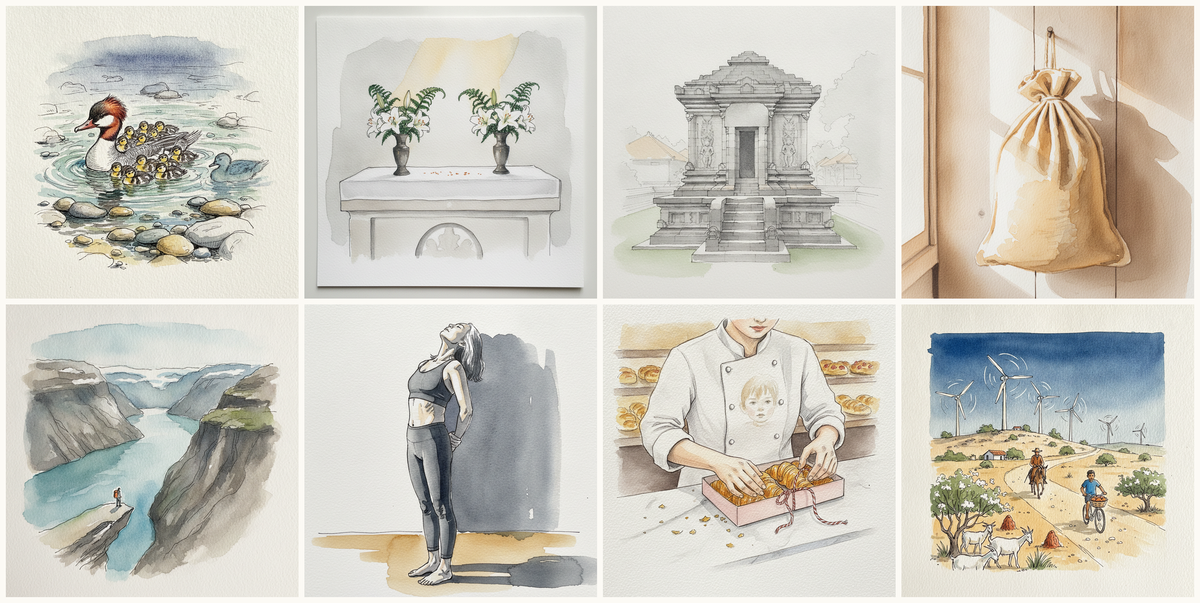
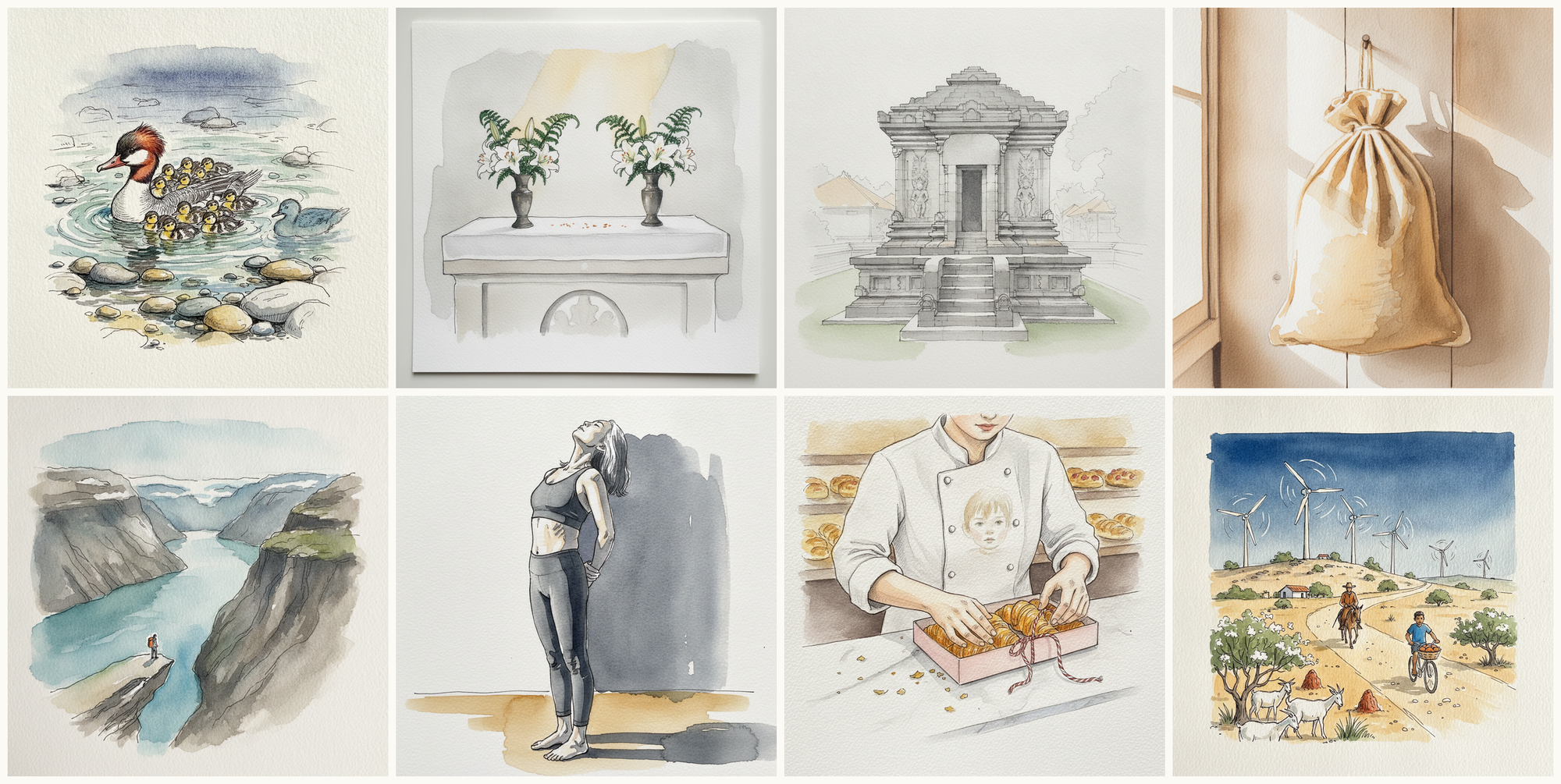
Today's 8 pen-and-watercolor pieces: Common merganser, Church altar, white lilies, Candi Pawon, Magelang Regency, Central Java, Indonesia, Burlap sack hanging from a nail, Hardangerfjord at Trolltunga viewpoint, Norway, Mature Korean woman in modest yoga arch, Pastry chef boxing croissants, Brazilian Sertão Farm, Caetité, Bahia. Each piece comes with an AI-generated photoreal reference, three AI-generated example artworks in different treatments, and a short focus paragraph naming what to study in this one.
Why these references use AI
This daily series uses AI-generated images as practice prompts, not as finished artwork to copy. Each subject starts with a synthetic photoreal reference generated with Gemini/Nano Banana, then moves into three pen-and-watercolor interpretations of the same subject.
I use AI here because daily art practice needs variety and low friction. Real life can get repetitive, busy, or visually narrow. These generated reference sets make it easier to study bodies, buildings, animals, landscapes, objects, gestures, light, palettes, and compositions that might not show up in an ordinary day.
The goal is not to reproduce any image directly. Treat each set as a starting point for observation and study: choose what interests you, change the framing, simplify the subject, alter the palette, and make your own version.
Piece 1 — Common merganser
Pen + Watercolor · Loose pen and watercolor line-and-wash
Three takes

Focus for this piece
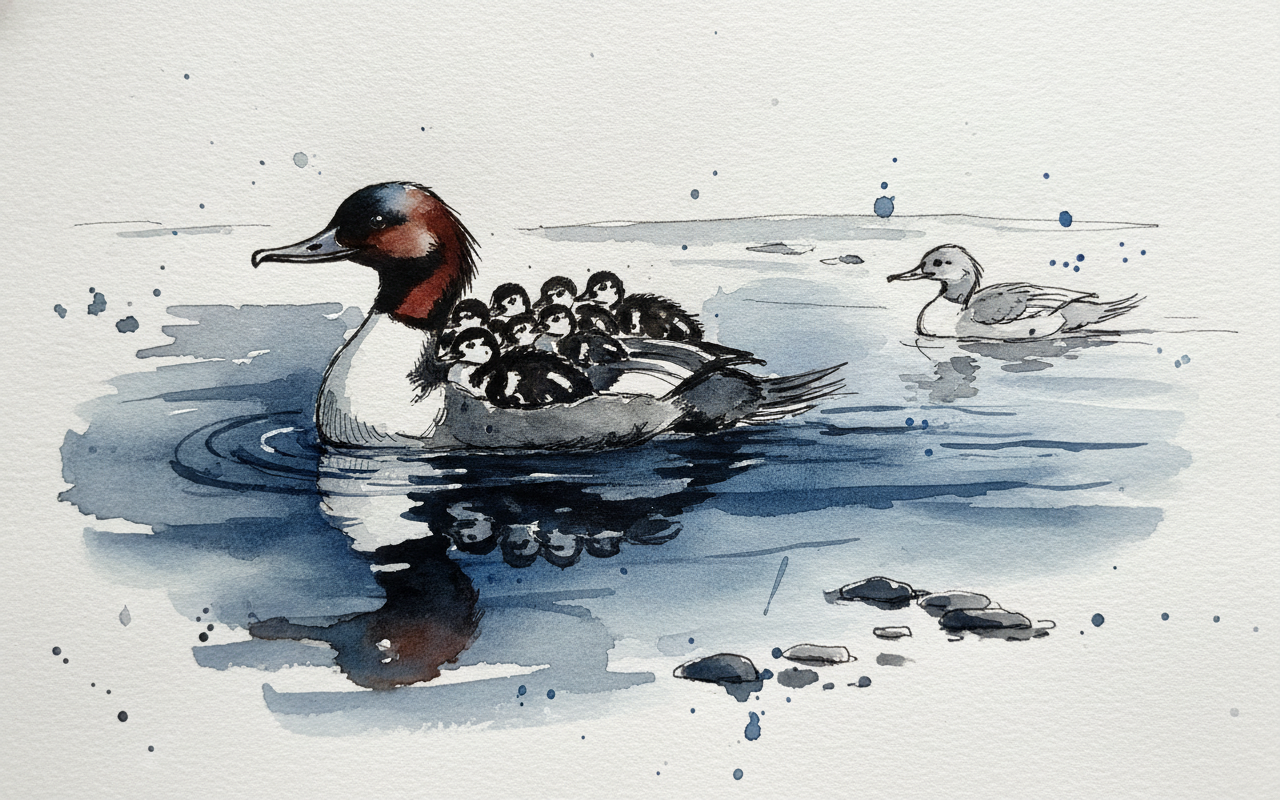
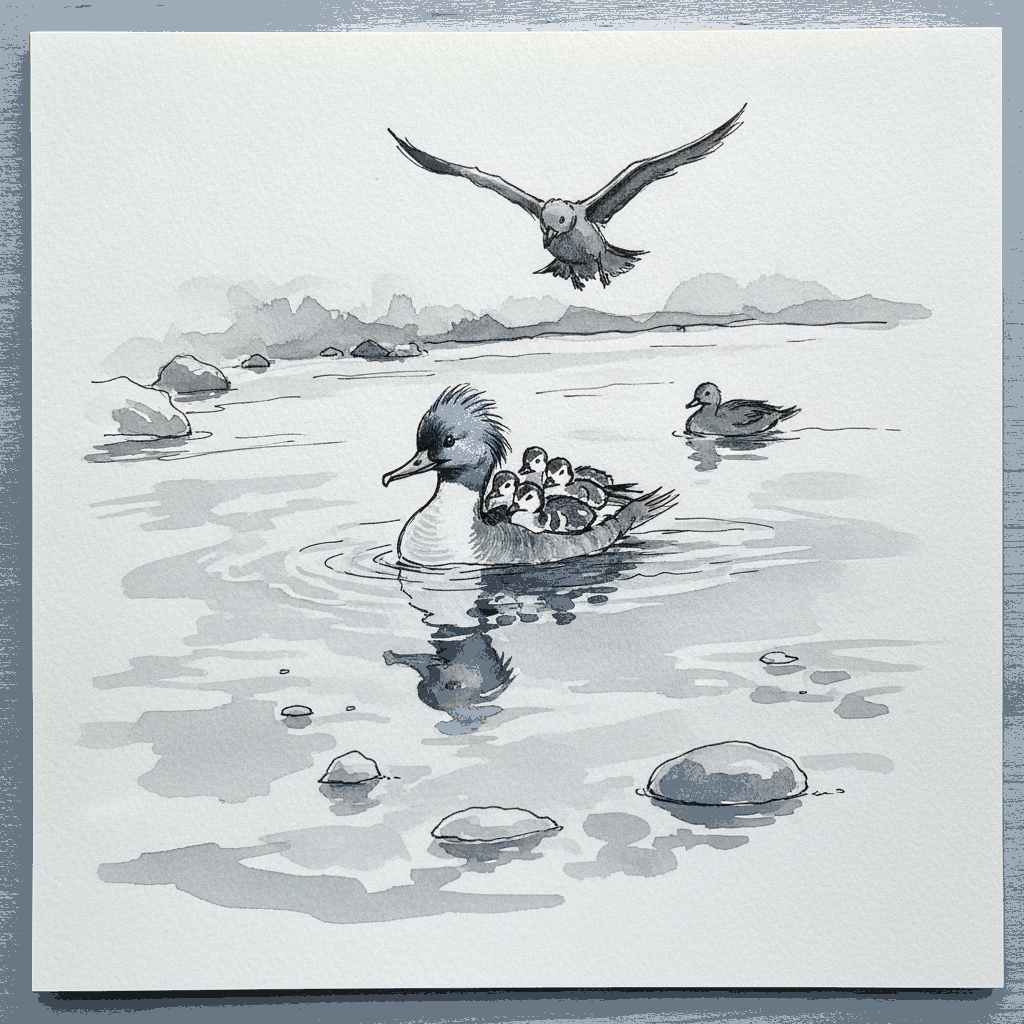
This piece is ideal for exploring contrasts in shape and texture, from the mother merganser's fluffed, rusty crest to the rounded river cobbles. Use a deliberate, varied line weight for the birds—bolder for the protective mother, lighter for the clustering ducklings—to emphasize their individual forms. Then, practice creating the illusion of cold, bright water and submerged stones using wet-into-wet washes and subtle lifting, allowing your crisp pen lines to anchor the fluid watercolor.
Piece 2 — Church altar, white lilies
Pen + Watercolor · Loose pen and watercolor line-and-wash
Three takes
Focus for this piece
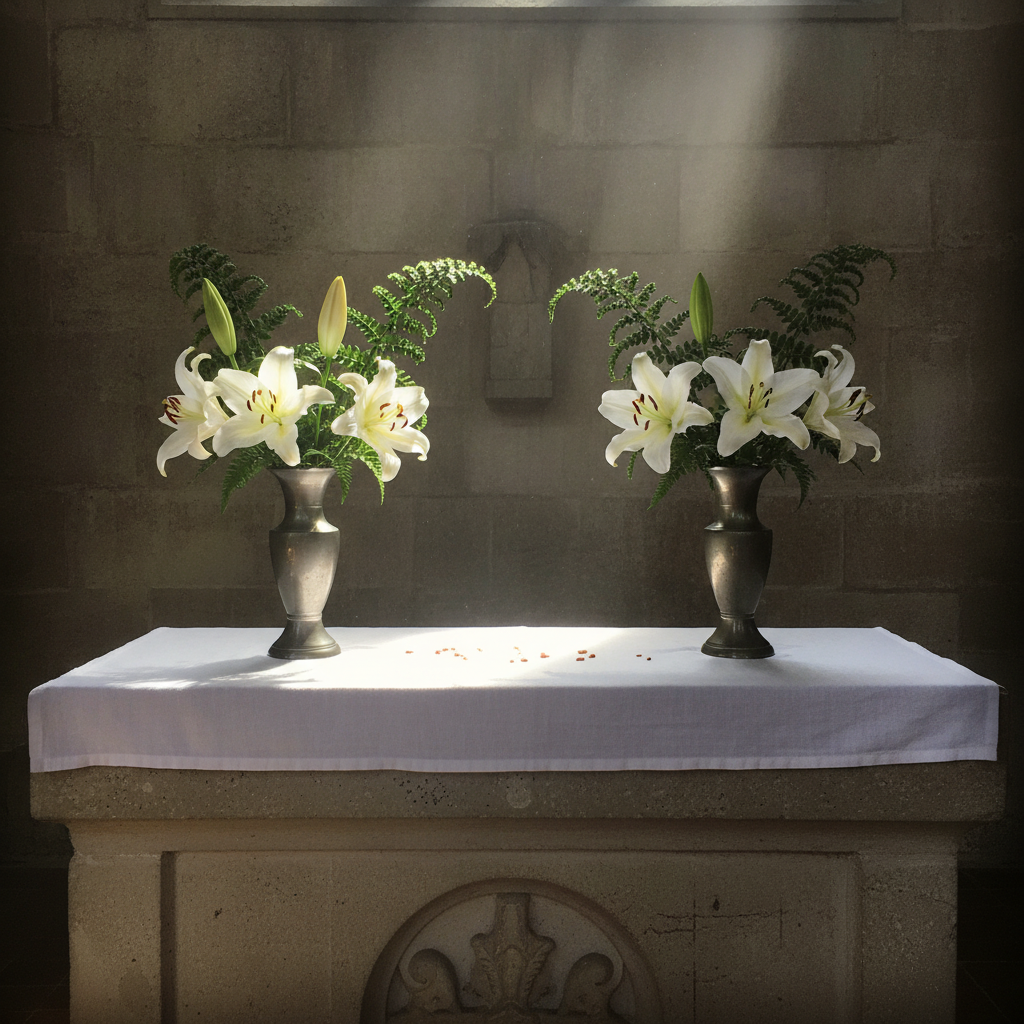
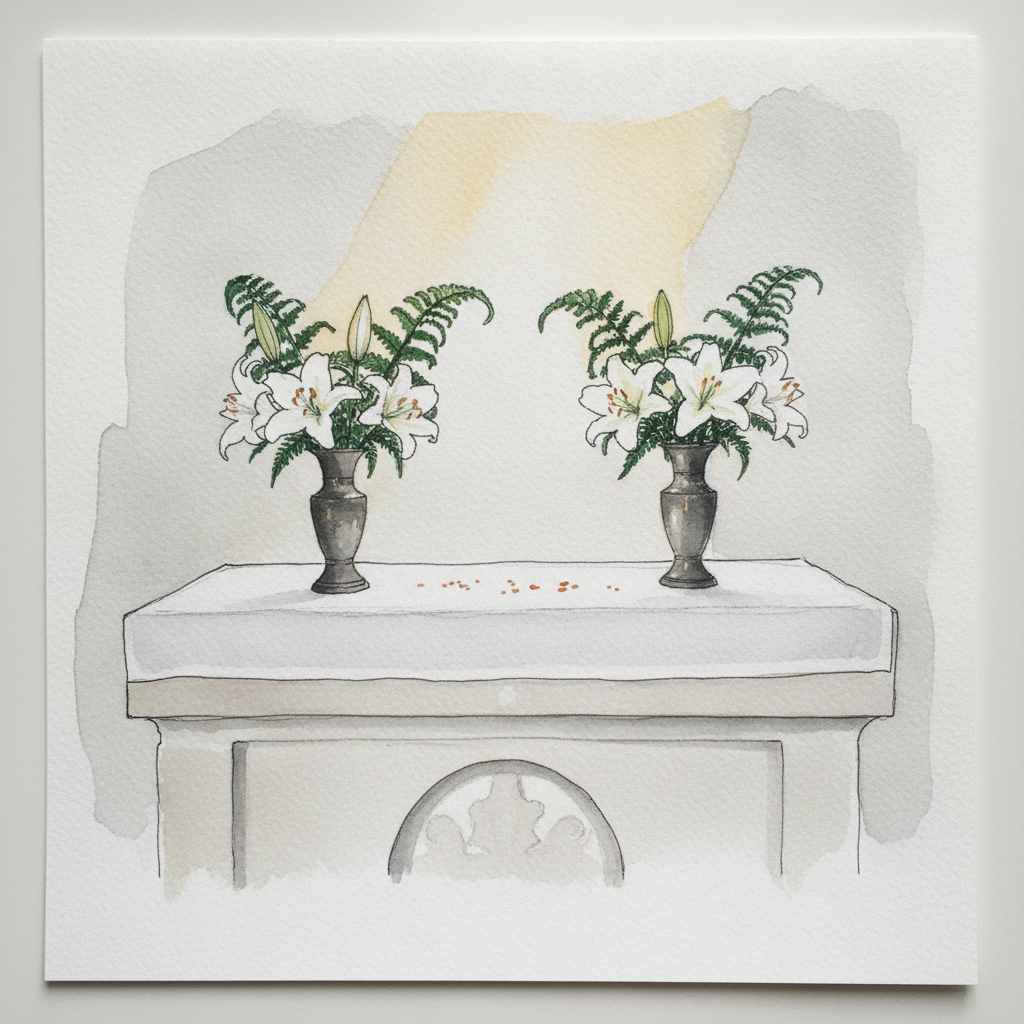
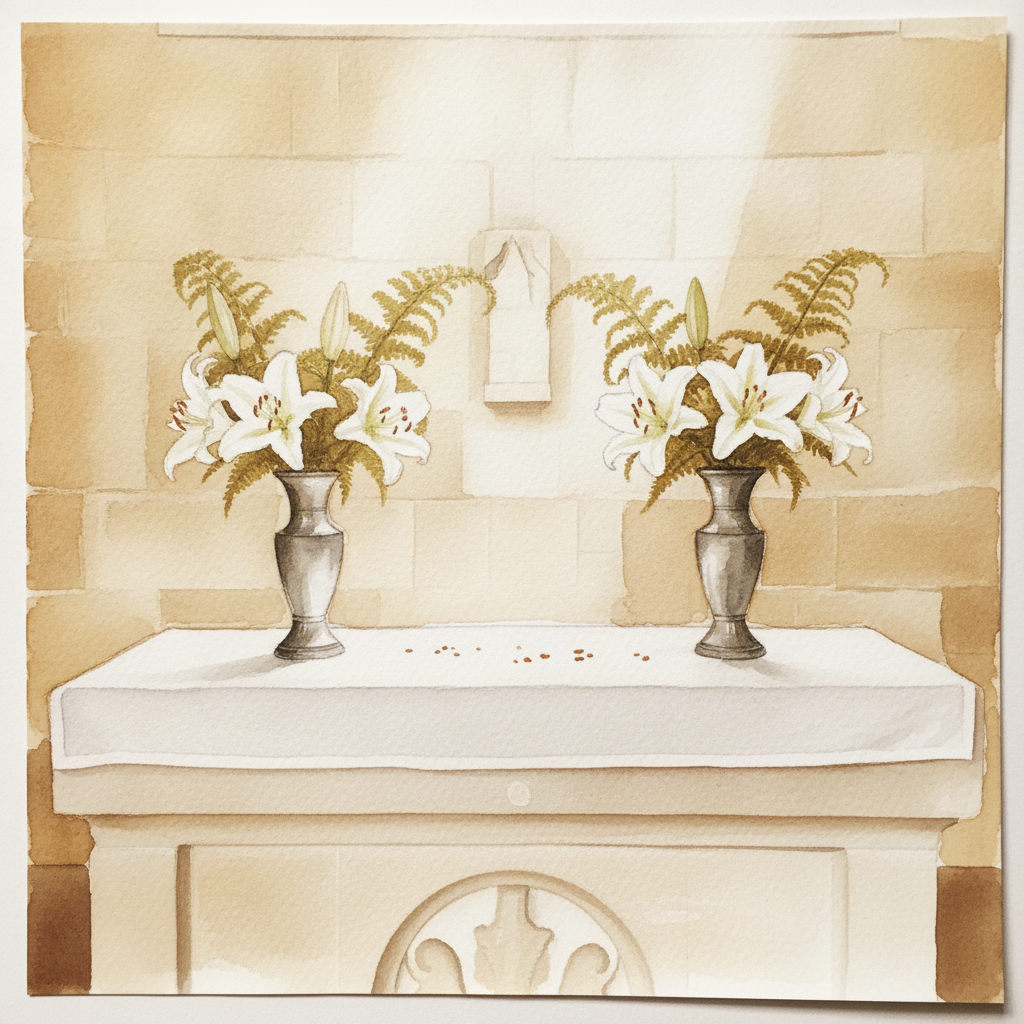
This piece is excellent for studying how to render the illusion of "white" through nuanced watercolor washes, using a limited cool-to-warm palette to create subtle value shifts that define the lilies and altar cloth. Vary your pen's line weight, employing delicate, broken lines for the soft petals and curling fern, contrasted with firmer strokes for the sturdy pewter vases and stone altar. Focus your watercolor washes on creating the luminous, dust-flecked quality of the light beam across the altar, making light itself a palpable presence.
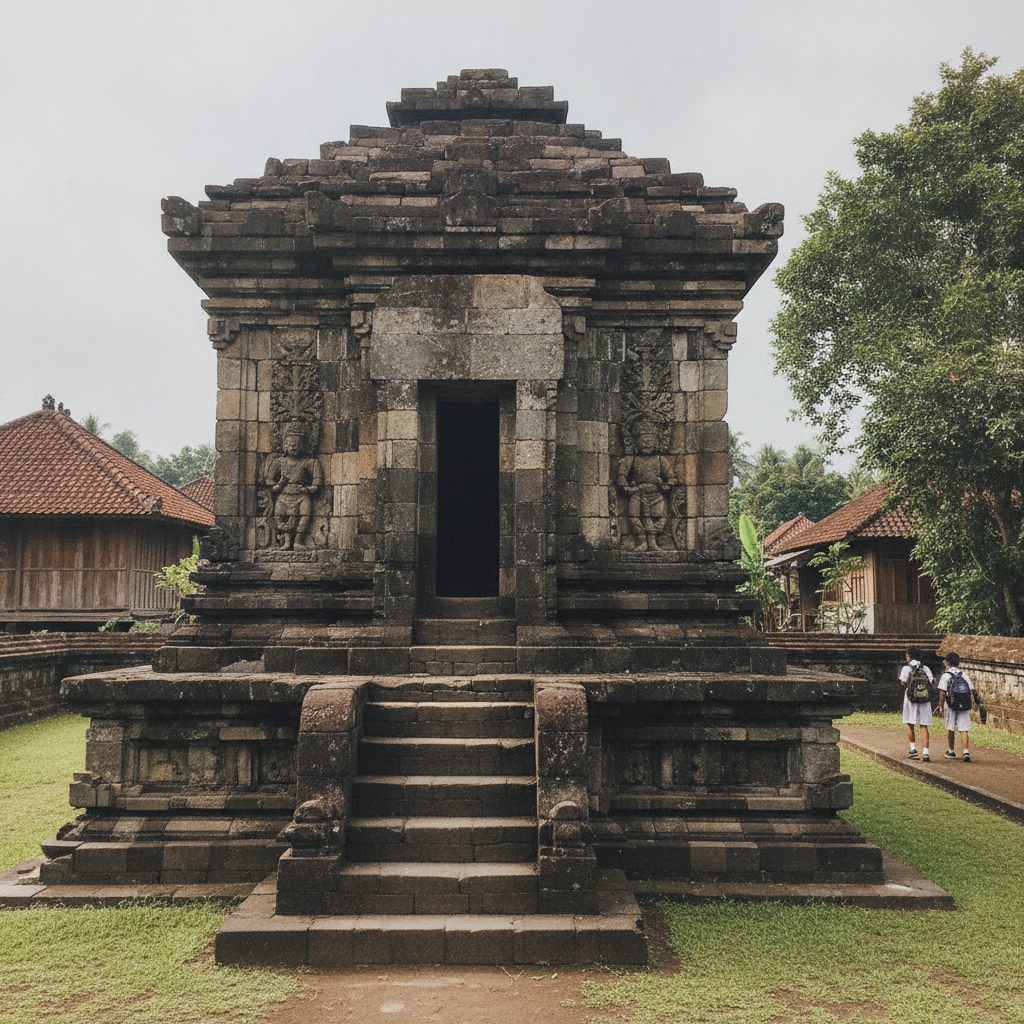
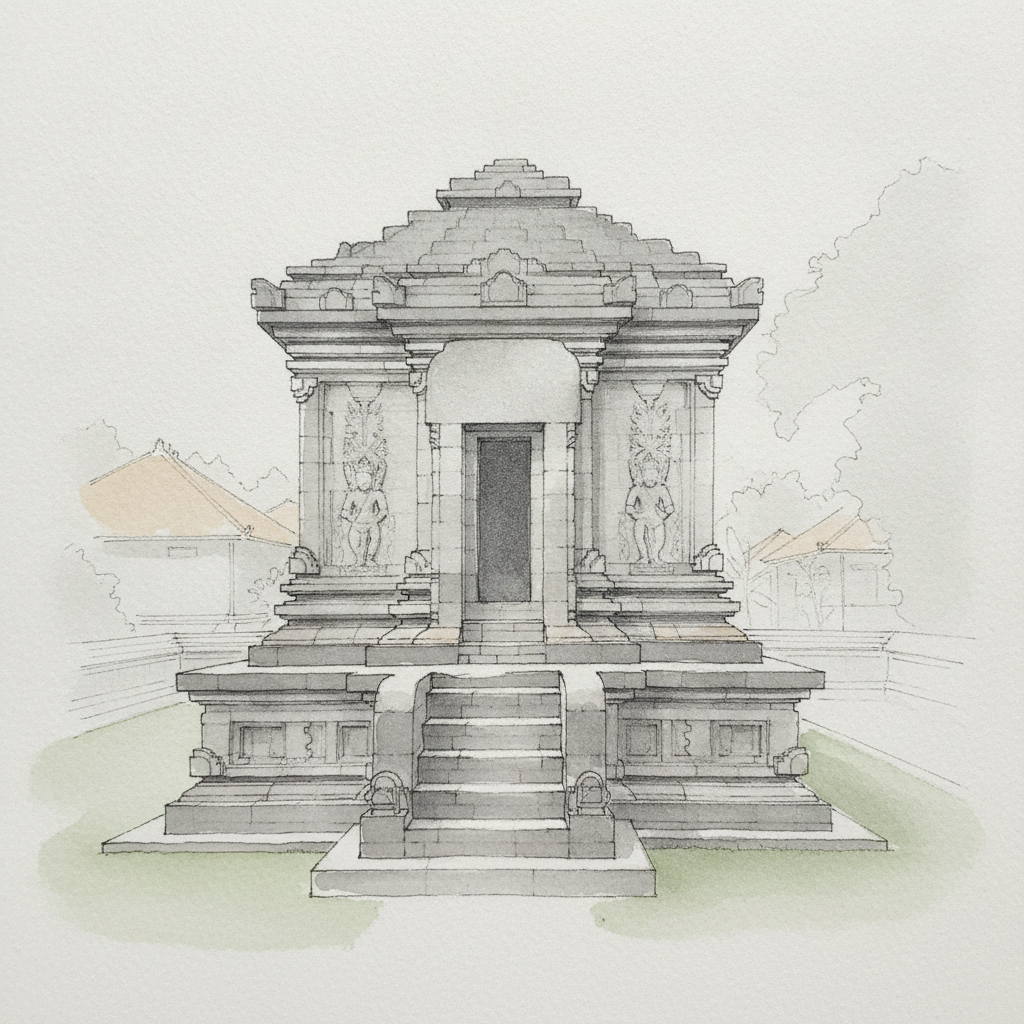
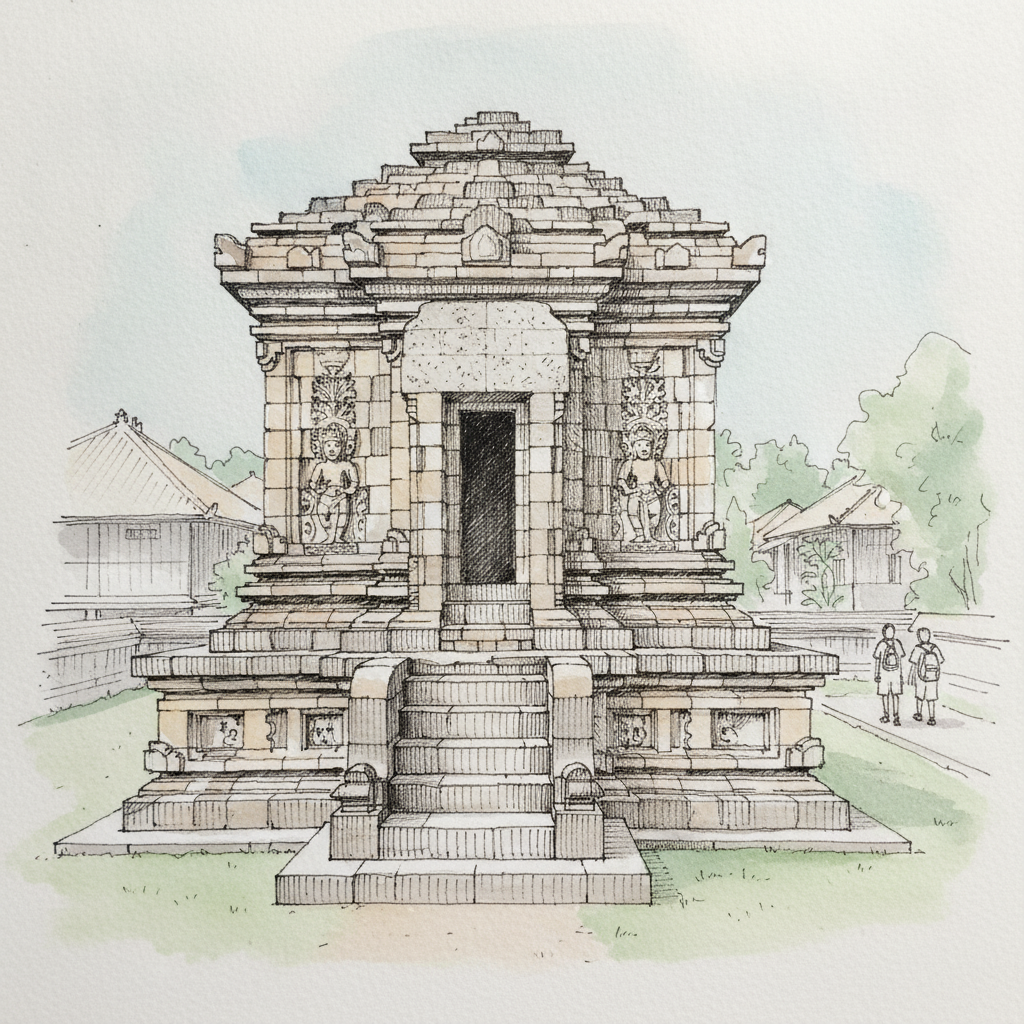
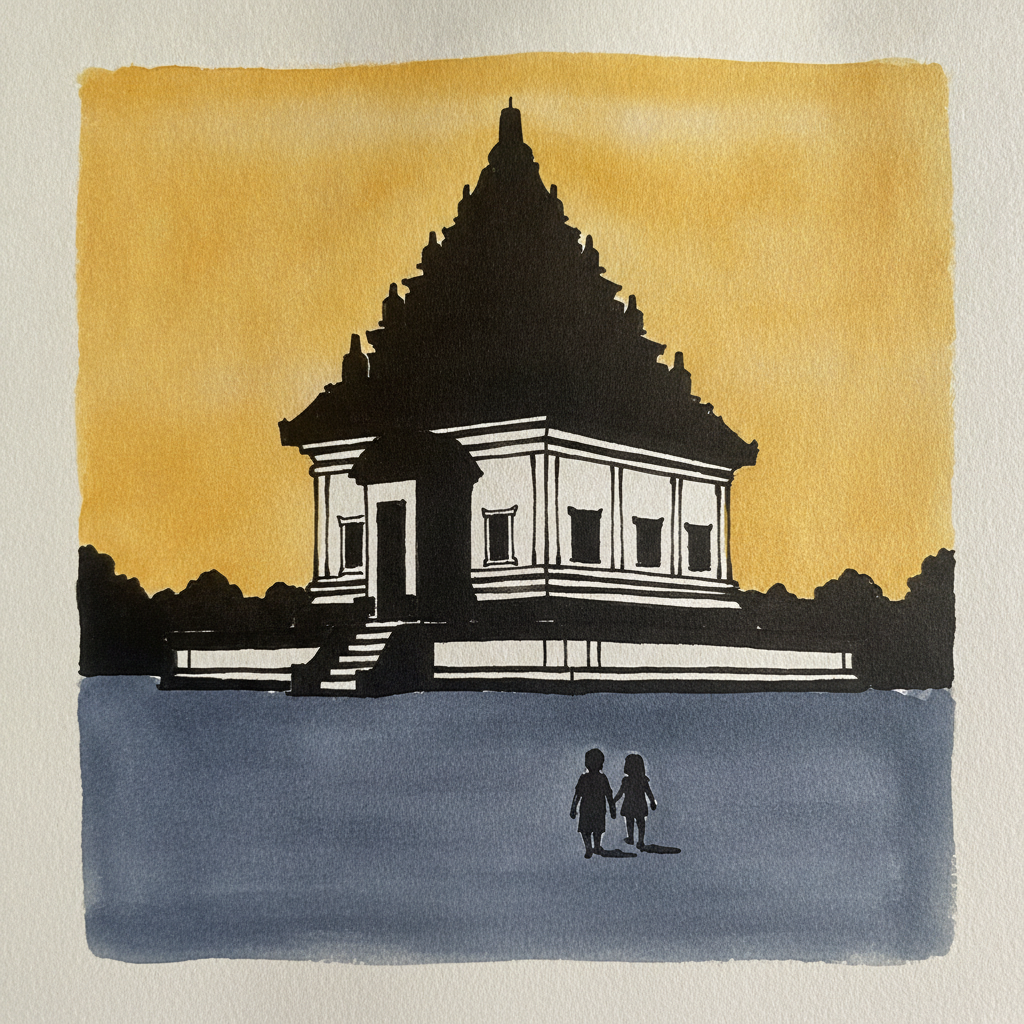
Piece 3 — Candi Pawon, Magelang Regency, Central Java, Indonesia
Pen + Watercolor · Loose pen and watercolor line-and-wash
Three takes
Focus for this piece
This piece offers an excellent opportunity to practice contrasting absolute linear precision with atmospheric watercolor fluidity. Use strong, deliberate lines of varying weights to articulate the temple's solid geometric forms—the cuboid chamber and stepped platform—reserving a finer pen for the delicate kalpataru carvings. Then, apply a restrained, cool-toned palette with loose, wet washes to suggest the ancient stone's texture and the soft, verdant quality of the surrounding grass and distant village houses. Focus on letting the ink provide crisp structure while the watercolor conveys volume, temperature, and atmosphere.
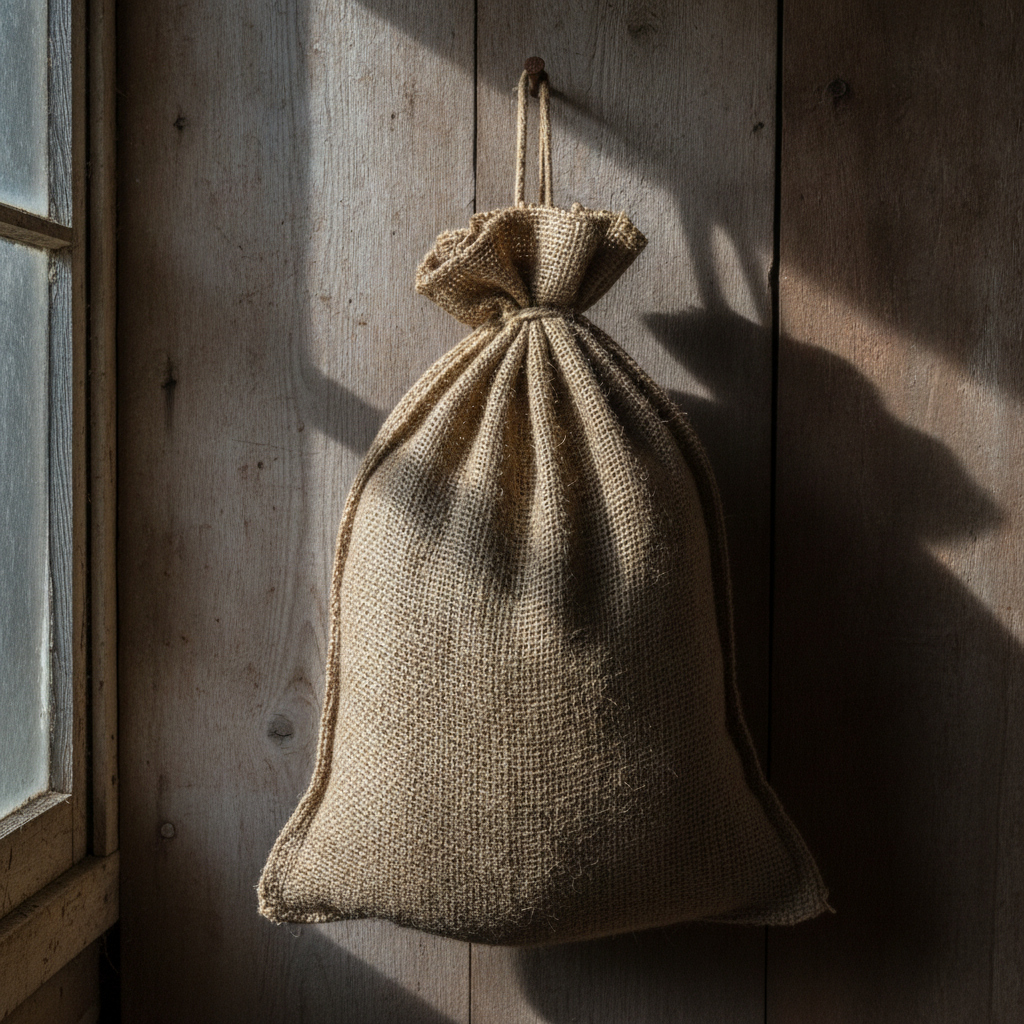
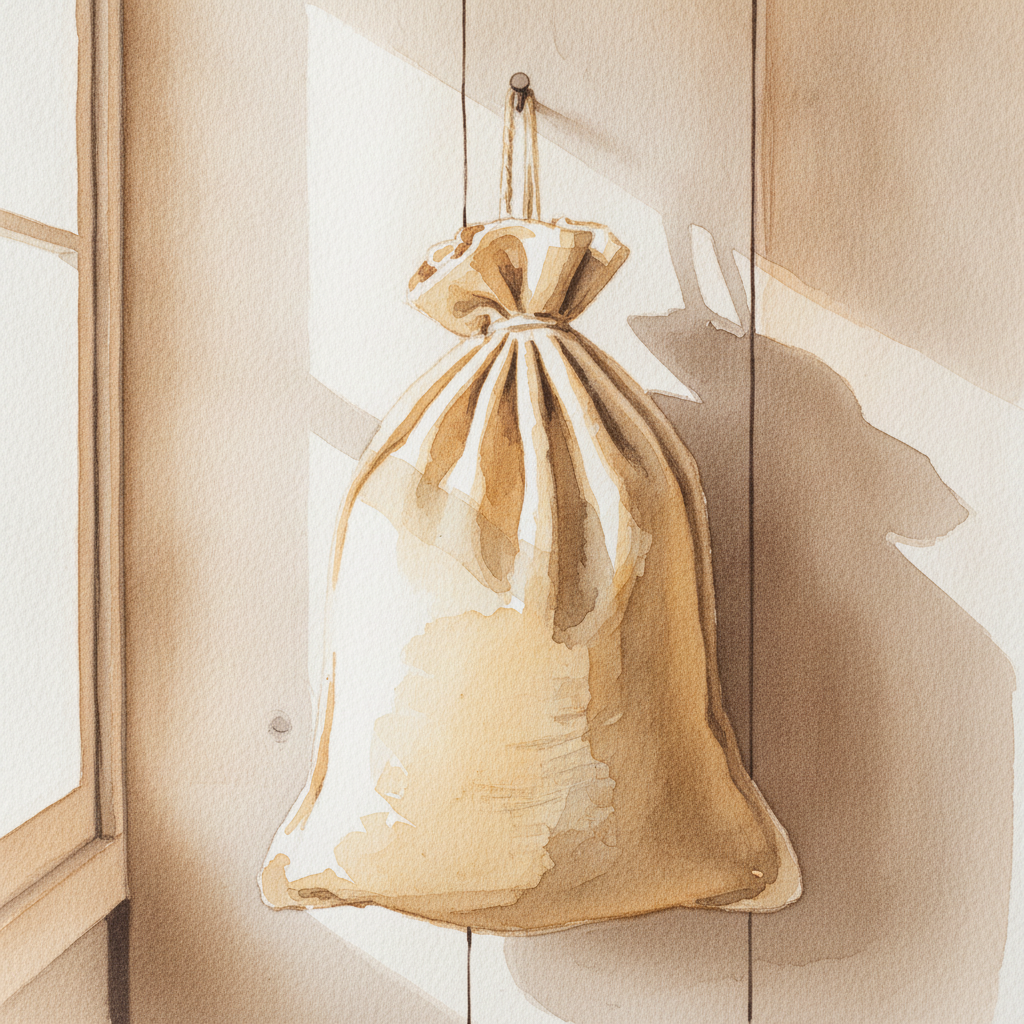
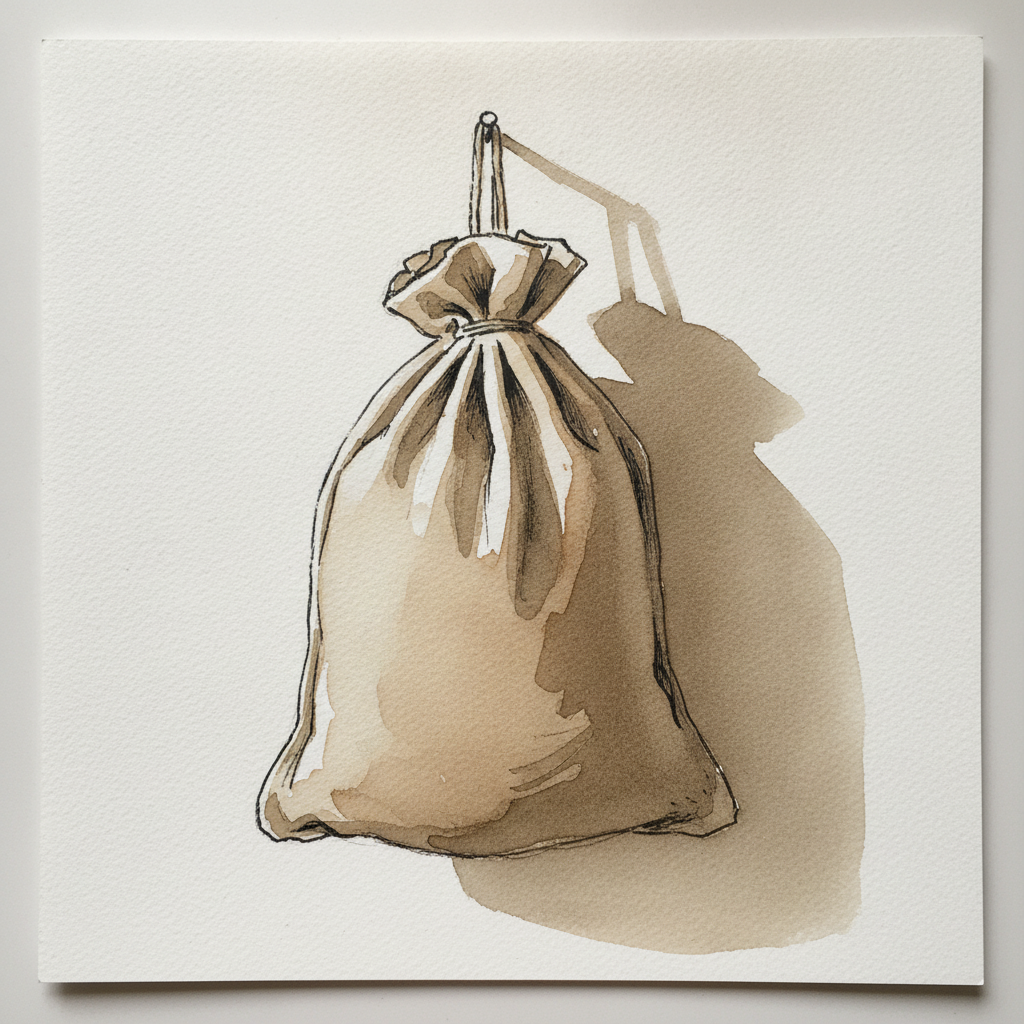
Piece 4 — Burlap sack hanging from a nail
Pen + Watercolor · Loose pen and watercolor line-and-wash
Three takes

Focus for this piece
This piece offers a prime opportunity to integrate distinct pen and wash behaviors to convey both texture and volume. Employ fine, varied line weights with your pen to suggest the coarse jute fibers catching the raking light, allowing untouched paper to serve as tiny highlights. Then, use carefully placed, layered washes to sculpt the deep shadows within the "starburst gathers" and the "tight teardrop" bottom, letting the ink lines provide precise structure while the watercolor builds believable mass and atmosphere.
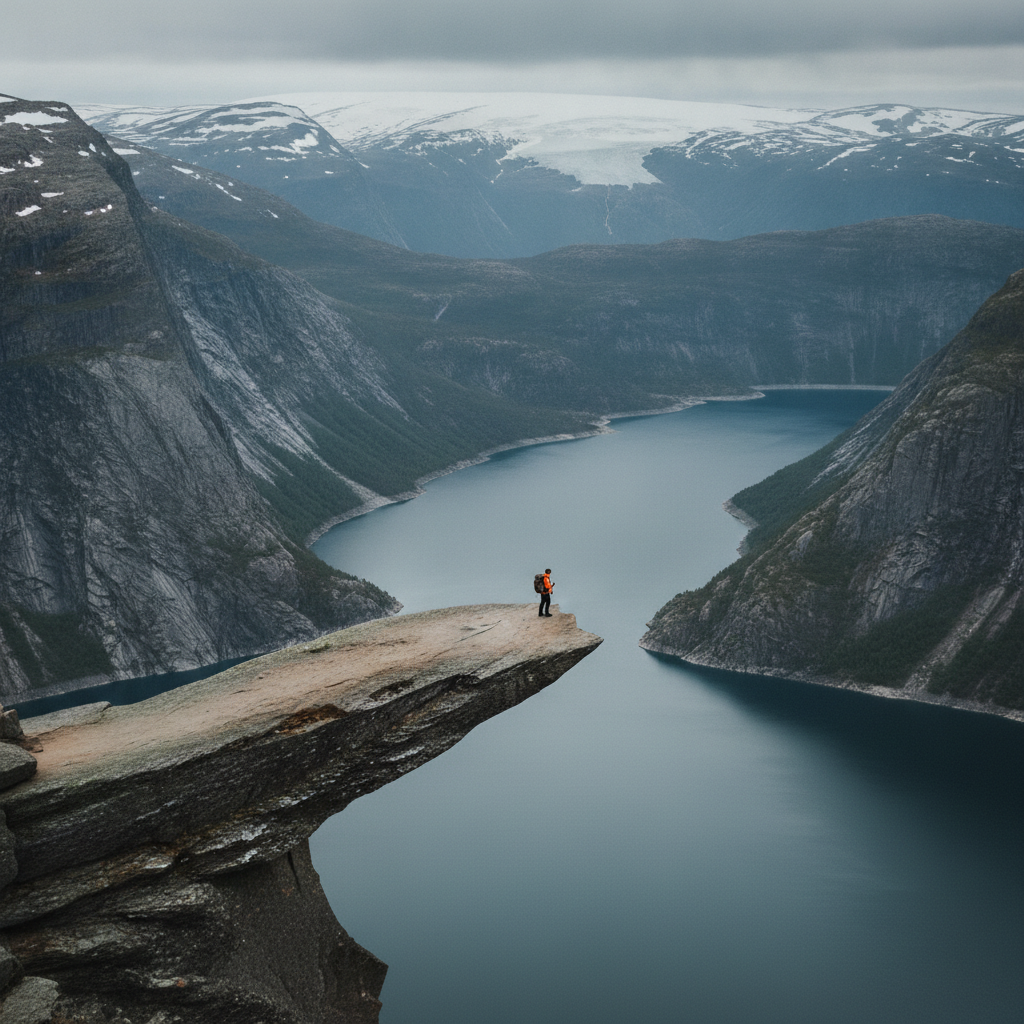
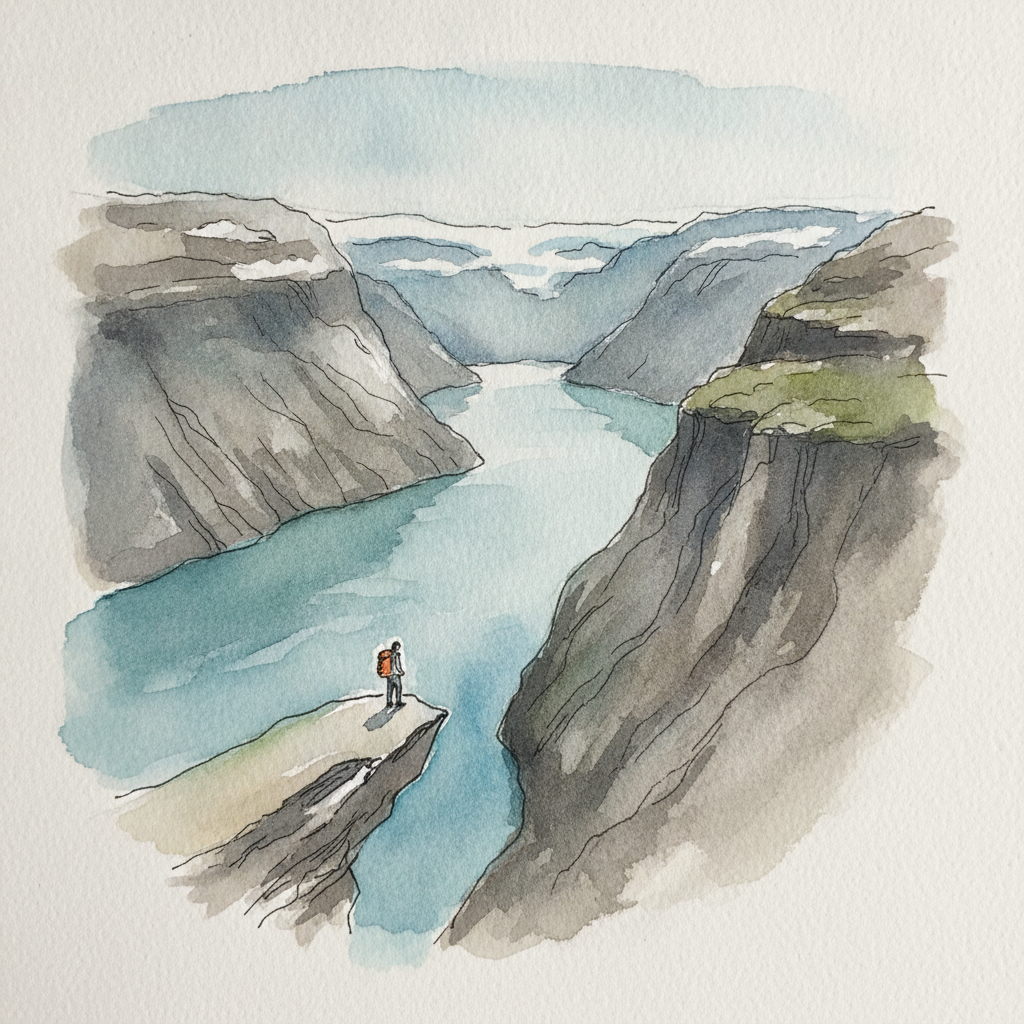
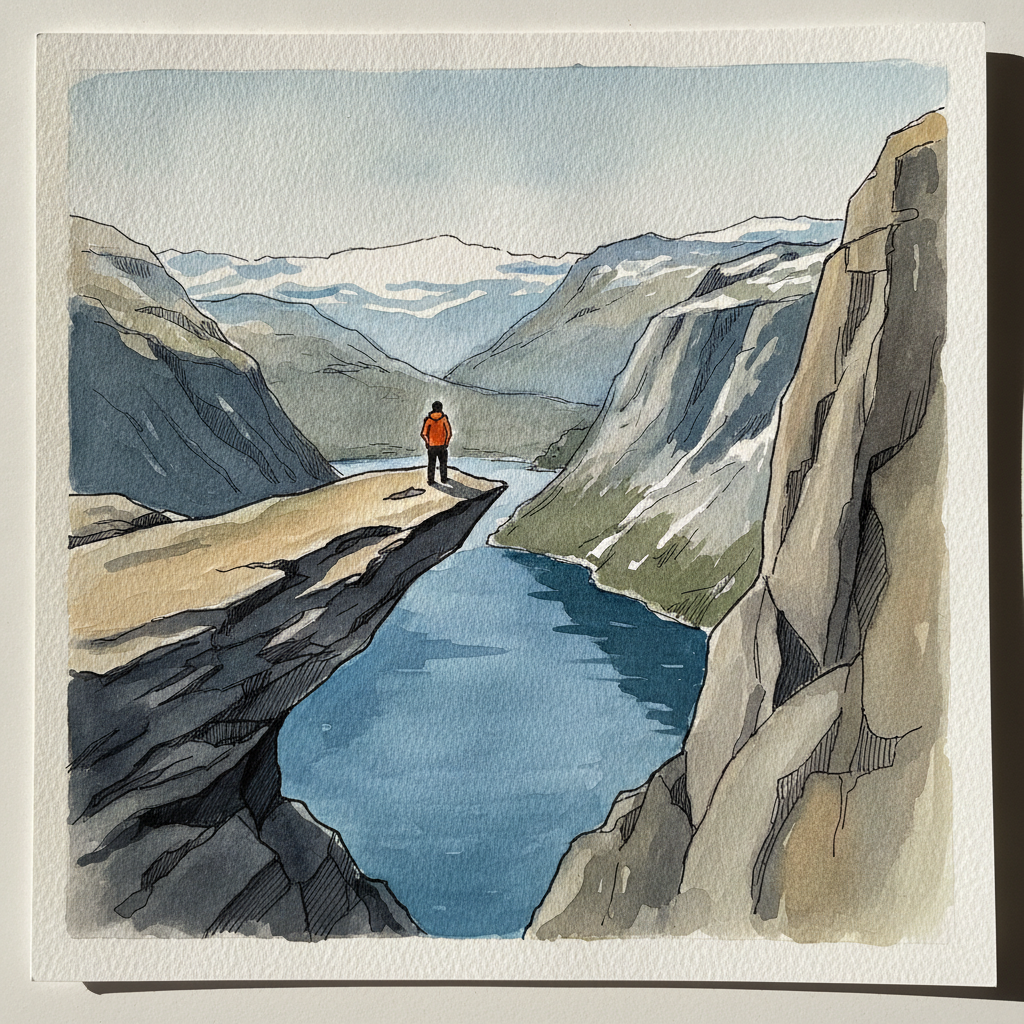
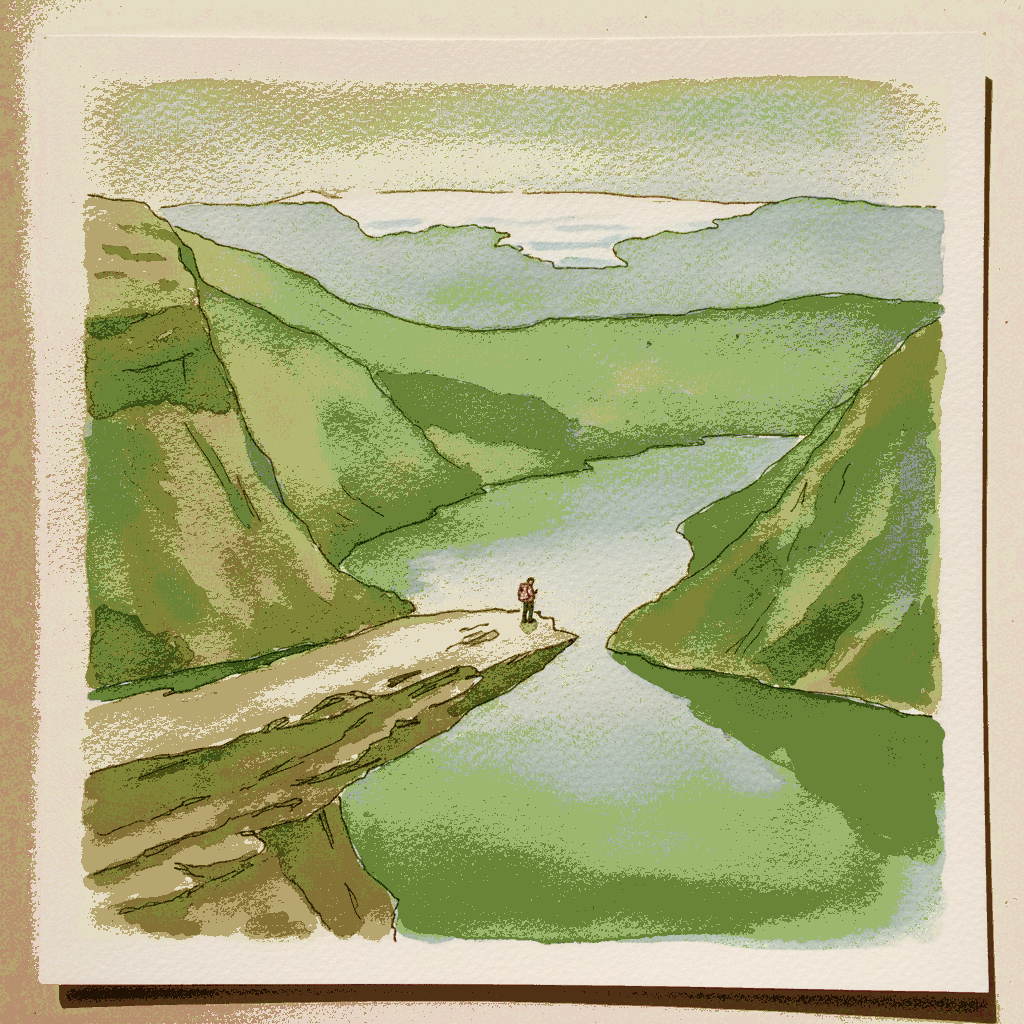
Piece 5 — Hardangerfjord at Trolltunga viewpoint, Norway
Pen + Watercolor · Loose pen and watercolor line-and-wash
Three takes

Focus for this piece
This dramatic scene is an excellent study in creating extreme depth through contrasting line weight and atmospheric washes. Use a bold, decisive line for the jutting Trolltunga and tiny foreground hiker, then transition to increasingly finer, broken lines for the distant rock walls and glacier to push them back. Apply soft, desaturated wet-on-wet washes for the background glacier and sky, allowing edges to bleed slightly to suggest vastness. In contrast, use richer, more defined washes for the mid-ground lake, maintaining its distinct shape against the distant elements.
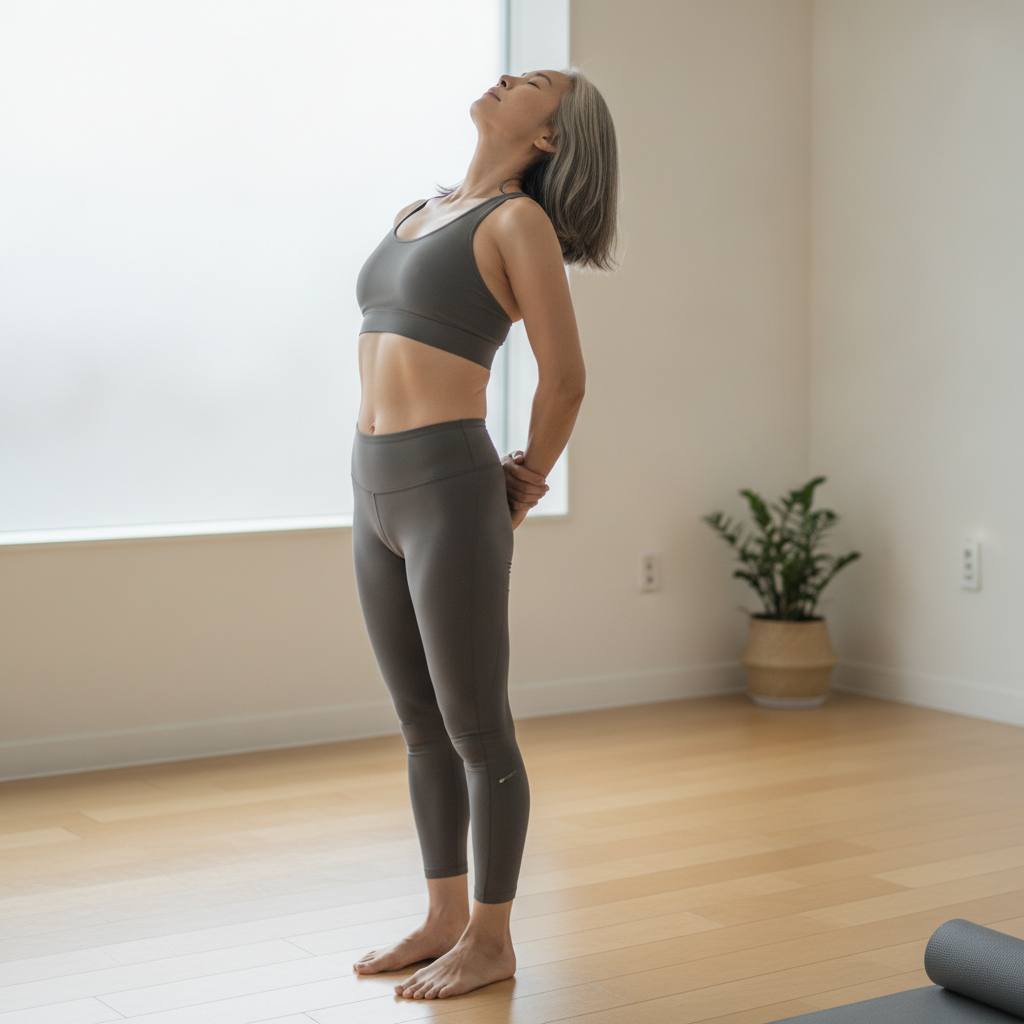
Piece 6 — Mature Korean woman in modest yoga arch
Pen + Watercolor · Loose pen and watercolor line-and-wash
Three takes

Focus for this piece
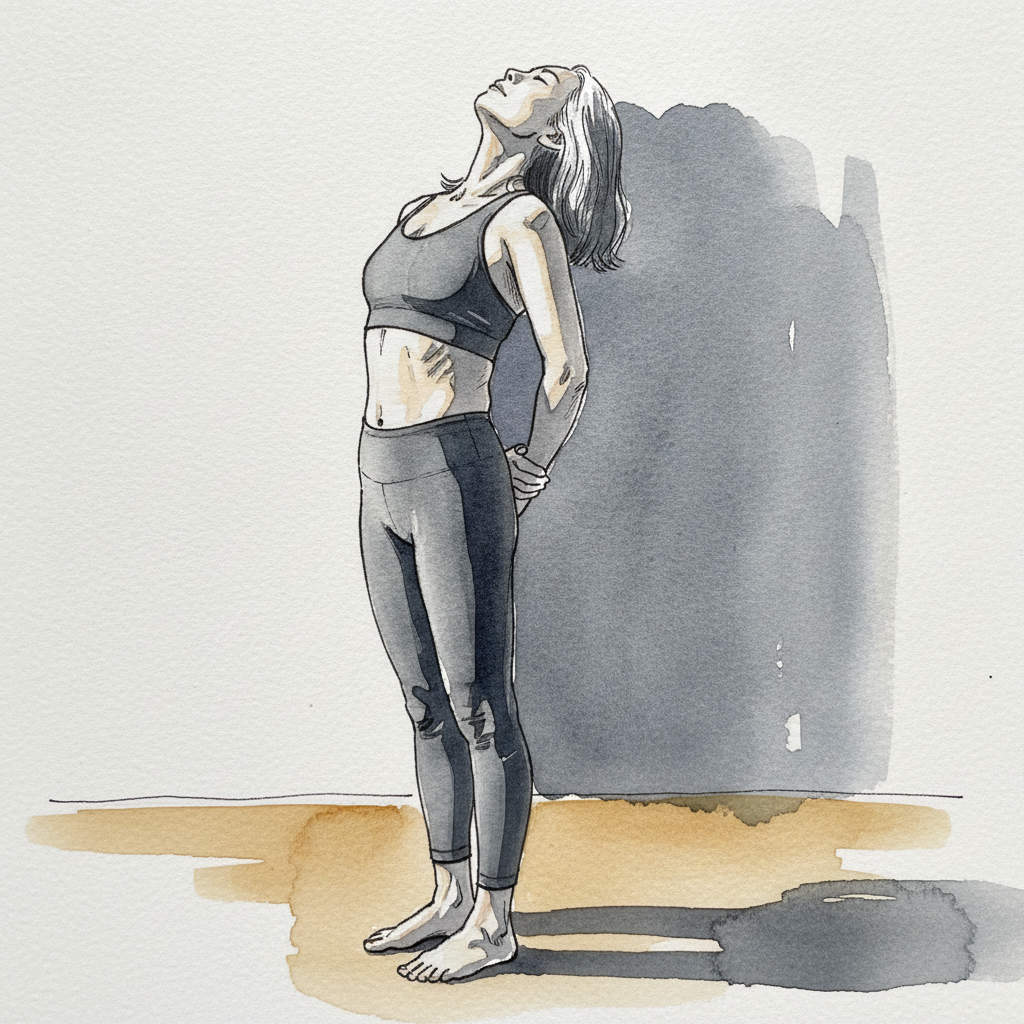
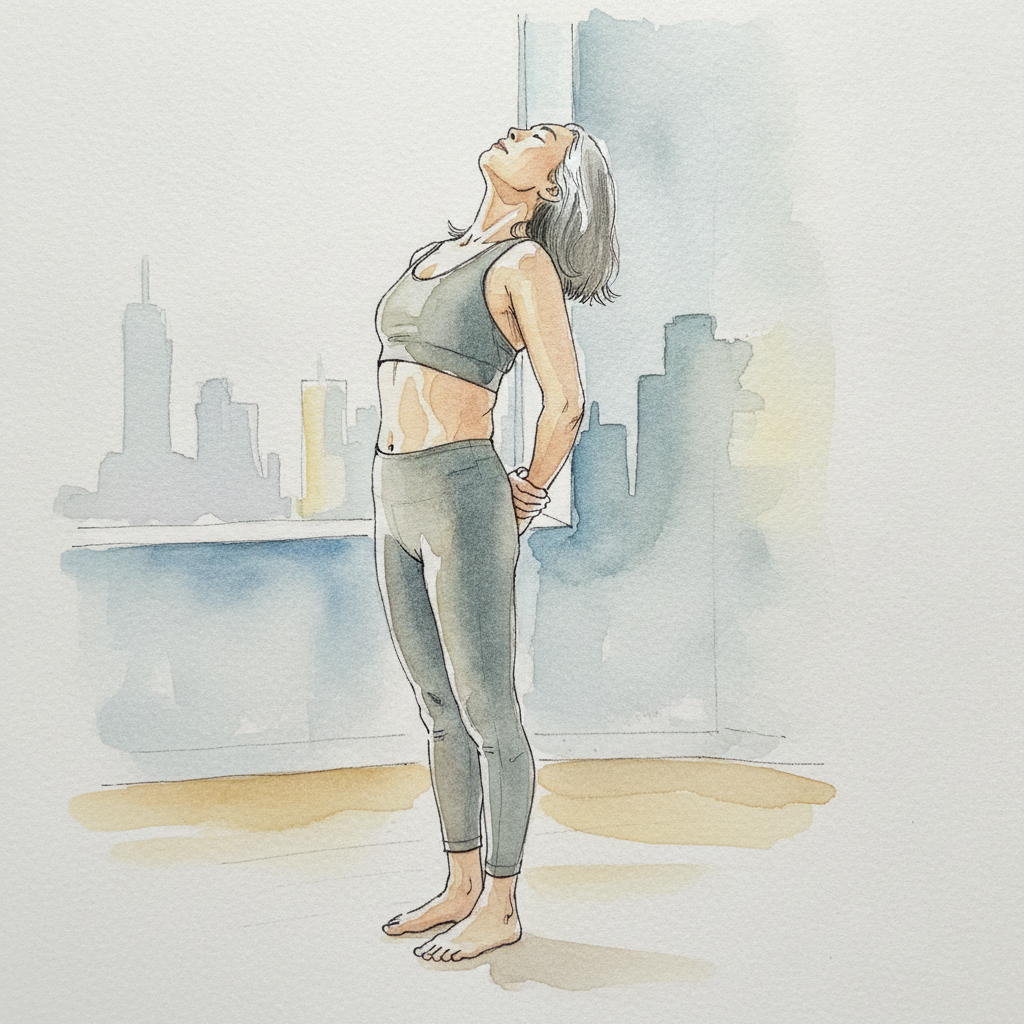
This piece is excellent for practicing how subtle, layered washes can build soft volumetric form. Focus on using light, diluted washes to gradually model the figure's "soft strength" and "tender modelling" of the ribs, letting her warm ivory skin tones emerge through delicate value shifts rather than strong contrast. Complement this with a restrained line weight, using a fine-tipped pen to suggest the measured curve of the thoracic spine and the gentle contour of her bob without outlining heavily. This approach will allow the diffuse studio light to sculpt the figure with tenderness.
Piece 7 — Pastry chef boxing croissants
Pen + Watercolor · Loose pen and watercolor line-and-wash
Three takes
Focus for this piece
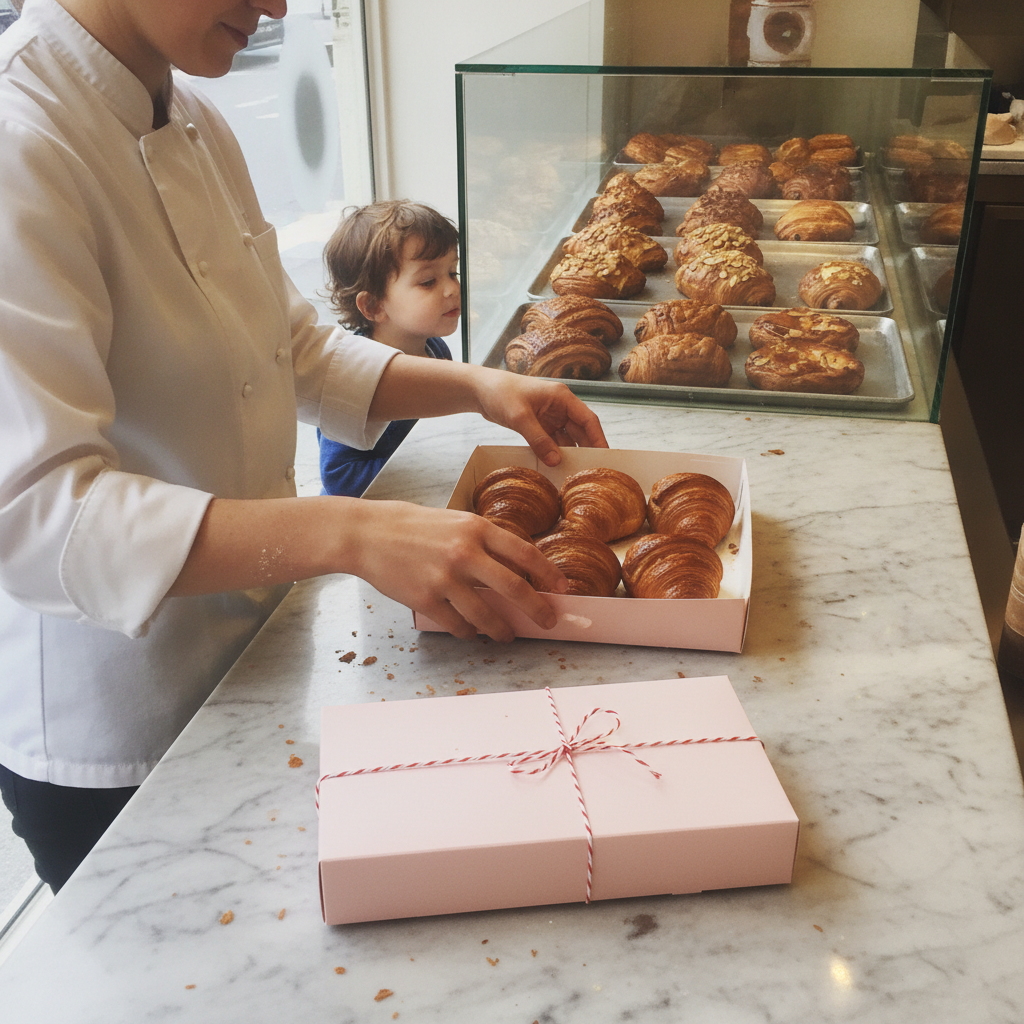
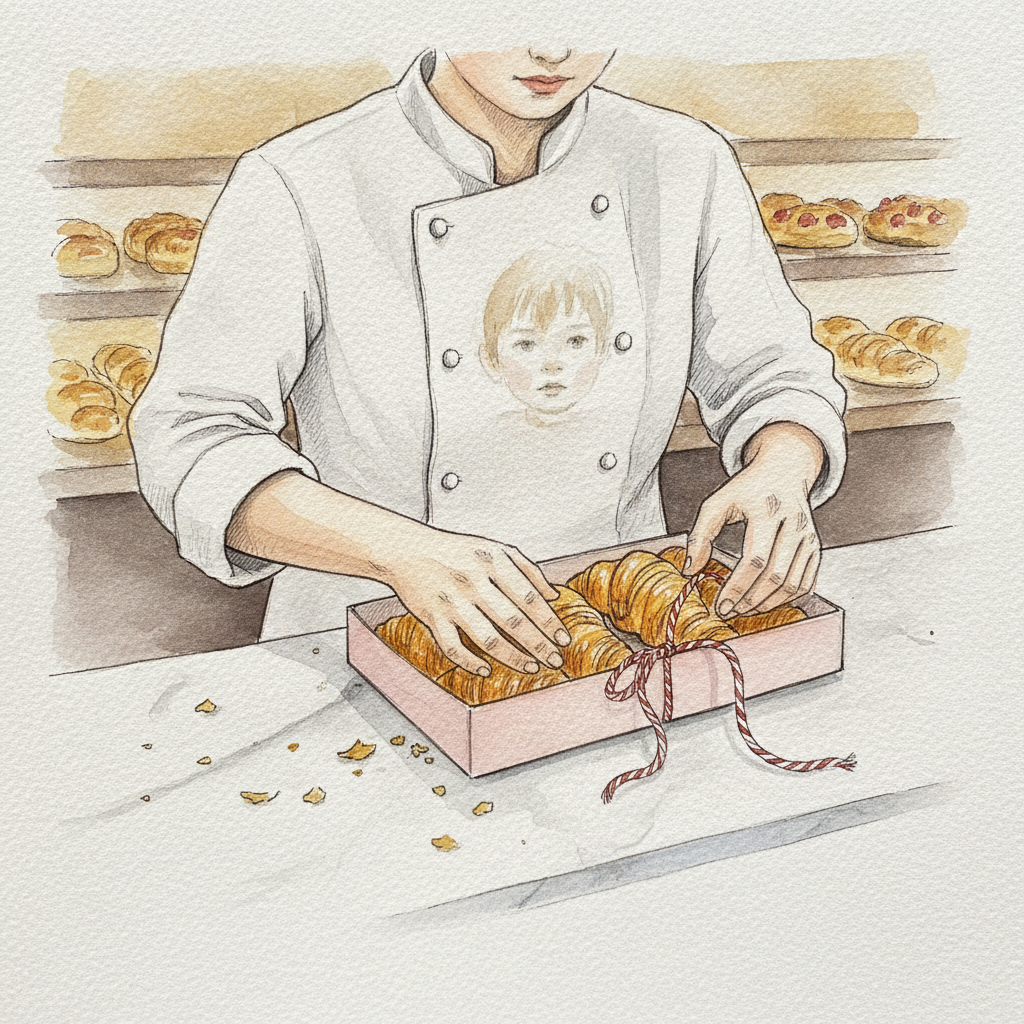
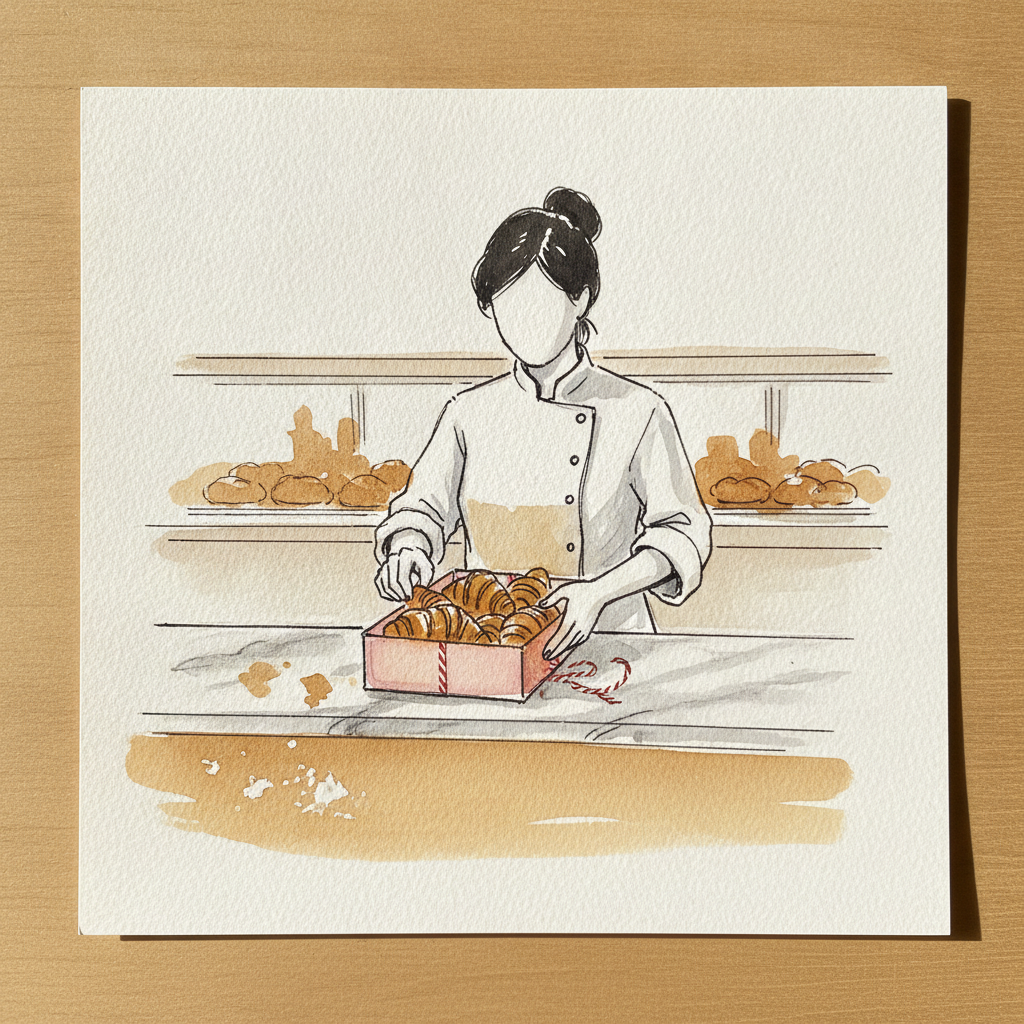
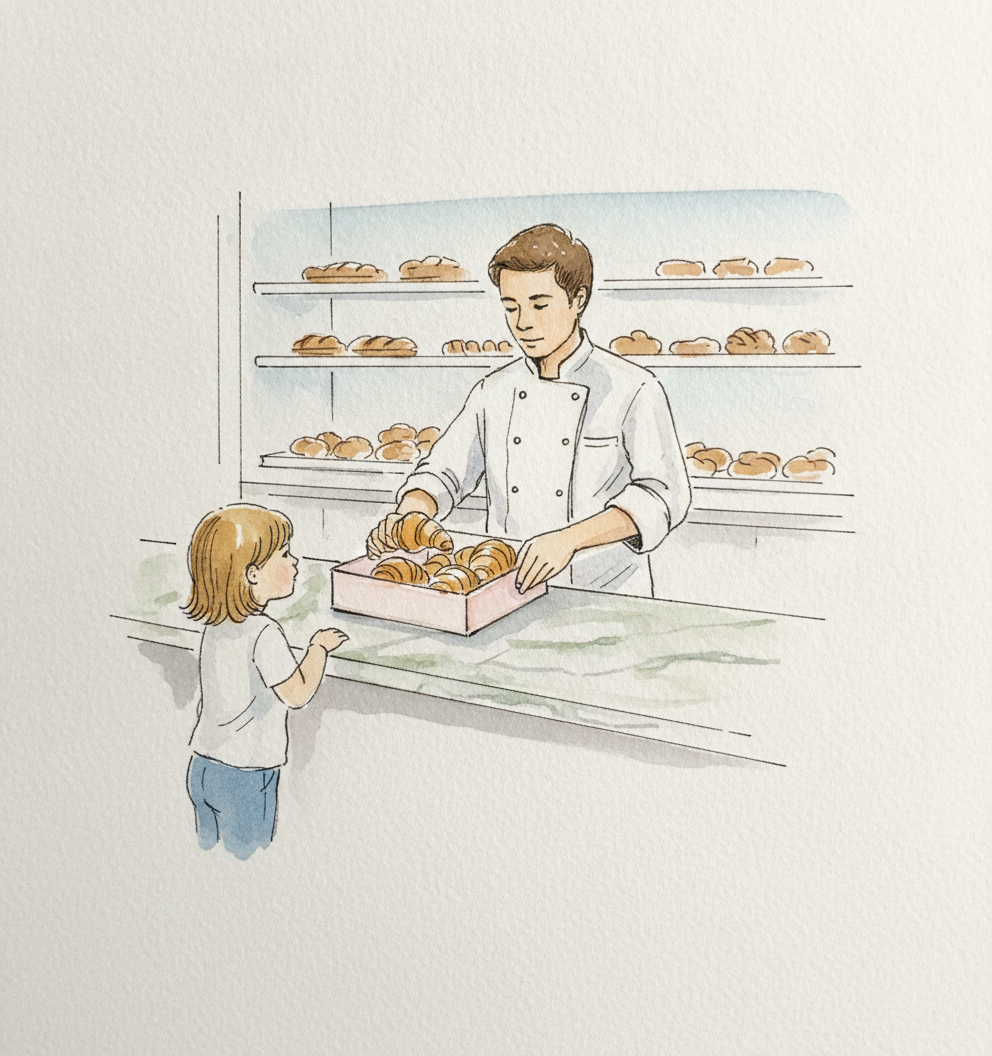
This piece is an excellent study in rendering diverse textures and surfaces. Experiment with varied line weights: use a fine-nib pen to capture the delicate, broken flakiness of the croissants and scattering crumbs, while employing smooth, consistent washes with a flat or round brush for the reflective marble counter. Contrast this with crisper, slightly heavier lines to define the solid structure of the bakery box and the soft folds of the chef's coat, allowing the watercolor to suggest their volume.
Piece 8 — Brazilian Sertão Farm, Caetité, Bahia
Pen + Watercolor · Loose pen and watercolor line-and-wash
Three takes
Focus for this piece
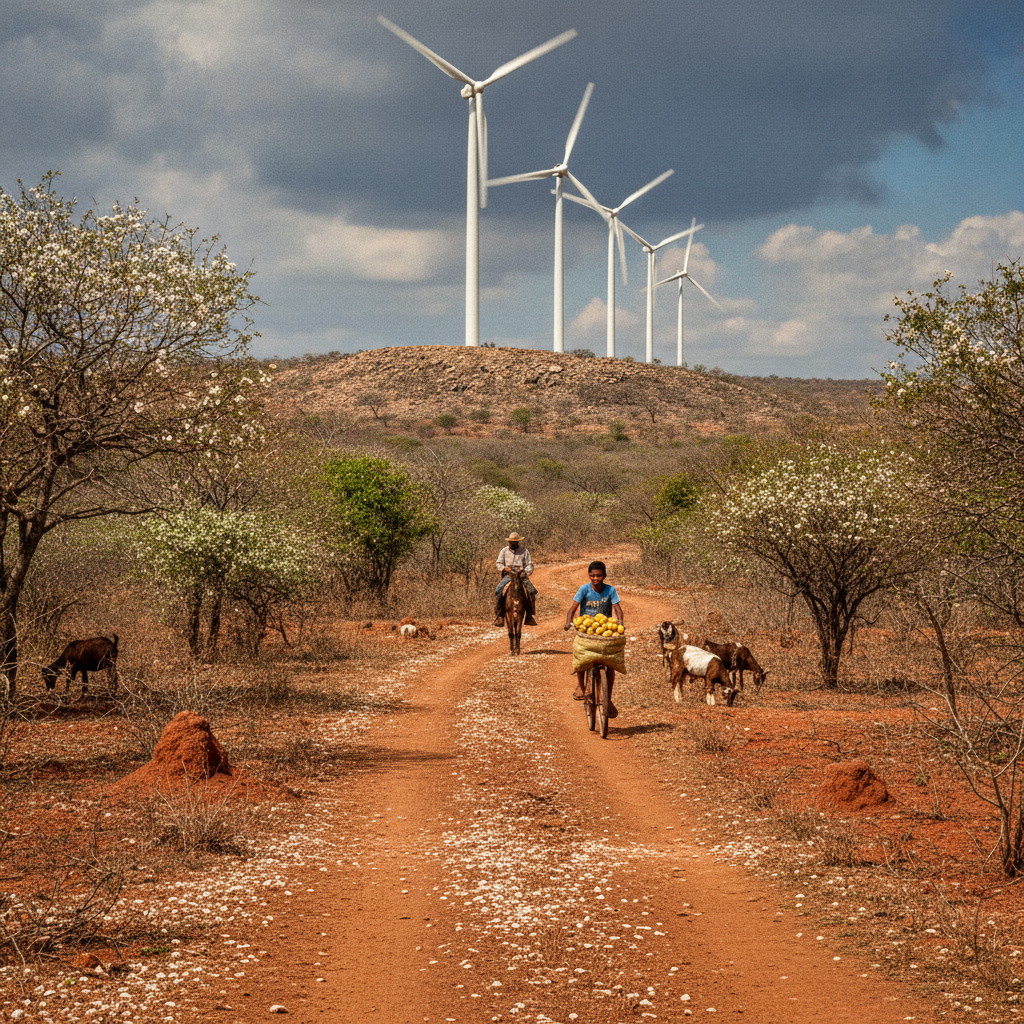
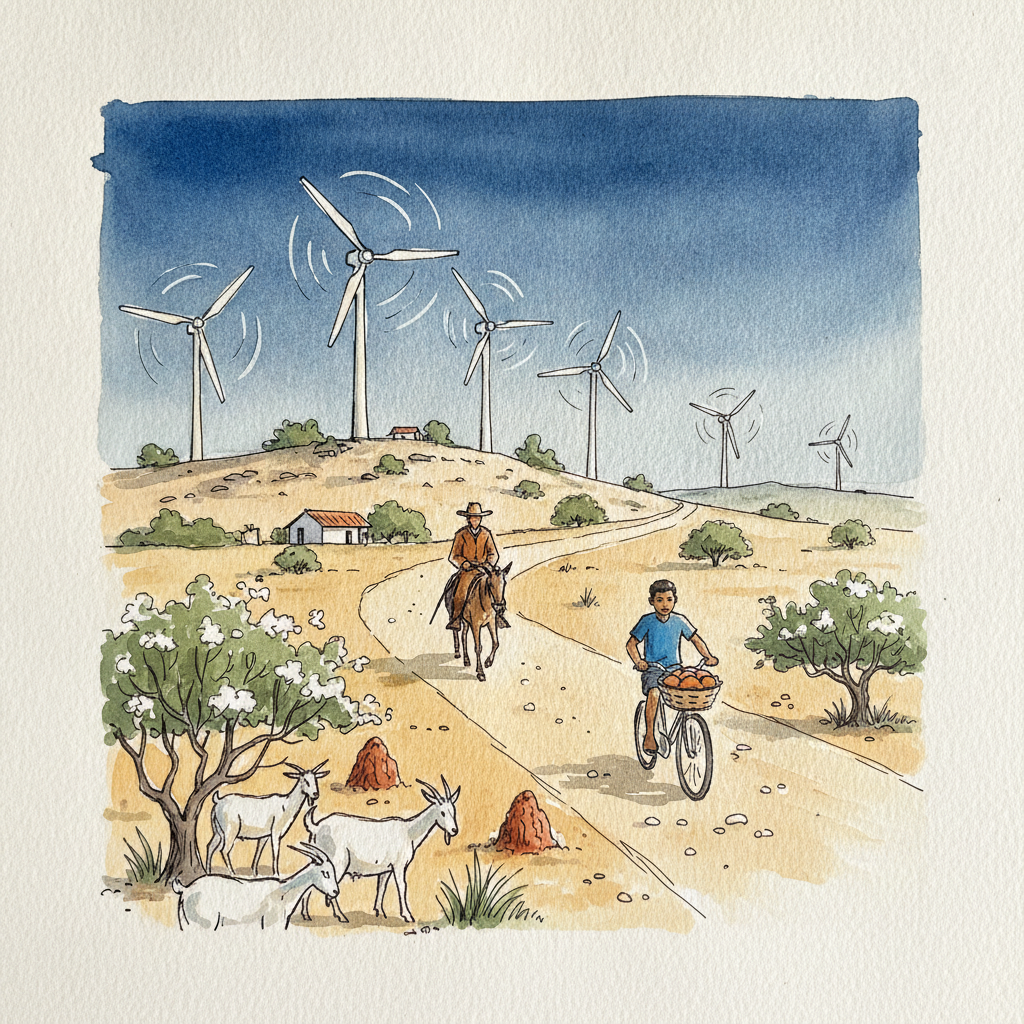
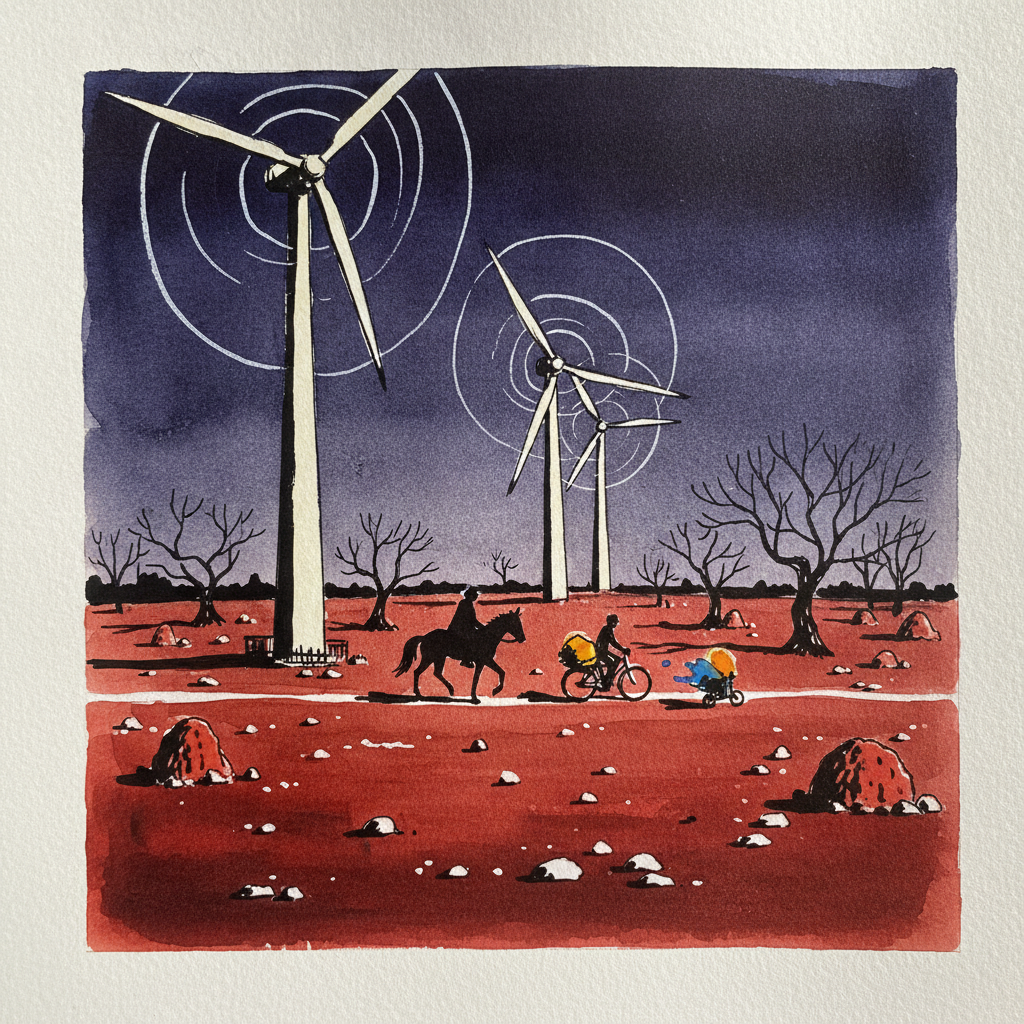
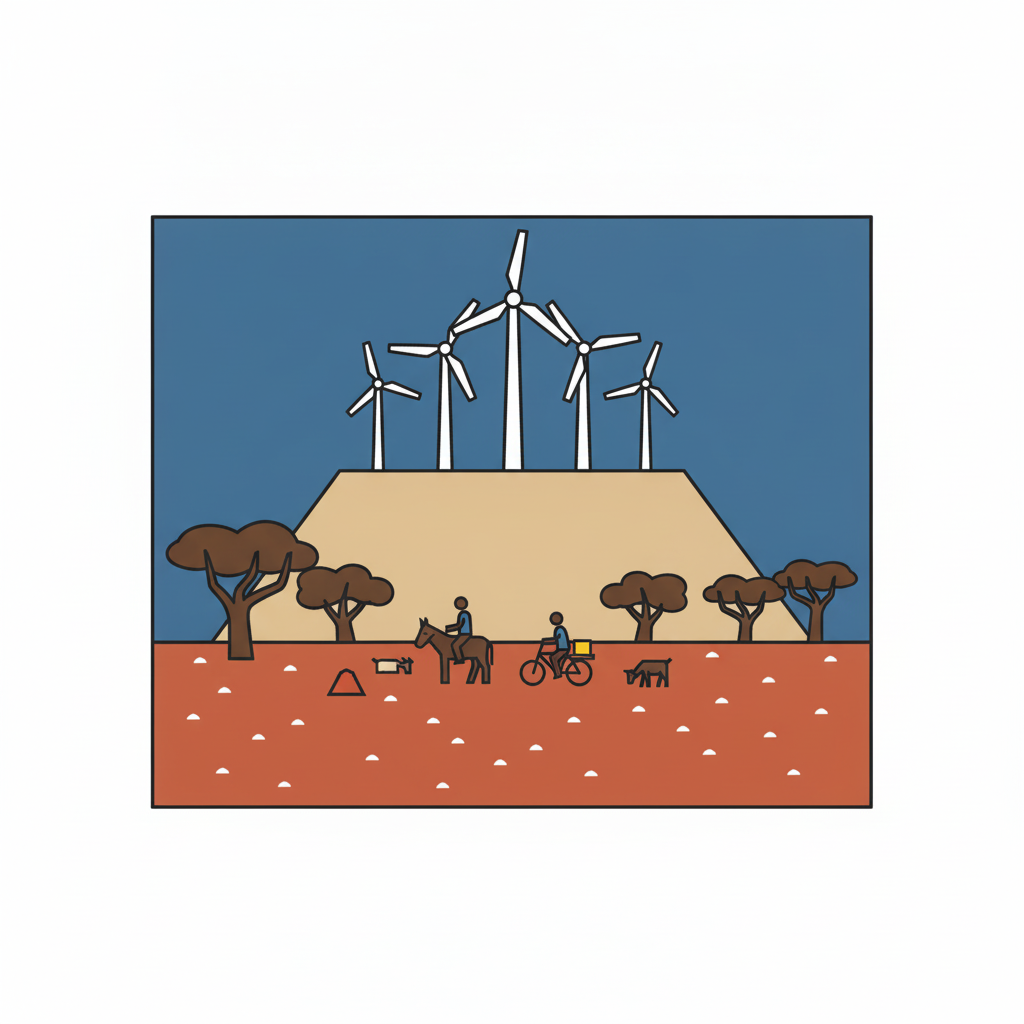
This piece is an excellent exercise in establishing **depth and immense scale** through strategic contrast. Use a light touch with washes of raw sienna and cerulean for the distant stony ridge and sweeping blue sky, letting the cream turbines visually recede with minimal detail. Reserve your strongest pigment and descriptive, varied line weights for the foreground elements—the brick-dust earth, textured caatinga, and crisp details of the vaqueiro and boy on his bicycle—to powerfully anchor the foreground and emphasize the vastness beyond.