Ethiopian Young Woman, Side-light spinal study, palms up at sides, English Beech Wood with Bluebell Carpet, Black mustard, and more — pen + watercolor for November 1, 2026
AI-generated daily art-practice references for pen and watercolor: Ethiopian Young Woman, Side-light spinal study, palms up at sides, English Beech Wood with Bluebell Carpet, Black mustard, Antelope Upper Canyon sandbeam, Arizona, Propagation tray with seedlings, Janitor with cart, Igreja da Pamp…
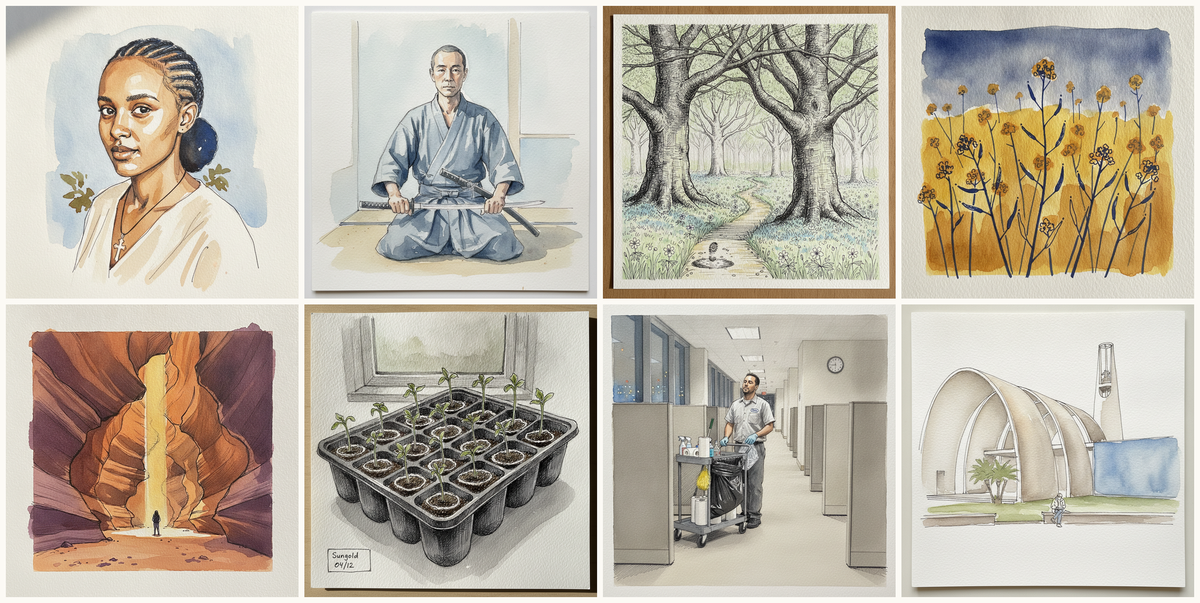
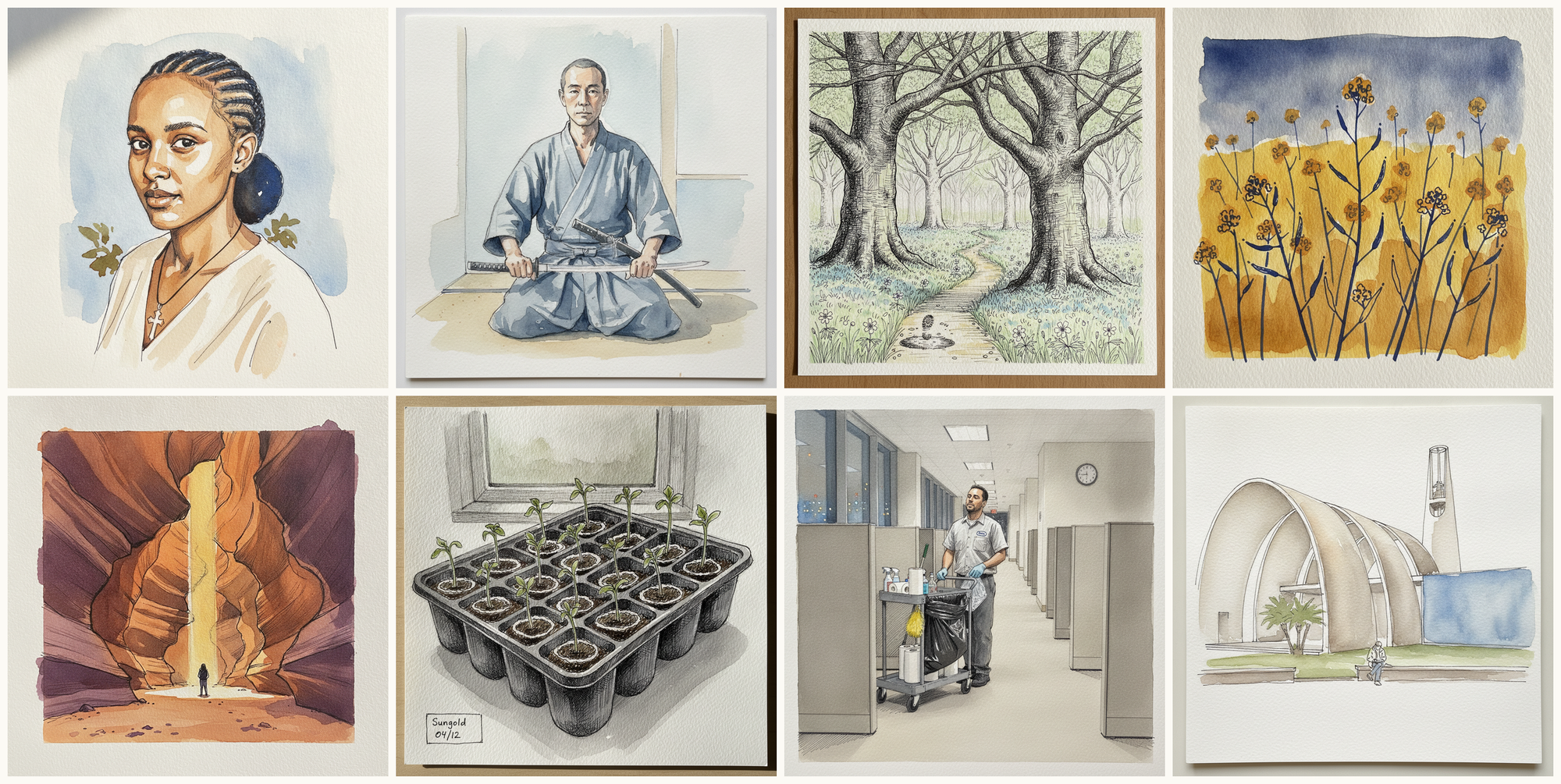
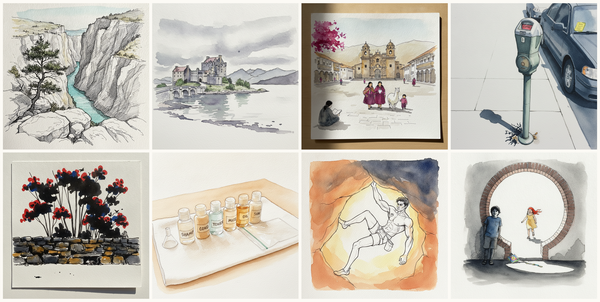
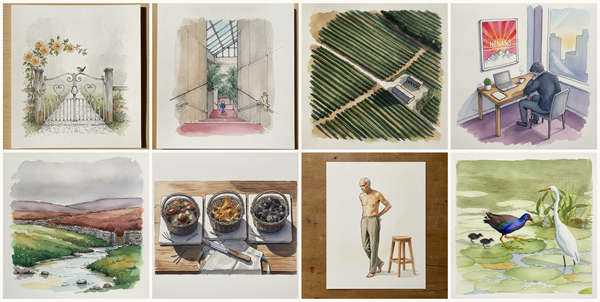
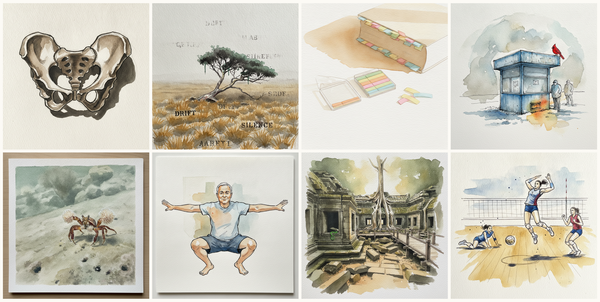
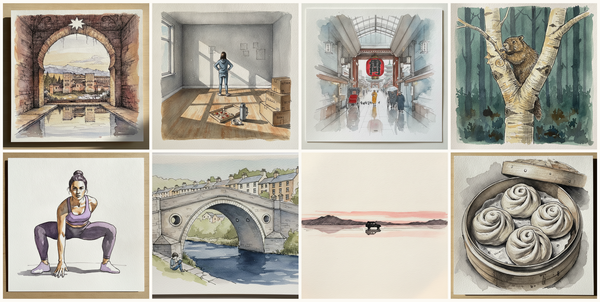
Today's 8 pen-and-watercolor pieces: Ethiopian Young Woman, Side-light spinal study, palms up at sides, English Beech Wood with Bluebell Carpet, Black mustard, Antelope Upper Canyon sandbeam, Arizona, Propagation tray with seedlings, Janitor with cart, Igreja da Pampulha (São Francisco de Assis), Belo Horizonte, Brazil. Each piece comes with an AI-generated photoreal reference, three AI-generated example artworks in different treatments, and a short focus paragraph naming what to study in this one.
Why these references use AI
This daily series uses AI-generated images as practice prompts, not as finished artwork to copy. Each subject starts with a synthetic photoreal reference generated with Gemini/Nano Banana, then moves into three pen-and-watercolor interpretations of the same subject.
I use AI here because daily art practice needs variety and low friction. Real life can get repetitive, busy, or visually narrow. These generated reference sets make it easier to study bodies, buildings, animals, landscapes, objects, gestures, light, palettes, and compositions that might not show up in an ordinary day.
The goal is not to reproduce any image directly. Treat each set as a starting point for observation and study: choose what interests you, change the framing, simplify the subject, alter the palette, and make your own version.
Piece 1 — Ethiopian Young Woman
Pen + Watercolor · Loose pen and watercolor line-and-wash

Three takes

Focus for this piece
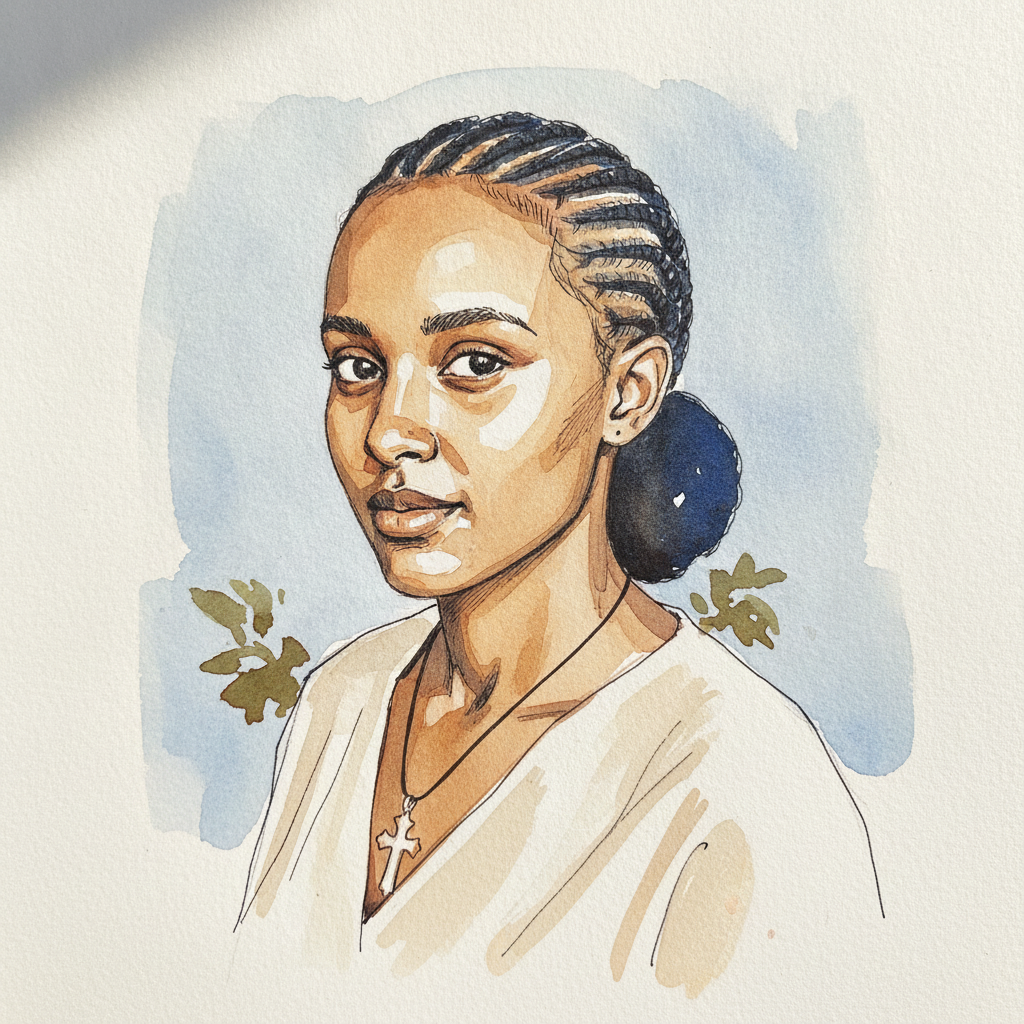
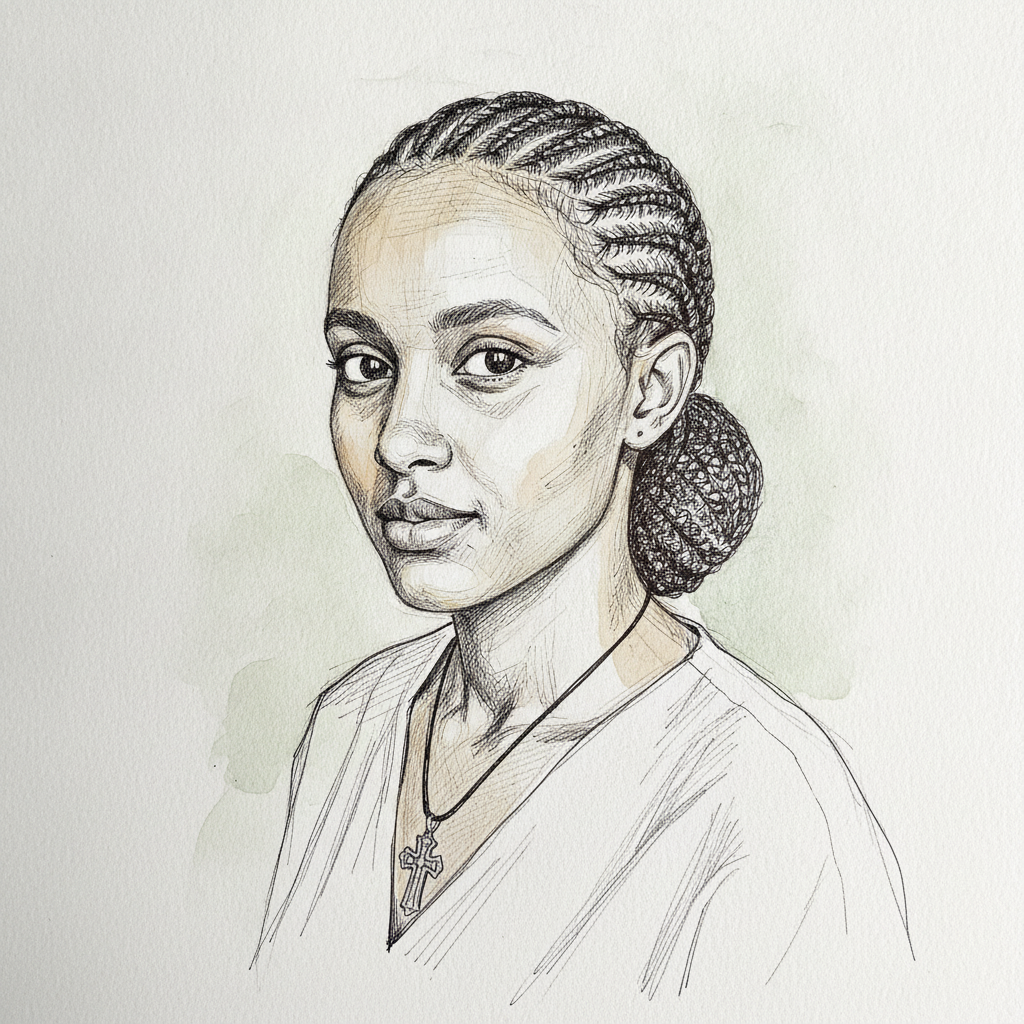
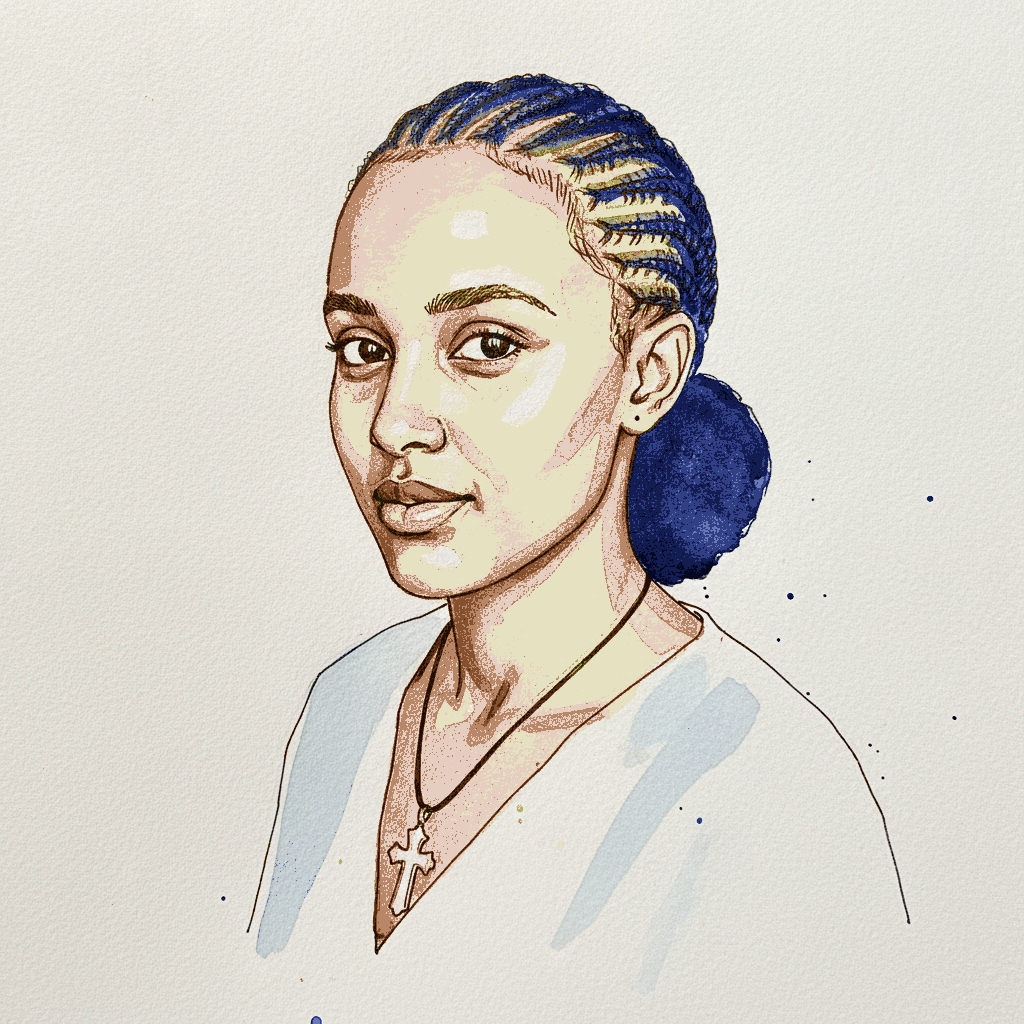
This piece offers a superb study in balancing precise, fine-line ink work with atmospheric watercolor washes to convey both intricate detail and soft, directional light. Use a very fine-nib waterproof pen to render the delicate precision of the cornrow braids and the small cross, establishing their crisp form. Then, build the luminous skin tones and the volumetric shape of the face with soft, layered warm washes, allowing the watercolor to suggest the glow where light catches the cheekbones. The key is to let the fluid washes create atmosphere and volume while the ink maintains essential structure and texture.
Piece 2 — Side-light spinal study, palms up at sides
Pen + Watercolor · Loose pen and watercolor line-and-wash
Three takes
Focus for this piece
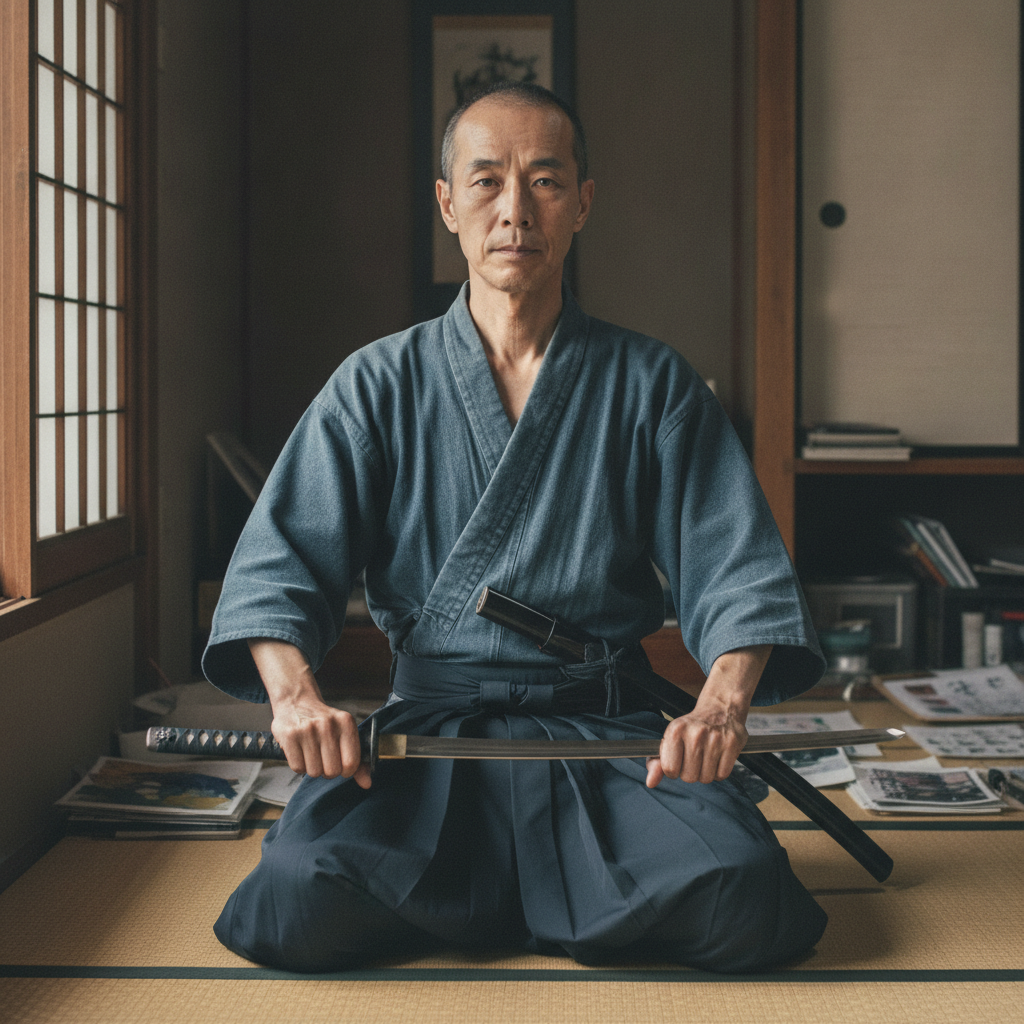
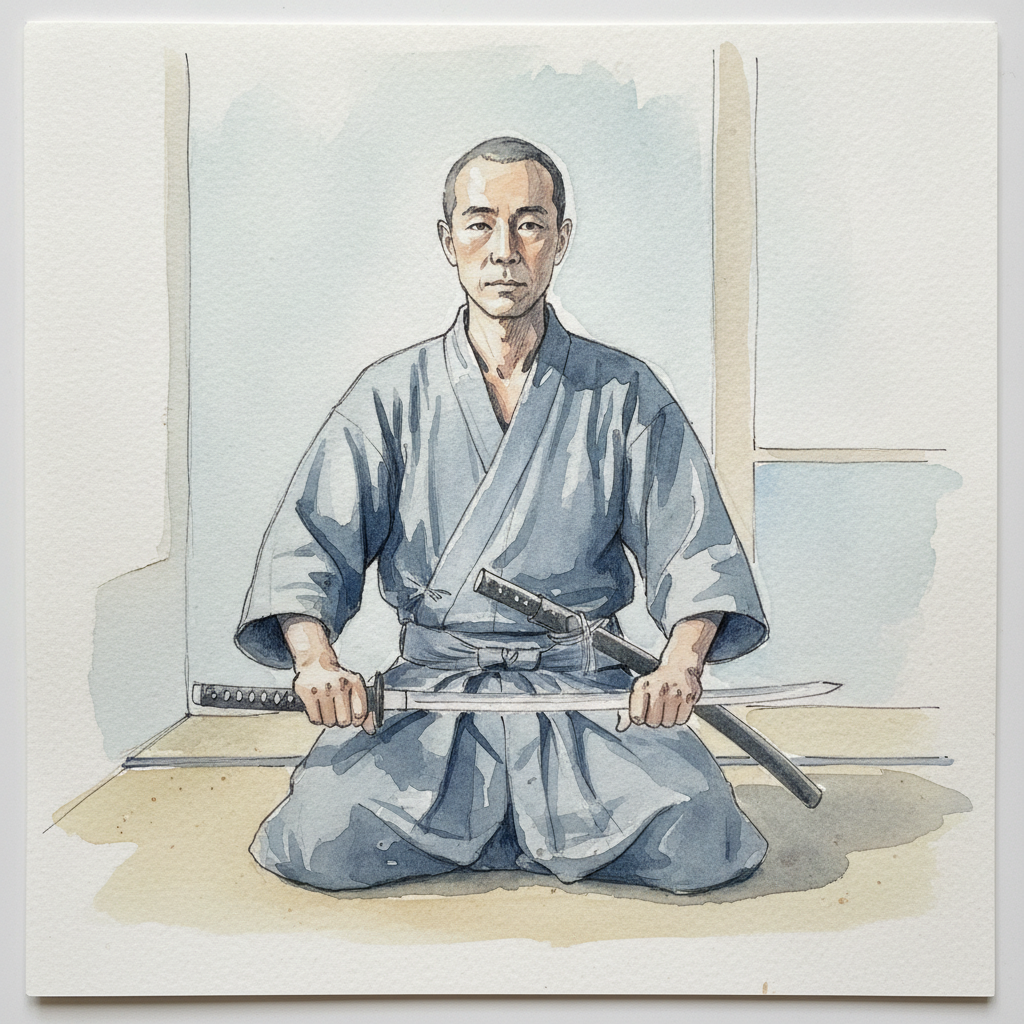
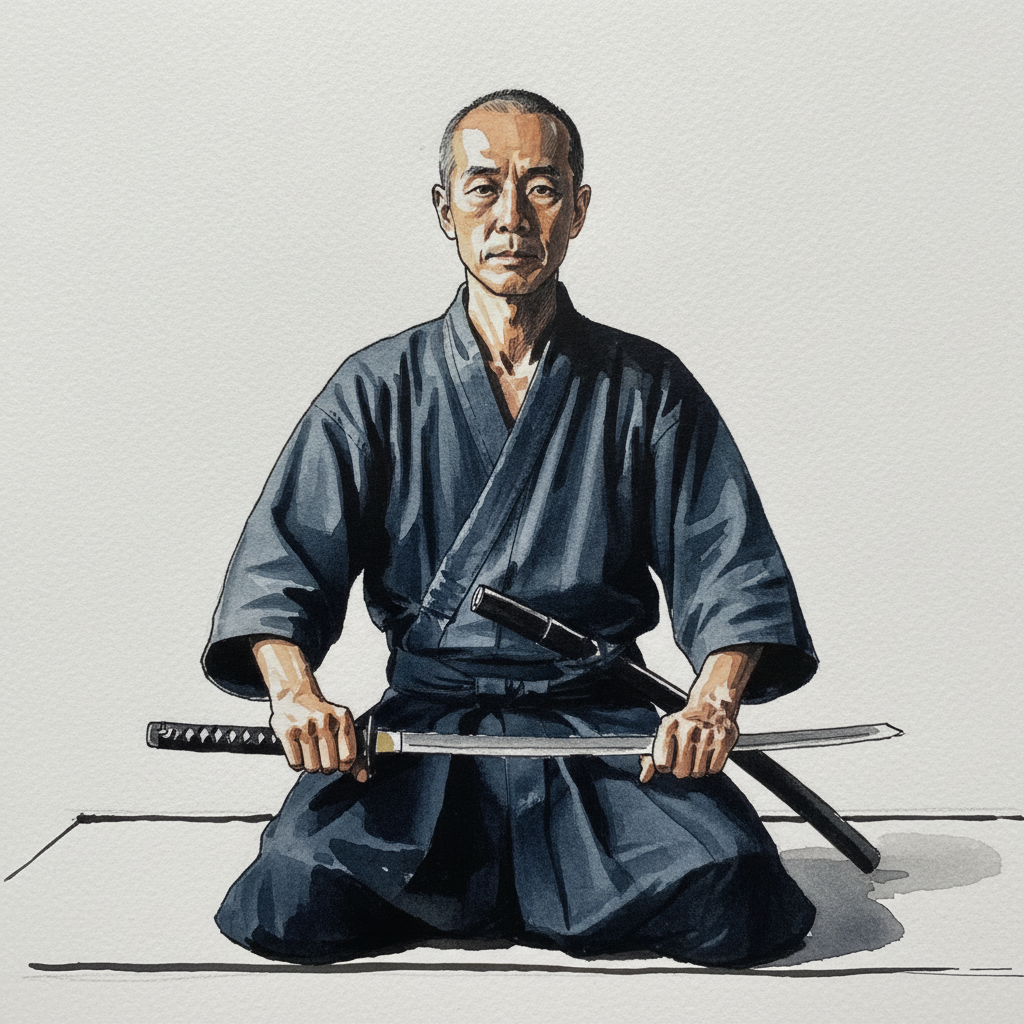
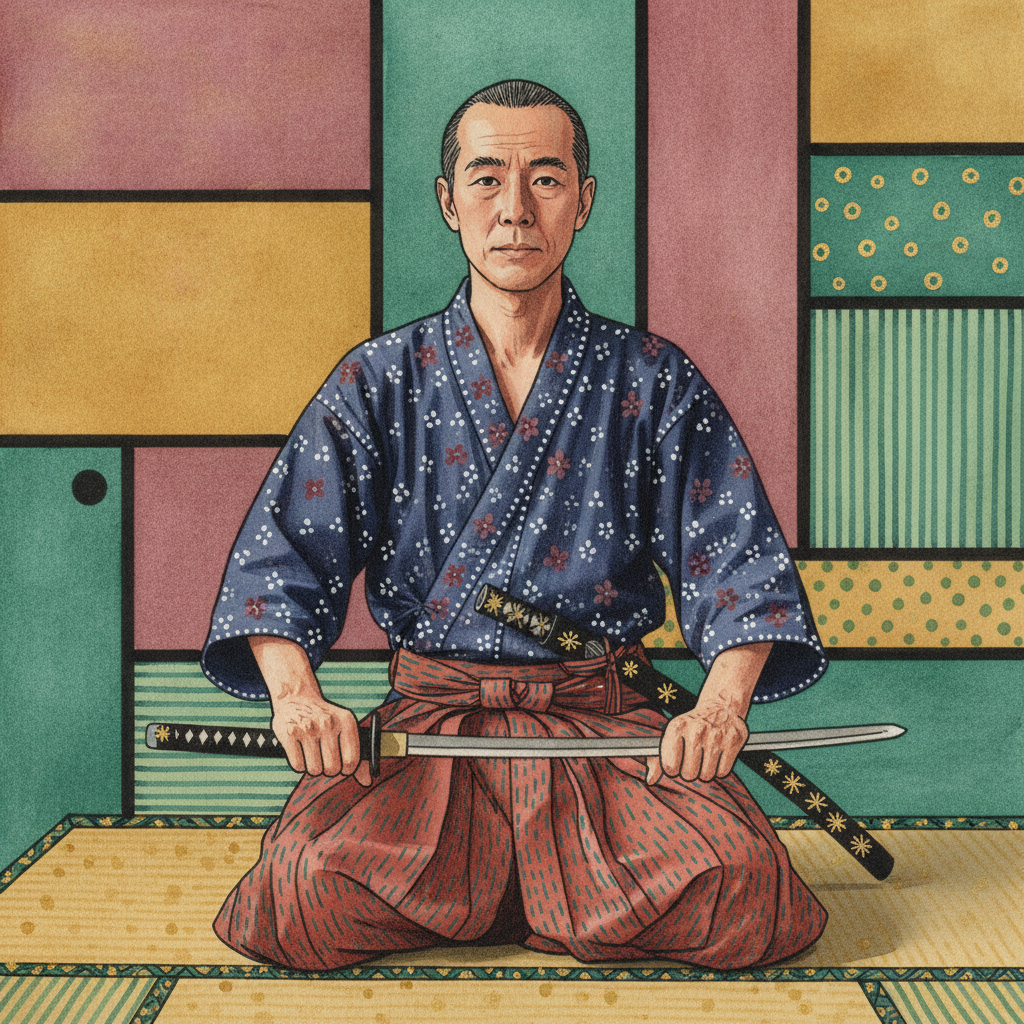
This piece offers a prime opportunity to articulate form through **varied, deliberate line weights**, emphasizing the figure's lean skeletal structure in elements like the clavicles and iliac crests. Complement this precise drawing with **gradated, luminous washes** applied with a **round brush** to capture the strong light and shadow cast by the raking front-light, modeling the vertical spine and the horizontal sword. This interplay of crisp line and soft wash will highlight the subject's disciplined presence and the quiet strength of the pose.
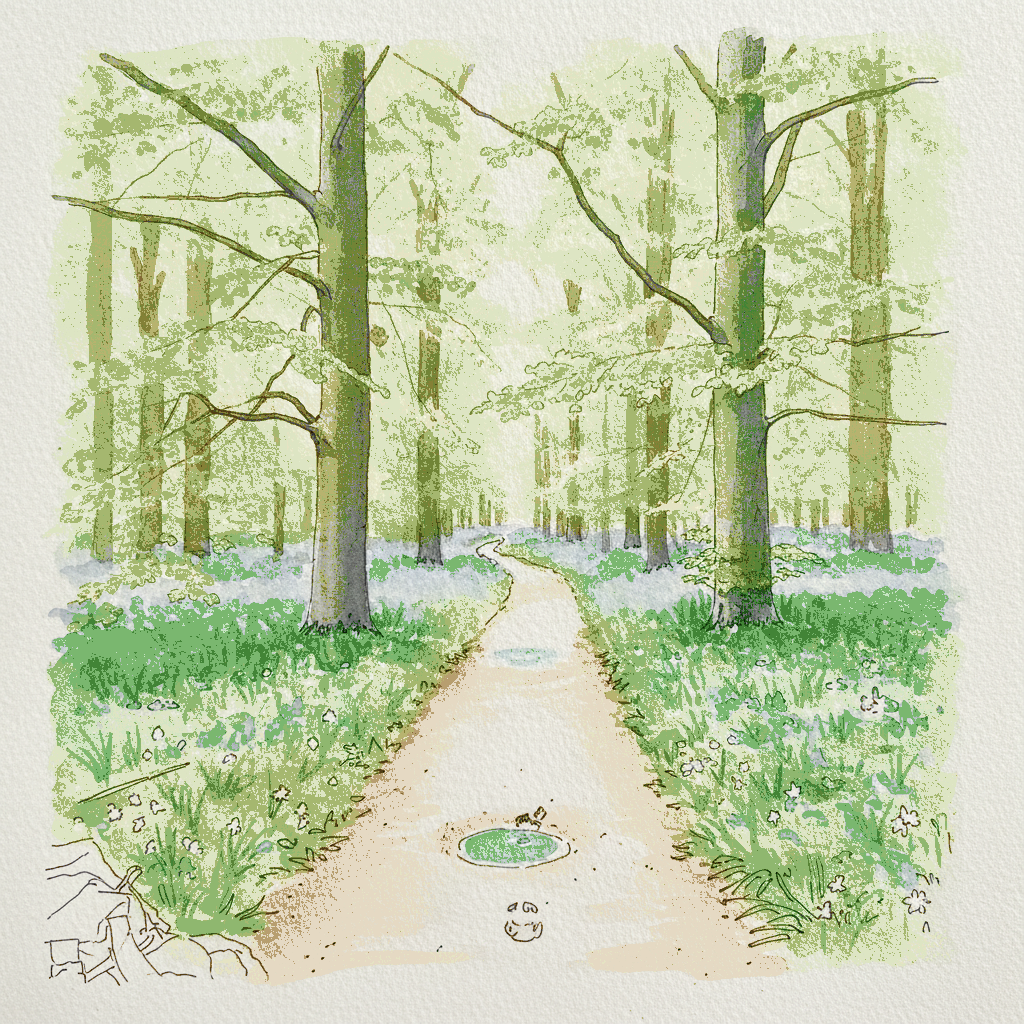
Piece 3 — English Beech Wood with Bluebell Carpet
Pen + Watercolor · Loose pen and watercolor line-and-wash
Three takes

Focus for this piece
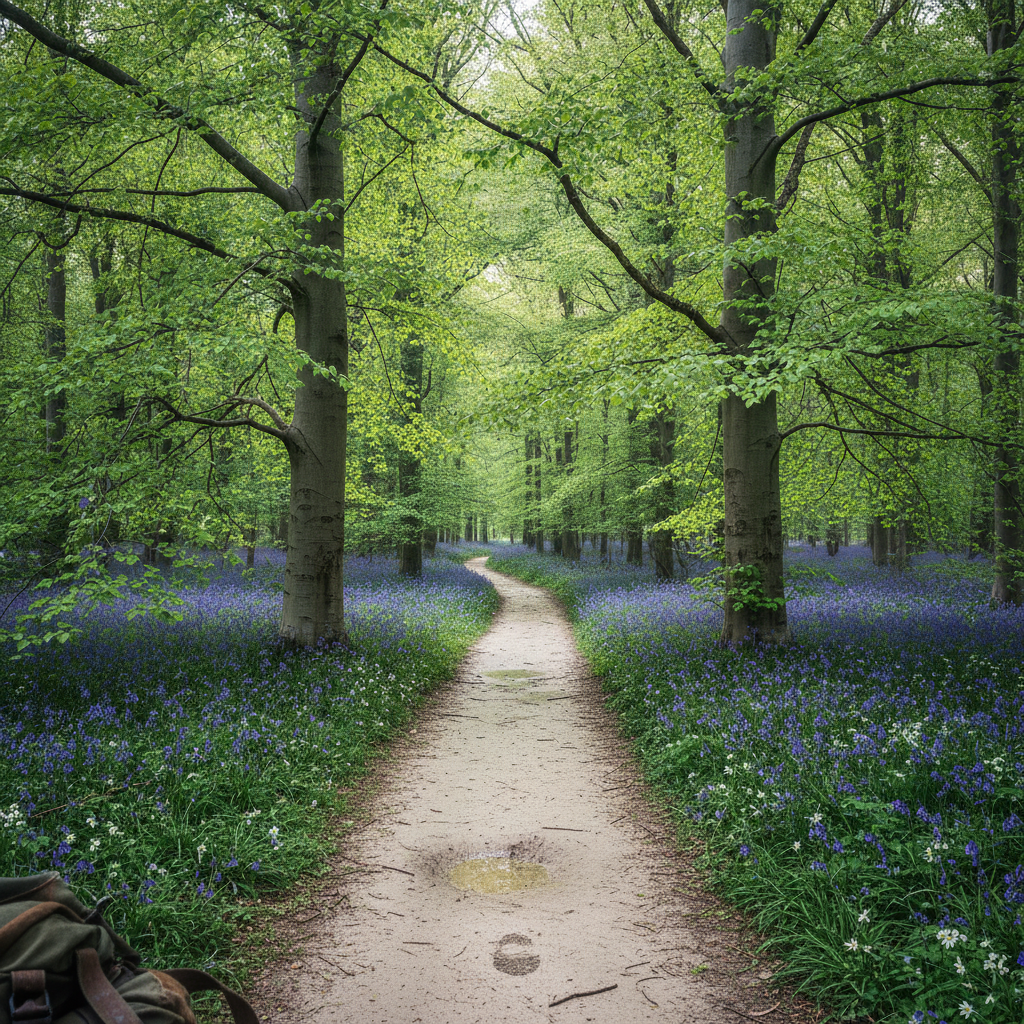
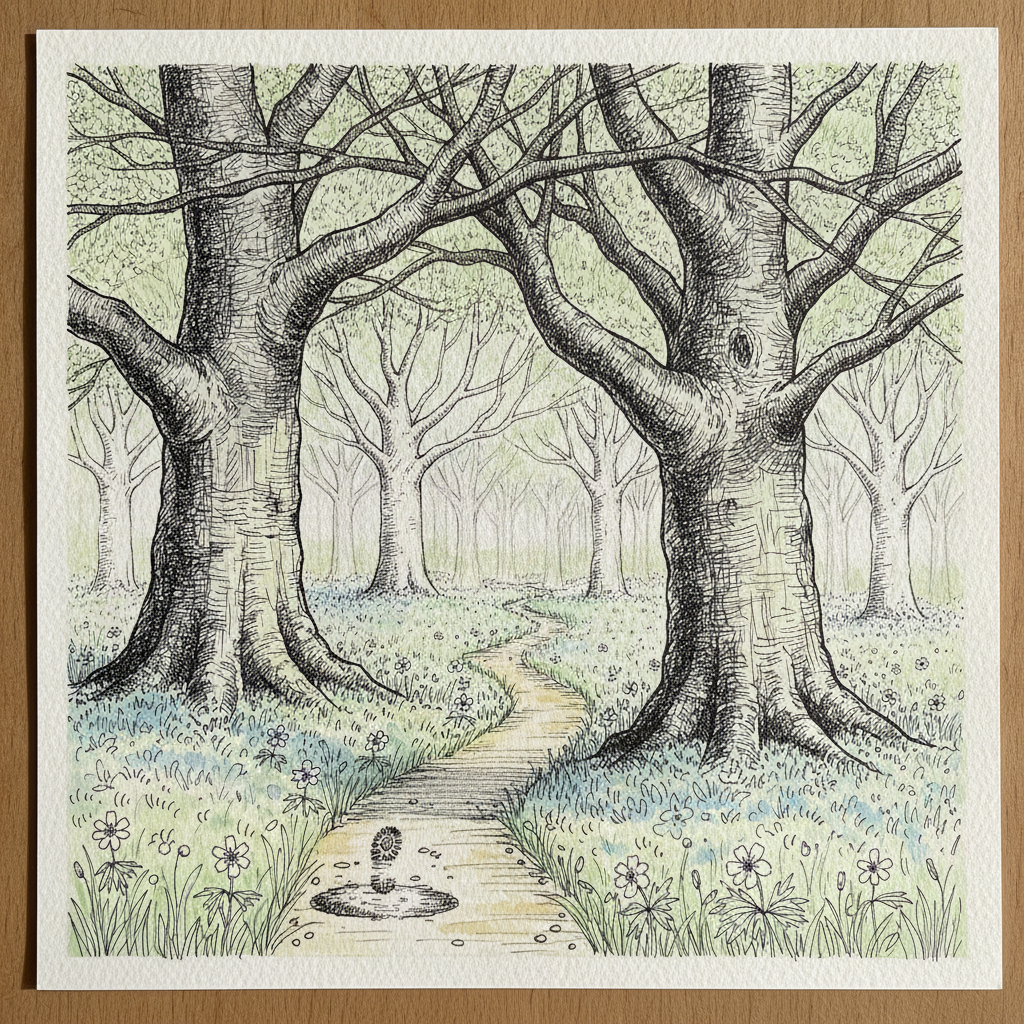
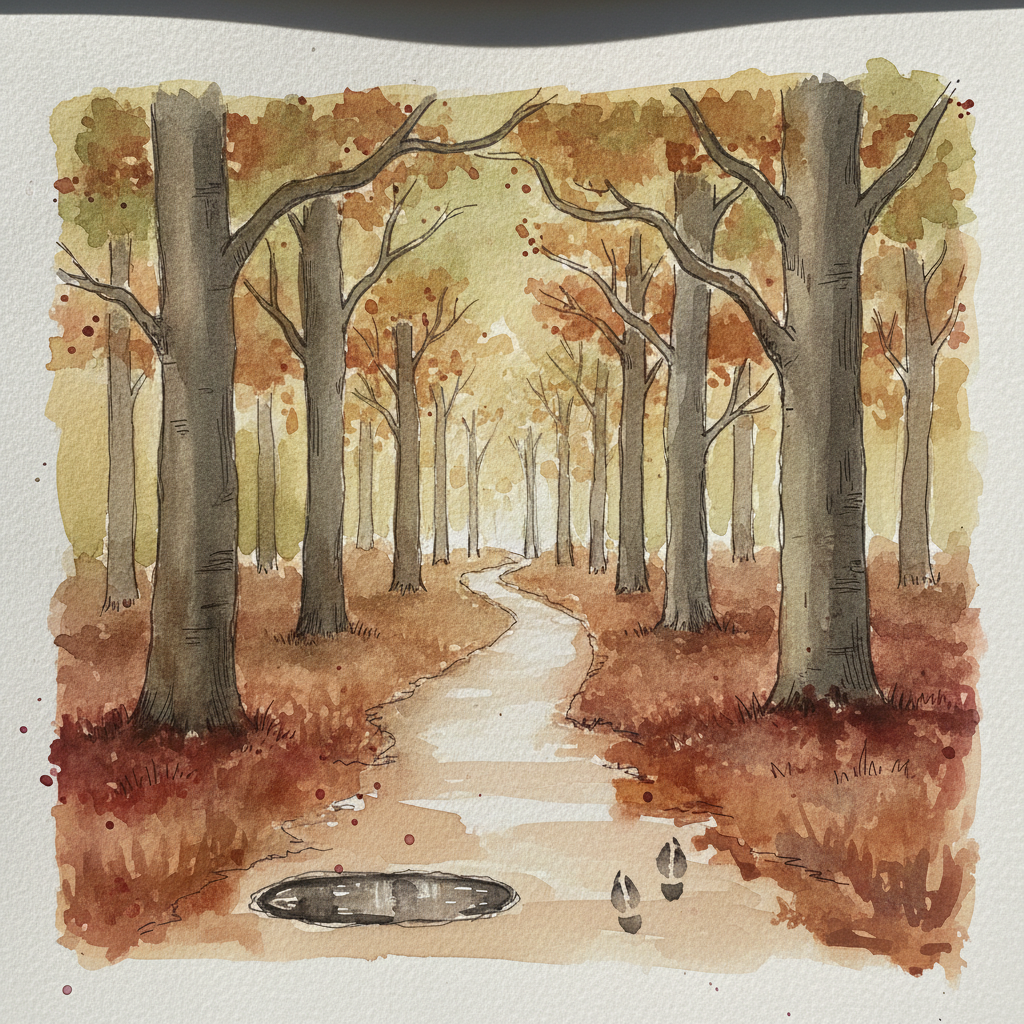
This piece is ideal for studying how layered washes create atmospheric depth and light. Concentrate on building the distant "haze" of bluebells with a soft, wet-on-wet blend of ultramarine violet into sap green, allowing the colors to dissipate into the background. Use varied pen weights to define the closer, grey-limbed beech trunks and the sharp points of foreground wood anemones, letting crisp line work ground the soft, atmospheric watercolor.
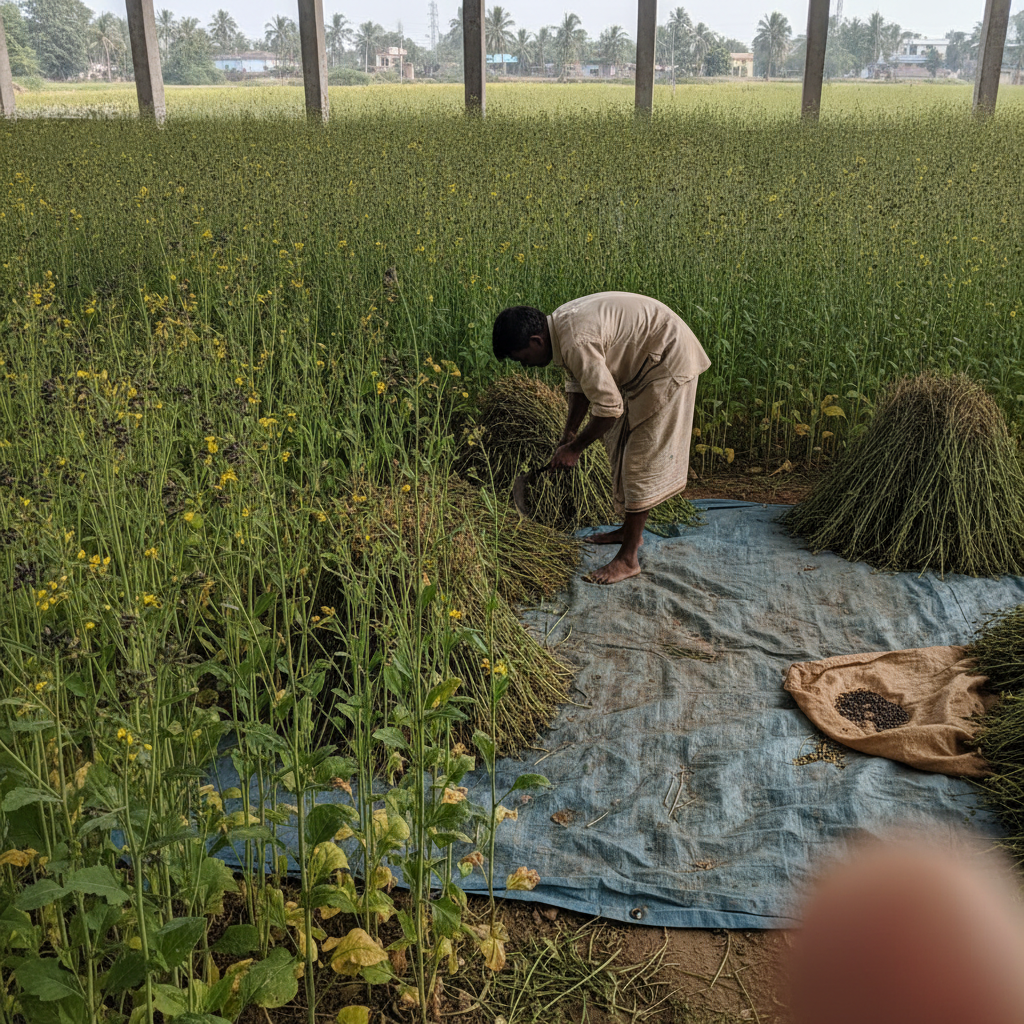
Piece 4 — Black mustard
Pen + Watercolor · Loose pen and watercolor line-and-wash
Three takes

Focus for this piece
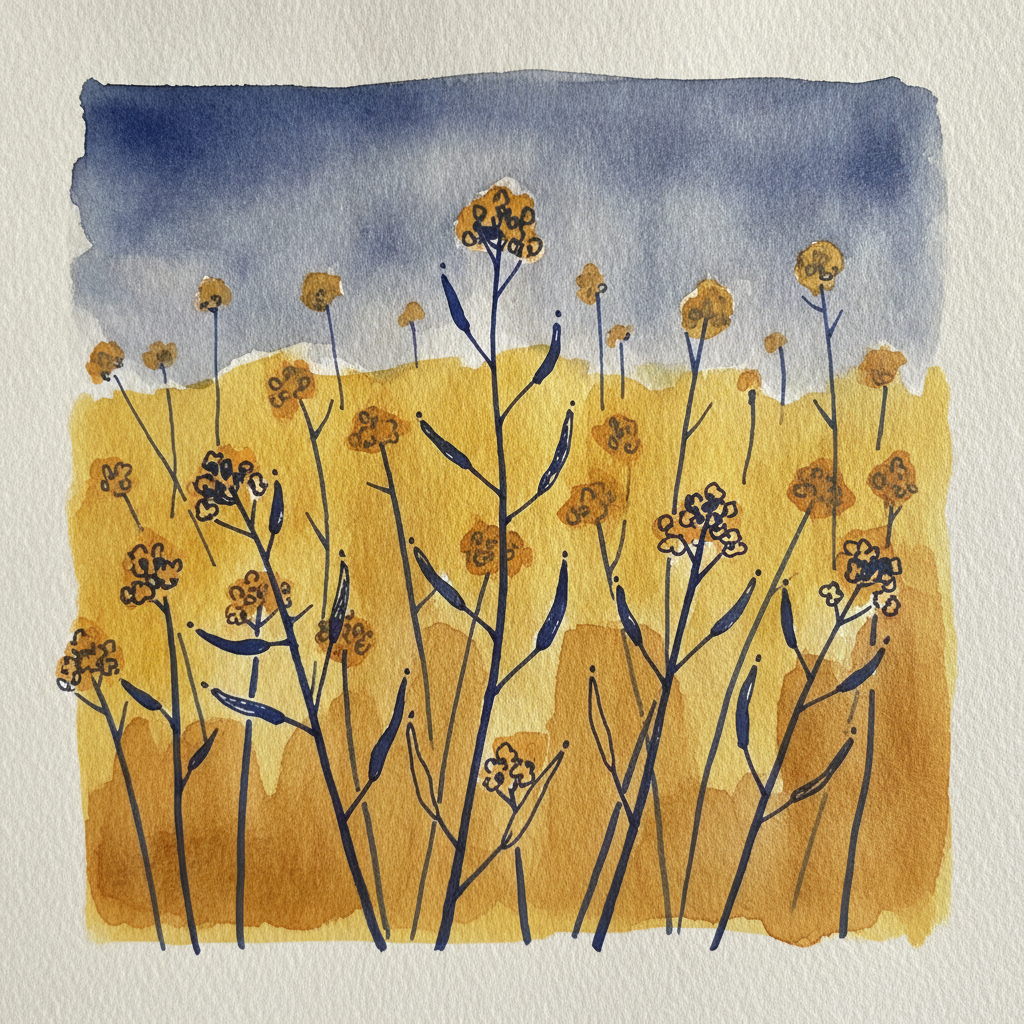
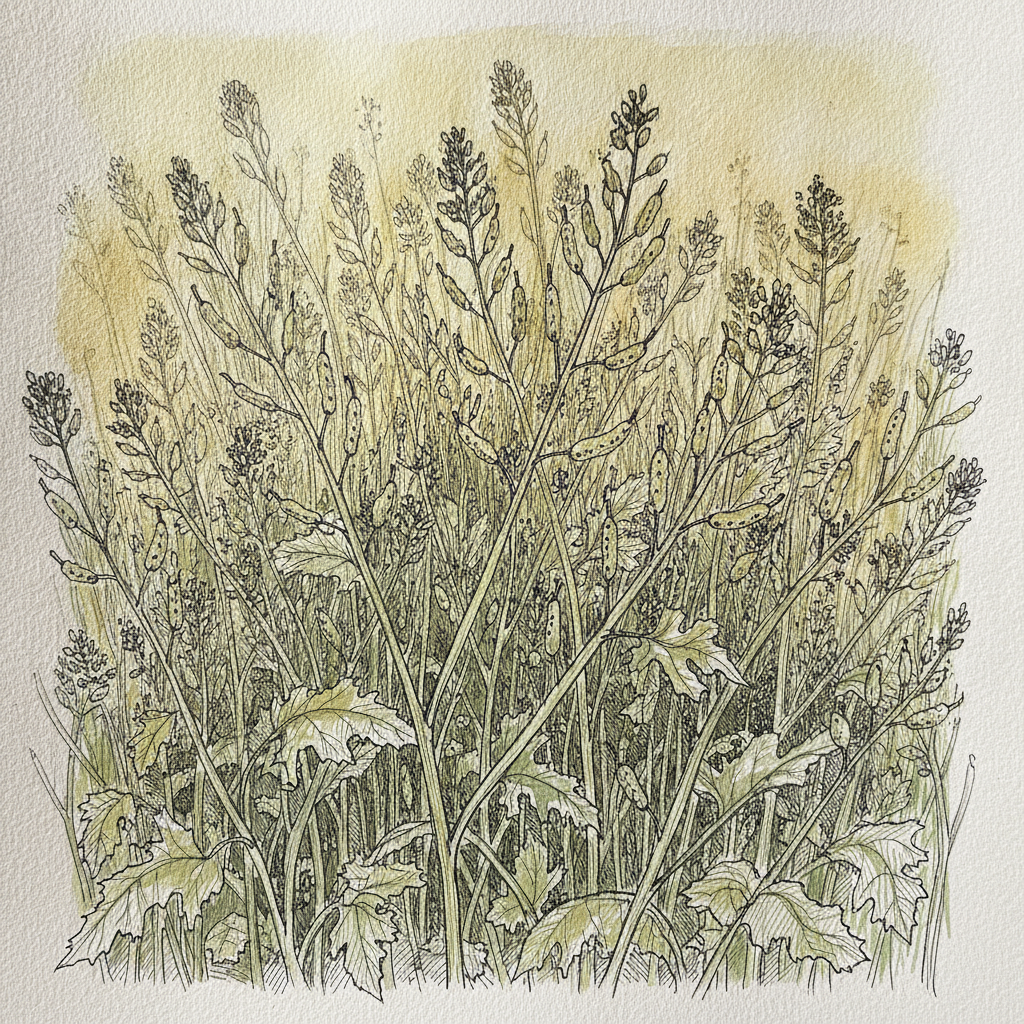
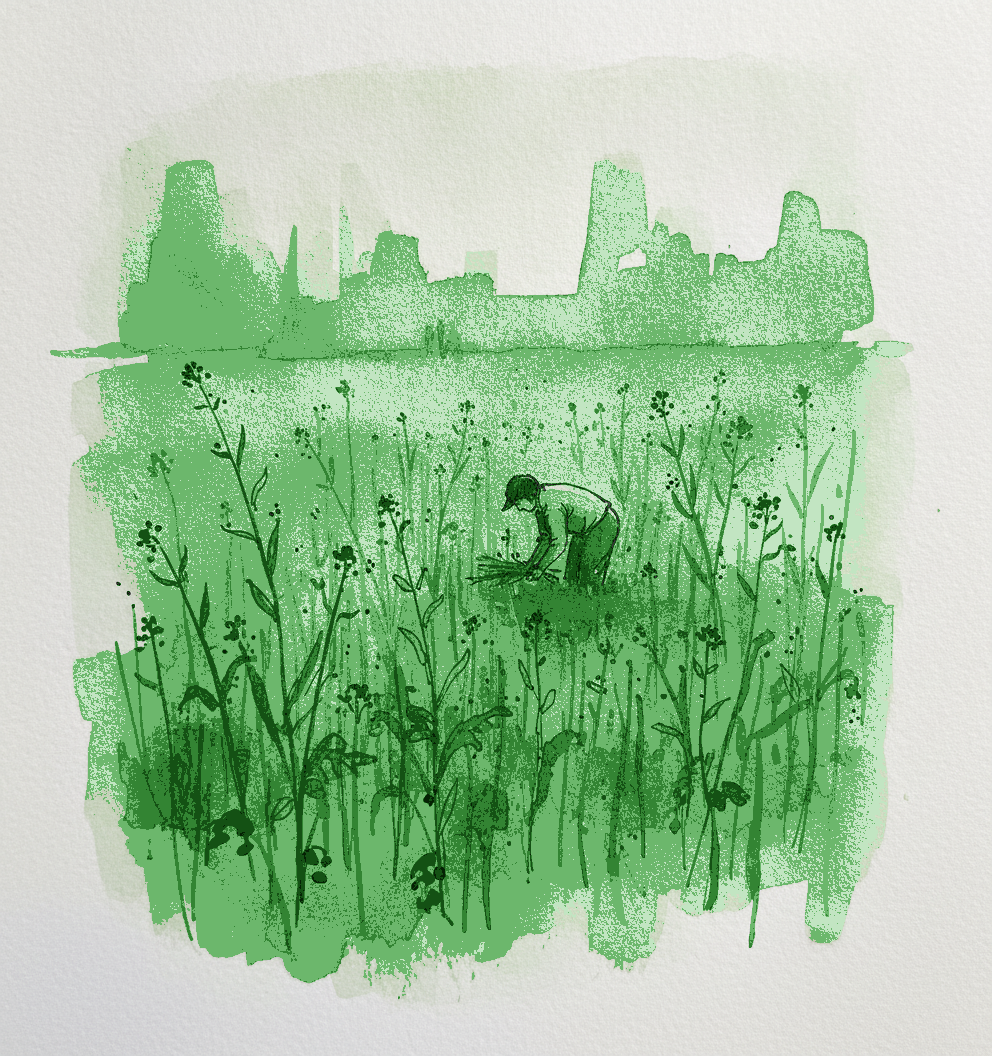
This piece is ideal for practicing how to suggest a dense field using a combination of line weight and soft washes. Focus on creating foreground texture with crisp, varied pen lines for individual stalks, while allowing lighter, looser strokes and wet-on-wet washes to blur into the background, hinting at mass and atmospheric distance. Experiment with a muted palette of greens and warm yellows, letting the wash define broad areas of light and shadow before adding precise pen details.
Piece 5 — Antelope Upper Canyon sandbeam, Arizona
Pen + Watercolor · Loose pen and watercolor line-and-wash
Three takes
Focus for this piece
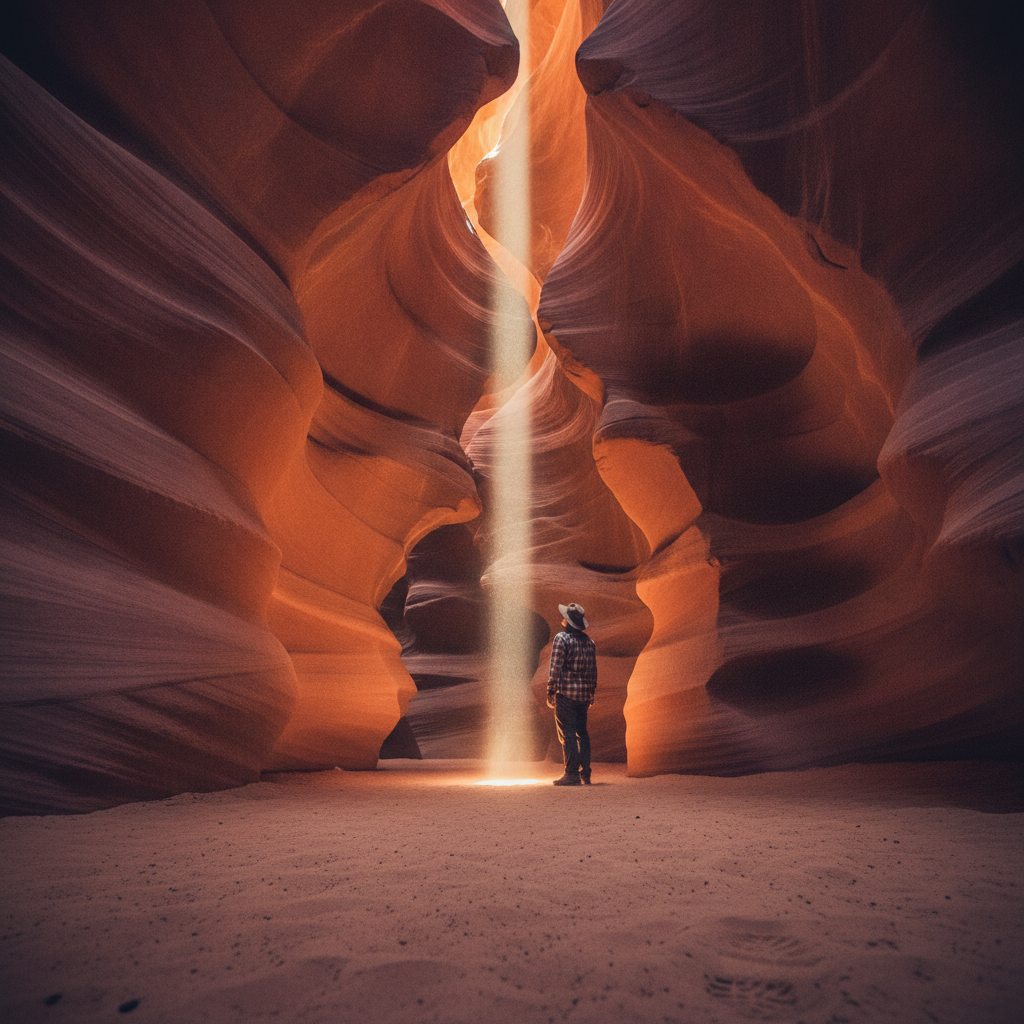
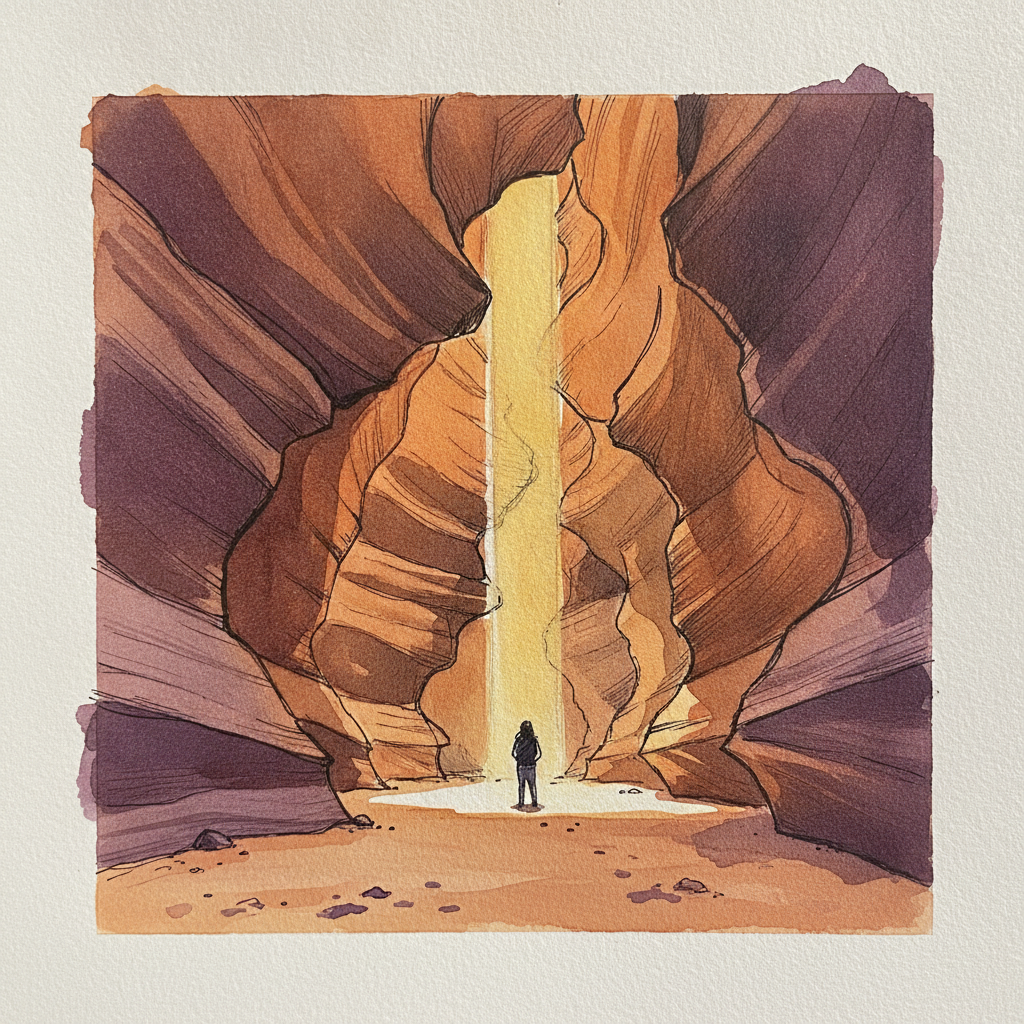
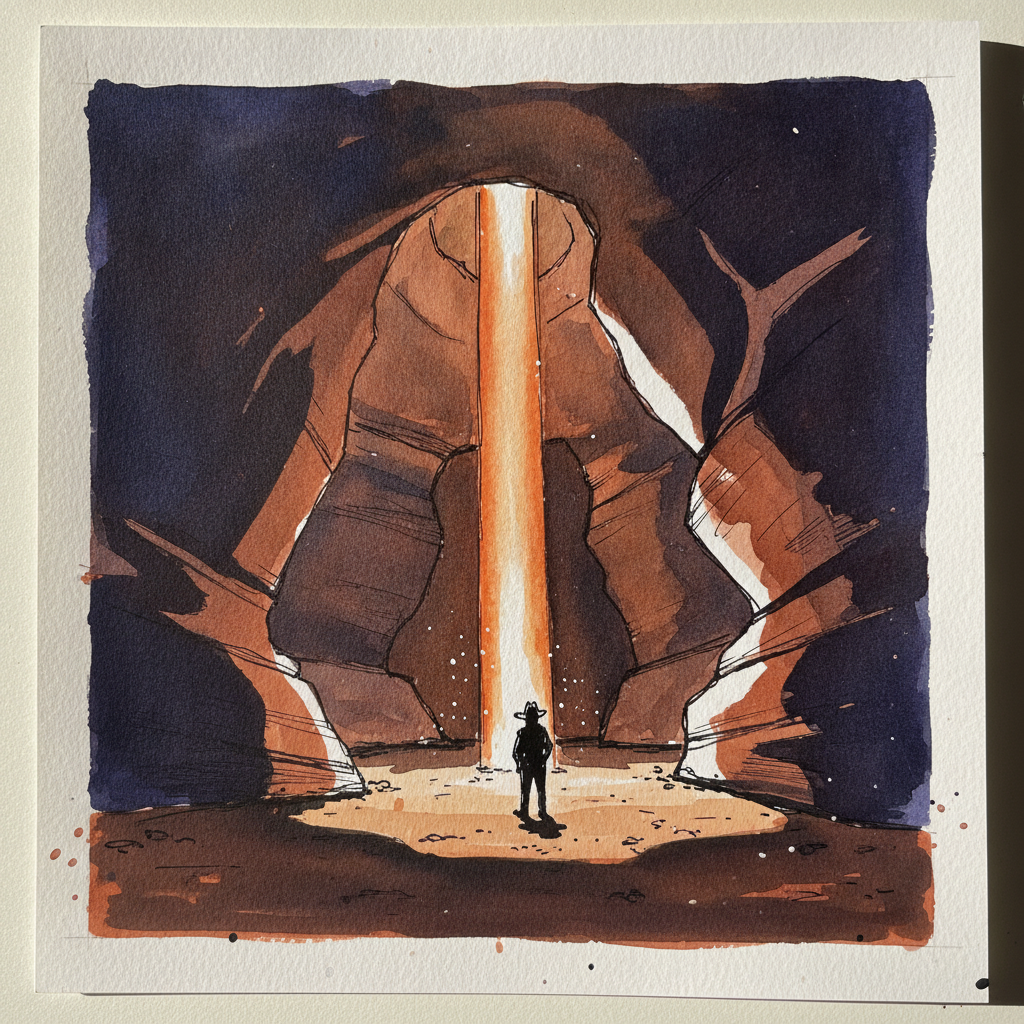
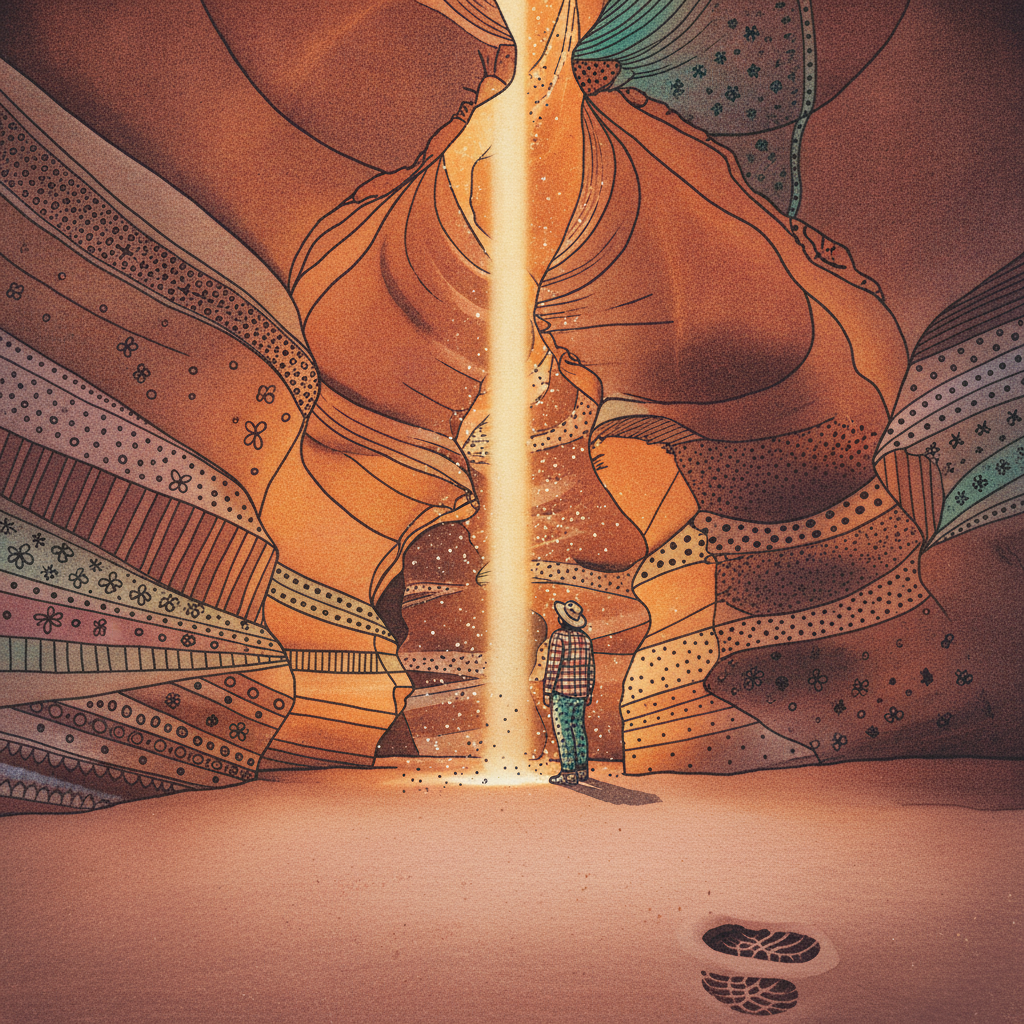
This piece offers an excellent study in rendering dramatic light by creating a powerful focal point through high contrast. Use soft, generous wet-on-wet washes with a restricted palette of warm earth tones to build the canyon's smooth, curving sandstone walls and deep, hushed shadows. Crucially, reserve unpainted paper to capture the intense "fire-orange" core of the vertical sunbeam, allowing subtle variations in line weight to define only select foreground edges, letting the glowing light dominate.
Piece 6 — Propagation tray with seedlings
Pen + Watercolor · Loose pen and watercolor line-and-wash
Three takes

Focus for this piece
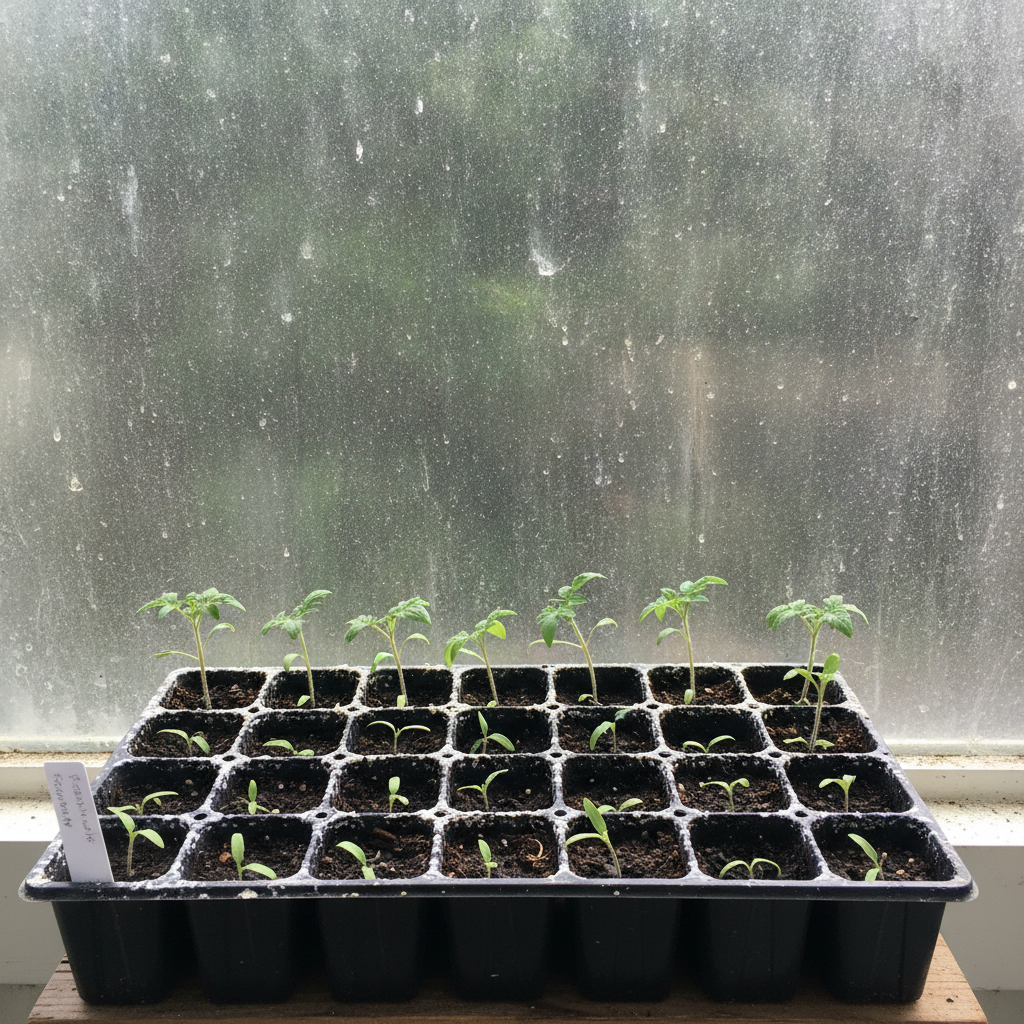
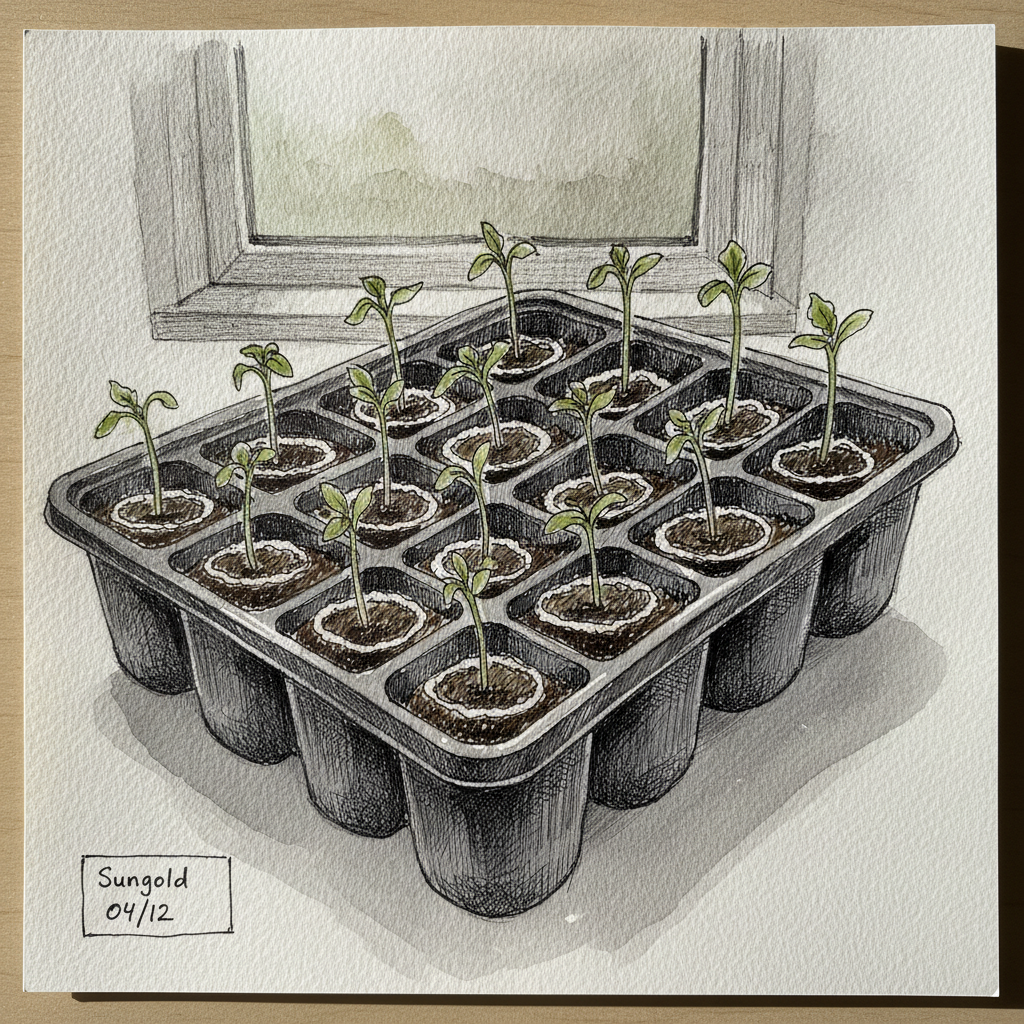
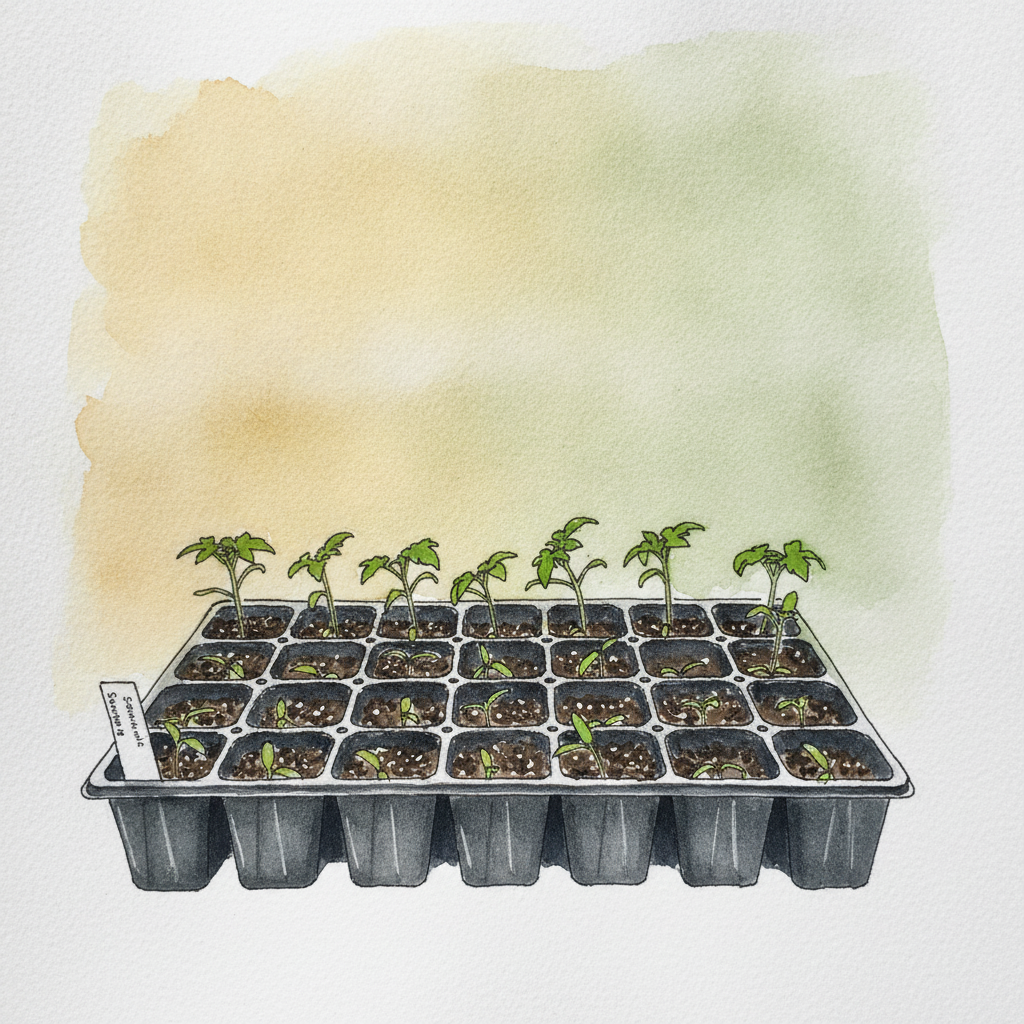
This piece is ideal for practicing how fine, precise waterproof ink lines can establish a clear structural rhythm, like the propagation tray's grid and the sharp mineral deposits. Then, use soft, layered washes of dilute color, wet-on-wet where possible, to suggest the seedlings' gentle phototropic lean and the dirty translucence of the glass, allowing the watercolor to convey atmosphere and light with minimal reliance on defining ink lines.
Piece 7 — Janitor with cart
Pen + Watercolor · Loose pen and watercolor line-and-wash
Three takes

Focus for this piece
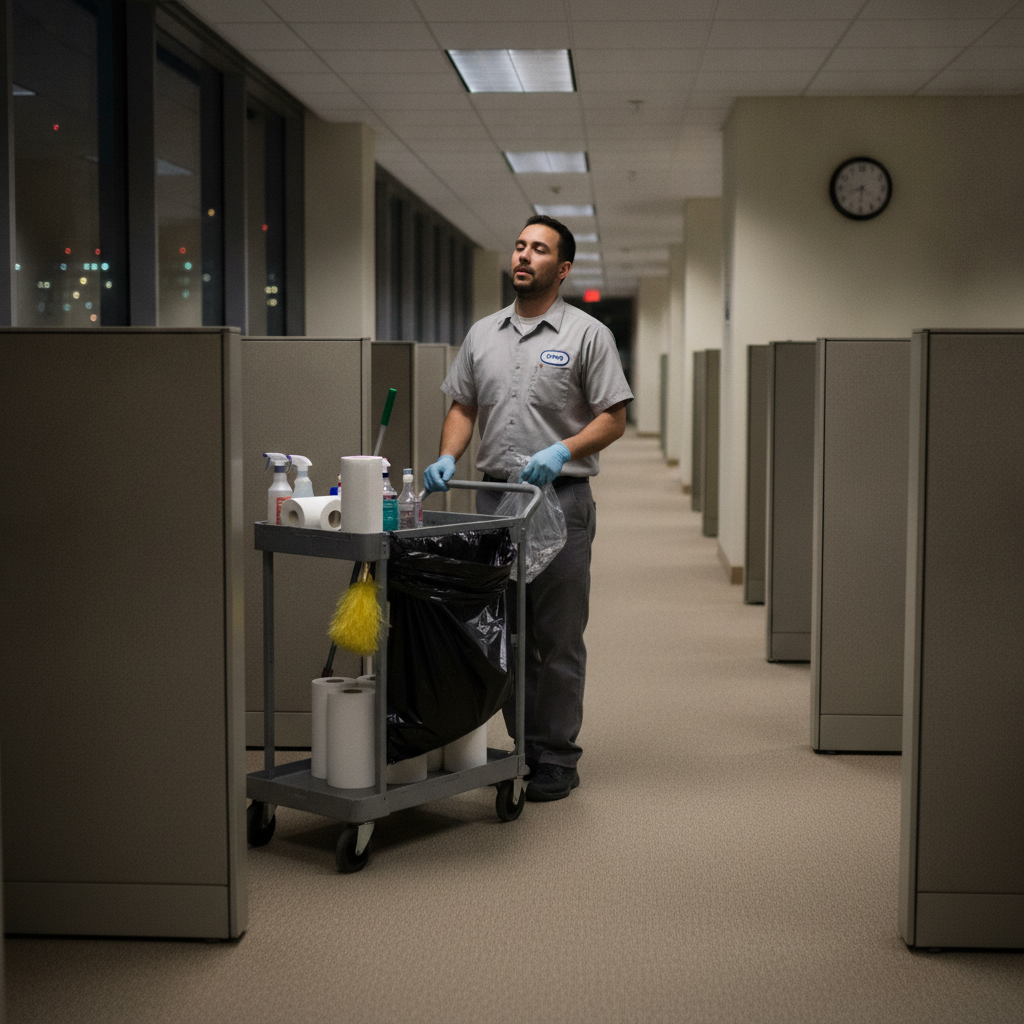
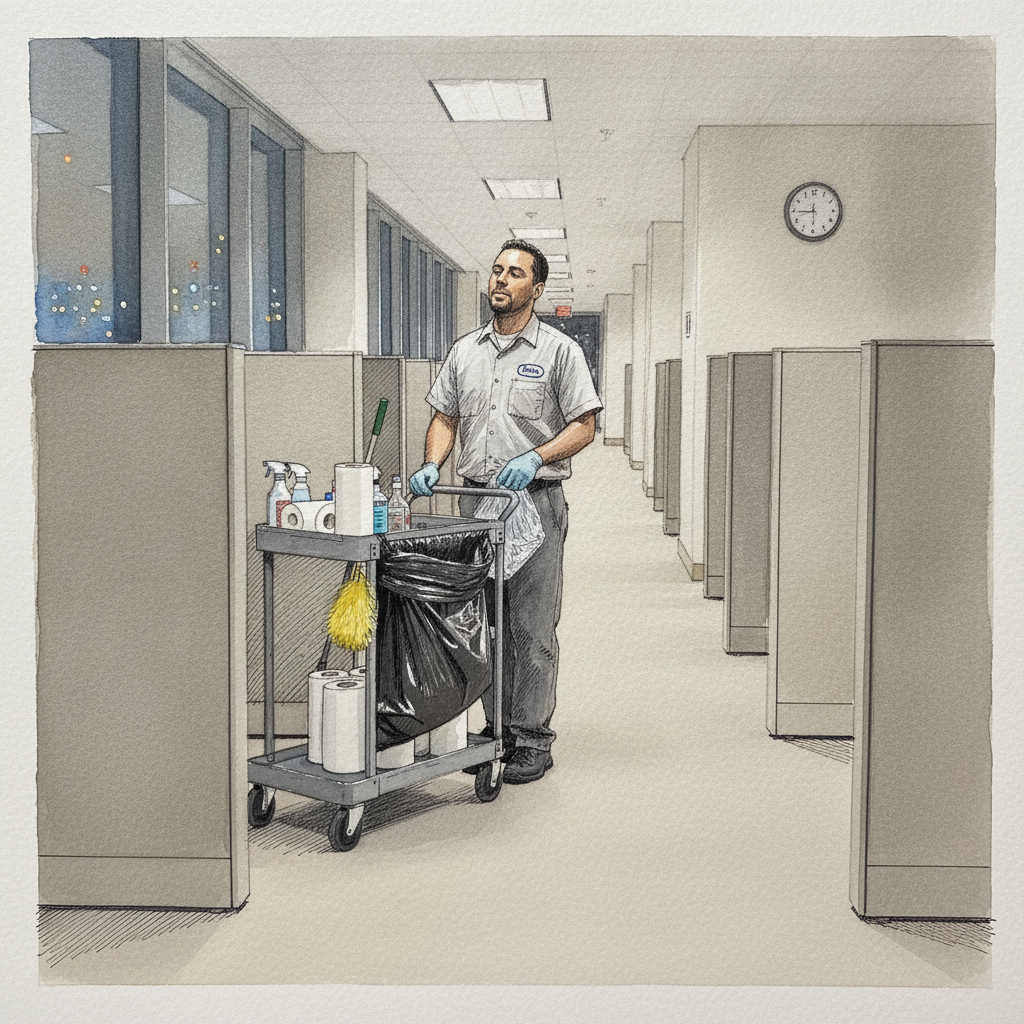
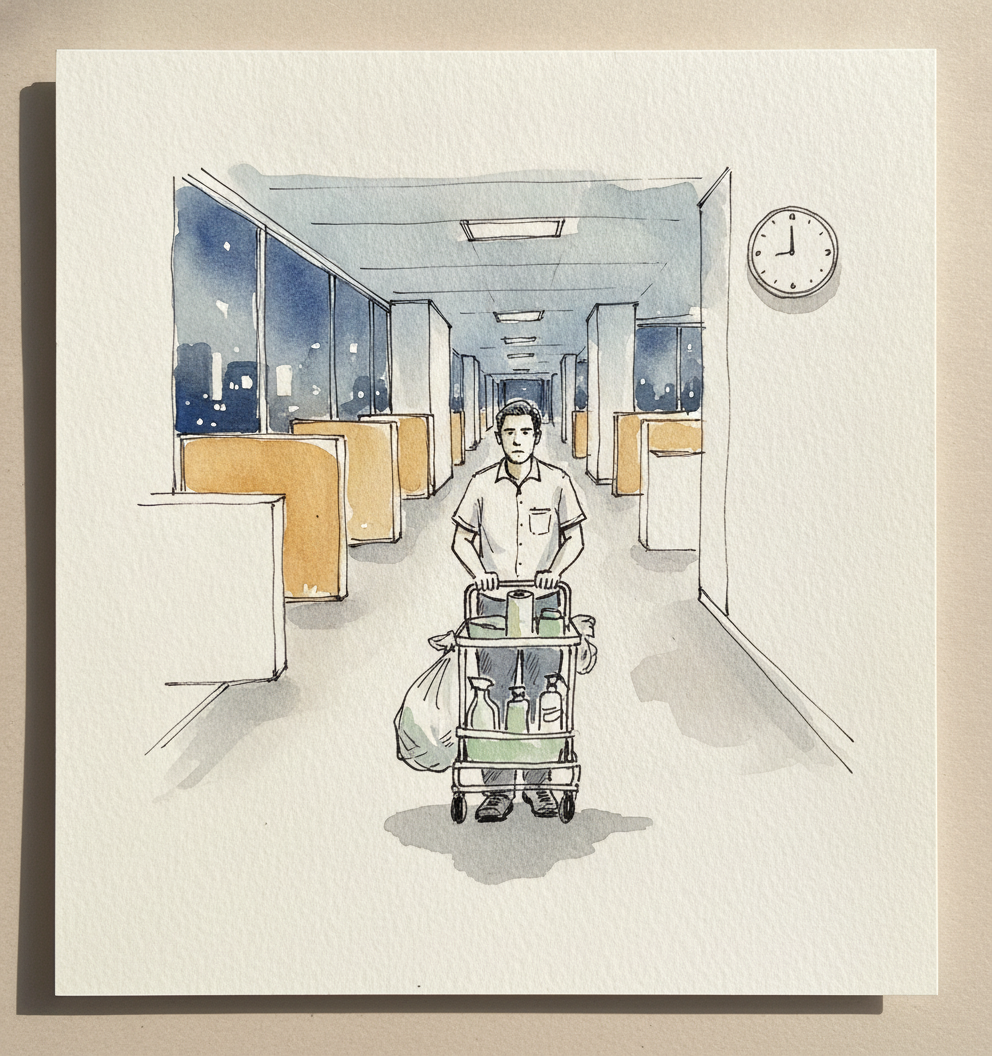
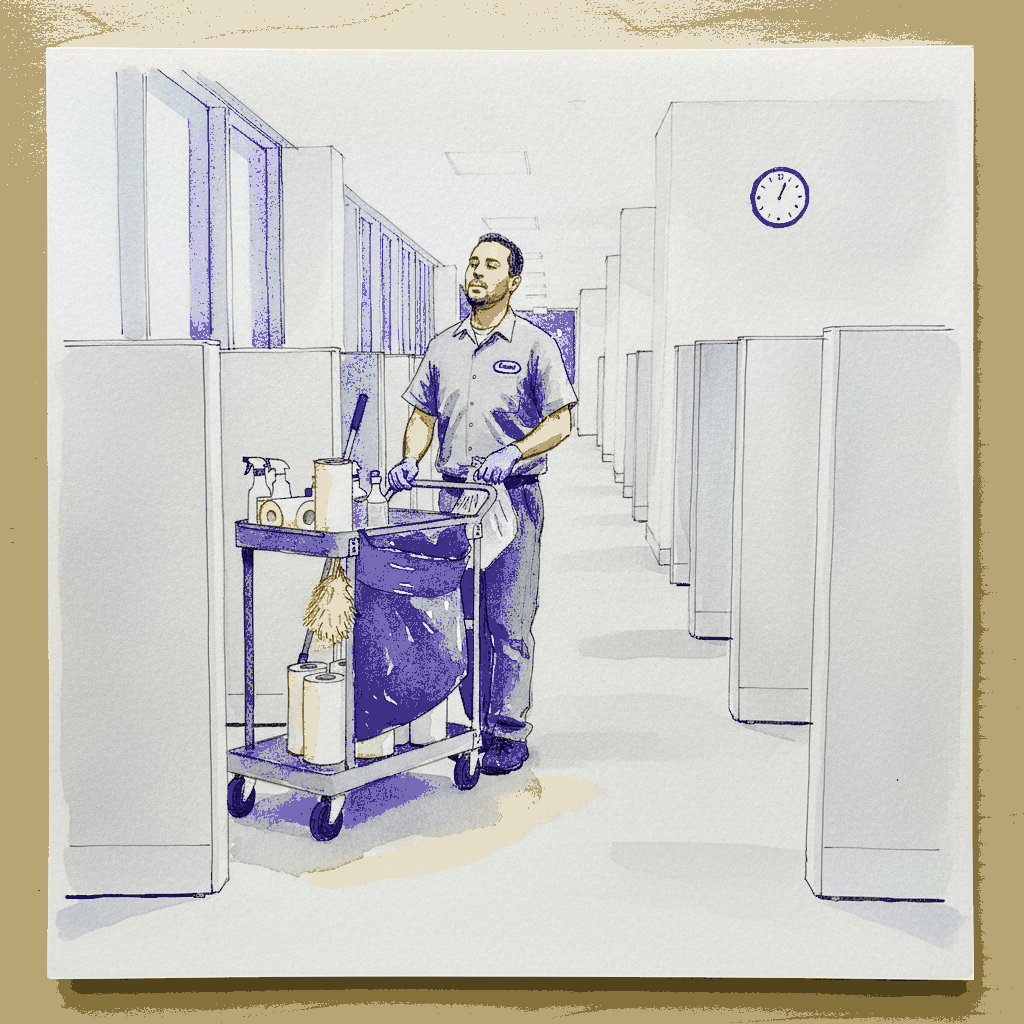
This piece is an excellent opportunity to practice strong linear perspective and atmospheric depth in an interior scene. Use precise ink lines to establish the hallway's vanishing point and structural elements, varying line weight to make foreground details like the cart crisper. Then, employ cooler, diluted washes in the background to suggest distance and the dim lighting, allowing ink lines to soften and break, contrasting with richer values around the janitor to bring him forward.
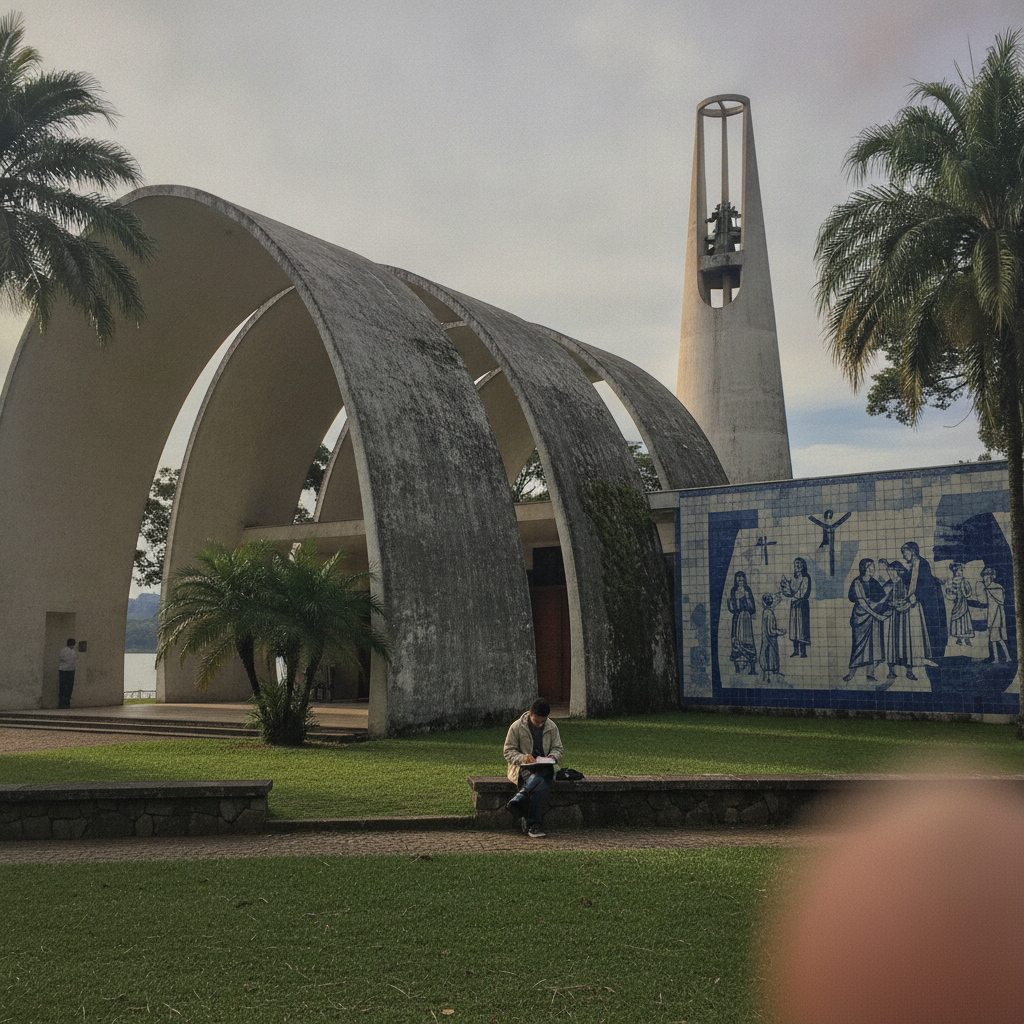
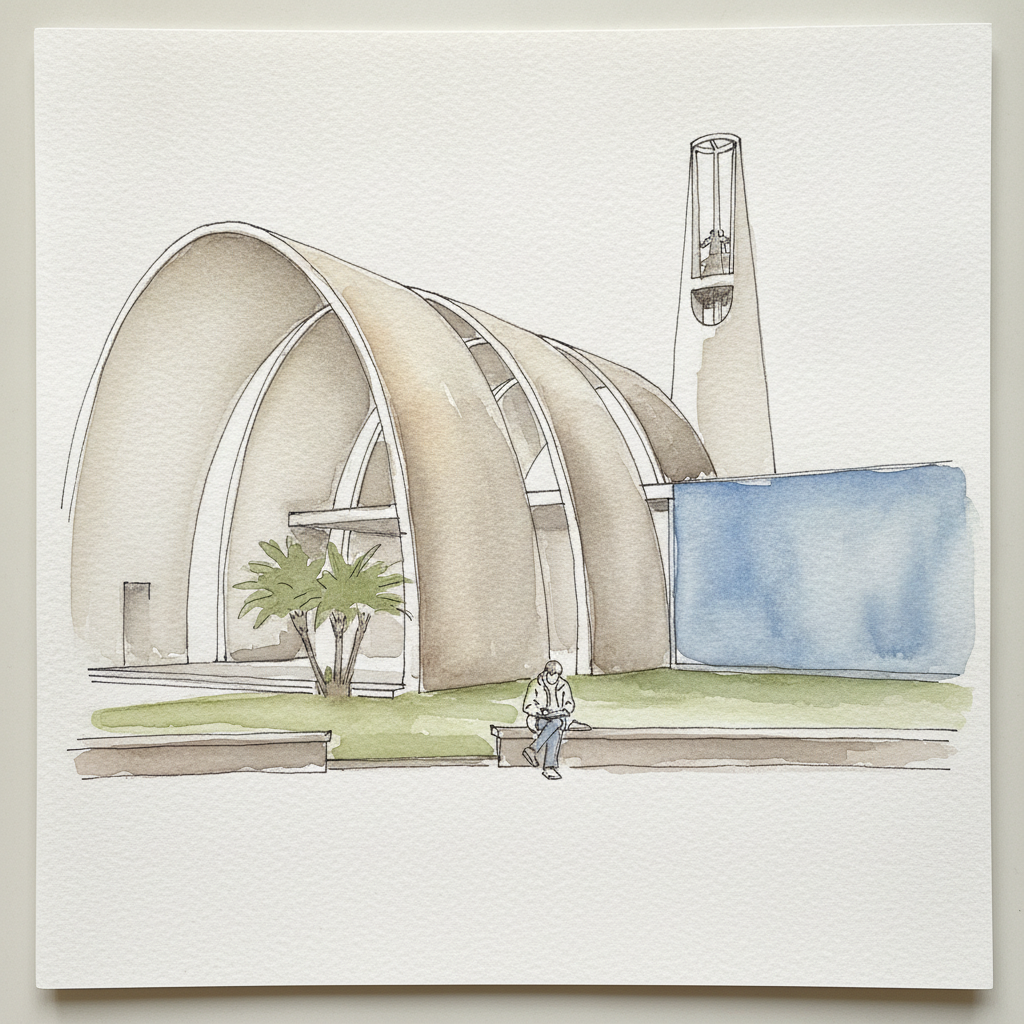
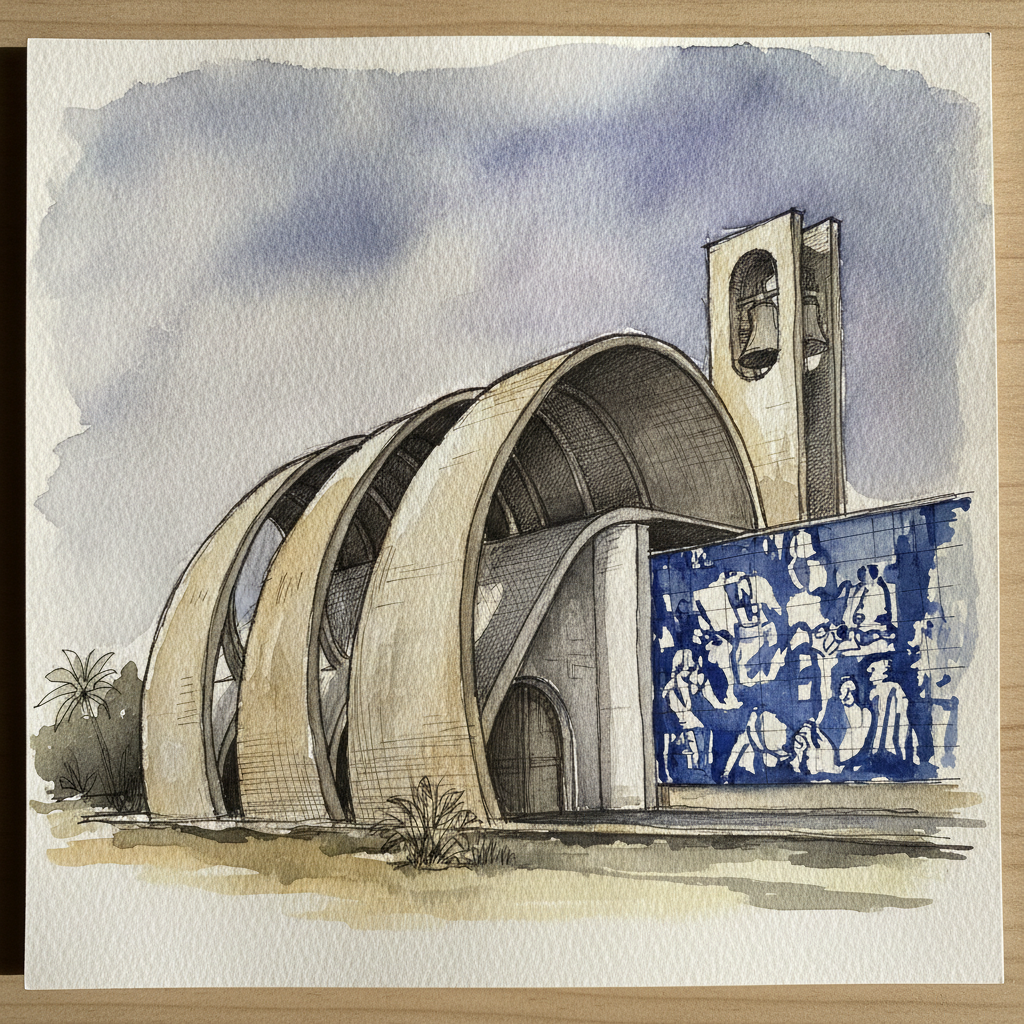
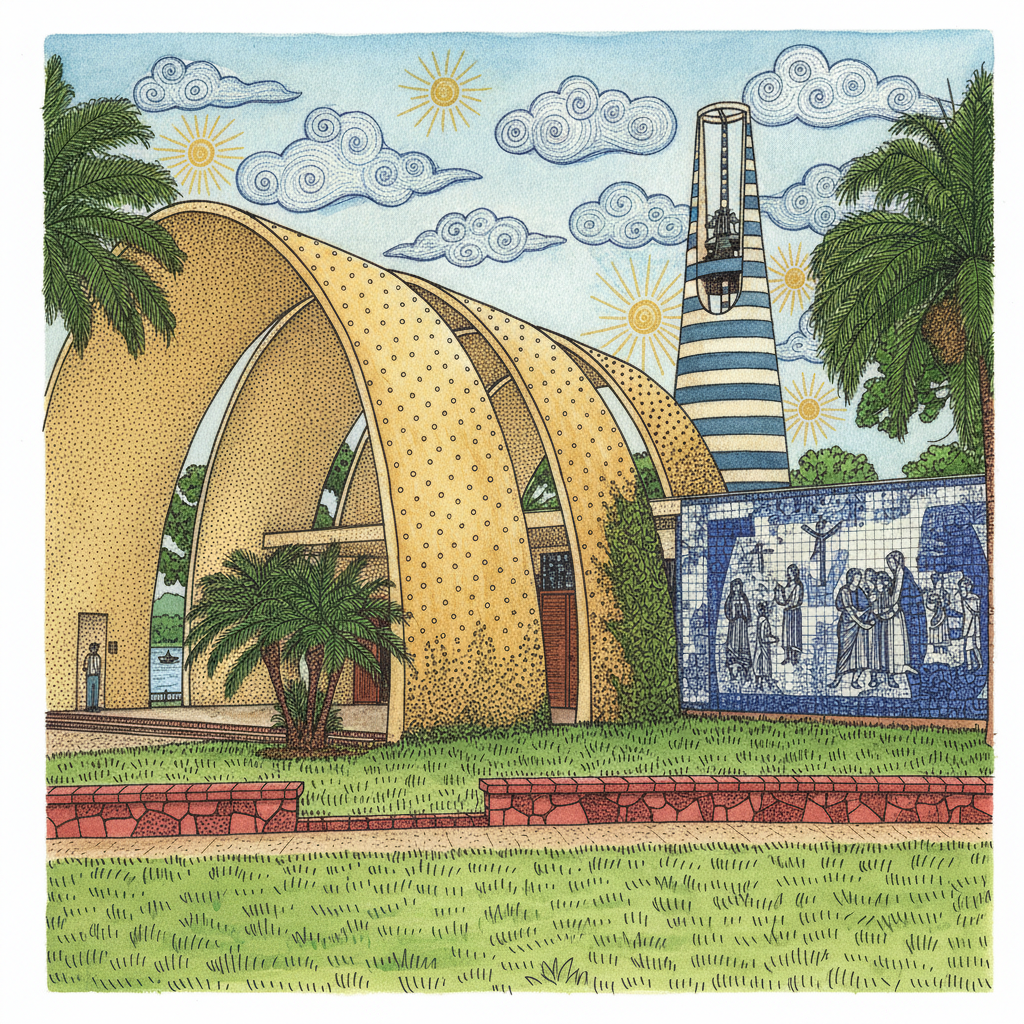
Piece 8 — Igreja da Pampulha (São Francisco de Assis), Belo Horizonte, Brazil
Pen + Watercolor · Loose pen and watercolor line-and-wash
Three takes
Focus for this piece
This piece offers a compelling study in rendering complex architectural curves in perspective. Concentrate on establishing the parabolic shells and the inverted cone of the bell tower using varied pen line weights, making them heavier along shadowed undersides and lighter where light catches the form. This will help convey the concrete’s volume and solidity. Integrate the blue-and-white azulejo tiles on the rear wall with delicate detail, ensuring their pattern provides a focal point against the building's smooth, sweeping forms without appearing too flat.