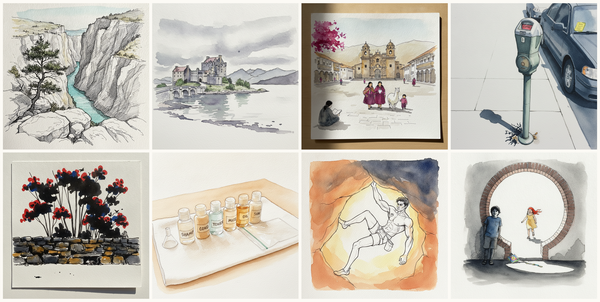
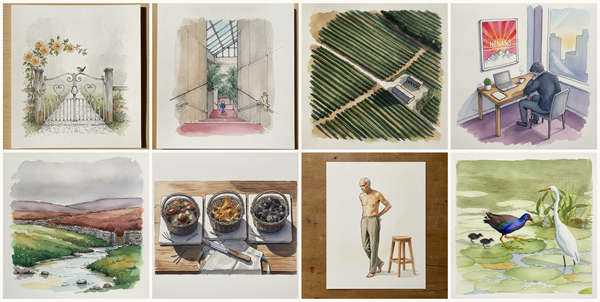
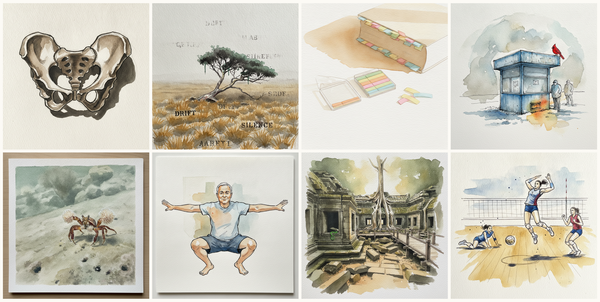
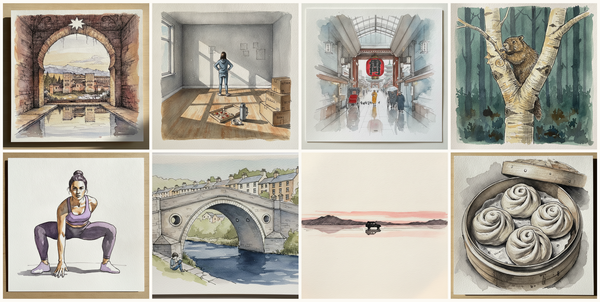
Larsen Ice Shelf remnant, near the calving edge, Backlit Storm Edge, Wooden headboard with carvings, Naan torn open on a brass tray, and more — pen + watercolor for October 31, 2026
AI-generated daily art-practice references for pen and watercolor: Larsen Ice Shelf remnant, near the calving edge, Backlit Storm Edge, Wooden headboard with carvings, Naan torn open on a brass tray, Archer's draw, twenties femme, Quartier Vauban, Freiburg im Breisgau, Germany, Pacific Northwest…
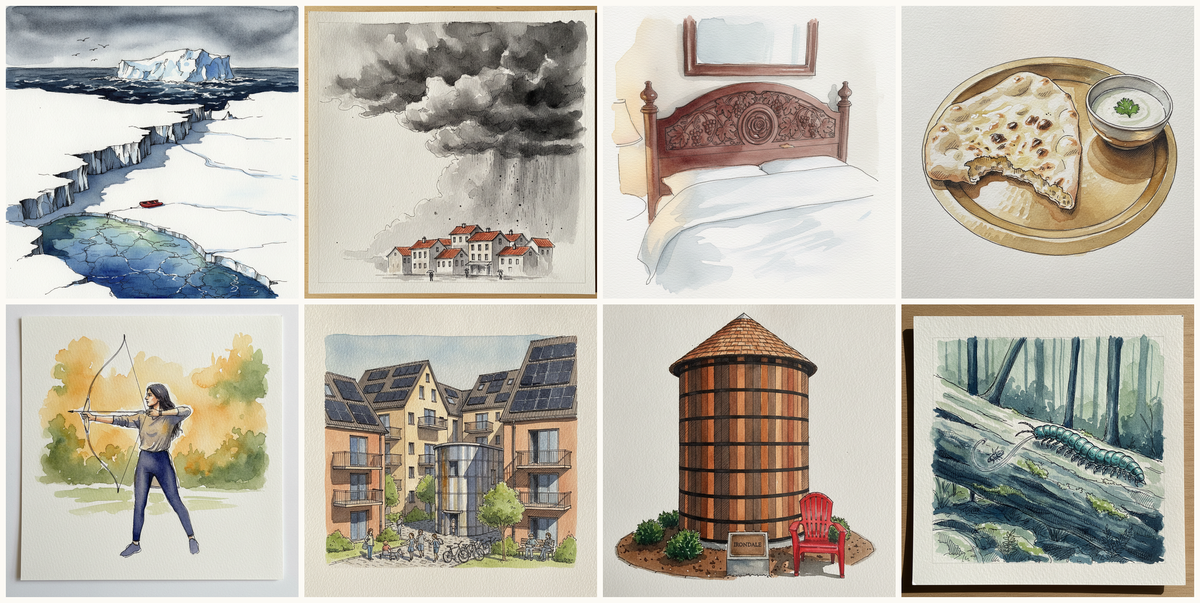
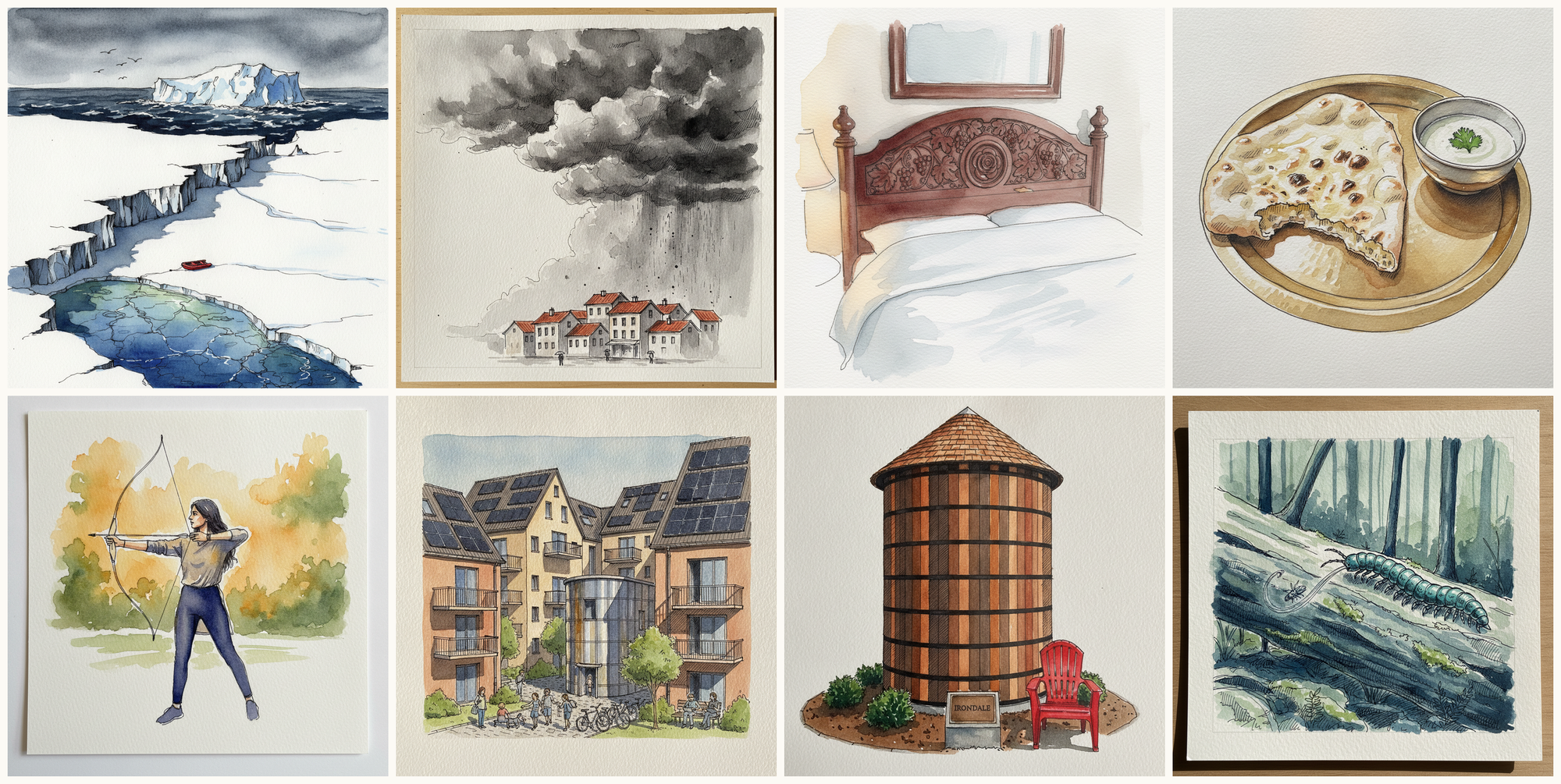
Today's 8 pen-and-watercolor pieces: Larsen Ice Shelf remnant, near the calving edge, Backlit Storm Edge, Wooden headboard with carvings, Naan torn open on a brass tray, Archer's draw, twenties femme, Quartier Vauban, Freiburg im Breisgau, Germany, Pacific Northwest Logging Town Restored, Velvet worm (Onychophora). Each piece comes with an AI-generated photoreal reference, three AI-generated example artworks in different treatments, and a short focus paragraph naming what to study in this one.
Why these references use AI
This daily series uses AI-generated images as practice prompts, not as finished artwork to copy. Each subject starts with a synthetic photoreal reference generated with Gemini/Nano Banana, then moves into three pen-and-watercolor interpretations of the same subject.
I use AI here because daily art practice needs variety and low friction. Real life can get repetitive, busy, or visually narrow. These generated reference sets make it easier to study bodies, buildings, animals, landscapes, objects, gestures, light, palettes, and compositions that might not show up in an ordinary day.
The goal is not to reproduce any image directly. Treat each set as a starting point for observation and study: choose what interests you, change the framing, simplify the subject, alter the palette, and make your own version.
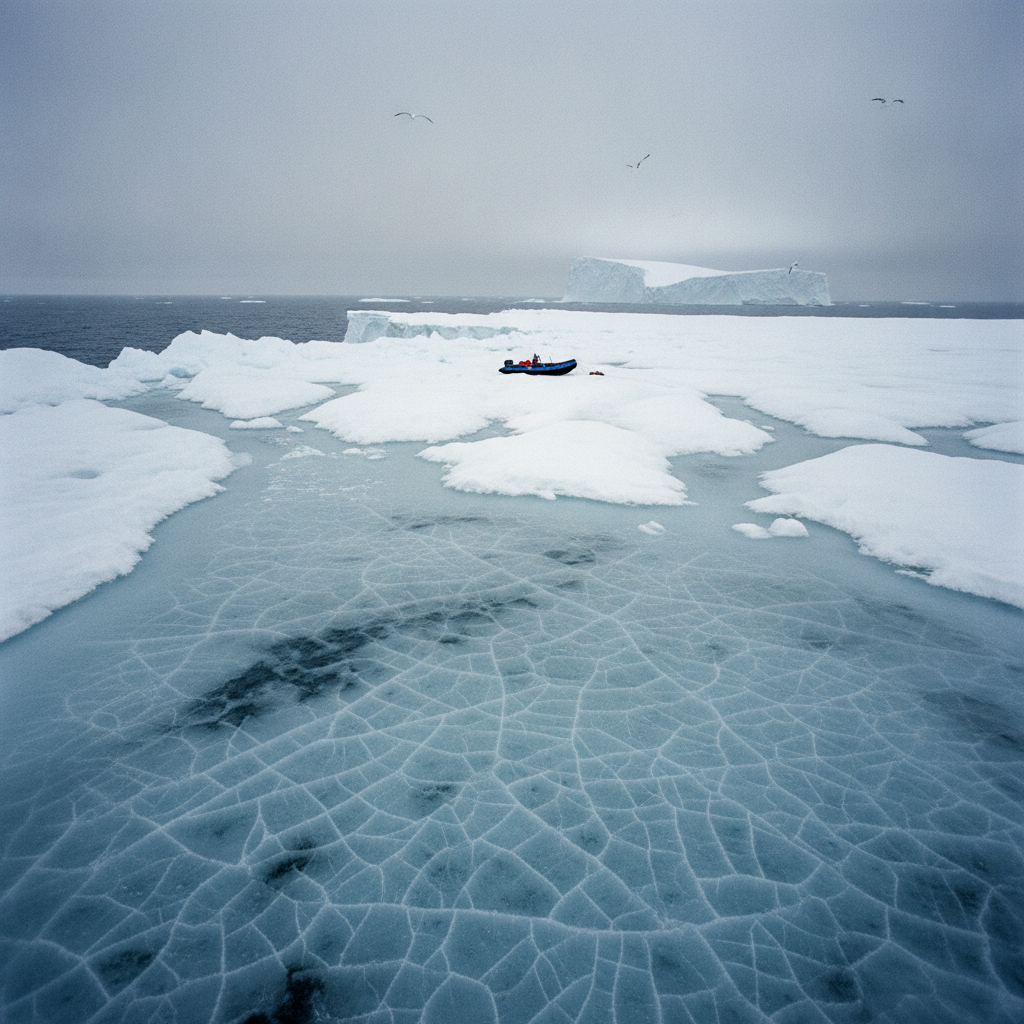
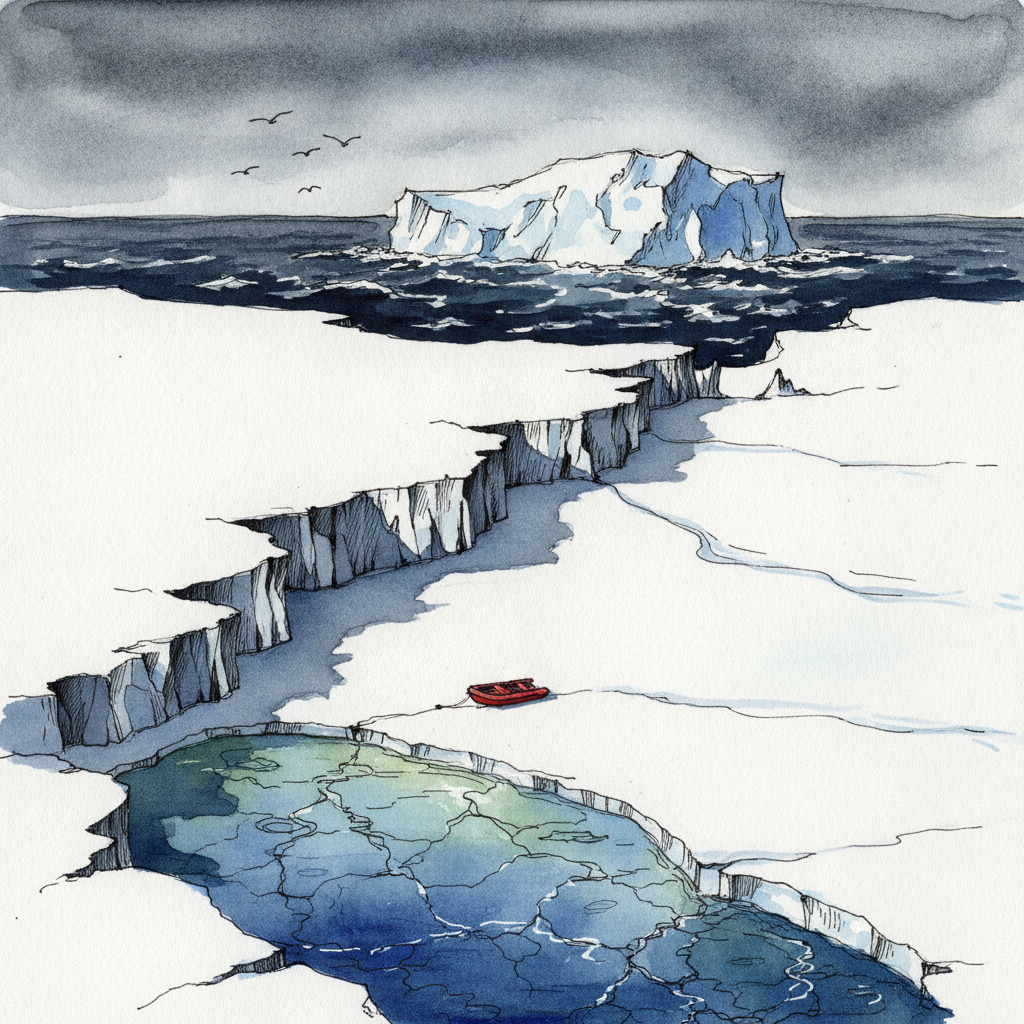
Piece 1 — Larsen Ice Shelf remnant, near the calving edge
Pen + Watercolor · Loose pen and watercolor line-and-wash
Three takes

Focus for this piece
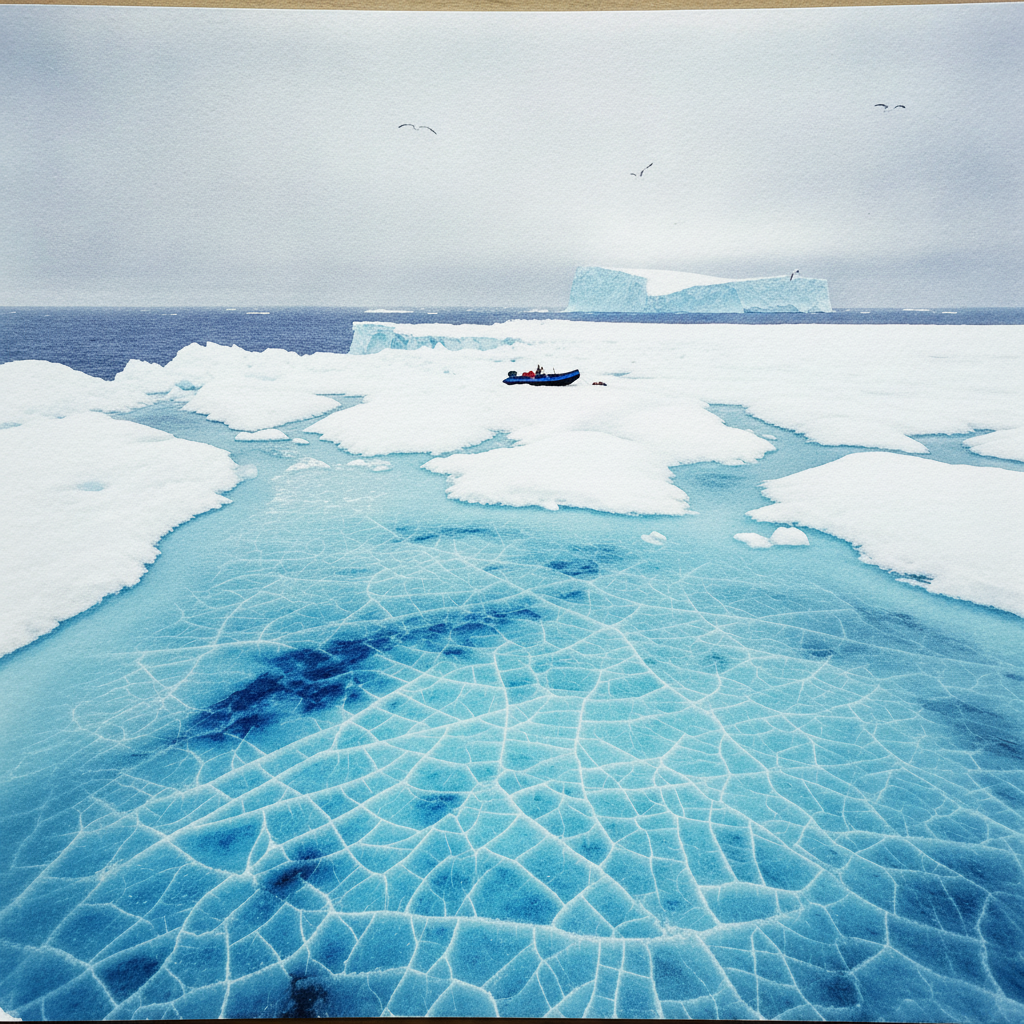
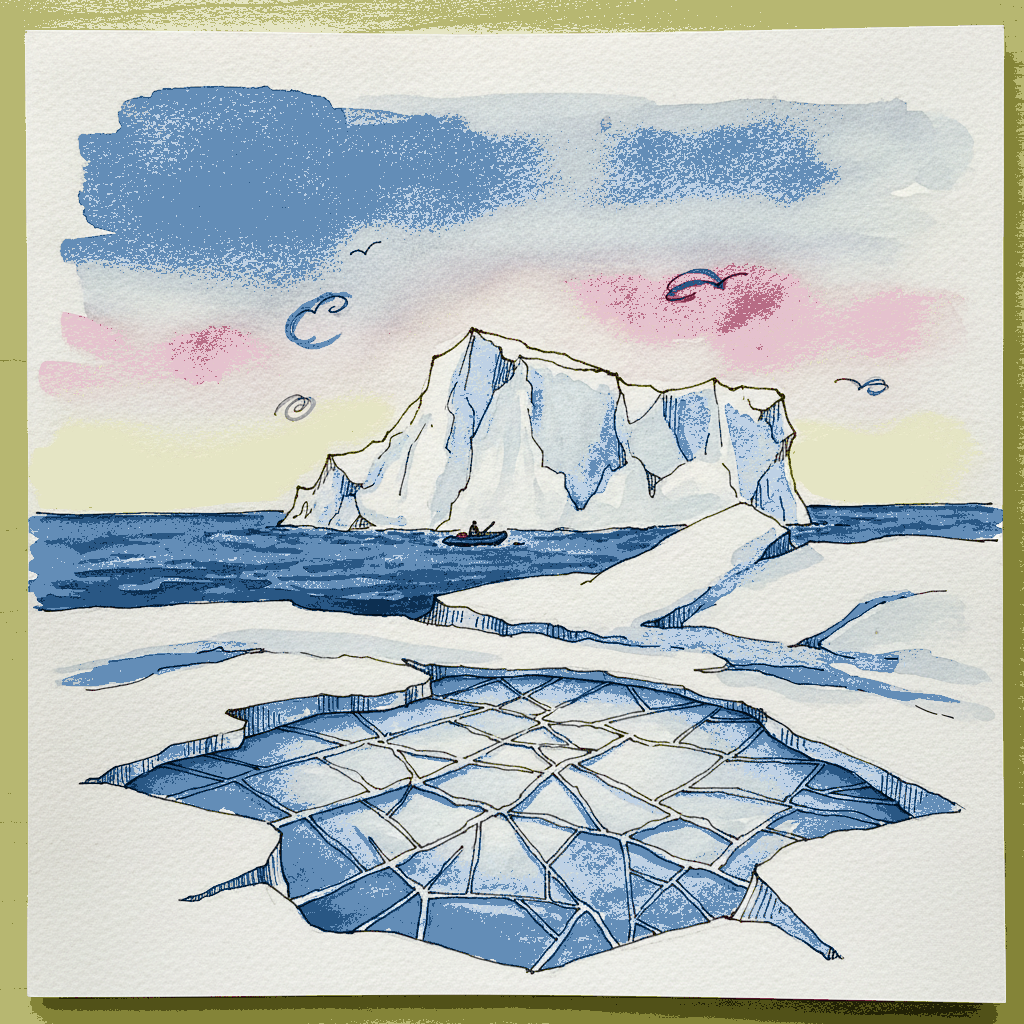
This piece is ideal for studying how to convey vastness and cold atmosphere using careful value control and varied line work. Focus on a limited palette of cool grays and desaturated blues, building depth with subtle shifts in wash values from the foreground meltwater pond to the distant iceberg and sky. Reserve bold, irregular pen lines for the foreground's crackled ice texture, transitioning to finer, broken lines for the mid-ground channels and a lighter, atmospheric touch for the towering cliff. Ensure your washes support this line work, amplifying the immense, dramatic scale.
Piece 2 — Backlit Storm Edge
Pen + Watercolor · Loose pen and watercolor line-and-wash
Three takes
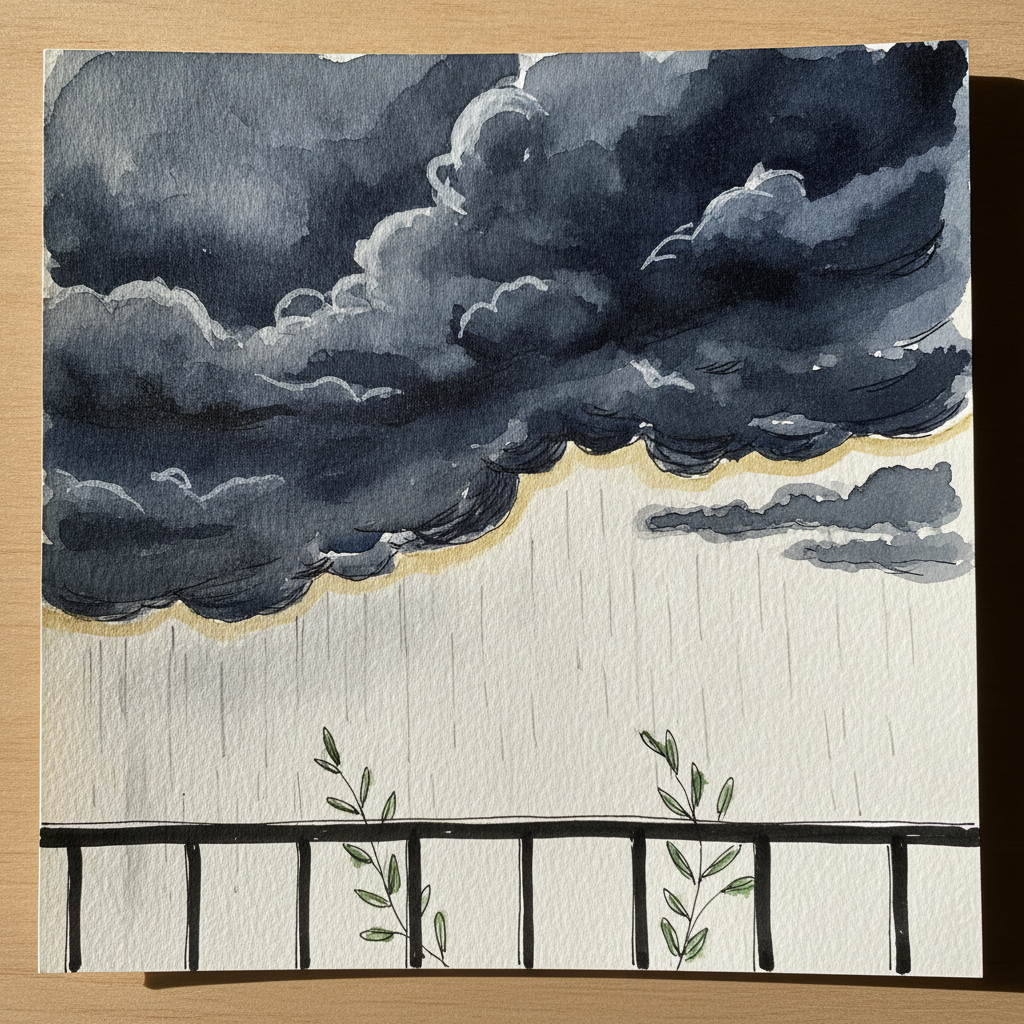
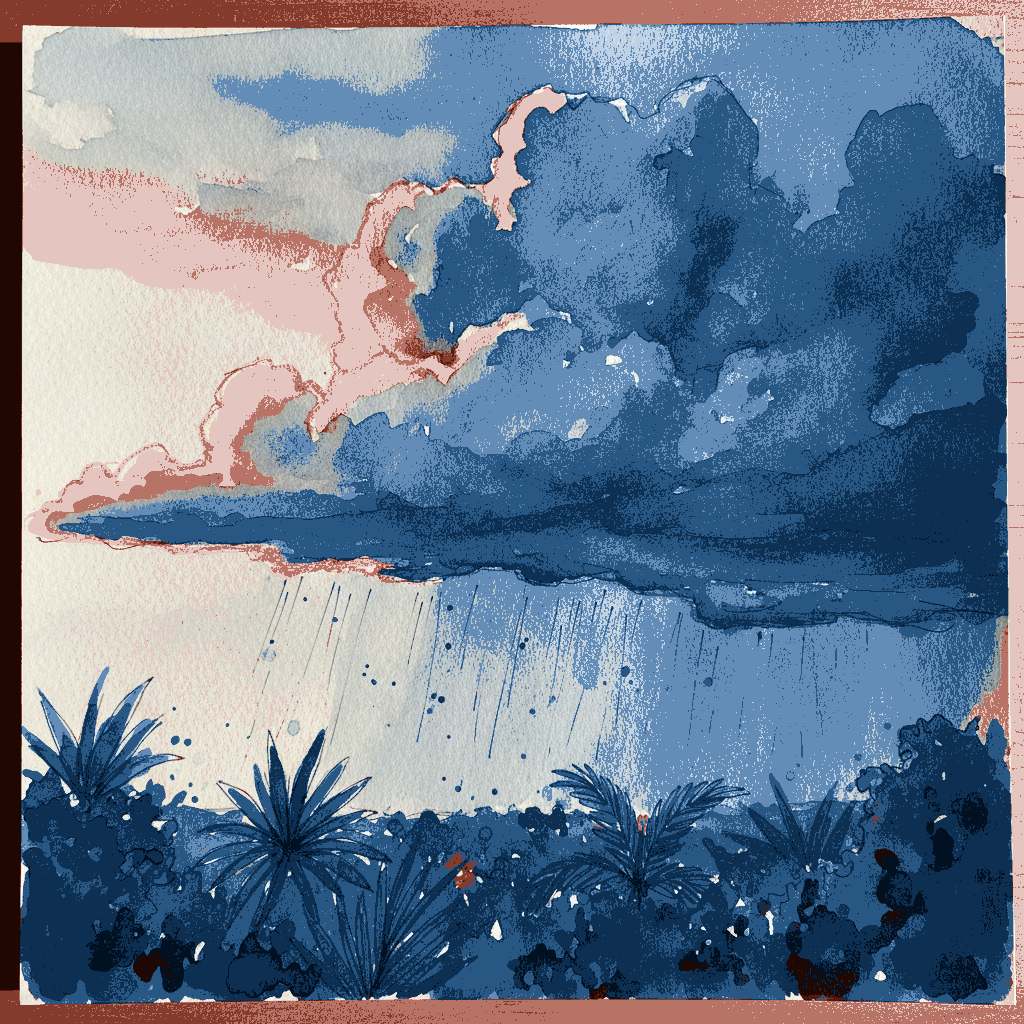

Focus for this piece
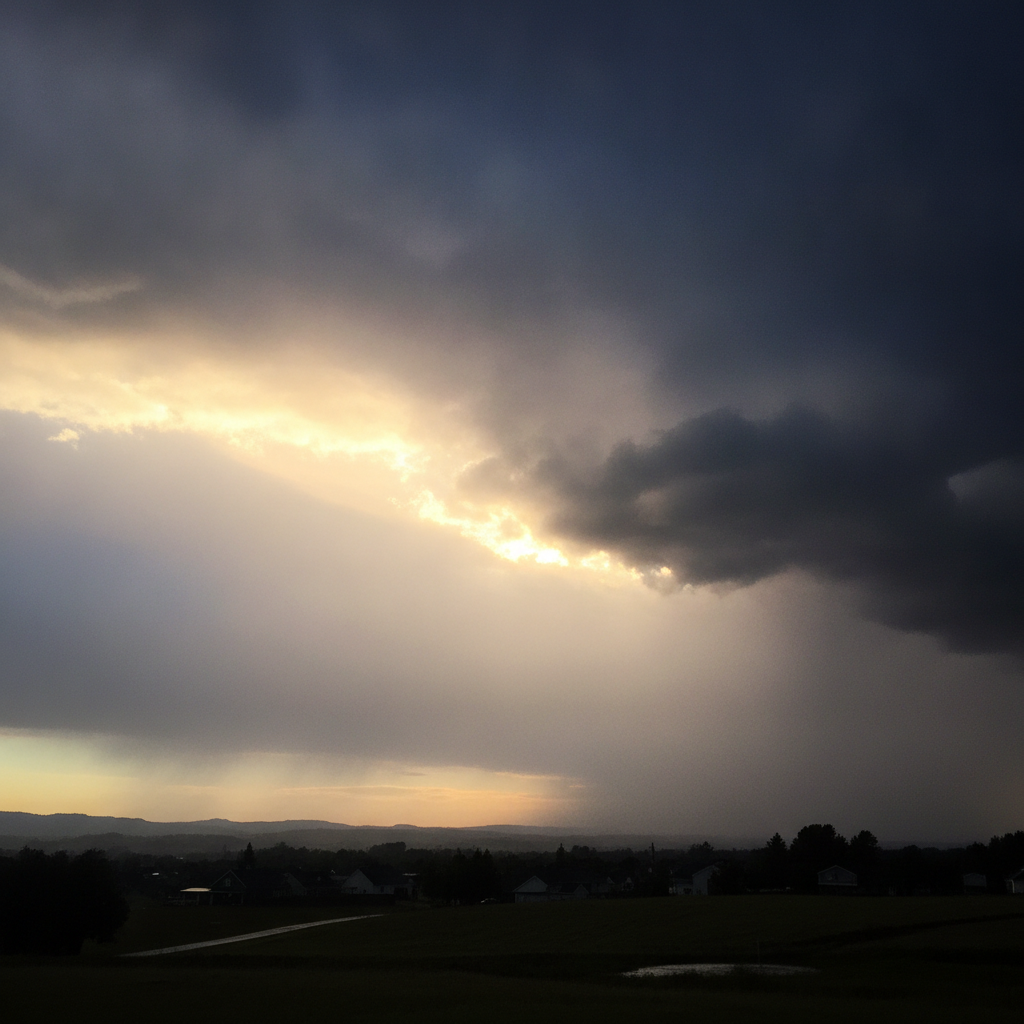
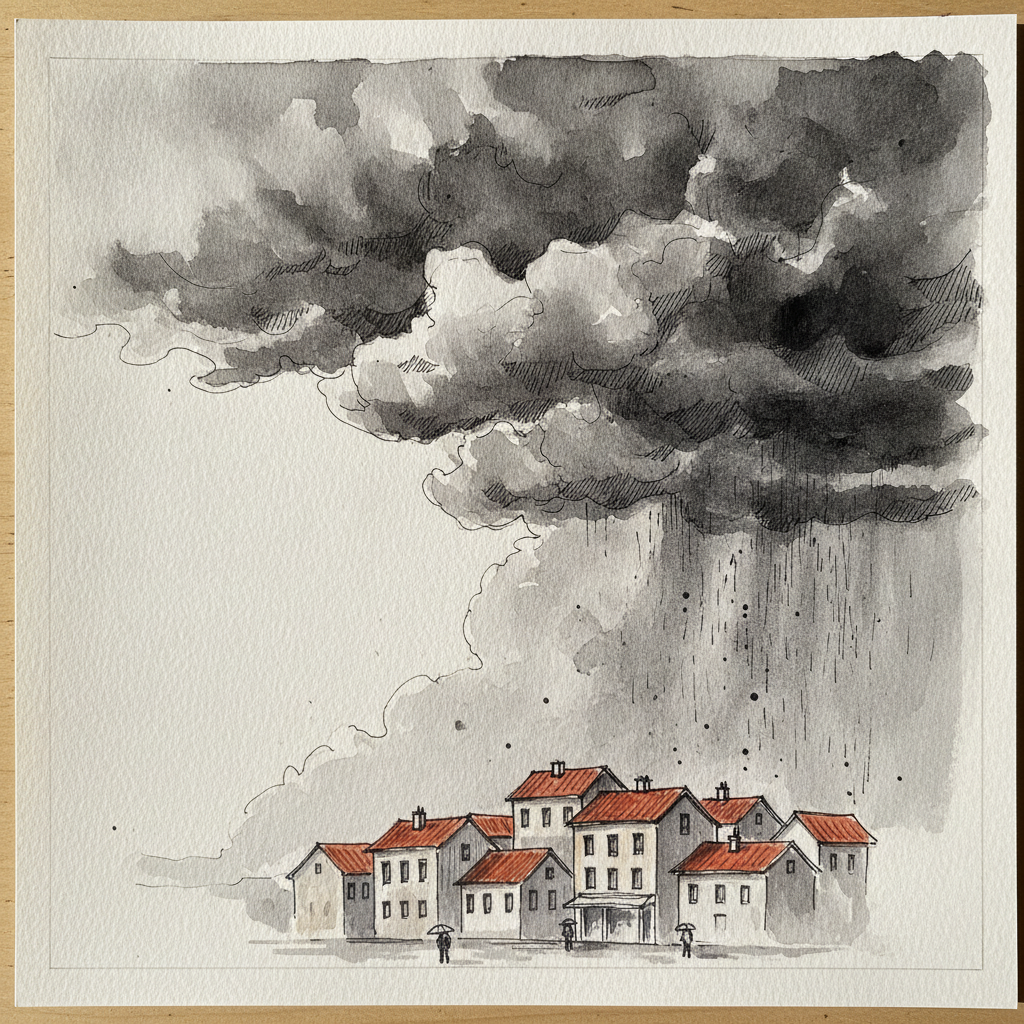
This piece is ideal for practicing **dramatic value contrast** between the storm's deep mass and its luminous, backlit edge. Focus on using a rich, clean dark pigment like Indigo or Payne's Gray for the storm, reserving the untouched white of the paper or a very light, warm wash for the glowing rim. Employ minimal, delicate lines along the brightly lit cloud edge to enhance its crispness, while allowing broad, soft wet-on-wet washes to suggest the atmospheric density and falling rain within the storm's body. Your boldest dark washes will provide structure more than your ink lines here.
Piece 3 — Wooden headboard with carvings
Pen + Watercolor · Loose pen and watercolor line-and-wash
Three takes
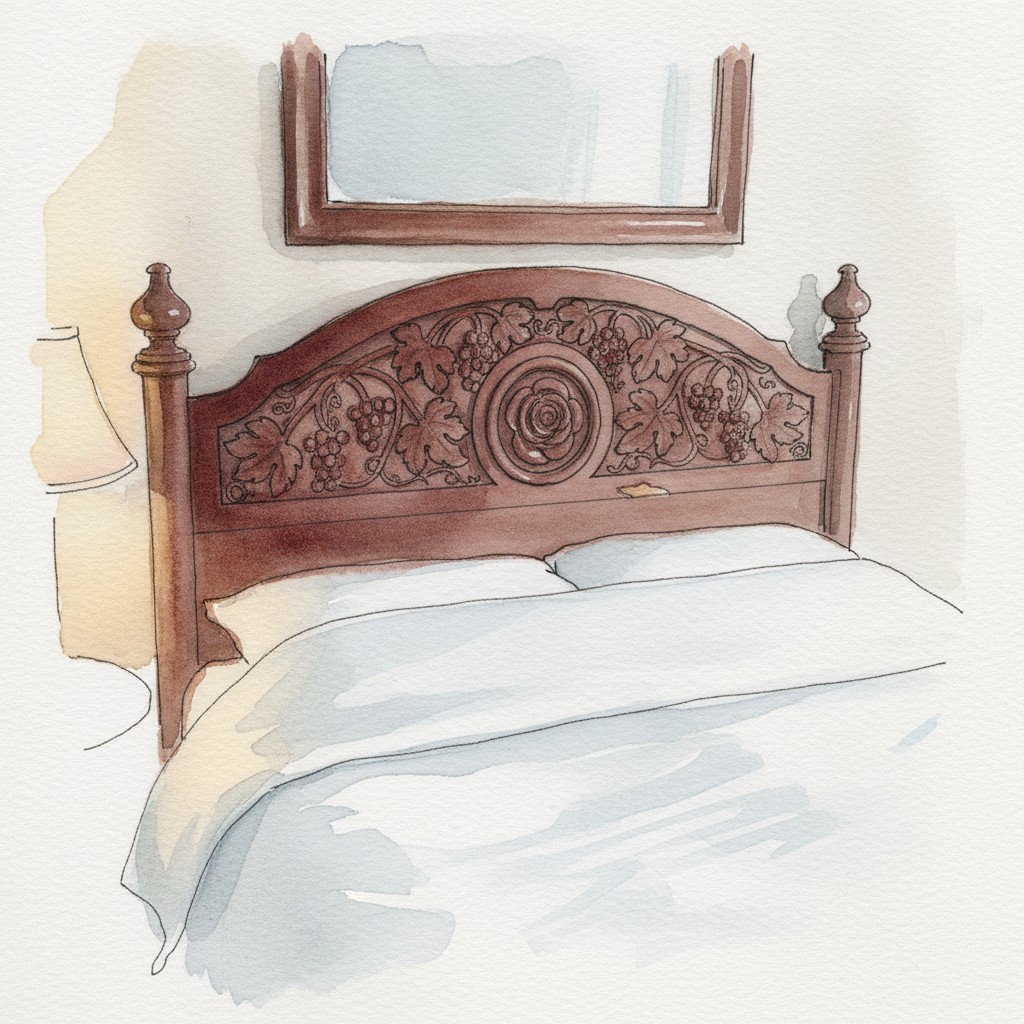
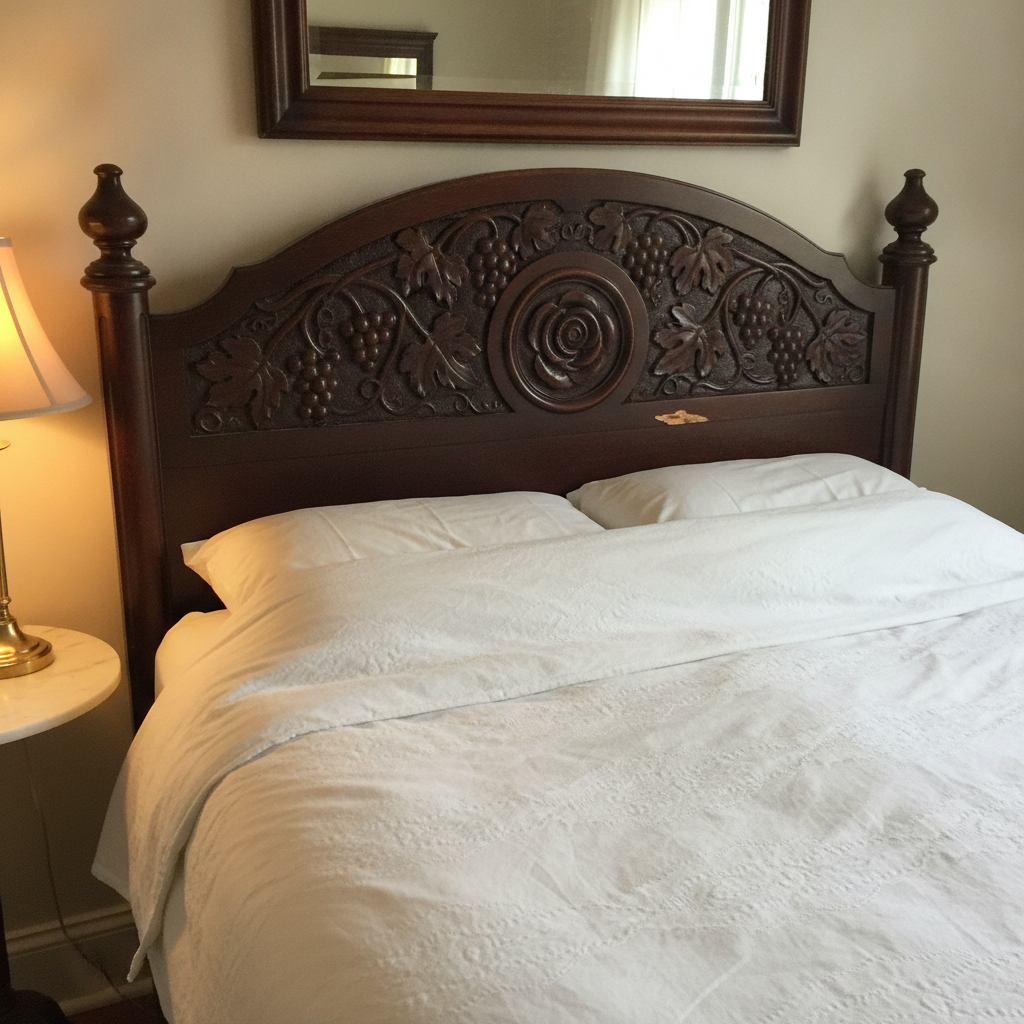
Focus for this piece
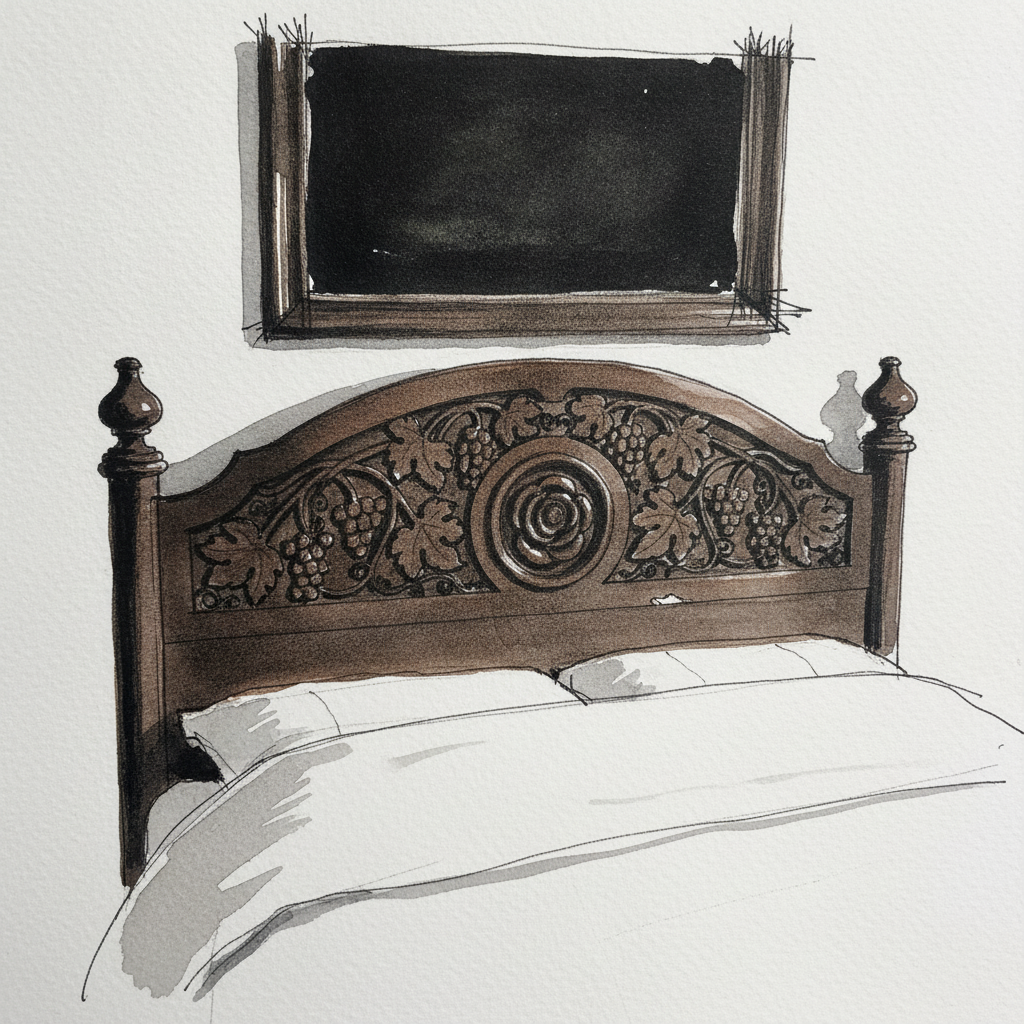
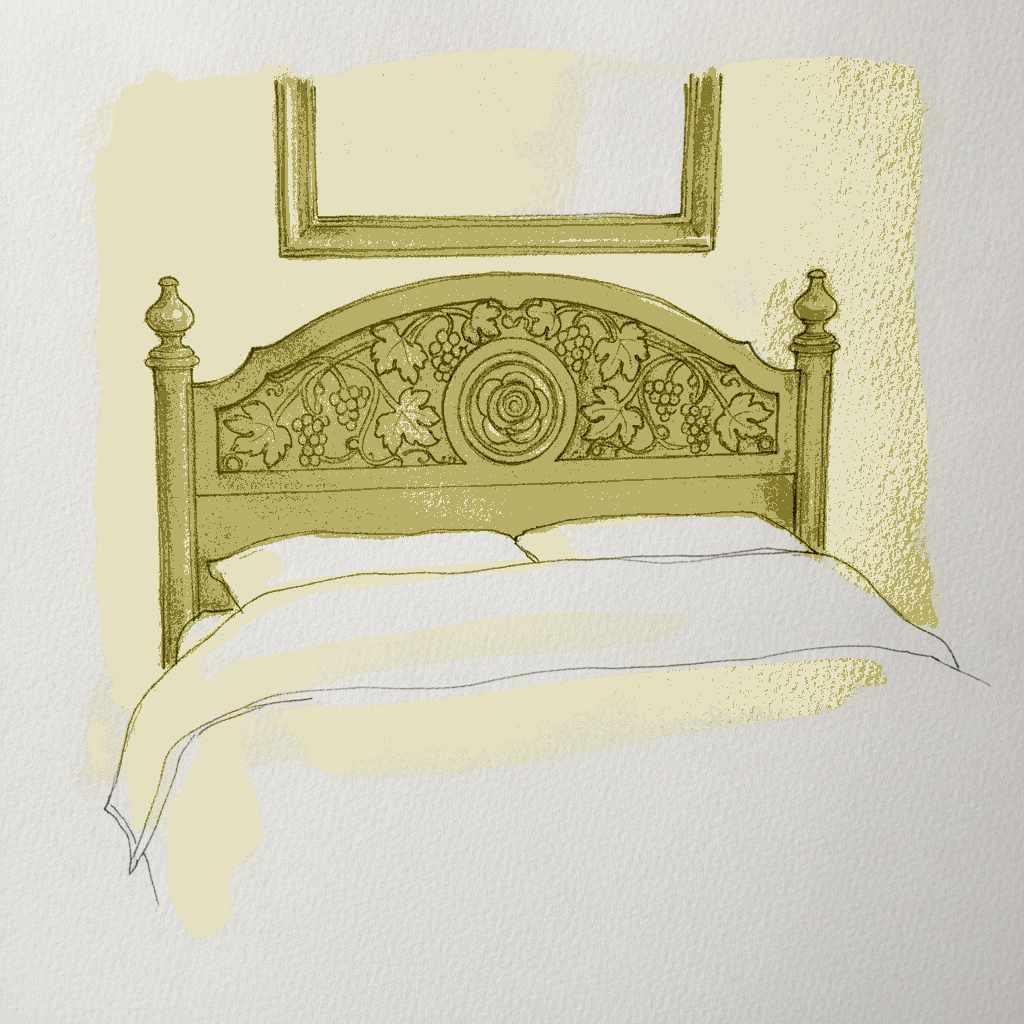
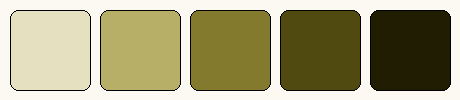
This piece offers an excellent study in distinguishing textures through line and wash. Use varied pen line weights to differentiate the crisp edges of the carvings from the softer, aged contours of the wood, and employ subtle cross-hatching to define shadow and dust within the deep grooves. Build the rich mahogany patina with layered washes of warm, dark browns, reserving a slightly drier brush for the final passes to hint at wood grain and wear. Contrast this detail with luminous, simple washes for the white duvet, letting broad, soft strokes convey its volume without losing its brightness.
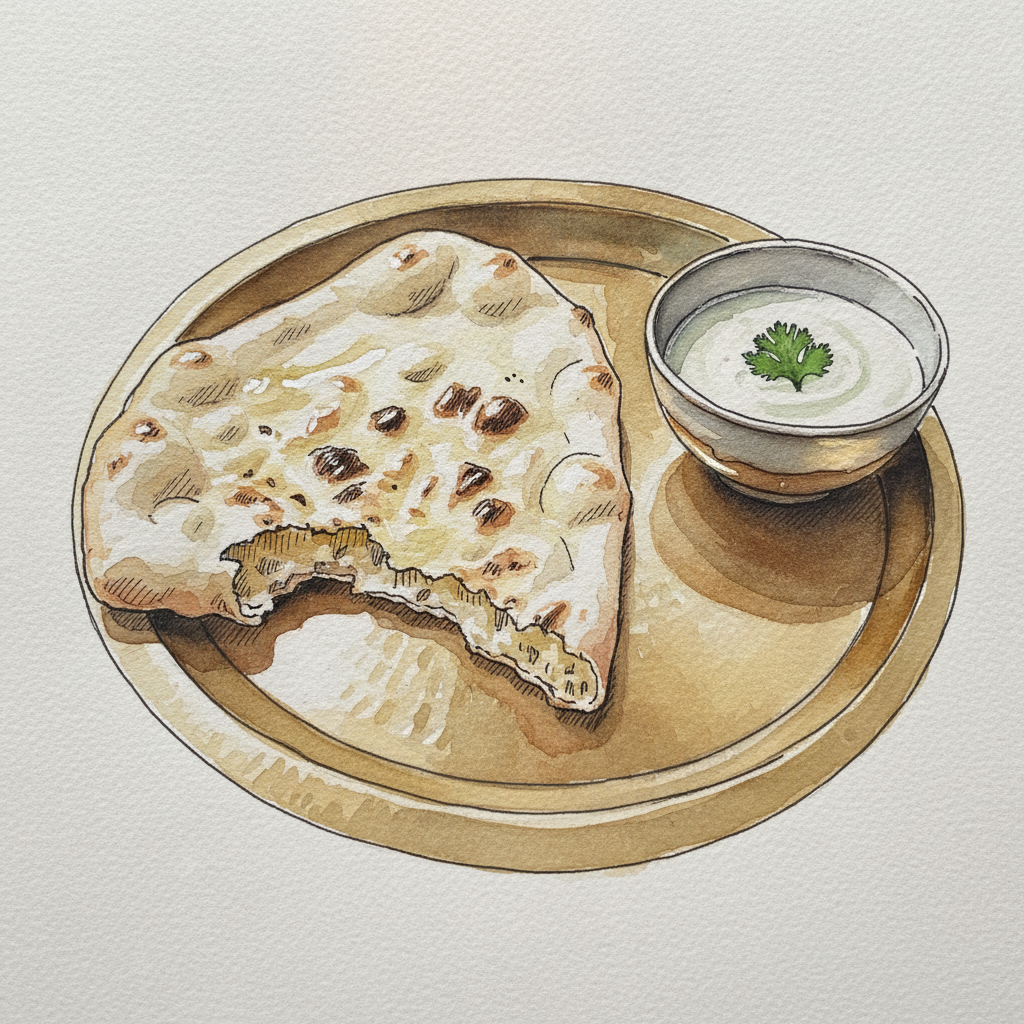
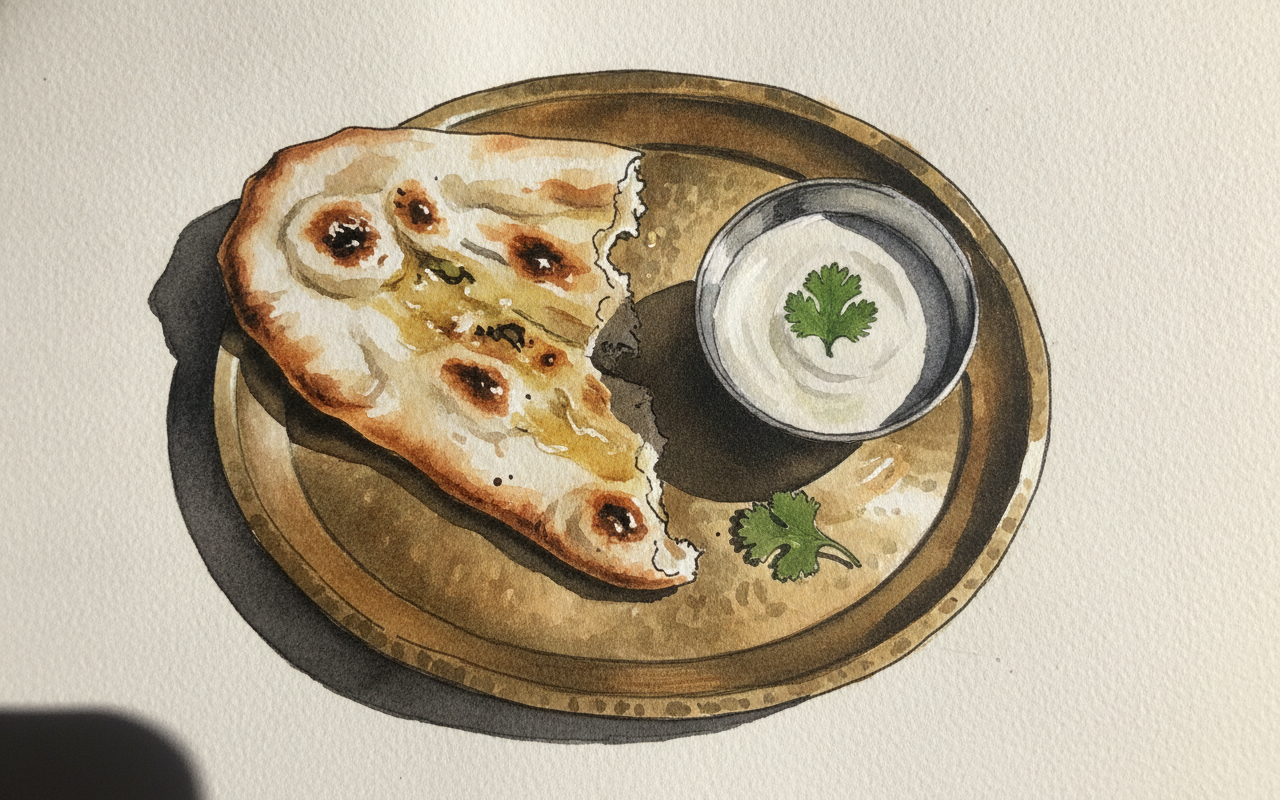
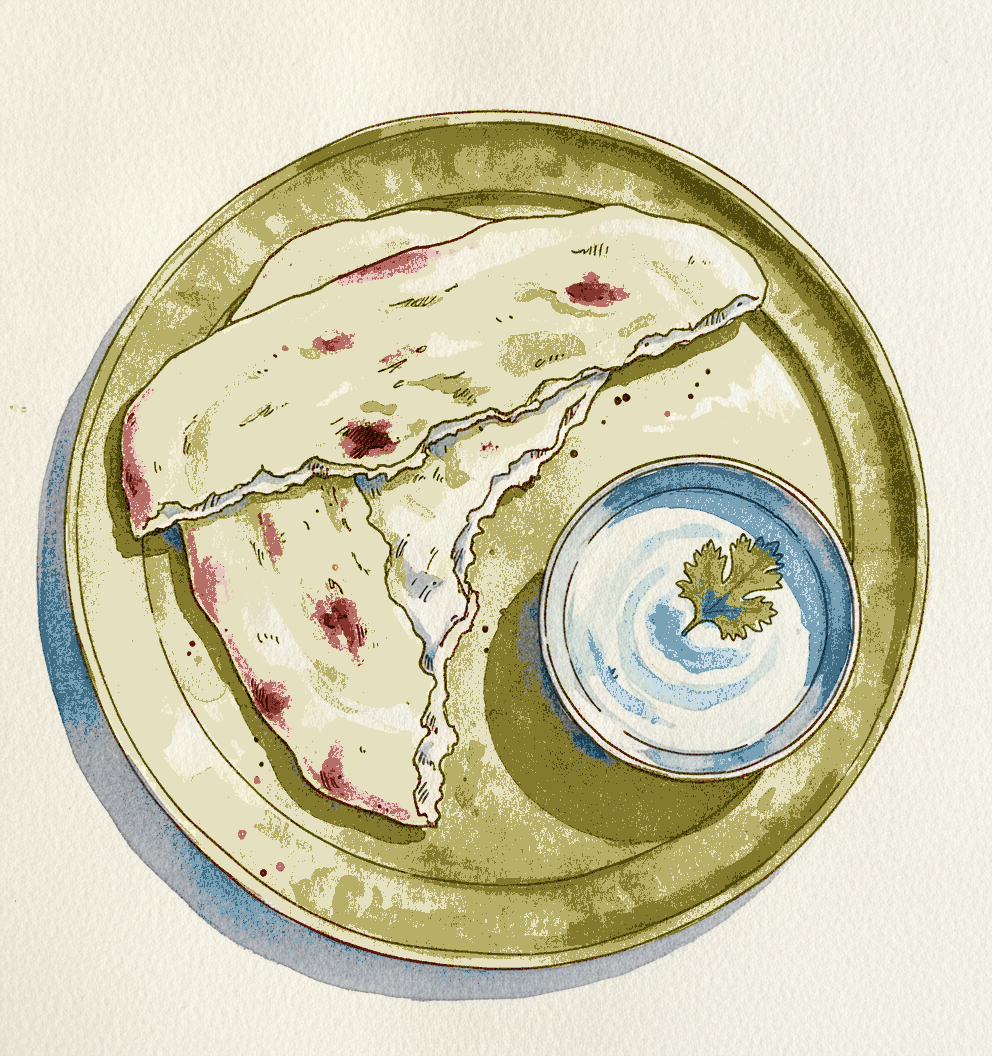
Piece 4 — Naan torn open on a brass tray
Pen + Watercolor · Loose pen and watercolor line-and-wash
Three takes

Focus for this piece
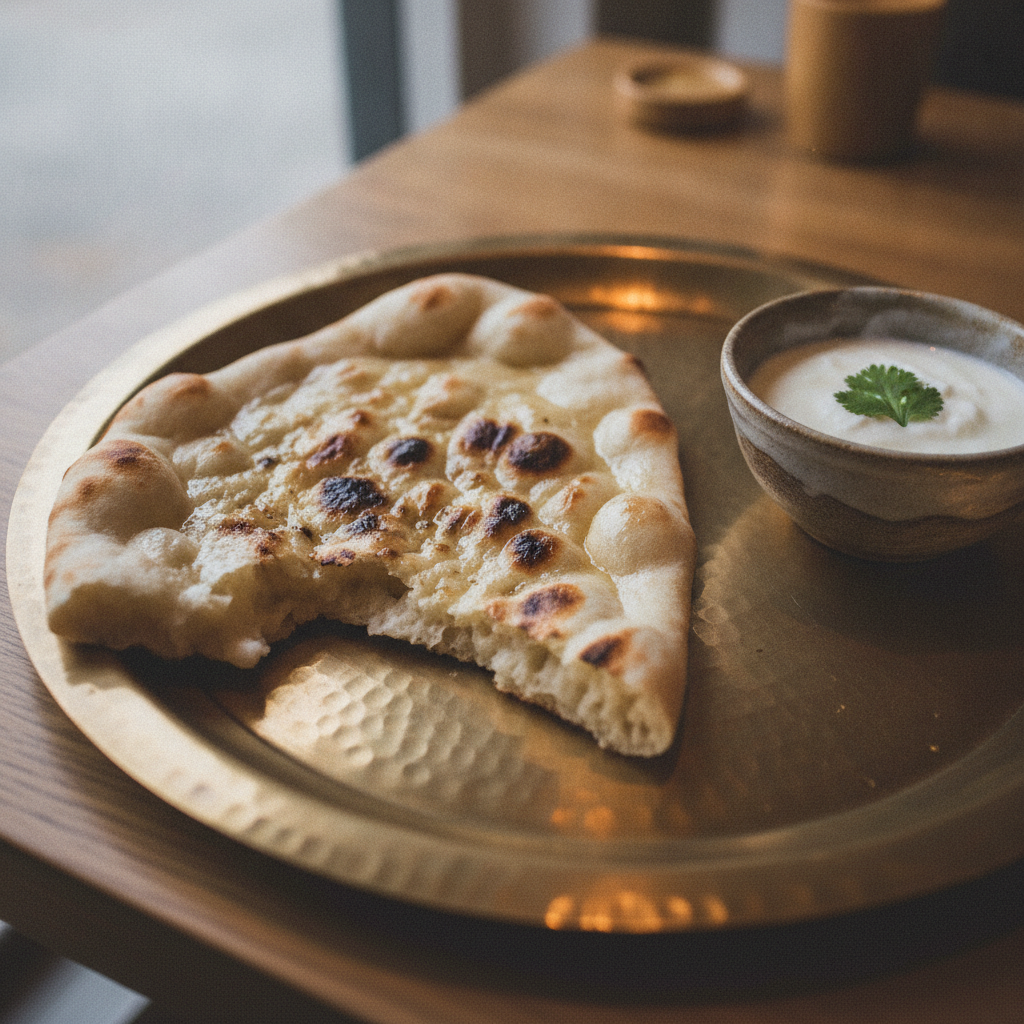
This piece is excellent for practicing the interplay of varied line weights with delicate wash layers to convey contrasting textures. Use a fine, broken line to suggest the lacy, ragged torn edge of the naan, contrasting with bolder, slightly broken lines for the hammered texture of the brass tray. Focus your washes on building the soft volume of the bread and the warm reflections on its surface, letting ink define crisp details like char marks and the tray's distinct rim.
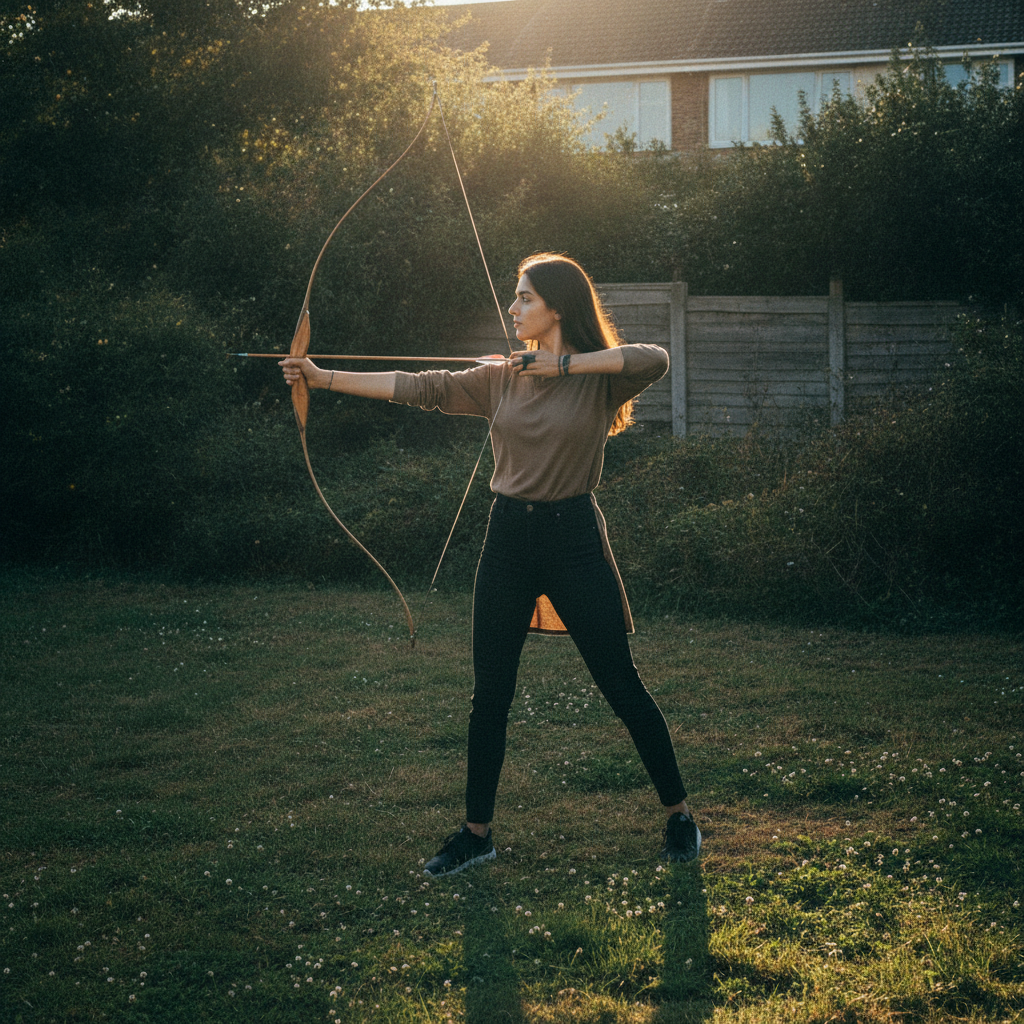
Piece 5 — Archer's draw, twenties femme
Pen + Watercolor · Loose pen and watercolor line-and-wash
Three takes

Focus for this piece
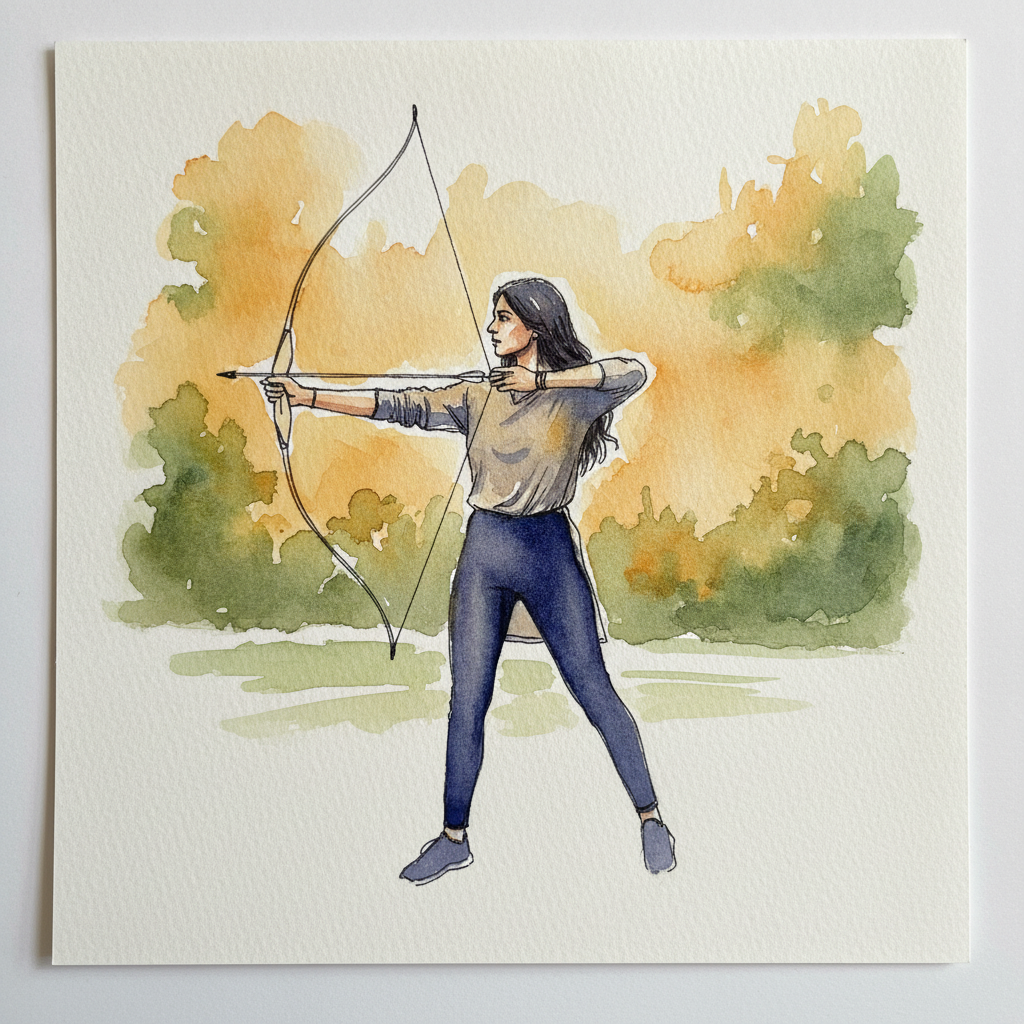
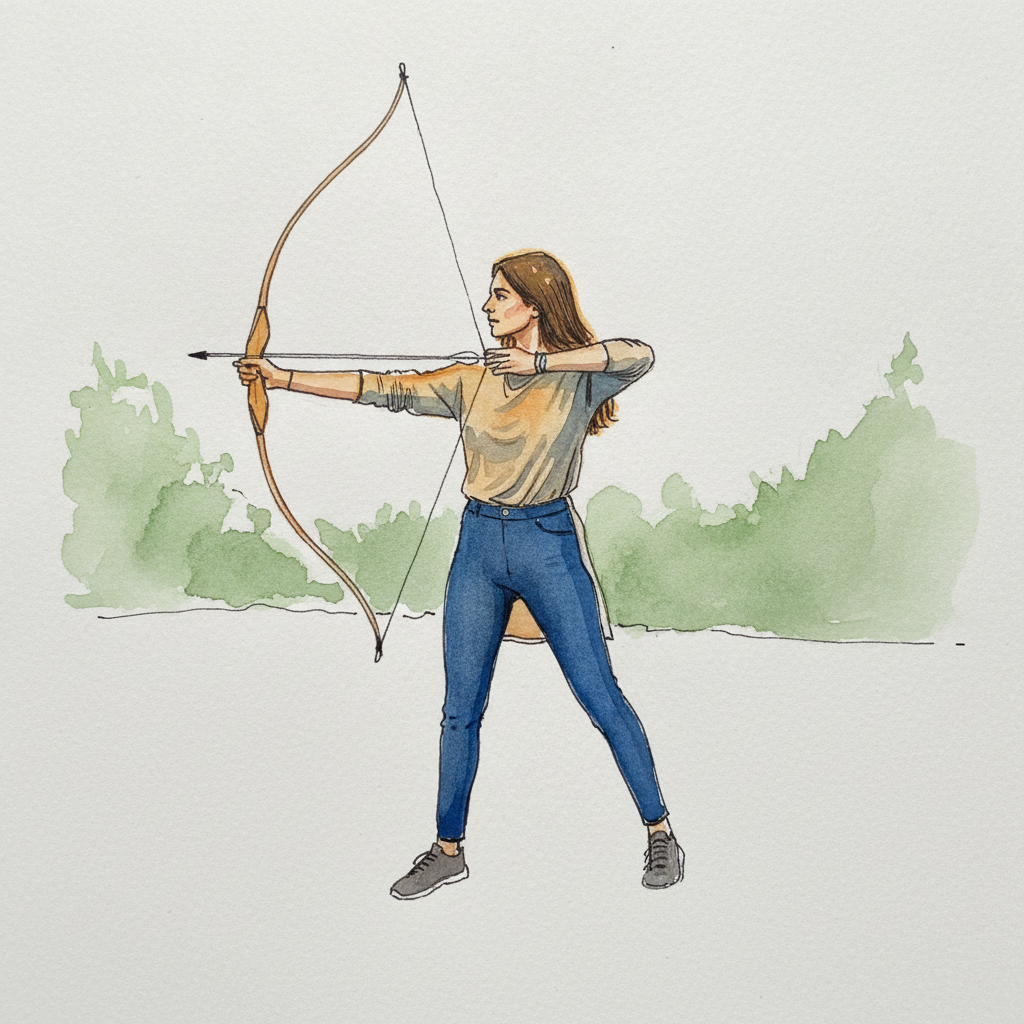
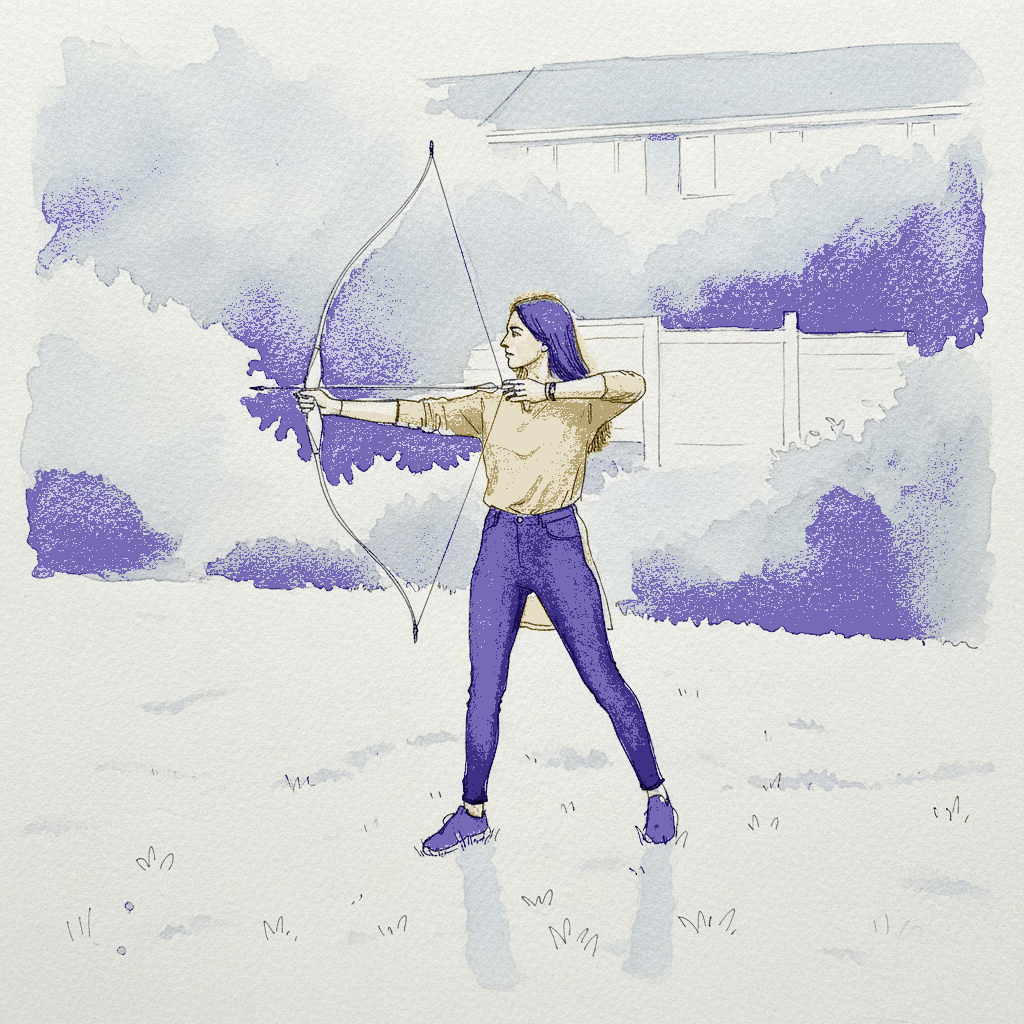
For this dynamic pose, concentrate on capturing the figure's angularity and tension using deliberate variations in line weight, especially on the extended limbs and torso rotation. Establish the strong backlight with warm, luminous washes around the figure, then contrast these against cooler, darker washes applied to the shadowed front planes of the body. Pay close attention to how precise ink lines help define form and edge where the light and shadow dramatically meet.
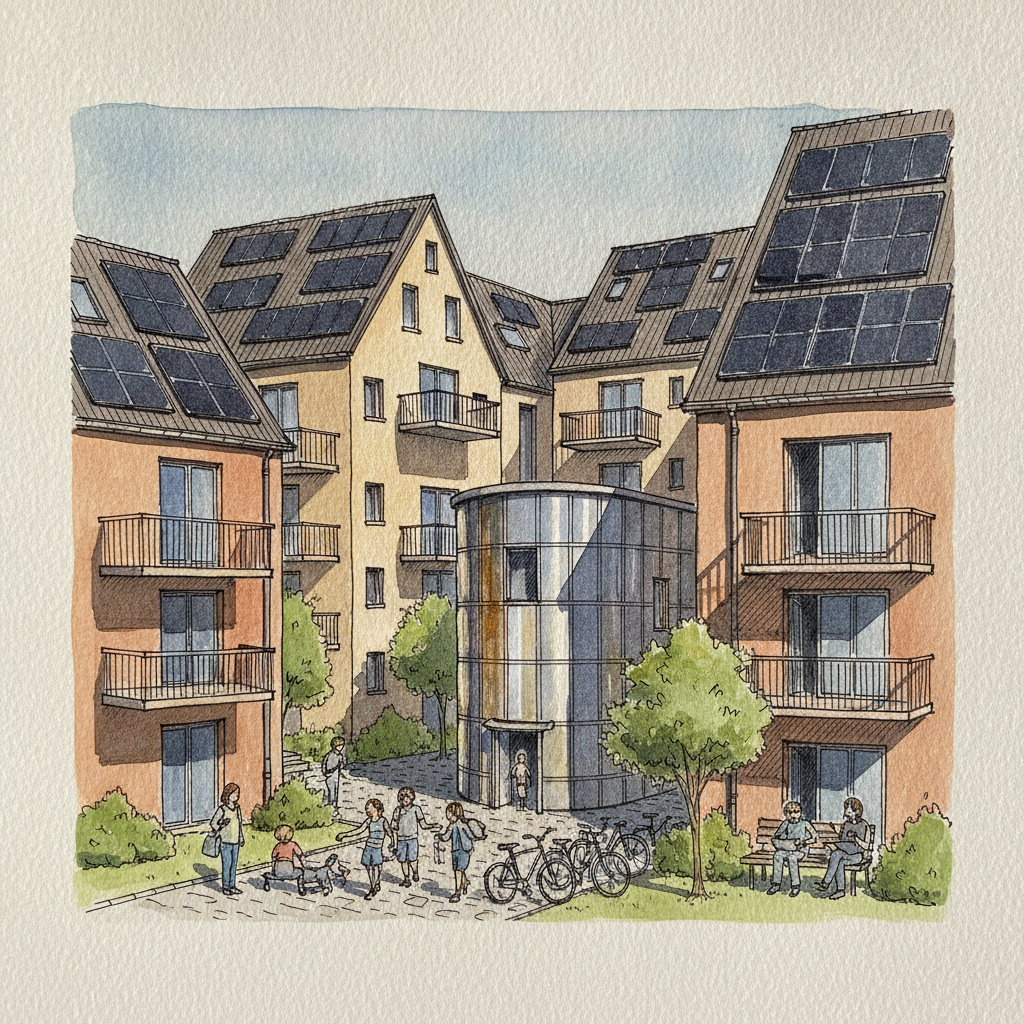
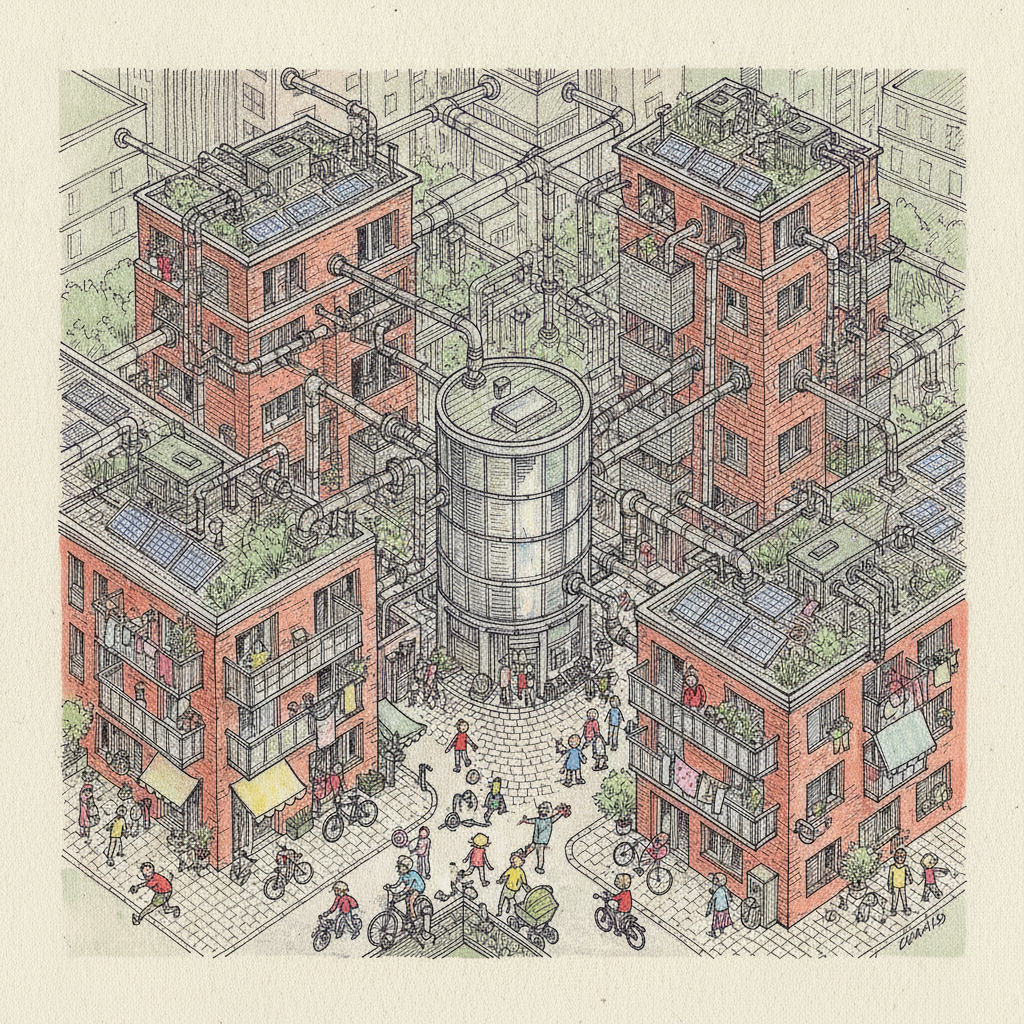
Piece 6 — Quartier Vauban, Freiburg im Breisgau, Germany
Pen + Watercolor · Loose pen and watercolor line-and-wash
Three takes

Focus for this piece
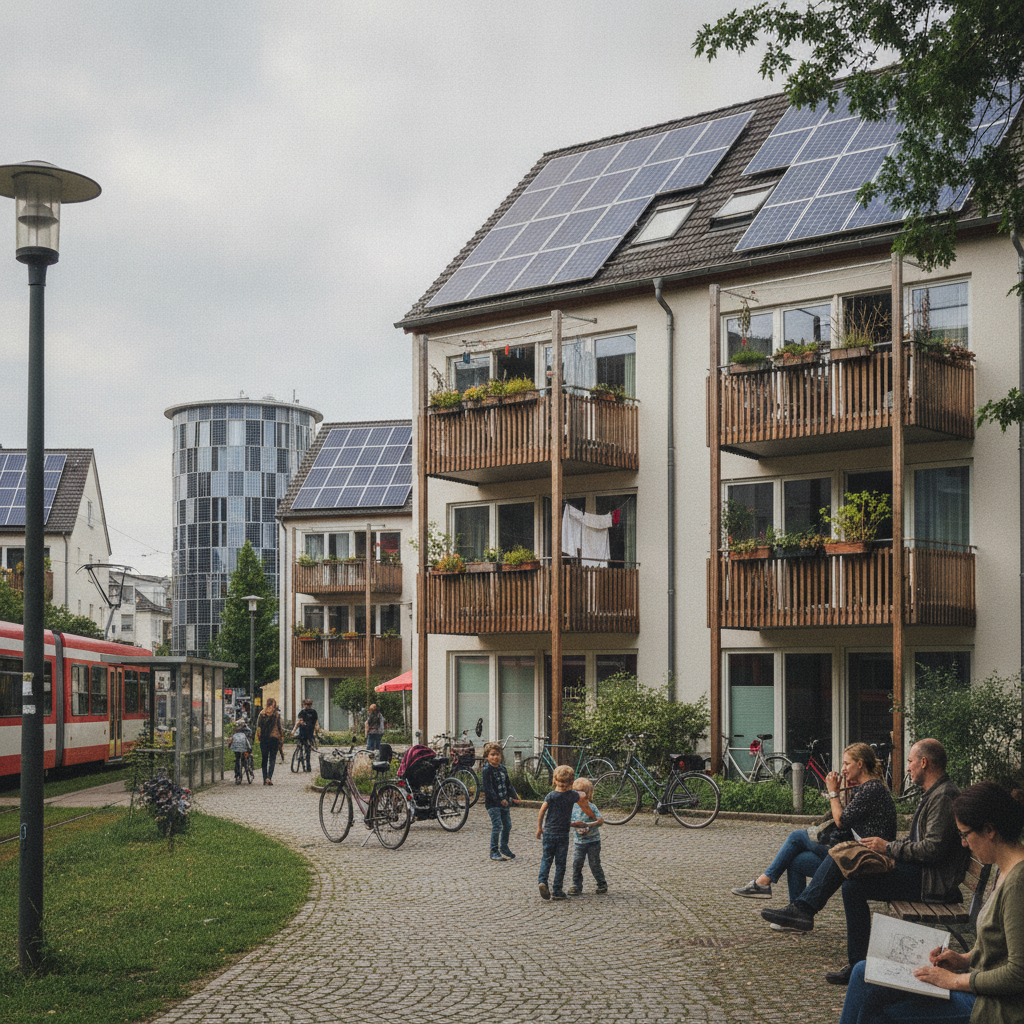
This piece is ideal for studying how to combine precise ink lines with atmospheric watercolor to render modern architectural forms. Use consistent line weight to define the strong rectilinear shapes and the unique cylinder of the Heliotrop, then layer cool, muted washes to capture the distinct light and shadow on the south-facing balconies and photovoltaic roofs. This approach will allow the watercolor to suggest depth and volume, preventing the ink from looking too starkly diagrammatic.
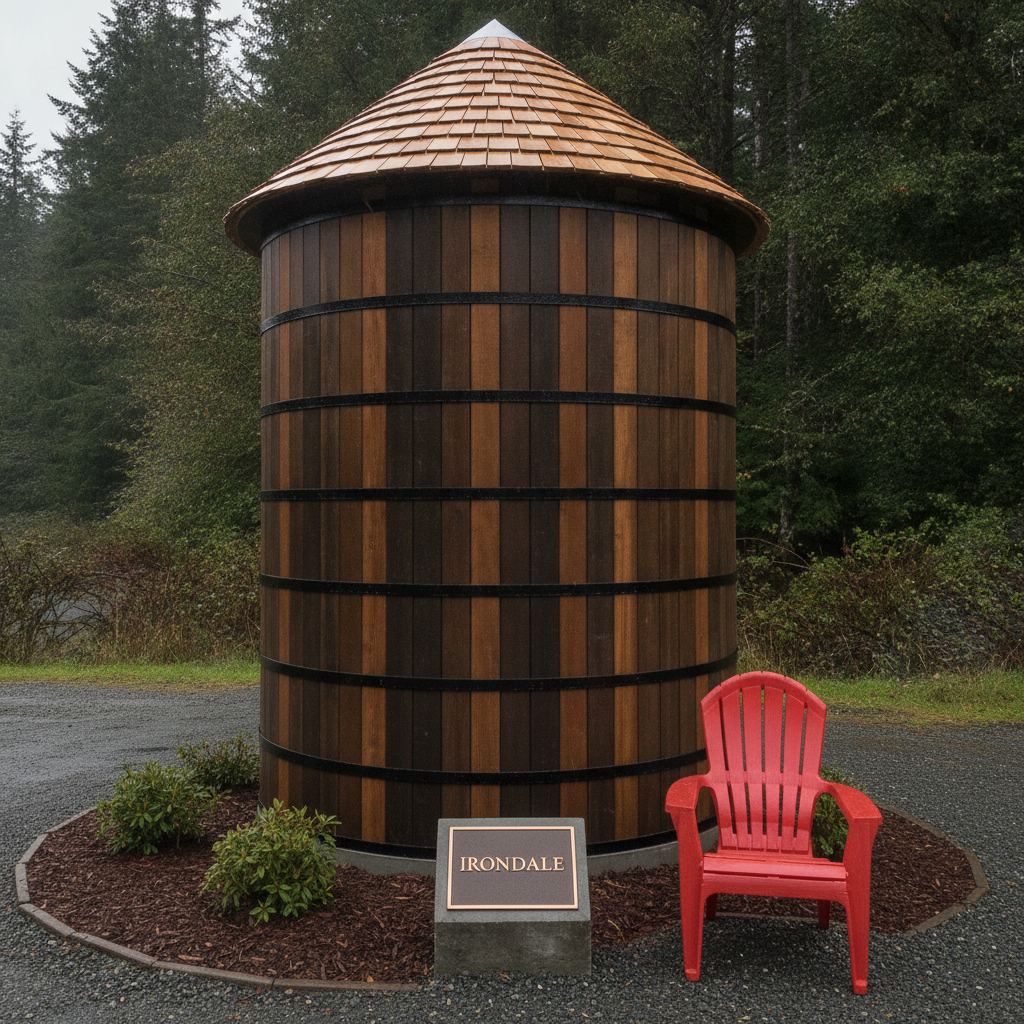
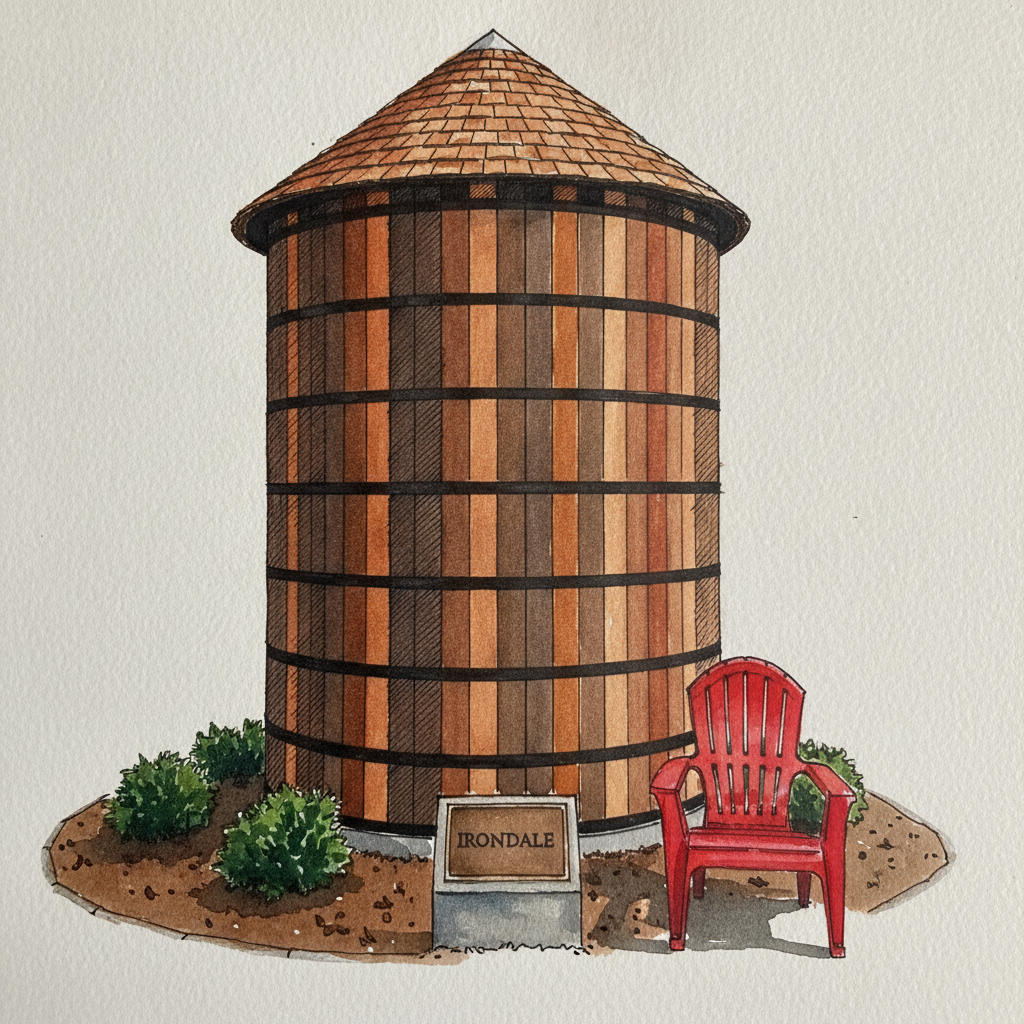
Piece 7 — Pacific Northwest Logging Town Restored
Pen + Watercolor · Loose pen and watercolor line-and-wash
Three takes

Focus for this piece
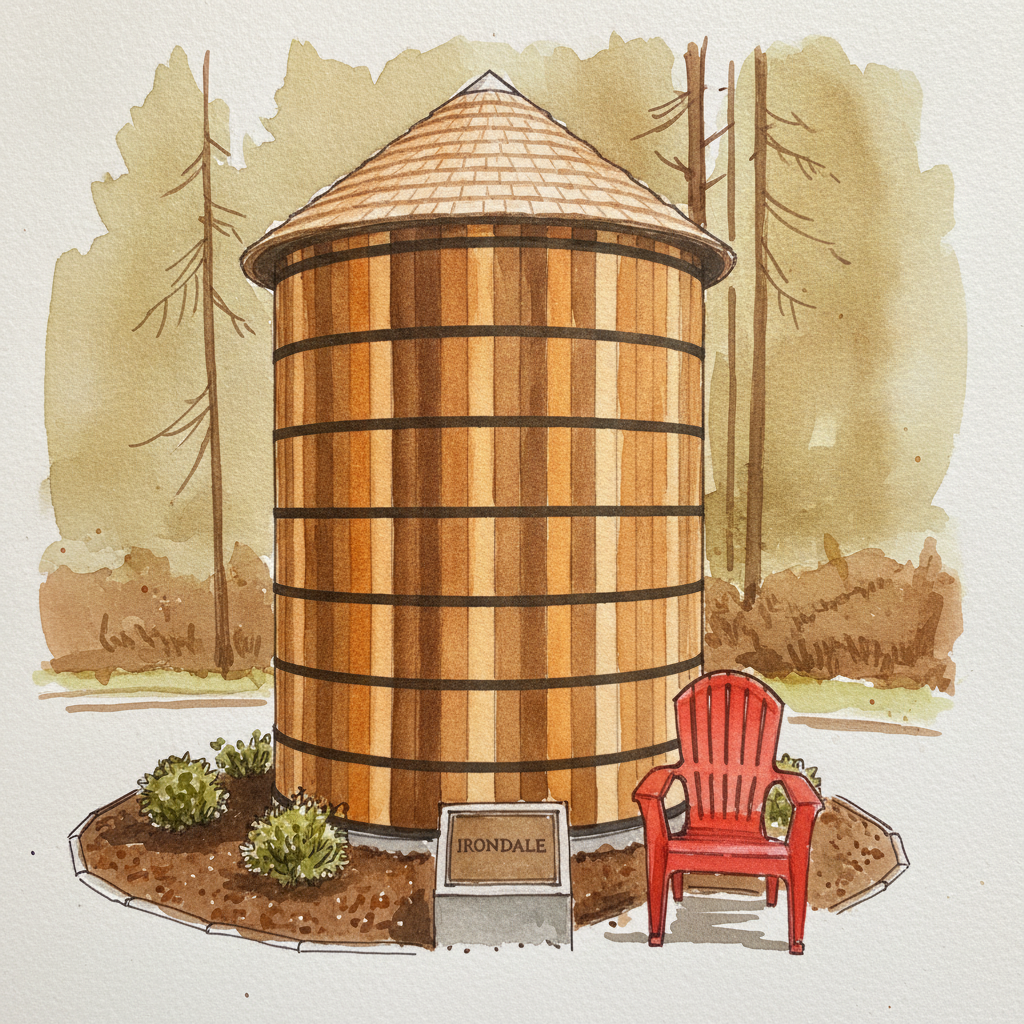
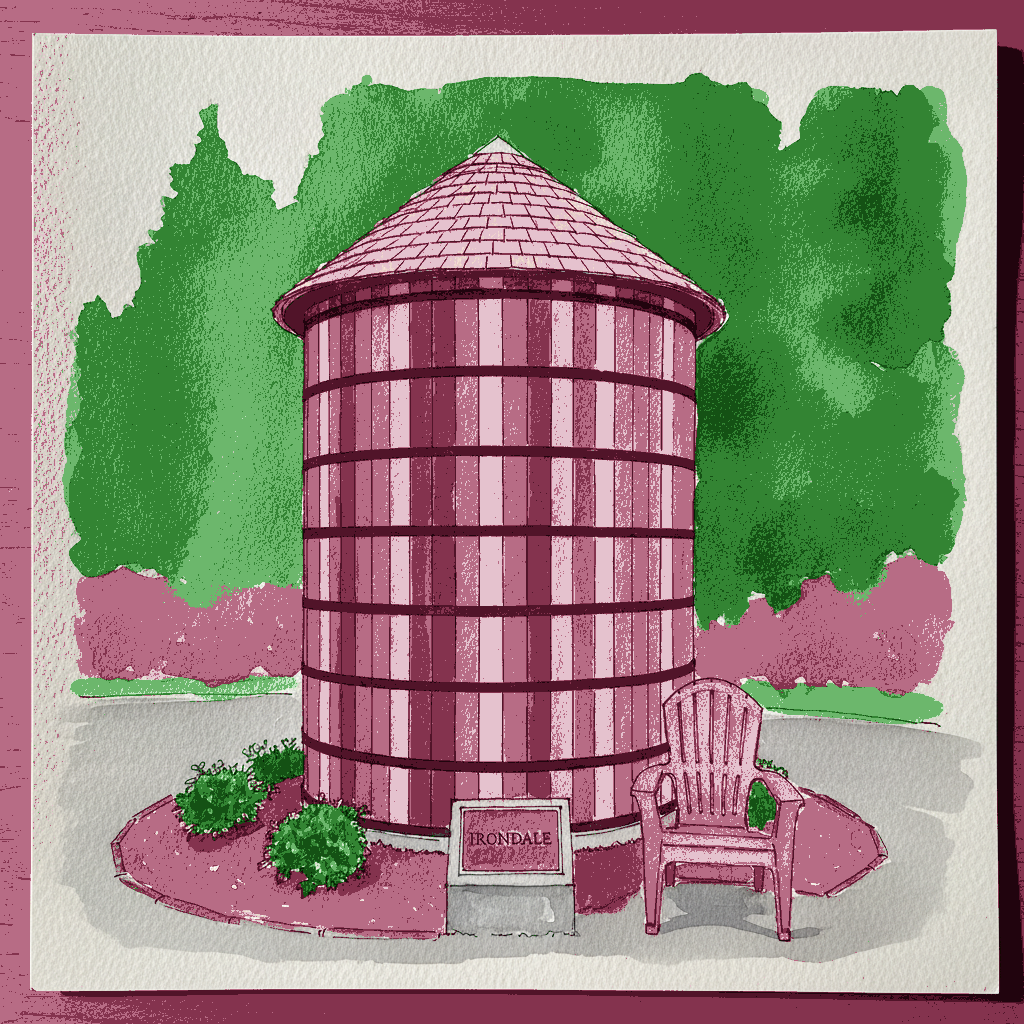
This piece is ideal for studying how line and wash collaborate to depict both precise geometry and varied textures. Use crisp, consistent ink lines to define the tower's cylindrical structure, focusing on the strong black hoop bands and the tidy diamond pattern of the conical roof shingles. Then, employ soft, layered washes to capture the subtle grain of the new cedar staves and the 'slick with rain' quality of the red Adirondack chair, letting the color suggest volume and atmosphere. This approach highlights the contrast between architectural precision and the softness of natural materials.
Piece 8 — Velvet worm (Onychophora)
Pen + Watercolor · Loose pen and watercolor line-and-wash
Three takes

Focus for this piece
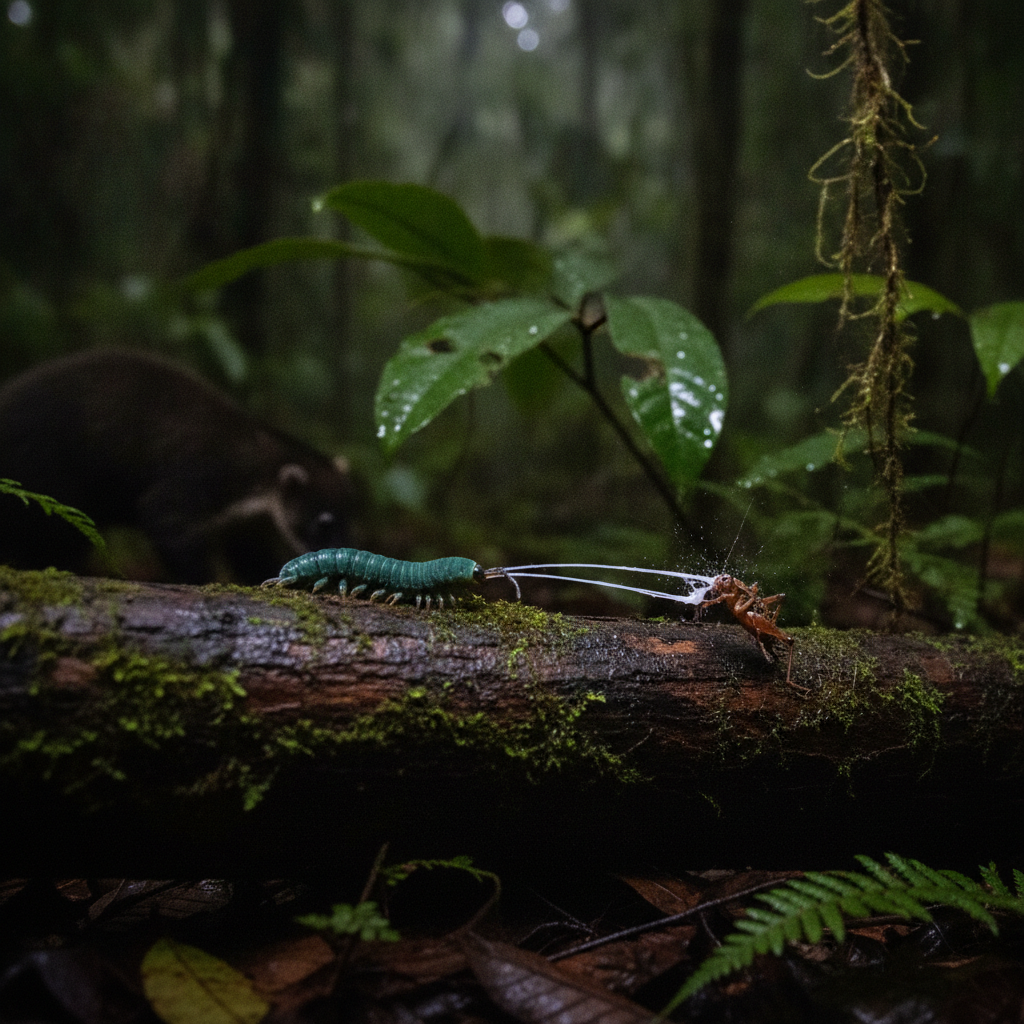
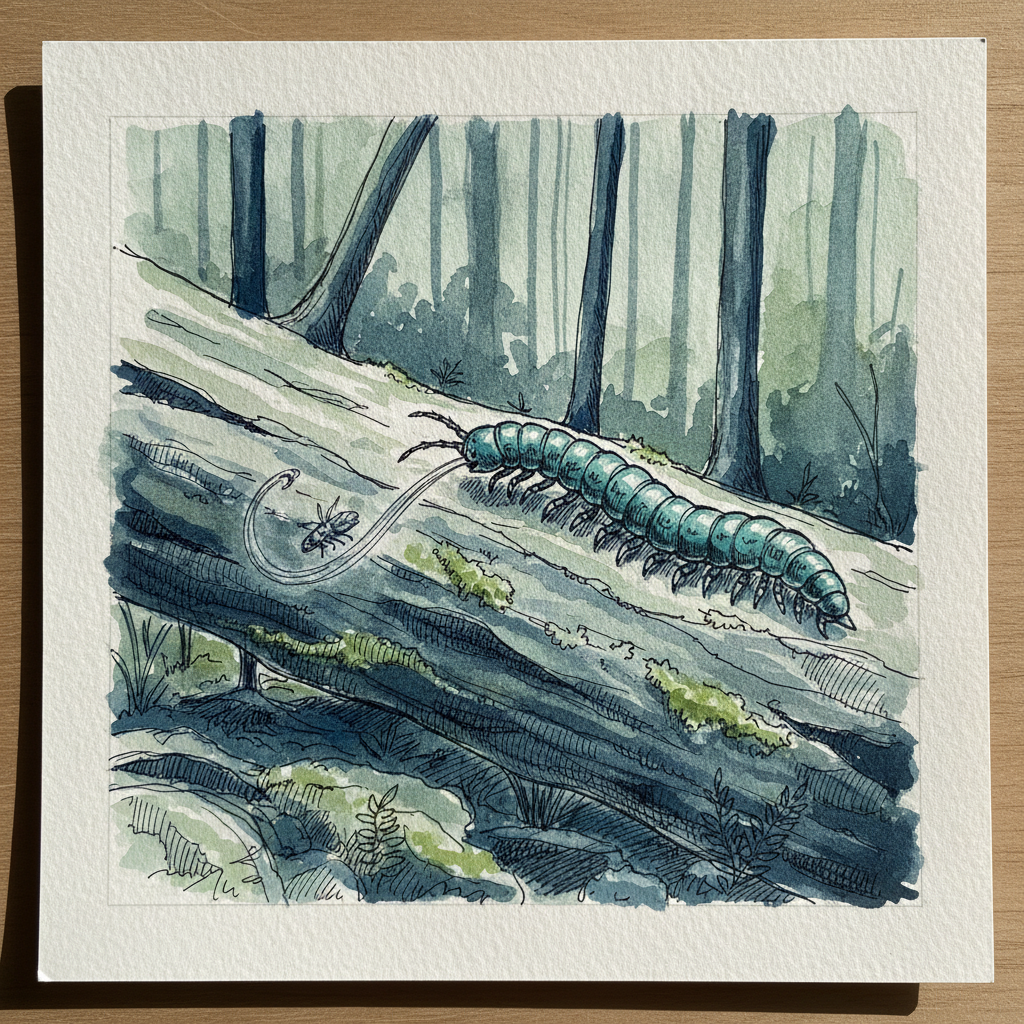
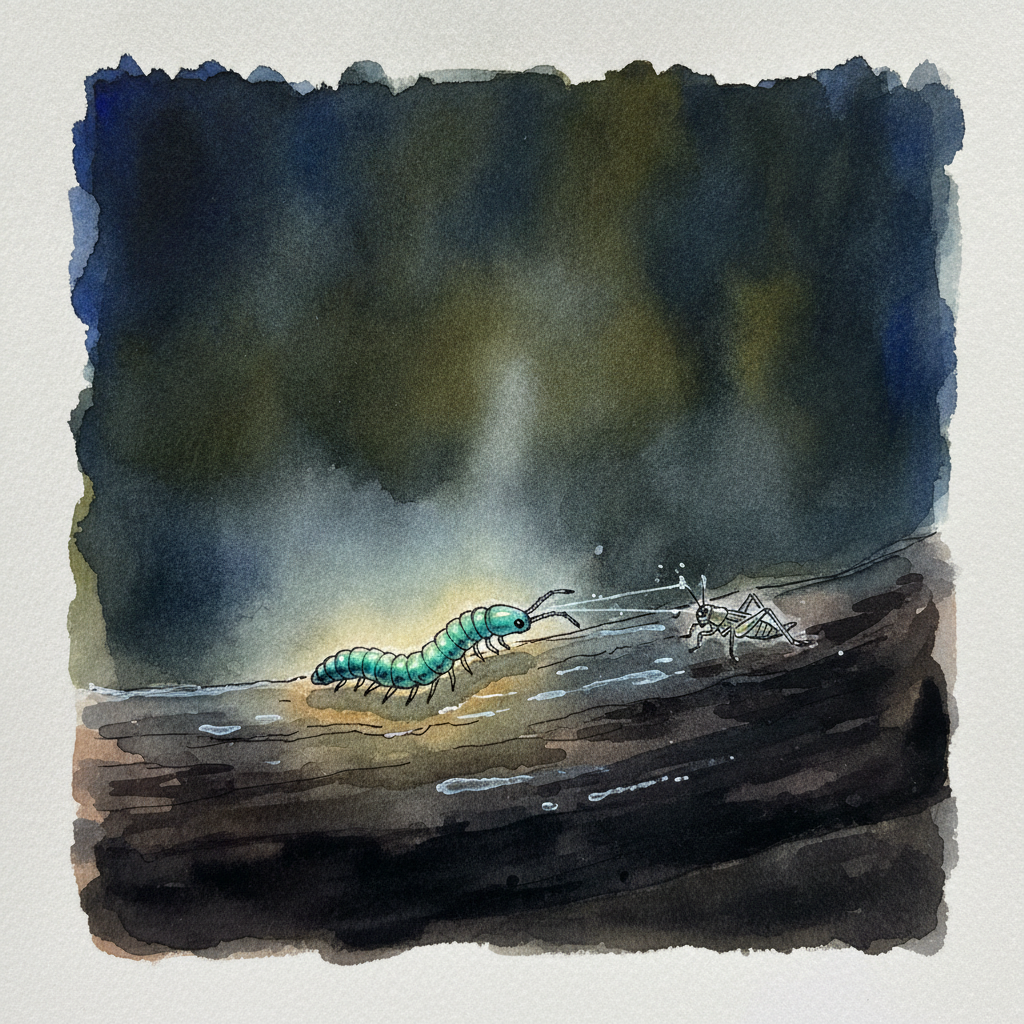
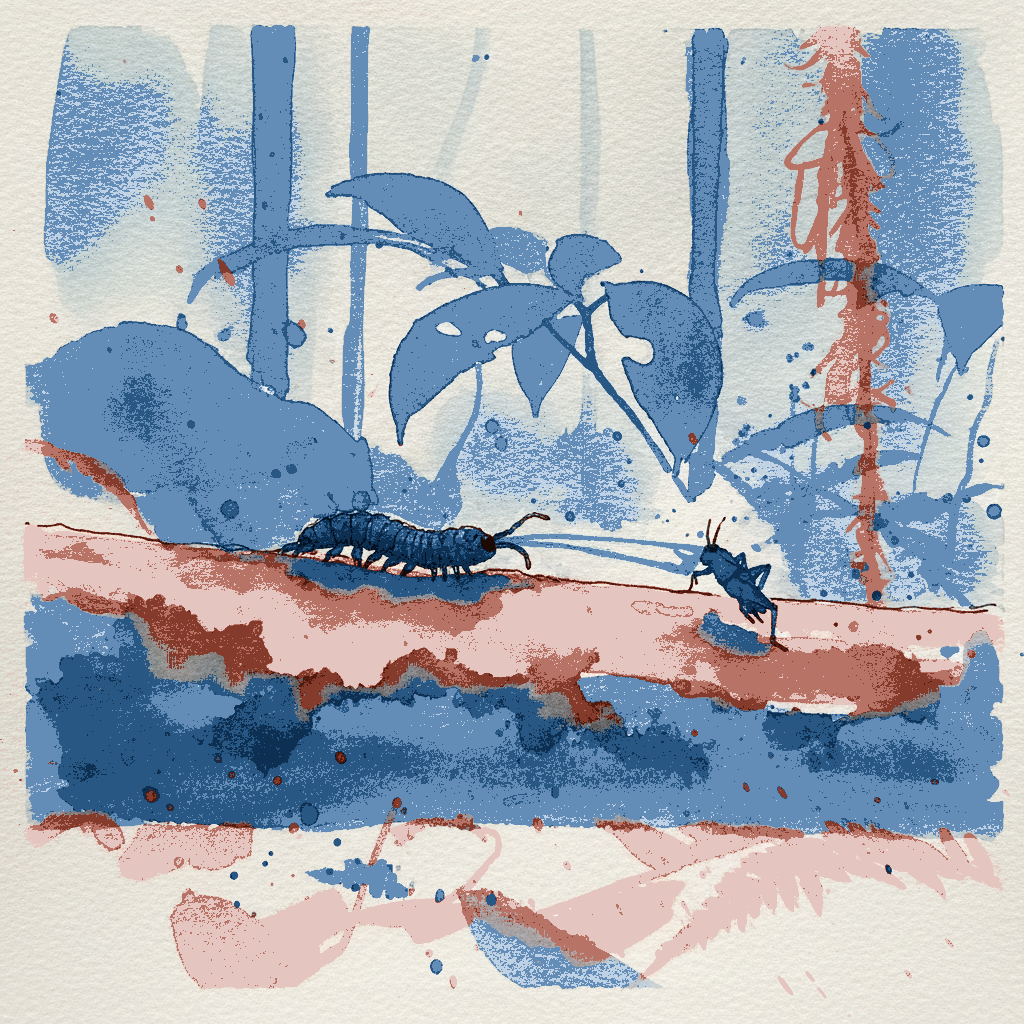
This piece offers a great opportunity to practice distinct textural rendering and focal point emphasis. Use fine, broken pen lines and delicate dry-brush watercolor to capture the velvet texture of the worm and its delicate antennae. Contrast this with broader, varied line weights and richer, multi-layered washes for the damp log's rough surface, ensuring the background recedes into soft, atmospheric blue-green washes to establish the cloud forest's humid depth.