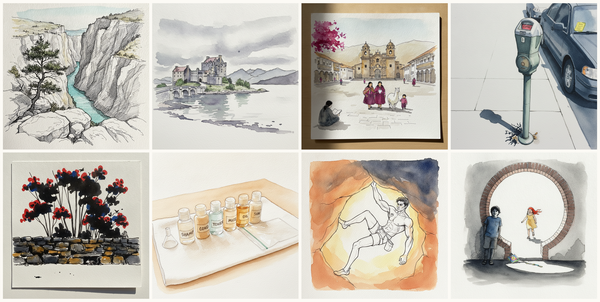
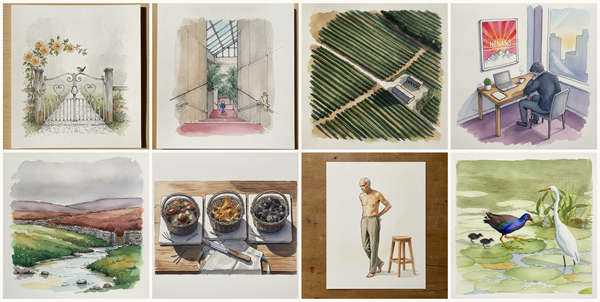
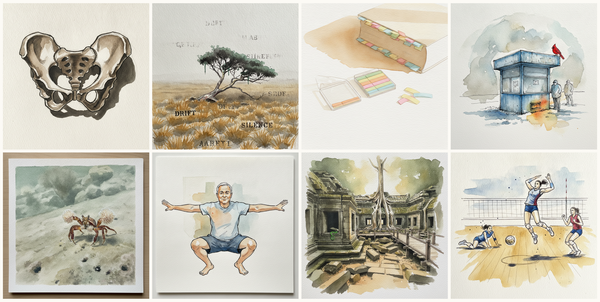
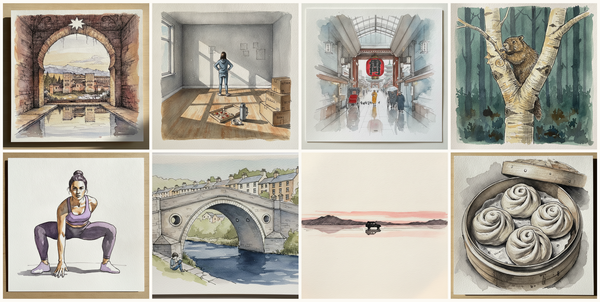
Sheet moss (Hypnum), Holiday market stall with lights, Hourglass mid-stream macro, Skerryvore Lighthouse, Hebrides, Scotland, and more — pen + watercolor for October 30, 2026
AI-generated daily art-practice references for pen and watercolor: Sheet moss (Hypnum), Holiday market stall with lights, Hourglass mid-stream macro, Skerryvore Lighthouse, Hebrides, Scotland, Sicilian Hill-Town Pole, Sternum Reveal, Eyes Closed, Sandhills June bloom — prairie clover and coneflow…
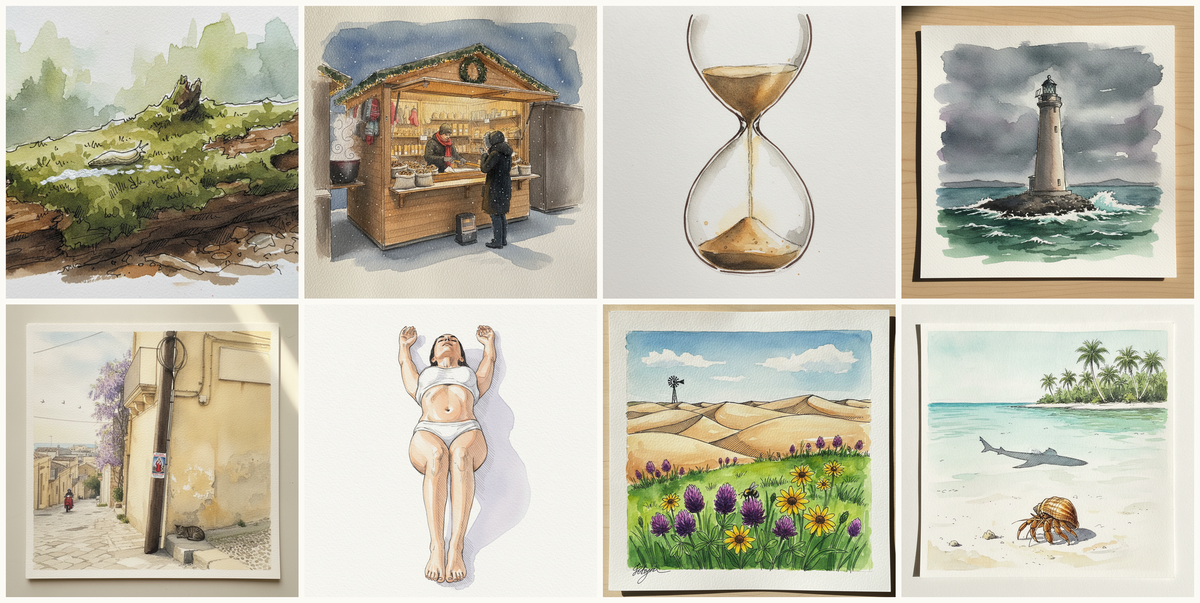
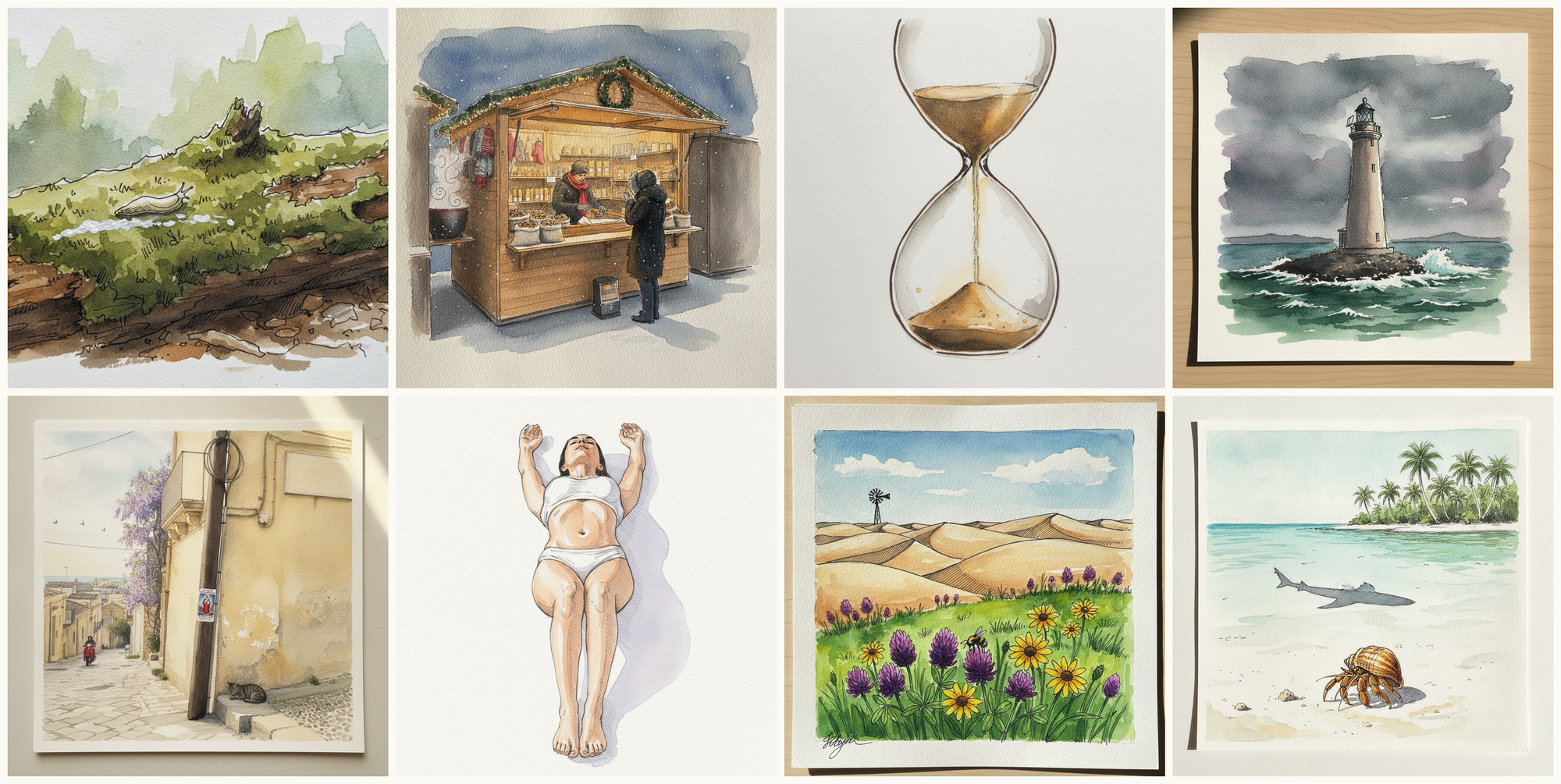
Today's 8 pen-and-watercolor pieces: Sheet moss (Hypnum), Holiday market stall with lights, Hourglass mid-stream macro, Skerryvore Lighthouse, Hebrides, Scotland, Sicilian Hill-Town Pole, Sternum Reveal, Eyes Closed, Sandhills June bloom — prairie clover and coneflower, Chagos Archipelago lagoon, central Indian Ocean. Each piece comes with an AI-generated photoreal reference, three AI-generated example artworks in different treatments, and a short focus paragraph naming what to study in this one.
Why these references use AI
This daily series uses AI-generated images as practice prompts, not as finished artwork to copy. Each subject starts with a synthetic photoreal reference generated with Gemini/Nano Banana, then moves into three pen-and-watercolor interpretations of the same subject.
I use AI here because daily art practice needs variety and low friction. Real life can get repetitive, busy, or visually narrow. These generated reference sets make it easier to study bodies, buildings, animals, landscapes, objects, gestures, light, palettes, and compositions that might not show up in an ordinary day.
The goal is not to reproduce any image directly. Treat each set as a starting point for observation and study: choose what interests you, change the framing, simplify the subject, alter the palette, and make your own version.
Piece 1 — Sheet moss (Hypnum)
Pen + Watercolor · Loose pen and watercolor line-and-wash
Three takes
Focus for this piece
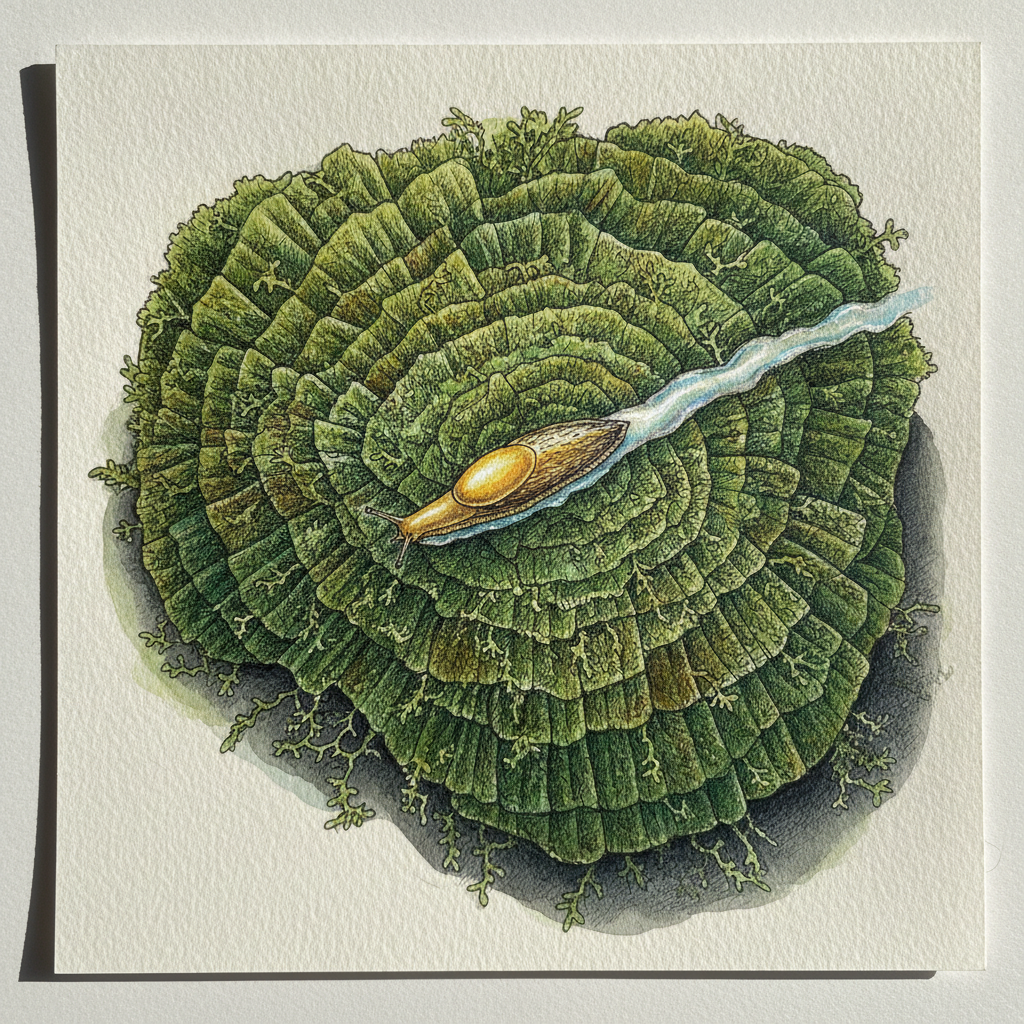
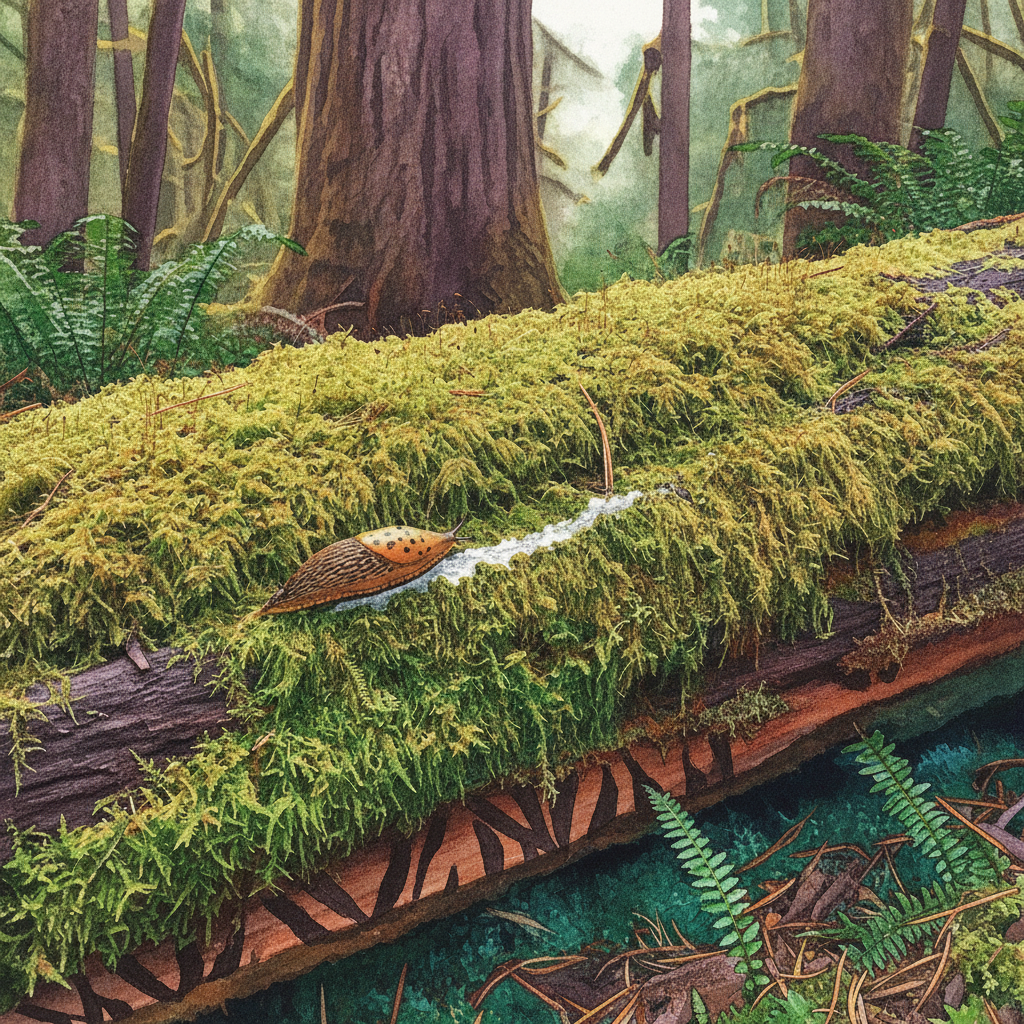
This study piece offers an excellent opportunity to explore how the interplay of specific pen strokes and watercolor washes builds a complex texture from a seemingly uniform subject. Focus on using varied line densities in waterproof ink, from close, fine dashes to slightly bolder outlines, to suggest the "knitted" character of the moss, reserving heavier lines for the log's form or the slug's body. Then, layer soft, translucent washes of golden-green over these lines, paying close attention to lifting delicate highlights with a damp brush to articulate the moss's pleated structure and catch the filtered light. This approach will allow the ink to provide structural detail while the watercolor creates atmospheric volume and depth.
Piece 2 — Holiday market stall with lights
Pen + Watercolor · Loose pen and watercolor line-and-wash

Three takes
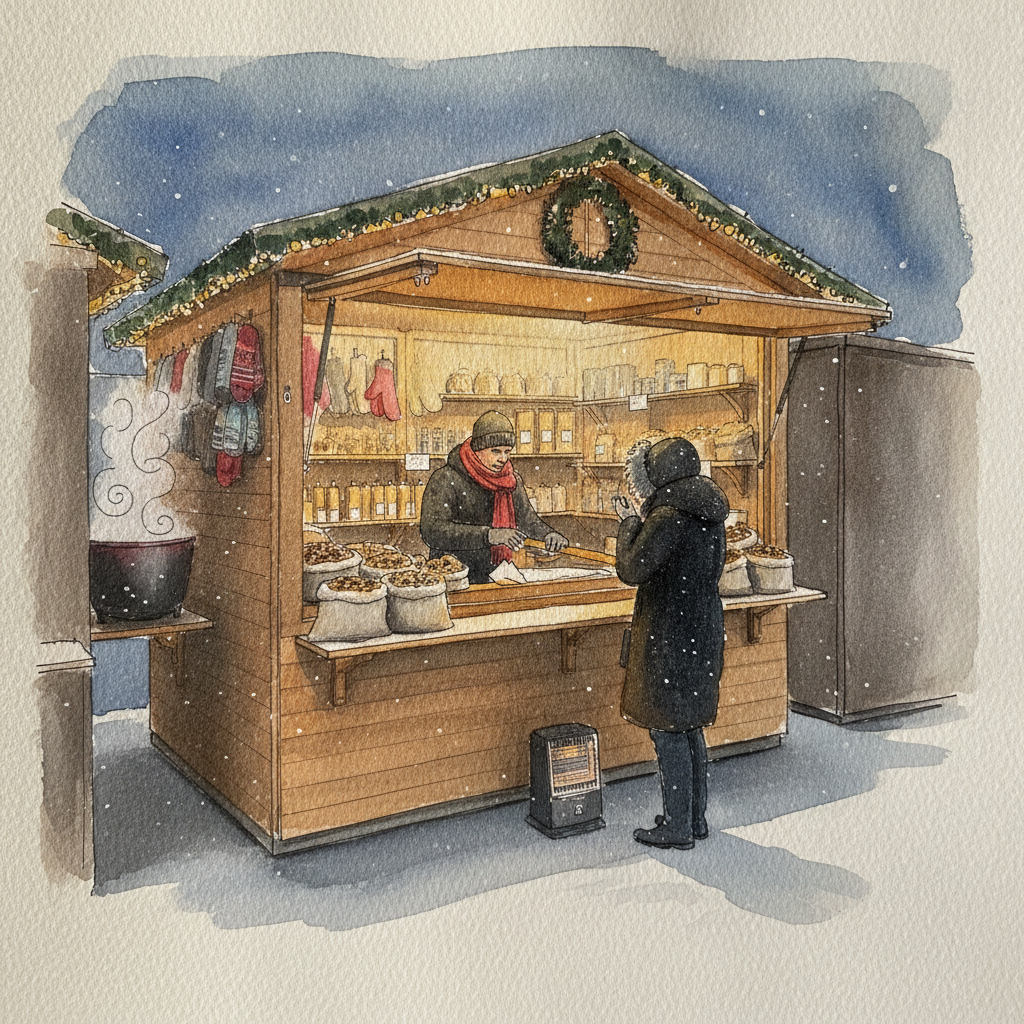
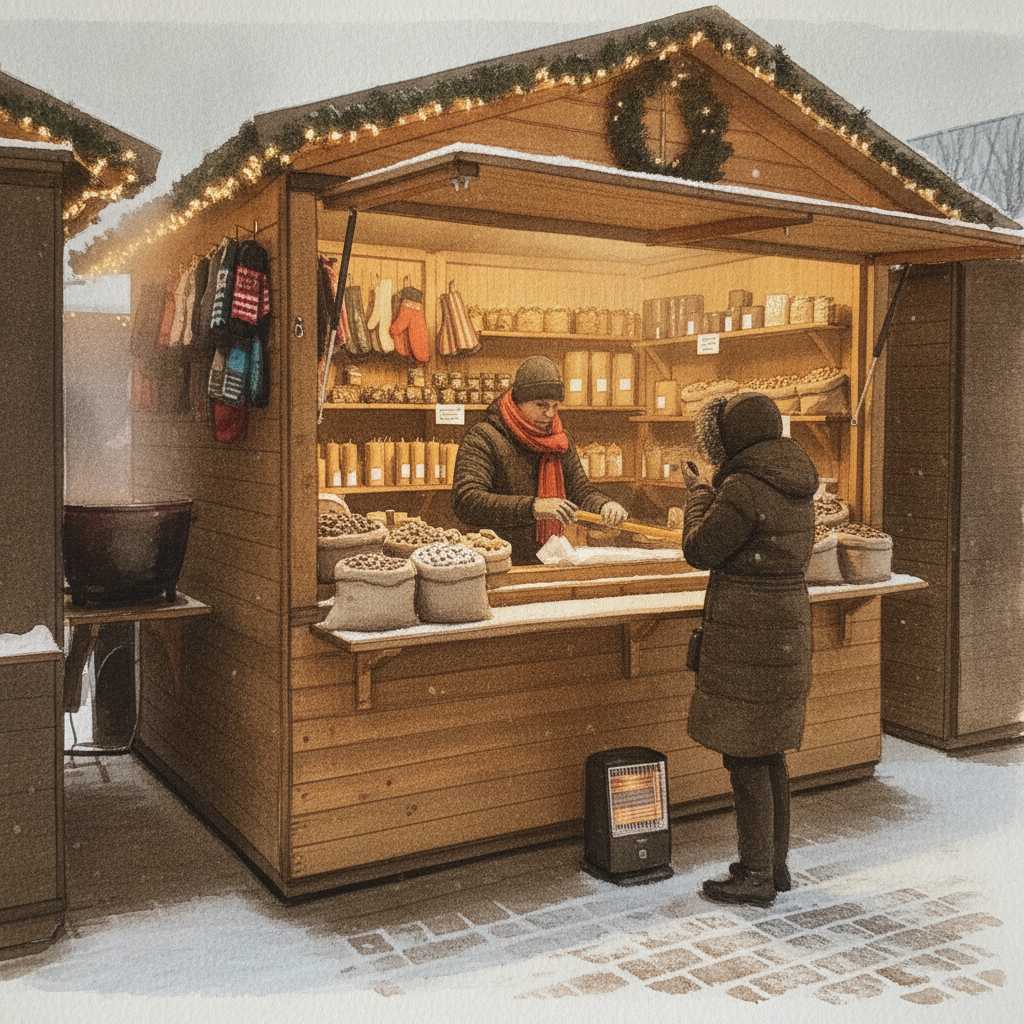
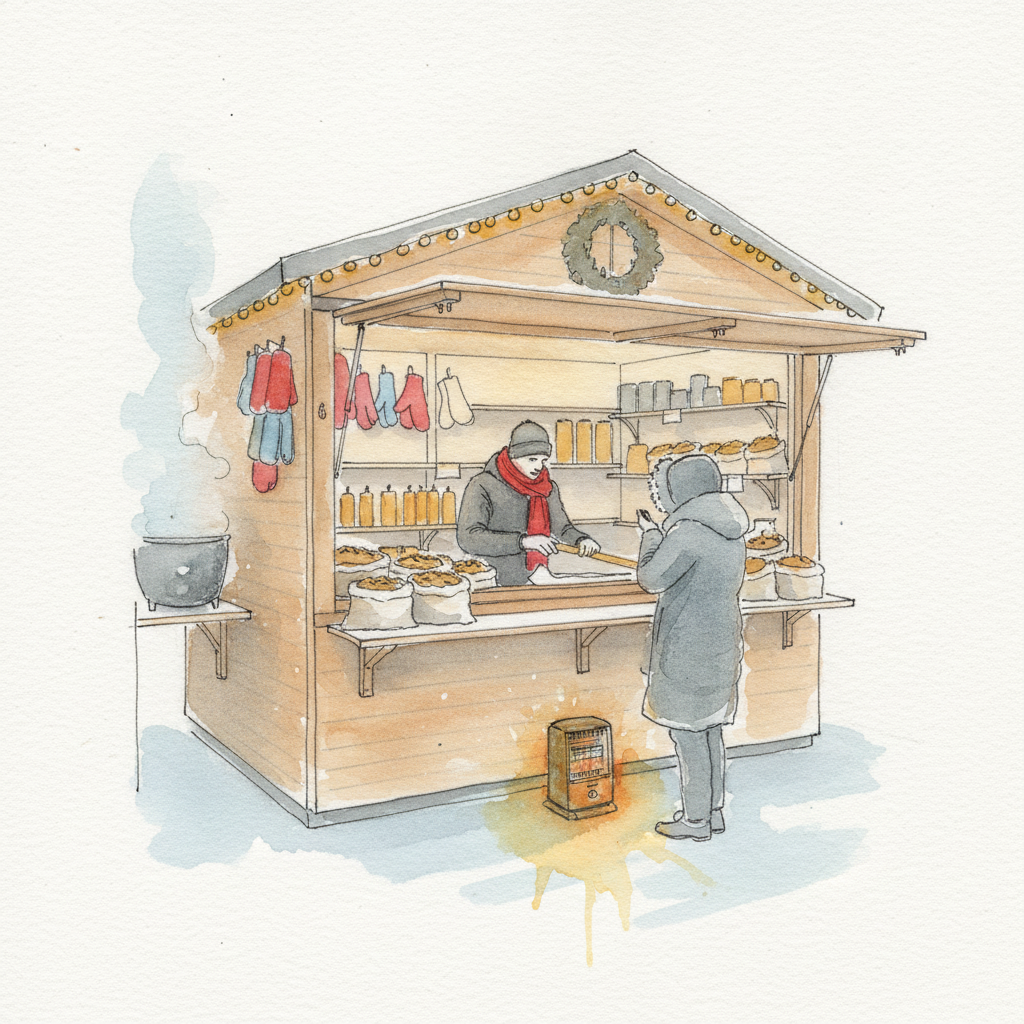
Focus for this piece
This piece offers a fantastic opportunity to practice rendering multiple small, warm light sources against a cool, dusky atmosphere. Focus on using controlled wet-on-wet watercolor washes with warm yellows and oranges to create the subtle glow around the lights, allowing them to bleed into the cooler blues and purples of the surrounding scene. Experiment with varying line weights: use bolder, more defined lines for the wooden stall and vendor, then lighten or break lines for elements further back or those enveloped in light, letting the watercolor do more work to define their edges. This contrast between crisp lines and soft, atmospheric washes will bring your holiday market to life.
Piece 3 — Hourglass mid-stream macro
Pen + Watercolor · Loose pen and watercolor line-and-wash

Three takes
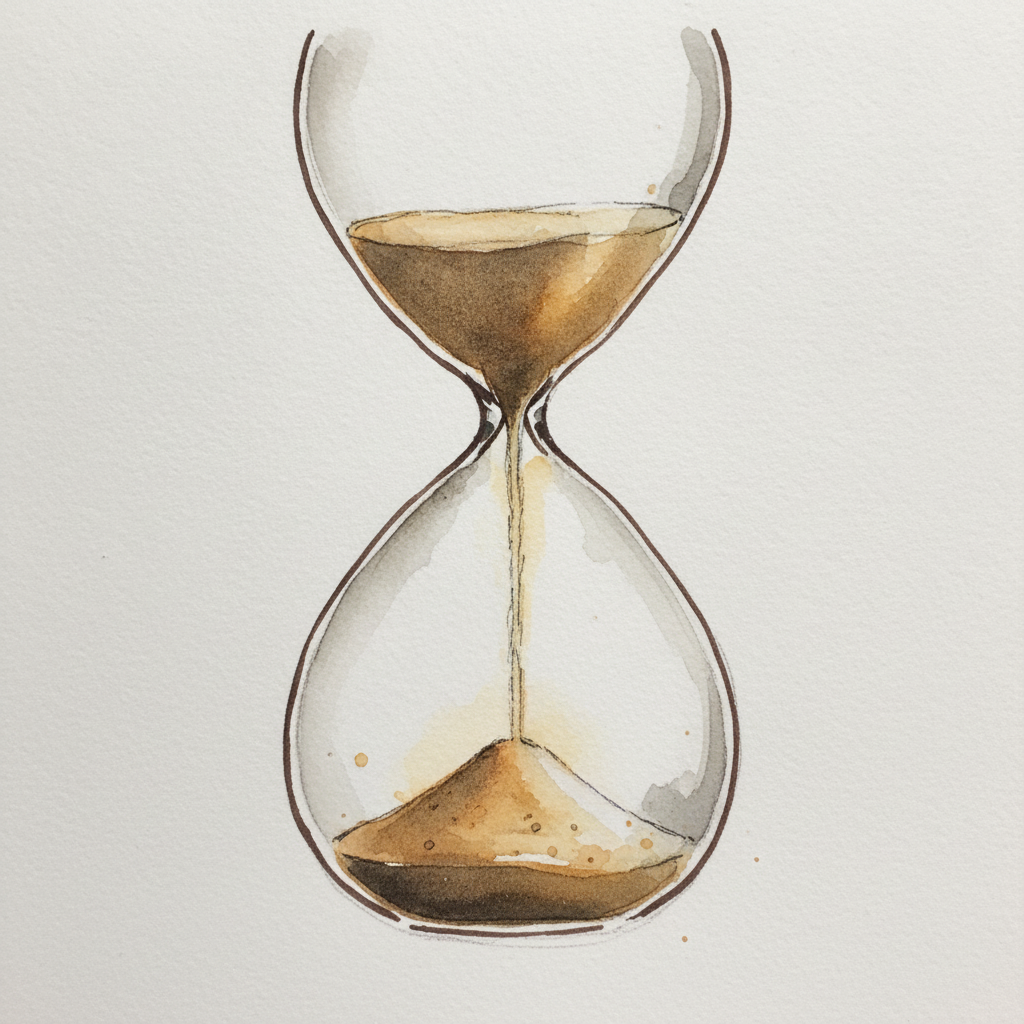
Focus for this piece
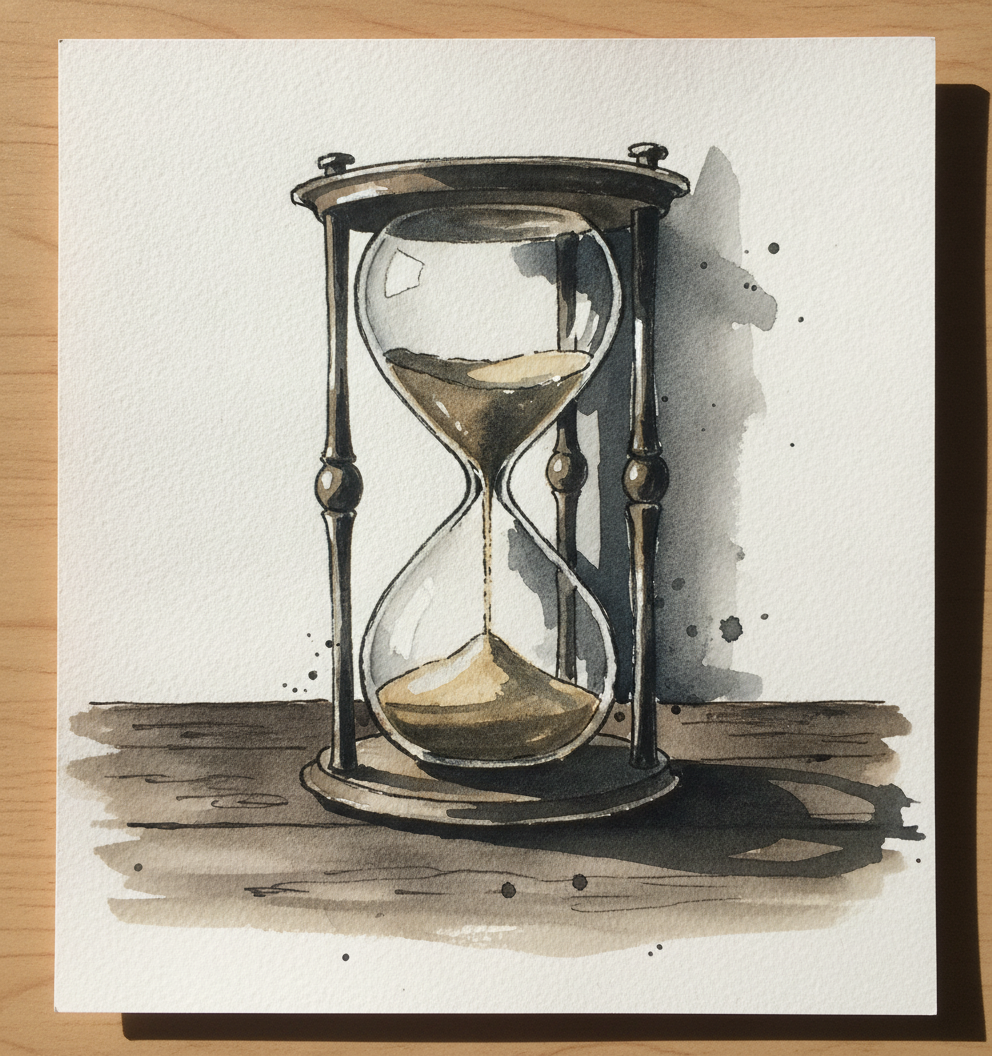
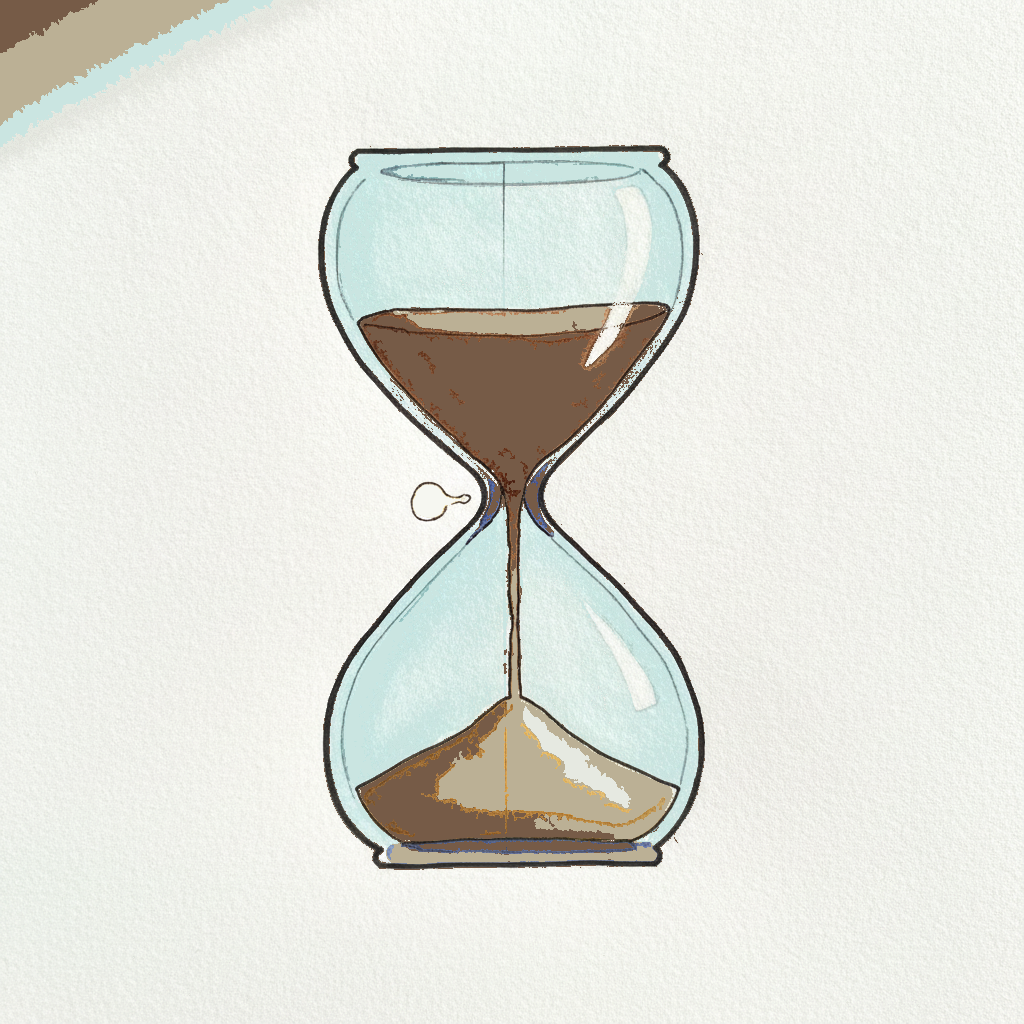
This macro study is ideal for practicing the interplay of delicate line work and subtle, timed washes to convey both transparency and fleeting movement. Use a very fine-nib pen for the slender thread of falling sand and the faint mould seam, employing minimal stippling for the illuminated grains. Focus on creating the soft, diffused dust puff and the gentle inner shadow with controlled wet-on-wet washes, letting the watercolor suggest the ephemeral nature of light and material.
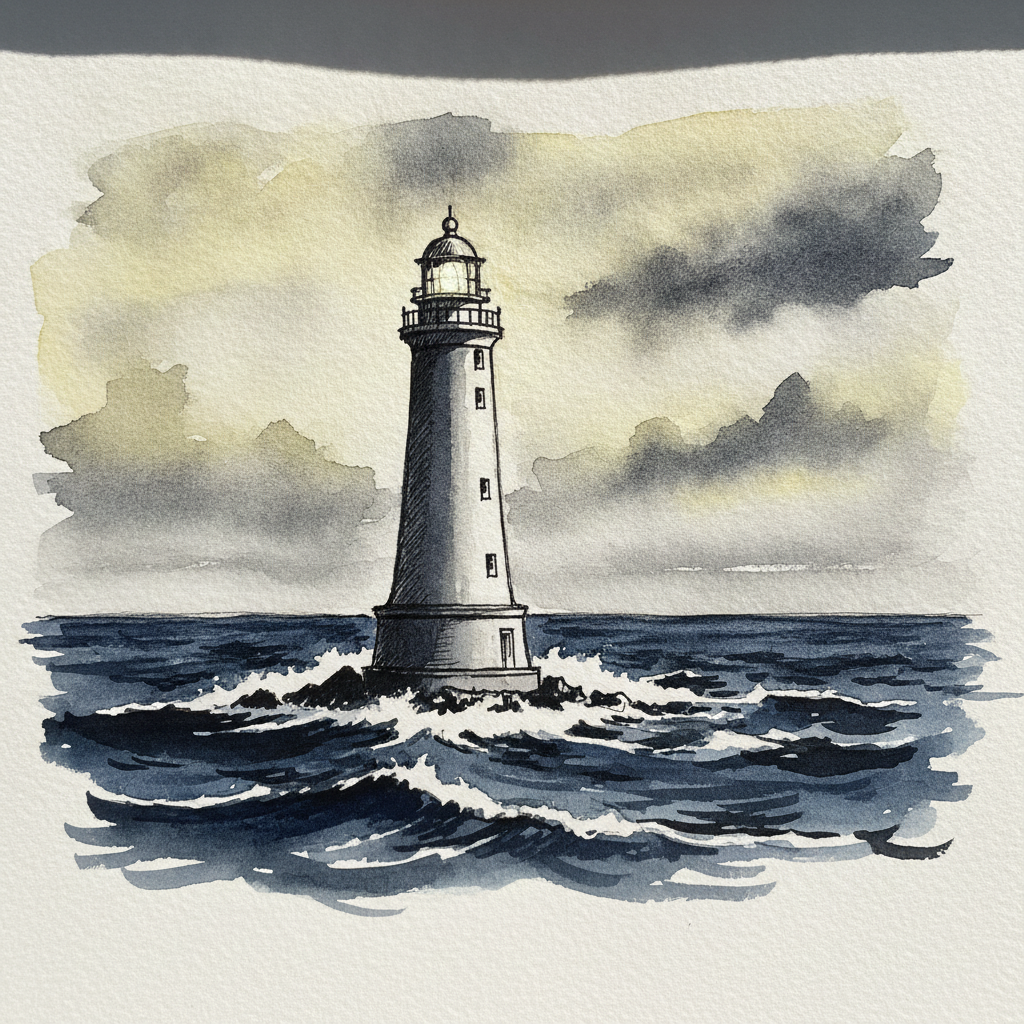
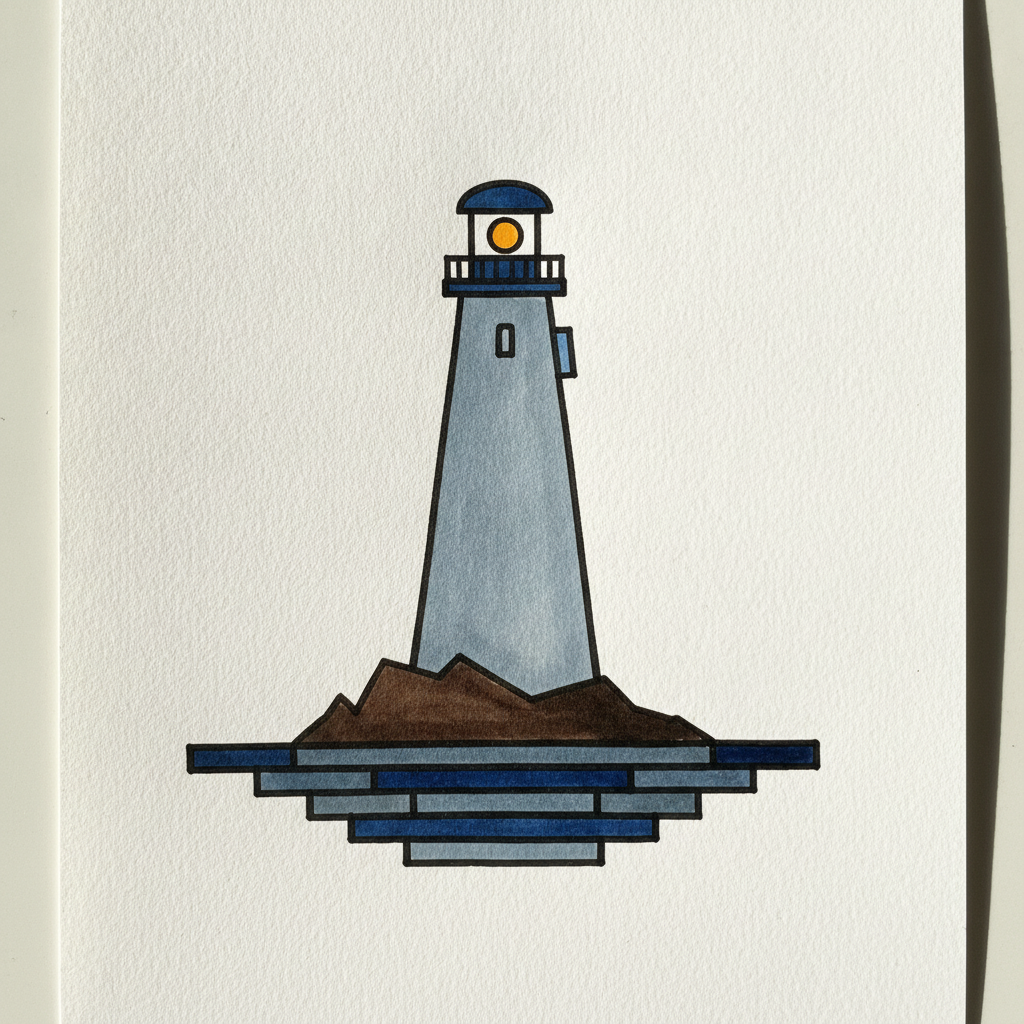
Piece 4 — Skerryvore Lighthouse, Hebrides, Scotland
Pen + Watercolor · Loose pen and watercolor line-and-wash
Three takes
Focus for this piece
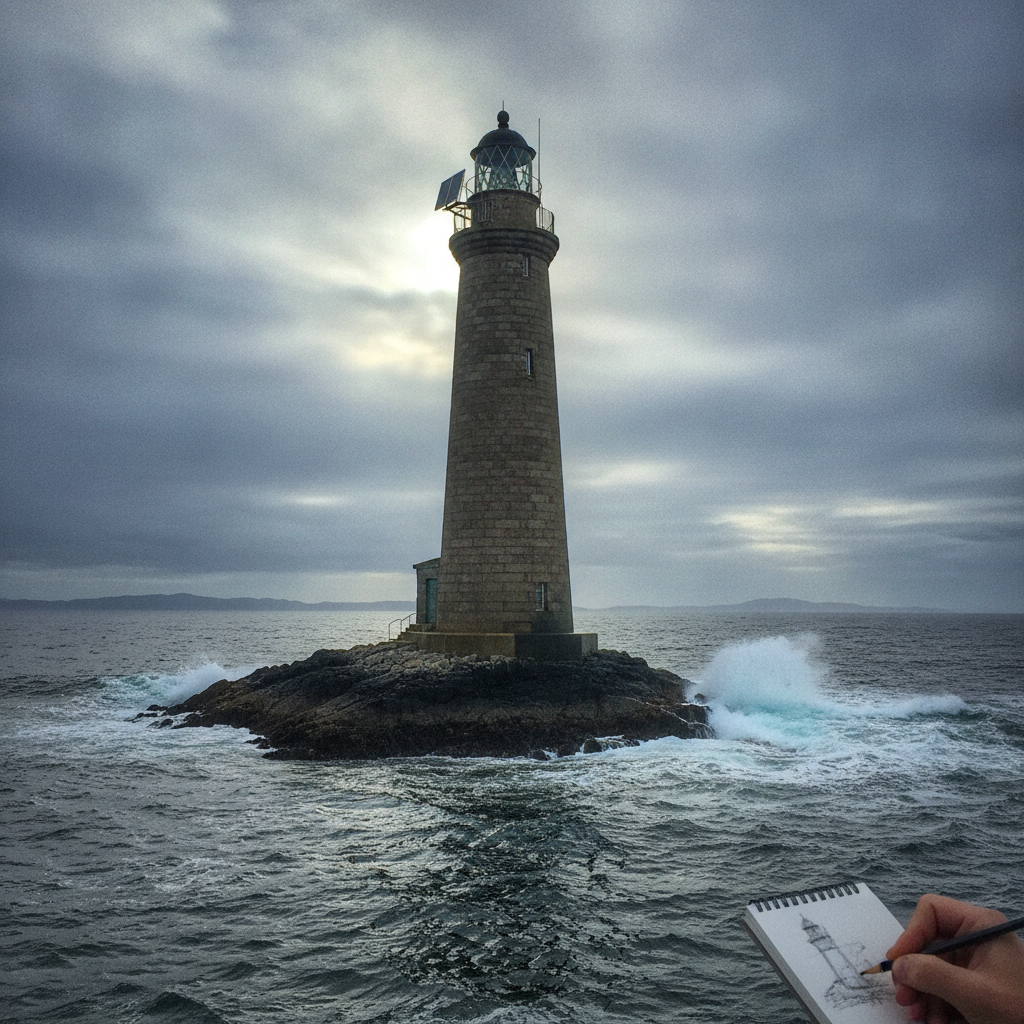
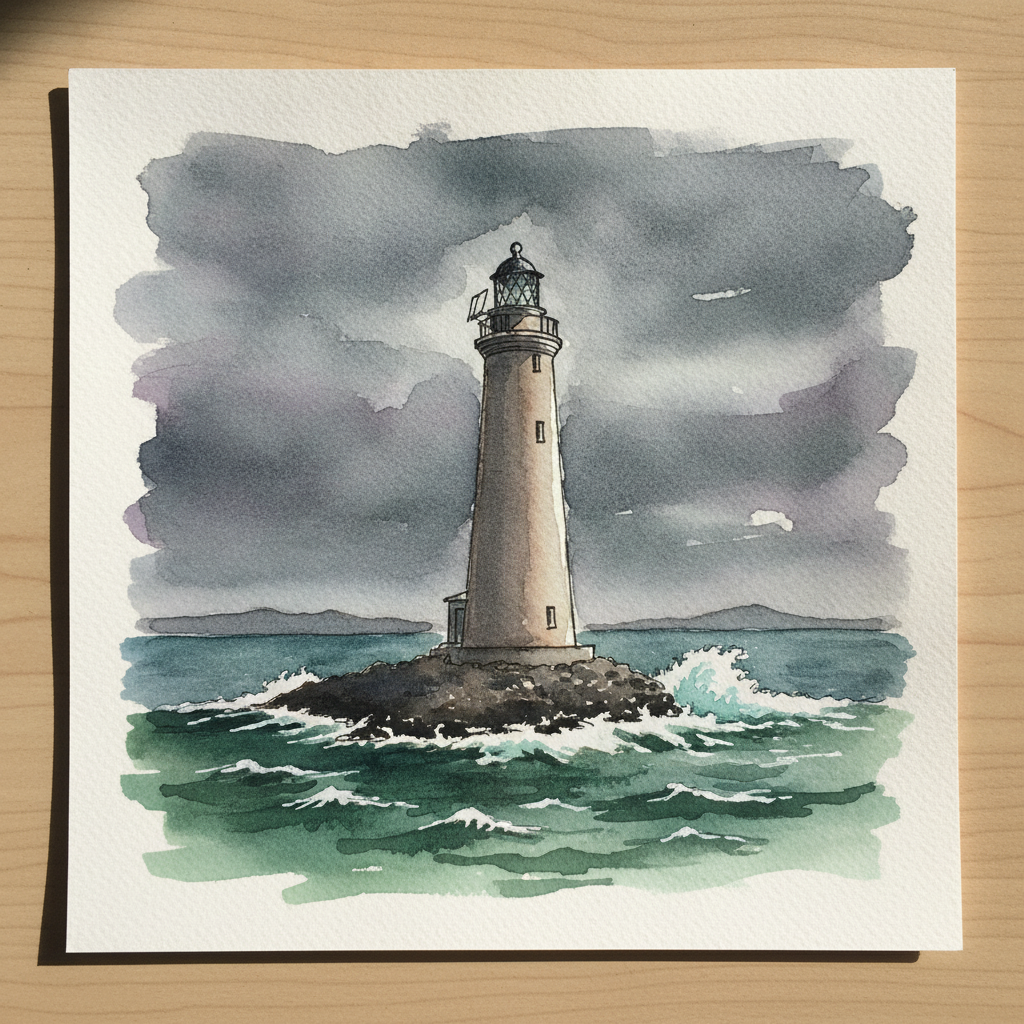
This piece offers a compelling study in capturing elegant architectural form and atmospheric drama. Use sensitive, varying line weights to define the lighthouse's graceful hyperbolic curve, suggesting the interlocking granite blocks with carefully placed broken lines rather than rigid outlines. Practice modeling the tower's volume with subtle, graduated cool-toned washes, then employ expressive wet-on-wet techniques for the surrounding wave-swept reef, allowing the water to be soft and atmospheric against the crisp structure. This contrast between precise line and fluid wash will emphasize the tower's solitary grandeur.
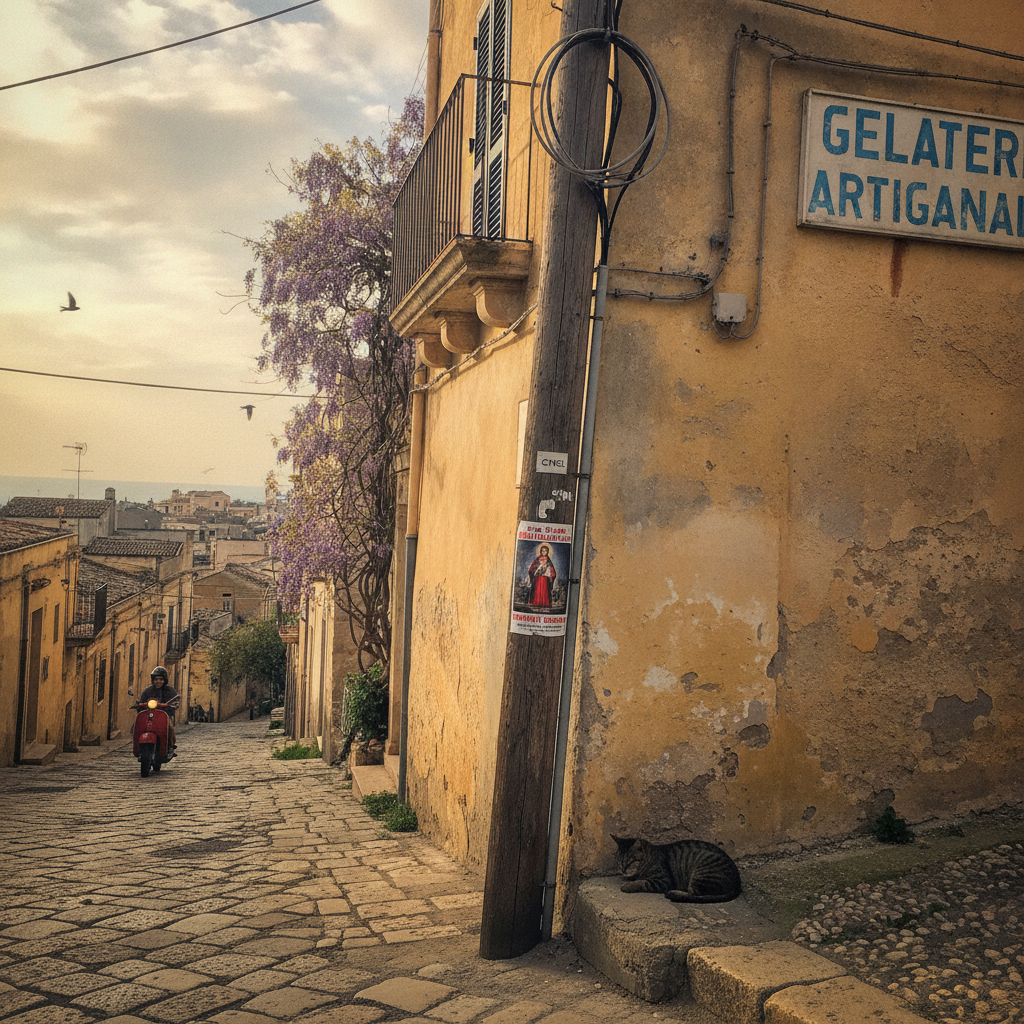
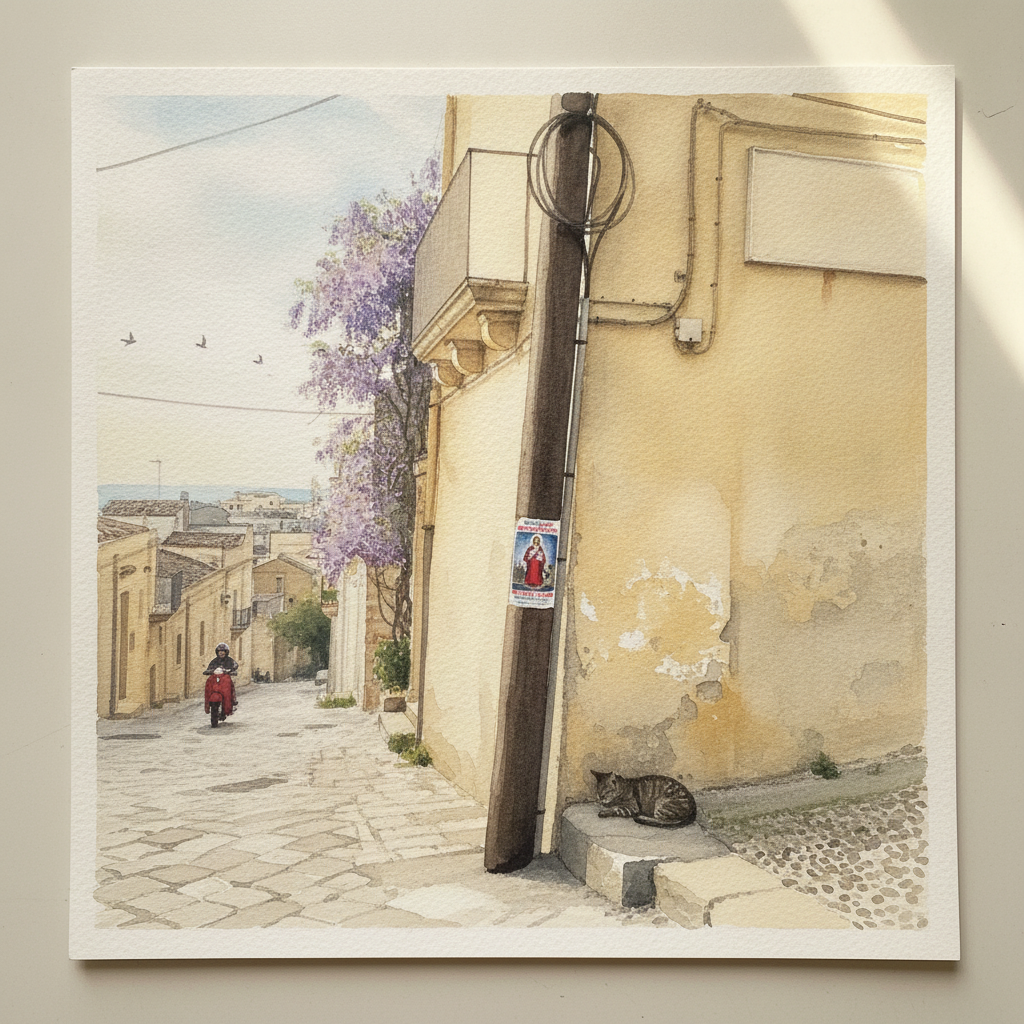
Piece 5 — Sicilian Hill-Town Pole
Pen + Watercolor · Loose pen and watercolor line-and-wash
Three takes
Focus for this piece
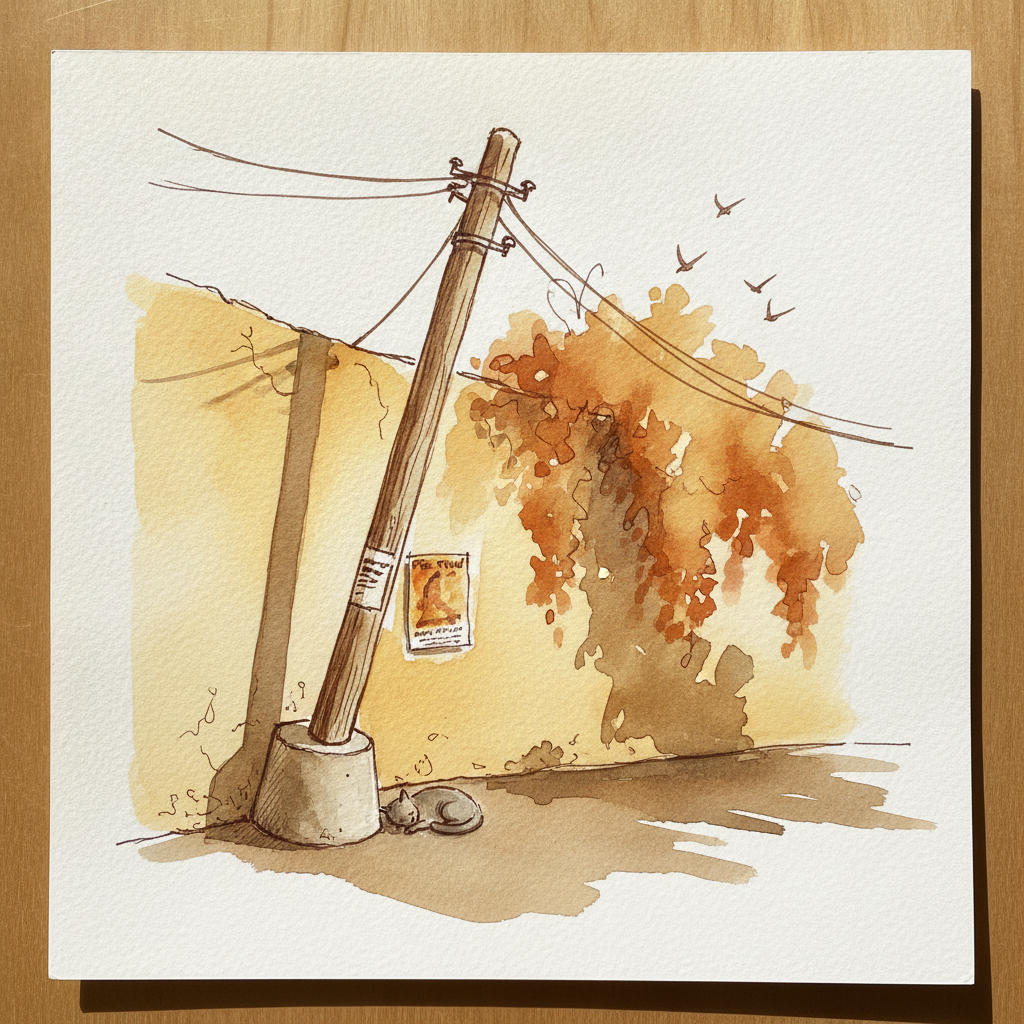
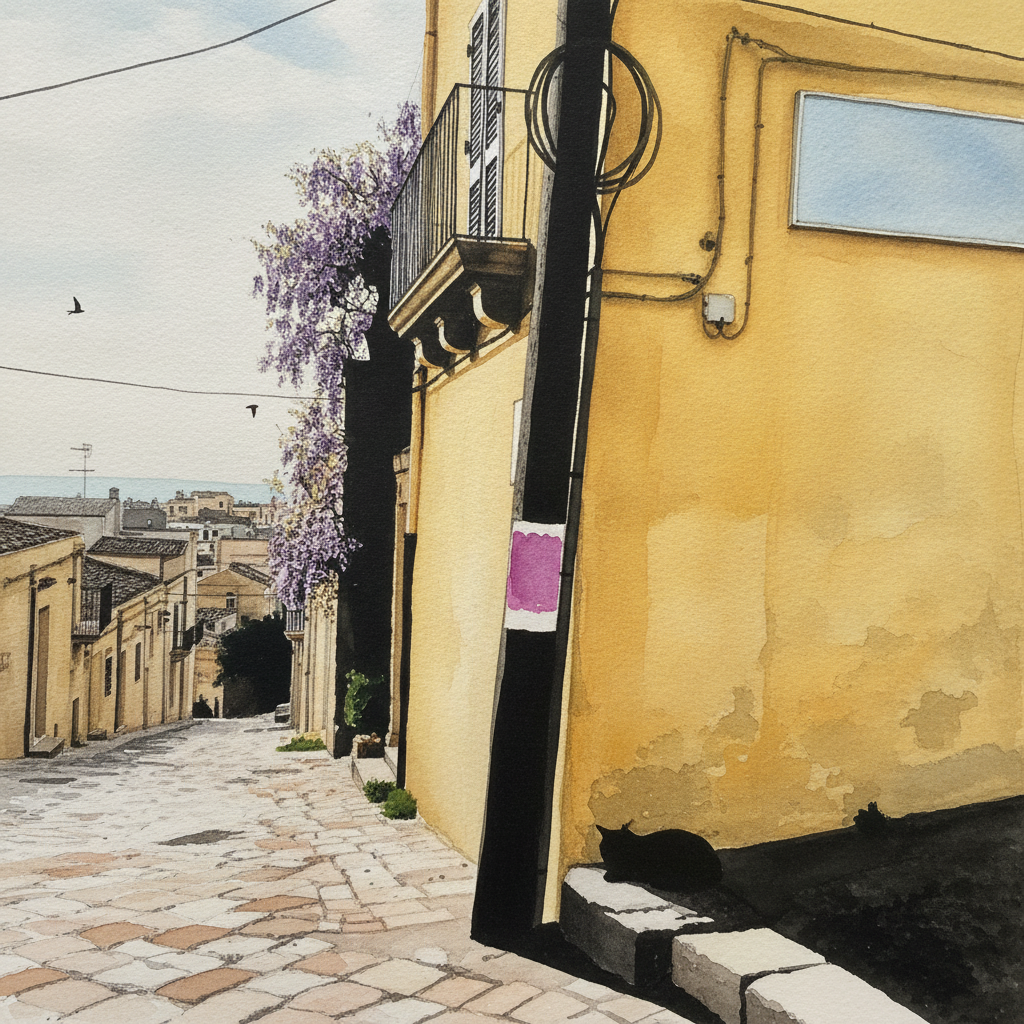
This piece is a fantastic study in using varied line weights and approaches to delineate different textures and depths. Use bold, unbroken lines for the central weathered pole and crisp, geometric edges of the festival poster, while employing finer, broken lines for the distant cables and varied textures of the cobbled street. For the expansive yellow-ochre stucco wall, try a dry-brush pen technique to suggest its roughness before applying soft, luminous washes. This careful orchestration of line and wash will allow the strong mid-morning light to define each distinct surface.
Piece 6 — Sternum Reveal, Eyes Closed
Pen + Watercolor · Loose pen and watercolor line-and-wash
Three takes

Focus for this piece
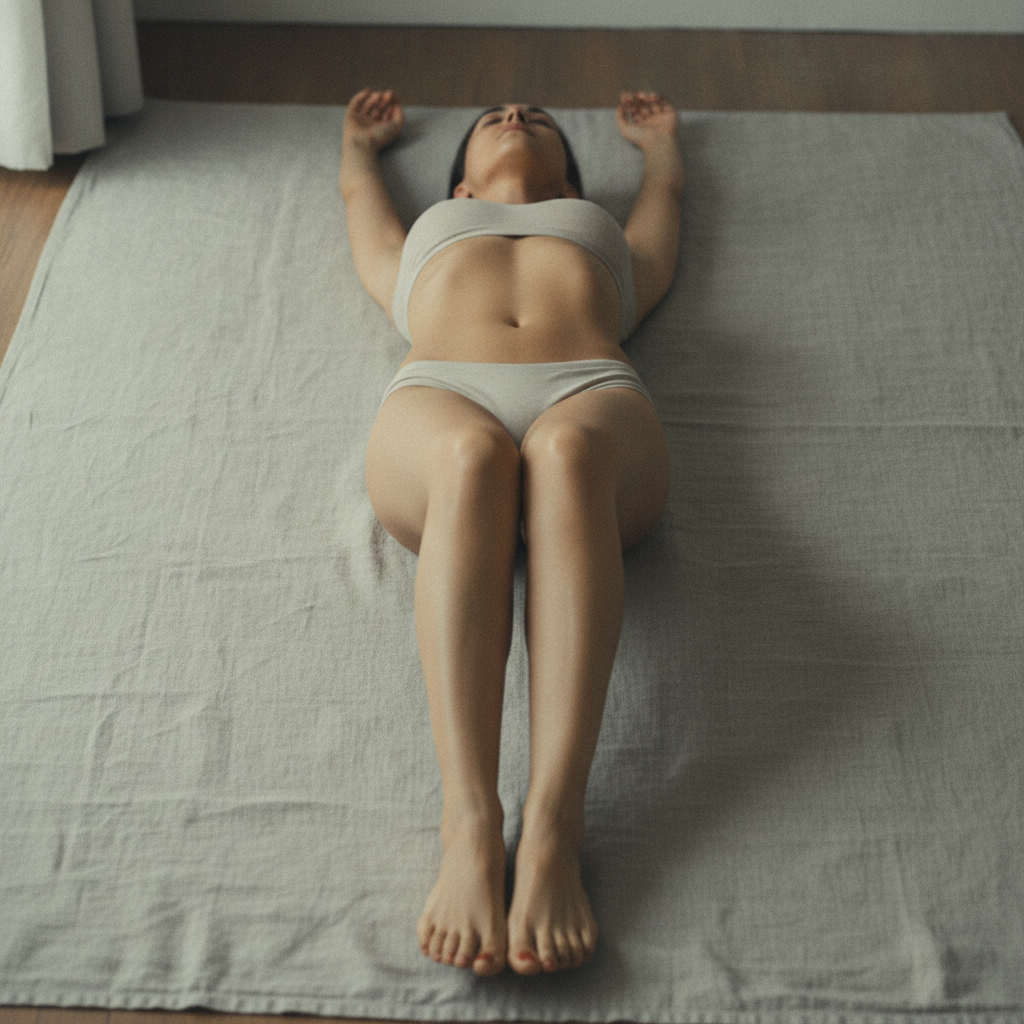
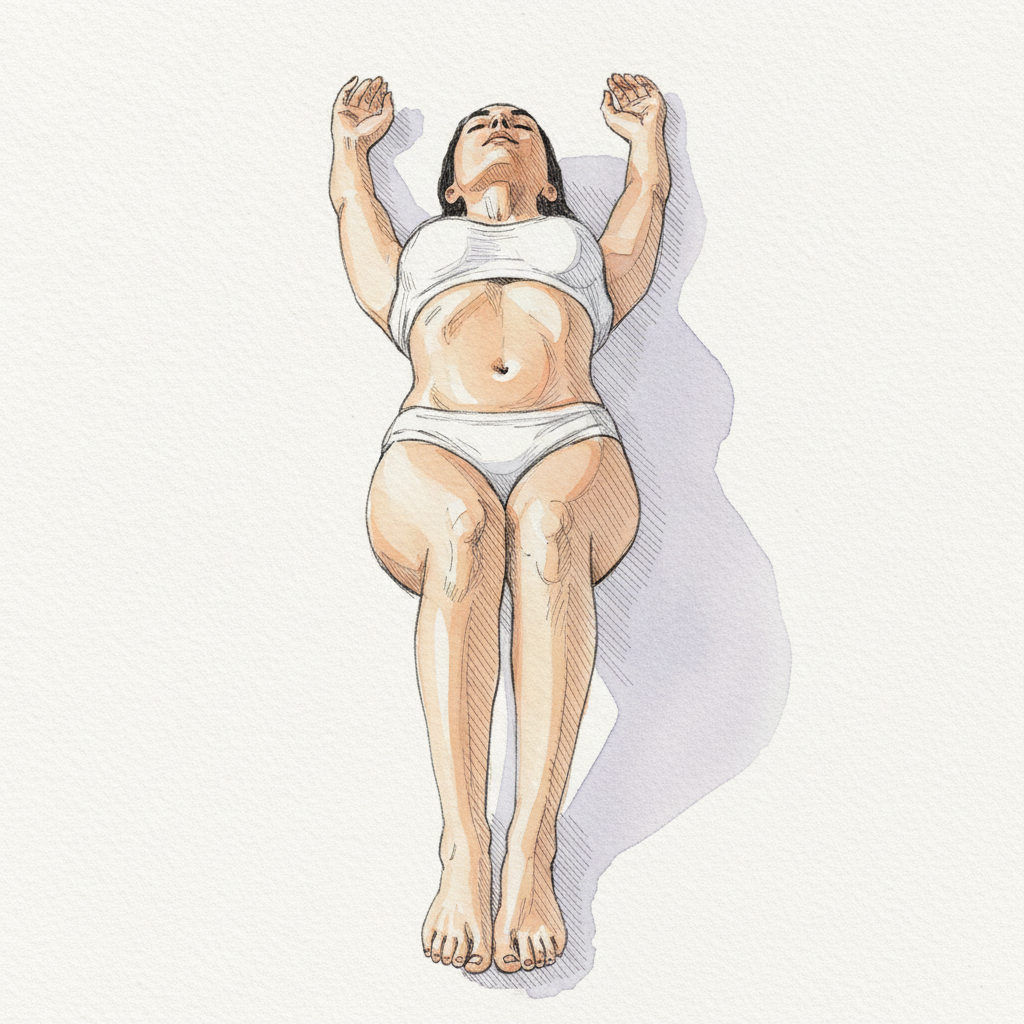
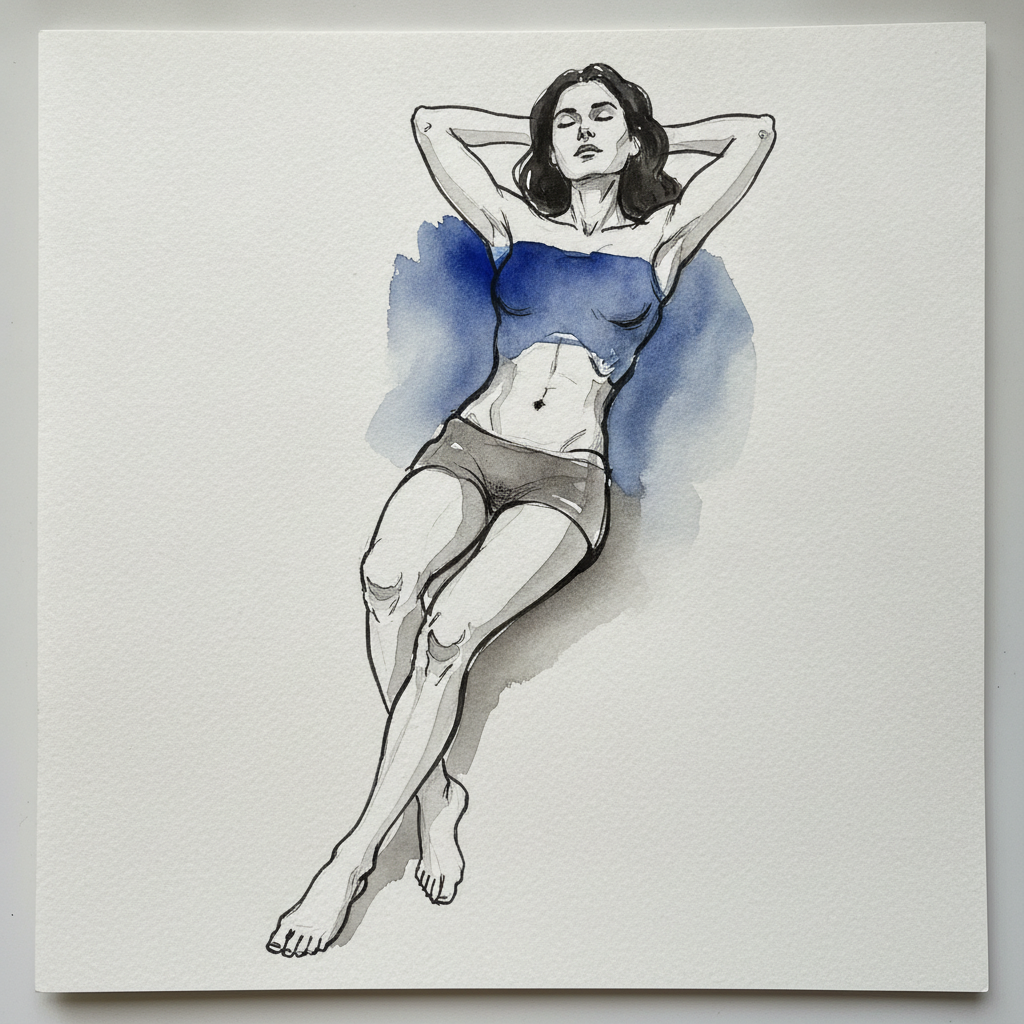
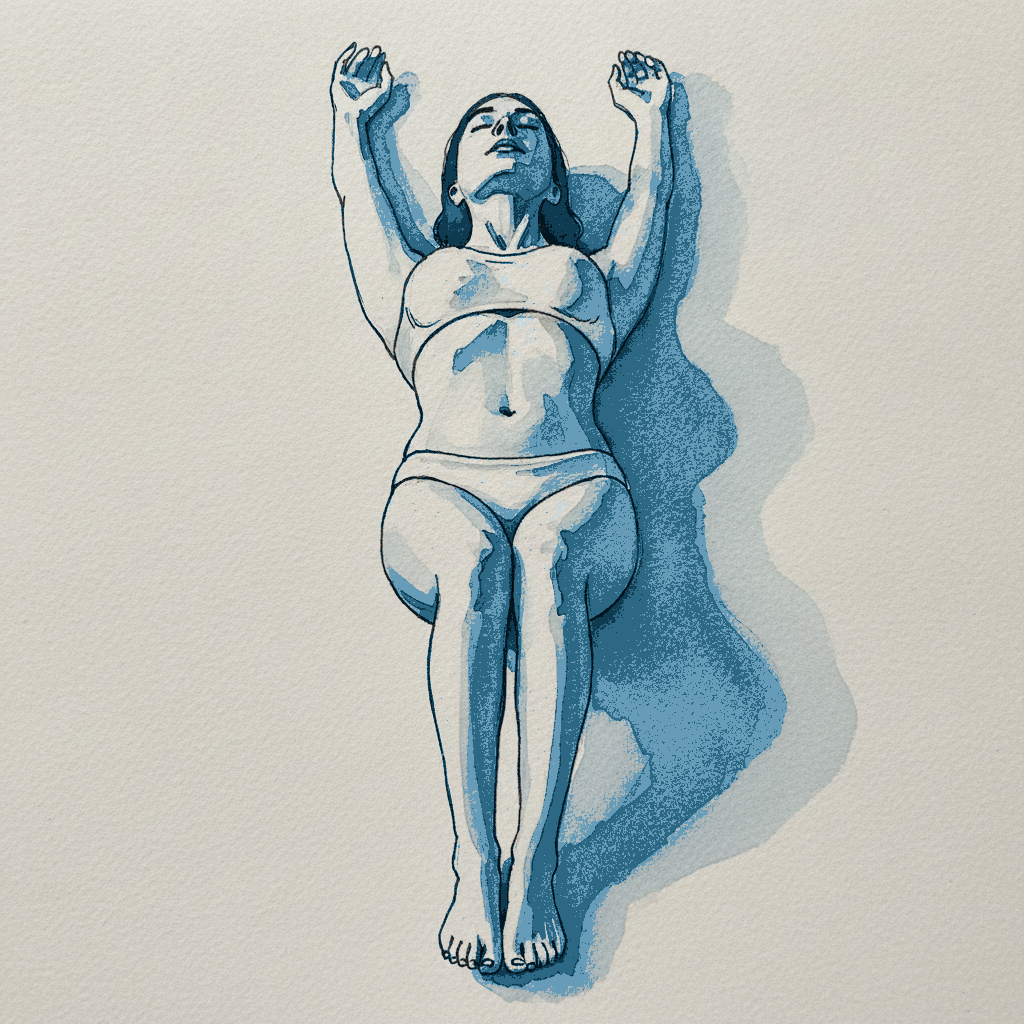
This piece offers a compelling study in rendering the subtle topography of the human torso. Focus on capturing the "long warm plane" of the sternum and the "clean curve" of the costal margin using soft, graded washes that convey the "subtle rise and fall" of breath. Employ a delicate, varied line weight to suggest form without rigid definition, allowing the washes to truly sculpt the body in the cool, even light.
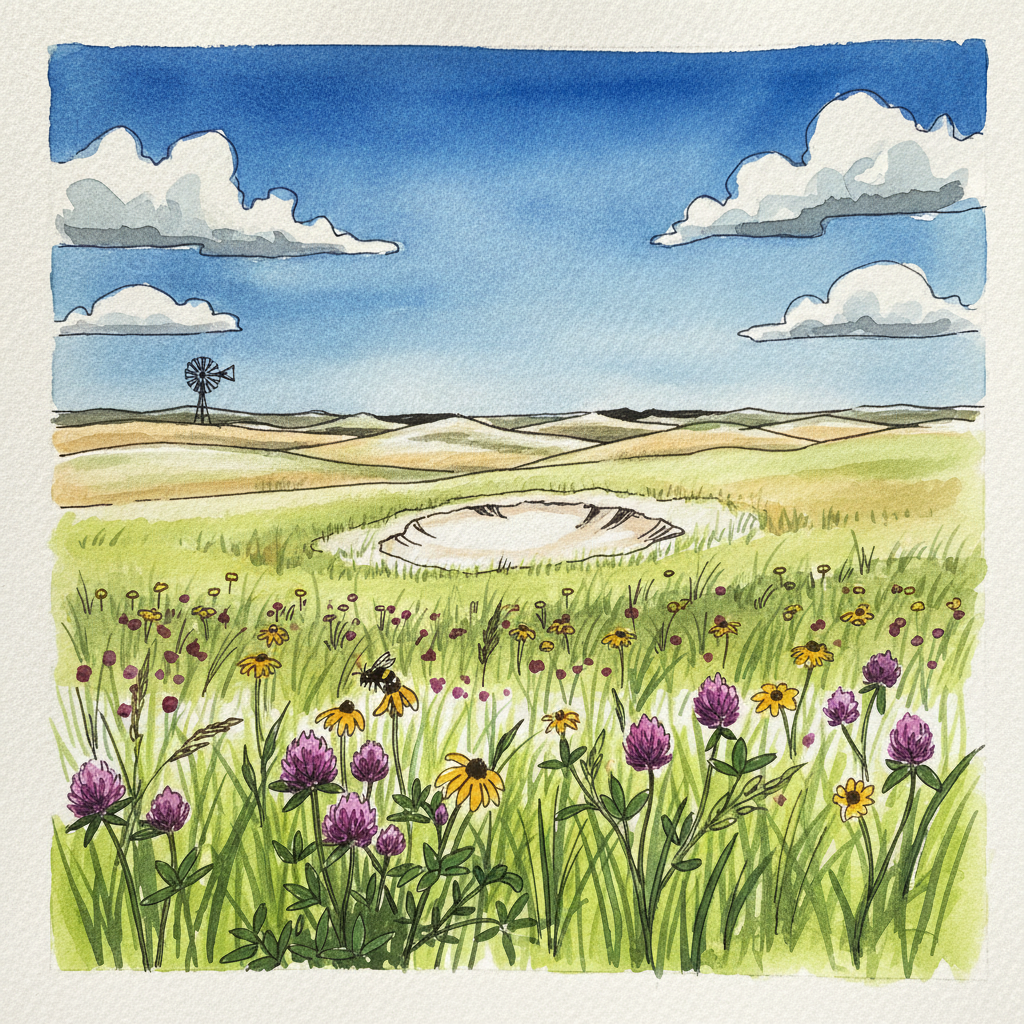
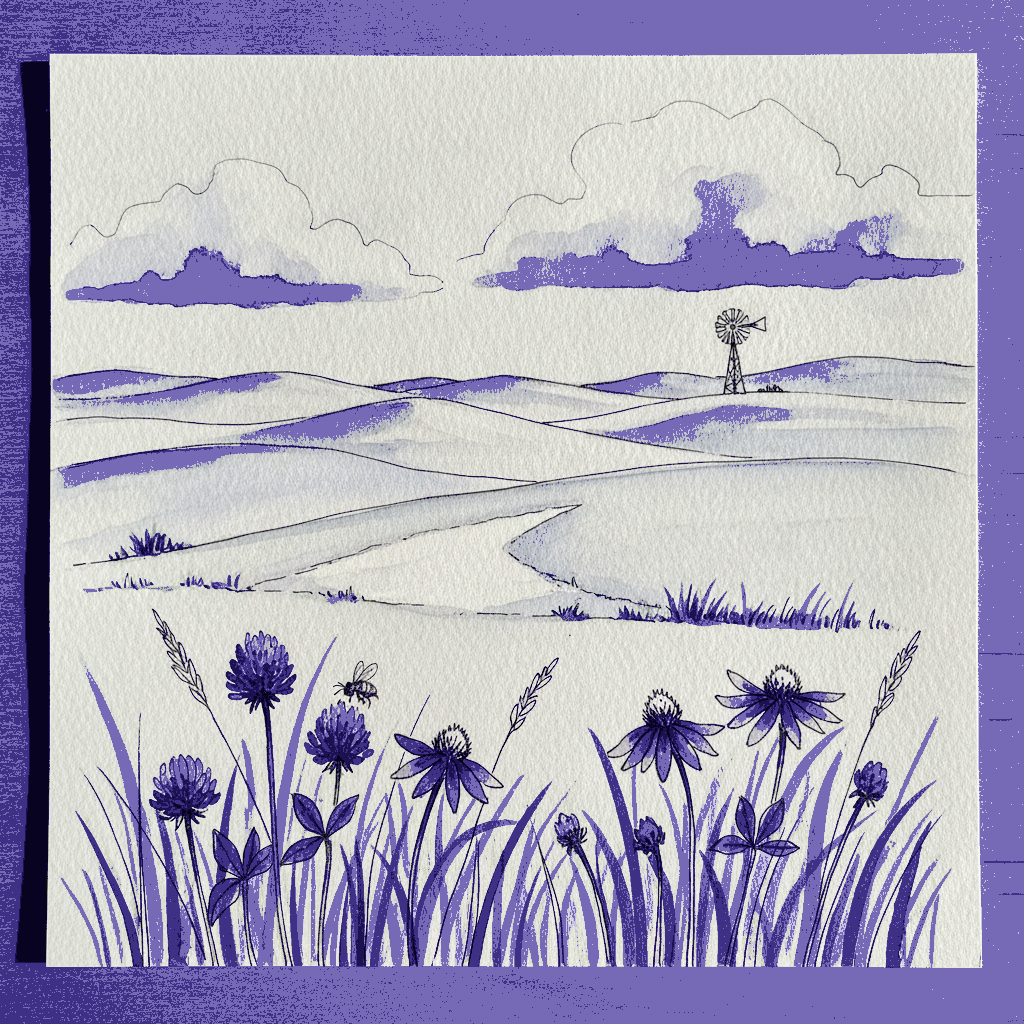
Piece 7 — Sandhills June bloom — prairie clover and coneflower
Pen + Watercolor · Loose pen and watercolor line-and-wash
Three takes

Focus for this piece
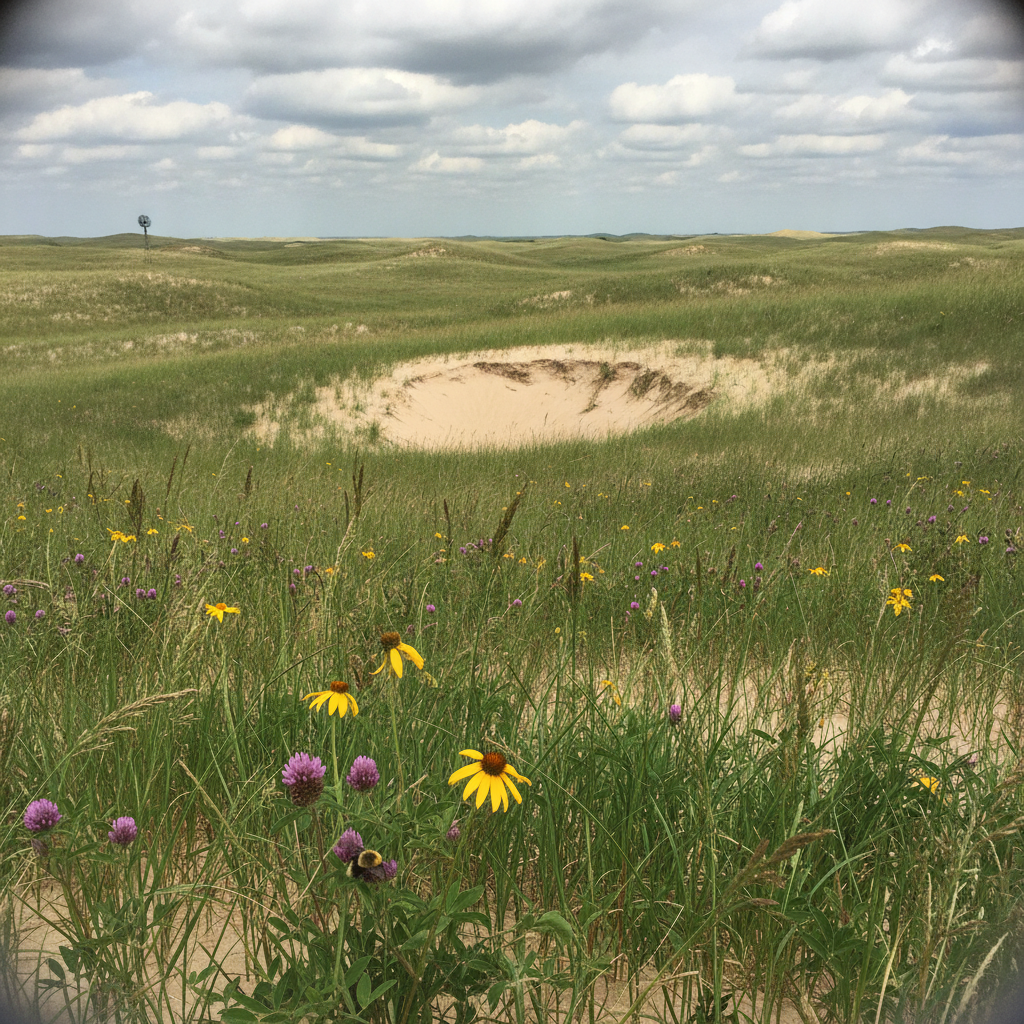
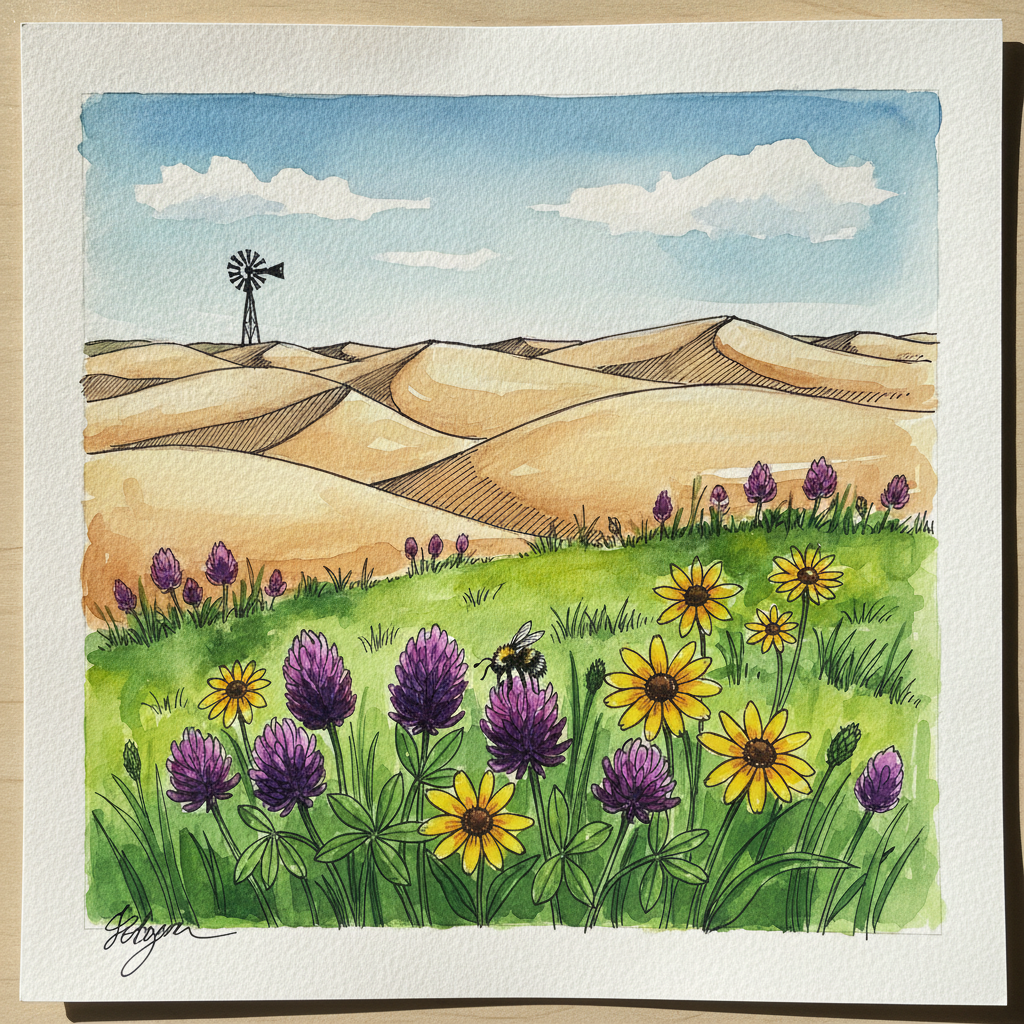
For this Sandhills scene, concentrate on conveying vast atmospheric depth by using extremely light, almost implied lines for the distant dunes and windmill, letting washes carry most of the form. In contrast, employ a bolder, more descriptive line weight for the foreground prairie clover and coneflower, creating a clear focal point where crisp ink detail meets vibrant color. Pay attention to how the watercolor’s fluid nature can soften edges and suggest distance, while your ink anchors the precise details closer to the viewer.
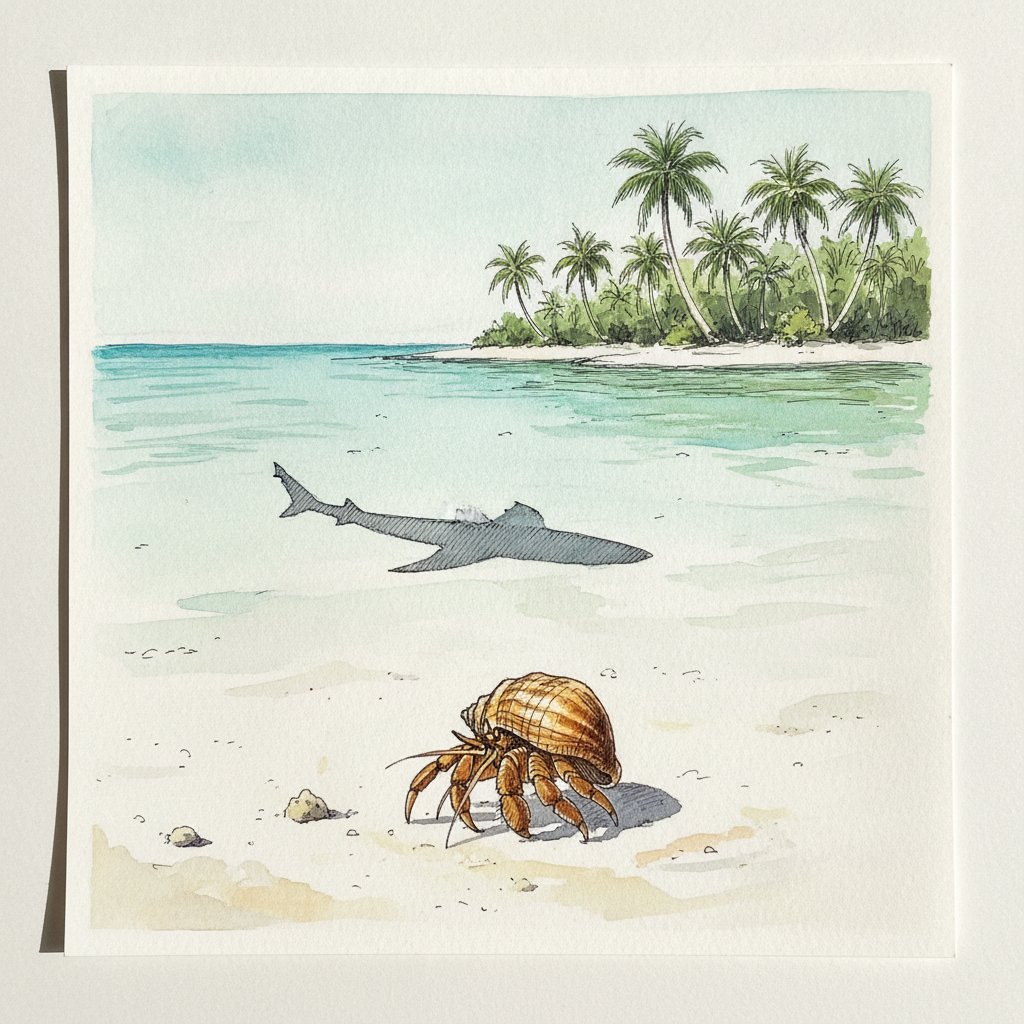
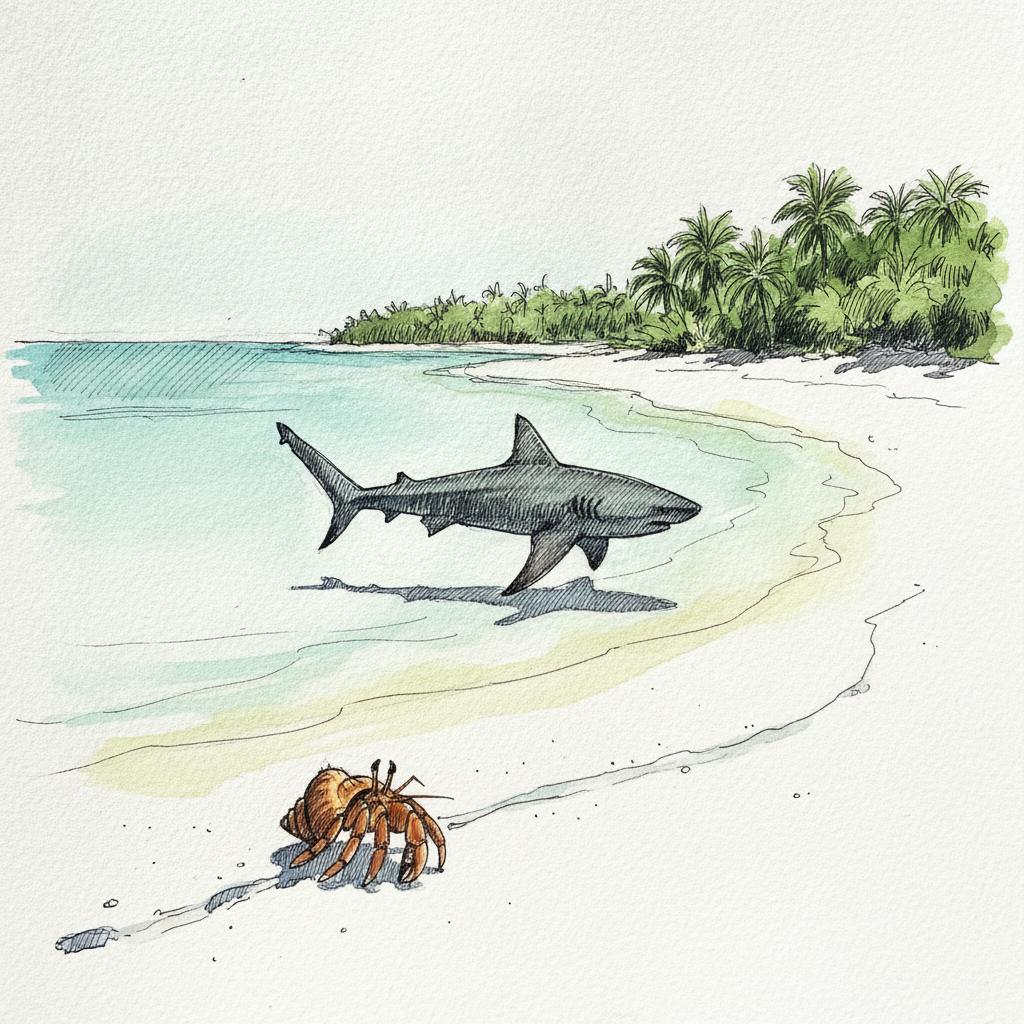
Piece 8 — Chagos Archipelago lagoon, central Indian Ocean
Pen + Watercolor · Loose pen and watercolor line-and-wash

Three takes
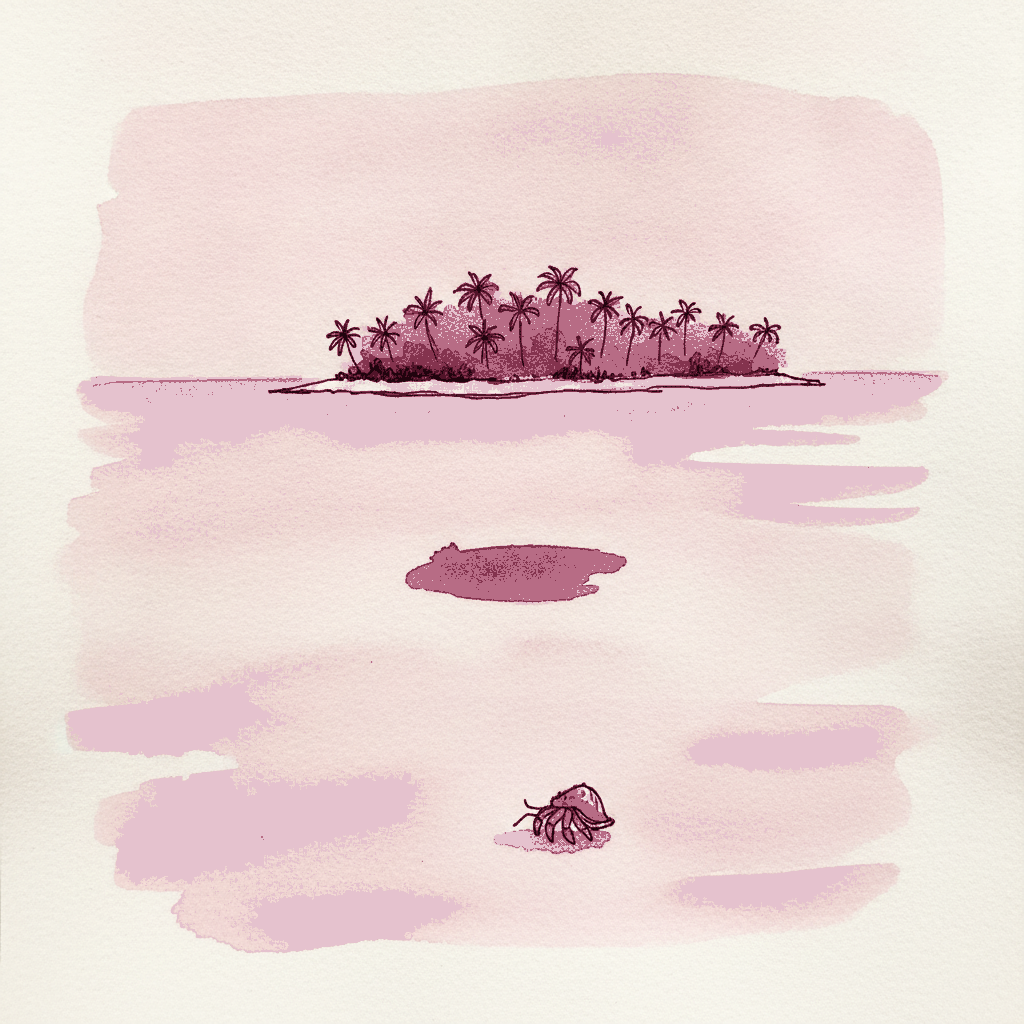

Focus for this piece
This piece offers a focused study in achieving **transparency and depth** using delicate layering and strategic line work. Concentrate on building the glass-clear water with multiple dilute washes of pale turquoise, letting the white of the paper create the illusion of pristine sand below. Use soft, wet-on-wet brushstrokes for the shark's elusive shadow, allowing its edges to melt into the wash to suggest its submerged nature. Reserve your finest, most precise pen lines for the hermit crab in the foreground, providing a crisp counterpoint and anchoring the composition.