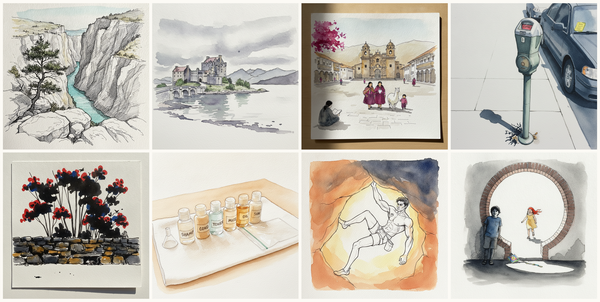
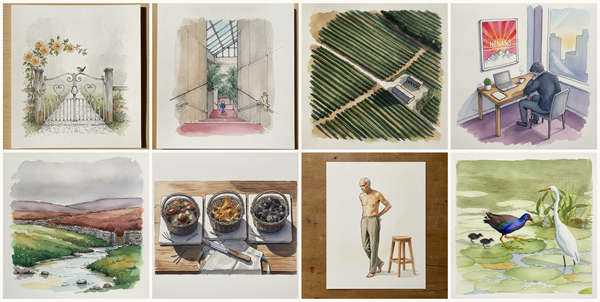
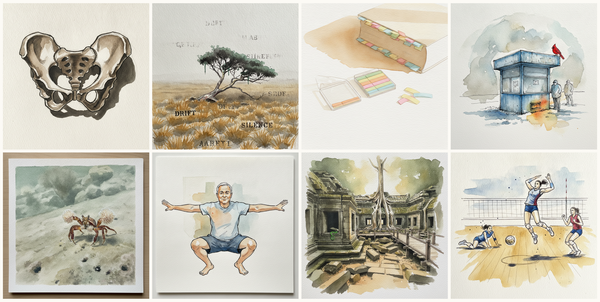
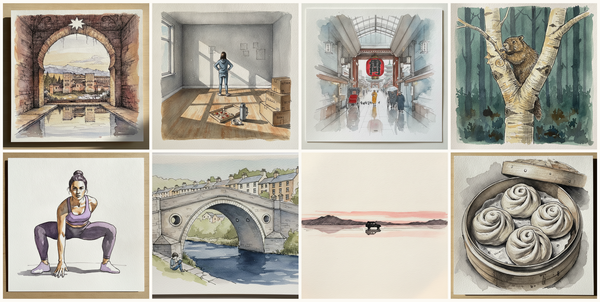
Sajjan Garh Monsoon Palace, Udaipur, Rajasthan, India, Halo Phenomena Complex, Aurora pillars on horizon, Brooks Range north slope, Alaska, Cone shells, sorted by pattern, and more — pen + watercolor for October 25, 2026
AI-generated daily art-practice references for pen and watercolor: Sajjan Garh Monsoon Palace, Udaipur, Rajasthan, India, Halo Phenomena Complex, Aurora pillars on horizon, Brooks Range north slope, Alaska, Cone shells, sorted by pattern, English mastiff, Devon House, Autumn Storm Aftermath, Elde…
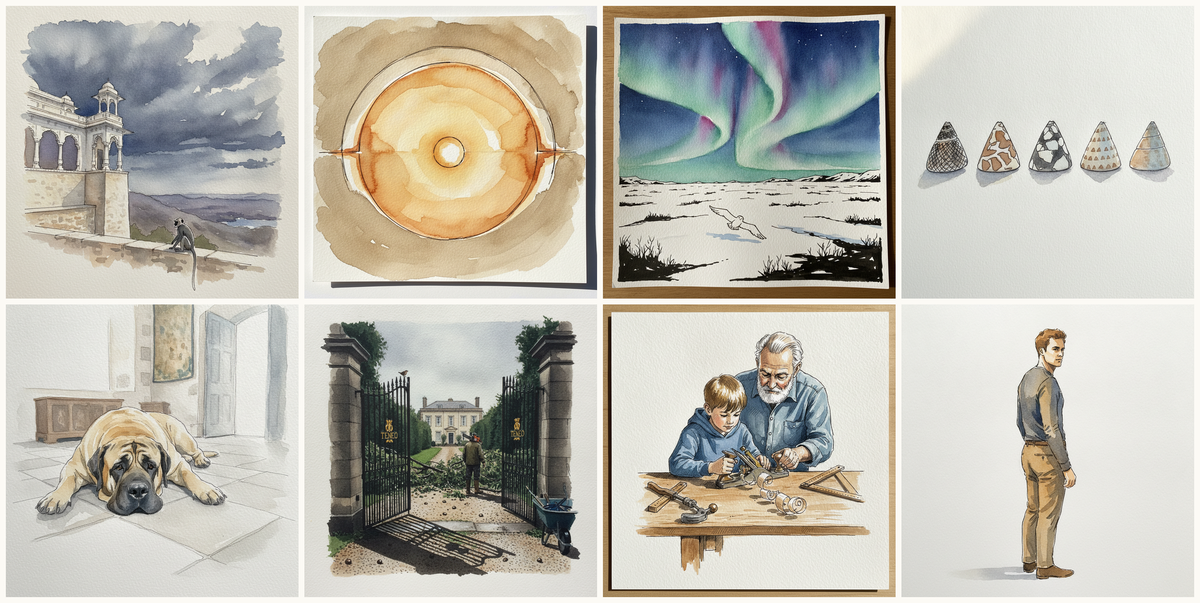
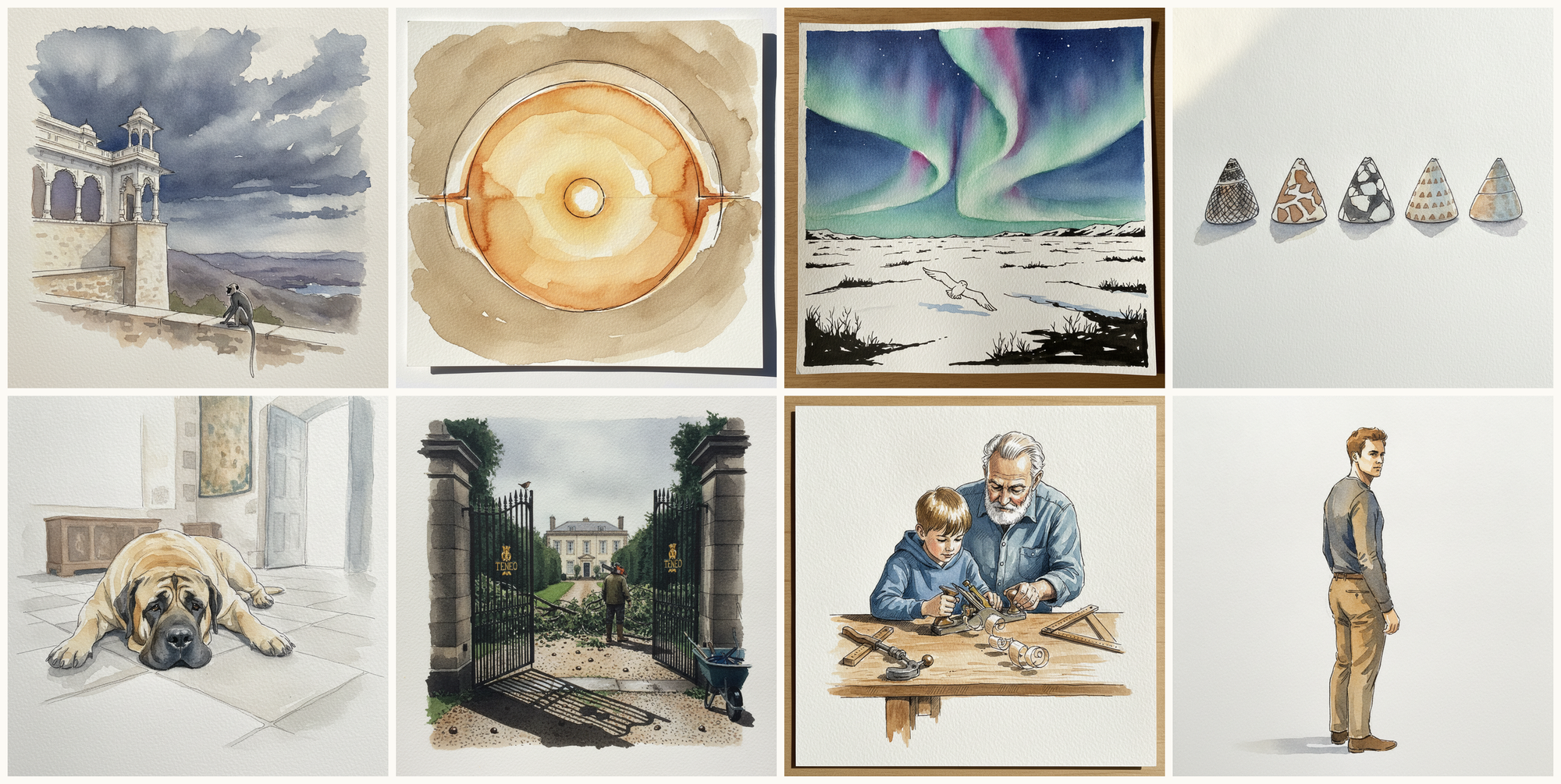
Today's 8 pen-and-watercolor pieces: Sajjan Garh Monsoon Palace, Udaipur, Rajasthan, India, Halo Phenomena Complex, Aurora pillars on horizon, Brooks Range north slope, Alaska, Cone shells, sorted by pattern, English mastiff, Devon House, Autumn Storm Aftermath, Elder showing grandkid old tools, Standing, weight on far leg. Each piece comes with an AI-generated photoreal reference, three AI-generated example artworks in different treatments, and a short focus paragraph naming what to study in this one.
Why these references use AI
This daily series uses AI-generated images as practice prompts, not as finished artwork to copy. Each subject starts with a synthetic photoreal reference generated with Gemini/Nano Banana, then moves into three pen-and-watercolor interpretations of the same subject.
I use AI here because daily art practice needs variety and low friction. Real life can get repetitive, busy, or visually narrow. These generated reference sets make it easier to study bodies, buildings, animals, landscapes, objects, gestures, light, palettes, and compositions that might not show up in an ordinary day.
The goal is not to reproduce any image directly. Treat each set as a starting point for observation and study: choose what interests you, change the framing, simplify the subject, alter the palette, and make your own version.
Piece 1 — Sajjan Garh Monsoon Palace, Udaipur, Rajasthan, India
Pen + Watercolor · Loose pen and watercolor line-and-wash
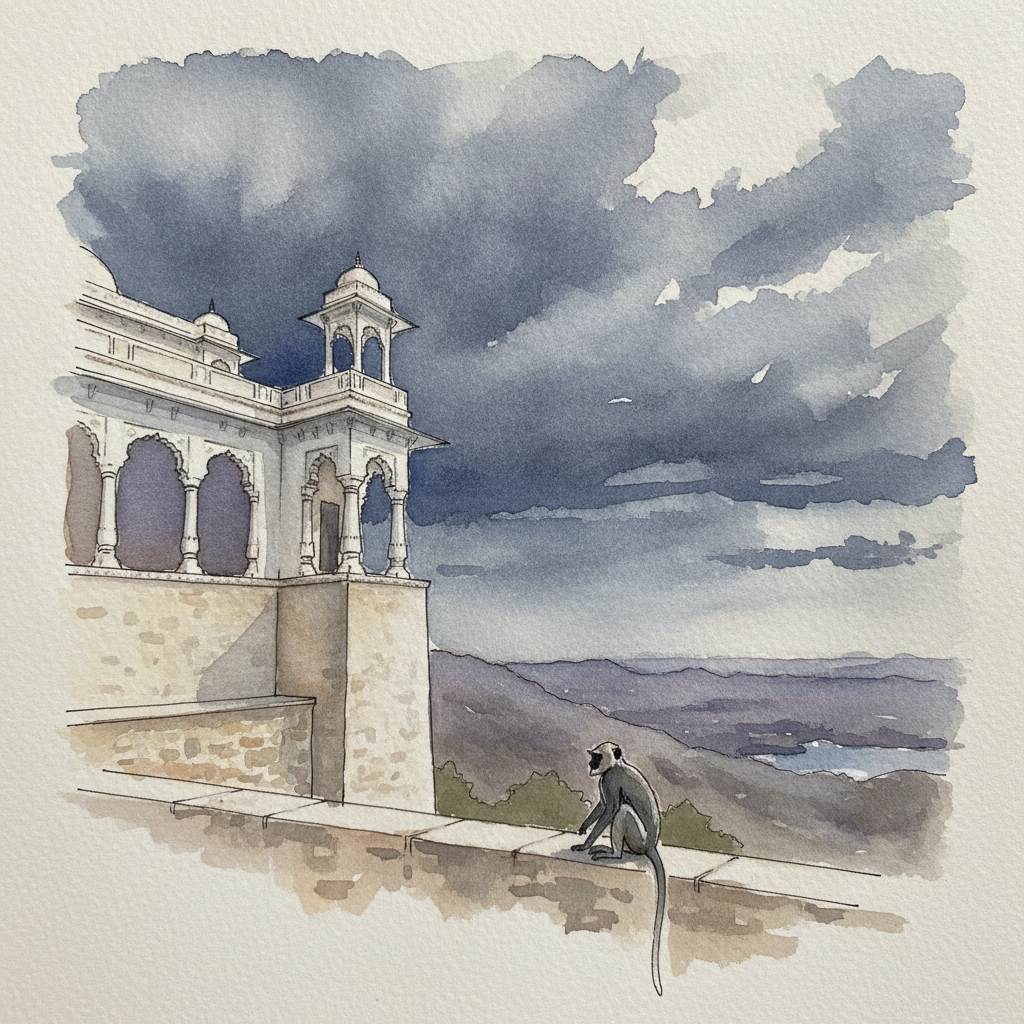
Three takes
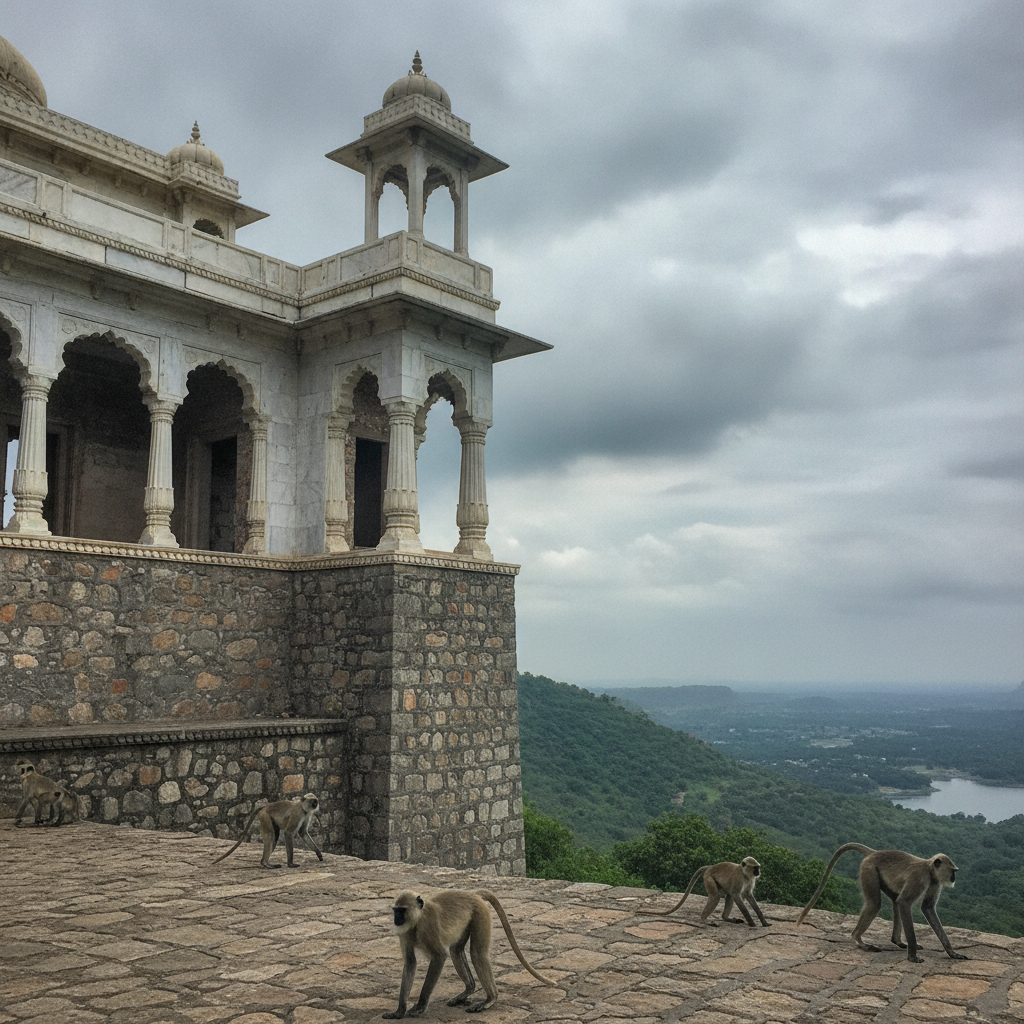
Focus for this piece
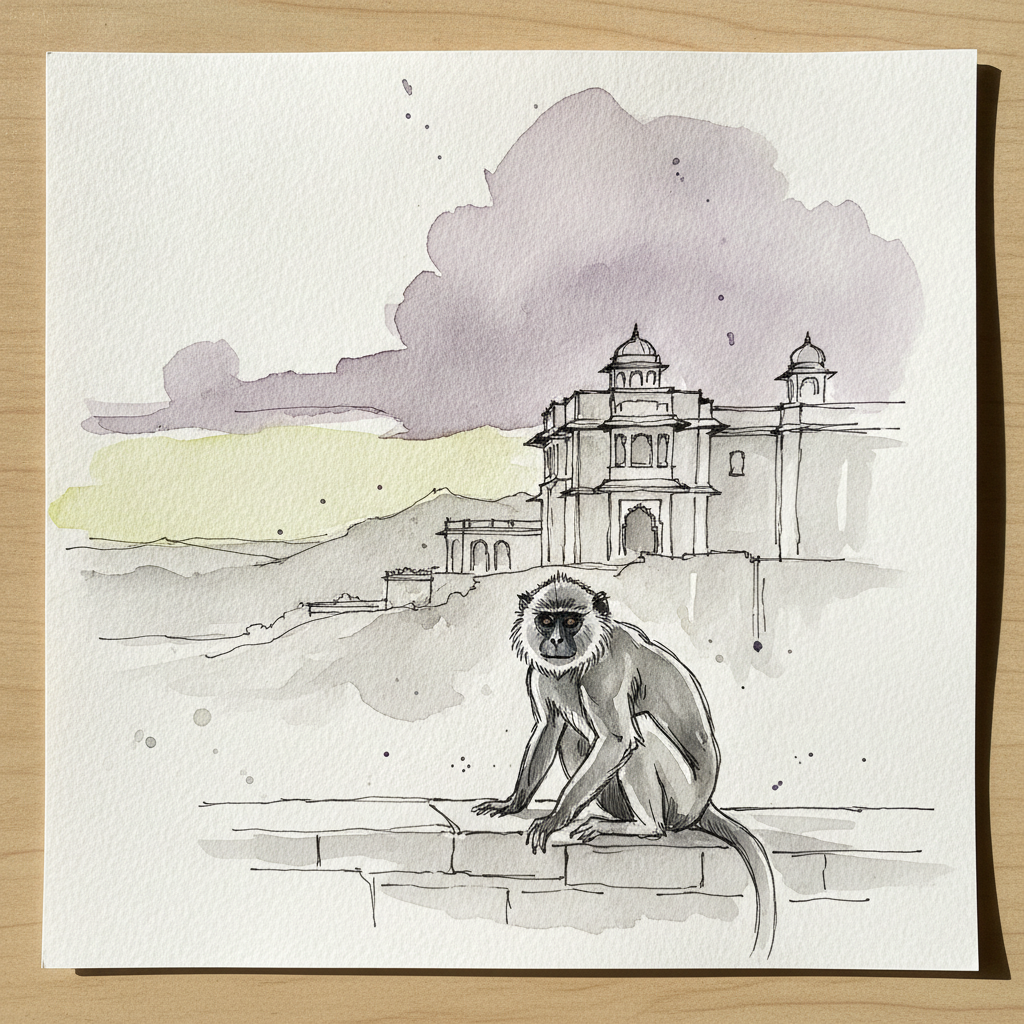
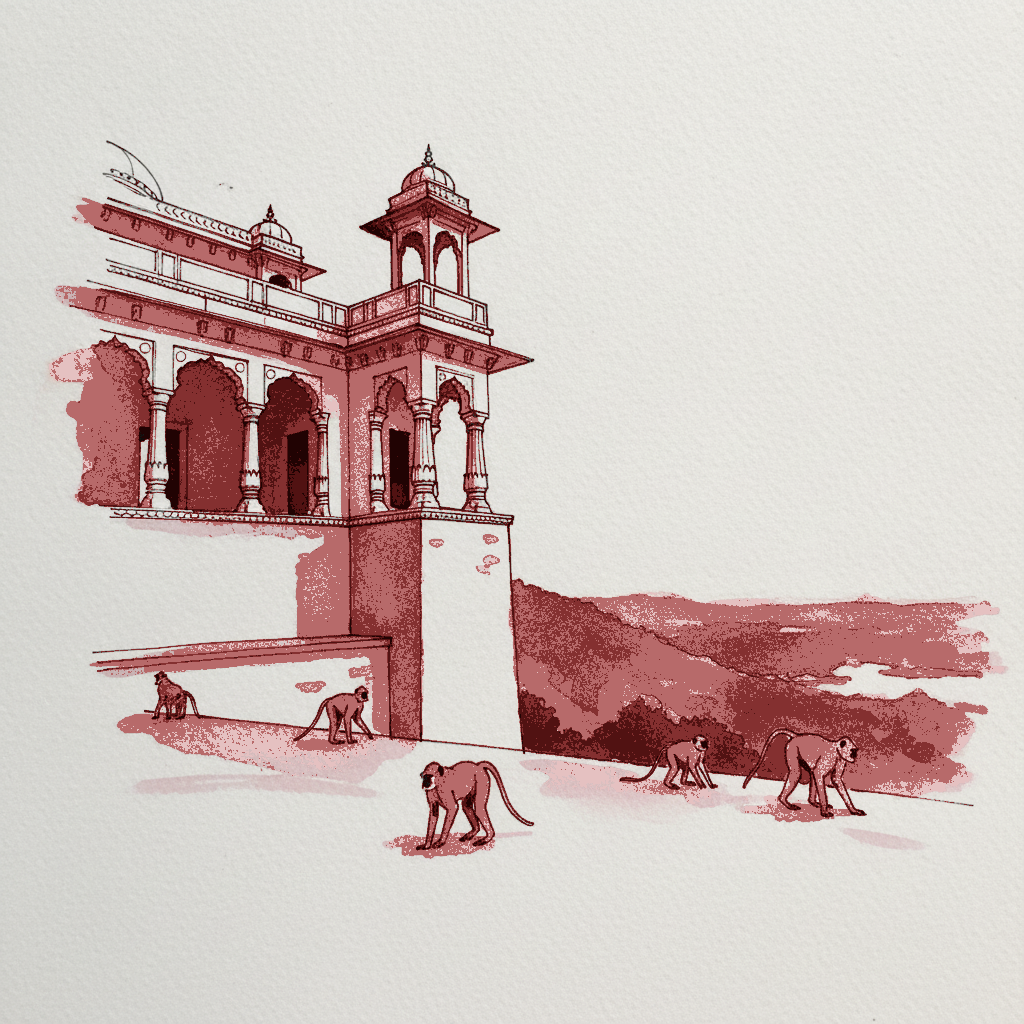
This piece provides an excellent opportunity to study the contrast between man-made structure and natural terrain. Focus on rendering the crisp, reflective white marble of the palace using precise, fine pen lines for details like the fluted columns and delicate chhatris, contrasting this with the rugged, broken lines and varied textures of the rock crown it sits upon. Use very light, cool washes to define the marble's planes through shadow, allowing the paper to provide its inherent brightness, while employing richer, more variegated washes for the surrounding rock to emphasize its organic texture. This interplay of hard architectural lines and soft natural forms will be key to a dynamic composition.
Piece 2 — Halo Phenomena Complex
Pen + Watercolor · Loose pen and watercolor line-and-wash
Three takes
Focus for this piece
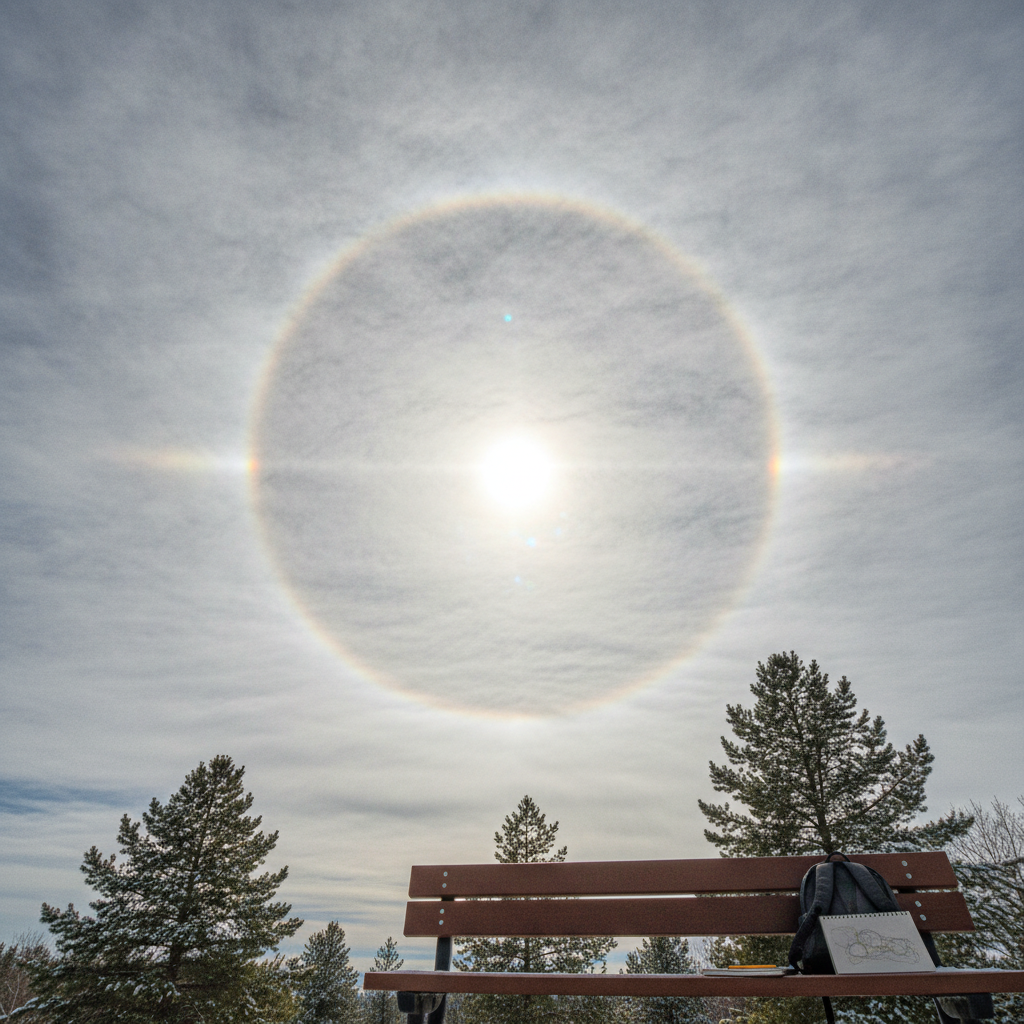
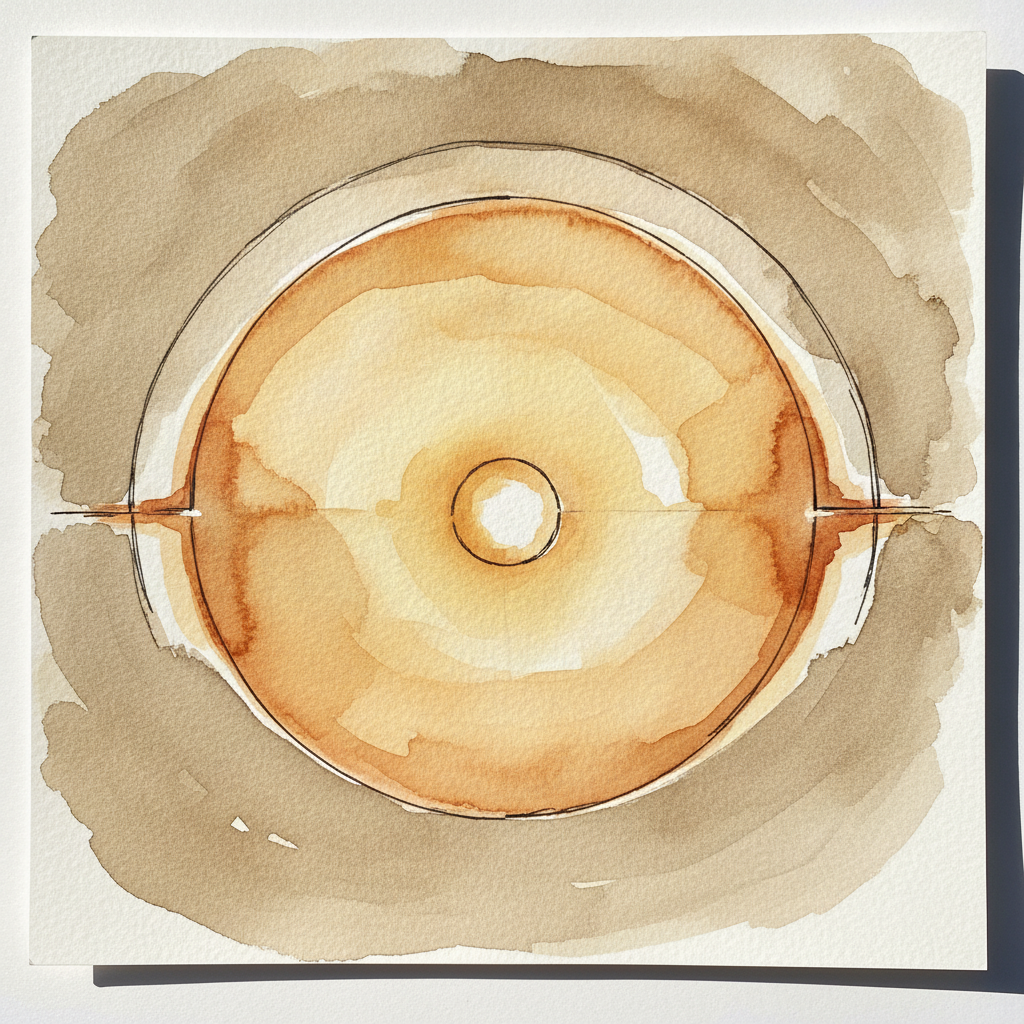
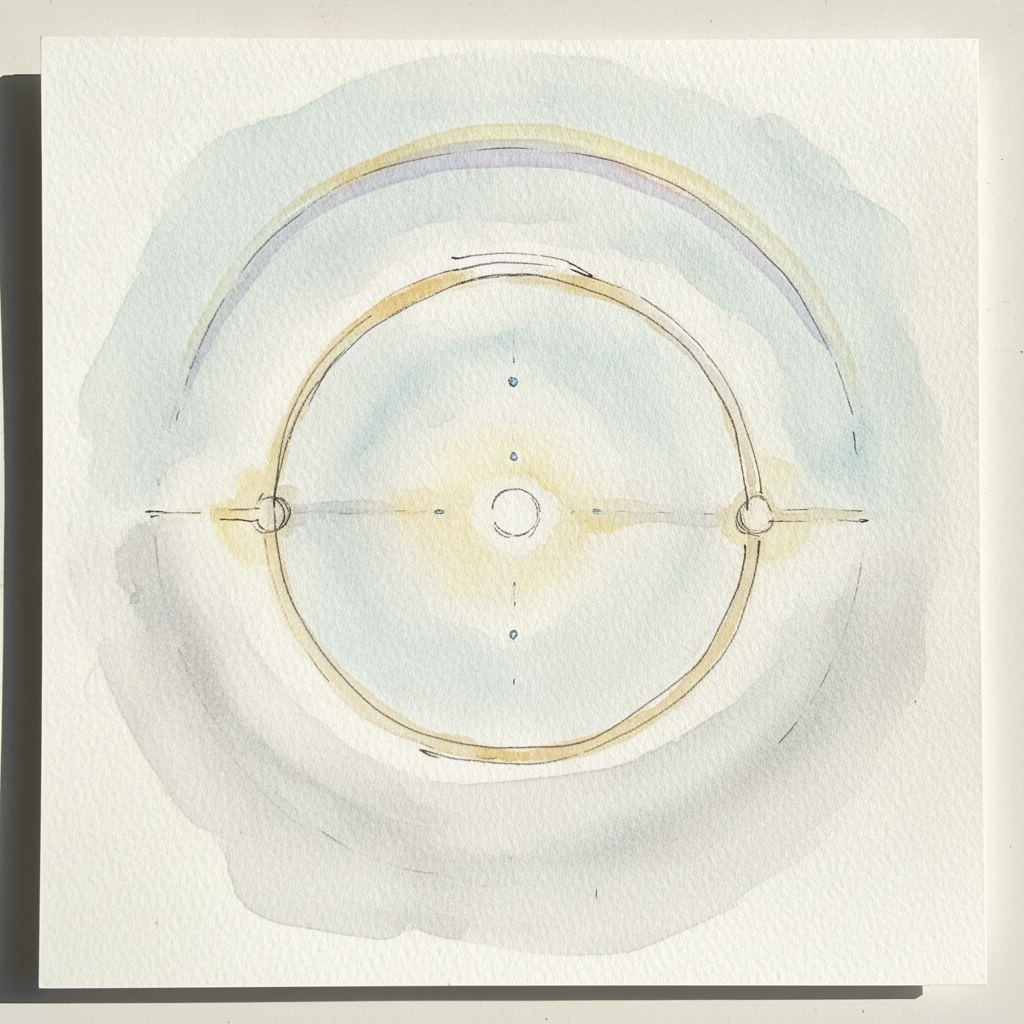
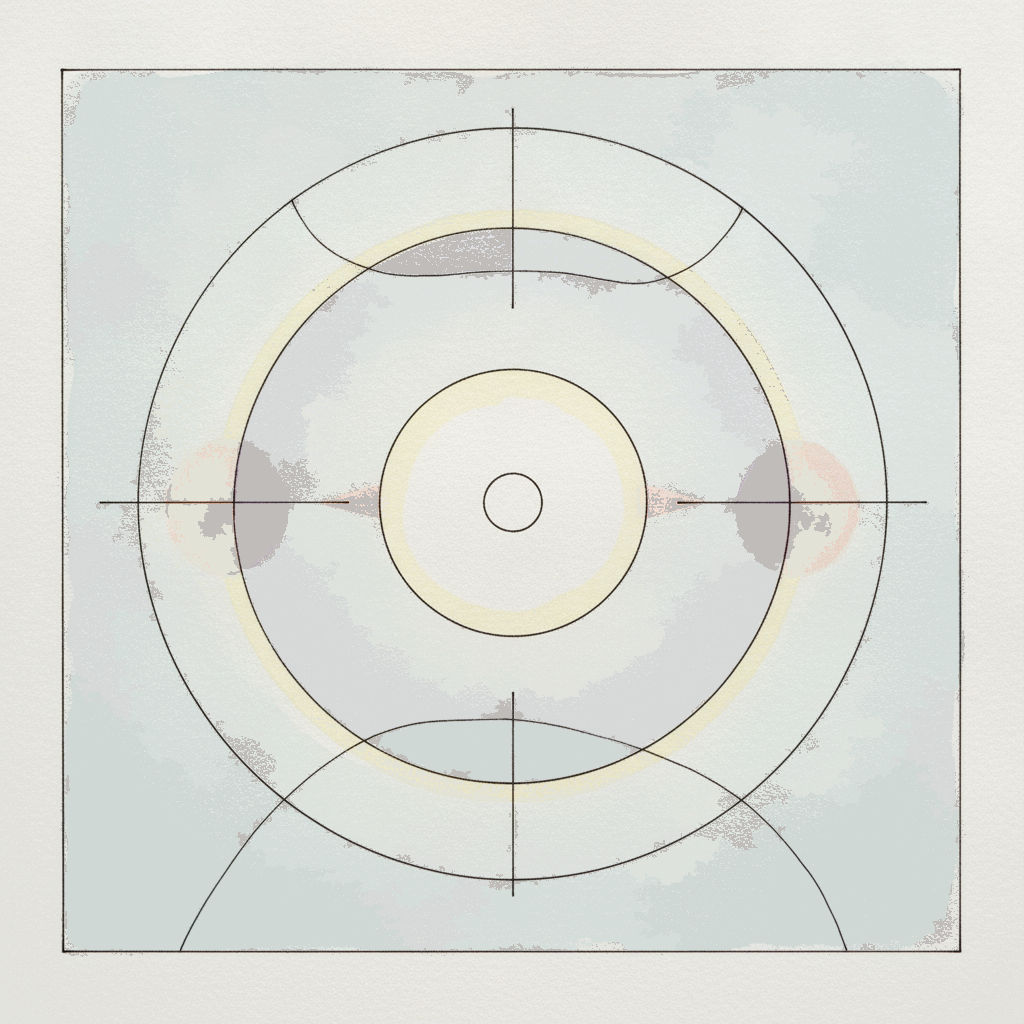
This piece offers a superb opportunity to practice rendering luminous atmospheric phenomena with delicate, soft-edged watercolor washes. Focus on establishing the broad, circular 22-degree halo and various arcs using controlled wet-on-wet techniques, allowing subtle warm and cool tones to blend and suggest light. Consciously restrain your pen to extremely light, broken lines, perhaps only for distant horizon elements, ensuring the ethereal quality of the halos remains dominant.
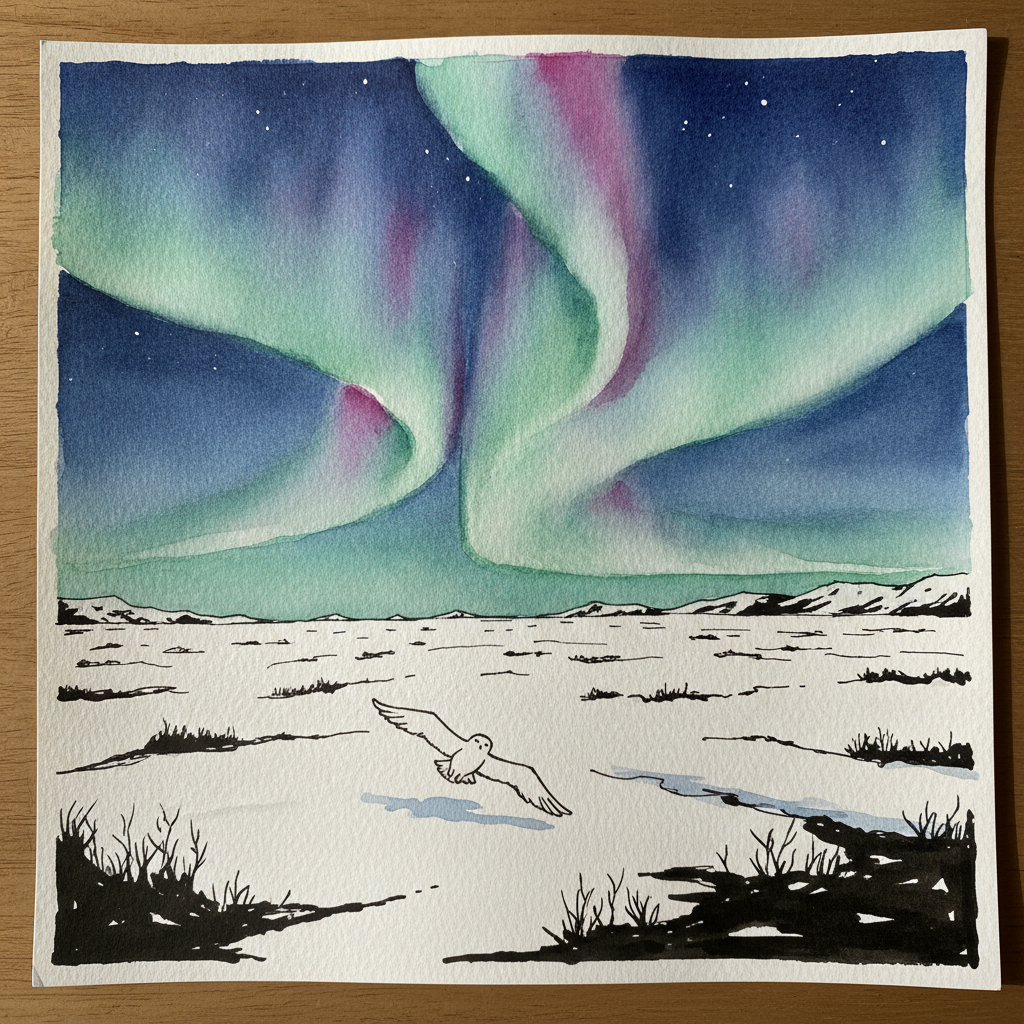
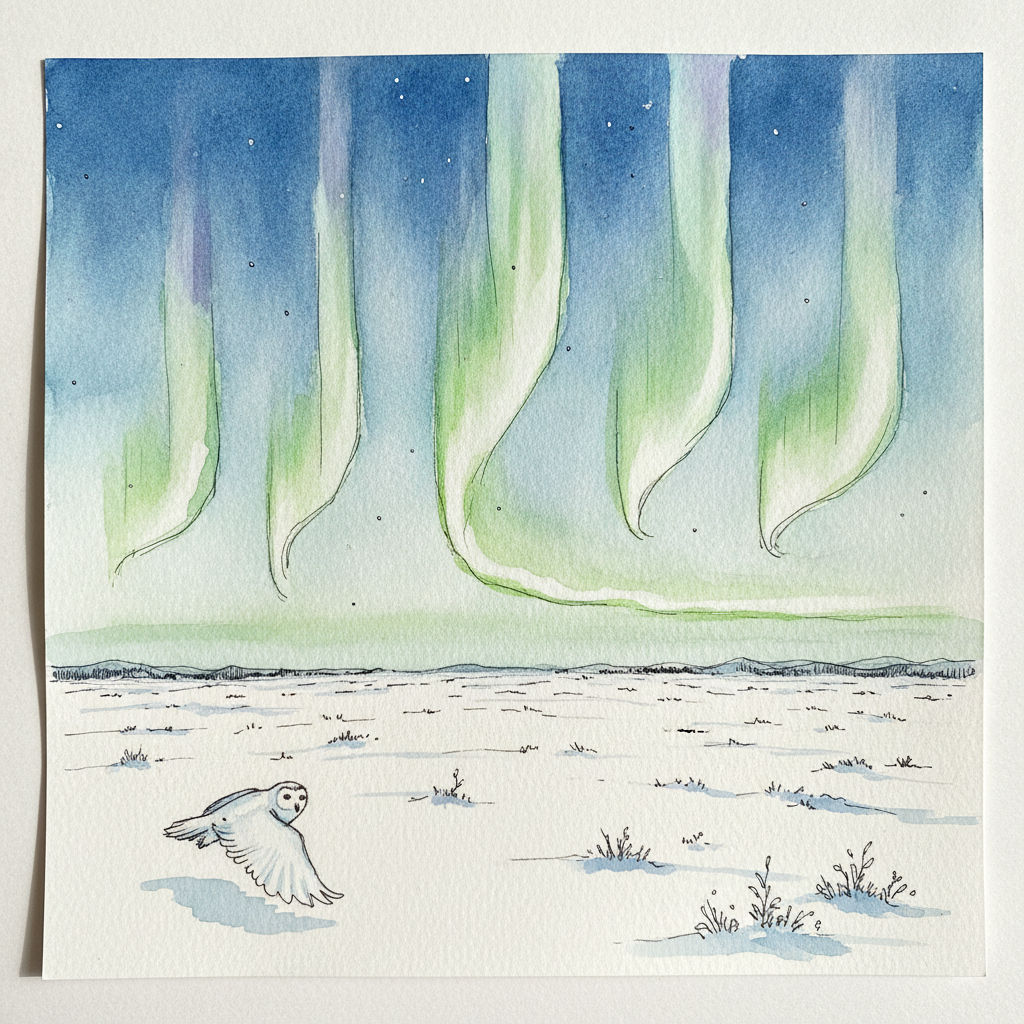
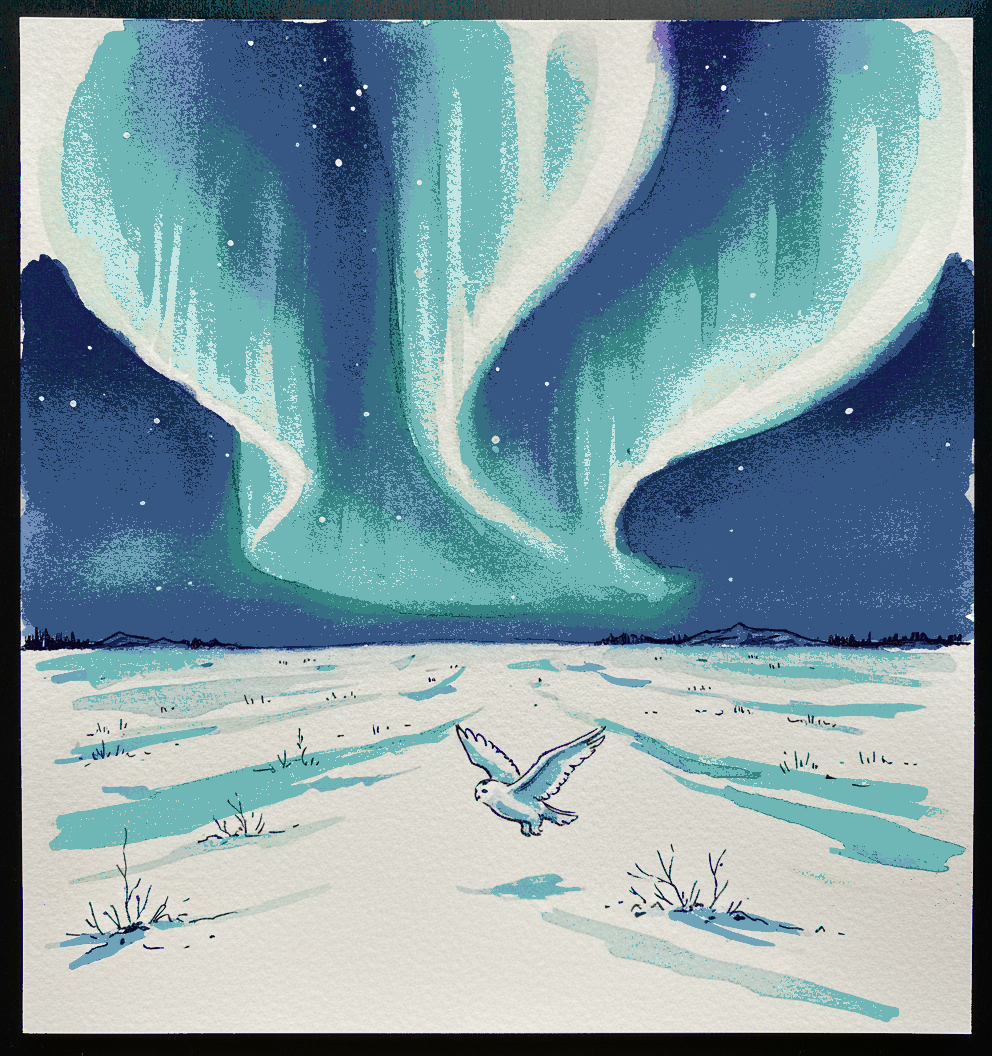
Piece 3 — Aurora pillars on horizon, Brooks Range north slope, Alaska
Pen + Watercolor · Loose pen and watercolor line-and-wash
Three takes

Focus for this piece
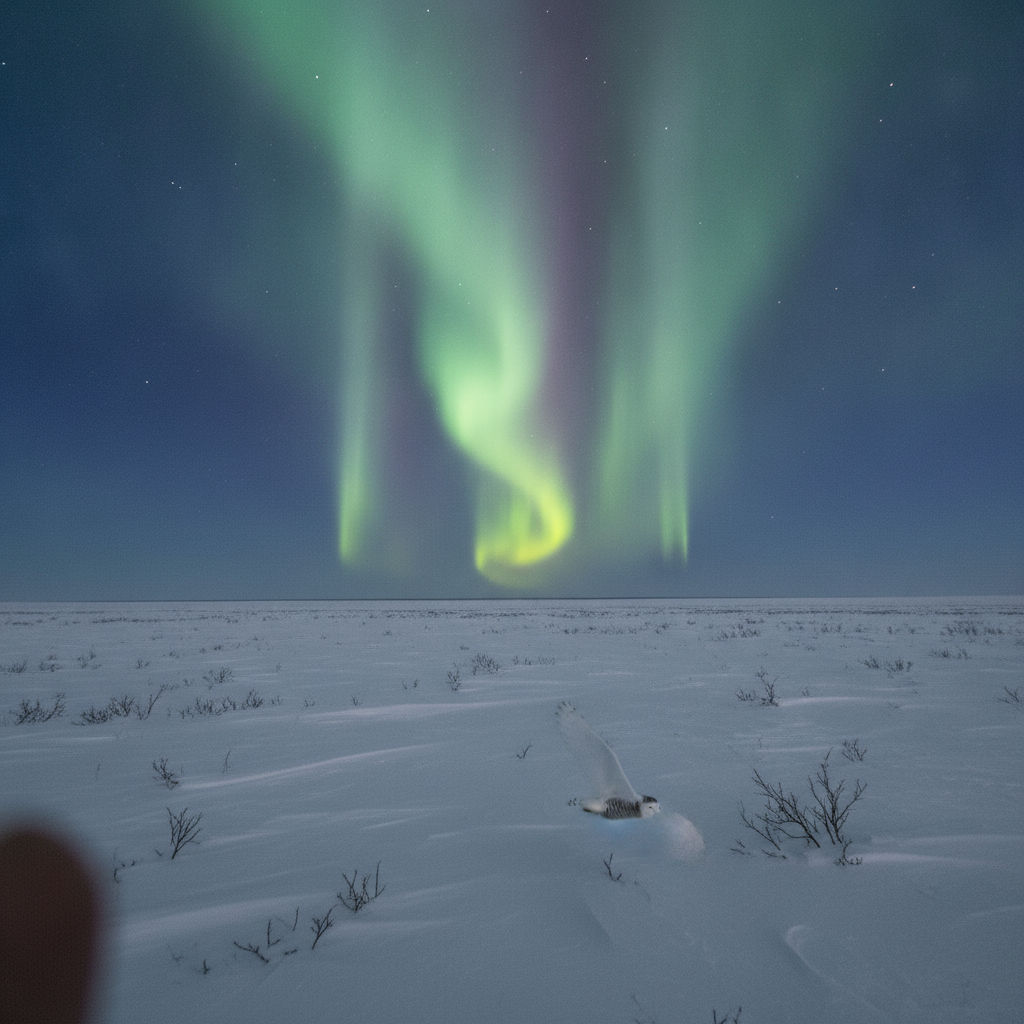
For this piece, focus on rendering distinct light sources using precise watercolor washes rather than heavy ink lines. Practice defining the vertical aurora pillars with clean, hard edges using a controlled wet-on-dry approach, softening the internal green-to-purple shift with gentle blending. Complement this luminosity by employing very light, almost ghosted line work for the flat horizon, saving heavier, broken lines for the textured sastrugi and dwarf willow in the foreground.
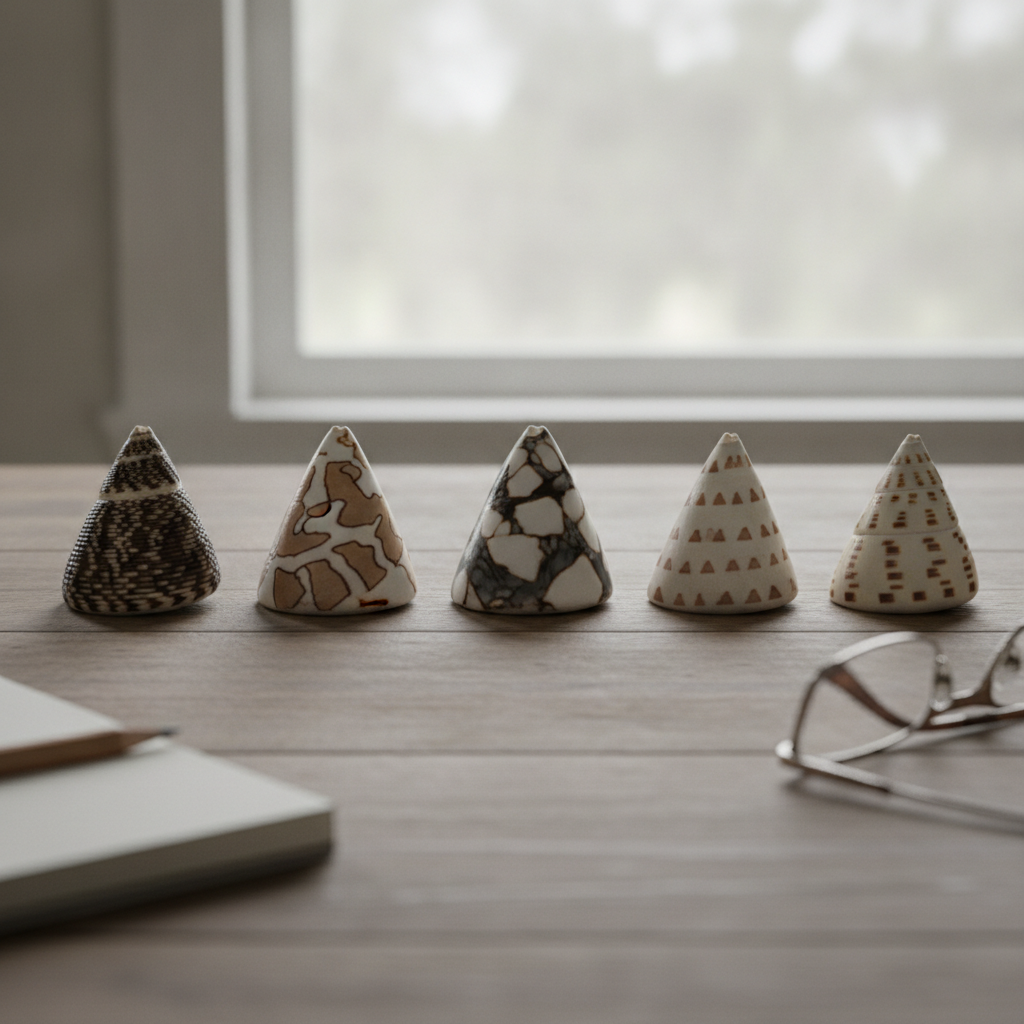
Piece 4 — Cone shells, sorted by pattern
Pen + Watercolor · Loose pen and watercolor line-and-wash
Three takes

Focus for this piece
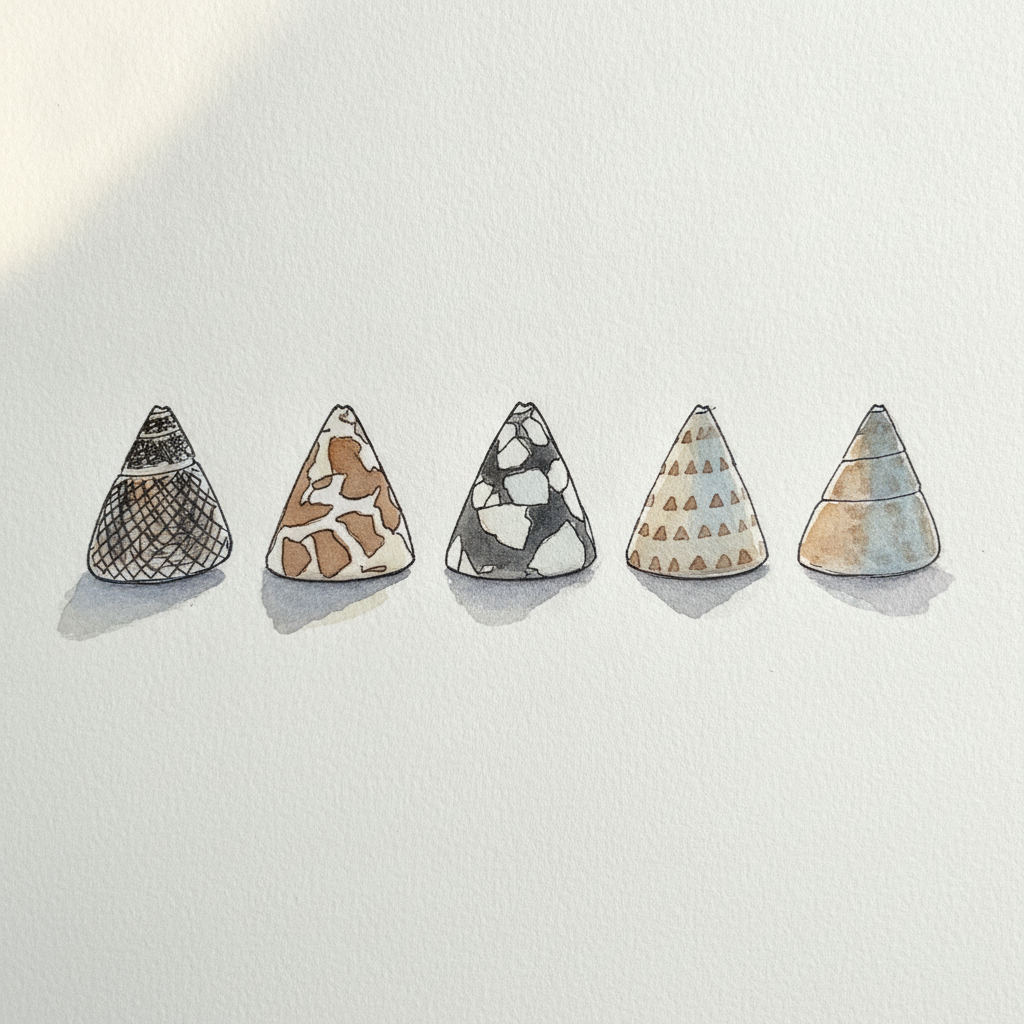
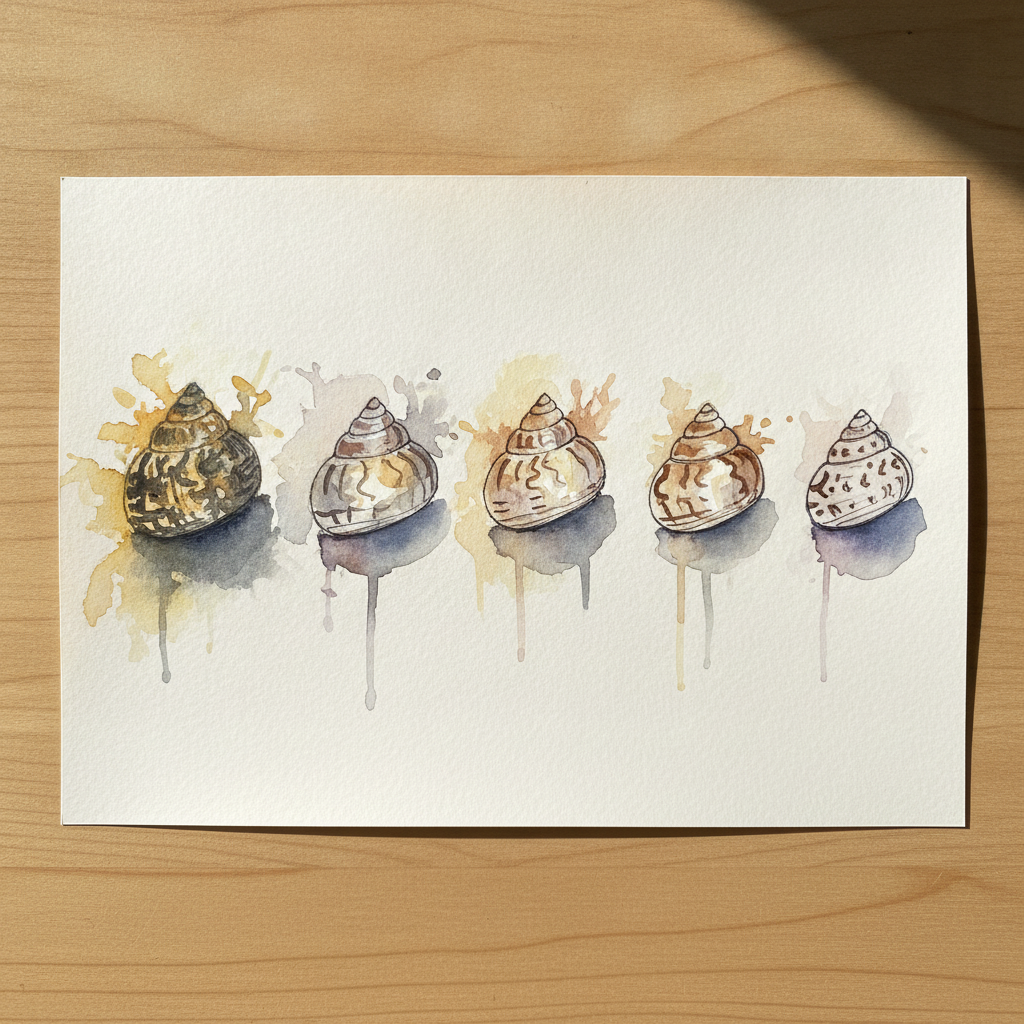
This piece is an excellent study in defining **consistent geometric forms** with precise **contour lines**, then rendering **intricate surface patterns** using varied **pen density** and **line weight**. Pay attention to how subtle washes of **earth tones** can build a clear **dark-to-light value progression** across the shells. Focus on letting the pen define the detailed patterns while the wash establishes their overall tonal differences, especially under flat lighting where form relies more on local value than strong shadows.
Piece 5 — English mastiff
Pen + Watercolor · Loose pen and watercolor line-and-wash
Three takes
Focus for this piece
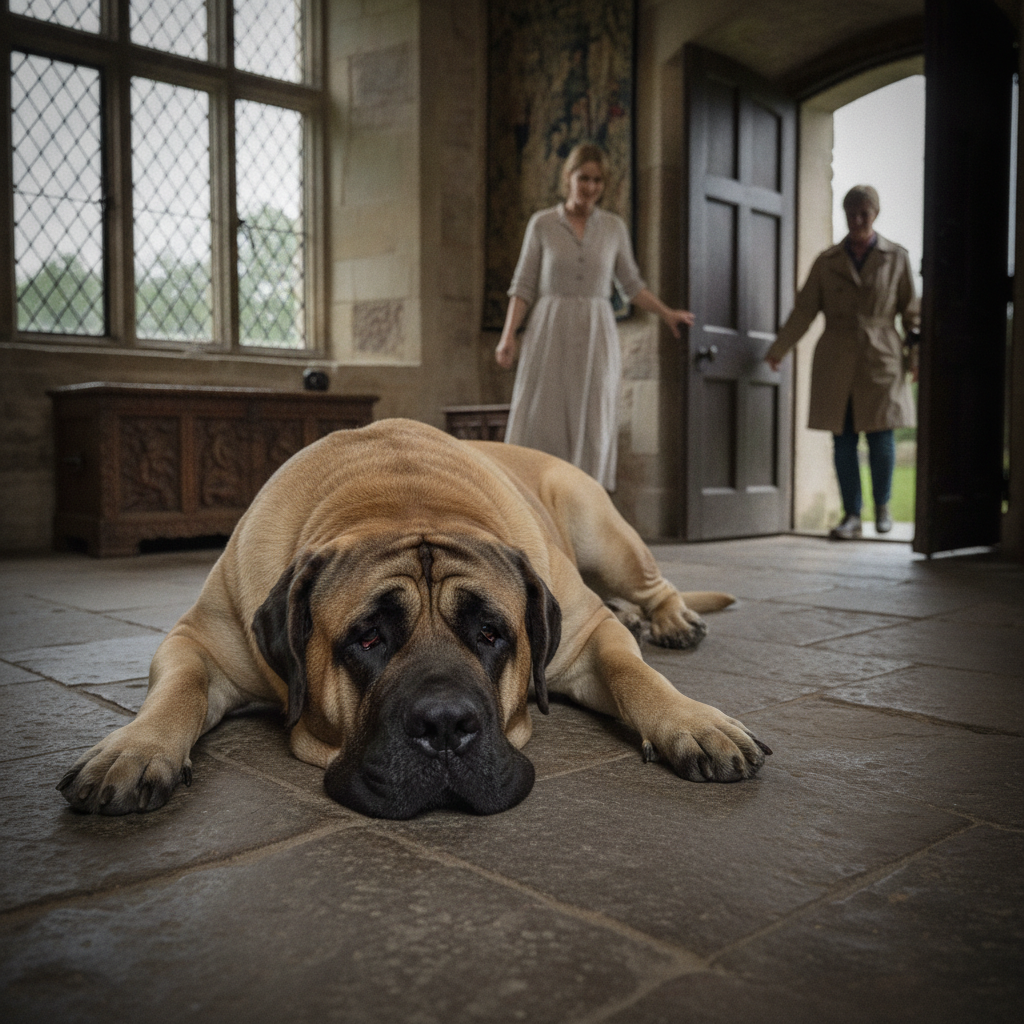
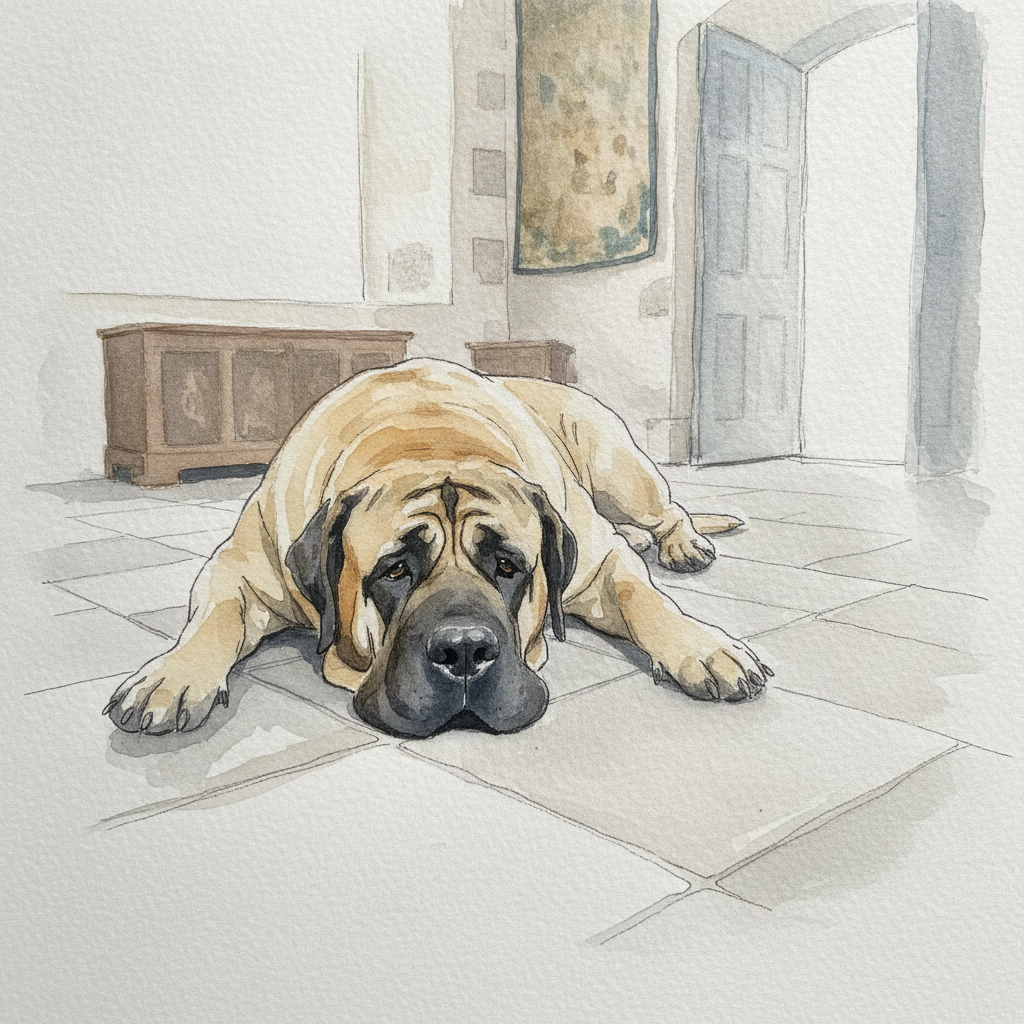
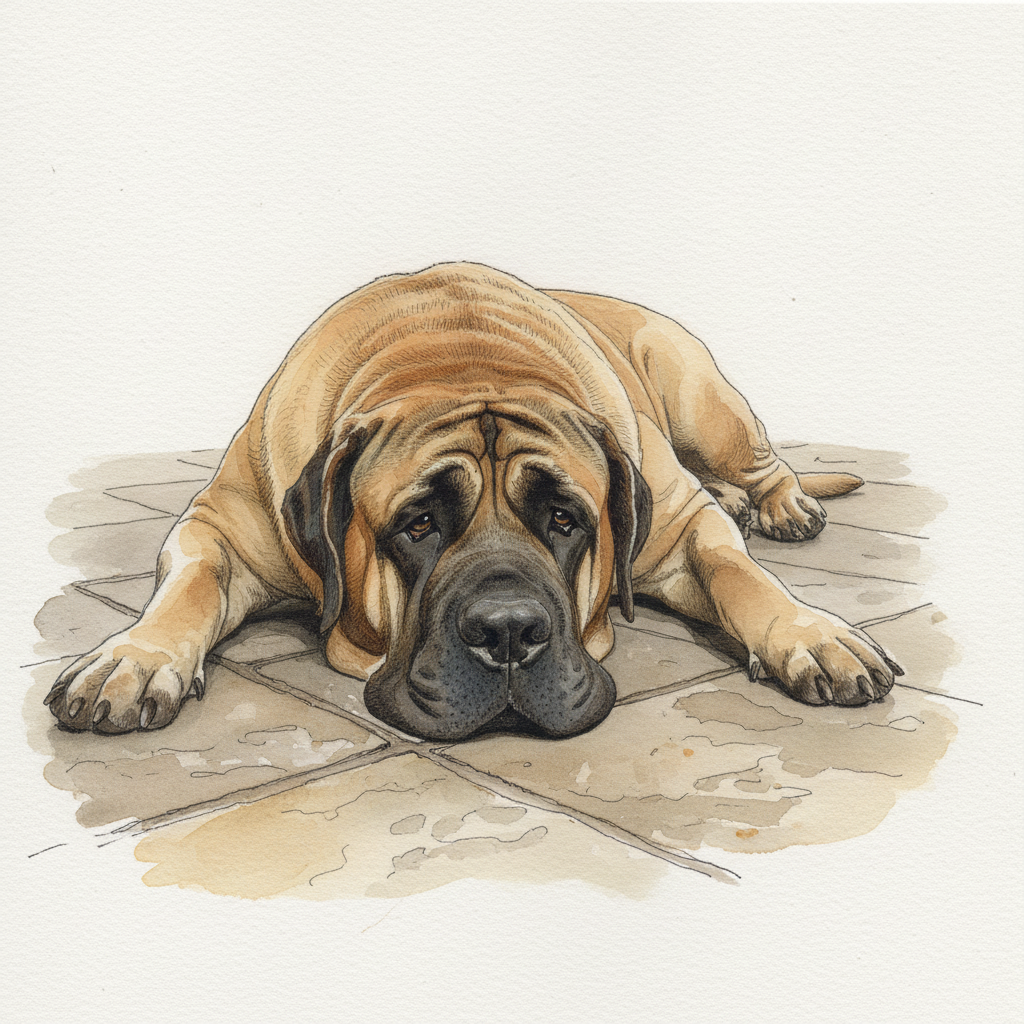
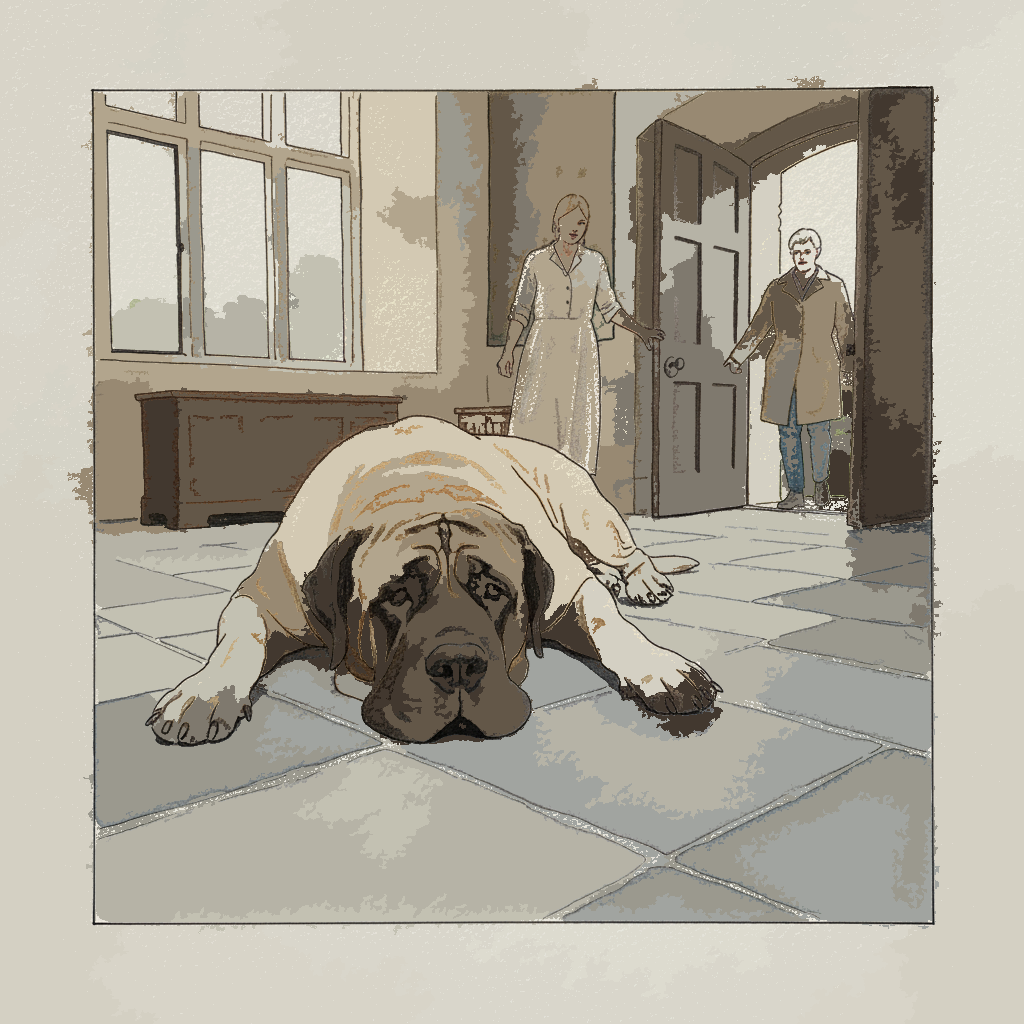
This piece offers a fantastic study in rendering sheer mass and volume. Focus on using light, confident pen lines to establish the dog's enormous form, reserving heavier strokes primarily for where its weight presses into the flagstones. Then, build its immense, soft bulk through successive, soft-edged watercolor washes, employing a limited palette of warm earths and a touch of cool shadow. Let value shifts, rather than hard lines, define the contours of the fawn coat and the deep folds around its muzzle.
Piece 6 — Devon House, Autumn Storm Aftermath
Pen + Watercolor · Loose pen and watercolor line-and-wash
Three takes
Focus for this piece
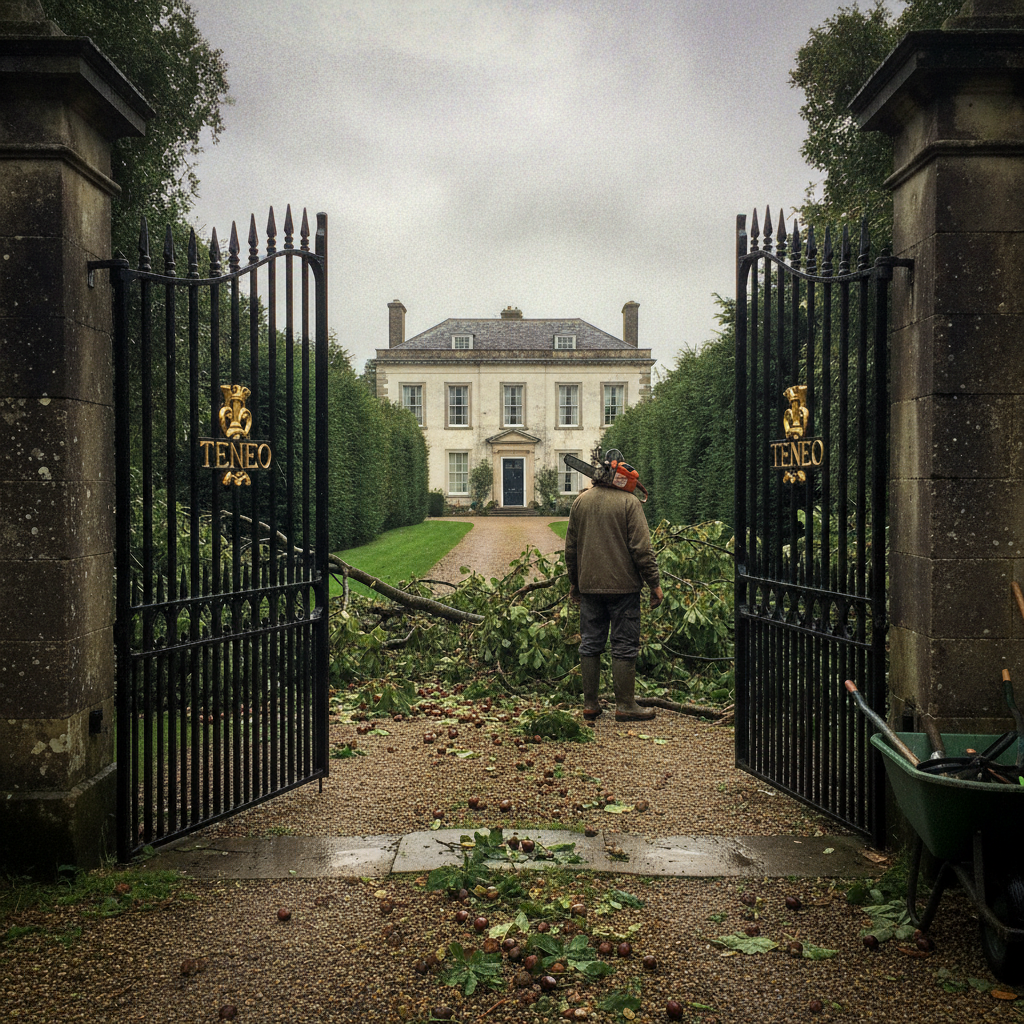
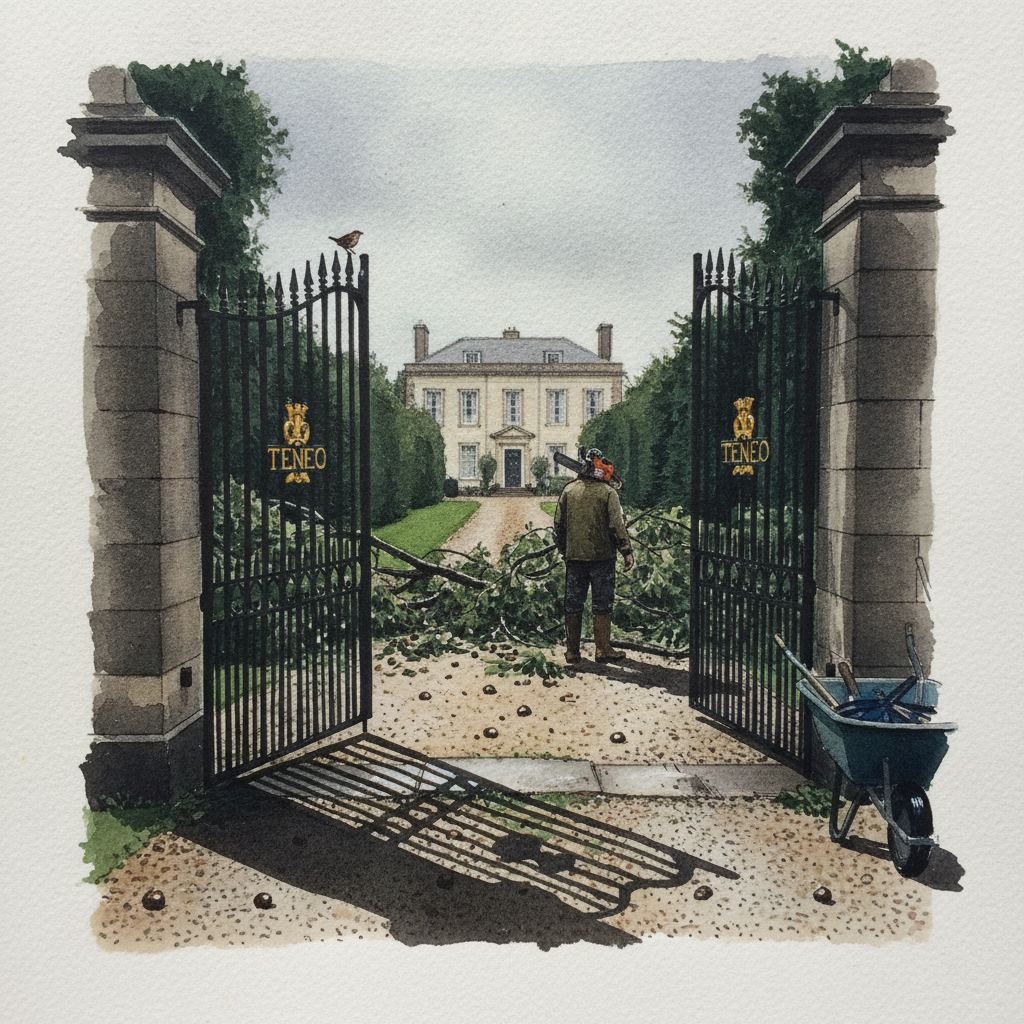
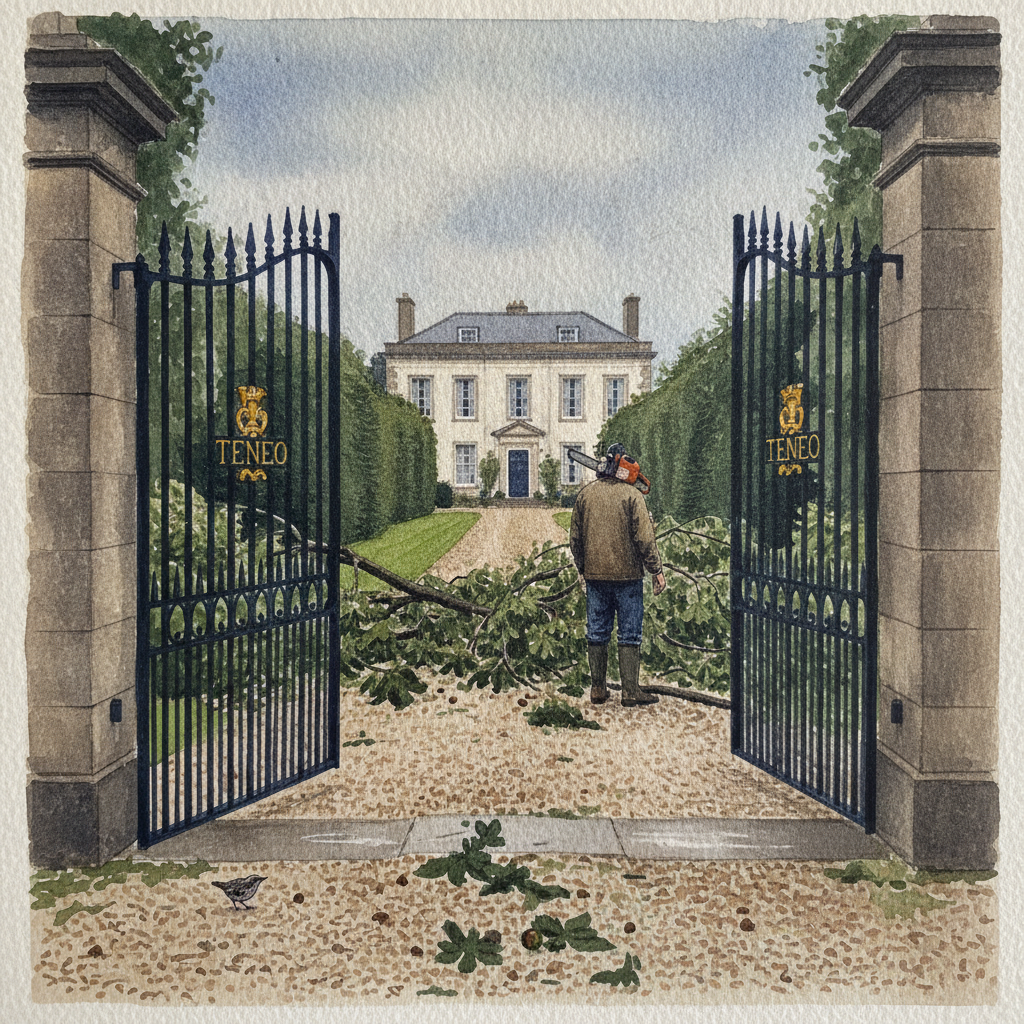
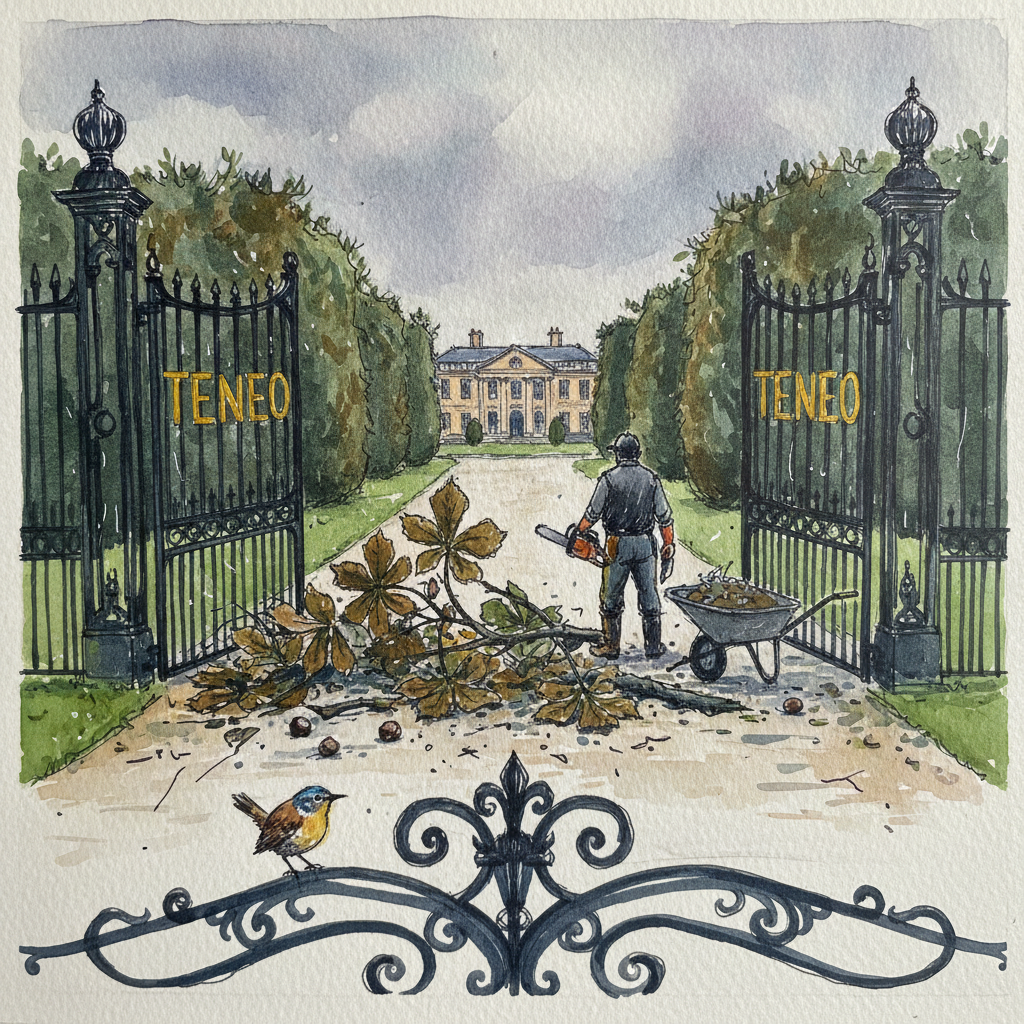
This piece is excellent for practicing the interplay between chaotic organic forms and precise architectural geometry. Focus on using varied line weights: employ a heavier, broken line for the fallen horse-chestnut branch to convey its weight and texture, contrasting with lighter, more structural lines for the gates and distant façade. Use atmospheric wet-on-wet washes for the wet ground and yew hedges to suggest recent rain, allowing them to soften around the crisp details of the bright gilt motto and dark, wet stone piers. This contrast will help establish a clear sense of depth and the moody aftermath of the storm.
Piece 7 — Elder showing grandkid old tools
Pen + Watercolor · Loose pen and watercolor line-and-wash
Three takes

Focus for this piece
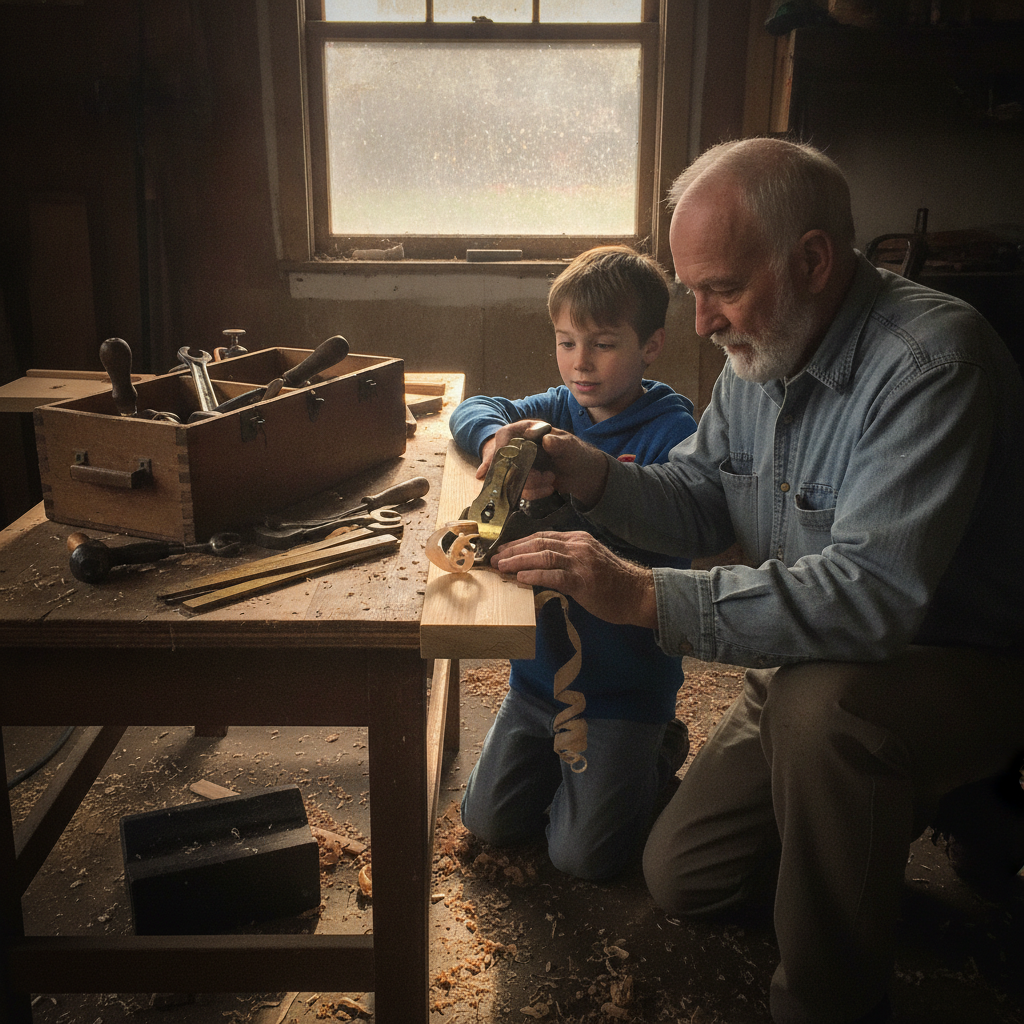
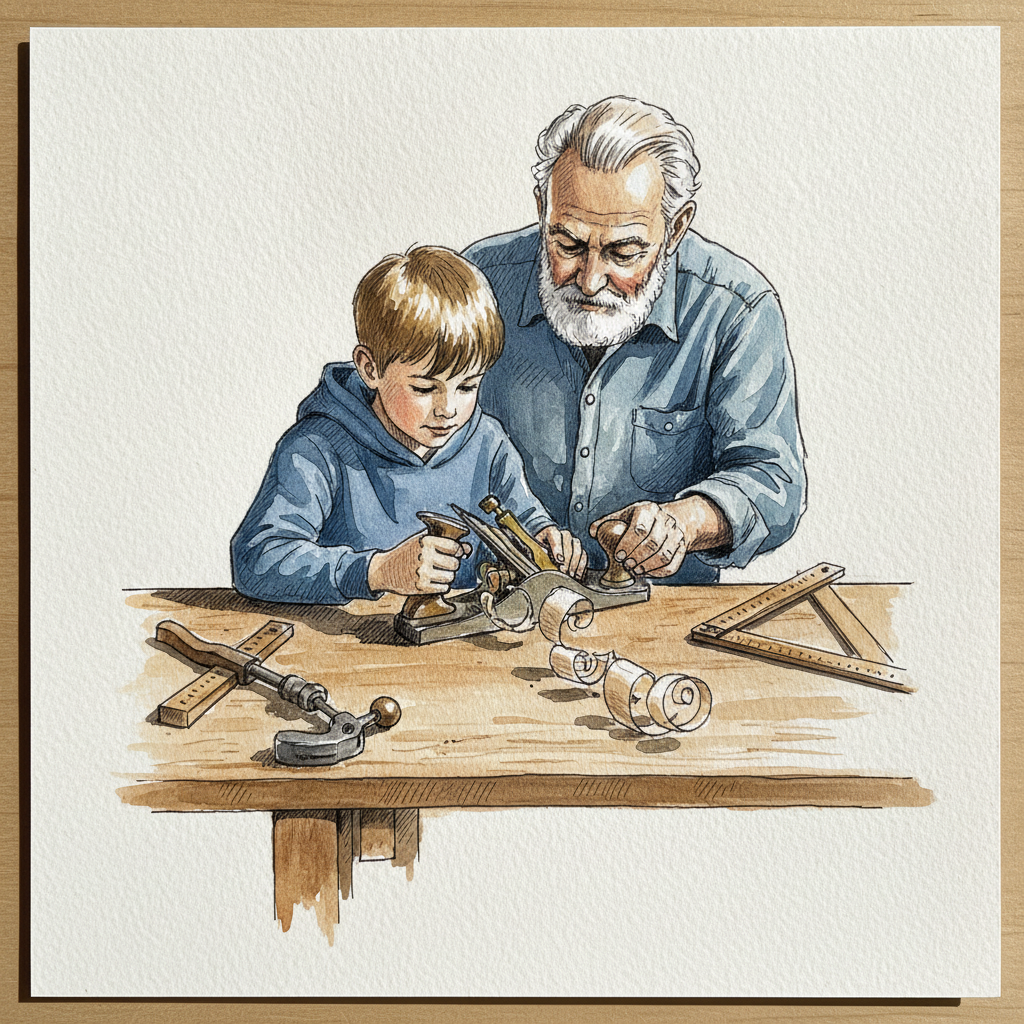
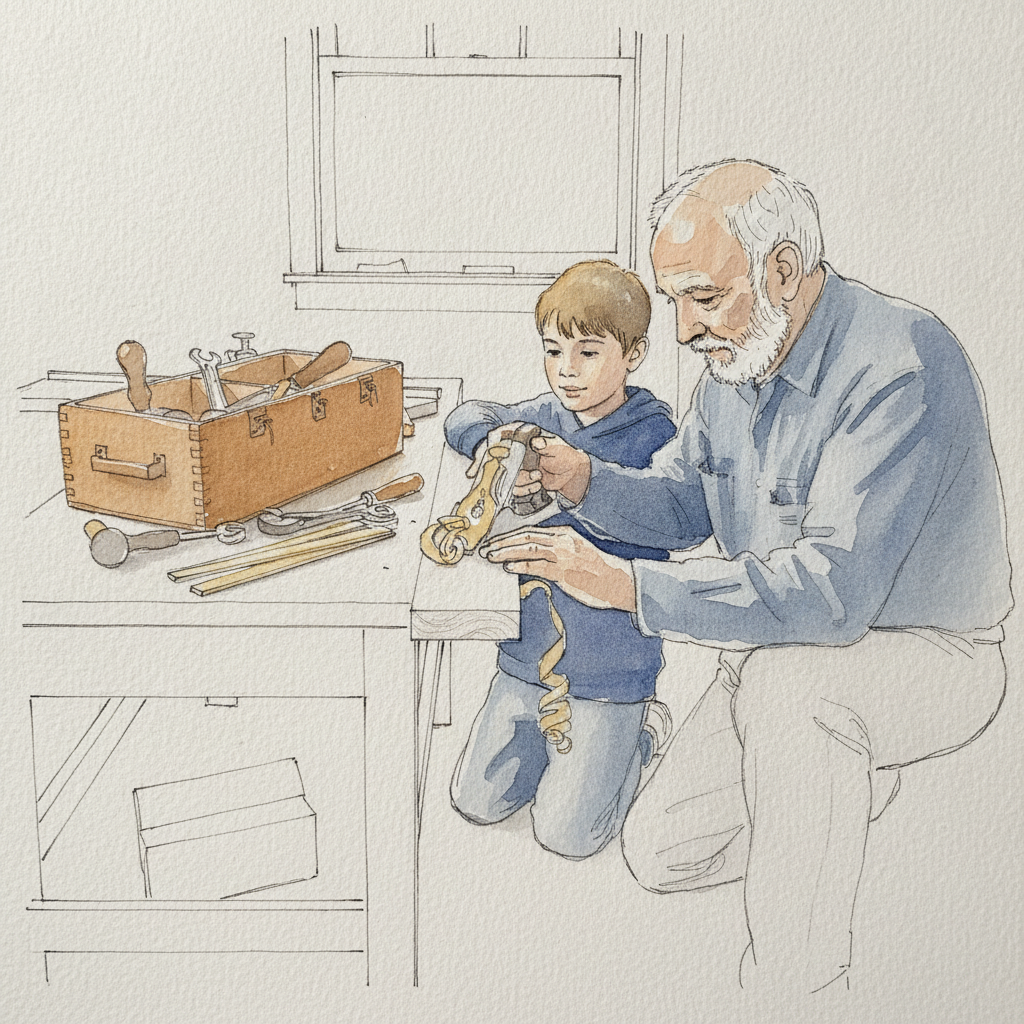
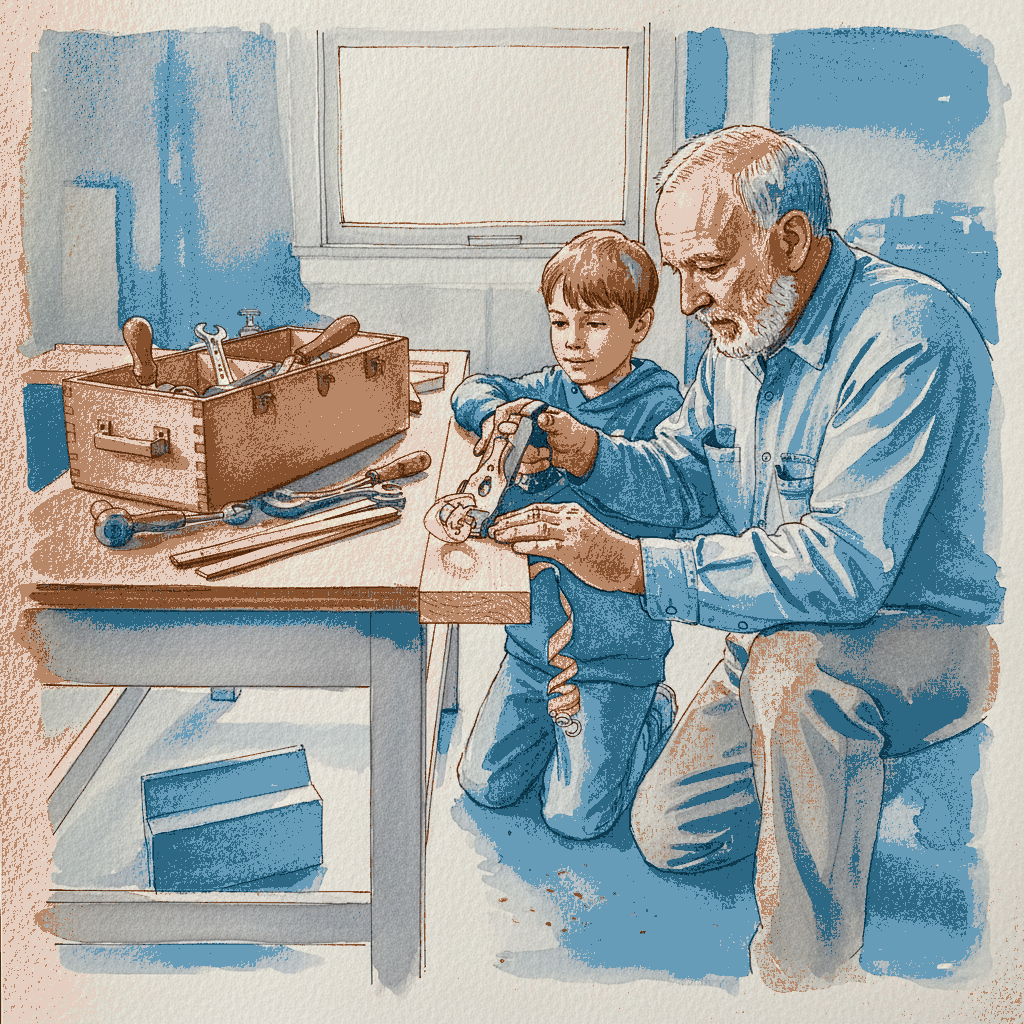
This piece provides an excellent opportunity to focus on rendering varied textures and conveying the character of aged materials. Use dynamic, varied line weights—from jagged, broken lines for the toolbox's battered wood to clean, heavier contours for the metal tools—to define each object. Layer soft, earthy washes to build the dull patina on the brass plane and suggest the dusty, oil-scented atmosphere of the workshop. Finally, use crisp, slightly drier brushwork for the weave of the denim shirt and the cedar shavings to add tactile interest to the scene.
Piece 8 — Standing, weight on far leg
Pen + Watercolor · Loose pen and watercolor line-and-wash
Three takes

Focus for this piece
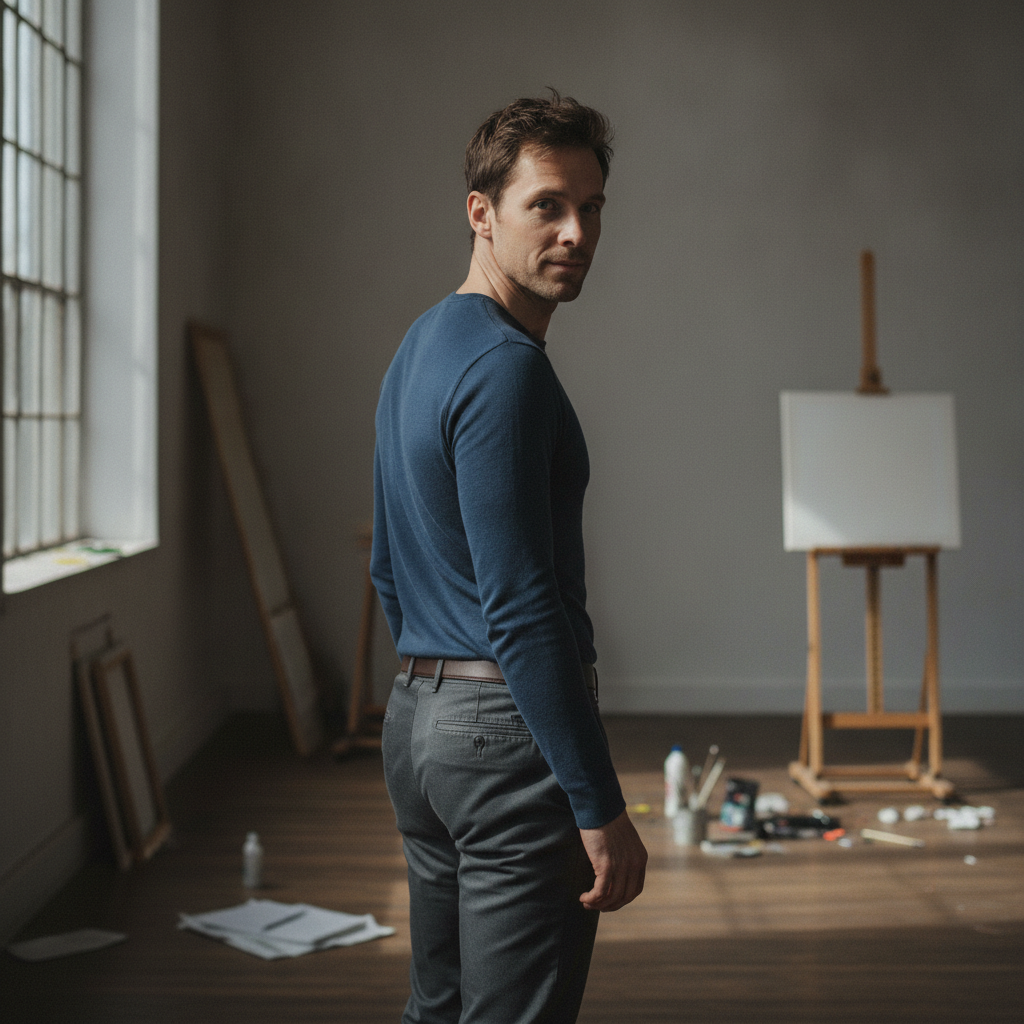
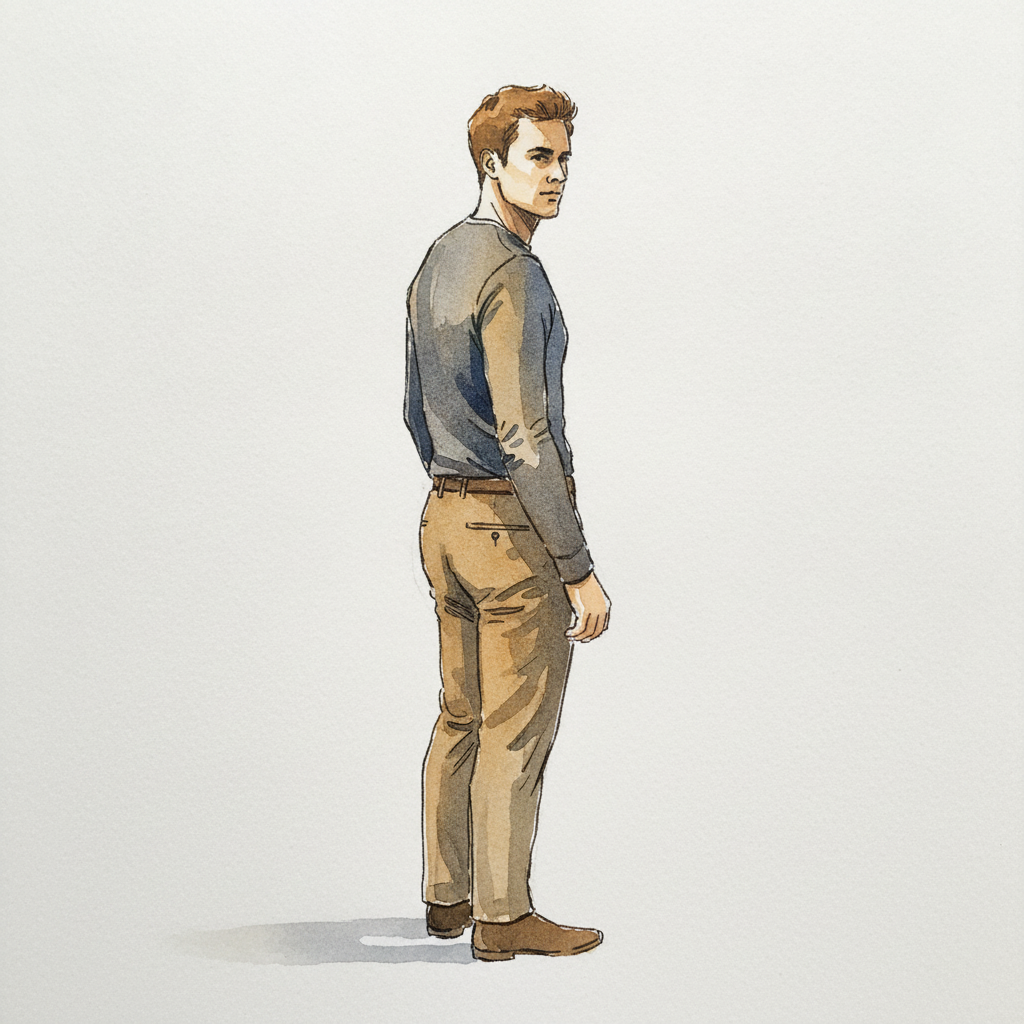
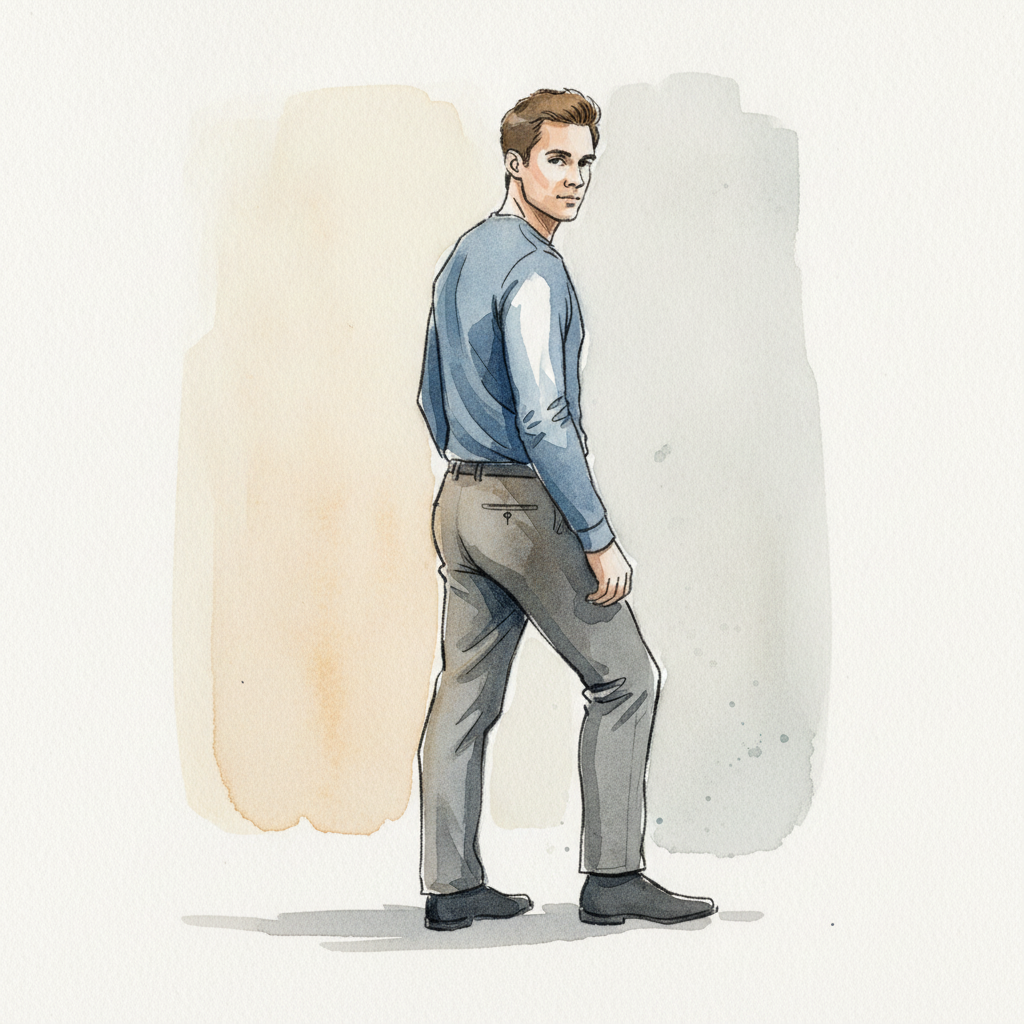
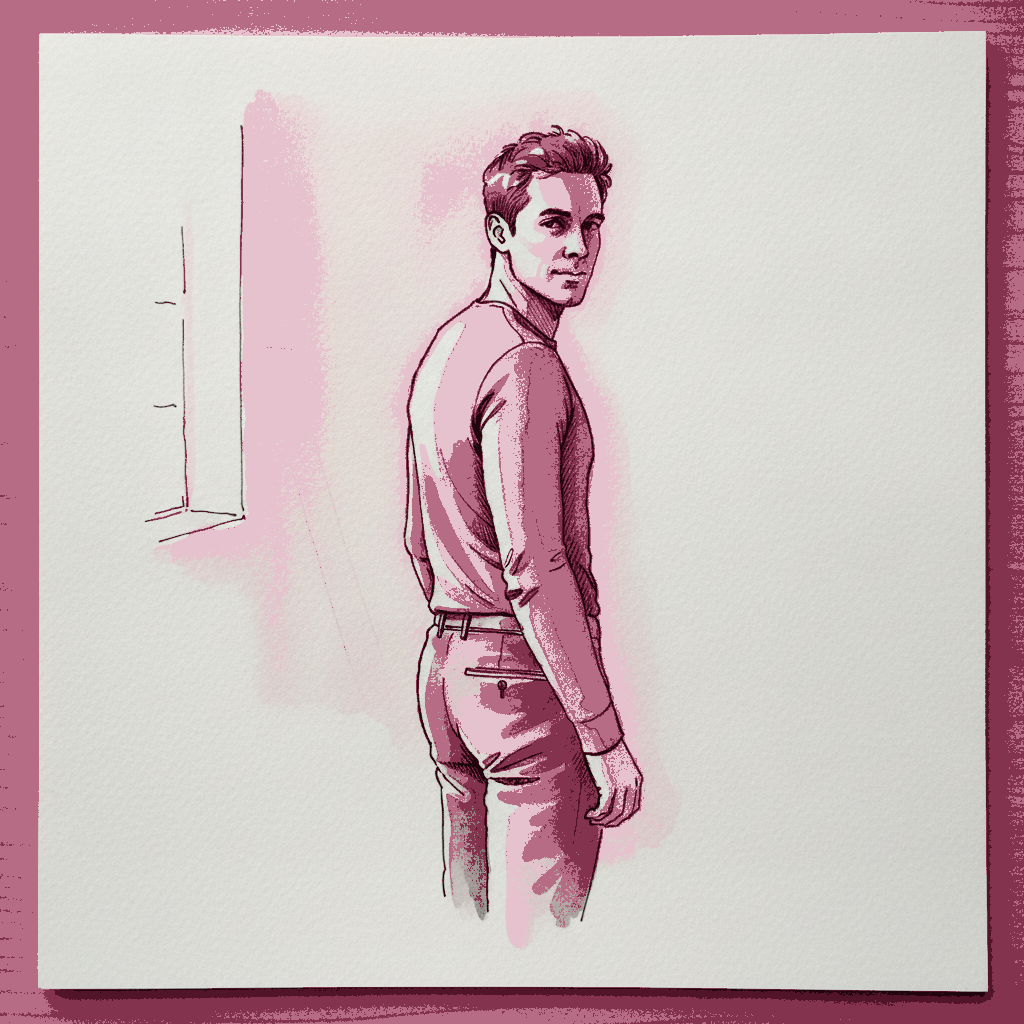
This piece offers a compelling study in rendering the figure's graceful contrapposto S-curve, especially how a single, focused light source reveals its form. Concentrate your pen work on establishing the long, flowing lines of the pose, using varied line weight to articulate the high hip and dropped shoulder. Then, employ light, focused washes to build the gentle musculature and volume, ensuring the watercolor enhances the light and shadow without obscuring the delicate, contemplative quality of your initial line drawing. Pay close attention to how the small turn of the head resolves the S-curve, using minimal lines and soft washes to suggest its subtle expression.