Wisteria arch in a town park with passing schoolchildren, Superman, Toddler's Mother, Bedroom Floor, iPhone face-up, cracked screen, Button Nose Child, White Girl 7 Years, and more — pen + watercolor for August 2, 2026
AI-generated daily art-practice references for pen and watercolor: Wisteria arch in a town park with passing schoolchildren, Superman, Toddler's Mother, Bedroom Floor, iPhone face-up, cracked screen, Button Nose Child, White Girl 7 Years, Park East Synagogue, Upper East Side, New York City, USA…
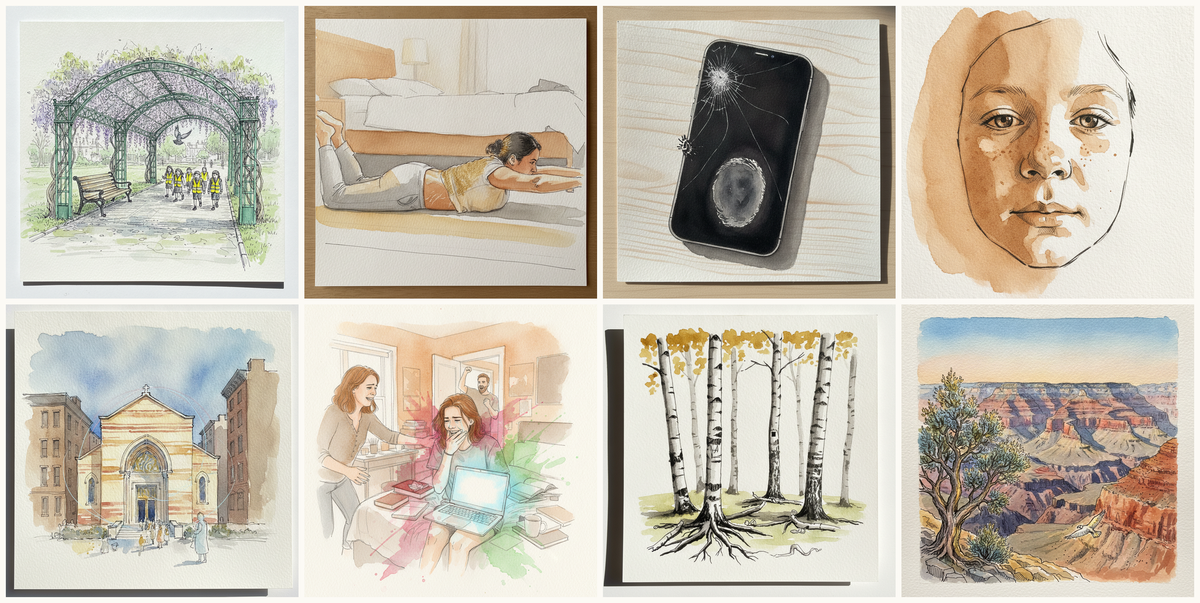
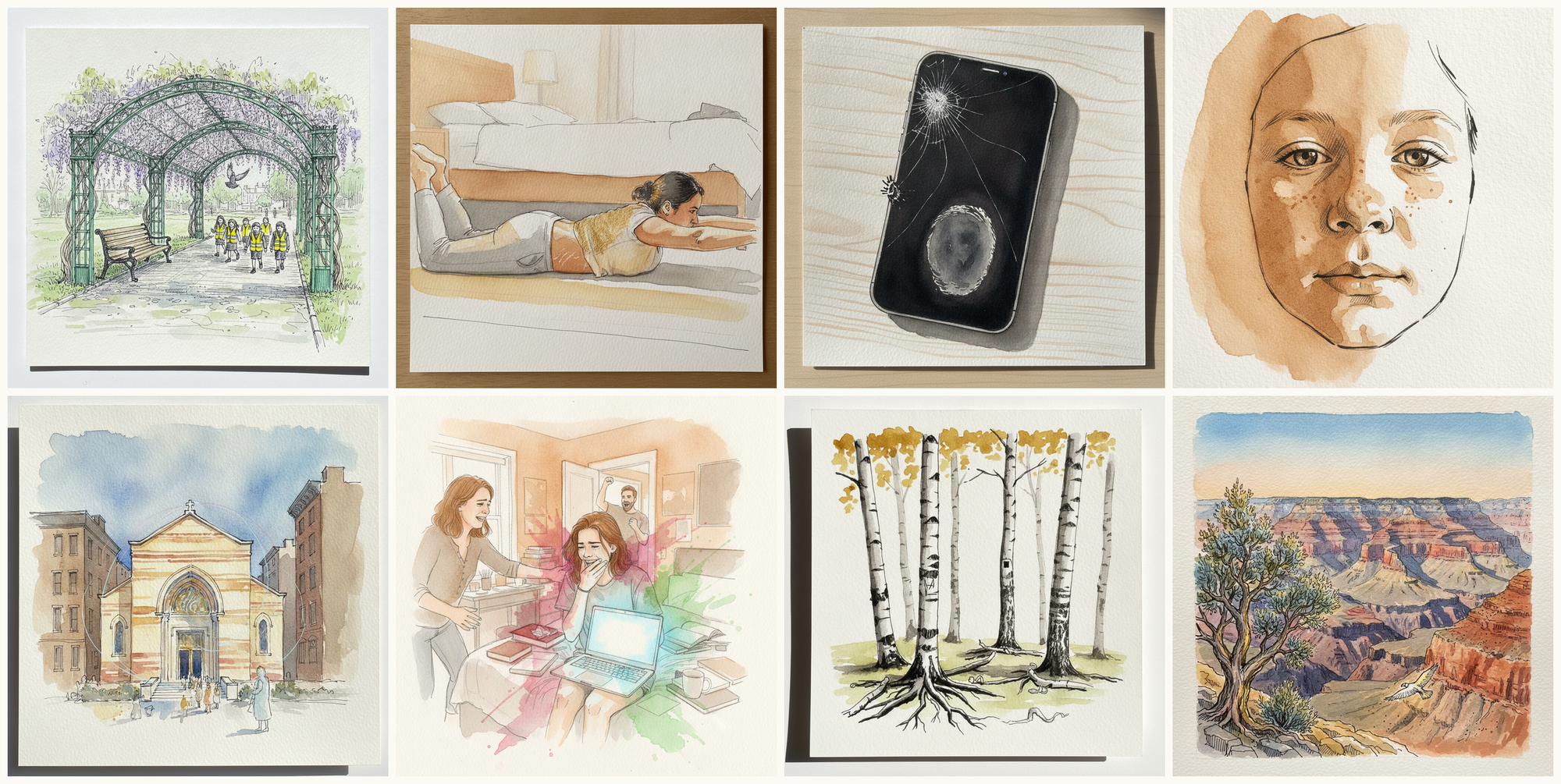
Today's 8 pen-and-watercolor pieces: Wisteria arch in a town park with passing schoolchildren, Superman, Toddler's Mother, Bedroom Floor, iPhone face-up, cracked screen, Button Nose Child, White Girl 7 Years, Park East Synagogue, Upper East Side, New York City, USA, Teen opening college acceptance, Paper birch, Grand Canyon sunrise from Mather Point, USA. Each piece comes with an AI-generated photoreal reference, three AI-generated example artworks in different treatments, and a short focus paragraph naming what to study in this one.
Why these references use AI
This daily series uses AI-generated images as practice prompts, not as finished artwork to copy. Each subject starts with a synthetic photoreal reference generated with Gemini/Nano Banana, then moves into three pen-and-watercolor interpretations of the same subject.
I use AI here because daily art practice needs variety and low friction. Real life can get repetitive, busy, or visually narrow. These generated reference sets make it easier to study bodies, buildings, animals, landscapes, objects, gestures, light, palettes, and compositions that might not show up in an ordinary day.
The goal is not to reproduce any image directly. Treat each set as a starting point for observation and study: choose what interests you, change the framing, simplify the subject, alter the palette, and make your own version.
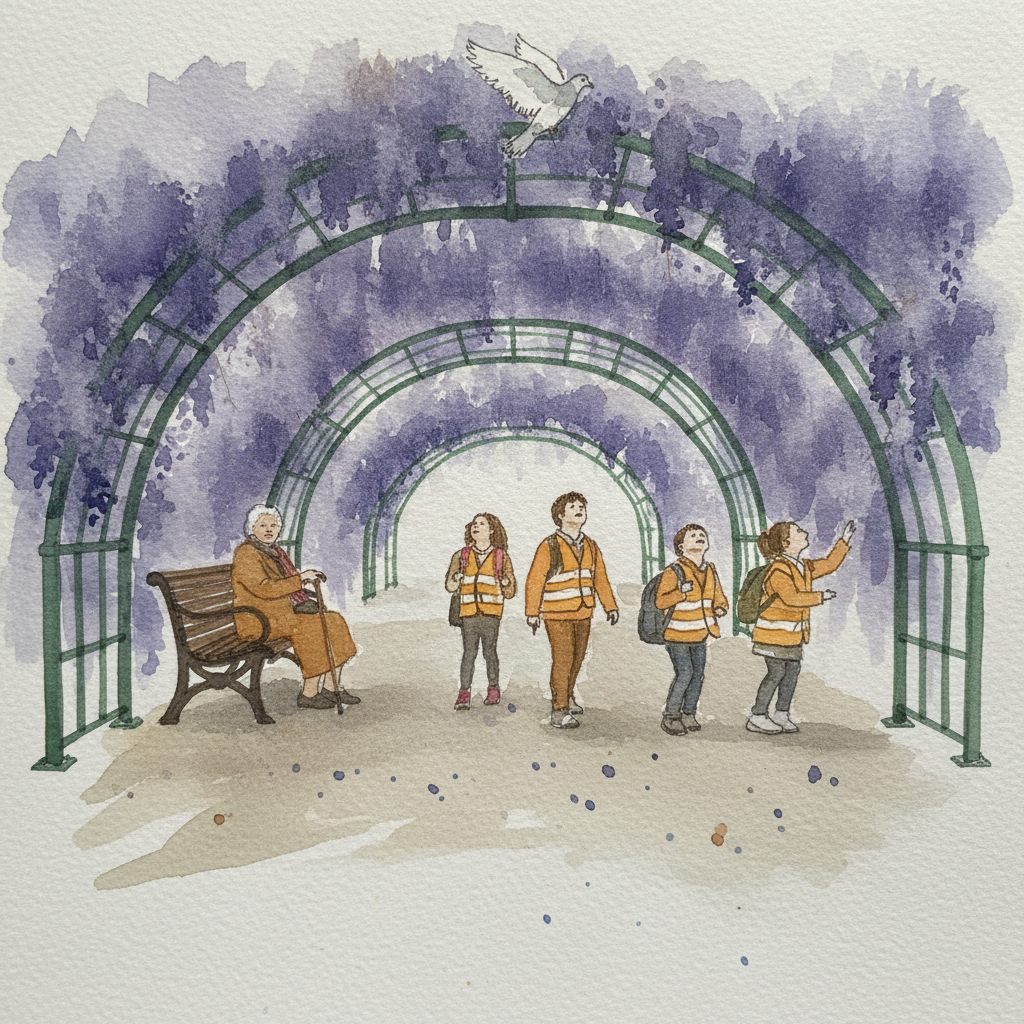
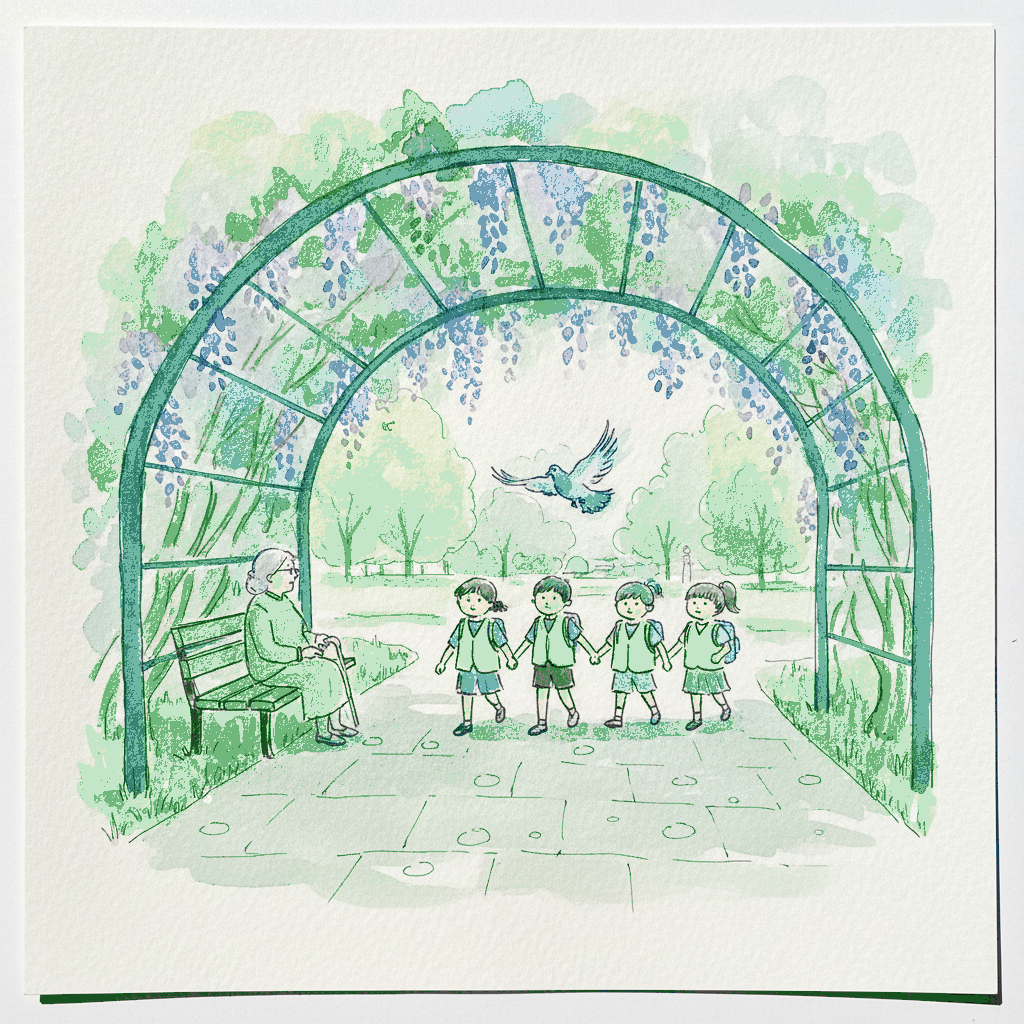
Piece 1 — Wisteria arch in a town park with passing schoolchildren
Pen + Watercolor · Loose pen and watercolor line-and-wash
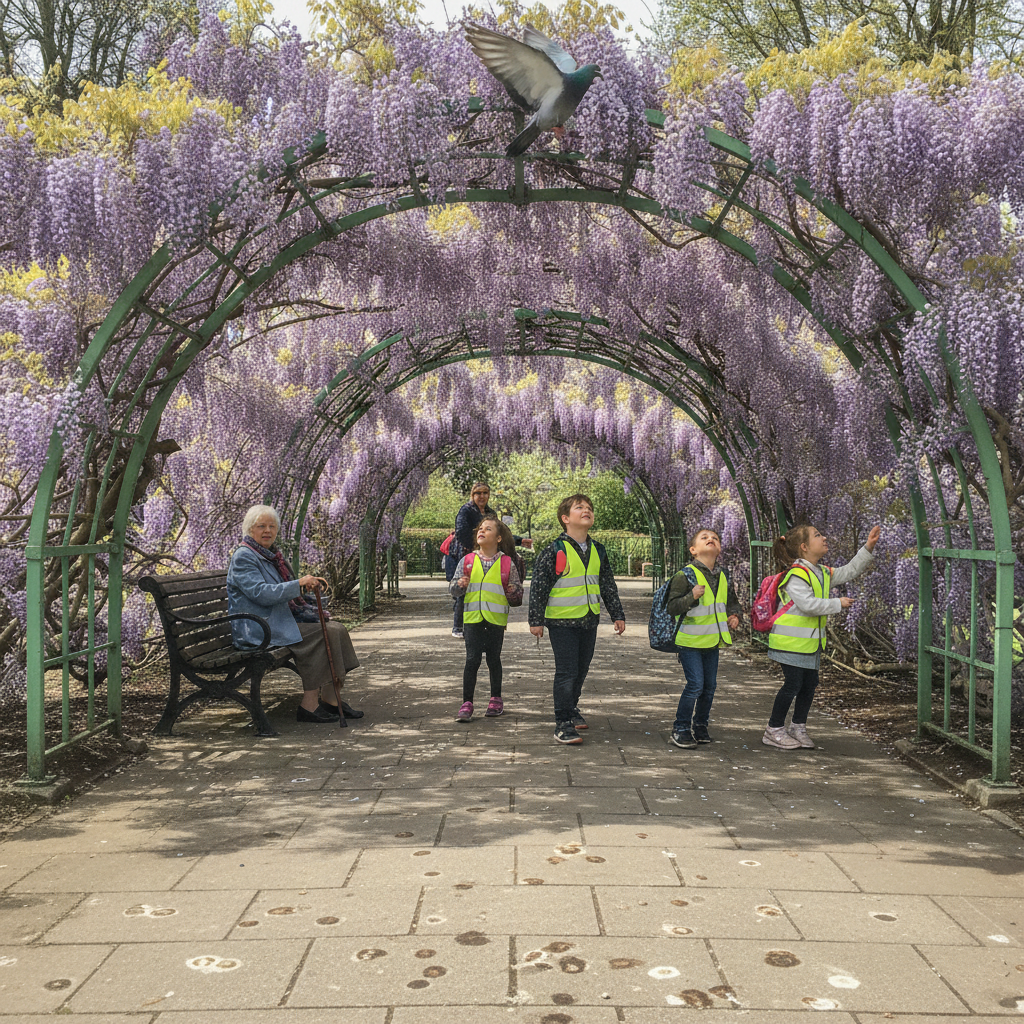
Three takes
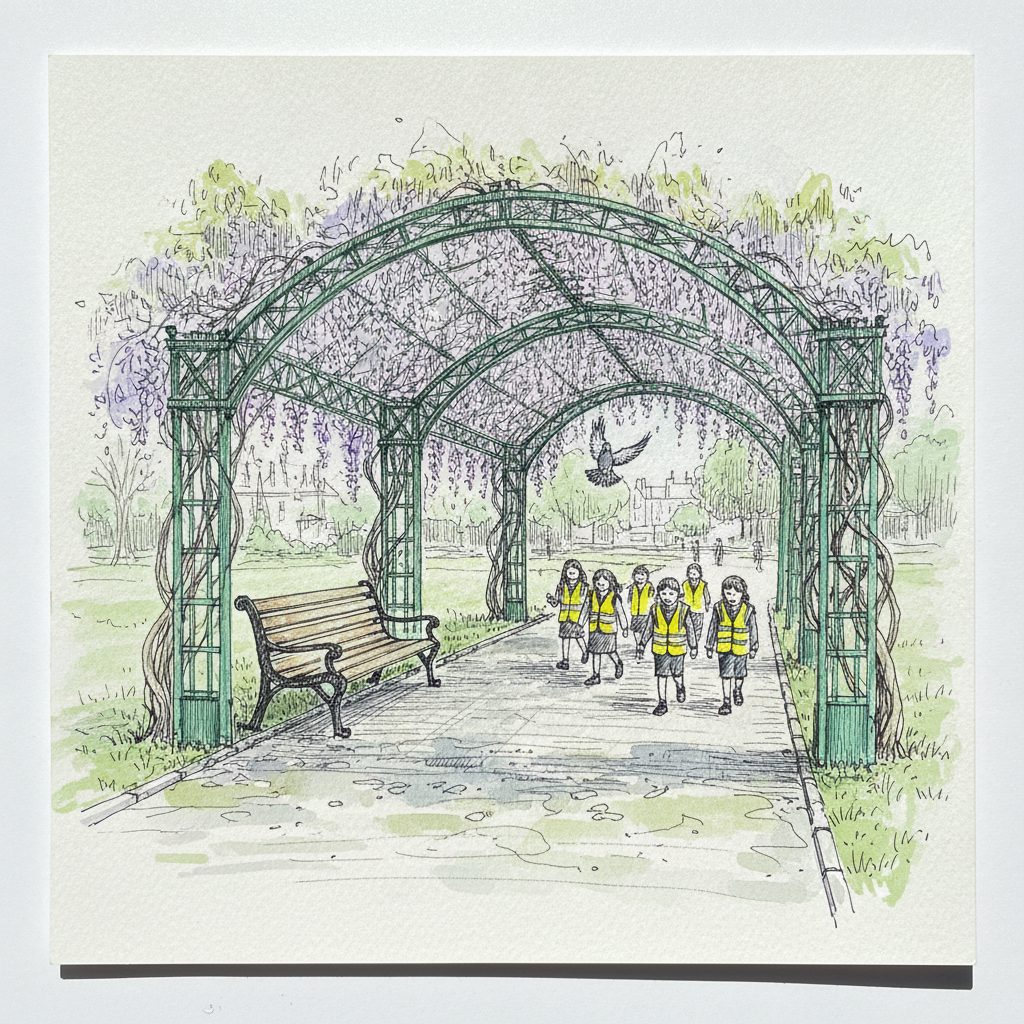

Focus for this piece
This piece is ideal for studying the interplay of organic fluidity versus architectural precision and dynamic movement versus static mass. Use loose, wet-on-wet washes and varied, suggestive pen lines to render the heavy wisteria swags, contrasting these with consistent, crisp lines and controlled washes for the iron arch. Emphasize the passing schoolchildren with bright, localized washes for their yellow vests, drawing the eye to their small, energetic forms beneath the still, lush bloom.
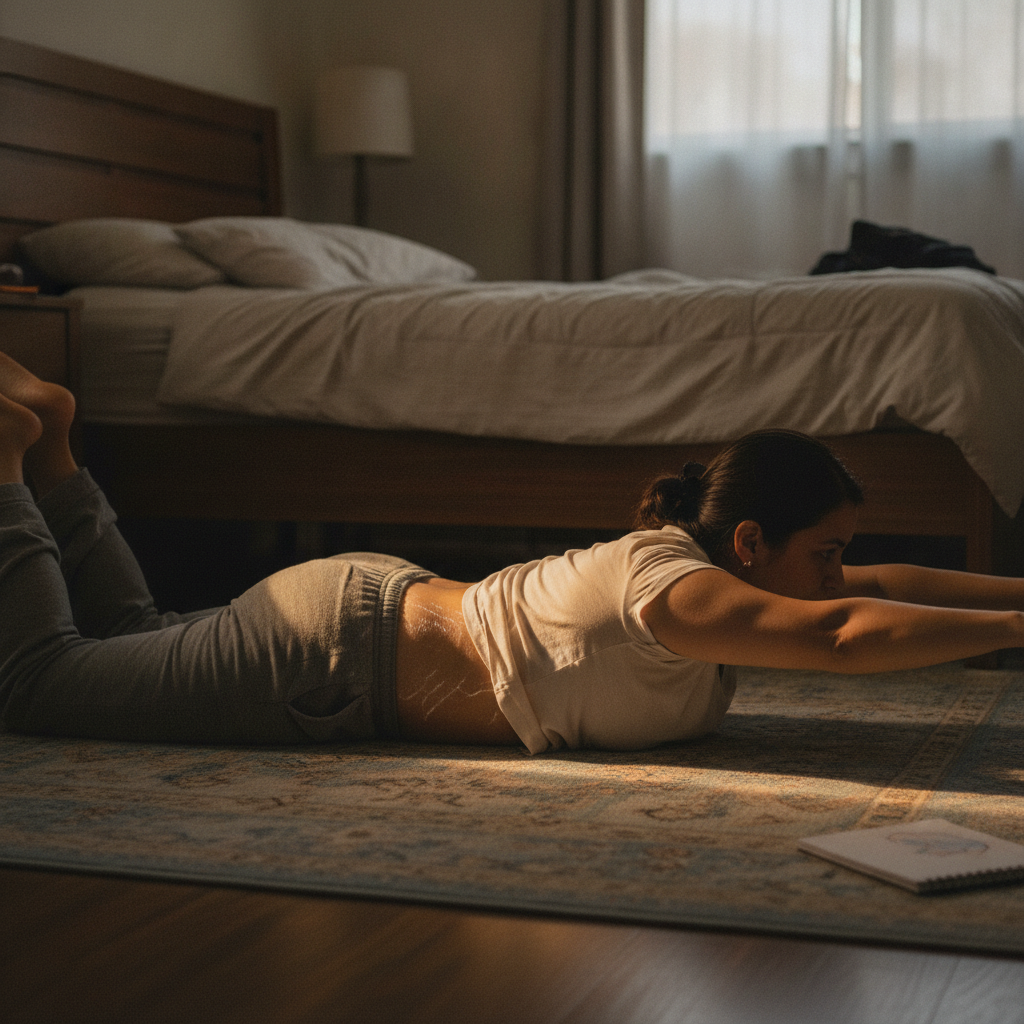
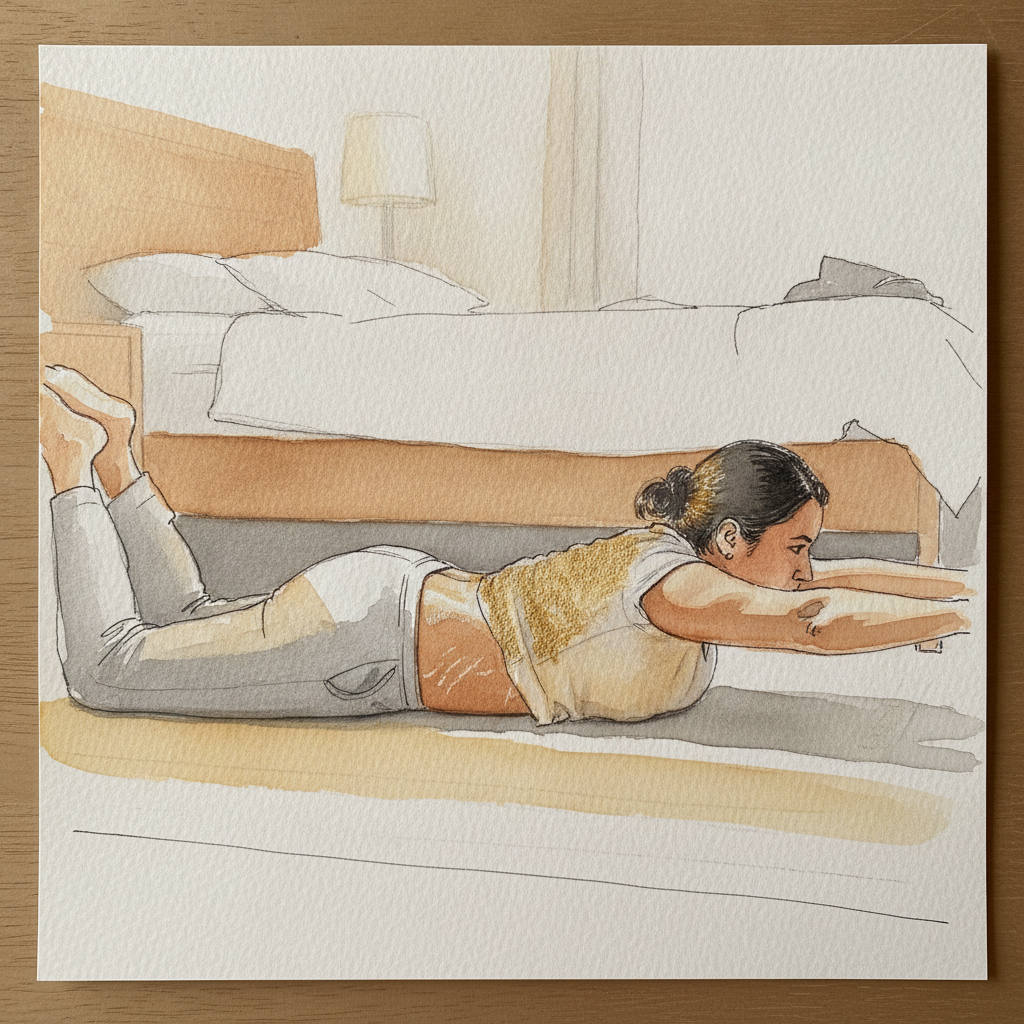
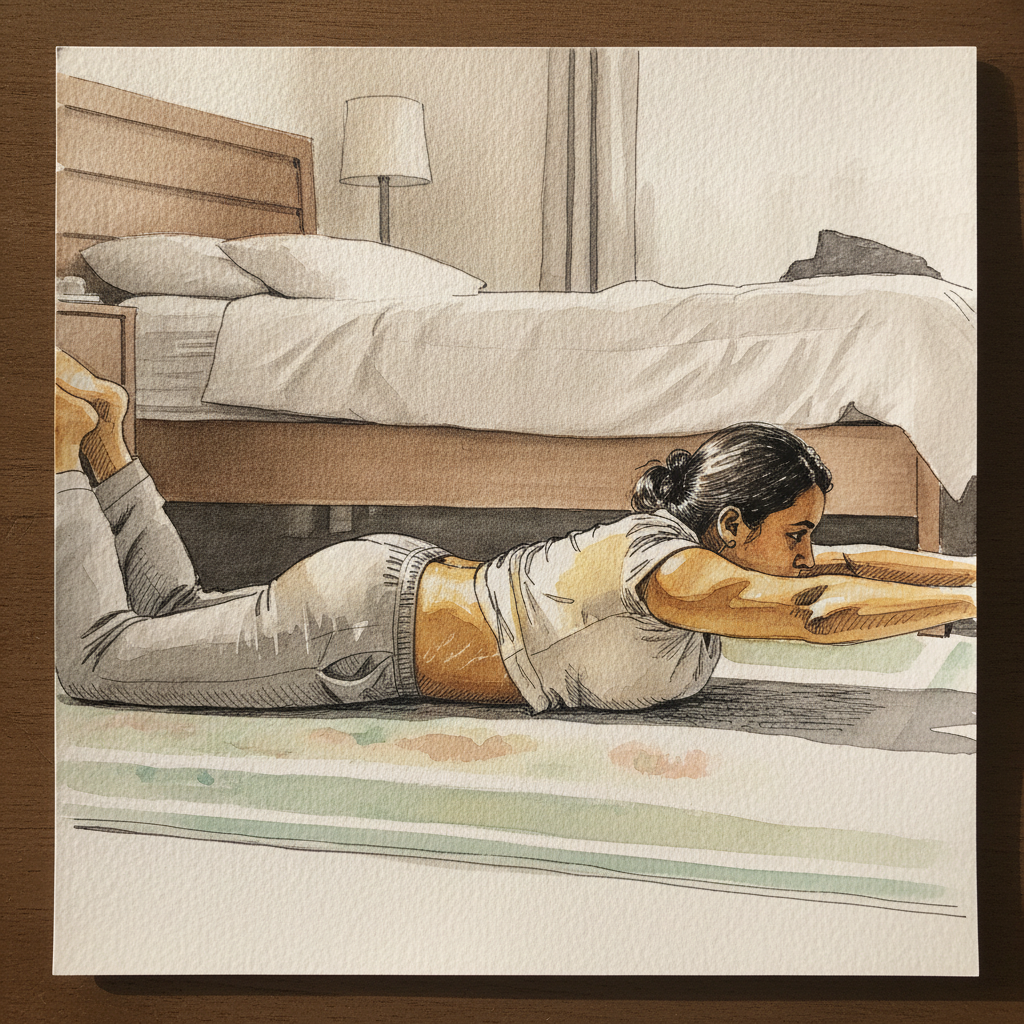
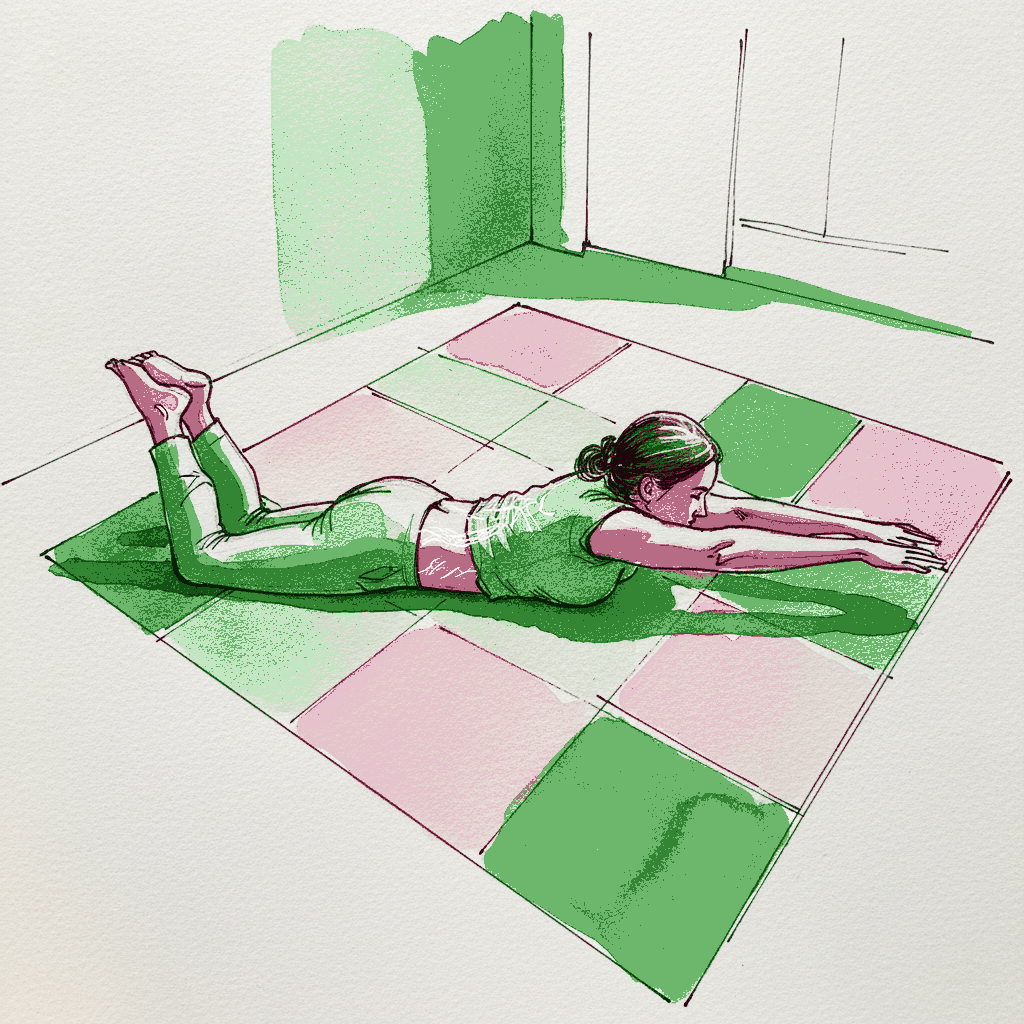
Piece 2 — Superman, Toddler's Mother, Bedroom Floor
Pen + Watercolor · Loose pen and watercolor line-and-wash
Three takes

Focus for this piece
This piece offers an excellent study in using directional, warm light to sculpt form and highlight delicate textures. Practice applying varied pen line weights—from a light, almost broken line for the luminous stretch marks to firmer lines for the body's contours—to complement soft, layered warm washes. Focus on how the golden light creates value shifts that define the engaged muscles, allowing the watercolor to breathe life into the underlying ink structure. Pay attention to how these elements combine to emphasize the sensory line from fingertips through spine to toes.
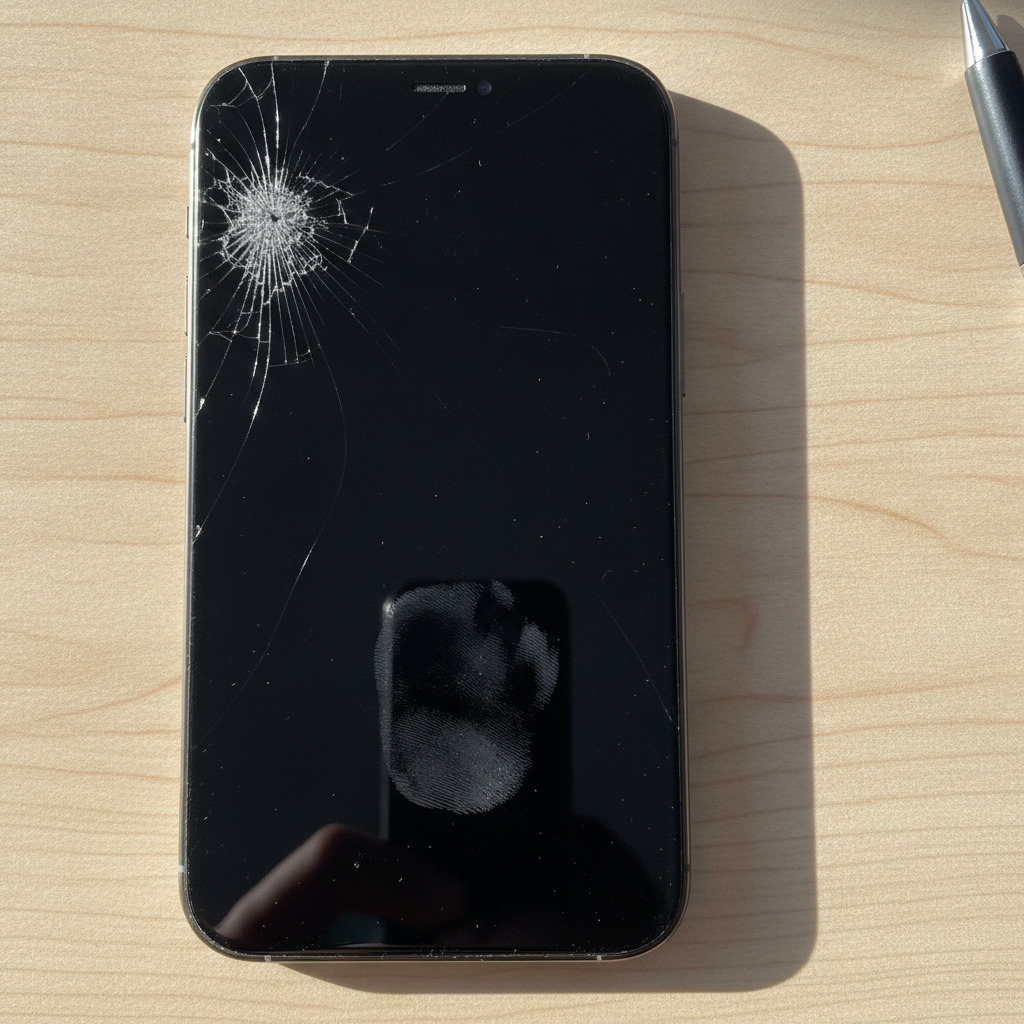
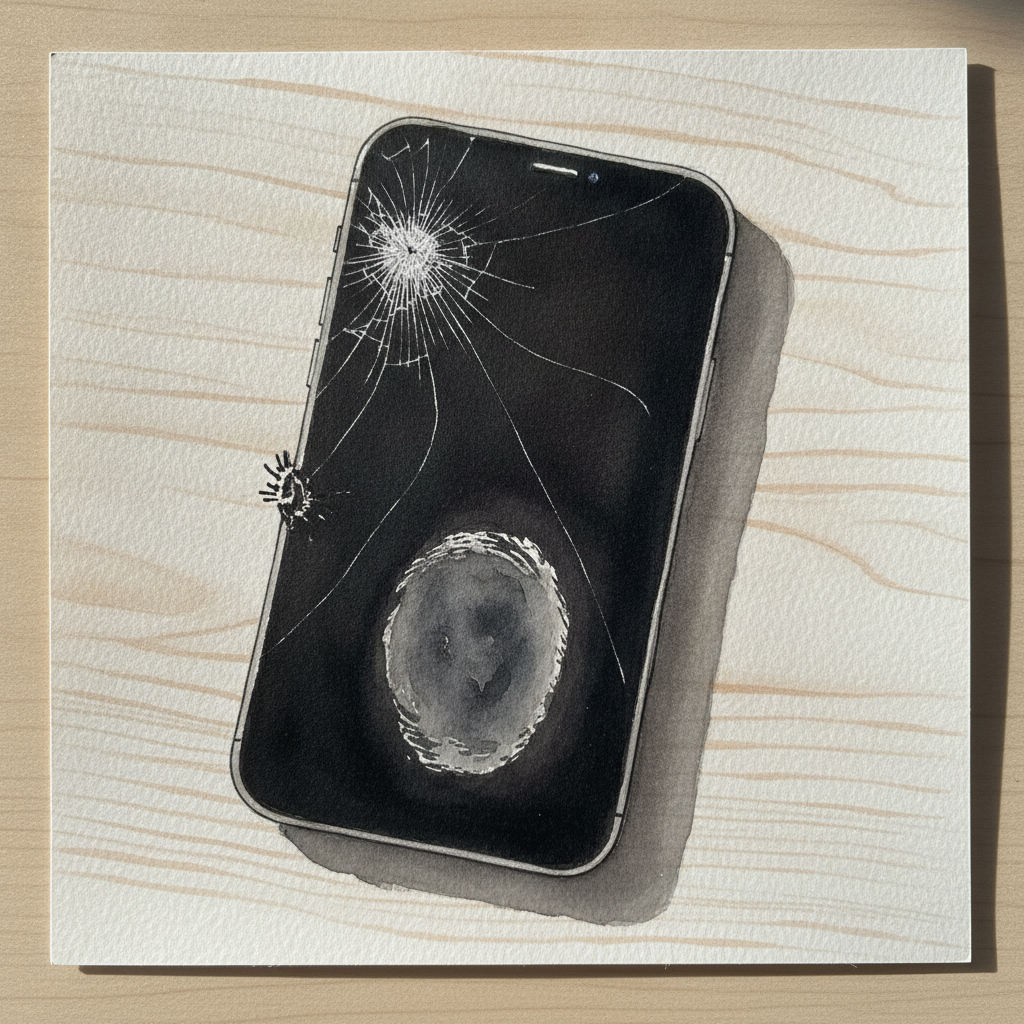
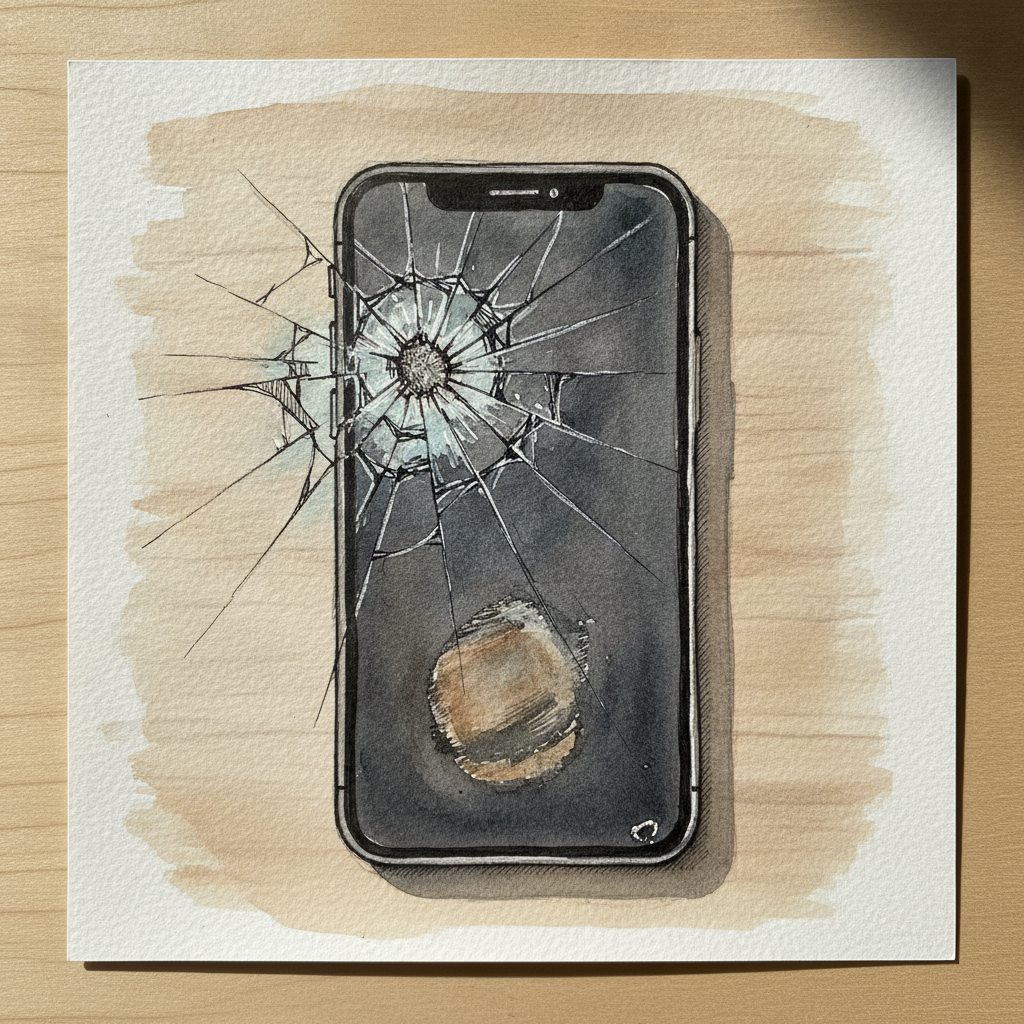
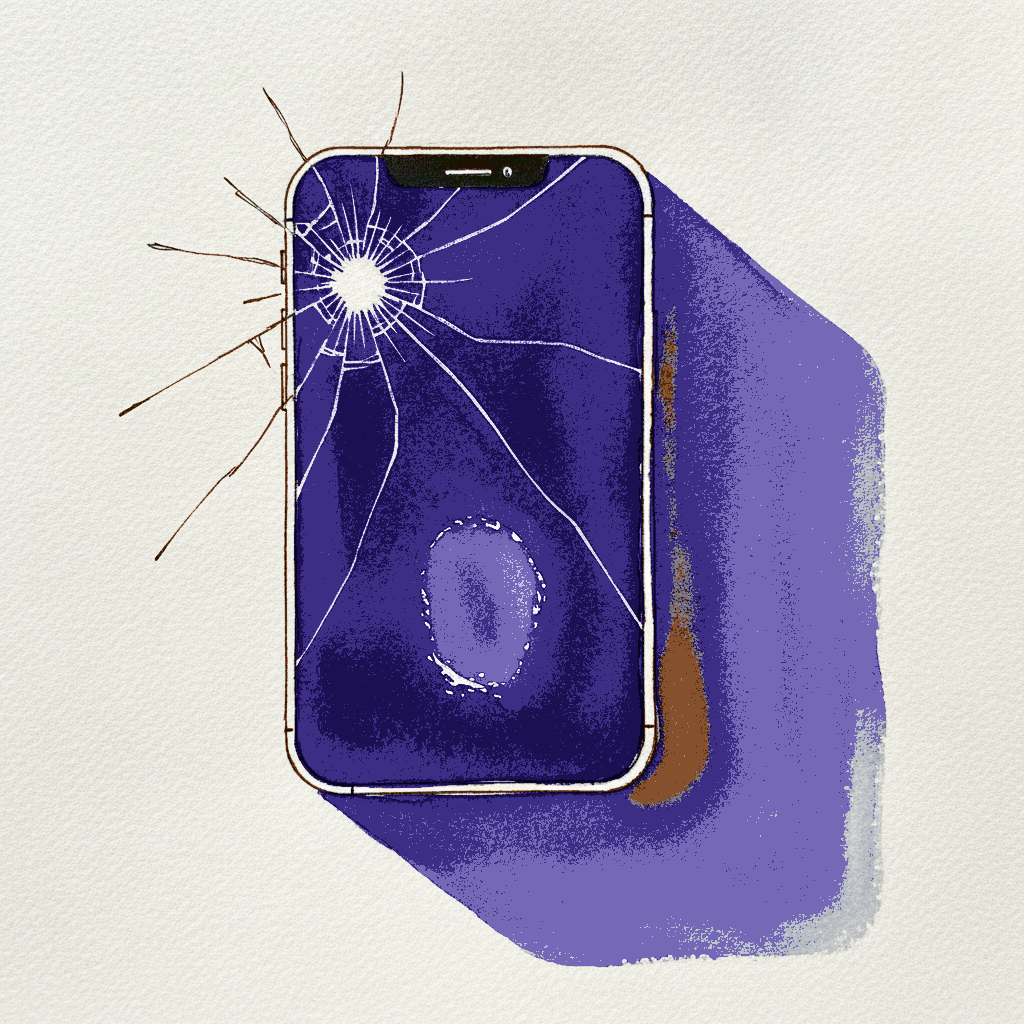
Piece 3 — iPhone face-up, cracked screen
Pen + Watercolor · Loose pen and watercolor line-and-wash
Three takes

Focus for this piece
This piece challenges you to use precise, varied pen lines to articulate the intricate, angular geometry of the starburst crack on the screen. Then, practice building depth with layered, muted washes to render the dull blacks of the OLED, carefully preserving the paper's white or lifting color to define the fragmented reflections across the broken glass. Pay attention also to the subtle wet-into-wet wash needed for the long, soft-edged shadow cast on the desk.
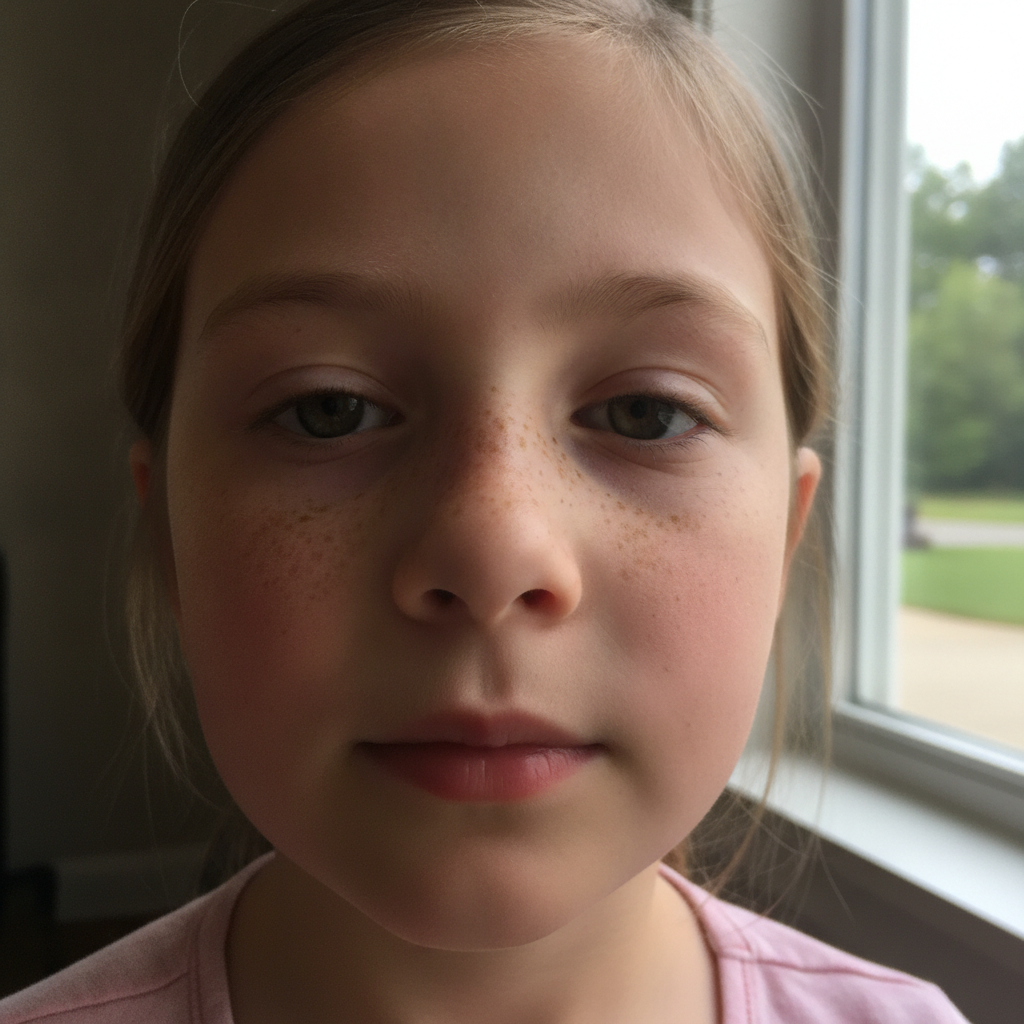
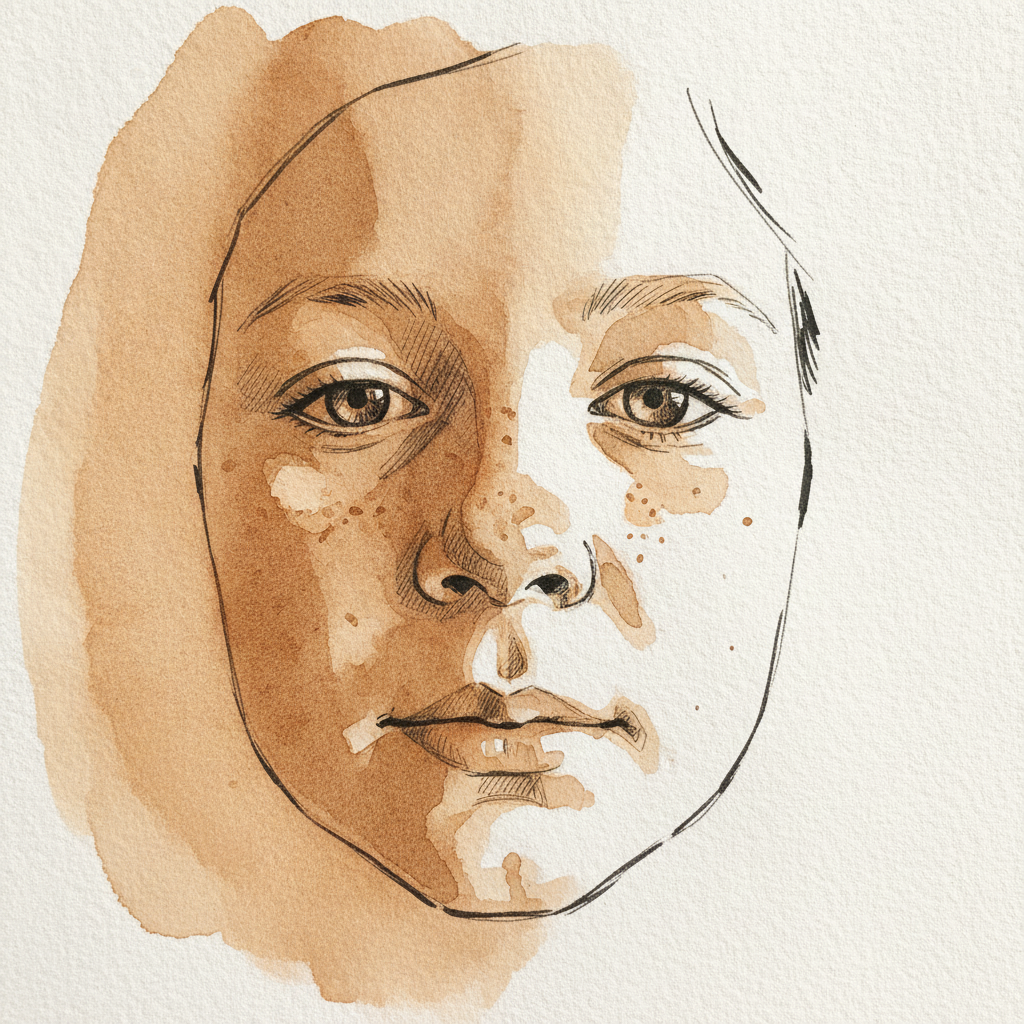
Piece 4 — Button Nose Child, White Girl 7 Years
Pen + Watercolor · Loose pen and watercolor line-and-wash
Three takes
Focus for this piece
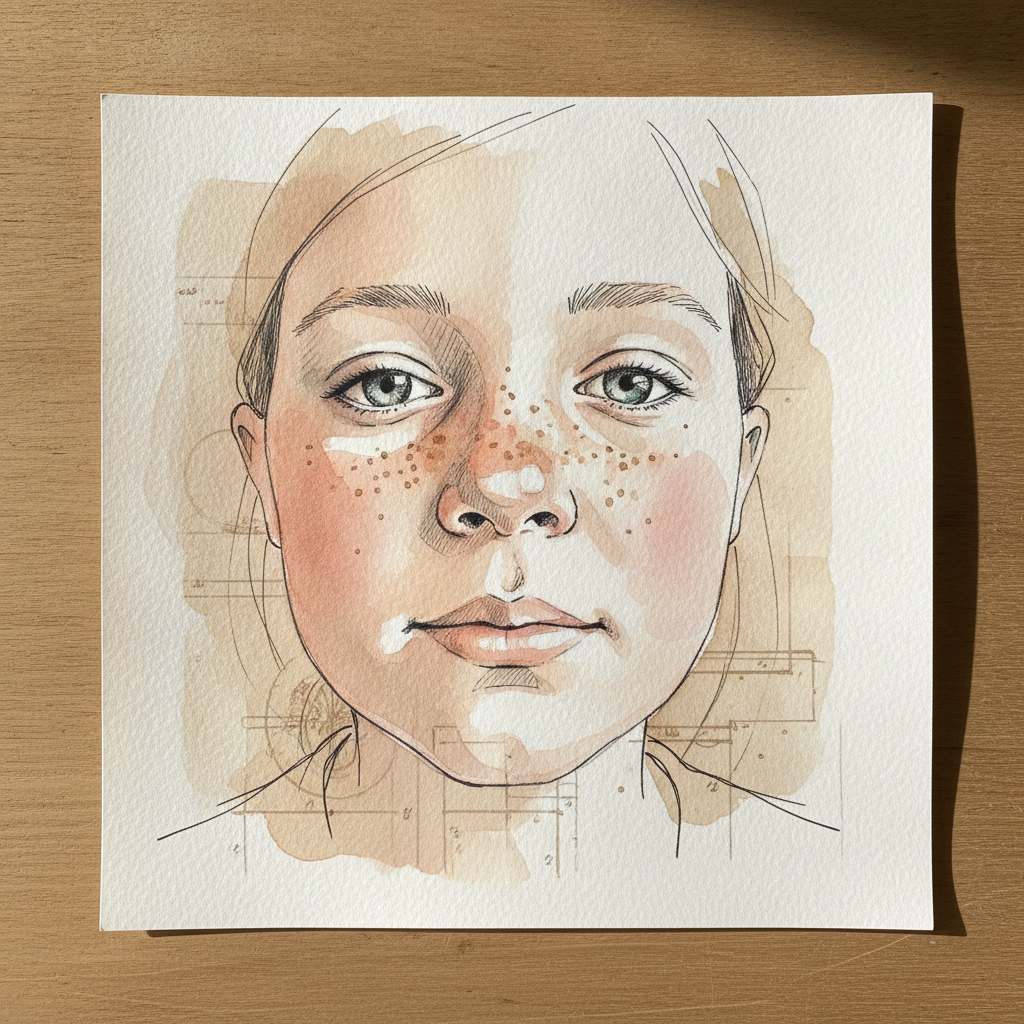
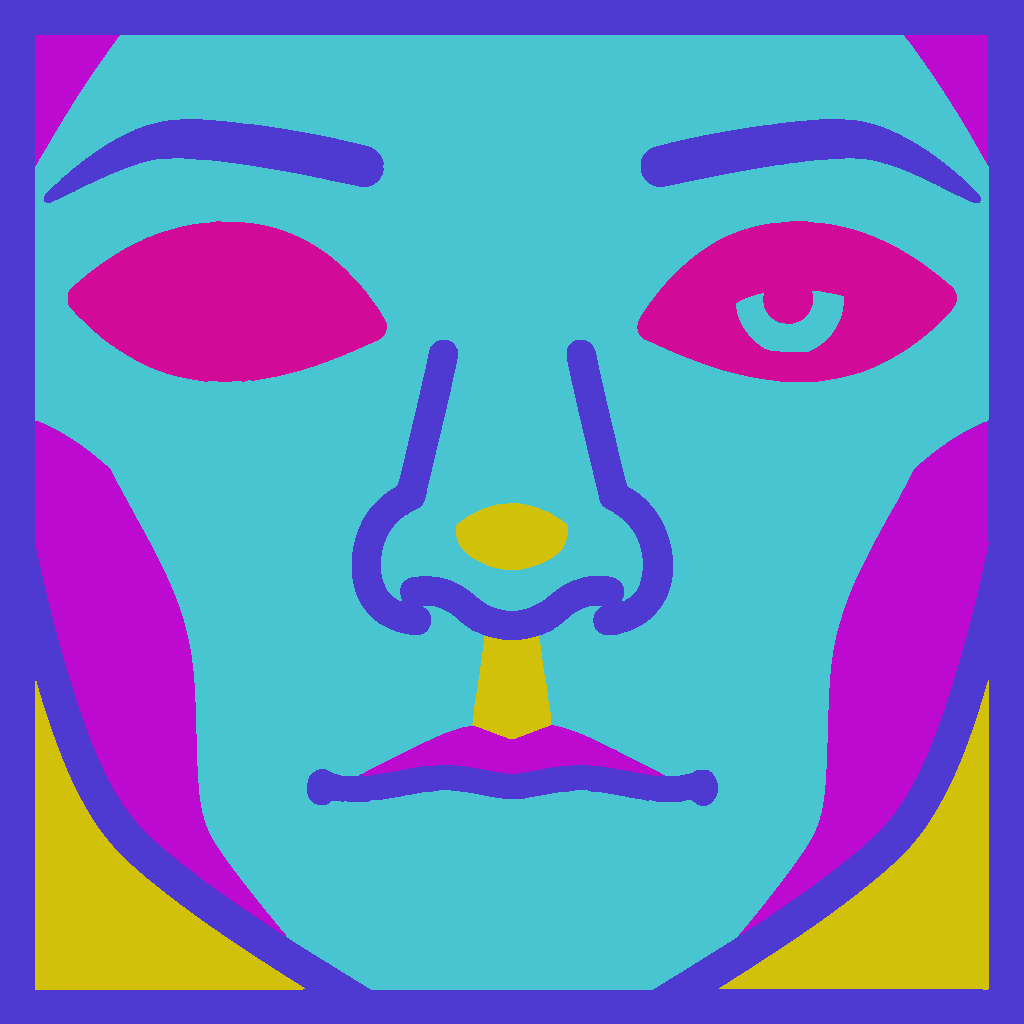
This piece offers a focused study in rendering soft, youthful facial features by allowing watercolor to define volume, rather than relying on heavy pen outlines. Pay particular attention to employing delicate, broken lines for the "barely defined" bridge and the gentle curve of the nostril wings, utilizing varying pressure or a finer nib. Use transparent washes of warm pinks to build the rounded, lifted tip and subtle planes of the nose, letting soft edges and overlapping layers create the illusion of form under the "window light." Finally, integrate the freckles with tiny pen dots or a rigger brush *into* or *over* still-damp washes to ensure they sit naturally on the skin.
Piece 5 — Park East Synagogue, Upper East Side, New York City, USA
Pen + Watercolor · Loose pen and watercolor line-and-wash
Three takes
Focus for this piece
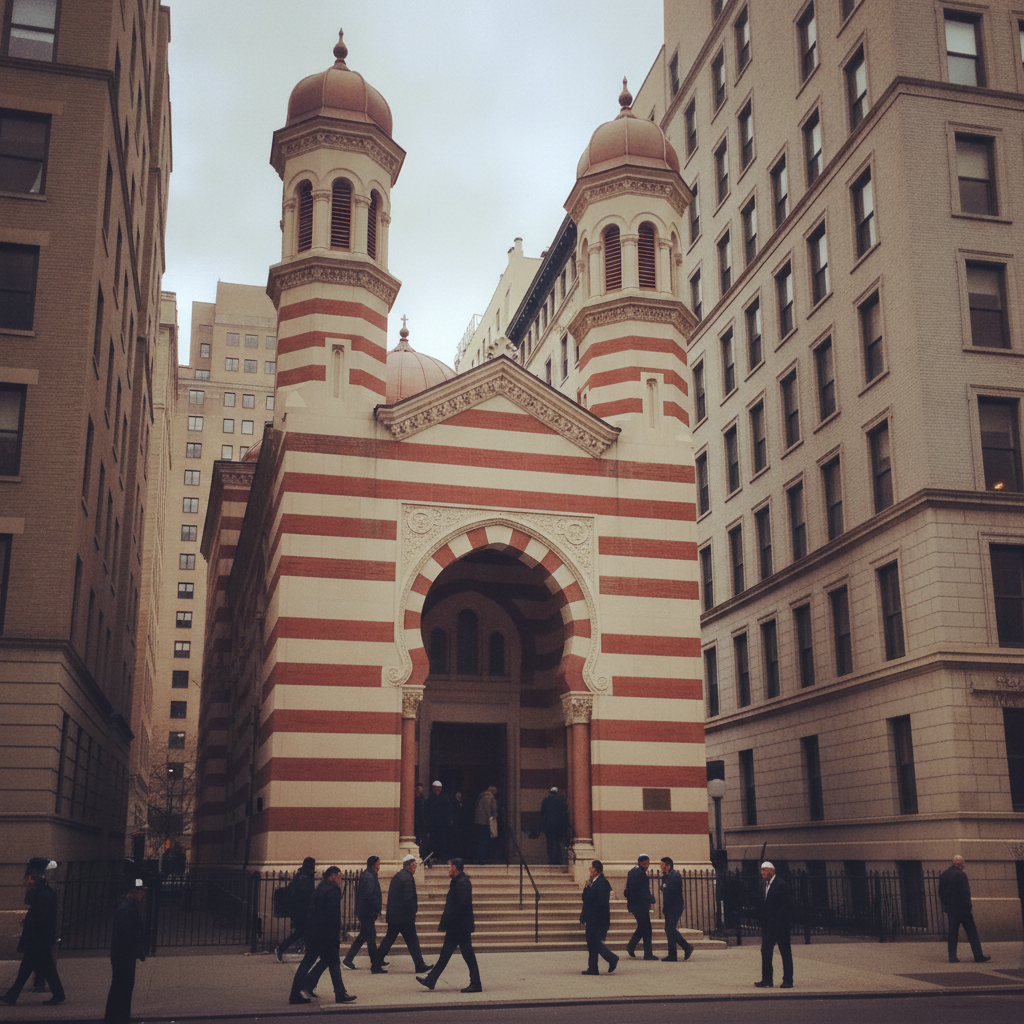
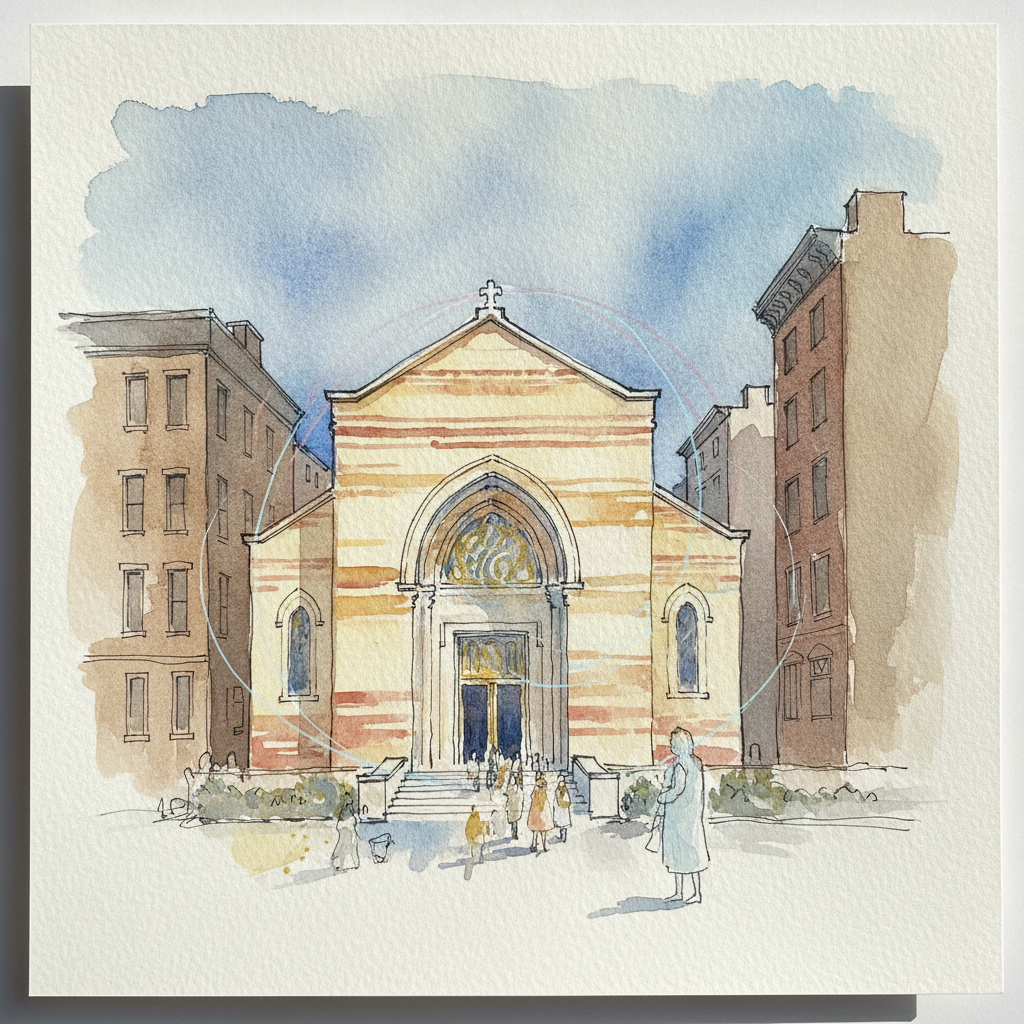
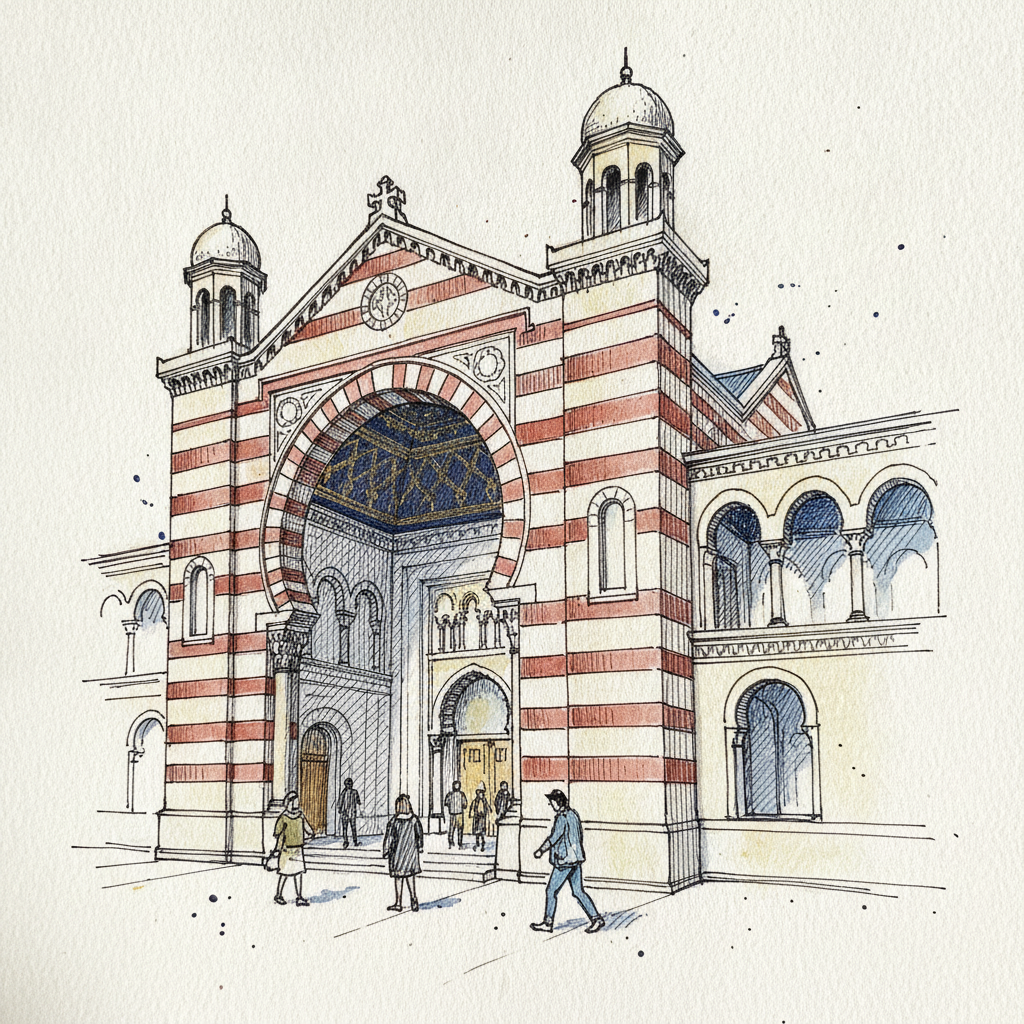
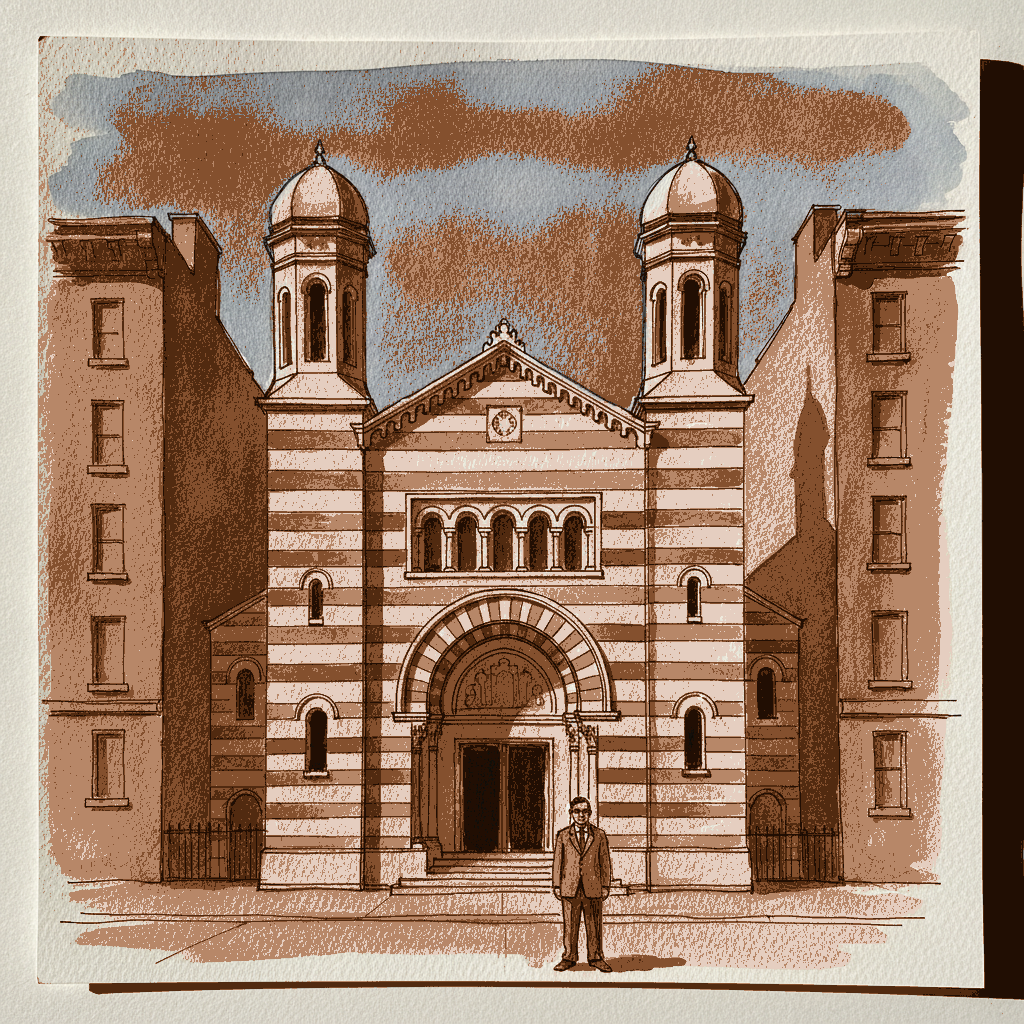
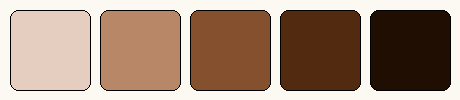
This piece offers a compelling study in using precise, varied line weights to articulate the distinct horizontal bands of the Moorish Revival façade and the elegant curves of the horseshoe arch. Employ controlled, layered washes to convey the differing textures of cream limestone and red sandstone, building depth and material. Consider how a bolder application of both line and color on the synagogue can create a sharp compositional contrast with its more subdued residential neighbors.
Piece 6 — Teen opening college acceptance
Pen + Watercolor · Loose pen and watercolor line-and-wash
Three takes
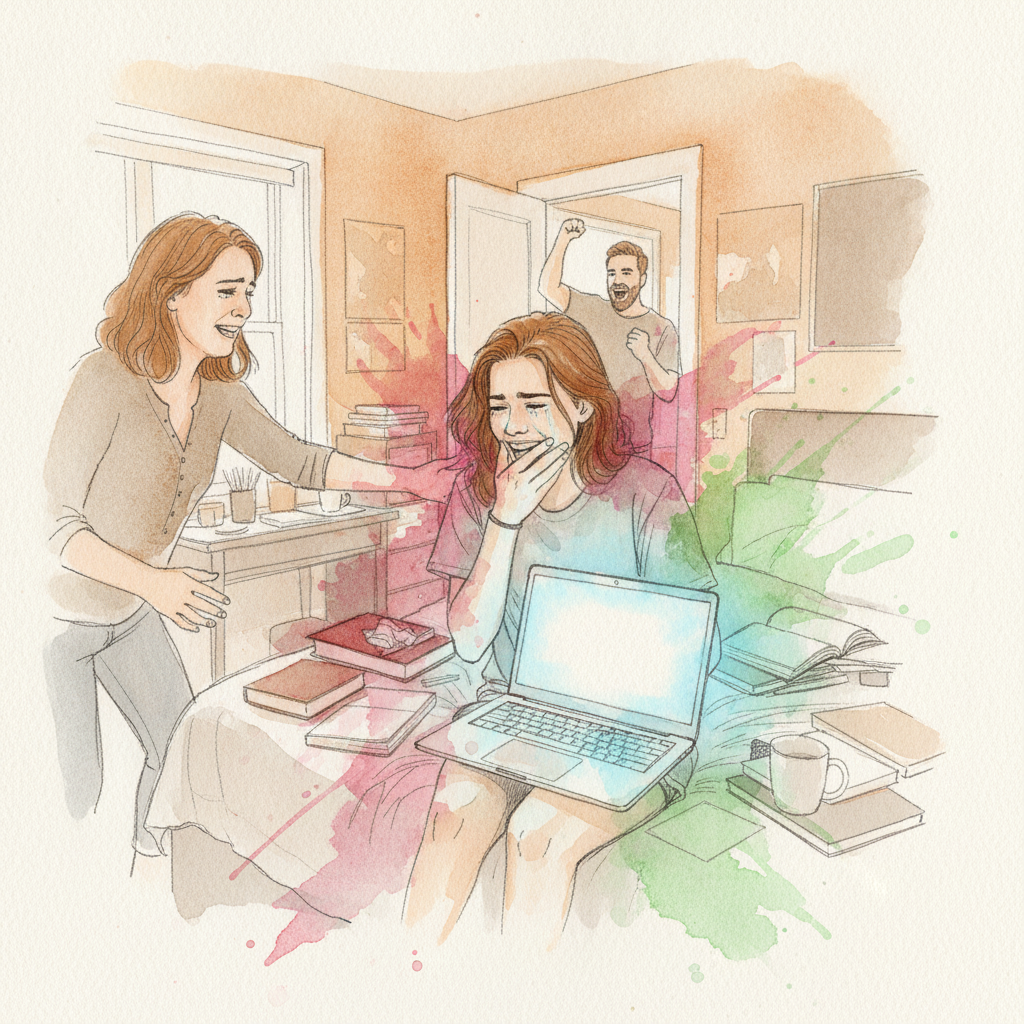
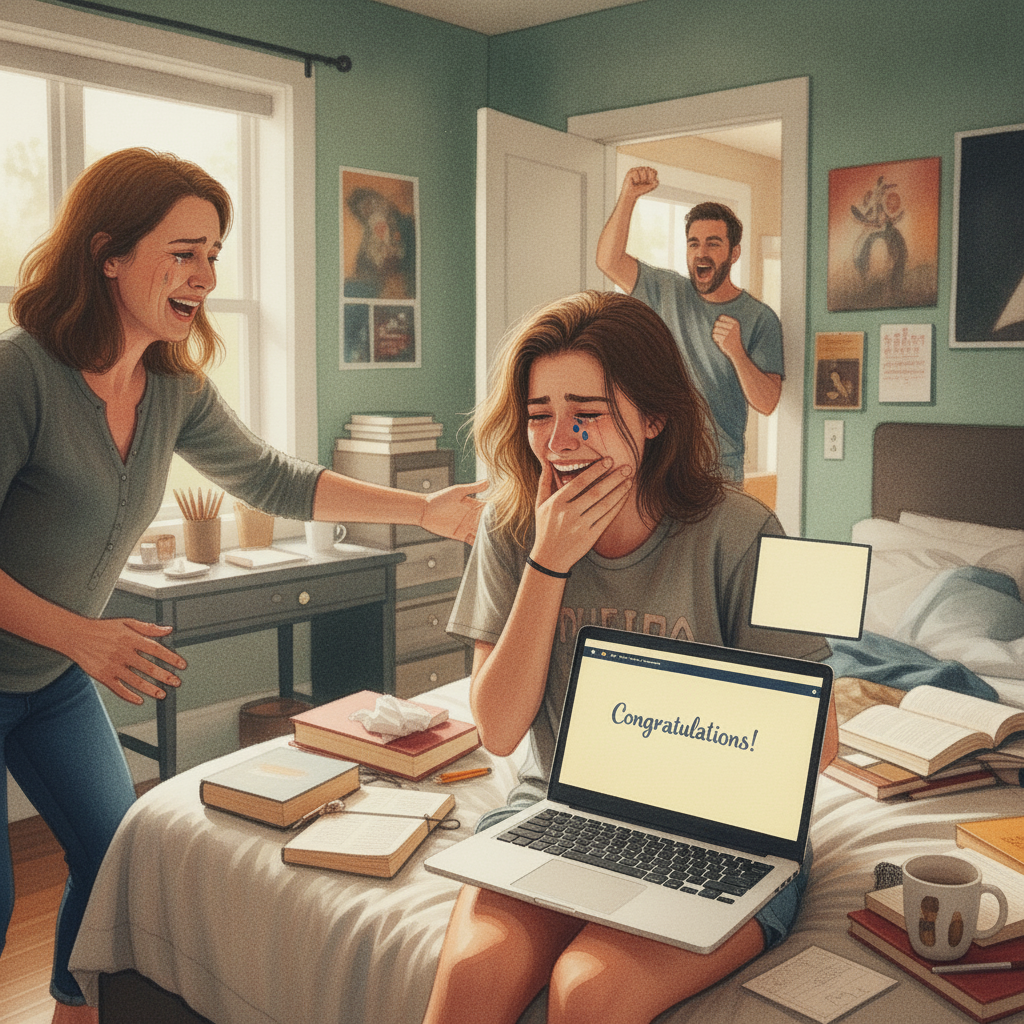
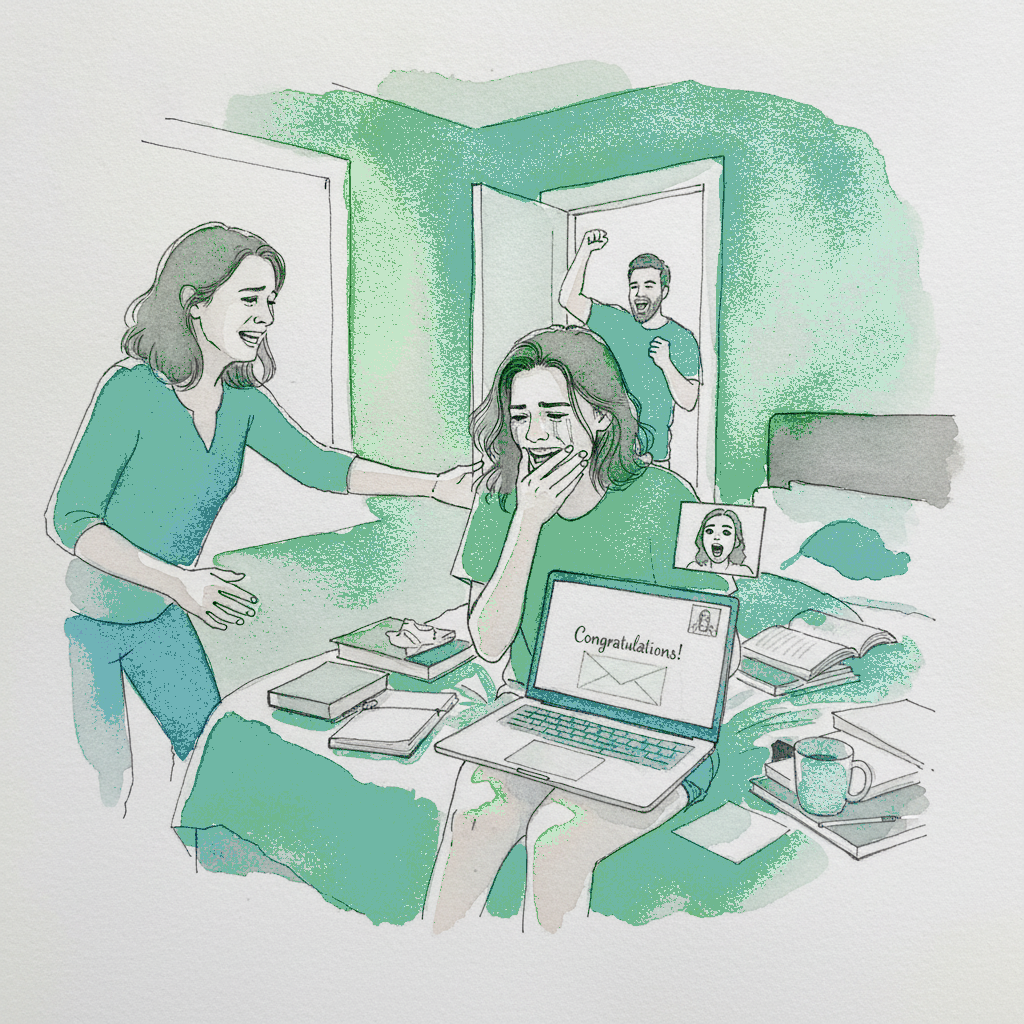

Focus for this piece
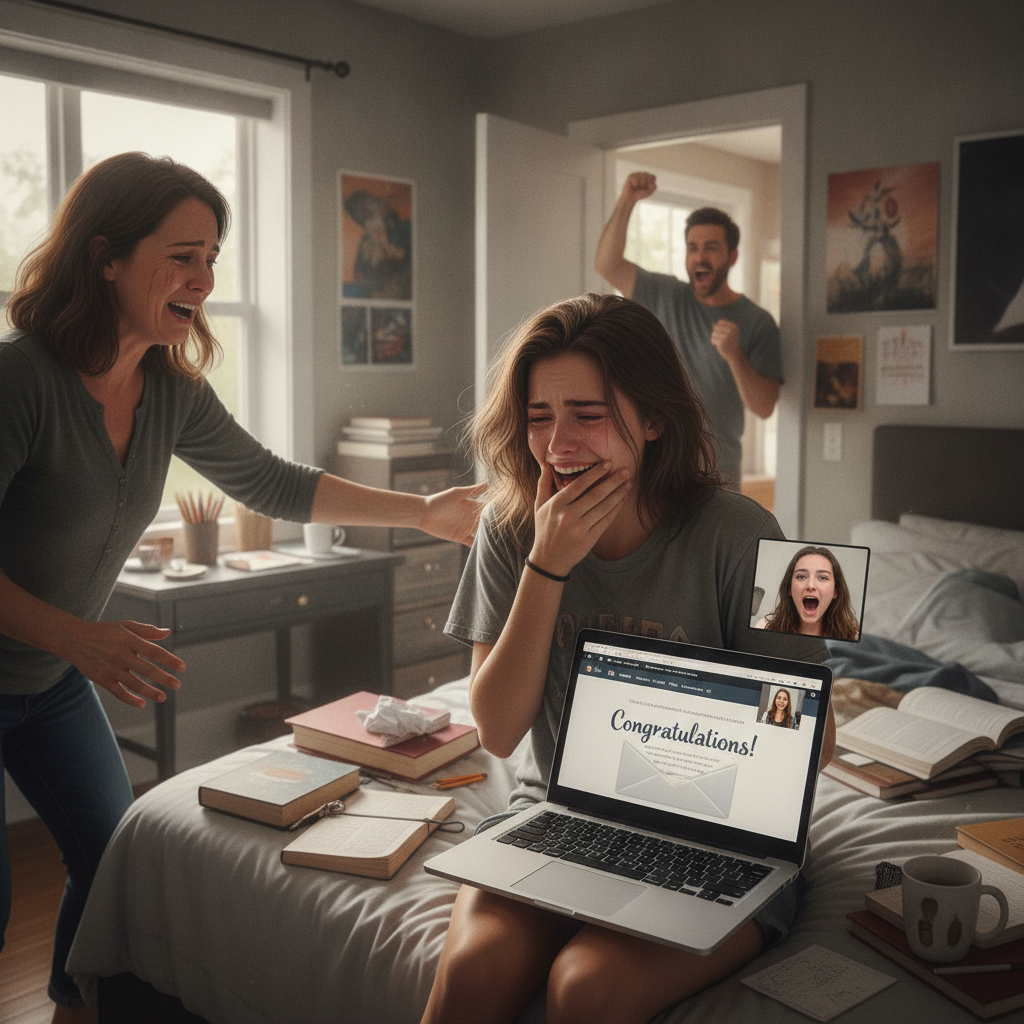
For this emotional scene, focus on using varied line weights to convey the intense feelings and dynamic poses of your central figures. Employ a light, gestural touch with your pen for secondary characters and background details, allowing broad, wet-into-wet washes to suggest their forms and the surrounding atmosphere. This contrast will highlight the teen's raw emotion while preventing the supporting elements from competing for attention, creating a unified feeling of celebratory chaos with a constrained warm-dominant palette. Specifically, use a heavier, confident line for the teen's face and hands, contrasted with softer, broken lines for her mom and the dad, all underpinned by glowing yellows and oranges in the washes.
Piece 7 — Paper birch
Pen + Watercolor · Loose pen and watercolor line-and-wash
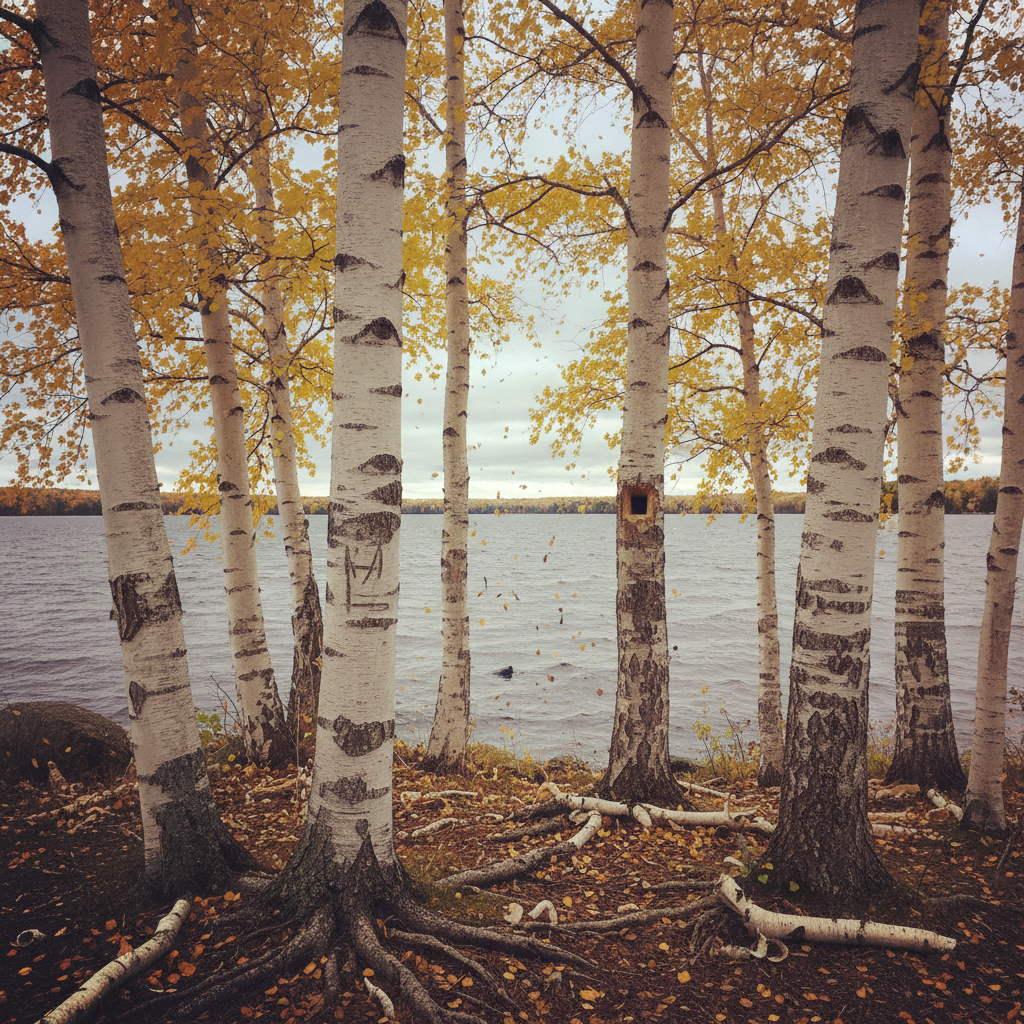
Three takes
Focus for this piece
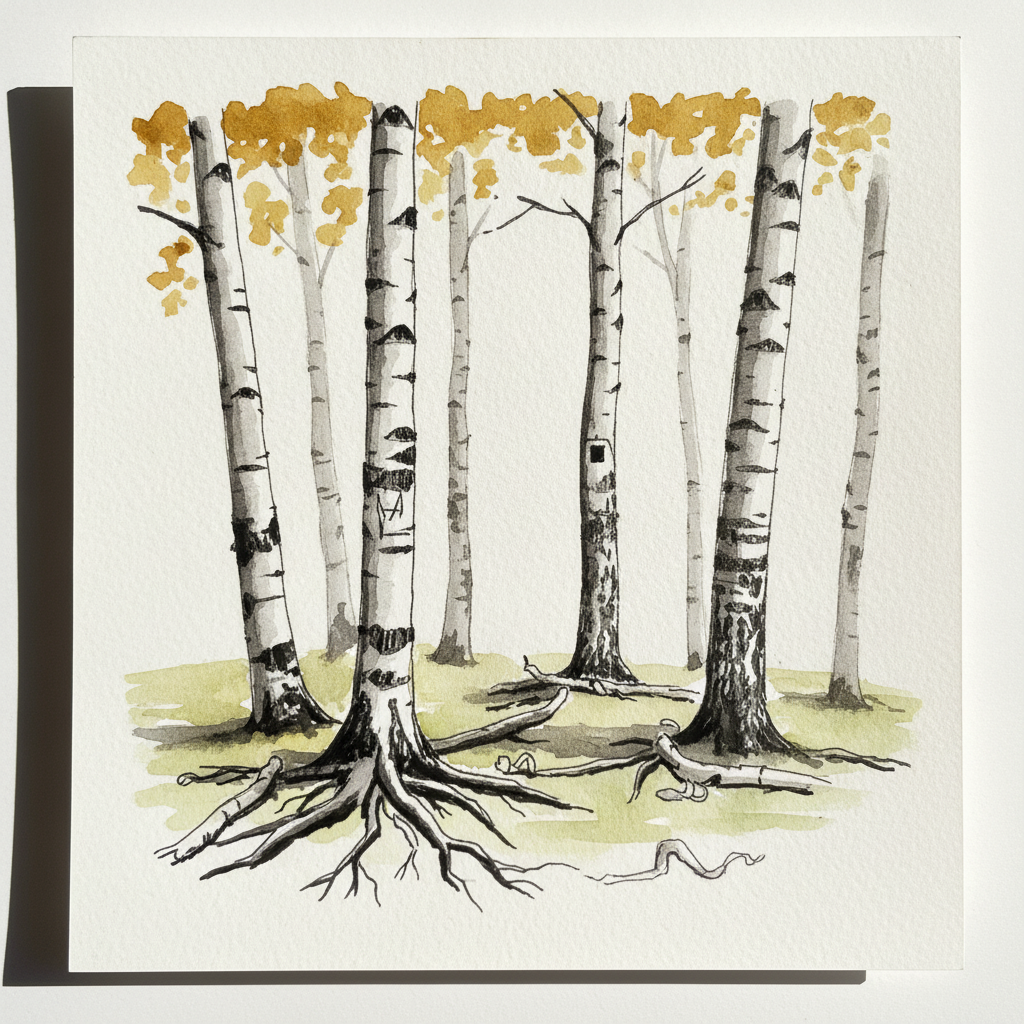
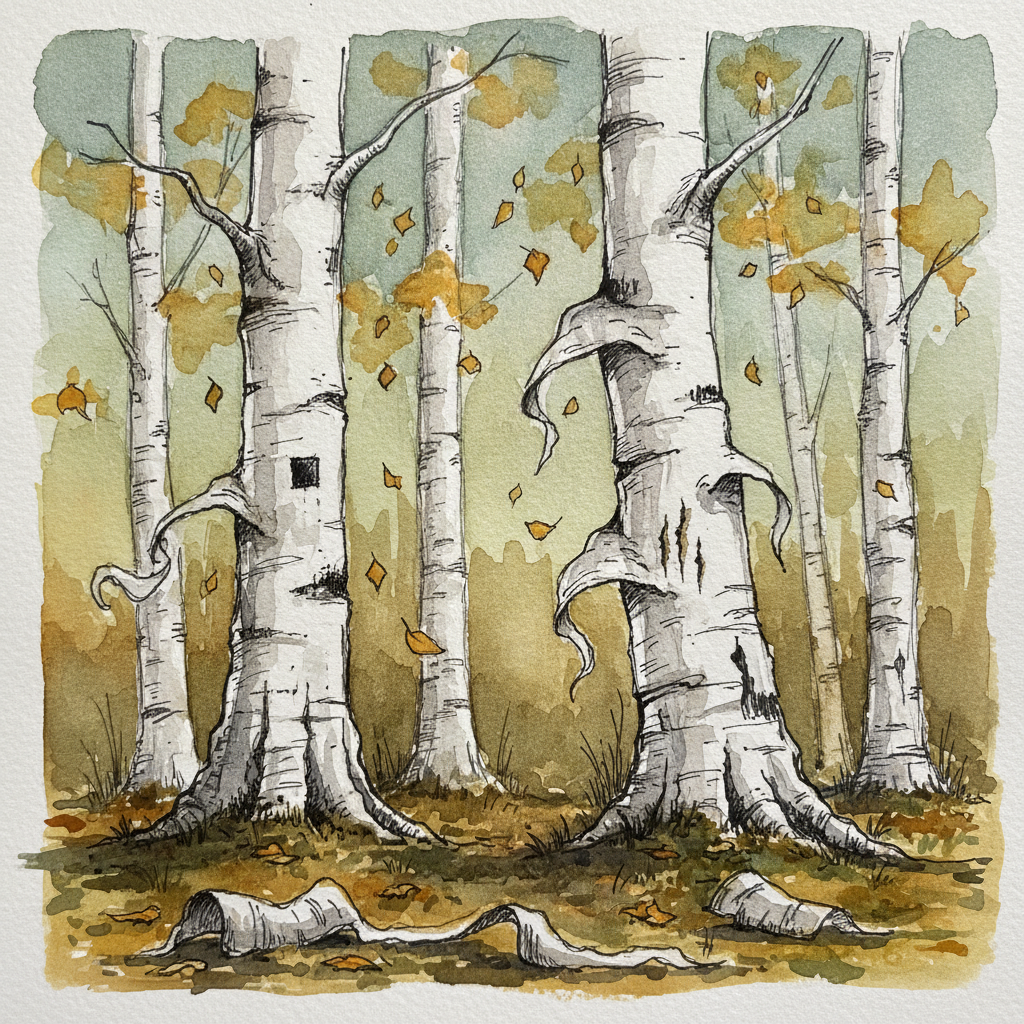
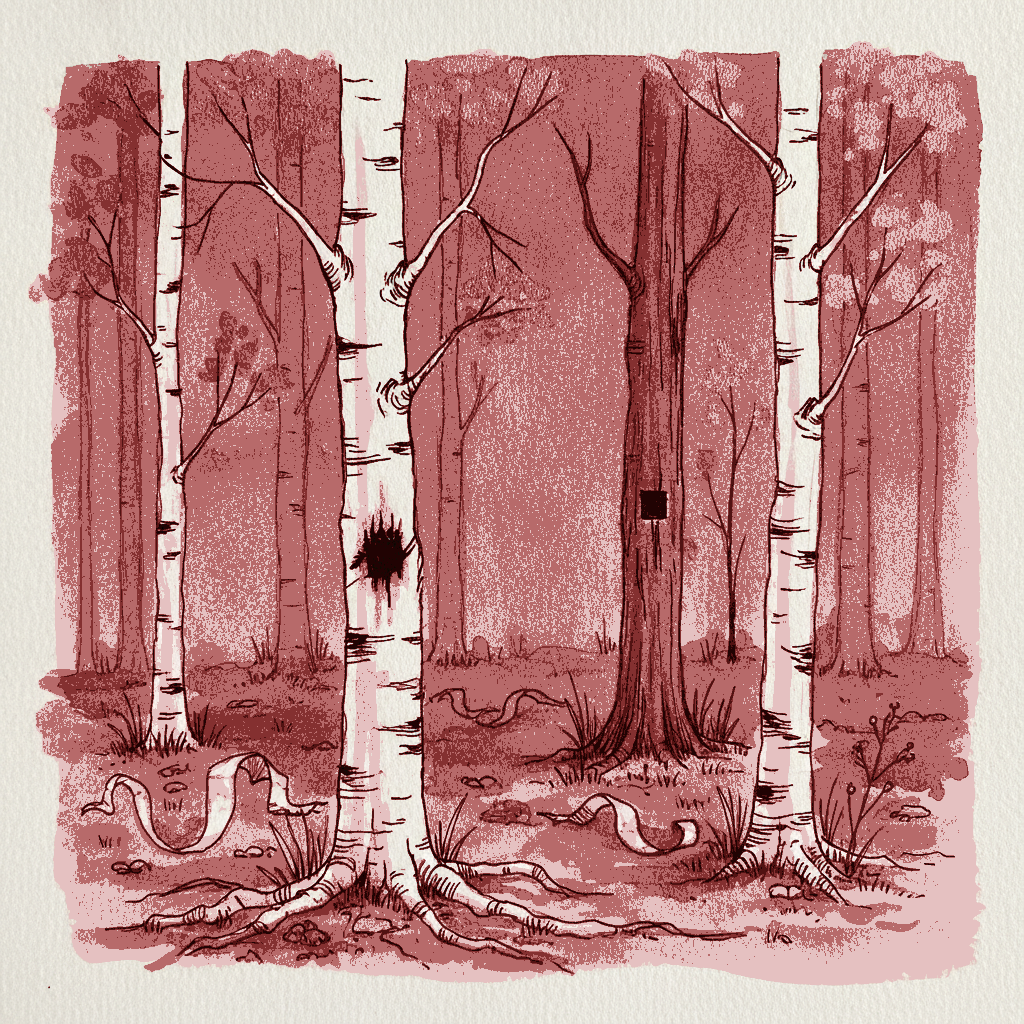
This piece offers a superb opportunity to study how to render "white" objects by defining their surroundings. Focus on using varied line weights—fine, broken lines for the delicate peeling bark and crisp, dark marks for the lenticels and bear scars—to describe the birch trunks, allowing the unpainted paper to represent their bright surfaces. Use broad, dilute washes of cool grey for the sky and muted background tones to create strong value contrast and make the trunks visually pop. The brilliant gold leaves against a slate sky also provide excellent practice for vibrant wet-on-wet effects and bold value transitions.
Piece 8 — Grand Canyon sunrise from Mather Point, USA
Pen + Watercolor · Loose pen and watercolor line-and-wash
Three takes
Focus for this piece
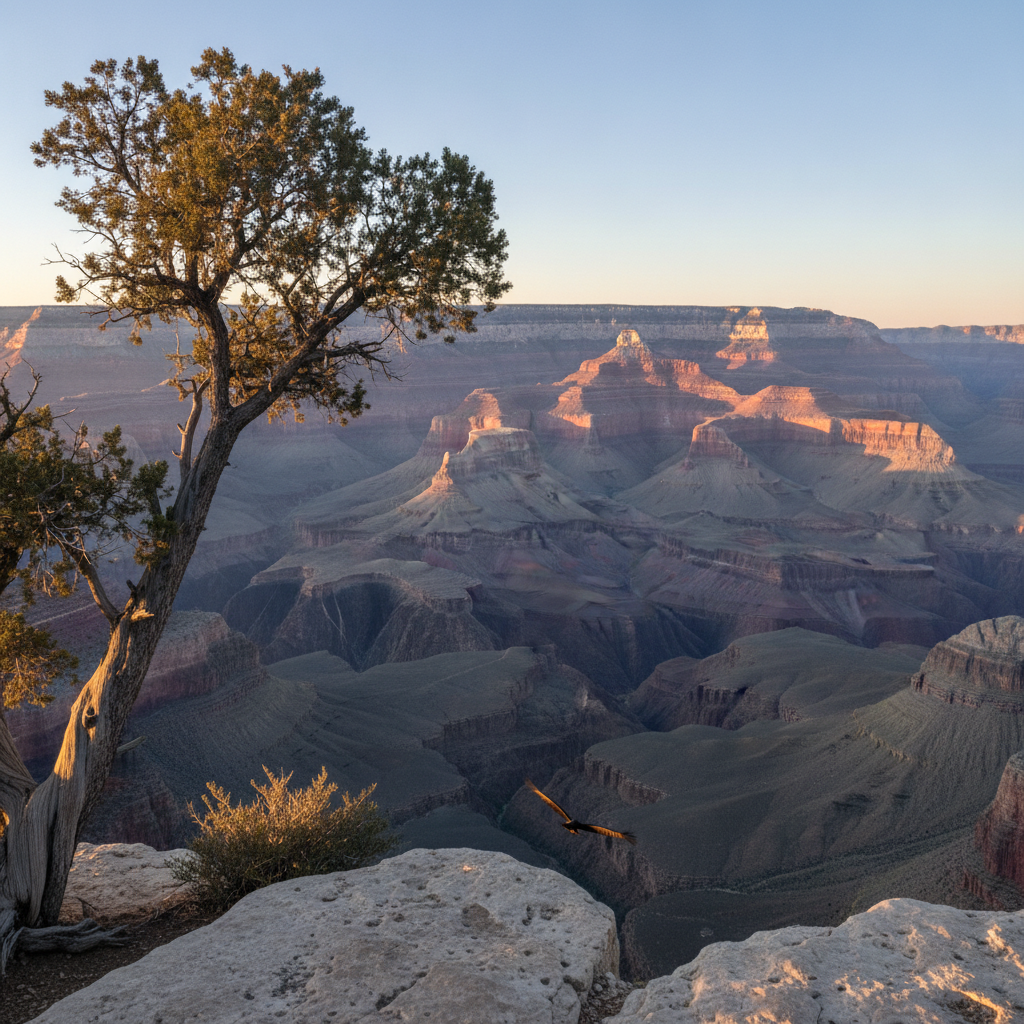
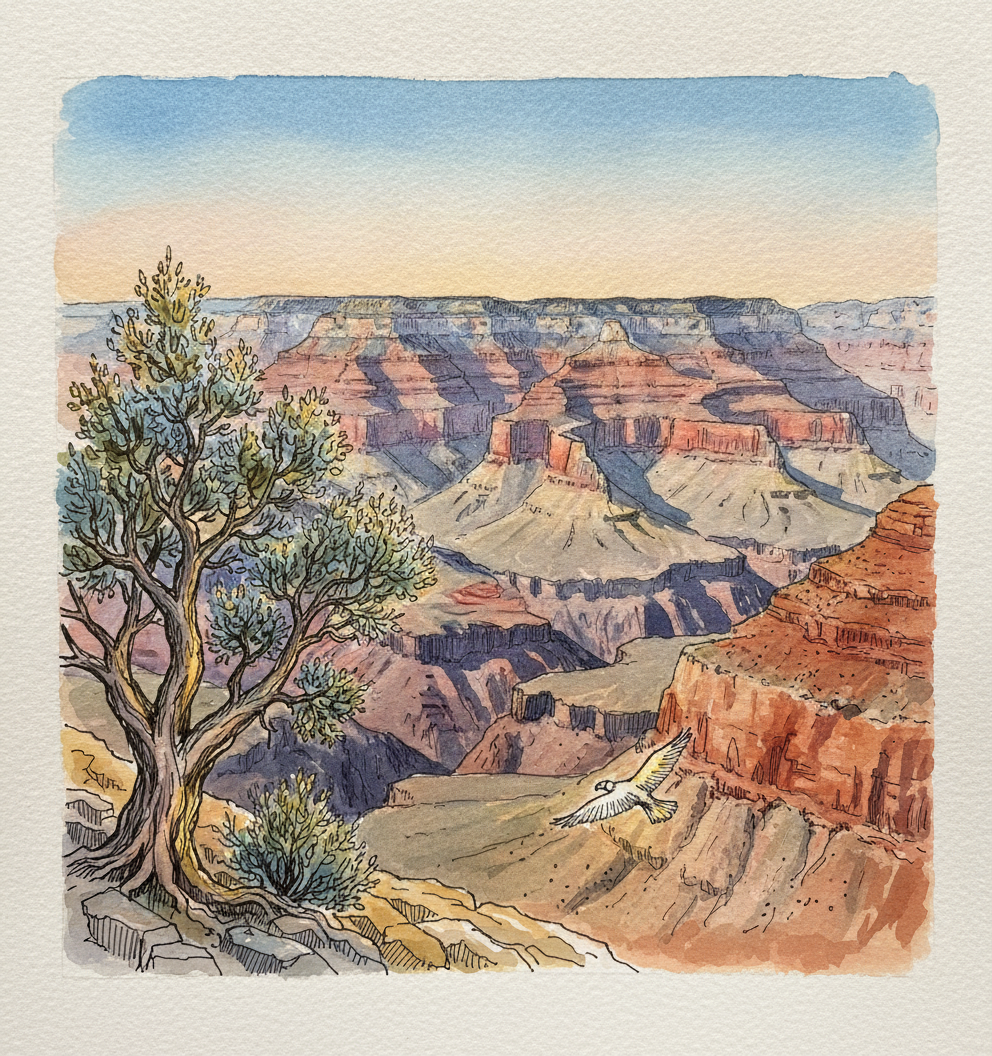
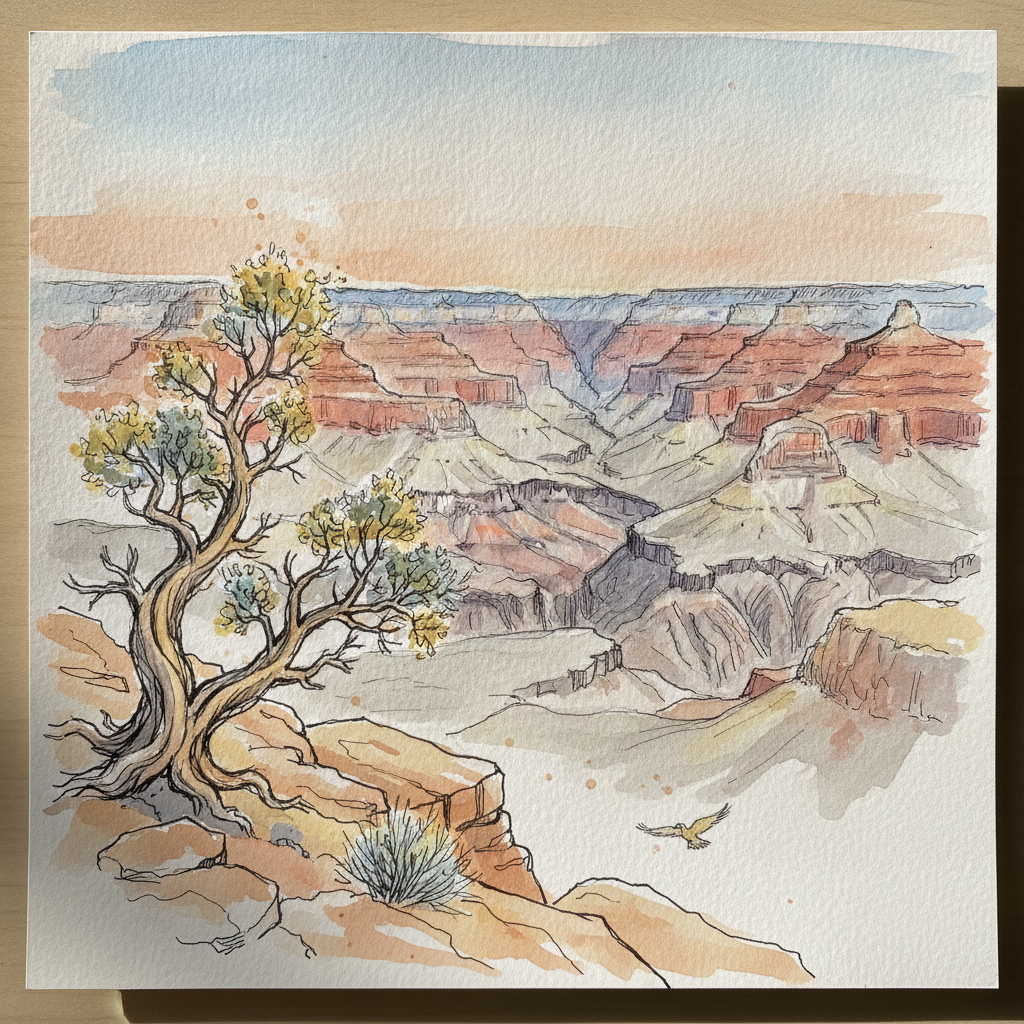
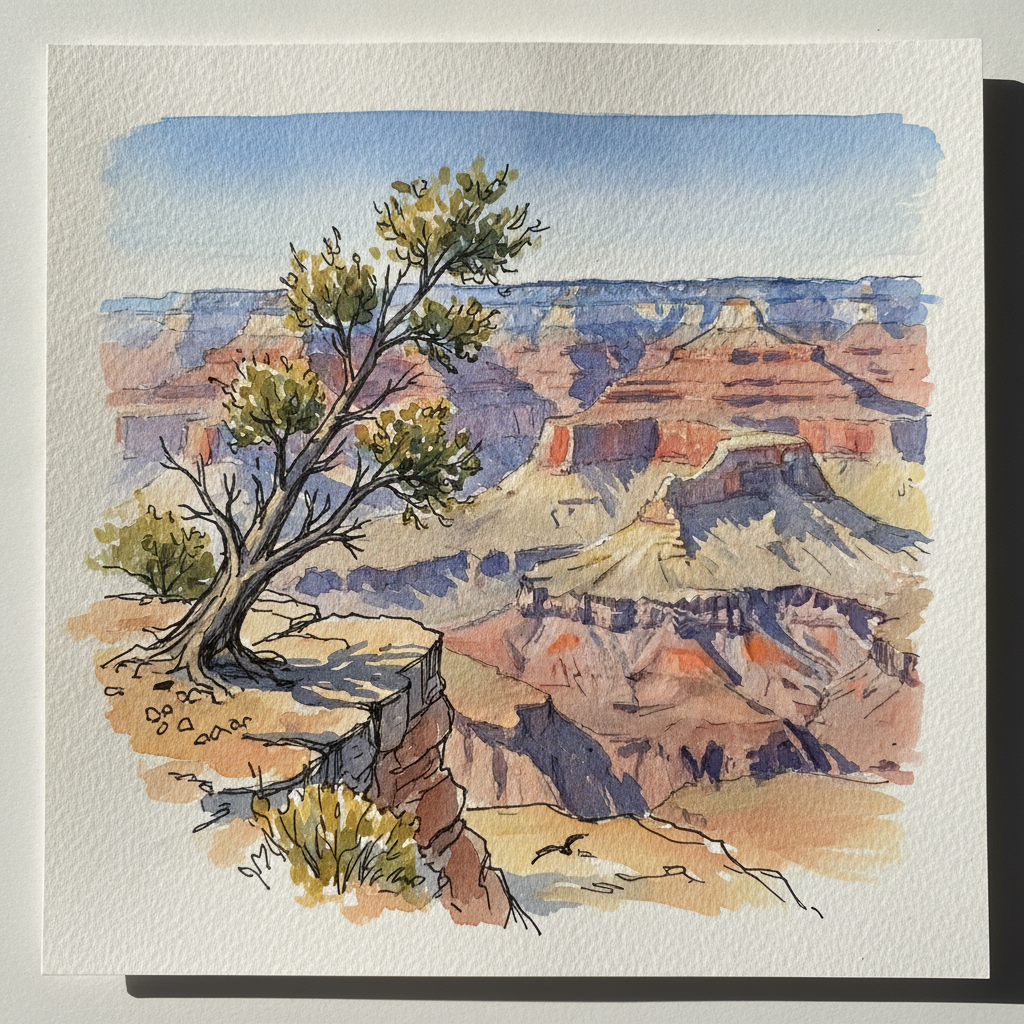
This Grand Canyon sunrise is an excellent study in conveying vast depth and morning light through carefully controlled washes. Focus on establishing atmospheric perspective by progressively lightening values and cooling colors as the canyon recedes, while using strong raking light to define the foreground juniper and upper canyon walls with warm, saturated washes. Use decisive, varied line weights to articulate the distinct geological layers, allowing your pen to guide the softer, sequential color transitions from gray to red as light fills the inner gorge.