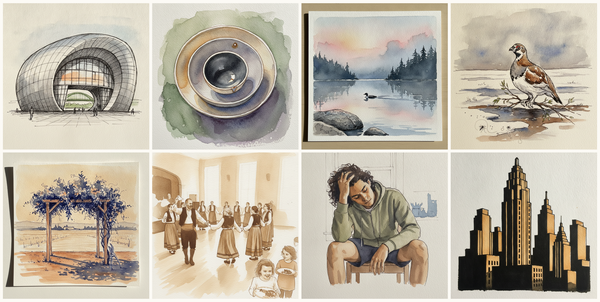
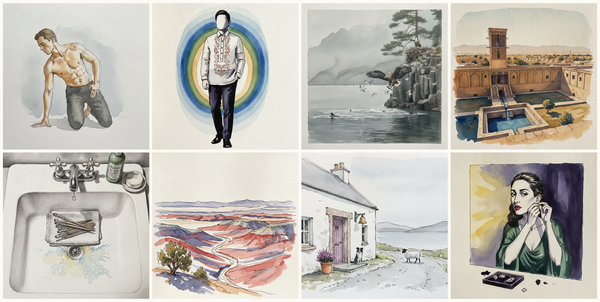
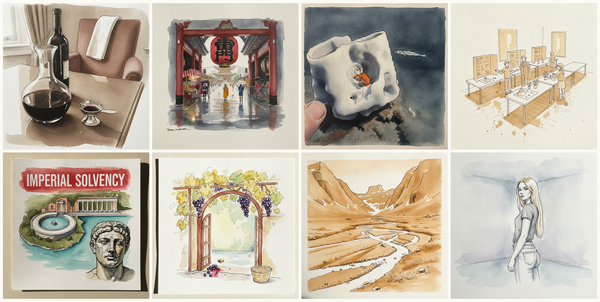
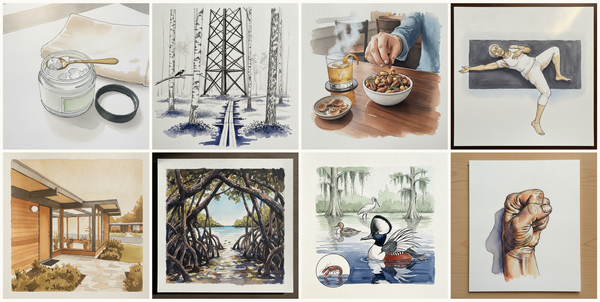
Hagi Pottery Studio House, Hagi, Yamaguchi, Japan, Perfume Bottle, Glass, Camel pose with one knee lifted (low lunge backbend), Regency lap desk open mid-letter, and more — pen + watercolor for June 20, 2026
AI-generated daily art-practice references for pen and watercolor: Hagi Pottery Studio House, Hagi, Yamaguchi, Japan, Perfume Bottle, Glass, Camel pose with one knee lifted (low lunge backbend), Regency lap desk open mid-letter, Yew arch with a sundial in the centre of the doorway, Margerie Glaci…
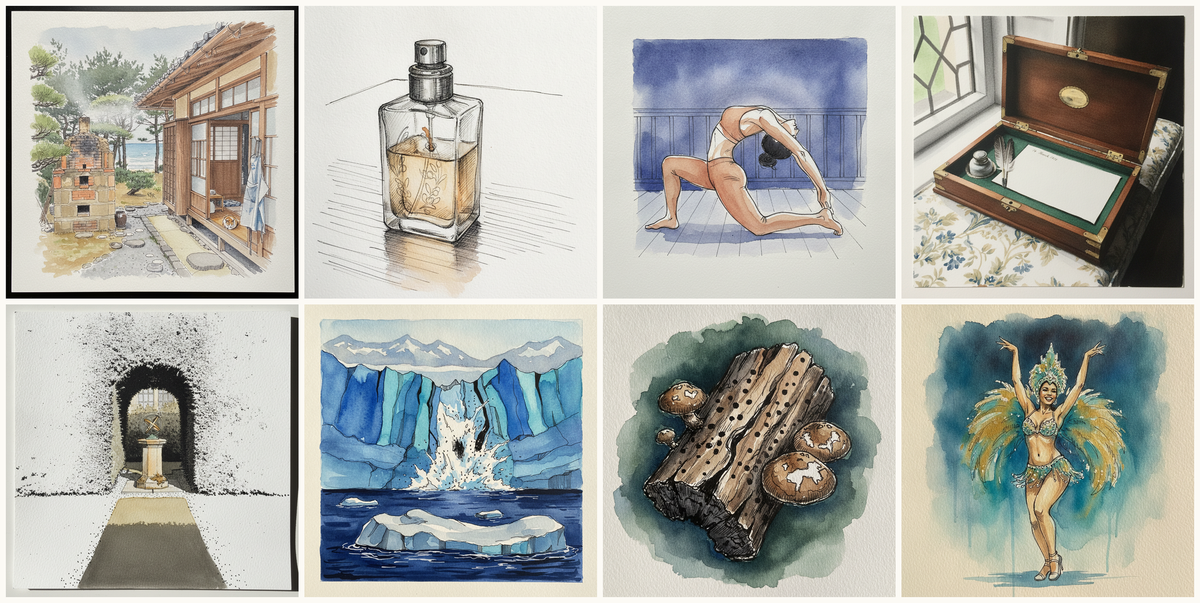
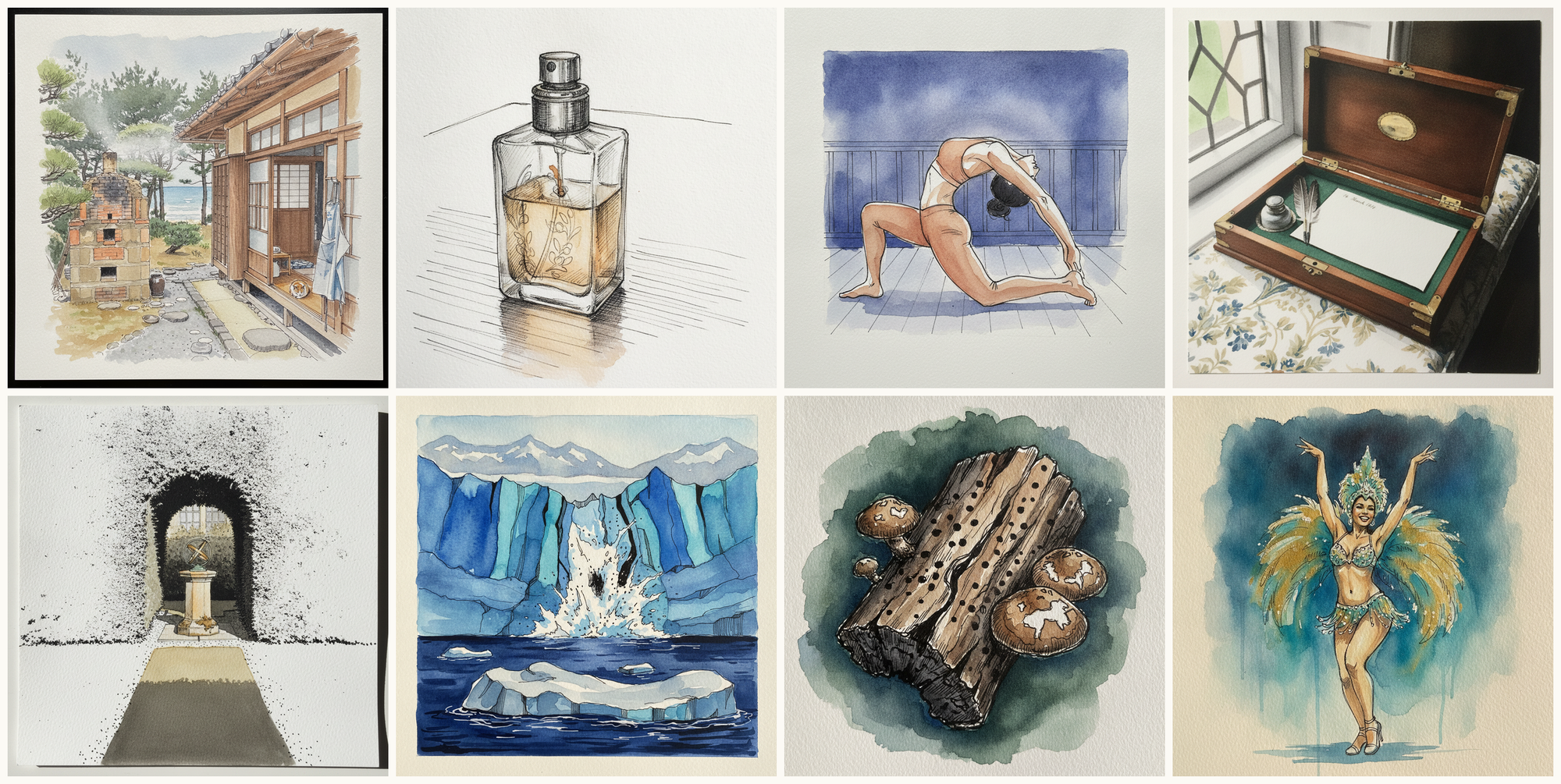
Today's 8 pen-and-watercolor pieces: Hagi Pottery Studio House, Hagi, Yamaguchi, Japan, Perfume Bottle, Glass, Camel pose with one knee lifted (low lunge backbend), Regency lap desk open mid-letter, Yew arch with a sundial in the centre of the doorway, Margerie Glacier calving face, Glacier Bay, Alaska, Shiitake, Brazilian samba dancer. Each piece comes with an AI-generated photoreal reference, three AI-generated example artworks in different treatments, and a short focus paragraph naming what to study in this one.
Why these references use AI
This daily series uses AI-generated images as practice prompts, not as finished artwork to copy. Each subject starts with a synthetic photoreal reference generated with Gemini/Nano Banana, then moves into three pen-and-watercolor interpretations of the same subject.
I use AI here because daily art practice needs variety and low friction. Real life can get repetitive, busy, or visually narrow. These generated reference sets make it easier to study bodies, buildings, animals, landscapes, objects, gestures, light, palettes, and compositions that might not show up in an ordinary day.
The goal is not to reproduce any image directly. Treat each set as a starting point for observation and study: choose what interests you, change the framing, simplify the subject, alter the palette, and make your own version.
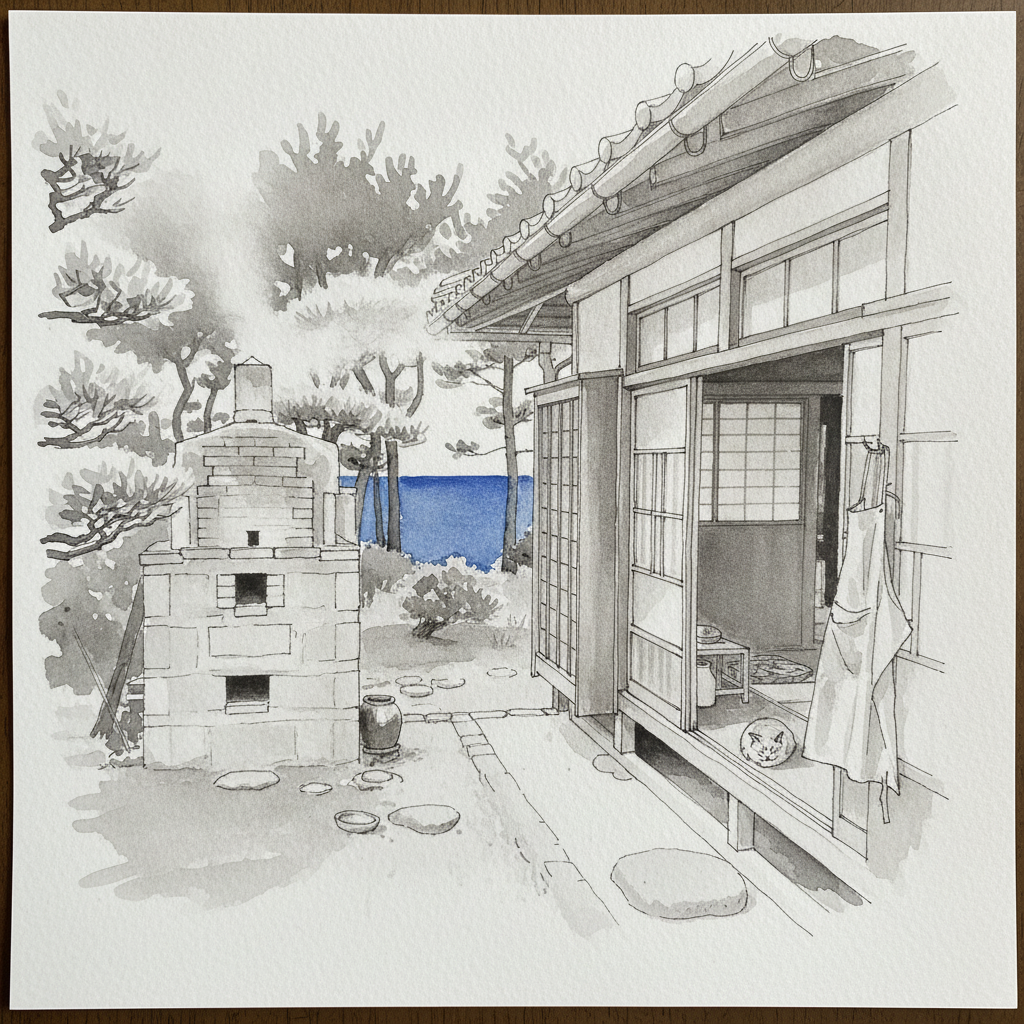
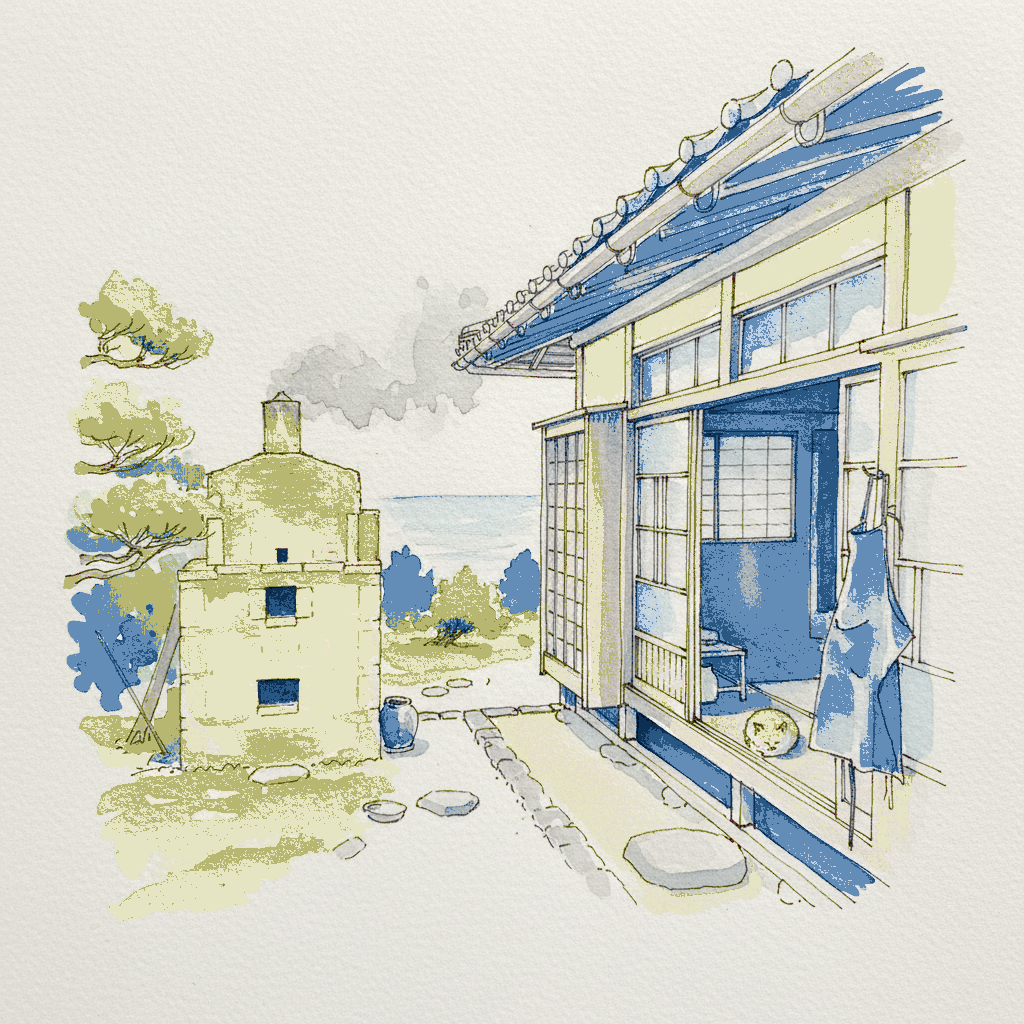
Piece 1 — Hagi Pottery Studio House, Hagi, Yamaguchi, Japan
Pen + Watercolor · Loose pen and watercolor line-and-wash
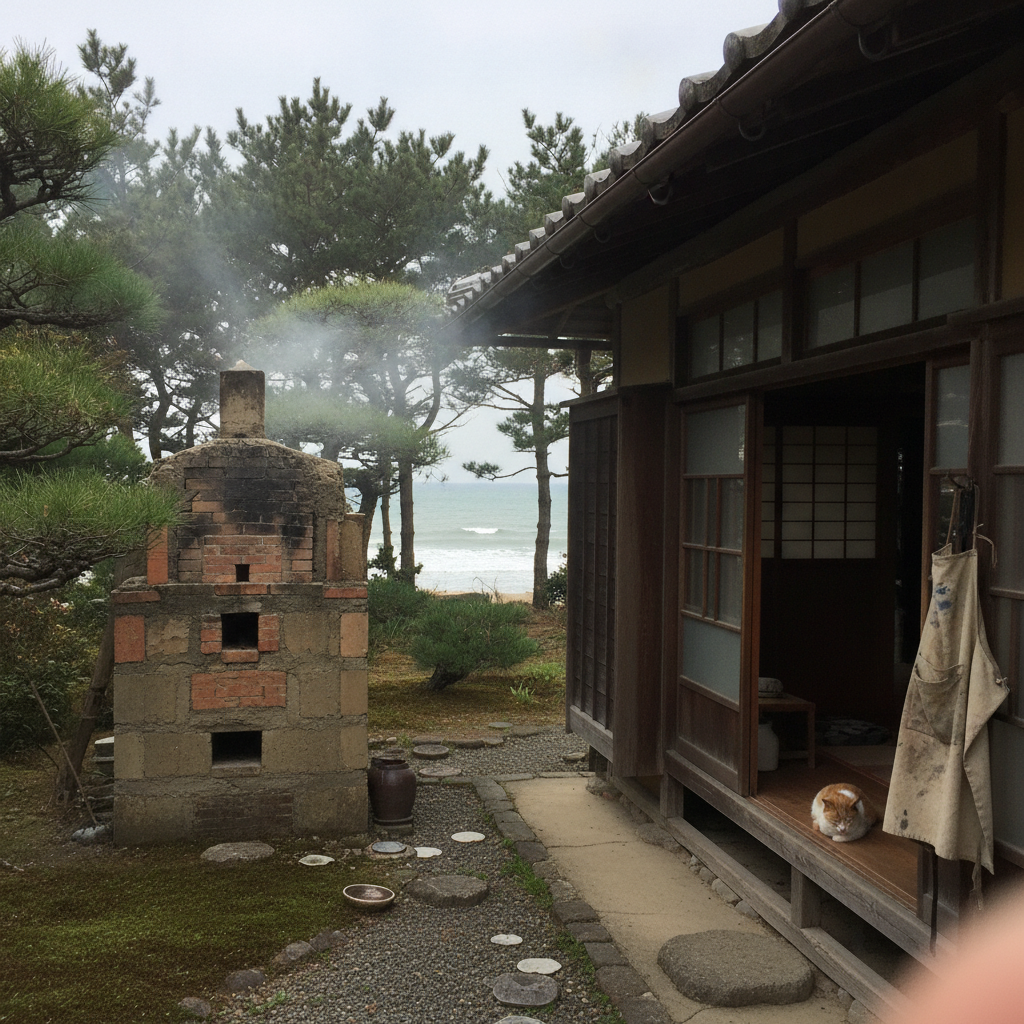
Three takes
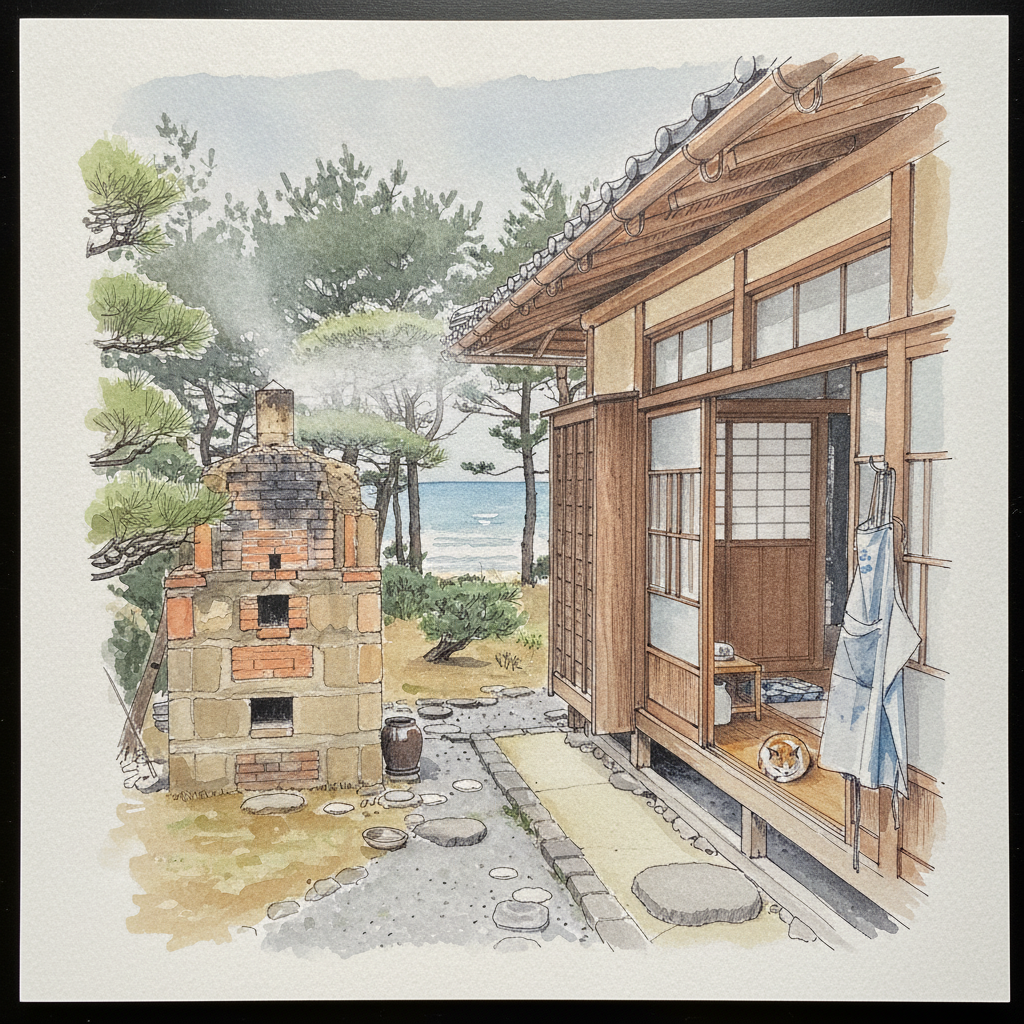

Focus for this piece
This piece offers a superb opportunity to practice the interplay between precise structural lines and atmospheric washes. Focus on establishing the crisp forms of the post-and-beam timber and delicate shoji screens with varied ink line weights, using a fine-nib pen for details and a slightly bolder line for foundational elements. Then, allow broad, textural washes with a flat brush to define the weathered cypress shingle roof and soft mud-plaster walls, letting the paint's natural granulation and lifting convey texture and light rather than relying on ink. A limited palette of earthy tones and muted blues will enhance the historic and serene atmosphere.
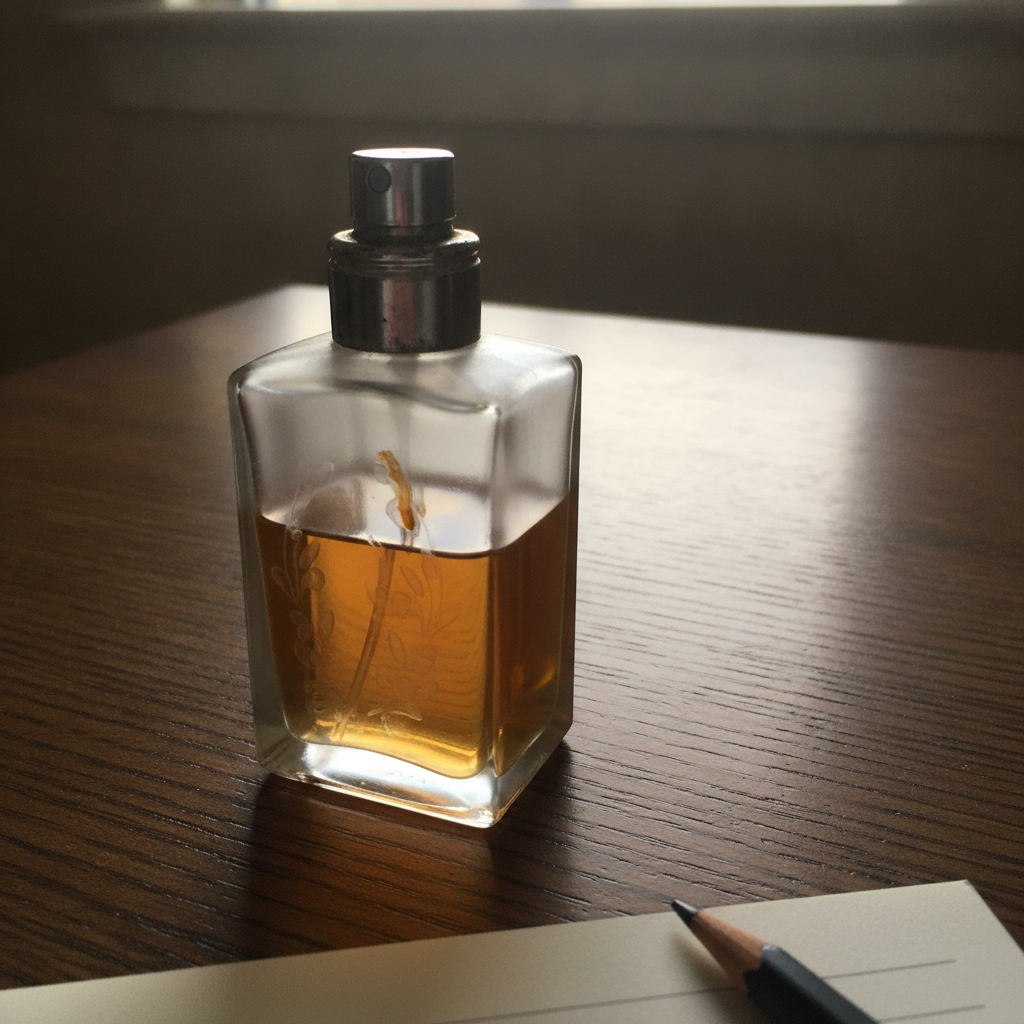
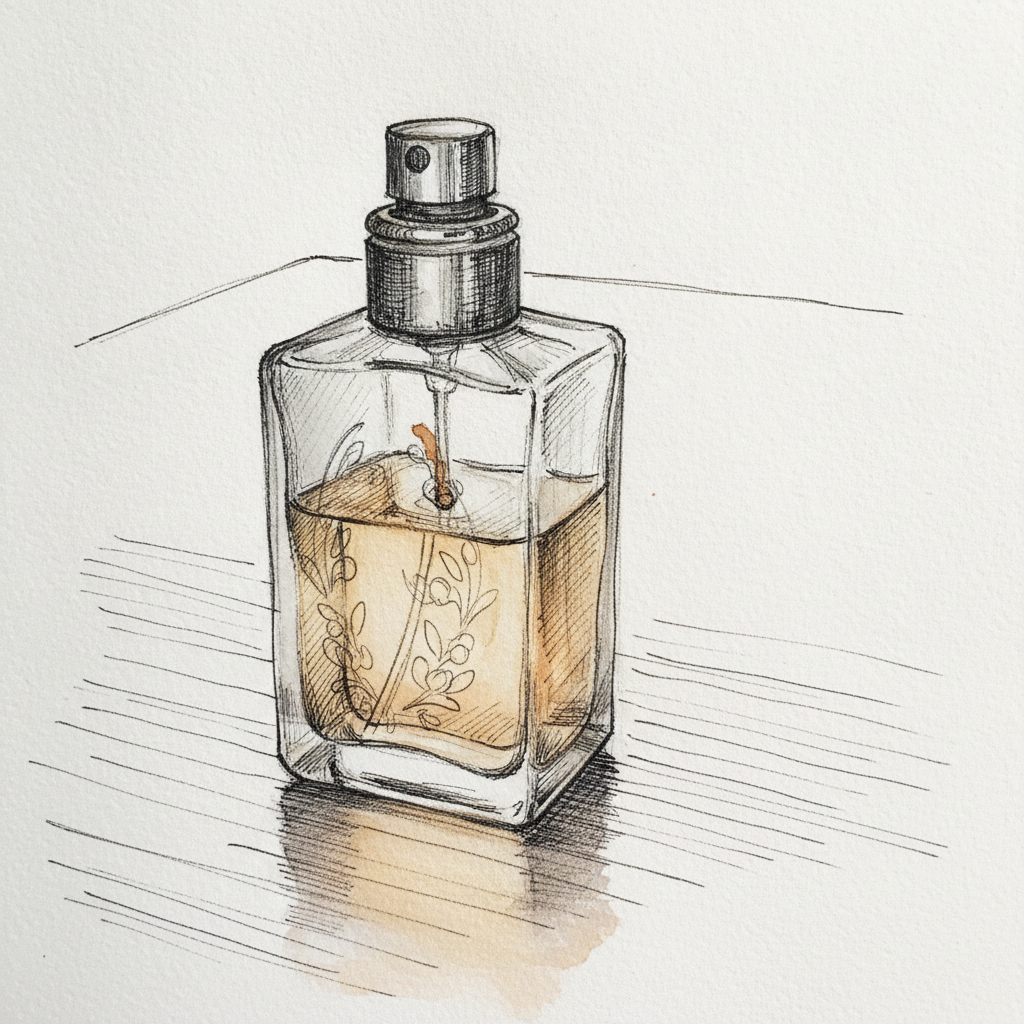
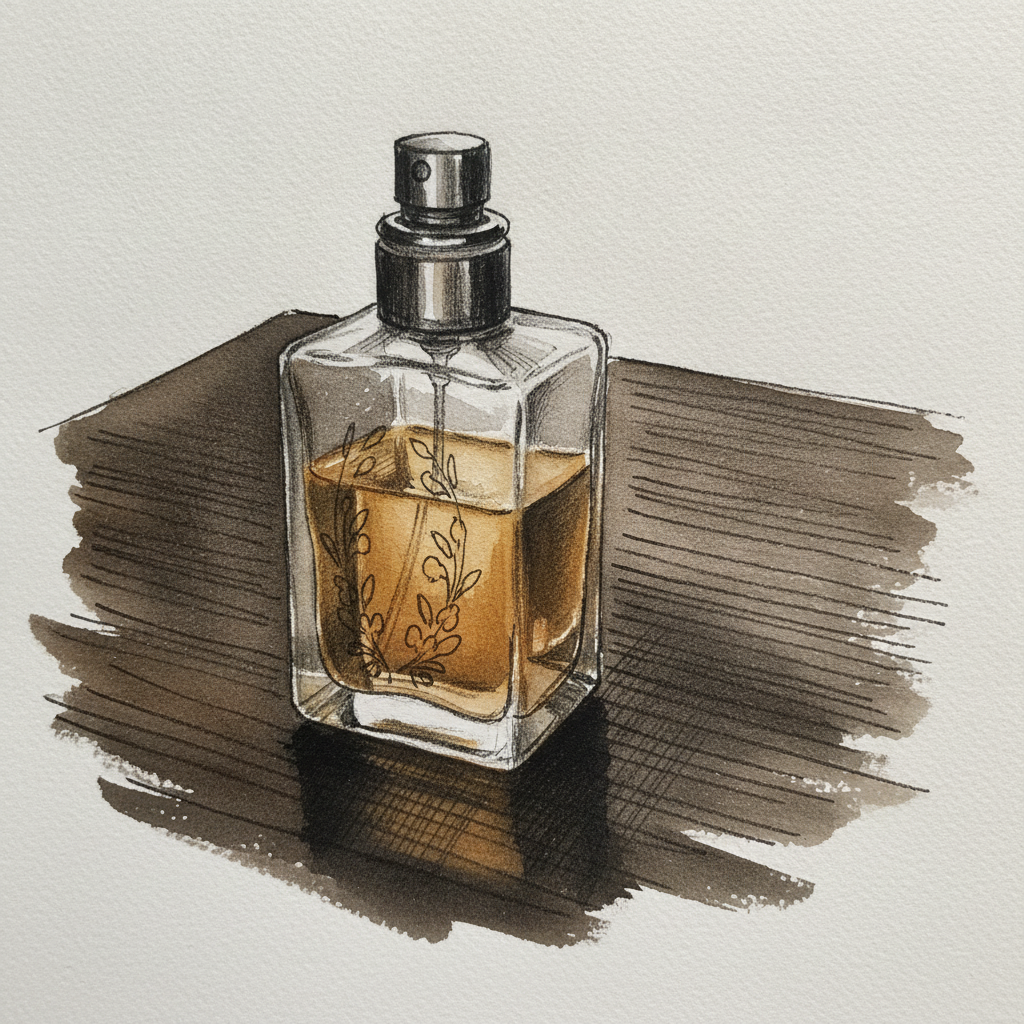
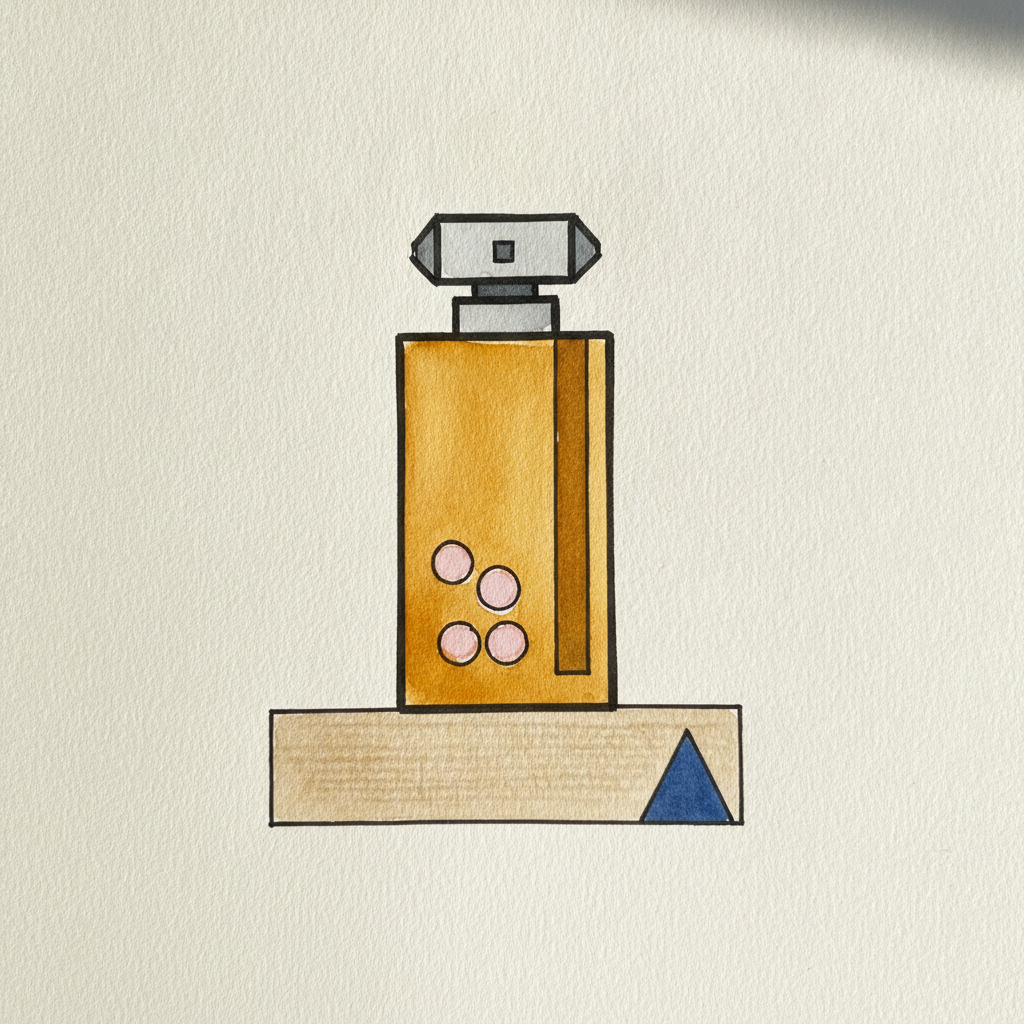
Piece 2 — Perfume Bottle, Glass
Pen + Watercolor · Loose pen and watercolor line-and-wash
Three takes
Focus for this piece
This piece offers an excellent opportunity to study how varied line weight and layered washes combine to render complex transparency and texture. Focus on using finer, broken pen lines for the delicate etched patterns and frosted glass edges, reserving heavier lines for the cap and bottle's core structure. Employ controlled washes and glazing with a limited, warm palette to build the depth of the golden liquid and the subtle amber glow, allowing watercolor to convey the object's translucence and the ambient light.
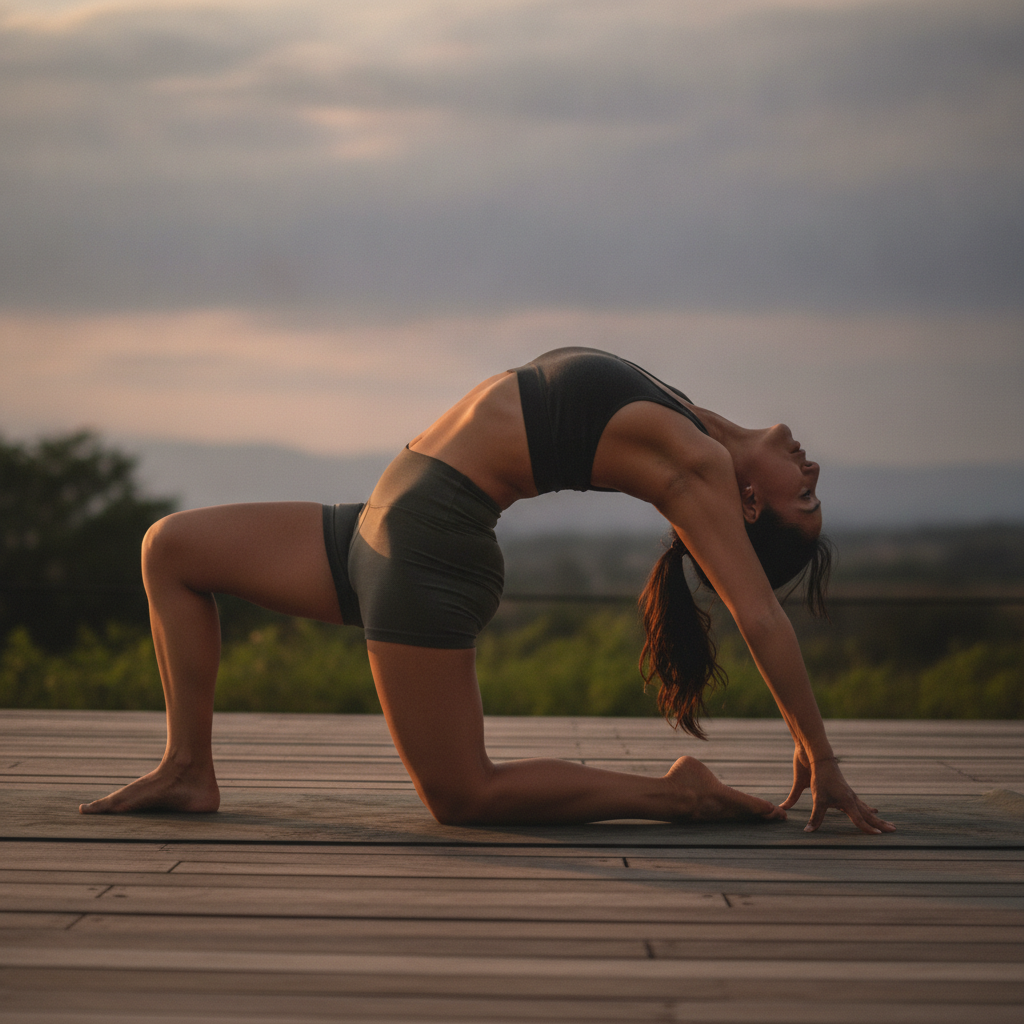
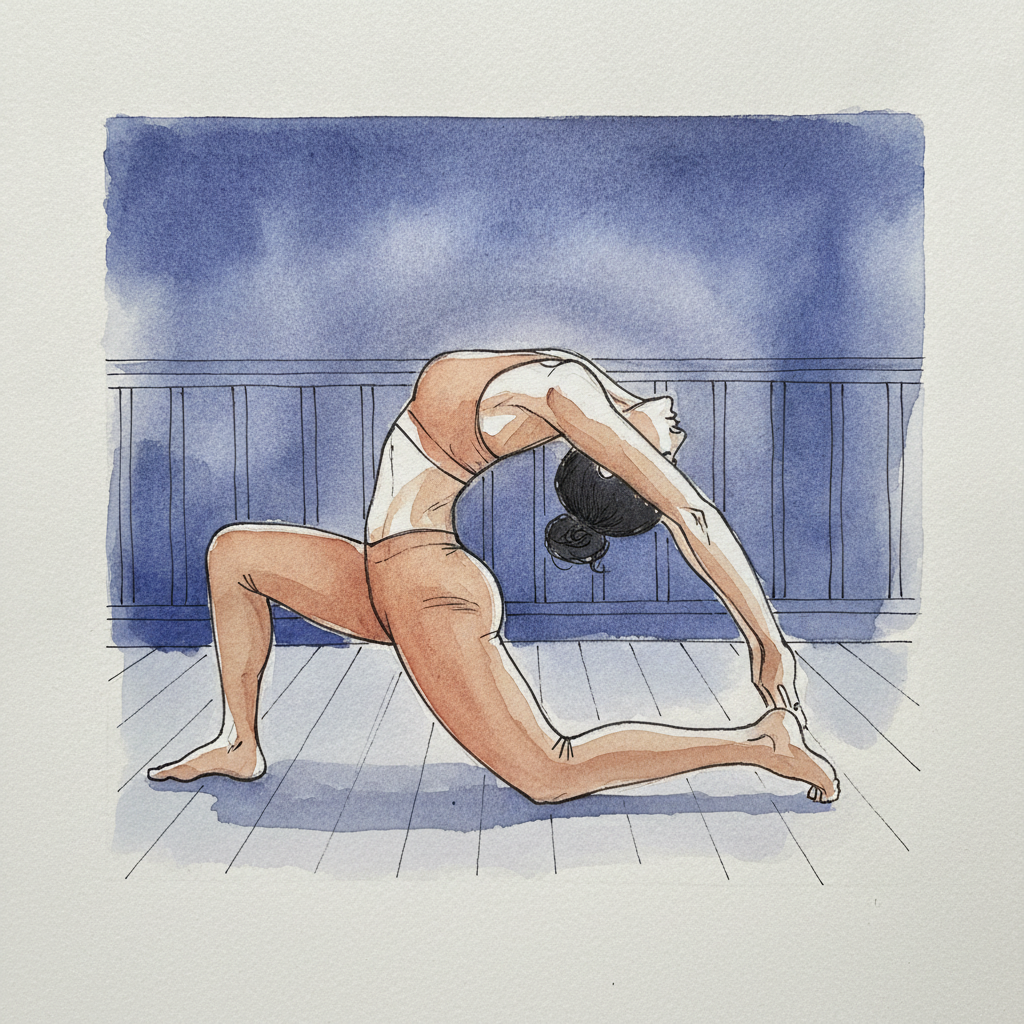
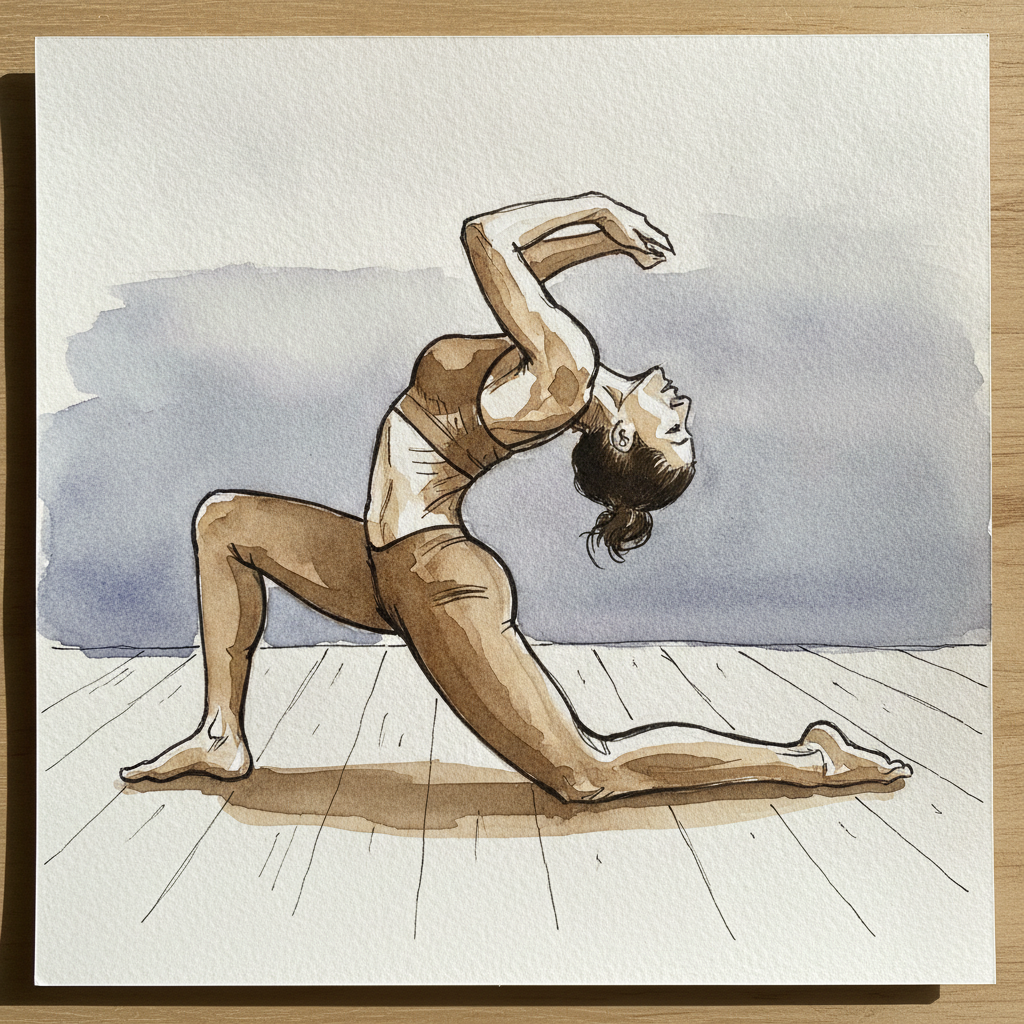
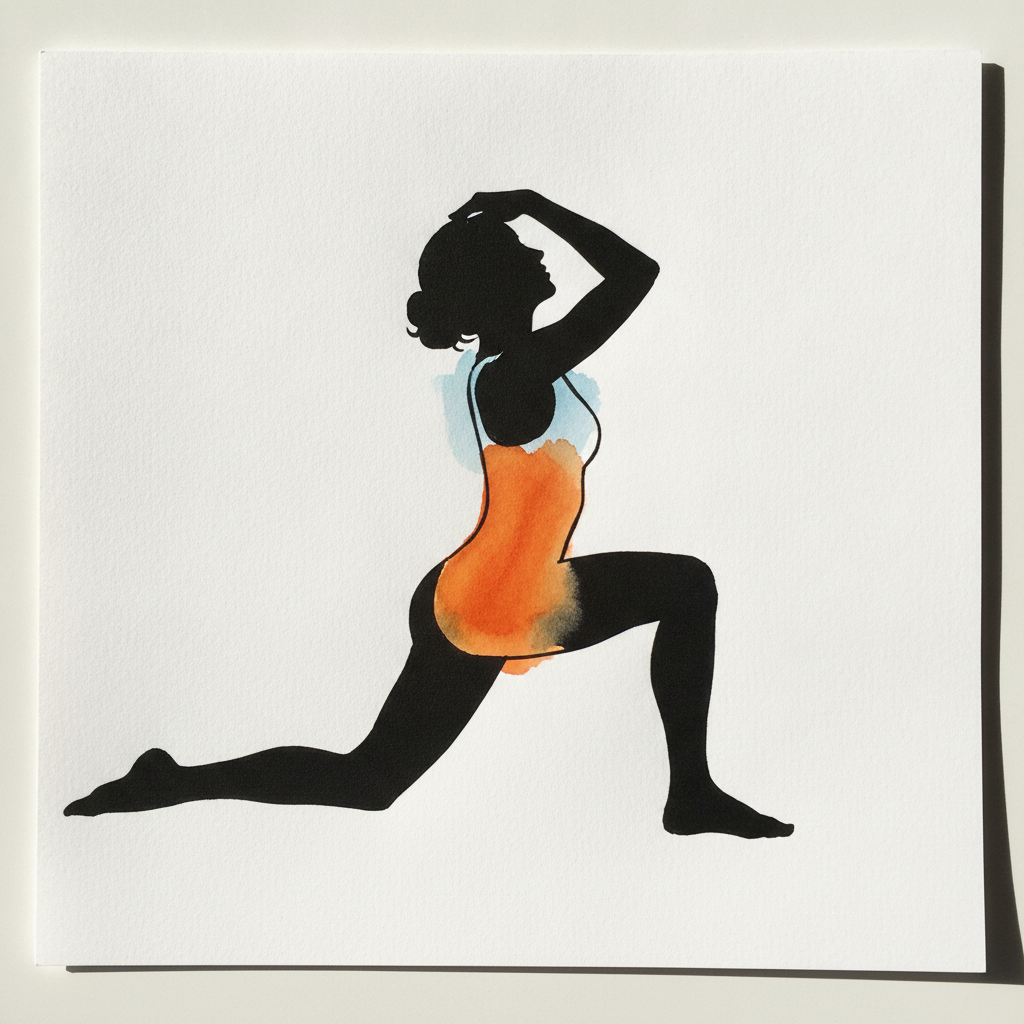
Piece 3 — Camel pose with one knee lifted (low lunge backbend)
Pen + Watercolor · Loose pen and watercolor line-and-wash
Three takes
Focus for this piece
Focus on capturing the dynamic energy of the pose by varying your pen line weight to articulate the body's "asymmetric stretch" and "deep symmetrical arch." Use confident, thicker lines where the body pushes against gravity, and finer, more delicate strokes for areas of extension and the subtle spiral. Complement this linear structure with atmospheric wet-on-wet washes, concentrating warm hues to build the volume of the sun-raked ribs and back thigh.
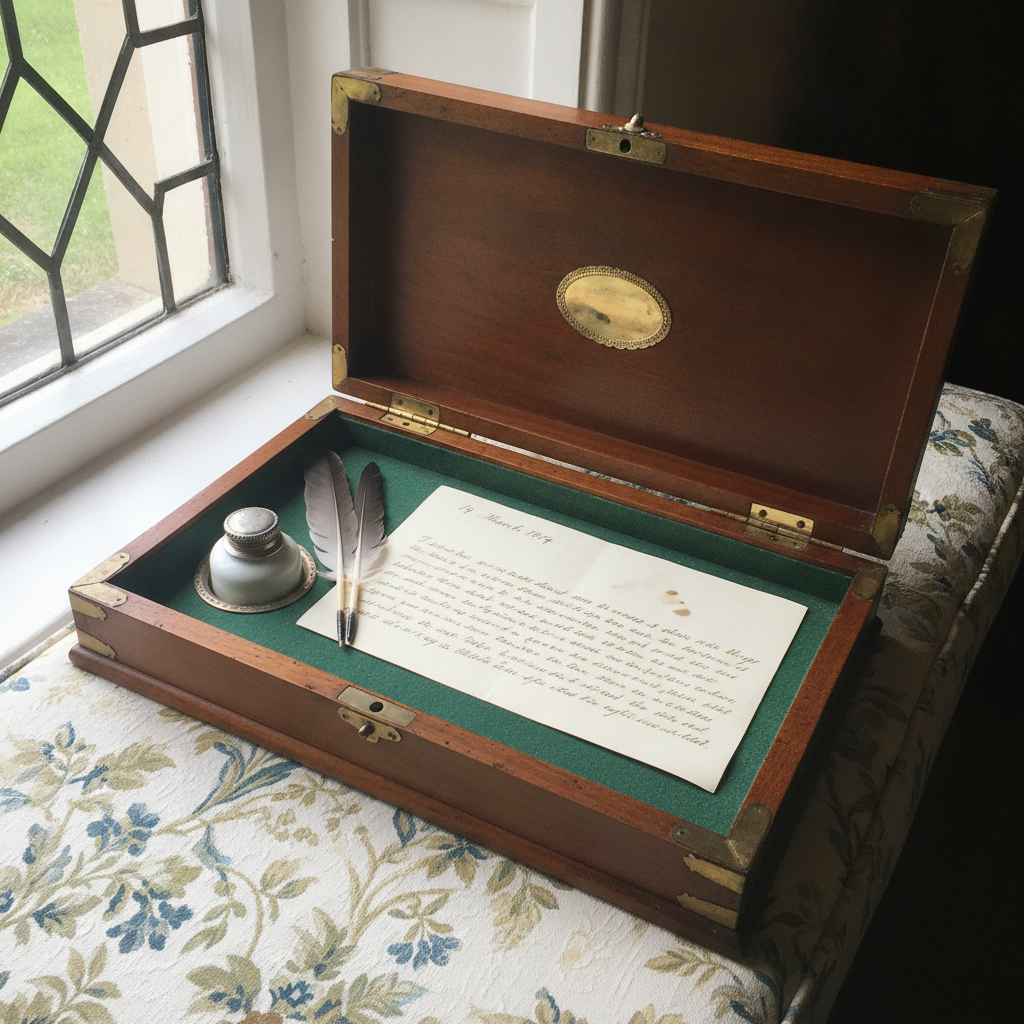
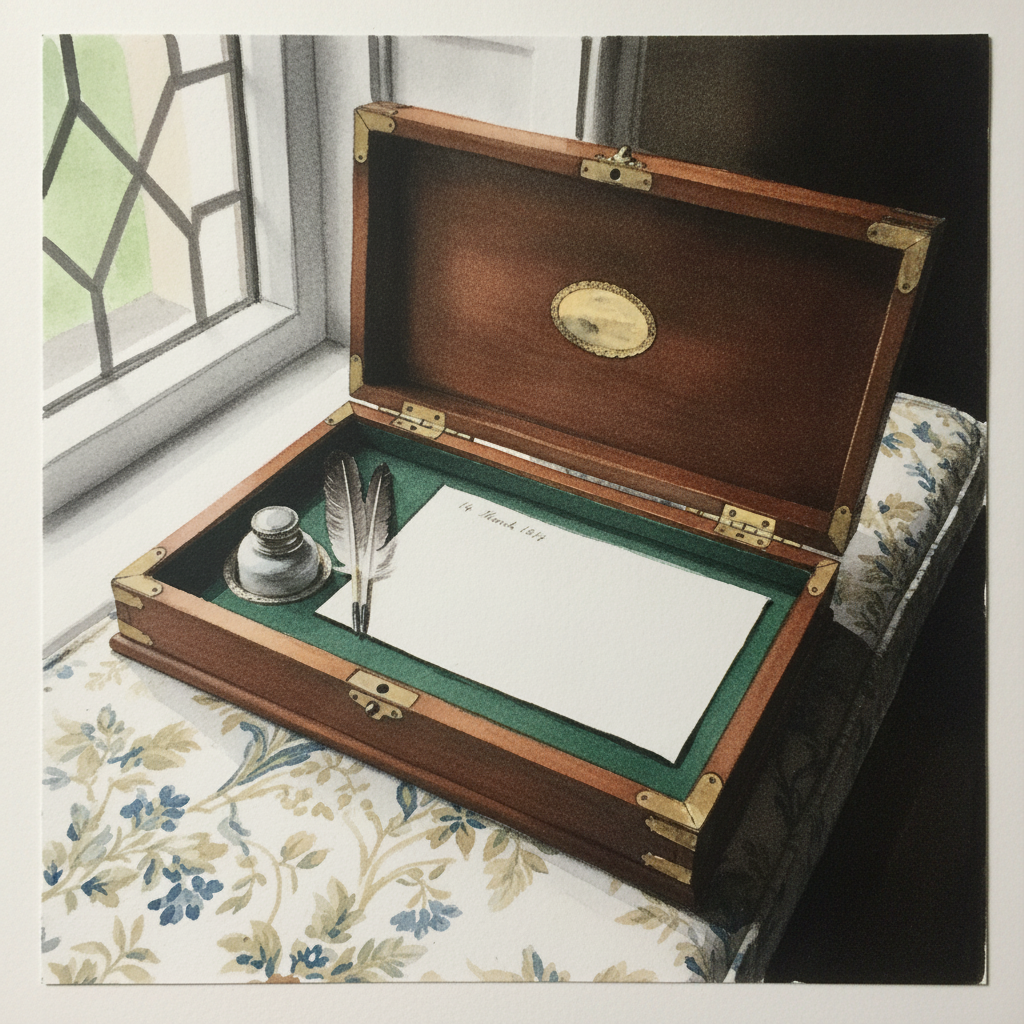
Piece 4 — Regency lap desk open mid-letter
Pen + Watercolor · Loose pen and watercolor line-and-wash
Three takes

Focus for this piece
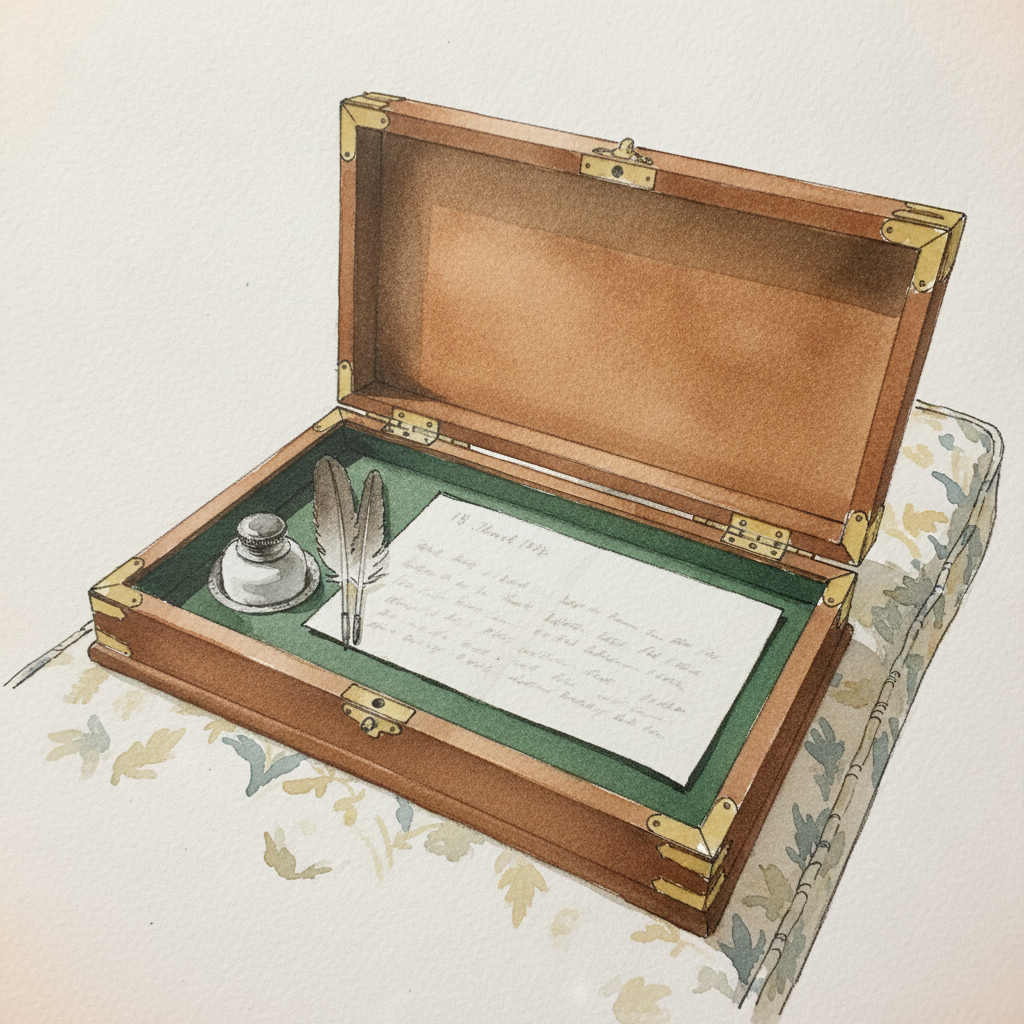
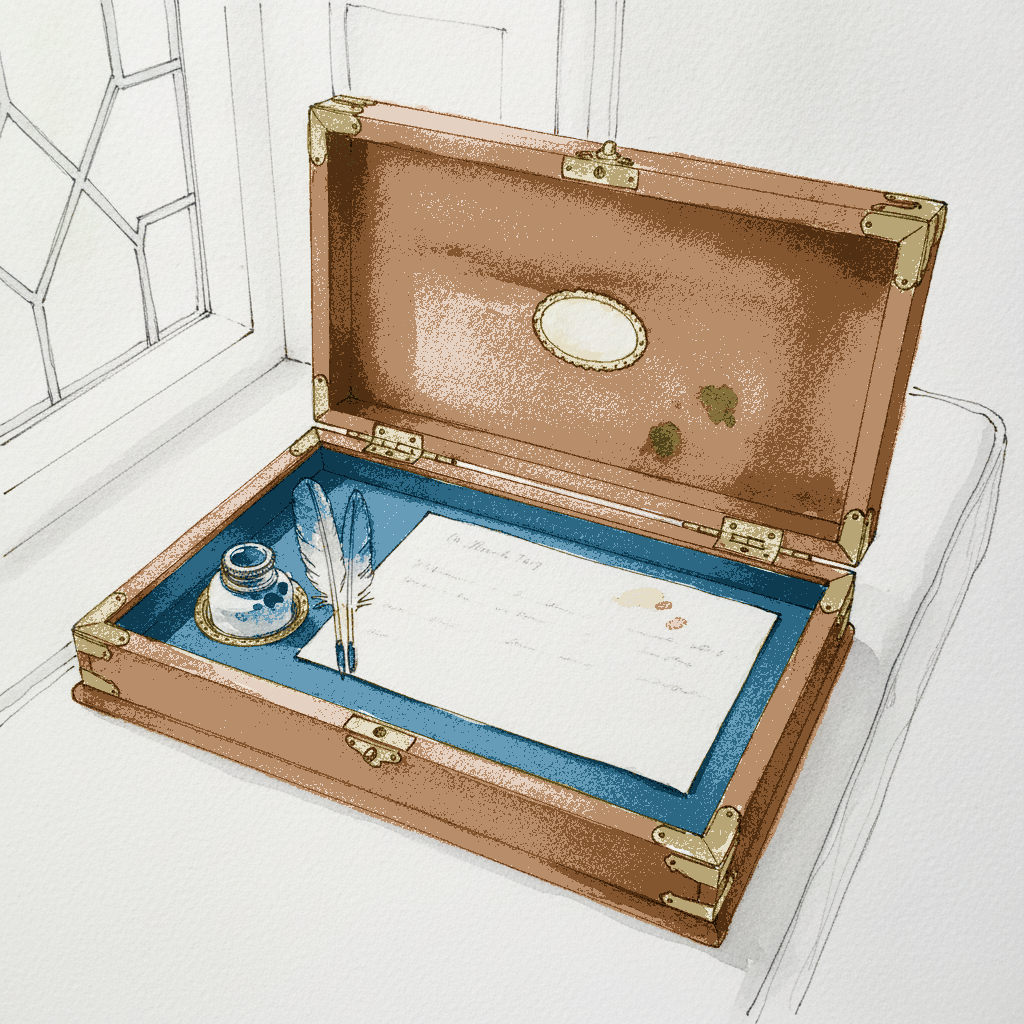
For this piece, concentrate on using the strong north light to model the three-dimensional form of the open lap desk and its contents. Employ precise, varied line weights to capture the crispness of the brass inlay and the texture of the figured mahogany, contrasting these with soft, layered washes that define the light across the green baize and the subtle folds of the chintz fabric. Pay particular attention to how cast shadows deepen the sense of volume and space within the scene.
Piece 5 — Yew arch with a sundial in the centre of the doorway
Pen + Watercolor · Loose pen and watercolor line-and-wash
Three takes

Focus for this piece
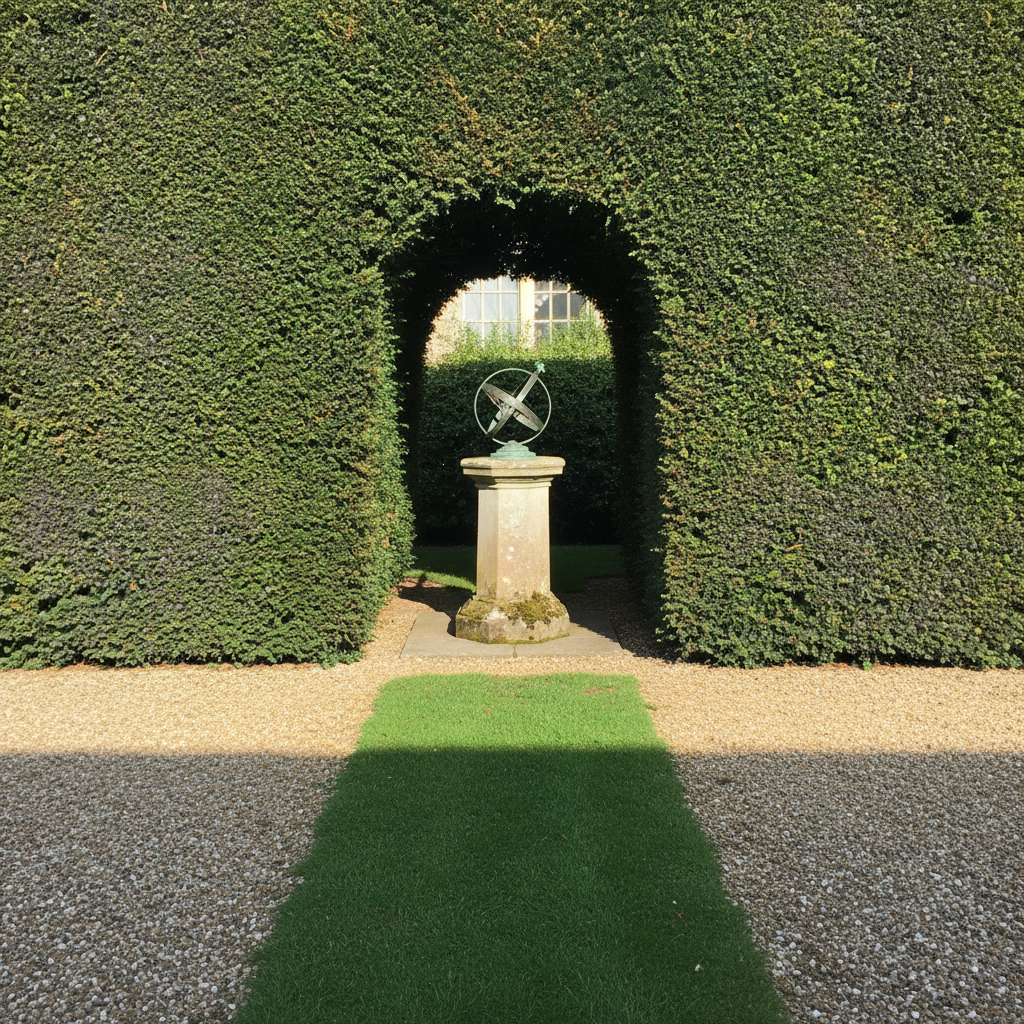
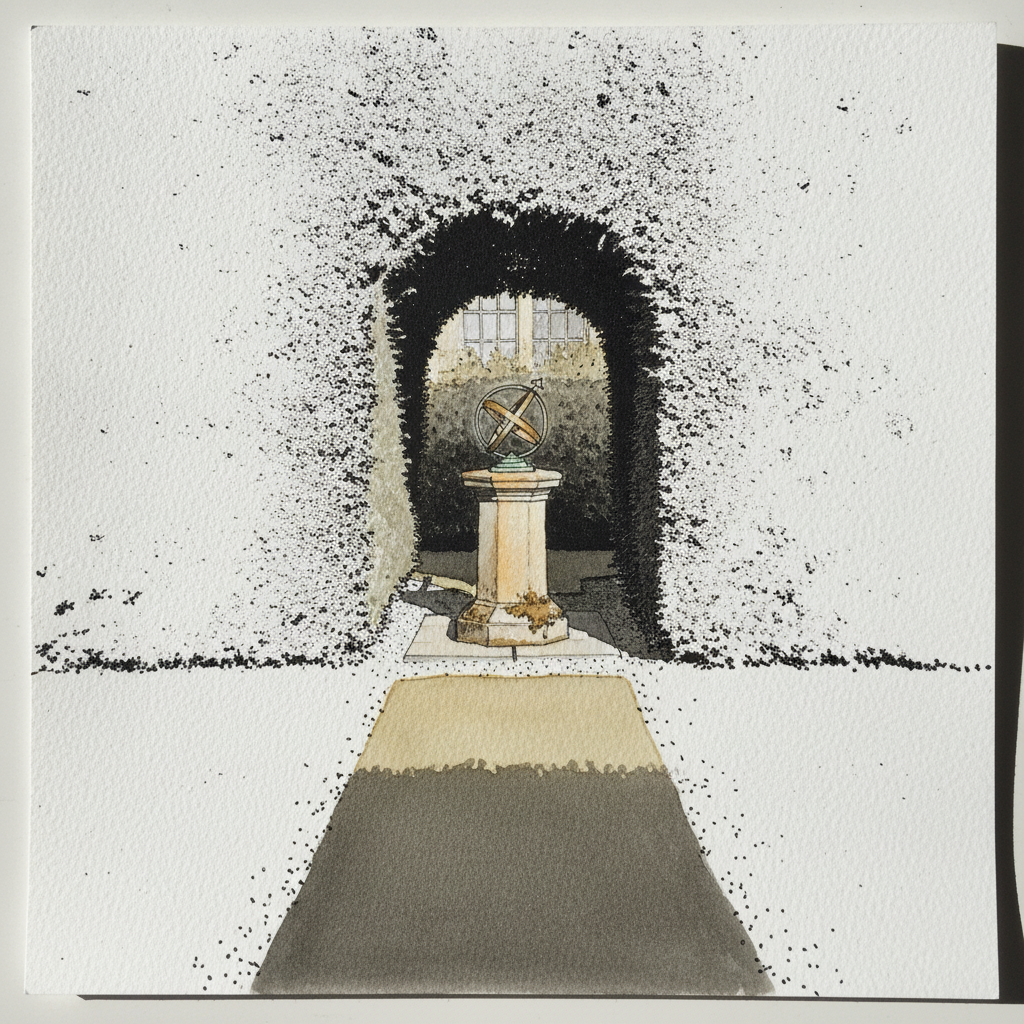
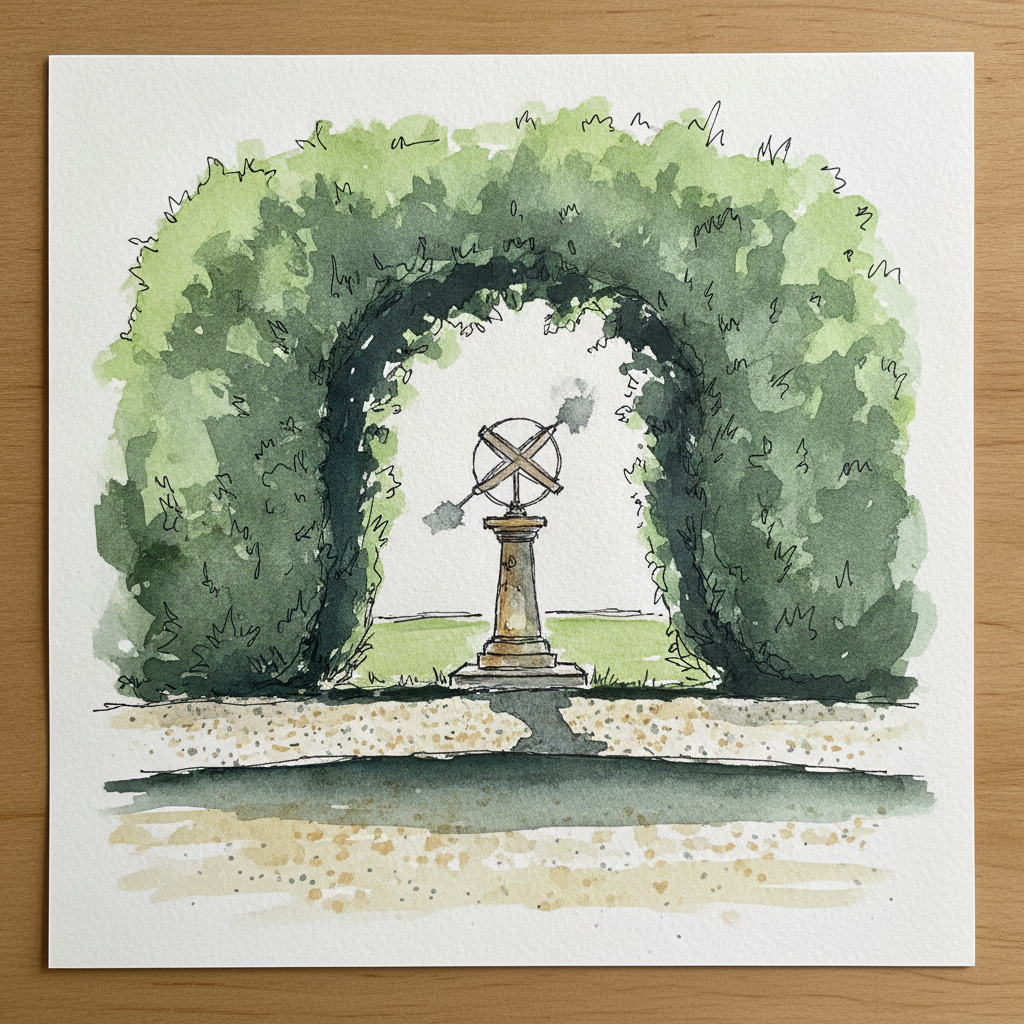
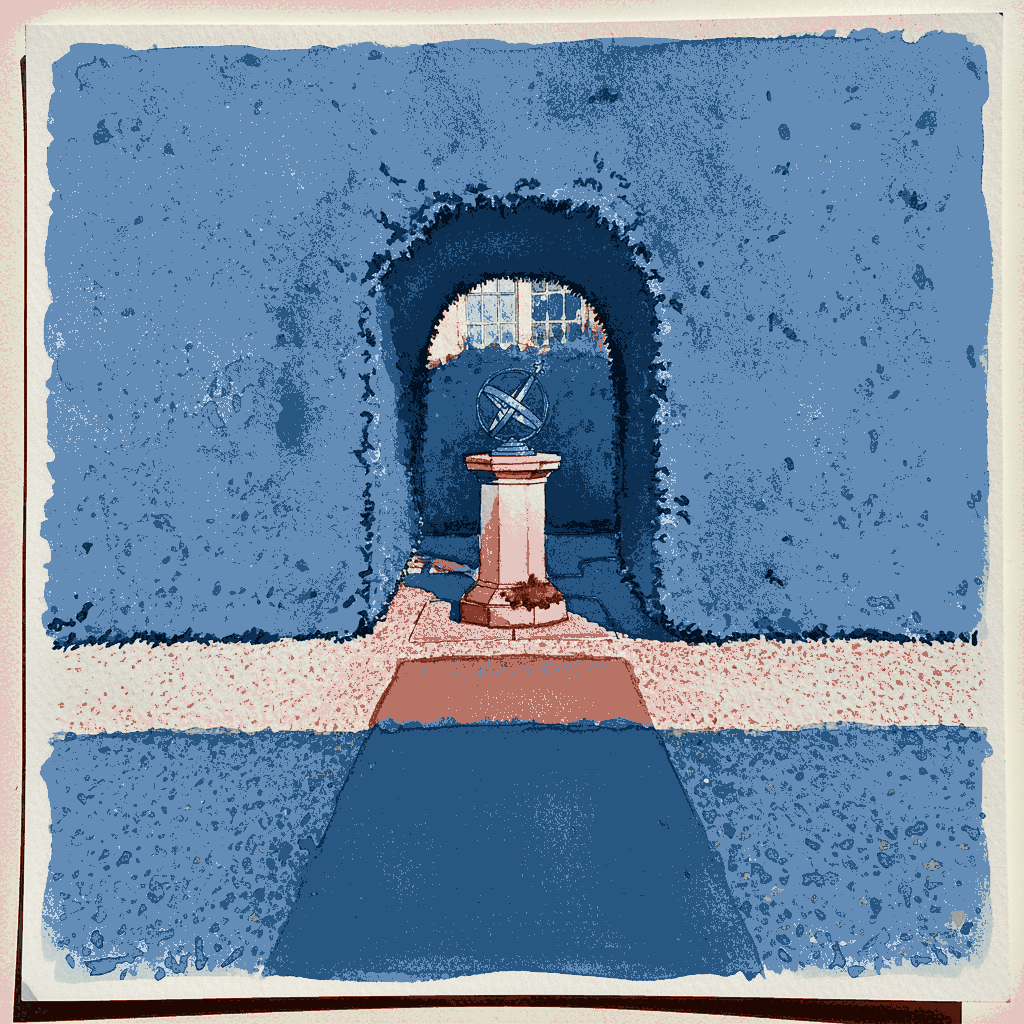
This piece is an excellent study in contrasting the organic fluidity of watercolor with the precision of ink. Focus on rendering the dense, organic mass of the yew arch primarily with varied green washes and minimal, suggestive pen lines. Then, use crisp, deliberate pen lines and strong value shifts to define the geometric forms of the sundial and its sharp gnomon shadow, emphasizing the distinct mid-morning light. Ensure the yew's foreground shadow is a clean, dark wash band that firmly grounds the composition.
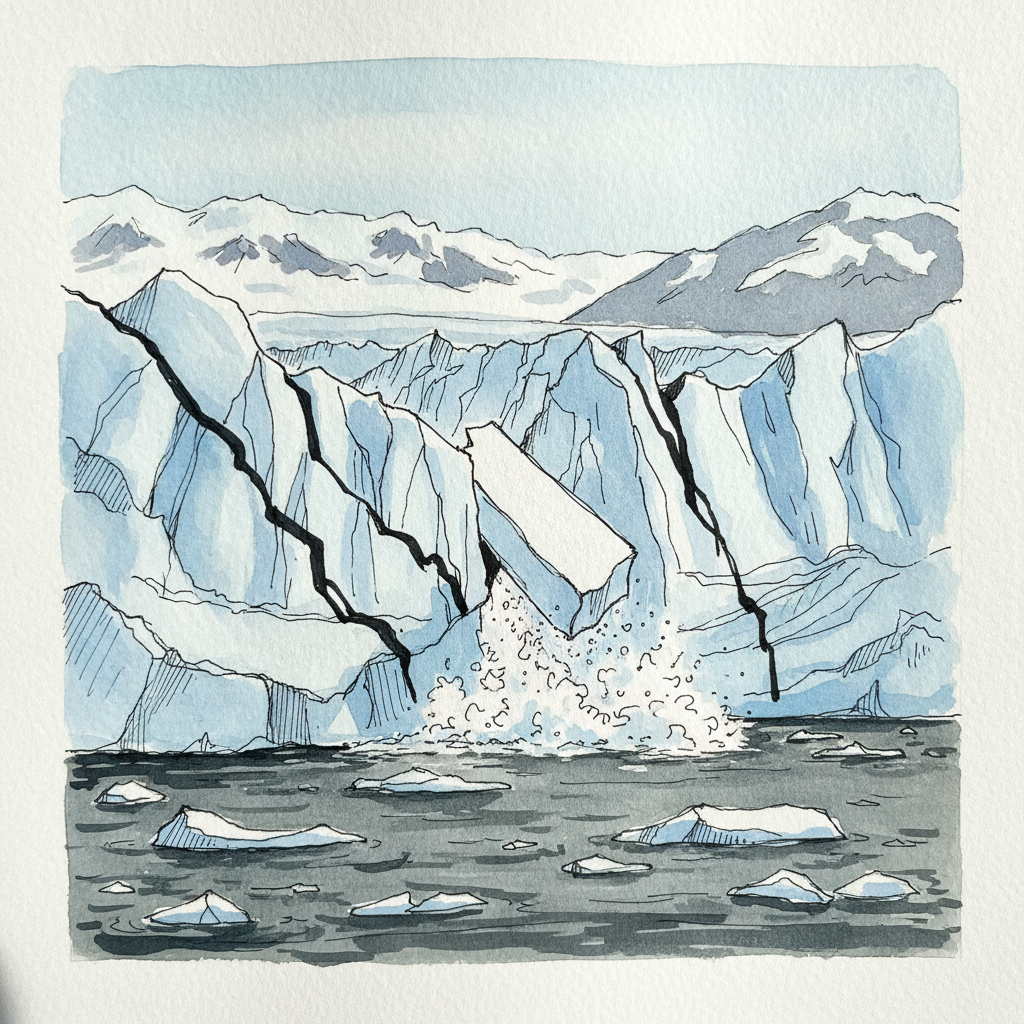
Piece 6 — Margerie Glacier calving face, Glacier Bay, Alaska
Pen + Watercolor · Loose pen and watercolor line-and-wash
Three takes
Focus for this piece
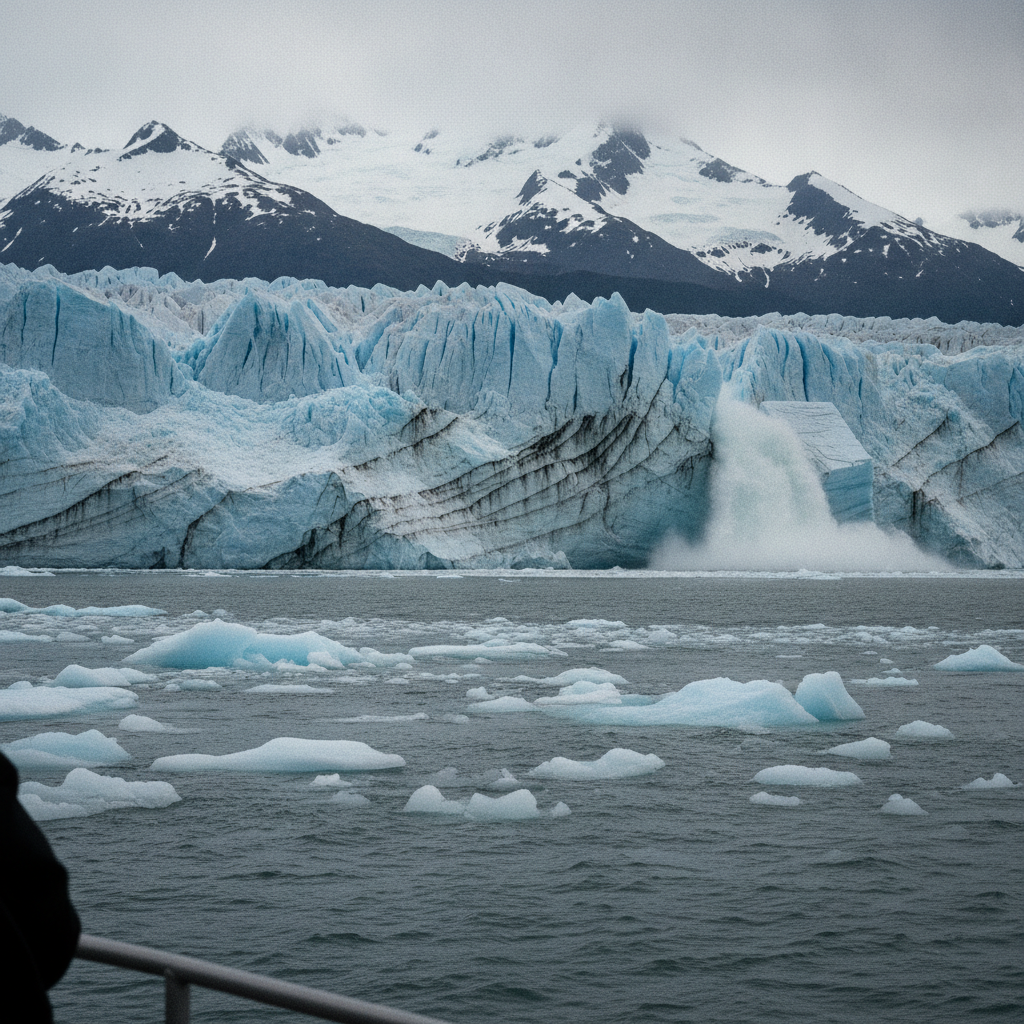
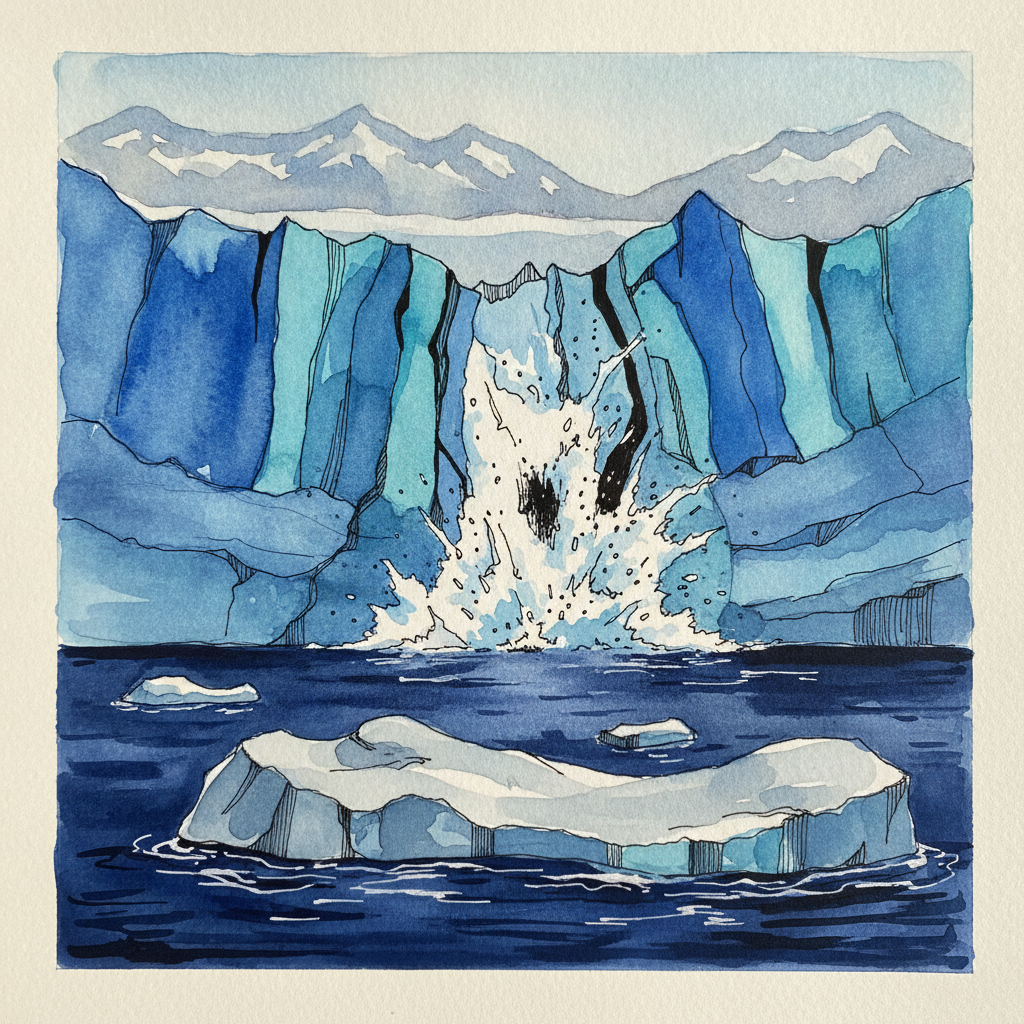
This piece offers a compelling study in using strong, varied pen lines to define the intricate geological "corrugation" of the glacier's face, where pale blue seracs meet black moraine streaks. Focus on layering cool washes to build the immense volume and icy translucency of the glacier, contrasting these with rich, dark washes for the foreground water and a lighter, atmospheric treatment of the distant Fairweather Range. This interplay of precise line and expansive wash will be key to conveying both detail and the scene's overwhelming scale.
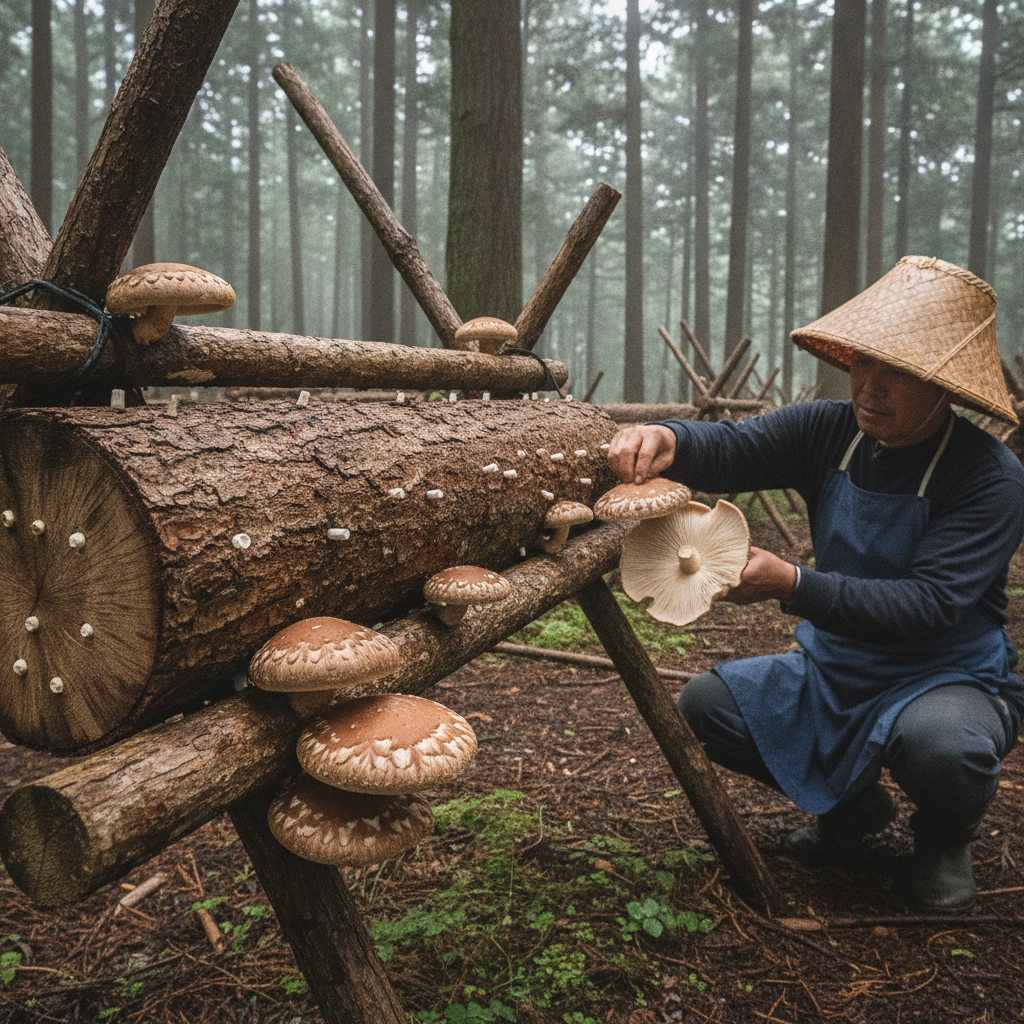
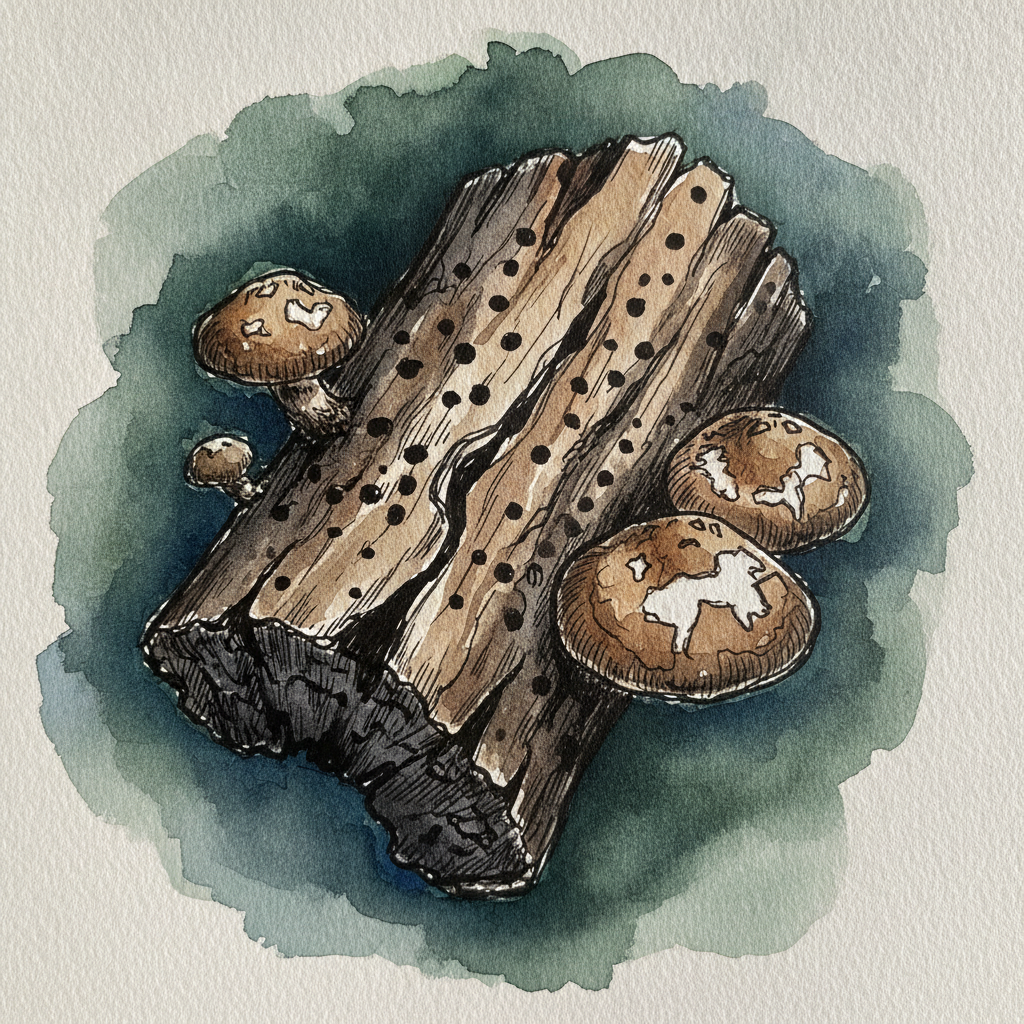
Piece 7 — Shiitake
Pen + Watercolor · Loose pen and watercolor line-and-wash
Three takes
Focus for this piece
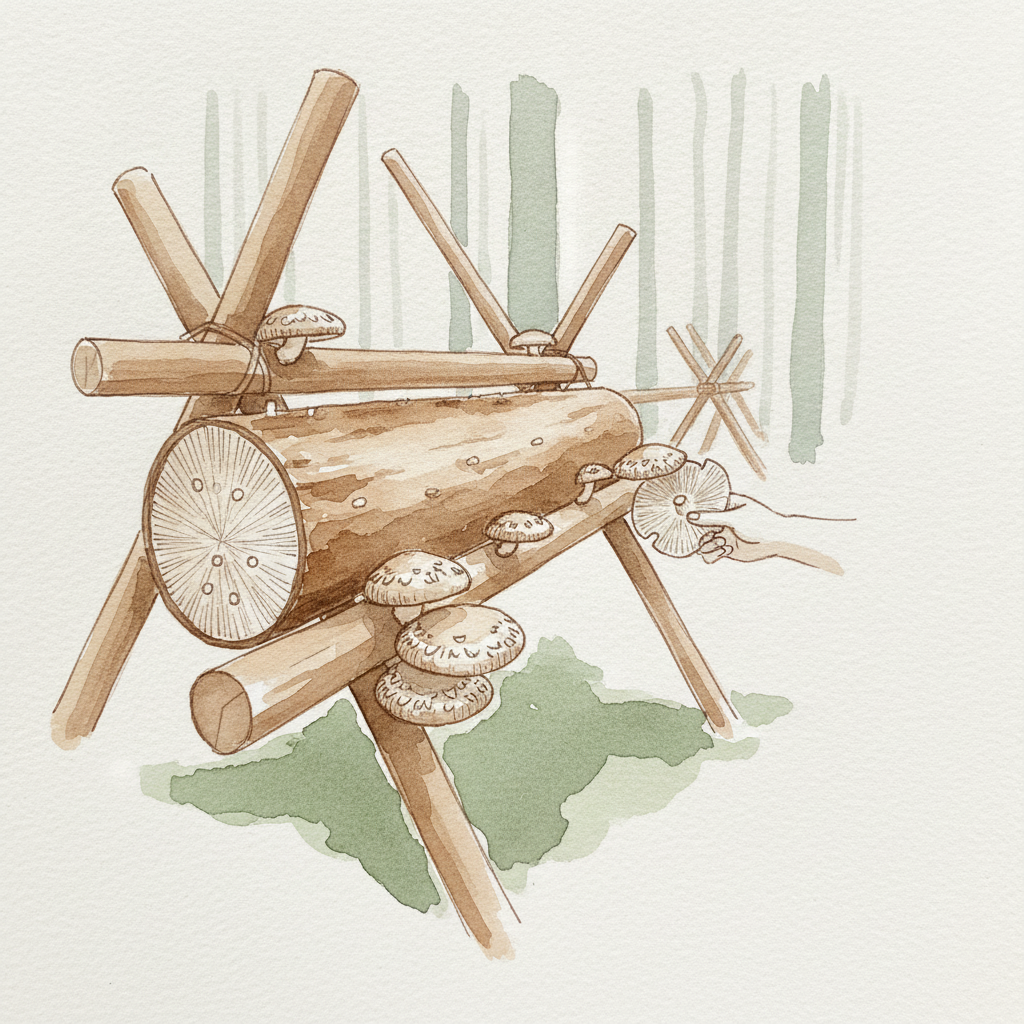
This piece offers an excellent opportunity to focus on rendering varied organic textures and subtle value shifts within a narrow color palette. Use delicate, broken pen lines to articulate the fine cracks on the fawn-brown caps and the radiating structure of the gills. Then, build the mushrooms' rounded volume with layered washes of sepia and burnt sienna, carefully observing how light and shadow play across their curved surfaces and fibrous stems.
Piece 8 — Brazilian samba dancer
Pen + Watercolor · Loose pen and watercolor line-and-wash
Three takes
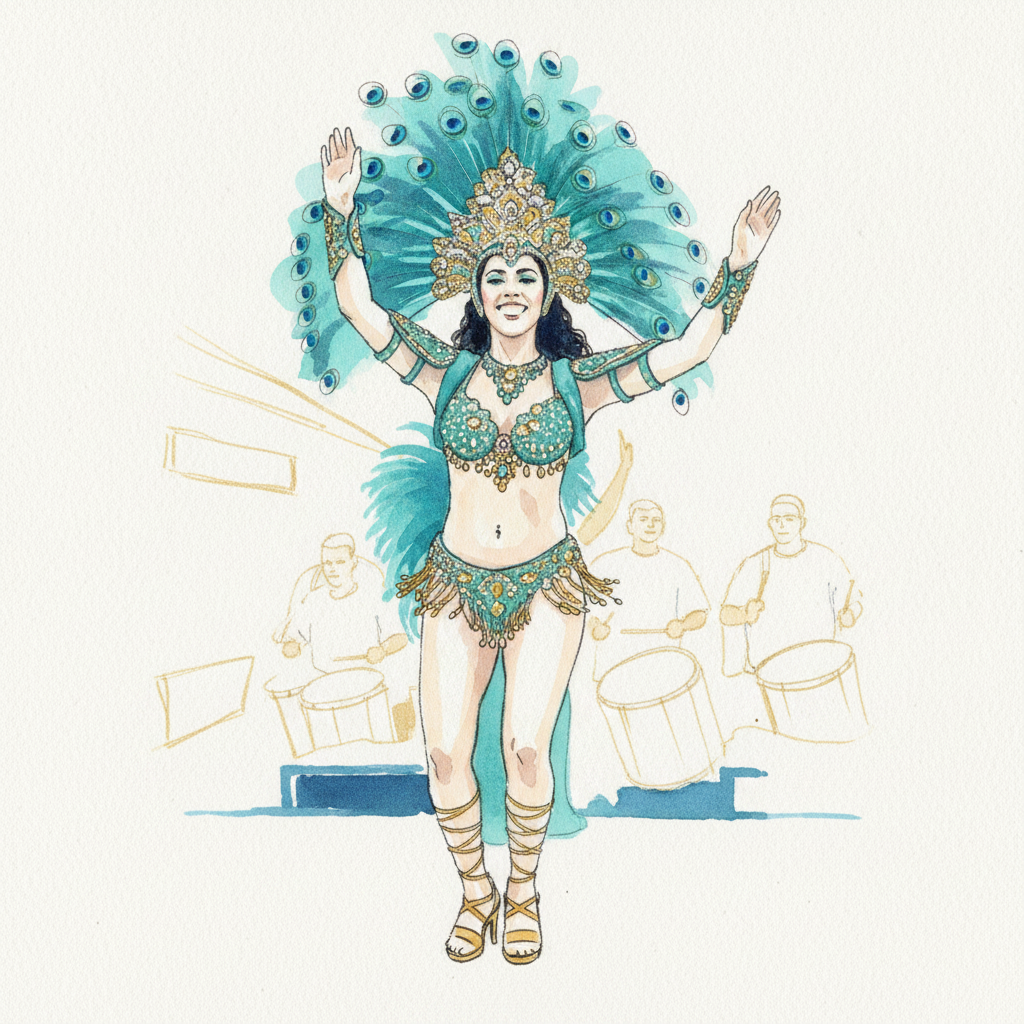
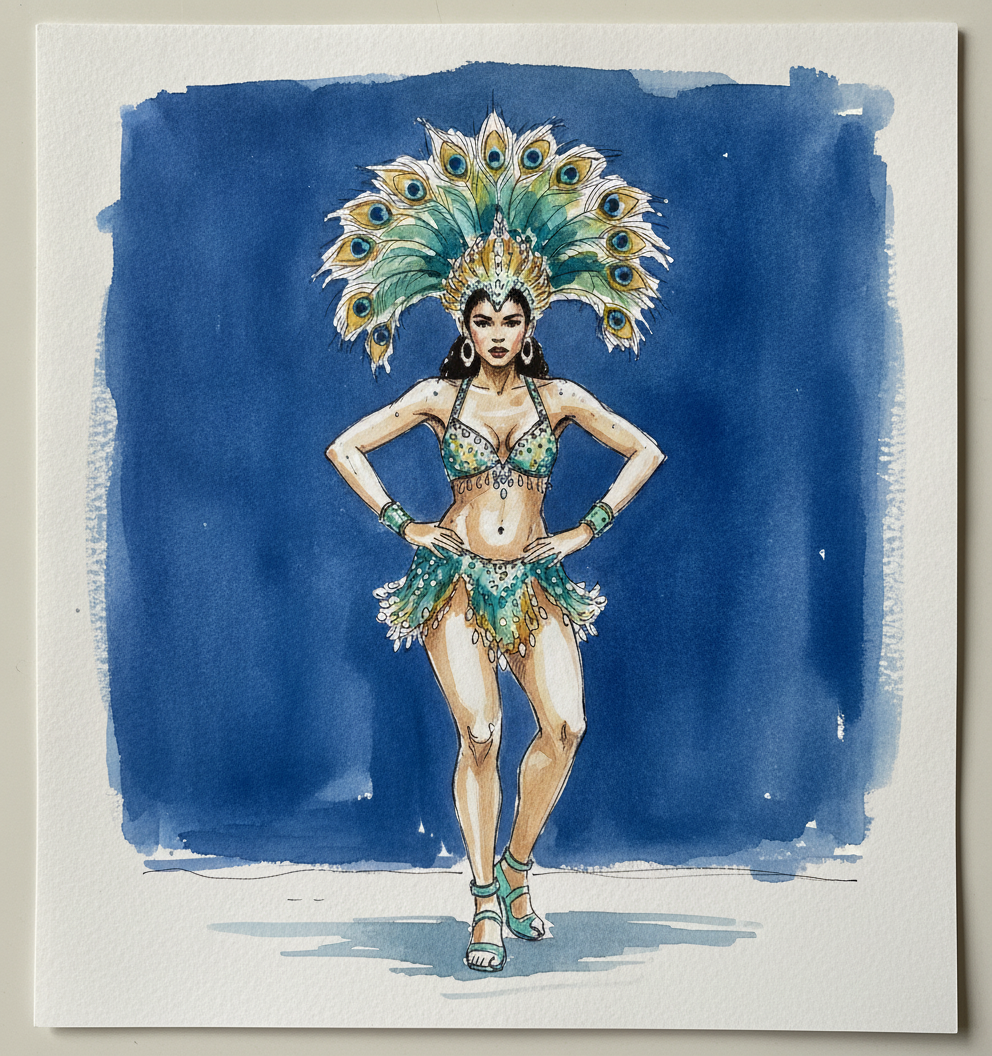
Focus for this piece
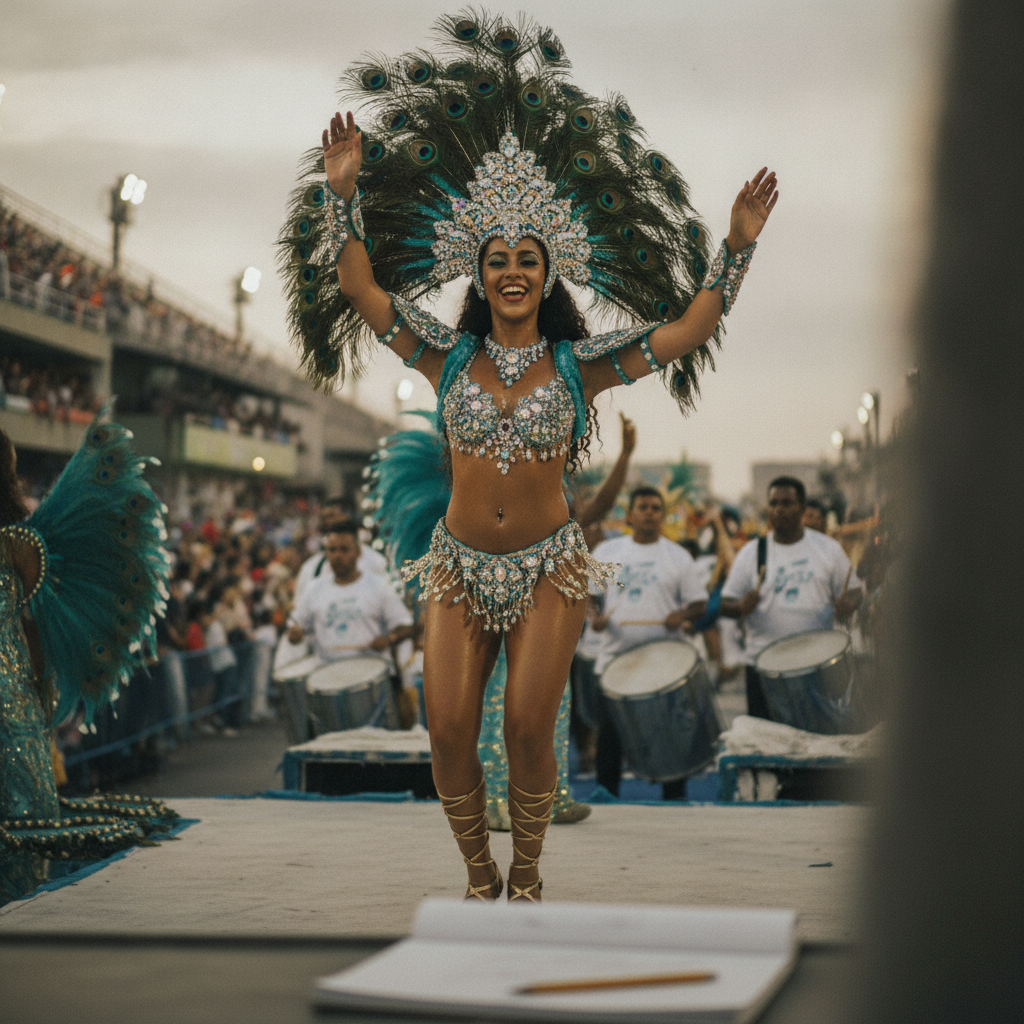
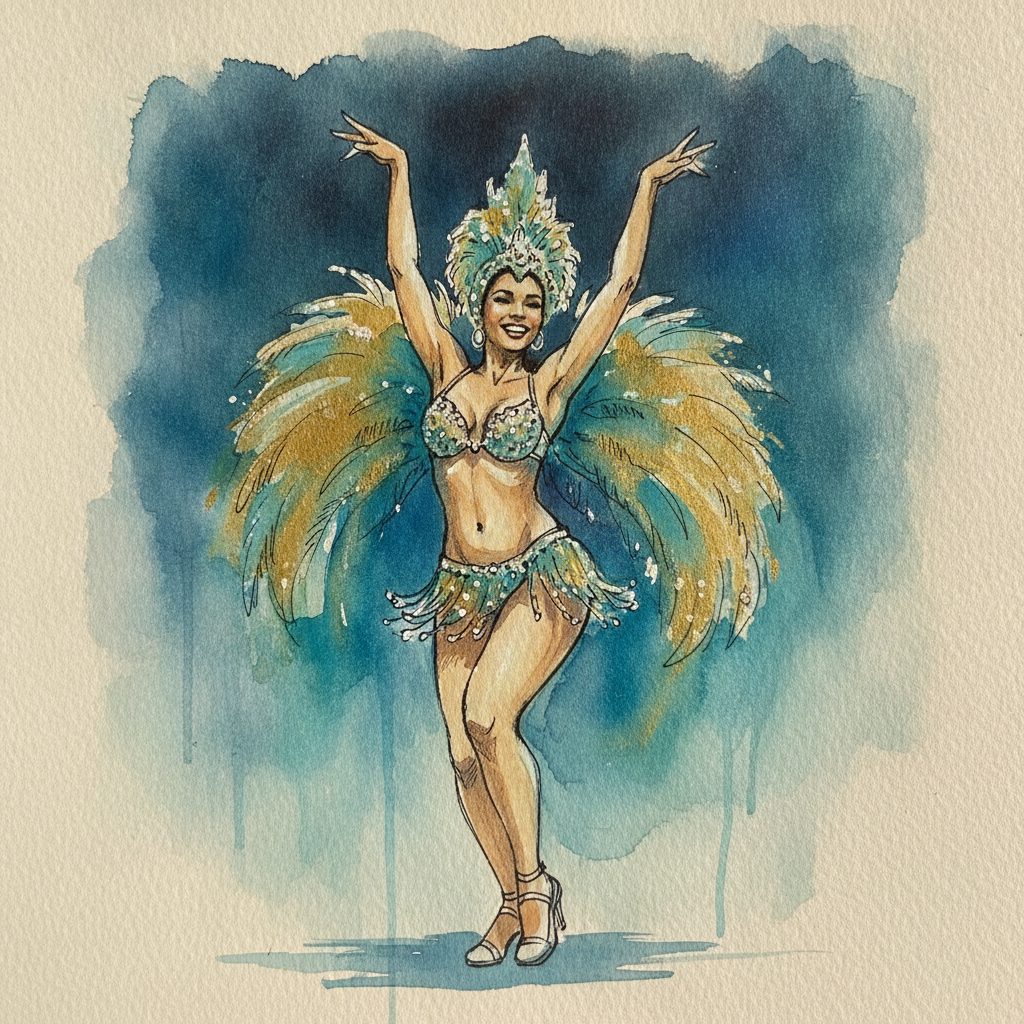
This piece is an excellent study in suggesting intricate detail and capturing luminosity without becoming overly prescriptive. Use varied pen pressure and strategic negative space to imply the hundreds of beads and feathers on the costume, rather than drawing each one. Then, employ clean, jewel-toned washes with careful water control to build form, allowing colors to bleed subtly for depth. Reserve tiny flecks of white paper for the most brilliant highlights on crystals and sweat beads, making them sparkle against the tropical night.