Cold Cream Jar with Brass Spoon, Lattice Tower Through Birch Wood, Bowl of bar nuts, Asymmetric T, Knee Up, Older Black Woman on Mat, and more — pen + watercolor for October 21, 2026
AI-generated daily art-practice references for pen and watercolor: Cold Cream Jar with Brass Spoon, Lattice Tower Through Birch Wood, Bowl of bar nuts, Asymmetric T, Knee Up, Older Black Woman on Mat, Eichler Home — Greenmeadow, Palo Alto, California, USA, Kayak-eye view through prop roots, Flori…
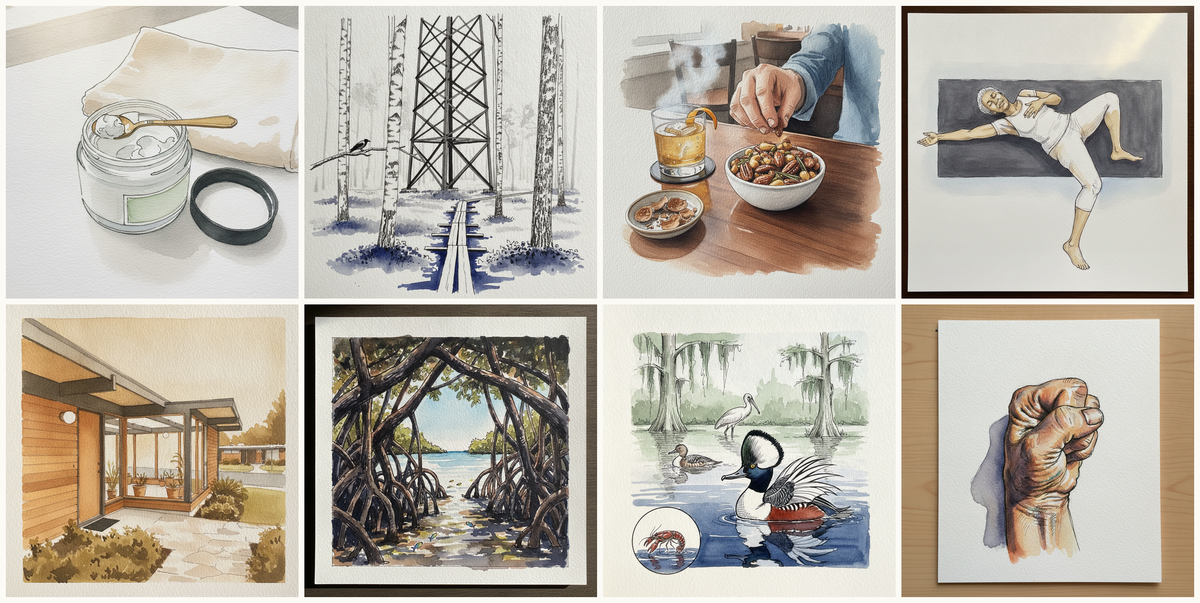
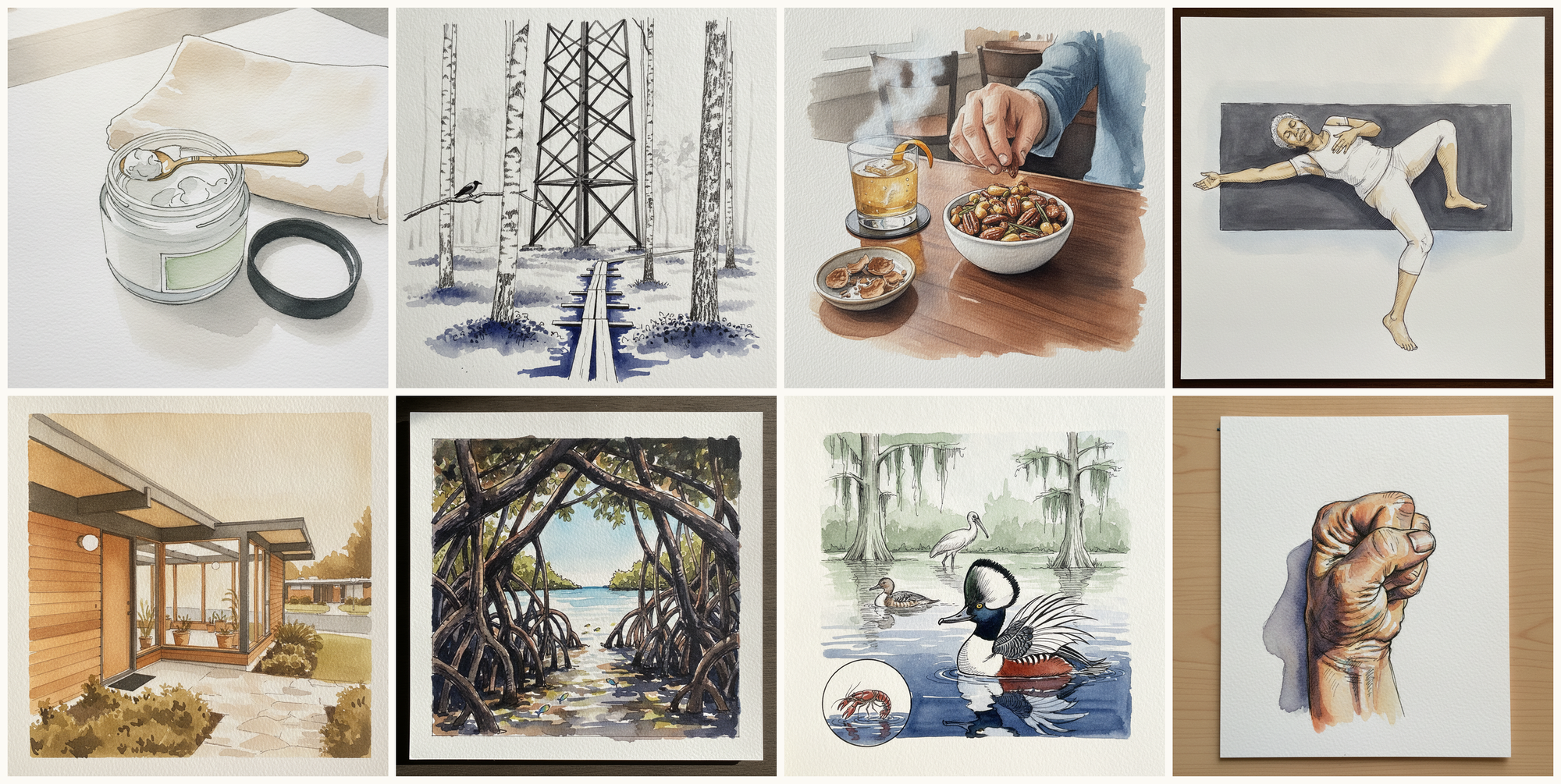
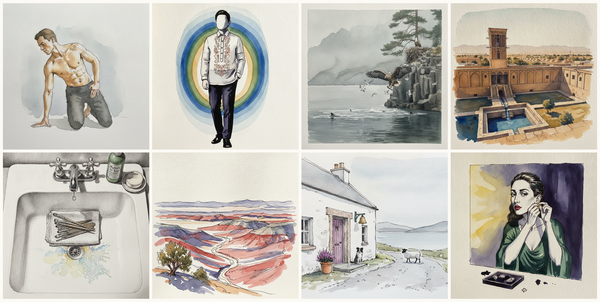
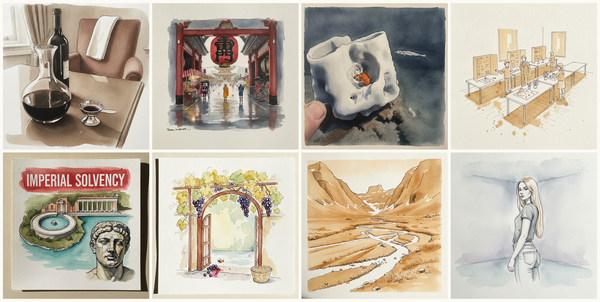
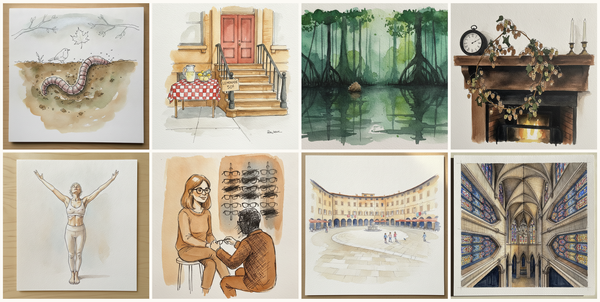
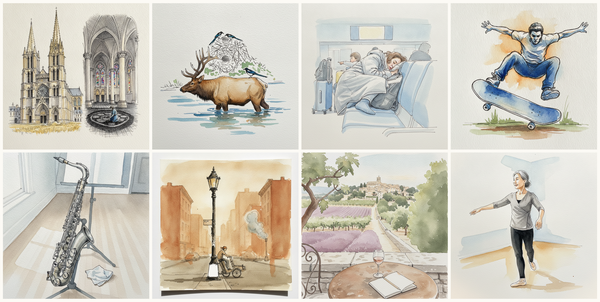
Today's 8 pen-and-watercolor pieces: Cold Cream Jar with Brass Spoon, Lattice Tower Through Birch Wood, Bowl of bar nuts, Asymmetric T, Knee Up, Older Black Woman on Mat, Eichler Home — Greenmeadow, Palo Alto, California, USA, Kayak-eye view through prop roots, Florida Keys, Hooded merganser, Aging Knuckle Closeup, Mixed-Race Woman 70s. Each piece comes with an AI-generated photoreal reference, three AI-generated example artworks in different treatments, and a short focus paragraph naming what to study in this one.
Why these references use AI
This daily series uses AI-generated images as practice prompts, not as finished artwork to copy. Each subject starts with a synthetic photoreal reference generated with Gemini/Nano Banana, then moves into three pen-and-watercolor interpretations of the same subject.
I use AI here because daily art practice needs variety and low friction. Real life can get repetitive, busy, or visually narrow. These generated reference sets make it easier to study bodies, buildings, animals, landscapes, objects, gestures, light, palettes, and compositions that might not show up in an ordinary day.
The goal is not to reproduce any image directly. Treat each set as a starting point for observation and study: choose what interests you, change the framing, simplify the subject, alter the palette, and make your own version.
Piece 1 — Cold Cream Jar with Brass Spoon
Pen + Watercolor · Loose pen and watercolor line-and-wash
Three takes
Focus for this piece
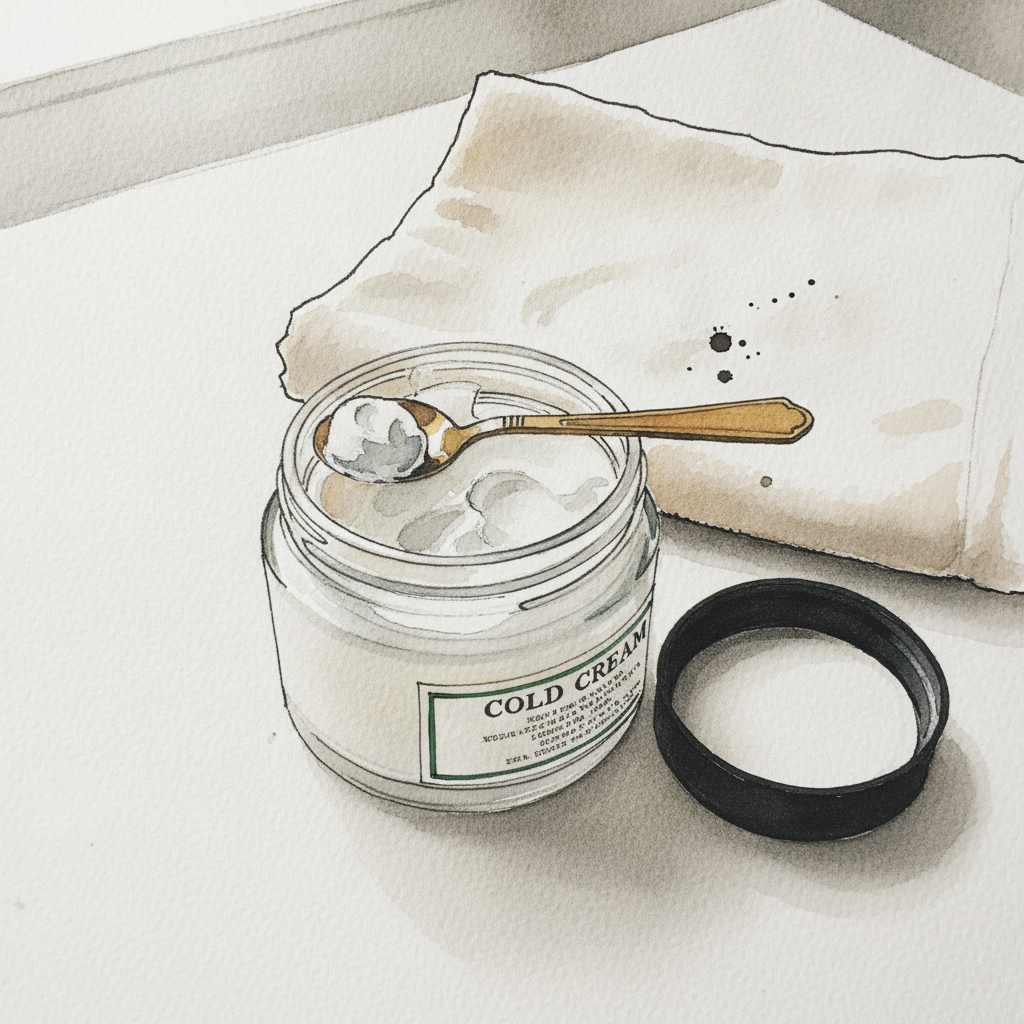
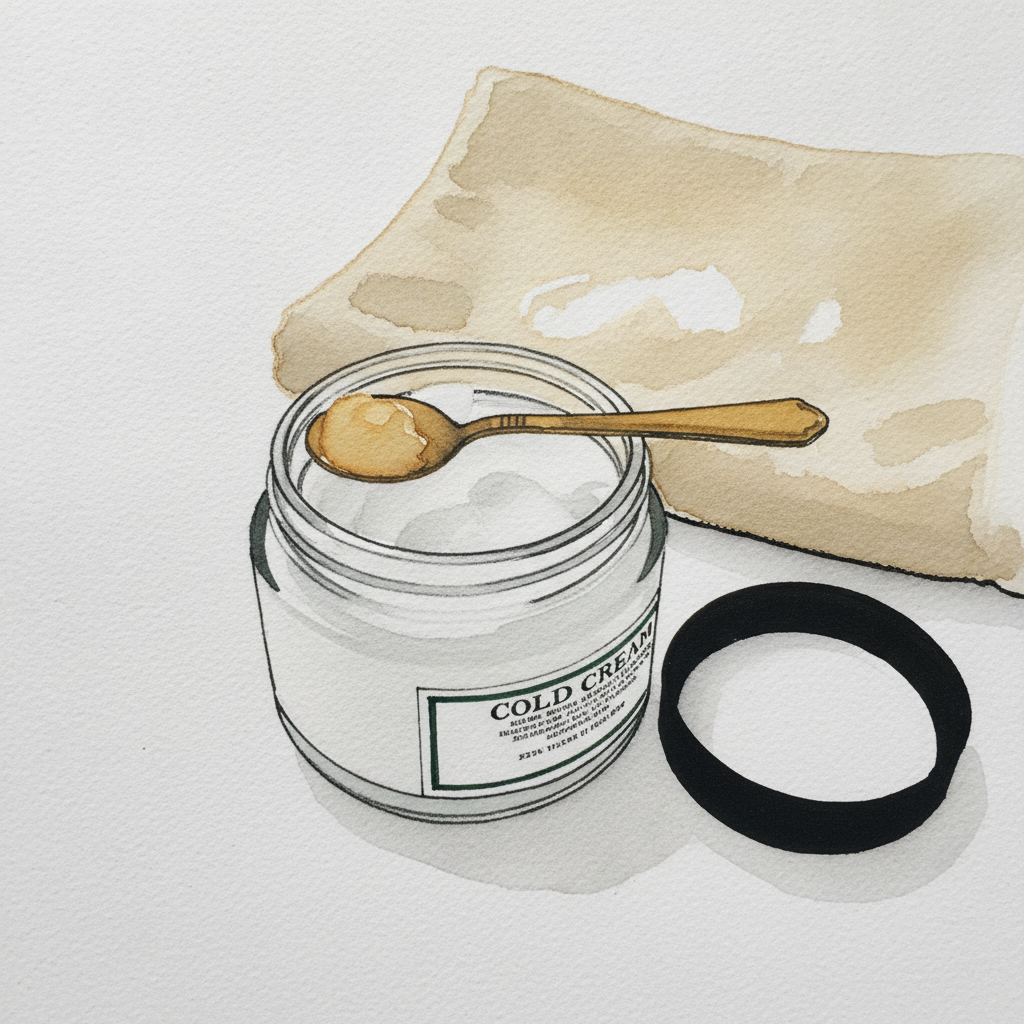
This still life offers a rich opportunity to differentiate material properties. Use deliberate, broken pen lines and cool-toned washes to render the heavy clear glass, allowing negative space and sharp edges to define its form and thickness. Model the opaque white cream with subtle warm and cool grey washes to convey its volume and texture, reserving precise, minimal lines for the ornate brass spoon to highlight its metallic warmth and reflectiveness.
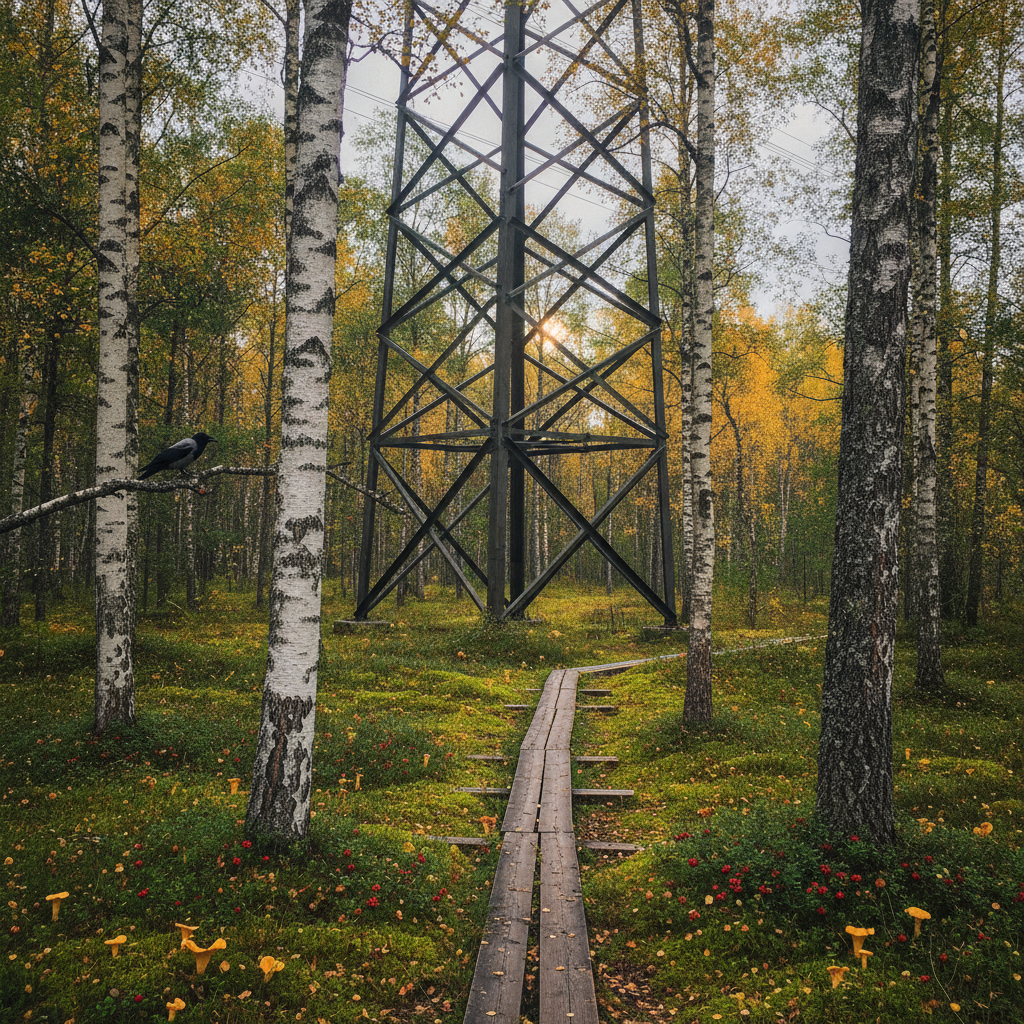
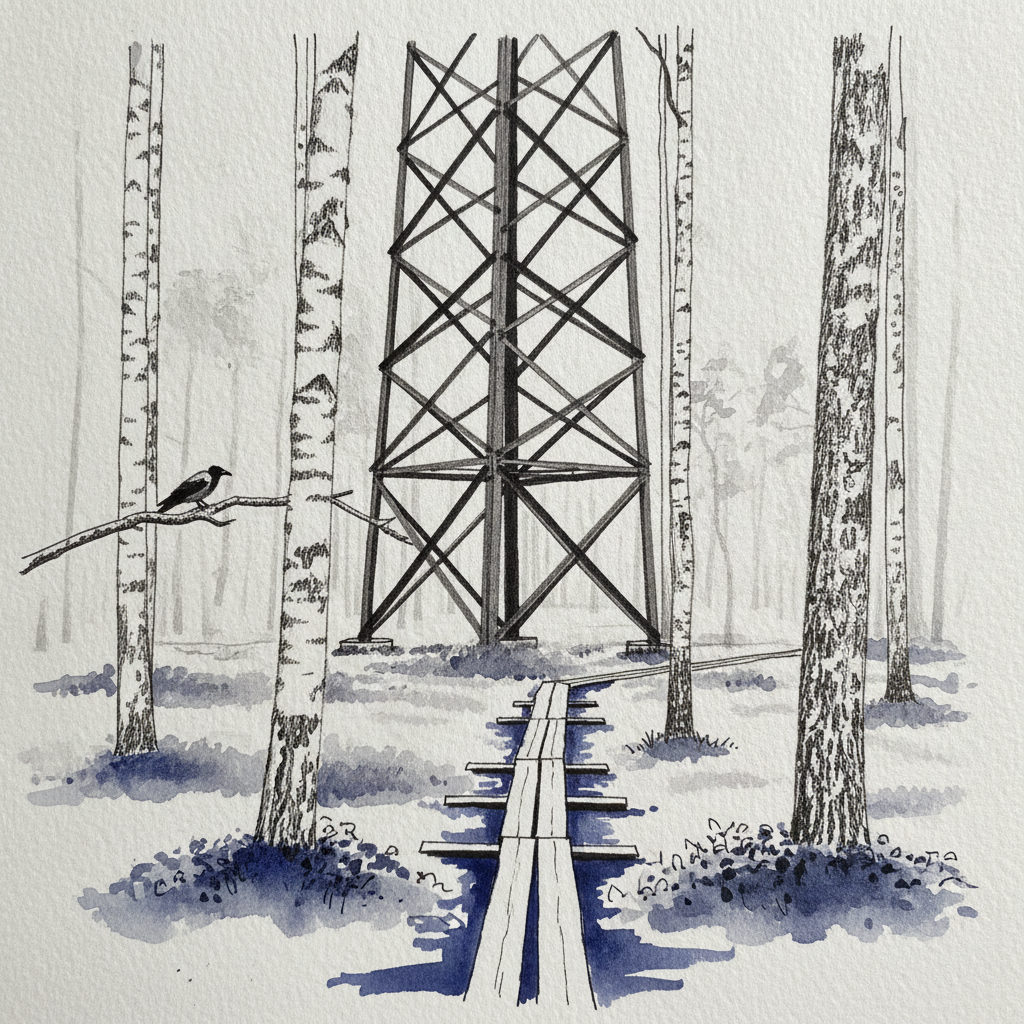
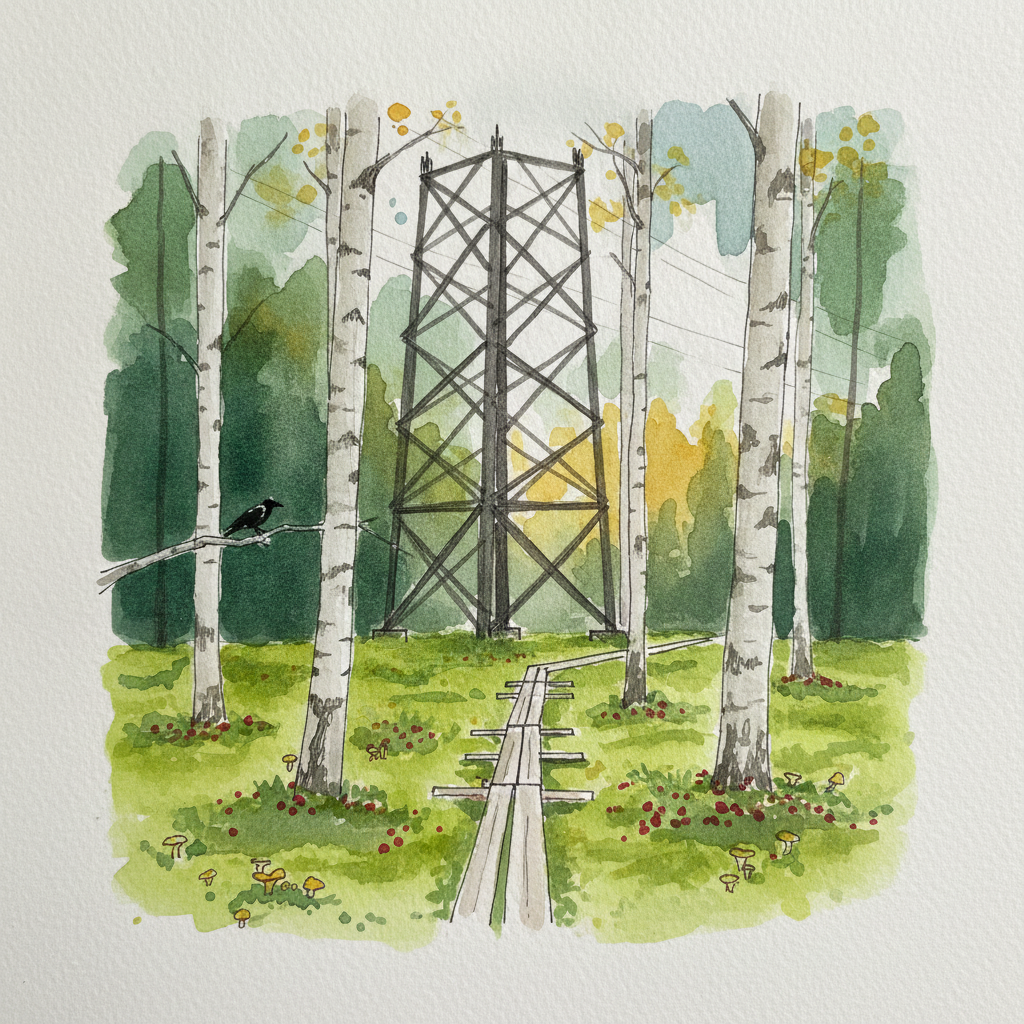
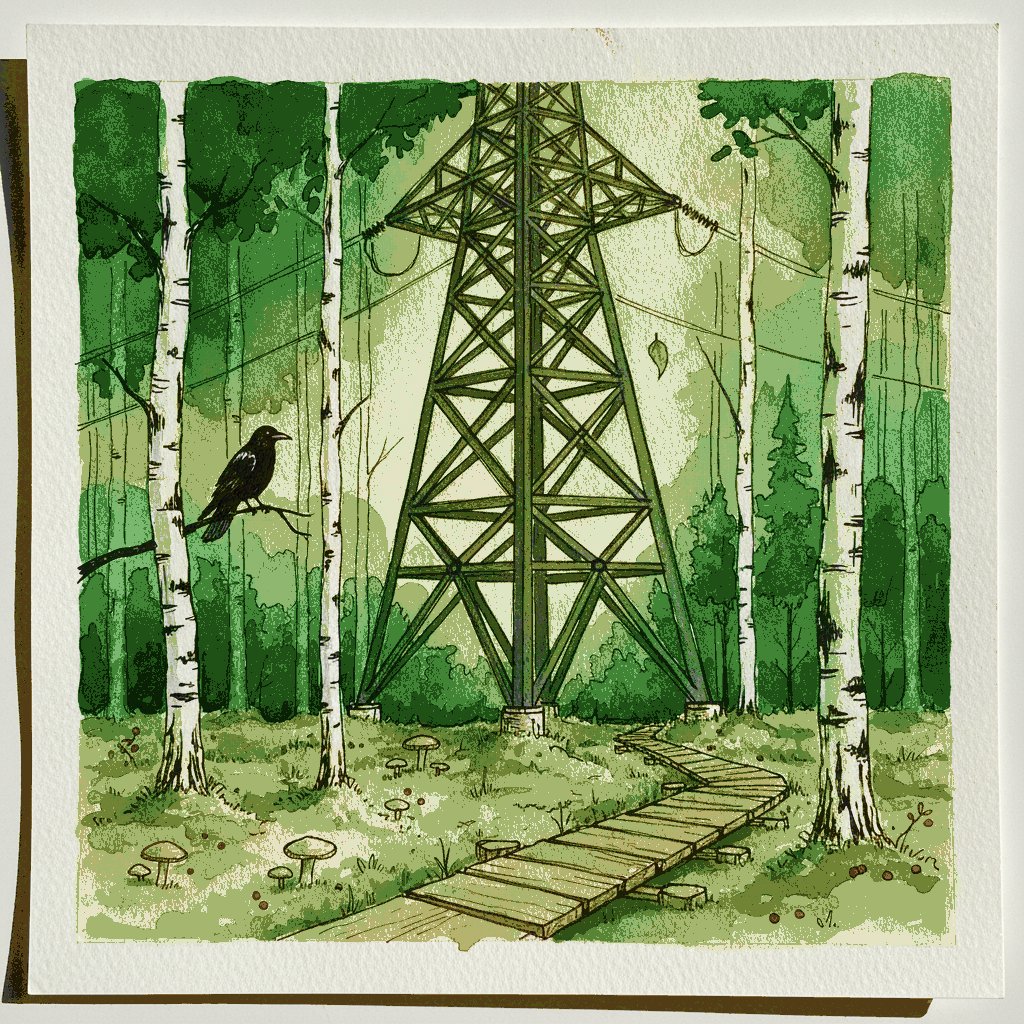
Piece 2 — Lattice Tower Through Birch Wood
Pen + Watercolor · Loose pen and watercolor line-and-wash
Three takes

Focus for this piece
This piece is an excellent study in establishing visual hierarchy when two strong elements, like the dark lattice and the black-marked birch bark, compete for attention. Vary your pen line weight, using firmer, continuous strokes for the tower's solid geometry, and lighter, less continuous marks for the birches' characteristic black slashes to suggest their texture. Then, use crisp, darker watercolor applications for the pylon members, allowing the birches to be suggested with very pale, cooler washes that maintain their silvery quality against the more defined tower.
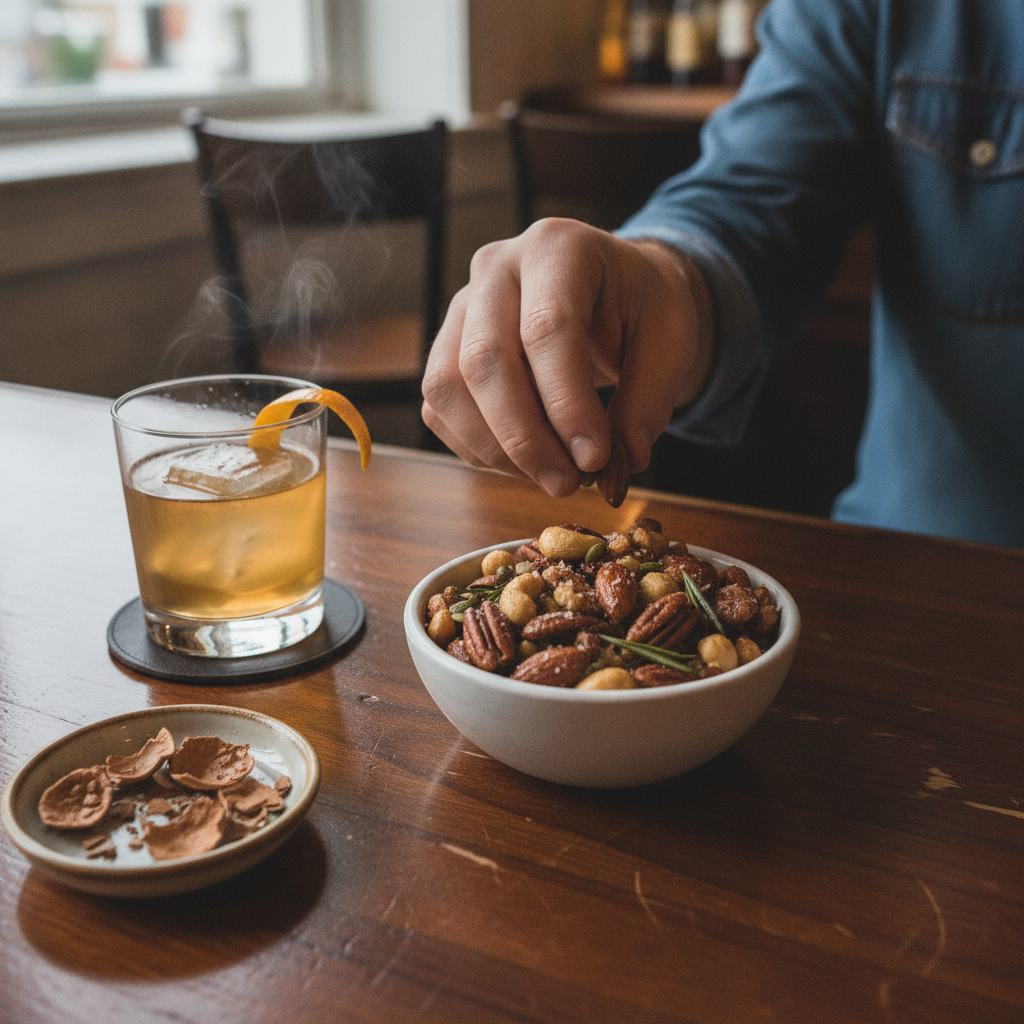
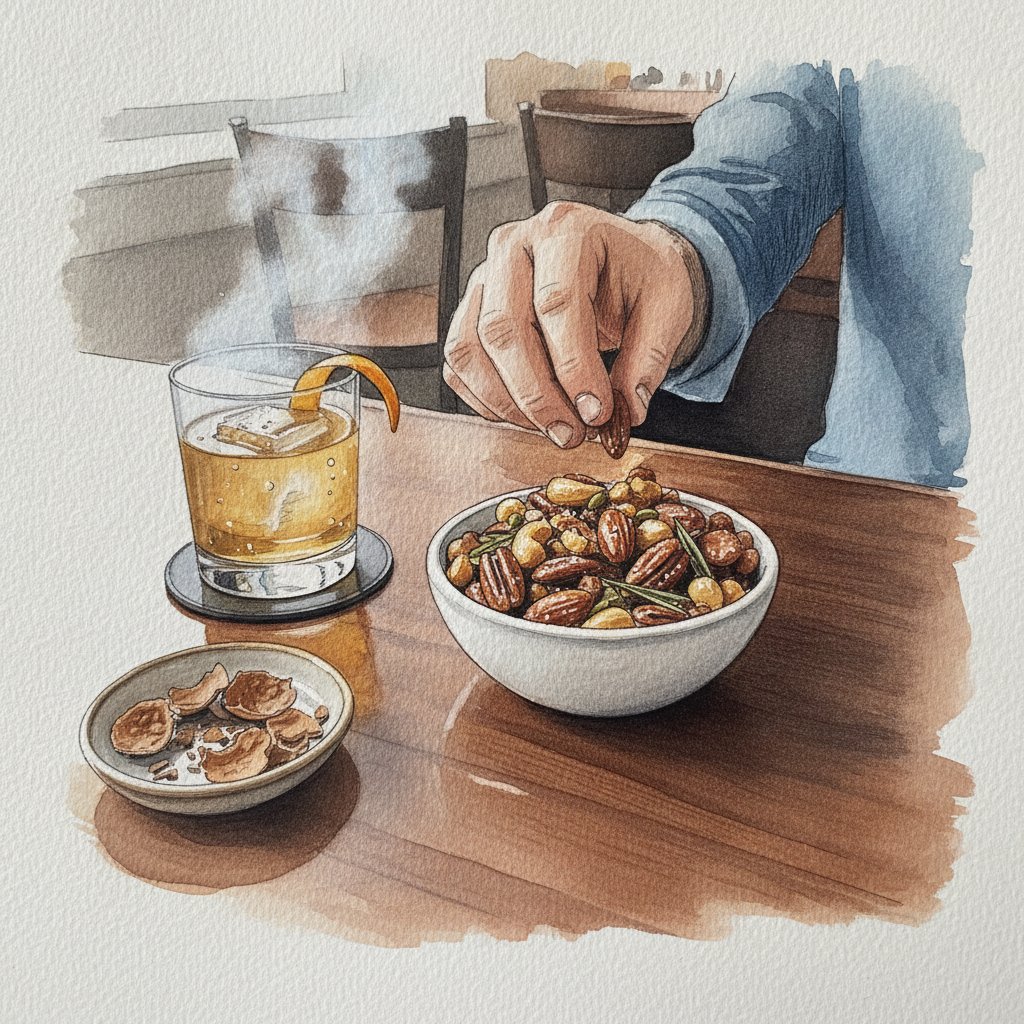
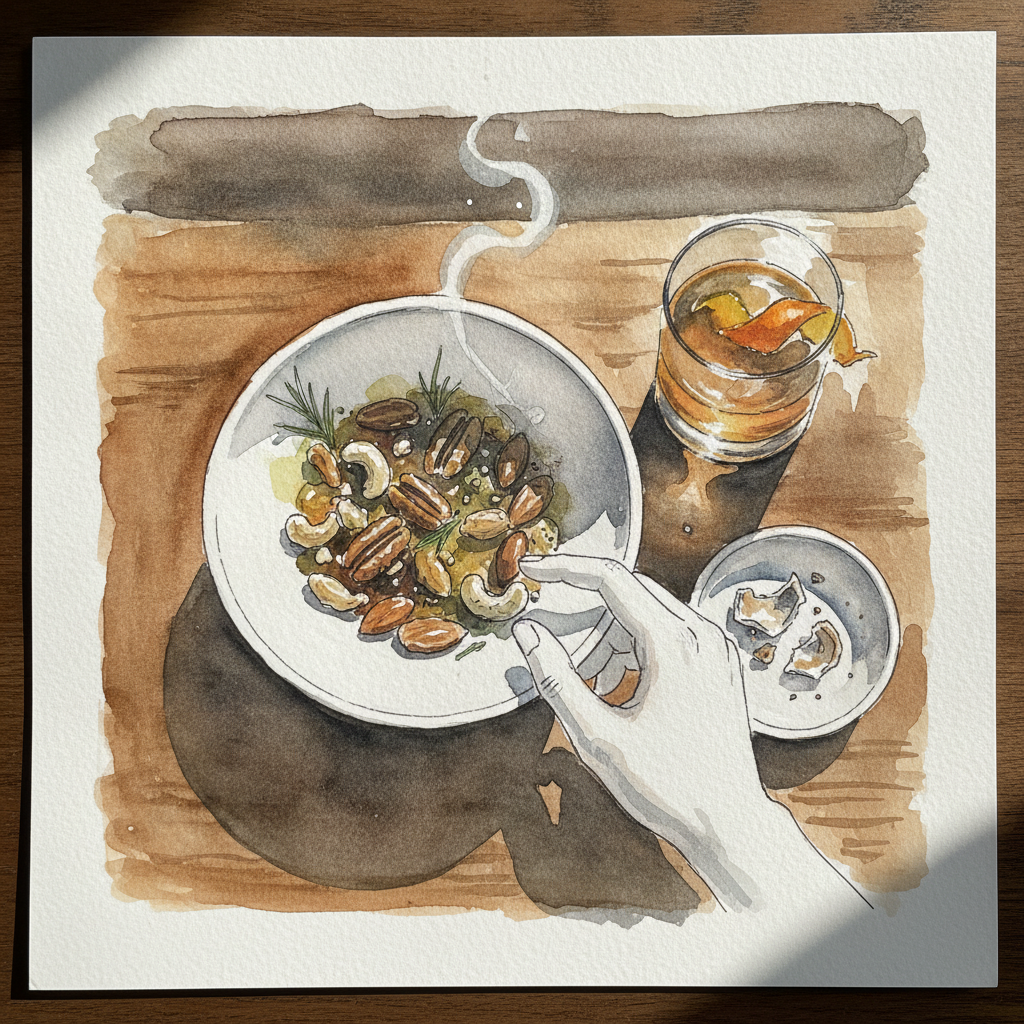
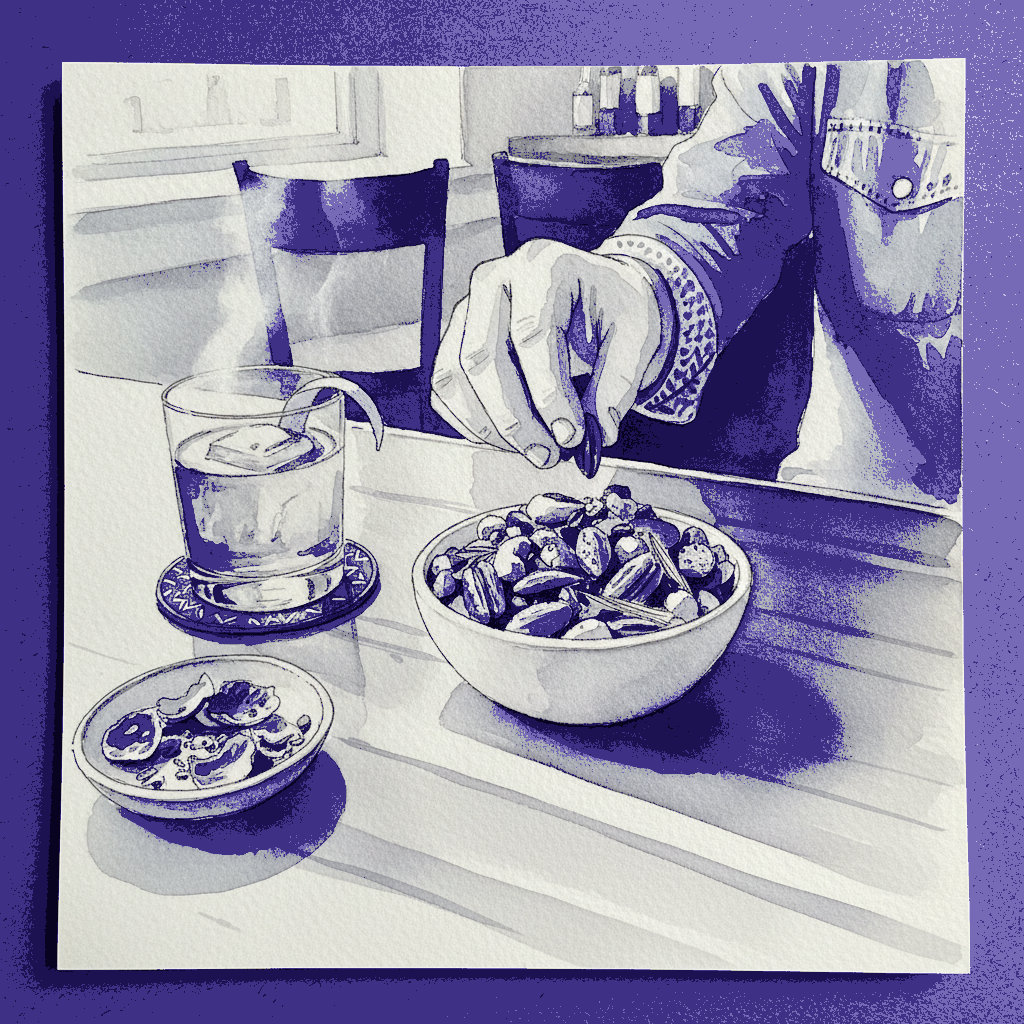
Piece 3 — Bowl of bar nuts
Pen + Watercolor · Loose pen and watercolor line-and-wash
Three takes
Focus for this piece
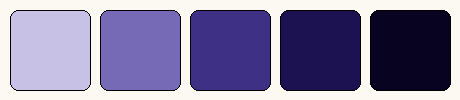
This piece offers a great study in creating both tactile texture and three-dimensional volume through the interplay of pen and wash. Employ varied pen line weights and broken strokes to capture the distinct, irregular shapes of the nut pile and delicate rosemary, contrasting them with firmer contours for the white ceramic bowl and glass. Then, use transparent watercolor glazes, letting pigment settle unevenly, to build up the 'glossed' and 'warm' quality of the nuts and polished wood surfaces.
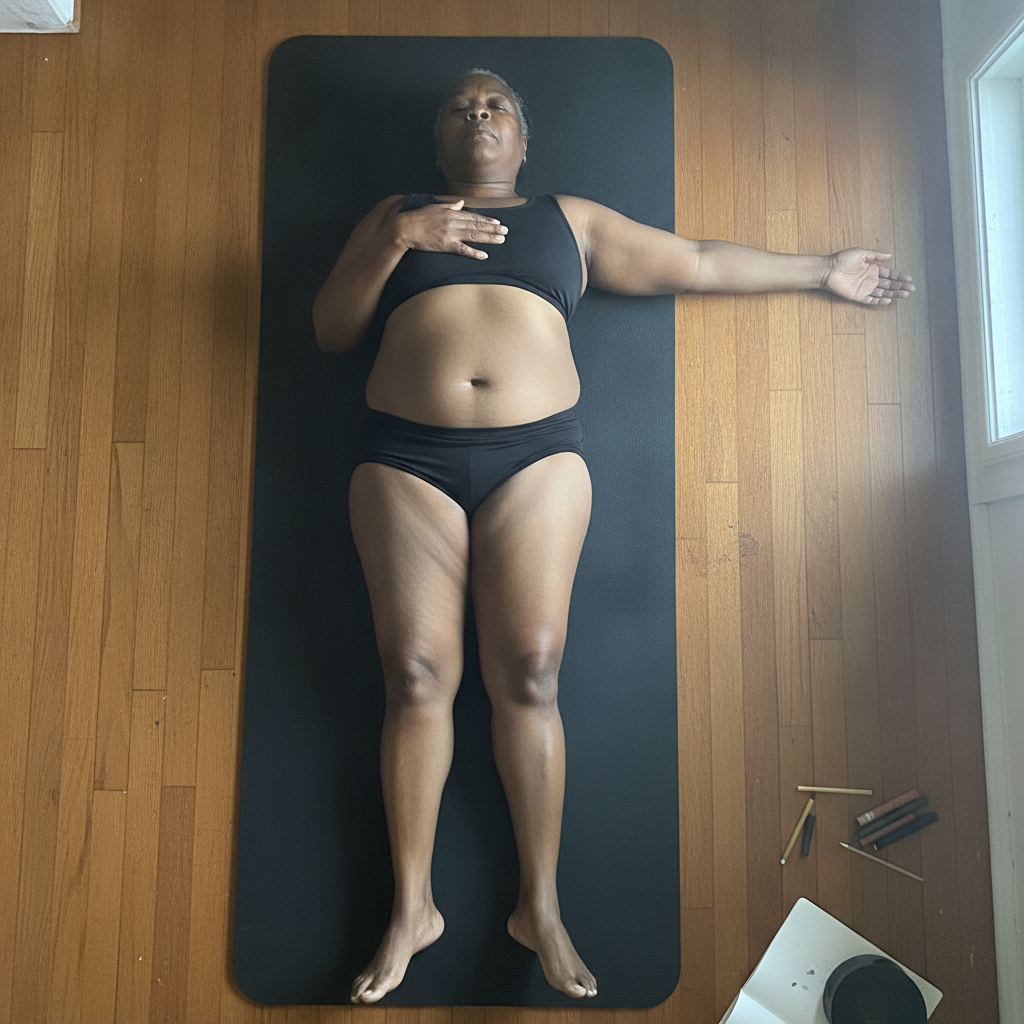
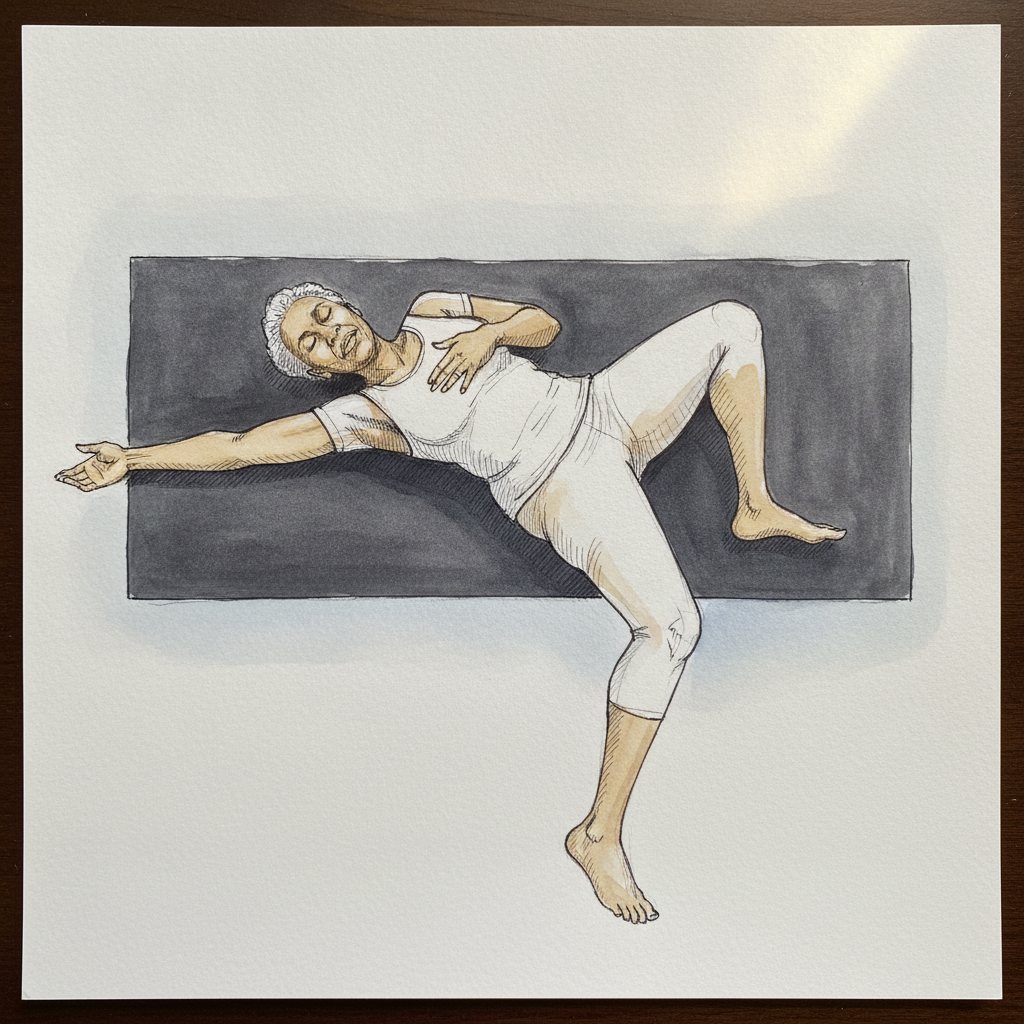
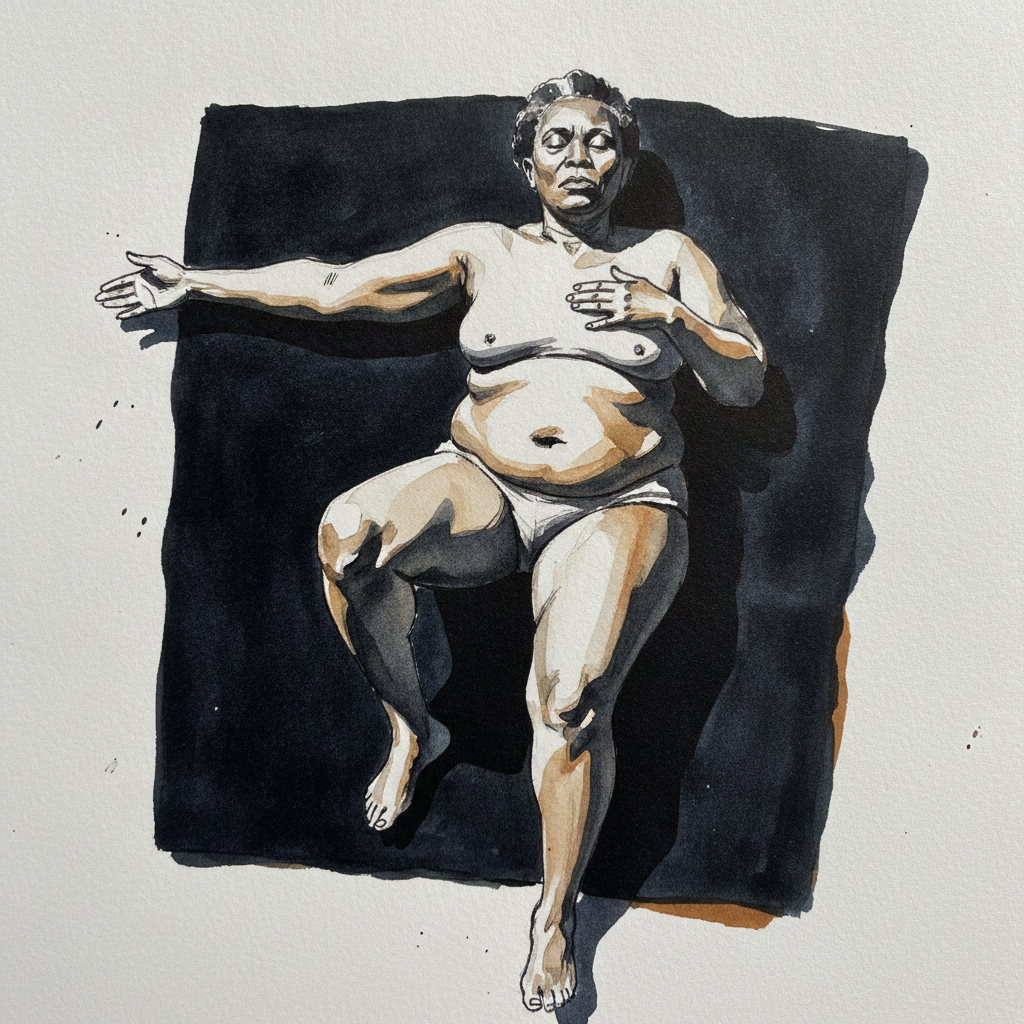
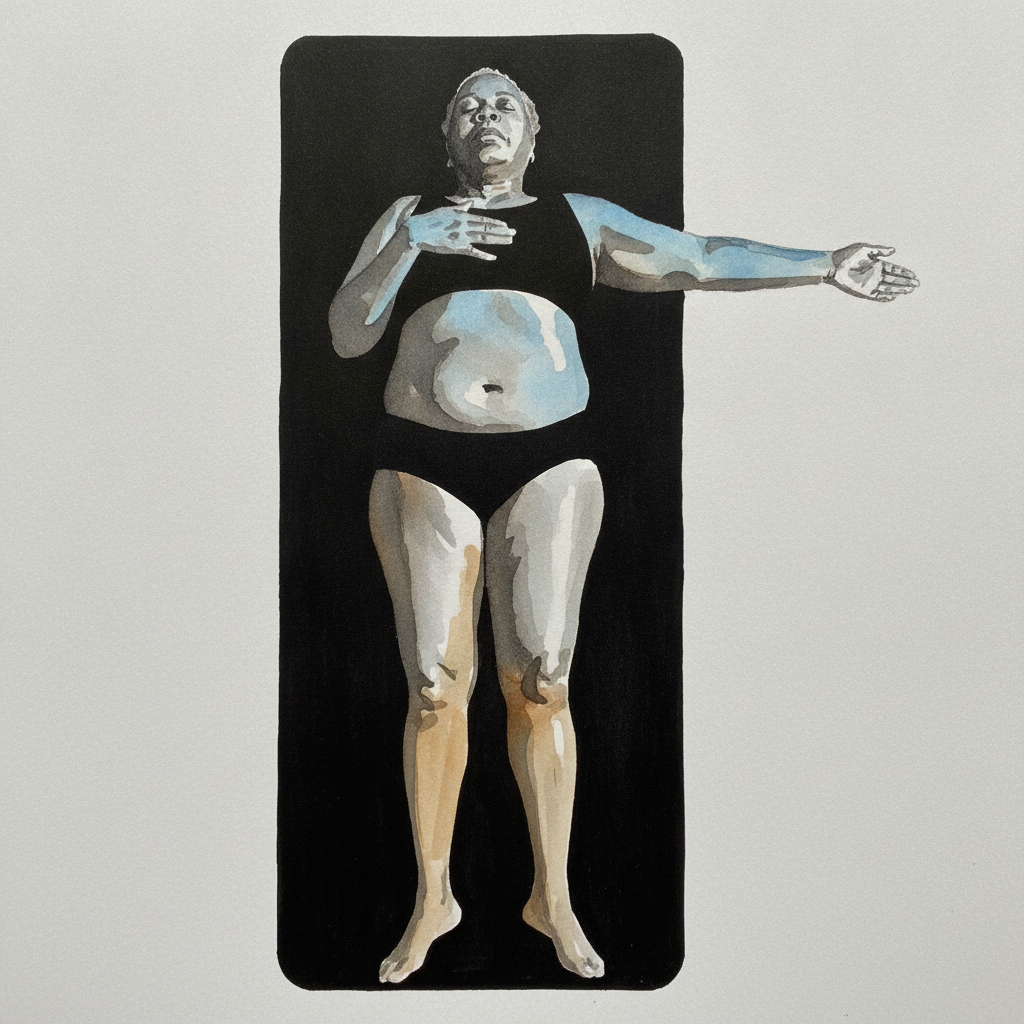
Piece 4 — Asymmetric T, Knee Up, Older Black Woman on Mat
Pen + Watercolor · Loose pen and watercolor line-and-wash
Three takes
Focus for this piece
For this figure, practice using varied pen line weights to convey the soft, mature forms of the body, allowing lighter lines to suggest areas of less tension and heavier lines to anchor the contours. Complement this structural line work with soft, layered washes to model the distinct volumes, particularly the 'tented' left thigh and generous abdomen. Observe how the cool raking light defines these forms, using your washes to suggest the subtle shifts in plane and shadow. Finally, allow the crisp edges of the thick black mat to provide a strong contrast to the softer organic shapes of the figure.
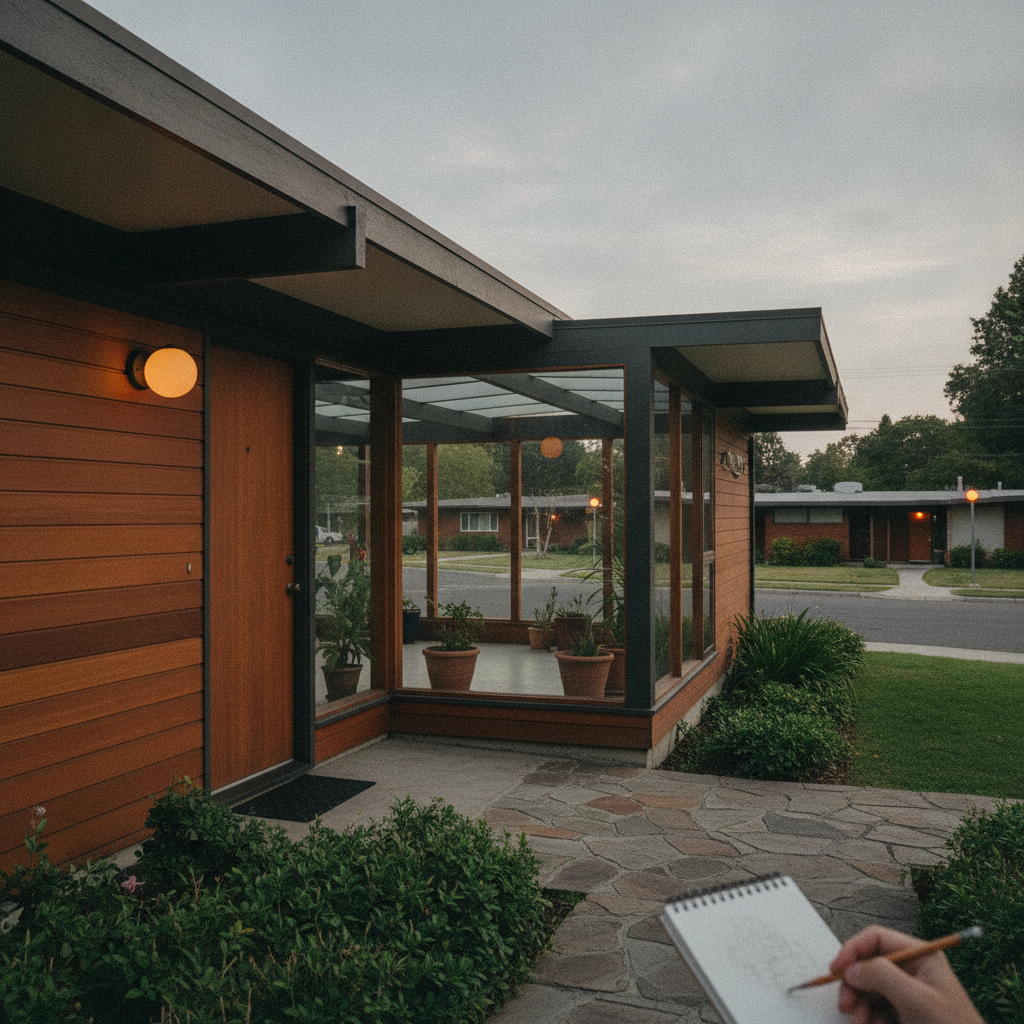
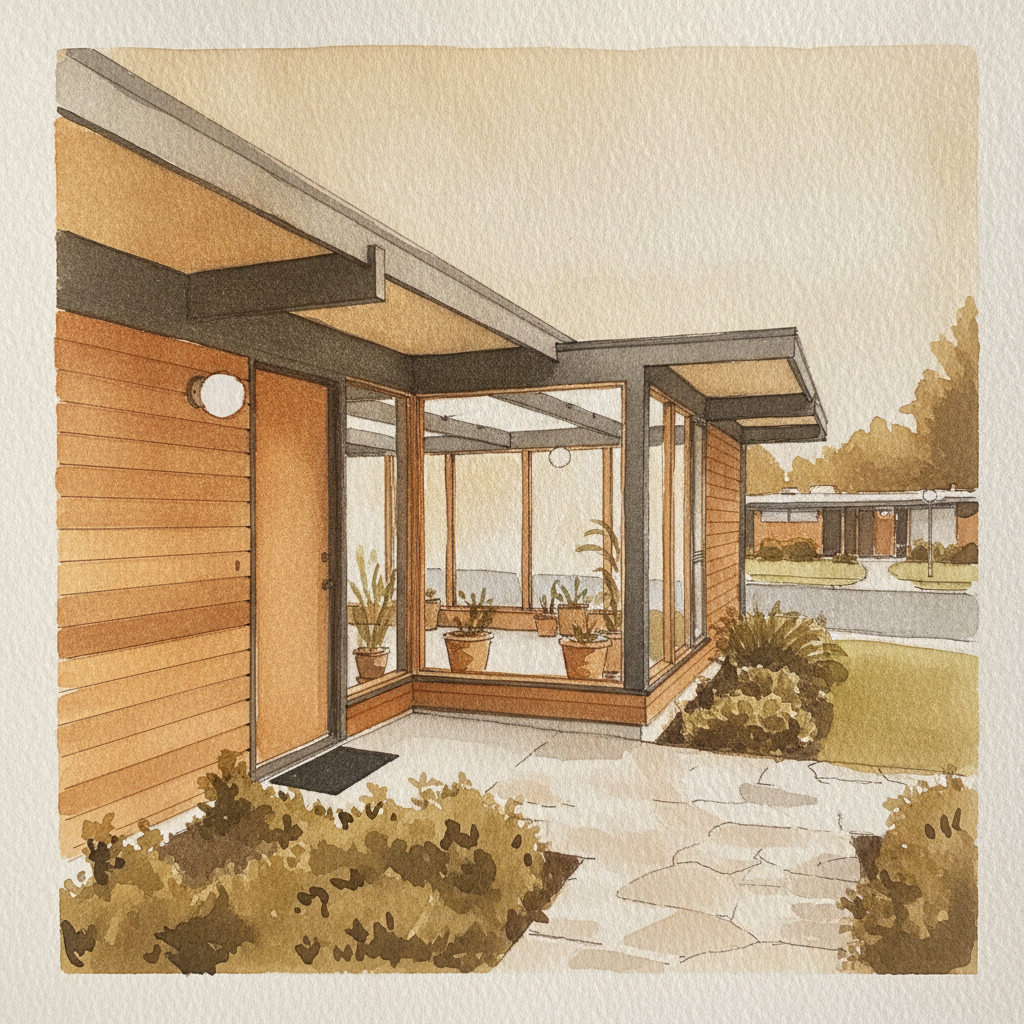
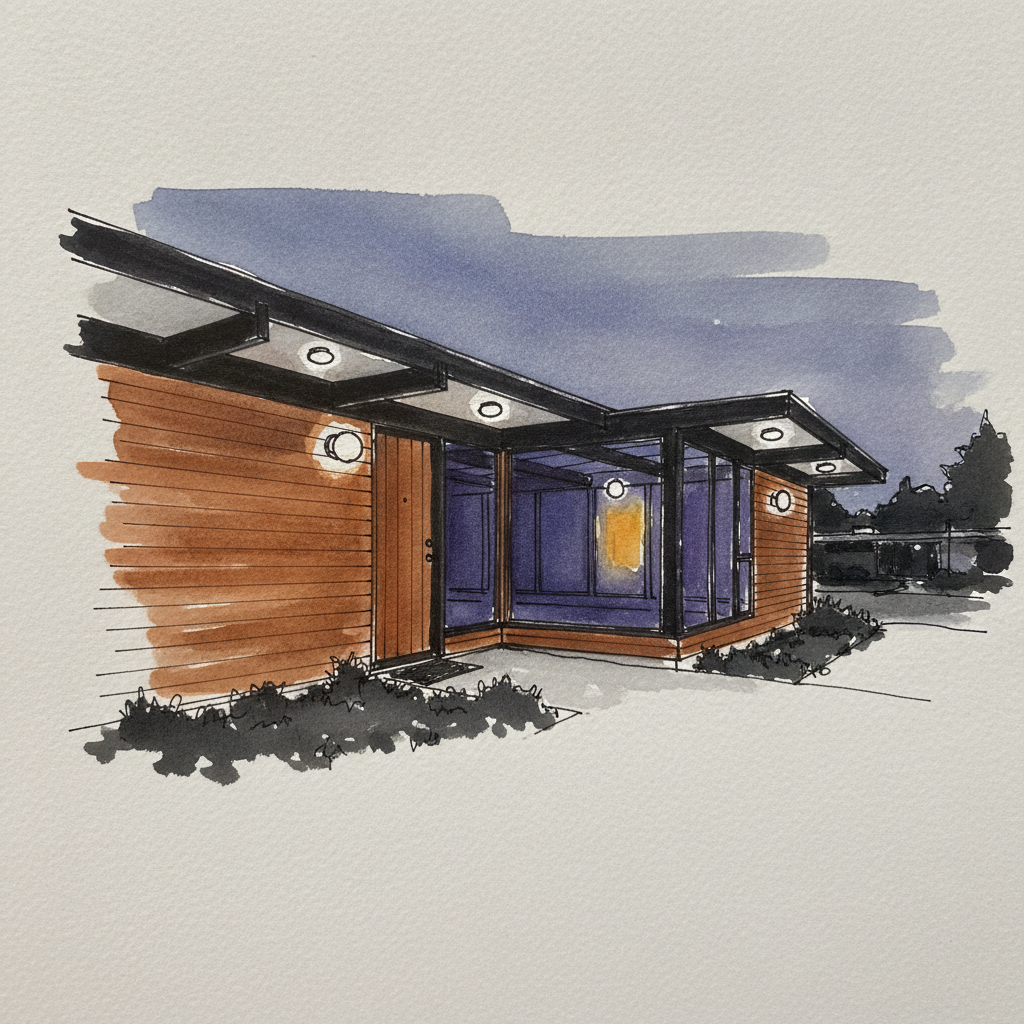
Piece 5 — Eichler Home — Greenmeadow, Palo Alto, California, USA
Pen + Watercolor · Loose pen and watercolor line-and-wash
Three takes
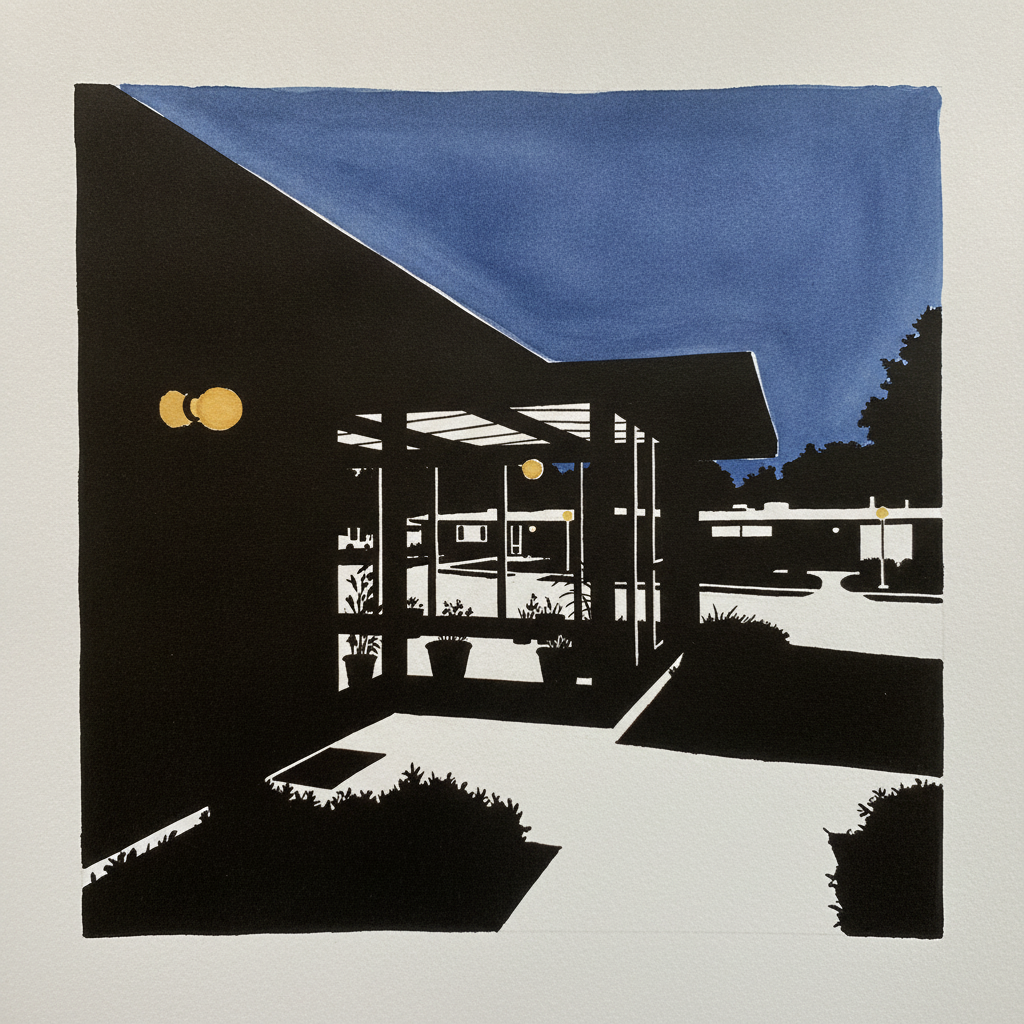
Focus for this piece
This Eichler home offers a superb study in combining precise architectural geometry with atmospheric washes. Pay close attention to using varied line weights to define the clean, angular forms of the structure and the exposed beams, while using soft, layered washes to convey the reflective quality of the glass atrium and the subtle glow of interior light at twilight. This approach allows the ink to provide structural clarity and the watercolor to evoke the home's unique light and mood.
Piece 6 — Kayak-eye view through prop roots, Florida Keys
Pen + Watercolor · Loose pen and watercolor line-and-wash
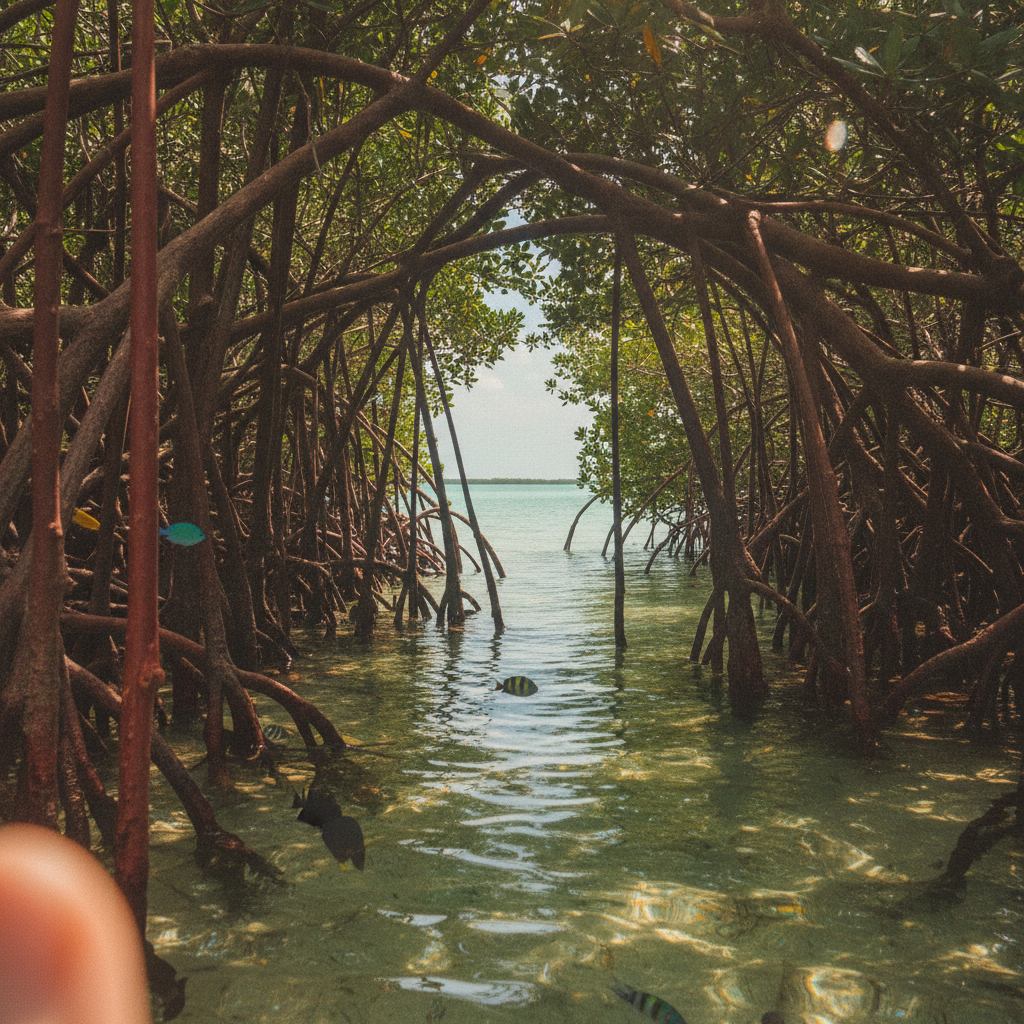
Three takes
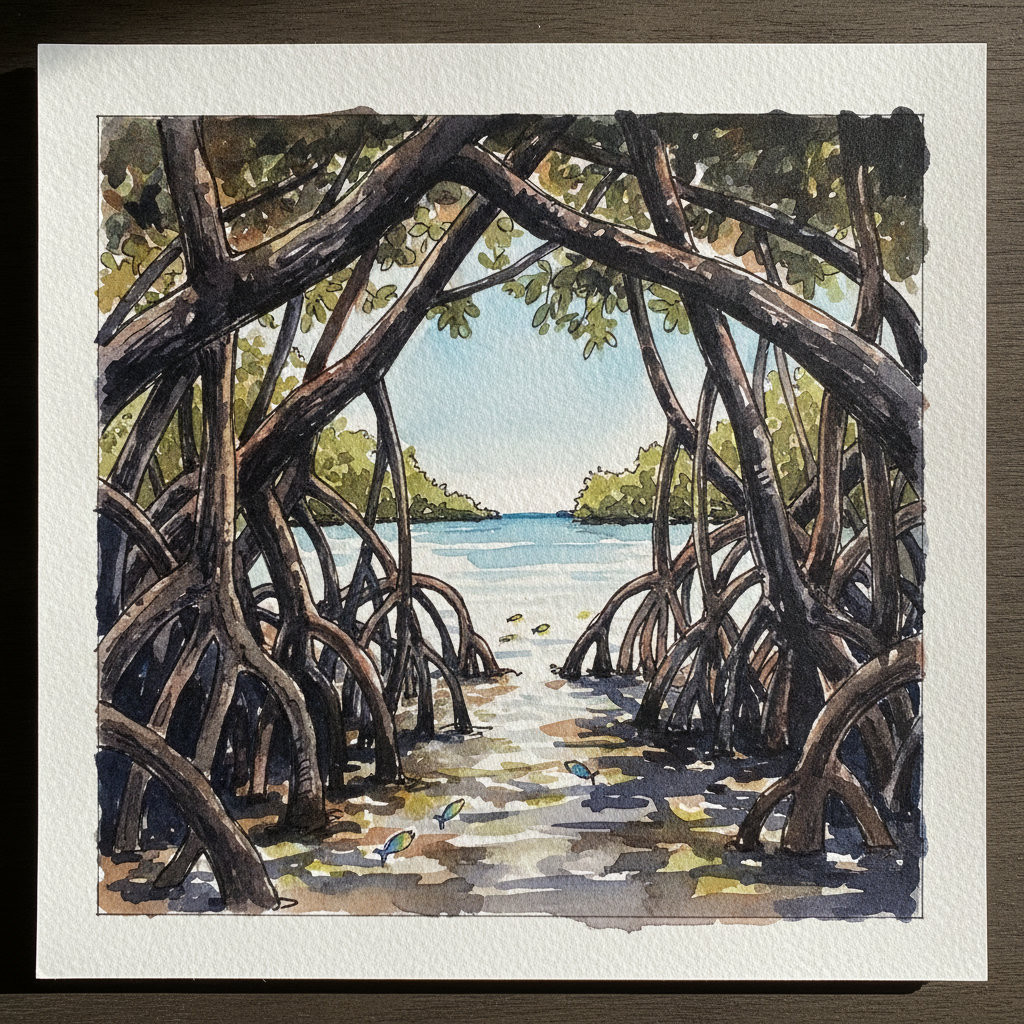
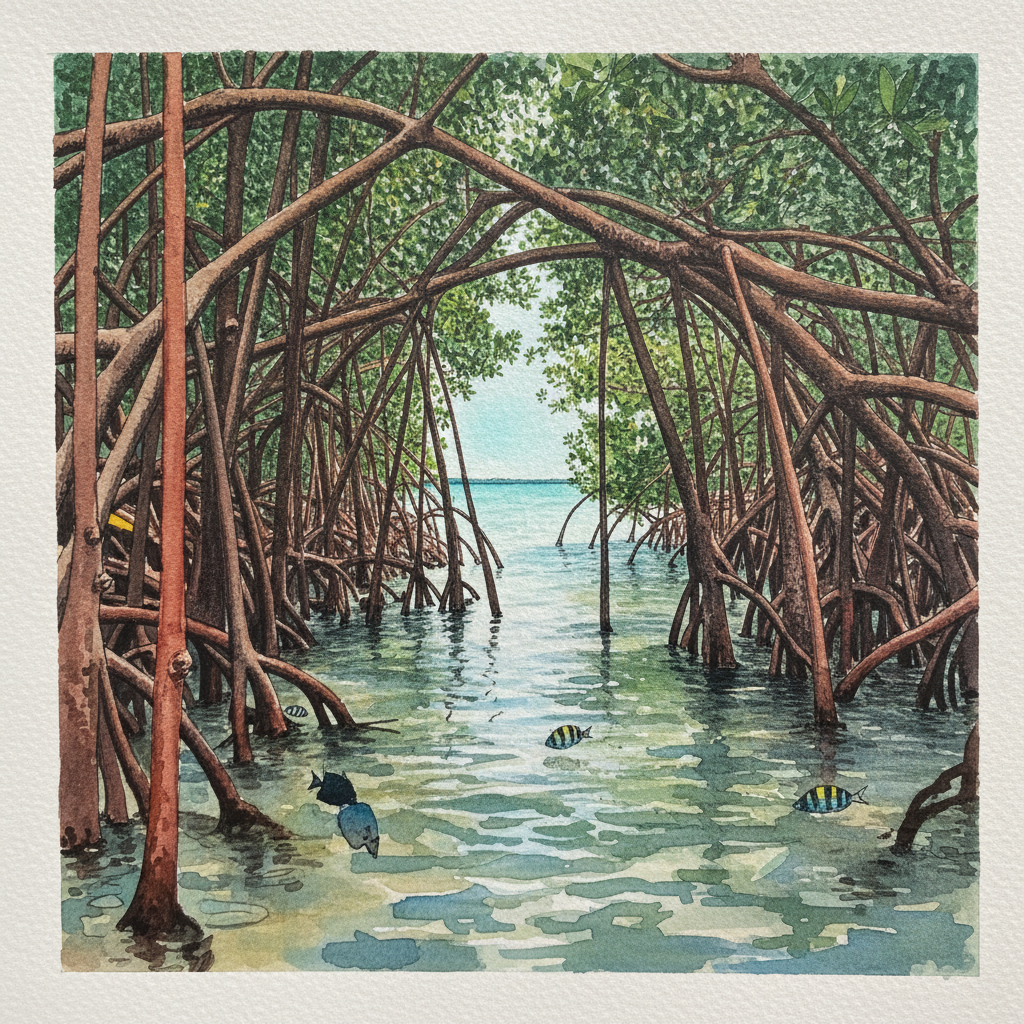
Focus for this piece
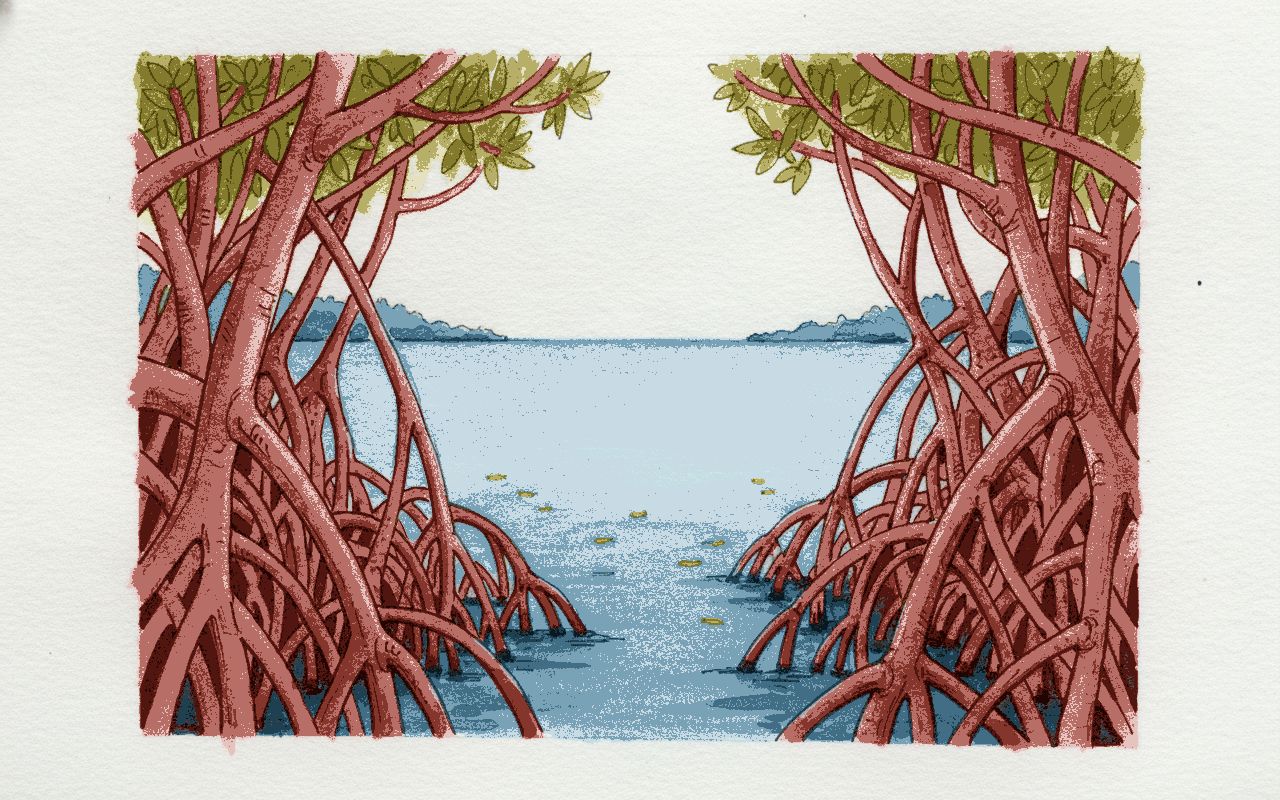
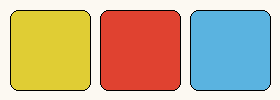
This piece is ideal for practicing how to create strong compositional depth and visual interest from a low vantage point. Emphasize varied line weights: use heavier, more detailed lines for the intricate foreground prop roots that frame the scene, and progressively lighter, softer lines for the receding channel. Then, define the cool shaded interiors of the roots and the clear water around them using controlled wet-on-dry washes, allowing the bright tropical light on the distant bay to remain largely unpainted.
Piece 7 — Hooded merganser
Pen + Watercolor · Loose pen and watercolor line-and-wash
Three takes
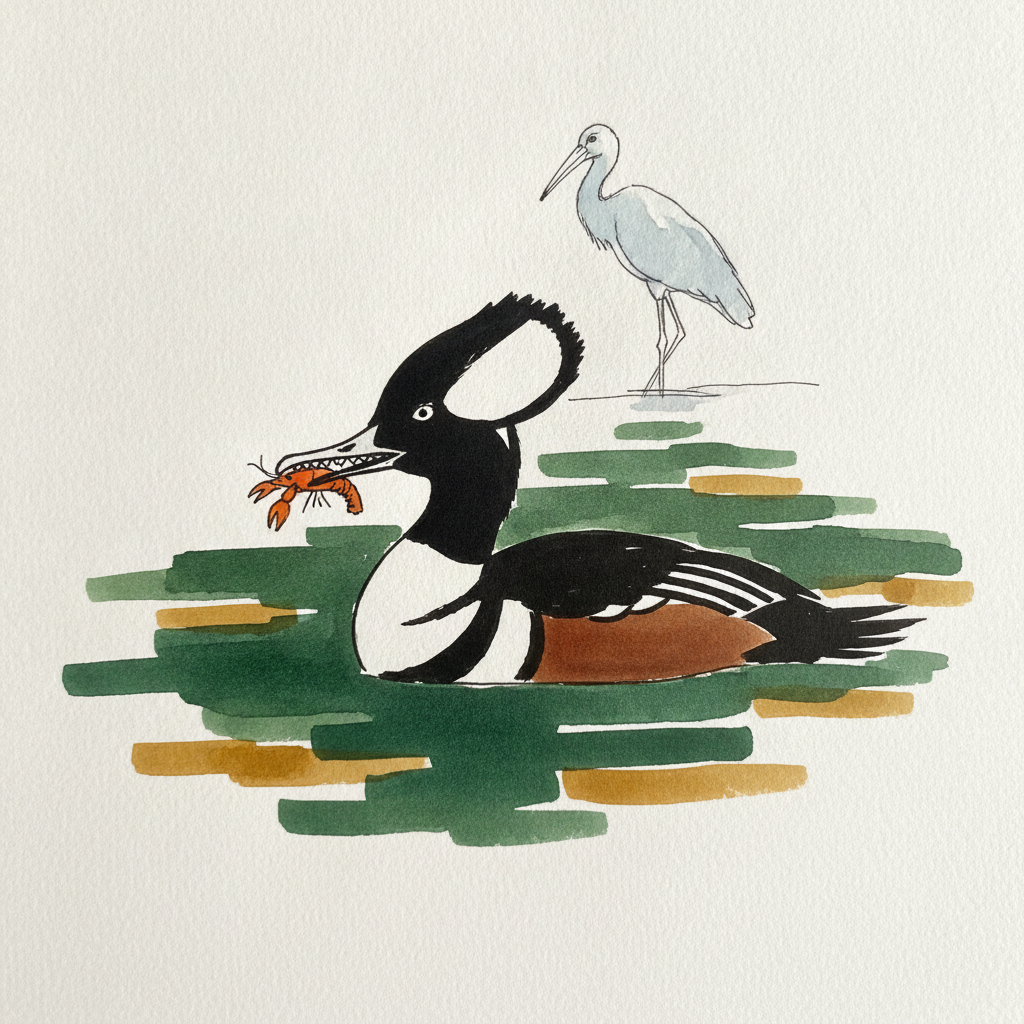
Focus for this piece
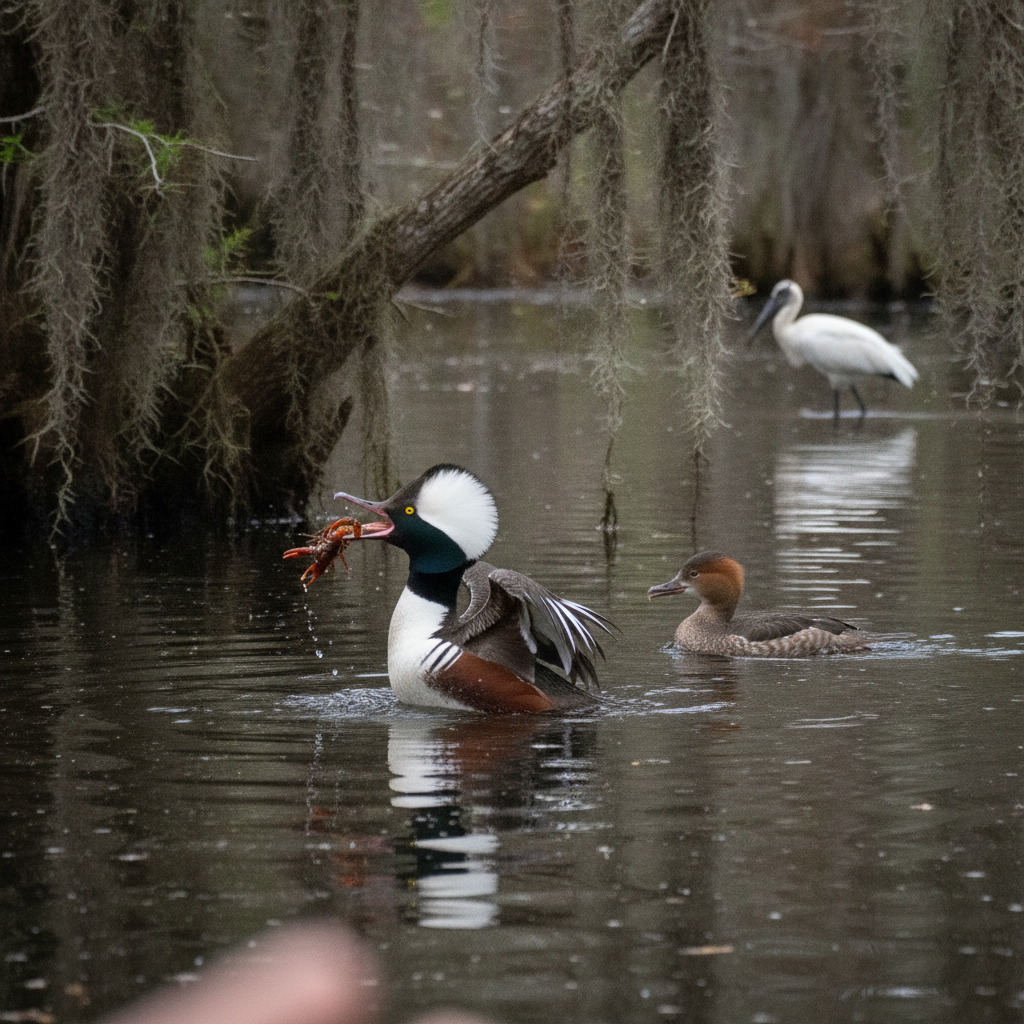
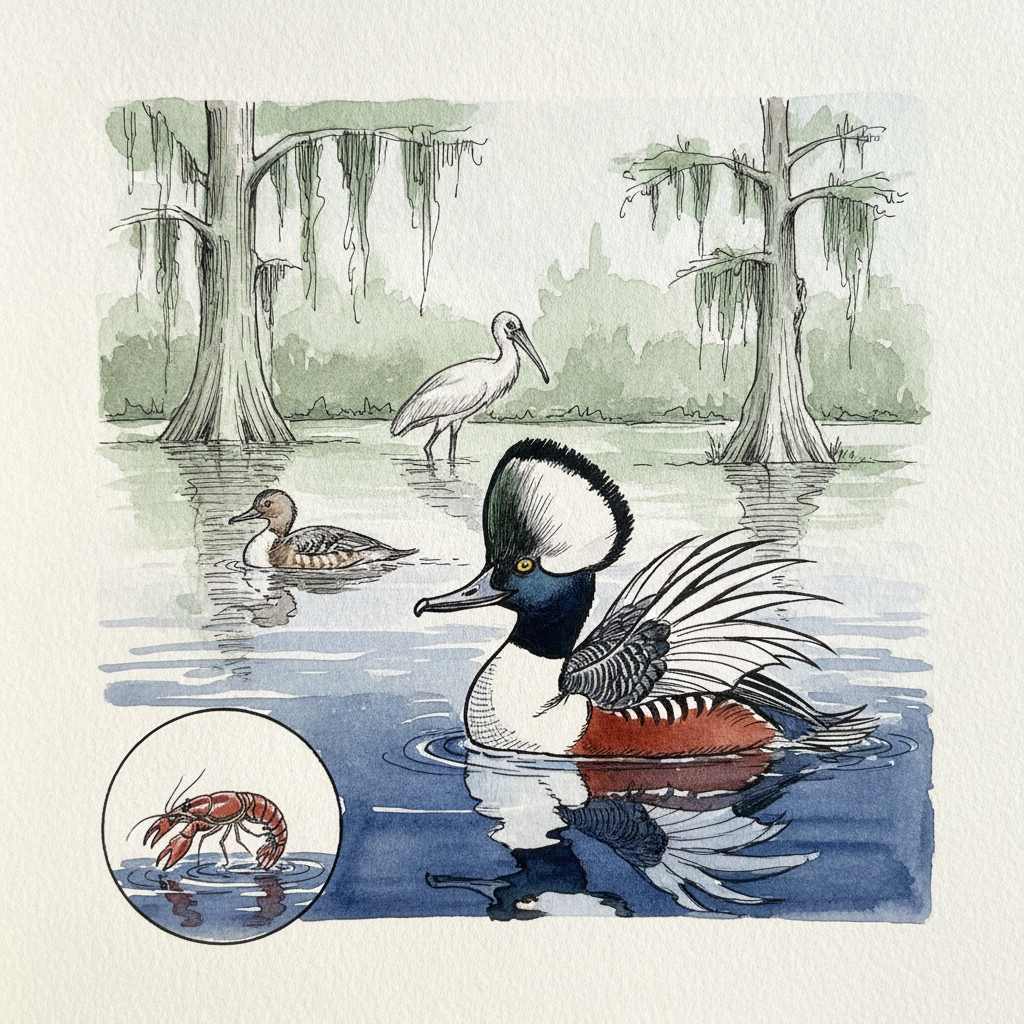
Today's study focuses on capturing dynamic form and contrasting textures within a soft, atmospheric setting. Use confident, varying pen lines to define the sharp, fanned shape of the merganser's crest and the delicate black barring on his sides, allowing these details to snap against softer, more expansive washes for the dim cypress slough and Spanish moss. This interplay of crisp line and blurred wash will emphasize the bird's vivid display against its tranquil environment.
Piece 8 — Aging Knuckle Closeup, Mixed-Race Woman 70s
Pen + Watercolor · Loose pen and watercolor line-and-wash
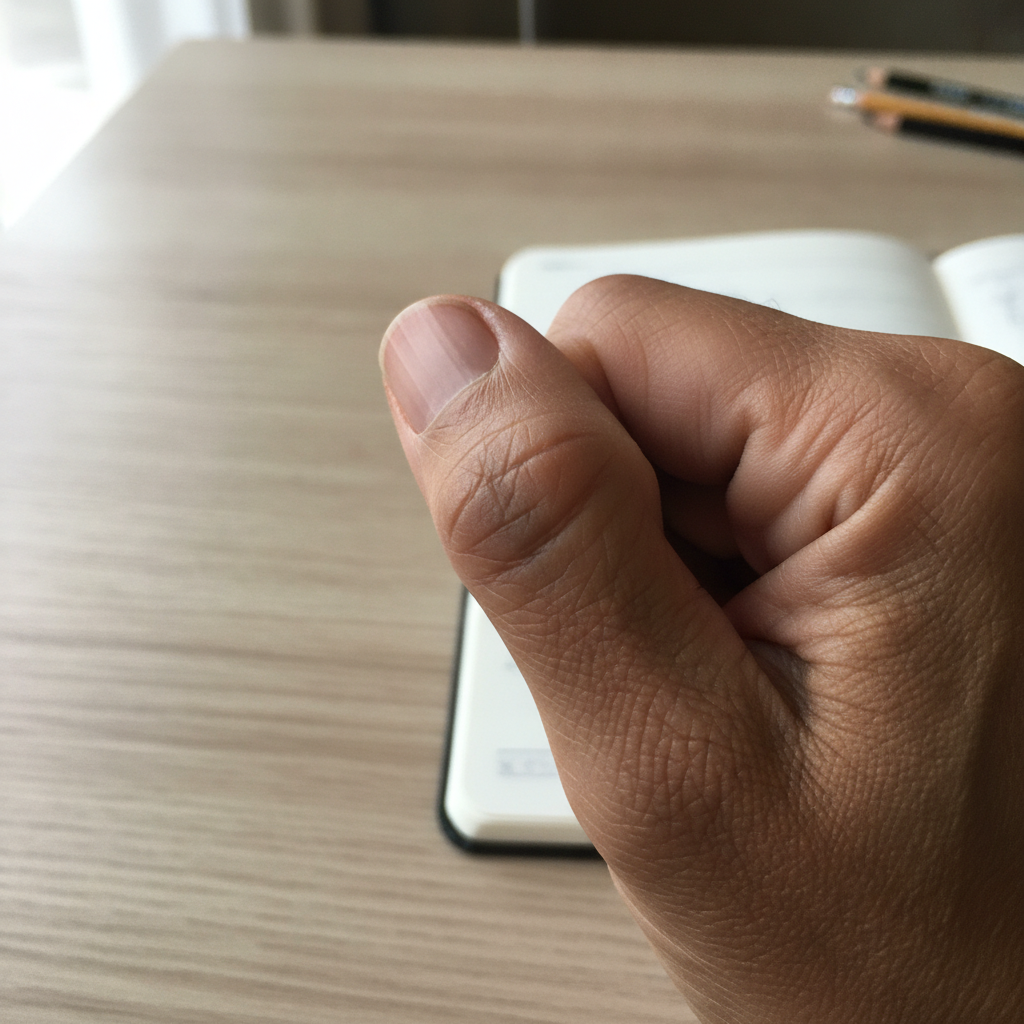
Three takes
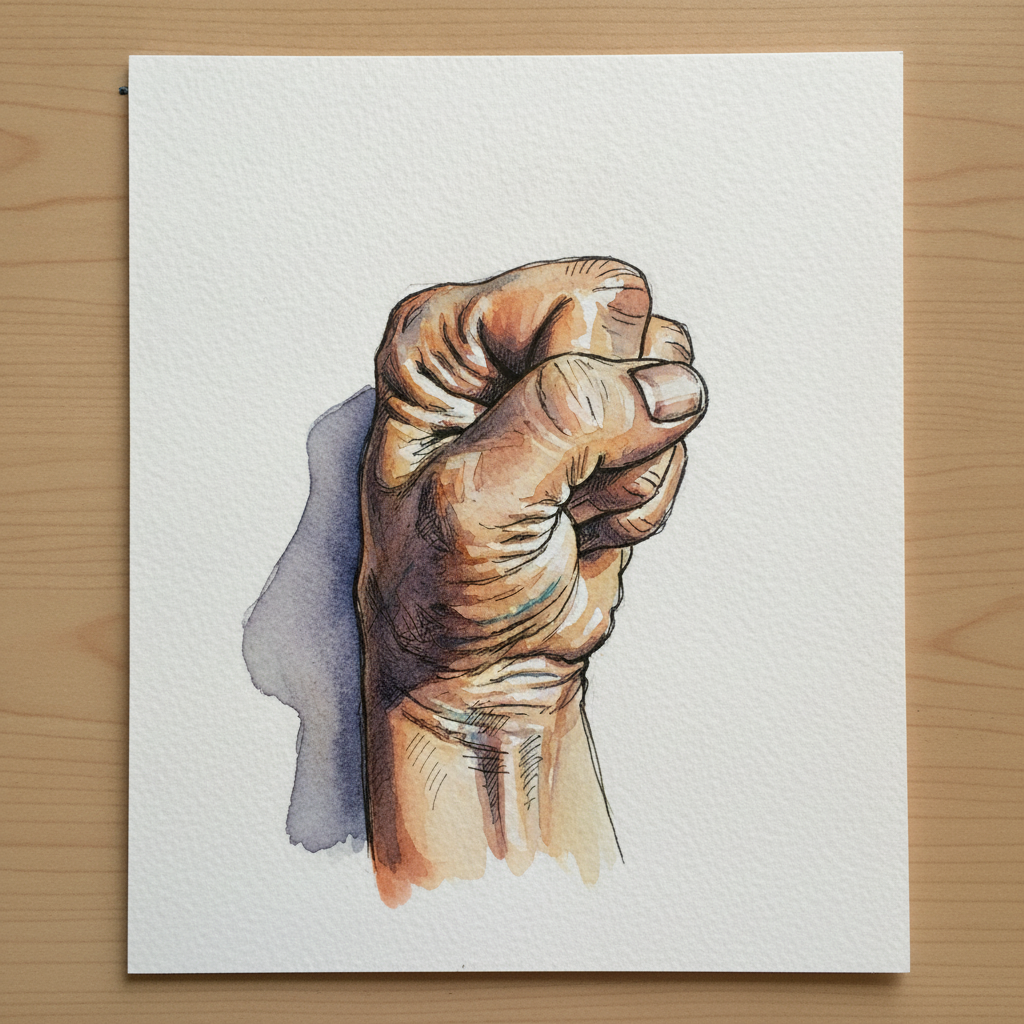
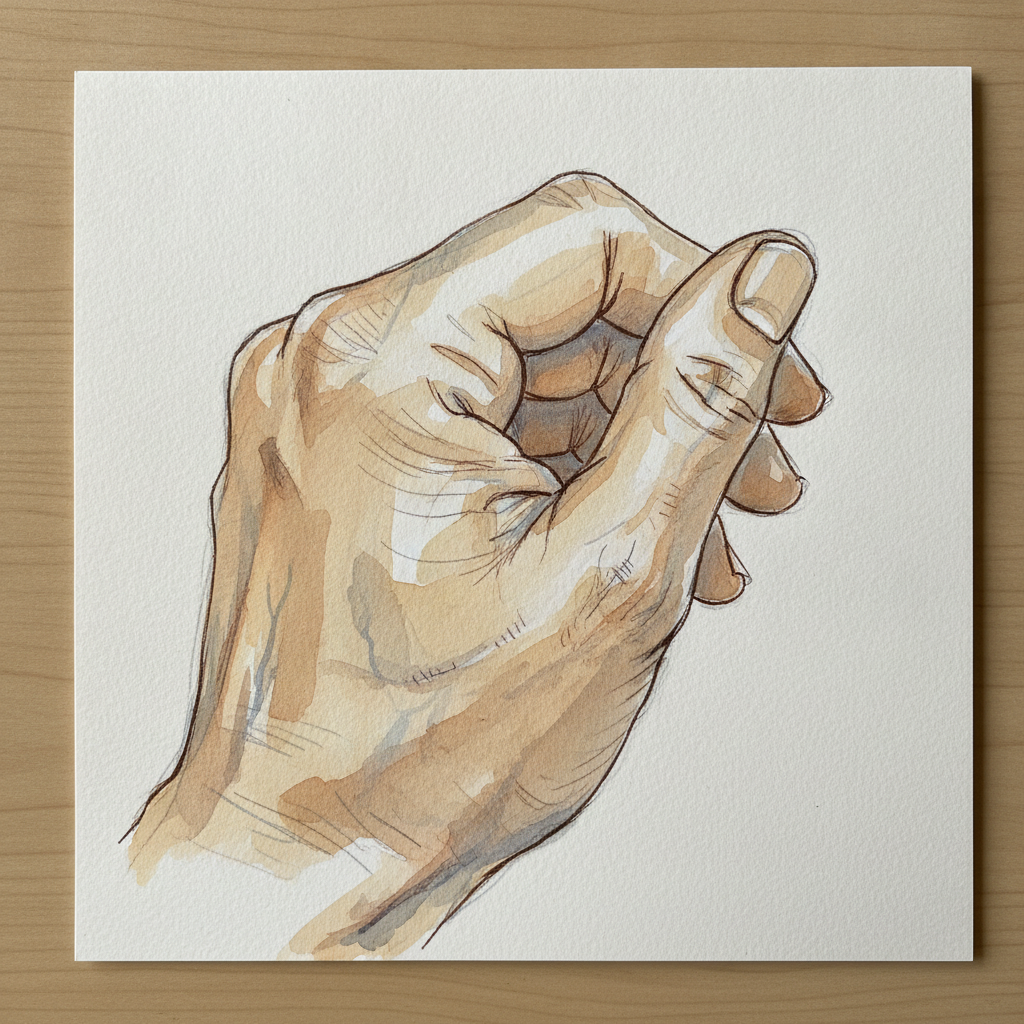
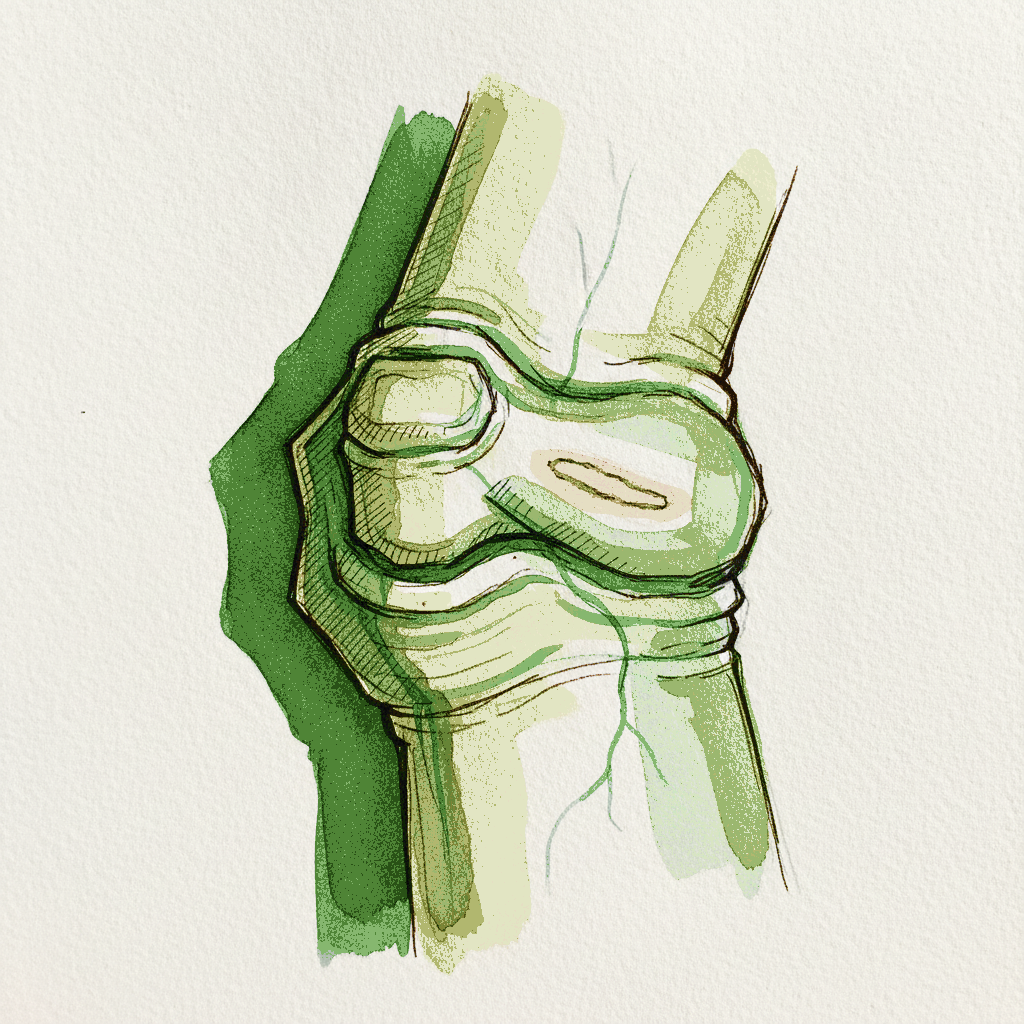

Focus for this piece
Today's study centers on rendering complex organic texture, specifically using varied pen line weight to distinguish the hard-edged, deep knuckle creases from the softer, surrounding skin wrinkles. Observe how the strong side light profoundly sculpts the form; use deliberate wet-on-dry washes to build up volume in shadows and suggest the subtle translucency of visible veins, while preserving crisp highlights. Challenge yourself with a restrained palette, focusing on mixing nuanced tan values and introducing hints of cool tones to create depth and variation in the aging skin.