Field with Distant Storm, Cape Cod cottage gate in fog with Buff Beauty apricot, Open architecture monograph on a drafting table, Wide-knees, elderly model, supported by props, and more — pen + watercolor for June 16, 2026
AI-generated daily art-practice references for pen and watercolor: Field with Distant Storm, Cape Cod cottage gate in fog with Buff Beauty apricot, Open architecture monograph on a drafting table, Wide-knees, elderly model, supported by props, Bhoramdeo Temple, Kawardha, Chhattisgarh, India, Kid…
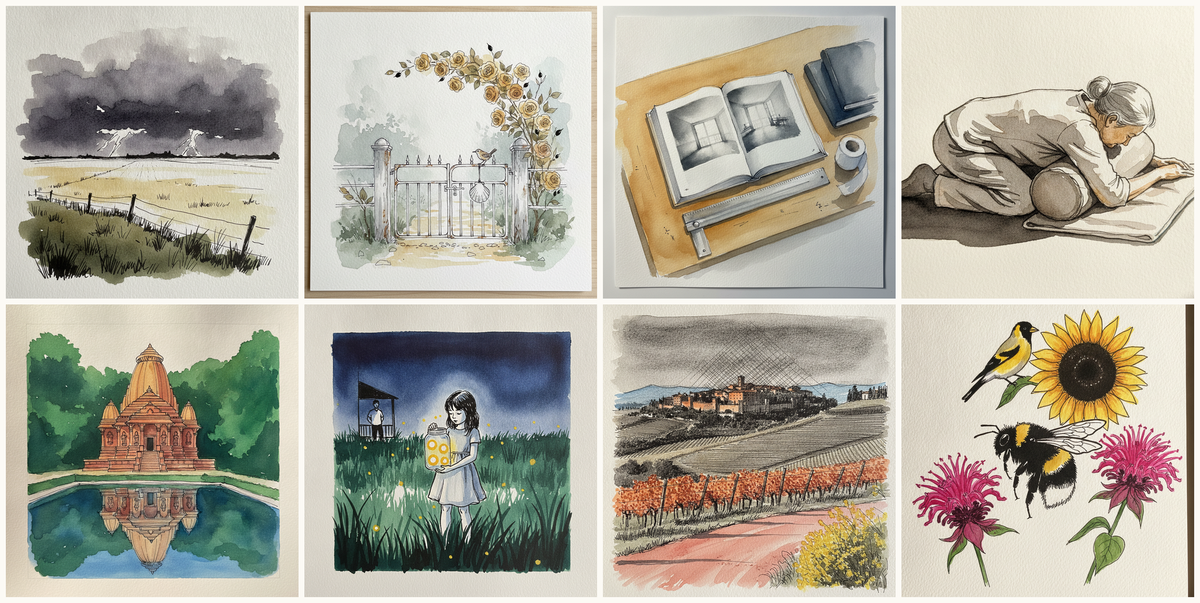
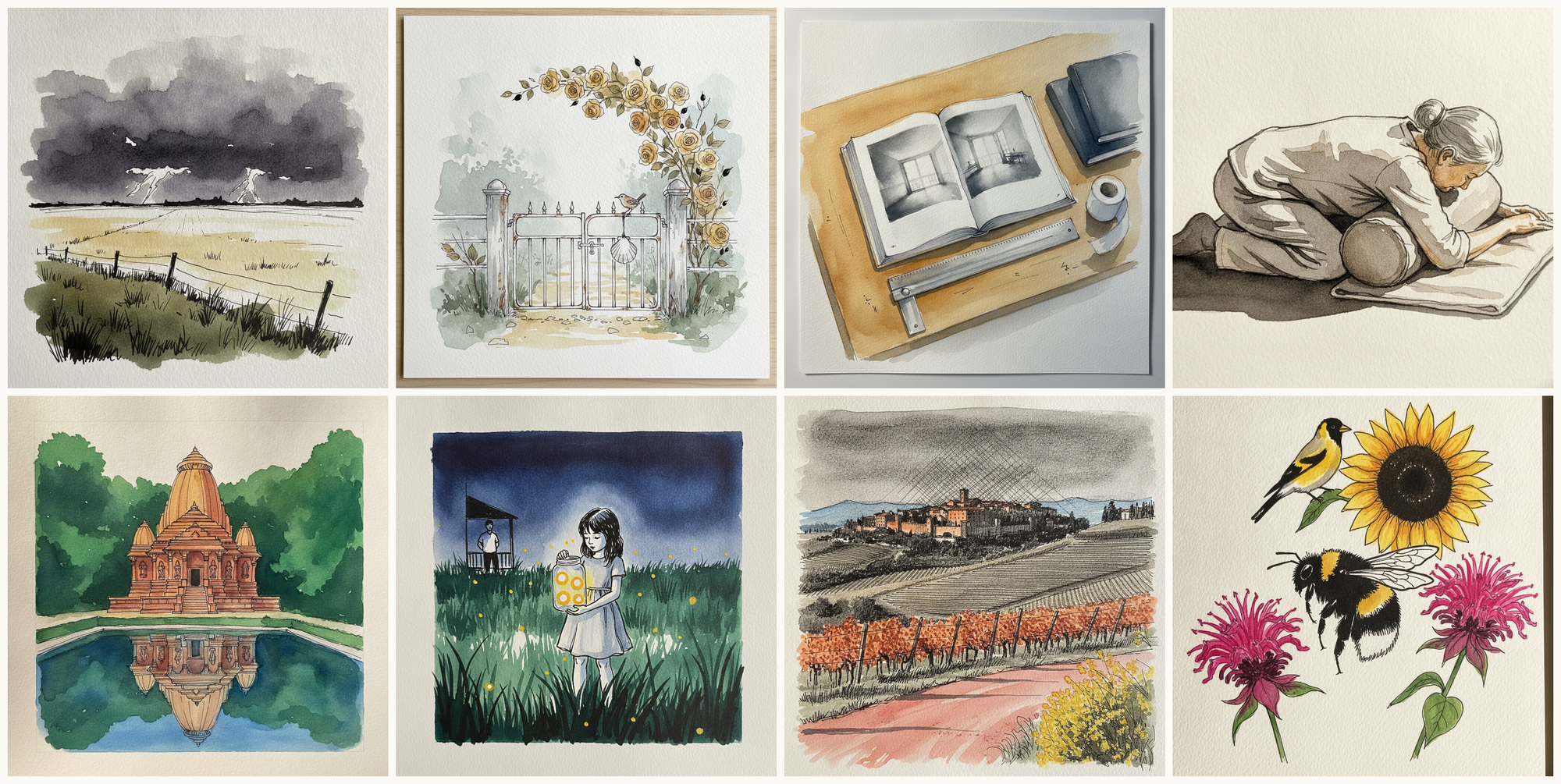
Today's 8 pen-and-watercolor pieces: Field with Distant Storm, Cape Cod cottage gate in fog with Buff Beauty apricot, Open architecture monograph on a drafting table, Wide-knees, elderly model, supported by props, Bhoramdeo Temple, Kawardha, Chhattisgarh, India, Kid catching fireflies, Montalcino town crowning the Brunello vines, Tuscany, Common eastern bumblebee. Each piece comes with an AI-generated photoreal reference, three AI-generated example artworks in different treatments, and a short focus paragraph naming what to study in this one.
Why these references use AI
This daily series uses AI-generated images as practice prompts, not as finished artwork to copy. Each subject starts with a synthetic photoreal reference generated with Gemini/Nano Banana, then moves into three pen-and-watercolor interpretations of the same subject.
I use AI here because daily art practice needs variety and low friction. Real life can get repetitive, busy, or visually narrow. These generated reference sets make it easier to study bodies, buildings, animals, landscapes, objects, gestures, light, palettes, and compositions that might not show up in an ordinary day.
The goal is not to reproduce any image directly. Treat each set as a starting point for observation and study: choose what interests you, change the framing, simplify the subject, alter the palette, and make your own version.
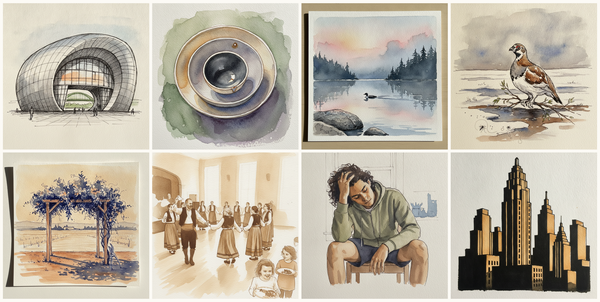
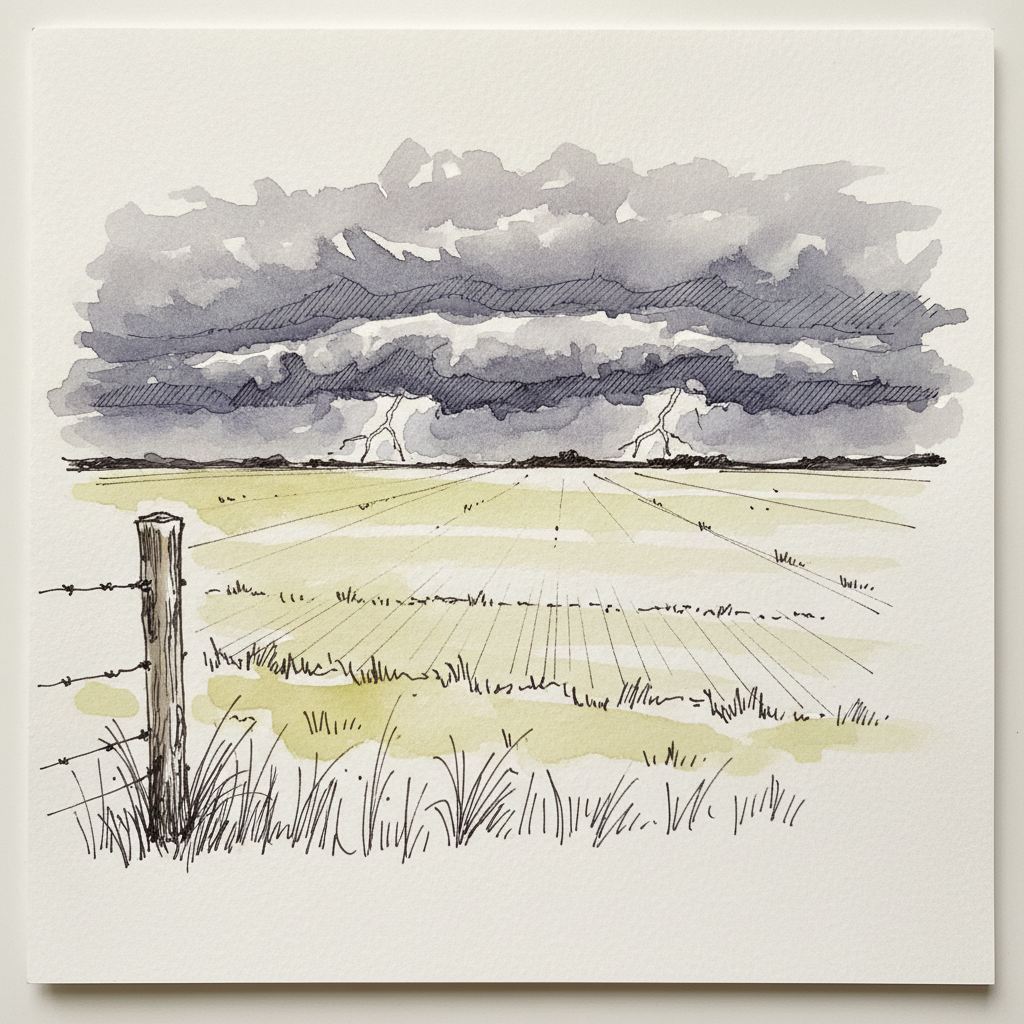
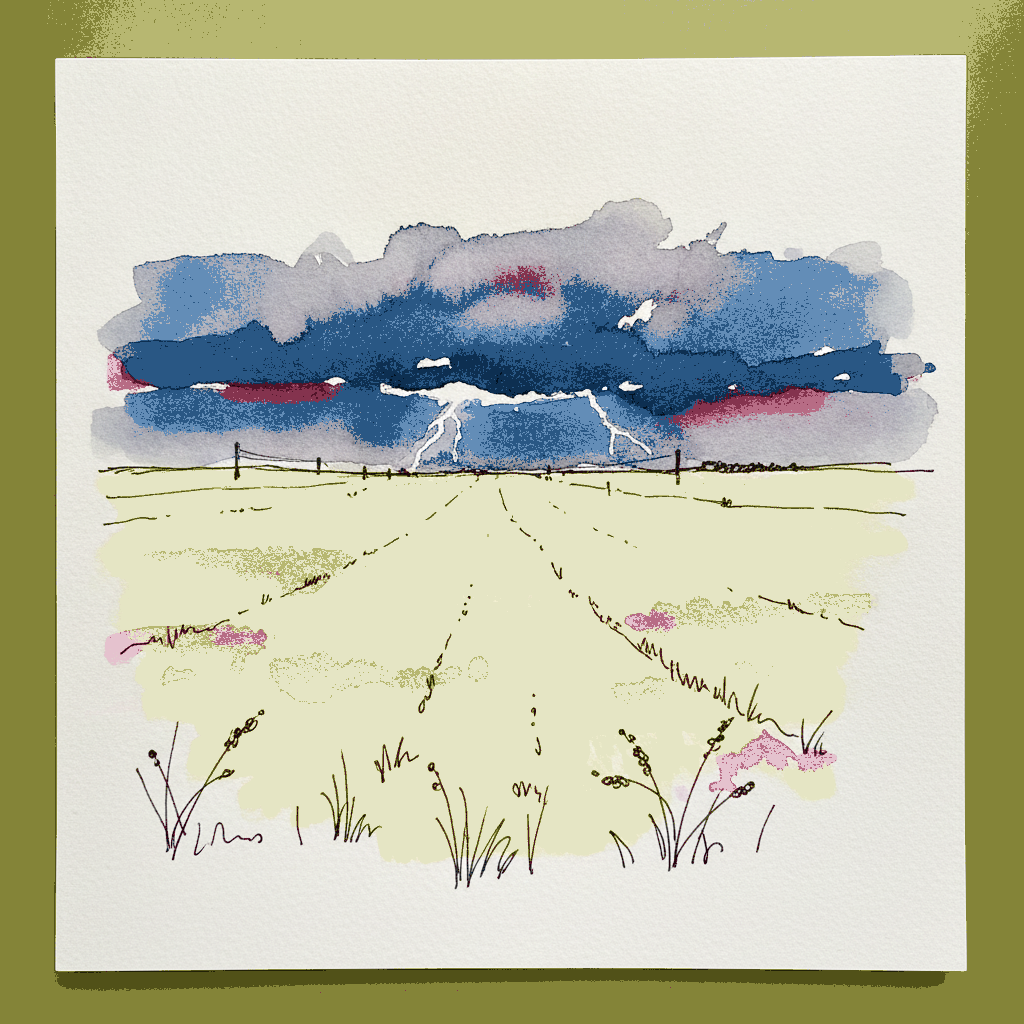
Piece 1 — Field with Distant Storm
Pen + Watercolor · Loose pen and watercolor line-and-wash
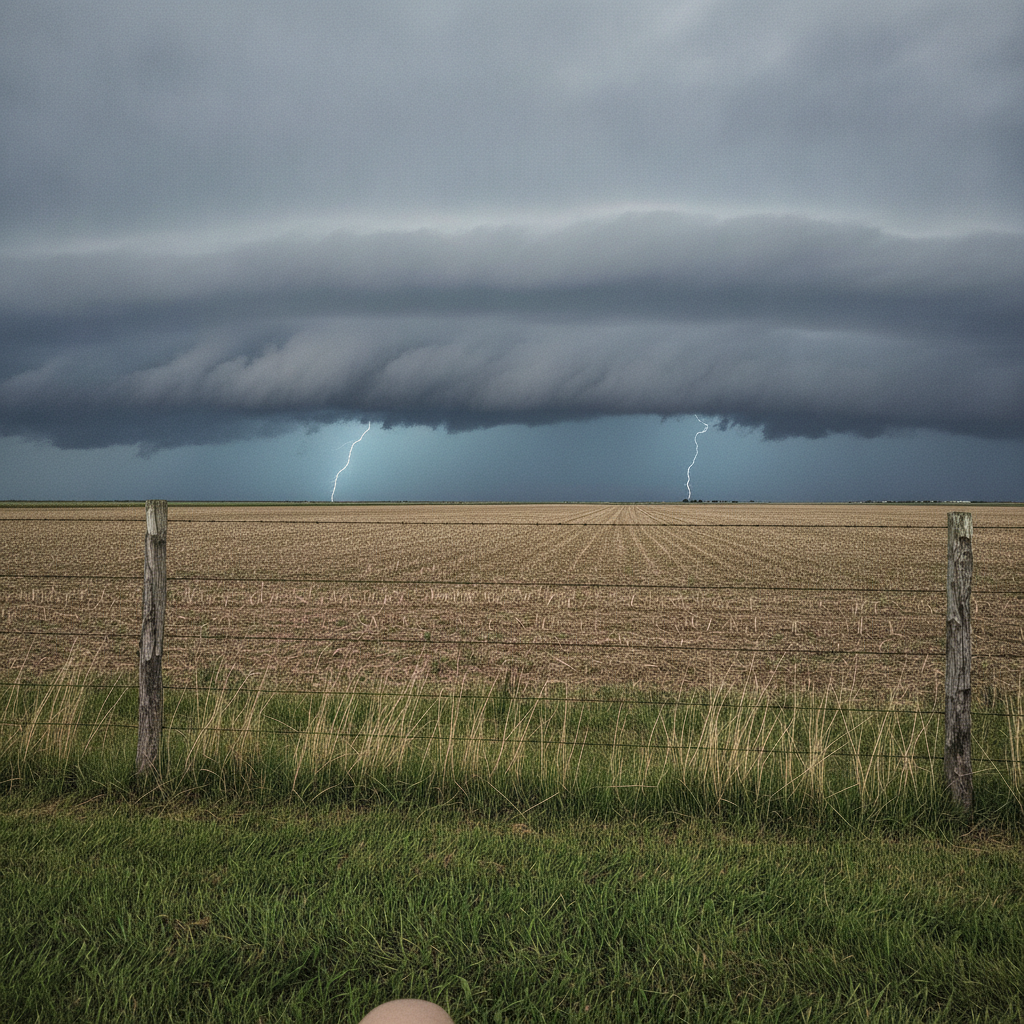
Three takes
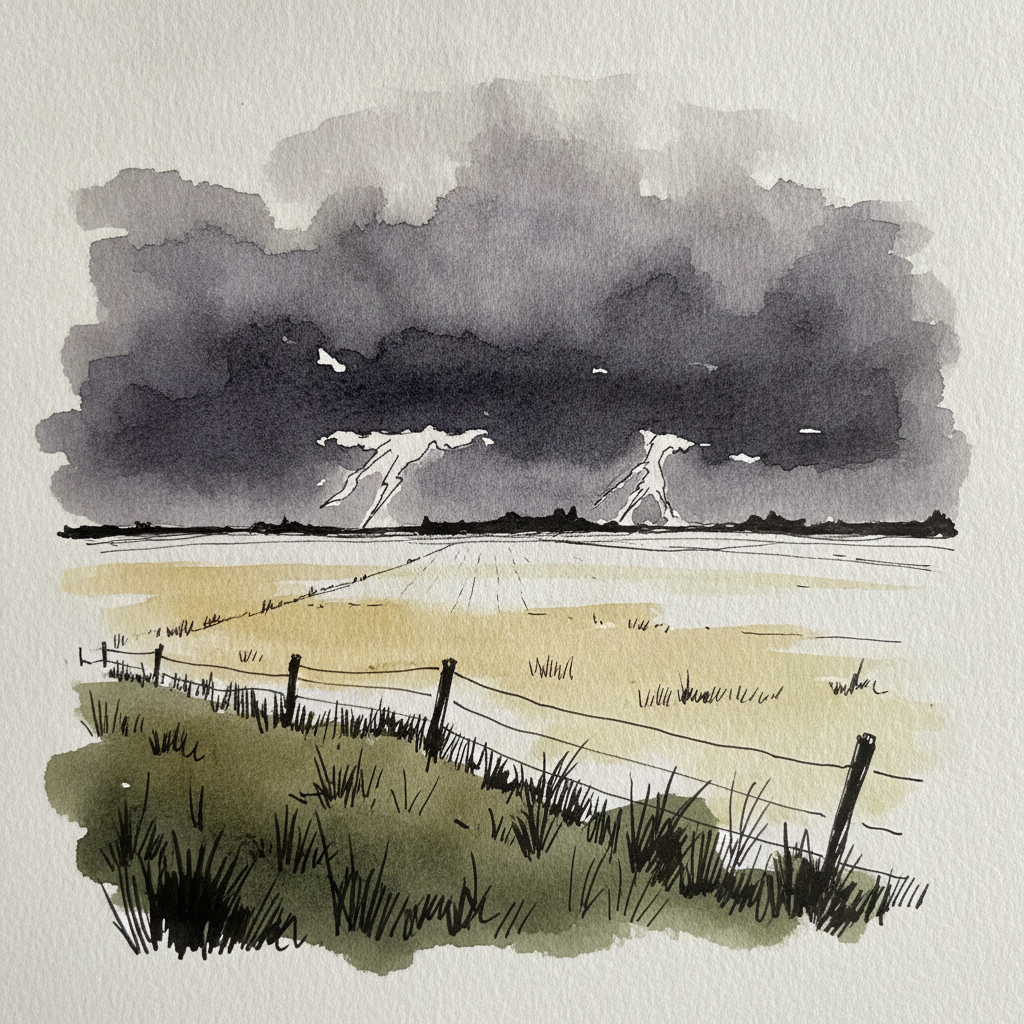

Focus for this piece
Today's study challenges you to contrast decisive ink lines with the provisional nature of watercolor, particularly in conveying atmospheric depth. Use sharp, varied pen lines to define the foreground fence and detailed grass, but rely on soft, merging wet-into-wet washes of grey-purple pigments to build the unified, hazy mass of the distant storm cloud and land. This deliberate interplay lets your ink supply the crisp structure up close while the watercolor creates the dramatic, indistinct atmosphere in the distance.
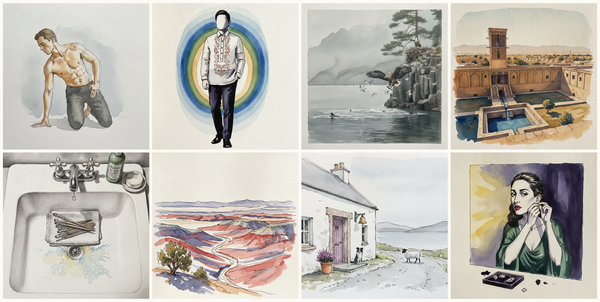
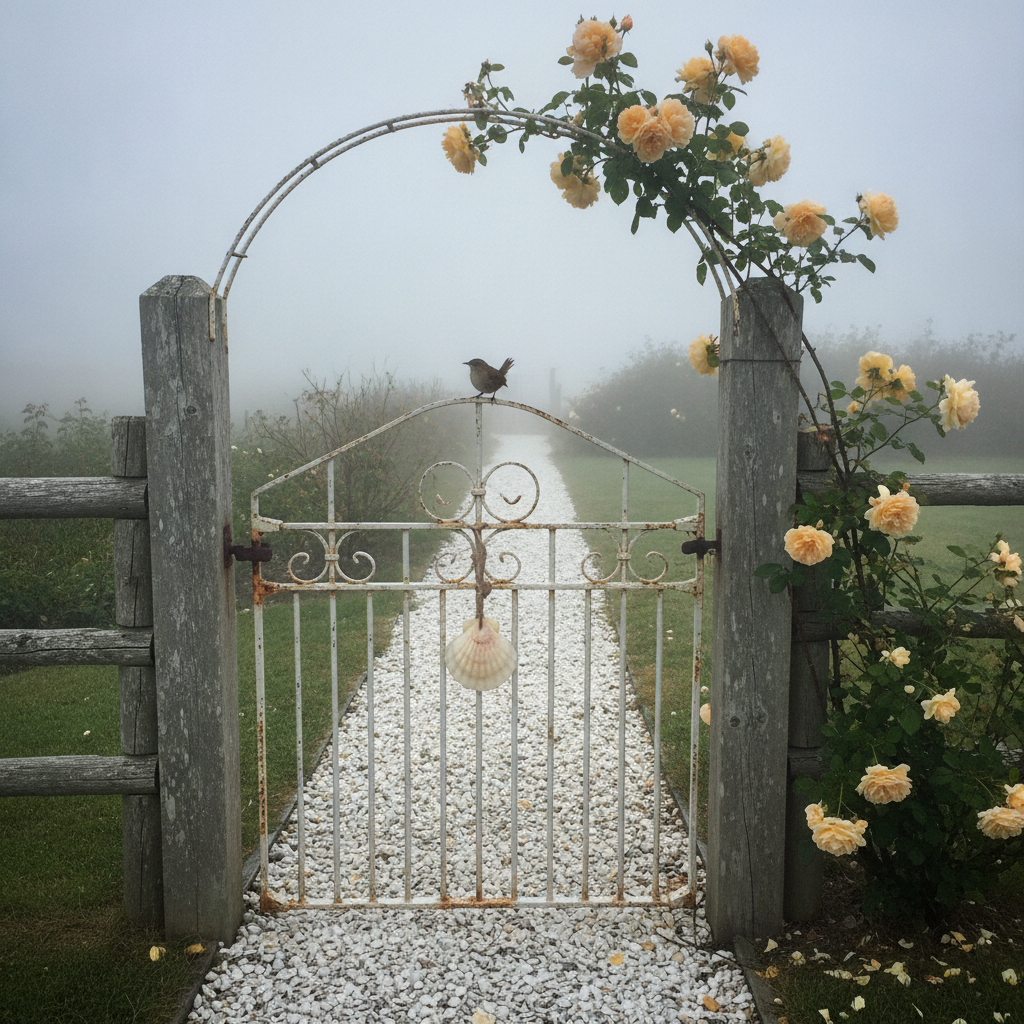
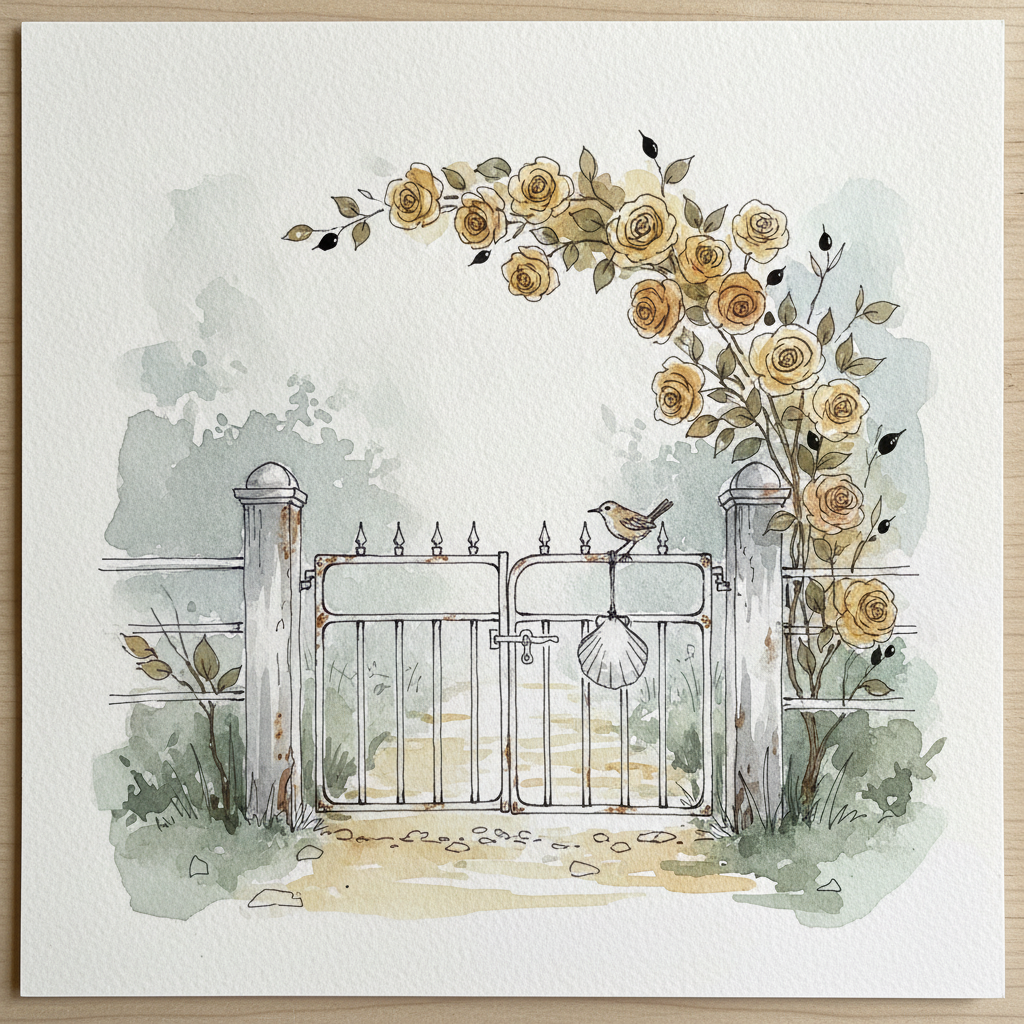
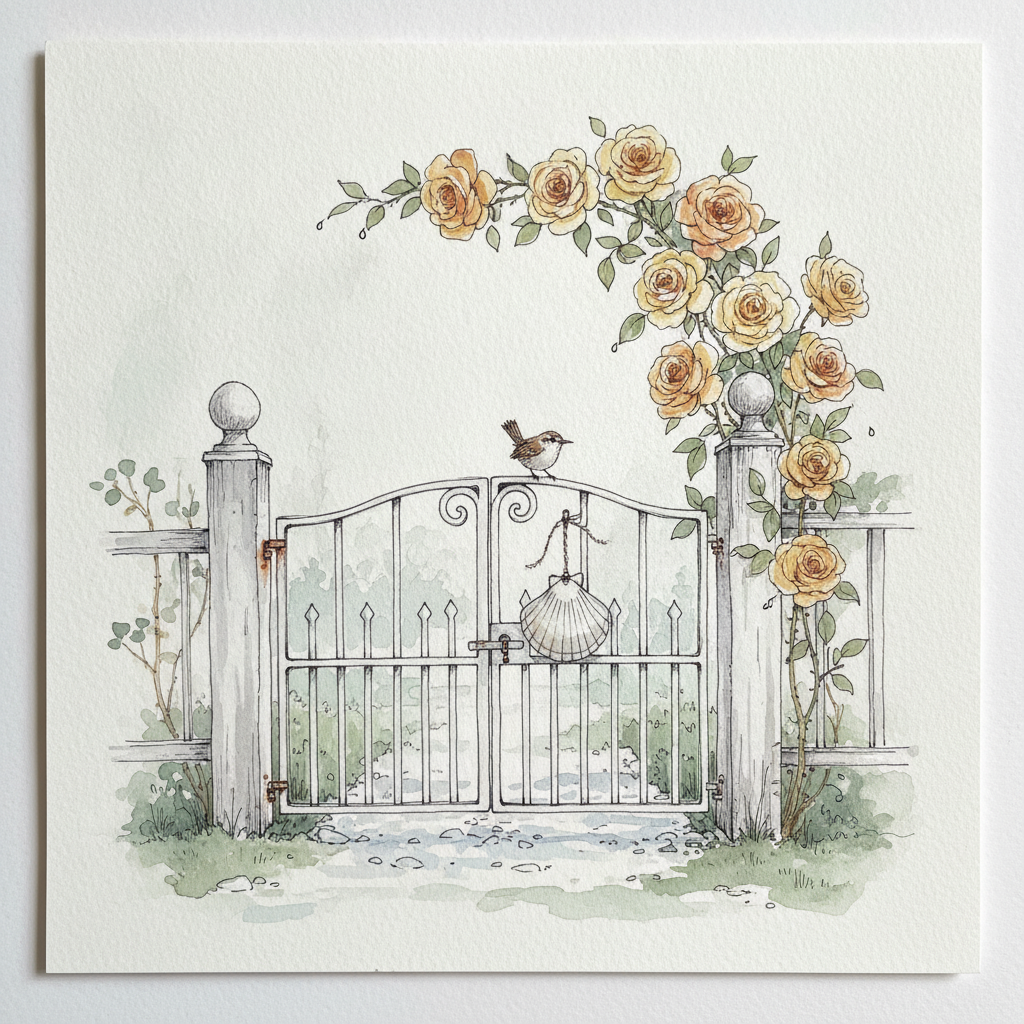
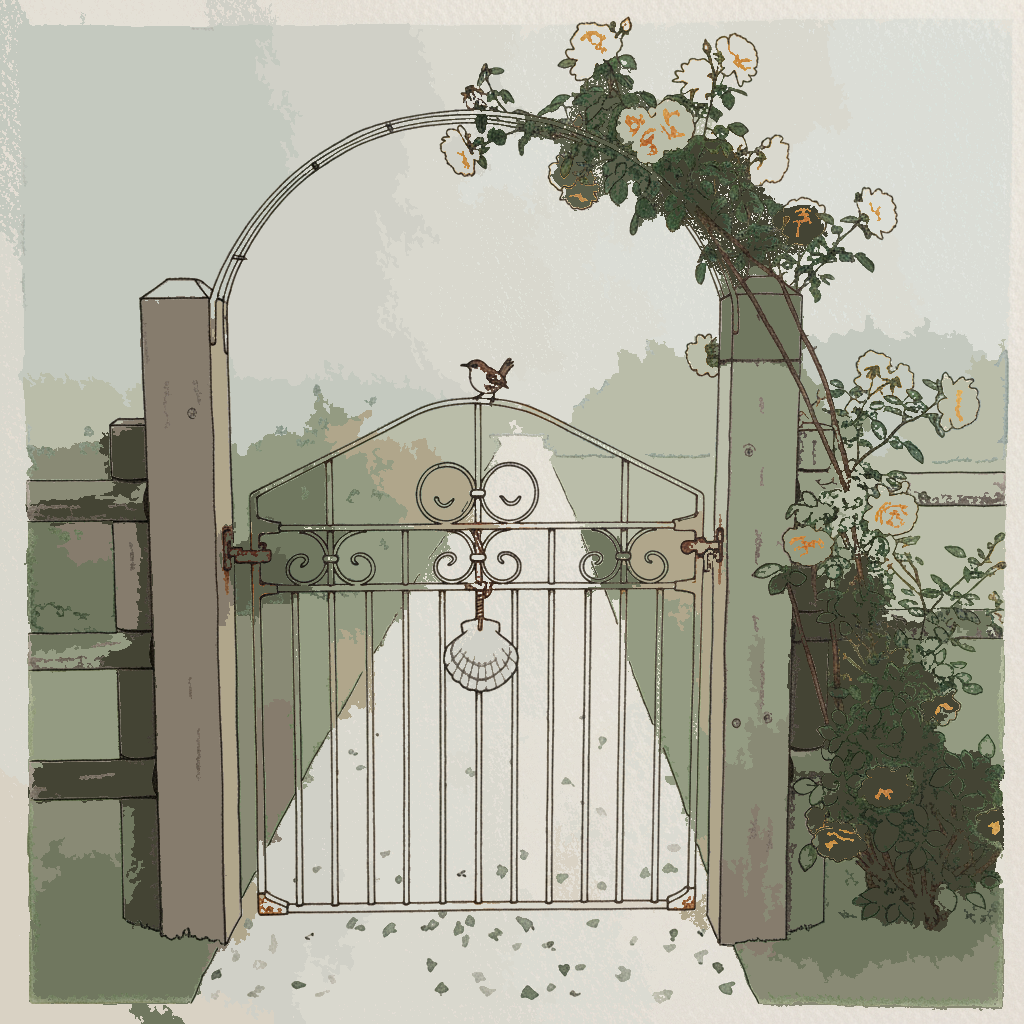
Piece 2 — Cape Cod cottage gate in fog with Buff Beauty apricot
Pen + Watercolor · Loose pen and watercolor line-and-wash
Three takes
Focus for this piece
This piece is a prime study in using atmospheric perspective to create depth, where the fog allows for a restricted palette and soft edge control. Concentrate on applying generous wet-on-wet washes in muted yellows and grays to depict the fog's movement, letting distant elements naturally lose definition. Use a finer, darker pen line for the immediate wrought-iron gate and the small wren to anchor the foreground, while allowing the creamy apricot roses to melt gently into the misty background.
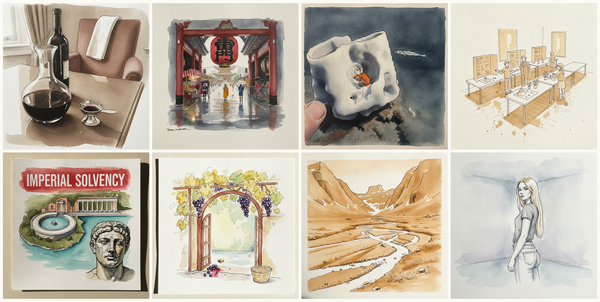
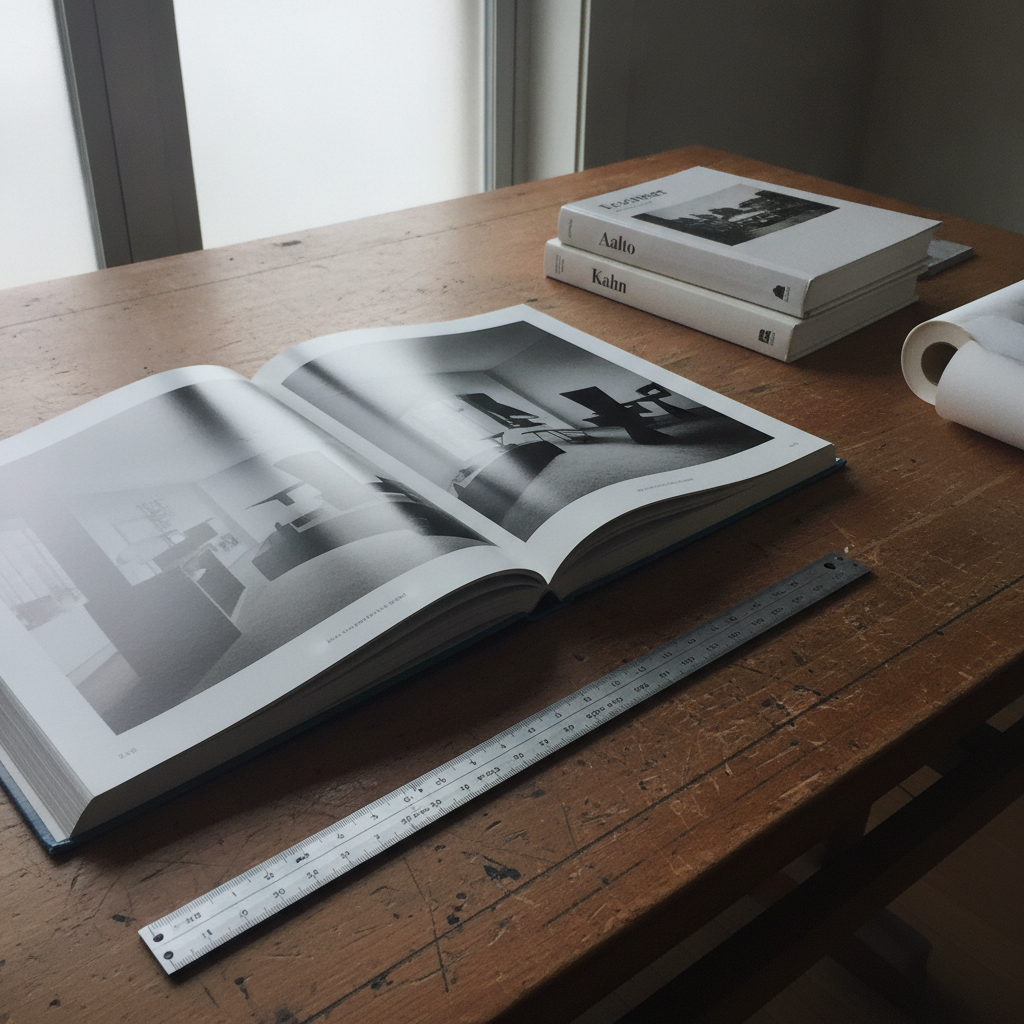
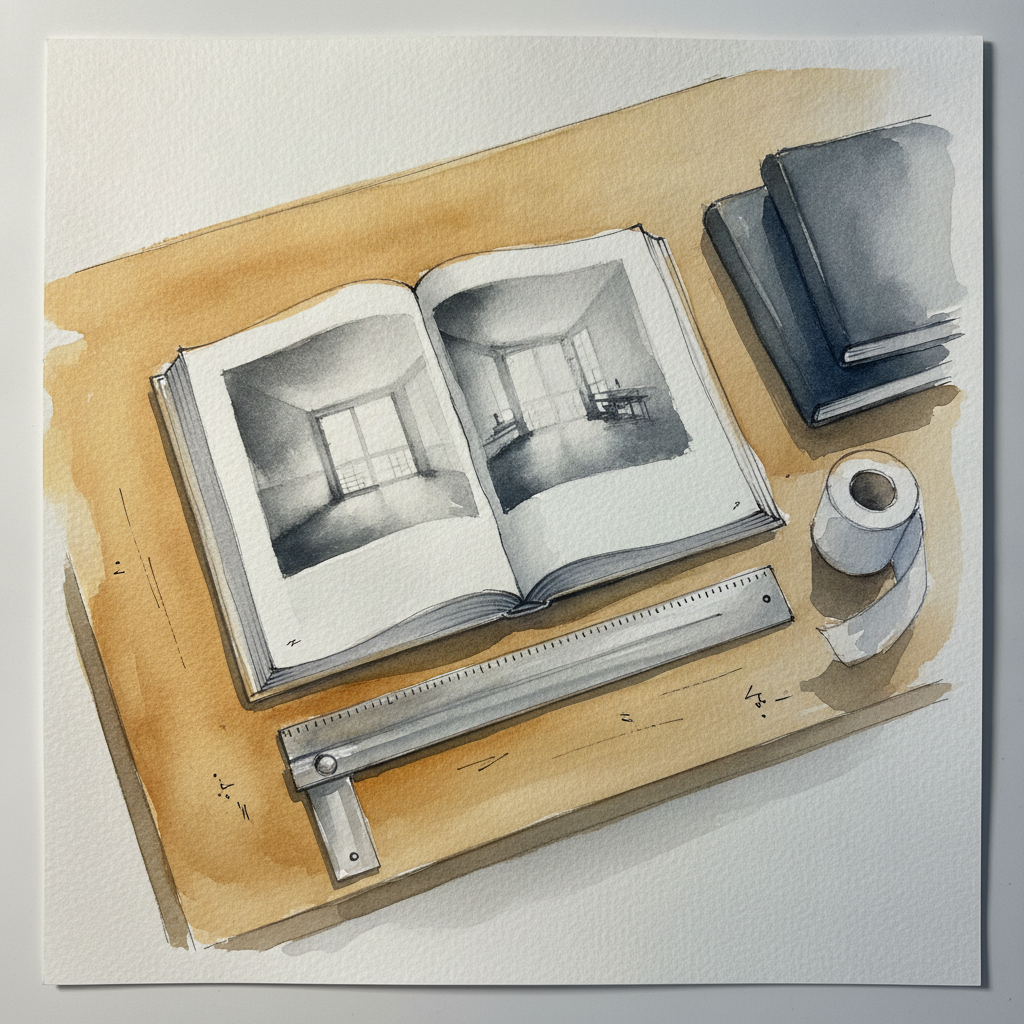
Piece 3 — Open architecture monograph on a drafting table
Pen + Watercolor · Loose pen and watercolor line-and-wash
Three takes
Focus for this piece
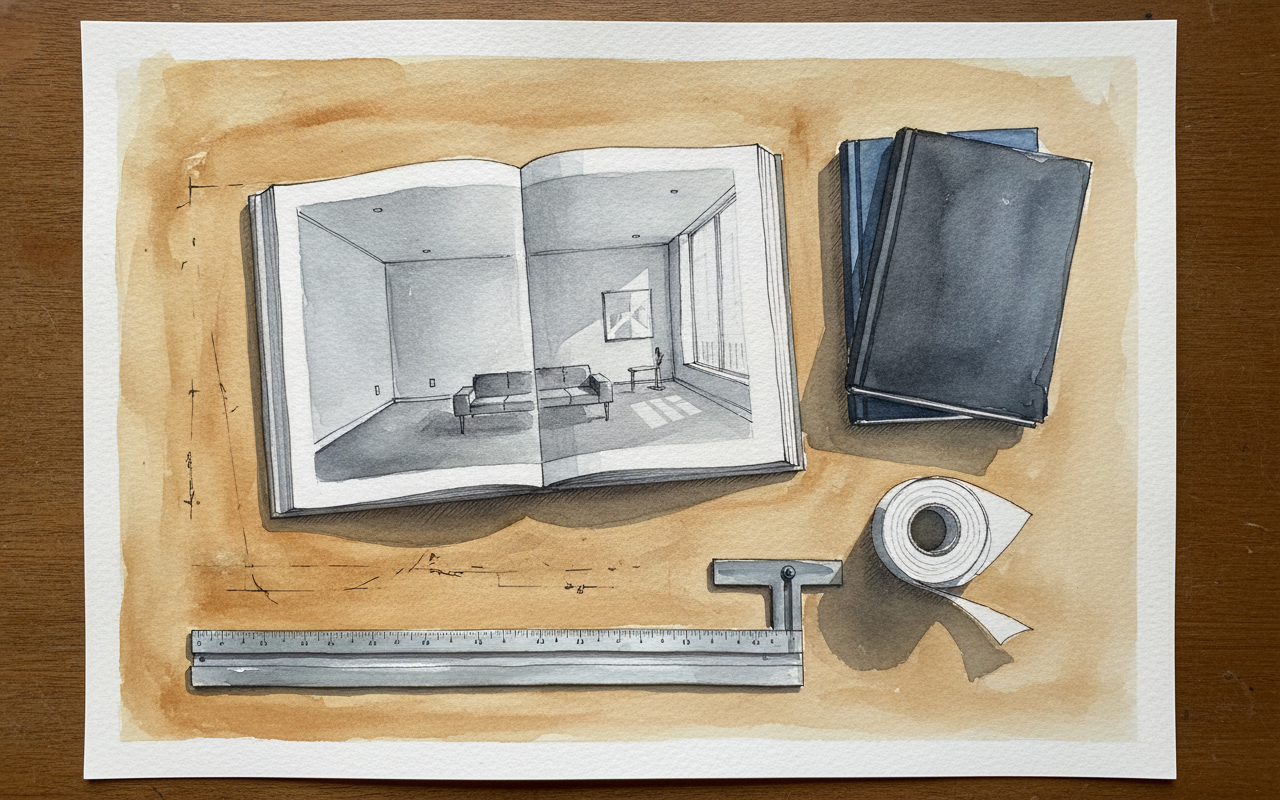
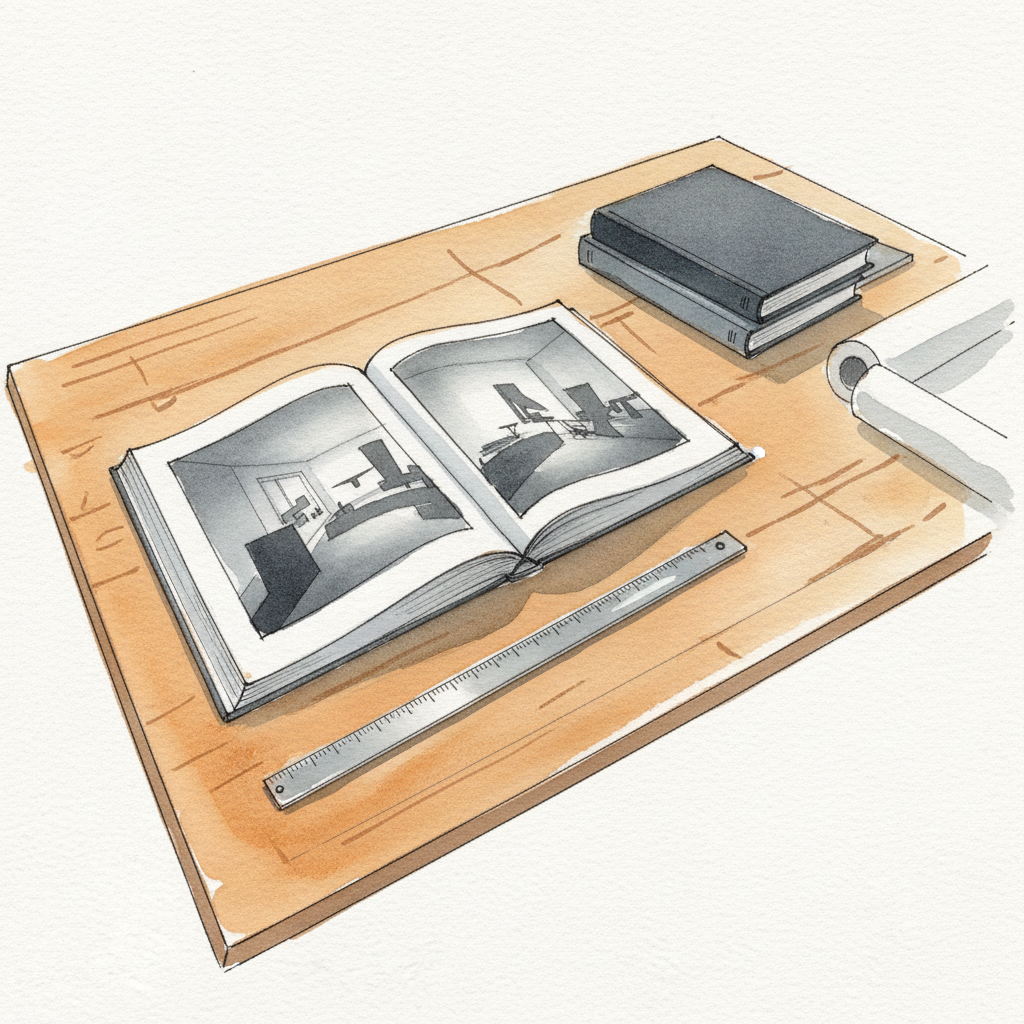
This piece is an excellent study in rendering precise geometric forms in perspective, such as the open monograph and drafting table. Focus your initial washes on establishing the cool, raking north light across the glossy paper, paying attention to how a delicate, lifted highlight along the gutter suggests its reflective quality. Vary your line weights, using crisp, decisive lines for the book edges and T-square, while employing finer, broken lines to capture the subtle textures of the scarred drafting surface and trace paper roll.
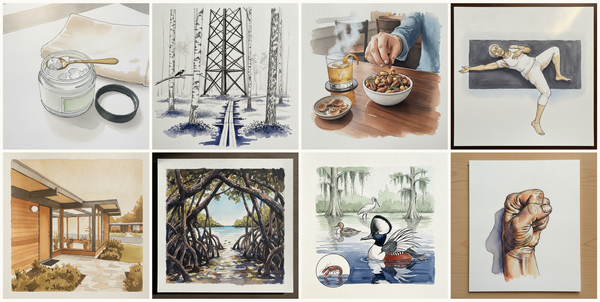
Piece 4 — Wide-knees, elderly model, supported by props
Pen + Watercolor · Loose pen and watercolor line-and-wash
Three takes

Focus for this piece
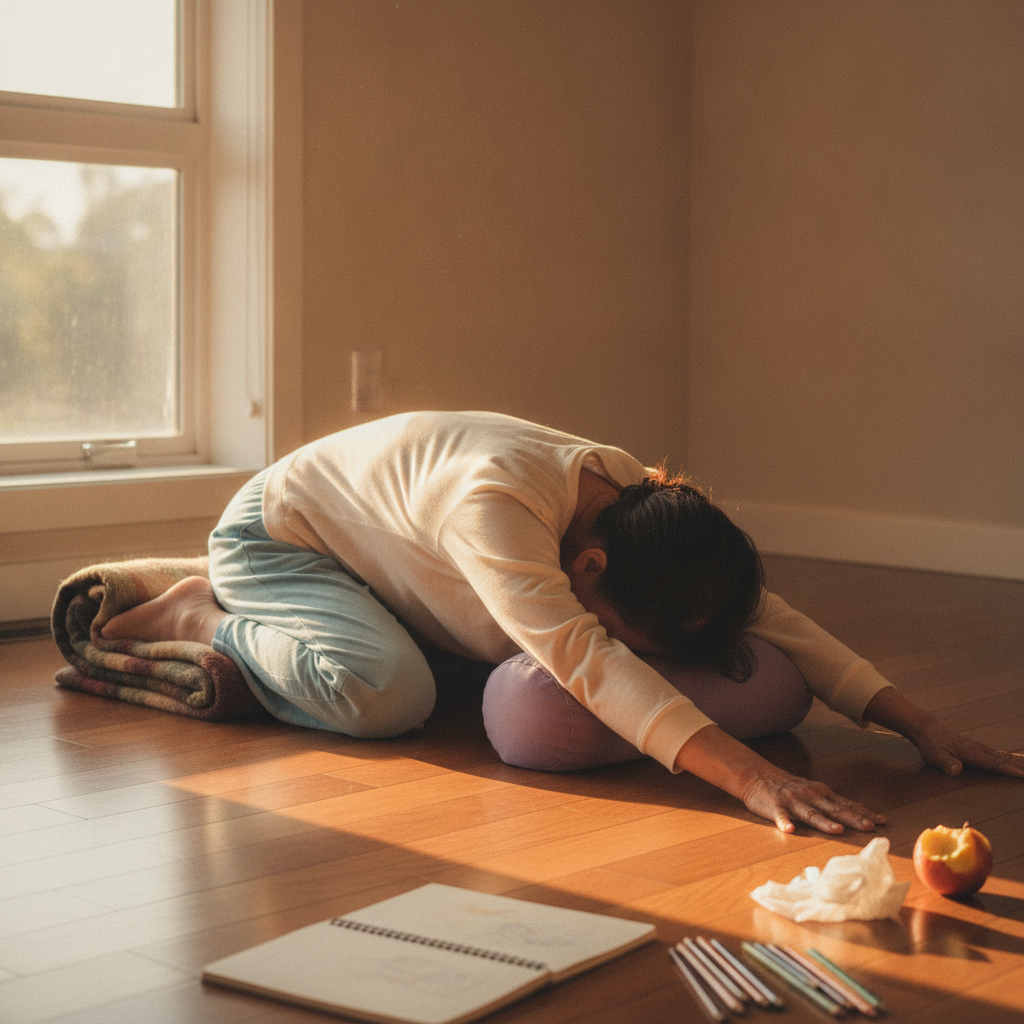
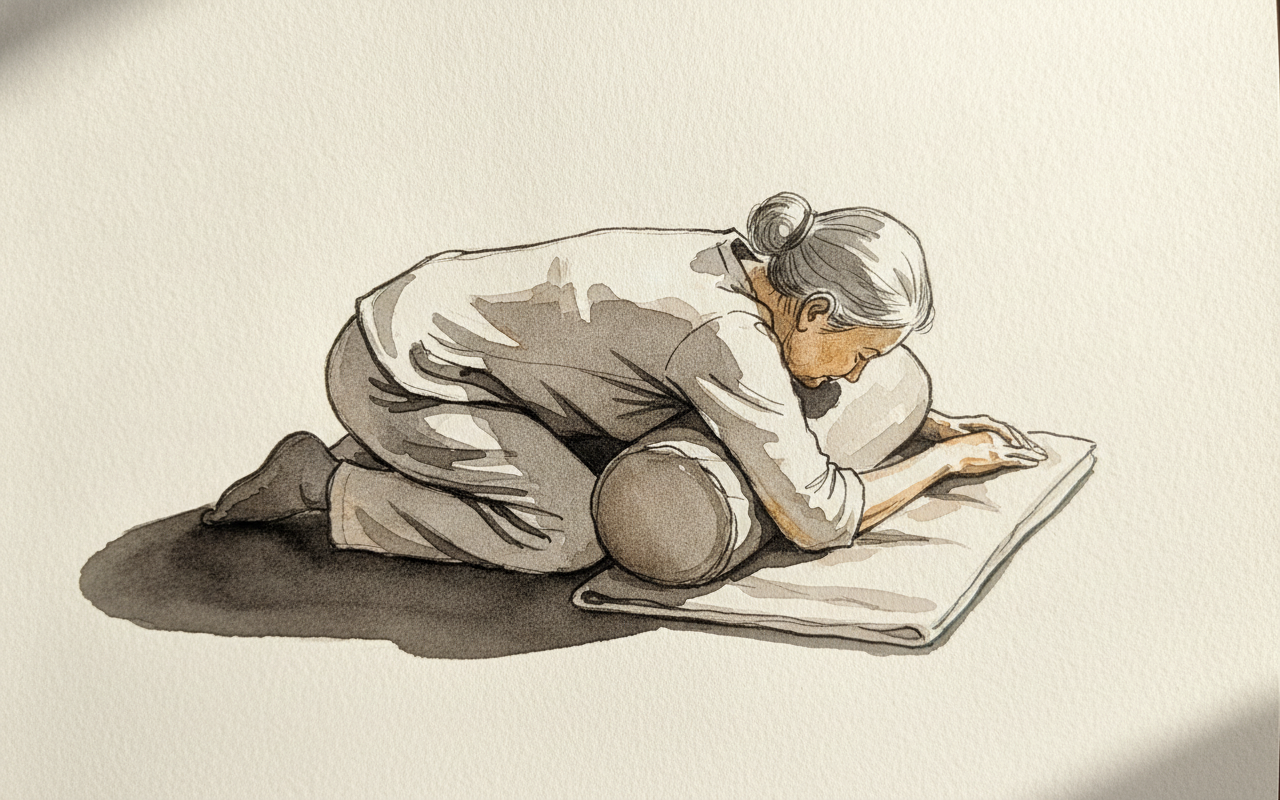
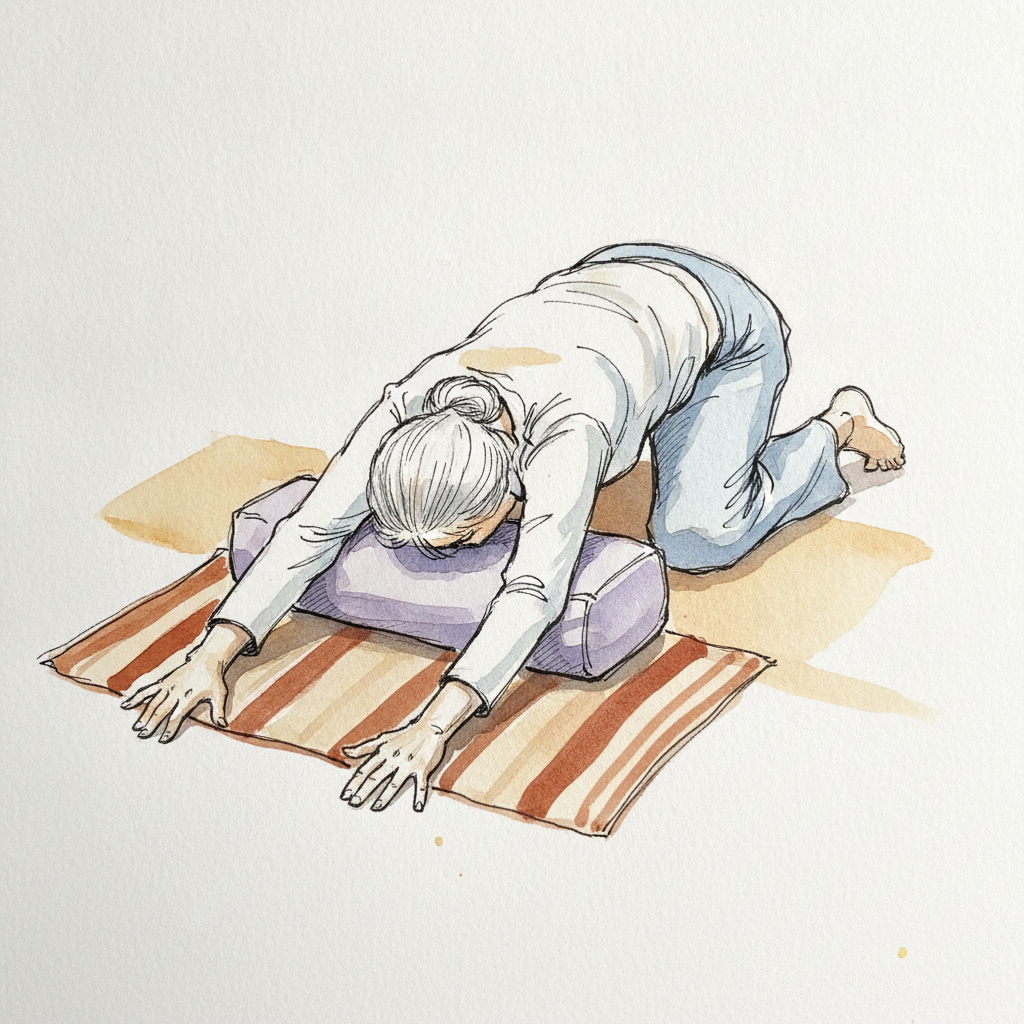
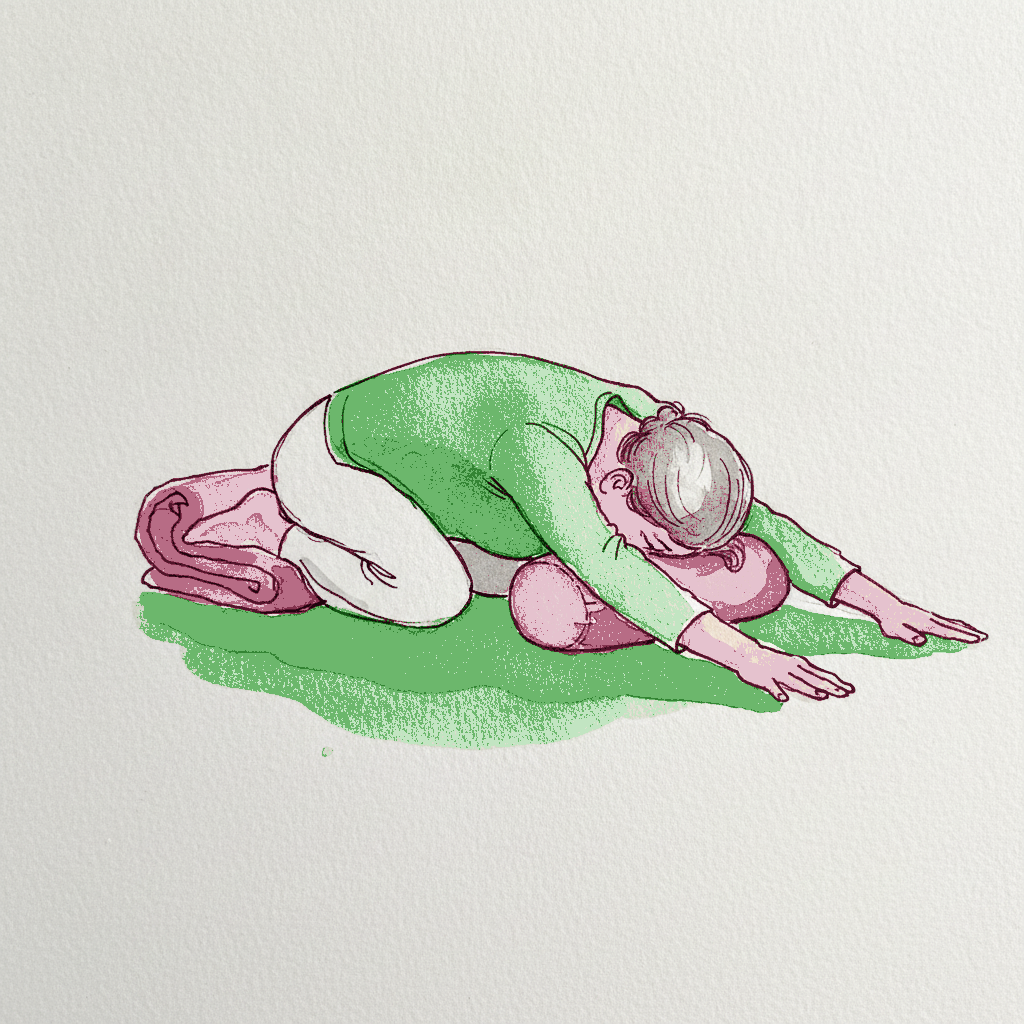
This piece focuses on rendering soft, volumetric forms using a delicate interplay of line and wash. Use light, broken pen lines to suggest the subtle contours of the model's body, reserving slightly firmer lines for the distinct edges of the props. Build volume on both the figure and the cushioning blanket and bolster with warm, layered watercolor washes, paying particular attention to how the slanting afternoon light defines their three-dimensionality. Consider a limited palette of warm earth tones and a touch of rose to enhance the gentle atmosphere.
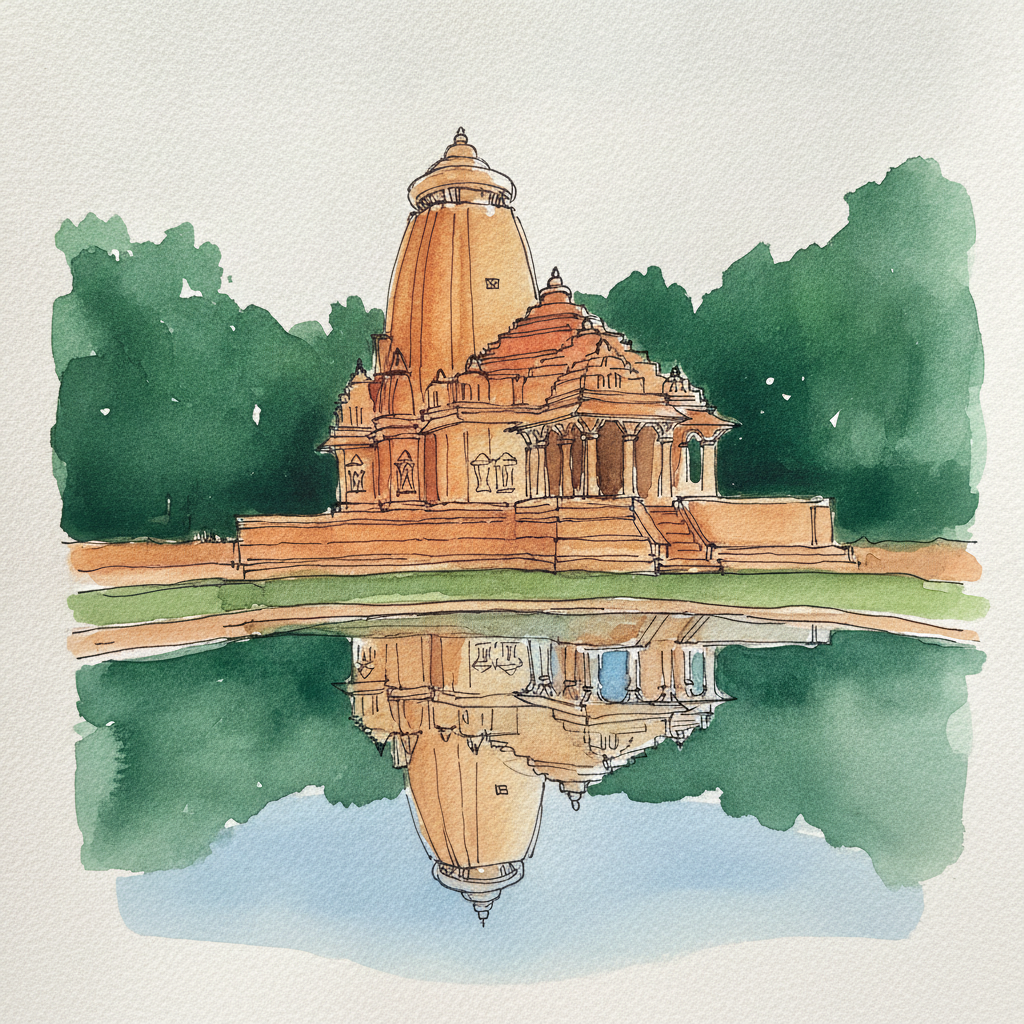
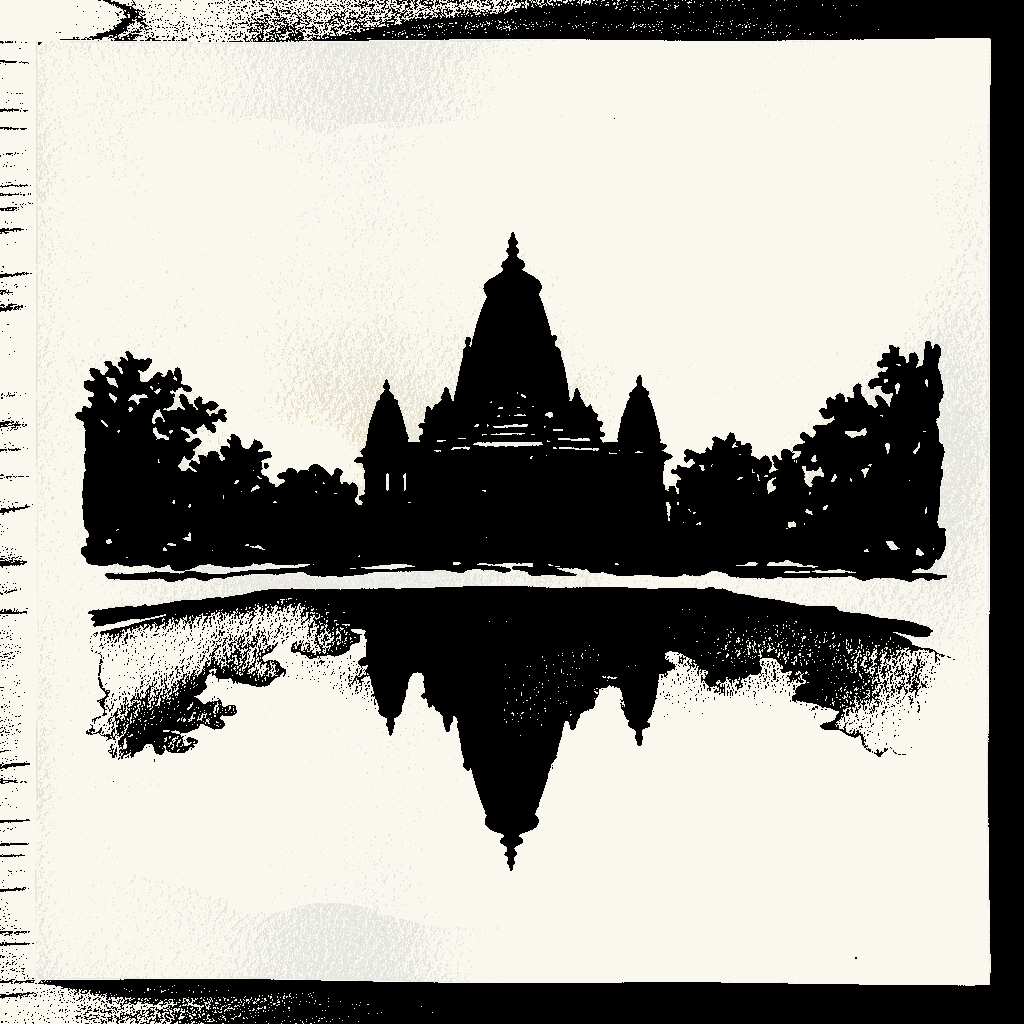
Piece 5 — Bhoramdeo Temple, Kawardha, Chhattisgarh, India
Pen + Watercolor · Loose pen and watercolor line-and-wash
Three takes
Focus for this piece
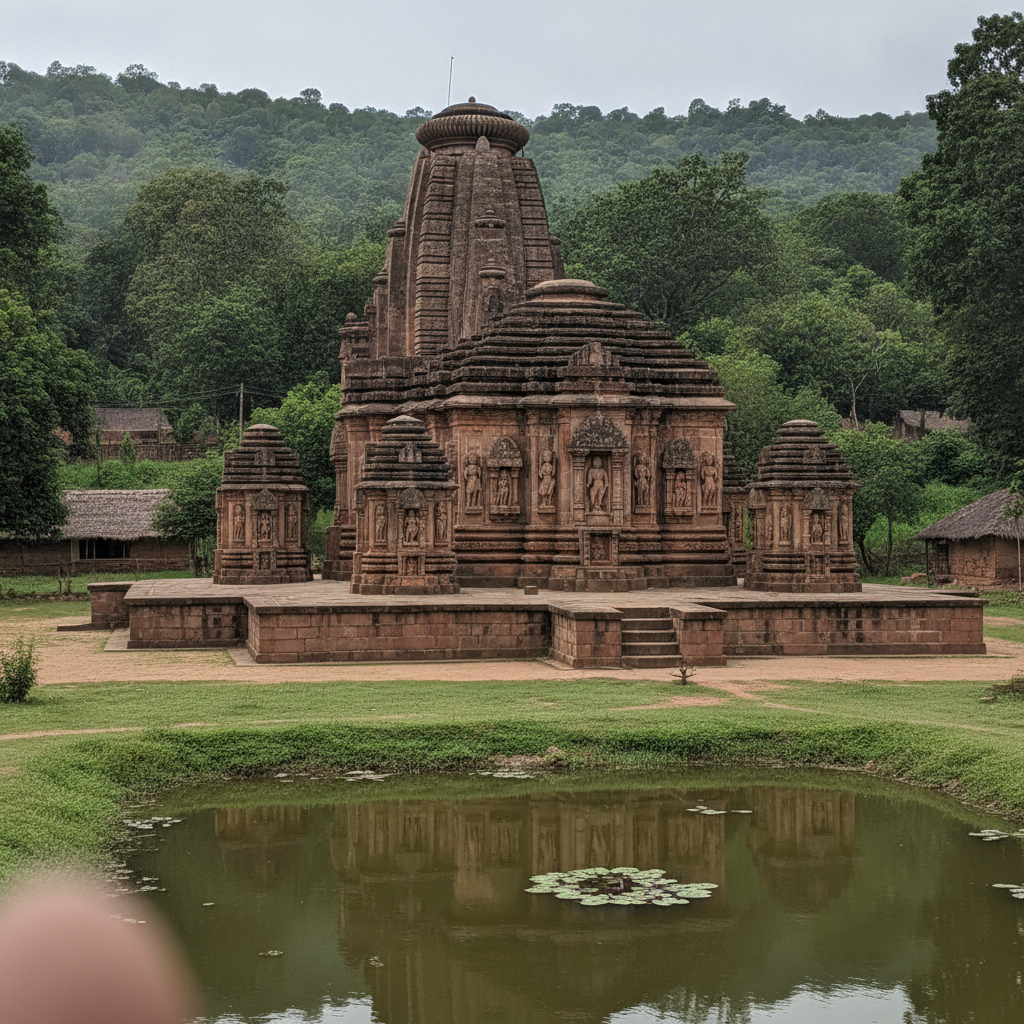
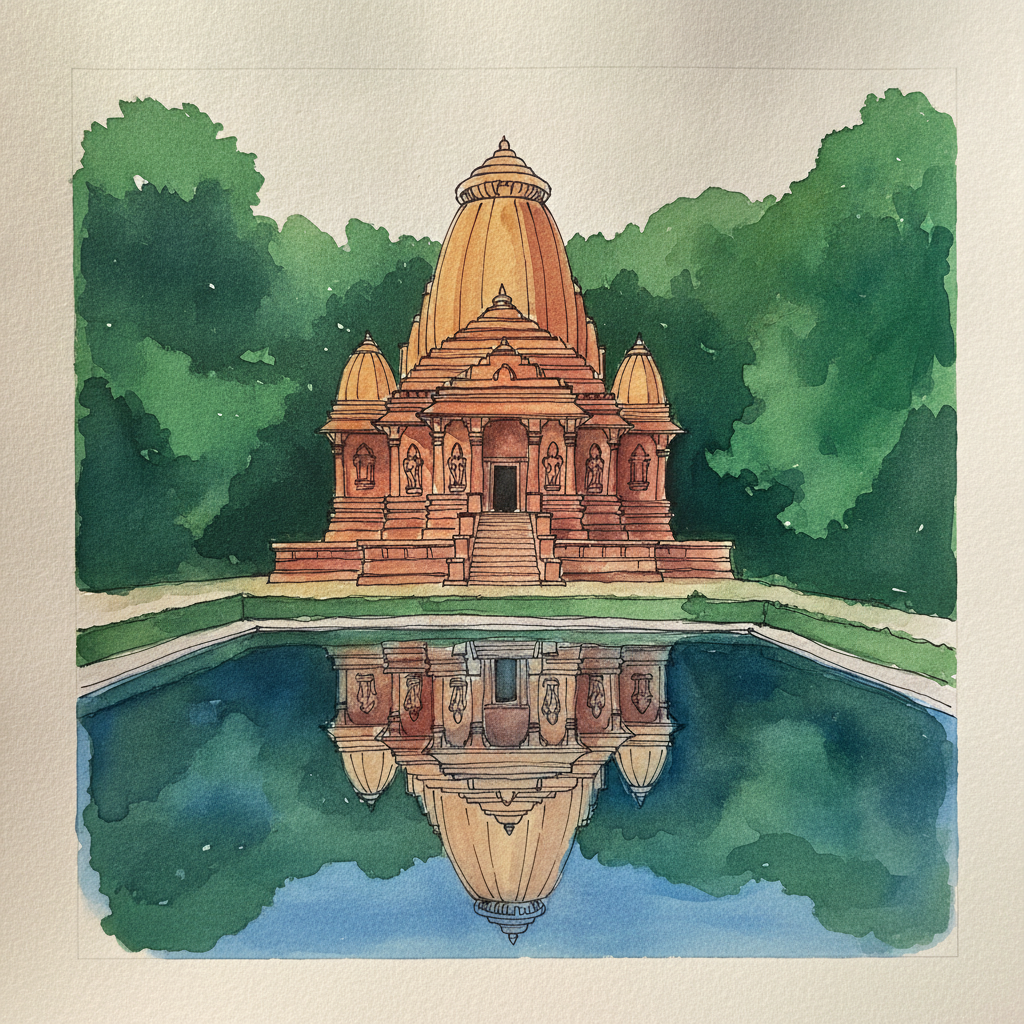
Today's study of Bhoramdeo Temple offers a strong opportunity to practice rendering both intricate architectural detail and complex reflections. Use varied pen line weights to delineate the Nagara shikhara's convex curves and the delicate carvings, ensuring crispness where needed for the red sandstone structure. For the pond, approach the temple's reflection with broad, wet-in-wet washes, simplifying the forms and allowing pigments to softly diffuse for a convincing sense of still water. This contrast between precise line and fluid wash will define your focus.
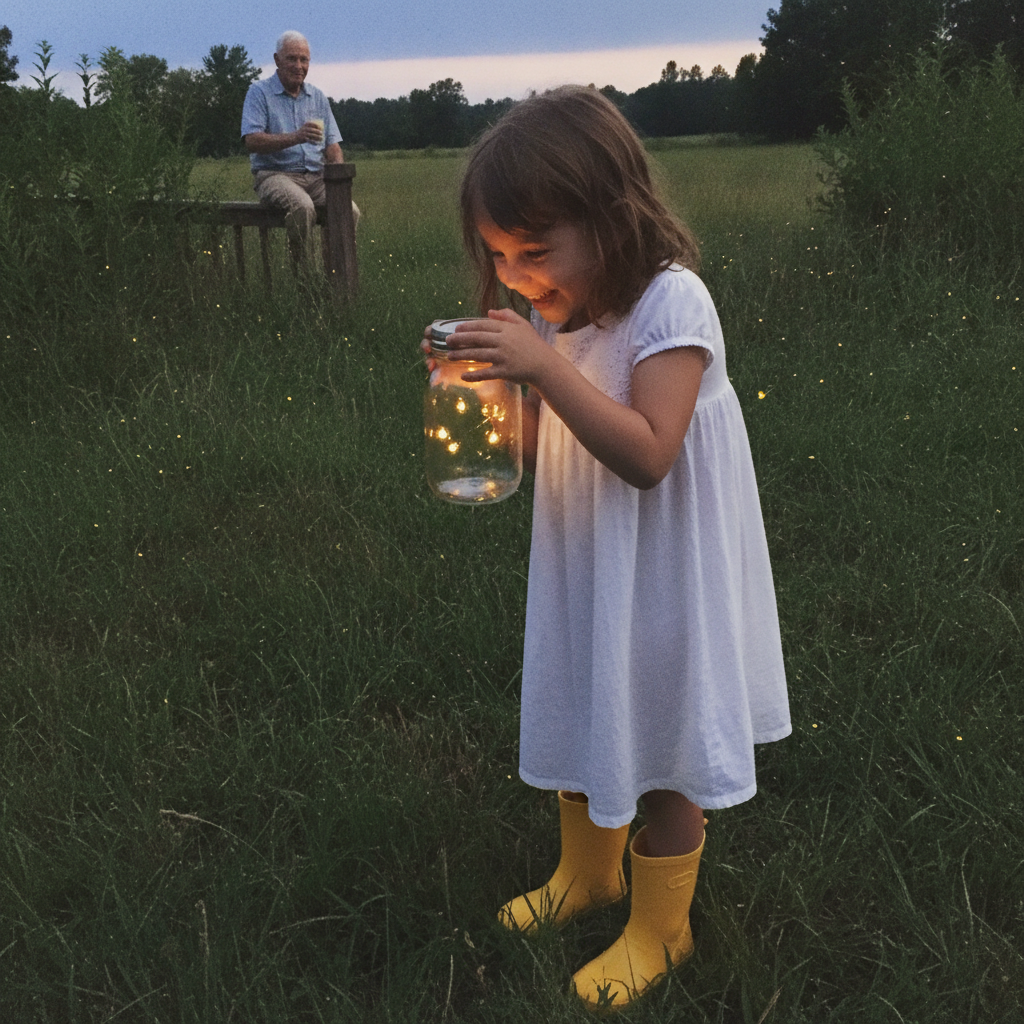
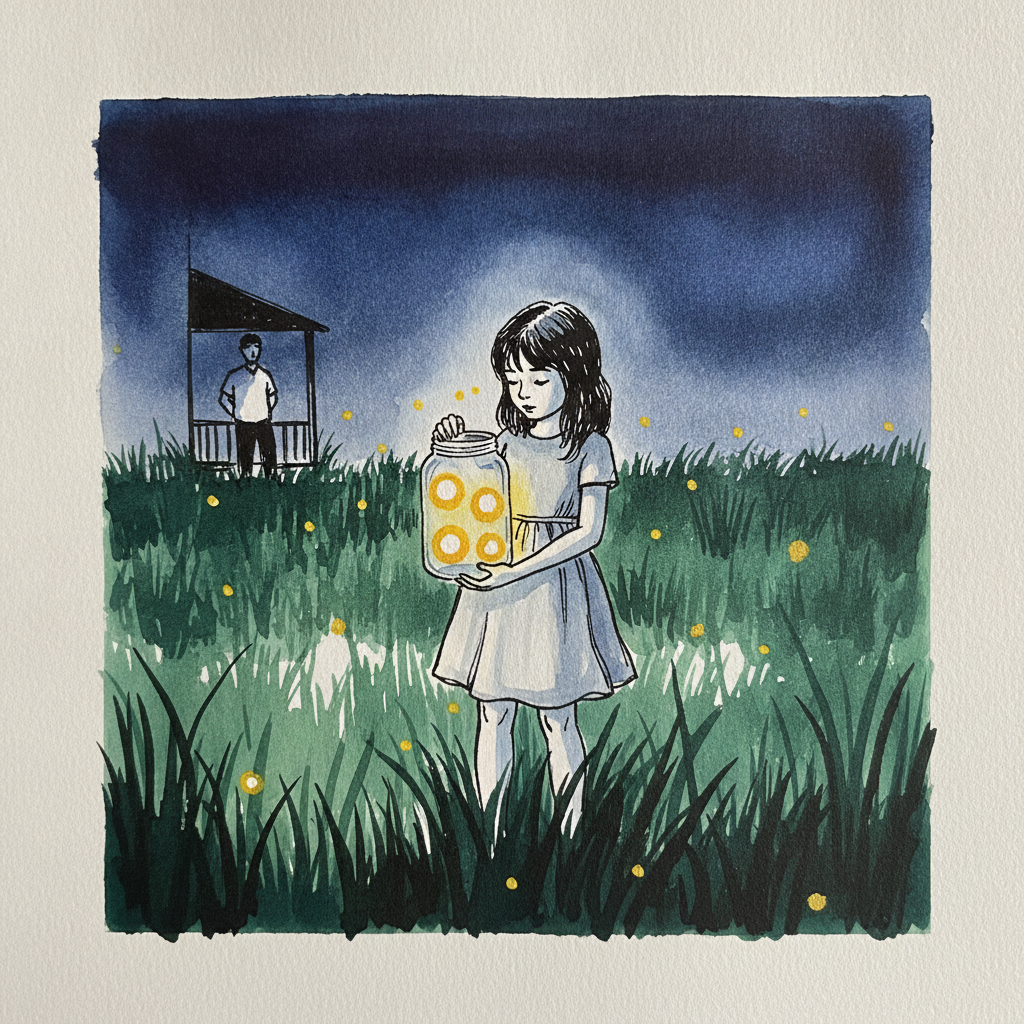
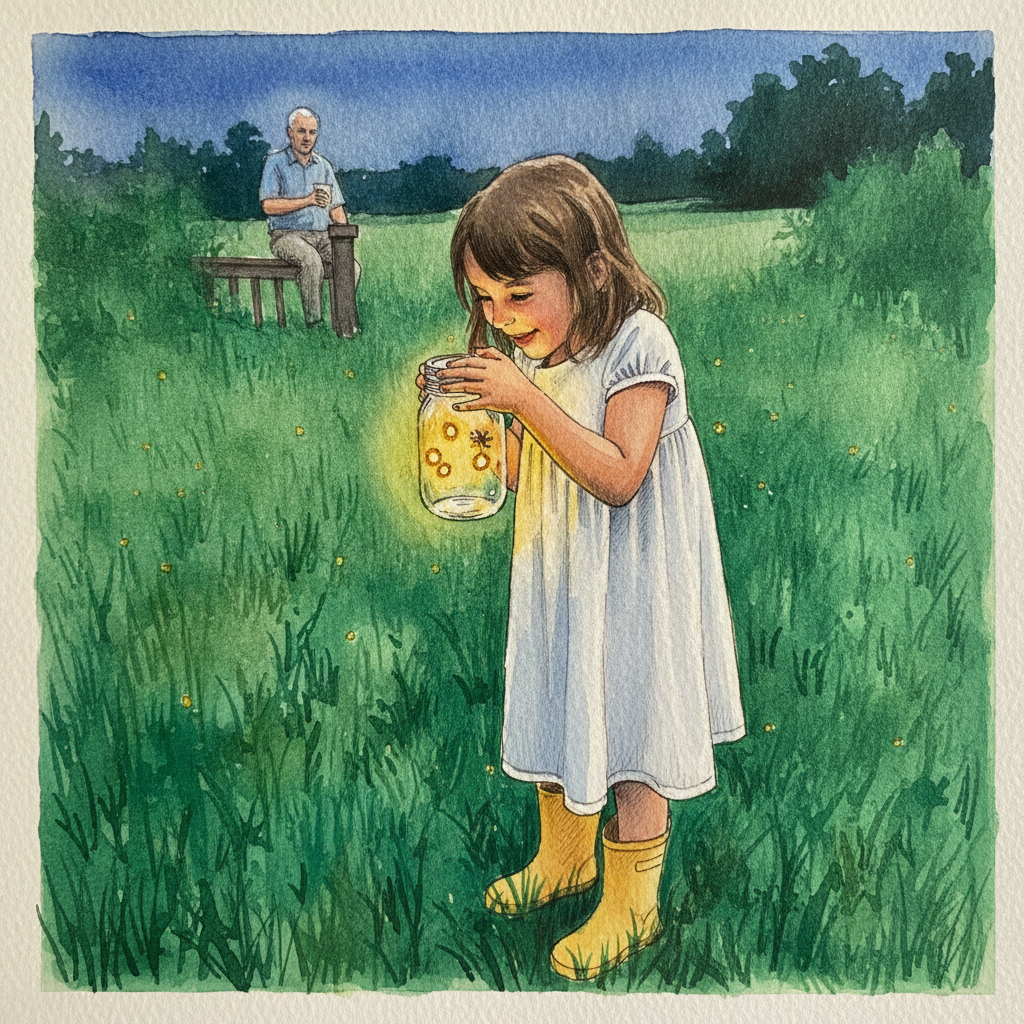
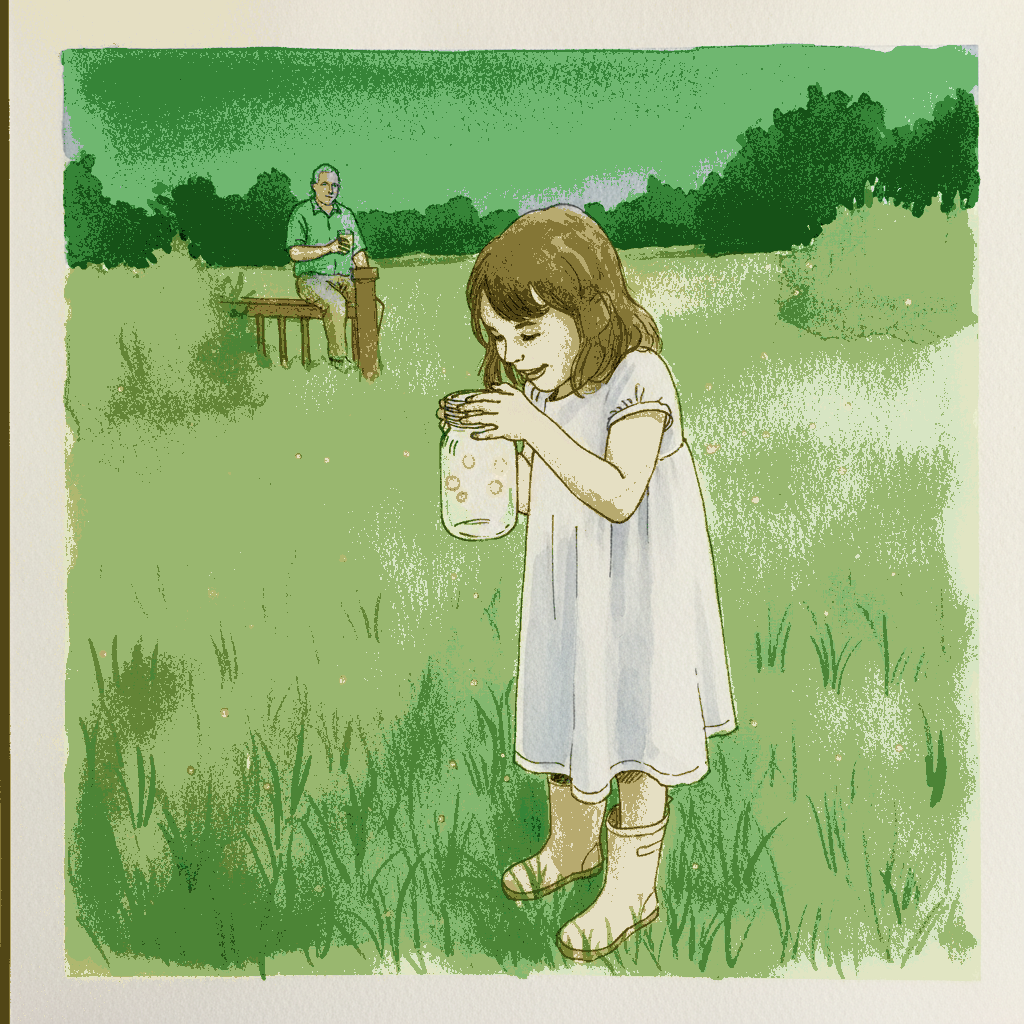
Piece 6 — Kid catching fireflies
Pen + Watercolor · Loose pen and watercolor line-and-wash
Three takes

Focus for this piece
This piece is ideal for studying how to render ambient light and soft glows in a dark, atmospheric setting. Practice controlled wet-on-wet washes with deep blues for the dusk sky and warm yellows for the fireflies and glowing grass, letting the watercolor do the work of suggesting luminosity. Use fine ink lines to define the girl and jar, ensuring the structural detail supports the delicate light effects without competing with them.
Piece 7 — Montalcino town crowning the Brunello vines, Tuscany
Pen + Watercolor · Loose pen and watercolor line-and-wash
Three takes
Focus for this piece
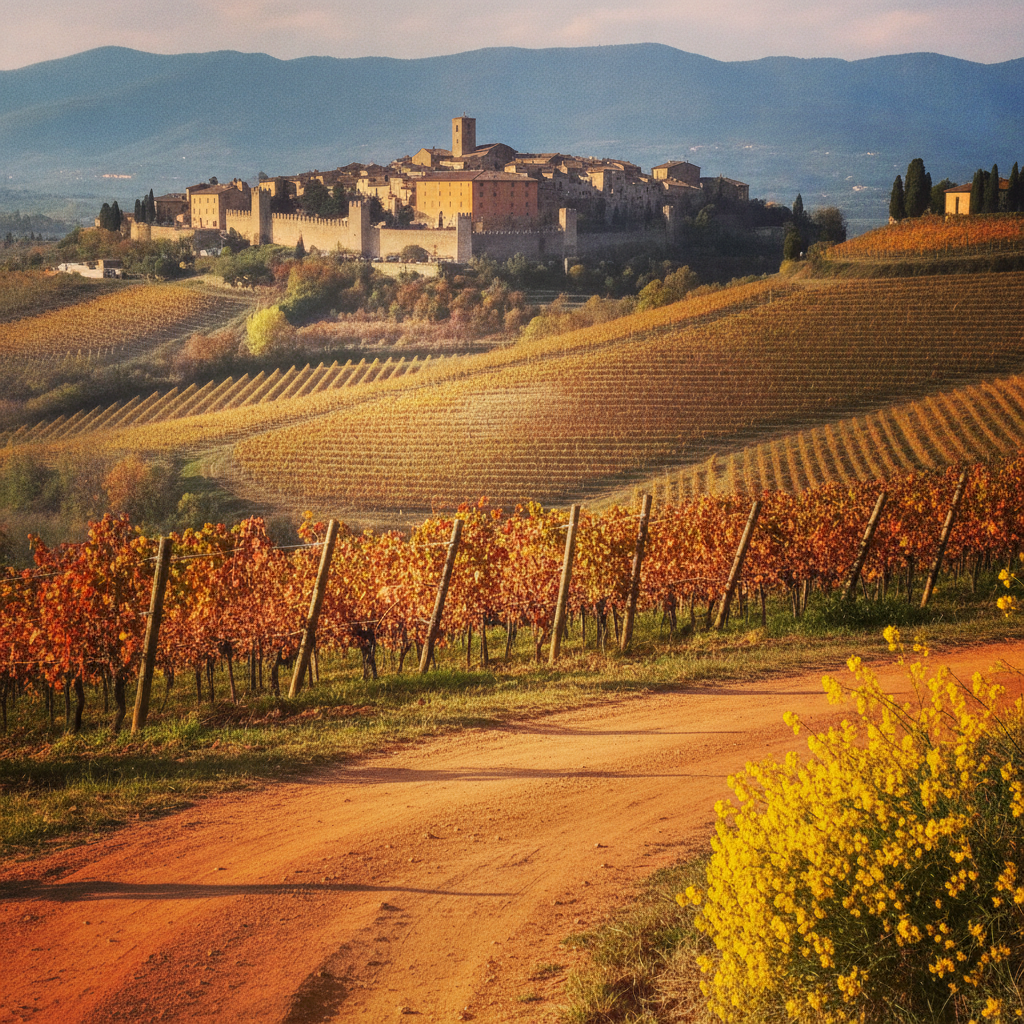
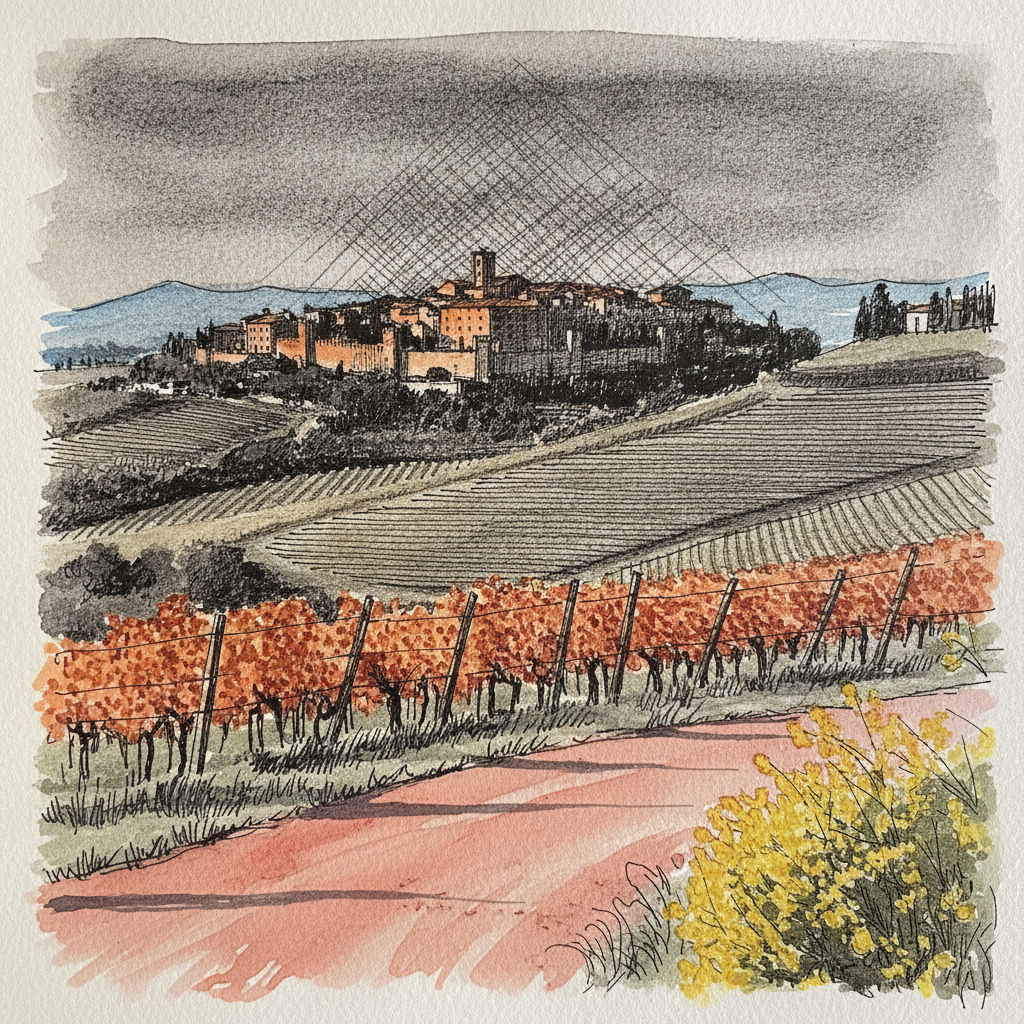
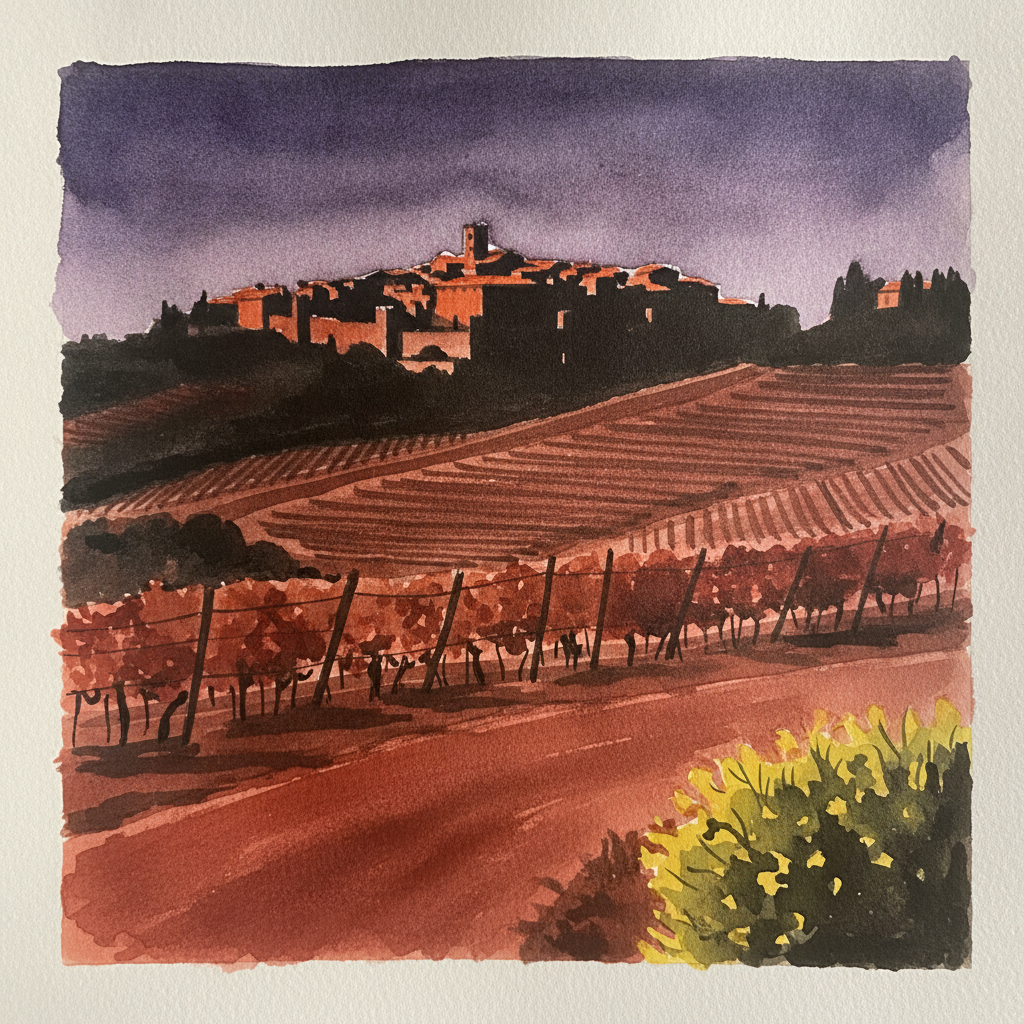
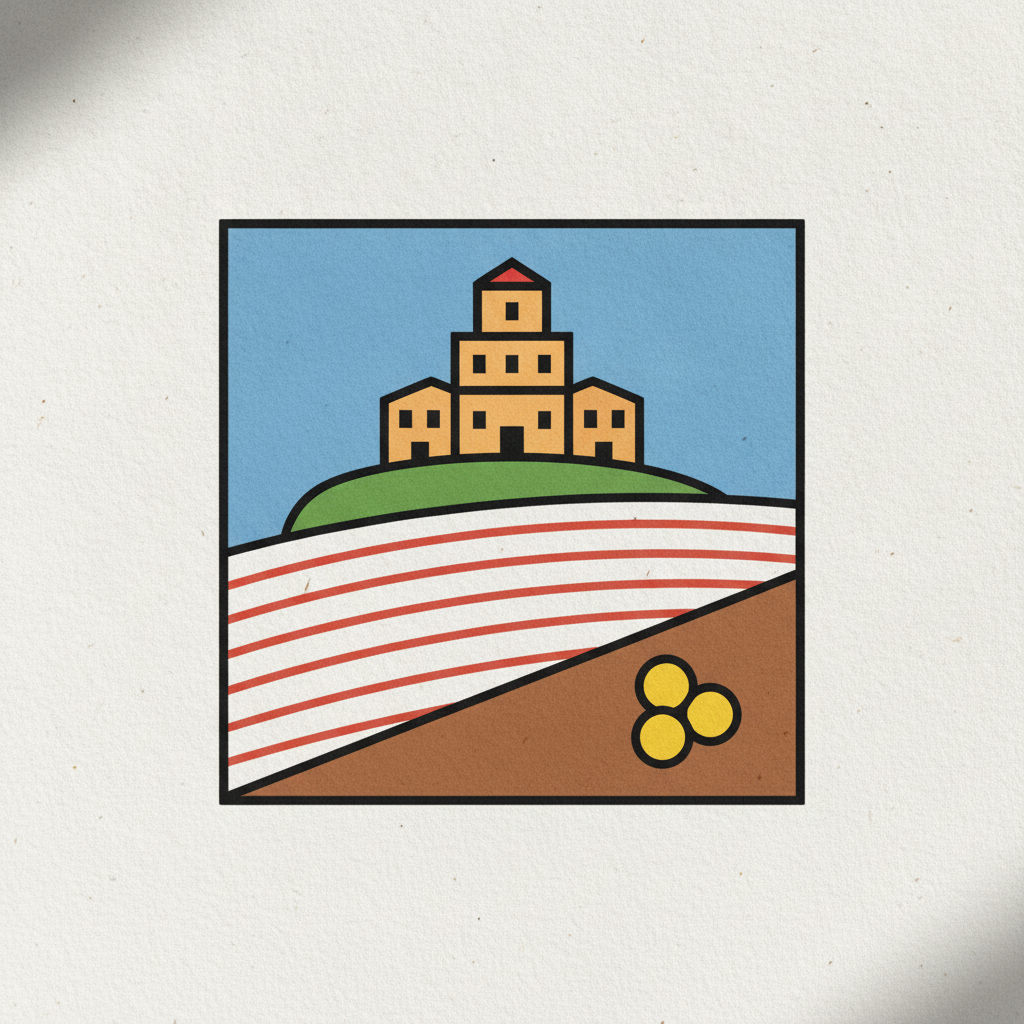
This piece offers a superb study in defining depth and visual flow across distinct planes. Use bold, wet-on-wet washes for the foreground's red clay road and broom to establish immediate presence, then transition to a drier brush and lighter line weight for the diagonal rows of vines. Emphasize atmospheric perspective by rendering the distant tawny town and blue Apennines with warmer ochres and cooler blues, applying lighter washes and minimal pen detail.
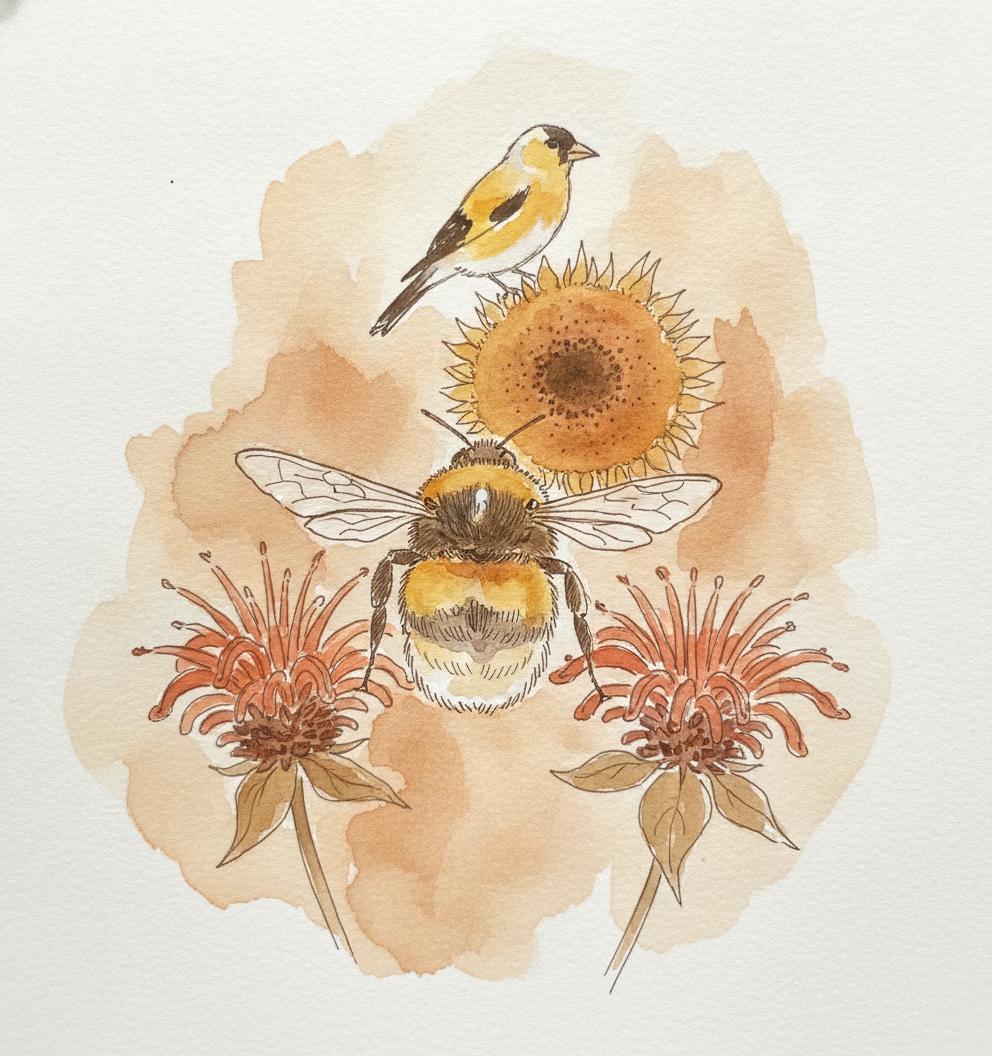
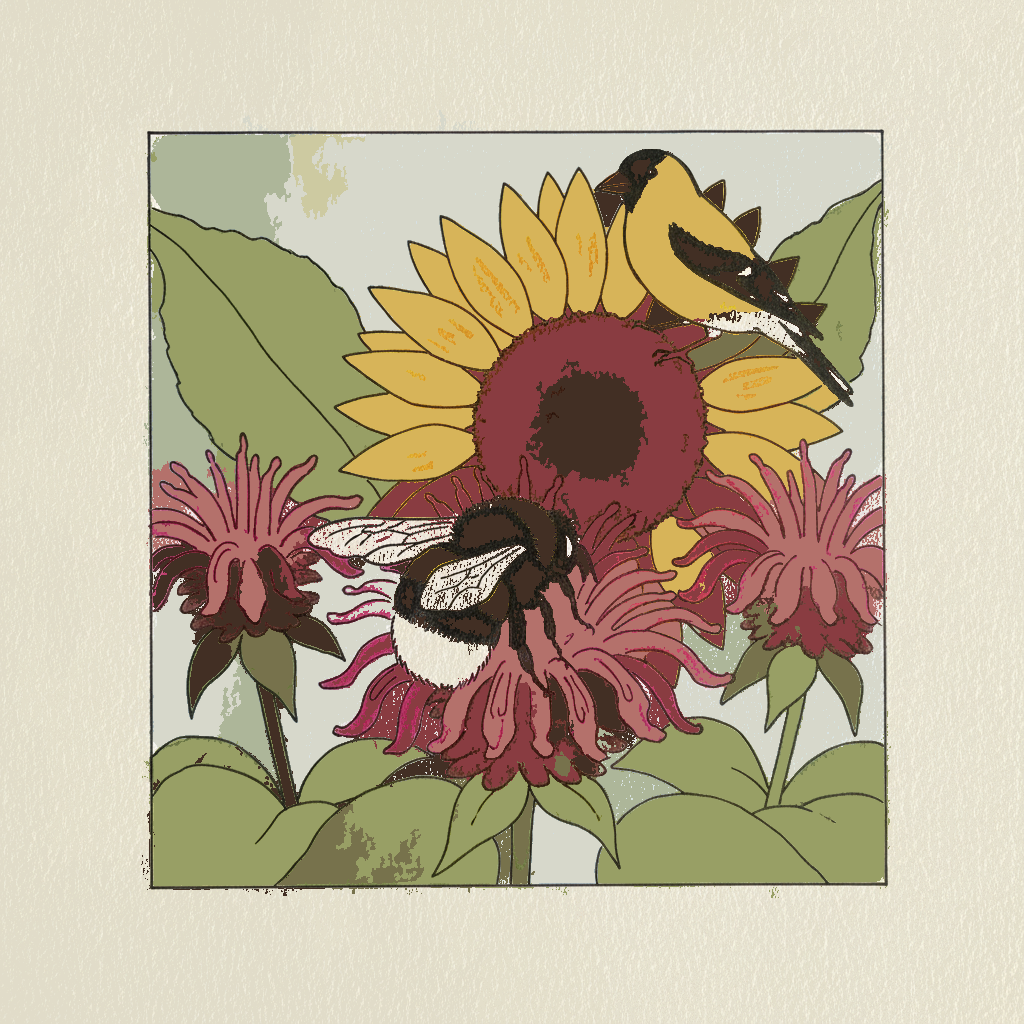
Piece 8 — Common eastern bumblebee
Pen + Watercolor · Loose pen and watercolor line-and-wash
Three takes
Focus for this piece
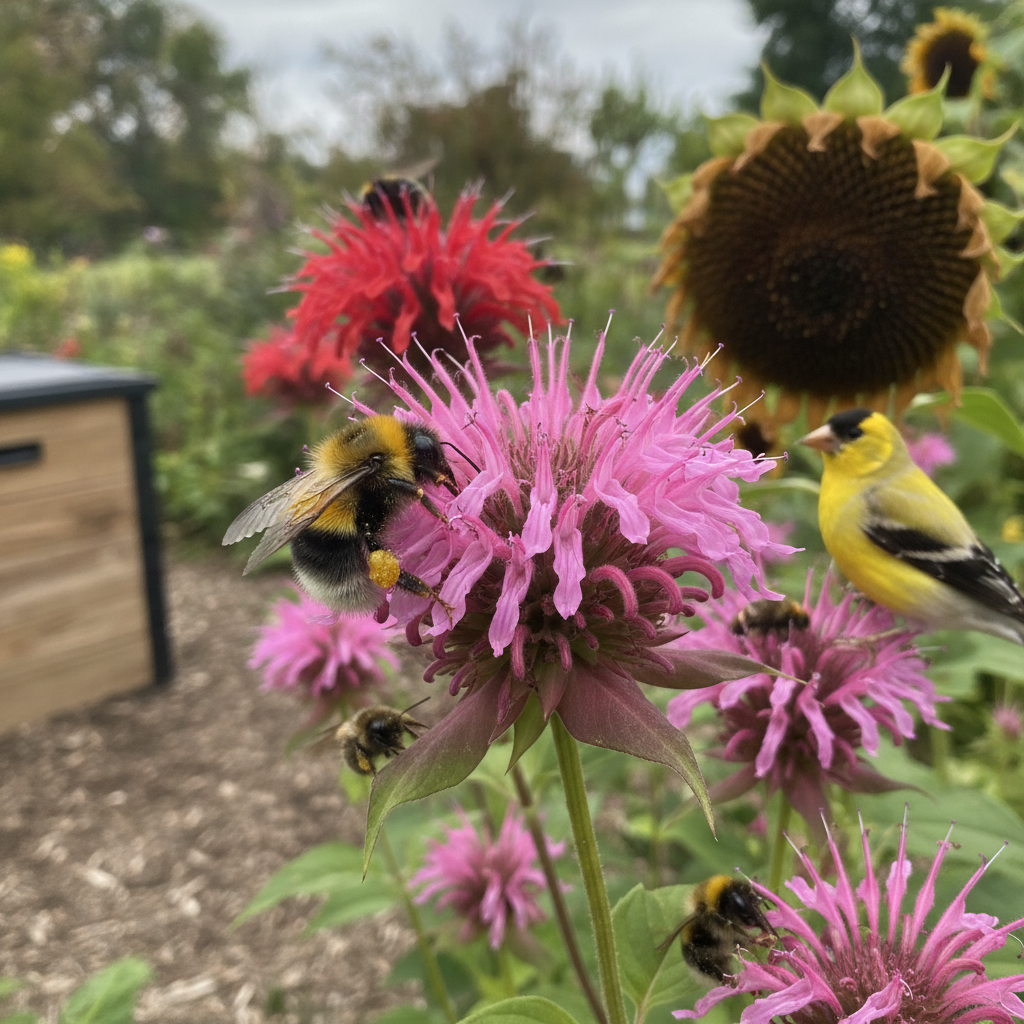
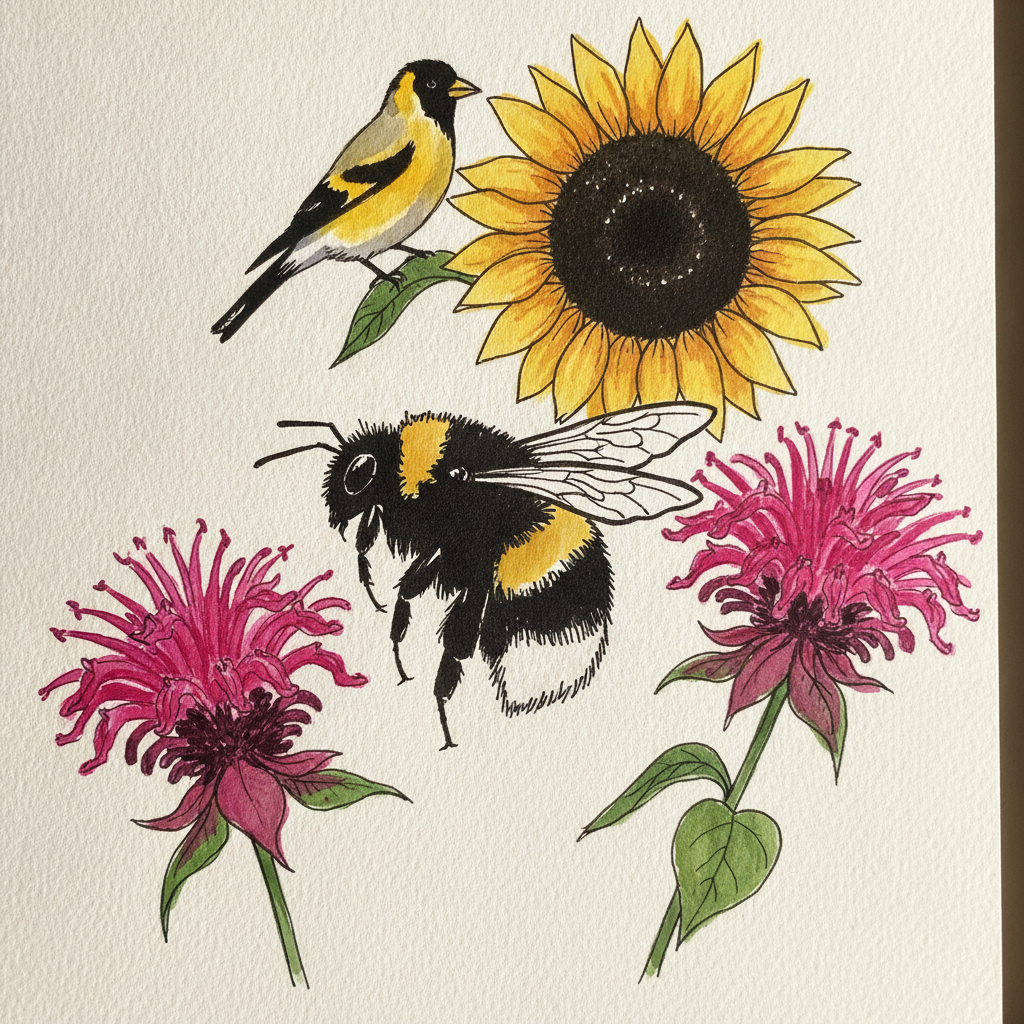
For this bumblebee, focus on combining wet-on-wet watercolor washes to build the bee's robust, fuzzy volume with expressive pen lines that suggest individual hairs. Vary your pen's line weight and use broken, overlapping strokes to define the soft fur and segmented body, ensuring the ink enhances rather than stiffens the bee's round form. Pay particular attention to how the light hits the fuzz, using nuanced washes to create the illusion of depth and highlight the yellow markings on the thorax and abdomen.