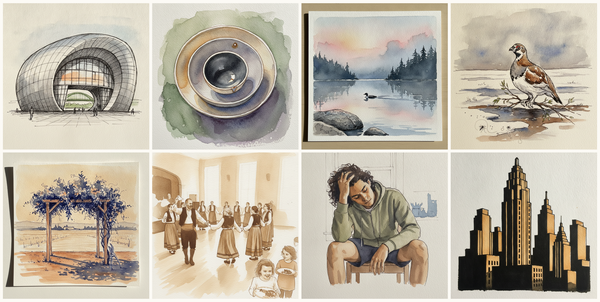
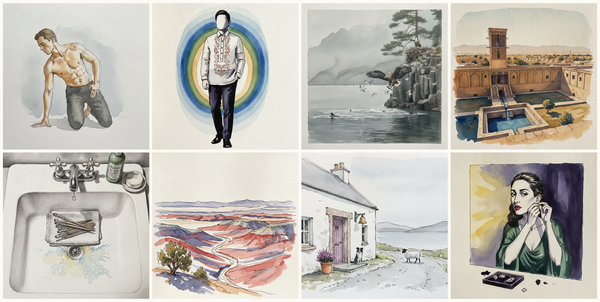
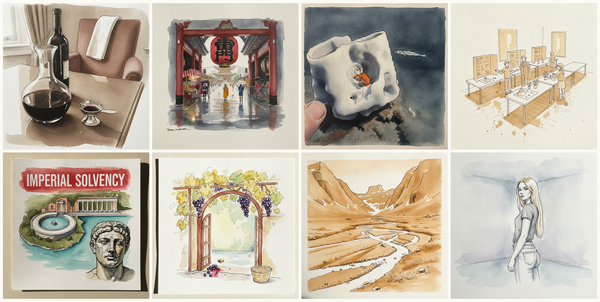
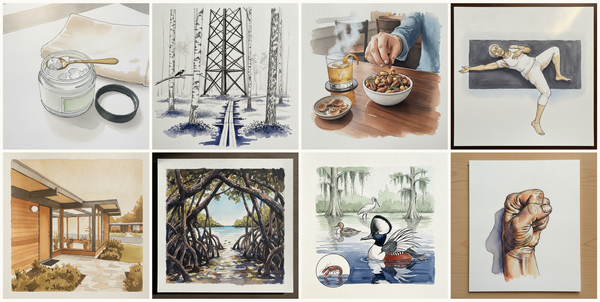
Schönbrunn Frost, Long S-curve, head turned to the viewer, Shahdad Necropolis, Kerman, Iran, Prosecco terraced hills of Conegliano, Veneto, and more — pen + watercolor for June 15, 2026
AI-generated daily art-practice references for pen and watercolor: Schönbrunn Frost, Long S-curve, head turned to the viewer, Shahdad Necropolis, Kerman, Iran, Prosecco terraced hills of Conegliano, Veneto, Hanukkah menorah, third night, Eastern chipmunk, Street performer breakdancing, Hawaiian h…
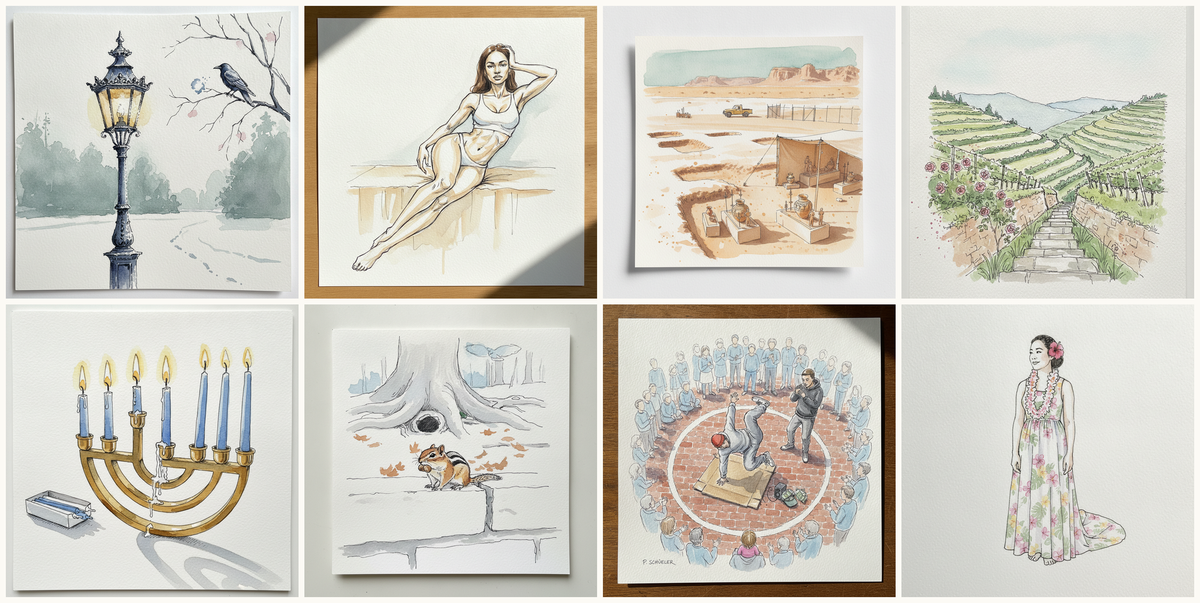
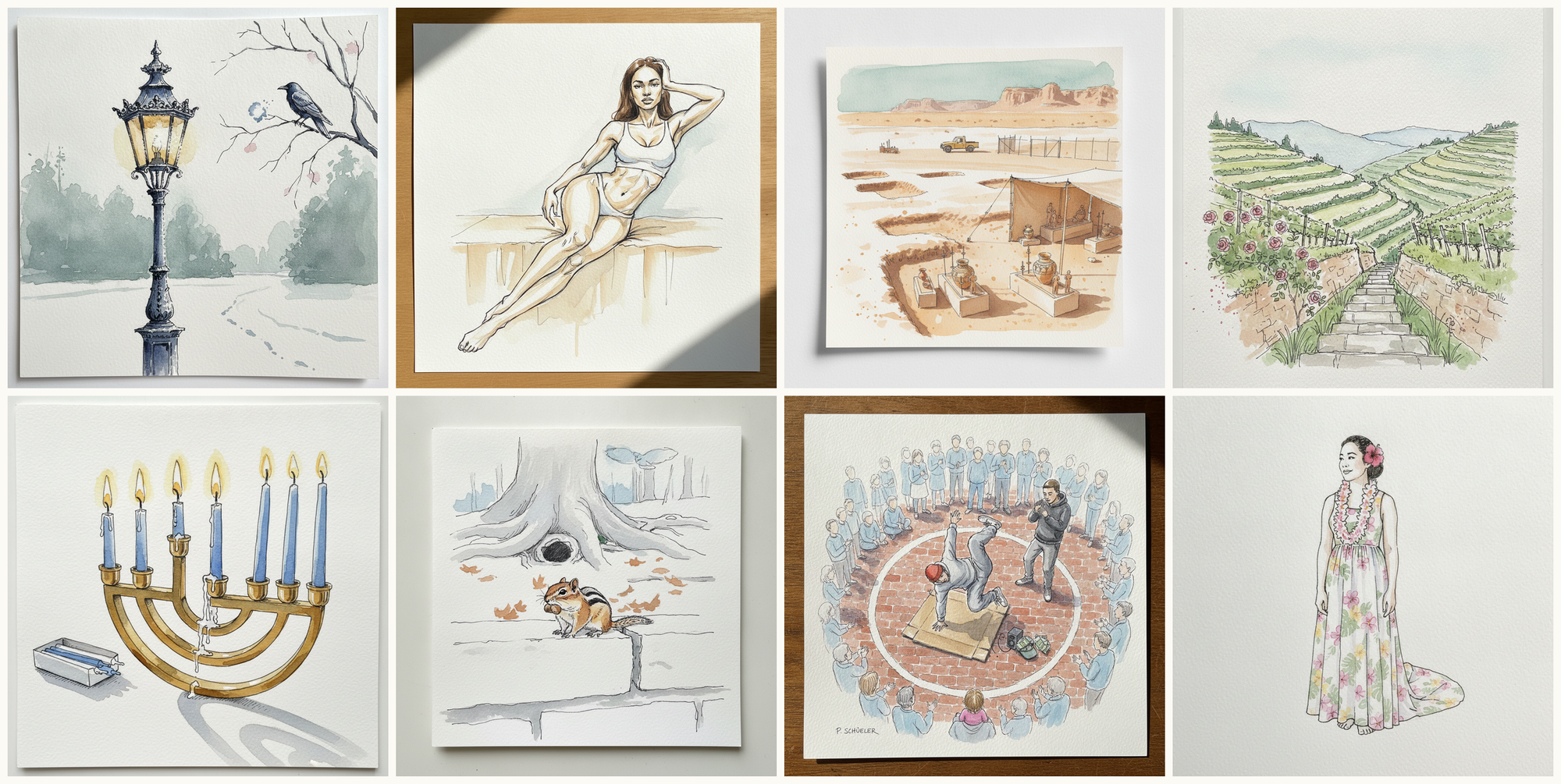
Today's 8 pen-and-watercolor pieces: Schönbrunn Frost, Long S-curve, head turned to the viewer, Shahdad Necropolis, Kerman, Iran, Prosecco terraced hills of Conegliano, Veneto, Hanukkah menorah, third night, Eastern chipmunk, Street performer breakdancing, Hawaiian holokū. Each piece comes with an AI-generated photoreal reference, three AI-generated example artworks in different treatments, and a short focus paragraph naming what to study in this one.
Why these references use AI
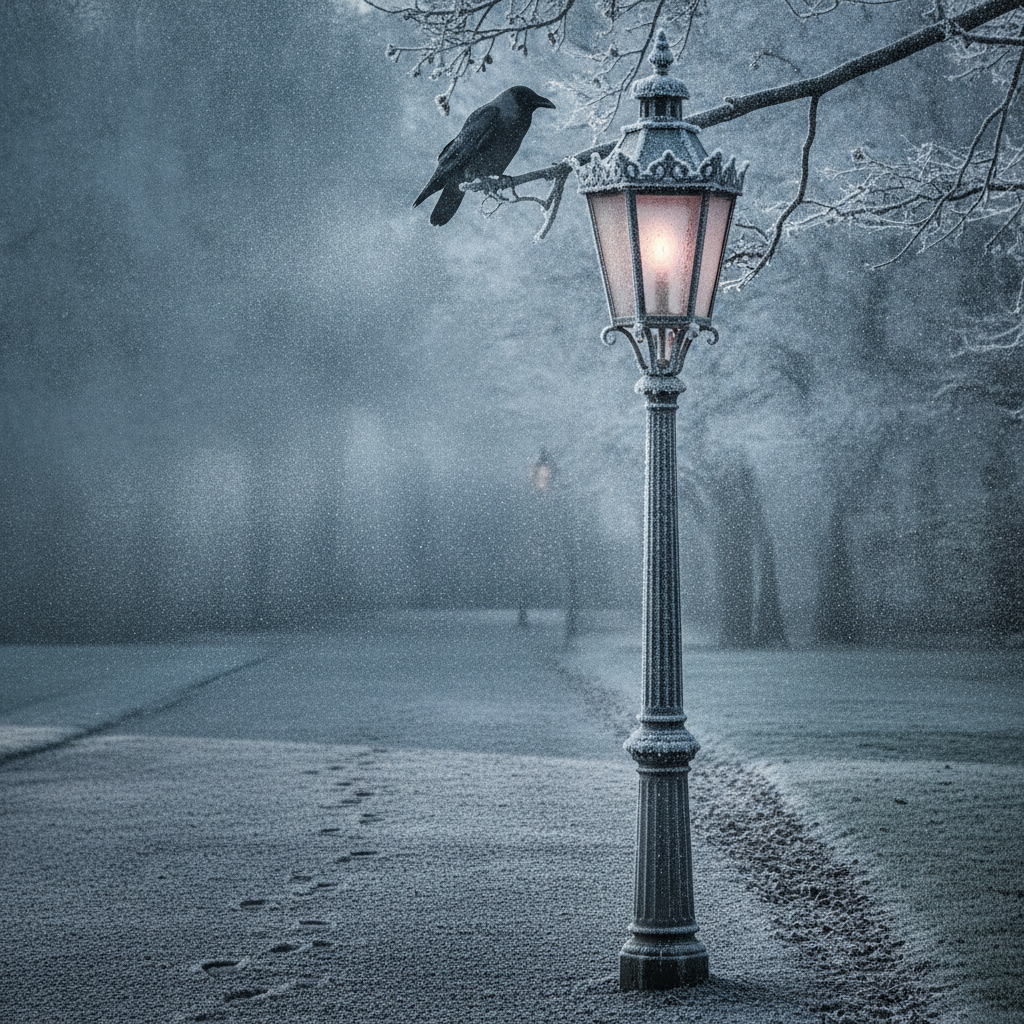
This daily series uses AI-generated images as practice prompts, not as finished artwork to copy. Each subject starts with a synthetic photoreal reference generated with Gemini/Nano Banana, then moves into three pen-and-watercolor interpretations of the same subject.
I use AI here because daily art practice needs variety and low friction. Real life can get repetitive, busy, or visually narrow. These generated reference sets make it easier to study bodies, buildings, animals, landscapes, objects, gestures, light, palettes, and compositions that might not show up in an ordinary day.
The goal is not to reproduce any image directly. Treat each set as a starting point for observation and study: choose what interests you, change the framing, simplify the subject, alter the palette, and make your own version.
Piece 1 — Schönbrunn Frost
Pen + Watercolor · Loose pen and watercolor line-and-wash
Three takes
Focus for this piece
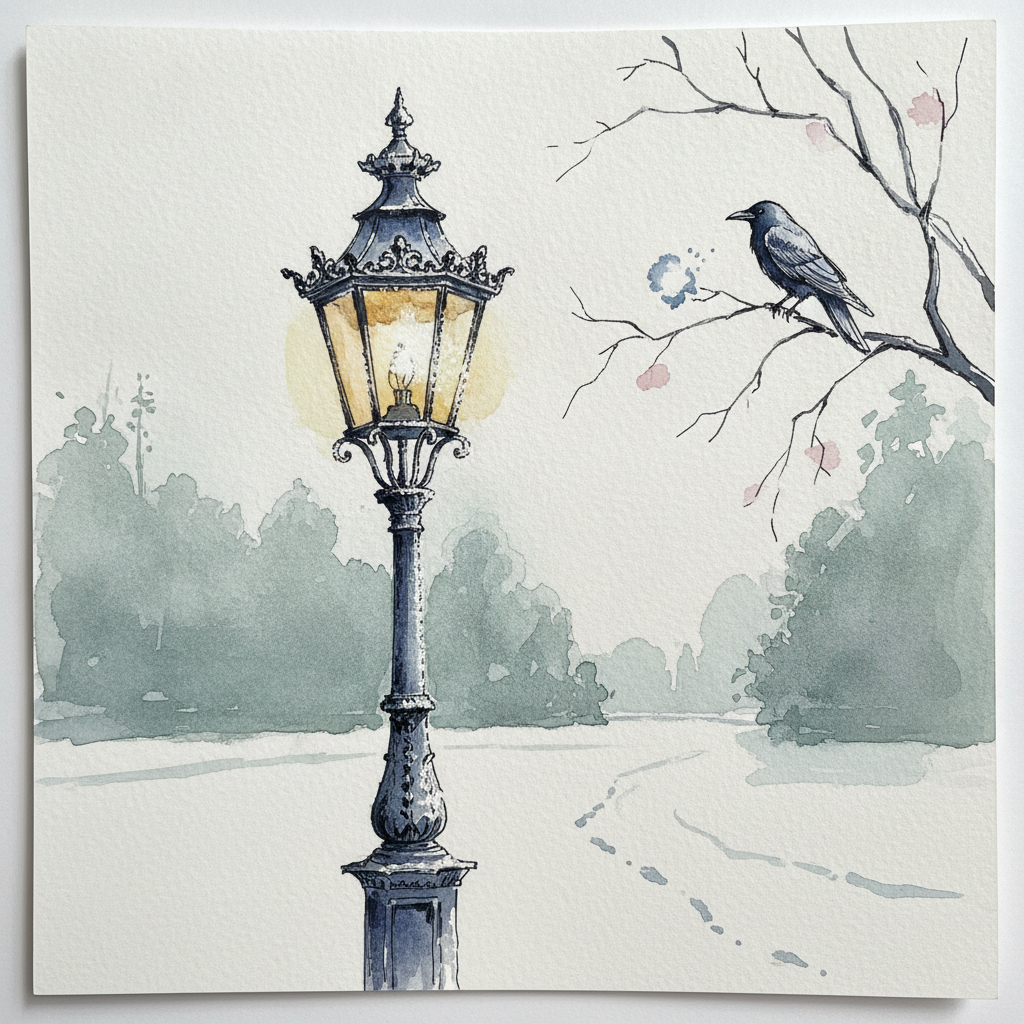
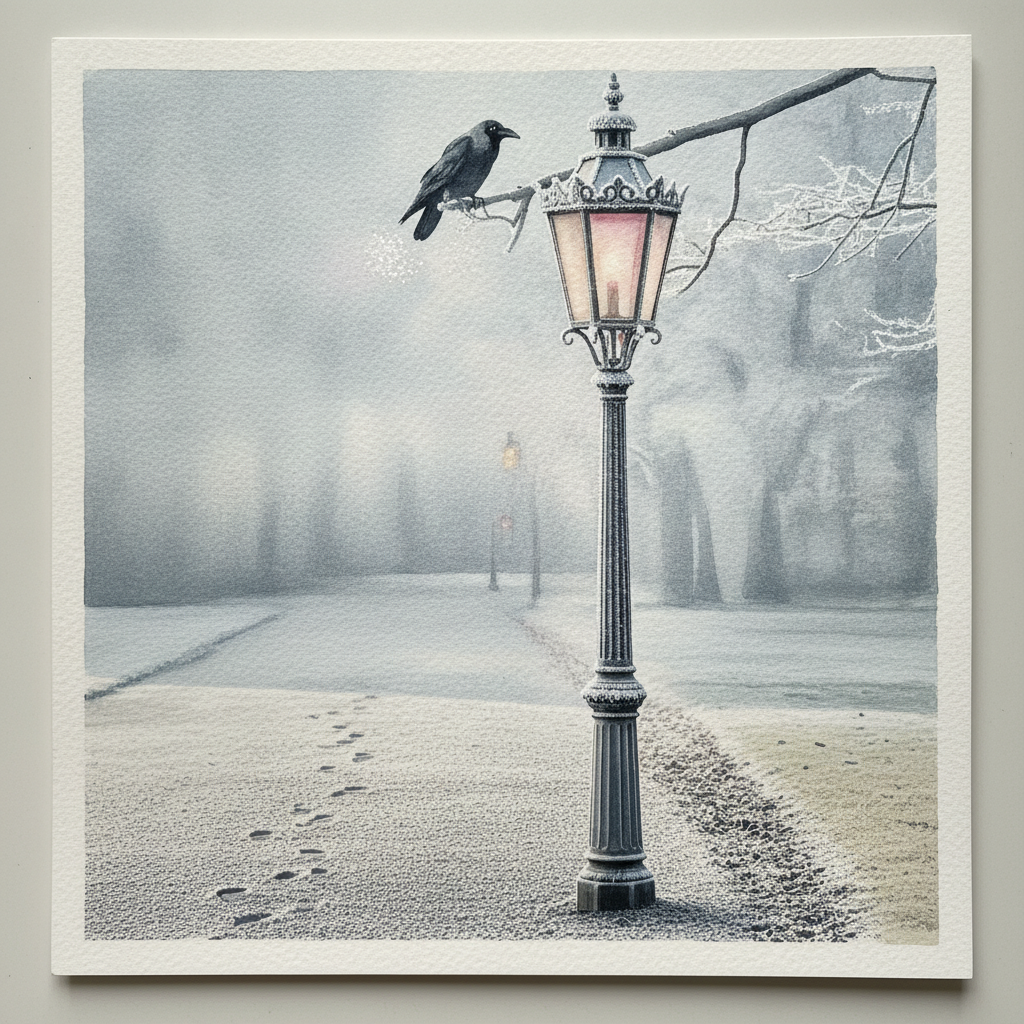
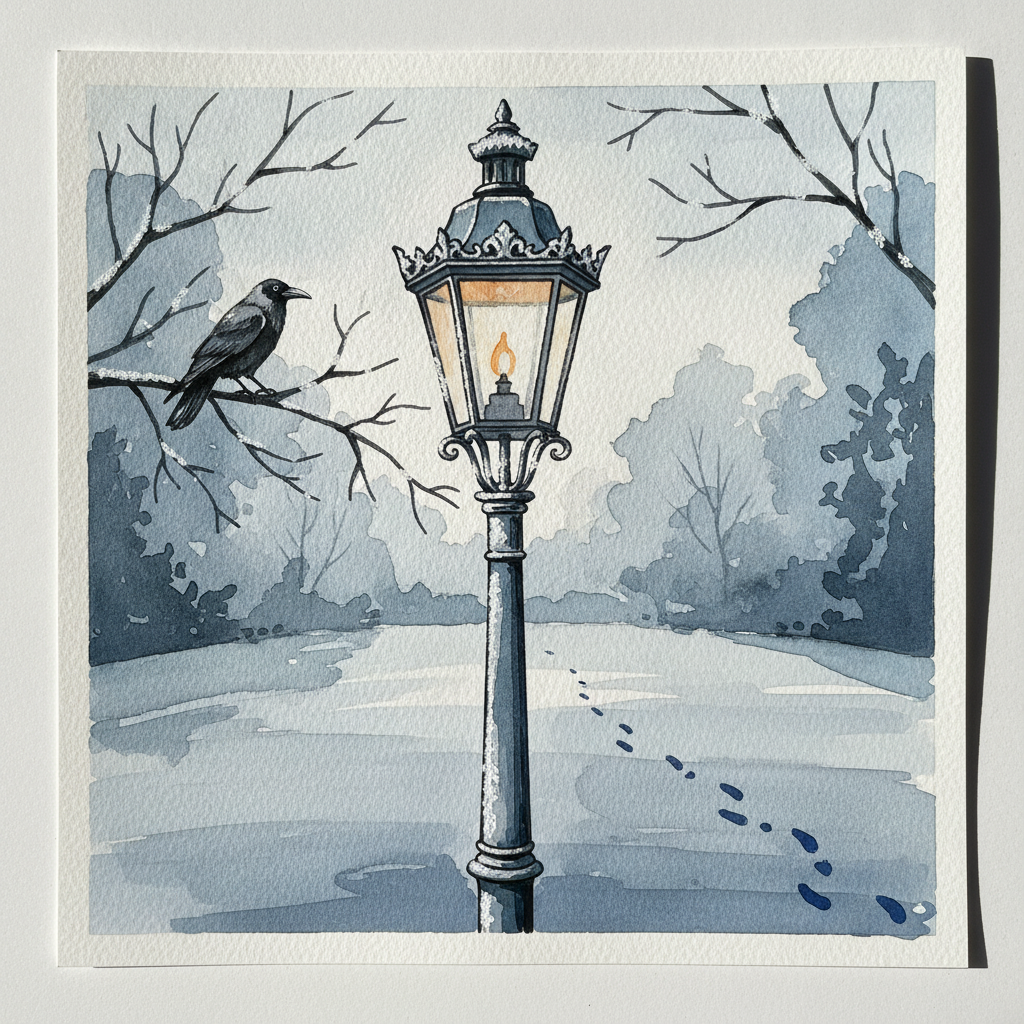
Today's piece, "Schönbrunn Frost," is an excellent study in rendering delicate luminosity against strong values and solid forms. Focus on using varied ink line weights to define the rigid structure of the gas lamp, employing fine, broken lines to suggest the hoarfrost's texture rather than outlining every crystal. Build the cool, atmospheric morning light with restrained, cool-toned wet-on-wet washes, carefully reserving areas of paper white for the brightest frost. Finally, use concentrated warm yellow-pink watercolor, applied wet-in-wet, to create the subtle glow emanating from the lamp's fading mantle.
Piece 2 — Long S-curve, head turned to the viewer
Pen + Watercolor · Loose pen and watercolor line-and-wash
Three takes
Focus for this piece
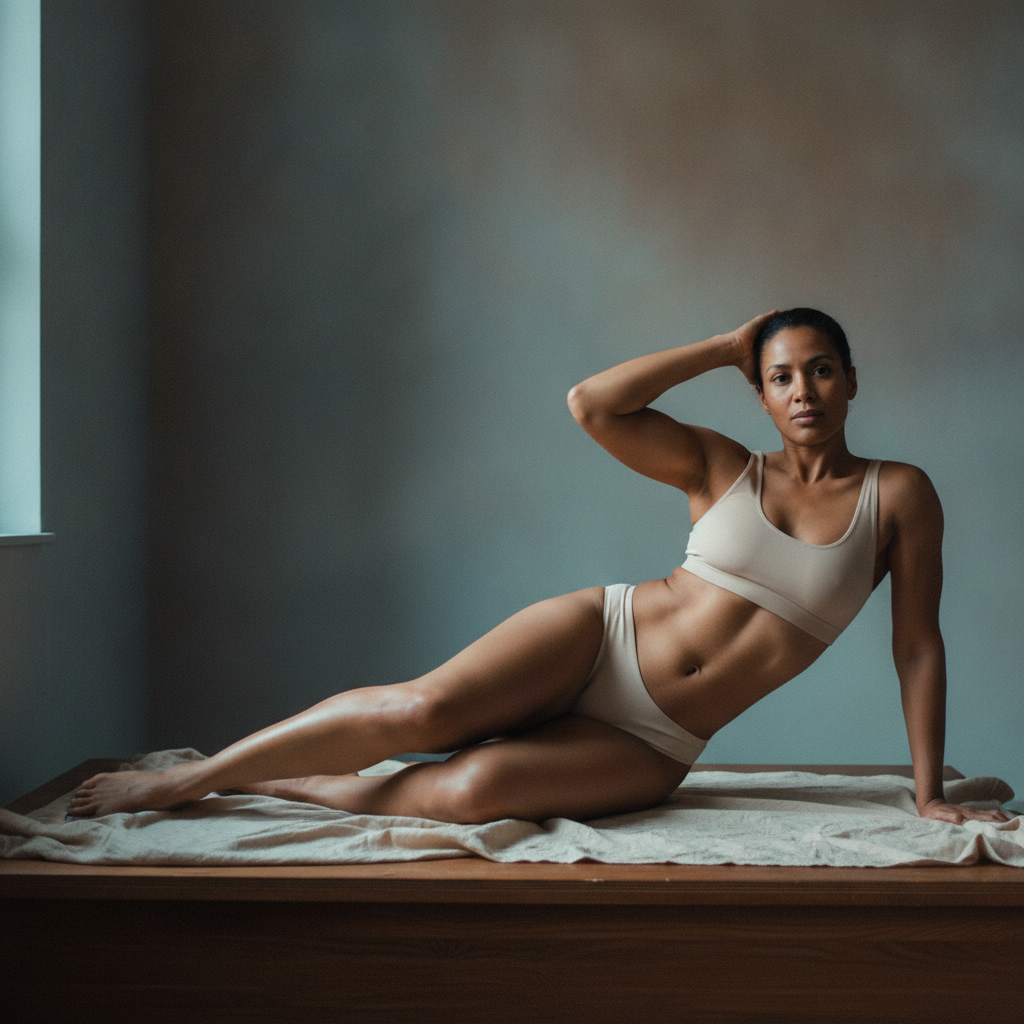
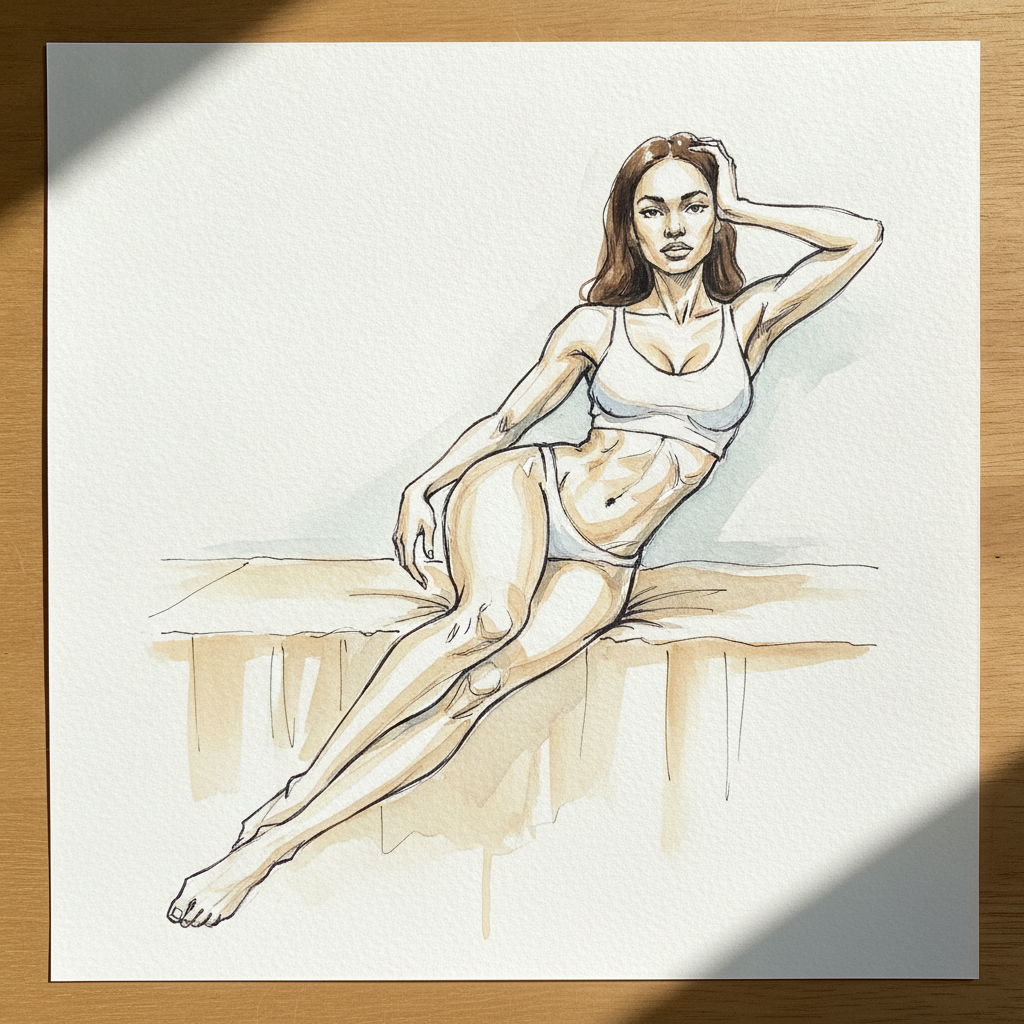
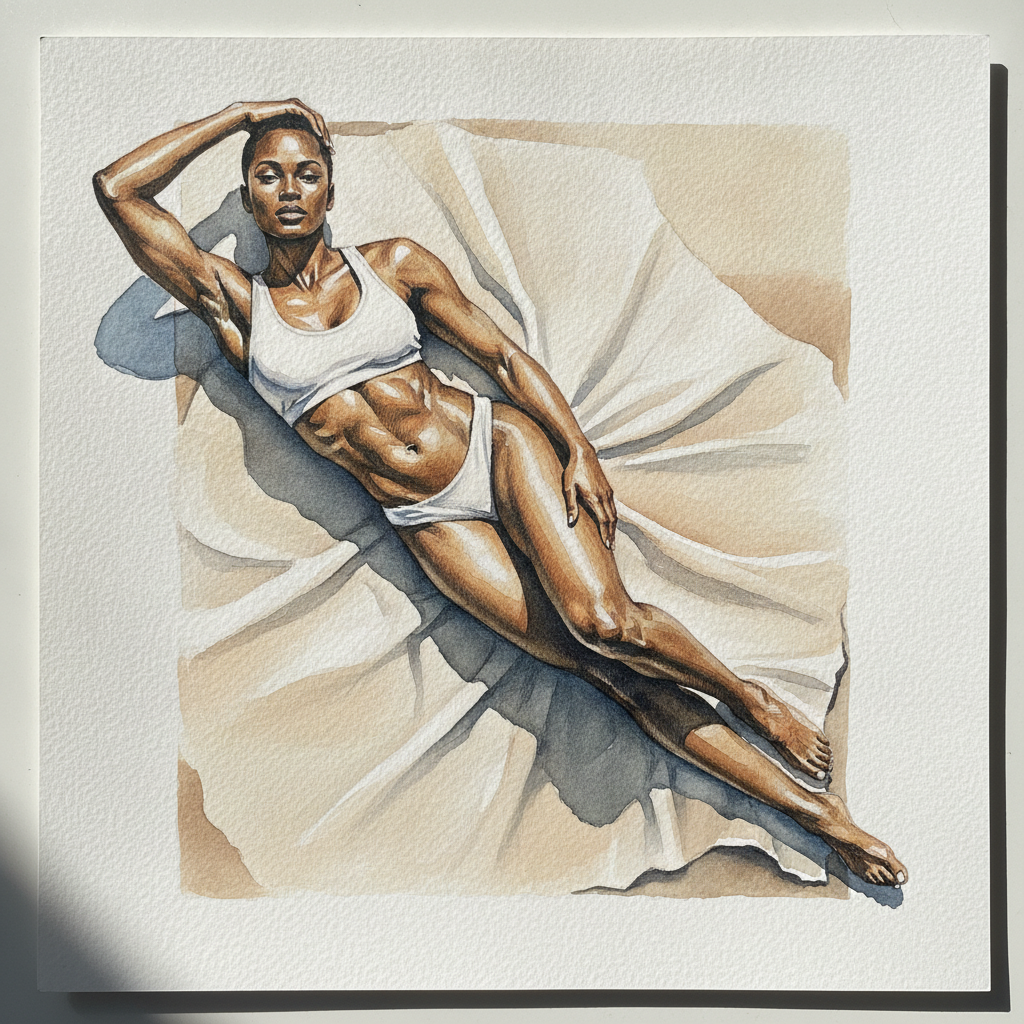
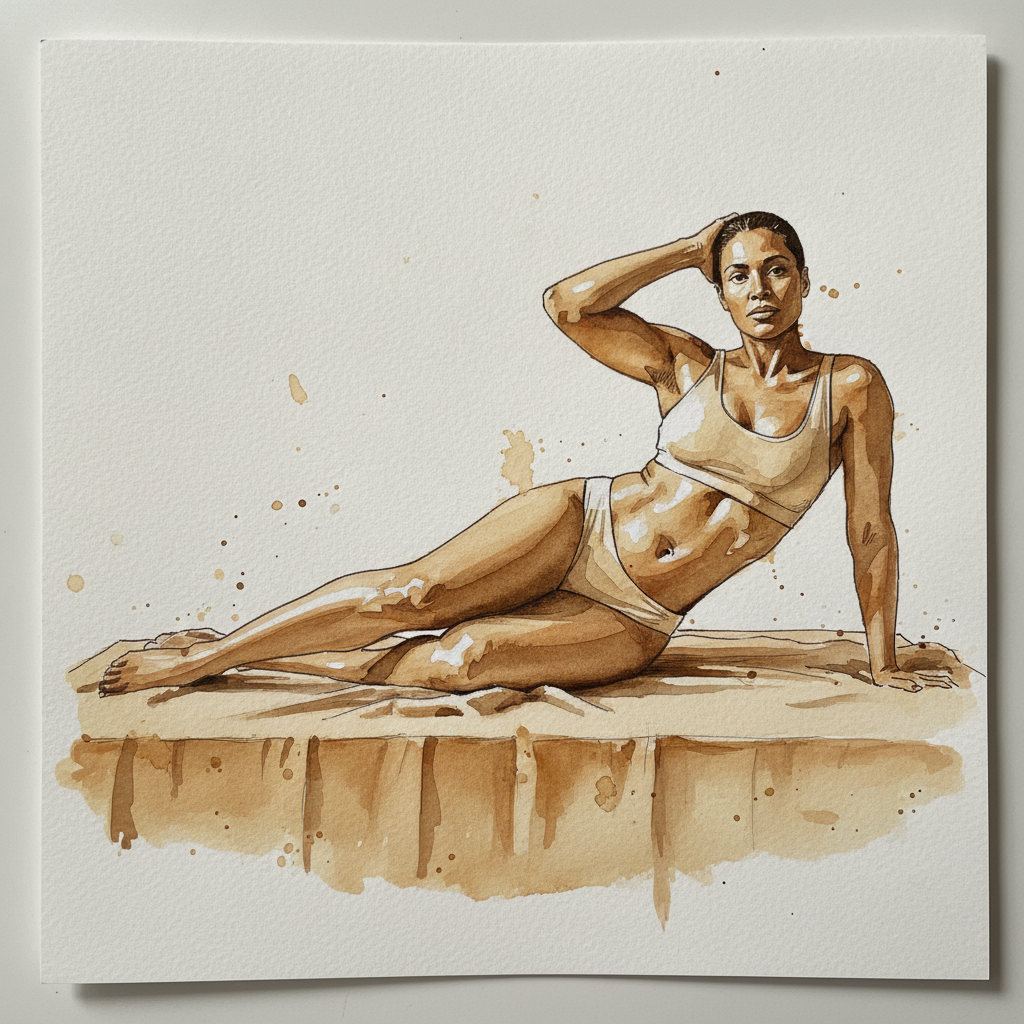
This piece offers a prime opportunity to study how to render volumetric form by emphasizing a strong compositional S-curve. Focus on using thoughtful variations in line weight to define the edges and depth of the figure, especially where the cool side light *carves* the body. Employ soft, cool-toned washes to build gradual transitions from light to shadow, allowing the watercolor to truly sculpt the figure's athletic build and accentuate its graceful flow.
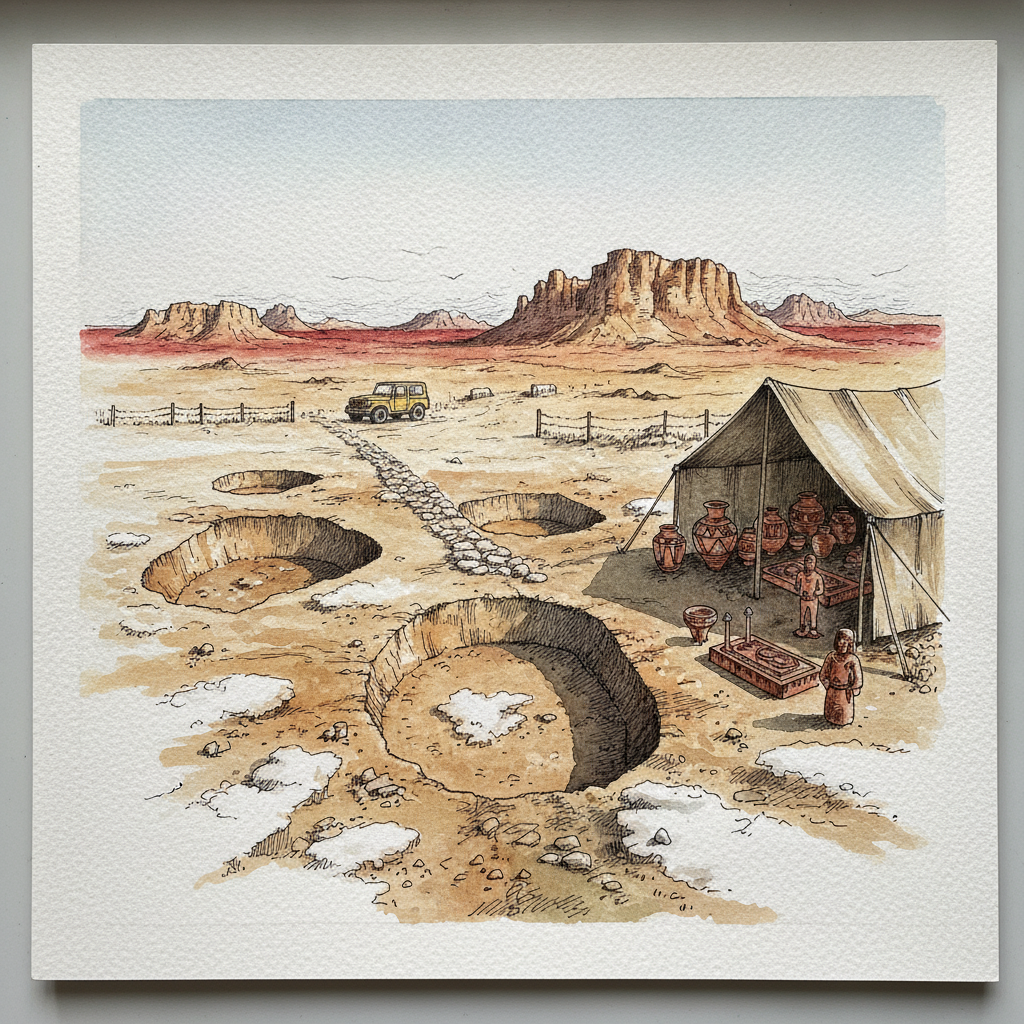
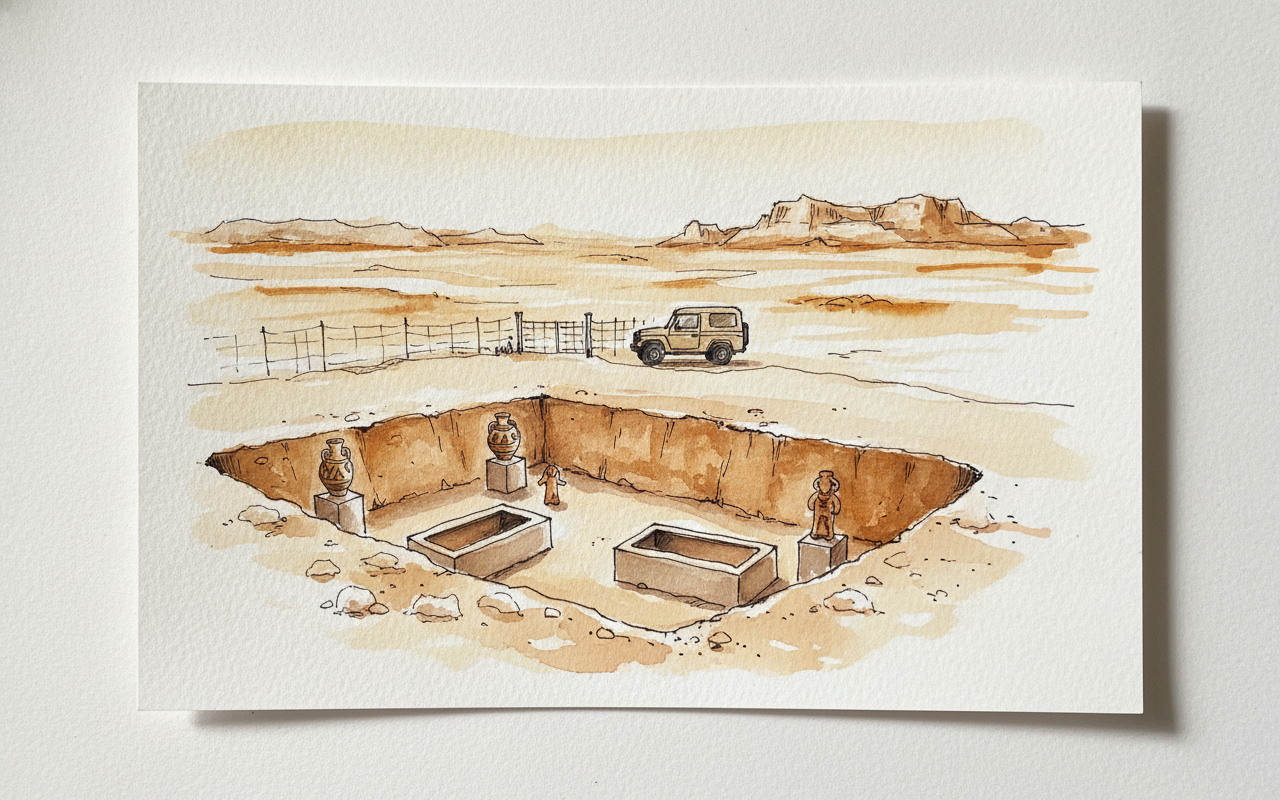
Piece 3 — Shahdad Necropolis, Kerman, Iran
Pen + Watercolor · Loose pen and watercolor line-and-wash
Three takes
Focus for this piece
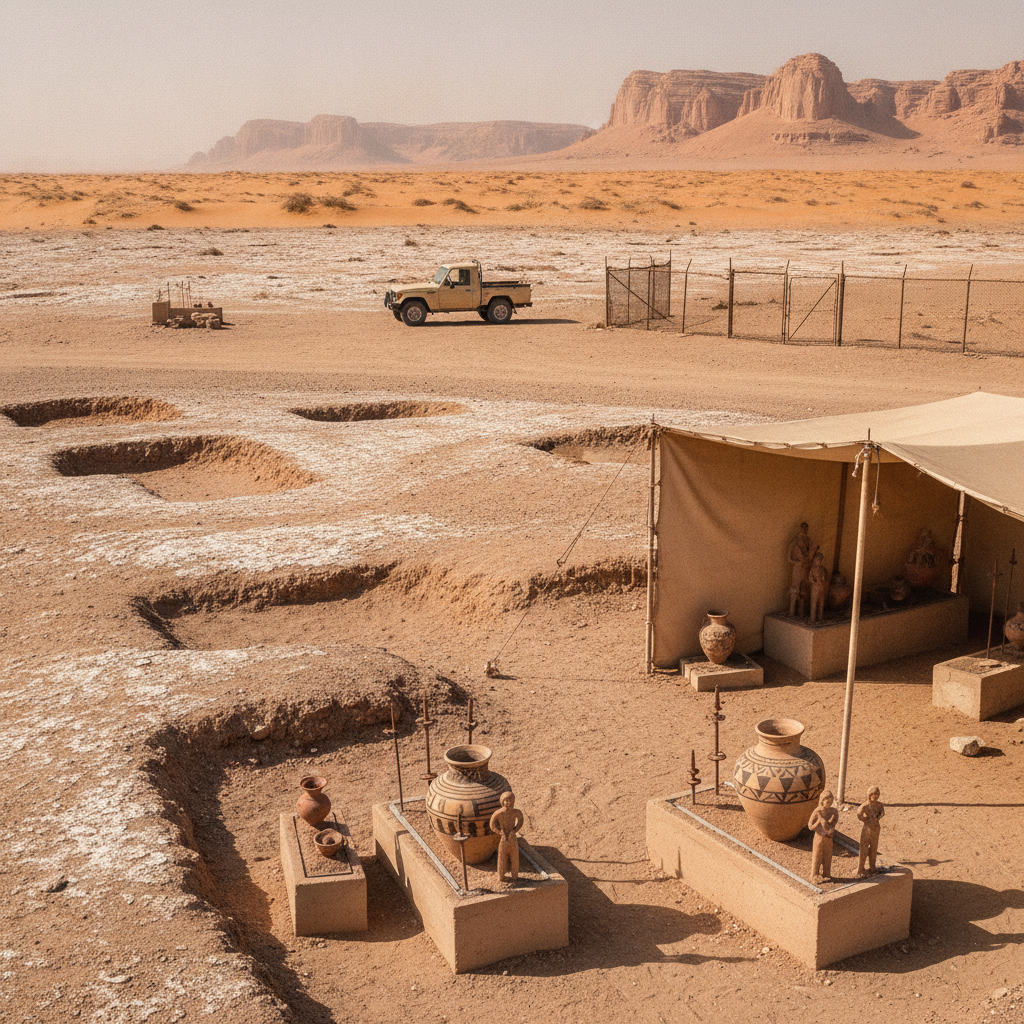
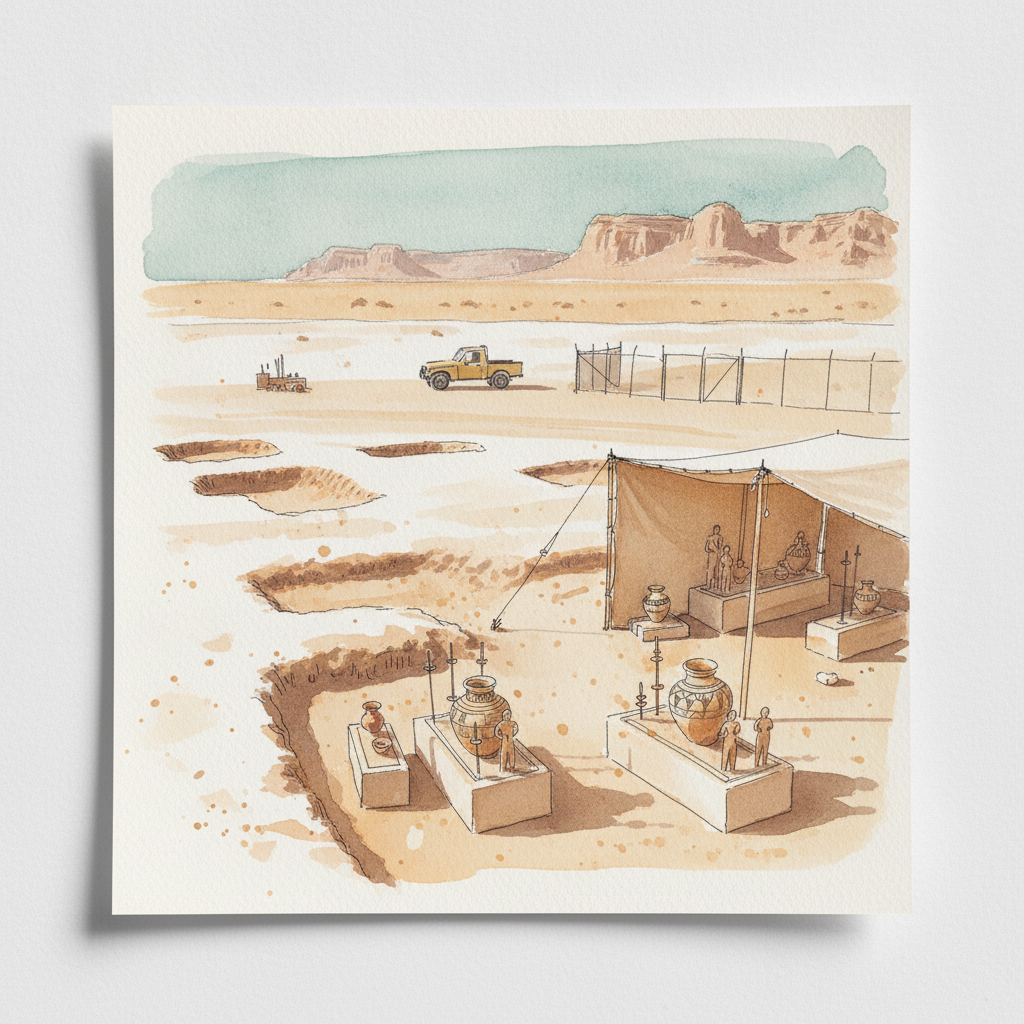
This piece is ideal for studying how to render vast, textured landscapes and atmospheric effects using line and wash. Focus on building the varied textures of the gypsum plain—from soft, wet-in-wet applications for the distant heat shimmer to deliberate dry brush marks for the salt crusts and scoured trenches in the foreground. Use a very limited palette of warm earth tones, allowing subtle shifts in value and temperature to suggest depth and the intense desert light. Reserve precise, heavier pen lines sparingly for absolute structural elements like the four-wheel-drive vehicle, letting the expansive washes largely define the landscape's form and mood.
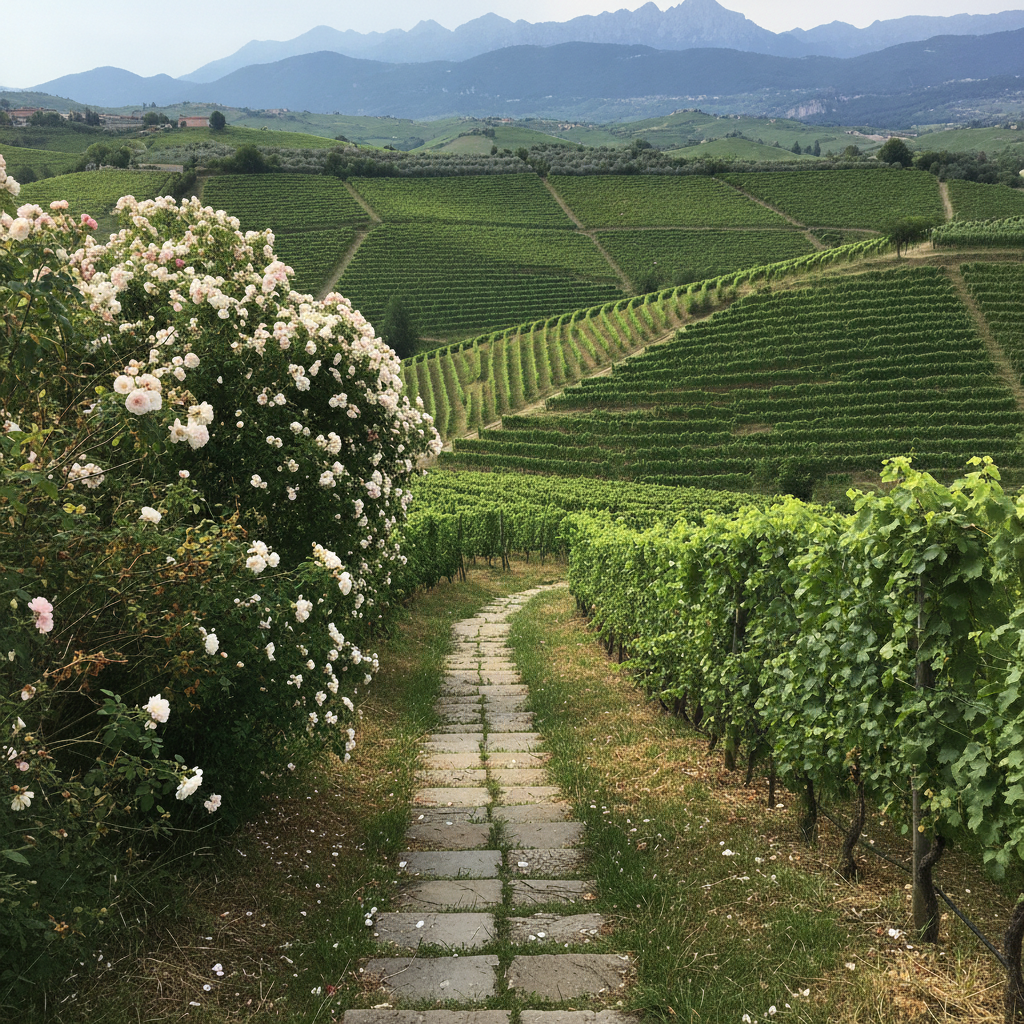
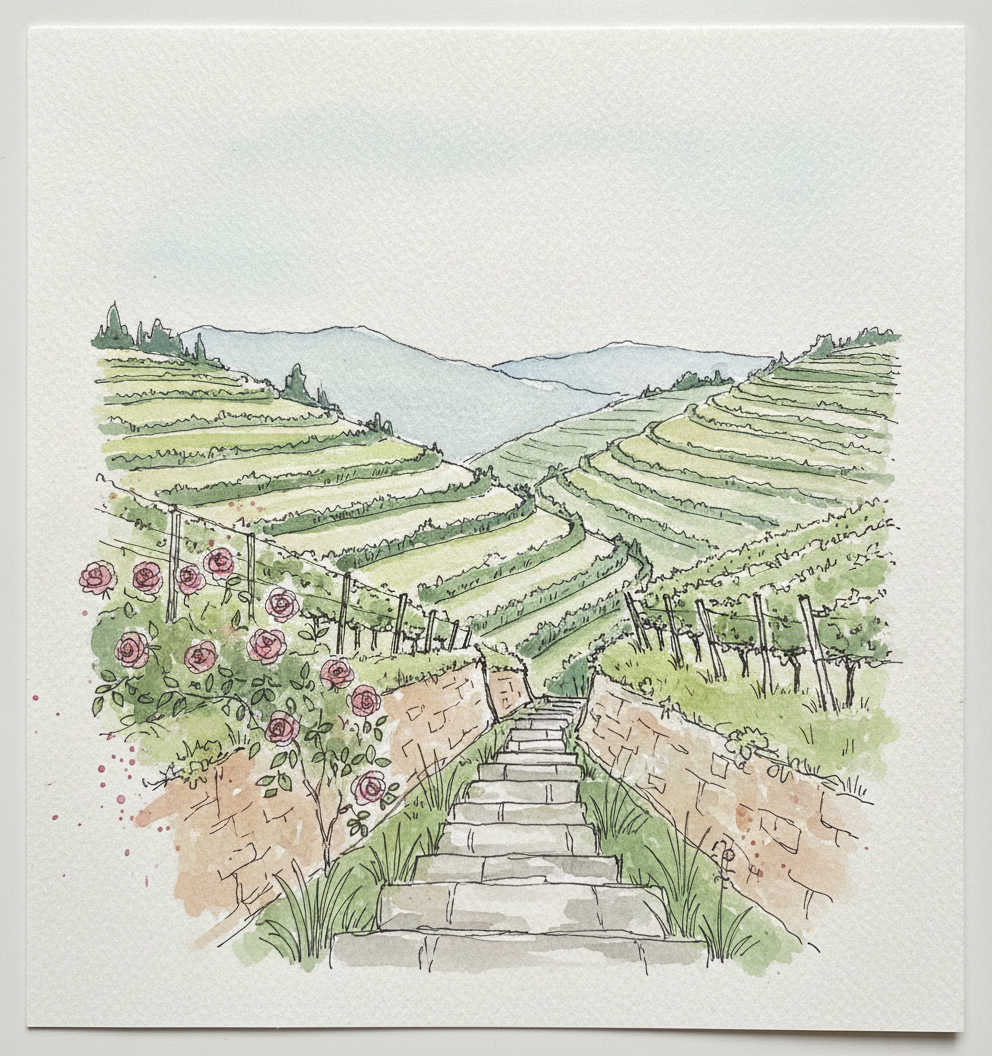
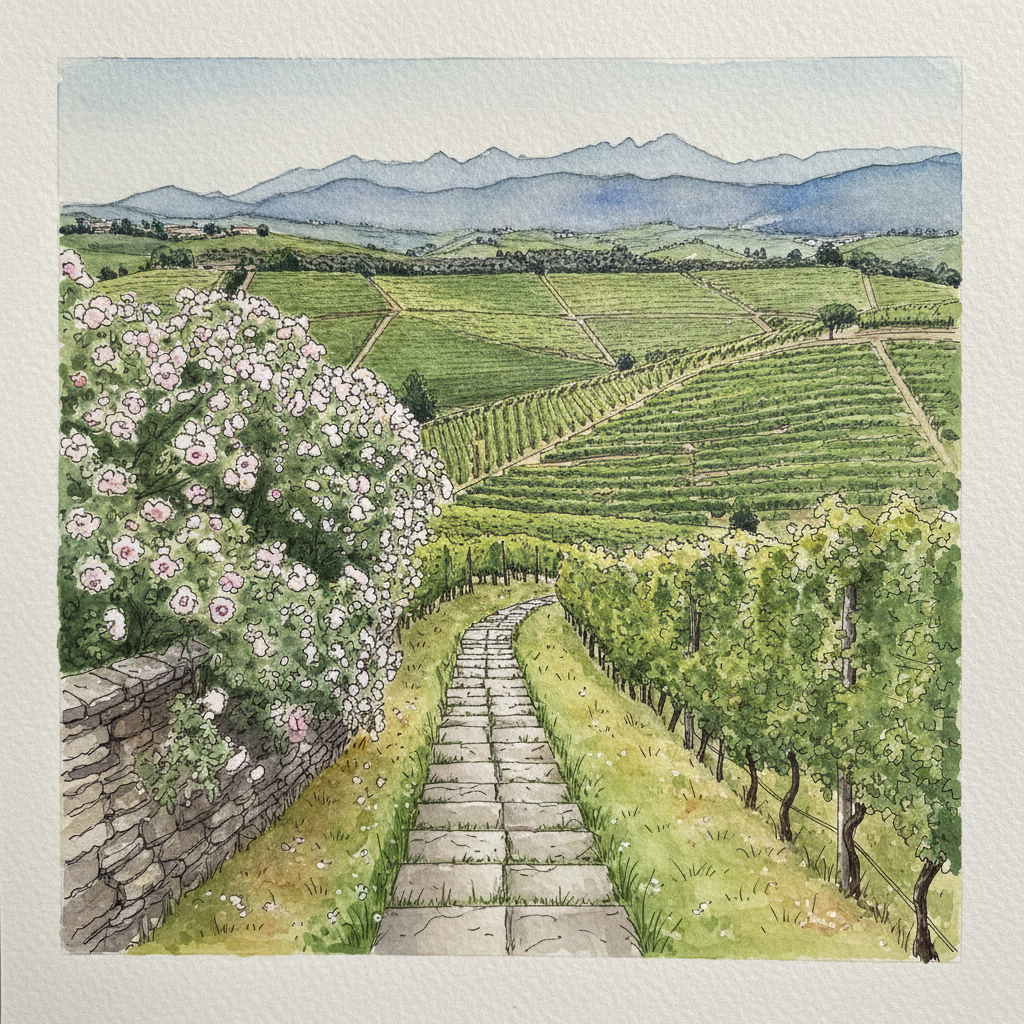
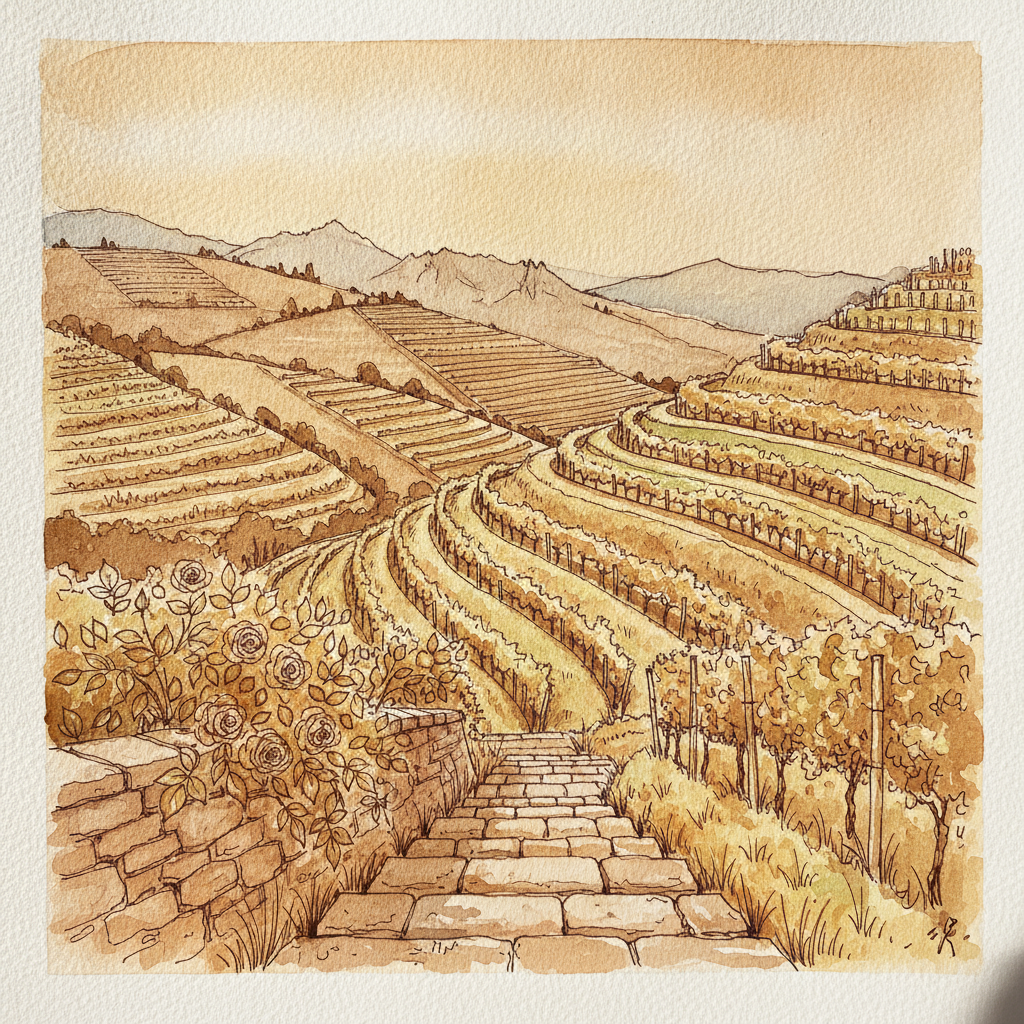
Piece 4 — Prosecco terraced hills of Conegliano, Veneto
Pen + Watercolor · Loose pen and watercolor line-and-wash
Three takes
Focus for this piece
This piece offers a great opportunity to study how to define complex, undulating forms and convey atmospheric depth using varied line work and layered washes. Practice using crisp, dark pen lines for the foreground path and wild rose, then shift to lighter, broken lines and cooler washes to suggest the numerous terraced vines and receding background ridges. Focus on letting soft, layered green washes unify the repetitive shapes of the *ciglioni*, enhancing the sense of distance without over-rendering every detail.
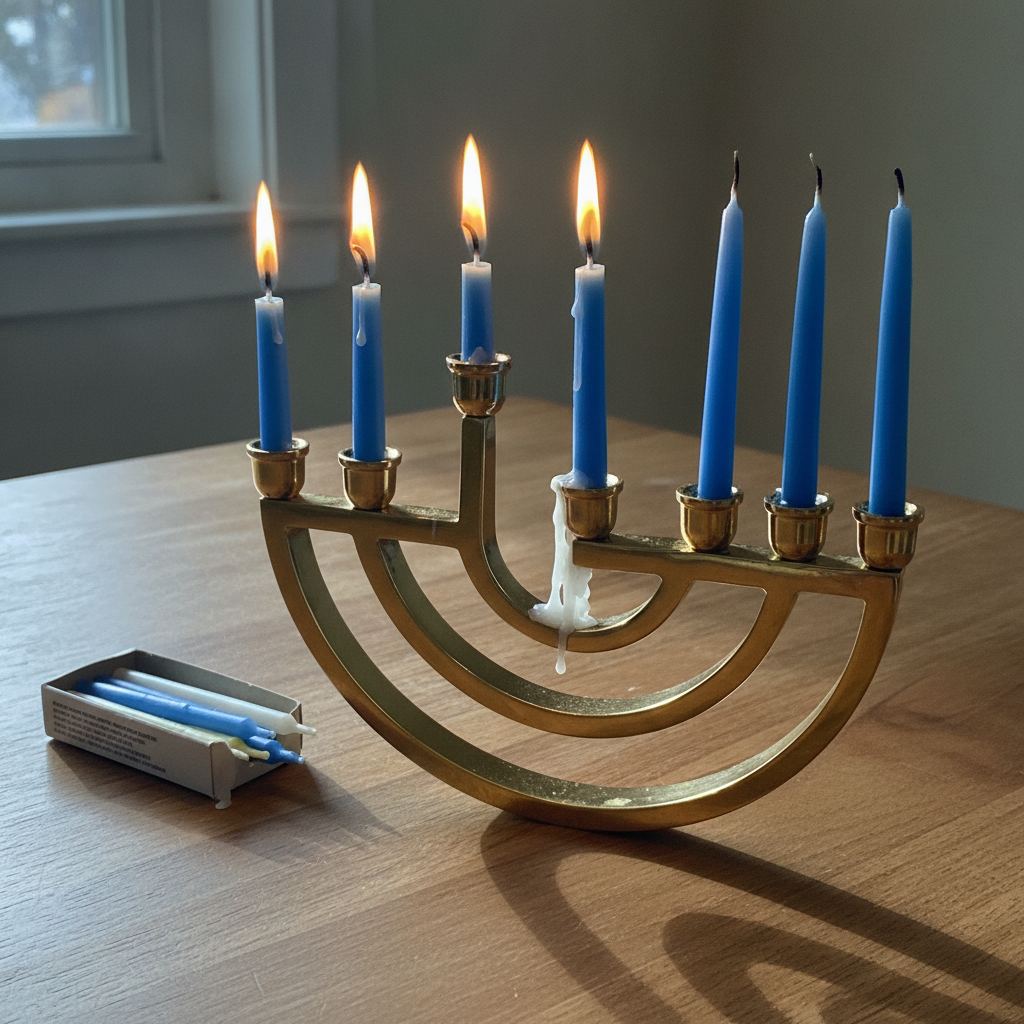
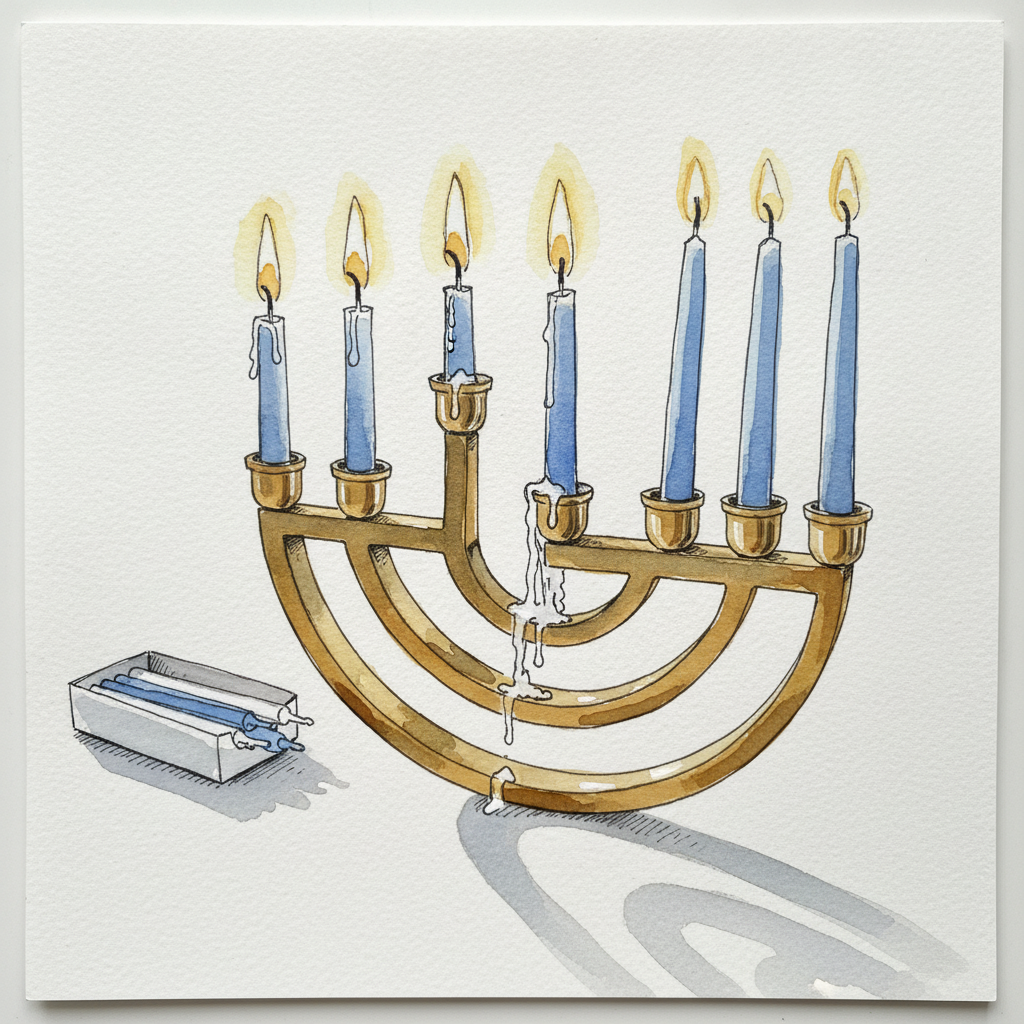
Piece 5 — Hanukkah menorah, third night
Pen + Watercolor · Loose pen and watercolor line-and-wash
Three takes
Focus for this piece
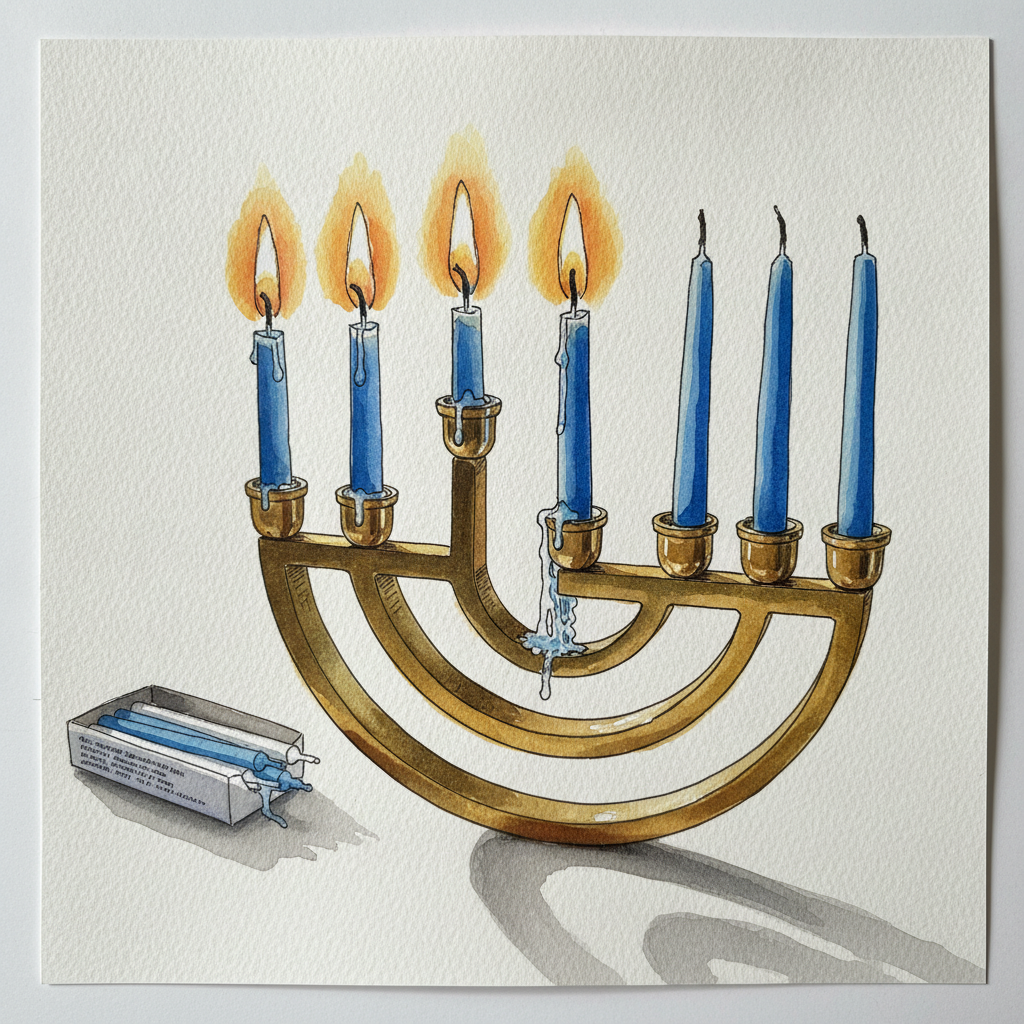
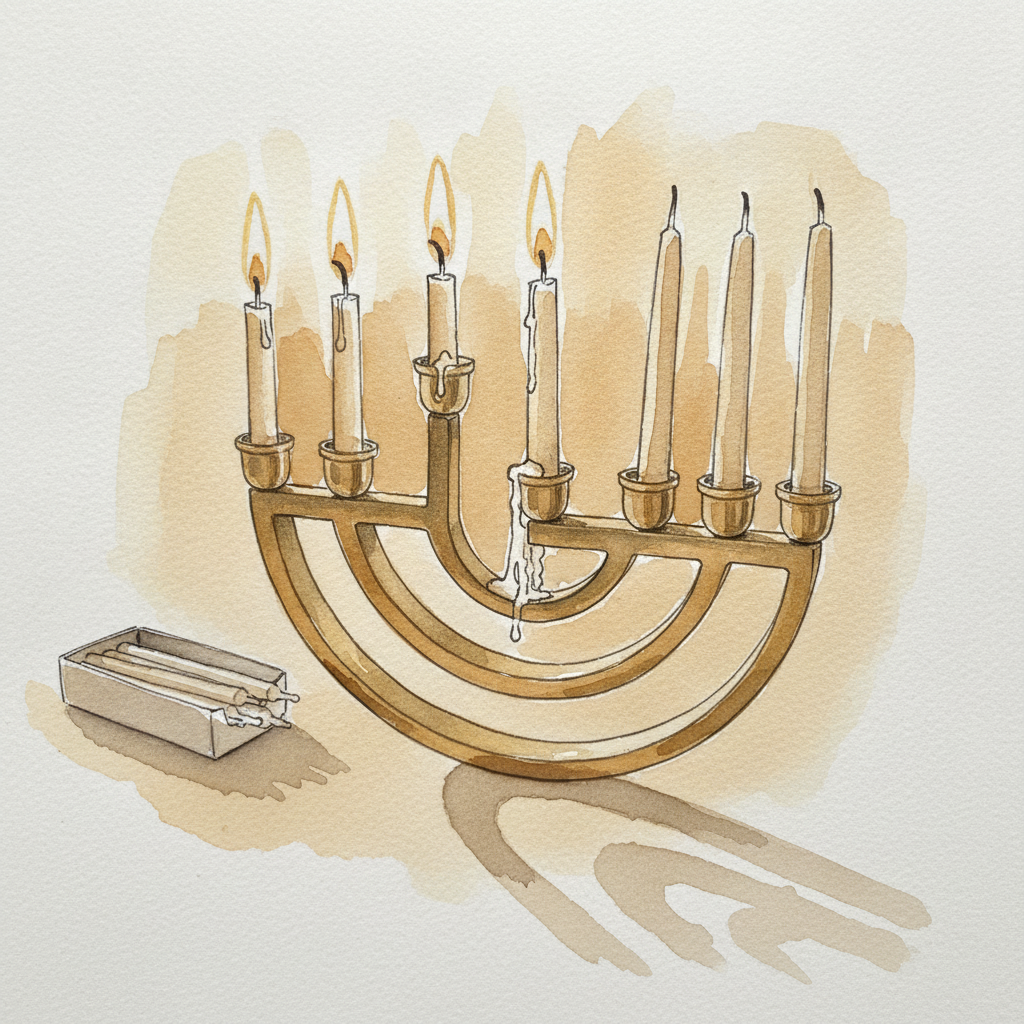
This piece is an excellent study in rendering metallic surfaces and complex reflections with pen and wash. Use a fine-point pen to define the distinct, often warped, outlines of the menorah's brass curves and the doubled flame reflections, varying line weight to suggest depth. Then, apply delicate, transparent glazes of warm ochres and sienna, lifting pigment while wet to create the illusion of high shine and the subtle, luminous glow of the flames within the metal. This approach will allow the crispness of the pen to define form while the washes evoke the warmth and reflectivity of the brass.
Piece 6 — Eastern chipmunk
Pen + Watercolor · Loose pen and watercolor line-and-wash
Three takes
Focus for this piece
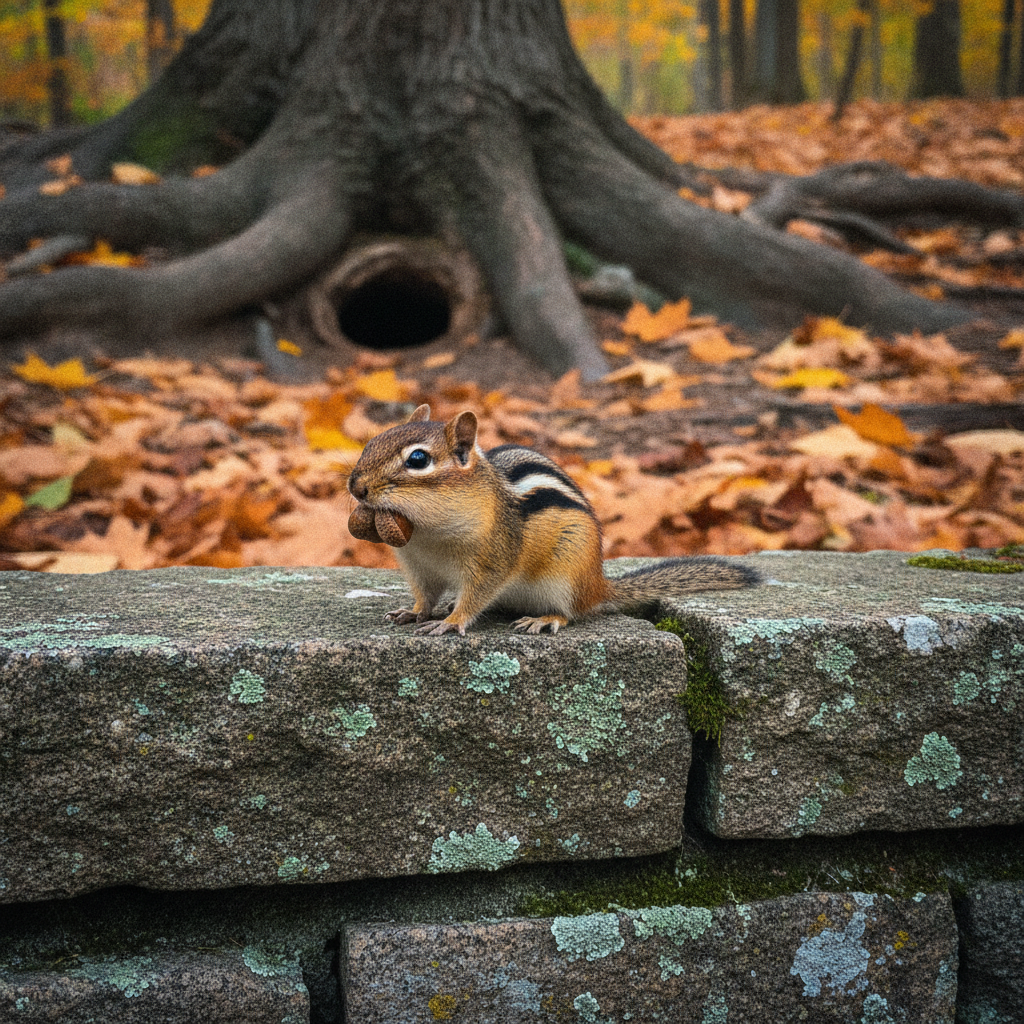
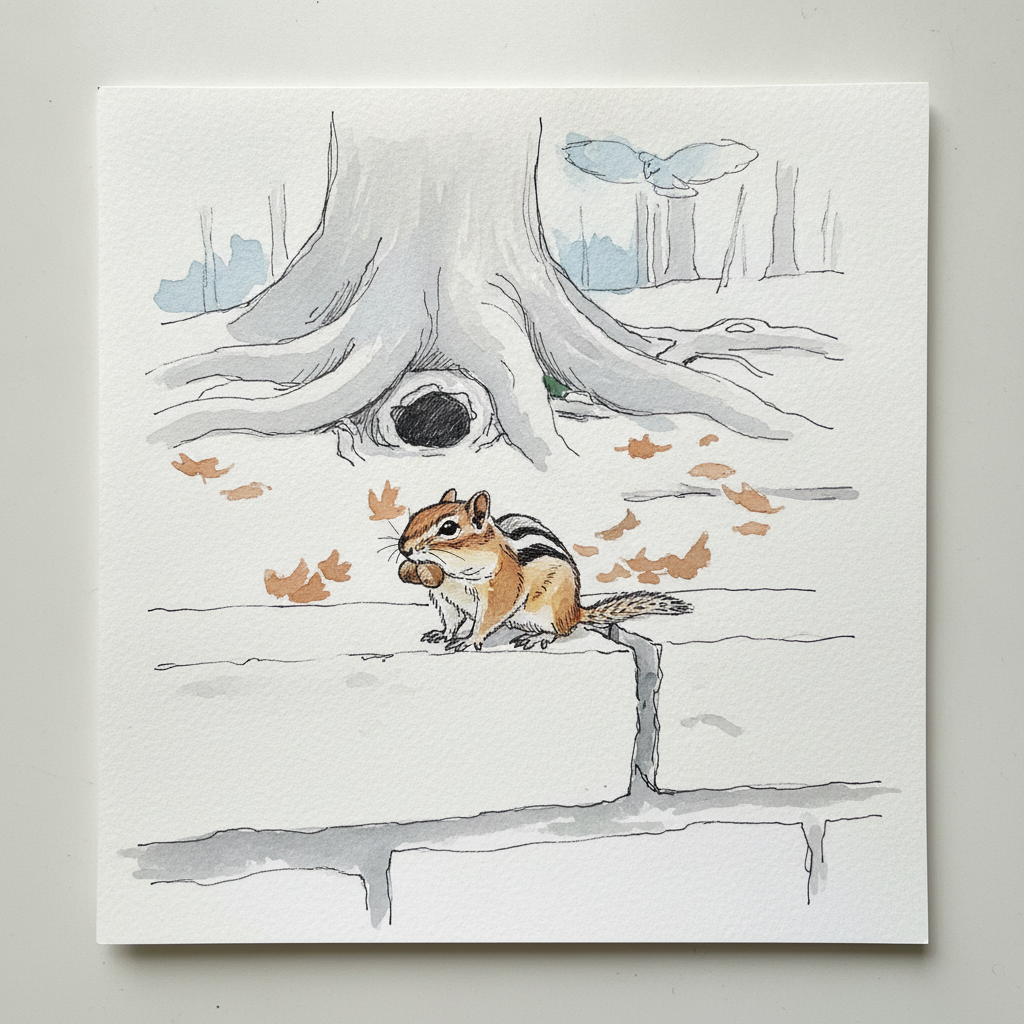
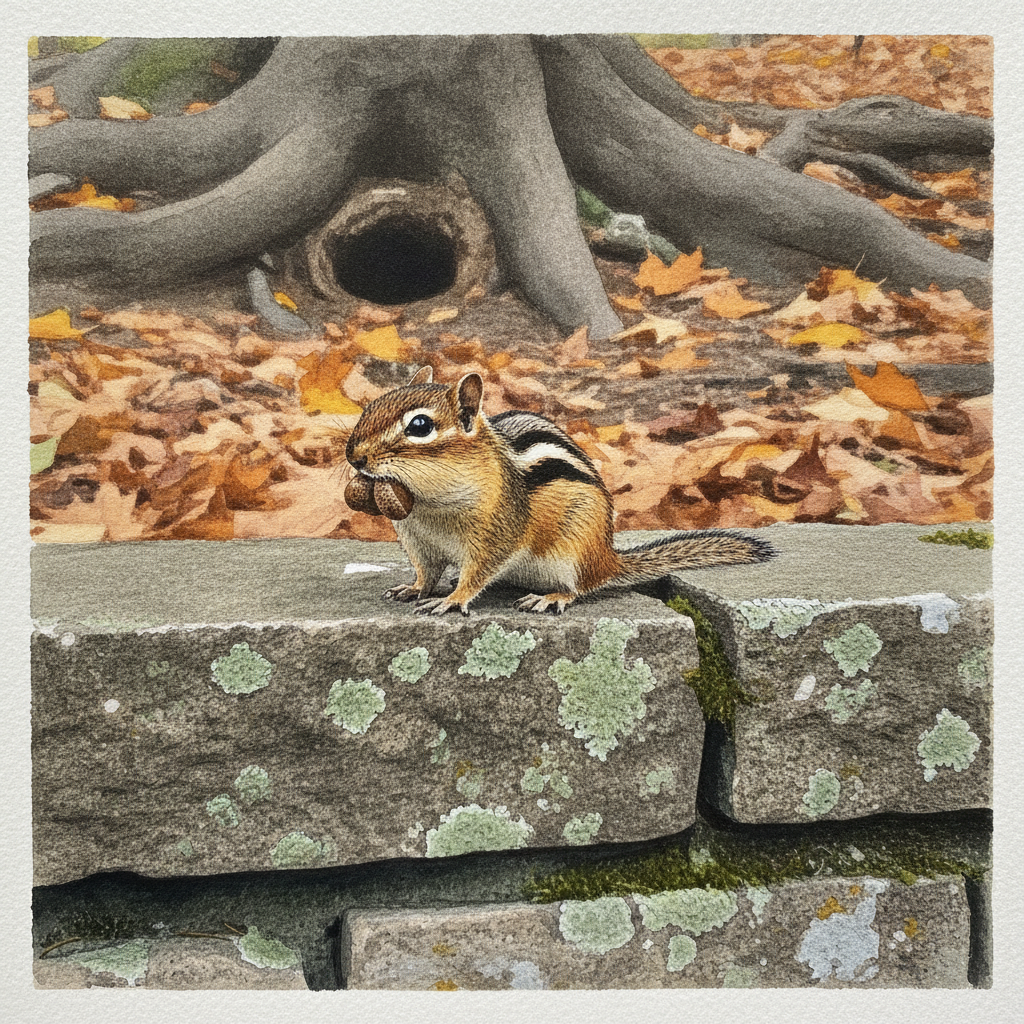
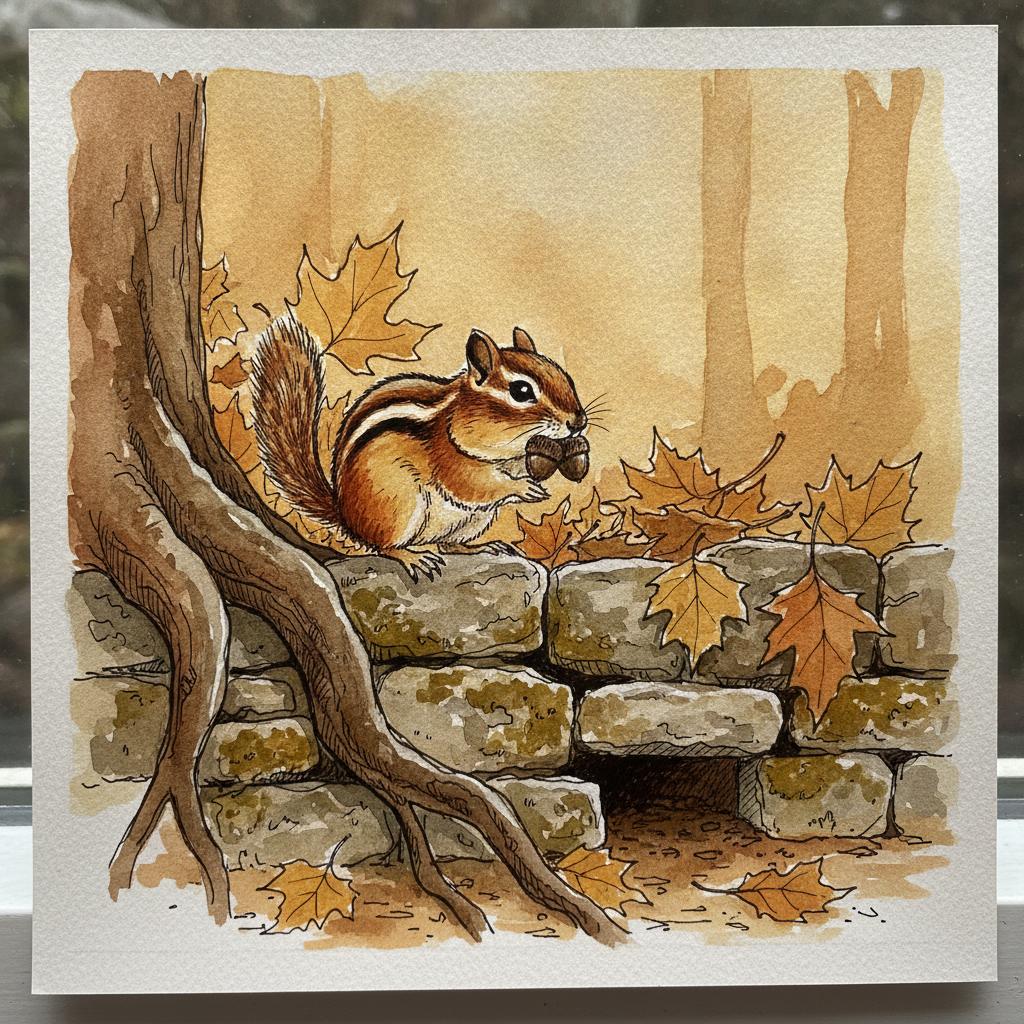
Today's chipmunk is an ideal subject for practicing controlled line-weight variation and contrasting textures. Use delicate, broken lines to suggest the chipmunk's soft fur and the precise definition of its bold stripes, while employing heavier, irregular strokes to capture the ruggedness of the stone wall. Focus your washes on building the russet warmth of the chipmunk against the cooler, earthy tones of the stone, letting the pen define sharp details like the bulging cheek pouches and scattered acorns.
Piece 7 — Street performer breakdancing
Pen + Watercolor · Loose pen and watercolor line-and-wash
Three takes
Focus for this piece
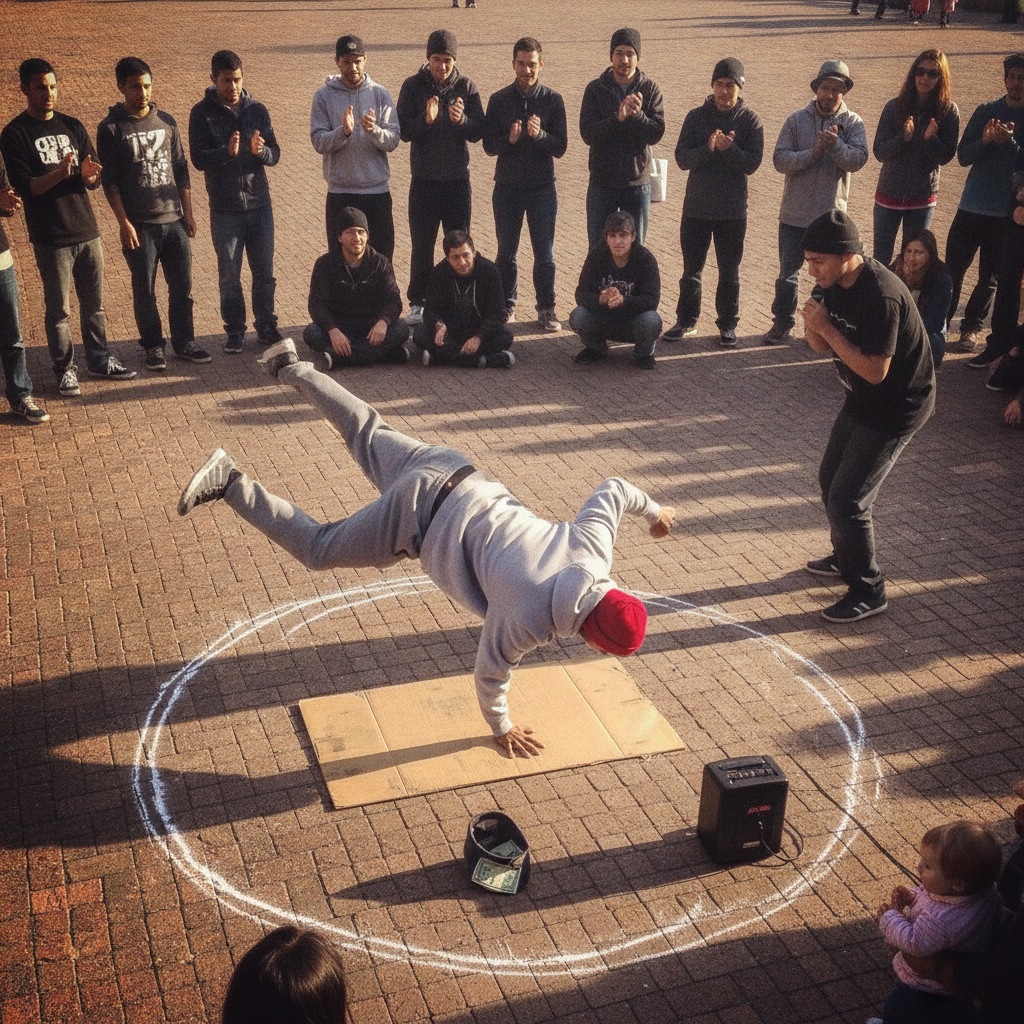
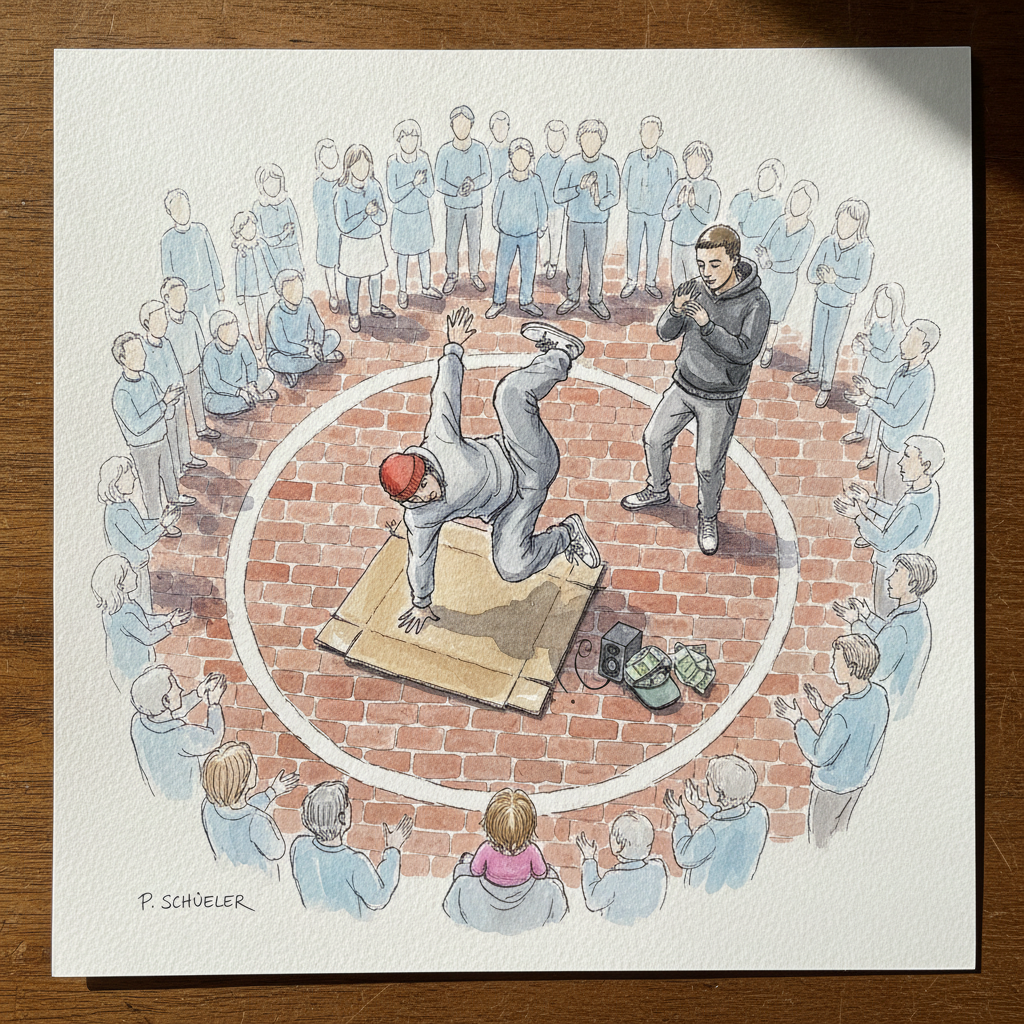
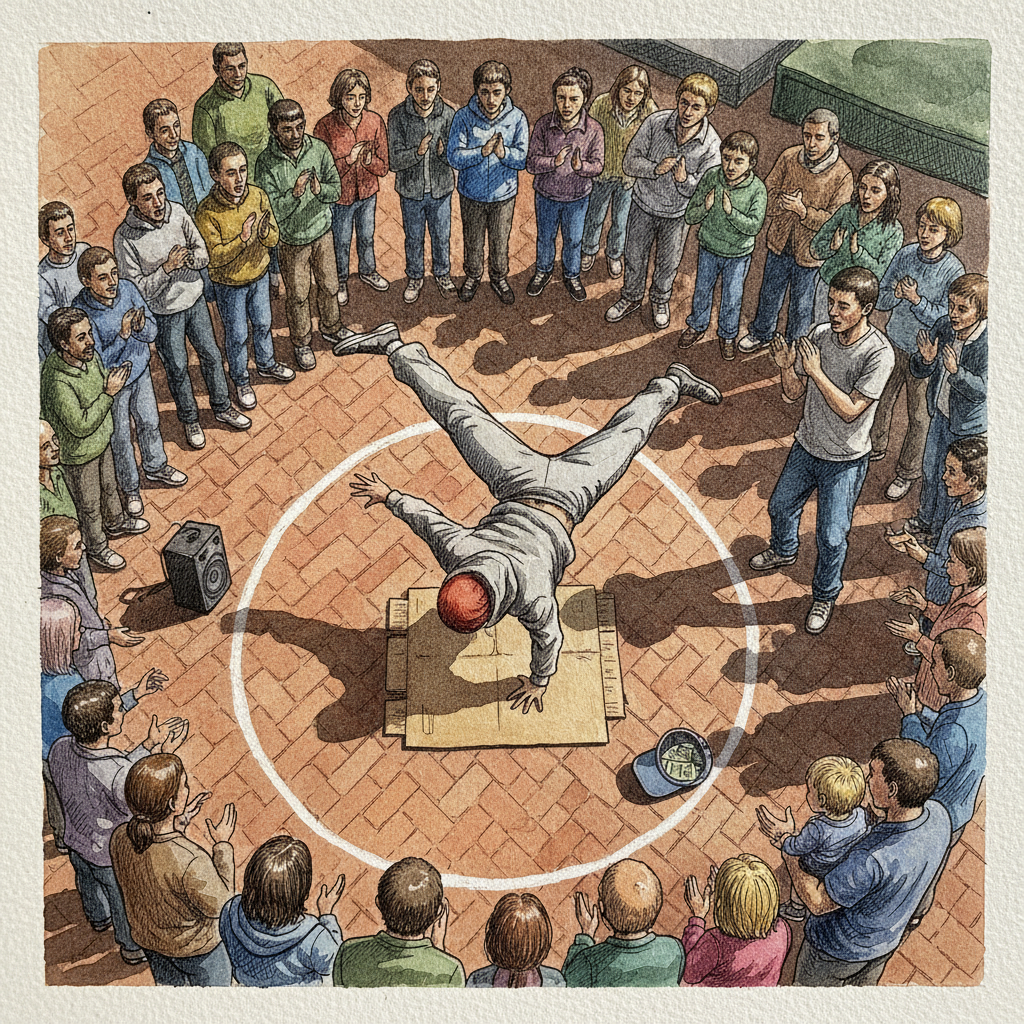
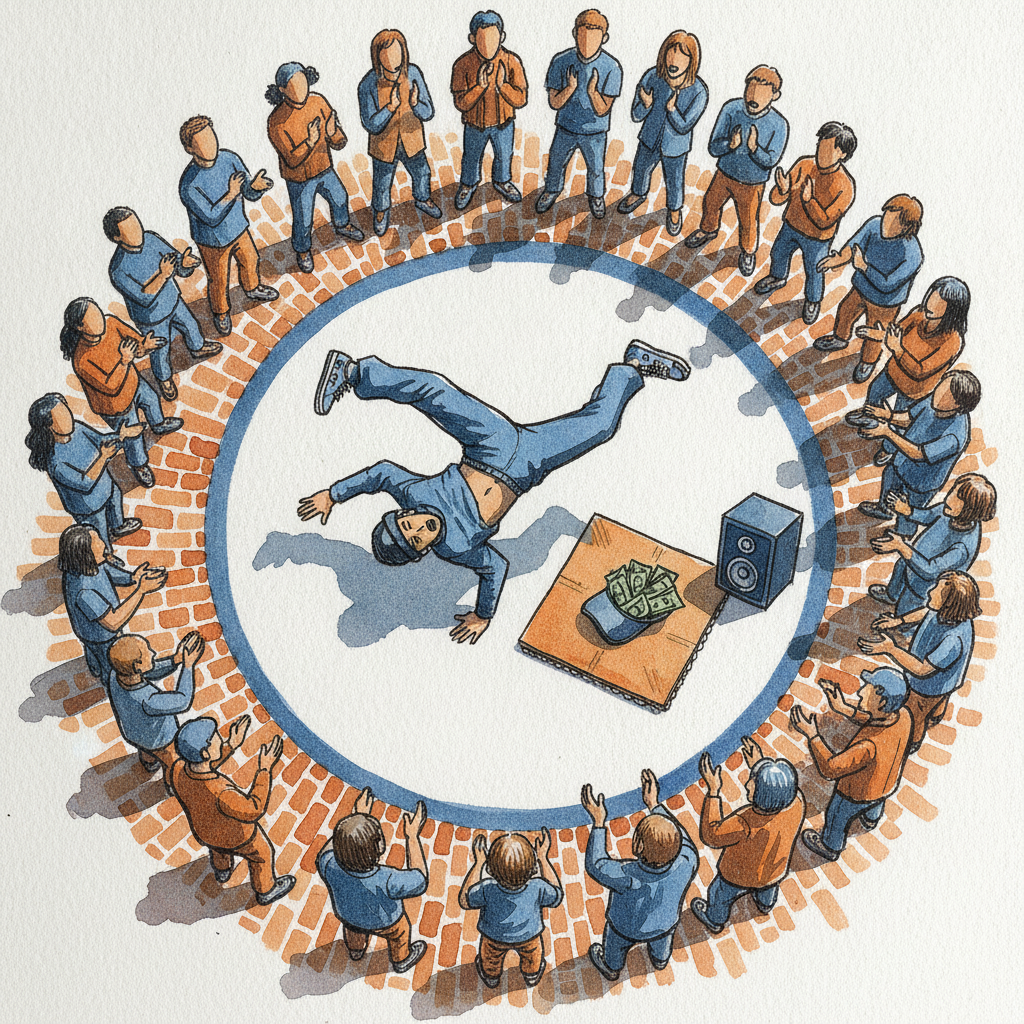
This piece is ideal for practicing how to render a dynamic figure with strong foreshortening, like the dancer's one-handed freeze, using varied line weights to convey tension and movement. Complement this with simplified, expressive washes for the surrounding crowd and sun-drenched plaza, allowing light and atmosphere to define the background rather than excessive detail. To maintain focus, use a restricted, lighter palette for the background figures and minimal pen lines beyond the central performer.
Piece 8 — Hawaiian holokū
Pen + Watercolor · Loose pen and watercolor line-and-wash
Three takes
Focus for this piece
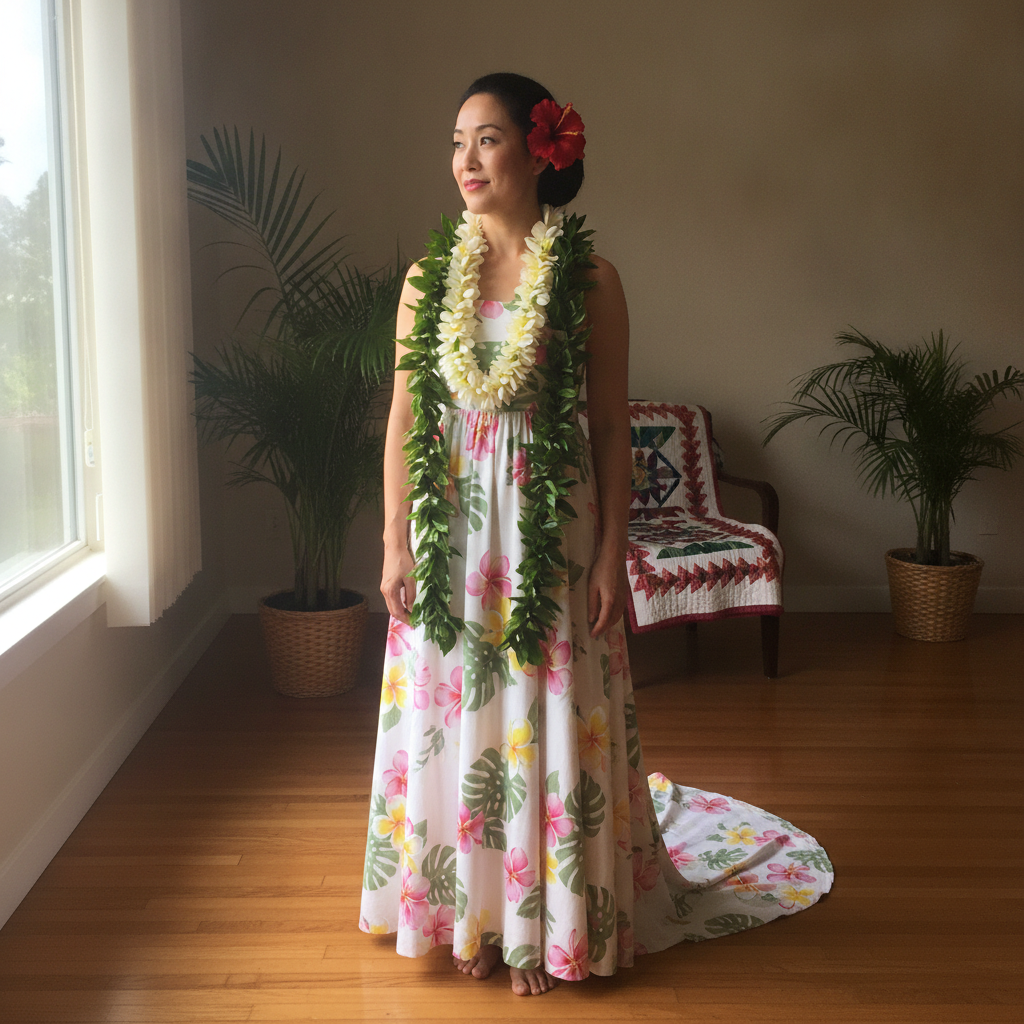
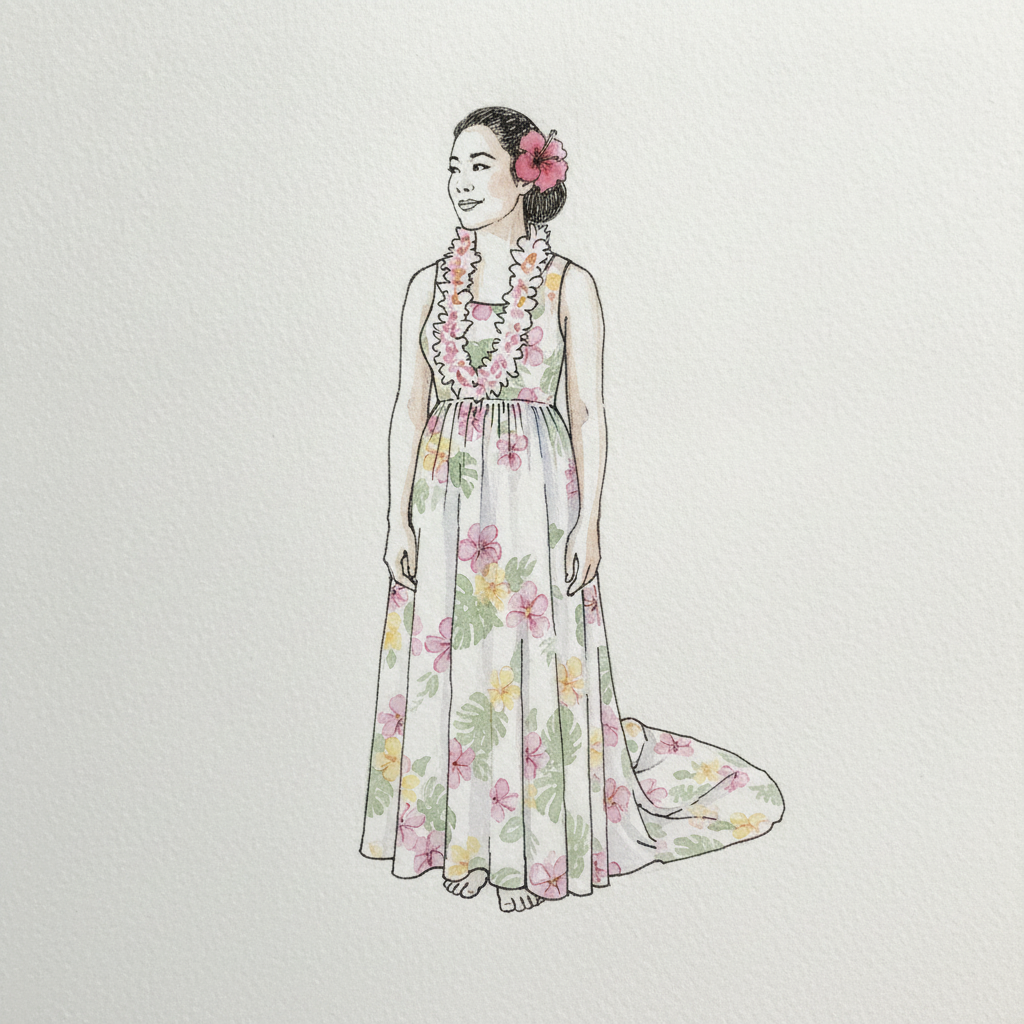
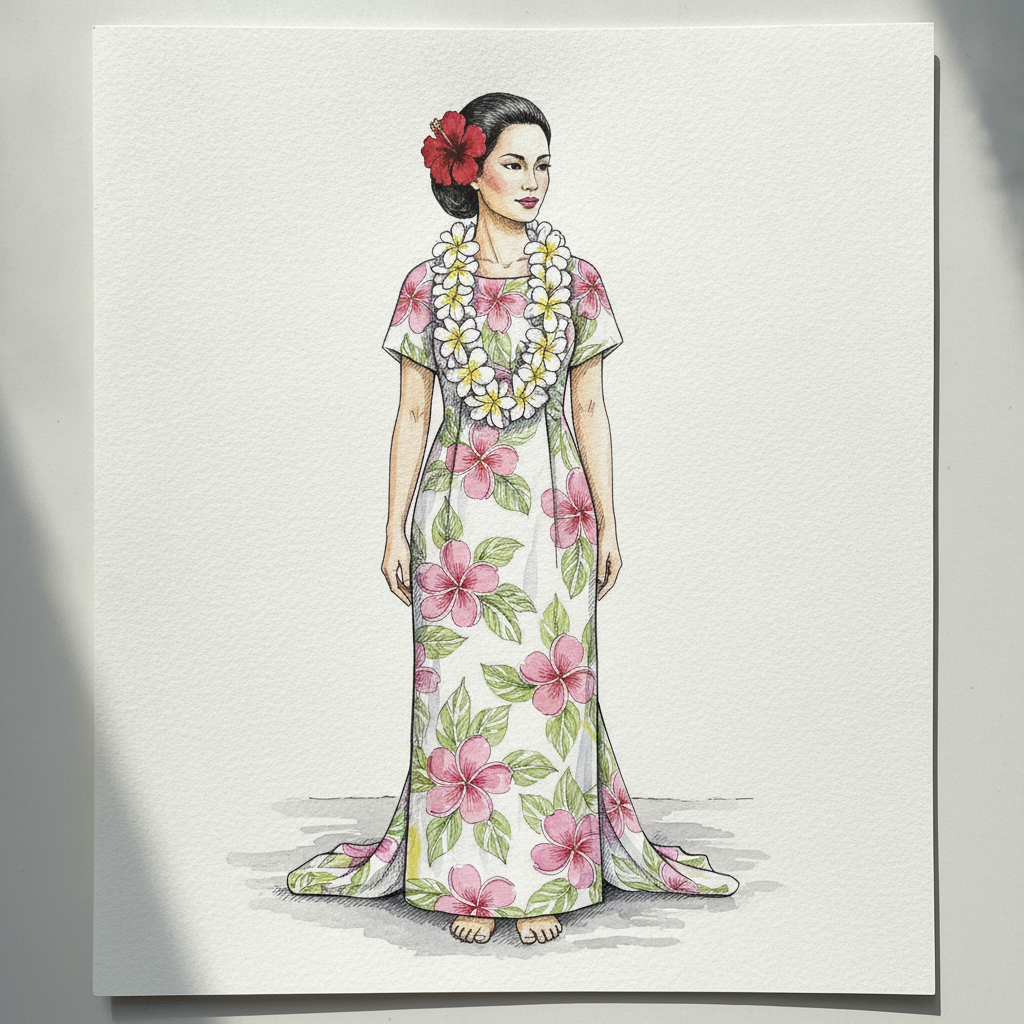
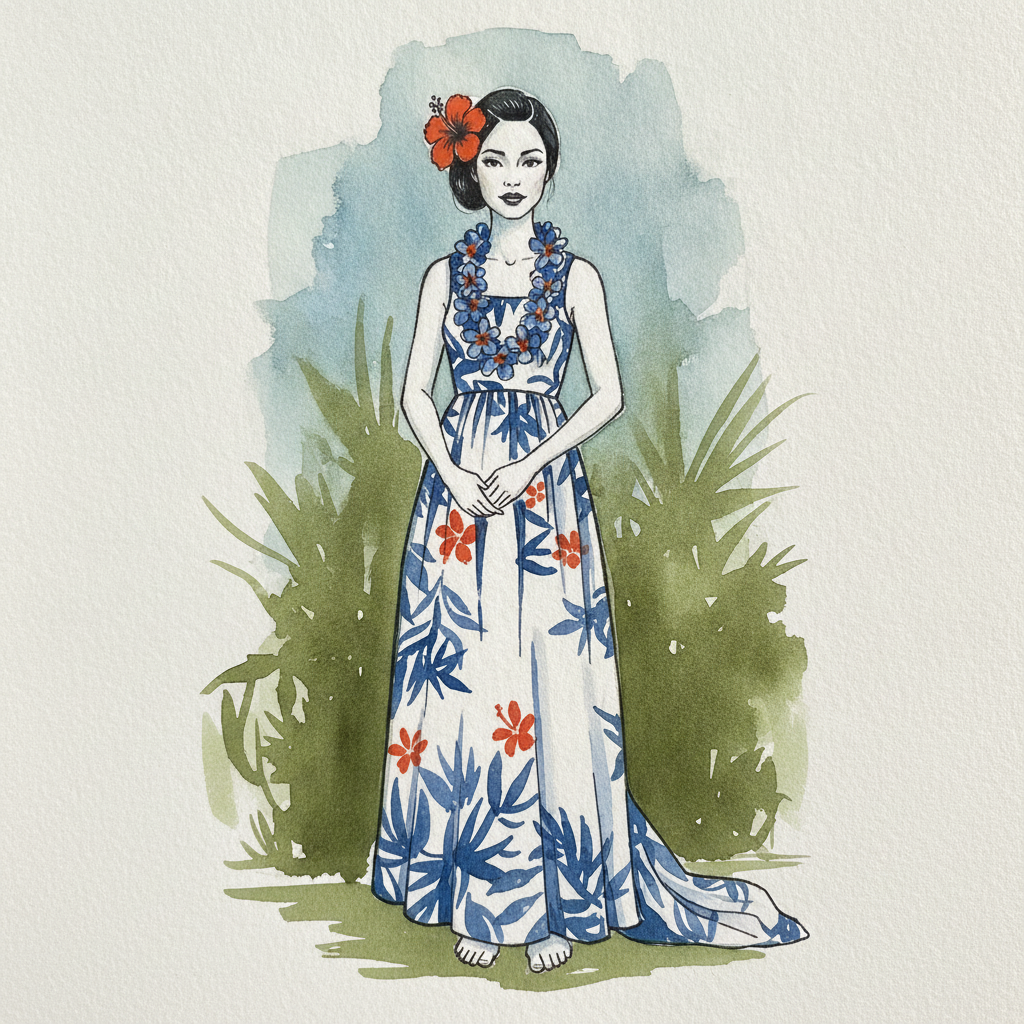
This study piece is ideal for practicing how to render flowing white fabric with intricate patterns, allowing the pen work to provide structure and the watercolor to suggest volume and delicate detail. Focus on defining the broad folds of the holokū with light, transparent washes that utilize the paper's white, while using varied line weights to articulate the floral print and the delicate plumeria lei. Pay attention to how subtle shadows and highlights create the sense of dignity and movement without overworking the surface.