Tomb of Jahangir, Lahore, Pakistan, Differential grasshopper, Bow with horsehair detail, Inari shrine donor-torii in shocking new paint, and more — pen + watercolor for June 9, 2026
Today's pen-and-watercolor pieces: Tomb of Jahangir, Lahore, Pakistan, Differential grasshopper, Bow with horsehair detail, Inari shrine donor-torii in shocking new paint, Knee Lateral View Extended, Pregnant belly second trimester, Olympic Peninsula Sitka spruce nurse log, Hoh Valley, Pop jump…
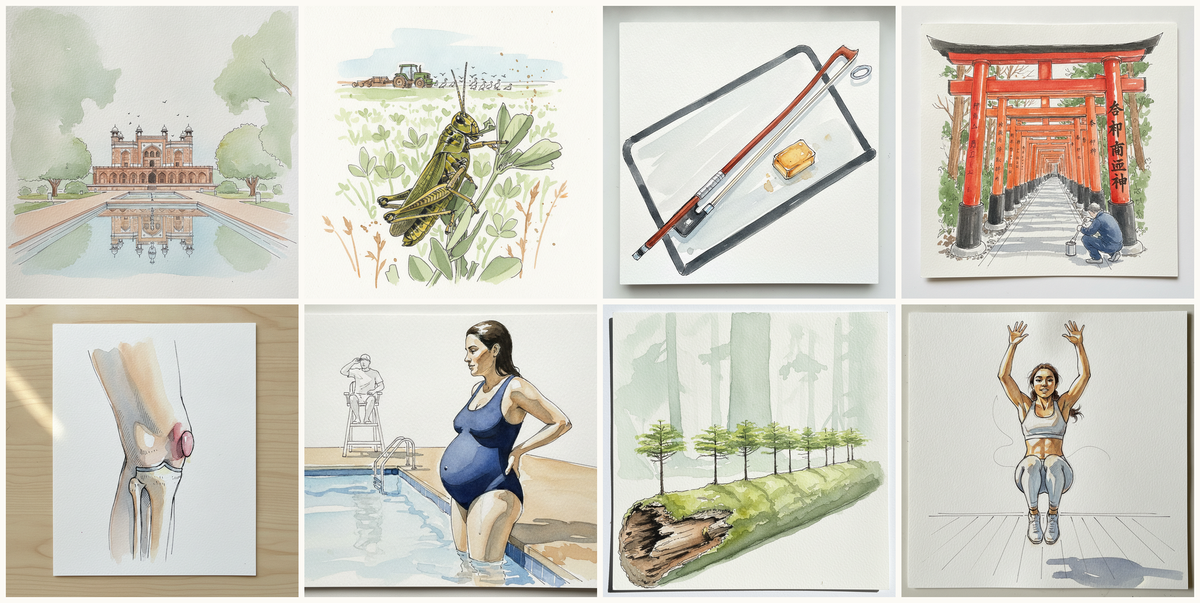
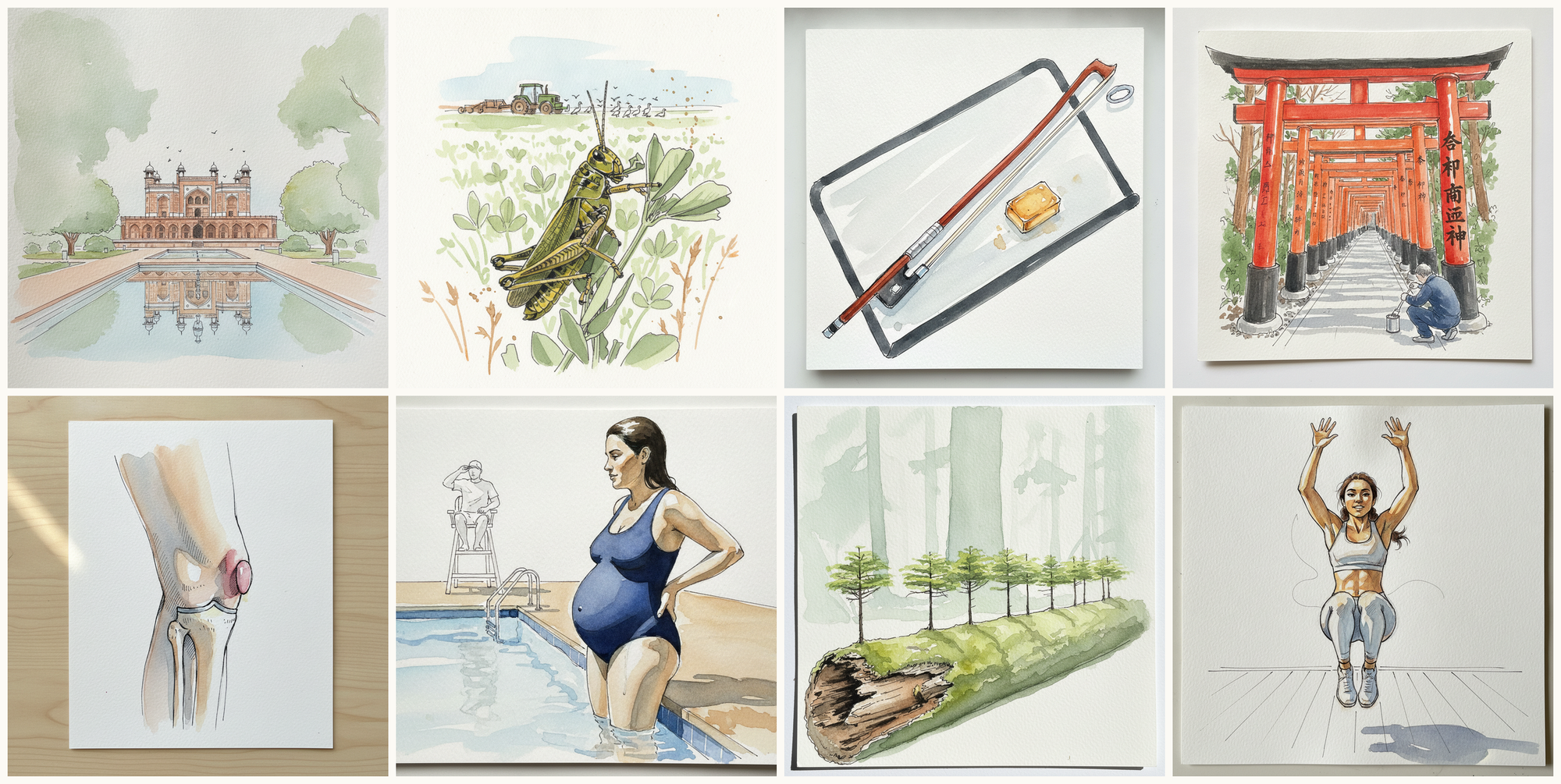
Today's 8 pen-and-watercolor pieces: Tomb of Jahangir, Lahore, Pakistan, Differential grasshopper, Bow with horsehair detail, Inari shrine donor-torii in shocking new paint, Knee Lateral View Extended, Pregnant belly second trimester, Olympic Peninsula Sitka spruce nurse log, Hoh Valley, Pop jump, knees forward, energetic. Each piece comes with a photo reference, three example artworks in different treatments, and a short focus paragraph naming what to study in this one.
Piece 1 — Tomb of Jahangir, Lahore, Pakistan
Pen + Watercolor · Loose pen and watercolor line-and-wash
Three takes
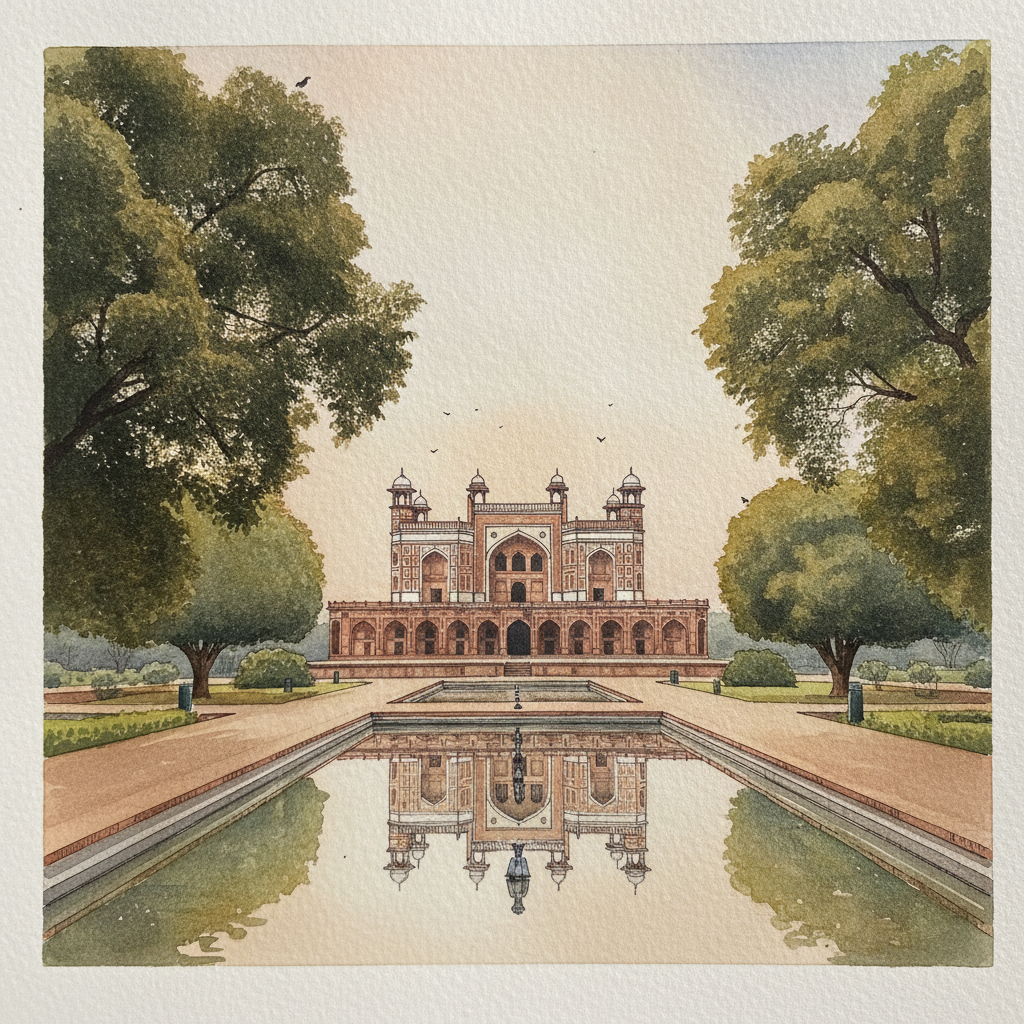
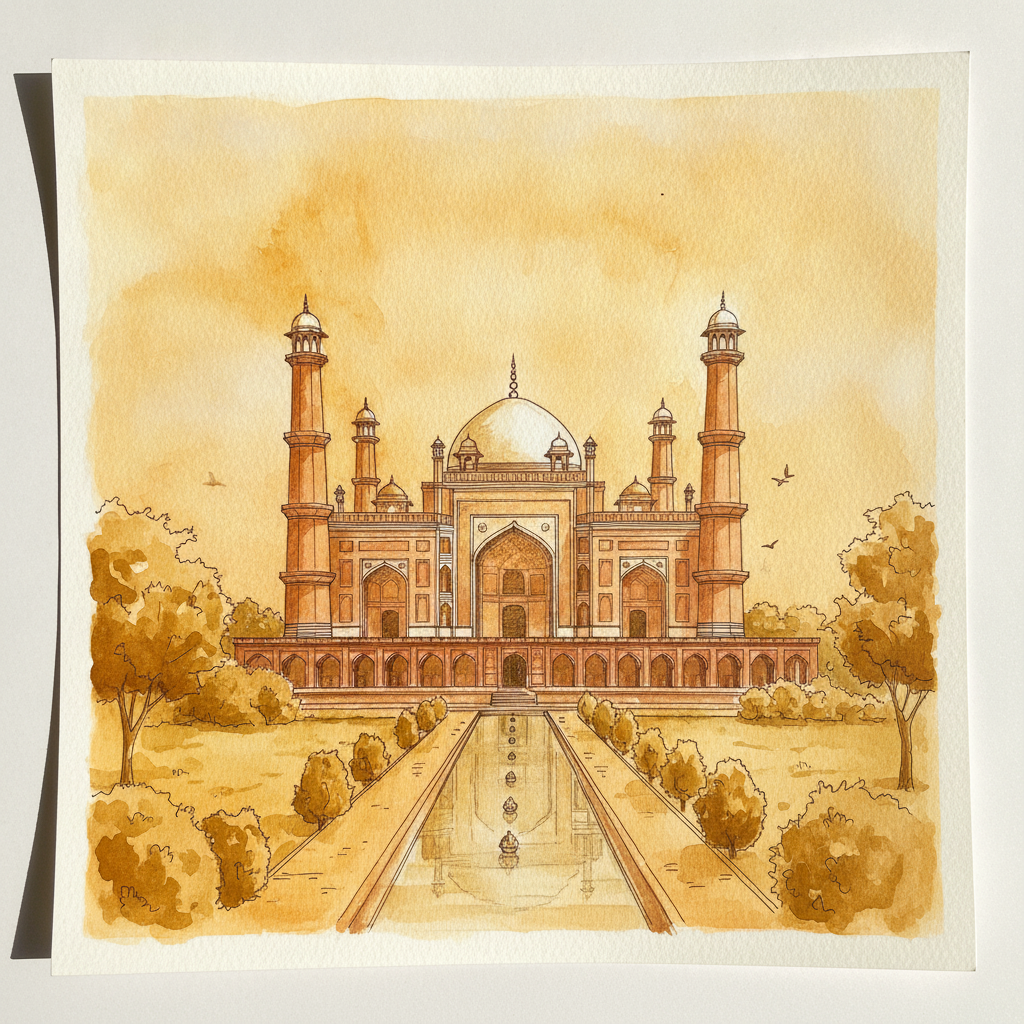
Focus for this piece
This subject is perfect for exploring the dynamic interplay between structured line and atmospheric wash. Use varied ink line weights—thicker for the robust sandstone platform, finer for the delicate marble chhatris—to articulate the architecture with precision. Then, employ generous wet-on-wet watercolor applications to capture the soft, luminous reflections in the foreground pool and the atmospheric glow of the minarets at dusk.
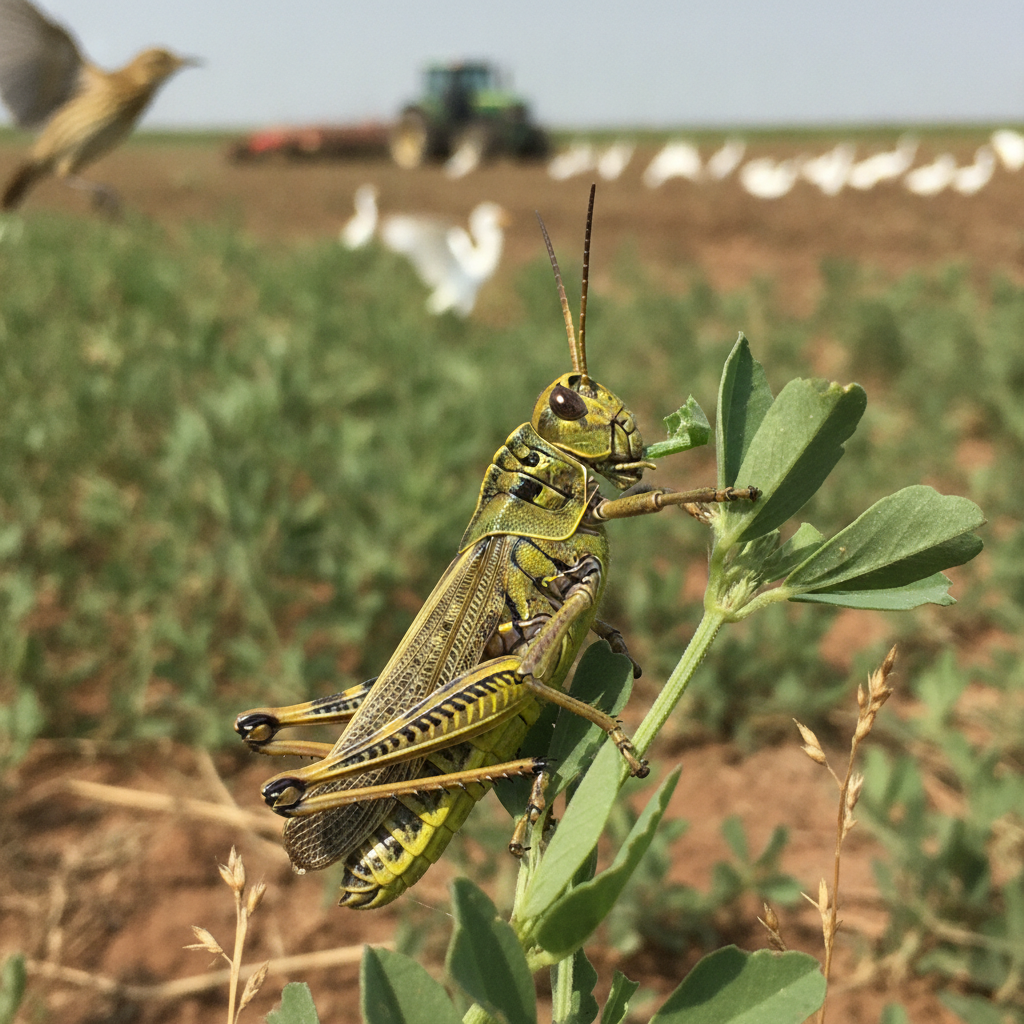
Piece 2 — Differential grasshopper
Pen + Watercolor · Loose pen and watercolor line-and-wash
Three takes
Focus for this piece
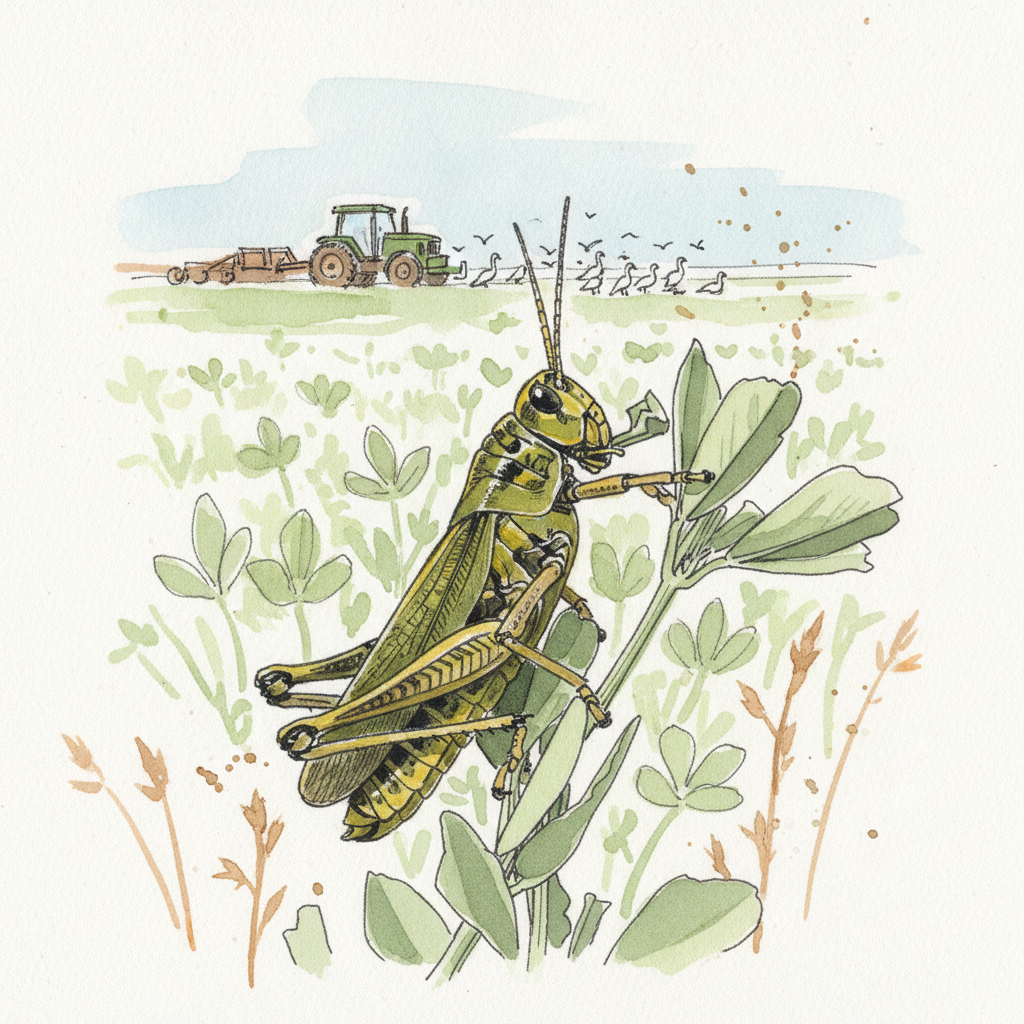
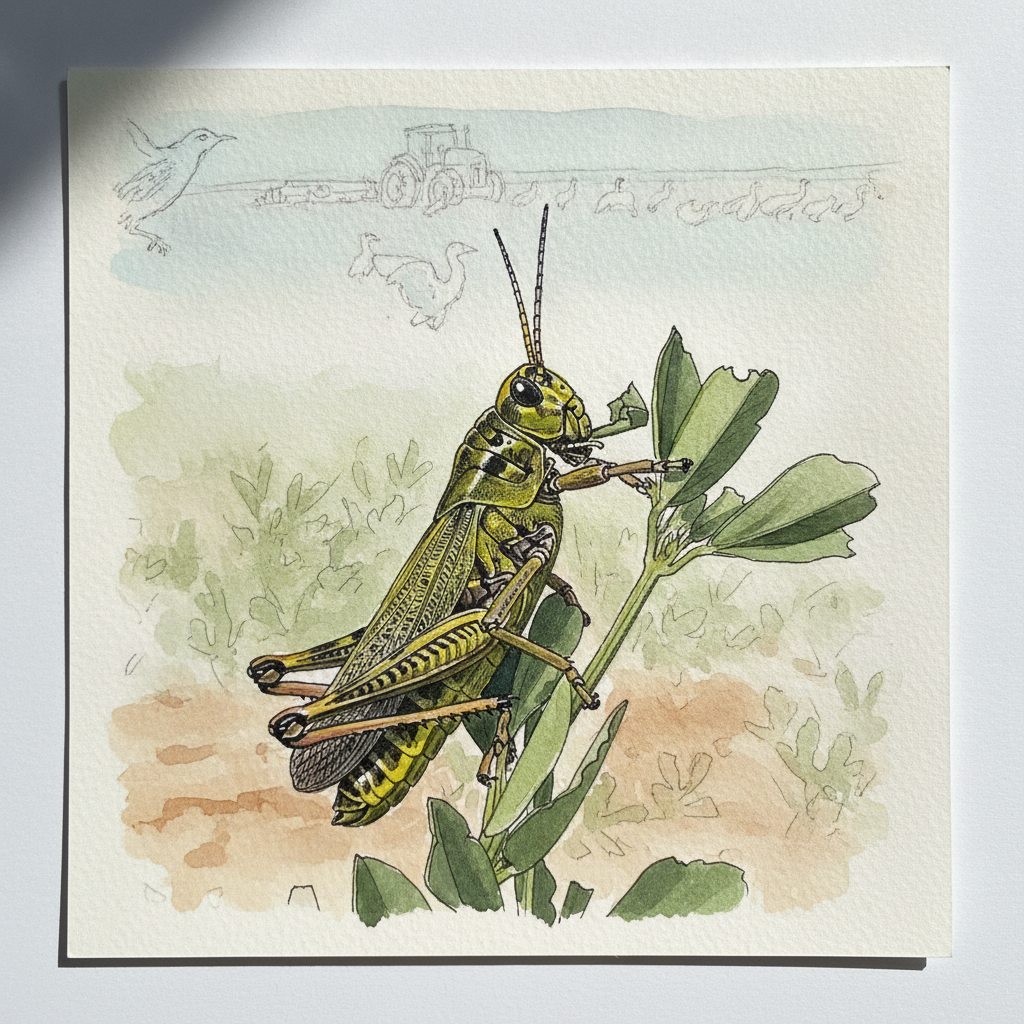
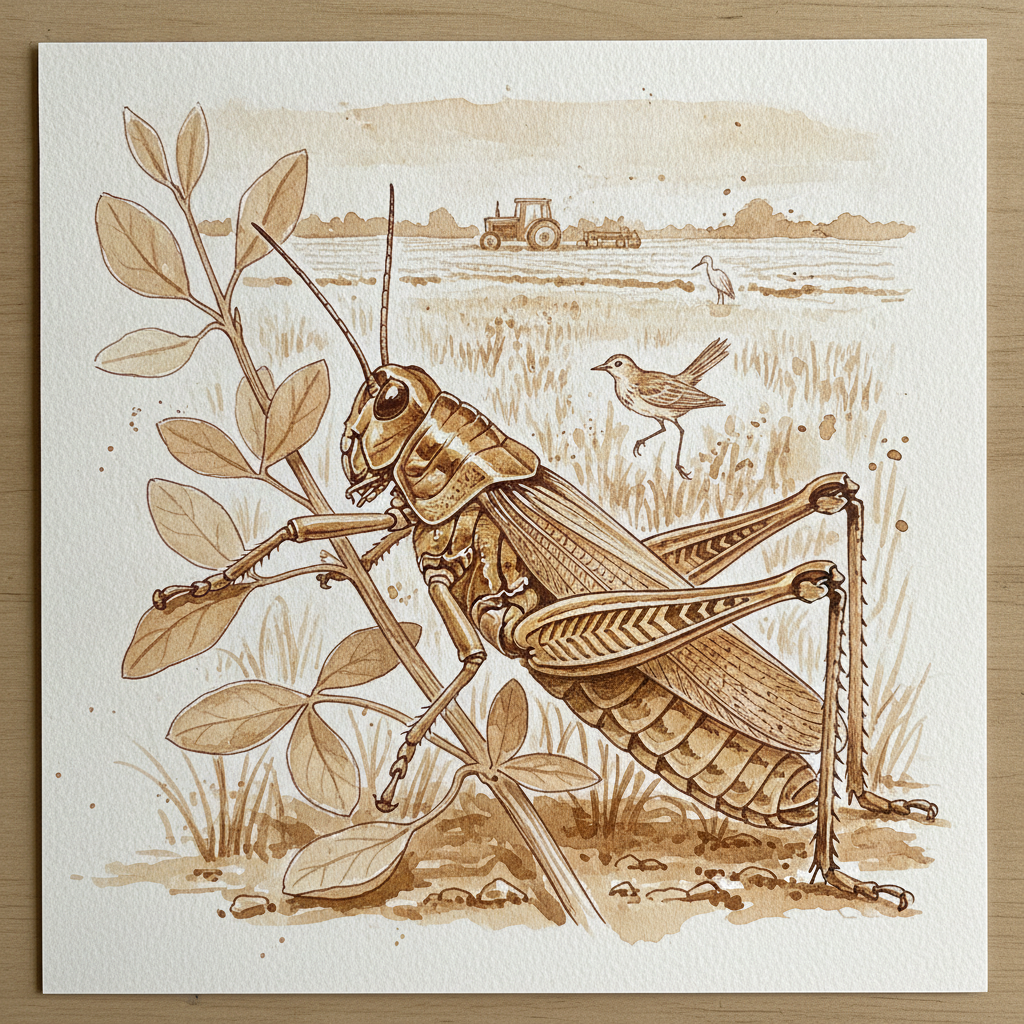
This piece offers an excellent opportunity to practice varying line weight, using fine, delicate lines for the antennae and wing venation while employing slightly bolder lines to define the segmented body and the distinct black chevrons on the hind legs. Focus on building the grasshopper's rounded form and the effect of midday sun using layered, transparent washes of green and yellow, allowing the ink lines to provide crisp structural definition. Consider how the softer, less defined watercolor shapes of the alfalfa leaves can frame the insect, creating a clear focal point and suggesting its sun-drenched environment.
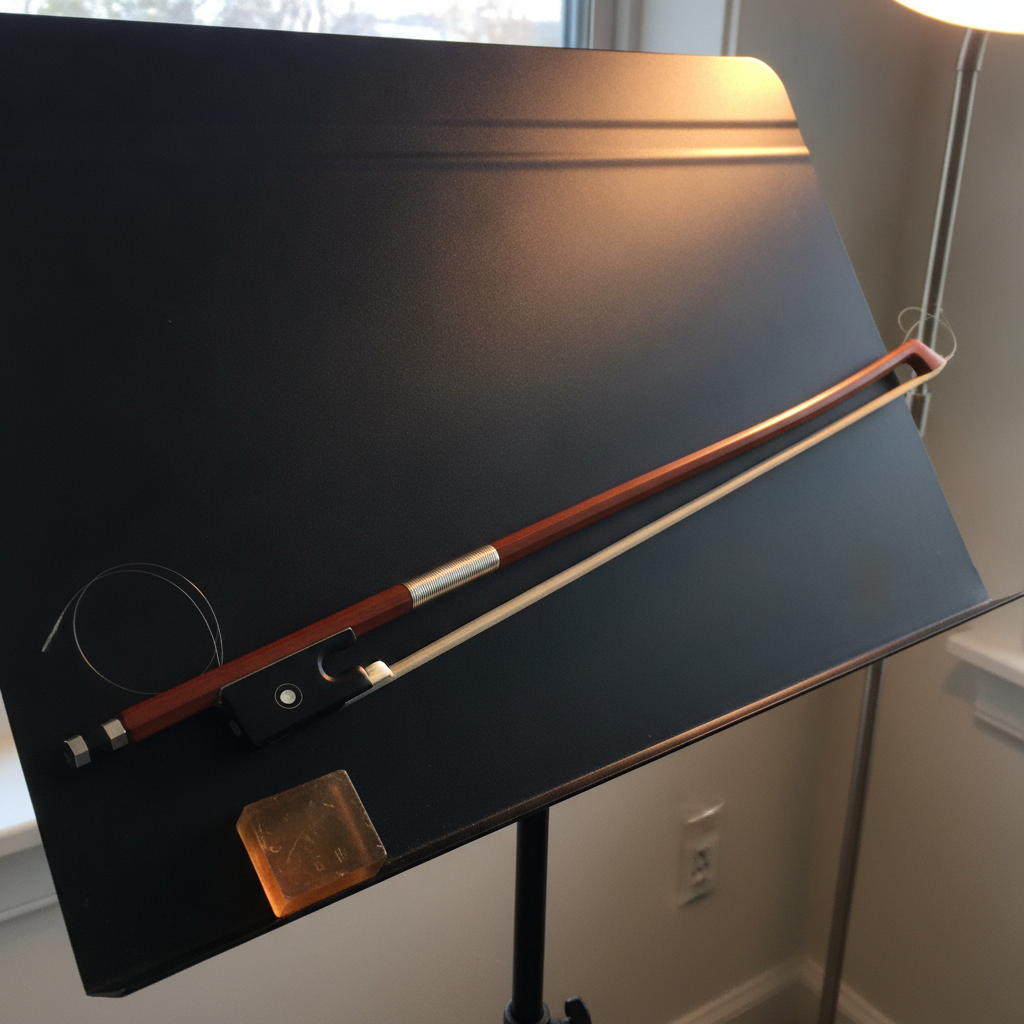
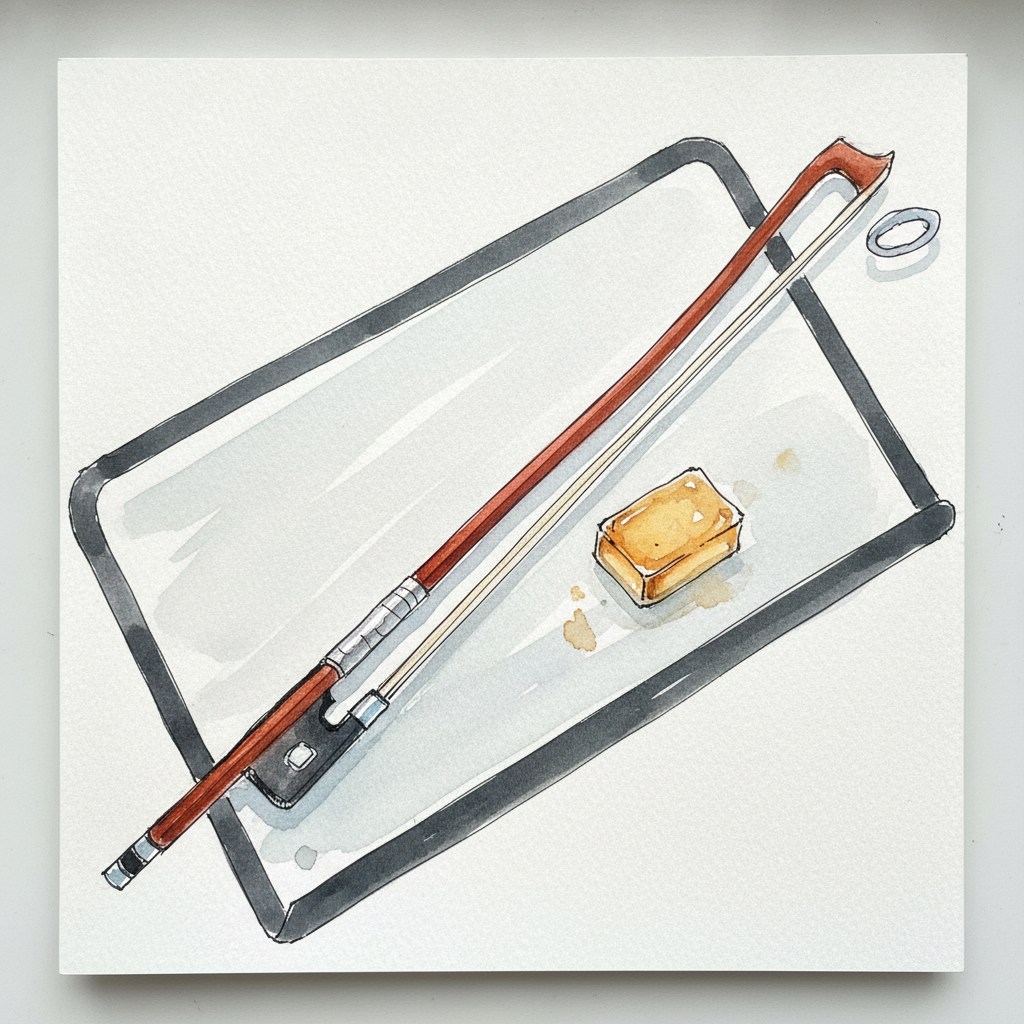
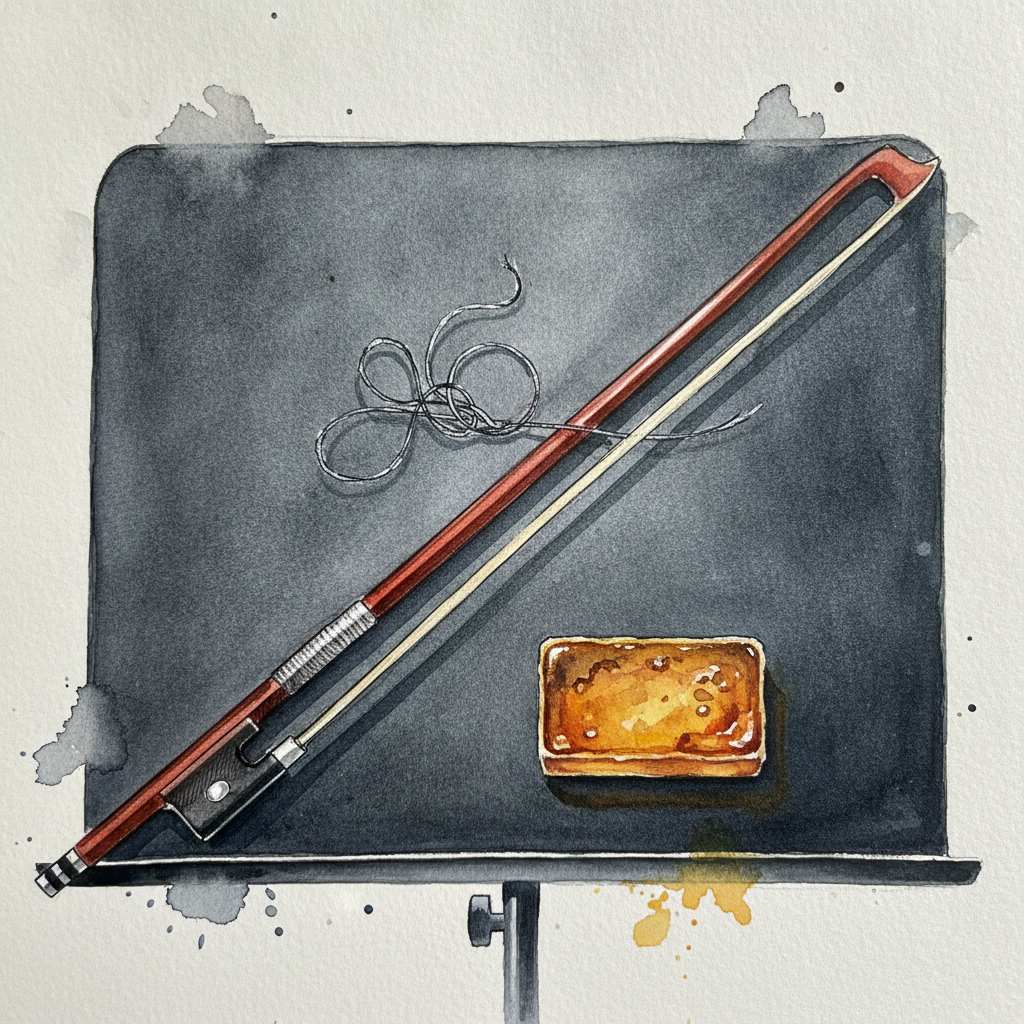
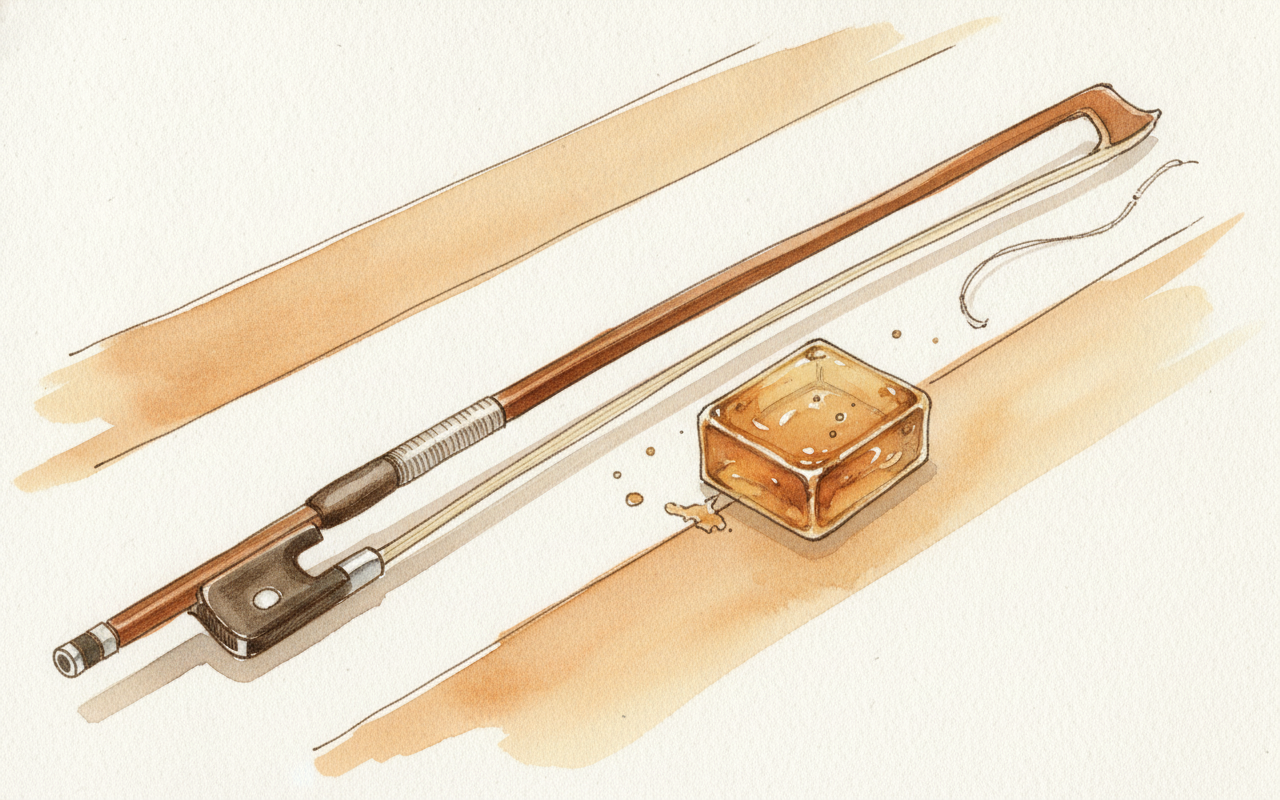
Piece 3 — Bow with horsehair detail
Pen + Watercolor · Loose pen and watercolor line-and-wash
Three takes
Focus for this piece
This piece offers a focused study in contrasting line weights and textures: practice confident, sweeping pen lines for the bow's curve, then switch to delicate, ultra-fine strokes for the taut horsehair and intricate mother-of-pearl eyes. Build the warm reddish glow of the pernambuco wood with a controlled, layered wash approach, using a limited warm palette to define its form under the lamplight. Finally, capture the glint of the silver winding and the specific sheen of reflected light with crisp, undiluted pigments and precise, small brushwork.
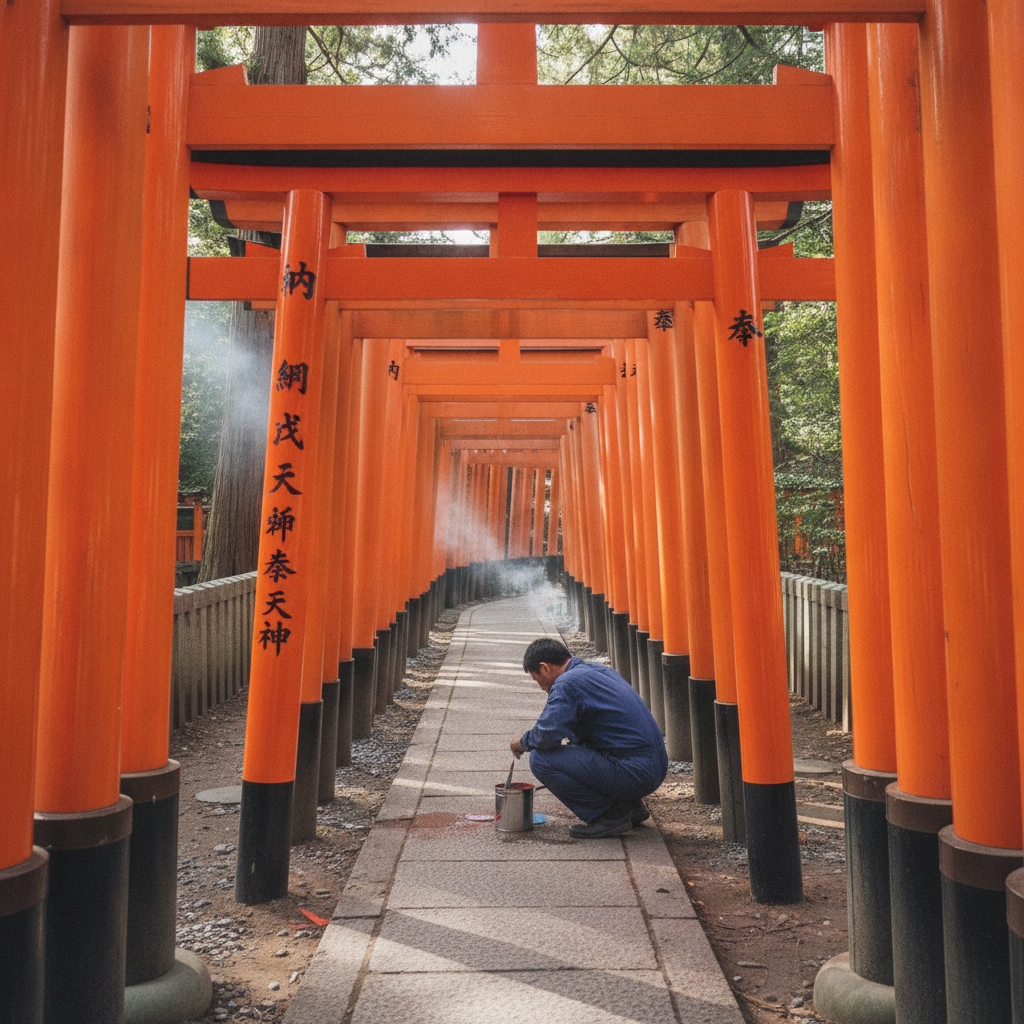
Piece 4 — Inari shrine donor-torii in shocking new paint
Pen + Watercolor · Loose pen and watercolor line-and-wash
Three takes
Focus for this piece
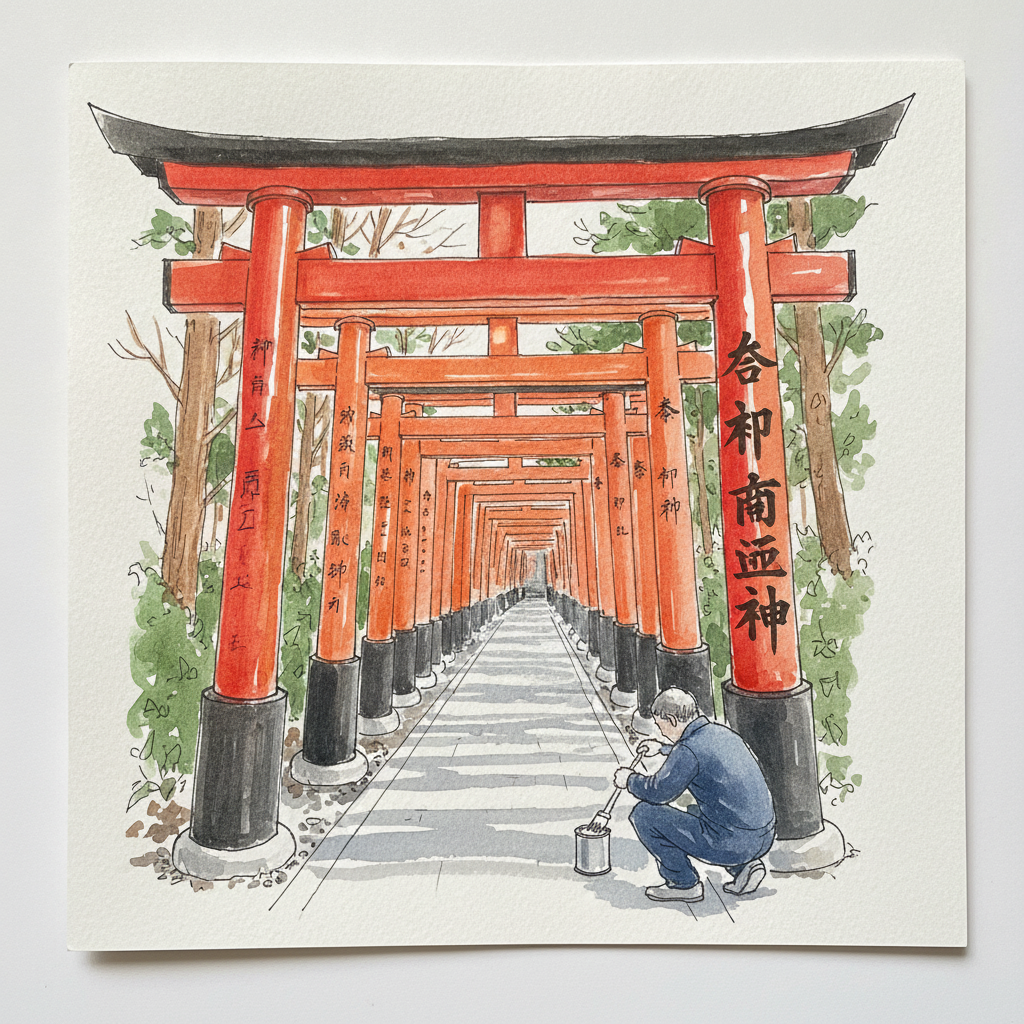
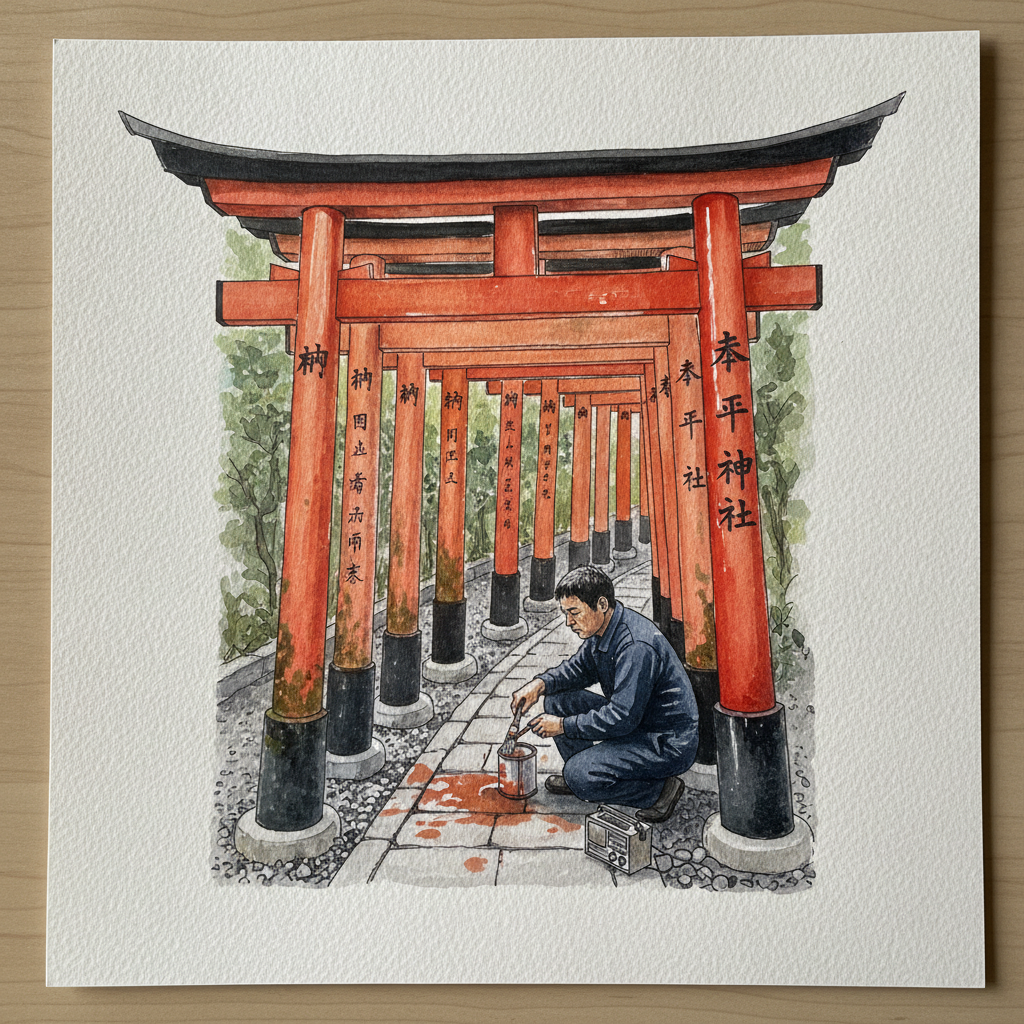
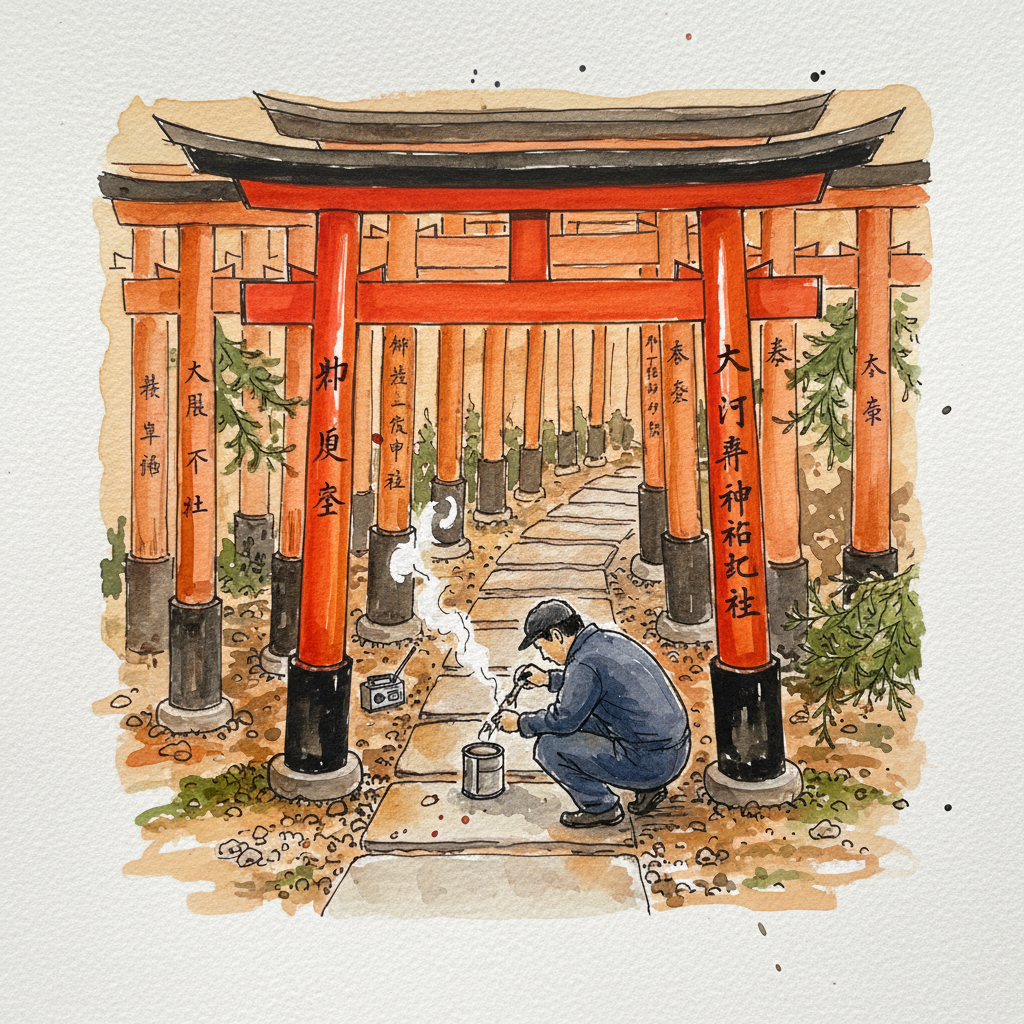
Today's subject is a superb exercise in controlling color saturation and edge quality to establish a clear focal point. Use intense, concentrated vermilion with crisp, hard edges for the new torii to make it glow wet-bright, contrasting it sharply with the older, muted structures. Render these faded elements with diluted washes and softer, broken pen lines to push them into the background. The precise black lettering and the workman's navy jumpsuit offer opportunities for strong value accents, further highlighting the fresh paint.
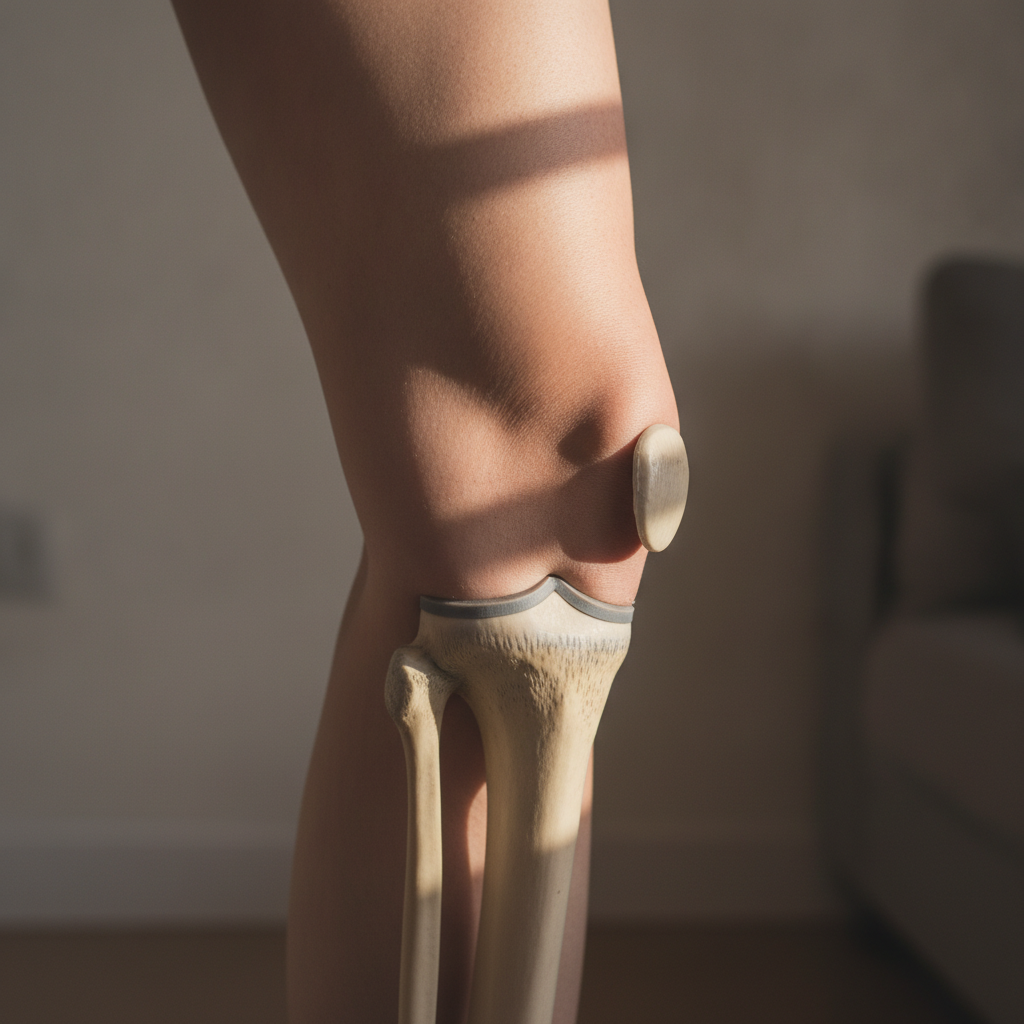
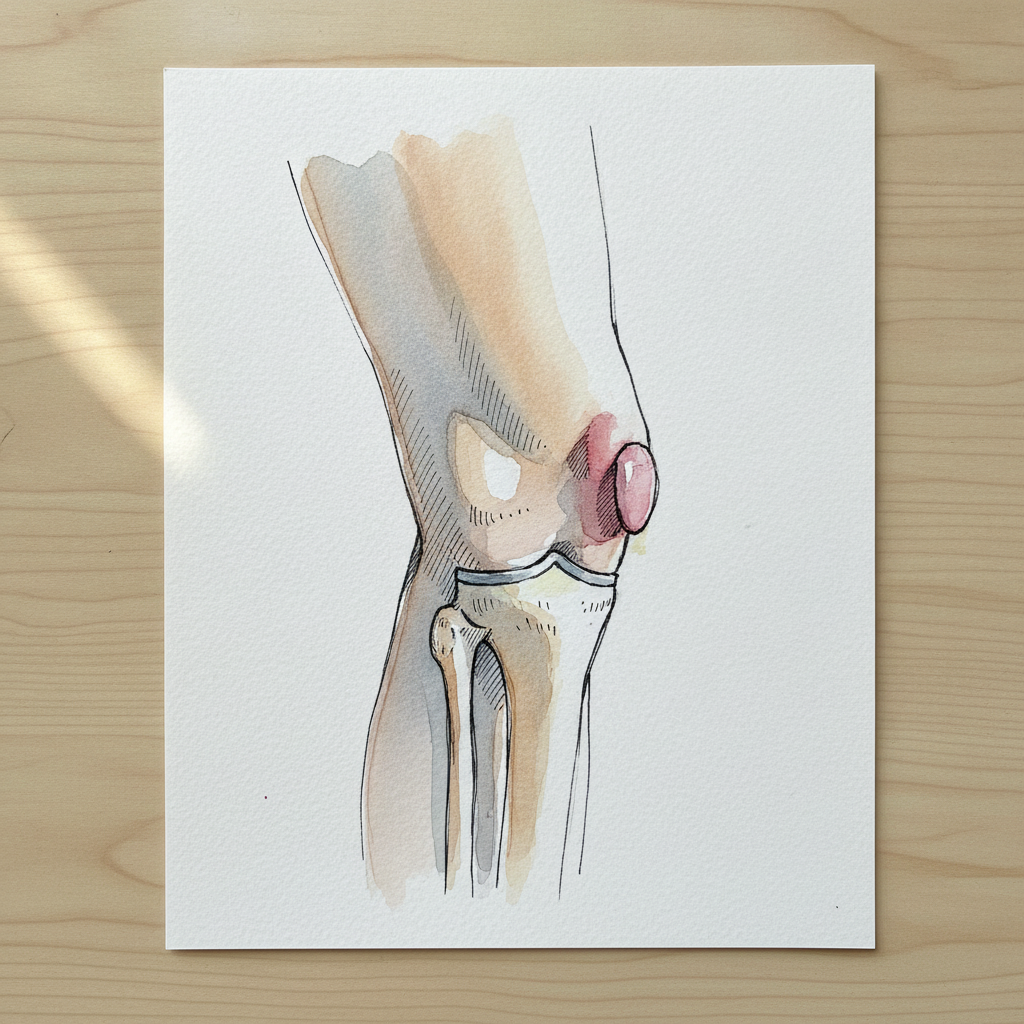
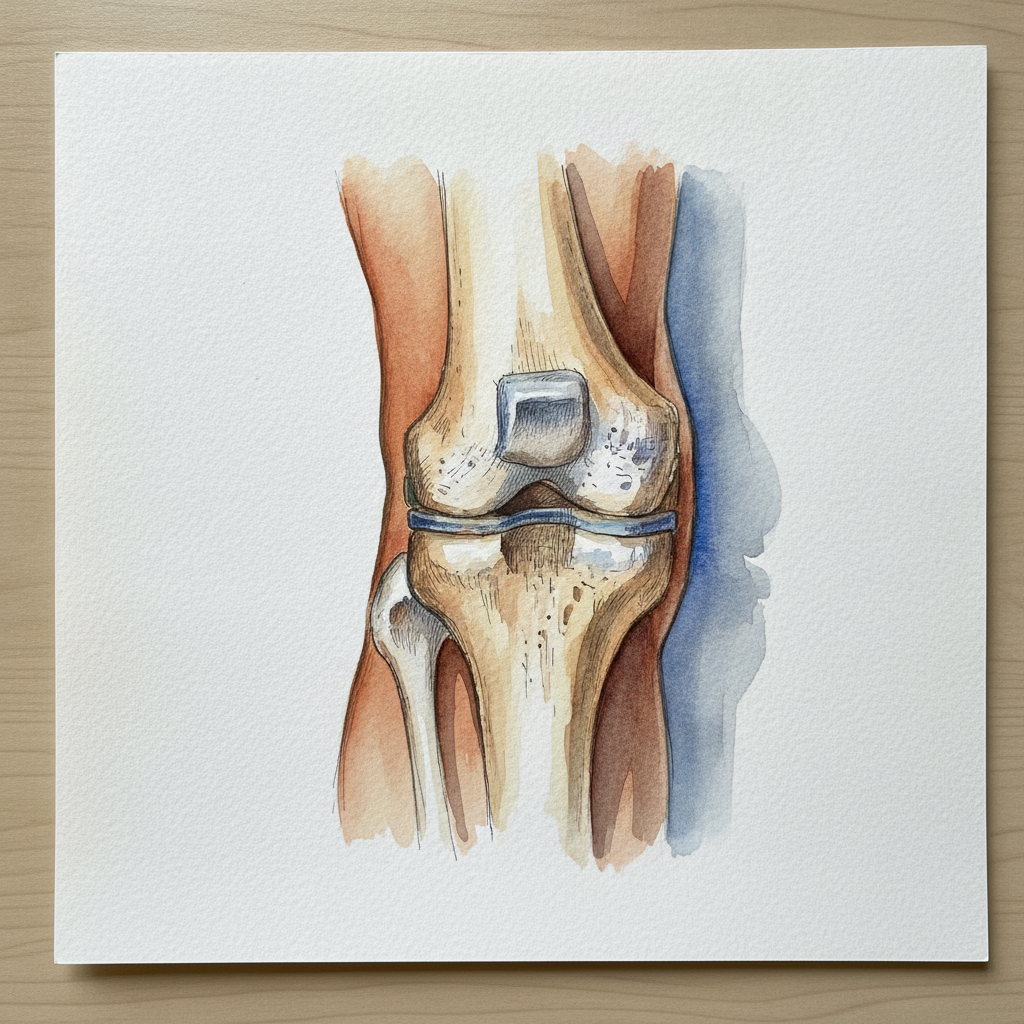
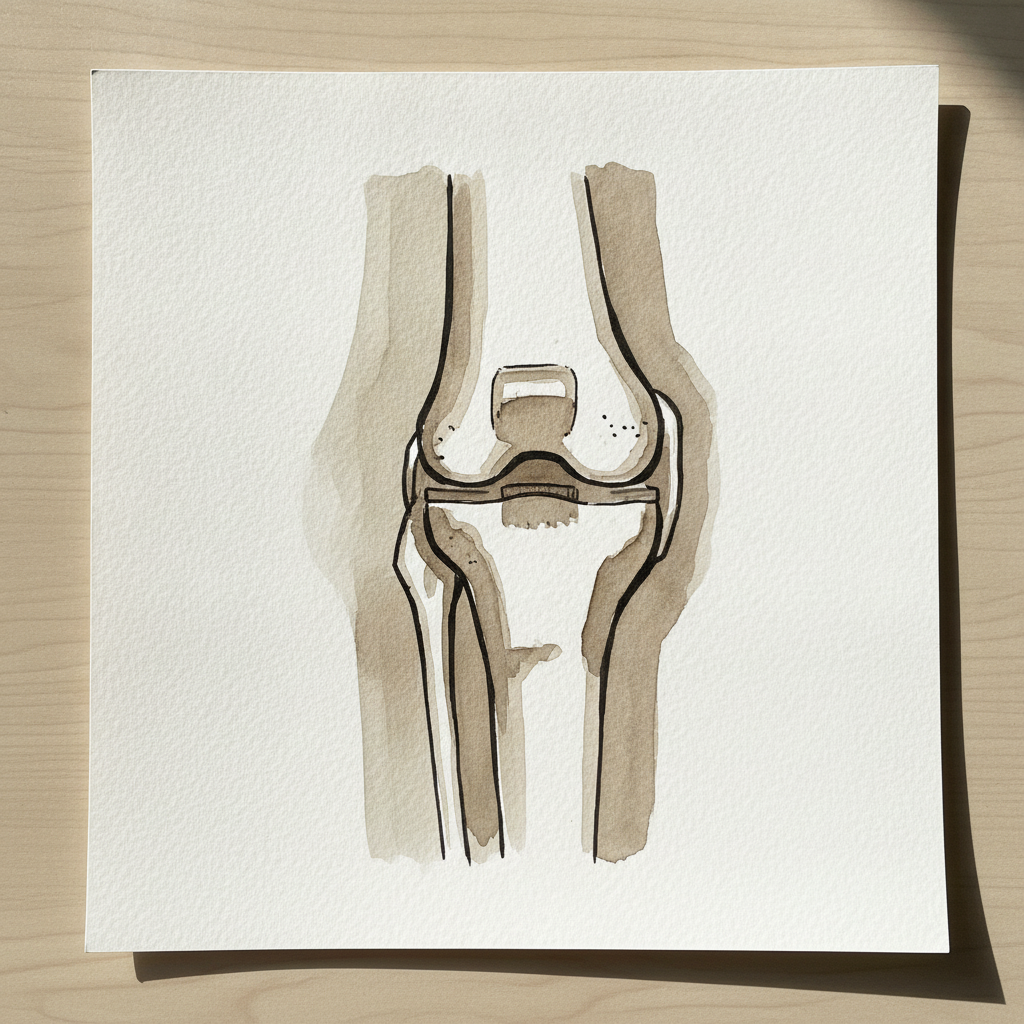
Piece 5 — Knee Lateral View Extended
Pen + Watercolor · Loose pen and watercolor line-and-wash
Three takes
Focus for this piece
For this lateral knee study, pay close attention to how the raking light dramatically reveals the patella's curved profile and the sharp joint line. Emphasize these illuminated contours with crisp, deliberate pen lines, using heavier weights where the light catches the form most directly. Then, build the volume and subtle undulations of the muscles and ligaments with controlled watercolor washes, using cleaner water on your brush to lift highlights and diffusing edges to suggest the softer transitions into shadow around the femoral condyle.
Piece 6 — Pregnant belly second trimester
Pen + Watercolor · Loose pen and watercolor line-and-wash

Three takes
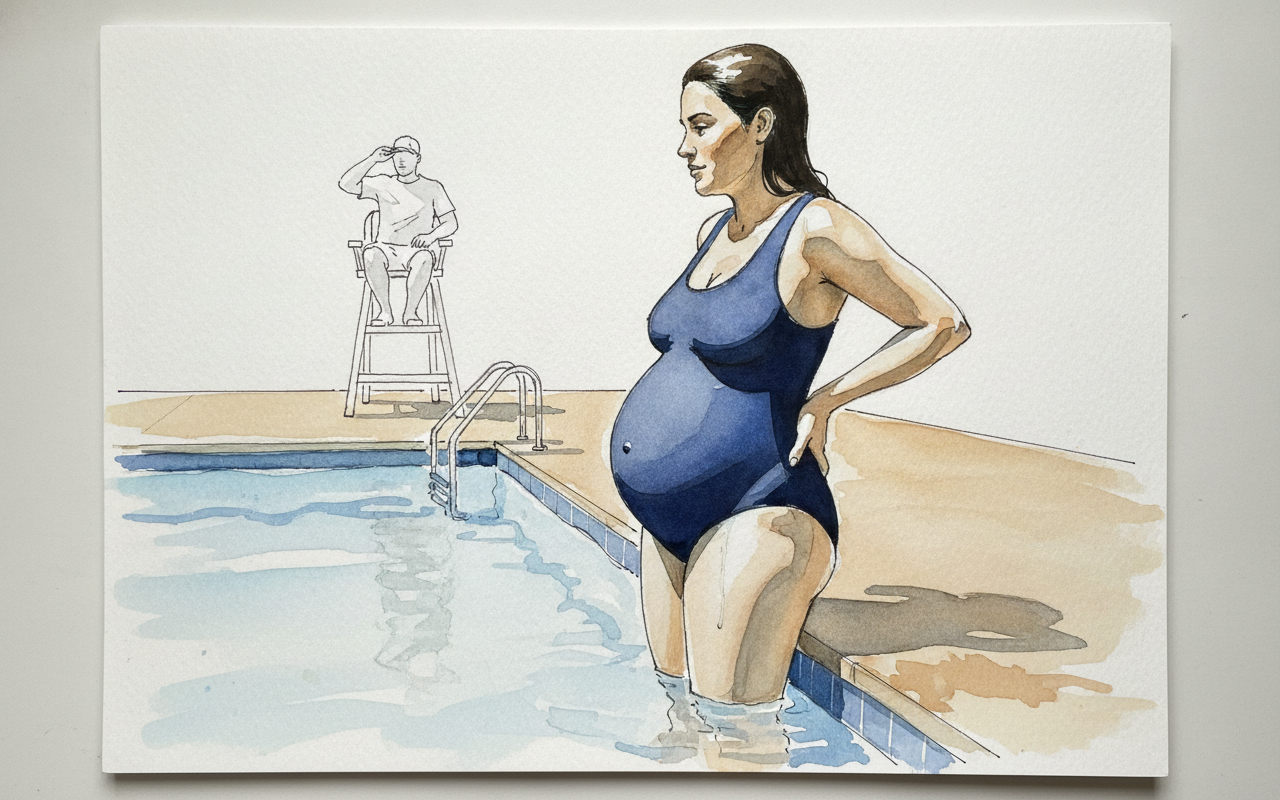
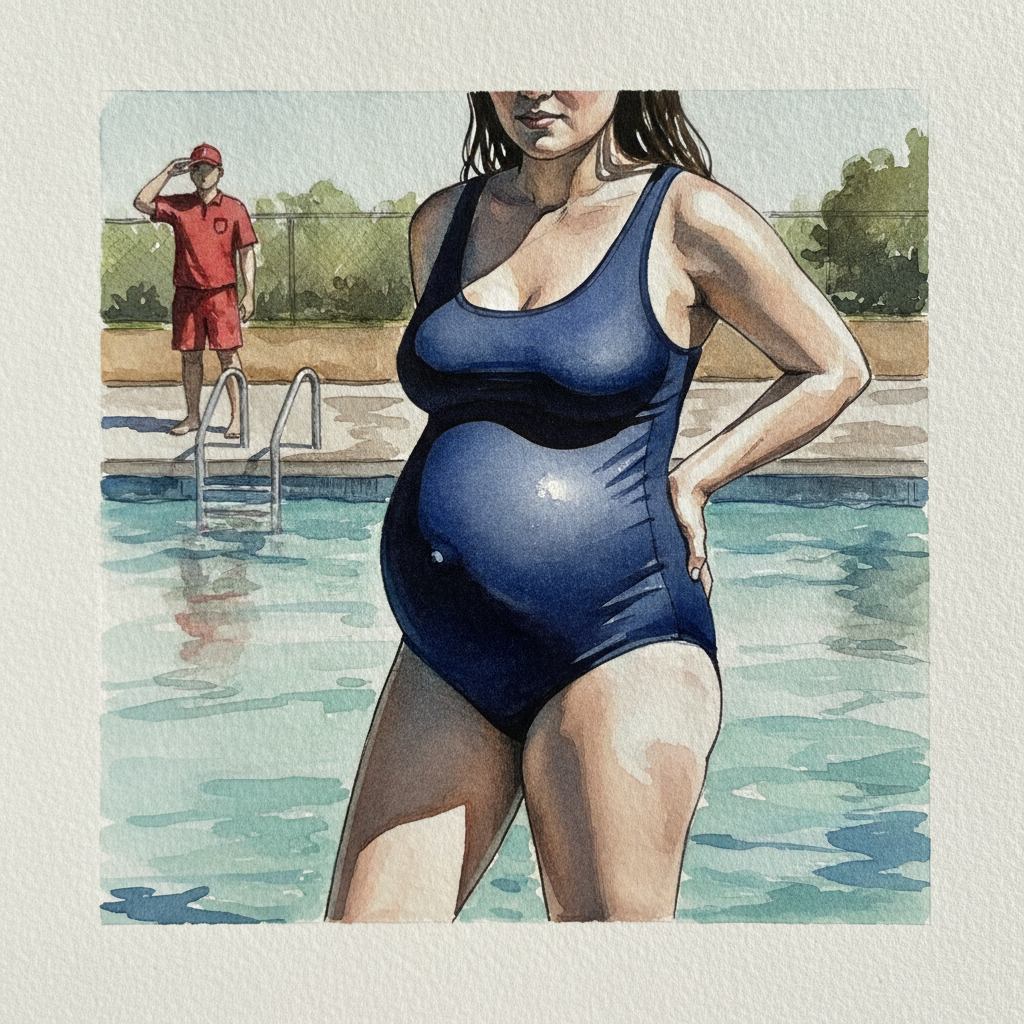
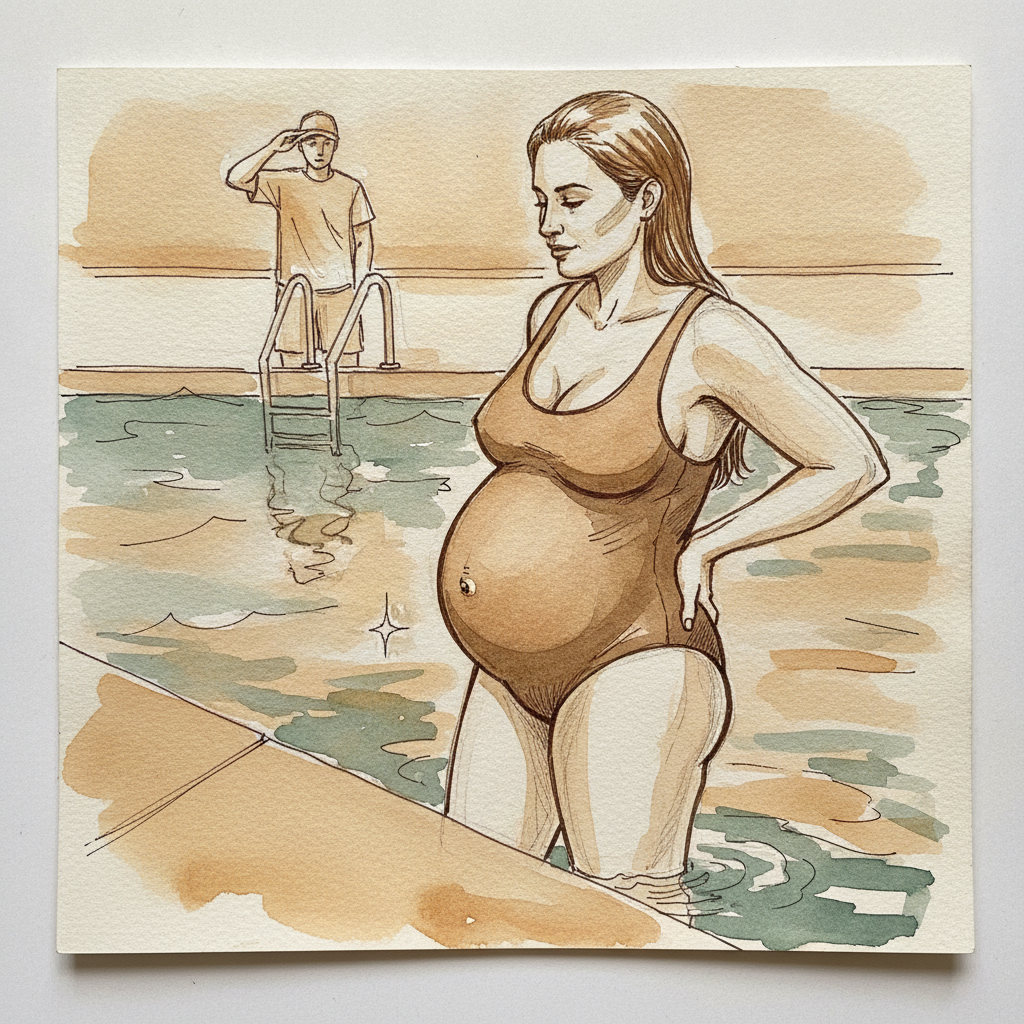
Focus for this piece
This piece offers an excellent study in rendering organic volume. Focus on defining the graceful C-curve of the pregnant belly with confident, varied ink lines to provide structural clarity. Then, build the smooth, rounded form using soft, layered washes, letting the watercolor create subtle shadows and highlights that suggest three-dimensionality and the supple texture of skin. Pay attention to how the ink anchors the form while the washes give it life and volume.
Piece 7 — Olympic Peninsula Sitka spruce nurse log, Hoh Valley
Pen + Watercolor · Loose pen and watercolor line-and-wash
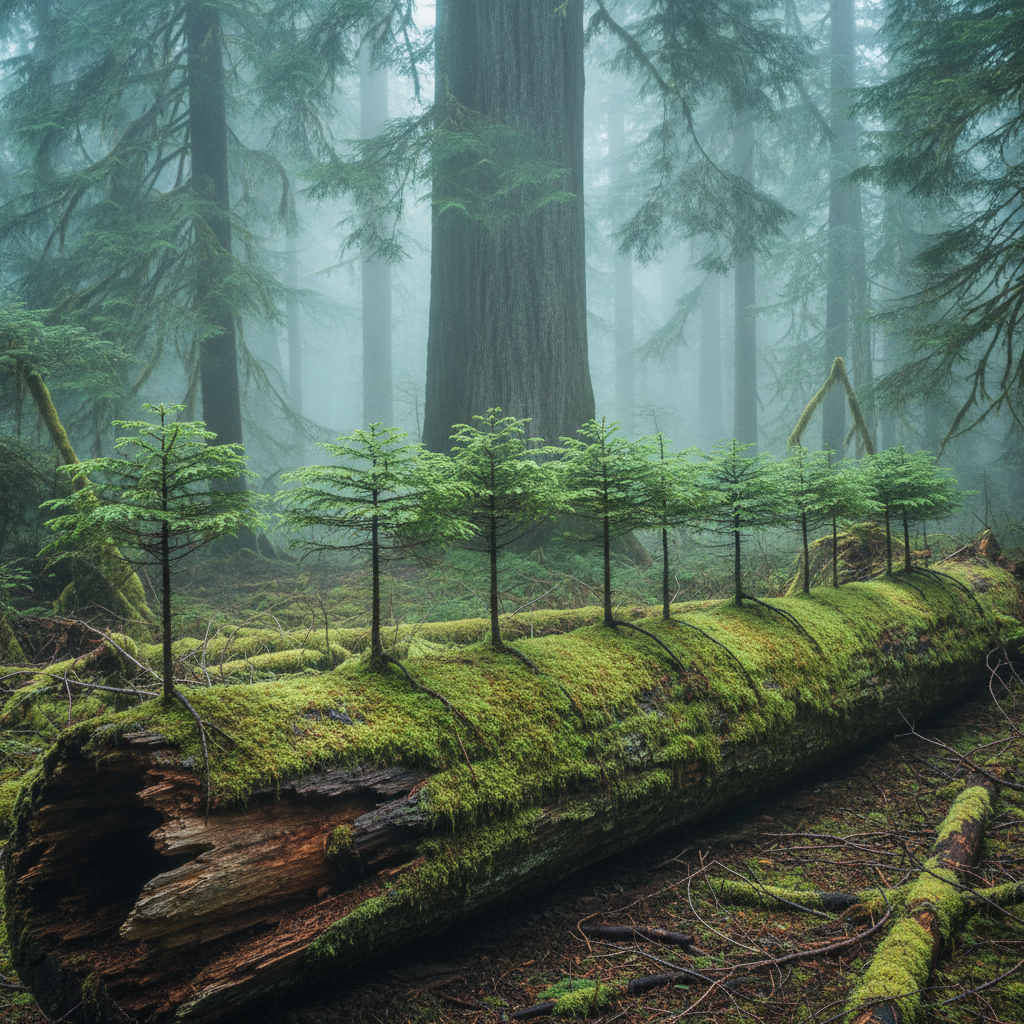
Three takes
Focus for this piece
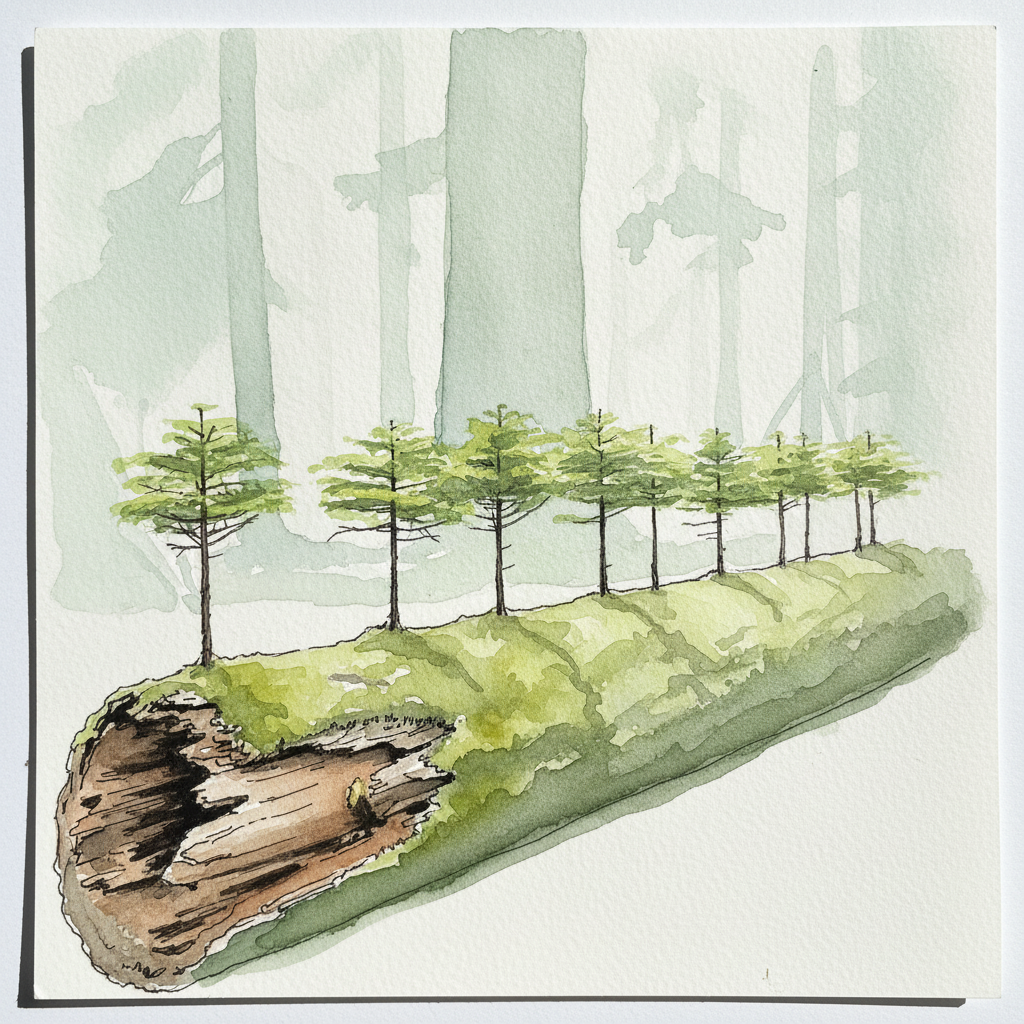
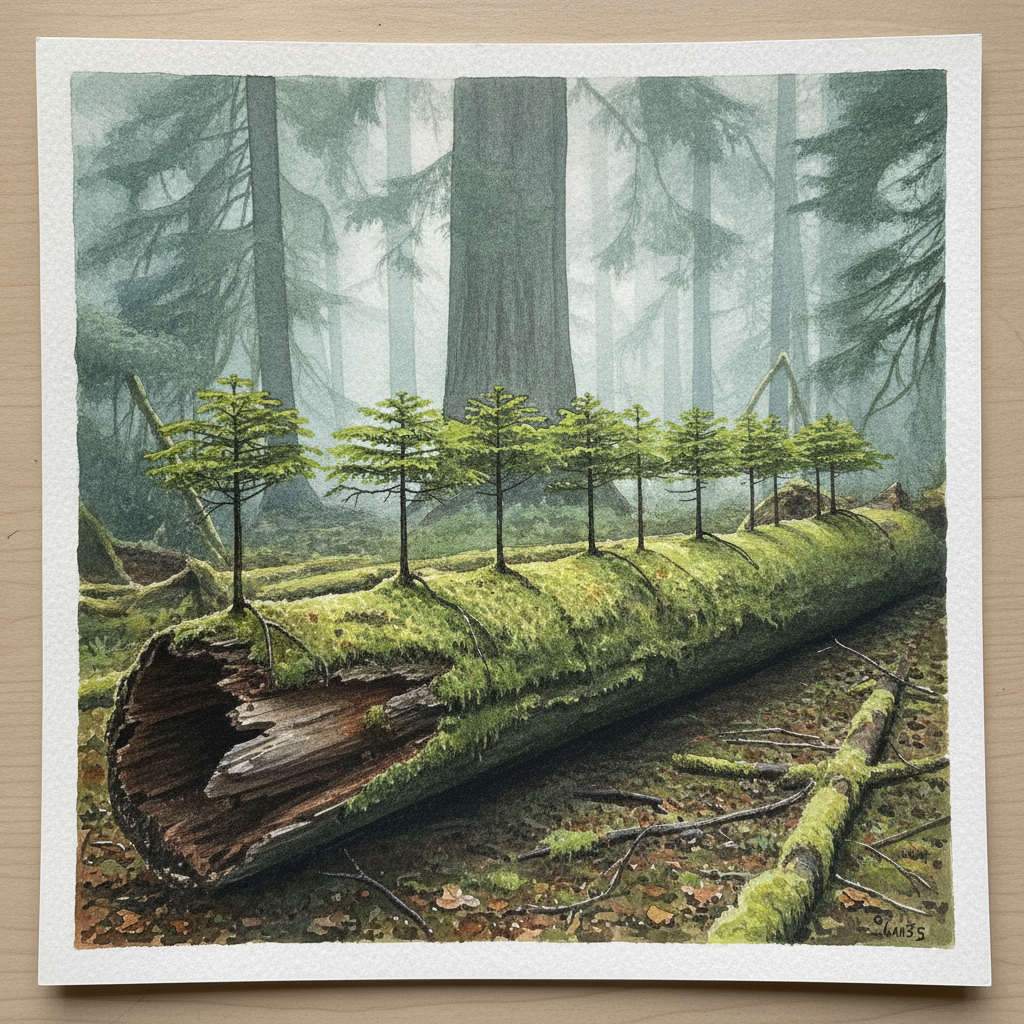
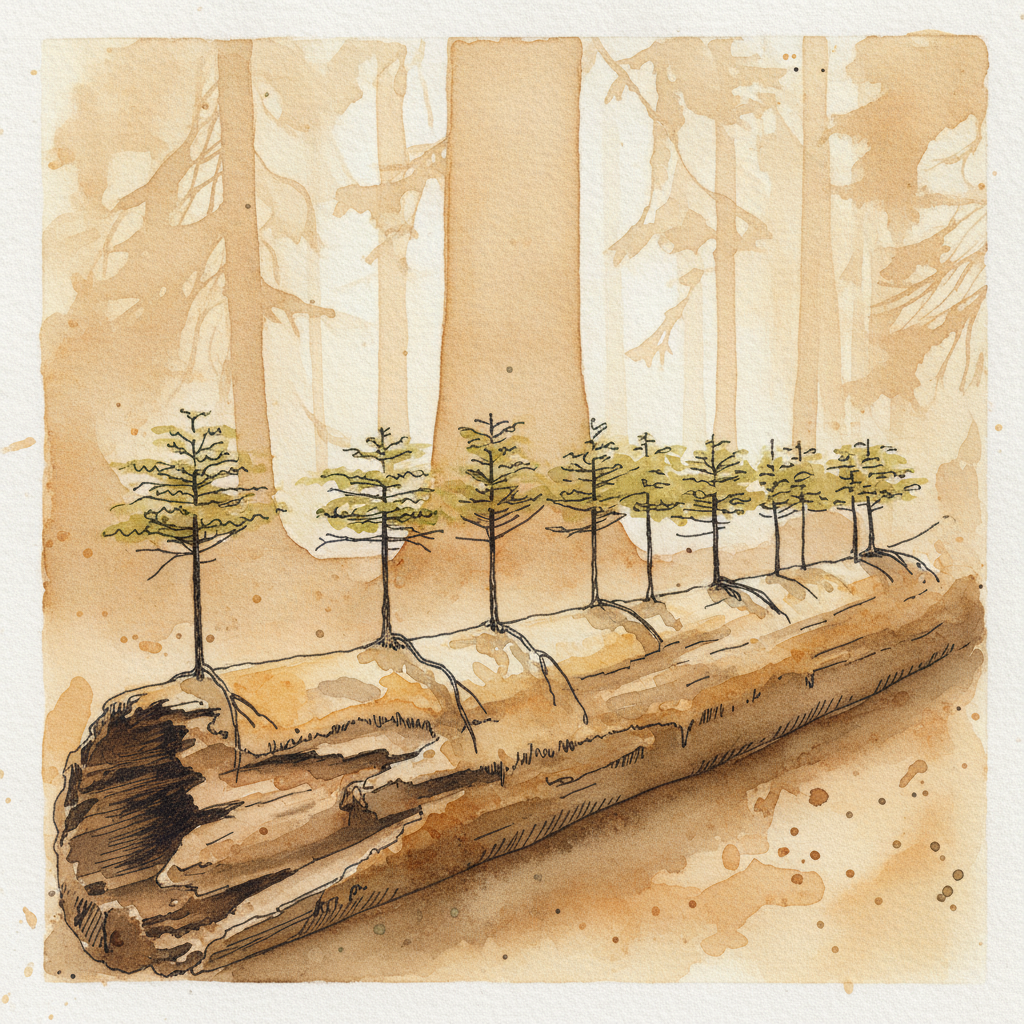
This piece offers an excellent study in creating atmospheric depth and varied texture by contrasting precise pen work with soft, layered washes. Use intricate line weights for the crumbling log bark and delicate sapling roots in the foreground, then shift to light, diffused washes for the misty background trees, allowing lost edges to convey the fog. Practice careful value control to make the saplings subtly glow against the dim, shadowless backdrop, relying on tonal shifts rather than hard edges to define form.
Piece 8 — Pop jump, knees forward, energetic
Pen + Watercolor · Loose pen and watercolor line-and-wash
Three takes
Focus for this piece
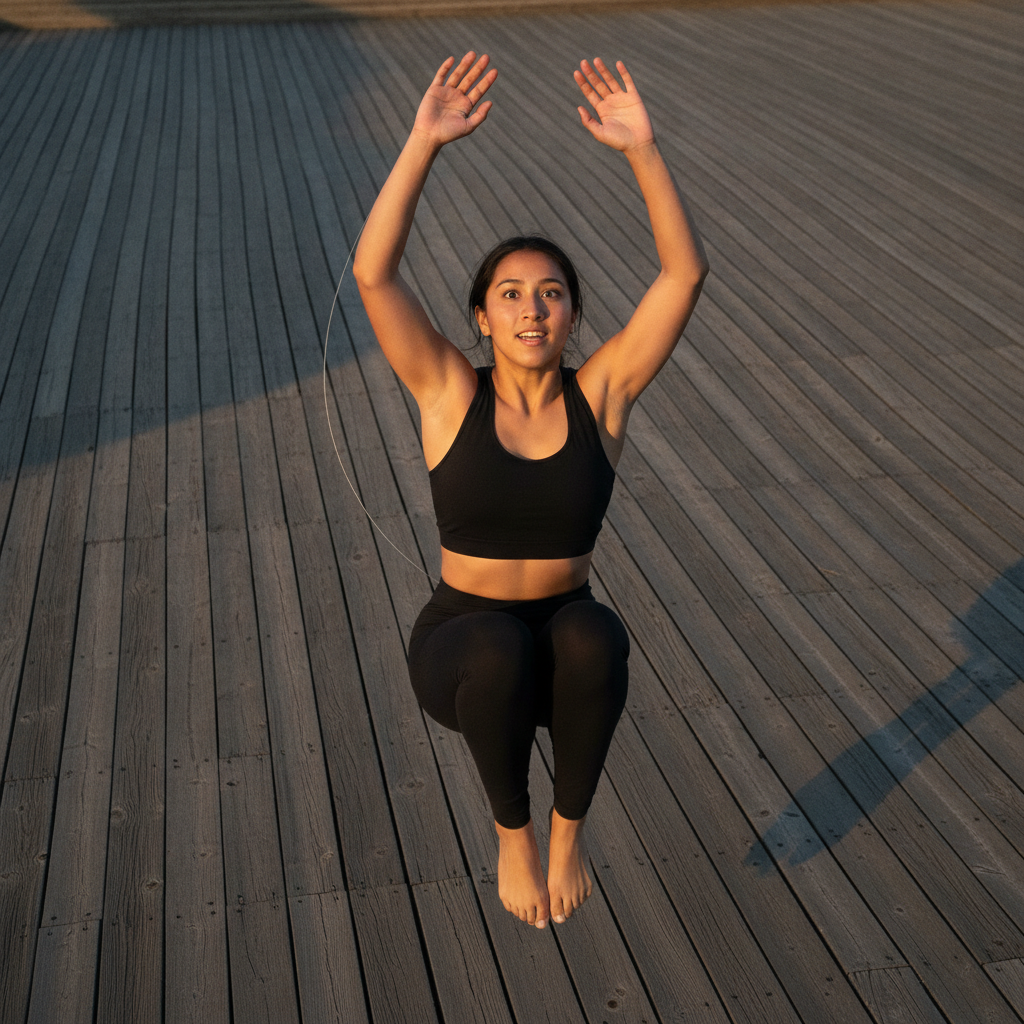
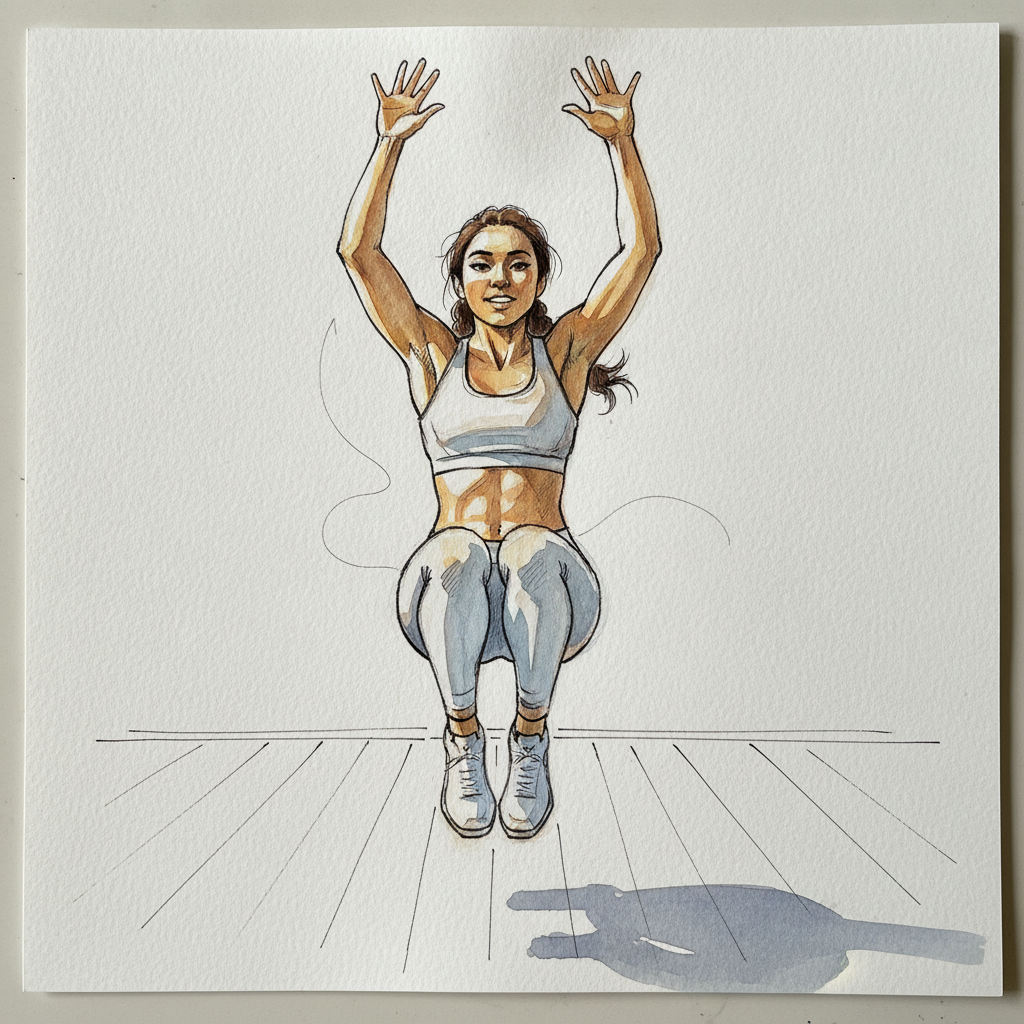
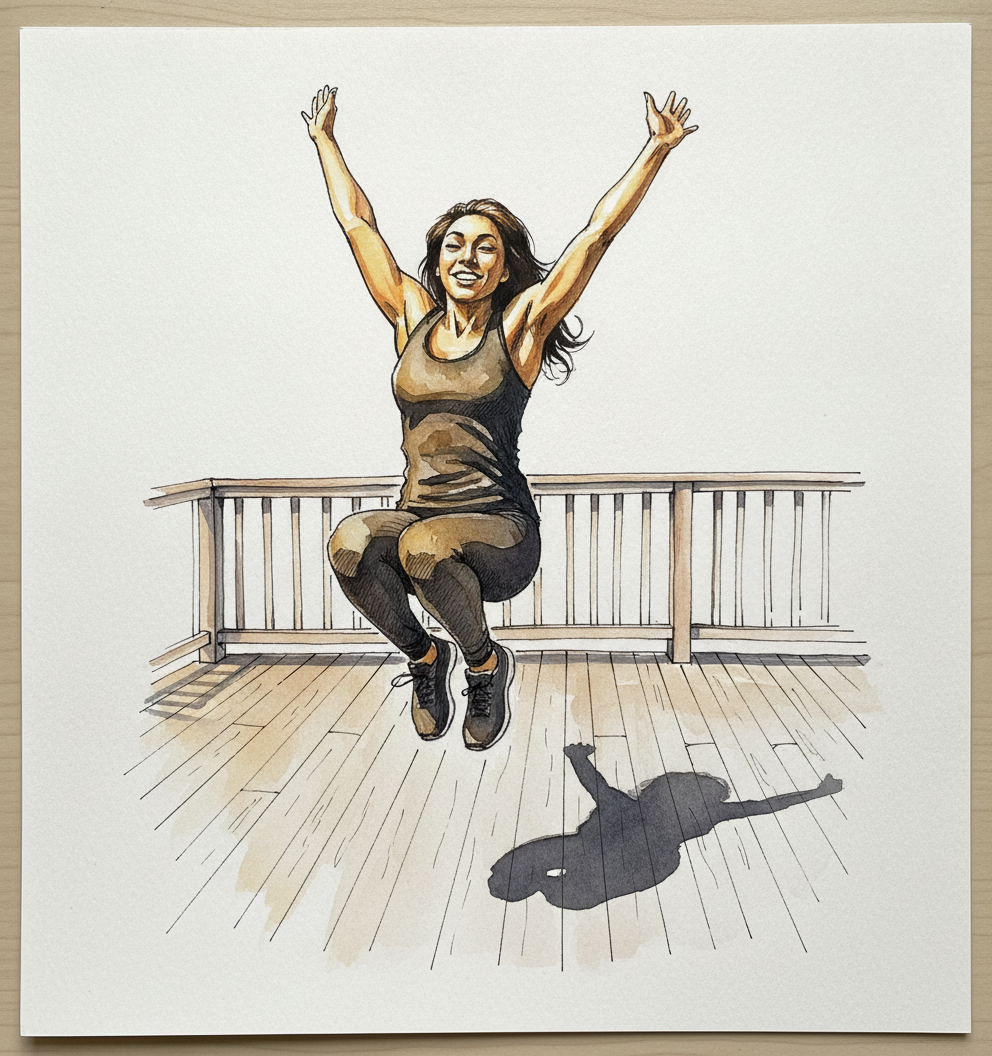
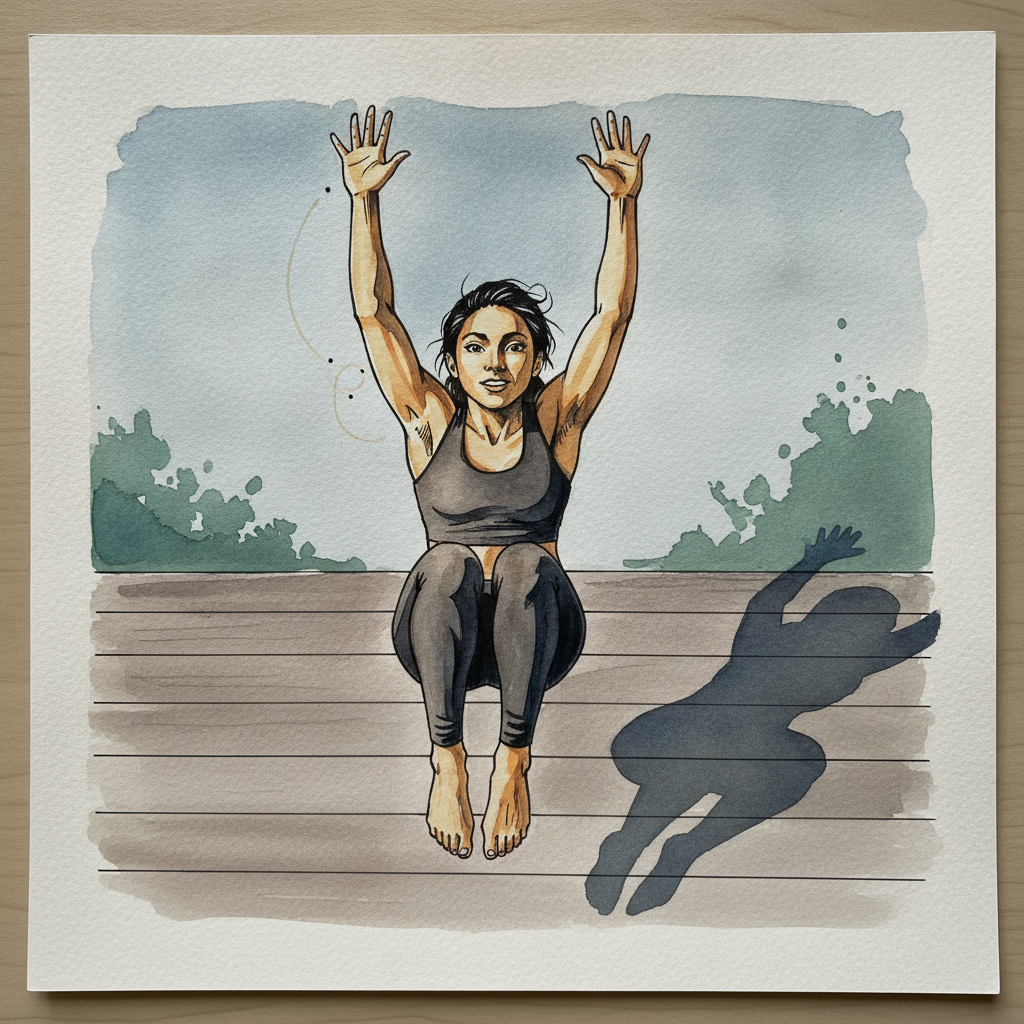
This piece is an excellent opportunity to study how line weight and luminous washes combine to create dynamic form and atmosphere. Focus on using varied pen line weights to emphasize the figure's forward momentum and tucked knees, with thicker lines anchoring the lower body. For the golden hour light, practice building warm, glowing washes on the lifted forearms and knees, allowing the watercolor to define these convex forms. Contrast this with the broad, soft wash of the long shadow behind, which grounds the figure while maintaining its joyful upward lift.