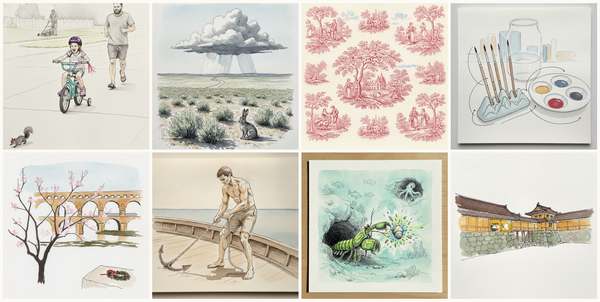
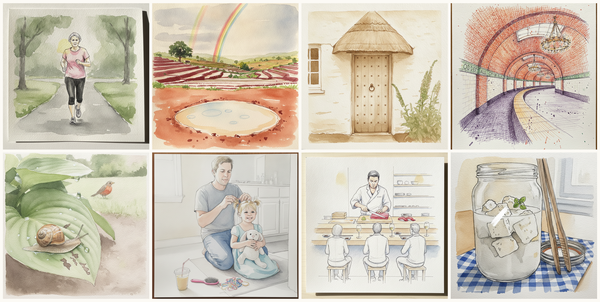
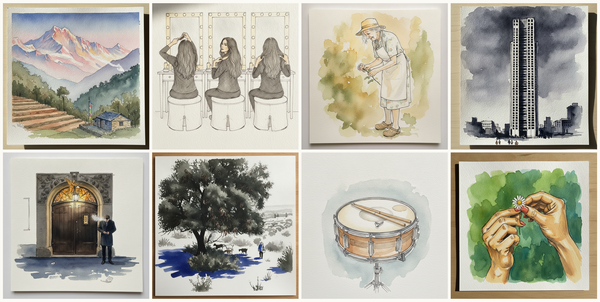
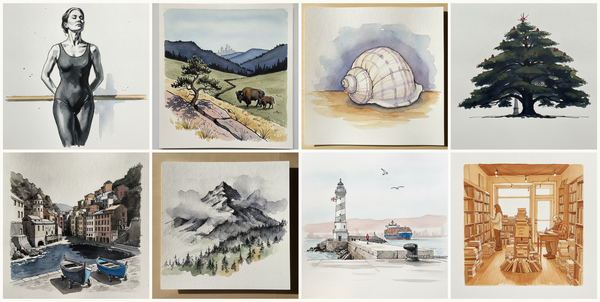
Tarra Falls in Tarra-Bulga National Park, VIC, Blacksmith forge, Norway lemming, Teacher at smartboard, and more — pen + watercolor for June 4, 2026
Today's pen-and-watercolor pieces: Tarra Falls in Tarra-Bulga National Park, VIC, Blacksmith forge, Norway lemming, Teacher at smartboard, Persimmon tree heavy with fruit beyond the gate, Bitter melon on bamboo mat, Both arms straight up, full grounding stance, Esfahan Old Quarter, Iran.
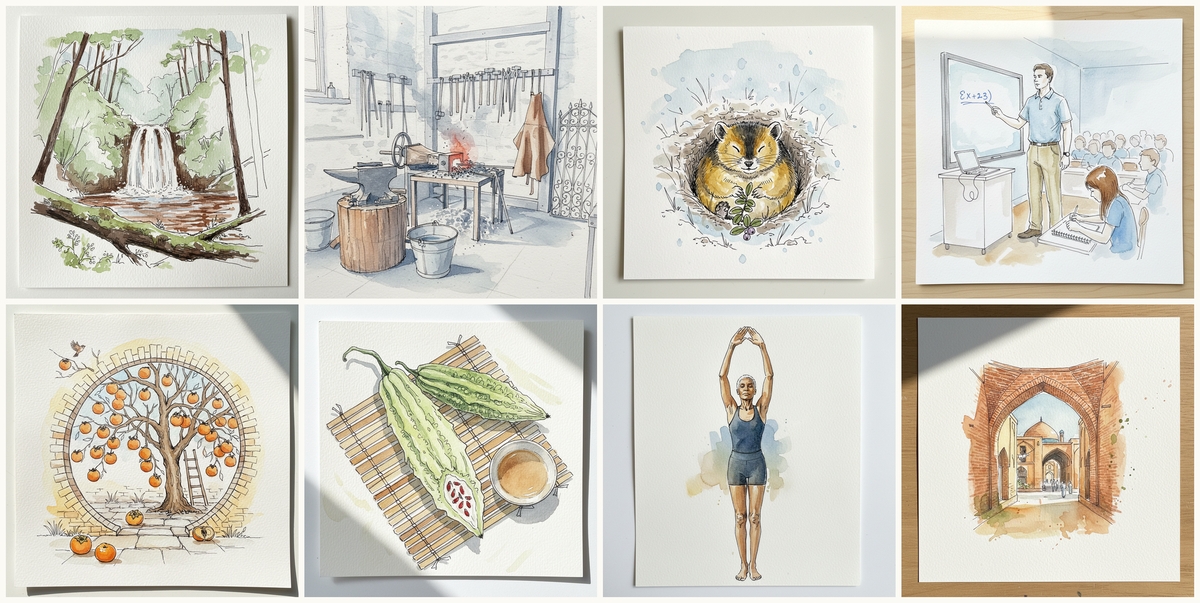
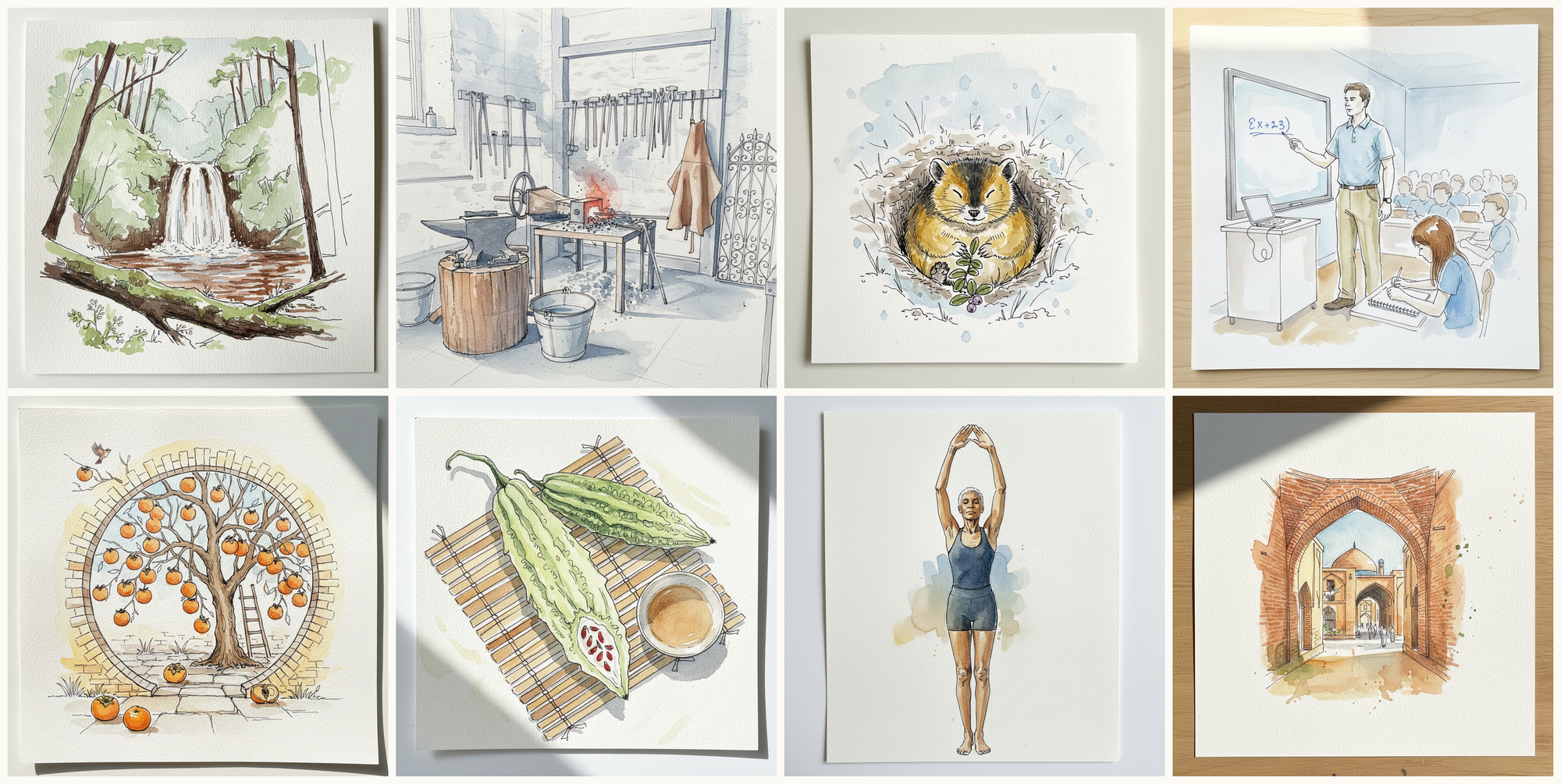
Today's 8 pen-and-watercolor pieces: Tarra Falls in Tarra-Bulga National Park, VIC, Blacksmith forge, Norway lemming, Teacher at smartboard, Persimmon tree heavy with fruit beyond the gate, Bitter melon on bamboo mat, Both arms straight up, full grounding stance, Esfahan Old Quarter, Iran. Each piece comes with a photo reference, three example artworks in different treatments, and a short focus paragraph naming what to study in this one.
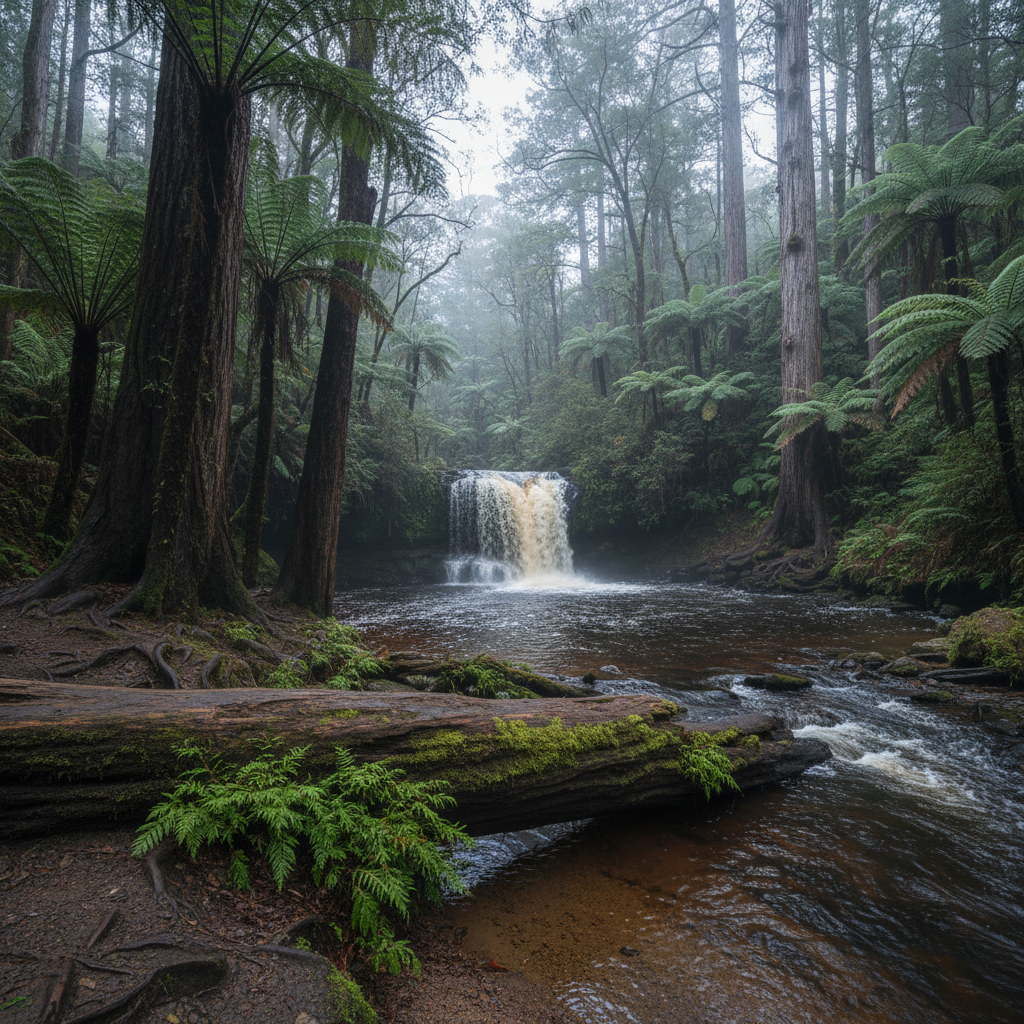
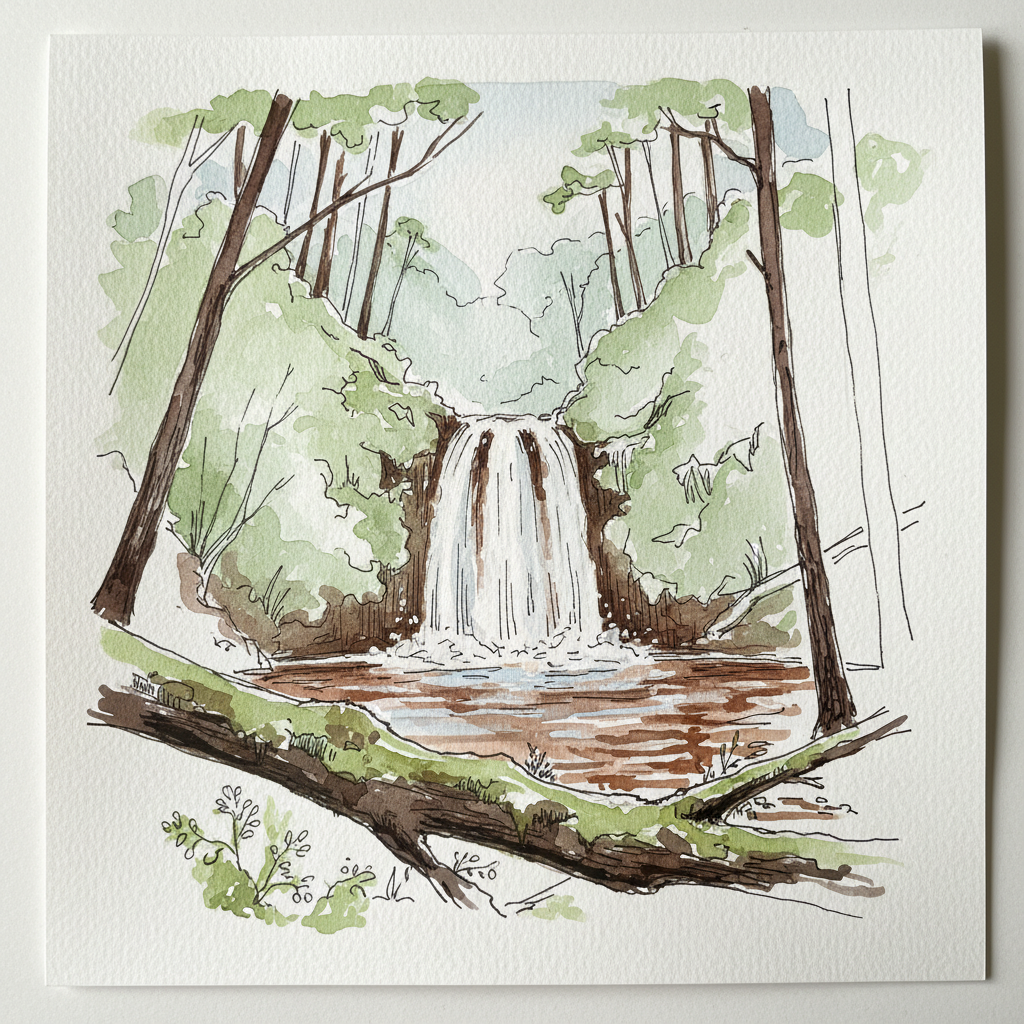
Piece 1 — Tarra Falls in Tarra-Bulga National Park, VIC
Pen + Watercolor · Loose pen and watercolor line-and-wash
Three takes
Focus for this piece
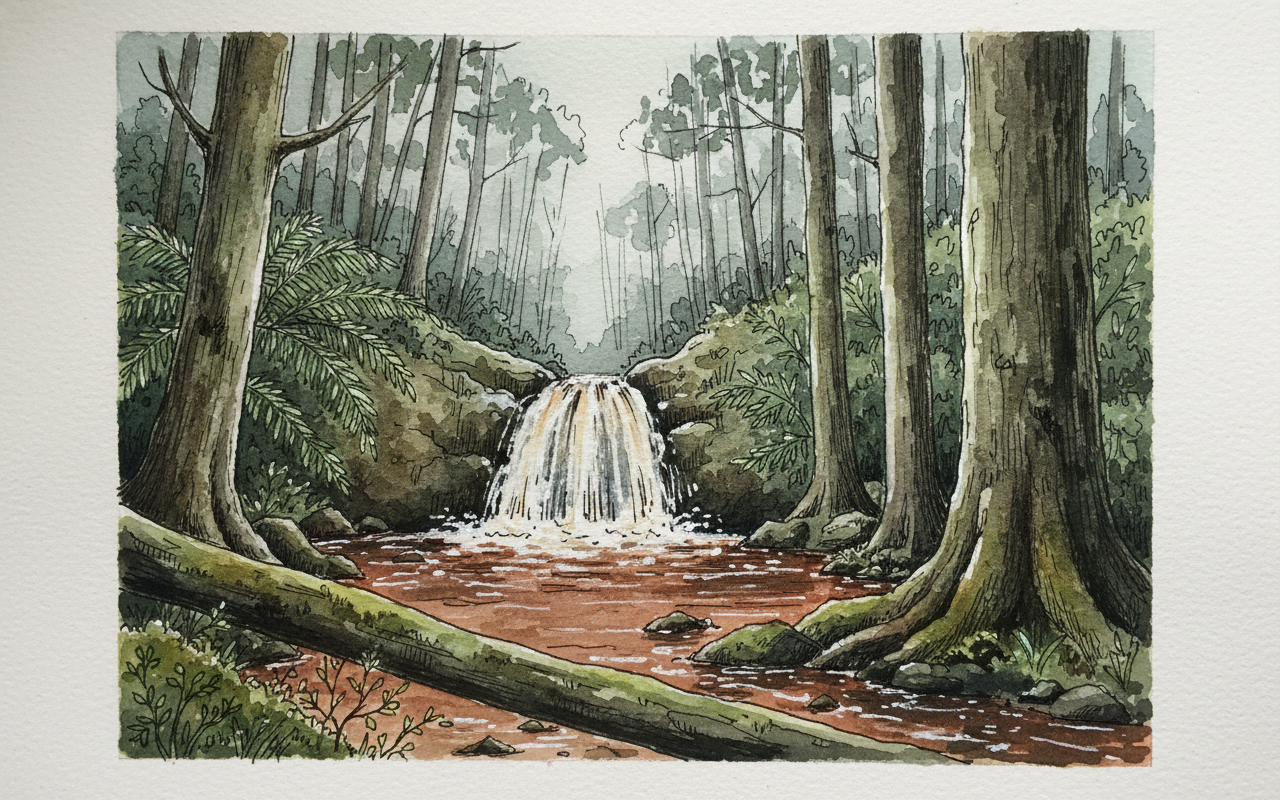
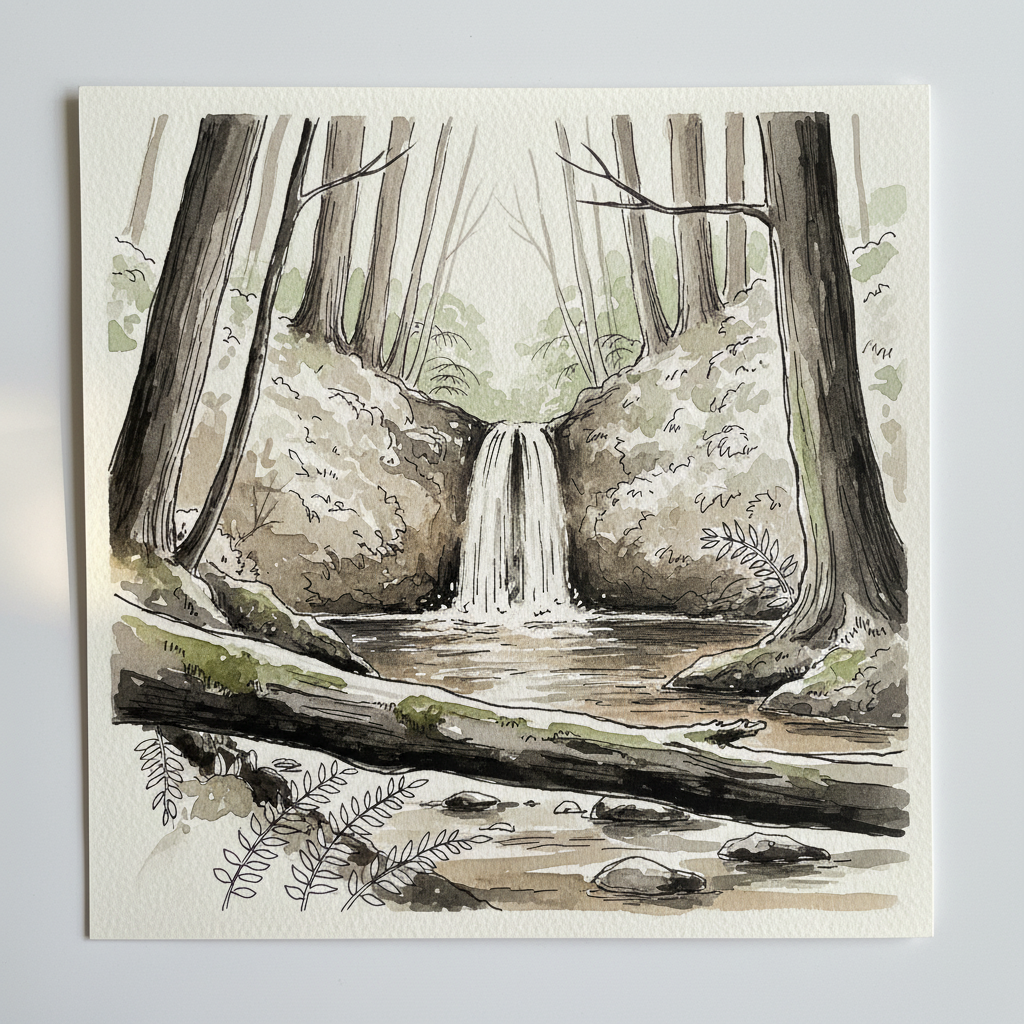
This study of Tarra Falls offers a superb opportunity to practice differentiating complex forest textures and forms using the interplay of pen and wash. Focus on how varied pen lines—from crisp marks for individual fern fronds to textured strokes for the buttressed tree trunks—can define structure, while layered, soft washes of cool greens and deep browns build atmospheric depth. Pay close attention to varying your line weight and wash saturation to distinguish the foreground moss-covered log and ferns from the distant, misty canopy and the tannin-stained pool.
Piece 2 — Blacksmith forge
Pen + Watercolor · Loose pen and watercolor line-and-wash
Three takes
Focus for this piece
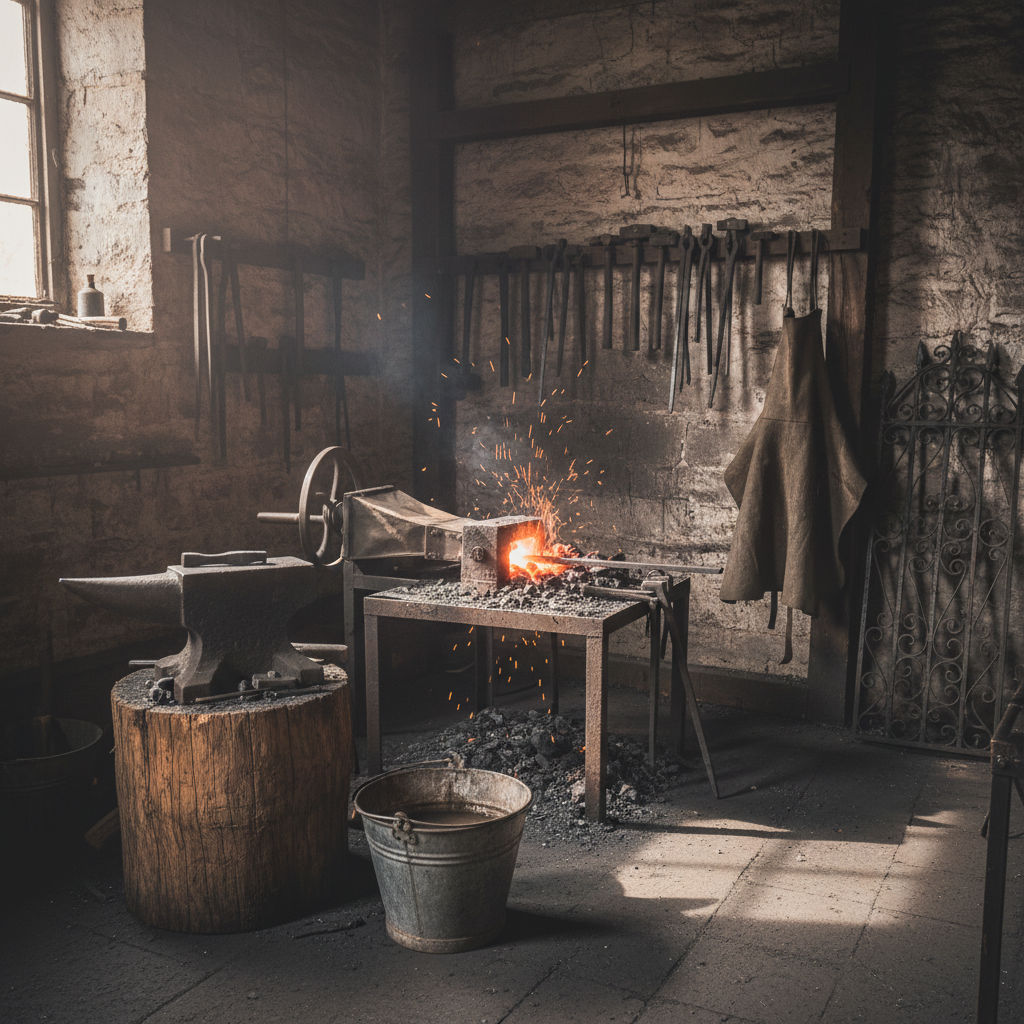
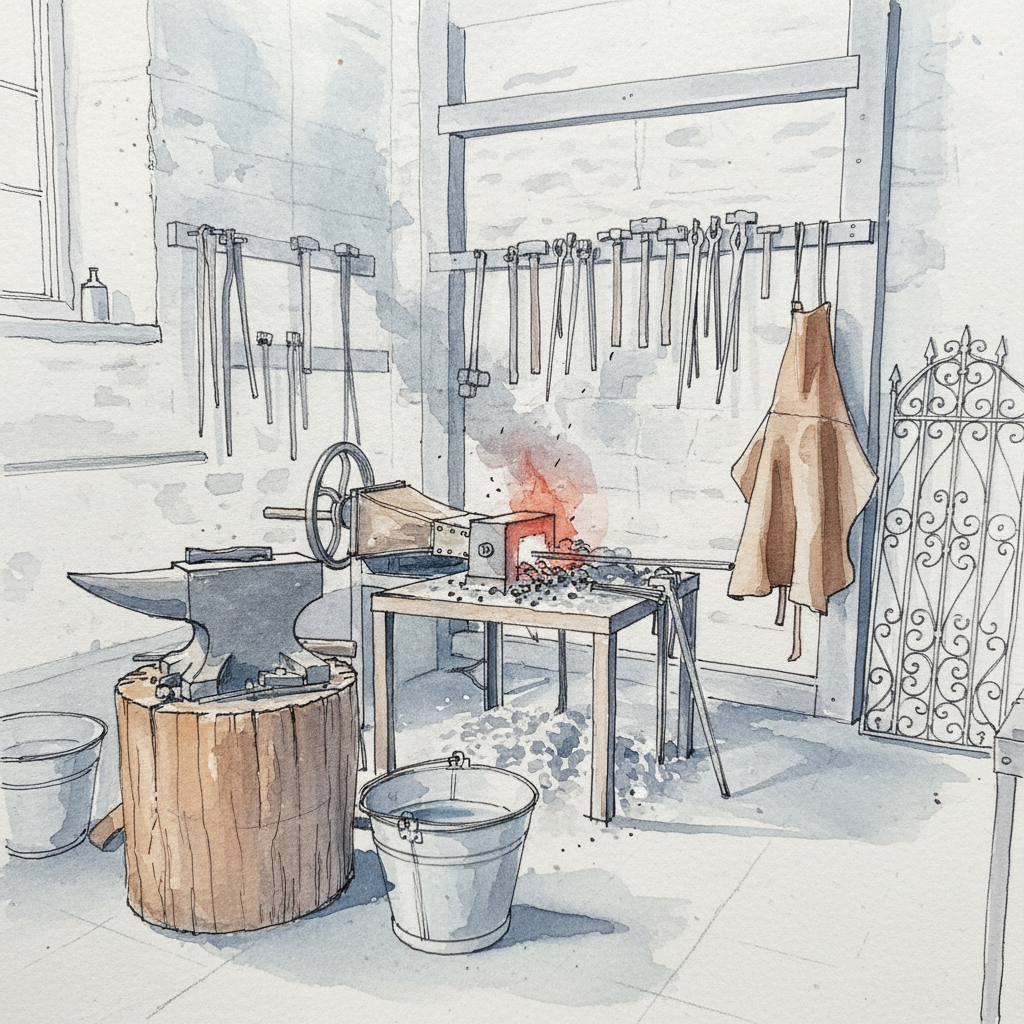
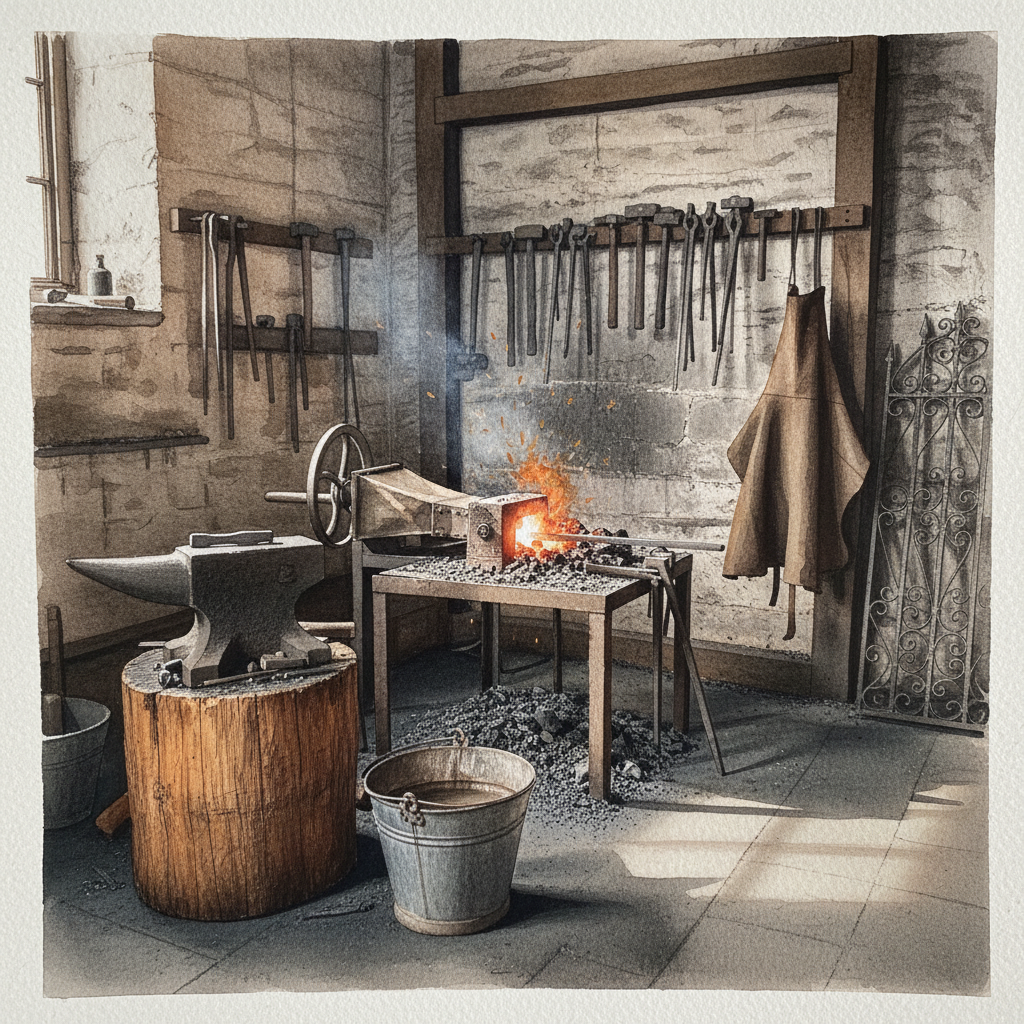
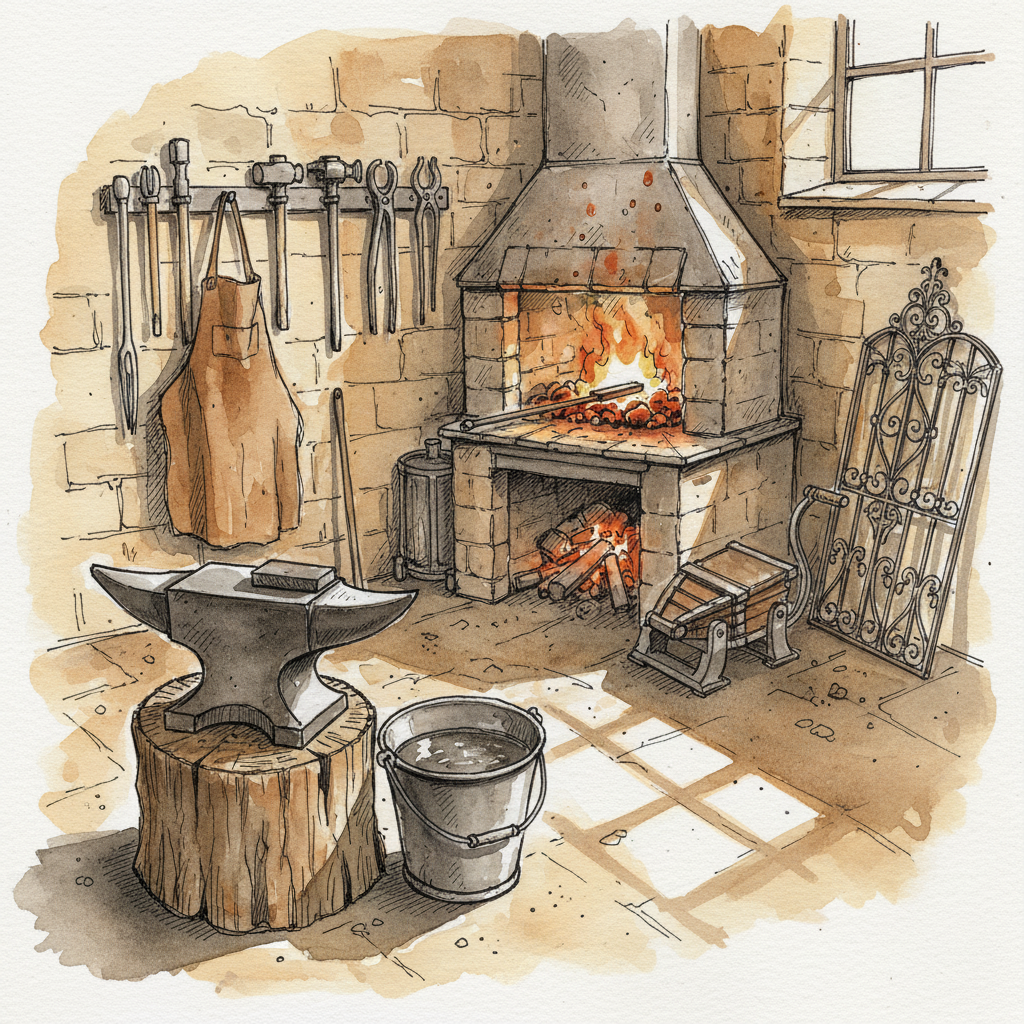
This piece offers a superb opportunity to practice rendering a strong light source in a predominantly dark interior. Focus on using warm, fluid wet-on-wet washes for the intense glow of the forge, allowing it to softly illuminate adjacent surfaces before transitioning to deep, cool shadows. Simultaneously, employ varied pen line weights and precise dry brush applications to capture the distinct textures of soot, rough wood, and polished metal tools. Pay particular attention to how the ink lines define structure within the soft, atmospheric washes of the smoky air and dim background elements.
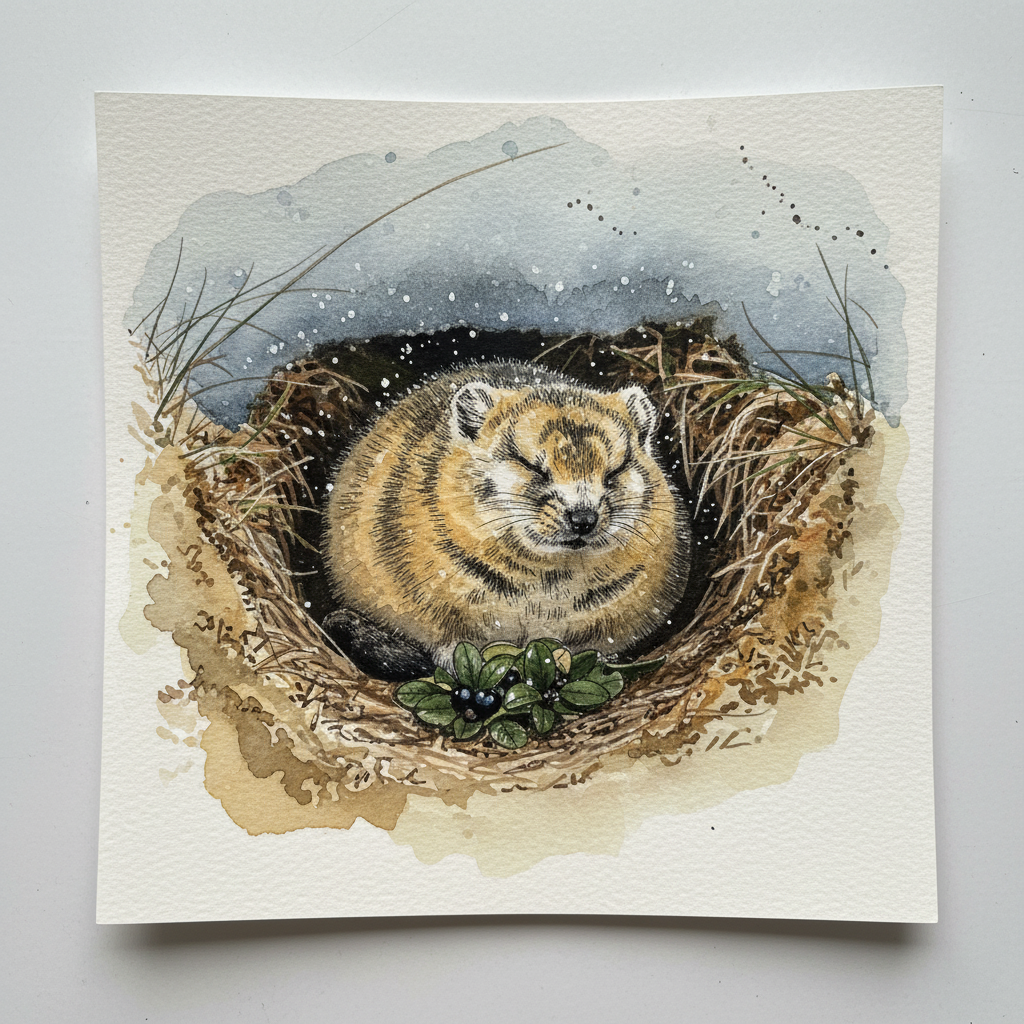
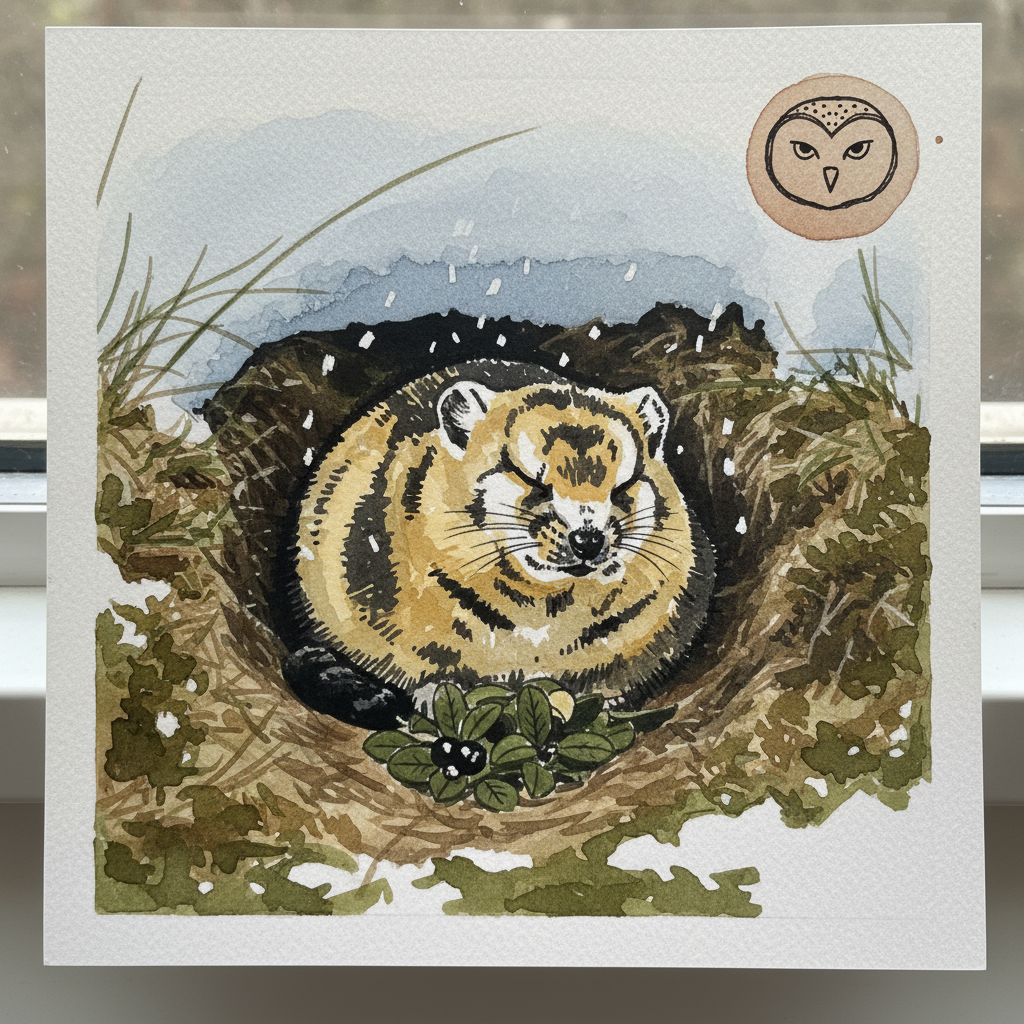
Piece 3 — Norway lemming
Pen + Watercolor · Loose pen and watercolor line-and-wash
Three takes
Focus for this piece
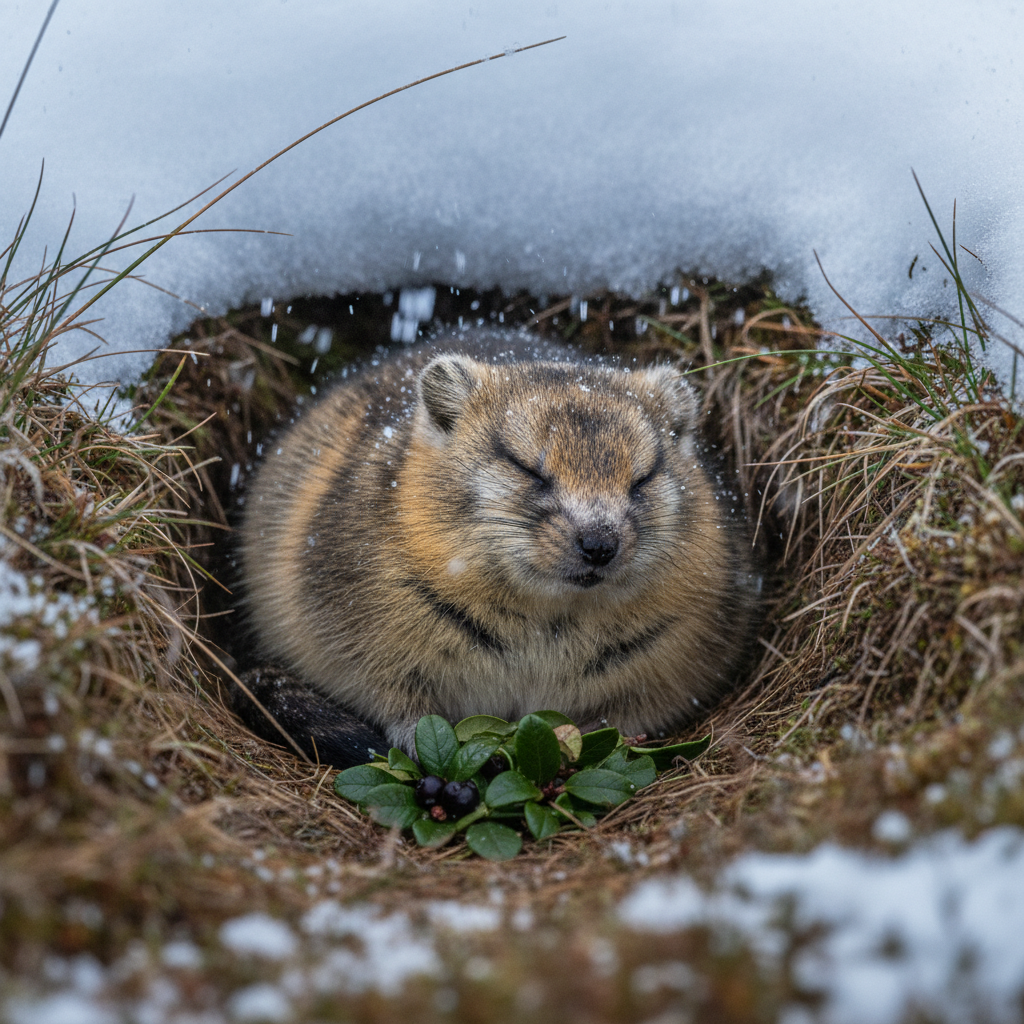
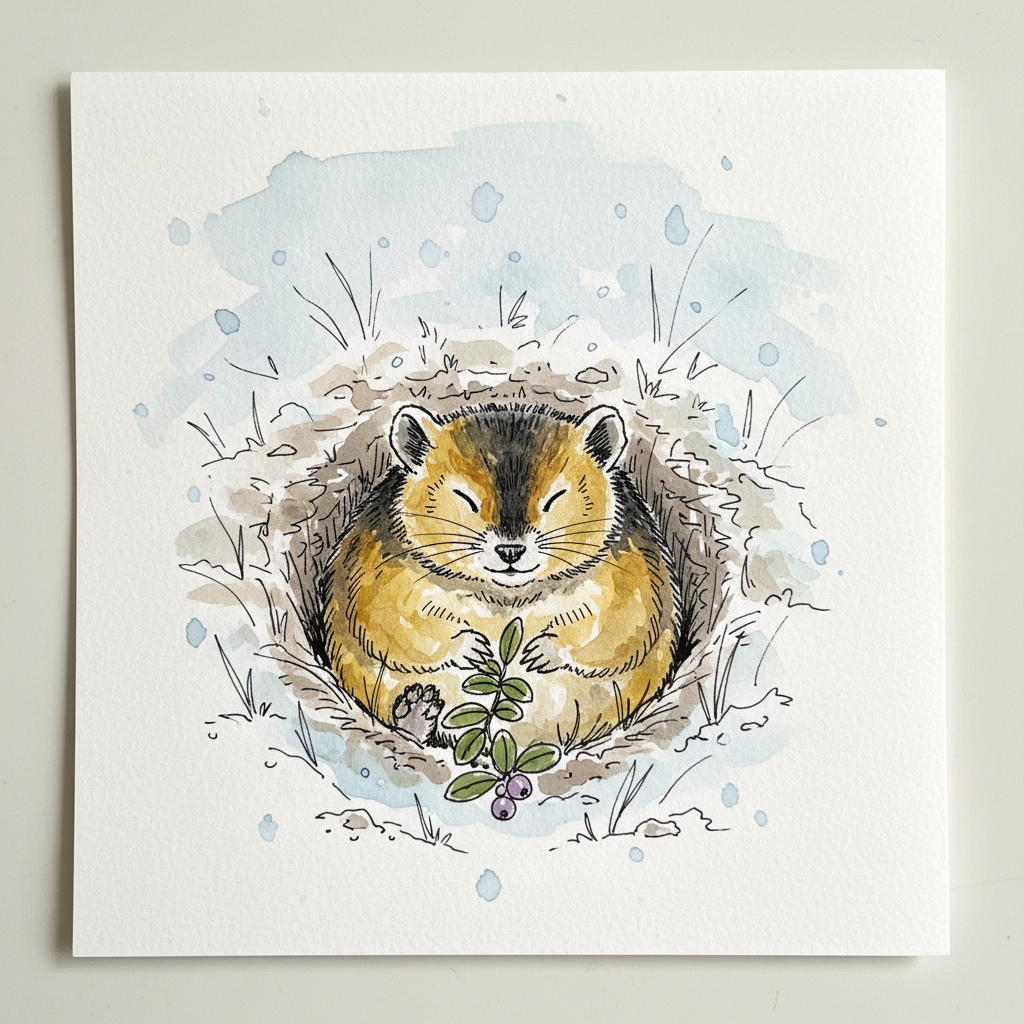
This piece offers a focused study on building tactile texture and form through the interplay of pen lines and layered watercolor washes, particularly for the lemming's 'mottled gold and black' fur and its grass-lined nest. Use varied line weights with waterproof ink to define the body's rounded shape and the specific textures of individual hairs and nest fibers, allowing those lines to maintain their crispness beneath subsequent warm washes. Concentrate on layering glazes to achieve the 'mottled' effect and the softness of the fur, letting the ink provide the underlying structure and detailed surface patterns.
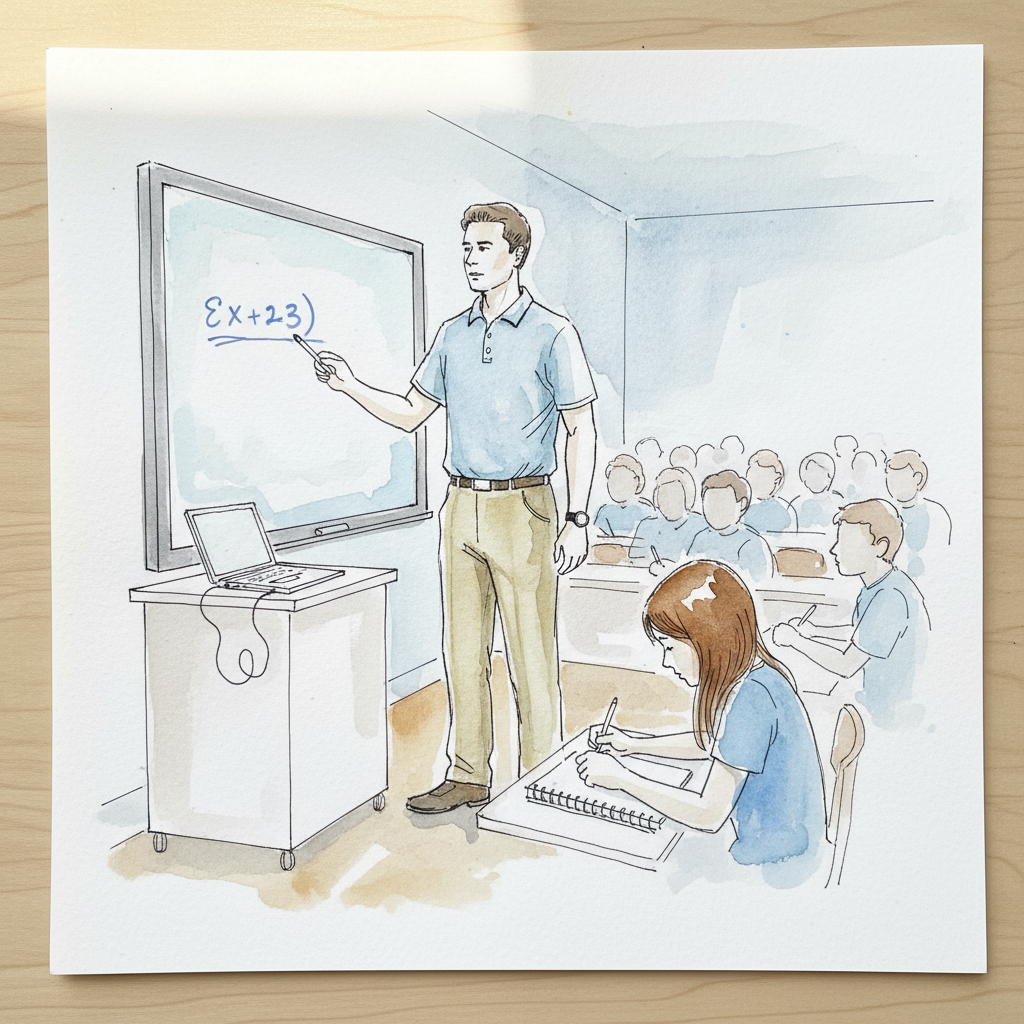
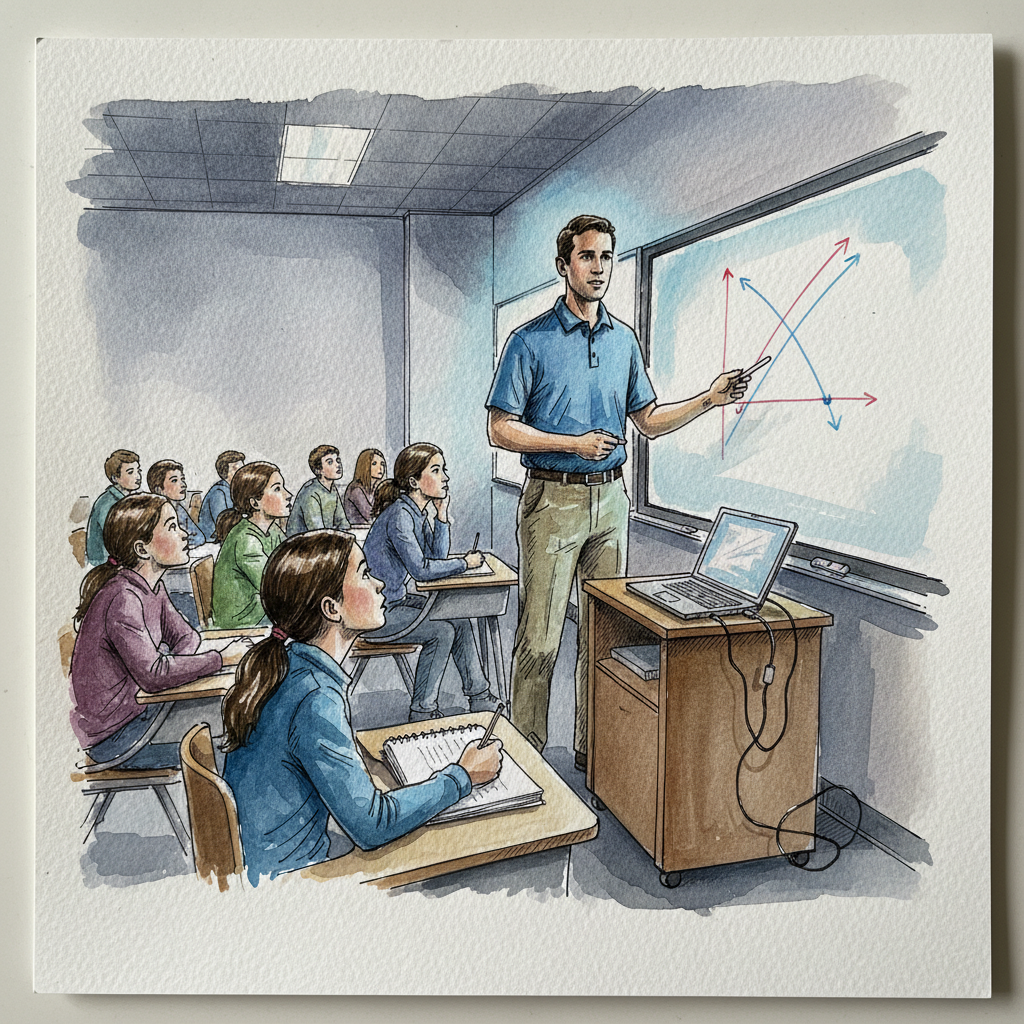
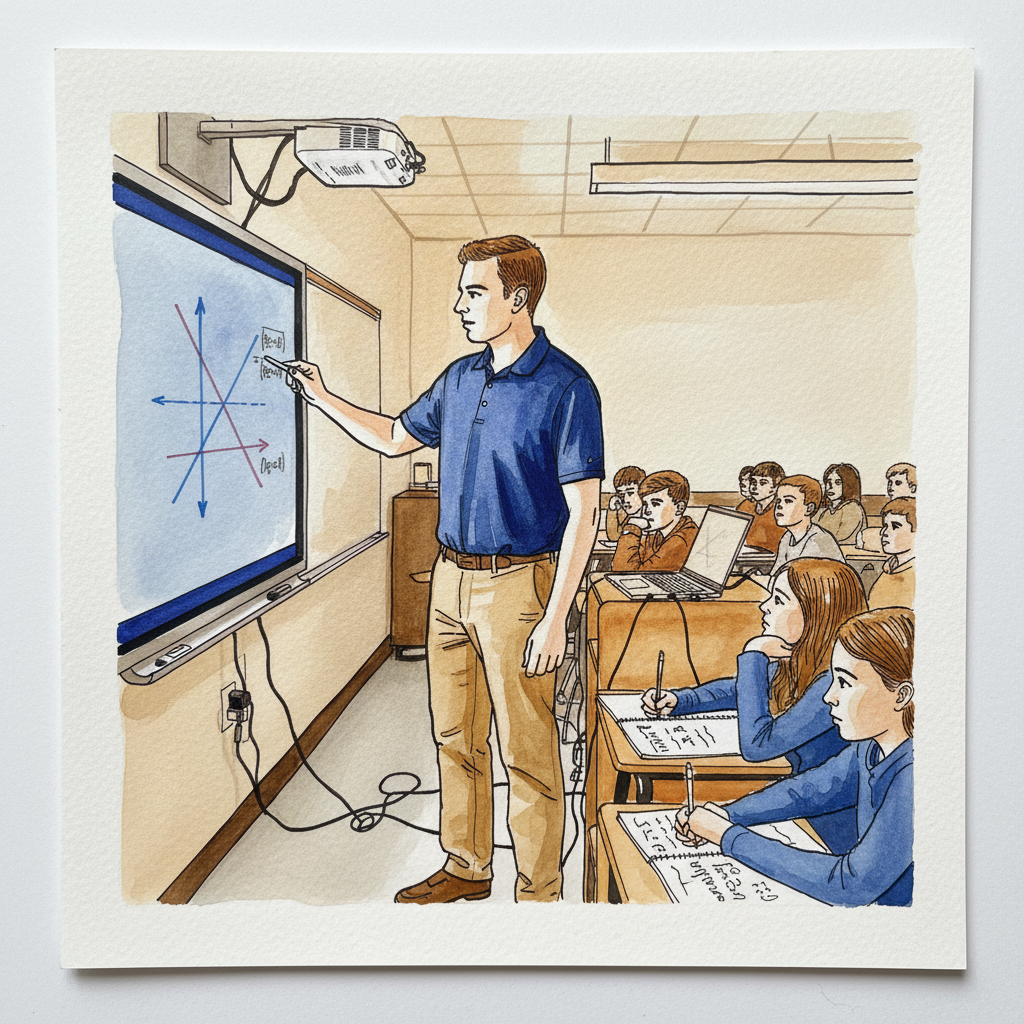
Piece 4 — Teacher at smartboard
Pen + Watercolor · Loose pen and watercolor line-and-wash

Three takes
Focus for this piece
This piece offers a fantastic opportunity to practice rendering a contained light source and its impact on a scene. Use a wet-on-wet approach with a vibrant cool blue to capture the smartboard's glow, letting it softly reflect onto the teacher's figure and the front rows. Focus on maximizing value contrast by keeping the surrounding classroom and distant students in deep, atmospheric washes. Employ varying pen line weights, using crisp, decisive lines for the teacher and smartboard's edges, while opting for lighter, broken lines to suggest the students receding into the dimmer background.
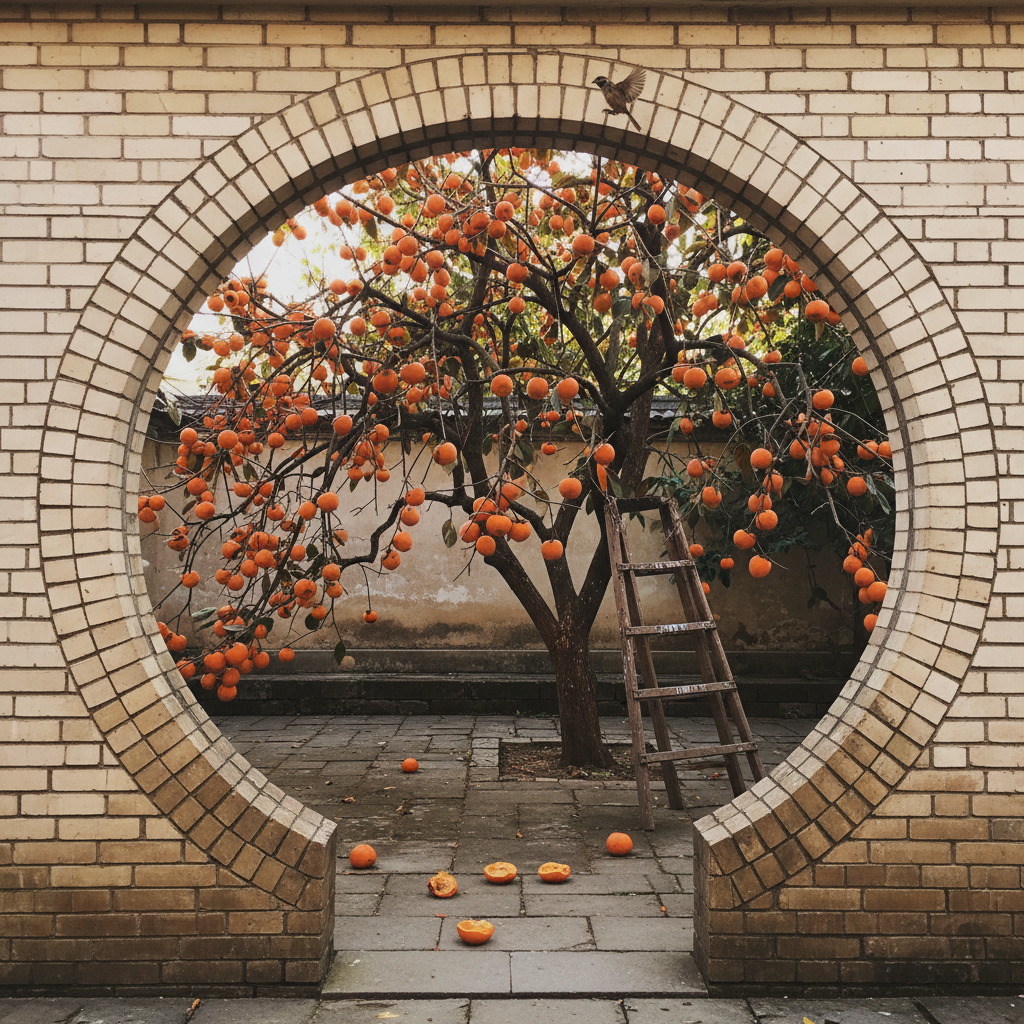
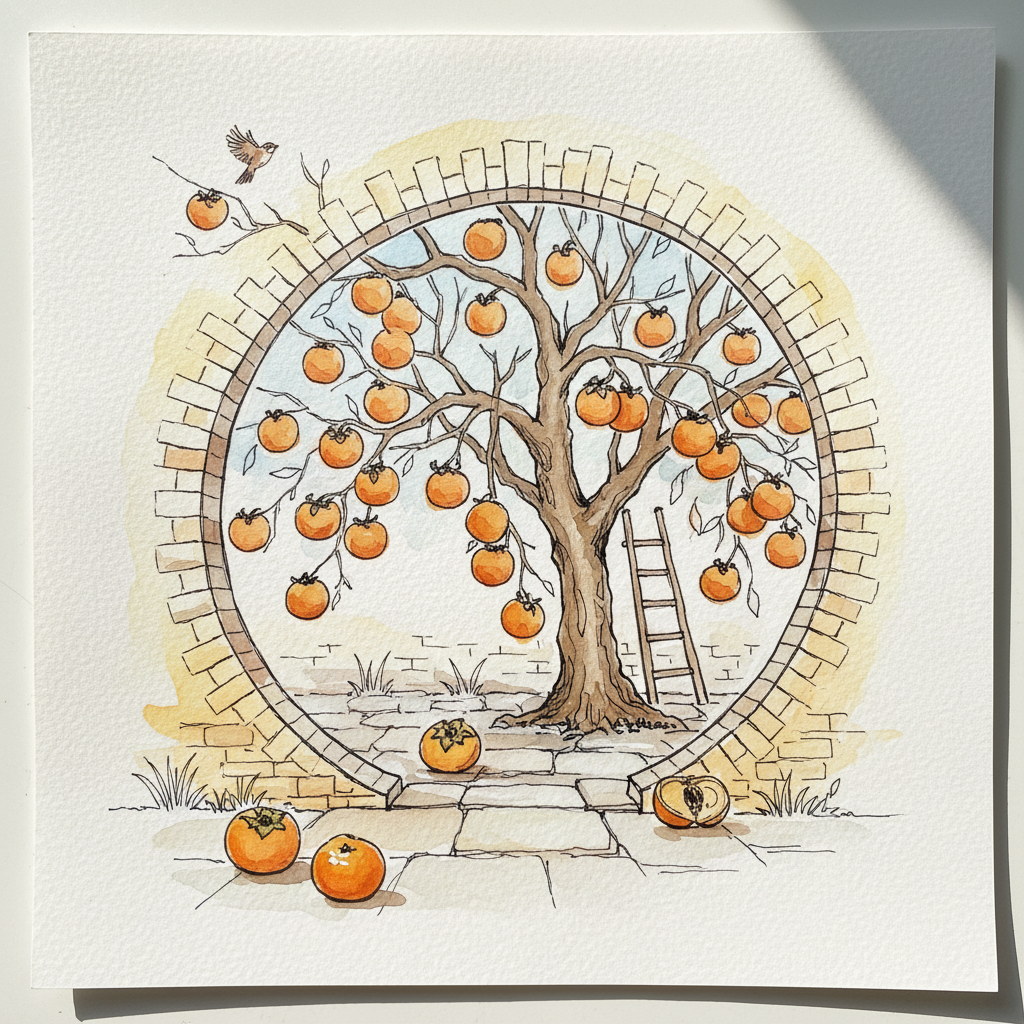
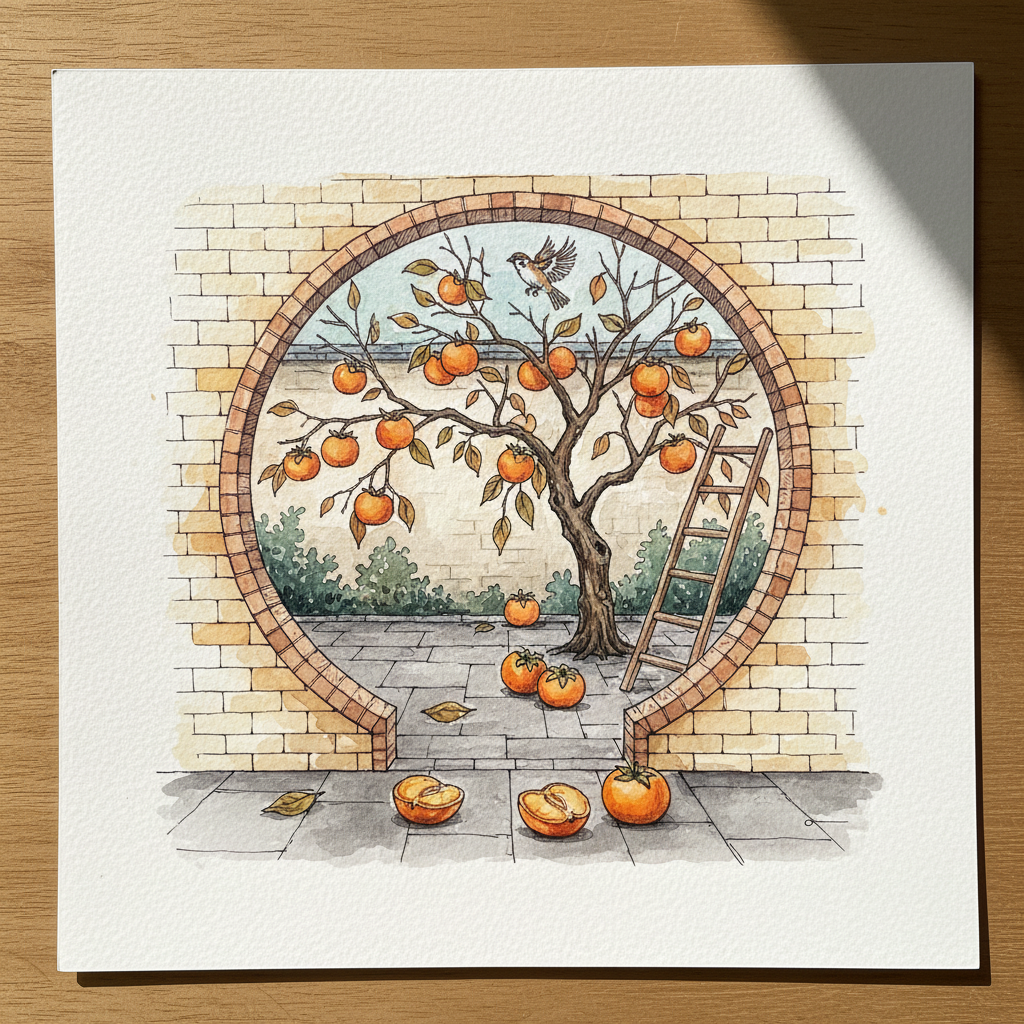
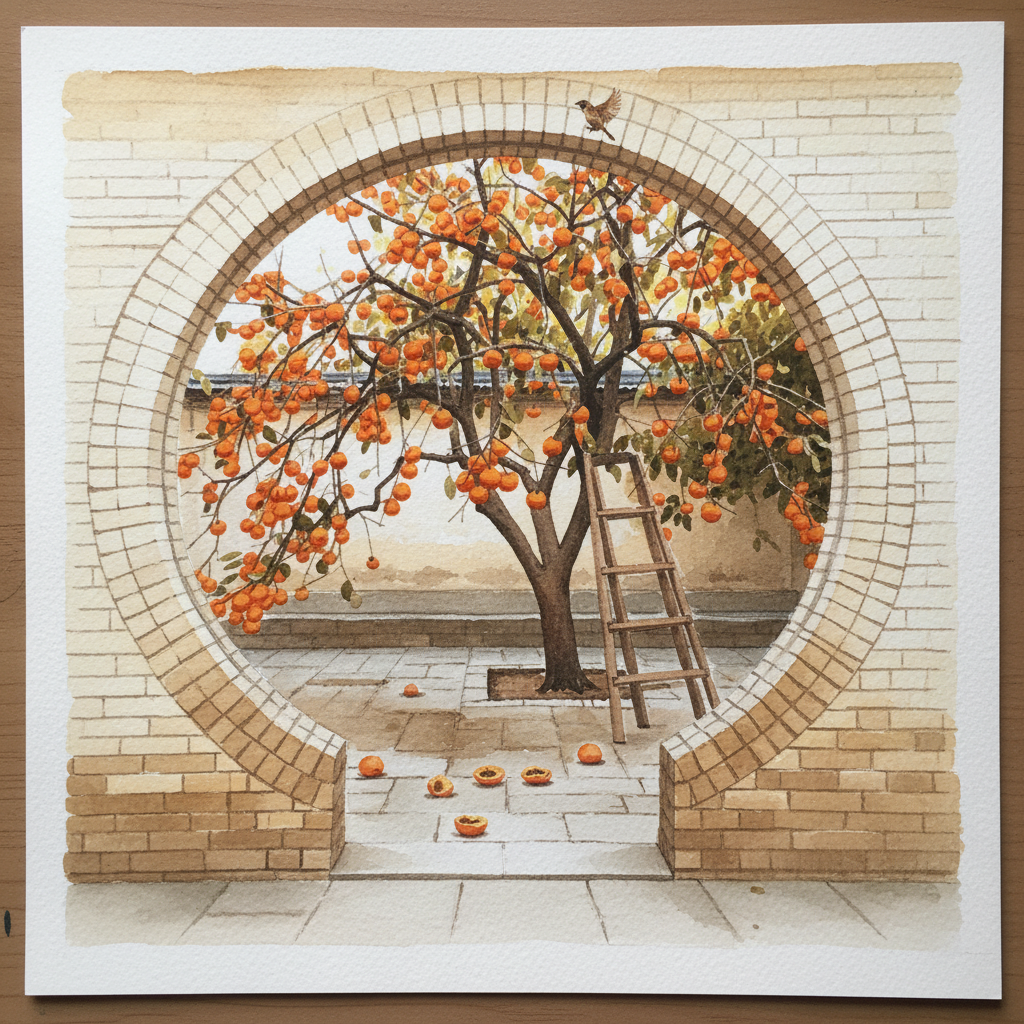
Piece 5 — Persimmon tree heavy with fruit beyond the gate
Pen + Watercolor · Loose pen and watercolor line-and-wash
Three takes
Focus for this piece
Pay close attention to how your pen lines define the distinct forms in this scene. Use firm, deliberate strokes for the brick moon gate, contrasting with more expressive, varied lines for the gnarled tree branches and their fruit clusters. Then, use your lines as a guide for vibrant orange washes that swell to define the fruit's plump, sun-ripened forms, letting them glow against the soft, luminous cream of the background wall.
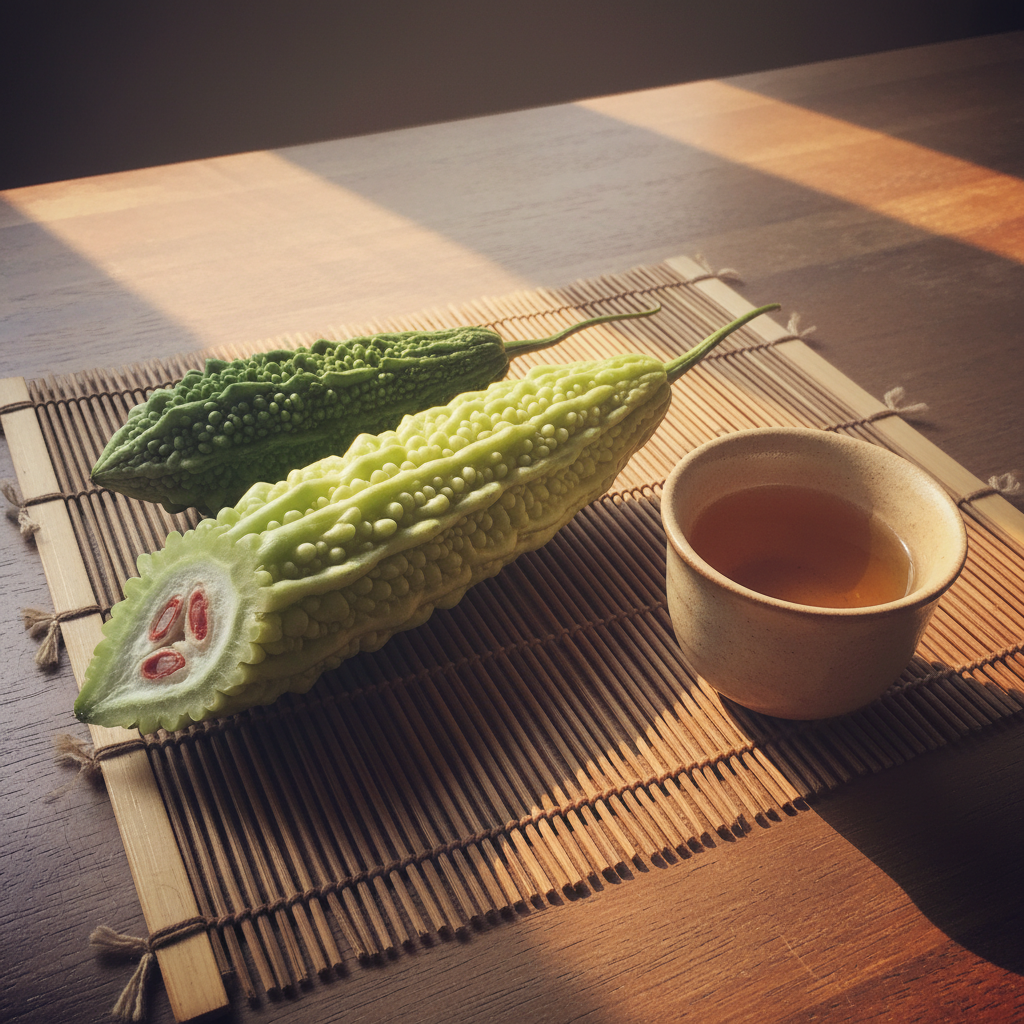
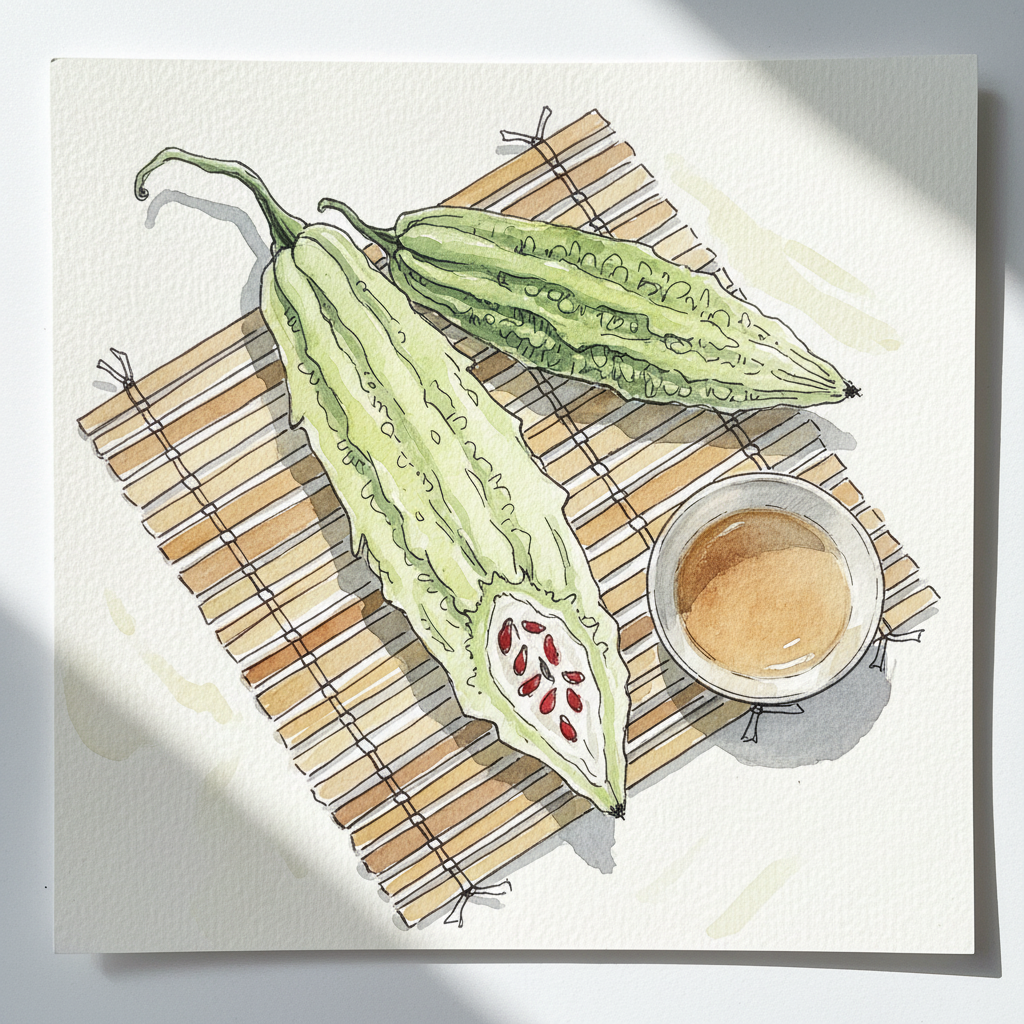
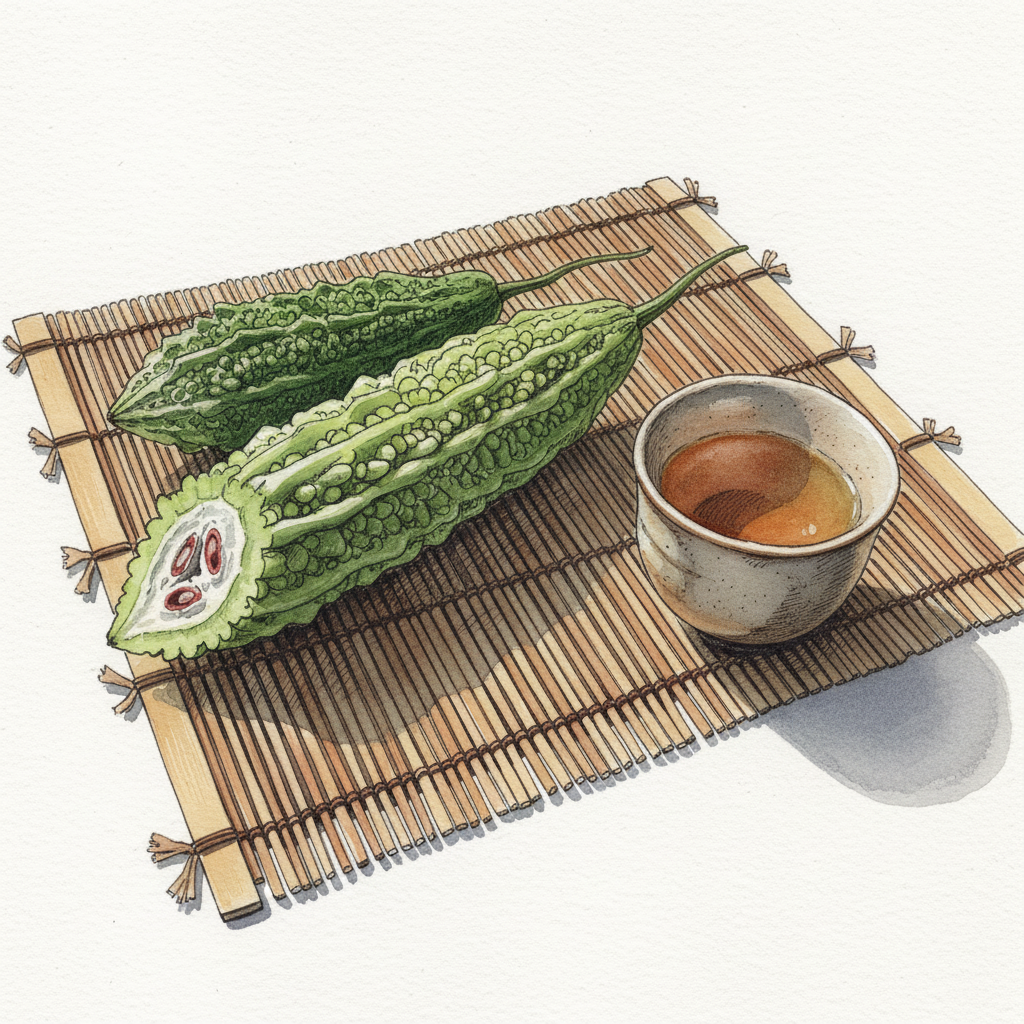
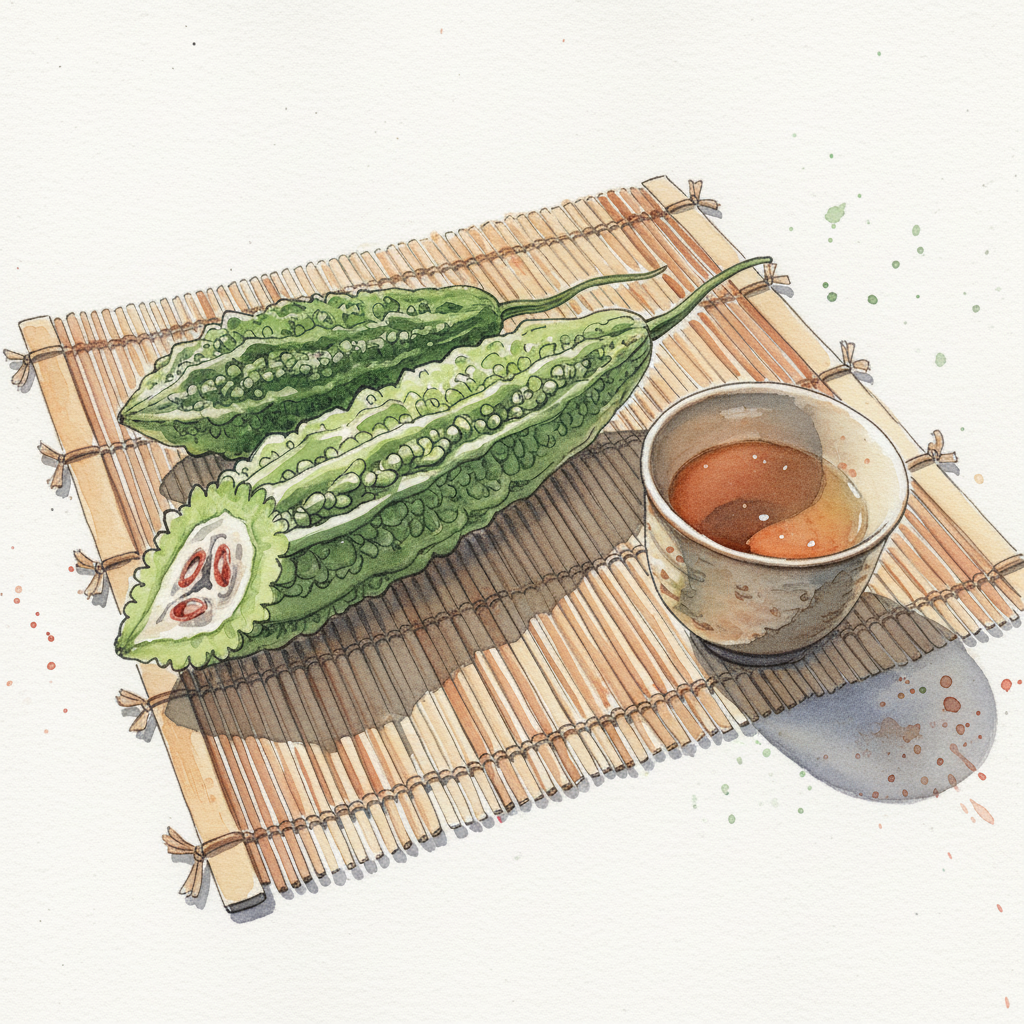
Piece 6 — Bitter melon on bamboo mat
Pen + Watercolor · Loose pen and watercolor line-and-wash
Three takes
Focus for this piece
This piece offers a great study in using varied line weights and layered washes to establish both texture and depth. Use crisp, descriptive pen lines to capture the intricate crenellations of the bitter melon and the weave of the bamboo mat, especially in the foreground. Then, build the volume and atmospheric perspective with successive, transparent watercolor washes, letting the slanting late afternoon light define the forms and make the background elements recede.
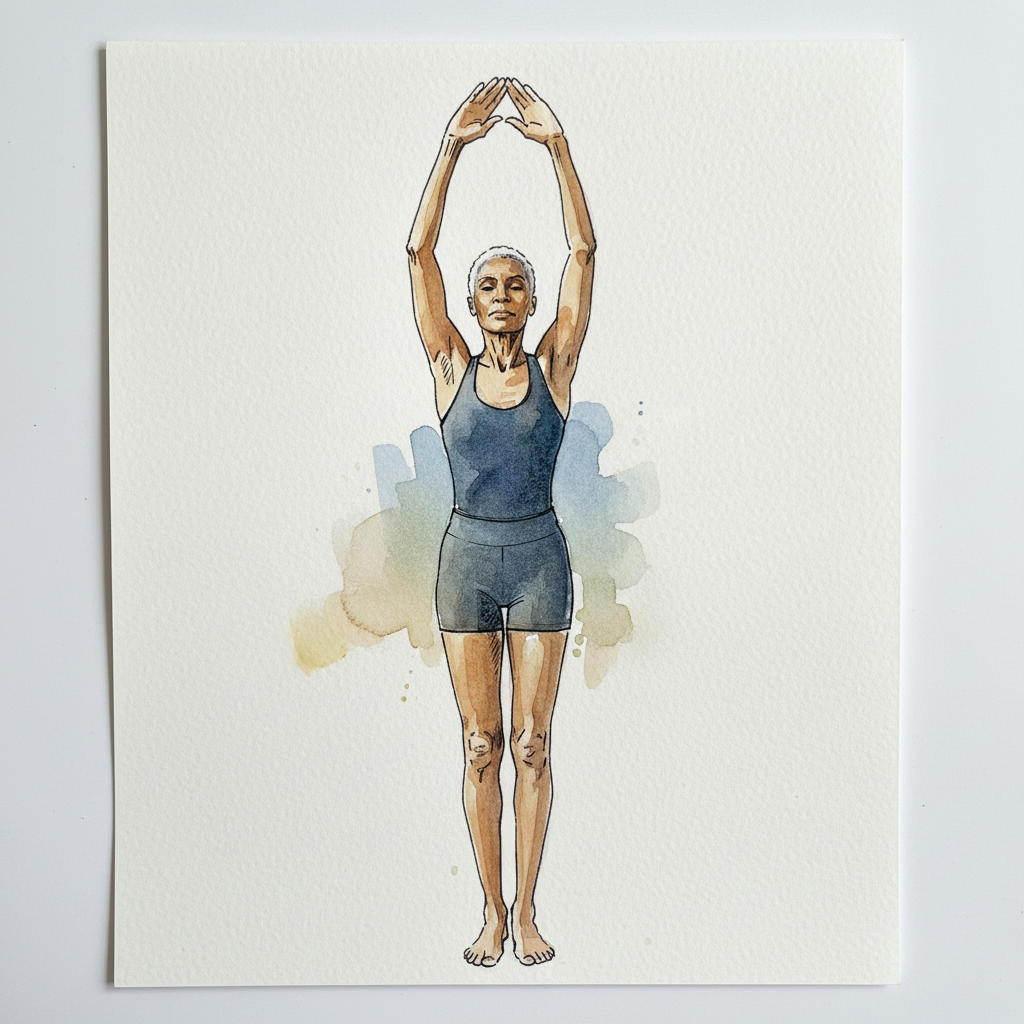
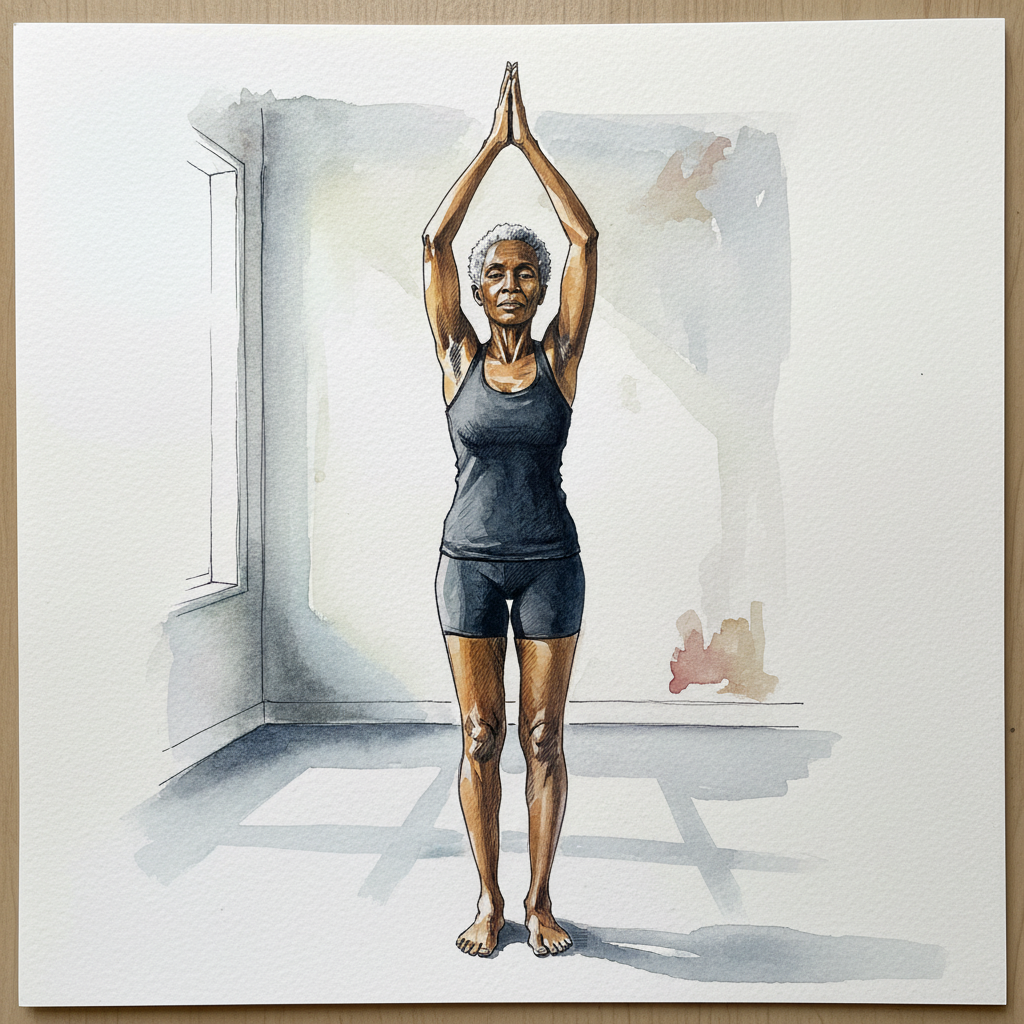
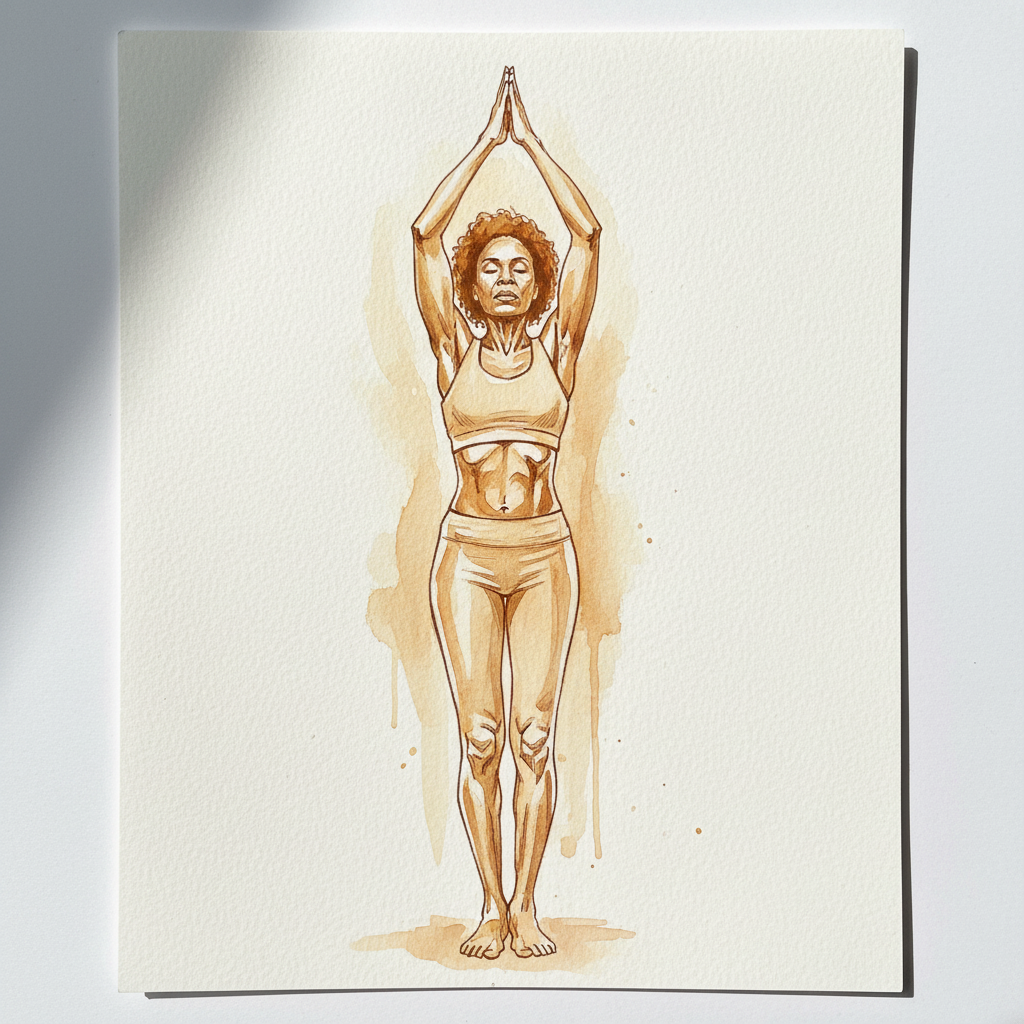
Piece 7 — Both arms straight up, full grounding stance
Pen + Watercolor · Loose pen and watercolor line-and-wash

Three takes
Focus for this piece
This pose, with its quiet strength and strong north window light, is ideal for practicing how to convey robust three-dimensional form with minimal strokes. Focus on using economical line weights to establish the figure's core structure, letting clean, cool watercolor washes define the subtle modeling along the lateral planes of the body. This exercise highlights how restraint in both media can powerfully articulate volume, light, and the essence of the form.
Piece 8 — Esfahan Old Quarter, Iran
Pen + Watercolor · Loose pen and watercolor line-and-wash
Three takes
Focus for this piece
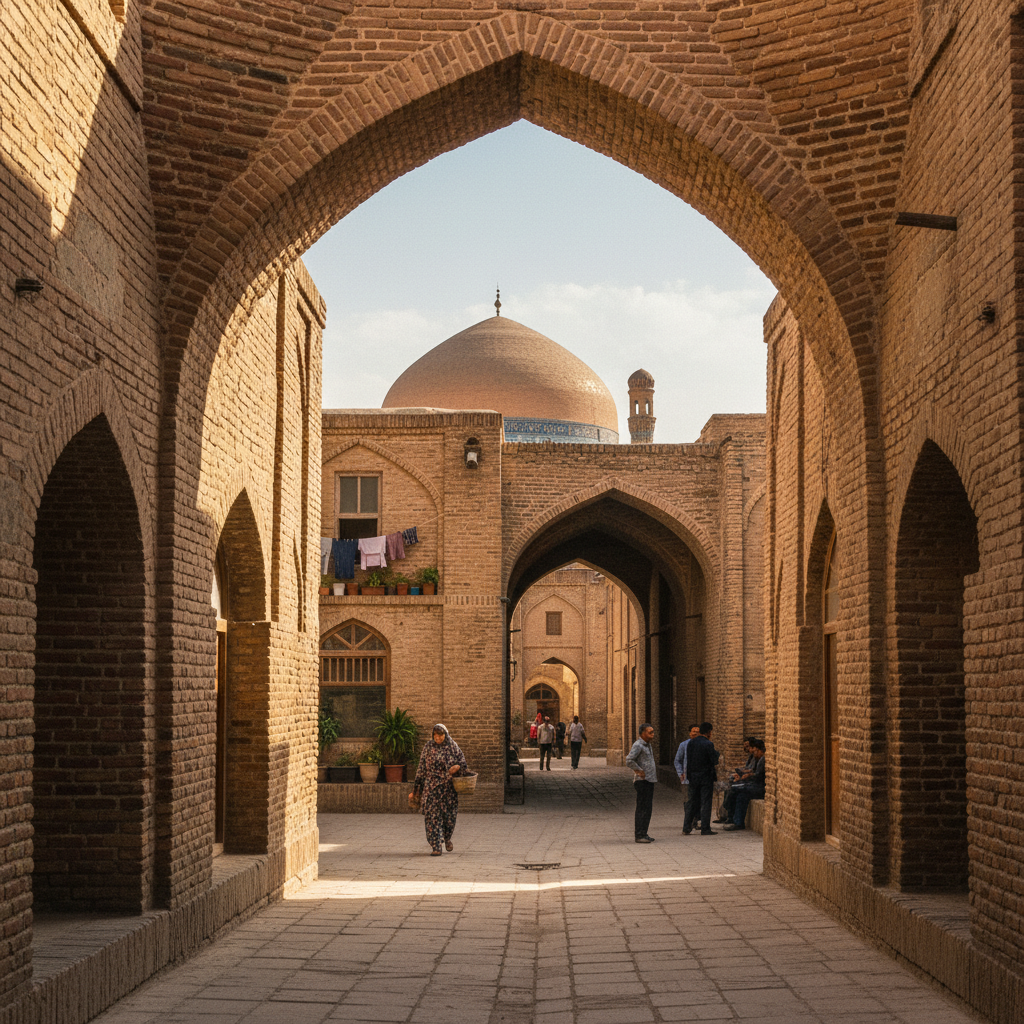
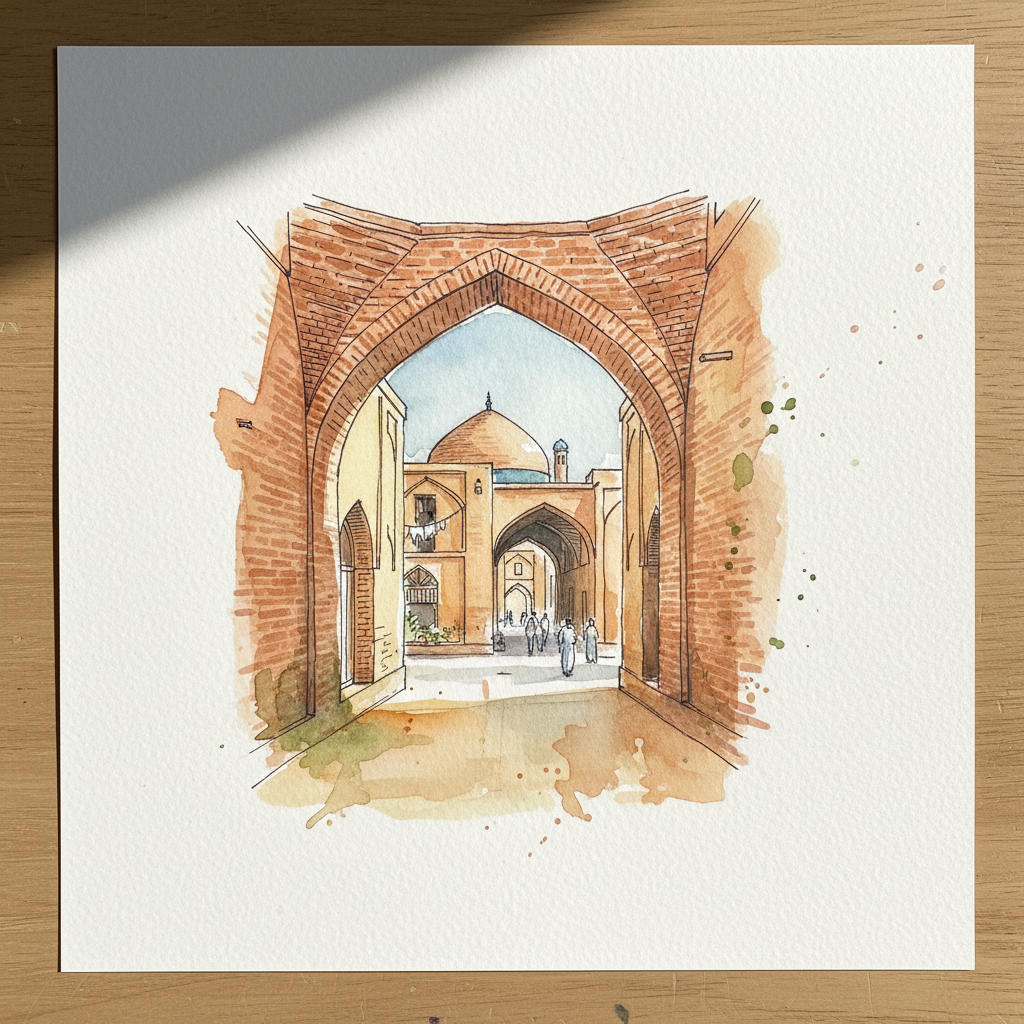
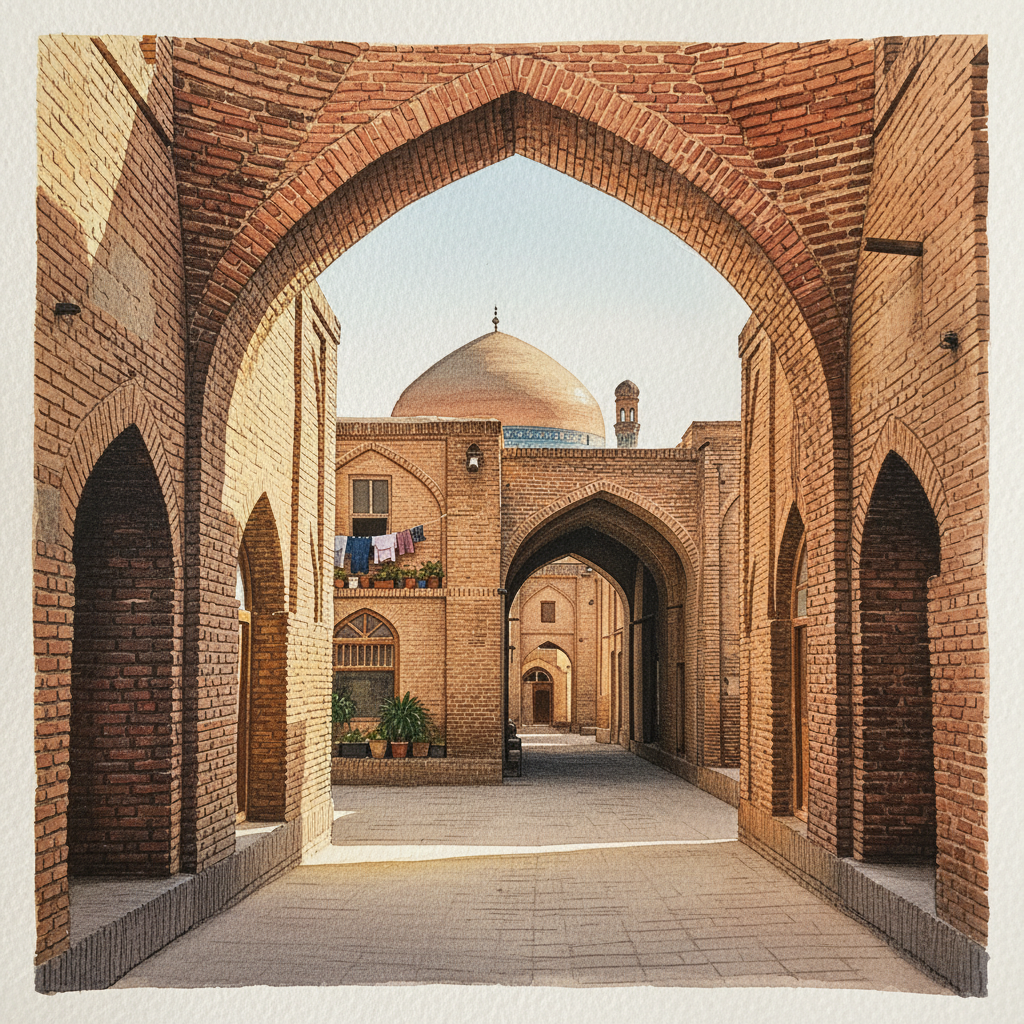
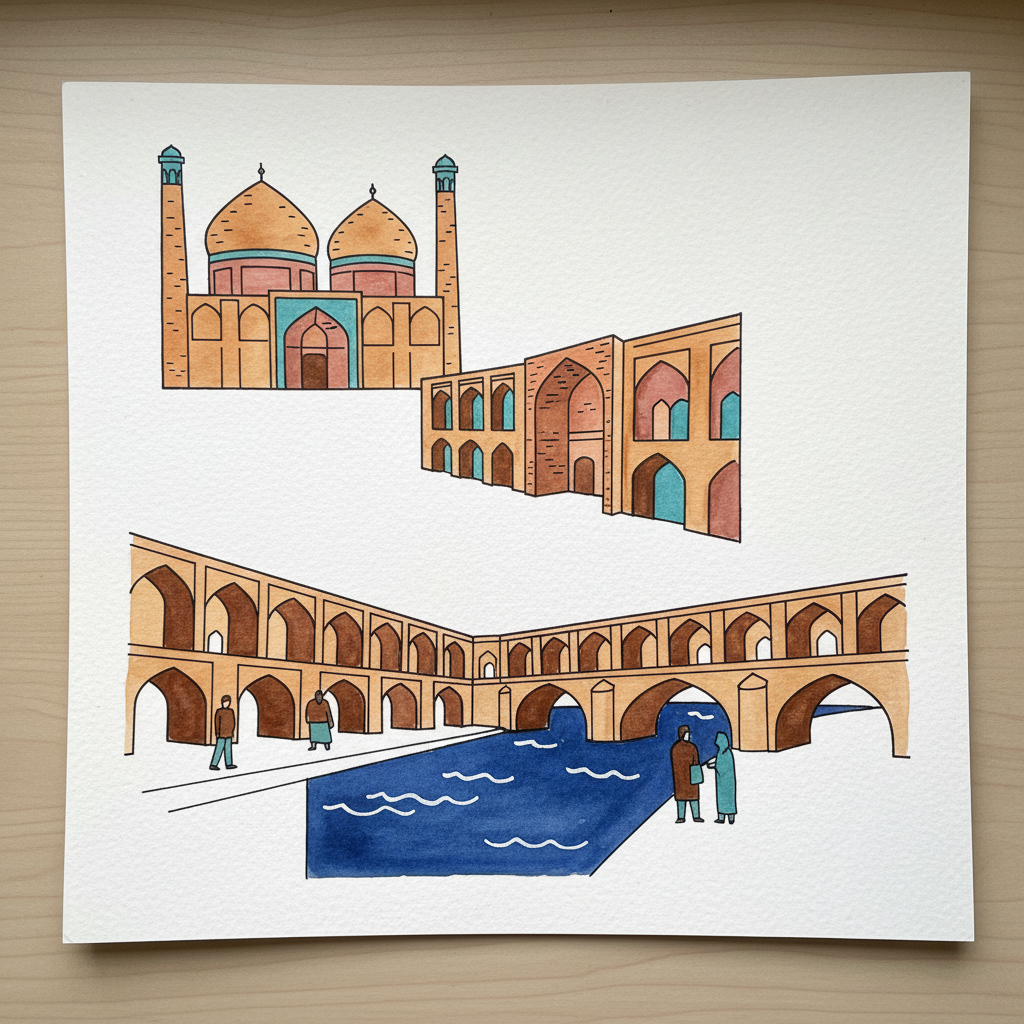
This Esfahan piece offers a fantastic opportunity to practice creating deep spatial recession using line and wash. Use varied pen weights to define the rhythmic repetition of brick arches and vaulted ceilings, with lighter, finer lines guiding the eye back through the vast bazaar. Then, employ broad, warm watercolor washes with subtle granulation to establish the ancient brick texture and unify the expansive scene, using strong value contrasts to suggest deep shadows and sunlight.