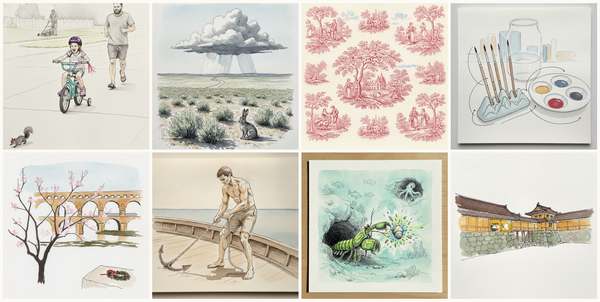
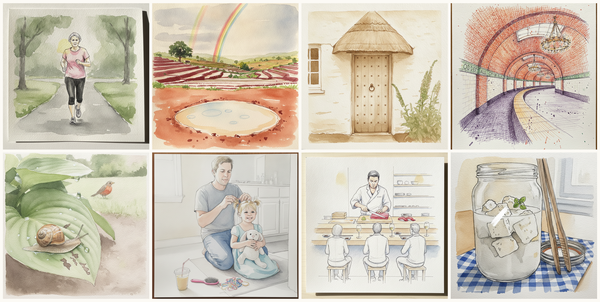
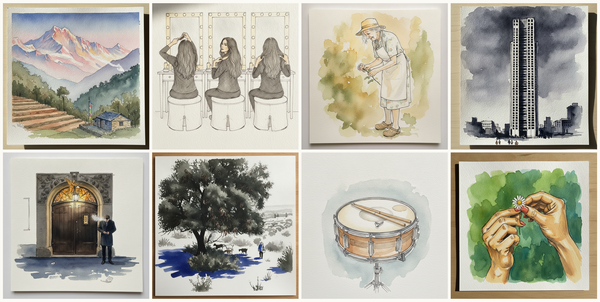
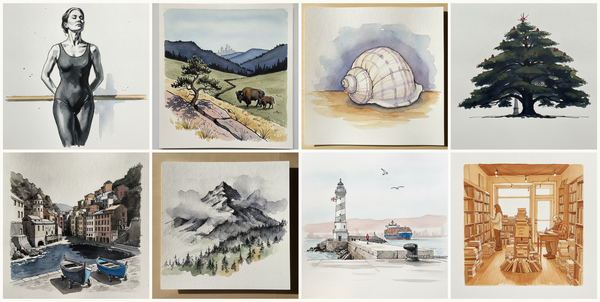
Akasaka Palace (State Guest House), Tokyo, Japan, Stationer's display, supplies for sale, Mawson's hut at Cape Denison, blizzardiest place, Strasbourg Cathedral central portal at dusk, and more — pen + watercolor for June 5, 2026
Today's pen-and-watercolor pieces: Akasaka Palace (State Guest House), Tokyo, Japan, Stationer's display, supplies for sale, Mawson's hut at Cape Denison, blizzardiest place, Strasbourg Cathedral central portal at dusk, Open Wide Surprise Eye, White Woman 30s, Lawn daisy, Construction worker with…
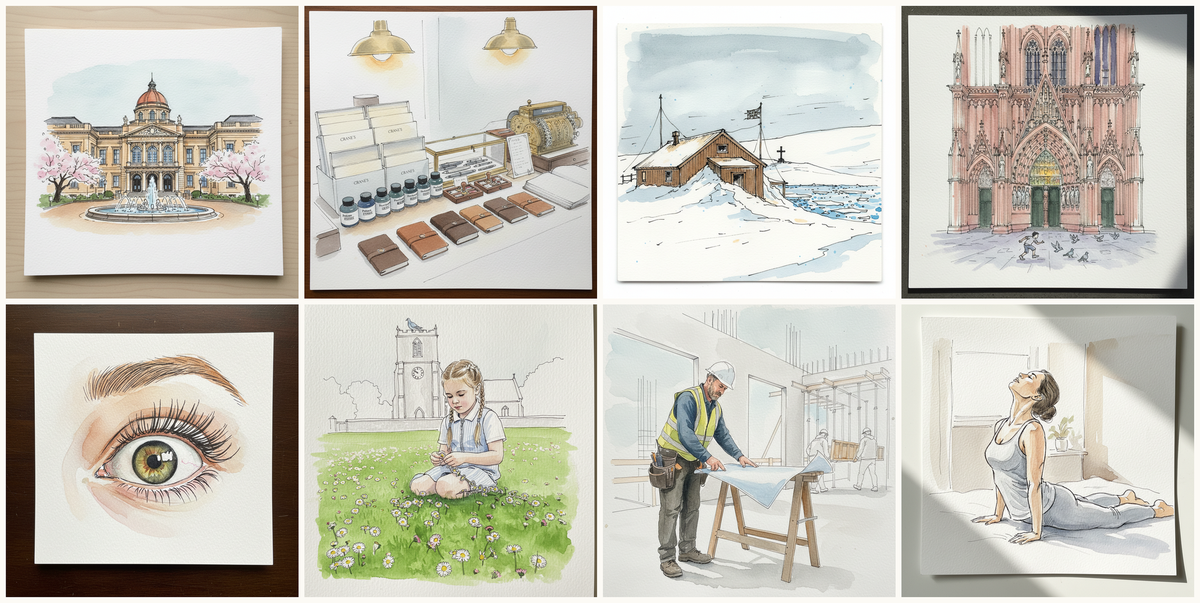
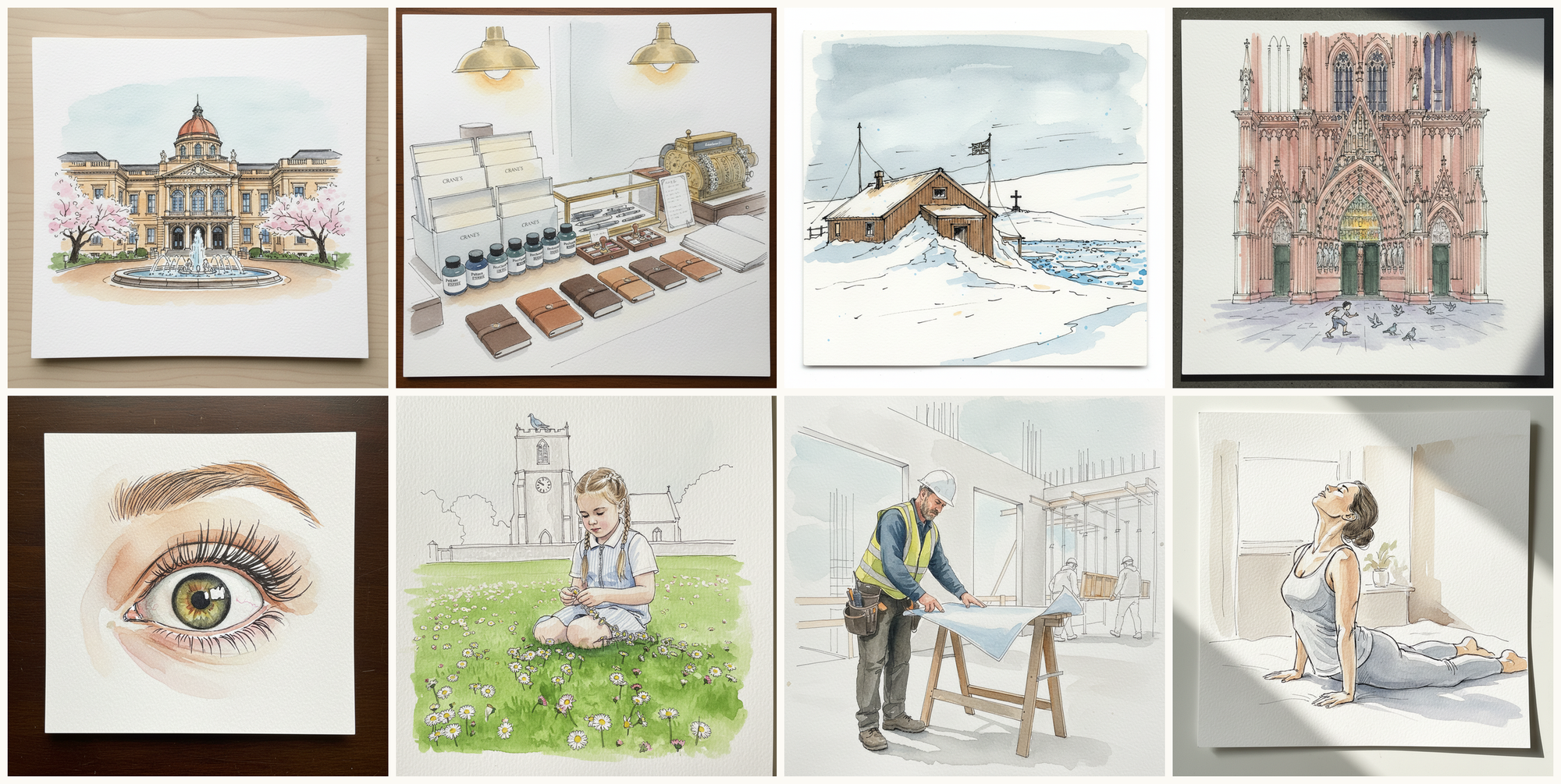
Today's 8 pen-and-watercolor pieces: Akasaka Palace (State Guest House), Tokyo, Japan, Stationer's display, supplies for sale, Mawson's hut at Cape Denison, blizzardiest place, Strasbourg Cathedral central portal at dusk, Open Wide Surprise Eye, White Woman 30s, Lawn daisy, Construction worker with hard hat, Cobra with chin to ceiling. Each piece comes with a photo reference, three example artworks in different treatments, and a short focus paragraph naming what to study in this one.
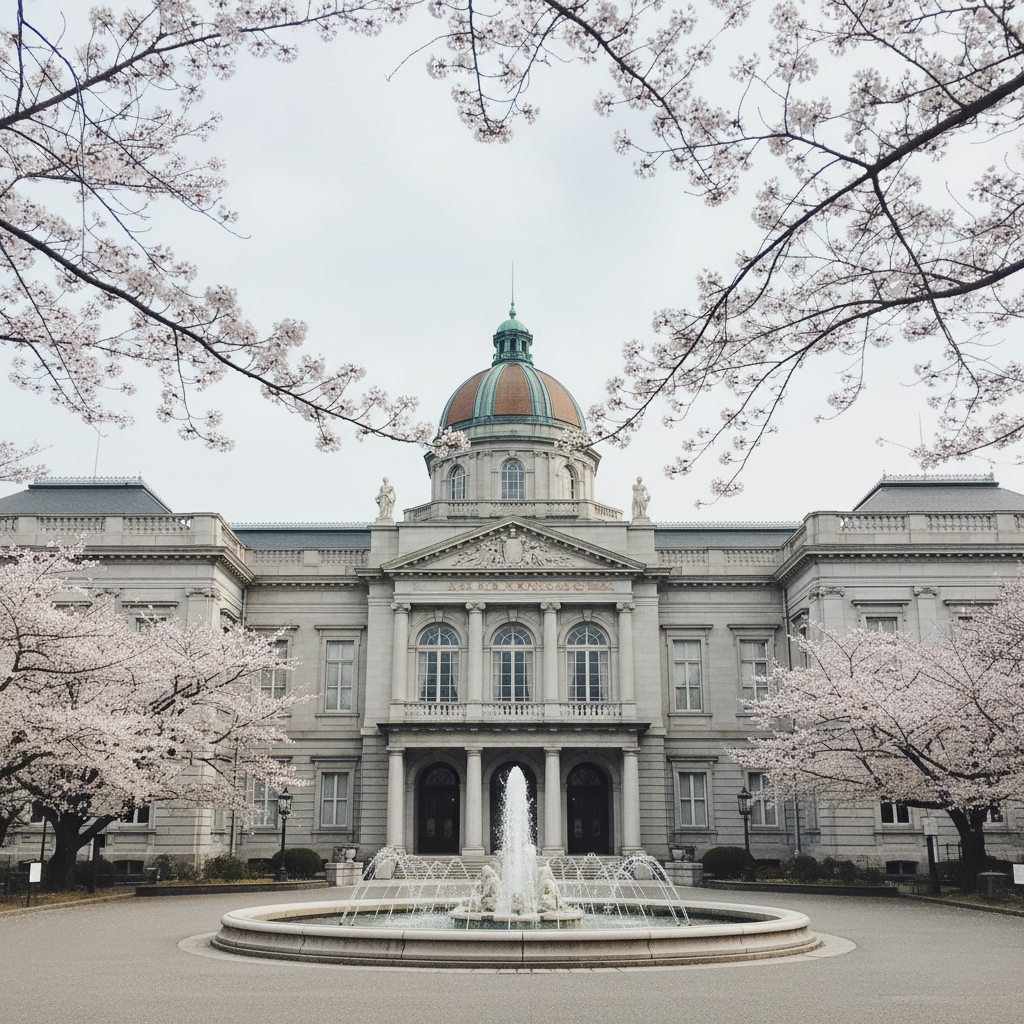
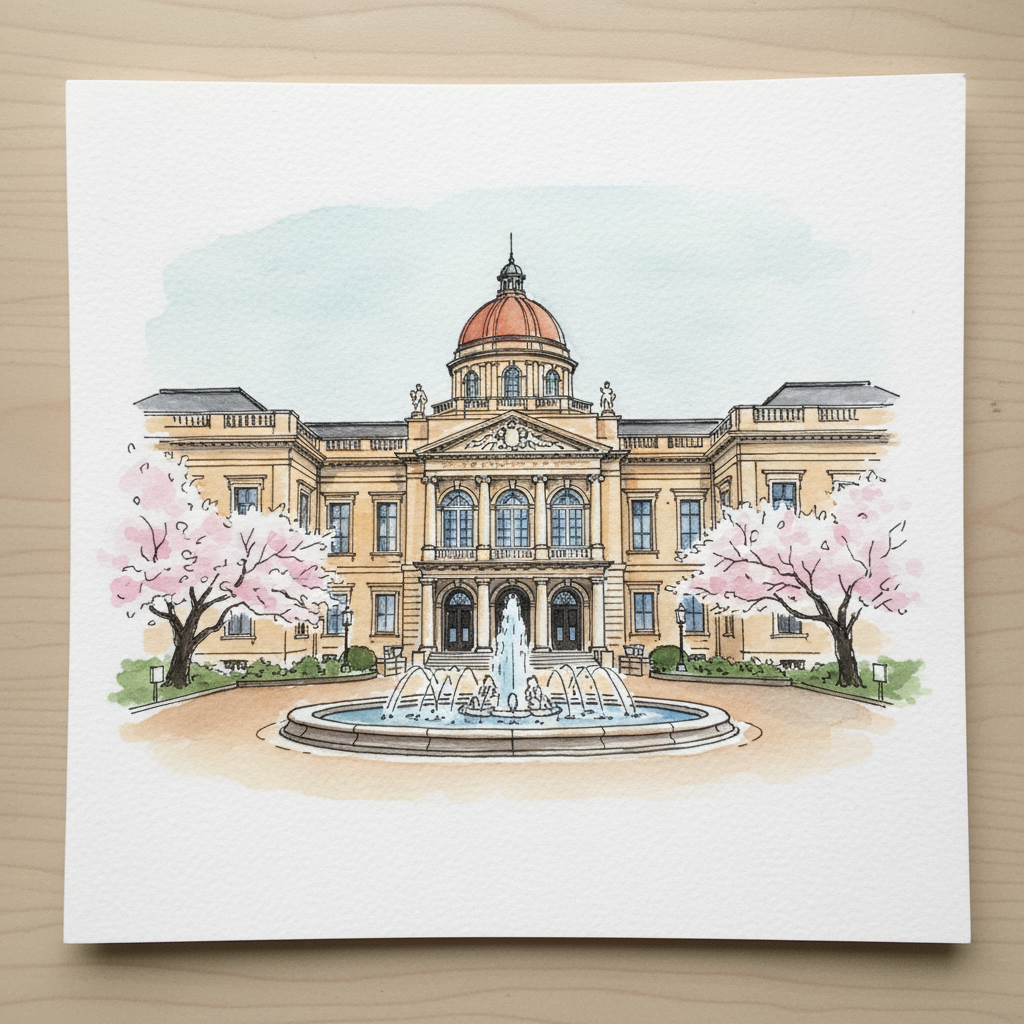
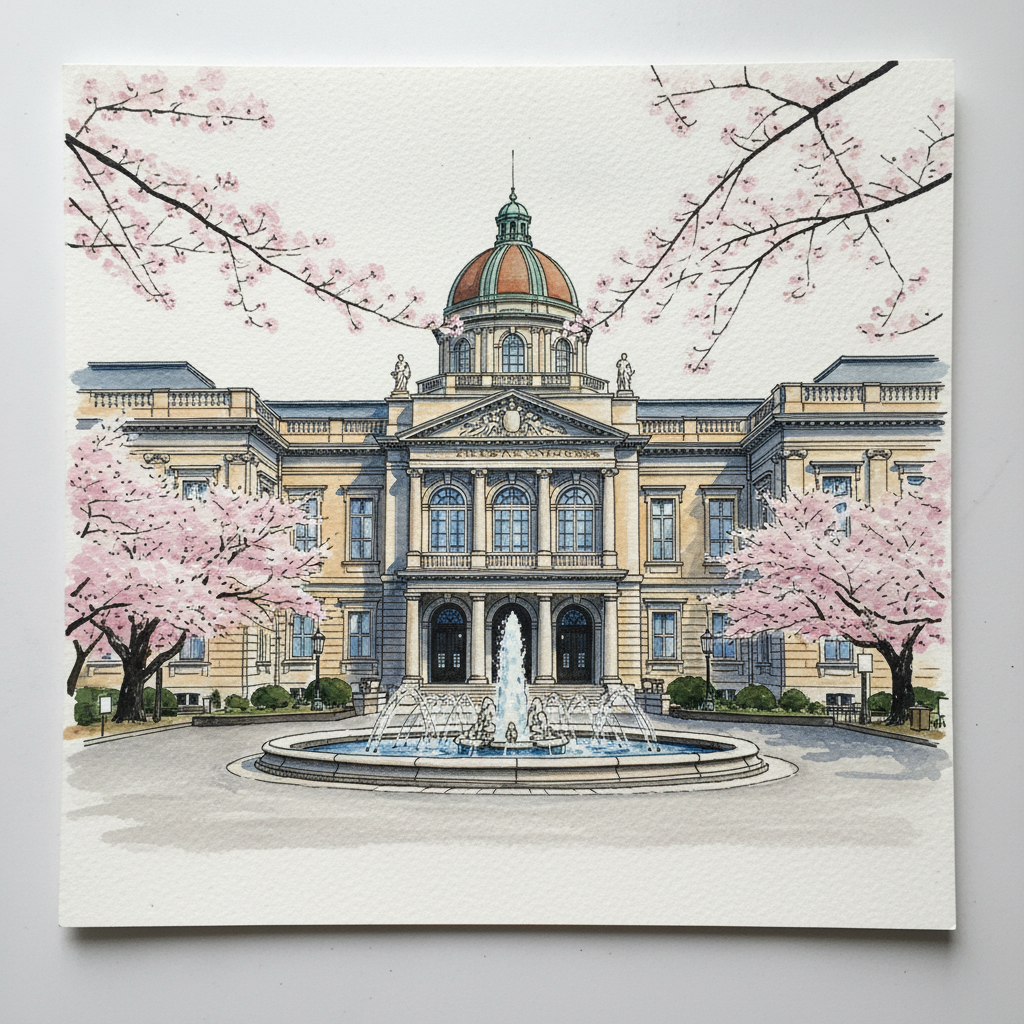
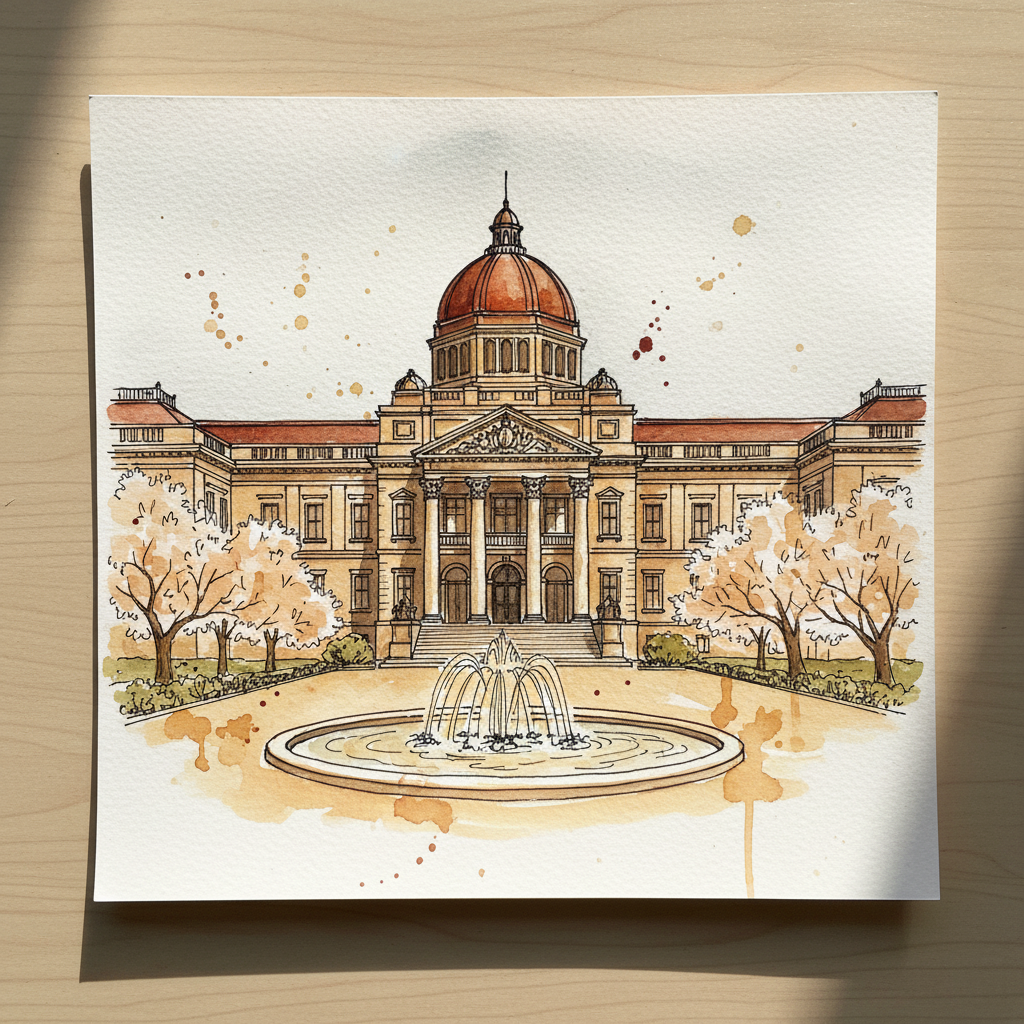
Piece 1 — Akasaka Palace (State Guest House), Tokyo, Japan
Pen + Watercolor · Loose pen and watercolor line-and-wash
Three takes
Focus for this piece
This piece offers a superb opportunity to practice rendering strong architectural symmetry and creating volumetric light with controlled washes. Begin by establishing the palace's dominant bilateral symmetry with light ink lines for the primary structure, especially the paired Corinthian columns. Then, focus on building the three-dimensional form of the granite facade and the copper dome using layered washes, allowing watercolor to convey material and volume without excessive pen detail in the shadows. Pay particular attention to how a slightly heavier line weight on the closest edges helps define the structure's impressive scale.
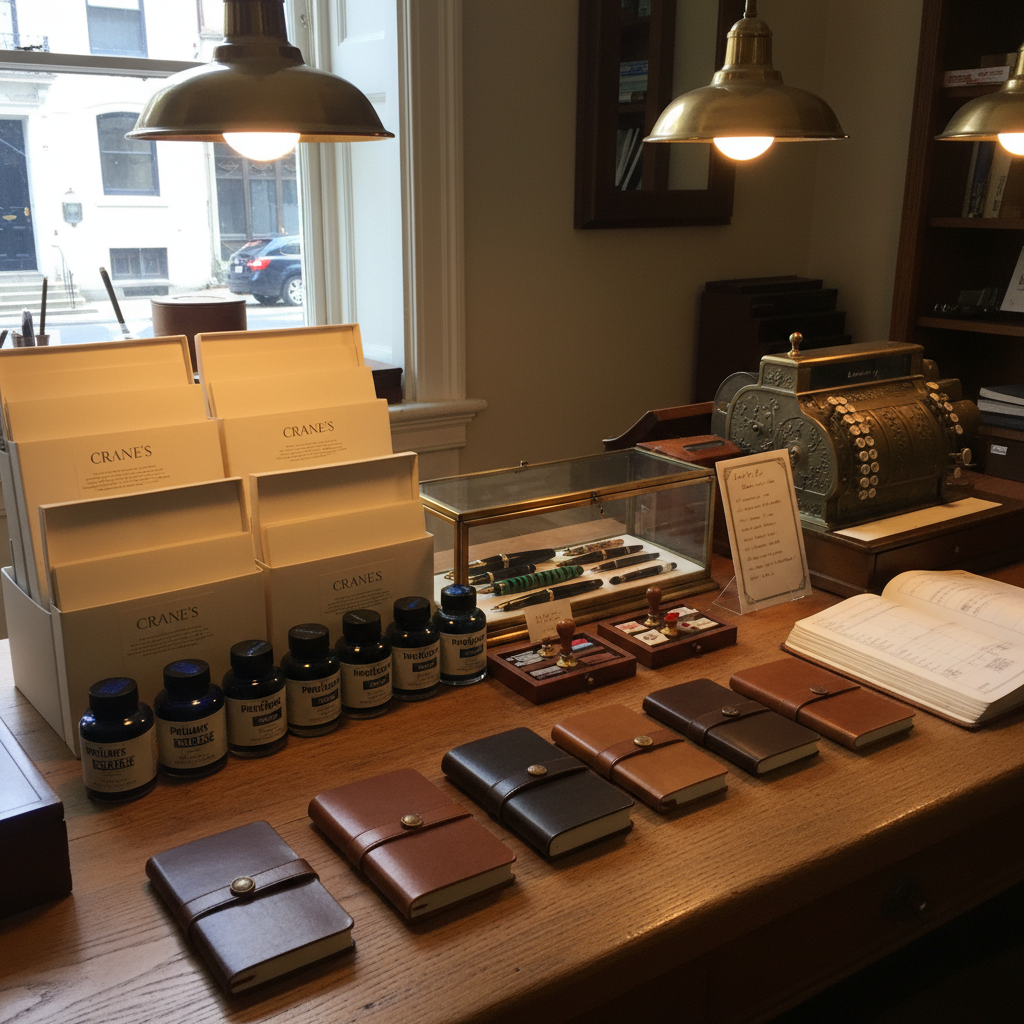
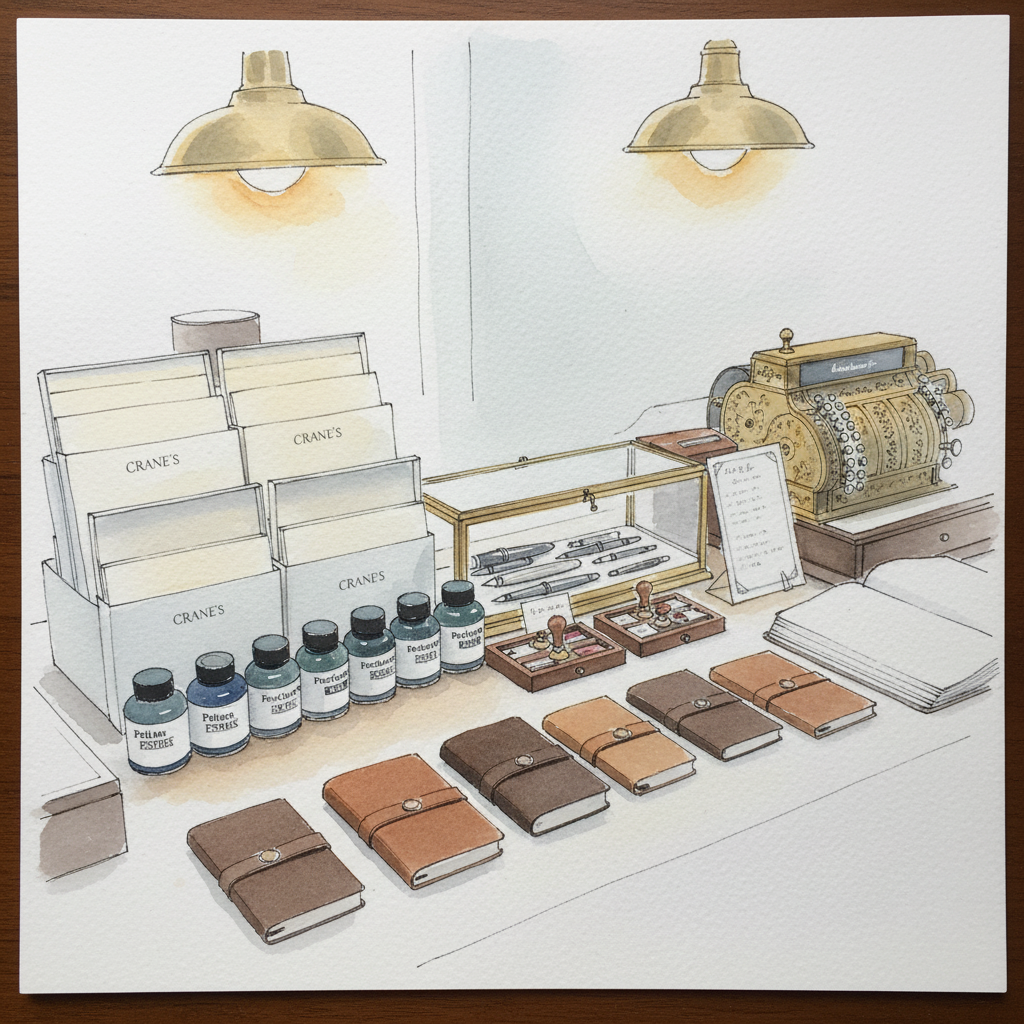
Piece 2 — Stationer's display, supplies for sale
Pen + Watercolor · Loose pen and watercolor line-and-wash
Three takes
Focus for this piece
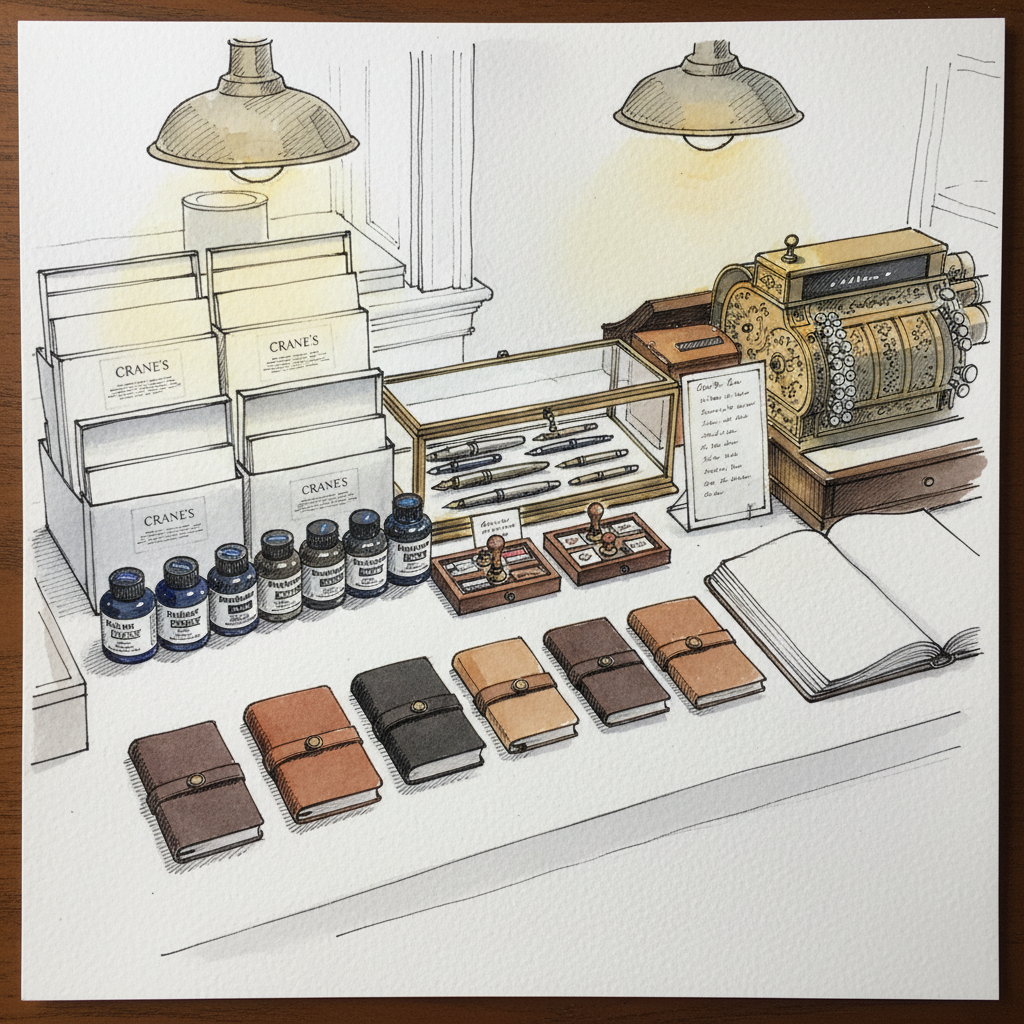
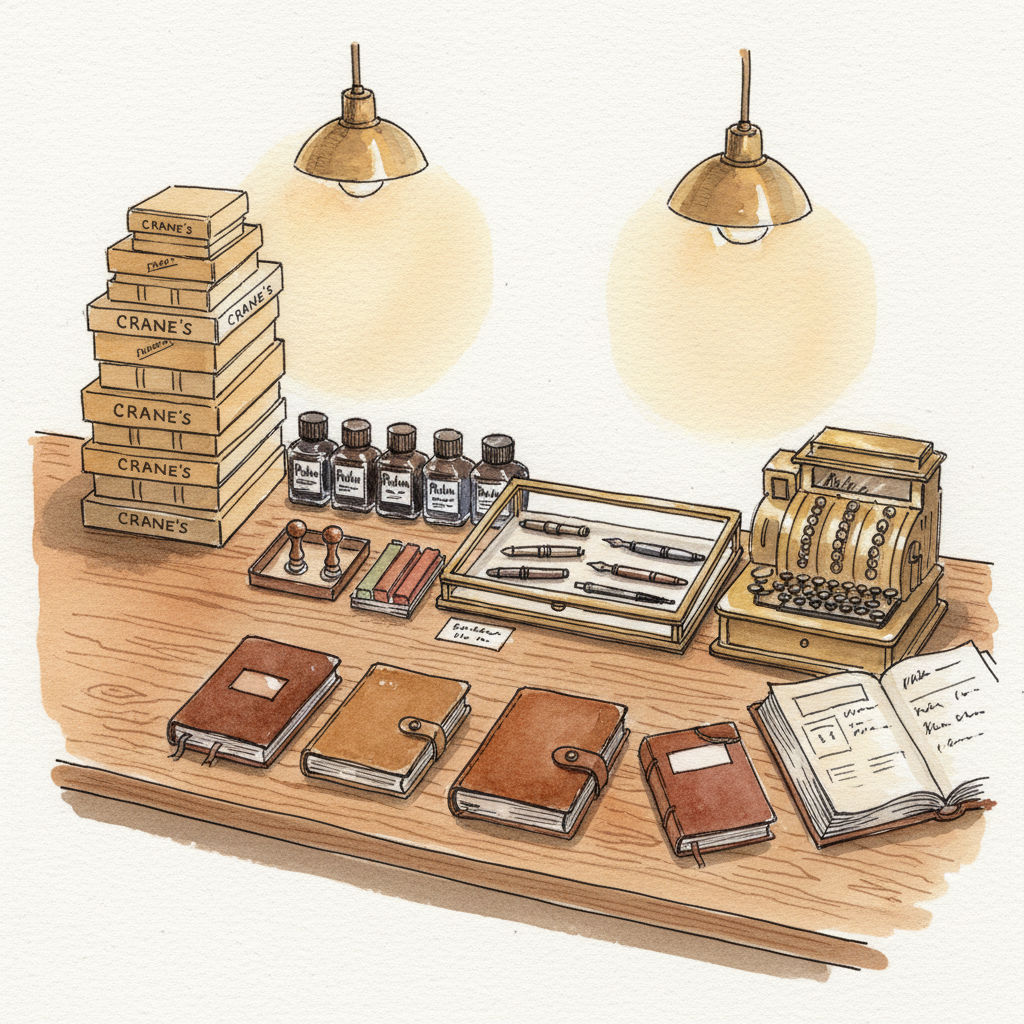
This study is excellent for practicing **depth and object hierarchy** by using varied line weights and overlapping forms. Define the structural elements like the glass case and brass cash register with crisp, committed lines, while using lighter, more broken lines to suggest the softness of paper stacks and leather journals. Employ **warm, concentrated washes** to define the overhead lamps' "pools of light," allowing the ink details to glow within these luminous zones rather than simply coloring them in. Focus your palette on earthy browns, deep reds, and ochres to capture the rich, inviting atmosphere.
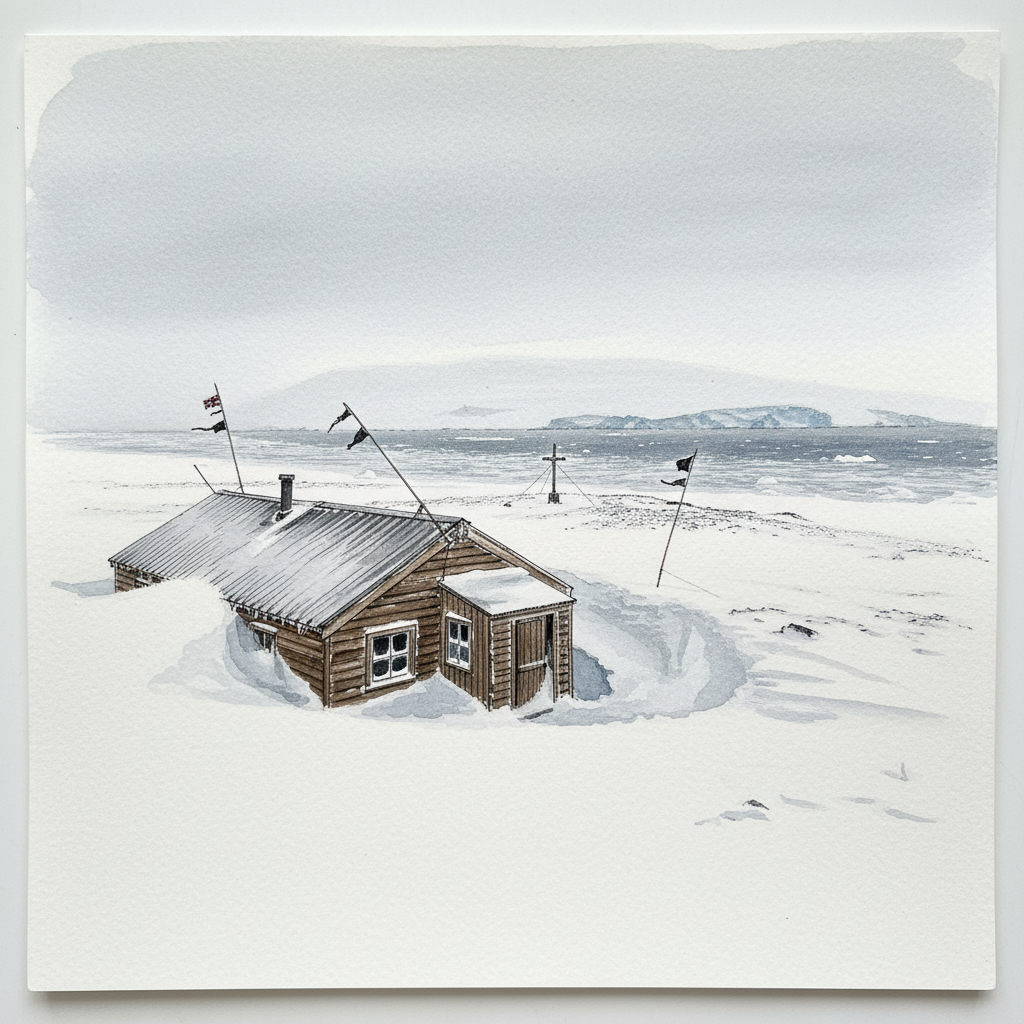
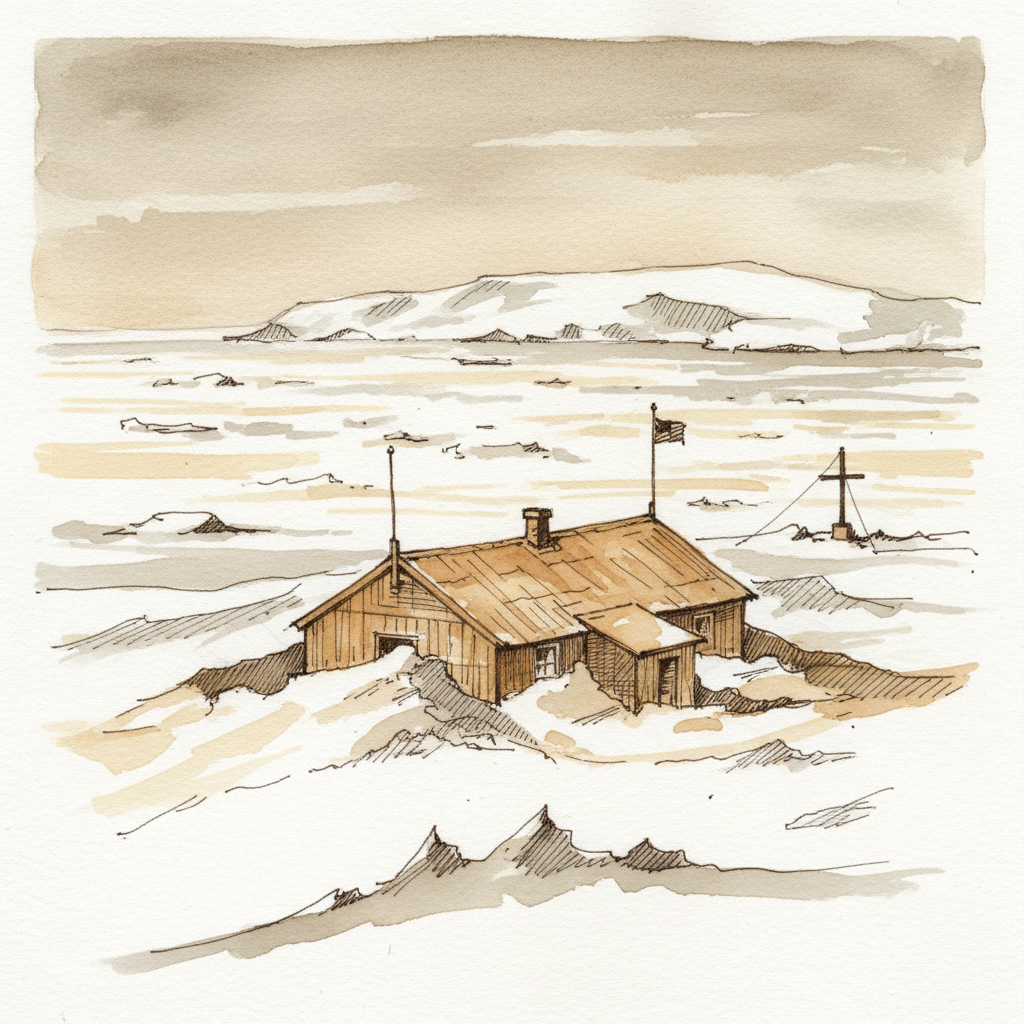
Piece 3 — Mawson's hut at Cape Denison, blizzardiest place
Pen + Watercolor · Loose pen and watercolor line-and-wash
Three takes
Focus for this piece
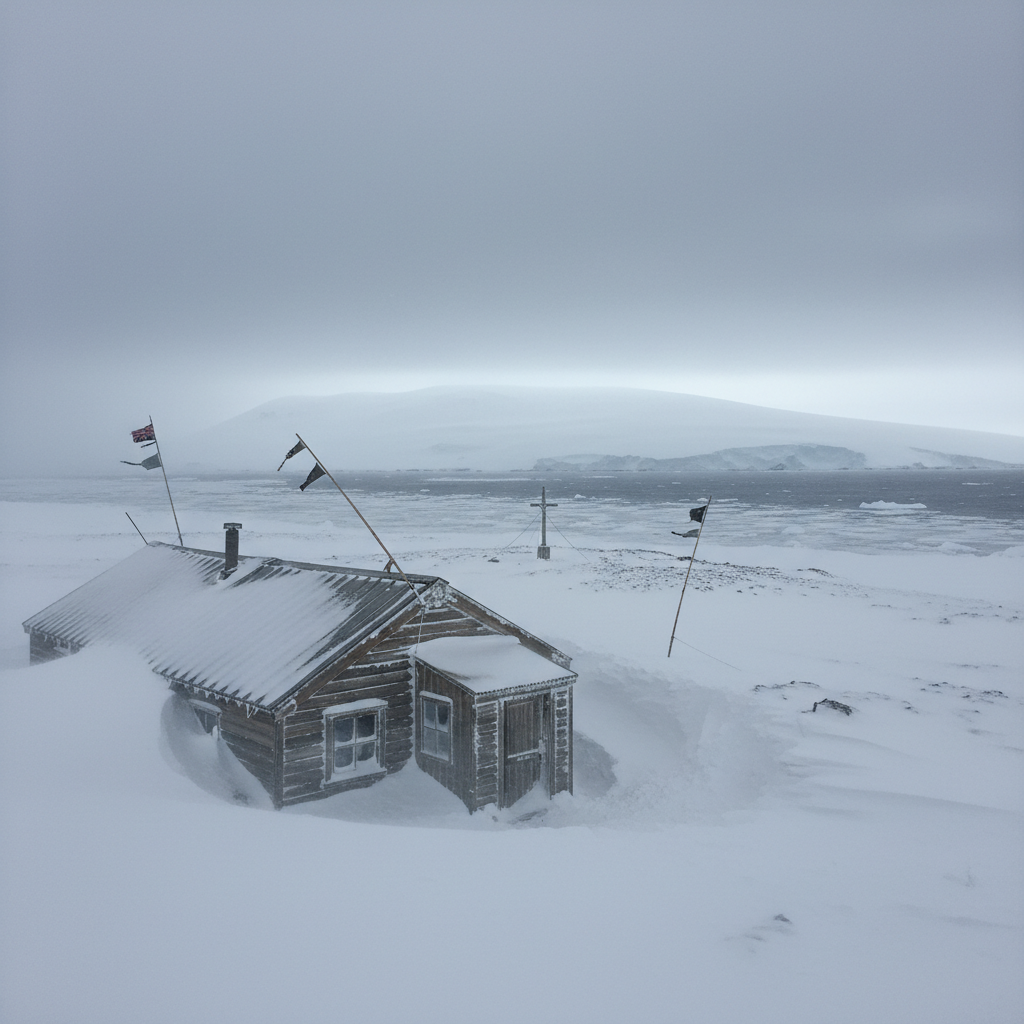
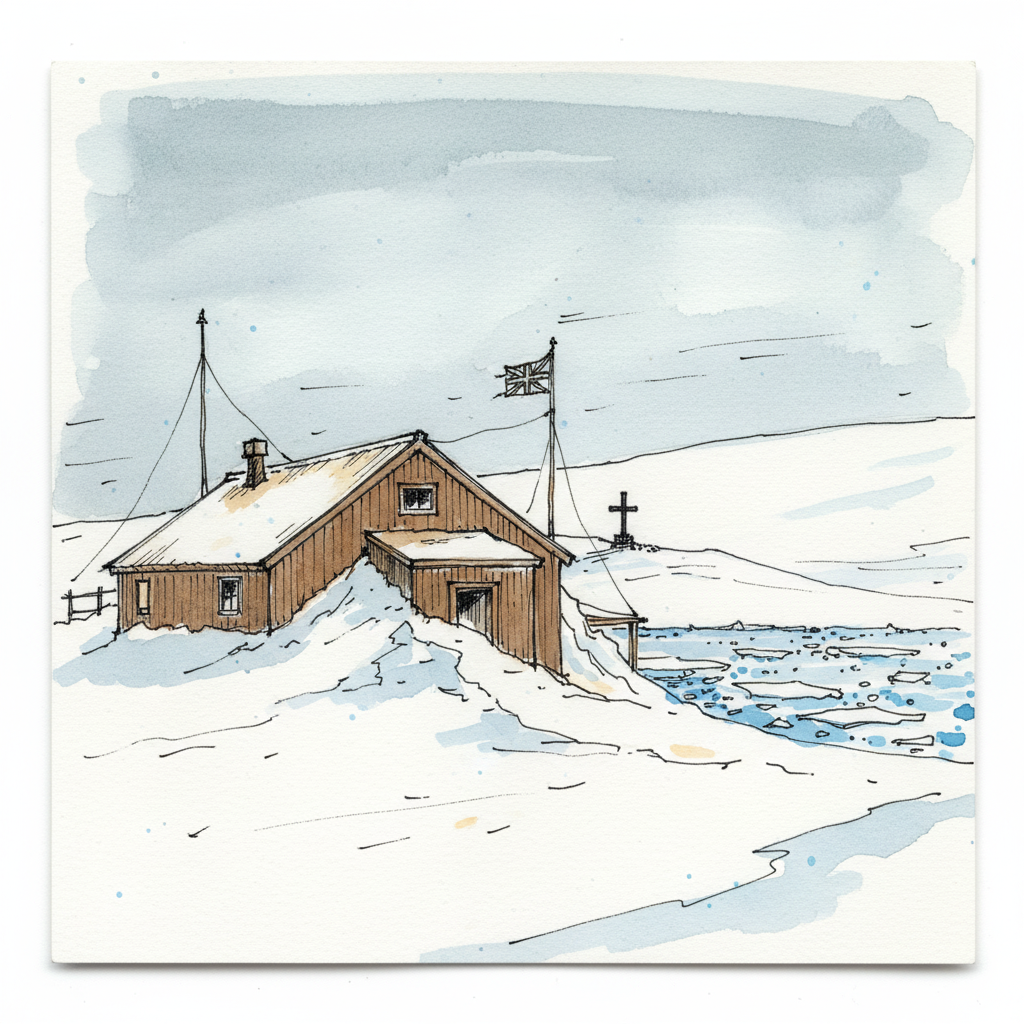
This challenging scene is ideal for practicing the dynamic interplay between committed ink lines and atmospheric washes to convey extreme weather. Anchor the composition with precise, varied line weights for the hut's timbers and the silhouetted memorial cross, allowing their structure to resist the storm. Then, explore wet-on-wet techniques for the vast, smooth ice cap and overcast sky, introducing the horizontally streaming snow and violently chiseled sastrugi through careful lifting, negative painting, and dry-brush strokes for palpable movement and texture.
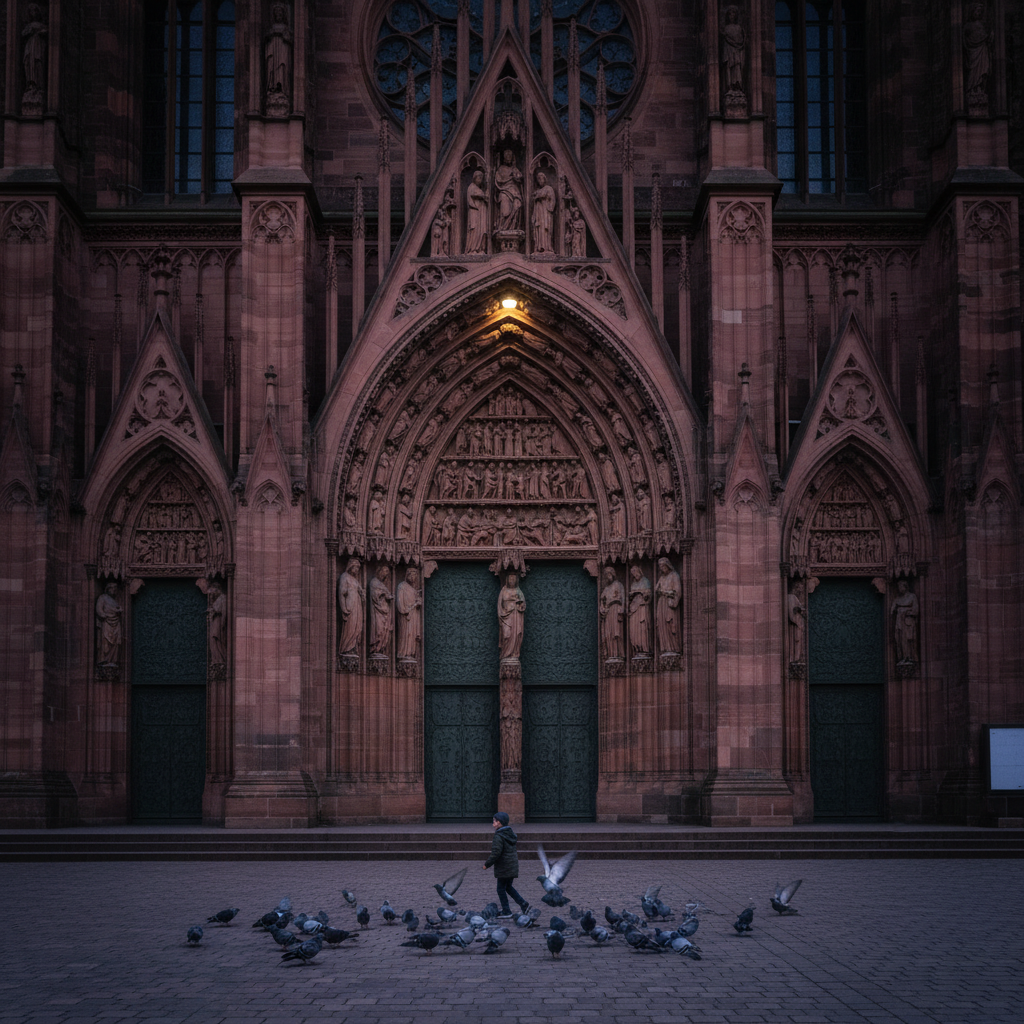
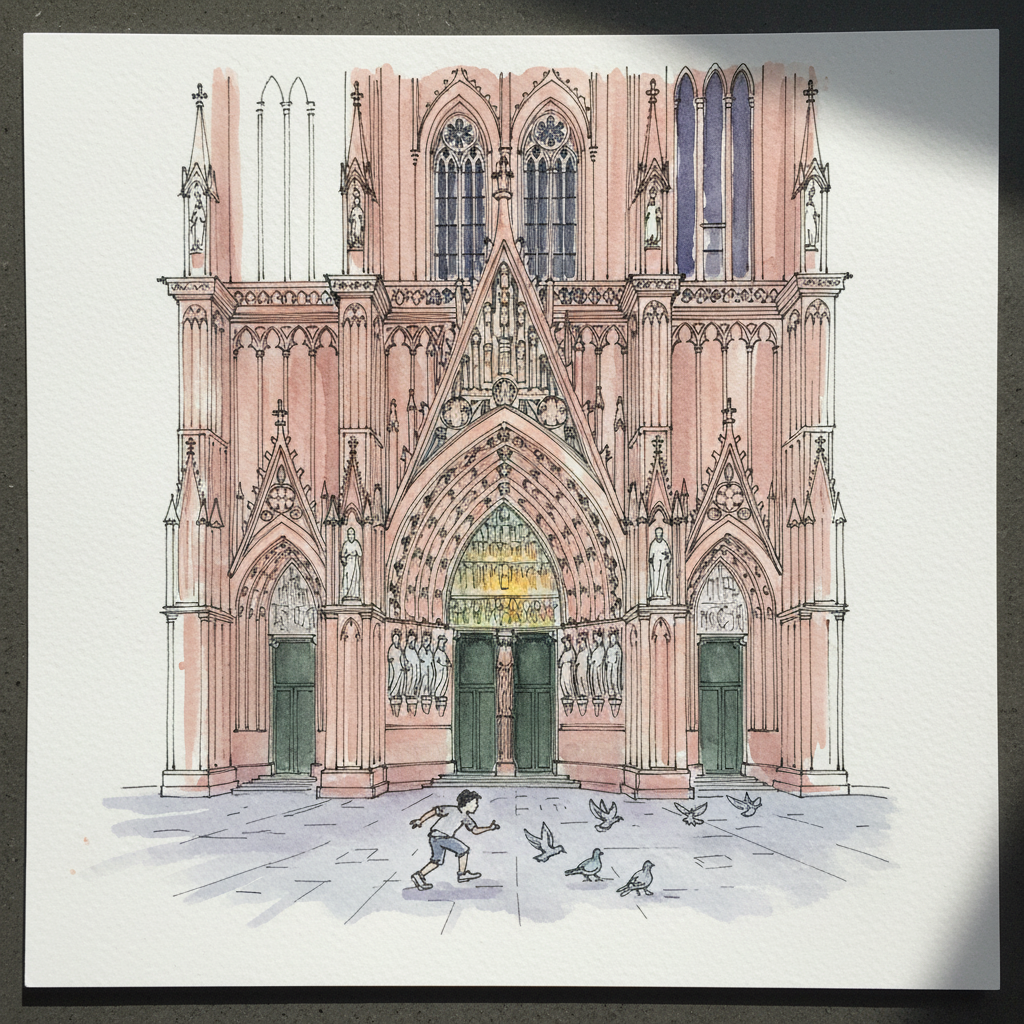
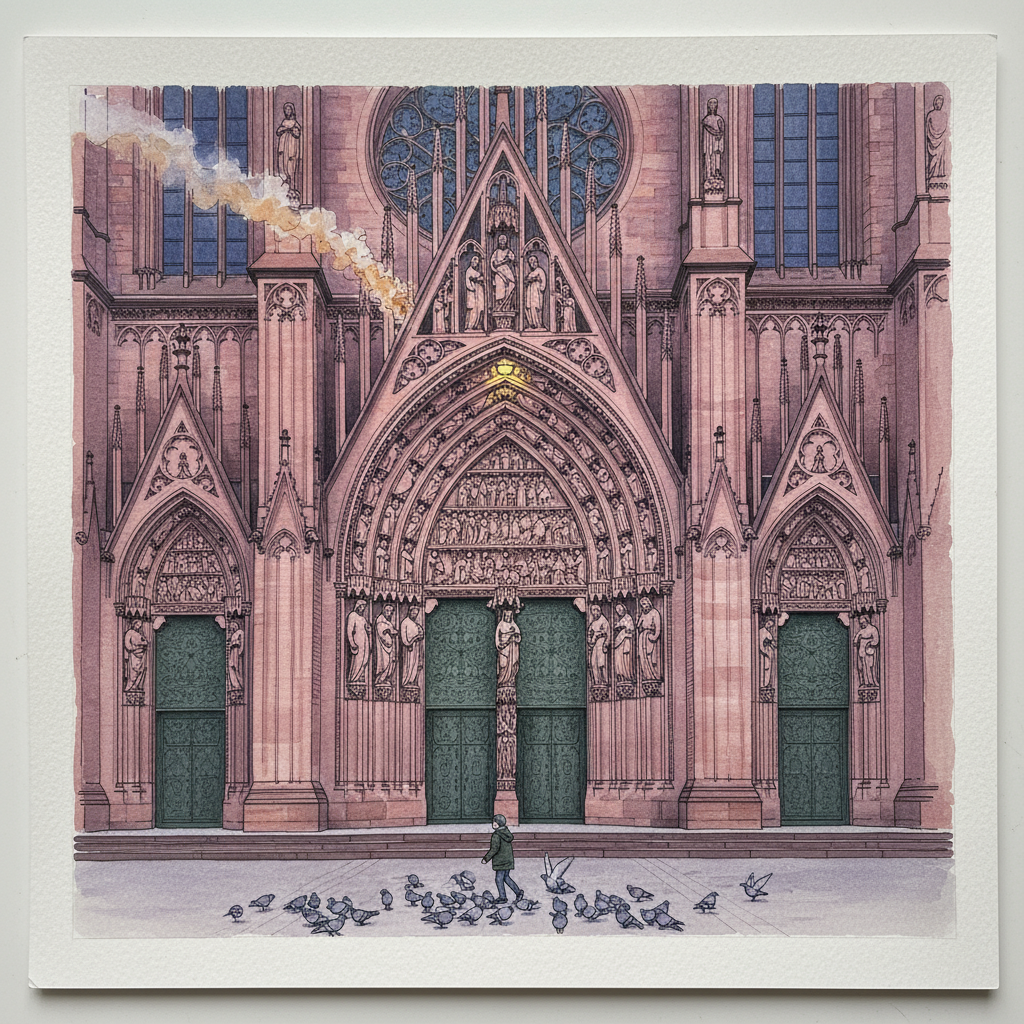
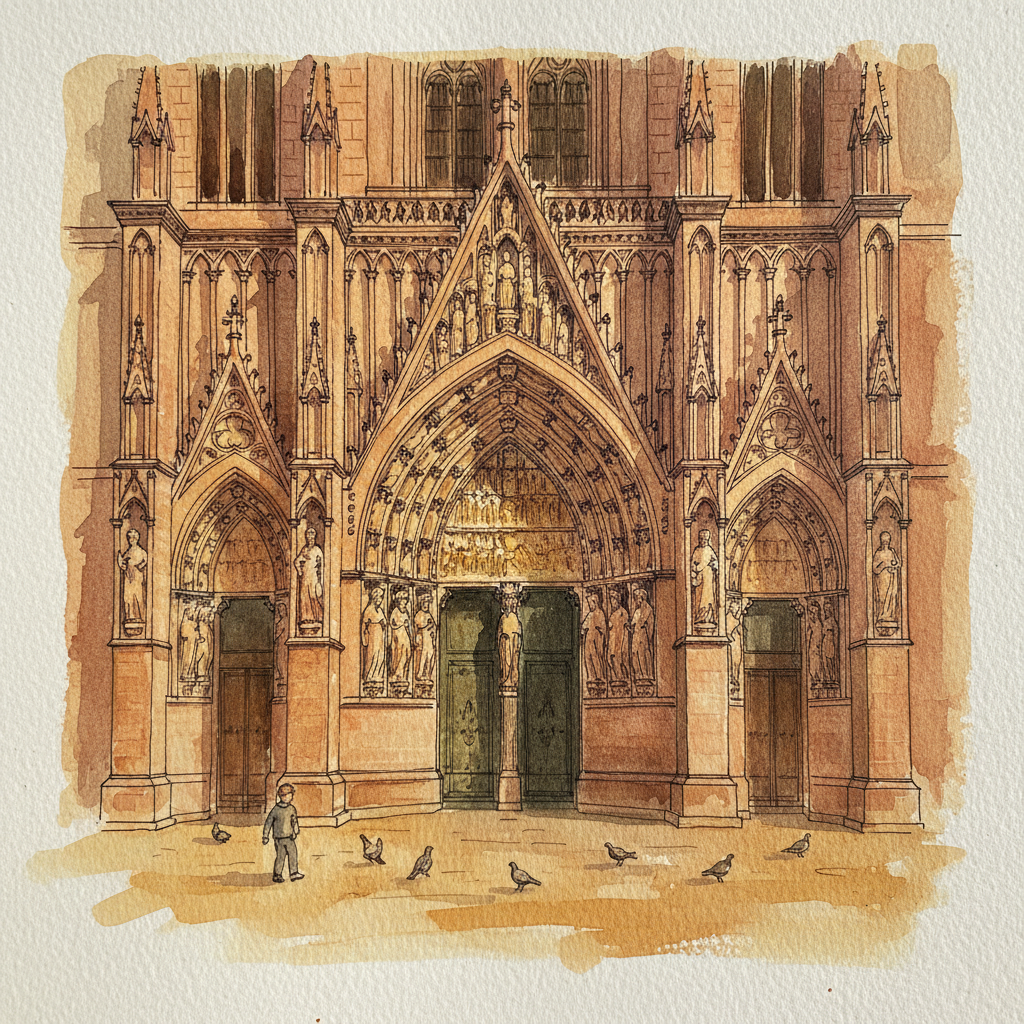
Piece 4 — Strasbourg Cathedral central portal at dusk
Pen + Watercolor · Loose pen and watercolor line-and-wash
Three takes
Focus for this piece
This piece is an excellent study in rendering deep architectural recession and the specific ambient light of dusk. Focus on using varied pen line weights, from confident structural strokes on the foreground figures to lighter, broken lines for the receding tympanum carvings, to define form and depth. Then, apply soft, layered washes, prioritizing transparent mid-values of rose and violet to capture the fading light. Allow darker, cooler washes to gently dissolve detail into shadow, letting the stone's inherent warmth shine through.
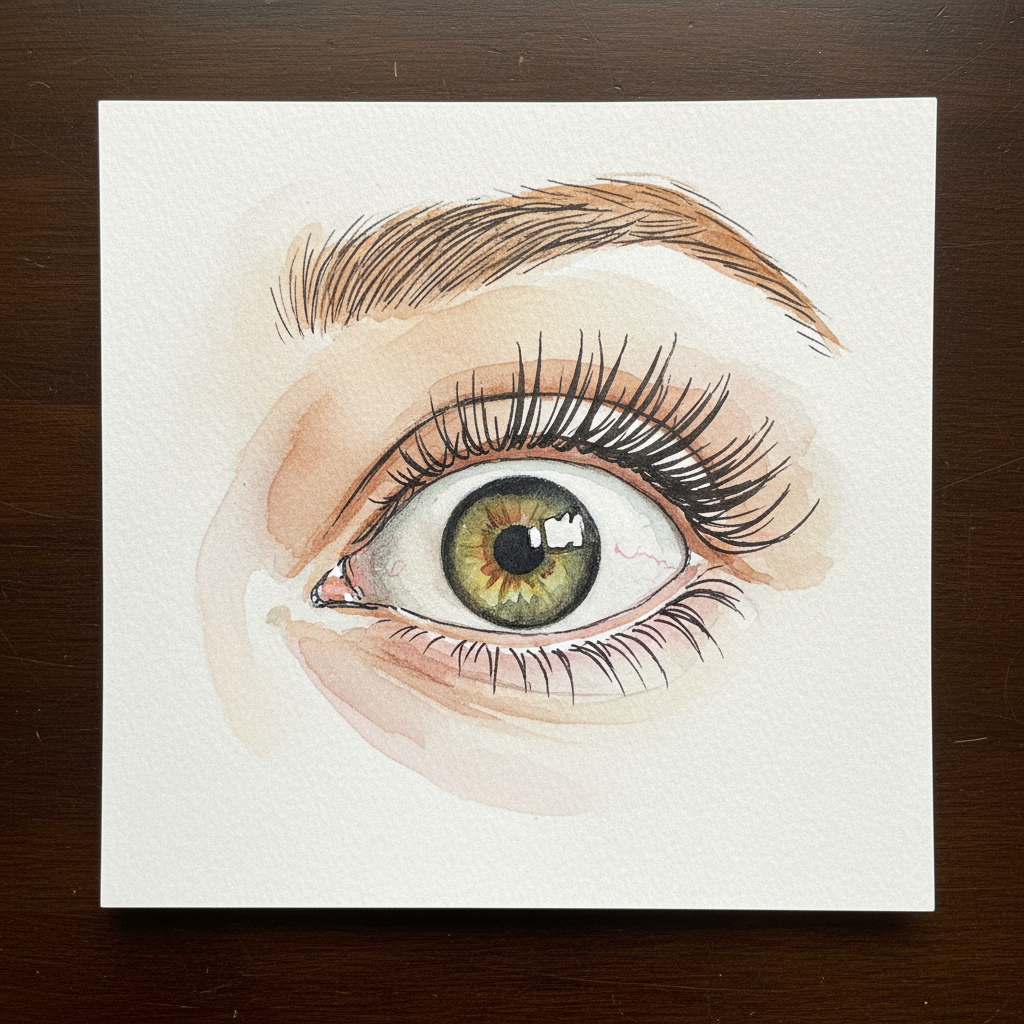
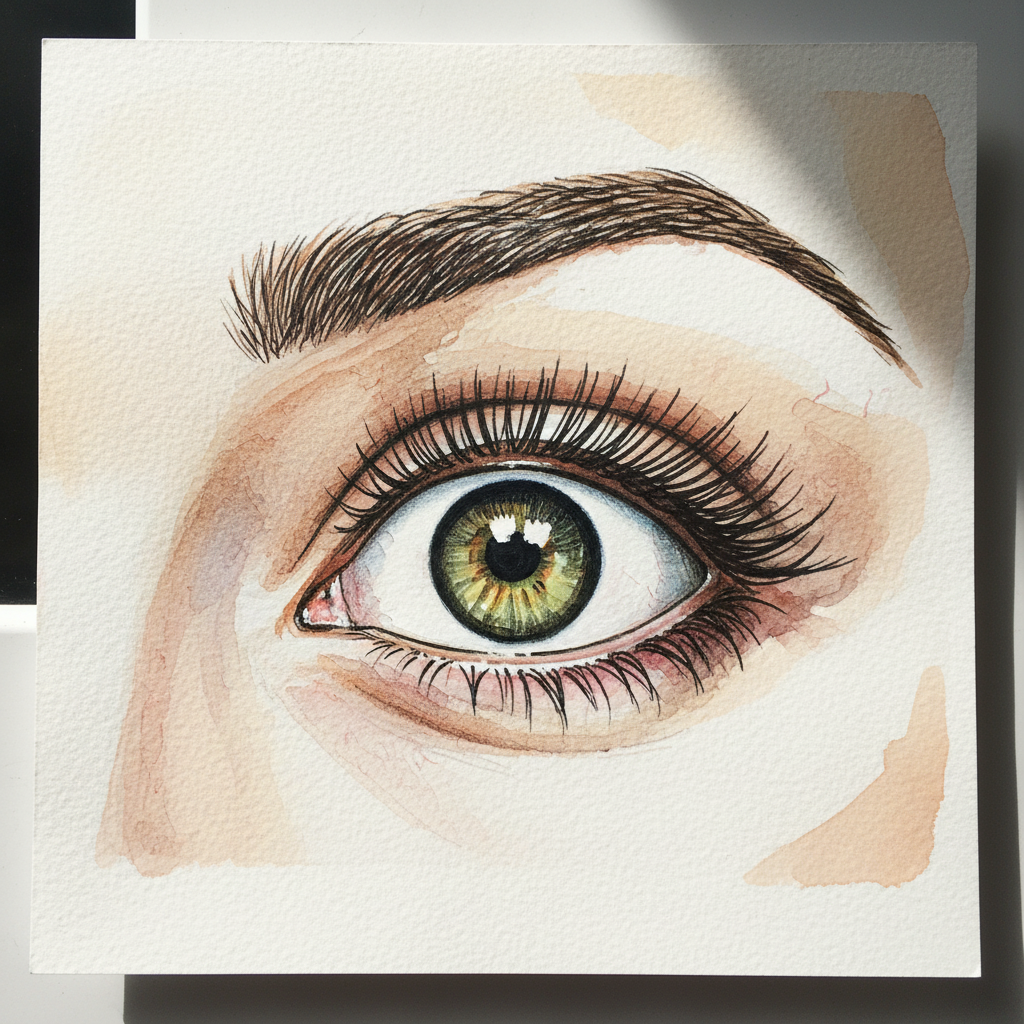
Piece 5 — Open Wide Surprise Eye, White Woman 30s
Pen + Watercolor · Loose pen and watercolor line-and-wash

Three takes
Focus for this piece
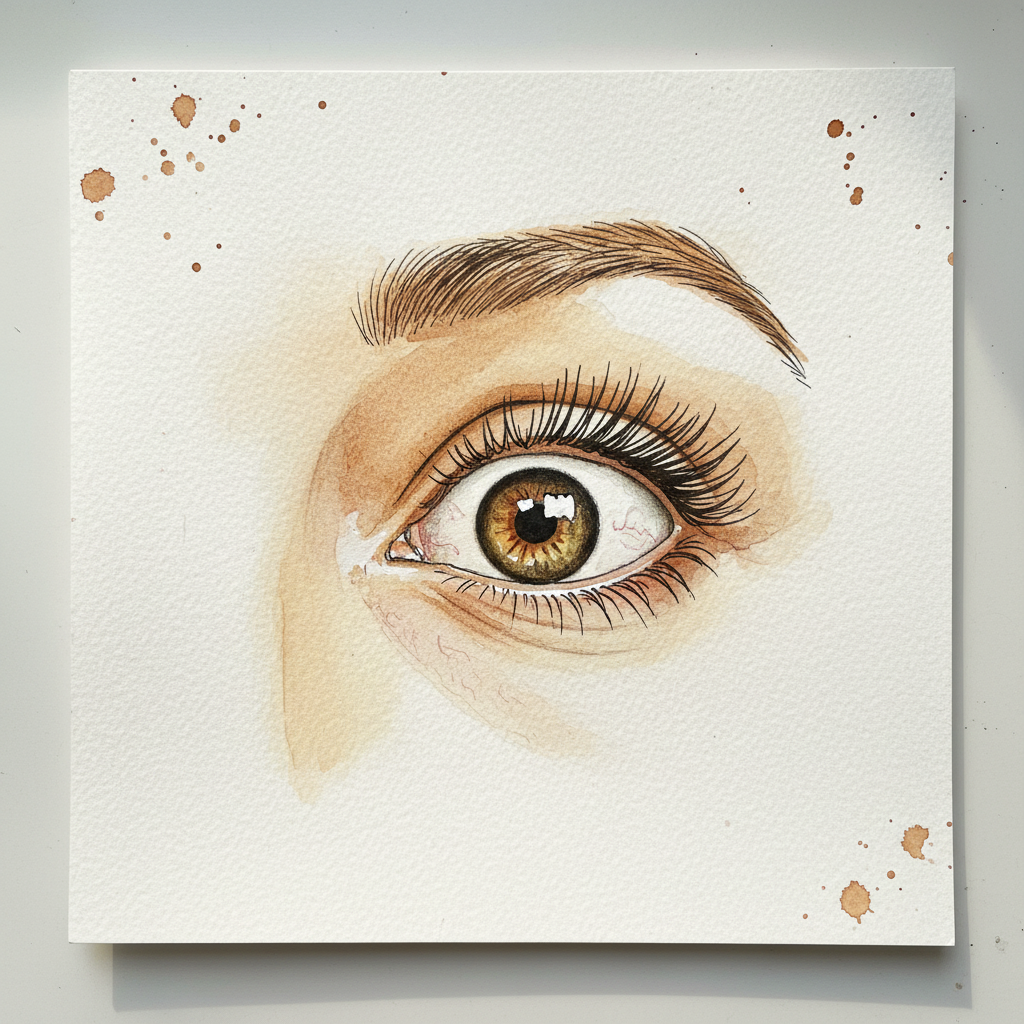
This study offers a fantastic opportunity to build expressive form through the careful balance of line and wash. Use precise, varied line weights to define the exaggerated curve of the upper lid and the fanning lashes, anchoring the surprise expression. Then, layer soft, transparent washes of hazel-green and delicate pink to create the roundness of the eyeball and the subtle skin tones, allowing the brightness of the sclera and catchlight to pop without over-relying on heavy outlining.
Piece 6 — Lawn daisy
Pen + Watercolor · Loose pen and watercolor line-and-wash
Three takes
Focus for this piece
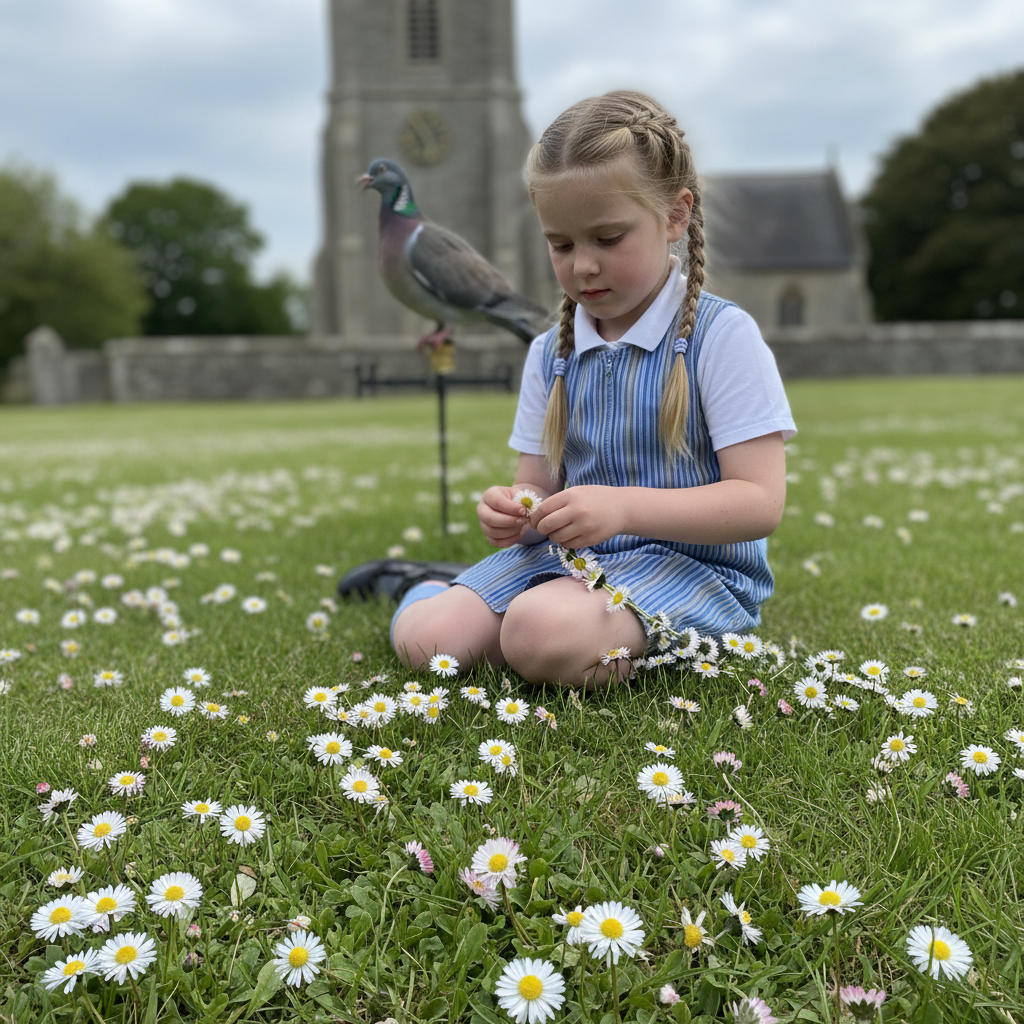
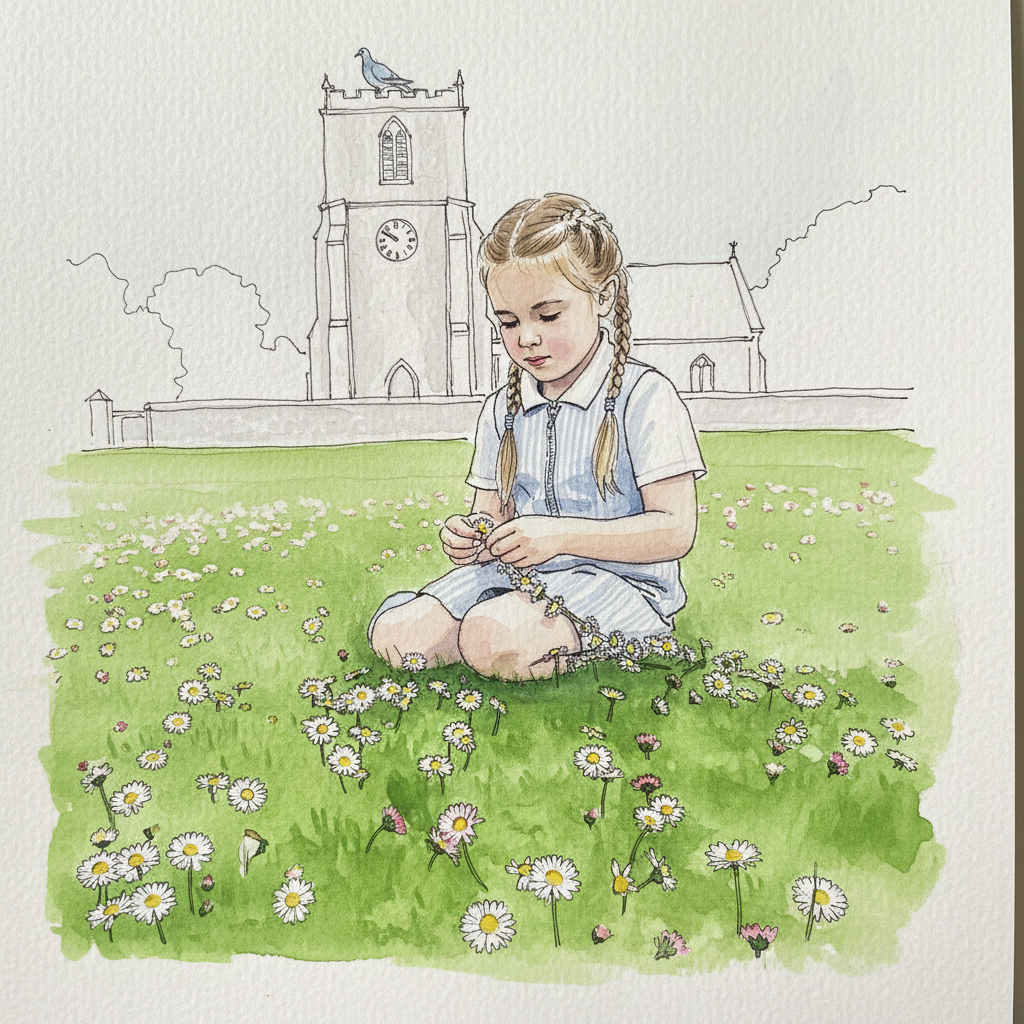
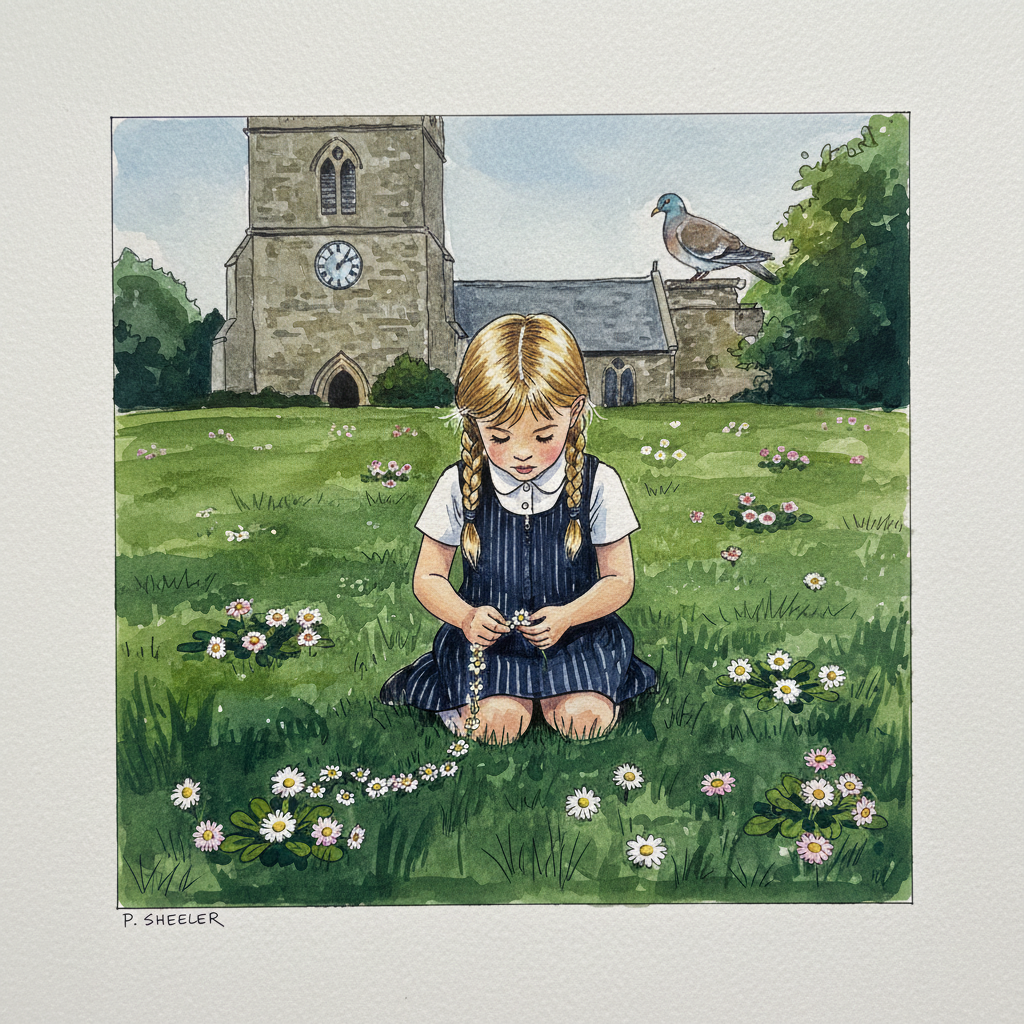
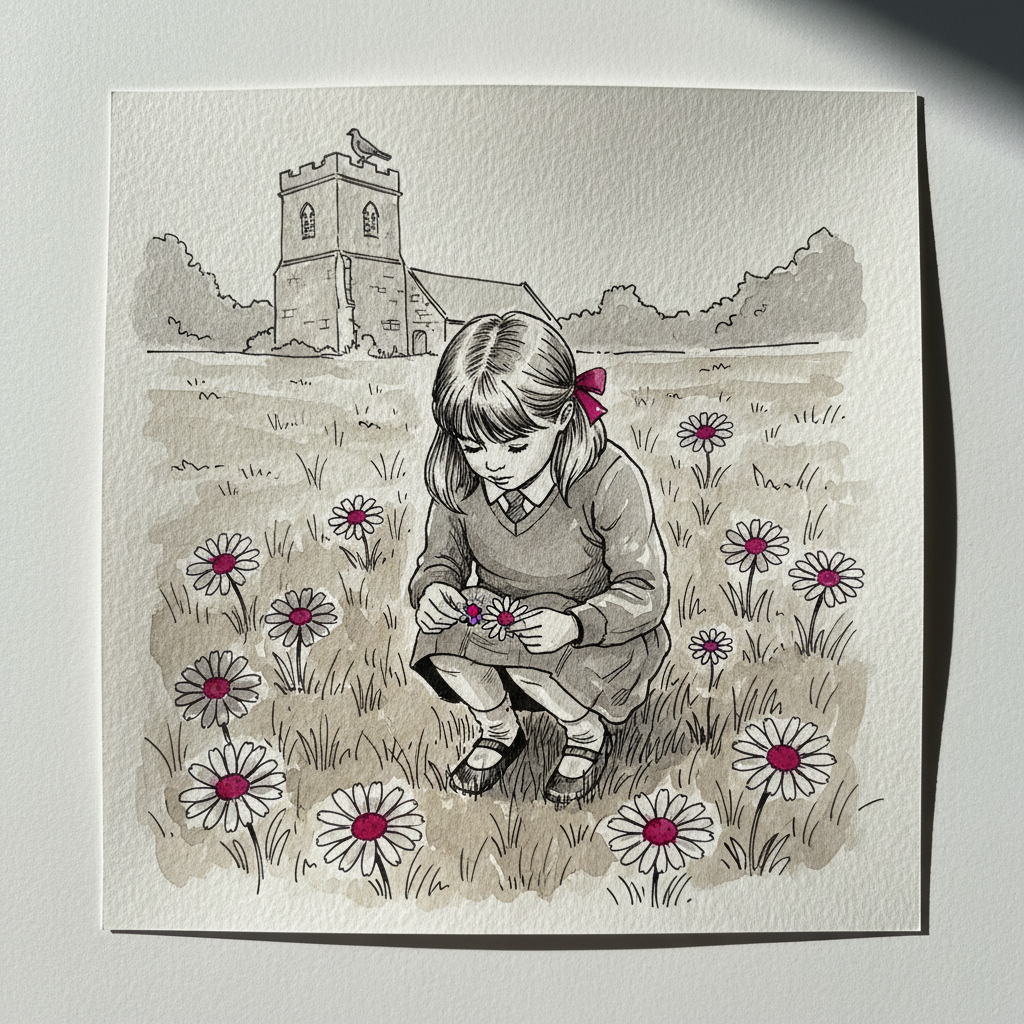
This study emphasizes integrating a small figure into a natural landscape through careful management of line weight and wash application. Use thicker, more defined ink lines for the crouching girl and the closest foreground daisies, then transition to lighter, looser lines for distant flowers and the texture of the grass. Employ light, uneven washes of green to suggest the village green, allowing the paper to provide luminosity, and use a restrained palette of soft yellows and pinks applied with delicate dabs to define the individual daisy petals. This approach will create depth and lead the eye to the focal point.
Piece 7 — Construction worker with hard hat
Pen + Watercolor · Loose pen and watercolor line-and-wash

Three takes
Focus for this piece
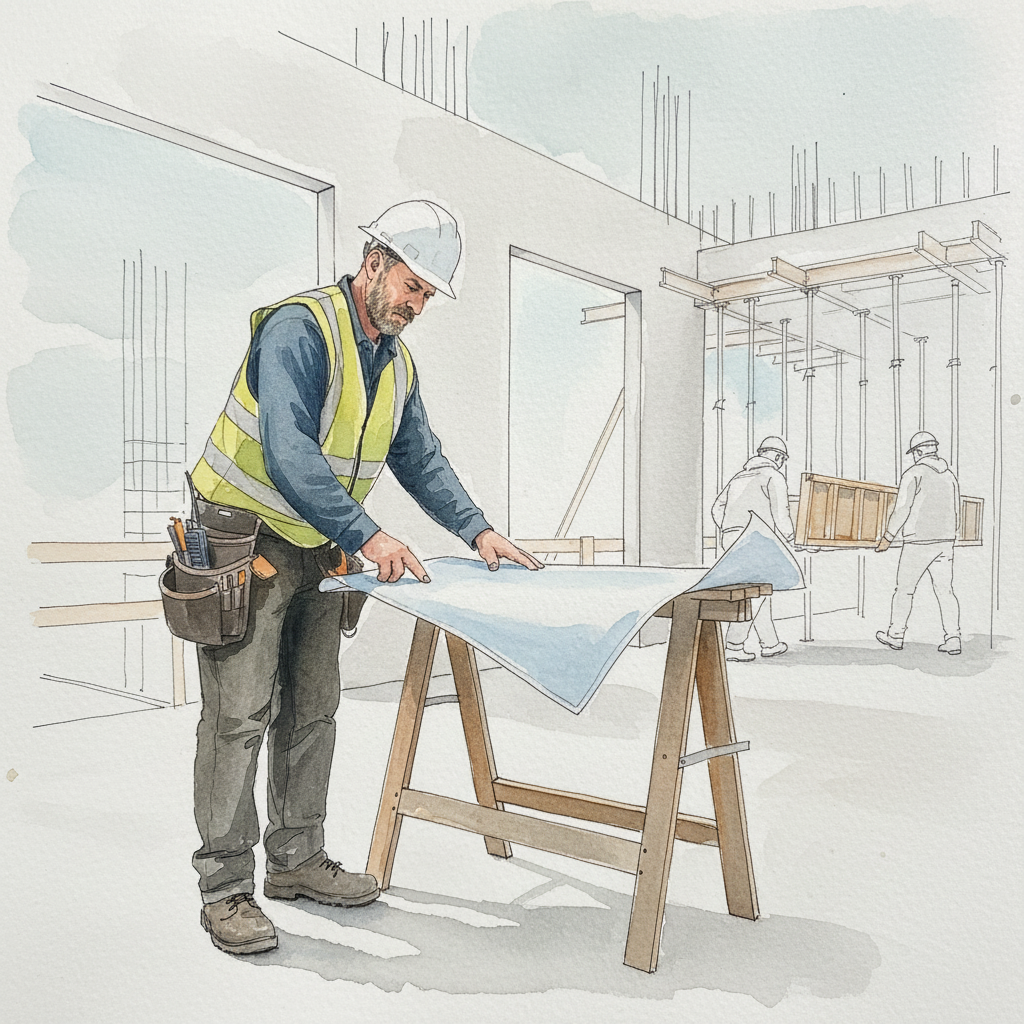
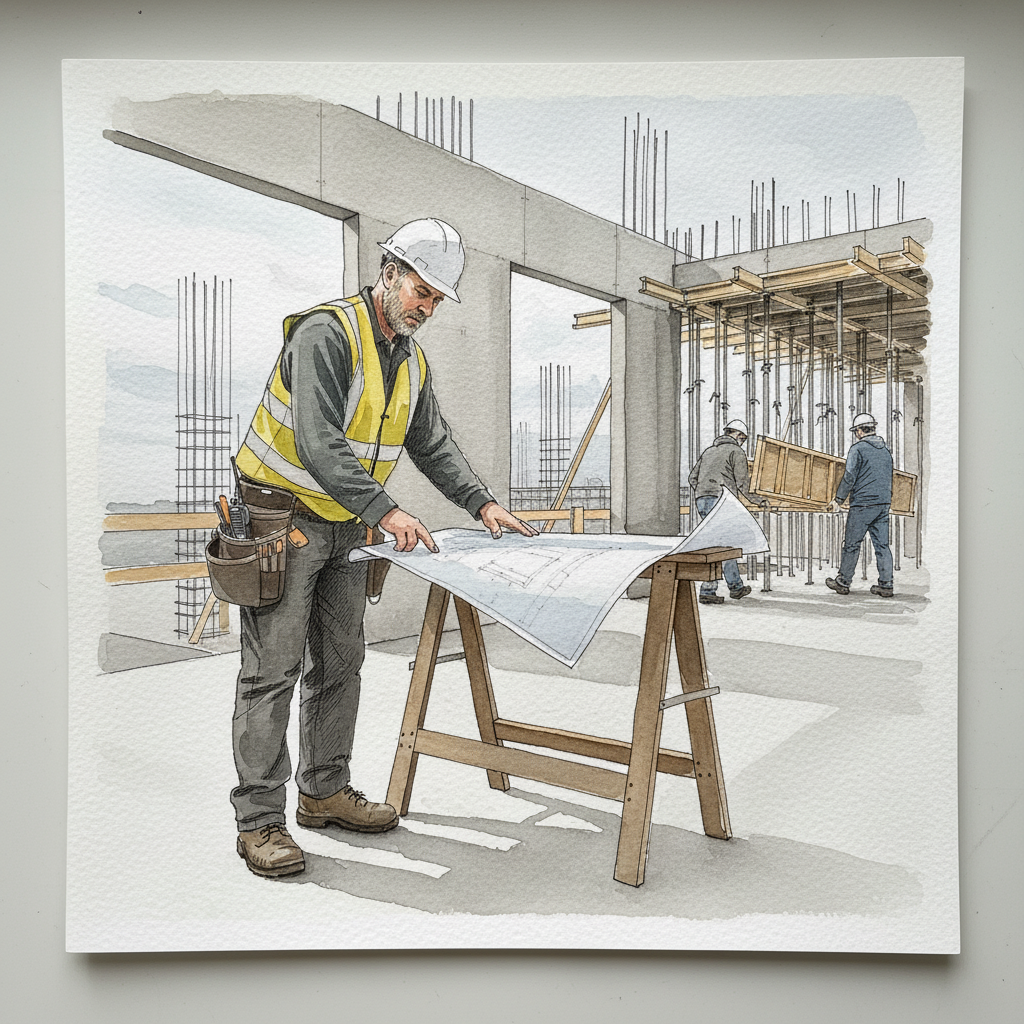
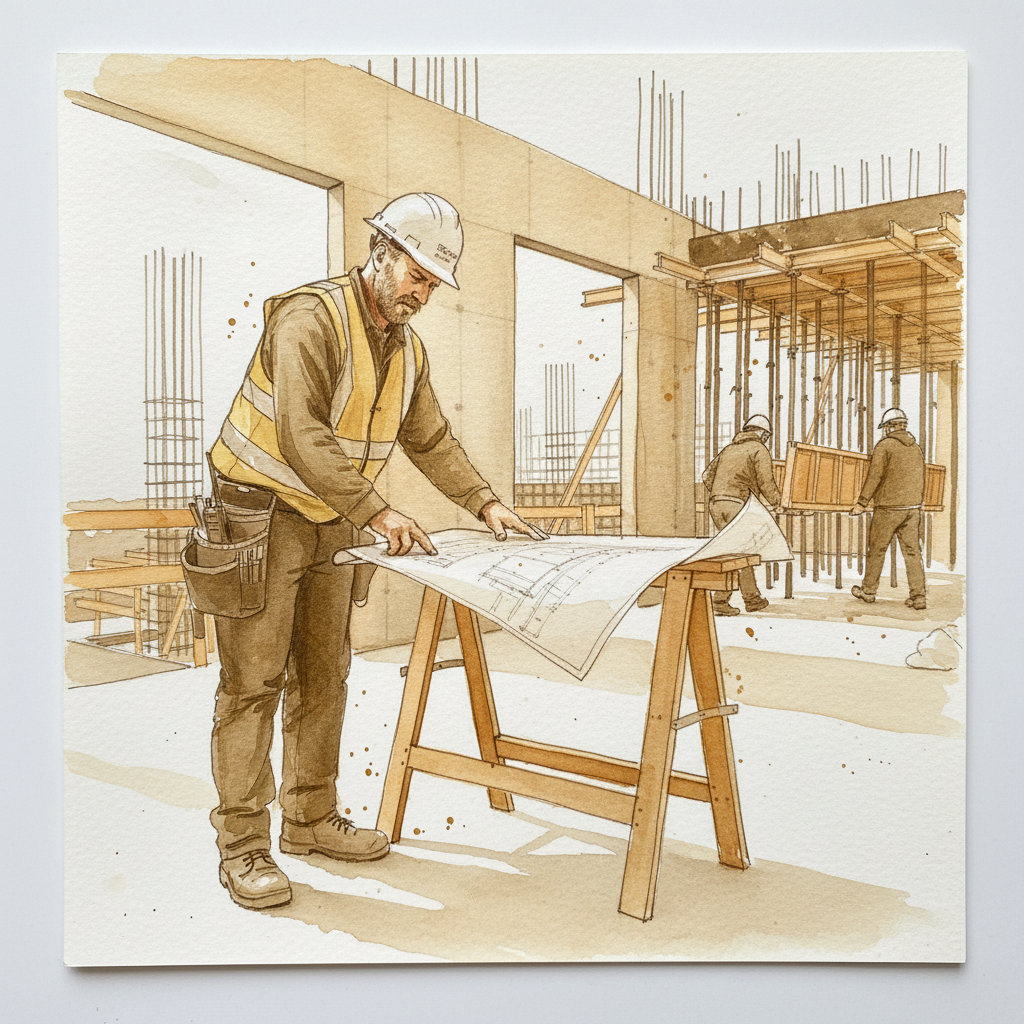
This piece offers an excellent opportunity to practice defining complex industrial structures through thoughtful line weight and precise perspective. Pay close attention to varying your pen lines—use sharp, thin strokes for the distant rebar and exposed beams, reserving heavier, confident lines for the foreground sawhorse and the worker's form. Complement this structure with controlled, layered washes to build atmospheric depth, allowing the cool grays and blues to suggest concrete texture and the expansive sky.
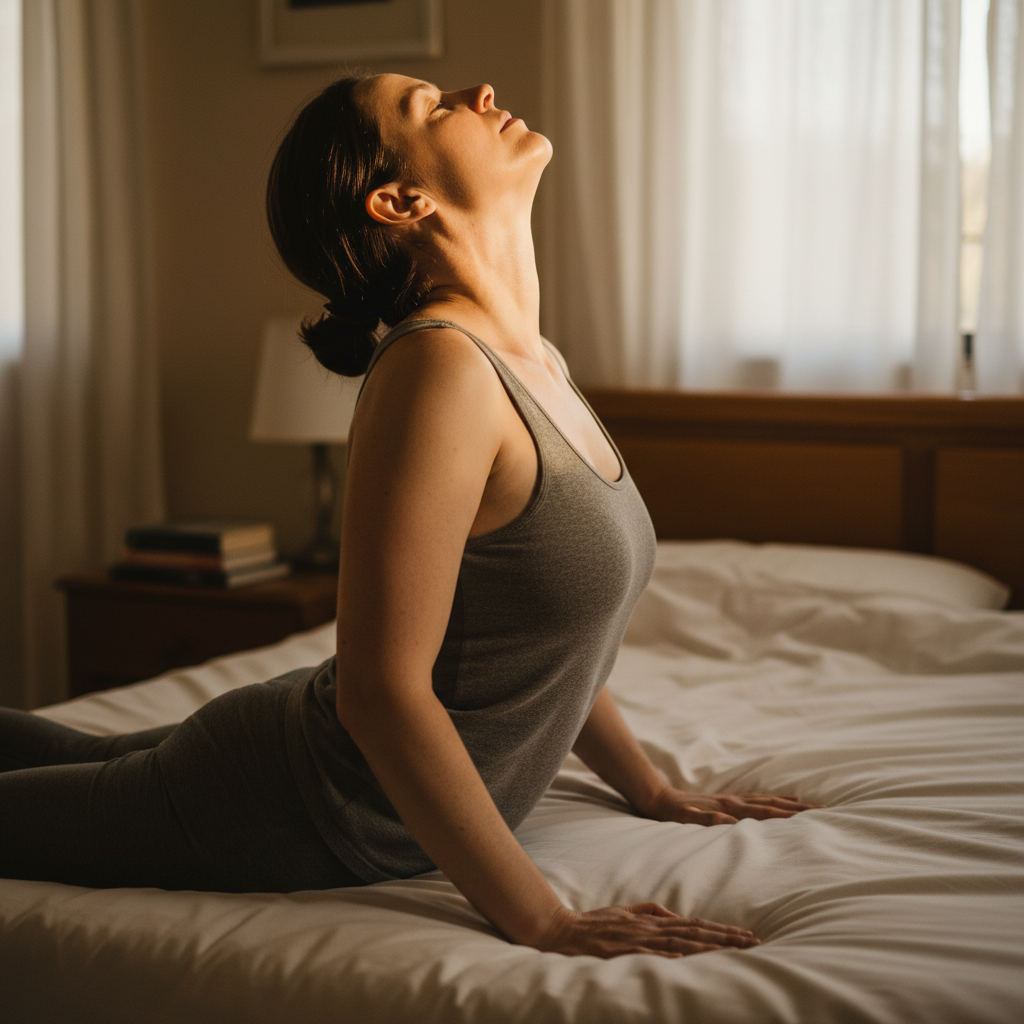
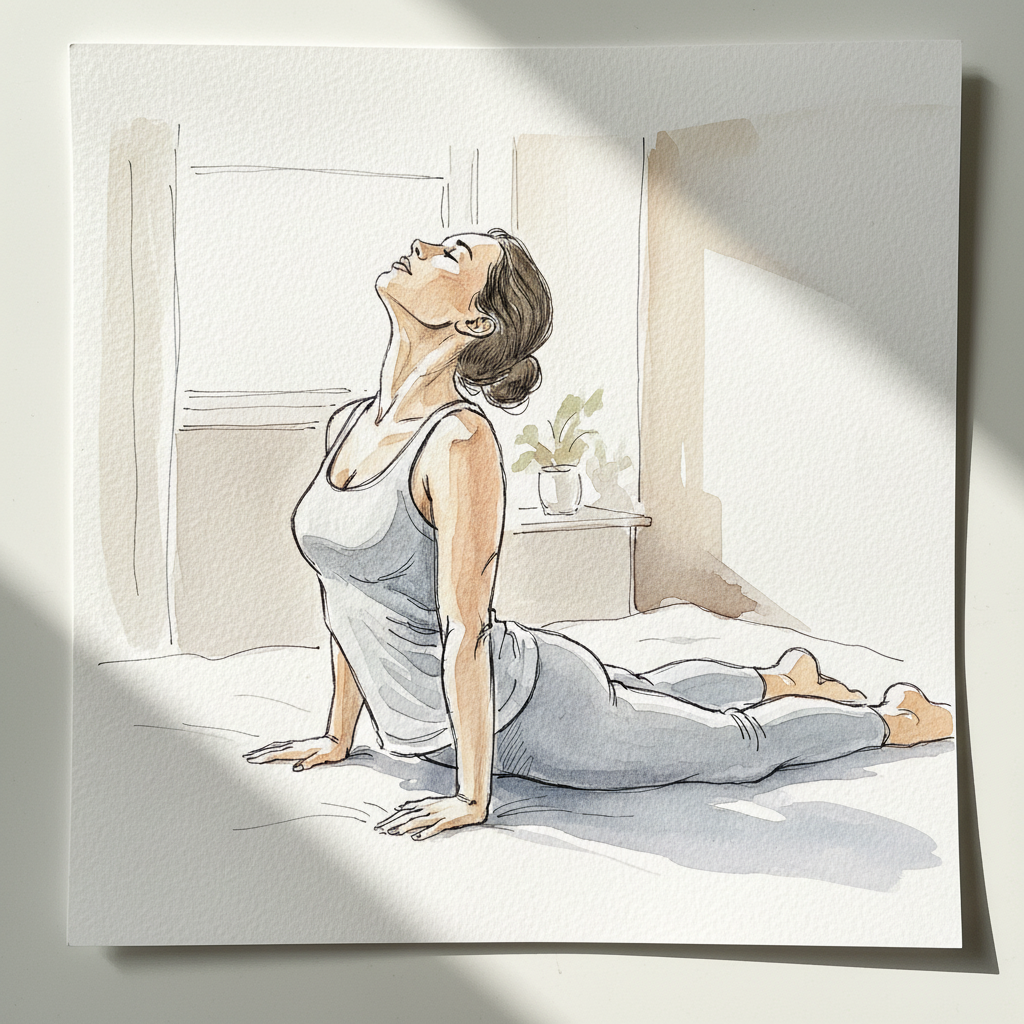
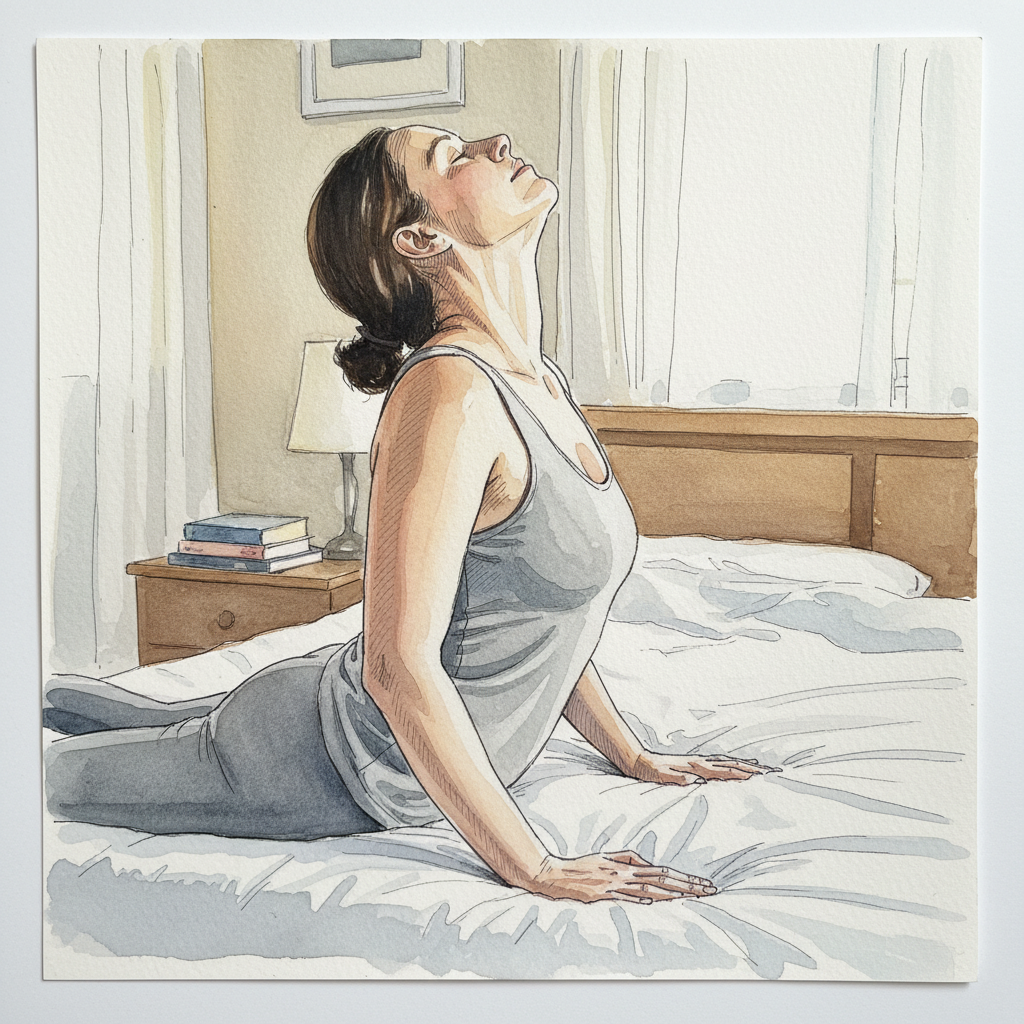
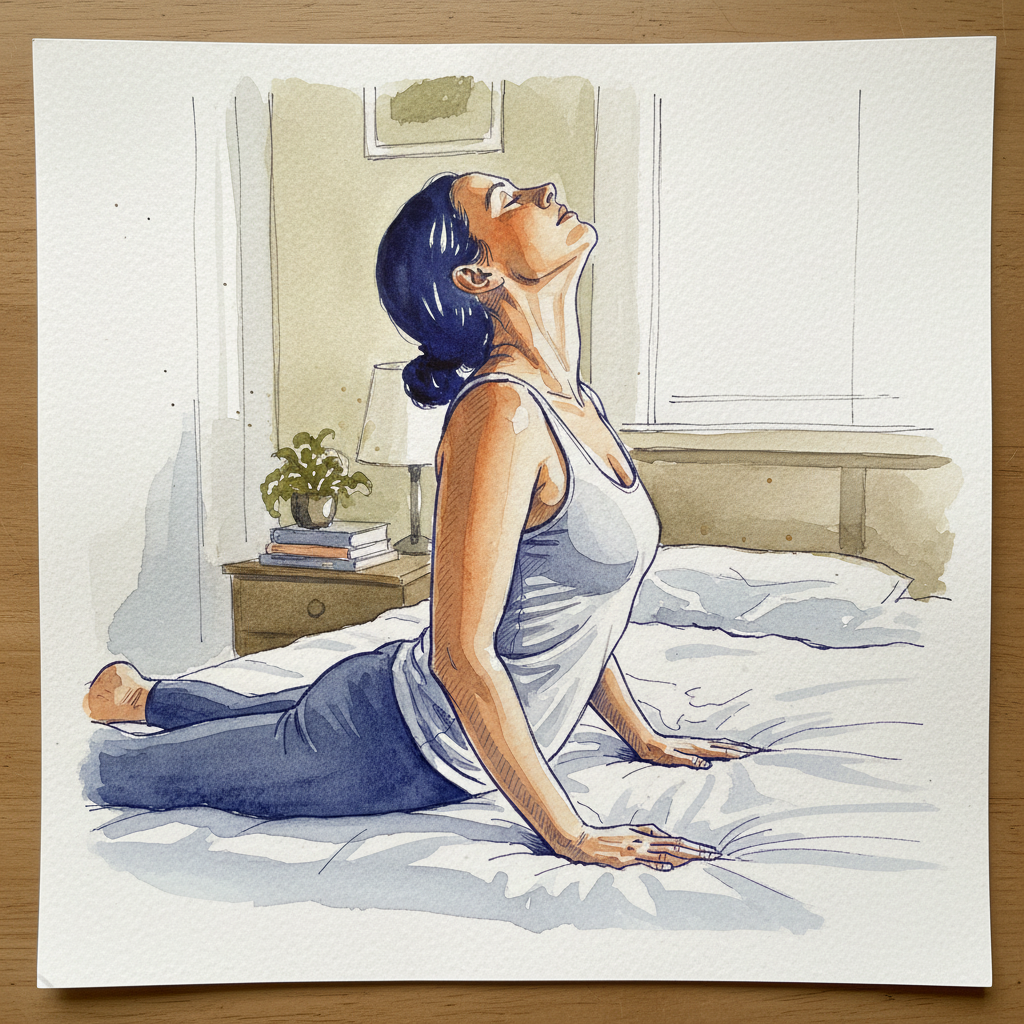
Piece 8 — Cobra with chin to ceiling
Pen + Watercolor · Loose pen and watercolor line-and-wash
Three takes
Focus for this piece
This piece offers a strong study in using layered watercolor washes to model the subtle, soft curves of the human form under side lighting. Focus on building dimensionality in the elongated throat and rounded shoulders by carefully graduating your washes, letting the grazing light dictate your value shifts from highlight to shadow. Maintain a consistent, lighter line weight for contours, allowing the fluid watercolor to convey the body's volume and the gentle texture of skin.