Château de Fontainebleau, Fontainebleau, France, Praying mantis in a tall jar, Lightning over Badlands at dusk, South Dakota, USA, Eastern destroying angel, and more — pen + watercolor for June 3, 2026
Today's pen-and-watercolor pieces: Château de Fontainebleau, Fontainebleau, France, Praying mantis in a tall jar, Lightning over Badlands at dusk, South Dakota, USA, Eastern destroying angel, Bridge with Arms Overhead Floor-Reach, Kids flying kite, Wyoming Range, Vintage and New Side by Side, Jaw…
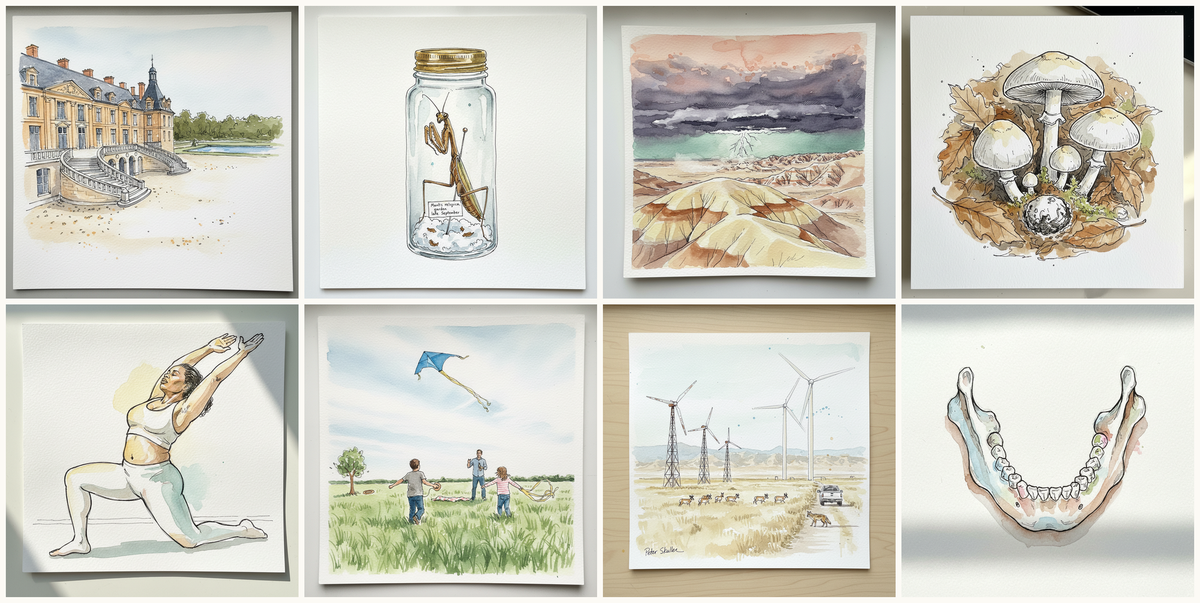
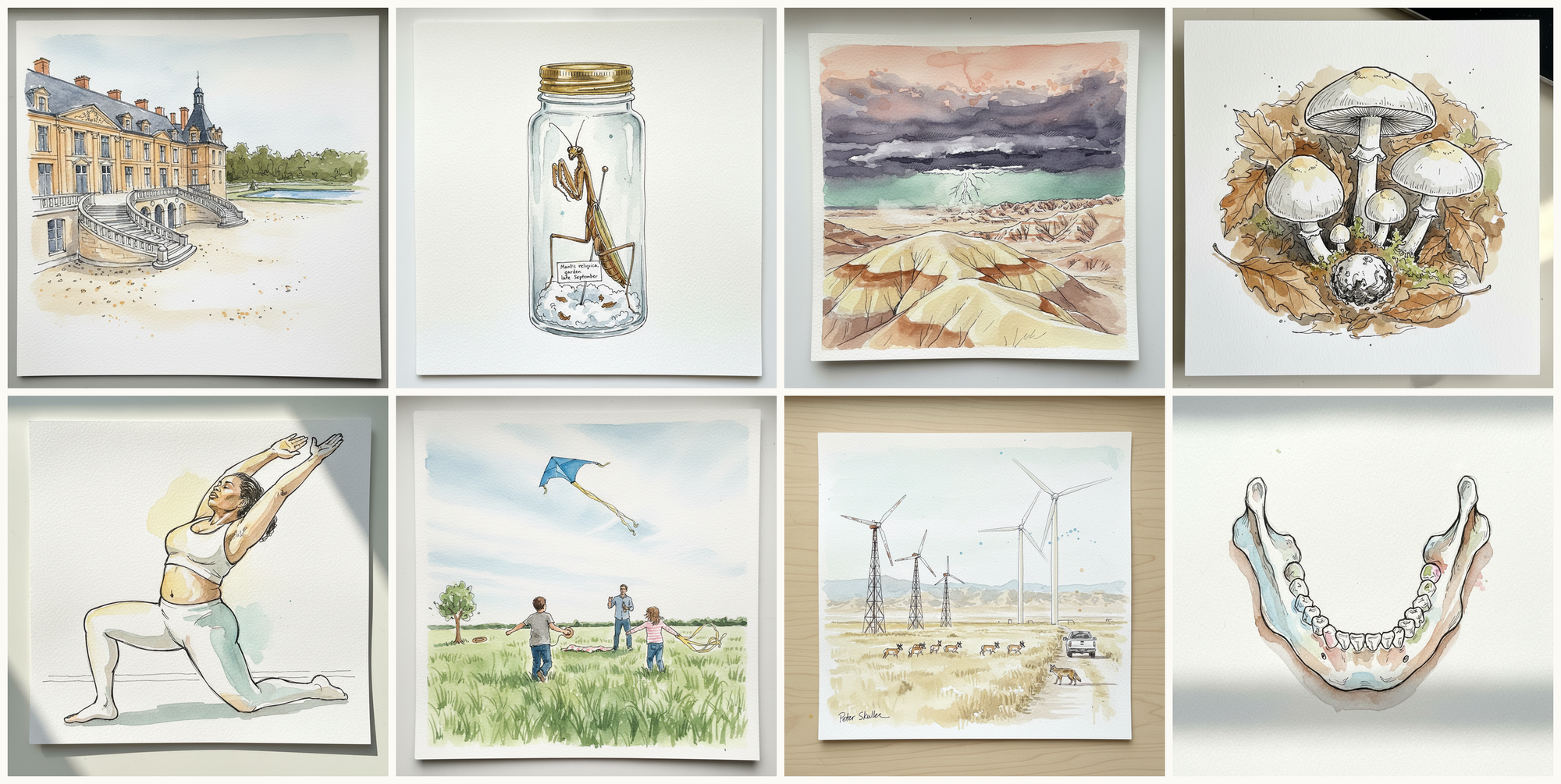
Today's 8 pen-and-watercolor pieces: Château de Fontainebleau, Fontainebleau, France, Praying mantis in a tall jar, Lightning over Badlands at dusk, South Dakota, USA, Eastern destroying angel, Bridge with Arms Overhead Floor-Reach, Kids flying kite, Wyoming Range, Vintage and New Side by Side, Jaw Bone Lower View, Anatomical Model. Each piece comes with a photo reference, three example artworks in different treatments, and a short focus paragraph naming what to study in this one.
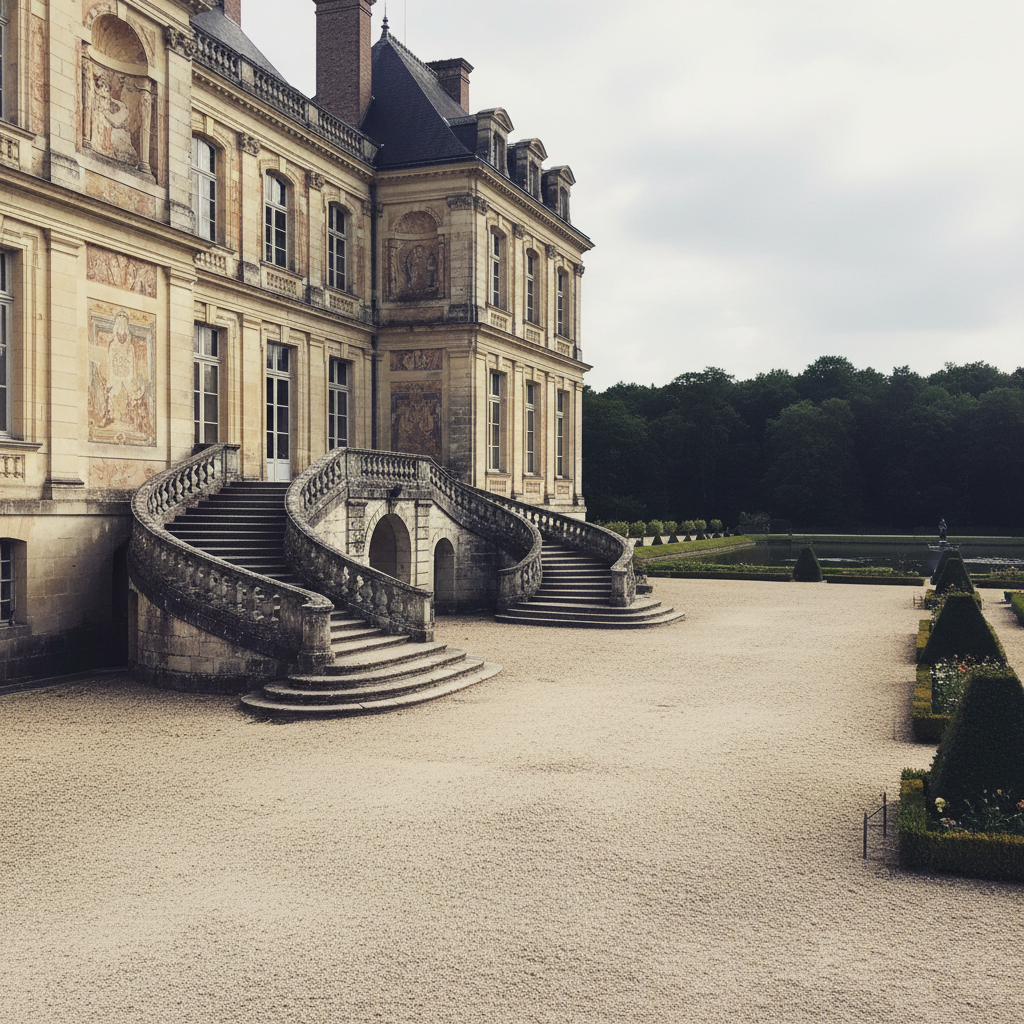
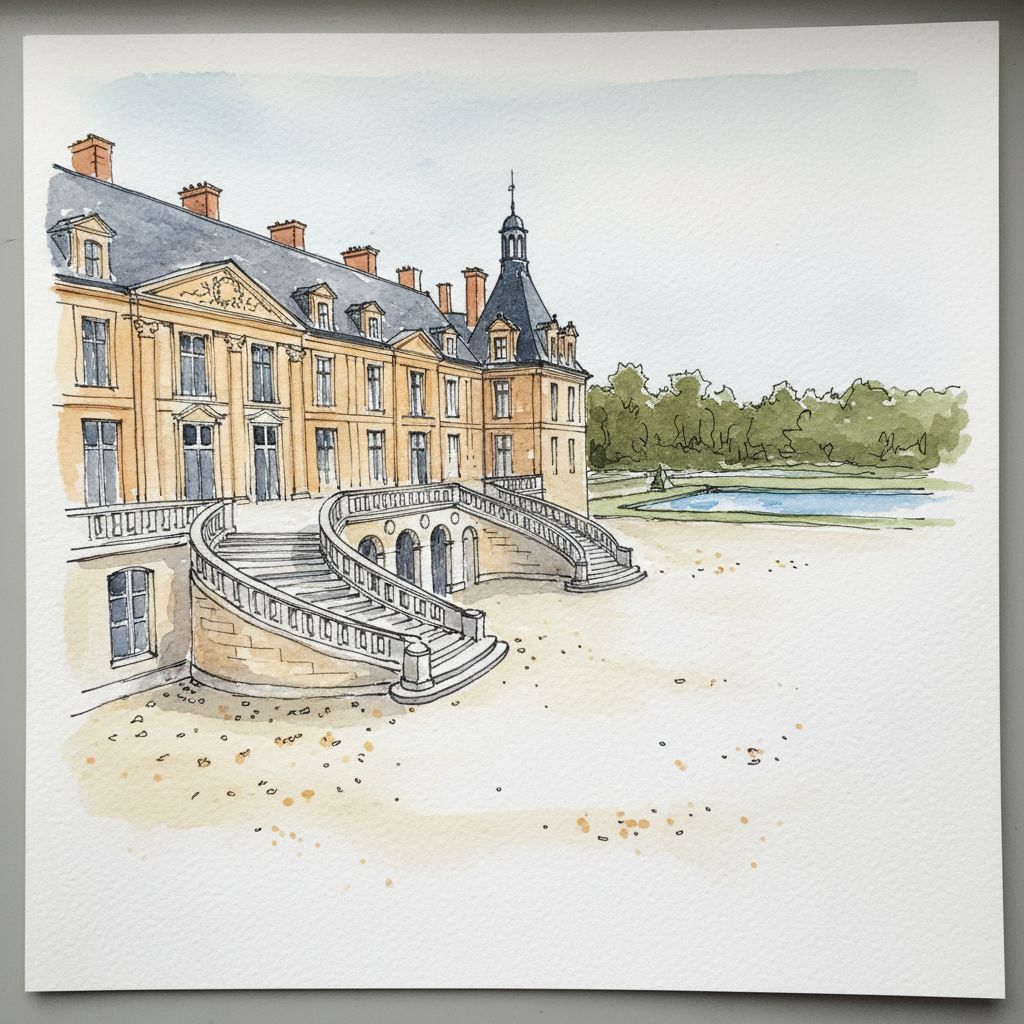
Piece 1 — Château de Fontainebleau, Fontainebleau, France
Pen + Watercolor · Loose pen and watercolor line-and-wash
Three takes
Focus for this piece
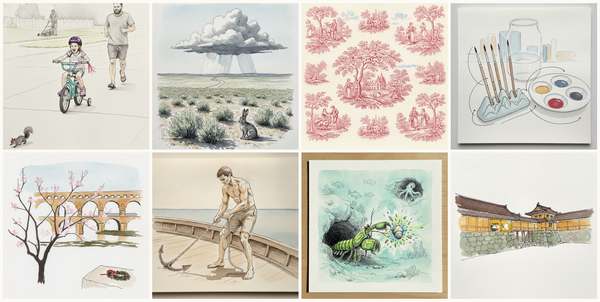
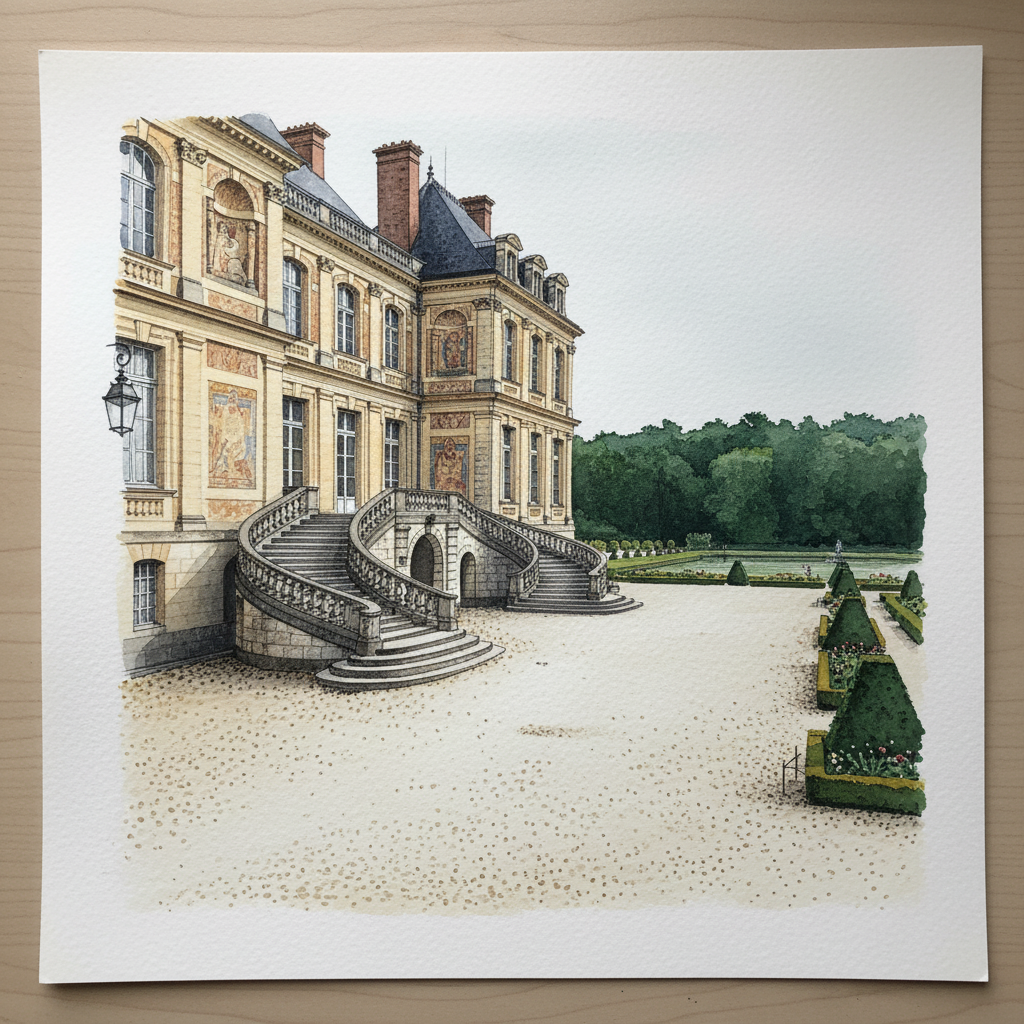
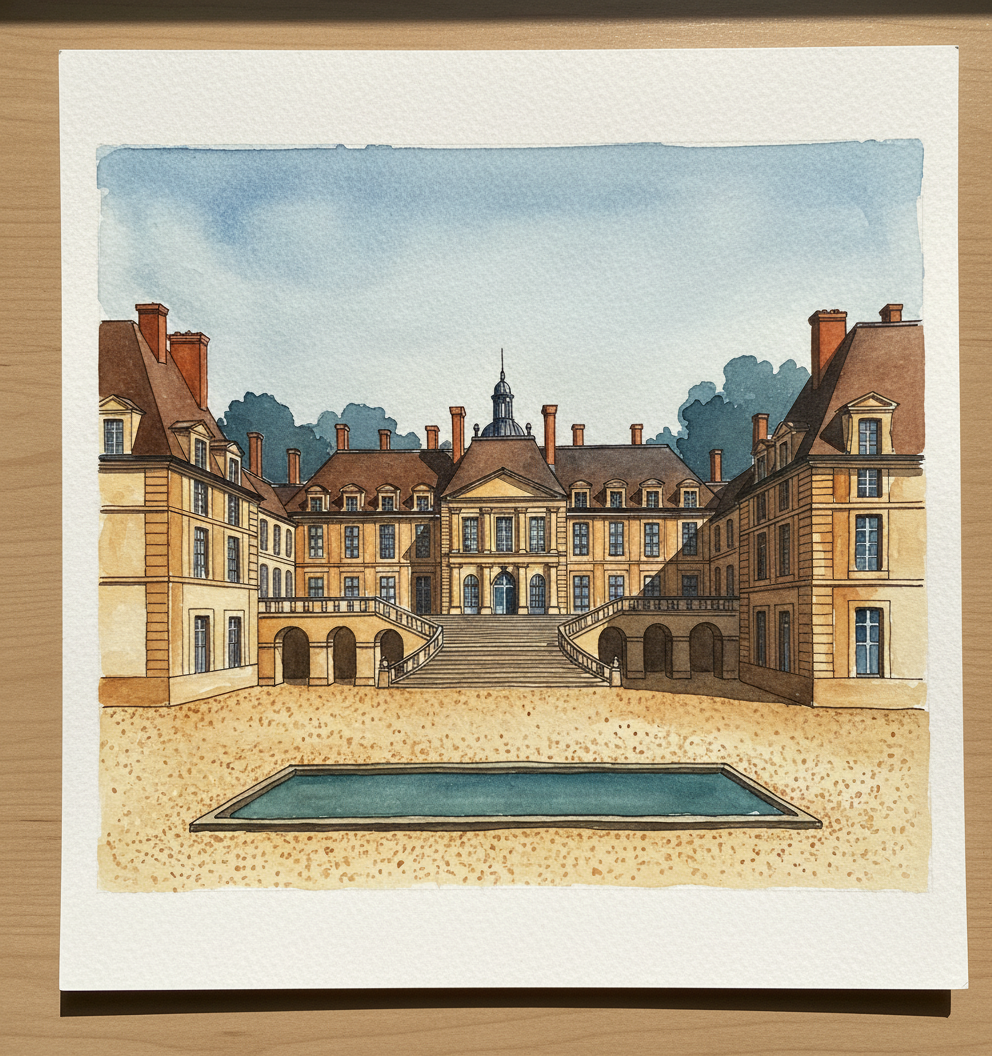
This piece offers an excellent opportunity to study architectural complexity, specifically the challenging double curve of the Château's horseshoe staircase. Practice using varied line weights to define its sculptural volume and recession in space, letting light washes of muted earth tones and cool greys differentiate the layered architectural planes. Focus on how these soft washes provide atmospheric depth and texture without obscuring the precise ink structure.
Piece 2 — Praying mantis in a tall jar
Pen + Watercolor · Loose pen and watercolor line-and-wash
Three takes
Focus for this piece
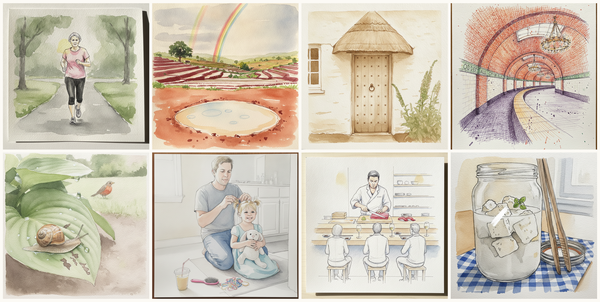
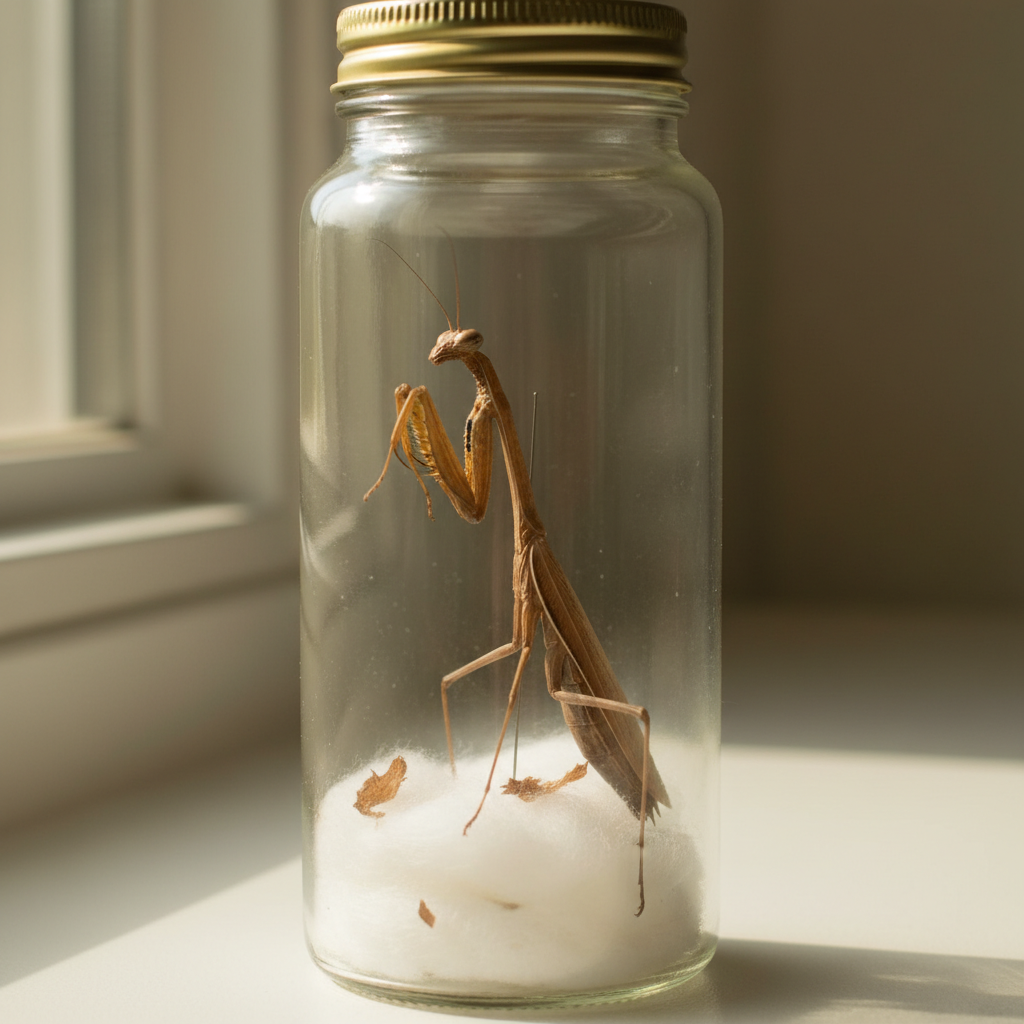
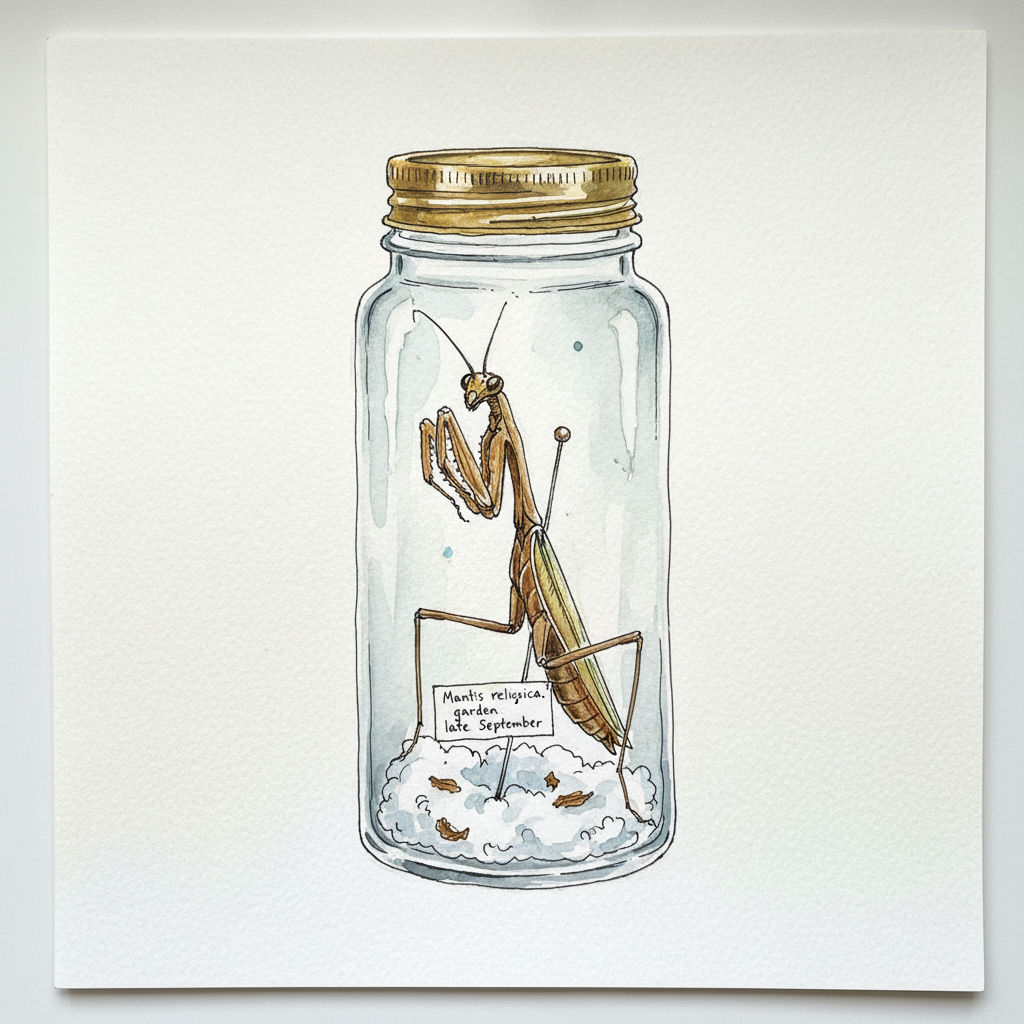
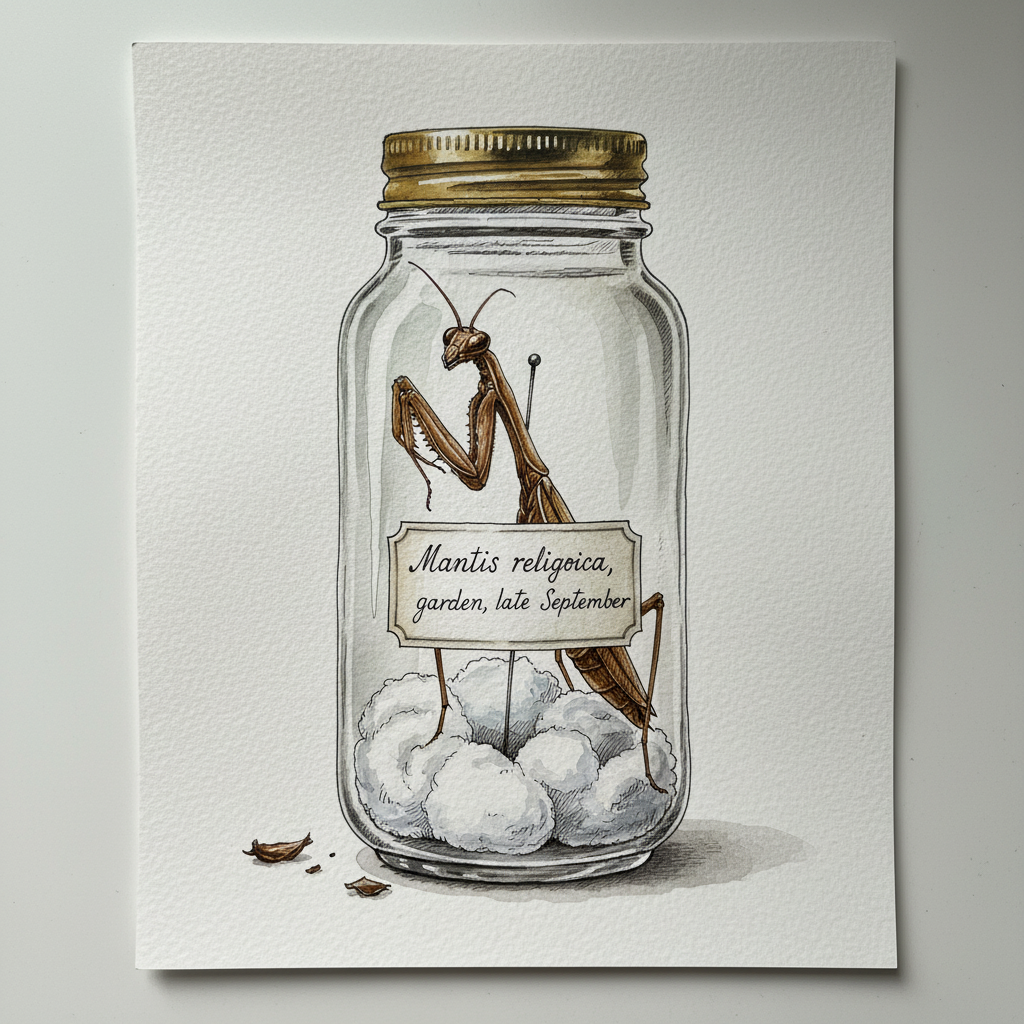
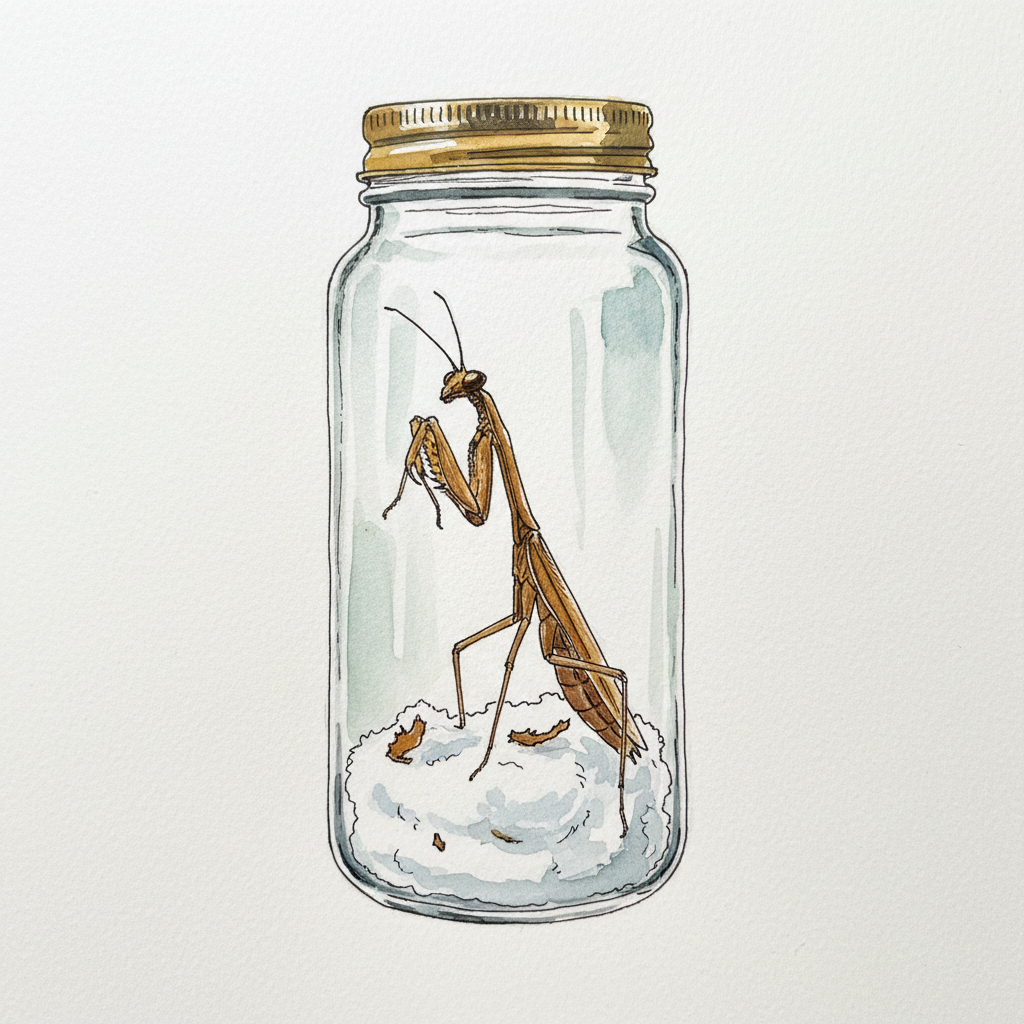
This piece offers a superb opportunity to practice rendering transparency and contrasting surface textures. Focus on using very light, cool washes and delicate, almost broken pen lines to suggest the glass jar's form and reflections, differentiating it from the heavier lines defining the brass lid. Contrast this with the mantis's desiccated body, using fine, varied line weights and dry-brush watercolor to capture its brittle texture. Finally, use soft, wet-into-wet washes for the cotton base, allowing the pen to define only the subtle flakes of exoskeleton.
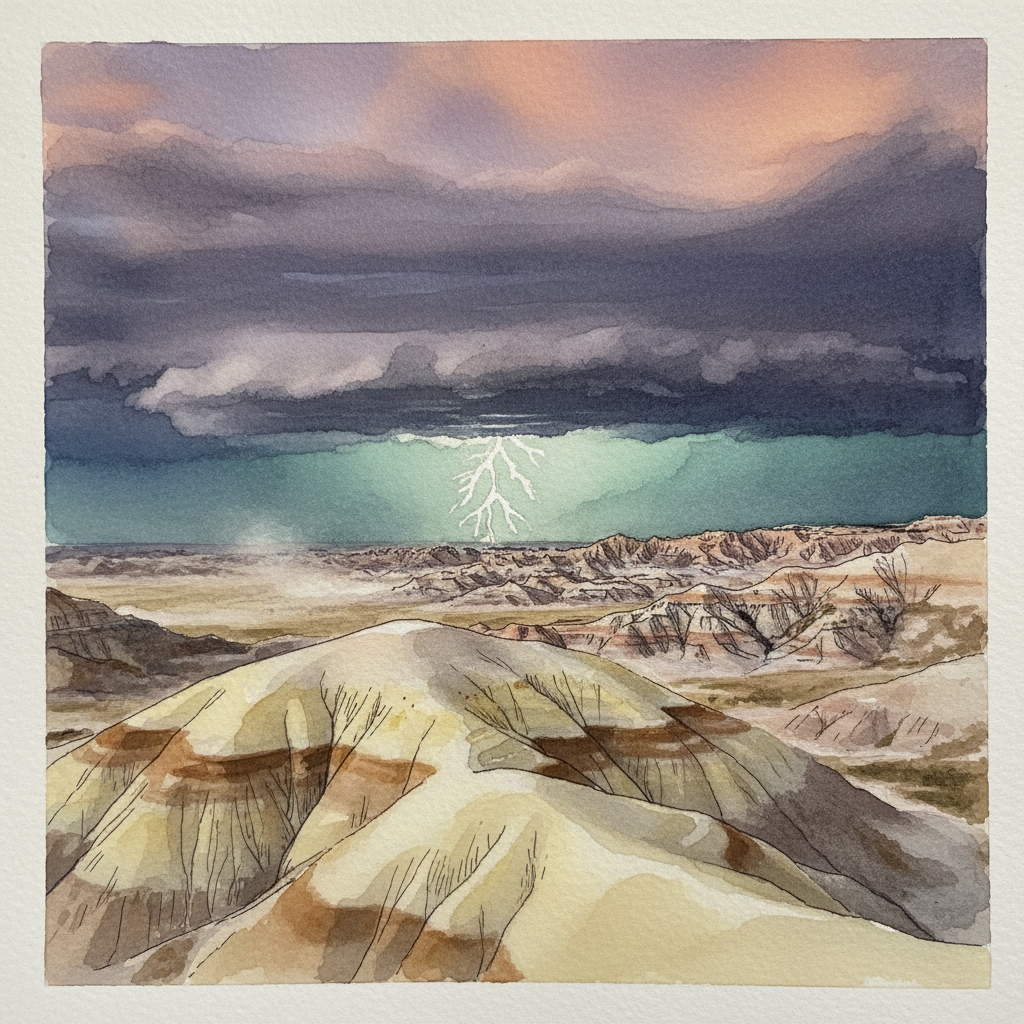
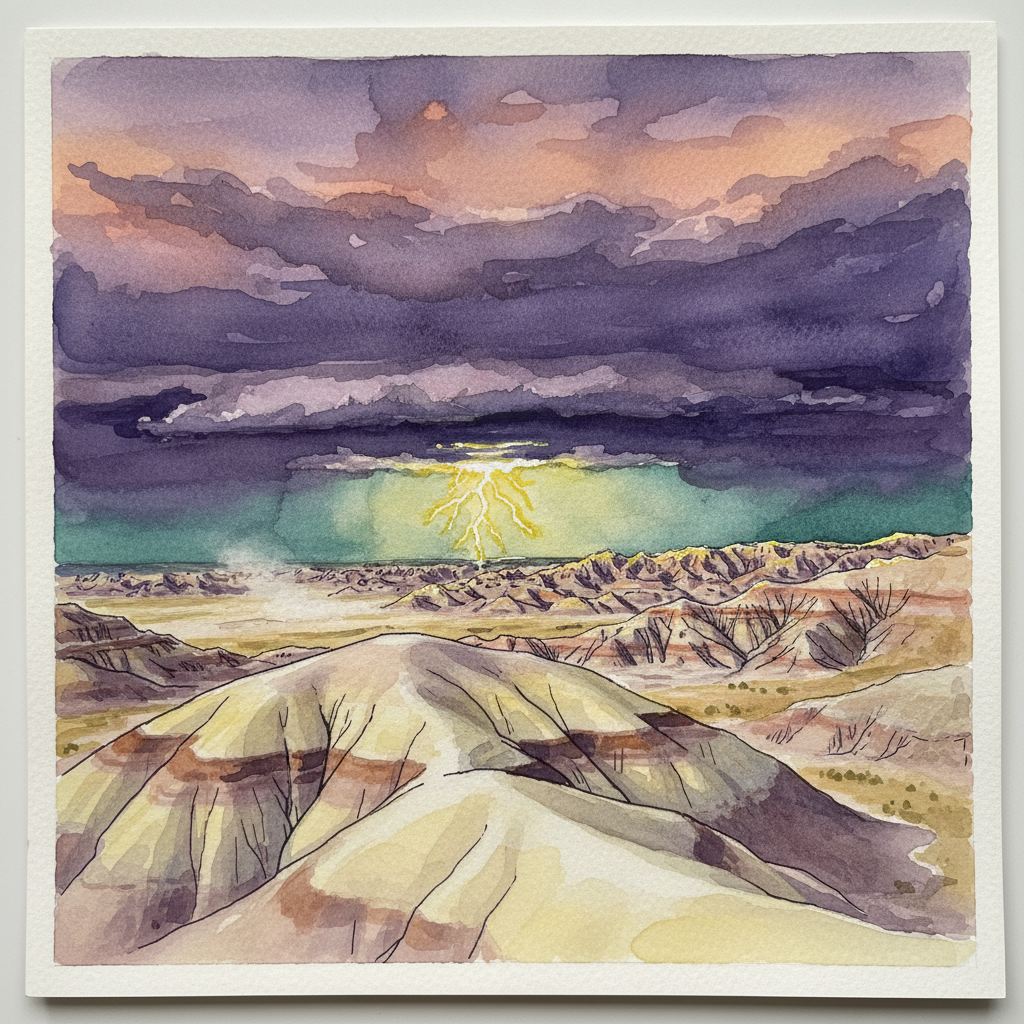
Piece 3 — Lightning over Badlands at dusk, South Dakota, USA
Pen + Watercolor · Loose pen and watercolor line-and-wash
Three takes
Focus for this piece
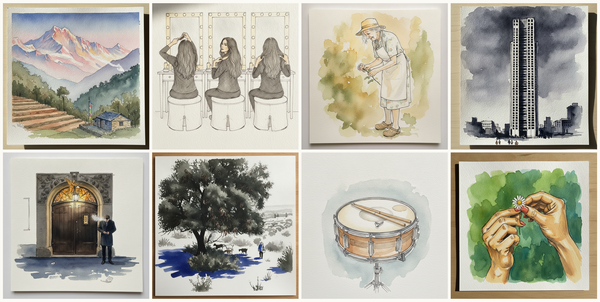
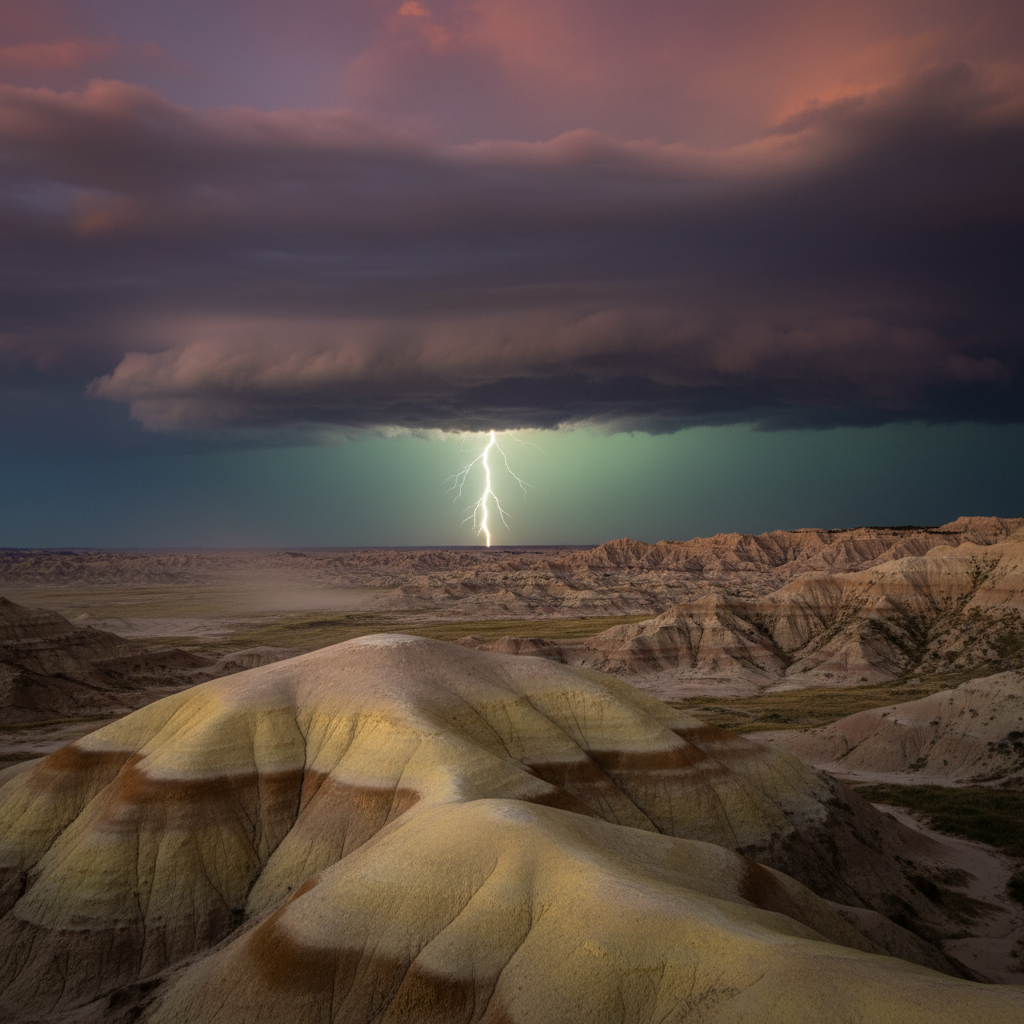
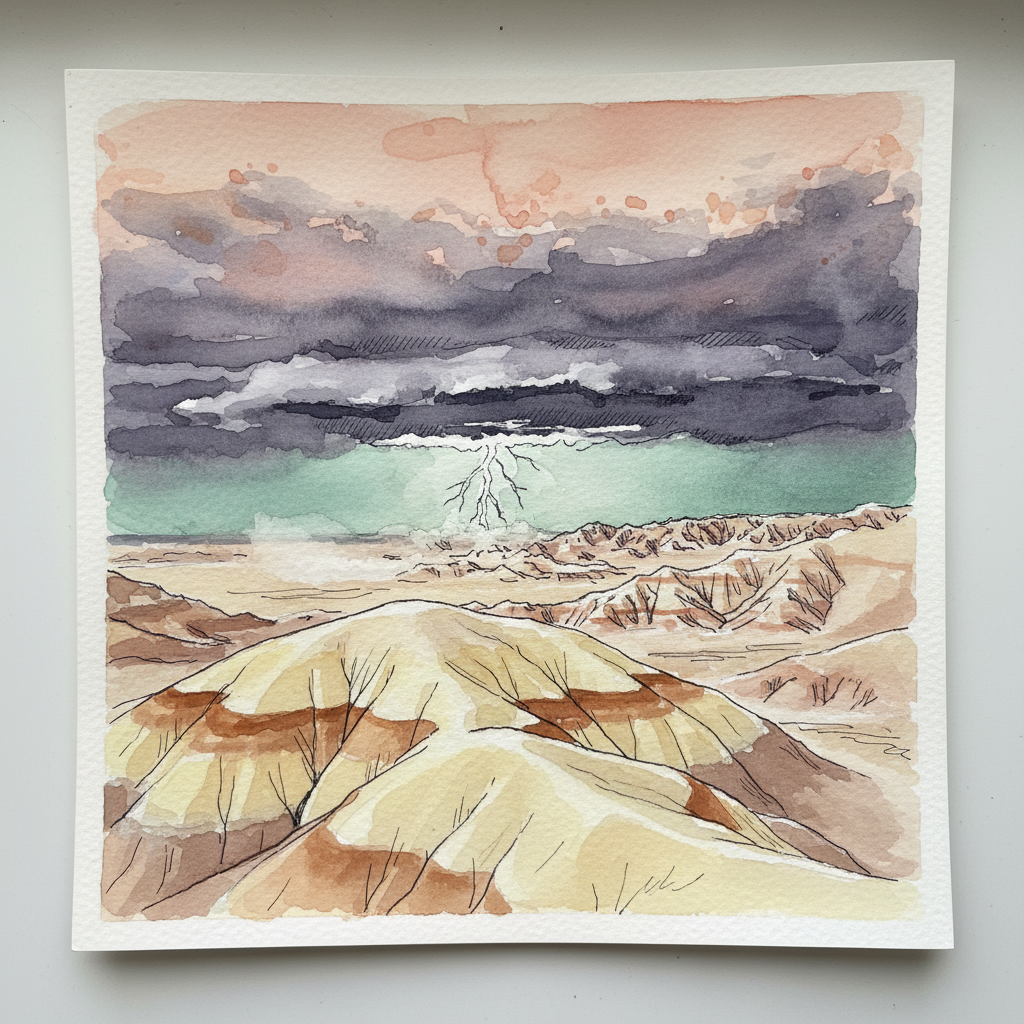
This dramatic scene offers an excellent opportunity to practice conveying intense light through careful use of negative space and varied line work. Focus on painting the deep, purple-black and green storm washes *around* the lightning-illuminated ridges, letting the white of the paper serve as the fierce light. Use sharp, precise ink lines to define the glowing edges of the distant badlands against these dark washes, while employing softer, looser lines and muted washes for the rounded, shadowed foreground hills. This contrast in approach will amplify the storm's drama and sense of depth.
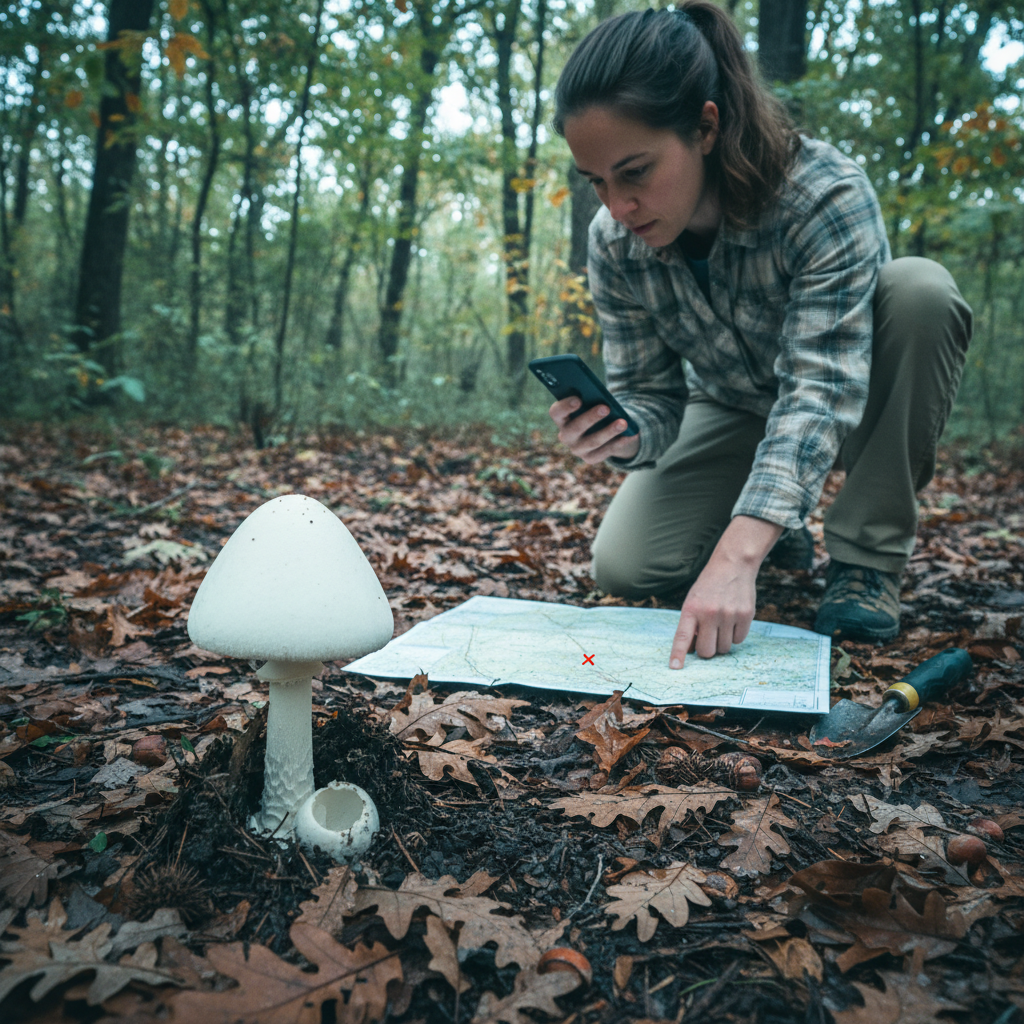
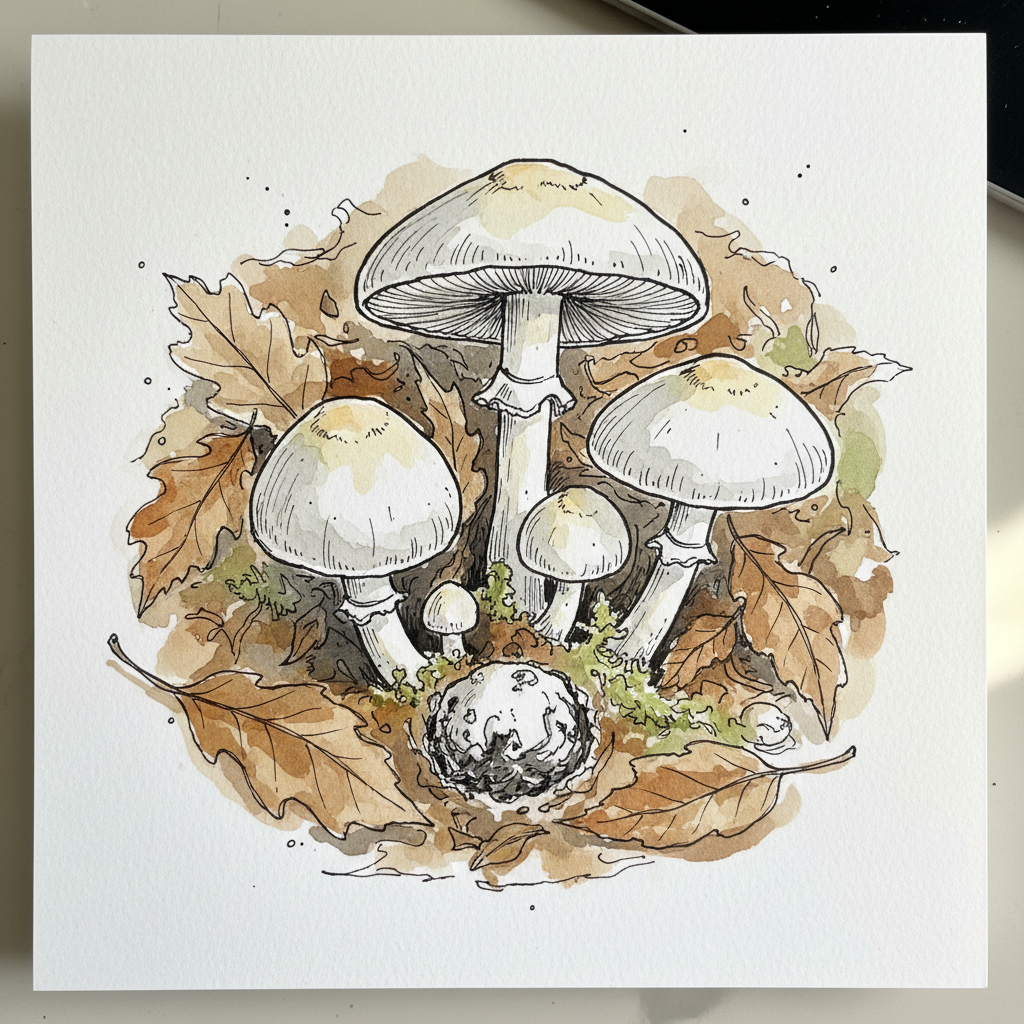
Piece 4 — Eastern destroying angel
Pen + Watercolor · Loose pen and watercolor line-and-wash
Three takes
Focus for this piece
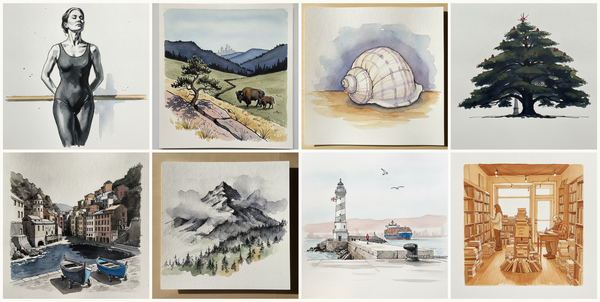
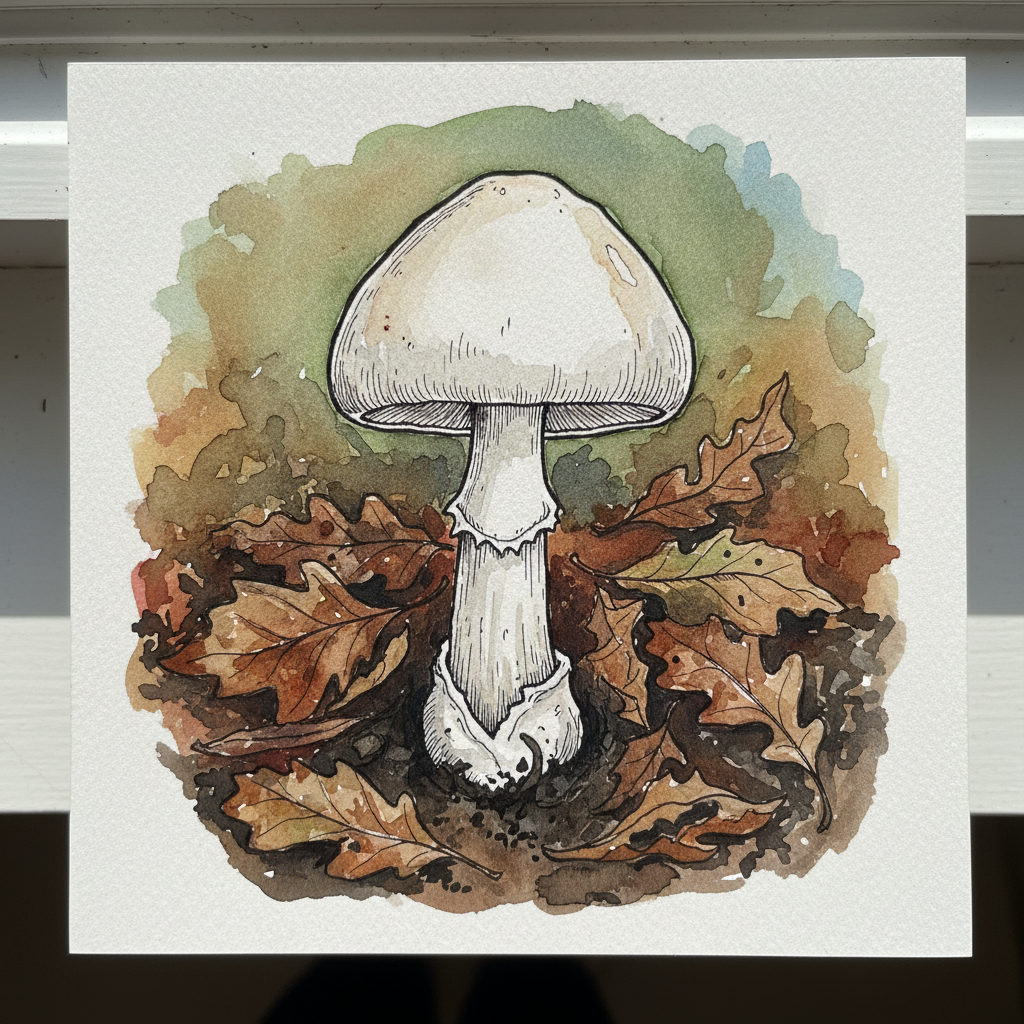
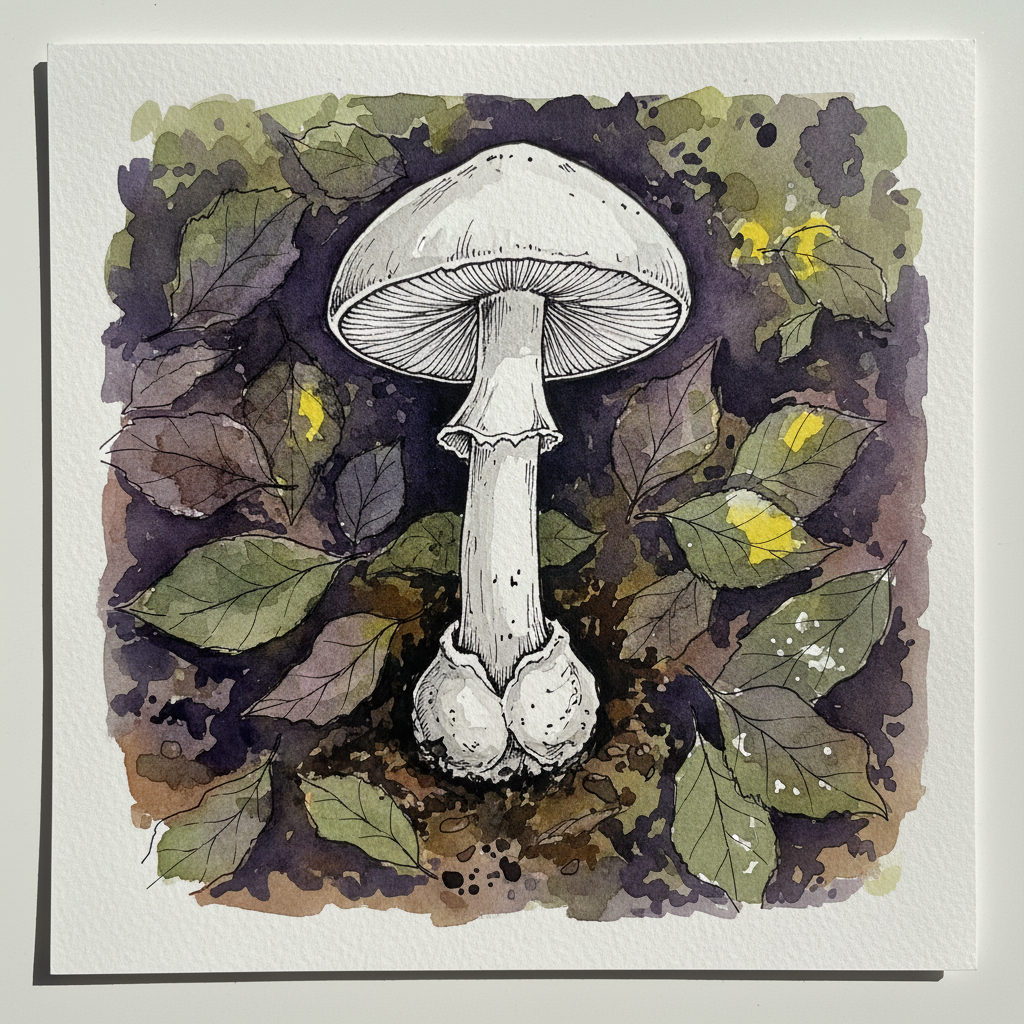
Today's "destroying angel" mushroom offers a focused study in modeling delicate white forms and subtle textures within a tight value range. Practice building the cap's volume and the membranous ring using extremely dilute cool-toned washes, allowing the paper's white to provide your brightest highlights. Use fine, varied pen lines to articulate the intricate folds of the buried volva and to differentiate the mushroom's crisp edges from the atmospheric leaf litter. This piece will teach you how to use your materials to suggest form and contrast without relying on strong local color.
Piece 5 — Bridge with Arms Overhead Floor-Reach
Pen + Watercolor · Loose pen and watercolor line-and-wash
Three takes
Focus for this piece
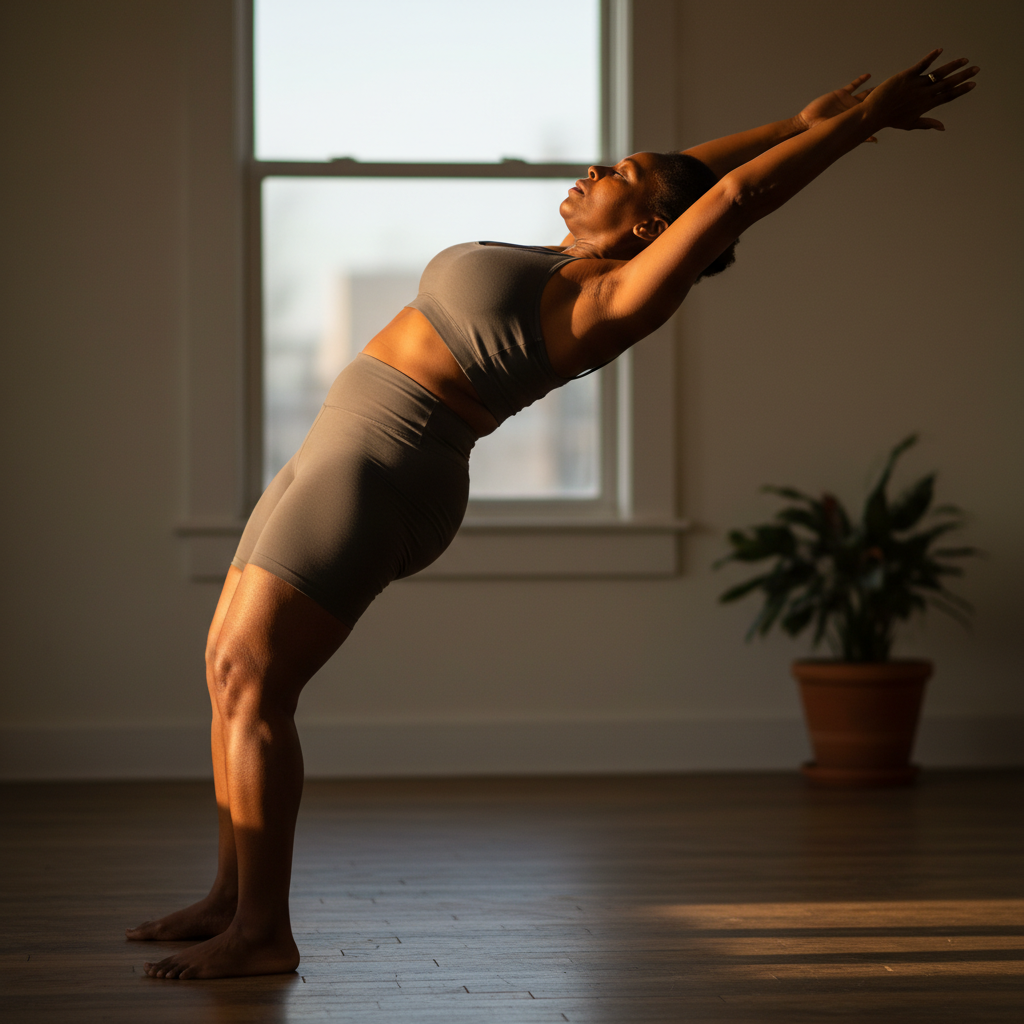
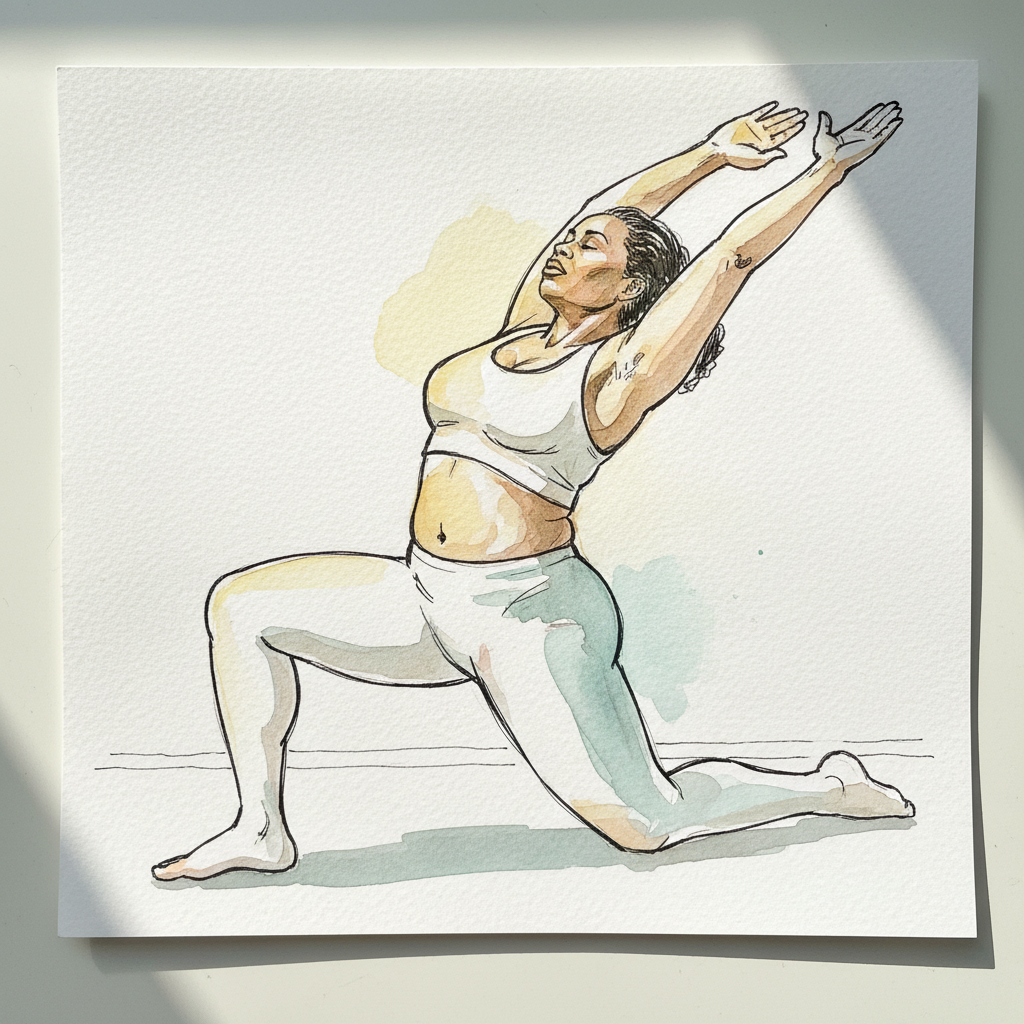
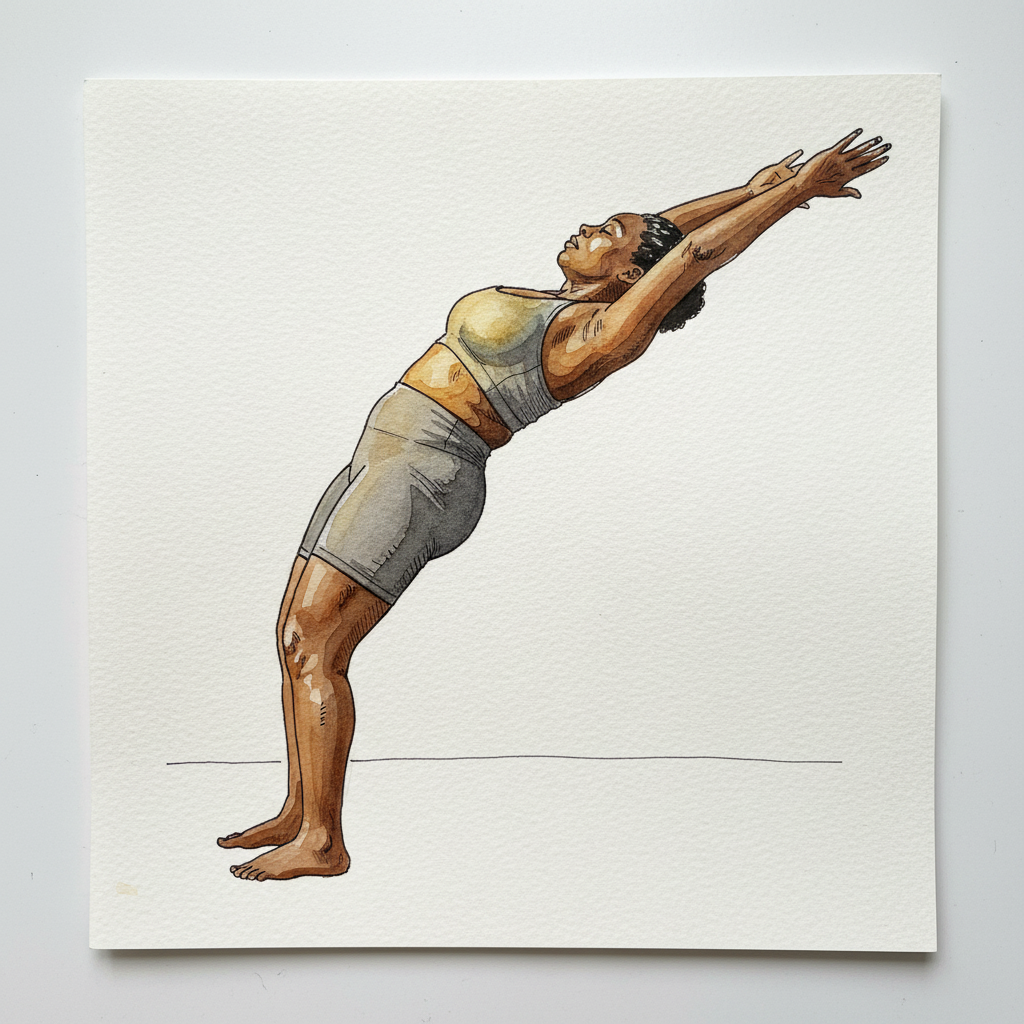
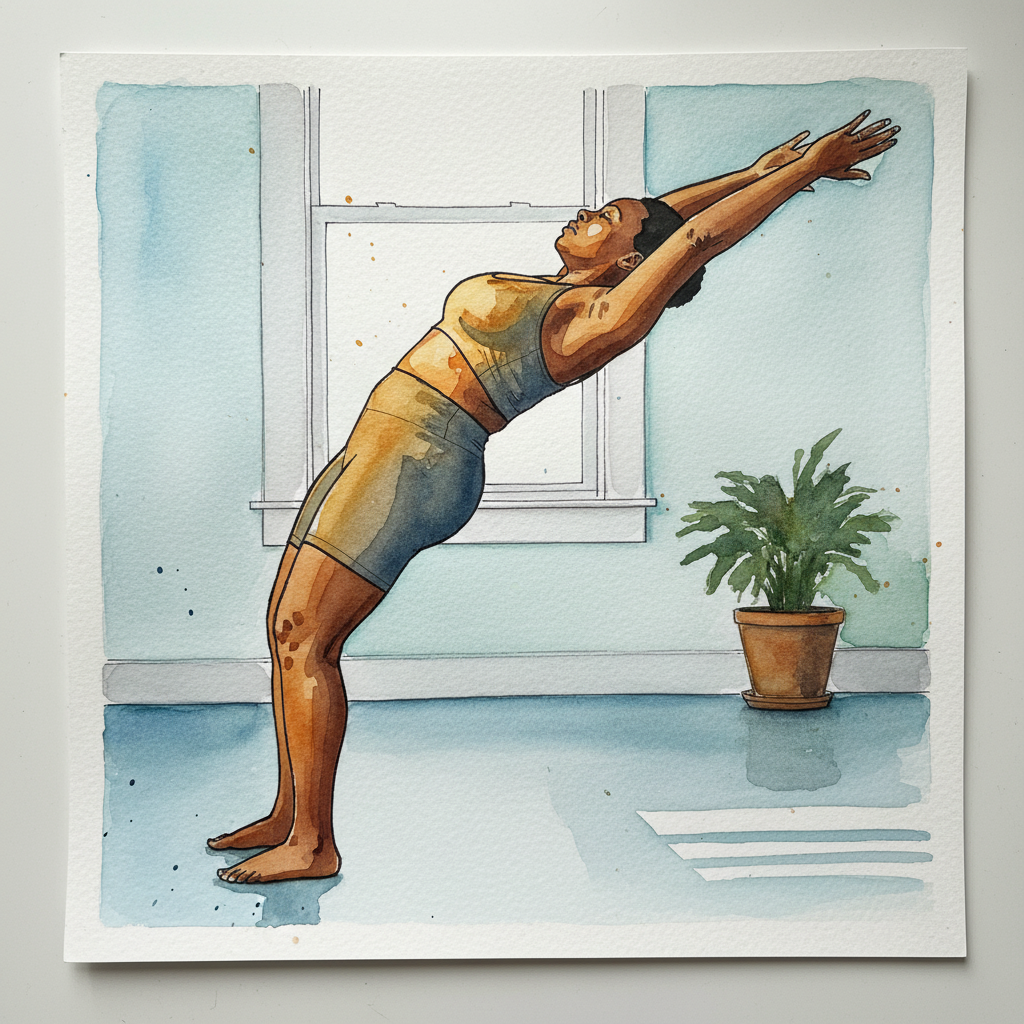
This piece is a fantastic study in rendering volumetric form using a focused warm palette and responsive line work. Use varied line weights to define the powerful, rounded contours of the body, letting pen marks be strongest where form meets surface or turns sharply. Build the luminous, golden light across the chest and clavicles with soft, layered washes of warm colors, allowing the watercolor to describe the body's volume and the light's glow.
Piece 6 — Kids flying kite
Pen + Watercolor · Loose pen and watercolor line-and-wash
Three takes
Focus for this piece
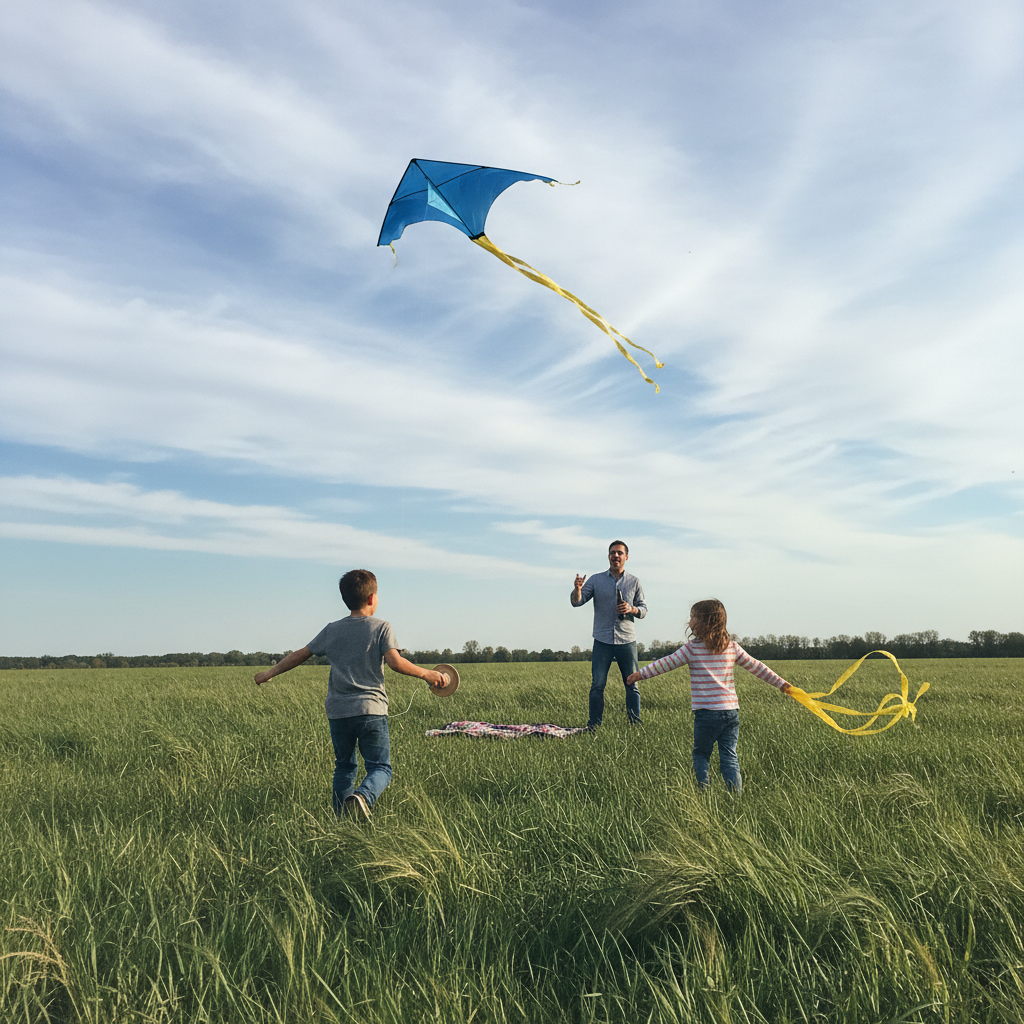
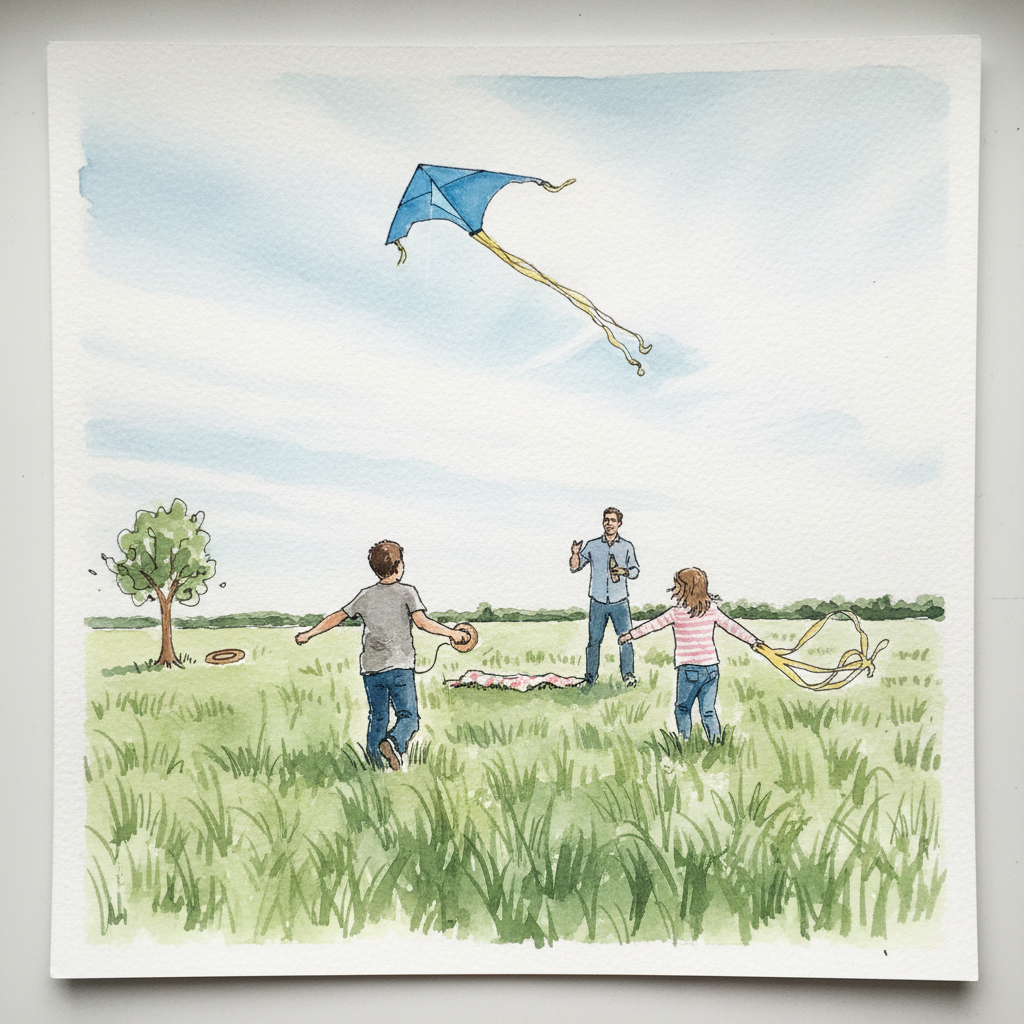
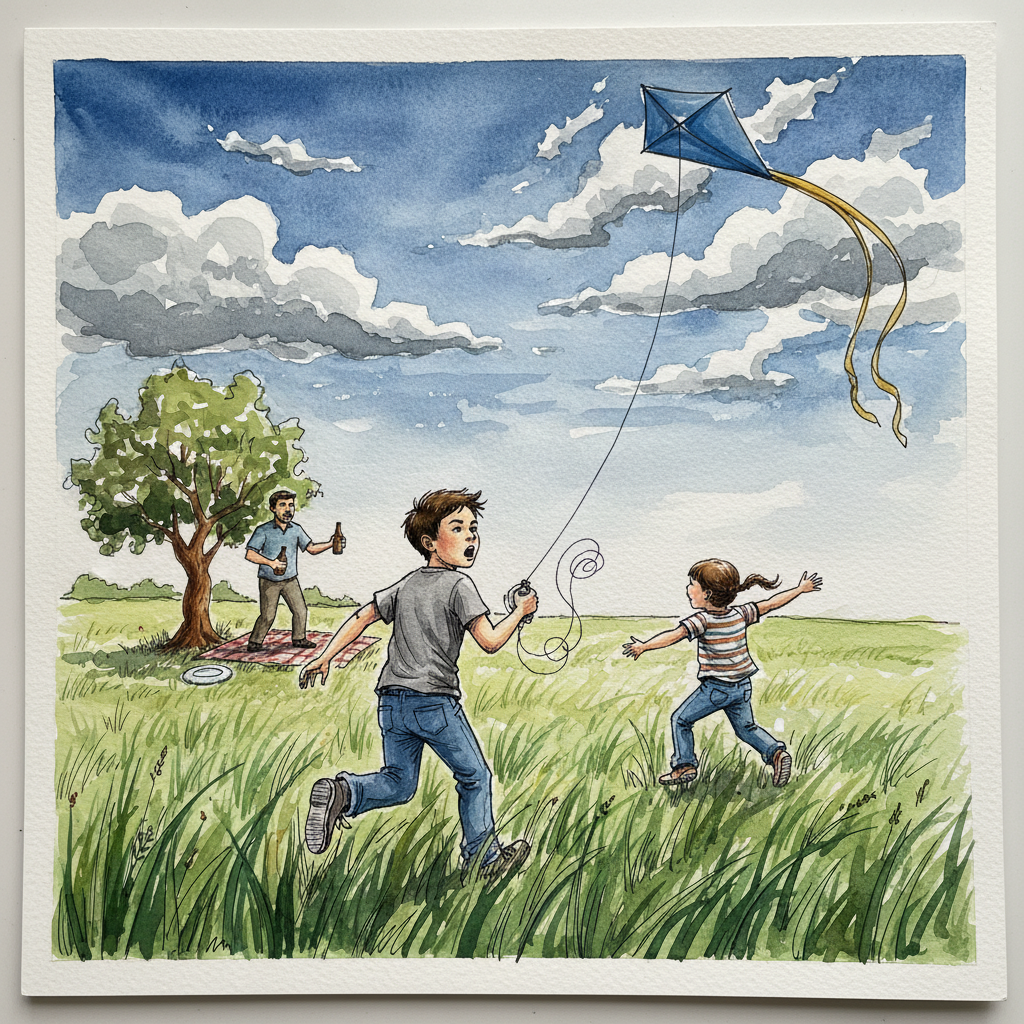
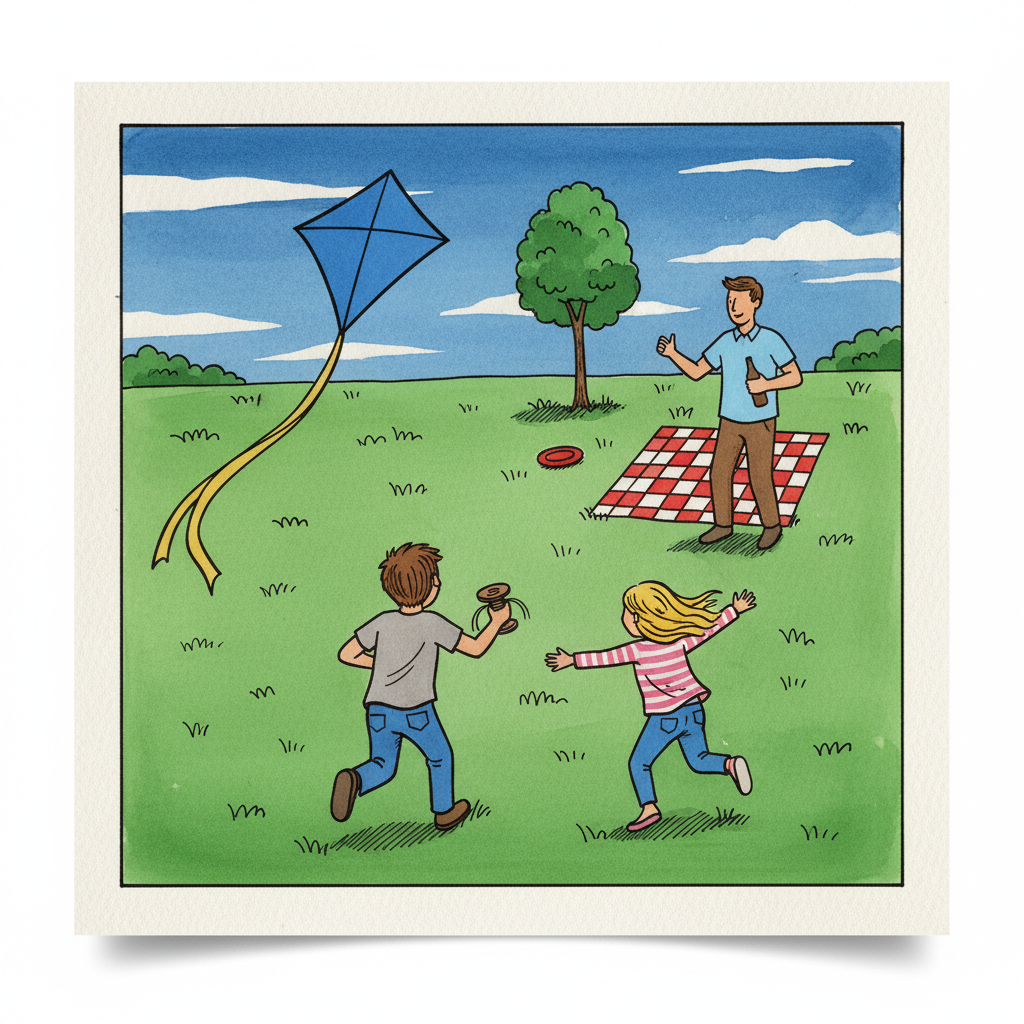
This piece offers a great opportunity to explore conveying dynamic movement and energy through line and wash. Use varied pen line weights—thinner, active lines for the running children and the kite string under tension, contrasted with more grounded lines for the distant father and picnic blanket—to suggest motion. Complement this with expressive wet-on-wet washes for the cloud-streaked sky and gestural dry brush strokes to capture the shimmering, wind-flattened grass, giving the entire scene a lively sense of action.
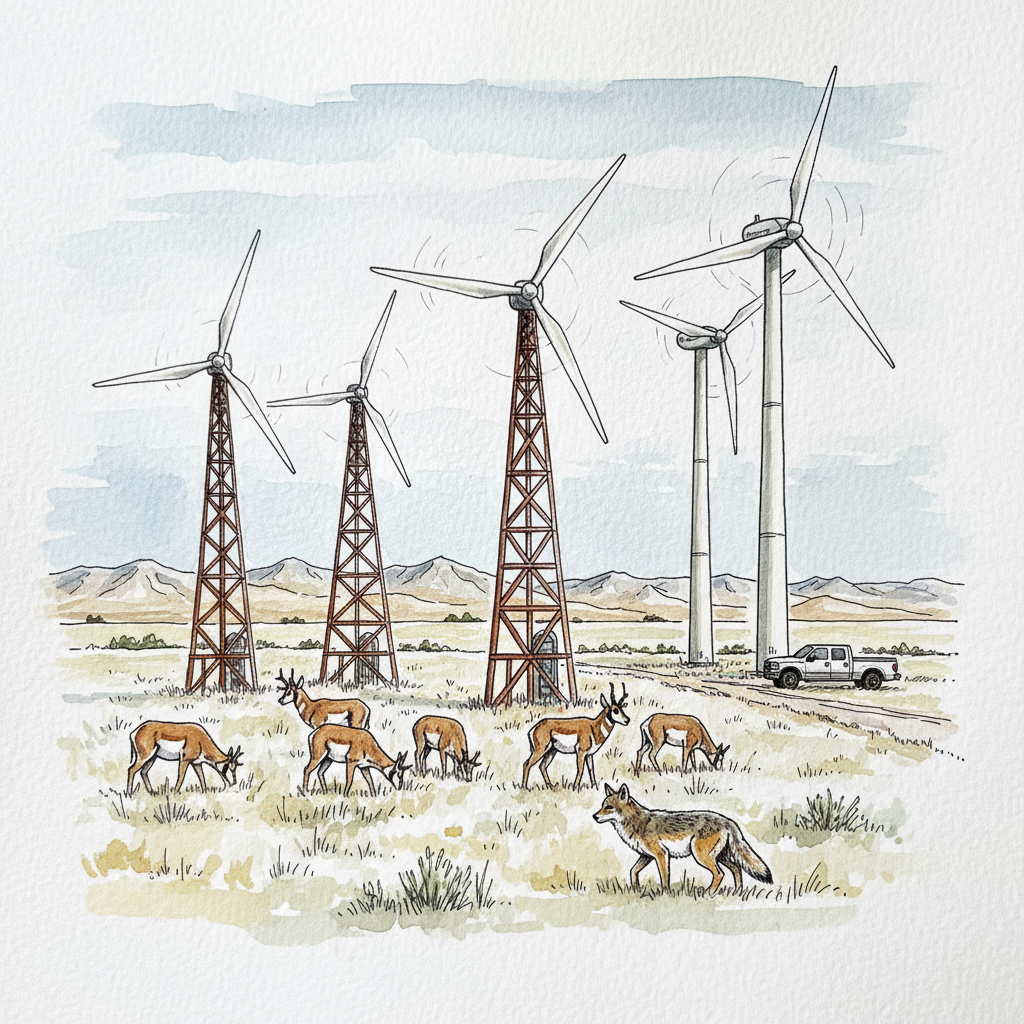
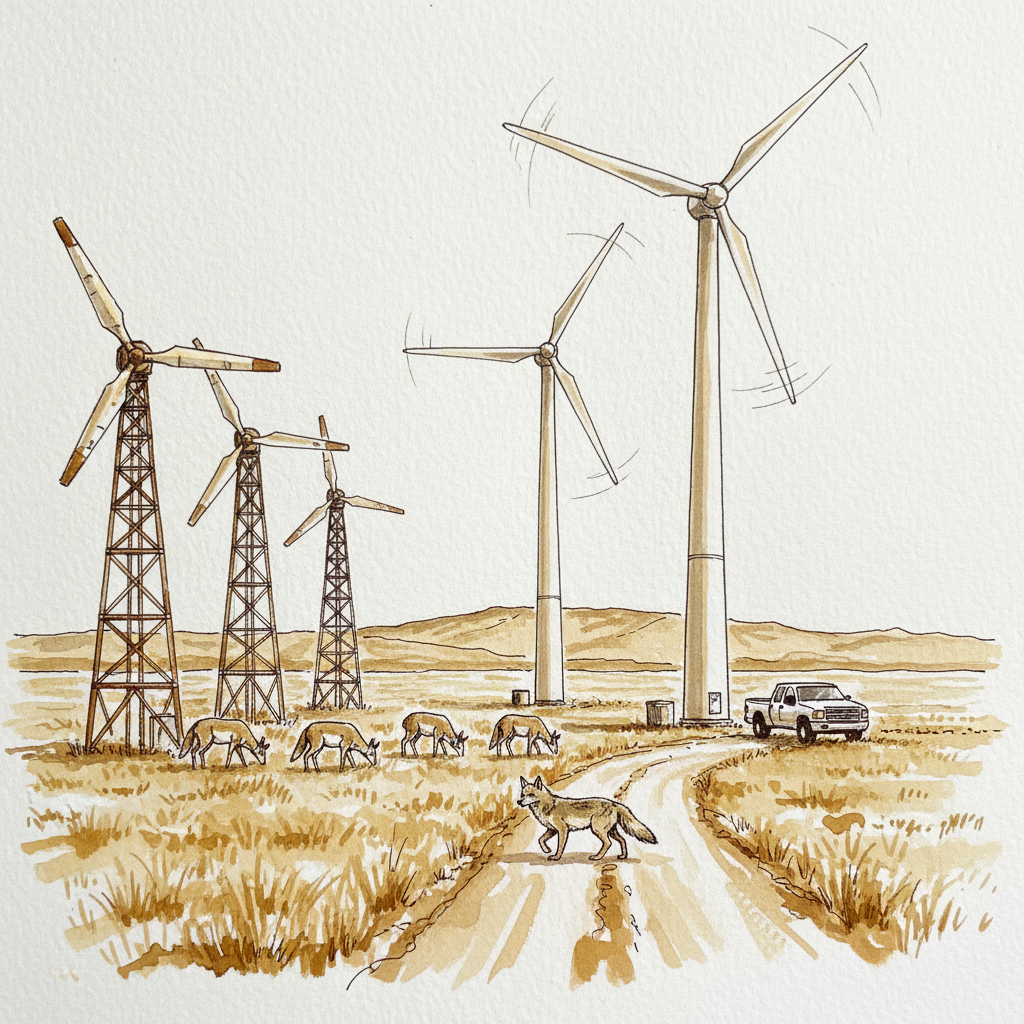
Piece 7 — Wyoming Range, Vintage and New Side by Side
Pen + Watercolor · Loose pen and watercolor line-and-wash
Three takes
Focus for this piece
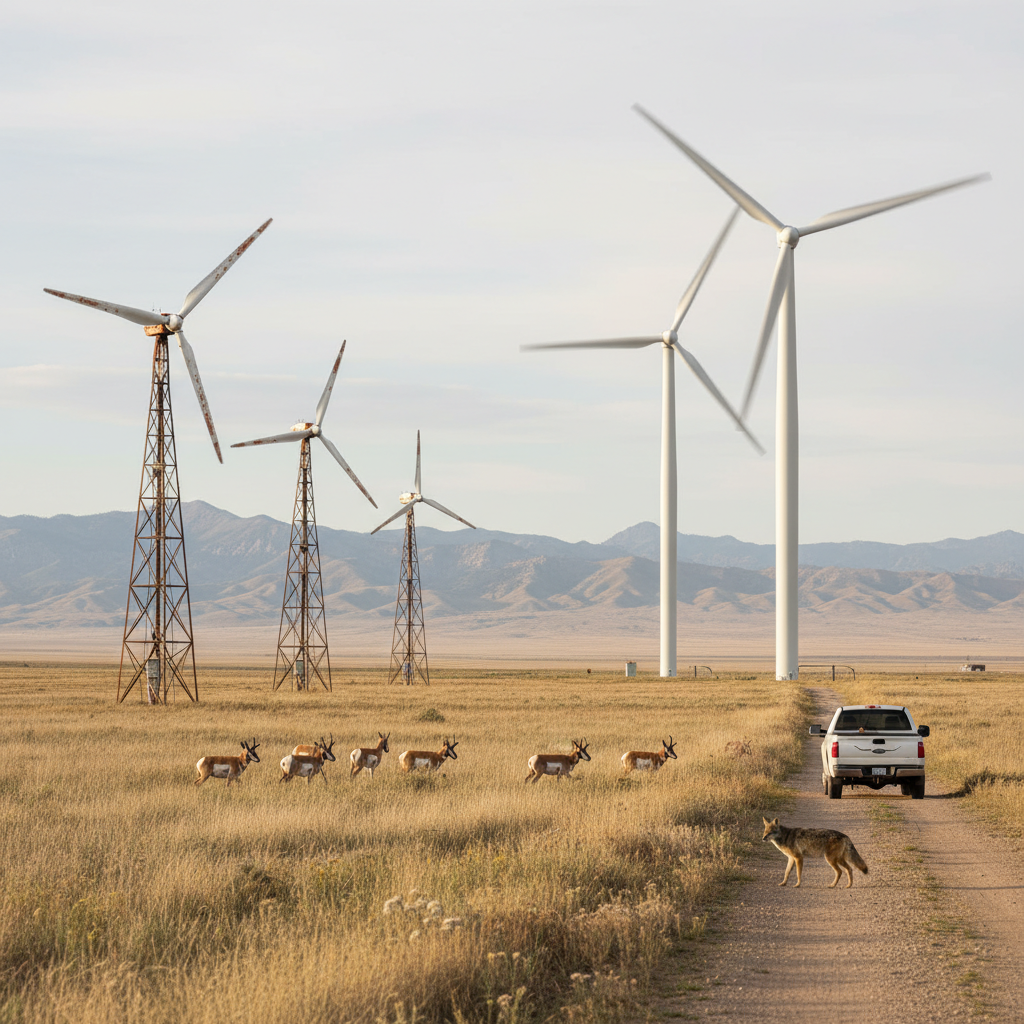
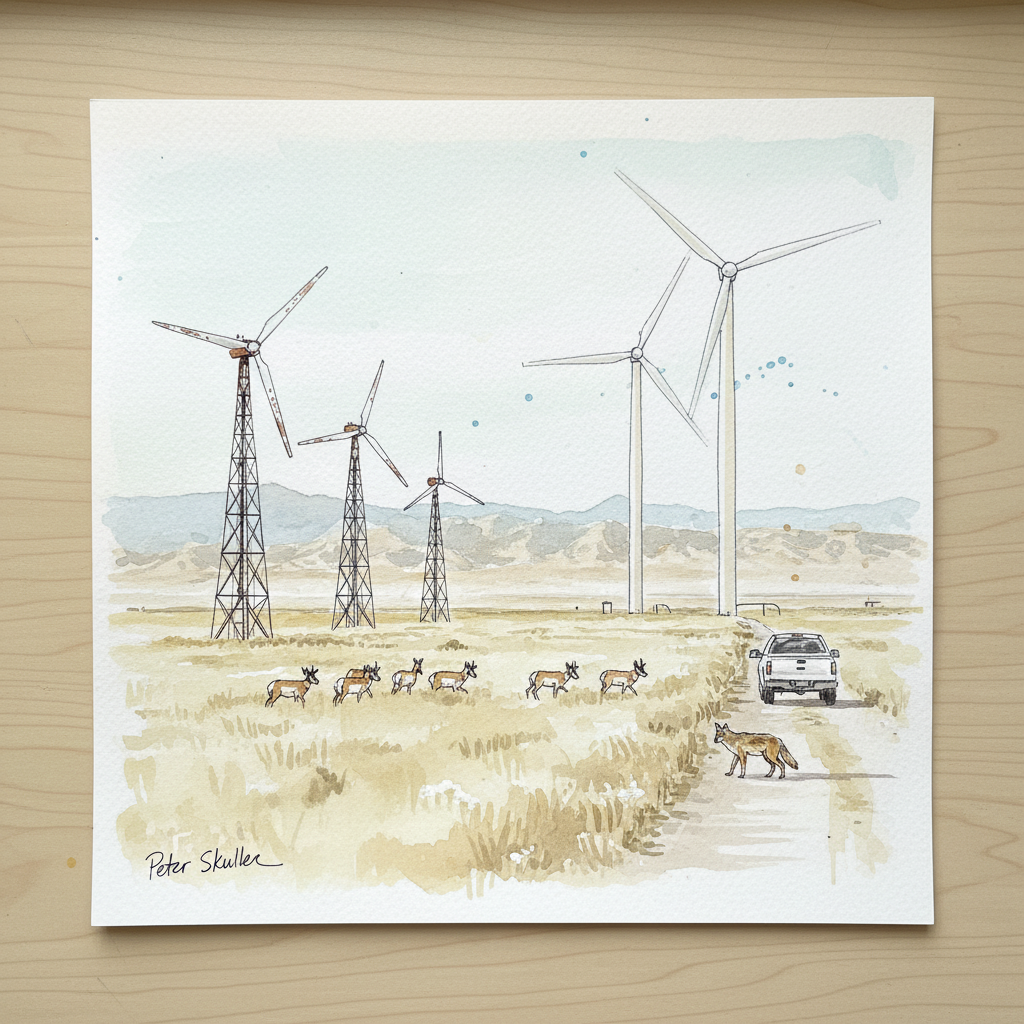
This piece offers an excellent study in integrating contrasting forms: practice rendering the intricate lattice work of the old turbines with fine, varied ink lines, then transition to broad, smooth washes with minimal line for the towering, cylindrical new structures. Pay close attention to how light washes and soft edges can define the distant tan Laramie Range, unifying the scene with a limited, earthy palette. This balance of precise detail and atmospheric suggestion is key to a compelling pen and watercolor landscape.
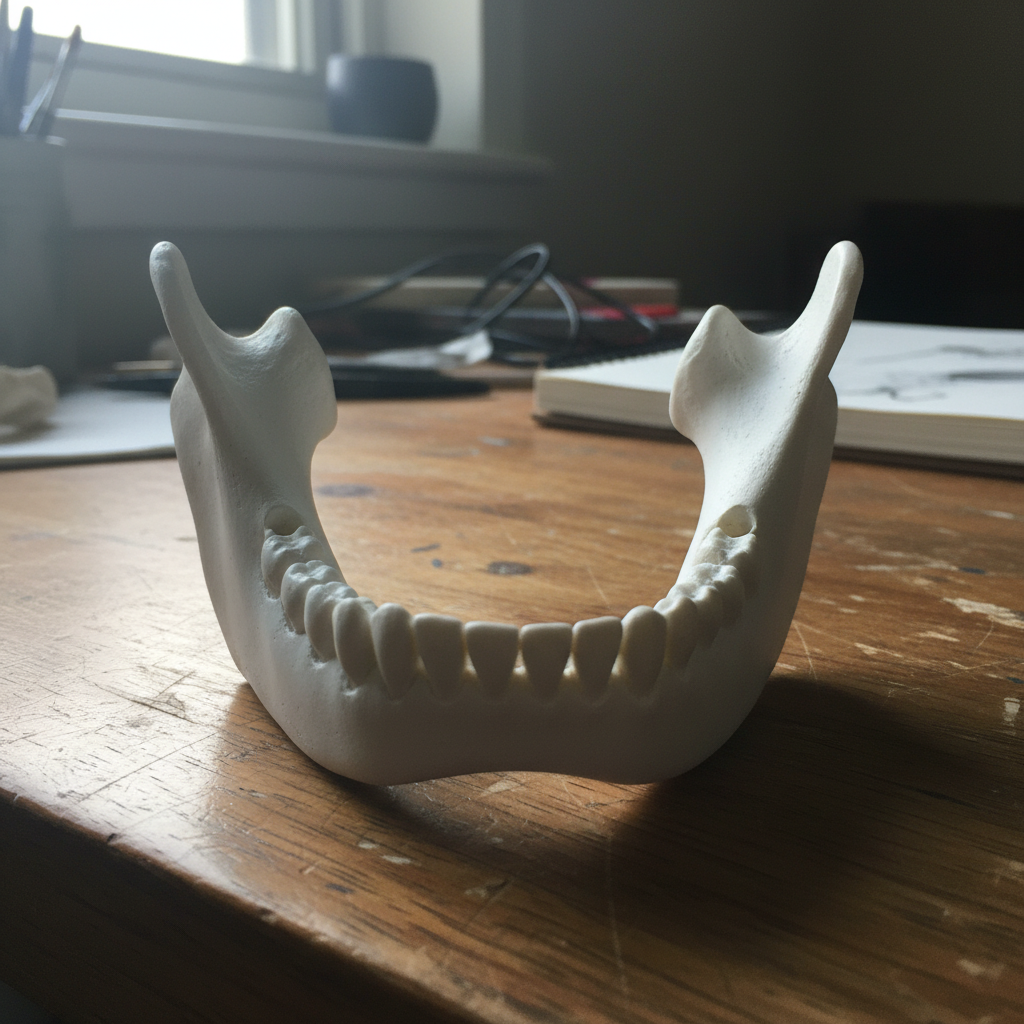
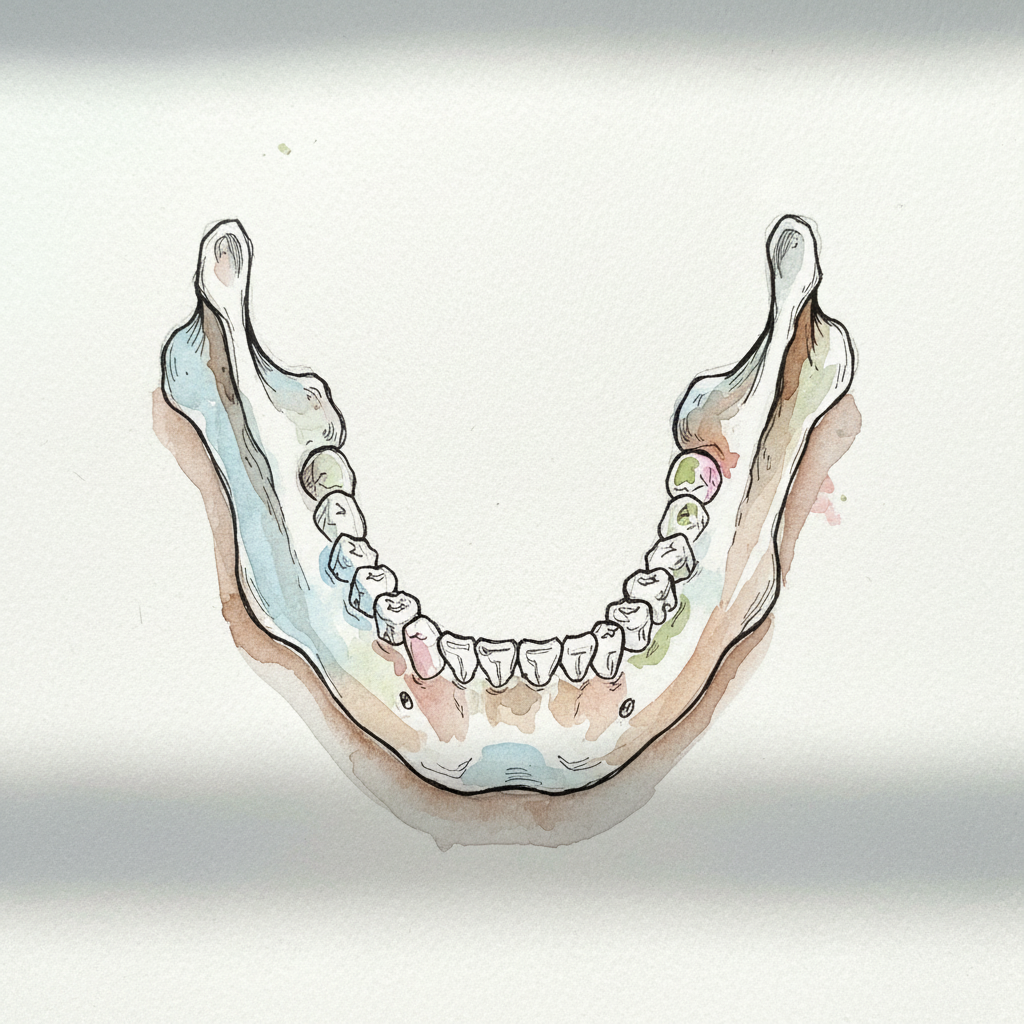
Piece 8 — Jaw Bone Lower View, Anatomical Model
Pen + Watercolor · Loose pen and watercolor line-and-wash
Three takes
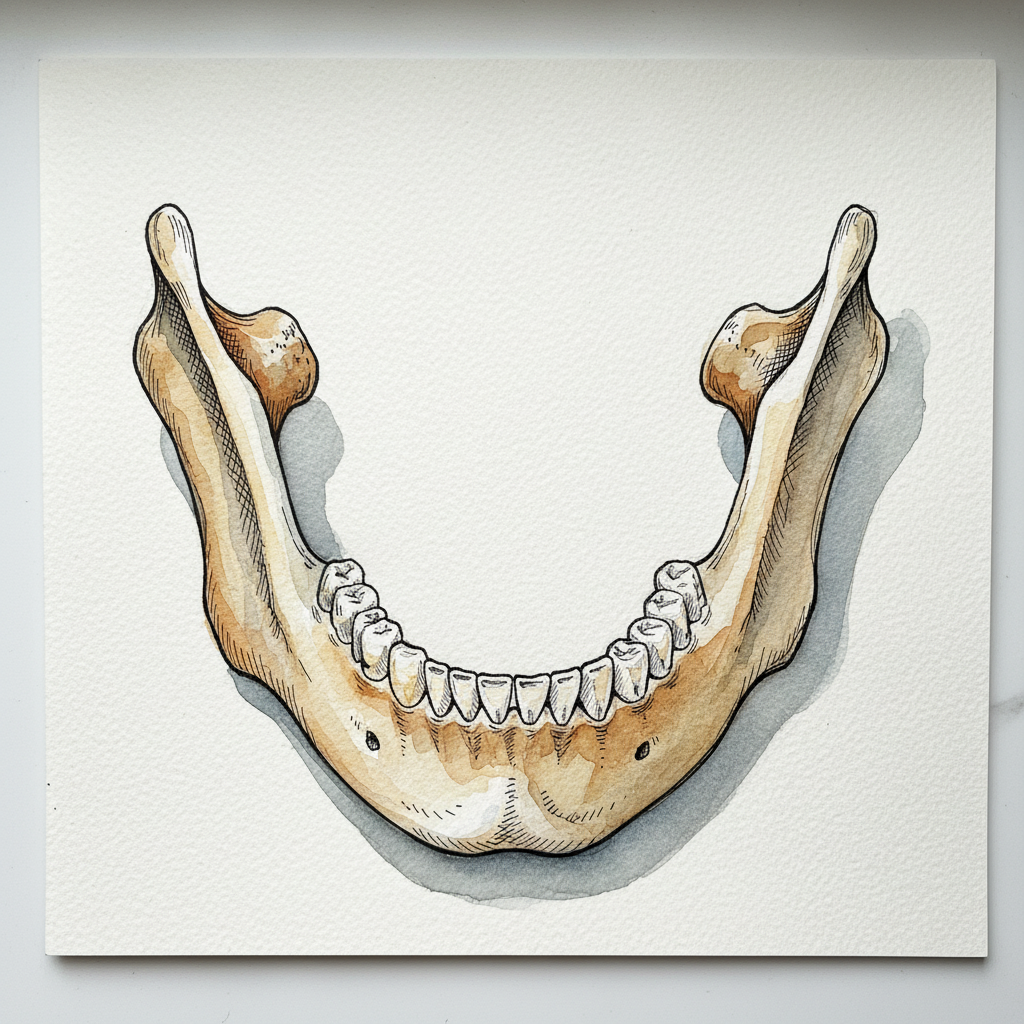
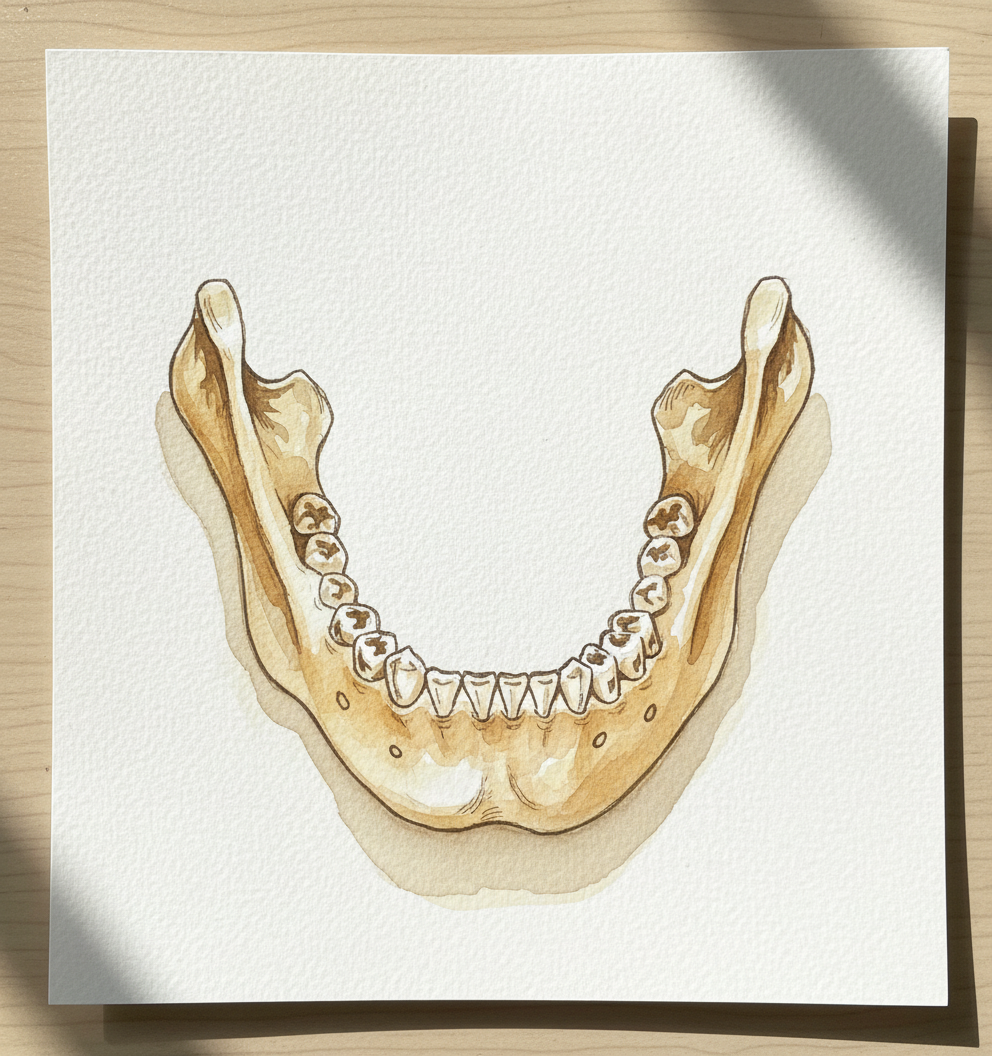
Focus for this piece
This lower view of the mandible is an excellent exercise in rendering a complex U-shaped form, especially with overhead light. Use varied line weights to clearly define the crisp edges of the dental arch and the projecting chin, establishing the bone's primary structure. Then, apply soft, graduated washes of a single cool neutral to sculpt the underlying volume, carefully building up darker values to show where the form curves away from the light and recedes. Pay particular attention to how the light from above creates subtle but crucial value shifts that define the rounded contours and the depth of the jaw.