Votive in red glass, V-Arms, T-Legs, Older East Asian Woman on Platform, Marine in fatigues, Killarney bog at dawn, County Kerry, Ireland, and more — pen + watercolor for June 1, 2026
Today's pen-and-watercolor pieces: Votive in red glass, V-Arms, T-Legs, Older East Asian Woman on Platform, Marine in fatigues, Killarney bog at dawn, County Kerry, Ireland, Argive Heraion, near Argos, Greece, North American river otter, Prague Lantern Repairman, Knife-pleated midi skirt flat.
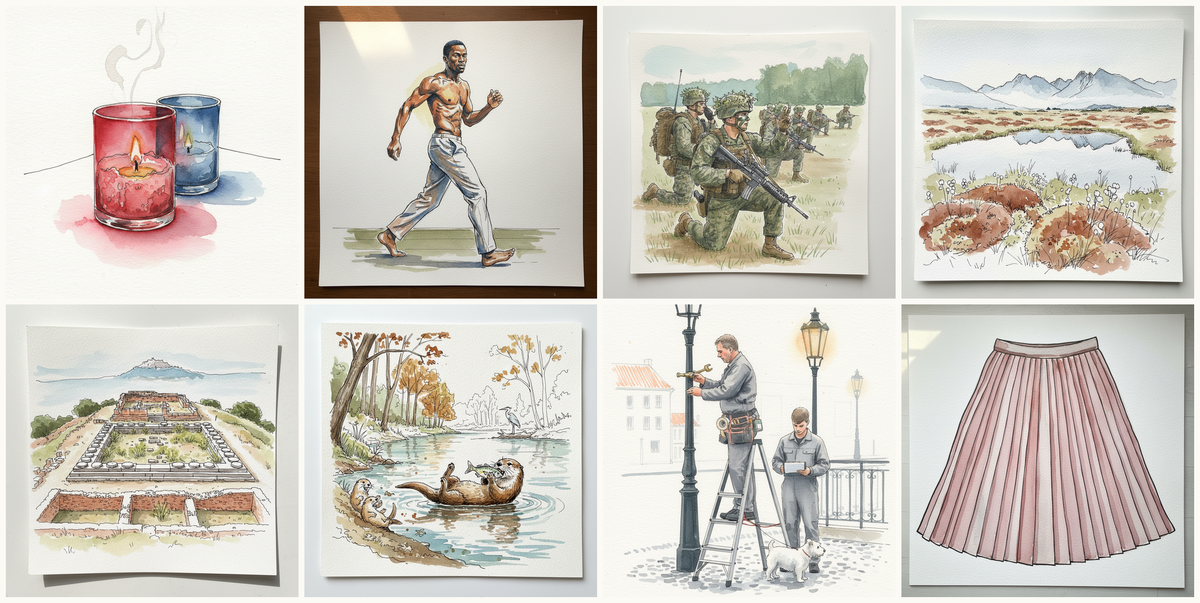
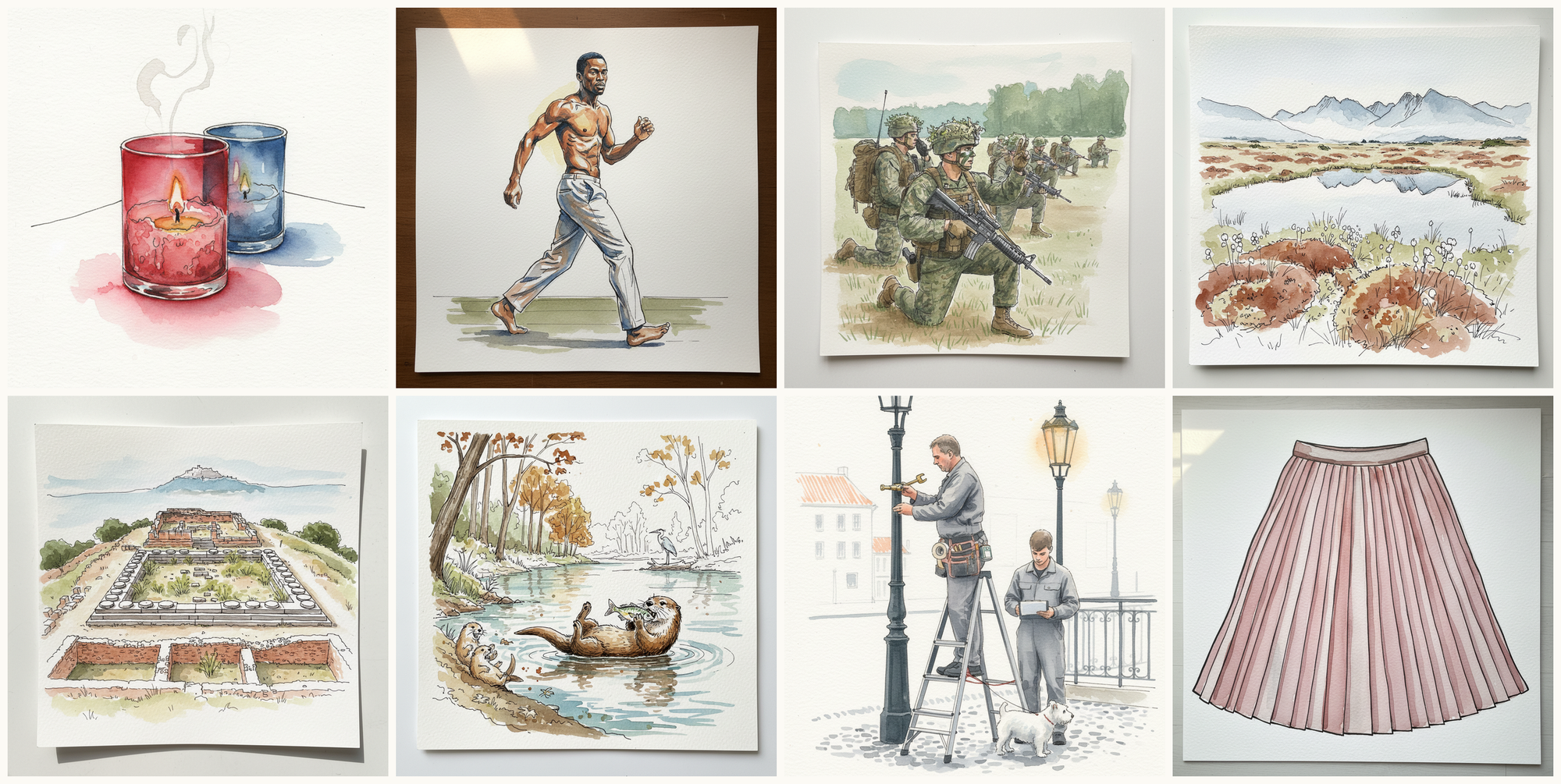
Today's 8 pen-and-watercolor pieces: Votive in red glass, V-Arms, T-Legs, Older East Asian Woman on Platform, Marine in fatigues, Killarney bog at dawn, County Kerry, Ireland, Argive Heraion, near Argos, Greece, North American river otter, Prague Lantern Repairman, Knife-pleated midi skirt flat. Each piece comes with a photo reference, three example artworks in different treatments, and a short focus paragraph naming what to study in this one.
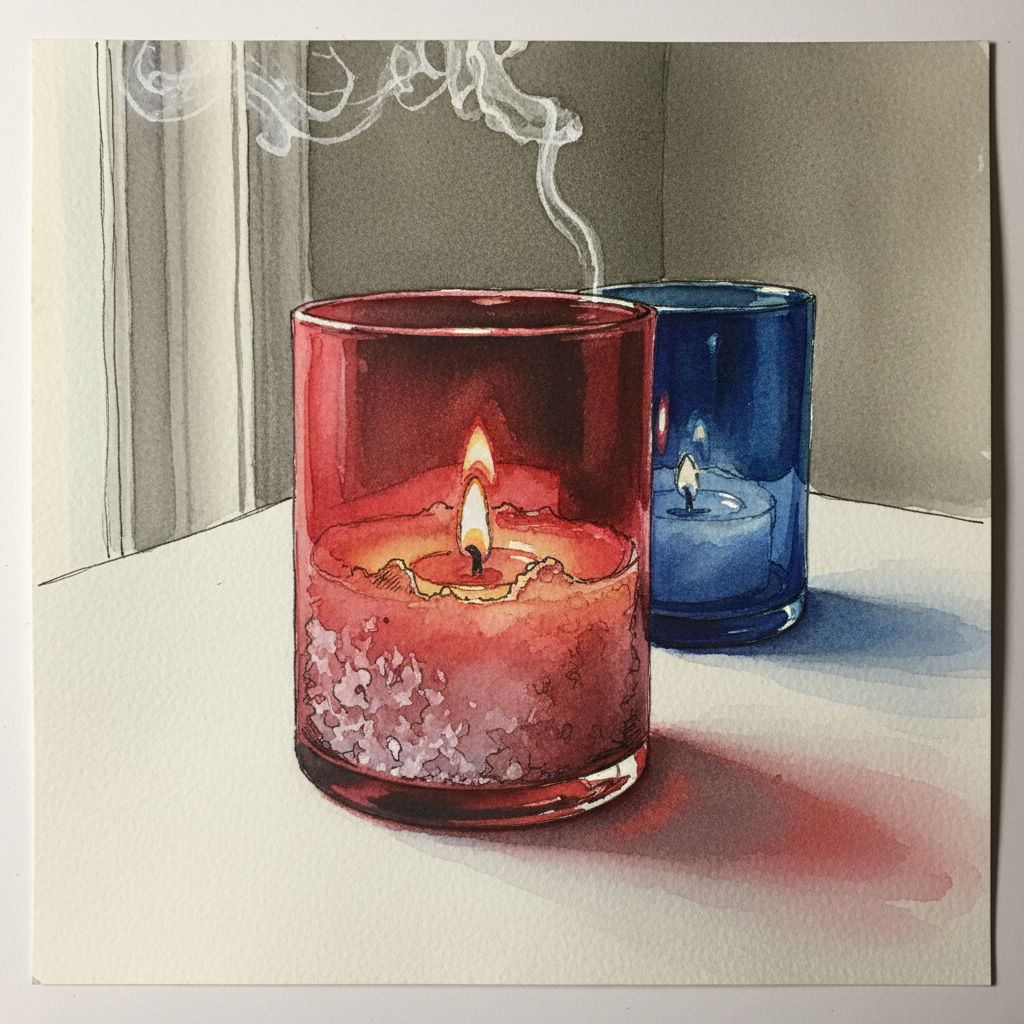
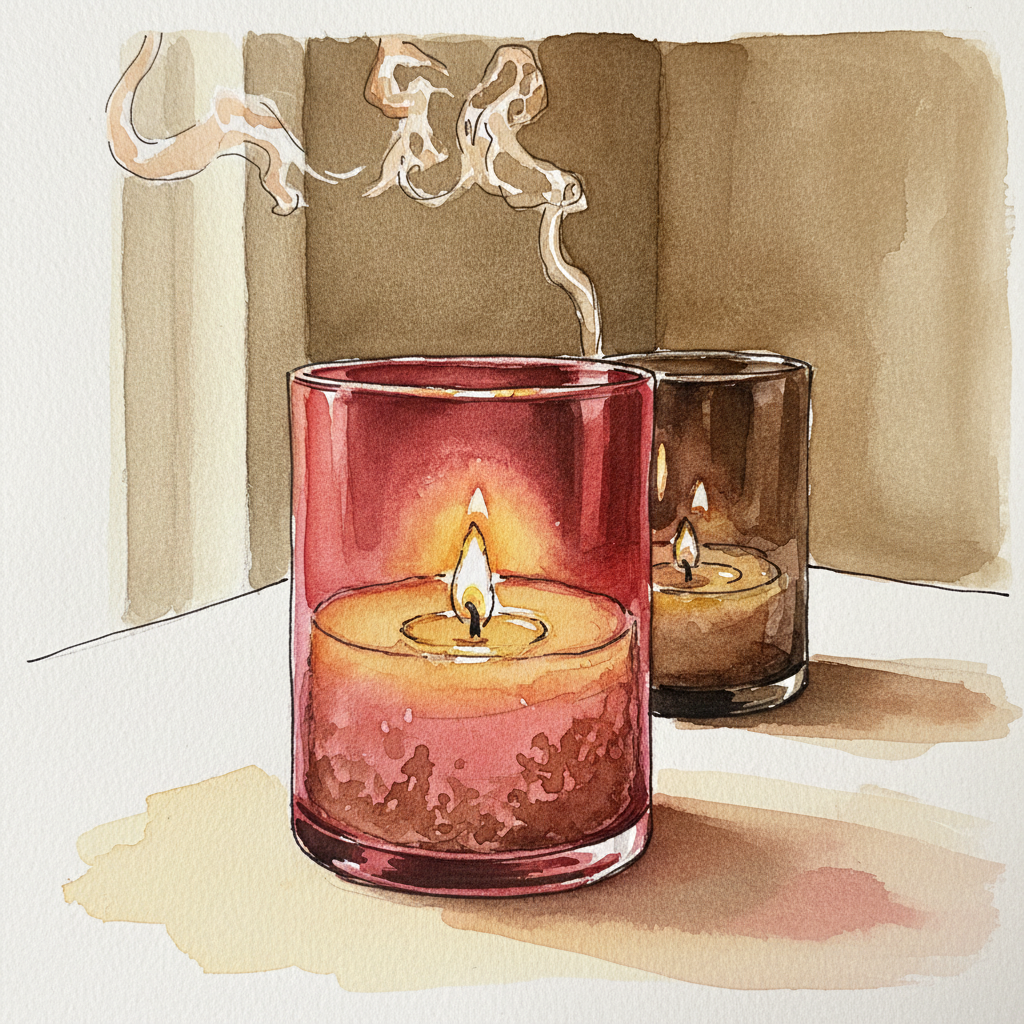
Piece 1 — Votive in red glass
Pen + Watercolor · Loose pen and watercolor line-and-wash
Three takes
Focus for this piece
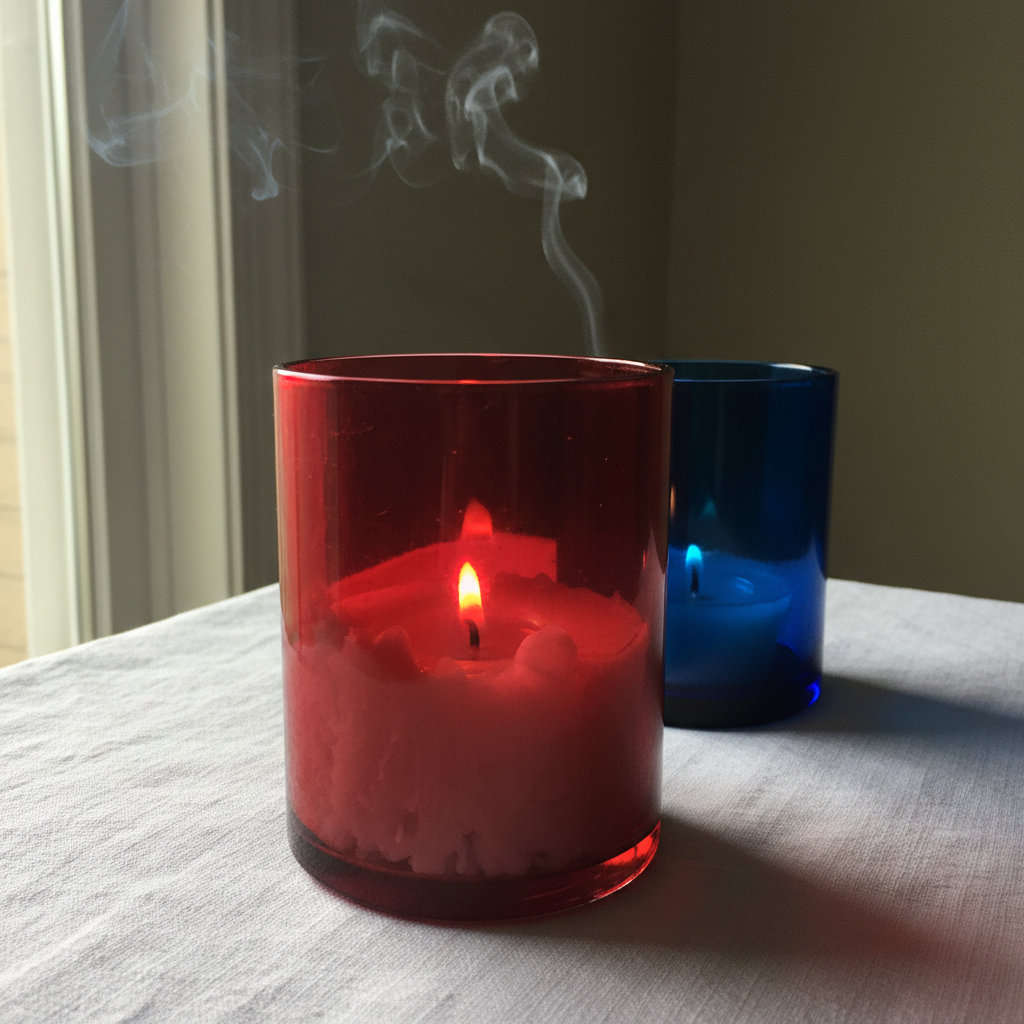
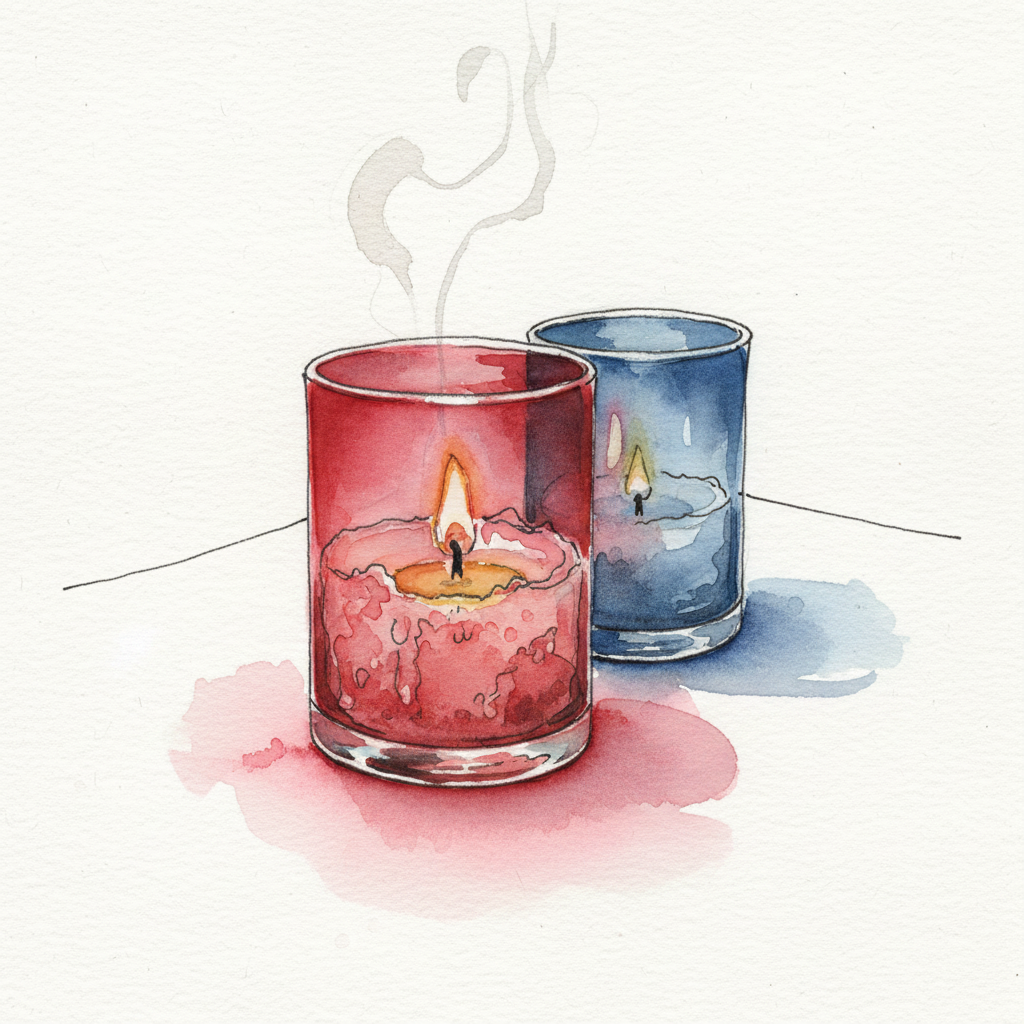
This piece is ideal for practicing how to build luminous transparency in glass, layering concentrated washes to achieve saturated ruby tones while preserving the subtle, muted glow of the flame within. Pay particular attention to how the warm light casts a soft red wash onto the altar cloth; practice a controlled wet-on-wet approach here for atmospheric effect. Vary your line weights to define the crisp structure of the votive, allowing ink to hold the form while watercolor describes the light, material, and atmosphere.
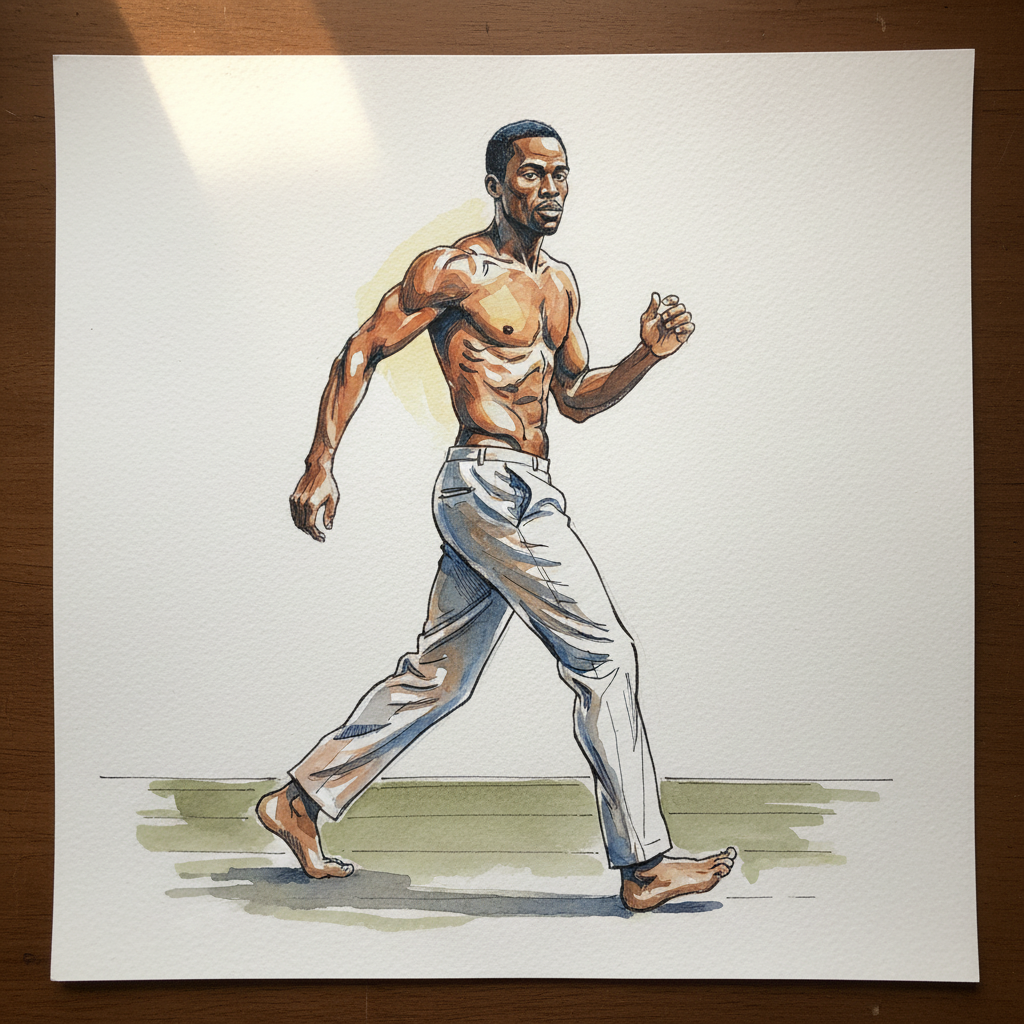
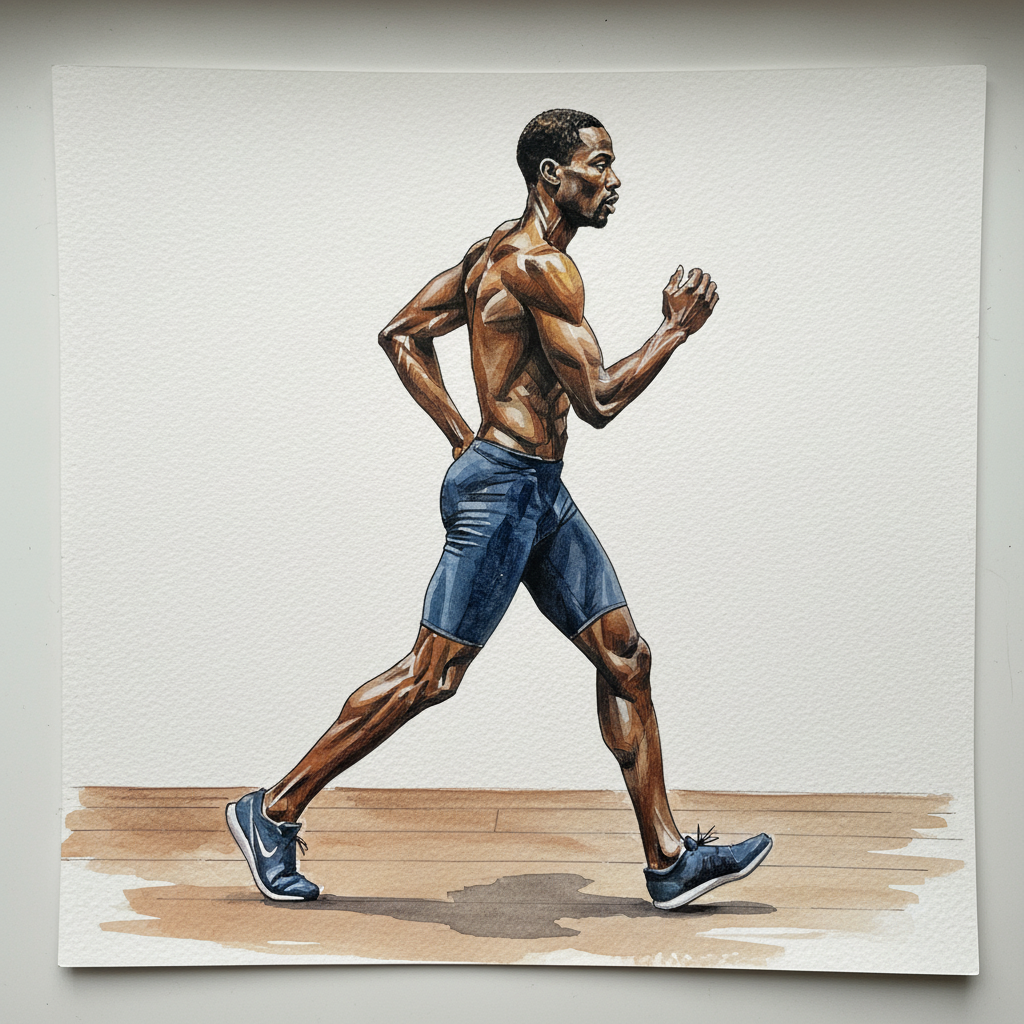
Piece 2 — V-Arms, T-Legs, Older East Asian Woman on Platform
Pen + Watercolor · Loose pen and watercolor line-and-wash

Three takes
Focus for this piece
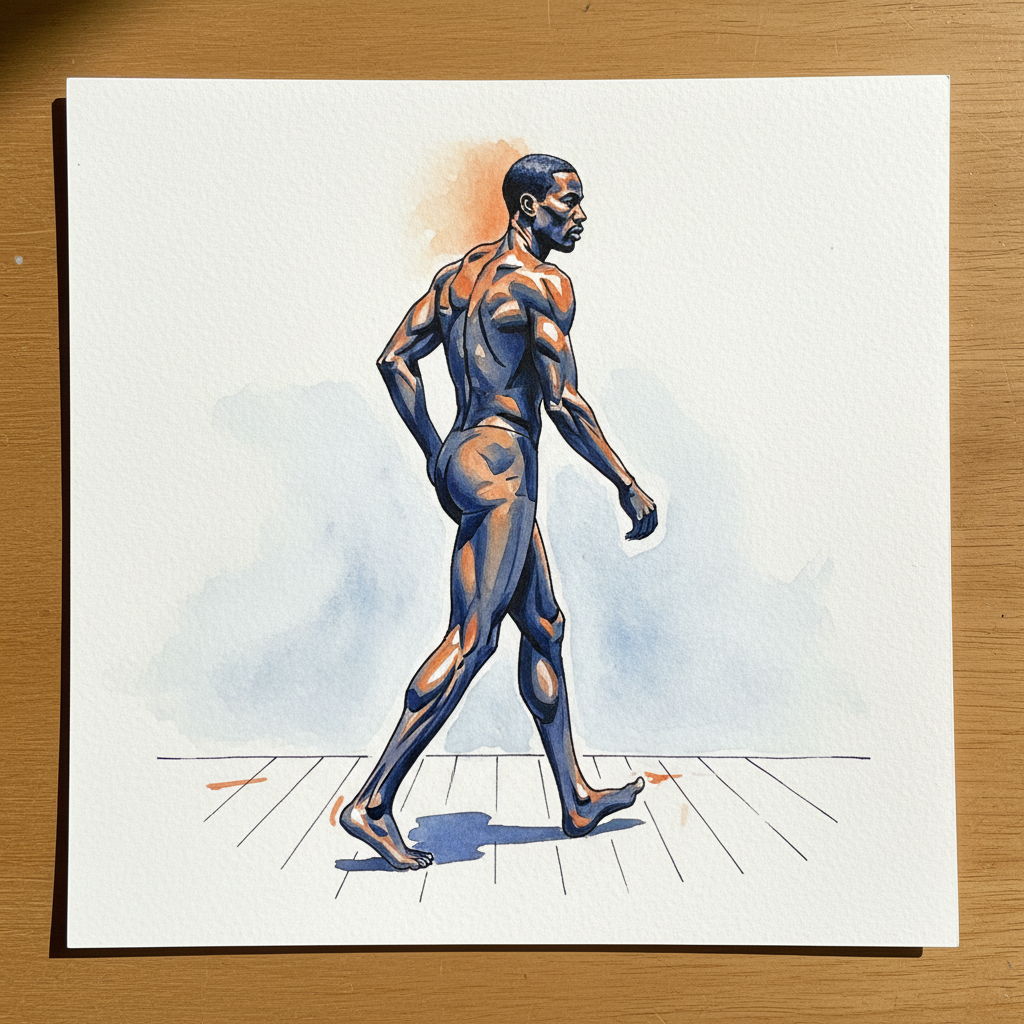
This piece is an excellent study for translating dynamic motion and backlighting into form. Focus on using a precise, lighter pen line to define the sharp edge of the "warm tungsten light" on the trapezius and bridge of his nose. Use broad, confident watercolor washes in darker, cooler tones to sculpt the twisting volume of his body, letting the contrast between the illuminated edges and the deep shadows emphasize the spiral line of action. This approach will give the figure compelling depth and movement.
Piece 3 — Marine in fatigues
Pen + Watercolor · Loose pen and watercolor line-and-wash

Three takes
Focus for this piece
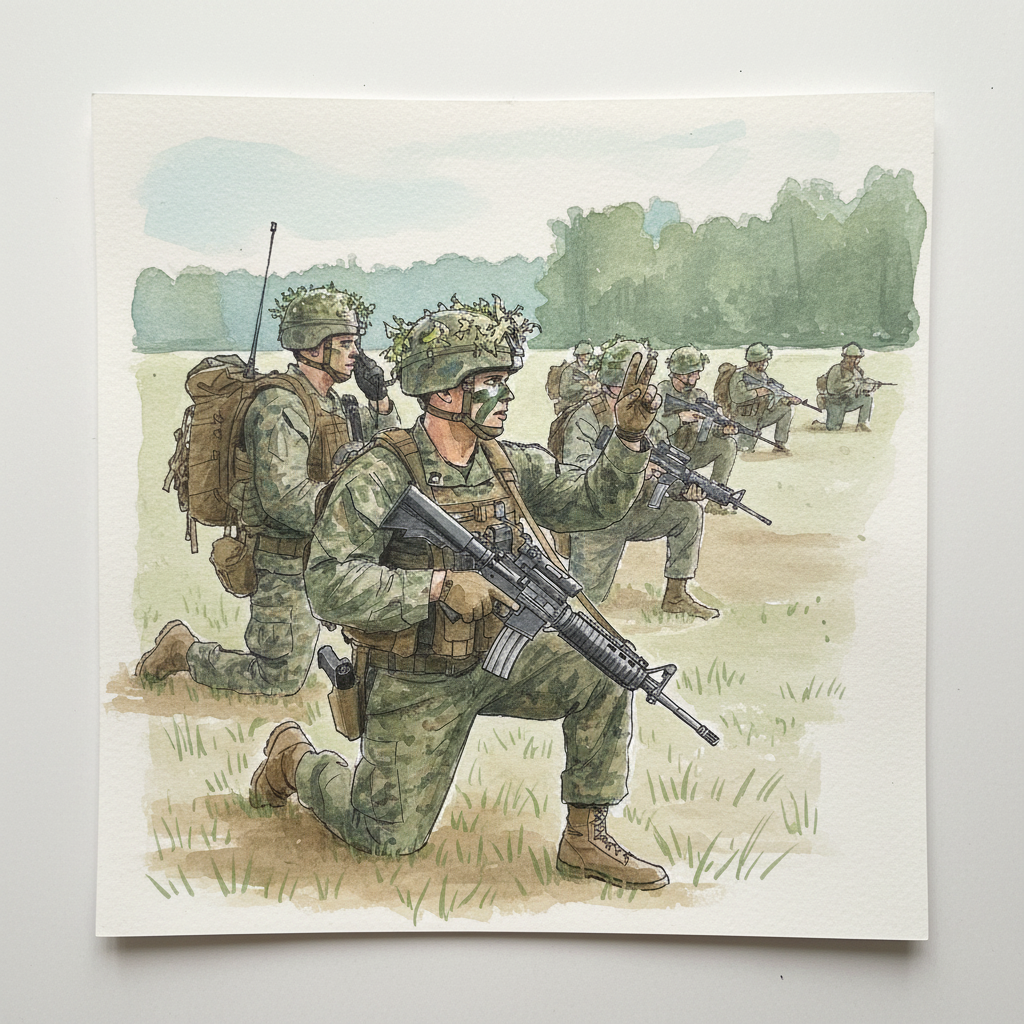
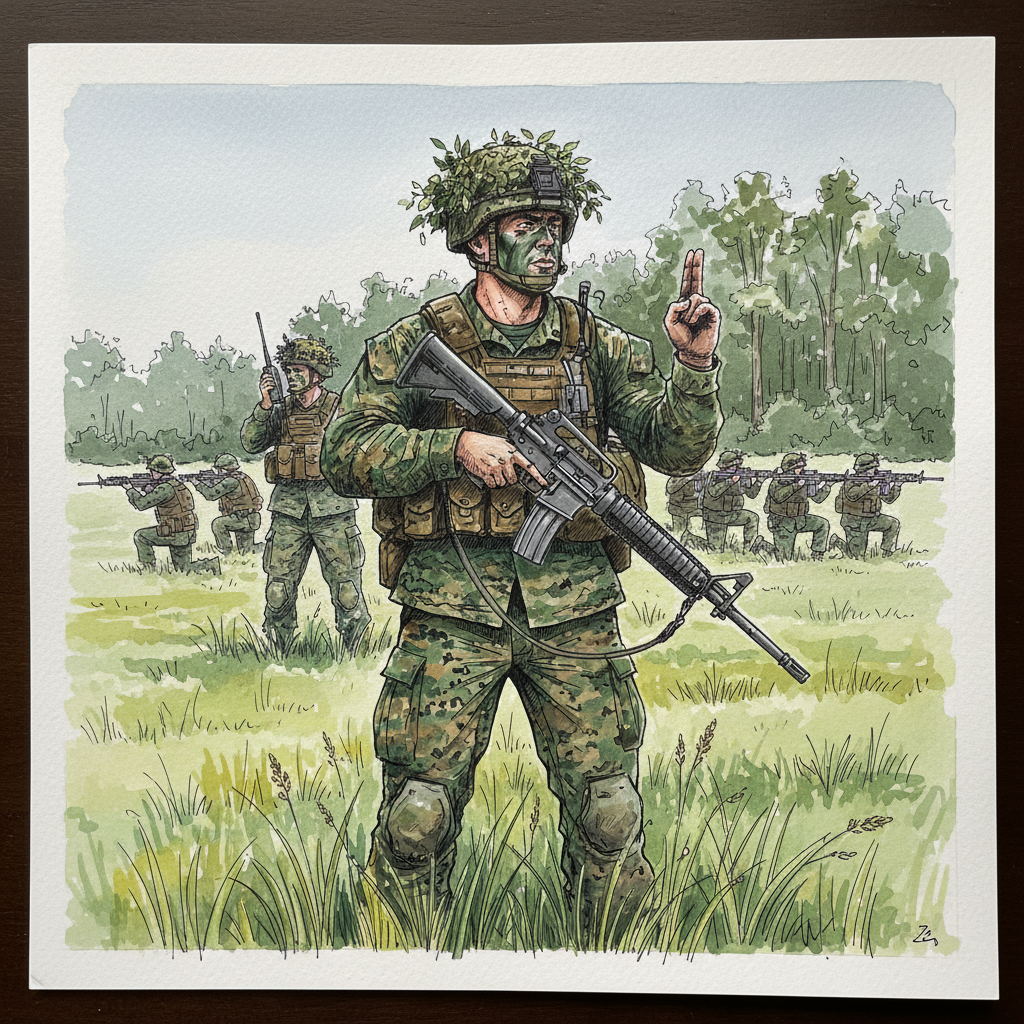
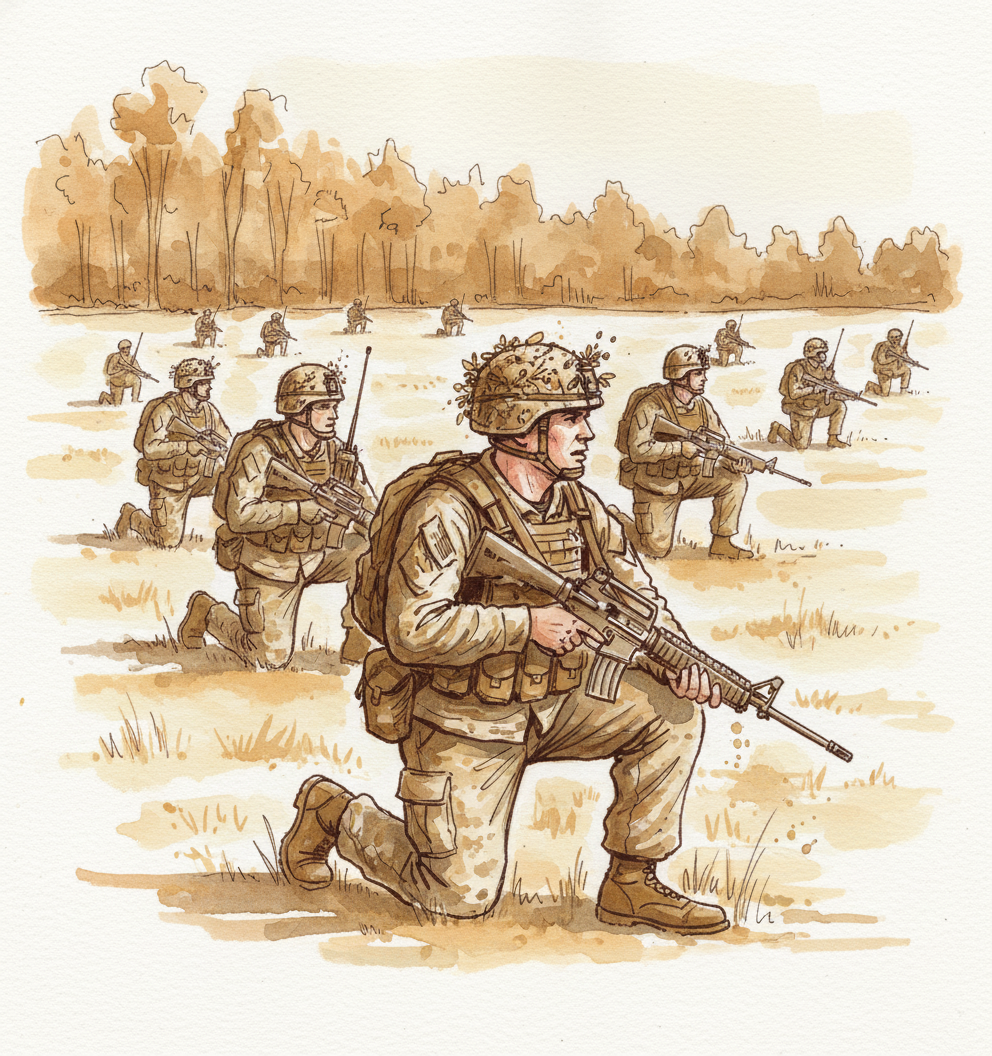
This piece is an excellent study in rendering complex textures like digital camouflage and foliage without over-detailing. Use varied, broken line weights to establish the figure's strong form and gear, allowing the pen to define edges and key features. Then, employ a limited palette of analogous greens and browns in layered, wet-on-dry washes, letting the fluid watercolor suggest the intricate patterns and atmospheric depth. This approach lets the watercolor create a sense of texture and volume while the ink provides crisp structural definition.
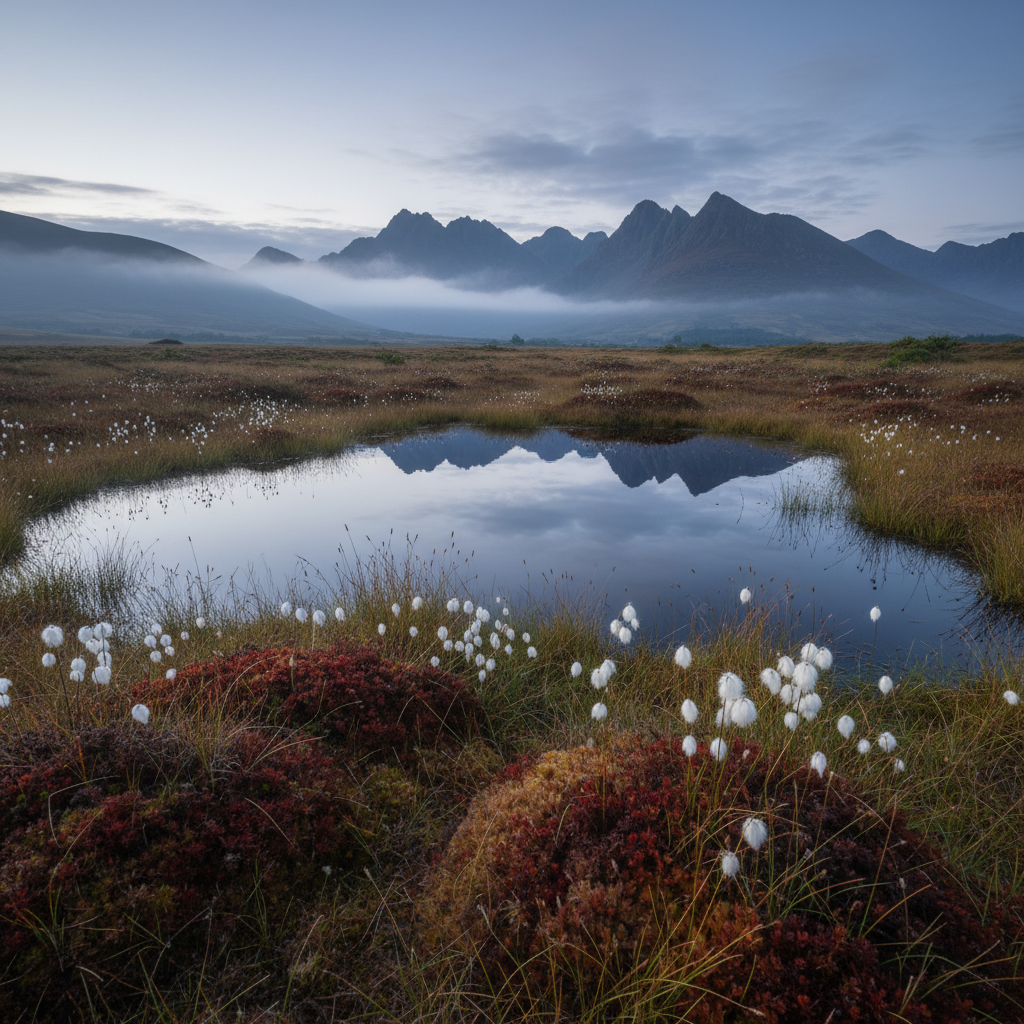
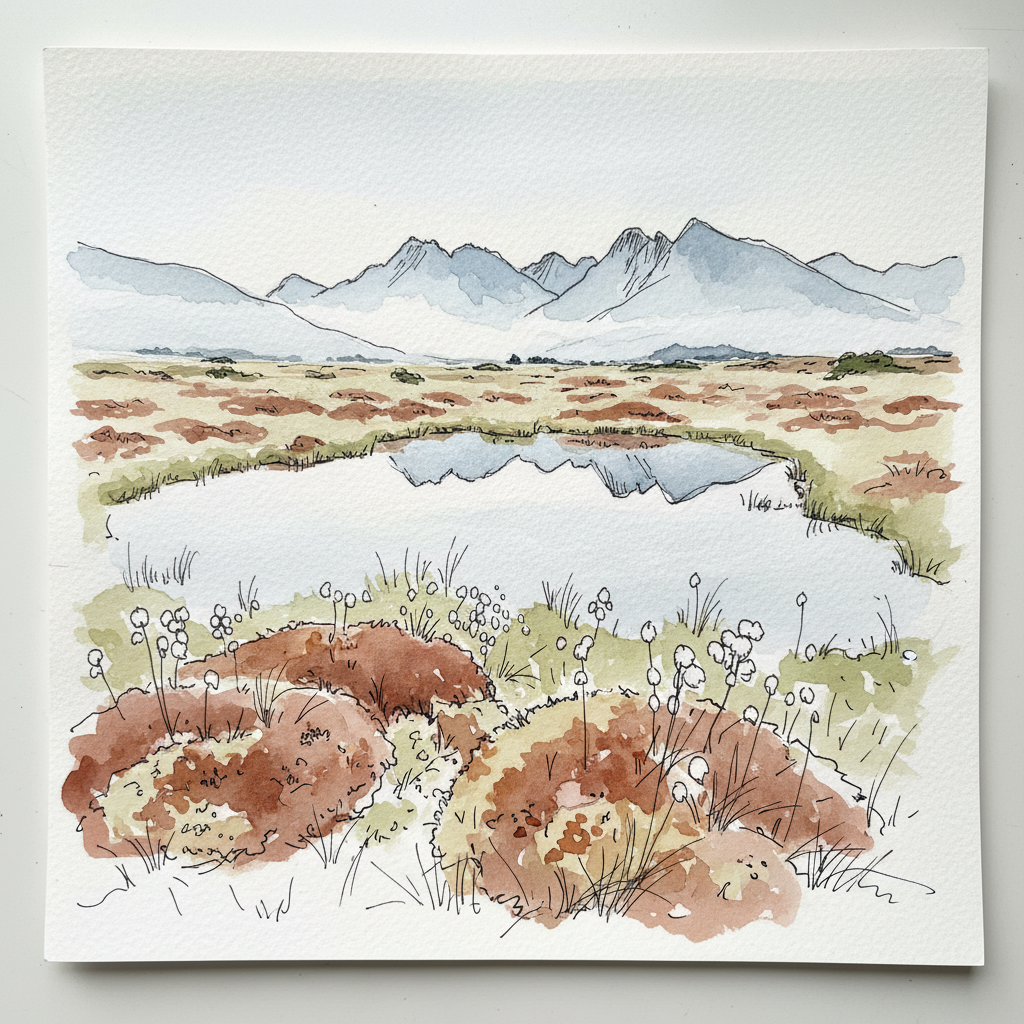
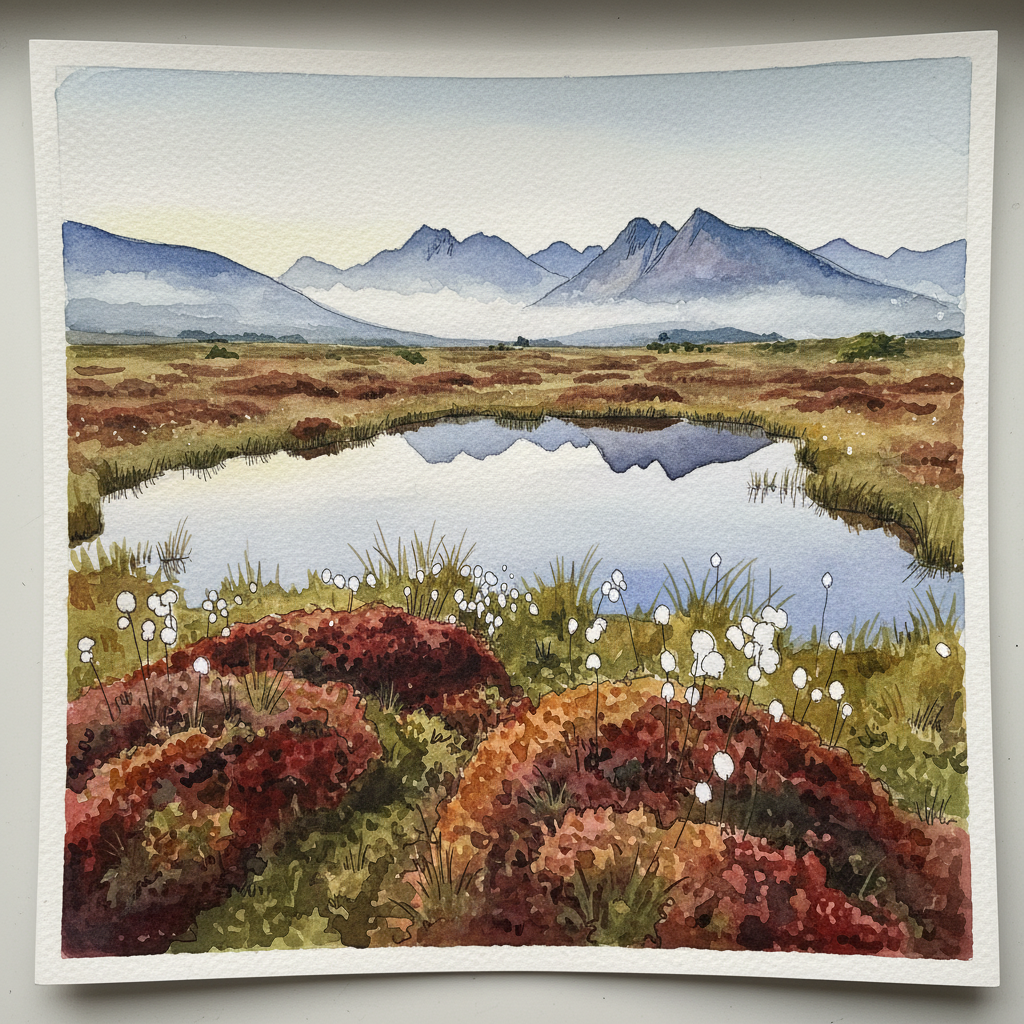
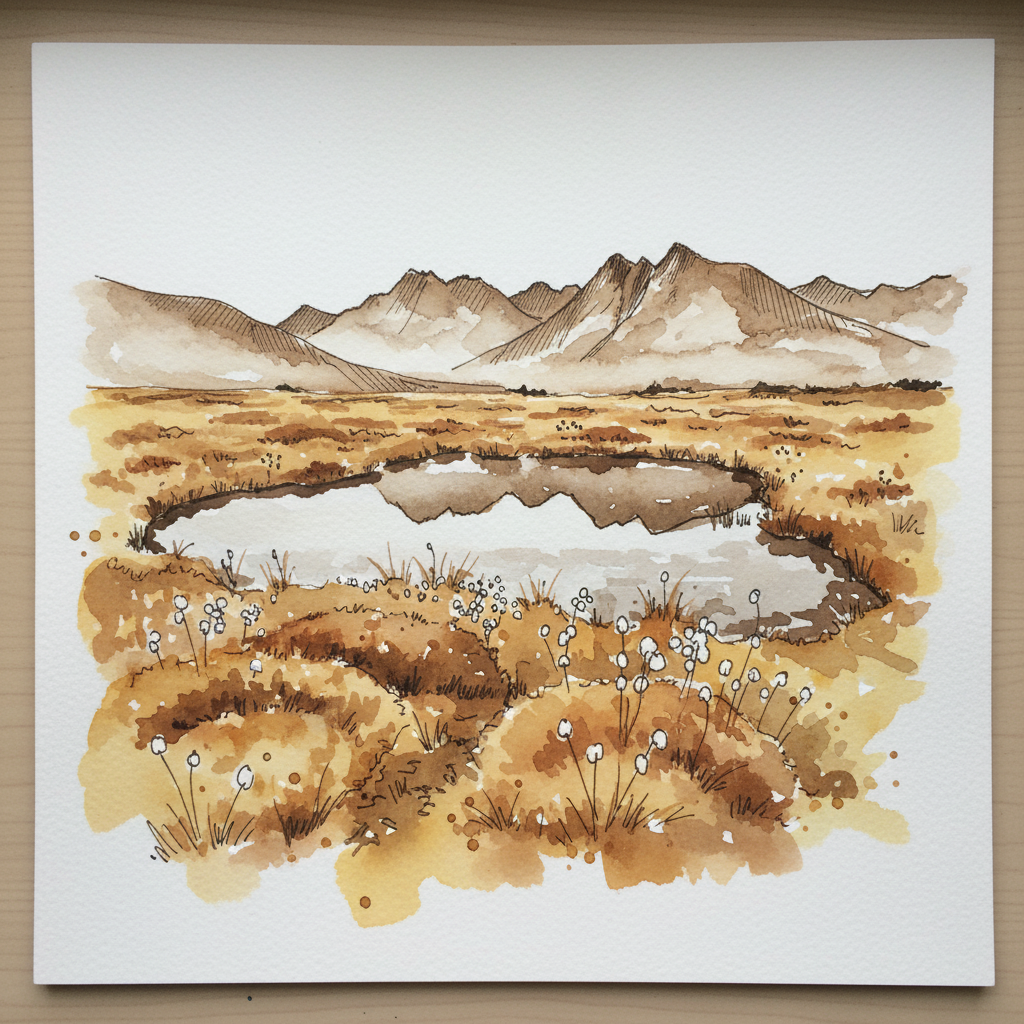
Piece 4 — Killarney bog at dawn, County Kerry, Ireland
Pen + Watercolor · Loose pen and watercolor line-and-wash
Three takes
Focus for this piece
For today's Killarney bog scene, focus on the unique challenge of rendering the *perfect inverted image of the sky* in the still bog pool. Practice keeping this reflective surface free of pen lines, instead relying on broad, controlled washes of diluted ultramarine and Payne's Grey to achieve the soft, misty sky and its undisturbed mirror. Contrast this fluid middle ground with precise, varied pen marks for the foreground sphagnum and bog cotton, while employing light, broken lines and atmospheric washes for the distant, hazy MacGillycuddy's Reeks. This piece is excellent for studying how to differentiate texture and depth across a scene using contrasting pen and wash techniques.
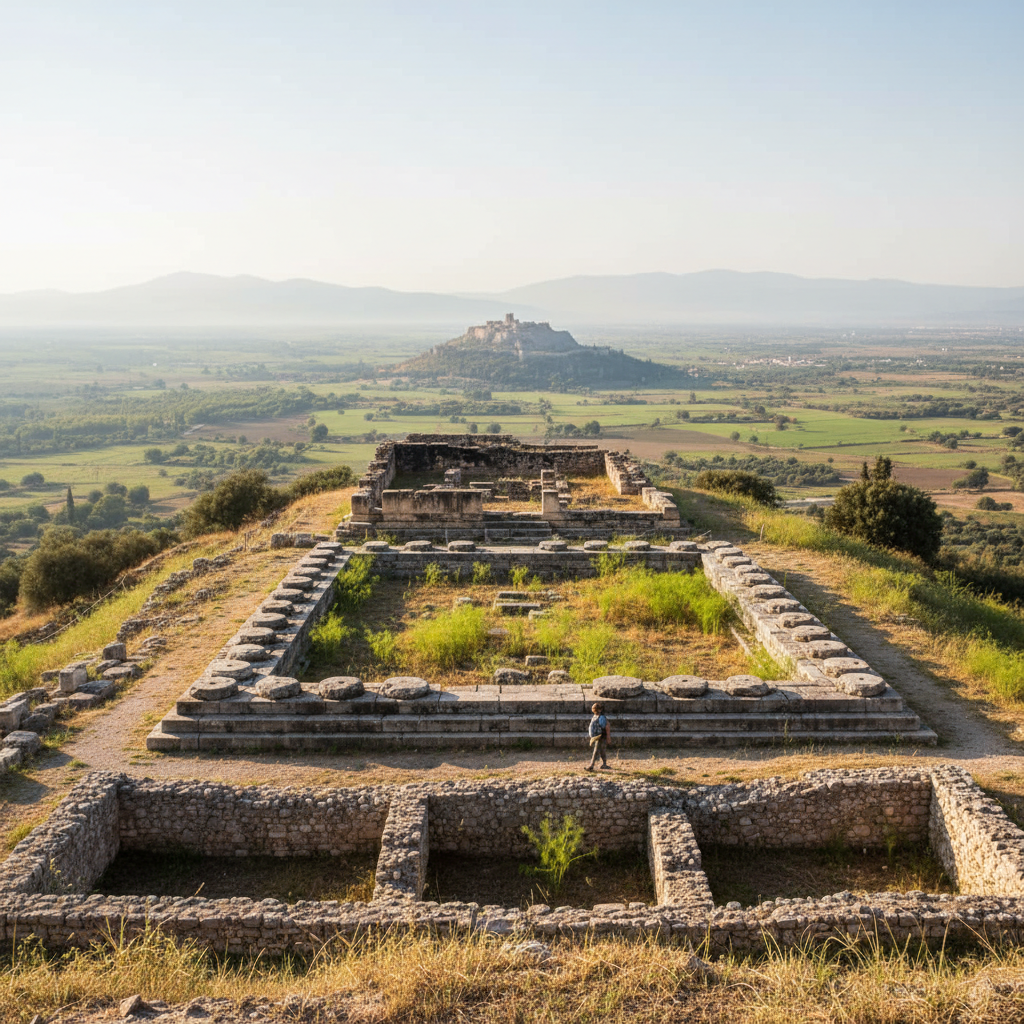
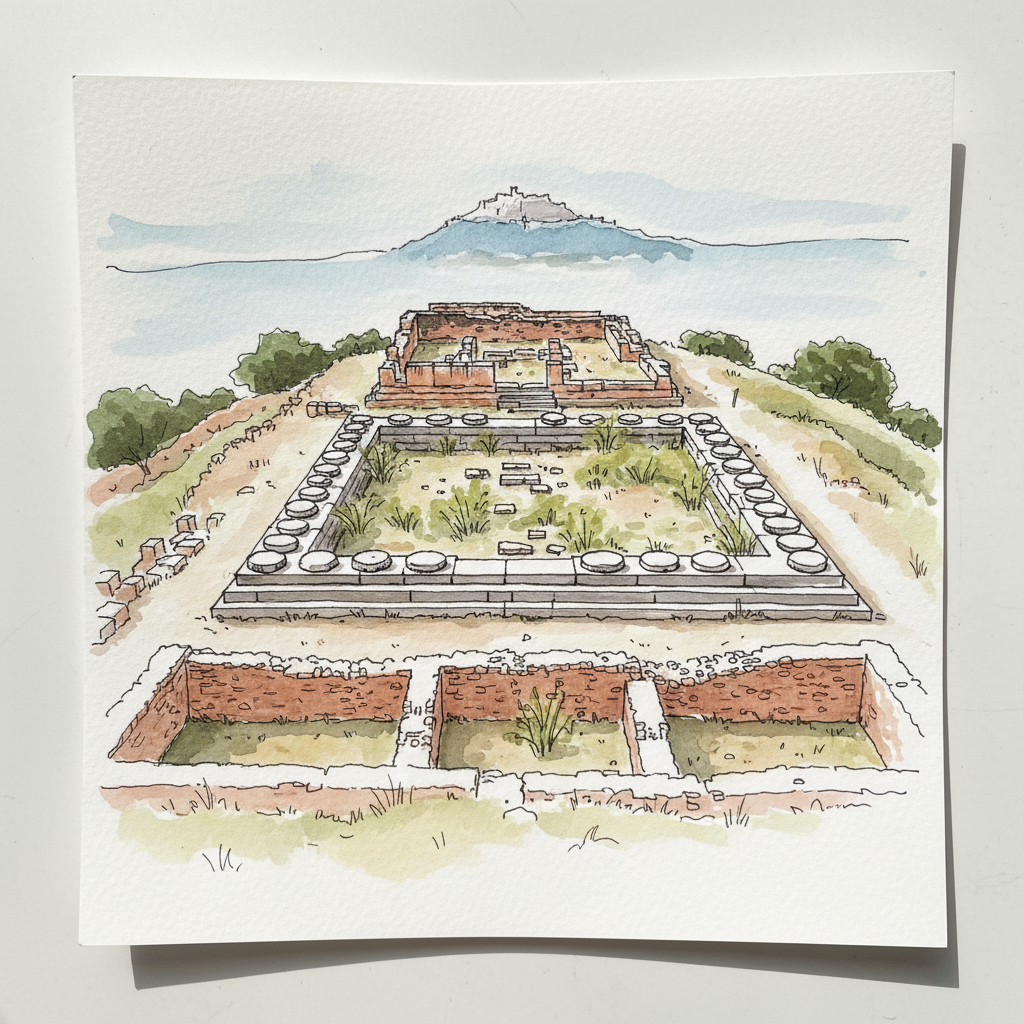
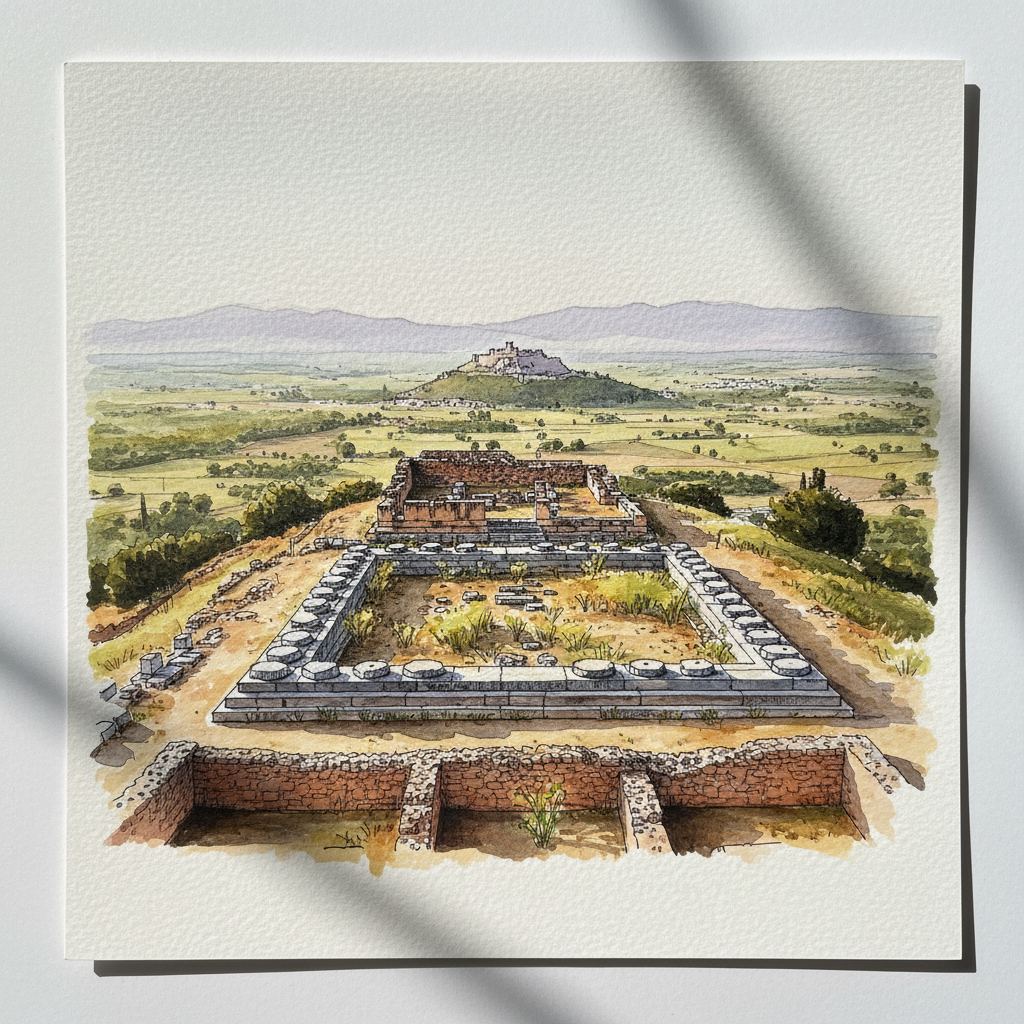
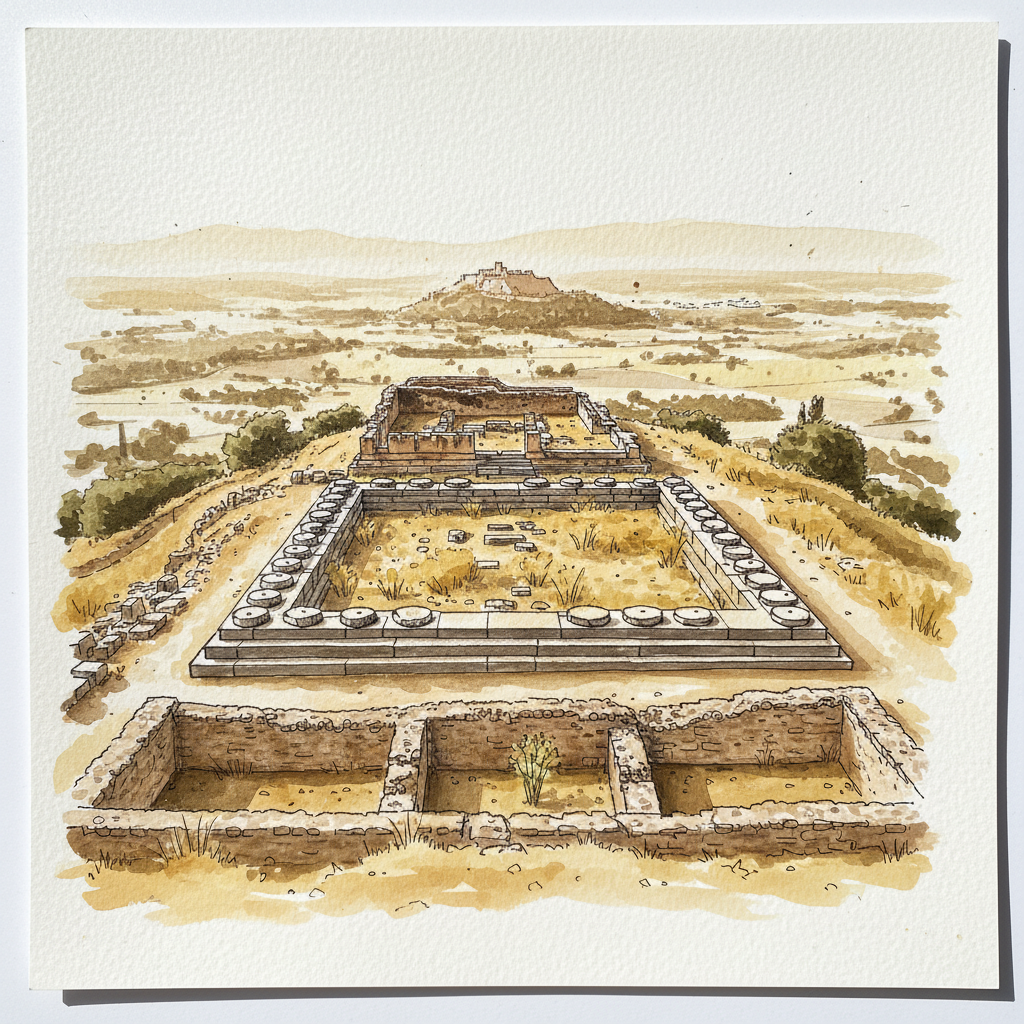
Piece 5 — Argive Heraion, near Argos, Greece
Pen + Watercolor · Loose pen and watercolor line-and-wash
Three takes
Focus for this piece
For this piece, focus on establishing the strong compositional hierarchy of the three terraces stepping down the hillside, using varied pen line weights to differentiate the solid stone foundations and crisp column-base socles from the softer contours of the surrounding terrain. Then, leverage broad, wet-into-wet watercolor washes to capture the expansive, sun-drenched atmosphere of the plain and distant Mycenae. This interplay between defined archaeological structure and fluid natural suggestion will be key to a dynamic and convincing rendering.
Piece 6 — North American river otter
Pen + Watercolor · Loose pen and watercolor line-and-wash
Three takes
Focus for this piece
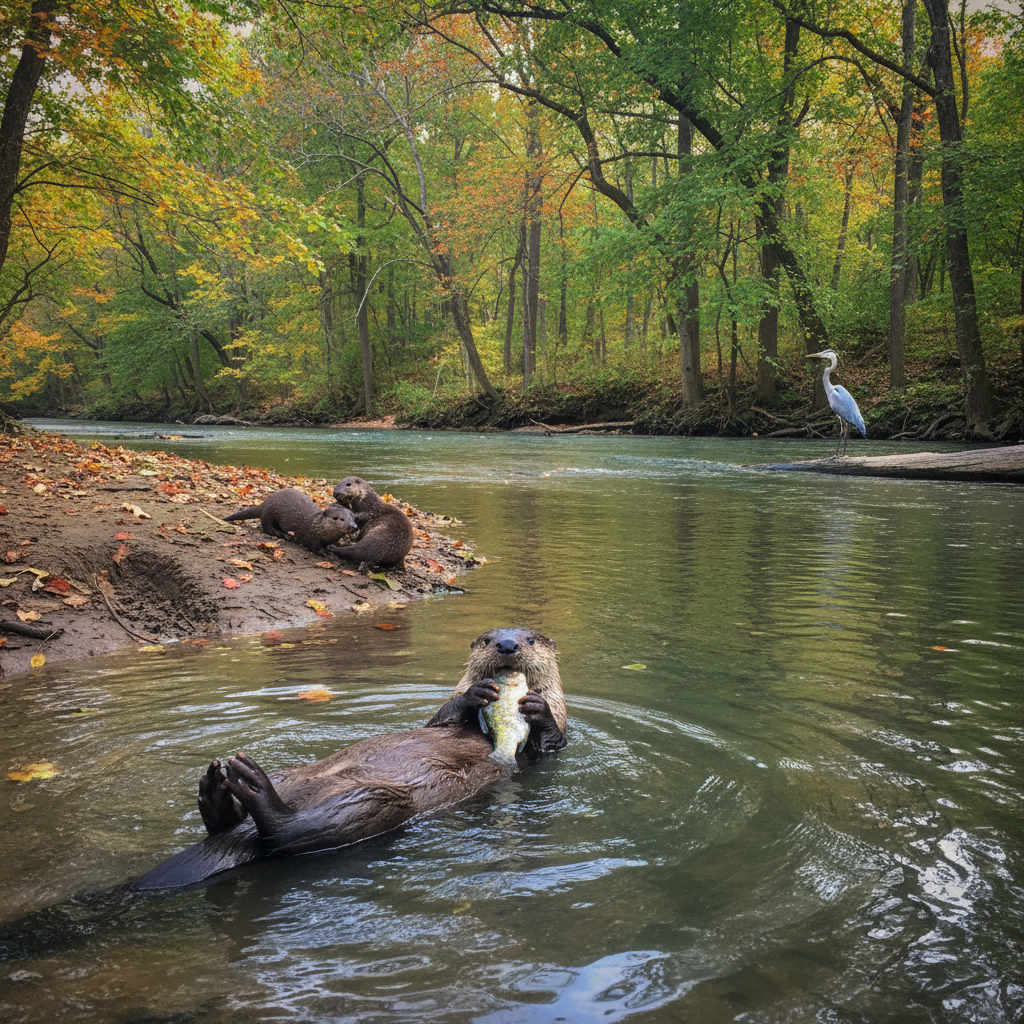
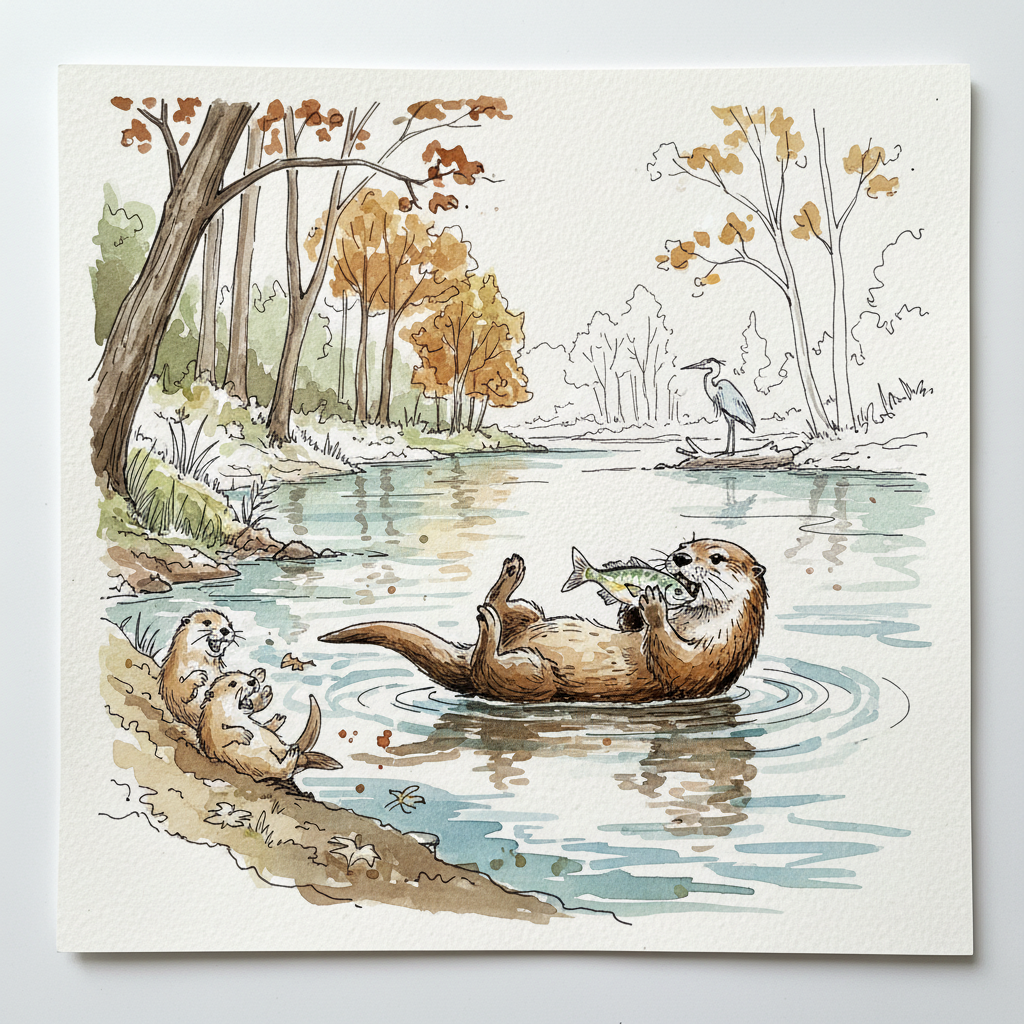
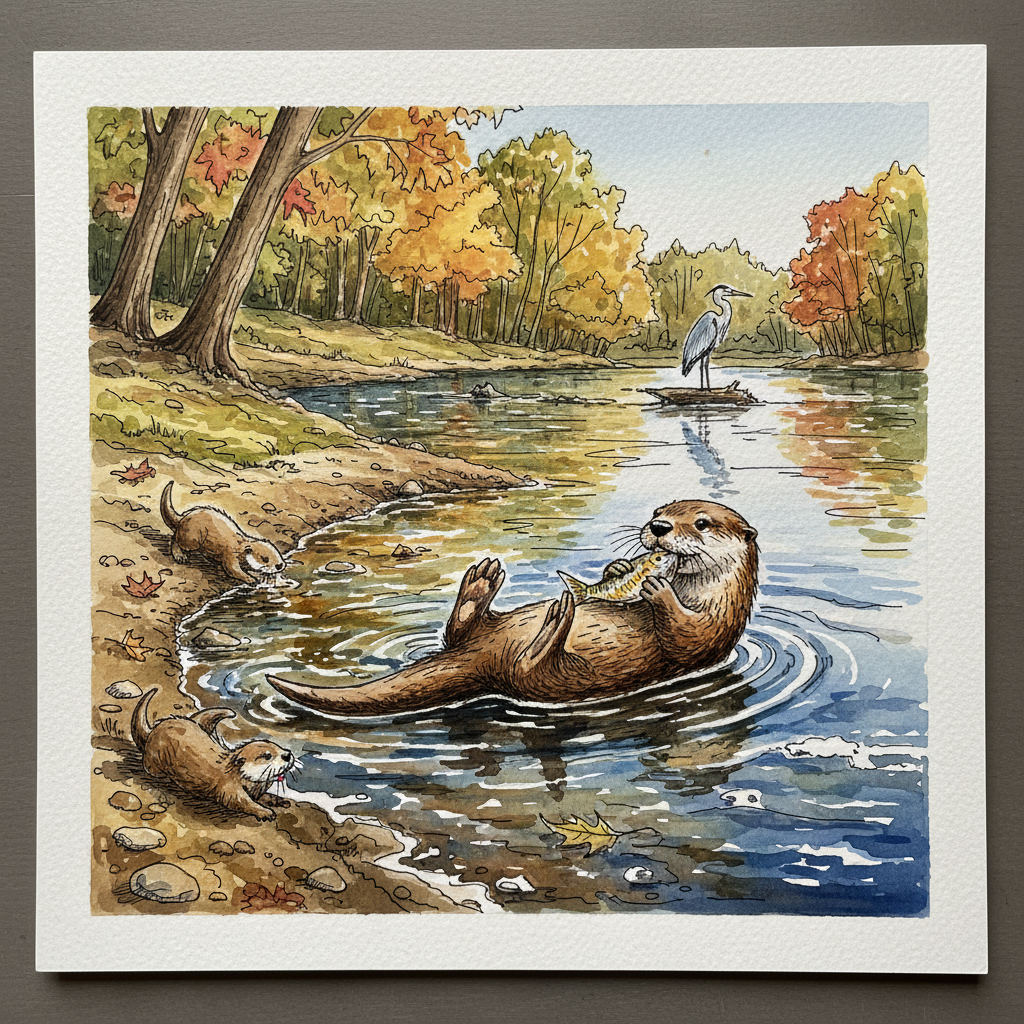
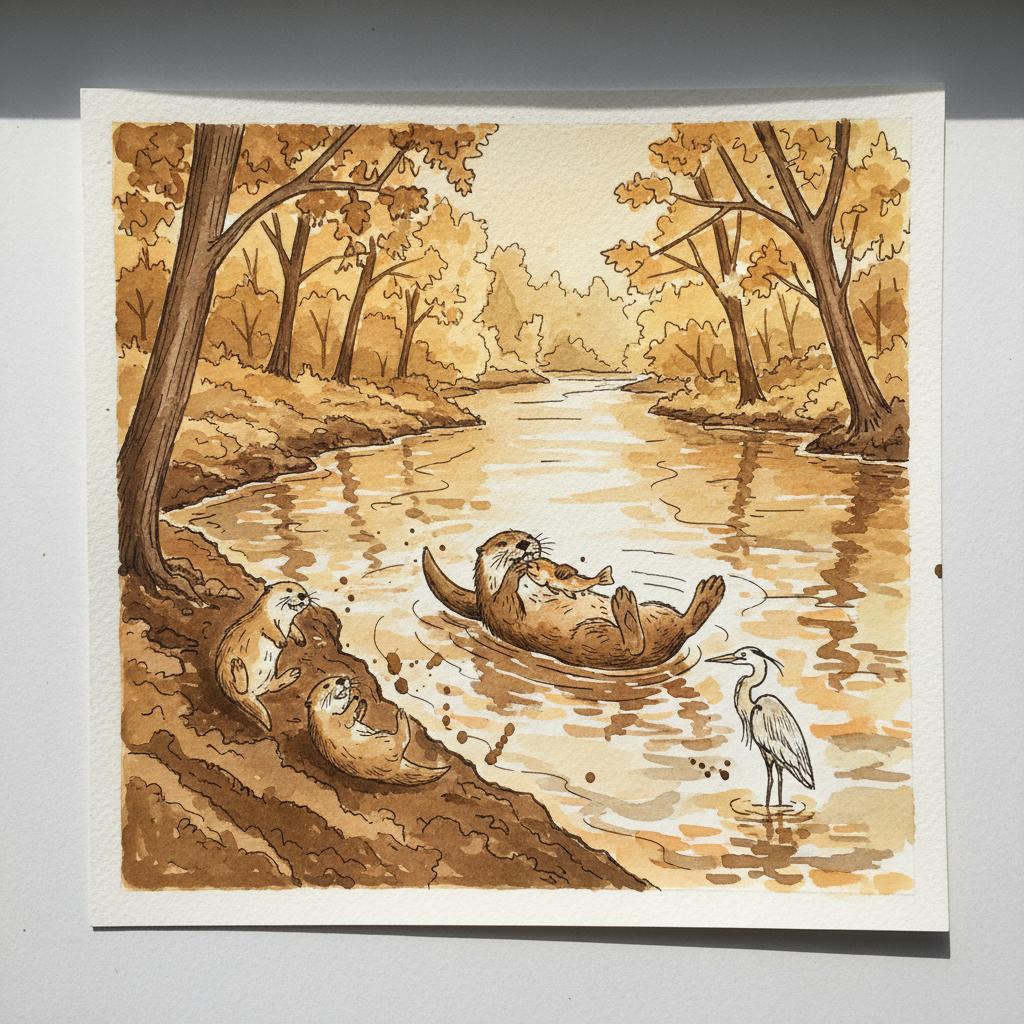
This piece offers a great study in depicting both fluidity and solid form using a combination of pen and watercolor. Focus on employing varied line weights to capture the otter's dynamic movement, reserving your heaviest lines for key contours and areas of intense focus. Contrast this with soft, layered wet-on-wet washes to evoke the transparency and subtle ripples of the moving water, and drier brushwork for the textured muddy bank.
Piece 7 — Prague Lantern Repairman
Pen + Watercolor · Loose pen and watercolor line-and-wash

Three takes
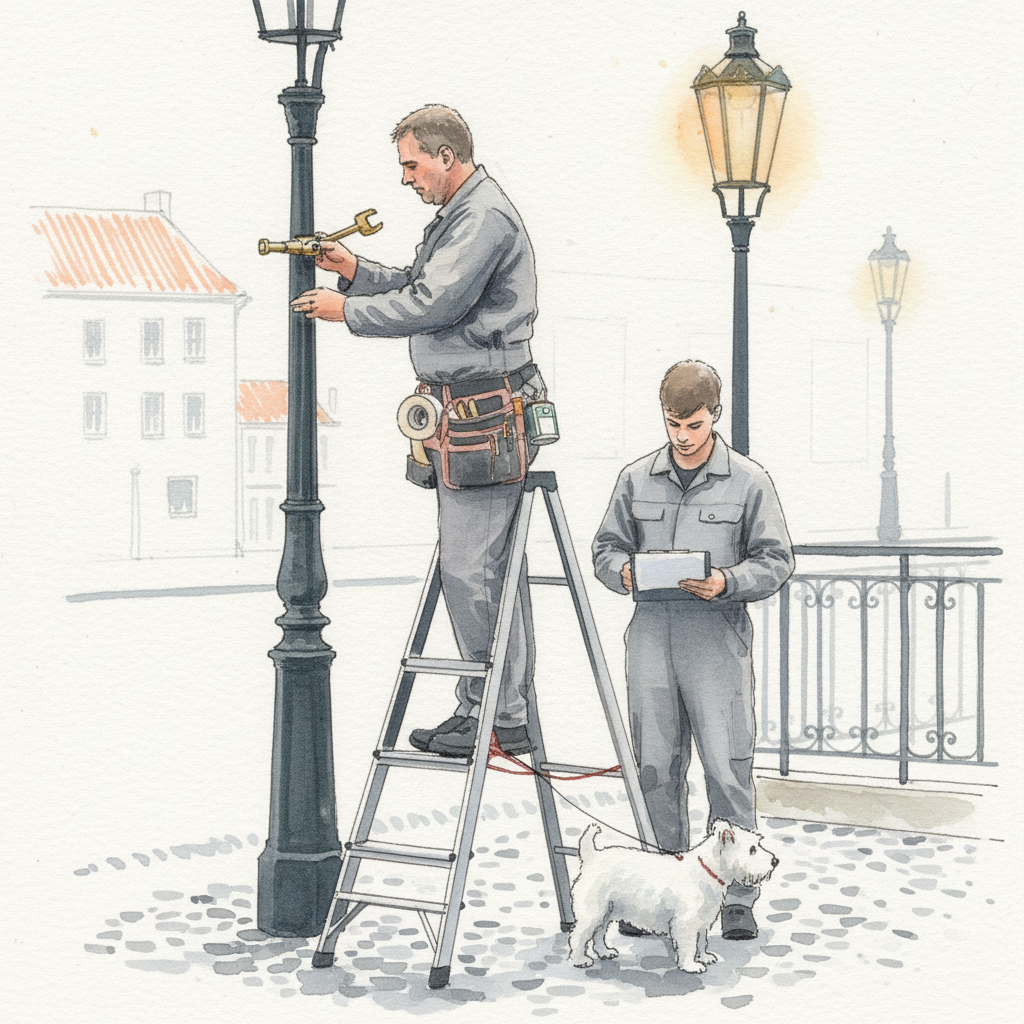
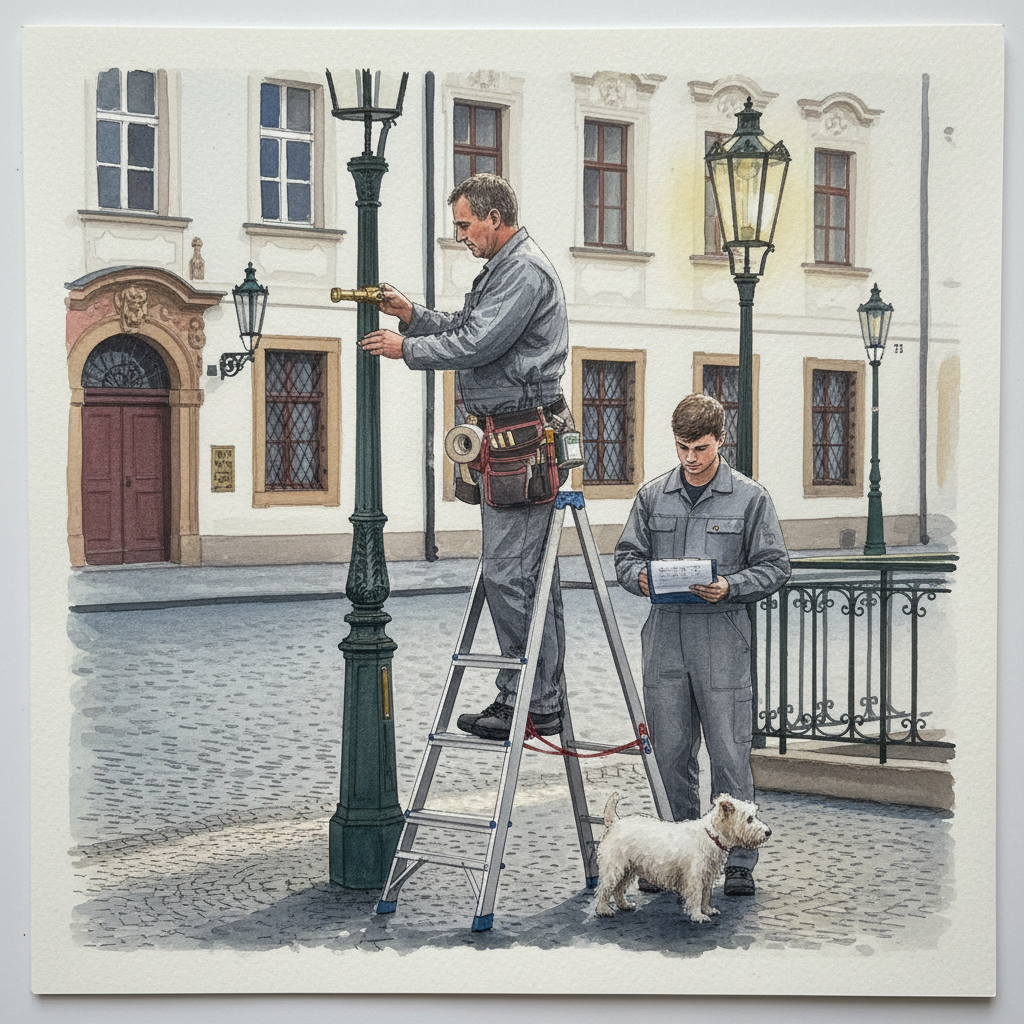
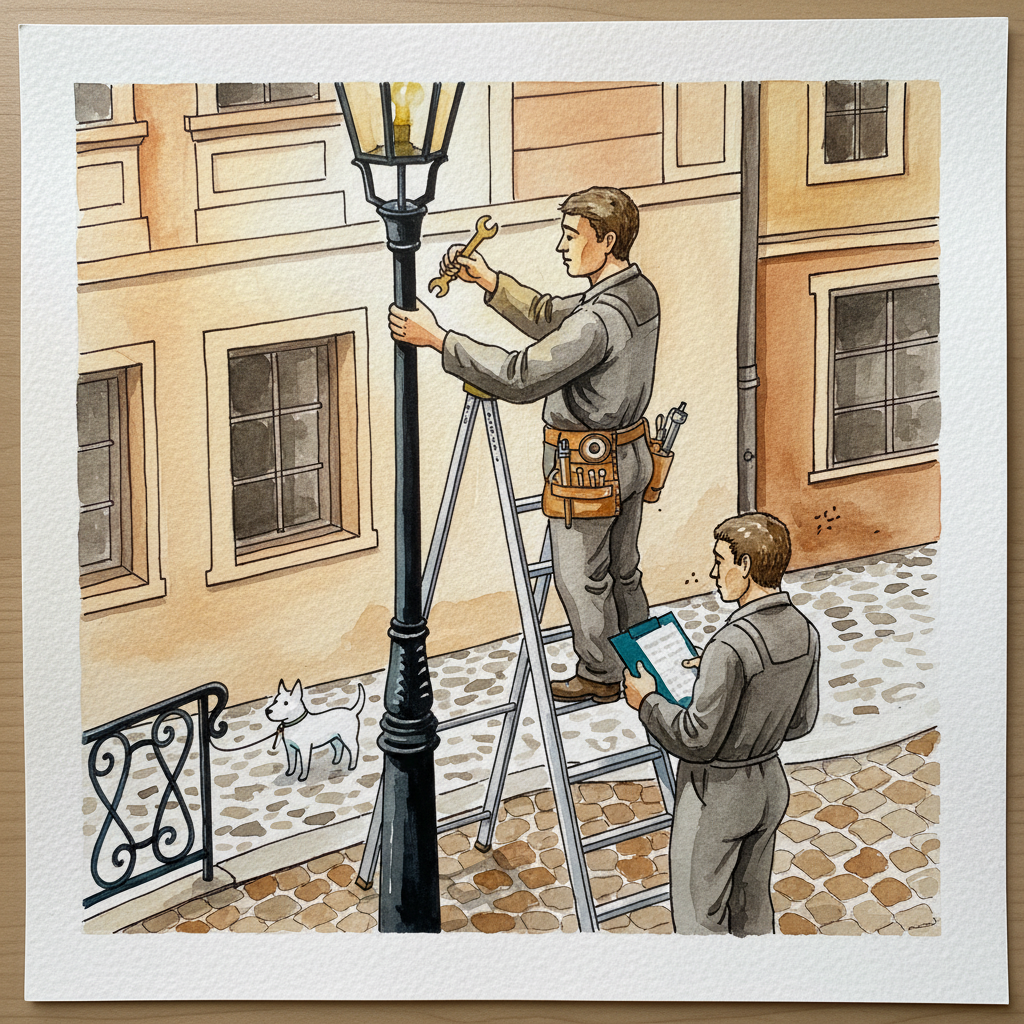
Focus for this piece
This piece is an ideal study for capturing dramatic light with strategic washes and varied line weights. Use warm, directional washes to define the strong sidelighting on the figures and the lantern, letting cool, muted washes recede in the background. Pay close attention to how a heavier pen line can emphasize the solid structure of the iron lamp and aluminum ladder, while a fine, crisp line can create the sharp glint of the repairman's brass spanner and wedding ring.
Piece 8 — Knife-pleated midi skirt flat
Pen + Watercolor · Loose pen and watercolor line-and-wash
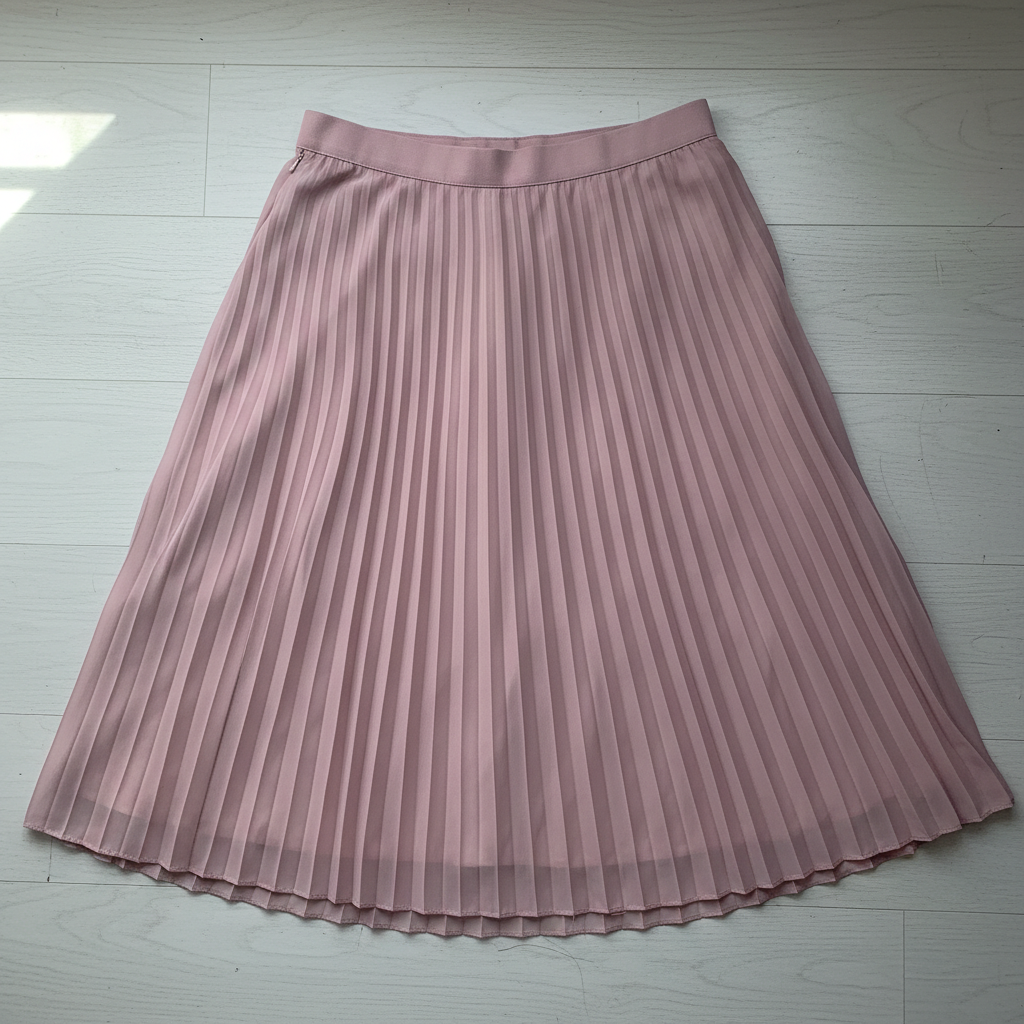
Three takes
Focus for this piece
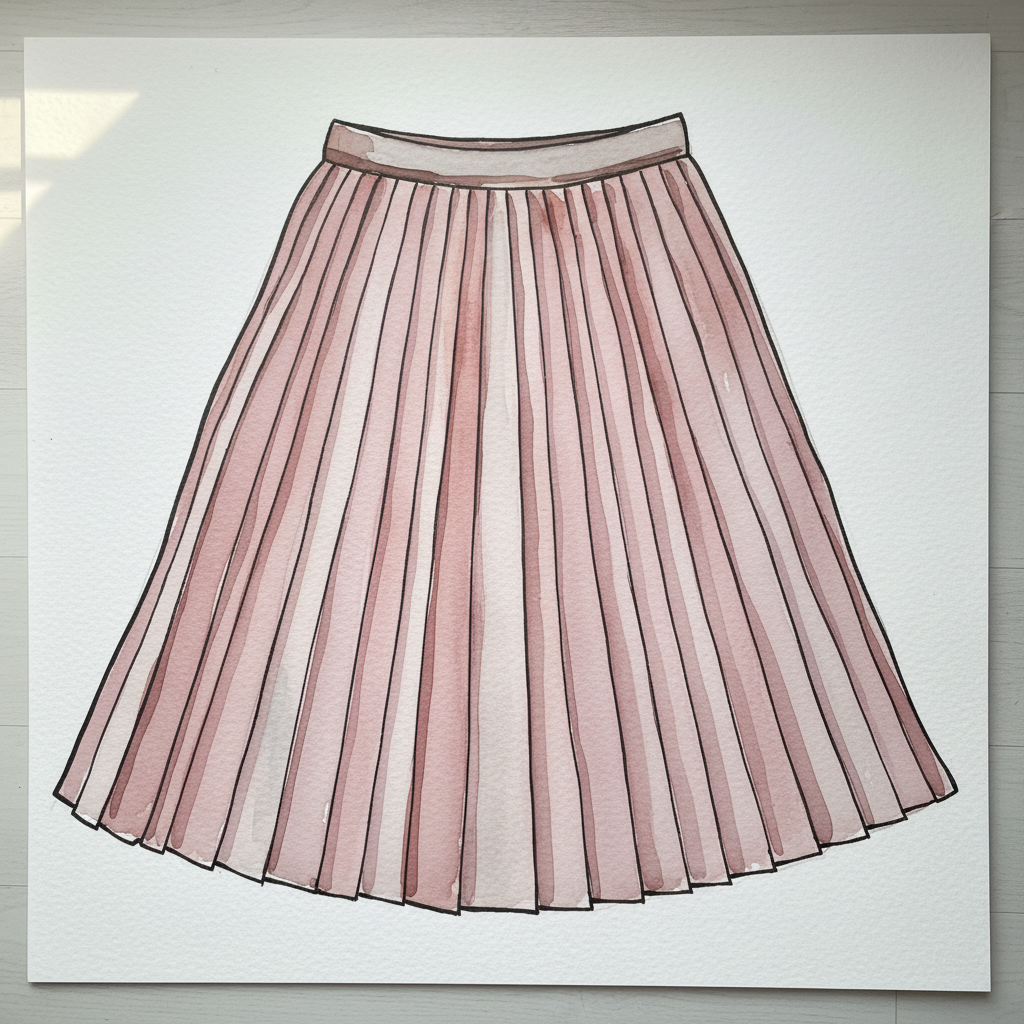
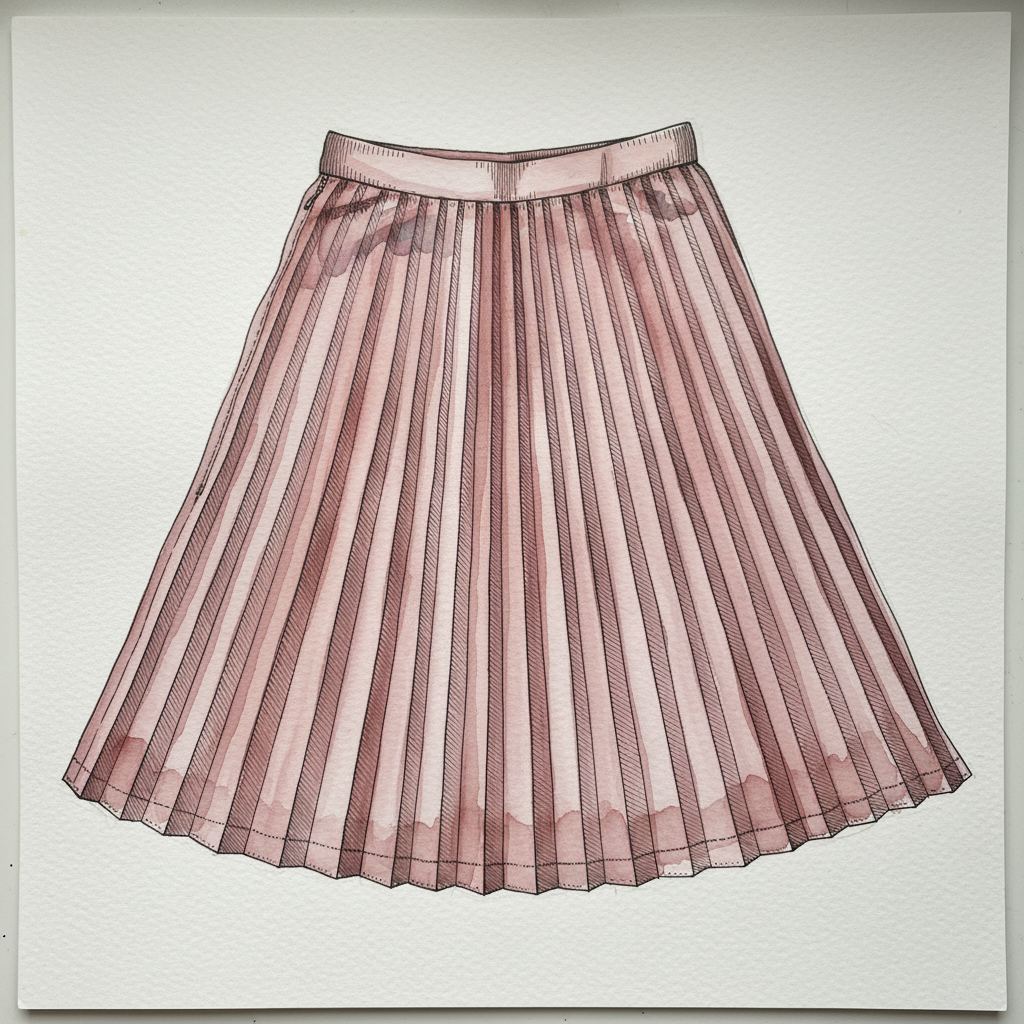
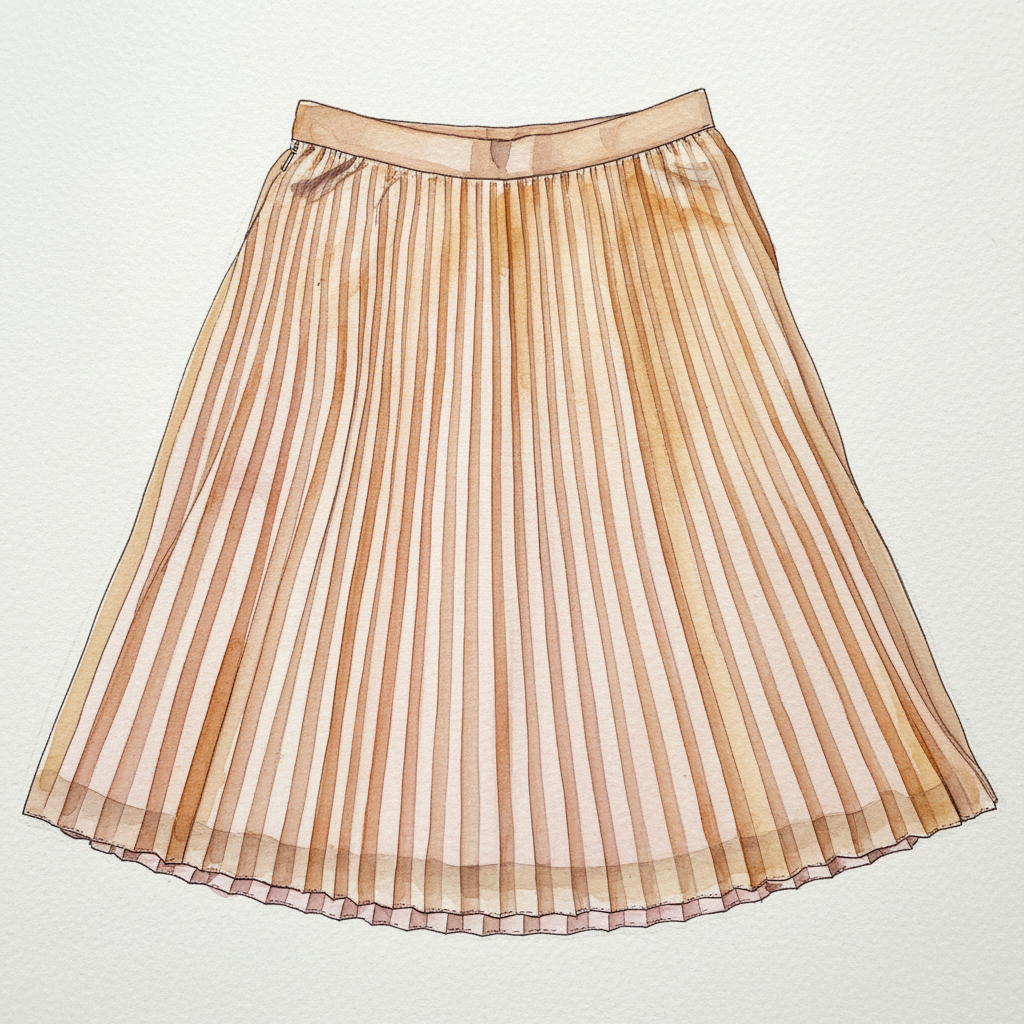
This piece offers a focused study in rendering complex fabric folds: use precise, varied pen lines to delineate the sharp, radiating knife pleats and the flat grosgrain waistband. Then, focus your watercolor efforts on building volume and movement with delicate, layered washes in your dusty rose palette, carefully observing how light creates subtle value shifts and soft transitions across each pleat's faceted surface. This interplay of crisp lines and luminous color is key to capturing the skirt's material and form.