Apple Carnegie Library, Washington, DC, USA, Magere Brug from Inside the Bridgekeeper's Hut, Daybed, windshield-wiper left, arm overhead, Pink lady's slipper, and more — pen + watercolor for May 31, 2026
Today's pen-and-watercolor pieces: Apple Carnegie Library, Washington, DC, USA, Magere Brug from Inside the Bridgekeeper's Hut, Daybed, windshield-wiper left, arm overhead, Pink lady's slipper, Sea Smoke over Cold Water, Antique shop window display, Uummannaq fjord ice with heart-shaped mountain…
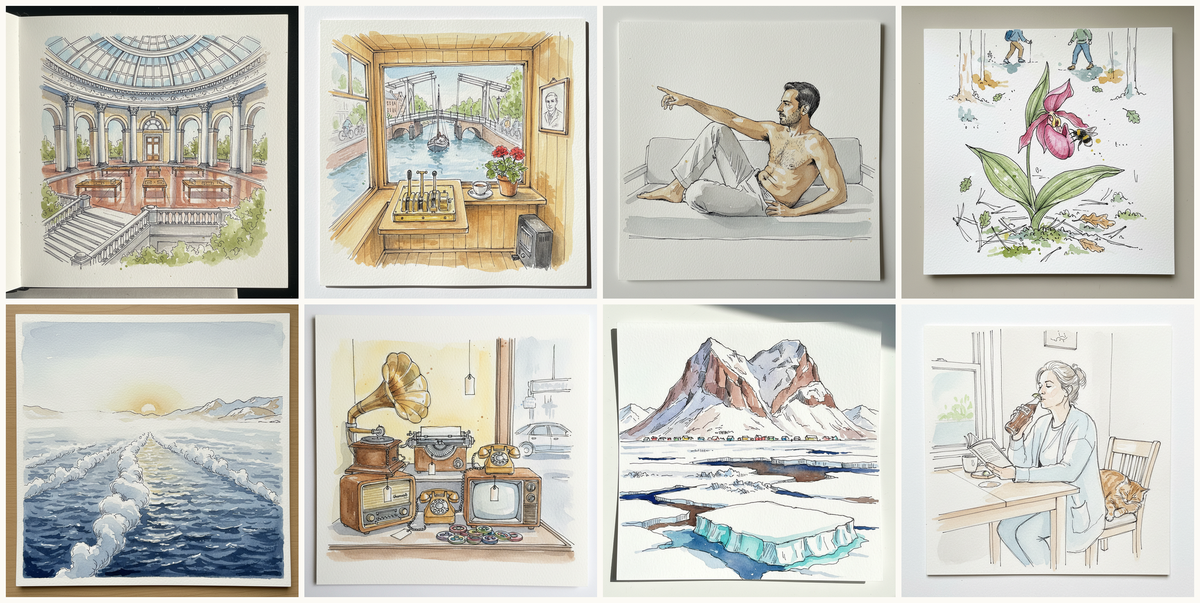
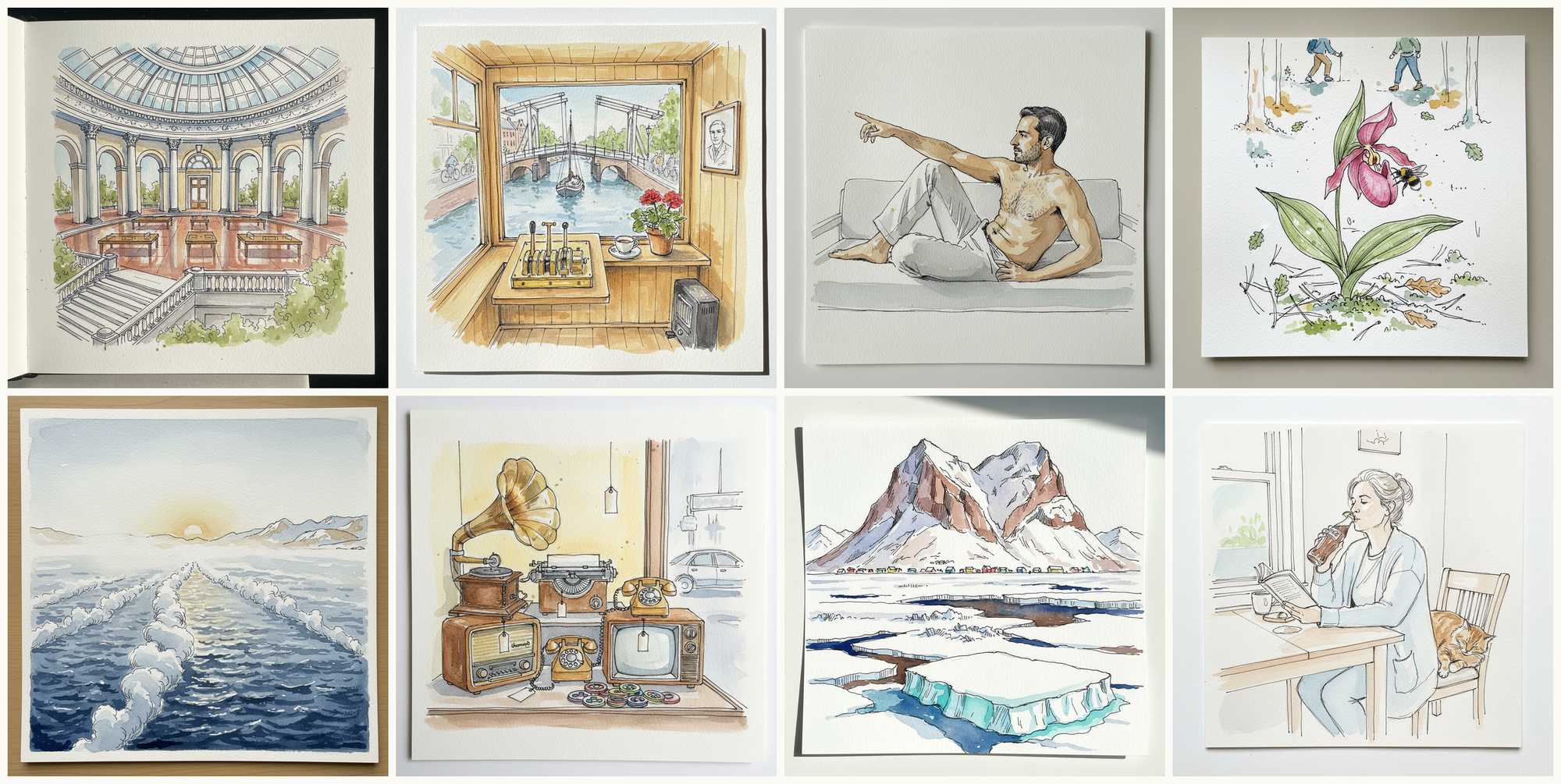
Today's 8 pen-and-watercolor pieces: Apple Carnegie Library, Washington, DC, USA, Magere Brug from Inside the Bridgekeeper's Hut, Daybed, windshield-wiper left, arm overhead, Pink lady's slipper, Sea Smoke over Cold Water, Antique shop window display, Uummannaq fjord ice with heart-shaped mountain, Greenland, Person drinking soda from bottle. Each piece comes with a photo reference, three example artworks in different treatments, and a short focus paragraph naming what to study in this one.
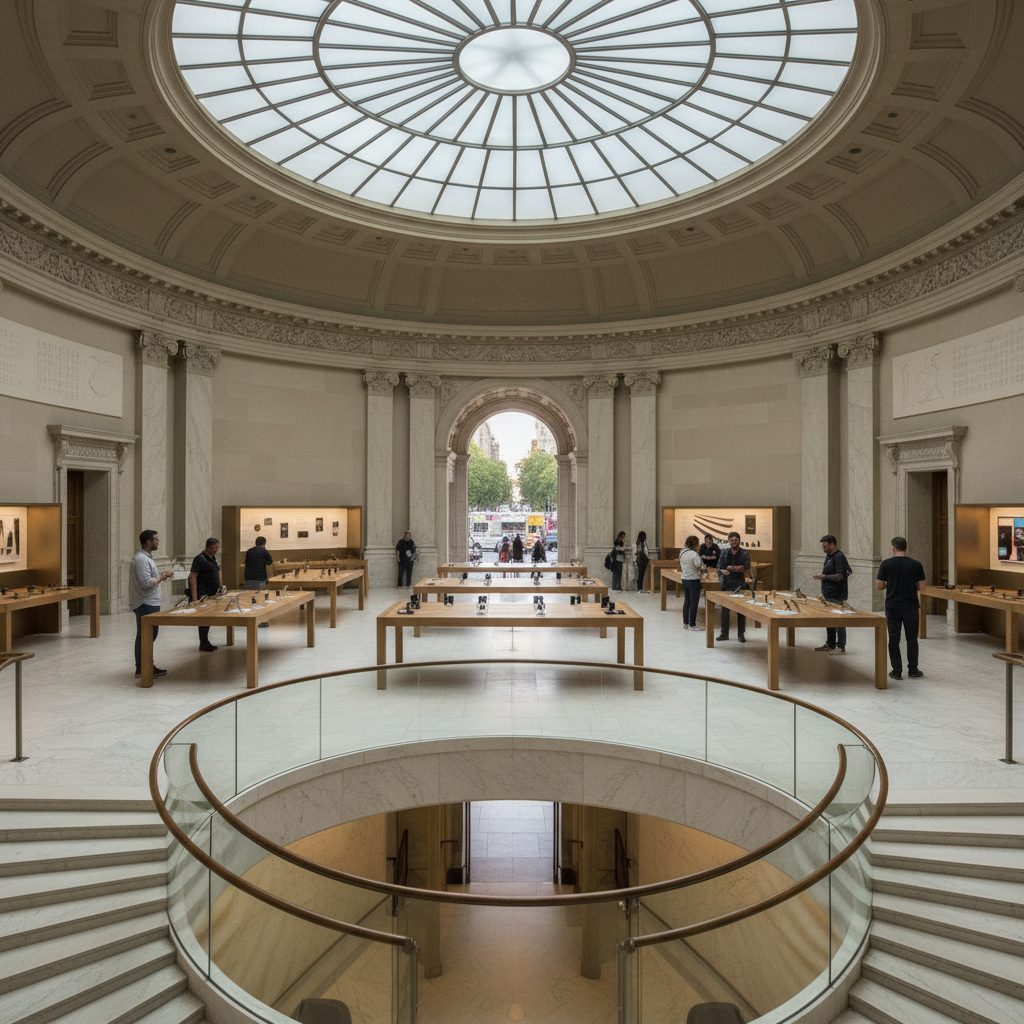
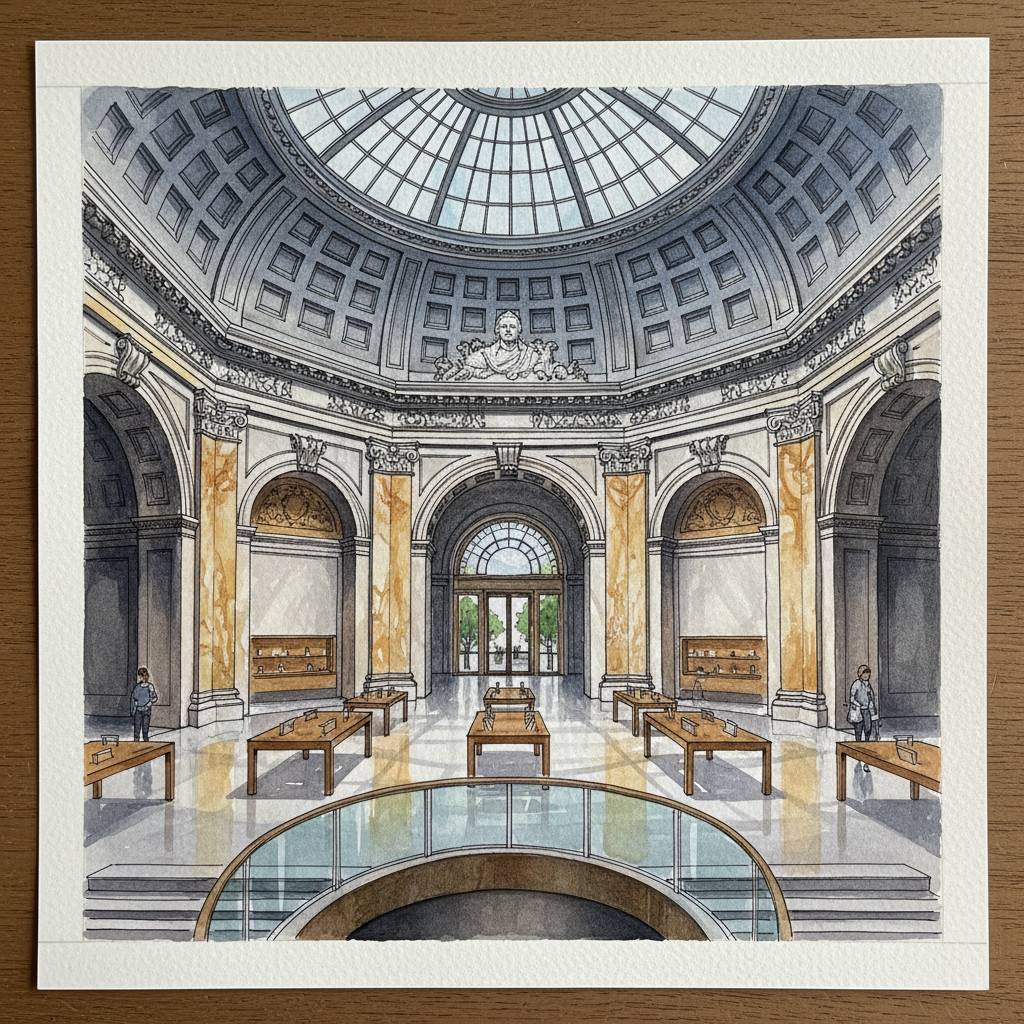
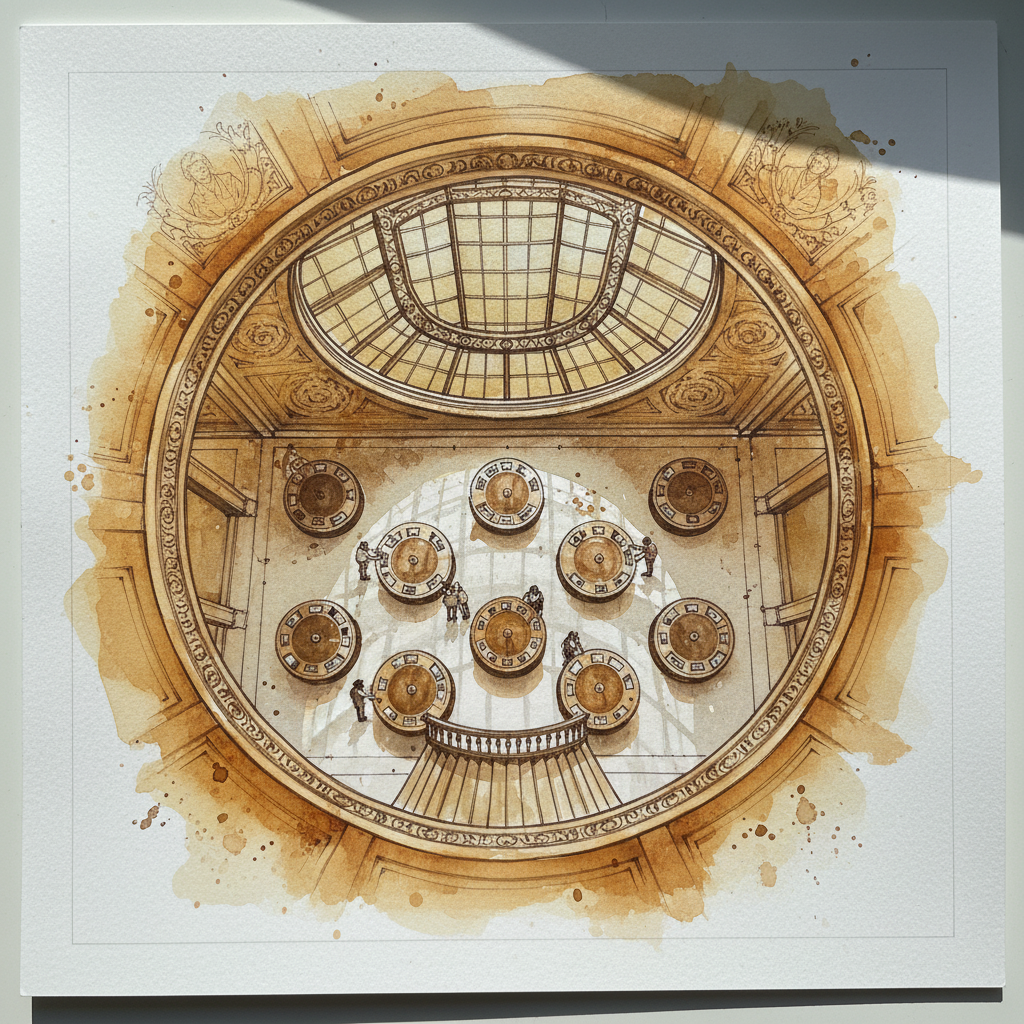
Piece 1 — Apple Carnegie Library, Washington, DC, USA
Pen + Watercolor · Loose pen and watercolor line-and-wash
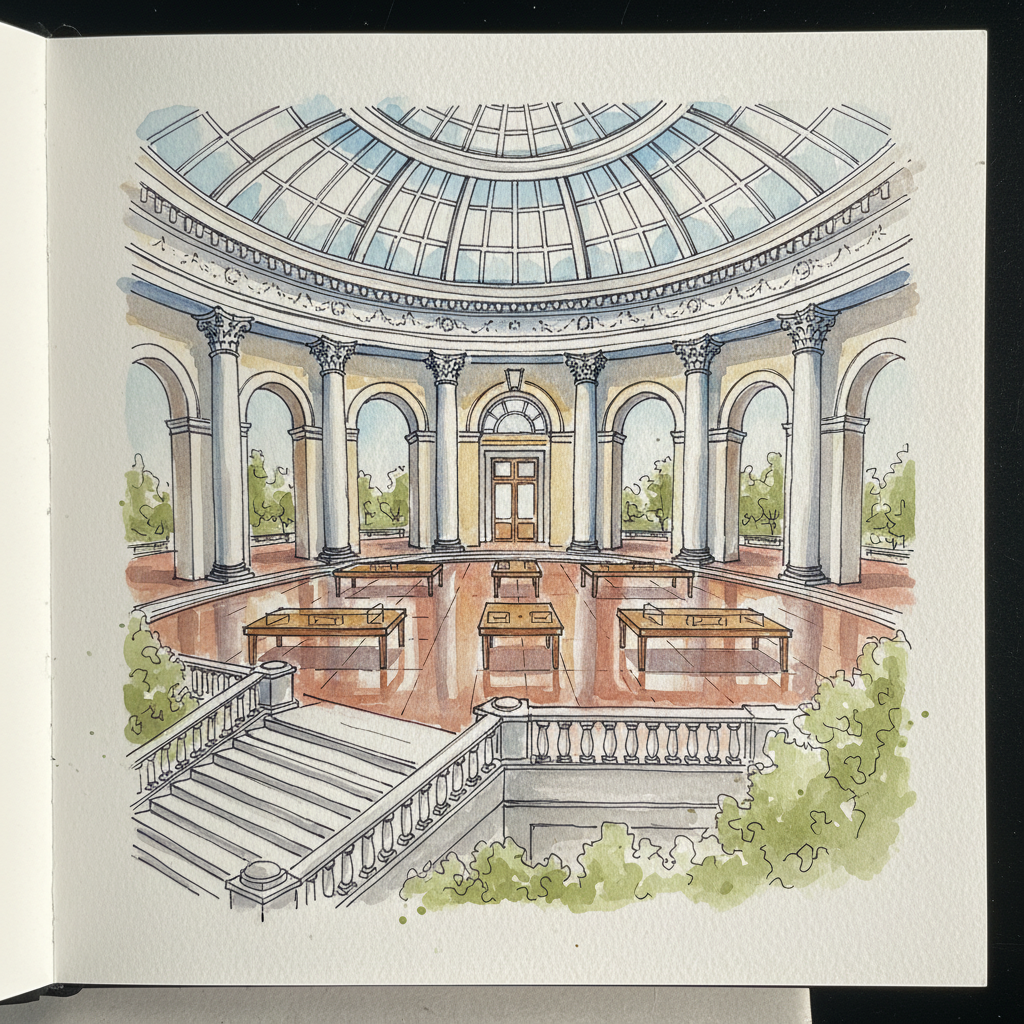
Three takes
Focus for this piece
This piece provides a superb opportunity to practice rendering complex architectural volumes and the interaction of natural light. Focus on using varied line weights to articulate the concentric circles of the rotunda and the strong verticals of the portico's columns, establishing their monumental scale. Then, use carefully controlled, layered washes to model the interplay of light and shadow within the double-height space, conveying the substantial depth and texture of the marble and granite surfaces.
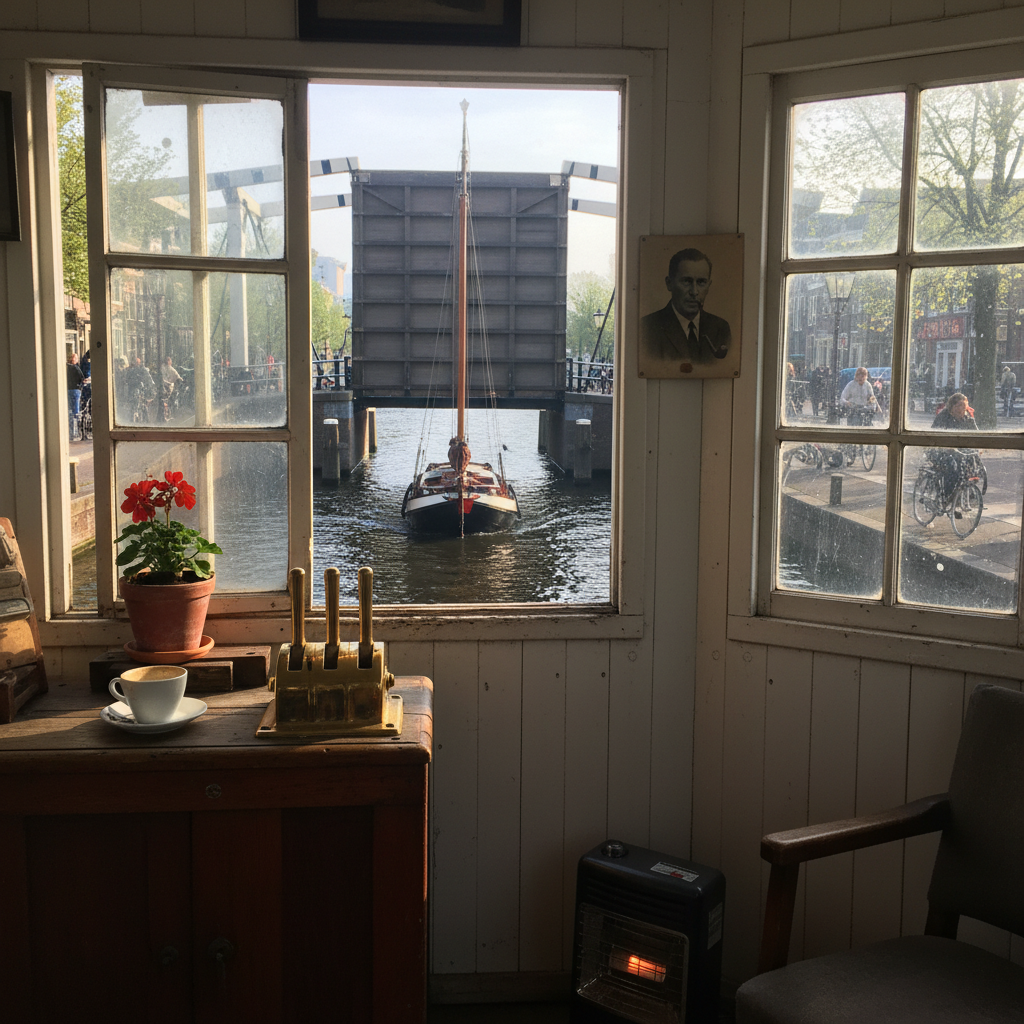
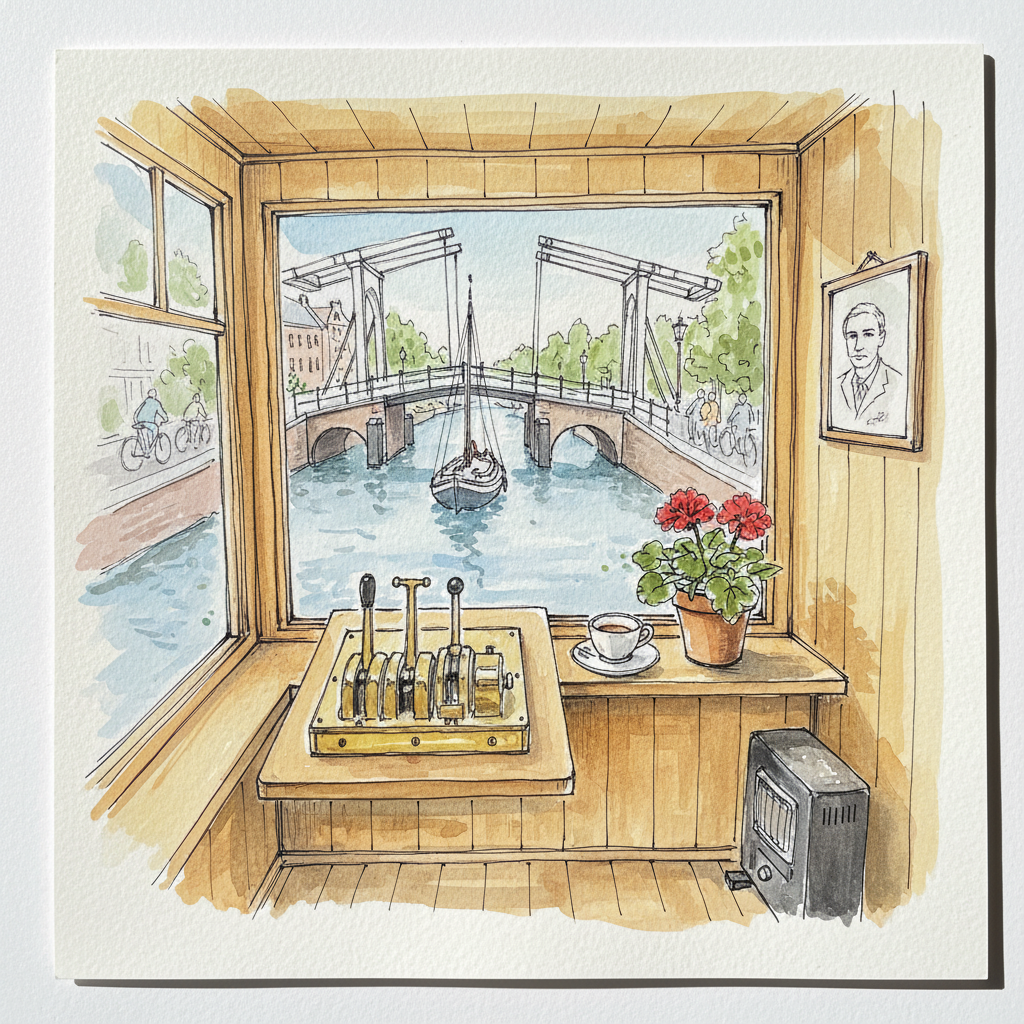
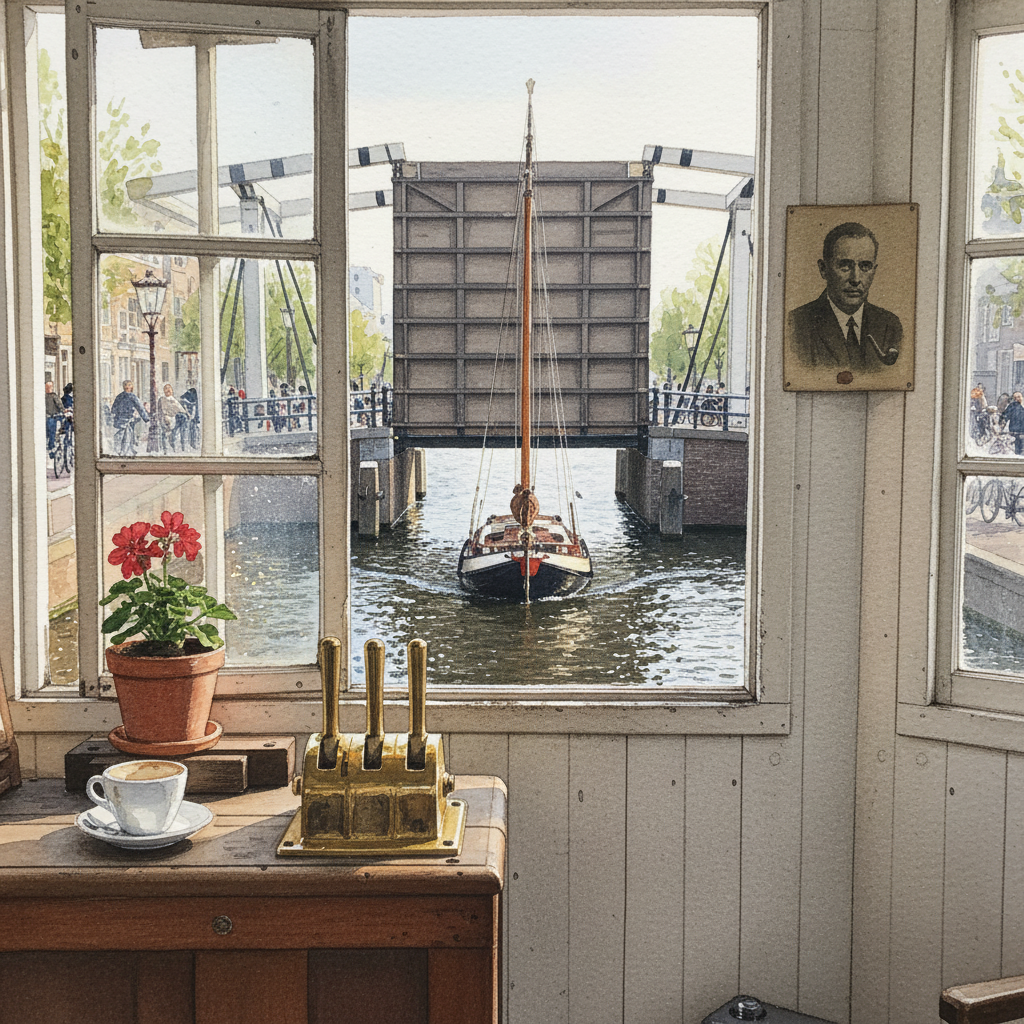
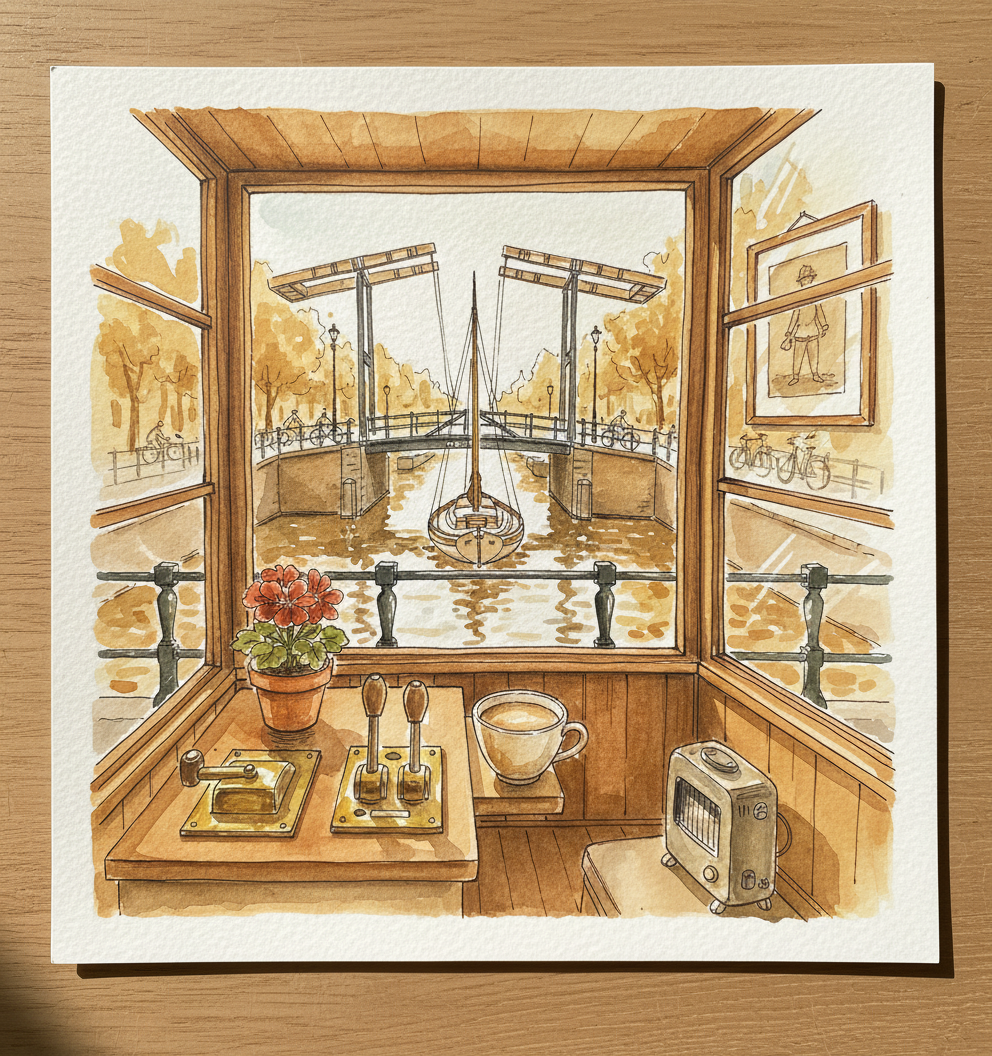
Piece 2 — Magere Brug from Inside the Bridgekeeper's Hut
Pen + Watercolor · Loose pen and watercolor line-and-wash
Three takes
Focus for this piece
This piece offers a compelling study in using interior architectural elements to create strong compositional framing and a sense of depth. Practice differentiating the sharp, close-up details of the wooden hut and brass levers with heavier pen lines, while using delicate, layered washes and minimal ink to suggest the distant, blurred world beyond the leaded windowpanes, especially the glittering canal reflections. Pay close attention to how a light wash with few lines can effectively render the transparent, aged quality of the window glass and the soft movement of the boat and cyclists.
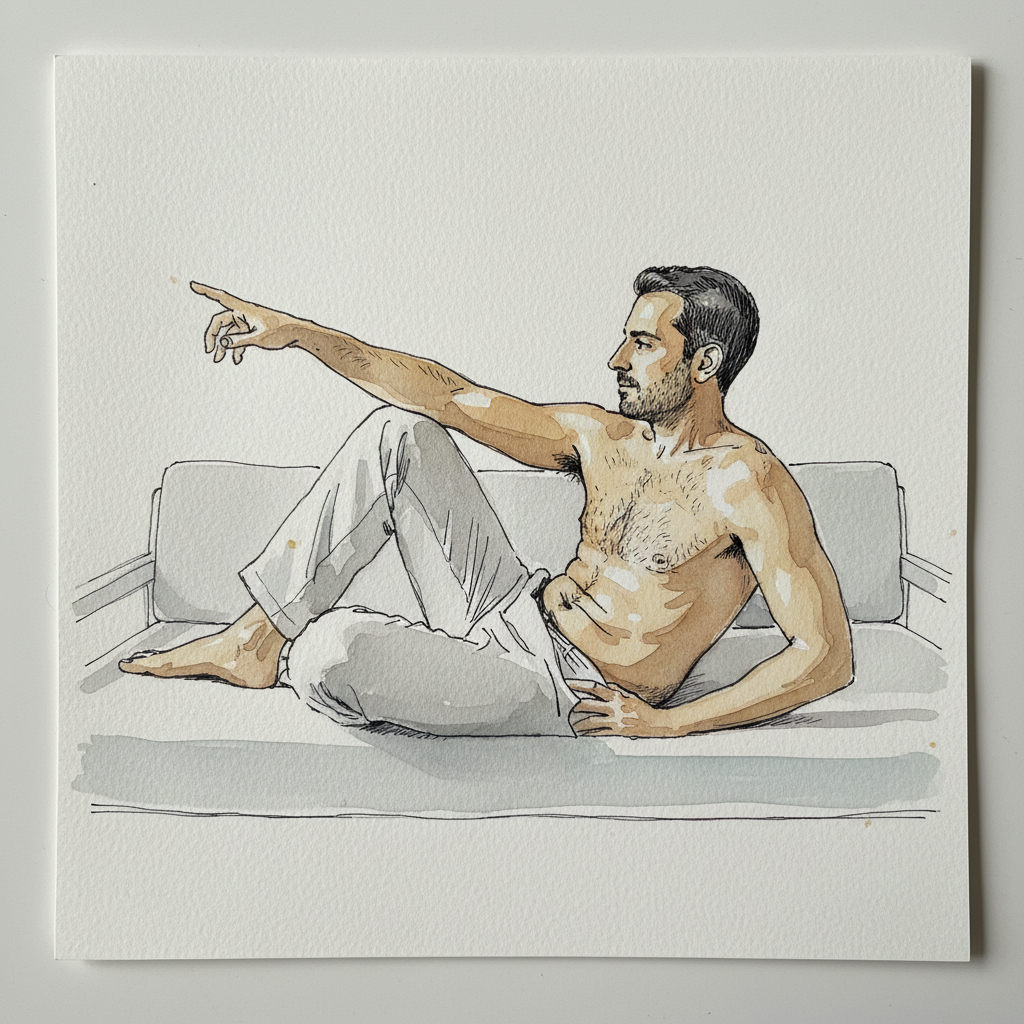
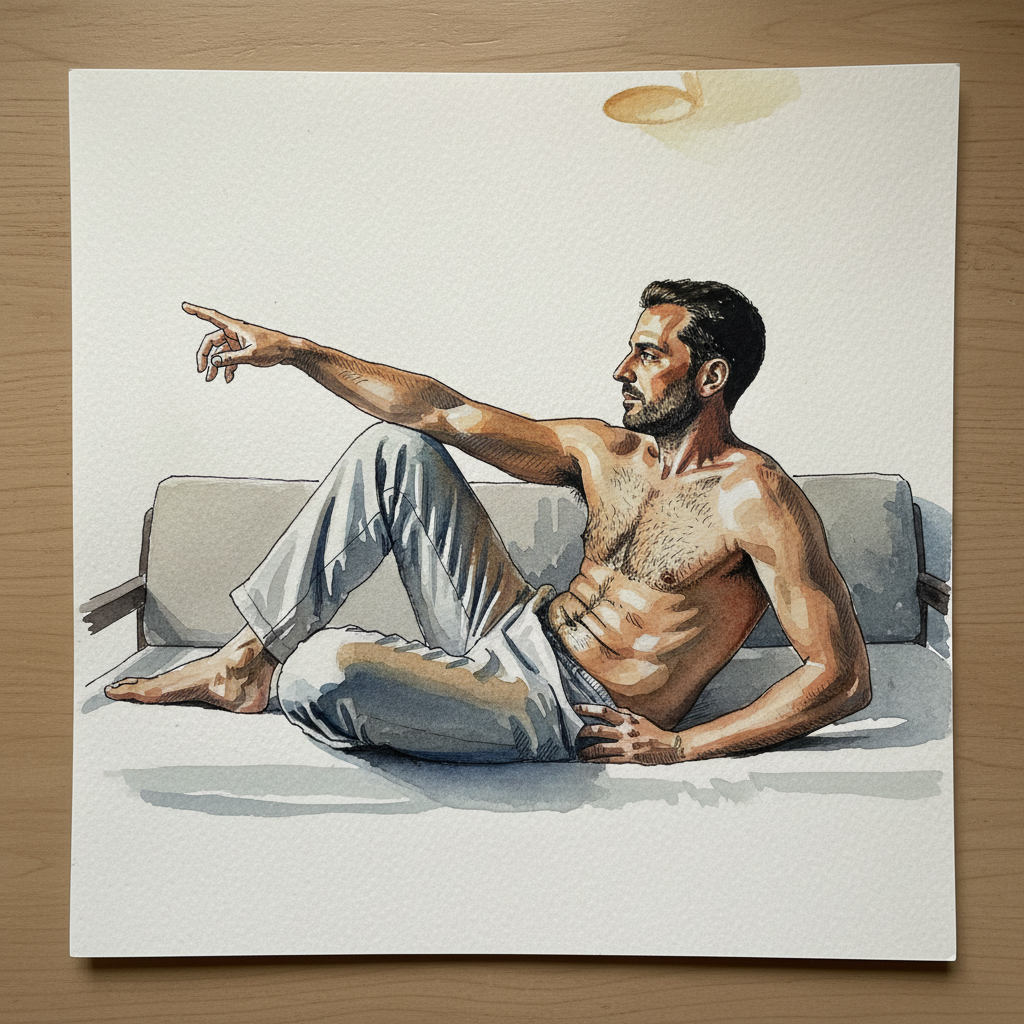
Piece 3 — Daybed, windshield-wiper left, arm overhead
Pen + Watercolor · Loose pen and watercolor line-and-wash

Three takes
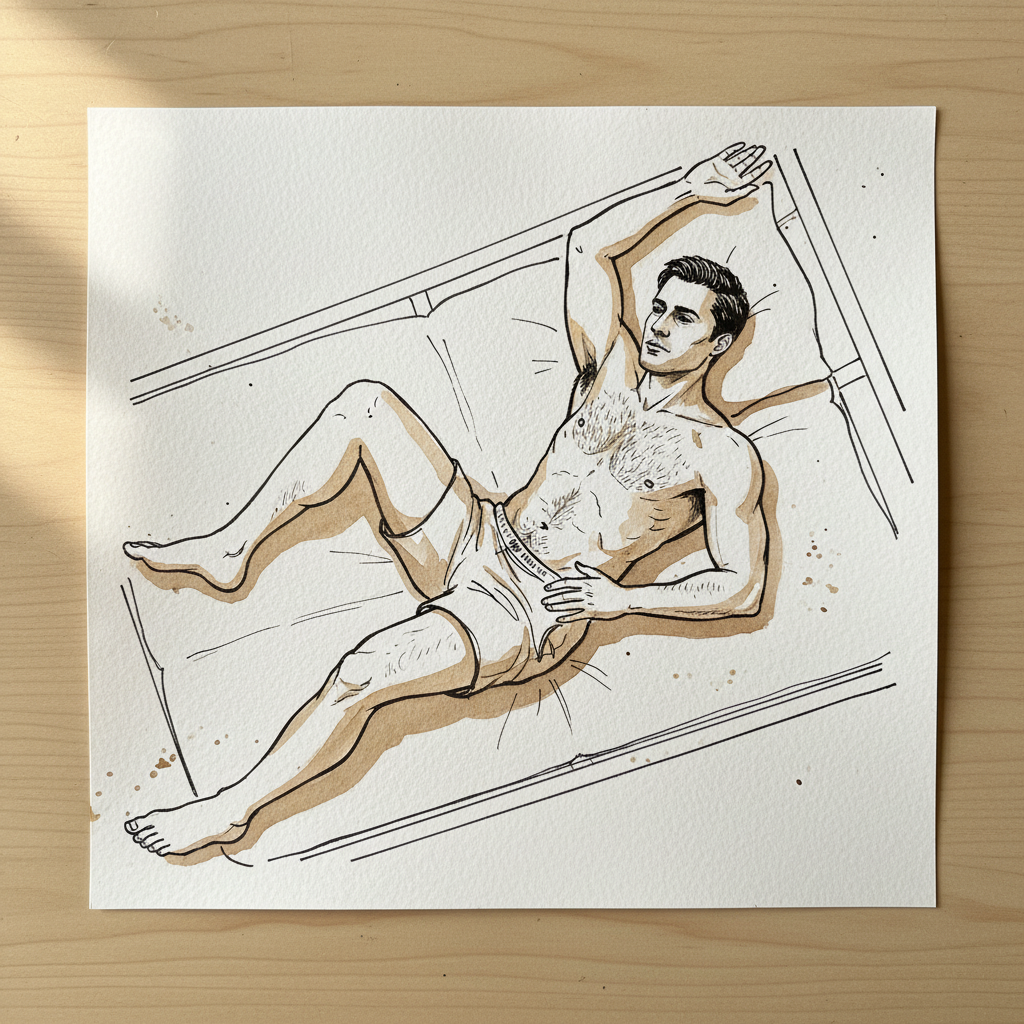
Focus for this piece
This piece is an excellent study in rendering form through the interplay of minimal line and selective light. Focus on using light, fluid pen lines to capture the continuous curve of the figure's reclining pose, letting them suggest movement rather than outline every edge. Then, employ a warm yellow or orange with a soft wet-on-wet application to define the rimming lamplight, contrasting this with cooler, more transparent washes of blue-grey in the undershadows to sculpt the figure's volume and depth.
Piece 4 — Pink lady's slipper
Pen + Watercolor · Loose pen and watercolor line-and-wash

Three takes
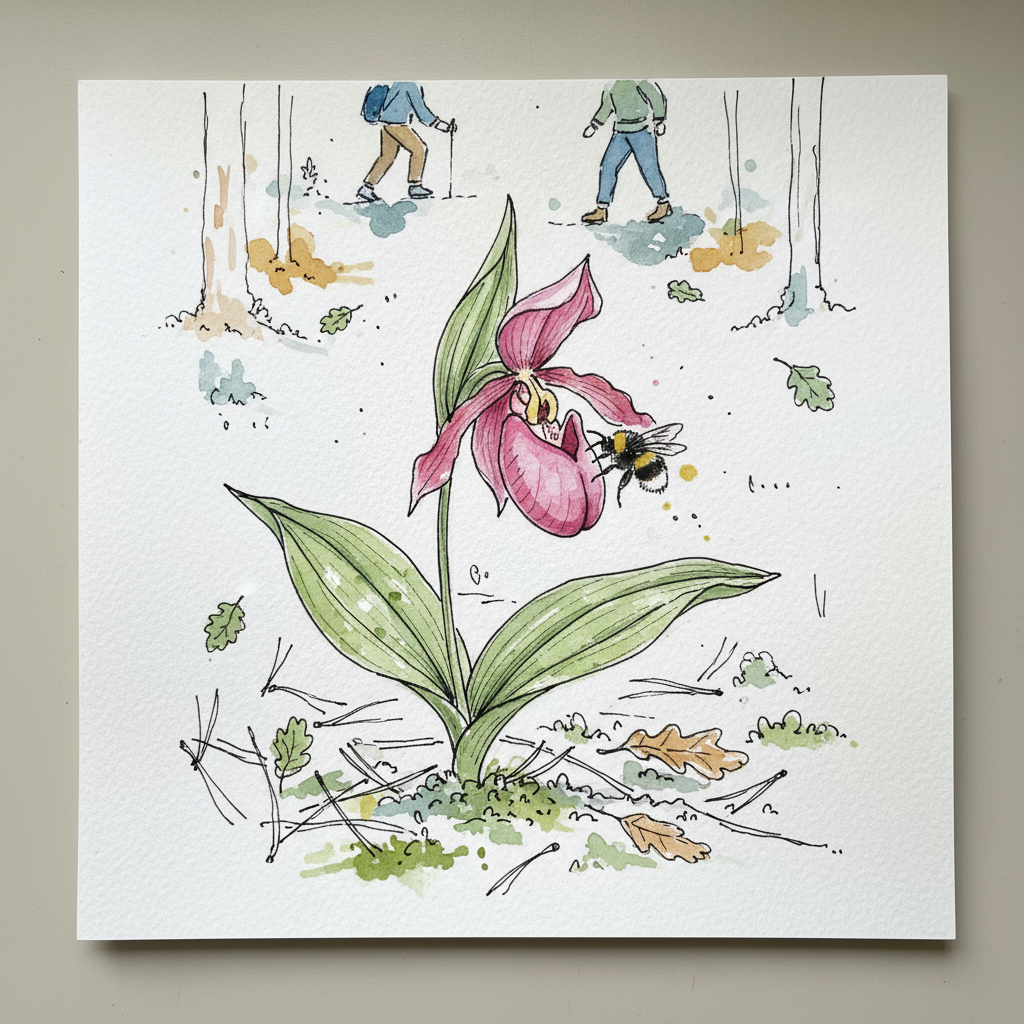
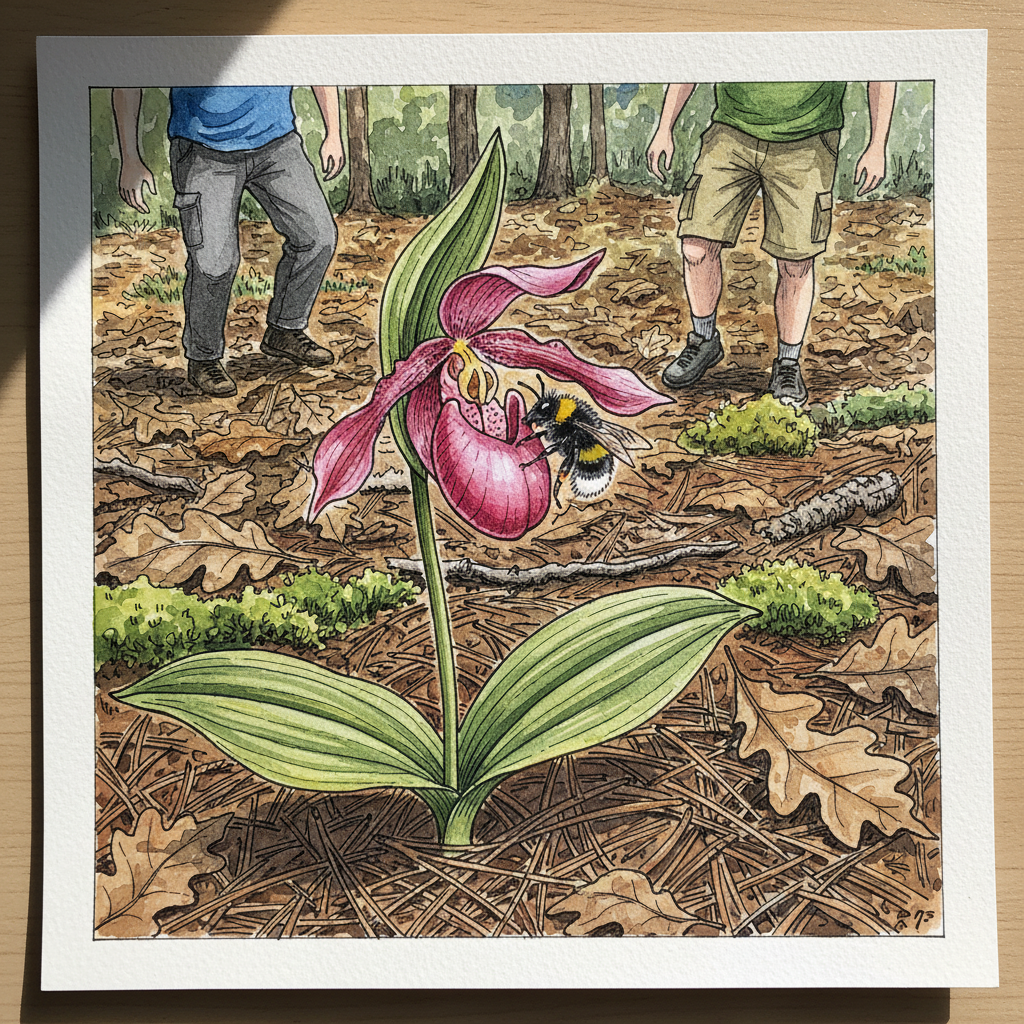
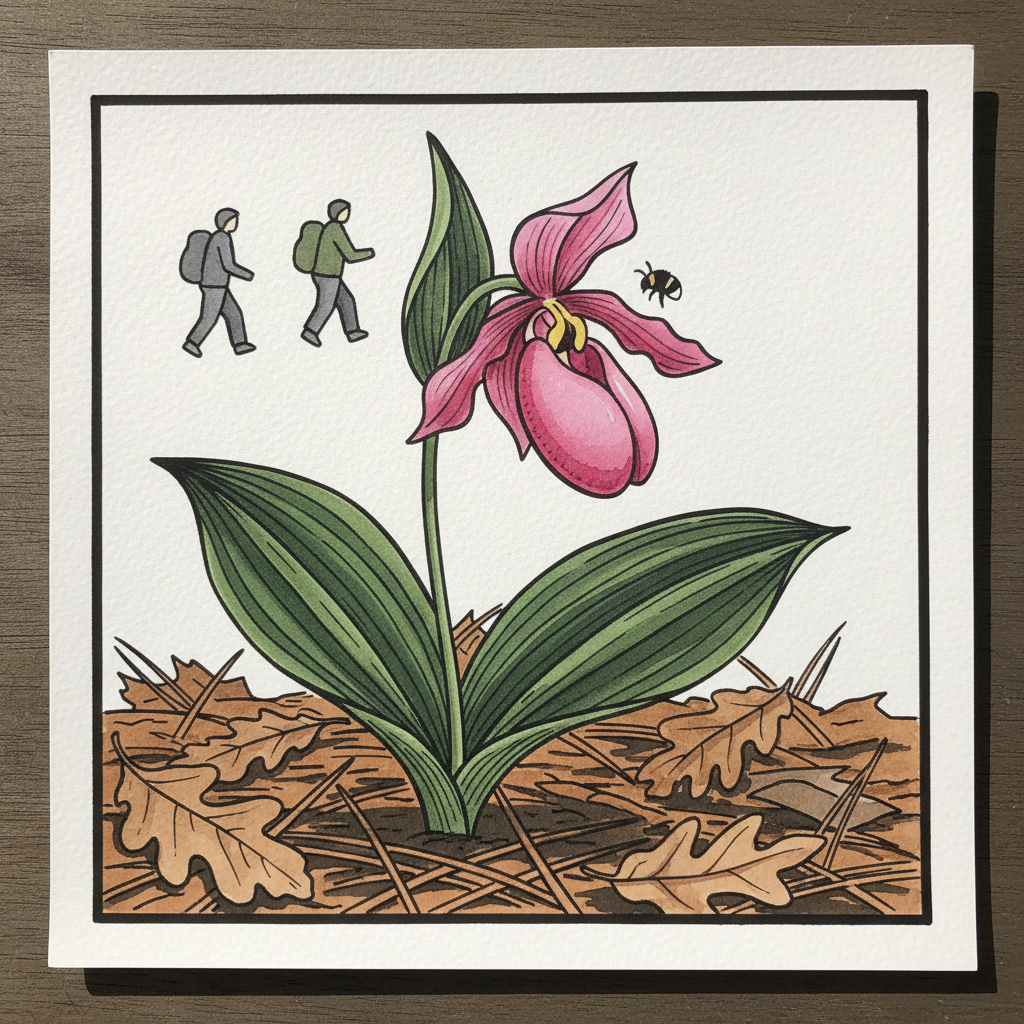
Focus for this piece
For this pink lady's slipper, focus on using precise, varied line weights to define the delicate curves of the pouch flower and its slender stem. Contrast this with soft, variegated green and brown washes for the pine duff and basal leaves, utilizing wet-on-wet techniques to suggest texture and dappled light without harsh outlines. This approach allows the vibrant rose-pink of the orchid to truly pop as the focal point, demonstrating how ink provides structure while watercolor builds atmosphere and volume.
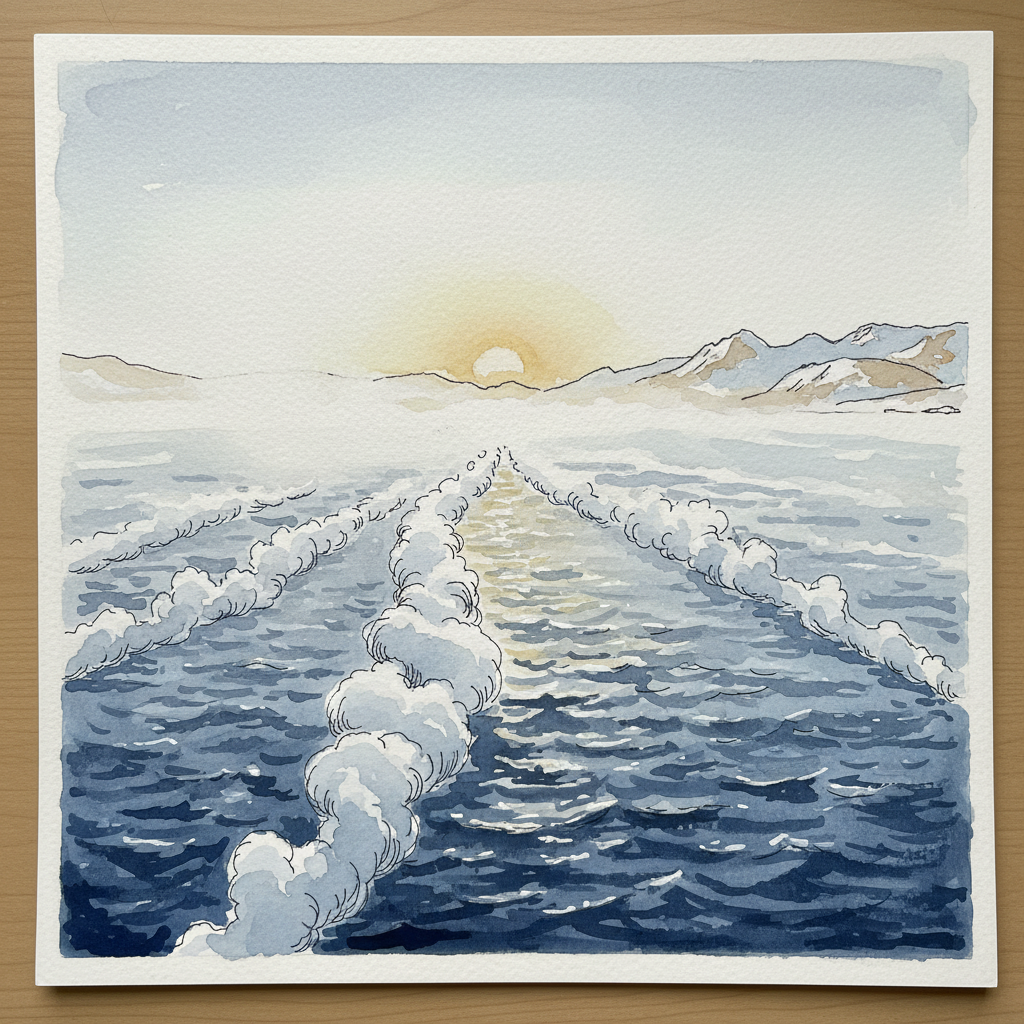
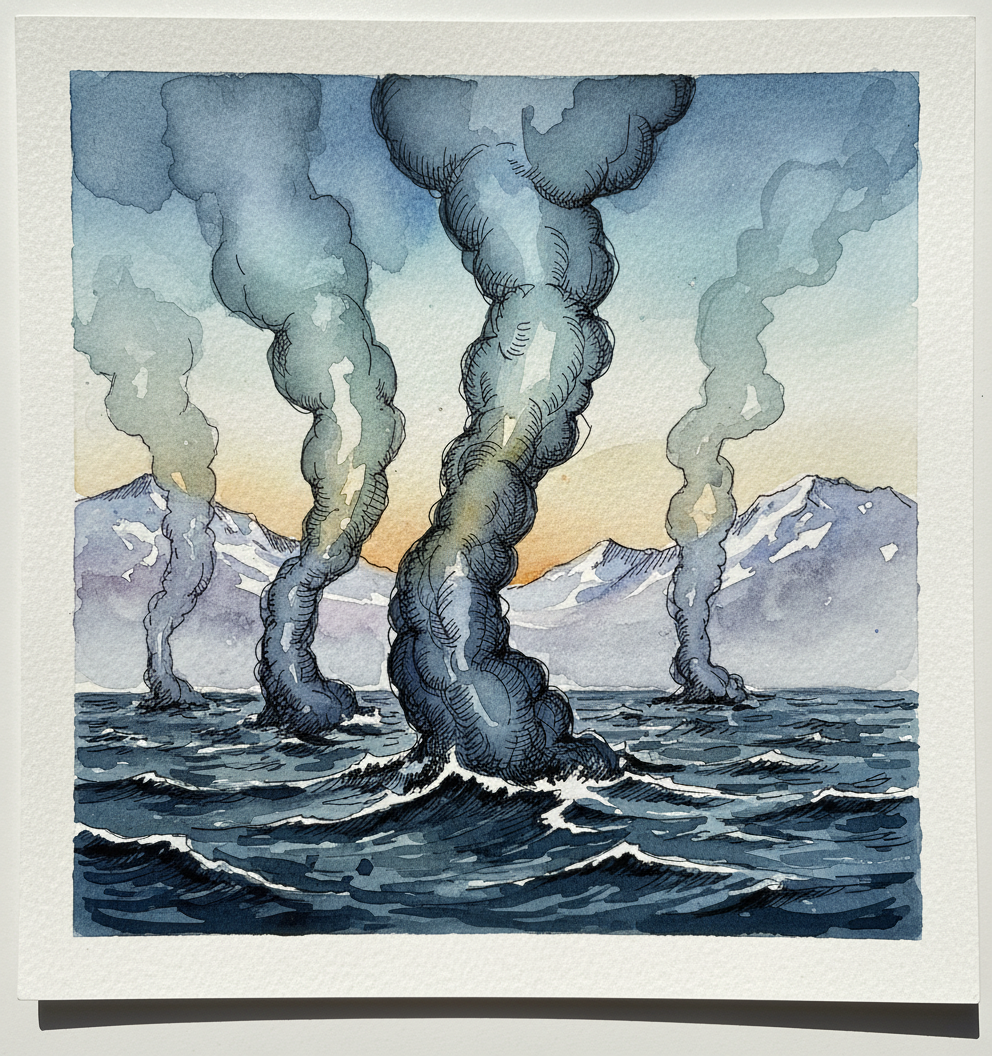
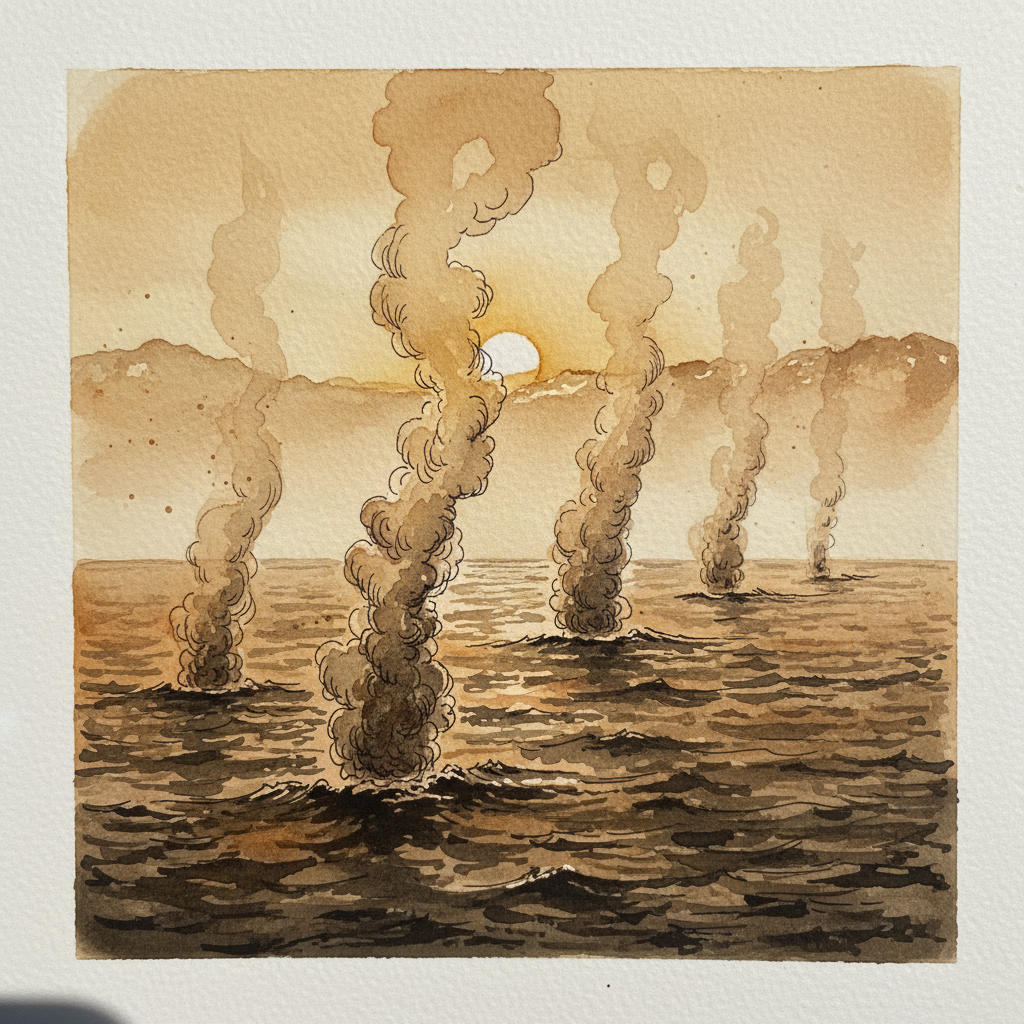
Piece 5 — Sea Smoke over Cold Water
Pen + Watercolor · Loose pen and watercolor line-and-wash

Three takes
Focus for this piece
This piece is ideal for practicing how to use fluid, wet-on-wet watercolor washes to capture the soft, swirling movement and atmospheric volume of the sea smoke. Focus on employing a limited palette of cool grays and blues to build shifting densities of vapor, letting the washes blend and suggest form rather than define it rigidly. Reserve your pen lines sparingly to anchor key elements like the water's immediate edge or the faint suggestion of distant land, allowing the watercolor to truly evoke the scene's ethereal and cold mood.
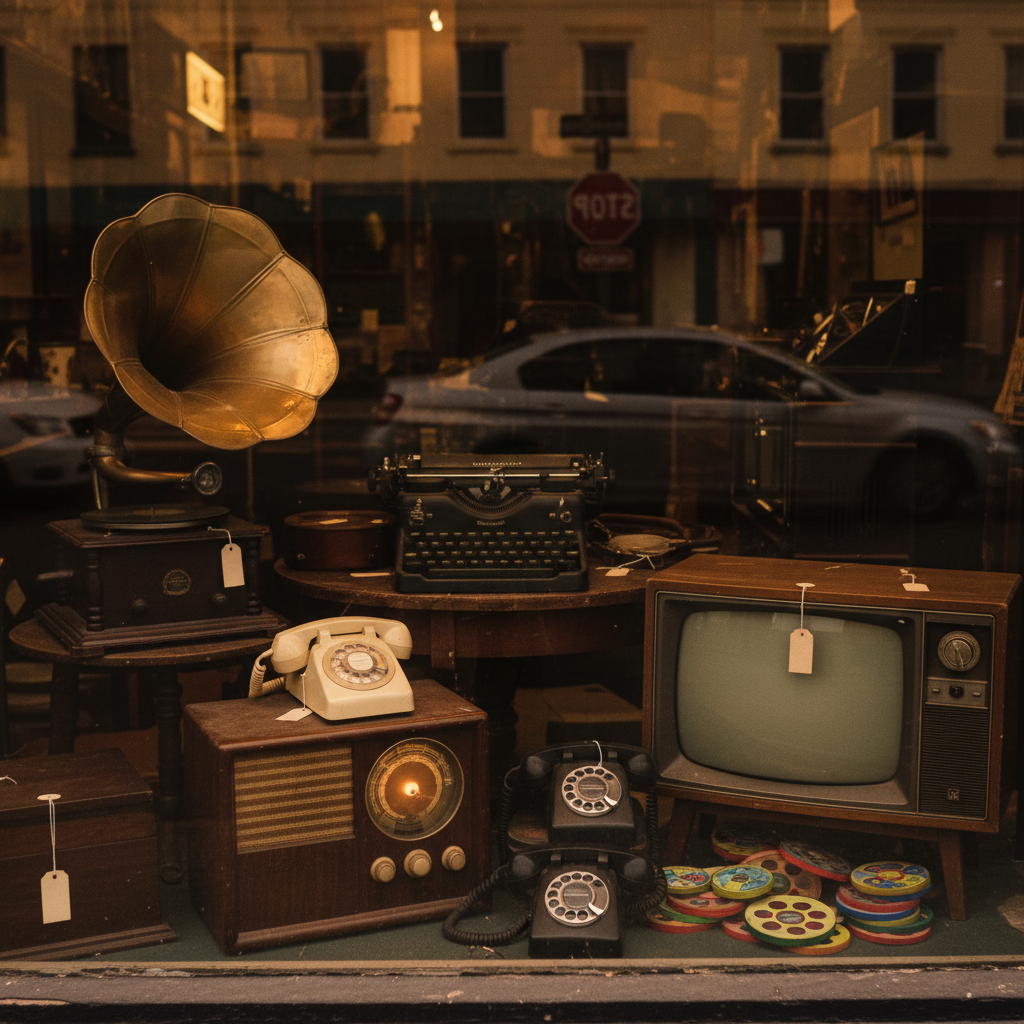
Piece 6 — Antique shop window display
Pen + Watercolor · Loose pen and watercolor line-and-wash
Three takes
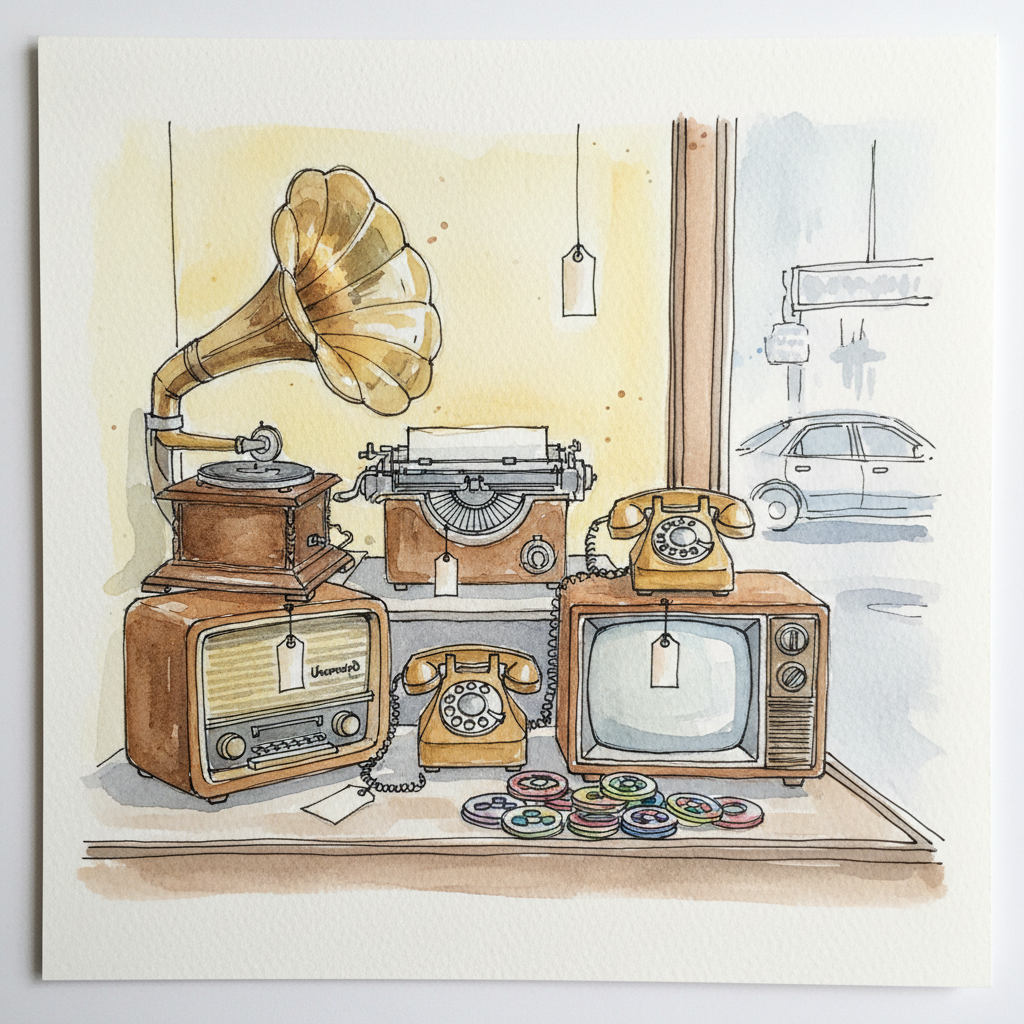
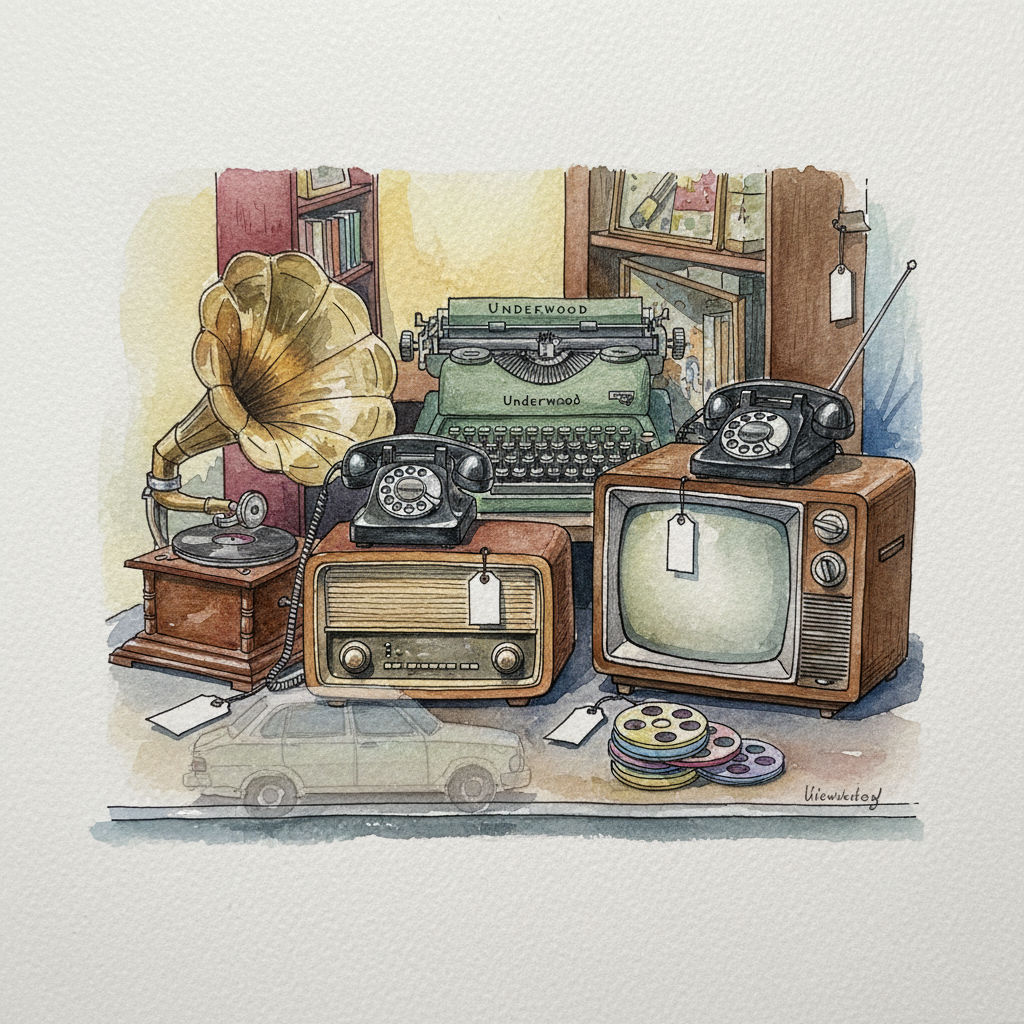
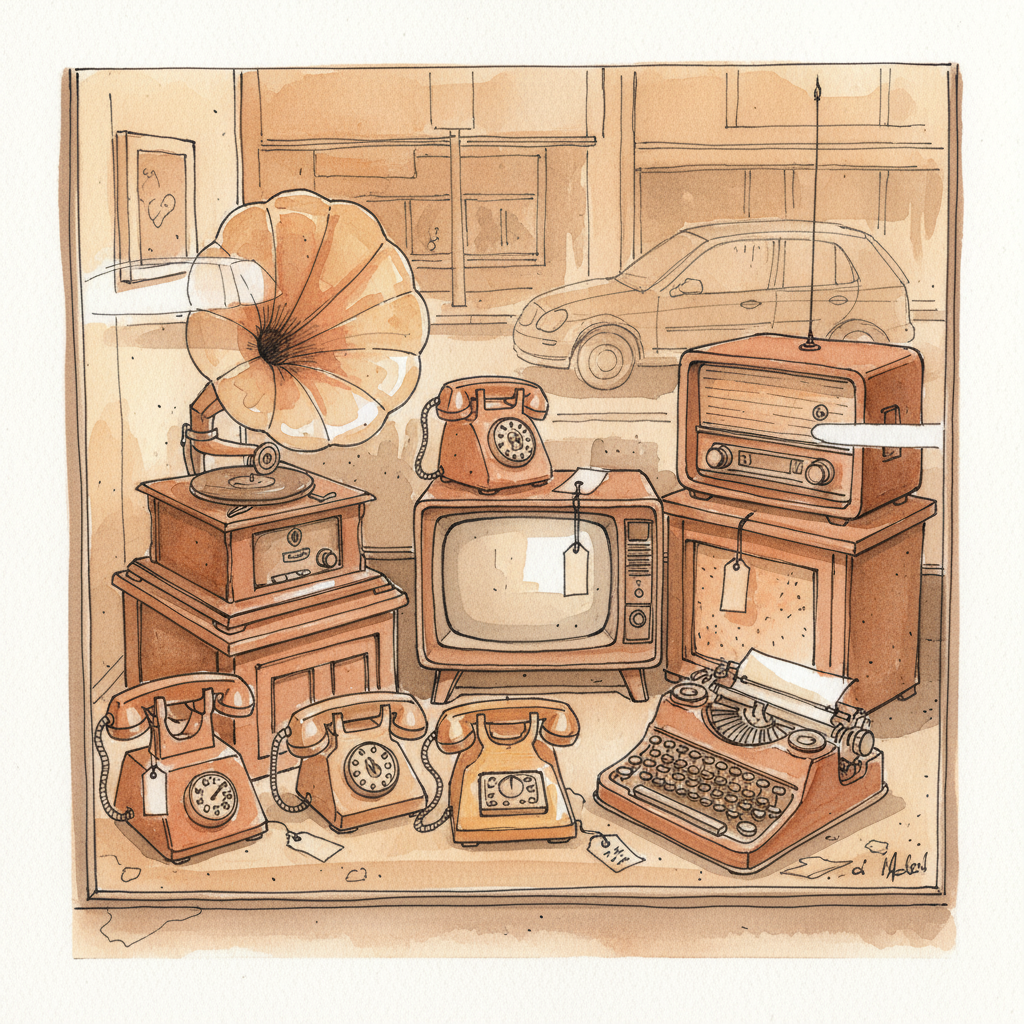
Focus for this piece
This piece offers a compelling study in rendering deep visual depth, particularly by managing complex layering and surface reflections. Focus on strategically varying your line weights to separate foreground objects from the receding background, while employing transparent, warm washes for the shop's interior to contrast with the cooler, slightly more opaque washes defining the street reflections on the glass. The challenge is to allow the shop's details to emerge from the dimness while ensuring the reflections assert their presence without completely obscuring the underlying scene.
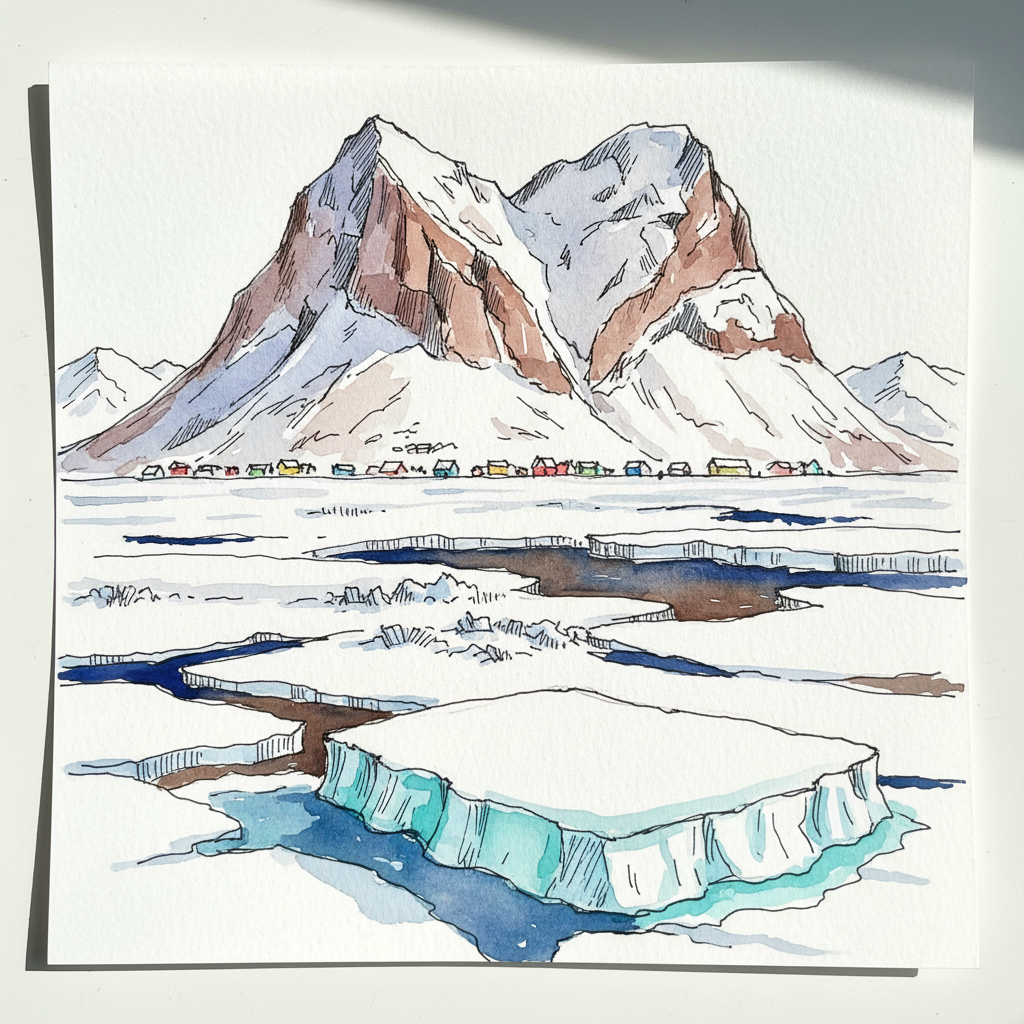
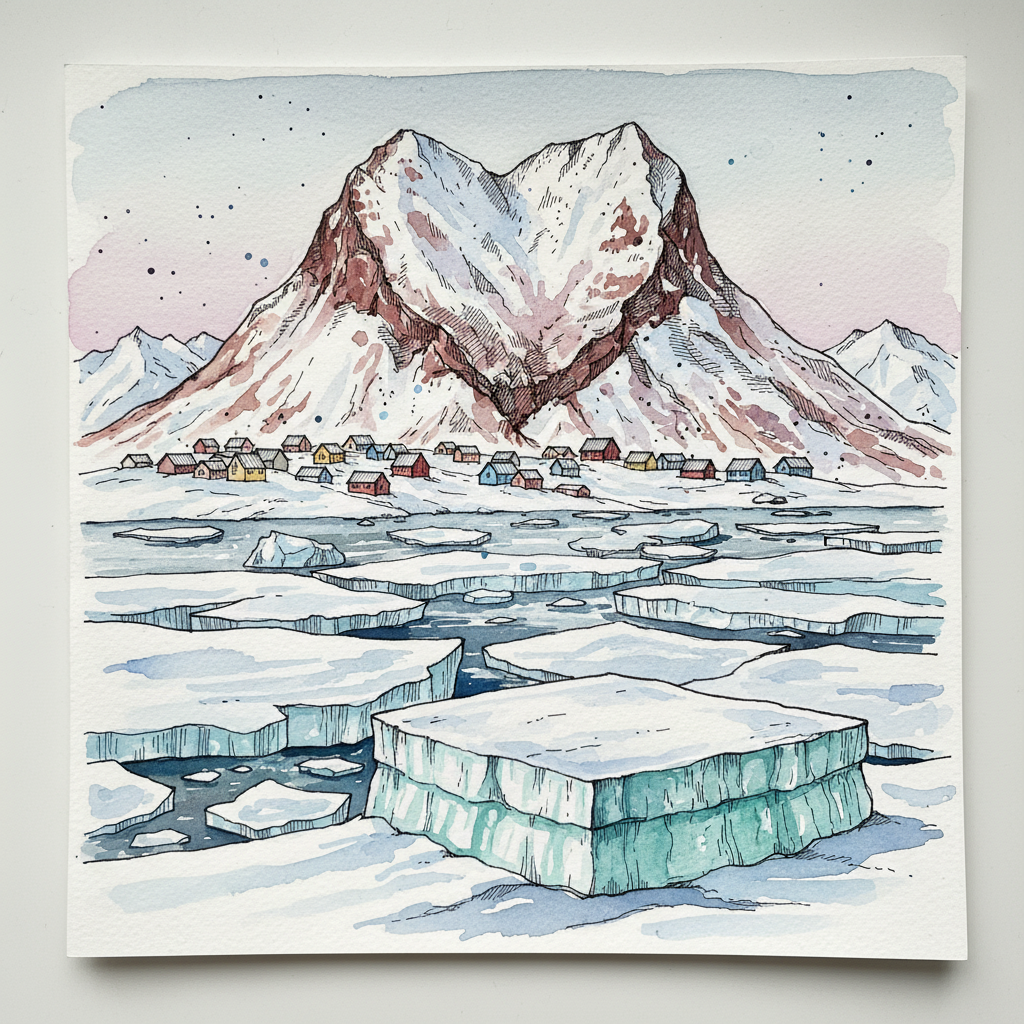
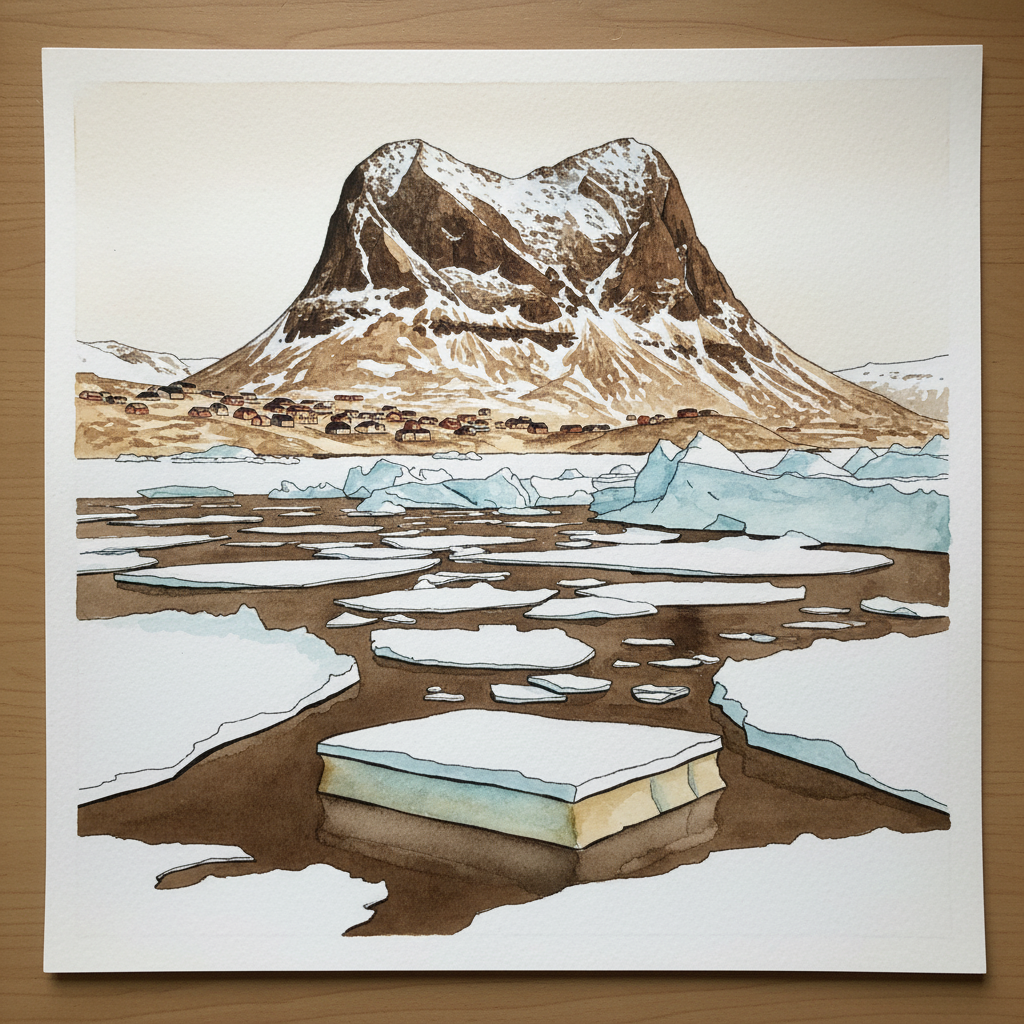
Piece 7 — Uummannaq fjord ice with heart-shaped mountain, Greenland
Pen + Watercolor · Loose pen and watercolor line-and-wash
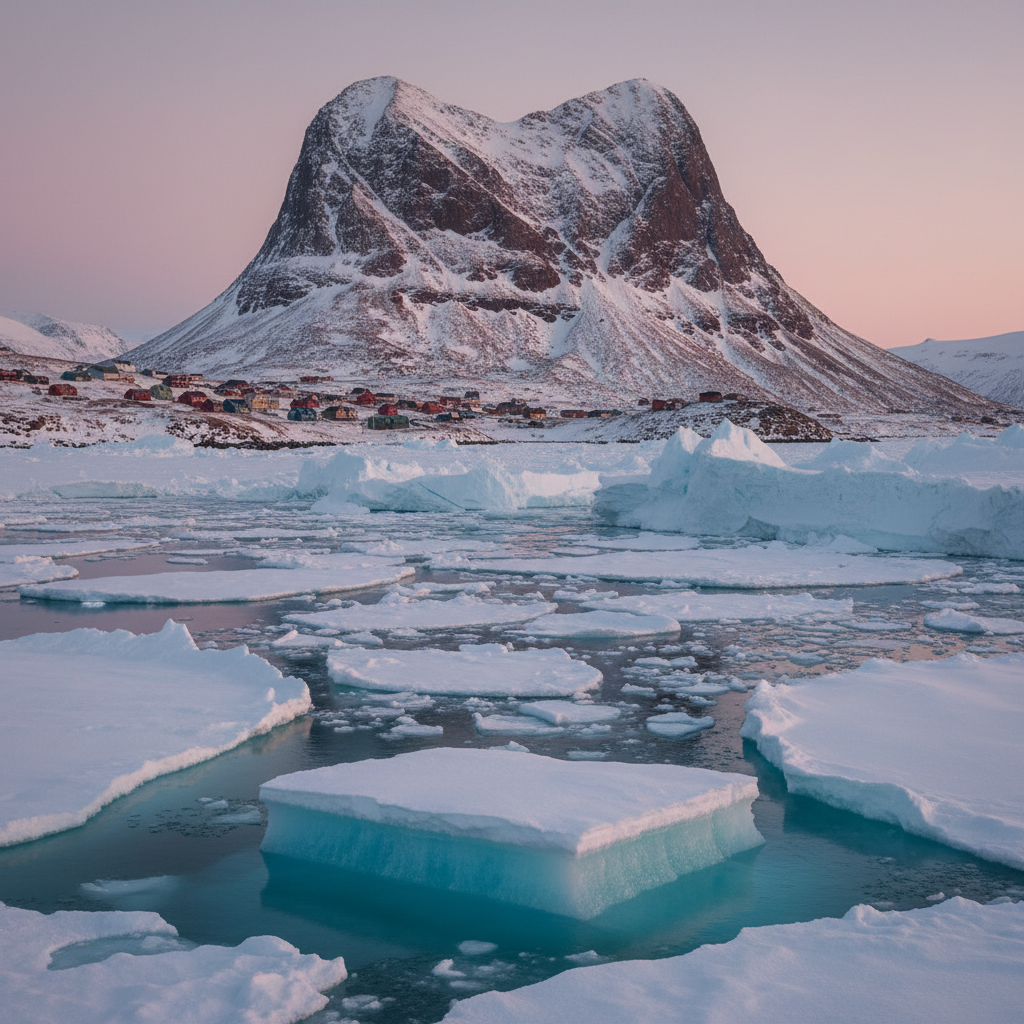
Three takes
Focus for this piece
This scene is an excellent study in establishing **atmospheric perspective and depth** using both line and wash. Focus on varying your line weight: use bolder, broken lines for the jagged foreground tabular berg and ice plates to bring them forward, transitioning to finer, less defined lines for the distant heart-shaped mountain. Employ strong value contrast in your washes for the "inky water leads" within the ice pack to make them recede, while using soft, layered rose-mauve washes to suggest the subtle glow of polar twilight across the sky and mountain slopes.
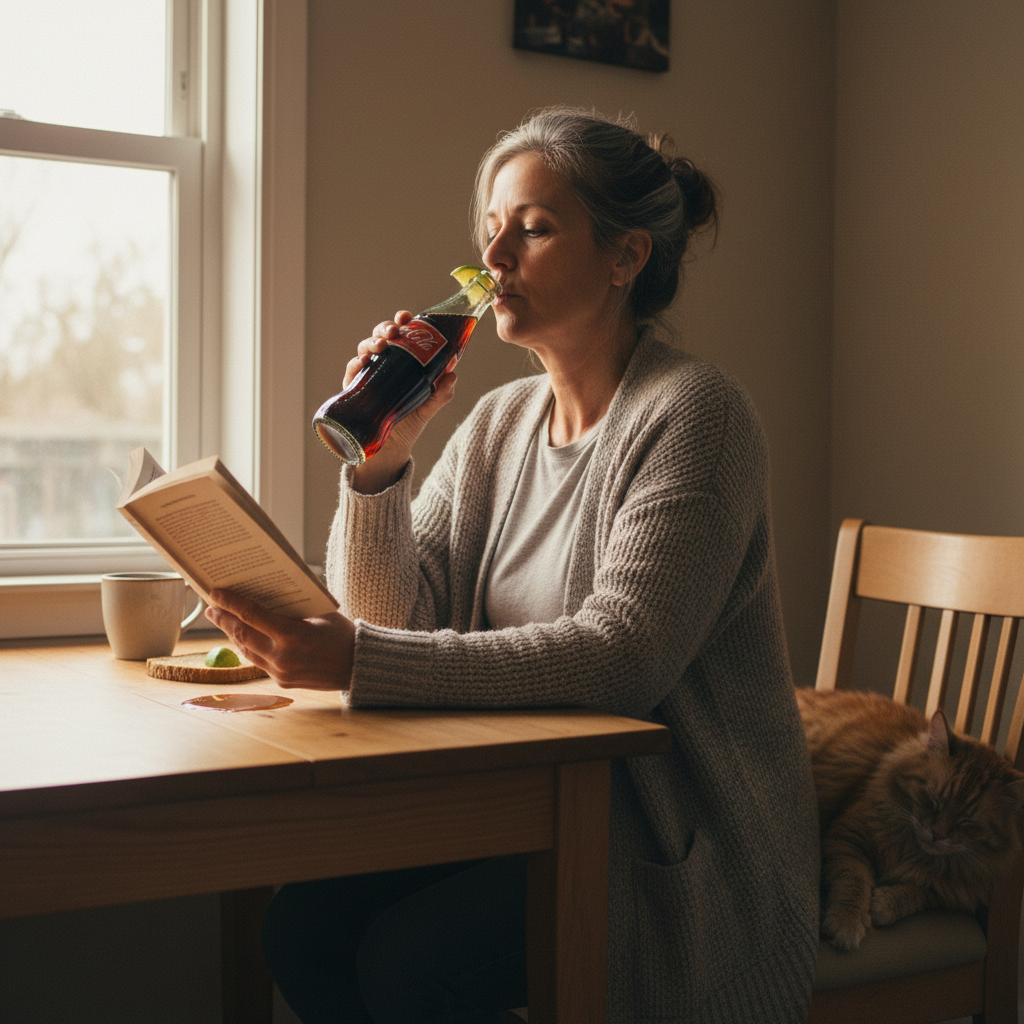
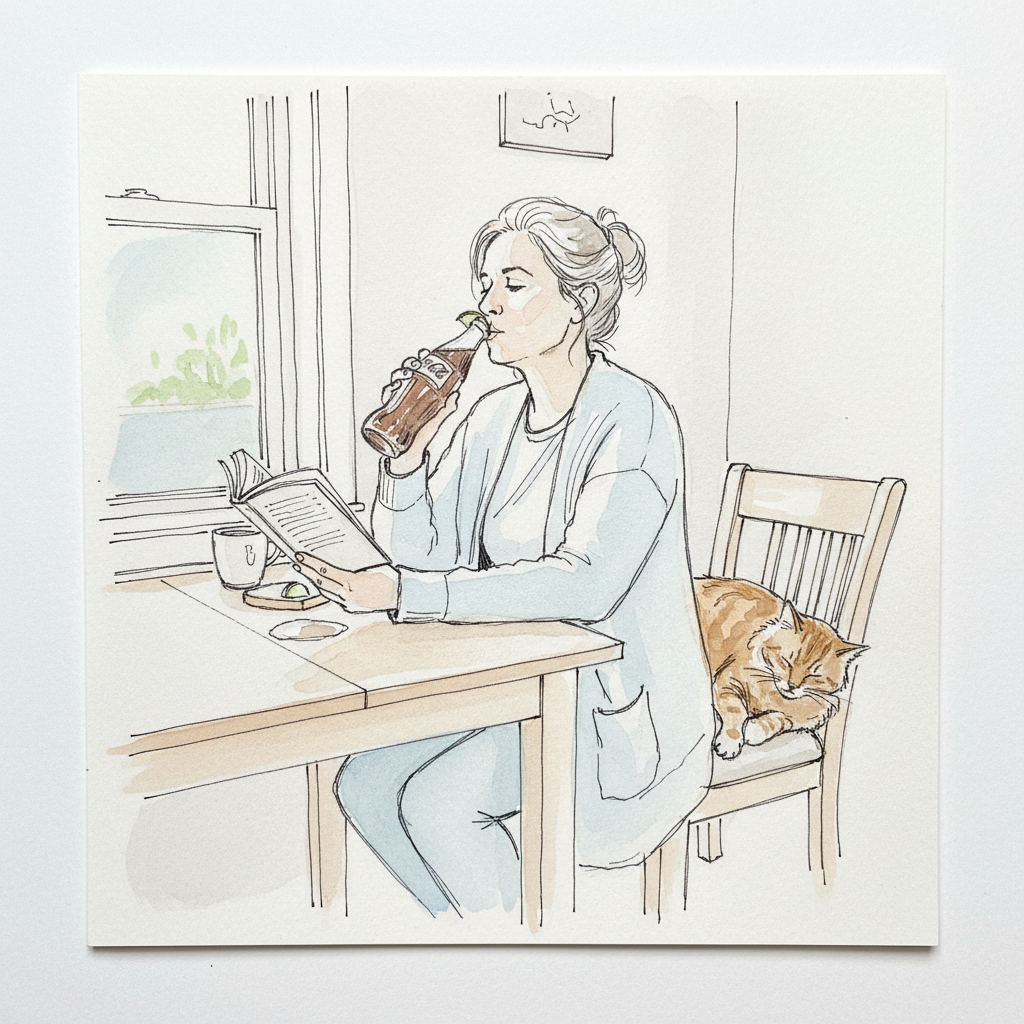
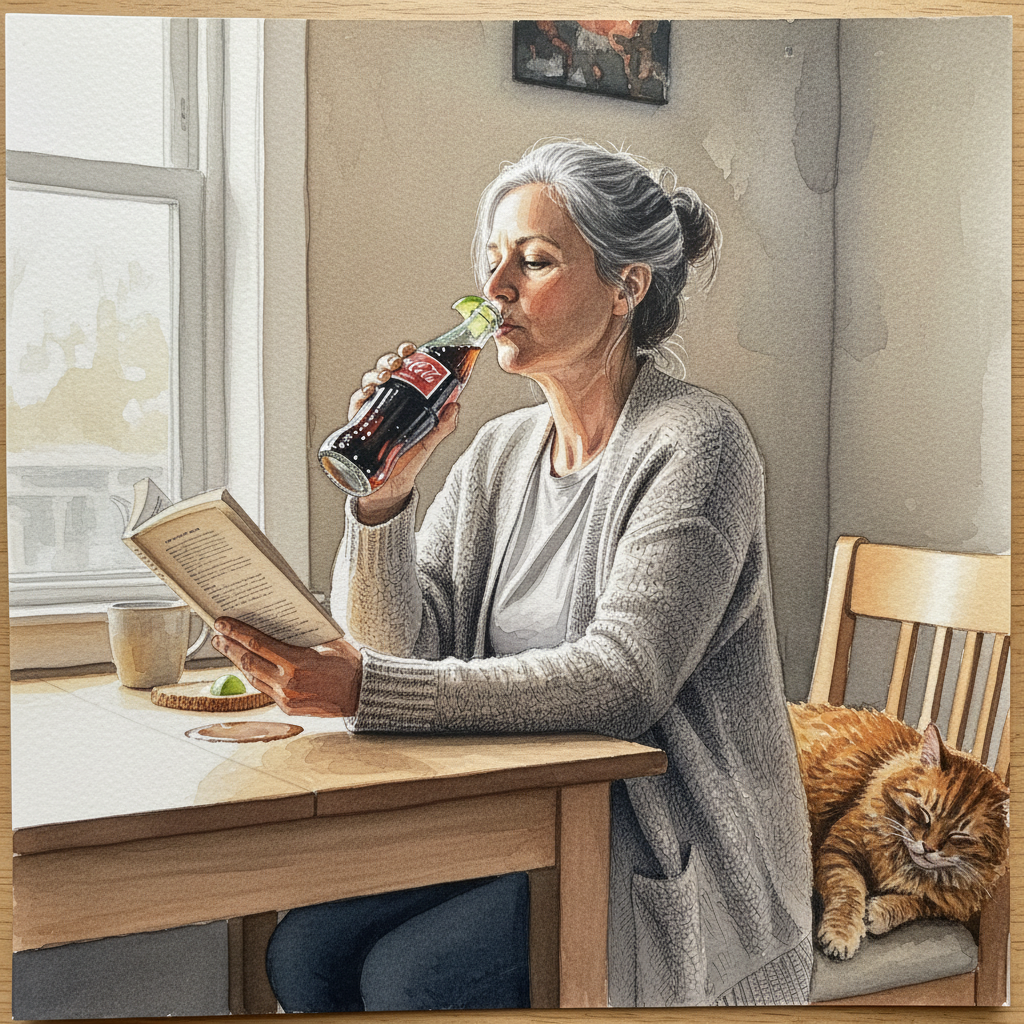
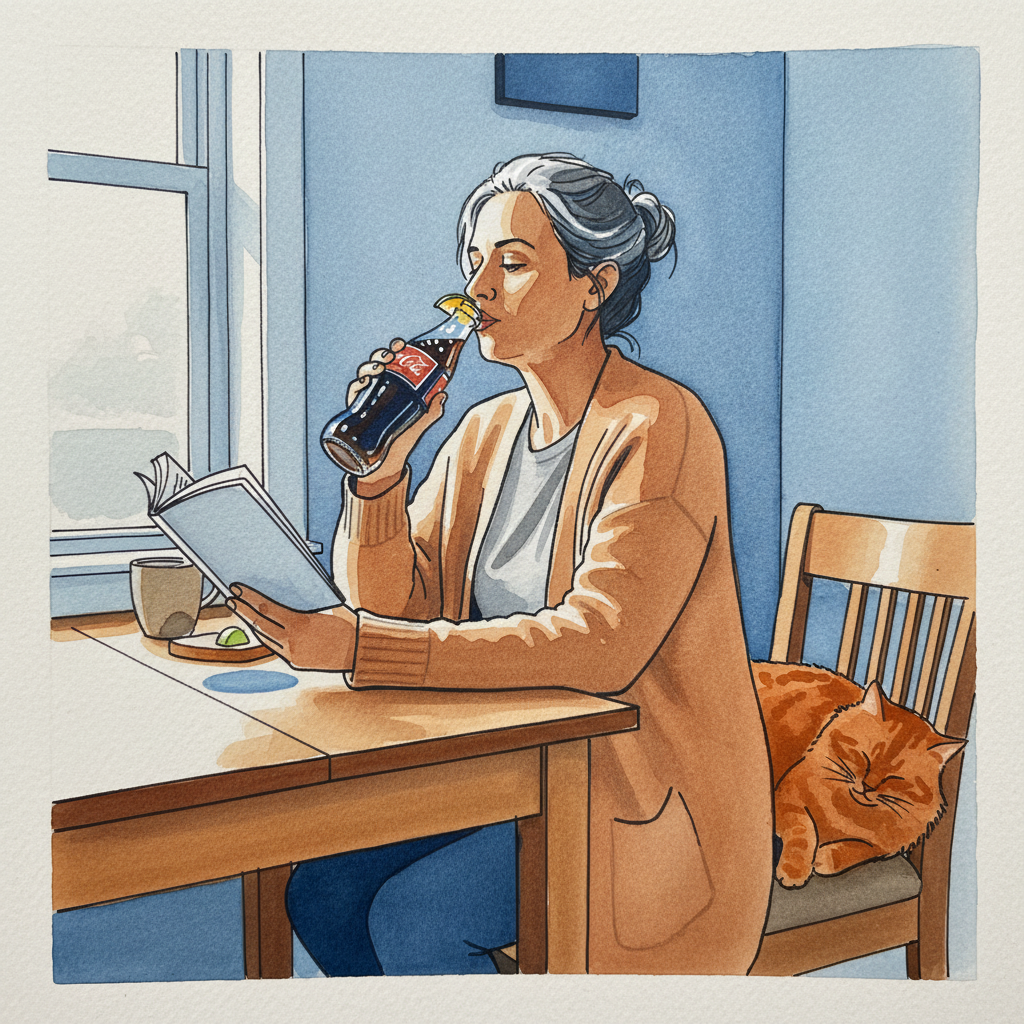
Piece 8 — Person drinking soda from bottle
Pen + Watercolor · Loose pen and watercolor line-and-wash
Three takes
Focus for this piece
For this piece, make the sweating glass bottle your primary technical focus, studying how to render transparency and condensation with pen and watercolor. Use crisp, *waterproof* ink lines (e.g., a 005 nib) to define the bottle's form and the delicate lime, allowing these structural details to hold firm. Then, layer wet-on-wet washes for the amber liquid, carefully reserving or lifting highlights to convey the beaded moisture and the bubbles climbing within the glass.