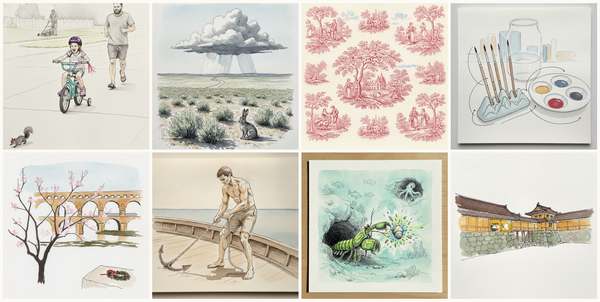
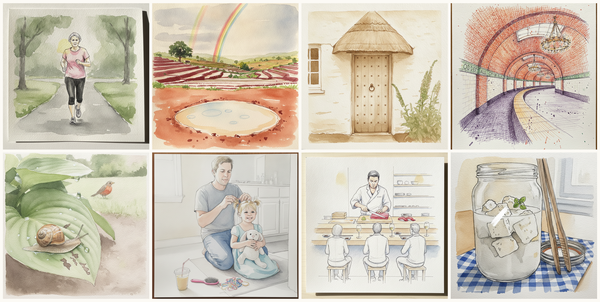
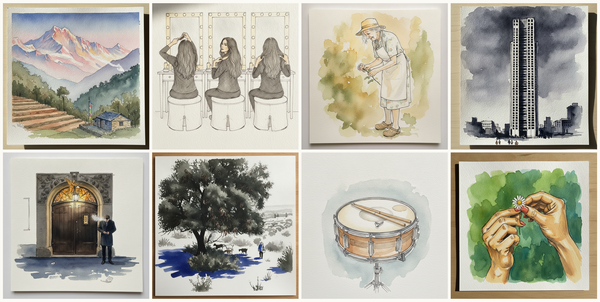
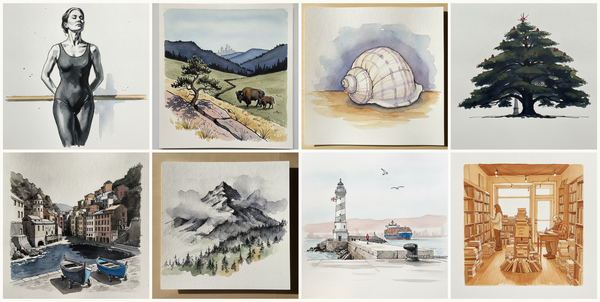
Person throwing ball for dog, Curvy Black model with one arm reaching back, French Long-Barn in Provence, Towering Cumulus over the Plains, and more — pen + watercolor for May 26, 2026
Today's pen-and-watercolor pieces: Person throwing ball for dog, Curvy Black model with one arm reaching back, French Long-Barn in Provence, Towering Cumulus over the Plains, Eagle Beach divi-divi tree, Aruba, Red howler, Nut Bowl Turned Ash, 86th Street Station Q Line, New York City Subway, USA.
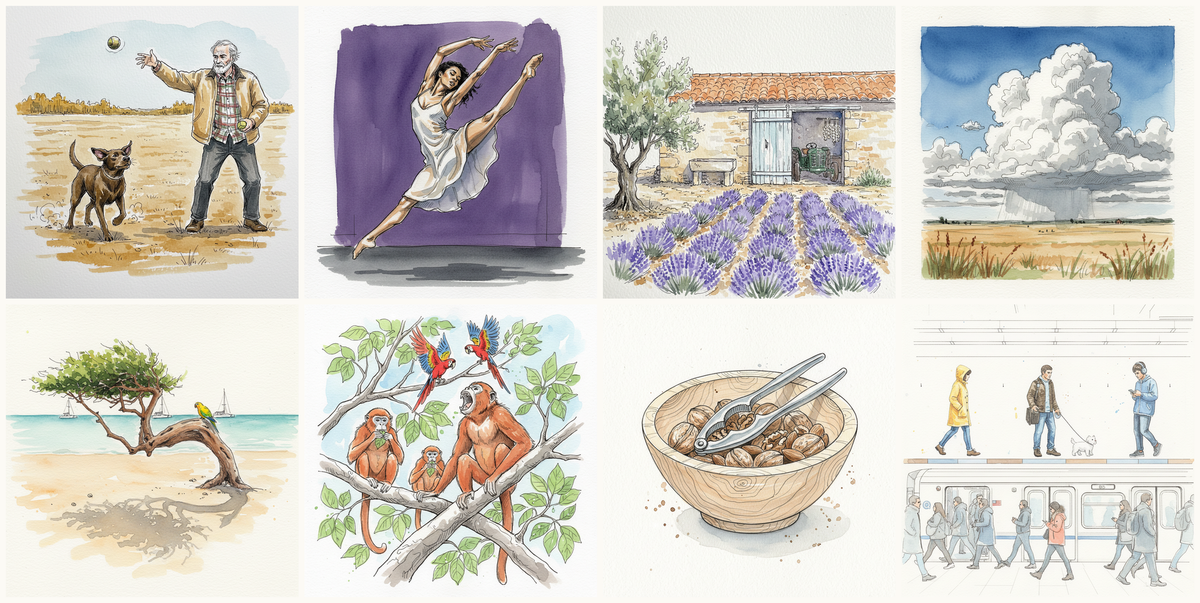
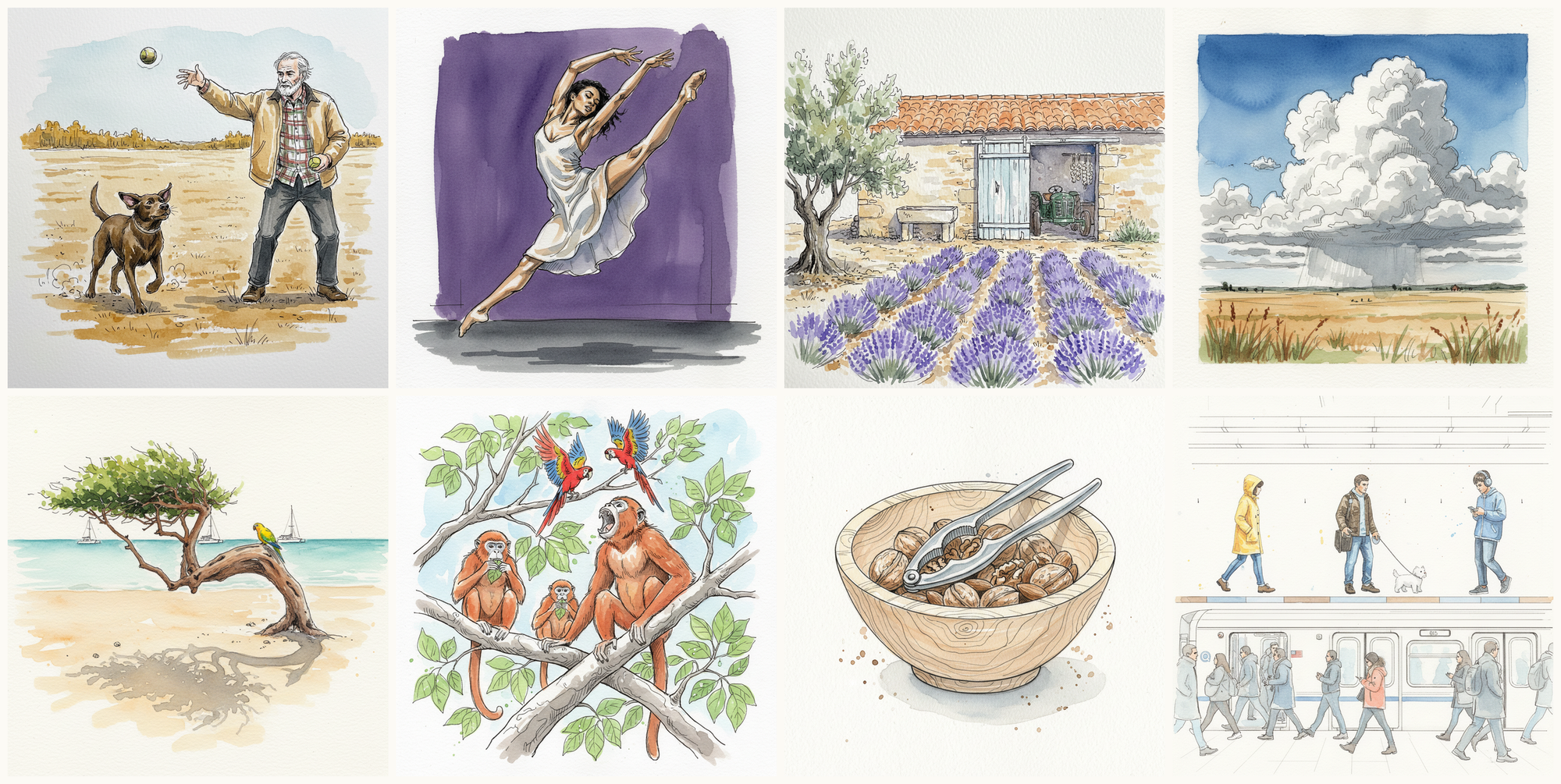
Today's 8 pen-and-watercolor pieces: Person throwing ball for dog, Curvy Black model with one arm reaching back, French Long-Barn in Provence, Towering Cumulus over the Plains, Eagle Beach divi-divi tree, Aruba, Red howler, Nut Bowl Turned Ash, 86th Street Station Q Line, New York City Subway, USA. Each piece comes with a photo reference, three example artworks in different treatments, and a short focus paragraph naming what to study in this one.
Piece 1 — Person throwing ball for dog
Pen + Watercolor · Loose pen and watercolor line-and-wash
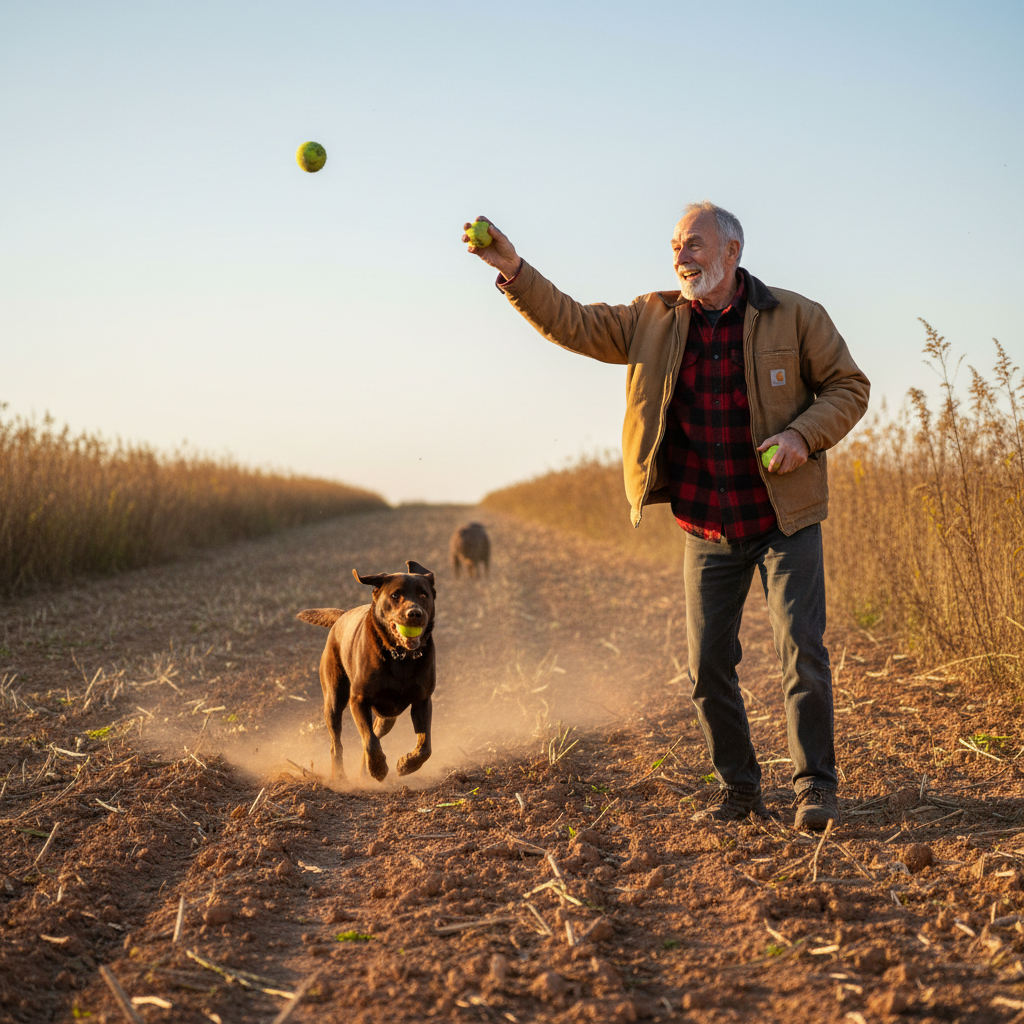
Three takes
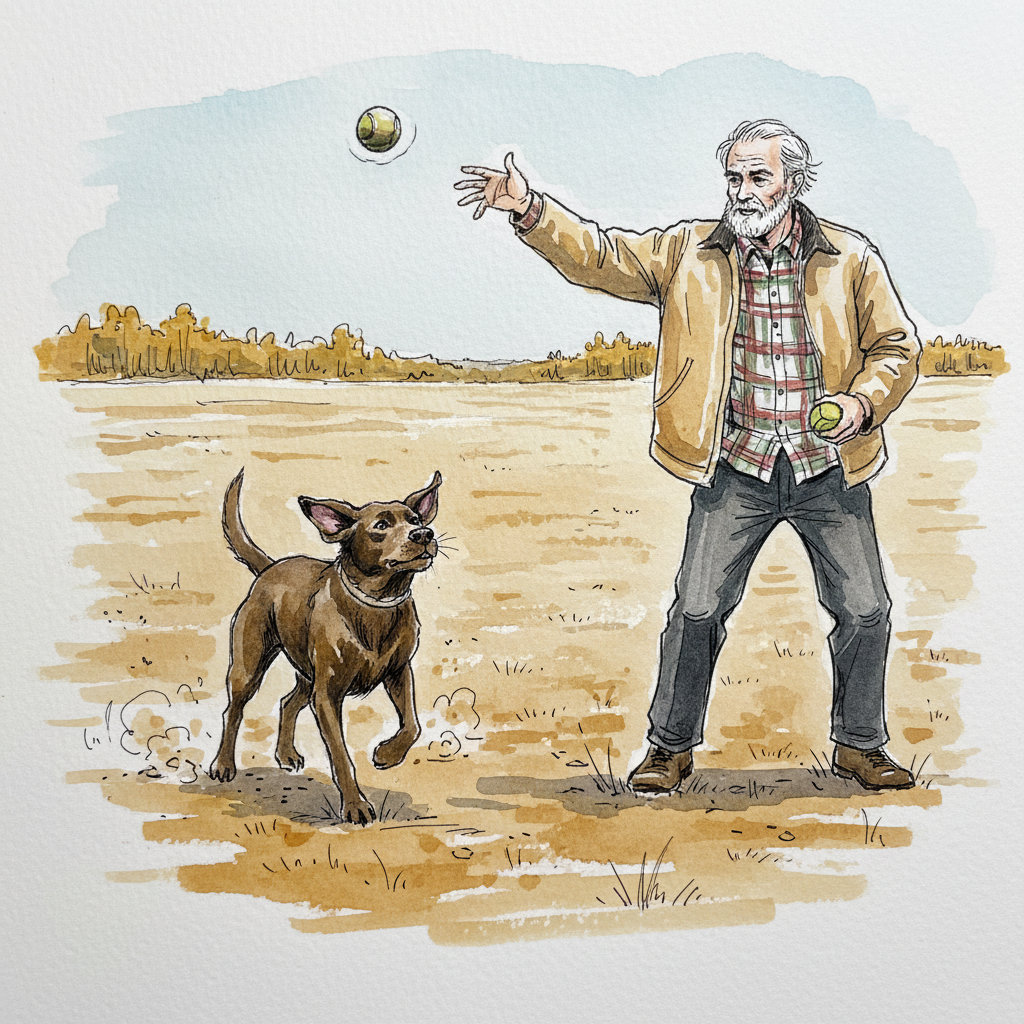
Focus for this piece
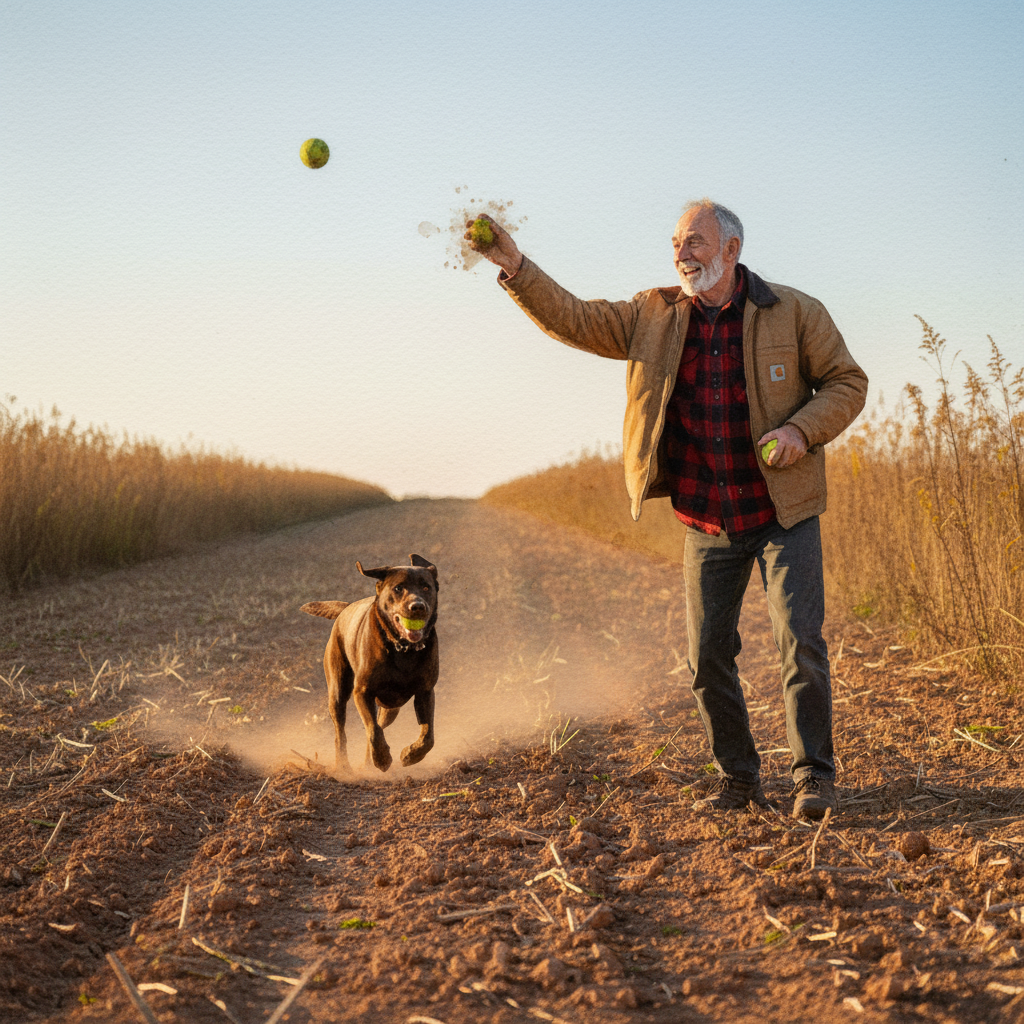
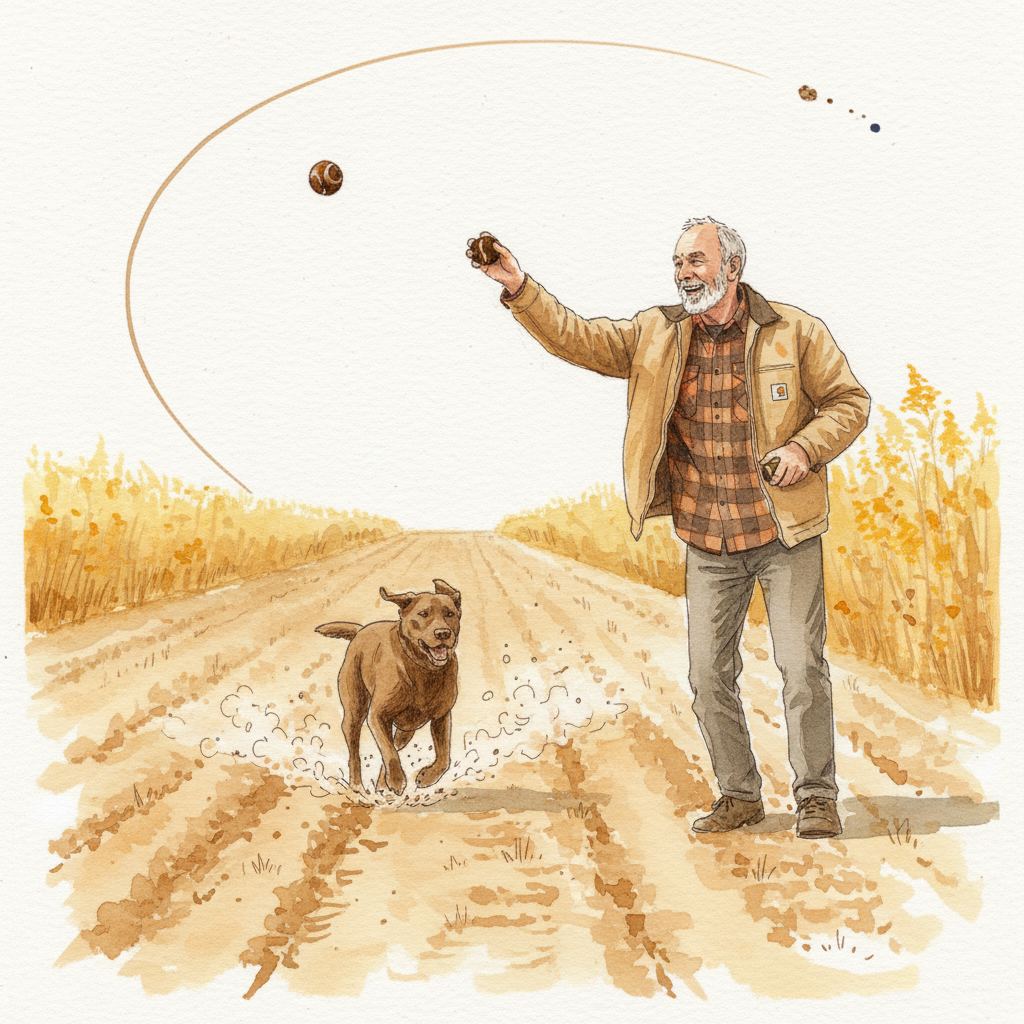
This piece offers a compelling study in capturing dynamic action and atmospheric light. Use varied, energetic line weights to define the dog's explosive forward motion and the grandfather's cocked arm, allowing certain lines to break or soften where movement is fastest. Then, build dimension and the 'gilded' late-afternoon sun with vibrant, slightly wetter washes, letting pigment bloom softly for the rising dust and glowing goldenrod. This interplay will create both structure and a sense of lively movement.
Piece 2 — Curvy Black model with one arm reaching back
Pen + Watercolor · Loose pen and watercolor line-and-wash
Three takes
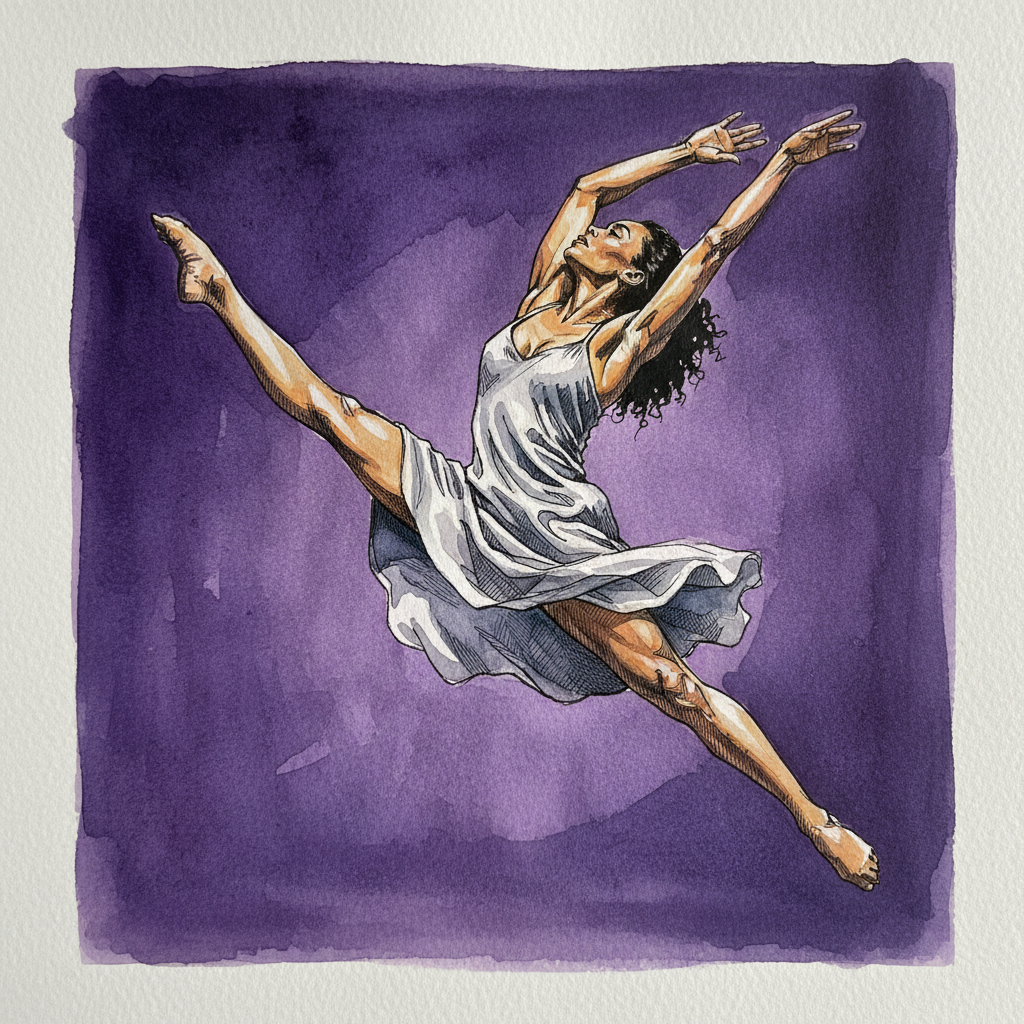
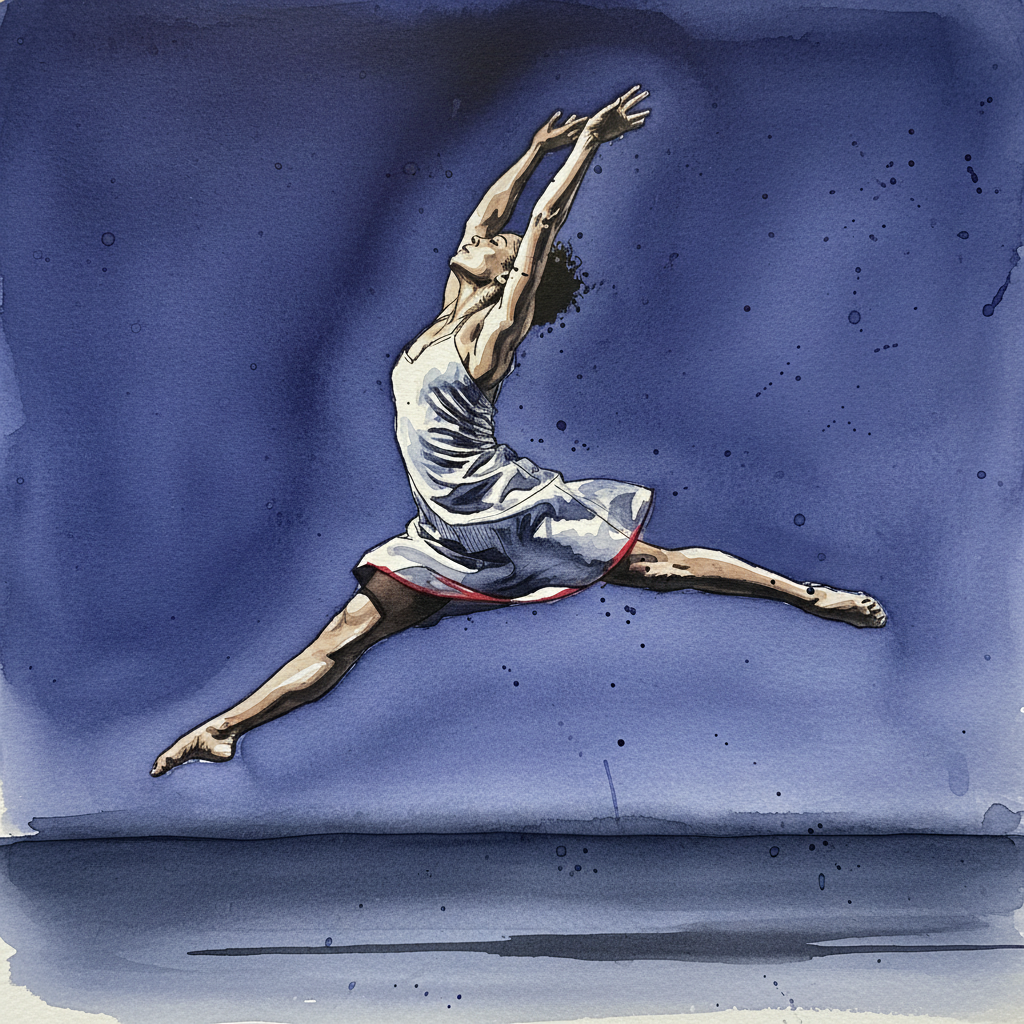
Focus for this piece
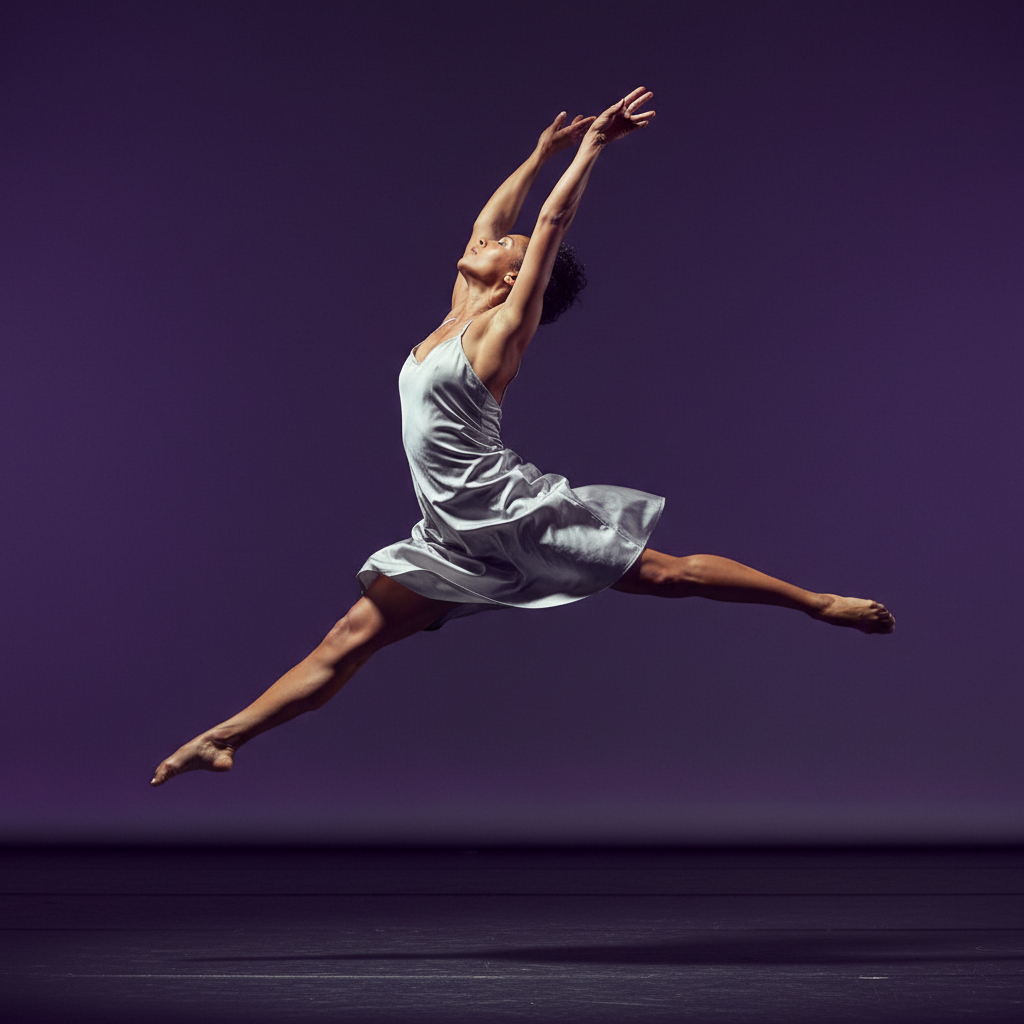
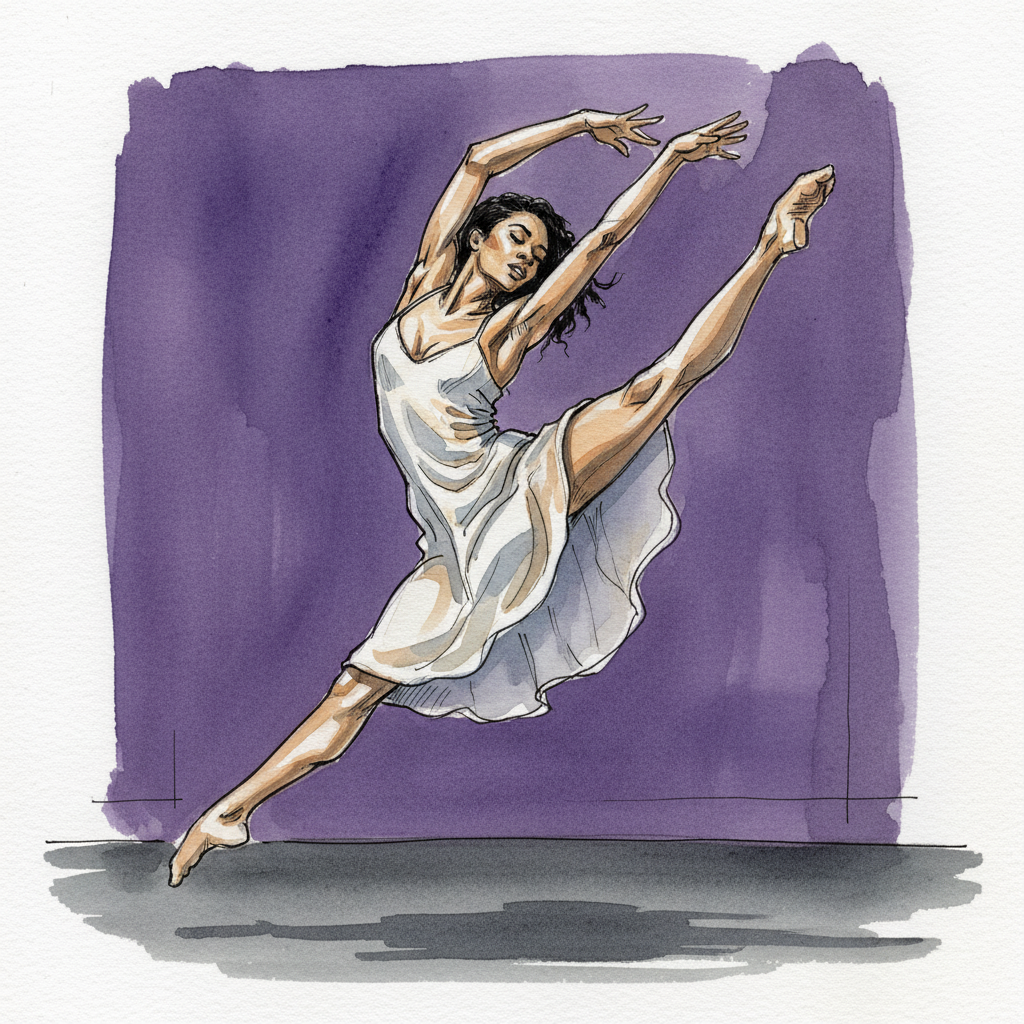
Today's piece is excellent for studying how varied line weight—thicker where muscles stretch or recede into shadow, thinner in highlights—can define dynamic human anatomy. Use these lines to delineate the deep side-bend of the torso and the powerful leg extension. Build the figure's volume and the deep cyclorama's atmosphere with clear, often hard-edged washes, letting the pen lines anchor the dramatic theatrical lighting that carves out the obliques and serratus.
Piece 3 — French Long-Barn in Provence
Pen + Watercolor · Loose pen and watercolor line-and-wash
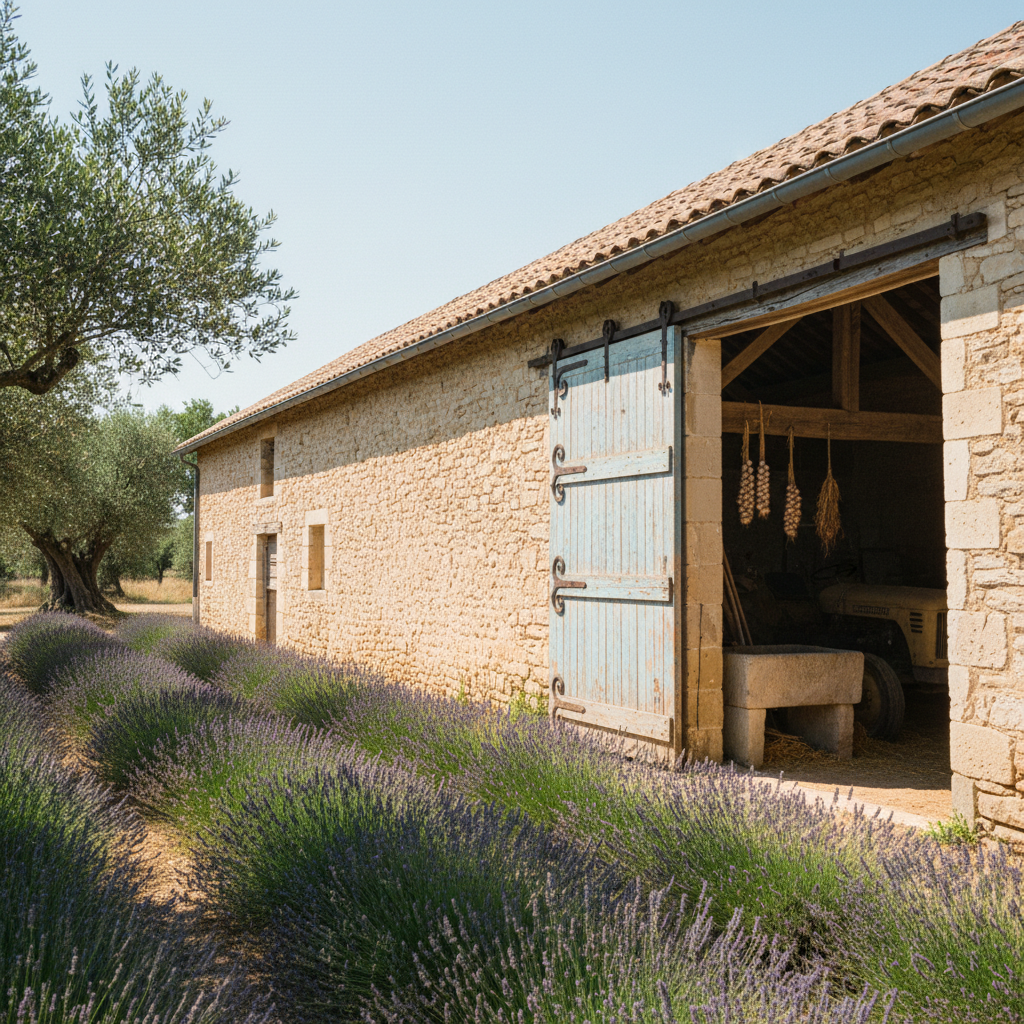
Three takes
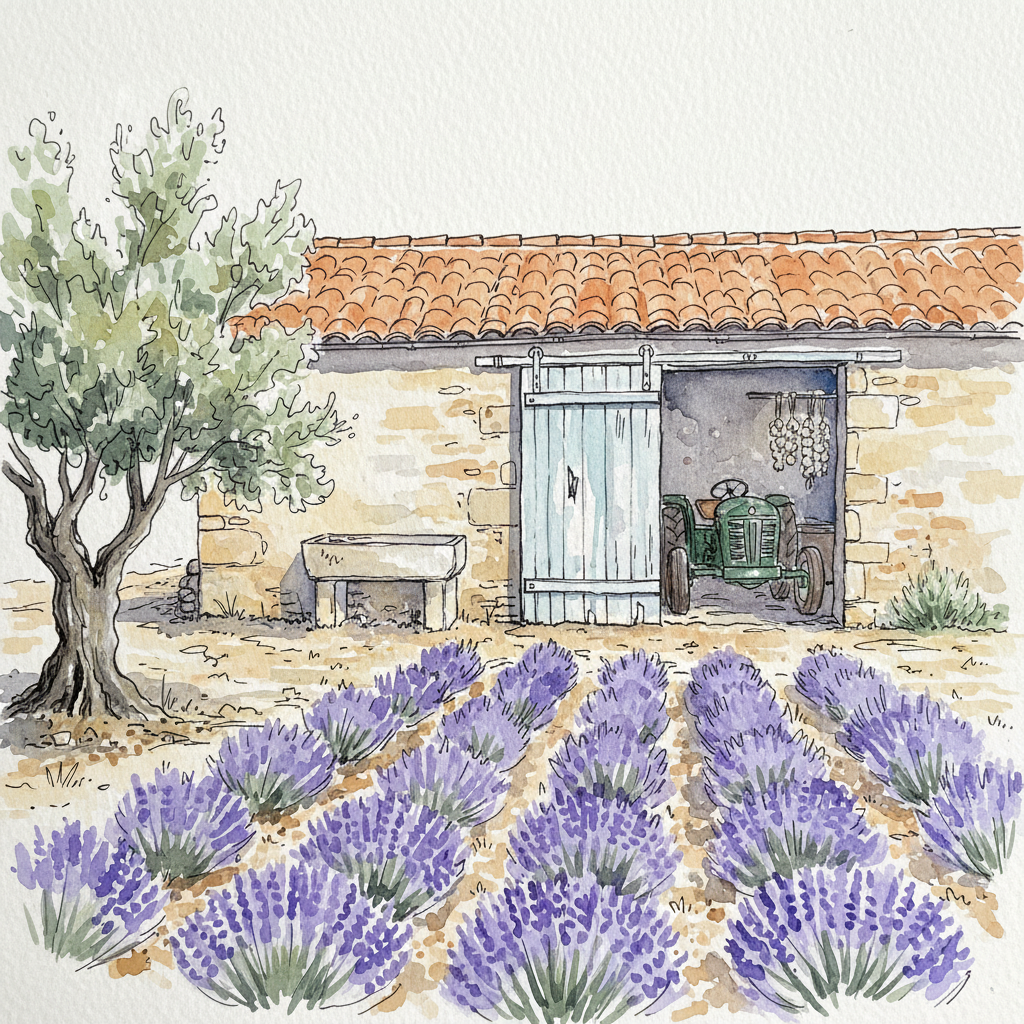
Focus for this piece
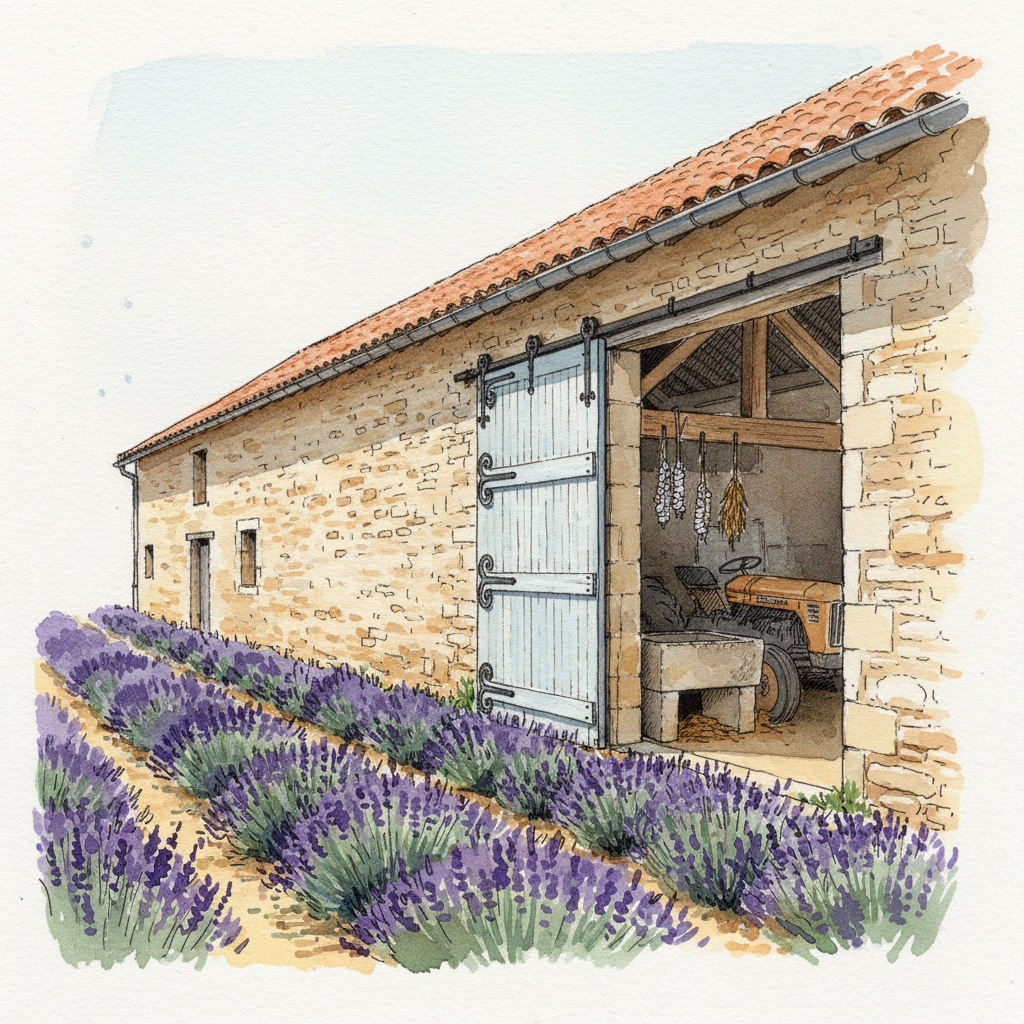
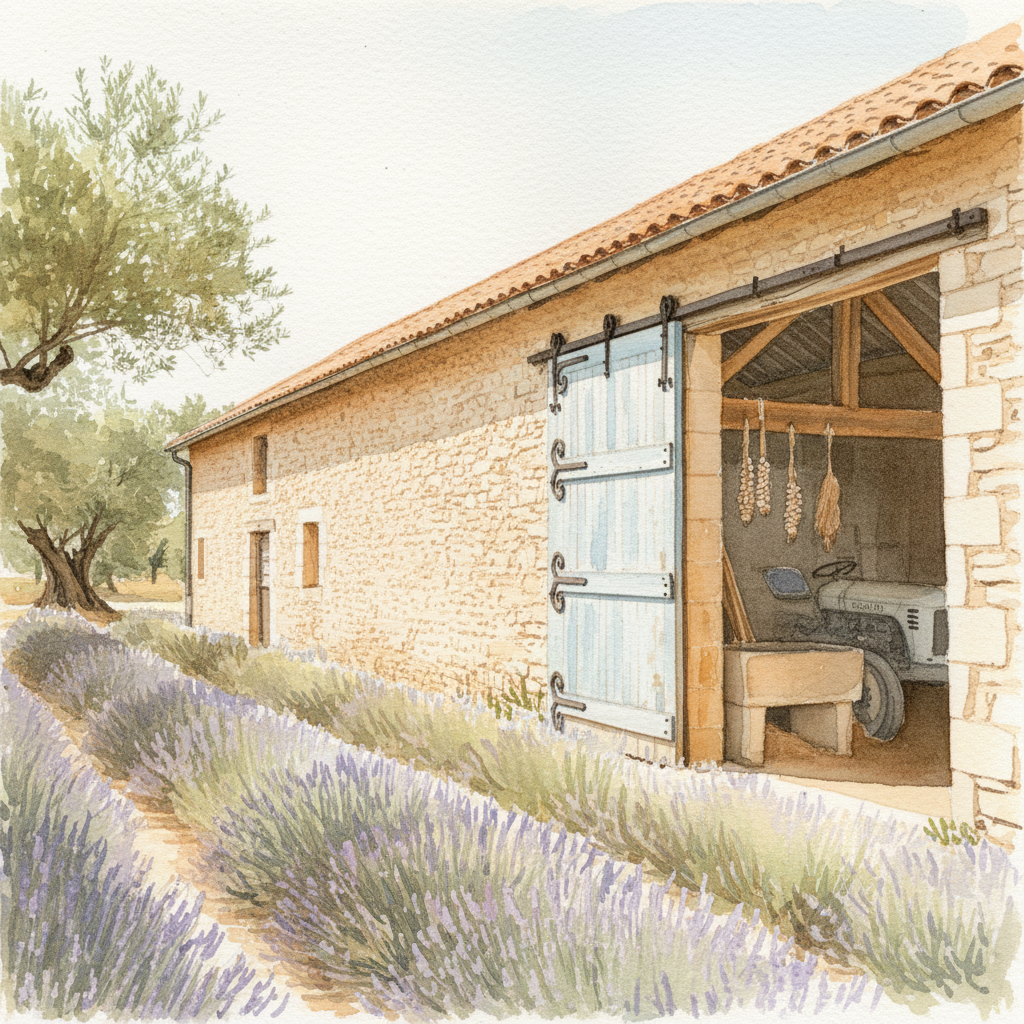
This Provençal long-barn is an excellent study in **one-point perspective**, focusing on the strong horizontal lines of the architecture to convey its impressive length and mass. Practice varying your **pen line weight**, using heavier, more decisive strokes for the foreground door and its iron details, and lighter, broken lines for the distant olive grove and interior elements to create depth. For the washes, explore a **limited, warm palette** of earth tones for the limestone and roof, letting a single, bold wash of violet for the lavender provide a striking cool accent. Remember to establish the interior shadows first to define the cracked-open door as your focal point.
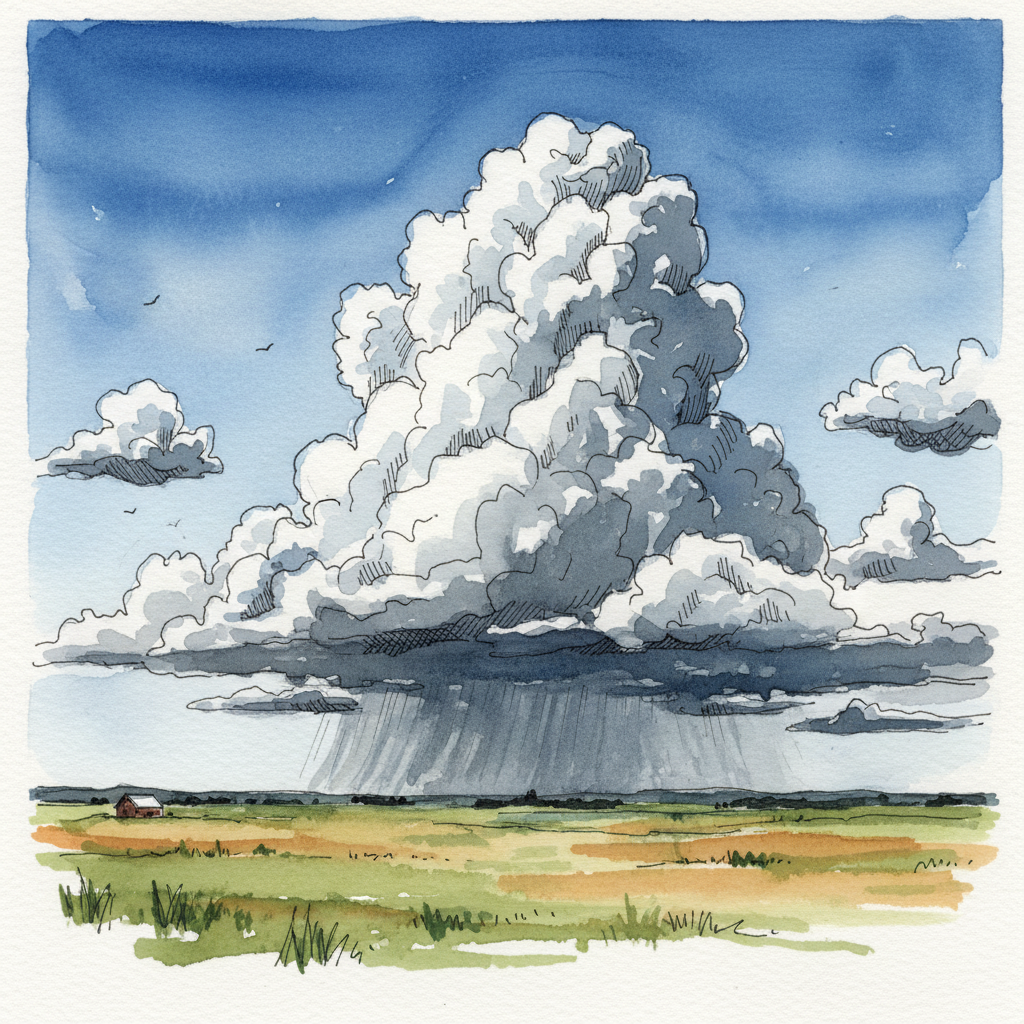
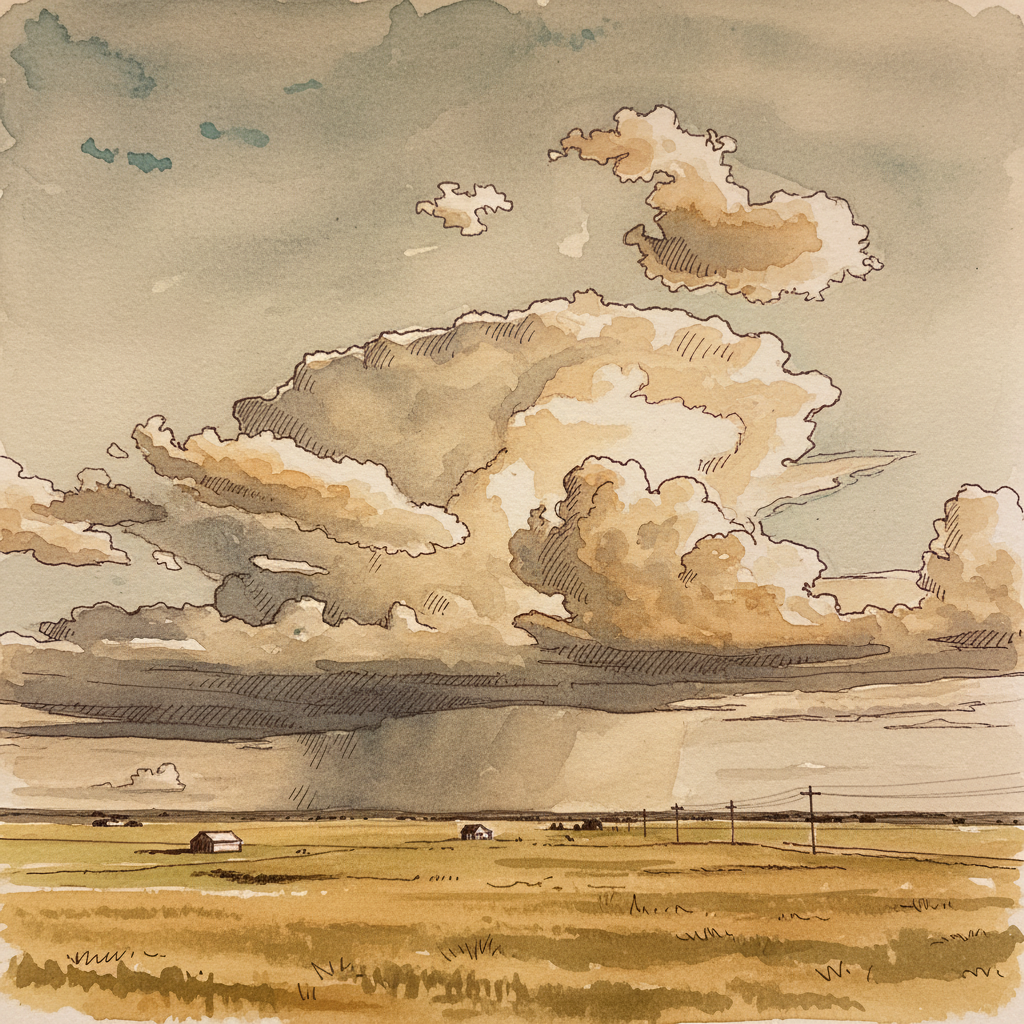
Piece 4 — Towering Cumulus over the Plains
Pen + Watercolor · Loose pen and watercolor line-and-wash
Three takes
Focus for this piece
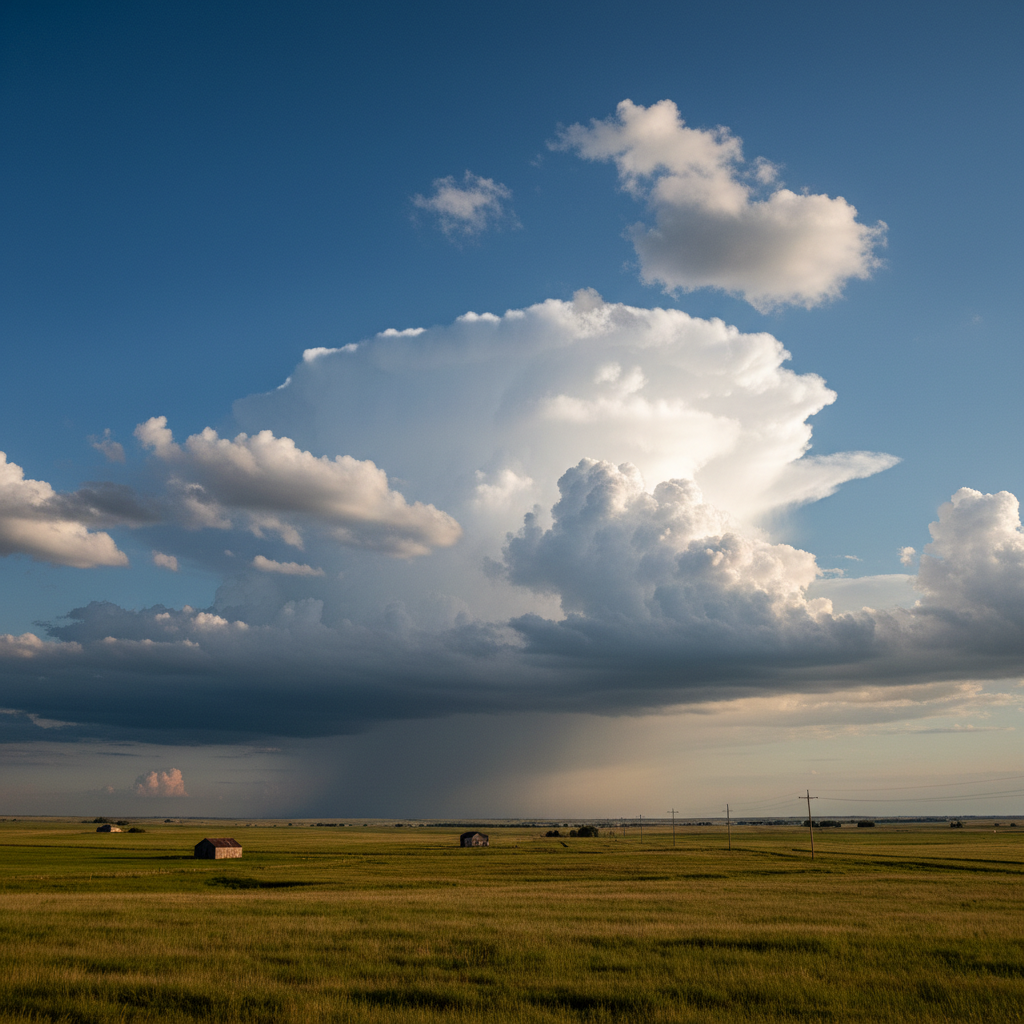
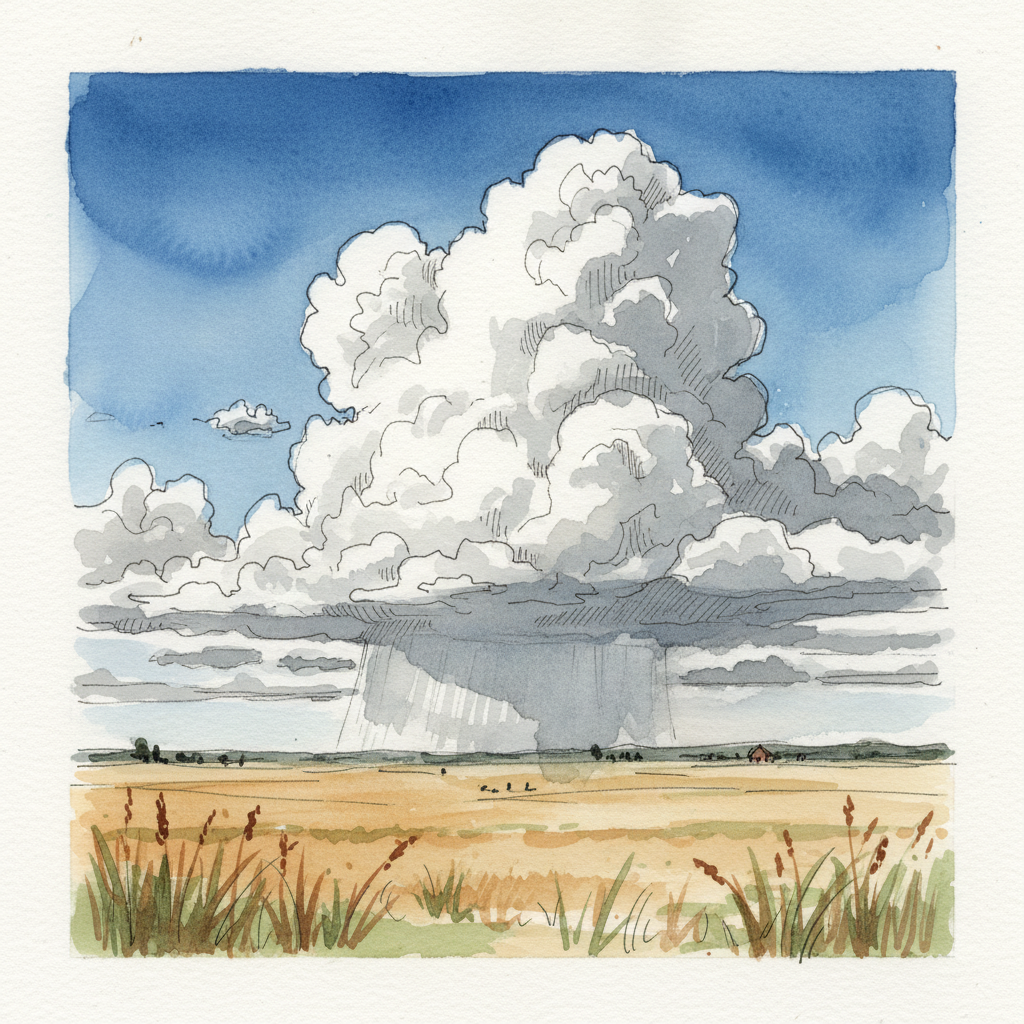
This towering cumulus is an ideal subject for practicing how ink and wash delineate atmospheric volume and varied cloud forms. Use strong, decisive lines for the sharp, dark base, transitioning to lighter, broken lines as the cloud softens and expands upwards. Employ significant wet-on-wet washes for the large, ethereal masses, then introduce drier brushwork or careful lifting to sculpt the intricate "cauliflower" texture in the brighter midsection. This piece also challenges you to maintain a sense of overwhelming scale through subtle value shifts in the surrounding prairie.
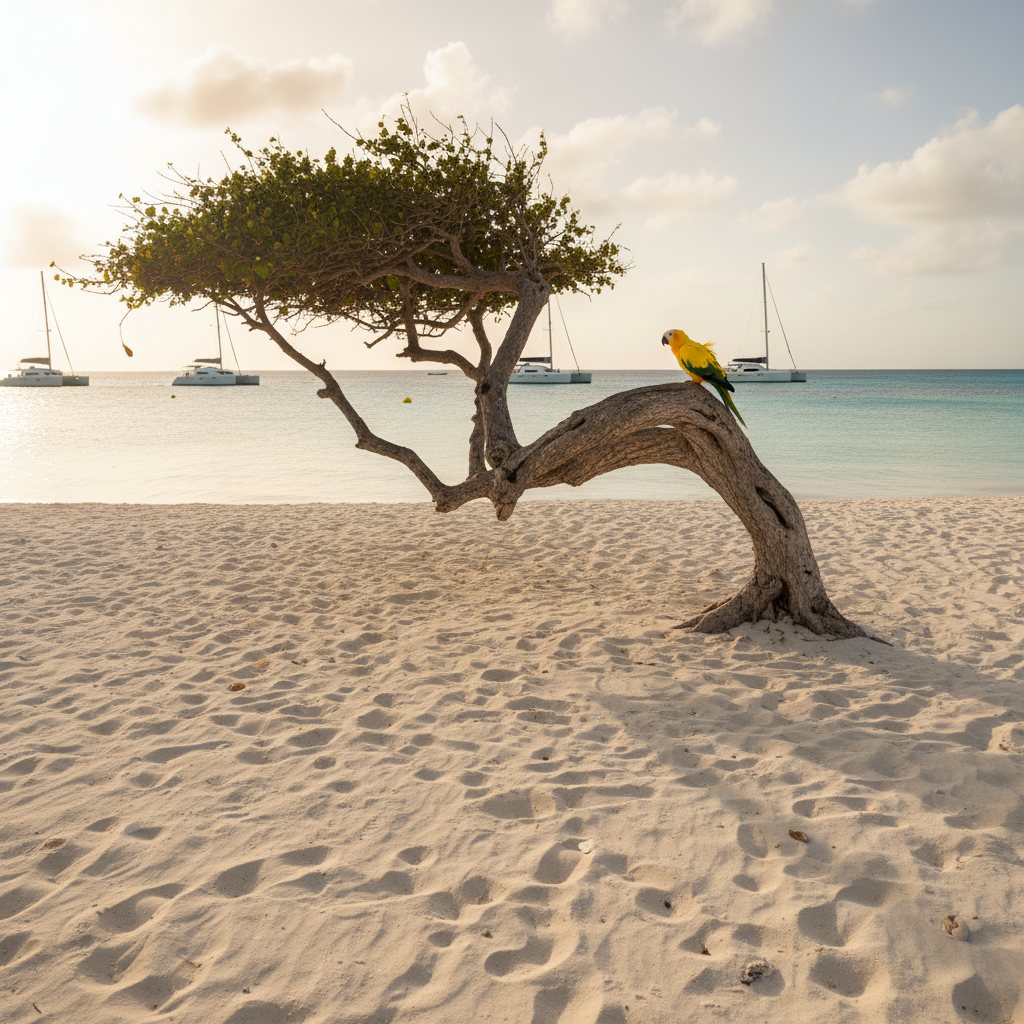
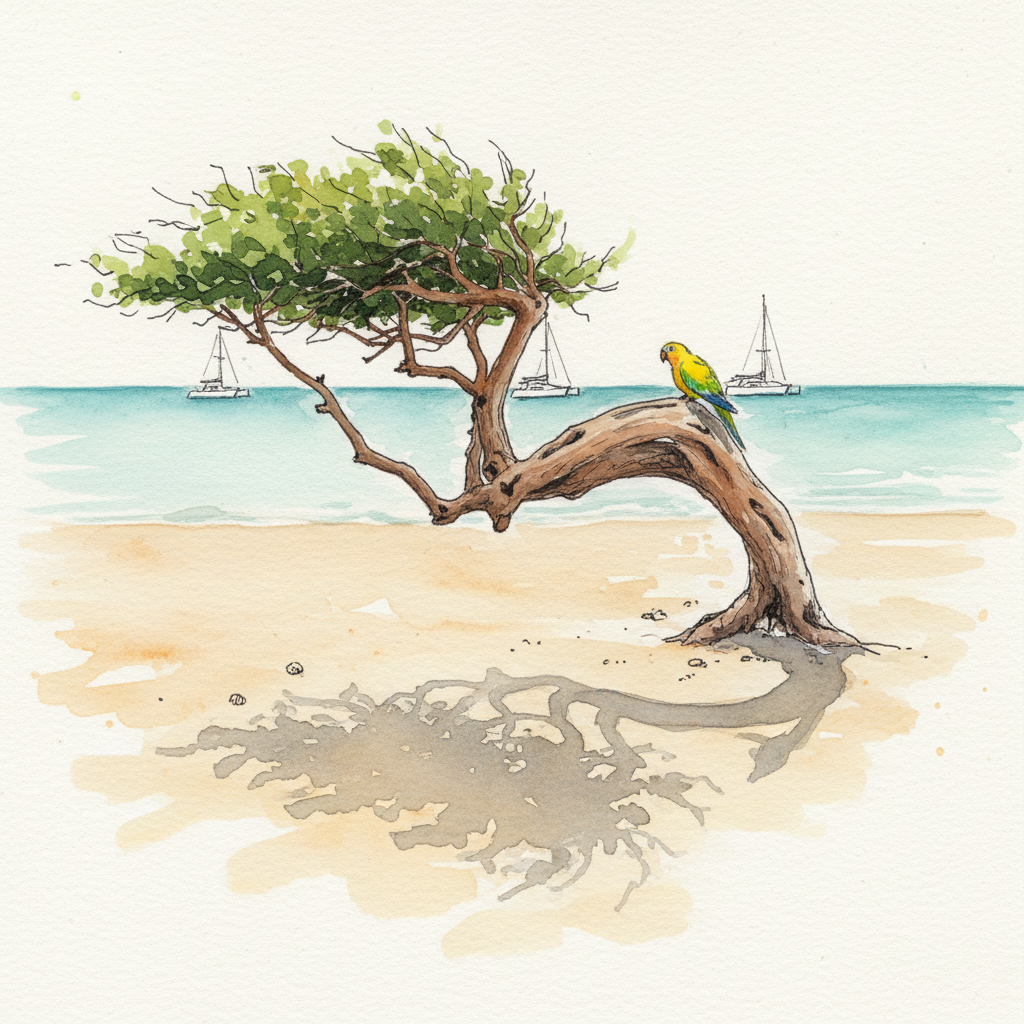
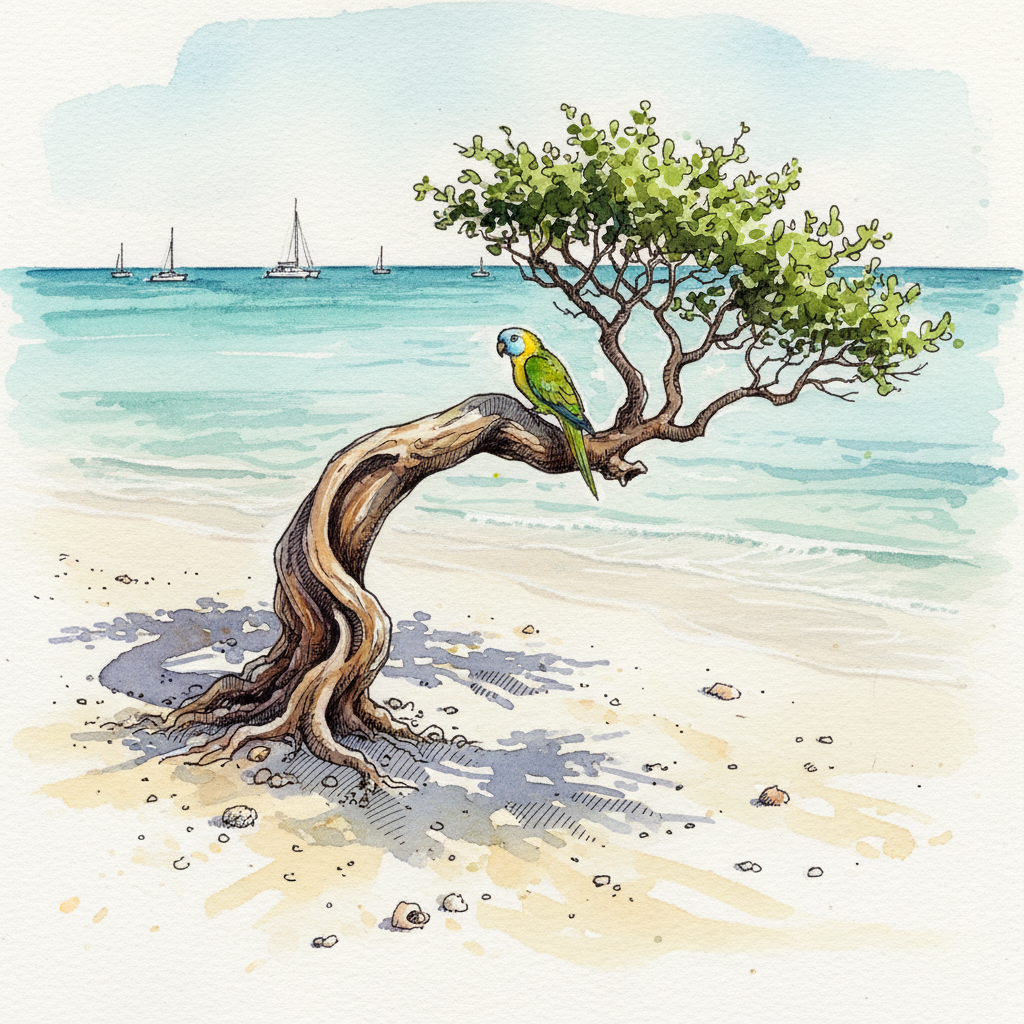
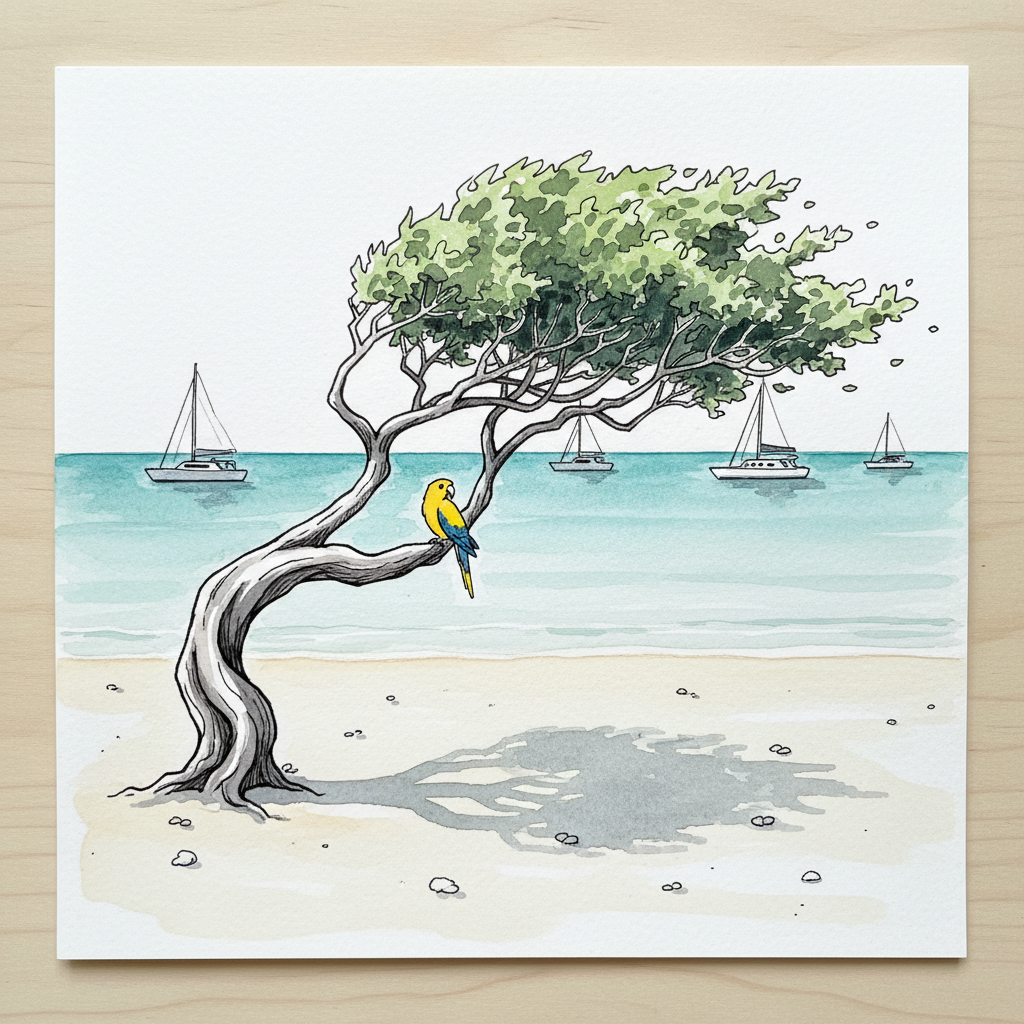
Piece 5 — Eagle Beach divi-divi tree, Aruba
Pen + Watercolor · Loose pen and watercolor line-and-wash
Three takes
Focus for this piece
Today, let's focus on defining organic form through a careful balance of varied ink line weights and intentional soft washes. Use a fine-liner for the intricate bark texture of the twisted divi-divi trunk and a broader, more confident stroke for its wind-swept silhouette against the sky. Then, apply expansive wet-on-wet washes for the calm turquoise shallows, allowing them to bleed gently into the creamy sand to capture the atmospheric late afternoon light and the tree's long, sculpted shadow. This contrast will highlight both the precise detail and the expansive Aruban atmosphere.
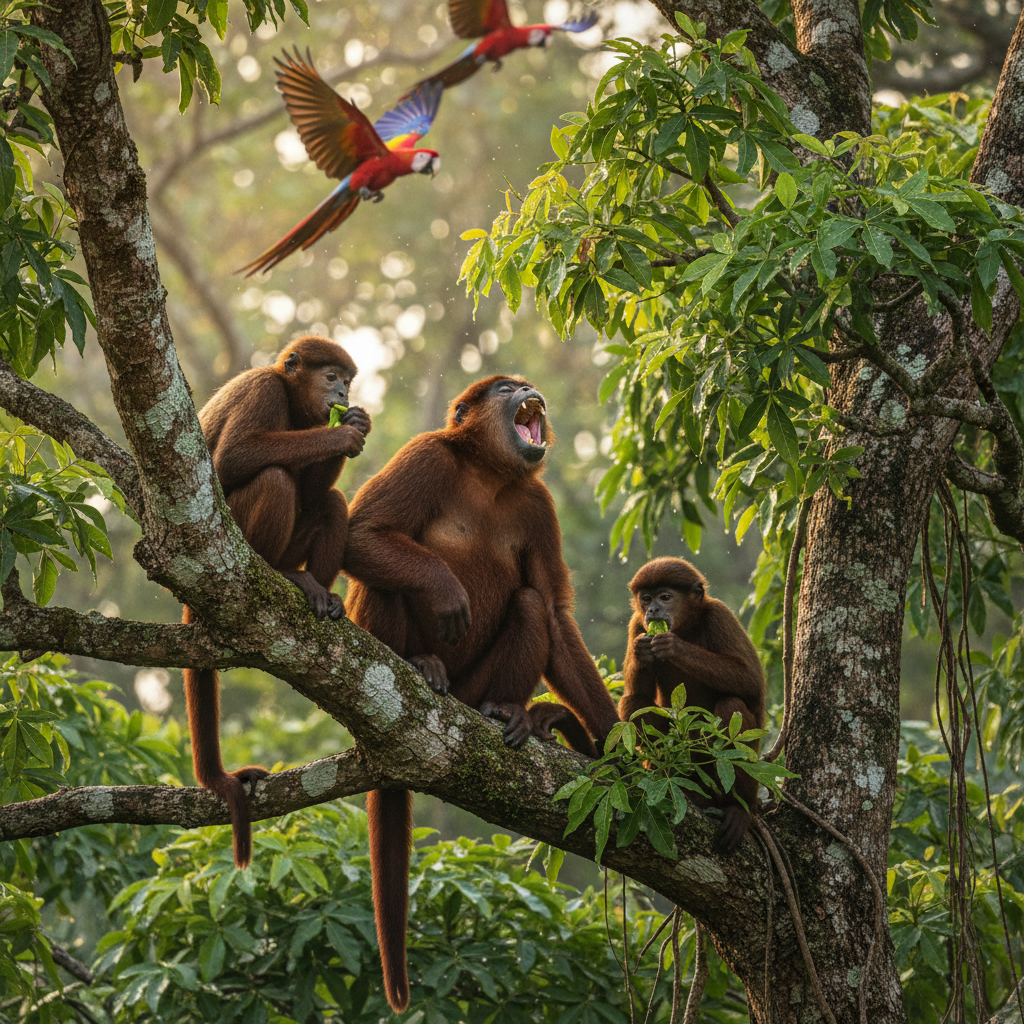
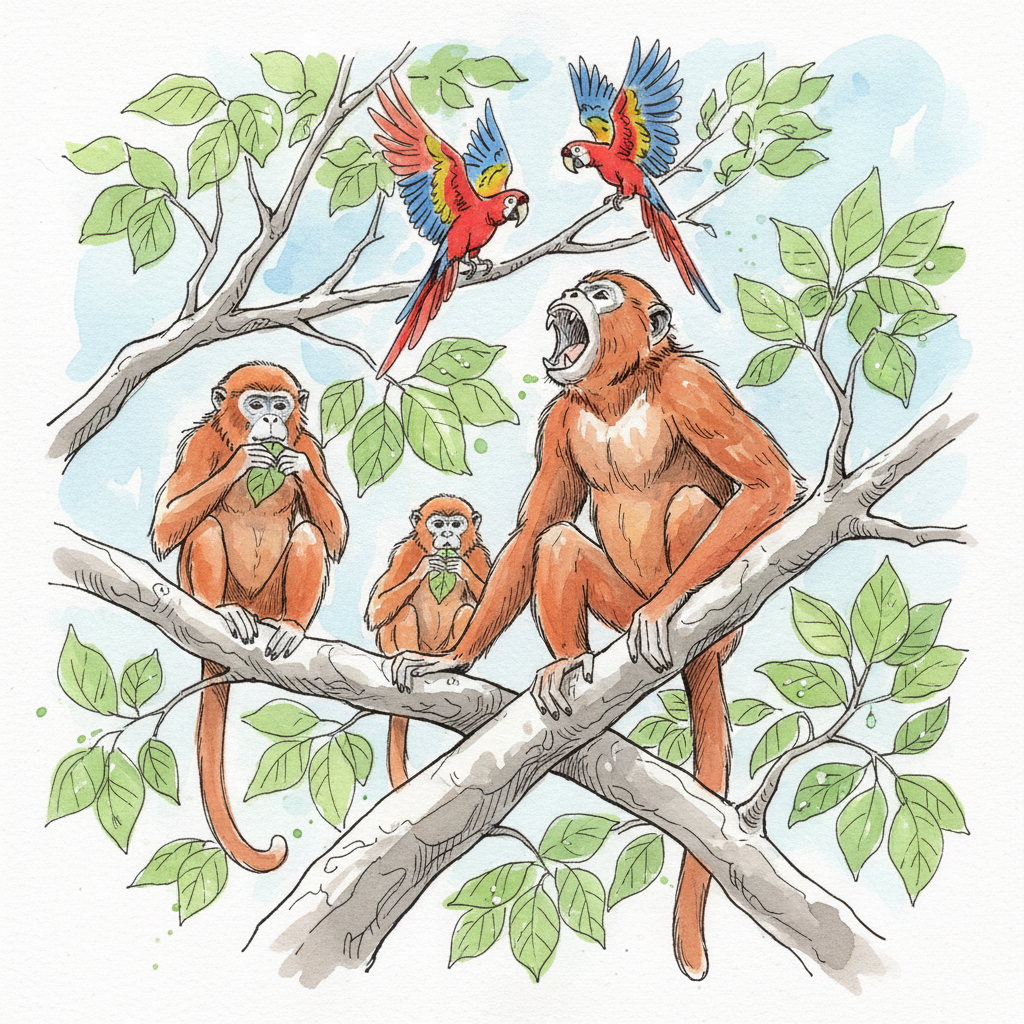
Piece 6 — Red howler
Pen + Watercolor · Loose pen and watercolor line-and-wash
Three takes
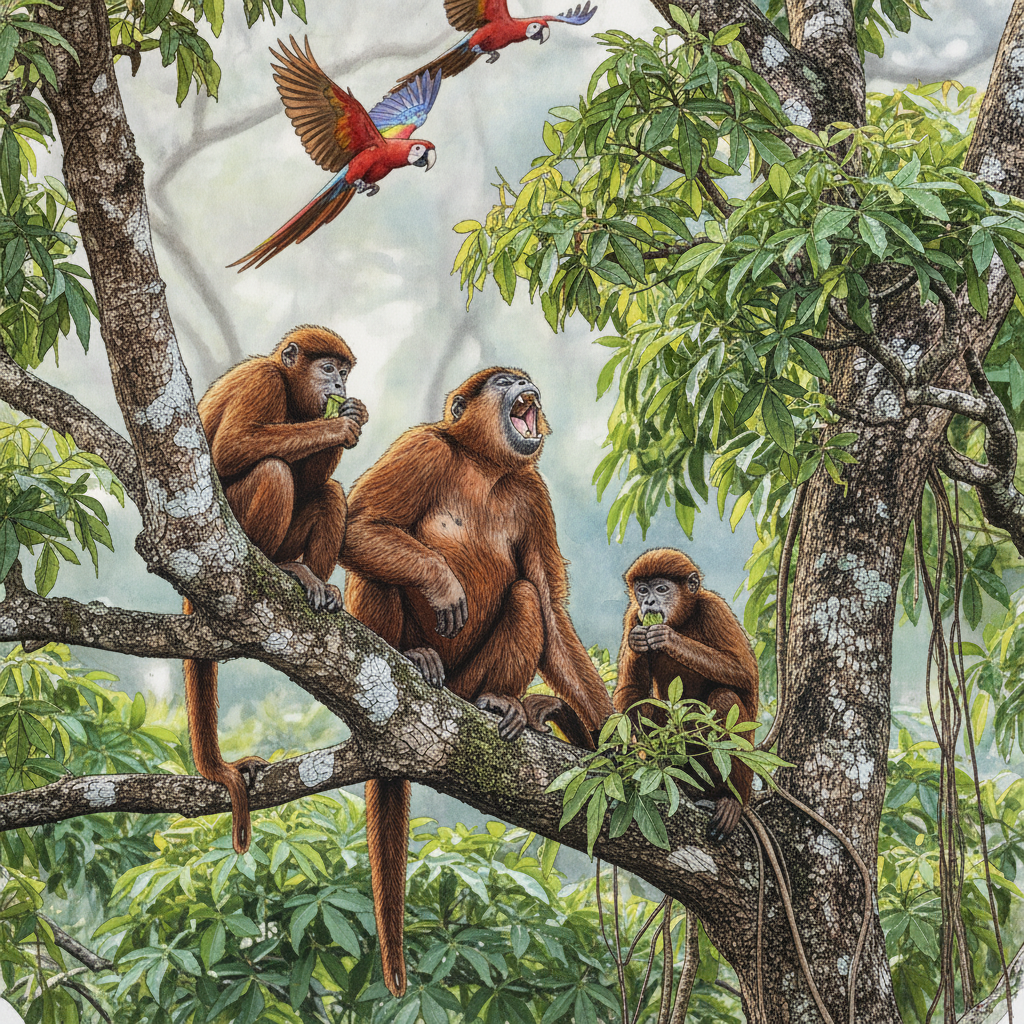
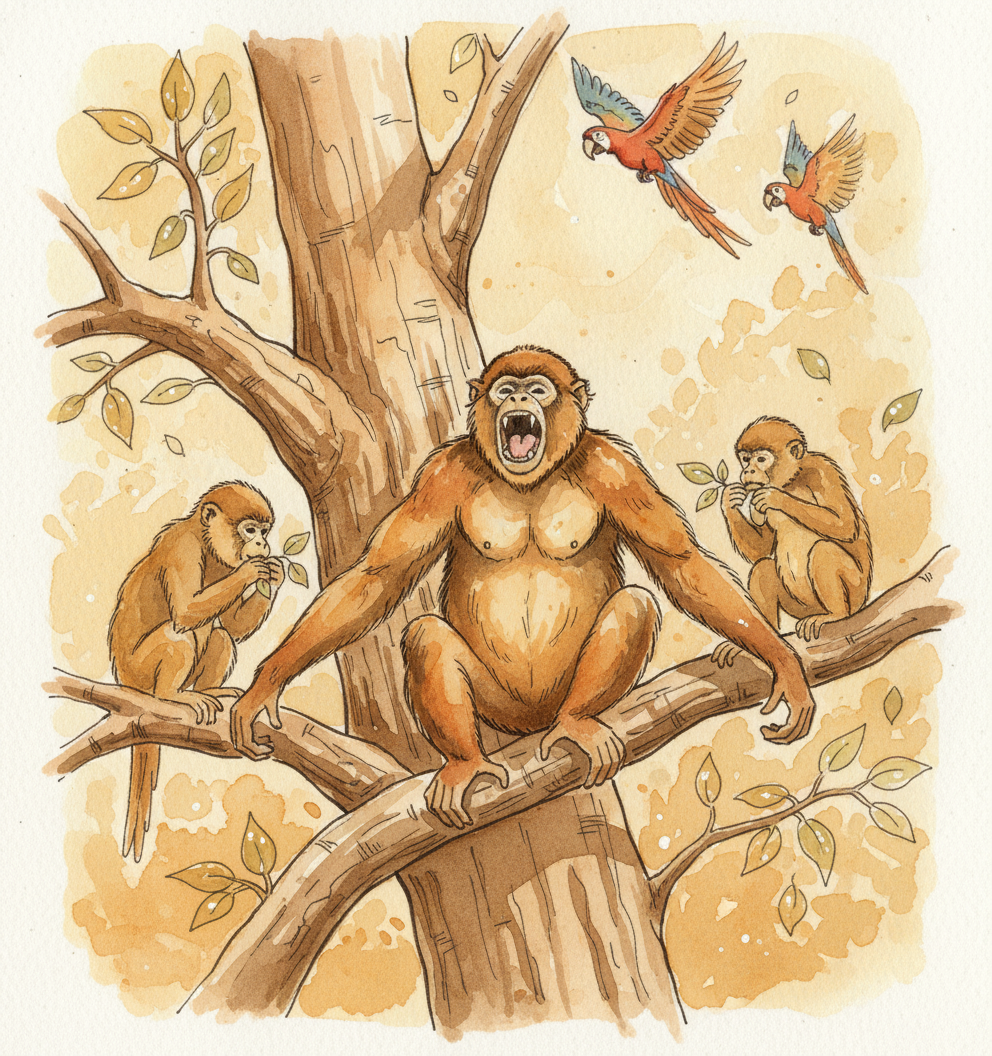
Focus for this piece
This piece offers a great study in establishing a warm focal point with the red howlers against a predominantly green, humid canopy. Use a restricted palette focusing on earthy reds, a deep yellow, and muted greens to maintain a coherent atmosphere, applying washes wet-on-wet for the shimmering dew on leaves. Define the howlers' robust, rounded forms and the strong lines of the ceiba branches with confident, slightly heavier pen strokes, allowing lighter, broken lines to suggest the surrounding delicate foliage.
Piece 7 — Nut Bowl Turned Ash
Pen + Watercolor · Loose pen and watercolor line-and-wash
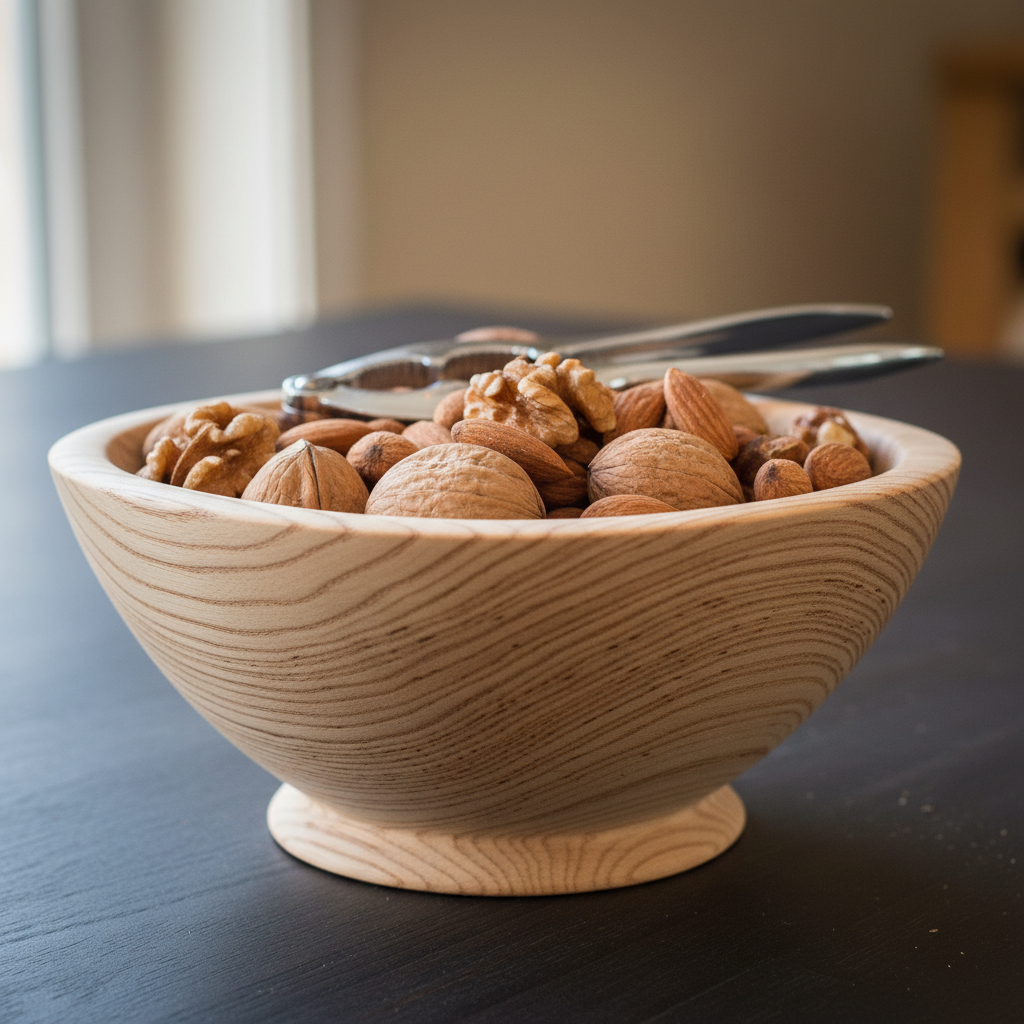
Three takes
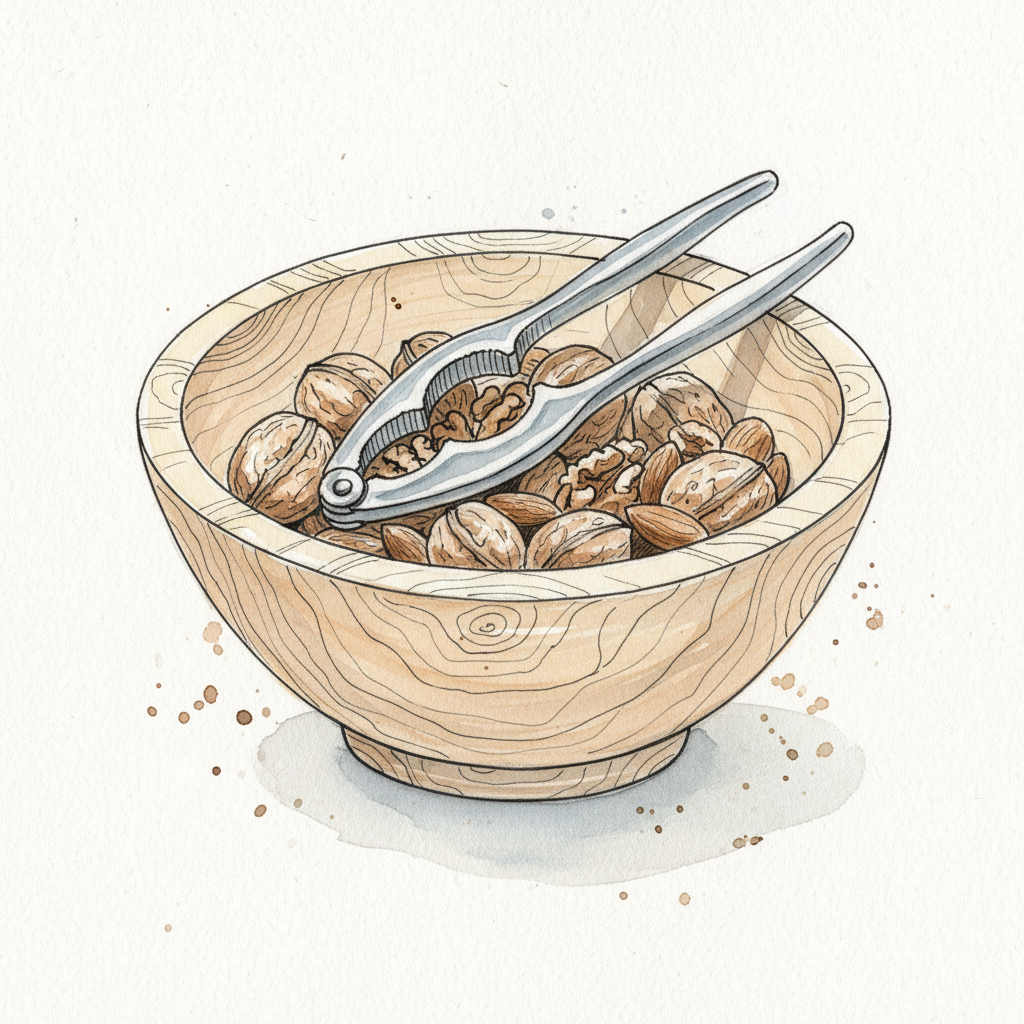
Focus for this piece
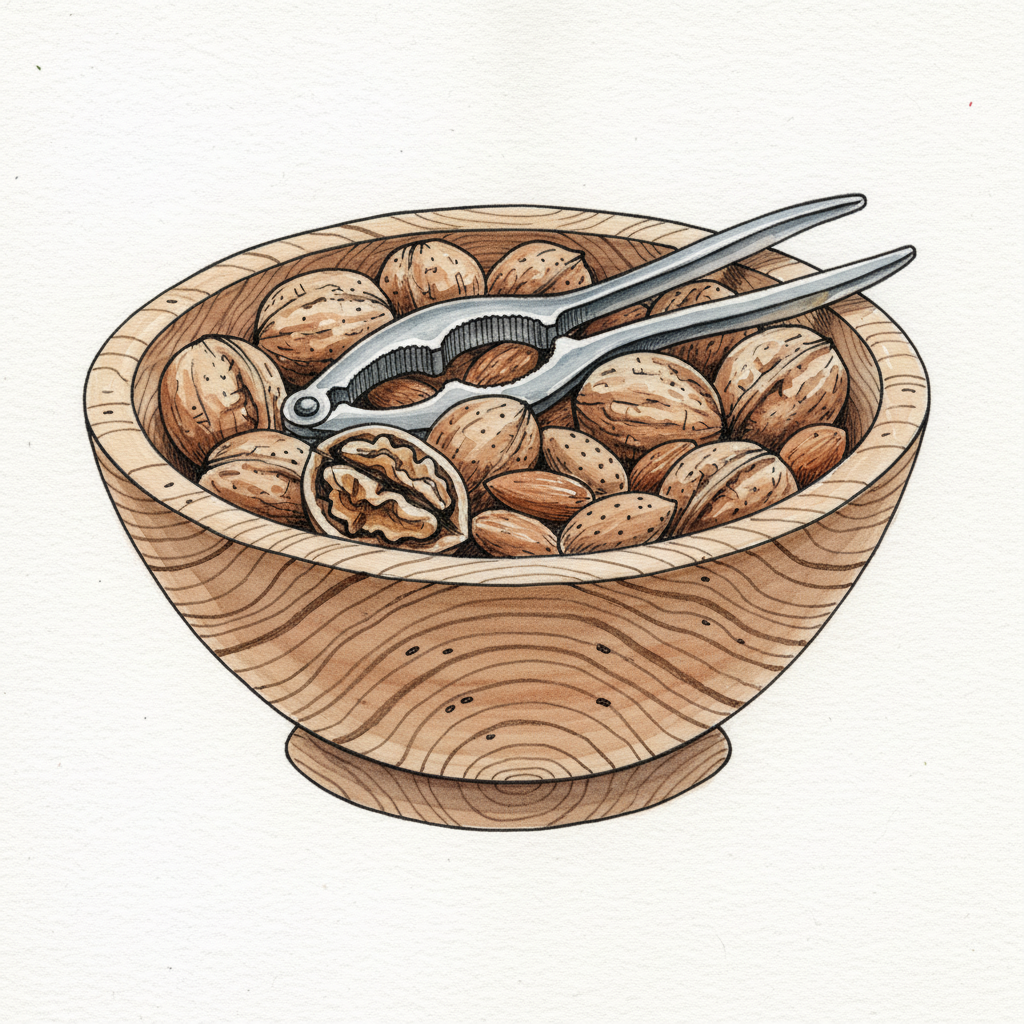
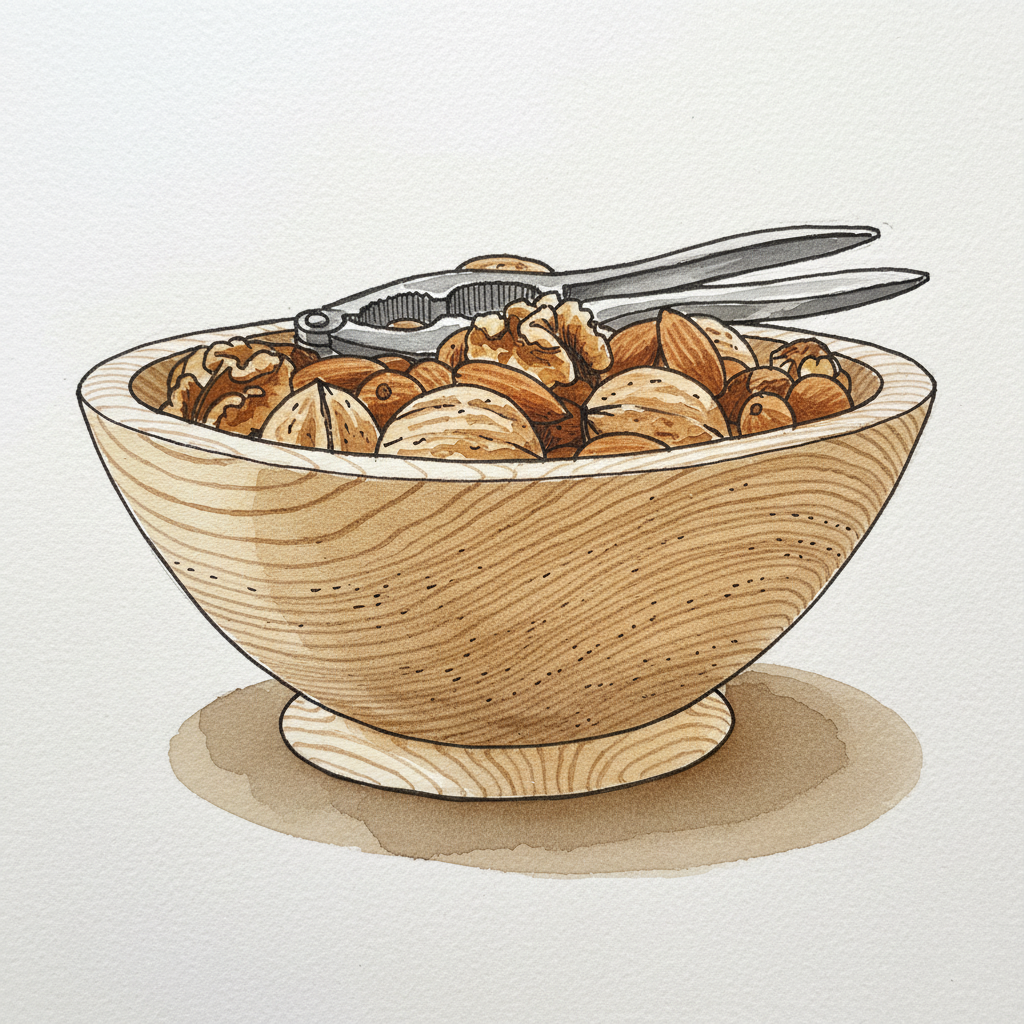
This Nut Bowl Turned Ash is an excellent subject for mastering how varied pen lines articulate distinct textures and forms within a subtle value range. Practice differentiating the ash wood's bold grain and fine concentric tool marks from the rough surfaces of the nuts and the metallic gleam of the nutcracker through specific line weights and mark-making choices. Complement these detailed lines with delicate, restrained watercolor glazes that build the pale, luminous quality of the wood without obscuring its inherent patterns, and use subtle value shifts to define the bowl's full volume.
Piece 8 — 86th Street Station Q Line, New York City Subway, USA
Pen + Watercolor · Loose pen and watercolor line-and-wash
Three takes
Focus for this piece
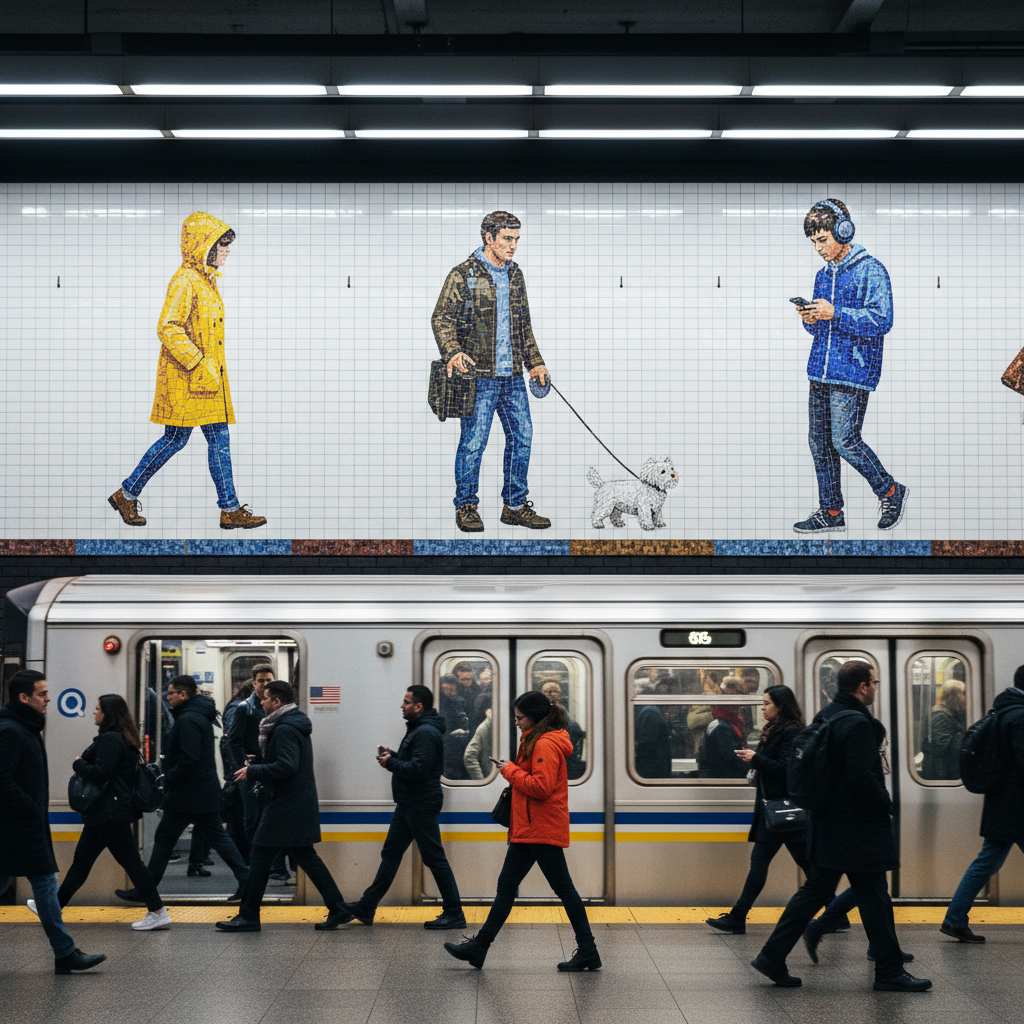
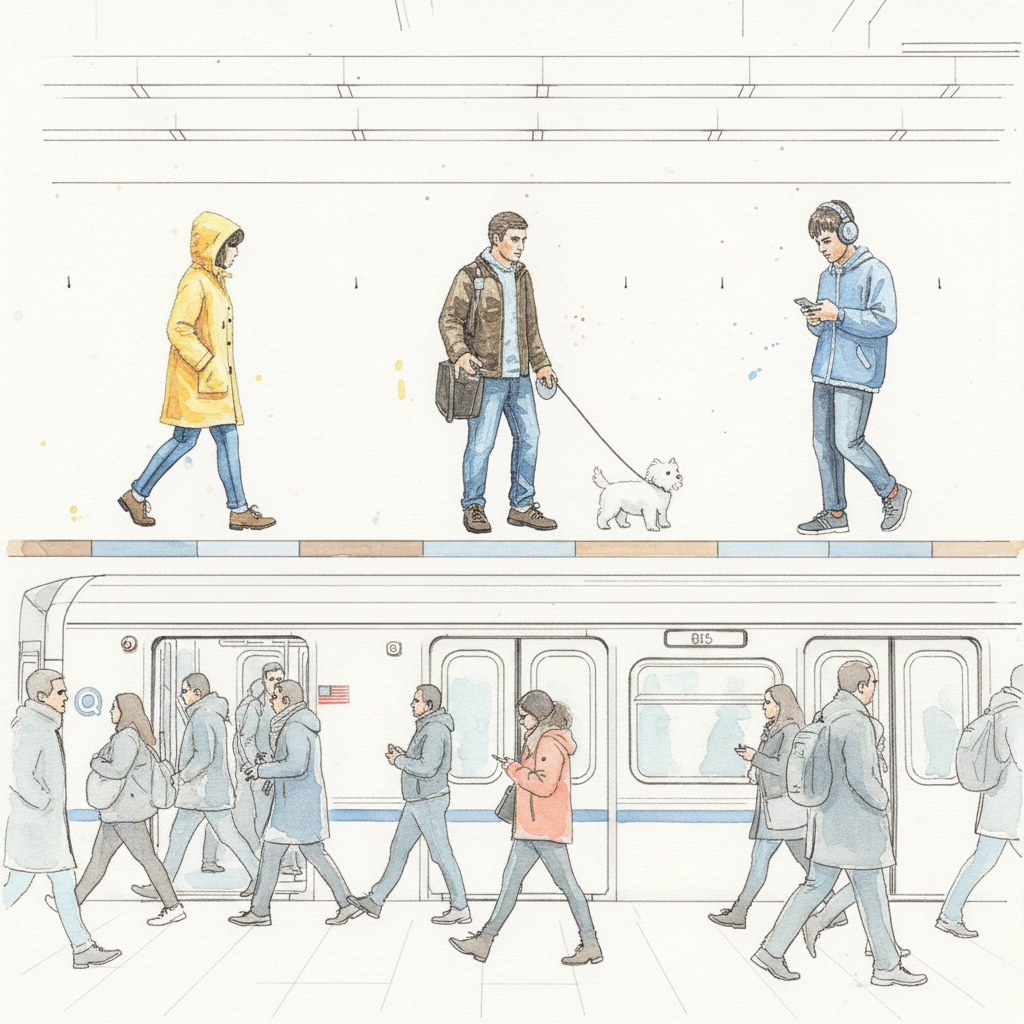
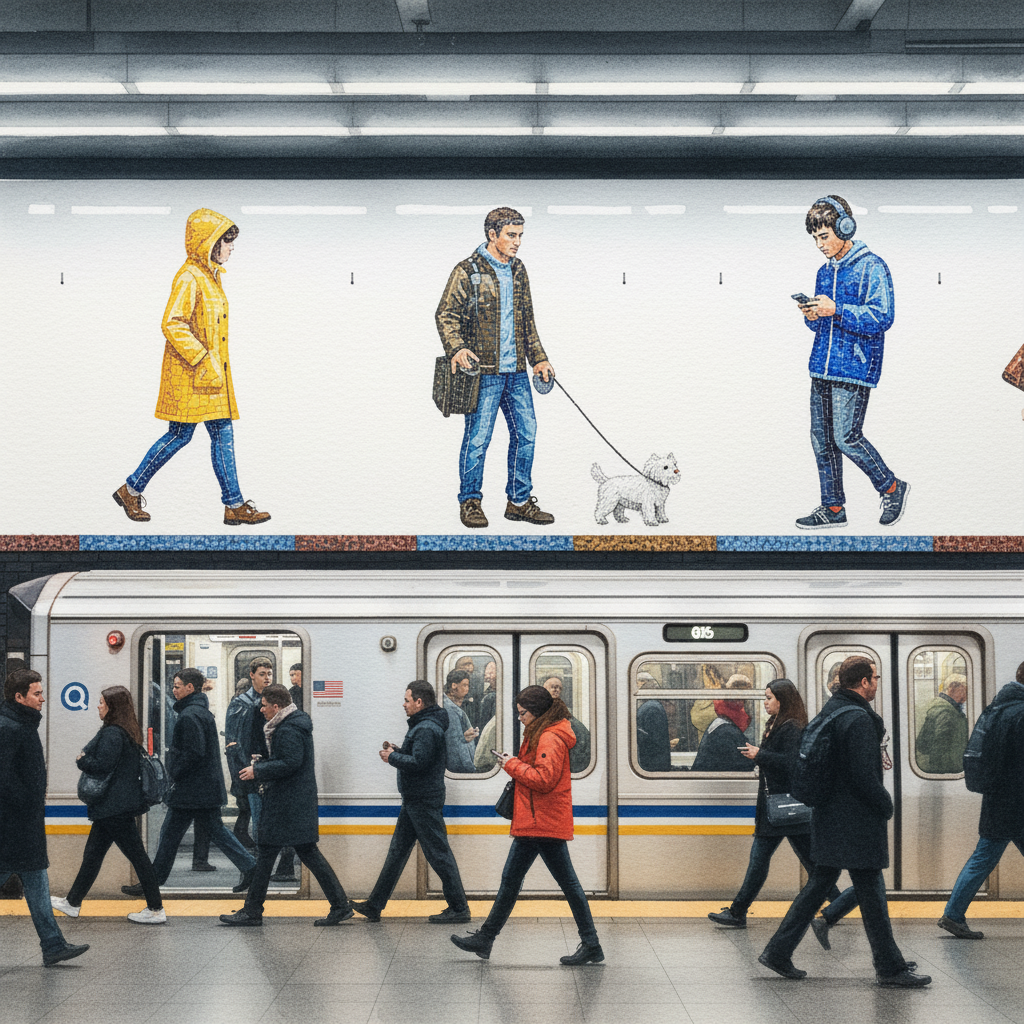
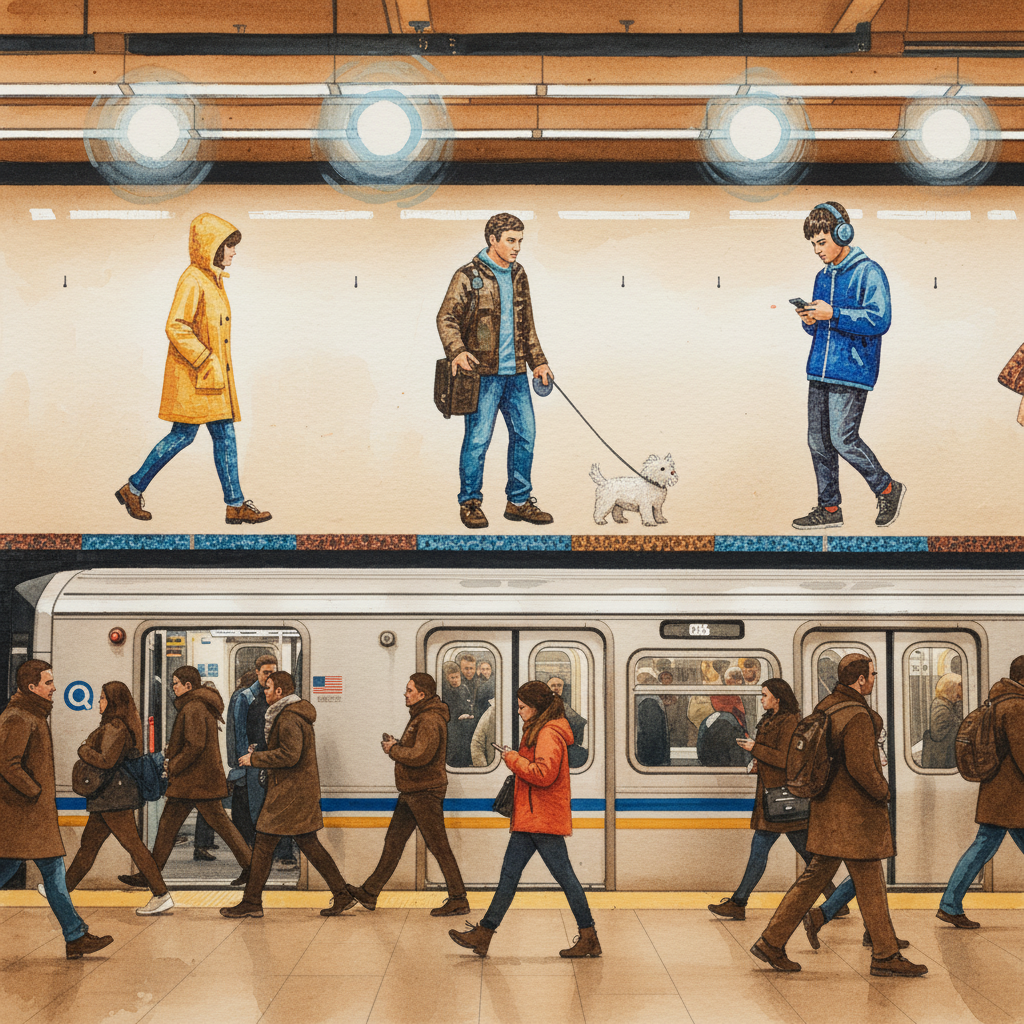
This piece offers an excellent opportunity to practice rendering contrasting textures and movement through varying line and wash approaches. Use deliberate, crisp pen lines to define the sharp edges and mosaic texture of the "Perfect Strangers" figures, allowing initial washes to establish the cool, polished reflectivity of the platform walls. Then, employ looser, more gestural pen strokes and swift washes to capture the transient energy of the living commuters against this fixed backdrop. Pay close attention to how the cool platform lighting affects the value shifts on both the tiled art and the moving crowd.