Roma tomato, Iskanwaya, La Paz Department, Bolivia, Reach to floor beside hip, mermaid sit at 39, Rue Cassette, 6eme, Quiet Convent Side, and more — pen + watercolor for October 18, 2026
AI-generated daily art-practice references for pen and watercolor: Roma tomato, Iskanwaya, La Paz Department, Bolivia, Reach to floor beside hip, mermaid sit at 39, Rue Cassette, 6eme, Quiet Convent Side, Short stocky woman, Bordeaux Bottle and Glass, A custard apple beside its leaves, Lithium po…
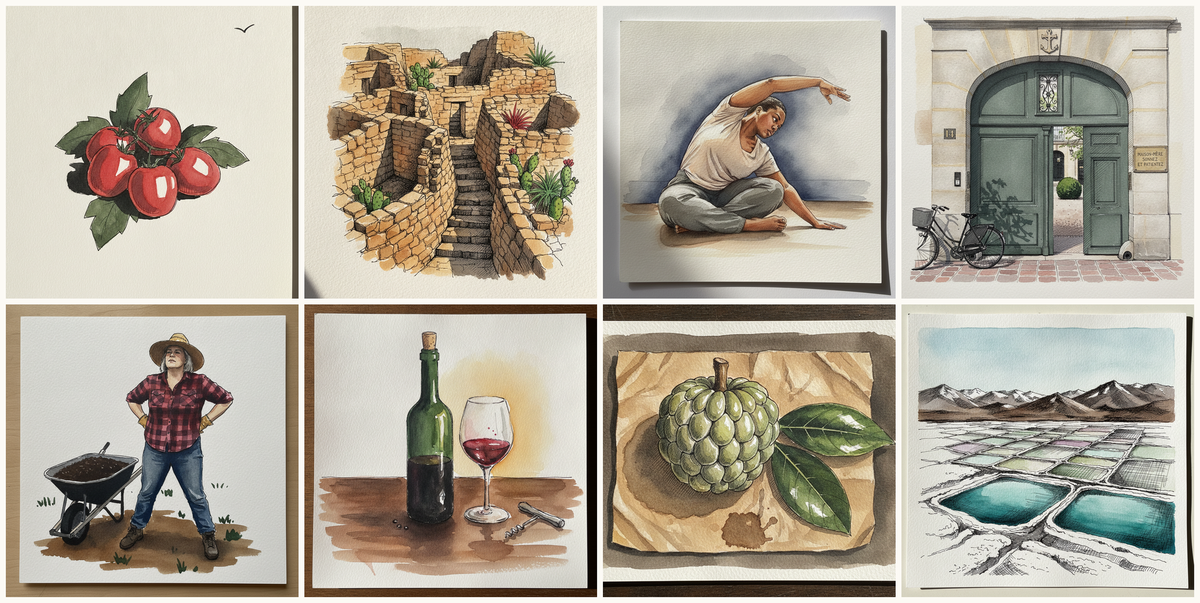
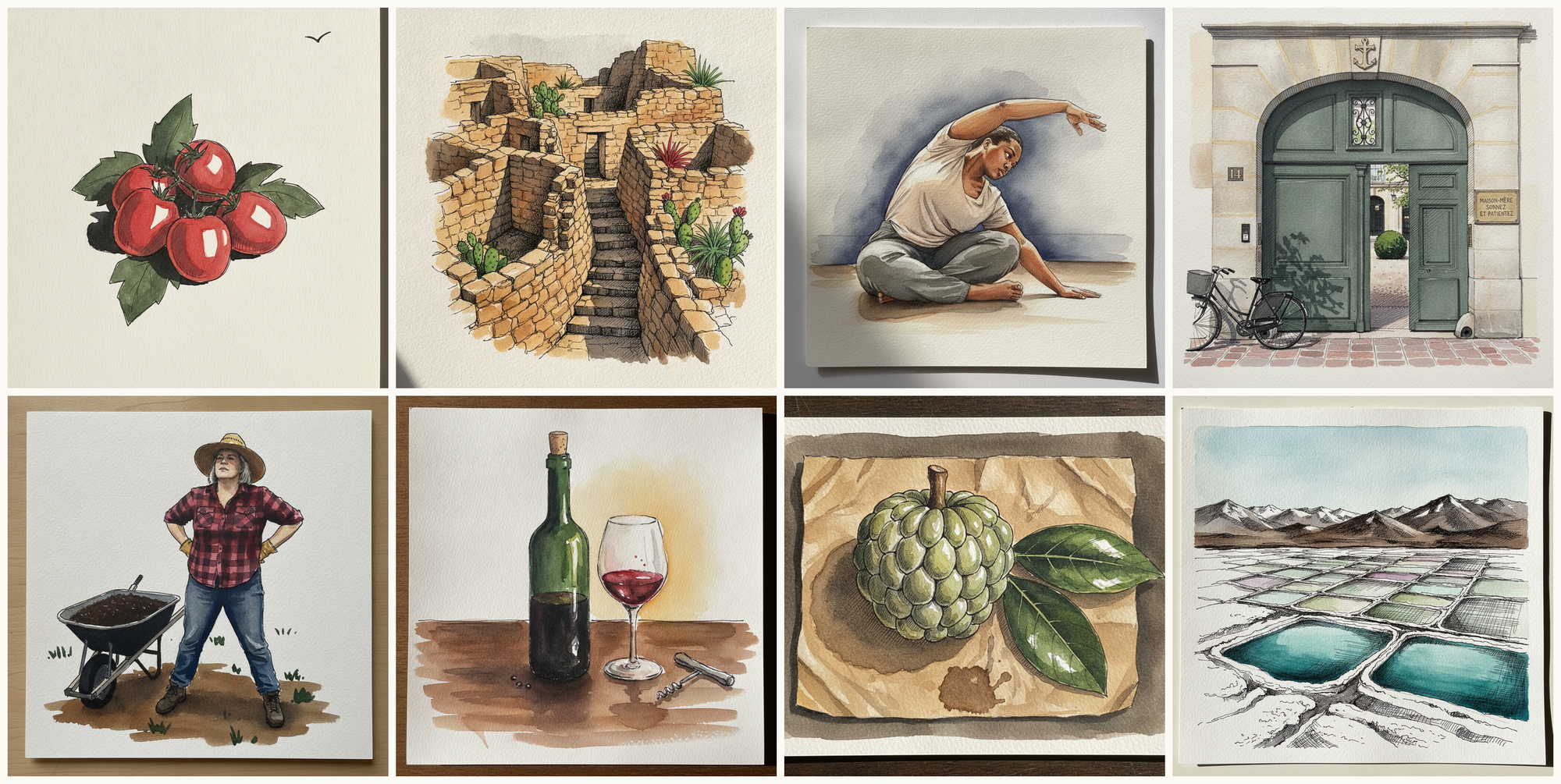
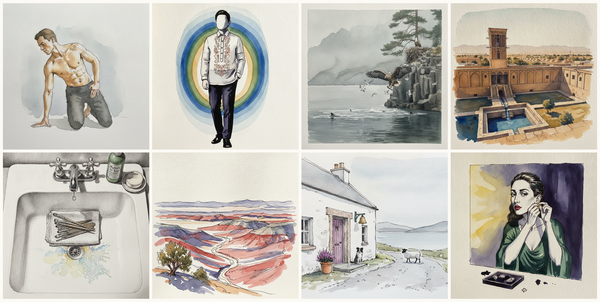
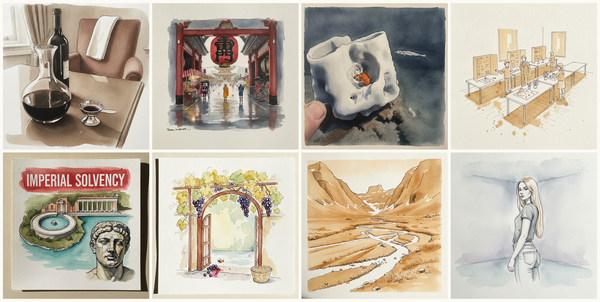
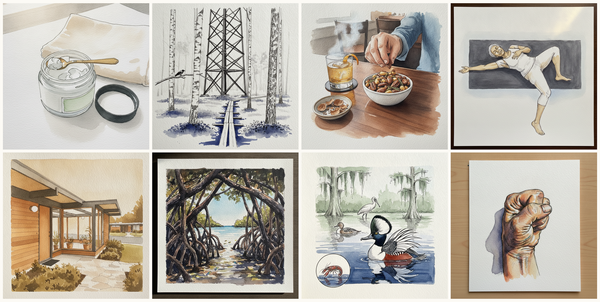
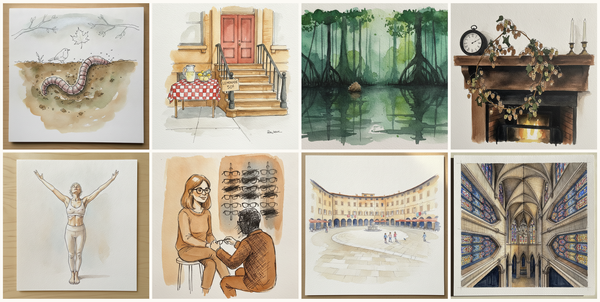
Today's 8 pen-and-watercolor pieces: Roma tomato, Iskanwaya, La Paz Department, Bolivia, Reach to floor beside hip, mermaid sit at 39, Rue Cassette, 6eme, Quiet Convent Side, Short stocky woman, Bordeaux Bottle and Glass, A custard apple beside its leaves, Lithium pond patchwork wide view, Atacama Chile. Each piece comes with an AI-generated photoreal reference, three AI-generated example artworks in different treatments, and a short focus paragraph naming what to study in this one.
Why these references use AI
This daily series uses AI-generated images as practice prompts, not as finished artwork to copy. Each subject starts with a synthetic photoreal reference generated with Gemini/Nano Banana, then moves into three pen-and-watercolor interpretations of the same subject.
I use AI here because daily art practice needs variety and low friction. Real life can get repetitive, busy, or visually narrow. These generated reference sets make it easier to study bodies, buildings, animals, landscapes, objects, gestures, light, palettes, and compositions that might not show up in an ordinary day.
The goal is not to reproduce any image directly. Treat each set as a starting point for observation and study: choose what interests you, change the framing, simplify the subject, alter the palette, and make your own version.
Piece 1 — Roma tomato
Pen + Watercolor · Loose pen and watercolor line-and-wash
Three takes
Focus for this piece
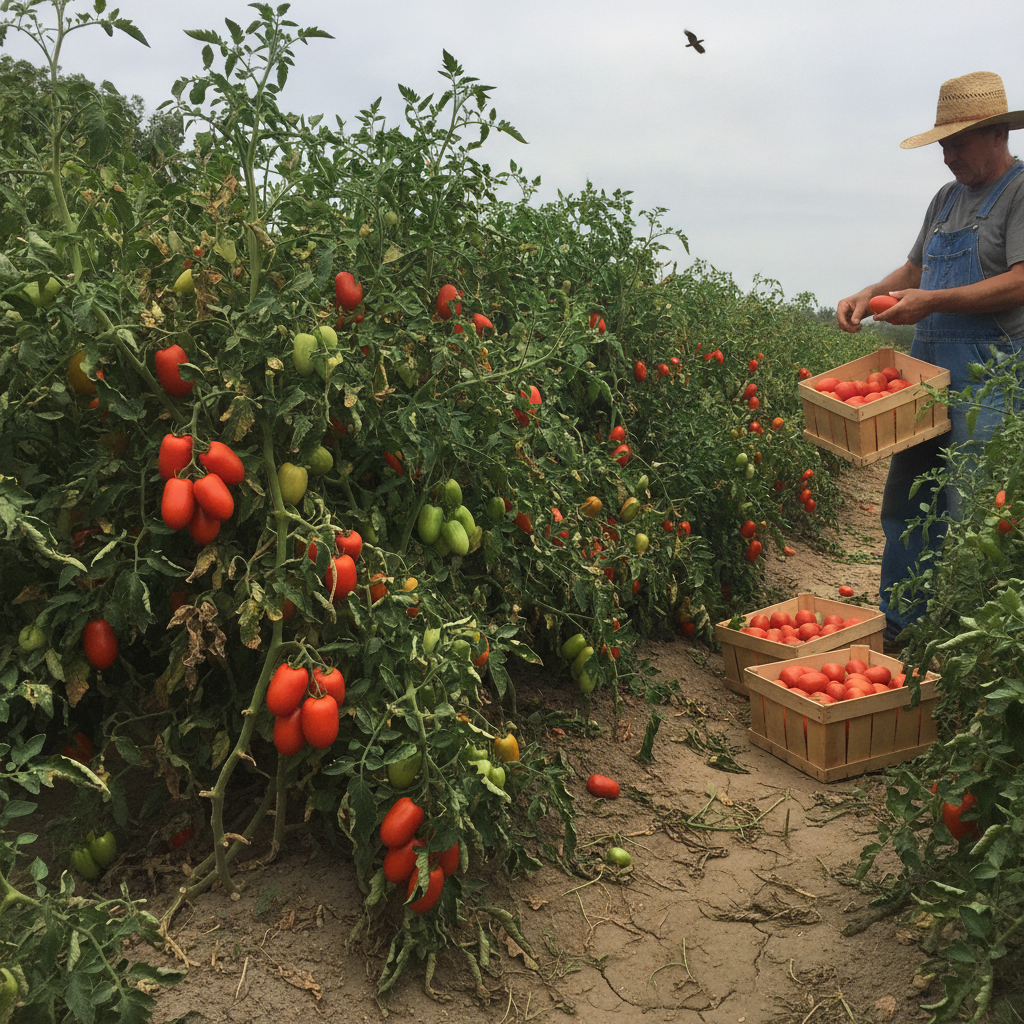
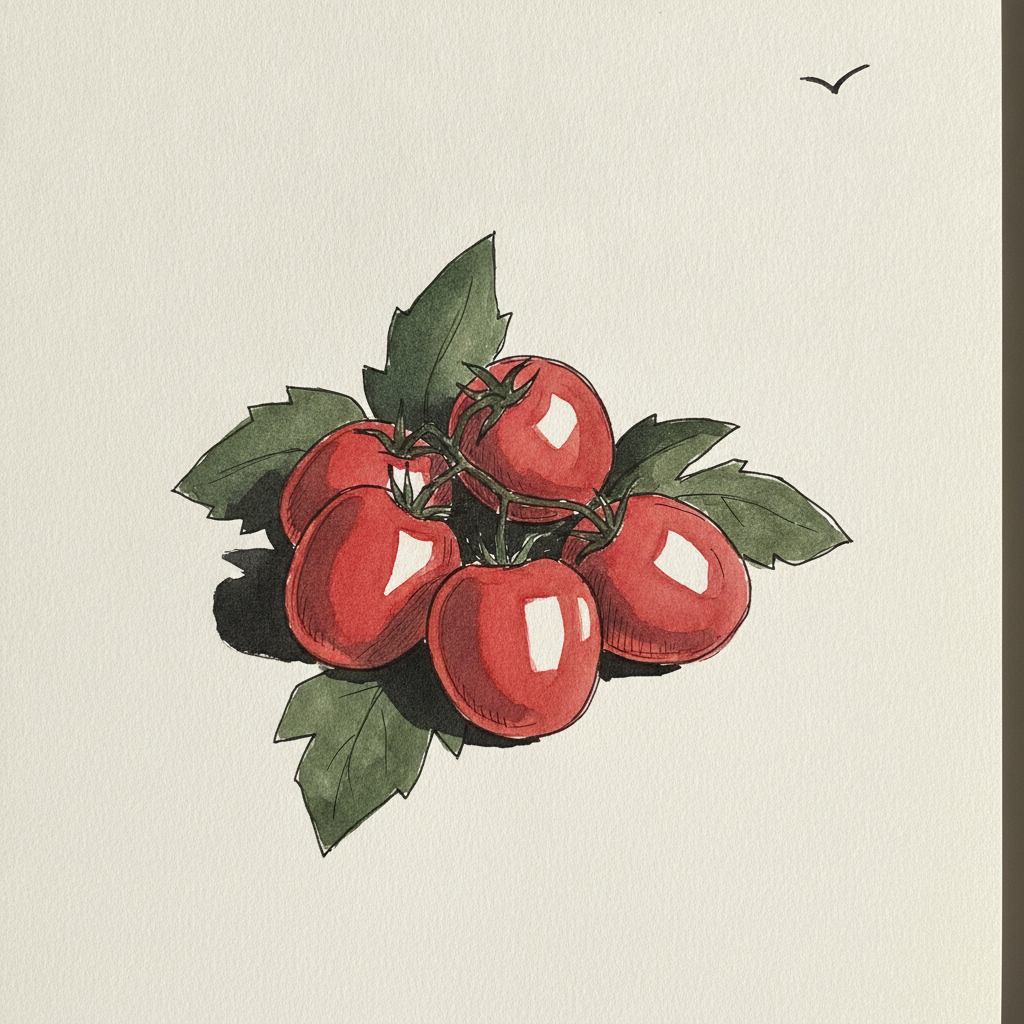
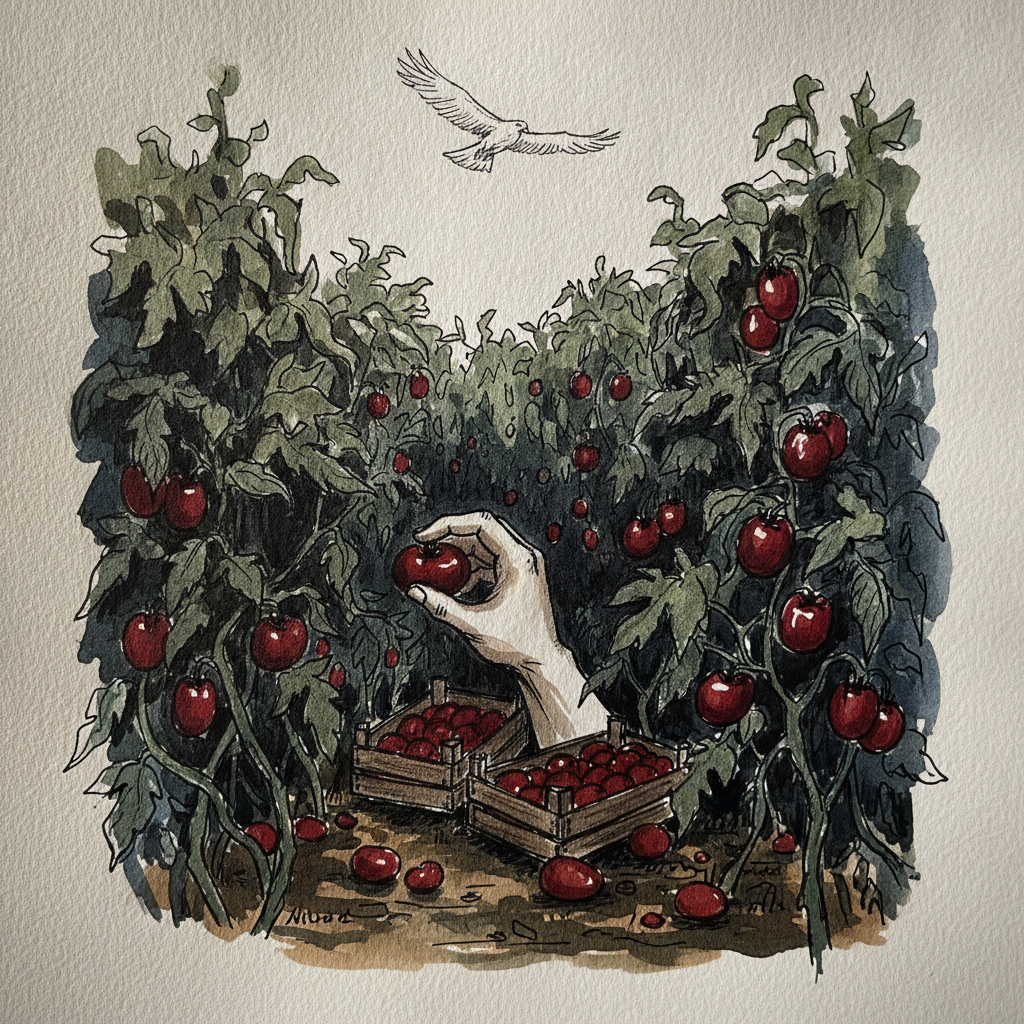
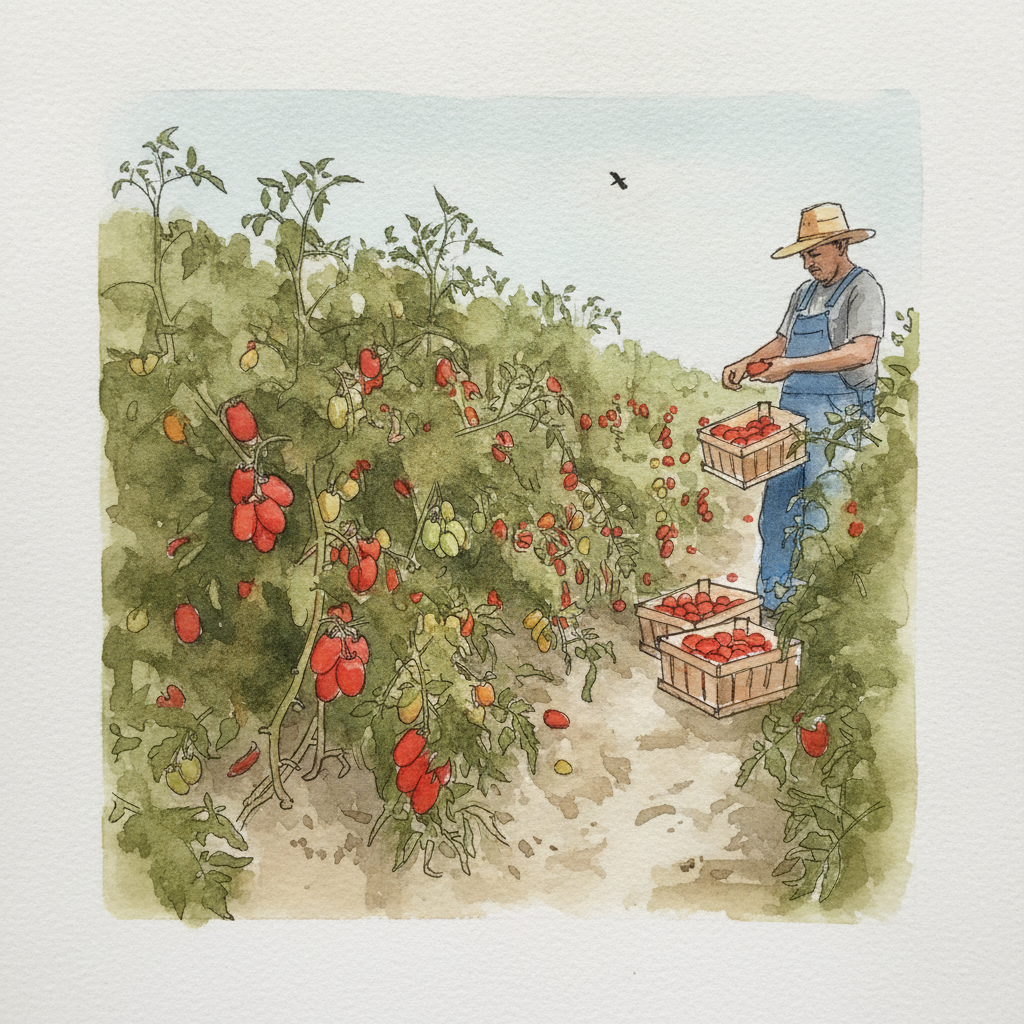
This Roma tomato piece is an excellent study for rendering a simple, curved form using varied line weight and controlled washes. Begin by establishing the egg-shaped volume with lighter, broken pen lines on illuminated edges, thickening your lines only where forms recede into shadow or overlap. Then, use soft, multi-layered washes of a primary red, allowing the pigment to build depth and create seamless transitions from highlight to core shadow, enhancing the fruit's ripe, dense appearance.
Piece 2 — Iskanwaya, La Paz Department, Bolivia
Pen + Watercolor · Loose pen and watercolor line-and-wash
Three takes

Focus for this piece
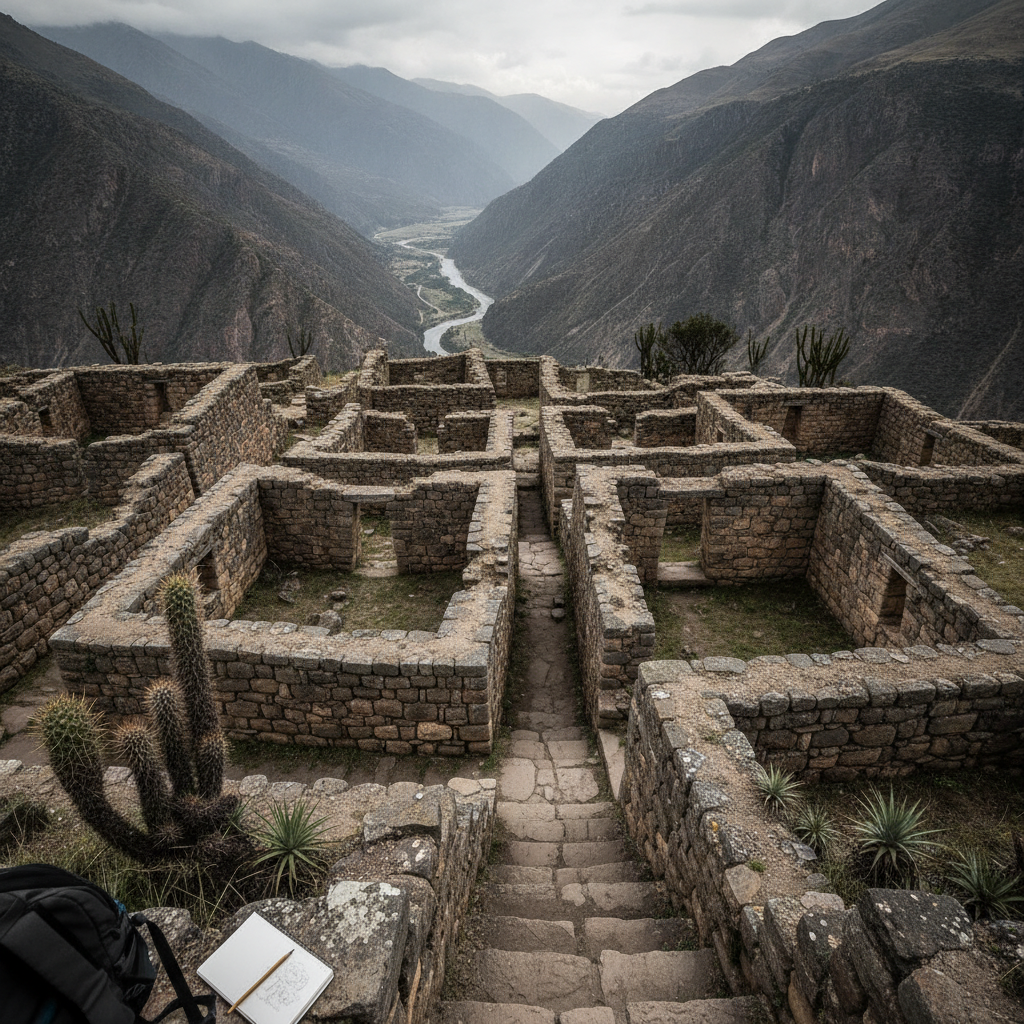
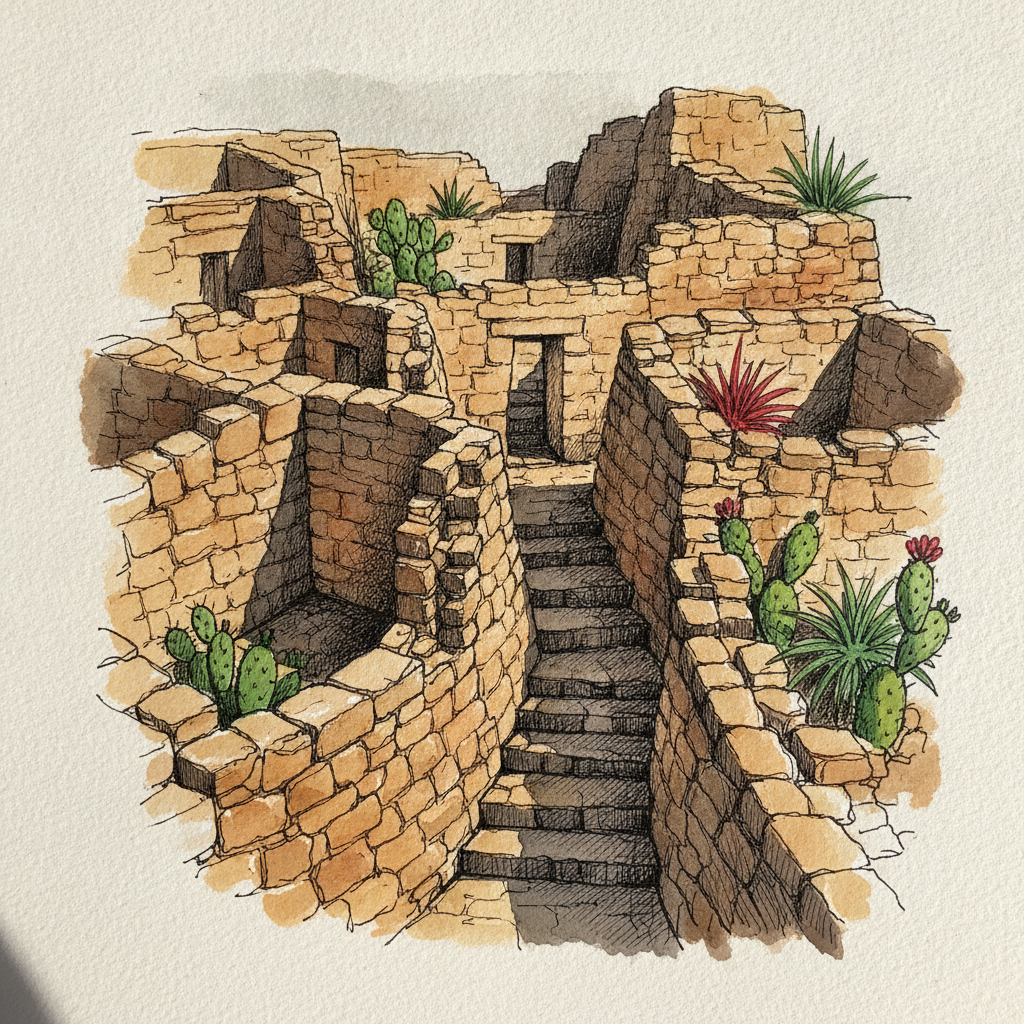
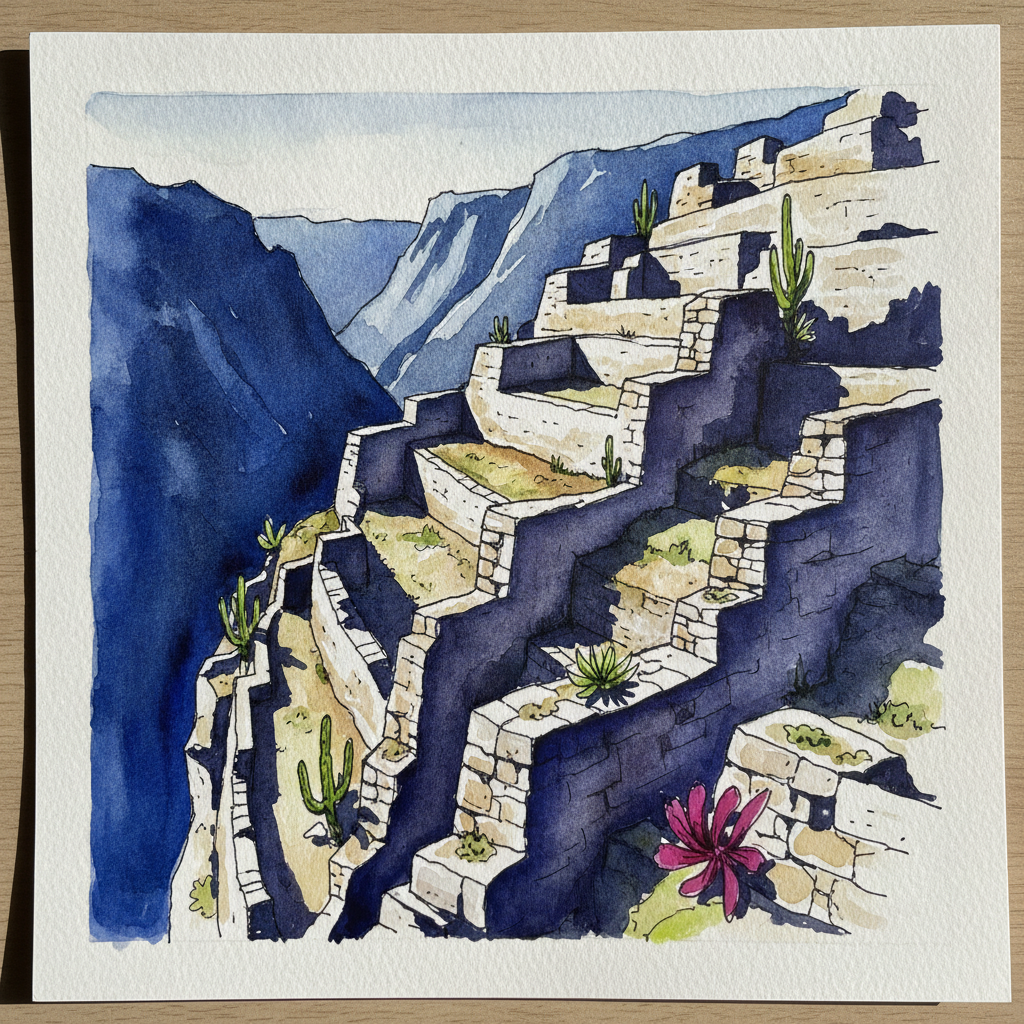
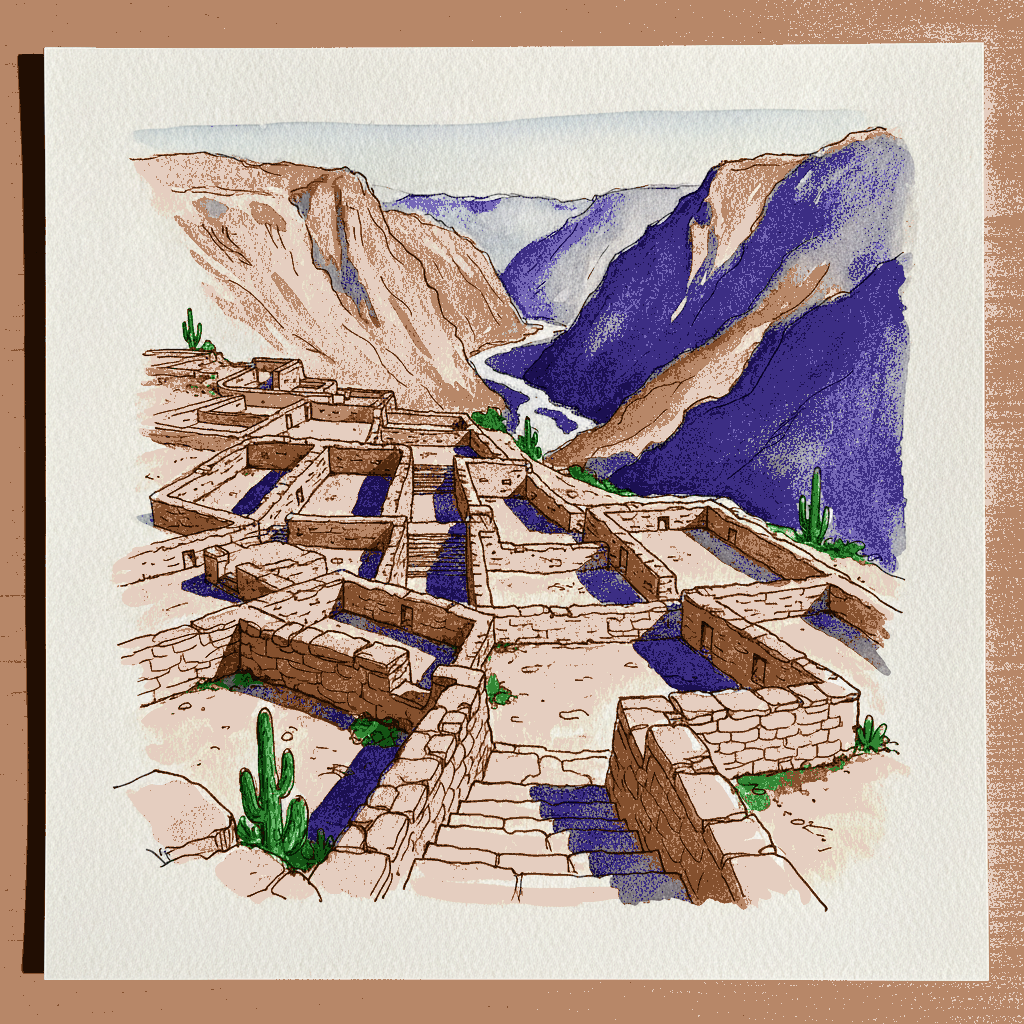
This Iskanwaya piece offers a strong study in suggesting the density of numerous rectangular stone structures clinging to a slope. Practice differentiating the foreground's fieldstone walls by varying your pen line weight for texture and using a mostly dry brush with granular pigments for their rough surfaces. Employ lighter lines and cooler, more transparent washes for the buildings and distant canyon, allowing the overlap of forms to create depth and spatial separation.
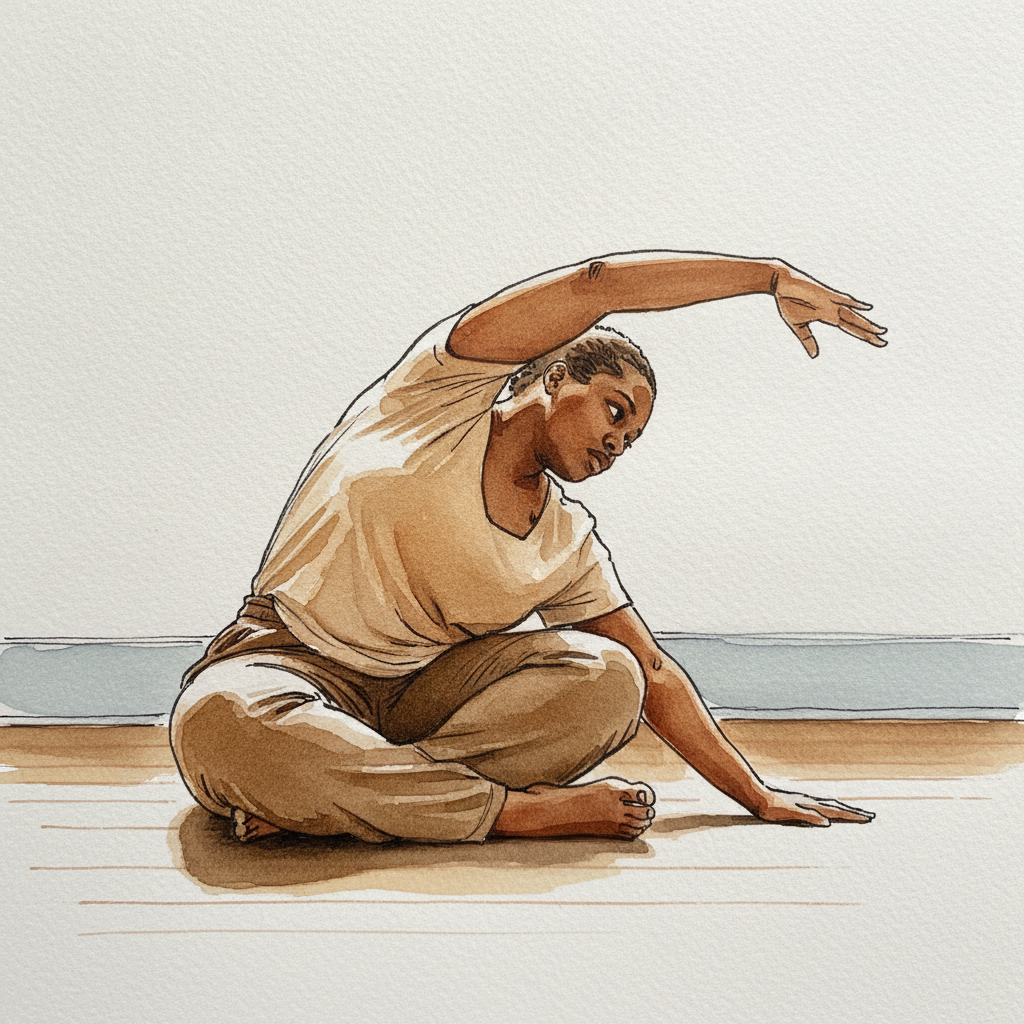
Piece 3 — Reach to floor beside hip, mermaid sit at 39
Pen + Watercolor · Loose pen and watercolor line-and-wash
Three takes

Focus for this piece
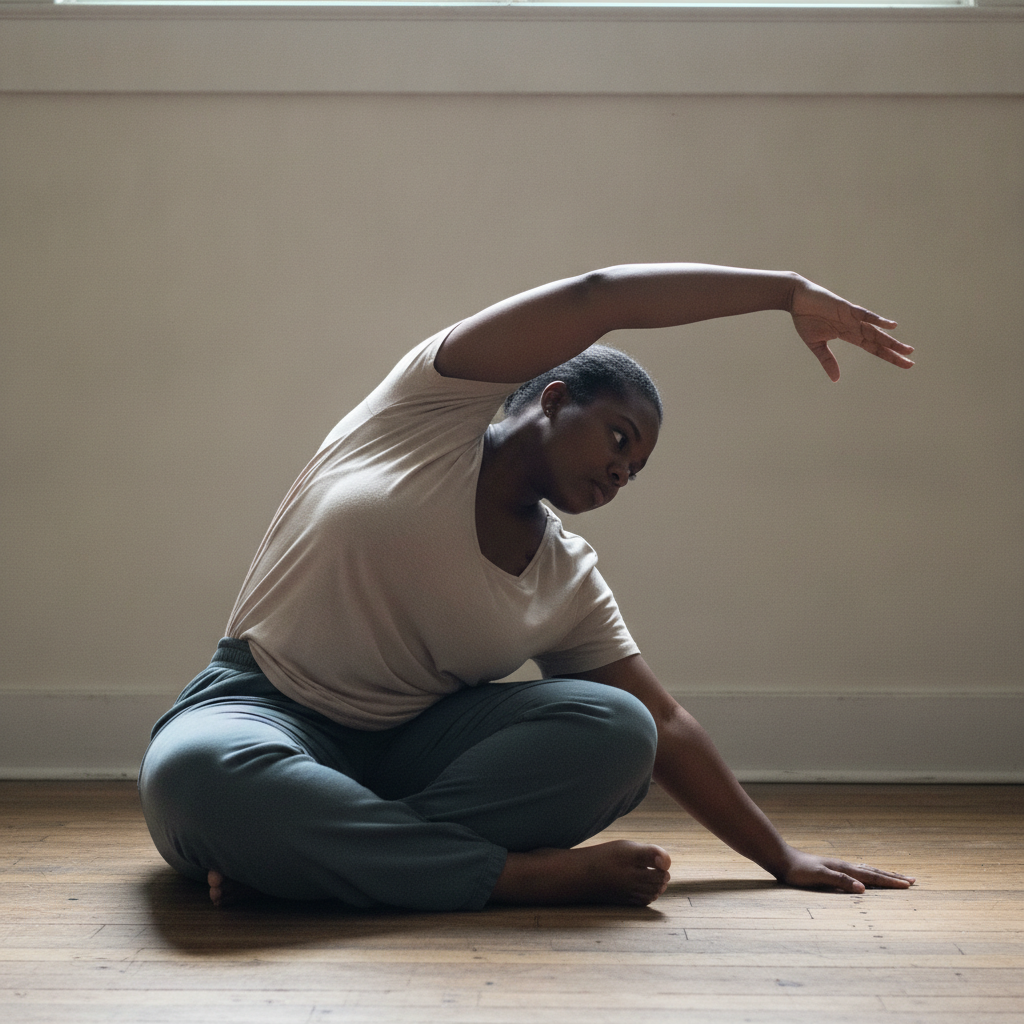
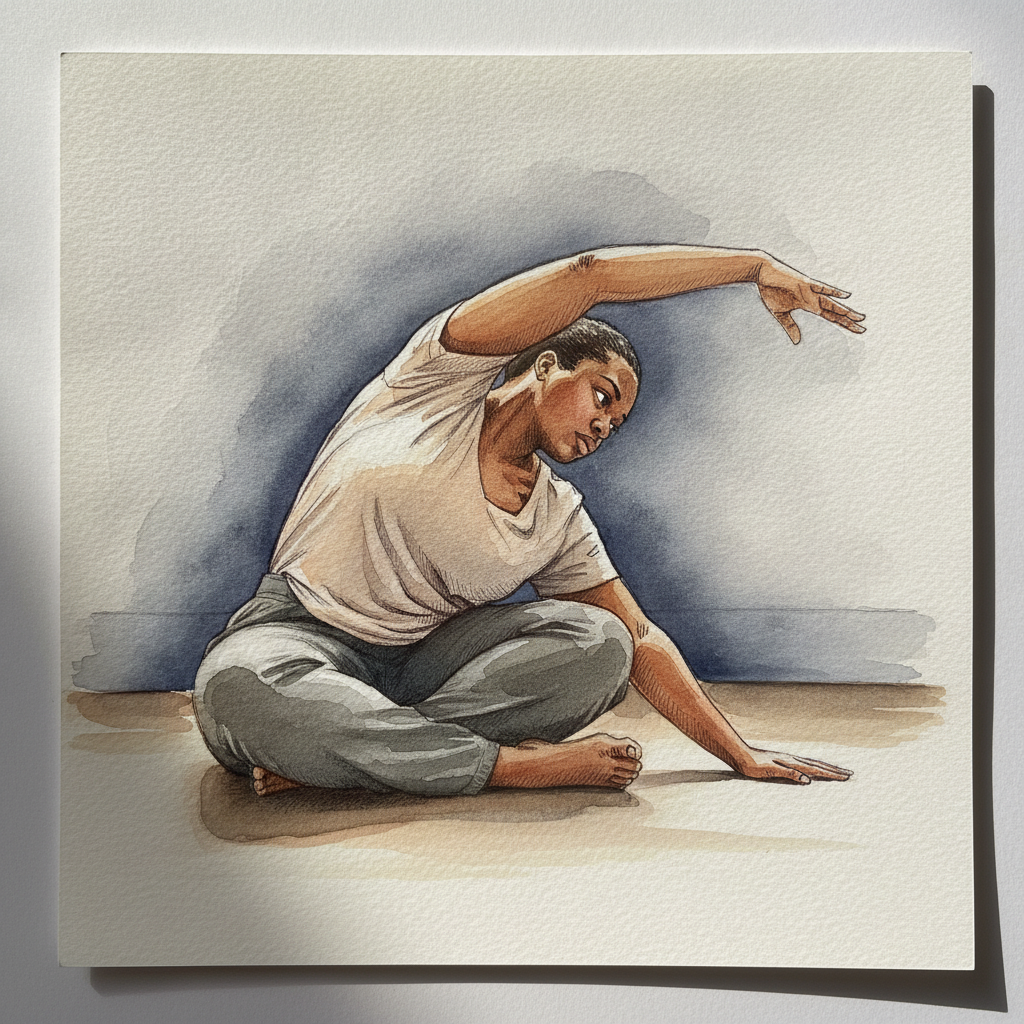
For this piece, focus on rendering the dynamic, continuous arc of the figure's left side, from hip to fingertips, using a confident, slightly varied line weight to express its primary importance. Then, explore how a monochromatic or limited-palette wash can model the deep crescent of the torso, creating volume with subtle value shifts and soft edges, rather than relying solely on ink lines for definition. Pay attention to how the soft skylight emphasizes this arc, using gentle lifting or wet-into-wet techniques to suggest highlights along the curve.
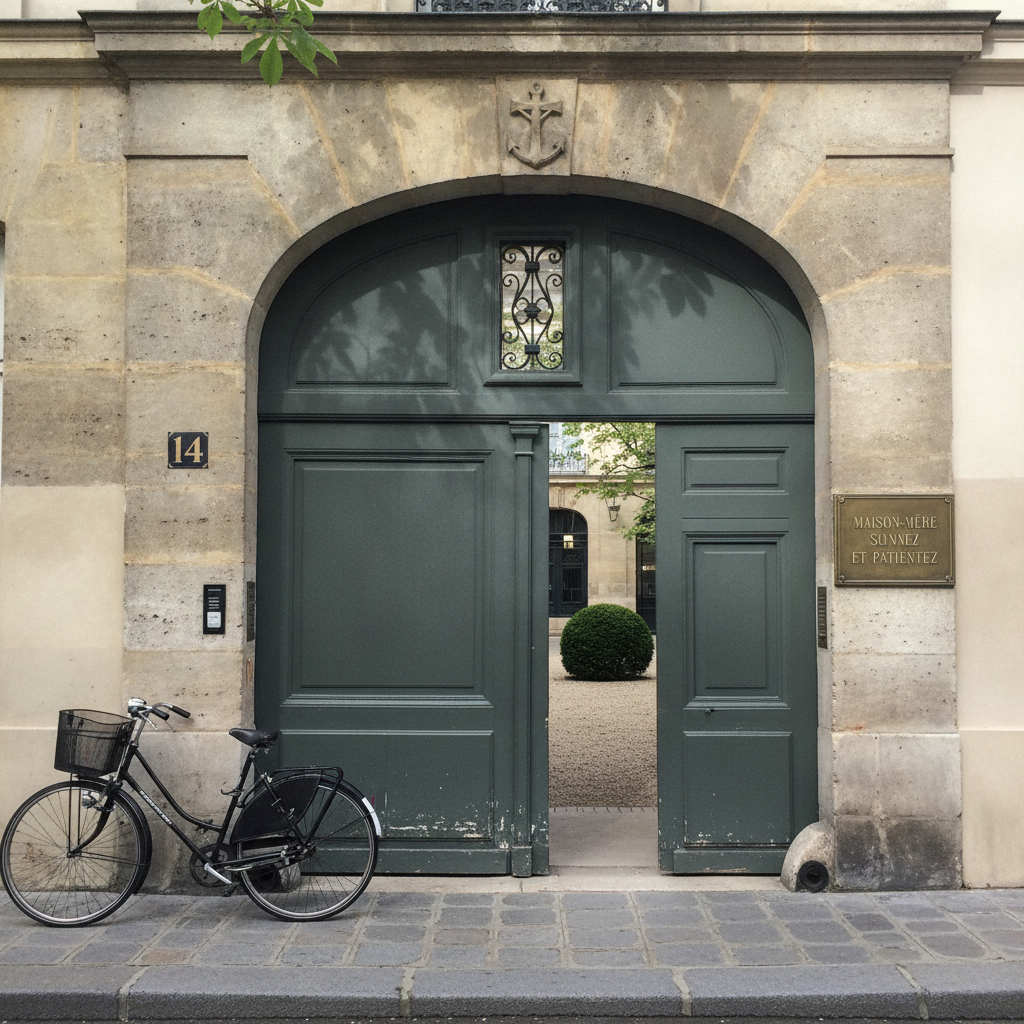
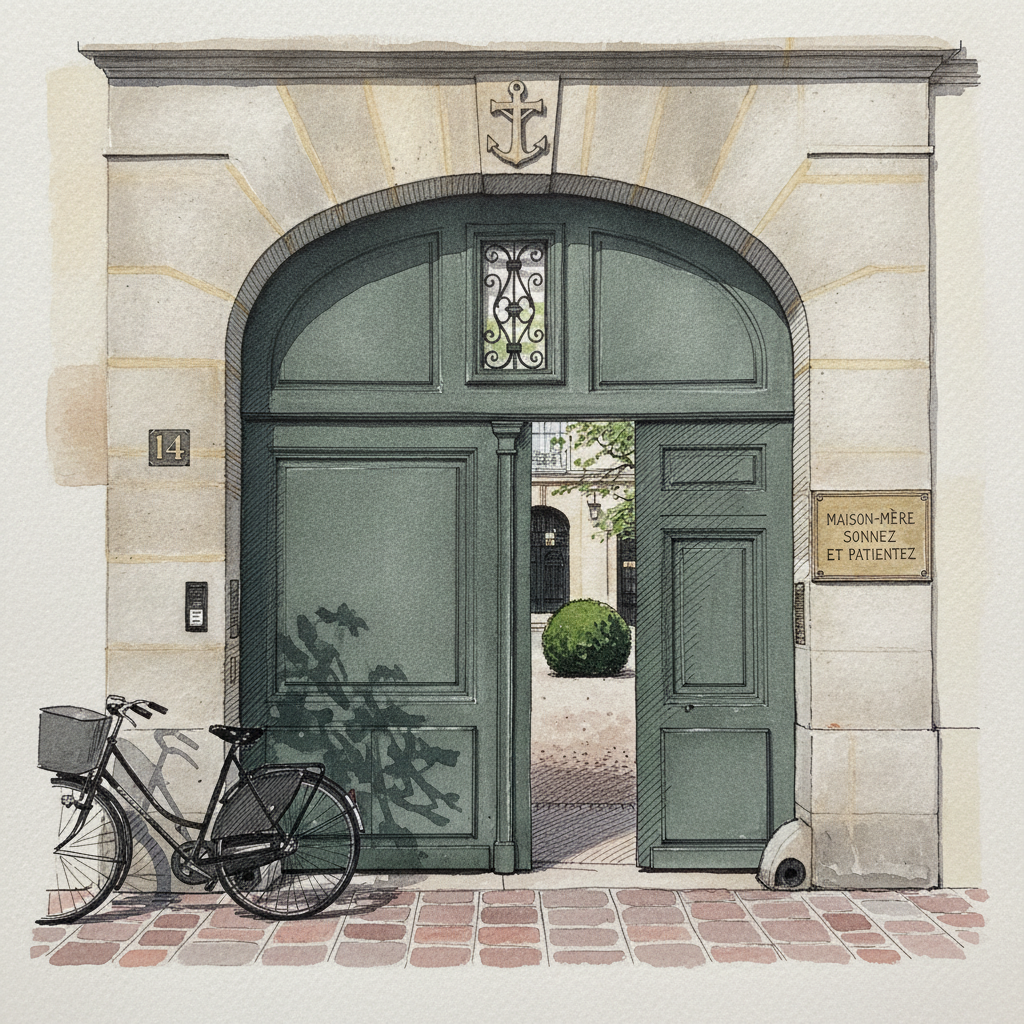
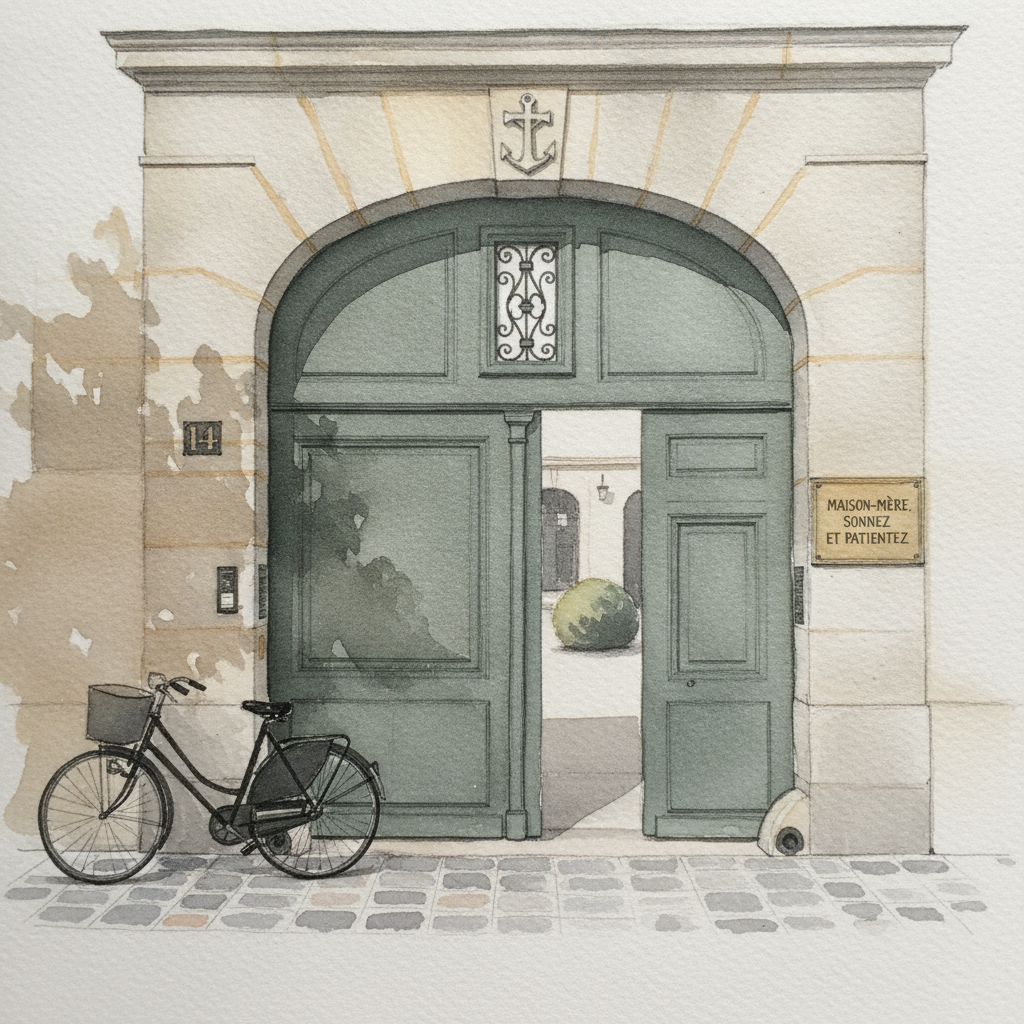
Piece 4 — Rue Cassette, 6eme, Quiet Convent Side
Pen + Watercolor · Loose pen and watercolor line-and-wash
Three takes

Focus for this piece
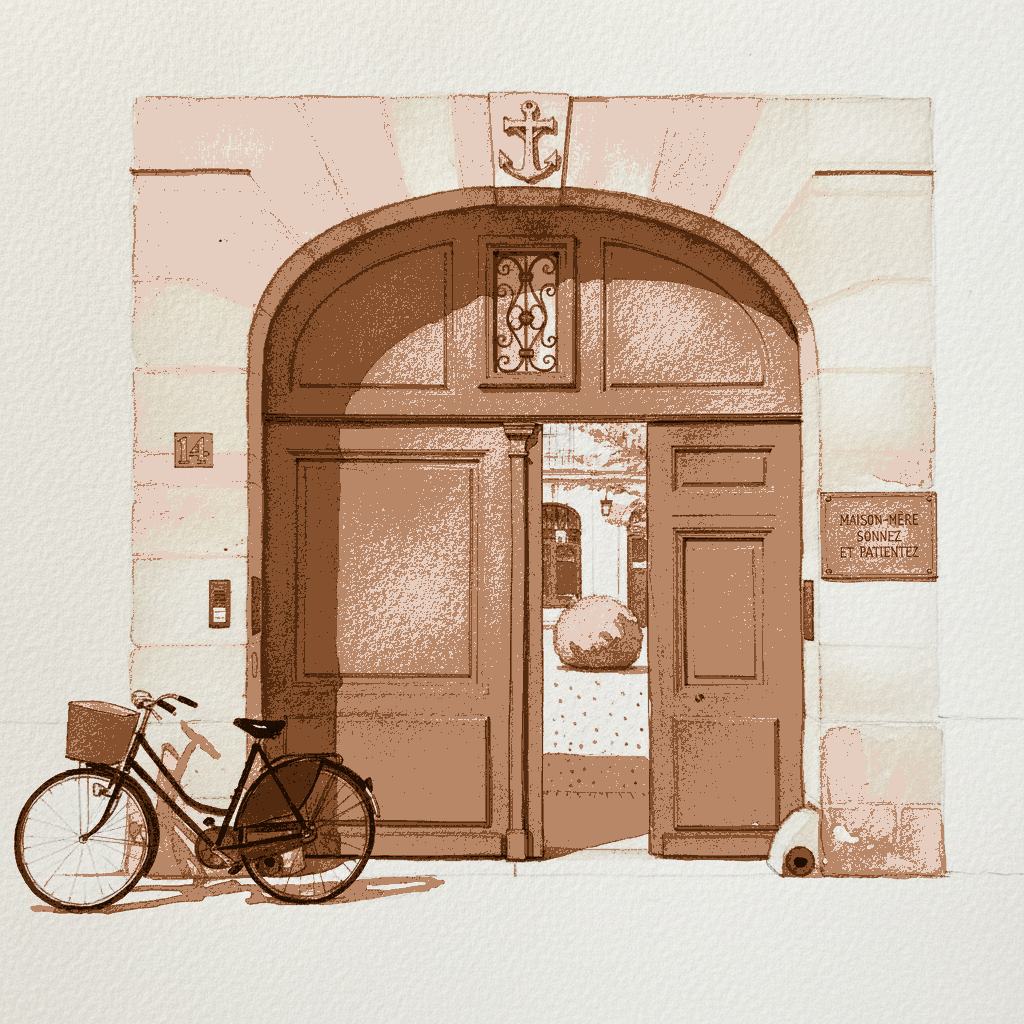
This scene is perfect for practicing how broad, atmospheric washes interact with precise architectural linework. Concentrate on painting the soft, expansive shadow of the chestnut tree across the 'dignified dark grey-green' doors, allowing your watercolor to define volume and light while respecting the underlying structure. Use varied line weights for the 'carved keystone' and 'brass numerals 14' to provide sharp detail. Let these ink elements anchor the soft washes, bringing both precision and mood to the final piece.
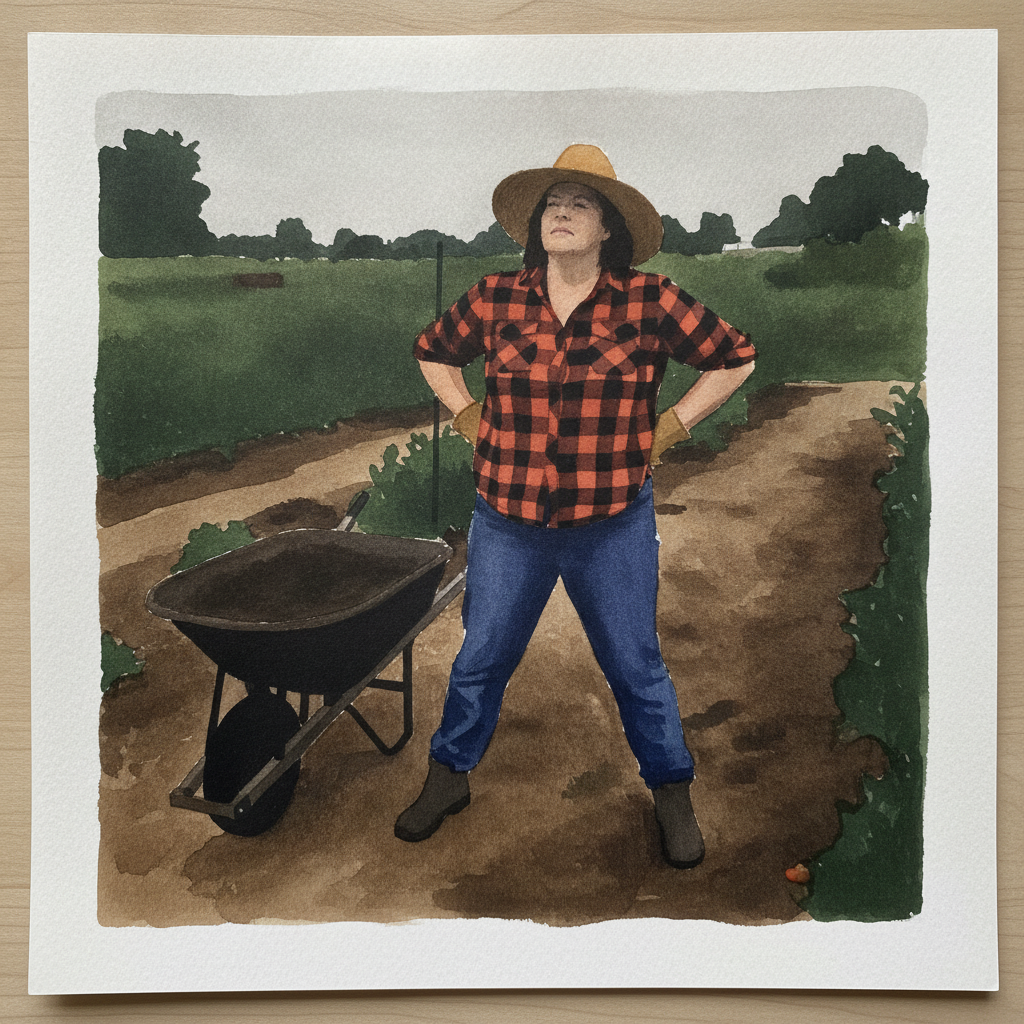
Piece 5 — Short stocky woman
Pen + Watercolor · Loose pen and watercolor line-and-wash
Three takes
Focus for this piece
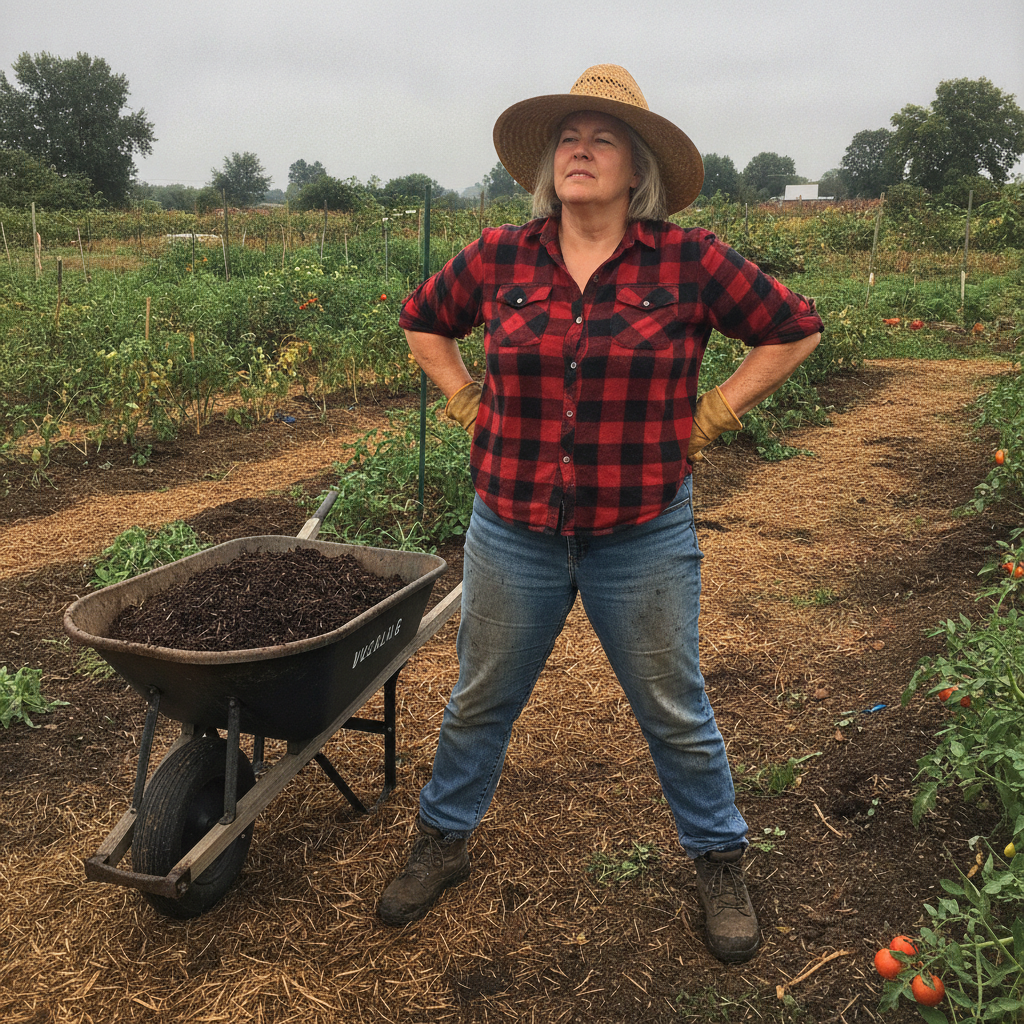
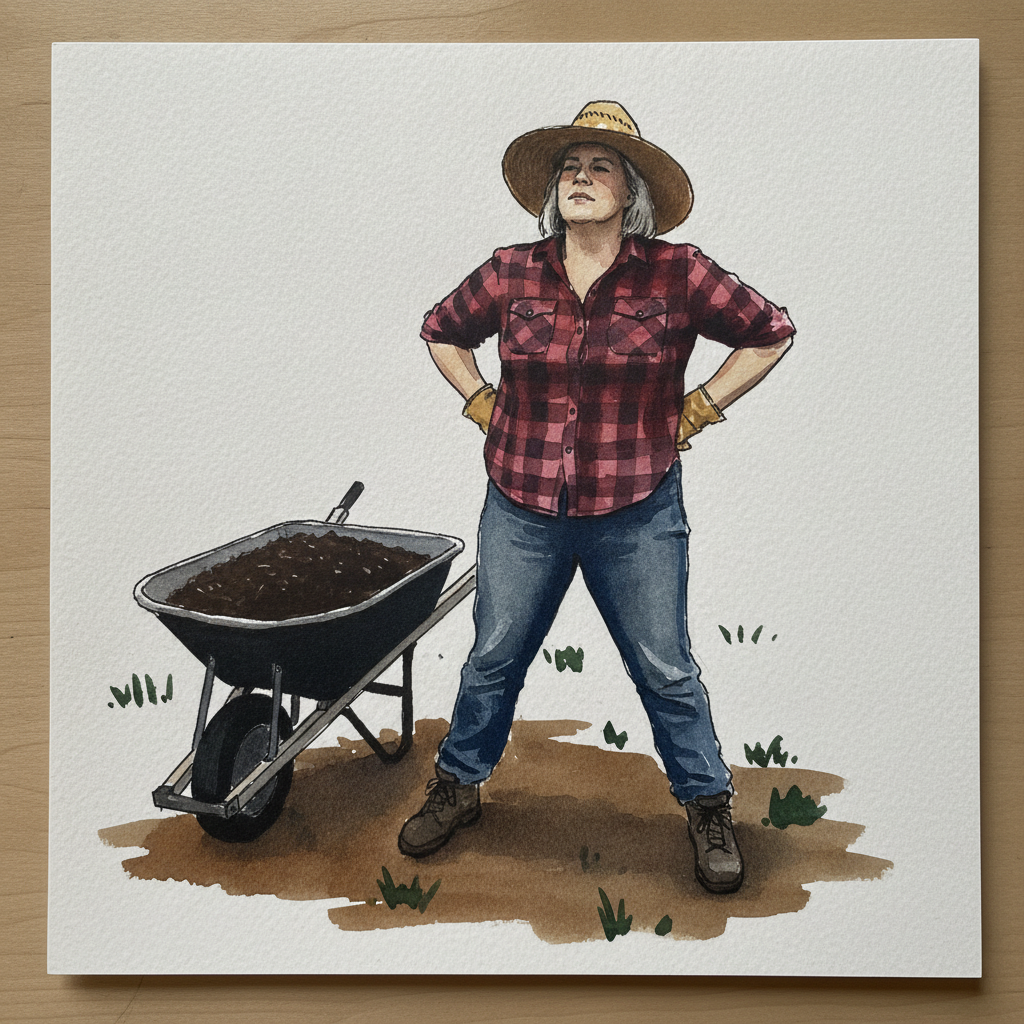
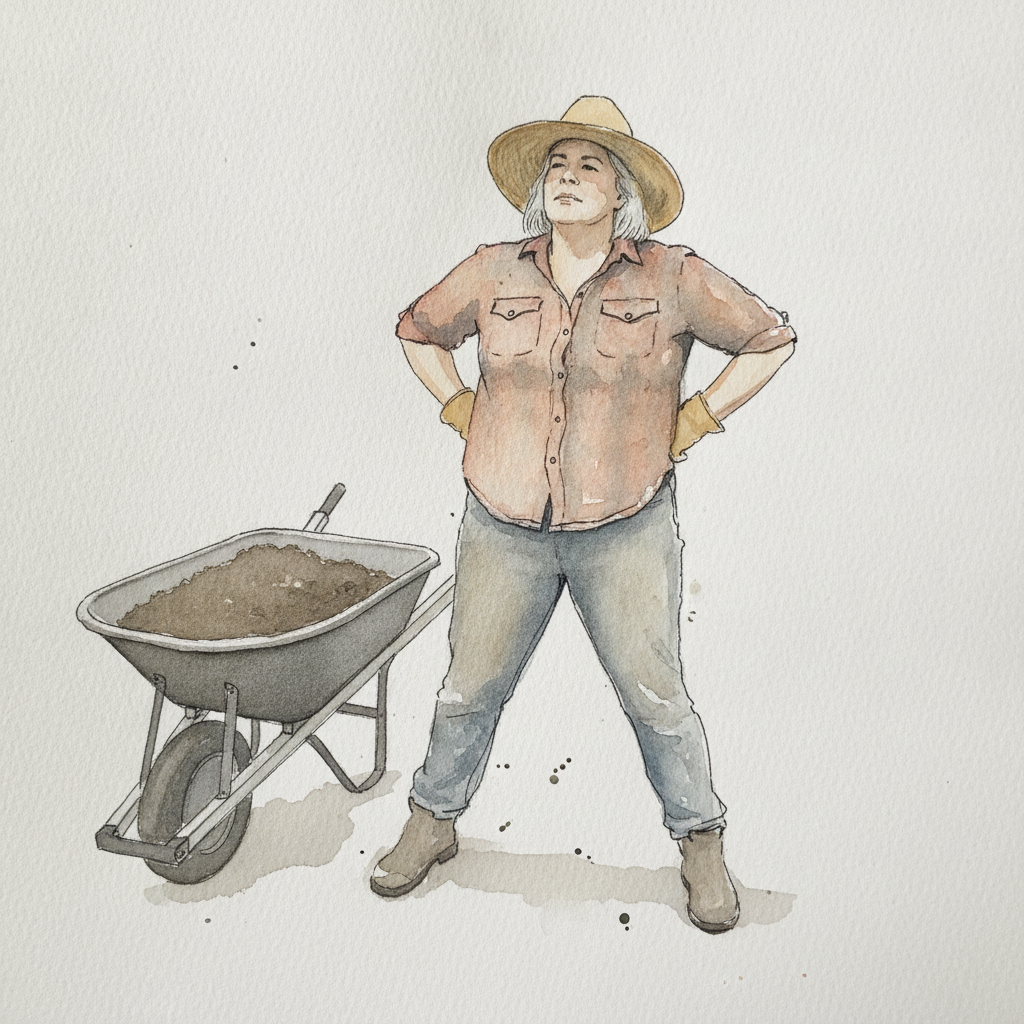
This study is excellent for practicing how to convey powerful human form through economical means. Use strong, varied pen lines to define the woman’s compact, blocky figure – her broad shoulders, thick neck, and sturdy legs – focusing on underlying structure rather than fine detail. Then, apply generous, layered washes in a limited, earthy palette to build her volume, suggest the weight of her pose, and imply the rough textures of her work clothes and the damp soil.
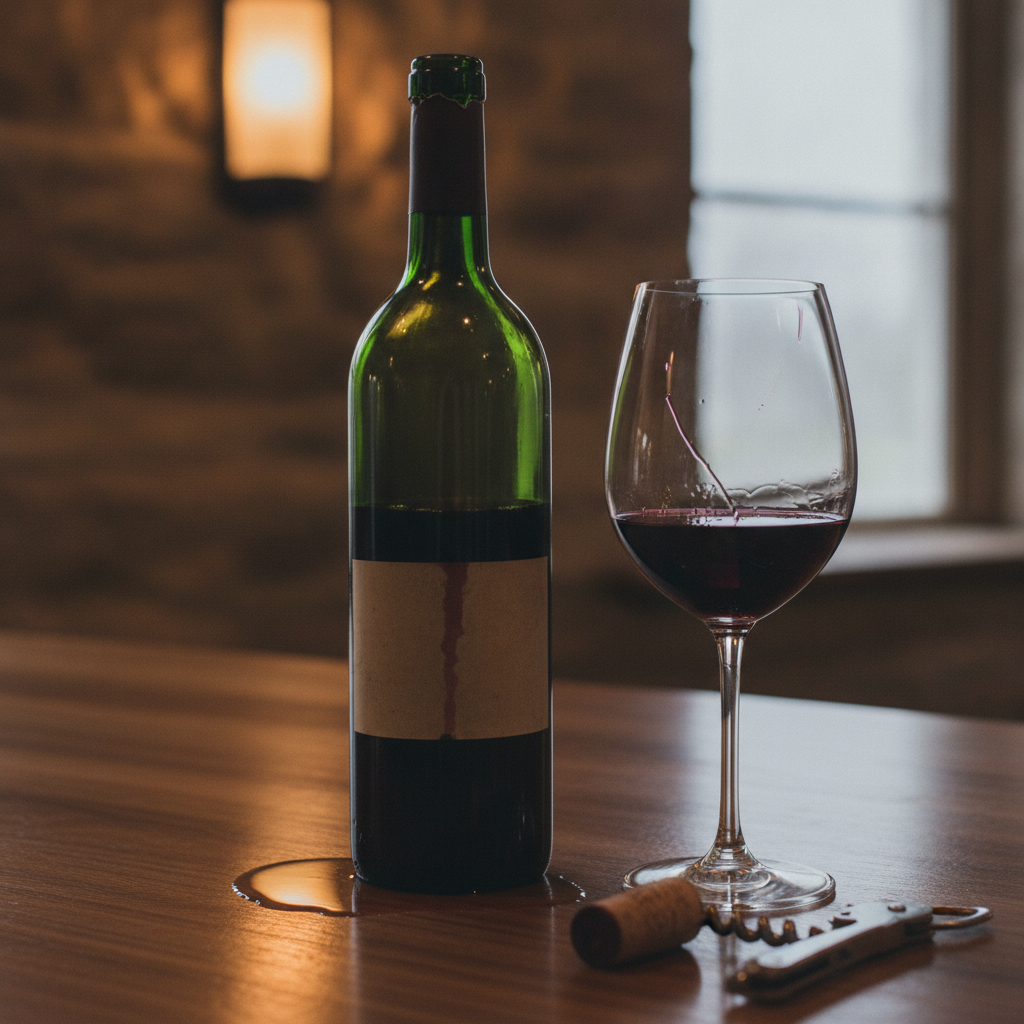
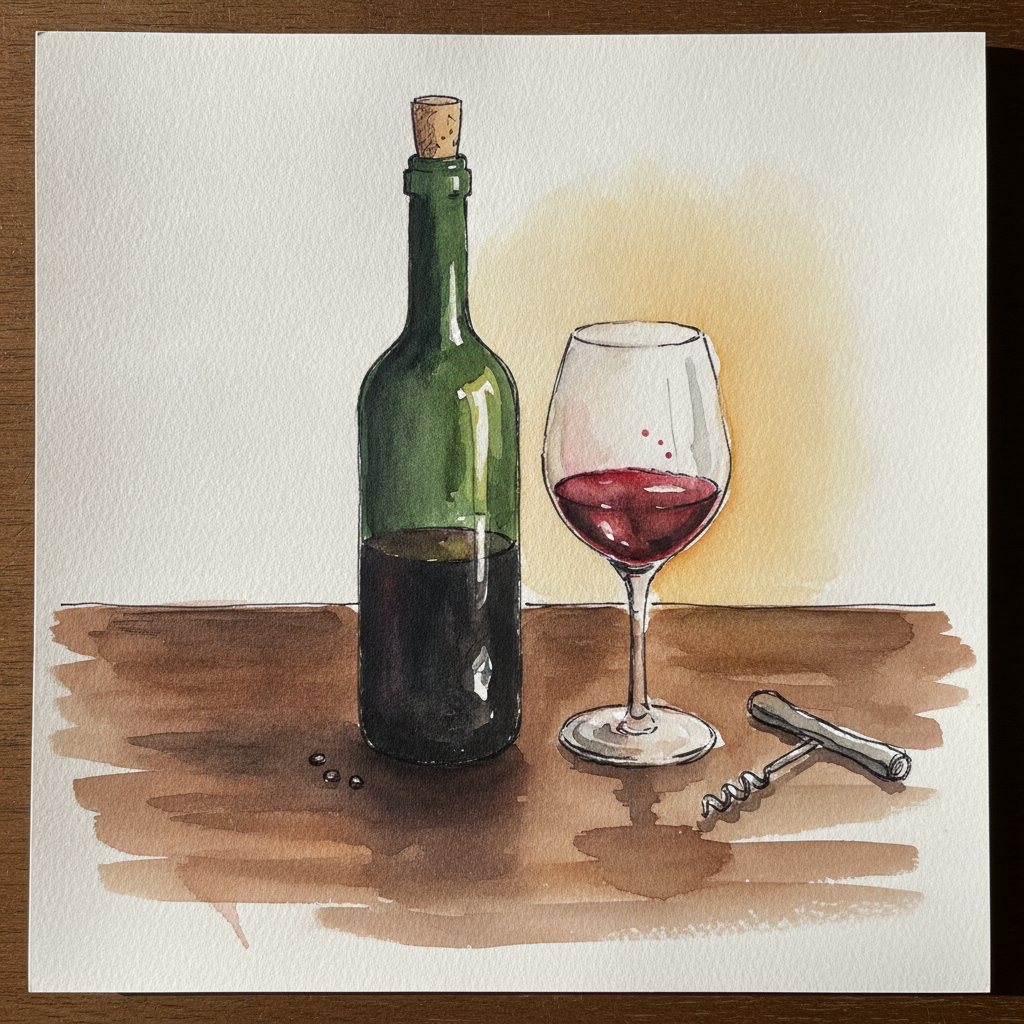
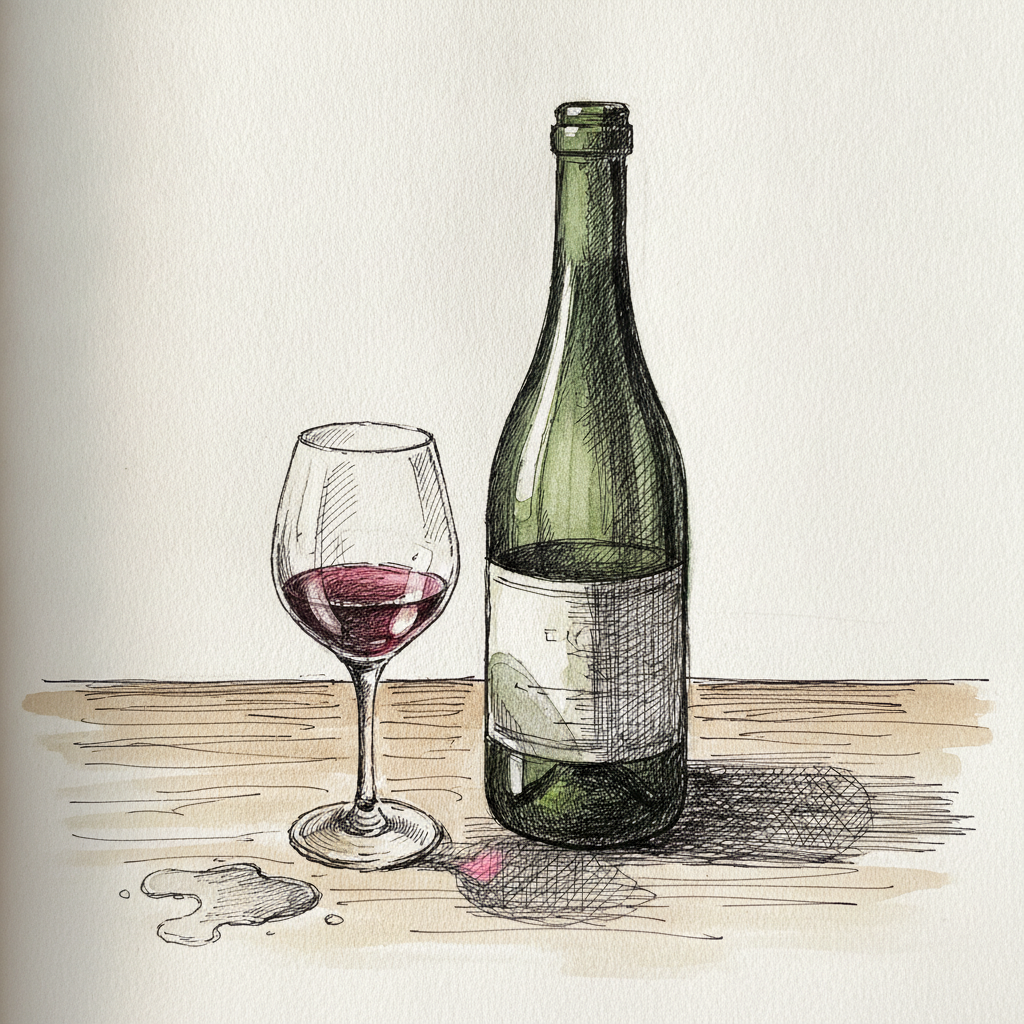
Piece 6 — Bordeaux Bottle and Glass
Pen + Watercolor · Loose pen and watercolor line-and-wash
Three takes

Focus for this piece
Today's piece is an excellent study in rendering transparency and reflectivity, using the interplay of precise pen lines and luminous watercolor washes. Focus on layering subtle glazes to capture the glowing ruby wine and the deep green bottle, juxtaposing sharp, clean line weights for the glass's stem with softer washes for reflections on the polished bar. Pay attention to how highlights, achieved by preserving the paper's white or careful lifting, define the forms of the bottle, glass, and condensation. This exercise will strengthen your ability to build depth and light through careful timing and control.
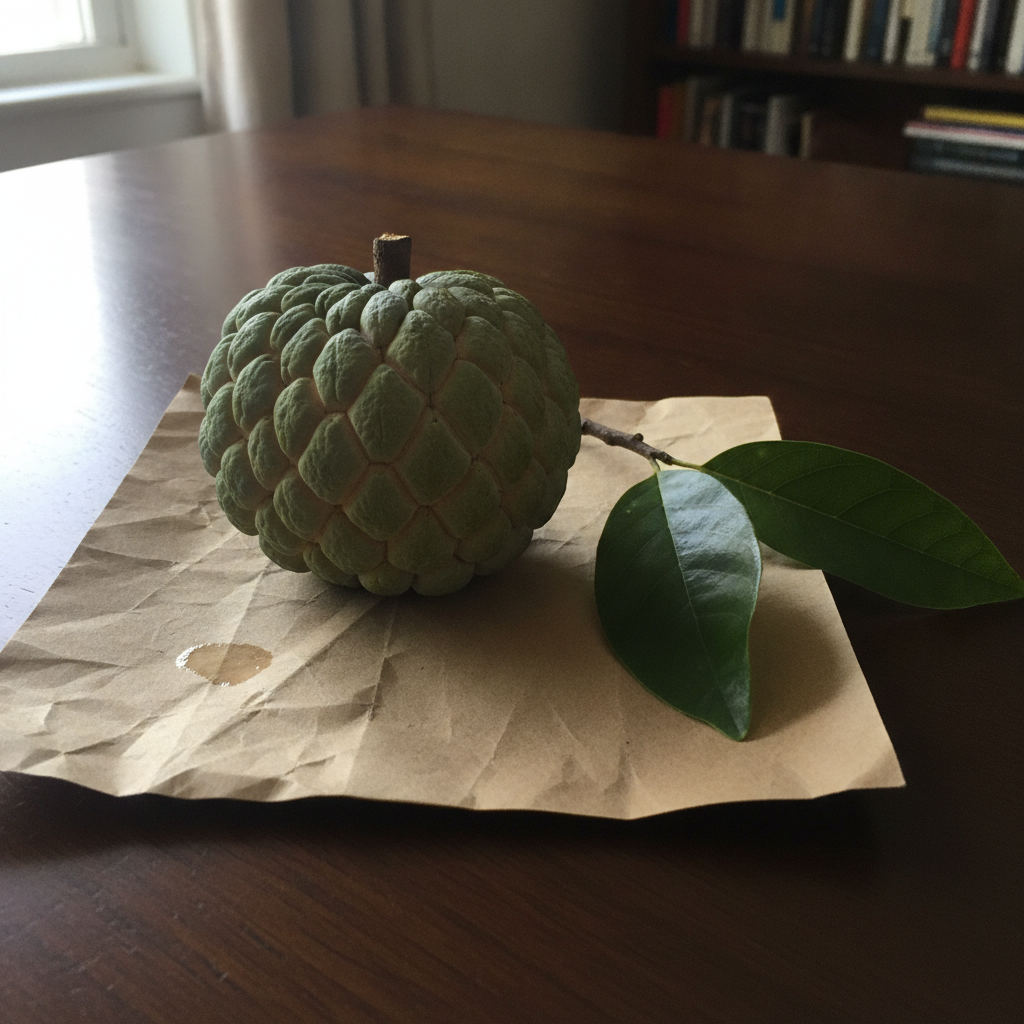
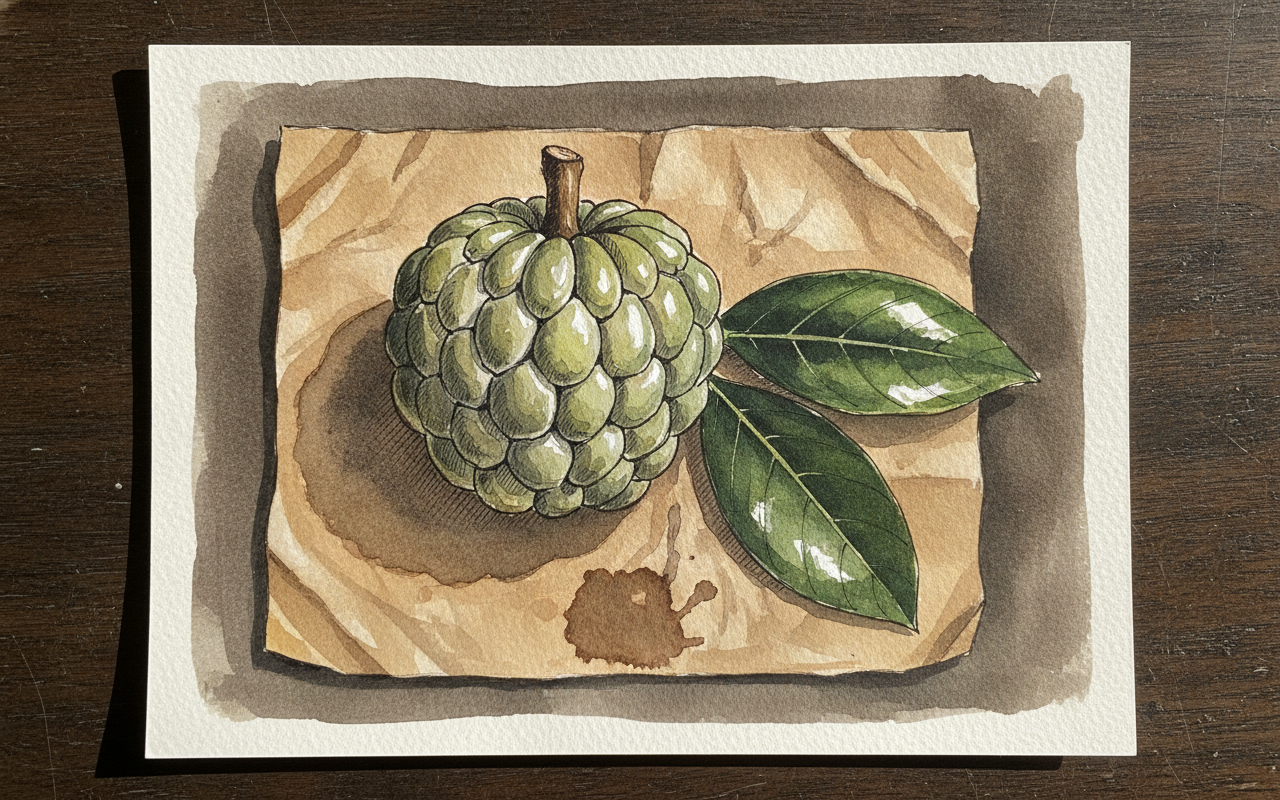
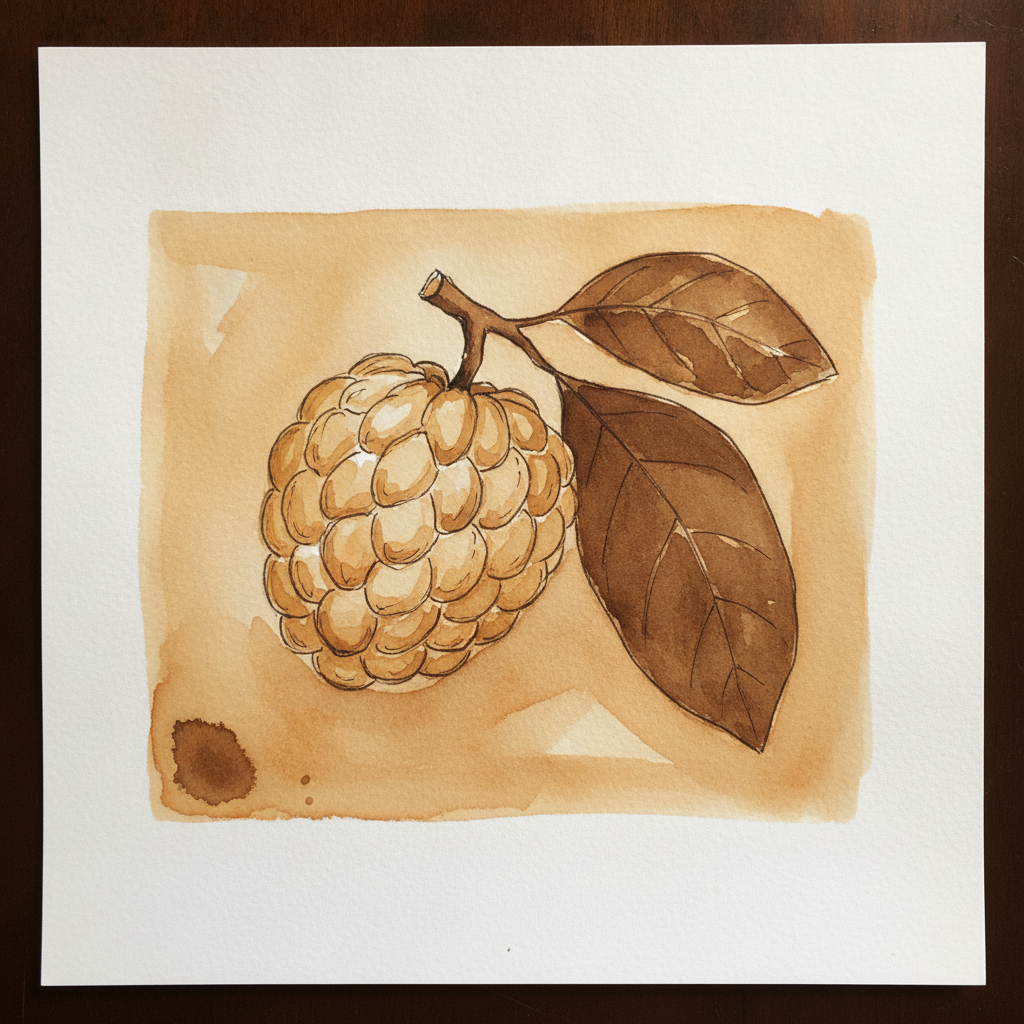
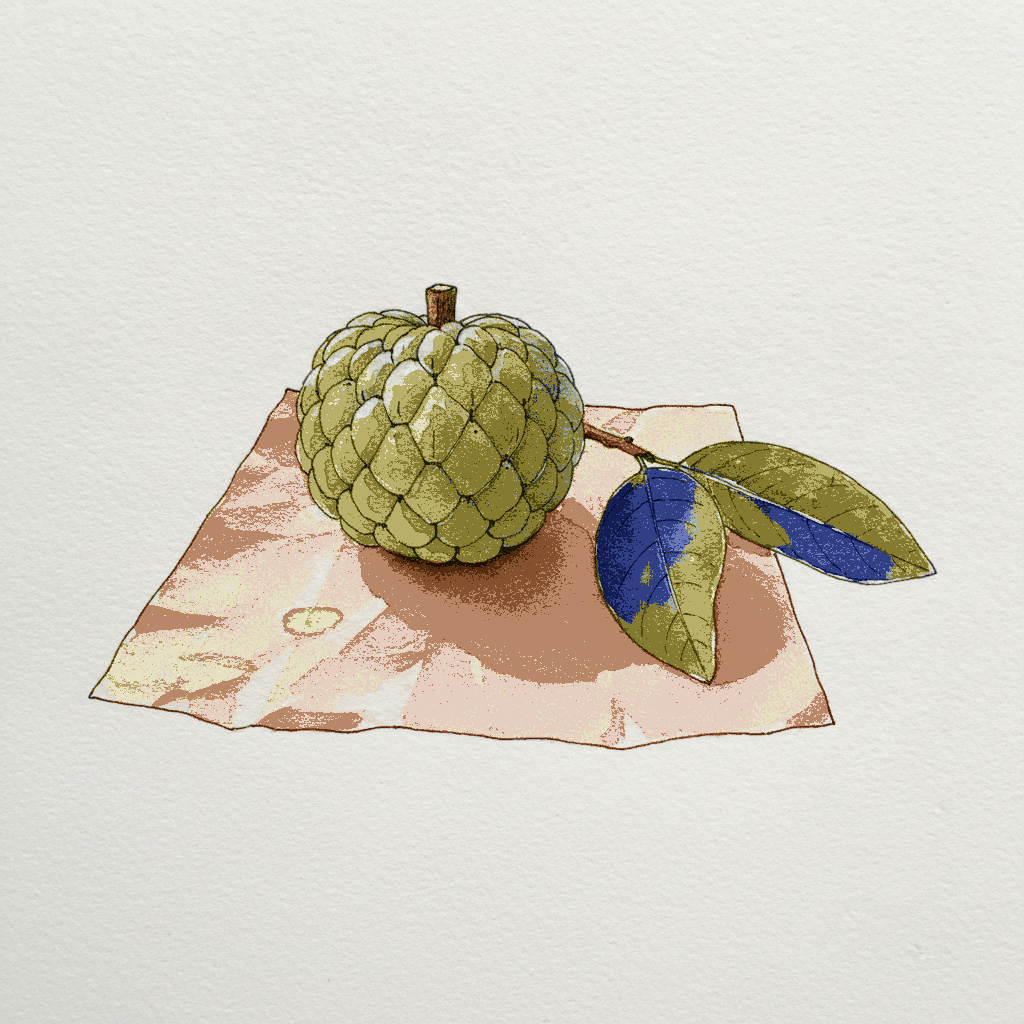
Piece 7 — A custard apple beside its leaves
Pen + Watercolor · Loose pen and watercolor line-and-wash
Three takes

Focus for this piece
This subject is ideal for studying how to depict contrasting textures and their interaction with light. Use varied pen lines and pressure to differentiate the matte, segmented skin of the custard apple from the glossy, reflective surfaces of its leaves. Then, employ layered washes to build the fruit's soft volume, allowing the ink to define its unique bumps, while using more concentrated color and perhaps a wet-on-wet approach for the darker, polished sheen of the leaves. Pay particular attention to how the light from the high window articulates these distinct surface qualities.
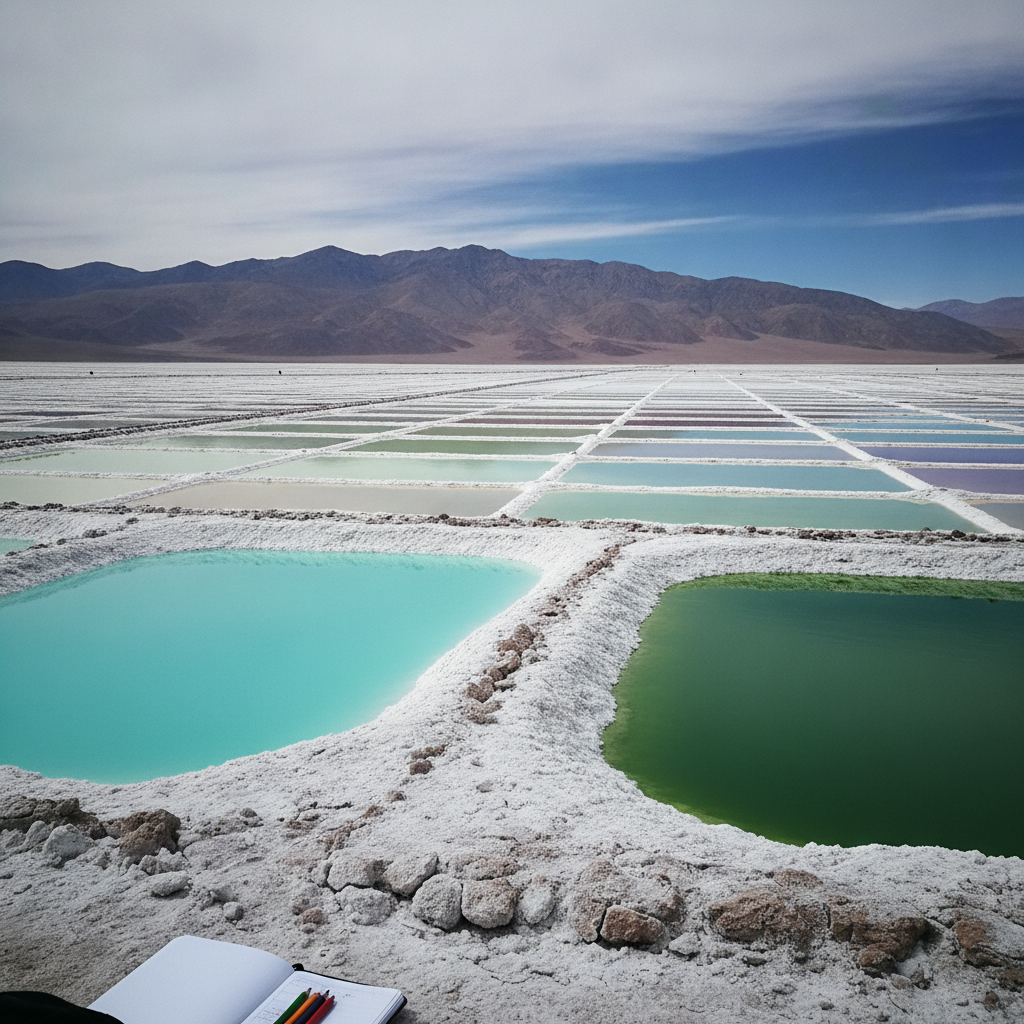
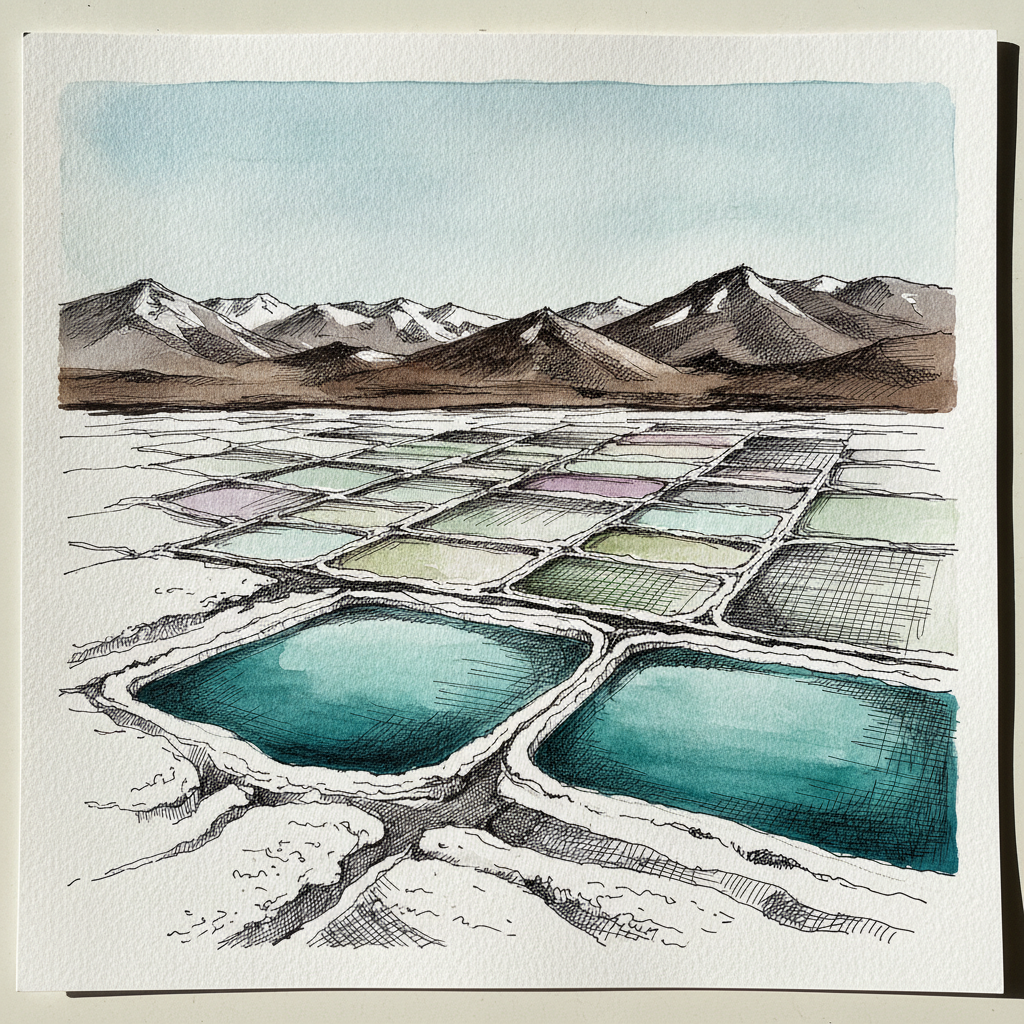
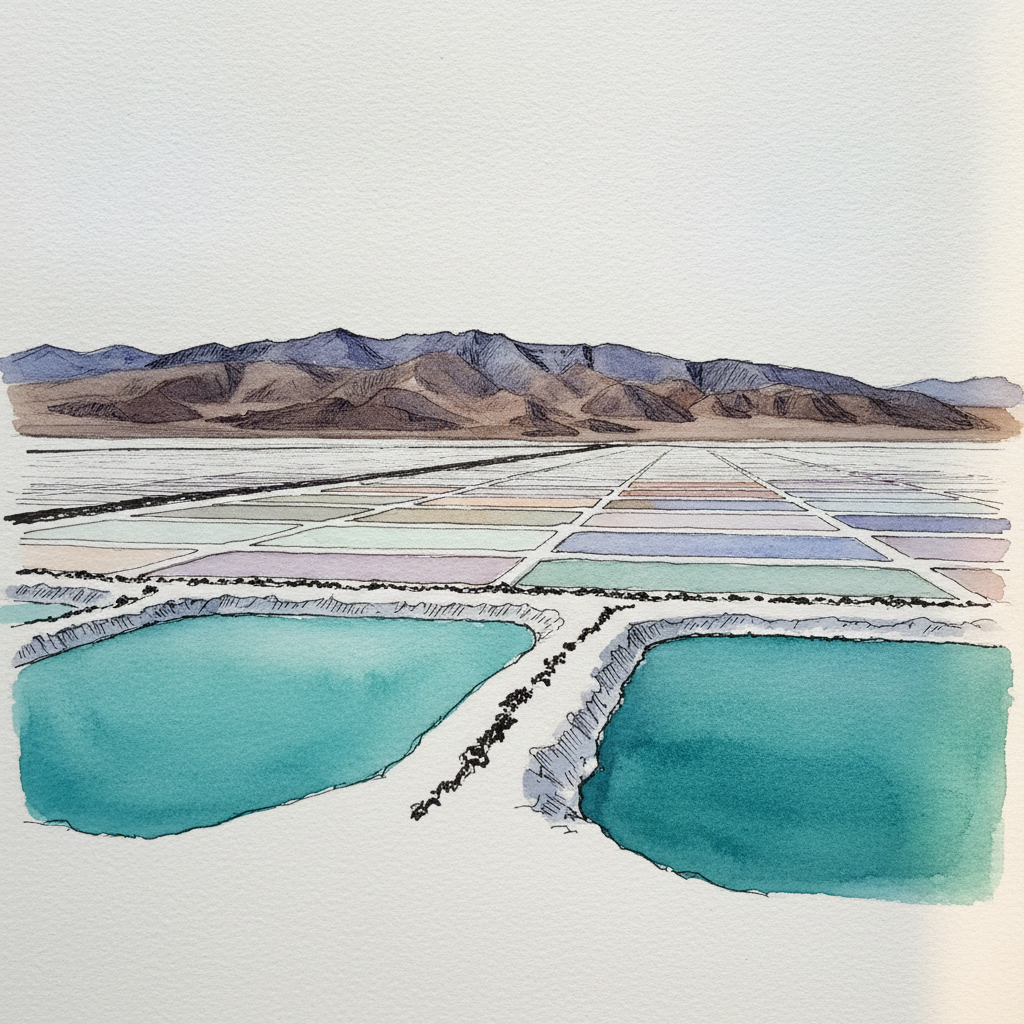
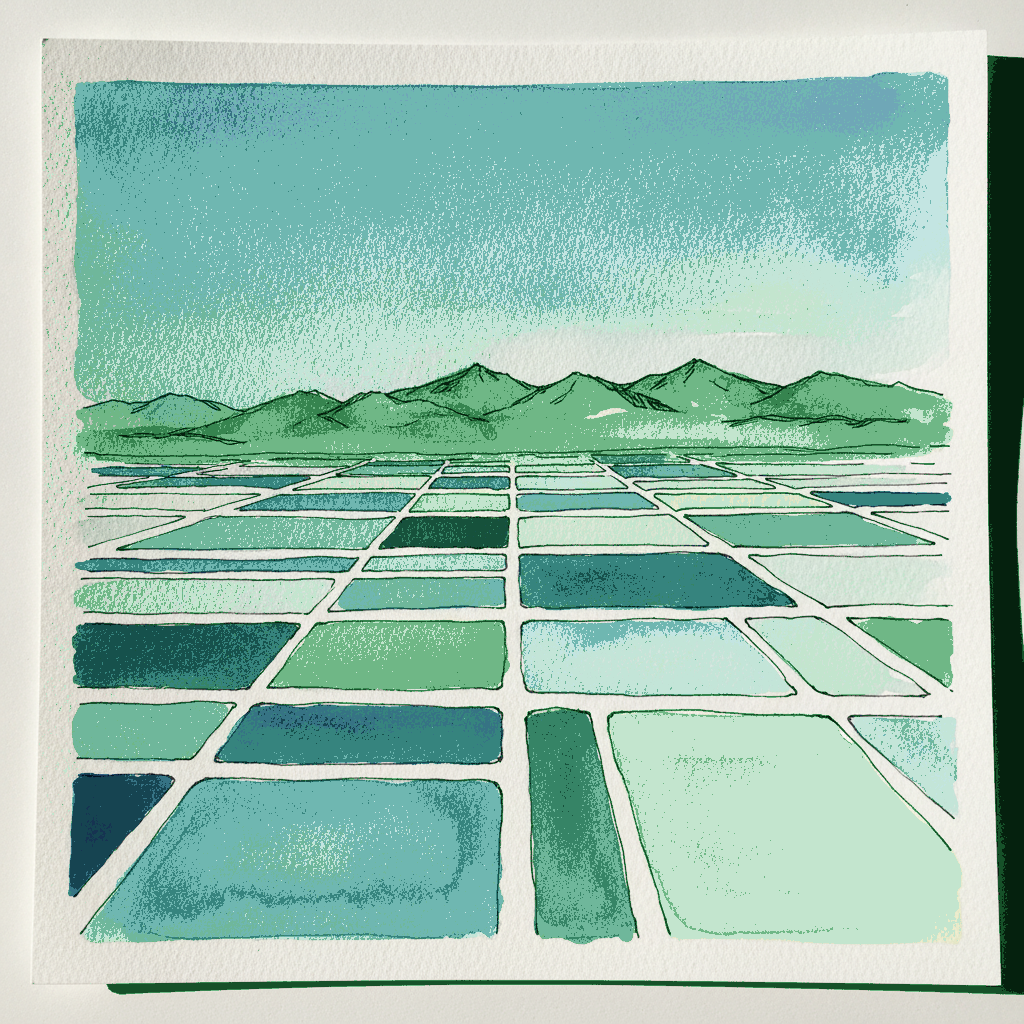
Piece 8 — Lithium pond patchwork wide view, Atacama Chile
Pen + Watercolor · Loose pen and watercolor line-and-wash
Three takes

Focus for this piece
Today's subject is perfect for exploring the interplay of sharp geometry and atmospheric color. Use crisp, varying pen lines to define the foreground's vivid berms and pond edges, gradually easing their prominence into the irregular grid of the middle distance and letting the mountains emerge from soft washes. Focus your watercolor on achieving those distinct, yet subtly graded color transitions across the ponds, using wet-on-wet techniques to suggest depth and the unique mineral hues.