A green apple on a kitchen scale, Black pepper, Kid pretending to be a doctor, One Vanderbilt, Midtown Manhattan, New York, NY, USA, and more — pen + watercolor for October 17, 2026
AI-generated daily art-practice references for pen and watercolor: A green apple on a kitchen scale, Black pepper, Kid pretending to be a doctor, One Vanderbilt, Midtown Manhattan, New York, NY, USA, Tide pool at Botanical Beach, Vancouver Island, The east gopuram of Meenakshi at sunrise, Gargant…
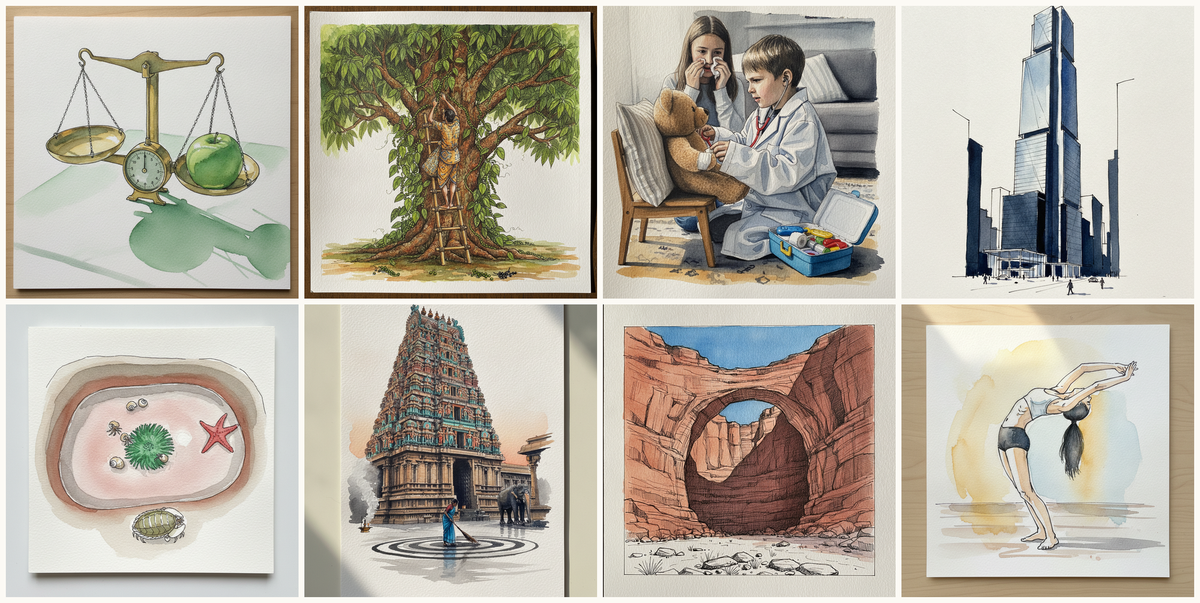
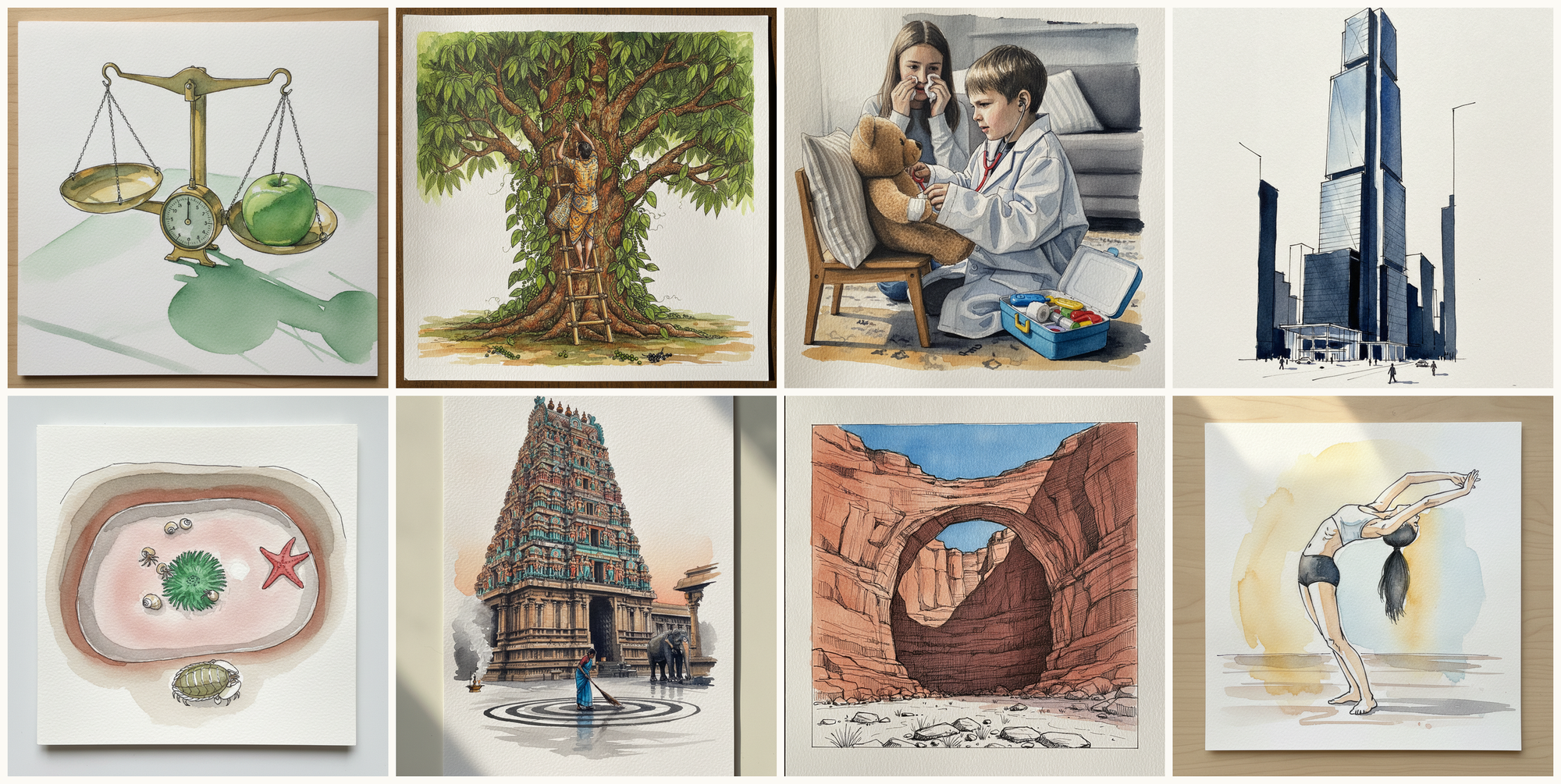
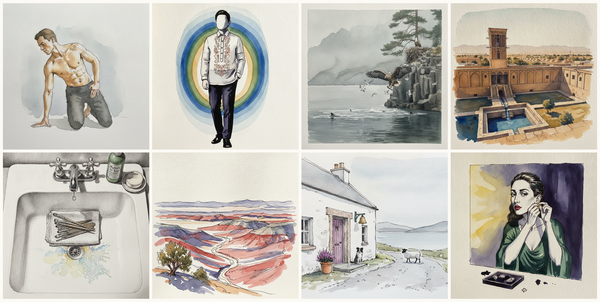
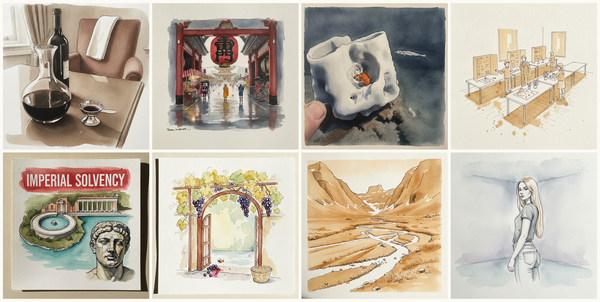
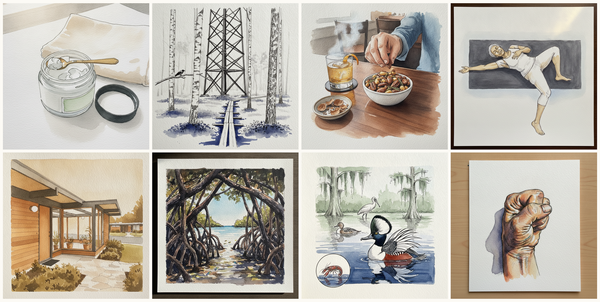
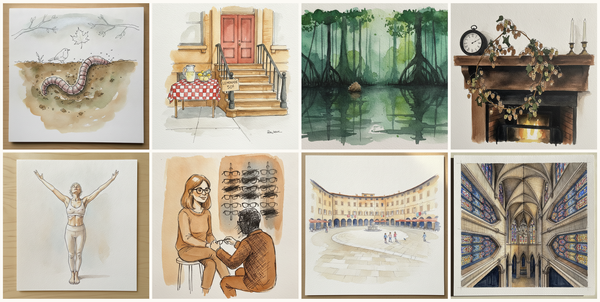
Today's 8 pen-and-watercolor pieces: A green apple on a kitchen scale, Black pepper, Kid pretending to be a doctor, One Vanderbilt, Midtown Manhattan, New York, NY, USA, Tide pool at Botanical Beach, Vancouver Island, The east gopuram of Meenakshi at sunrise, Garganta del Diablo, Quebrada de Cafayate, Argentina, Reclining propped on both elbows, legs extended and crossed. Each piece comes with an AI-generated photoreal reference, three AI-generated example artworks in different treatments, and a short focus paragraph naming what to study in this one.
Why these references use AI
This daily series uses AI-generated images as practice prompts, not as finished artwork to copy. Each subject starts with a synthetic photoreal reference generated with Gemini/Nano Banana, then moves into three pen-and-watercolor interpretations of the same subject.
I use AI here because daily art practice needs variety and low friction. Real life can get repetitive, busy, or visually narrow. These generated reference sets make it easier to study bodies, buildings, animals, landscapes, objects, gestures, light, palettes, and compositions that might not show up in an ordinary day.
The goal is not to reproduce any image directly. Treat each set as a starting point for observation and study: choose what interests you, change the framing, simplify the subject, alter the palette, and make your own version.
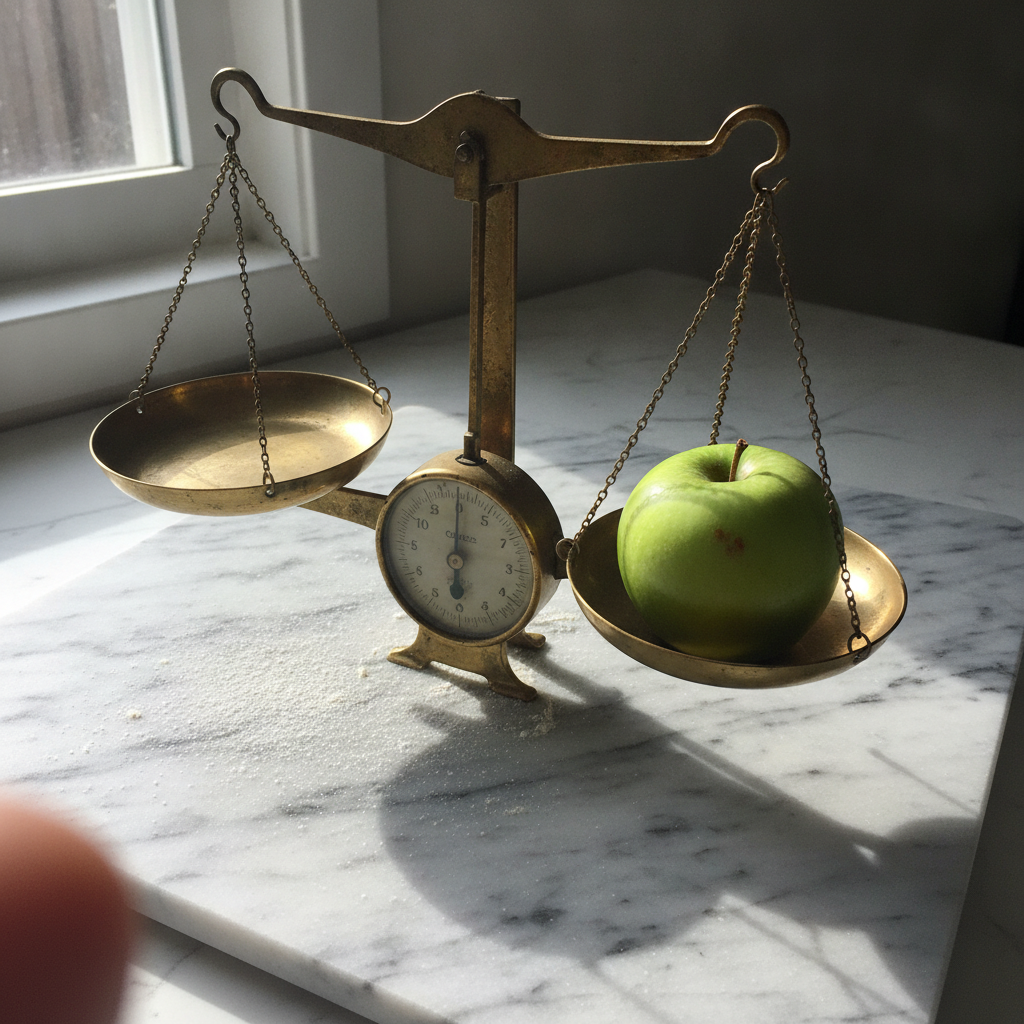
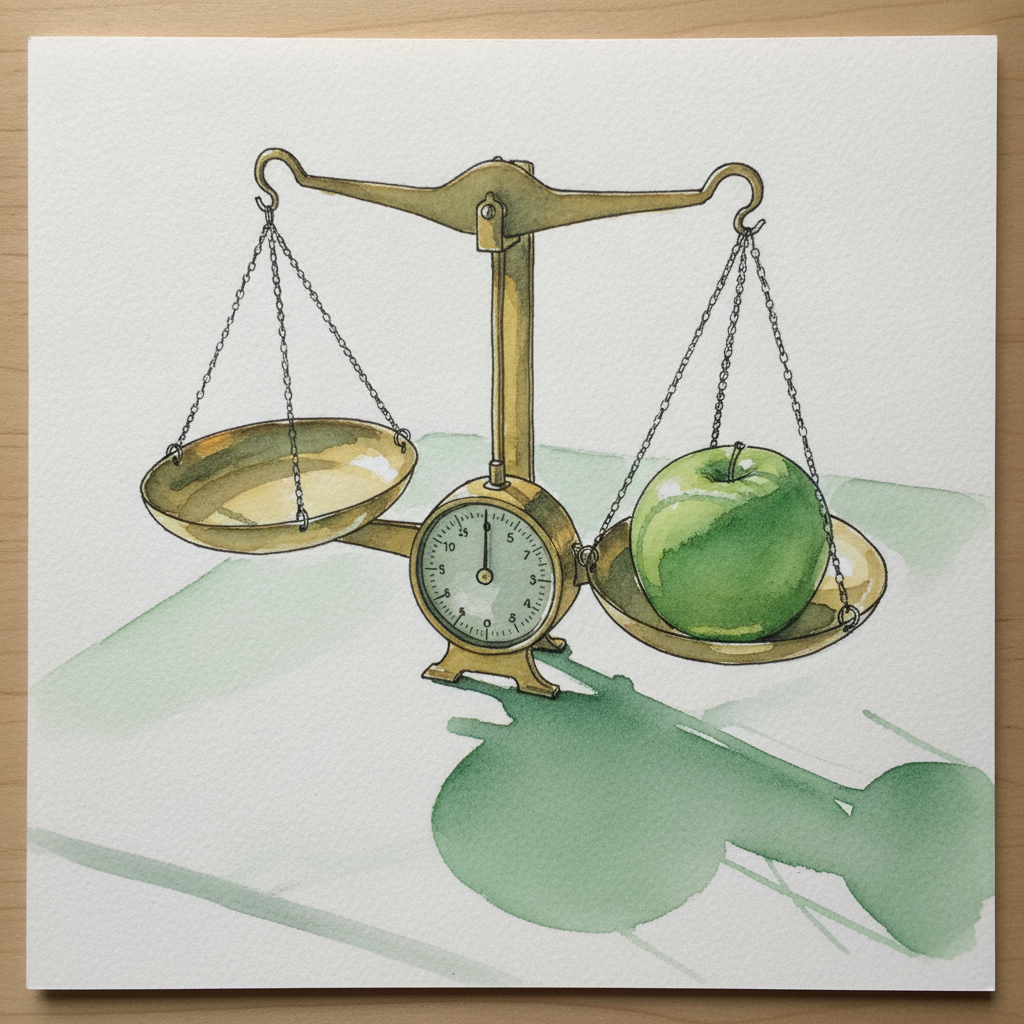
Piece 1 — A green apple on a kitchen scale
Pen + Watercolor · Loose pen and watercolor line-and-wash
Three takes
Focus for this piece
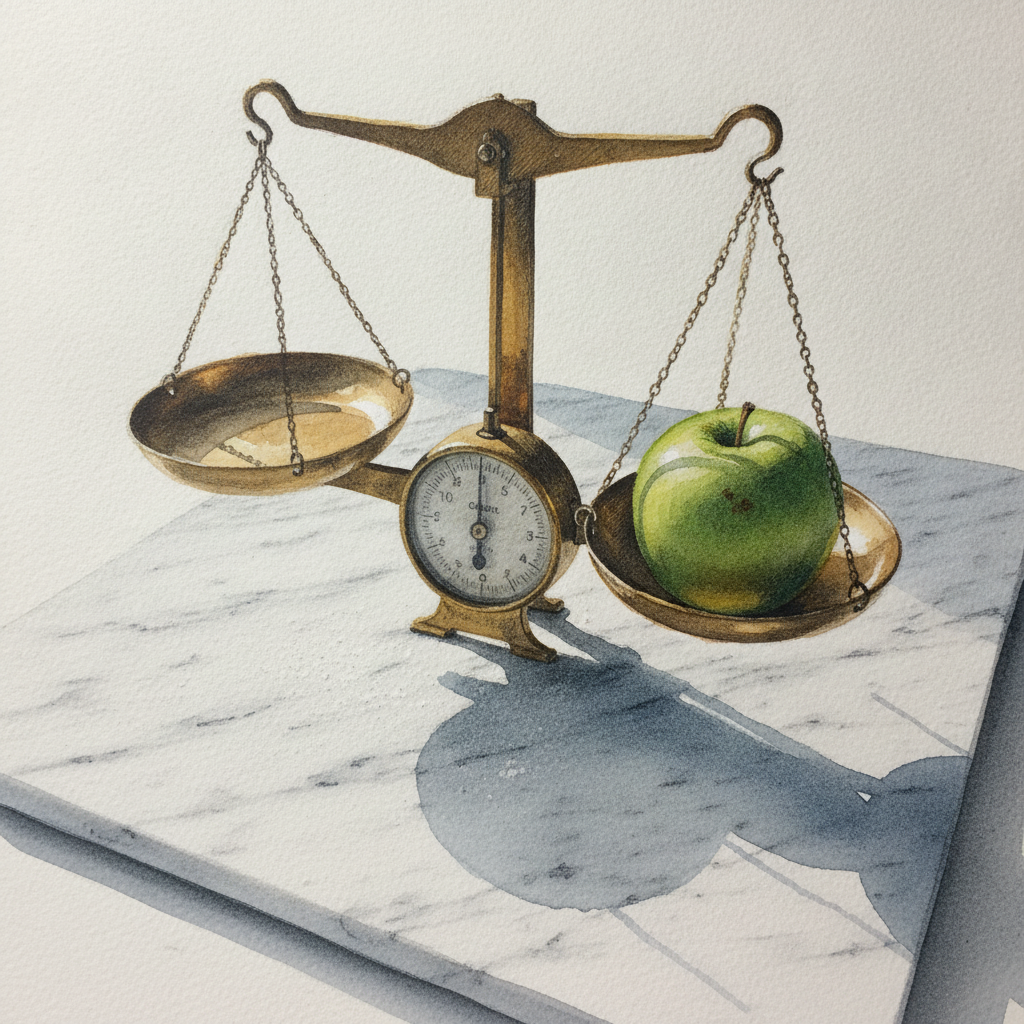
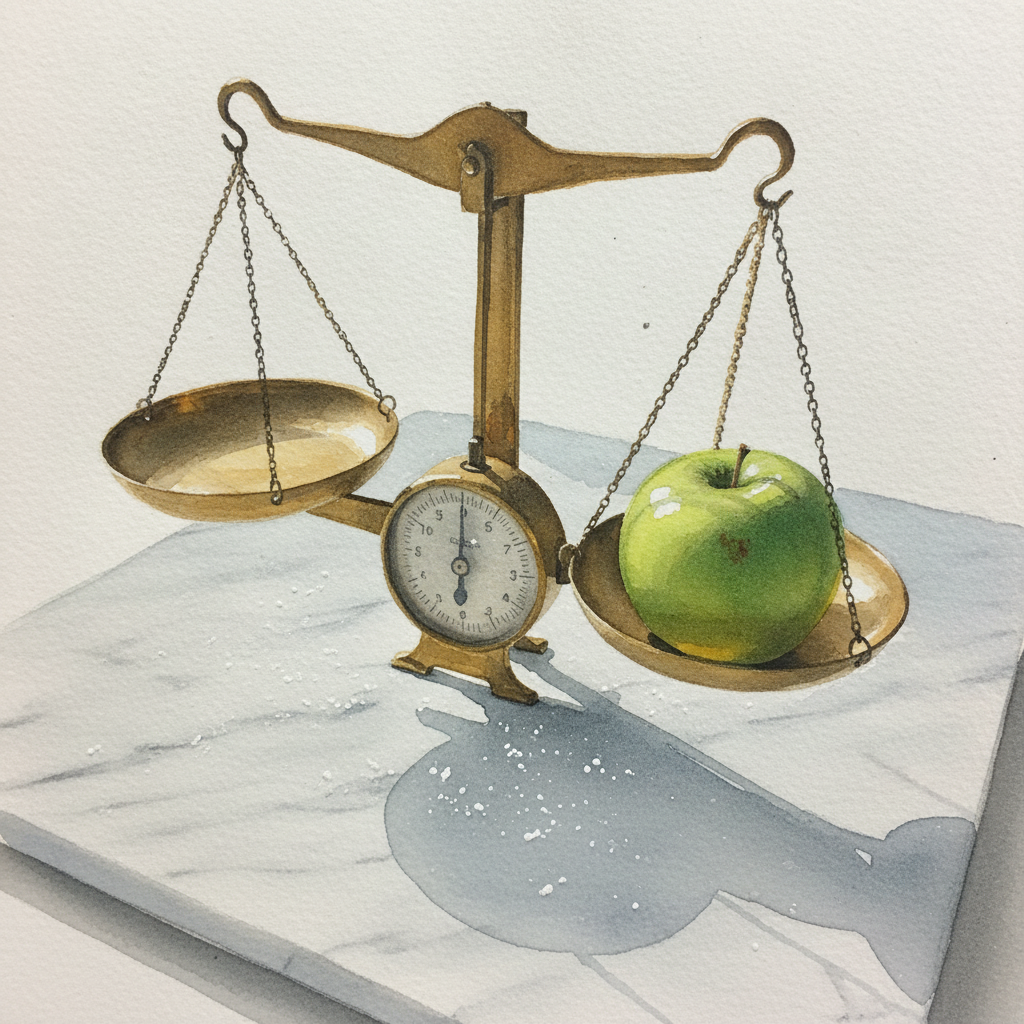
This still life is an excellent study in differentiating varied textures through both line and wash. Use a fine-tipped pen to capture the delicate chains and the scale's detailed dial, contrasting this with heavier lines for the dented brass pan and crisp edges of the marble slab. For the apple, build its spherical volume with smooth, wet-on-wet green washes, letting light dry-brush strokes suggest the flour dusting the marble.
Piece 2 — Black pepper
Pen + Watercolor · Loose pen and watercolor line-and-wash
Three takes
Focus for this piece
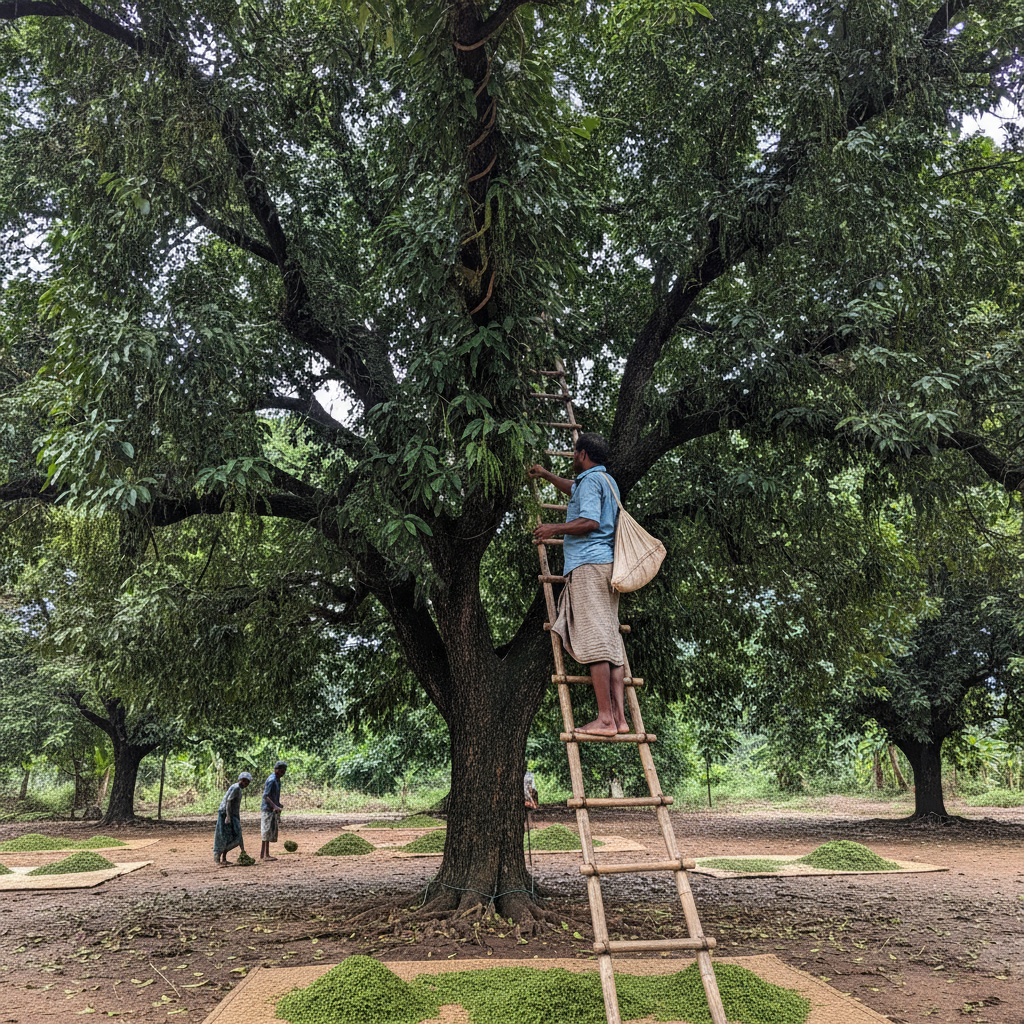
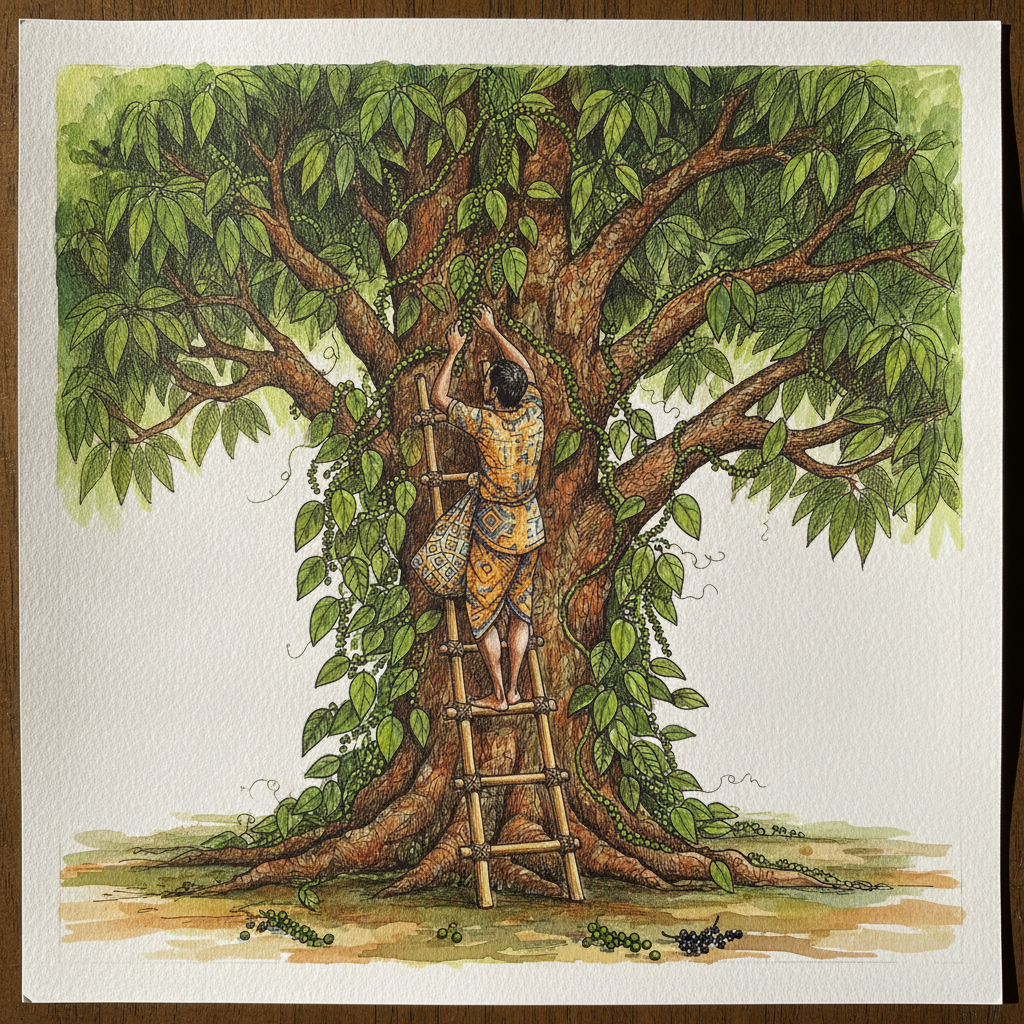
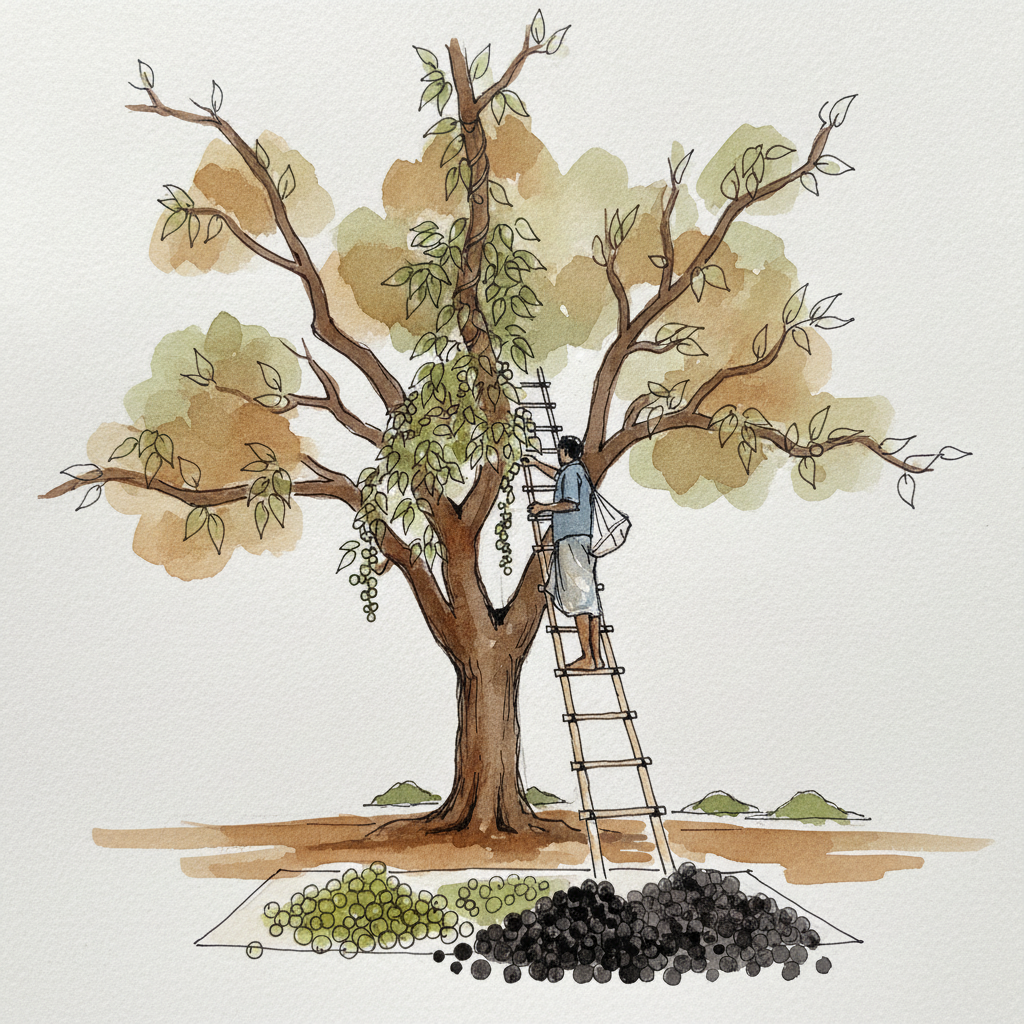
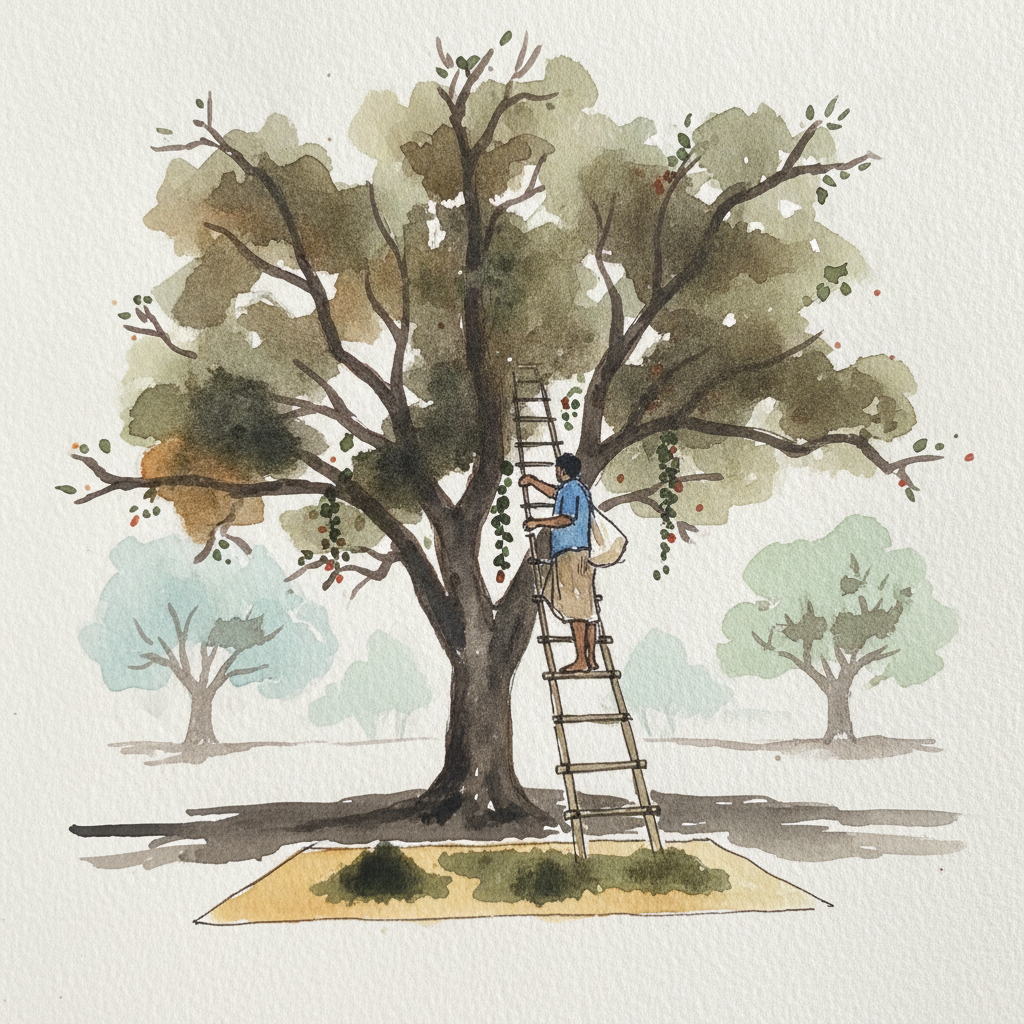
For this piece, focus on rendering the intricate clusters of peppercorns and their textural transformation. Begin by using lighter washes of olive green with a wet-on-wet approach to suggest the roundness and volume of the unripe berries, letting shapes softly merge. Then, employ varying pen line weights to define individual peppercorns and the subtle texture of the surrounding leaves. When depicting the dried, black peppercorns, experiment with short, broken pen lines to convey their wrinkled surface, building up dark values with layered washes of a warm grey or sepia.
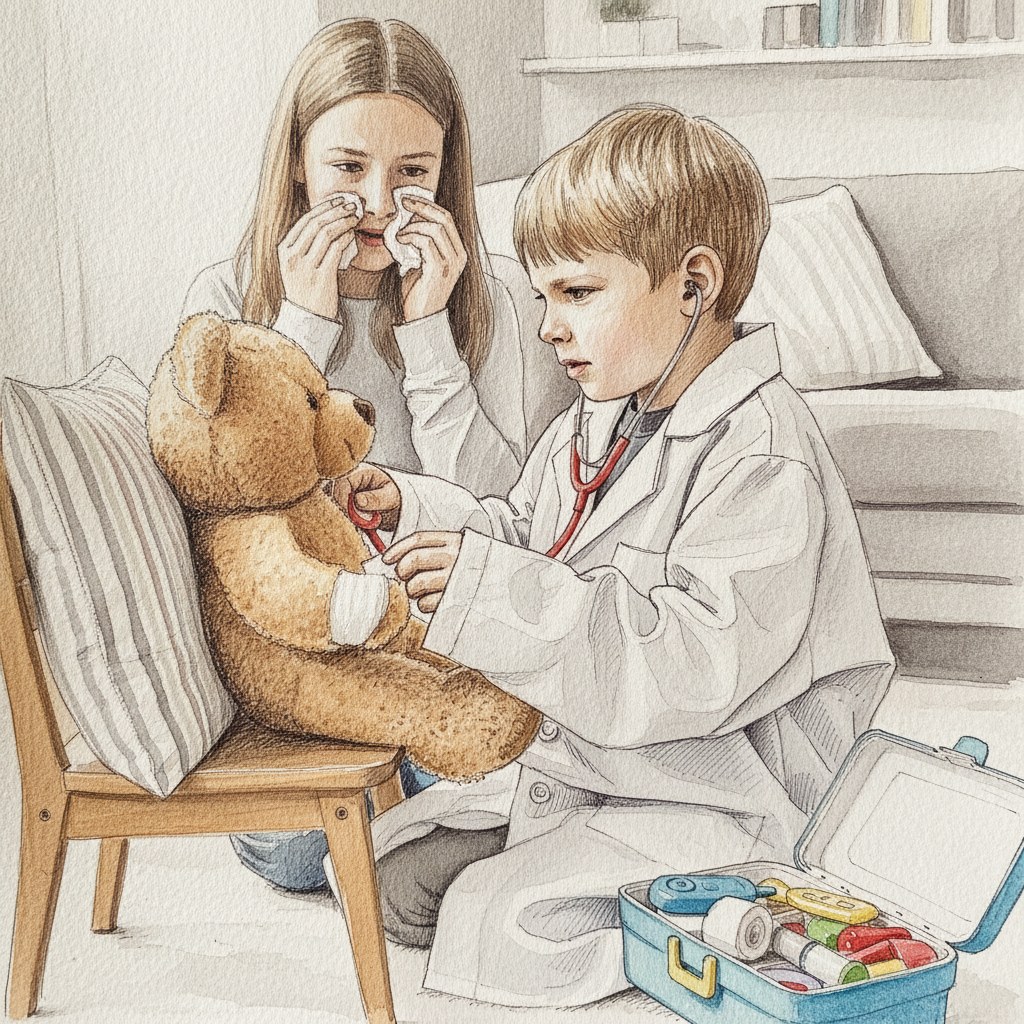
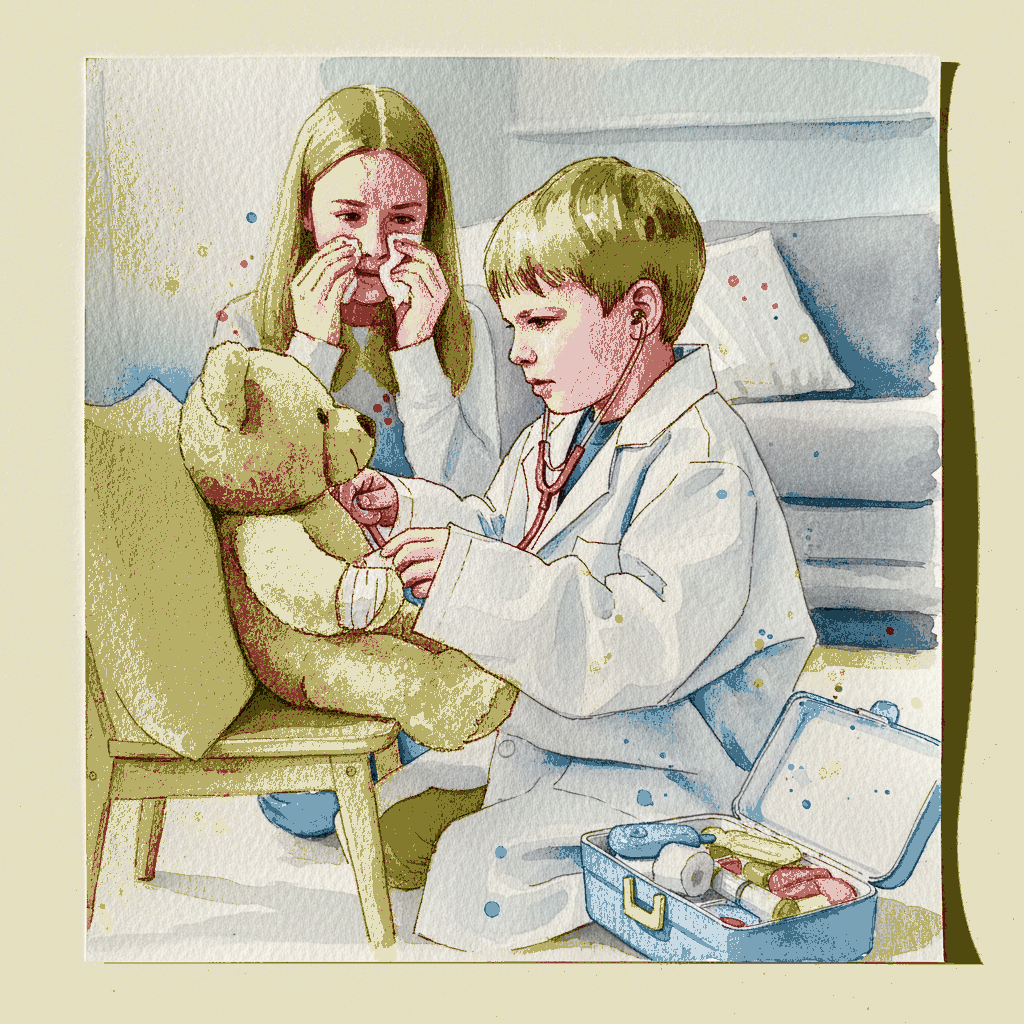
Piece 3 — Kid pretending to be a doctor
Pen + Watercolor · Loose pen and watercolor line-and-wash
Three takes

Focus for this piece
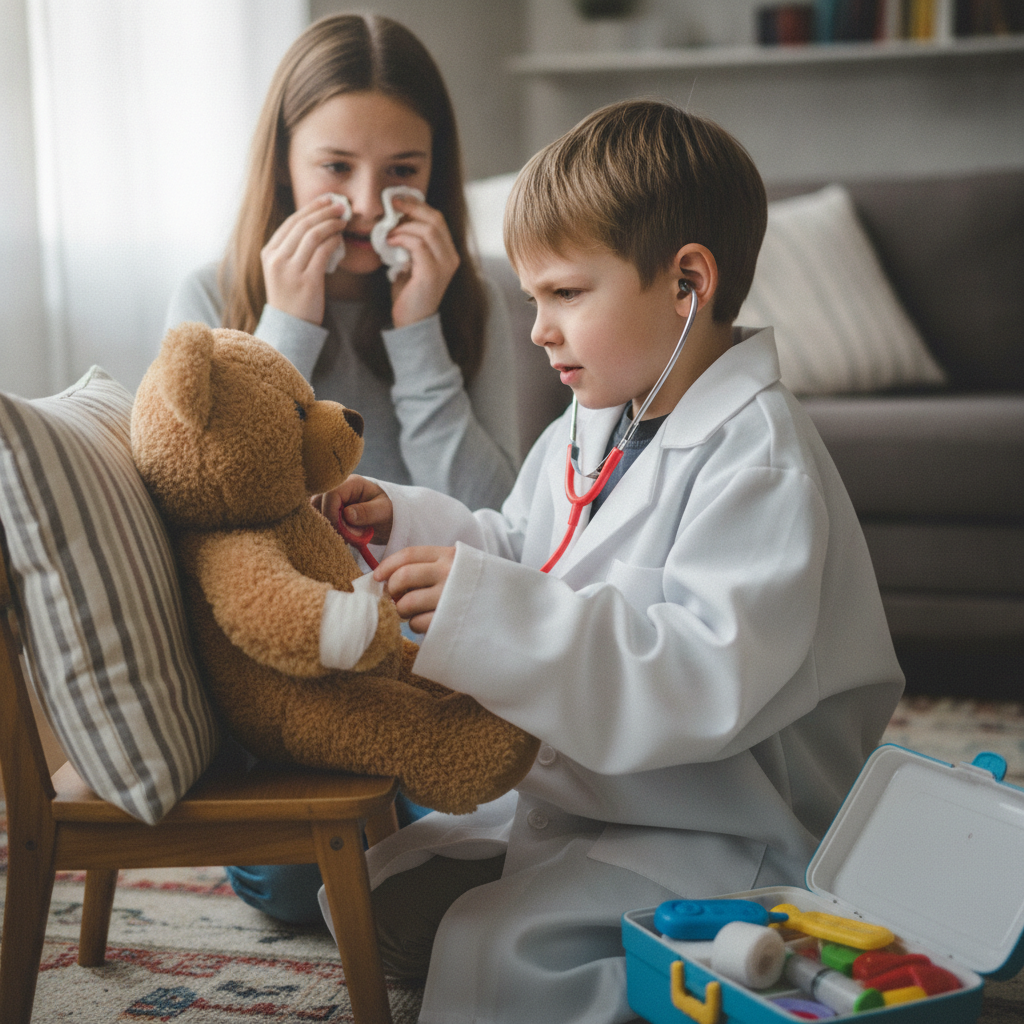
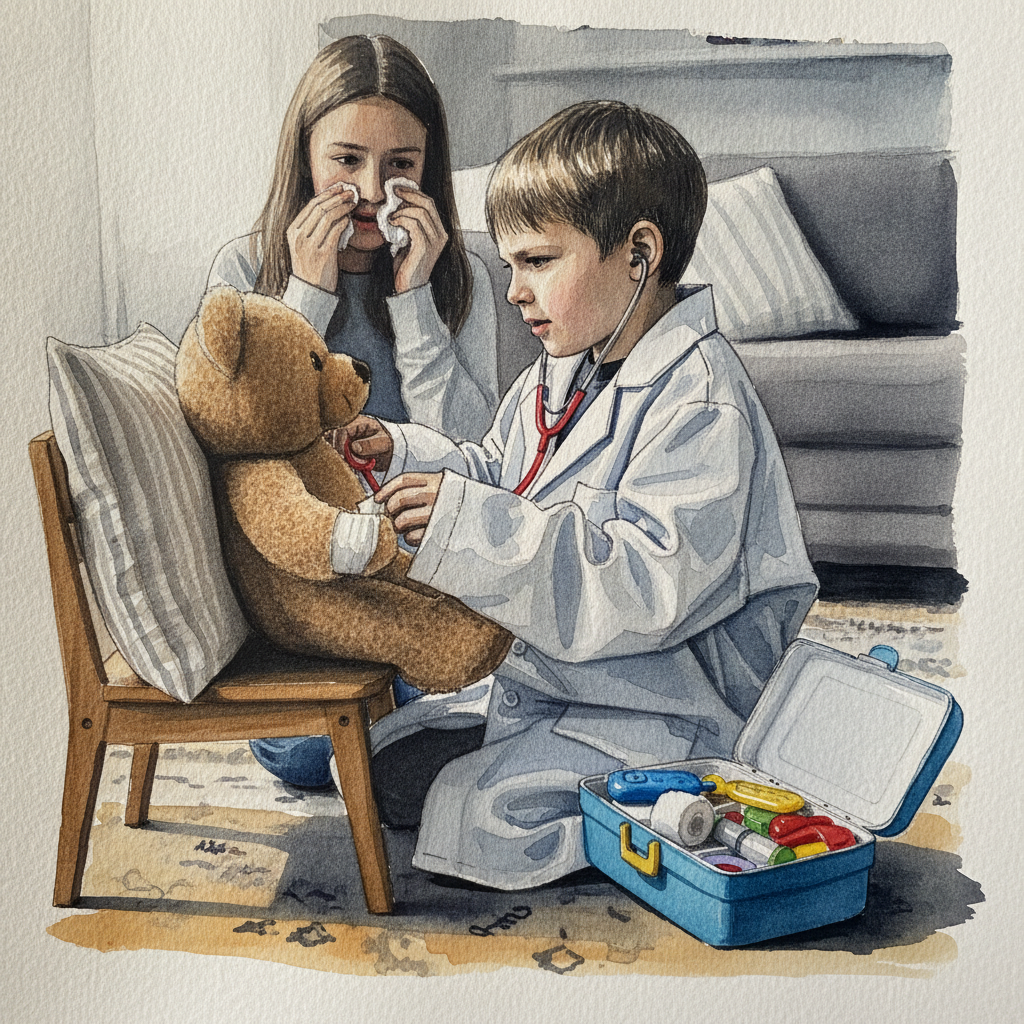
This piece provides an excellent study in balancing focused detail with soft, atmospheric washes. Emphasize the boy's serious expression and the crisp forms of the plastic medical kit with precise, varied pen lines. Then, use gentle, layered watercolor washes to capture the plush texture of the teddy bear and the draped softness of the coat, allowing your washes to soften and define these elements without overwhelming the ink's specificity.
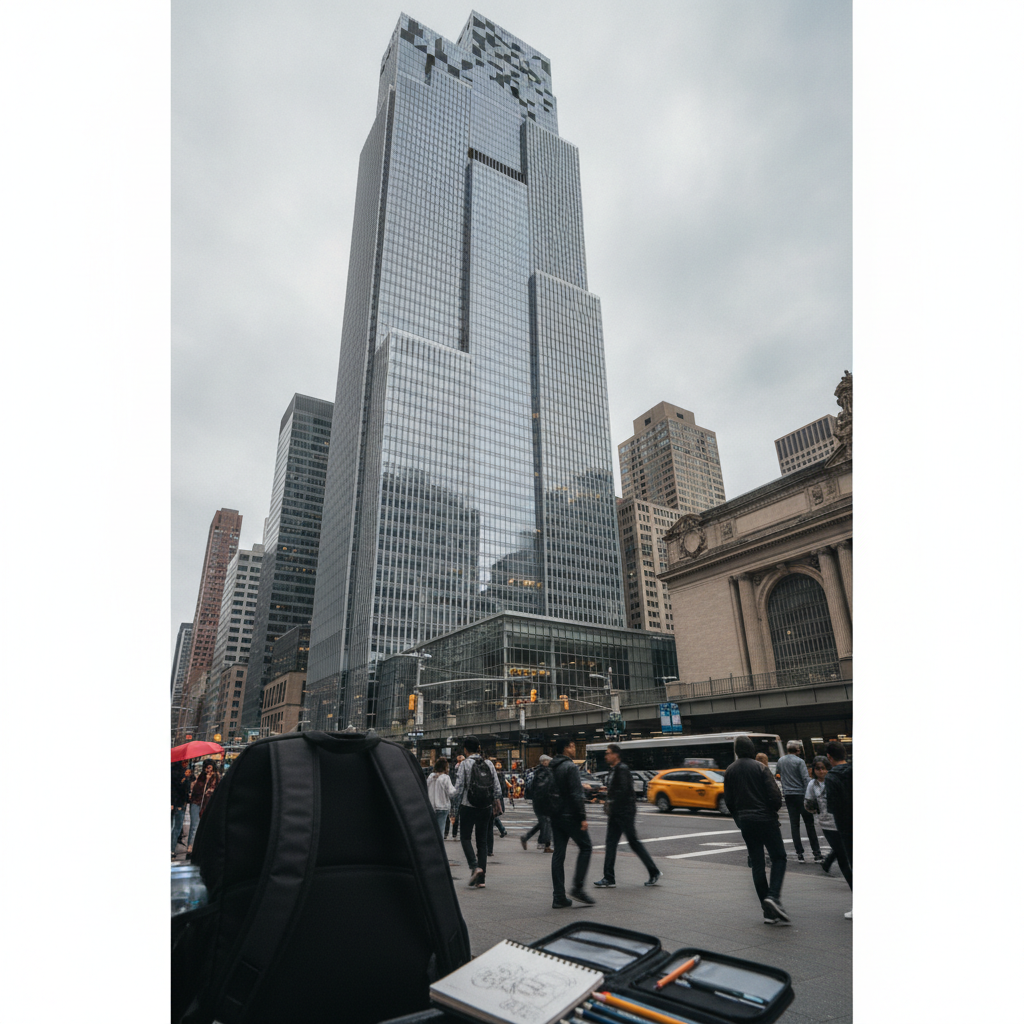
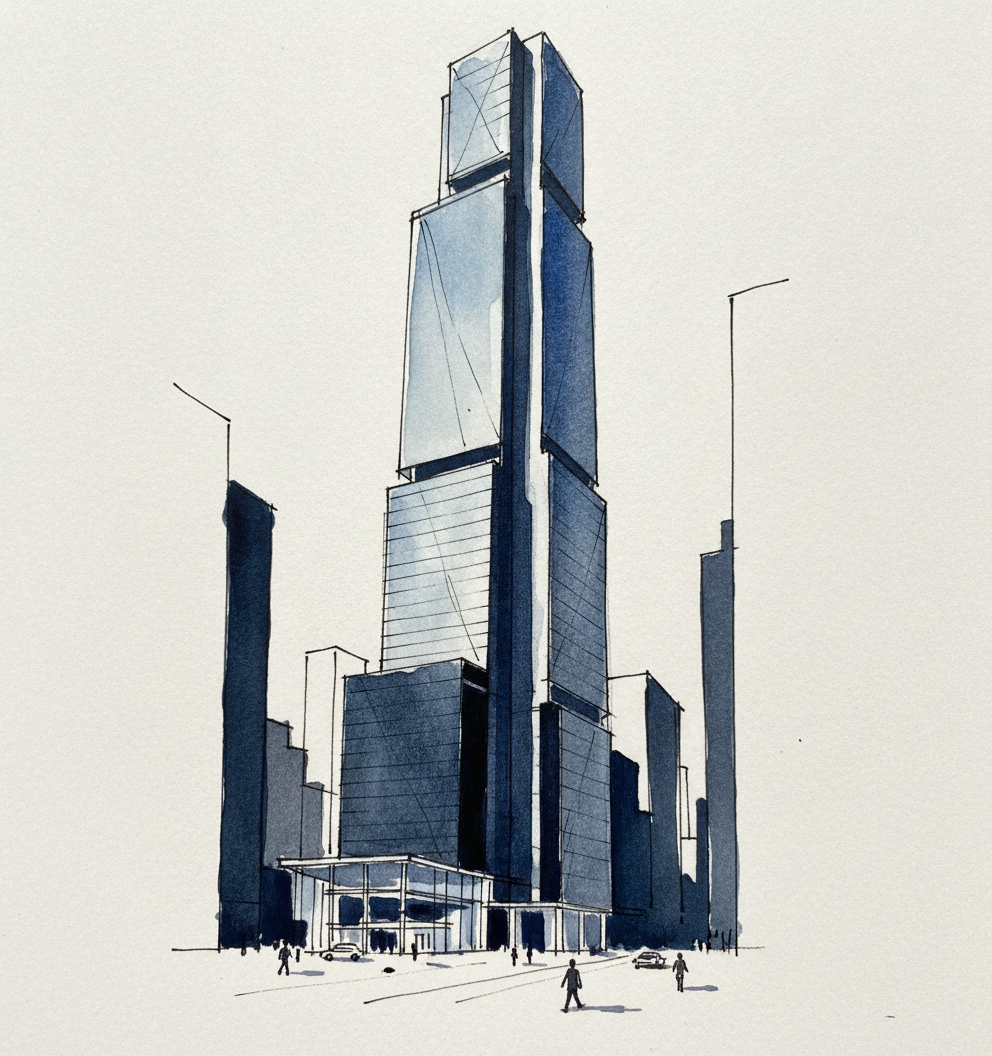
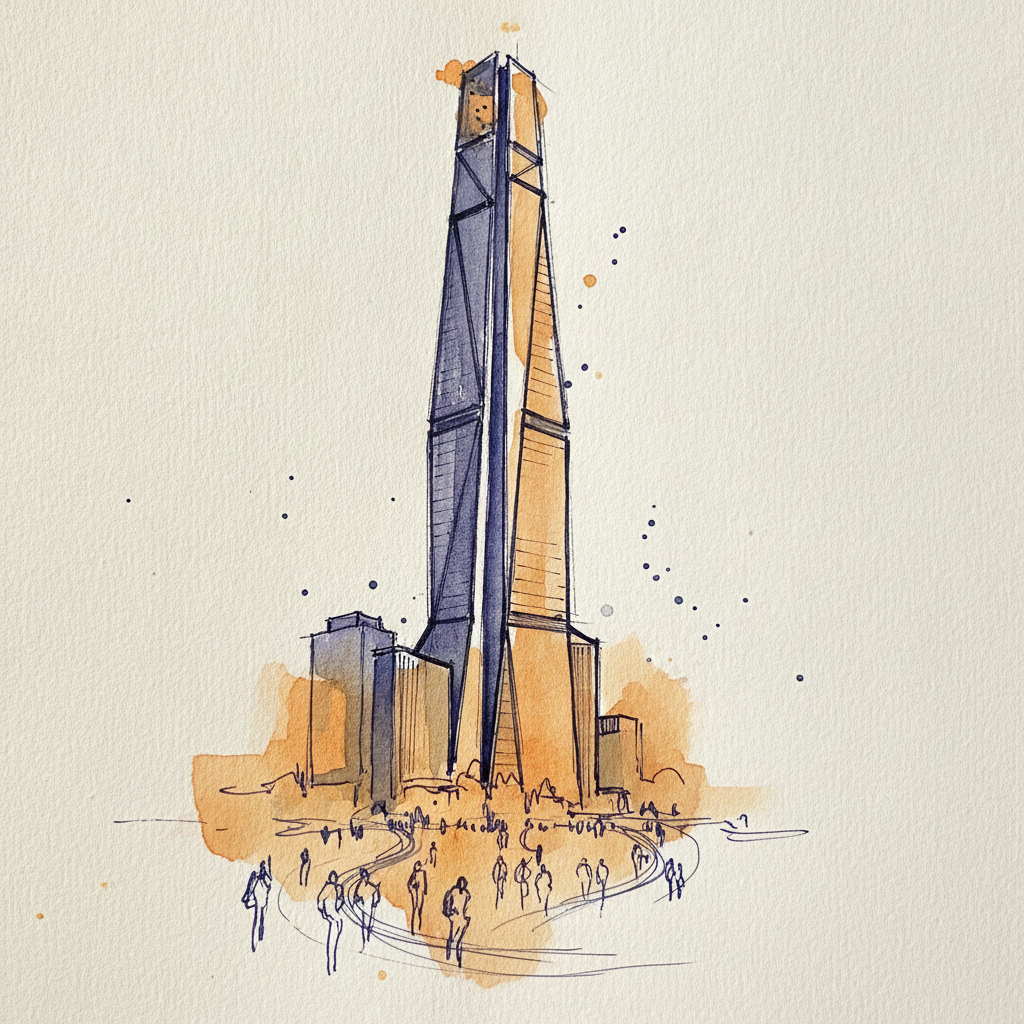
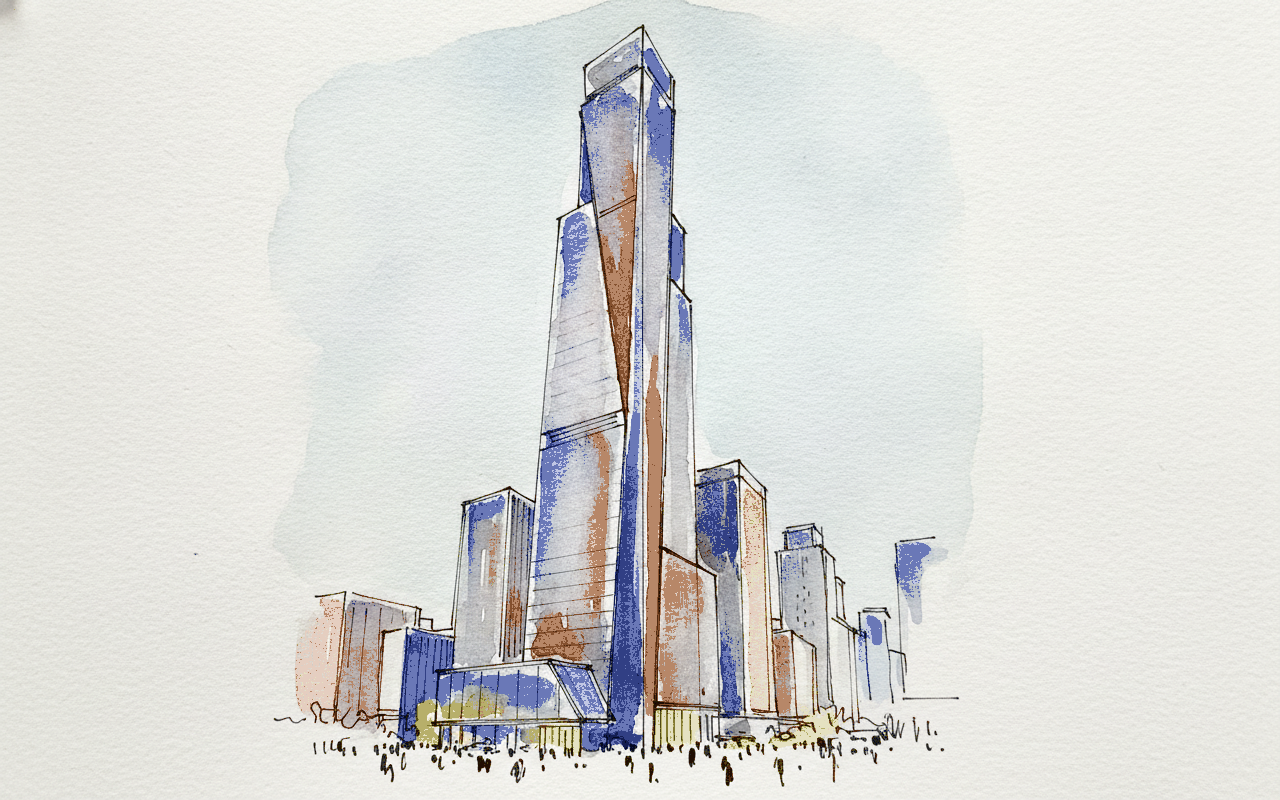
Piece 4 — One Vanderbilt, Midtown Manhattan, New York, NY, USA
Pen + Watercolor · Loose pen and watercolor line-and-wash
Three takes

Focus for this piece
This piece offers a compelling study in rendering complex architectural forms: focus on carefully observing and drawing the subtle inward taper and distinct stepping of the tower's four main volumes to establish its impressive height and three-dimensional presence. Vary your line weight, using firmer strokes for primary structural edges and lighter, broken lines to suggest the glazed base and the intricate vertical fins of the crown. When applying washes, pay close attention to the value shifts that define each stepped plane, contrasting the solid forms with more atmospheric, reflective washes for the mirrored observation deck. This approach allows the ink to provide precise structure while the watercolor captures the building's scale and interplay of light.
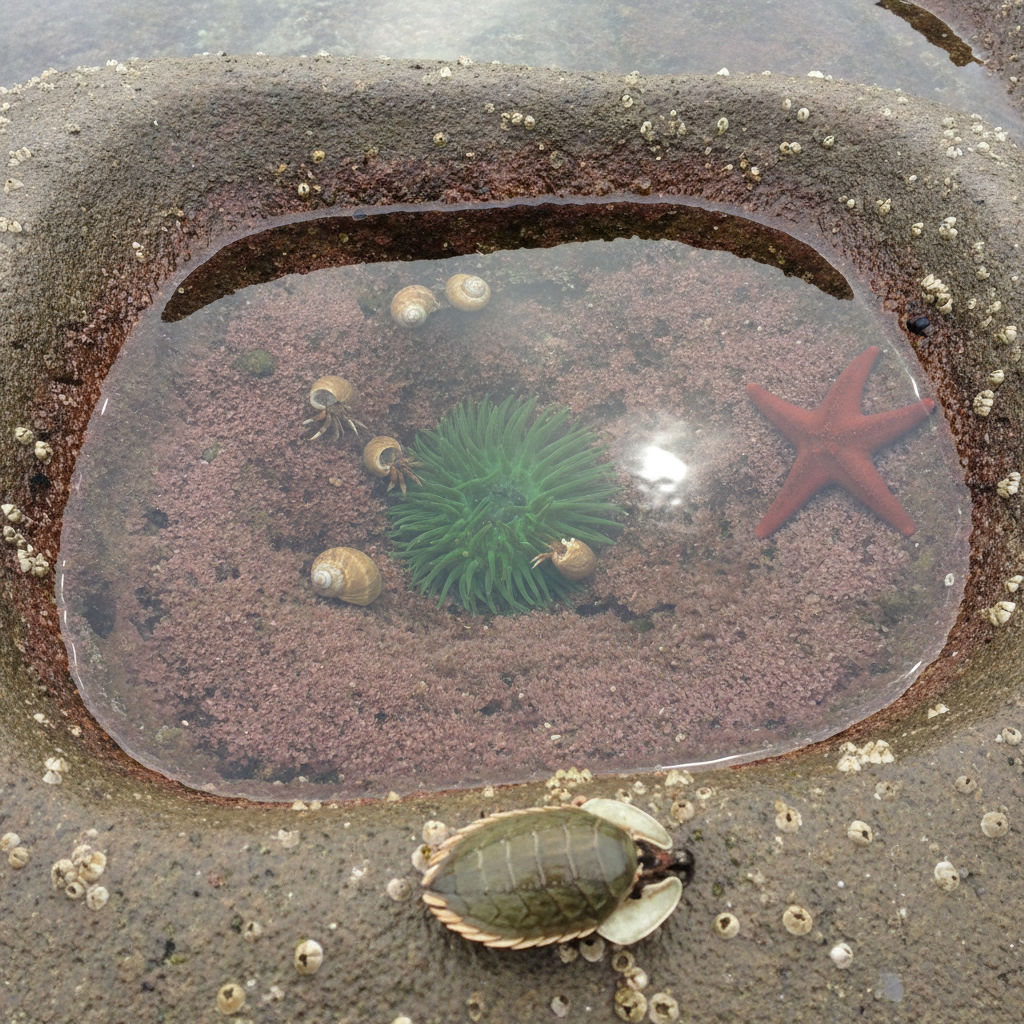
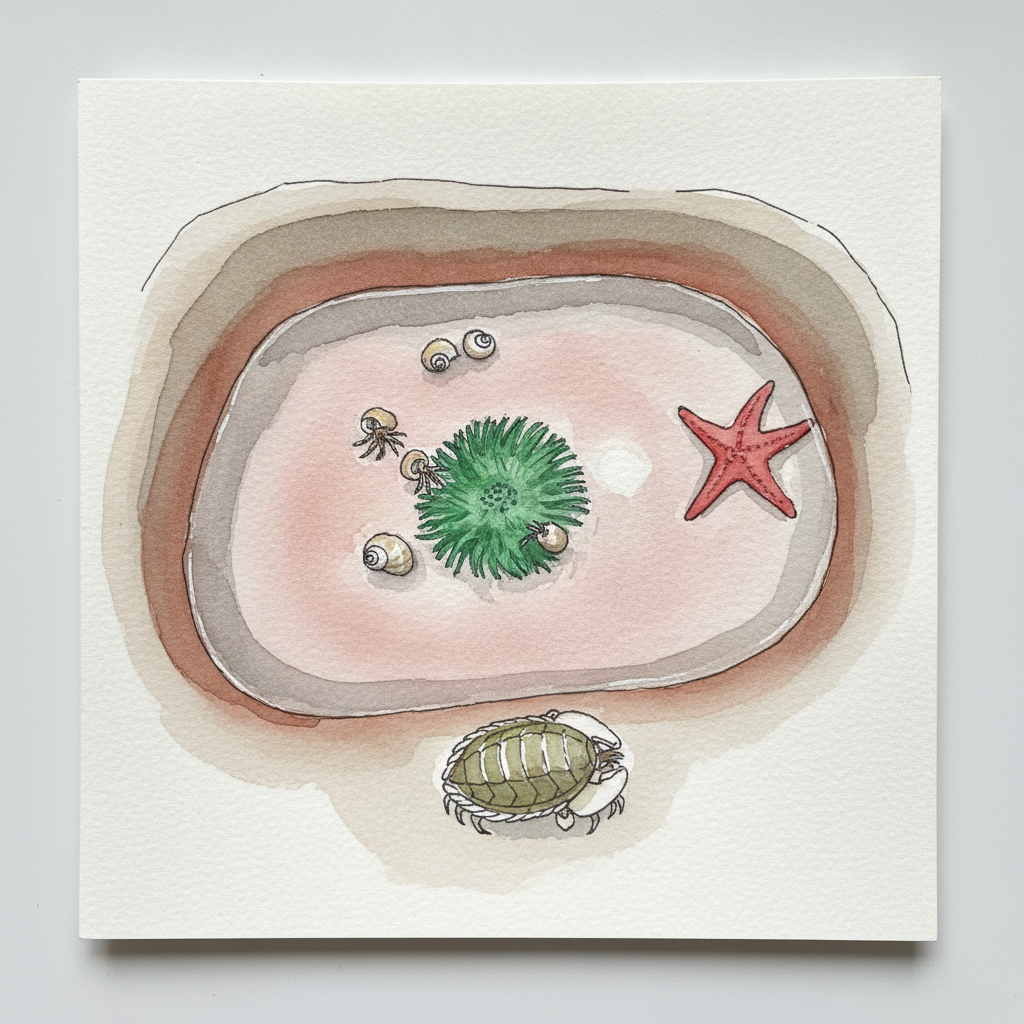
Piece 5 — Tide pool at Botanical Beach, Vancouver Island
Pen + Watercolor · Loose pen and watercolor line-and-wash
Three takes
Focus for this piece
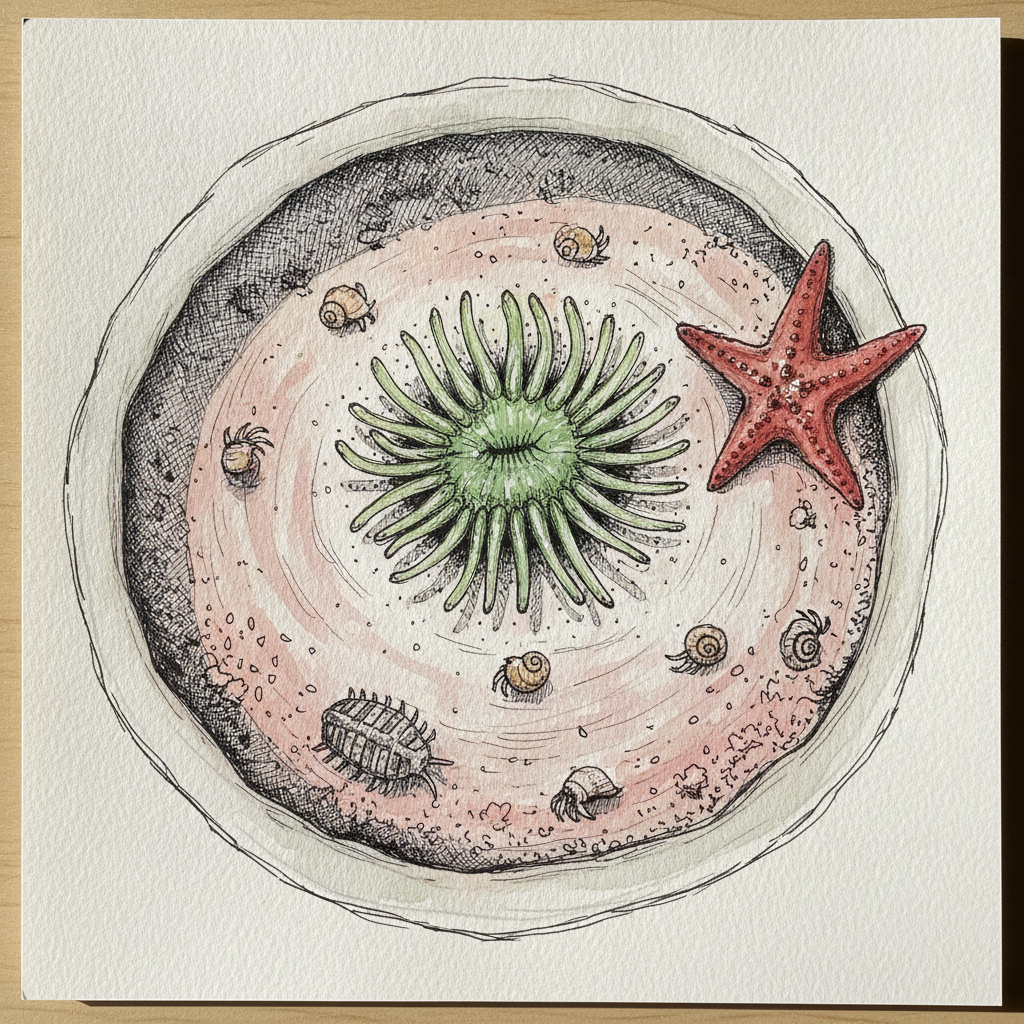
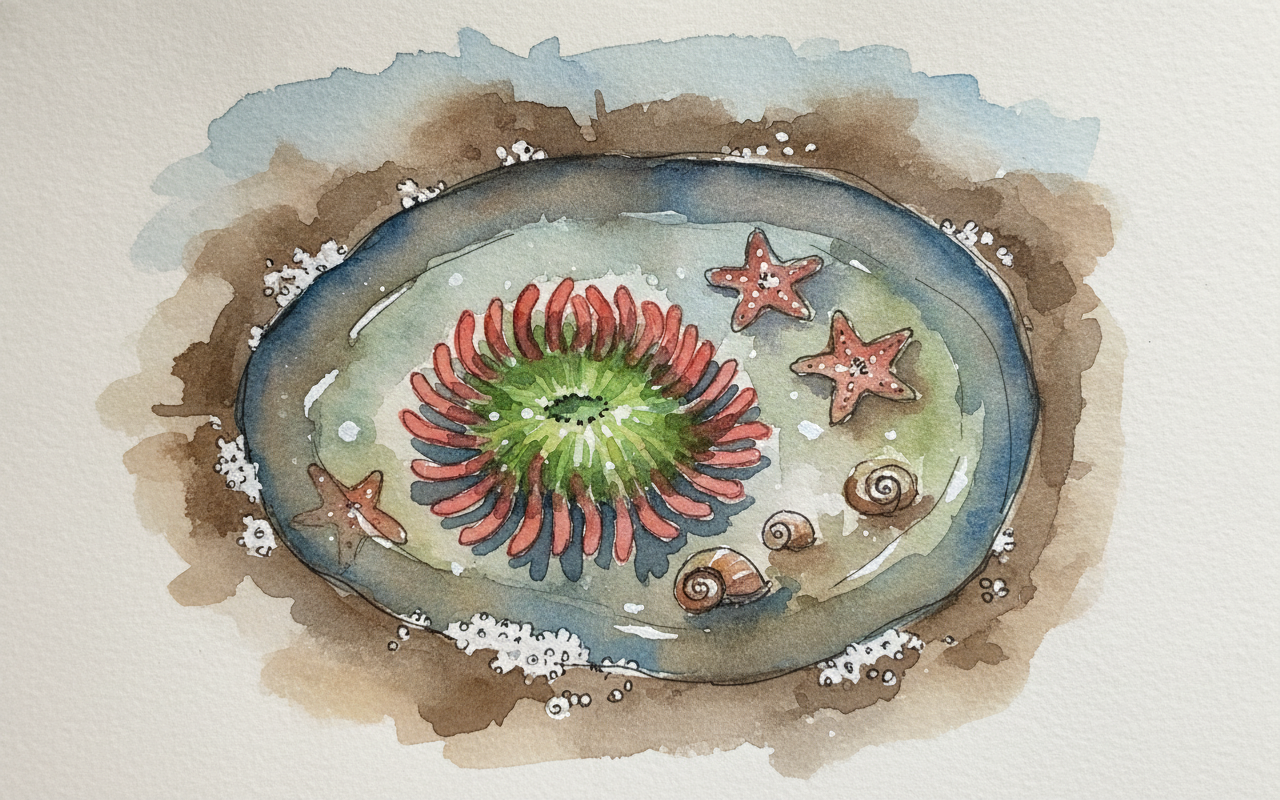
This piece is ideal for exploring the interplay of organic shapes and vibrant color accents. Practice using fluid, varied ink lines to define the rounded sandstone and the sinuous forms of the anemone's tentacles, allowing soft, layered washes to build the rich pinks of the coralline algae. Reserve your most saturated, brilliant green for the anemone itself, letting its strong hue anchor the composition and provide a striking counterpoint to the softer, dappled light. Finally, use crisp, finer ink details and a slightly drier brush approach to articulate the layered plates of the foreground chiton, adding textural variety.
Piece 6 — The east gopuram of Meenakshi at sunrise
Pen + Watercolor · Loose pen and watercolor line-and-wash
Three takes
Focus for this piece
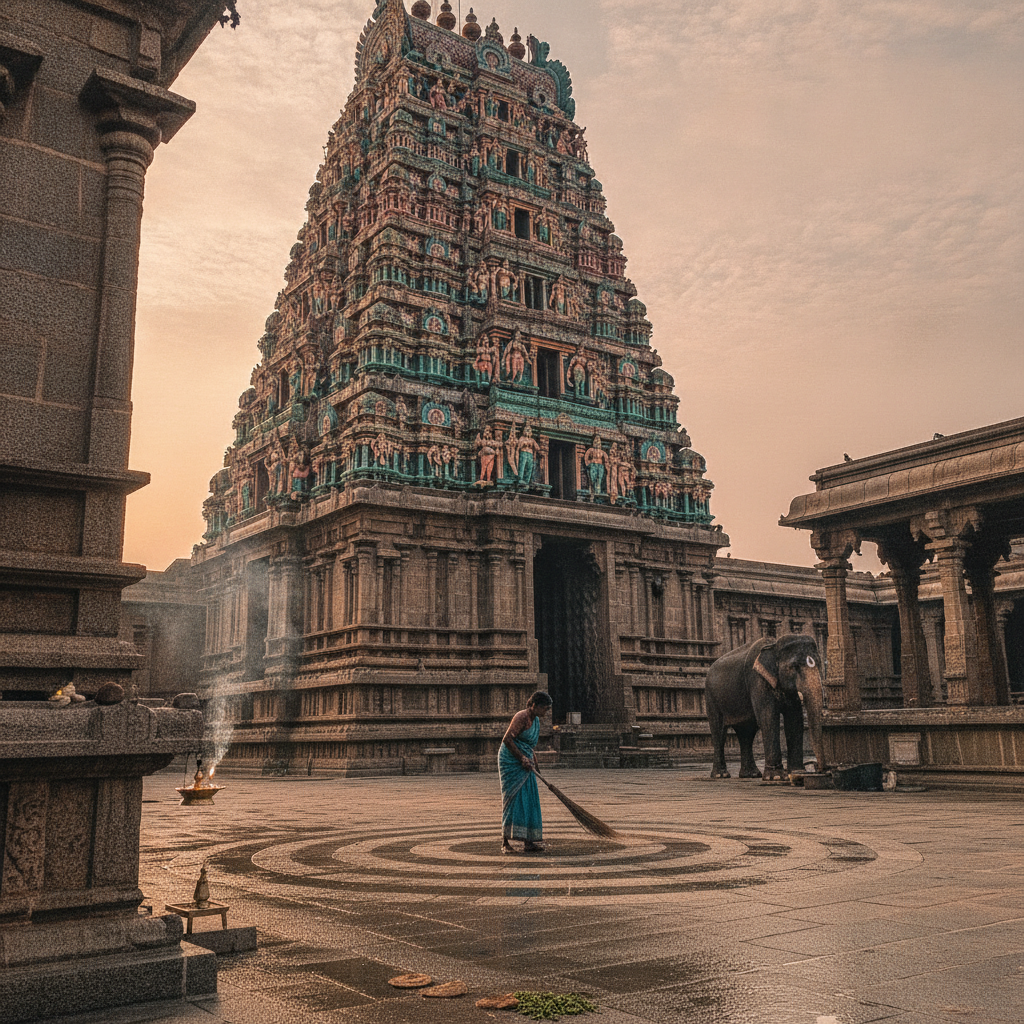
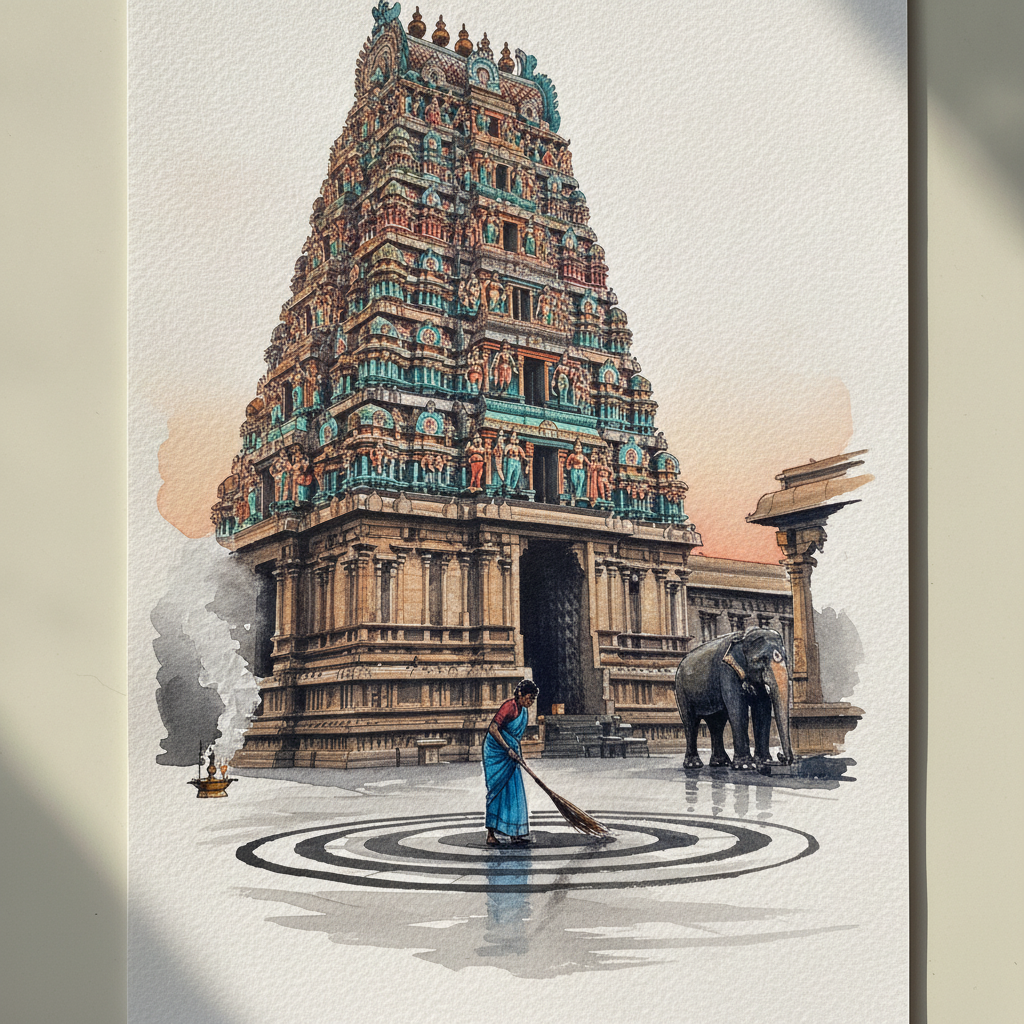
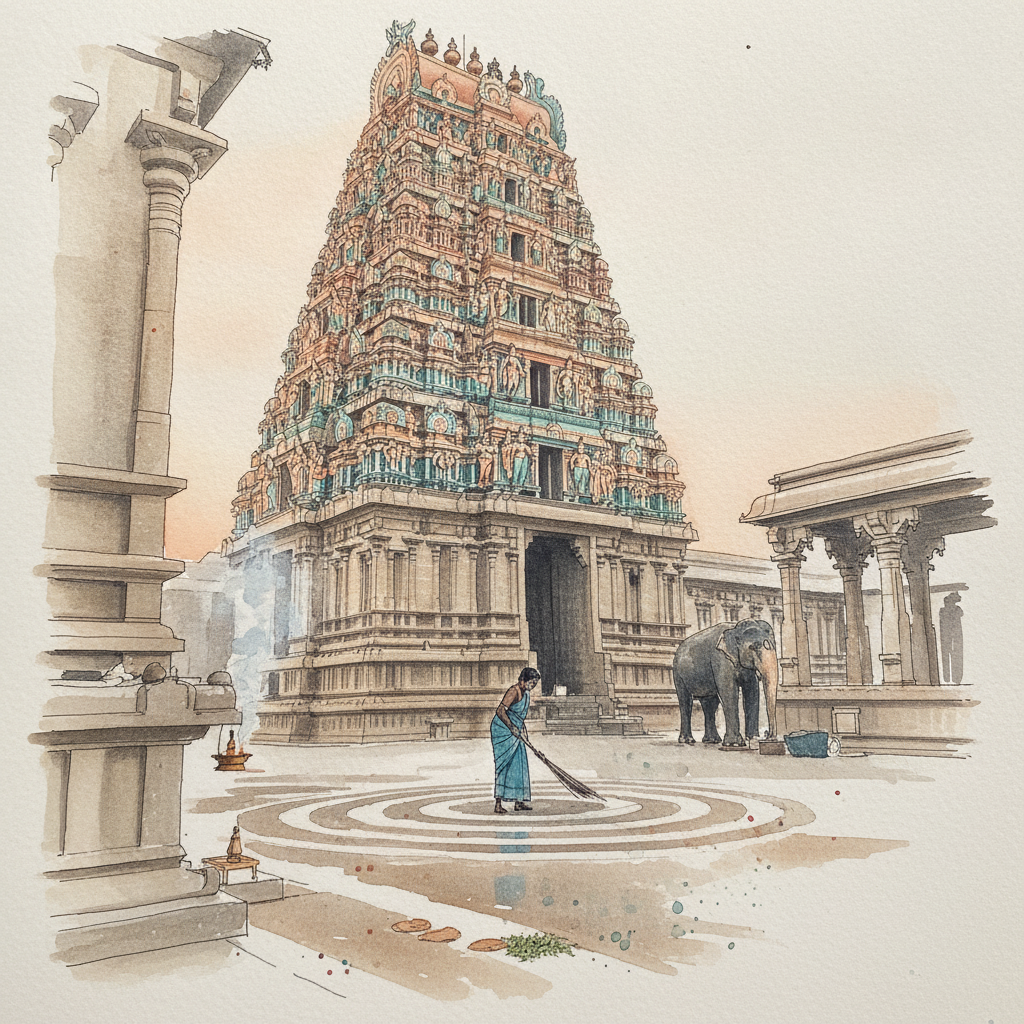
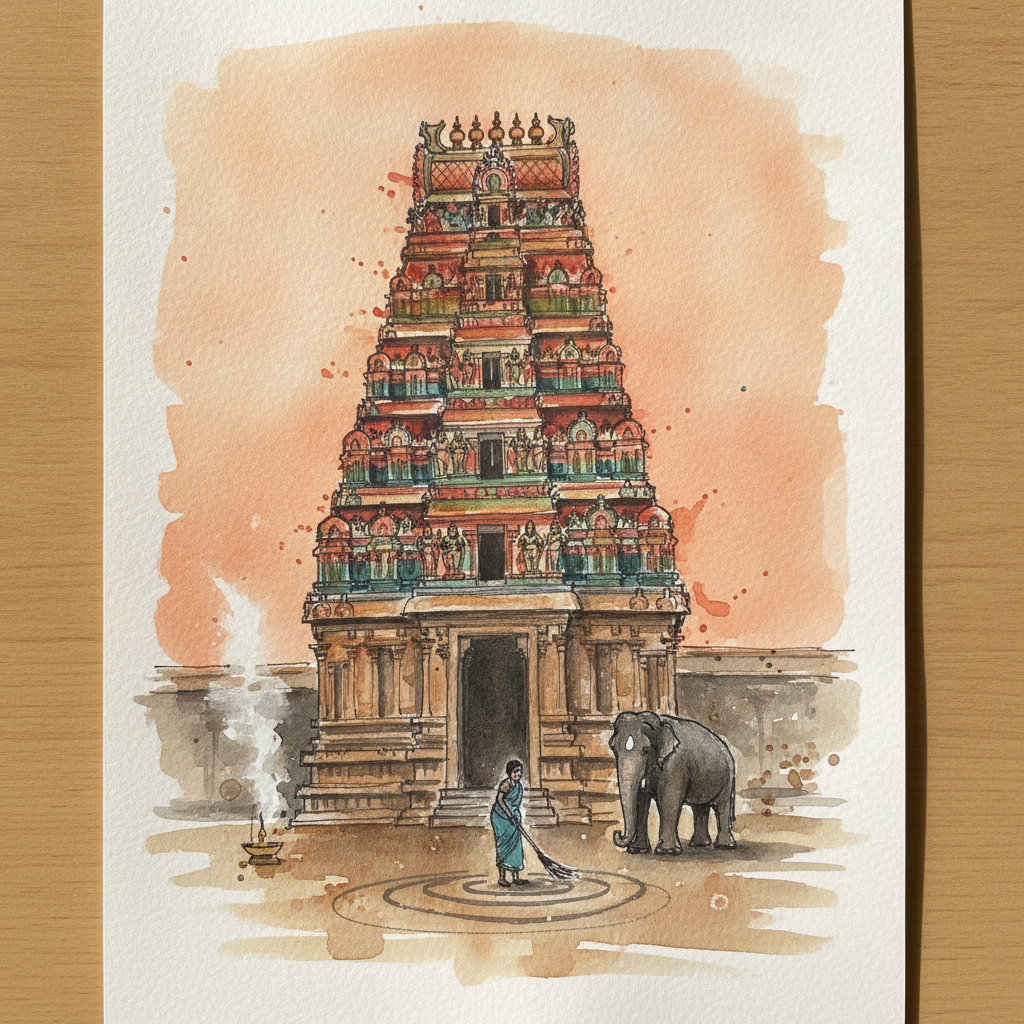
This piece challenges you to balance overwhelming architectural detail with atmospheric light. Use varied pen weights to suggest the thousands of stucco figures, defining clearer forms at the lower, sunlit tiers and letting figures higher up resolve into textural marks. Layer warm, concentrated washes of turquoise, cinnabar, and saffron to capture the polychrome vibrancy and the low sun's glow, letting softer apricot washes define the sky and atmospheric depth.
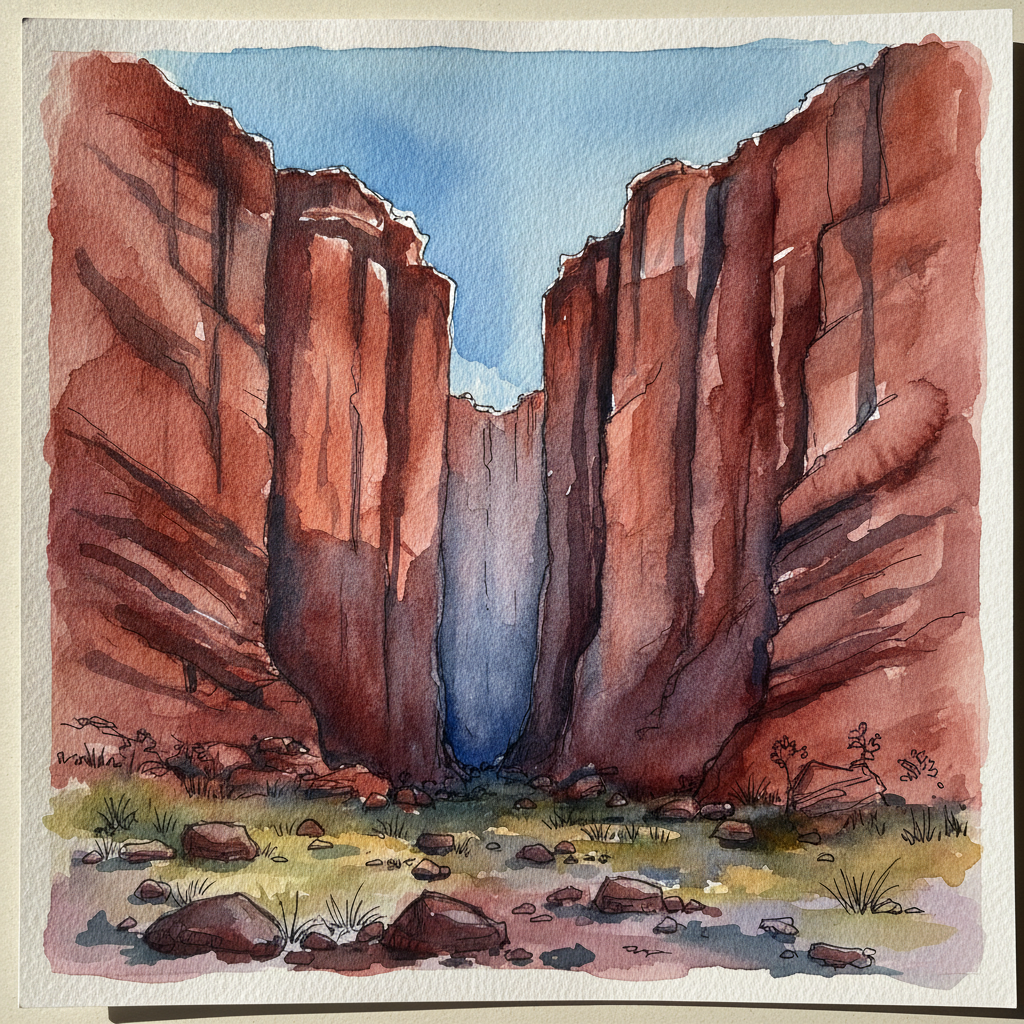
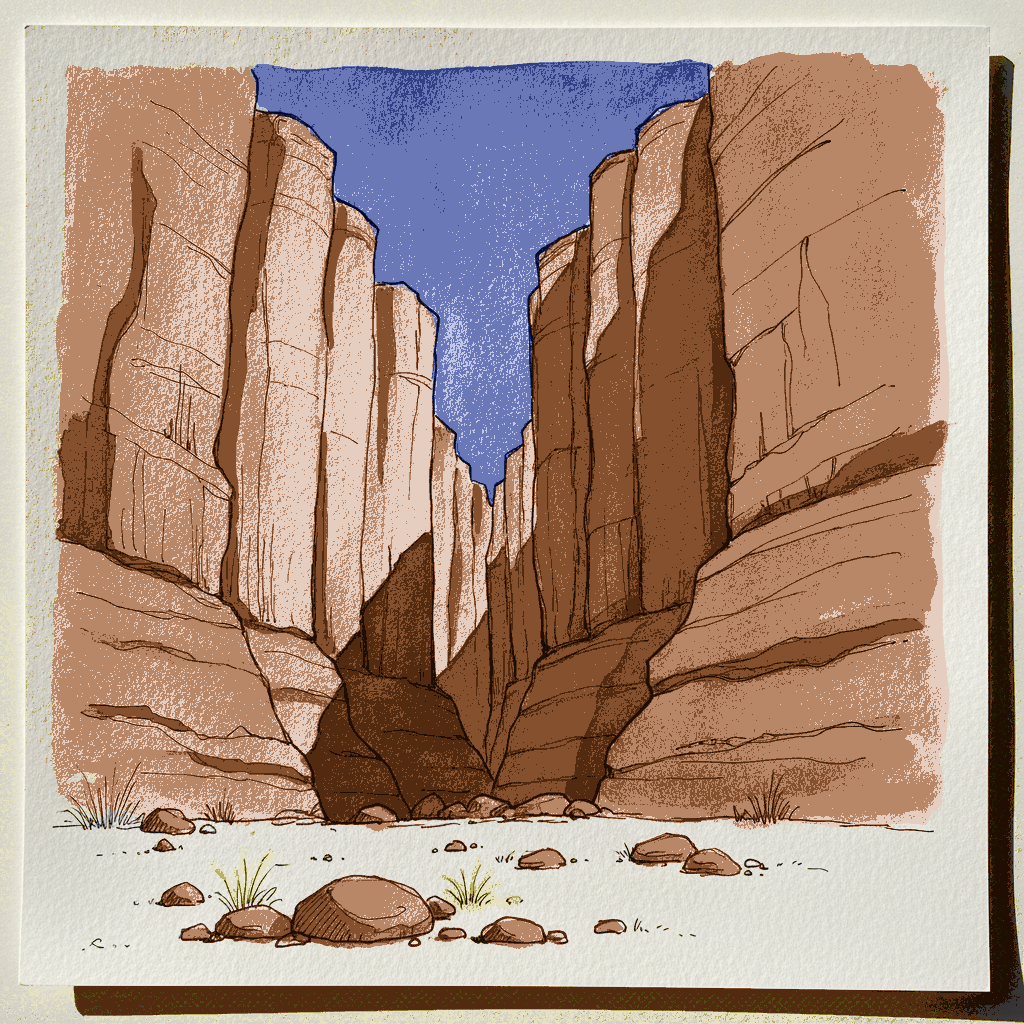
Piece 7 — Garganta del Diablo, Quebrada de Cafayate, Argentina
Pen + Watercolor · Loose pen and watercolor line-and-wash
Three takes

Focus for this piece
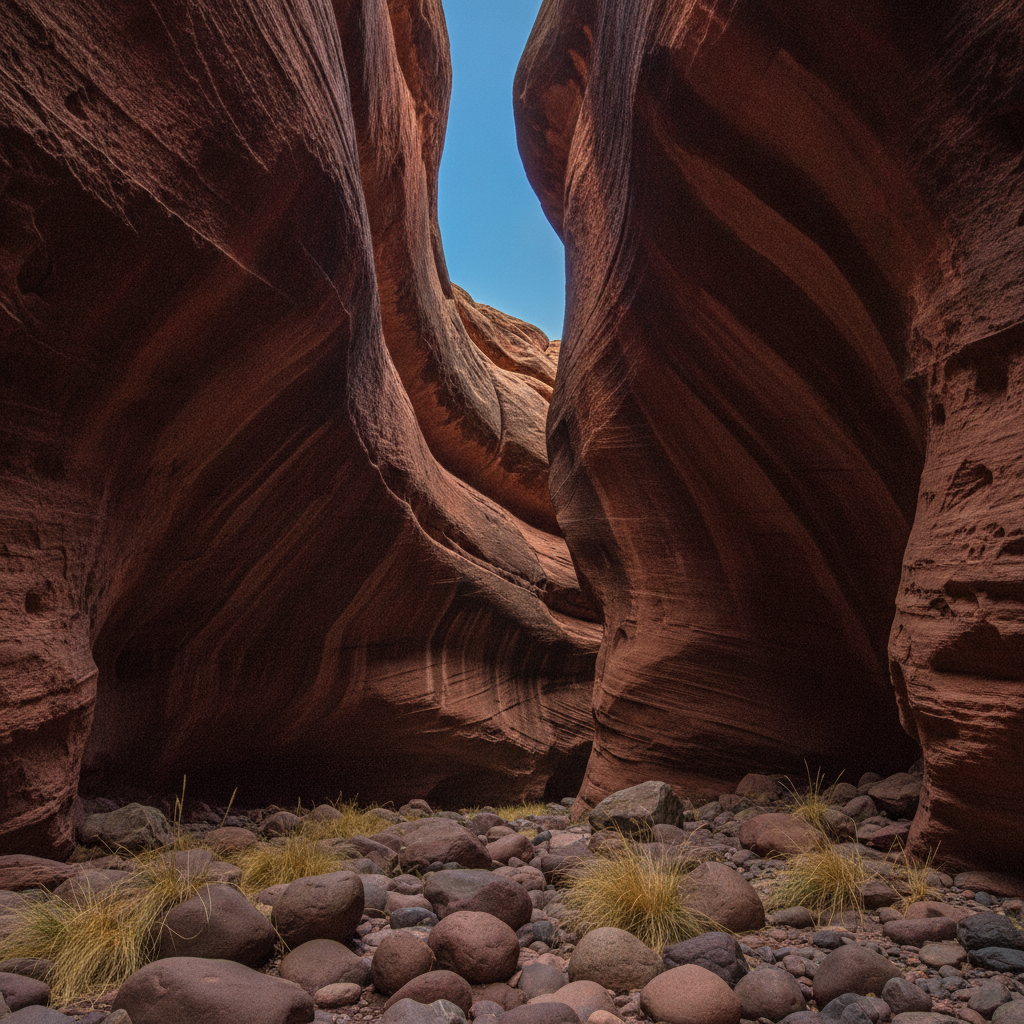
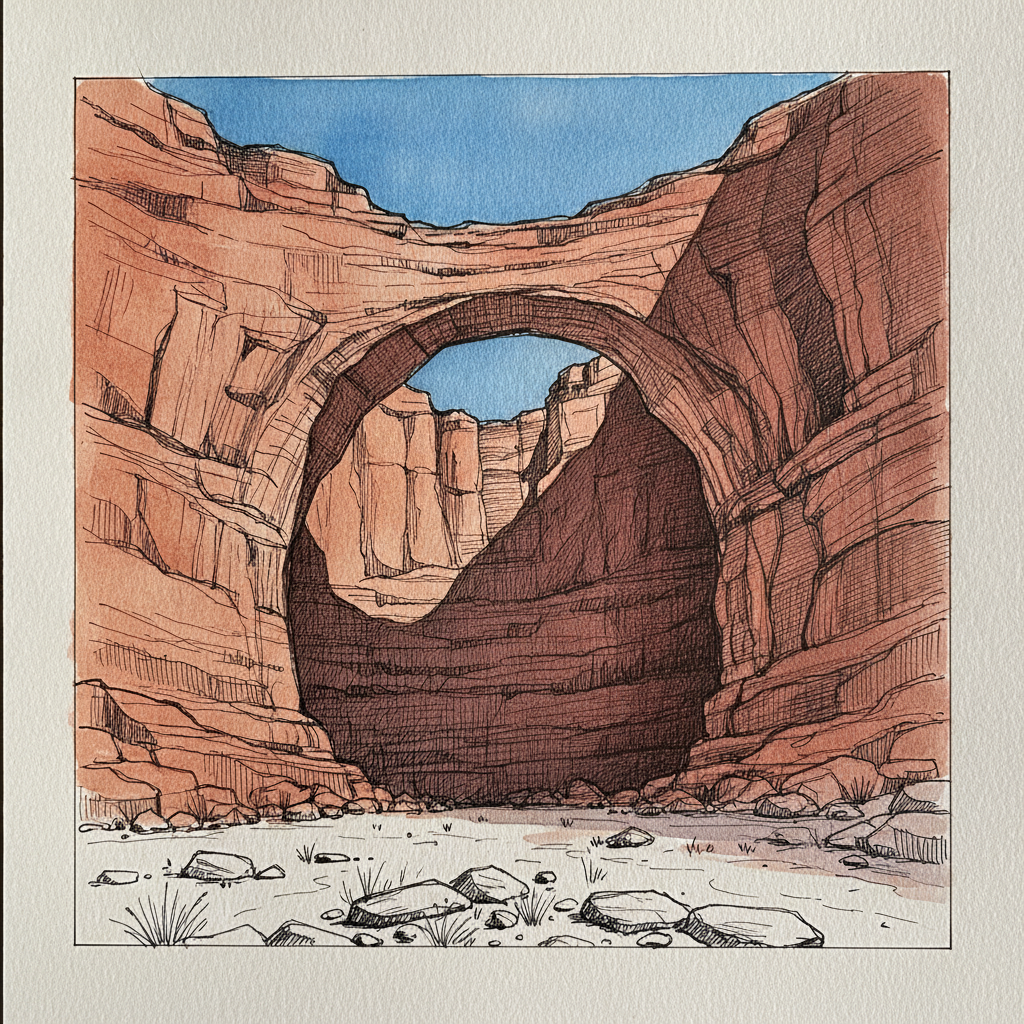
For this piece, focus on using varied pen line weights and broken lines to articulate the dramatic, fluted curves of the canyon walls, reserving your heaviest marks for the foreground stones. Practice building volume and the cool, shaded atmosphere of the amphitheater by layering deep maroon washes, ensuring a stark value contrast against the brilliant, crisp edge of the blue sky slot. This limited palette study emphasizes using strong values and expressive lines to create a sense of imposing scale and contained space.
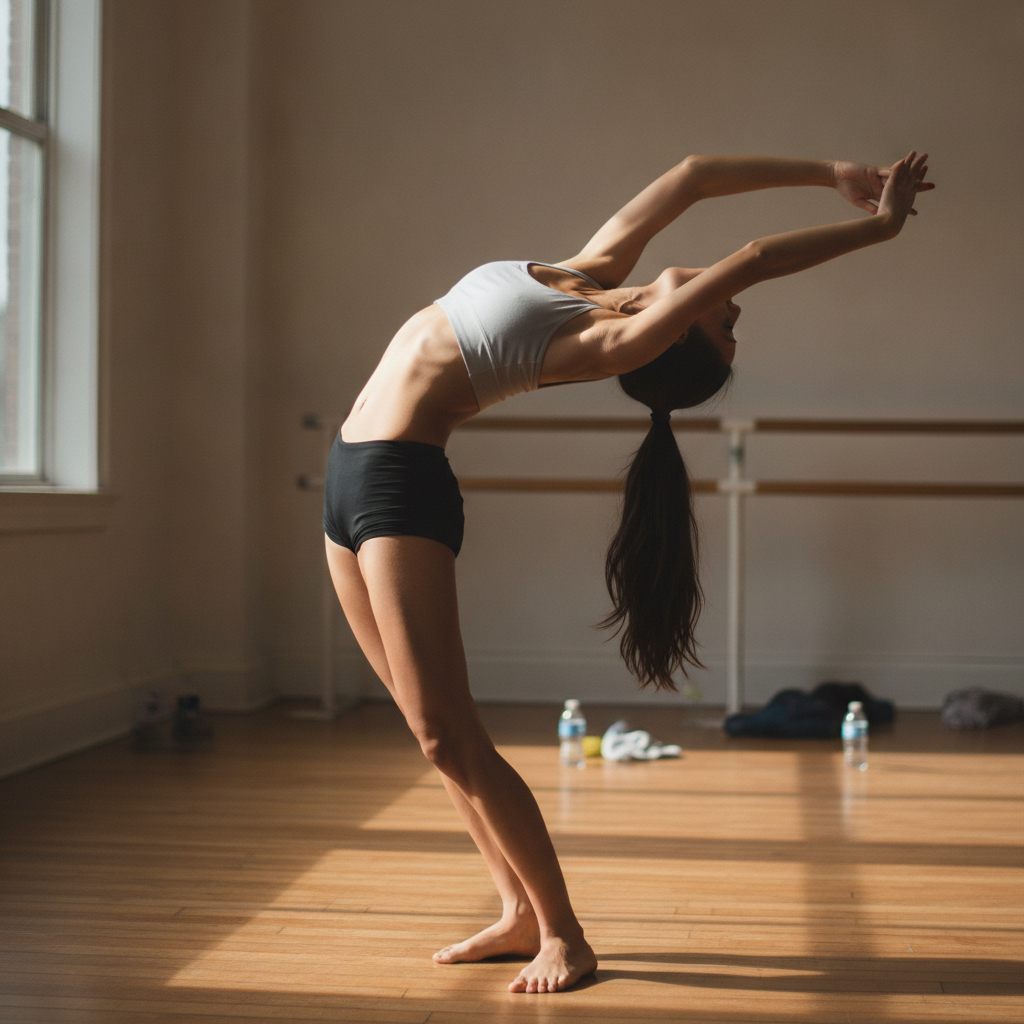
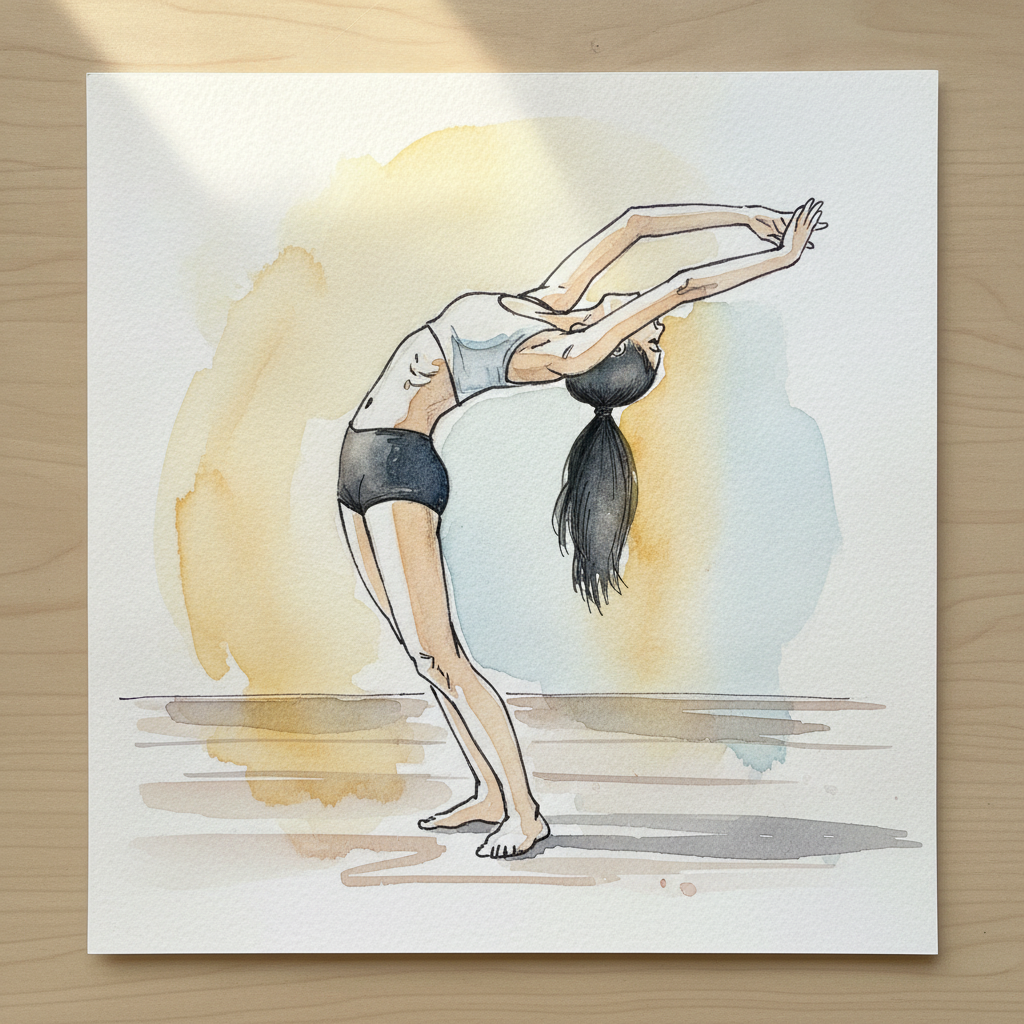
Piece 8 — Reclining propped on both elbows, legs extended and crossed
Pen + Watercolor · Loose pen and watercolor line-and-wash
Three takes
Focus for this piece
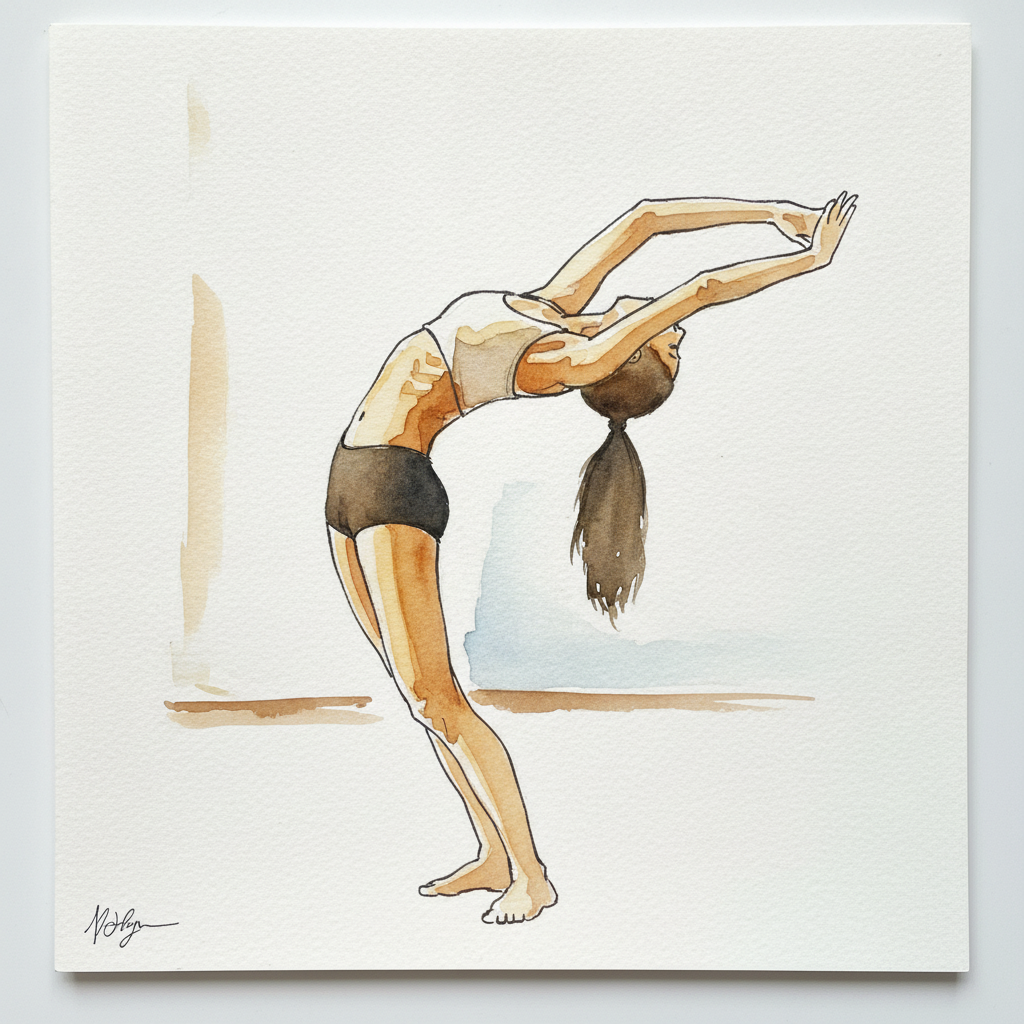
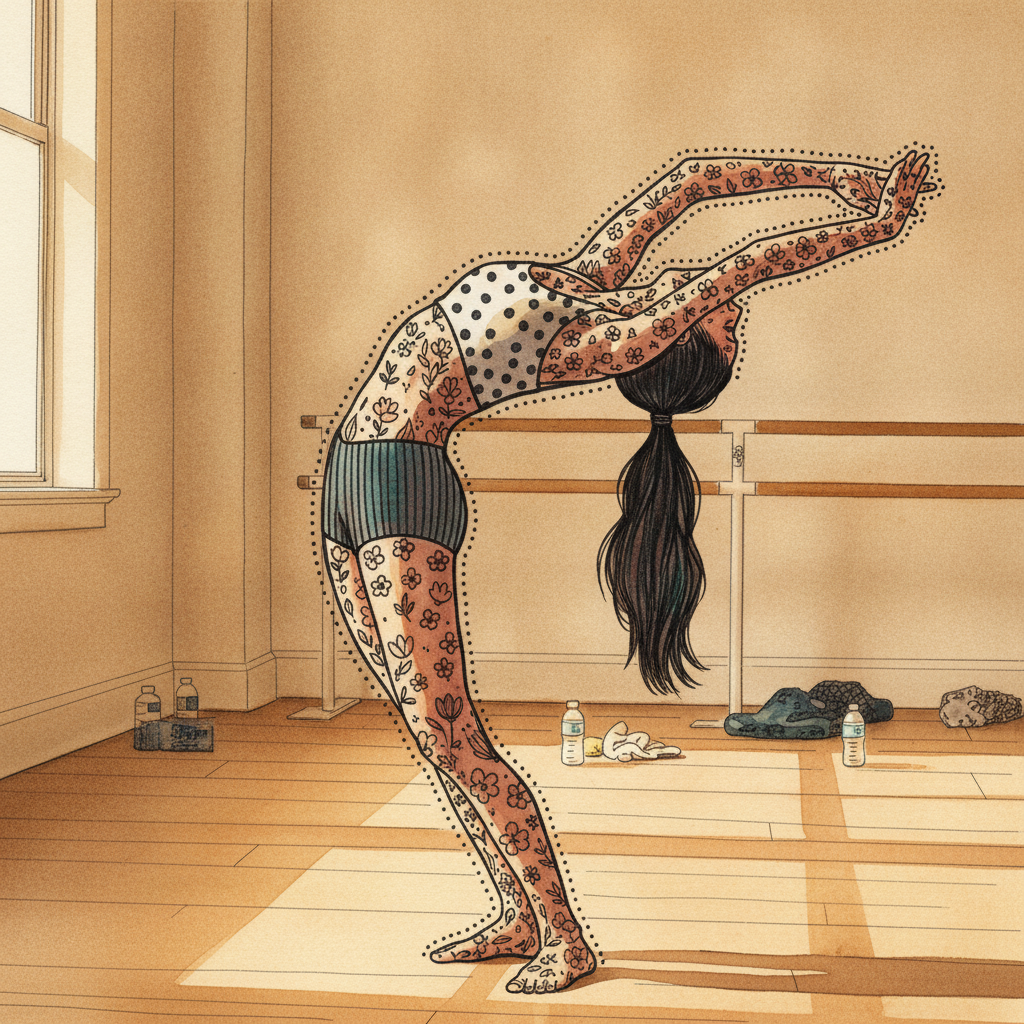
This piece offers a compelling study in rendering complex anatomical curves and volume through the combined strengths of line and wash. Use varied pen weights to define the continuous arch of the spine and the delicate tension of the ribcage, emphasizing the "sensory line" from fingertips to belly. Then, apply careful, graded washes to sculpt the intercostal hollows, allowing the raking morning light to create form through subtle value shifts and sharp contrasts.