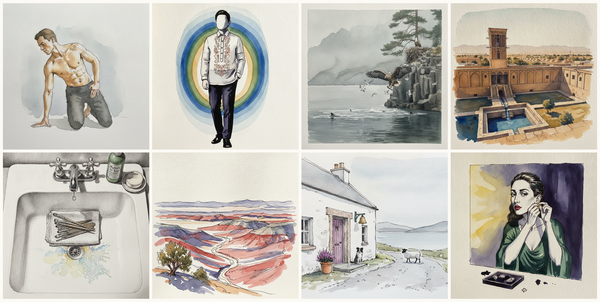
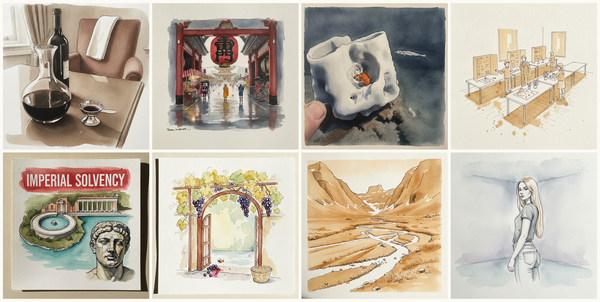
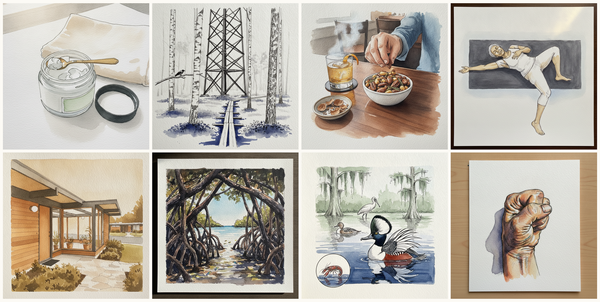
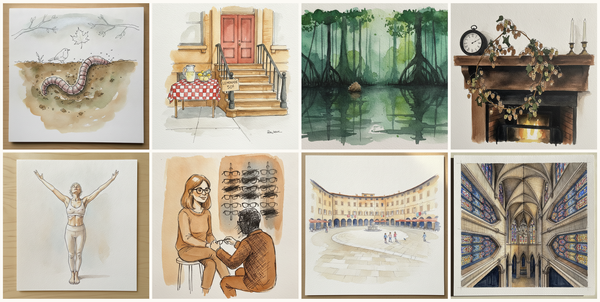
Standing reaching across to high shelf opposite side, Mallorcan finca door in dry-stone wall, almond blossom, Doi Suthep summit forest, Thailand — Wat trail, Acupuncture with needles, and more — pen + watercolor for October 13, 2026
AI-generated daily art-practice references for pen and watercolor: Standing reaching across to high shelf opposite side, Mallorcan finca door in dry-stone wall, almond blossom, Doi Suthep summit forest, Thailand — Wat trail, Acupuncture with needles, VM Houses, Copenhagen, Denmark, Mountain tapir…
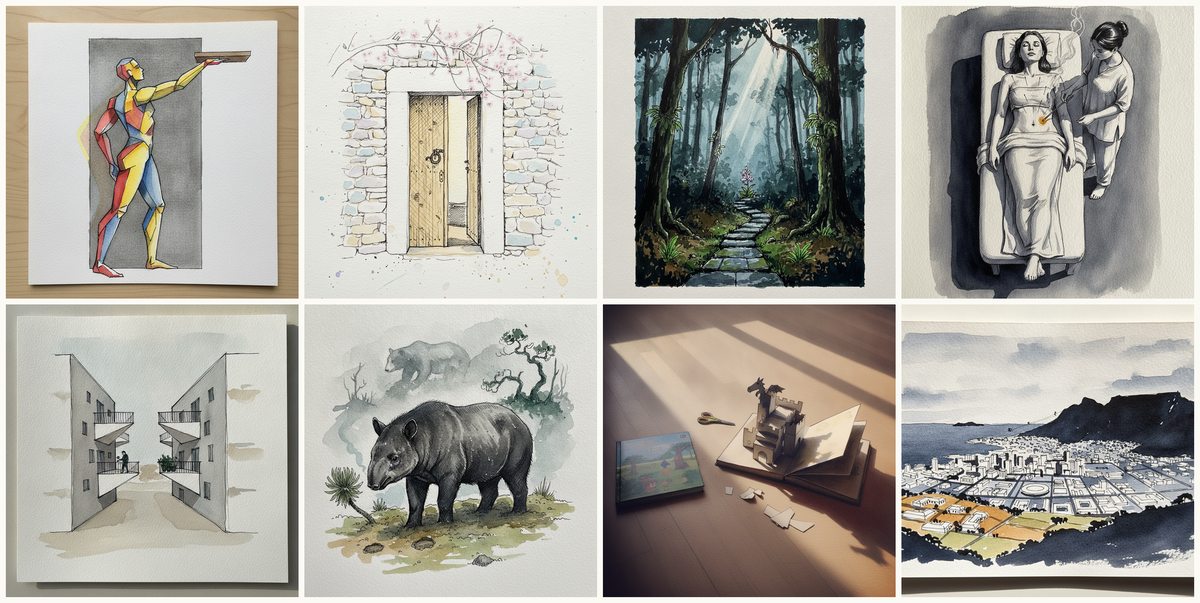
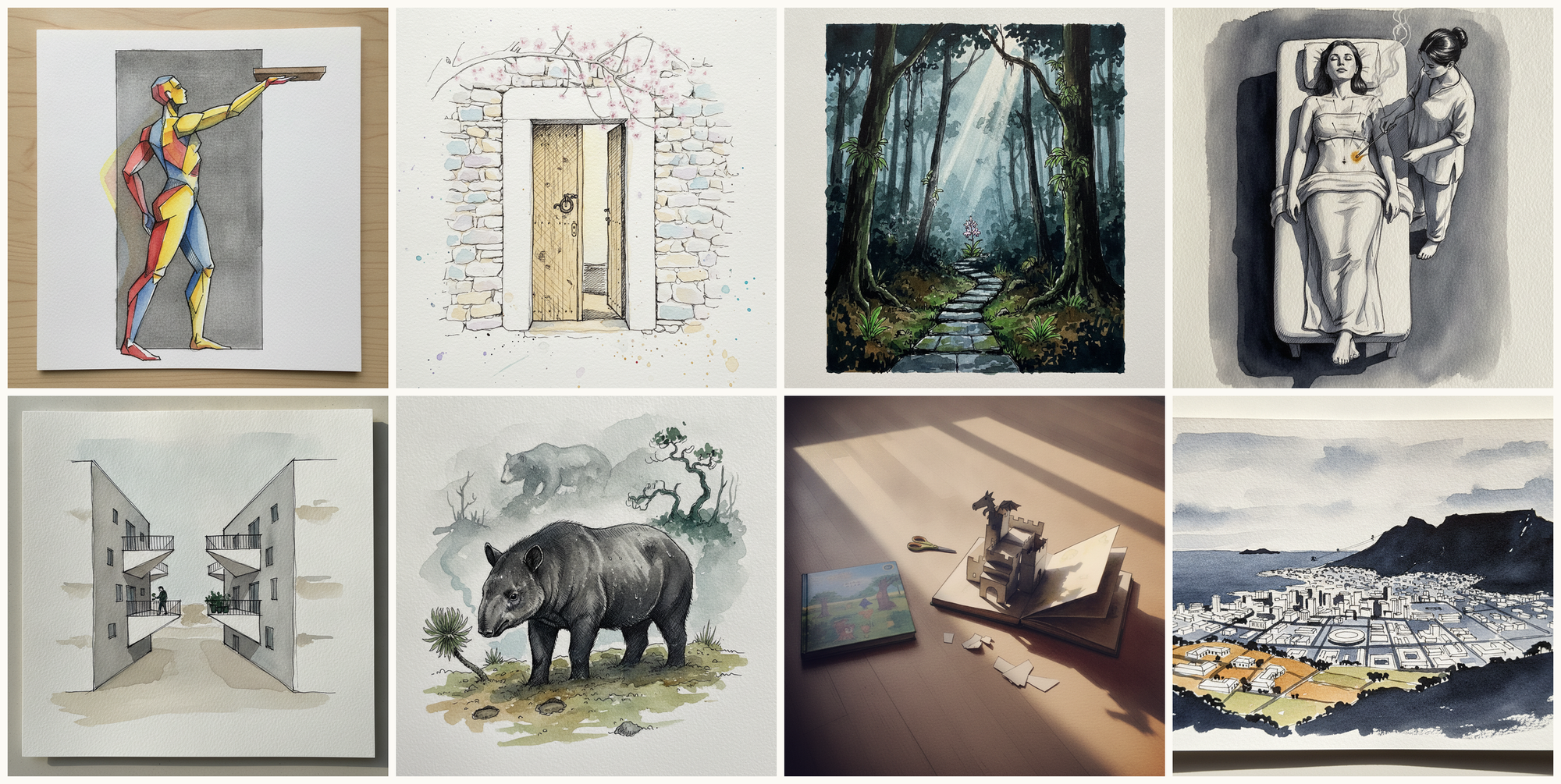
Today's 8 pen-and-watercolor pieces: Standing reaching across to high shelf opposite side, Mallorcan finca door in dry-stone wall, almond blossom, Doi Suthep summit forest, Thailand — Wat trail, Acupuncture with needles, VM Houses, Copenhagen, Denmark, Mountain tapir, Children's pop-up book half-opened, Cape Town from a Paragliding Launch, Lions Head. Each piece comes with an AI-generated photoreal reference, three AI-generated example artworks in different treatments, and a short focus paragraph naming what to study in this one.
Why these references use AI
This daily series uses AI-generated images as practice prompts, not as finished artwork to copy. Each subject starts with a synthetic photoreal reference generated with Gemini/Nano Banana, then moves into three pen-and-watercolor interpretations of the same subject.
I use AI here because daily art practice needs variety and low friction. Real life can get repetitive, busy, or visually narrow. These generated reference sets make it easier to study bodies, buildings, animals, landscapes, objects, gestures, light, palettes, and compositions that might not show up in an ordinary day.
The goal is not to reproduce any image directly. Treat each set as a starting point for observation and study: choose what interests you, change the framing, simplify the subject, alter the palette, and make your own version.
Piece 1 — Standing reaching across to high shelf opposite side
Pen + Watercolor · Loose pen and watercolor line-and-wash
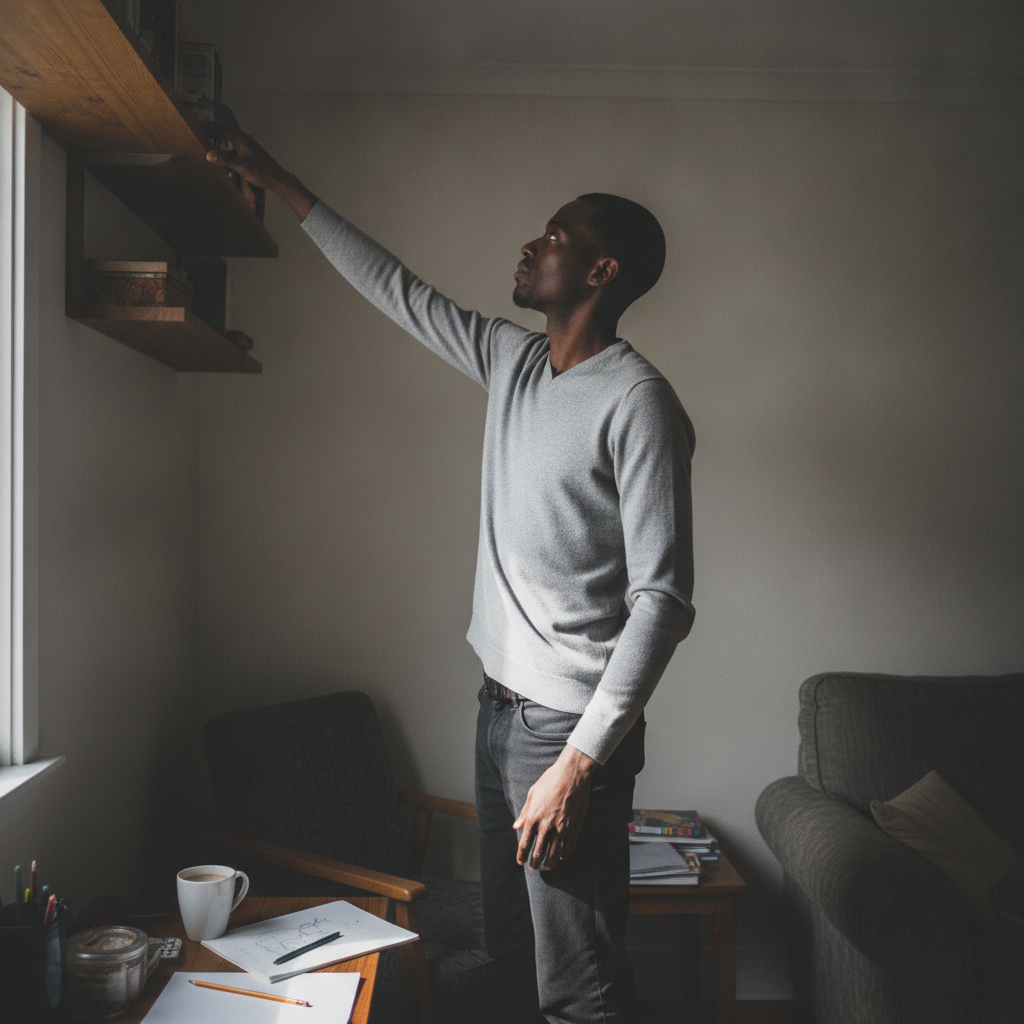
Three takes
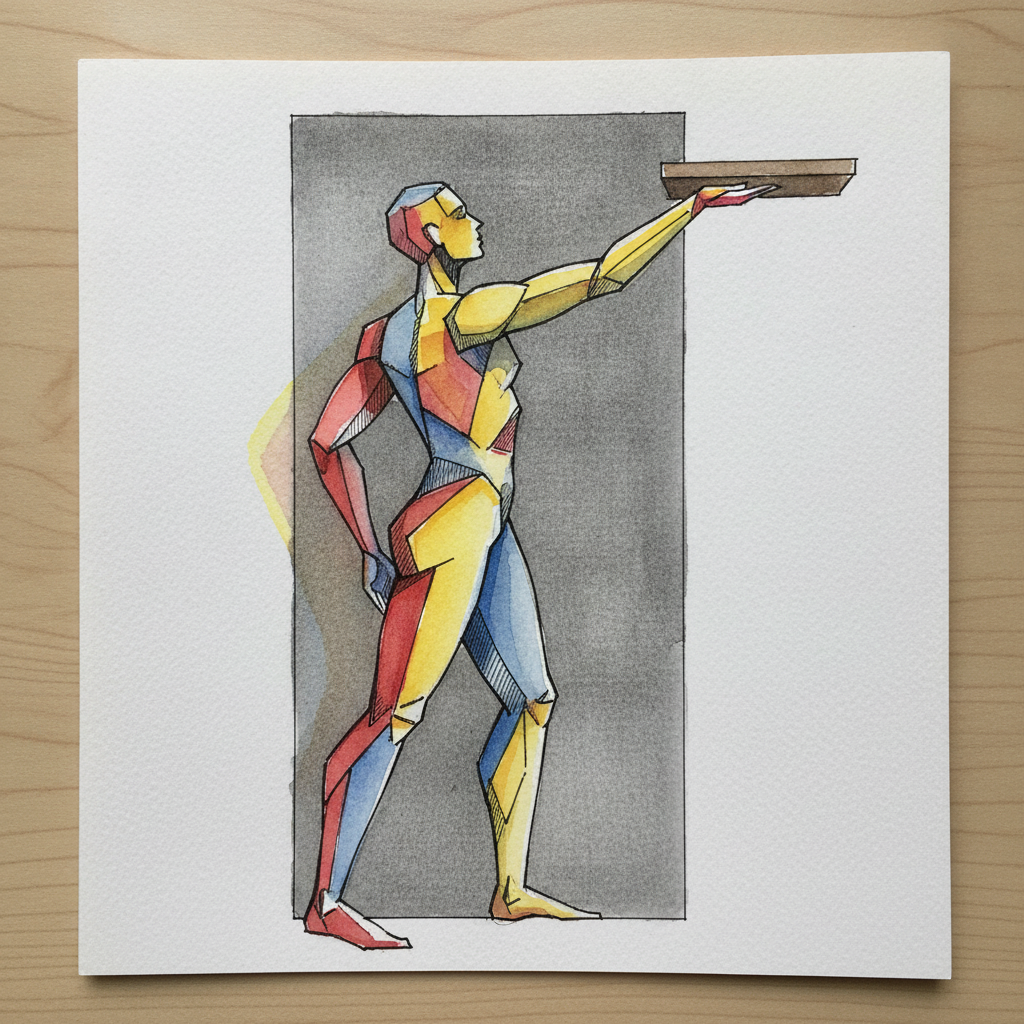
Focus for this piece
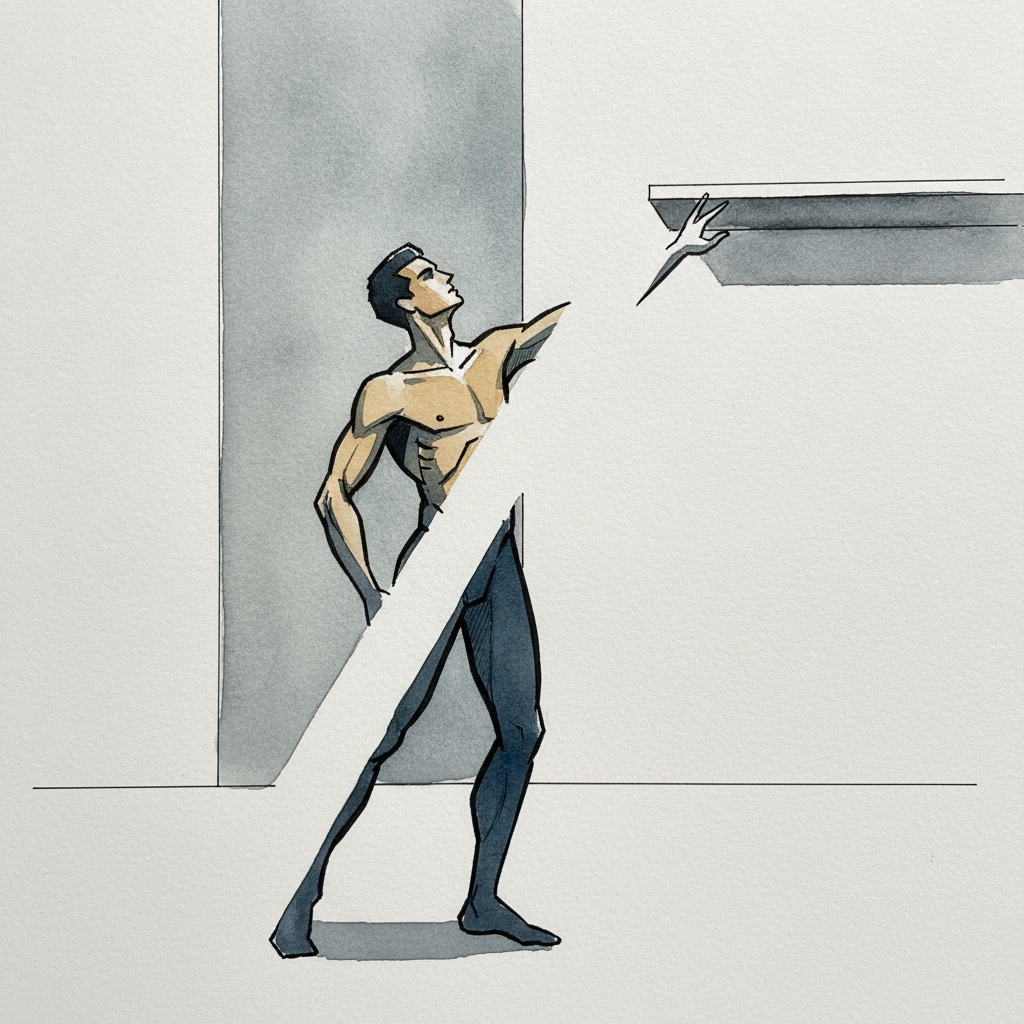
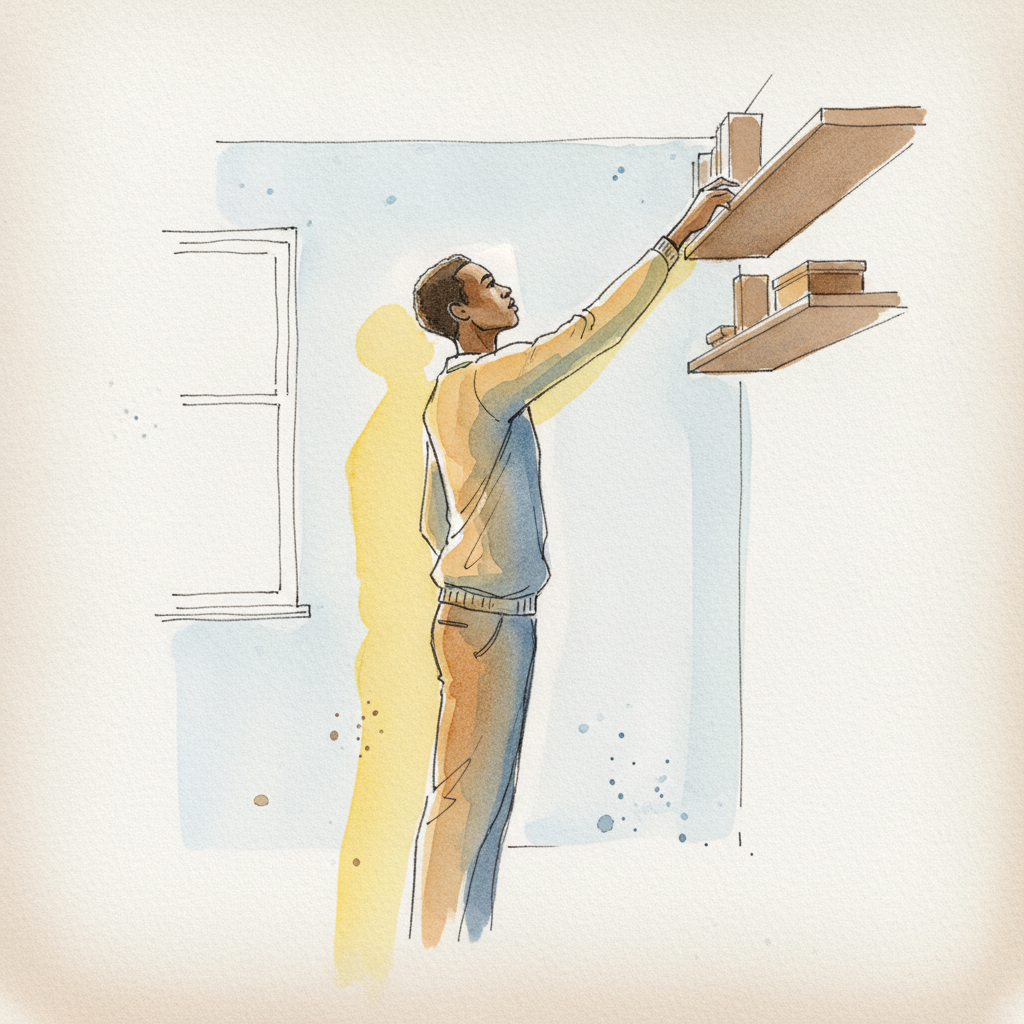
For this piece, focus on capturing the dynamic energy of the figure's reach and stretch. Use varying ink line weights to articulate the core diagonal of the torso and reaching arm, especially where the strong window light defines their form. Then, apply deliberate wet-on-wet watercolor washes to model the figure's lean physique and suggest the surrounding atmosphere, allowing those brightly lit areas to truly glow.
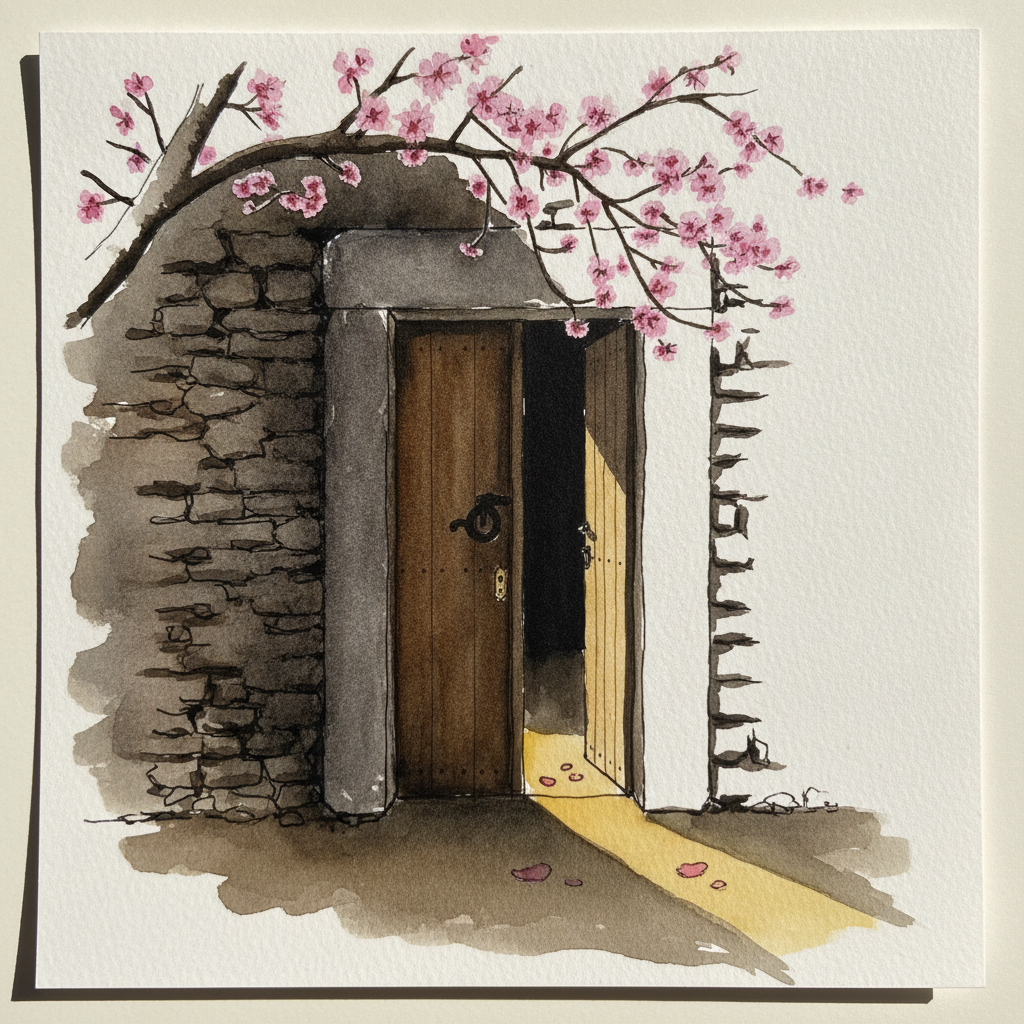
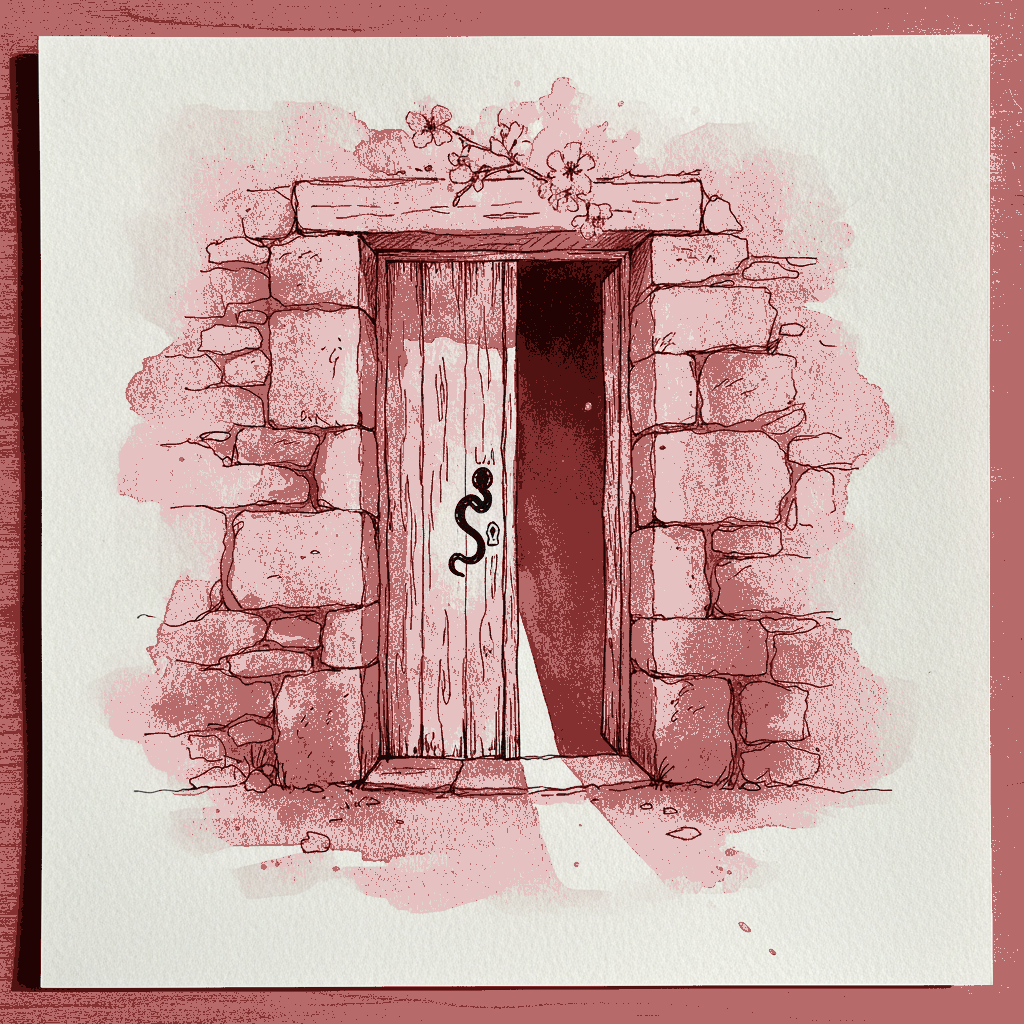
Piece 2 — Mallorcan finca door in dry-stone wall, almond blossom
Pen + Watercolor · Loose pen and watercolor line-and-wash
Three takes

Focus for this piece
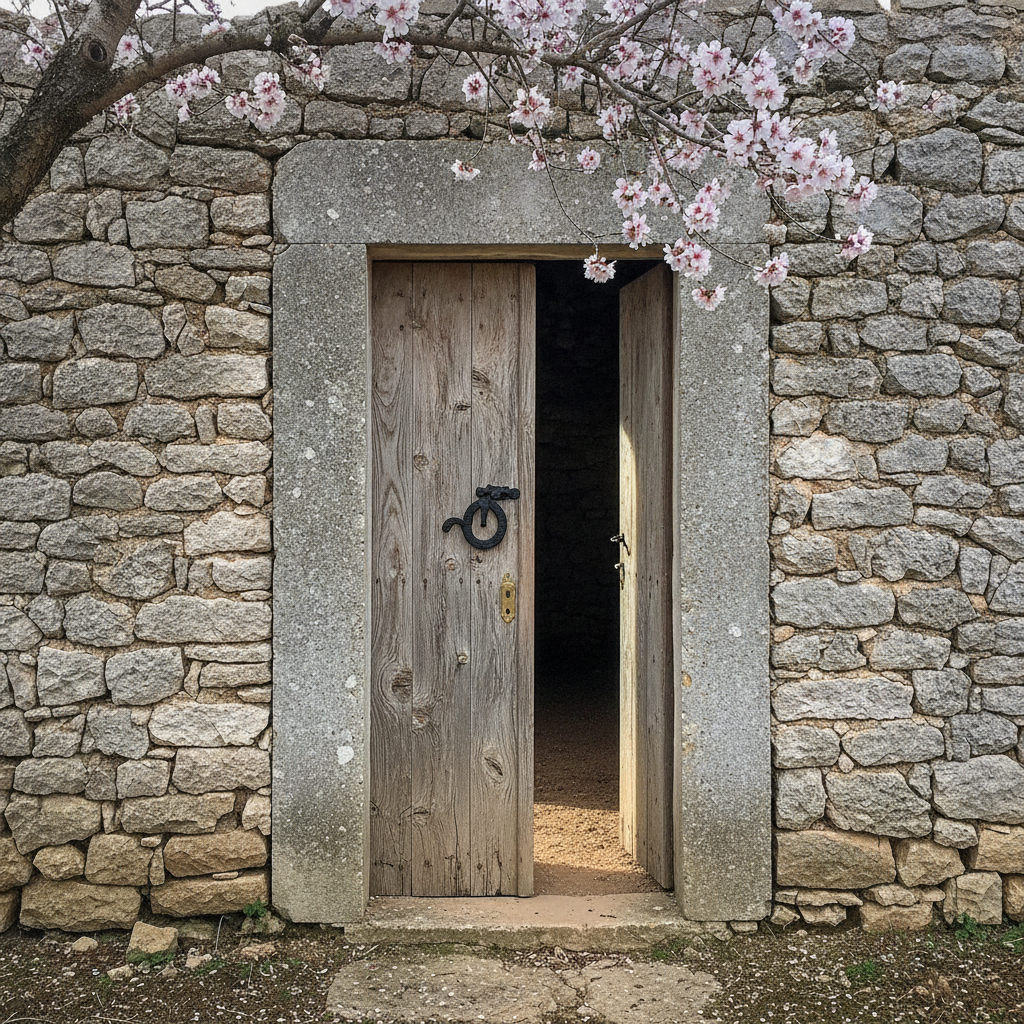
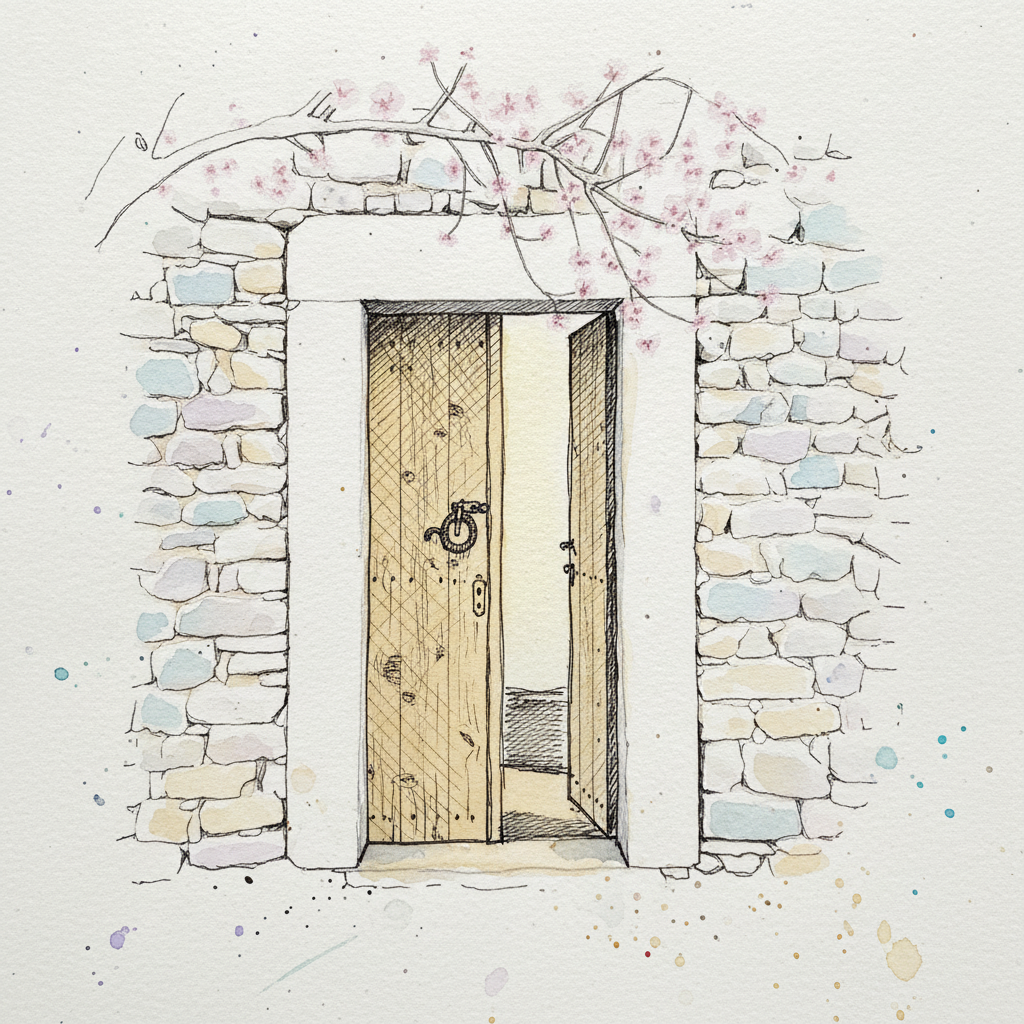
This piece is excellent for studying how to balance distinct line work for solid structures with soft, atmospheric washes for delicate elements. Focus on rendering the dry-stone wall and weathered door with varied, broken line weights to convey their textures, reserving finer lines for details like the iron latch. For the ephemeral almond blossoms, let pale, wet-into-wet washes define their airy forms, using minimal pen to suggest only key branches. This approach allows the ink to provide structure while the watercolor captures the scene's light and softness.
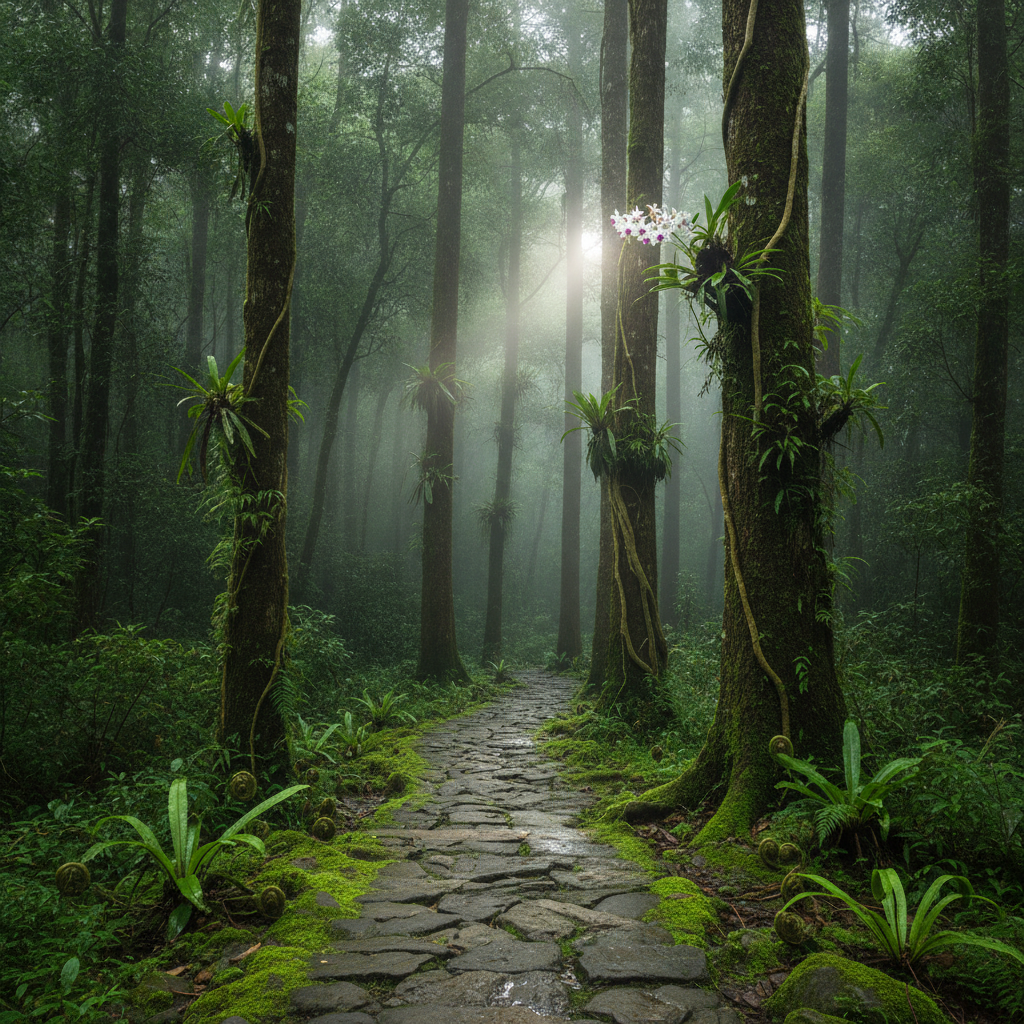
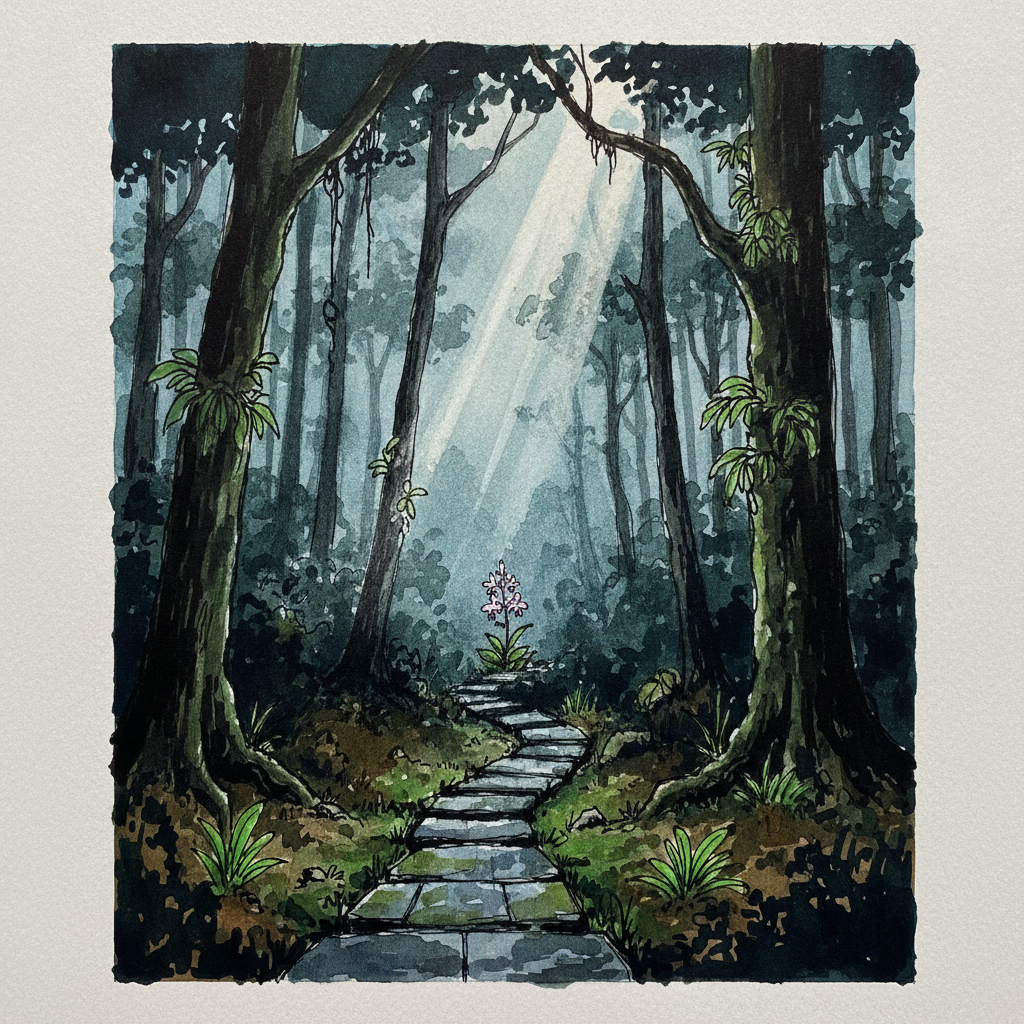
Piece 3 — Doi Suthep summit forest, Thailand — Wat trail
Pen + Watercolor · Loose pen and watercolor line-and-wash
Three takes
Focus for this piece
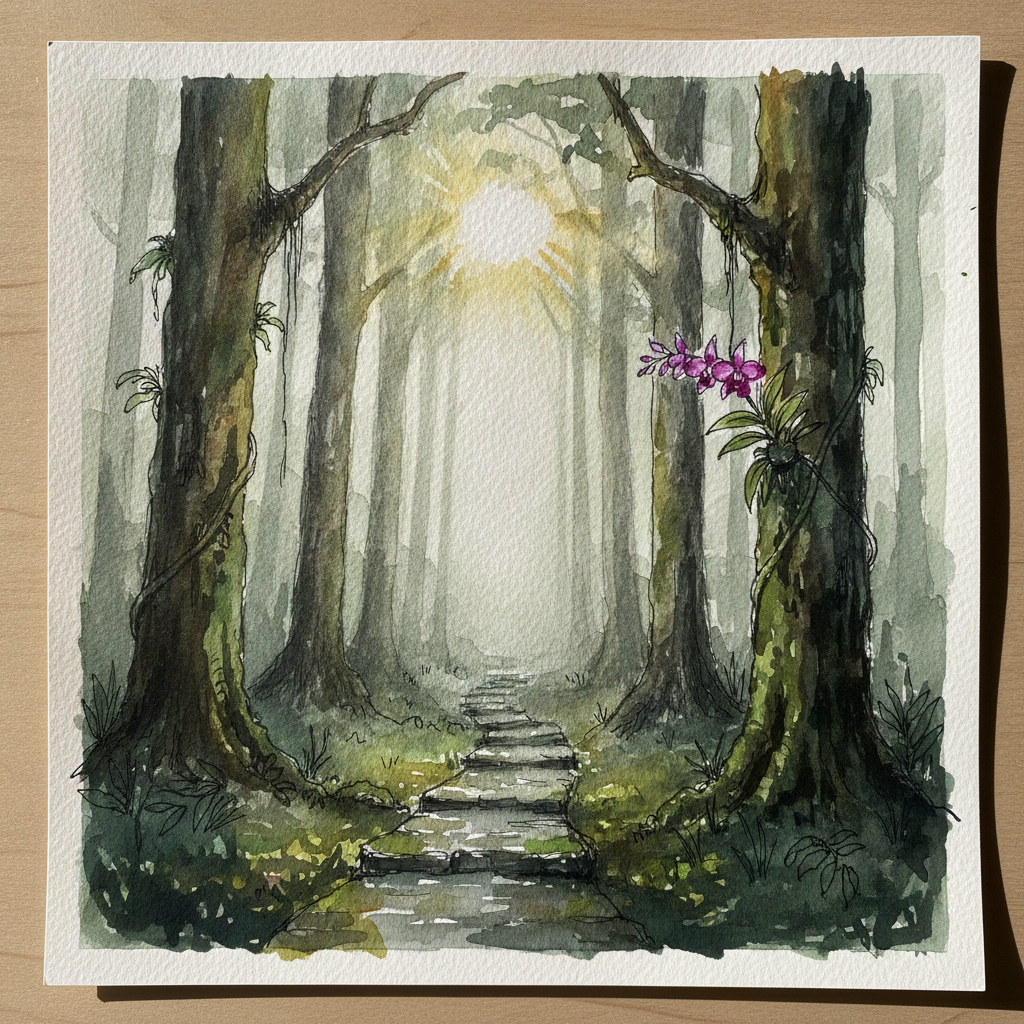
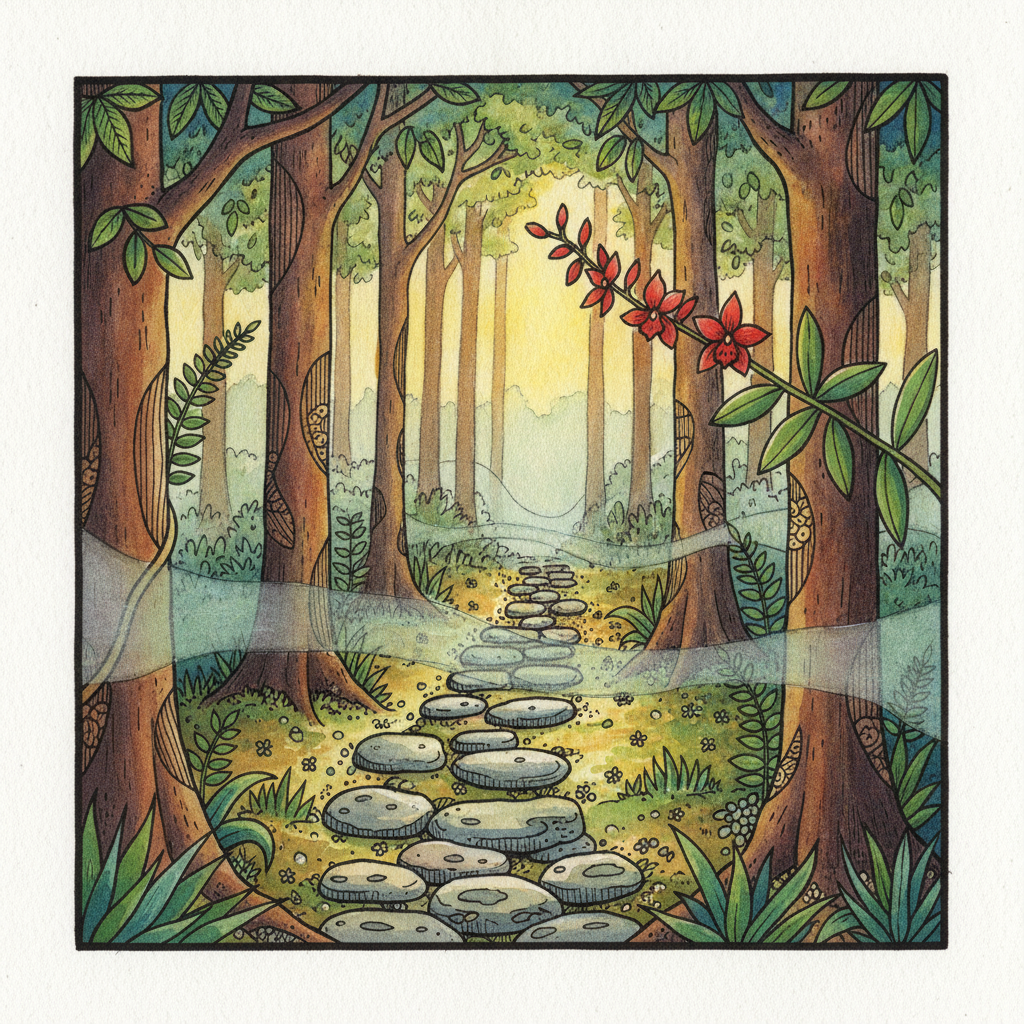
This piece offers a compelling study in creating atmospheric depth and a clear focal point. Practice softening distant forms with dilute, wet-on-wet washes for the background mist and dim canopy, allowing lost edges to suggest distance. Then, use varied line weights and harder edges for the foreground path and textured tree trunks, reserving your strongest value and most precise penwork for the sunlit orchid spike to draw the viewer's eye.
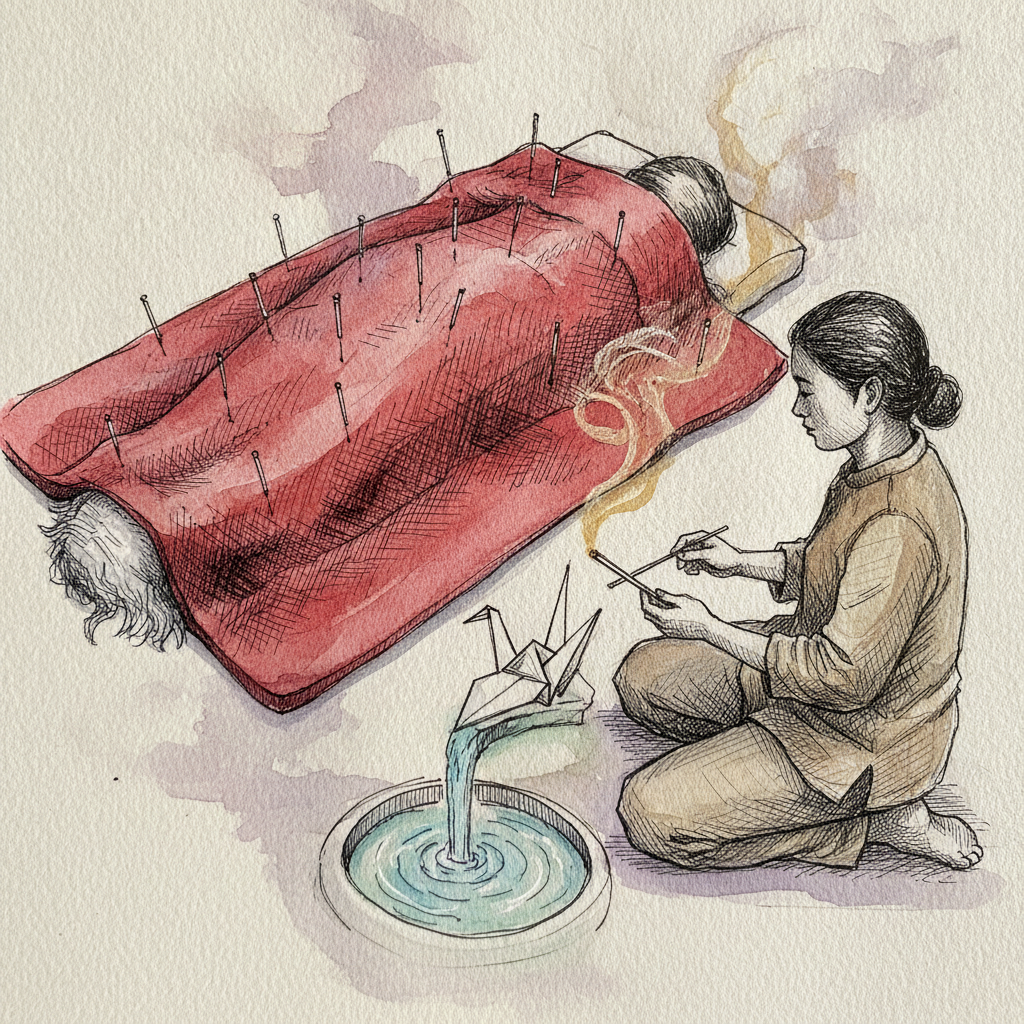
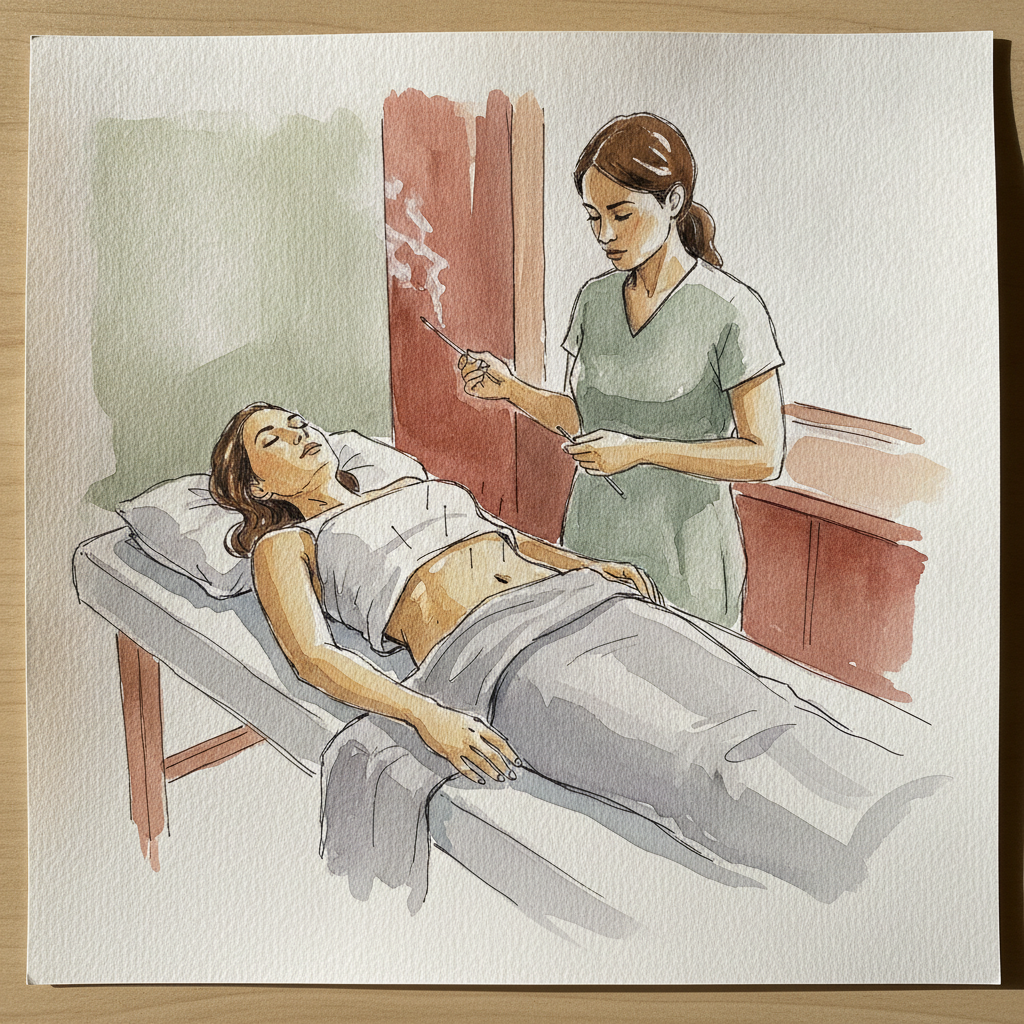
Piece 4 — Acupuncture with needles
Pen + Watercolor · Loose pen and watercolor line-and-wash
Three takes
Focus for this piece
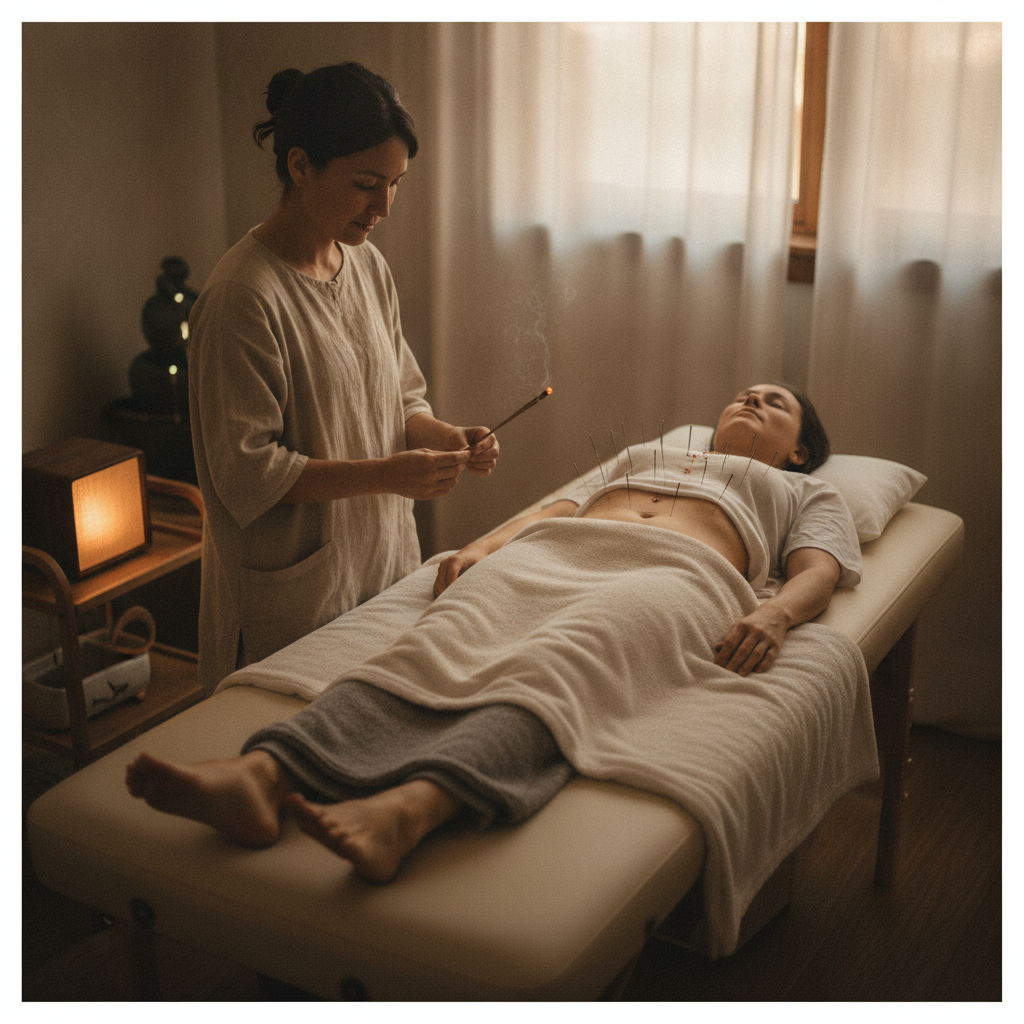
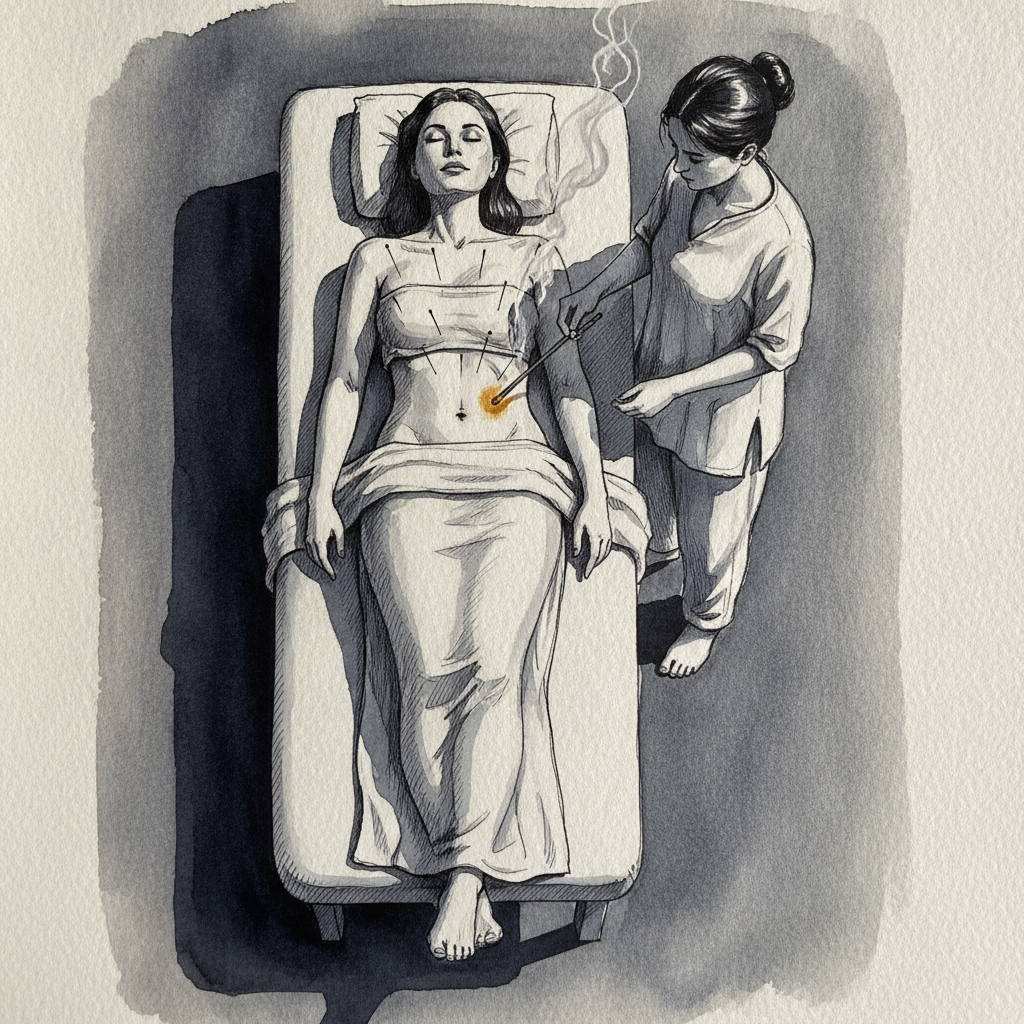
This piece is an excellent study in contrasting delicate detail with atmospheric softness. Practice using a very fine pen with consistent line weight for the precise vertical needles, allowing them to stand out against the broad, warm, wet-on-wet washes that define the patient's draped form and the subdued, glowing room. Pay attention to how the soft edges of your washes establish the tranquil mood and volume, while the crisp lines draw focus to the specific points of treatment. This interplay highlights the unique strengths of both media in a quiet, focused scene.
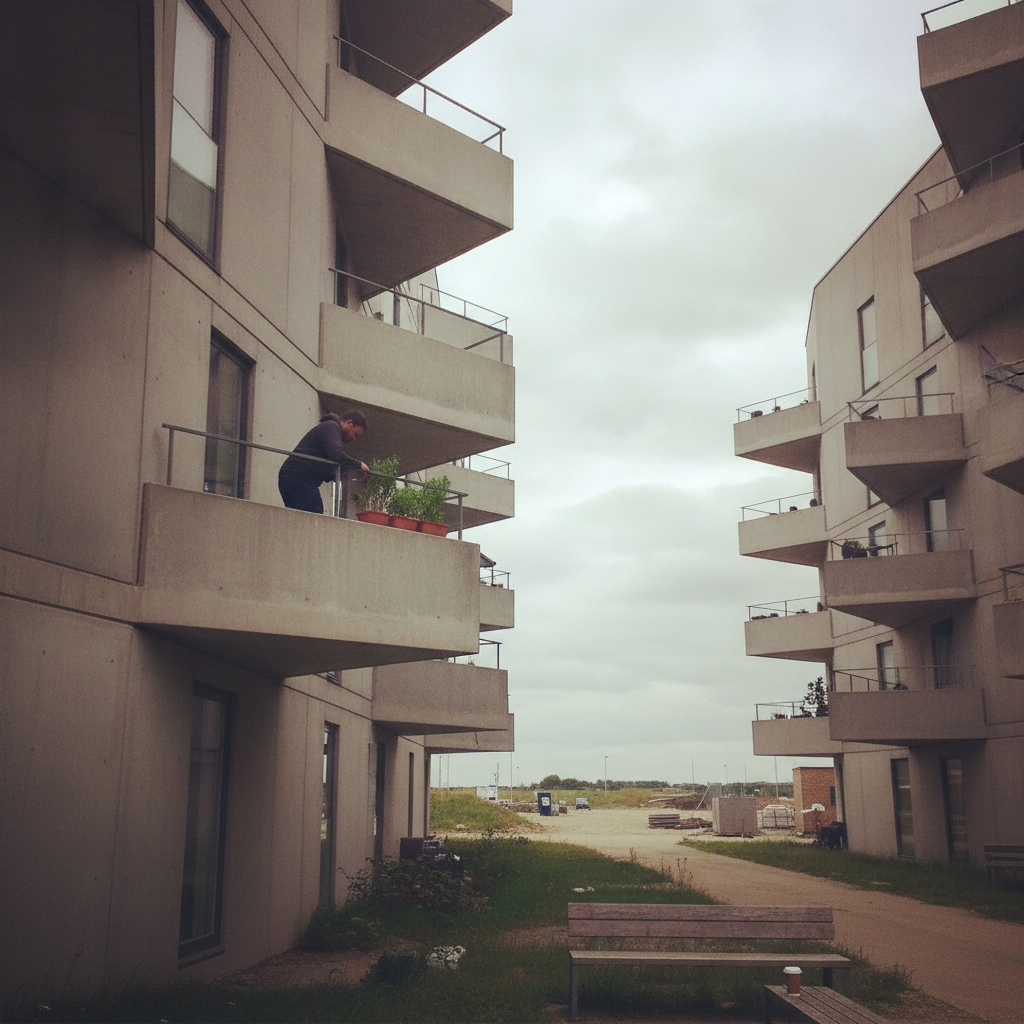
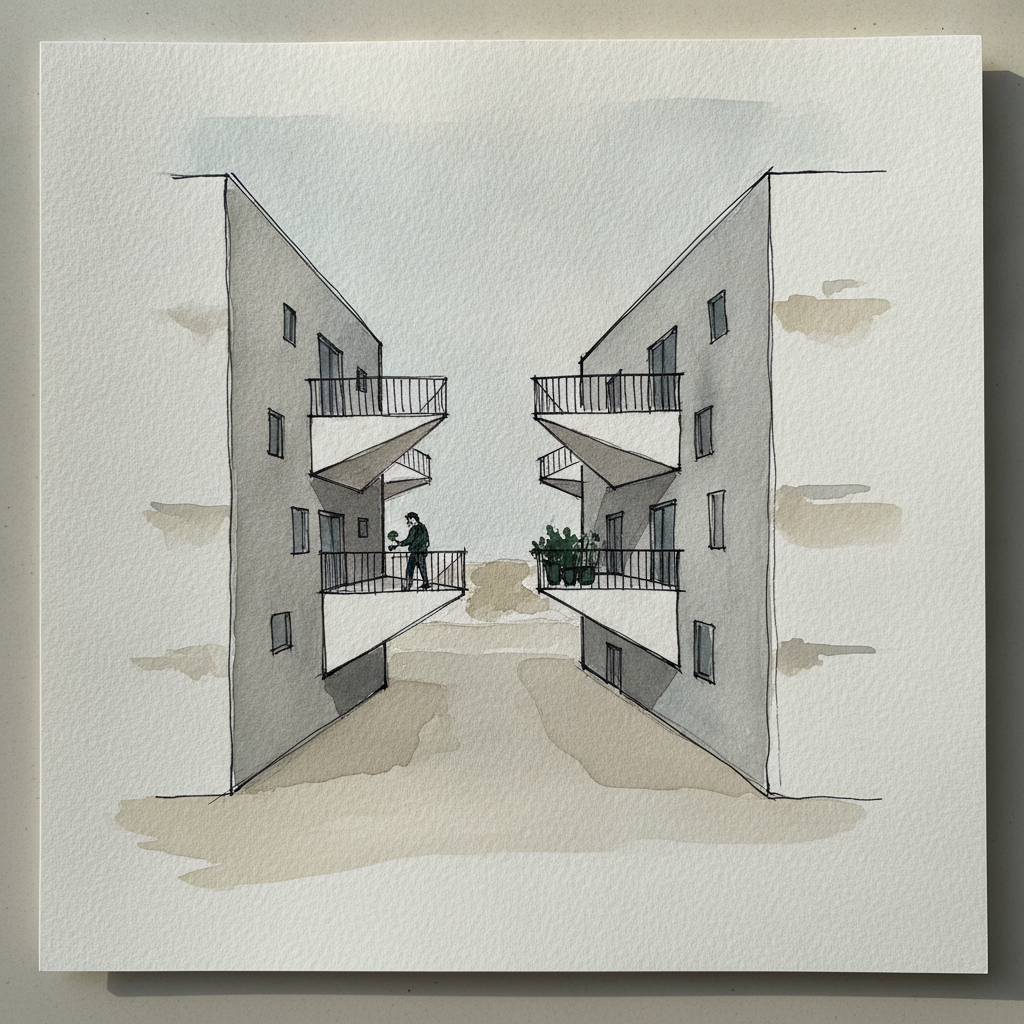
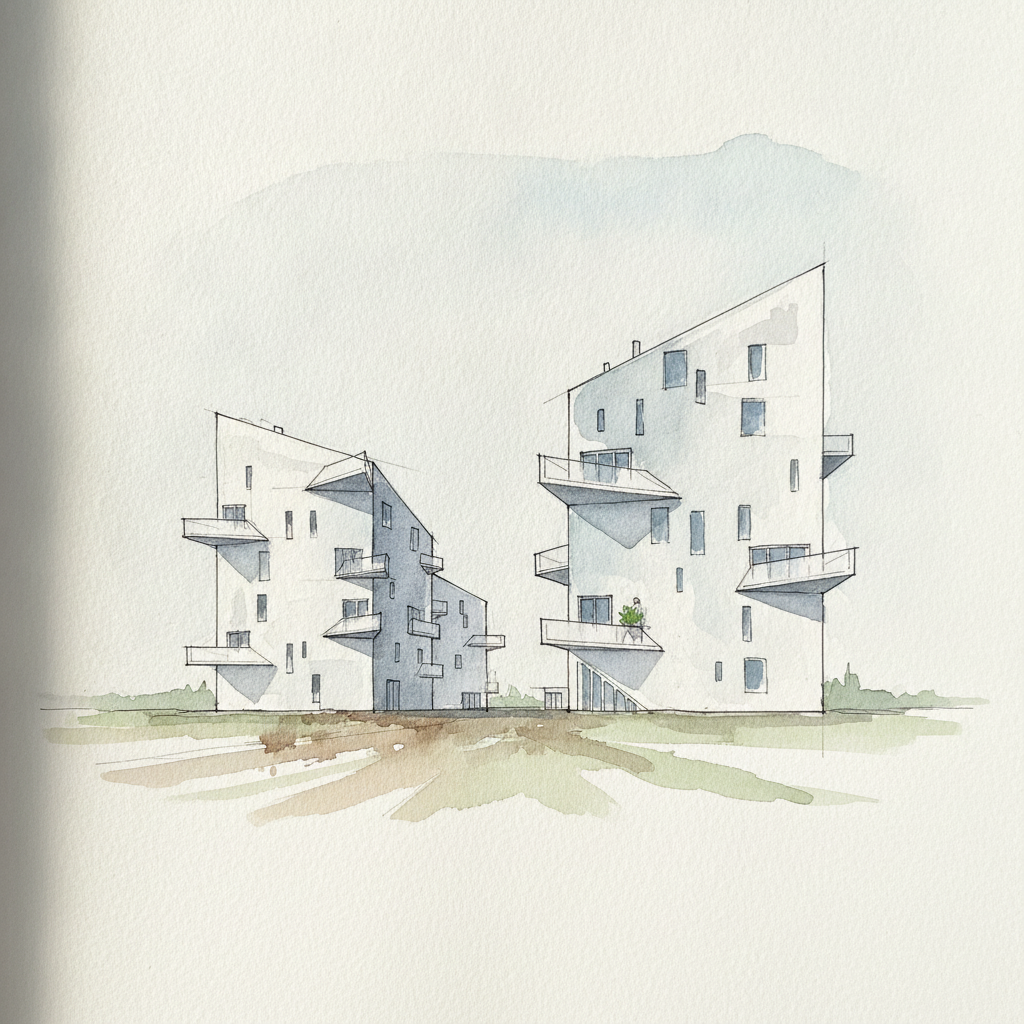
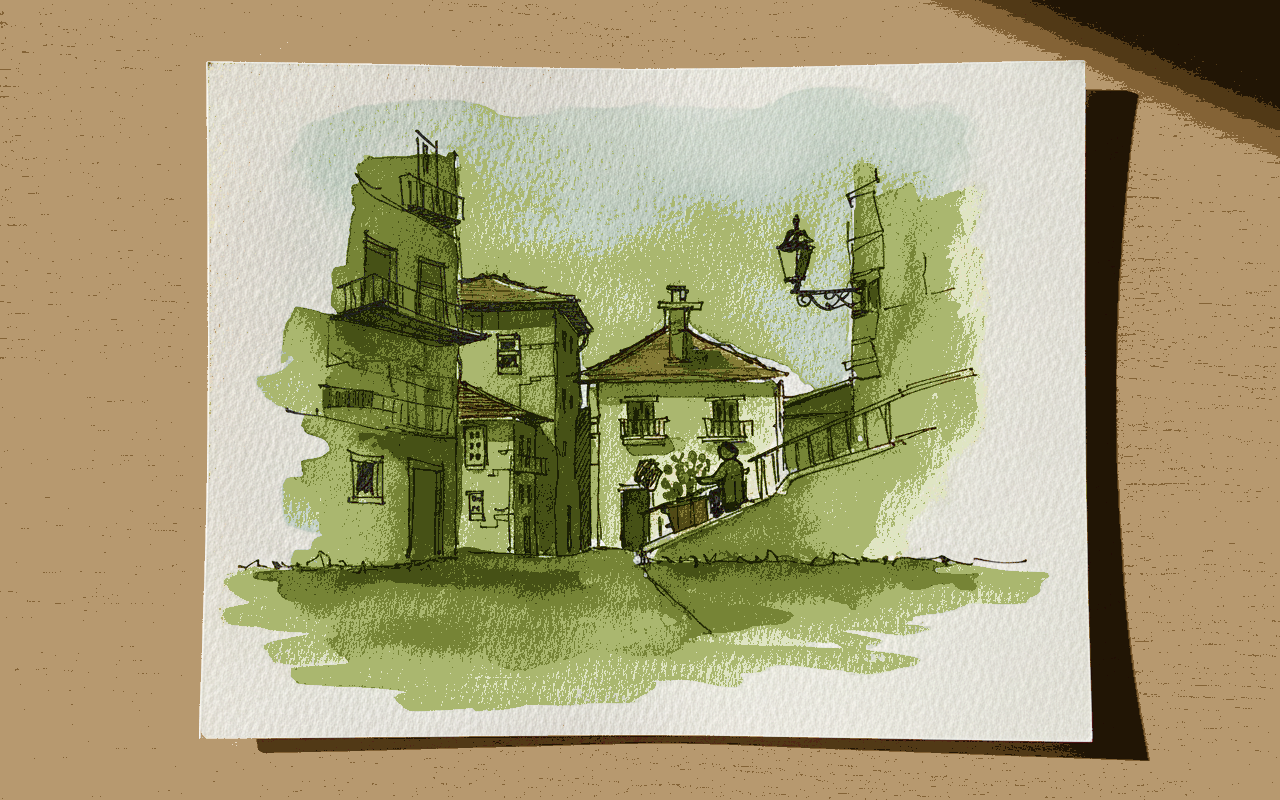
Piece 5 — VM Houses, Copenhagen, Denmark
Pen + Watercolor · Loose pen and watercolor line-and-wash
Three takes

Focus for this piece
The VM Houses offer an excellent study in rendering complex architectural forms through thoughtful line work and contrasting washes. Focus on using varied line weights to articulate the sharp angles of the projecting triangular balconies and the main kinked facades. Employ a restrained, cool palette of washes to define the concrete planes and capture the dramatic interplay of light and shadow, allowing the ink to hold the structure.
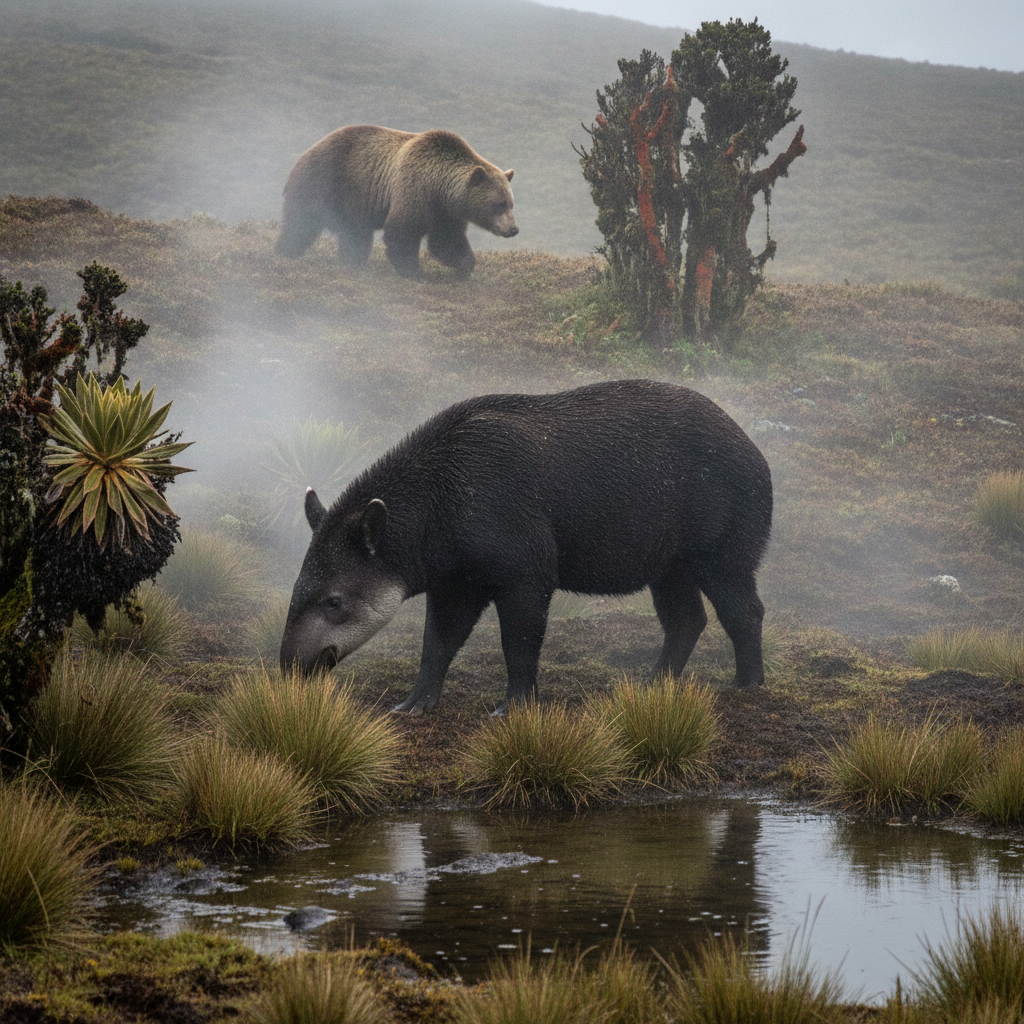
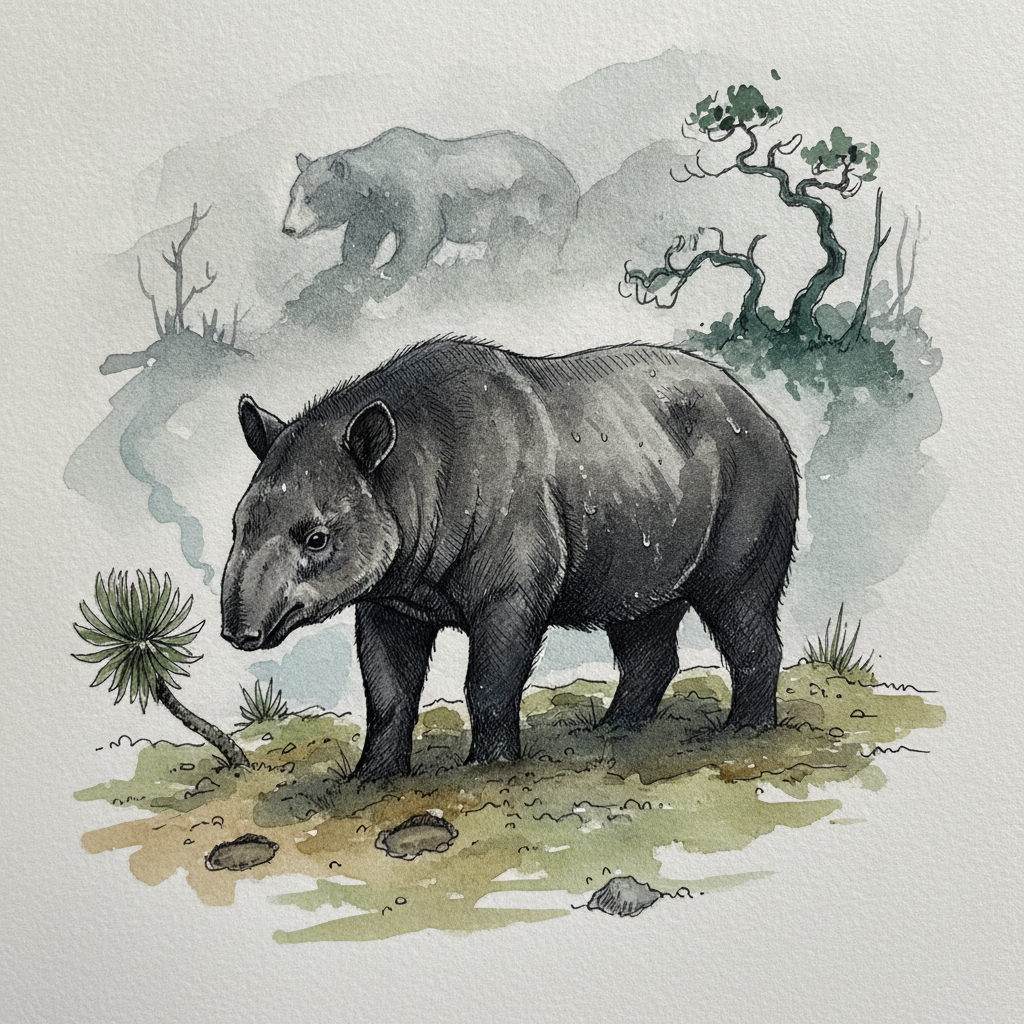
Piece 6 — Mountain tapir
Pen + Watercolor · Loose pen and watercolor line-and-wash
Three takes

Focus for this piece
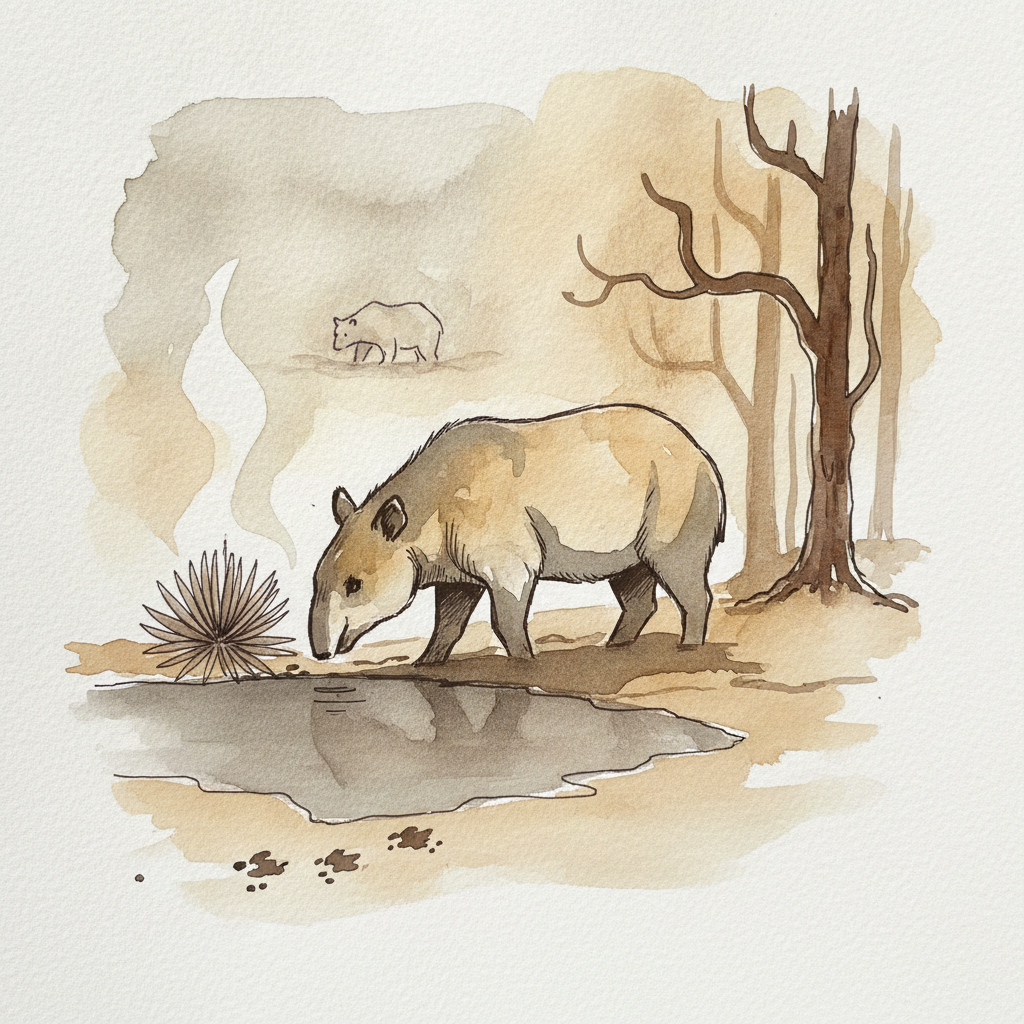
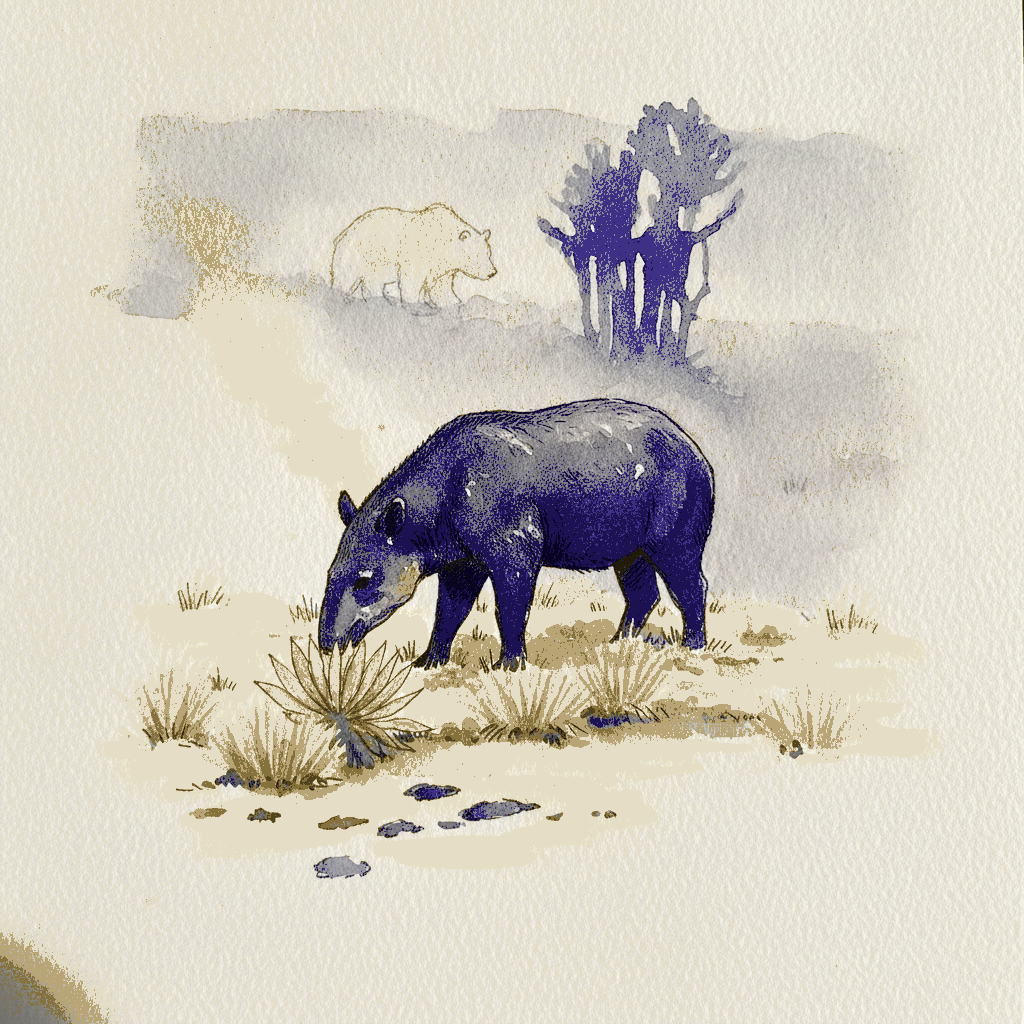
This piece offers an excellent study in conveying atmosphere through soft transitions and selective detail. Focus on using wet-on-wet watercolor washes with a cool, muted palette for the coiling mist and distant páramo, allowing shapes to softly merge. Reserve your sharpest, darkest pen lines and richer textures for the mountain tapir, ensuring its woolly coat and distinctive snout stand out against the ethereal backdrop. Pay attention to how varying line weight and wash intensity can pull elements forward or push them back into the fog.
Piece 7 — Children's pop-up book half-opened
Pen + Watercolor · Loose pen and watercolor line-and-wash
Three takes

Focus for this piece
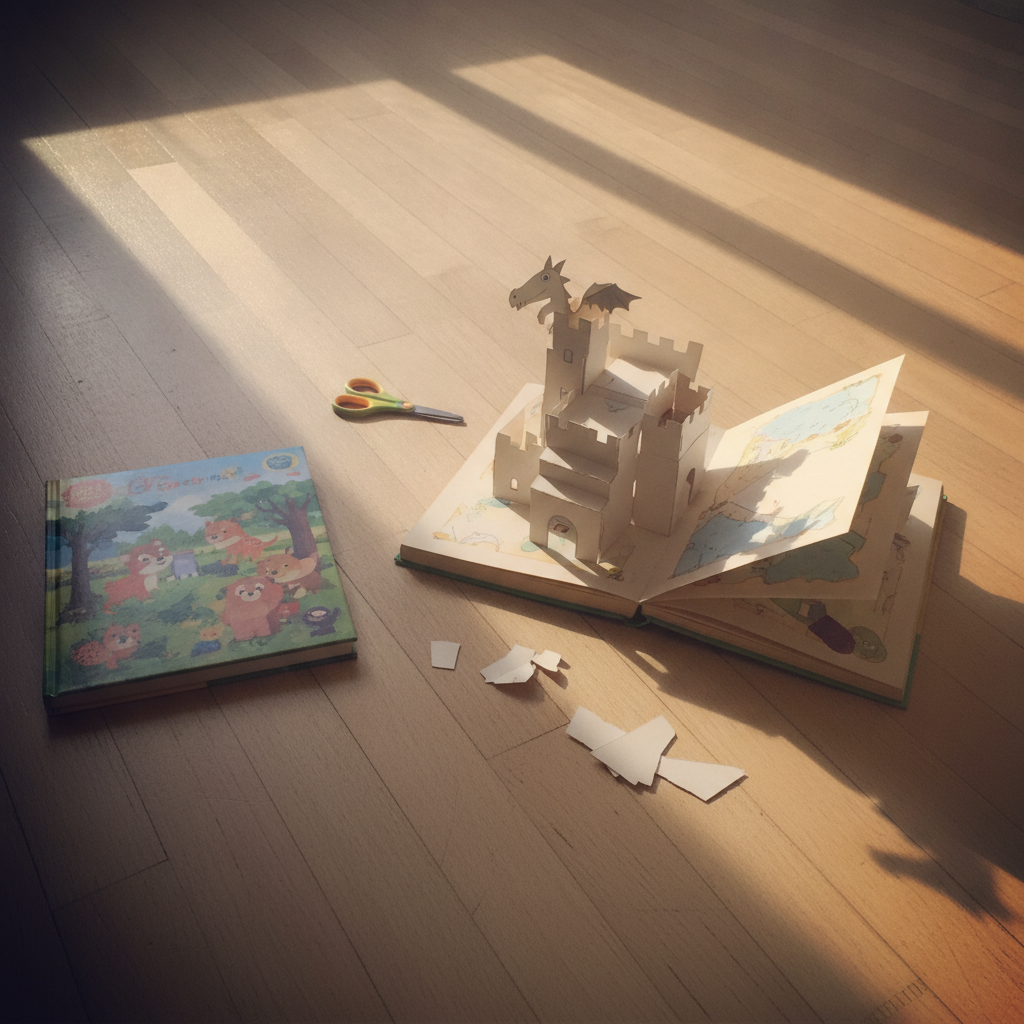
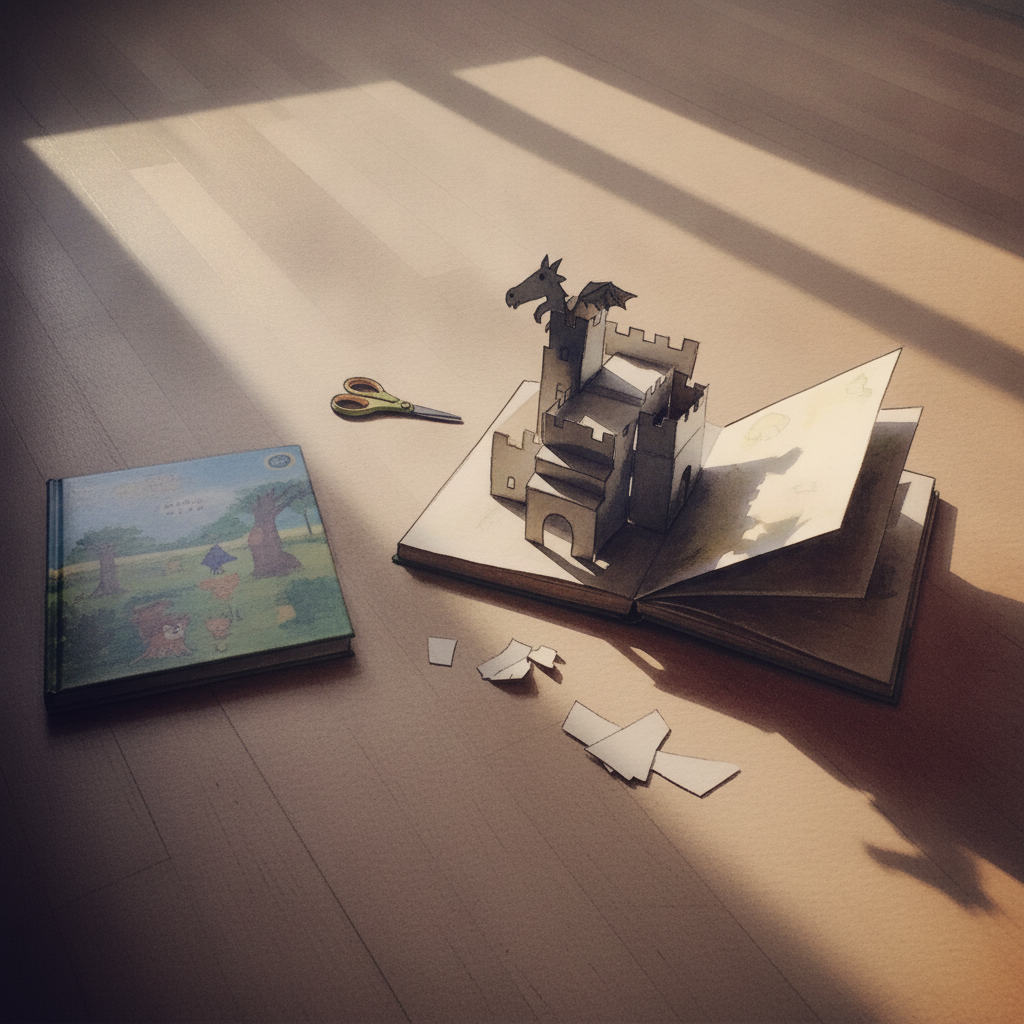
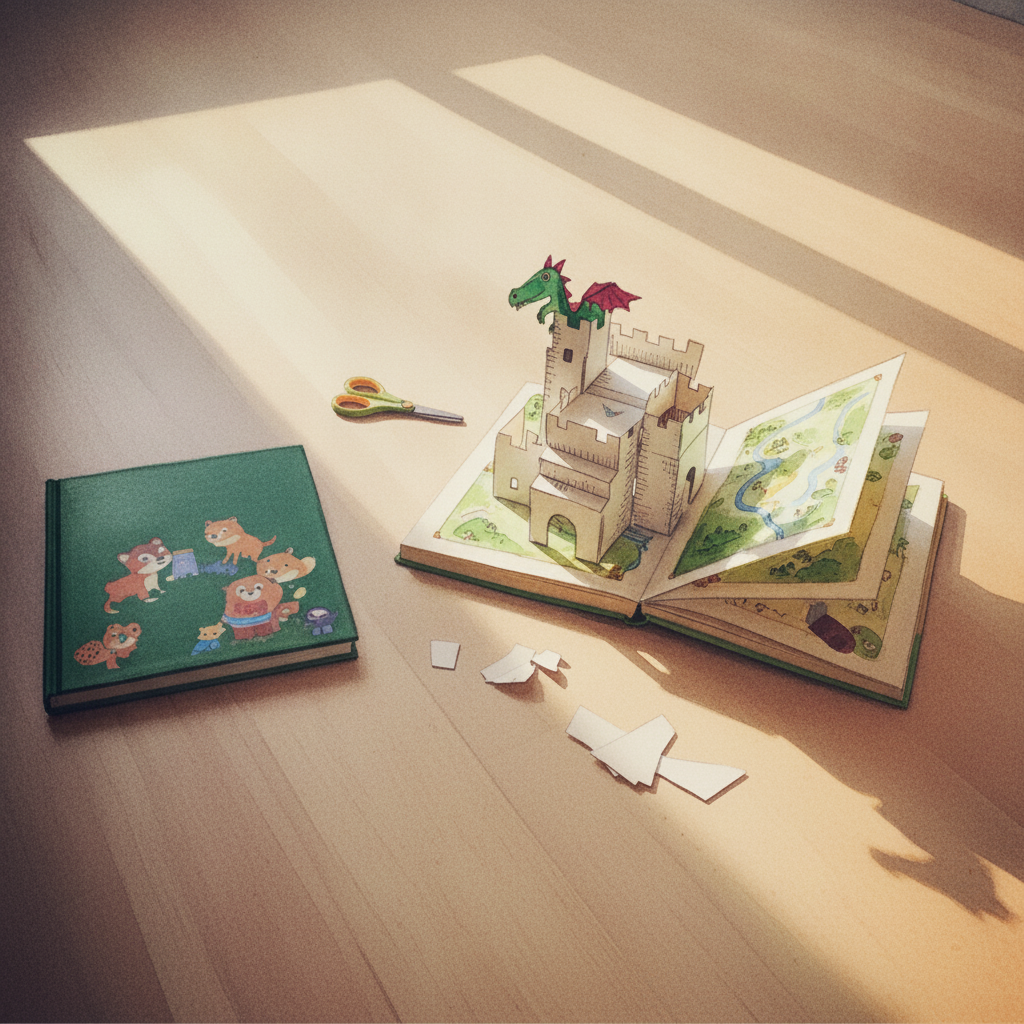
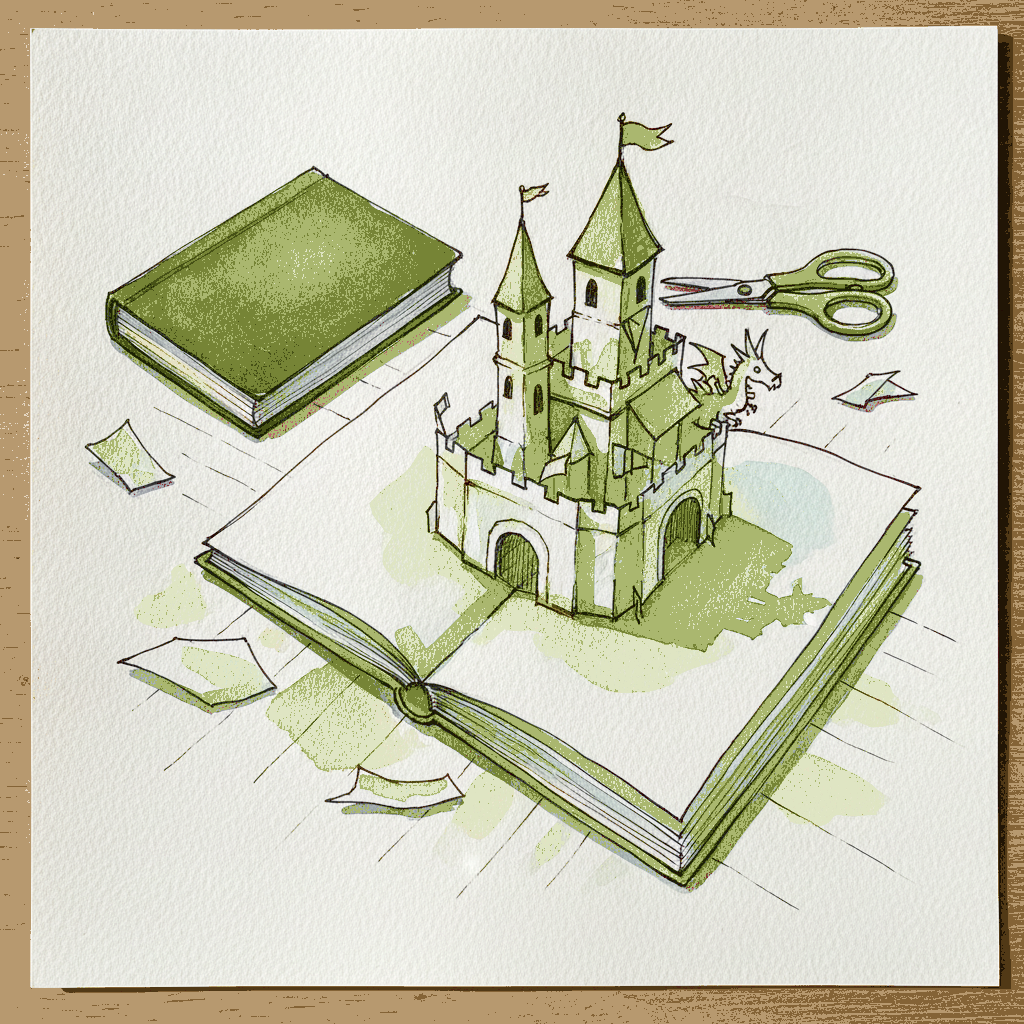
This piece is ideal for studying how to render delicate, layered structures and their volumetric shadows using contrasting approaches. Use precise, varied line weights to define the crisp edges and stepped planes of the paper castle and book, then employ soft, warm washes to build the diffuse afternoon light and the subtle, cast shadows that give each paper tab its depth. Pay particular attention to the wet-on-wet application of warm ochre and sienna washes on the wooden floor to suggest the sun-warmed surface, allowing the water to do the work of creating gentle transitions.
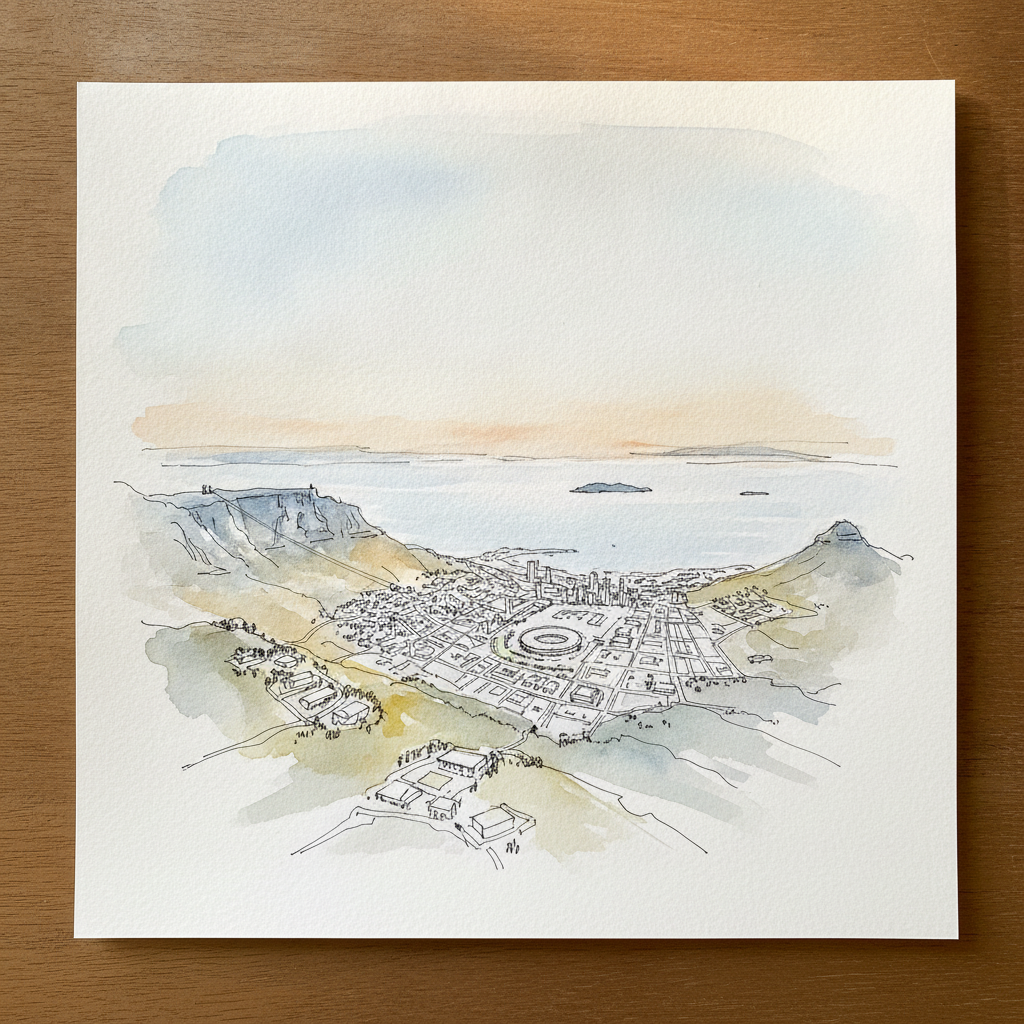
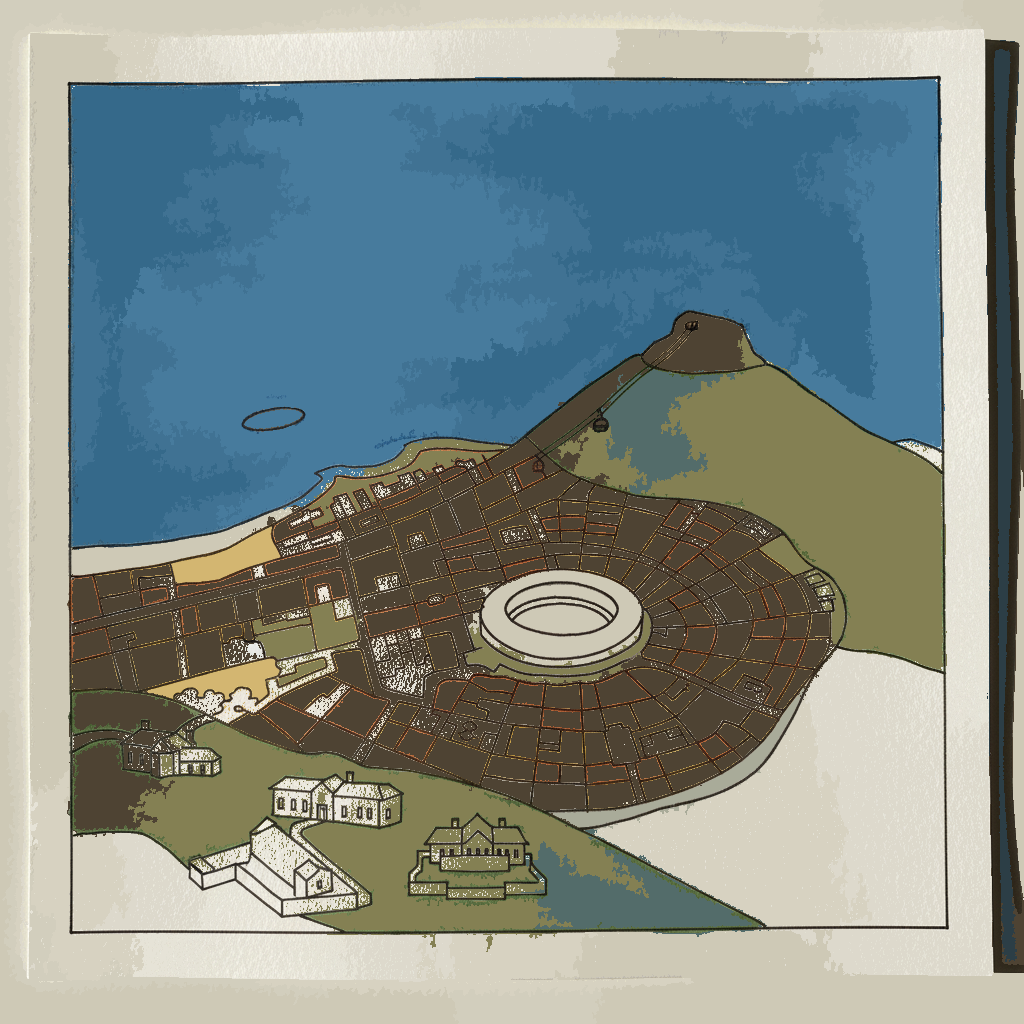
Piece 8 — Cape Town from a Paragliding Launch, Lions Head
Pen + Watercolor · Loose pen and watercolor line-and-wash
Three takes
Focus for this piece
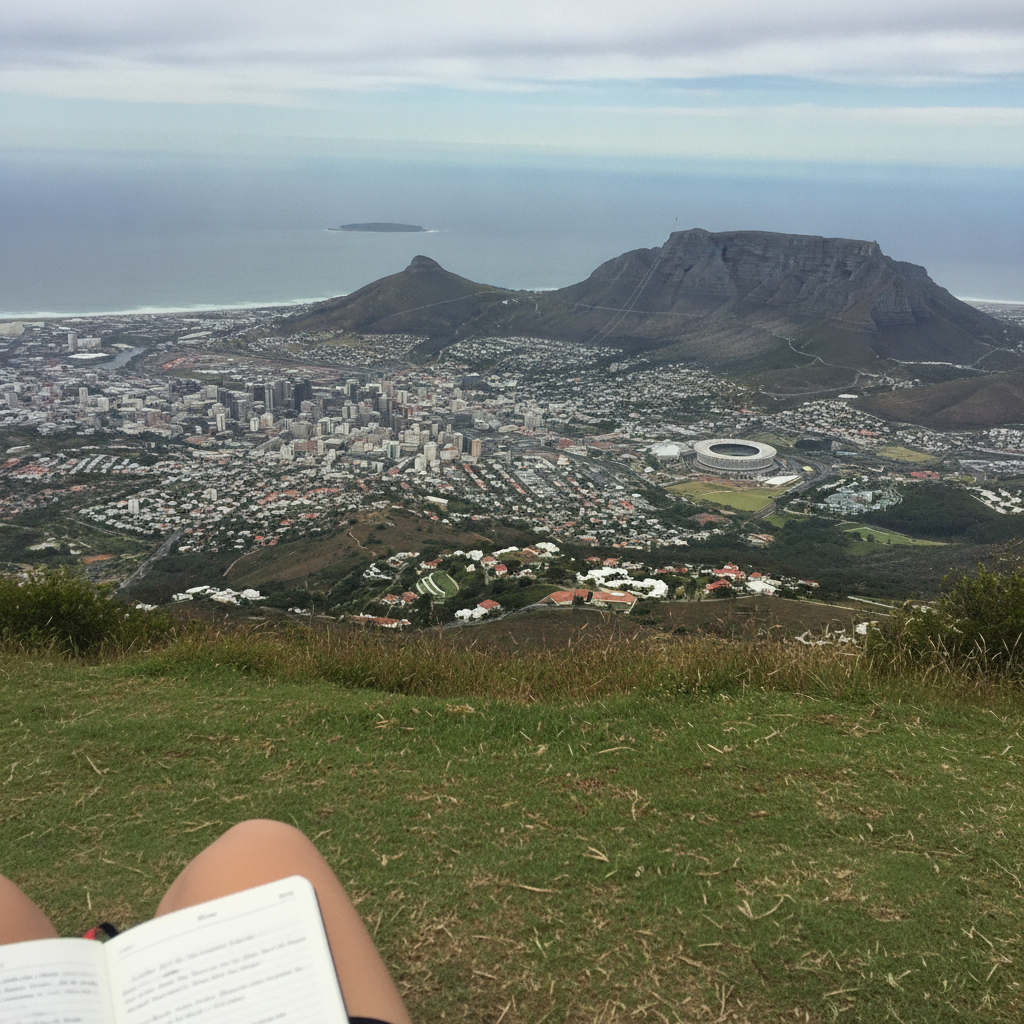
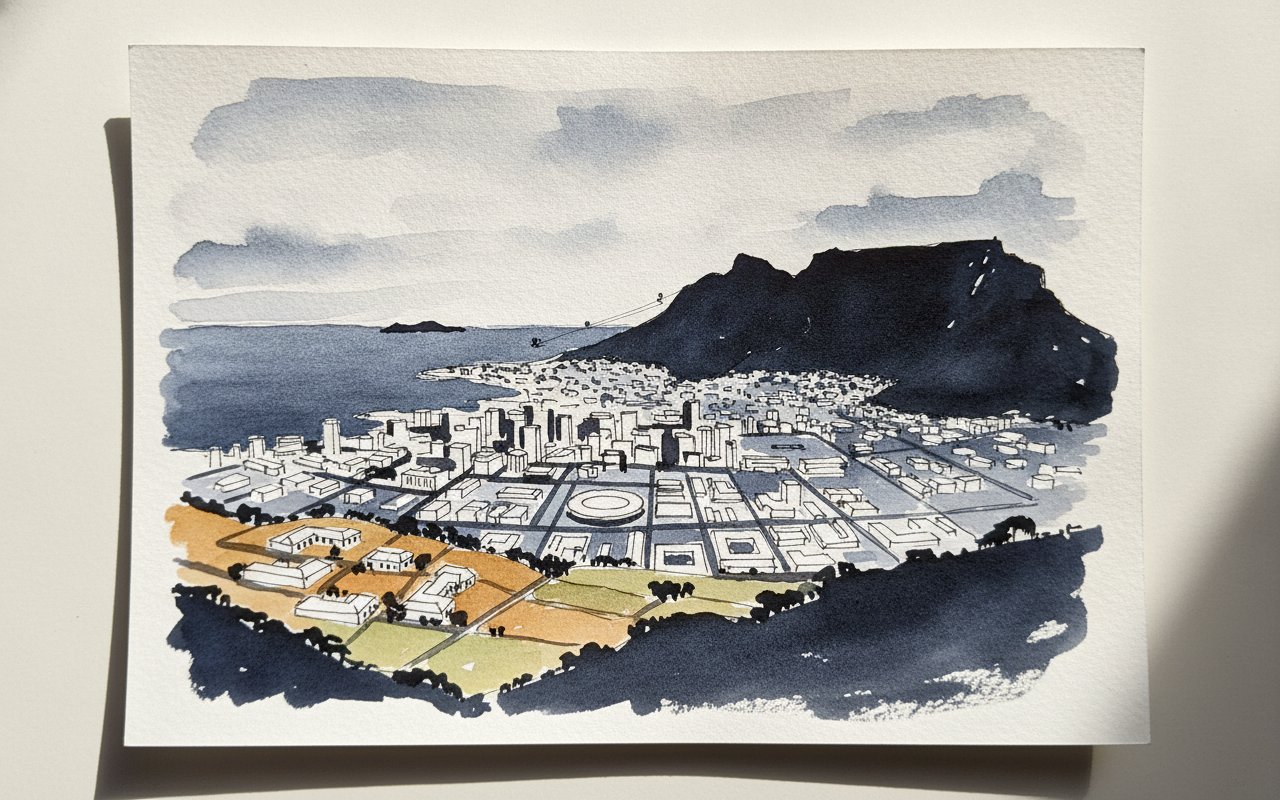
This expansive view of Cape Town is an excellent study in conveying depth and scale through **line hierarchy and atmospheric perspective**. Use a **fine-tipped pen** to suggest the intricate grid of distant city streets and the flat form of Robben Island with sparse, lighter lines, reserving **bolder, varied line weights** to define the distinct structures of Table Mountain and the V&A Waterfront. Complement this with a **limited cool-to-warm watercolor palette**, keeping washes soft and desaturated for the distant horizon and developing richer, warmer tones for the city bowl in the midground to pull it forward. This approach helps create a sense of vast distance while retaining key architectural details.