Toddler riding tricycle, Sant'Eligio degli Orefici, Rome, Italy, Eastern cottontail, Thurston Lava Tube, Hawaii Volcanoes NP, and more — pen + watercolor for September 8, 2026
AI-generated daily art-practice references for pen and watercolor: Toddler riding tricycle, Sant'Eligio degli Orefici, Rome, Italy, Eastern cottontail, Thurston Lava Tube, Hawaii Volcanoes NP, Provençal Village Épicerie, Lavender Season, Dining table, mid-conversation, V-Arms Prone, Korean Grandm…
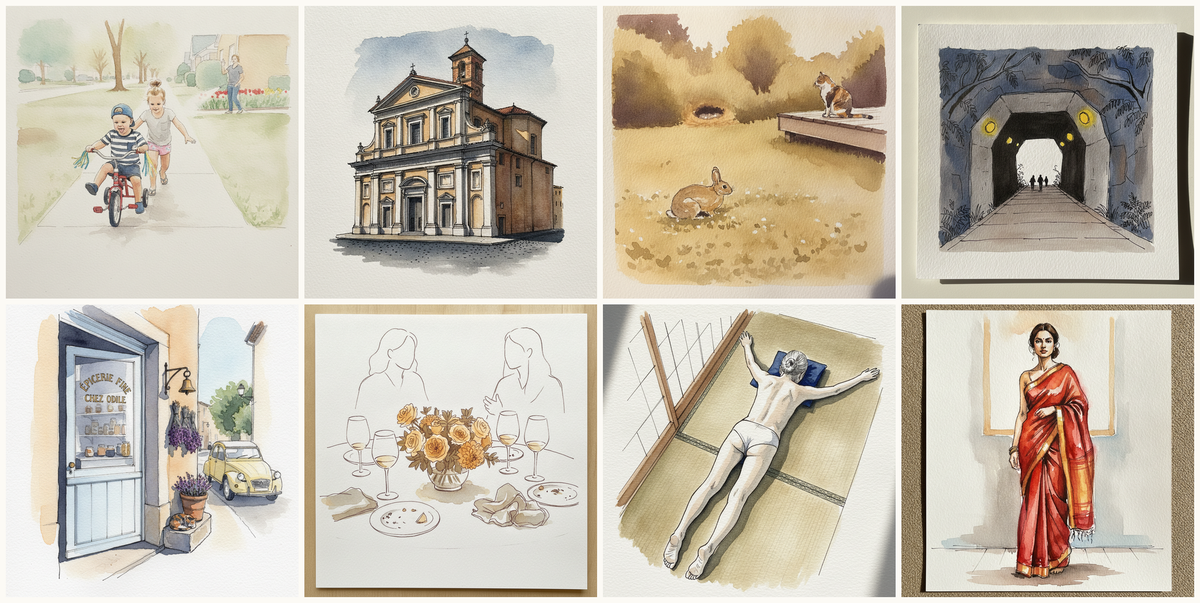
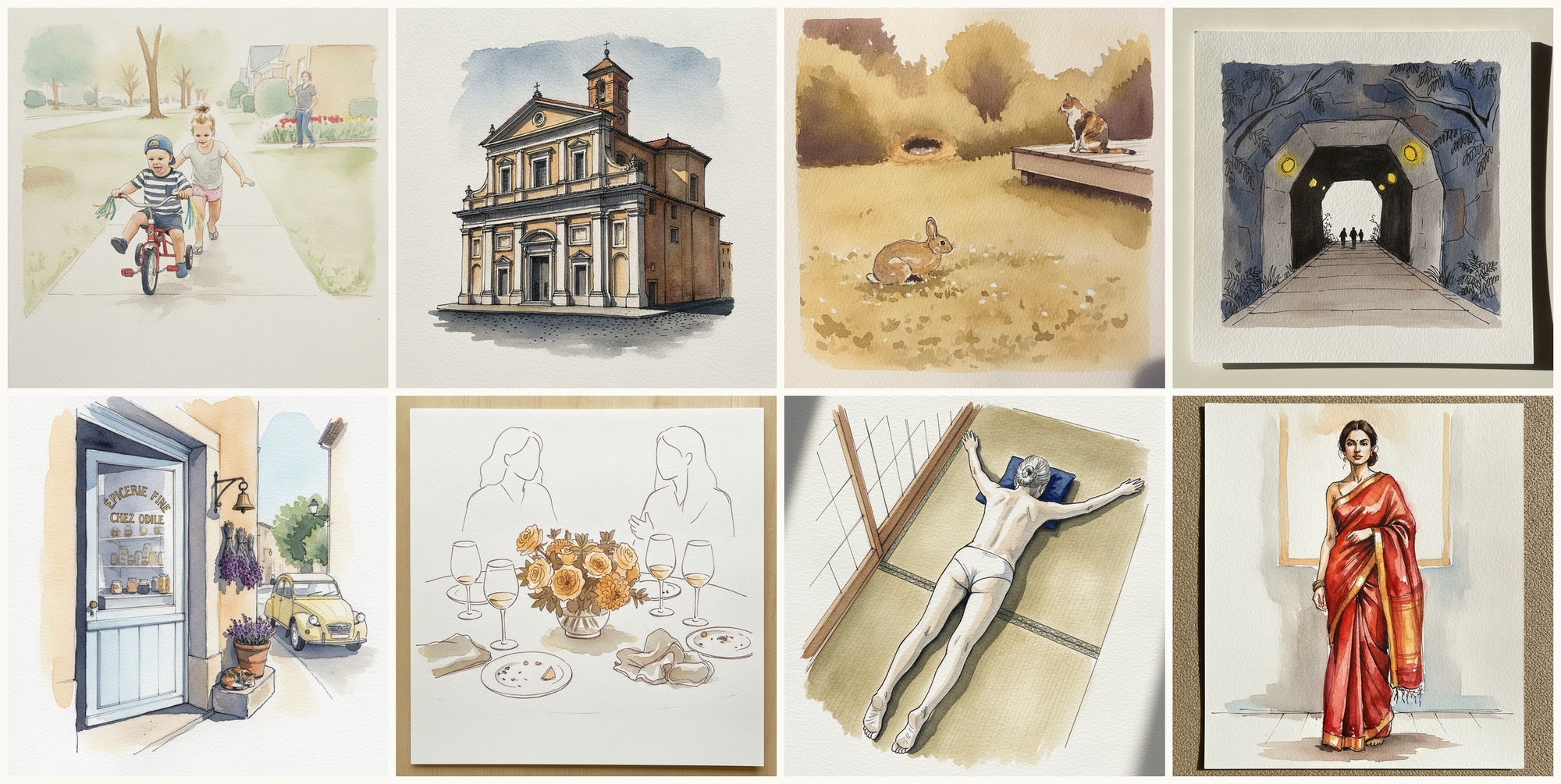
Today's 8 pen-and-watercolor pieces: Toddler riding tricycle, Sant'Eligio degli Orefici, Rome, Italy, Eastern cottontail, Thurston Lava Tube, Hawaii Volcanoes NP, Provençal Village Épicerie, Lavender Season, Dining table, mid-conversation, V-Arms Prone, Korean Grandmother on Tatami, Sari draped on a standing woman. Each piece comes with an AI-generated photoreal reference, three AI-generated example artworks in different treatments, and a short focus paragraph naming what to study in this one.
Why these references use AI
This daily series uses AI-generated images as practice prompts, not as finished artwork to copy. Each subject starts with a synthetic photoreal reference generated with Gemini/Nano Banana, then moves into three pen-and-watercolor interpretations of the same subject.
I use AI here because daily art practice needs variety and low friction. Real life can get repetitive, busy, or visually narrow. These generated reference sets make it easier to study bodies, buildings, animals, landscapes, objects, gestures, light, palettes, and compositions that might not show up in an ordinary day.
The goal is not to reproduce any image directly. Treat each set as a starting point for observation and study: choose what interests you, change the framing, simplify the subject, alter the palette, and make your own version.
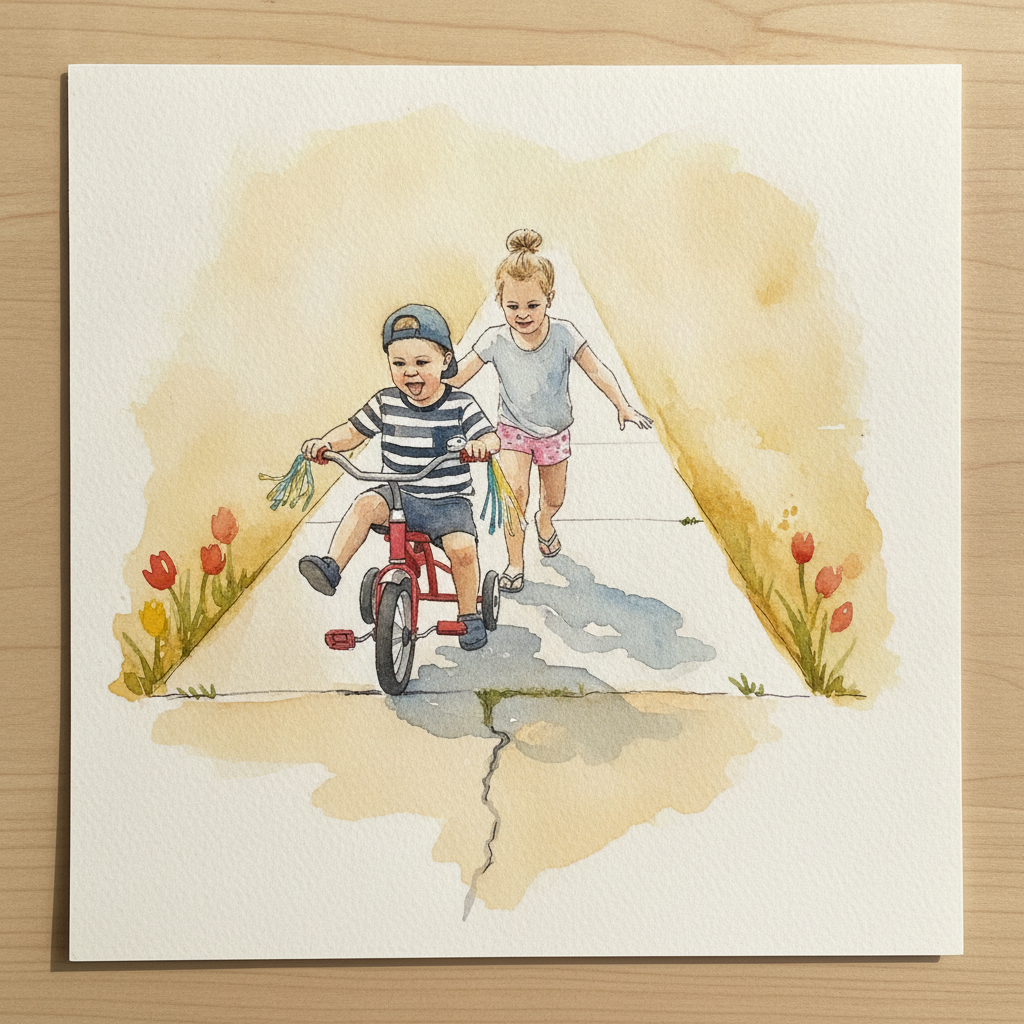
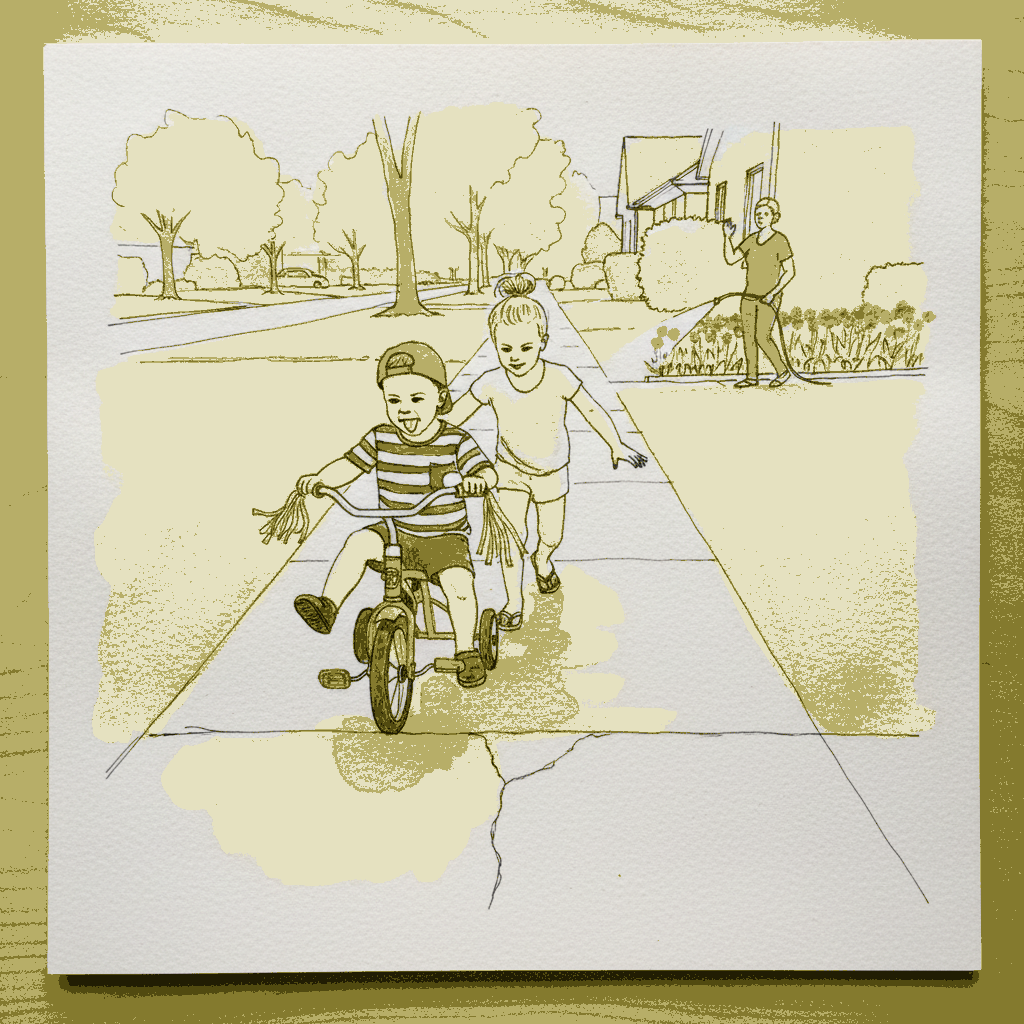
Piece 1 — Toddler riding tricycle
Pen + Watercolor · Loose pen and watercolor line-and-wash
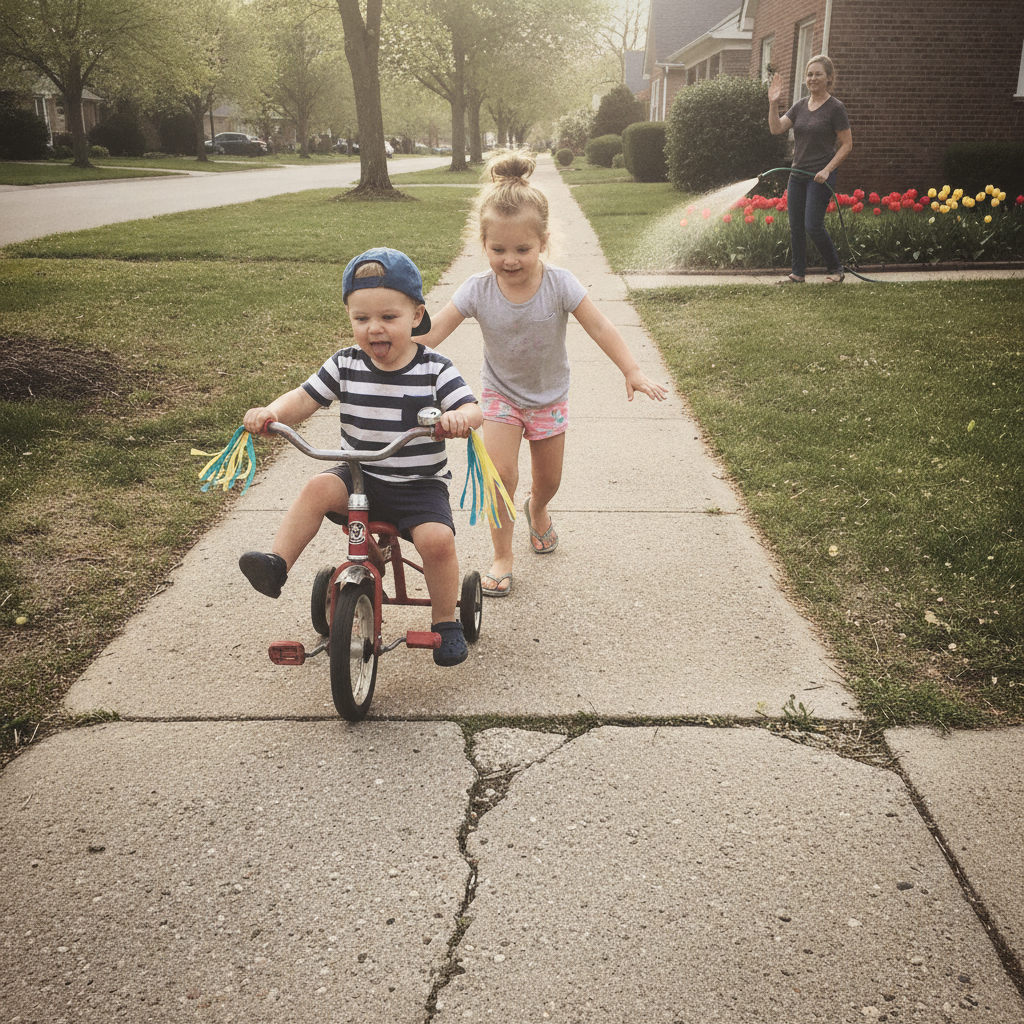
Three takes
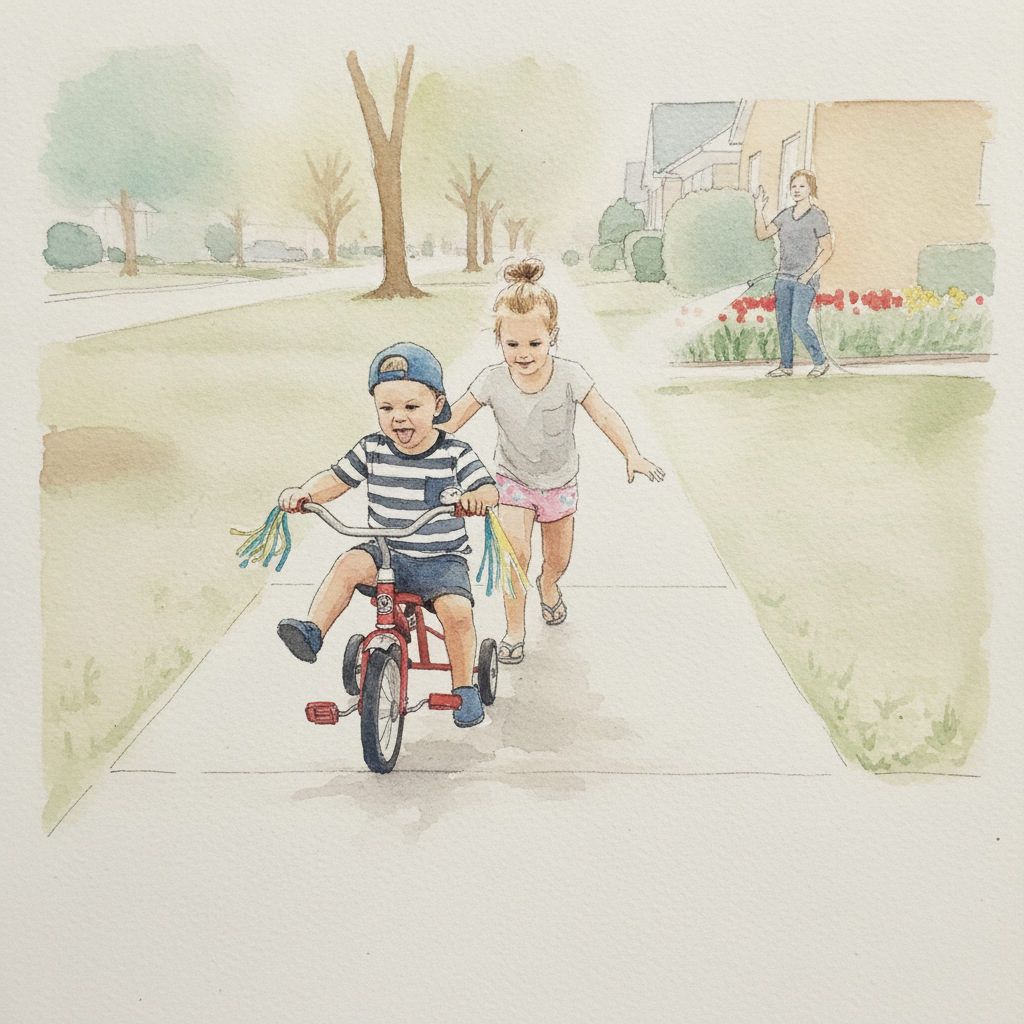

Focus for this piece
Today's piece is an excellent study in creating a strong focal point and depth using varied line and wash. Employ distinct, darker ink lines for the toddler and tricycle to draw immediate attention, letting their forms crisply stand out against softer background elements. Apply richer, more saturated washes to the main figures, transitioning to diluted, atmospheric washes for the receding sidewalk and grass, effectively pushing them back in space.
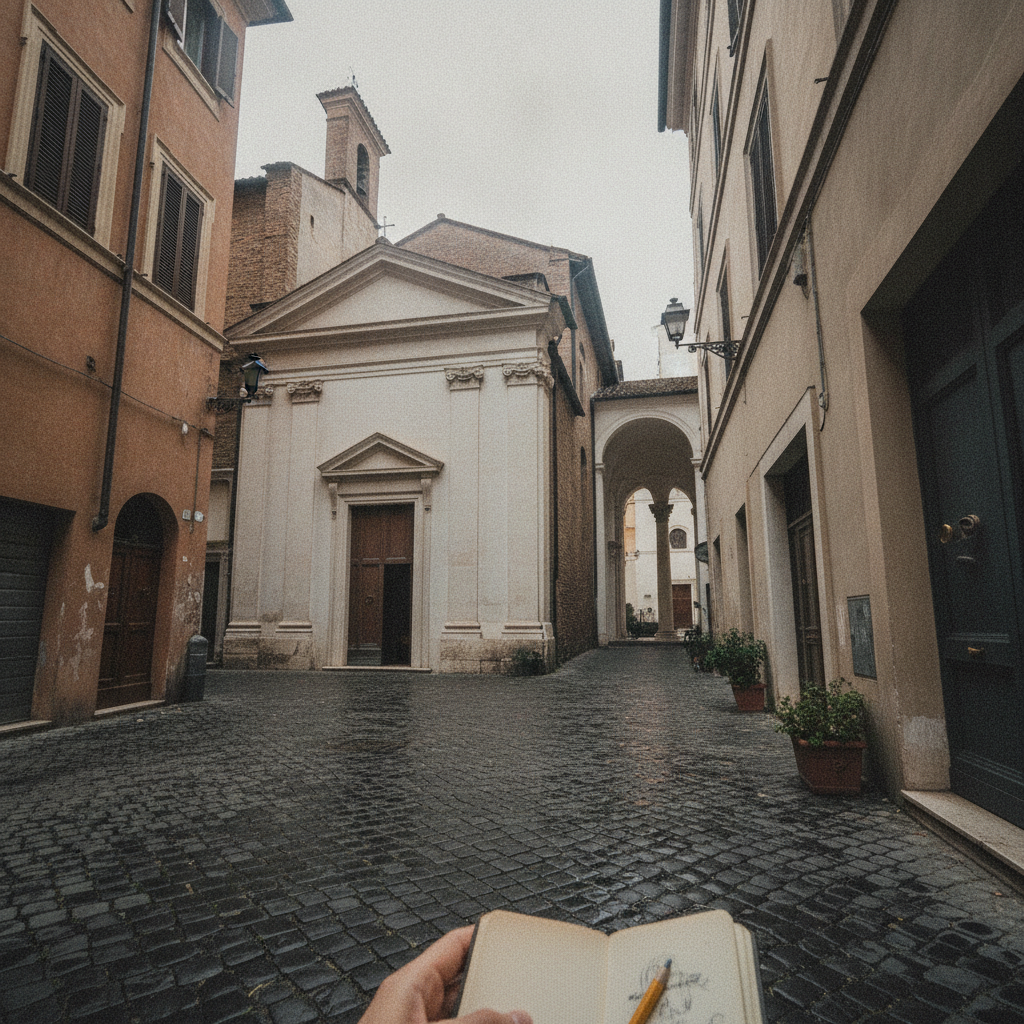
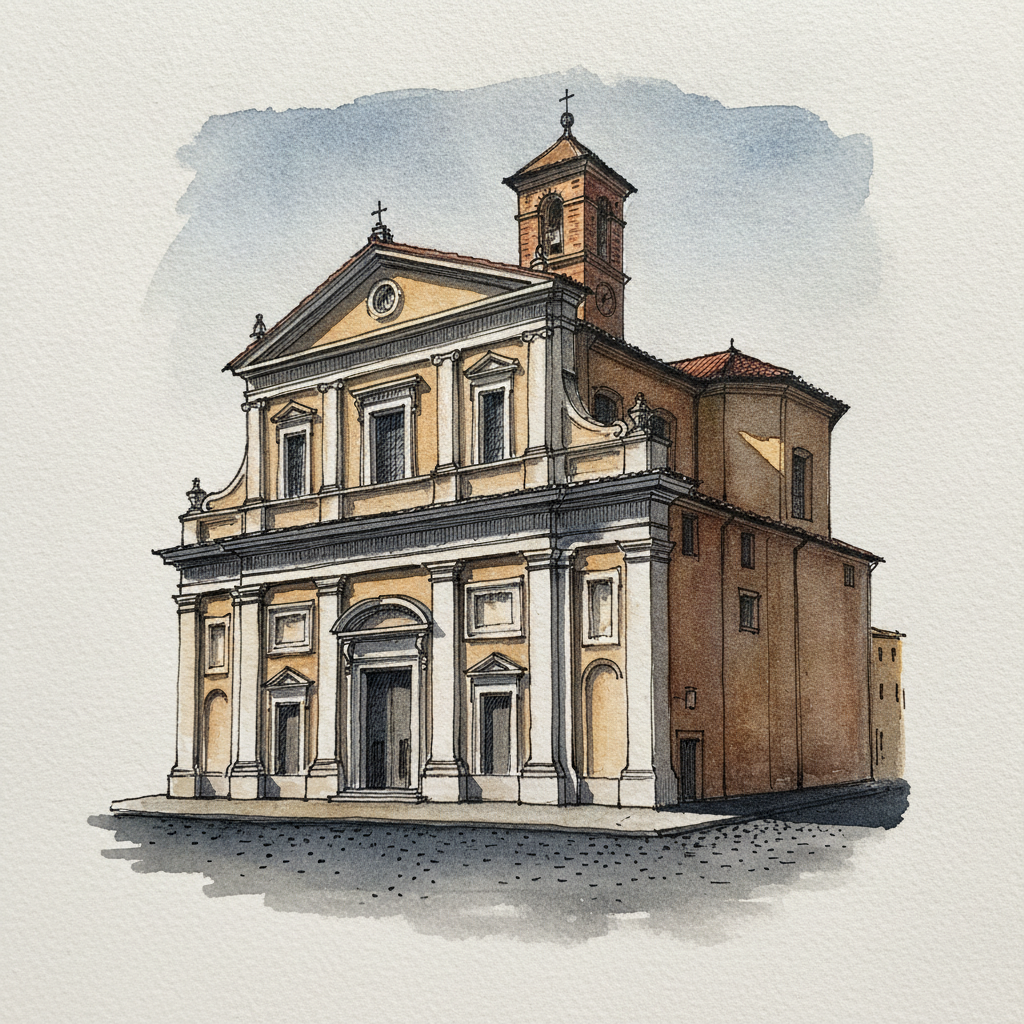
Piece 2 — Sant'Eligio degli Orefici, Rome, Italy
Pen + Watercolor · Loose pen and watercolor line-and-wash
Three takes
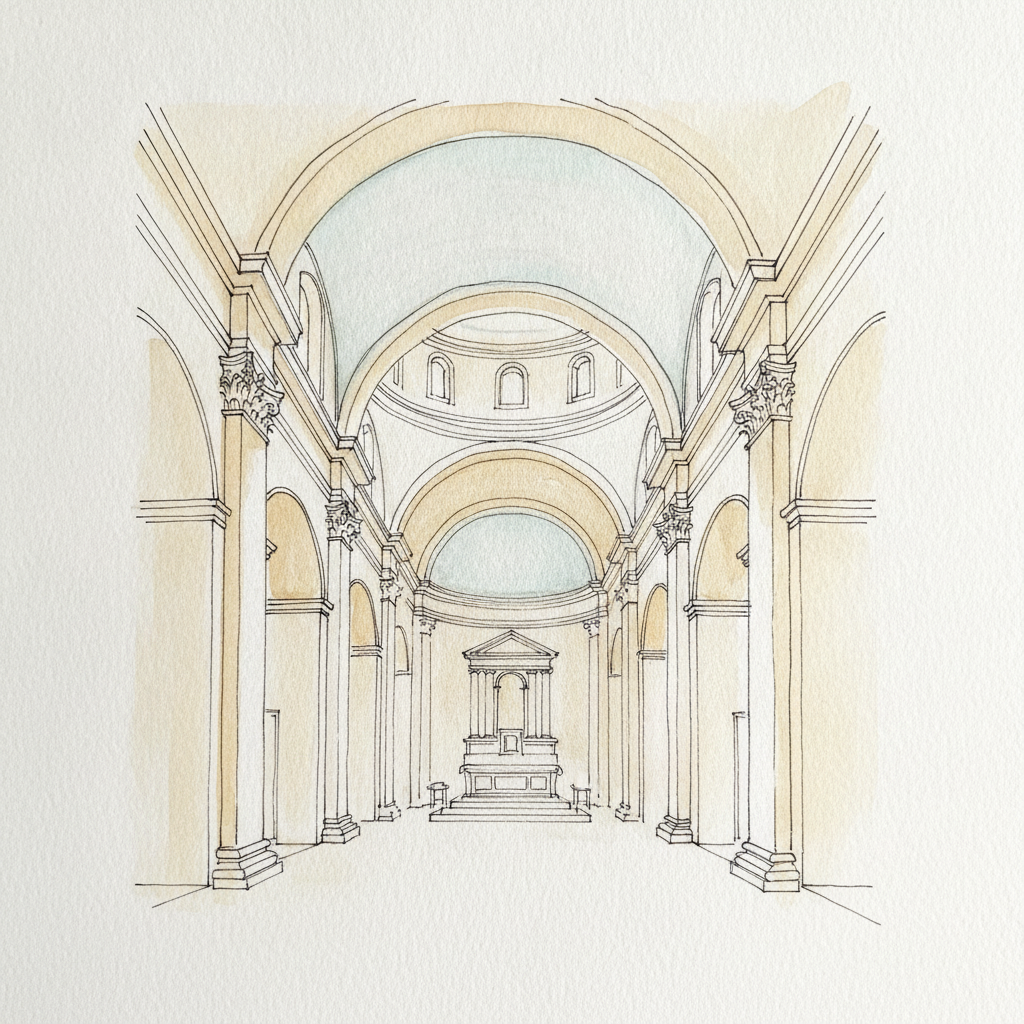
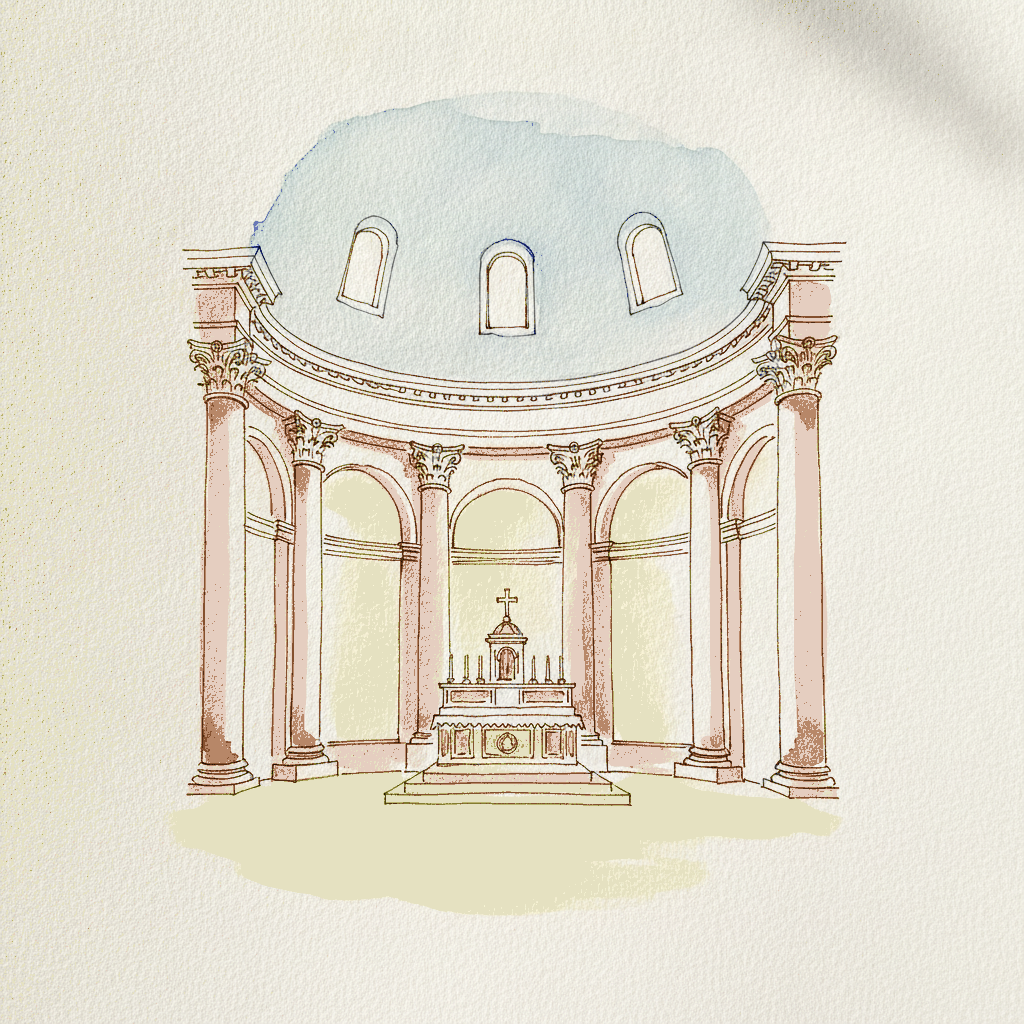

Focus for this piece
This piece offers an excellent study in using varied line weight to articulate the subtle planes and textures of a seemingly plain architectural facade, particularly differentiating between the travertine and stuccoed brick. Focus your pen work on clearly establishing the building's form and its integration within the surrounding streetscape. Then, use soft, layered washes to suggest the subtle shifts in light and shadow on its unassuming surfaces, allowing light values to define its volume and atmosphere without overworking the details.
Piece 3 — Eastern cottontail
Pen + Watercolor · Loose pen and watercolor line-and-wash
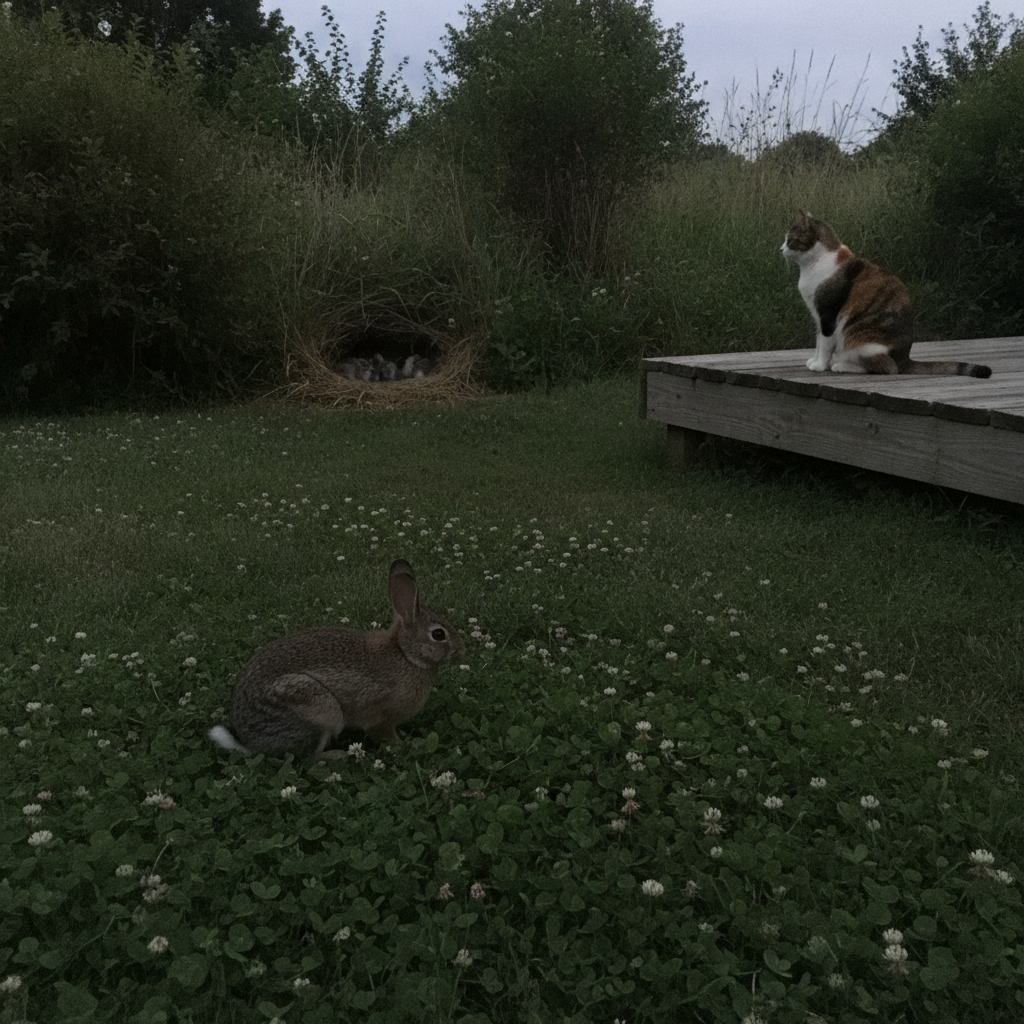
Three takes
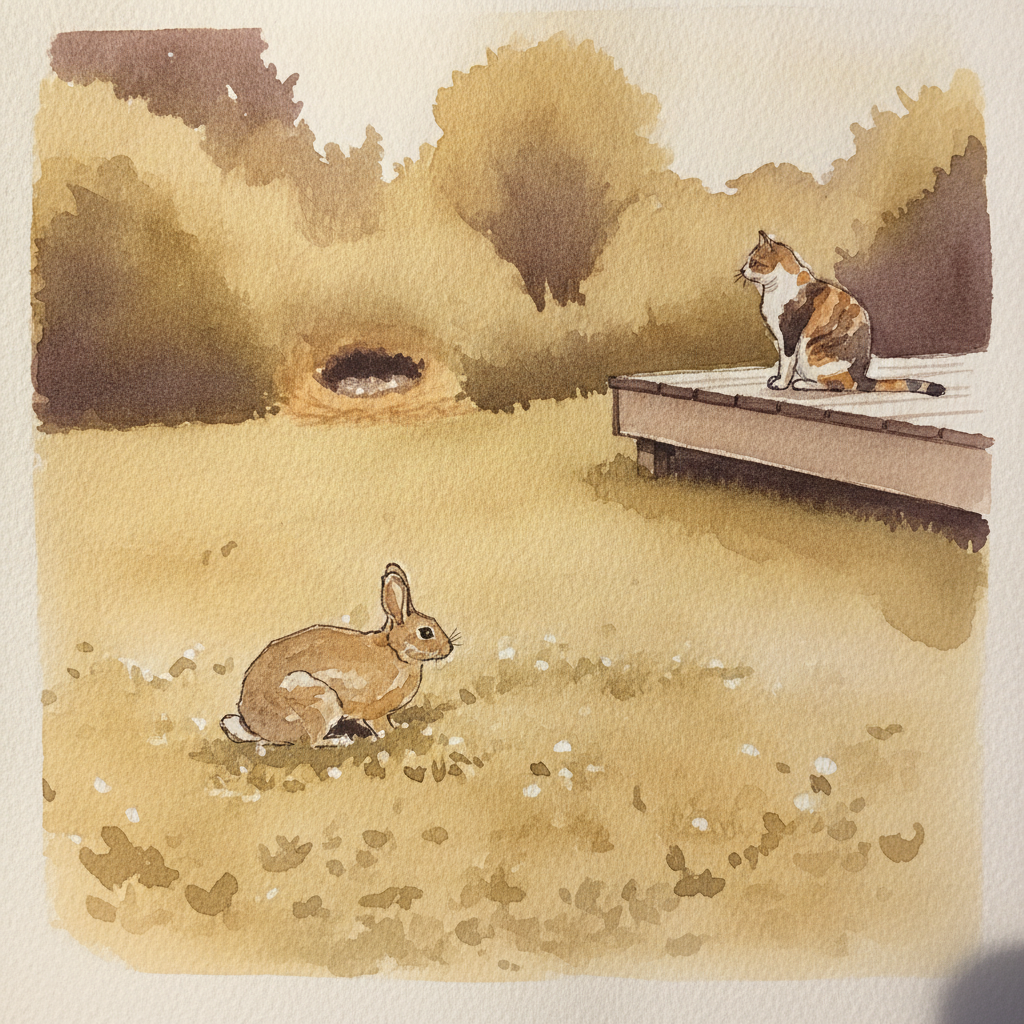

Focus for this piece
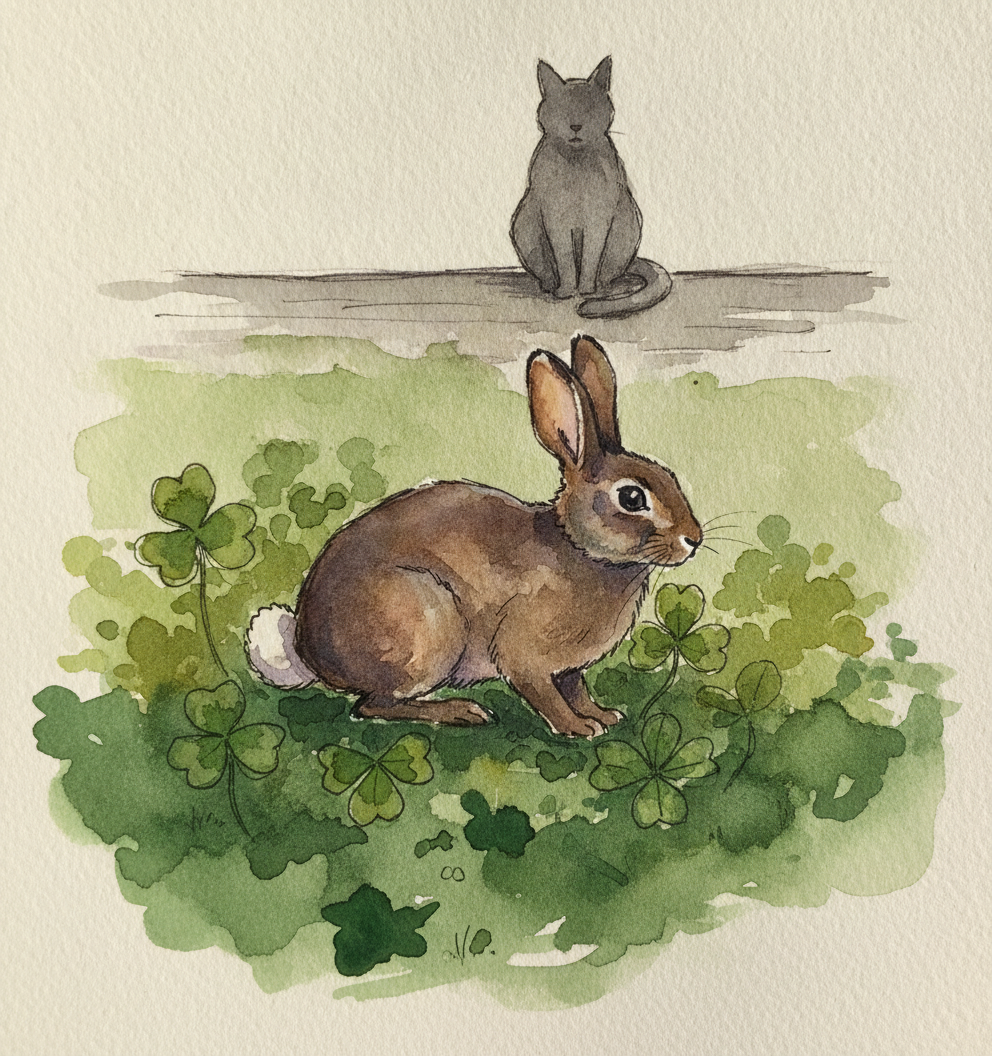
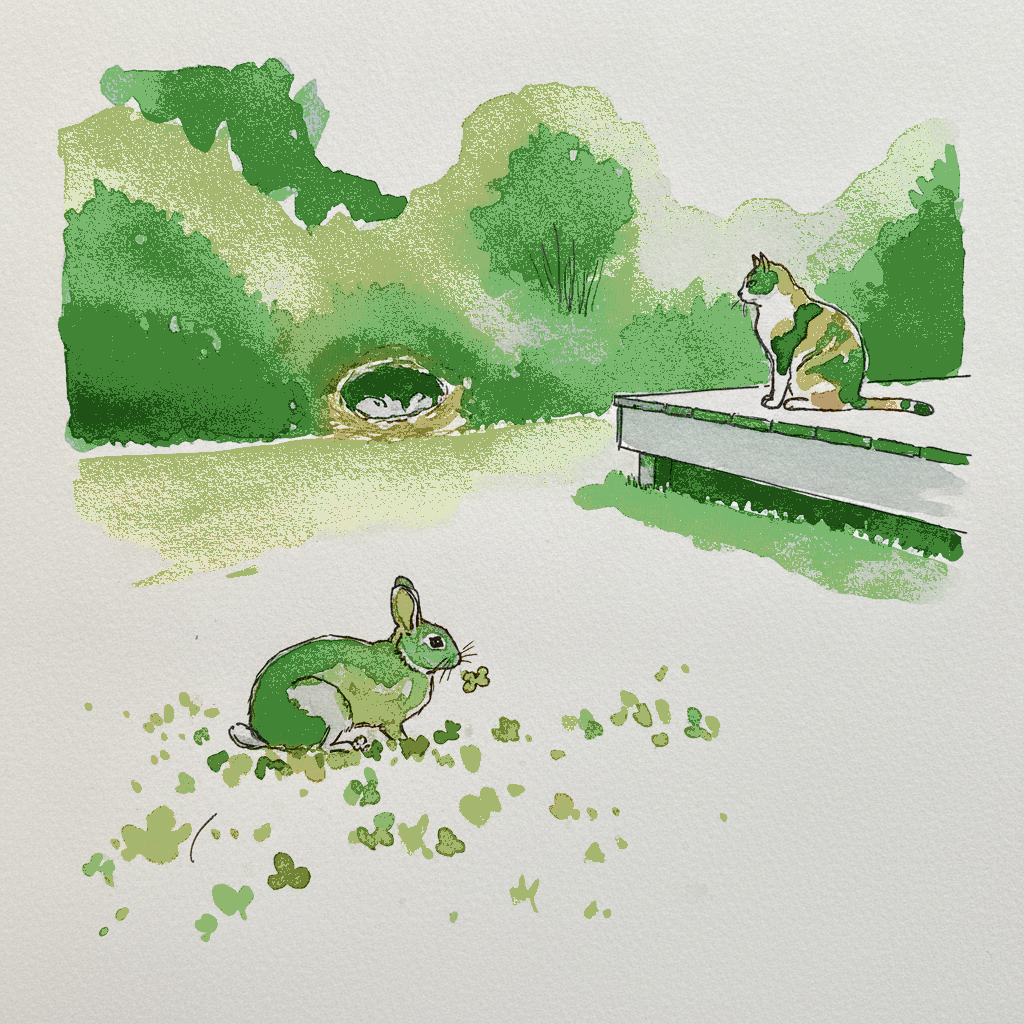
For this Eastern cottontail, focus on integrating the subject into its environment by using soft-edged, layered washes to establish the deep, cool shadows of dusk. Concentrate on allowing the rabbit's brown body to be largely *implied* by the surrounding values and textures of the clover patch rather than outlined with a consistent line. Experiment with varying line weights and selective detail, perhaps reserving crisper lines only for the swiveling ears or a few key clover leaves, to bring the form forward from the obscurity of twilight. The goal is a sense of quiet observation, where the rabbit is felt more than distinctly seen within the gathering darkness.
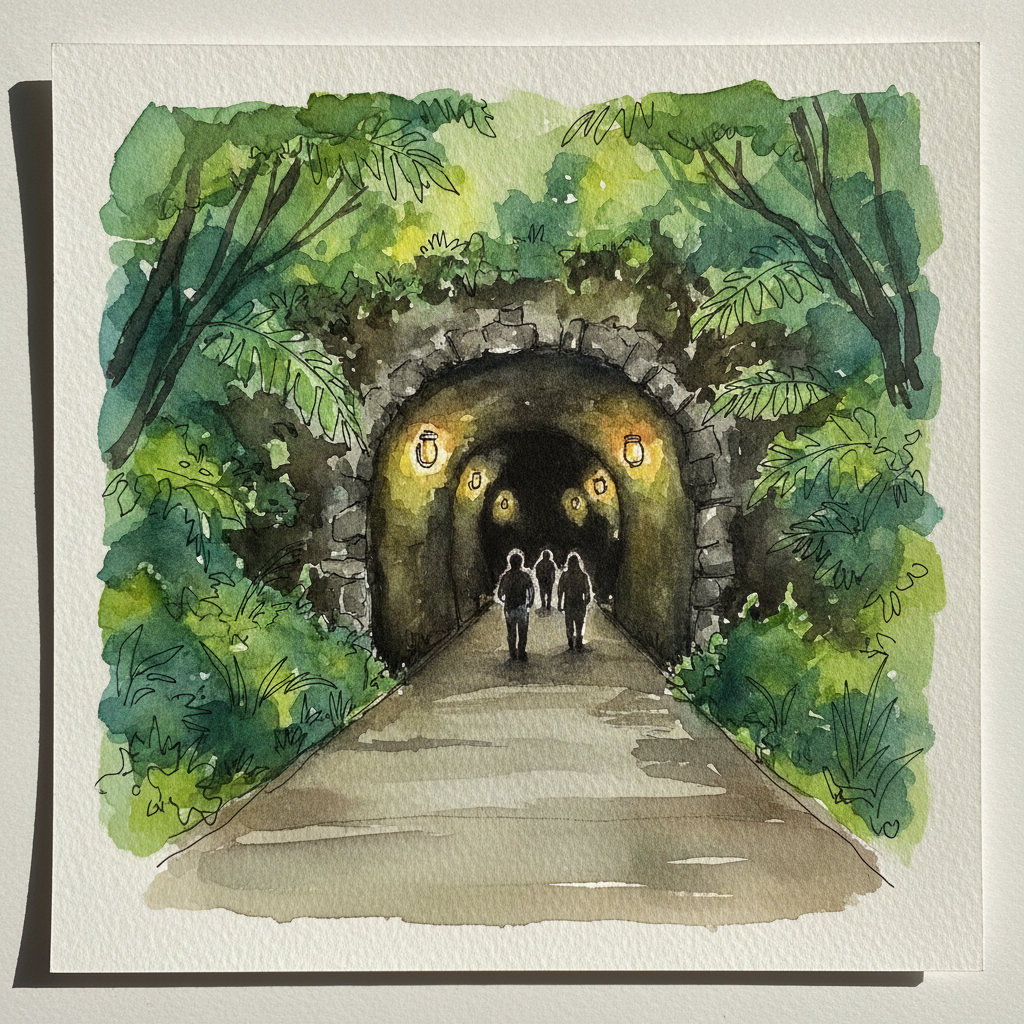
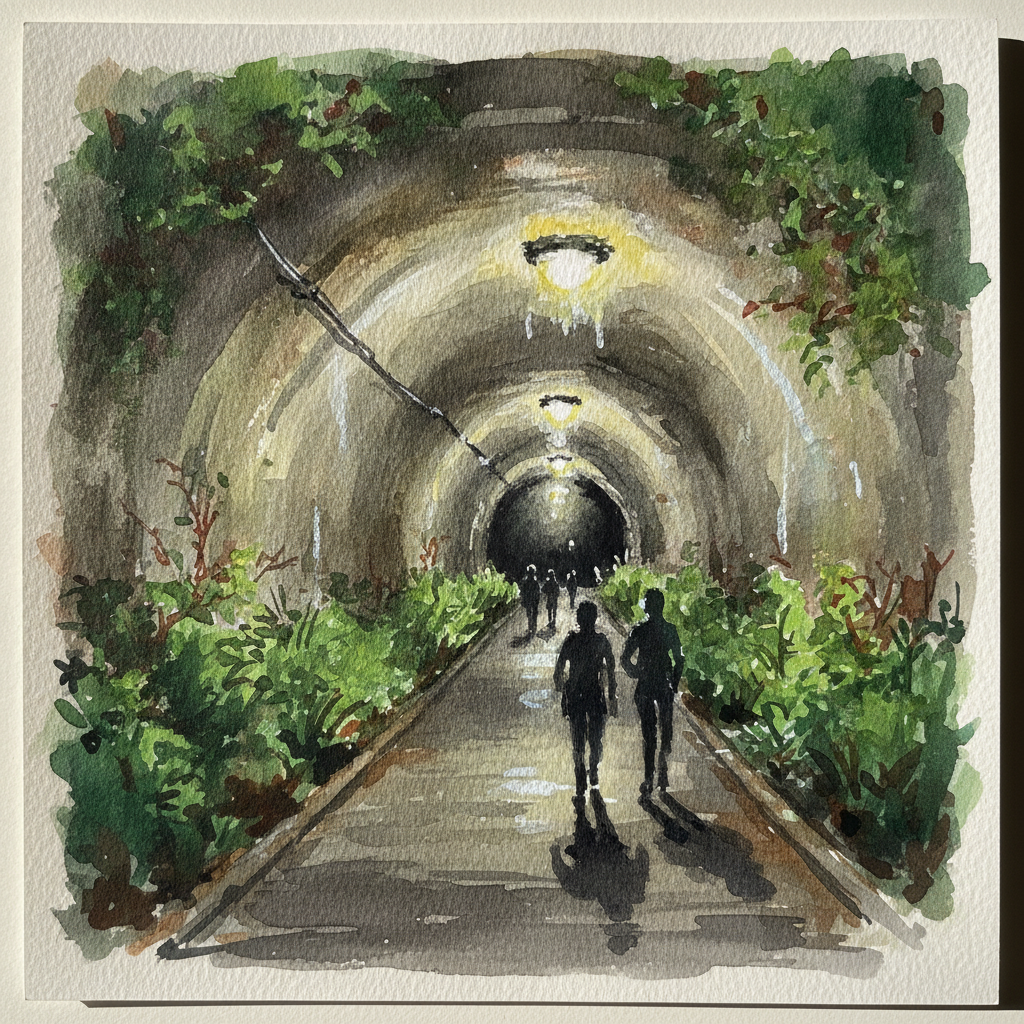
Piece 4 — Thurston Lava Tube, Hawaii Volcanoes NP
Pen + Watercolor · Loose pen and watercolor line-and-wash
Three takes
Focus for this piece
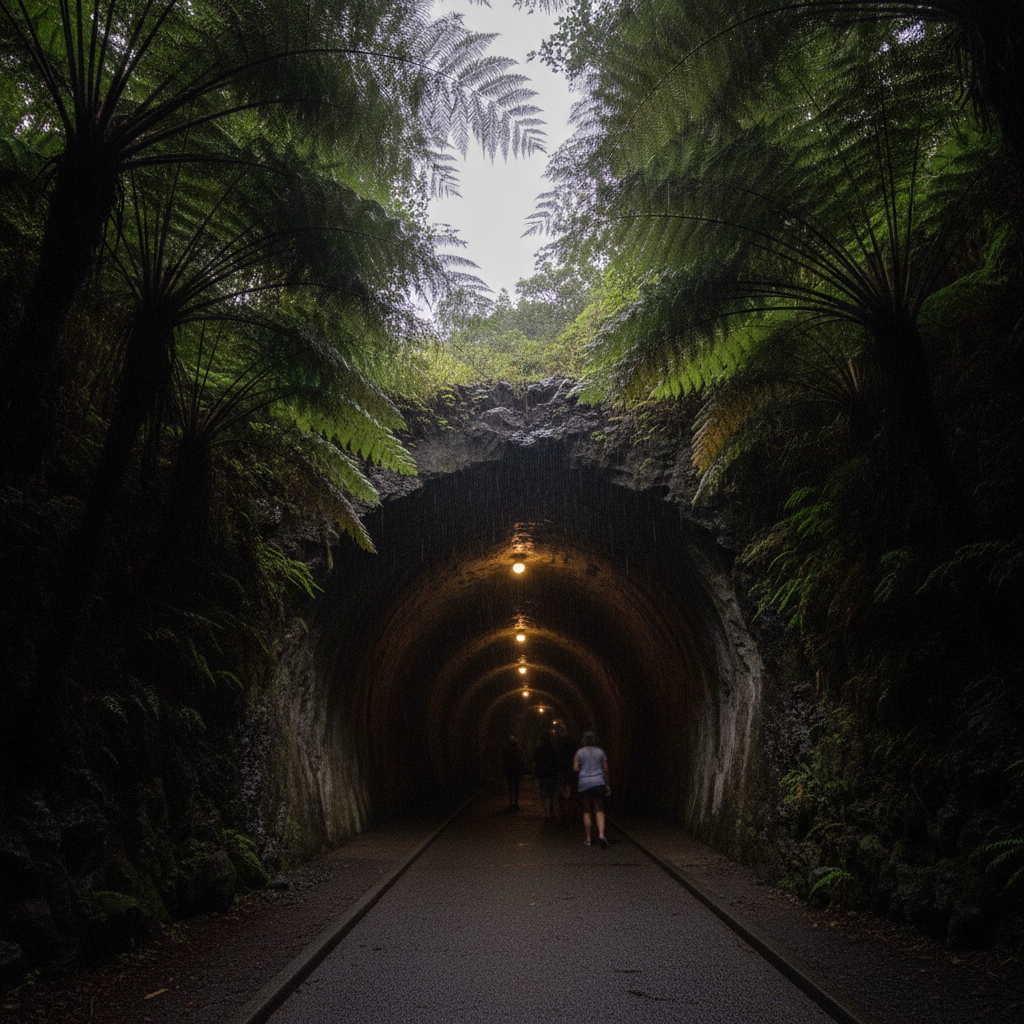
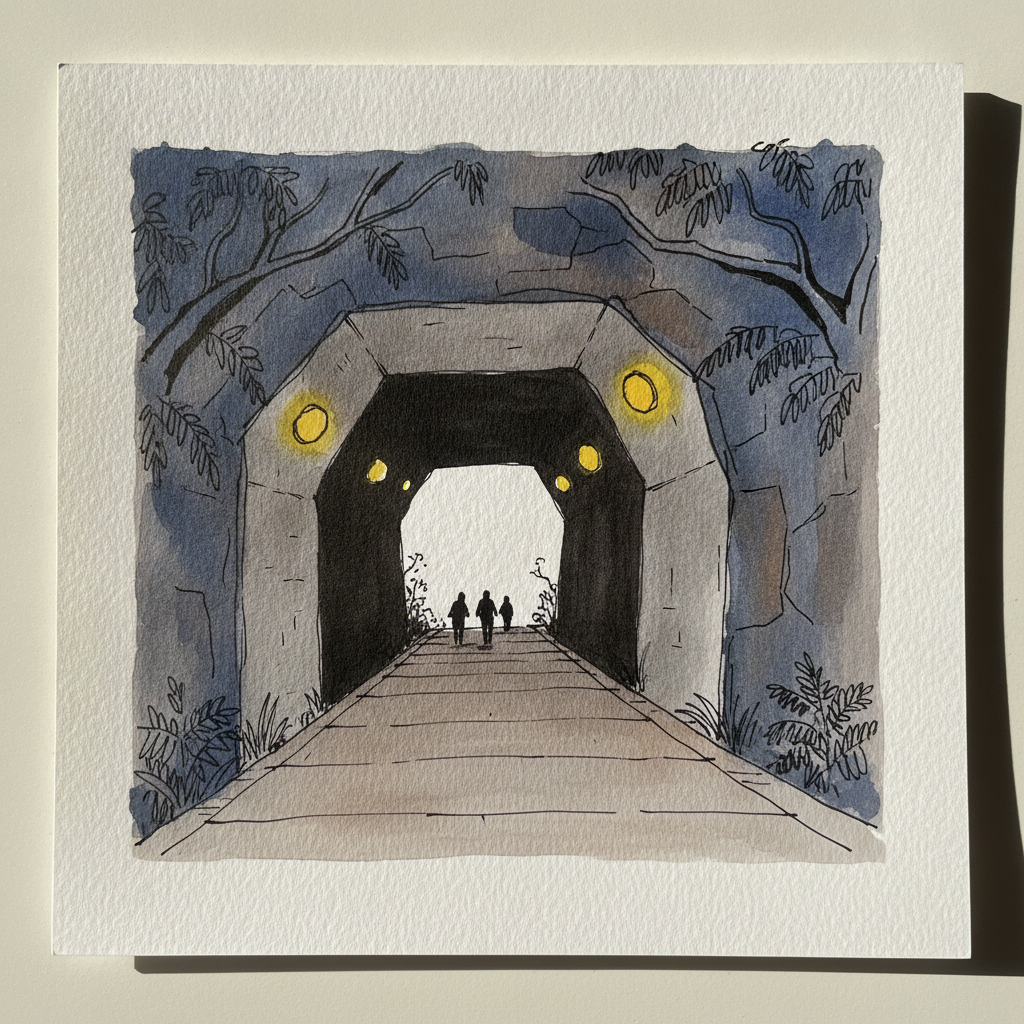
This piece is an excellent study in orchestrating multiple light sources and conveying atmospheric depth within a constrained space. Use varied line weights to define the tube's strong linear perspective, making the foreground ferns crisp against the smooth basalt. Then, employ careful layering of cool-toned washes to capture the receding darkness and the soft glow of the electric light pools, allowing the watercolor to suggest the cool, humid air.
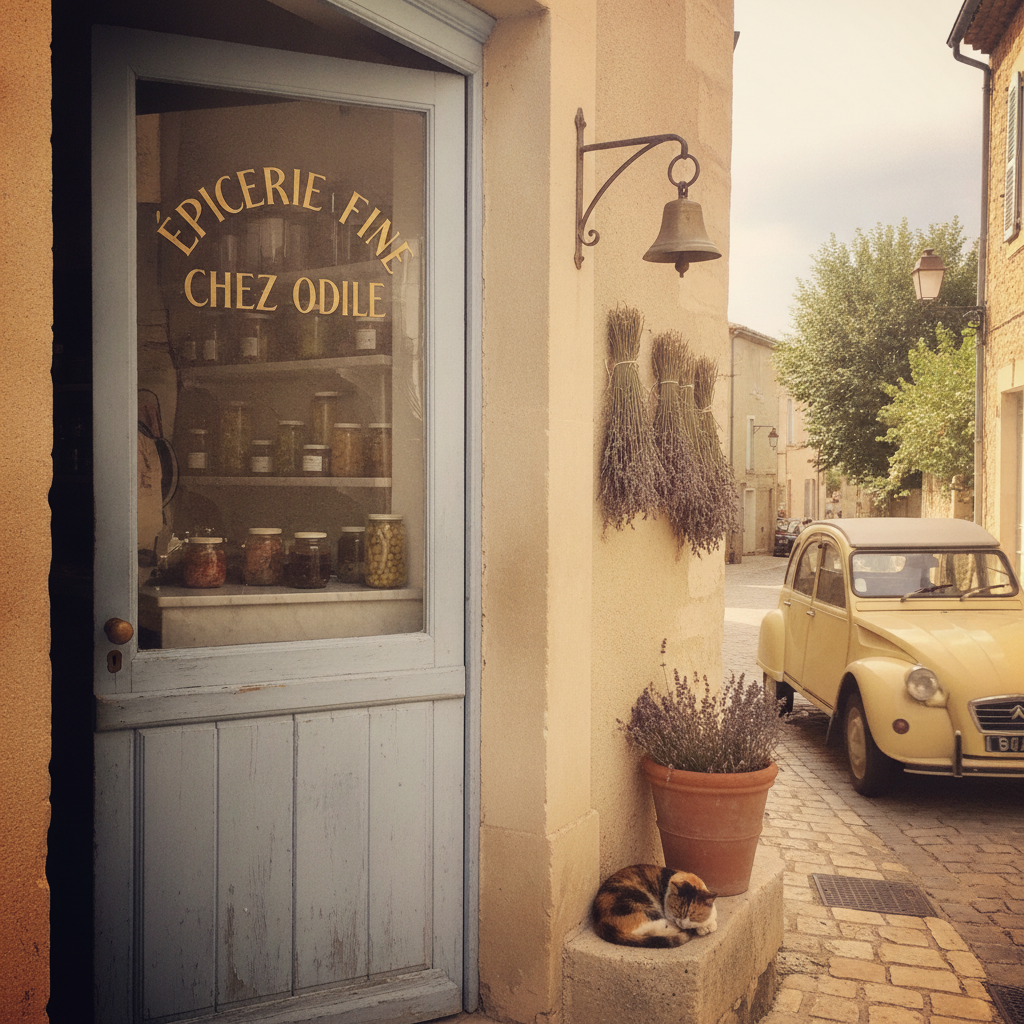
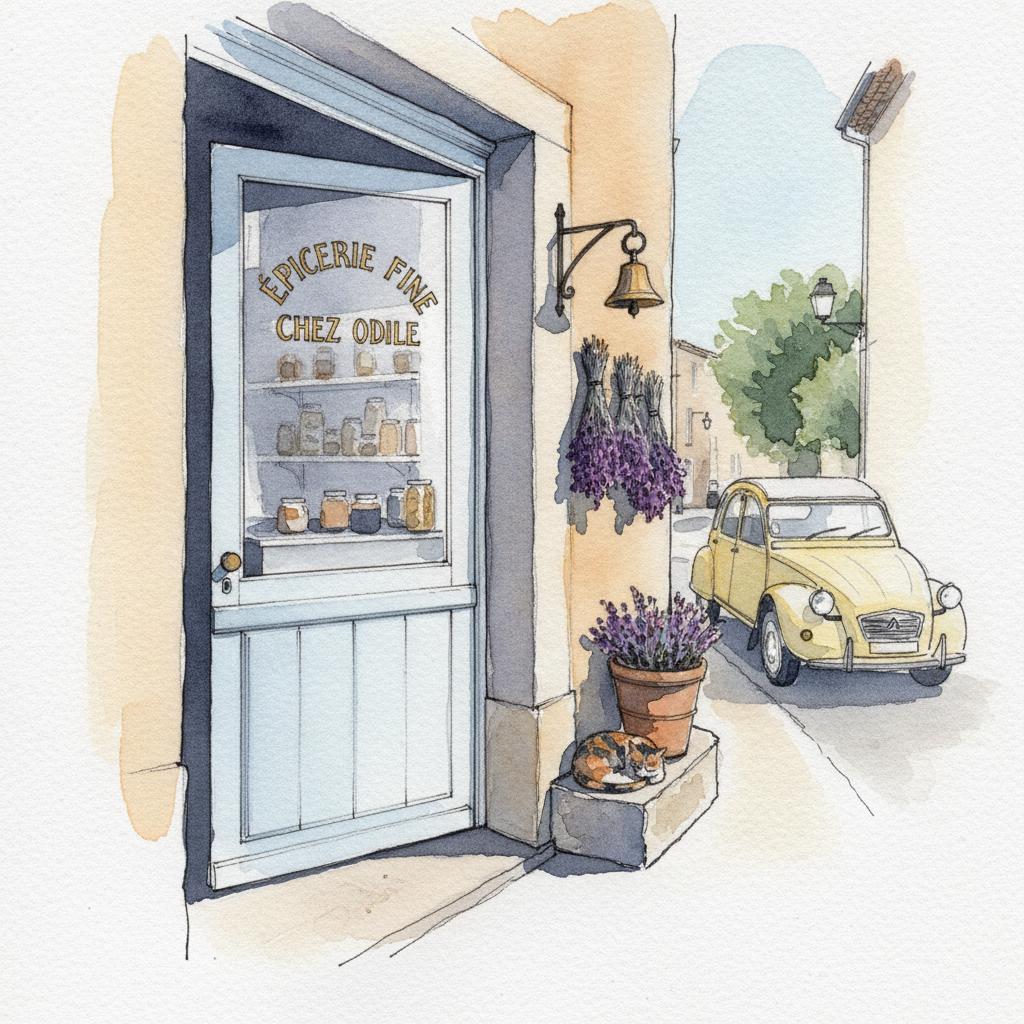
Piece 5 — Provençal Village Épicerie, Lavender Season
Pen + Watercolor · Loose pen and watercolor line-and-wash
Three takes

Focus for this piece
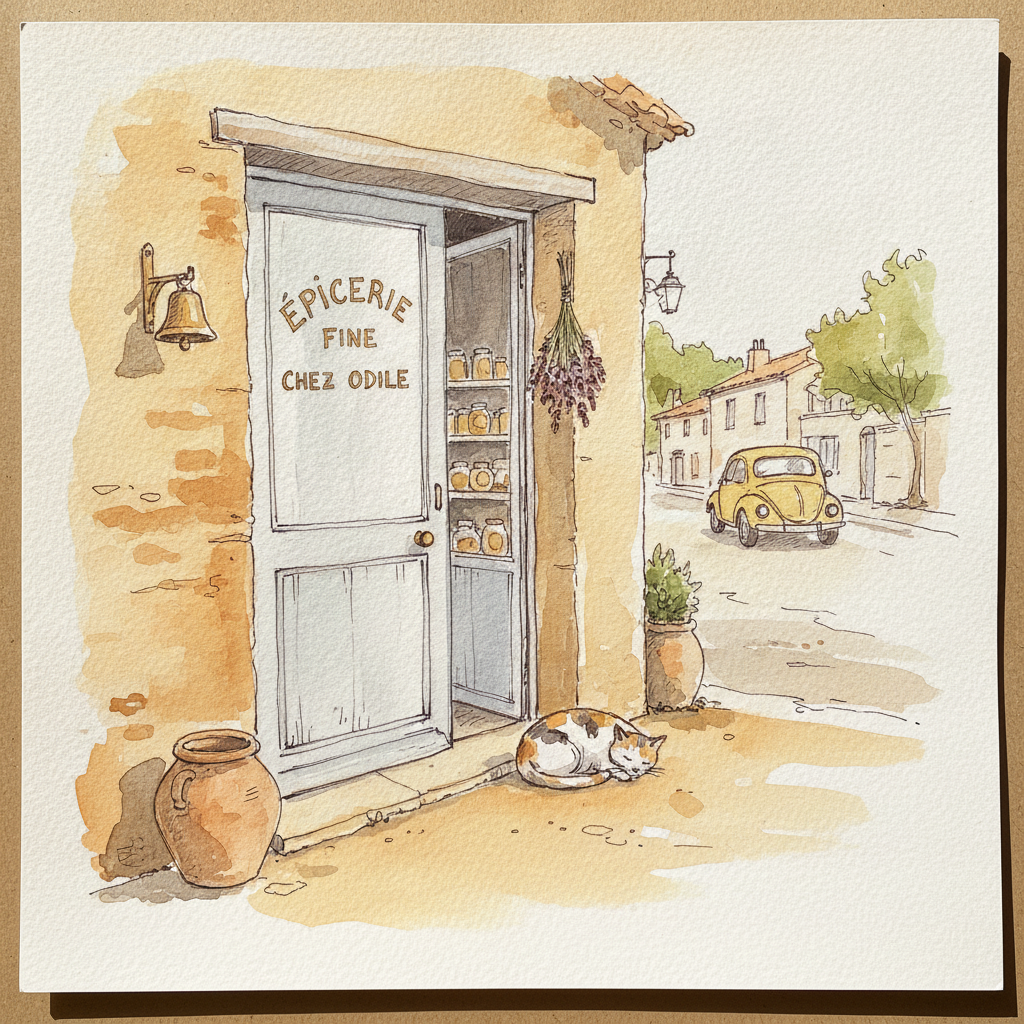
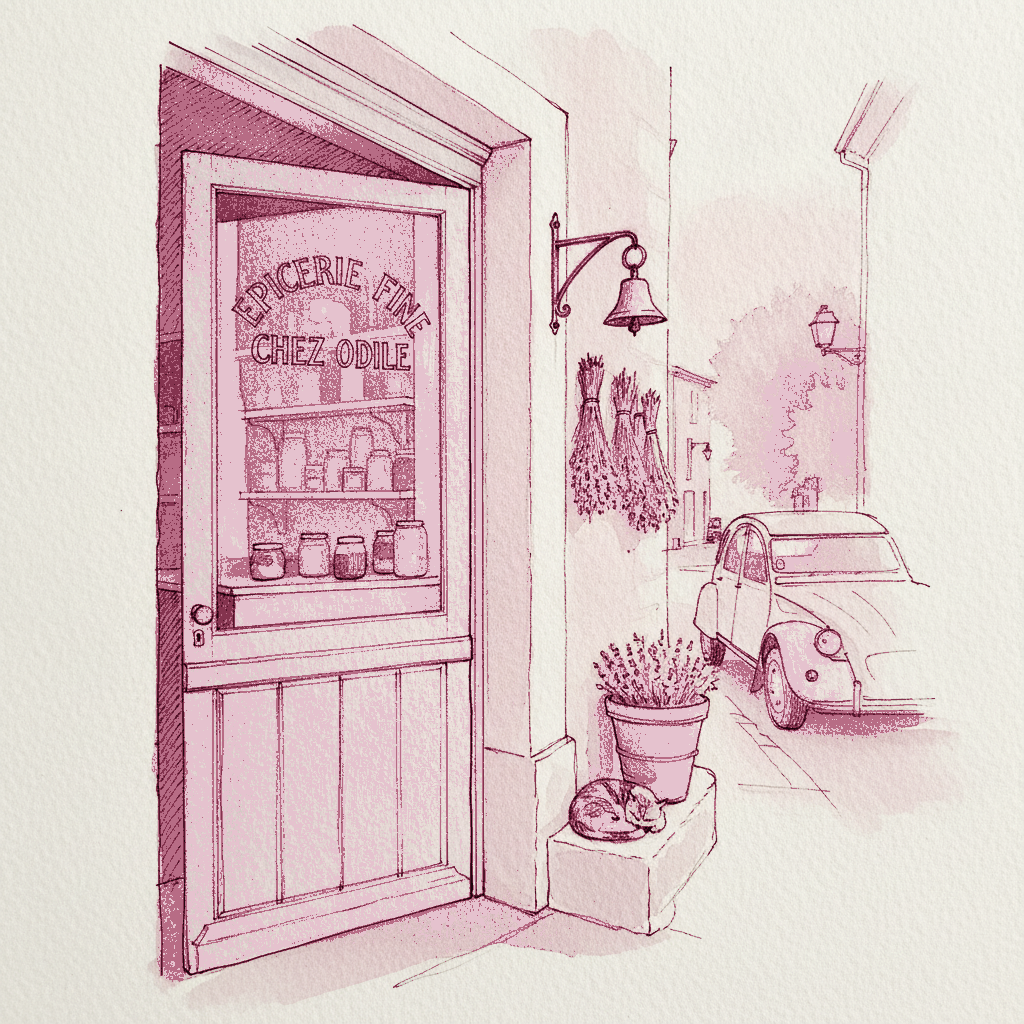
This piece offers a superb opportunity to practice depicting strong afternoon light and creating depth using a restrained, warm palette. Focus on crisp, definitive ink lines for the detailed Épicerie sign and the delicate lavender stems, letting them stand out against sun-bleached walls rendered with broad, luminous washes of ochre and raw sienna. Experiment with varying line weight and value to define foreground elements like the sleeping cat and the brass bell, while suggesting the receding interior of the shop with softer, lighter lines and dilute background washes.
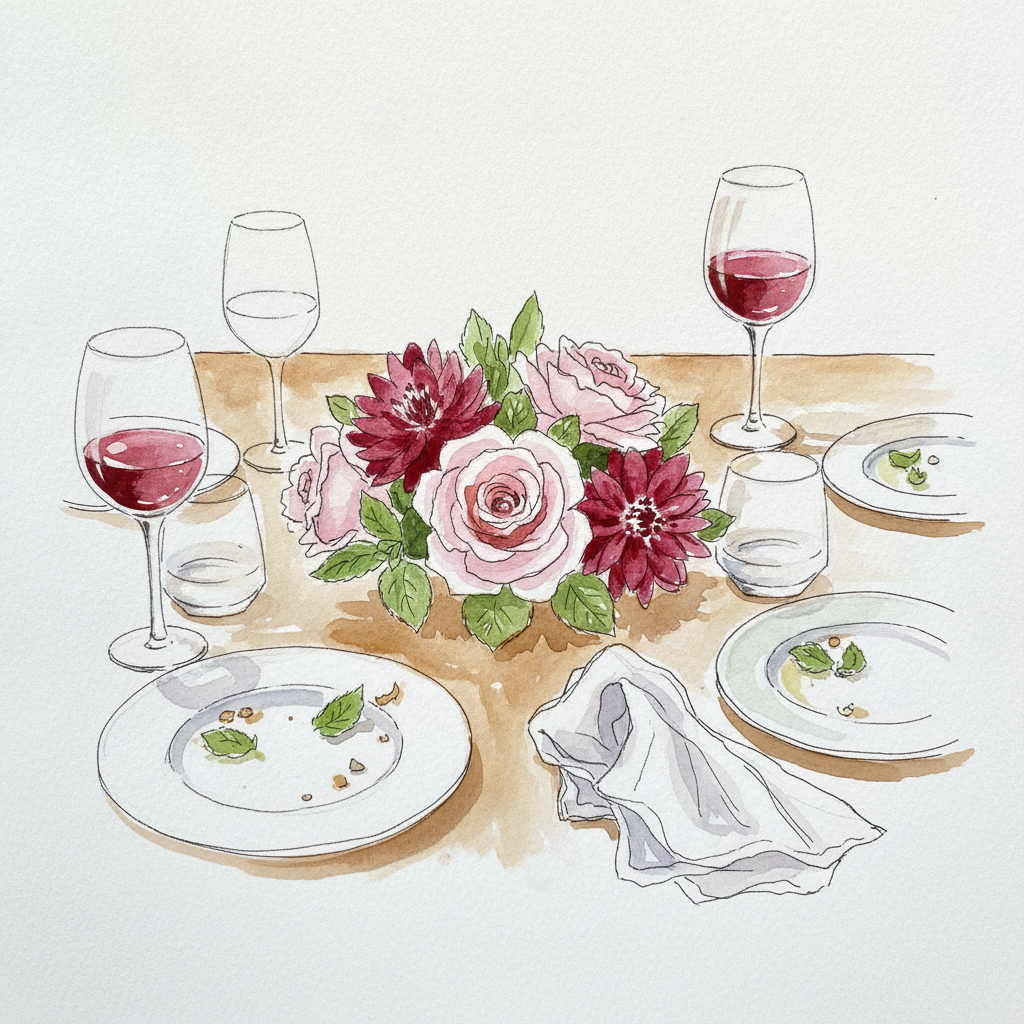
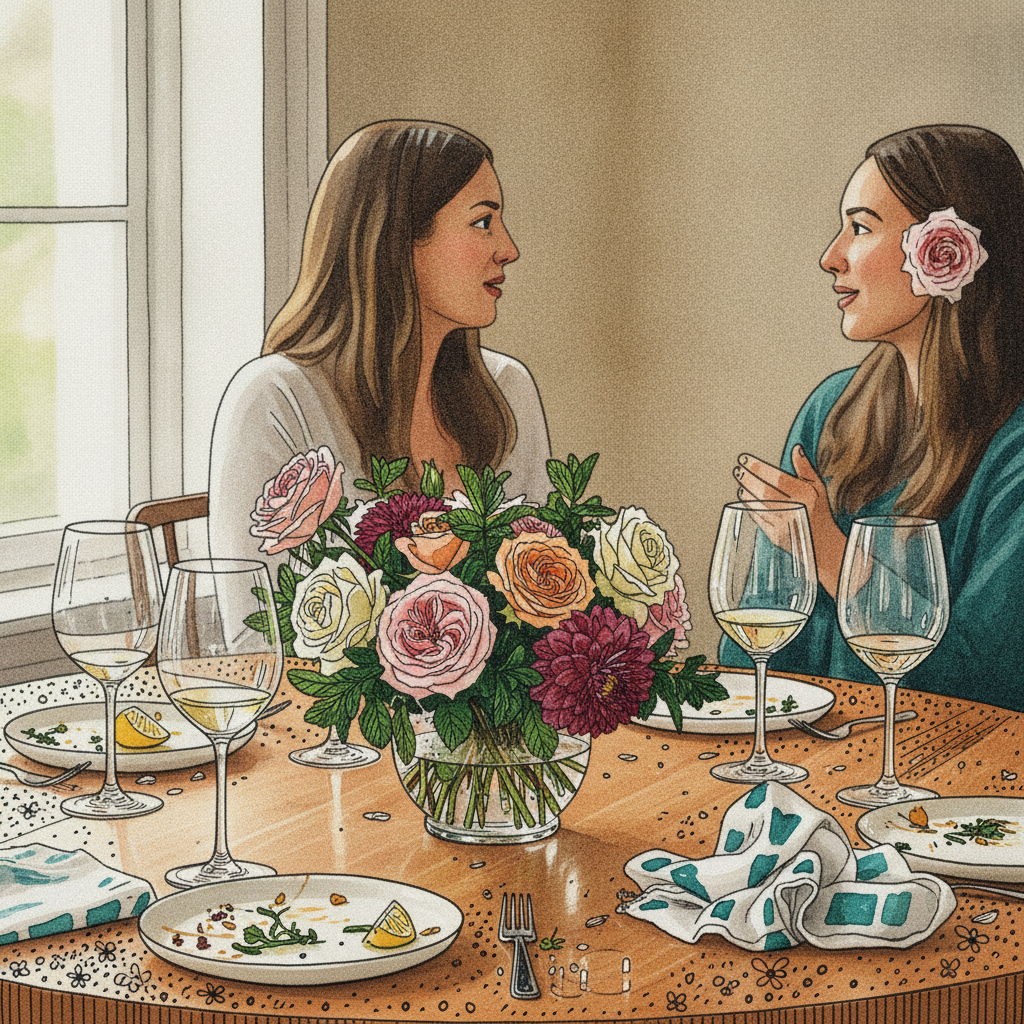
Piece 6 — Dining table, mid-conversation
Pen + Watercolor · Loose pen and watercolor line-and-wash
Three takes
Focus for this piece
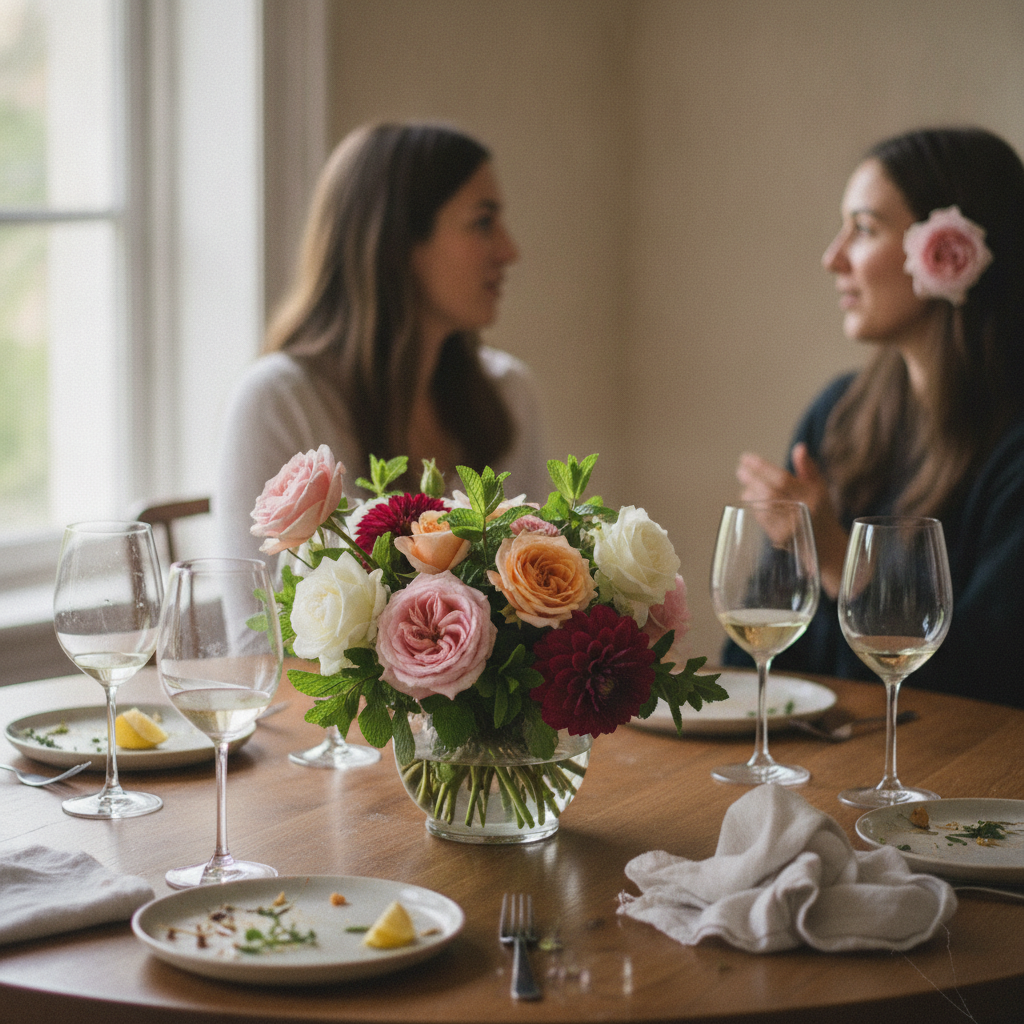
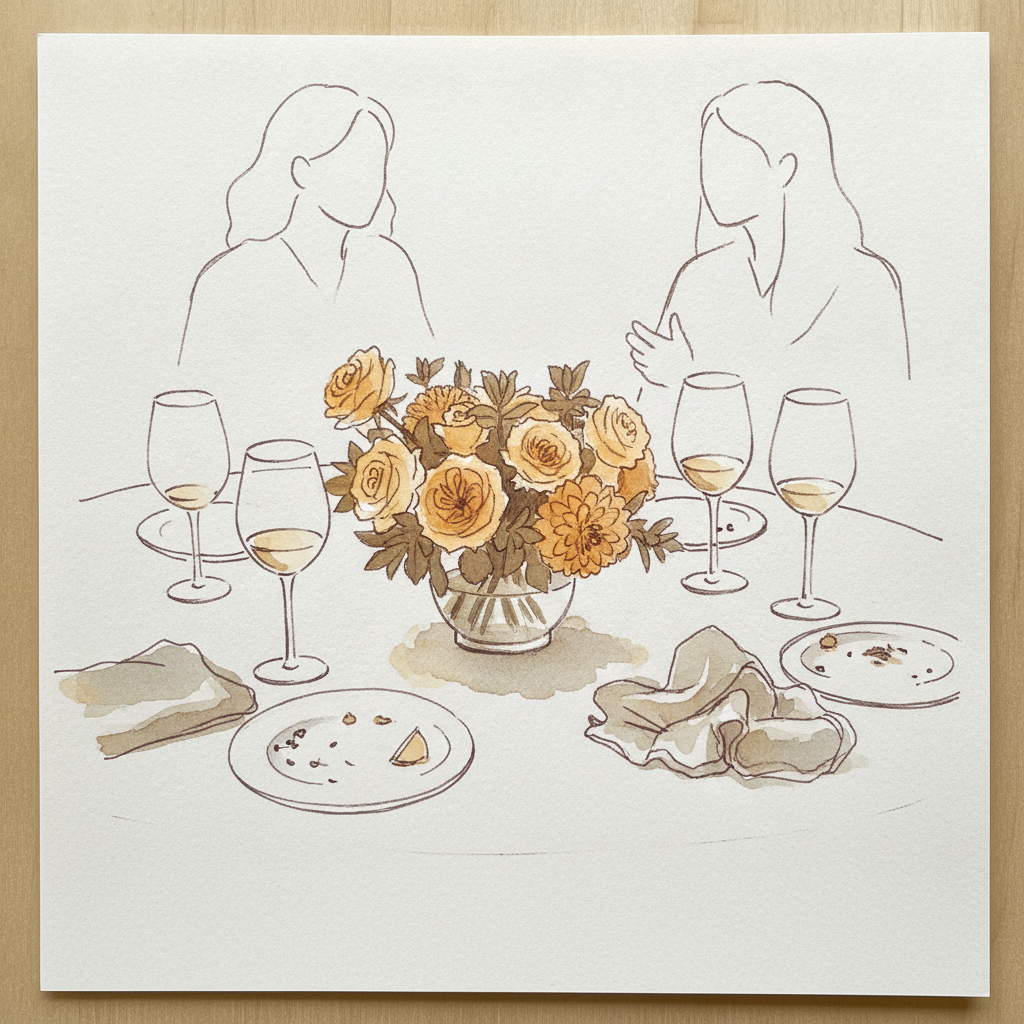
This piece offers a great study in creating depth at a low, eye-level perspective, looking *across* the table rather than down onto it. Focus on how the negative spaces around the vase and between the half-full glasses effectively define the complex overlapping shapes. Use lighter, broken pen lines for the receding background elements and table surface, reserving richer, more descriptive washes and stronger lines for the flowers and spilled details to pull them forward.
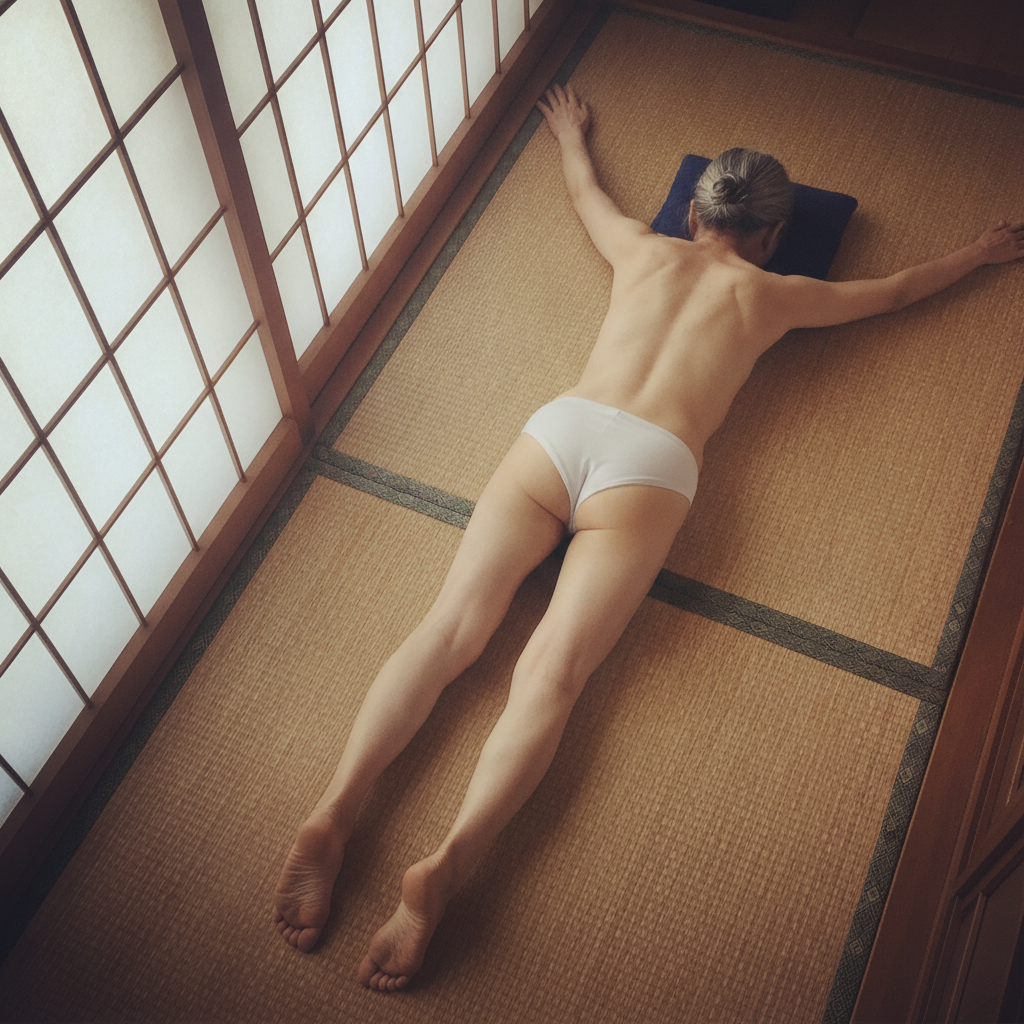
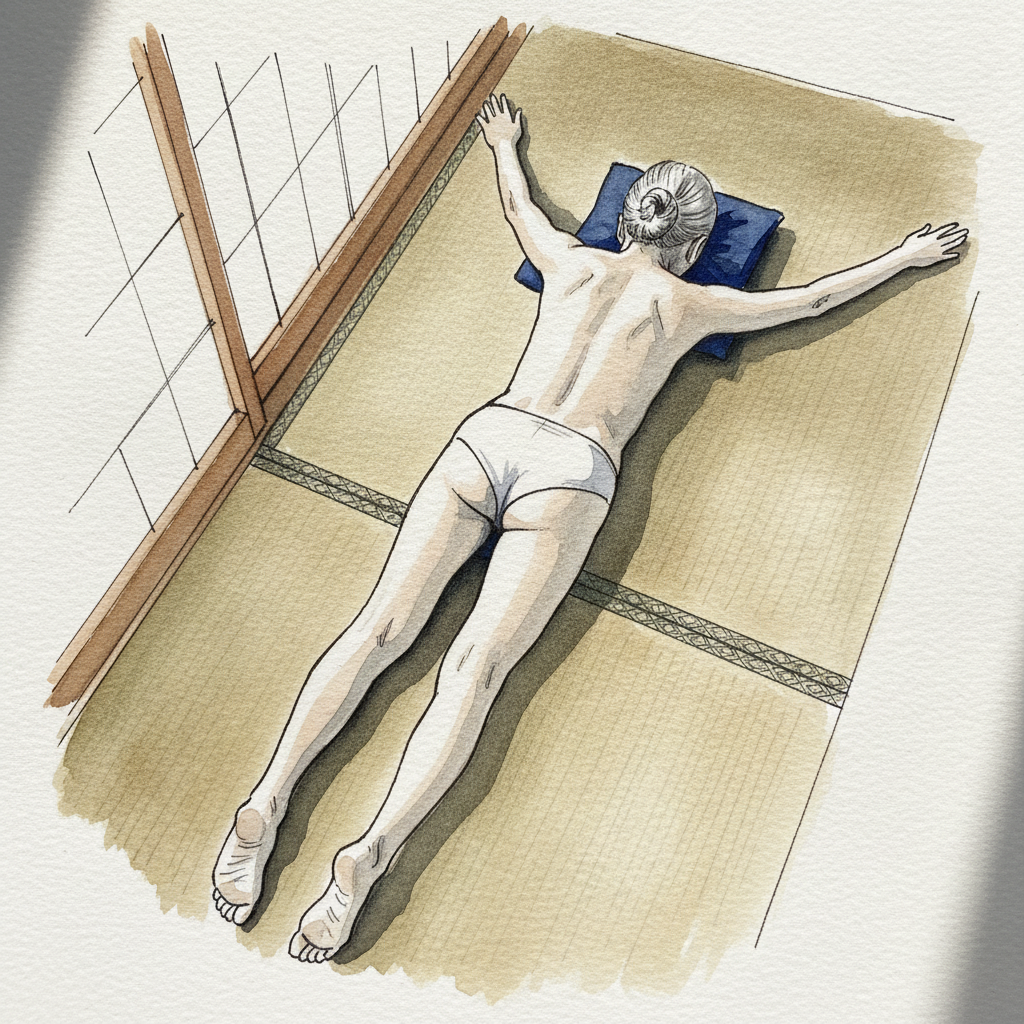
Piece 7 — V-Arms Prone, Korean Grandmother on Tatami
Pen + Watercolor · Loose pen and watercolor line-and-wash
Three takes
Focus for this piece
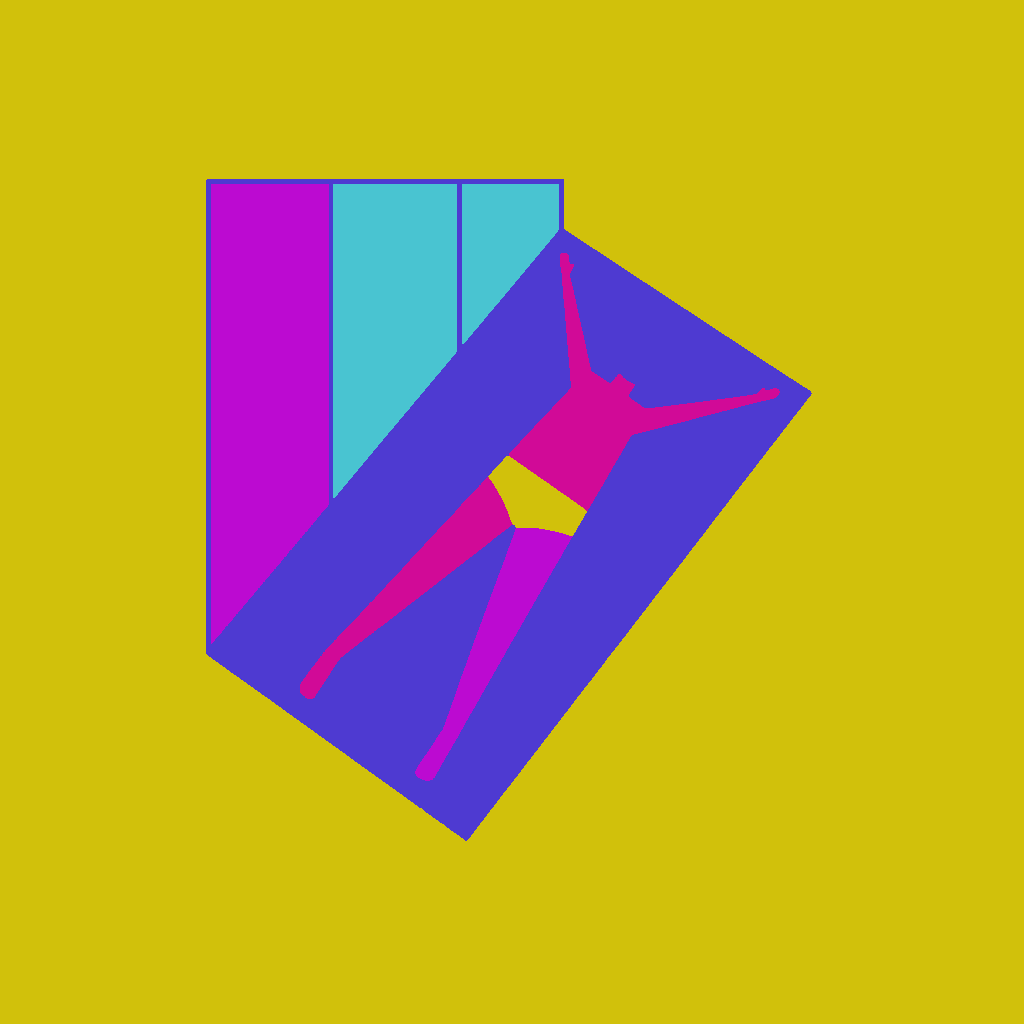
This piece offers an excellent study in building soft, volumetric form through expansive, wet-on-wet watercolor washes, allowing the pigment to softly model the figure's "dowager curve" and the relaxed "V" of her arms. Complement these atmospheric washes with highly selective pen lines, using a light, broken touch to suggest the subtle "soft thickening of age" and reserving a firmer line for small anchor points like the "silver knot of her bun" or the edge of the indigo cloth. This approach ensures the delicate balance between structure and the diffused "soft even wash" of light across her form.
Piece 8 — Sari draped on a standing woman
Pen + Watercolor · Loose pen and watercolor line-and-wash
Three takes
Focus for this piece
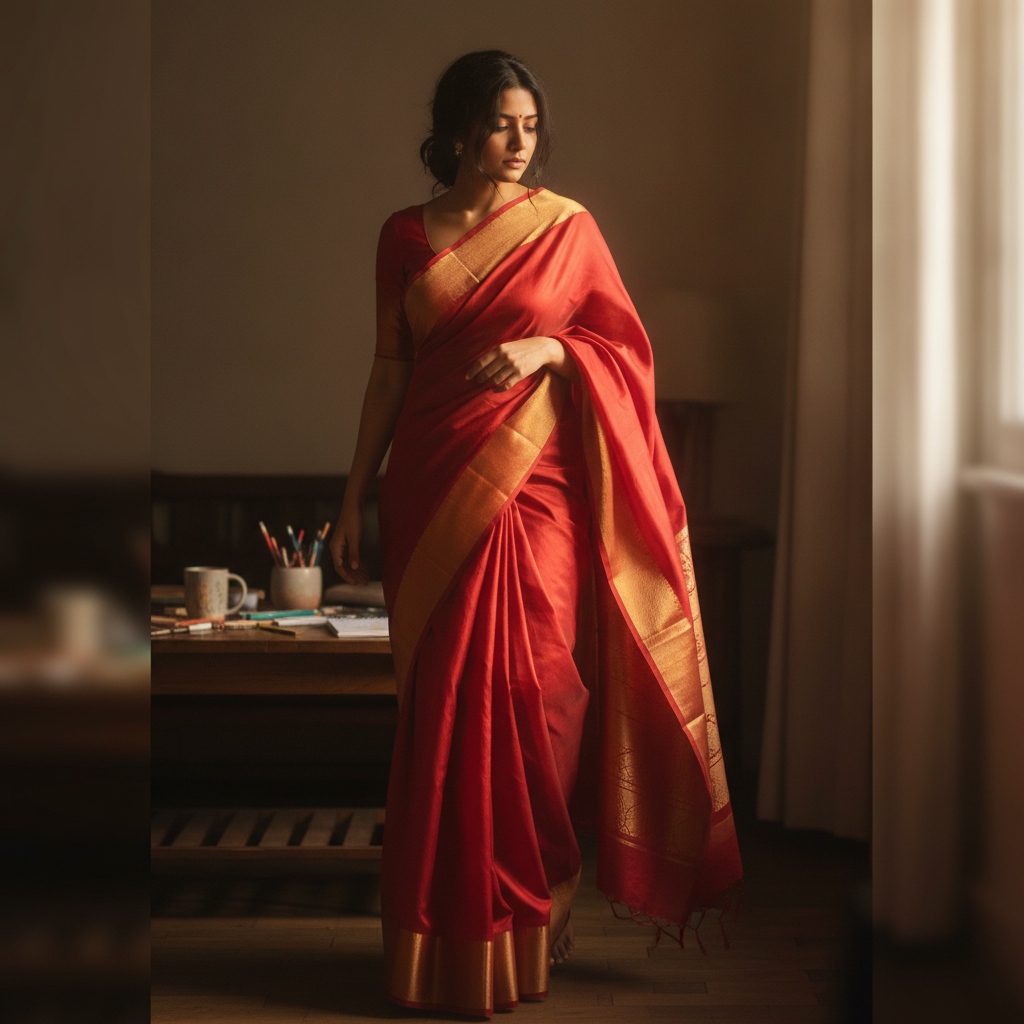
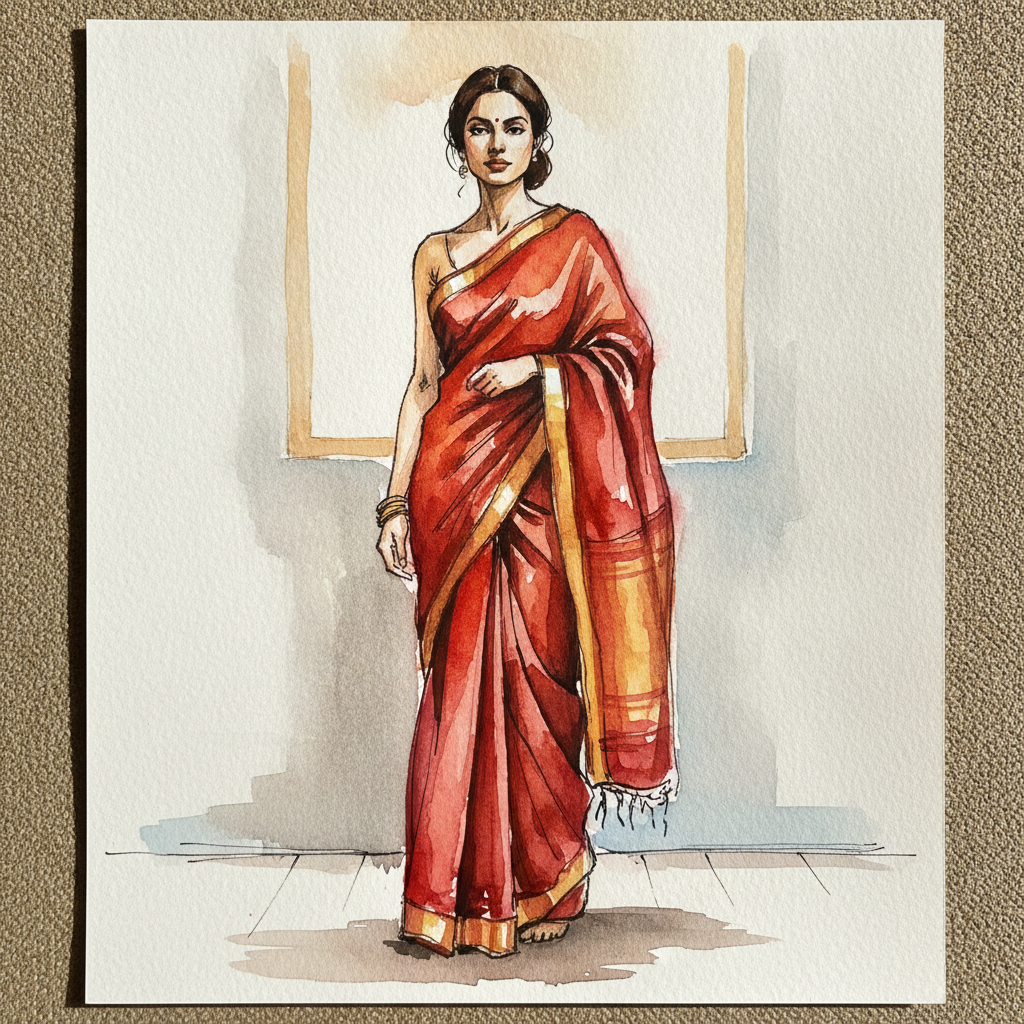
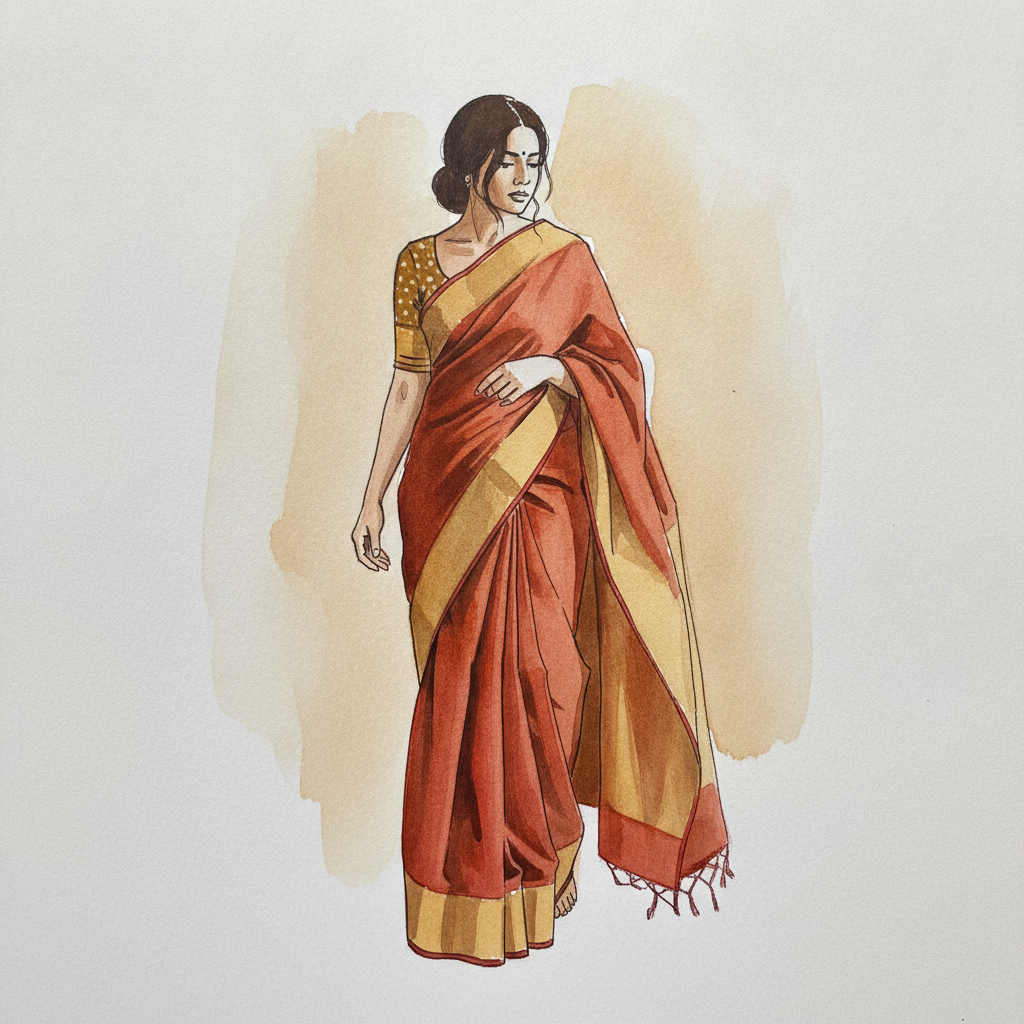
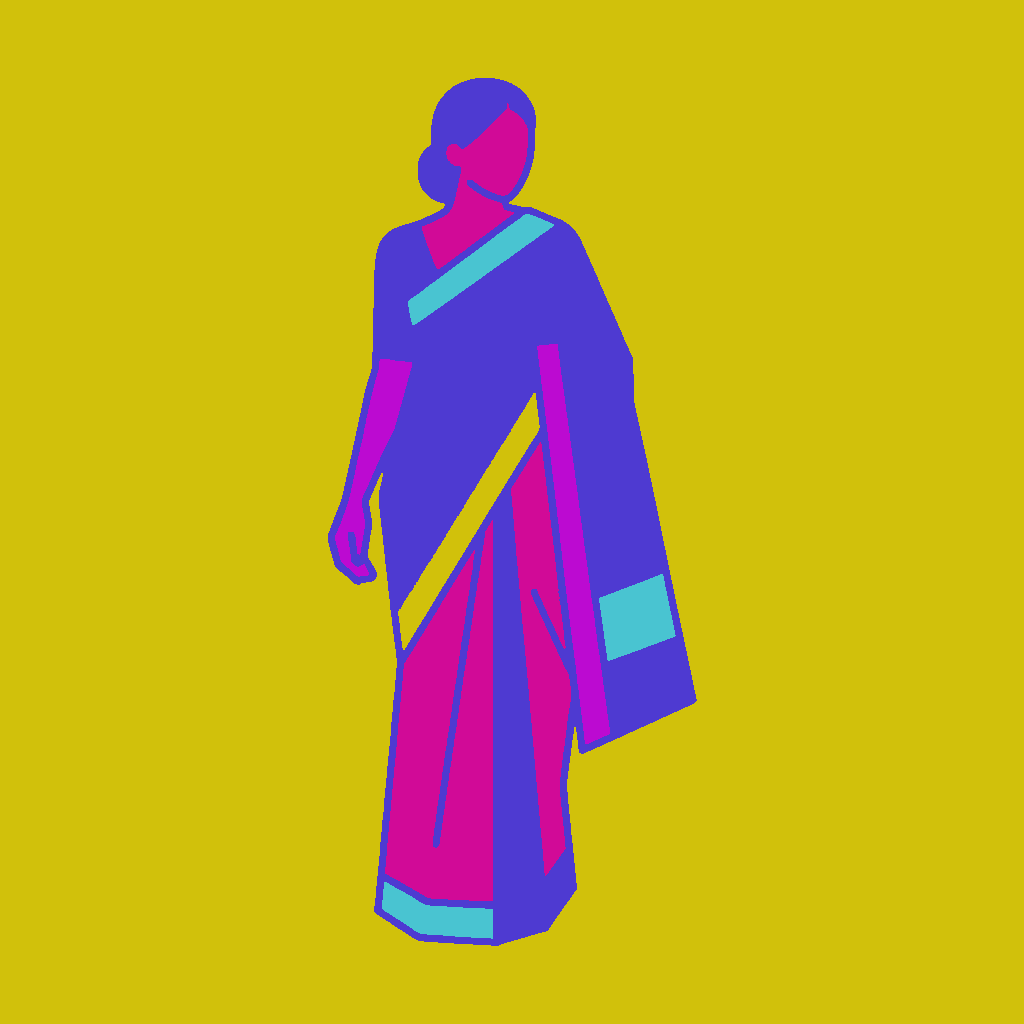
This piece is ideal for studying how a single light source reveals the *volume and movement of draped fabric*. Use sensitive, varied pen lines to trace the curves and creases, applying lighter pressure for folds turning towards the light and heavier strokes for those in shadow. Follow this with warm, graduated washes of vermillion, allowing the transparency of the watercolor to build up the silk's luminous depth and reveal the woman's underlying form and stride.