Common chicory, Old Man of Storr cliff face, Isle of Skye, Scotland, The thinker on the throne, Hand Brushing Hair Back, Mixed-Race Woman 30s, and more — pen + watercolor for August 31, 2026
AI-generated daily art-practice references for pen and watercolor: Common chicory, Old Man of Storr cliff face, Isle of Skye, Scotland, The thinker on the throne, Hand Brushing Hair Back, Mixed-Race Woman 30s, Movie premiere crowd, Munich Tram Stop, Foggy Halo, Korean Joseon Moon Jar, Pierres Viv…
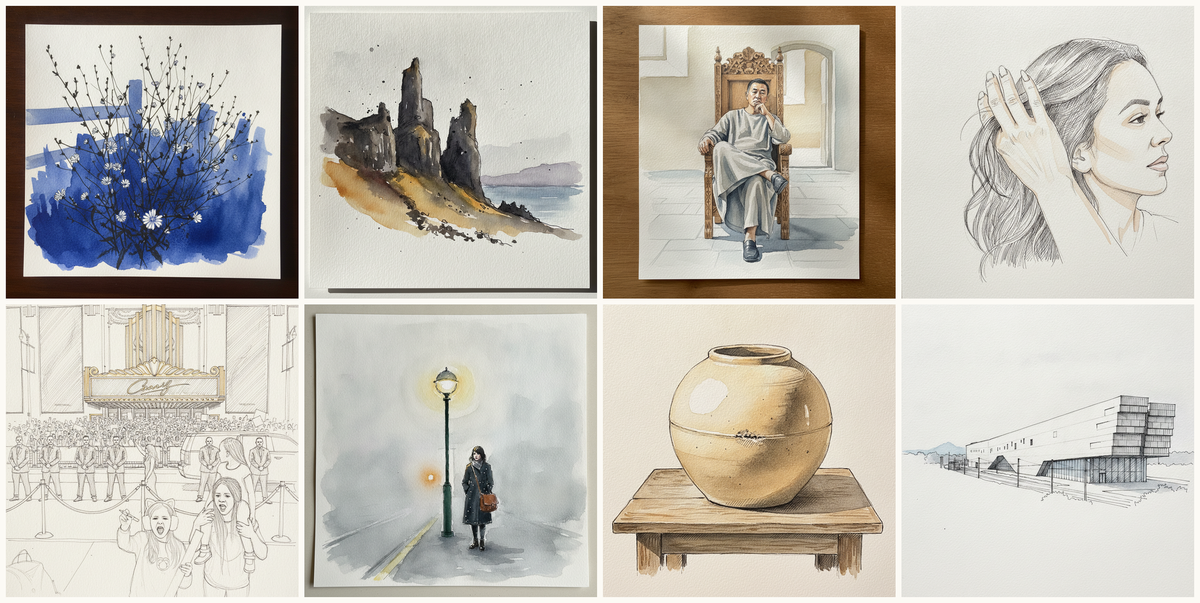
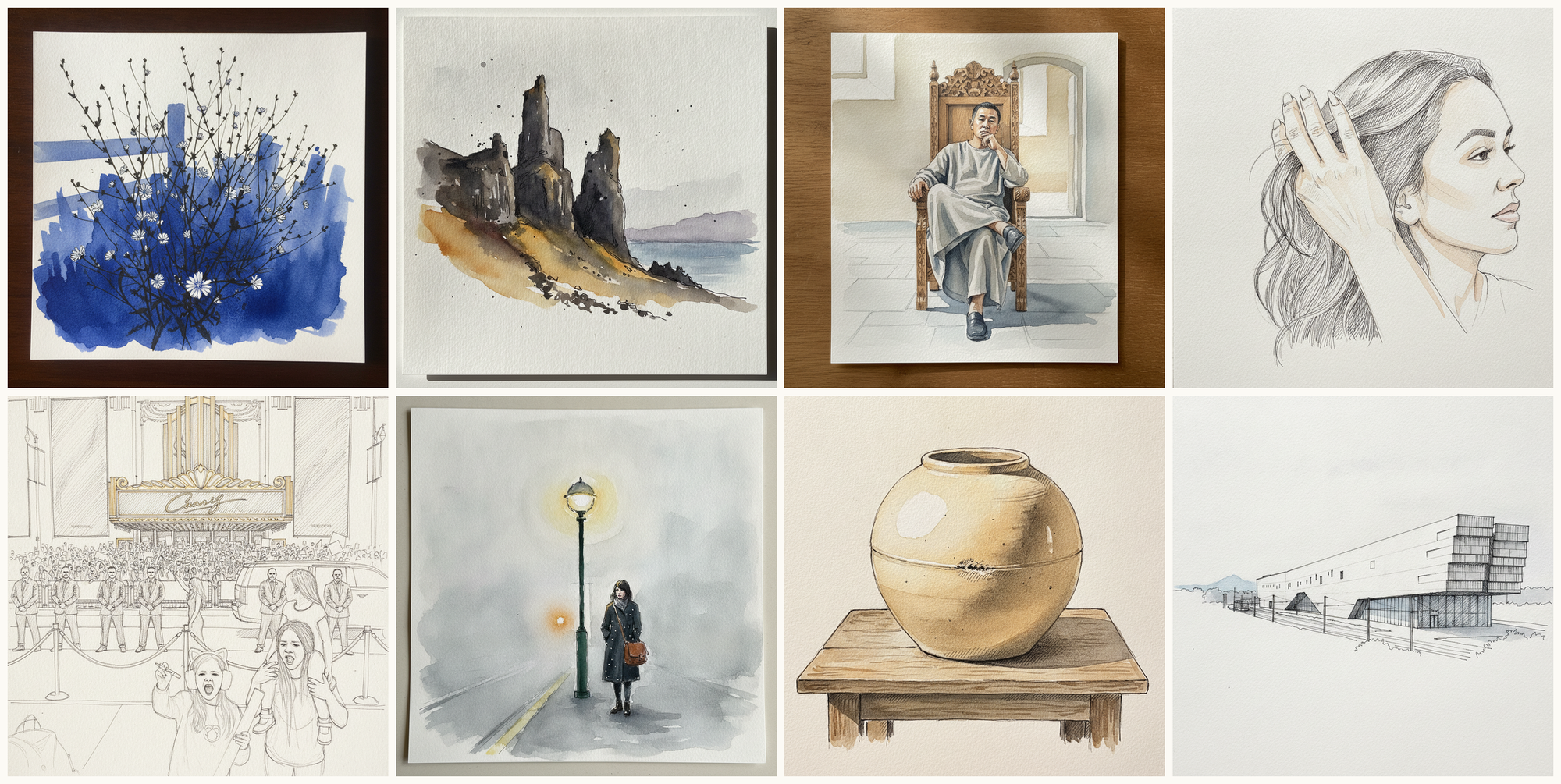
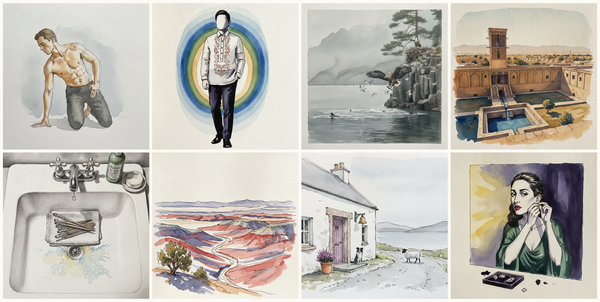
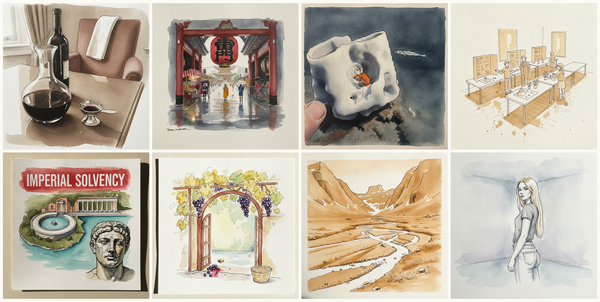
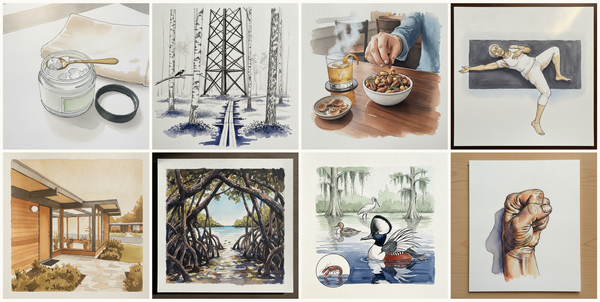
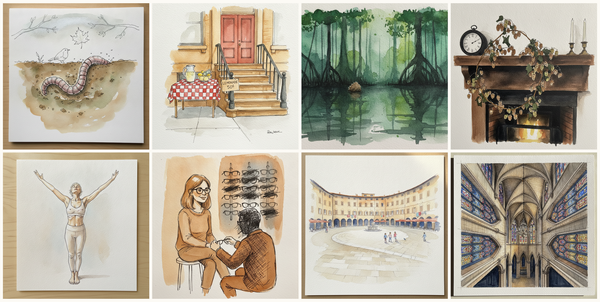
Today's 8 pen-and-watercolor pieces: Common chicory, Old Man of Storr cliff face, Isle of Skye, Scotland, The thinker on the throne, Hand Brushing Hair Back, Mixed-Race Woman 30s, Movie premiere crowd, Munich Tram Stop, Foggy Halo, Korean Joseon Moon Jar, Pierres Vives, Montpellier, France. Each piece comes with an AI-generated photoreal reference, three AI-generated example artworks in different treatments, and a short focus paragraph naming what to study in this one.
Why these references use AI
This daily series uses AI-generated images as practice prompts, not as finished artwork to copy. Each subject starts with a synthetic photoreal reference generated with Gemini/Nano Banana, then moves into three pen-and-watercolor interpretations of the same subject.
I use AI here because daily art practice needs variety and low friction. Real life can get repetitive, busy, or visually narrow. These generated reference sets make it easier to study bodies, buildings, animals, landscapes, objects, gestures, light, palettes, and compositions that might not show up in an ordinary day.
The goal is not to reproduce any image directly. Treat each set as a starting point for observation and study: choose what interests you, change the framing, simplify the subject, alter the palette, and make your own version.
Piece 1 — Common chicory
Pen + Watercolor · Loose pen and watercolor line-and-wash
Three takes
Focus for this piece
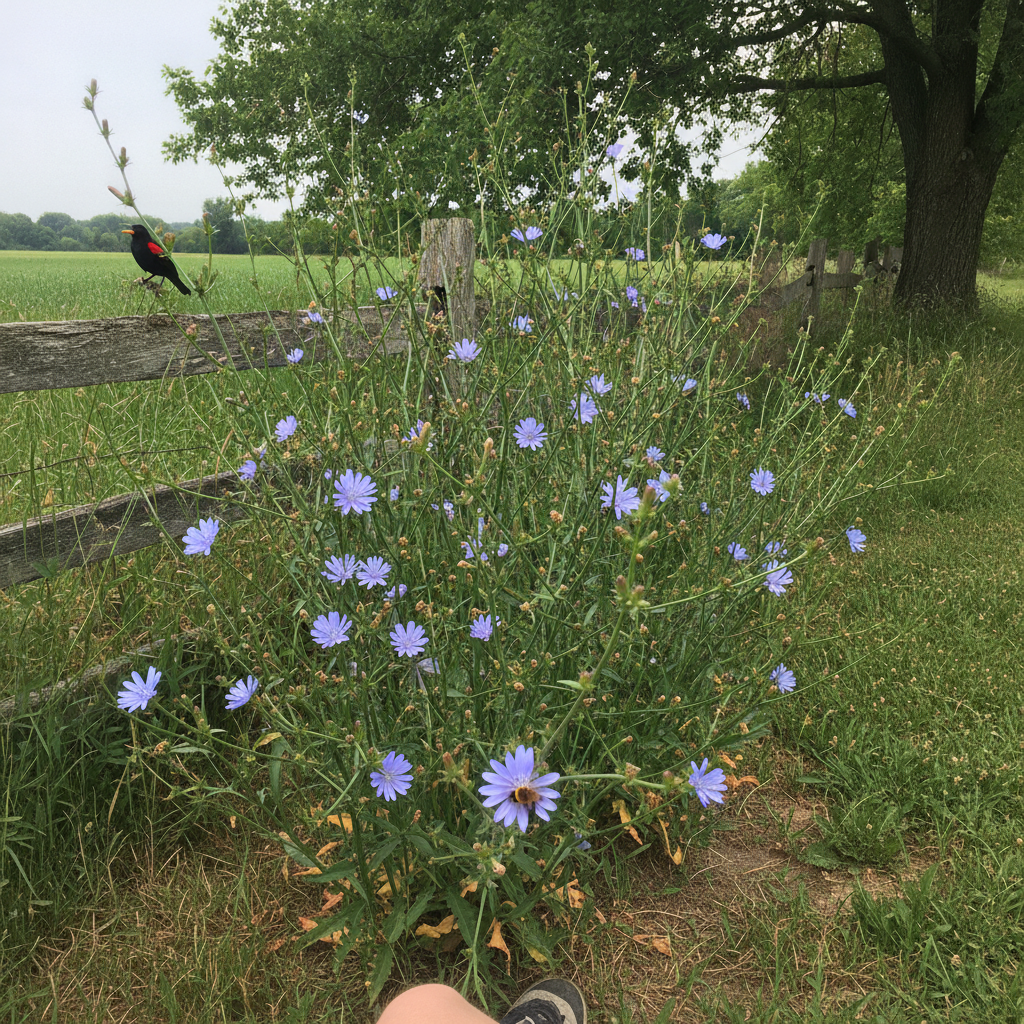
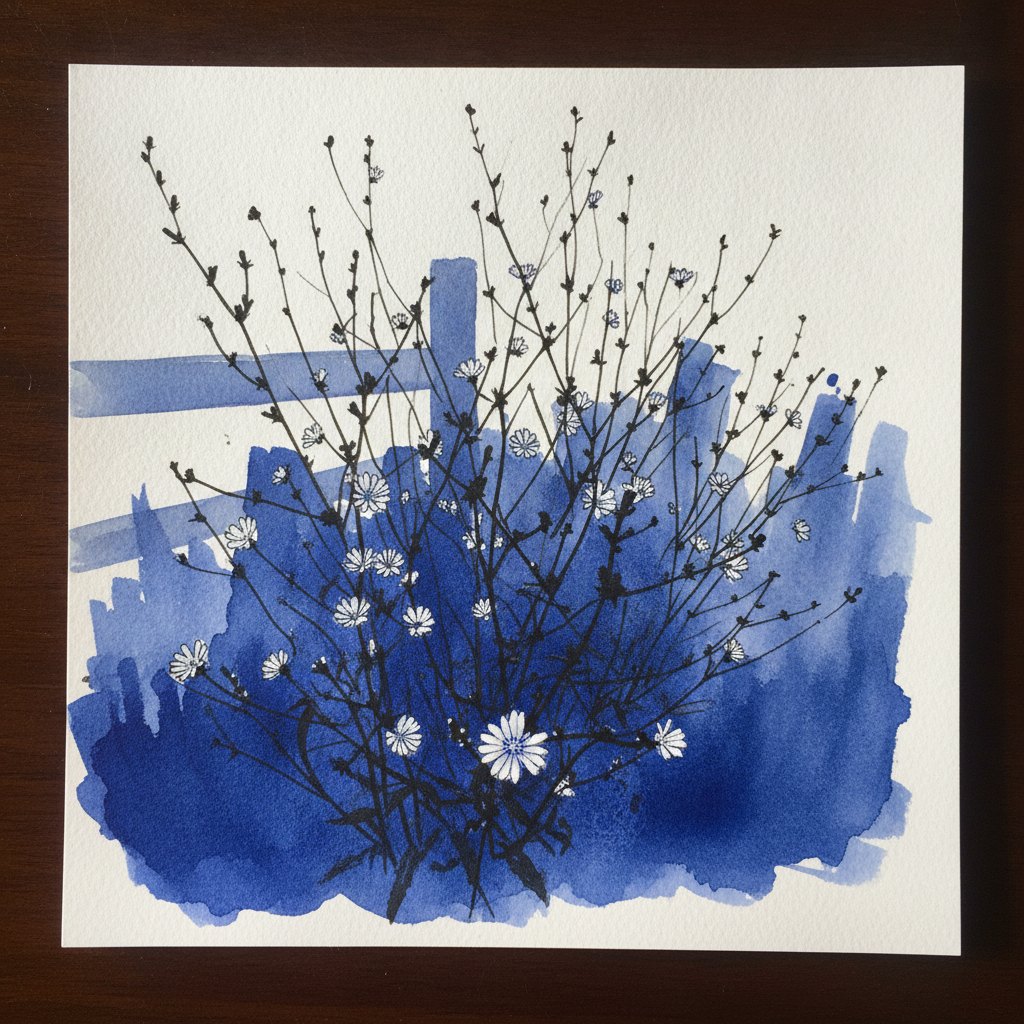
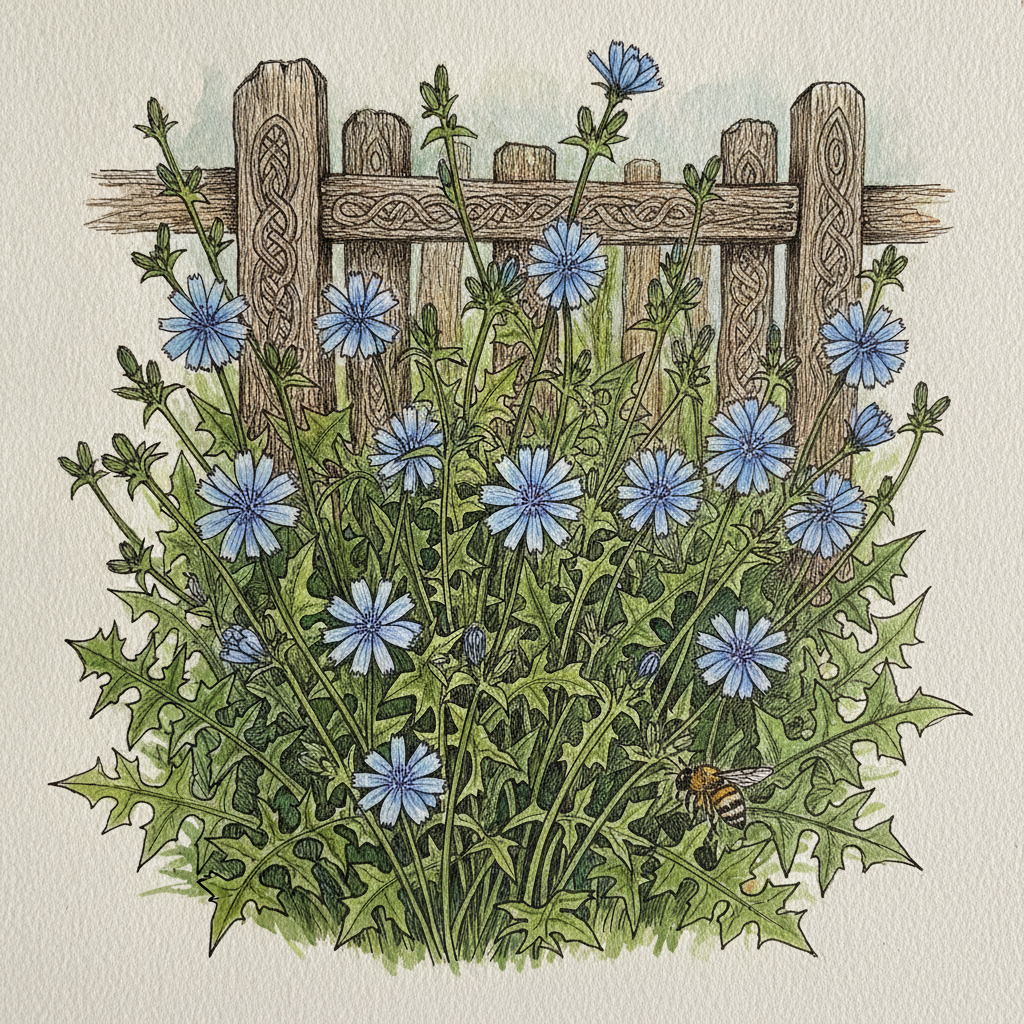
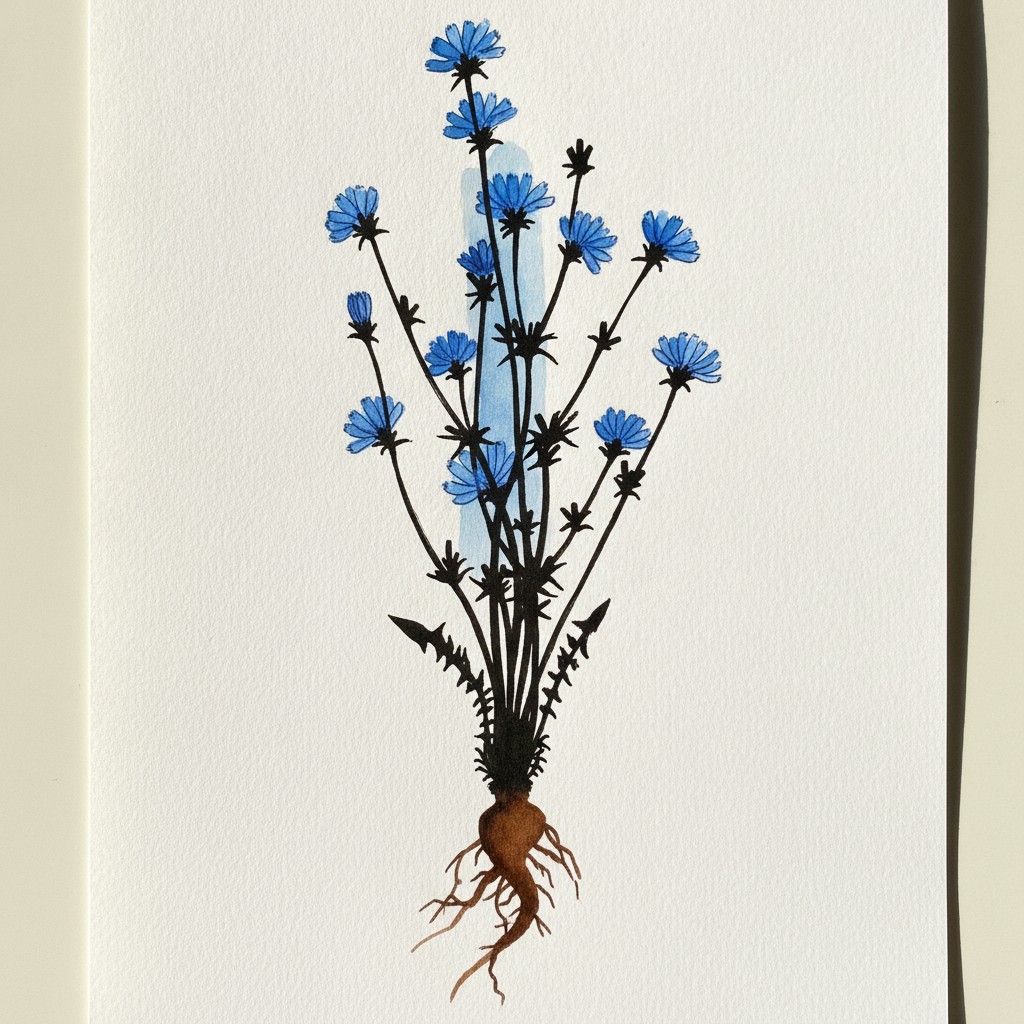
Today's chicory piece is perfect for practicing how varied pen line weights define organic structure and depth—think wispy, broken lines for distant stems, and more confident strokes for foreground flowers. Challenge yourself to capture the delicate, pale sky-blue of the petals with minimal, luminous washes, allowing the ink to hold their daisy-like form. Pay attention to the rhythmic contrast between the plant's 'rangy stems' and the implied linear structure of the old fence line, using this to establish a sense of place and atmosphere.
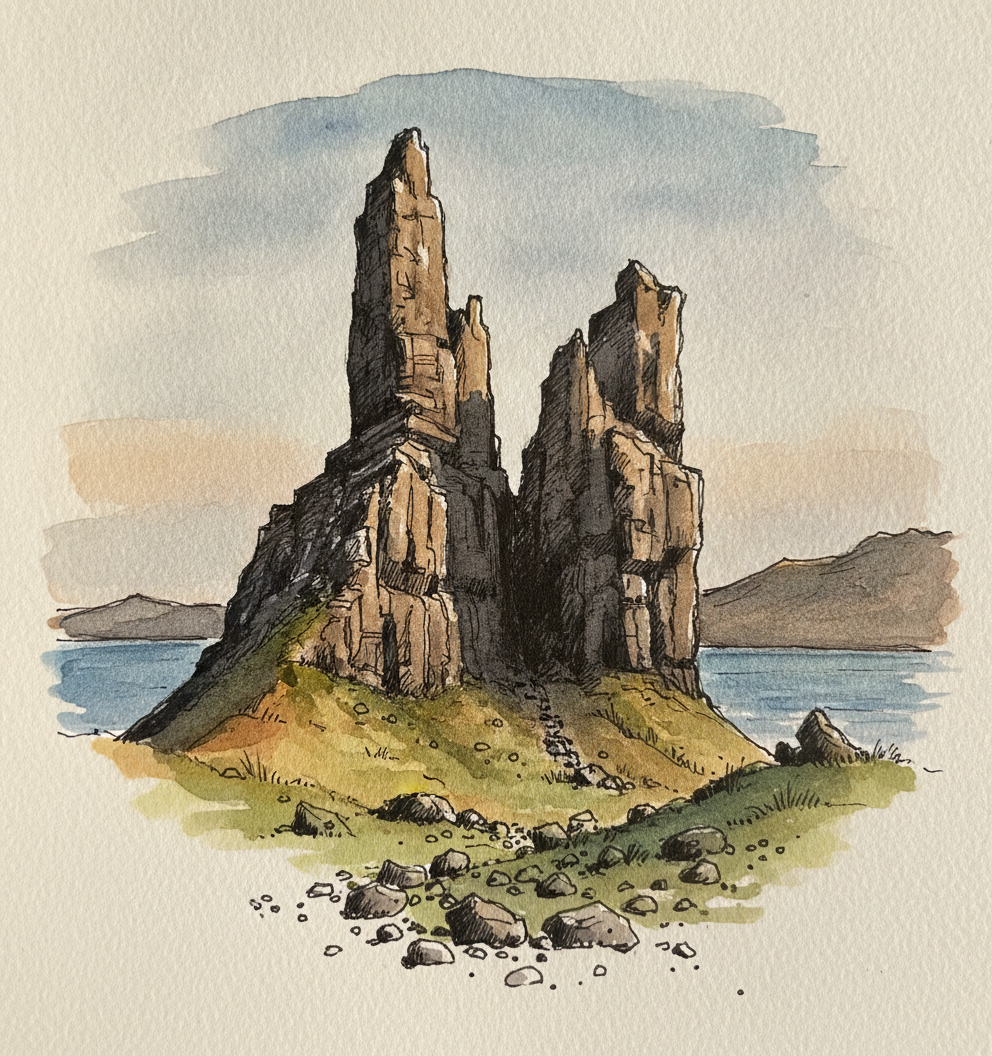
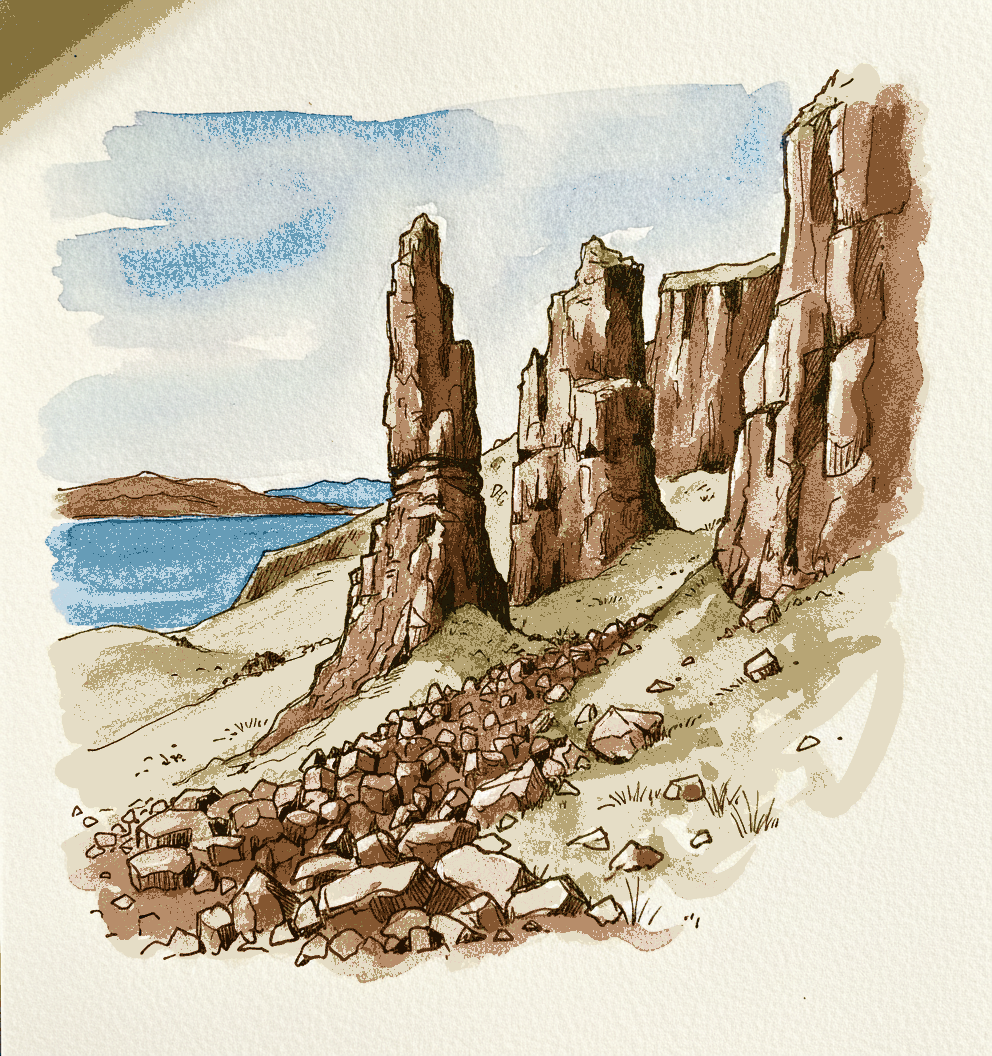
Piece 2 — Old Man of Storr cliff face, Isle of Skye, Scotland
Pen + Watercolor · Loose pen and watercolor line-and-wash
Three takes

Focus for this piece
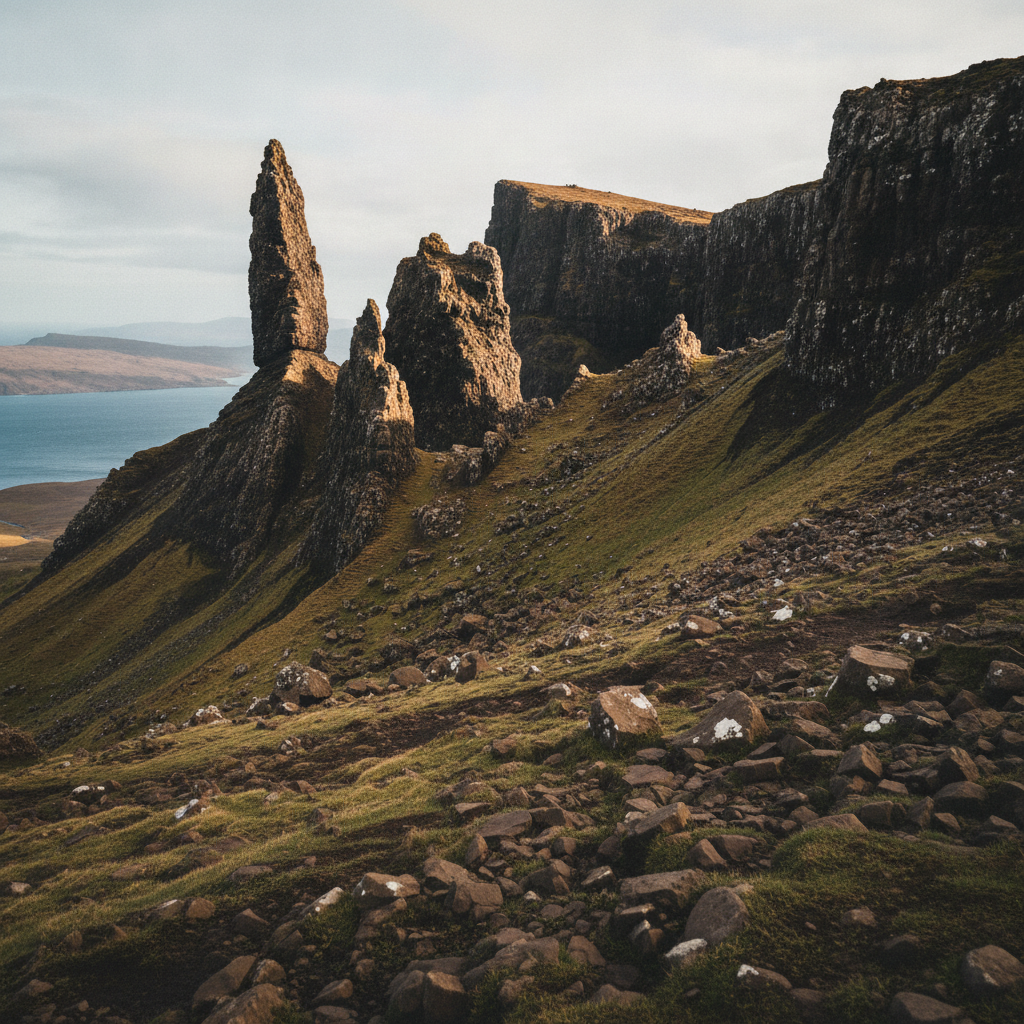
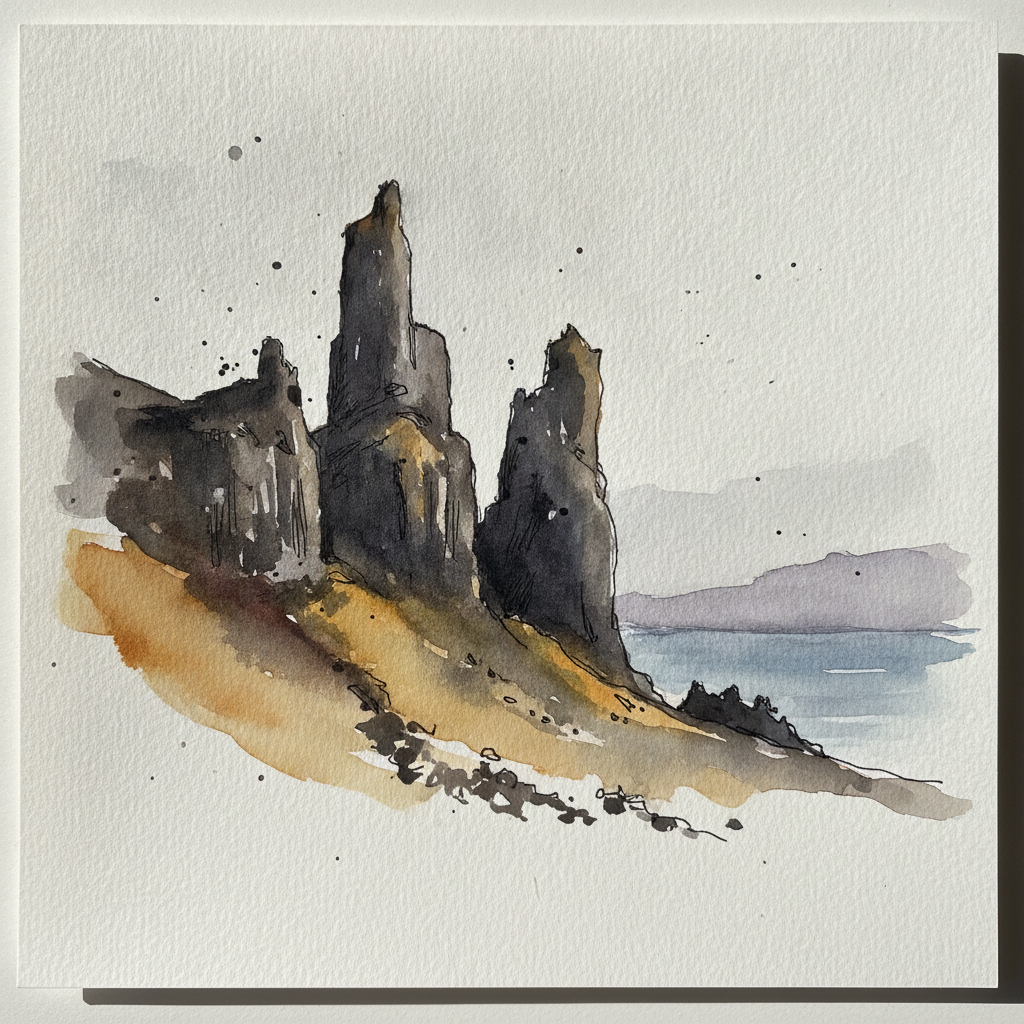
This piece is ideal for studying how strong, varied ink lines can define the angular, vertical structure of the Old Man and its basalt cliffs against the soft, expansive horizontals of the sound and distant coast. Focus on using crisp, defined line weights for foreground details and the pinnacle itself, transitioning to looser, broken lines to suggest the receding planes and atmospheric distance. Utilize broad, wet-on-wet washes with a limited palette of warm earth tones and greys to capture the late afternoon light and the immense scale of the landscape, allowing the watercolor to softly model the forms without over-detailing.
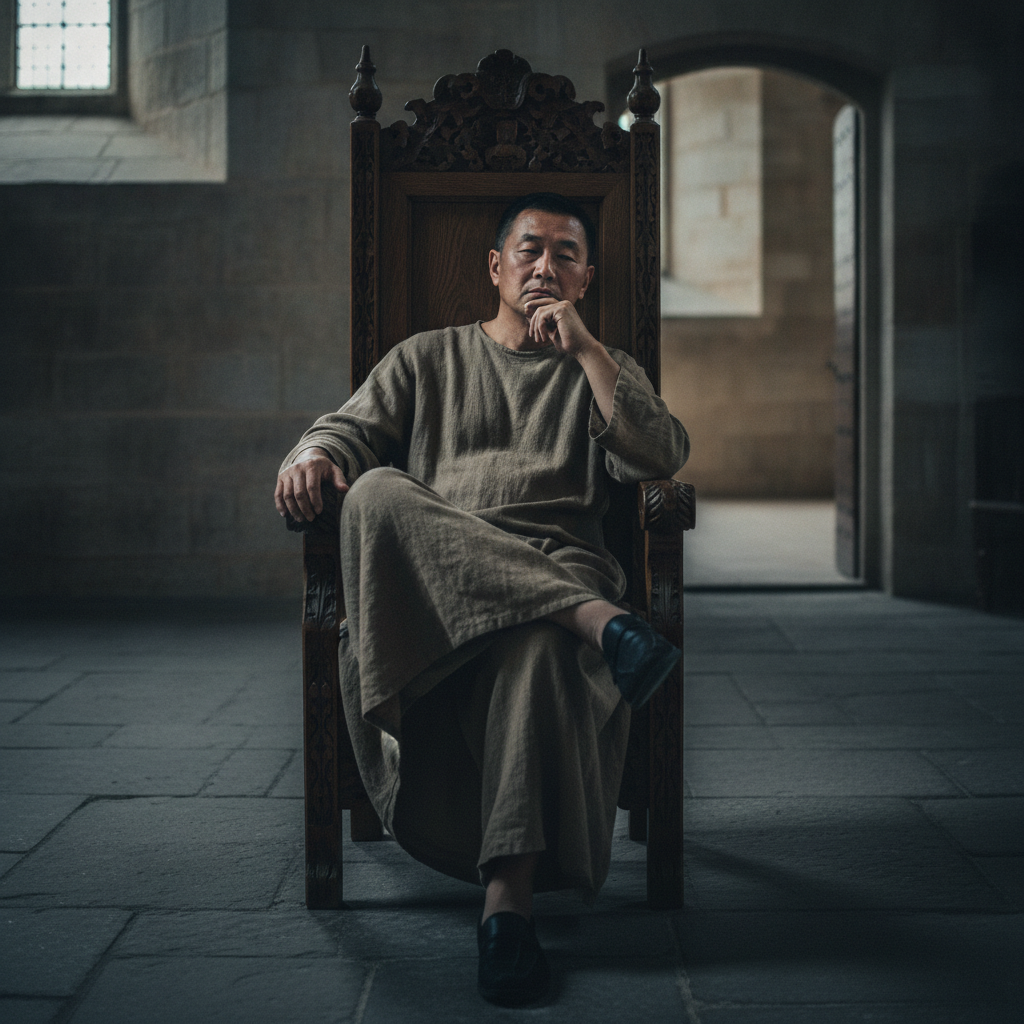
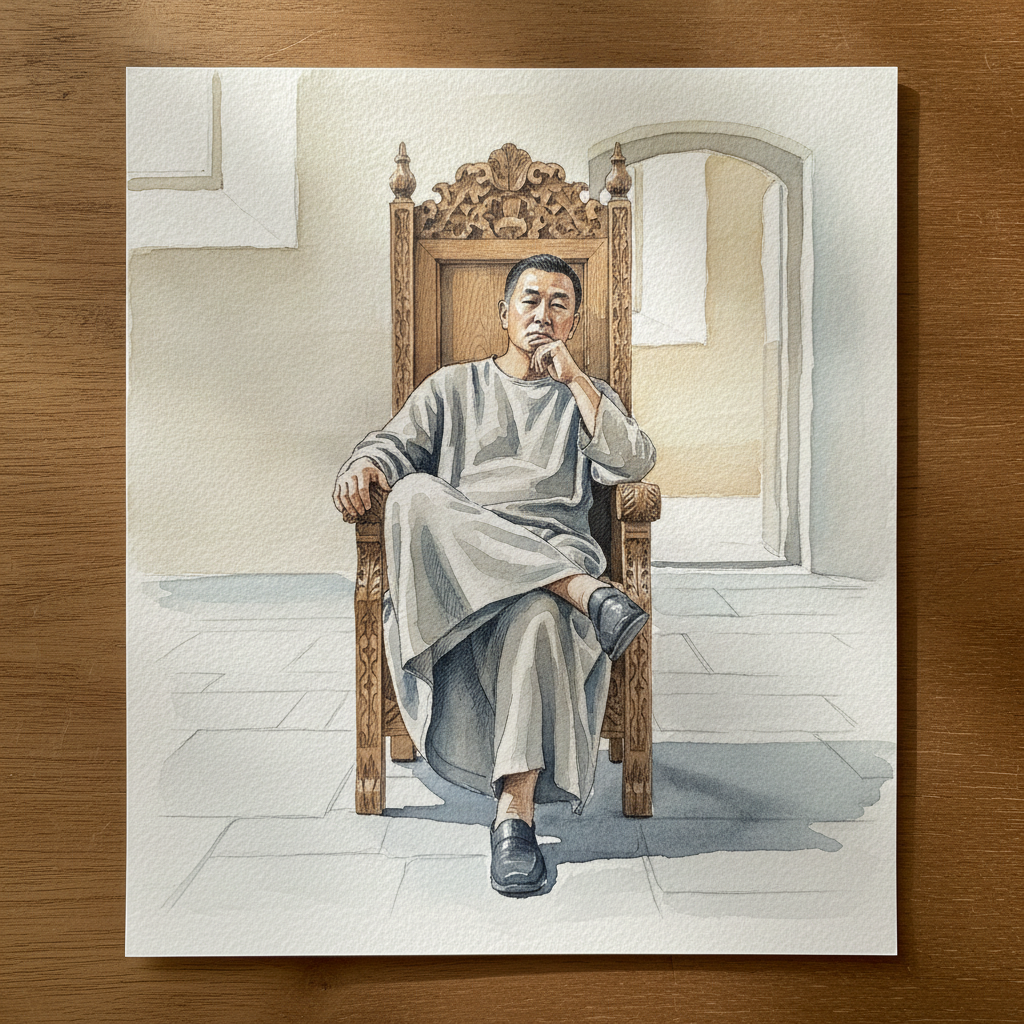
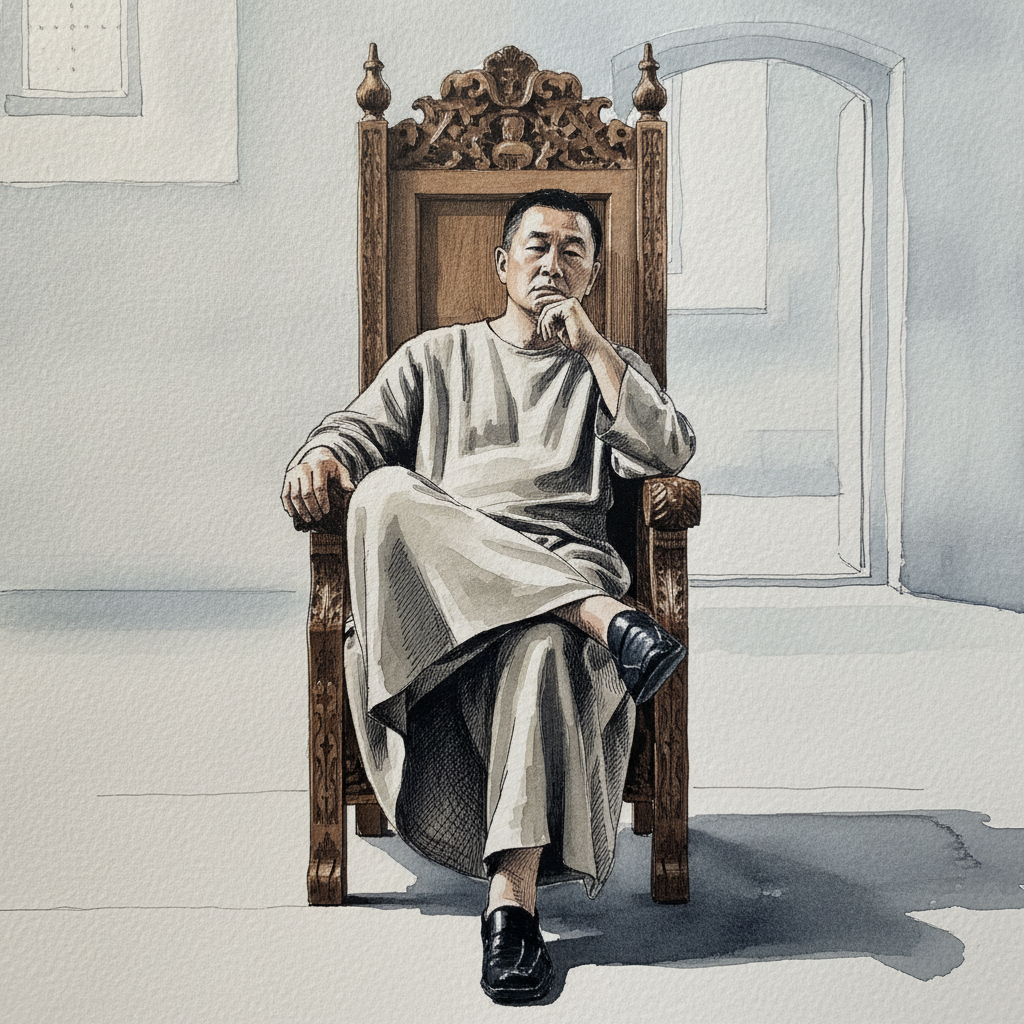
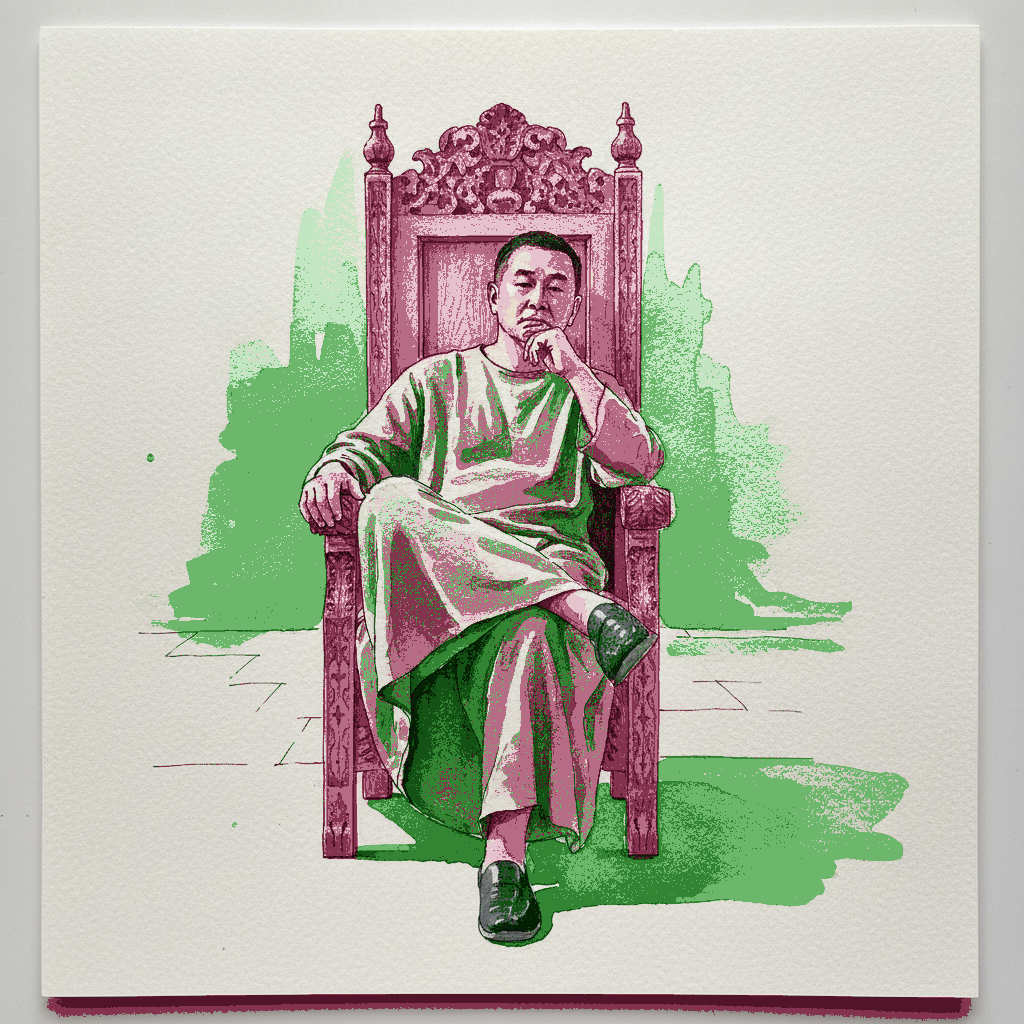
Piece 3 — The thinker on the throne
Pen + Watercolor · Loose pen and watercolor line-and-wash
Three takes

Focus for this piece
This study is excellent for practicing how a single, directional light source—the cool morning light—defines volumetric form. Use crisp, deliberate ink lines to establish the architecture of the carved chair and the figure's relaxed pose. Then, employ a limited palette of cool grays and blues in layered washes to build the strong value shifts that sculpt his cheekbones and the deep folds of his linen robe, emphasizing the quiet, classical gravity of the scene.
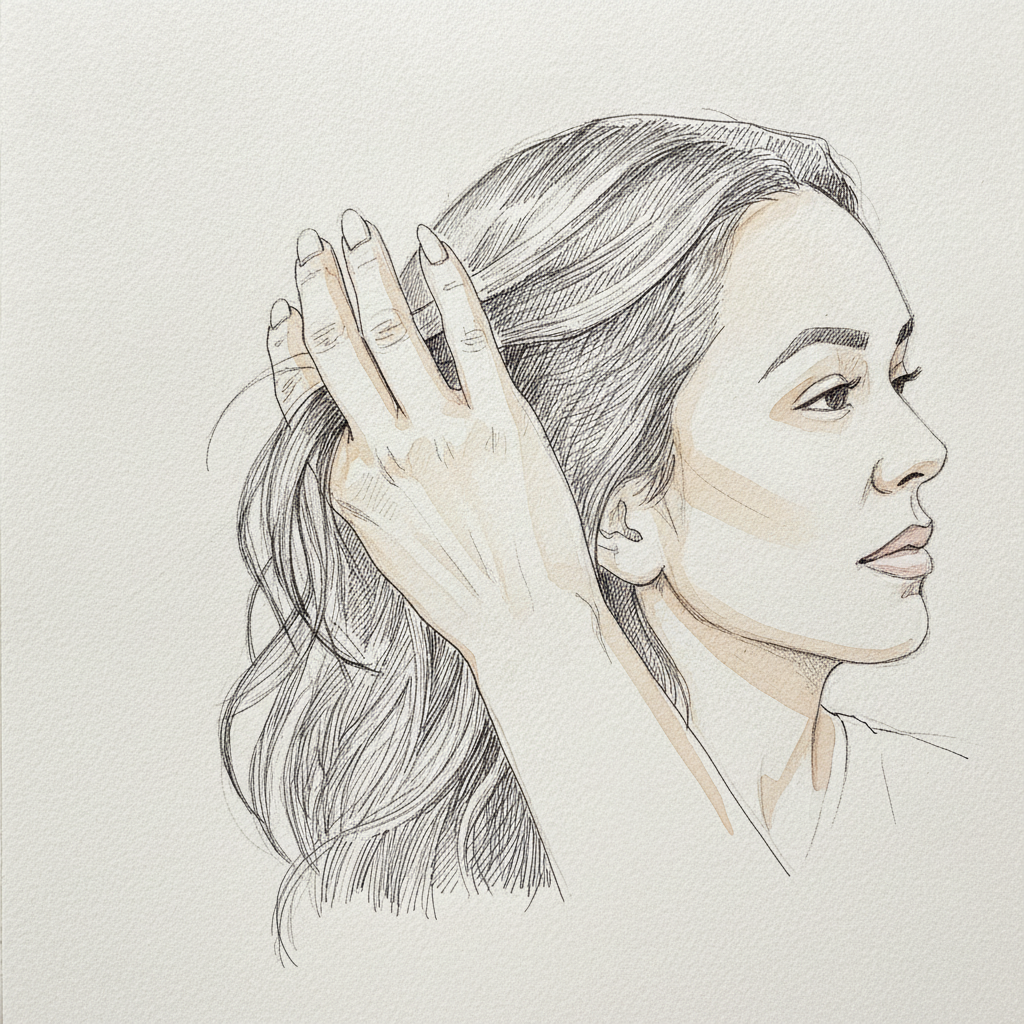
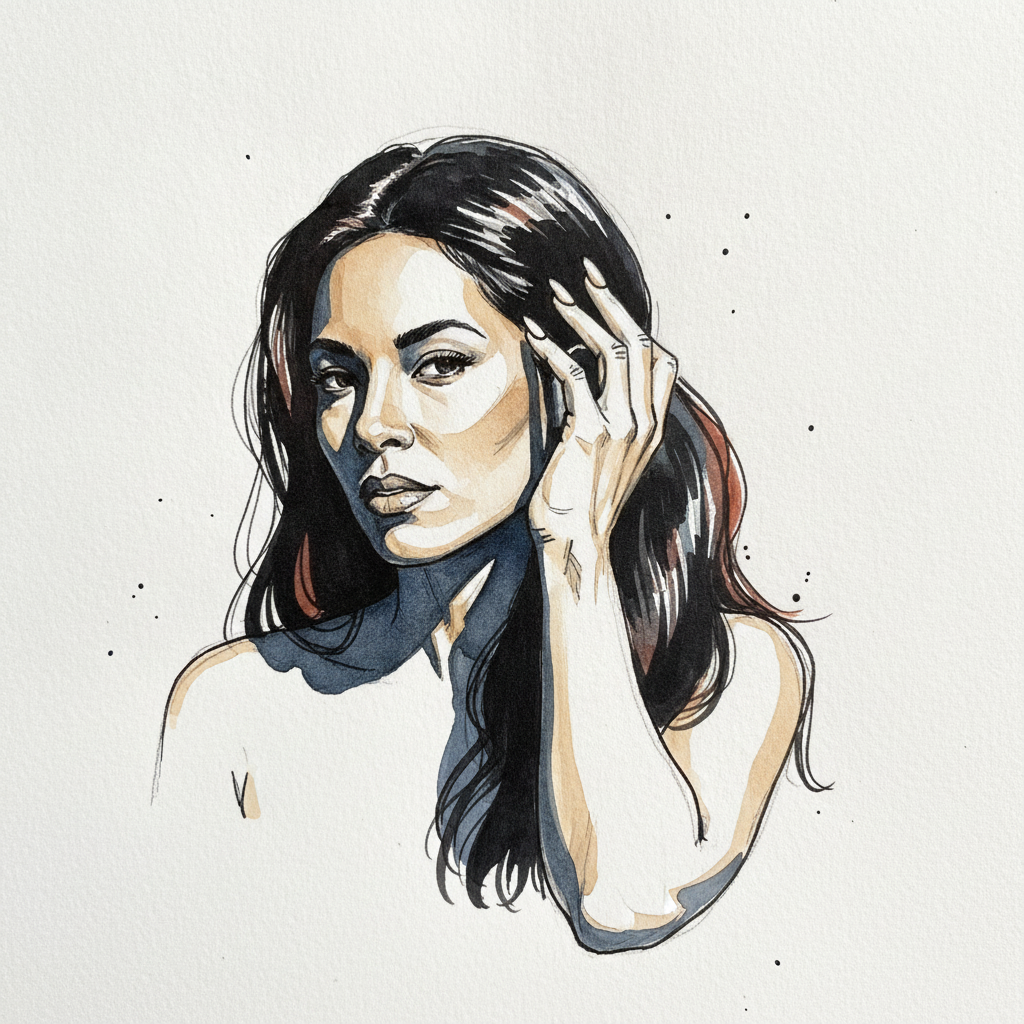
Piece 4 — Hand Brushing Hair Back, Mixed-Race Woman 30s
Pen + Watercolor · Loose pen and watercolor line-and-wash

Three takes

Focus for this piece
This piece offers a superb opportunity to practice defining form and light using varied line weights and controlled washes. Focus on establishing the illuminated edges of the splayed fingertips and individual hair strands with lighter, broken lines, creating a 'lost and found' effect where the window light hits. Layer warm washes to build the olive-tan skin tones and overall volume of the hand, reserving crisp, darker lines for the hair’s shadowed depths and where specific strands catch the light.
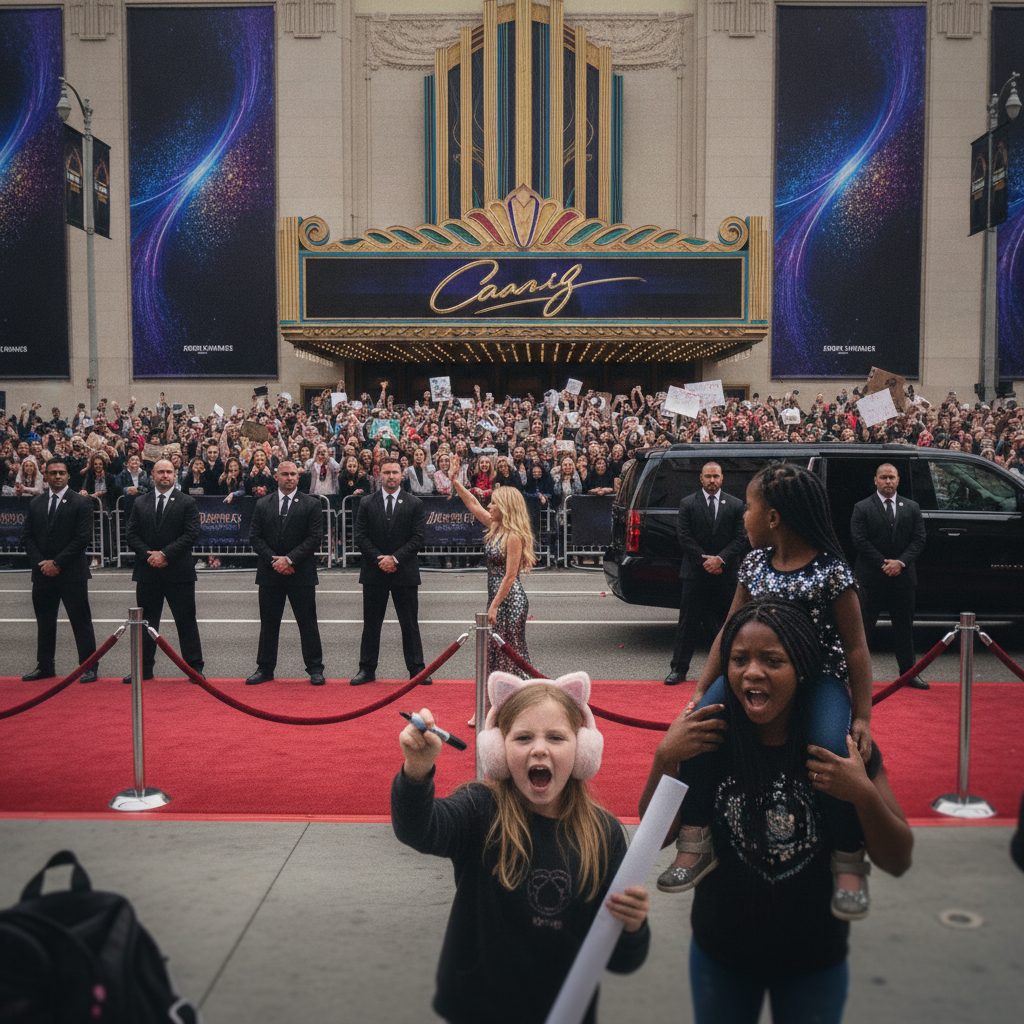
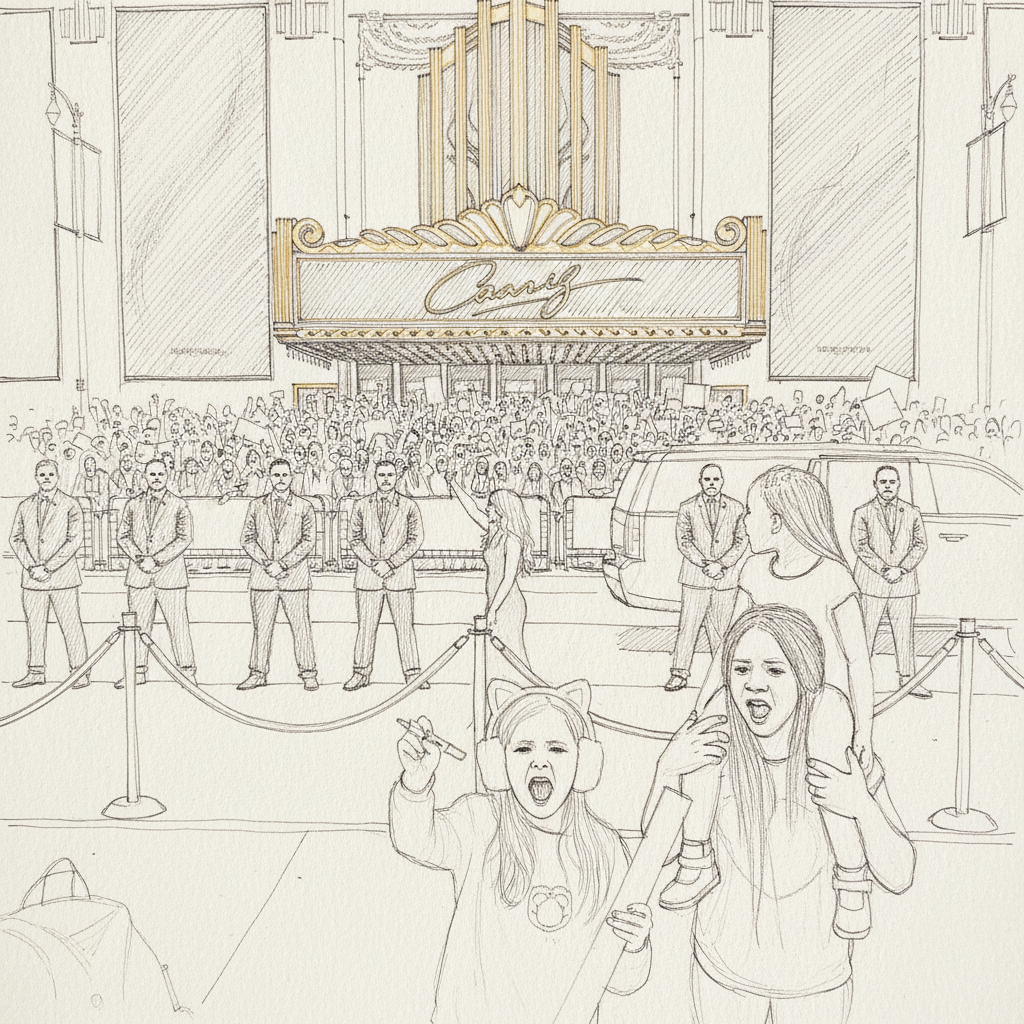
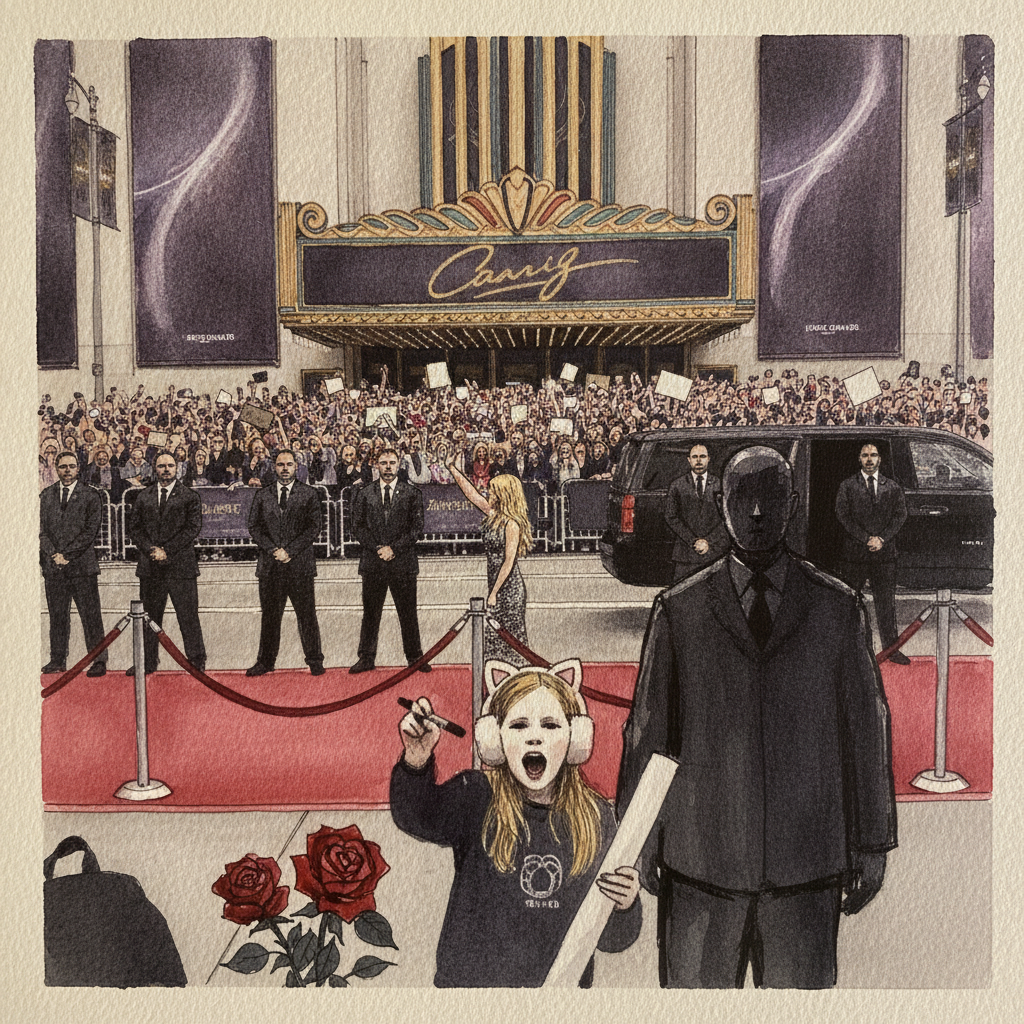
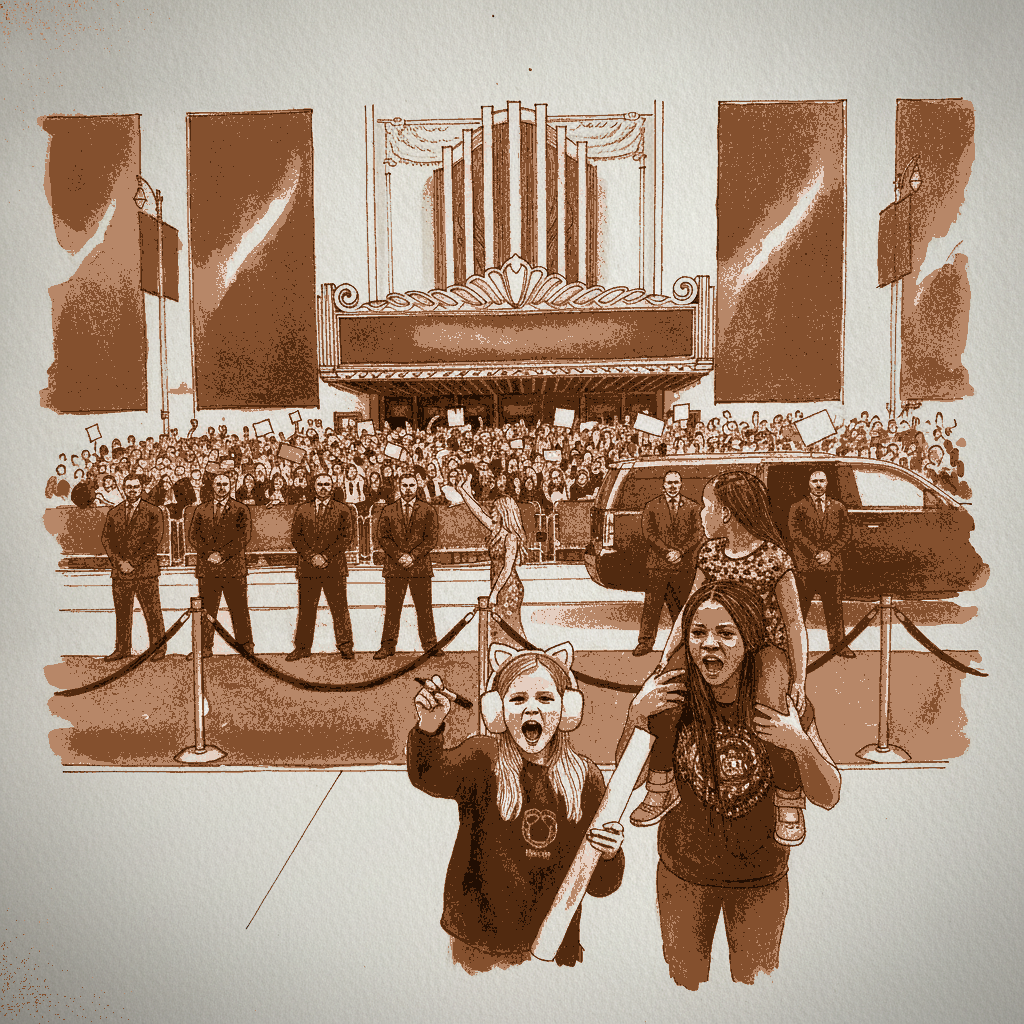
Piece 5 — Movie premiere crowd
Pen + Watercolor · Loose pen and watercolor line-and-wash
Three takes

Focus for this piece
This piece offers a great chance to practice differentiating mass from detail, essential for large crowd scenes. Establish the general form of the distant bleachers and the indistinct fans with loose, light pen lines and soft, broad washes, allowing the watercolor to suggest movement and numbers. Then, use heavier, more deliberate pen strokes and stronger, more localized color for key foreground figures and architectural elements like the glowing phone screens or studio banners, drawing the viewer's eye to specific points of interest.
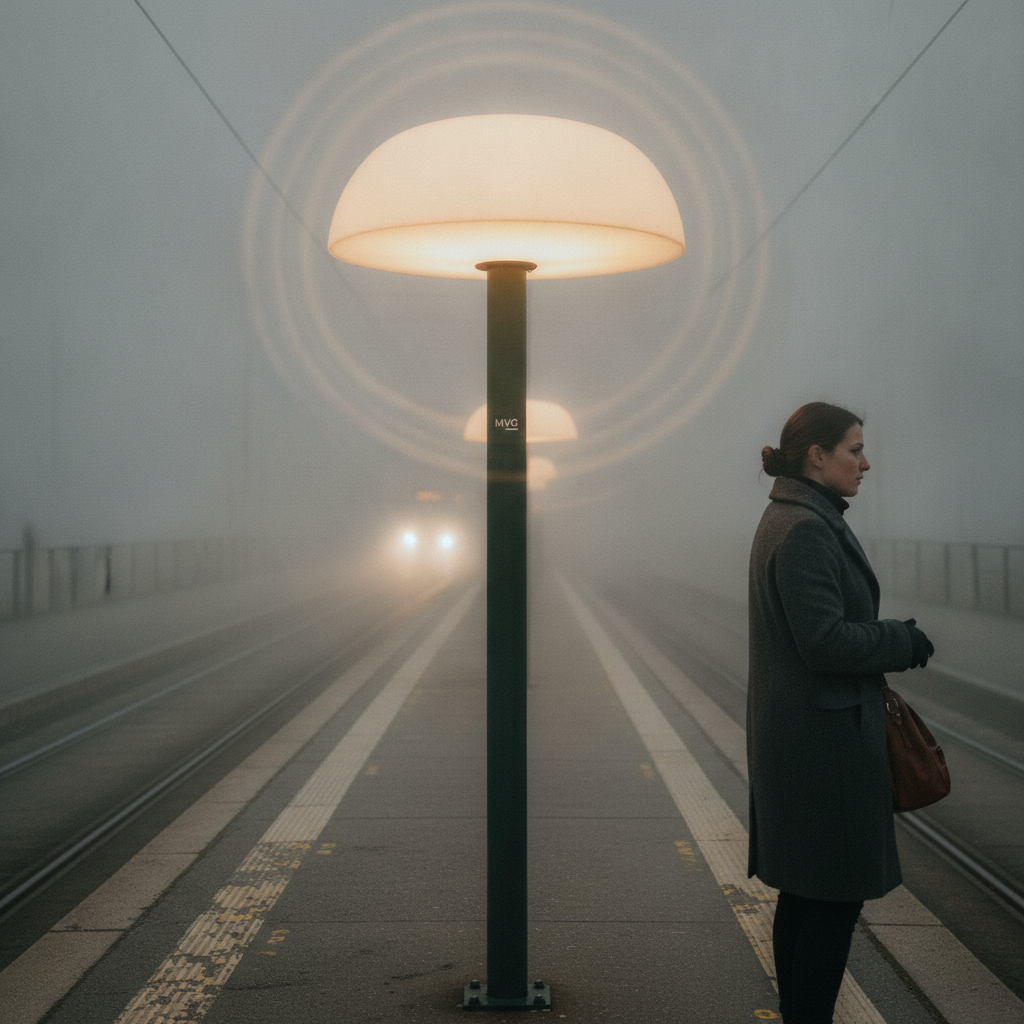
Piece 6 — Munich Tram Stop, Foggy Halo
Pen + Watercolor · Loose pen and watercolor line-and-wash
Three takes

Focus for this piece
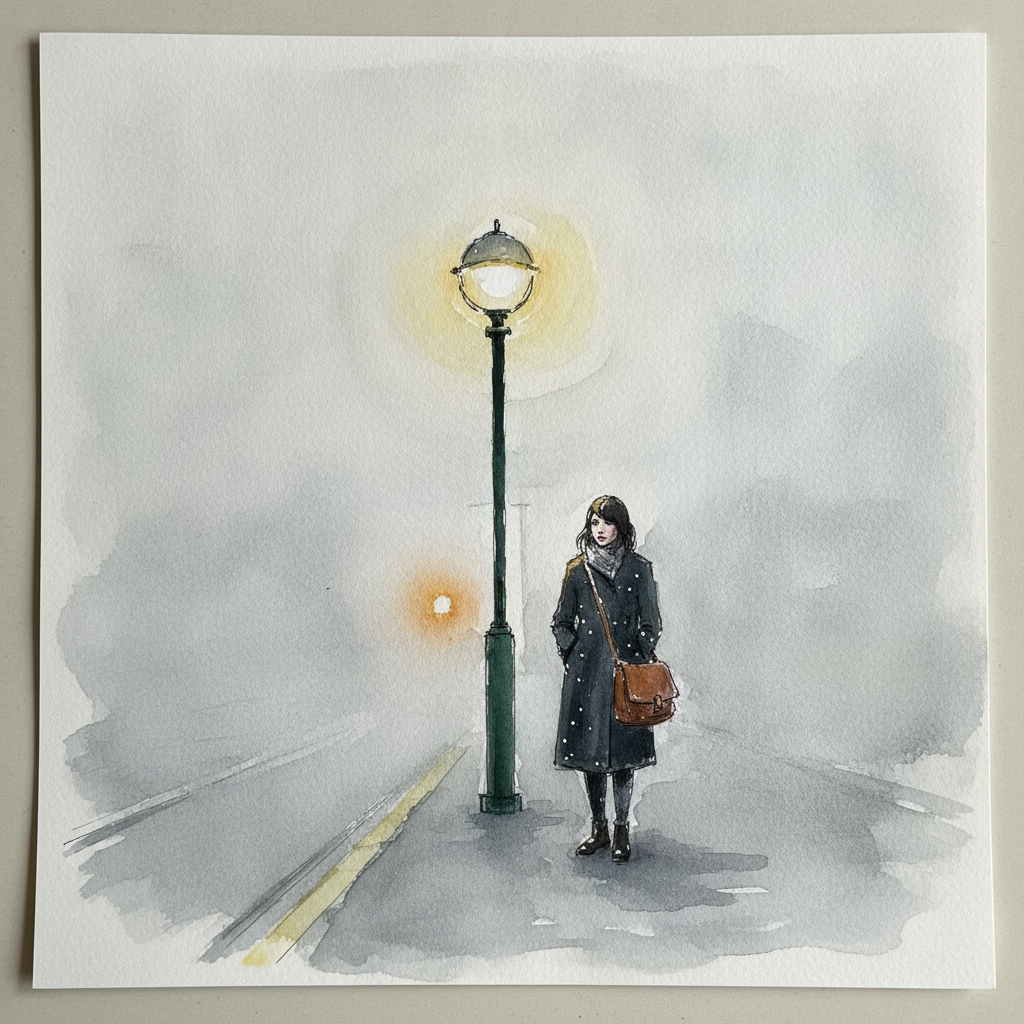
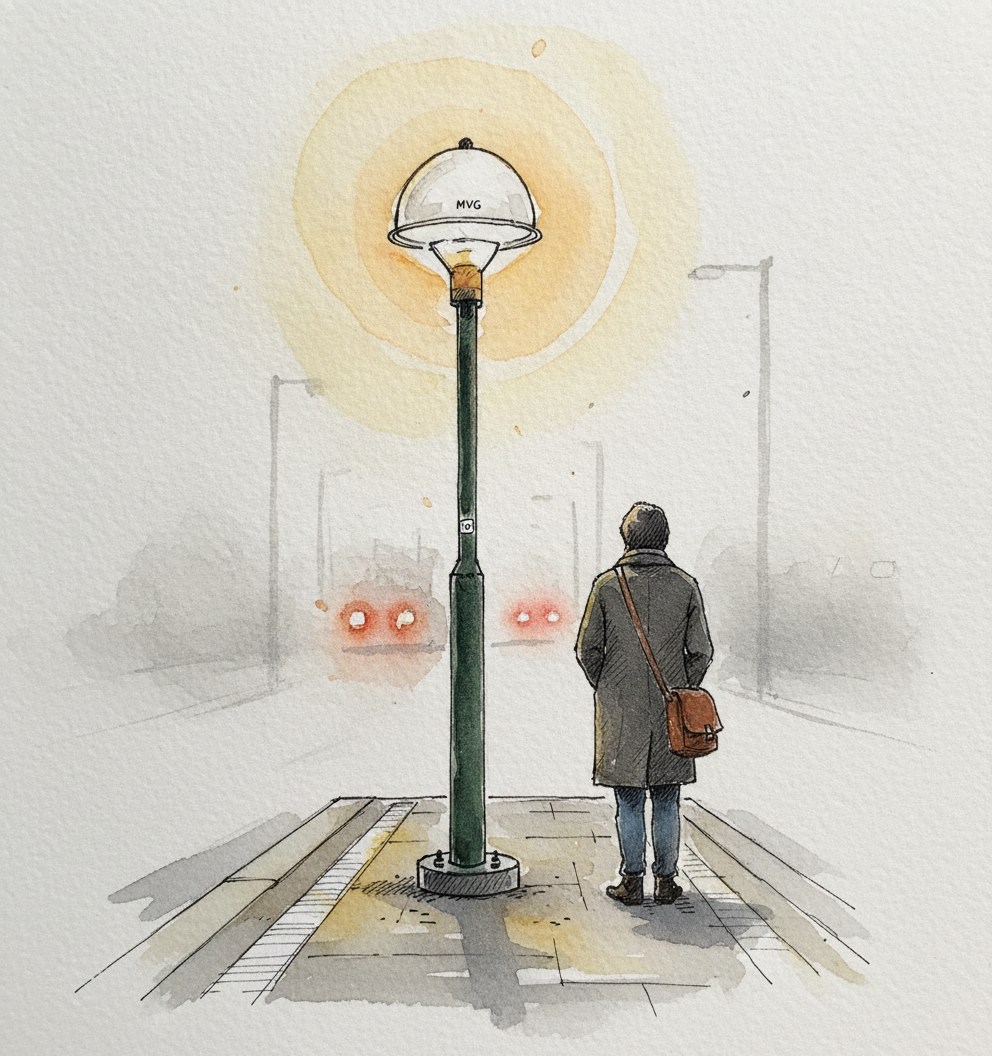
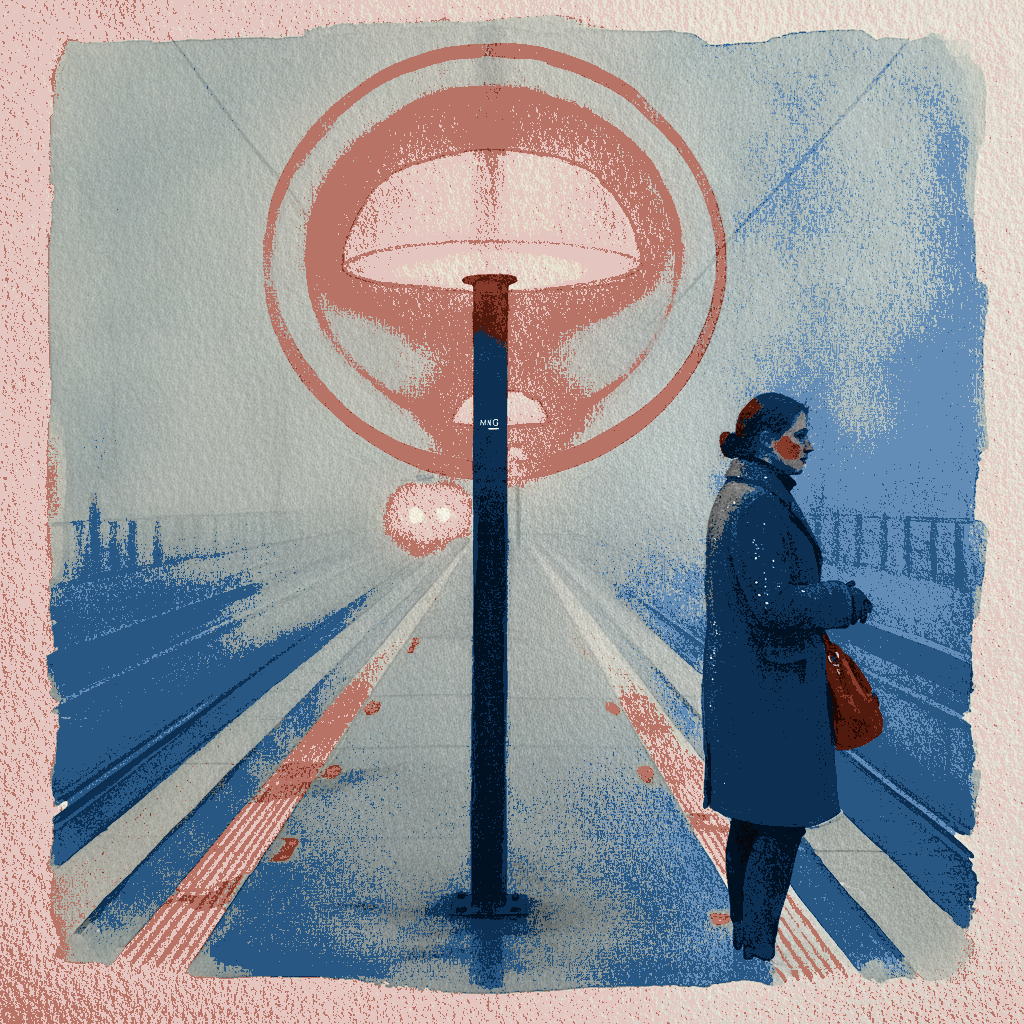
For this piece, concentrate on contrasting the crisp precision of your varied ink lines, particularly for the lamp pole and the woman, against the soft, diffused atmosphere of the foggy halo. Practice building the lamp's warm, concentric glow with delicate, layered wet-on-wet washes, ensuring these watercolor passages gently soften into the surrounding murk while preserving the structural definition your pen provides.
Piece 7 — Korean Joseon Moon Jar
Pen + Watercolor · Loose pen and watercolor line-and-wash
Three takes
Focus for this piece
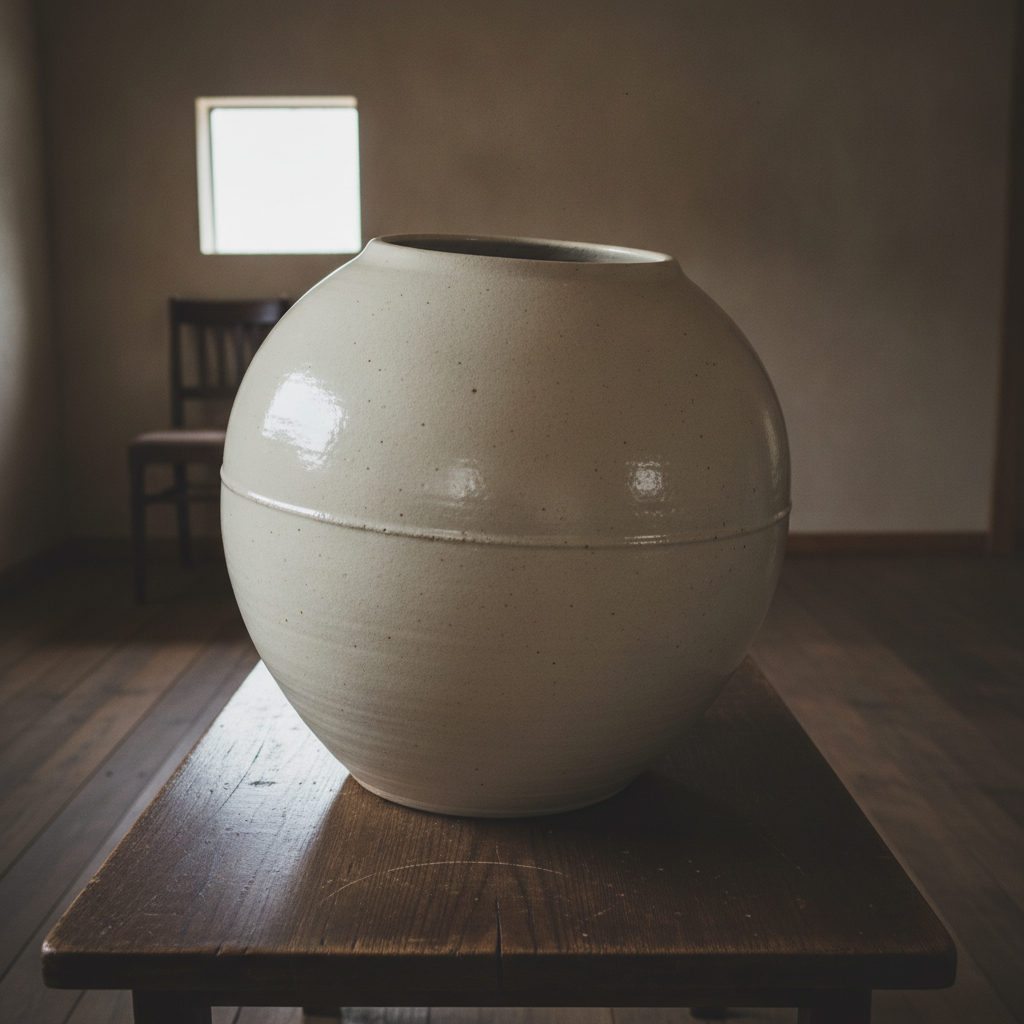
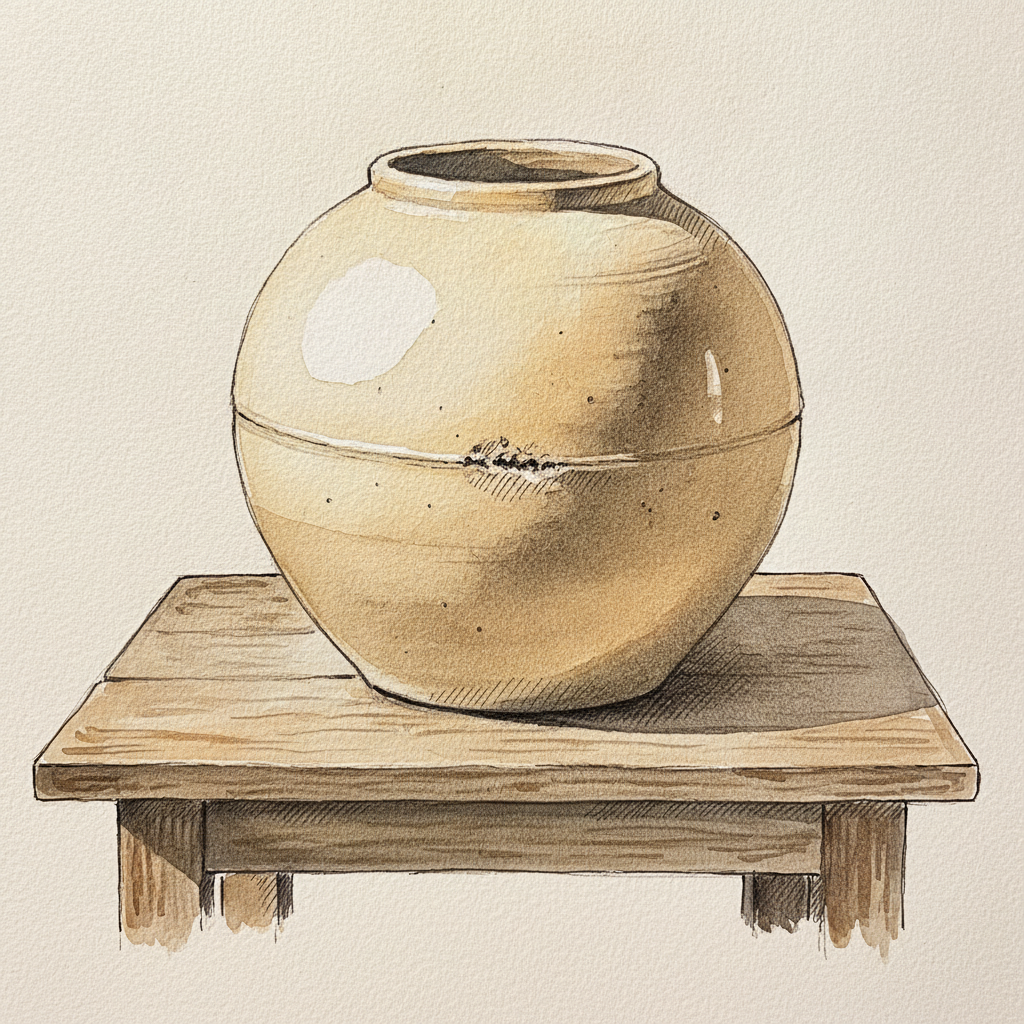
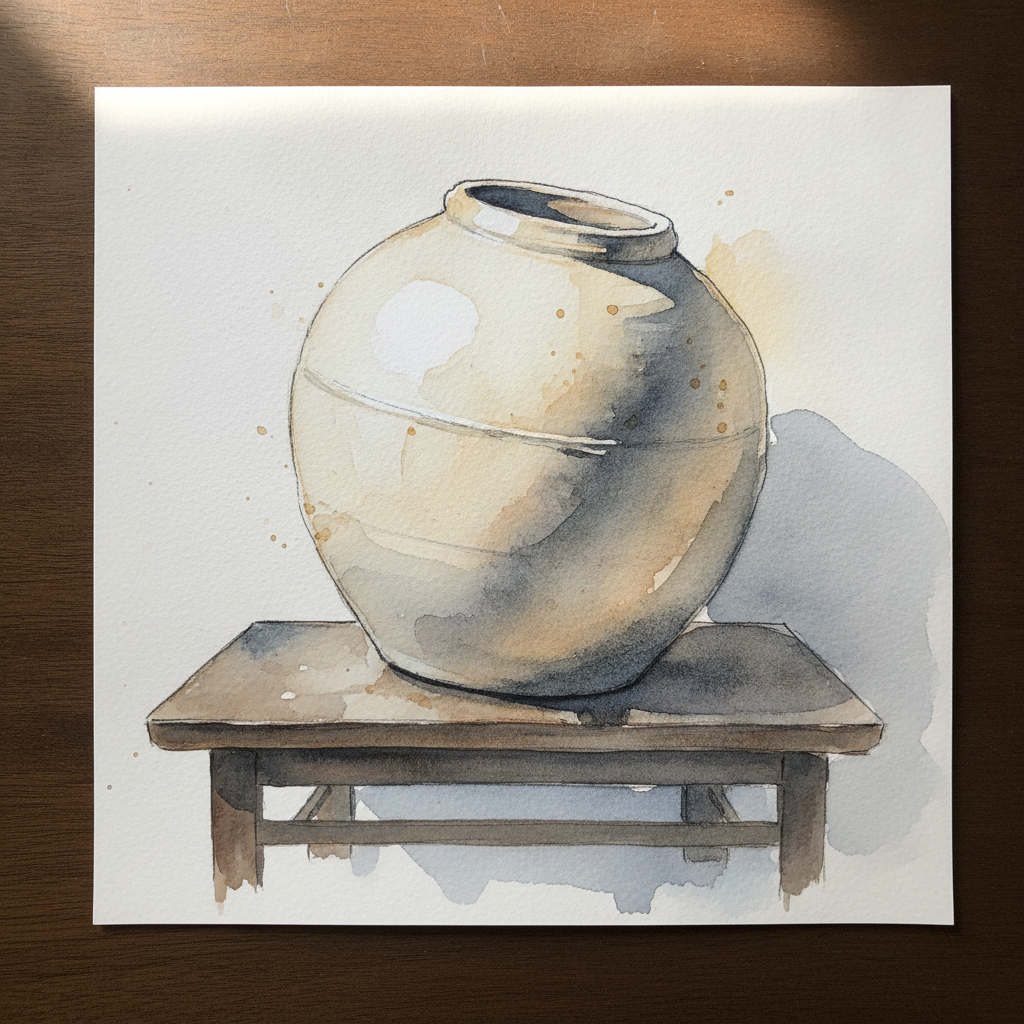
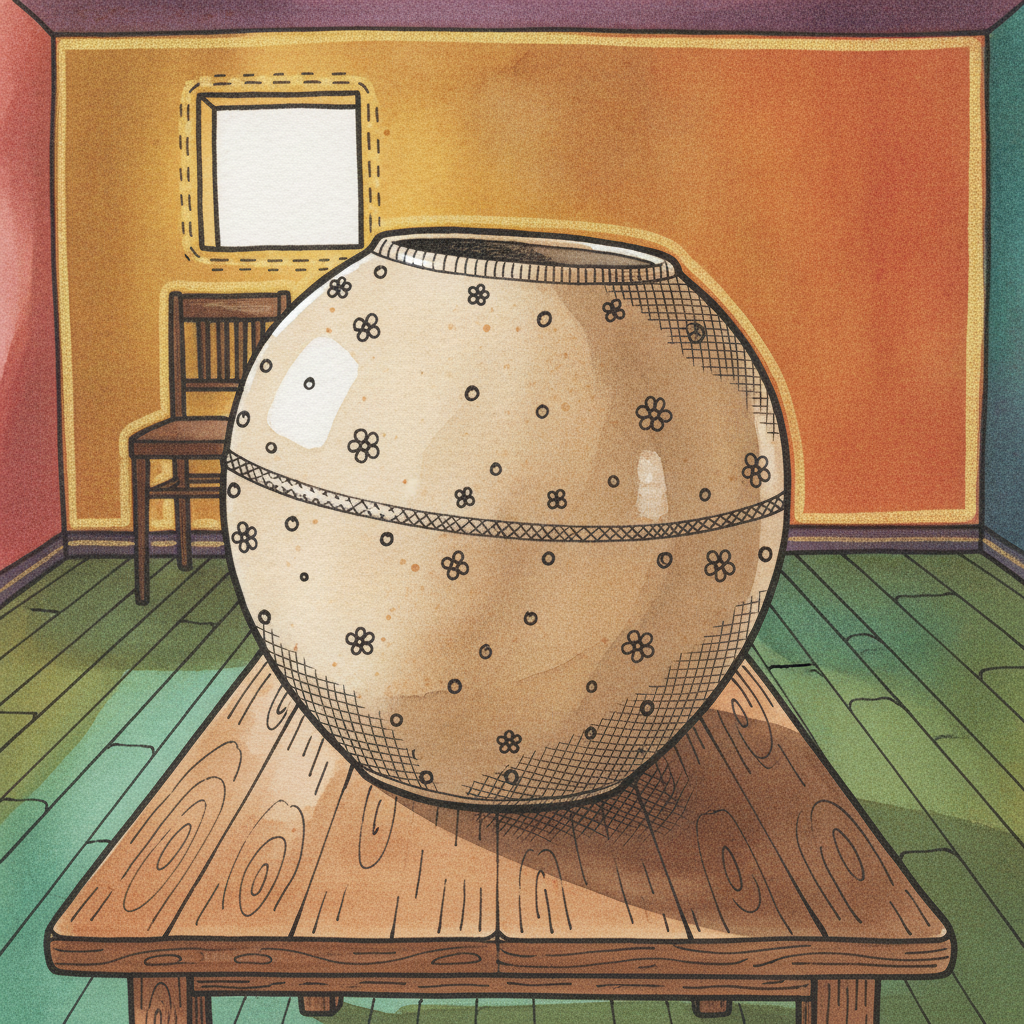
This piece is an excellent study in rendering a complex, subtly asymmetrical form with a restrained palette. Use light, observational pen lines to define the generous, leaning spherical body and its faint equatorial seam, letting them provide the structure. Then, build the jar's creamy volume and soft shadows with delicate, layered washes, carefully preserving the unbroken highlight and allowing subtle pigment variations to suggest the iron specks. Focus on how the fluidity of watercolor enhances the simple, elegant structure defined by your pen.
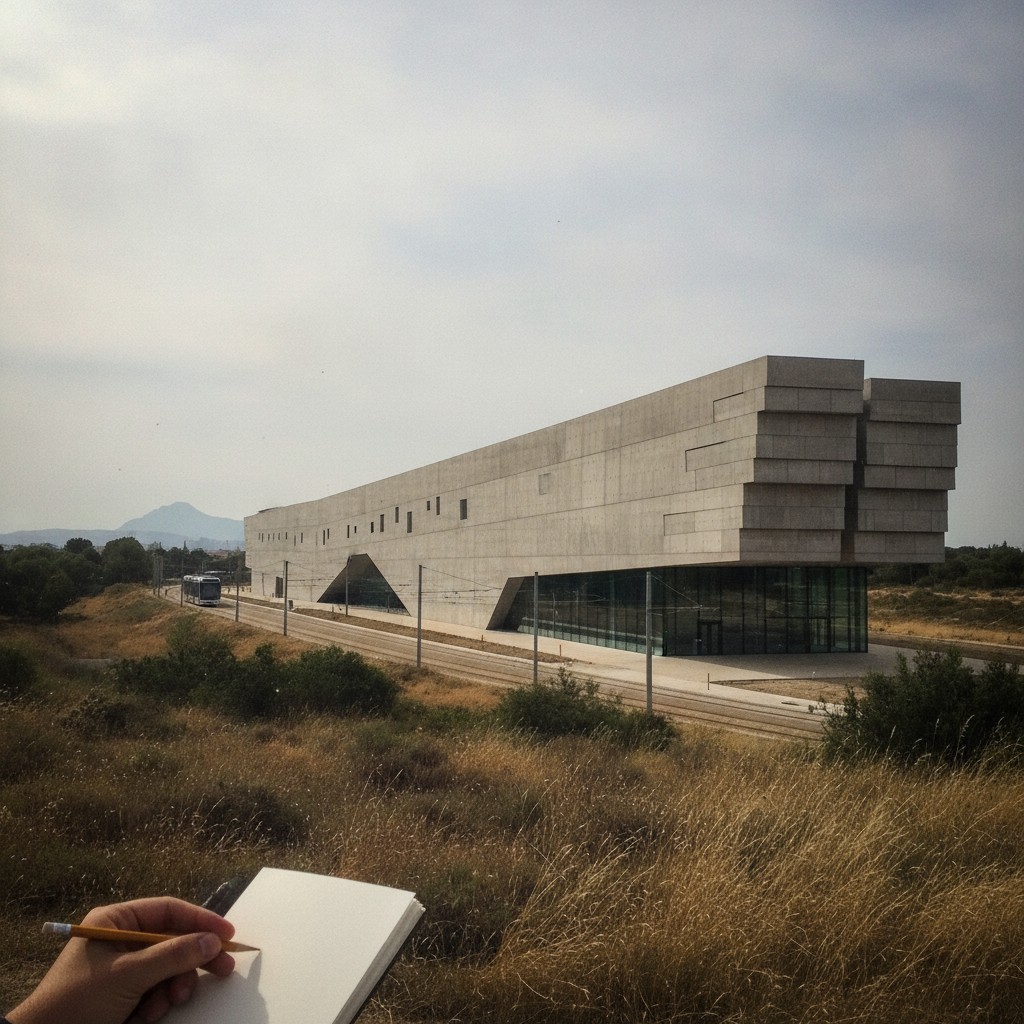
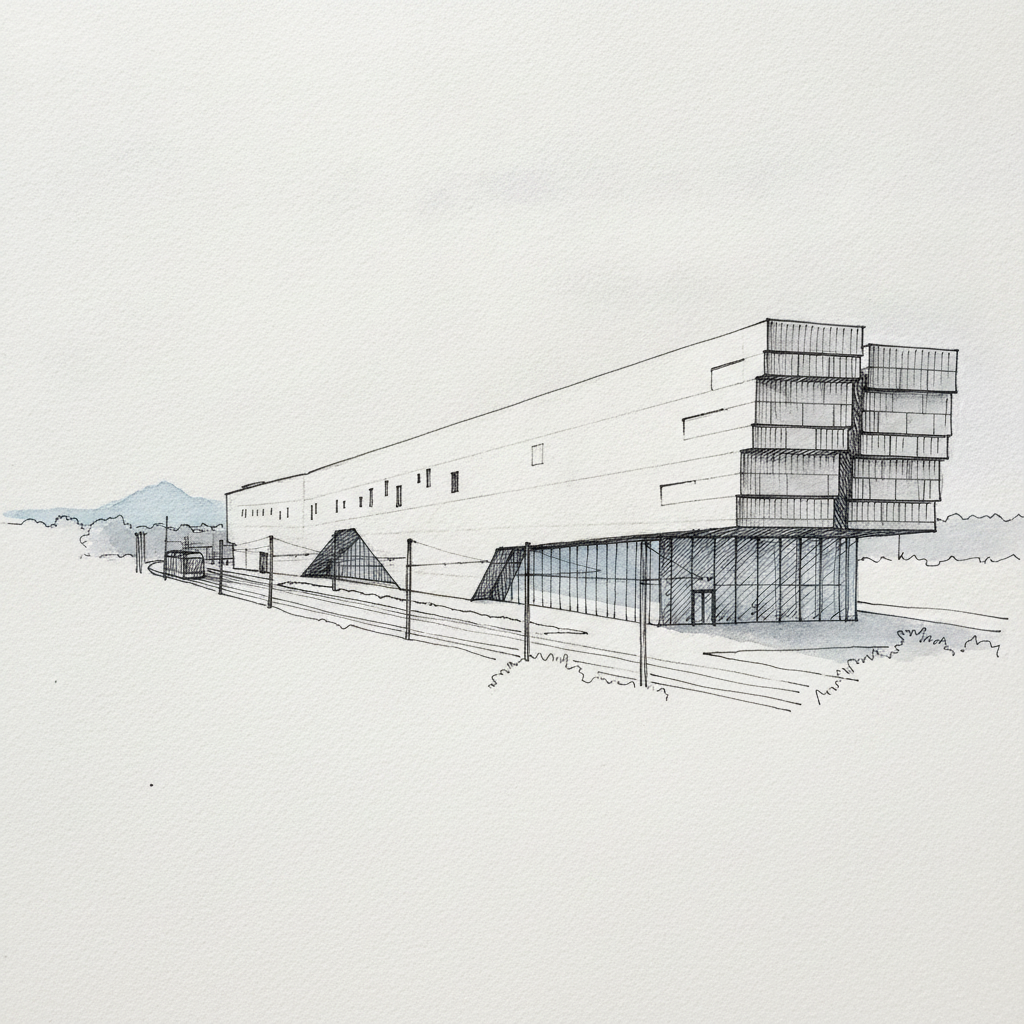
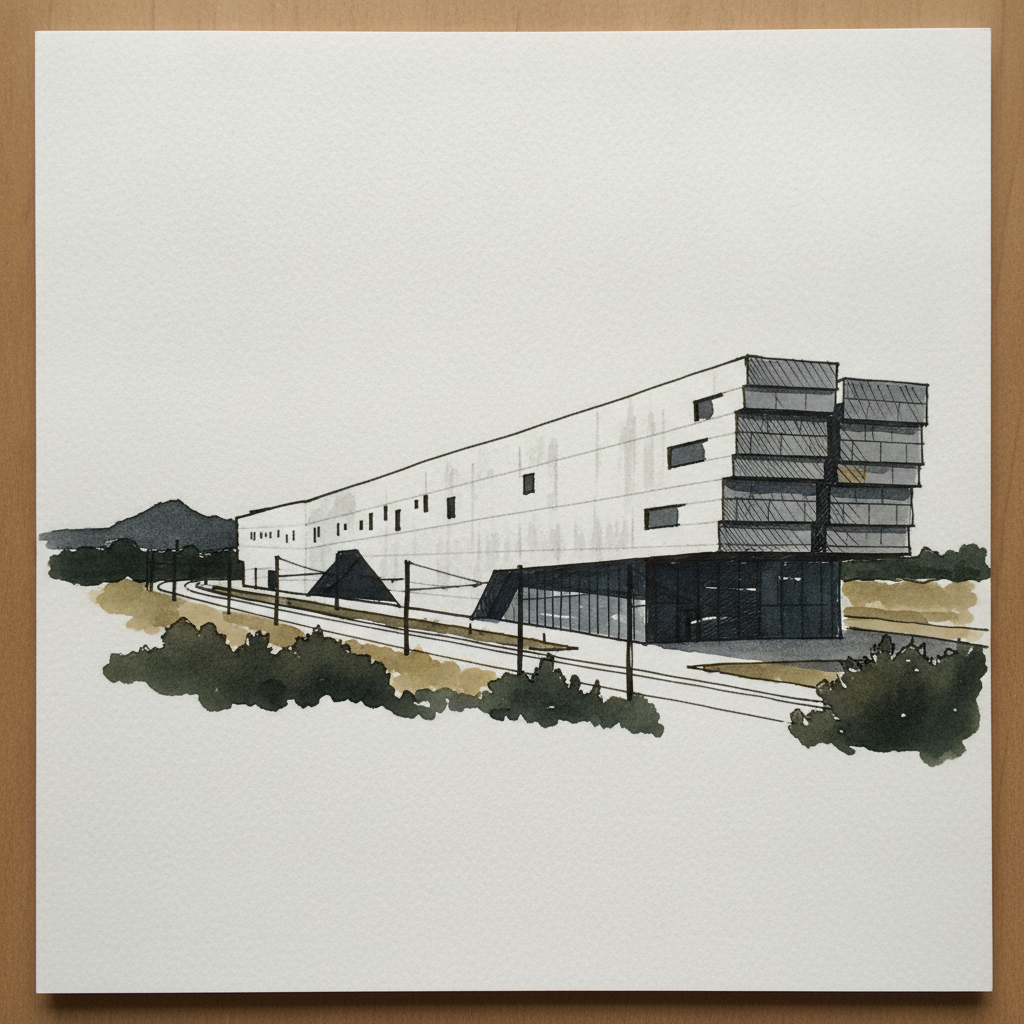
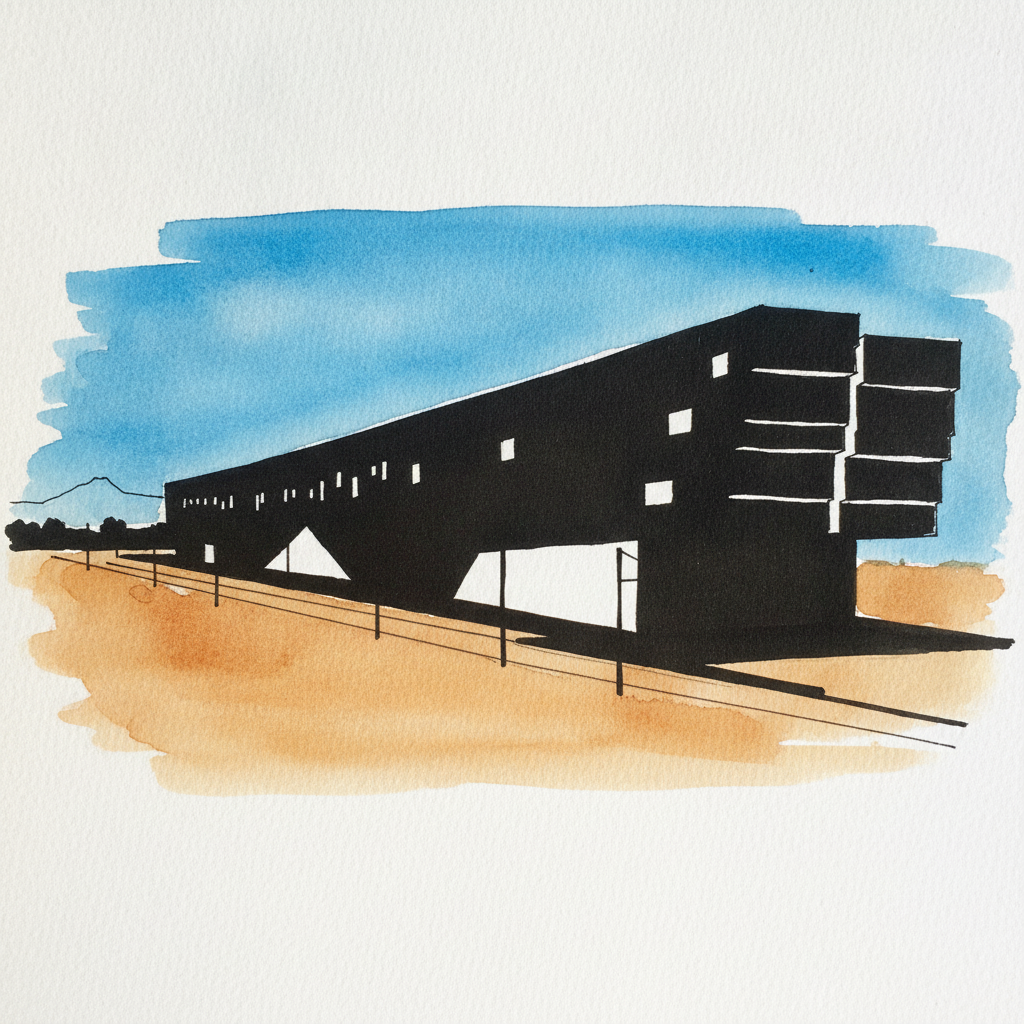
Piece 8 — Pierres Vives, Montpellier, France
Pen + Watercolor · Loose pen and watercolor line-and-wash
Three takes
Focus for this piece
Today's piece is excellent for studying the contrast between crisp architectural precision and broad, atmospheric washes. Use varied pen line weights to define the Pierres Vives's tapering, cantilevered concrete forms, allowing the sharp edges and inclined planes to anchor the composition. Then, employ soft, expansive washes, perhaps with a limited cool-toned palette, to suggest the immense scale and the rolling Mediterranean landscape without detracting from the building's monolithic presence.