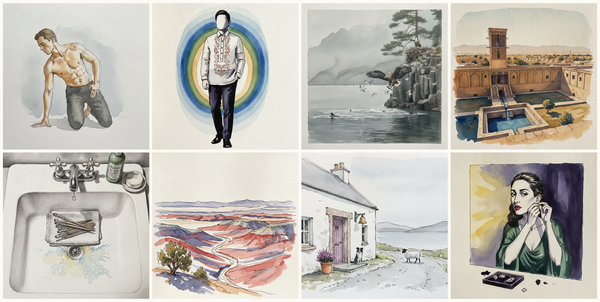
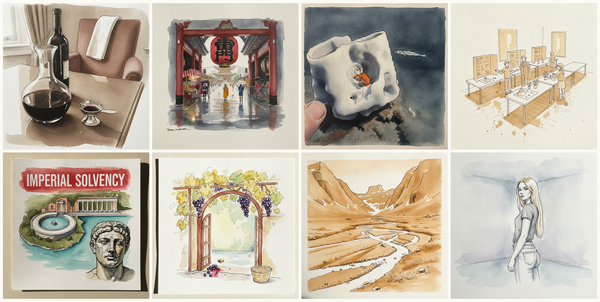
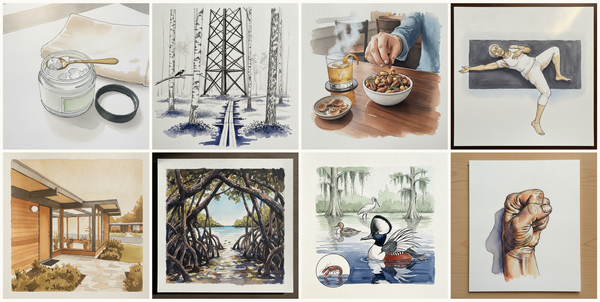
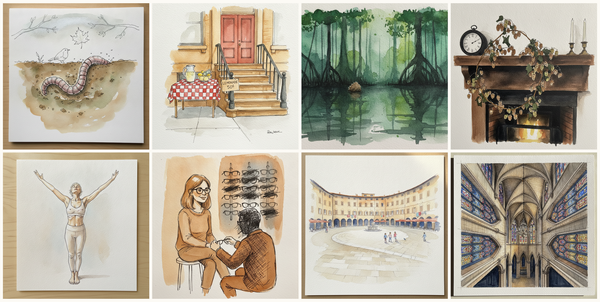
Jar of coffee steeping overnight, filter cone beside, Belly rolls when bending, One Up, One Lateral on a Sand Floor, Inuit hunter silhouette at floe edge, and more — pen + watercolor for July 13, 2026
AI-generated daily art-practice references for pen and watercolor: Jar of coffee steeping overnight, filter cone beside, Belly rolls when bending, One Up, One Lateral on a Sand Floor, Inuit hunter silhouette at floe edge, American Staffordshire terrier, Kids dipping fingers in summer, Number 11…
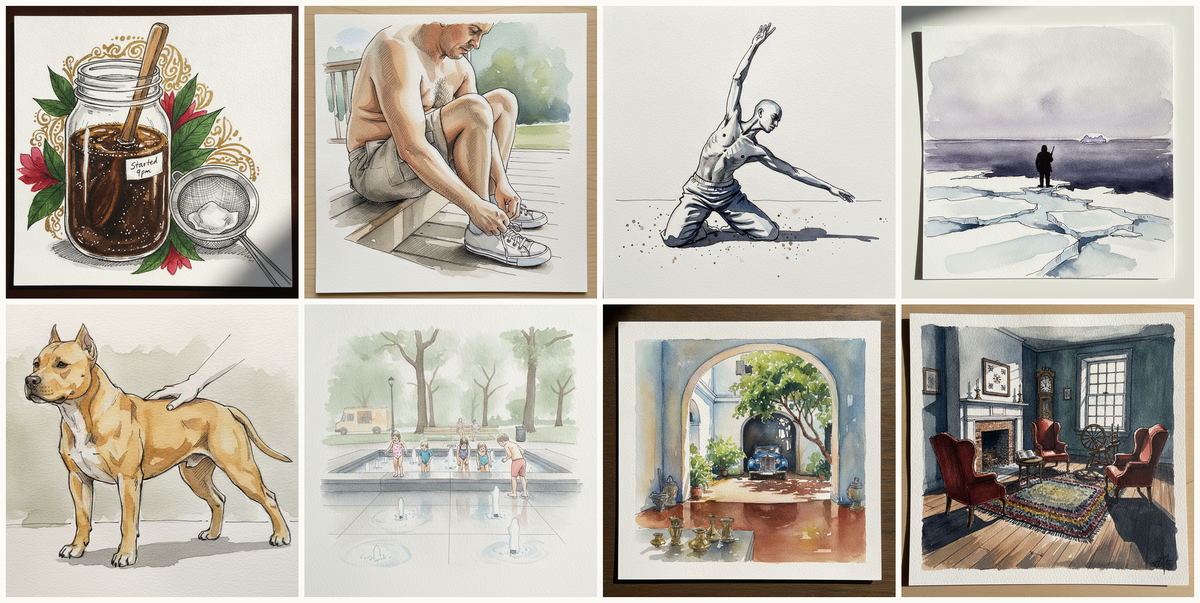
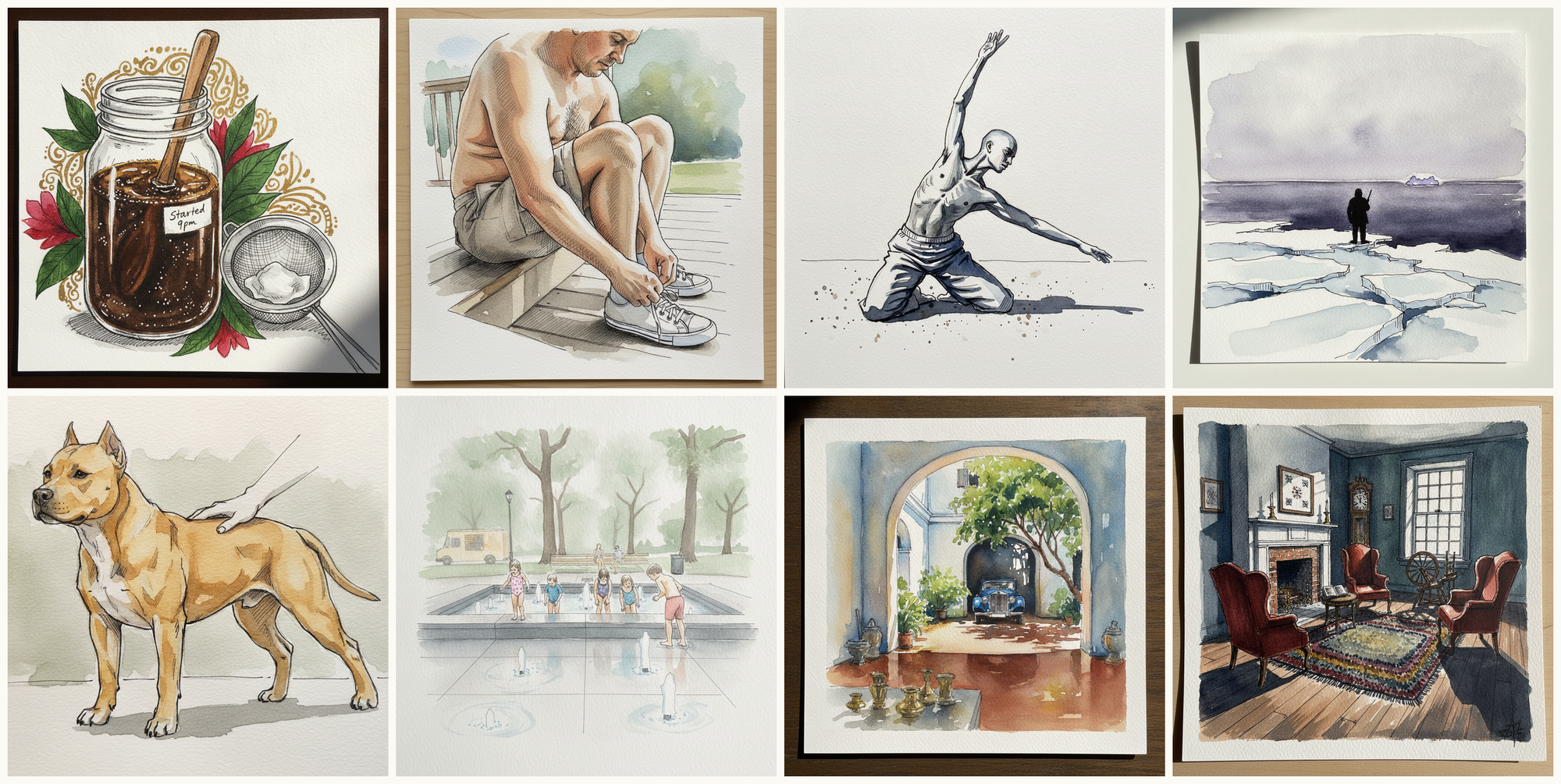
Today's 8 pen-and-watercolor pieces: Jar of coffee steeping overnight, filter cone beside, Belly rolls when bending, One Up, One Lateral on a Sand Floor, Inuit hunter silhouette at floe edge, American Staffordshire terrier, Kids dipping fingers in summer, Number 11, Bawa House, Colombo, Sri Lanka, New England colonial parlor. Each piece comes with an AI-generated photoreal reference, three AI-generated example artworks in different treatments, and a short focus paragraph naming what to study in this one.
Why these references use AI
This daily series uses AI-generated images as practice prompts, not as finished artwork to copy. Each subject starts with a synthetic photoreal reference generated with Gemini/Nano Banana, then moves into three pen-and-watercolor interpretations of the same subject.
I use AI here because daily art practice needs variety and low friction. Real life can get repetitive, busy, or visually narrow. These generated reference sets make it easier to study bodies, buildings, animals, landscapes, objects, gestures, light, palettes, and compositions that might not show up in an ordinary day.
The goal is not to reproduce any image directly. Treat each set as a starting point for observation and study: choose what interests you, change the framing, simplify the subject, alter the palette, and make your own version.
Piece 1 — Jar of coffee steeping overnight, filter cone beside
Pen + Watercolor · Loose pen and watercolor line-and-wash
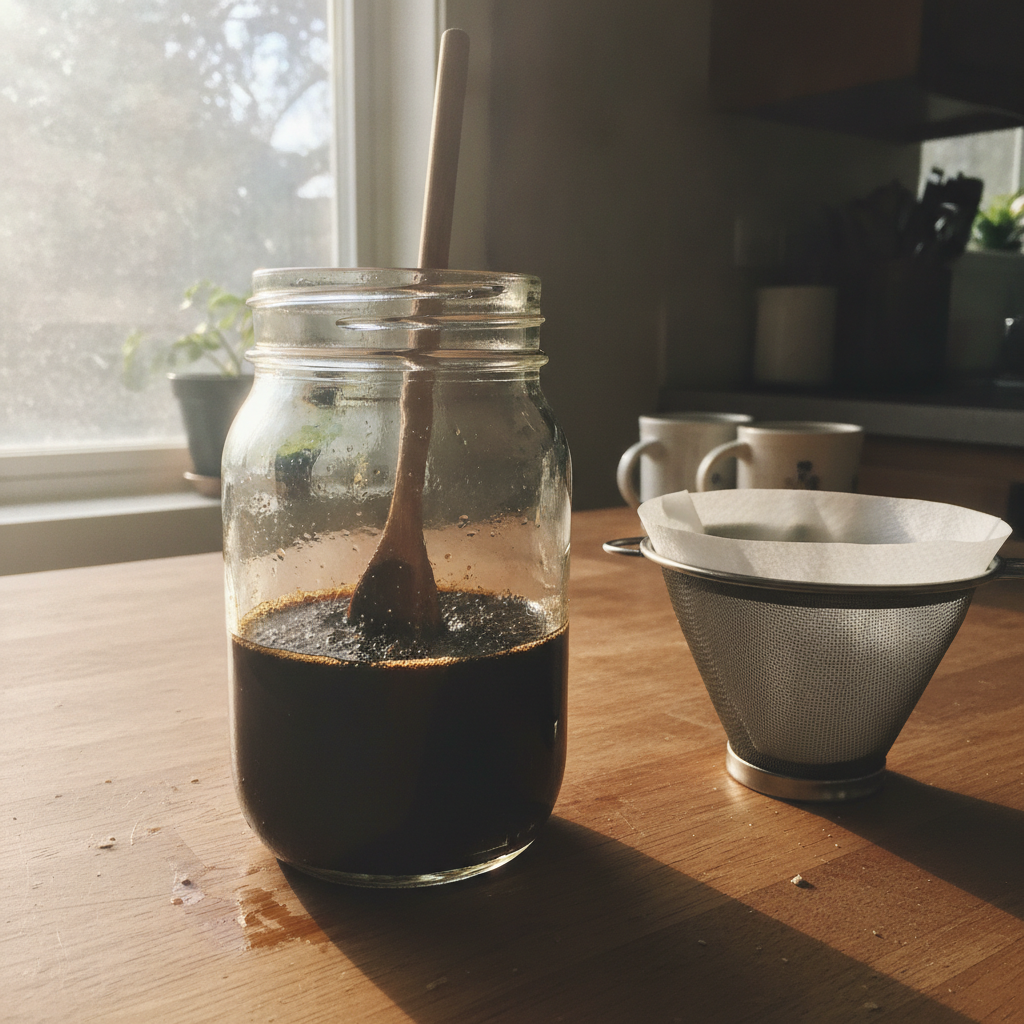
Three takes
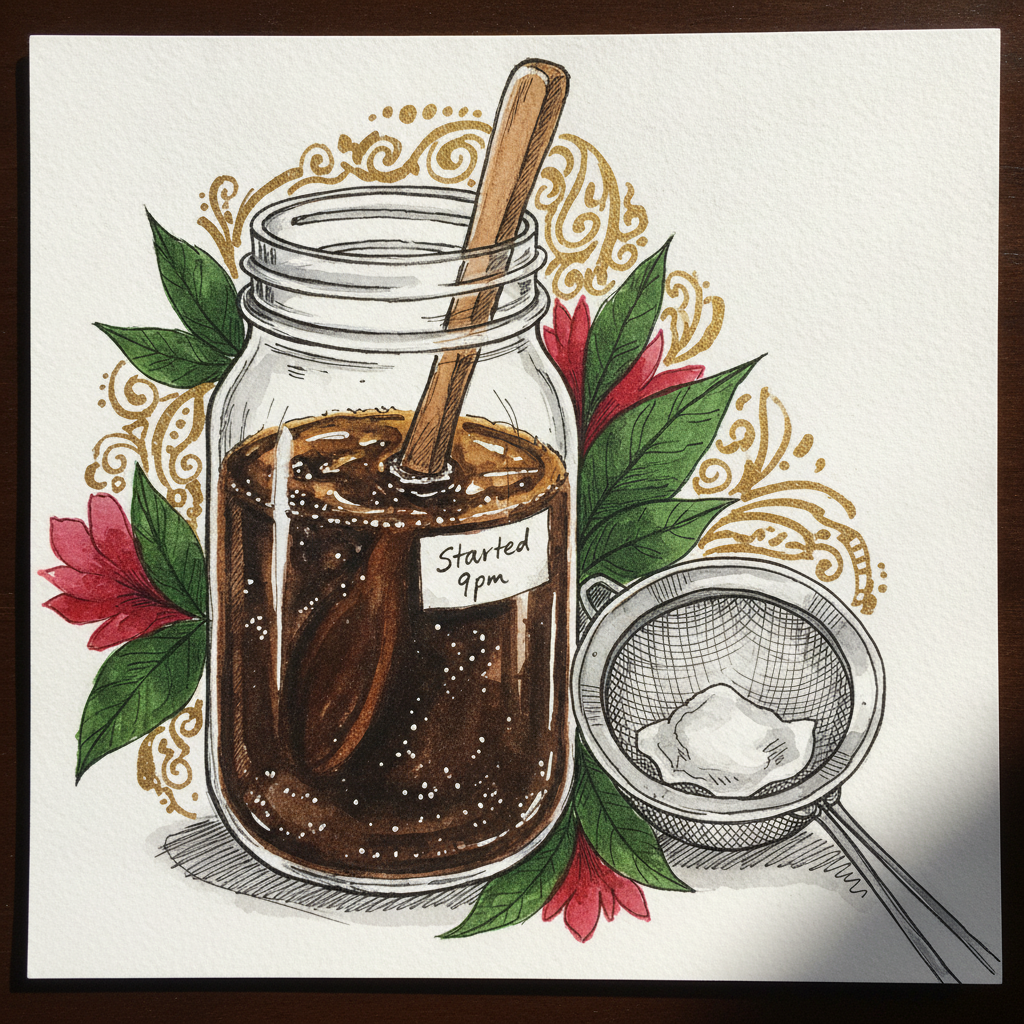

Focus for this piece
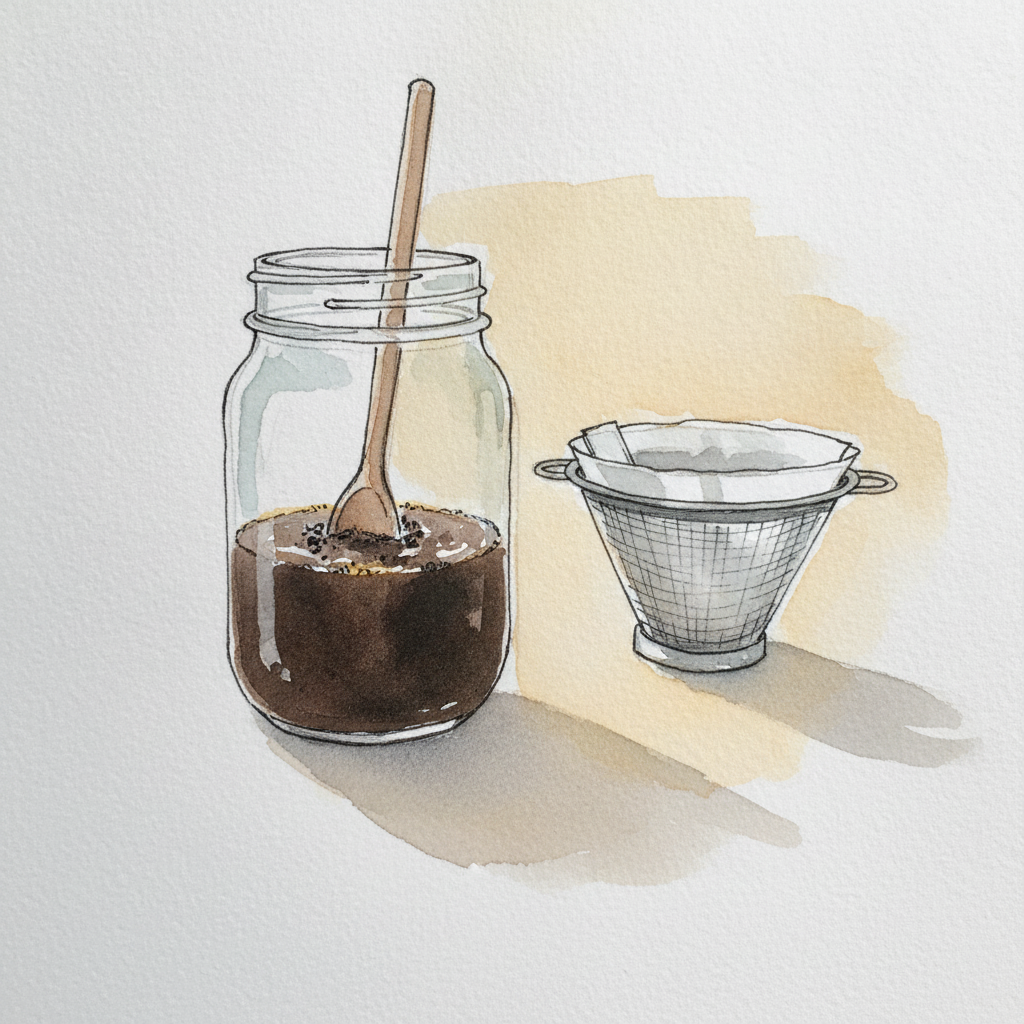
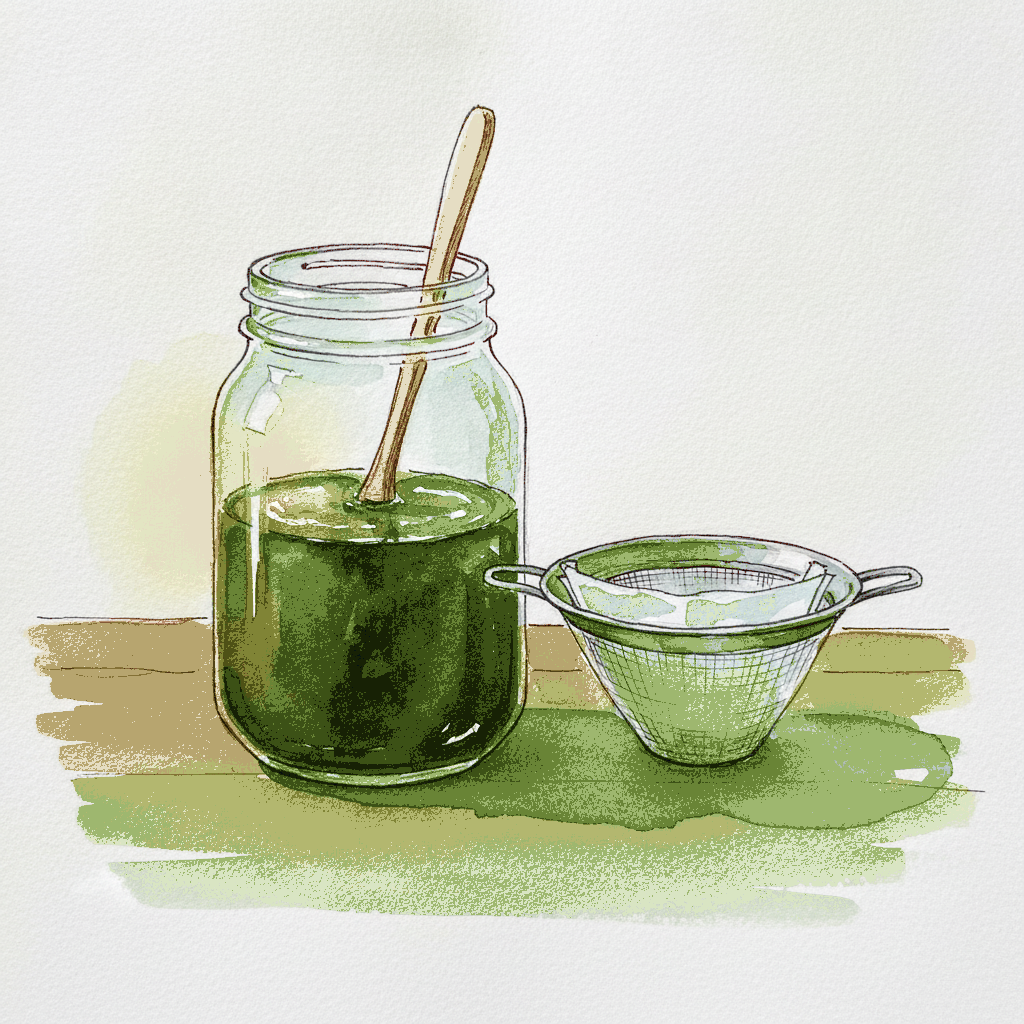
This piece offers a focused study in depicting **transparency and the interplay of line and wash in rendering reflective surfaces**. Use varied, confident line weights to establish the jar's outer form and the spoon's solid structure, then employ soft, layered washes to convey the murky, dark slurry *through* the glass. Pay close attention to negative space and carefully reserved highlights to capture the morning sun's glint on the curved glass, contrasting its smooth surface with the subtle texture of the paper filter. This will also challenge you to differentiate between the opacity of the coffee and the delicate translucency of the filter, all within a generally dark value range.
Piece 2 — Belly rolls when bending
Pen + Watercolor · Loose pen and watercolor line-and-wash
Three takes

Focus for this piece
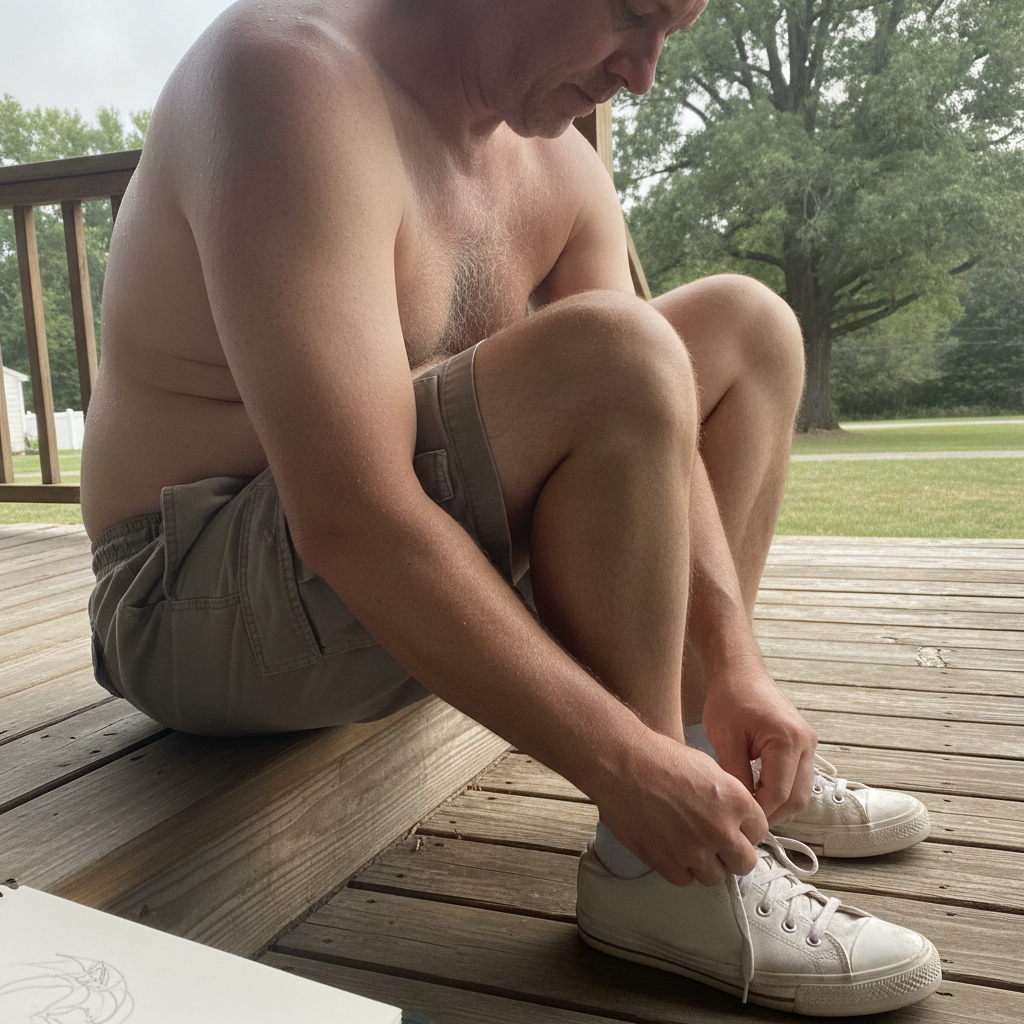
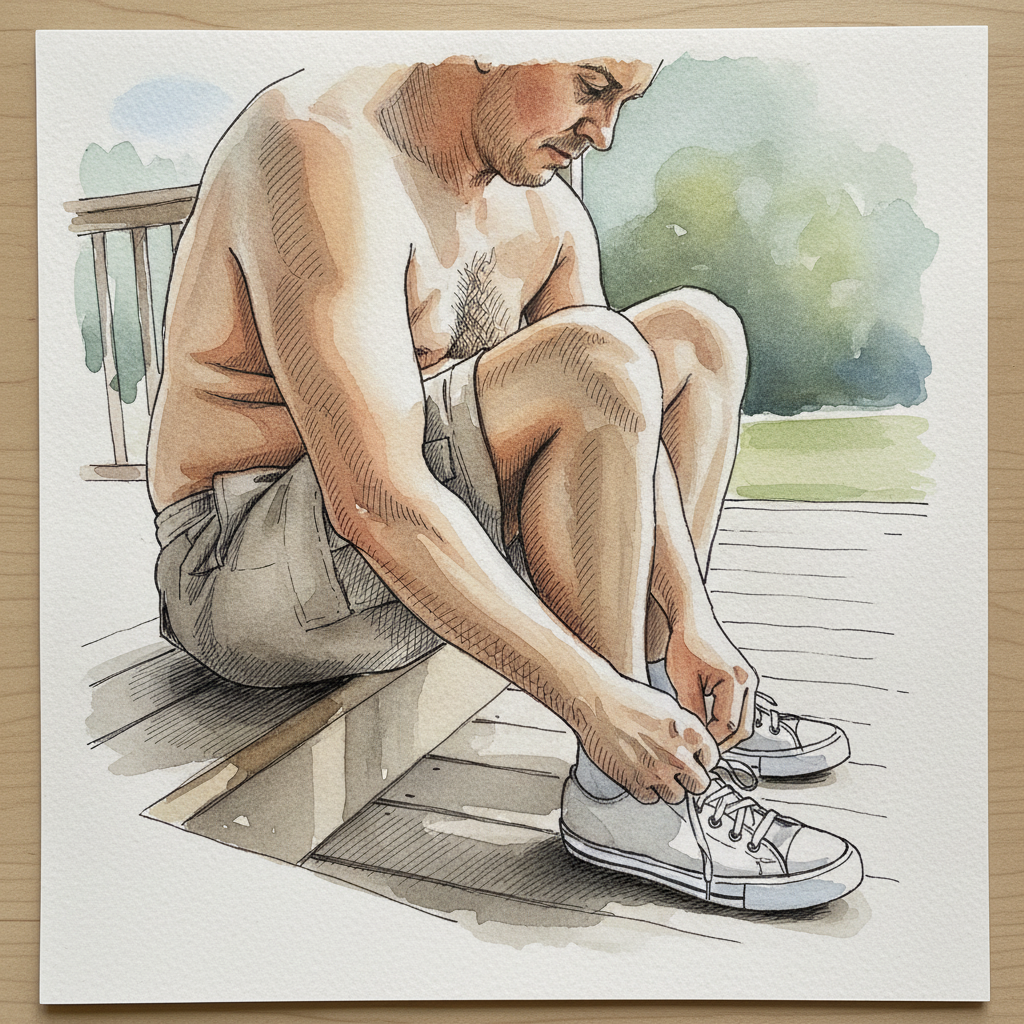
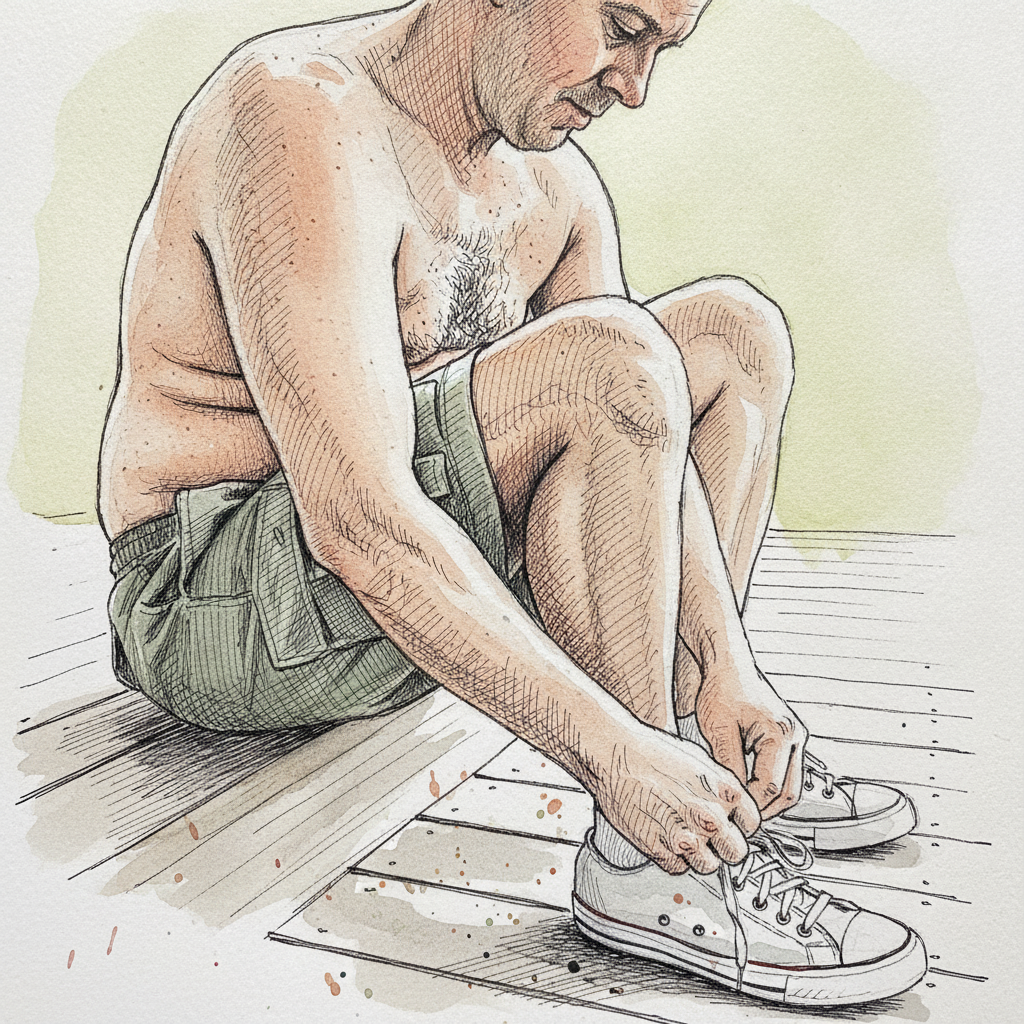
This piece offers an excellent opportunity to study rendering soft, volumetric forms, particularly the organic folds of the human body. Experiment with varying your pen line weight: use light, broken strokes for the upper curves of the belly rolls, and reserve heavier, darker lines for the shadowed creases to give them depth. Let your watercolor washes build the subtle transitions of skin tone wet-on-wet, allowing the pigment to bloom softly, especially in the damp-shadowed areas, to convey the fleshiness and natural contour. Focus on creating a sense of weight and pliability using these combined techniques.
Piece 3 — One Up, One Lateral on a Sand Floor
Pen + Watercolor · Loose pen and watercolor line-and-wash
Three takes
Focus for this piece
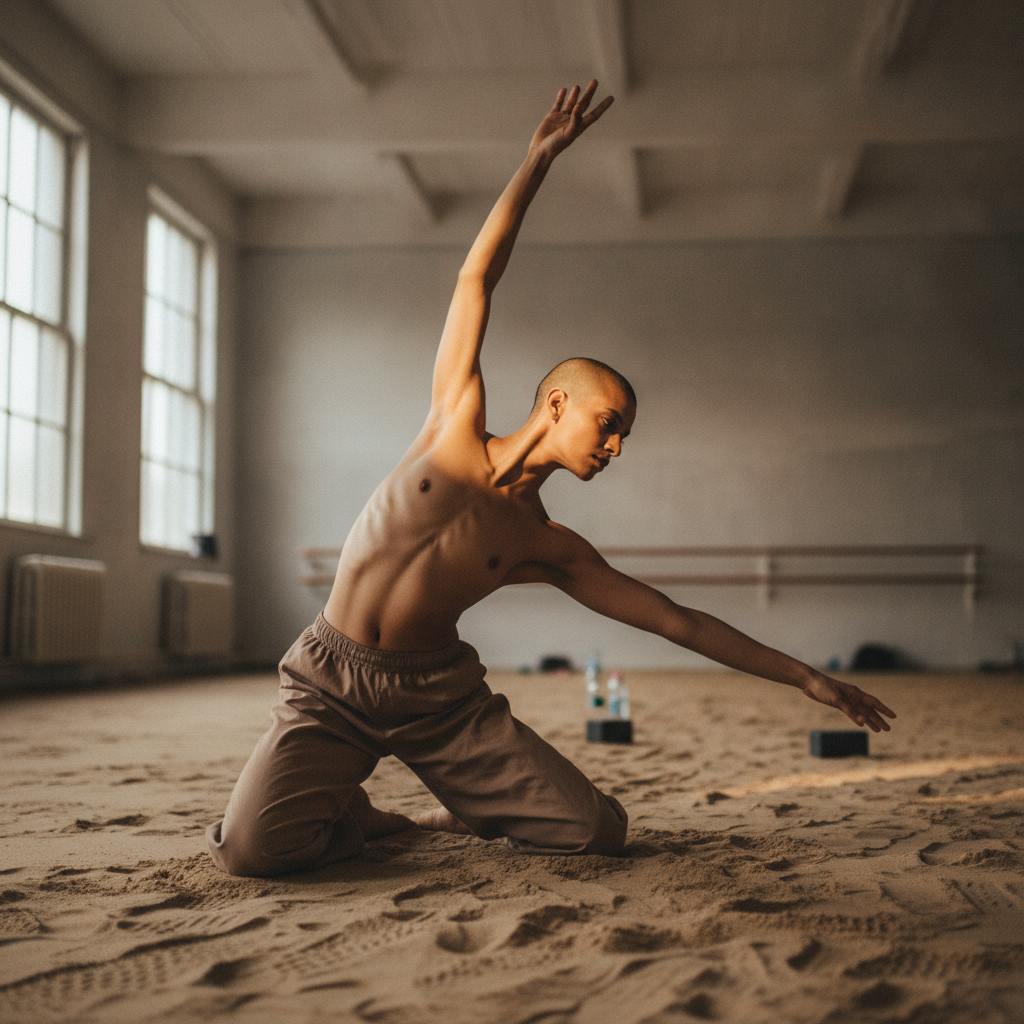
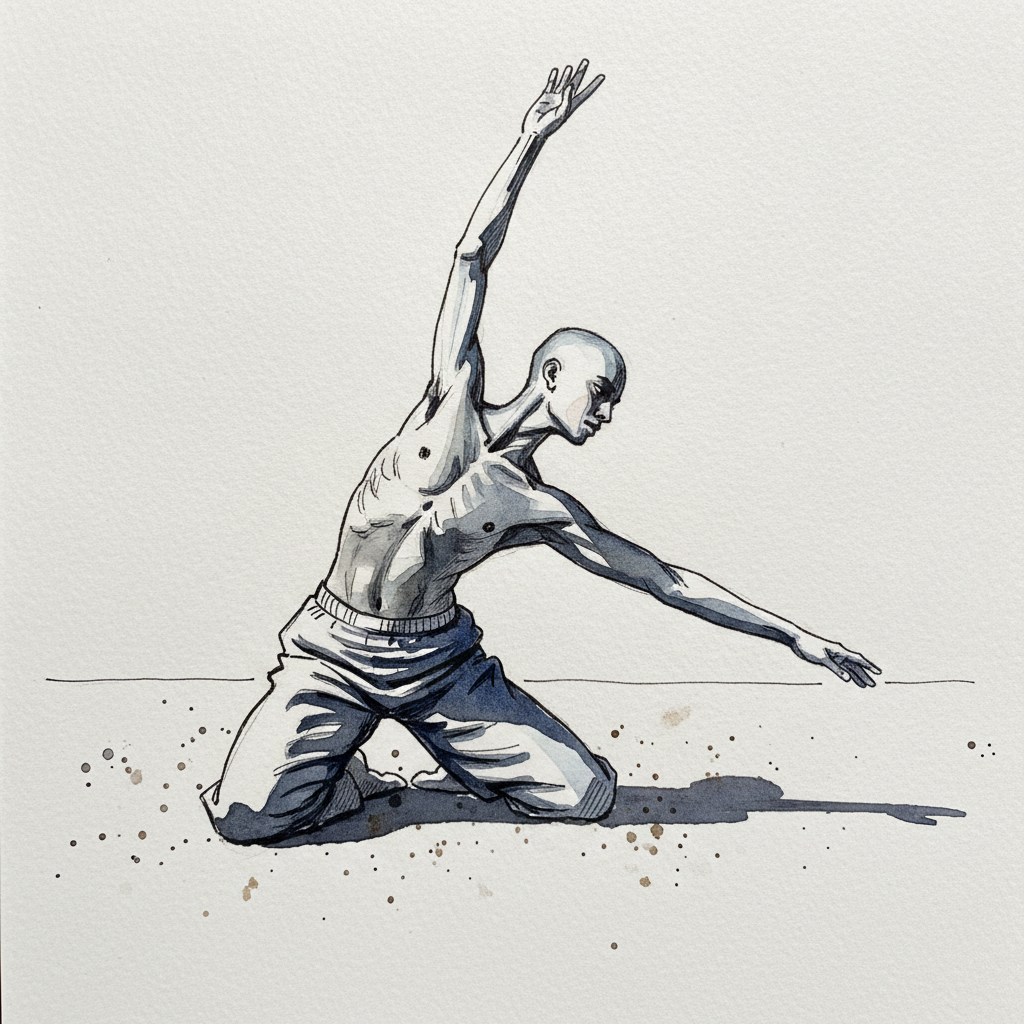
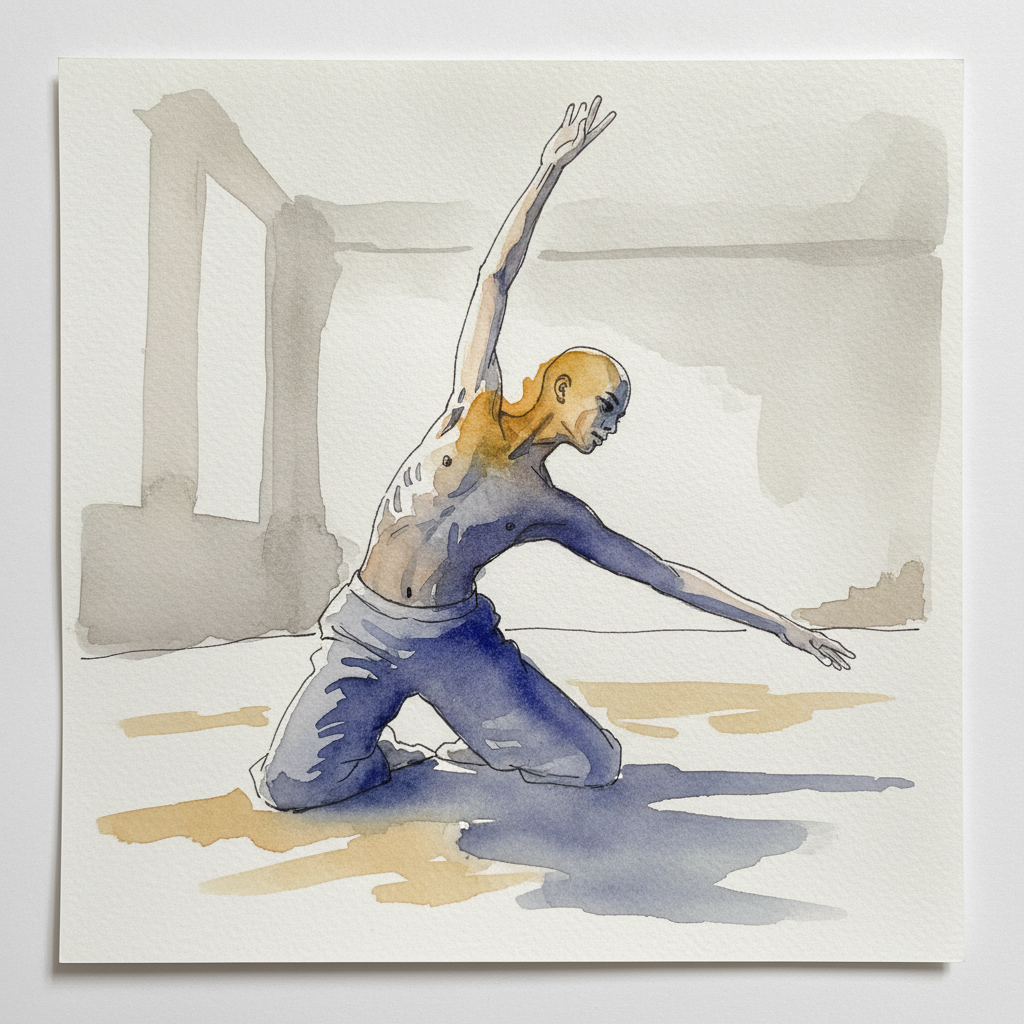
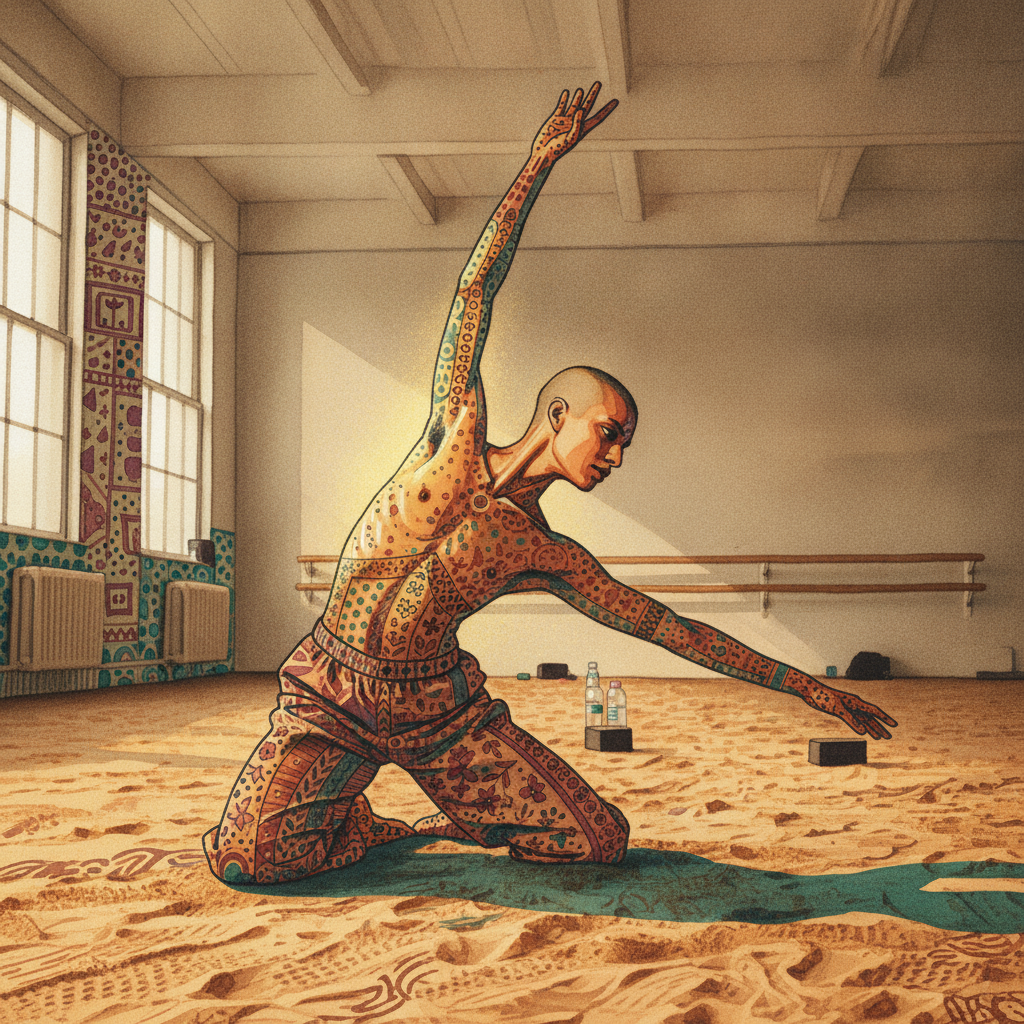
This piece offers a strong opportunity to practice defining volume and light with an economical approach. Use contrasting line weights, opting for light, broken lines on the most brightly lit planes and crisp, varied lines for the shadow edges that delineate the figure's lean form and the torque of the ribcage. Follow with deliberate, layered washes, letting them sculpt the dramatic pooled light and the long, deep shadows, particularly along the obliques and the texture of the sand-strewn floor, to bring atmosphere without overworking detail.
Piece 4 — Inuit hunter silhouette at floe edge
Pen + Watercolor · Loose pen and watercolor line-and-wash
Three takes

Focus for this piece
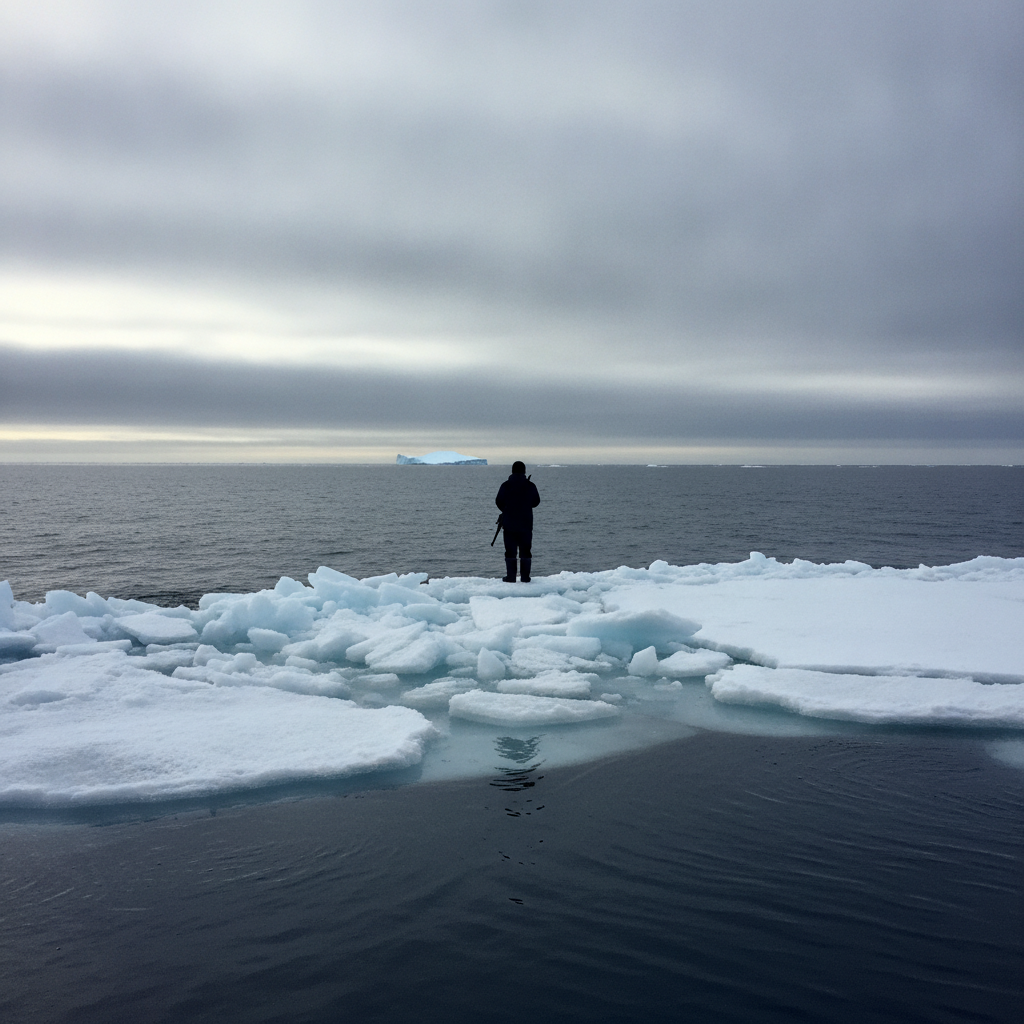
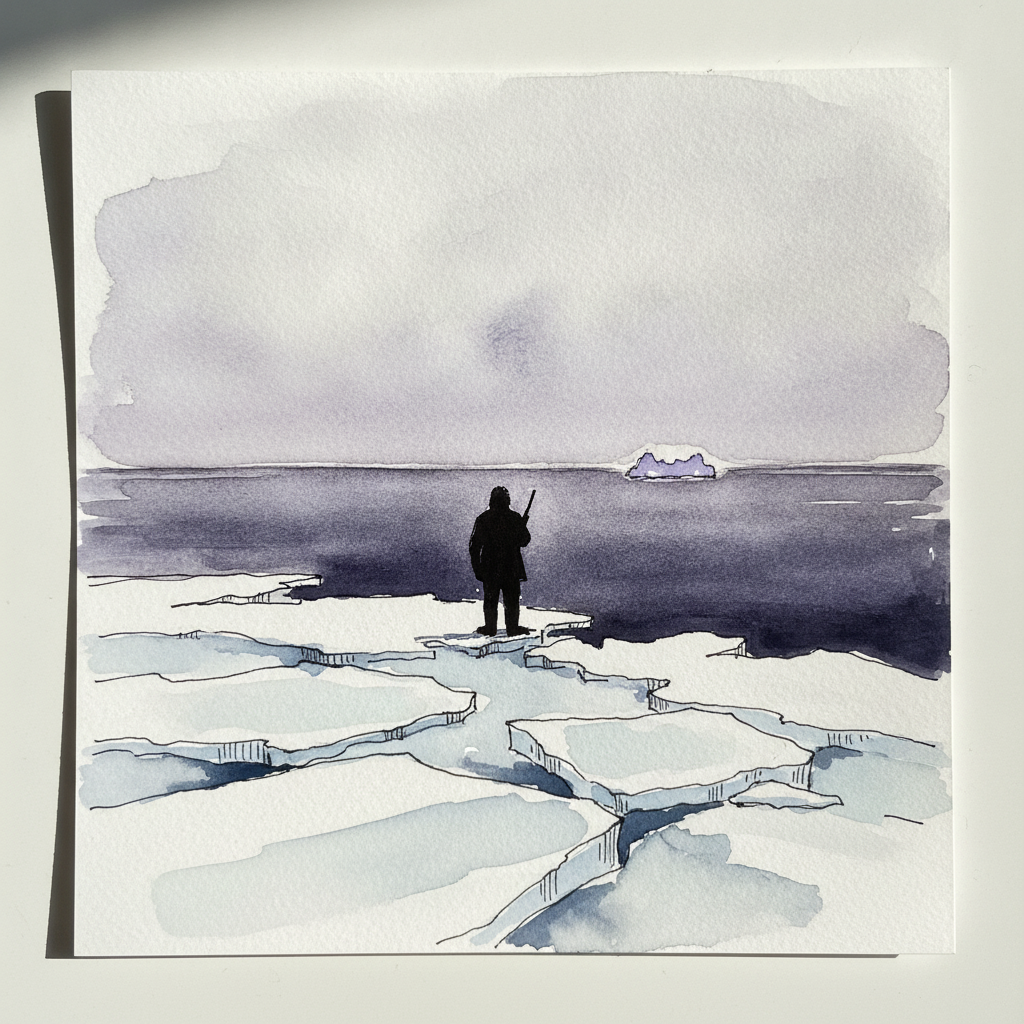
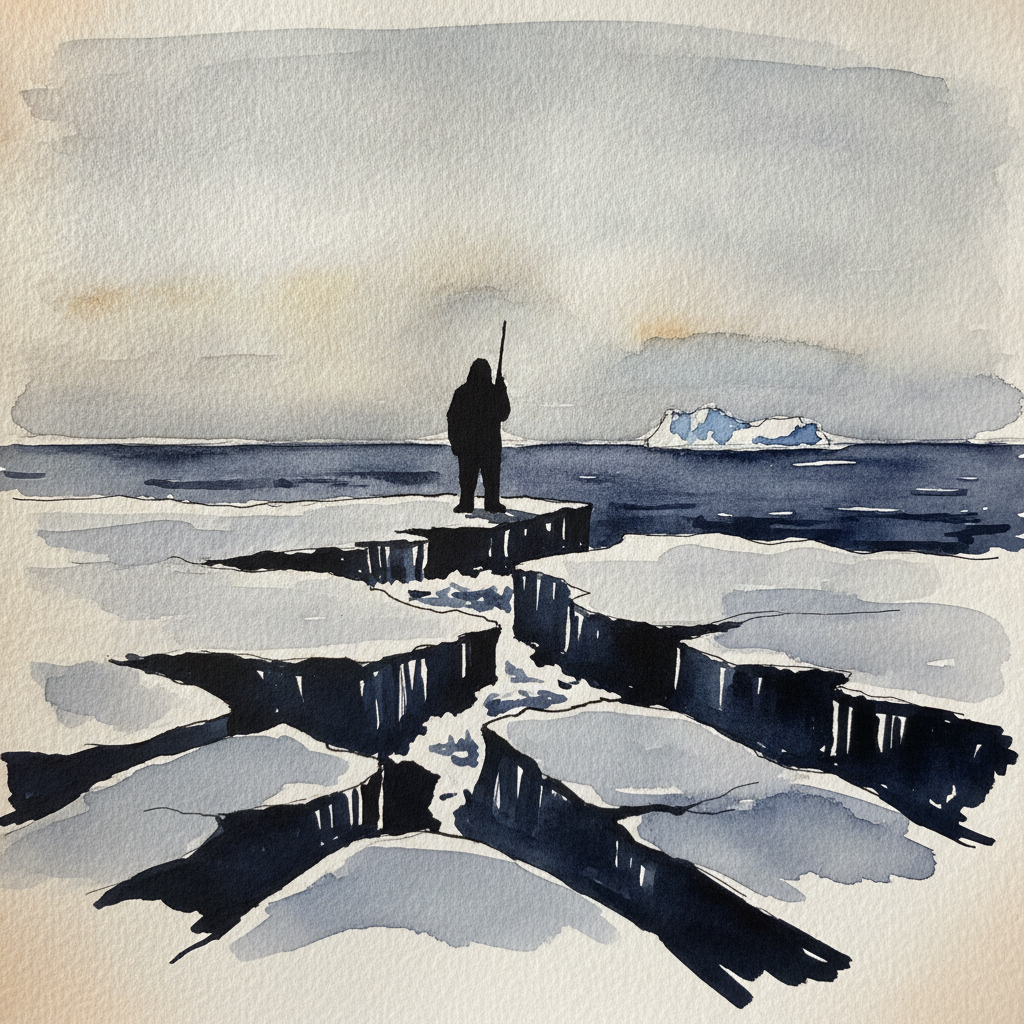
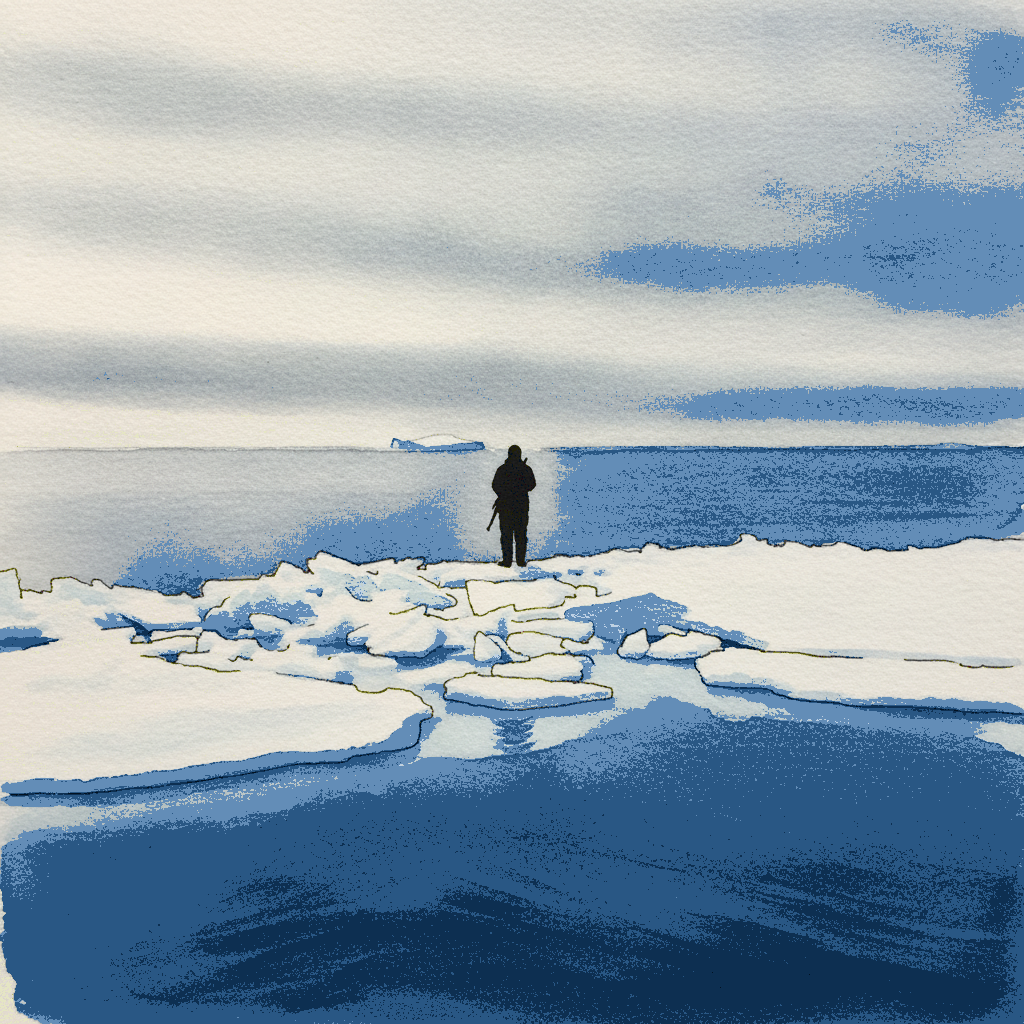
This piece offers a compelling study in creating strong value contrast, pairing a crisp, dark ink silhouette of the hunter with nuanced, layered watercolor washes for the environment. Focus on maintaining a consistent, decisive line weight for the figure, allowing its stark shape to anchor the composition. For the pearl-grey sky and dark water, practice building atmospheric depth with soft, broad brushstrokes and a constrained cool palette, using minimal detail to convey the stillness of the scene. Pay particular attention to how the angular, broken lines of the foreground ice provide a textural counterpoint to the soft fluidity beyond.
Piece 5 — American Staffordshire terrier
Pen + Watercolor · Loose pen and watercolor line-and-wash
Three takes

Focus for this piece
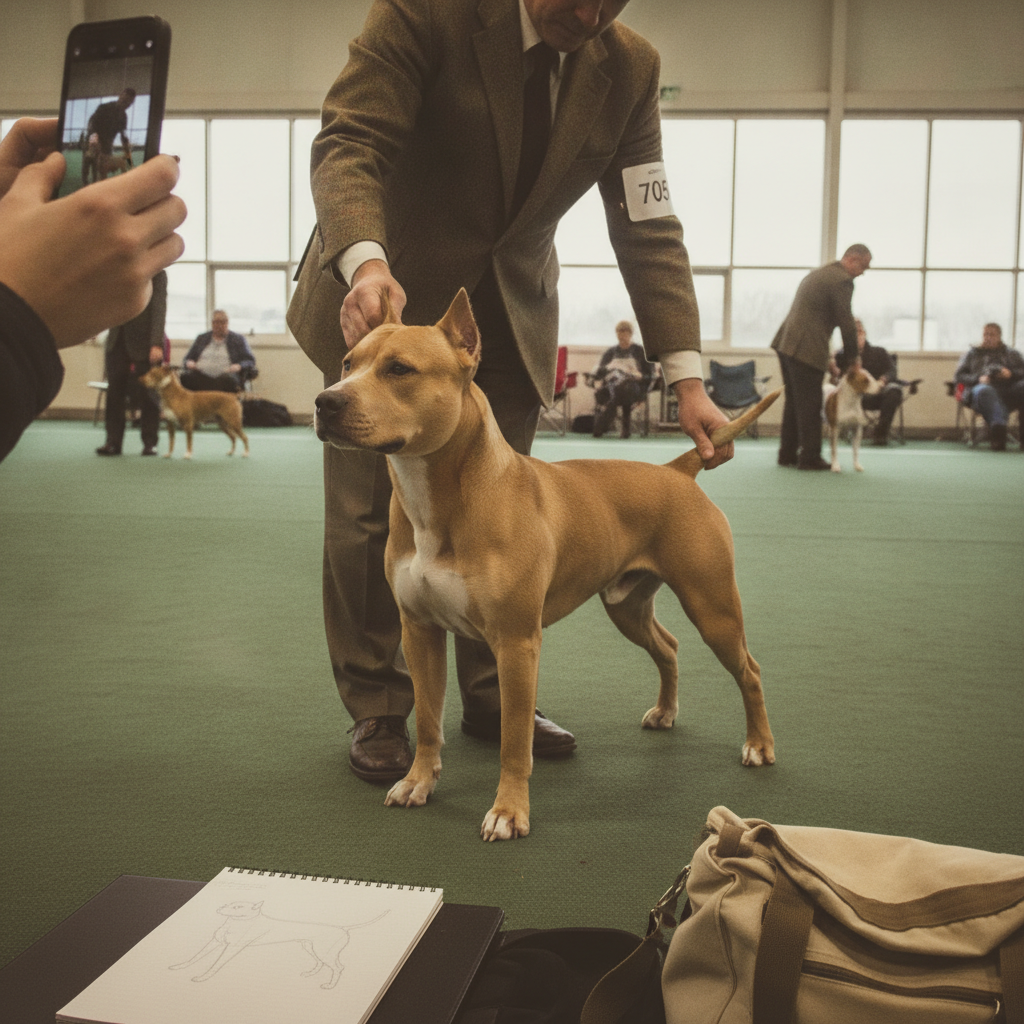
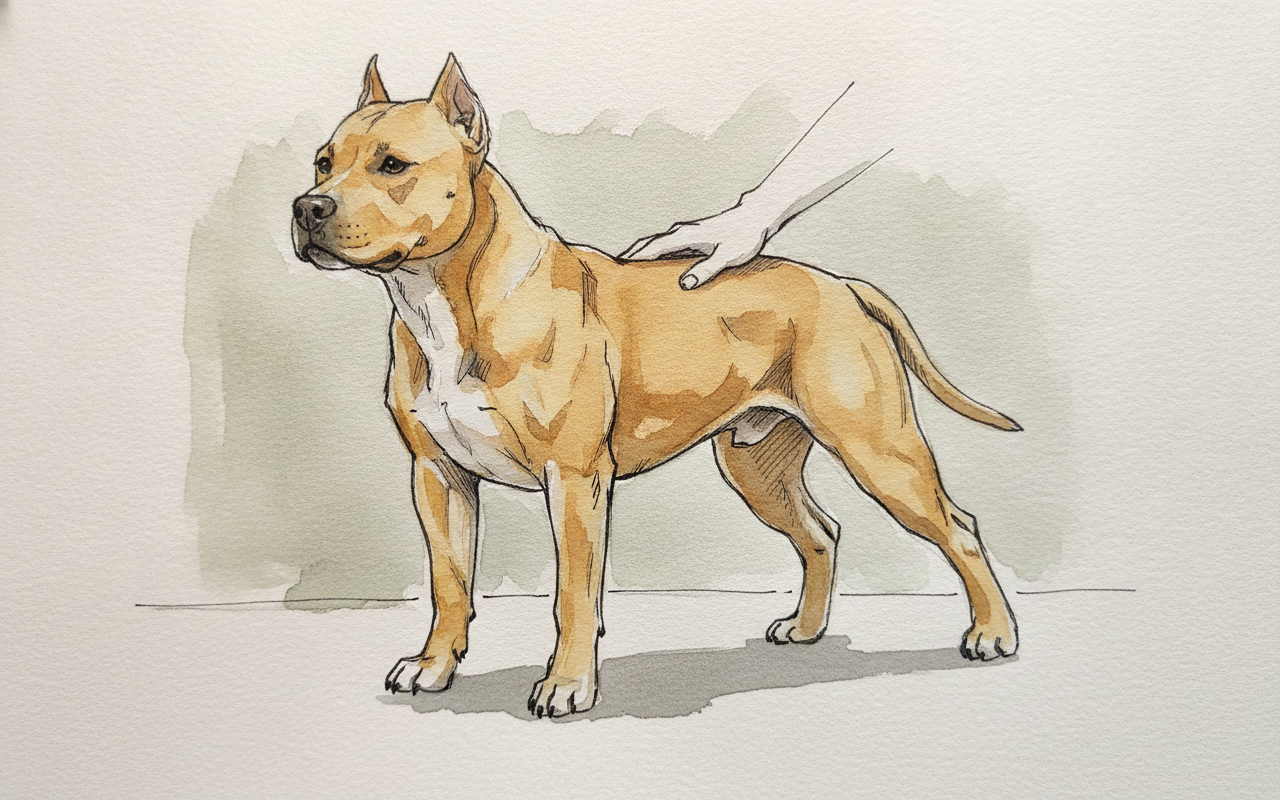
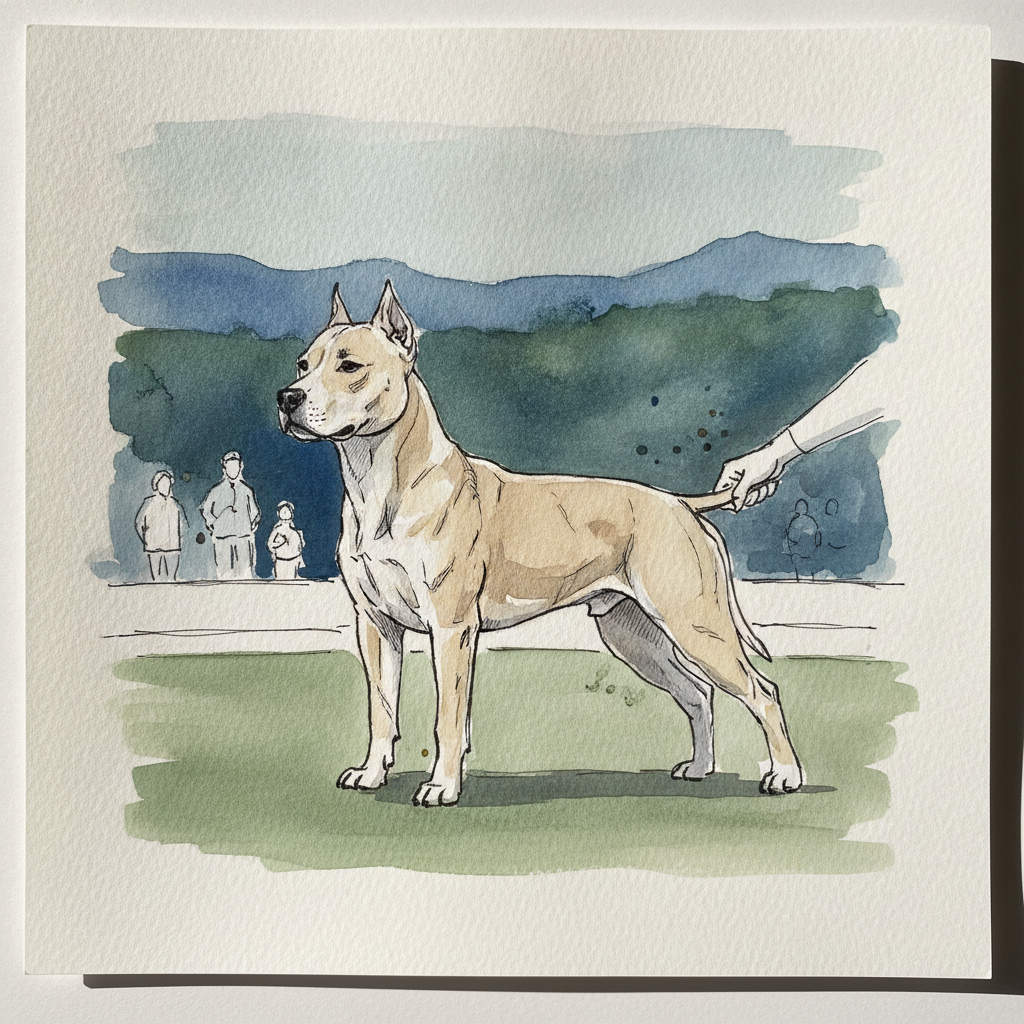
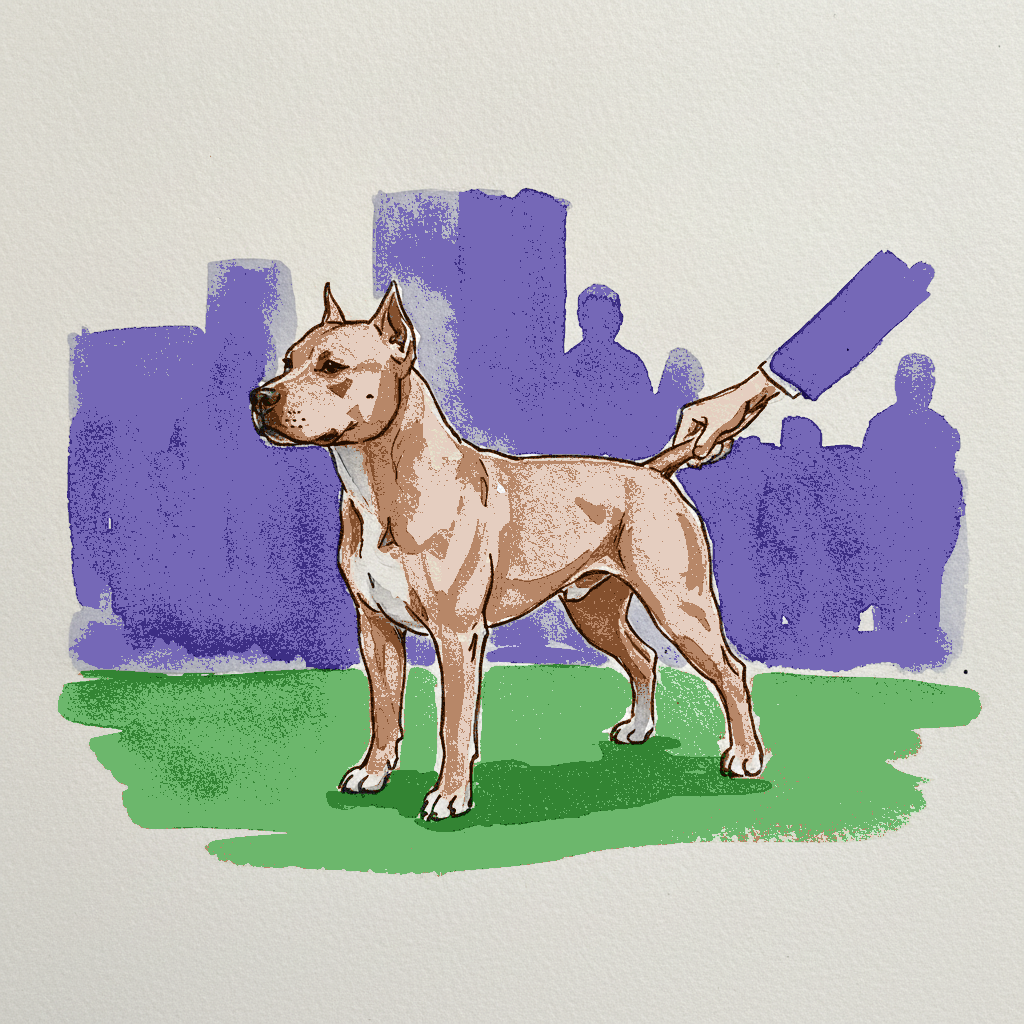
Today's subject is perfect for studying how to build strong, structural forms using varied pen line weights, especially for the broad head, deep chest, and precise triangular ears. After establishing these definitive outlines, practice modeling the subtle curves of the fawn coat with controlled, smooth watercolor washes. Aim to make the washes enhance the three-dimensional volume while preserving the crispness of your initial ink structure.
Piece 6 — Kids dipping fingers in summer
Pen + Watercolor · Loose pen and watercolor line-and-wash
Three takes
Focus for this piece
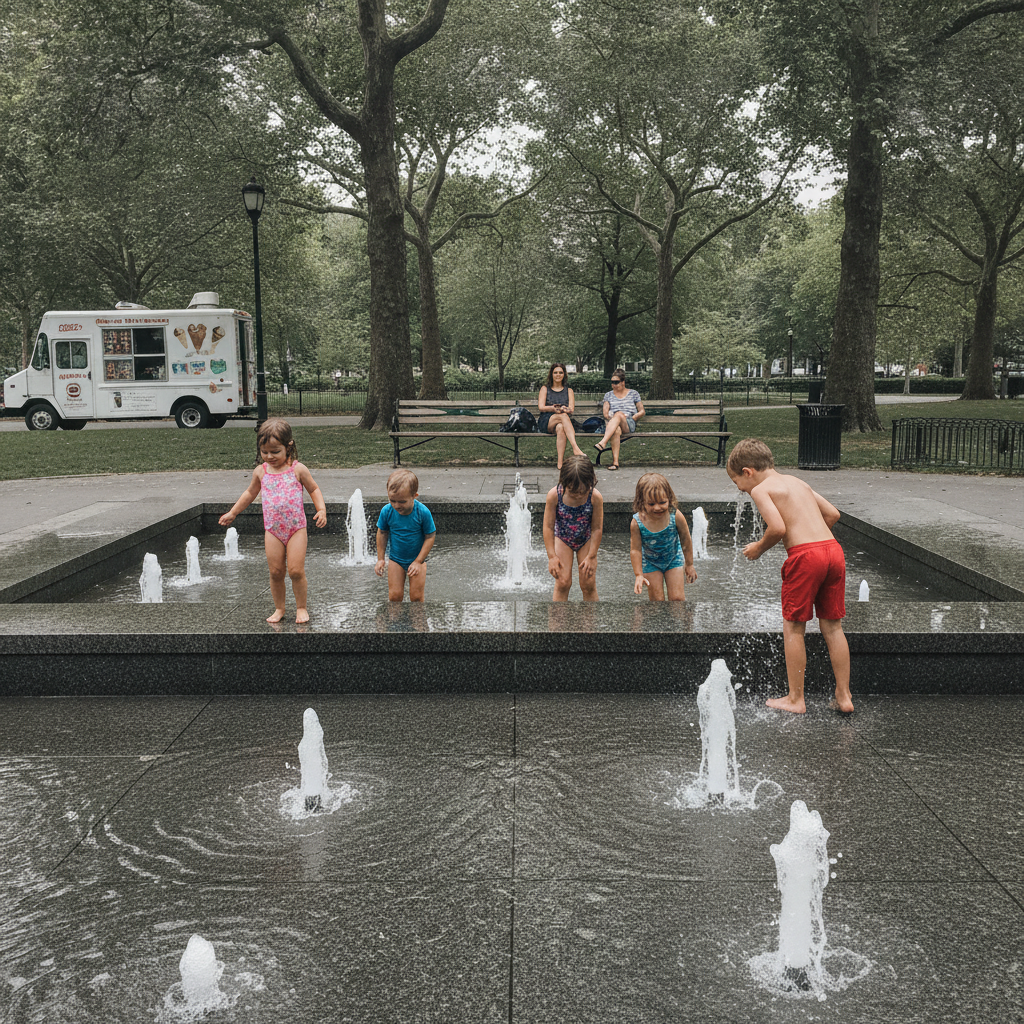
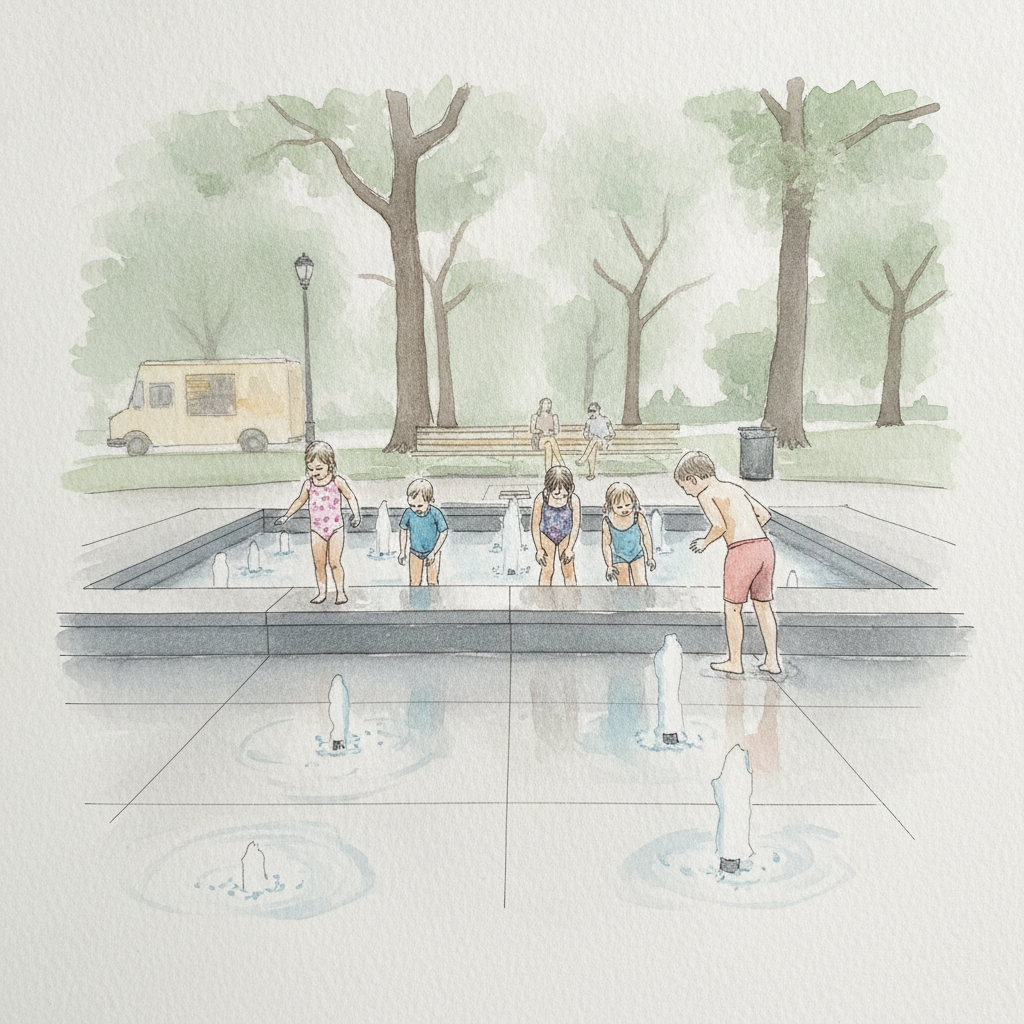
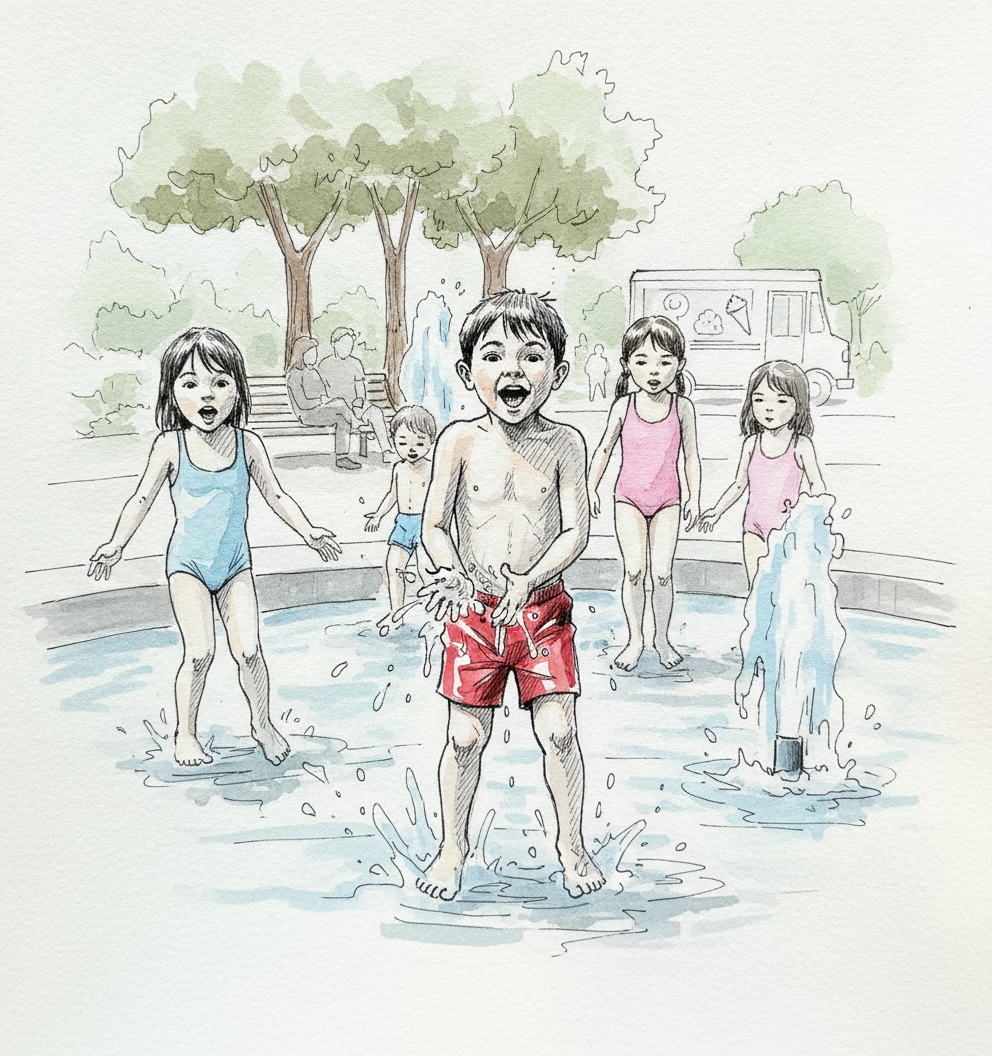
This piece offers a fantastic opportunity to practice the interplay between precise ink and fluid watercolor. Use confident, clean ink lines to define the solid structure of the granite fountain and the distinct forms of the children, varying line weight to indicate depth. Then, with watercolor, focus on capturing the soft, ephemeral quality of skin tones and the dynamic translucence of the splashing water, especially using wet-on-wet techniques around the fountain base to suggest wet pavement.
Piece 7 — Number 11, Bawa House, Colombo, Sri Lanka
Pen + Watercolor · Loose pen and watercolor line-and-wash
Three takes

Focus for this piece
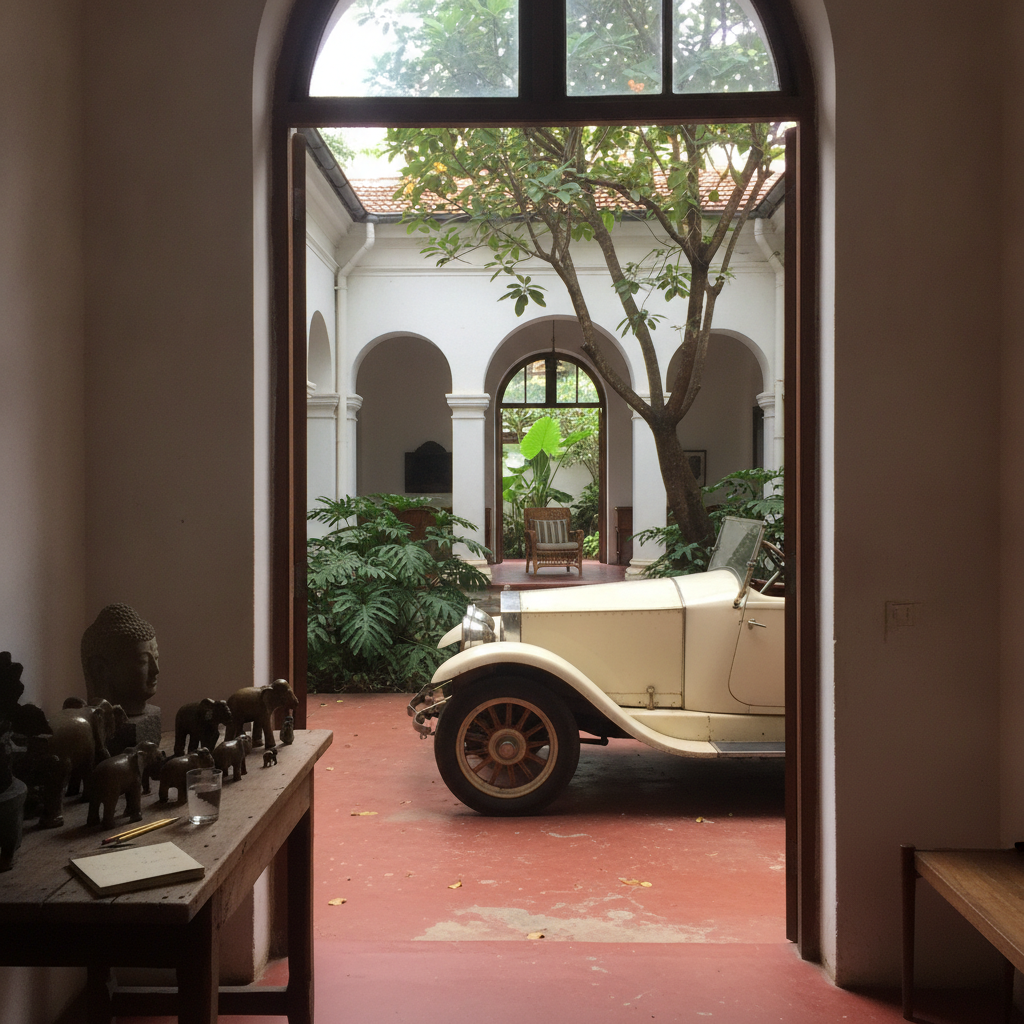
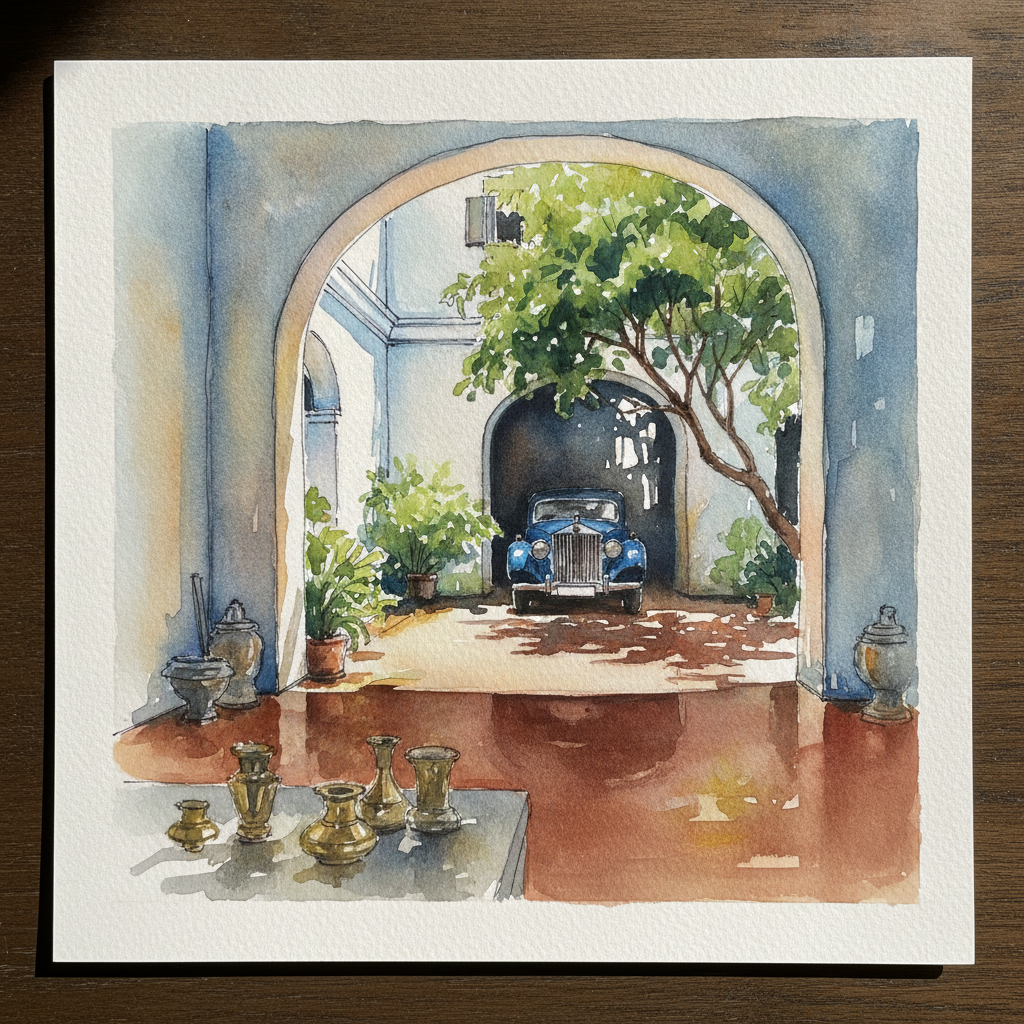
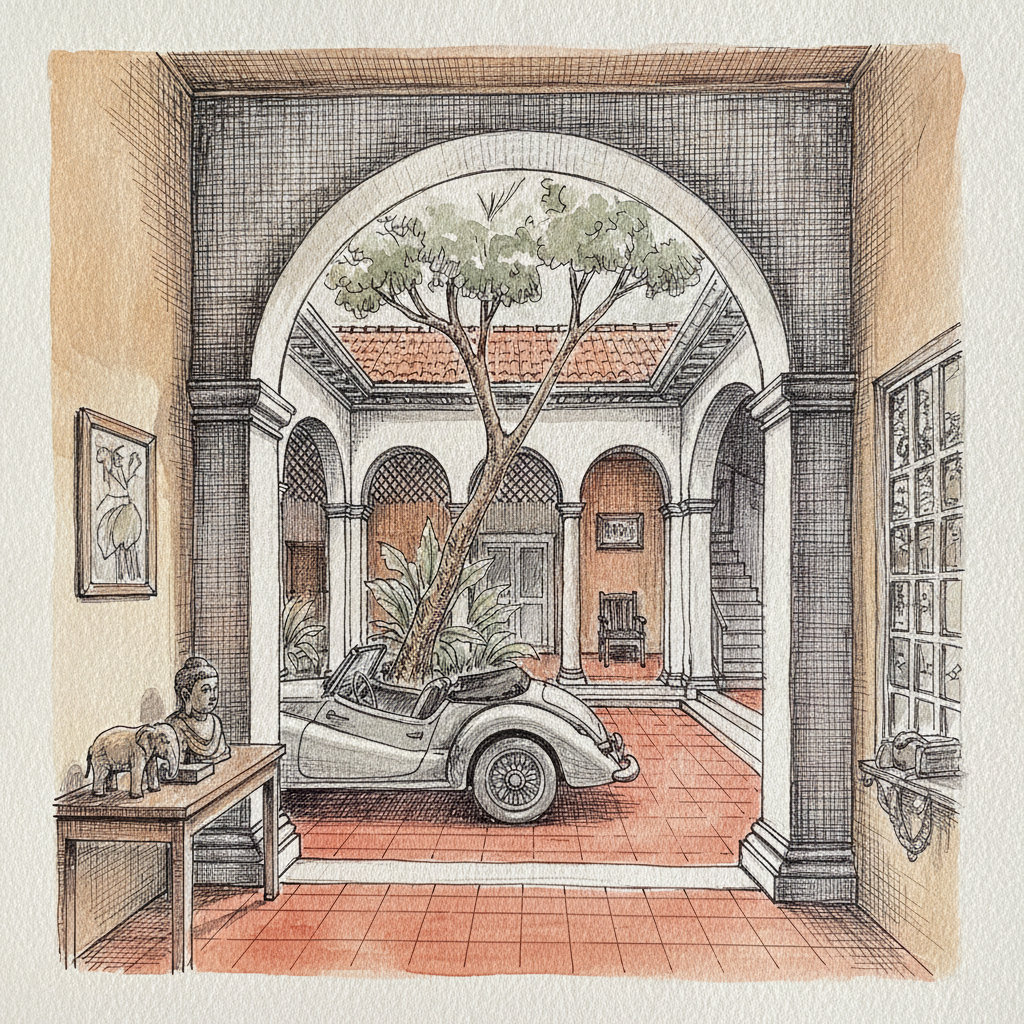
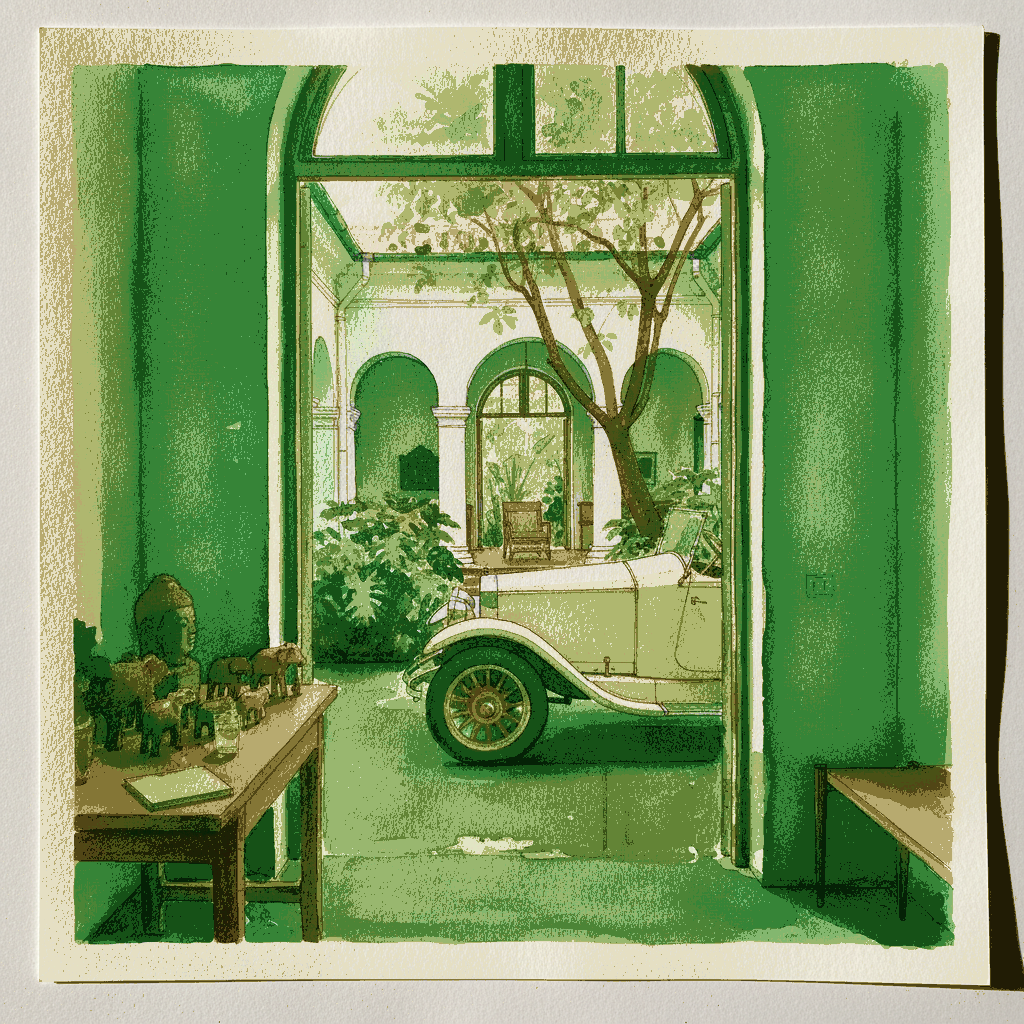
The Bawa House's intricate courtyards offer an excellent study in creating depth and atmosphere within a constrained palette. Focus on how lighter, desaturated washes recede for the white walls, while stronger, darker ink lines and vibrant, warmer pigments for the red floors and tropical foliage bring foreground elements forward. Experiment with wet-into-wet techniques to capture the soft, dappled light filtering through screens, juxtaposed with sharp, deliberate ink lines for architectural structure and details like the vintage Rolls-Royce.
Piece 8 — New England colonial parlor
Pen + Watercolor · Loose pen and watercolor line-and-wash
Three takes
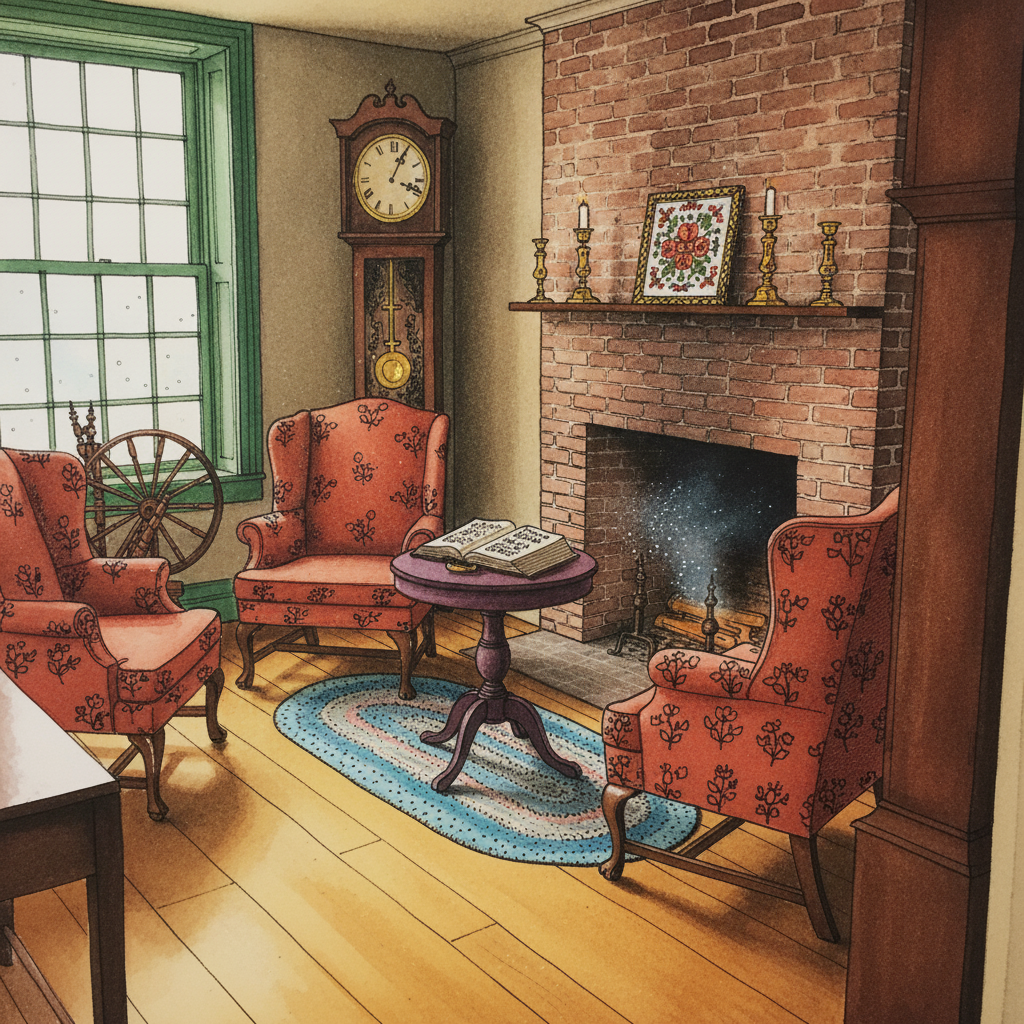
Focus for this piece
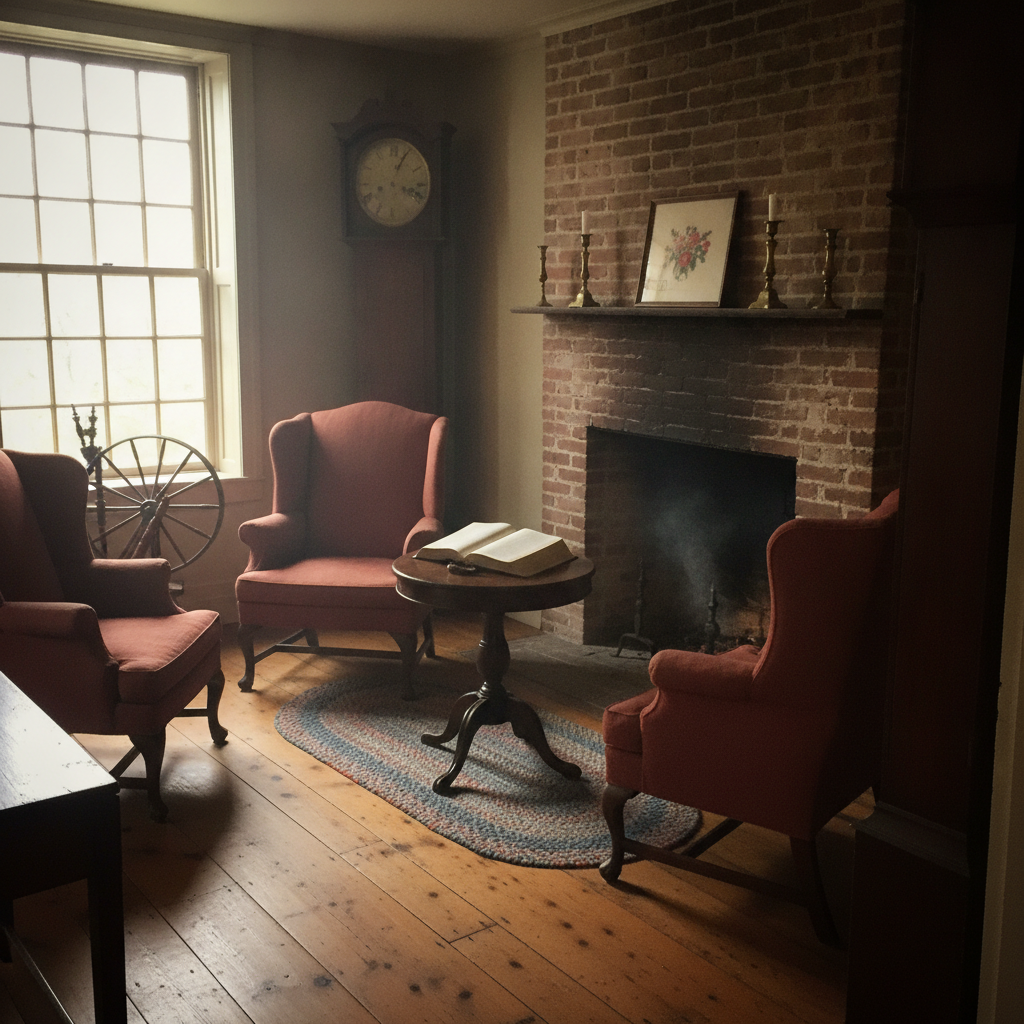
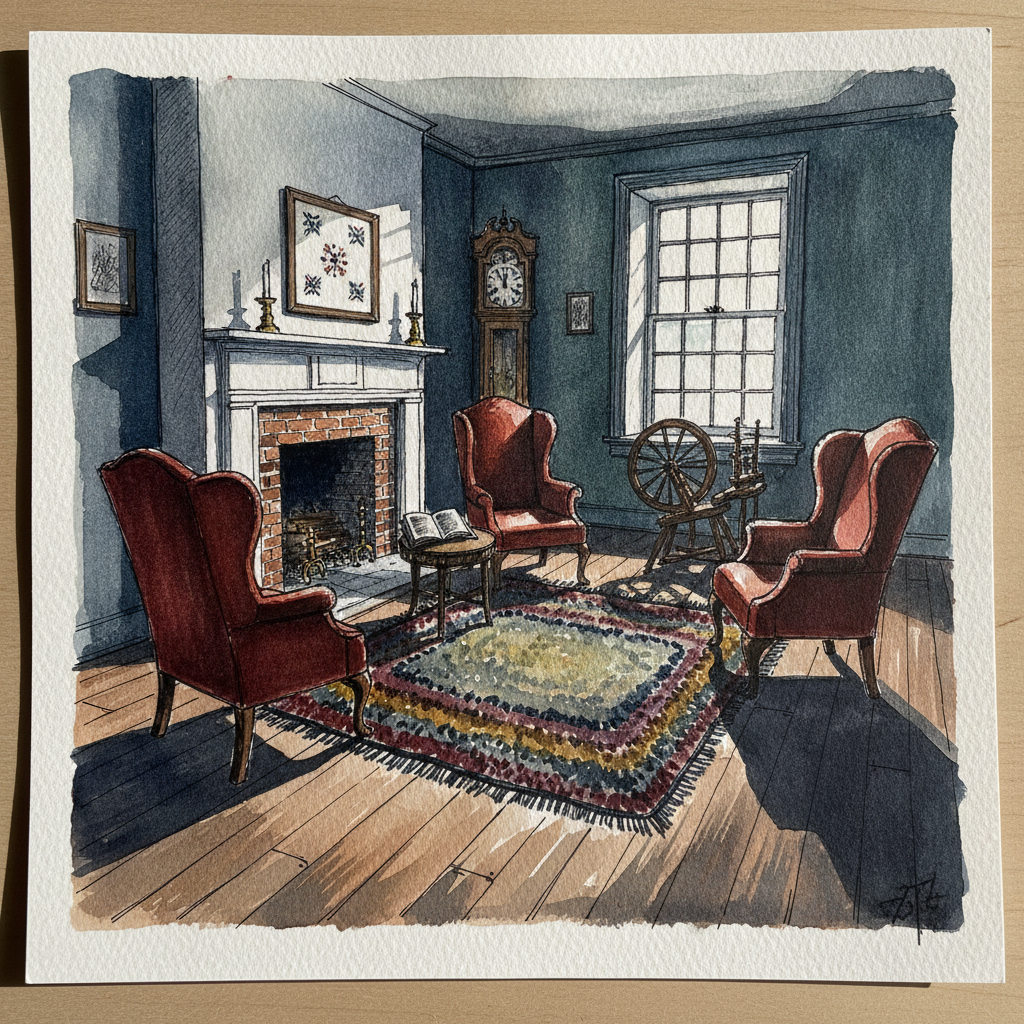
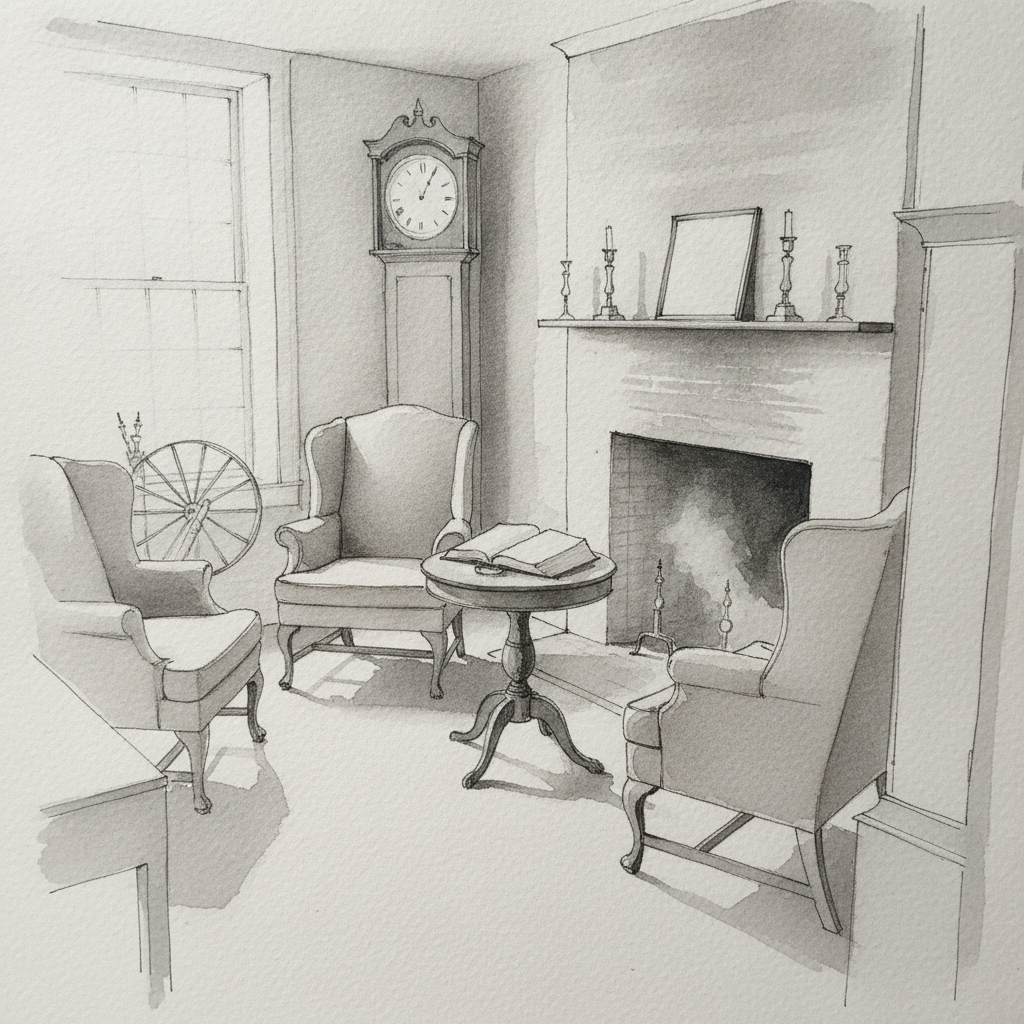
This piece is excellent for practicing how to let line-work define structure and texture while washes create atmosphere and light. Use varied line weights, employing firm, unbroken lines for the tall case clock and brick fireplace, and lighter, perhaps broken lines for the wide pine boards and intricate spinning wheel spokes. Then, apply soft, cool washes to build the watery November light and introduce shadows, allowing the ink lines to hold the details and the paper to provide the brightest highlights. This interplay will create a strong sense of depth and the cozy, aged feeling of the parlor.