Tray of Varied Seeds, Tábor, South Bohemia, Czech Republic, Squamish at the head of Howe Sound, BC Canada, Pole bean, and more — pen + watercolor for July 10, 2026
AI-generated daily art-practice references for pen and watercolor: Tray of Varied Seeds, Tábor, South Bohemia, Czech Republic, Squamish at the head of Howe Sound, BC Canada, Pole bean, Person throwing ball for dog, Kneeling cat-cow with rotation, The gate from a high pavilion, looking down into t…
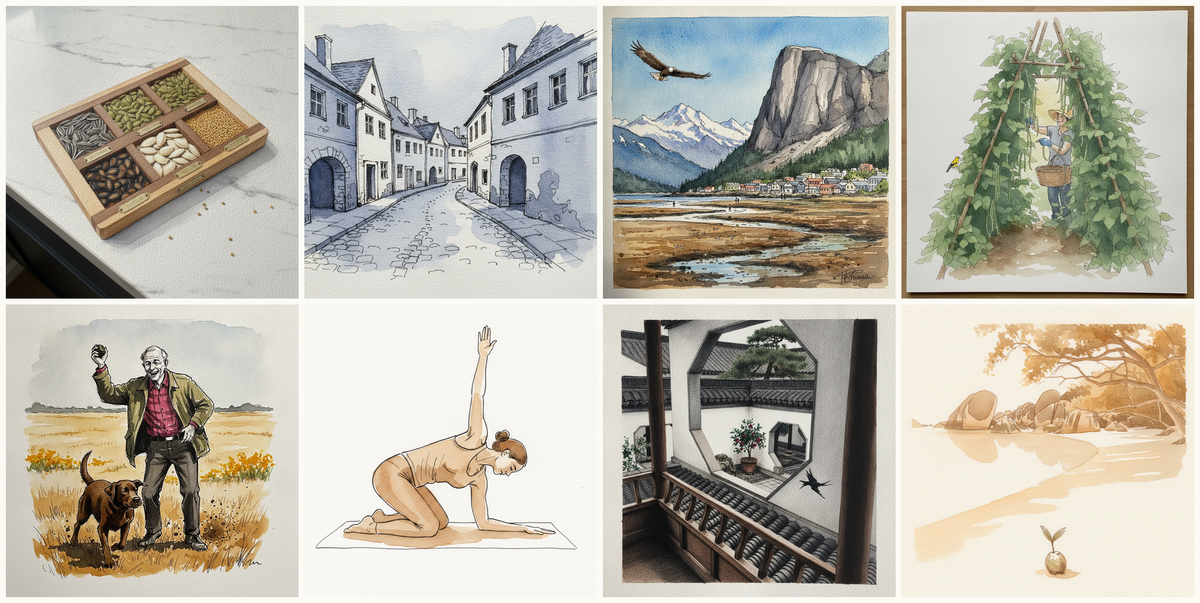
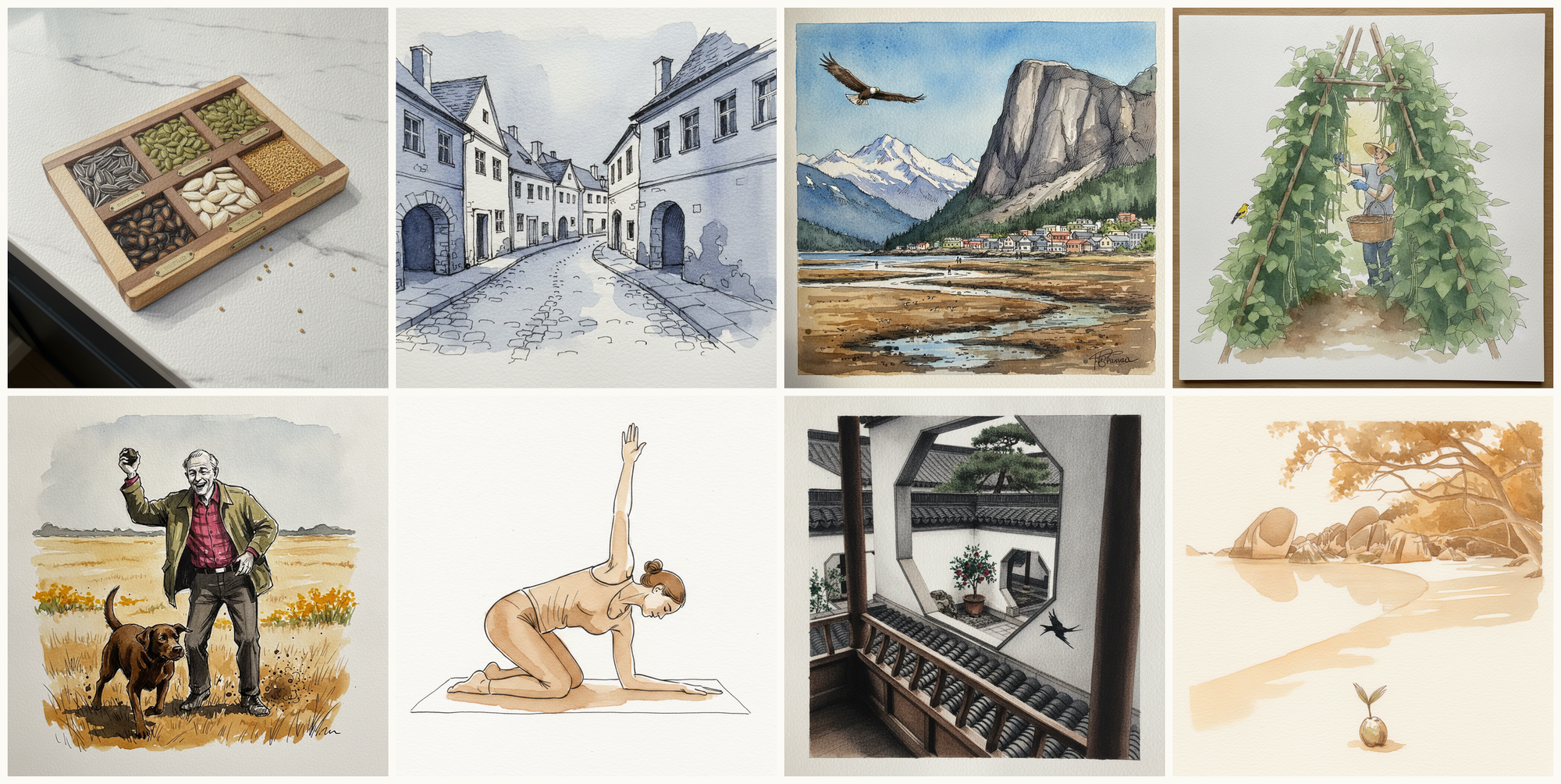
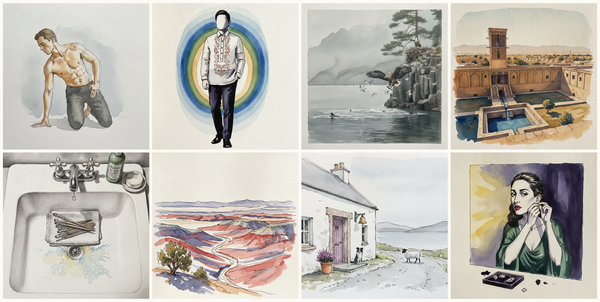
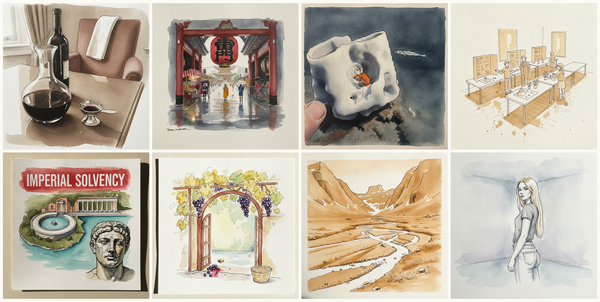
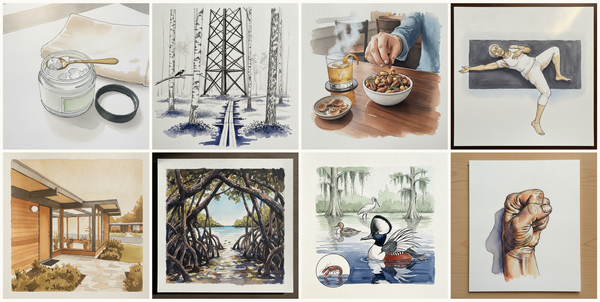
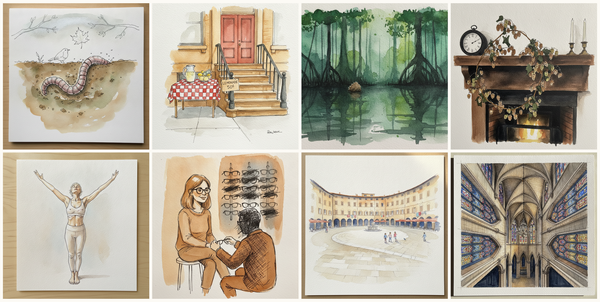
Today's 8 pen-and-watercolor pieces: Tray of Varied Seeds, Tábor, South Bohemia, Czech Republic, Squamish at the head of Howe Sound, BC Canada, Pole bean, Person throwing ball for dog, Kneeling cat-cow with rotation, The gate from a high pavilion, looking down into the courtyard, Tropical white sand at Anse Source d'Argent, La Digue. Each piece comes with an AI-generated photoreal reference, three AI-generated example artworks in different treatments, and a short focus paragraph naming what to study in this one.
Why these references use AI
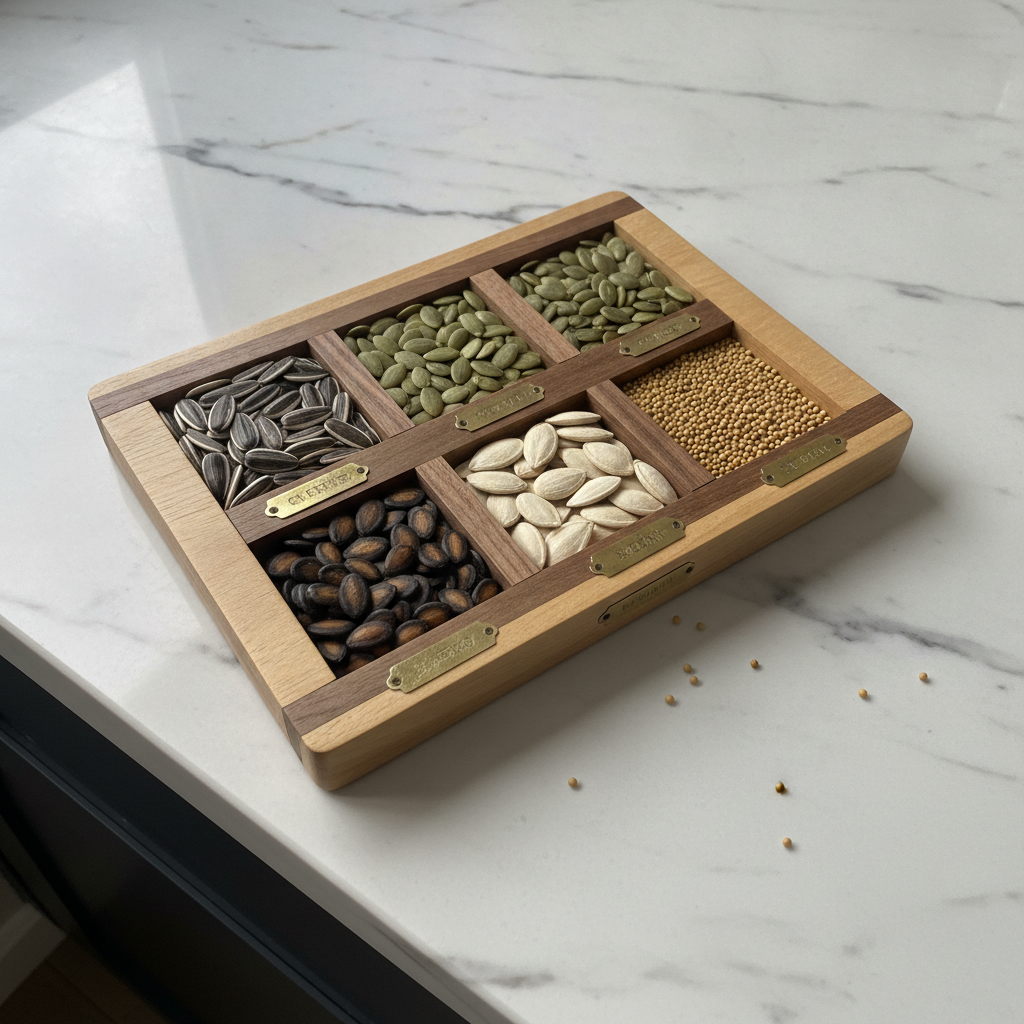
This daily series uses AI-generated images as practice prompts, not as finished artwork to copy. Each subject starts with a synthetic photoreal reference generated with Gemini/Nano Banana, then moves into three pen-and-watercolor interpretations of the same subject.
I use AI here because daily art practice needs variety and low friction. Real life can get repetitive, busy, or visually narrow. These generated reference sets make it easier to study bodies, buildings, animals, landscapes, objects, gestures, light, palettes, and compositions that might not show up in an ordinary day.
The goal is not to reproduce any image directly. Treat each set as a starting point for observation and study: choose what interests you, change the framing, simplify the subject, alter the palette, and make your own version.
Piece 1 — Tray of Varied Seeds
Pen + Watercolor · Loose pen and watercolor line-and-wash
Three takes
Focus for this piece
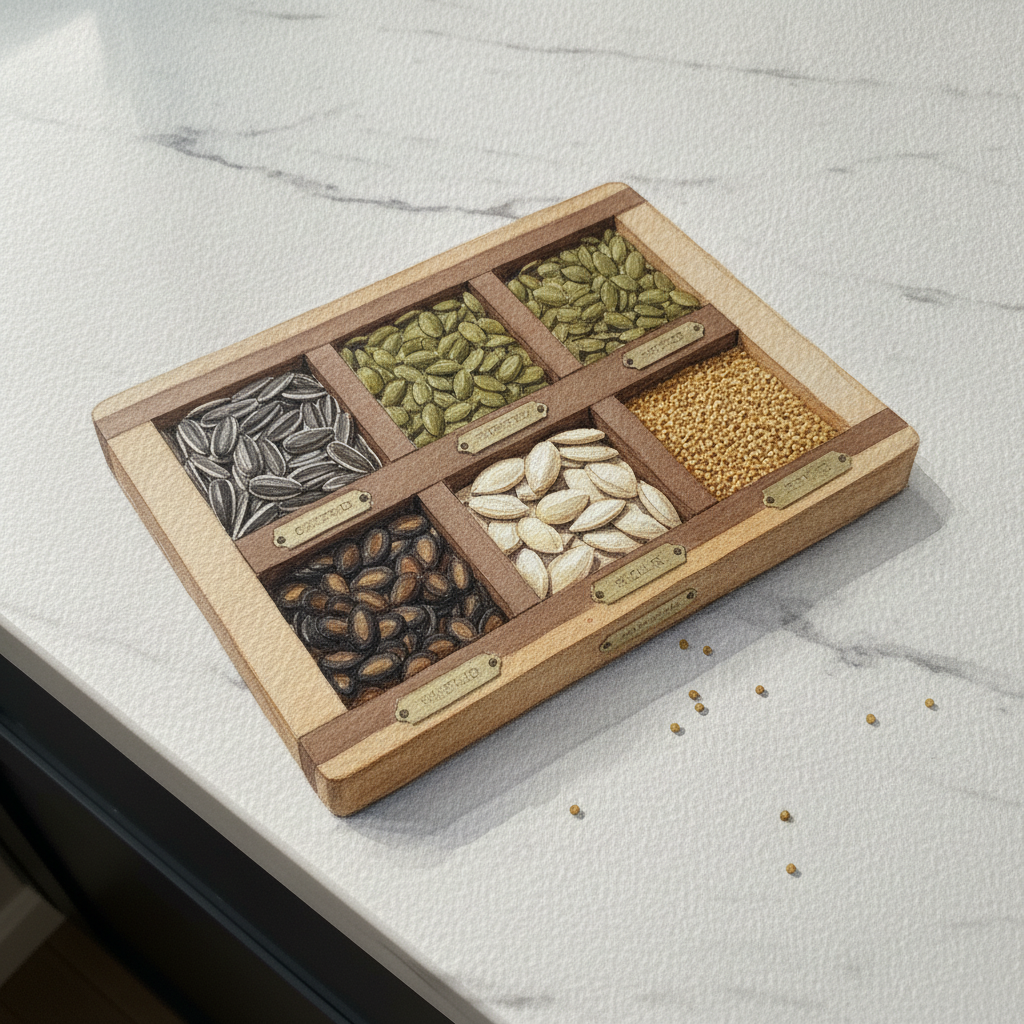
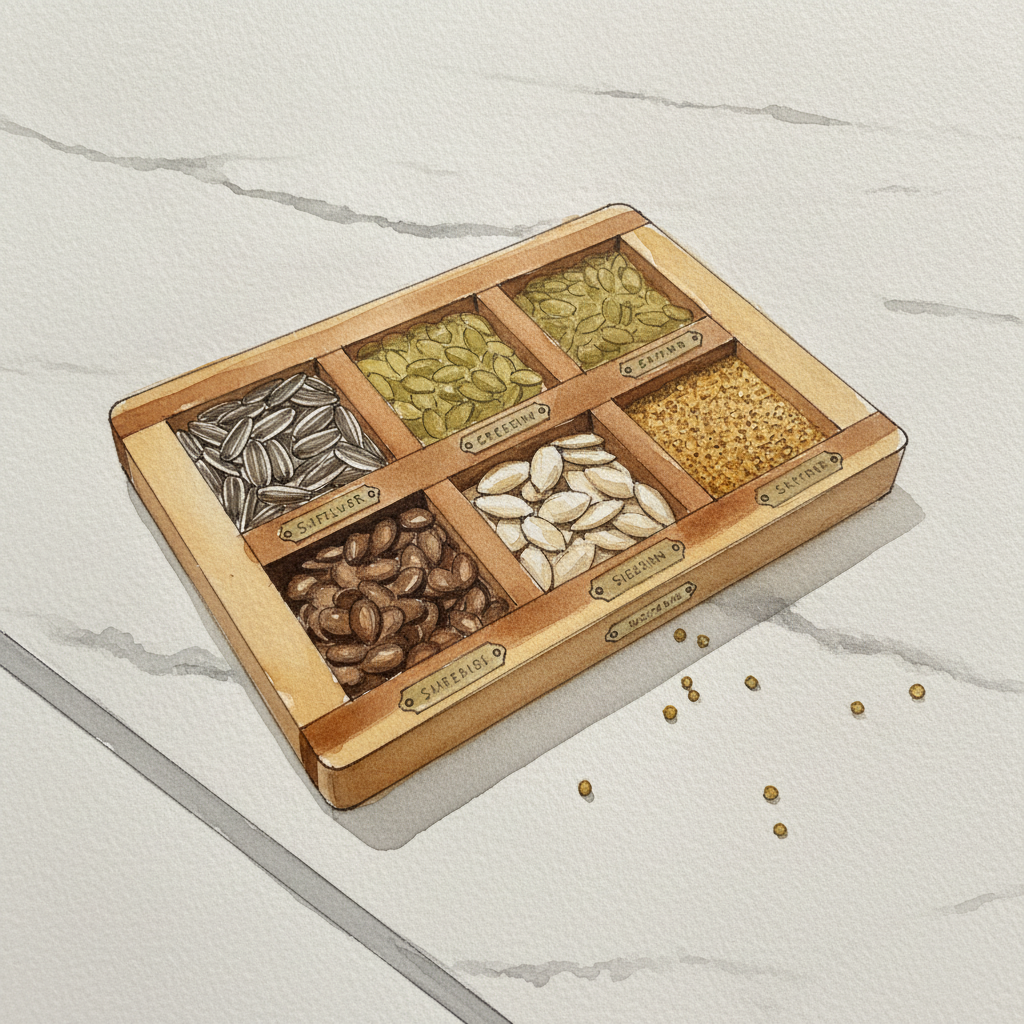
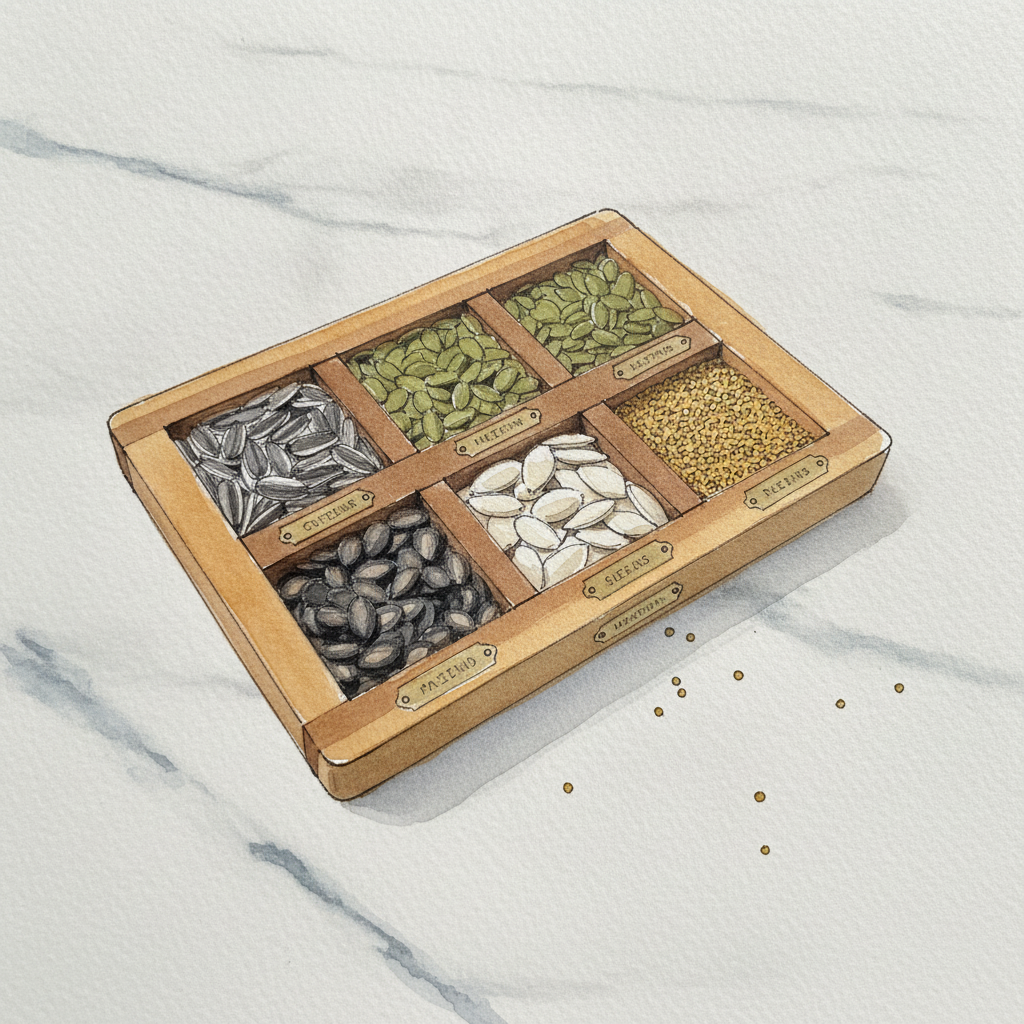
This piece offers a focused study on rendering the volume and distinct textures of numerous small, organic shapes by combining economical pen lines with layered washes. Concentrate on using minimal, strategic ink marks to define the perimeter and key structural elements of each seed pile, then build the varied textures—from the striped sunflowers to the smooth pumpkin seeds—primarily through differing watercolor saturation and soft layering. Pay close attention to establishing the sharp value contrast between the dark watermelon and pale melon seeds, and use a very dilute wash with subtle dry brushstrokes to suggest the wooden tray's satin sheen against the cool, reflective marble. Finally, let a few well-placed stray seeds soften the overall grid composition.
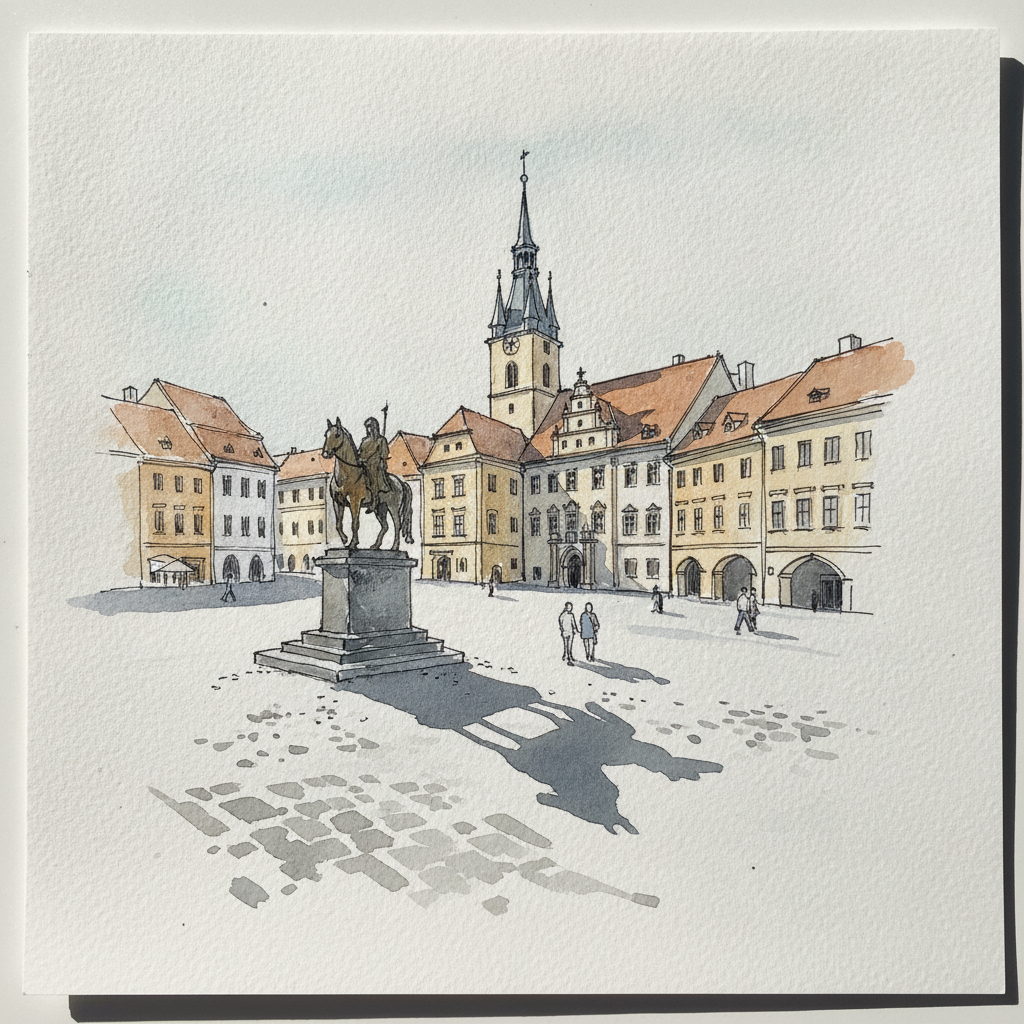
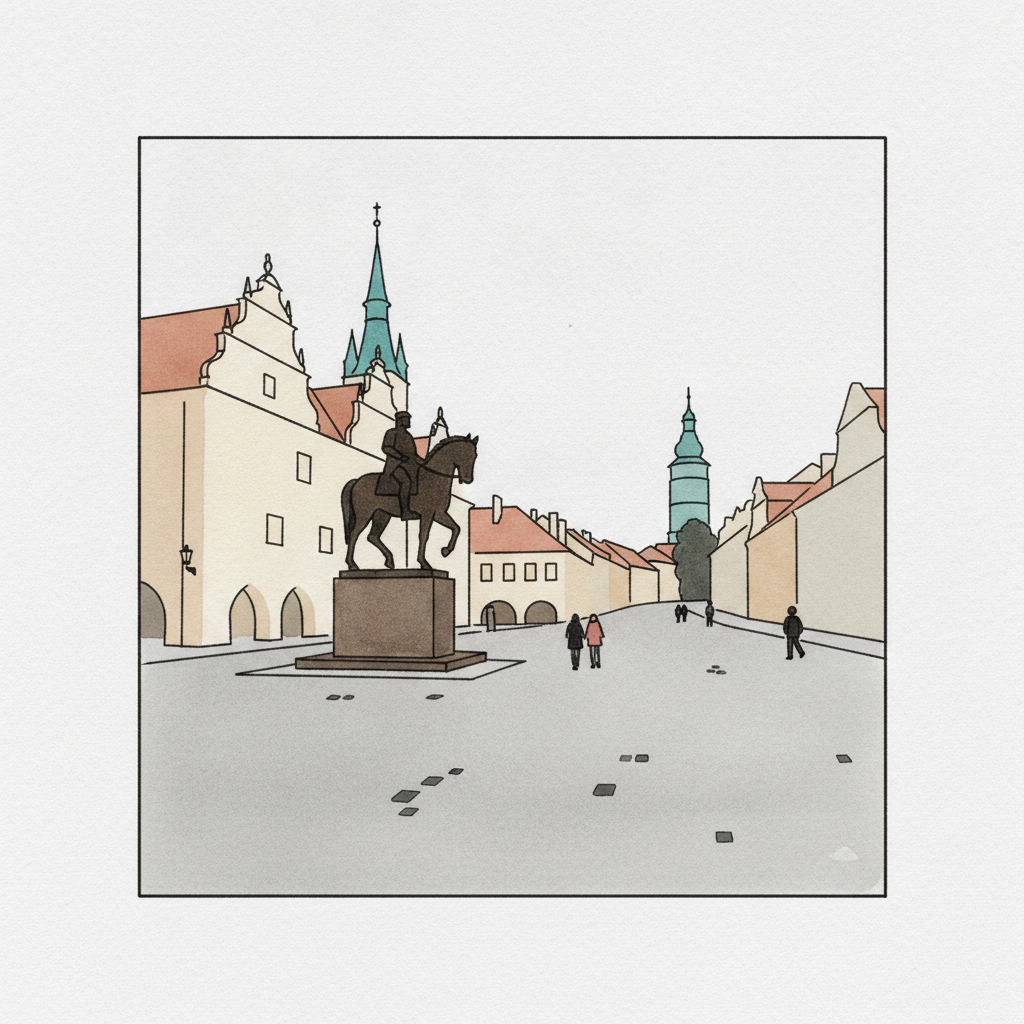
Piece 2 — Tábor, South Bohemia, Czech Republic
Pen + Watercolor · Loose pen and watercolor line-and-wash
Three takes
Focus for this piece
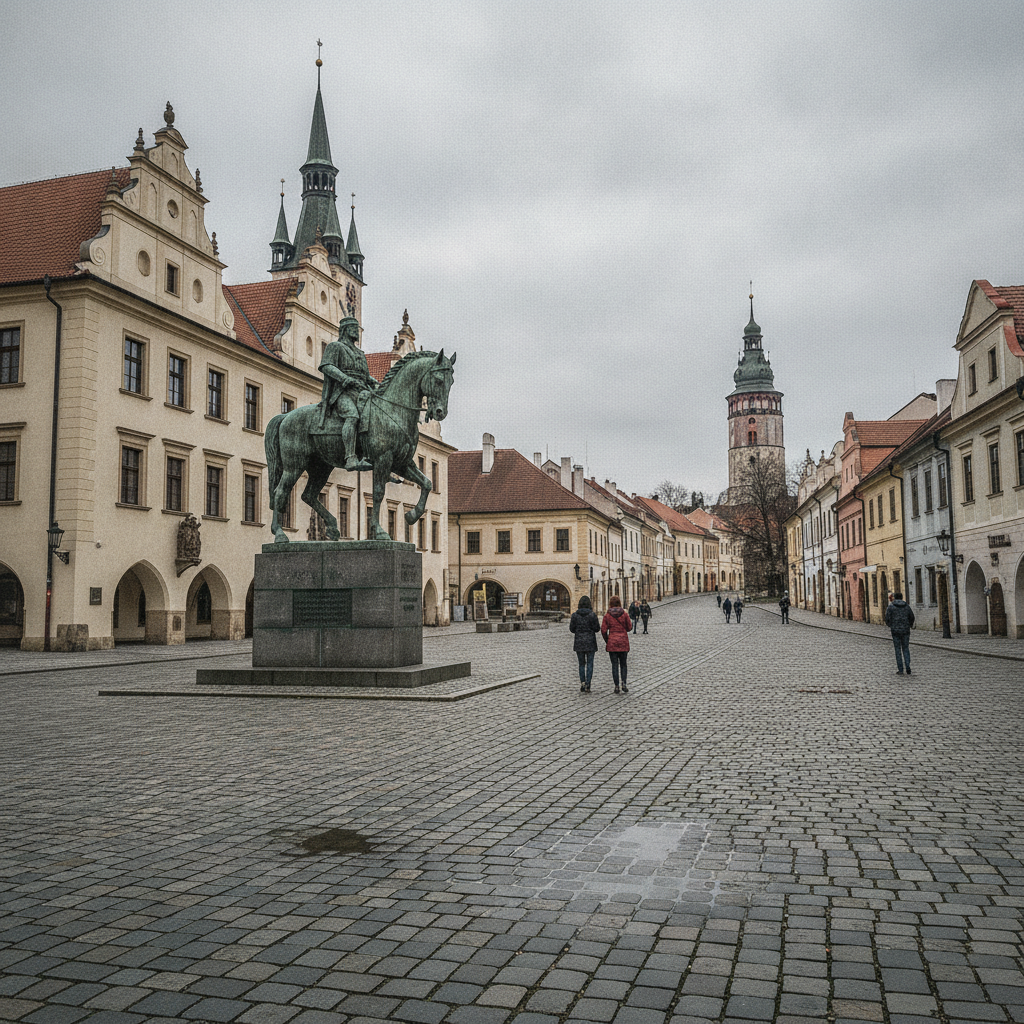
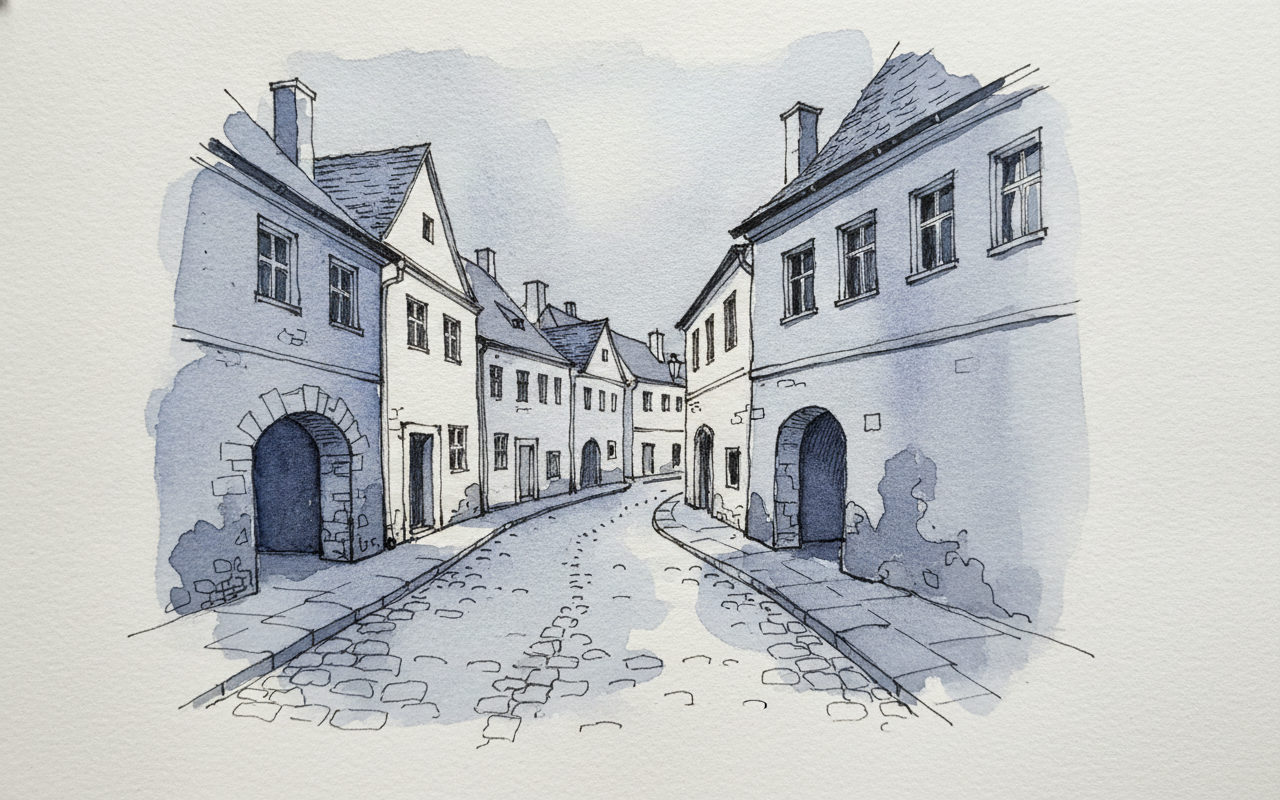
For this Tábor piece, focus on using varying pen line weights—heavy for immediate structures and lighter for receding ones—to articulate the "maze-like" quality of the streets without overwhelming detail. Complement this with selective watercolor washes to define broad light and shadow planes, especially on the late-Gothic town hall and church. The goal is to suggest depth and the city's unique, confusing character by strategically simplifying complex architectural forms through line and atmospheric washes.
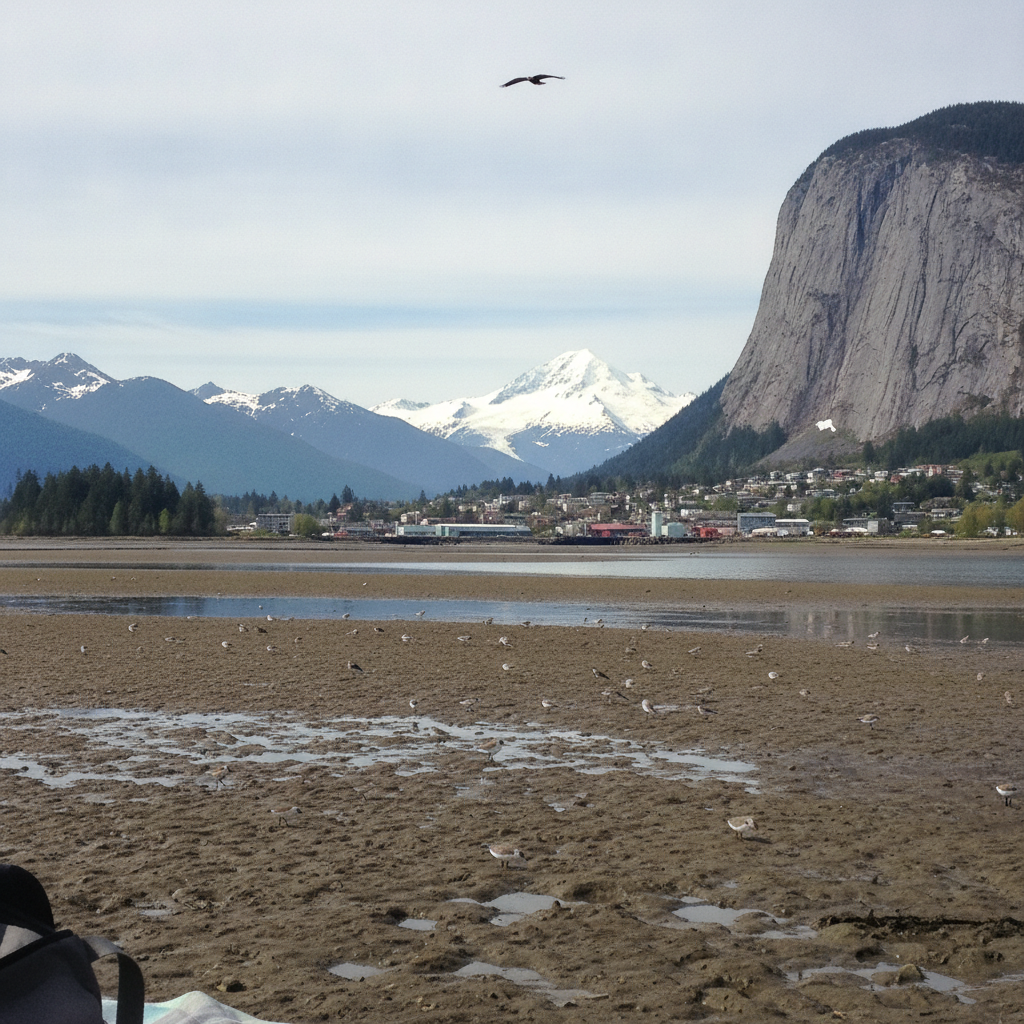
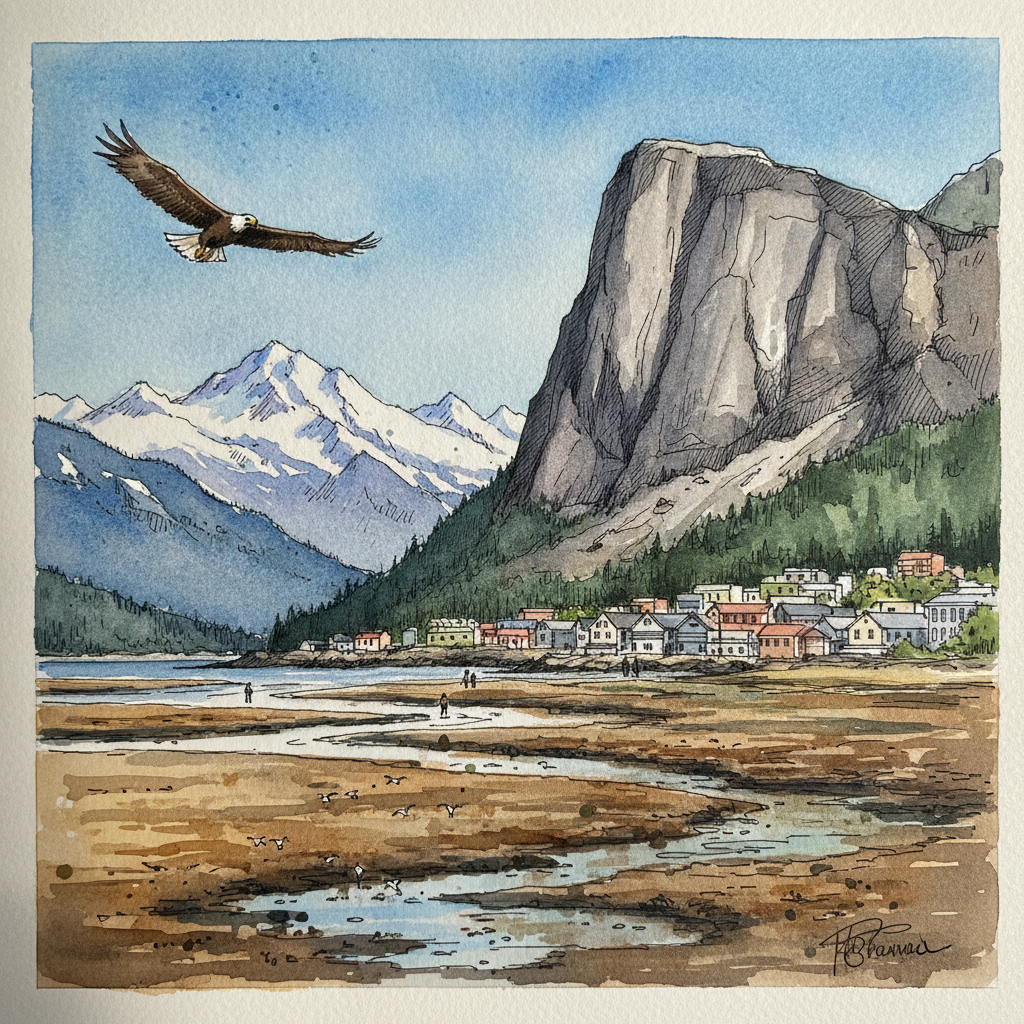
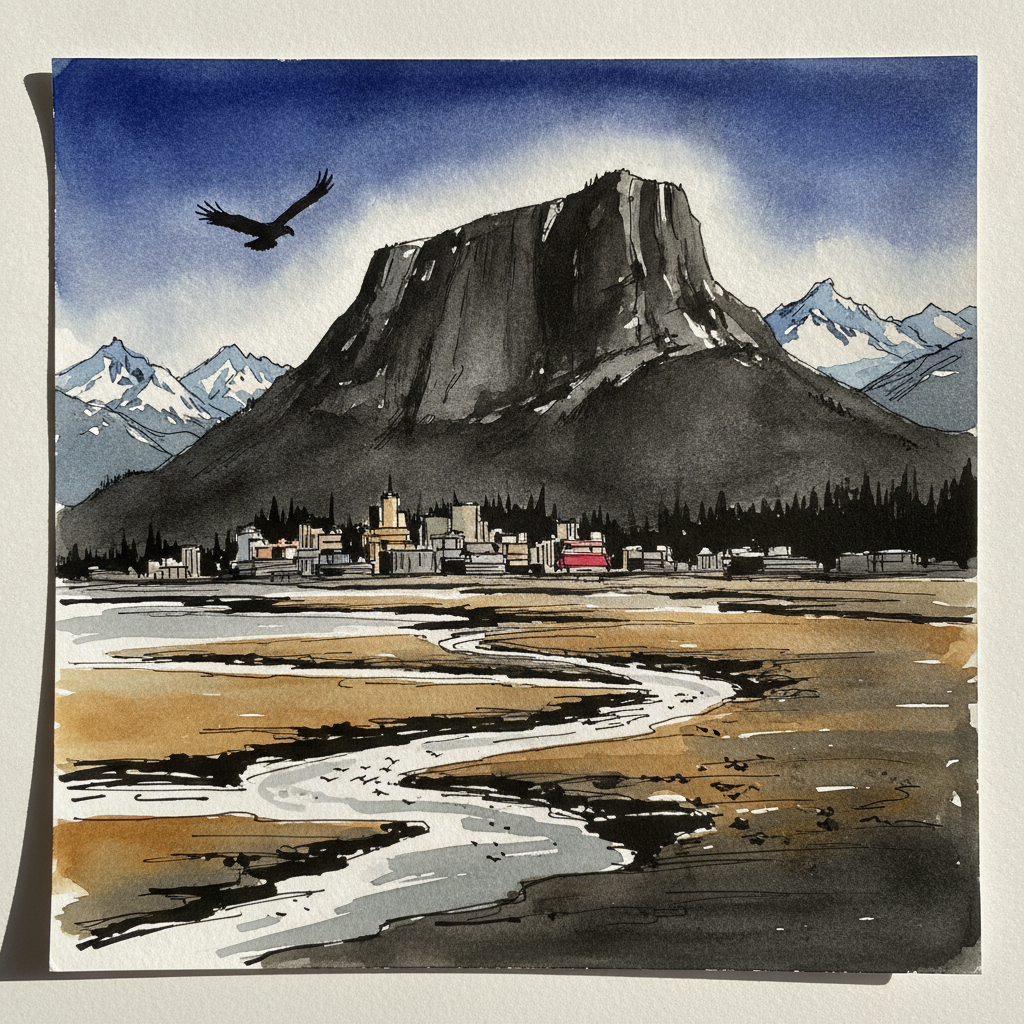
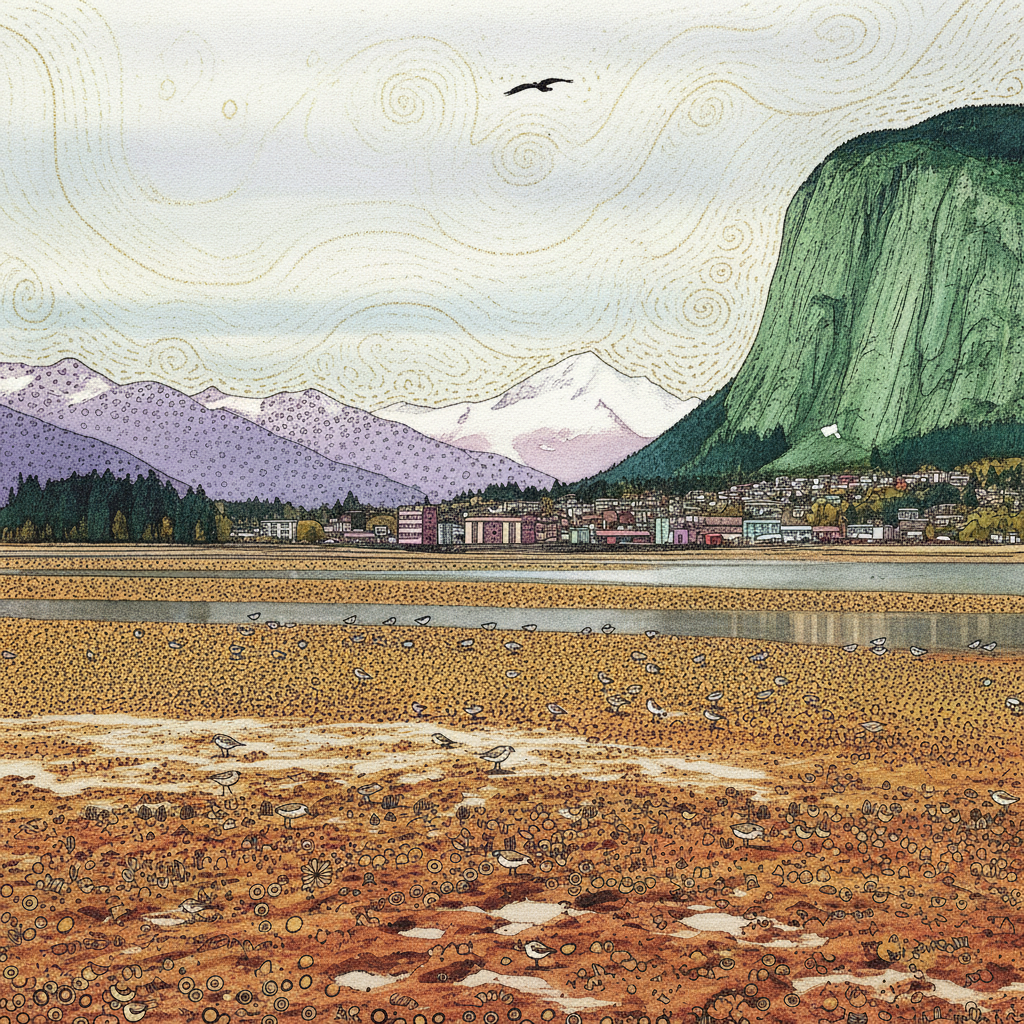
Piece 3 — Squamish at the head of Howe Sound, BC Canada
Pen + Watercolor · Loose pen and watercolor line-and-wash
Three takes
Focus for this piece
For this scene, focus on conveying the vast scale and dramatic depth of Squamish by carefully modulating your line work and washes. Use heavy, decisive lines for the foreground estuary edges and initial town details, transitioning to finer, broken lines and muted, cooler washes for the distant mountains to create atmospheric recession. Pay particular attention to the imposing, angular shapes of the Stawamus Chief, defining its crags with varied pen strokes against the broad, softer washes used for the tidal flats.
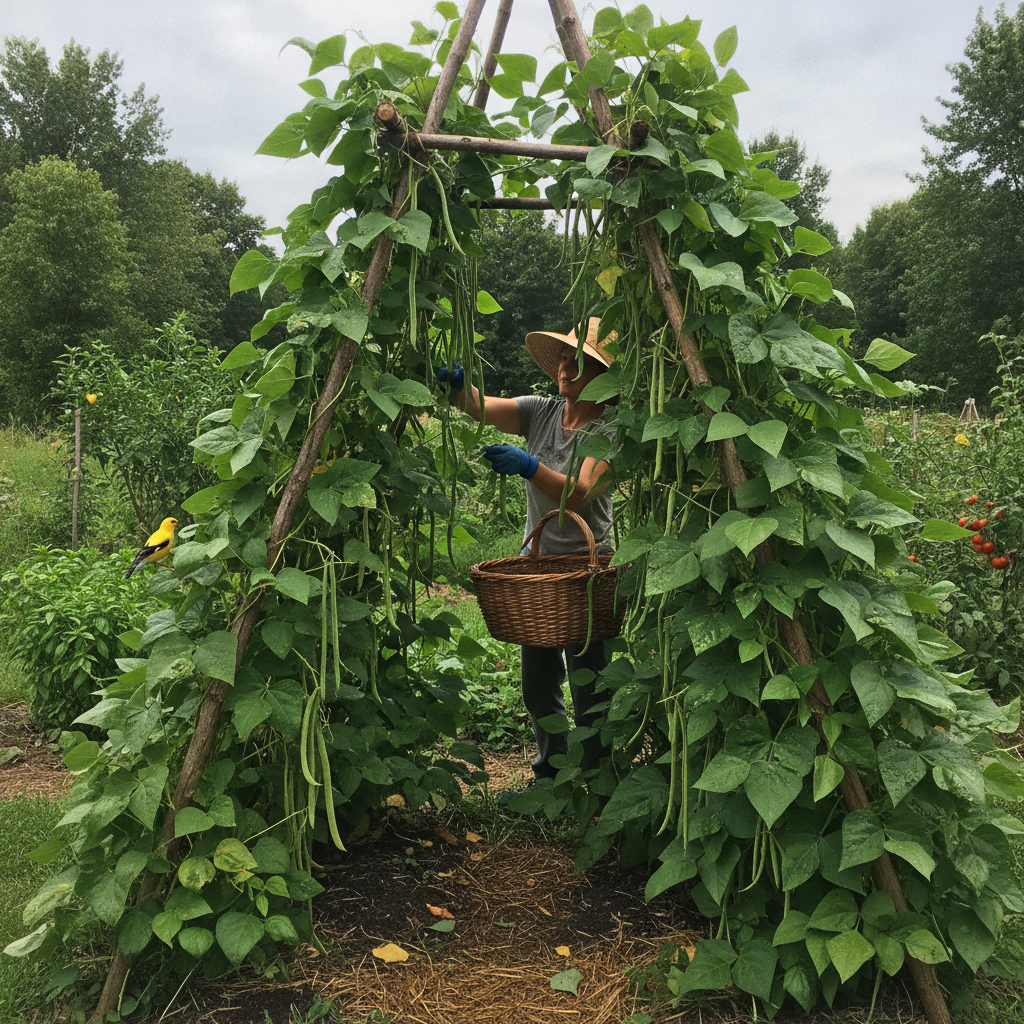
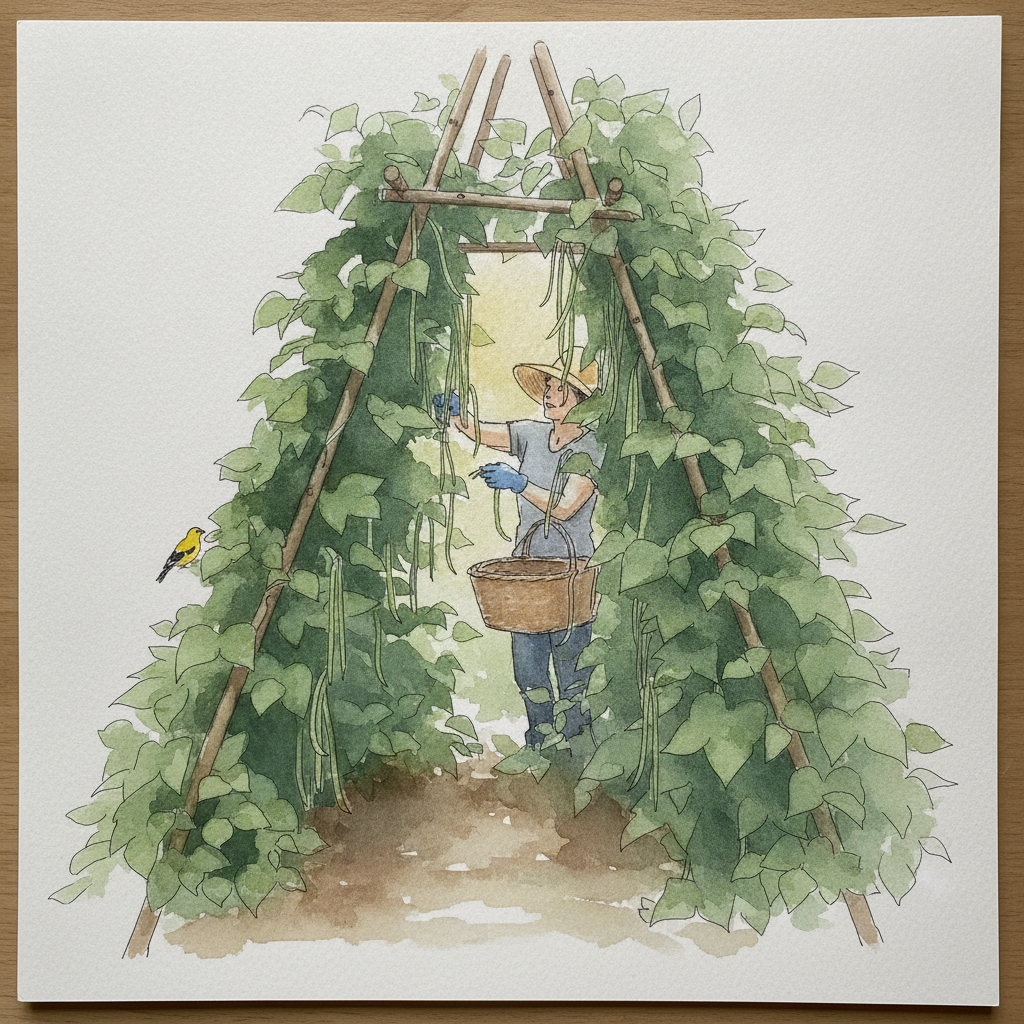
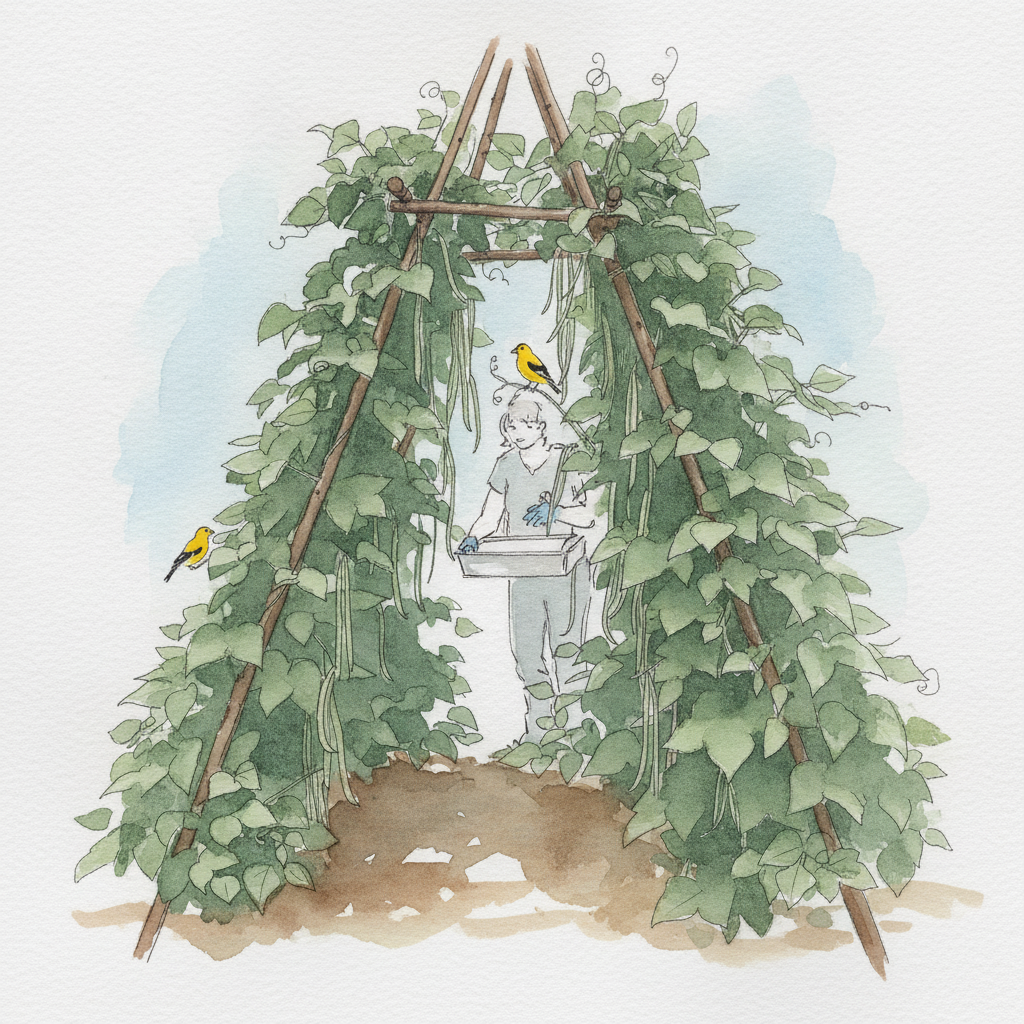
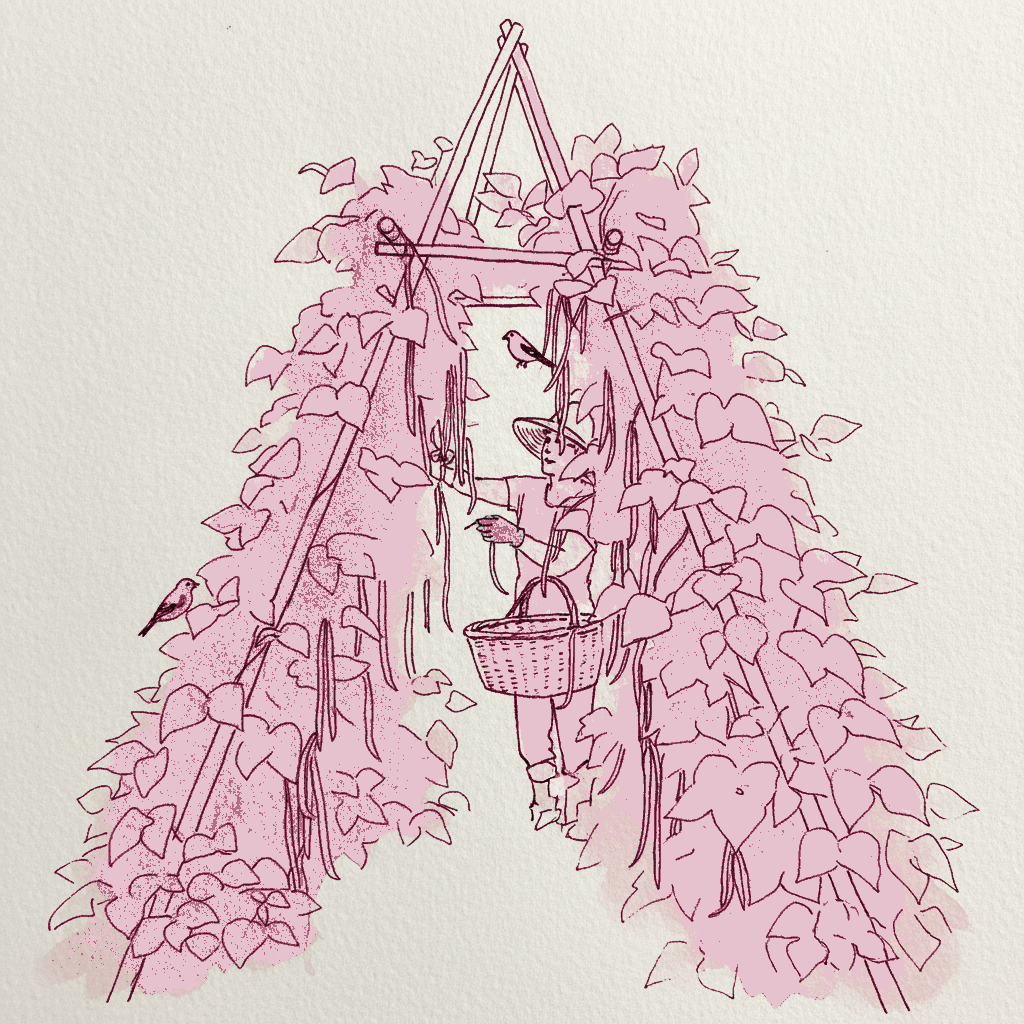
Piece 4 — Pole bean
Pen + Watercolor · Loose pen and watercolor line-and-wash
Three takes
Focus for this piece
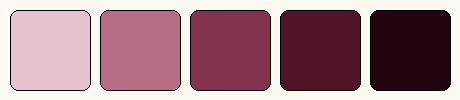
For this piece, make the contrast between the rigid, man-made structure of the wooden tepee and the fluid, organic growth of the pole beans your primary focus. Use firm, unwavering pen lines for the tepee's framework, then employ lighter, more gestural strokes to capture the varied shapes of the heart-shaped leaves and dangling pods. Allow your washes to create atmospheric depth and lush volume, letting the ink provide definition while the color evokes the abundance and life of the garden.
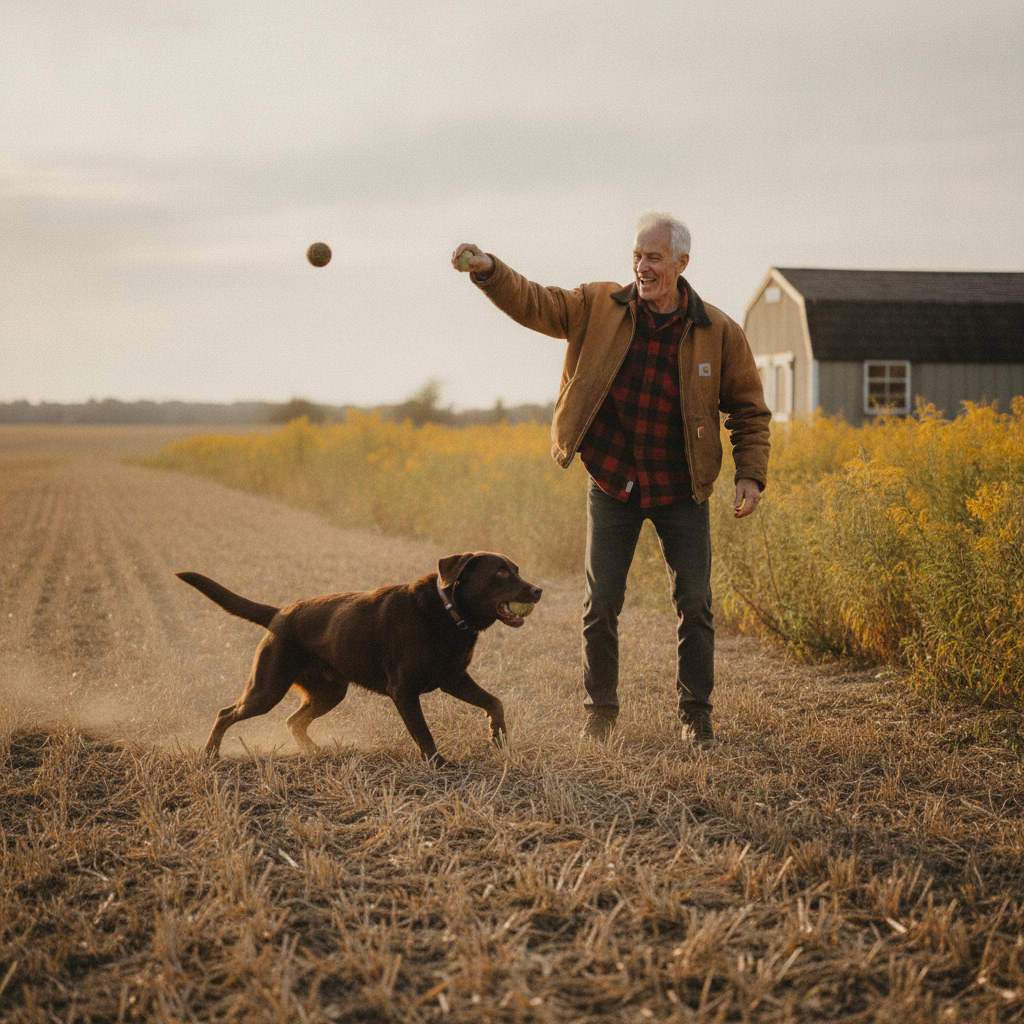
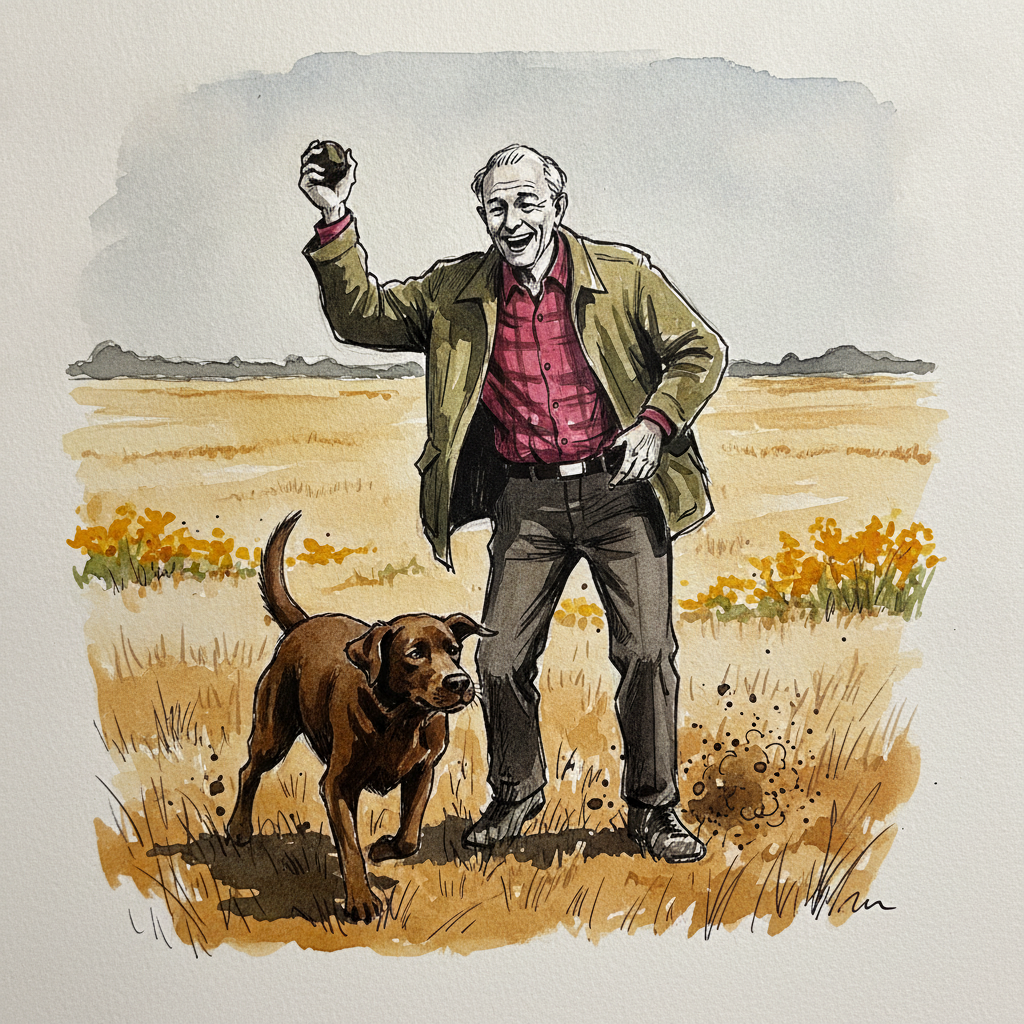
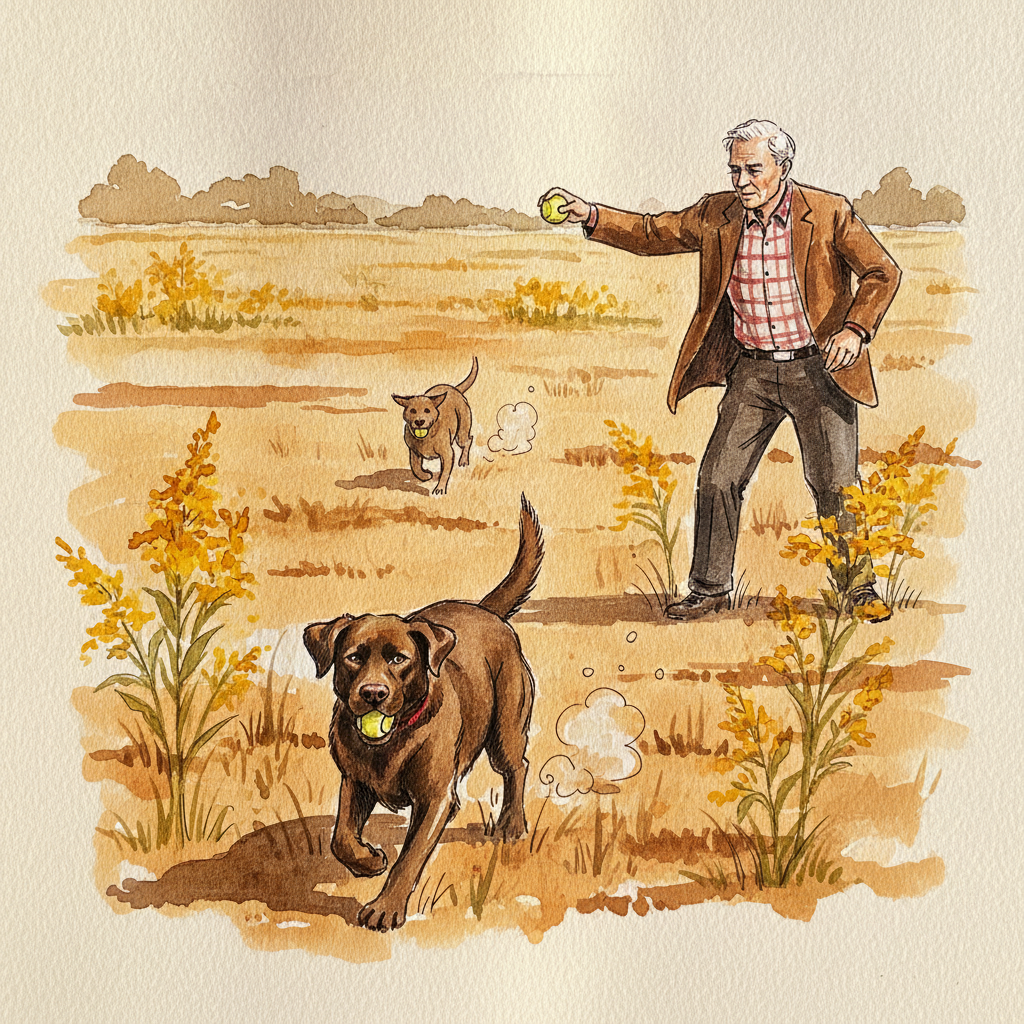
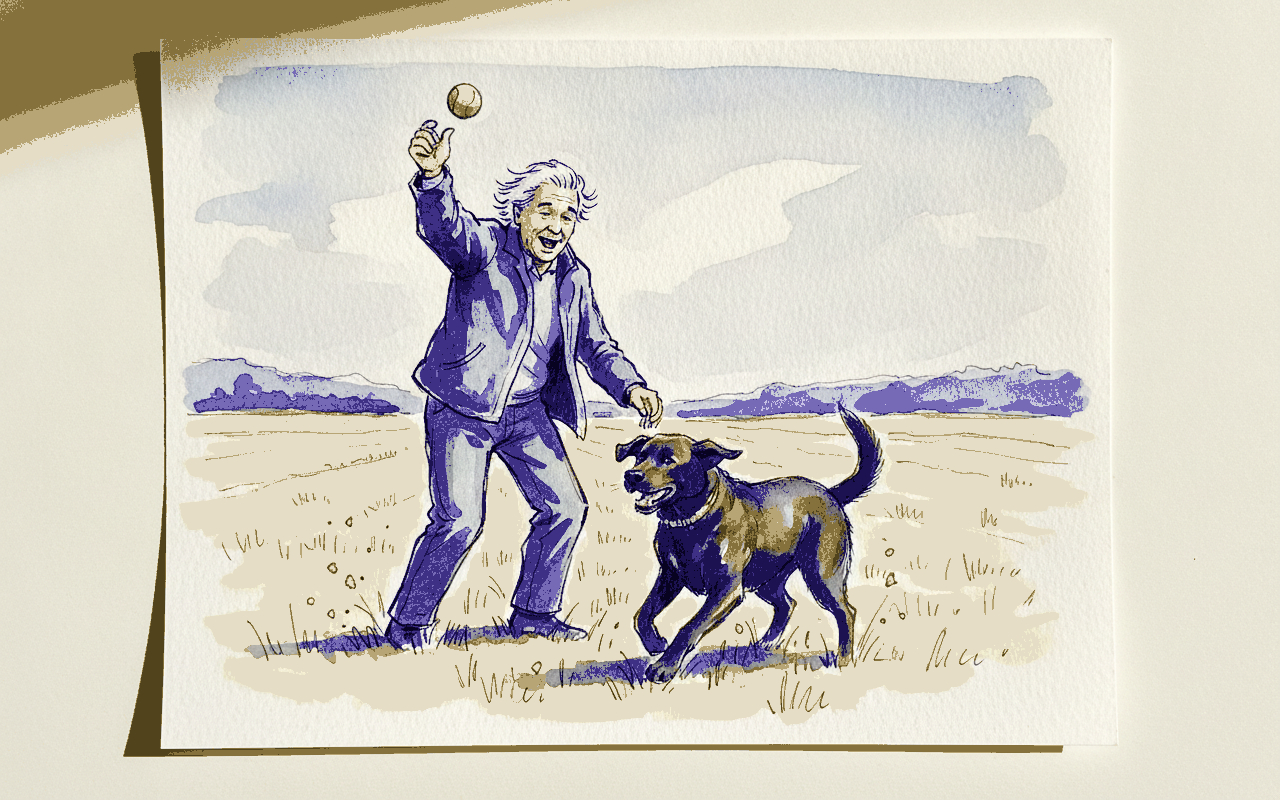
Piece 5 — Person throwing ball for dog
Pen + Watercolor · Loose pen and watercolor line-and-wash
Three takes

Focus for this piece
For this piece, concentrate on establishing a clear visual narrative by drawing the viewer's eye to the key moments of action. Use strong, confident pen lines for the old man's cocked arm and the dog's coiled haunches, then suggest the ball's trajectory with a lighter, implied line. Employ a limited warm palette in the washes to unify the late-afternoon light, allowing the contrast between the sharp pen work and soft color to highlight the dynamic interaction.
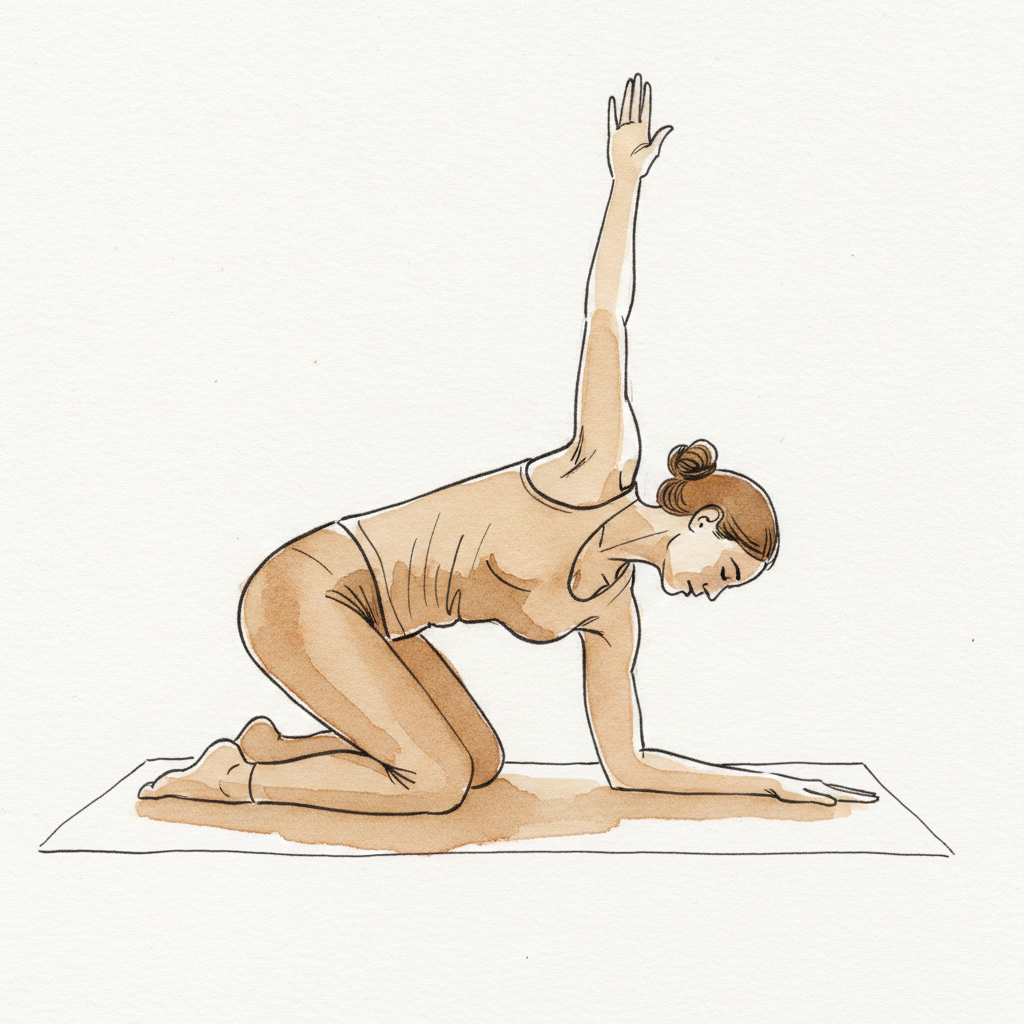
Piece 6 — Kneeling cat-cow with rotation
Pen + Watercolor · Loose pen and watercolor line-and-wash

Three takes

Focus for this piece
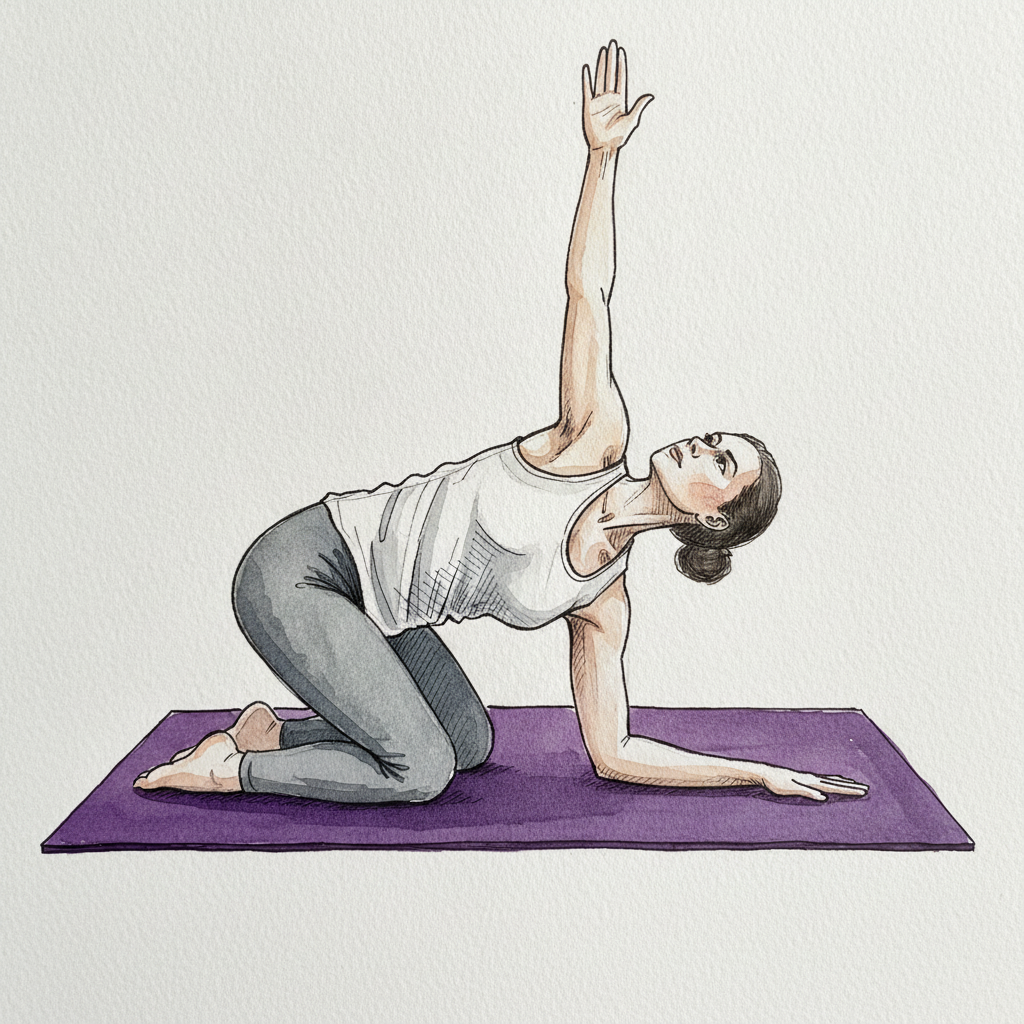
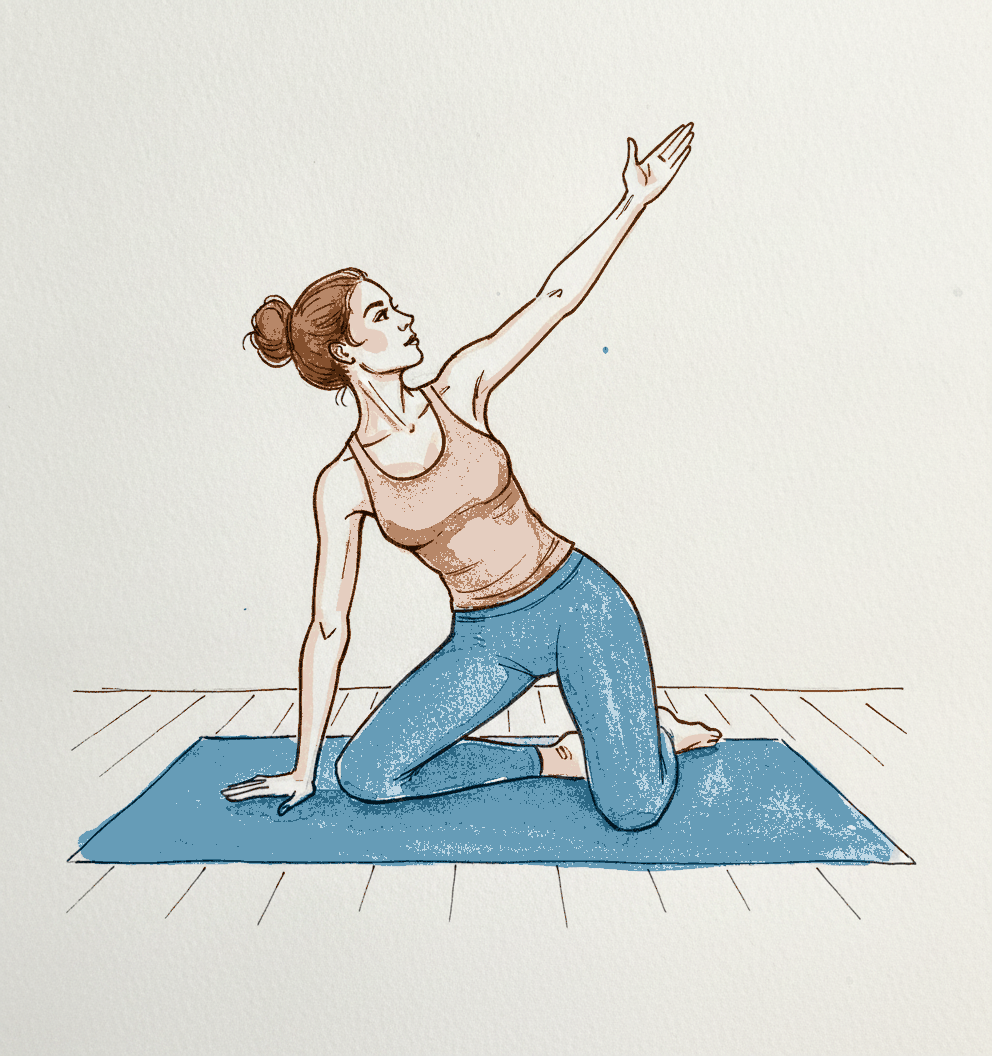
This piece offers a prime opportunity to study how line and wash together convey complex, twisting volume. Use varied line weights to articulate the *spiralling thoracic spine* and differentiate the tension of the threaded arm from the softness of the post-partum belly. Then, apply layered, cool-toned washes to sculpt the *rotational compression* and *elongation*, letting your ink lines provide the structural backbone for the light and shadow.
Piece 7 — The gate from a high pavilion, looking down into the courtyard
Pen + Watercolor · Loose pen and watercolor line-and-wash
Three takes
Focus for this piece
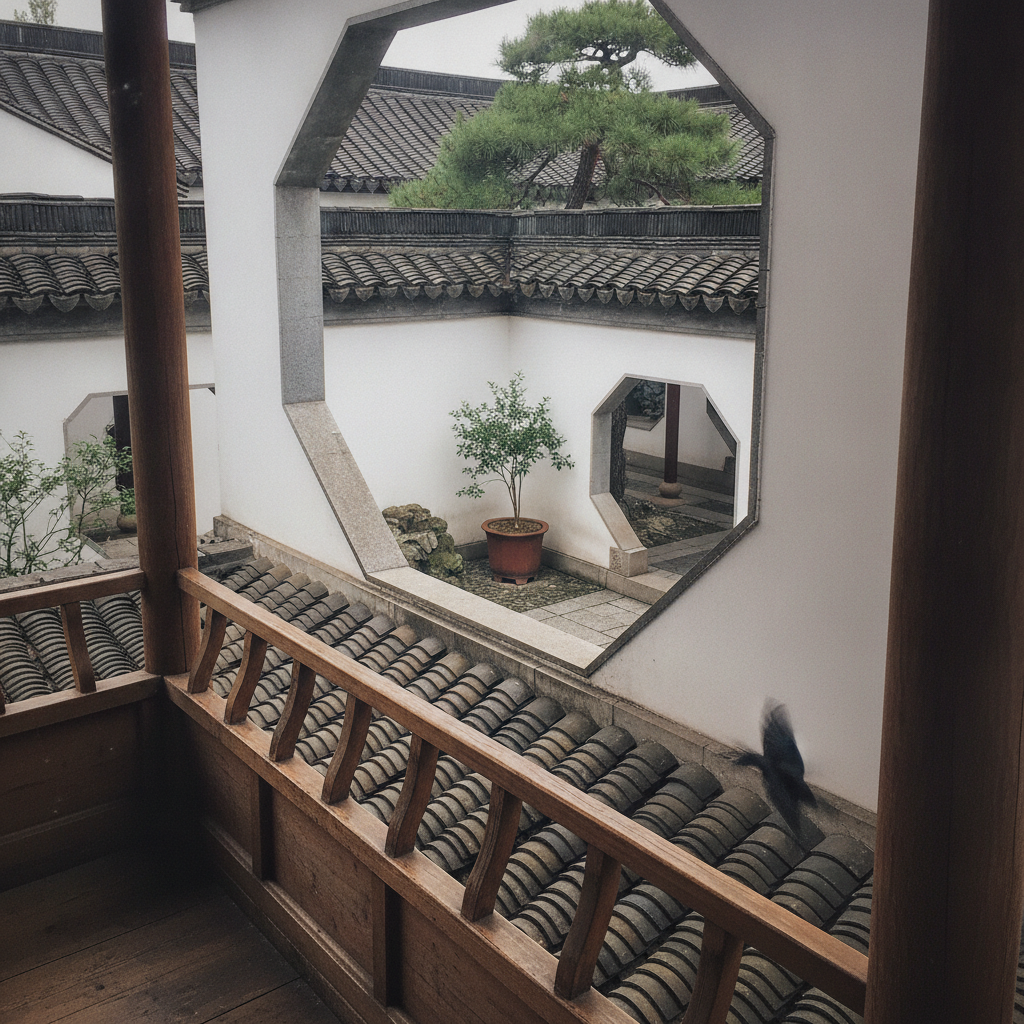
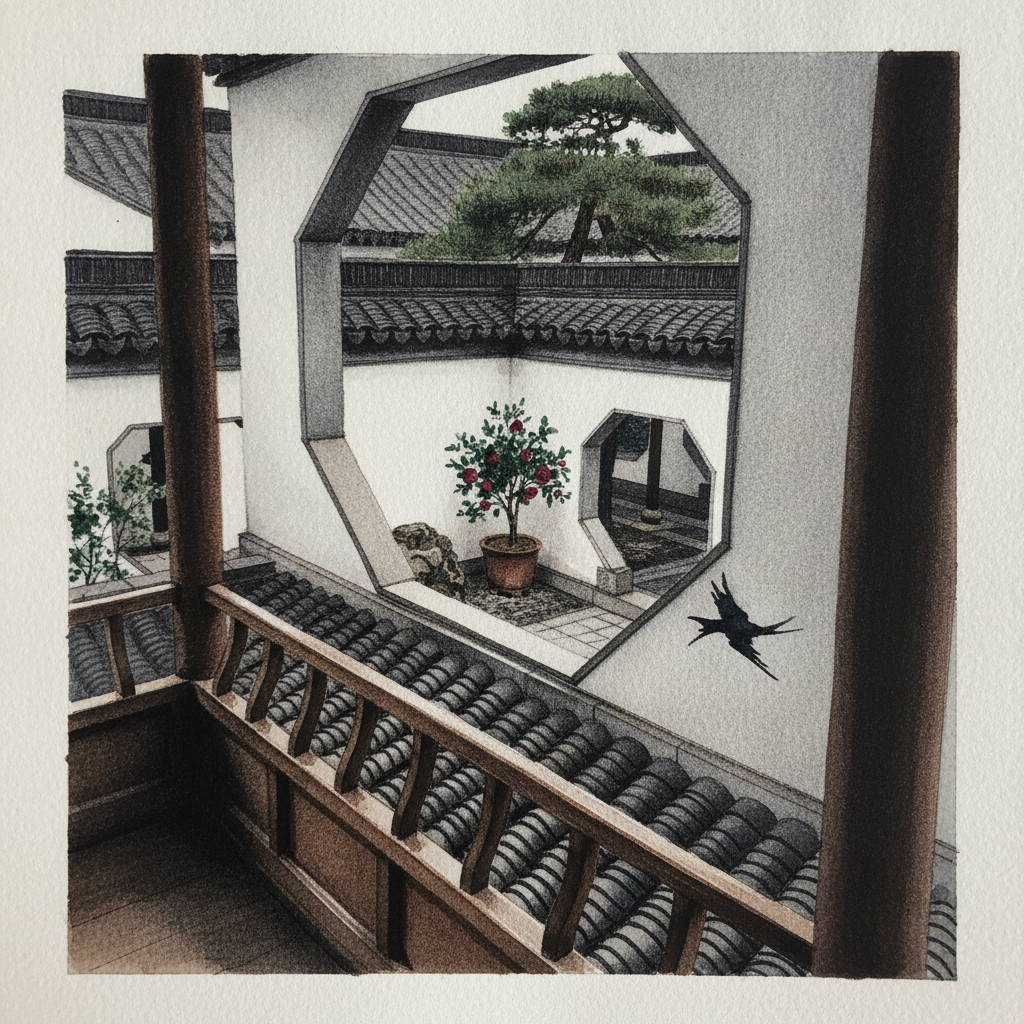
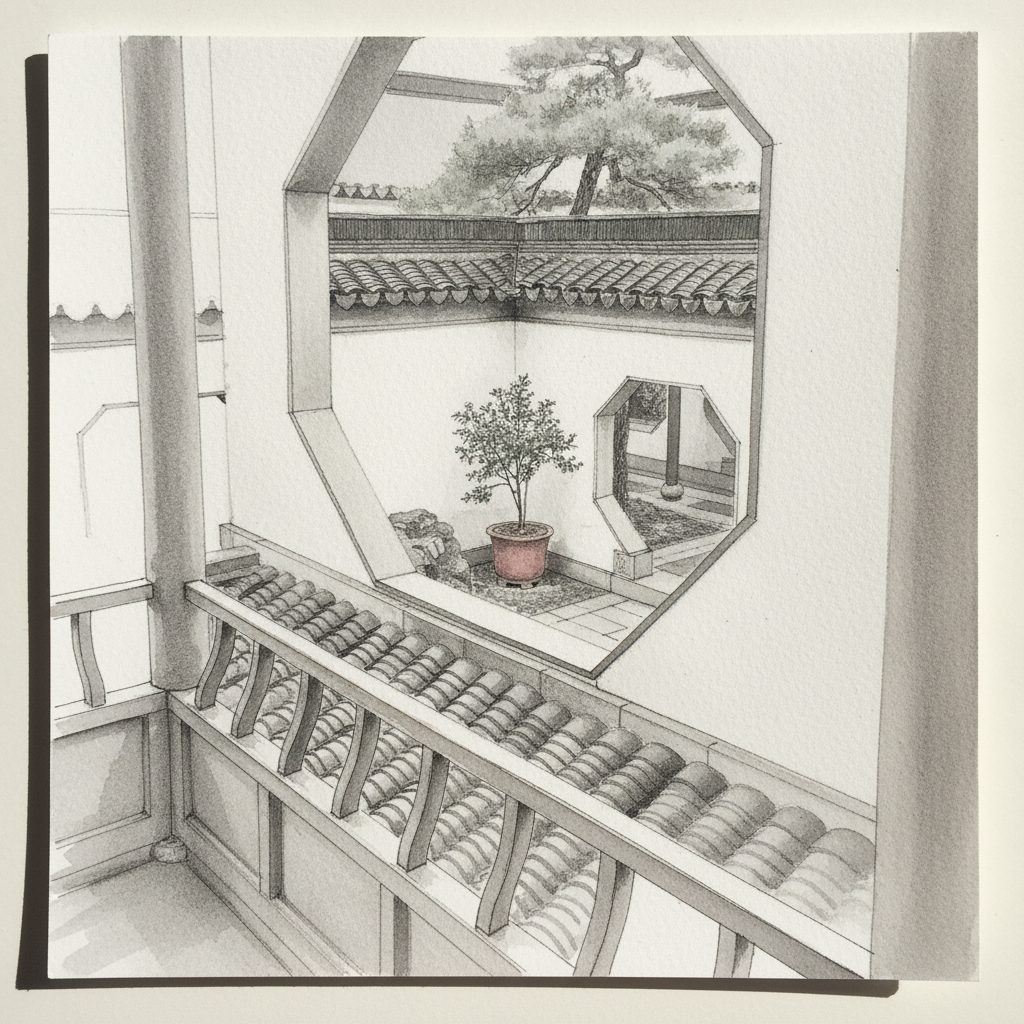
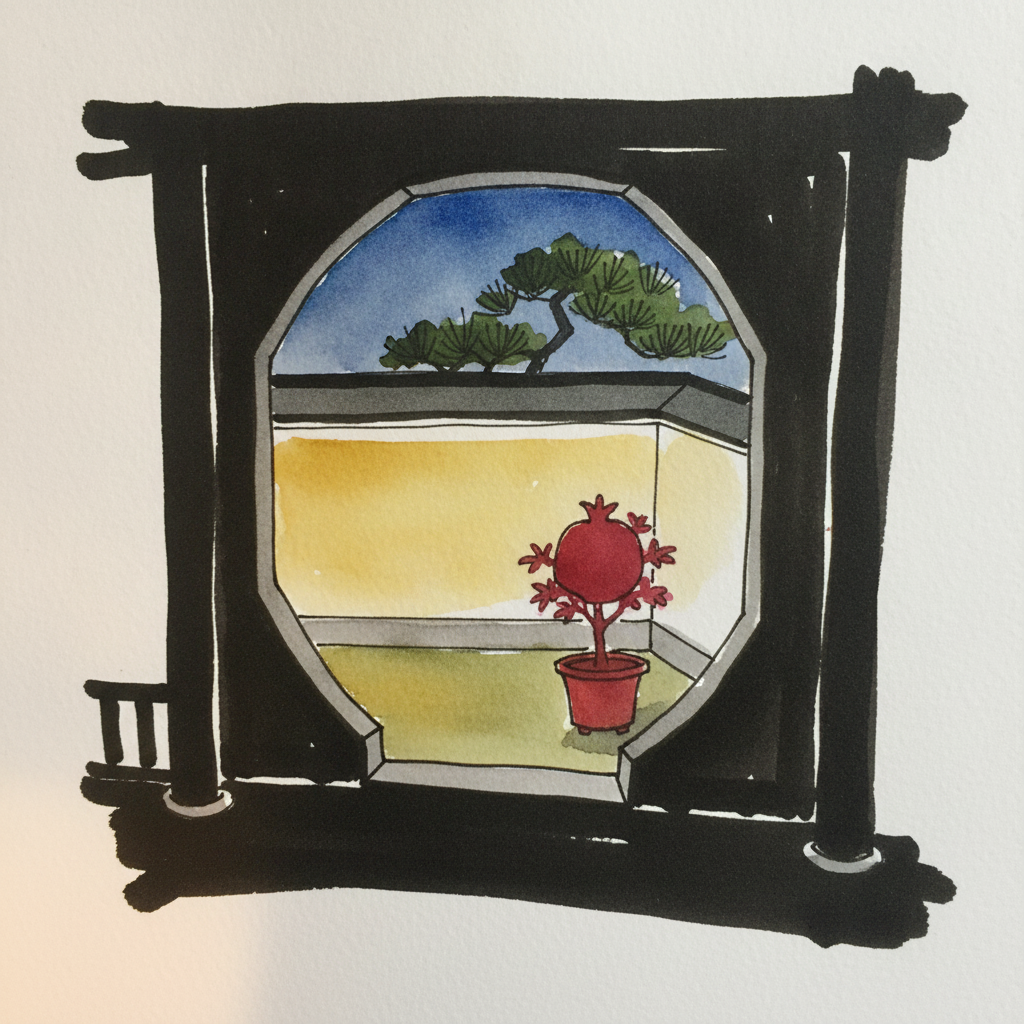
Today's subject offers an excellent opportunity to practice rendering depth through strong foreshortening and overlapping planes. Concentrate on defining the moon gate's convincing elliptical form and the receding wall with confident, varied ink lines, ensuring the grey tile cap reads as a crisp horizontal. Then, use cooler, desaturated washes and slightly lighter line weights for the distant pine and far courtyard to create an illusion of deep space and atmosphere.
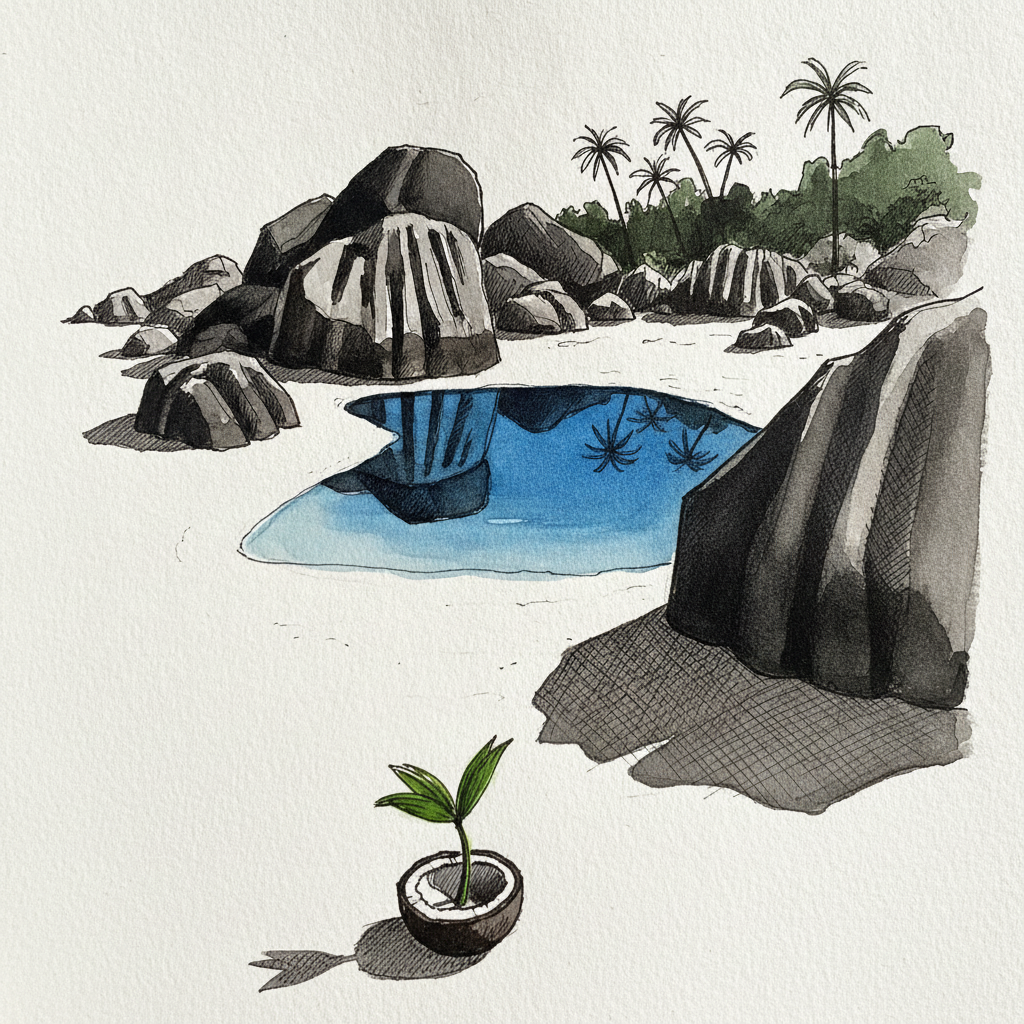
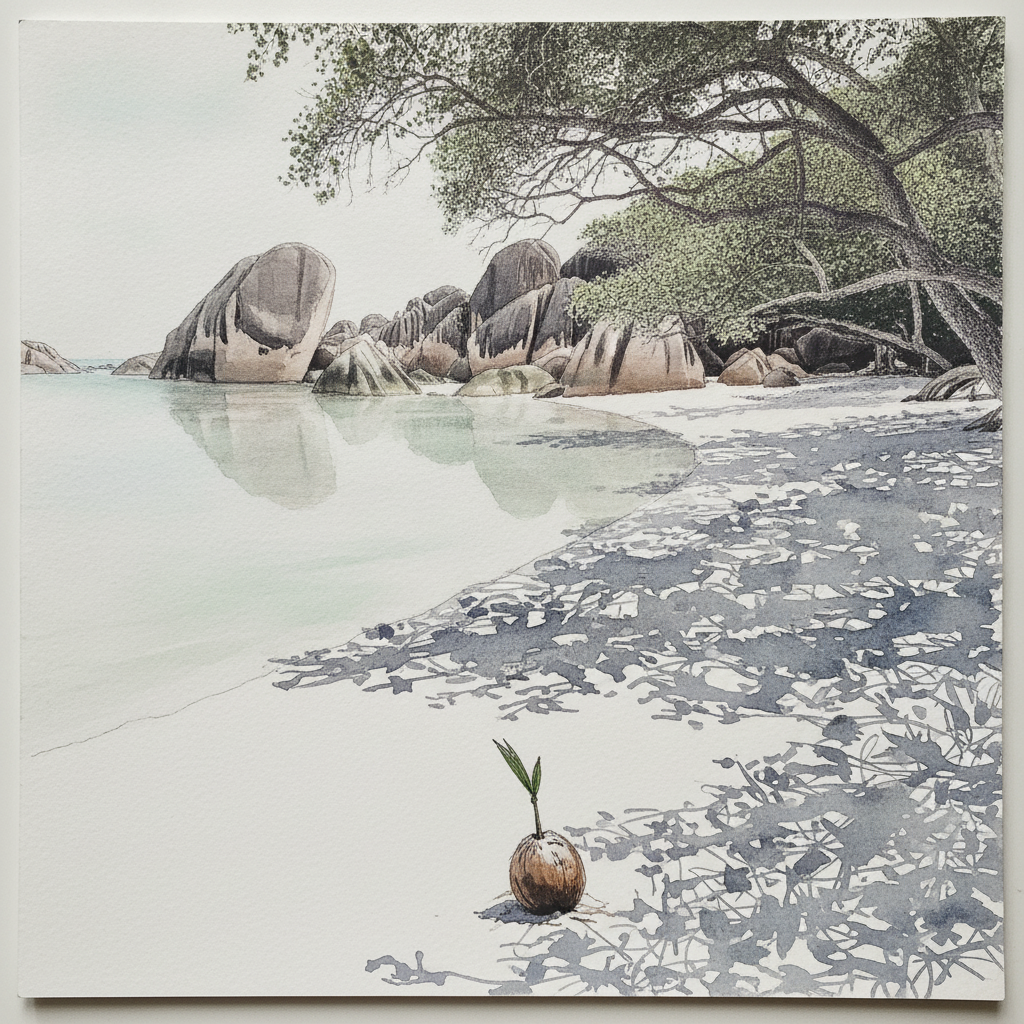
Piece 8 — Tropical white sand at Anse Source d'Argent, La Digue
Pen + Watercolor · Loose pen and watercolor line-and-wash
Three takes
Focus for this piece
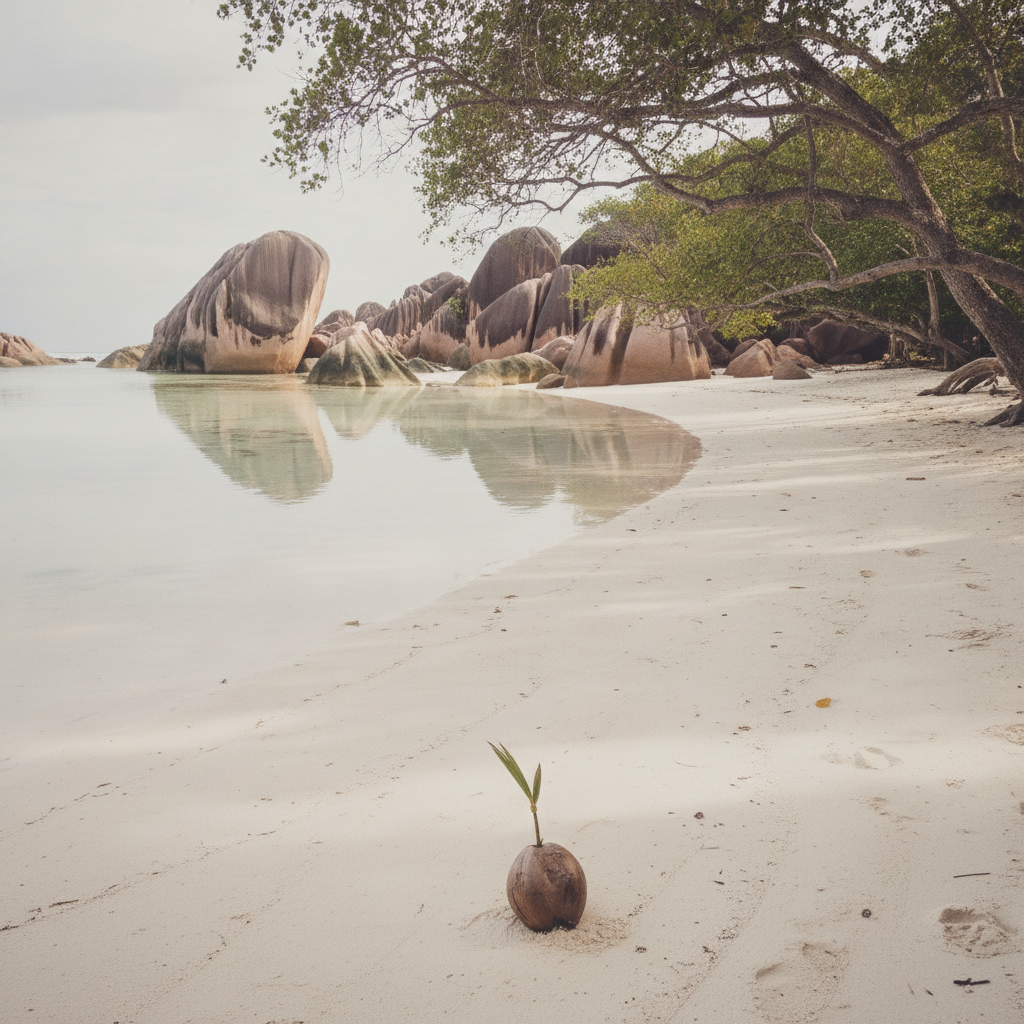
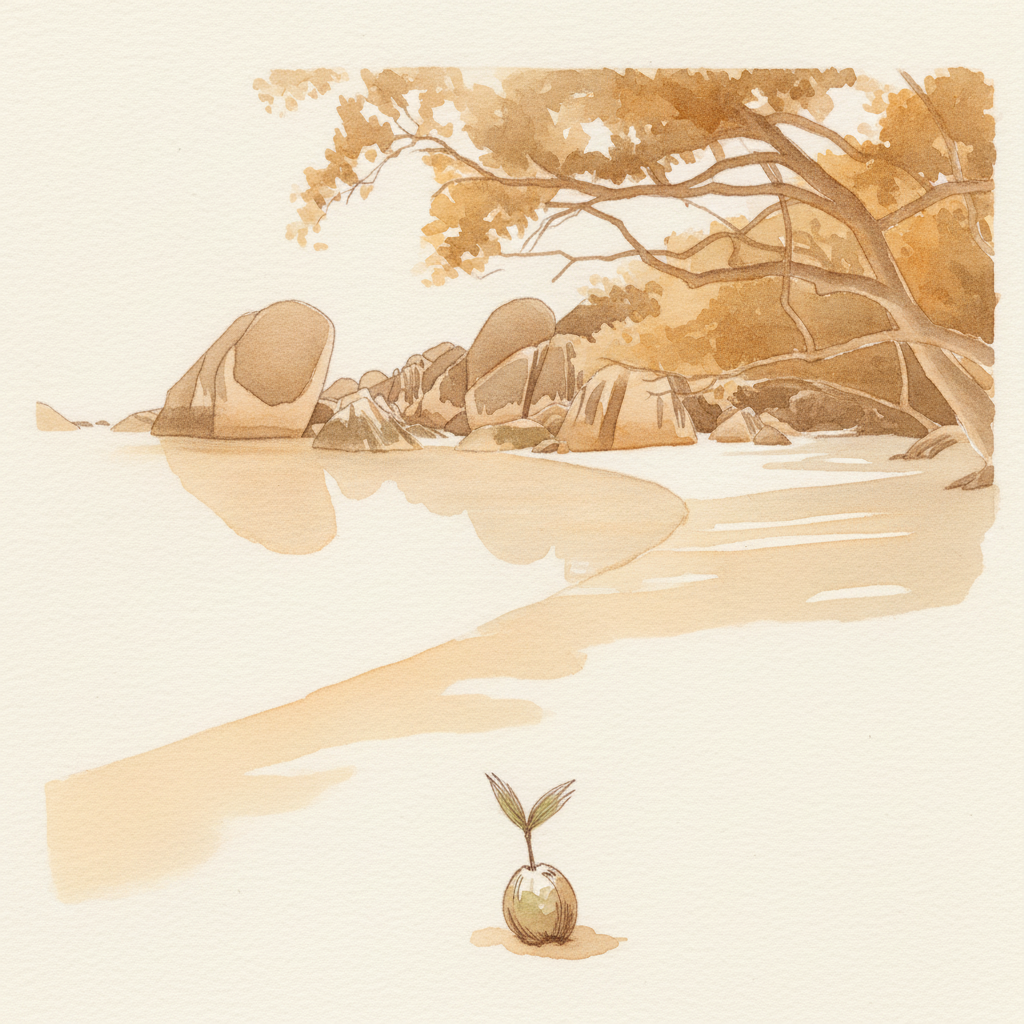
This piece offers an excellent study in rendering the solid mass of rounded forms against still, reflective water. Use varied, expressive line weights for the wind-worn granite boulders to convey their immense scale and texture, ensuring your ink describes their three-dimensional volume. Then, focus on soft, layered watercolor washes to build the boulders' warm, pinkish glow and their mirroring reflections in the shallow lagoon, allowing the paper white to suggest the bleached sand.