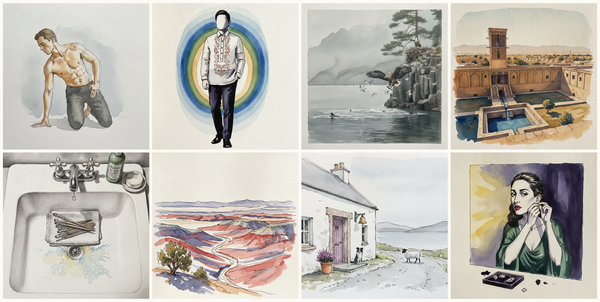
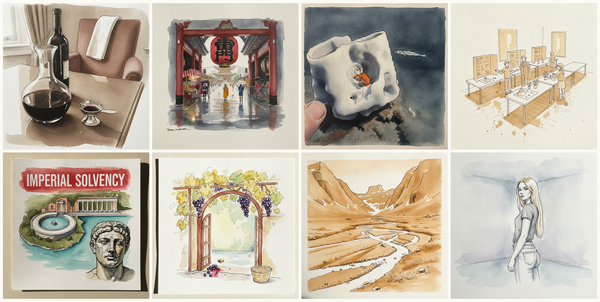
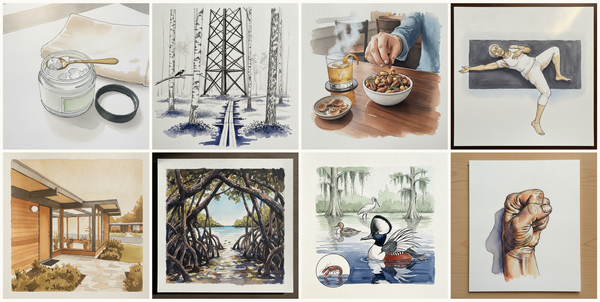
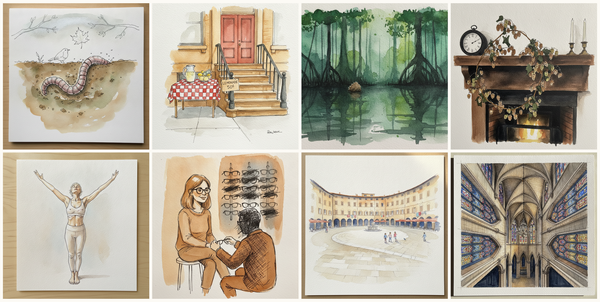
Italian wall lizard, Person walking dog on leash, Devon House, Autumn Storm Aftermath, Dust-hazy afternoon Serengeti, central plains — heat shimmer panorama, and more — pen + watercolor for July 9, 2026
AI-generated daily art-practice references for pen and watercolor: Italian wall lizard, Person walking dog on leash, Devon House, Autumn Storm Aftermath, Dust-hazy afternoon Serengeti, central plains — heat shimmer panorama, Scottish Farmer, Polaroid SX-70 folded, Wat Phra That Hariphunchai, Lamp…
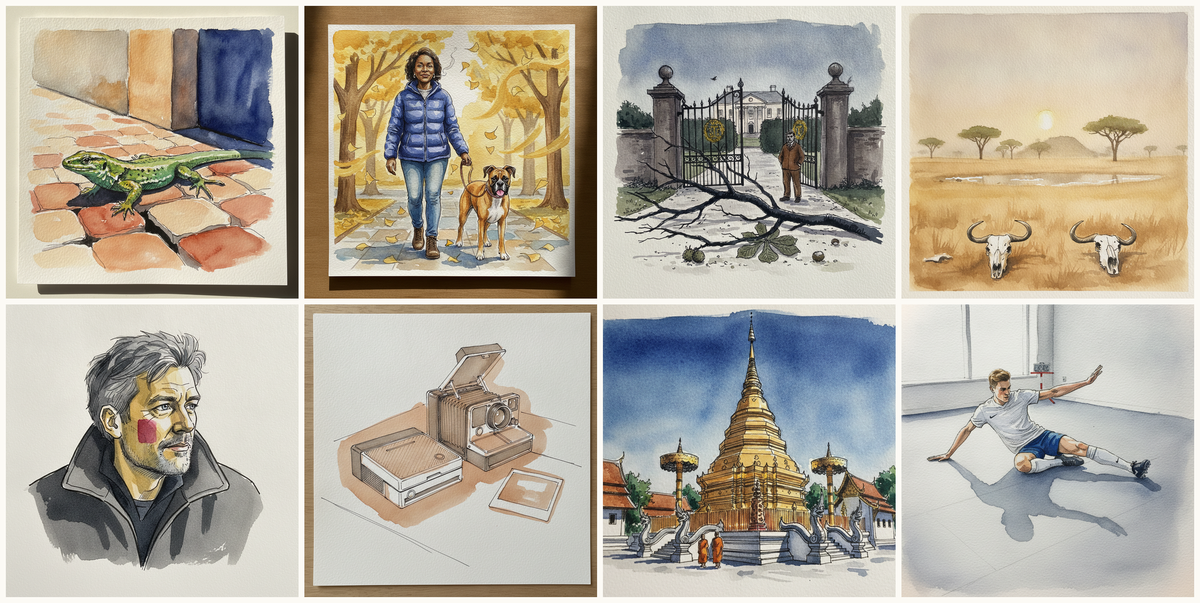
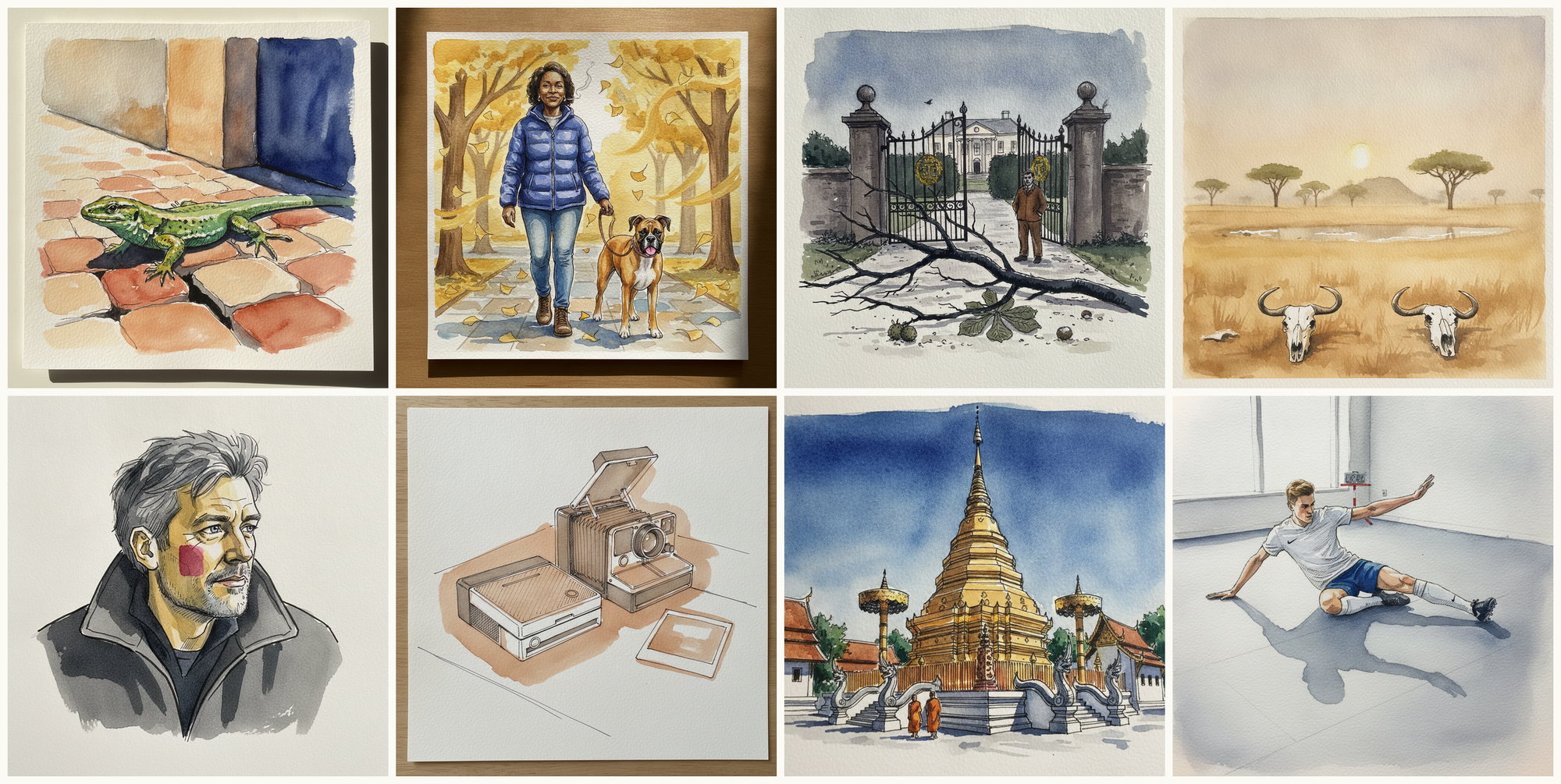
Today's 8 pen-and-watercolor pieces: Italian wall lizard, Person walking dog on leash, Devon House, Autumn Storm Aftermath, Dust-hazy afternoon Serengeti, central plains — heat shimmer panorama, Scottish Farmer, Polaroid SX-70 folded, Wat Phra That Hariphunchai, Lamphun, Thailand, Cobra with chin to ceiling. Each piece comes with an AI-generated photoreal reference, three AI-generated example artworks in different treatments, and a short focus paragraph naming what to study in this one.
Why these references use AI
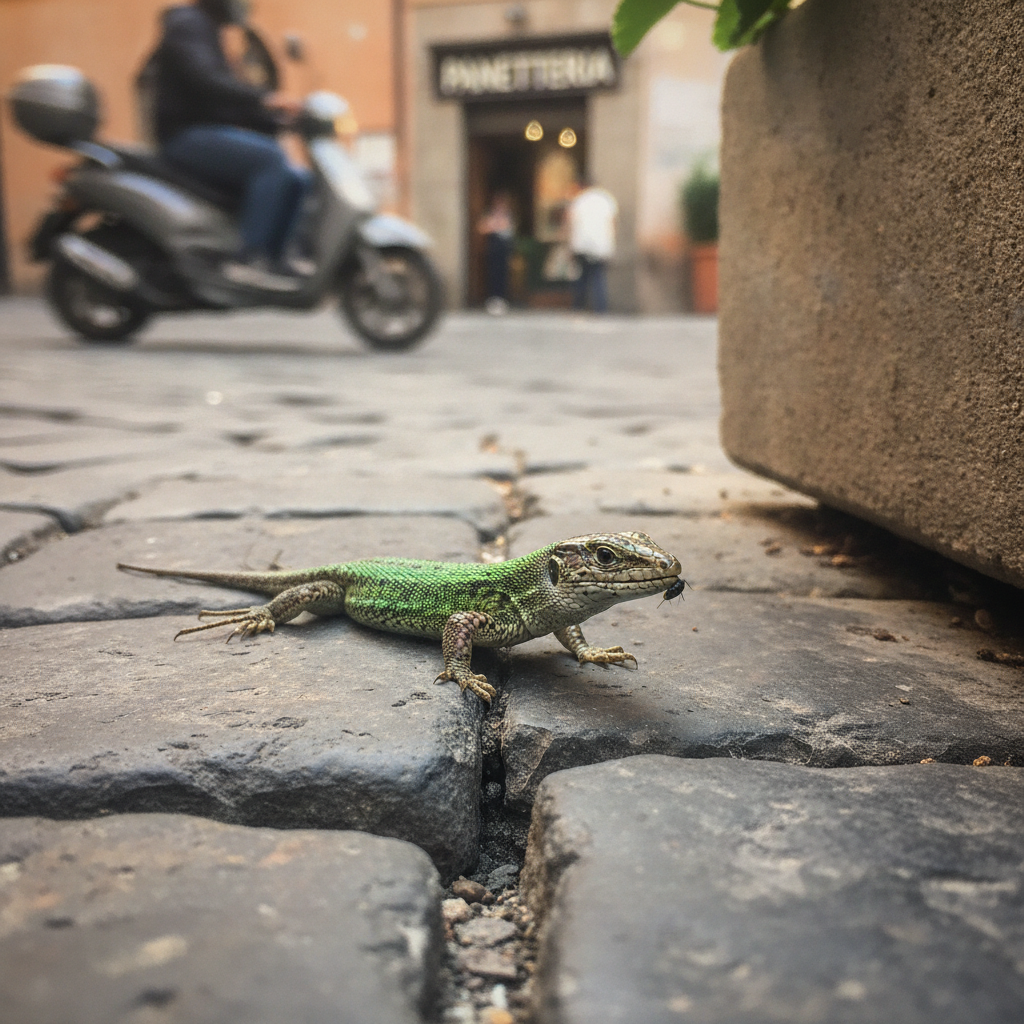
This daily series uses AI-generated images as practice prompts, not as finished artwork to copy. Each subject starts with a synthetic photoreal reference generated with Gemini/Nano Banana, then moves into three pen-and-watercolor interpretations of the same subject.
I use AI here because daily art practice needs variety and low friction. Real life can get repetitive, busy, or visually narrow. These generated reference sets make it easier to study bodies, buildings, animals, landscapes, objects, gestures, light, palettes, and compositions that might not show up in an ordinary day.
The goal is not to reproduce any image directly. Treat each set as a starting point for observation and study: choose what interests you, change the framing, simplify the subject, alter the palette, and make your own version.
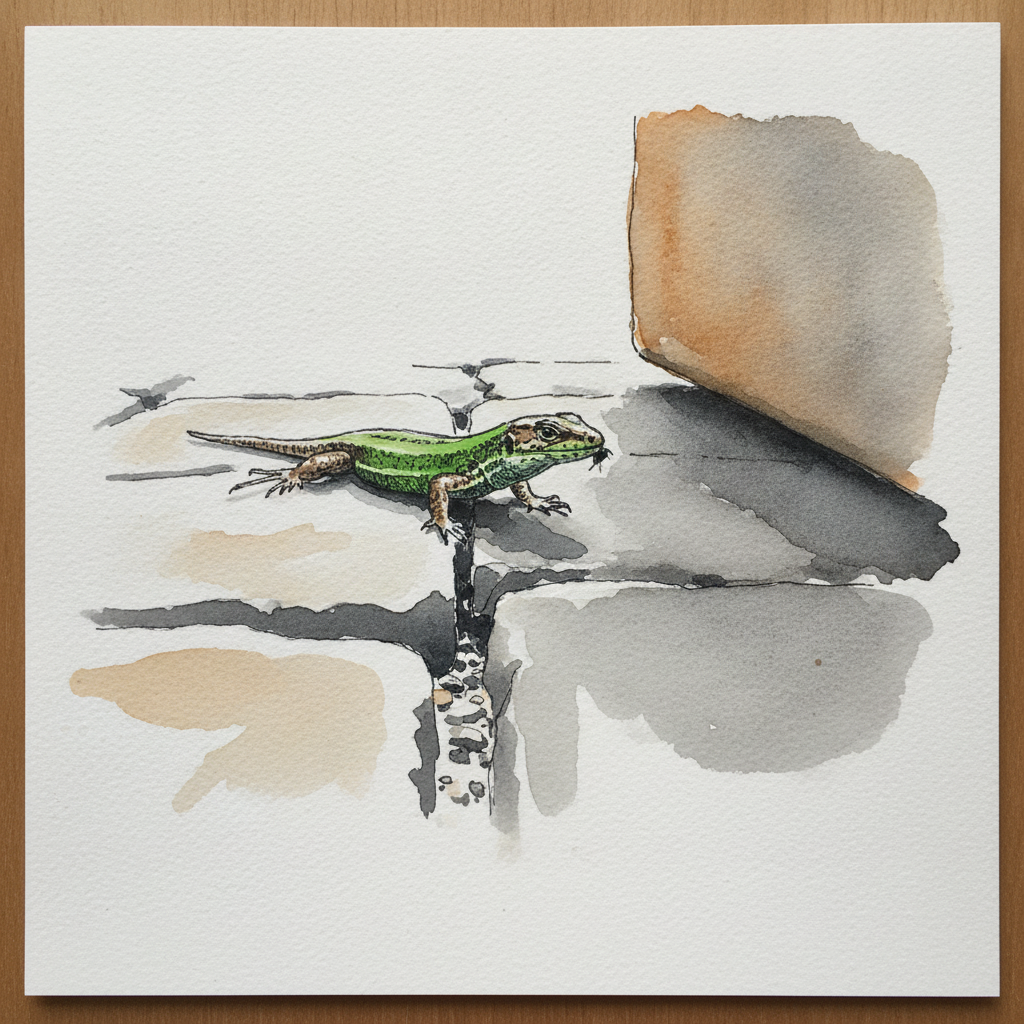
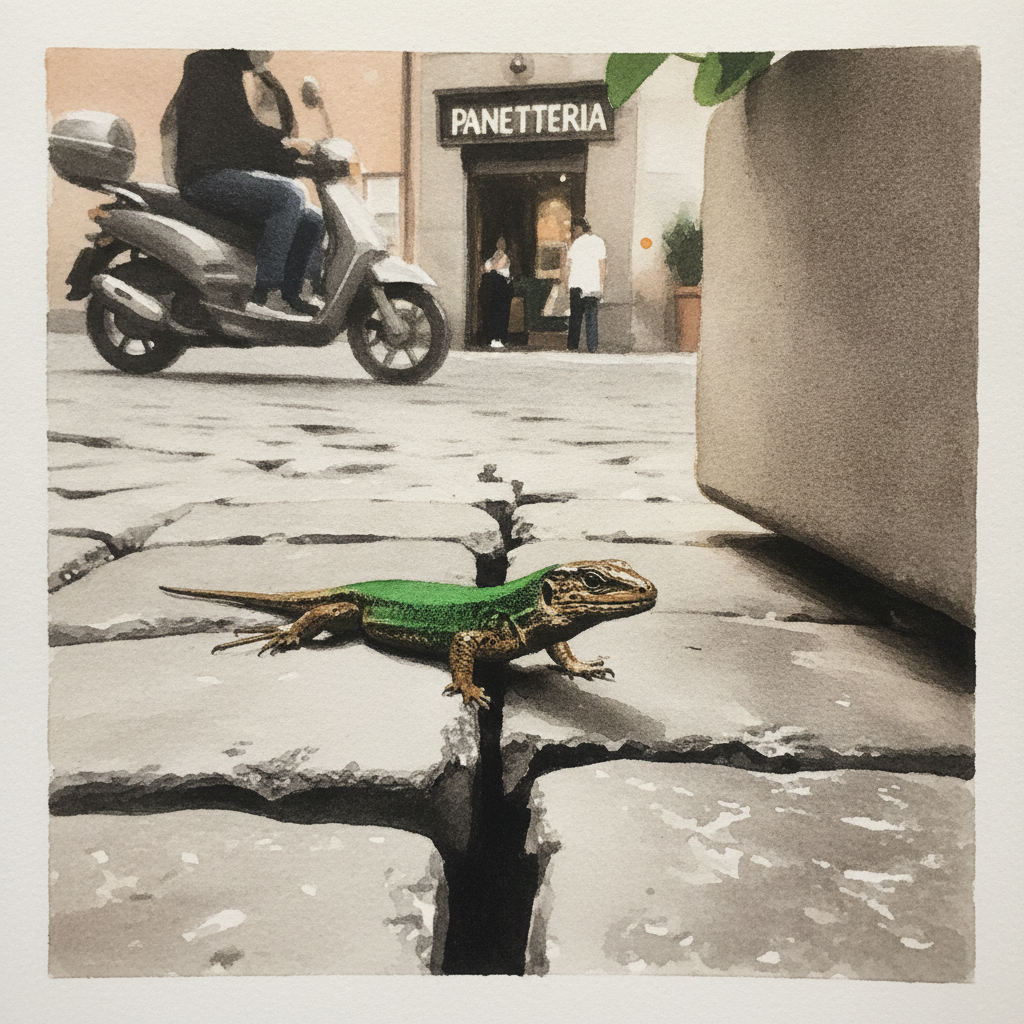
Piece 1 — Italian wall lizard
Pen + Watercolor · Loose pen and watercolor line-and-wash
Three takes
Focus for this piece
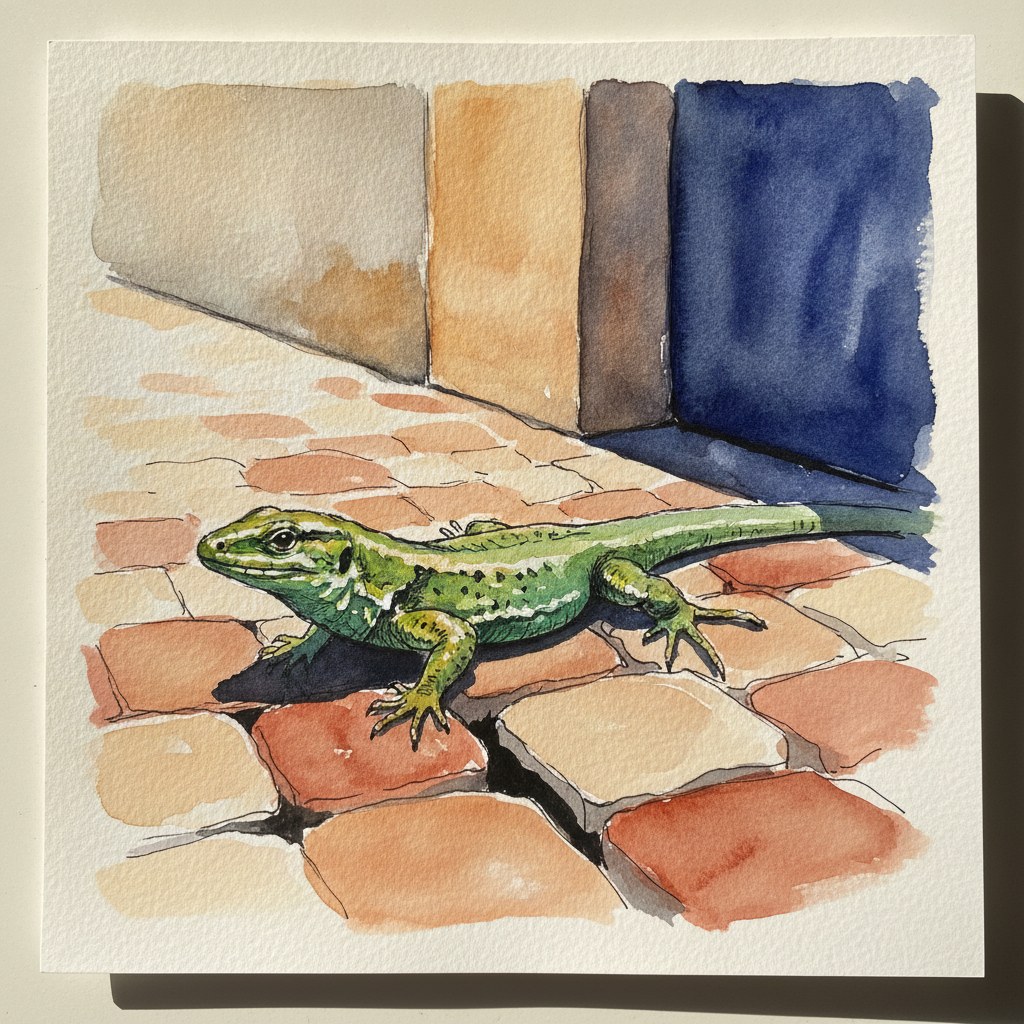
This piece is an excellent study in combining precise ink work with varied watercolor washes to render distinct textures and forms. Use fine, descriptive pen lines to capture the lizard's delicate scales and focused gaze, contrasting them with broader, broken strokes that suggest the rough, sun-warmed surface of the cobblestones. Employ a warm, limited palette for the stones, allowing granular washes to convey their texture, while crisp, layered washes define the lizard's distinctive green and brown form.
Piece 2 — Person walking dog on leash
Pen + Watercolor · Loose pen and watercolor line-and-wash
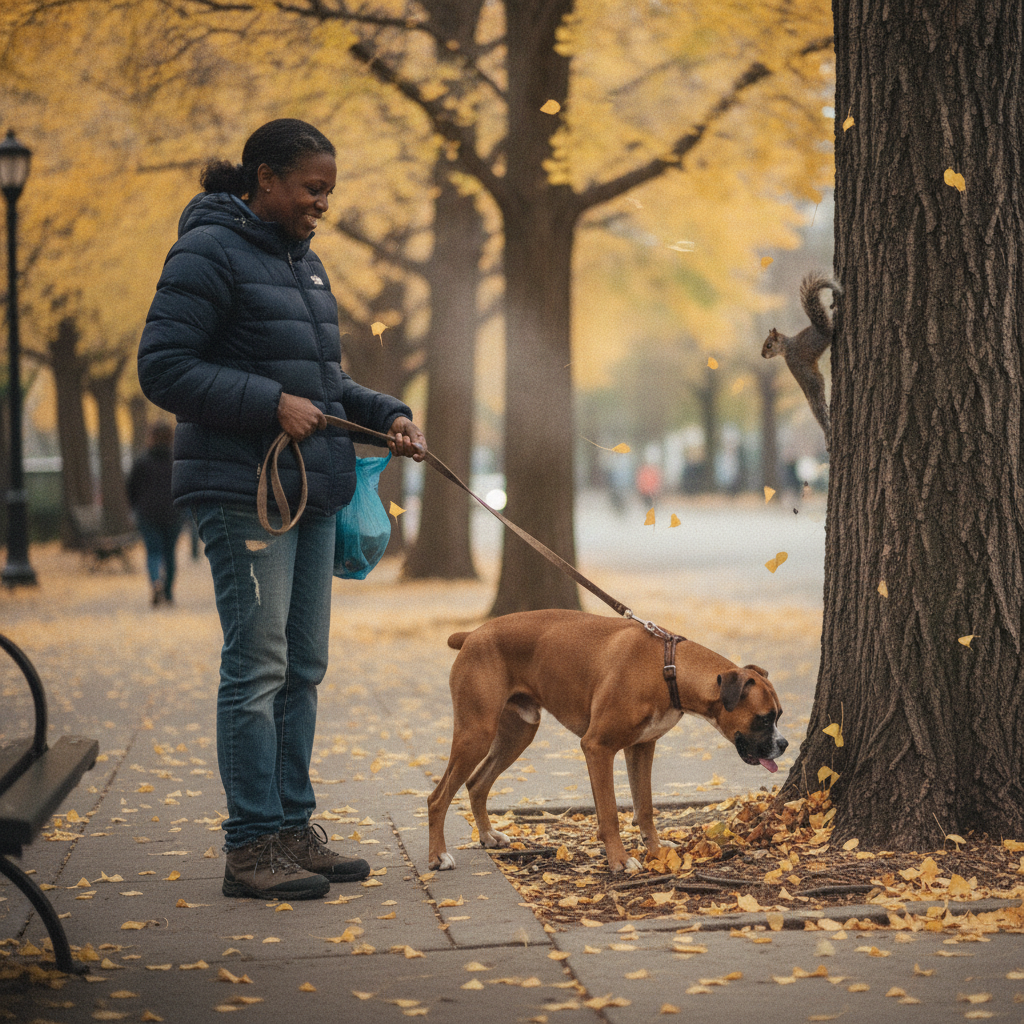
Three takes
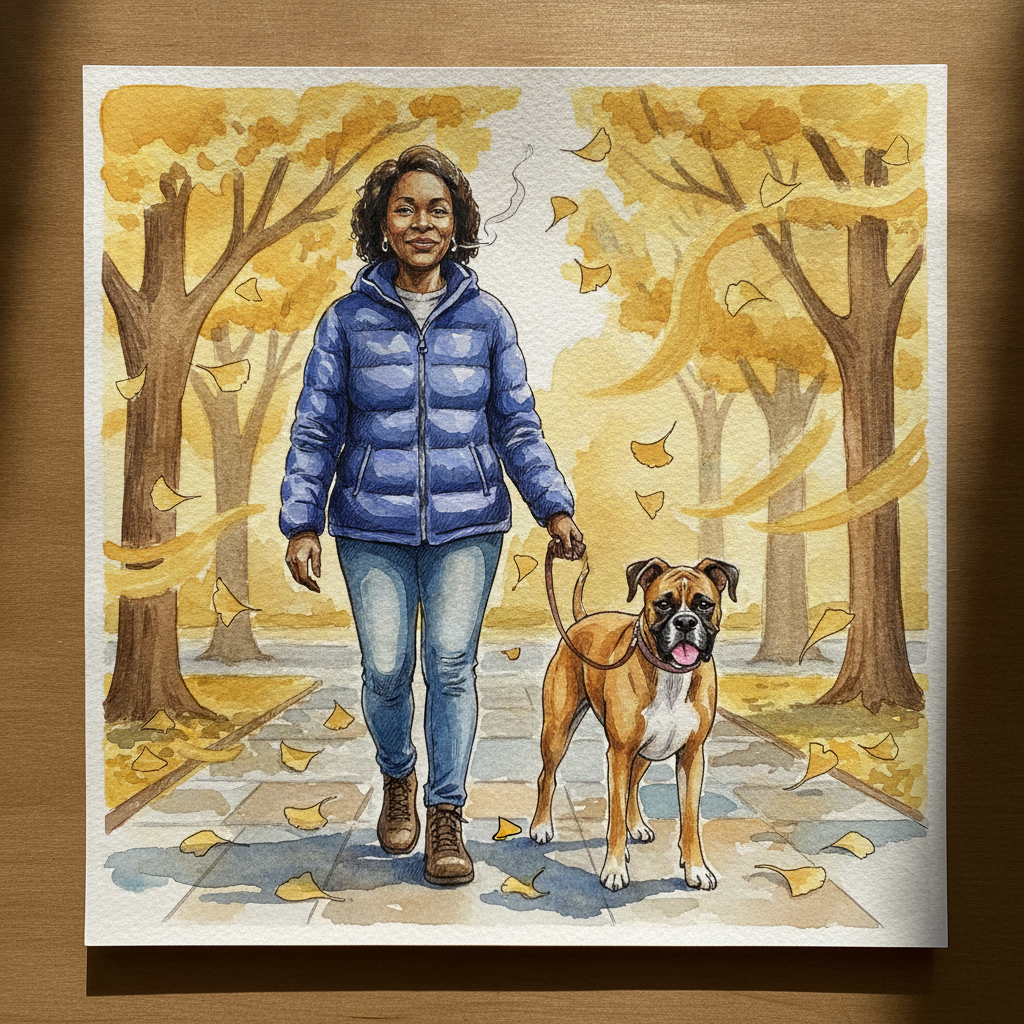
Focus for this piece
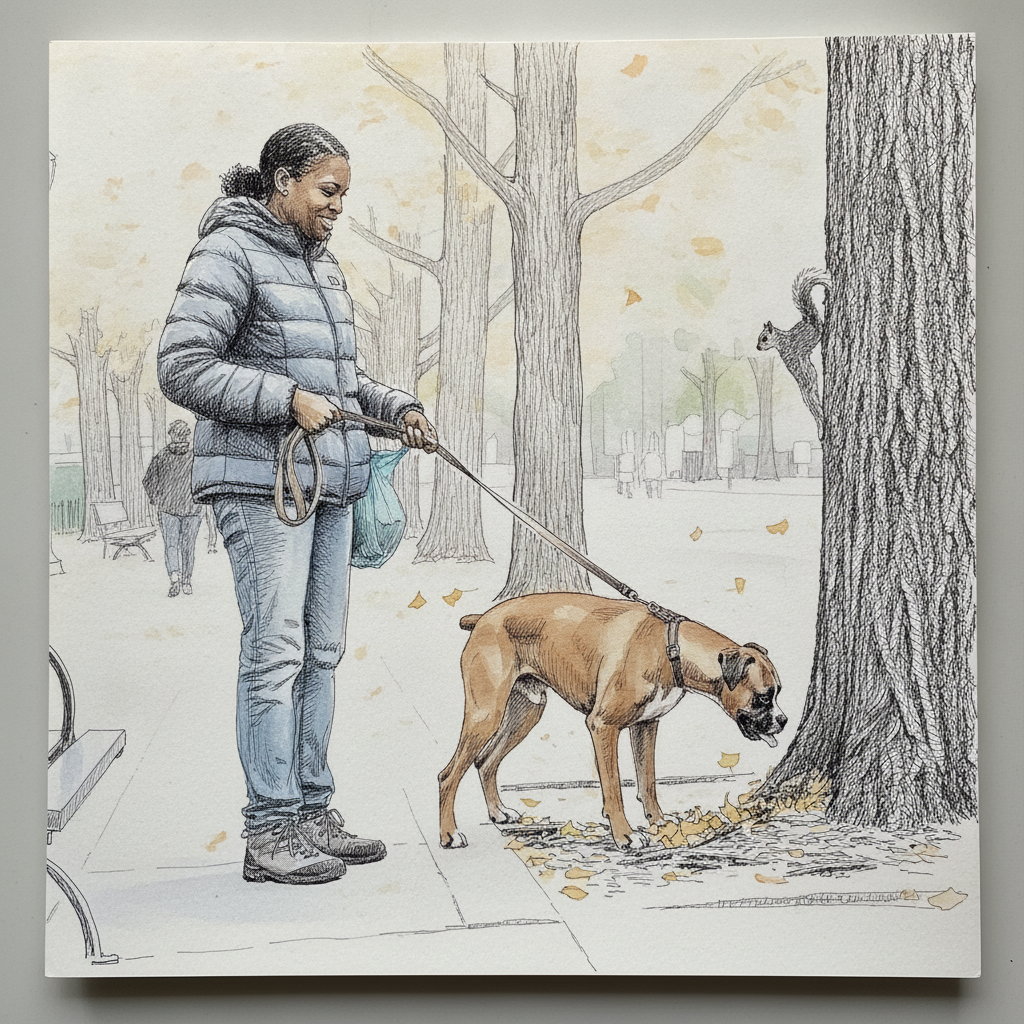
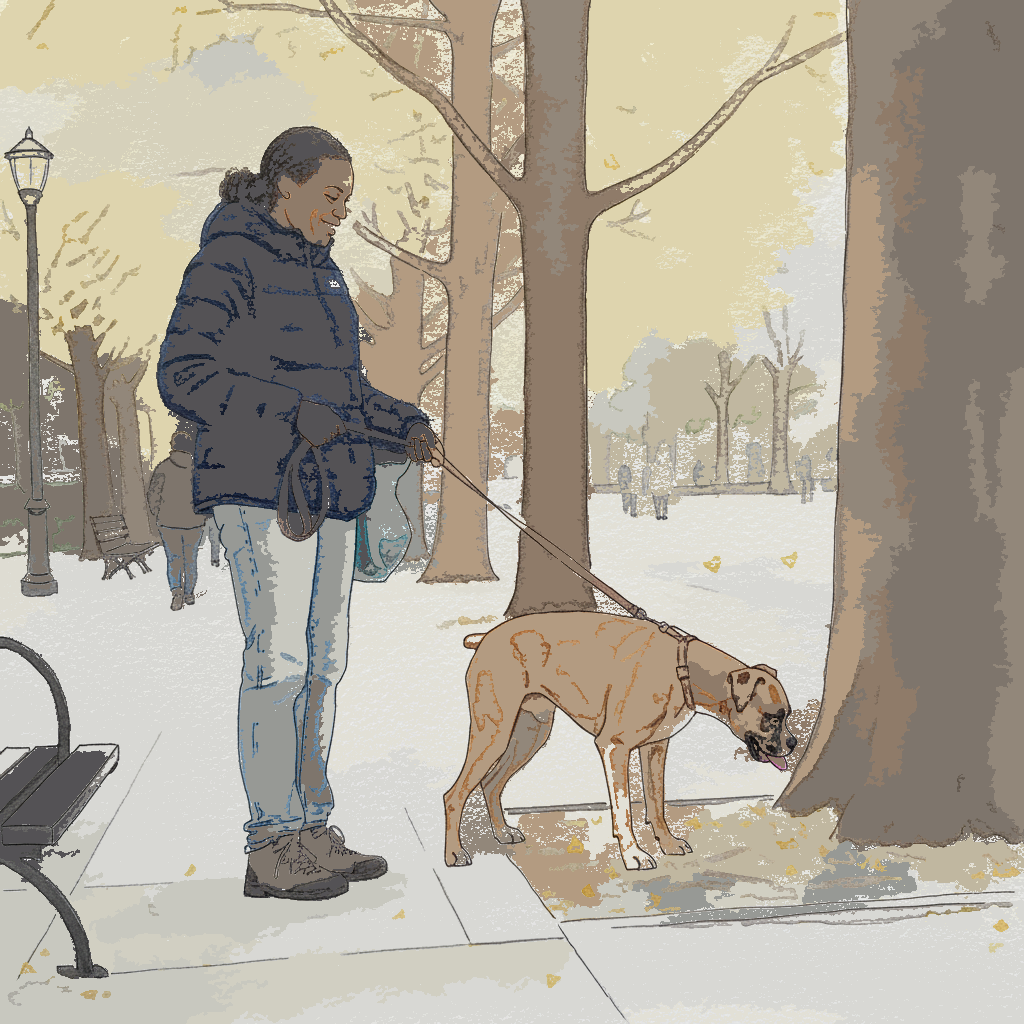
This piece offers a great opportunity to explore creating depth through the interplay of line weight and atmospheric perspective. Use a confident, consistent pen line for the woman and dog, emphasizing their presence, then transition to lighter, broken lines and cooler, diluted washes for the background trees and sidewalk. This contrast, coupled with brighter, saturated yellows for the foreground ginkgo leaves, will pull the eye forward and suggest the crisp October air.
Piece 3 — Devon House, Autumn Storm Aftermath
Pen + Watercolor · Loose pen and watercolor line-and-wash
Three takes

Focus for this piece
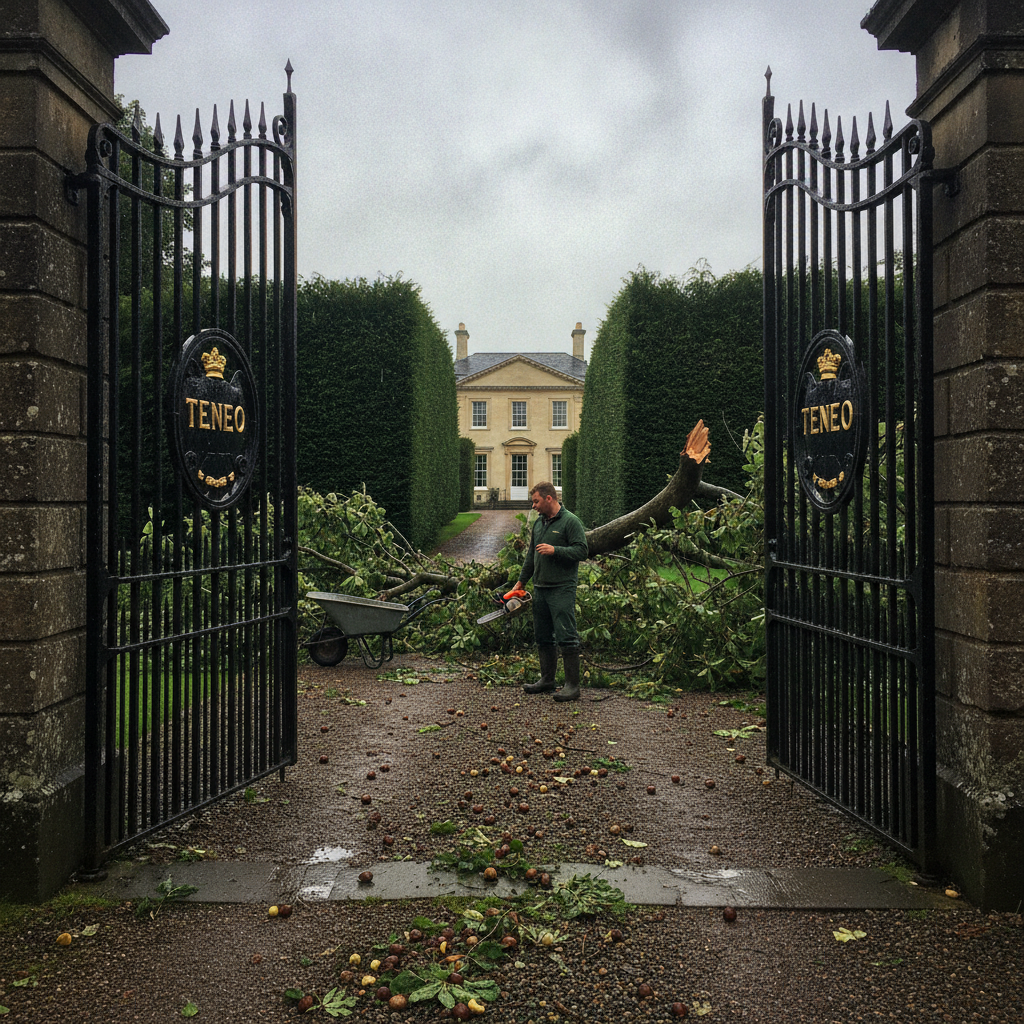
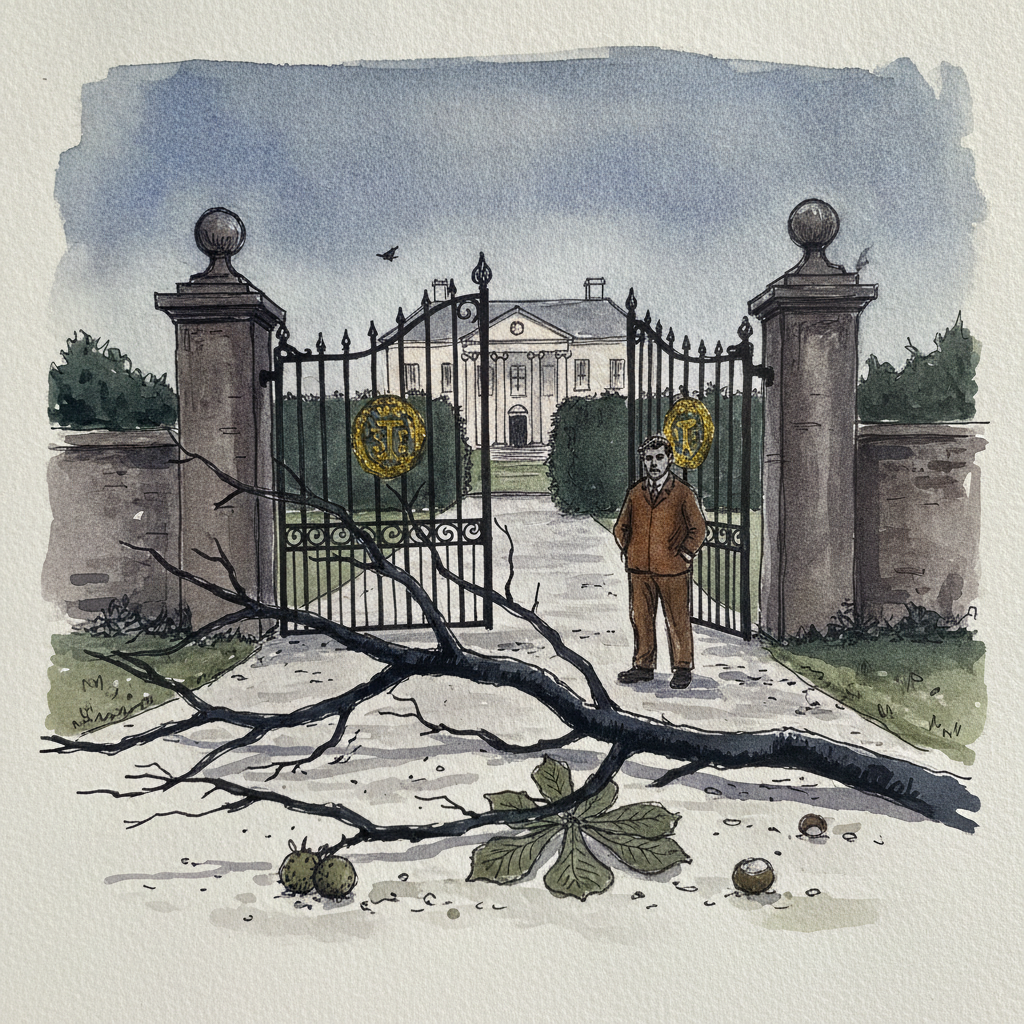
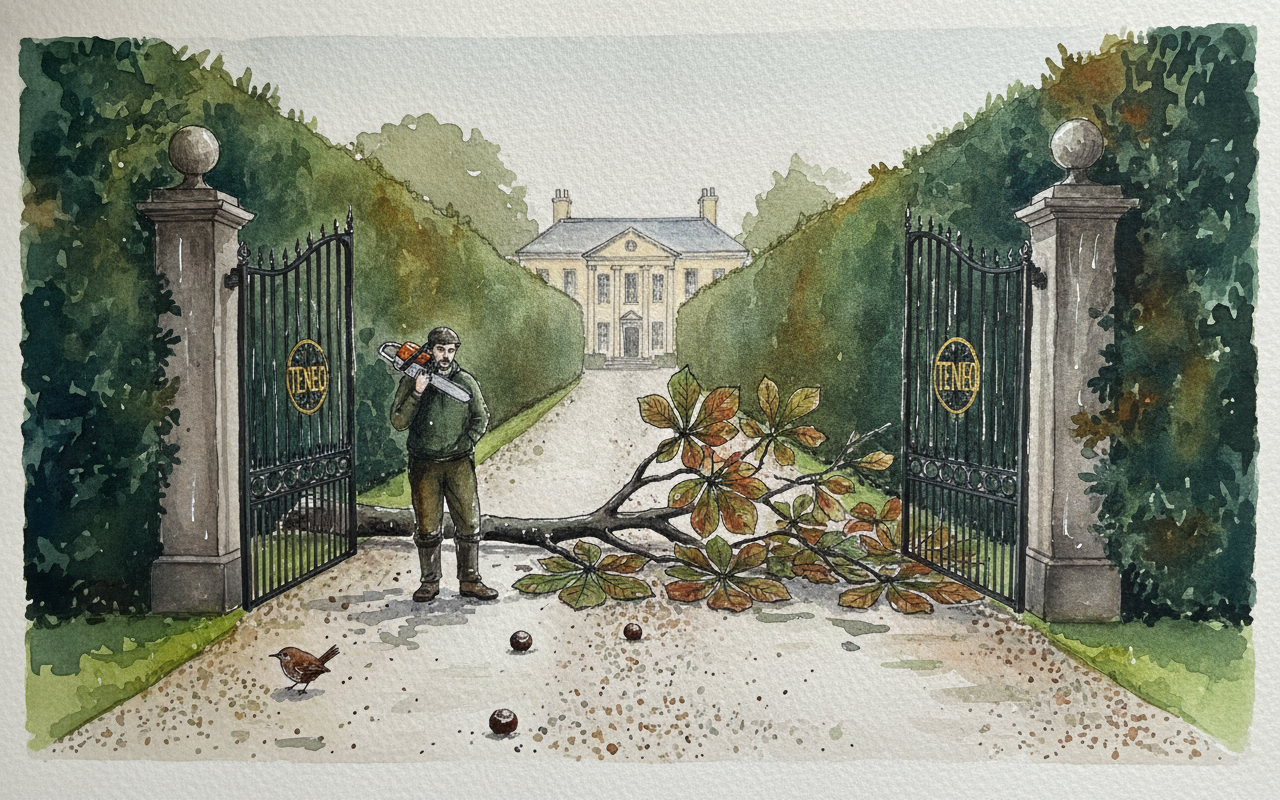
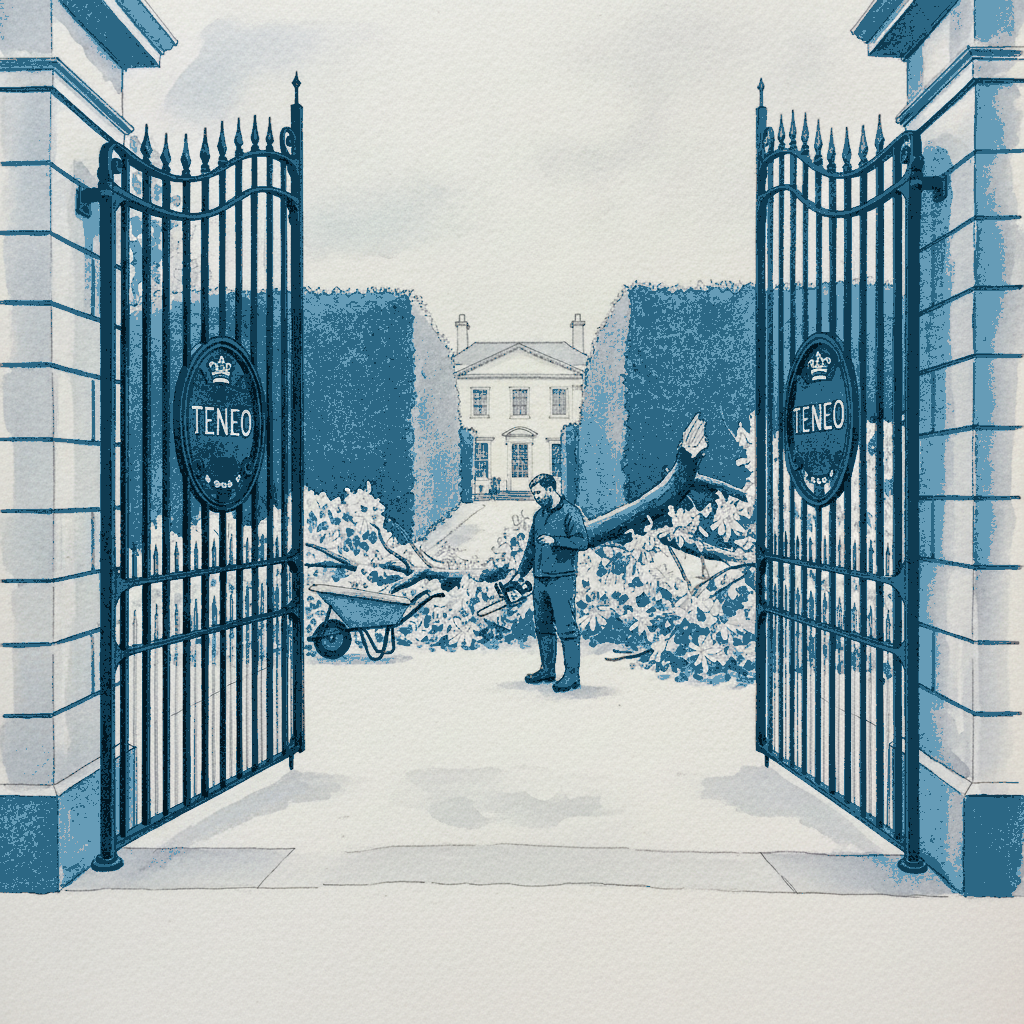
This piece is a fantastic study in rendering contrasting textures and surface qualities, particularly the effects of wetness and decay against solid architecture. Use crisp, fine ink lines to define the bright gilt motto "TENEO" and the delicate wren, contrasting them with heavier, broken lines to suggest the rough, wet texture of the stone piers and the gnarled bark of the fallen branch. For the watercolor, employ wet-on-wet washes to create the diffused, reflective sheen on the wet iron gates and rain-darkened stone, while reserving drier brushwork and layered greens to capture the damp, irregular shapes of the fallen leaves and conkers. Focus on how the varying opacity and edge control of your washes can emphasize the deep shadows and the subtle shine of a storm-soaked scene.
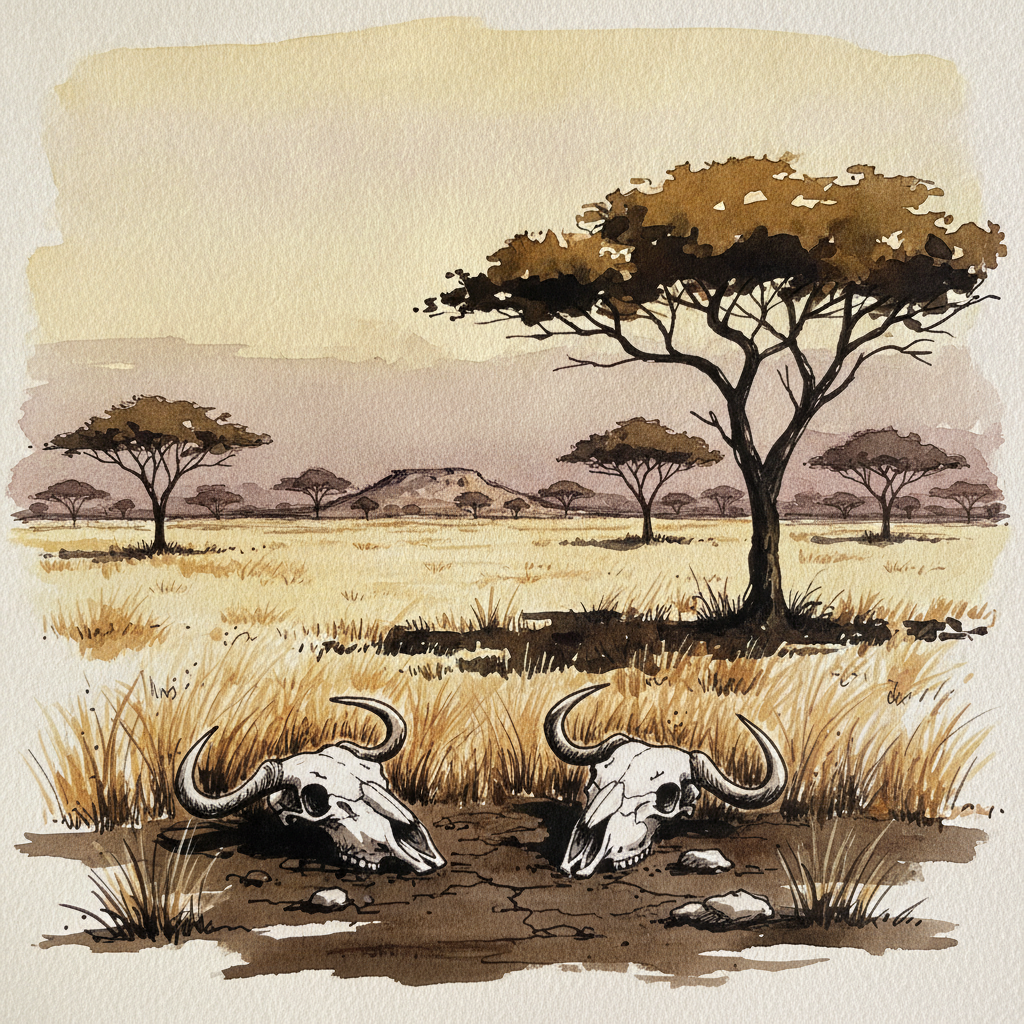
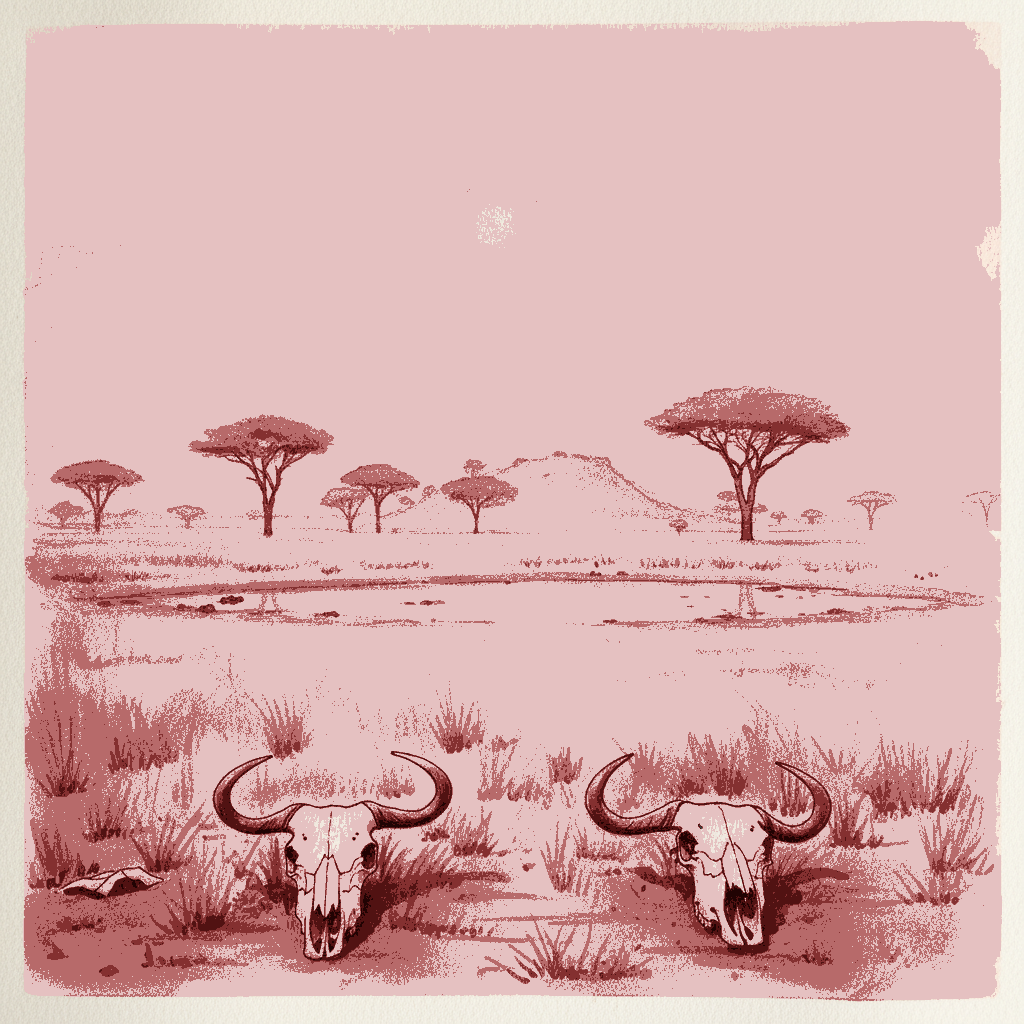
Piece 4 — Dust-hazy afternoon Serengeti, central plains — heat shimmer panorama
Pen + Watercolor · Loose pen and watercolor line-and-wash
Three takes

Focus for this piece
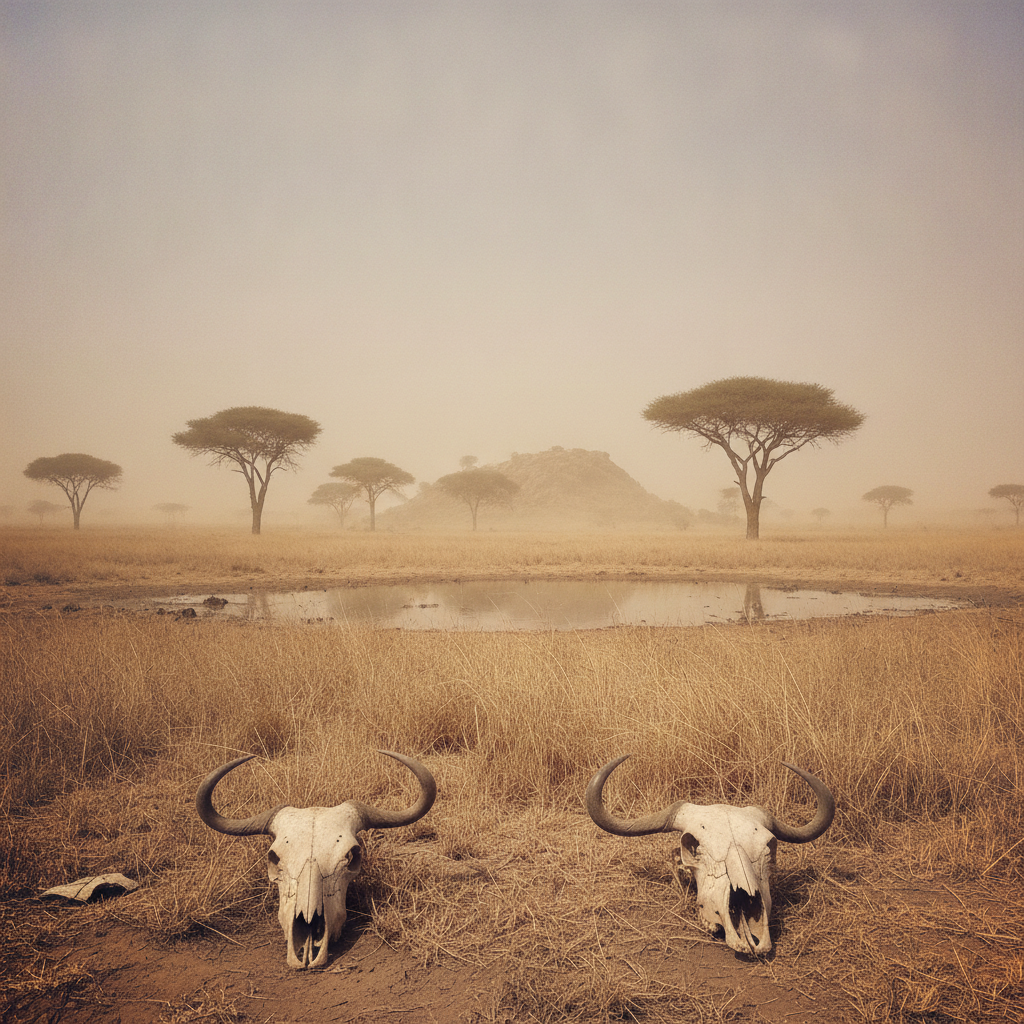
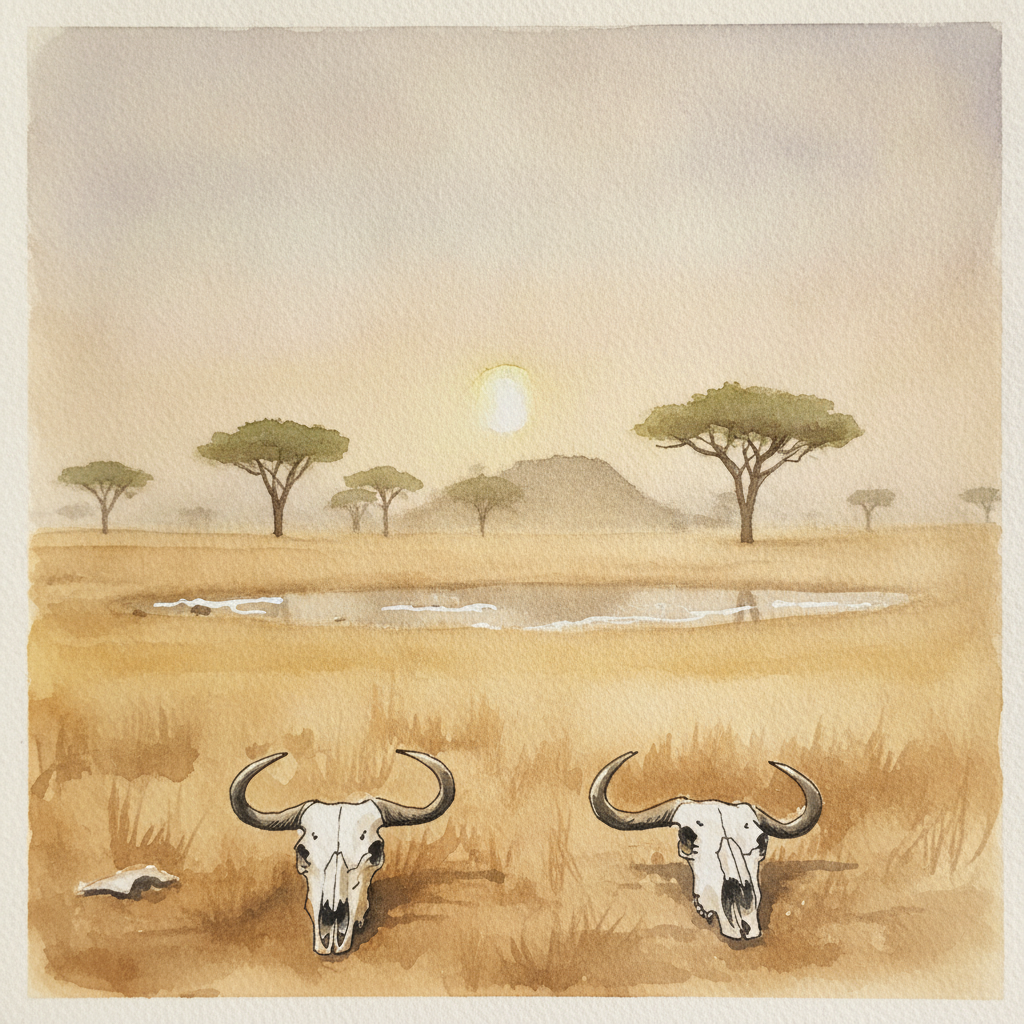
Your primary focus for this piece should be on achieving a sense of vast, dust-hazy atmosphere using responsive watercolor washes. Experiment with wet-on-wet techniques to create the soft, blurred horizon and subtle value shifts that mimic the heat shimmer over the grass. Complement this softness by employing lighter, broken pen lines for the distant acacia trees and reserving crisper, darker ink for the foreground elements like the bleached wildebeest skulls to establish clear depth.
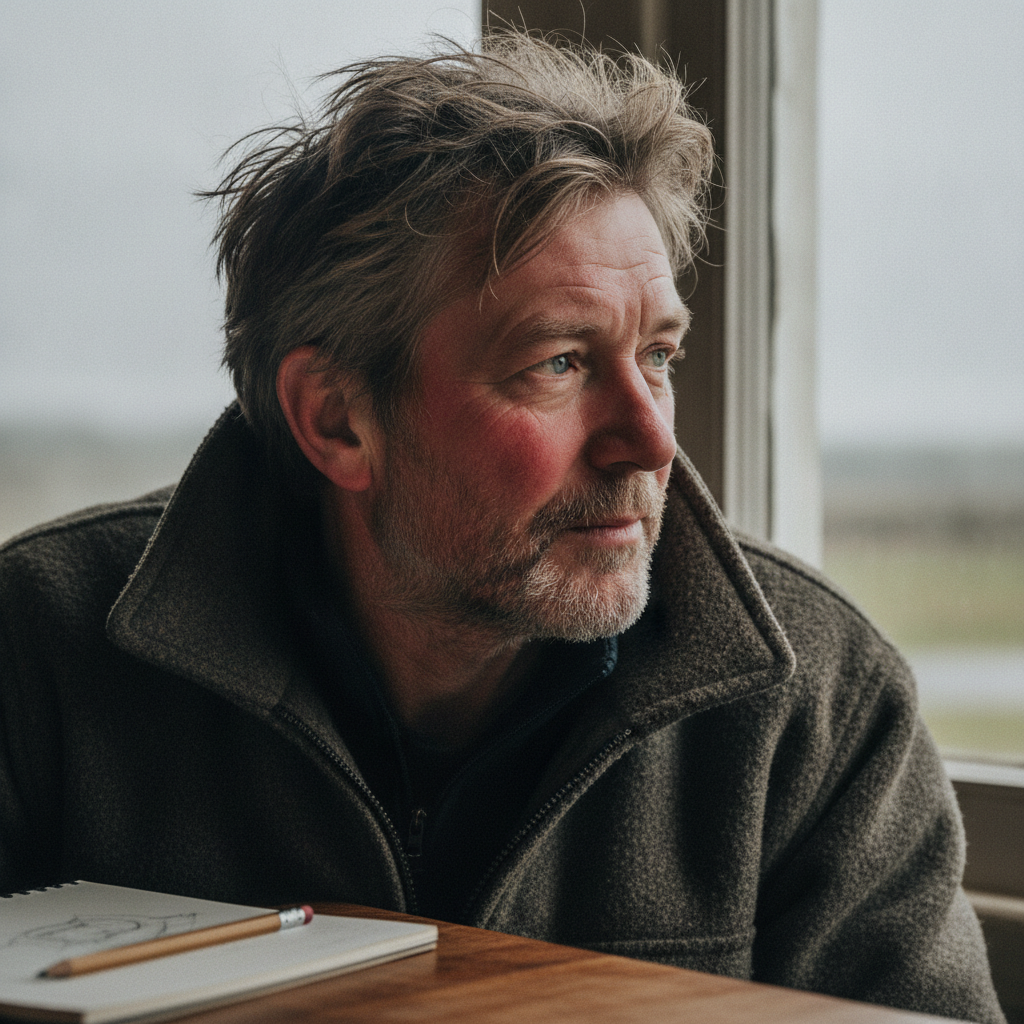
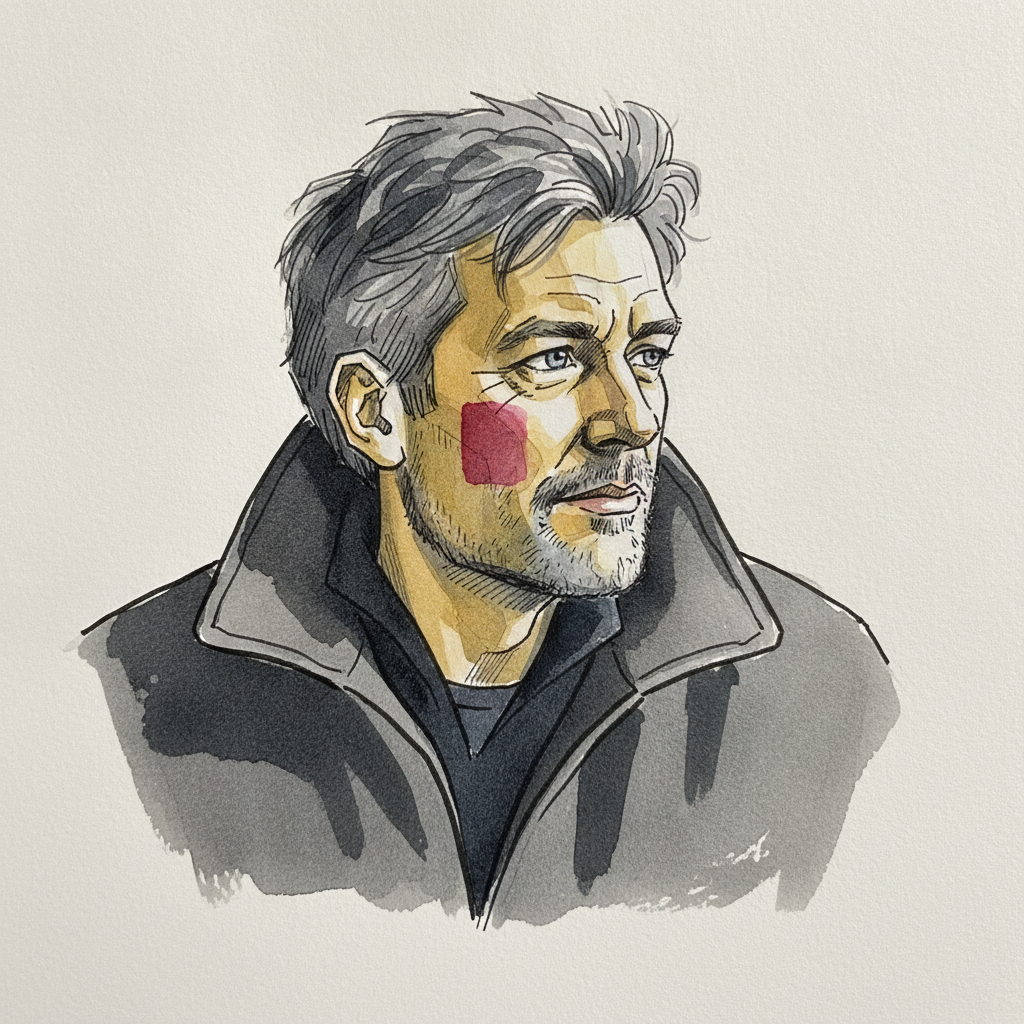
Piece 5 — Scottish Farmer
Pen + Watercolor · Loose pen and watercolor line-and-wash
Three takes
Focus for this piece
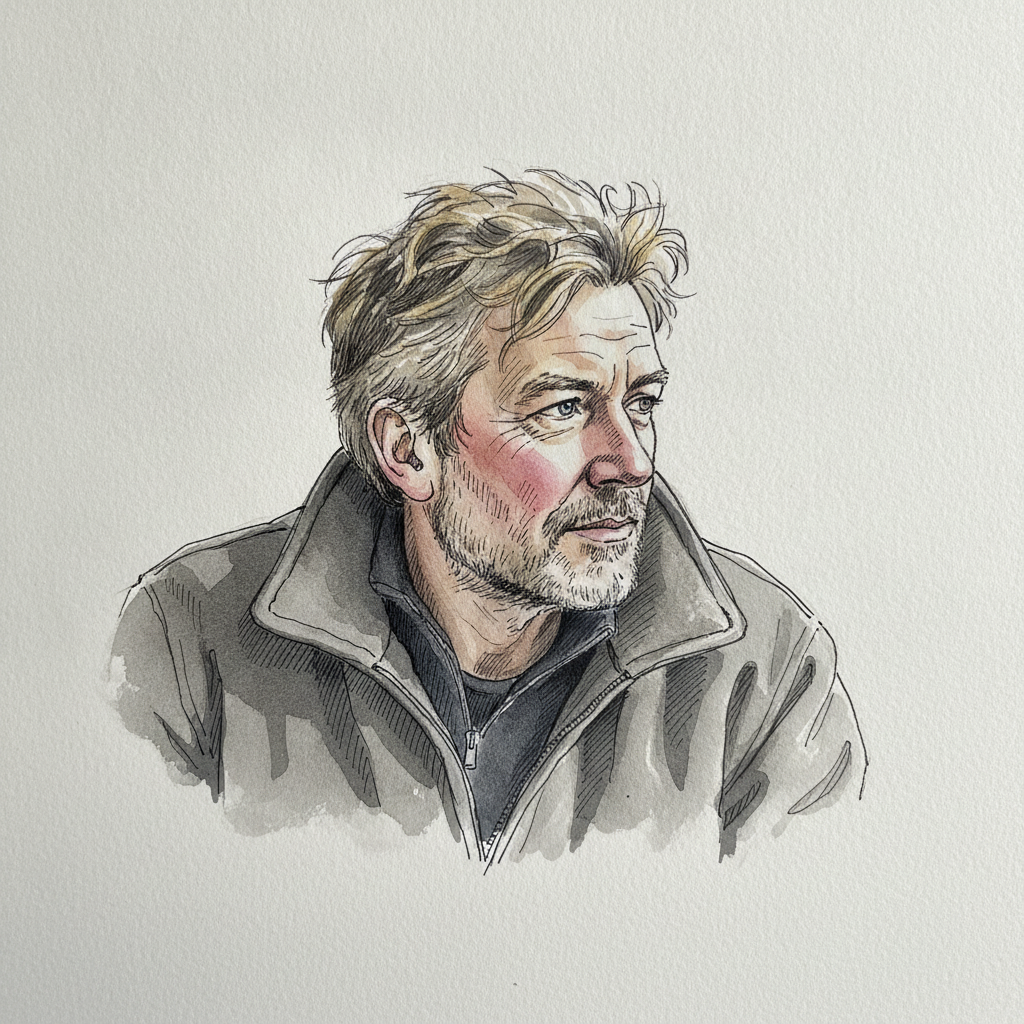
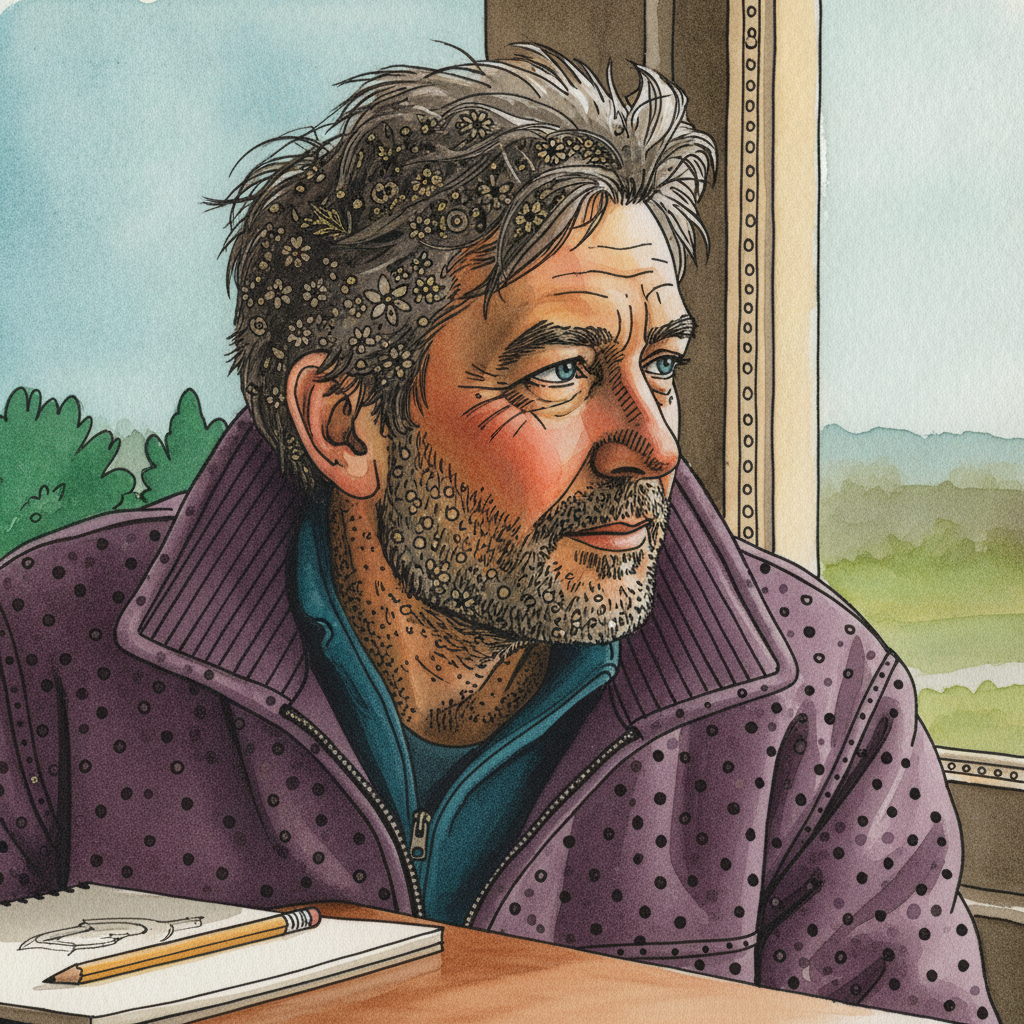
For this piece, focus on building the 'cold-flushed' skin tones and matte light through careful watercolor layering. Apply dilute washes of cool reds and earthy greys wet-on-dry to softly model the face, allowing the high cheekbone to emerge through subtle saturation rather than strong value shifts. Complement this with varied pen line weights: use light, broken strokes for the wind-tangled hair and stubble, reserving slightly firmer lines to articulate the pale blue eyes and the weighty texture of the wool collar.
Piece 6 — Polaroid SX-70 folded
Pen + Watercolor · Loose pen and watercolor line-and-wash

Three takes
Focus for this piece
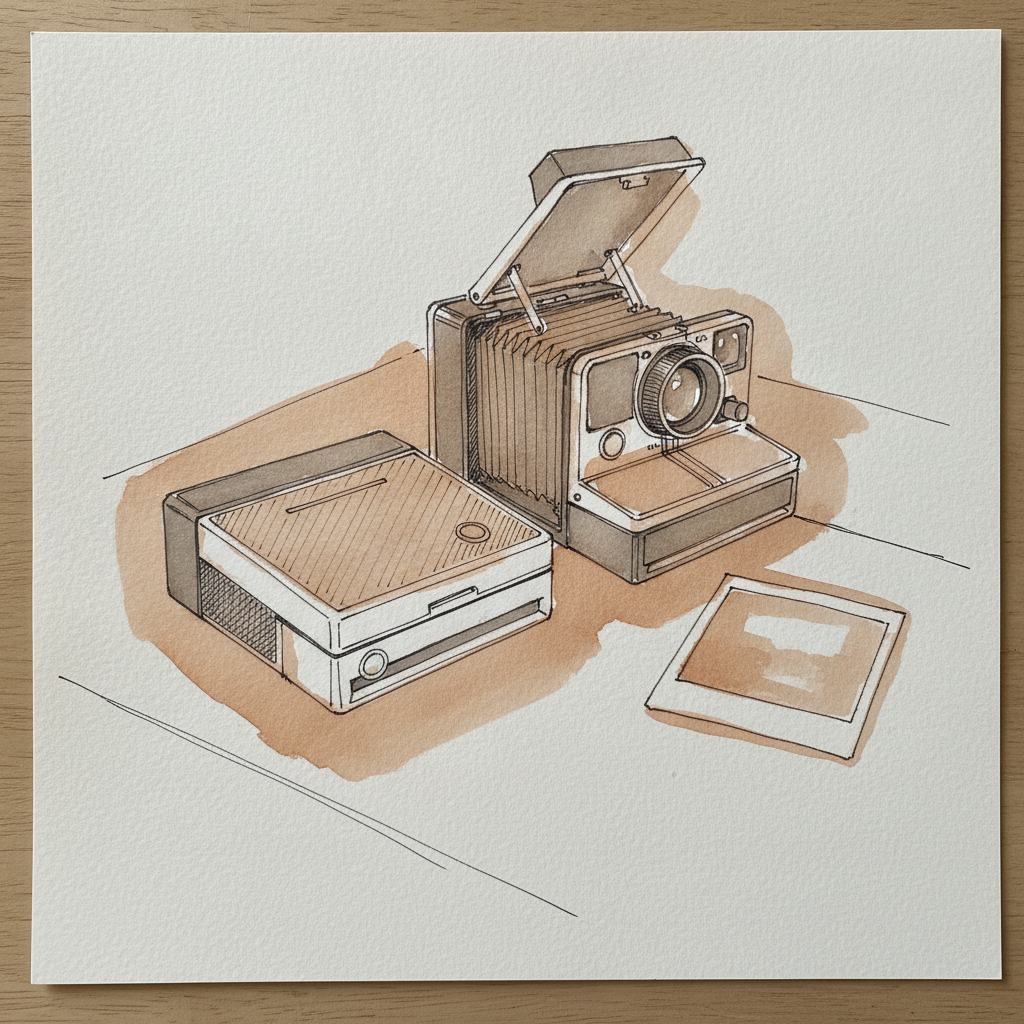
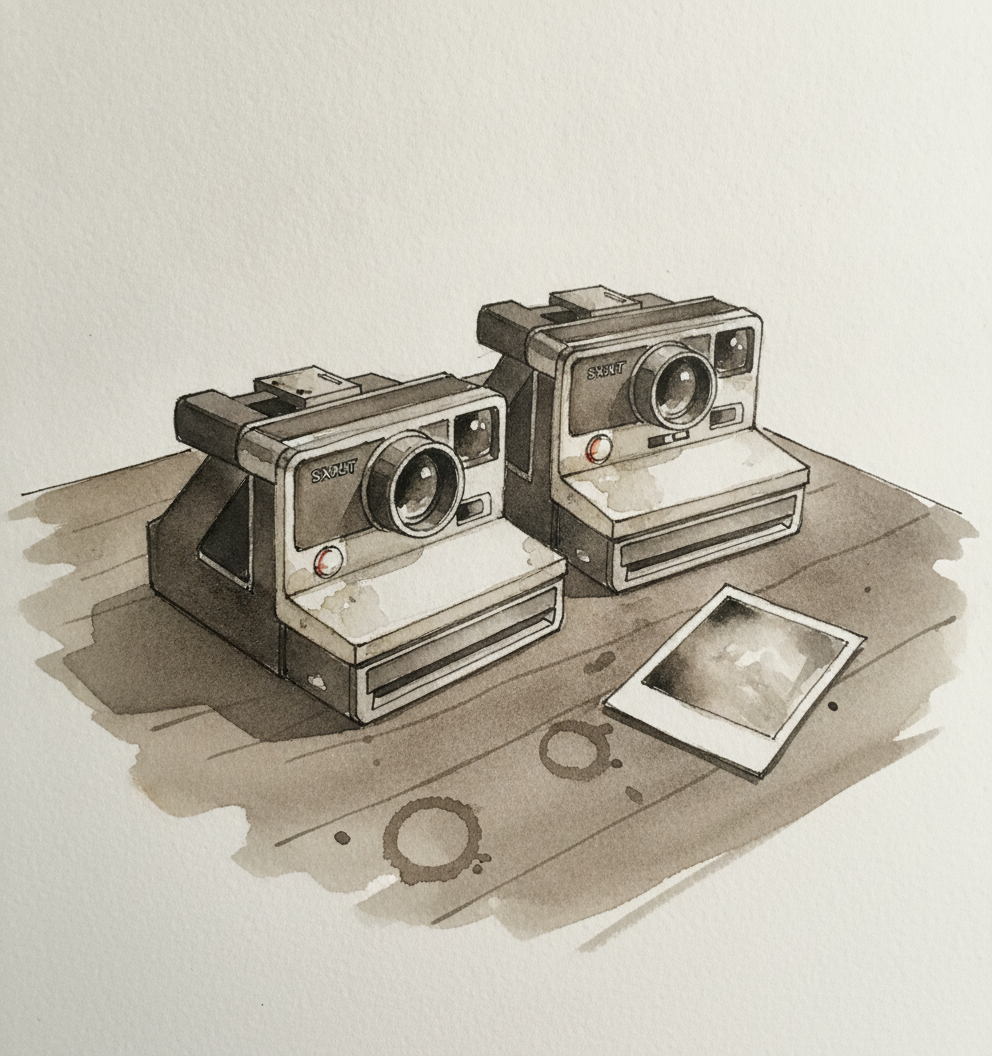
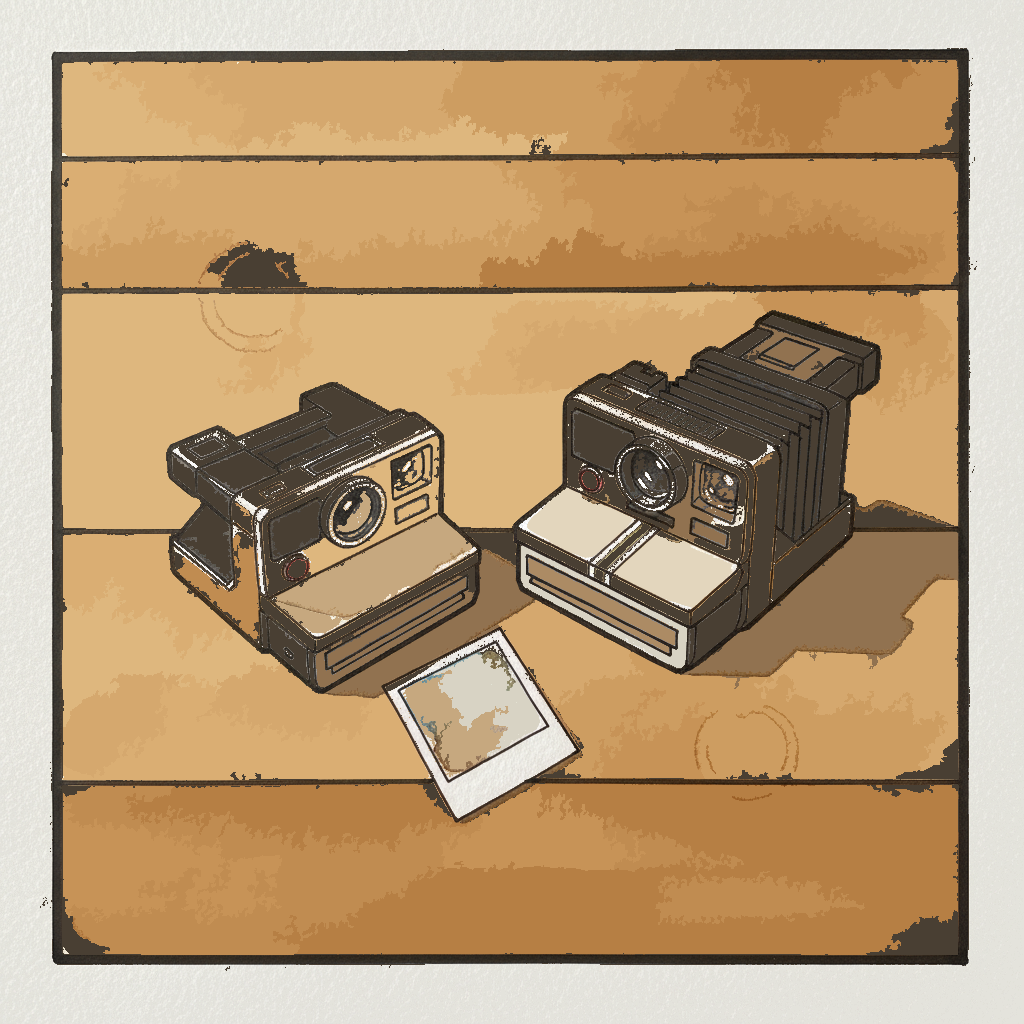
This piece offers an excellent study in distinguishing varied surface textures through the interplay of line and wash. Focus on rendering the sharp, reflective chrome with clean, precise lines and cool, controlled washes, contrasting it with the scuffed tan leather by using softer, broken lines and warmer, graduated washes. Pay close attention to how your washes can suggest the coffee-stained grain of the wooden surface, allowing the pen to articulate finer details like the camera bellows and recessed buttons. This will challenge you to make deliberate choices about where line dominates and where wash provides the primary information.
Piece 7 — Wat Phra That Hariphunchai, Lamphun, Thailand
Pen + Watercolor · Loose pen and watercolor line-and-wash

Three takes

Focus for this piece
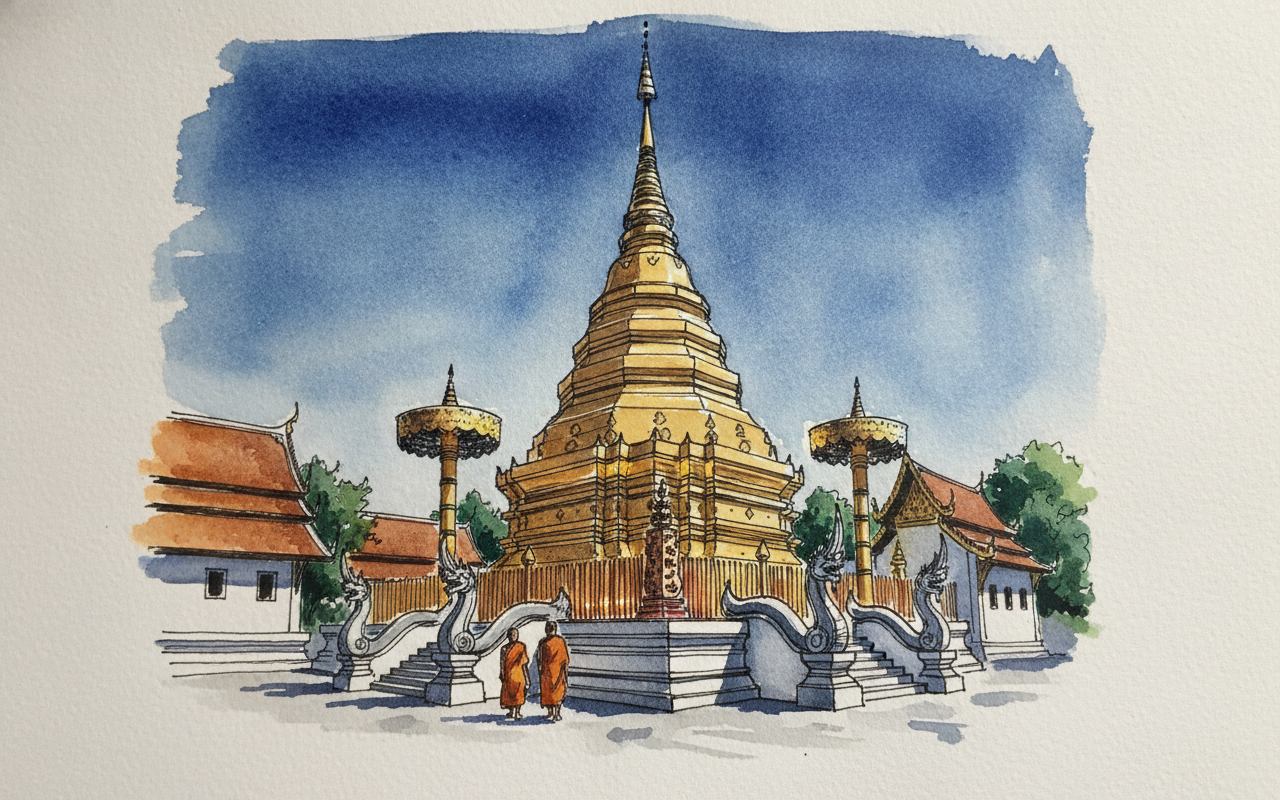
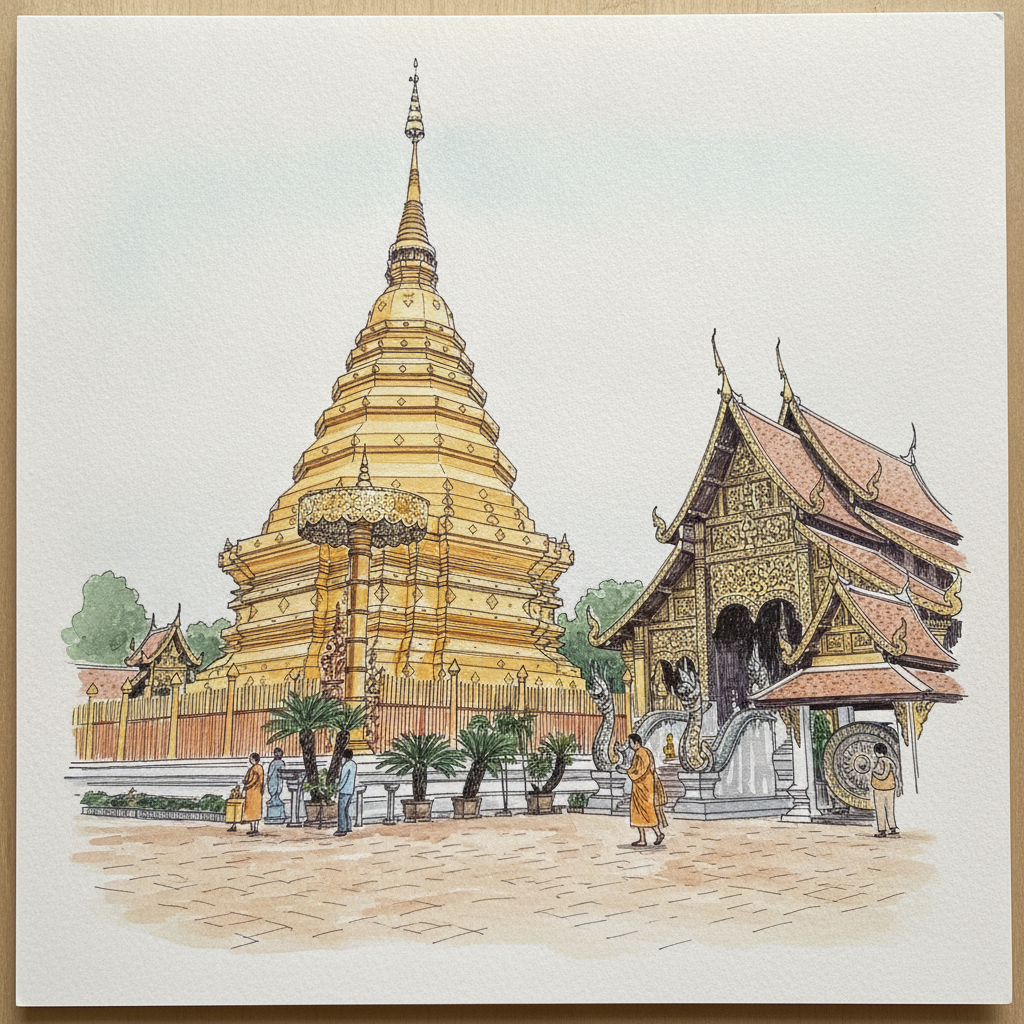
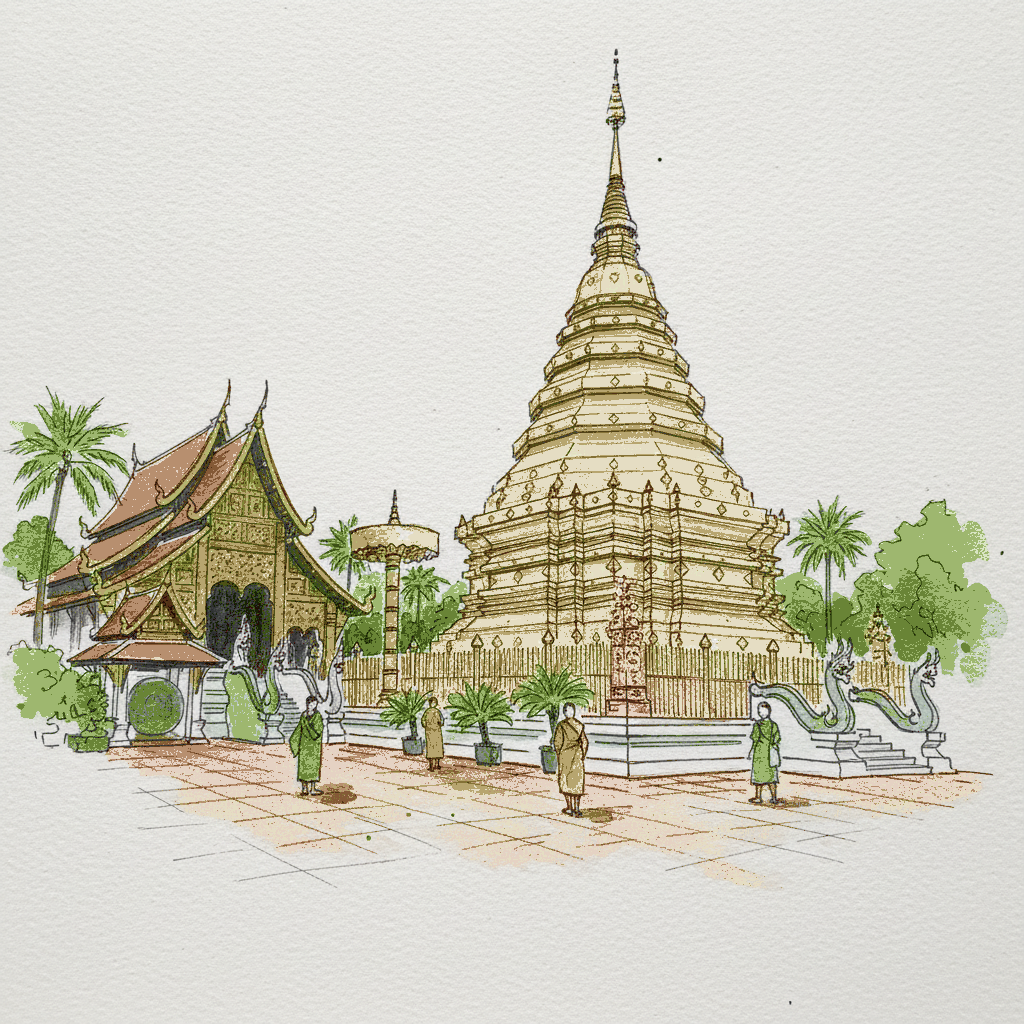
This piece is an excellent study in using contrasting line weights and luminous, warm washes to convey monumental architectural volume and the unique character of gilded surfaces. Use crisp, deliberate pen lines to establish the chedi's square-based bell-shape and the intricate tiers of the hti, varying their thickness to suggest structural depth and form. Then, employ light, transparent layers of warm yellows and ochres with subtle hints of orange to build up the gold's reflective quality, allowing the washes to define volume and atmosphere while the ink provides precision.
Piece 8 — Cobra with chin to ceiling
Pen + Watercolor · Loose pen and watercolor line-and-wash
Three takes

Focus for this piece
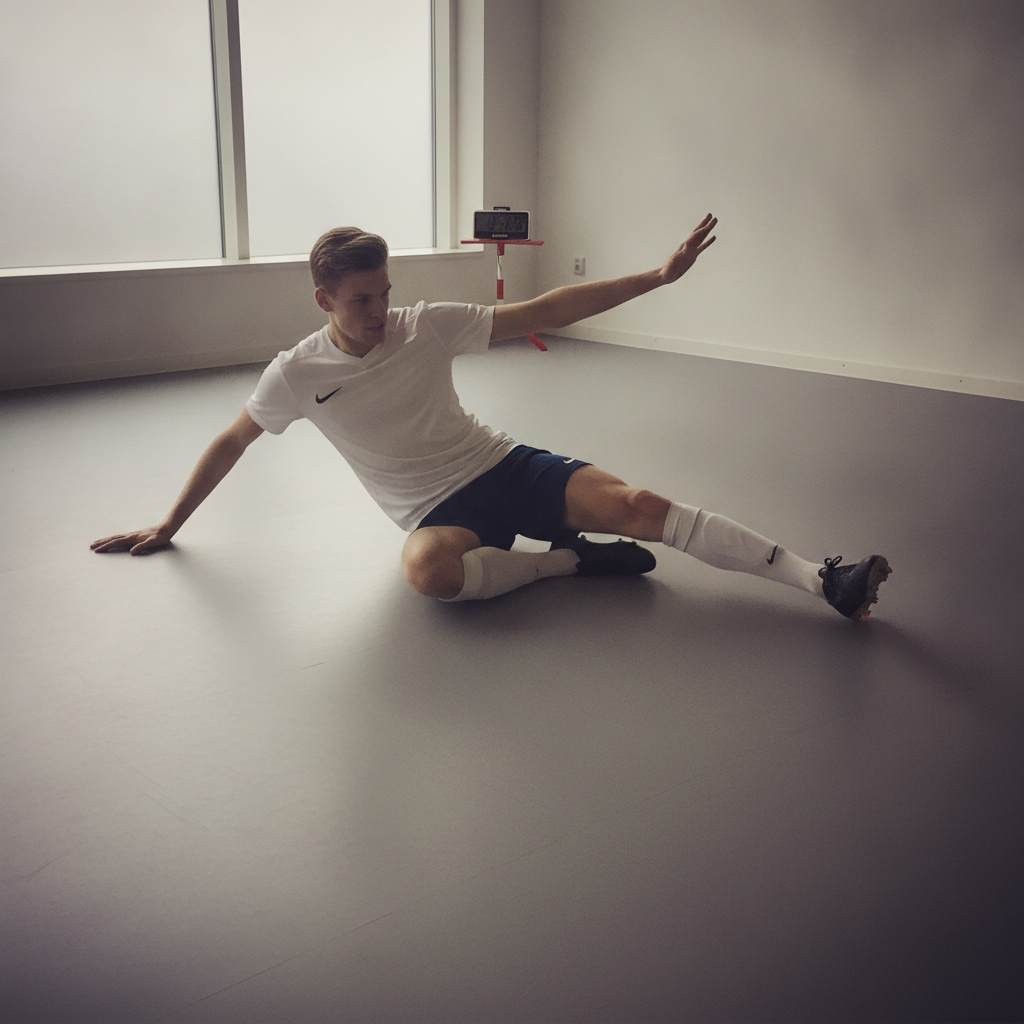
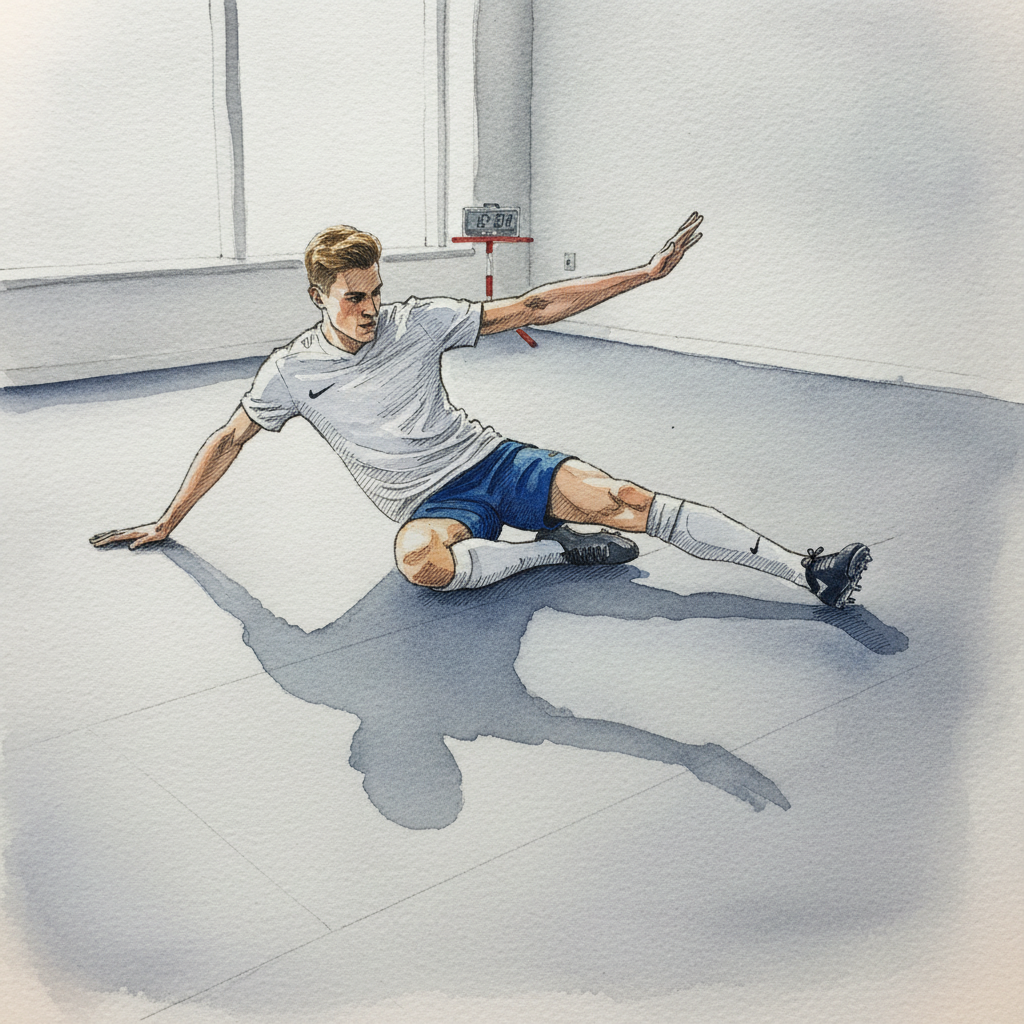
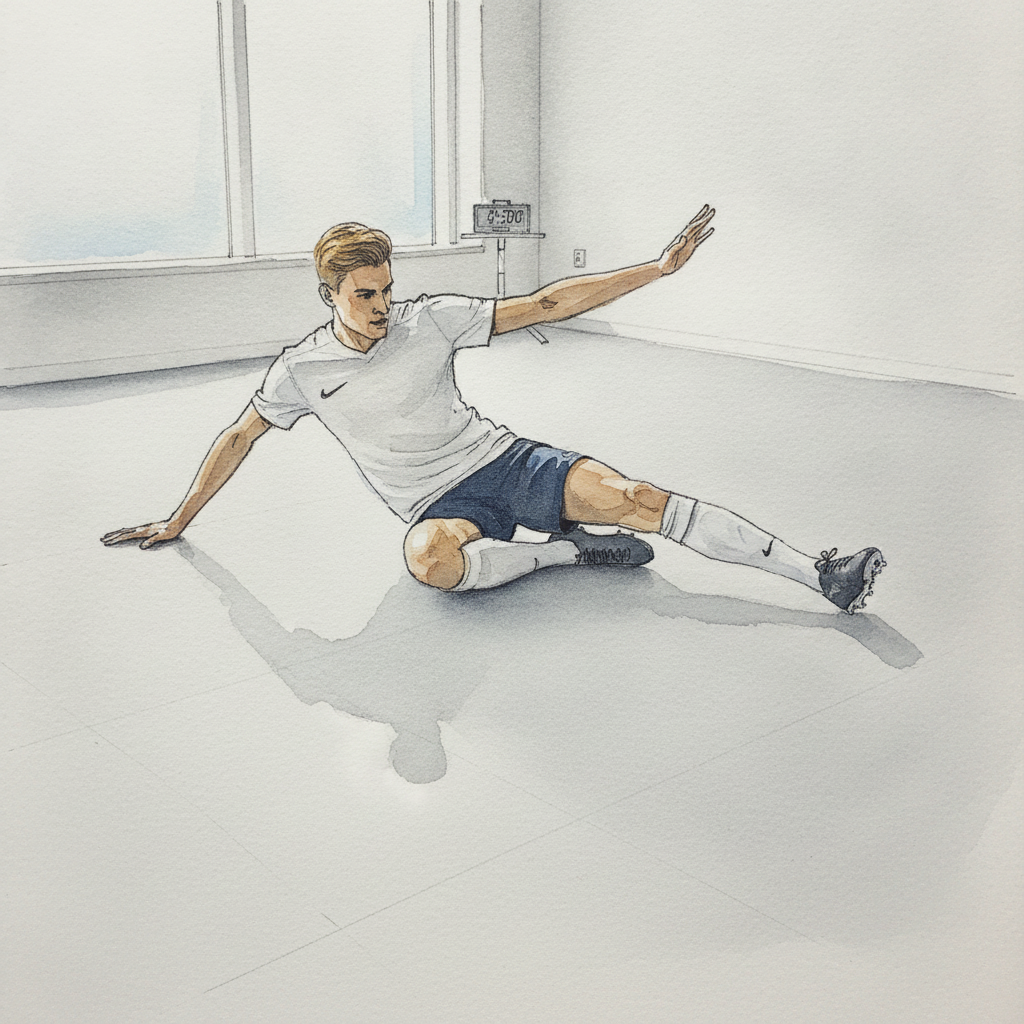
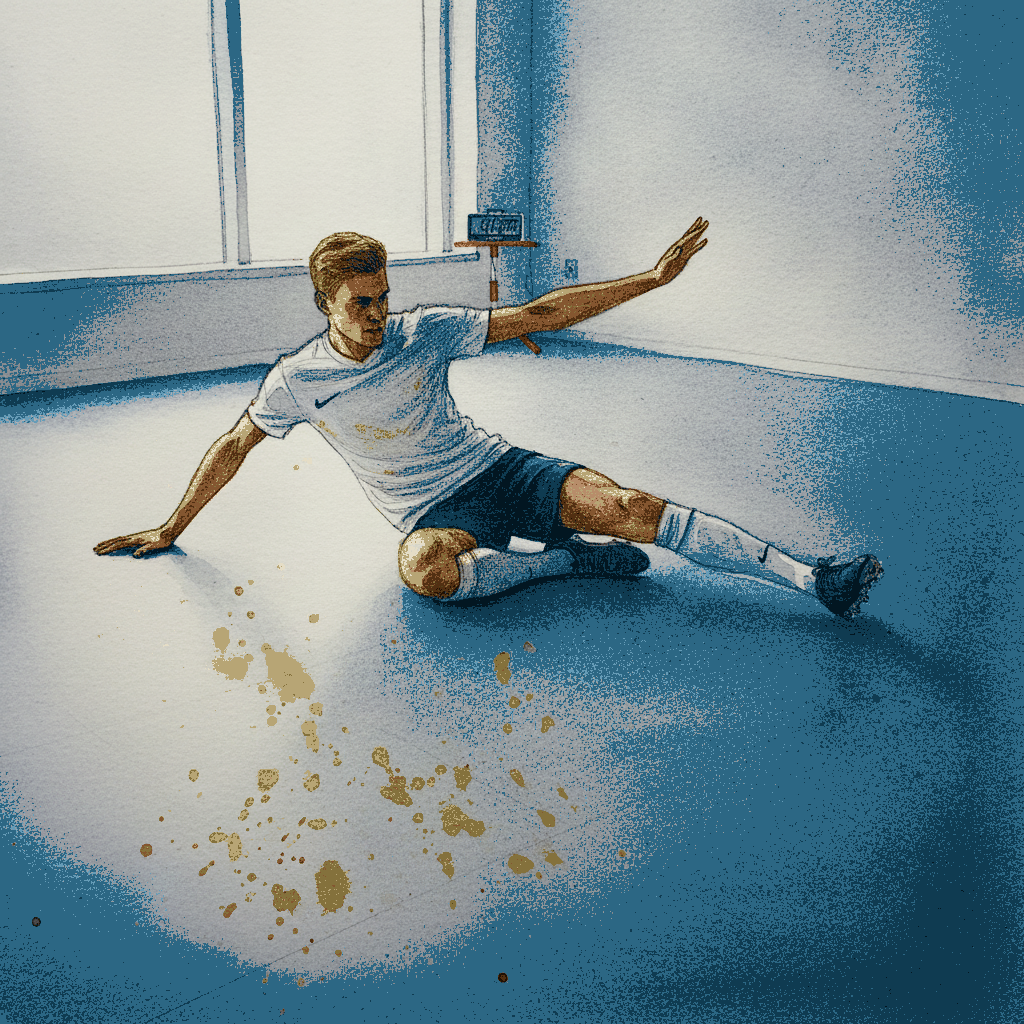
This dynamic pose is an ideal study for capturing momentum and strong form through decisive line work and impactful washes. Pay close attention to rendering the long horizontal sweep of the figure's action with varying line weights, emphasizing the committed forward drive. Use sharp, clean washes to define the volumetric form and extend the angular cast shadows, ensuring they visually reinforce the overall line of action rather than just filling space.