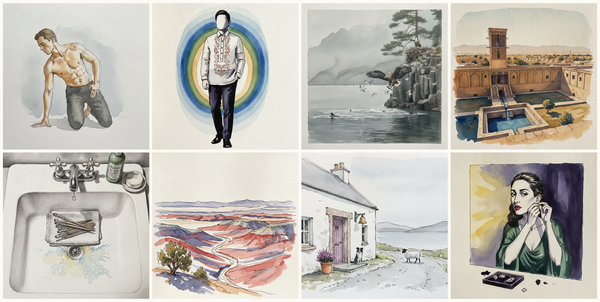
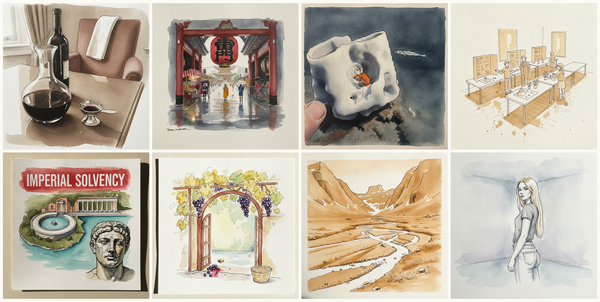
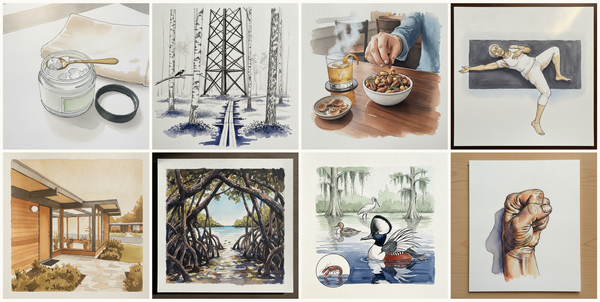
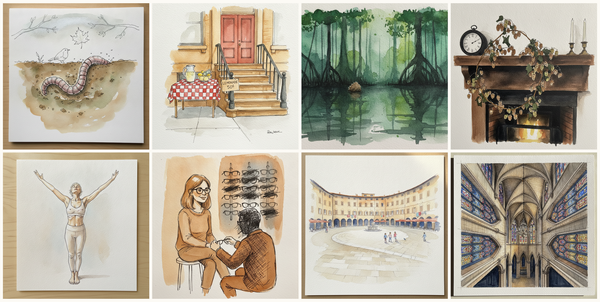
Brittany Cabine, Cream and Brown, Lean older Indian man in modest yoga-trained arch, MIT Stata Center, Cambridge, Massachusetts, USA, Cocktail garnishes on tray, and more — pen + watercolor for July 8, 2026
AI-generated daily art-practice references for pen and watercolor: Brittany Cabine, Cream and Brown, Lean older Indian man in modest yoga-trained arch, MIT Stata Center, Cambridge, Massachusetts, USA, Cocktail garnishes on tray, Fern moss (Thuidium), Toroweap Overlook sheer drop, Grand Canyon, Ar…
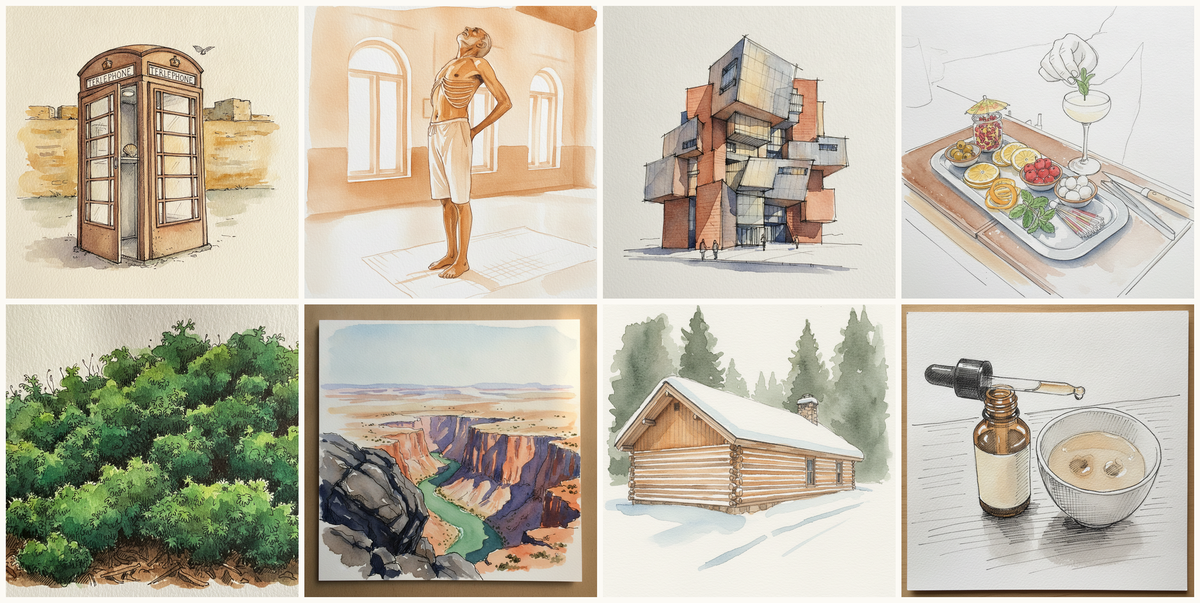
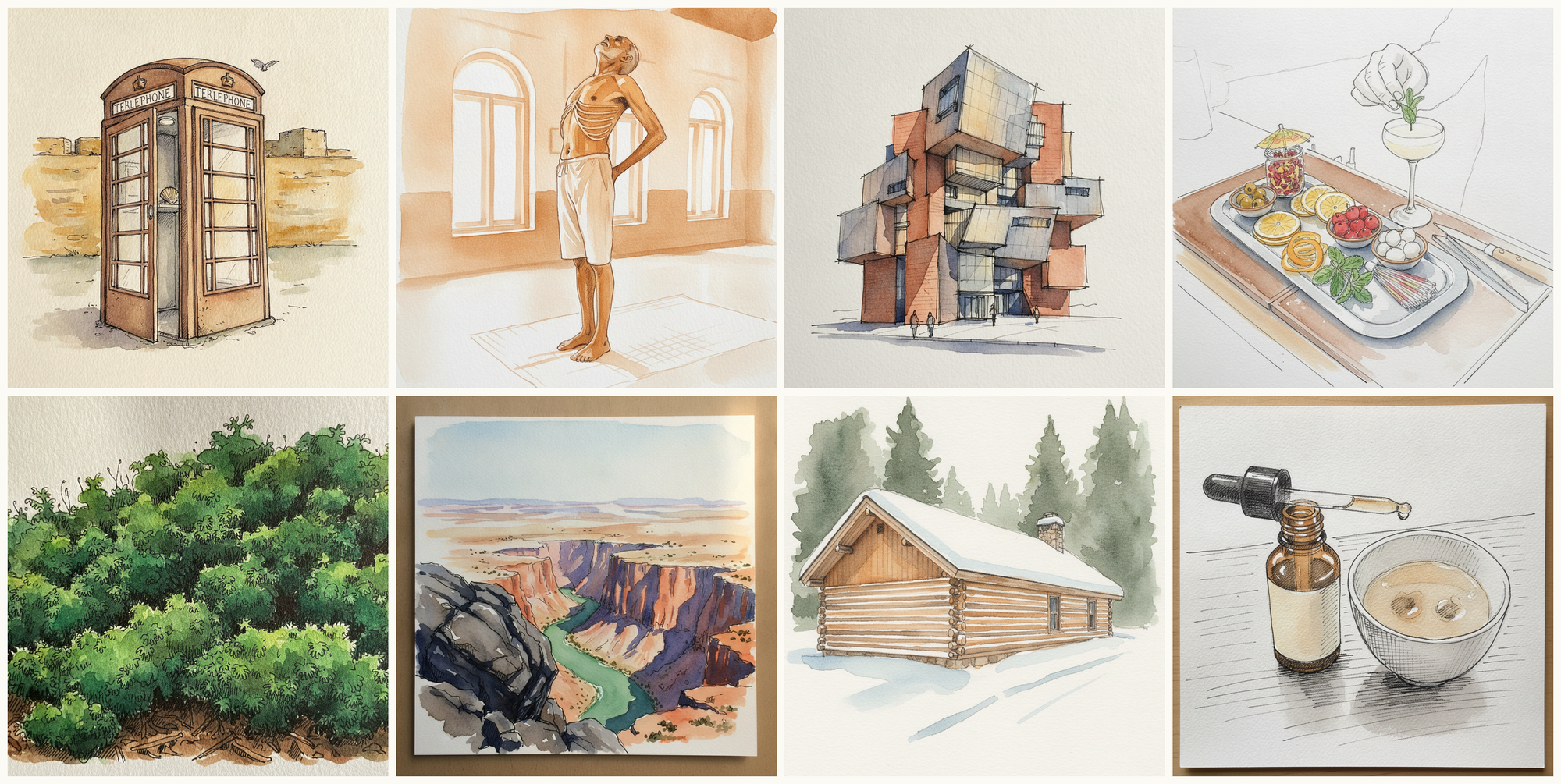
Today's 8 pen-and-watercolor pieces: Brittany Cabine, Cream and Brown, Lean older Indian man in modest yoga-trained arch, MIT Stata Center, Cambridge, Massachusetts, USA, Cocktail garnishes on tray, Fern moss (Thuidium), Toroweap Overlook sheer drop, Grand Canyon, Arizona, USA, Cabin in the Woods Corner, Tincture bottle with glass pipette. Each piece comes with an AI-generated photoreal reference, three AI-generated example artworks in different treatments, and a short focus paragraph naming what to study in this one.
Why these references use AI
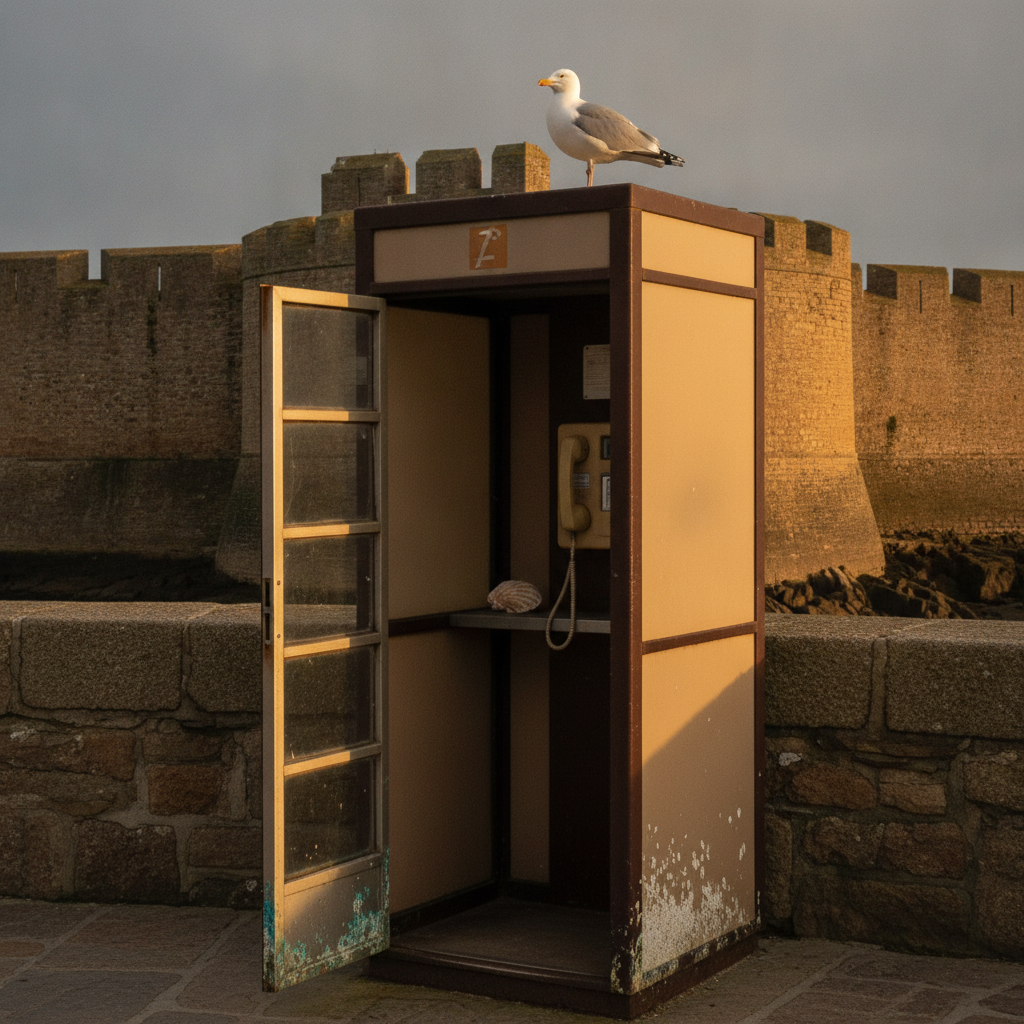
This daily series uses AI-generated images as practice prompts, not as finished artwork to copy. Each subject starts with a synthetic photoreal reference generated with Gemini/Nano Banana, then moves into three pen-and-watercolor interpretations of the same subject.
I use AI here because daily art practice needs variety and low friction. Real life can get repetitive, busy, or visually narrow. These generated reference sets make it easier to study bodies, buildings, animals, landscapes, objects, gestures, light, palettes, and compositions that might not show up in an ordinary day.
The goal is not to reproduce any image directly. Treat each set as a starting point for observation and study: choose what interests you, change the framing, simplify the subject, alter the palette, and make your own version.
Piece 1 — Brittany Cabine, Cream and Brown
Pen + Watercolor · Loose pen and watercolor line-and-wash
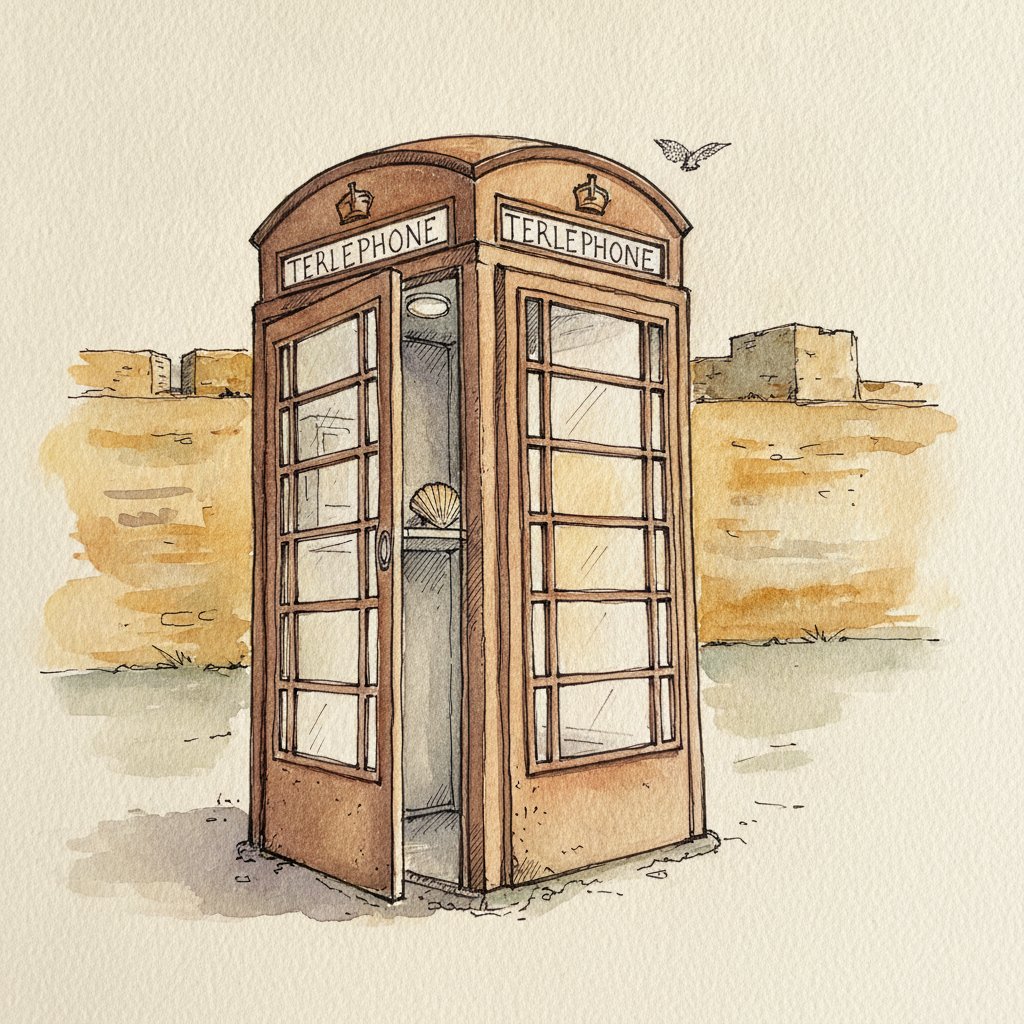
Three takes
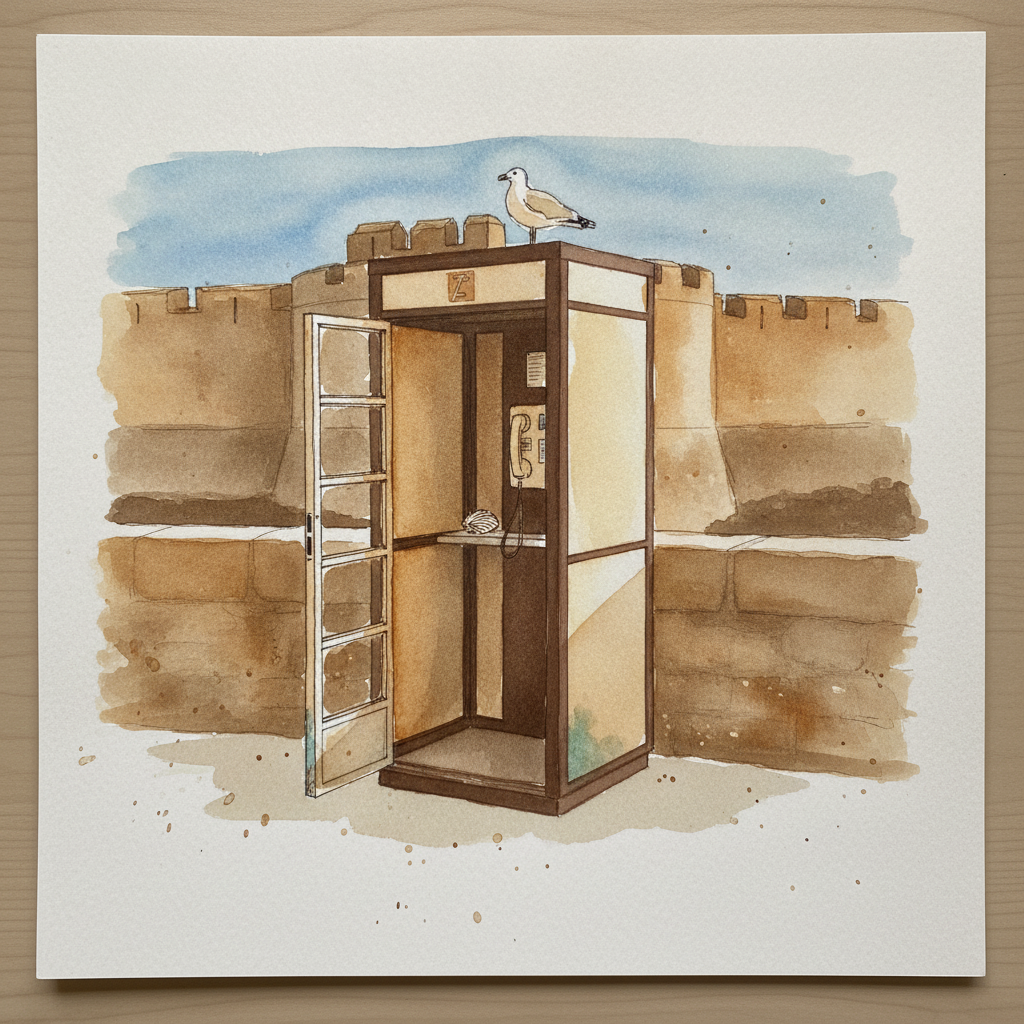
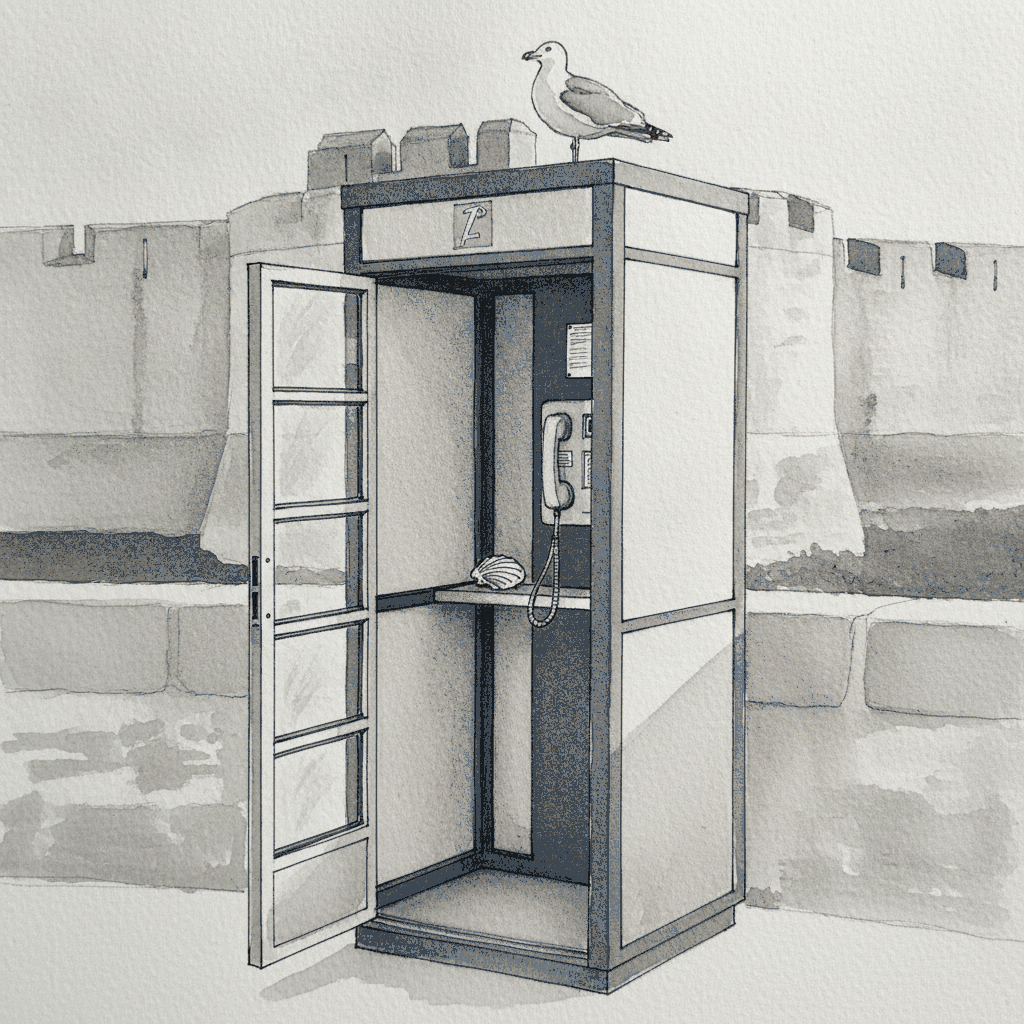

Focus for this piece
This piece is excellent for practicing the contrast between sharp, defined architectural lines and softer, more organic elements. Use a steady hand and consistent line weight for the cabine's clean geometric shapes and chocolate trim, then shift to broken, lighter lines and softer washes for the granite ramparts and the herring gull. Pay particular attention to the textural washes on the lower panel to suggest the Atlantic salt spray, creating a tactile focal point against the smooth aluminium.
Piece 2 — Lean older Indian man in modest yoga-trained arch
Pen + Watercolor · Loose pen and watercolor line-and-wash
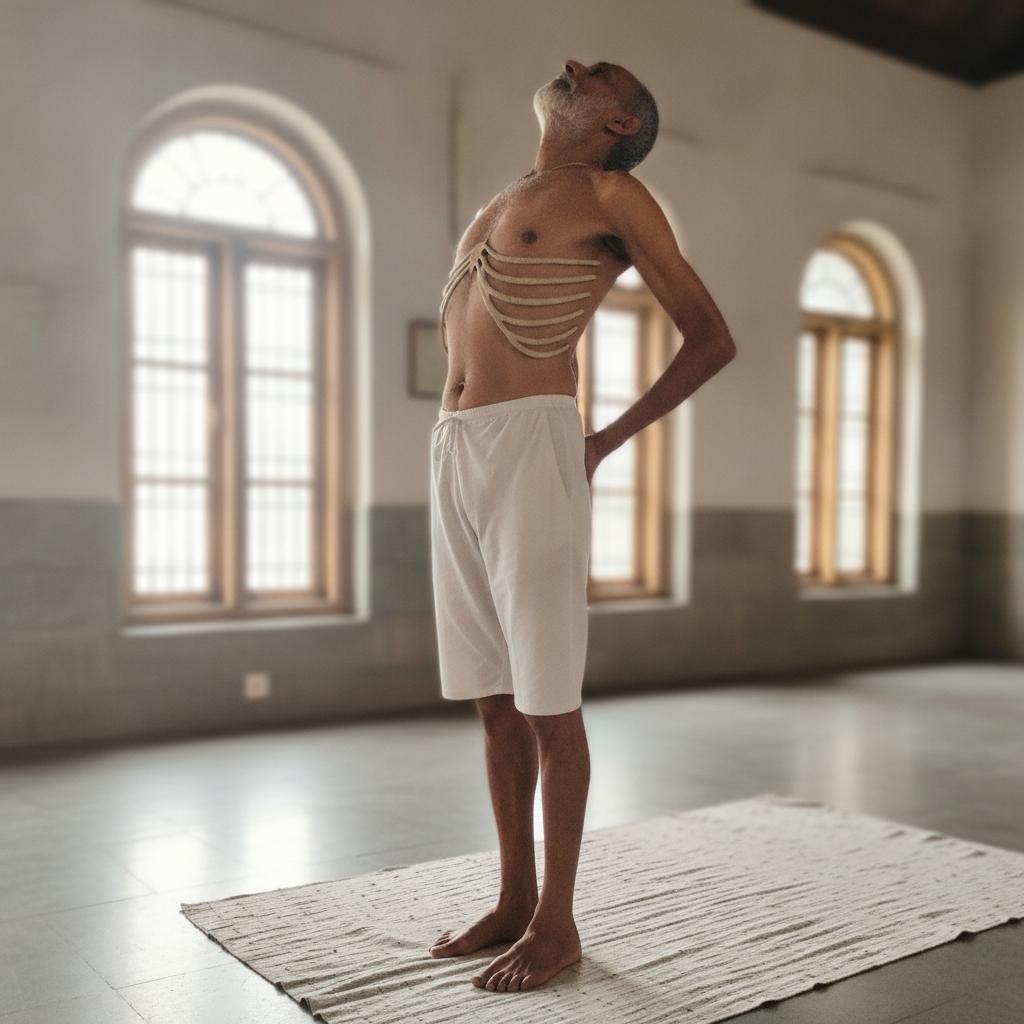
Three takes
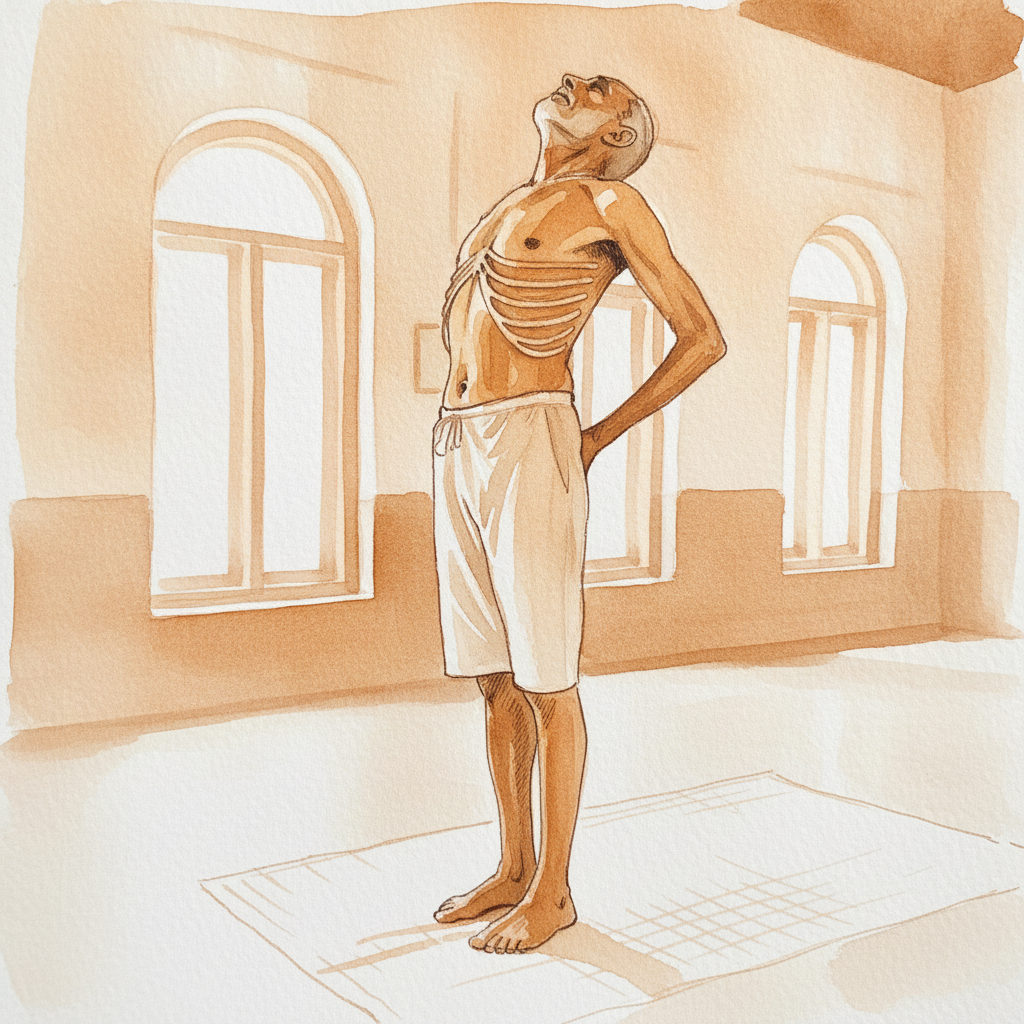
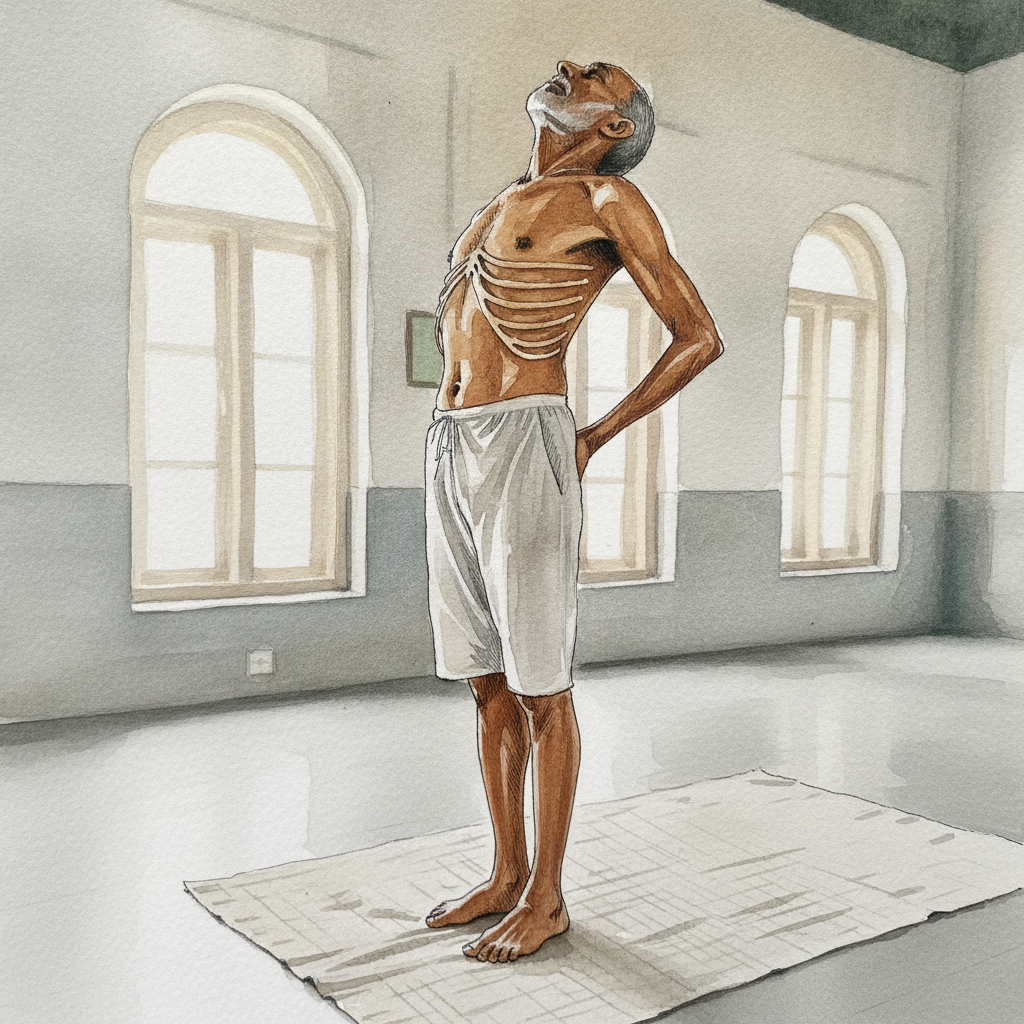
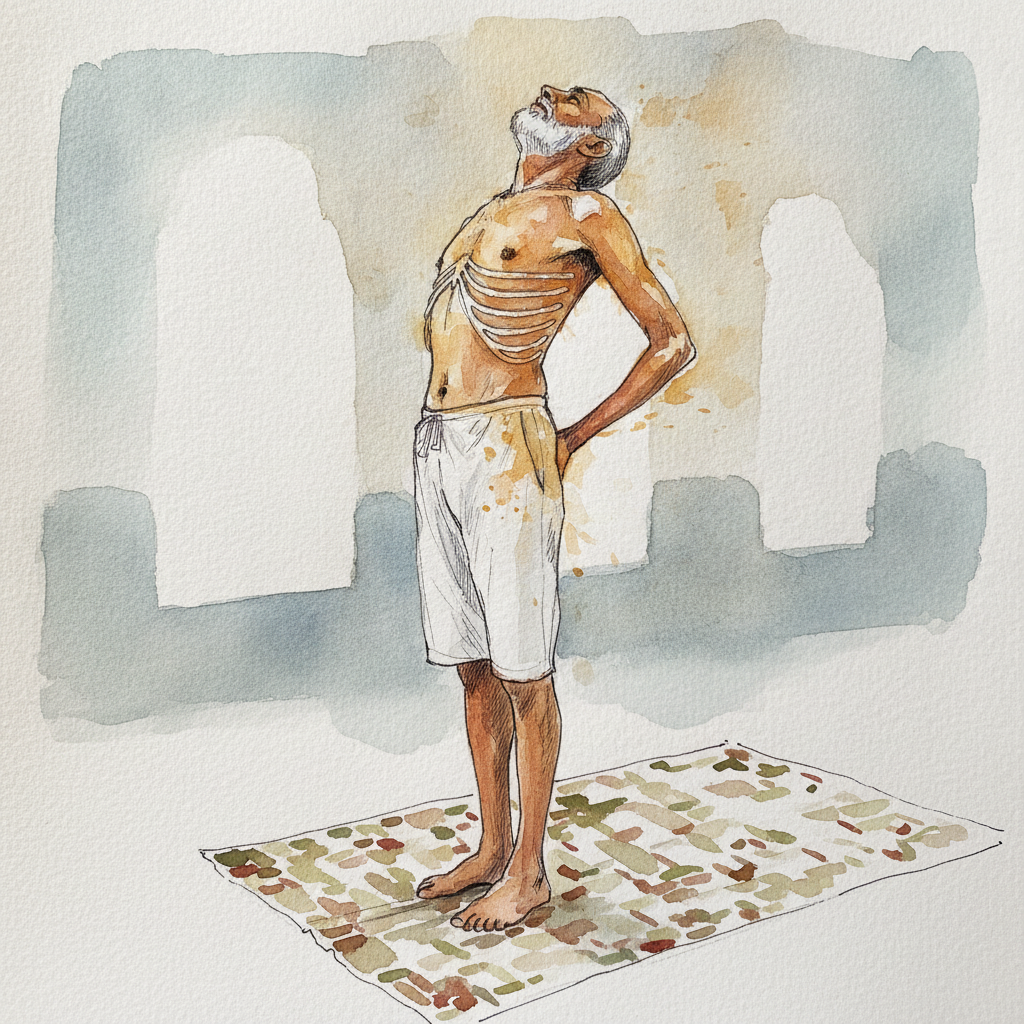
Focus for this piece
This piece offers an excellent study in rendering the human form, focusing on how fine pen lines delineate the "ladder of ribs" and the "refined curve" of the spine. Complement these structural details with delicate, layered washes that build the "warm brown skin" and model the "even halftone" of the soft light using a restrained palette of earths and reds. Pay particular attention to varying line weight to suggest age-thinned skin over visible bone and applying washes subtly to define form without obscuring the foundational line work.
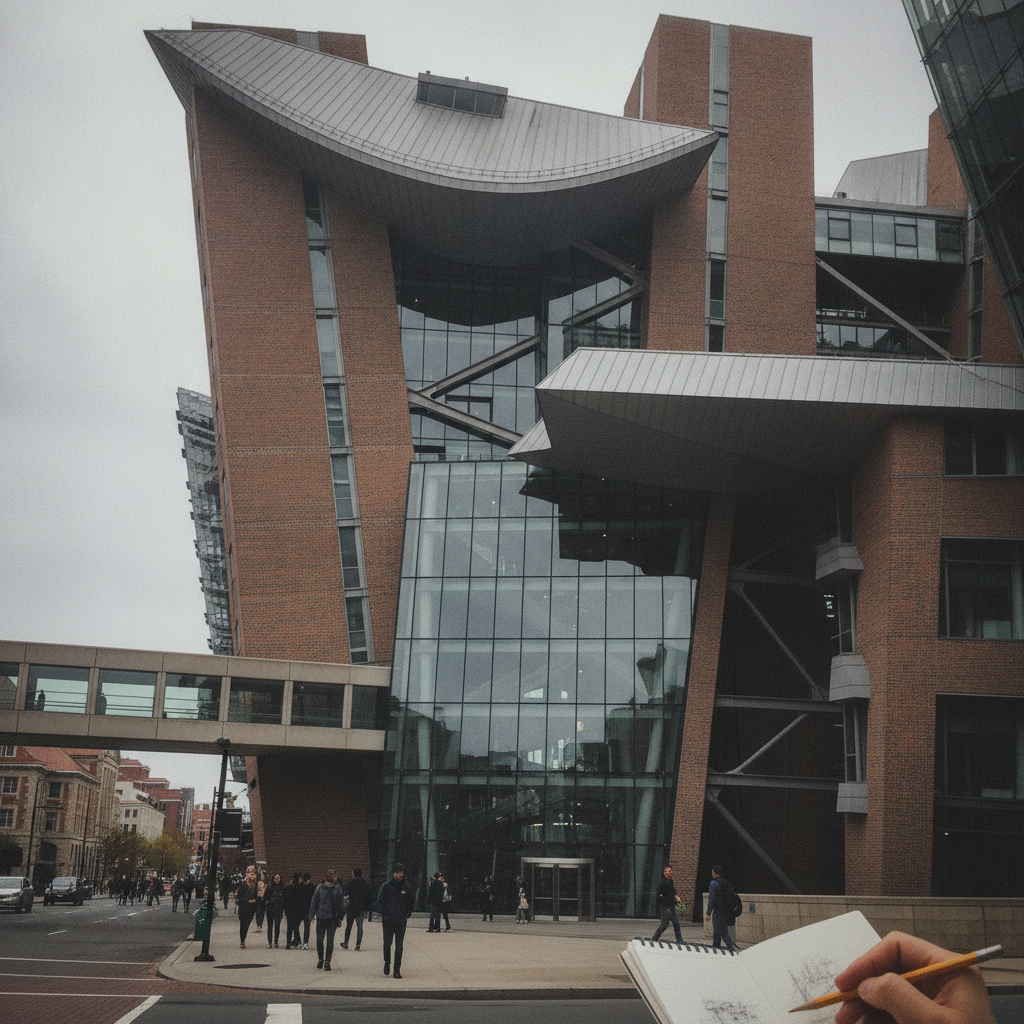
Piece 3 — MIT Stata Center, Cambridge, Massachusetts, USA
Pen + Watercolor · Loose pen and watercolor line-and-wash
Three takes
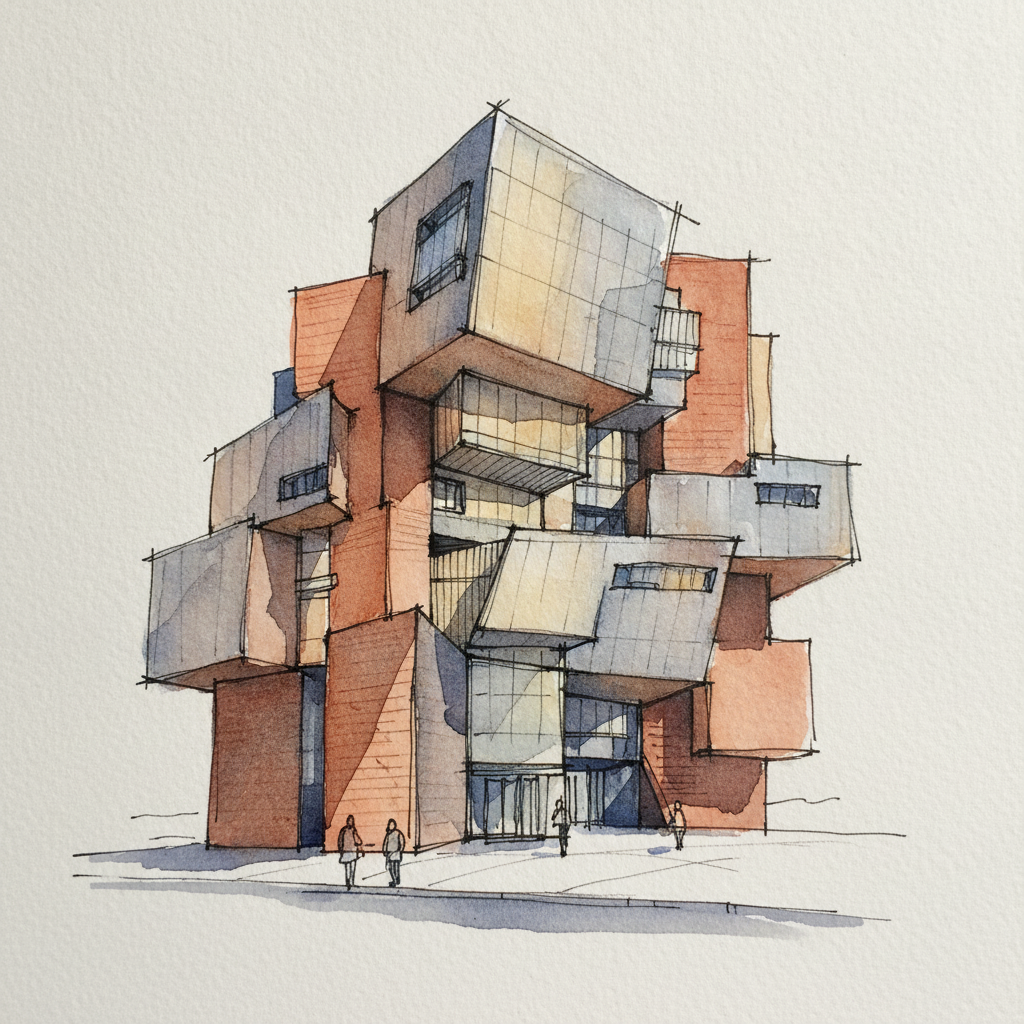

Focus for this piece
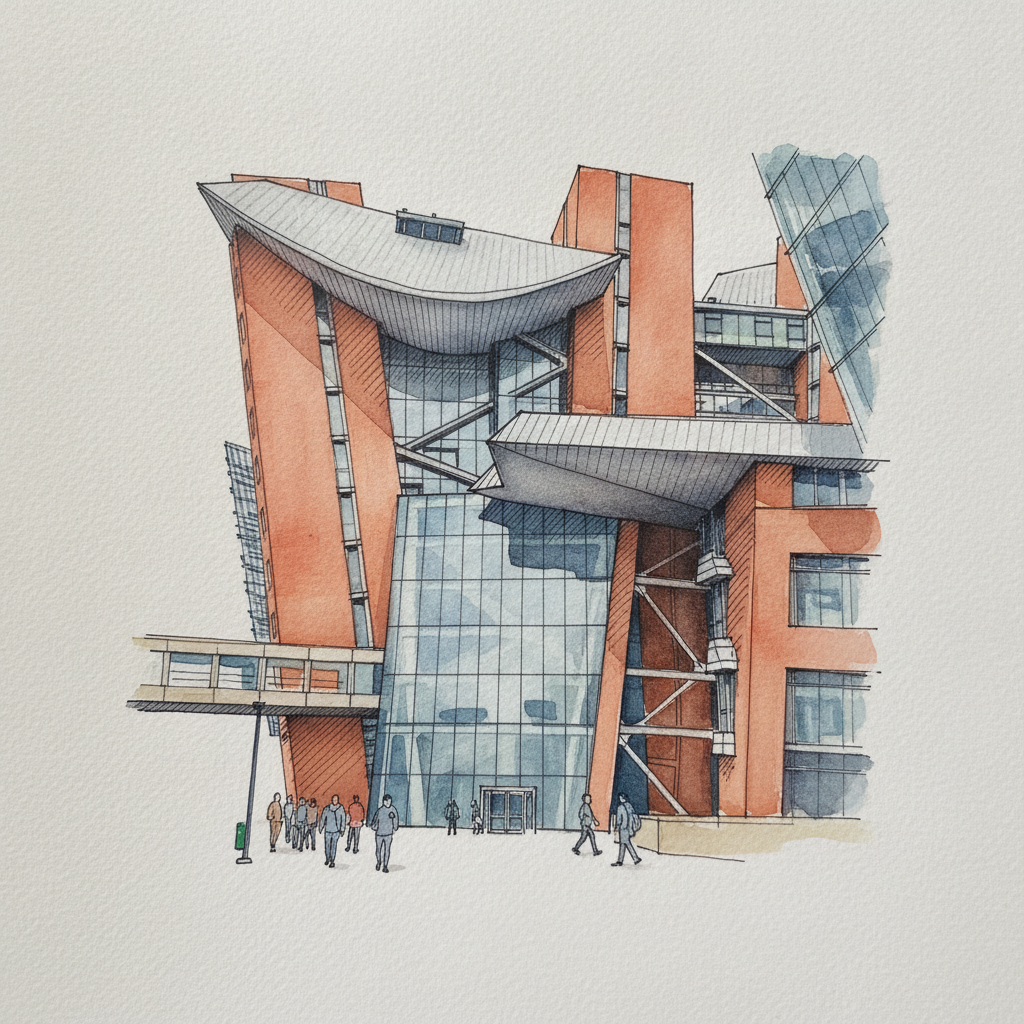
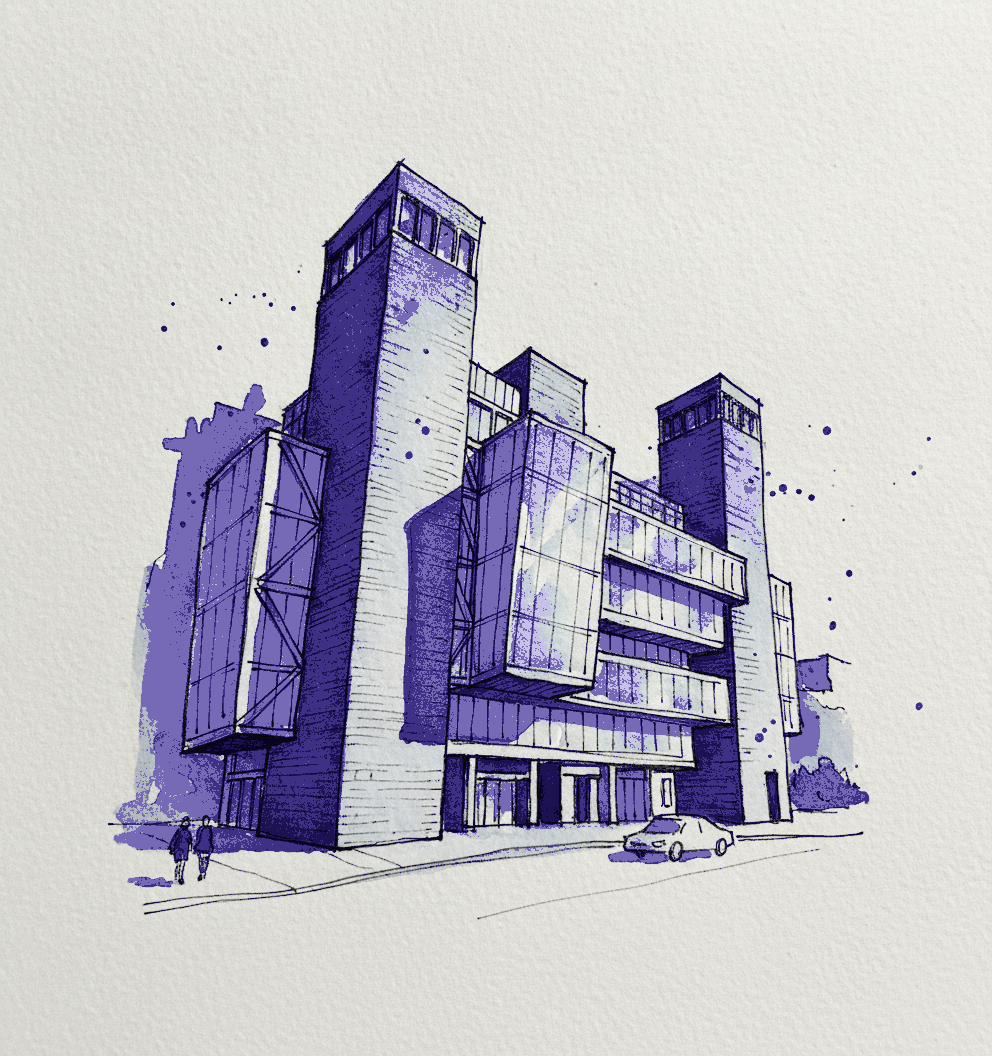
For the Stata Center, focus on capturing its deliberate, engineered chaos by embracing varied pen line weights and non-traditional angles. Use bold, confident strokes to delineate the leaning brick and aluminum forms, varying line thickness to emphasize their cantilevered nature and spatial depth. Then, apply broad, transparent watercolor washes with a flat or round brush to unify these complex planes, allowing the light to define the surfaces of glass and brick without over-detailing the individual sections.
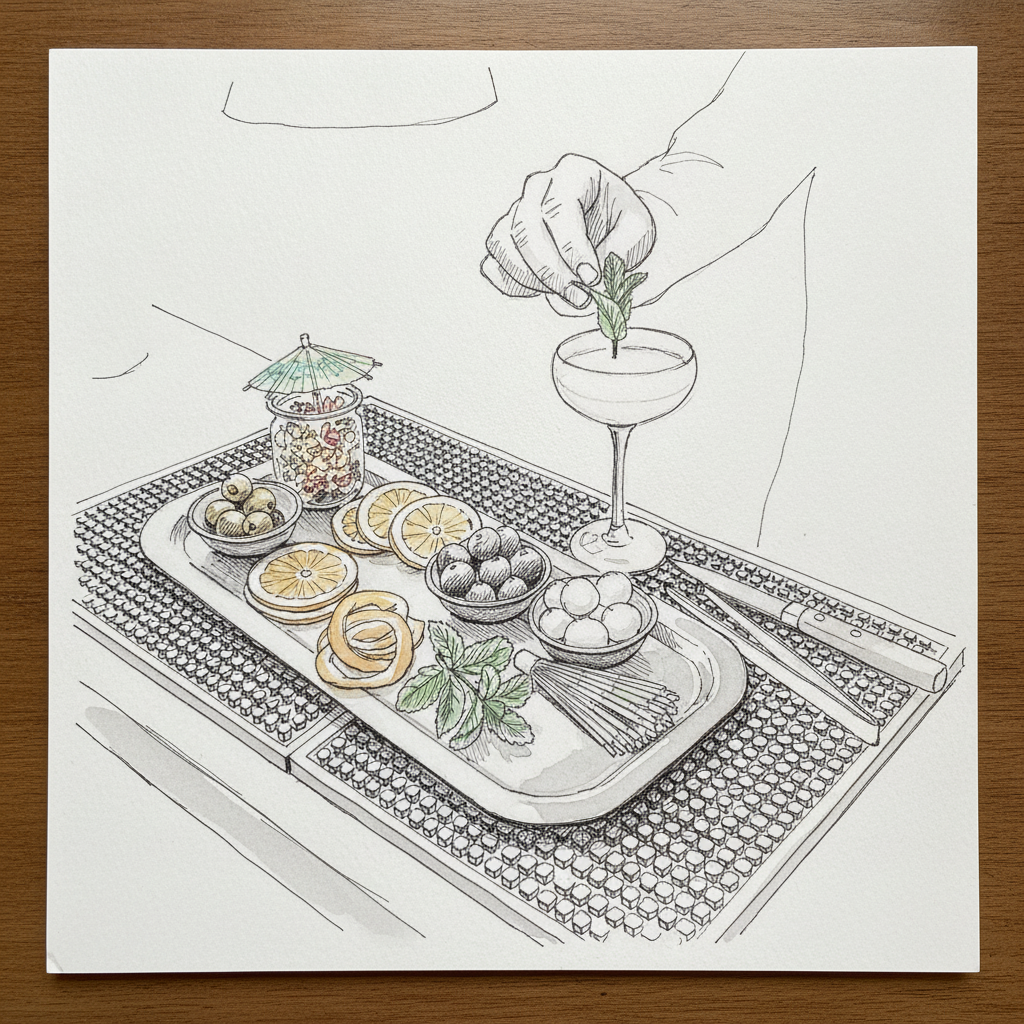
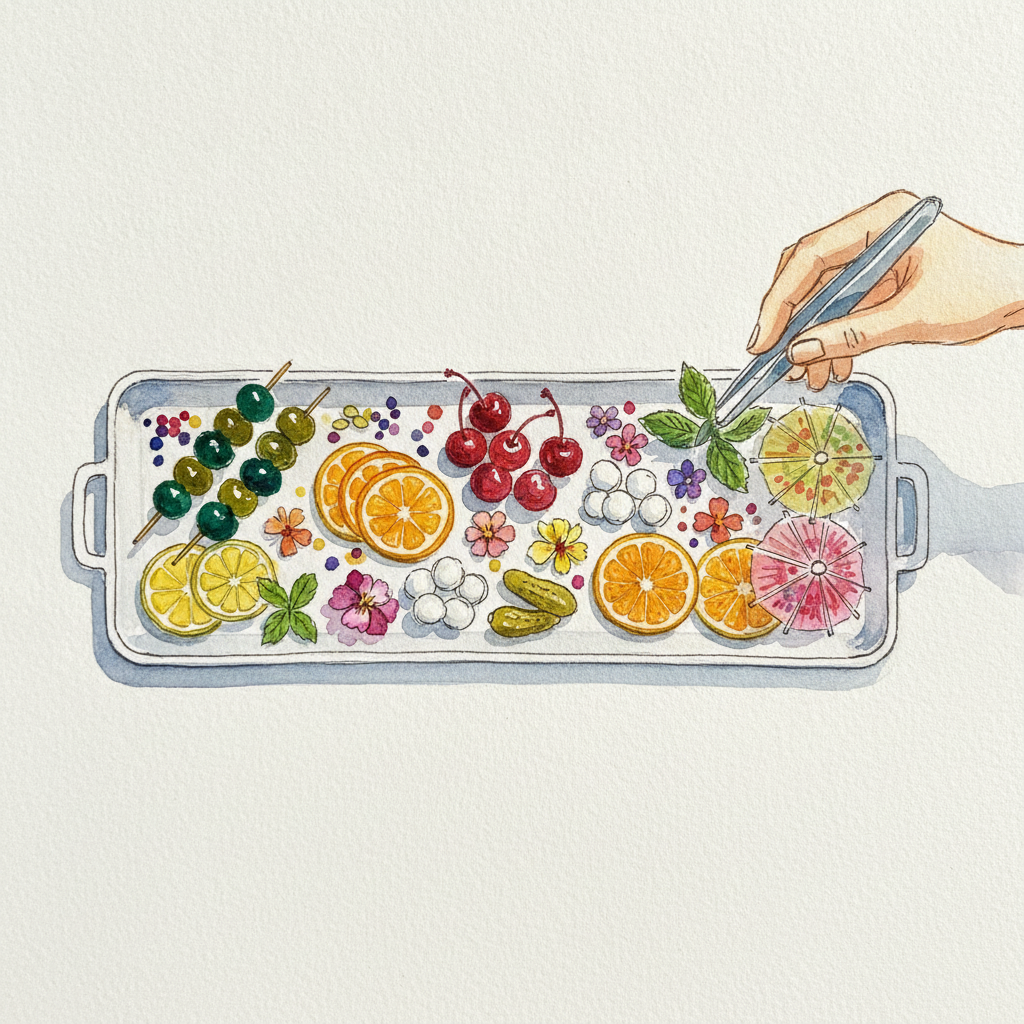
Piece 4 — Cocktail garnishes on tray
Pen + Watercolor · Loose pen and watercolor line-and-wash
Three takes
Focus for this piece
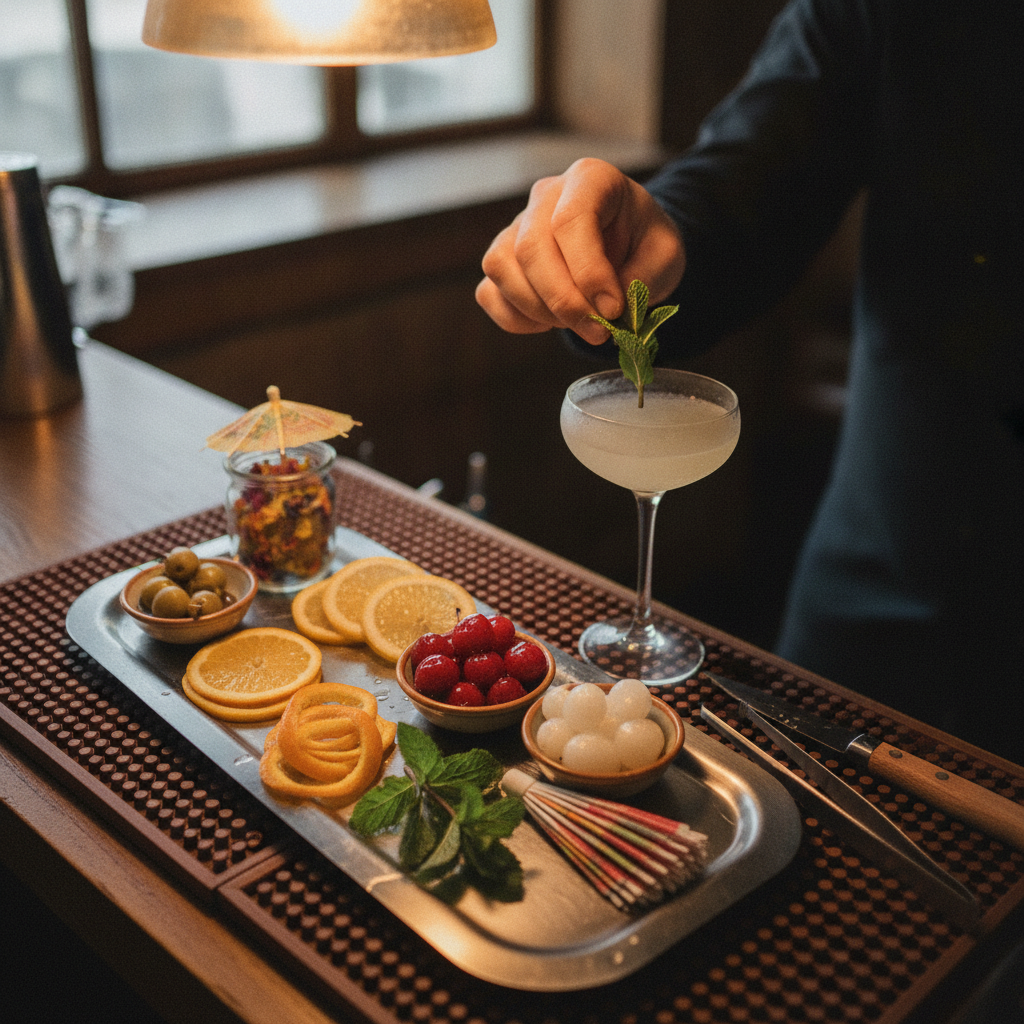
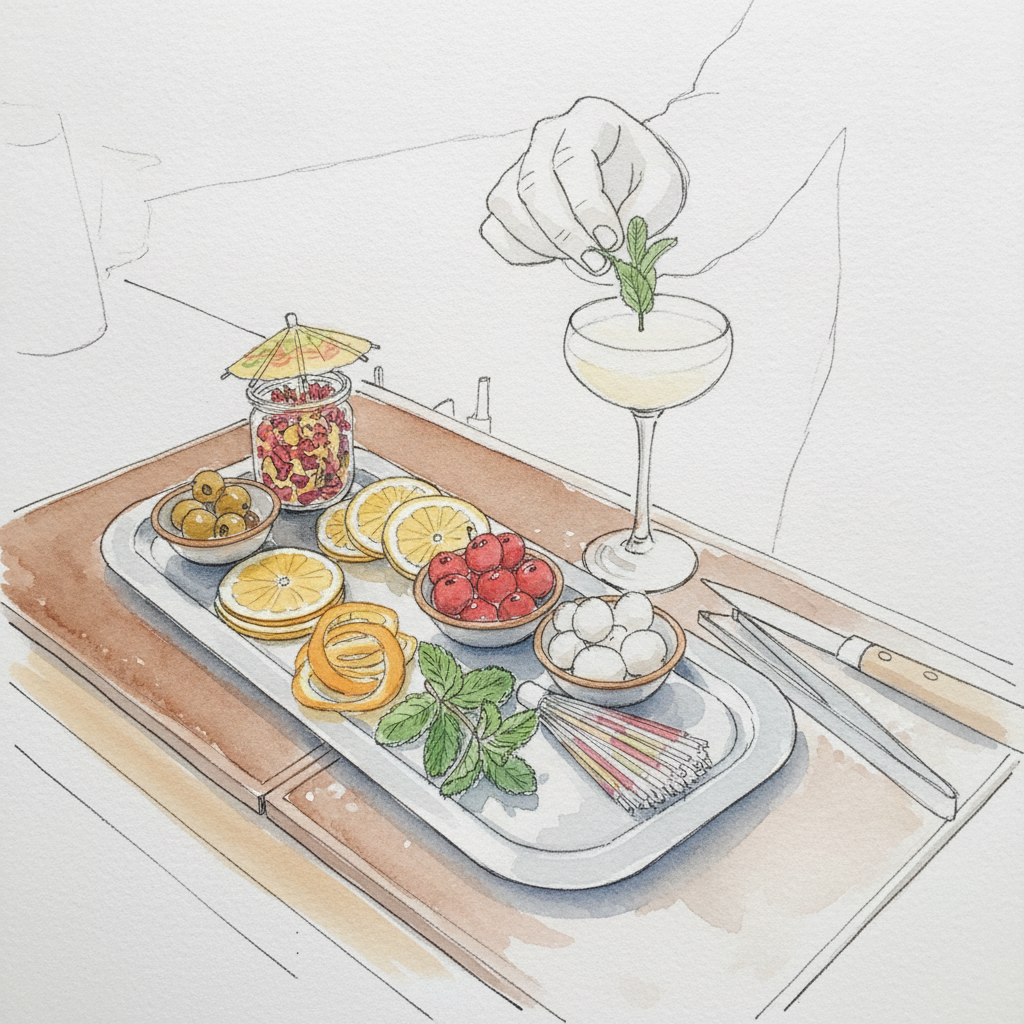
This piece, with its diverse cocktail garnishes, offers an excellent study in rendering a variety of textures and transparencies. Practice varying your line weights, from sharp ink lines defining the metal tray and tools, to lighter, broken marks suggesting the delicate mint and edible flowers. Then, use layered watercolor washes to capture the juicy translucence of the citrus and cherries, along with the subtle reflections on the stainless steel, letting each medium enhance the other's strengths.
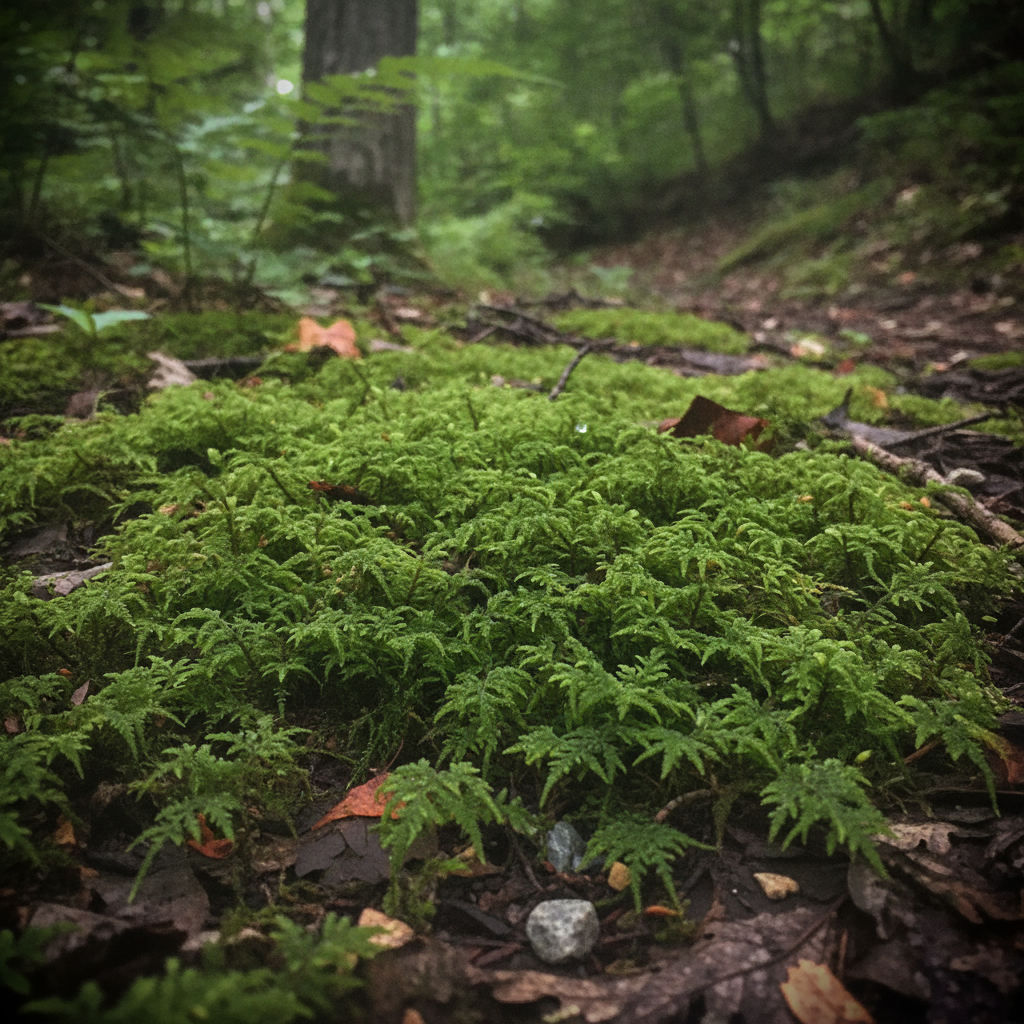
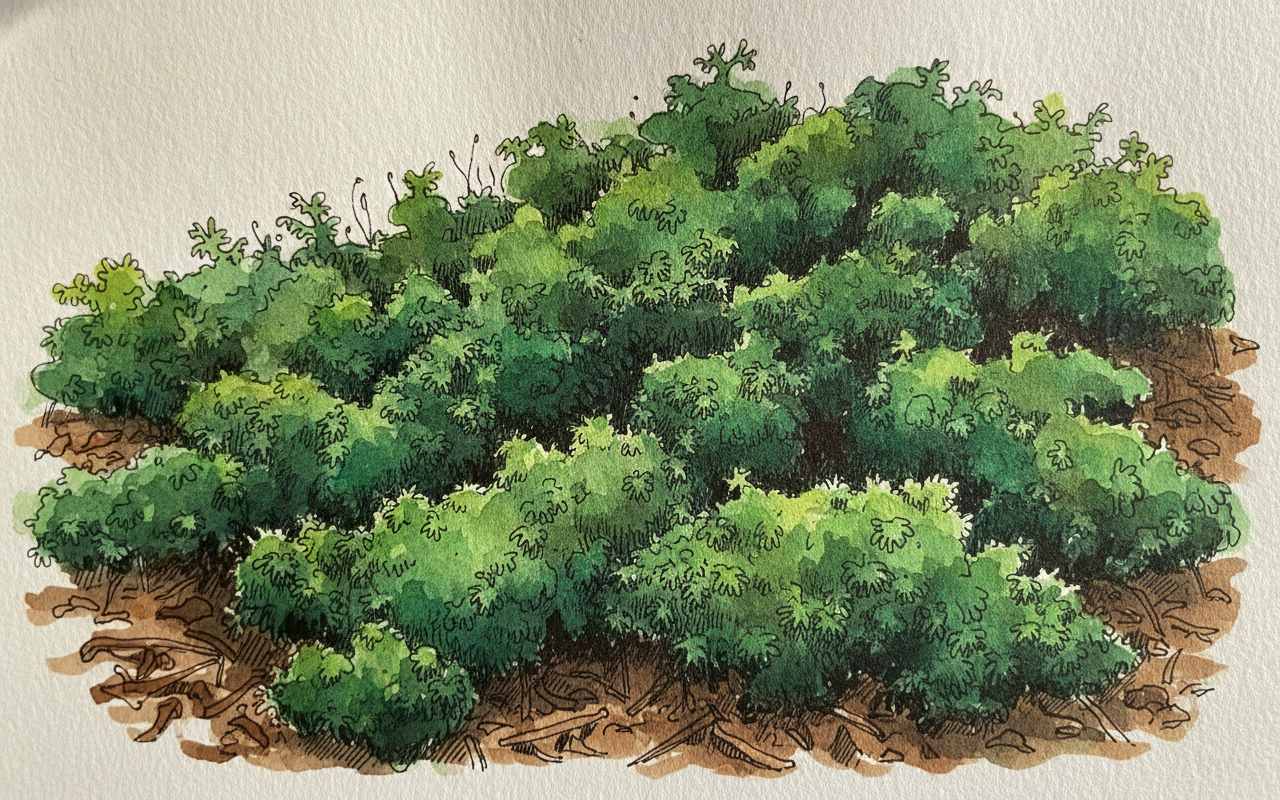
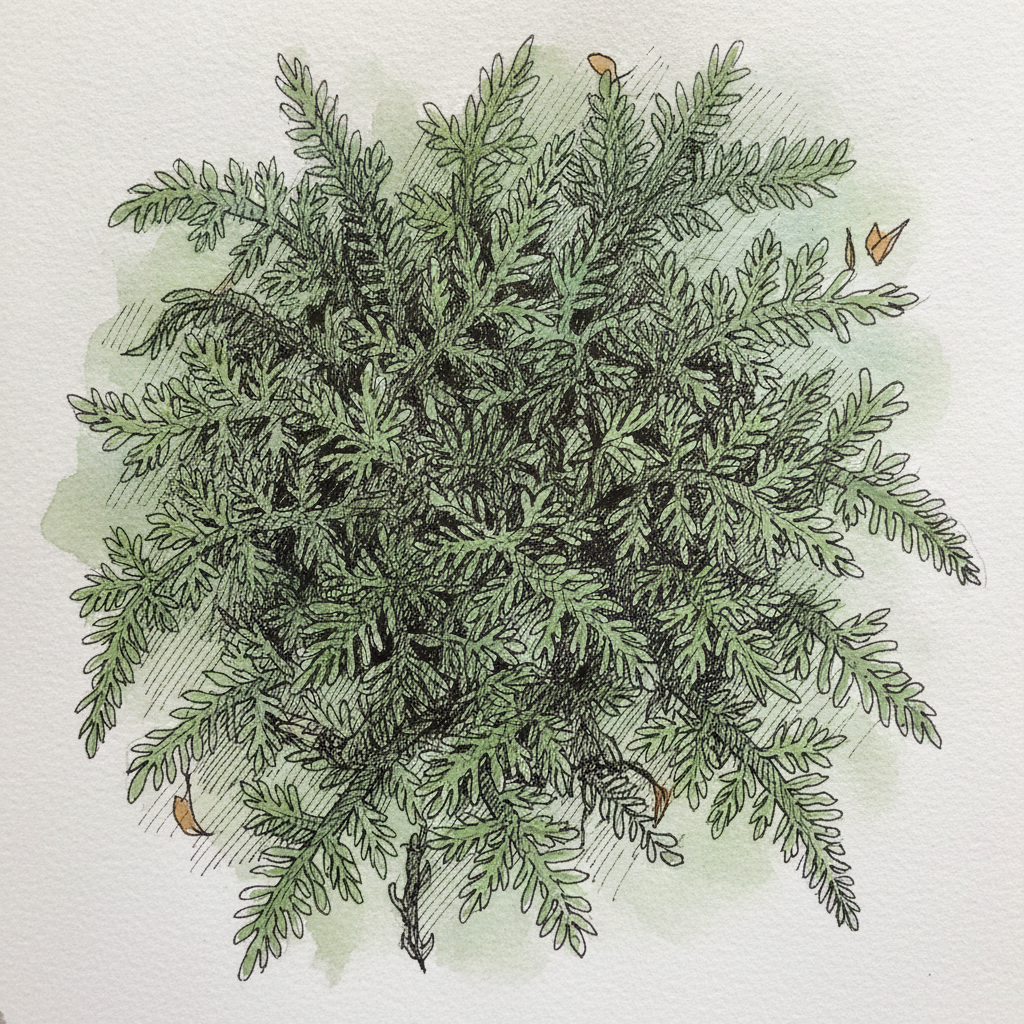
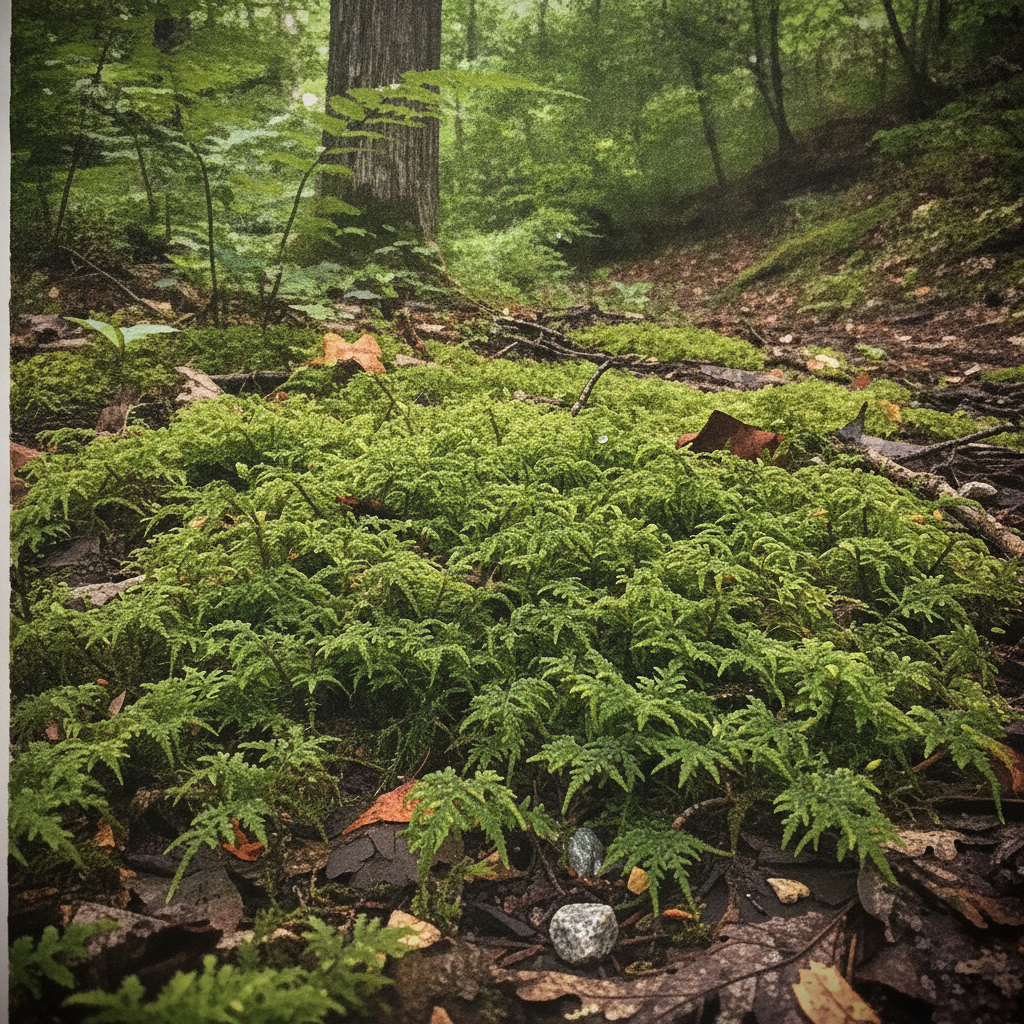
Piece 5 — Fern moss (Thuidium)
Pen + Watercolor · Loose pen and watercolor line-and-wash
Three takes
Focus for this piece
This piece is an excellent study in balancing intricate detail with atmospheric washes. Use a very fine pen to capture the delicate, lace-like structure of individual fronds, varying line weight subtly to create depth within the colony's overall shape. Then, employ soft, layered green washes, applied wet-on-wet, to suggest the overall feathery mat and the damp, shaded environment without obscuring the underlying pen work. Focus on letting the watercolor hint at form and texture while the pen defines the essential "fern-like" character.
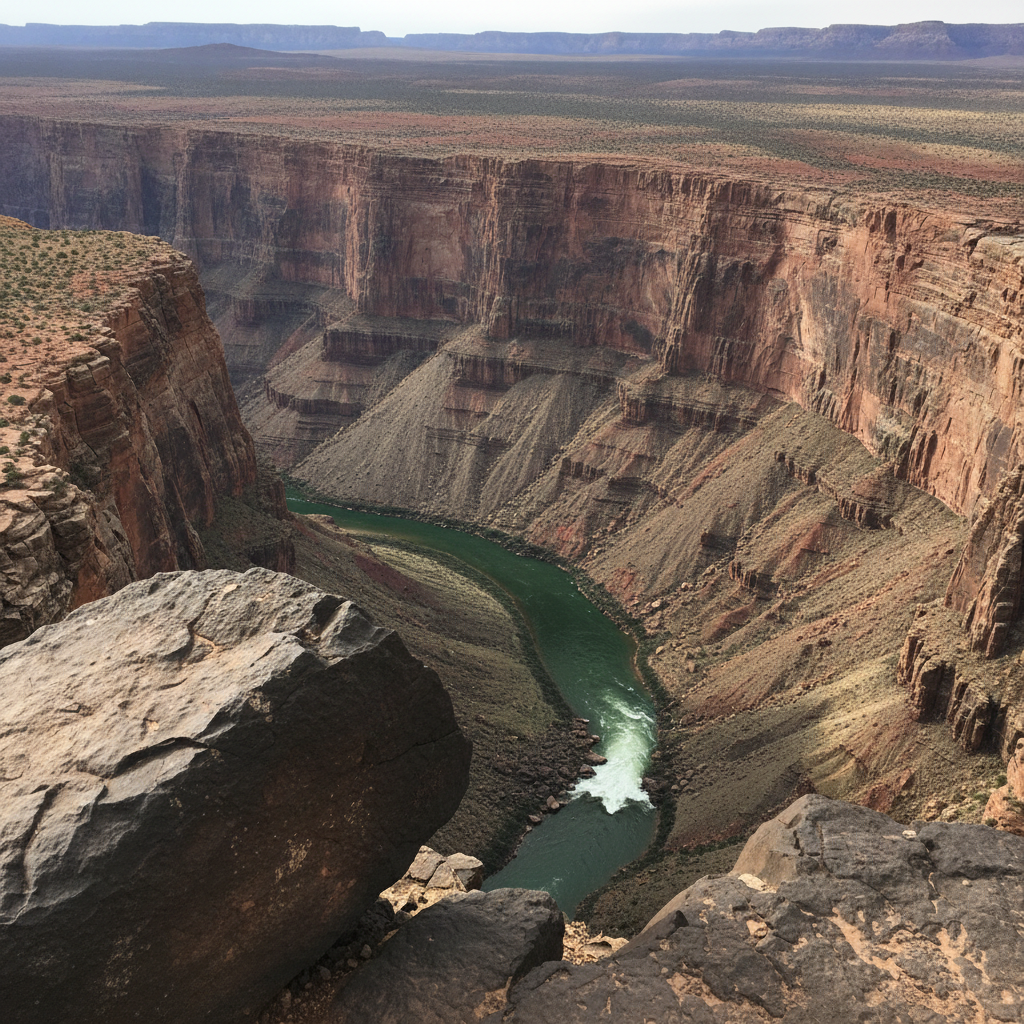
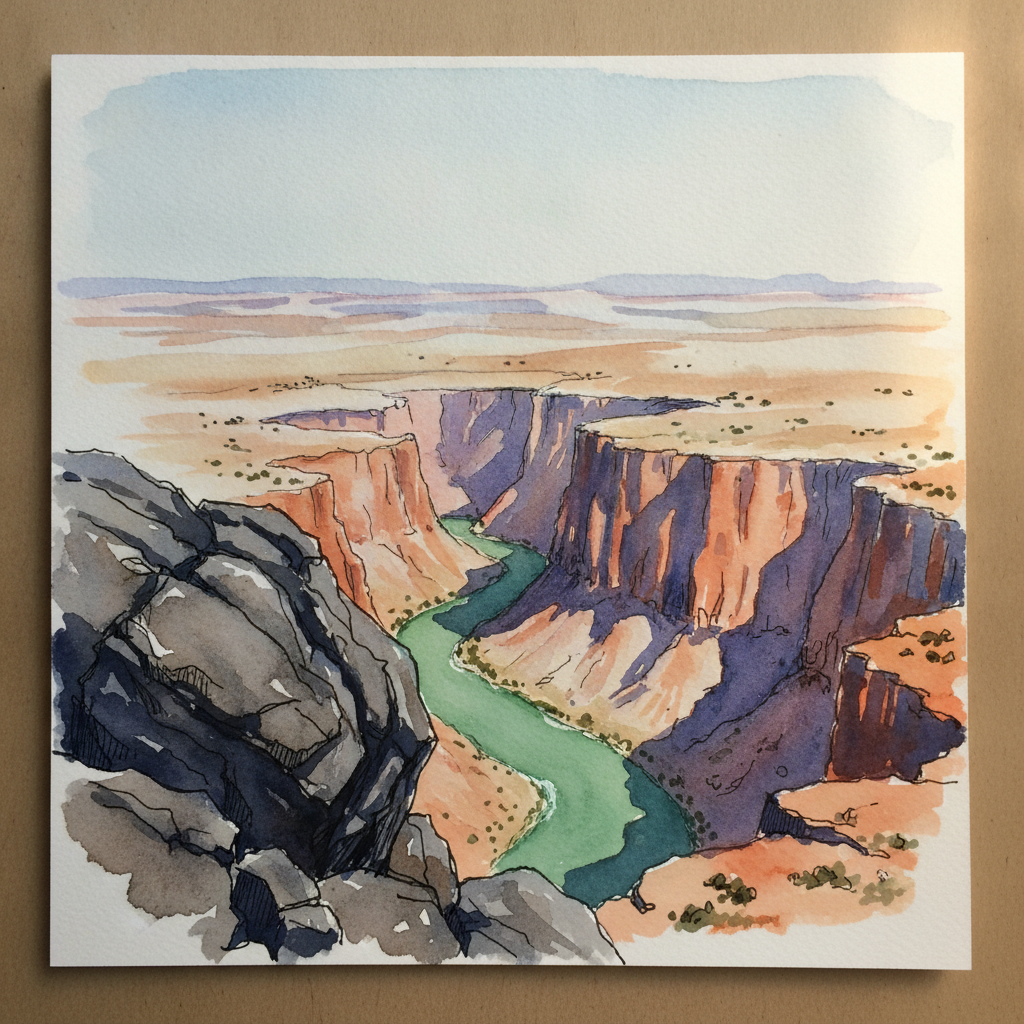
Piece 6 — Toroweap Overlook sheer drop, Grand Canyon, Arizona, USA
Pen + Watercolor · Loose pen and watercolor line-and-wash
Three takes
Focus for this piece
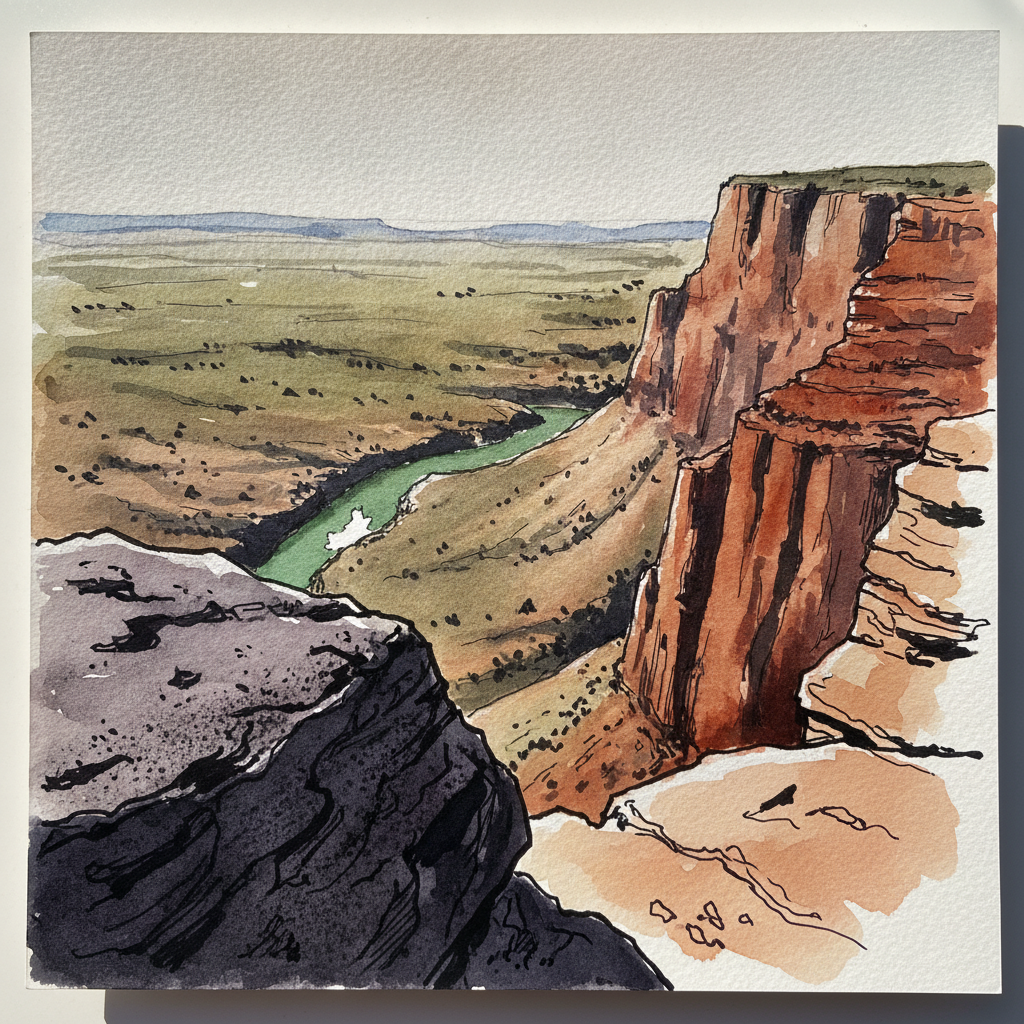
This dramatic scene is an excellent study in conveying immense vertical depth and atmospheric light using contrasting applications of ink and wash. Employ strong, varied line weights for the anchoring foreground boulder and sun-raked Redwall cliffs, while relying on softer, cooler washes with minimal line to suggest the vast distance of the river and distant plateau. Focus on capturing the mid-morning sun with deliberate light and shadow shapes in your washes, letting ink provide the geological structure and watercolor define the vast, sunlit space.
Piece 7 — Cabin in the Woods Corner
Pen + Watercolor · Loose pen and watercolor line-and-wash
Three takes
Focus for this piece
This piece is a fantastic opportunity to practice linear perspective on architectural forms, specifically focusing on how the converging log courses and crisp chinking lines establish depth in your pen drawing. Complement this precise ink work with atmospheric watercolor washes, using cooler, lighter values for the snow and ground to reinforce perspective while allowing the cabin's warmer tones to gain volume and texture. Pay close attention to how the contrast between sharp pen lines and soft washes defines both structure and the overall snowy mood.
Piece 8 — Tincture bottle with glass pipette
Pen + Watercolor · Loose pen and watercolor line-and-wash
Three takes
Focus for this piece
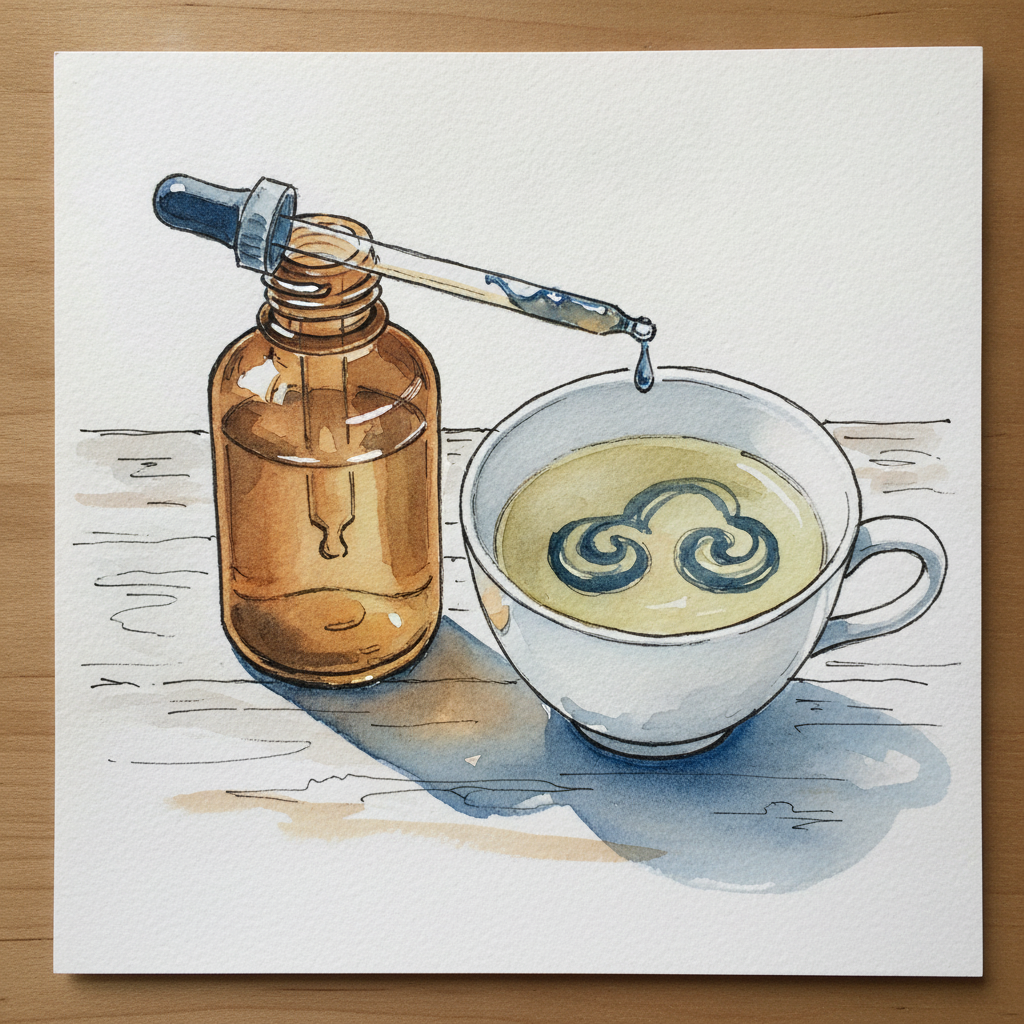
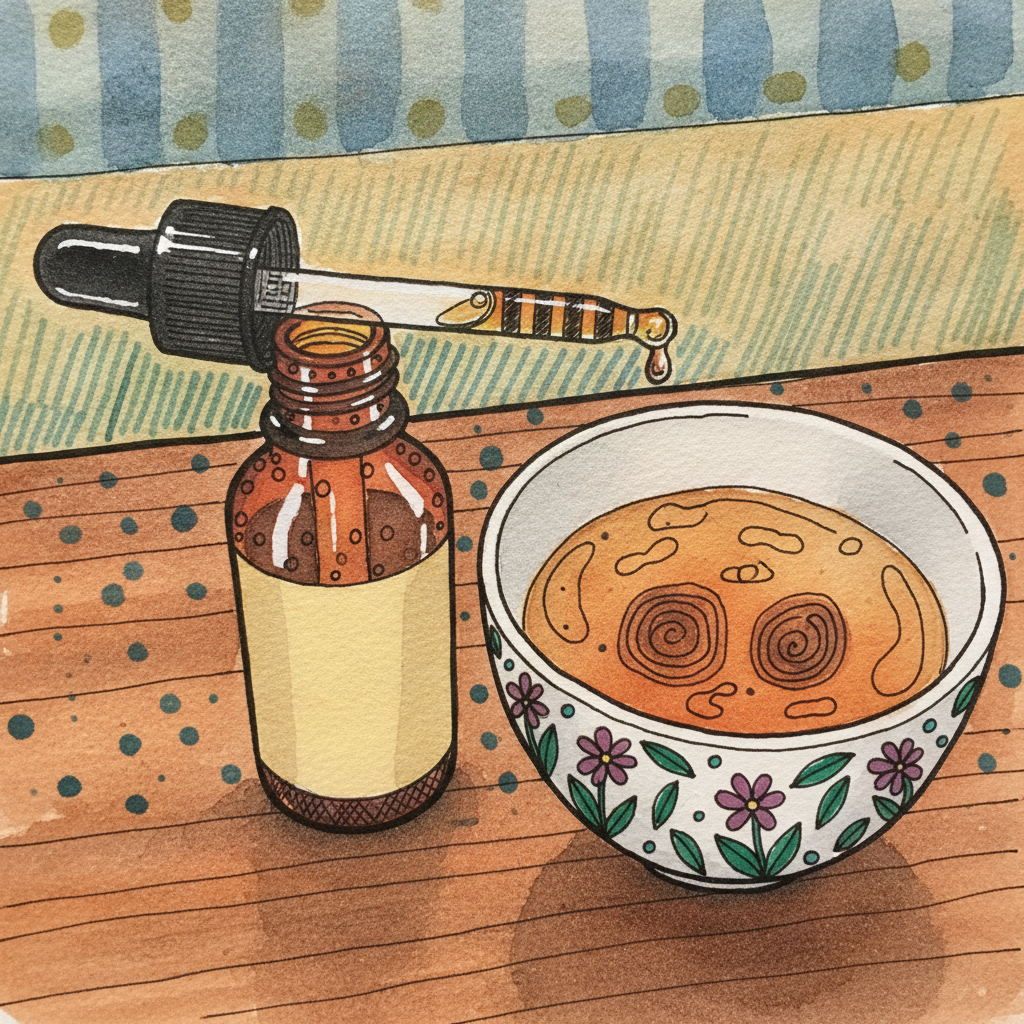
This piece is excellent for studying how varied line weights interact with subtle washes to render transparent forms and diverse textures. Use fine, broken lines for the delicate glass bottle and pipette, contrasted with slightly heavier, textural lines for the worn wooden table and the label's edges, while building the glass and liquid's volume with delicate, layered washes and carefully preserved highlights.