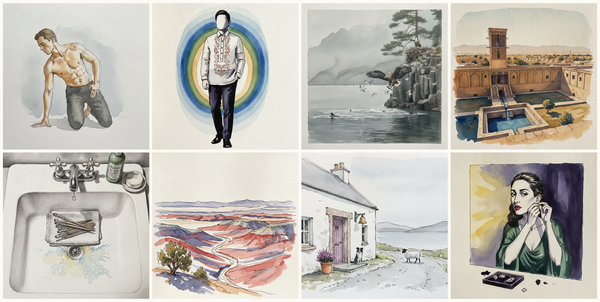
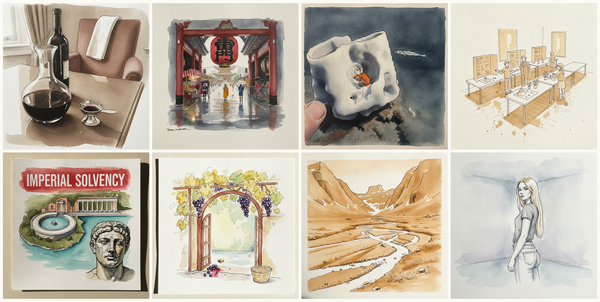
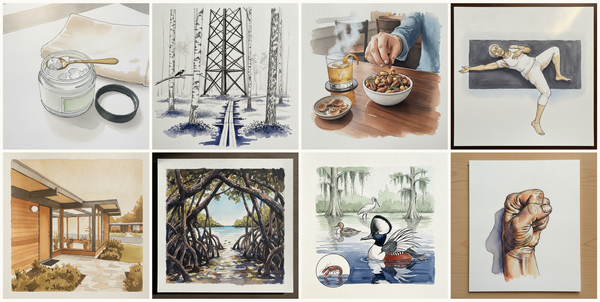
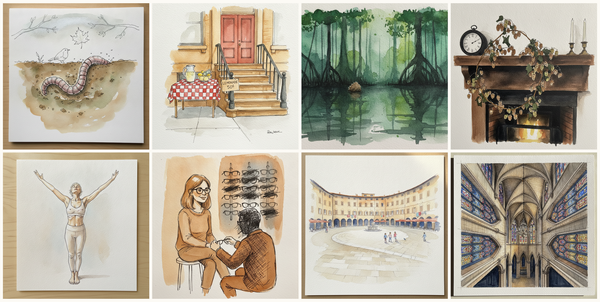
Chinese porcelain rice bowl, Mailbox on corner, Red hind, Seated leaning forward, elbows on knees, and more — pen + watercolor for July 5, 2026
AI-generated daily art-practice references for pen and watercolor: Chinese porcelain rice bowl, Mailbox on corner, Red hind, Seated leaning forward, elbows on knees, Kara Sea winter pack, Beijing Forbidden City from Above, Smog Haze, Wells Cathedral, Wells, England, Looking Up the Base of a Lattice.
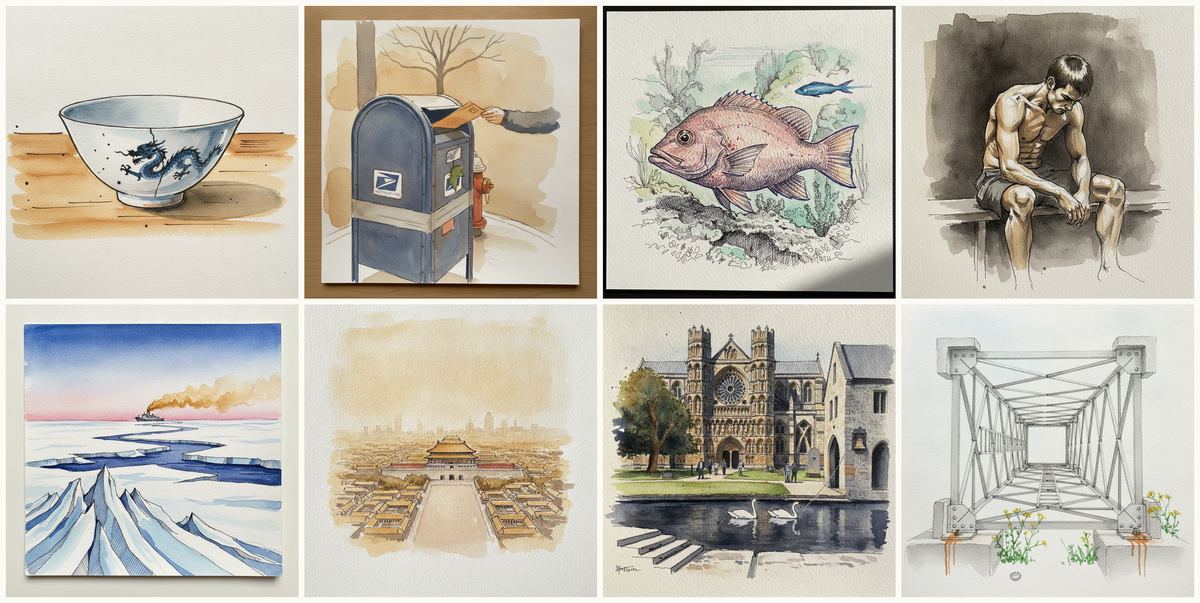
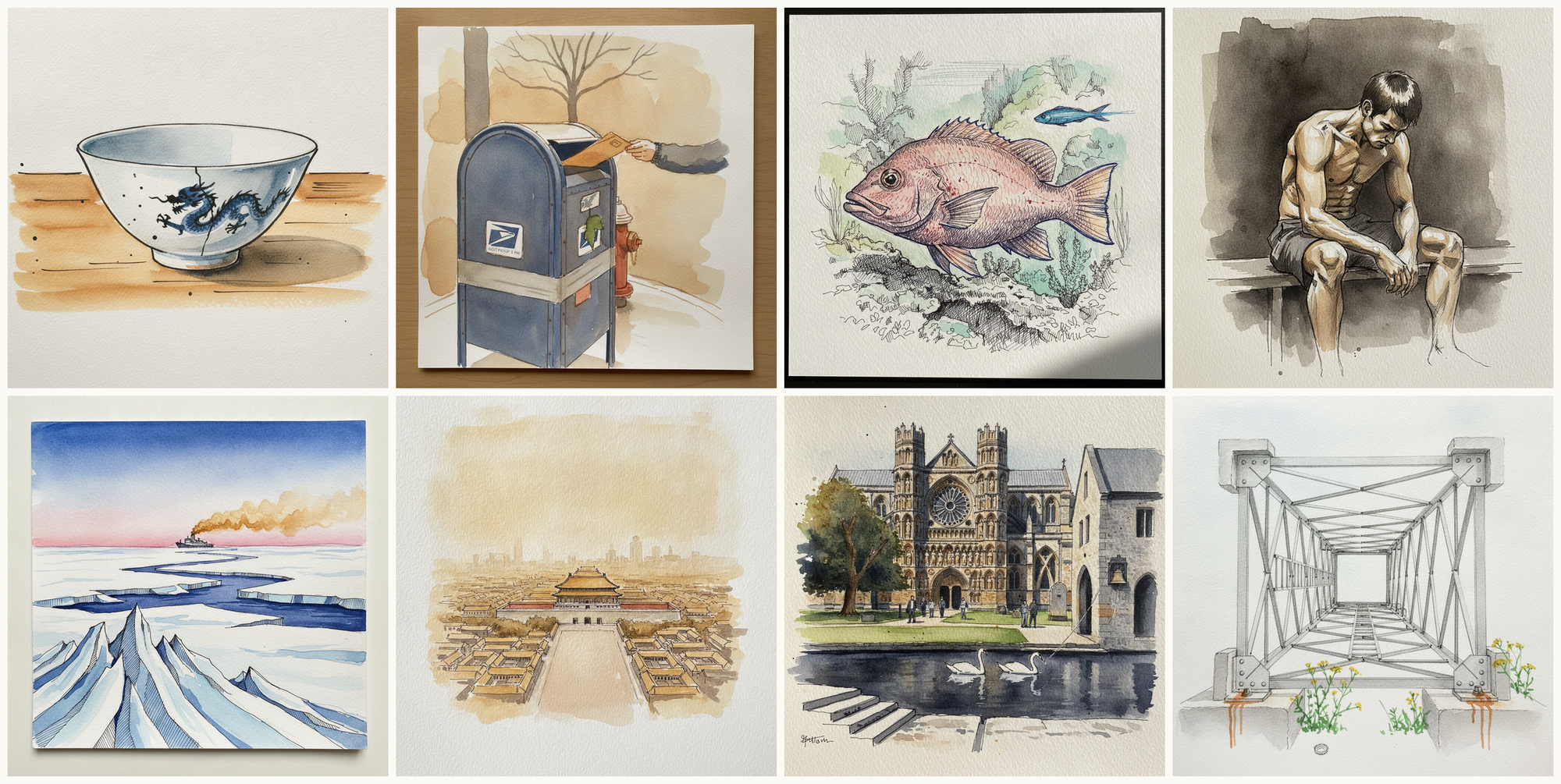
Today's 8 pen-and-watercolor pieces: Chinese porcelain rice bowl, Mailbox on corner, Red hind, Seated leaning forward, elbows on knees, Kara Sea winter pack, Beijing Forbidden City from Above, Smog Haze, Wells Cathedral, Wells, England, Looking Up the Base of a Lattice. Each piece comes with an AI-generated photoreal reference, three AI-generated example artworks in different treatments, and a short focus paragraph naming what to study in this one.
Why these references use AI
This daily series uses AI-generated images as practice prompts, not as finished artwork to copy. Each subject starts with a synthetic photoreal reference generated with Gemini/Nano Banana, then moves into three pen-and-watercolor interpretations of the same subject.
I use AI here because daily art practice needs variety and low friction. Real life can get repetitive, busy, or visually narrow. These generated reference sets make it easier to study bodies, buildings, animals, landscapes, objects, gestures, light, palettes, and compositions that might not show up in an ordinary day.
The goal is not to reproduce any image directly. Treat each set as a starting point for observation and study: choose what interests you, change the framing, simplify the subject, alter the palette, and make your own version.
Piece 1 — Chinese porcelain rice bowl
Pen + Watercolor · Loose pen and watercolor line-and-wash
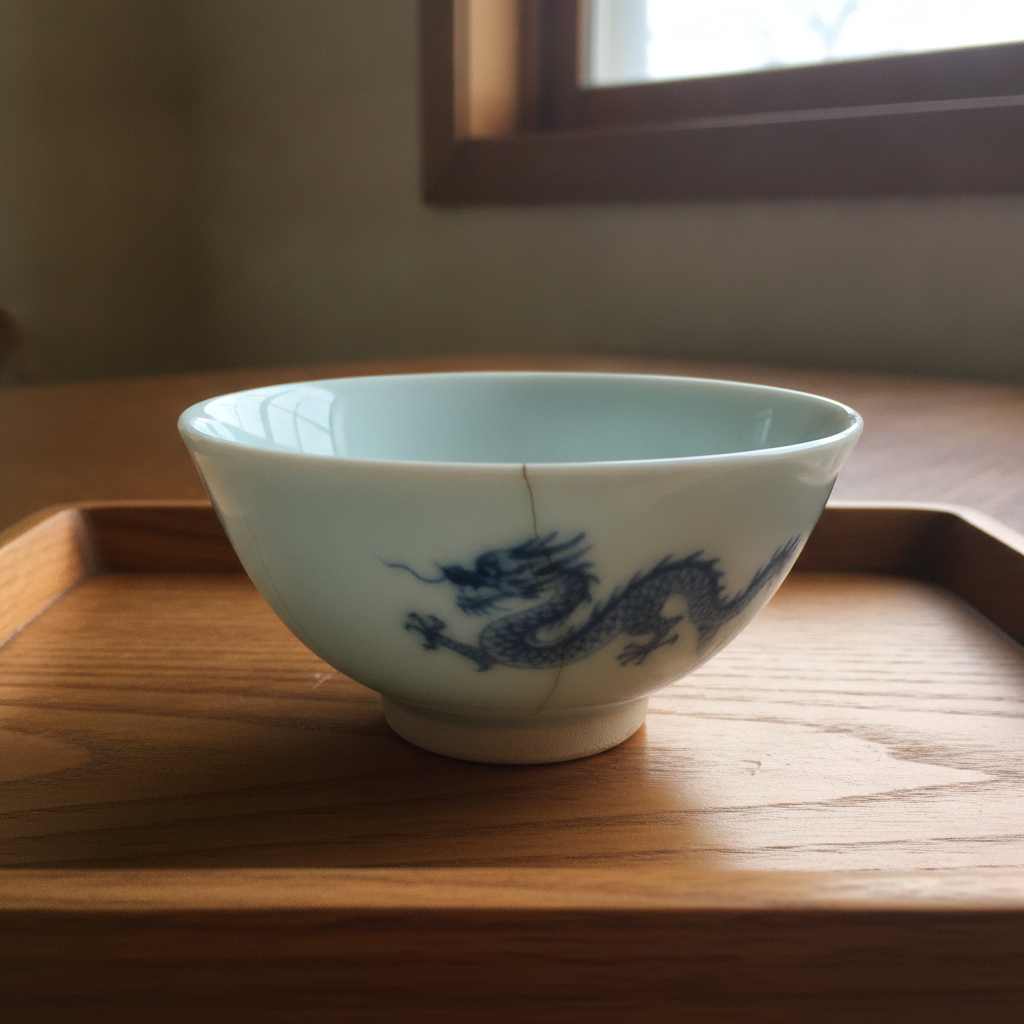
Three takes
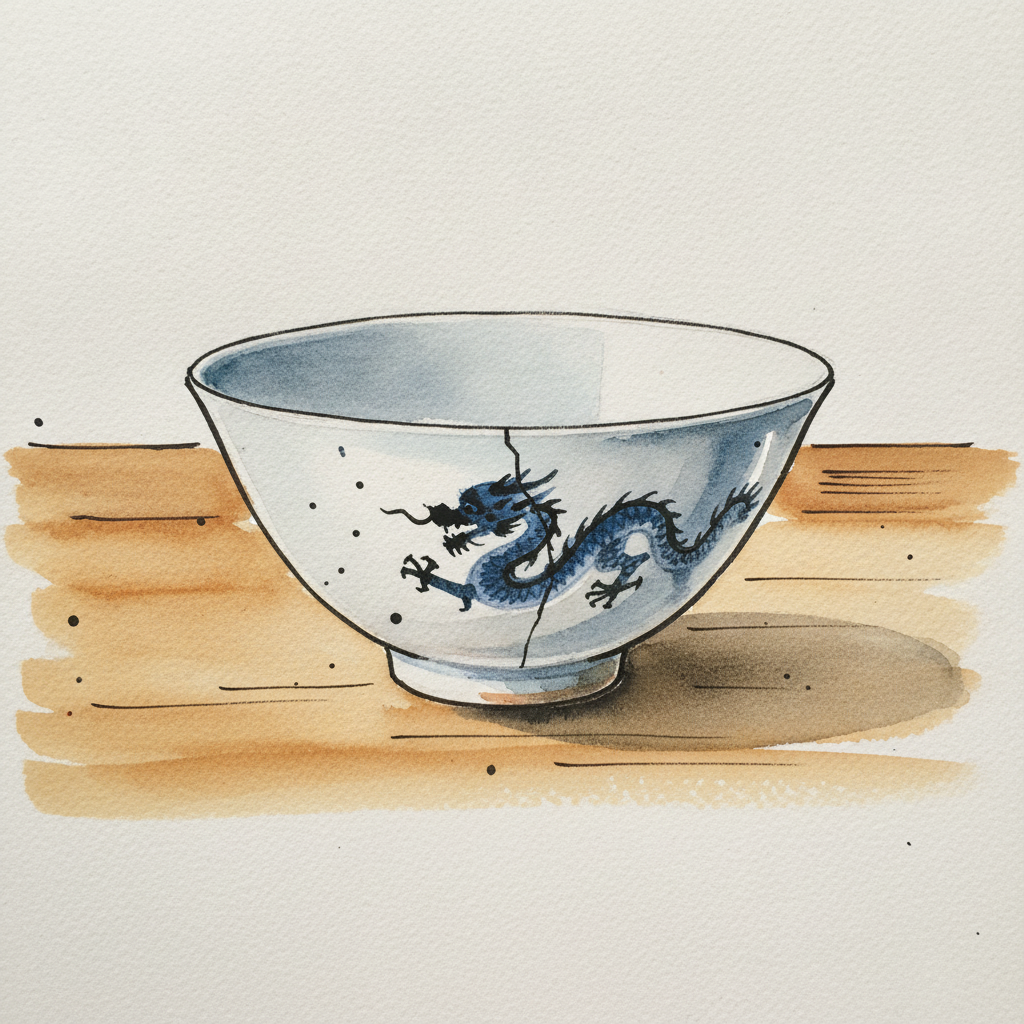
Focus for this piece
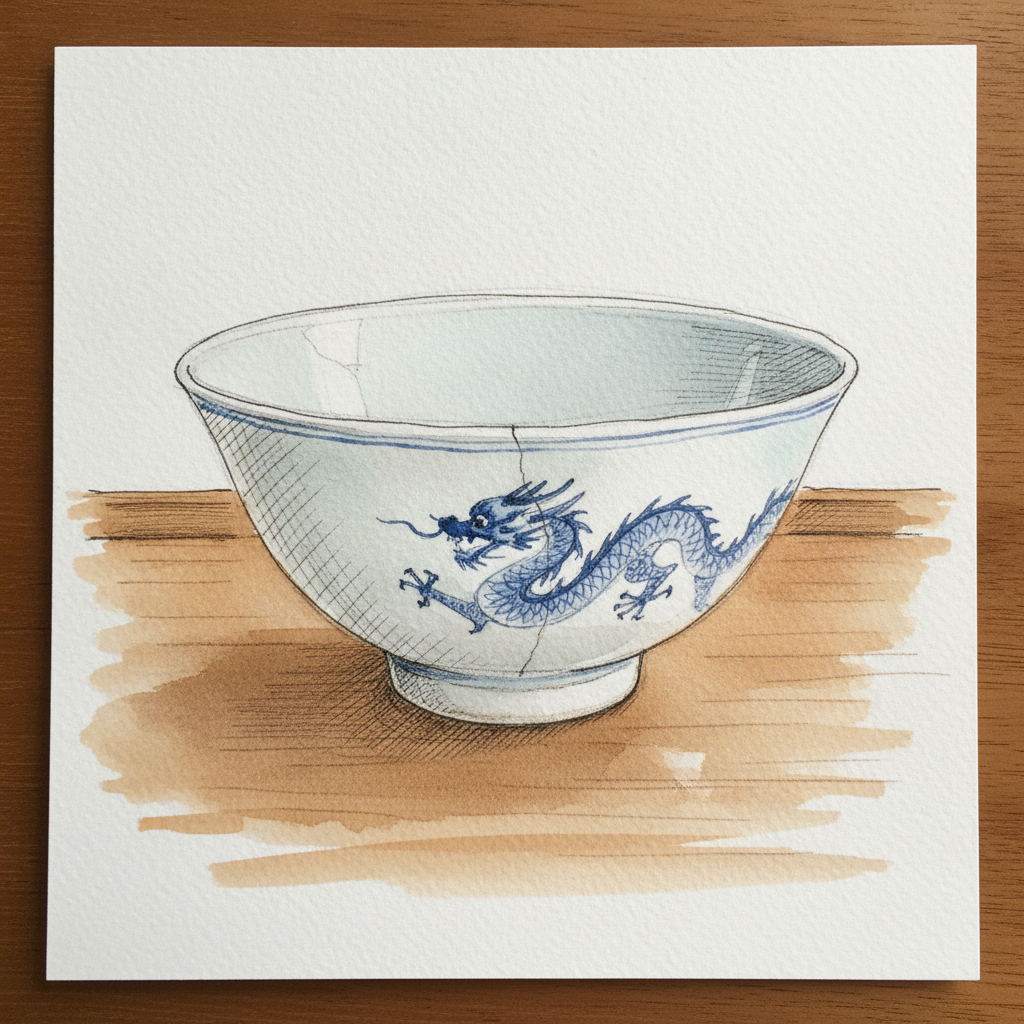
This piece offers an excellent study in rendering luminous translucency, specifically how to suggest light passing through the porcelain bowl's thin walls using delicate, layered washes and carefully preserved highlights along the rim. Focus your pen work on conveying the bowl's graceful curve and the precise details of the hairline crack and stylized blue dragon with economical, controlled lines. Pay close attention to creating a strong value and temperature contrast between the cool, smooth porcelain and the warm, textured teak ground through varied wash applications.
Piece 2 — Mailbox on corner
Pen + Watercolor · Loose pen and watercolor line-and-wash
Three takes
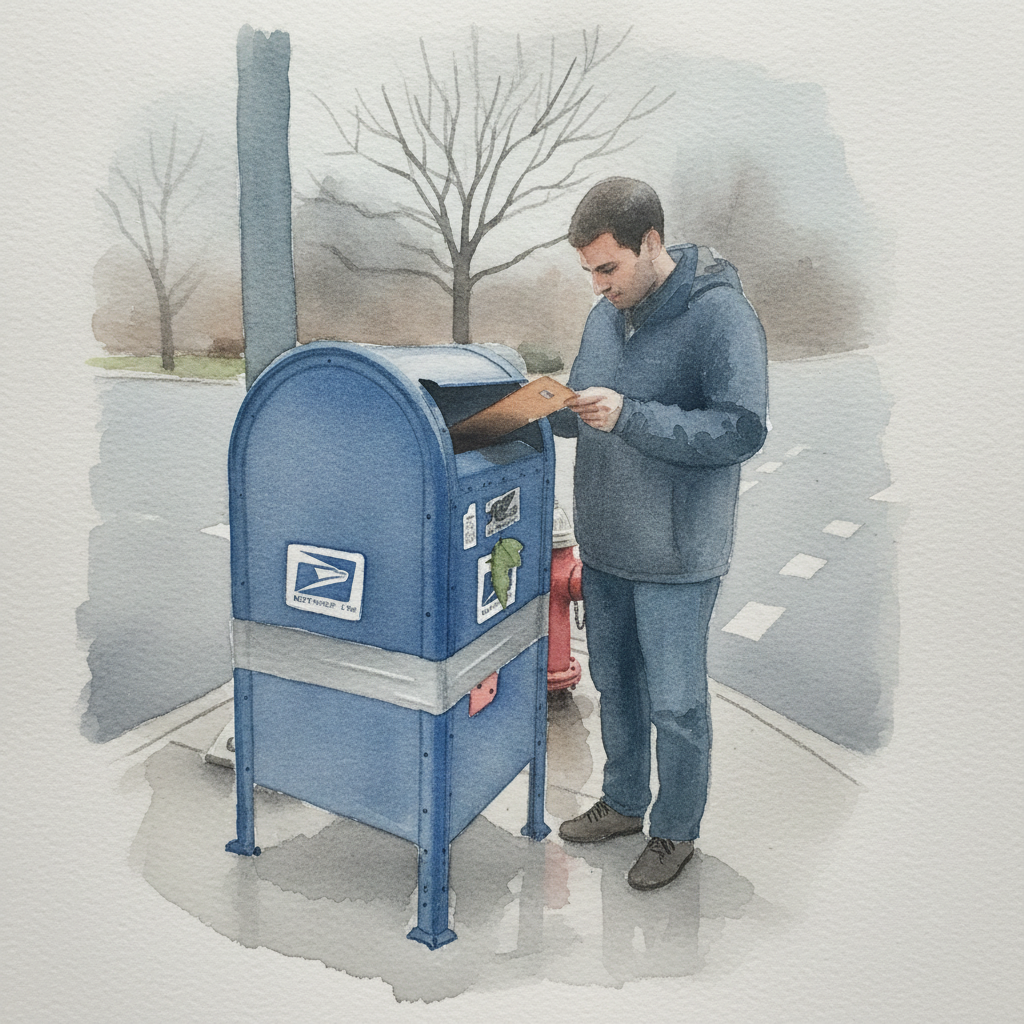
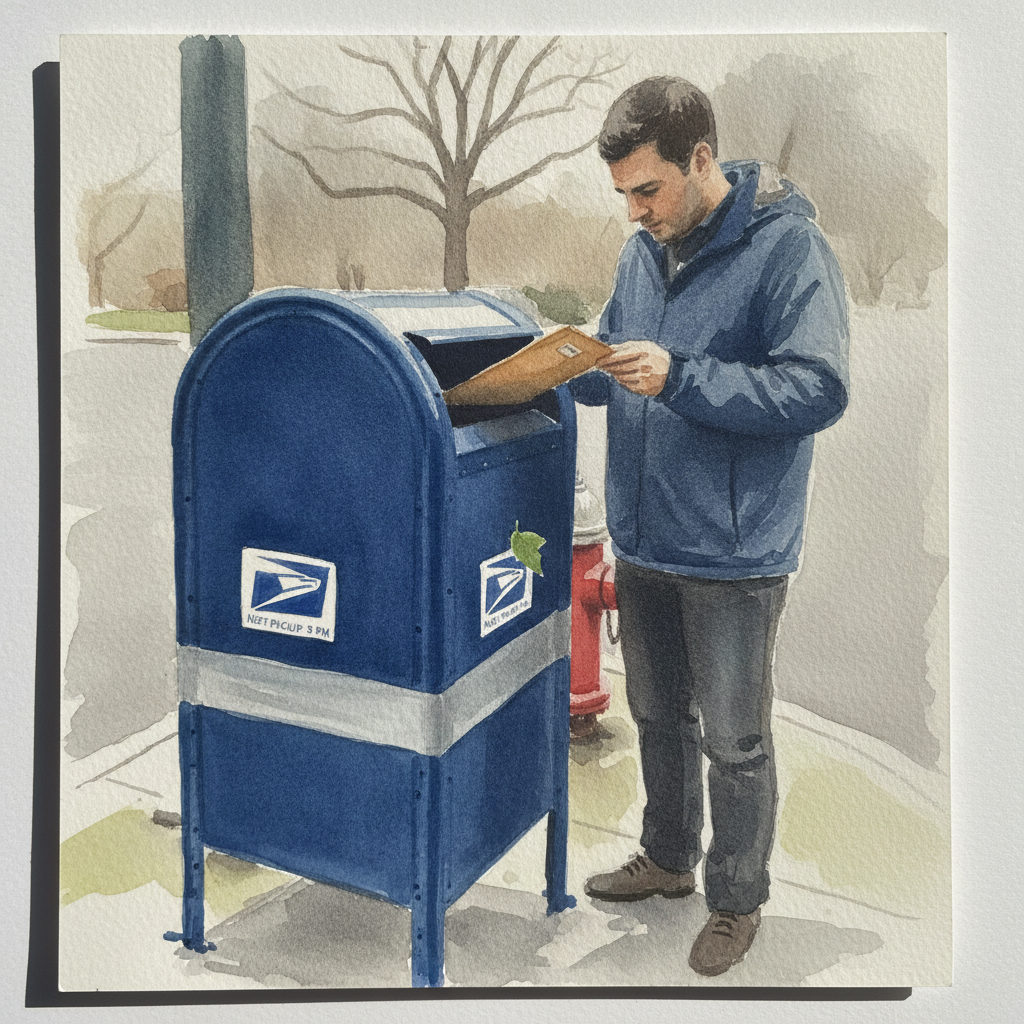
Focus for this piece
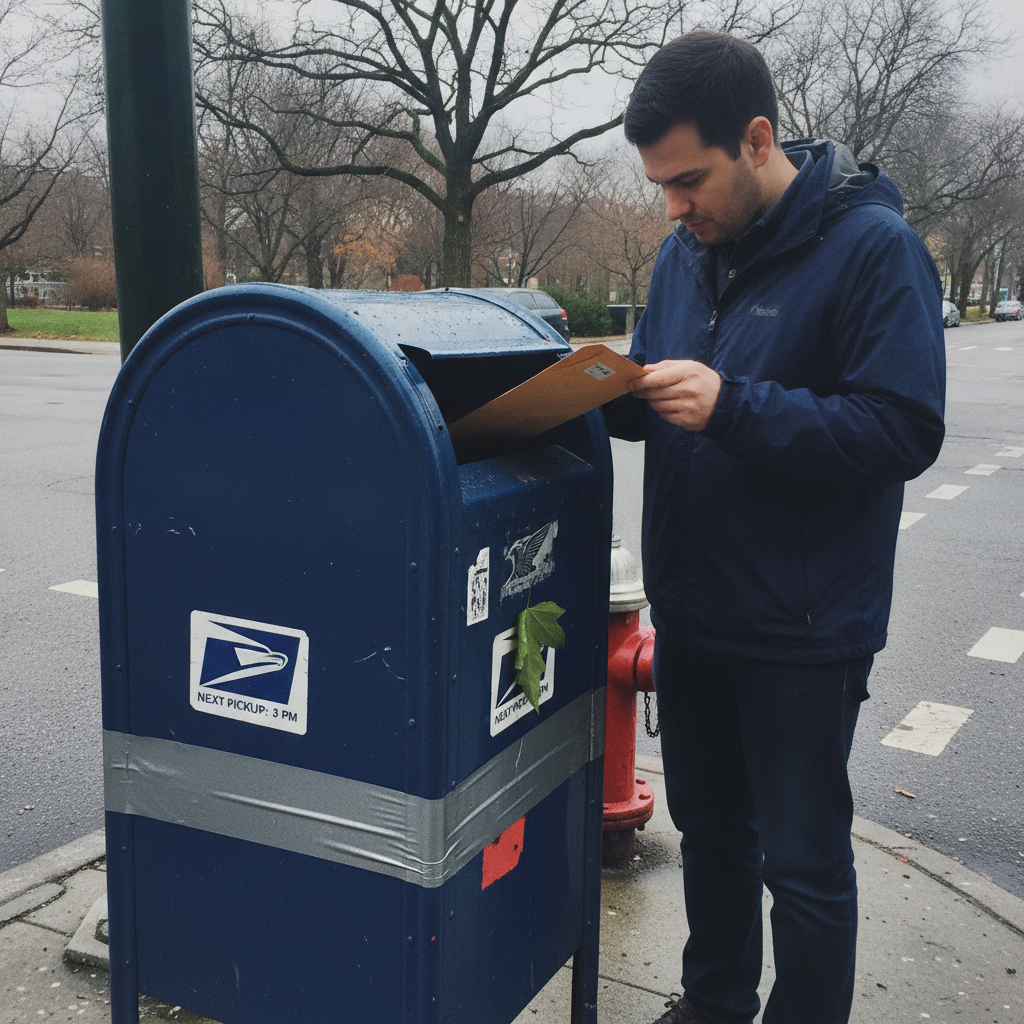
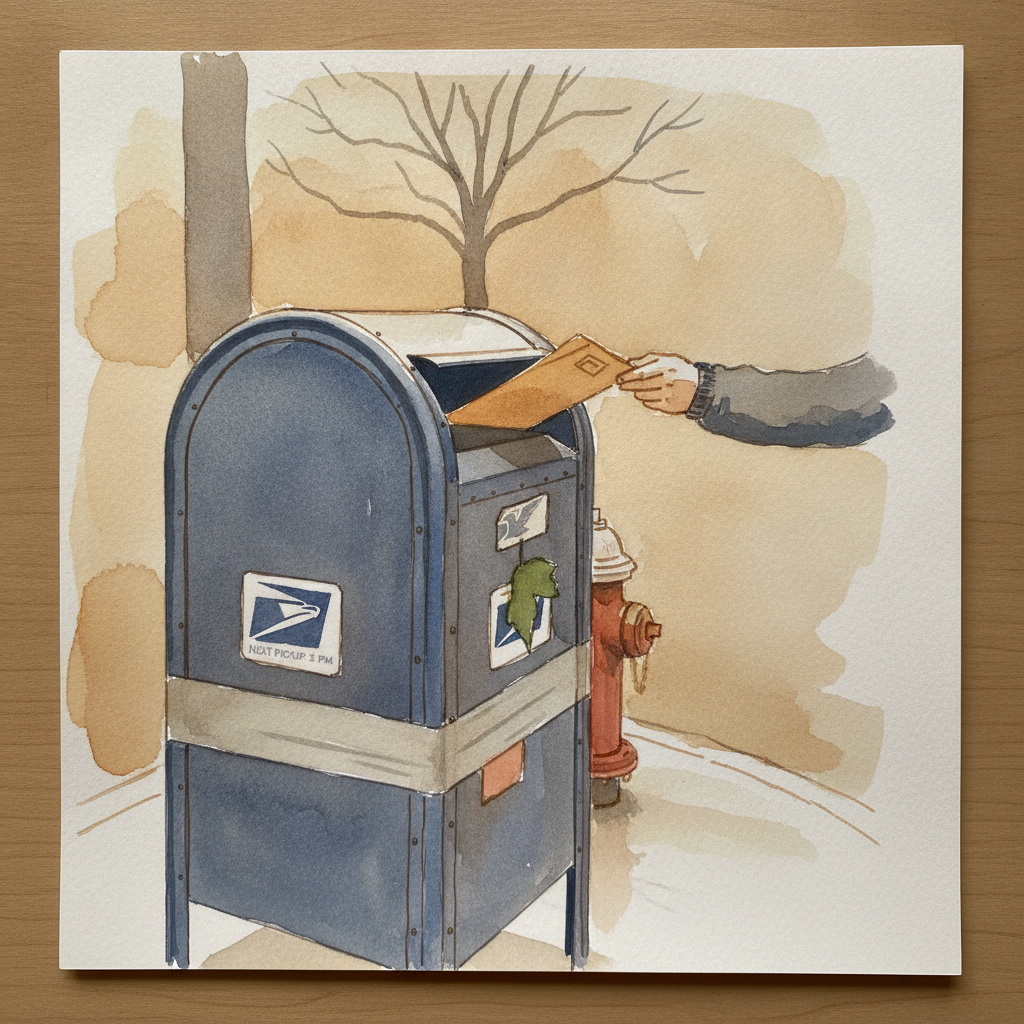
This mailbox scene offers an excellent opportunity to practice varying line weights to define sturdy volume and delicate texture simultaneously. Use strong, confident lines for the mailbox's cylindrical form and its distinct features like the eagle stamp and duct tape, contrasting them with finer lines for the leaf and distant tree. Complement this with a restrained palette, building up subtle value shifts in the blue with layered washes to capture the worn metal's sheen and the atmospheric background.
Piece 3 — Red hind
Pen + Watercolor · Loose pen and watercolor line-and-wash
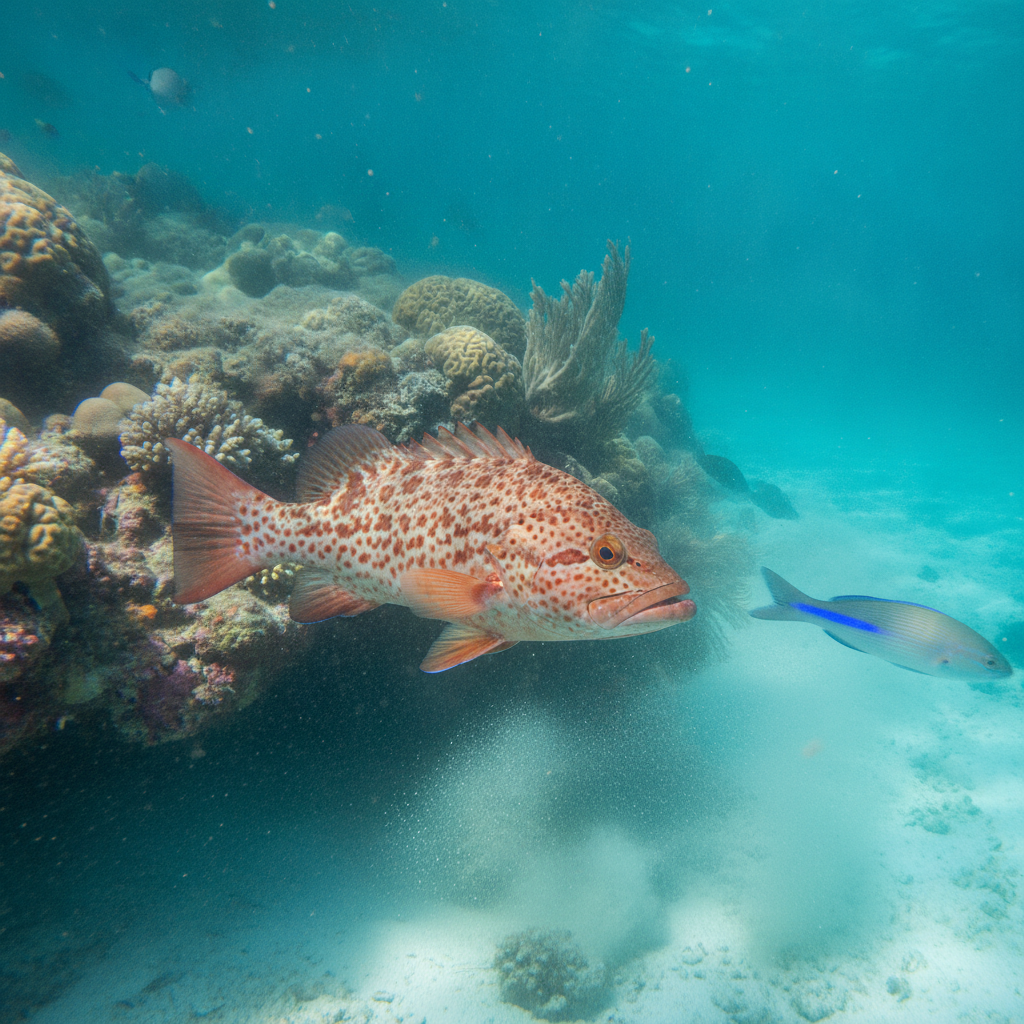
Three takes
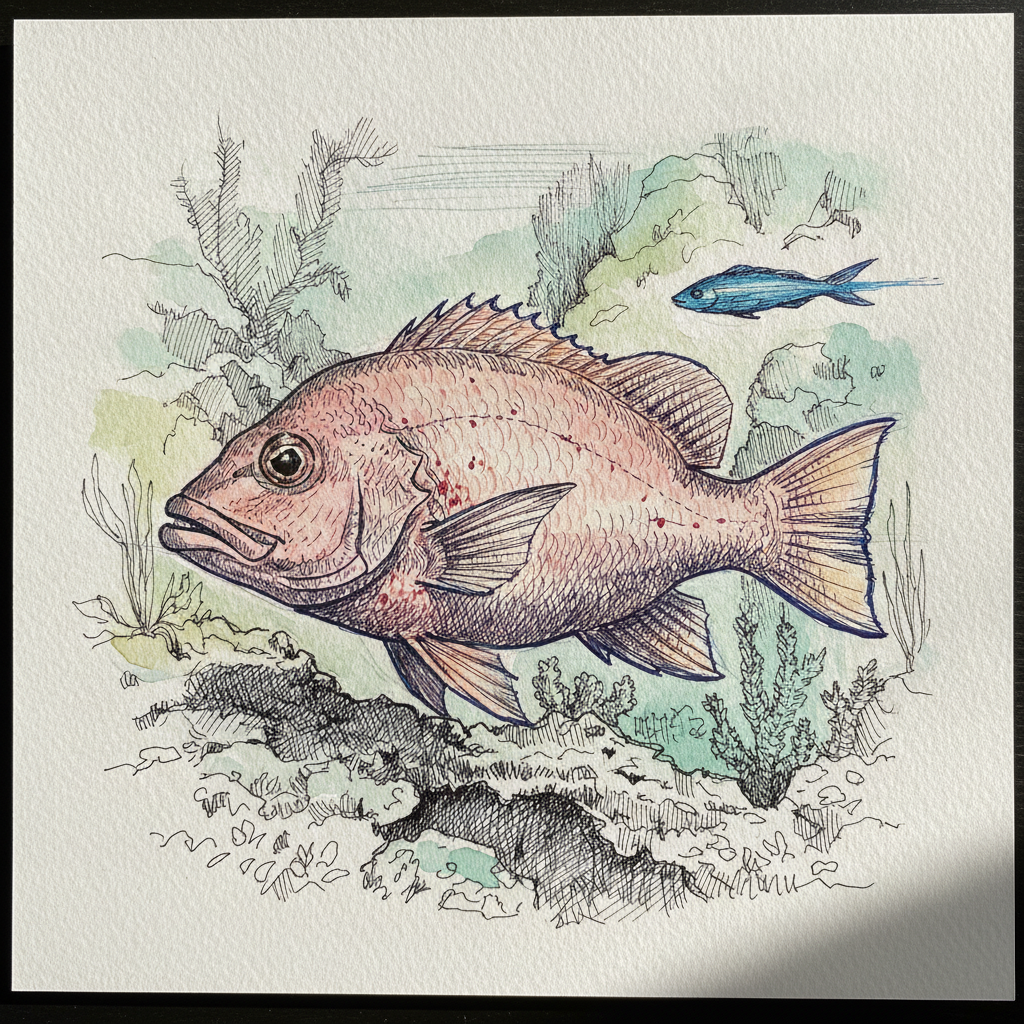
Focus for this piece
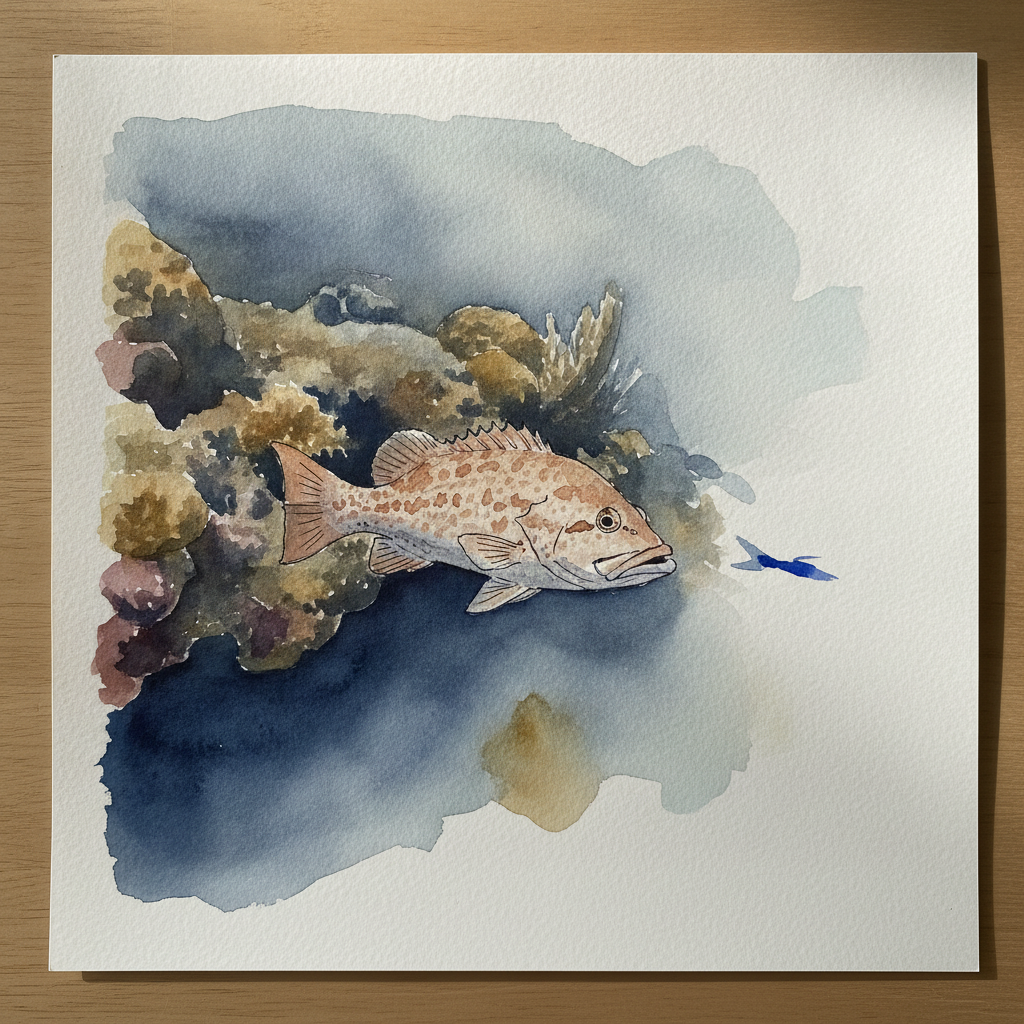
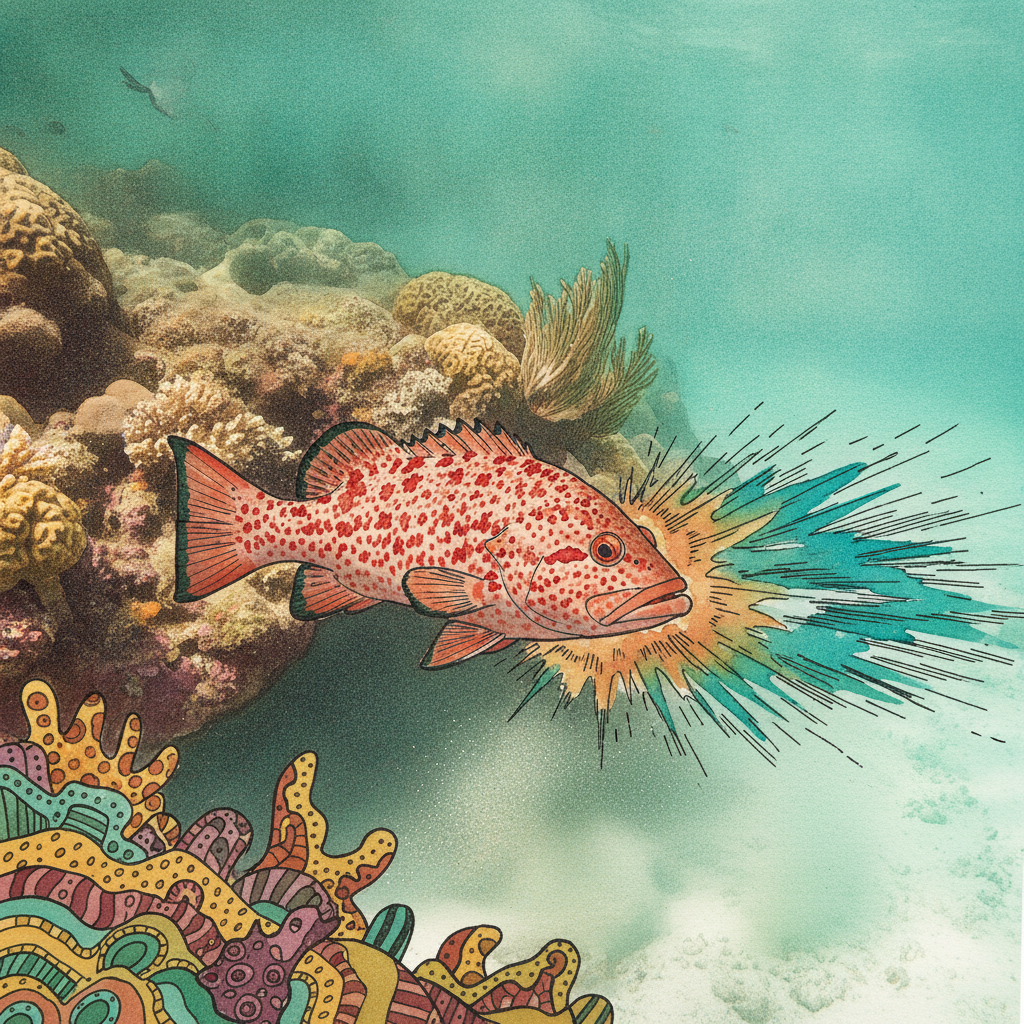
This red hind is an excellent subject for studying how to build luminous, rounded forms with layered washes, specifically using its pale rose body and vibrant orange tail. Practice establishing the fish's volume with delicate, wet-on-wet applications, letting the colors glow, before using more concentrated strokes for the distinct red spots and the tail's dark margin. Consider how varied pen line weights—sharper for the fish's silhouette and foreground reef elements, and softer for distant reef textures—contribute to both form and underwater depth.
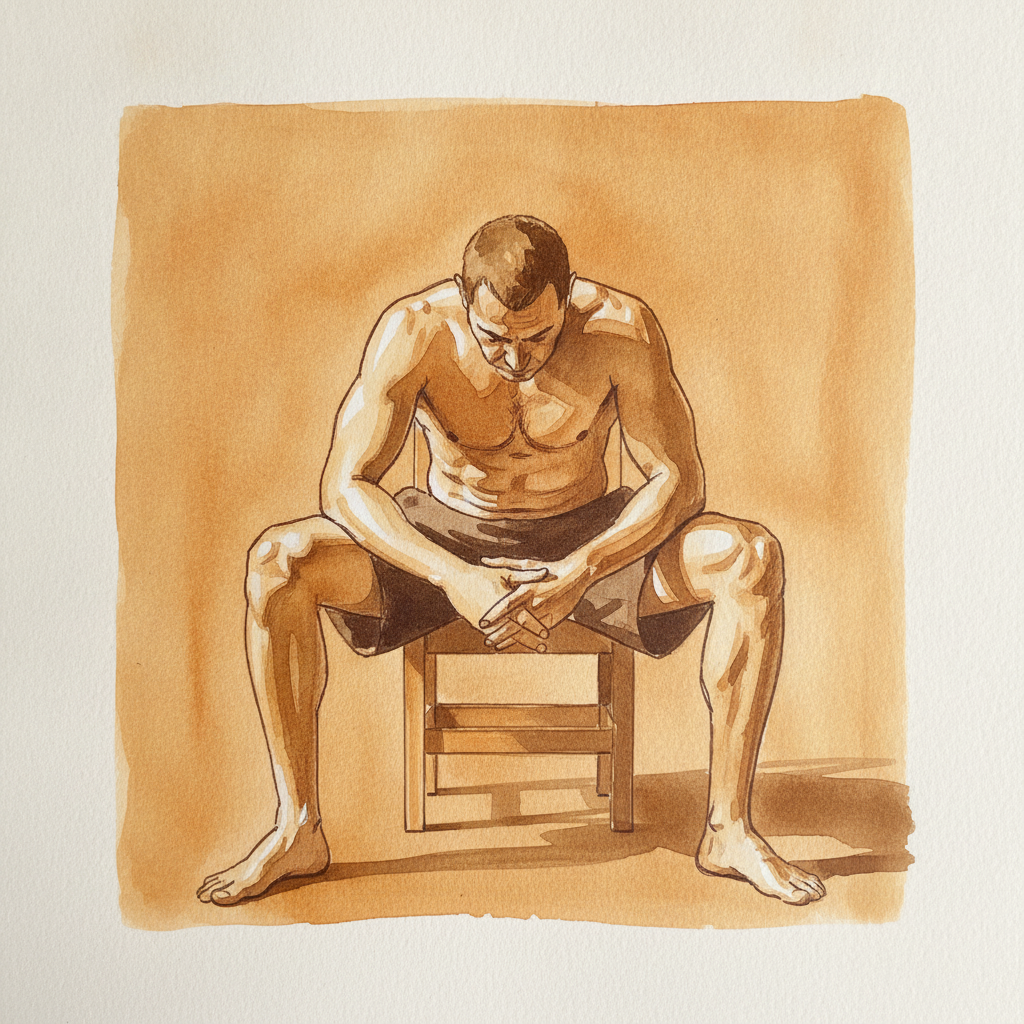
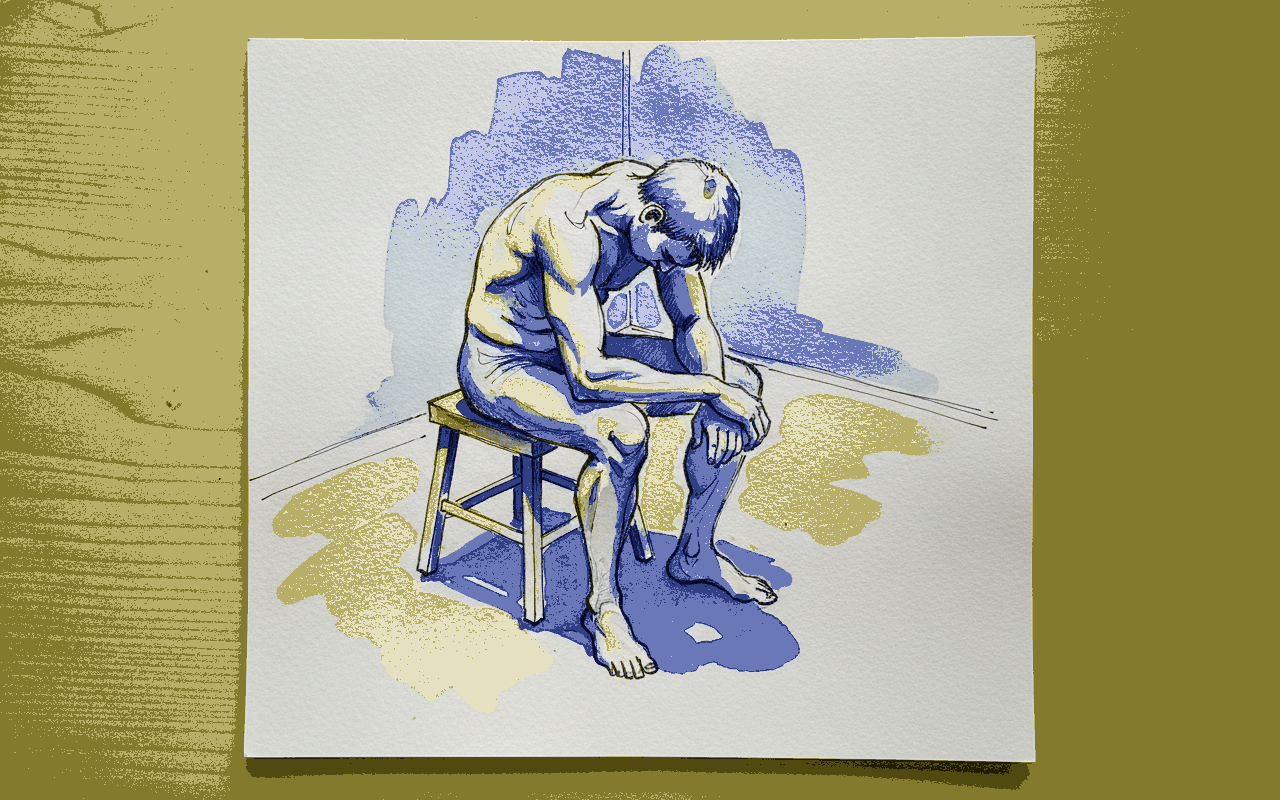
Piece 4 — Seated leaning forward, elbows on knees
Pen + Watercolor · Loose pen and watercolor line-and-wash
Three takes

Focus for this piece
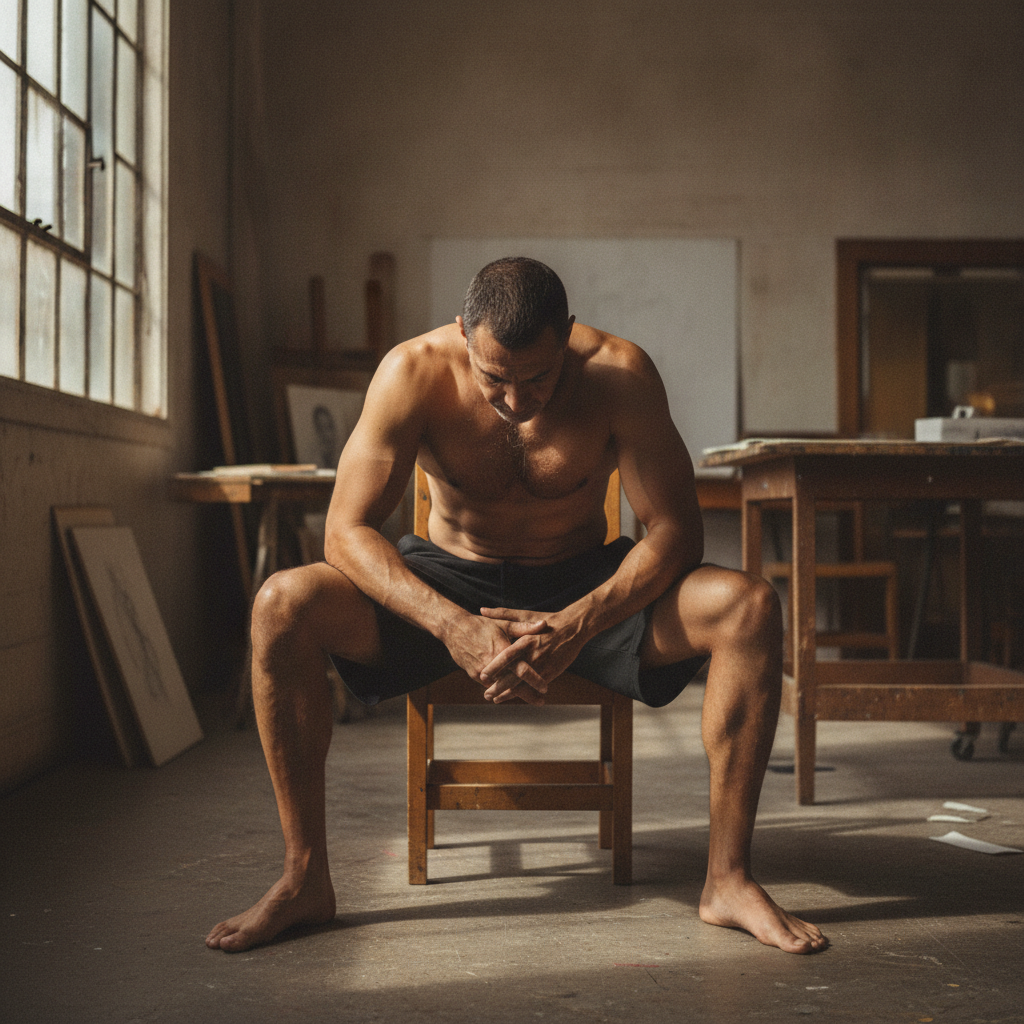
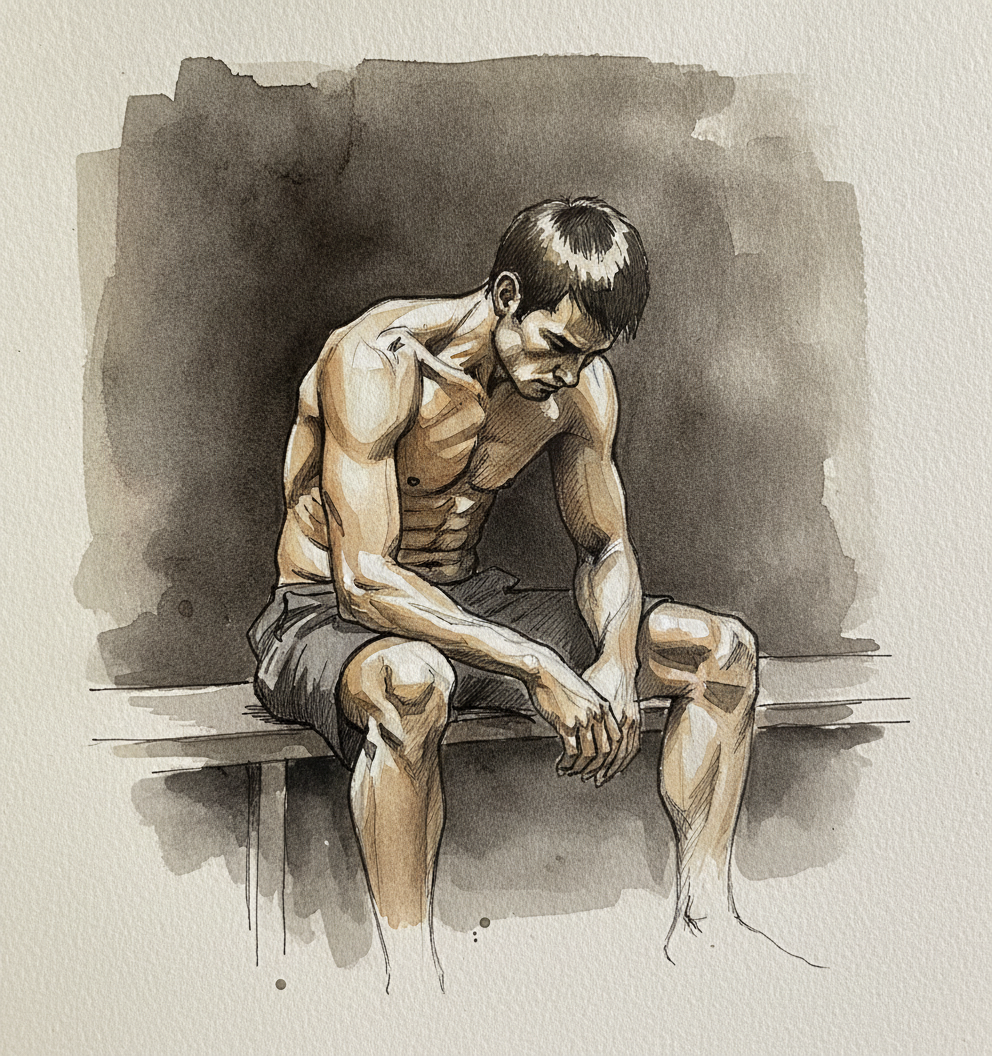
This piece offers a strong study in using line and wash to render form through light. Focus on defining the rounded upper back and the prominent anatomical landmarks like the scapulae and iliac crests with confident, varied pen lines, emphasizing their structural role in anchoring the figure's lean. Then, use broad, rich wet-on-wet watercolor washes with a focused, limited palette to build the deep shadows cast by the raking side light, sculpting the volume of the figure. This interplay will create a powerful sense of weight and thoughtful contemplation.
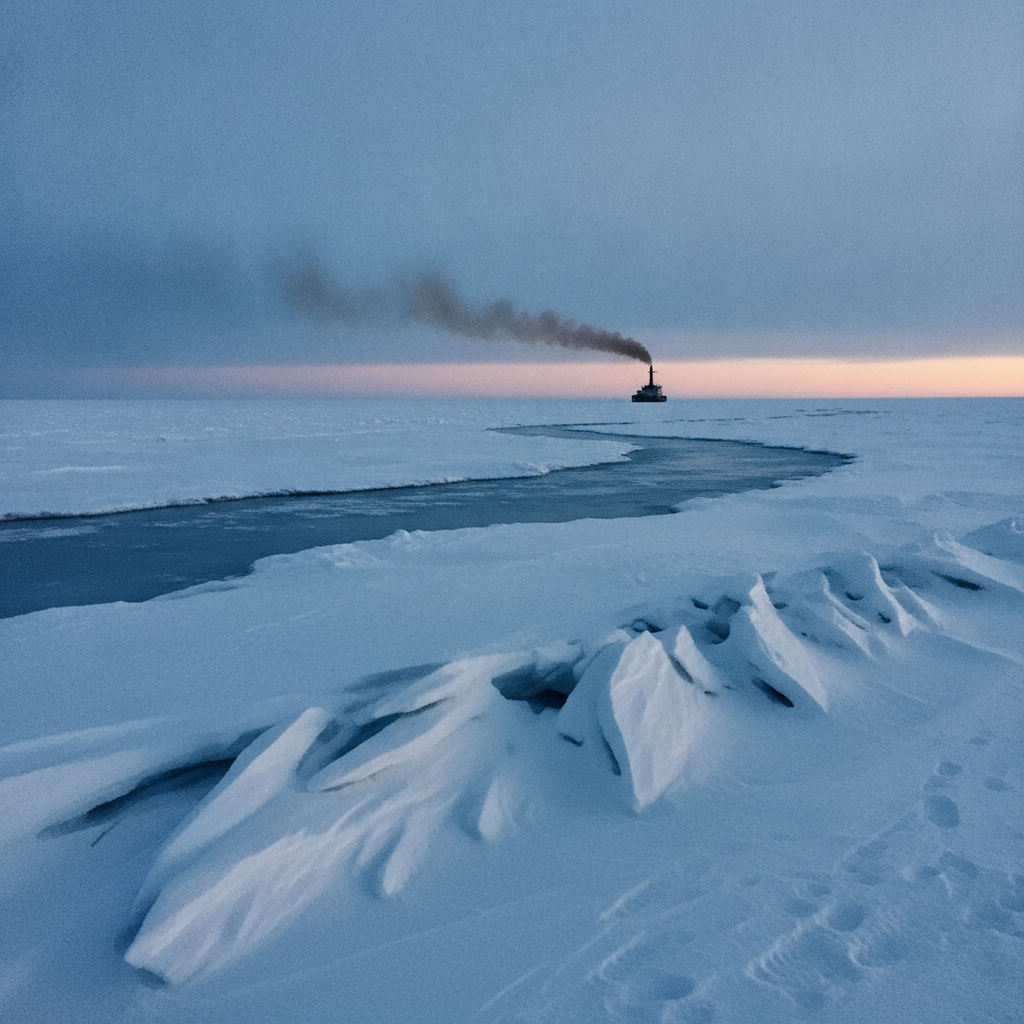
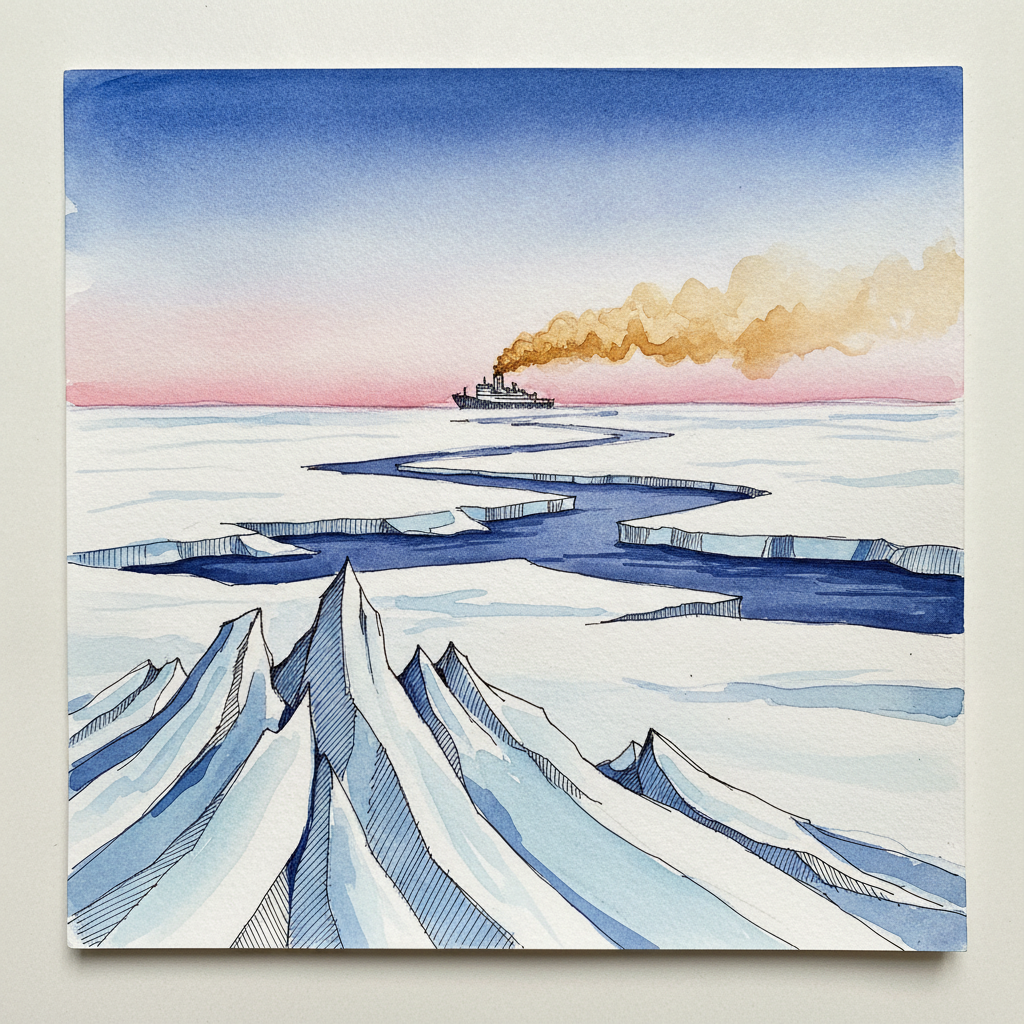
Piece 5 — Kara Sea winter pack
Pen + Watercolor · Loose pen and watercolor line-and-wash
Three takes
Focus for this piece
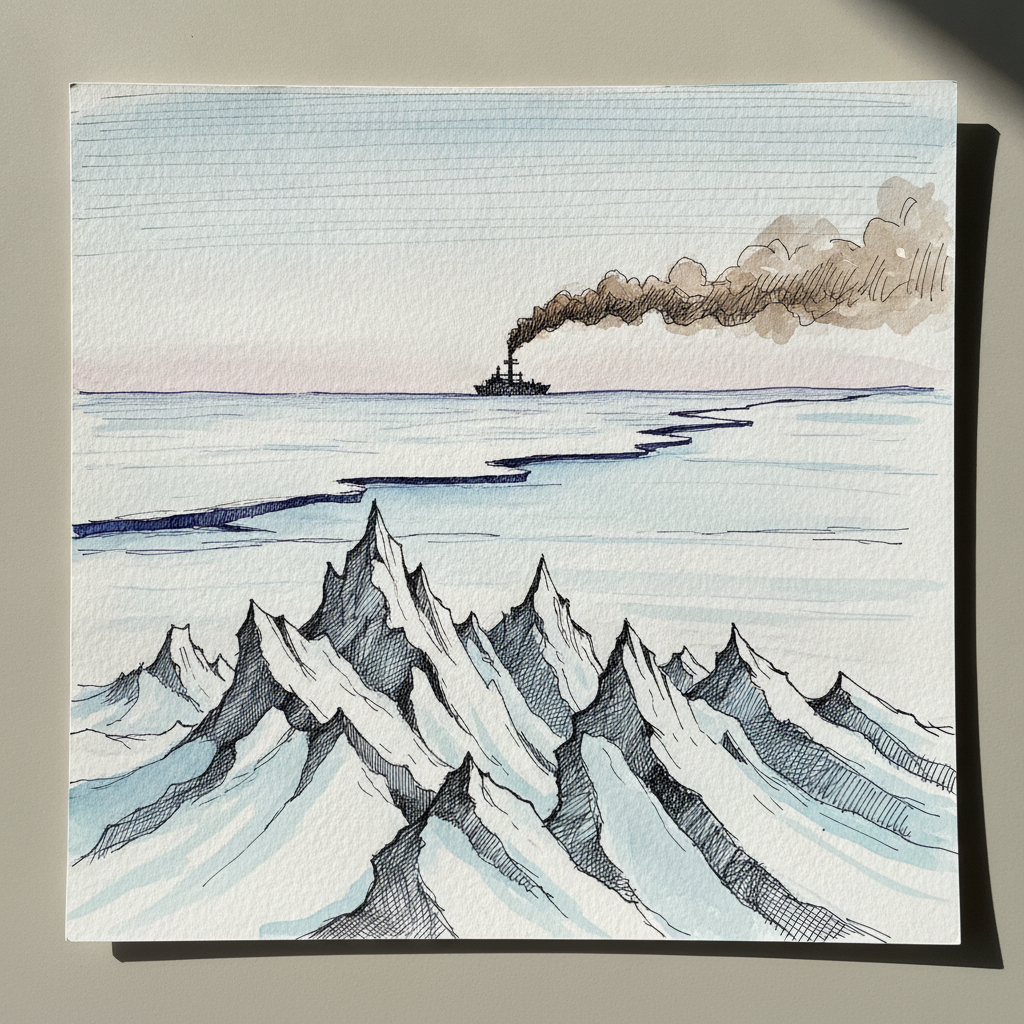
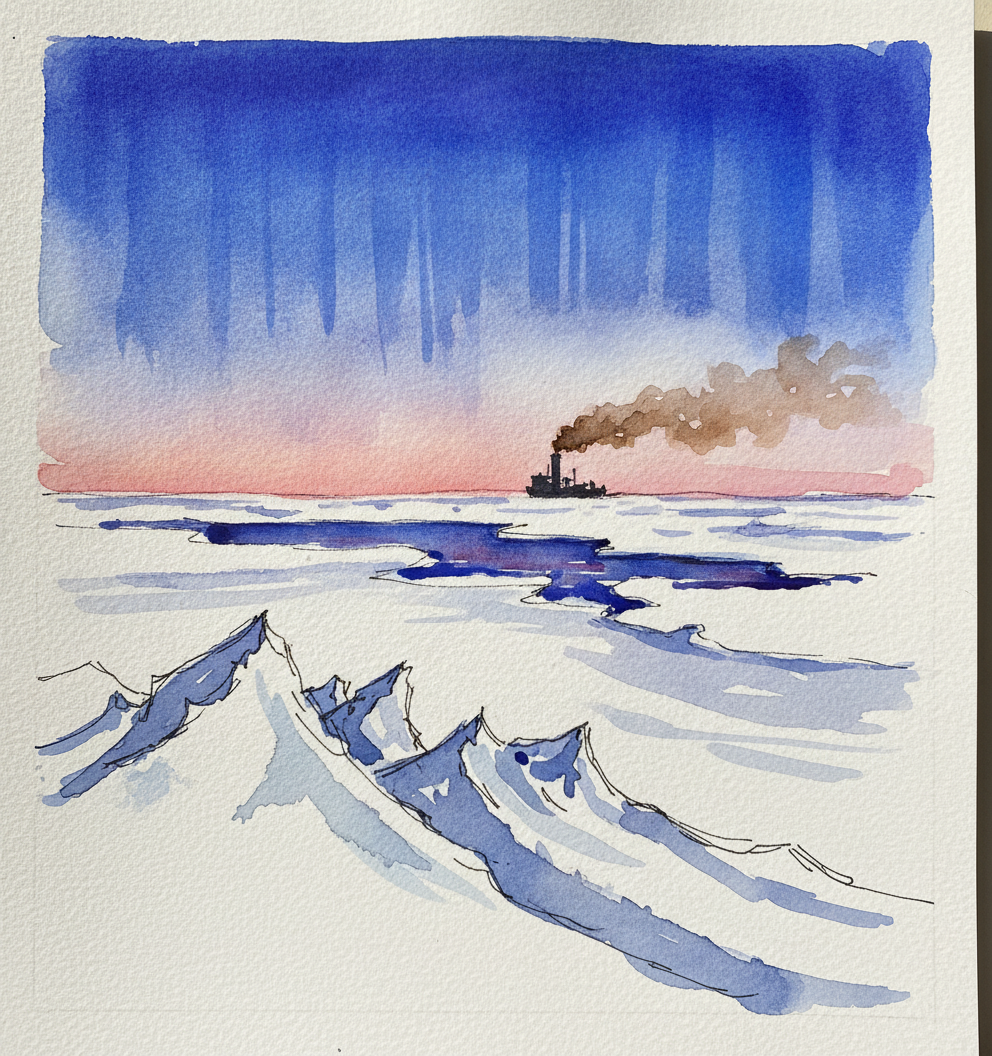
This piece offers a compelling study in using varied line weights and controlled wash applications to define distinct textures and atmospheric depth in a stark landscape. Use bold, sharp pen lines and dry-brush effects for the foreground sastrugi to capture their "sharp blades" and "crushed glass" feel, contrasting with the smooth, hard-edged flat wash that describes the "dark blue ribbon" of the refrozen lead. Practice a graded wet-on-wet wash for the deep blue to rose-pink sky, letting its soft diffusion emphasize the crisp, linear forms below and the distant, dark icebreaker stack.
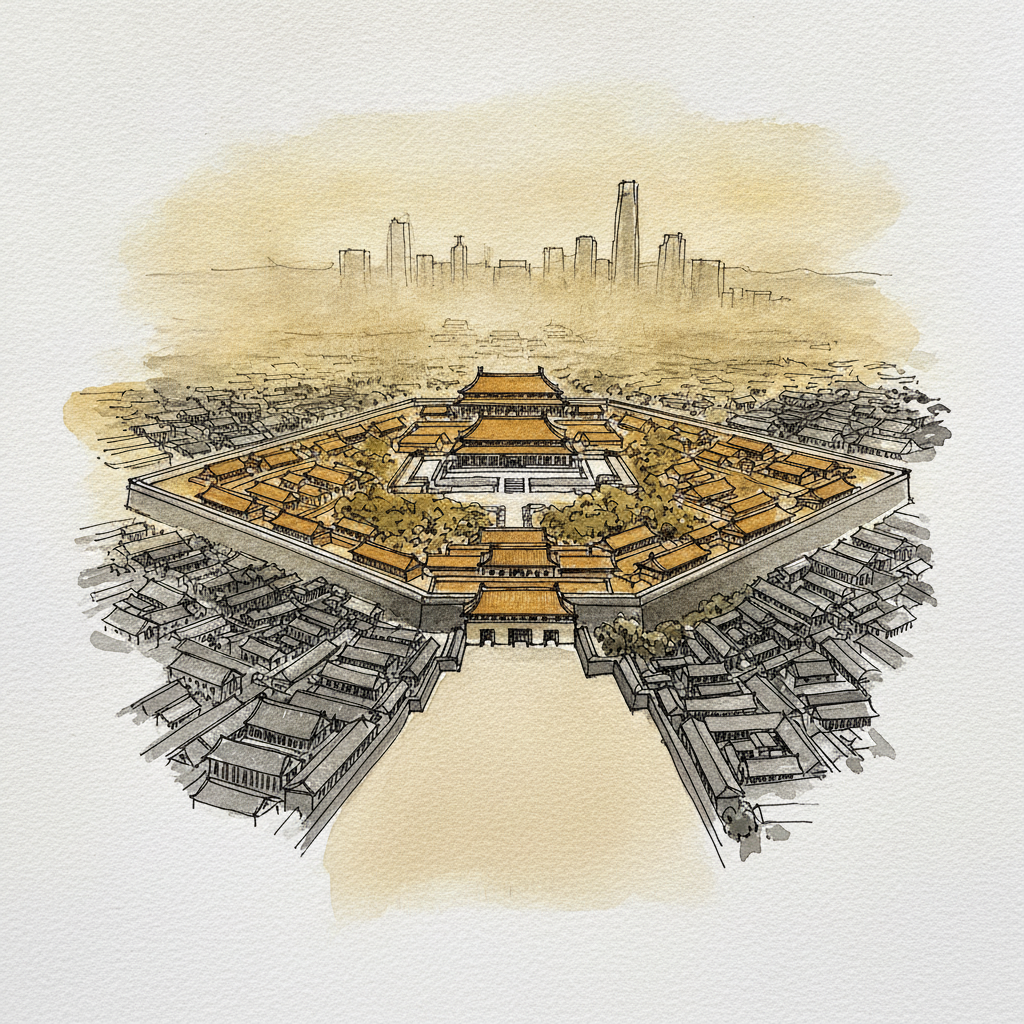
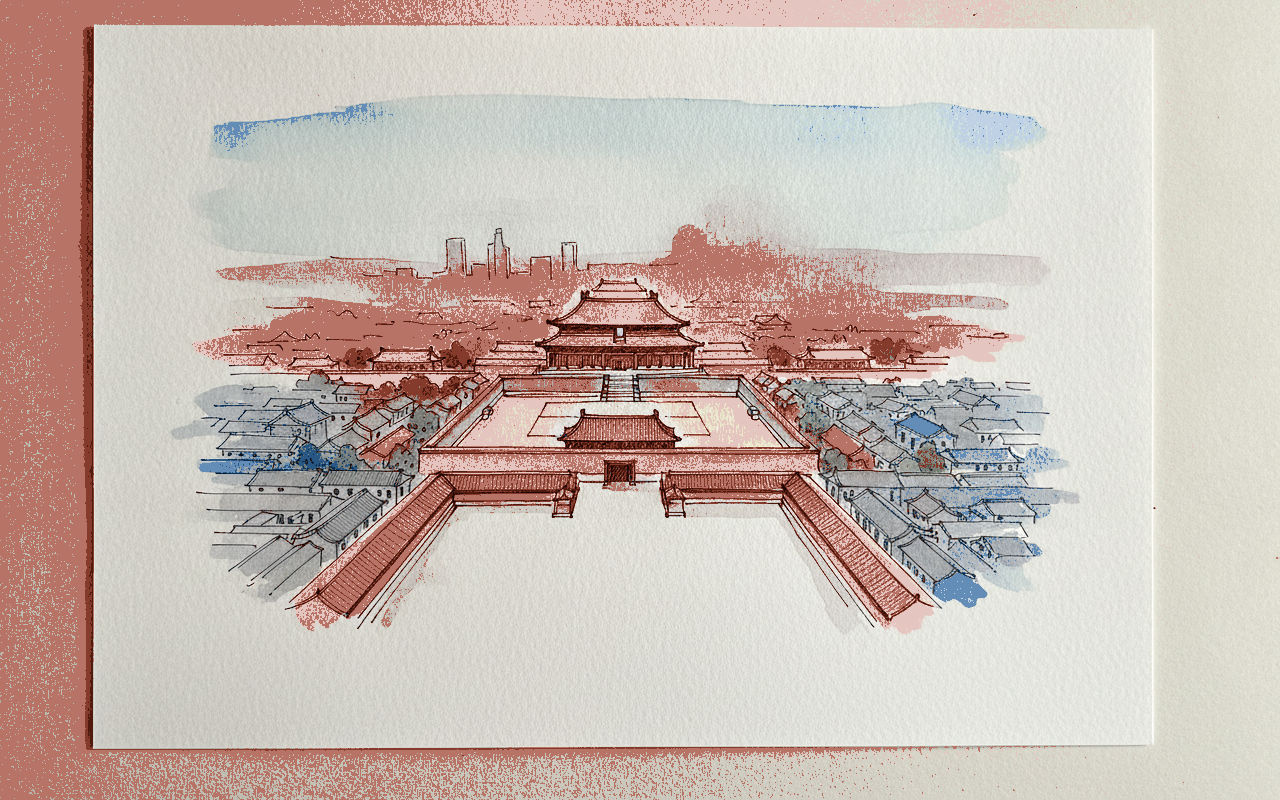
Piece 6 — Beijing Forbidden City from Above, Smog Haze
Pen + Watercolor · Loose pen and watercolor line-and-wash
Three takes

Focus for this piece
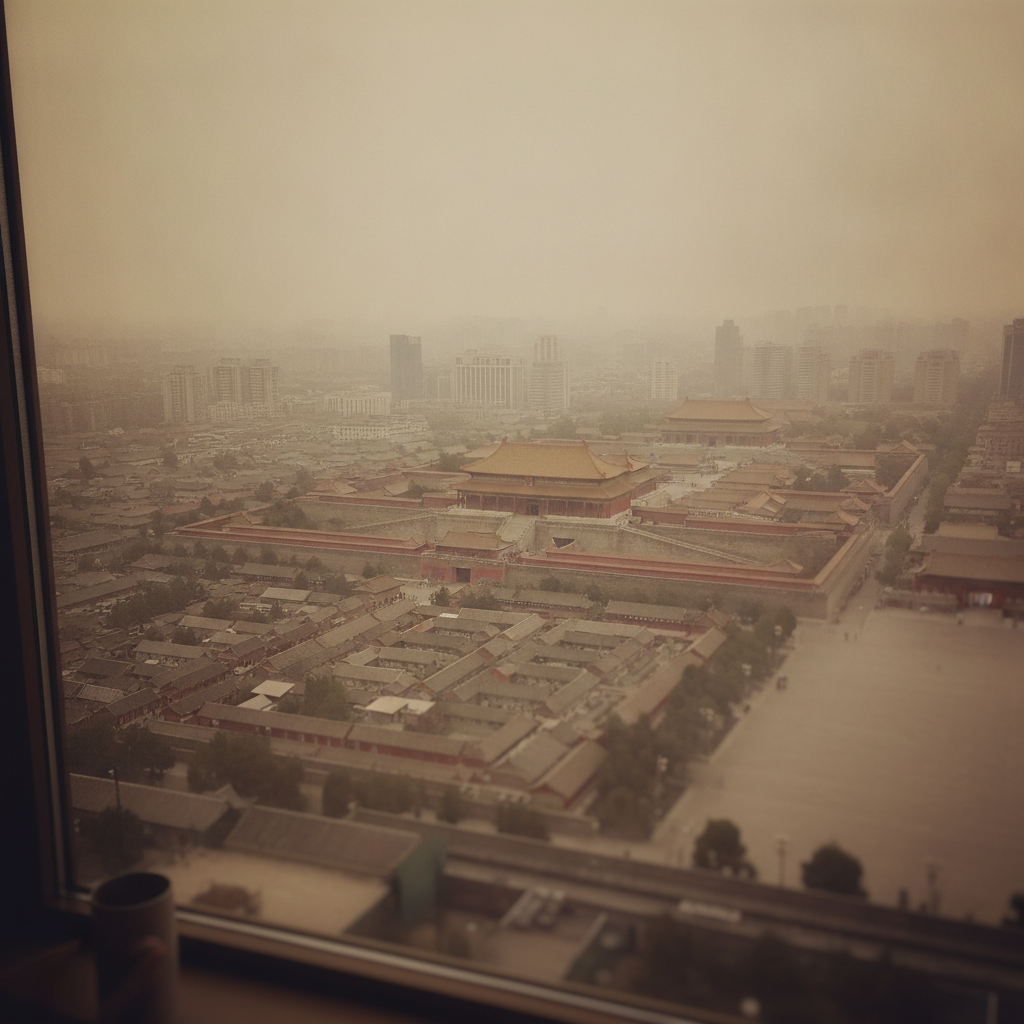
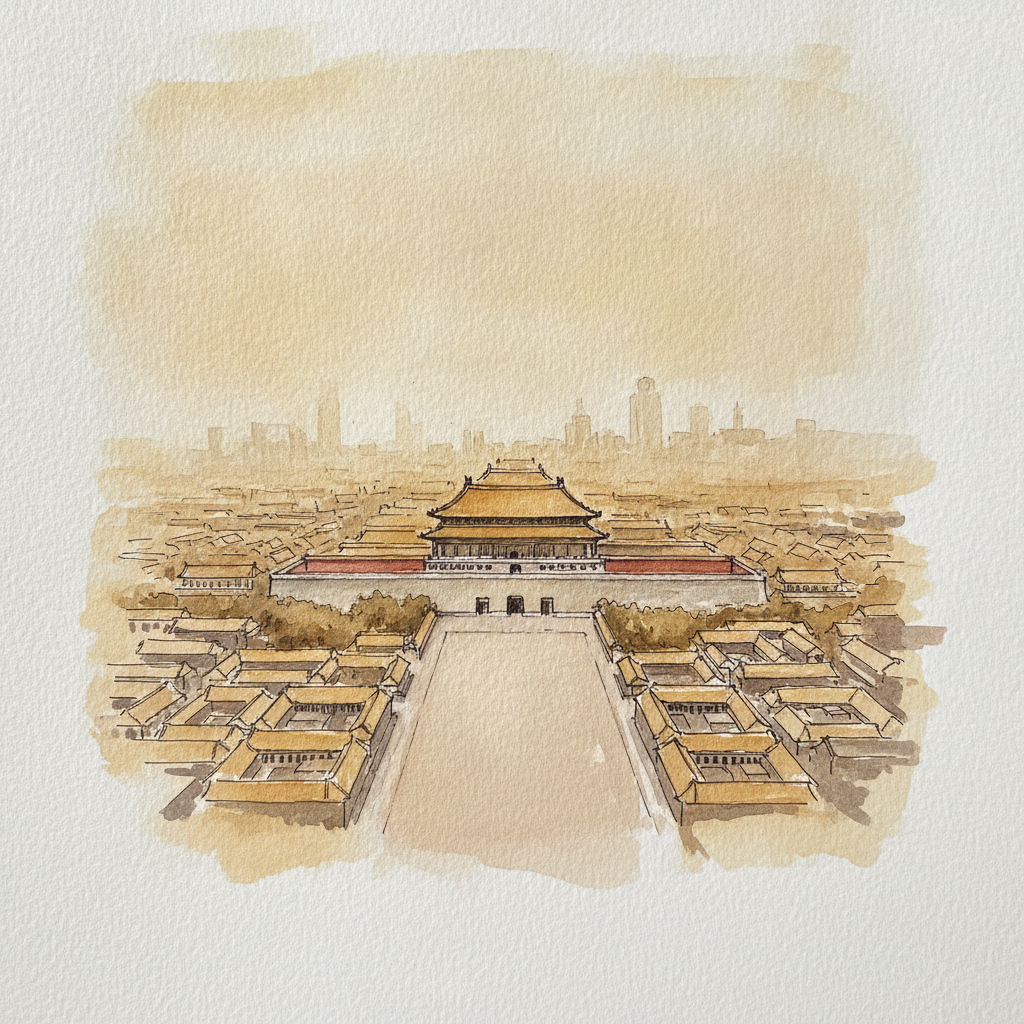
This piece is an excellent study in defining structure through selective line work and a constrained palette, all within a pervasive atmospheric effect. Use broad, unifying yellow-brown washes, applied wet-on-wet, to establish the smog haze that blurs distant urban blocks and softens the overall scene. Reserve your crispest pen lines and darkest values for the immediate architectural details of the Forbidden City, letting these anchor the composition against the dissolving background.
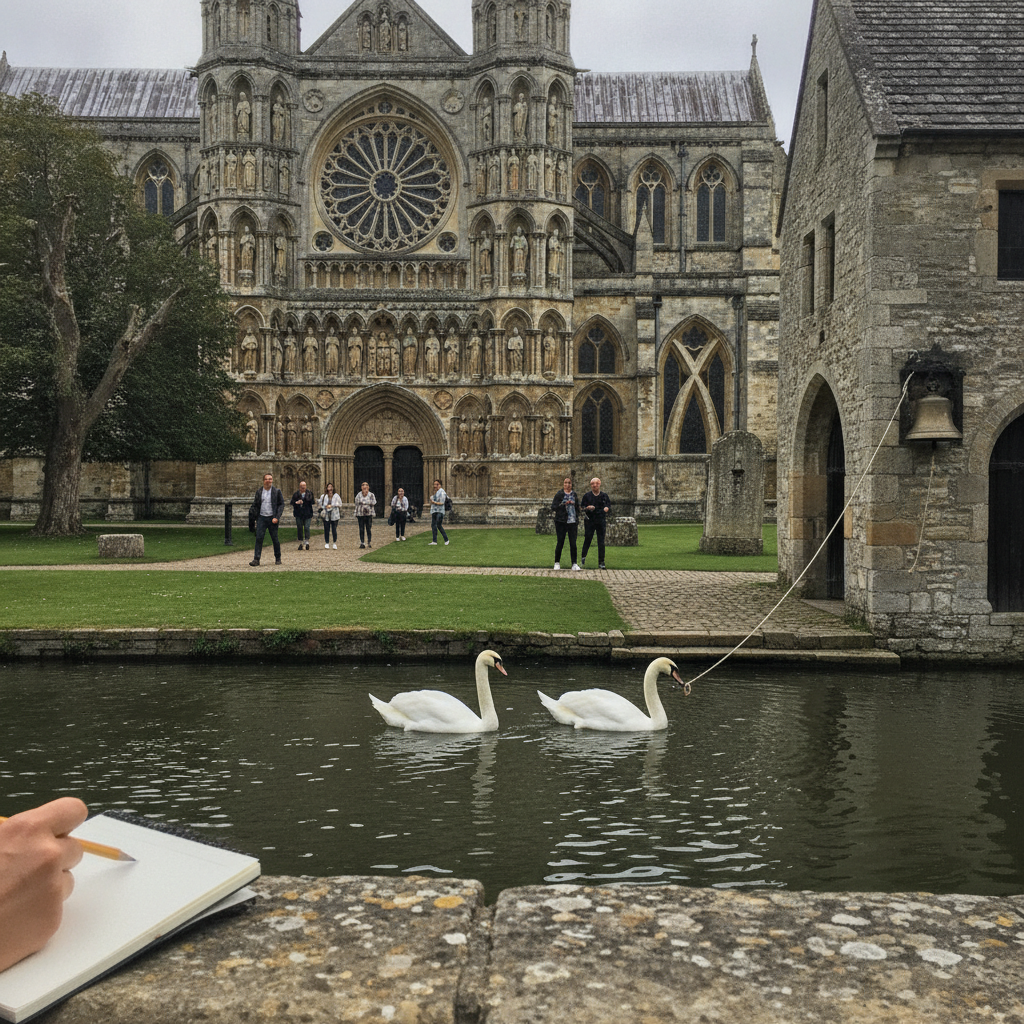
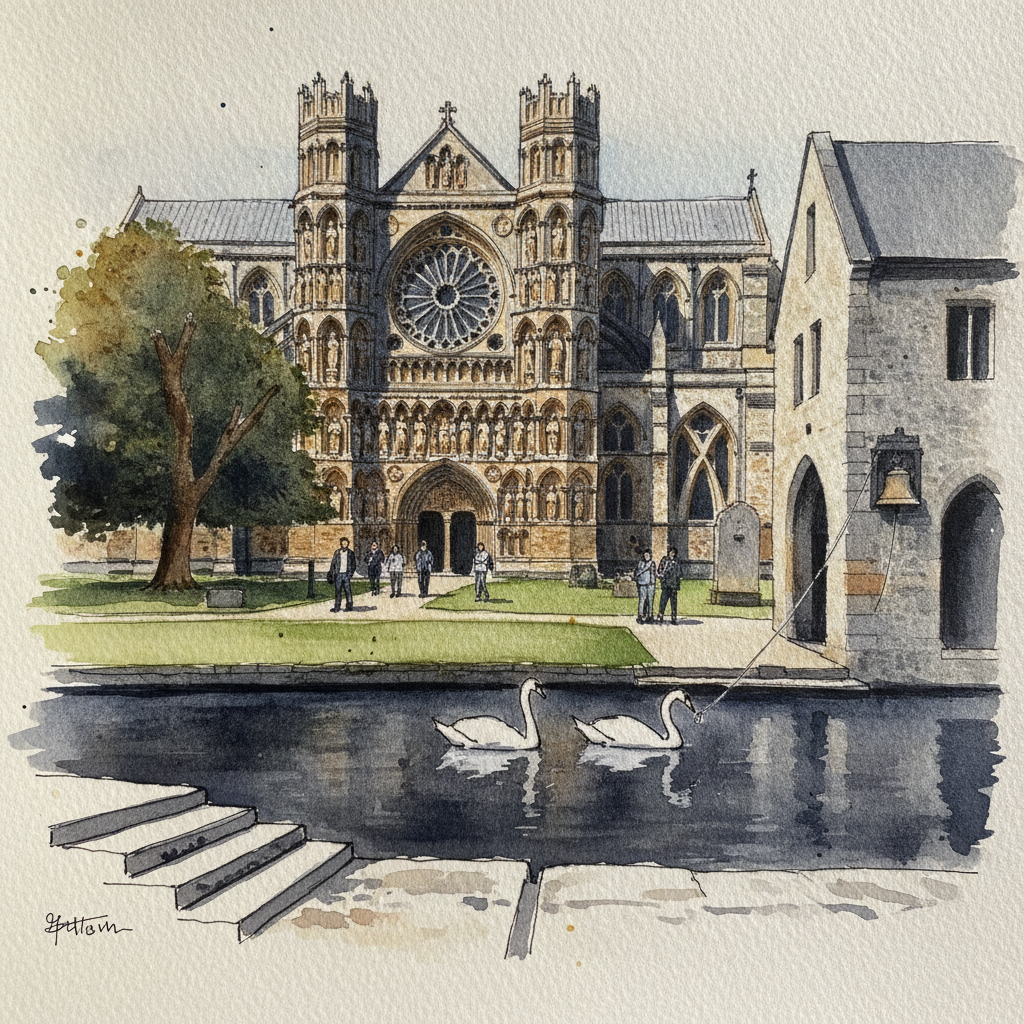
Piece 7 — Wells Cathedral, Wells, England
Pen + Watercolor · Loose pen and watercolor line-and-wash
Three takes
Focus for this piece
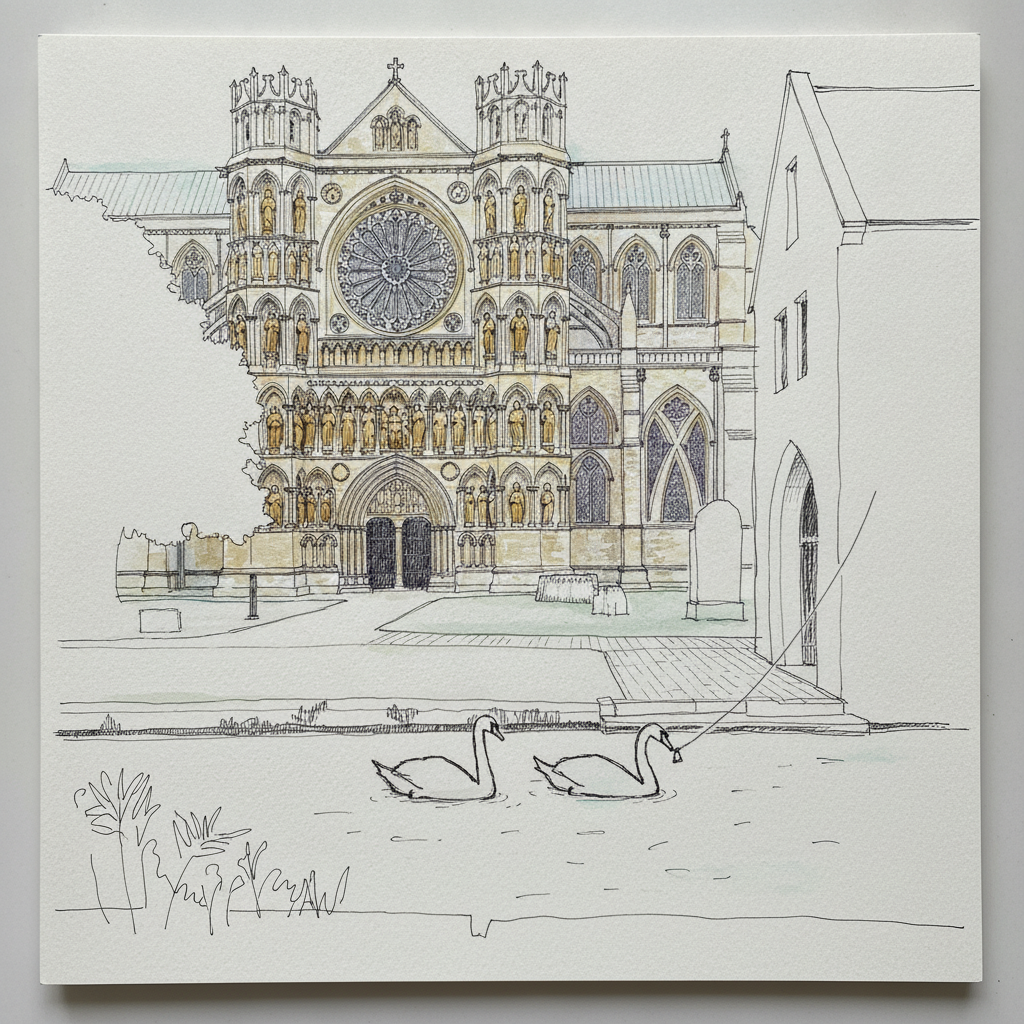
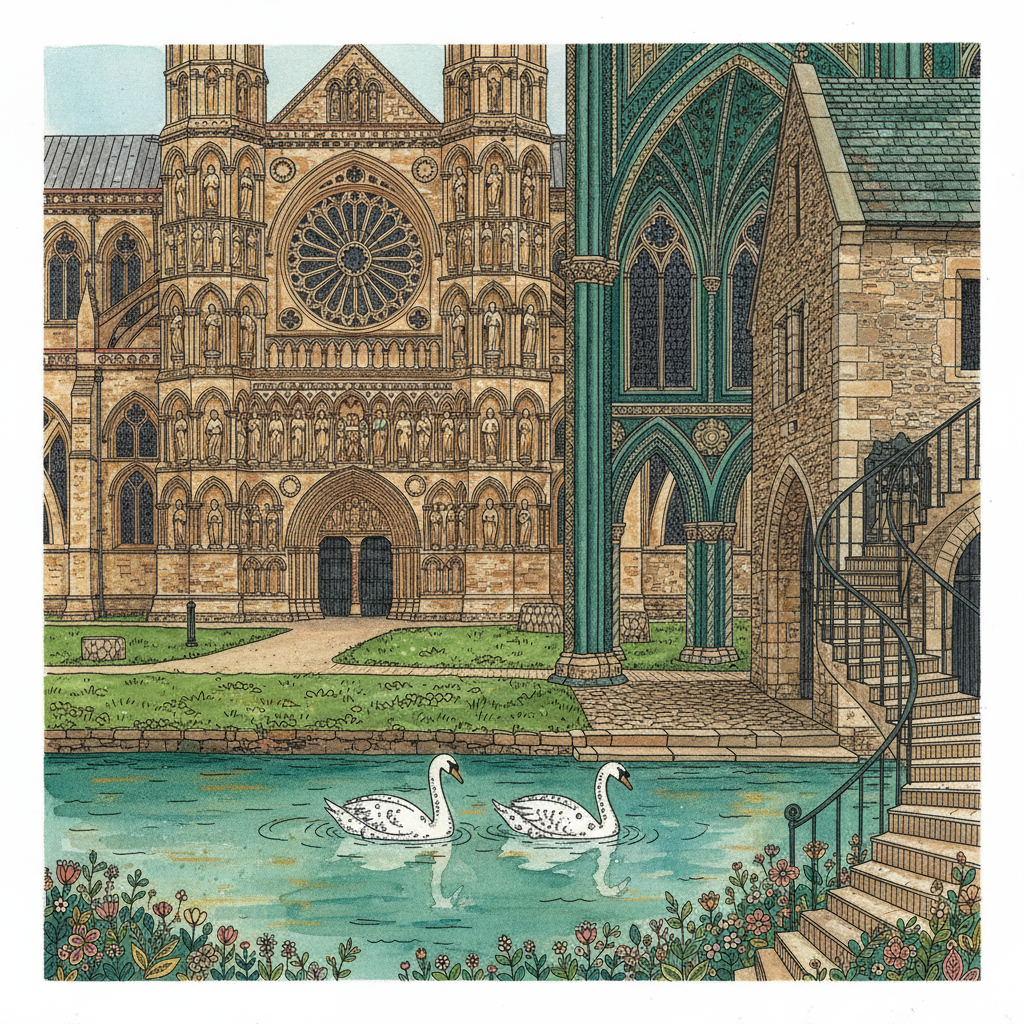
This piece offers a compelling study in using varied line weights and controlled washes to convey both intricate detail and grand scale. Practice defining the strong geometry of the unique scissor arches with precise, heavier pen lines, while using lighter, broken lines to suggest the hundreds of statues on the west façade. Then, unify these complex forms with expansive, diluted washes that build atmosphere and hint at the worn texture of centuries-old stone, allowing the watercolor to soften the ink's precision where appropriate.
Piece 8 — Looking Up the Base of a Lattice
Pen + Watercolor · Loose pen and watercolor line-and-wash
Three takes
Focus for this piece
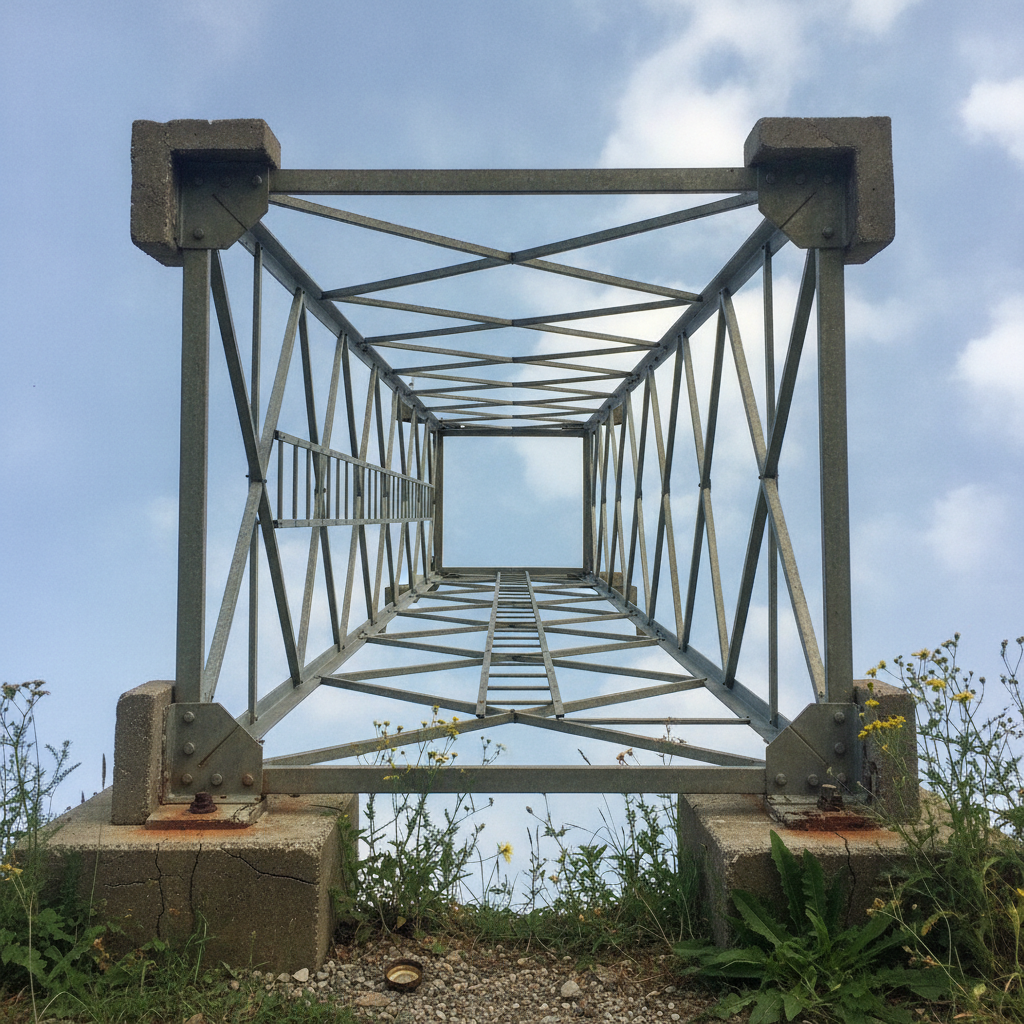
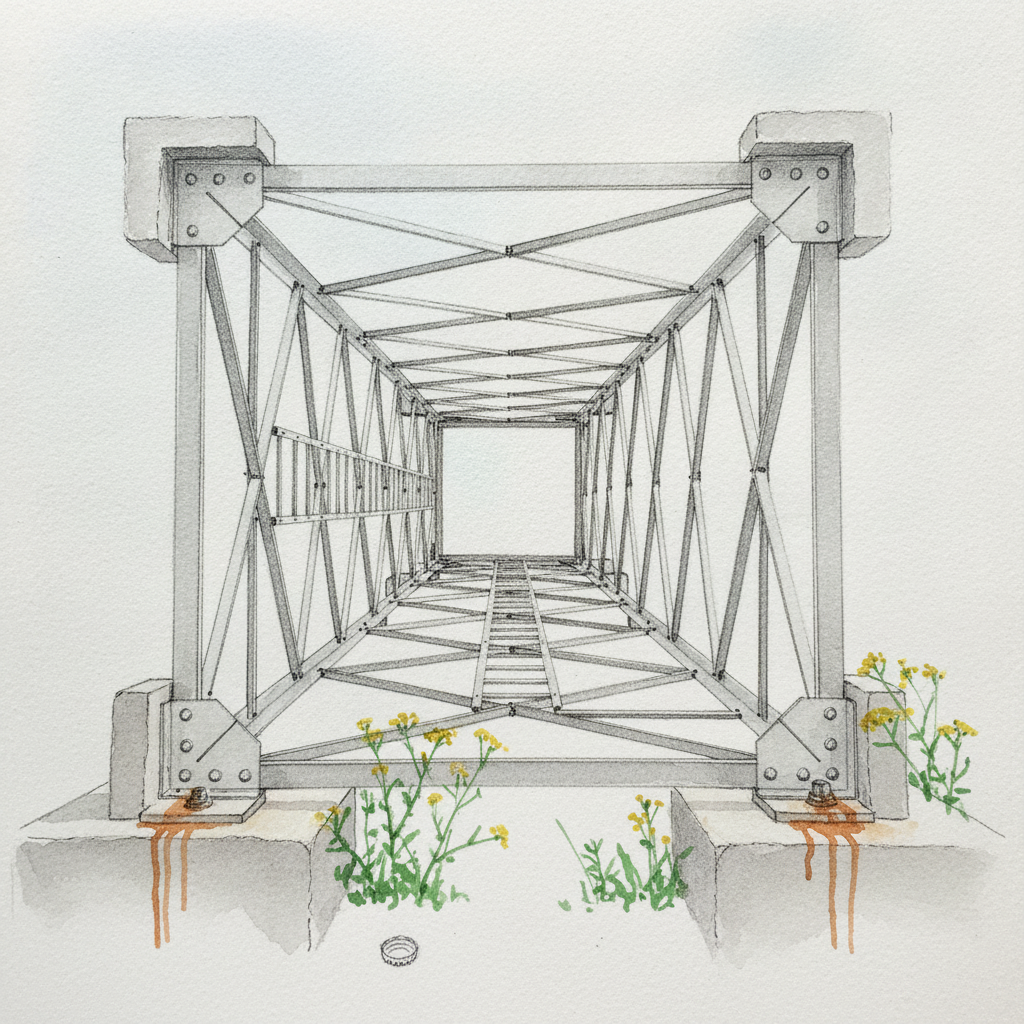
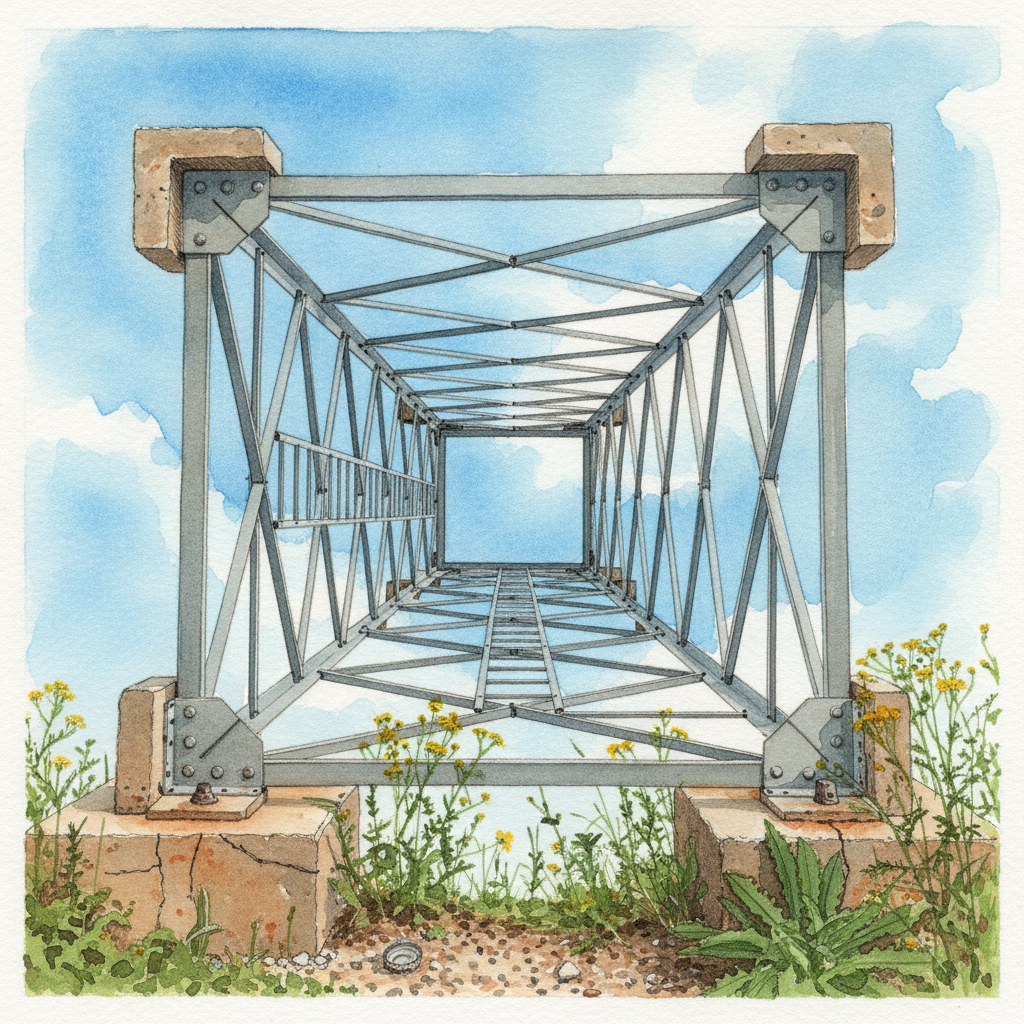
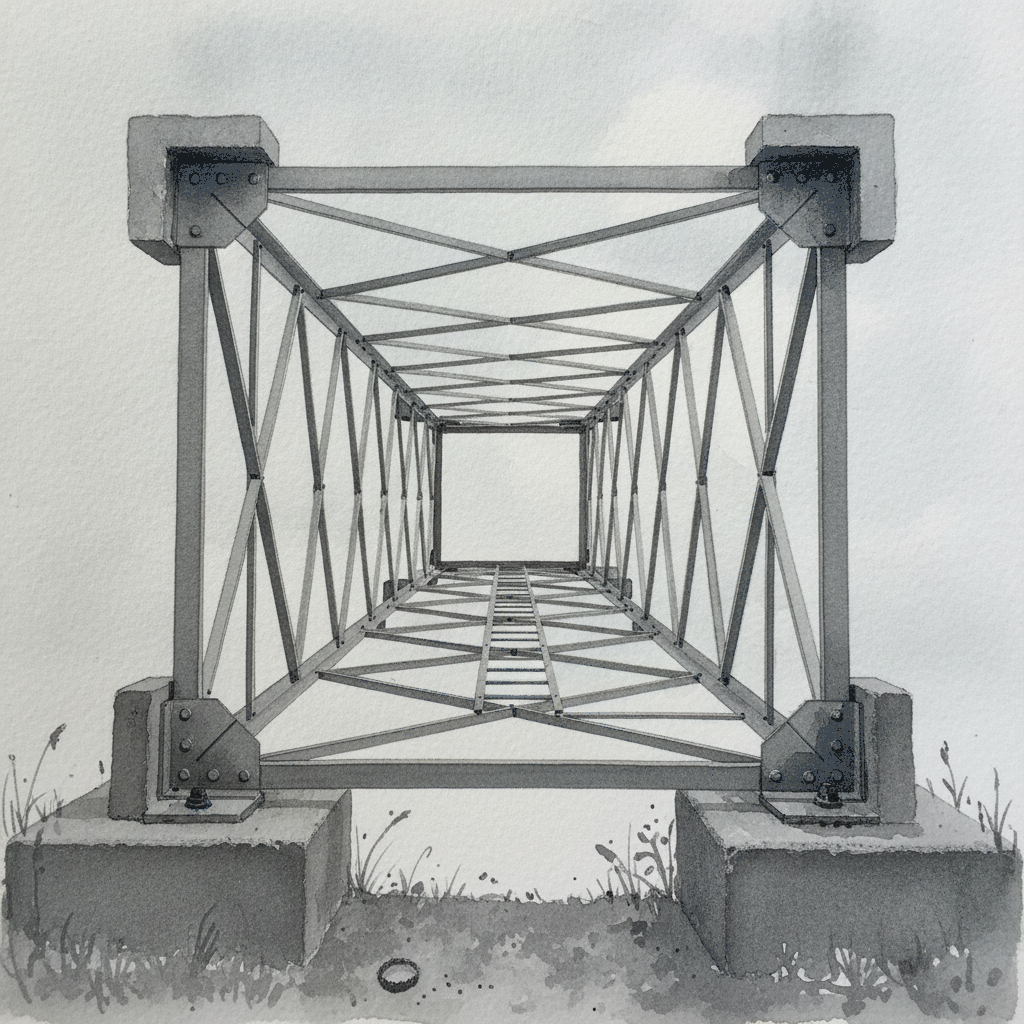
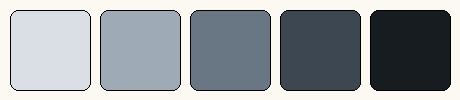
This subject provides a strong opportunity to practice linear perspective, using converging pen lines to capture the "cathedral-like" upward thrust of the lattice structure. Focus on varying your line weight: heavier and more detailed for the foreground concrete and weeds, gradually lightening as the steel framework diminishes overhead. Complement this with soft, limited-palette watercolor washes that establish atmospheric depth for the sky and distant elements, while adding specific foreground textures like orange iron-stains and concrete cracks.