Sydney funnel-web spider, High plank with shoulder tap, Leaf insect, flat and veined, C-section scar, and more — pen + watercolor for July 4, 2026
AI-generated daily art-practice references for pen and watercolor: Sydney funnel-web spider, High plank with shoulder tap, Leaf insect, flat and veined, C-section scar, Beech Wood in Late November Rain, Daintree Mangrove Edge, Queensland, Xi'an City Wall, Xi'an, Shaanxi, China, Stockholm from Sod…
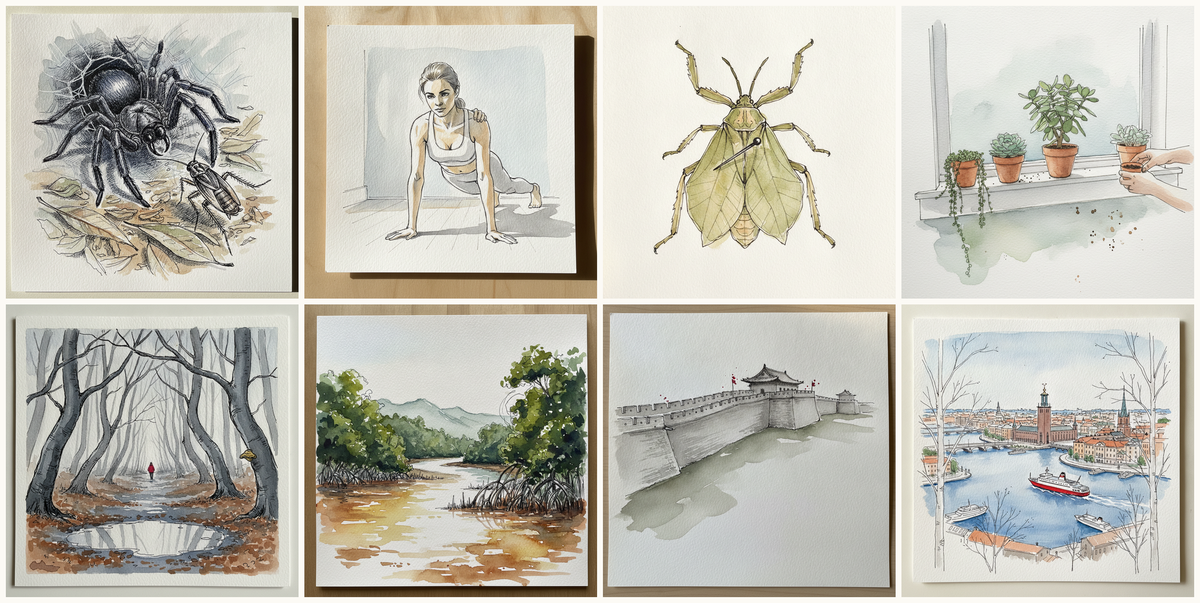
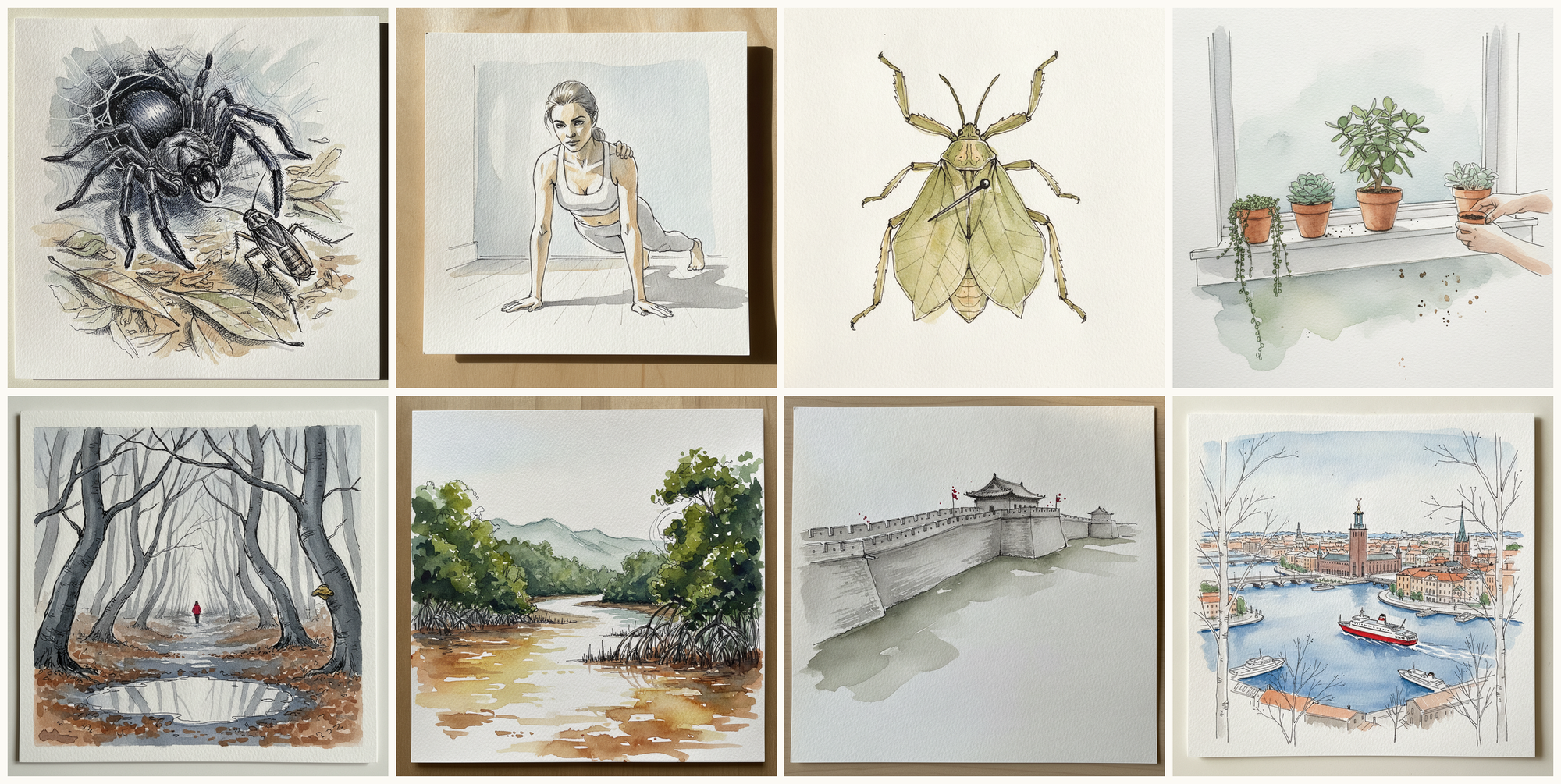
Today's 8 pen-and-watercolor pieces: Sydney funnel-web spider, High plank with shoulder tap, Leaf insect, flat and veined, C-section scar, Beech Wood in Late November Rain, Daintree Mangrove Edge, Queensland, Xi'an City Wall, Xi'an, Shaanxi, China, Stockholm from Sodermalm Heights. Each piece comes with an AI-generated photoreal reference, three AI-generated example artworks in different treatments, and a short focus paragraph naming what to study in this one.
Why these references use AI
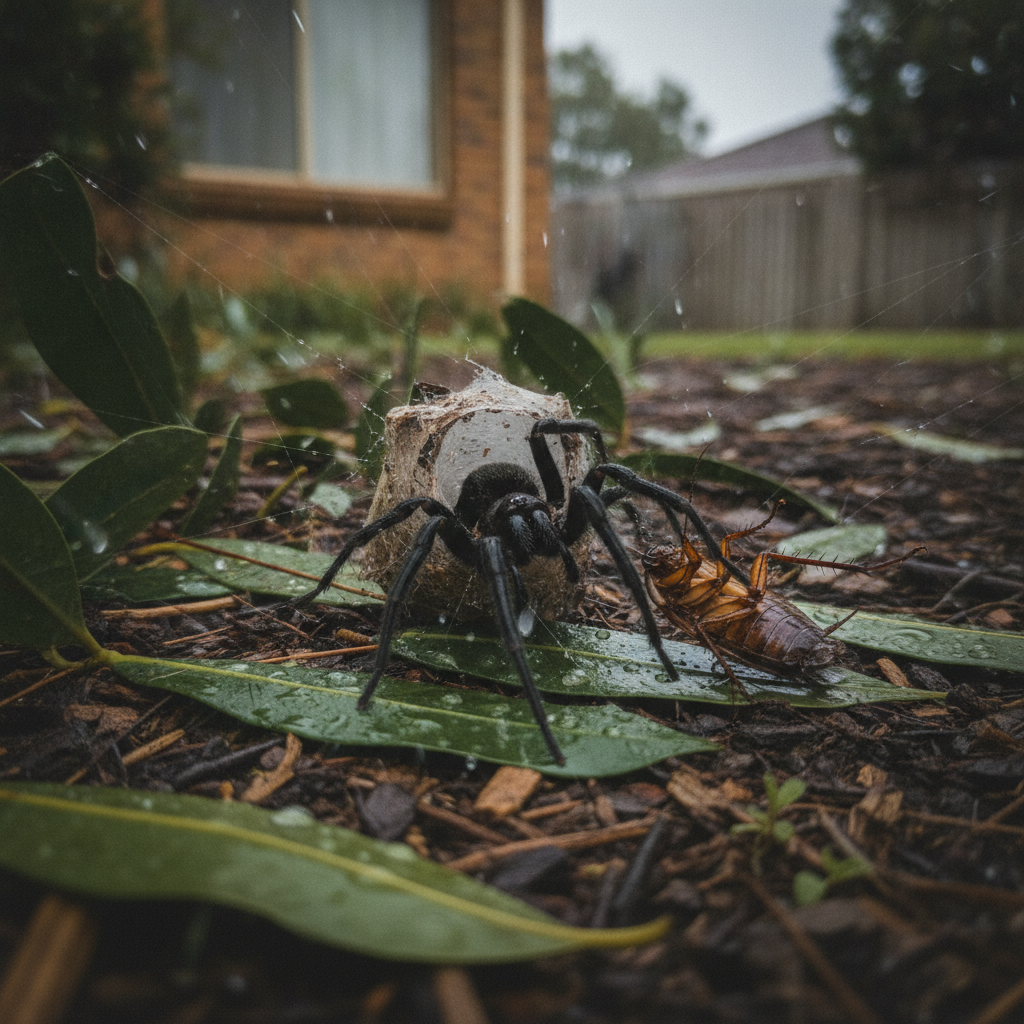
This daily series uses AI-generated images as practice prompts, not as finished artwork to copy. Each subject starts with a synthetic photoreal reference generated with Gemini/Nano Banana, then moves into three pen-and-watercolor interpretations of the same subject.
I use AI here because daily art practice needs variety and low friction. Real life can get repetitive, busy, or visually narrow. These generated reference sets make it easier to study bodies, buildings, animals, landscapes, objects, gestures, light, palettes, and compositions that might not show up in an ordinary day.
The goal is not to reproduce any image directly. Treat each set as a starting point for observation and study: choose what interests you, change the framing, simplify the subject, alter the palette, and make your own version.
Piece 1 — Sydney funnel-web spider
Pen + Watercolor · Loose pen and watercolor line-and-wash
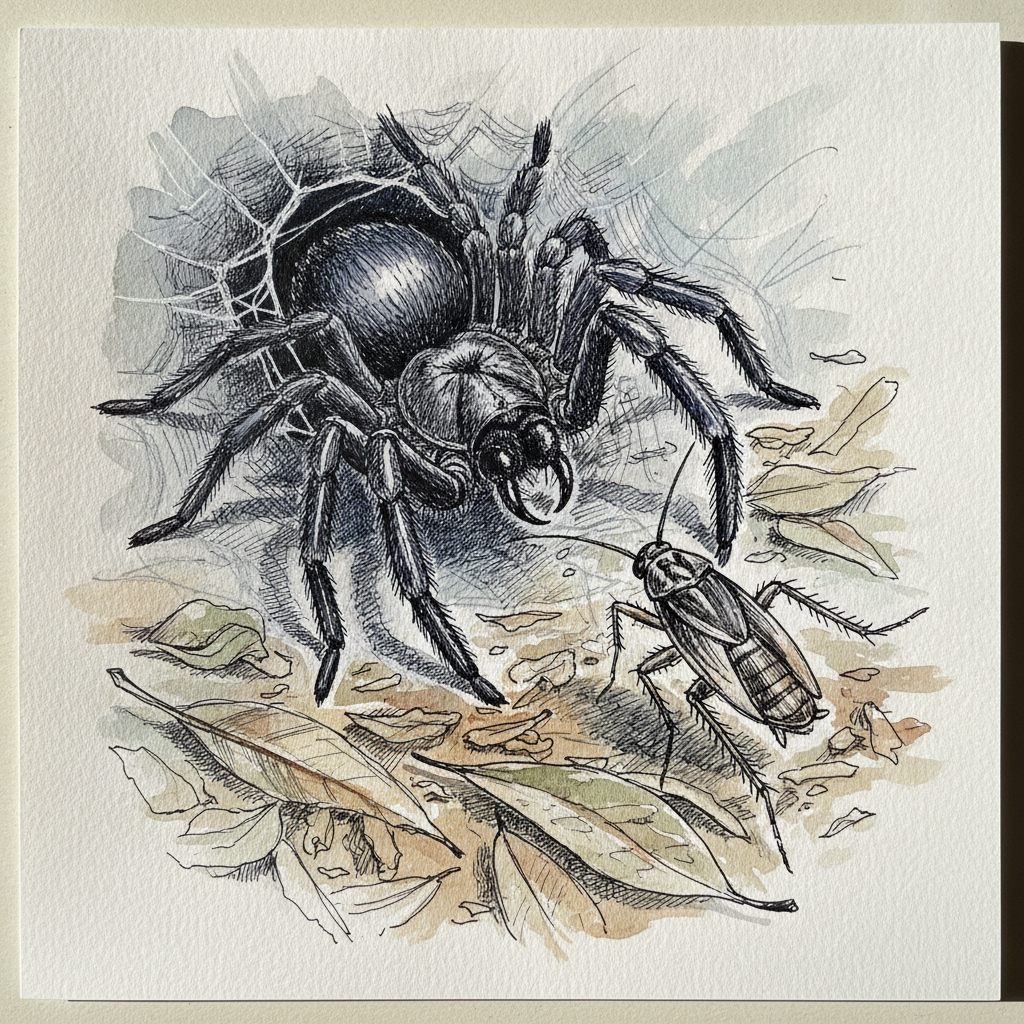
Three takes

Focus for this piece
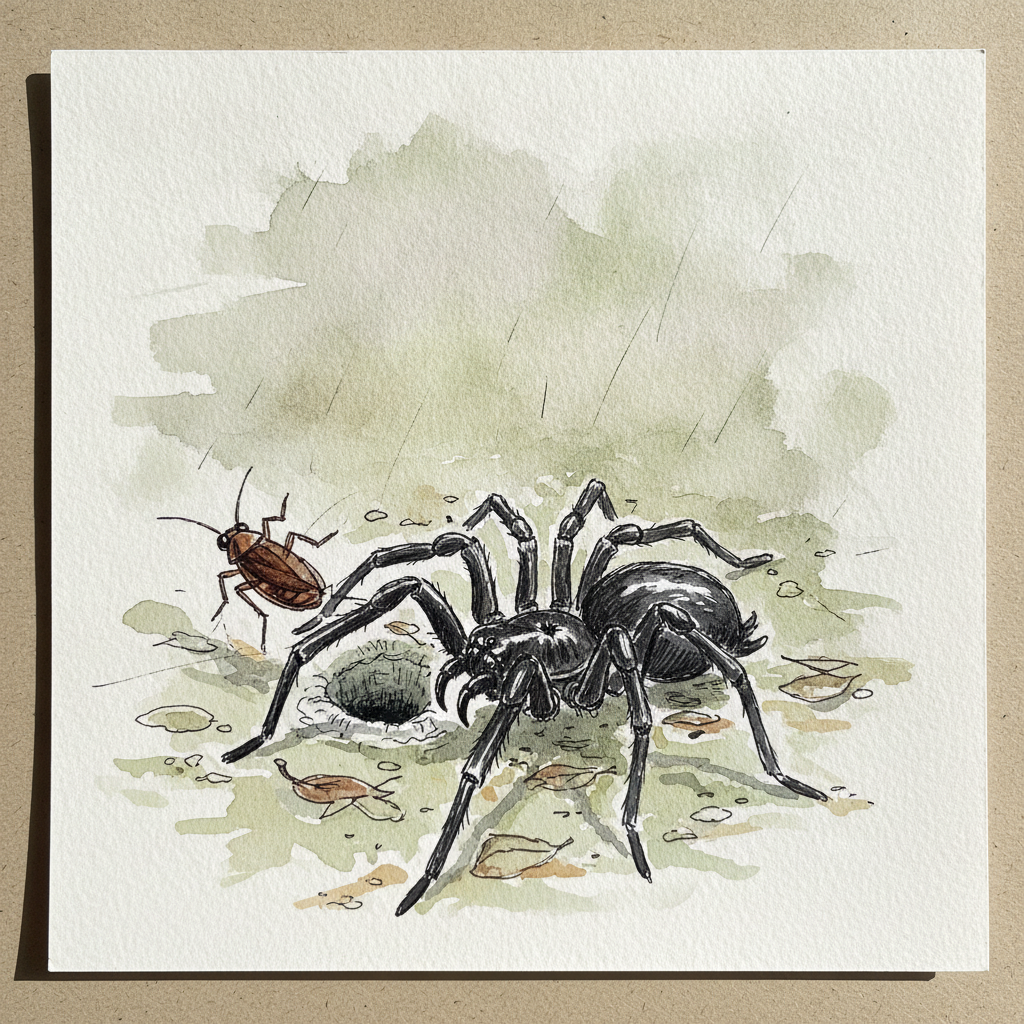
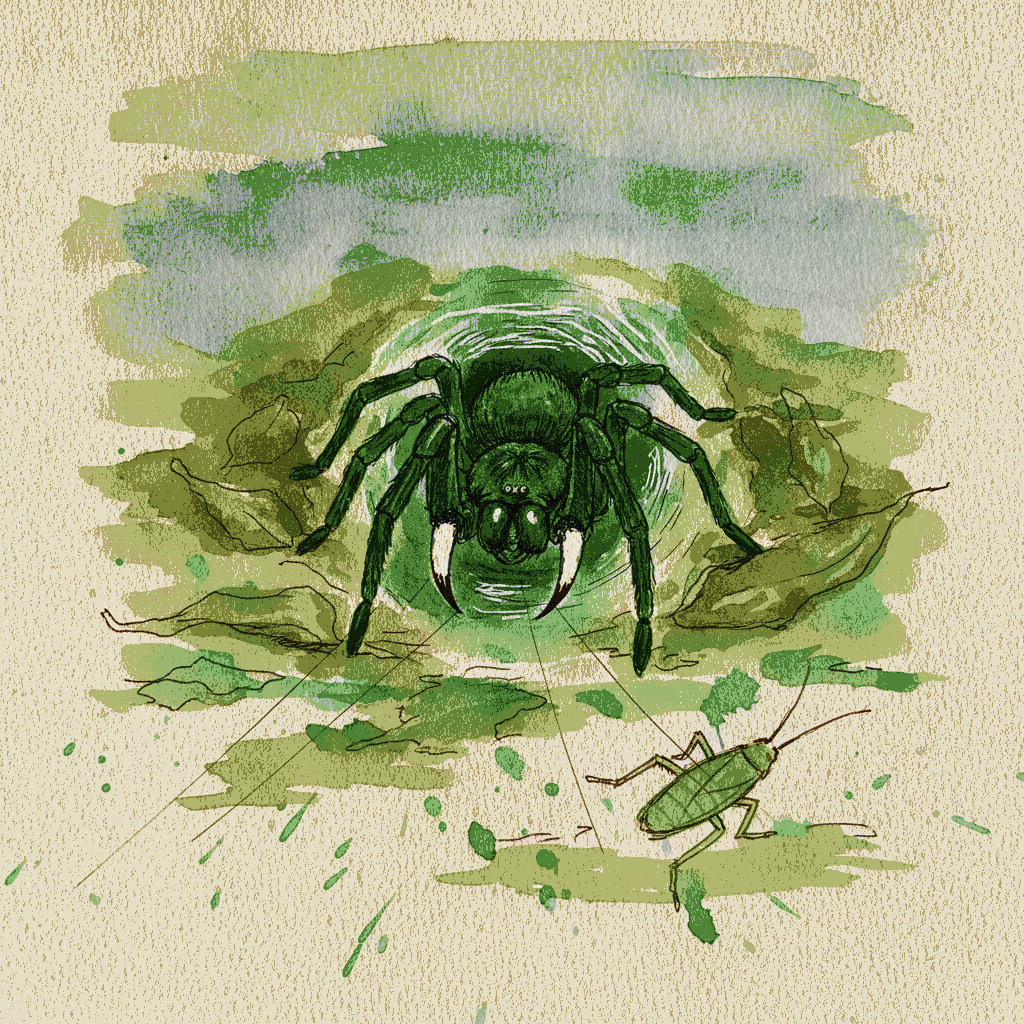
This piece offers an excellent study in marrying precise line work with atmospheric washes. Focus on rendering the striking radial pattern of the spider's trip lines using varied, fine line weights to anchor the composition. Then, use layered, rich dark washes to give the spider's crouched form both volume and a menacing presence, contrasting with the softer, textural washes of the surrounding leaf litter.
Piece 2 — High plank with shoulder tap
Pen + Watercolor · Loose pen and watercolor line-and-wash

Three takes

Focus for this piece
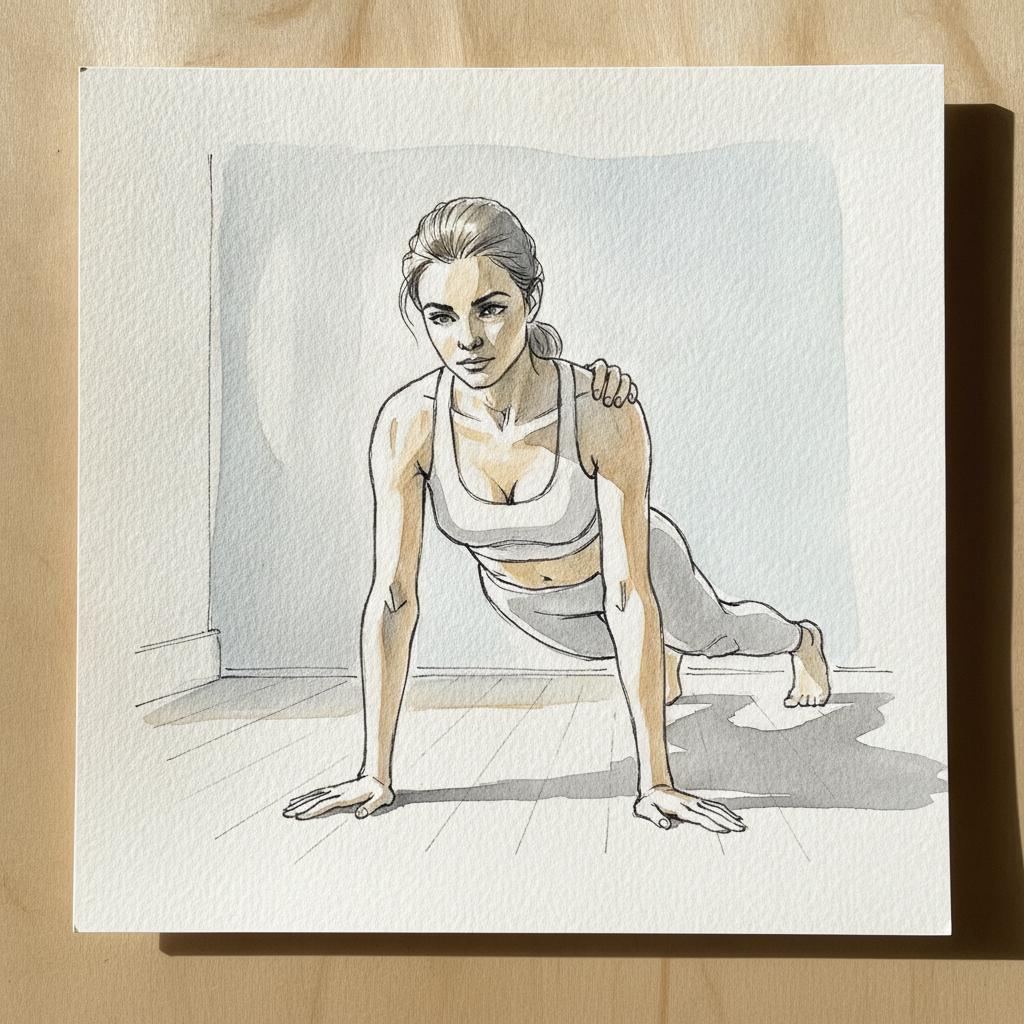
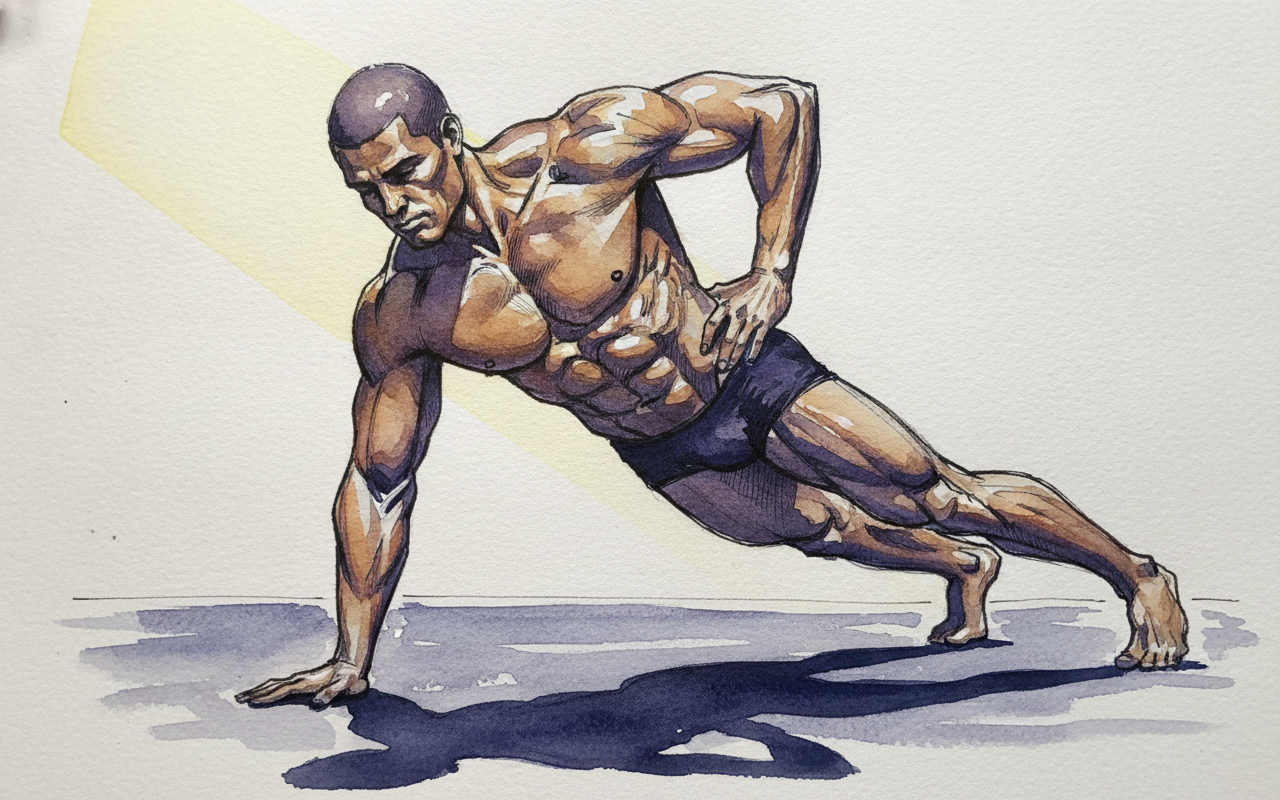
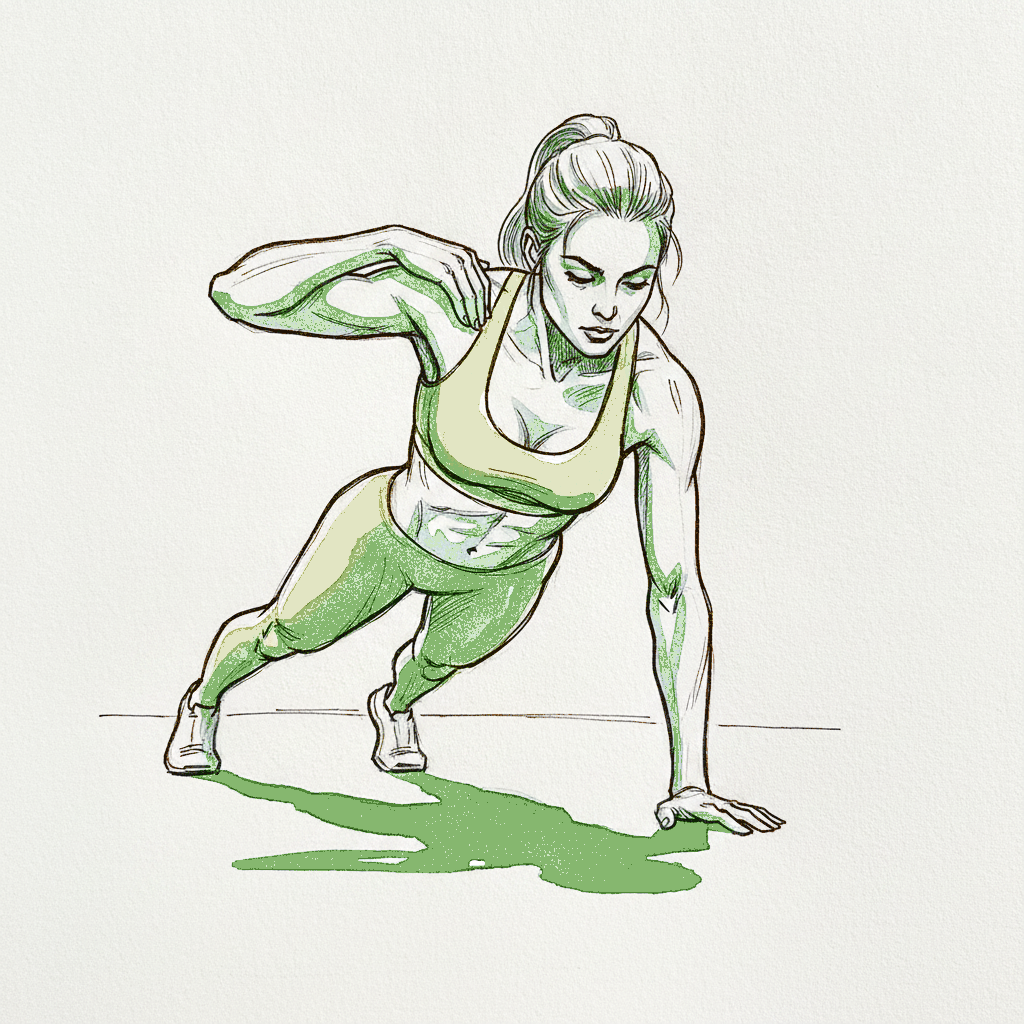
This dynamic "high plank" pose is an excellent study in defining athletic form through strong directional light and shadow. Concentrate on using varied pen line weights to articulate the subtle flex of muscles like the supporting deltoid, contrasting these with the broad, clean shapes of the "bright morning sun" and the crisp edges of the cast shadow on the polished floor. A restricted palette, perhaps two complementary colors, can effectively render the volumetric shift and tension without overcomplicating your washes.
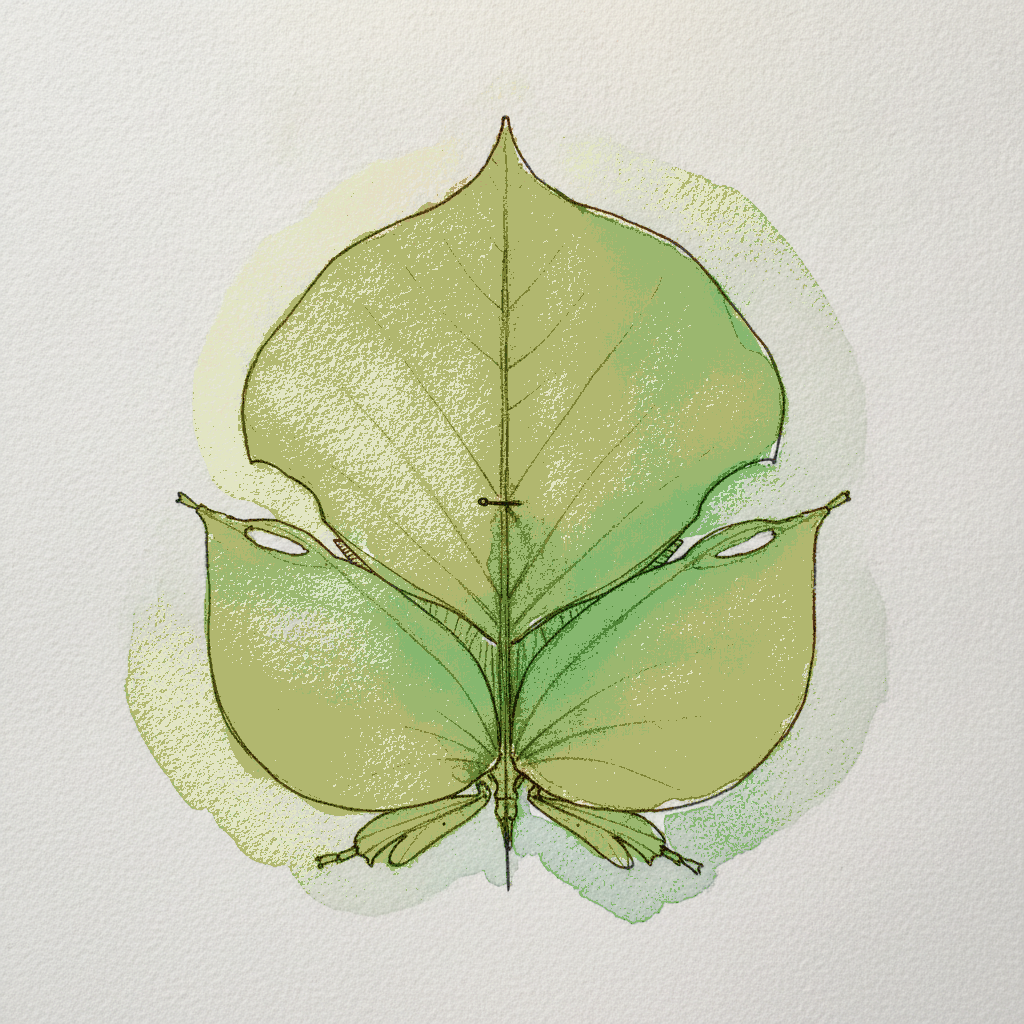
Piece 3 — Leaf insect, flat and veined
Pen + Watercolor · Loose pen and watercolor line-and-wash
Three takes

Focus for this piece
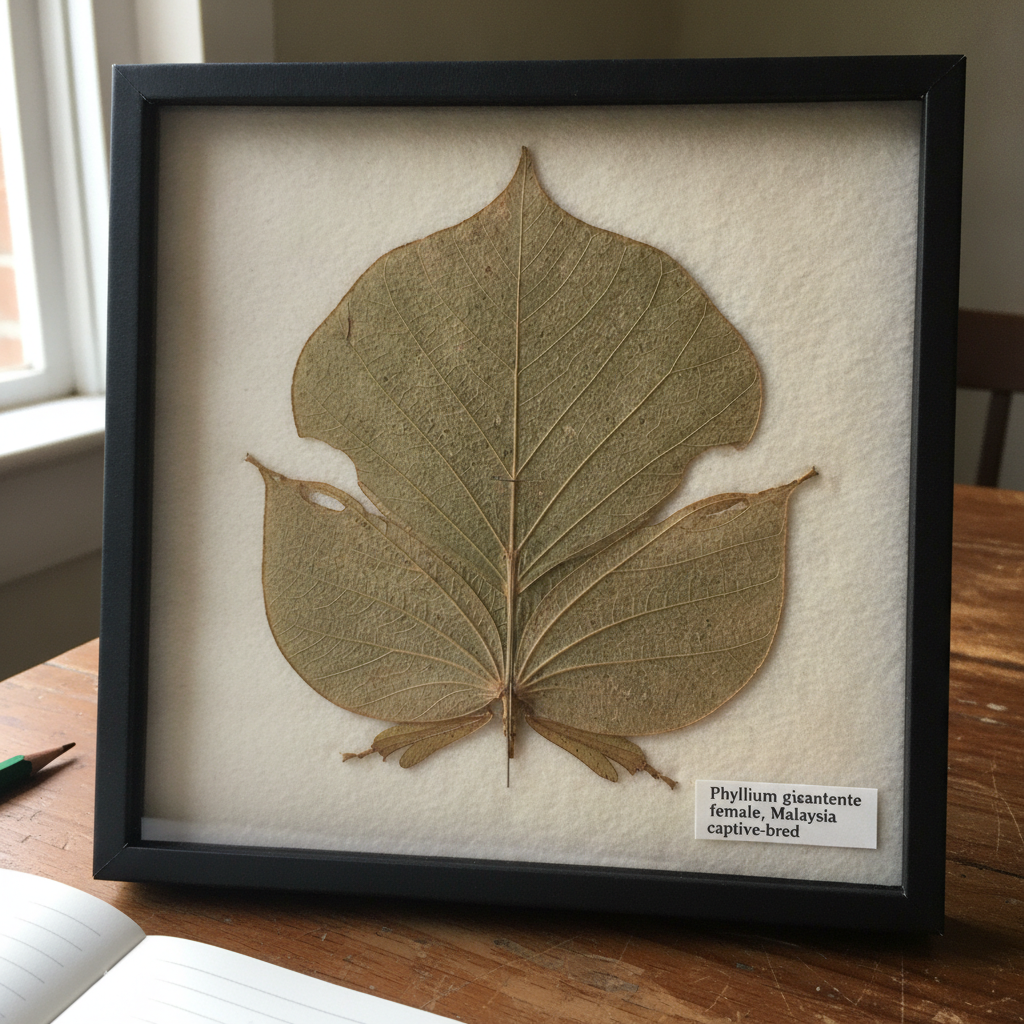
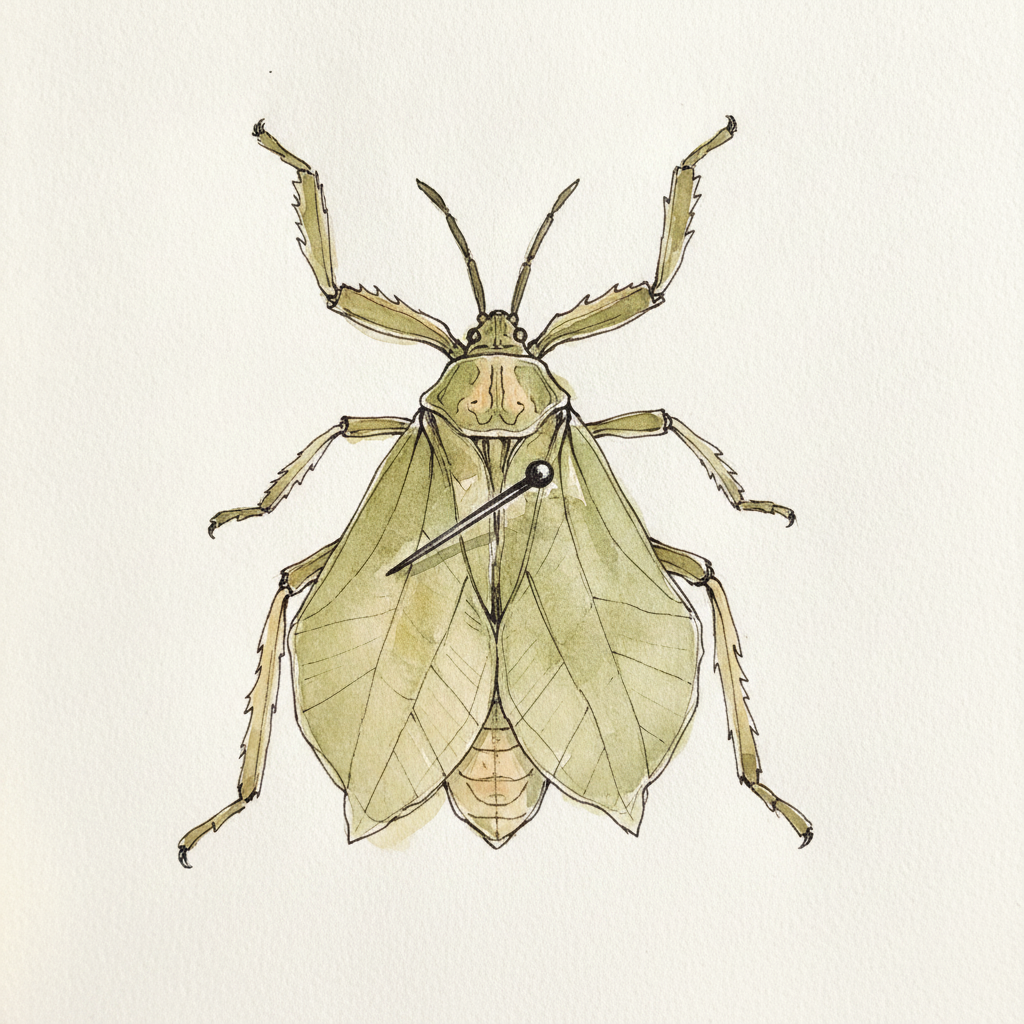
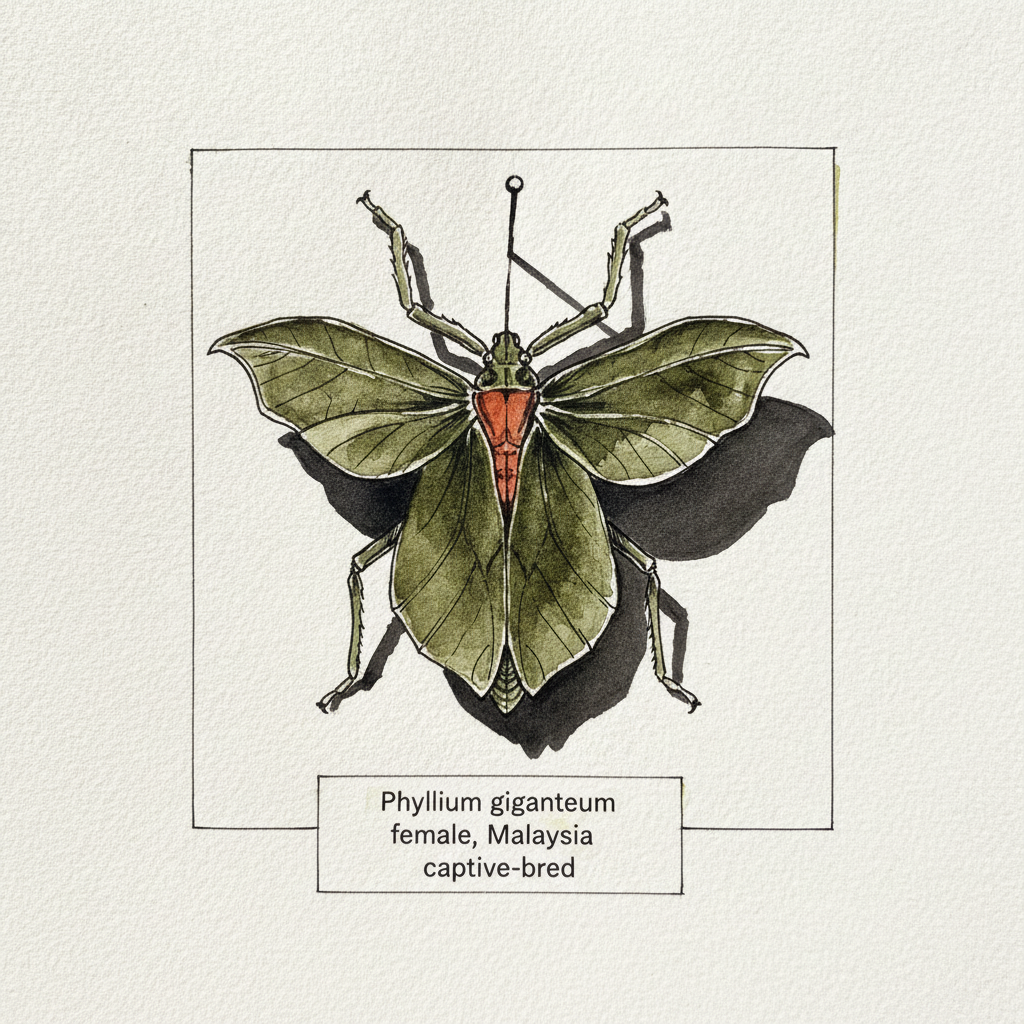
This piece offers a focused study in achieving delicate translucency by layering faint, muted washes of faded green and brown over the initial ink drawing. Practice varying your pen's line weight to define the intricate venation and the insect's distinct ragged edges, allowing these details to hold crispness even as the underlying cotton bedding softly shows through your light watercolor layers.
Piece 4 — C-section scar
Pen + Watercolor · Loose pen and watercolor line-and-wash
Three takes
Focus for this piece
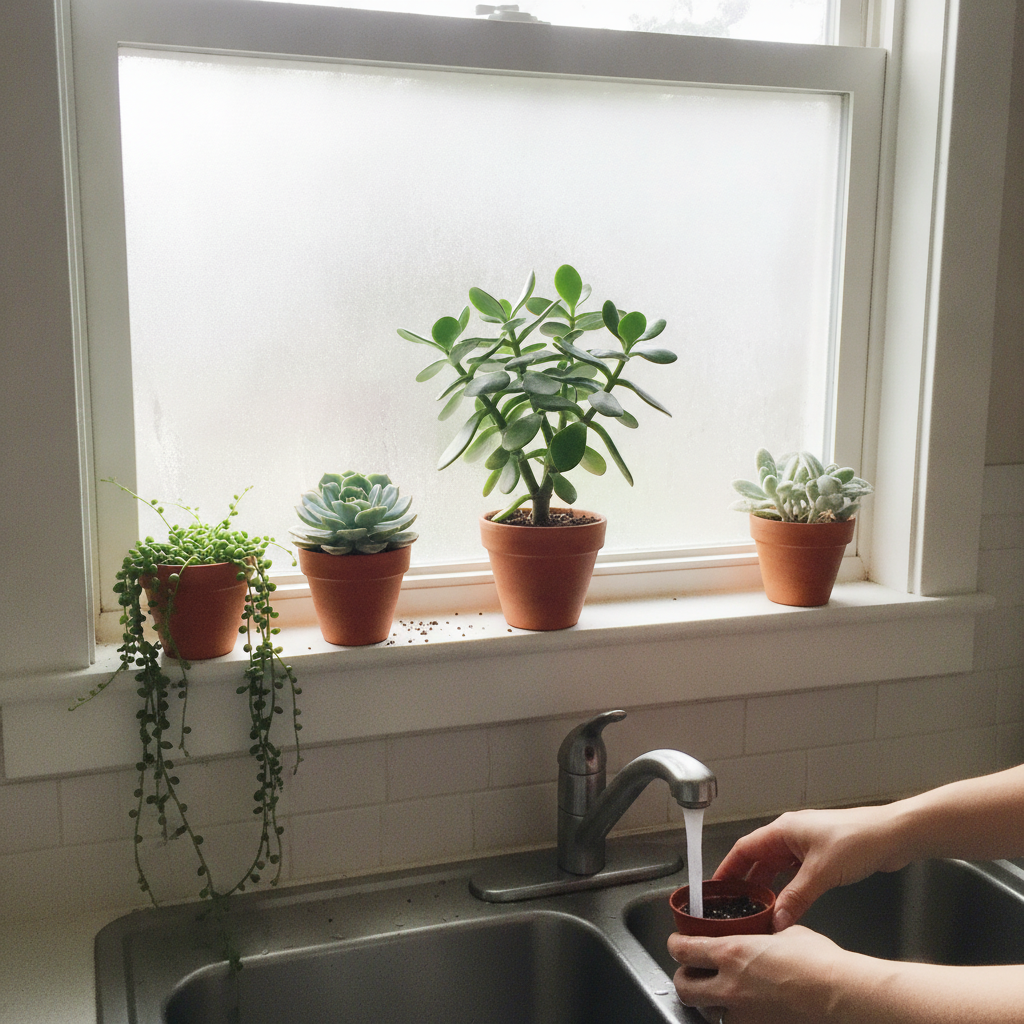
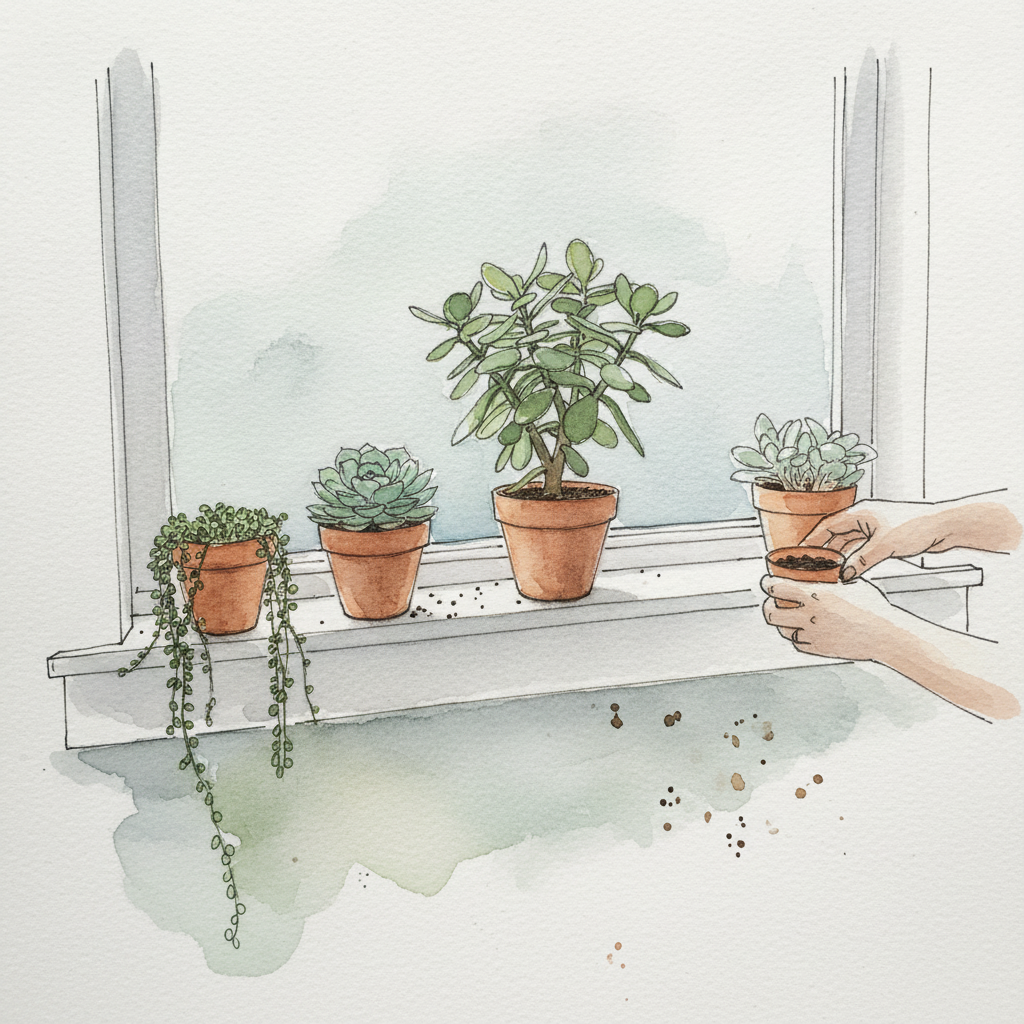
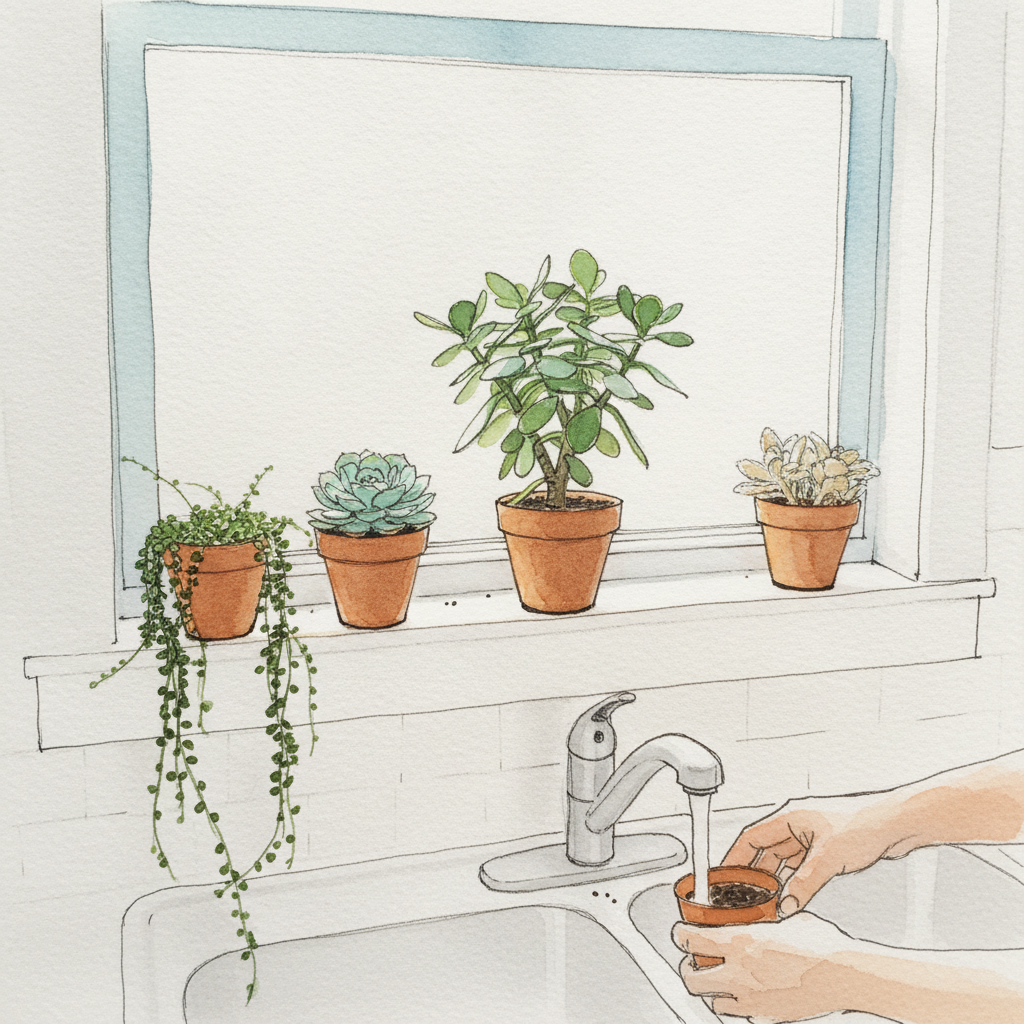
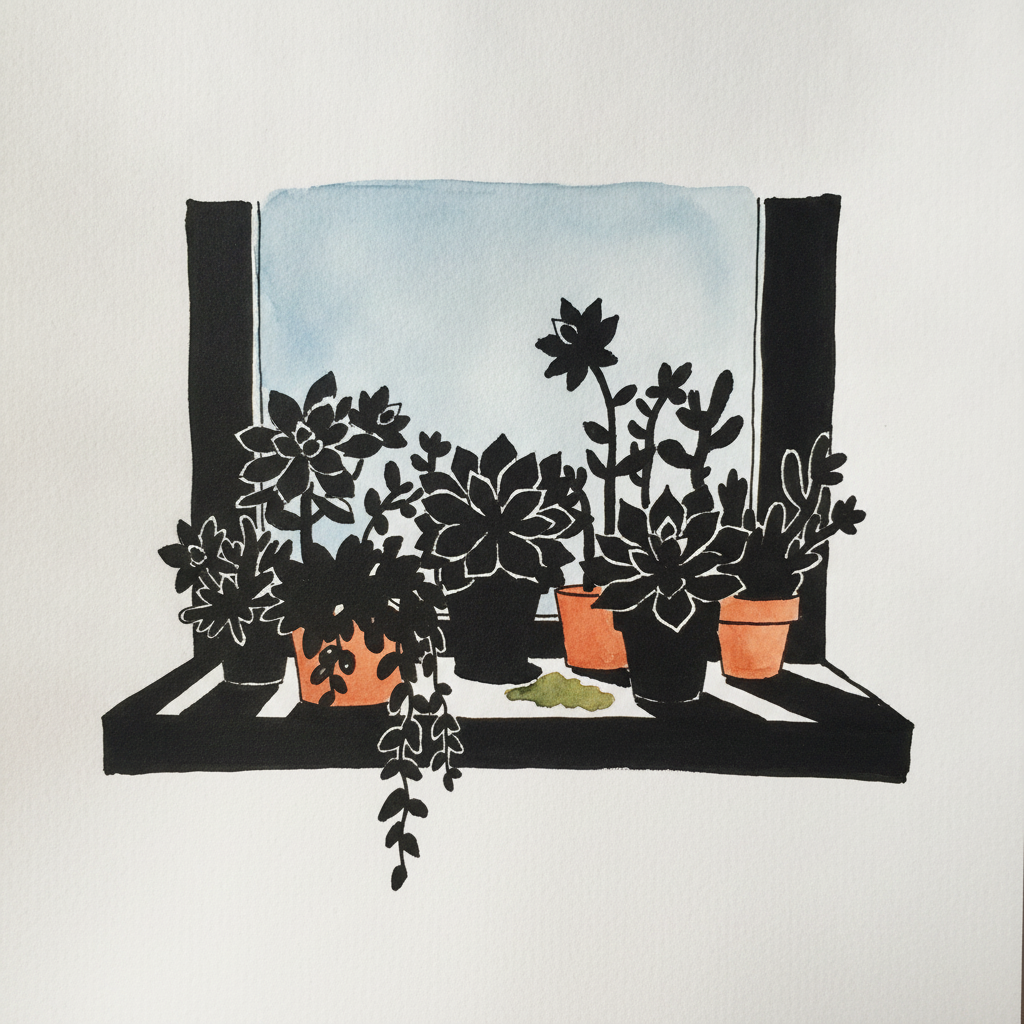
This piece offers an excellent study in rendering strong morning light and varied botanical textures. Begin by establishing bright highlights and deep shadows with your washes, letting the direct sun on the succulents and pots define their overall form. Then, use varied pen line weights—from delicate strokes for the string of pearls to firmer lines for the terra cotta—to articulate distinct plant shapes and material textures, contrasting these crisp details with the softer atmosphere of the fogged window.
Piece 5 — Beech Wood in Late November Rain
Pen + Watercolor · Loose pen and watercolor line-and-wash
Three takes
Focus for this piece
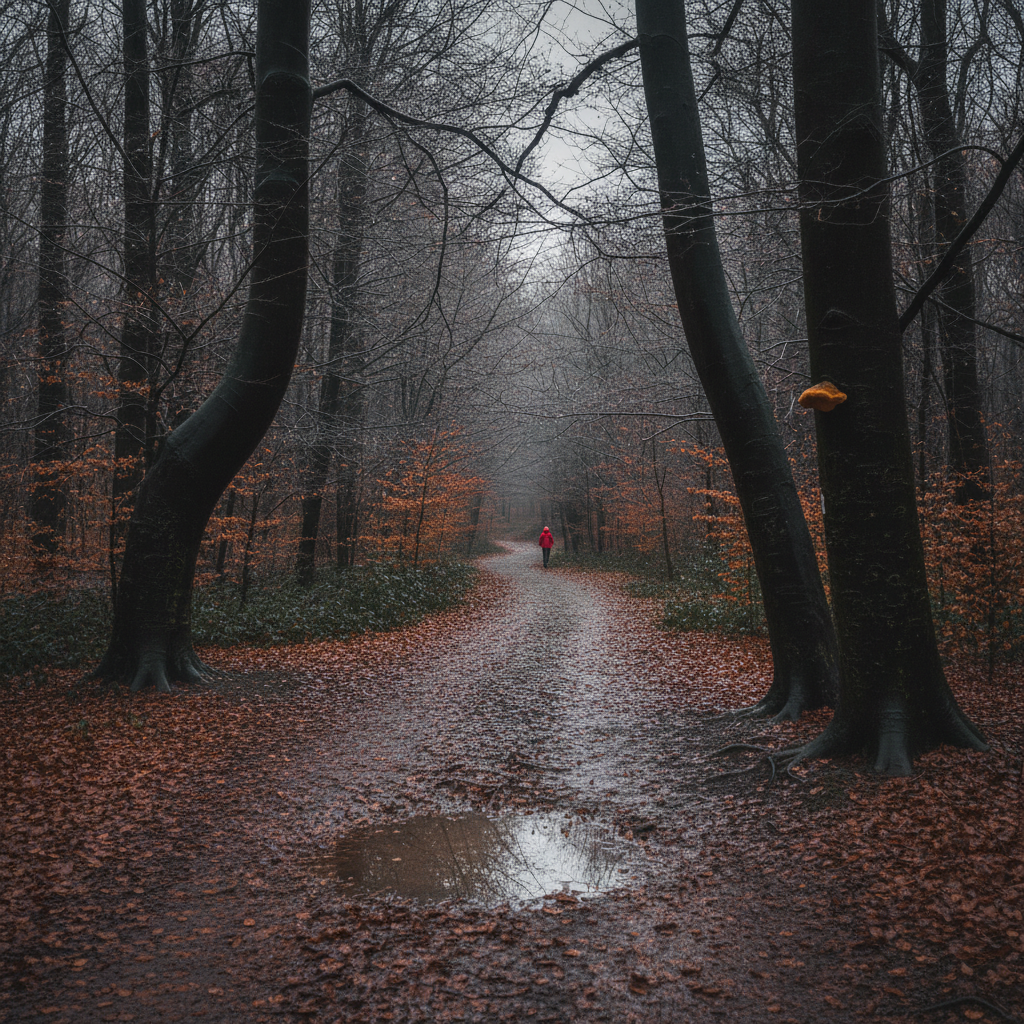
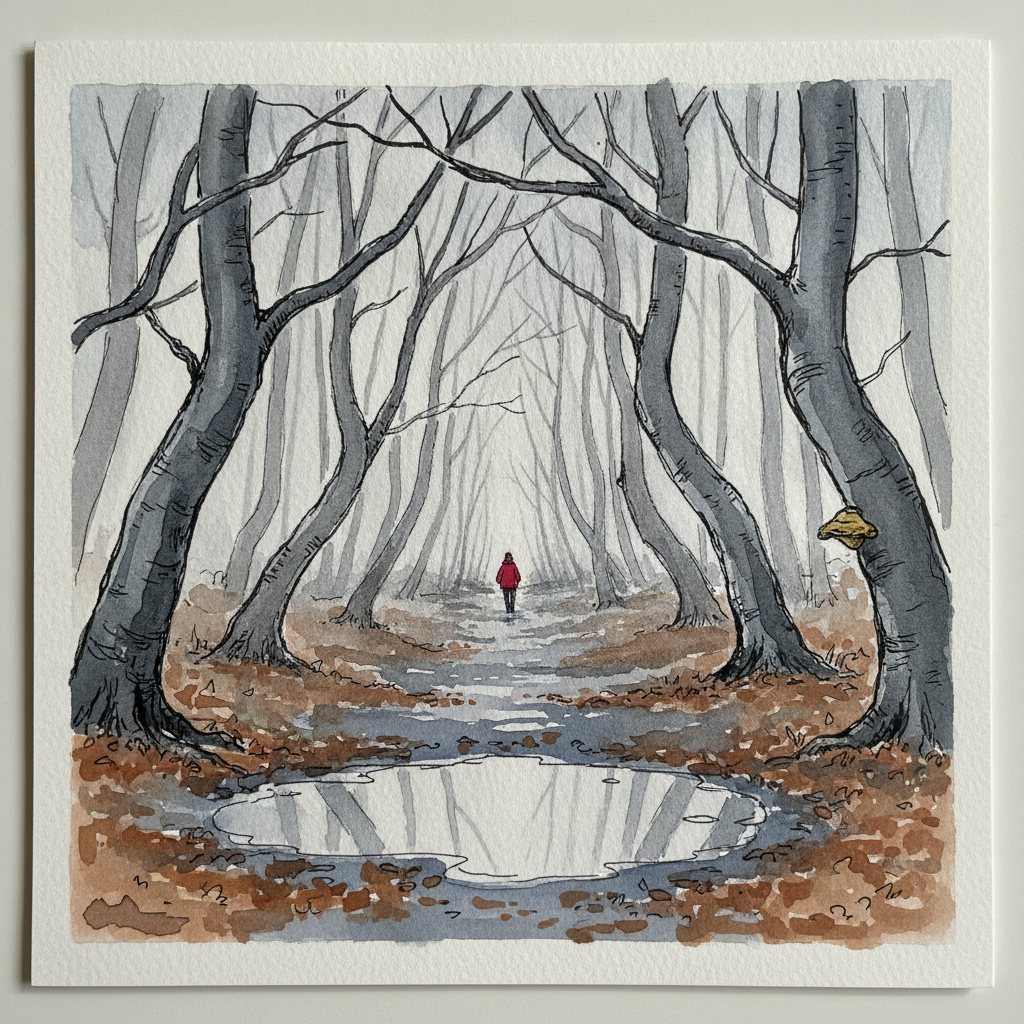
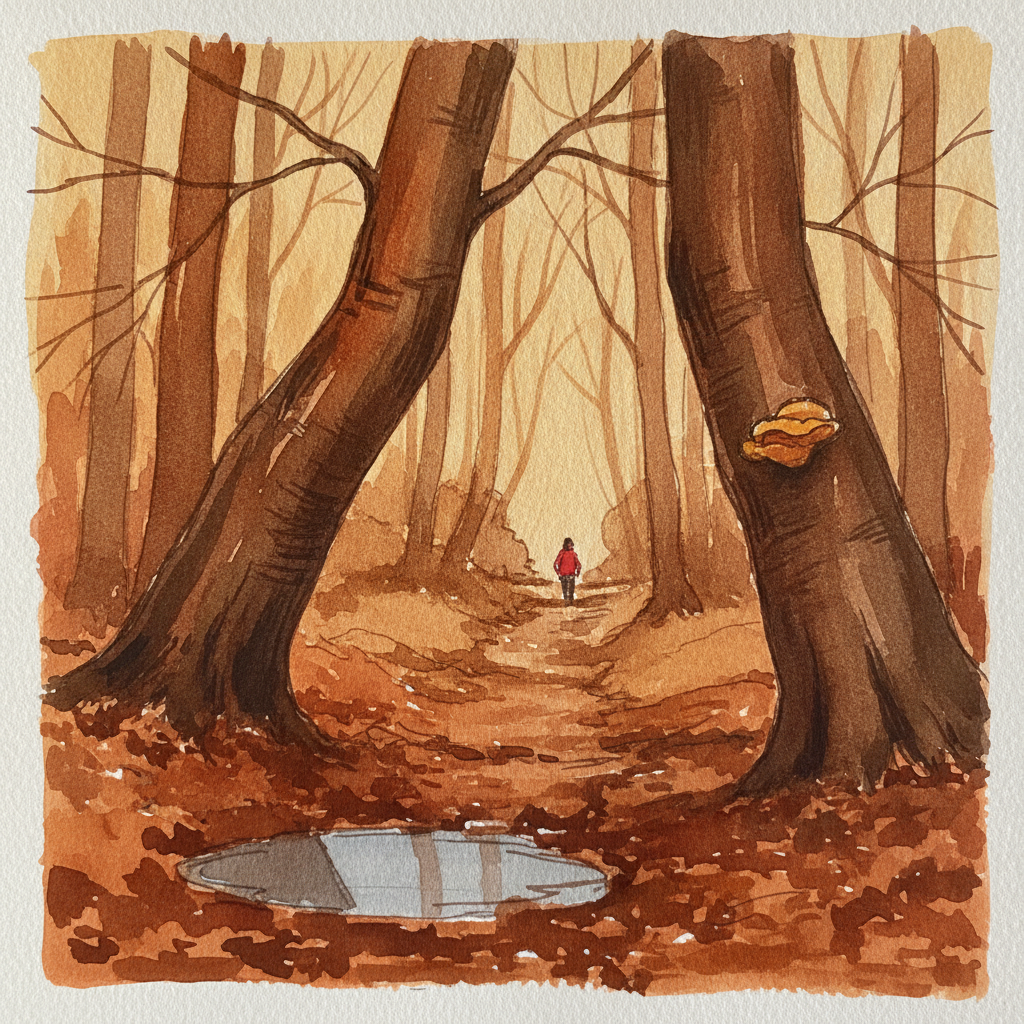
This piece is an excellent study in conveying atmospheric wetness, using varied line weight to articulate the delicate, dripping twigs against the dark, heavy tree trunks. Focus on soft, cool-shifted washes for the pewter sky and sodden leaves, letting wet-on-wet techniques suggest standing water and reflections. Reserve crisp, dark lines for defining the dominant tree forms, and use minimal warm accents only for the copper leaves and the small ochre fungus.
Piece 6 — Daintree Mangrove Edge, Queensland
Pen + Watercolor · Loose pen and watercolor line-and-wash
Three takes
Focus for this piece
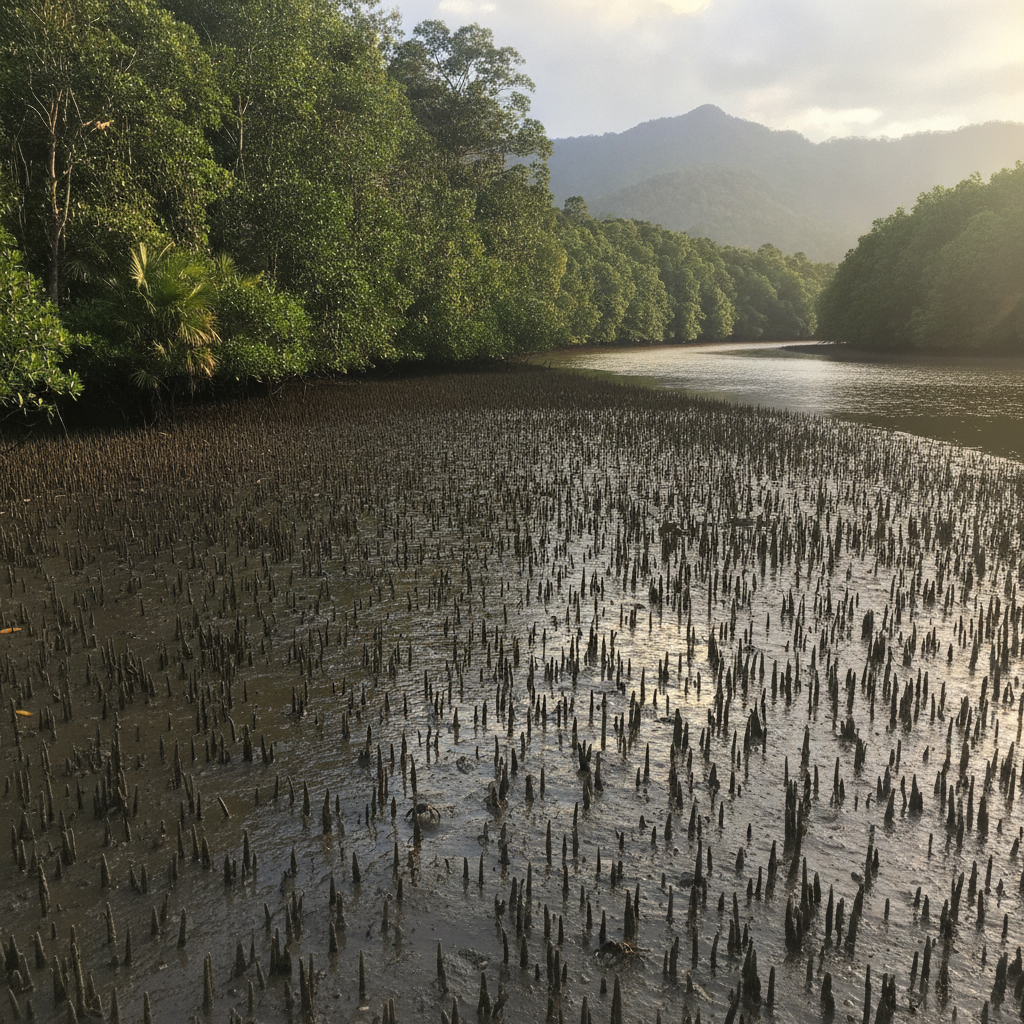
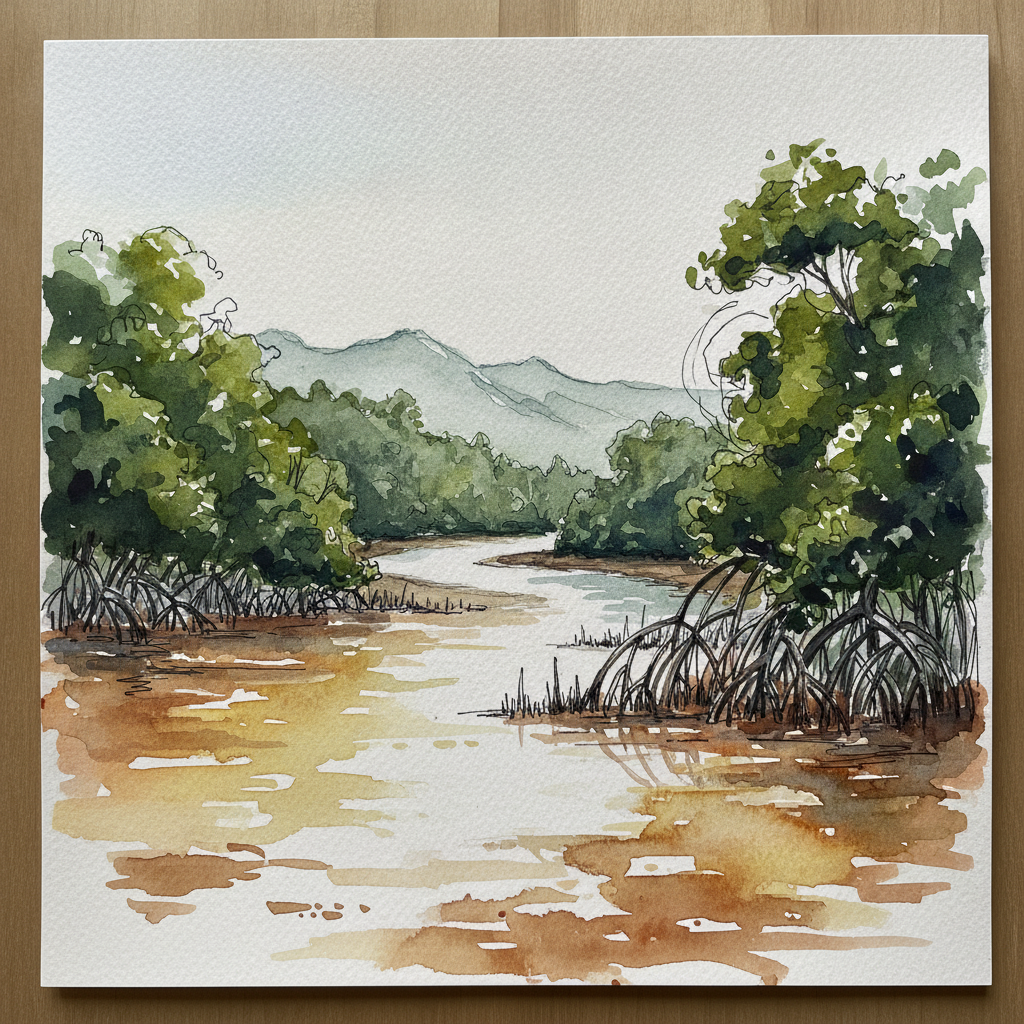
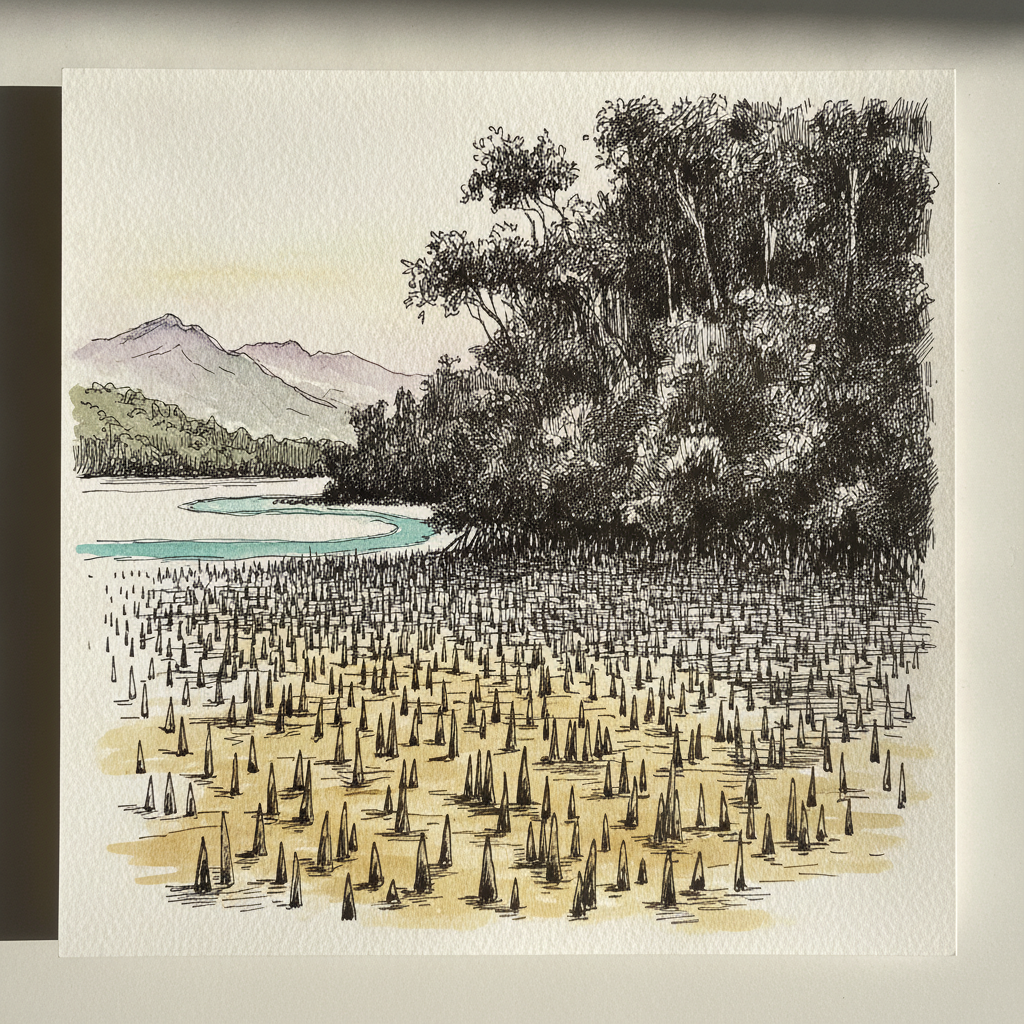
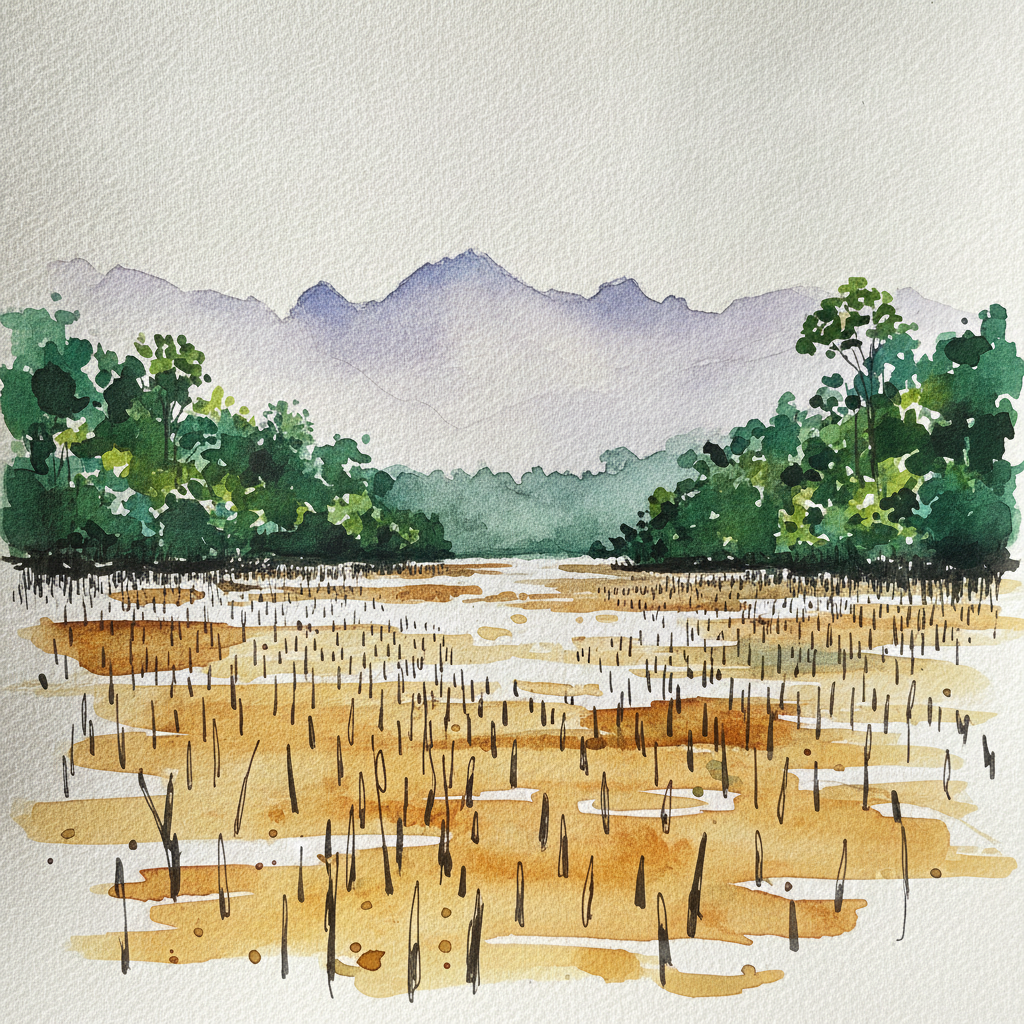
This piece is an excellent study in differentiating foreground detail from middle-ground mass using varied line and wash application. Begin by defining the delicate, spiky forms of the foreground pneumatophores with fine, active pen lines *before* adding soft, warm washes to capture the raking low gold light on the mud. For the dense upland rainforest, simplify its form using broader, darker washes to establish the mass, then apply a single, assertive ink line to delineate its sharp horizontal edge above the mangroves.
Piece 7 — Xi'an City Wall, Xi'an, Shaanxi, China
Pen + Watercolor · Loose pen and watercolor line-and-wash
Three takes

Focus for this piece
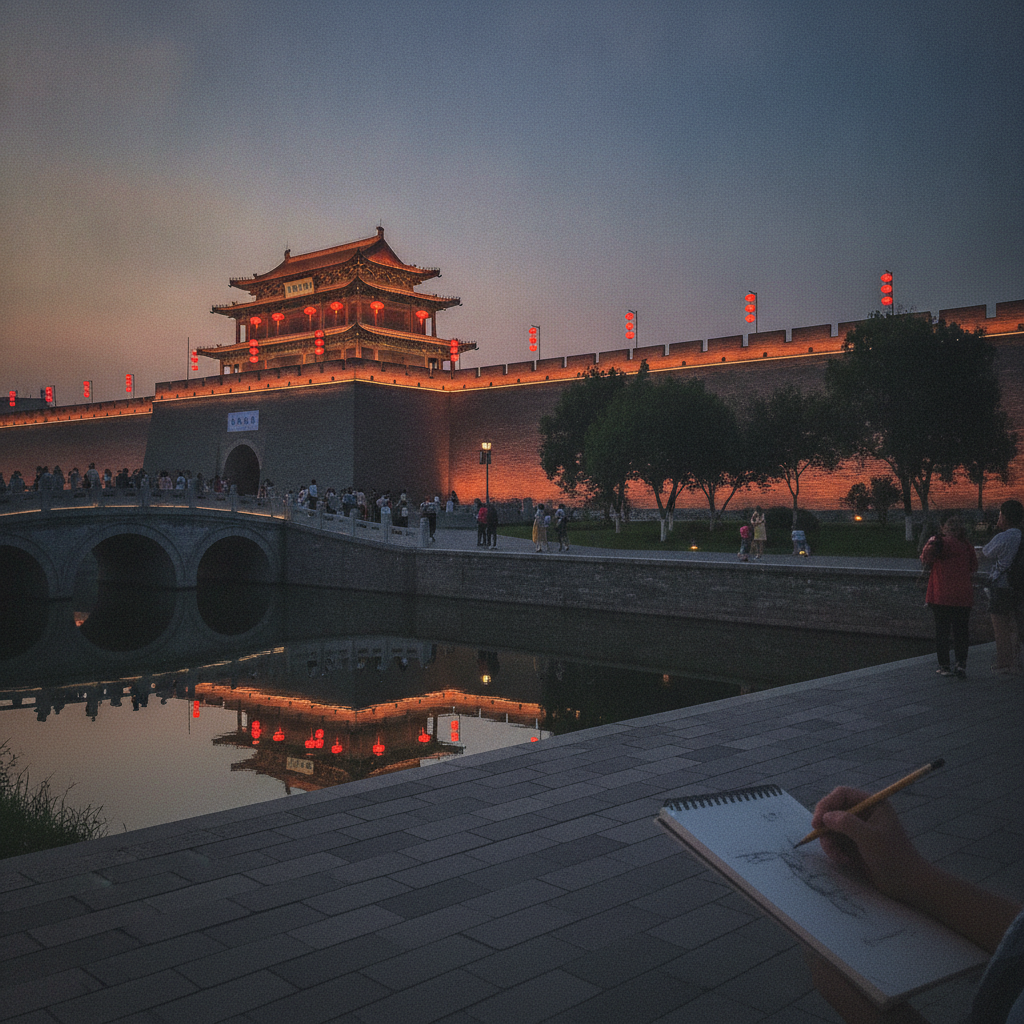
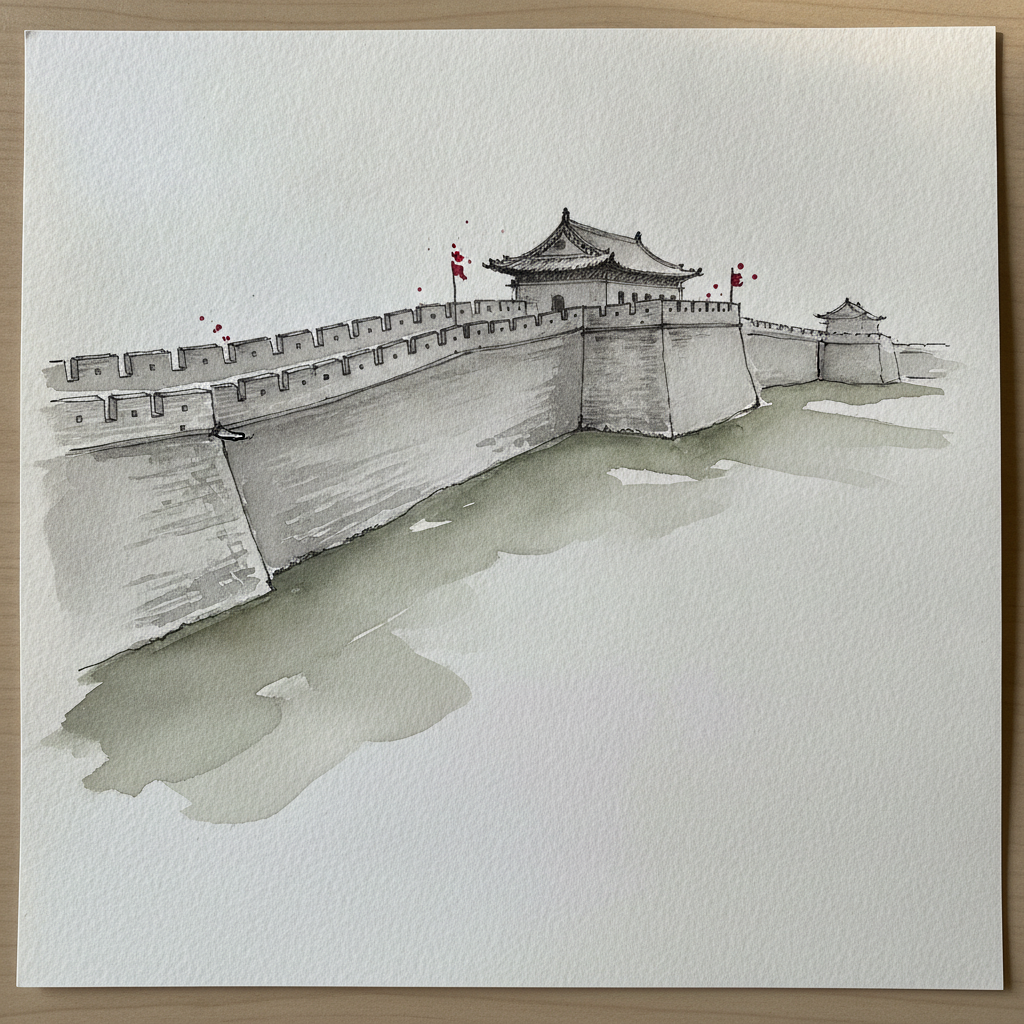
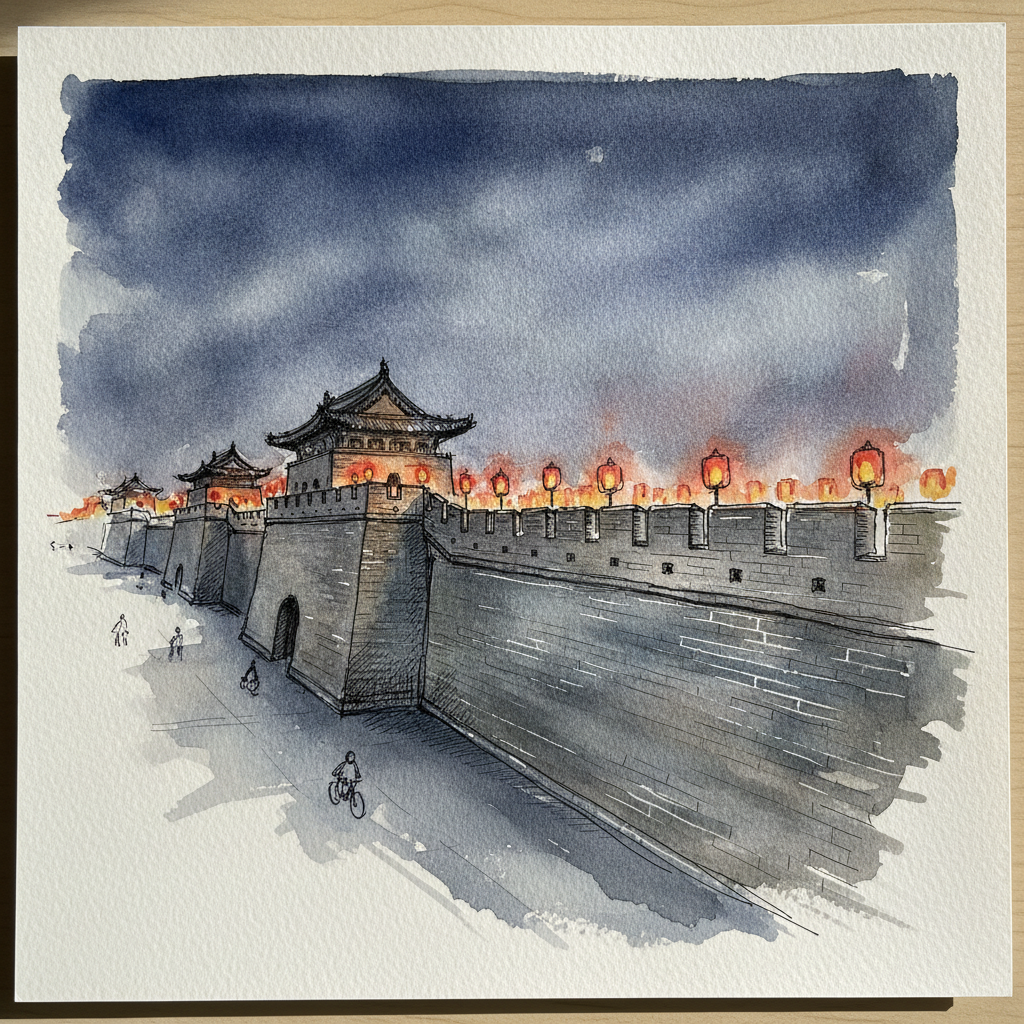
This piece offers an excellent opportunity to practice simplifying repetitive architectural details and textures. Focus on using varied pen line weights to define the crisp edges of the parapets and main gate structures, while employing light, unifying washes of a cool grey or neutral tint over the broad brick wall surfaces to suggest texture and mass without drawing every brick. Pay attention to how the fluid watercolor washes contrast with the precise ink lines, particularly where the hard architectural forms meet the softer elements of the moat or sky. This approach effectively balances structural accuracy with atmospheric suggestion.
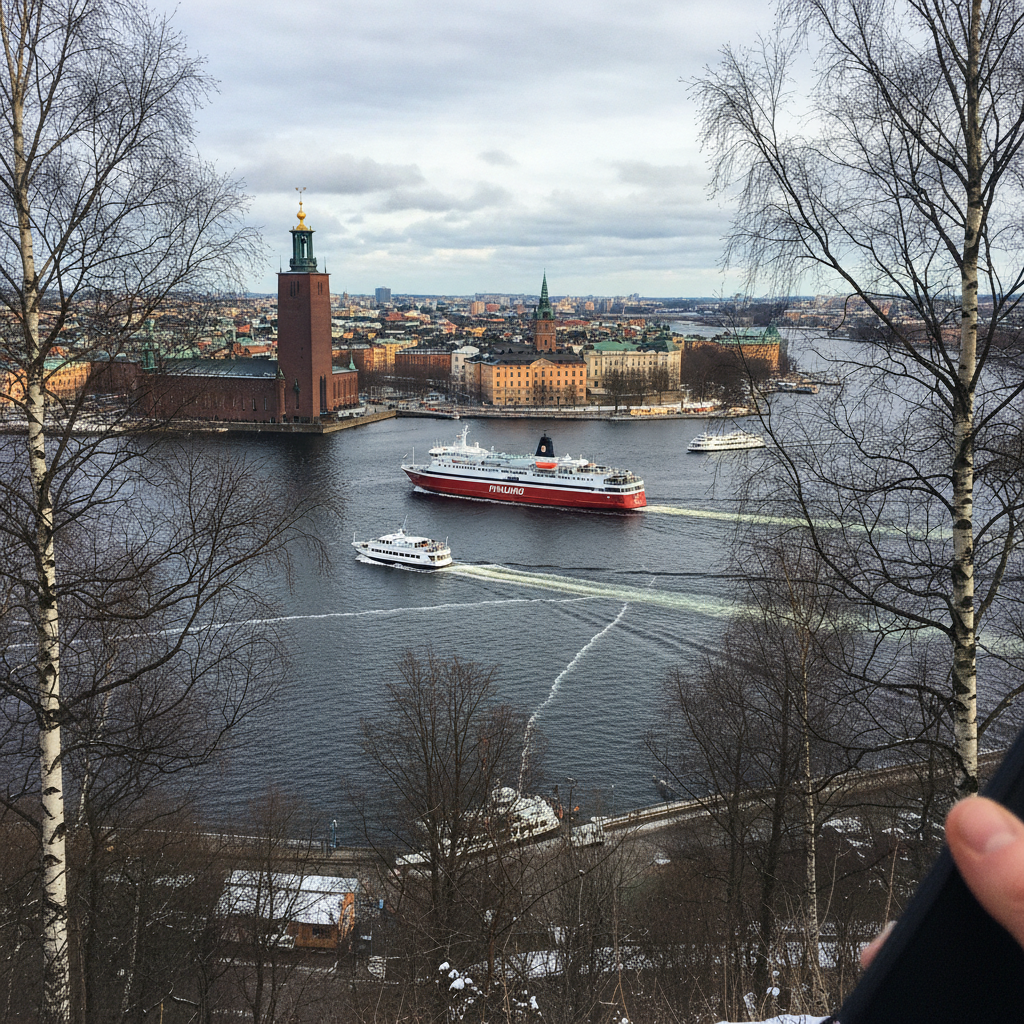
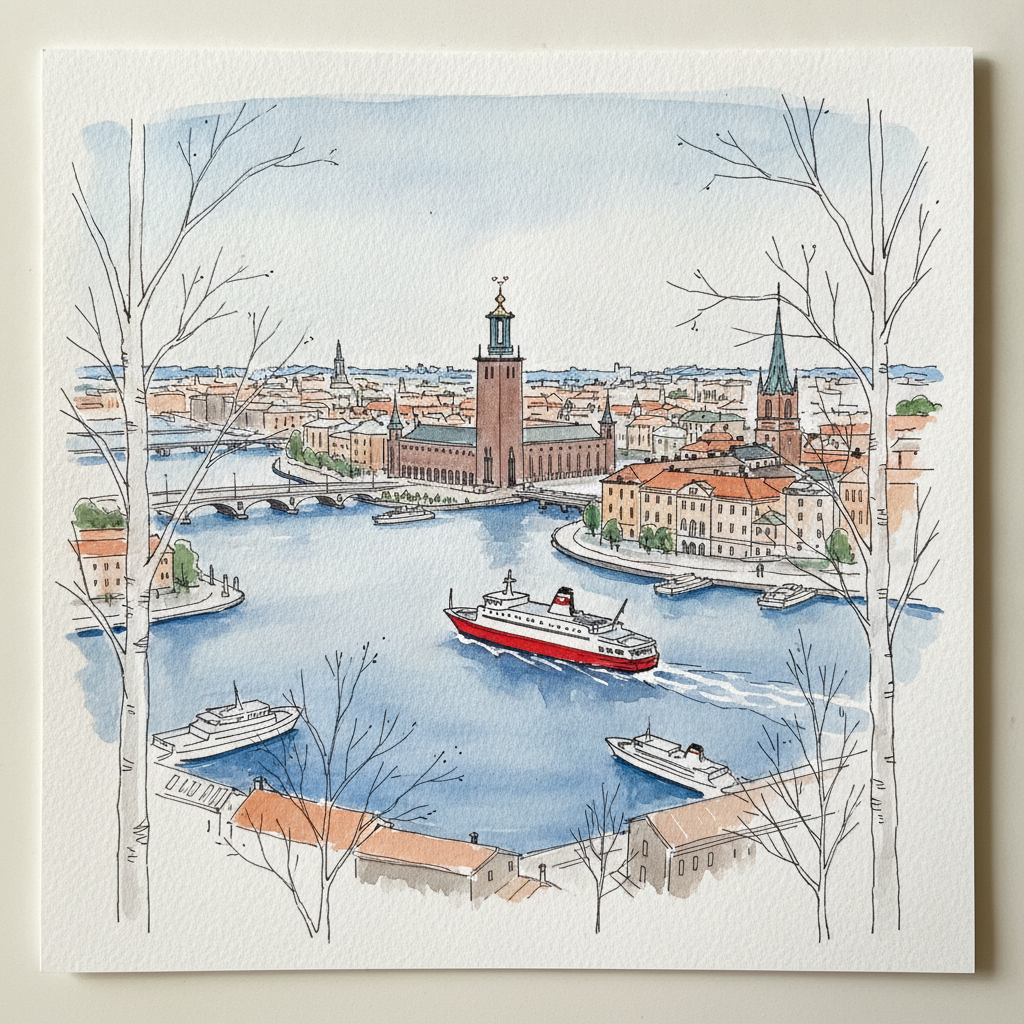
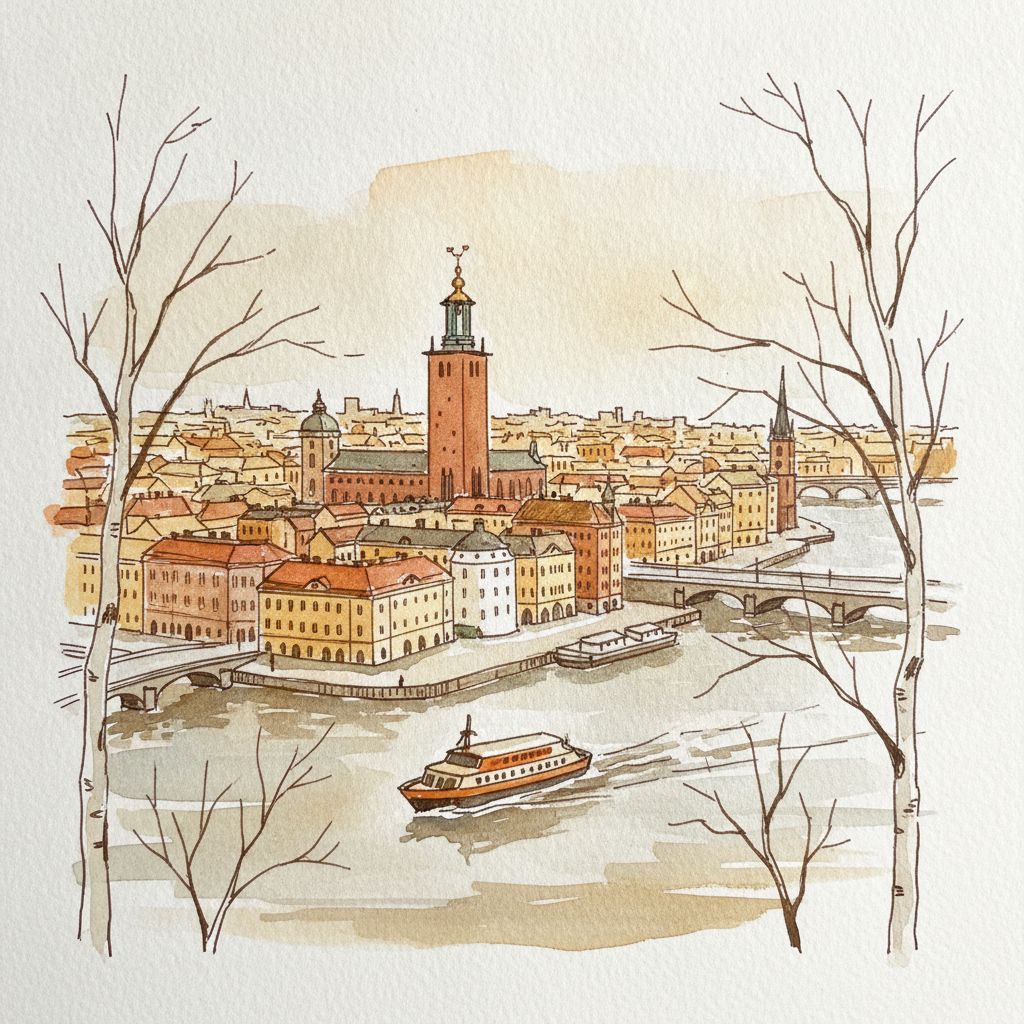
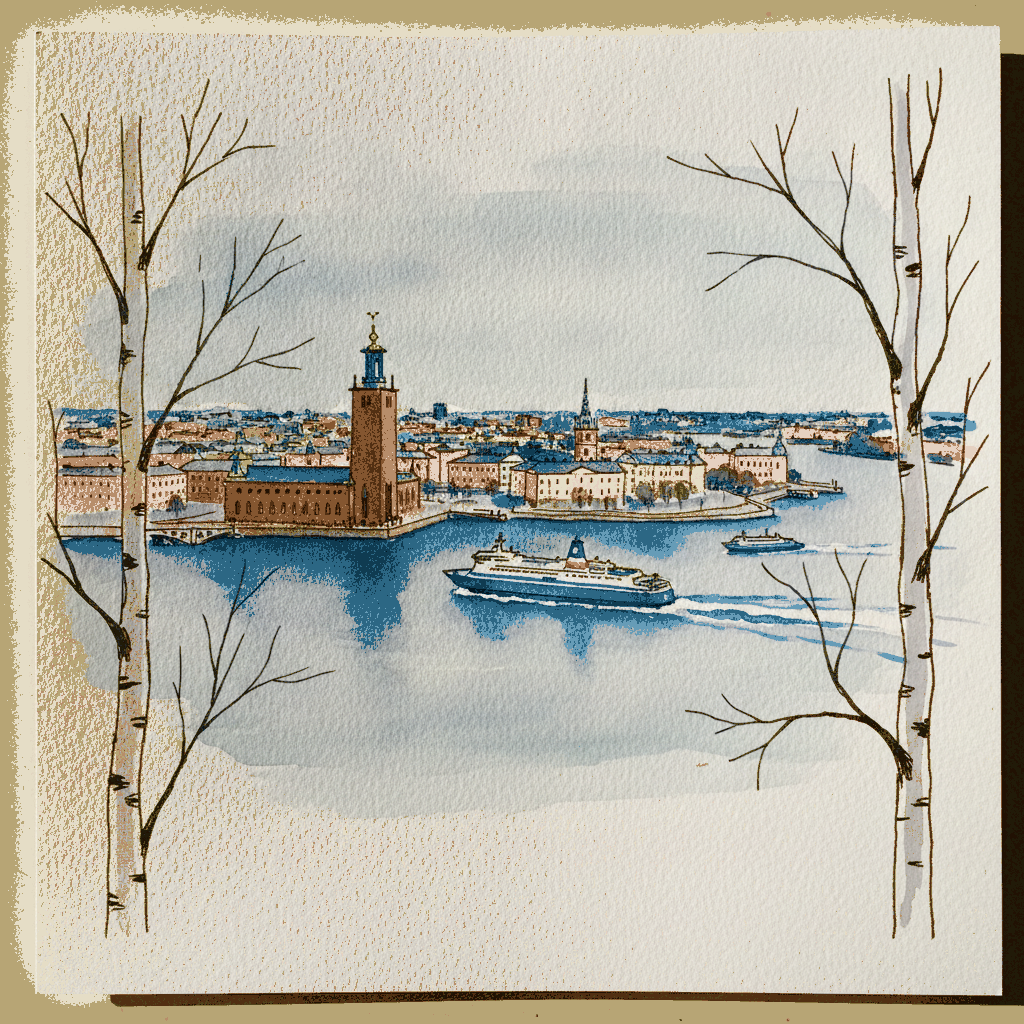
Piece 8 — Stockholm from Sodermalm Heights
Pen + Watercolor · Loose pen and watercolor line-and-wash
Three takes

Focus for this piece
This panoramic view of Stockholm offers an excellent opportunity to practice building atmospheric depth through varied line weight and wash intensity. Use crisp, heavier pen lines for the foreground birch trees and the "stepped tower" of the City Hall to anchor the middle ground. Allow the "tight tile-roof density" of Gamla Stan to recede into softer, lighter washes and less defined pen strokes, suggesting mass and distance. This careful differentiation will give the complex cityscape both structure and a sense of sprawling scale.