Ergonomic mouse with cable, Cliffs of Moher rainbow, Ireland, Bedside Lamp, Linen Shade, Willis Faber Dumas Building, Ipswich, England, and more — pen + watercolor for July 1, 2026
AI-generated daily art-practice references for pen and watercolor: Ergonomic mouse with cable, Cliffs of Moher rainbow, Ireland, Bedside Lamp, Linen Shade, Willis Faber Dumas Building, Ipswich, England, Snap pea, Reclining on side, propped on elbow, Niomon at Kennin-ji, summer cicada noon, Old co…
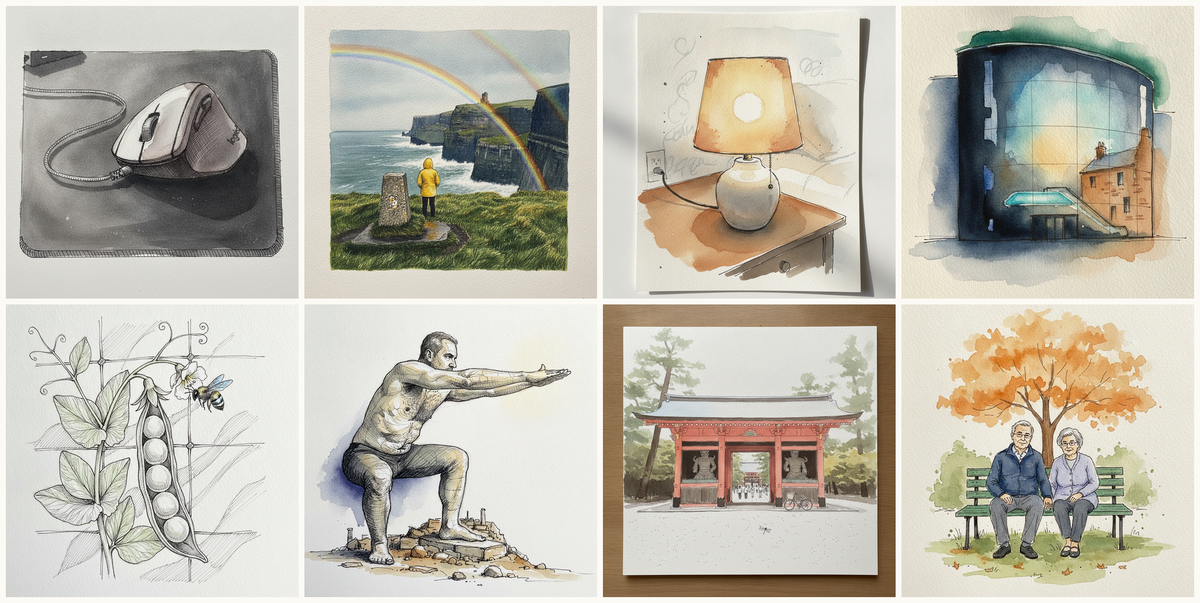
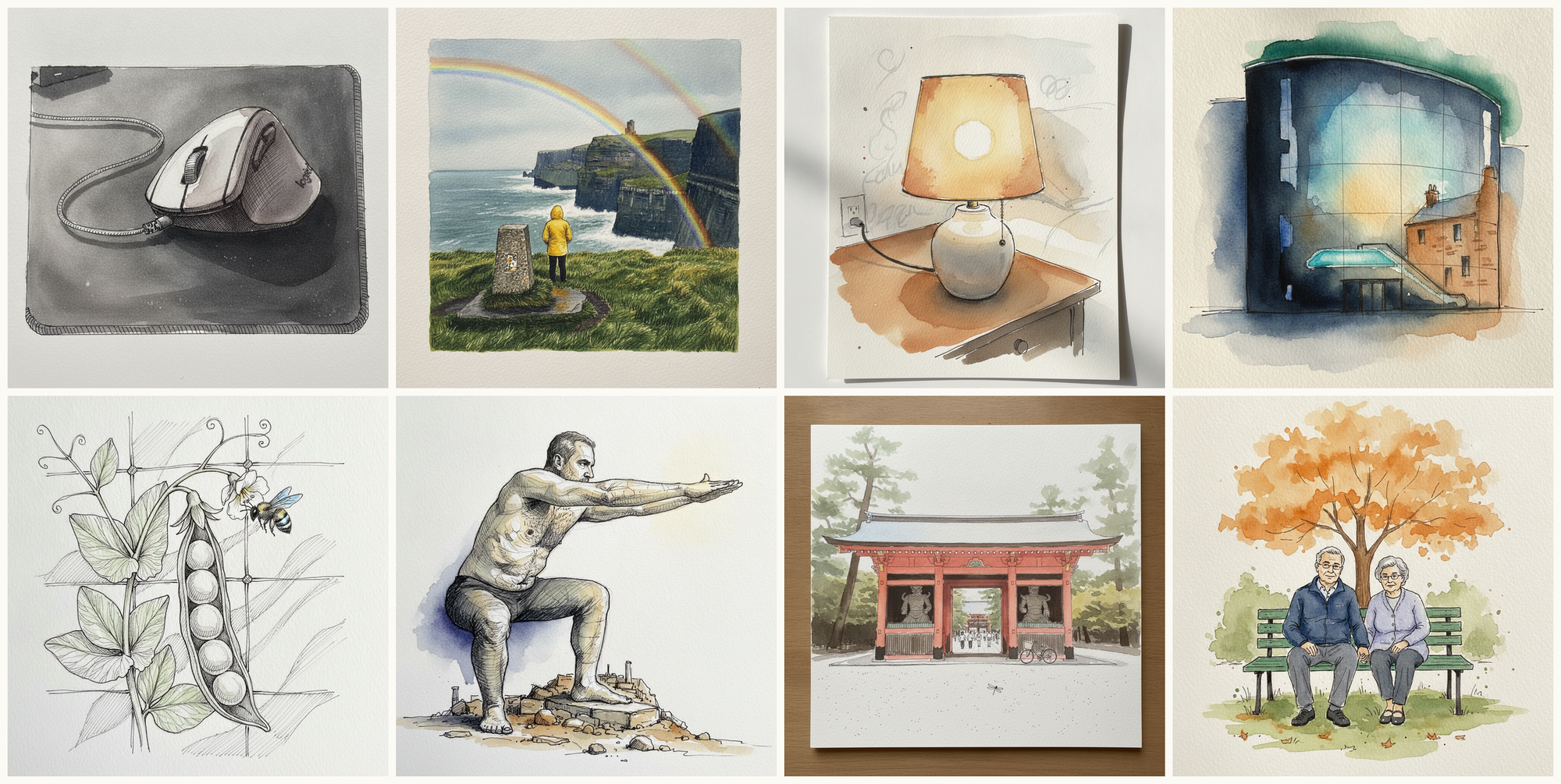
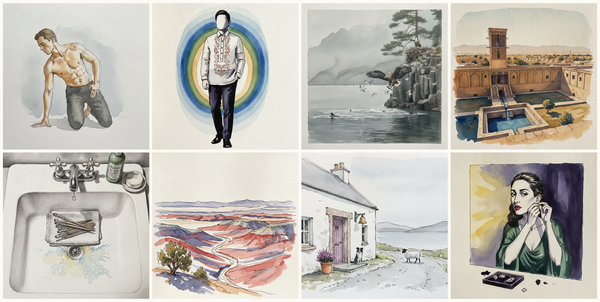
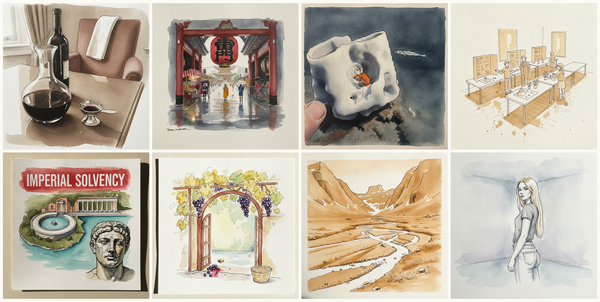
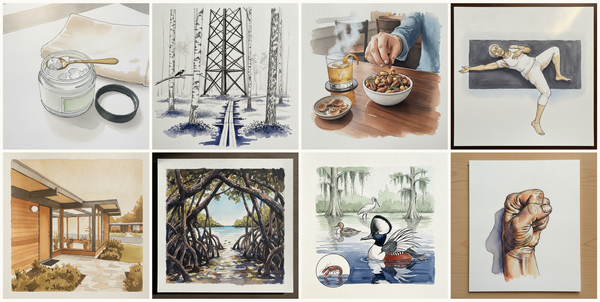
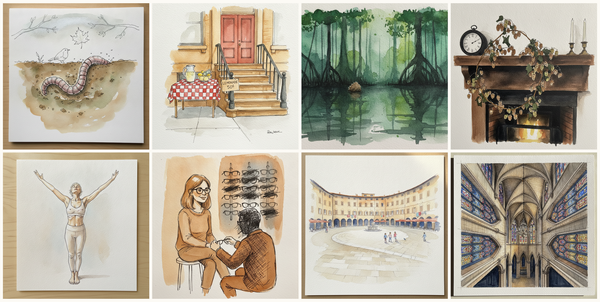
Today's 8 pen-and-watercolor pieces: Ergonomic mouse with cable, Cliffs of Moher rainbow, Ireland, Bedside Lamp, Linen Shade, Willis Faber Dumas Building, Ipswich, England, Snap pea, Reclining on side, propped on elbow, Niomon at Kennin-ji, summer cicada noon, Old couple holding hands on bench. Each piece comes with an AI-generated photoreal reference, three AI-generated example artworks in different treatments, and a short focus paragraph naming what to study in this one.
Why these references use AI
This daily series uses AI-generated images as practice prompts, not as finished artwork to copy. Each subject starts with a synthetic photoreal reference generated with Gemini/Nano Banana, then moves into three pen-and-watercolor interpretations of the same subject.
I use AI here because daily art practice needs variety and low friction. Real life can get repetitive, busy, or visually narrow. These generated reference sets make it easier to study bodies, buildings, animals, landscapes, objects, gestures, light, palettes, and compositions that might not show up in an ordinary day.
The goal is not to reproduce any image directly. Treat each set as a starting point for observation and study: choose what interests you, change the framing, simplify the subject, alter the palette, and make your own version.
Piece 1 — Ergonomic mouse with cable
Pen + Watercolor · Loose pen and watercolor line-and-wash
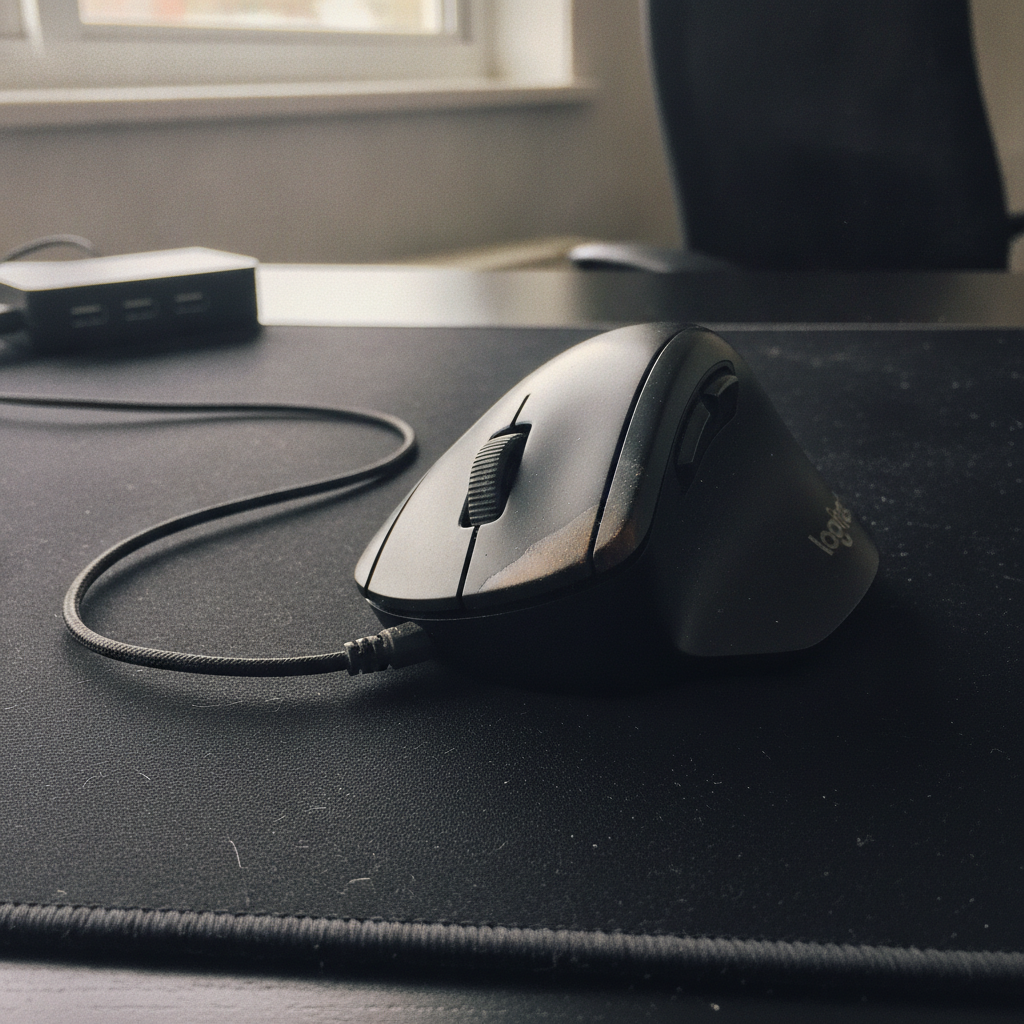
Three takes
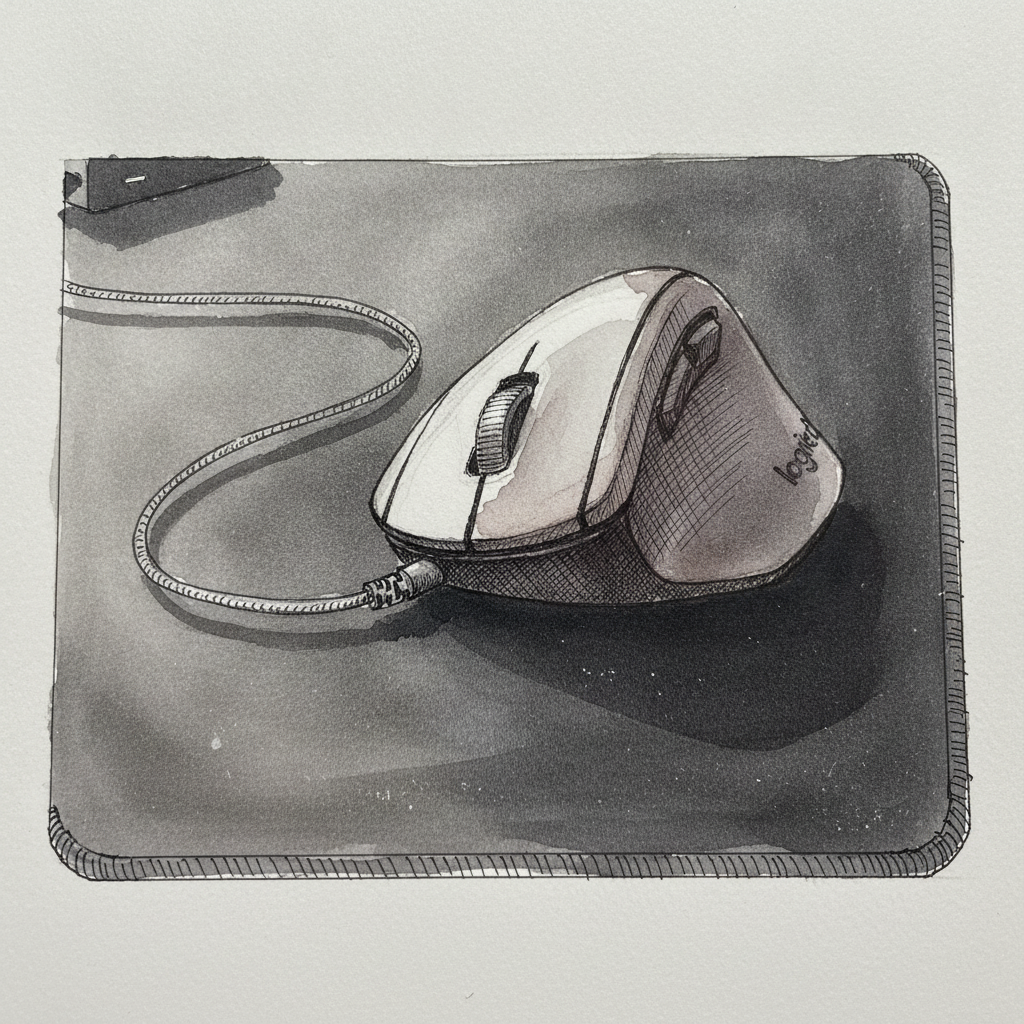
Focus for this piece
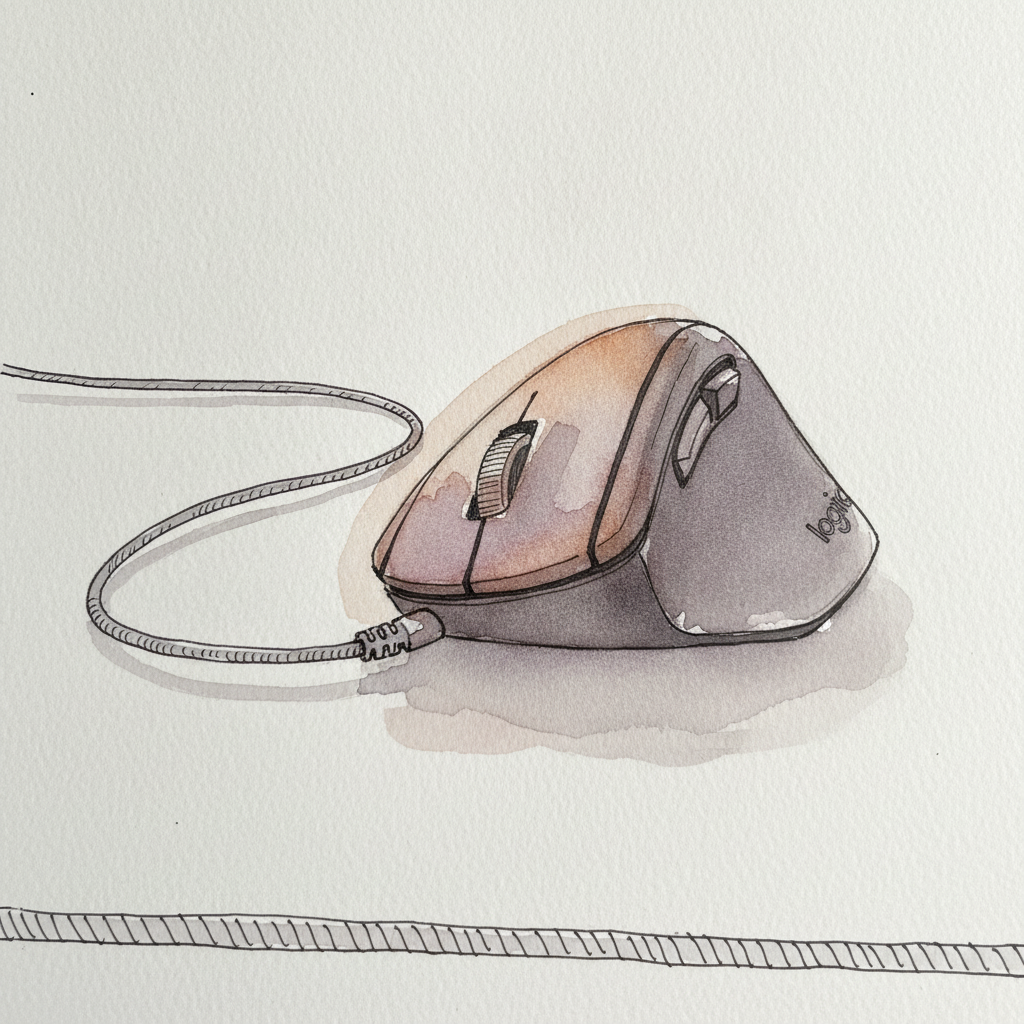
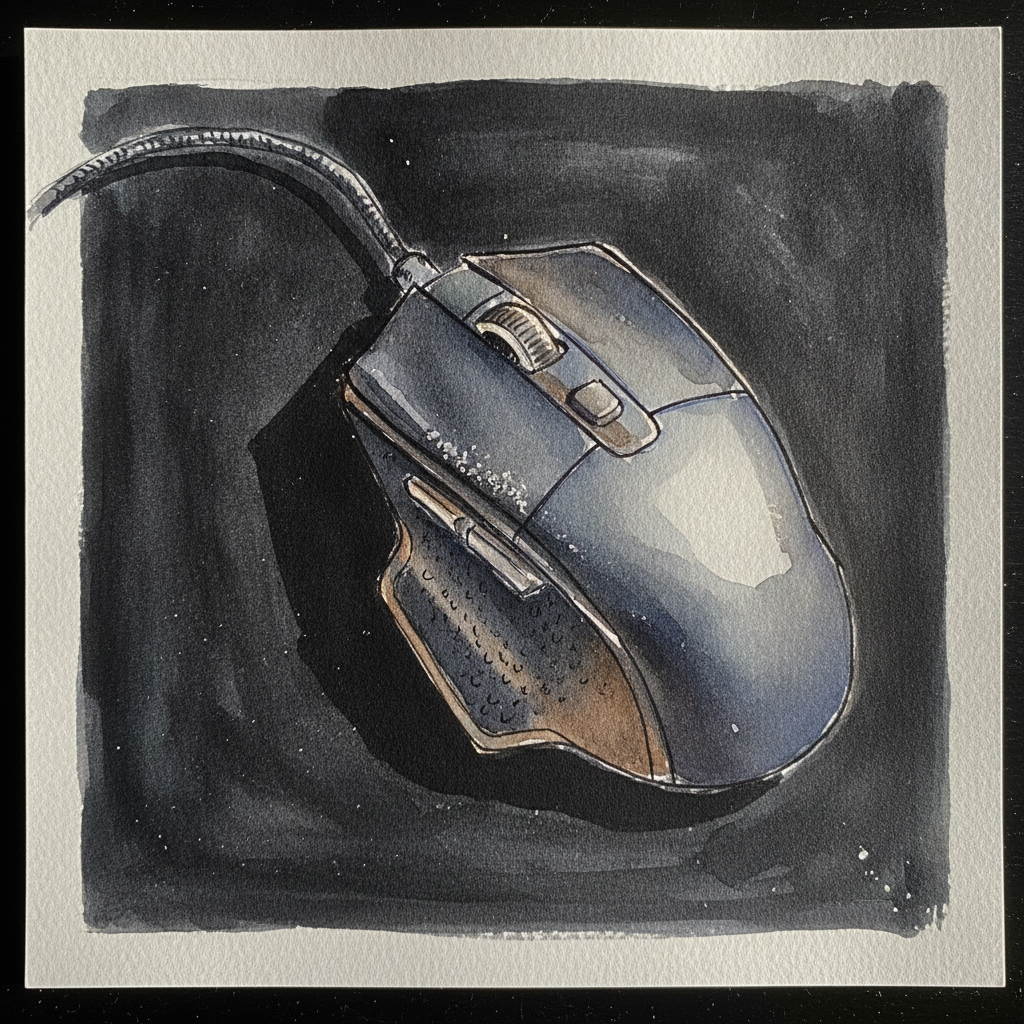
This piece offers an excellent study in rendering curved, three-dimensional forms through careful observation of light and subtle value shifts. Focus on building the mouse's "half-clenched fist" volume with graduated watercolor washes, paying close attention to the single highlight and the areas "darkened with use" to suggest texture and wear. Experiment with varied pen line weights to delineate the crisp edges of the mouse against the softer, braided texture of the cable and the straight stitched edge of the deskmat, all within a narrow value range for a rich, dark composition.
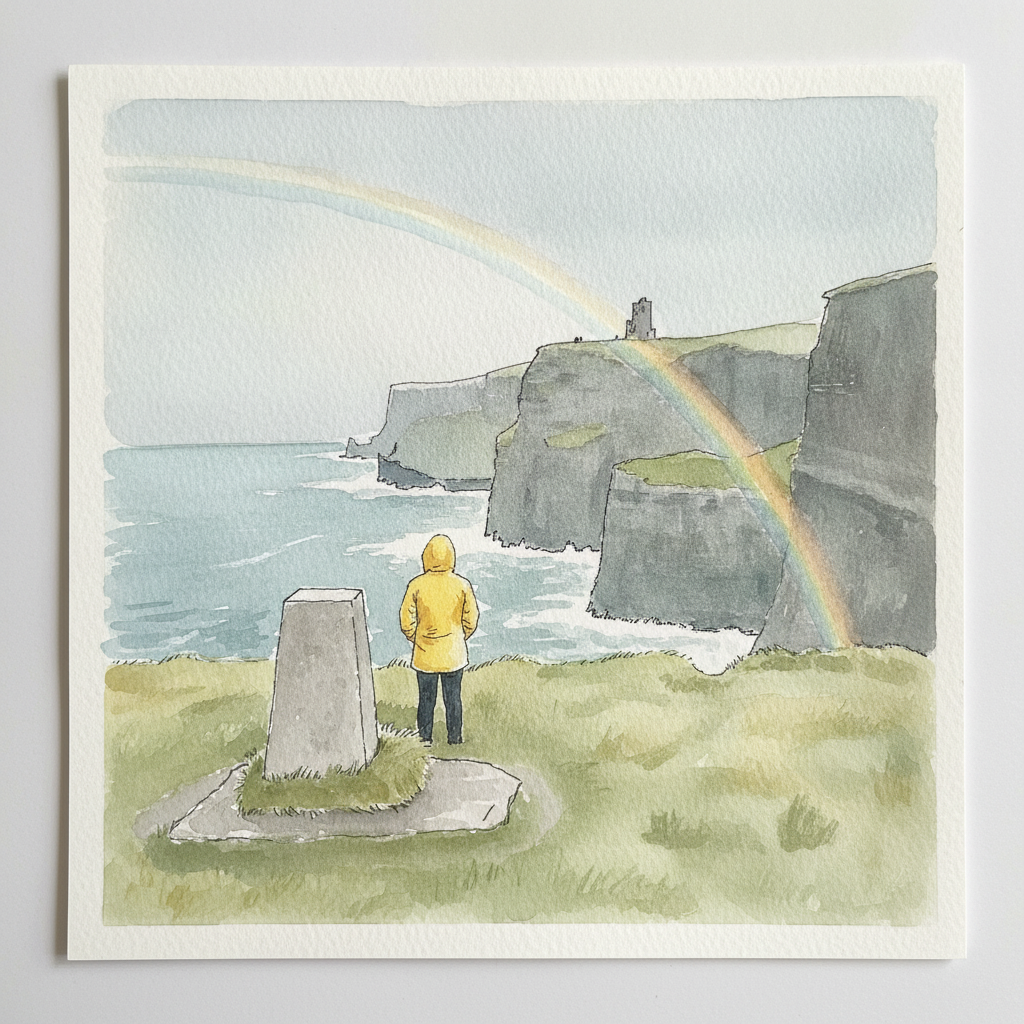
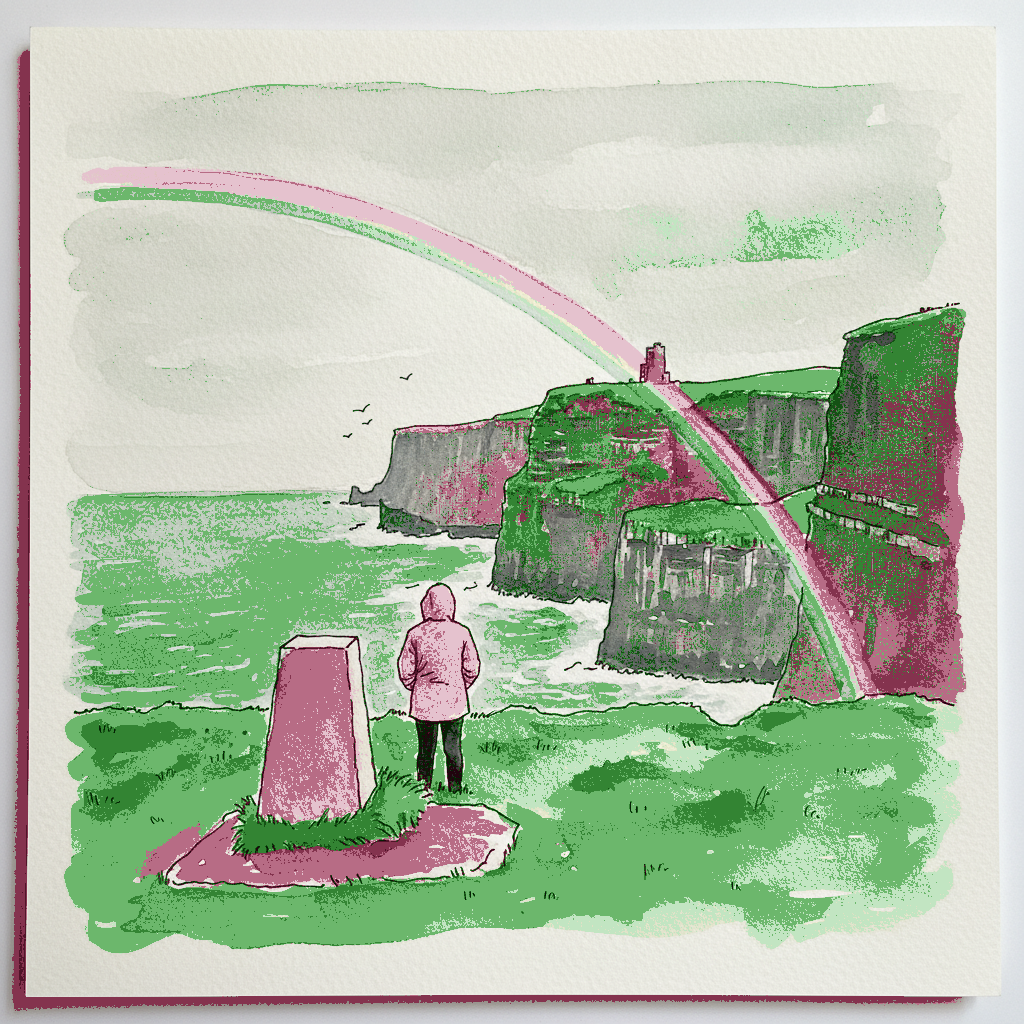
Piece 2 — Cliffs of Moher rainbow, Ireland
Pen + Watercolor · Loose pen and watercolor line-and-wash
Three takes

Focus for this piece
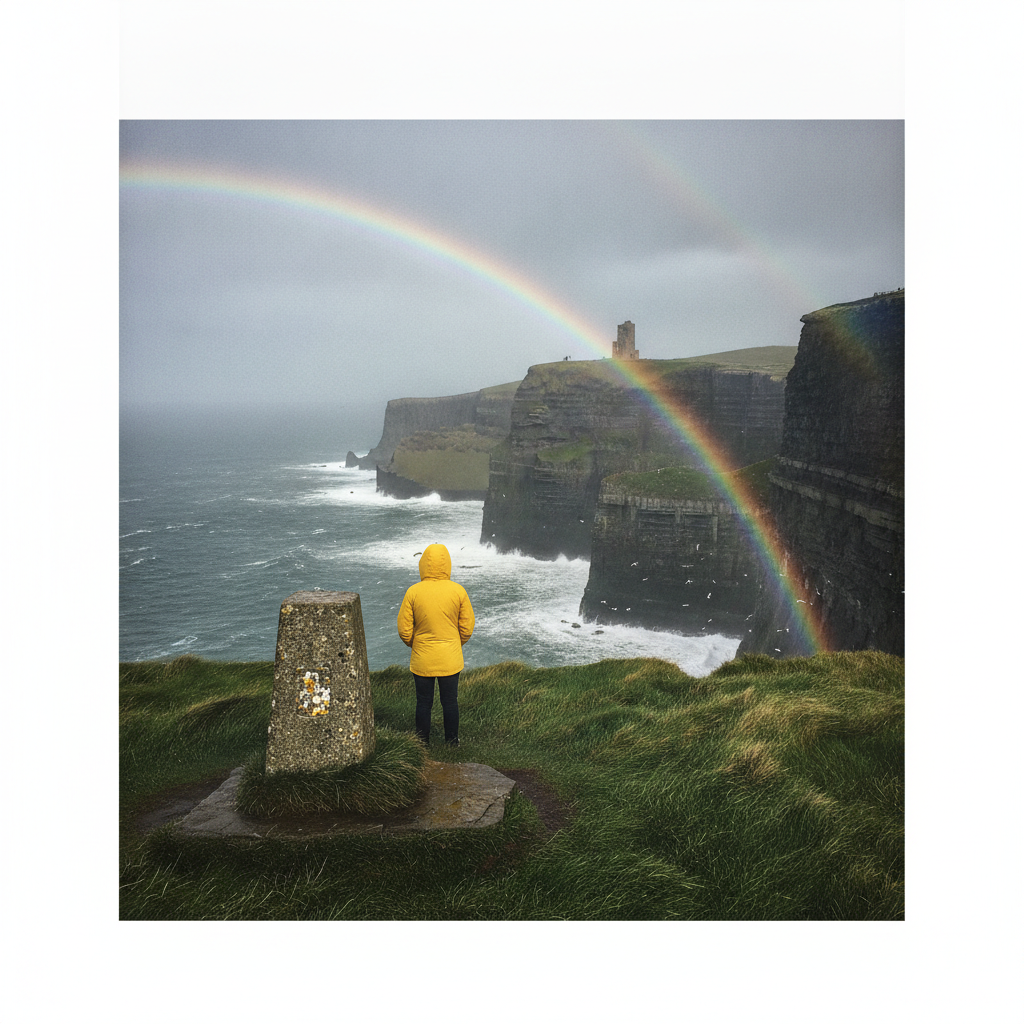
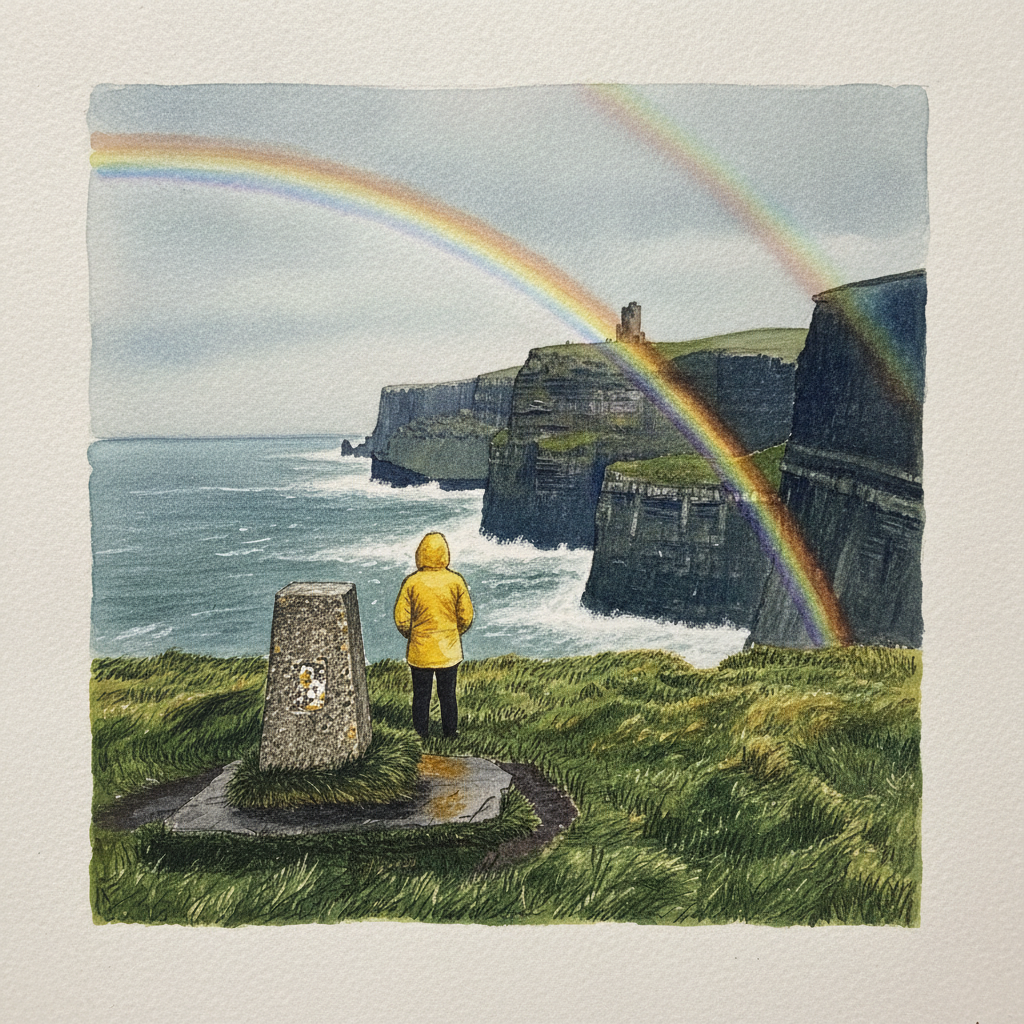
This piece is an excellent study in using decisive ink lines to define structure while allowing expansive, layered washes to capture dynamic atmosphere and immense scale. Focus on employing crisp, broken lines to suggest the rugged texture of the cliffs, contrasting them with the soft, wet-into-wet rendering of the spray and the delicate, transparent arc of the rainbow. Carefully vary your line weights to emphasize the foreground figure and tower's silhouette against the vast, stormy sky. This interplay of hard and soft, ink and wash, will be key to conveying both the detail and the grandeur of the scene.
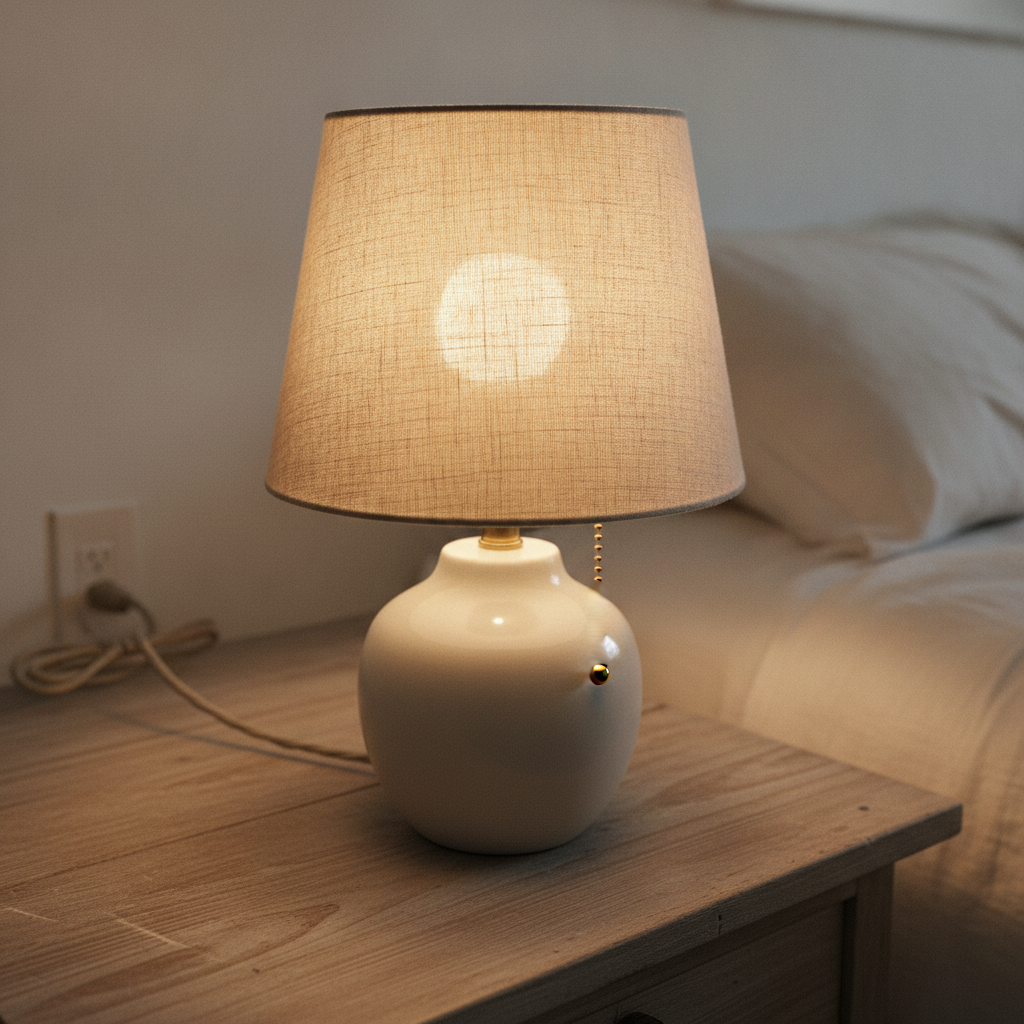
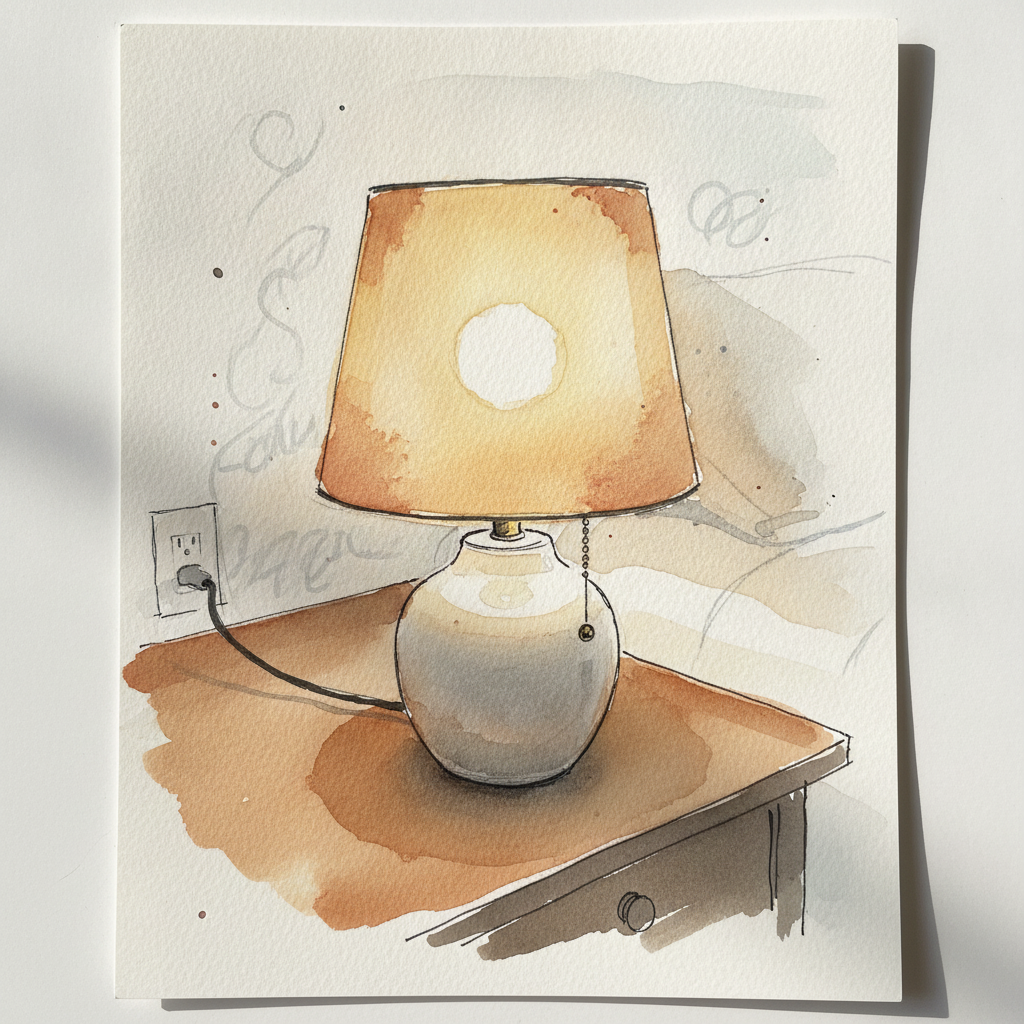
Piece 3 — Bedside Lamp, Linen Shade
Pen + Watercolor · Loose pen and watercolor line-and-wash
Three takes

Focus for this piece
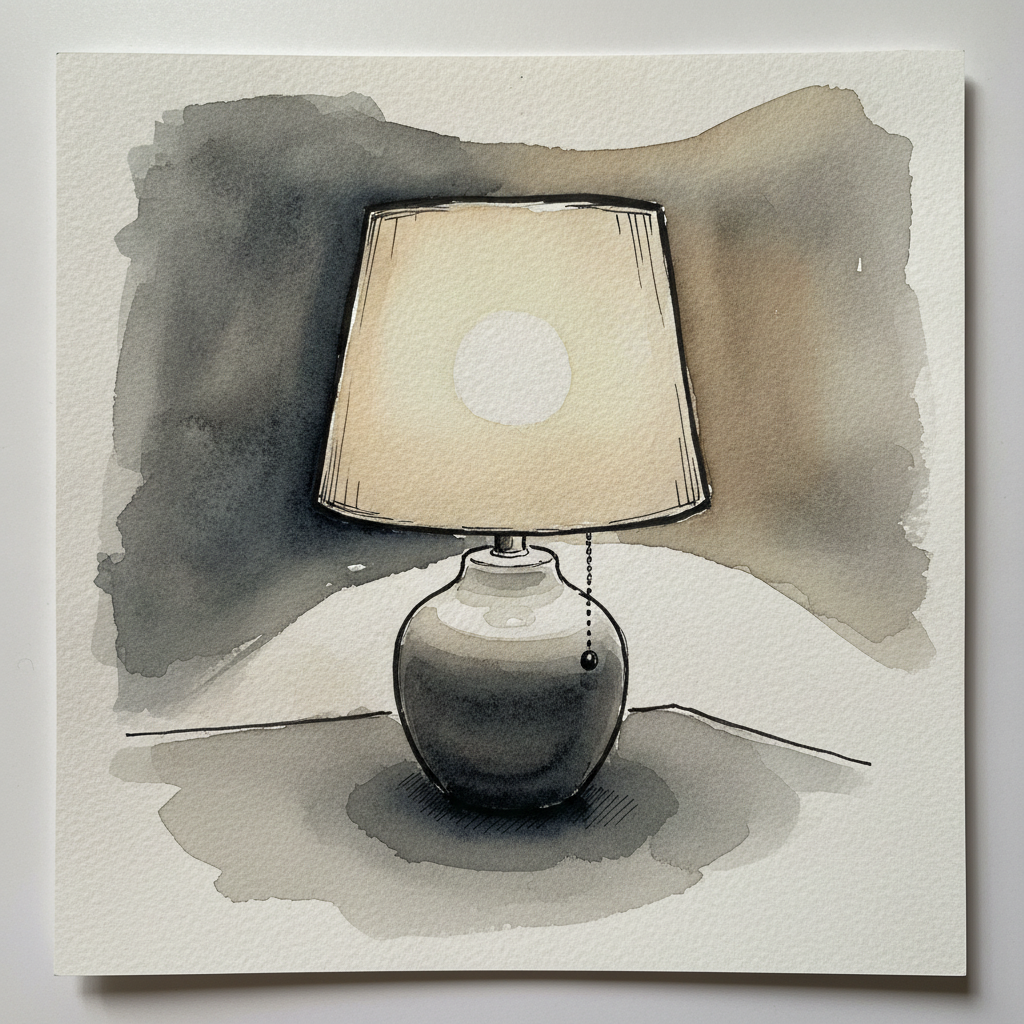
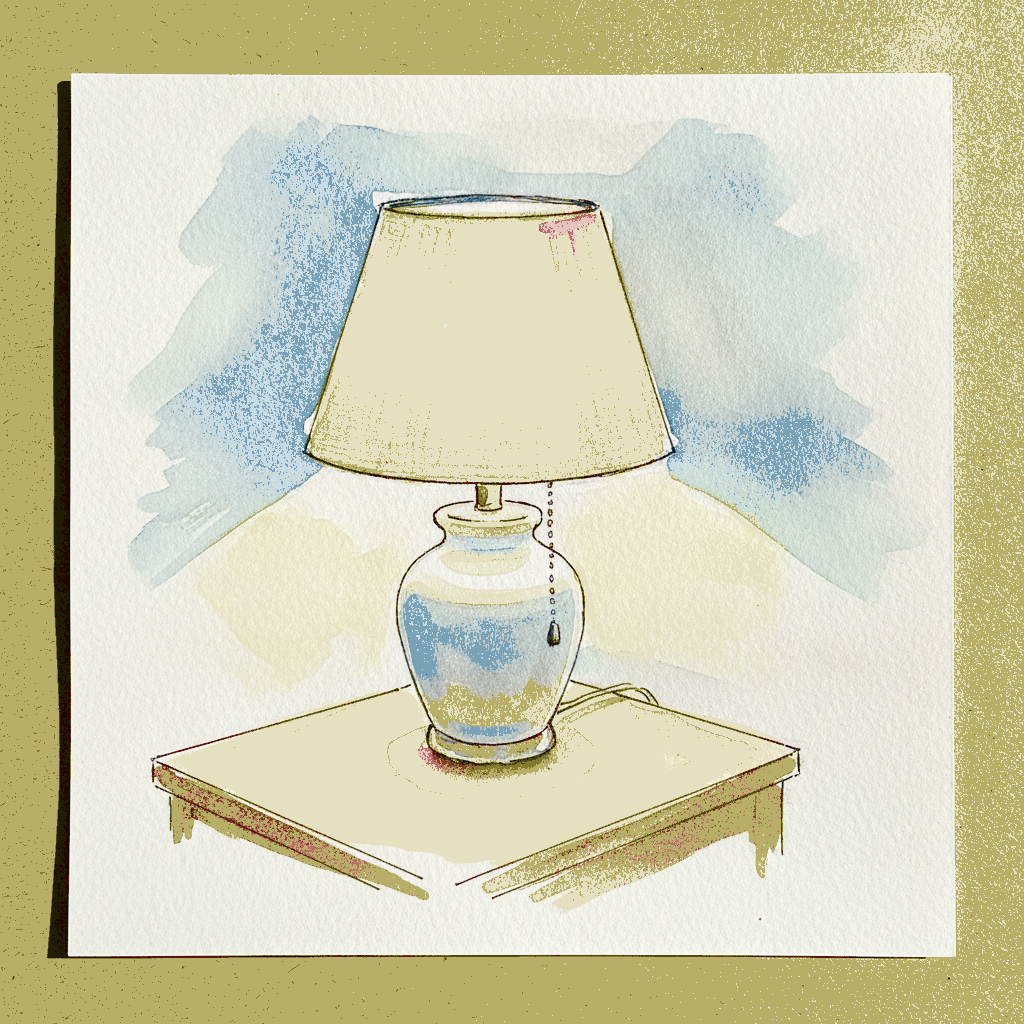
This piece offers a focused study on rendering translucency and subtle surface texture, particularly with the beige linen lampshade. Practice building up the soft glow and dusty quality using multiple thin, warm neutral washes with a light wet-on-dry approach, allowing the underlying paper to contribute to luminosity. Carefully vary your pen line weight for the shade, using lighter, perhaps broken lines to convey its ephemeral nature, contrasting with the firmer lines defining the ceramic base and wooden nightstand.
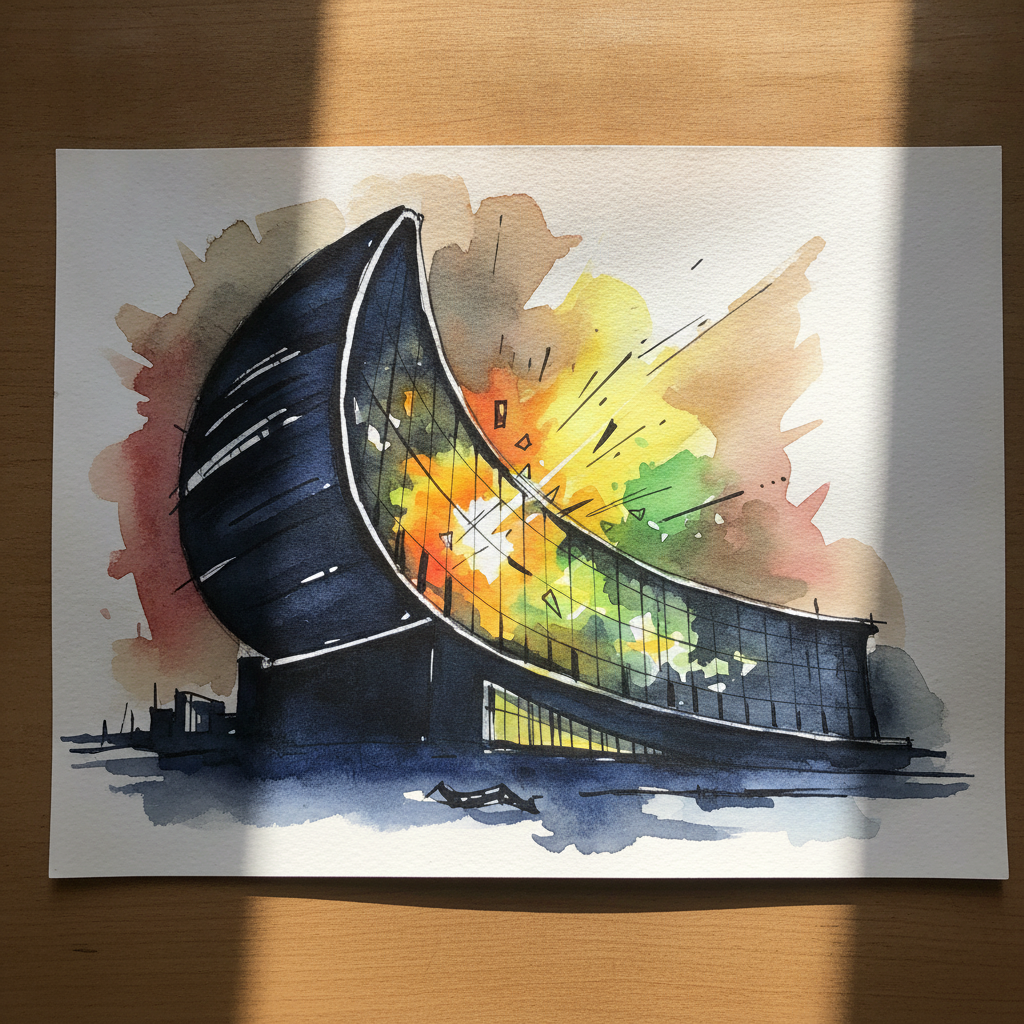
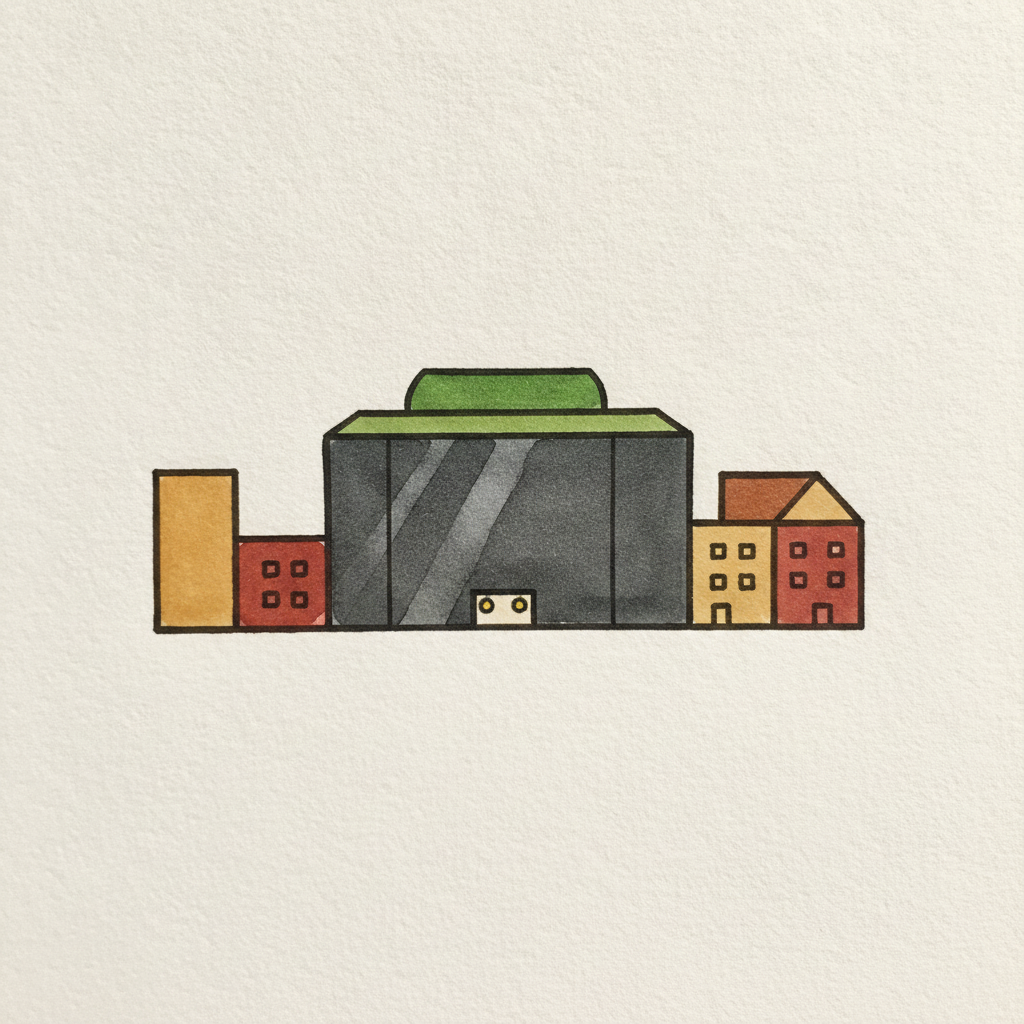
Piece 4 — Willis Faber Dumas Building, Ipswich, England
Pen + Watercolor · Loose pen and watercolor line-and-wash
Three takes
Focus for this piece
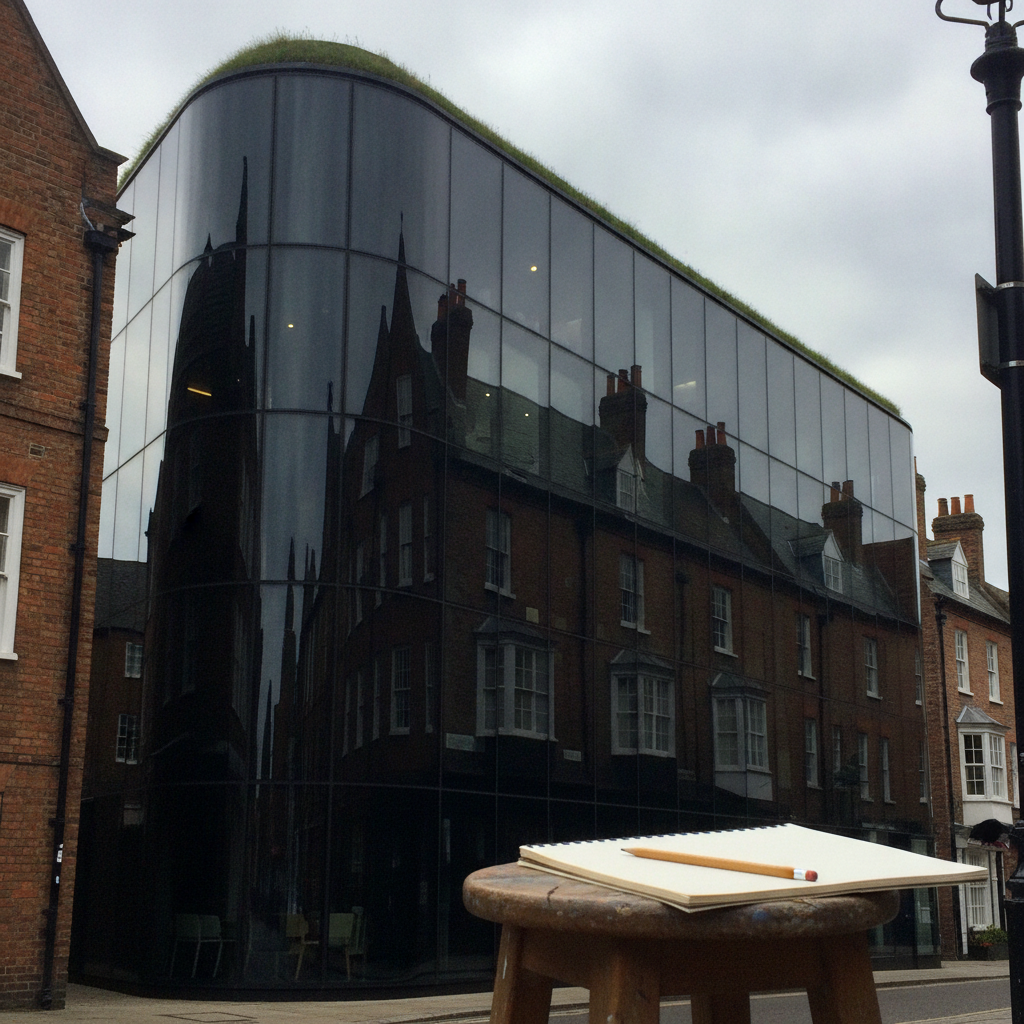
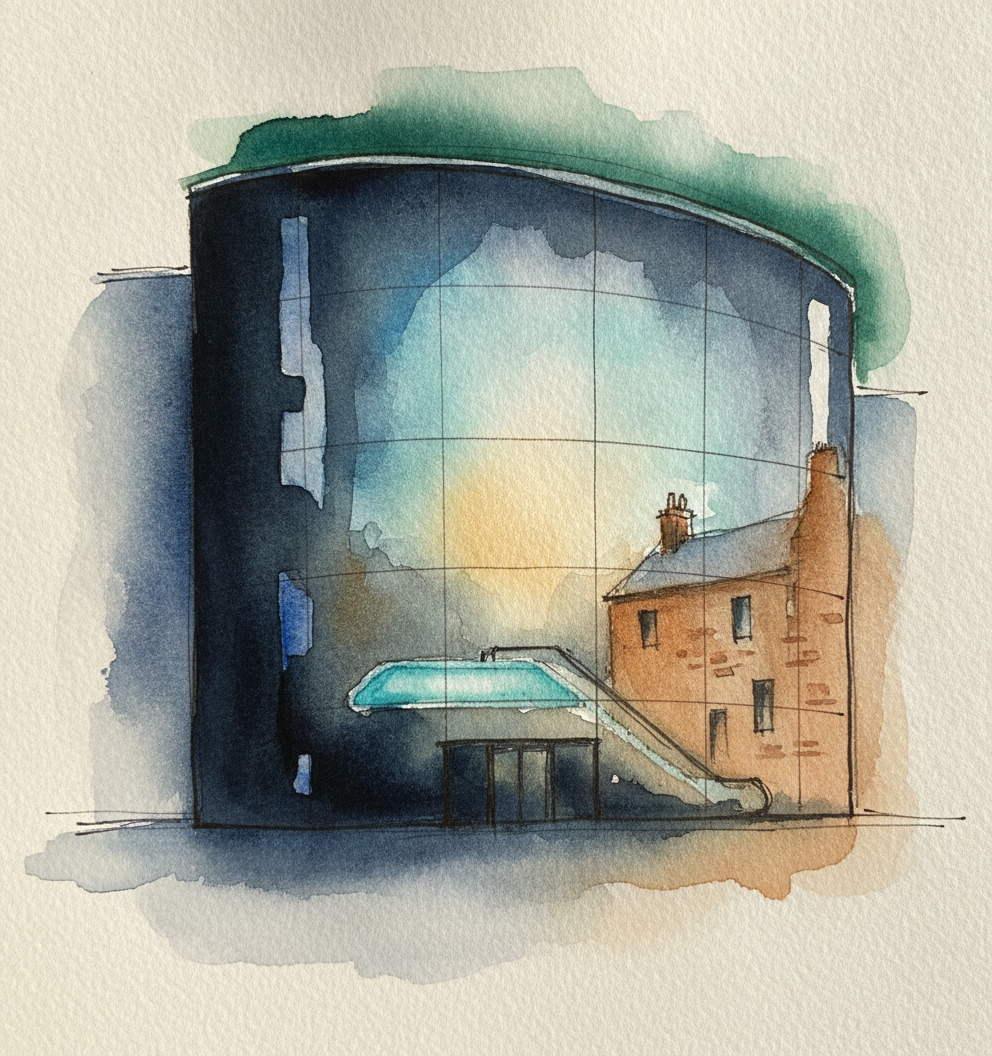
Today's subject is ideal for exploring complex reflections on a dark, curved surface. Emphasize the building's "black mirror" quality by laying deep, cool dark washes first, using minimal or varied pen lines to suggest its form only where necessary. Experiment with lifting techniques or painting around shapes to capture the distorted reflections of the surrounding brick and sky, ensuring a stark value contrast with the more textured streetscape.
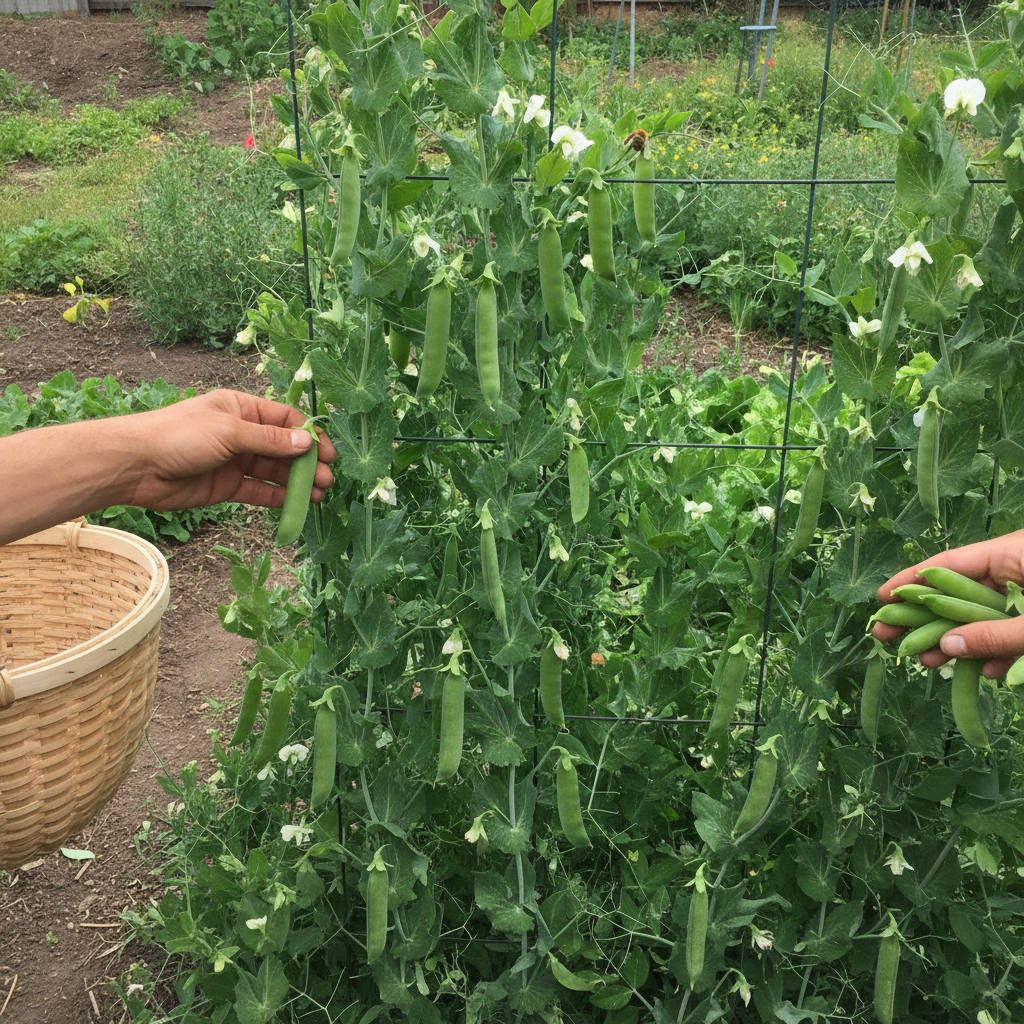
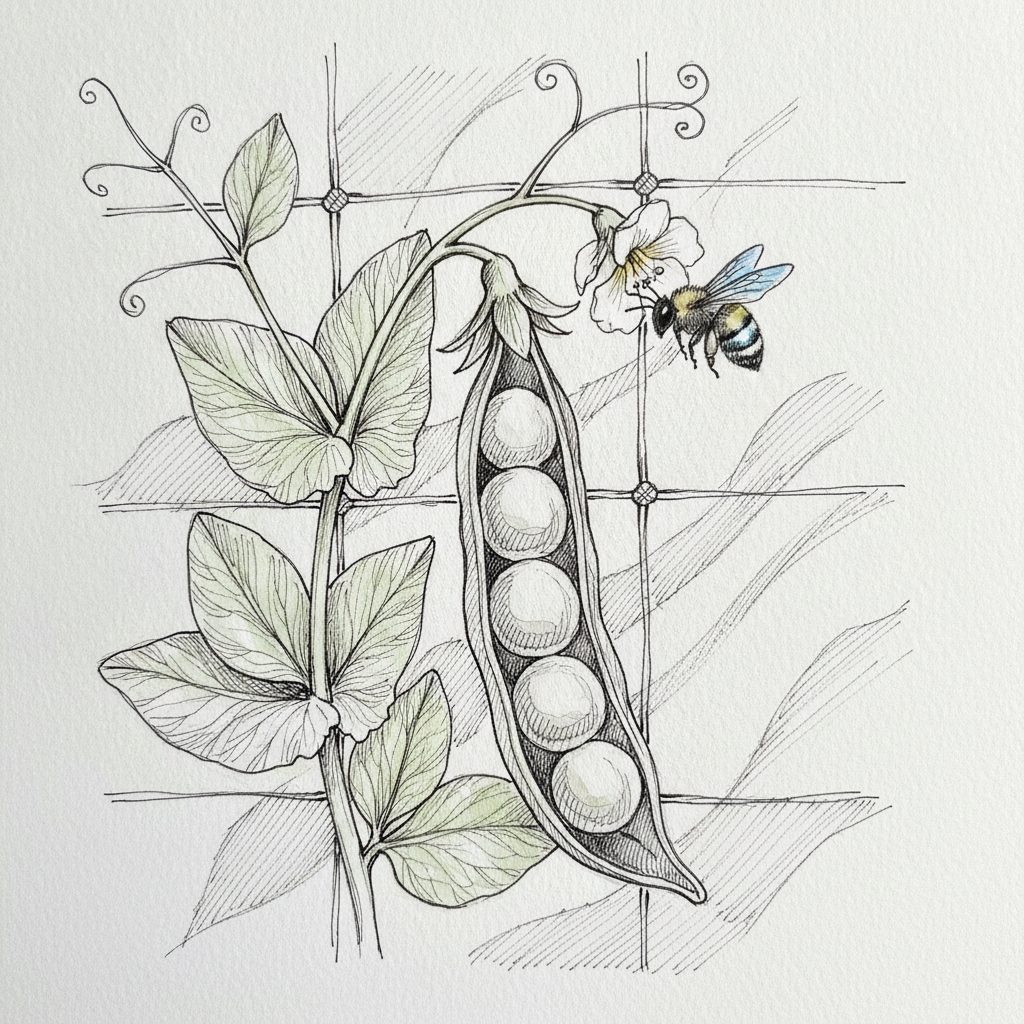
Piece 5 — Snap pea
Pen + Watercolor · Loose pen and watercolor line-and-wash
Three takes
Focus for this piece
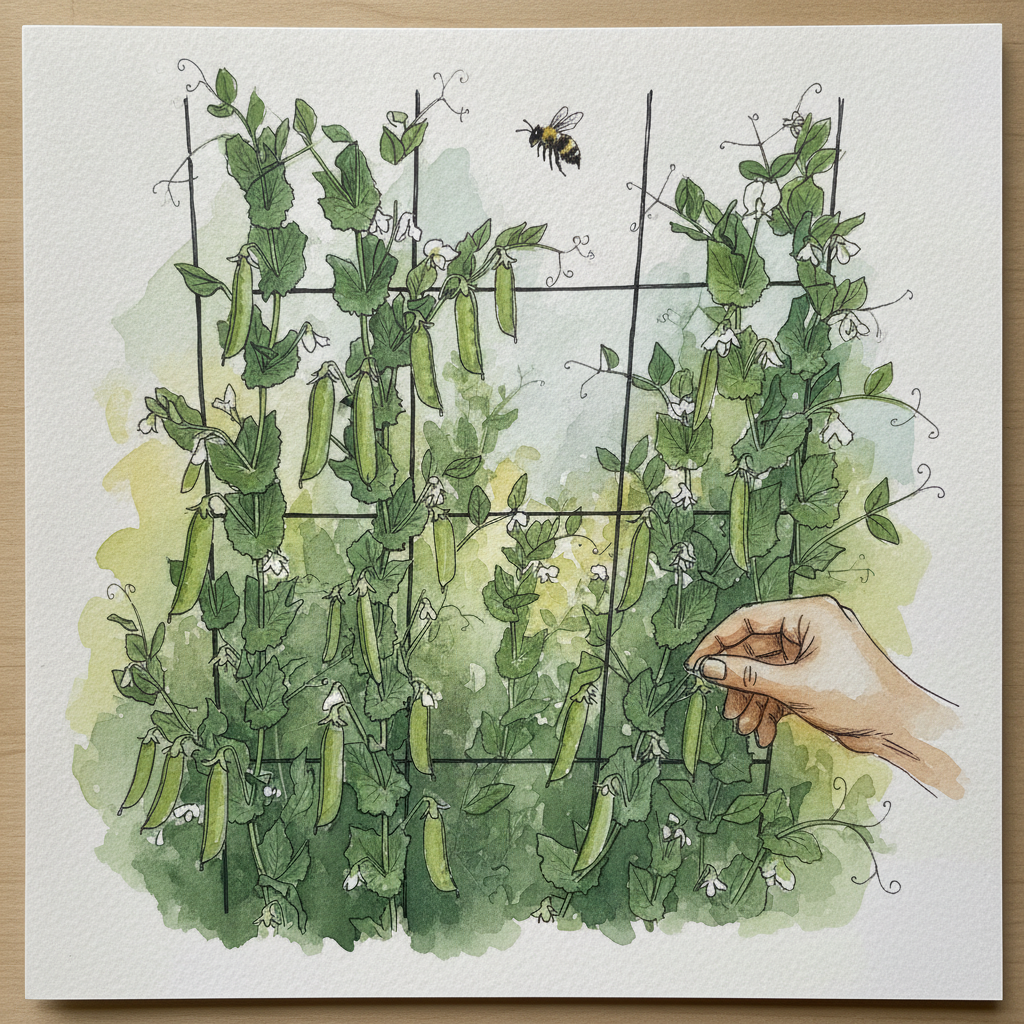
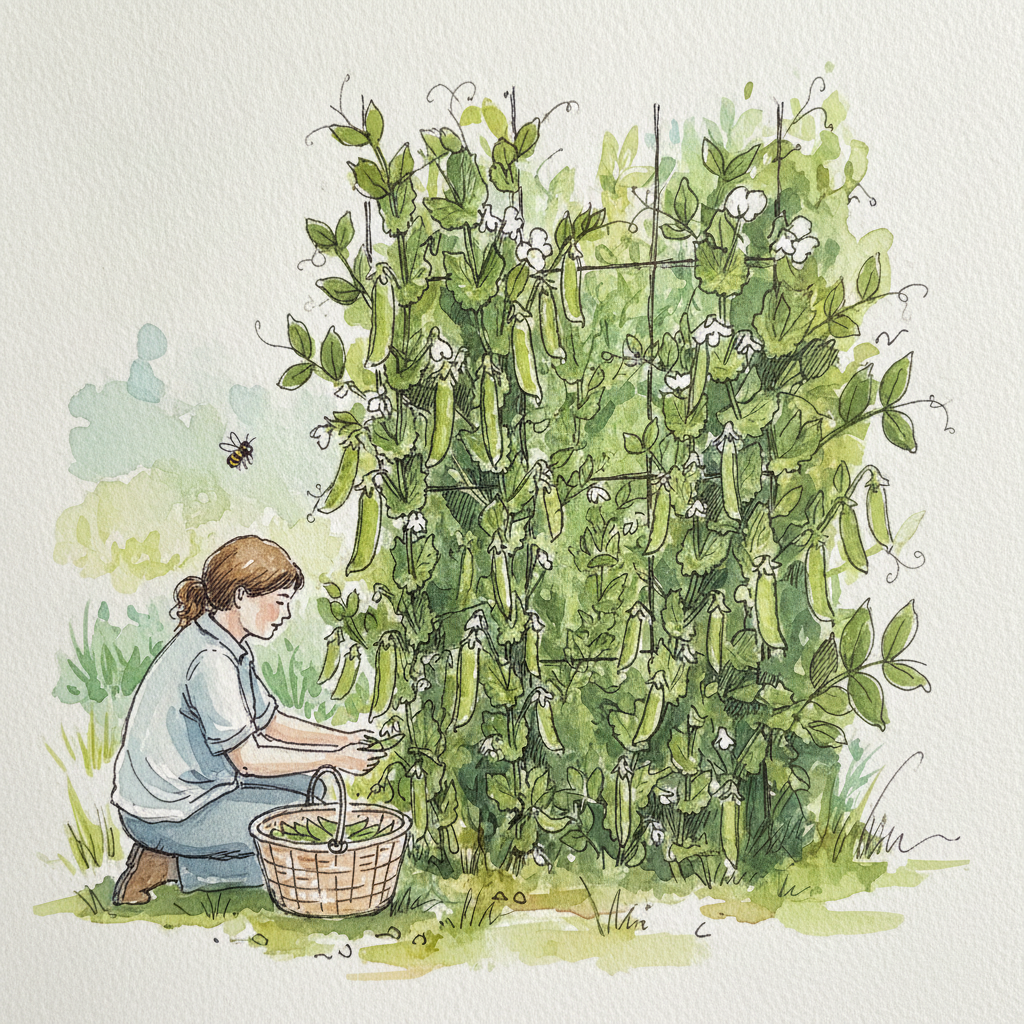
For this piece, concentrate on the interplay between rigid structure and organic growth: establish the sturdy wire trellis with confident, consistent line weight, then contrast it with varied, delicate lines for the climbing vines and tendrils. Focus on building the plump volume of the *Sugar Snap* pods through layered washes of green, letting the watercolor do the work of creating their rounded form and inner richness before adding final ink details like the subtle seam. Explore a harmonious range of greens to define different plant parts without overcomplicating your palette.
Piece 6 — Reclining on side, propped on elbow
Pen + Watercolor · Loose pen and watercolor line-and-wash
Three takes
Focus for this piece
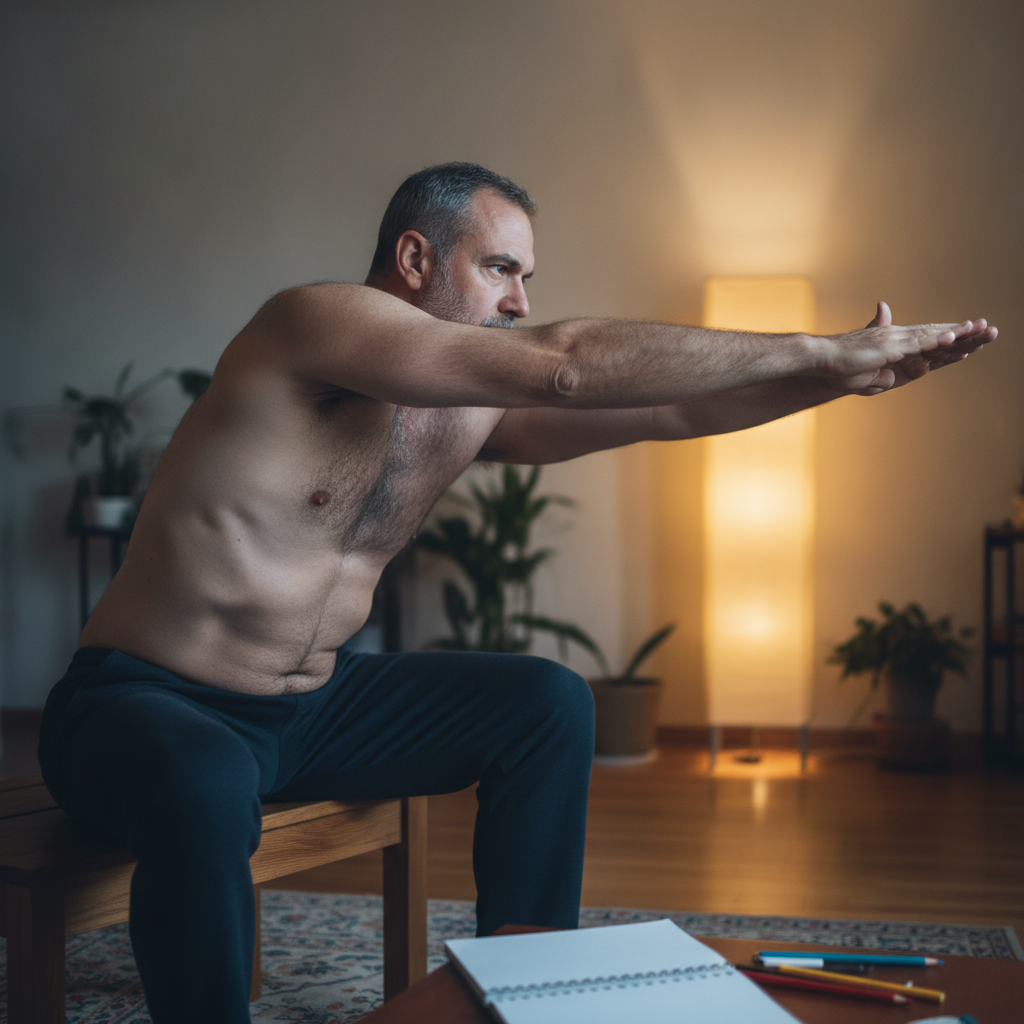
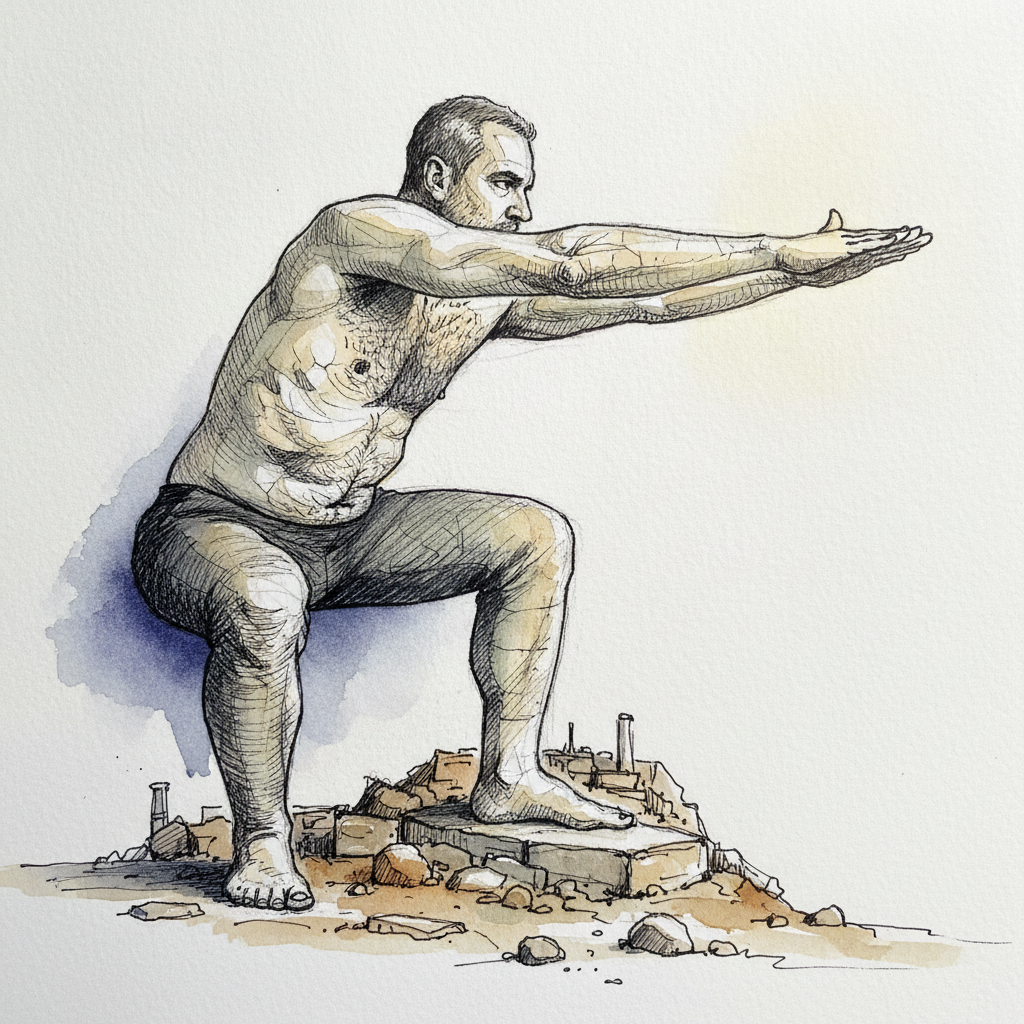
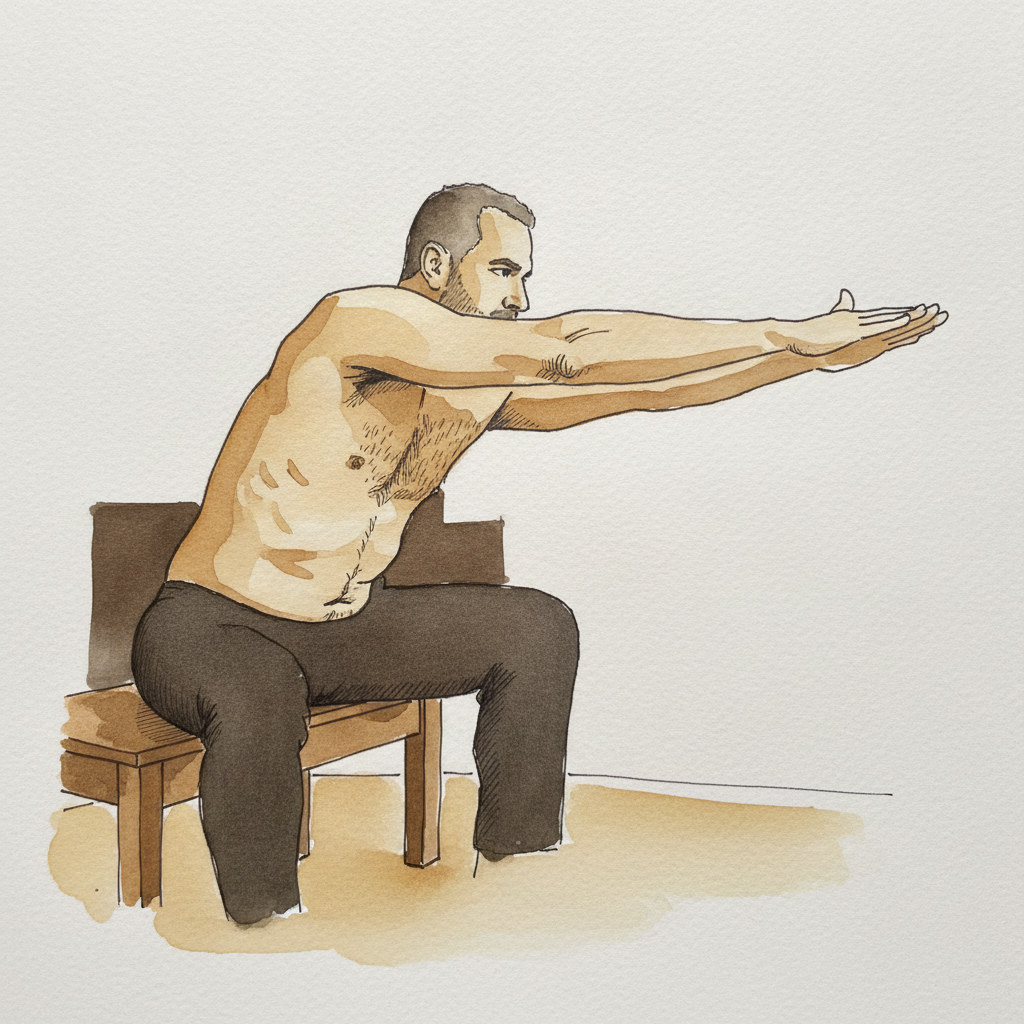
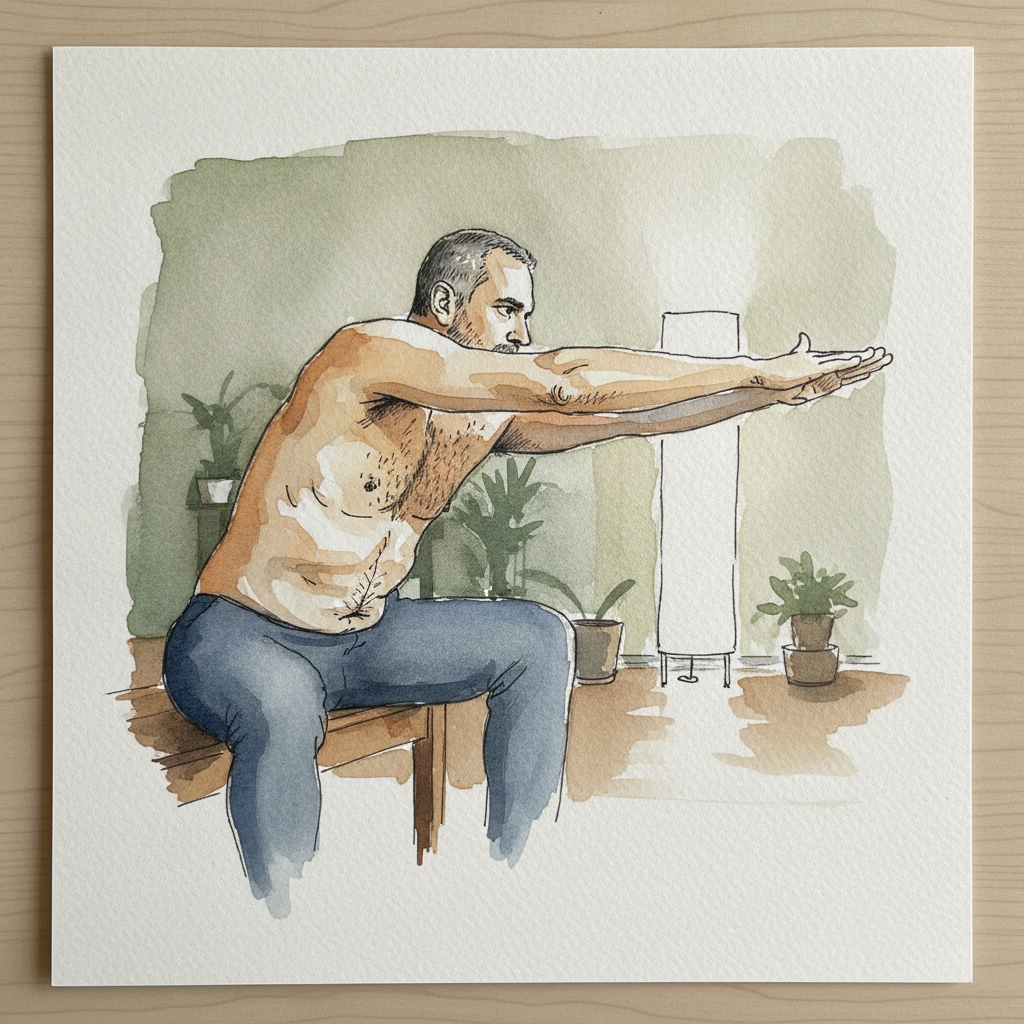
This pose offers a fantastic opportunity to practice expressing dynamic form through a continuous, confident pen line, emphasizing the long lateral curve from hip to fingertips. Use varying watercolor saturation and warm/cool temperatures to model the sturdy physique, paying close attention to how the cool shadows deepen the stretch of the obliques. Observe how your pen lines create structure where the warm lamplight meets the cooler, shadowed planes, especially across the chest and arms.
Piece 7 — Niomon at Kennin-ji, summer cicada noon
Pen + Watercolor · Loose pen and watercolor line-and-wash
Three takes
Focus for this piece
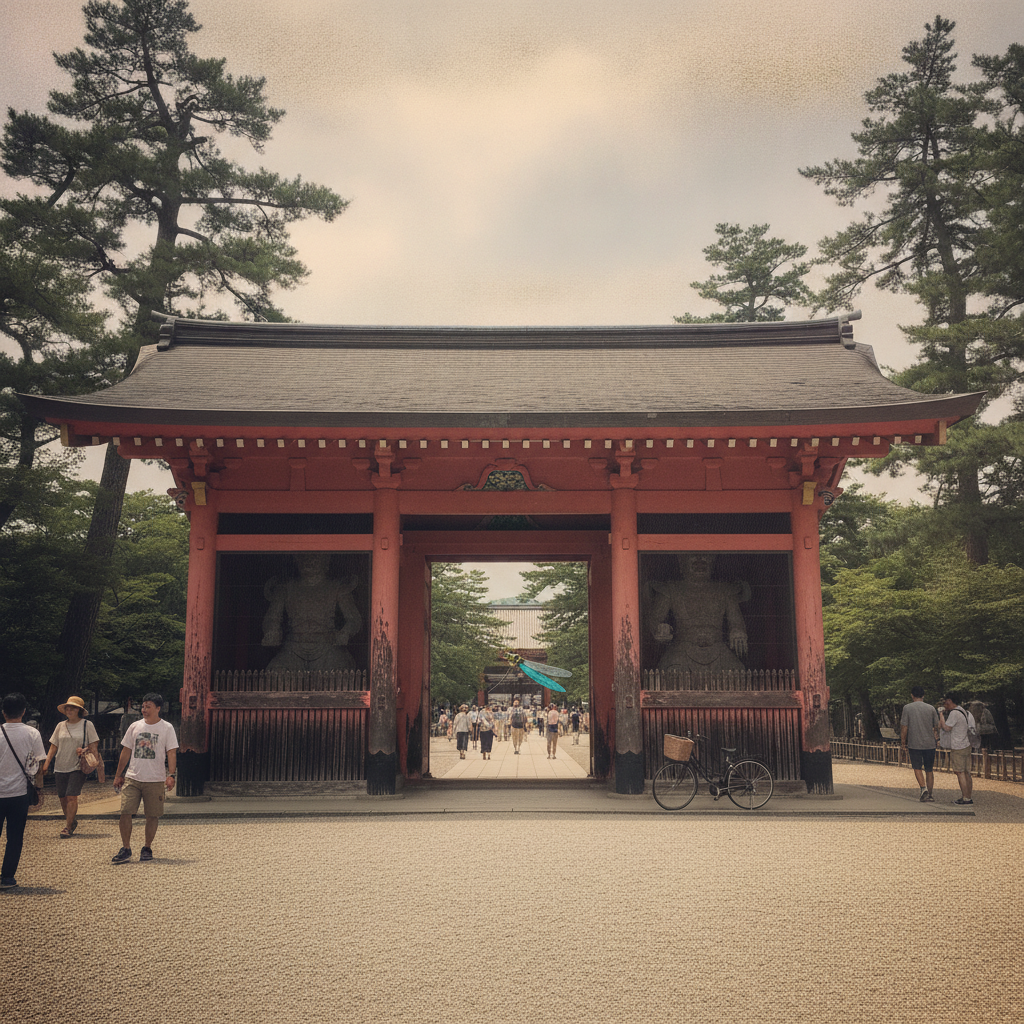
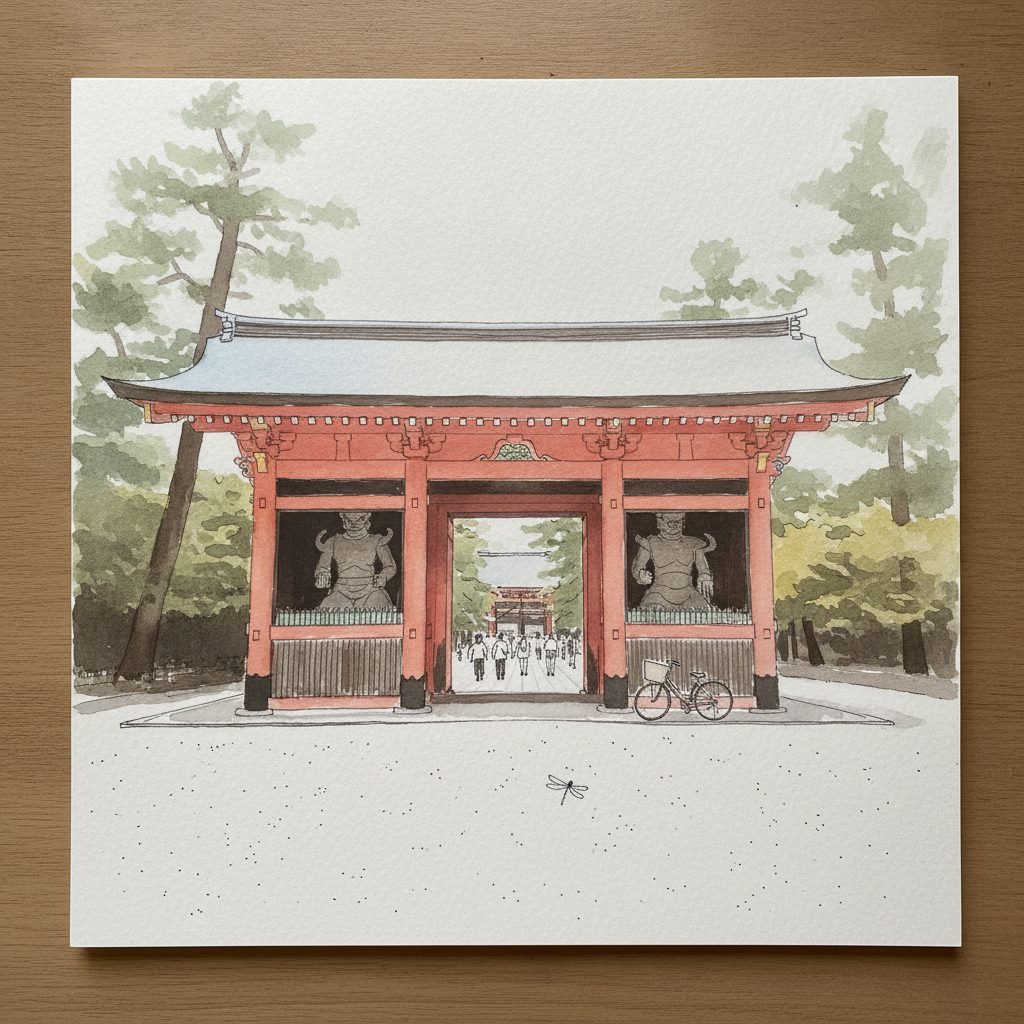
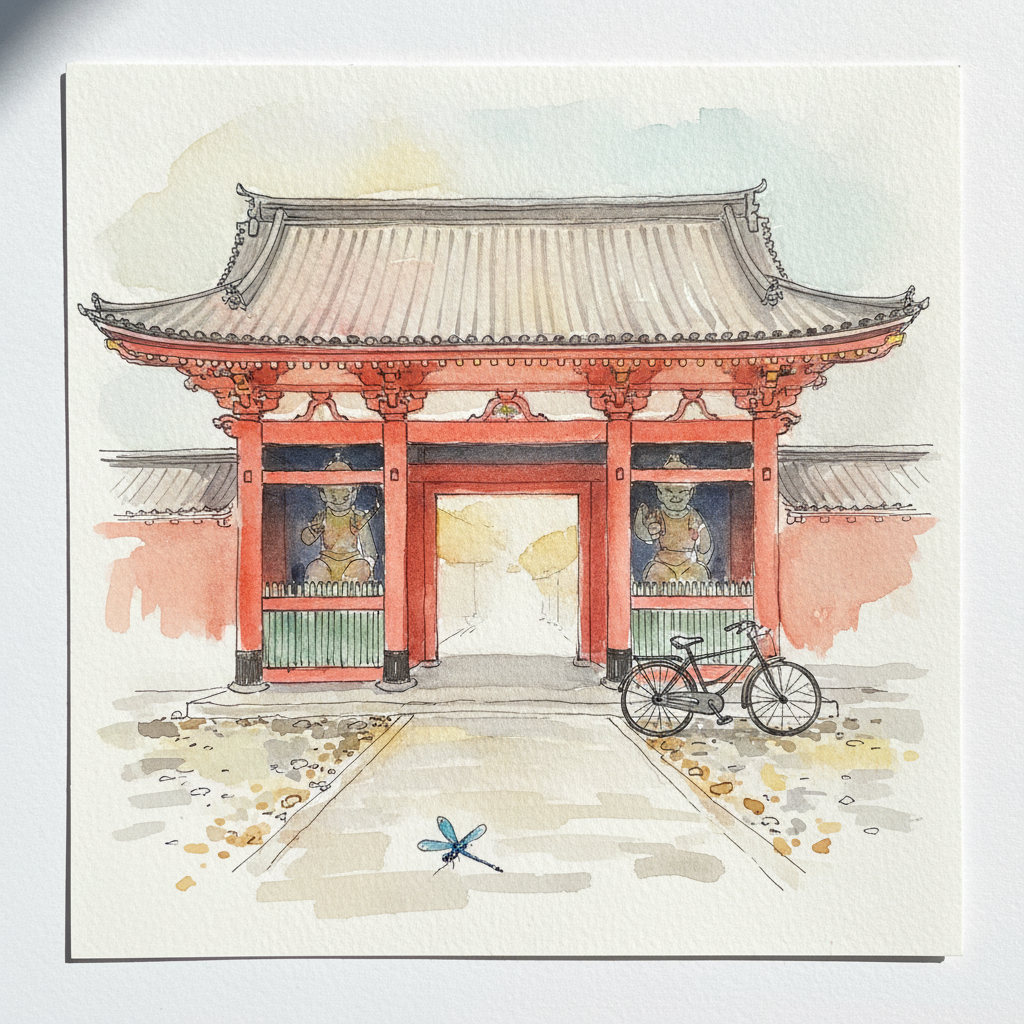
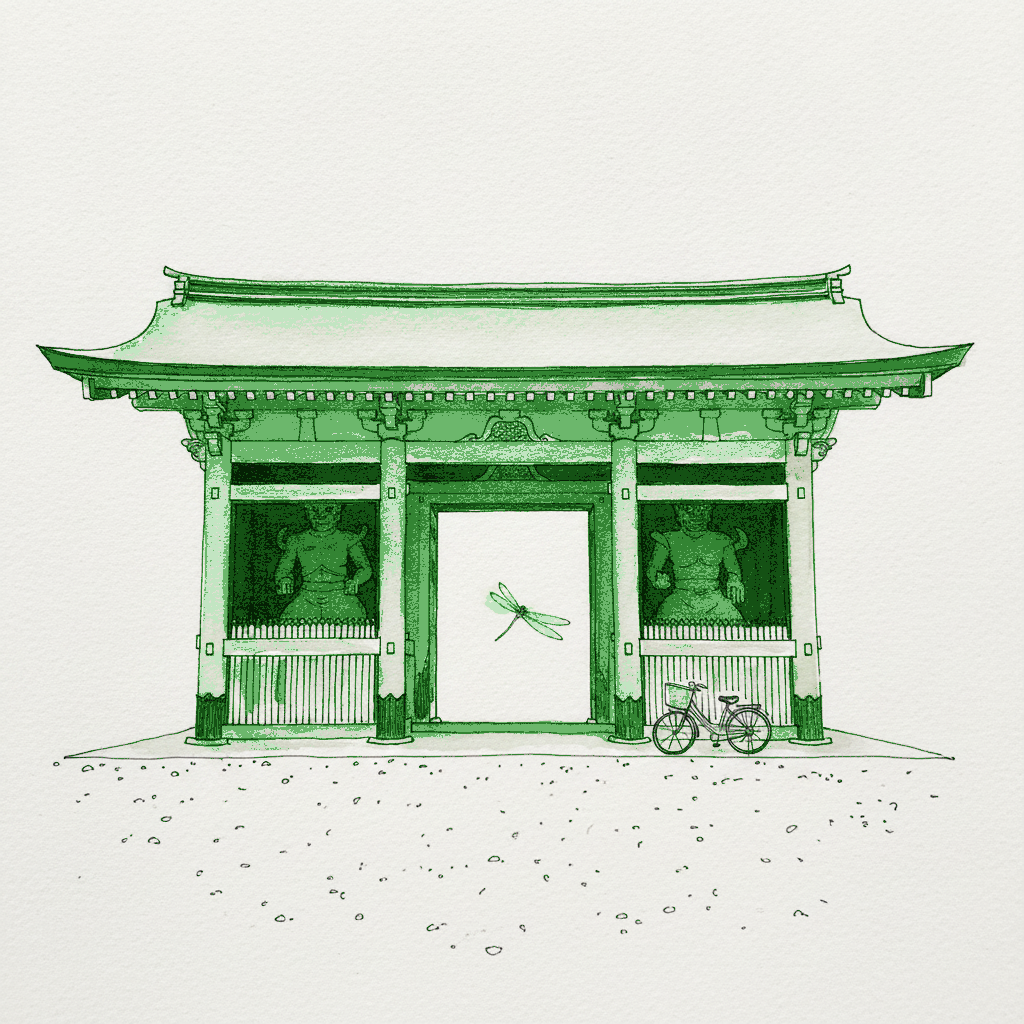
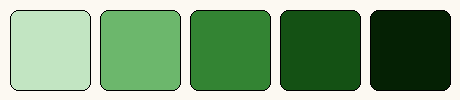
This piece offers an excellent study in rendering extreme architectural contrast and summer atmosphere. Use broad, dark watercolor washes, perhaps a deep mix of Payne's Gray and Alizarin Crimson, to envelop the Nio statues and interior niches in near-black shade, letting all details dissolve. In contrast, employ crisp, varying pen lines to sharply define the sun-drenched edges of the gate's coral-faded vermilion structure and the nearby bicycle, allowing these elements to anchor the intense light and deep shadows. This practice emphasizes how watercolor can create formless depth while ink asserts solid structure.
Piece 8 — Old couple holding hands on bench
Pen + Watercolor · Loose pen and watercolor line-and-wash
Three takes
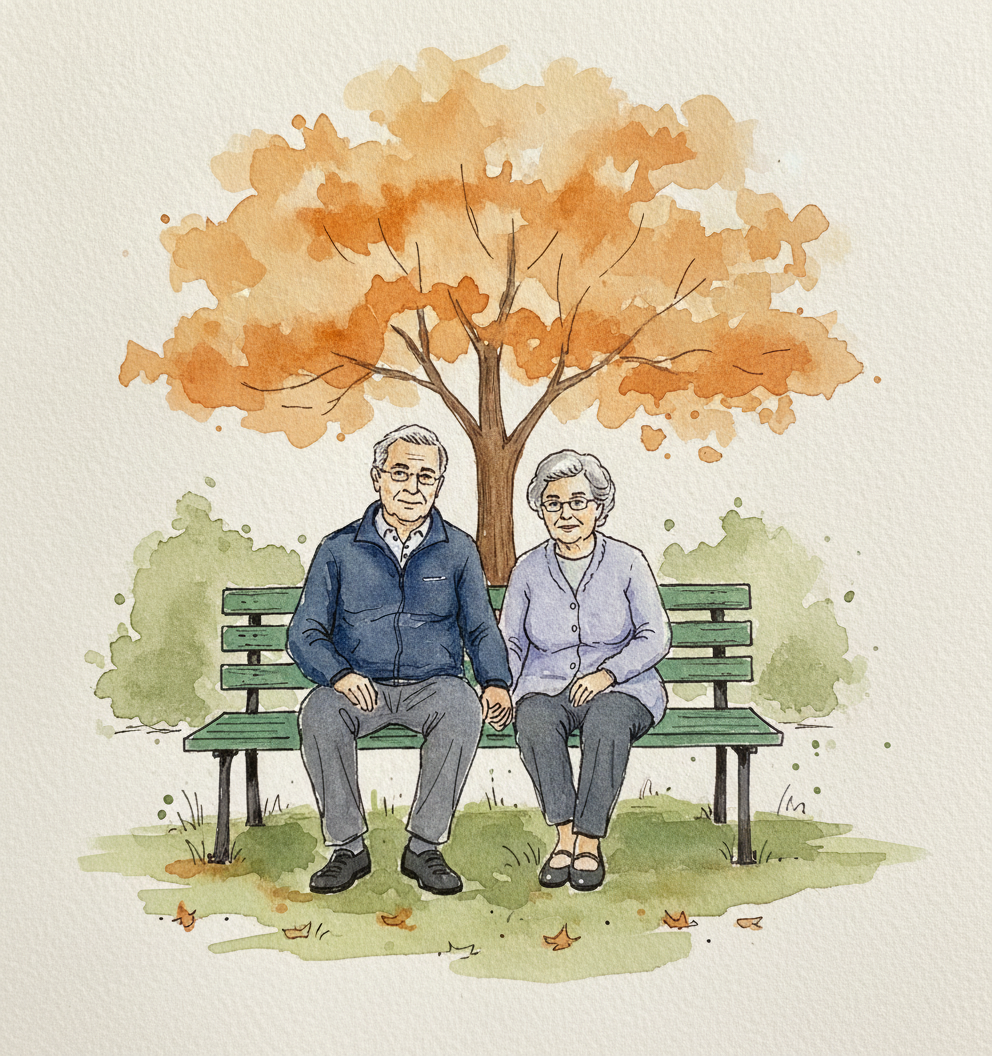
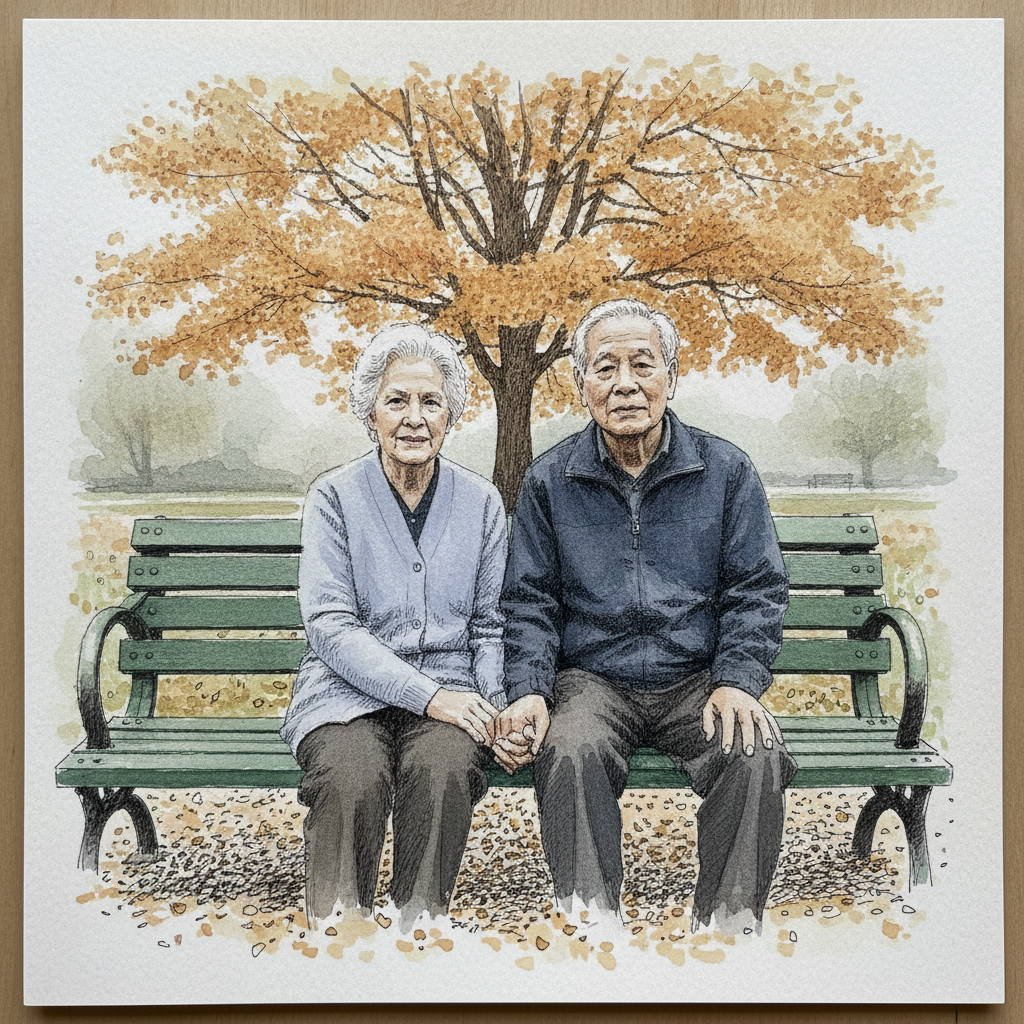
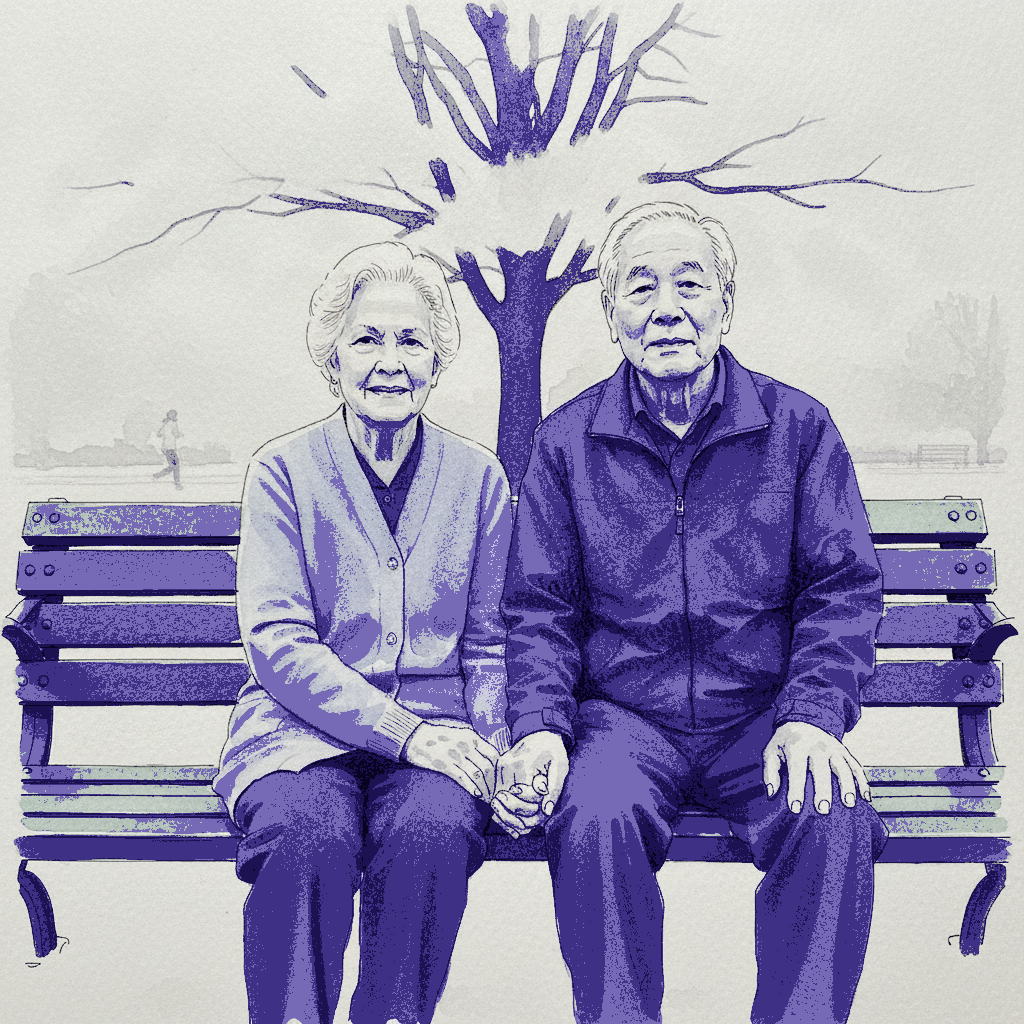

Focus for this piece
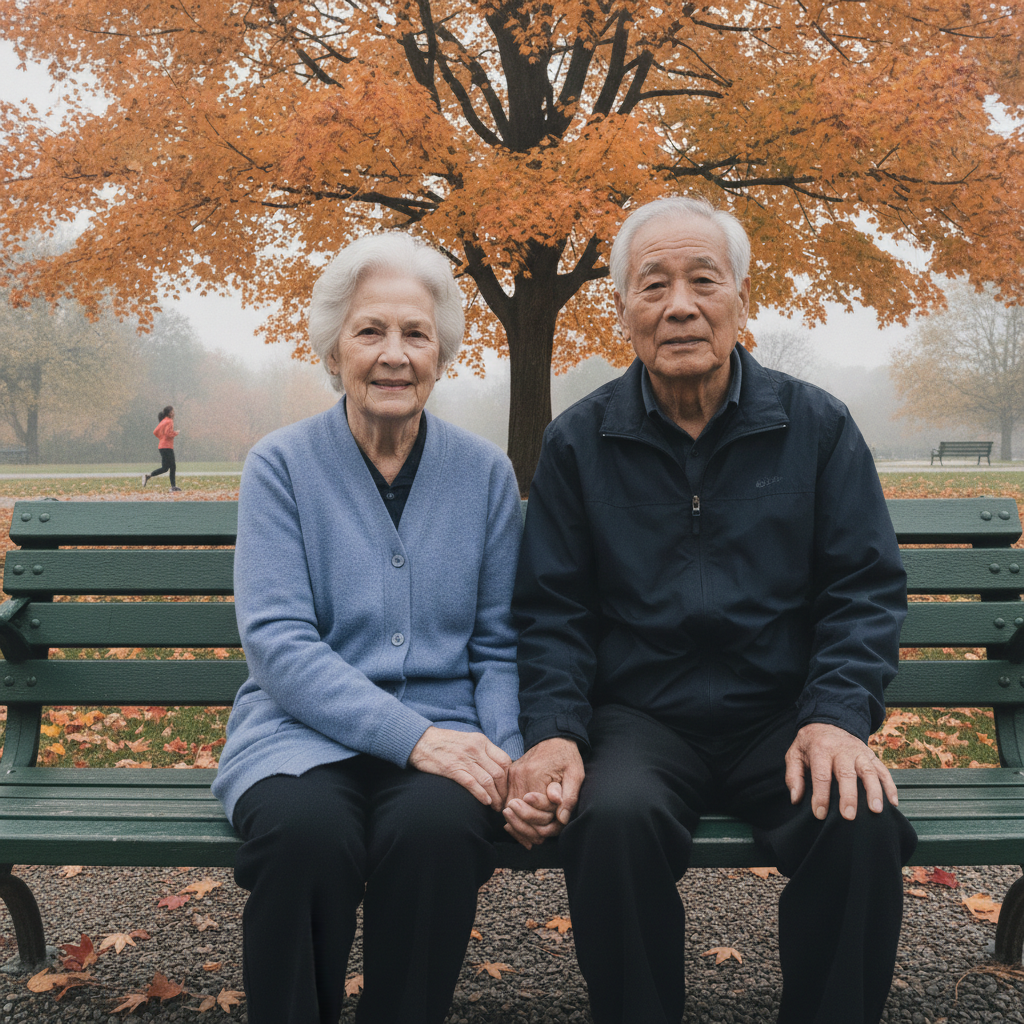
This study focuses on using varied ink line weights to establish the intimate detail and texture of the couple's hands and the slatted bench in the foreground, using slightly heavier lines to emphasize their age and connection. Counter this precision with soft, wet-on-wet watercolor washes in warm amber and gold tones for the background foliage. Allow blurred edges to create atmospheric depth and capture the gentle autumn light, making the distant jogger a mere suggestion.