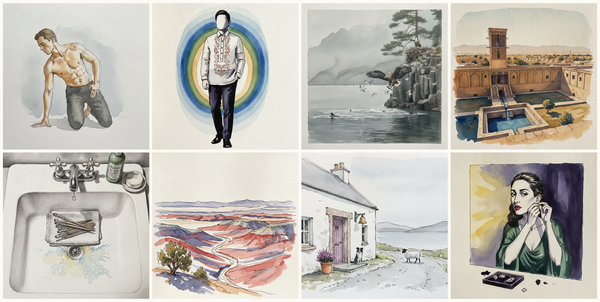
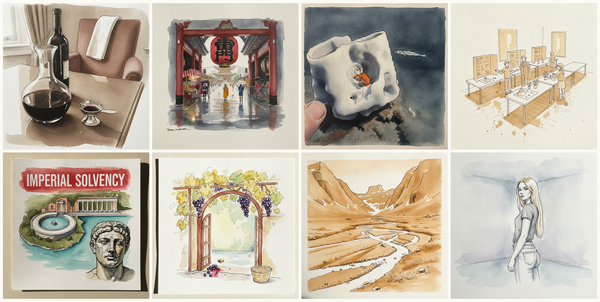
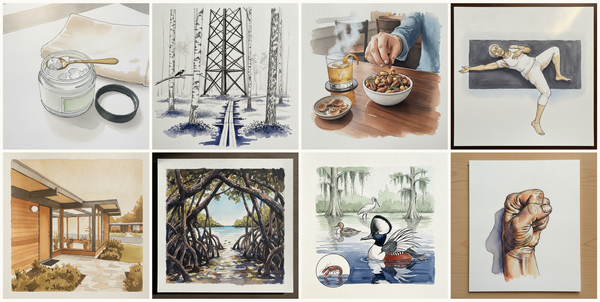
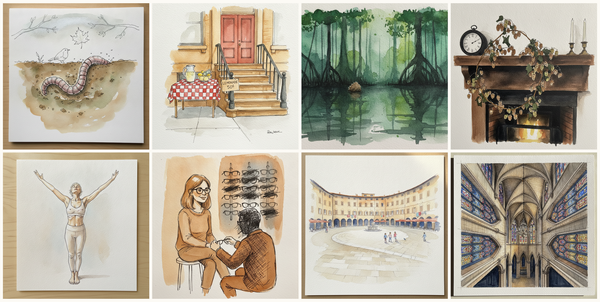
Pearl earring dropped on floorboard, Chow Kit Market, Kuala Lumpur, Malaysia, Couple silent reading, Indian sari (Banarasi silk), and more — pen + watercolor for June 26, 2026
AI-generated daily art-practice references for pen and watercolor: Pearl earring dropped on floorboard, Chow Kit Market, Kuala Lumpur, Malaysia, Couple silent reading, Indian sari (Banarasi silk), Wisteria arch leading to a vegetable patch in winter, Common map turtle, Nigerian man 60s on chair…
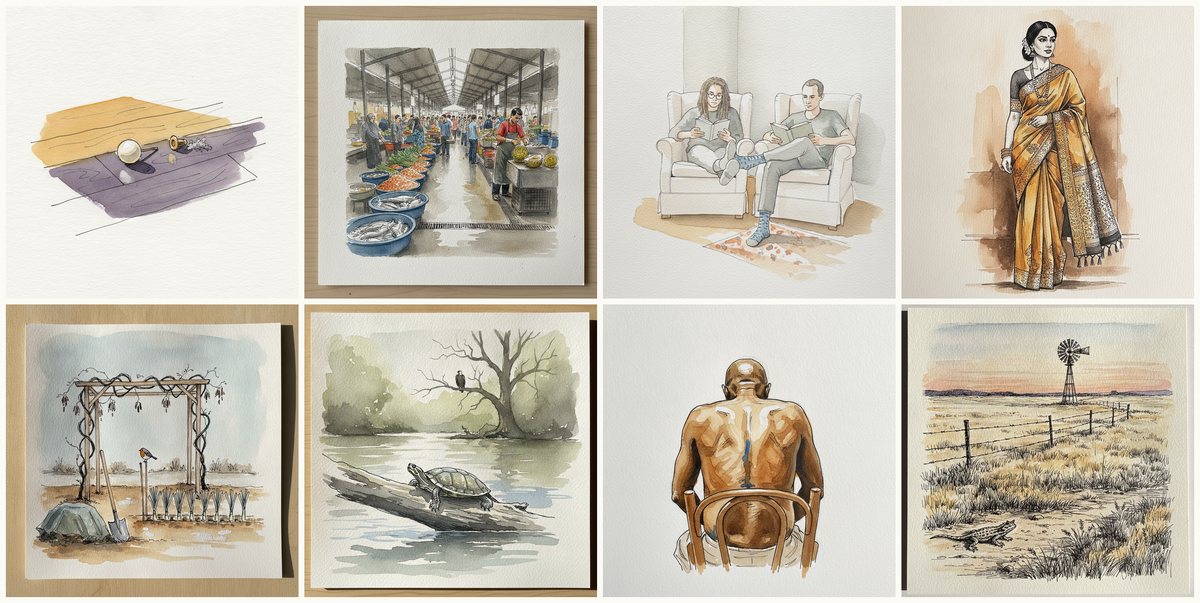
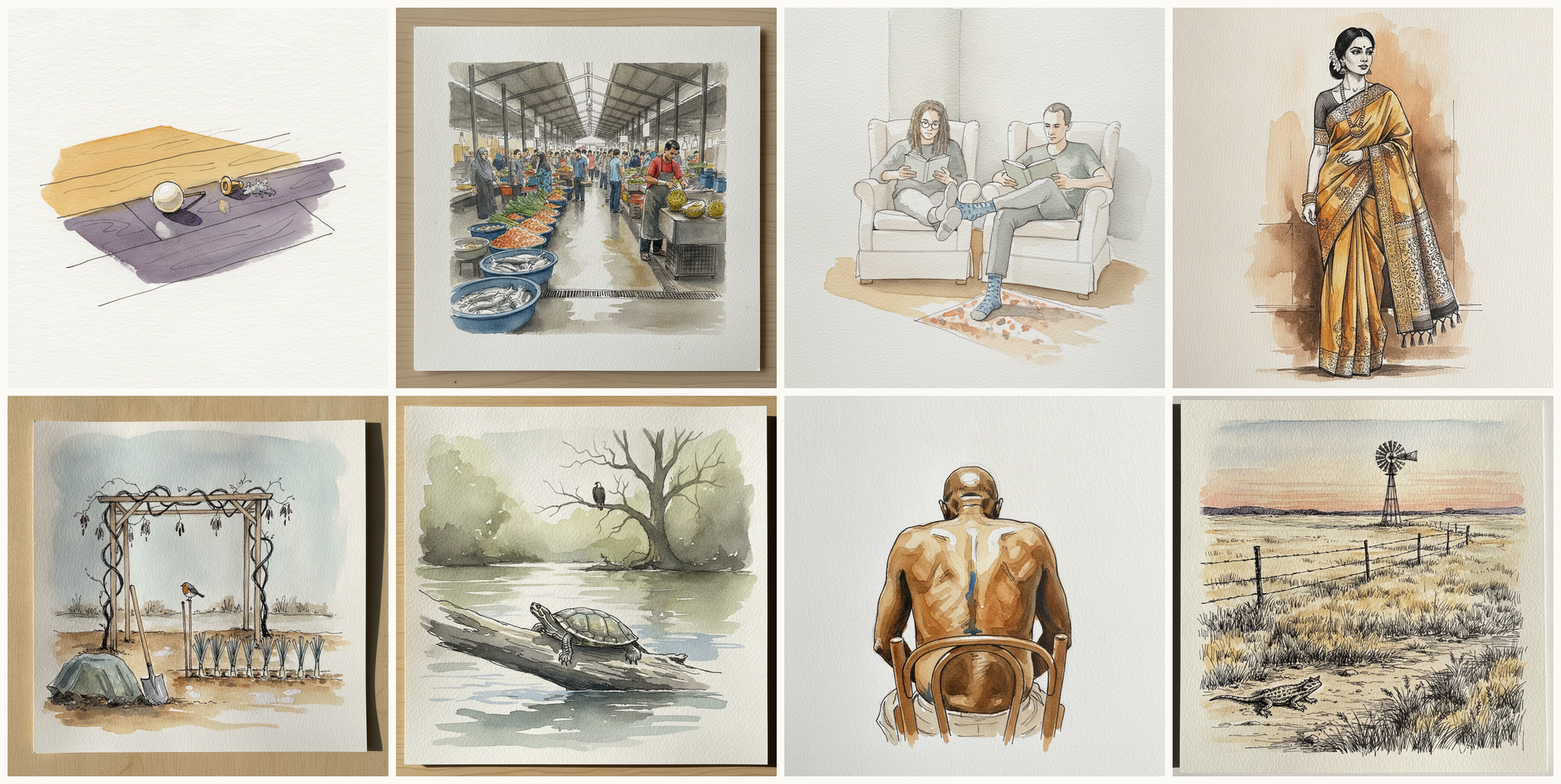
Today's 8 pen-and-watercolor pieces: Pearl earring dropped on floorboard, Chow Kit Market, Kuala Lumpur, Malaysia, Couple silent reading, Indian sari (Banarasi silk), Wisteria arch leading to a vegetable patch in winter, Common map turtle, Nigerian man 60s on chair, rounded back, Distant windmill at a section well — Kansas. Each piece comes with an AI-generated photoreal reference, three AI-generated example artworks in different treatments, and a short focus paragraph naming what to study in this one.
Why these references use AI
This daily series uses AI-generated images as practice prompts, not as finished artwork to copy. Each subject starts with a synthetic photoreal reference generated with Gemini/Nano Banana, then moves into three pen-and-watercolor interpretations of the same subject.
I use AI here because daily art practice needs variety and low friction. Real life can get repetitive, busy, or visually narrow. These generated reference sets make it easier to study bodies, buildings, animals, landscapes, objects, gestures, light, palettes, and compositions that might not show up in an ordinary day.
The goal is not to reproduce any image directly. Treat each set as a starting point for observation and study: choose what interests you, change the framing, simplify the subject, alter the palette, and make your own version.
Piece 1 — Pearl earring dropped on floorboard
Pen + Watercolor · Loose pen and watercolor line-and-wash
Three takes
Focus for this piece
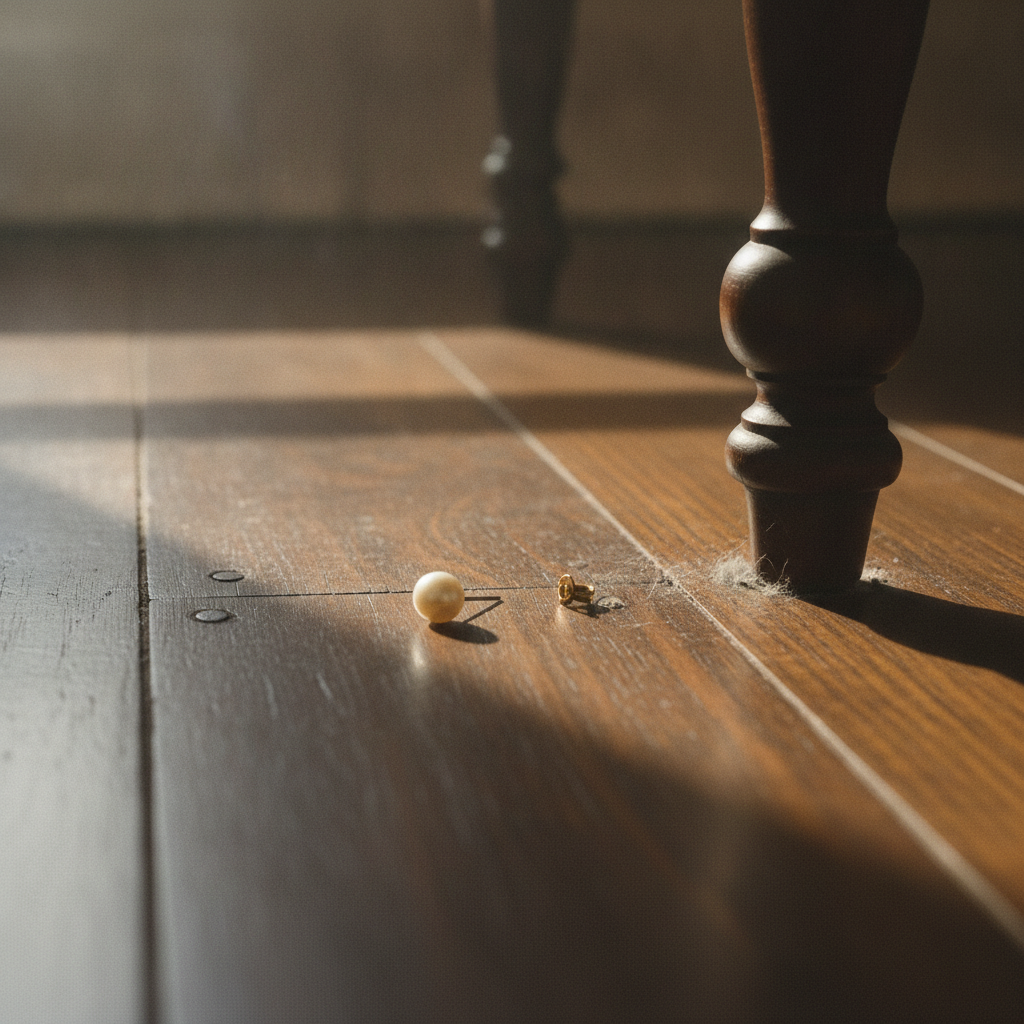
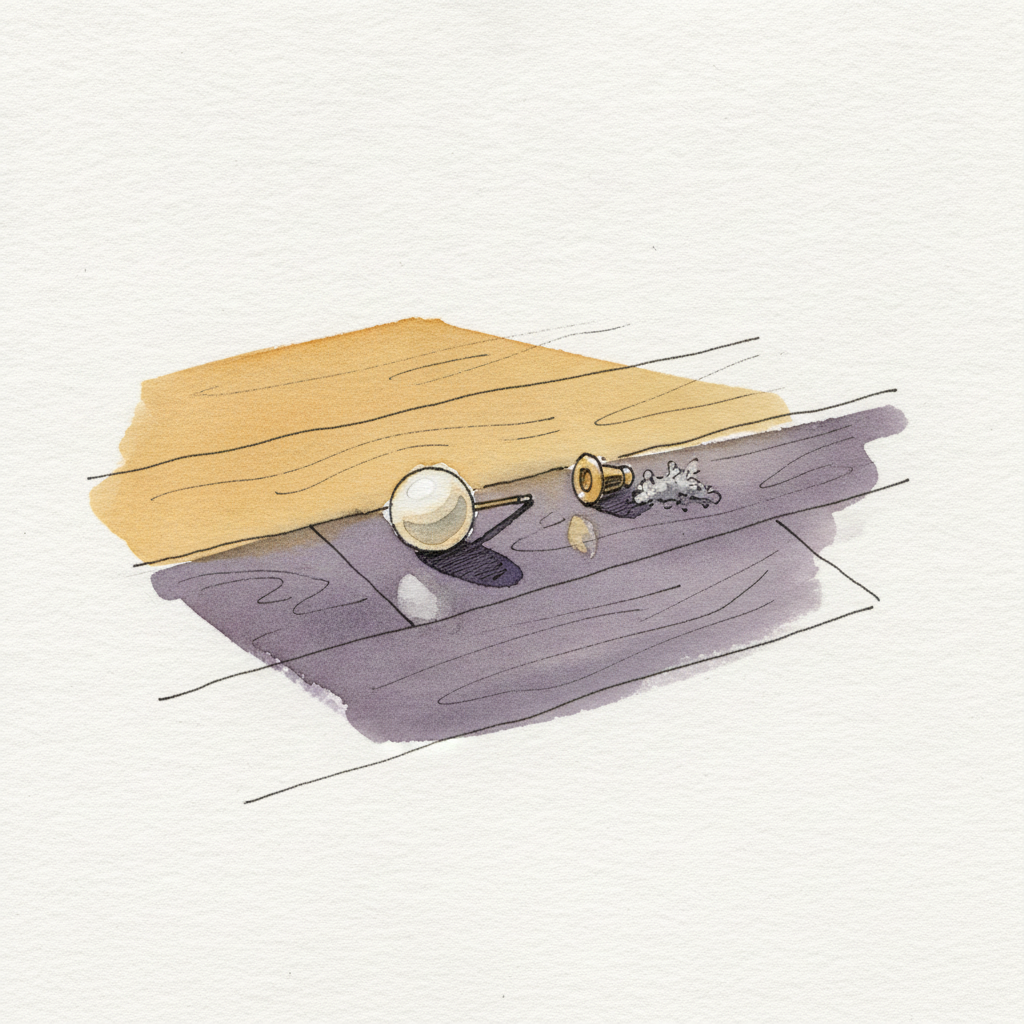
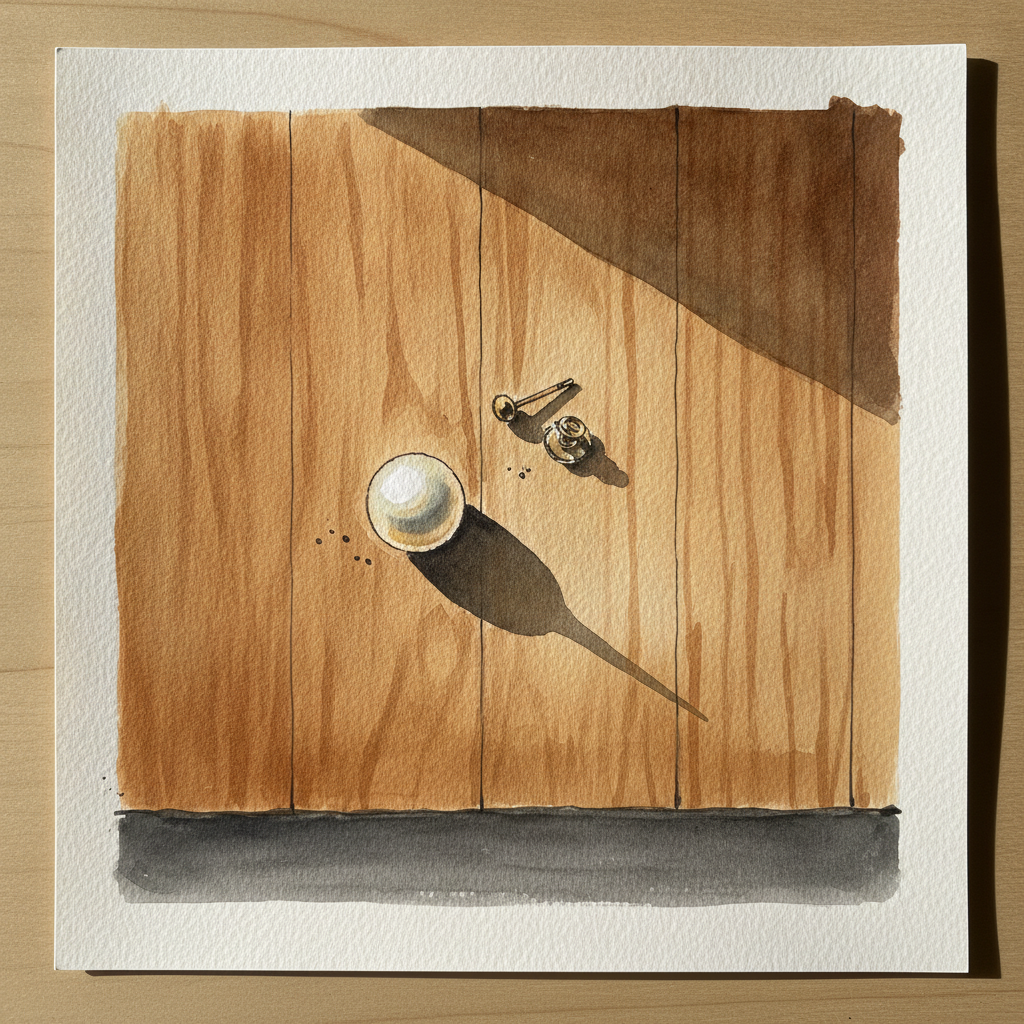
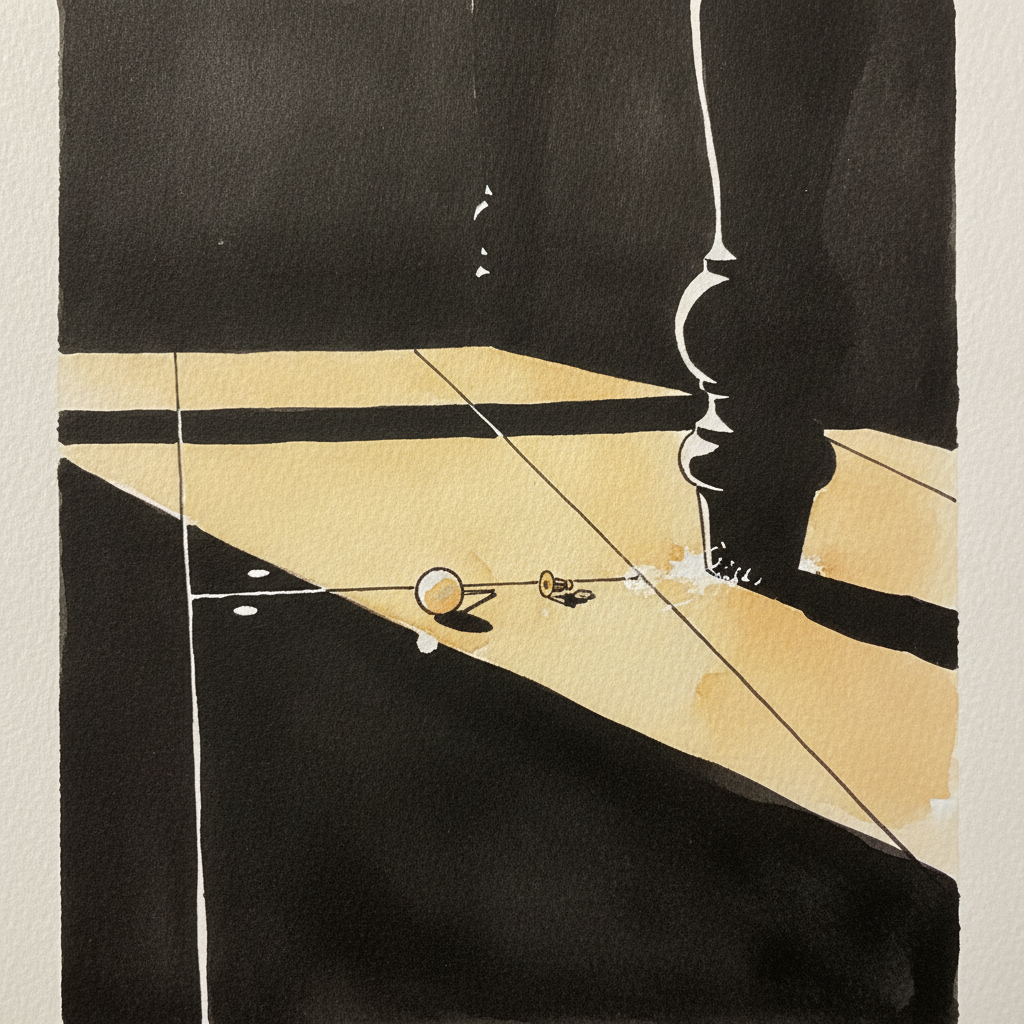
This piece is excellent for studying how to manage sharp definition against atmospheric softness using pen and watercolor. Utilize varied, crisp line weights to define the floorboards and tiny elements like nail heads and dust, letting the pen provide the structure and texture. Then, employ soft, layered washes to build the luminous form of the pearl and the rich, reflective darks of the waxed floor, using color to convey light and volume. Focus on the strong value contrast created by the low light, making the pearl the undeniable focal point.
Piece 2 — Chow Kit Market, Kuala Lumpur, Malaysia
Pen + Watercolor · Loose pen and watercolor line-and-wash
Three takes
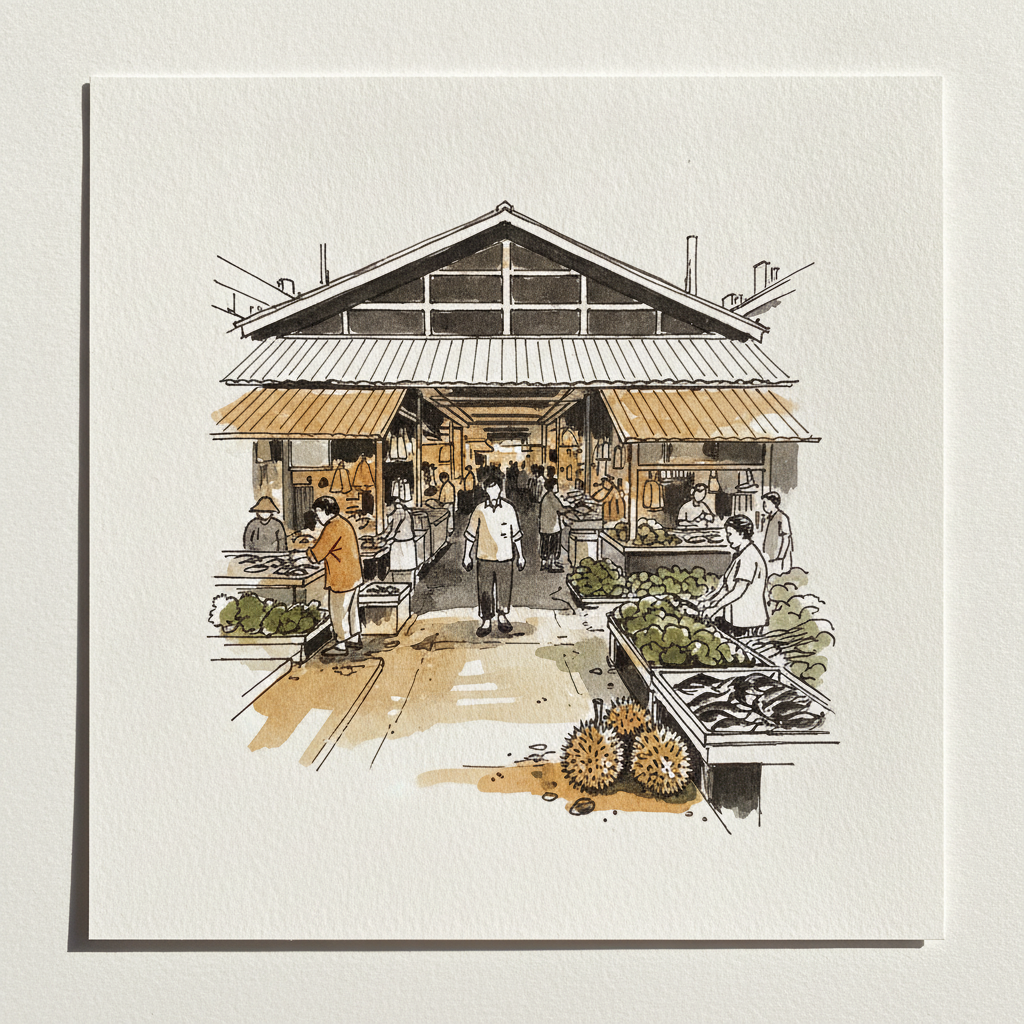
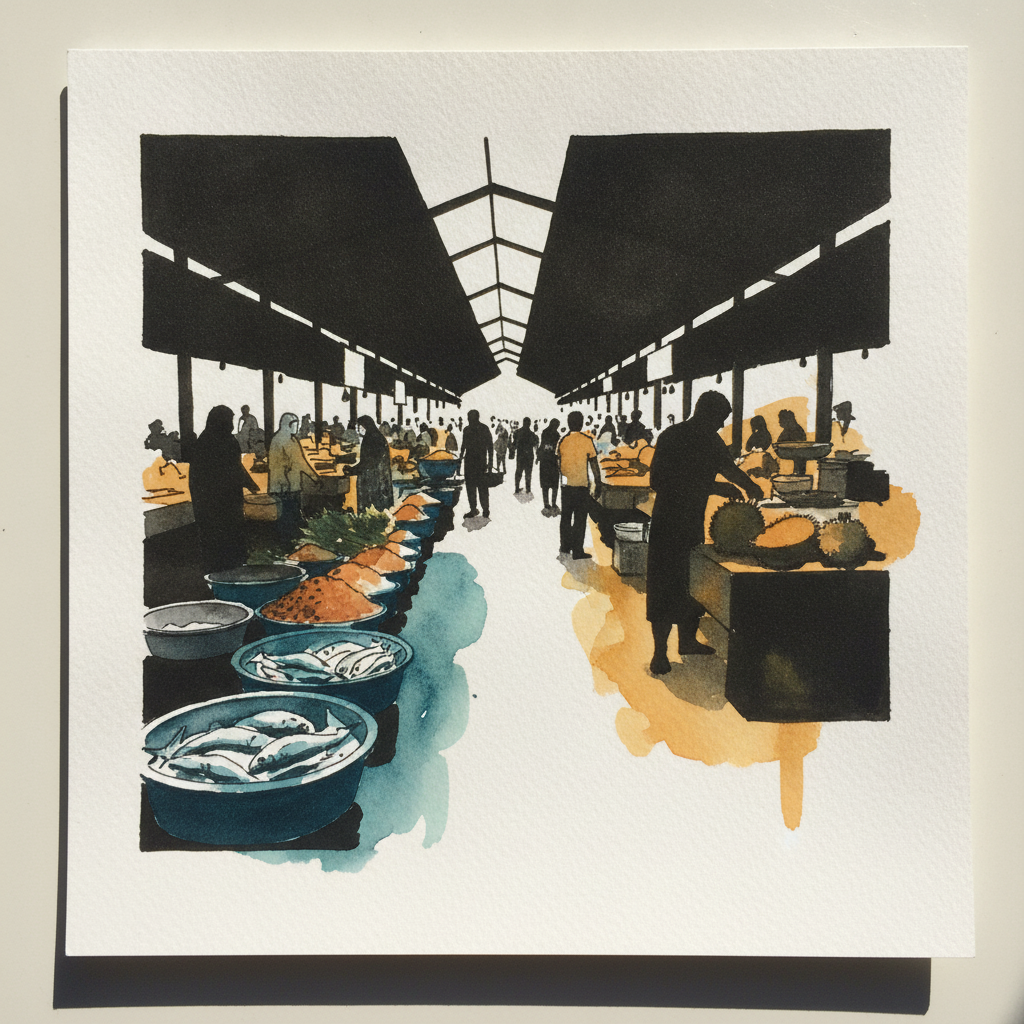
Focus for this piece
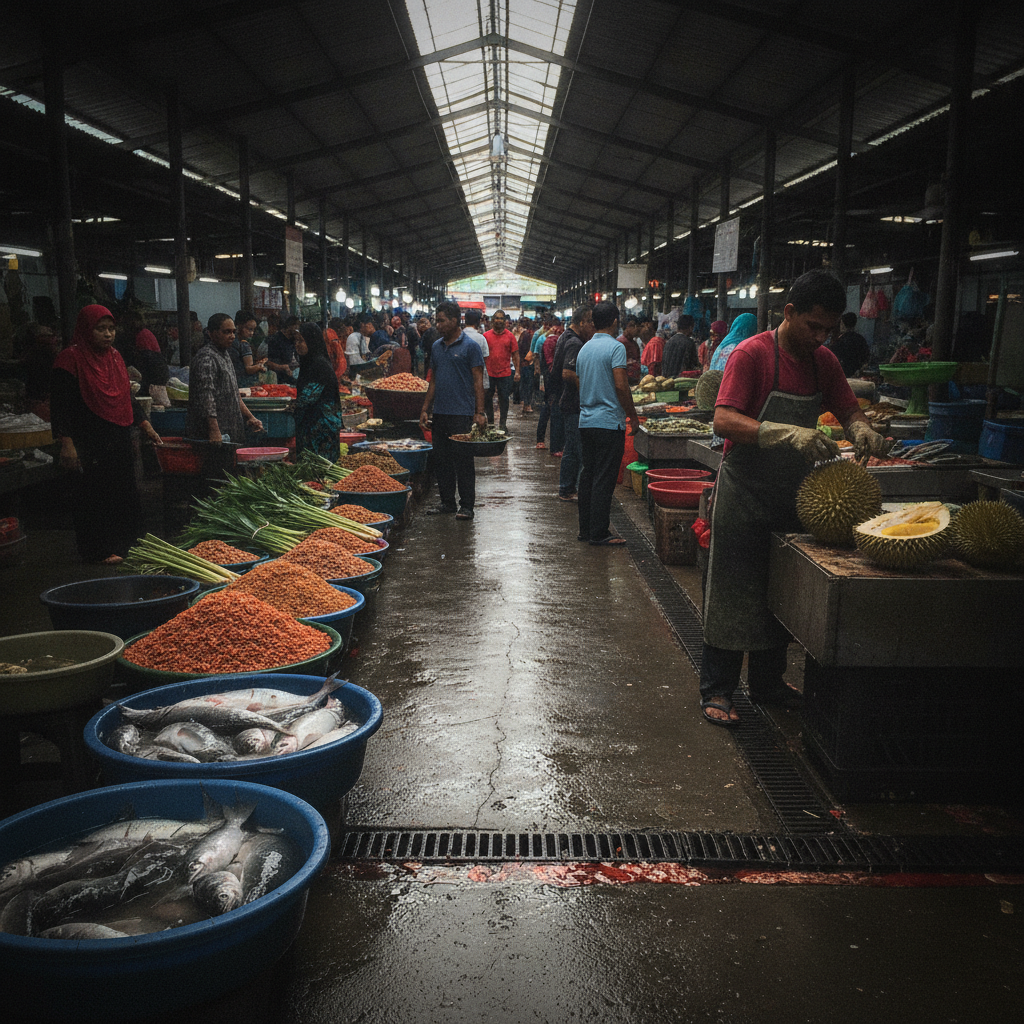
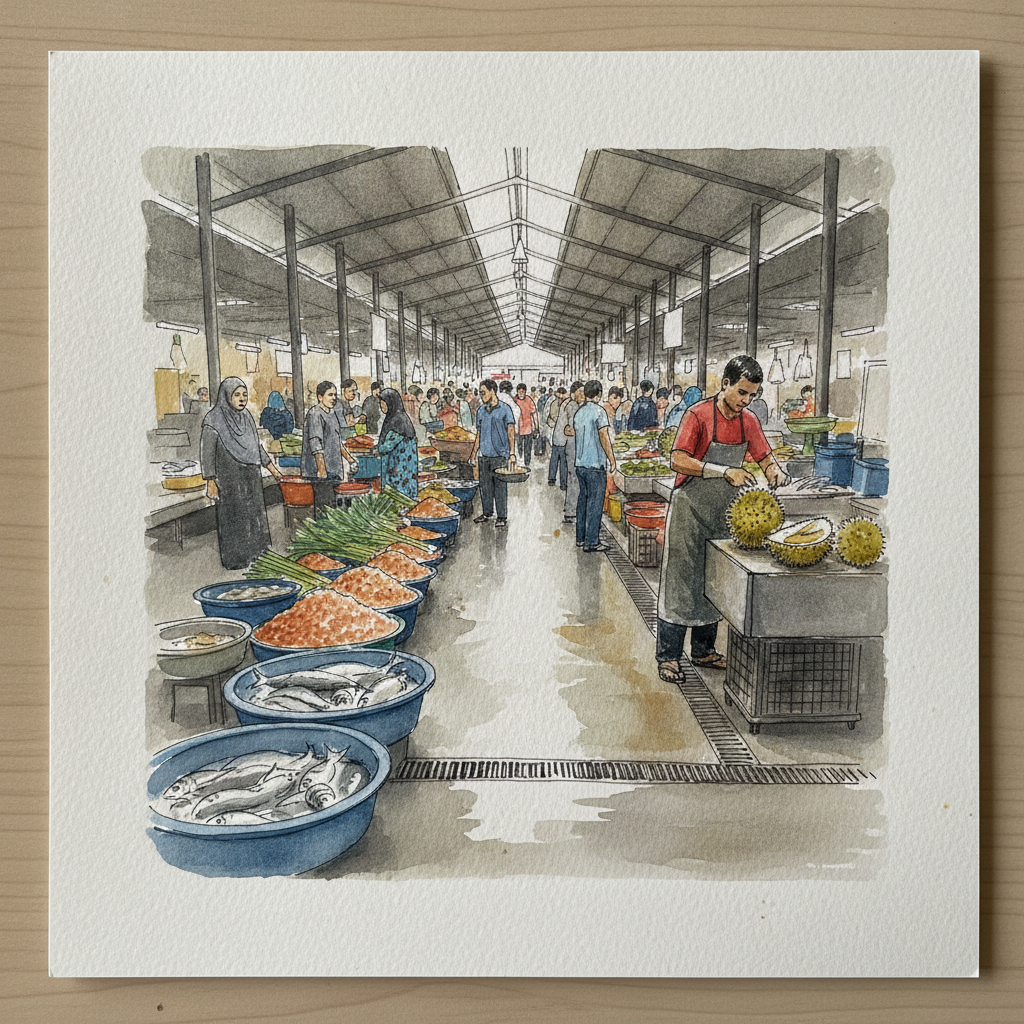
For today's Chow Kit Market scene, concentrate on establishing depth and atmosphere within a busy interior. Use varied line weights, employing stronger, defined lines for foreground elements and softening to broken, lighter marks for receding details under the long roof. Complement this structure with atmospheric, wet-on-wet washes in a limited, earthy palette to suggest the diffused light and damp air. Pay special attention to how transparent layers can create the illusion of a wet, reflective floor, allowing forms above to shimmer.
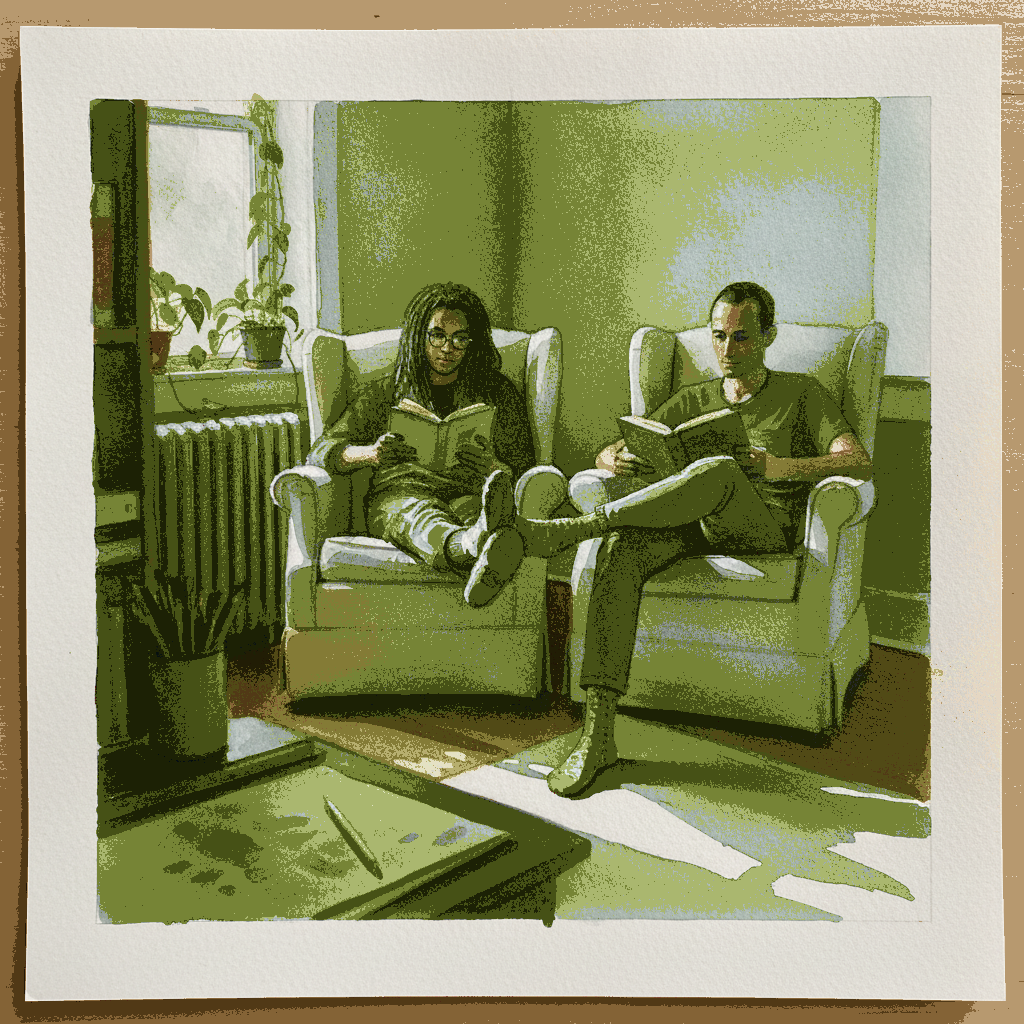
Piece 3 — Couple silent reading
Pen + Watercolor · Loose pen and watercolor line-and-wash

Three takes
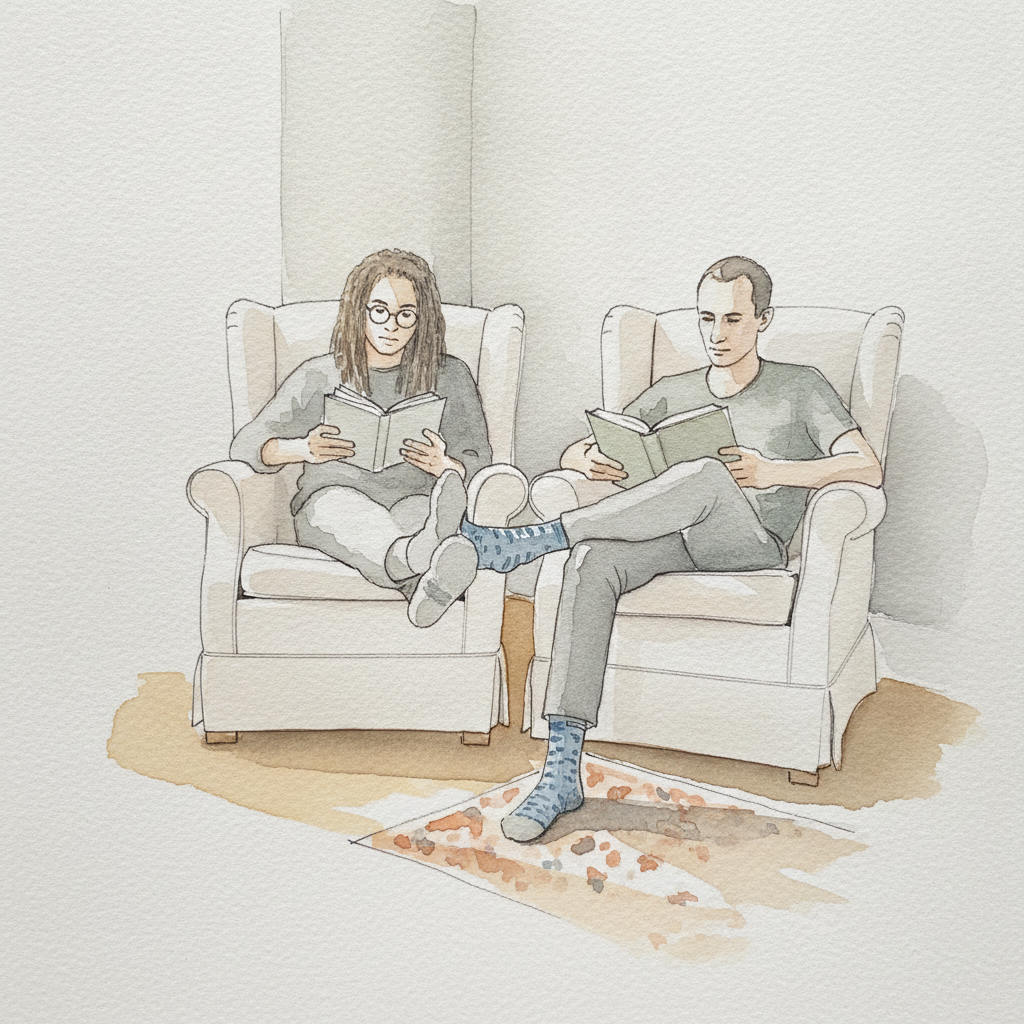
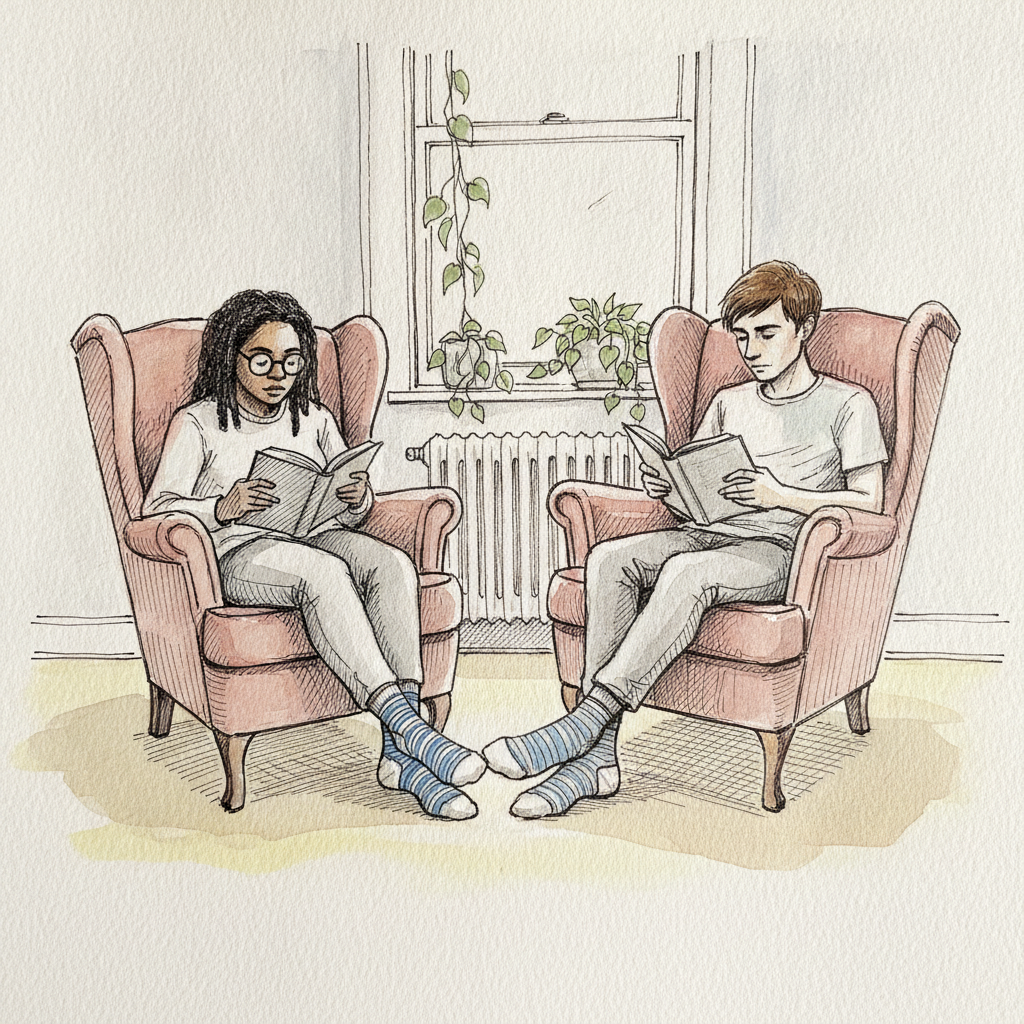

Focus for this piece
This piece is an excellent study in using varied line weight and strategic overlaps to define intimate forms within a soft, atmospheric setting. Pay close attention to how your pen lines articulate the subtle gestures of the two figures and specific details like their glasses and the meeting feet. Then, employ broad, warm washes to capture the slow-moving afternoon sun and the cozy volume of the room, letting the pen work provide the necessary crispness and structure.
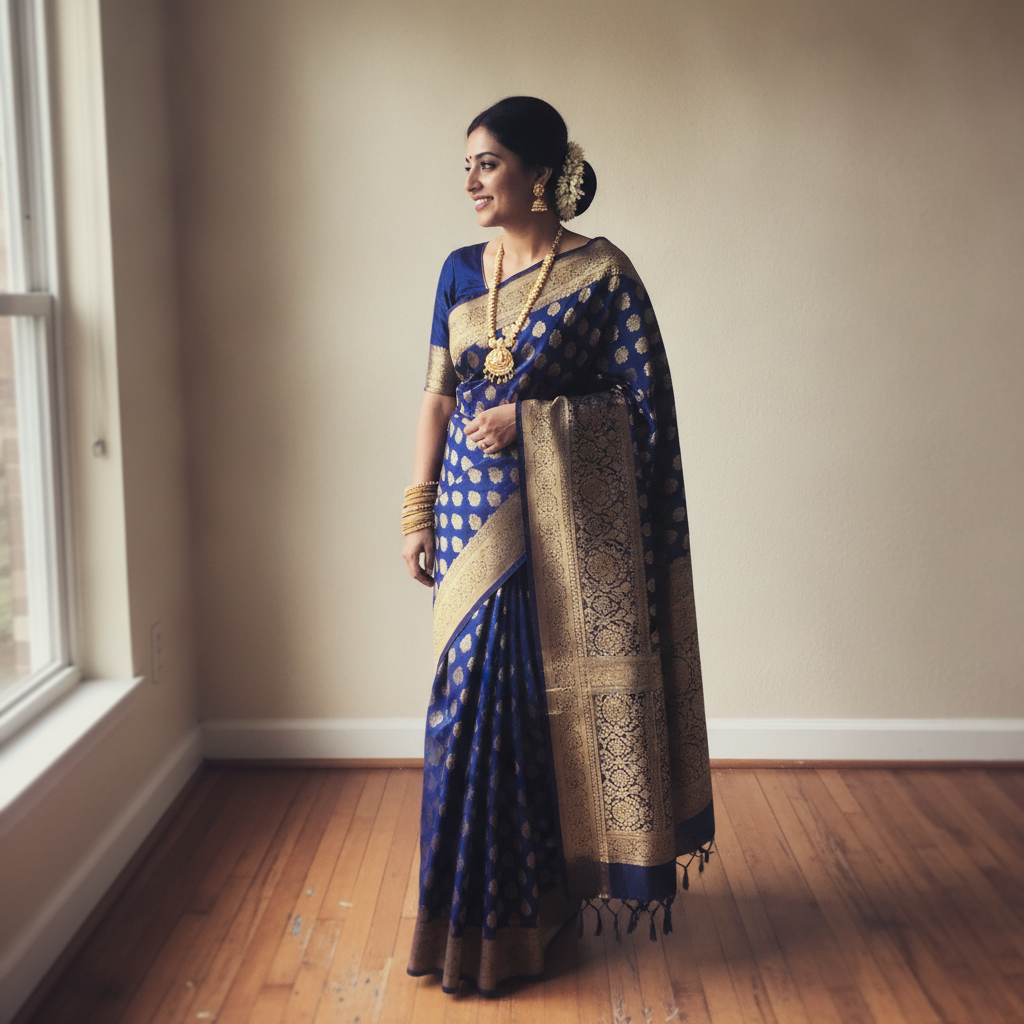
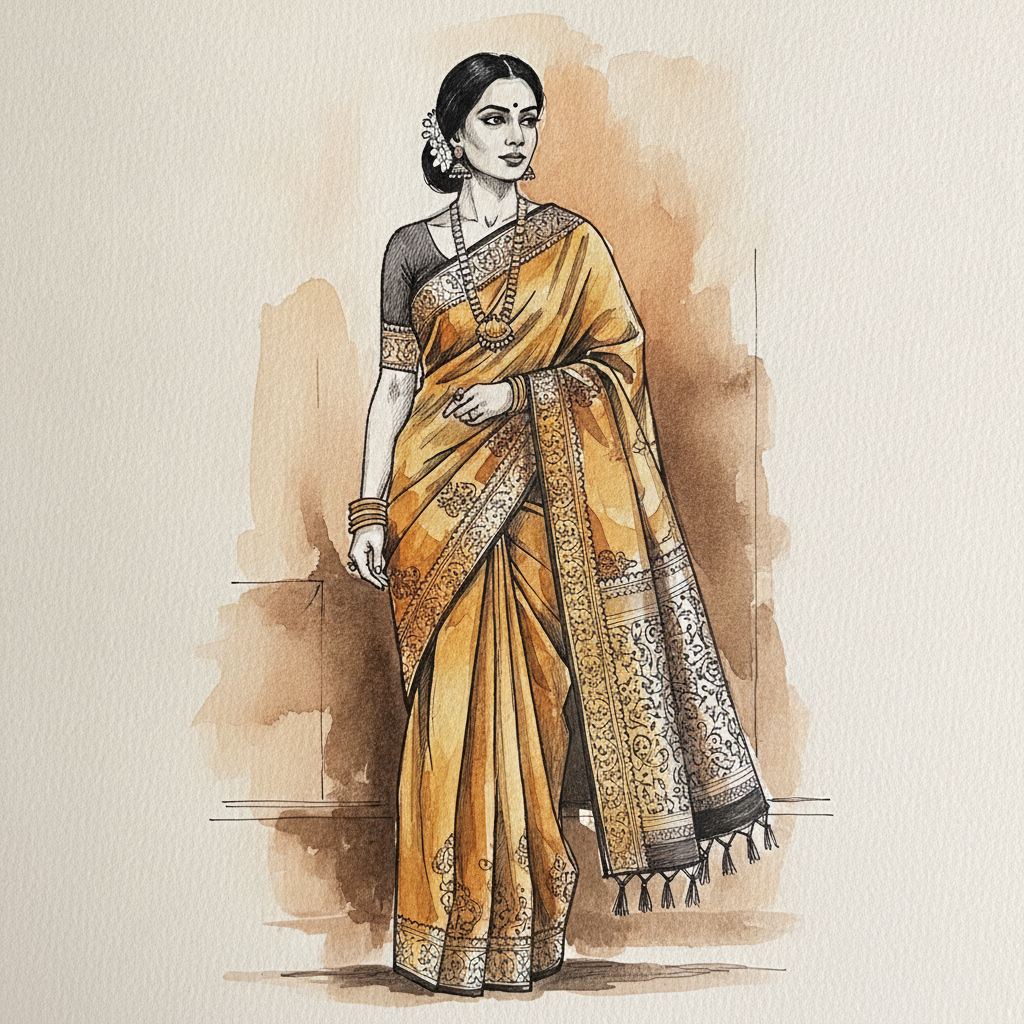
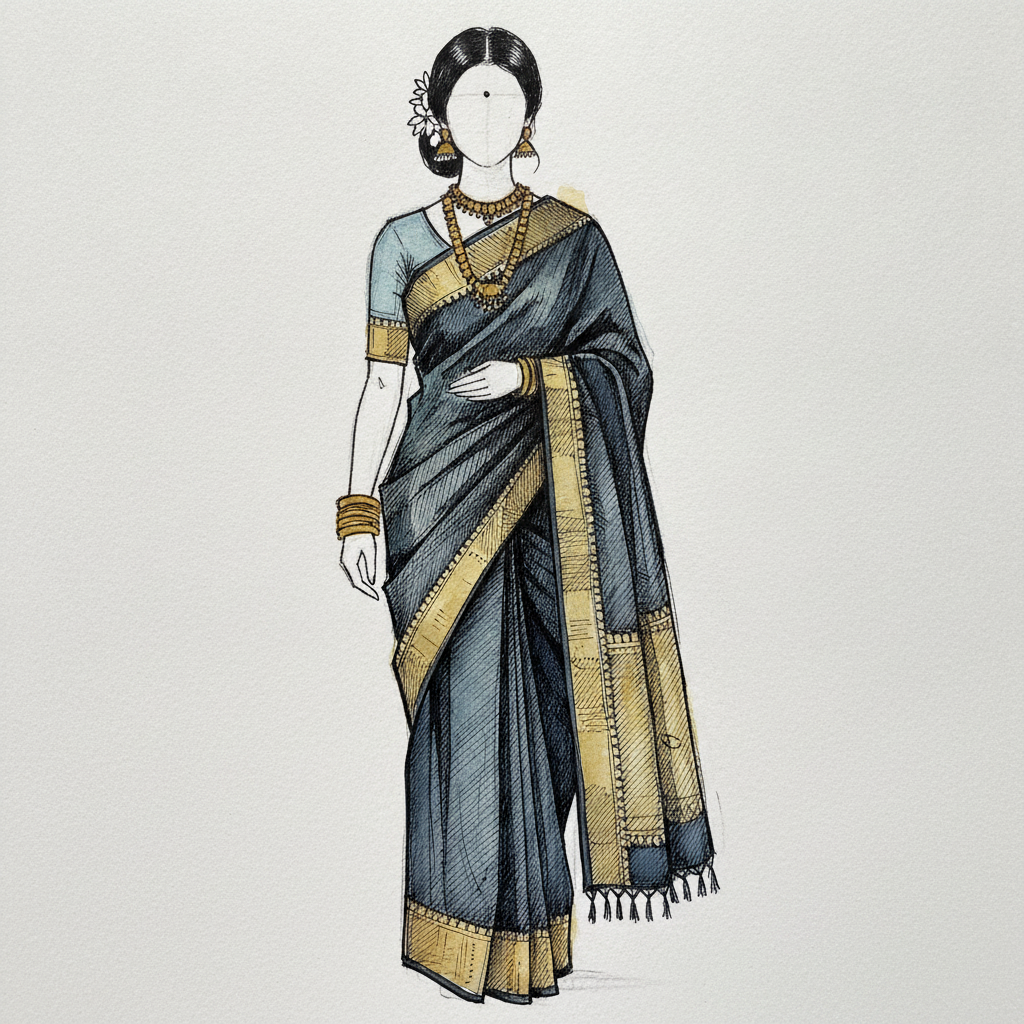
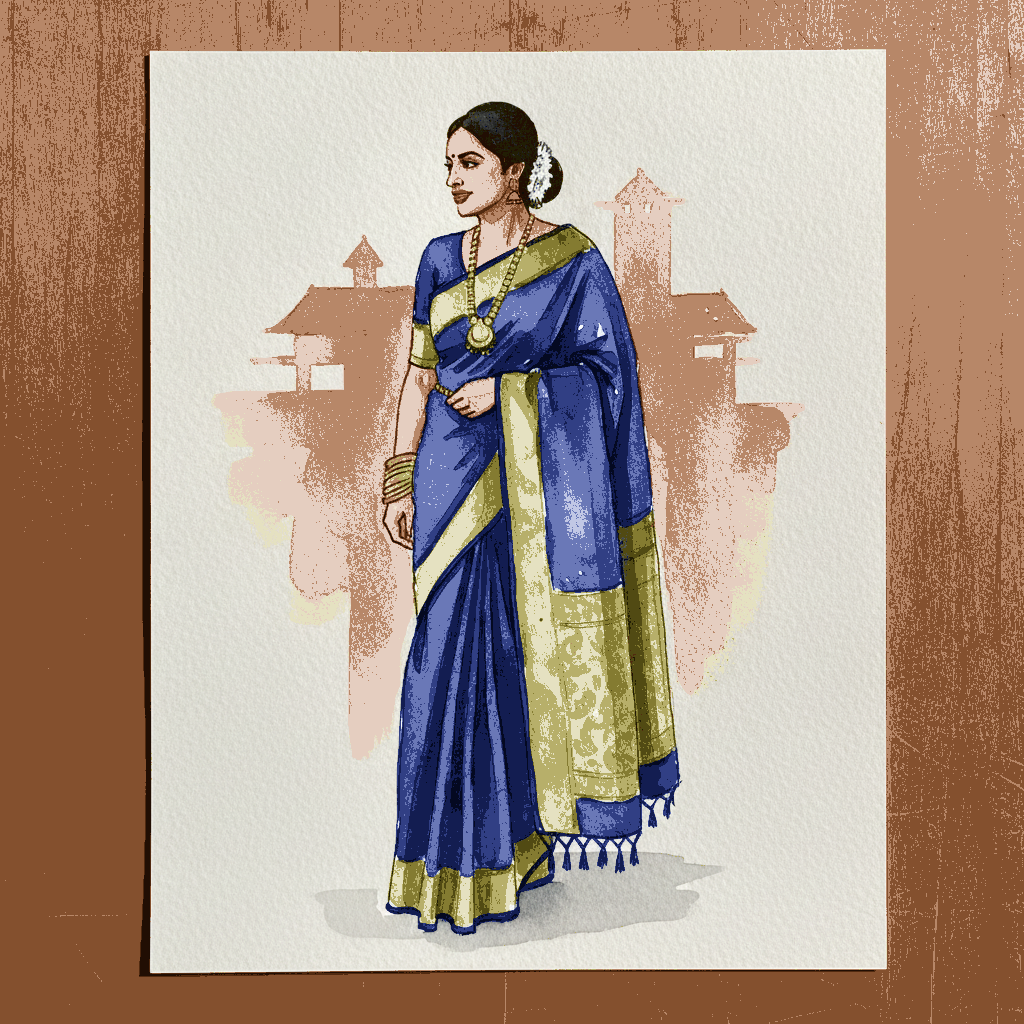
Piece 4 — Indian sari (Banarasi silk)
Pen + Watercolor · Loose pen and watercolor line-and-wash
Three takes

Focus for this piece
This piece is ideal for practicing the interplay between fluid washes and precise linework to render luxurious fabric. Build the deep peacock-blue silk's sheen and volume through layered, wet-on-dry watercolor applications, allowing for soft transitions that describe the garment's folds. Then, use fine-tipped pen work to define the crisp edges of the pleats and meticulously suggest the intricate gold zari brocade pattern on the pallu, letting the ink provide that delicate sparkle and structural detail. This contrast emphasizes both the fabric's richness and the figure's elegant drape.
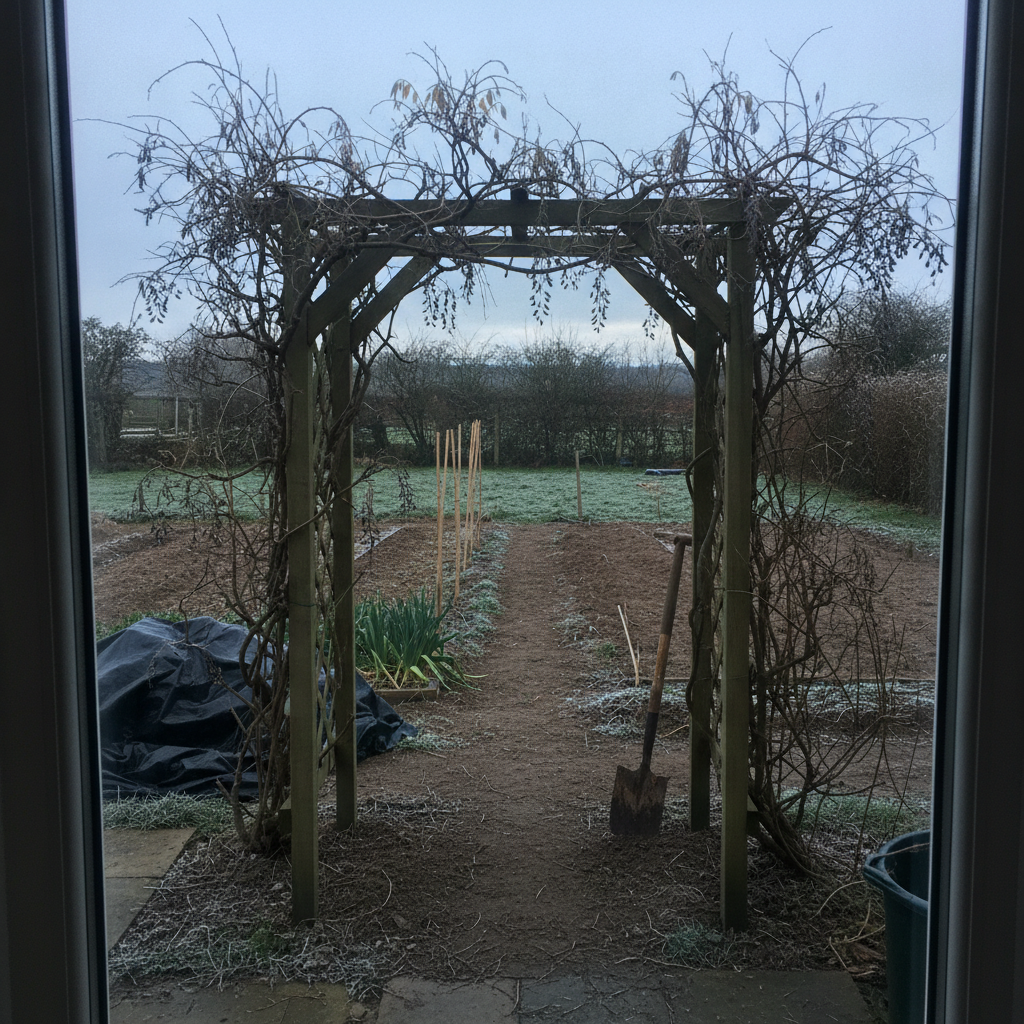
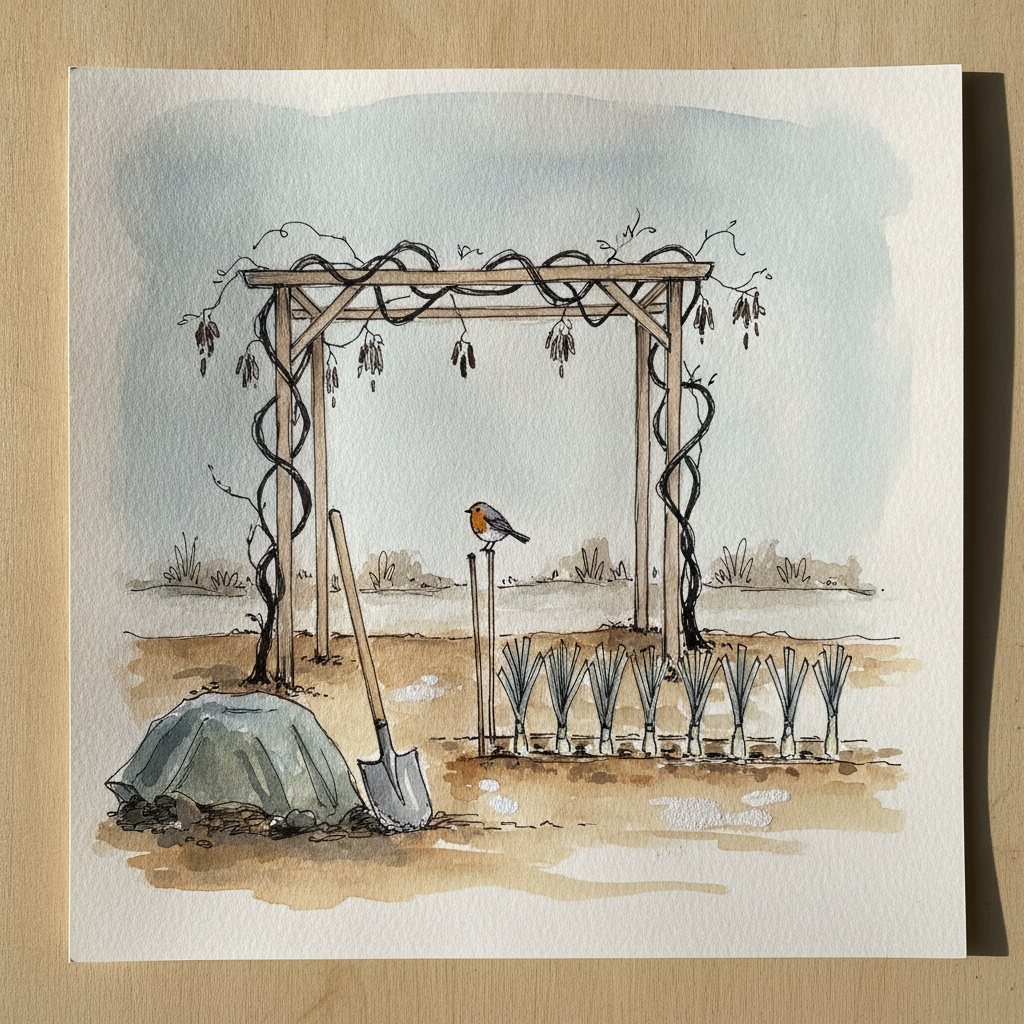
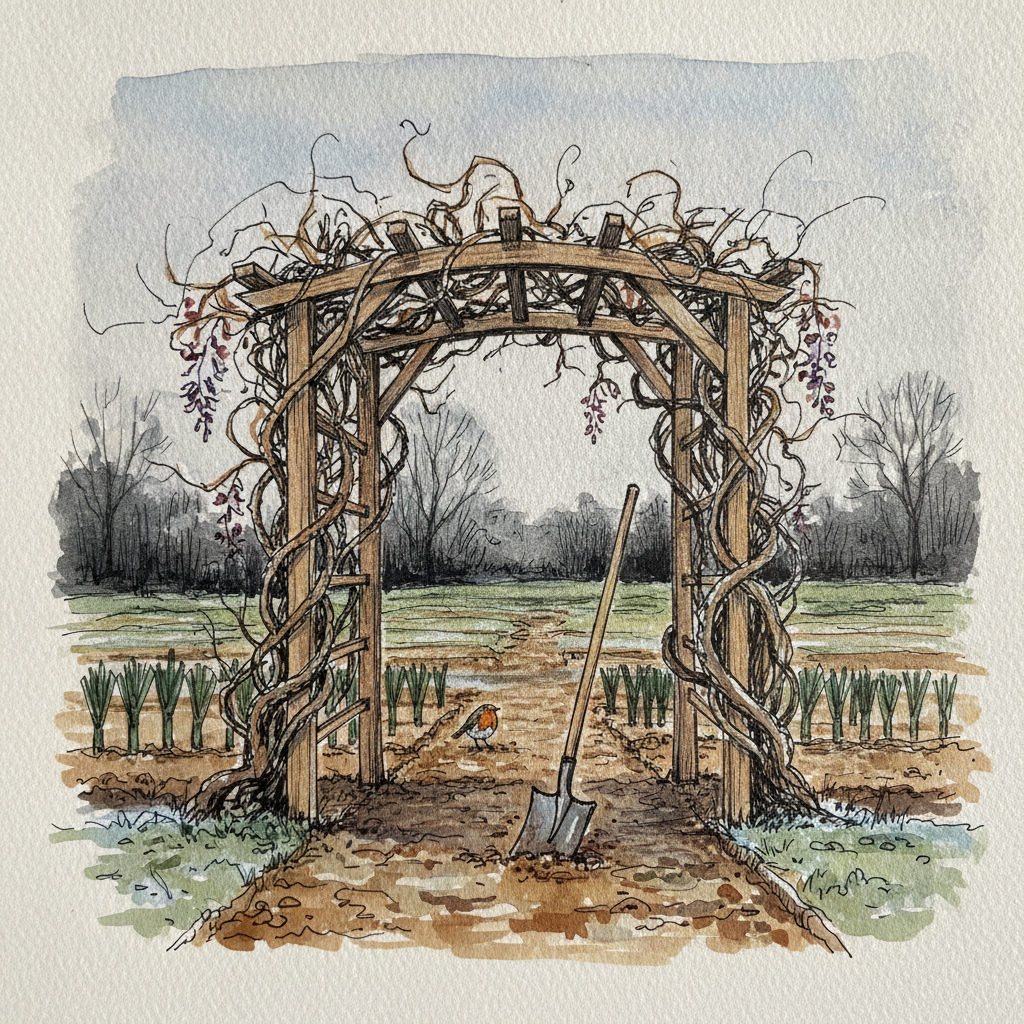
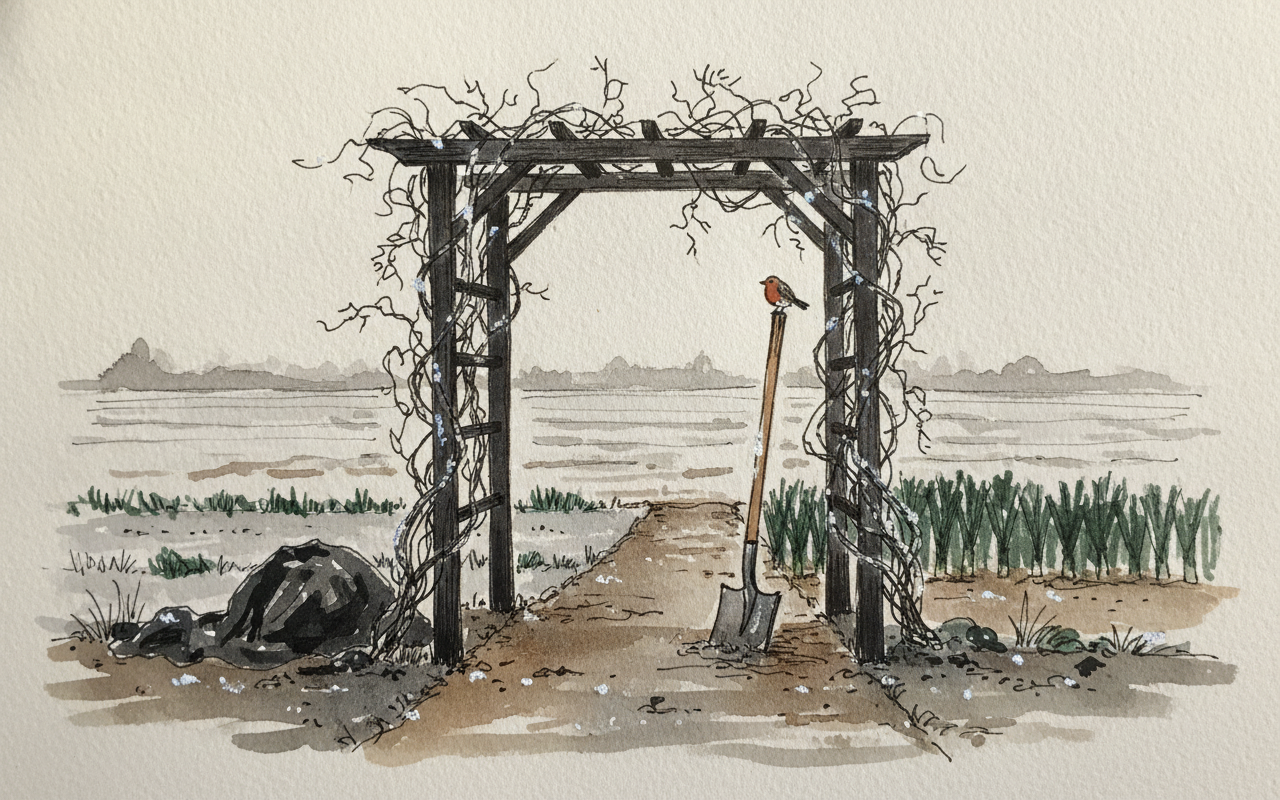
Piece 5 — Wisteria arch leading to a vegetable patch in winter
Pen + Watercolor · Loose pen and watercolor line-and-wash
Three takes
Focus for this piece
This piece offers an excellent study in creating contrast between strong, structural ink lines and delicate, atmospheric watercolor washes. Focus on using varied line weights to render the sinuous wisteria vines against the crisp geometry of the arch, letting these dark forms define the scene. Then, employ a highly restrained, cool-toned palette with thin washes to capture the subtle values and textures of the winter light and bare earth, allowing the precise pen work to emerge dramatically.
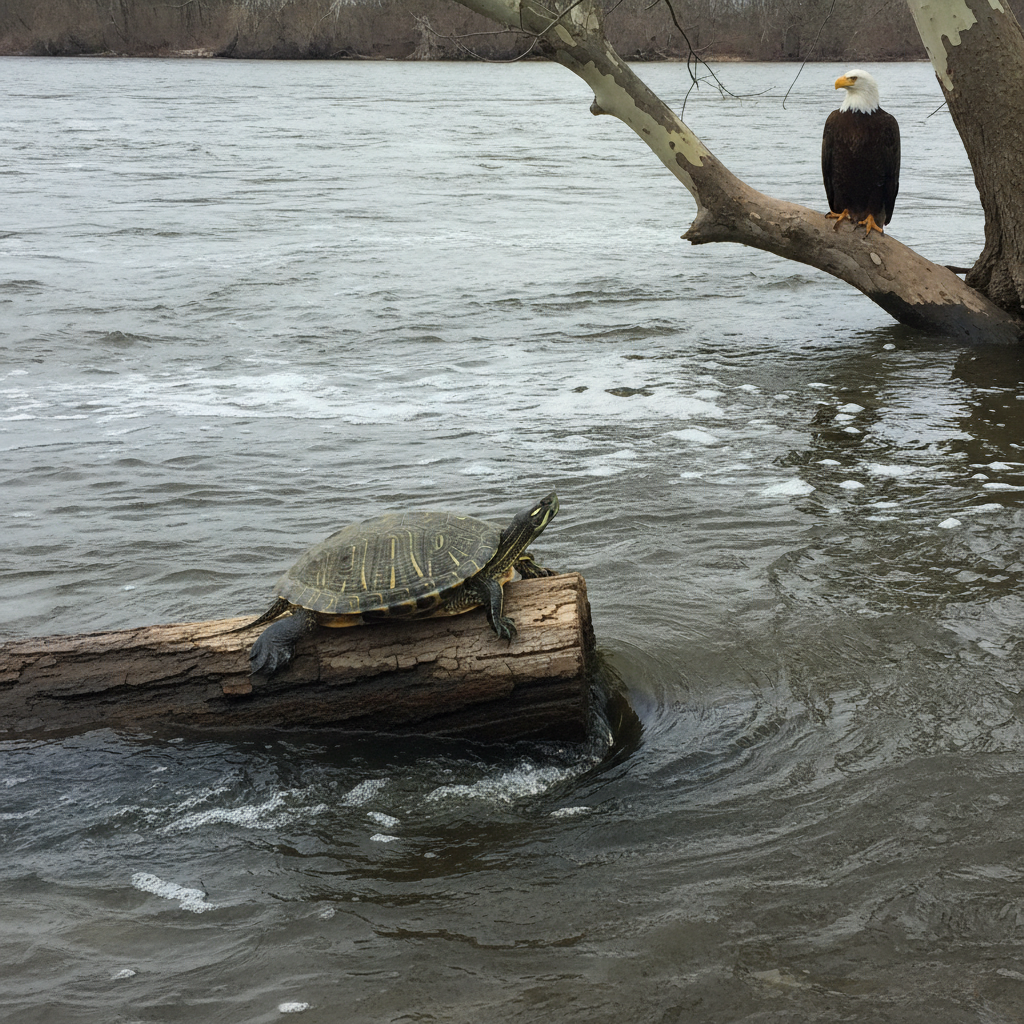
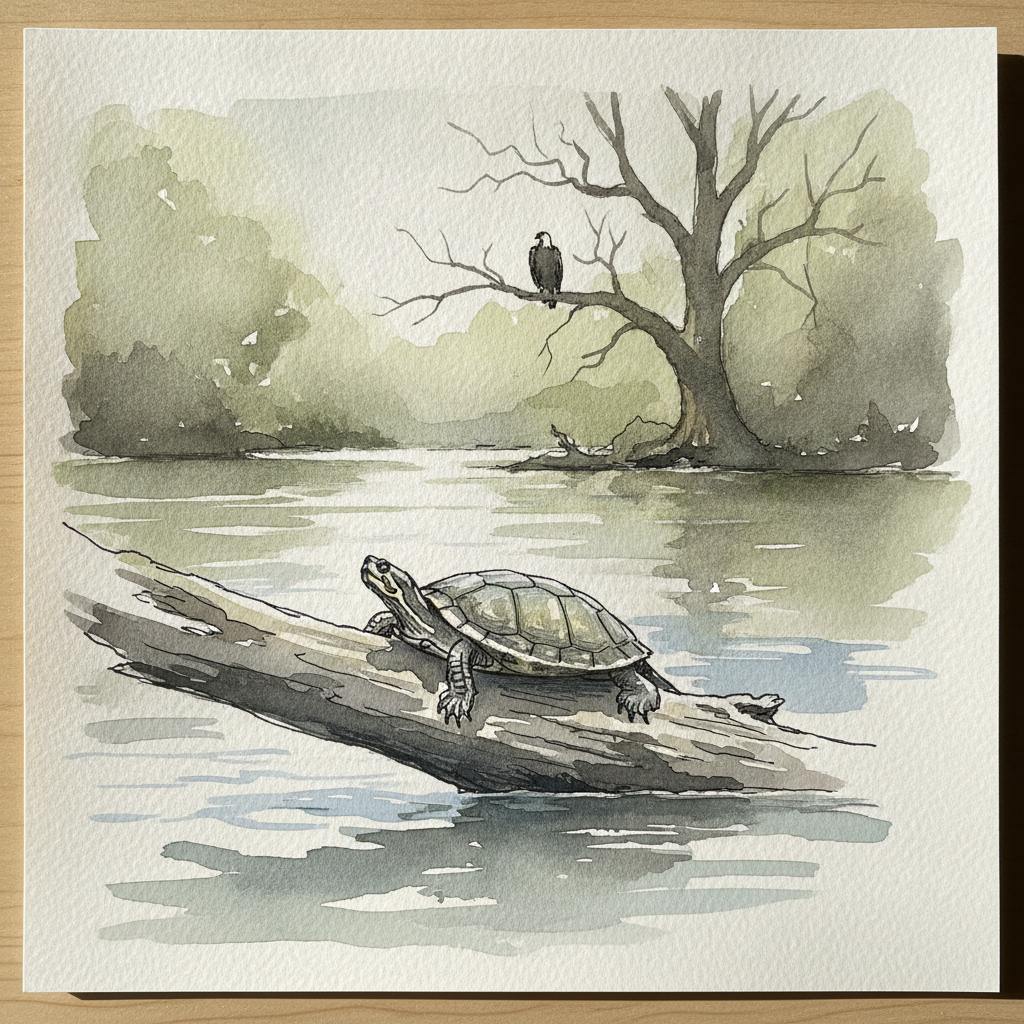
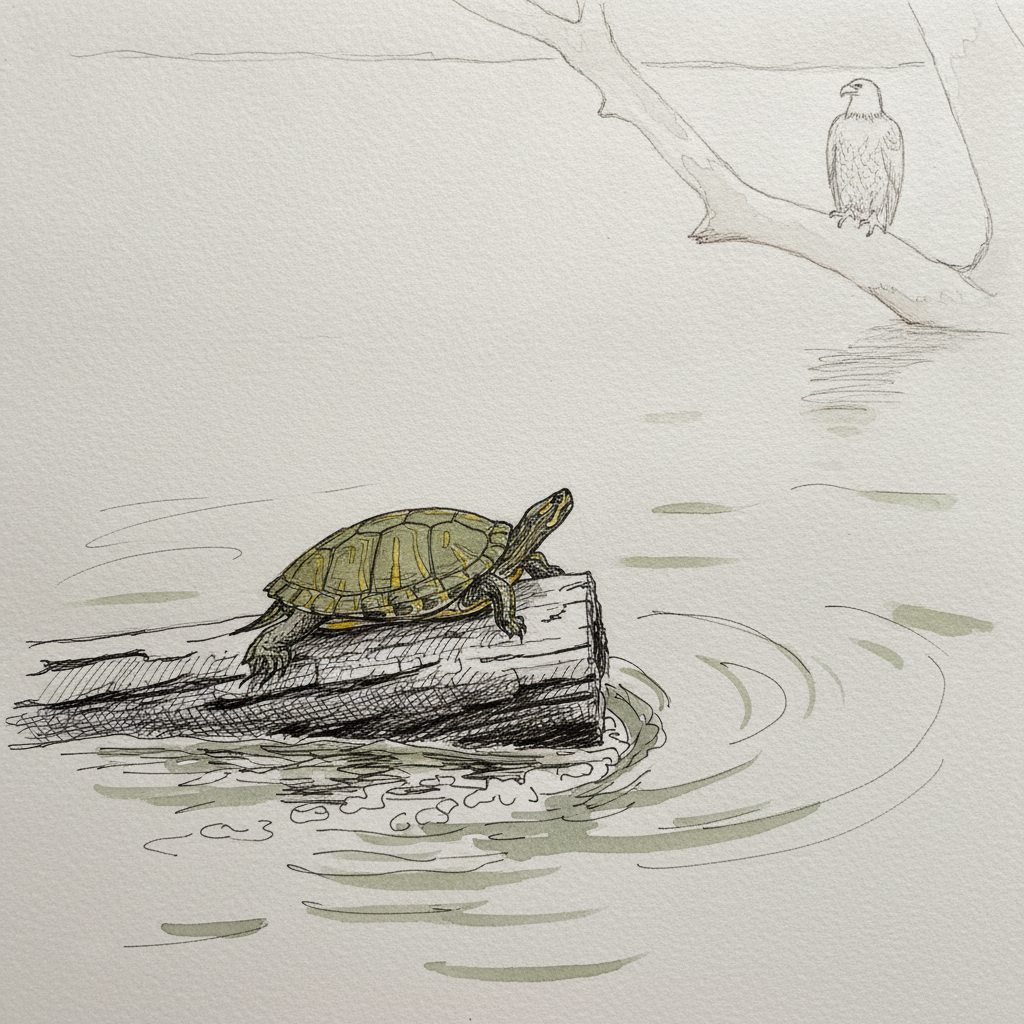
Piece 6 — Common map turtle
Pen + Watercolor · Loose pen and watercolor line-and-wash
Three takes

Focus for this piece
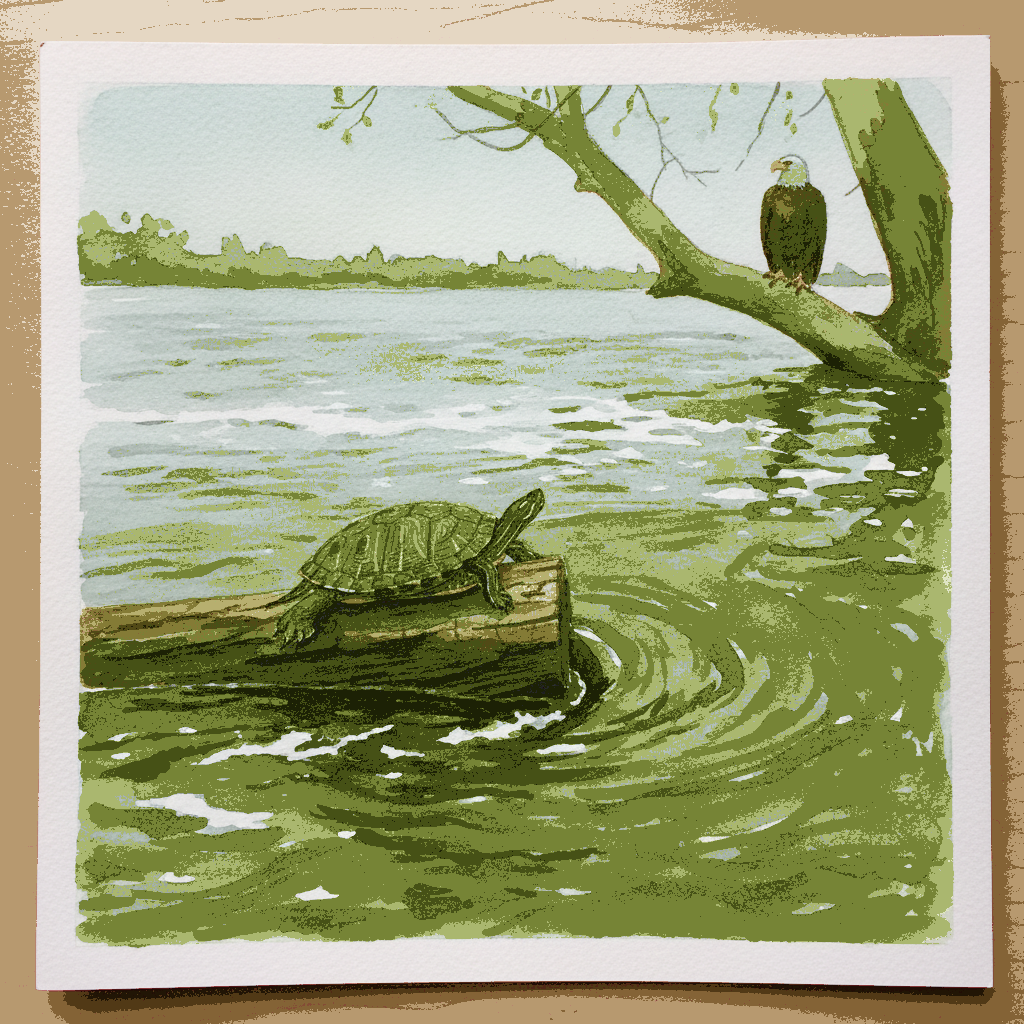
This piece is ideal for practicing how varied line weights and specific wash techniques define both intricate texture and the elusive quality of water. Use fine, deliberate pen lines to articulate the turtle's shell patterns and the log's rough bark, then employ soft, wet-on-wet washes of cool blues and greens to suggest the river's strong, carving current around the submerged log.
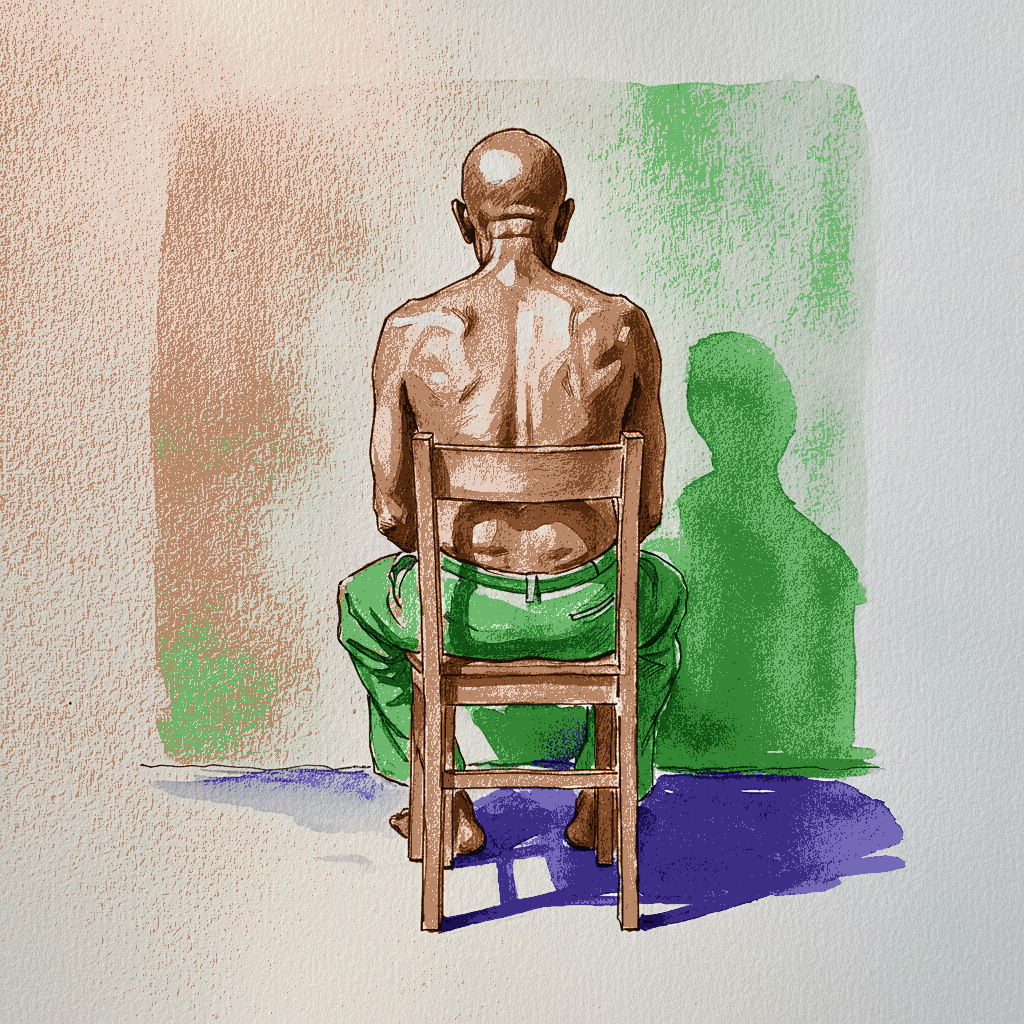
Piece 7 — Nigerian man 60s on chair, rounded back
Pen + Watercolor · Loose pen and watercolor line-and-wash
Three takes

Focus for this piece
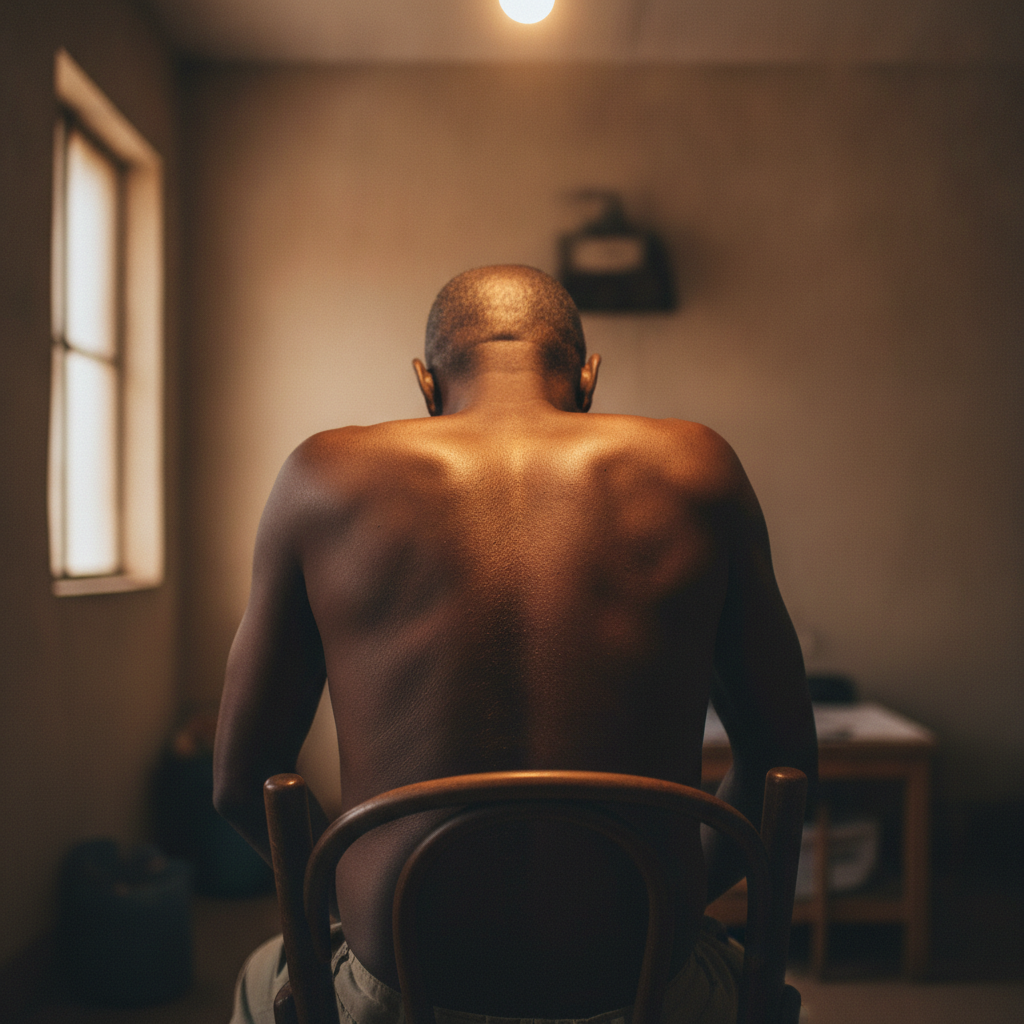
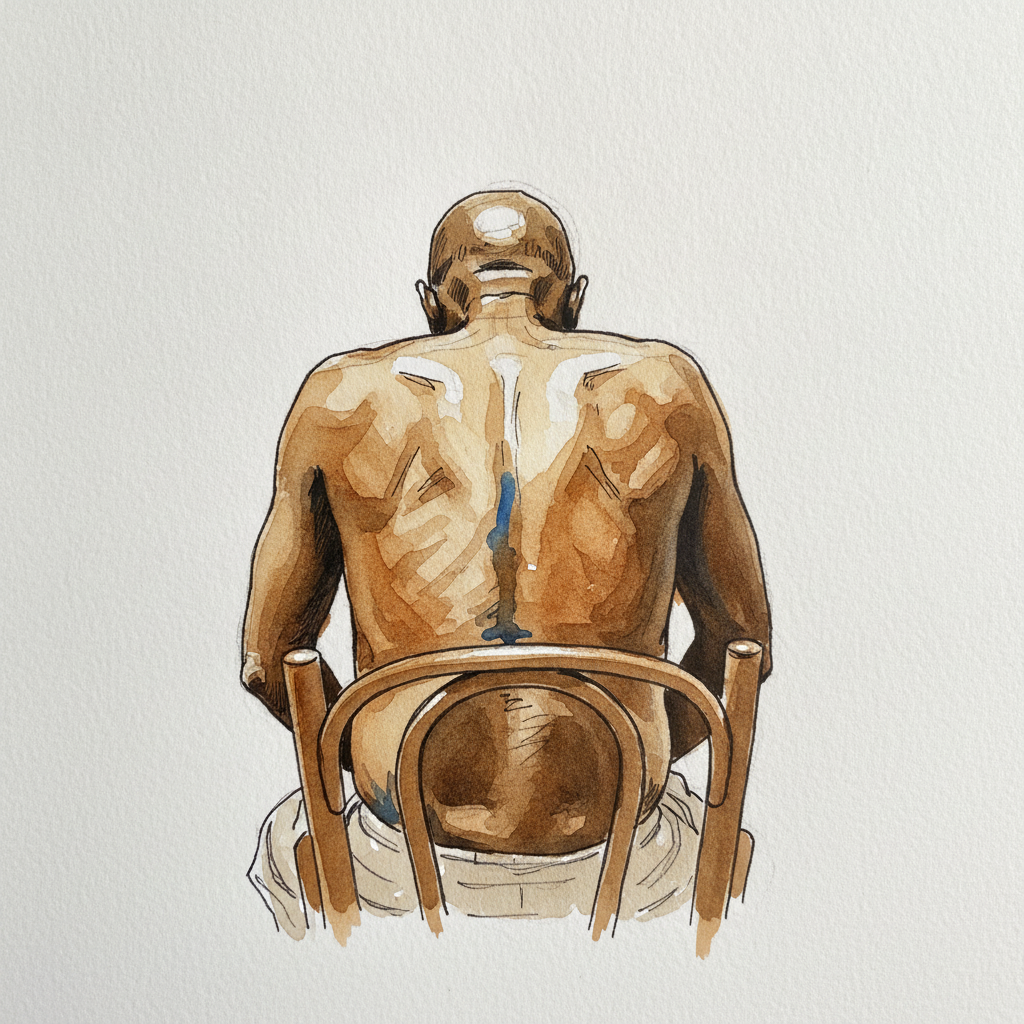
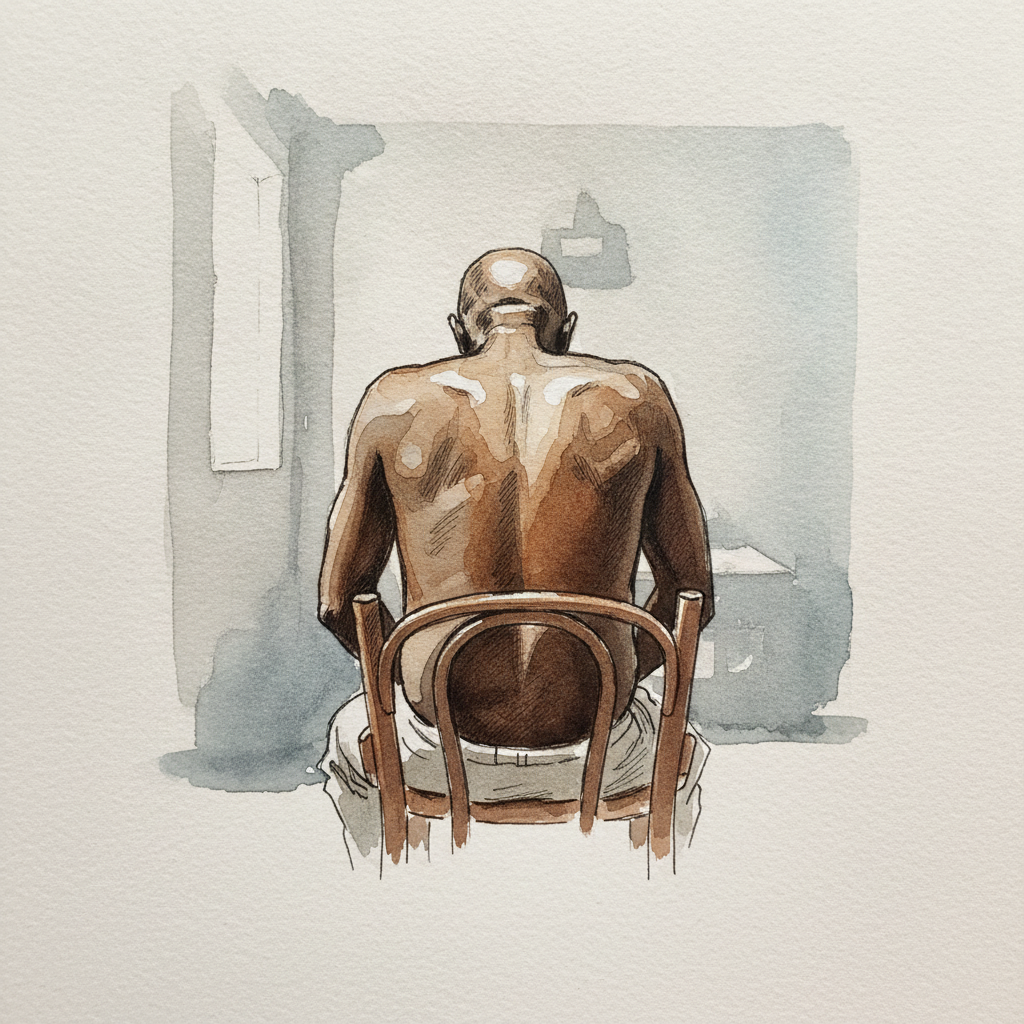
This piece is an excellent exercise in using strong directional light to define the complex, organic forms of the human back. Focus on modeling the prominent thoracic kyphosis by building up deep umber shadows with progressive watercolor washes, allowing the spinal line to emerge as a luminous ridge. Use a sensitive, varied pen line—light and broken for the softened shoulders, but firmer to describe the specific curve of the spine and the texture of the skin—to reinforce the volume established by your washes.
Piece 8 — Distant windmill at a section well — Kansas
Pen + Watercolor · Loose pen and watercolor line-and-wash
Three takes

Focus for this piece
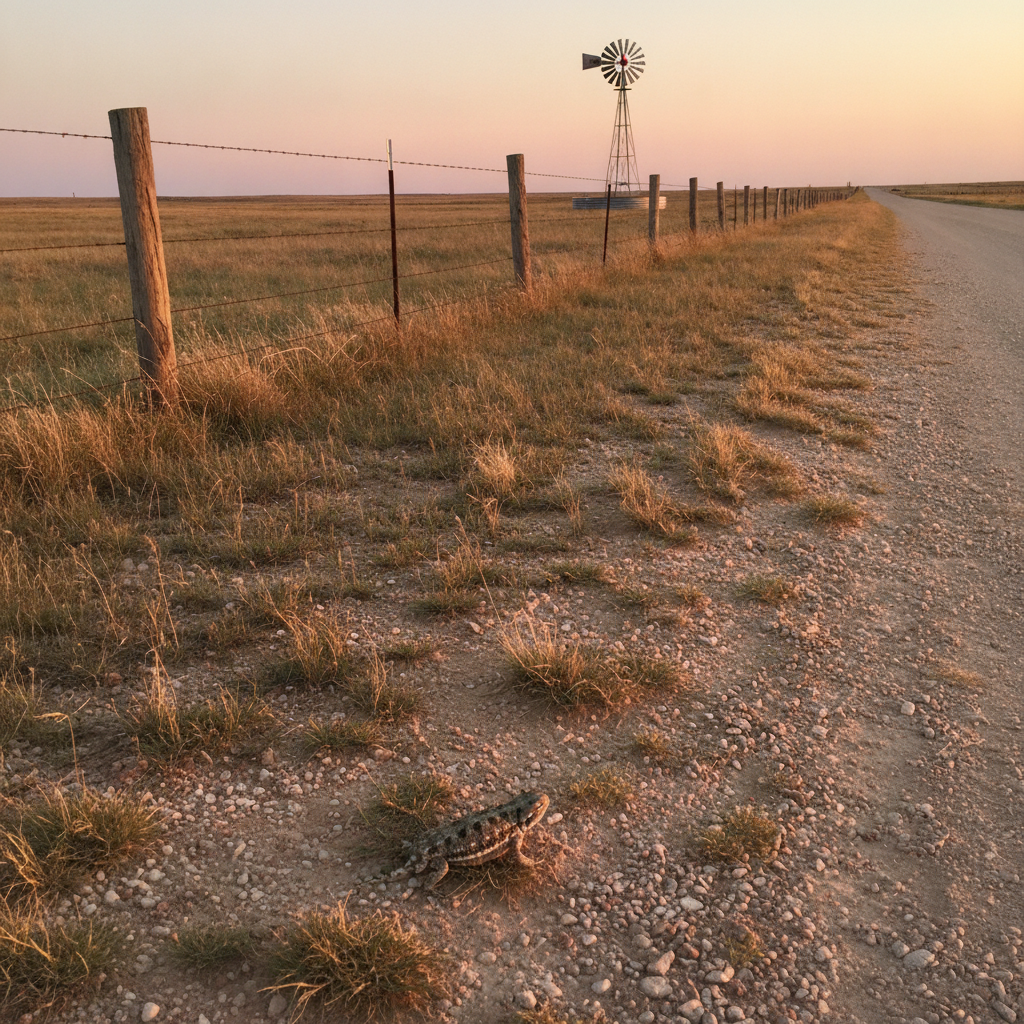
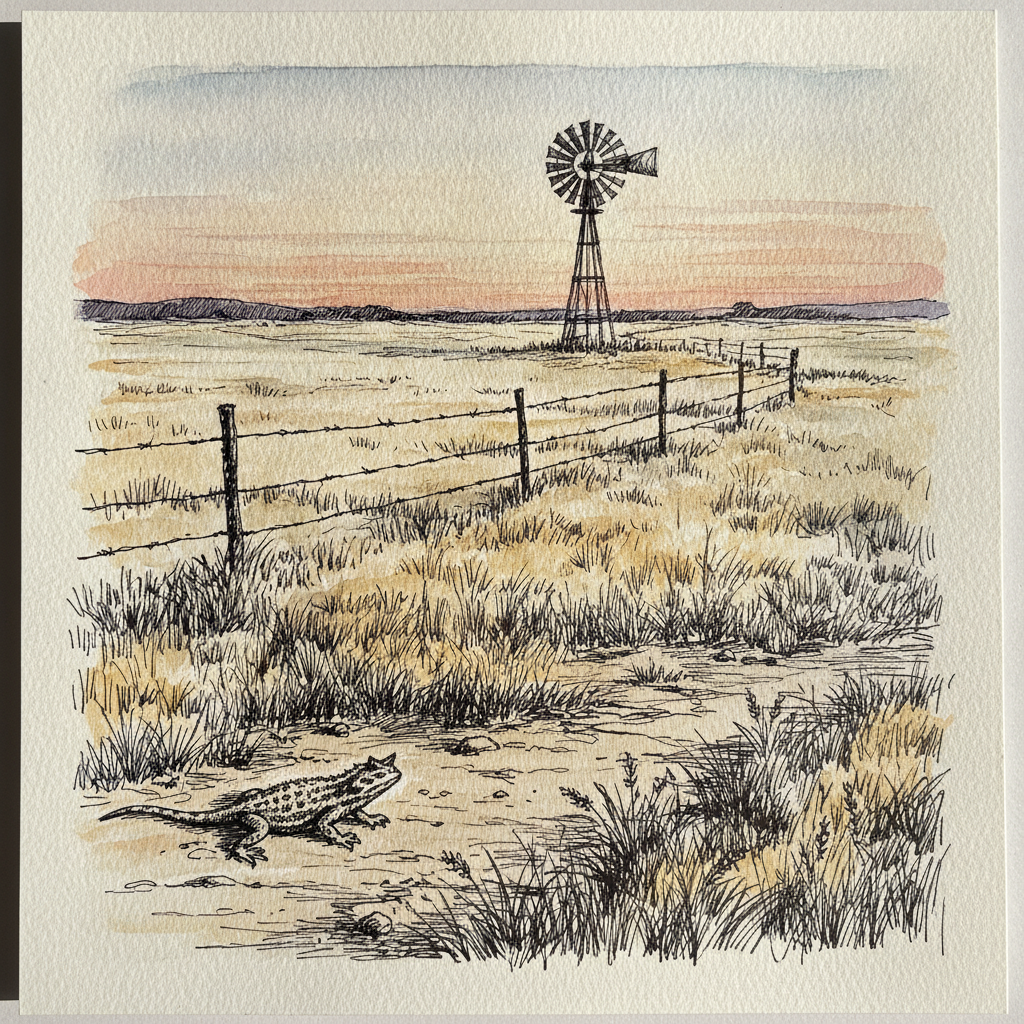
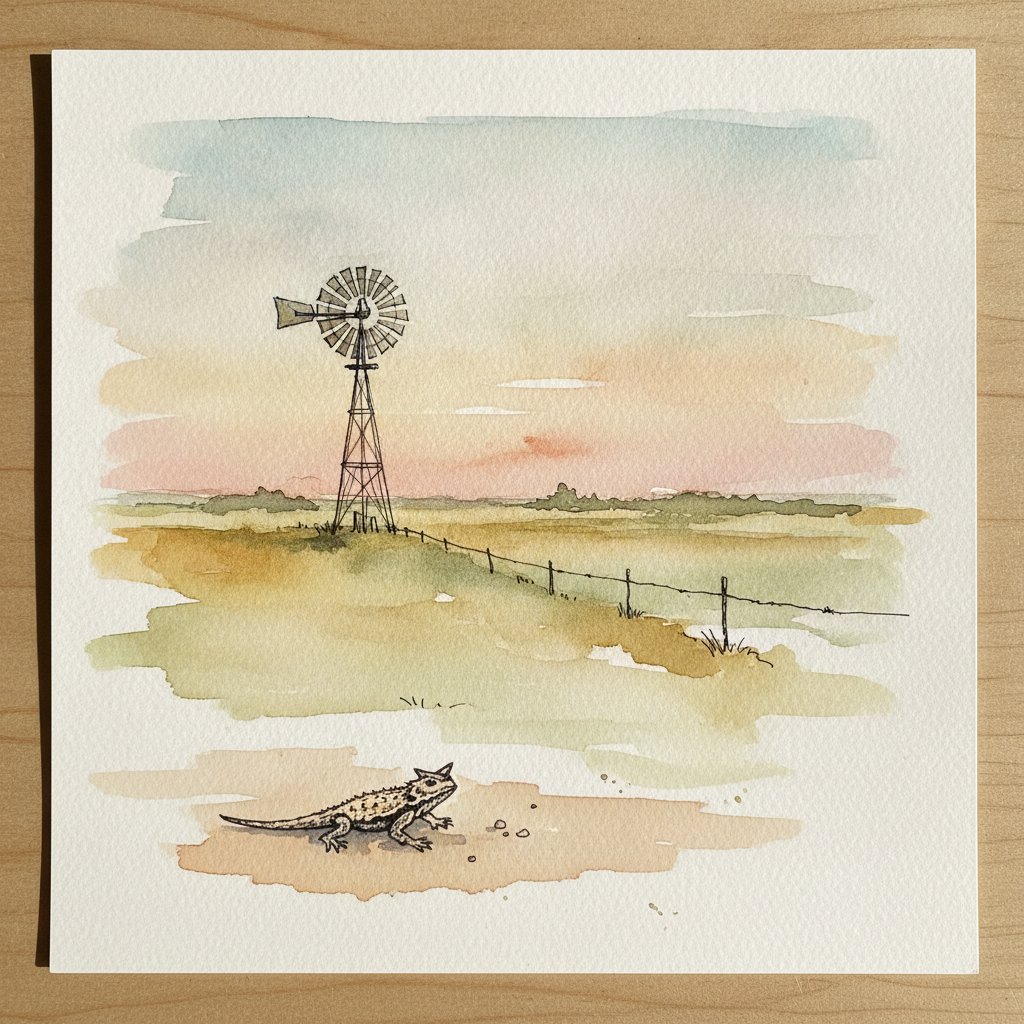
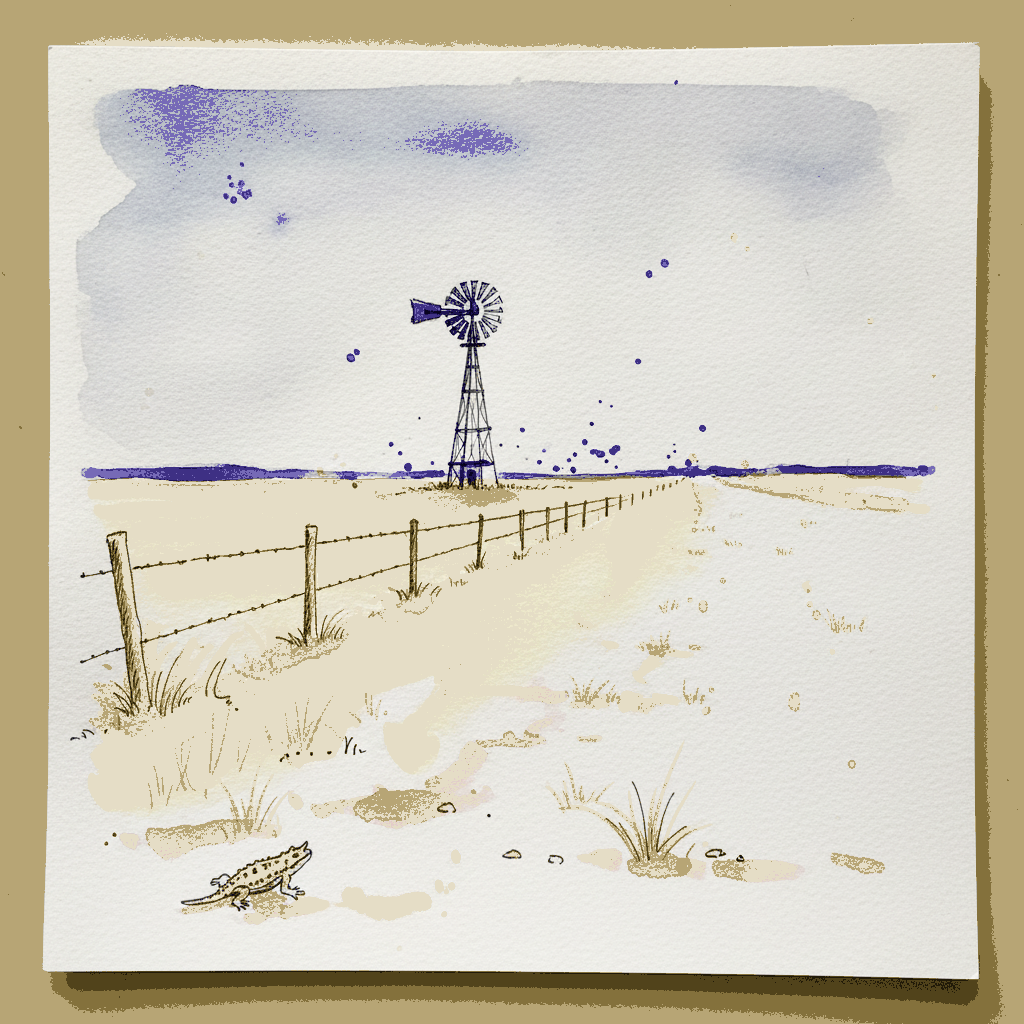
This piece is an excellent exercise in using pen and wash to create **atmospheric perspective** across a vast, open landscape. Establish the expansive sunset sky and distant prairie with soft, graded washes, allowing them to recede gently. Reserve your crispest, finest ink lines for the distant windmill blades and the barbed-wire fence, emphasizing their delicate structure against the softening background. For the foreground, use slightly bolder line weights to define the short grasses and the horned lizard, anchoring the composition and emphasizing the immense distance to the horizon.