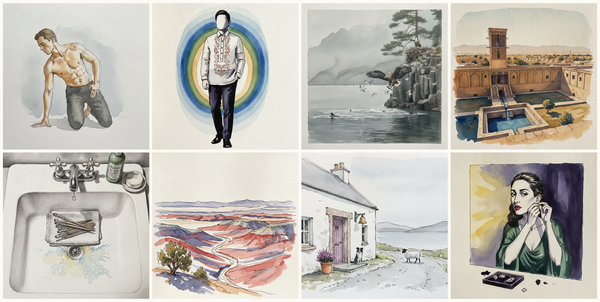
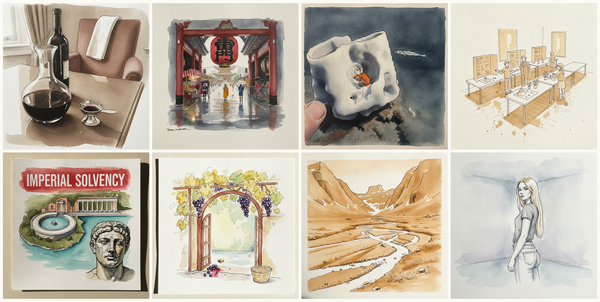
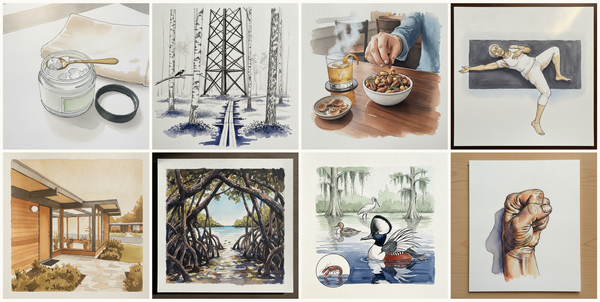
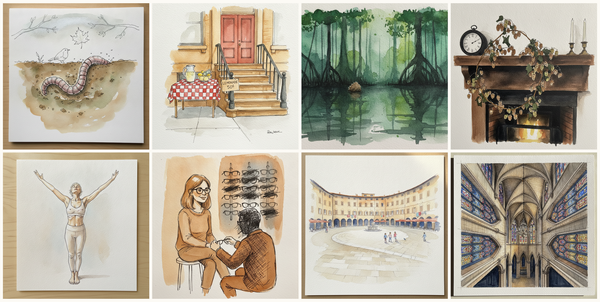
Hand-thrown stoneware bowl with finger marks, Teen with vision board, Halmari Tea Estate, Assam, India, Woman, early 50s, white, mature soft athletic build, both hands gripping a chair back from behind, and more — pen + watercolor for June 21, 2026
AI-generated daily art-practice references for pen and watercolor: Hand-thrown stoneware bowl with finger marks, Teen with vision board, Halmari Tea Estate, Assam, India, Woman, early 50s, white, mature soft athletic build, both hands gripping a chair back from behind, Soviet-Era Blue Box in St P…
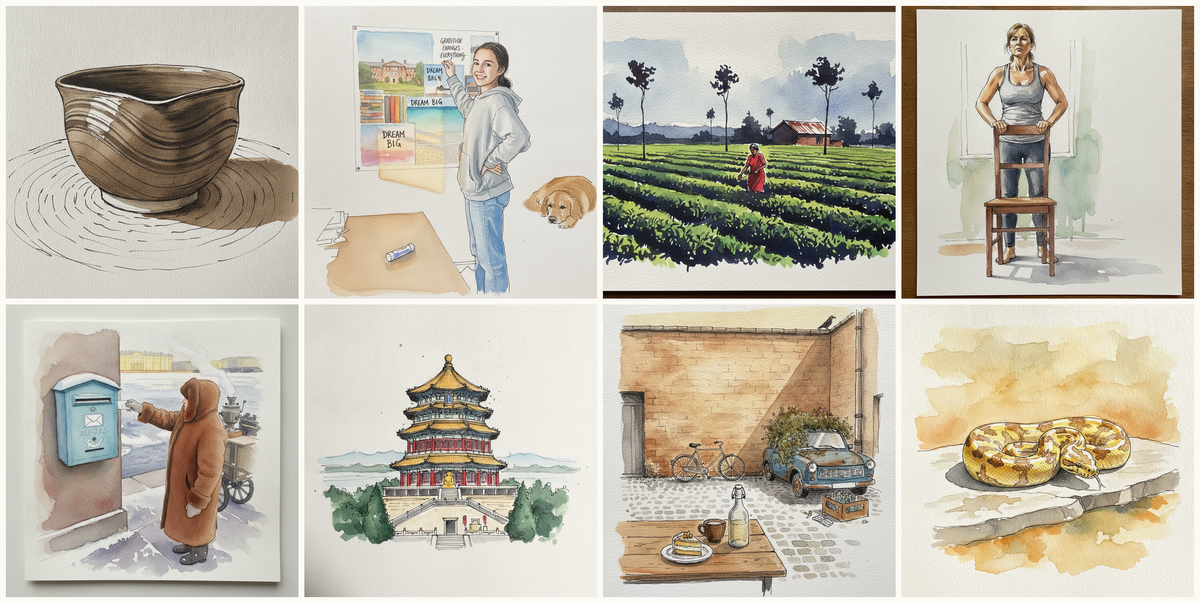
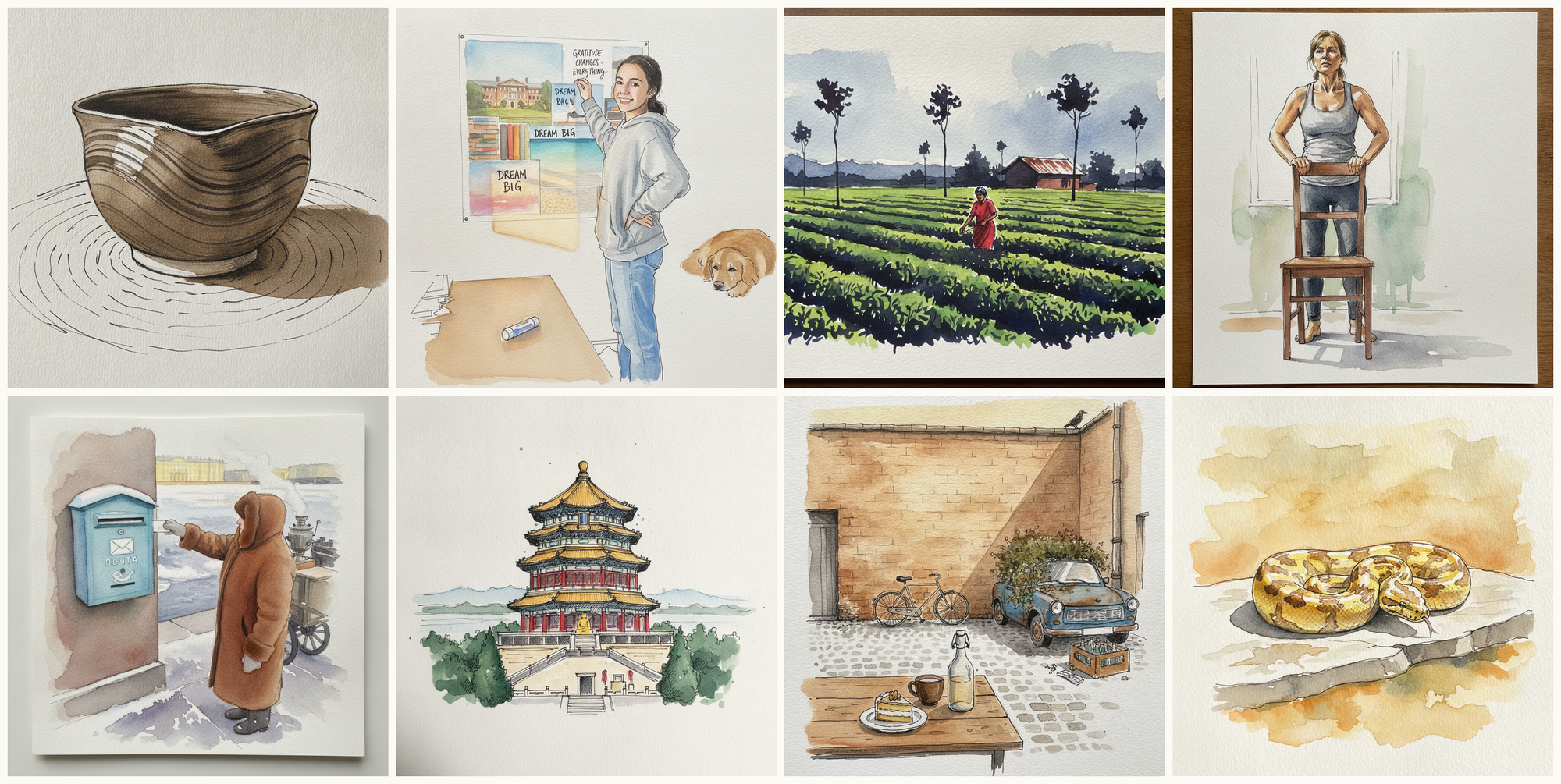
Today's 8 pen-and-watercolor pieces: Hand-thrown stoneware bowl with finger marks, Teen with vision board, Halmari Tea Estate, Assam, India, Woman, early 50s, white, mature soft athletic build, both hands gripping a chair back from behind, Soviet-Era Blue Box in St Petersburg, Foxiang Ge (Tower of Buddhist Incense), Summer Palace, Beijing, China, Berlin Kaffee und Kuchen courtyard, Indian python. Each piece comes with an AI-generated photoreal reference, three AI-generated example artworks in different treatments, and a short focus paragraph naming what to study in this one.
Why these references use AI
This daily series uses AI-generated images as practice prompts, not as finished artwork to copy. Each subject starts with a synthetic photoreal reference generated with Gemini/Nano Banana, then moves into three pen-and-watercolor interpretations of the same subject.
I use AI here because daily art practice needs variety and low friction. Real life can get repetitive, busy, or visually narrow. These generated reference sets make it easier to study bodies, buildings, animals, landscapes, objects, gestures, light, palettes, and compositions that might not show up in an ordinary day.
The goal is not to reproduce any image directly. Treat each set as a starting point for observation and study: choose what interests you, change the framing, simplify the subject, alter the palette, and make your own version.
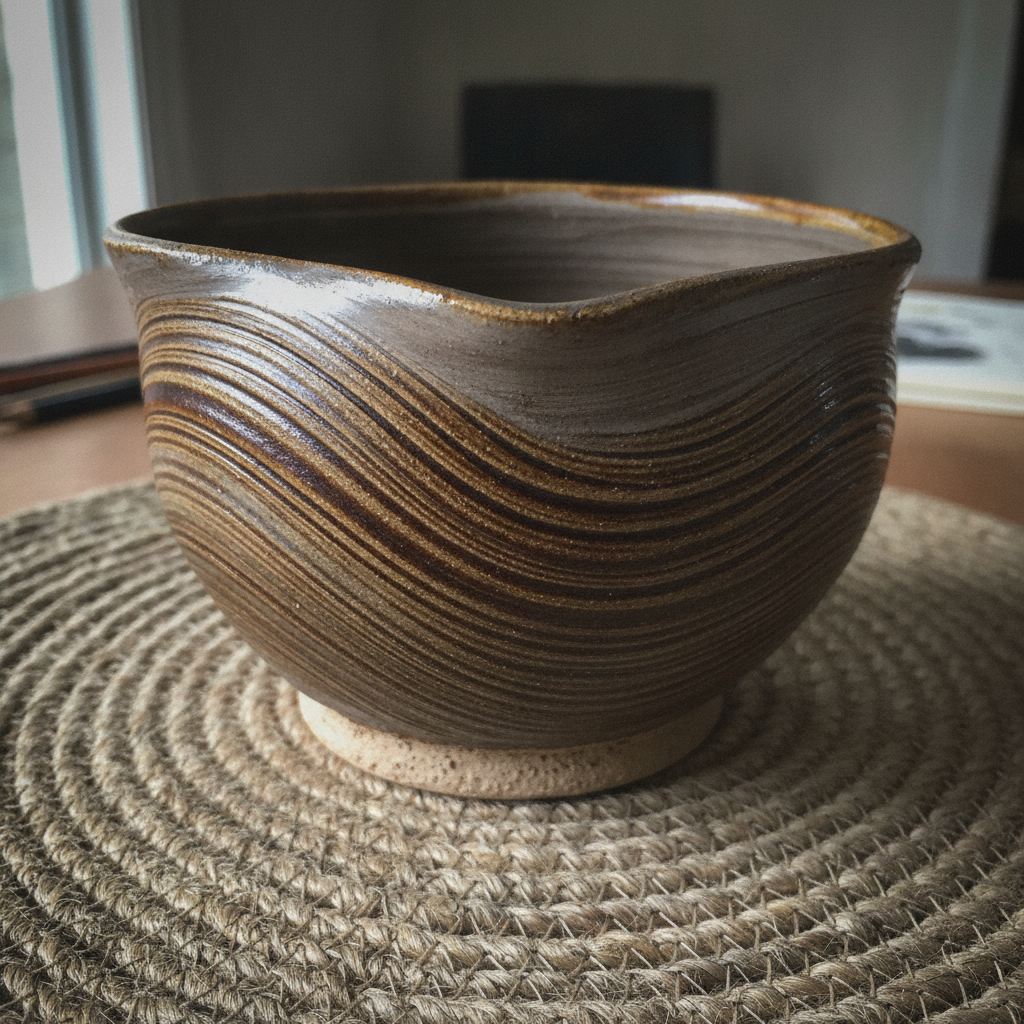
Piece 1 — Hand-thrown stoneware bowl with finger marks
Pen + Watercolor · Loose pen and watercolor line-and-wash
Three takes
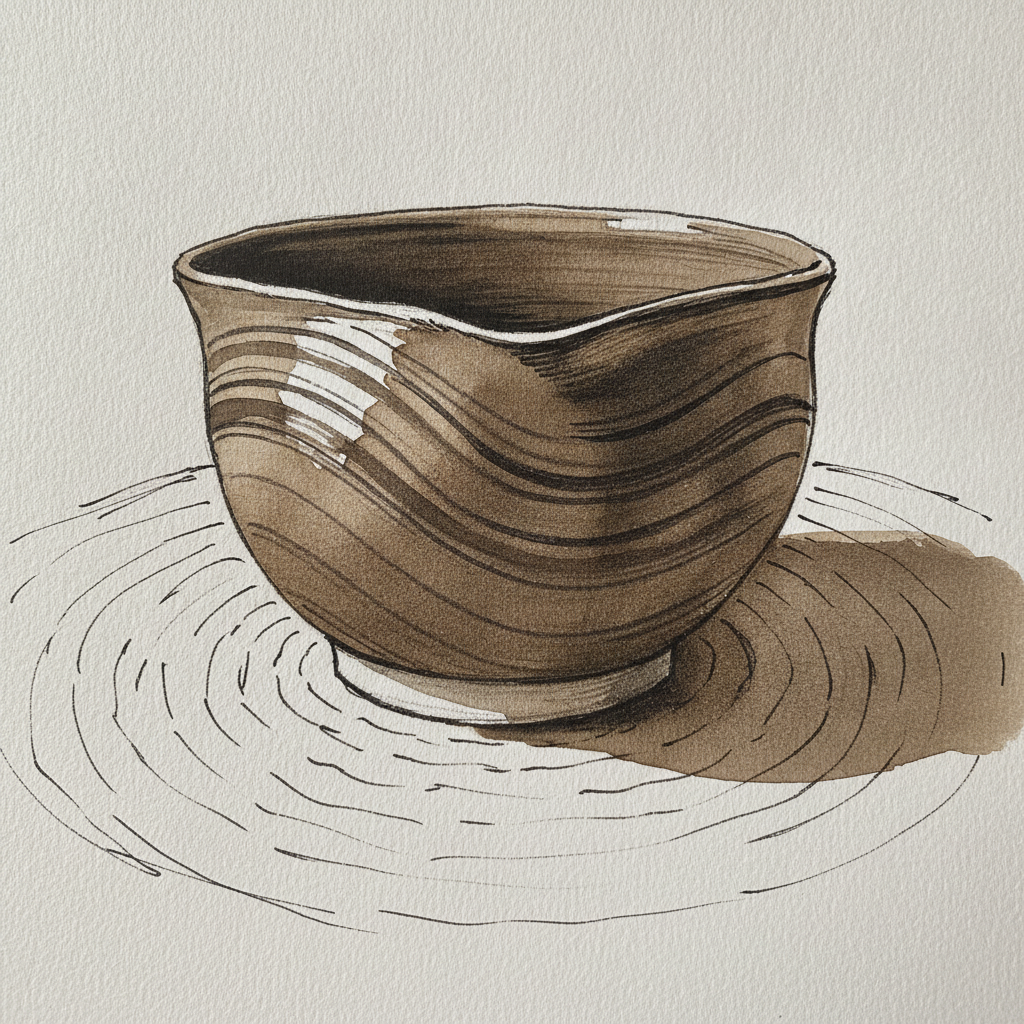
Focus for this piece
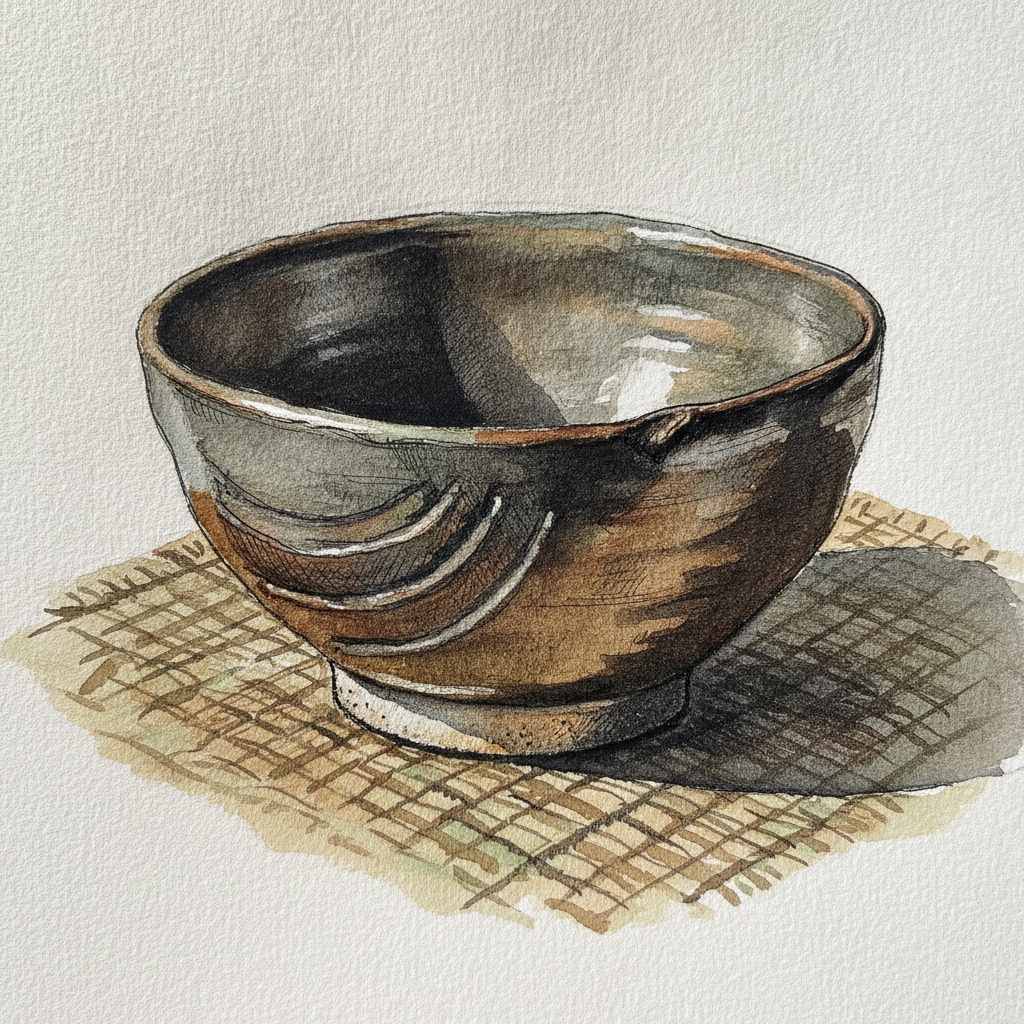
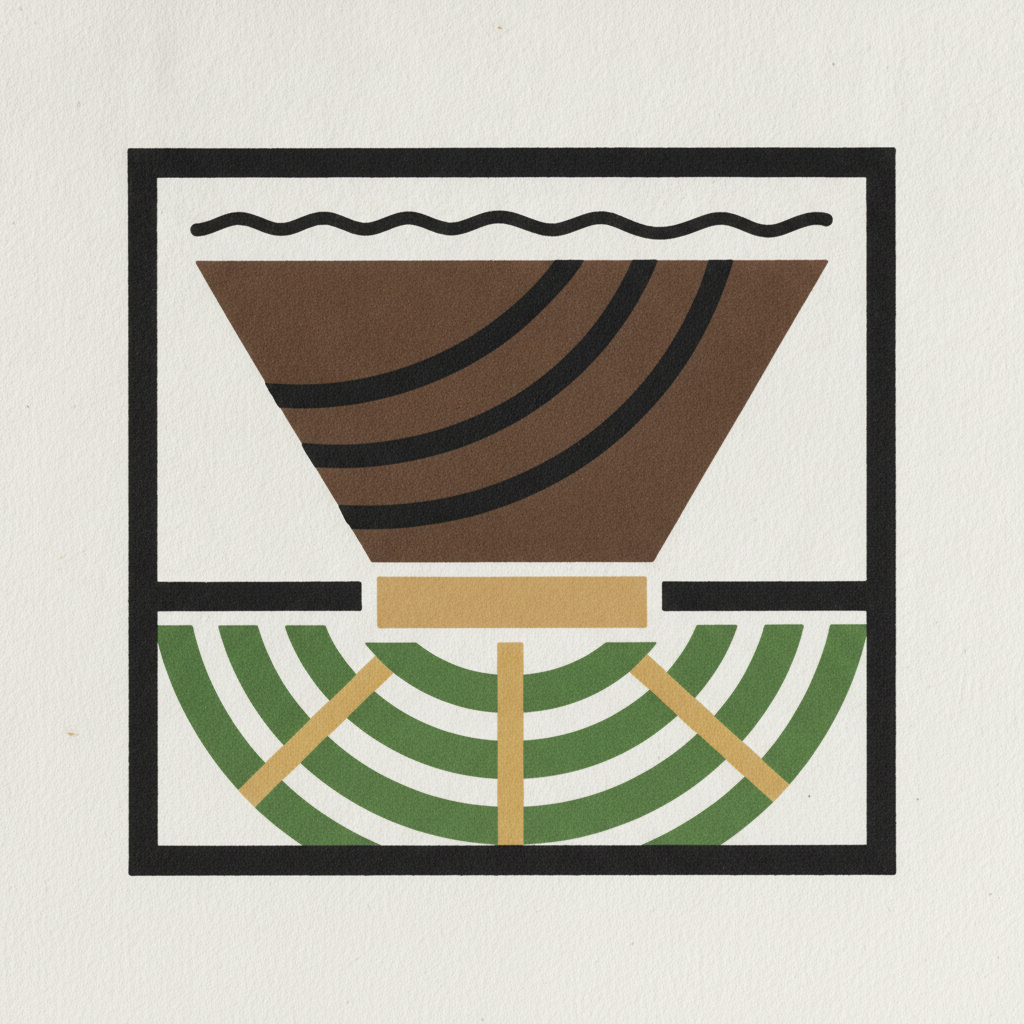
For this stoneware bowl, focus on how your pen lines convey its unique, organic form, especially the gentle wobble of the rim and the spiraling motion of the potter's finger marks across the surface. Use varied line weights to suggest these textures and irregularities, letting waterproof ink anchor the structure without over-detailing. Then, with a restrained palette centered on the gray-brown clay and tenmoku glaze, apply loose washes, allowing the watercolor to softly pool in the recessed throwing rings to build volume and enhance the textural depth.
Piece 2 — Teen with vision board
Pen + Watercolor · Loose pen and watercolor line-and-wash
Three takes

Focus for this piece
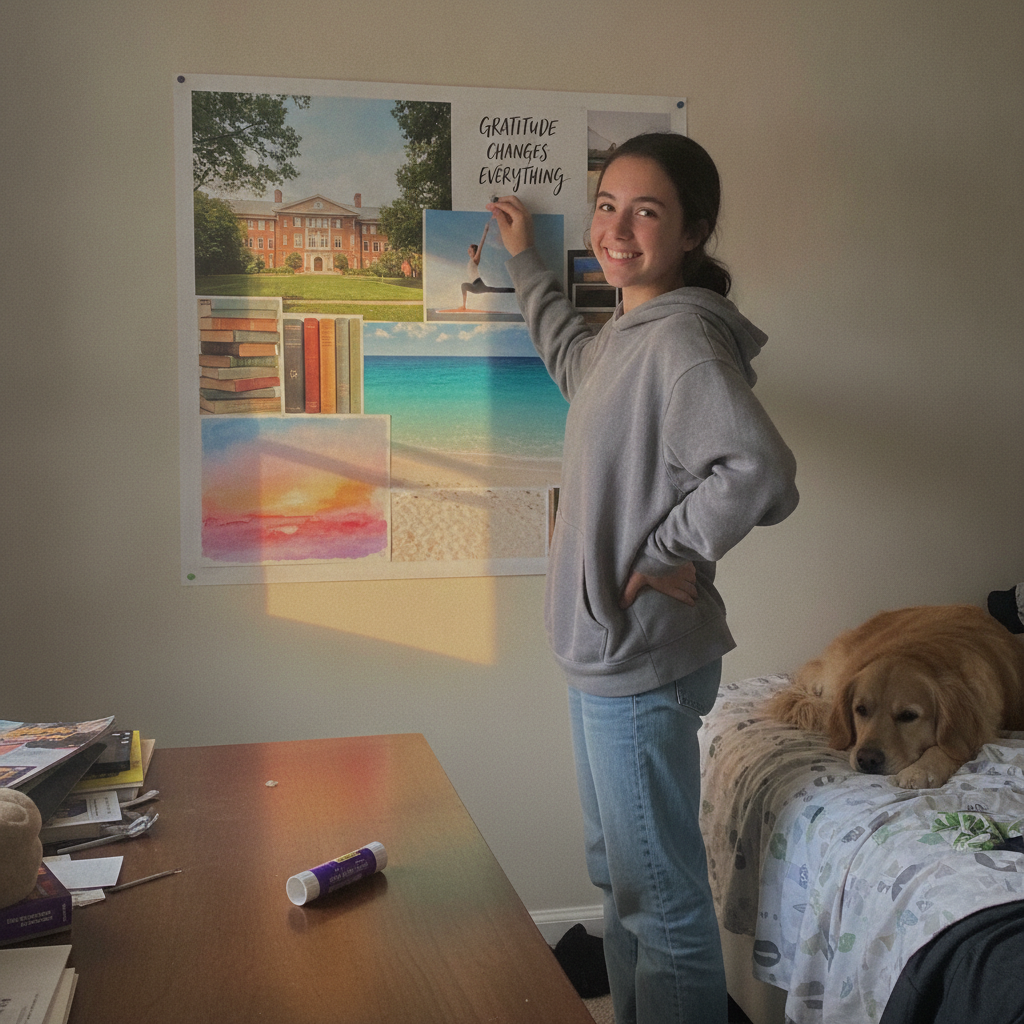
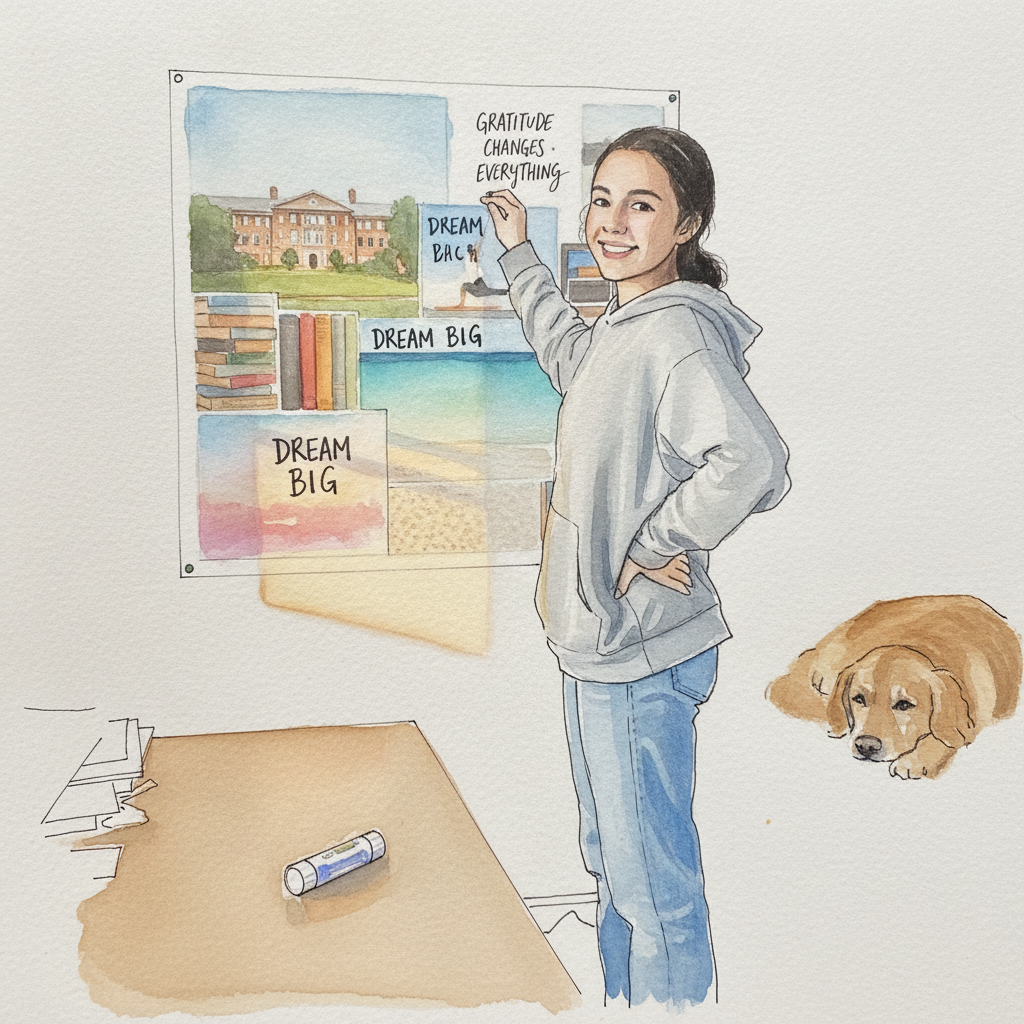
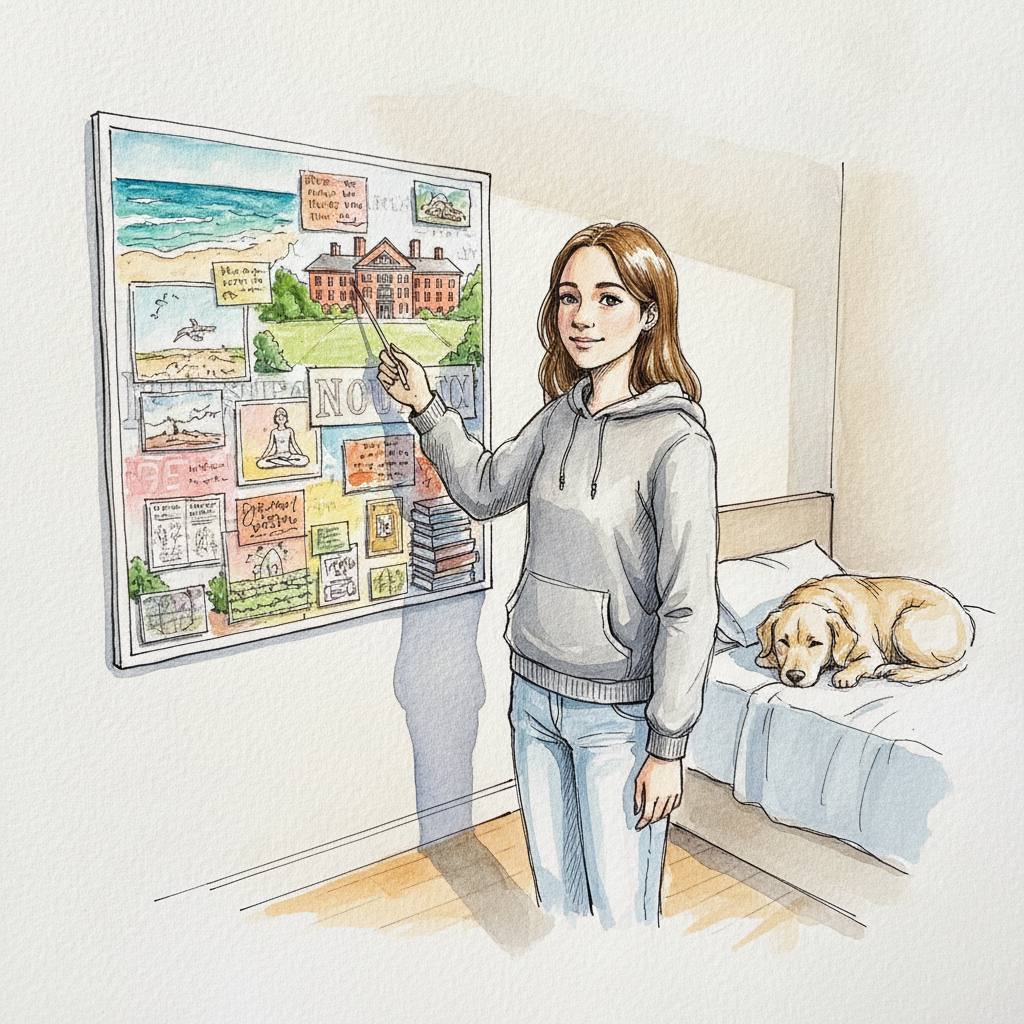
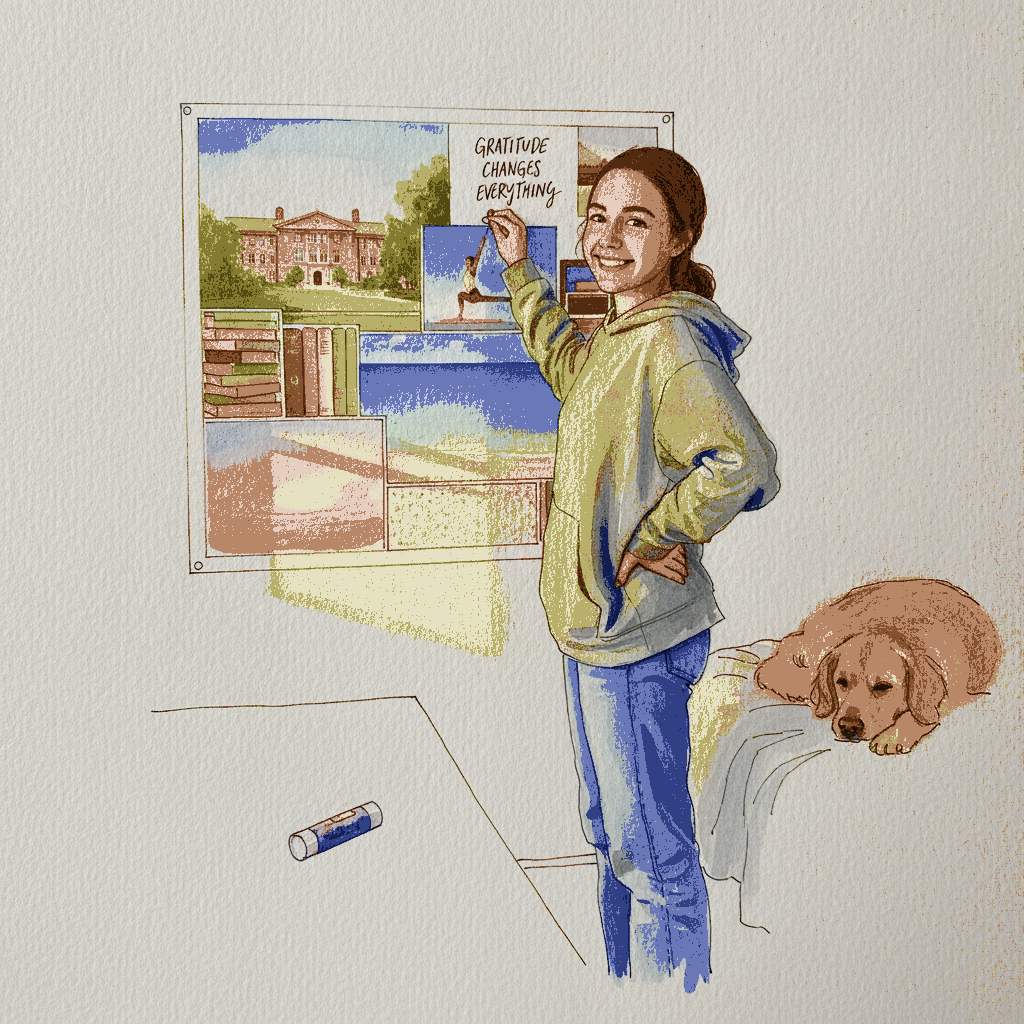
This piece offers an excellent study in managing a visually complex composition by varying the treatment of disparate elements within a unified space. Focus on using a range of line weights—from sharp, delicate lines for the hand-lettered quote to bolder strokes defining the collage's edges—and let watercolor washes differentiate the varied textures of the individual images. Pay particular attention to how the slant of afternoon light interacts with these different surfaces, using drier brushwork and stronger values in the illuminated areas to create a sense of depth and bring the vision board to life.
Piece 3 — Halmari Tea Estate, Assam, India
Pen + Watercolor · Loose pen and watercolor line-and-wash
Three takes
Focus for this piece
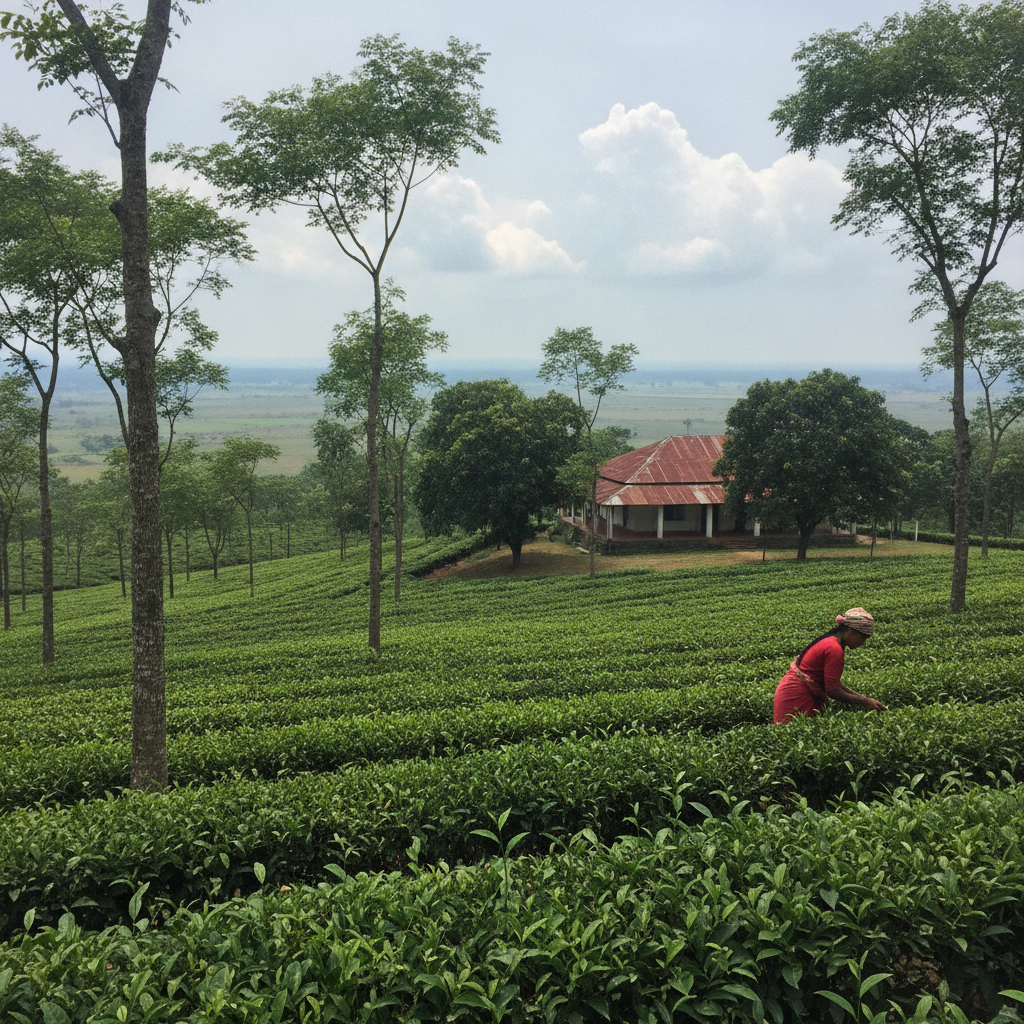
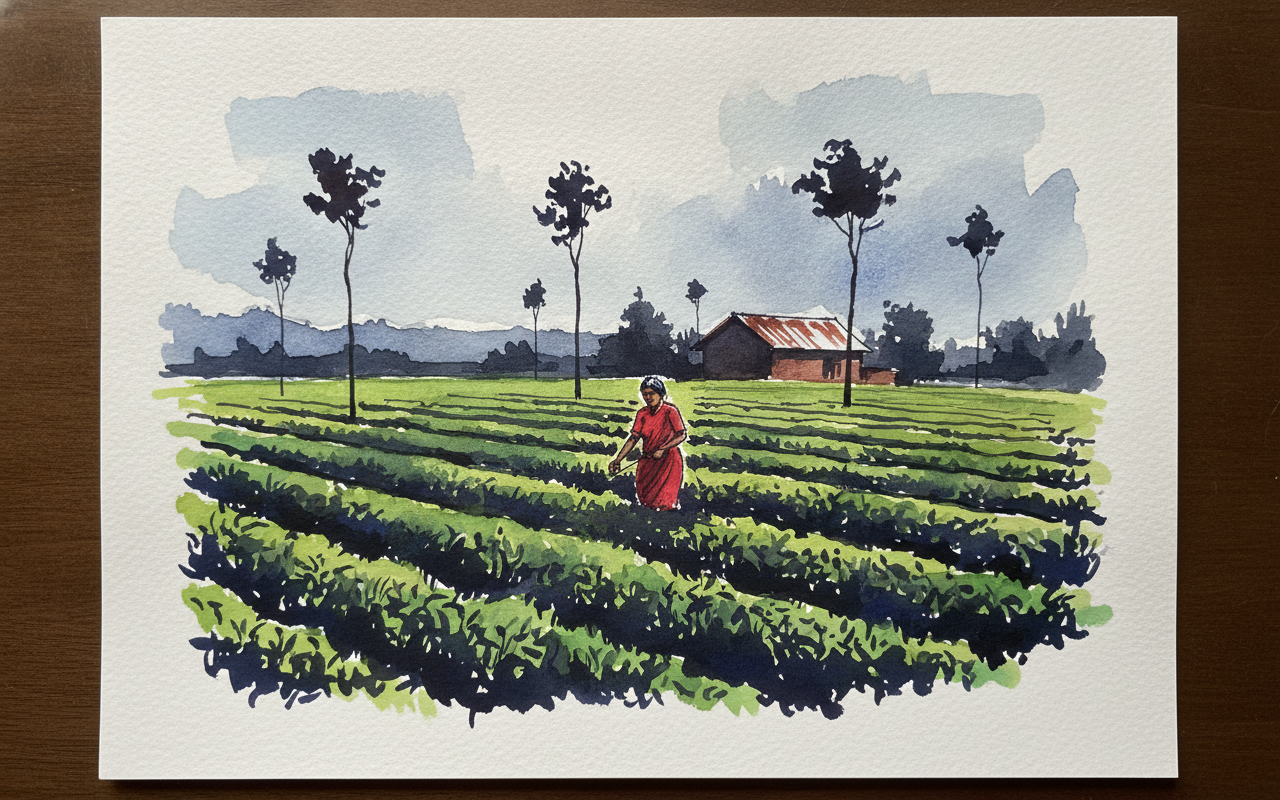
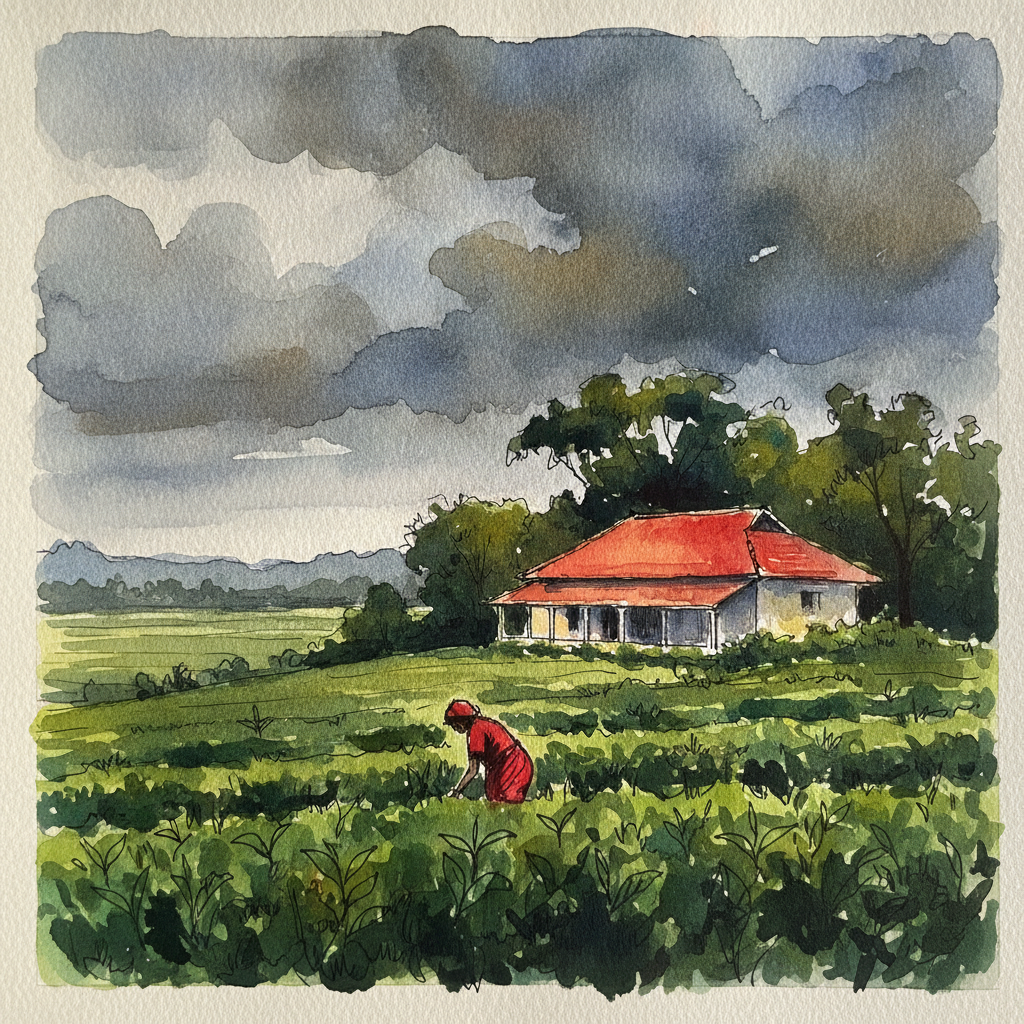
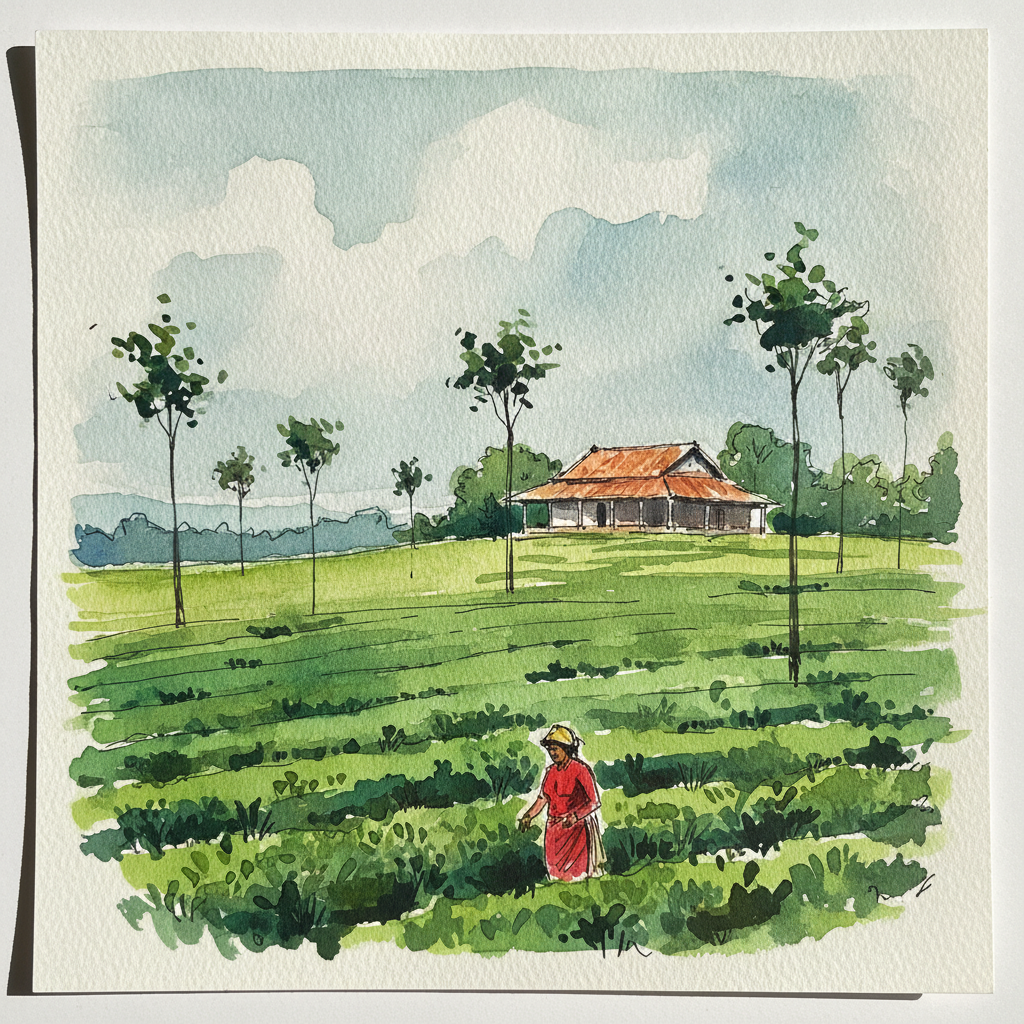
This piece offers an excellent study in creating depth through atmospheric perspective, moving from detailed foreground to hazy background. Practice using strong, varied line weights and textured dry-brush washes for the close tea bushes and bungalow, transitioning to minimal line work and soft, wet-on-wet washes for the distant plain and monsoon clouds. Pay close attention to how the repeated pattern of shade trees diminishes in detail, and use a deliberate, warm wash for the bungalow's red roof to anchor the middle ground.
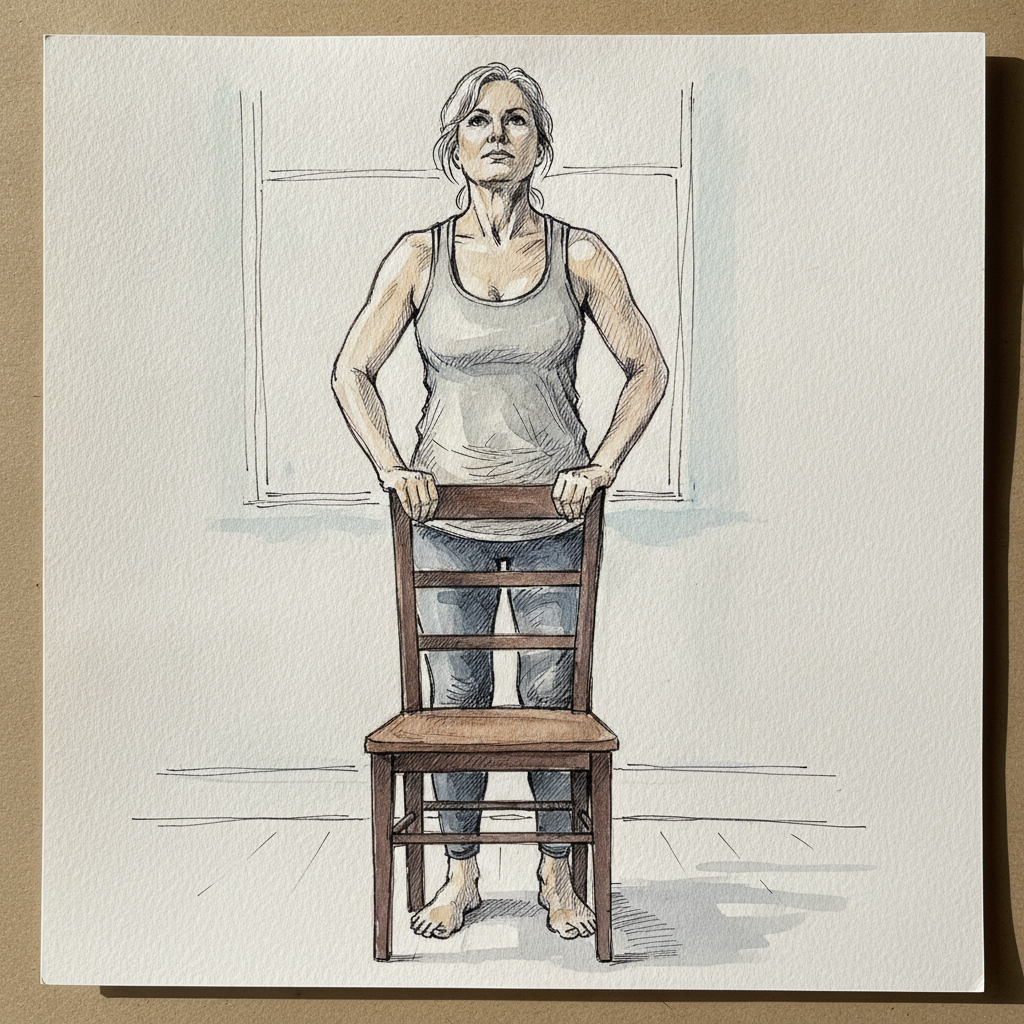
Piece 4 — Woman, early 50s, white, mature soft athletic build, both hands gripping a chair back from behind
Pen + Watercolor · Loose pen and watercolor line-and-wash
Three takes

Focus for this piece
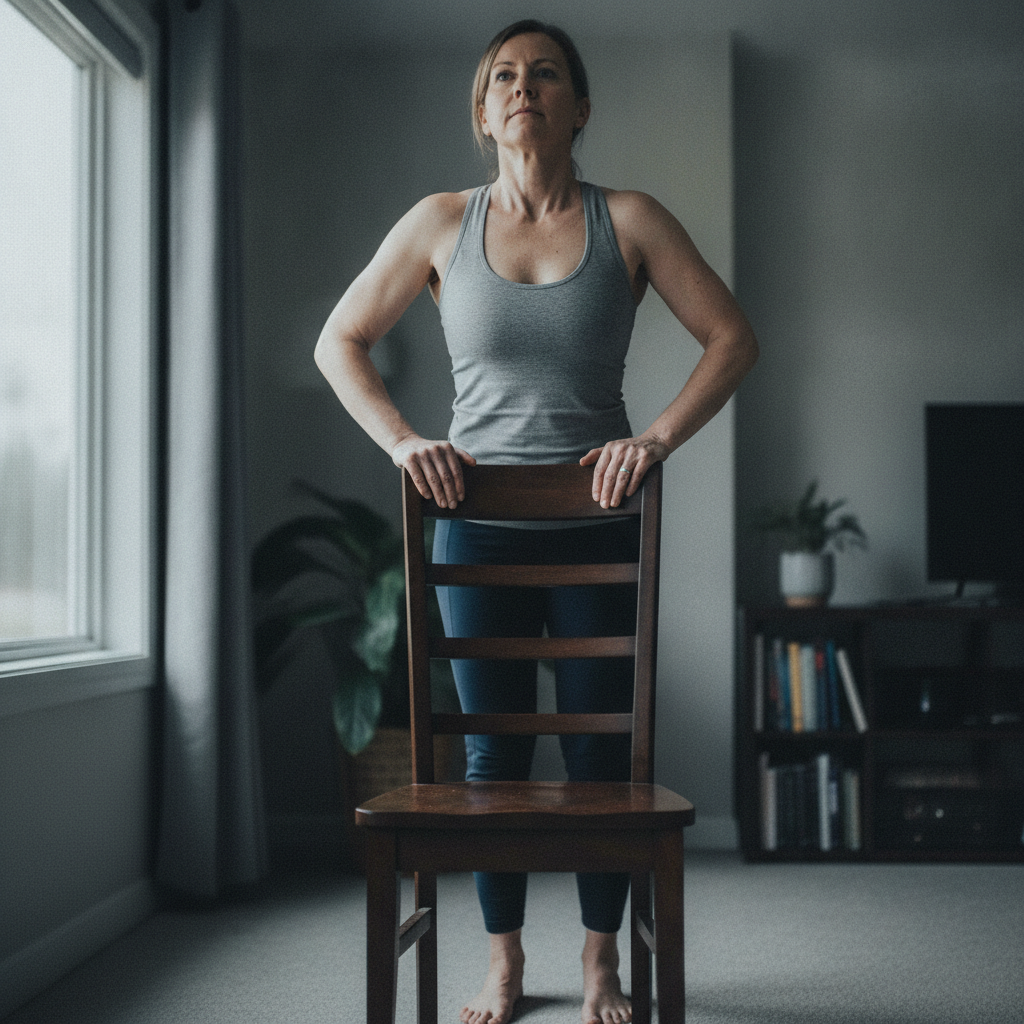
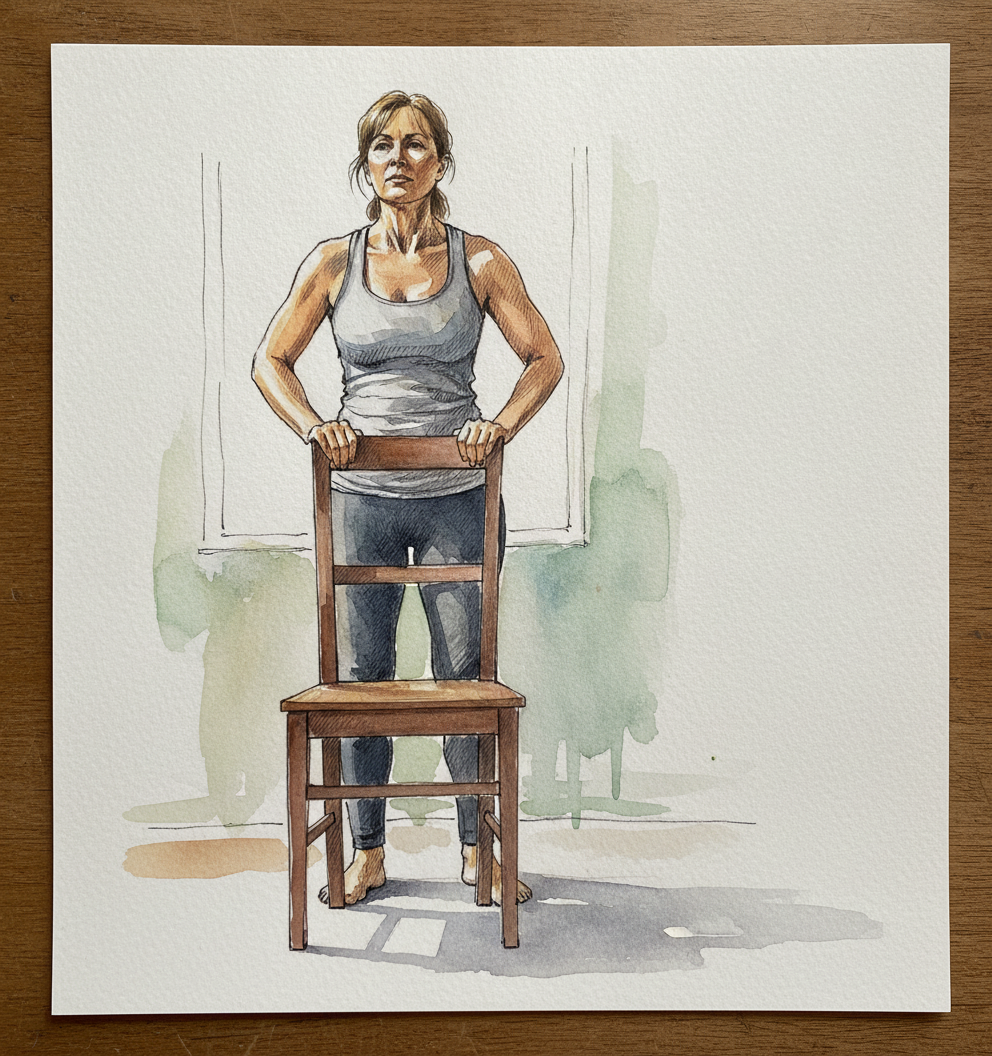
This study is ideal for contrasting the absolute structure of the ladder-back chair with the fluid, engaged form of the figure. Use precise, varied ink lines to articulate the chair's geometry and the tension in the woman's grip, particularly on the top rail. Then, employ soft, cool watercolor washes to model the torso and limbs, allowing the cool window light to sculpt the deltoids and triceps and define the soft athletic build through subtle value shifts.
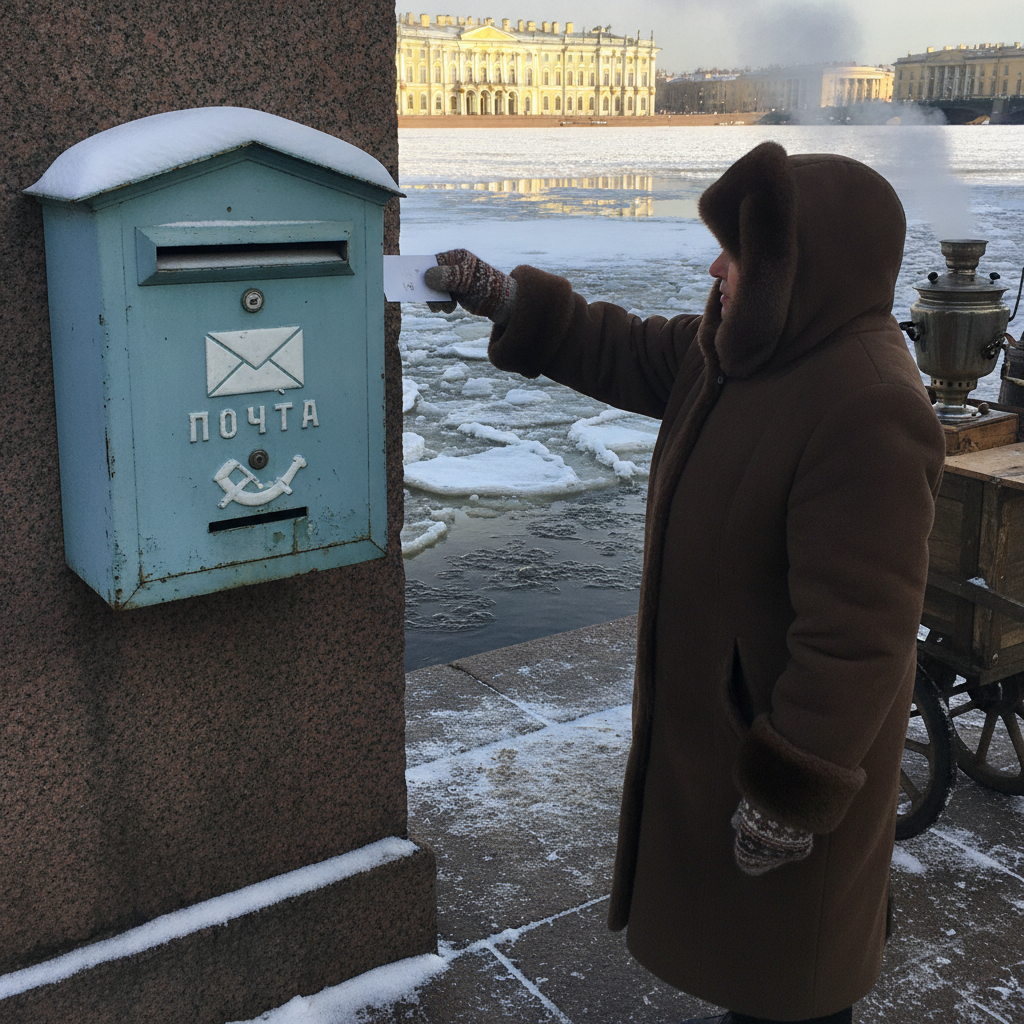
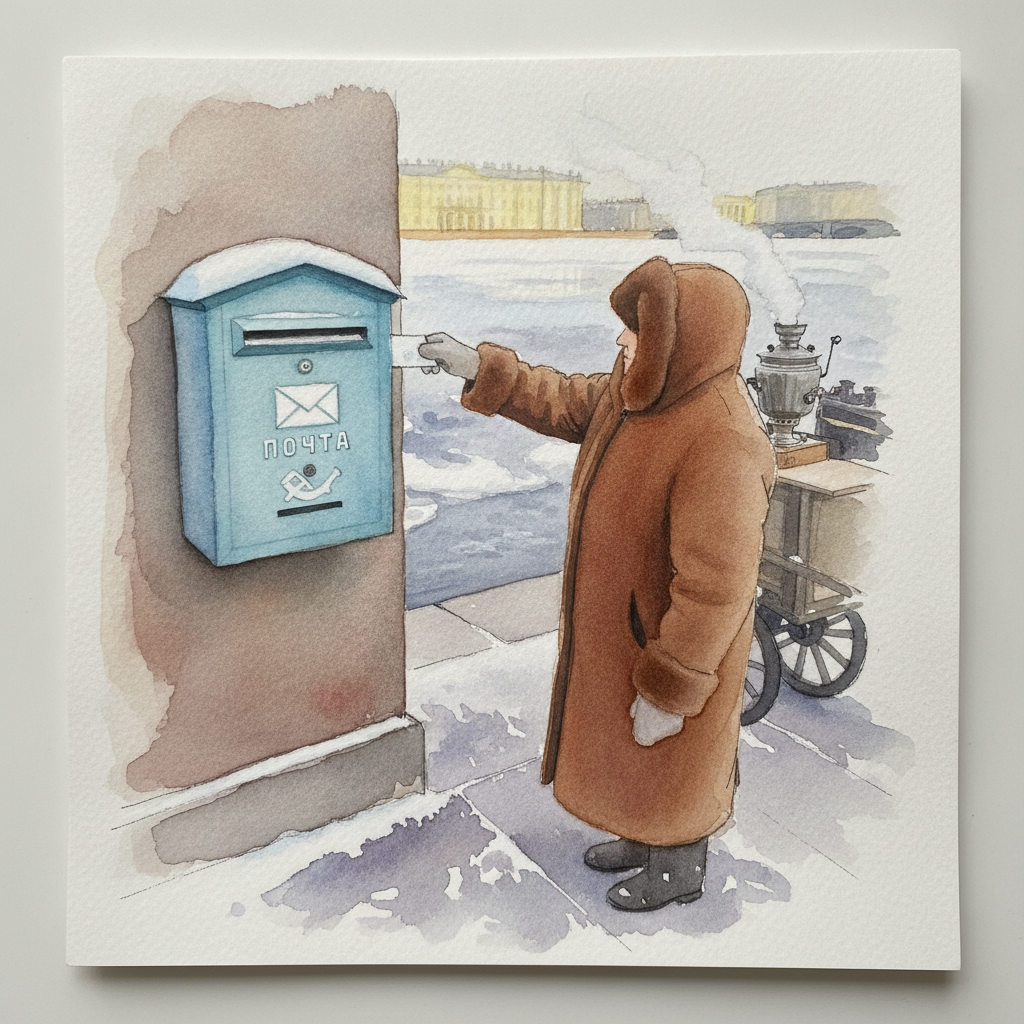
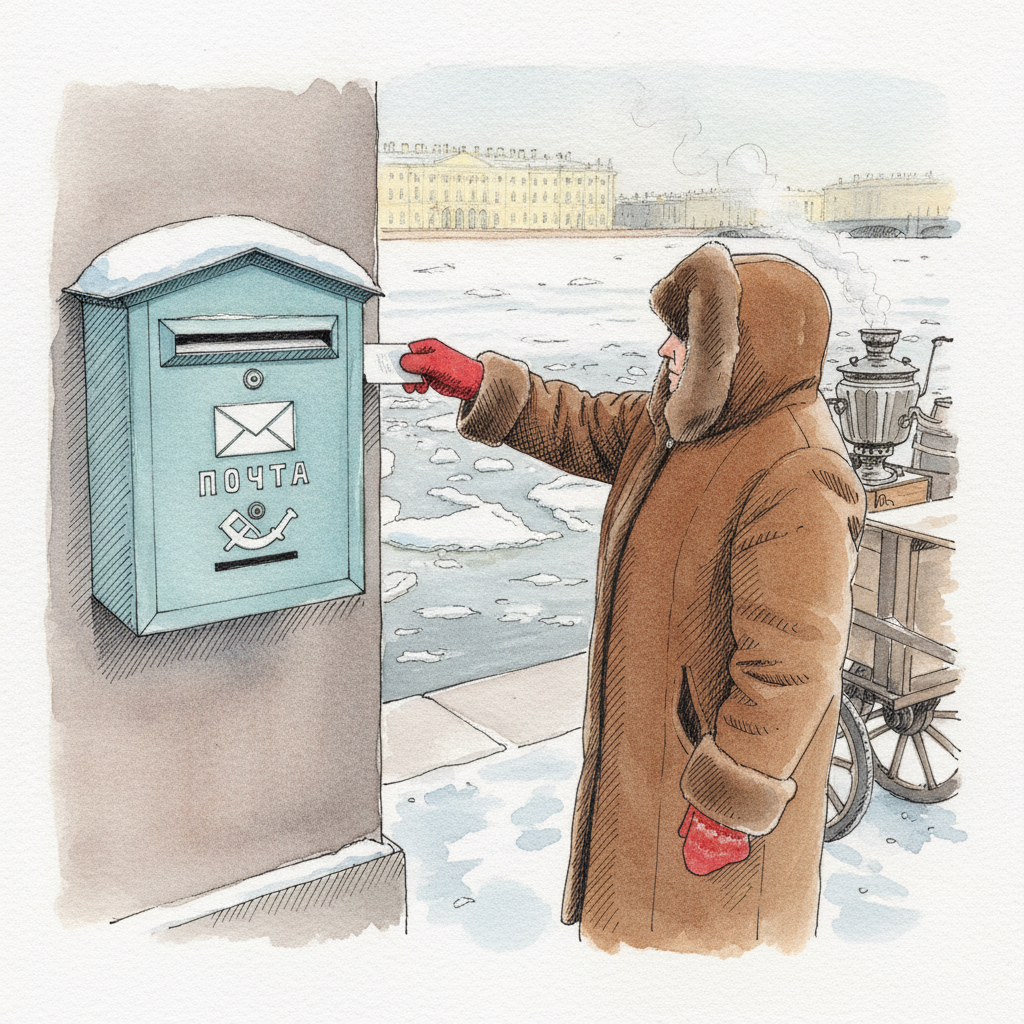
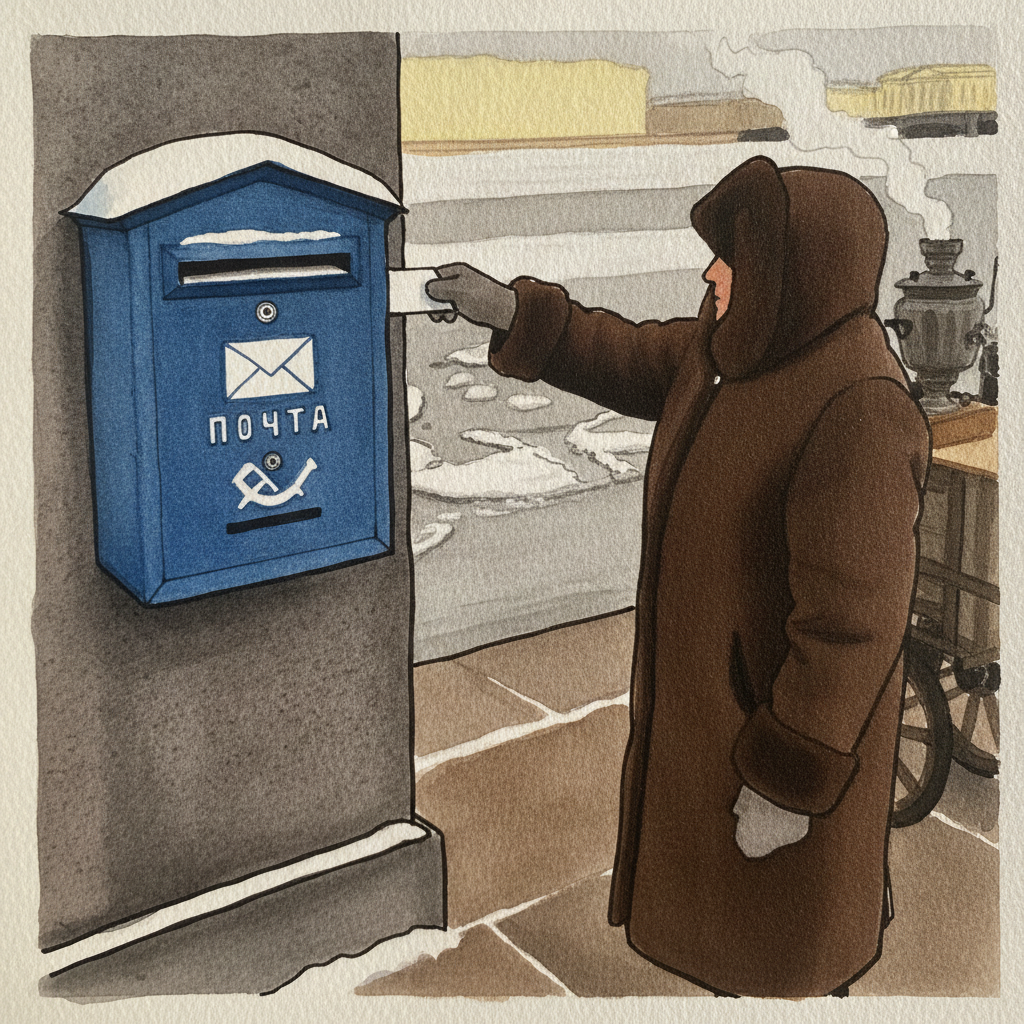
Piece 5 — Soviet-Era Blue Box in St Petersburg
Pen + Watercolor · Loose pen and watercolor line-and-wash
Three takes
Focus for this piece
This piece provides a strong study in contrasting precise penwork with fluid washes, especially within a limited cool palette. Focus on rendering the crisp edges and chipped details of the blue box with varied pen weights, using lighter, broken lines for the distant pancake ice and the babushka's soft form. Then, employ wet-on-wet washes for the atmospheric steam and the glowing palace reflection in the water, allowing soft transitions while maintaining the distinct pale blue of the box and the muted greys of the Neva.
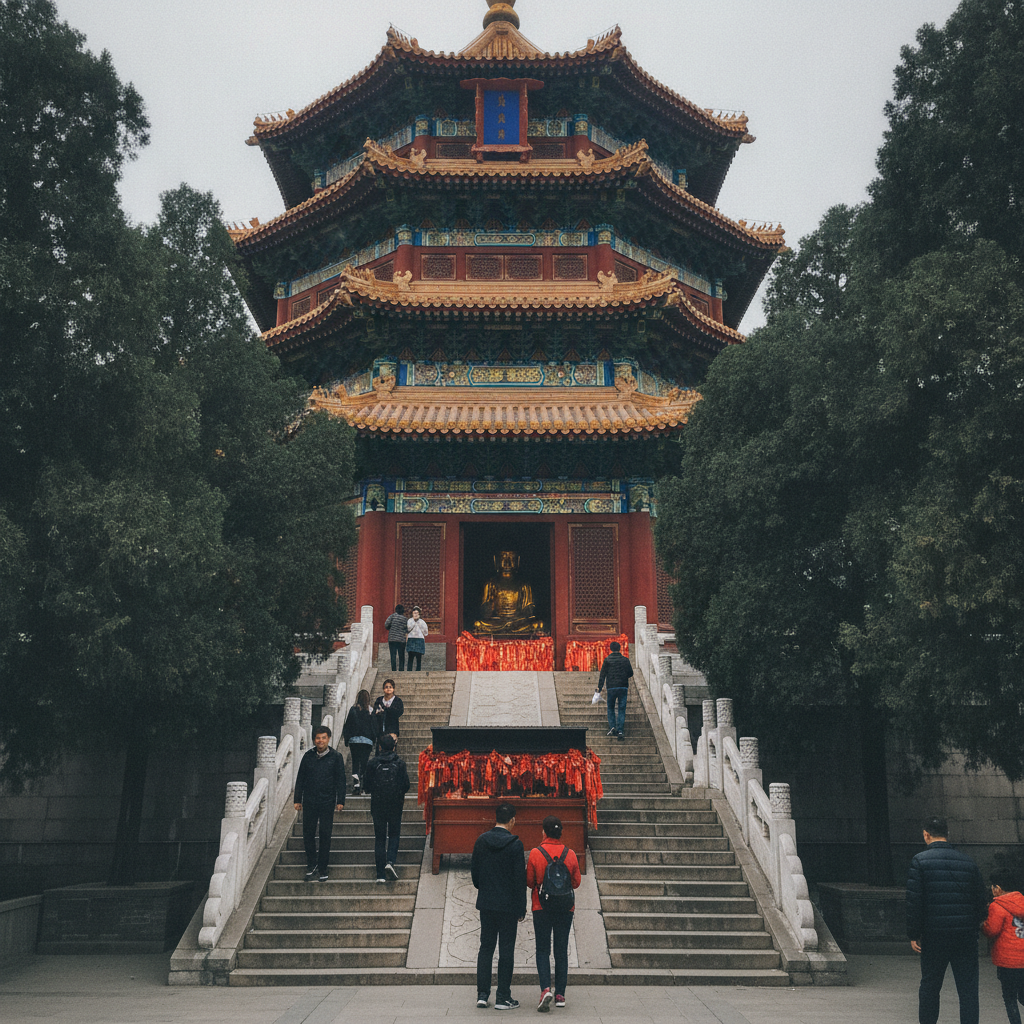
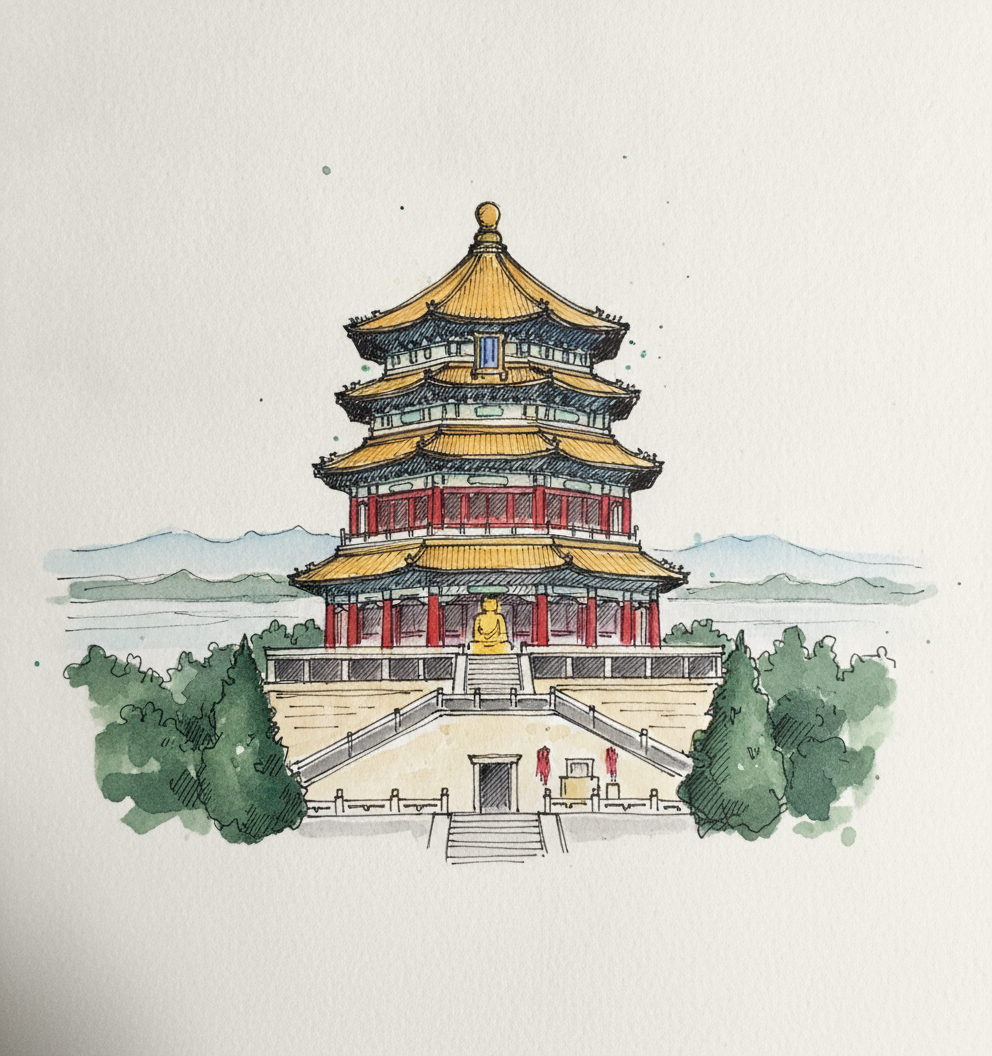
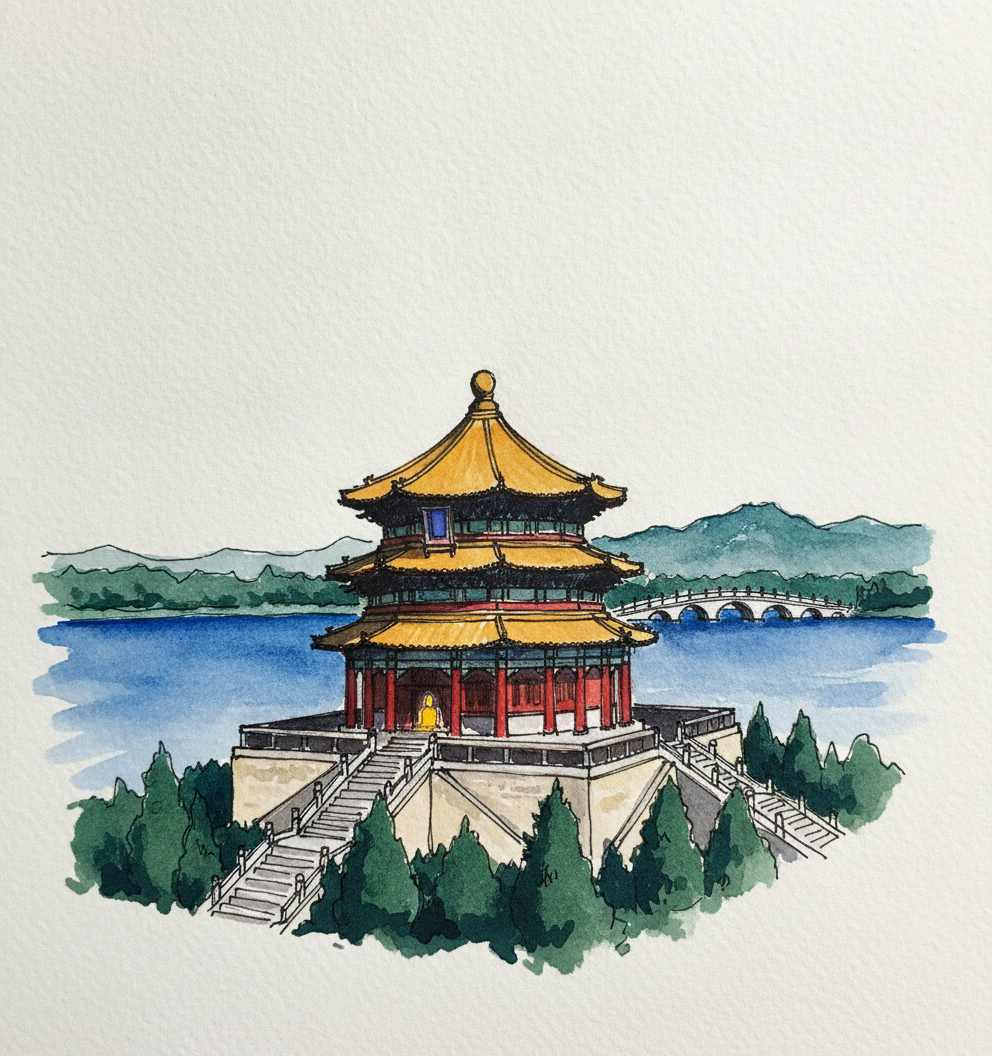
Piece 6 — Foxiang Ge (Tower of Buddhist Incense), Summer Palace, Beijing, China
Pen + Watercolor · Loose pen and watercolor line-and-wash
Three takes

Focus for this piece
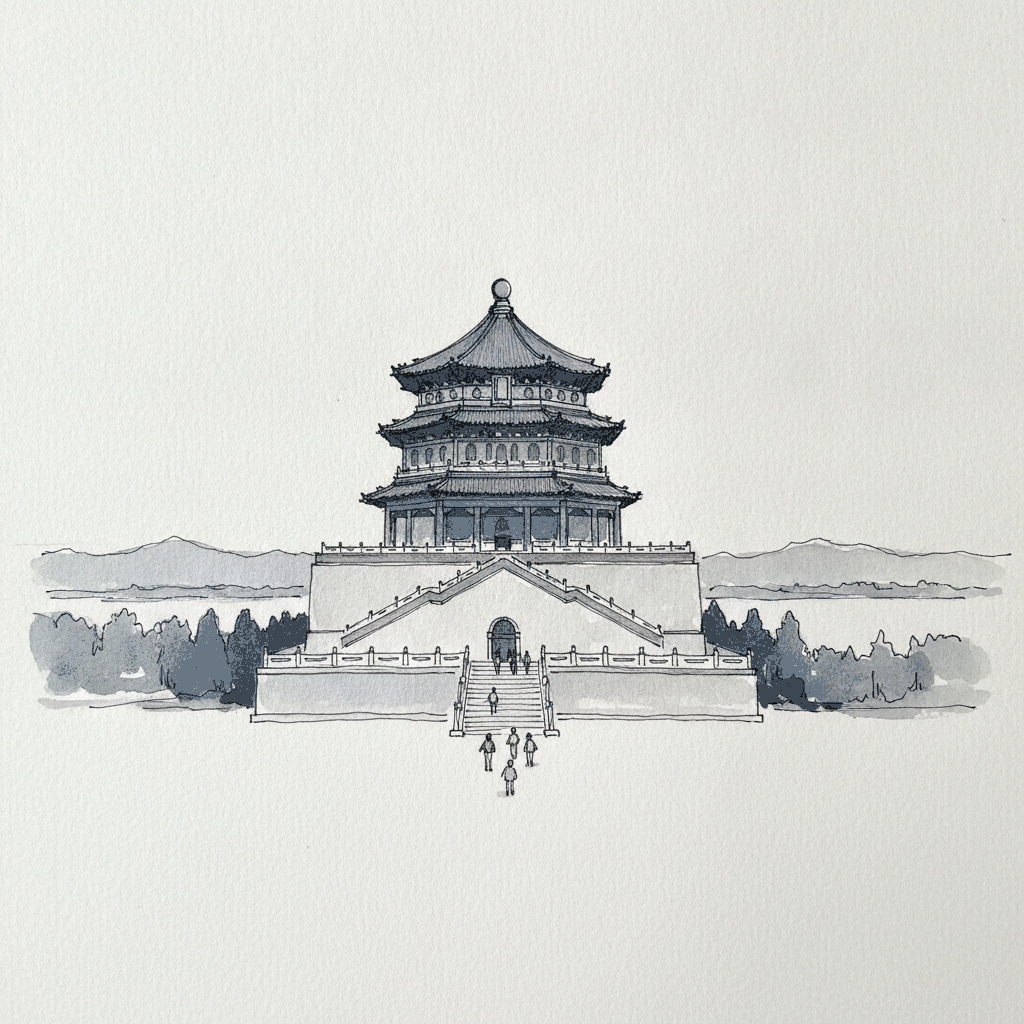
For this piece, focus on using varied, decisive pen lines to establish the complex octagonal geometry of the tower and its four distinct eaves. Complement this structural detail with clean, opaque washes for the vibrant red columns and yellow tiles, then employ soft, wet-on-wet washes in muted blues and greens for the distant Kunming Lake and Western Hills to convey atmospheric perspective.
Piece 7 — Berlin Kaffee und Kuchen courtyard
Pen + Watercolor · Loose pen and watercolor line-and-wash
Three takes
Focus for this piece
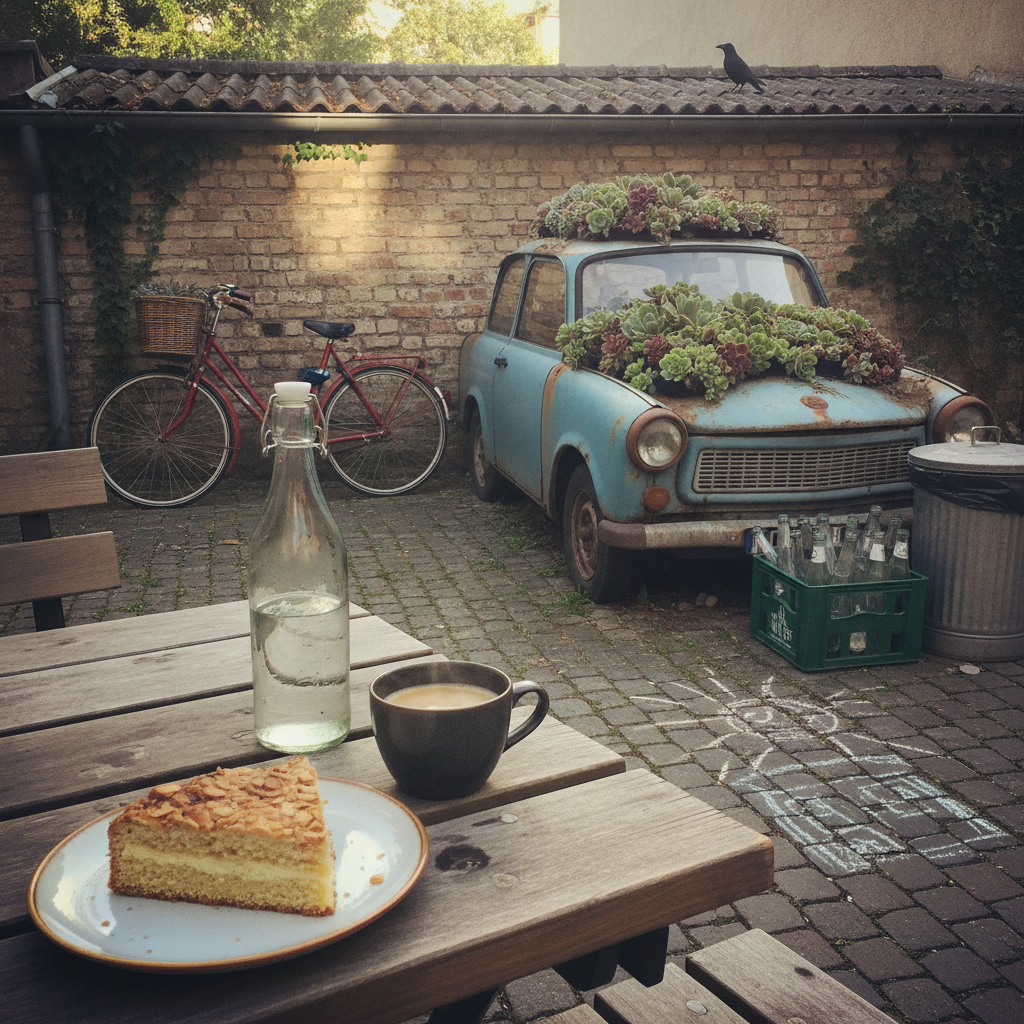
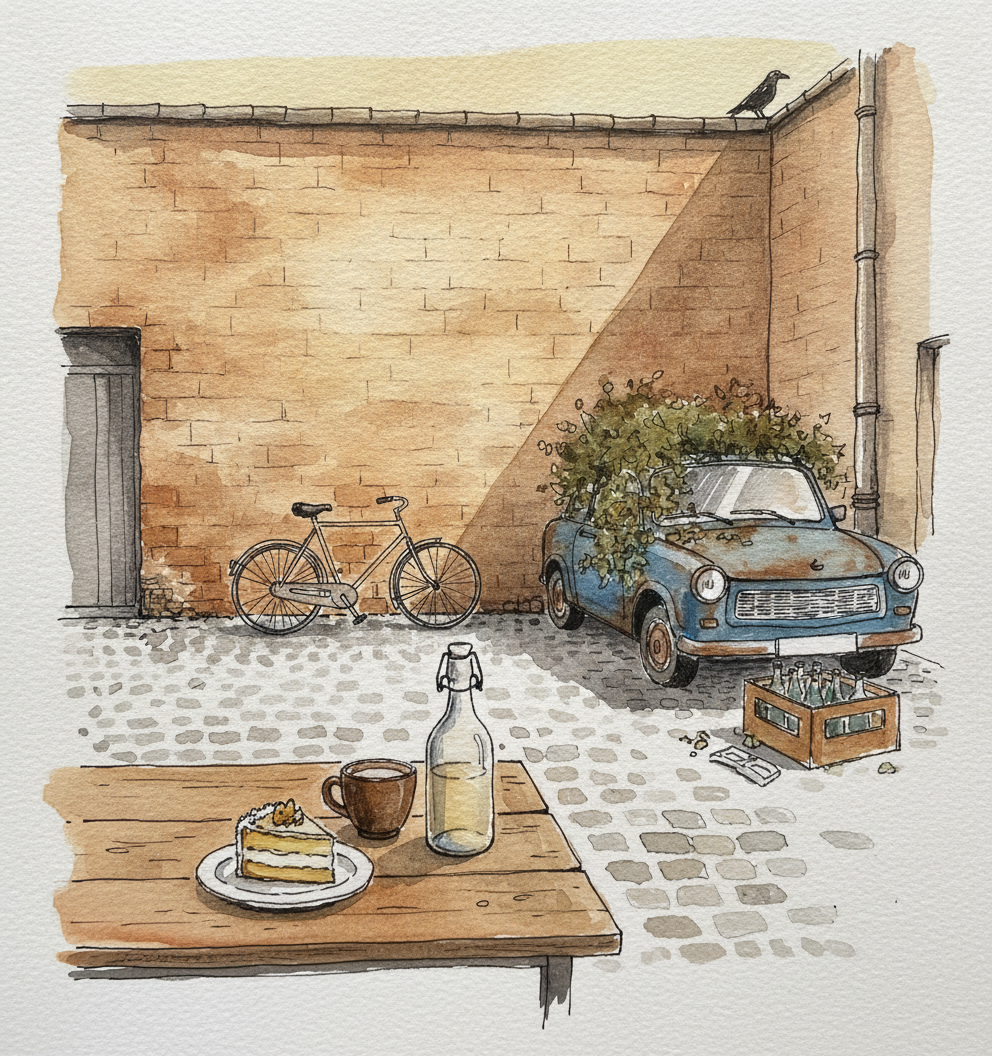
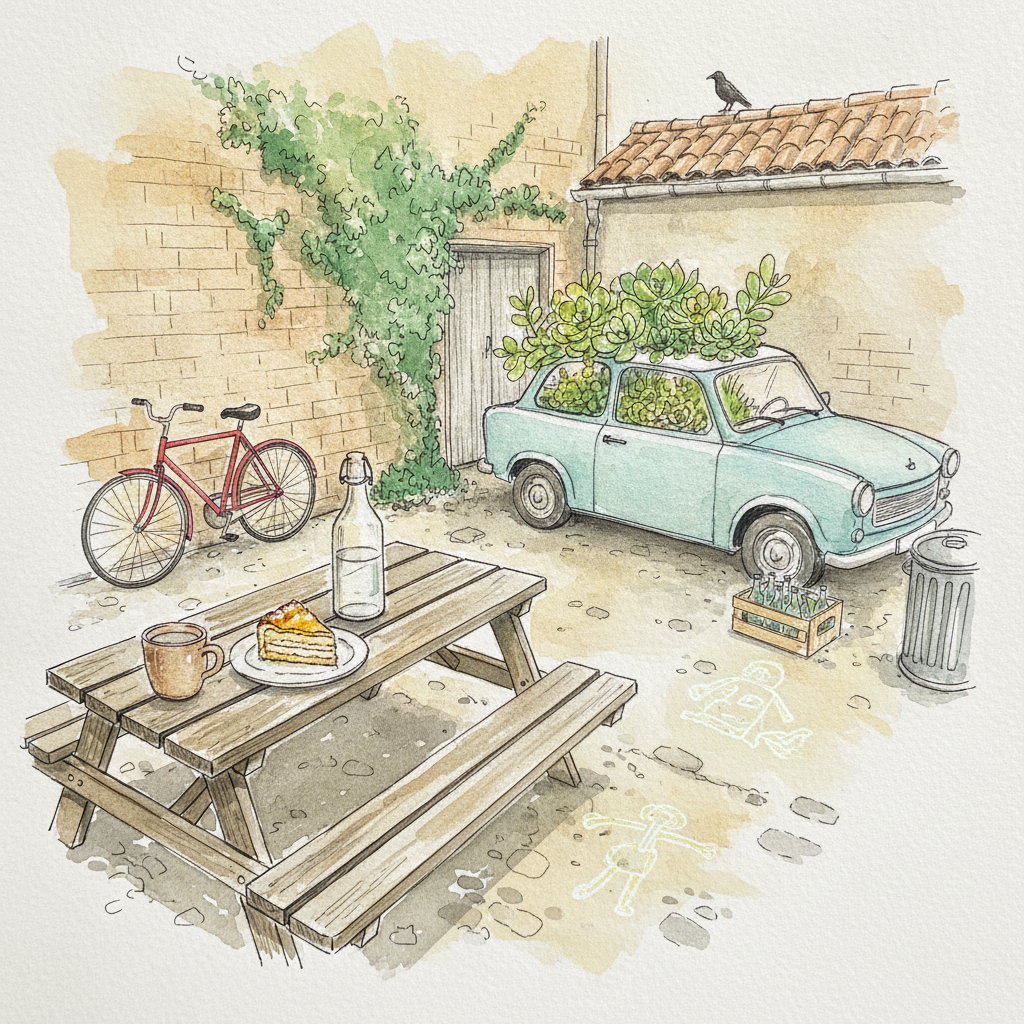
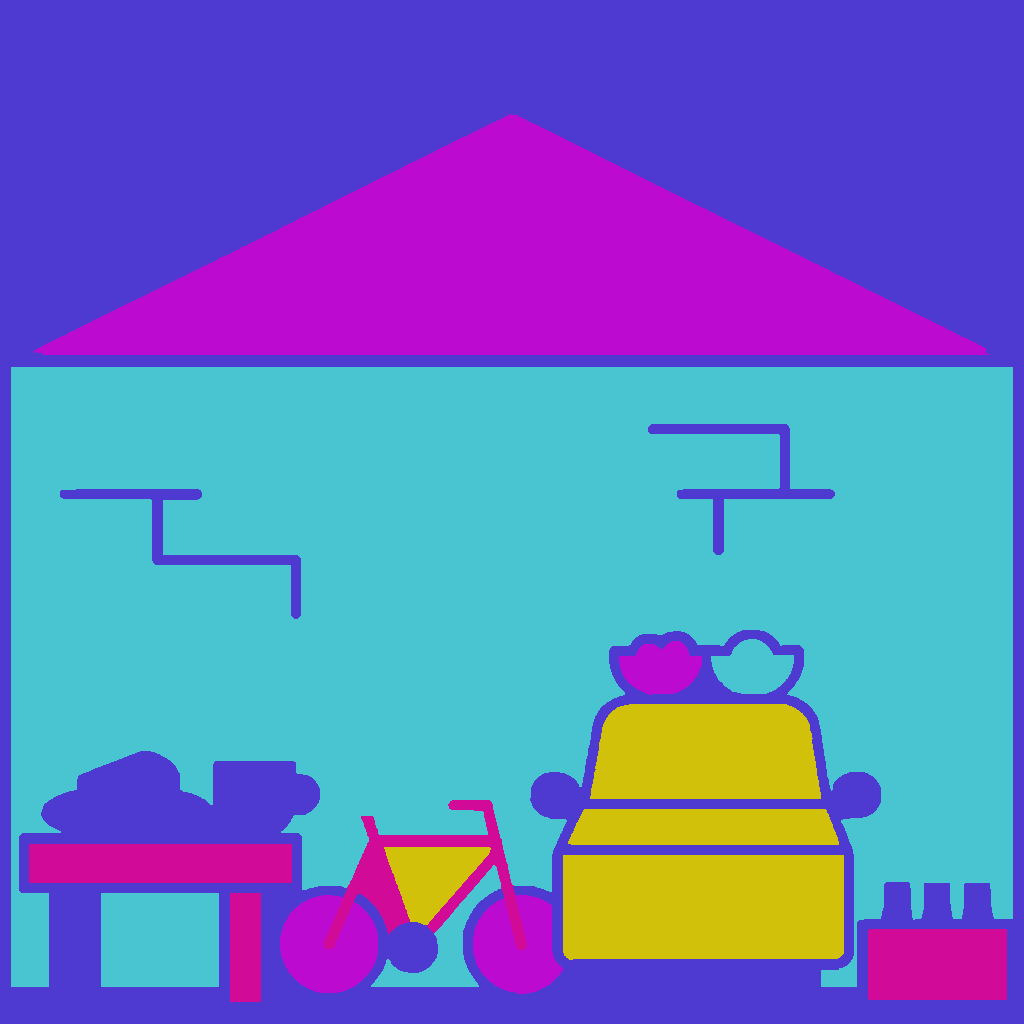
This Berlin courtyard scene, bathed in late-afternoon light, provides an excellent study in defining forms and creating depth through strong light and shadow. Focus on establishing the distinct planes of sun and shade with broad, dilute watercolor washes, particularly on the wooden table and brick wall, then use varied ink line weights to articulate the crisp edges where light meets deep shadow. Pay attention to how the "wedging" light creates dramatic contrasts and highlights the textures of the ivy and cobbles.
Piece 8 — Indian python
Pen + Watercolor · Loose pen and watercolor line-and-wash
Three takes
Focus for this piece
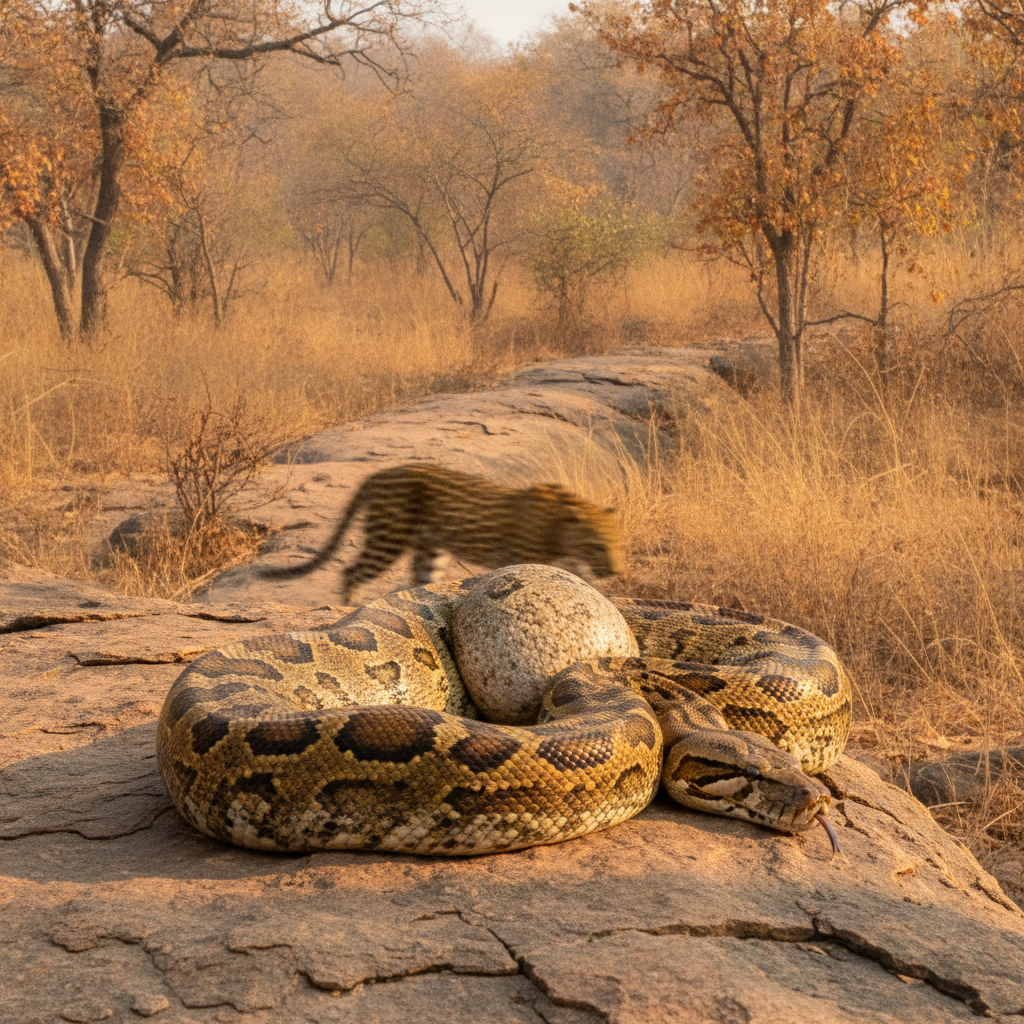
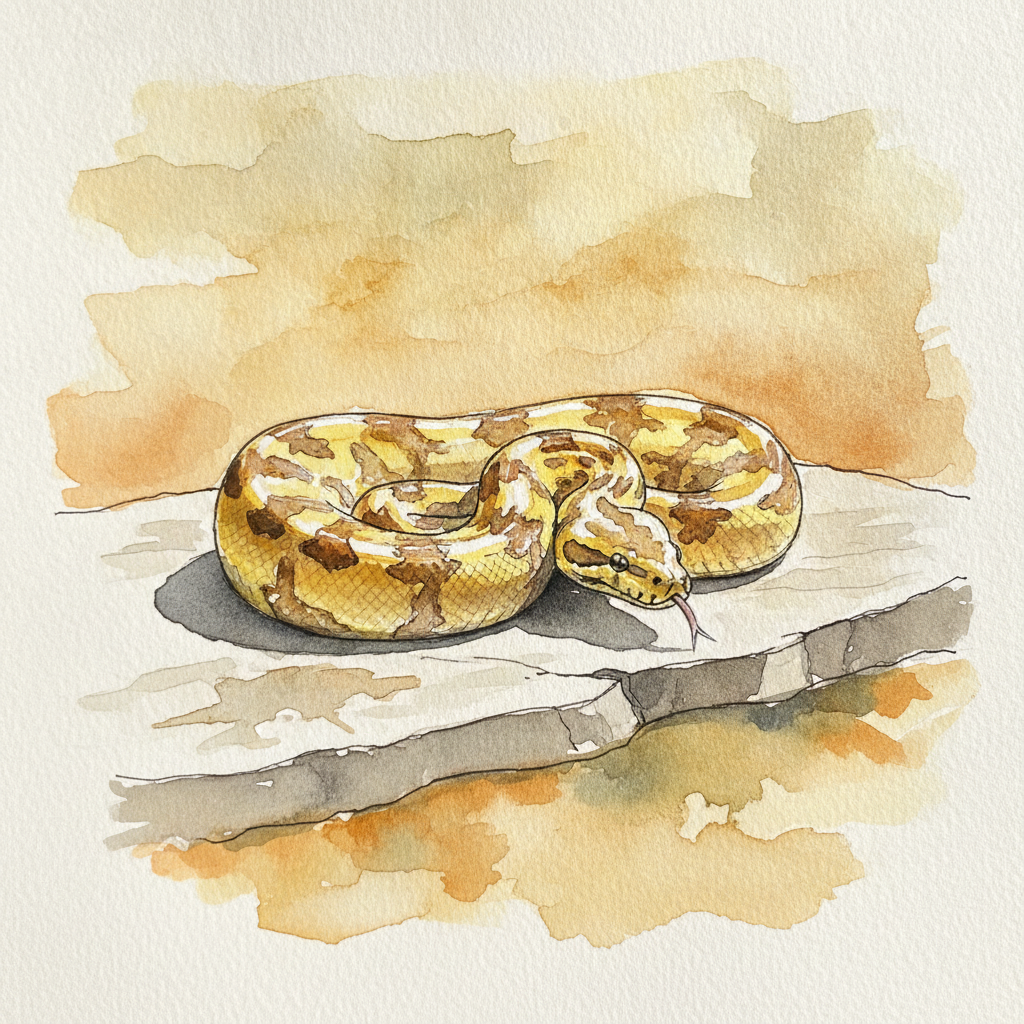
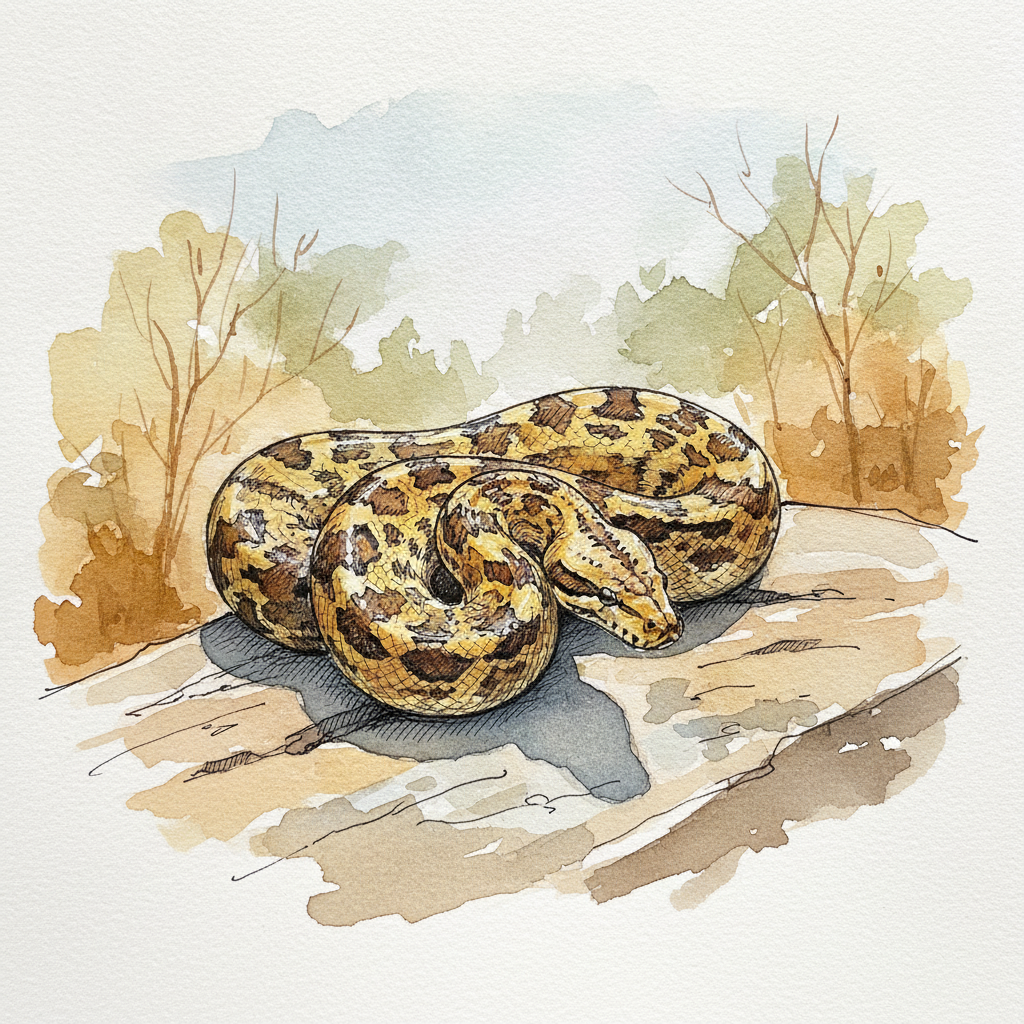
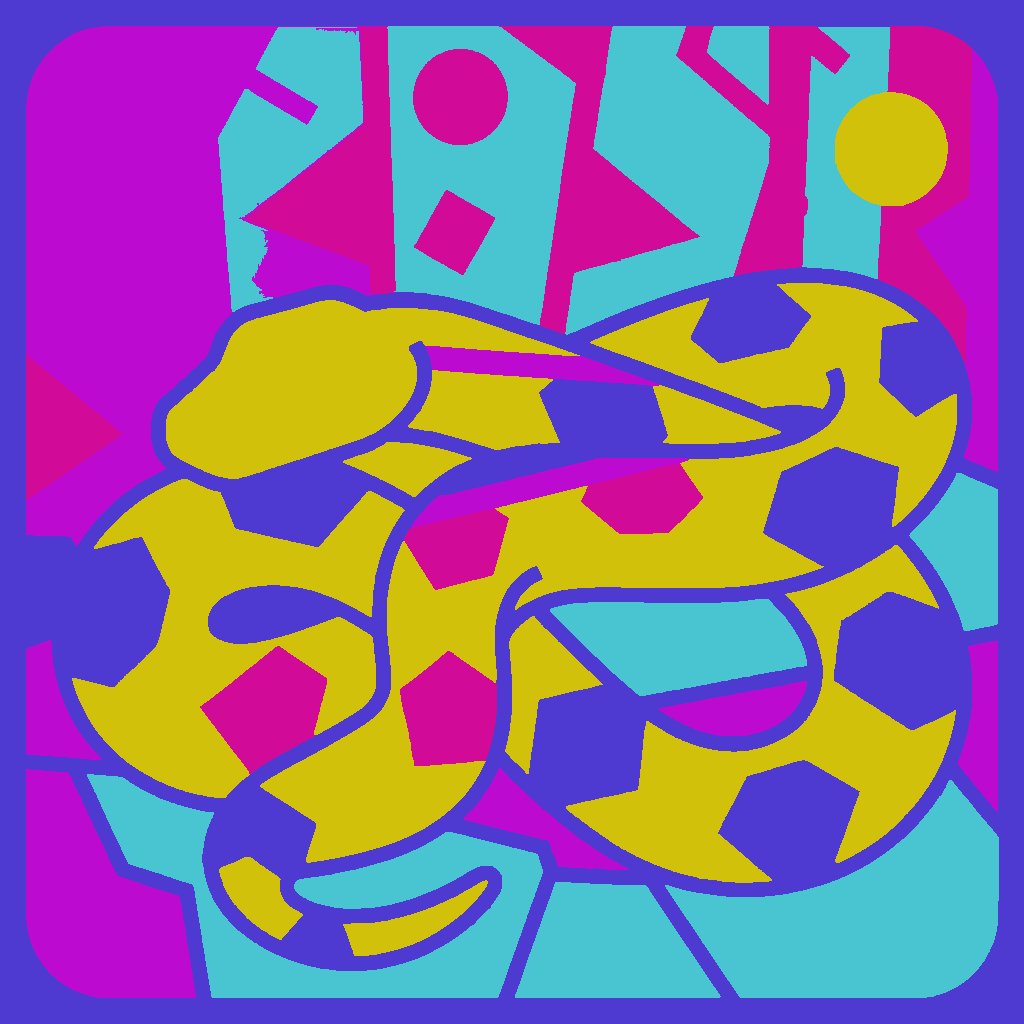
For this piece, concentrate on rendering the python's coiled body with convincing three-dimensional form and texture. Use continuous, flowing pen lines to define its volume, then build its roundness and weight with soft, layered washes of earthy tones like Yellow Ochre and Burnt Sienna, reserving lighter values for sun-drenched areas. Contrast this with bolder, more angular line work and dry-brush washes to capture the rugged texture of the rock ledge. This interplay of detailed organic forms and strong geological texture will enhance the overall sense of a warm, still afternoon.