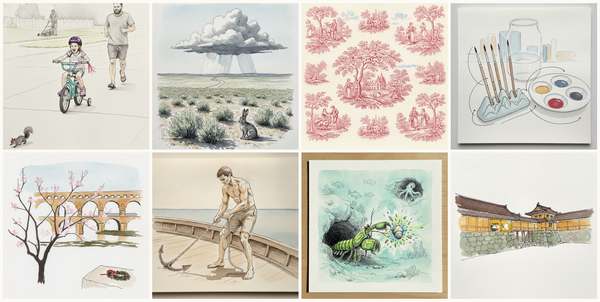
Yoga studio, hands together, Eel coiled in shallow dish, Penicillium camemberti (camembert), Adam Joseph Lewis Center for Environmental Studies, Oberlin College, Oberlin, Ohio, USA, and more — pen + watercolor for September 14, 2026
AI-generated daily art-practice references for pen and watercolor: Yoga studio, hands together, Eel coiled in shallow dish, Penicillium camemberti (camembert), Adam Joseph Lewis Center for Environmental Studies, Oberlin College, Oberlin, Ohio, USA, Pont Saint-Bénézet, Avignon, Midday with cumulus…
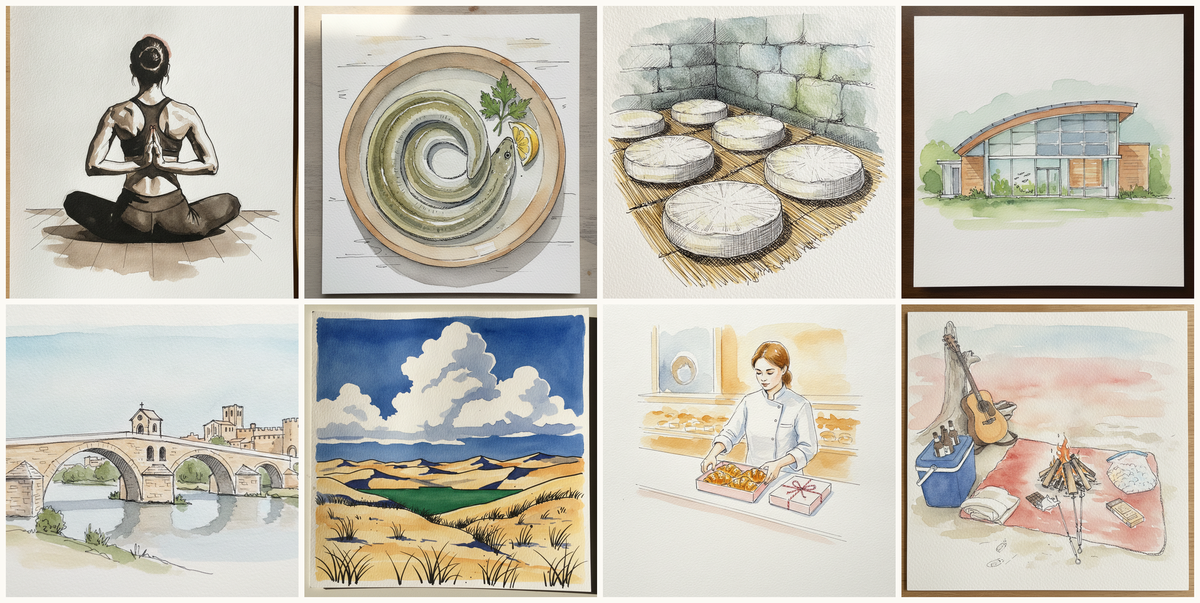
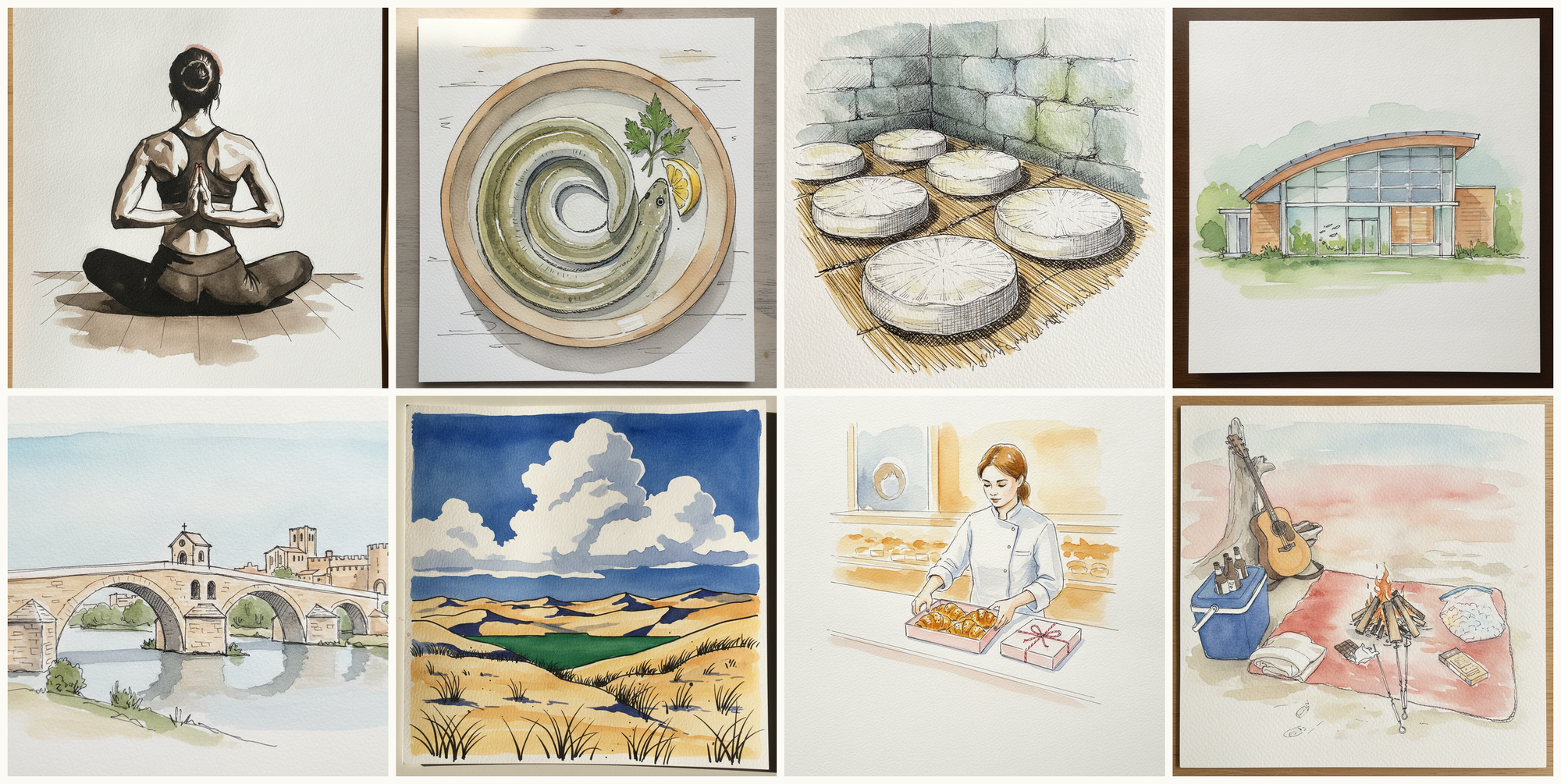
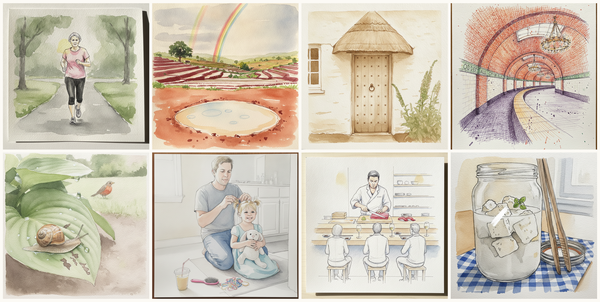
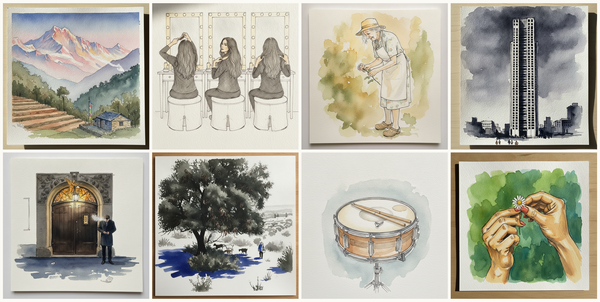
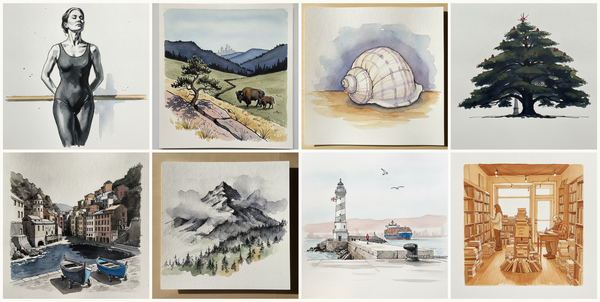
Today's 8 pen-and-watercolor pieces: Yoga studio, hands together, Eel coiled in shallow dish, Penicillium camemberti (camembert), Adam Joseph Lewis Center for Environmental Studies, Oberlin College, Oberlin, Ohio, USA, Pont Saint-Bénézet, Avignon, Midday with cumulus over nodding grass — Sandhills July, Pastry chef boxing croissants, Beach Bonfire Picnic. Each piece comes with an AI-generated photoreal reference, three AI-generated example artworks in different treatments, and a short focus paragraph naming what to study in this one.
Why these references use AI
This daily series uses AI-generated images as practice prompts, not as finished artwork to copy. Each subject starts with a synthetic photoreal reference generated with Gemini/Nano Banana, then moves into three pen-and-watercolor interpretations of the same subject.
I use AI here because daily art practice needs variety and low friction. Real life can get repetitive, busy, or visually narrow. These generated reference sets make it easier to study bodies, buildings, animals, landscapes, objects, gestures, light, palettes, and compositions that might not show up in an ordinary day.
The goal is not to reproduce any image directly. Treat each set as a starting point for observation and study: choose what interests you, change the framing, simplify the subject, alter the palette, and make your own version.
Piece 1 — Yoga studio, hands together
Pen + Watercolor · Loose pen and watercolor line-and-wash
Three takes
Focus for this piece
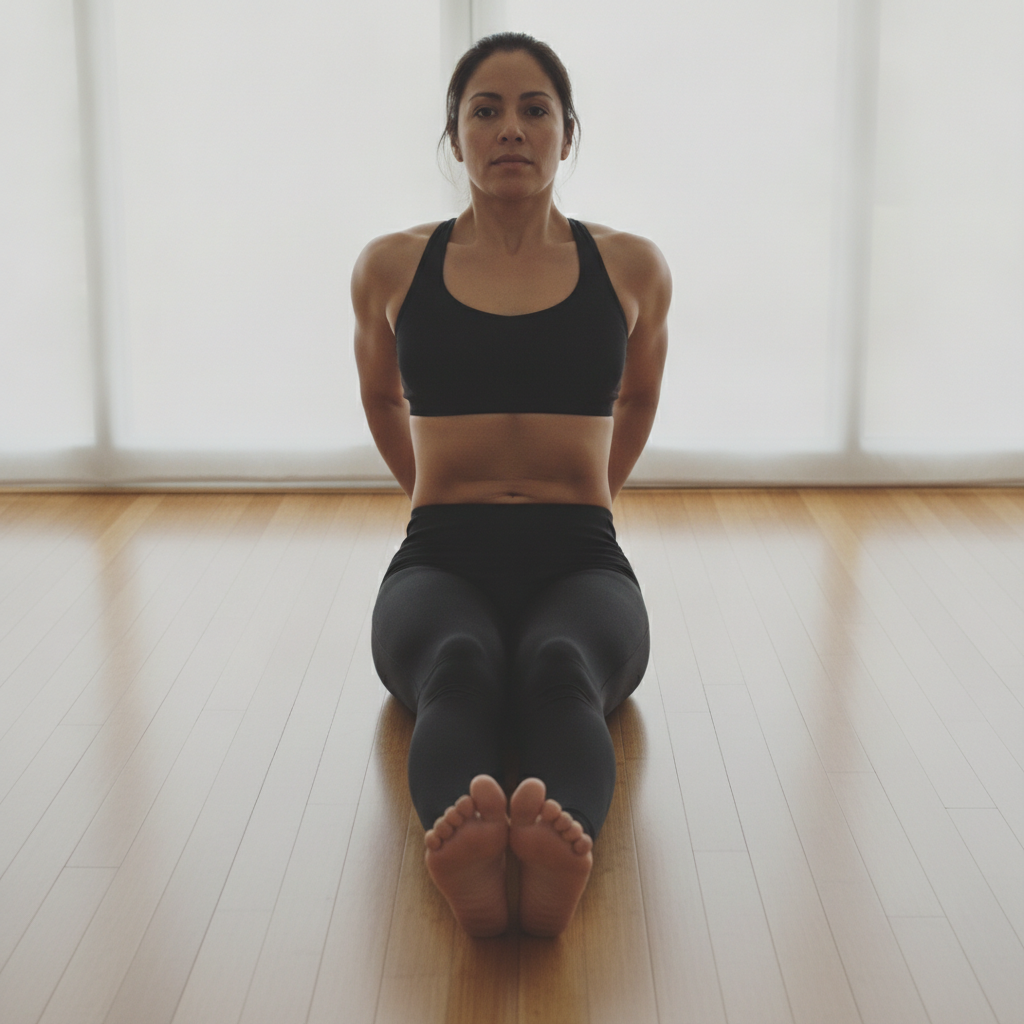
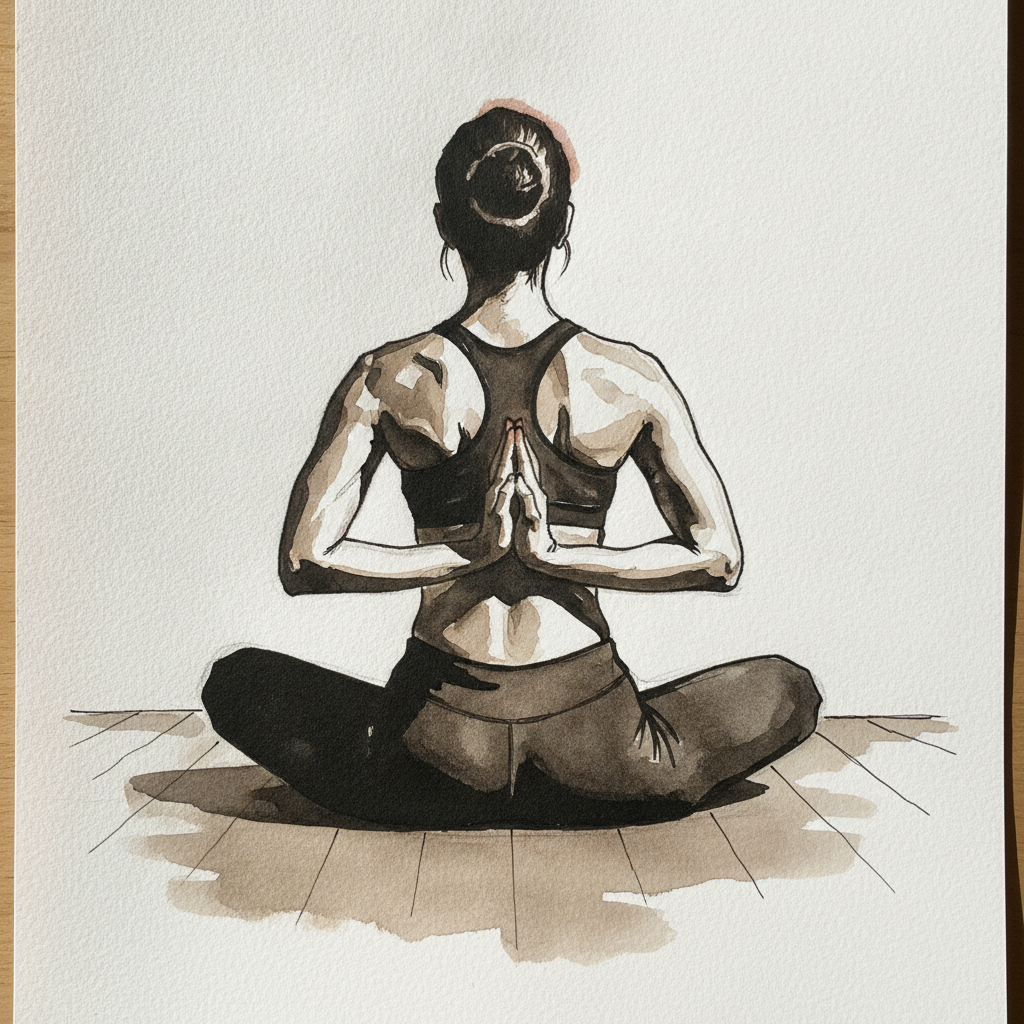
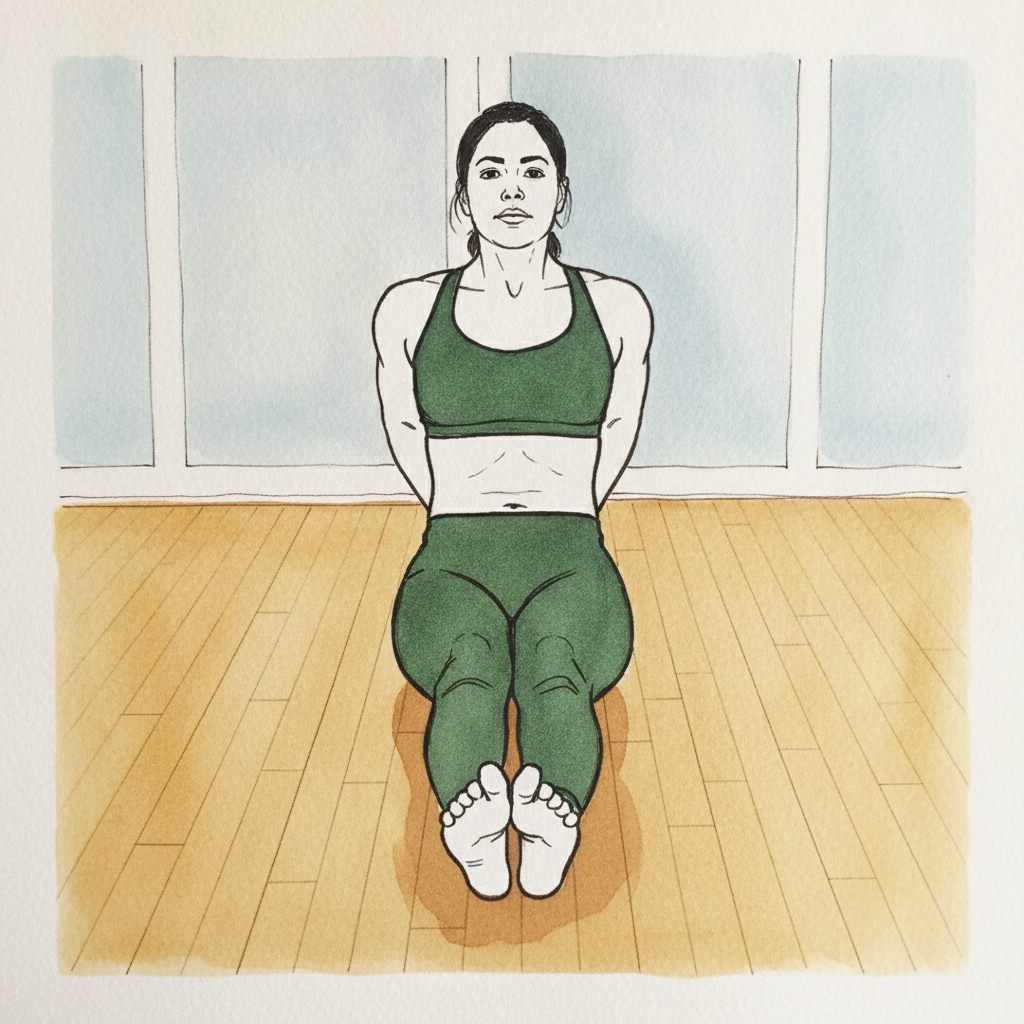
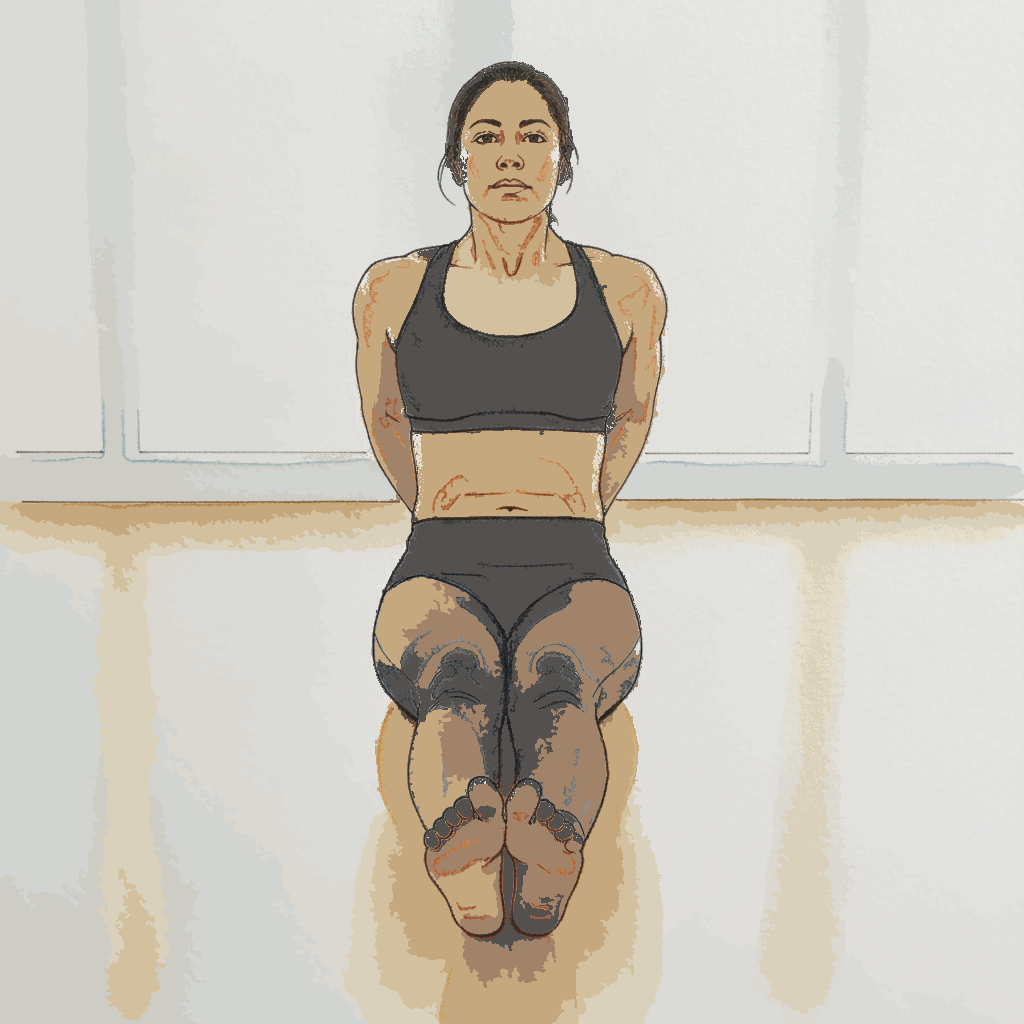
For this piece, focus on using varied pen line weight to establish the strong silhouette and elegant contours of the figure, letting the ink define the form's edges and the intricate shape of the laced hands. Then, employ broad, flat watercolor washes to suggest the soft, diffused light and flattened value range, allowing the washes to complement the line work rather than create complex modeling. This study emphasizes the powerful interplay between decisive line and atmospheric color, where line carries the structural weight.
Piece 2 — Eel coiled in shallow dish
Pen + Watercolor · Loose pen and watercolor line-and-wash
Three takes
Focus for this piece
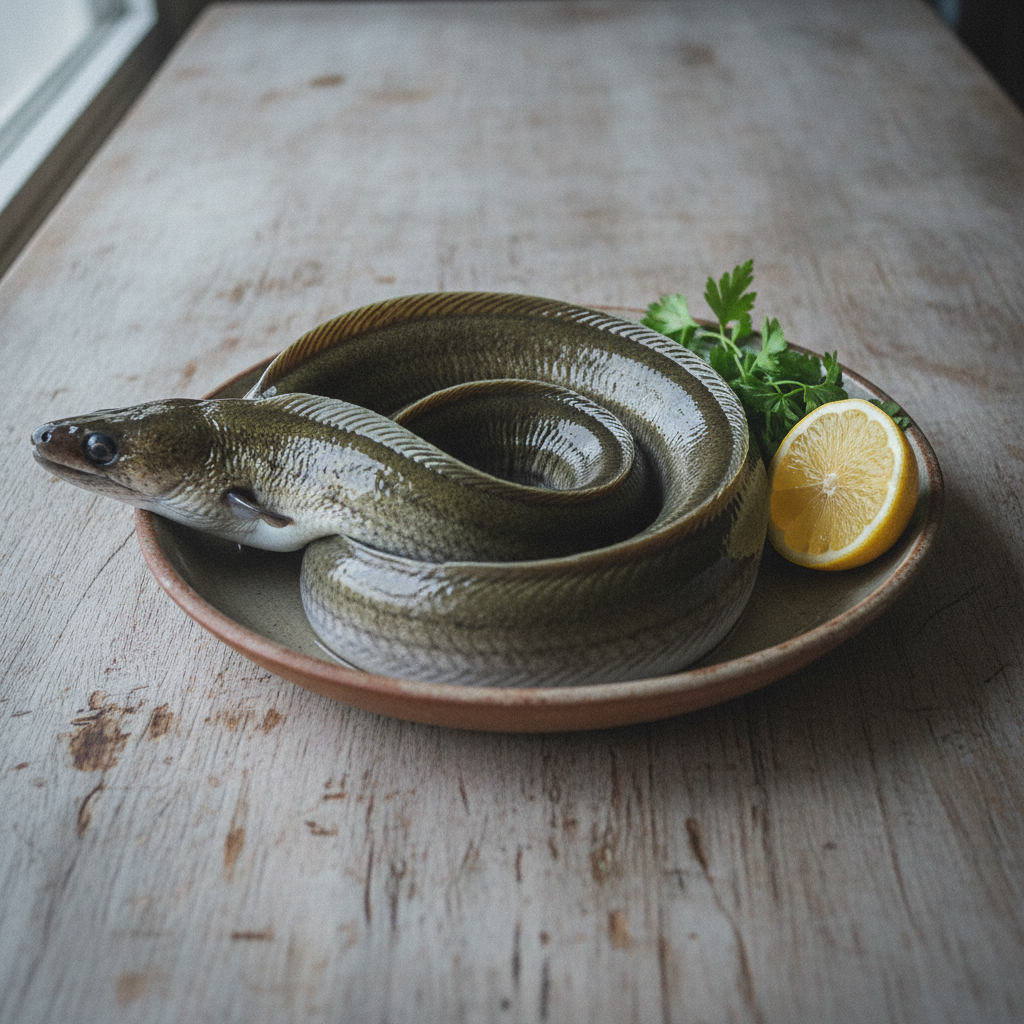
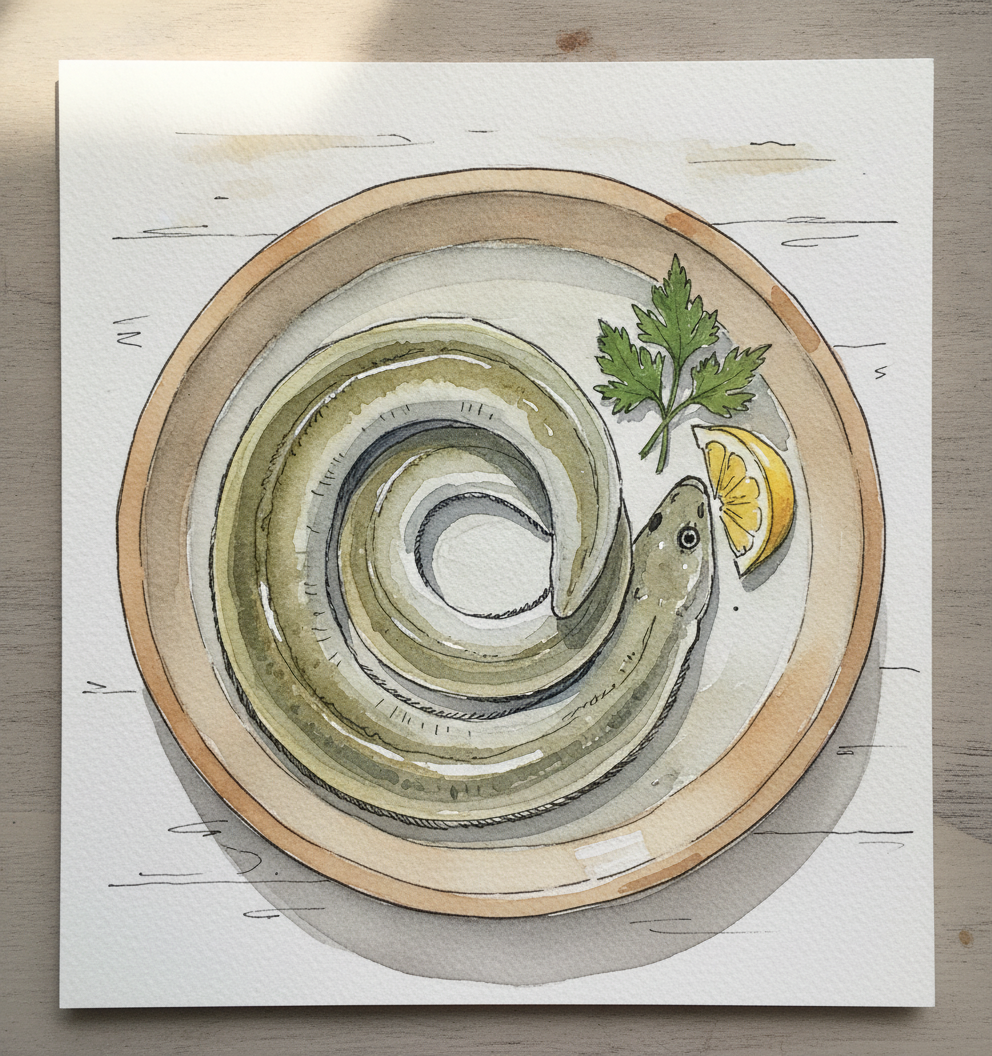
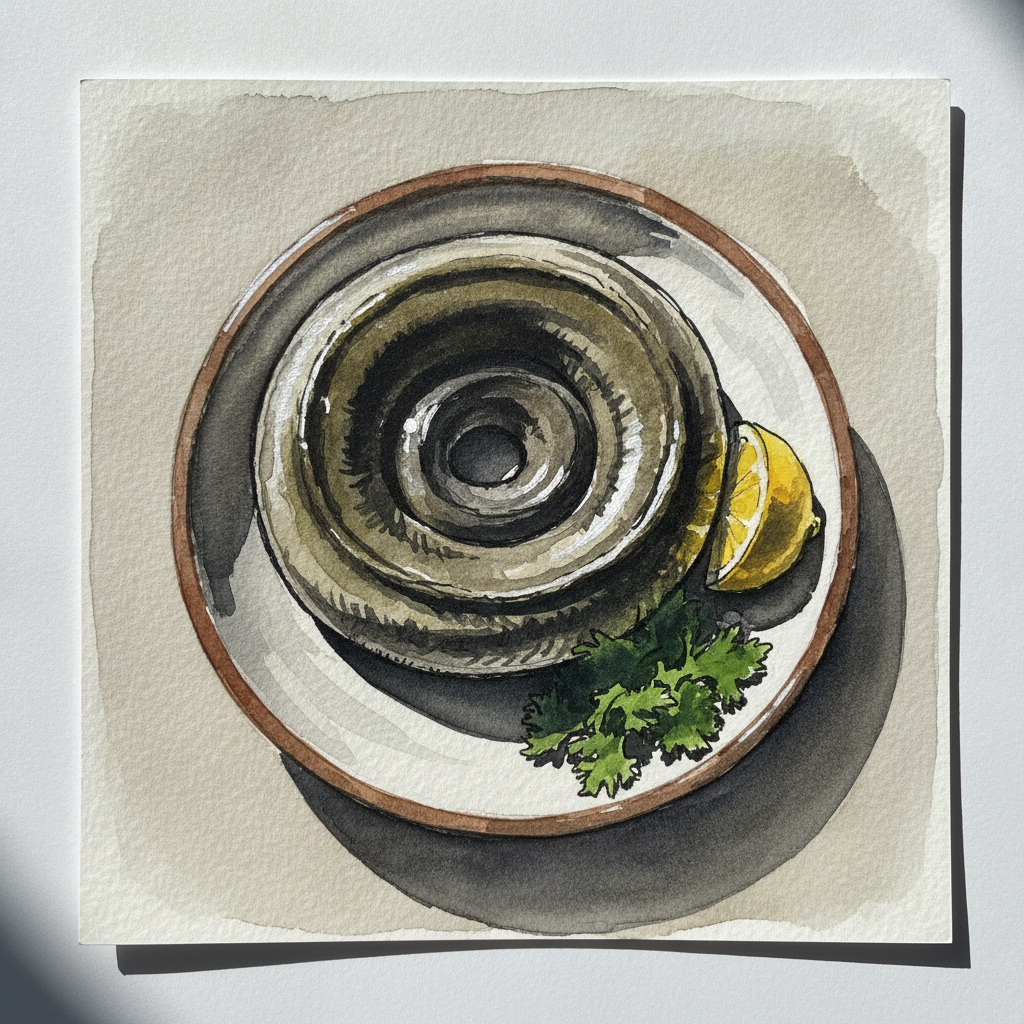
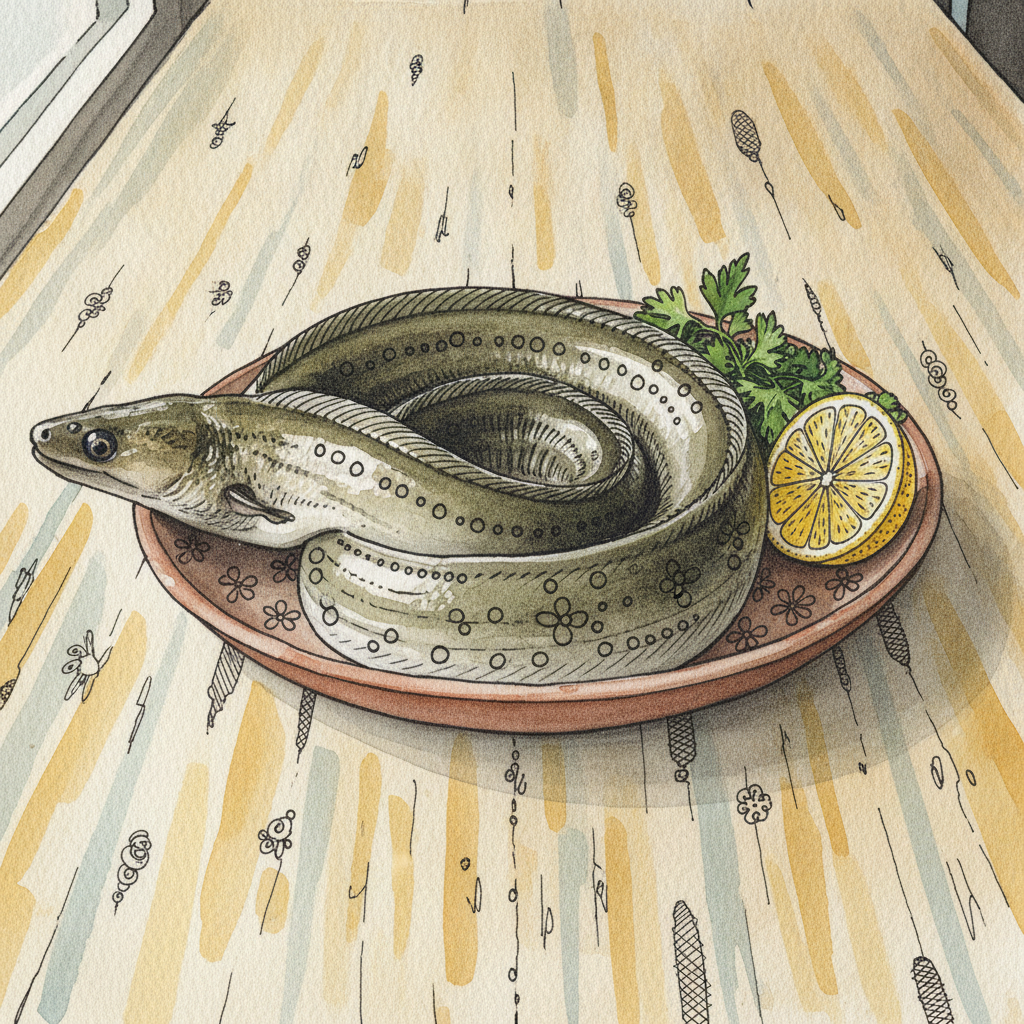
This piece offers a prime opportunity to practice depicting slick, reflective surfaces using line economy and precise watercolor application. Focus on employing sparse, deliberate pen lines to suggest the eel's coiled form and the dish's contours, letting the cool north light be described almost entirely by careful value shifts and subtle wet-on-wet washes in your olives and silvers. Reserve unpainted paper strategically to create the "supple sheens" and glossy eye, allowing the watercolor to truly convey the wetness and light.
Piece 3 — Penicillium camemberti (camembert)
Pen + Watercolor · Loose pen and watercolor line-and-wash
Three takes
Focus for this piece
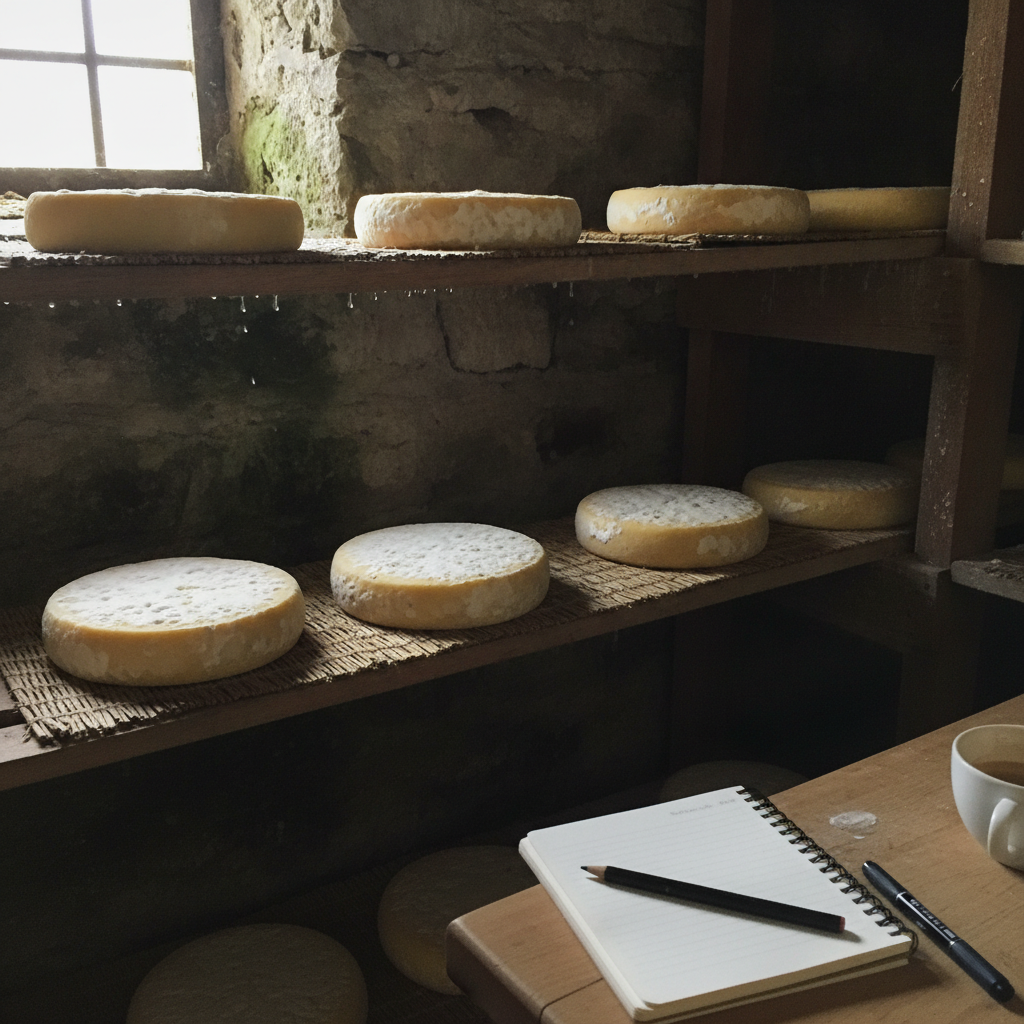
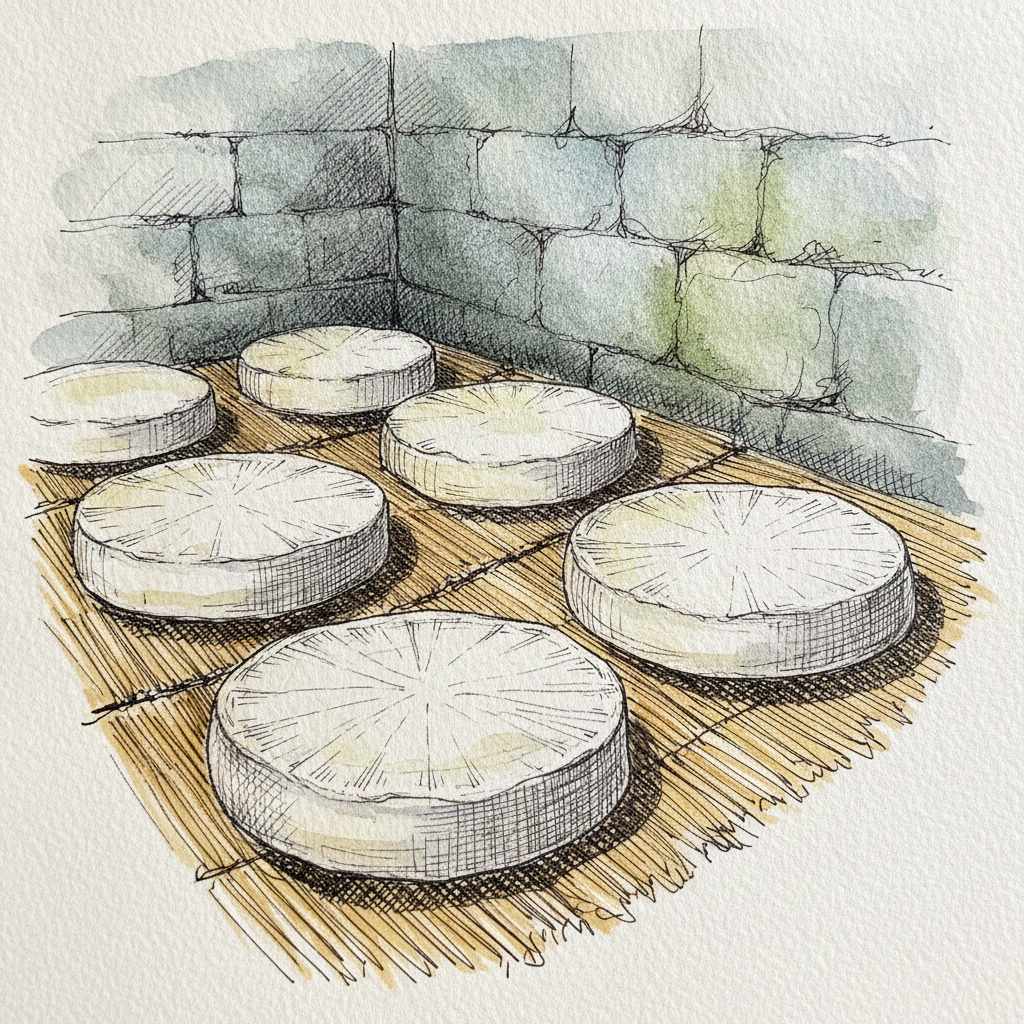
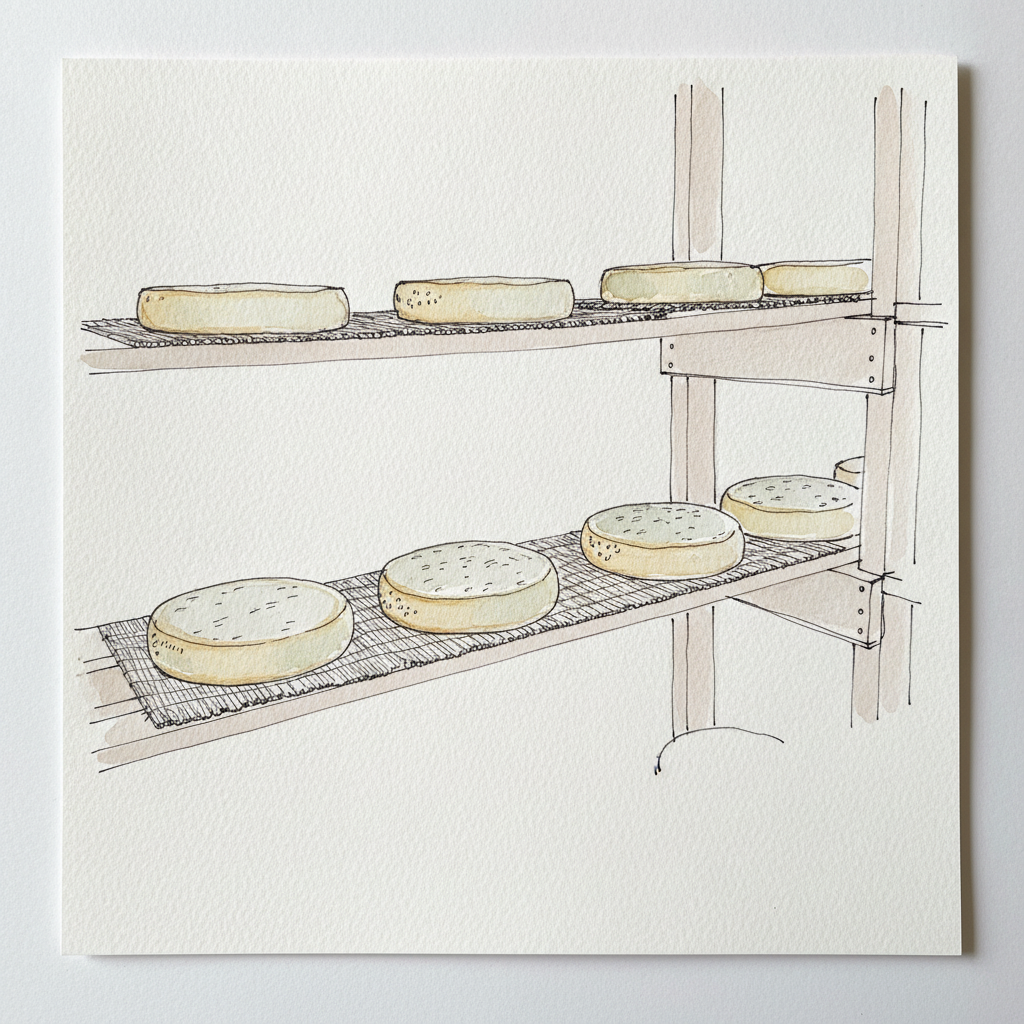
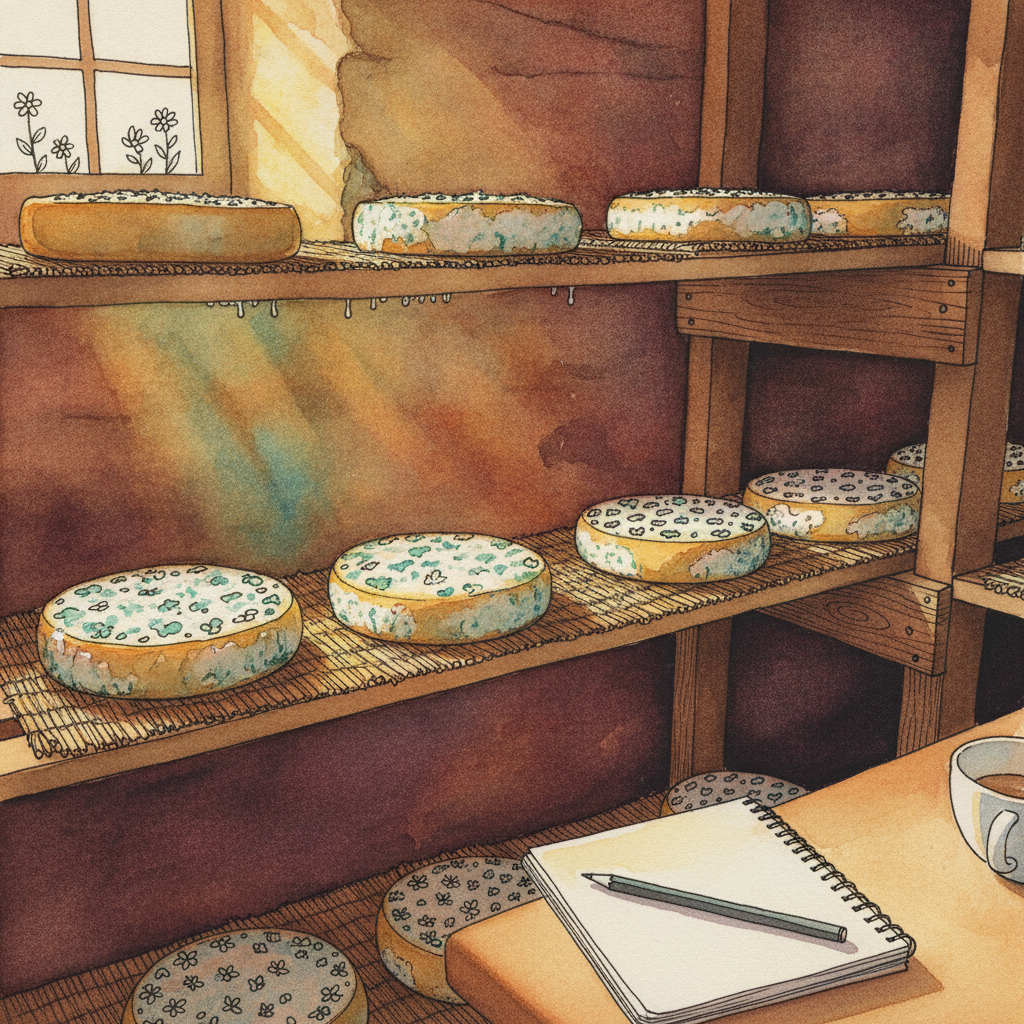
This piece challenges you to depict soft, organic textures on a light subject by carefully balancing line and wash. Focus on using a light hand with waterproof ink: employ broken, descriptive lines to suggest the cheese's form and the unevenness of the bloom, rather than fully outlining. Then, build the fuzzy texture and subtle volume of the mold with dilute wet-on-wet washes in a limited palette of cool grays and pale ochres. Allow the soft edges of these washes to define the bloom's character, letting watercolor create atmosphere where ink provides structure.
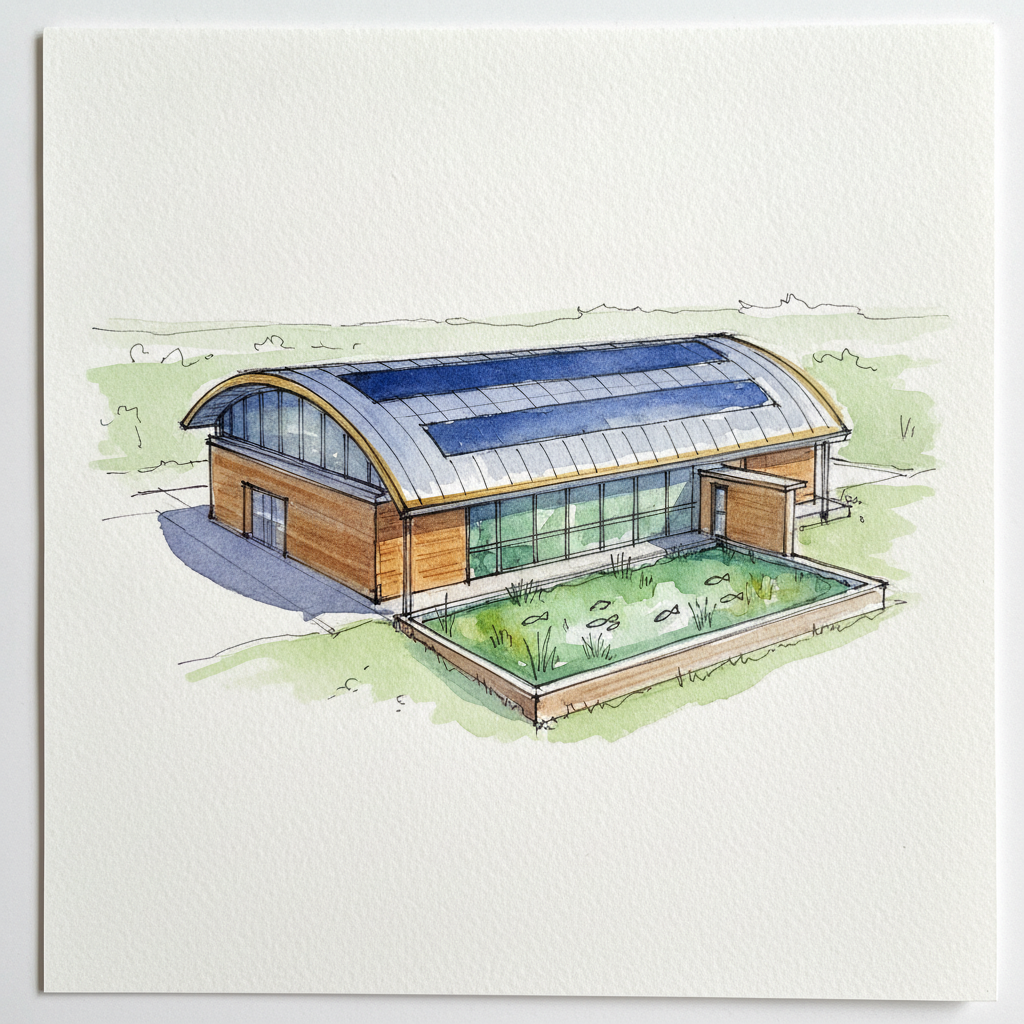
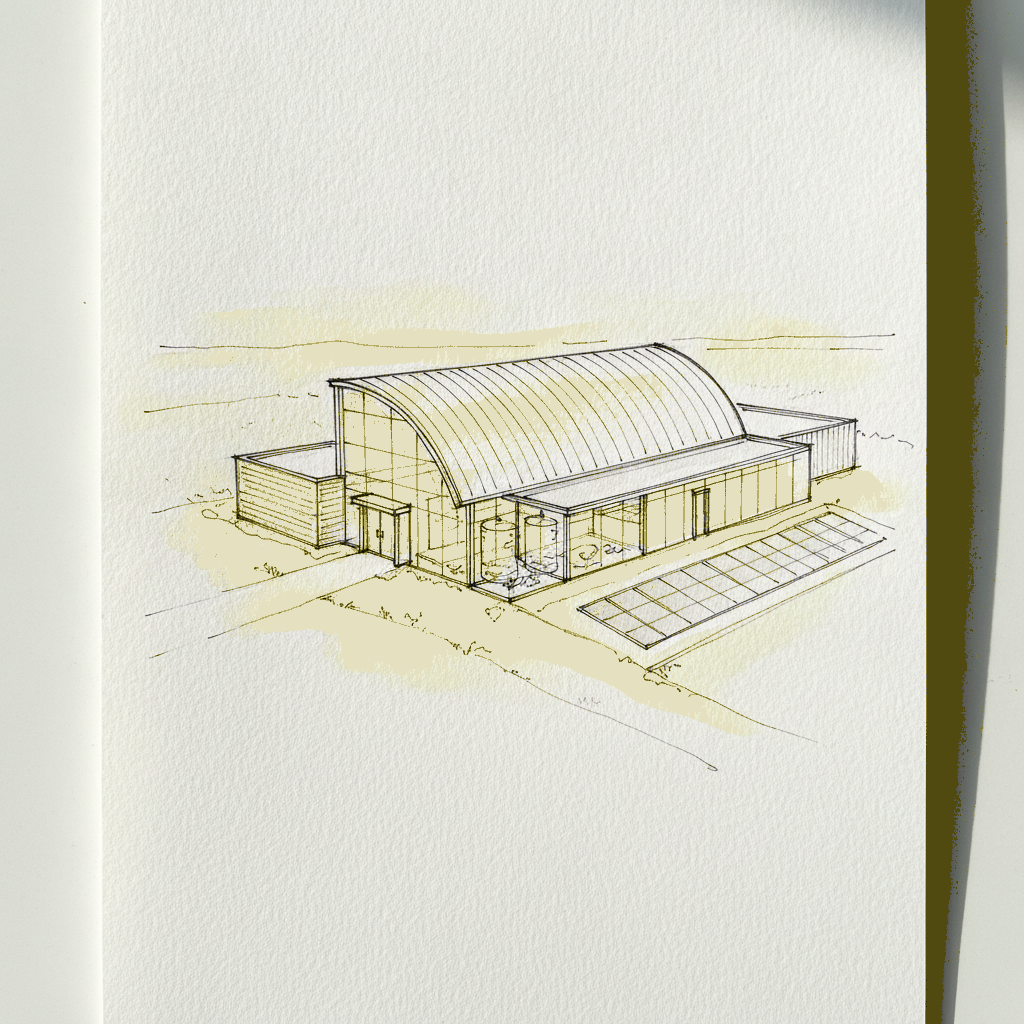
Piece 4 — Adam Joseph Lewis Center for Environmental Studies, Oberlin College, Oberlin, Ohio, USA
Pen + Watercolor · Loose pen and watercolor line-and-wash
Three takes
Focus for this piece
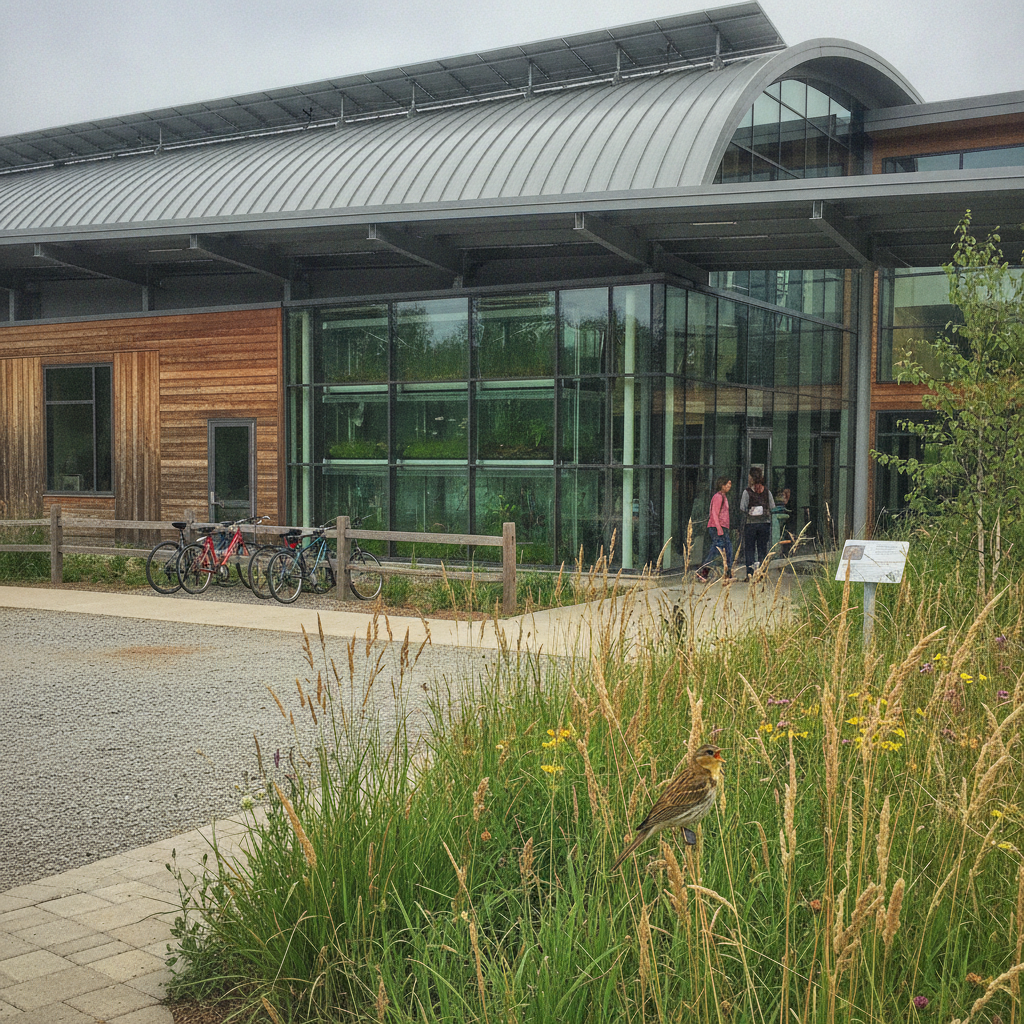
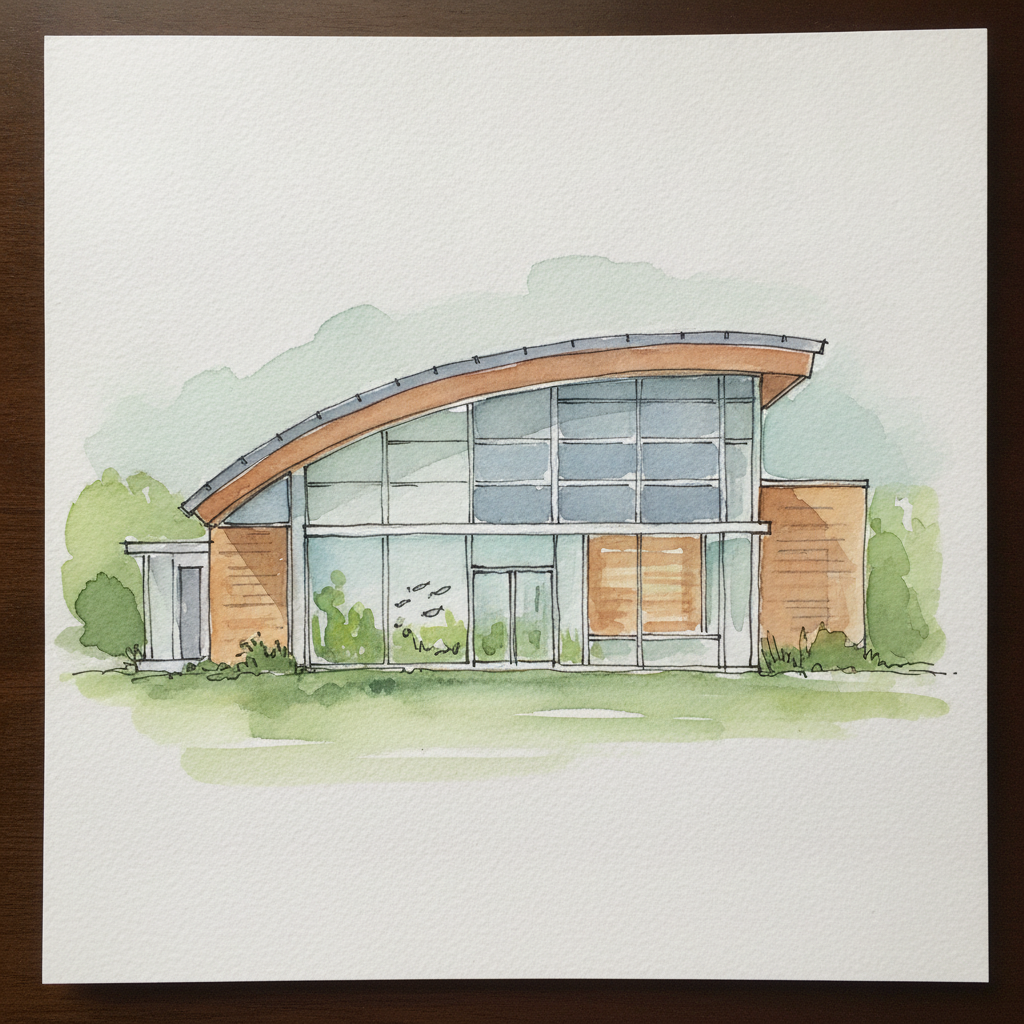
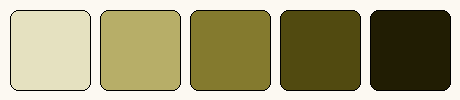
This piece offers a strong study in defining architectural forms through contrasting line weights and strategic wash application. Use fine, precise lines to articulate the delicate structure of the photovoltaic array, then shift to bolder strokes for the main building's substantial, curved roof and solid walls. Focus your washes on capturing the interplay of sunlight and shadow across these distinct planes, paying attention to how the curved surfaces soften the light while the glass reflects its surroundings.
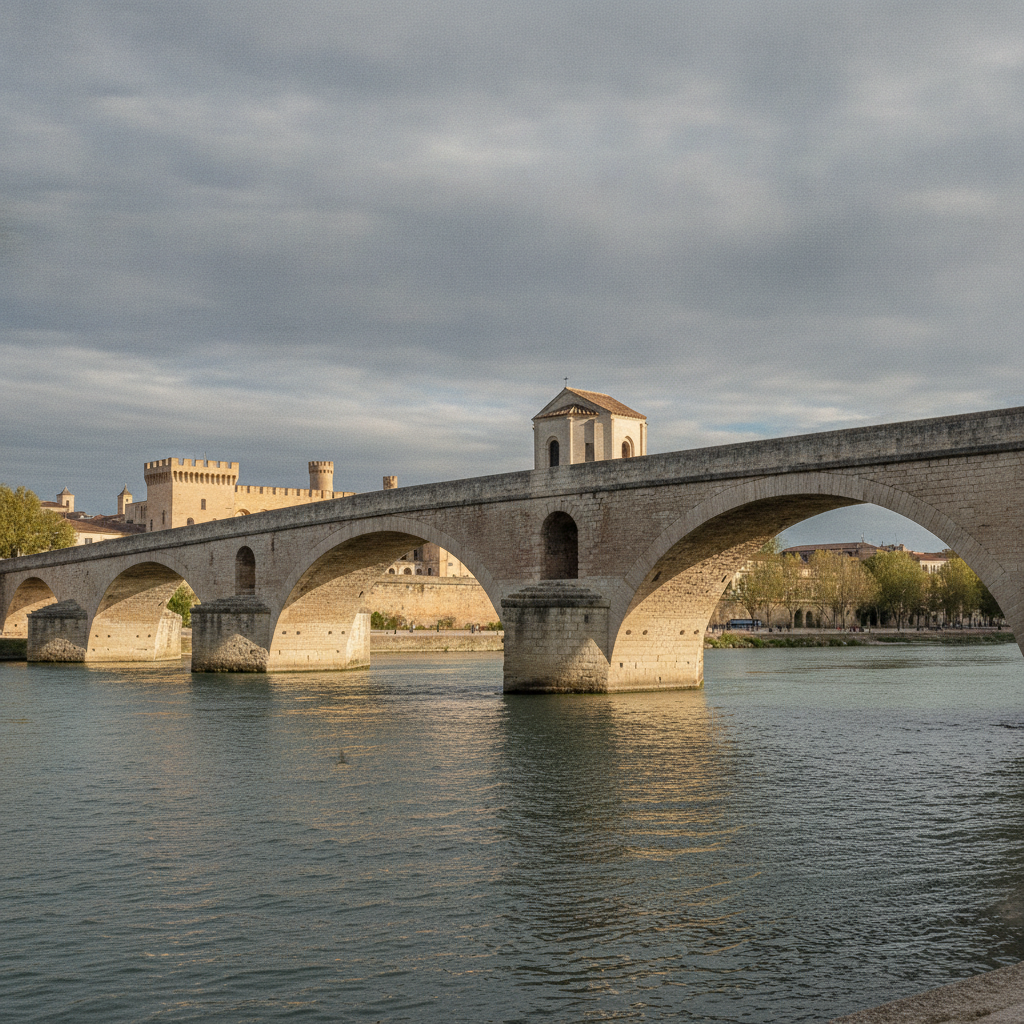
Piece 5 — Pont Saint-Bénézet, Avignon
Pen + Watercolor · Loose pen and watercolor line-and-wash
Three takes
Focus for this piece
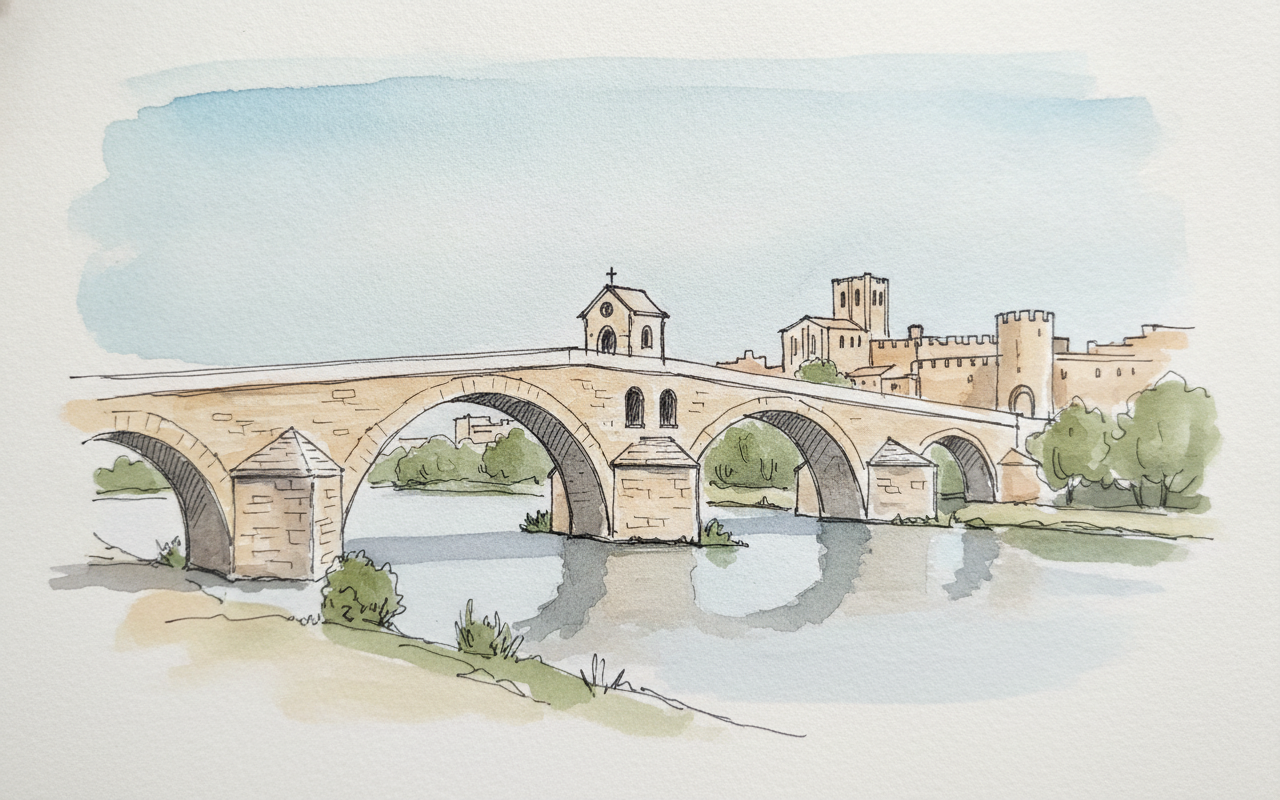
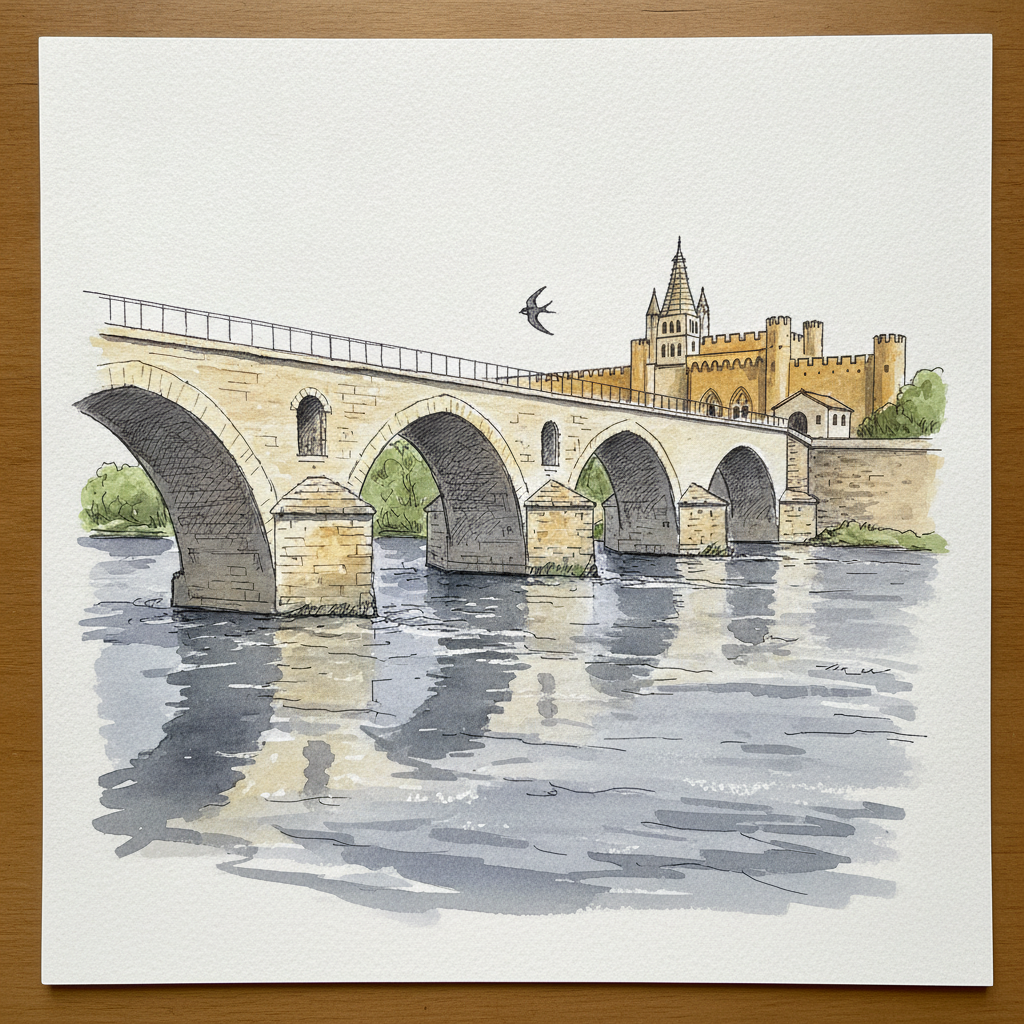
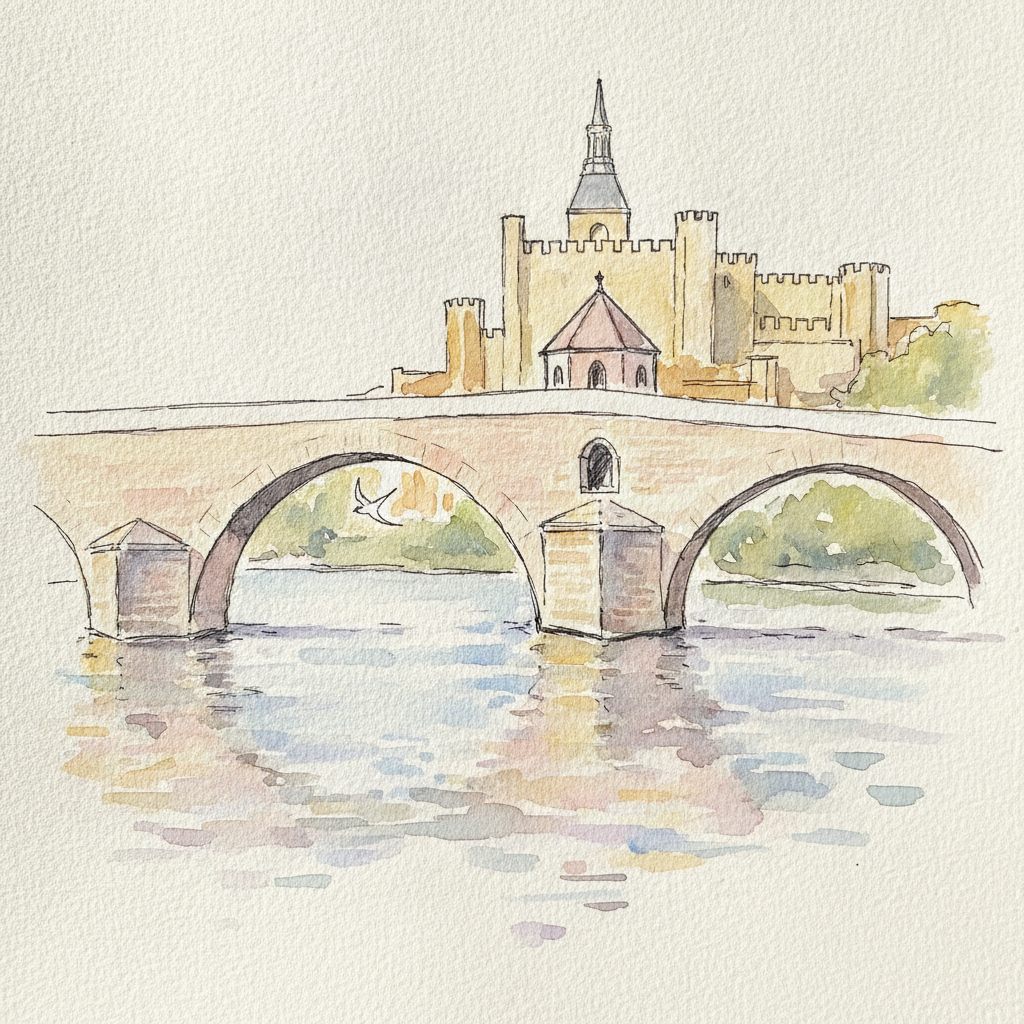
This study of Pont Saint-Bénézet is ideal for practicing how line weight and value contrasts define architectural form under specific lighting. Use varied, confident pen lines to establish the strong, repeating curve of the arches and the crisp edges of the Chapelle, then build depth with broad washes: warm ochres for the sunlit stone and delicate lavender-greys for the deeper shadows, allowing the watercolor to give the structure volume and atmosphere.
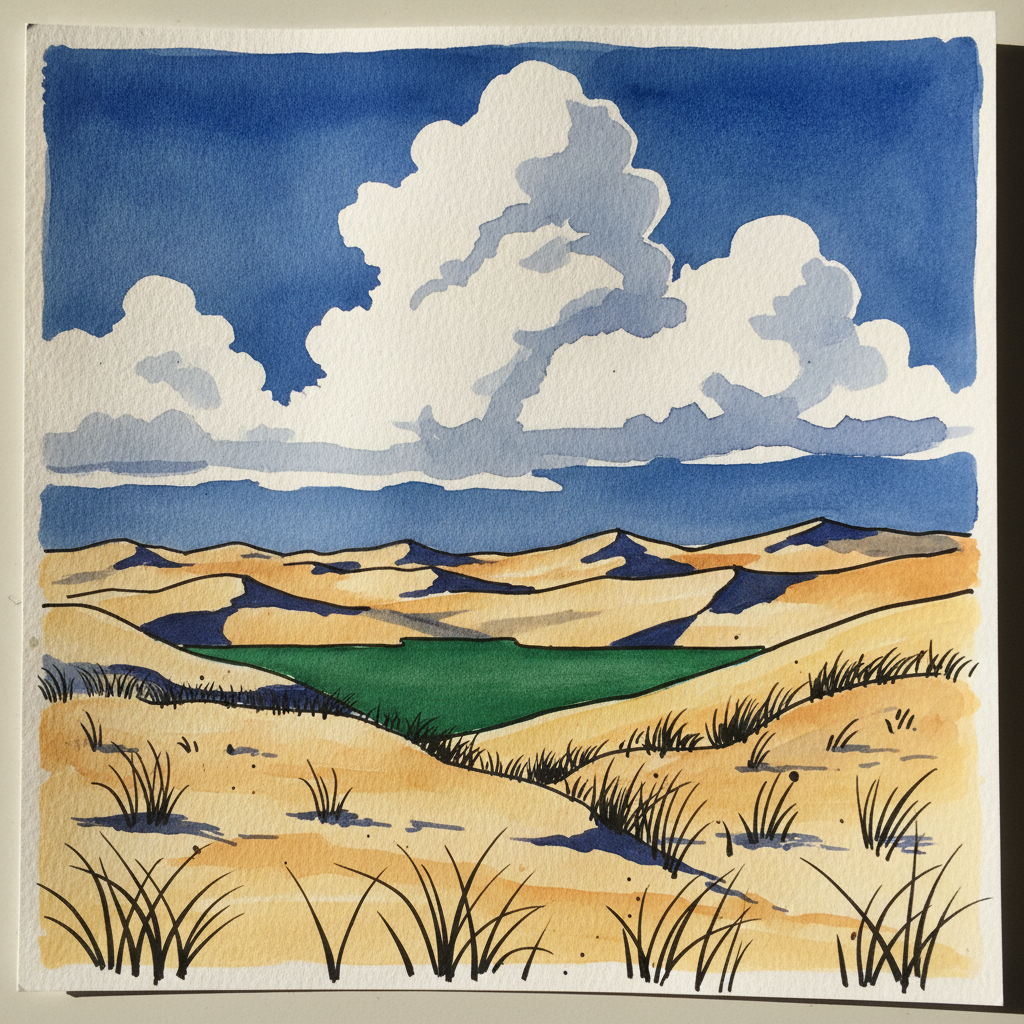
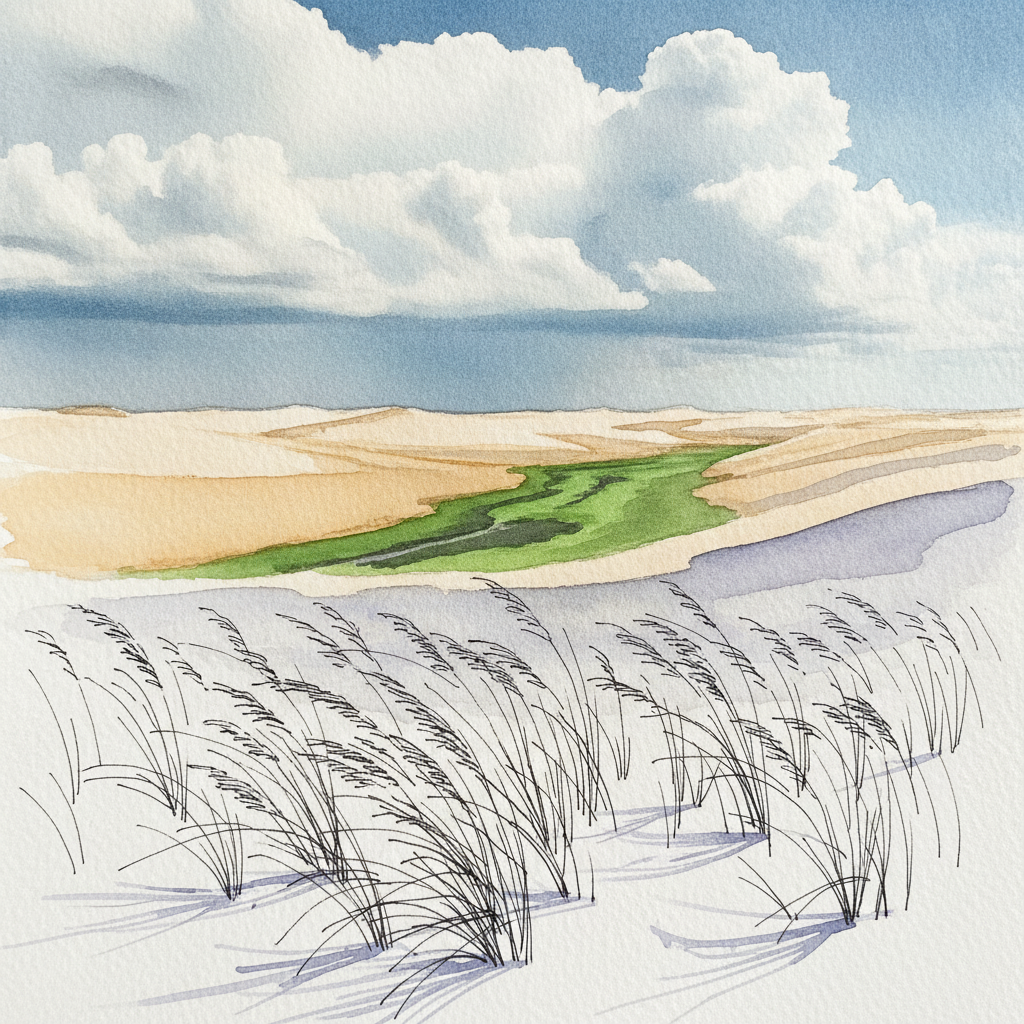
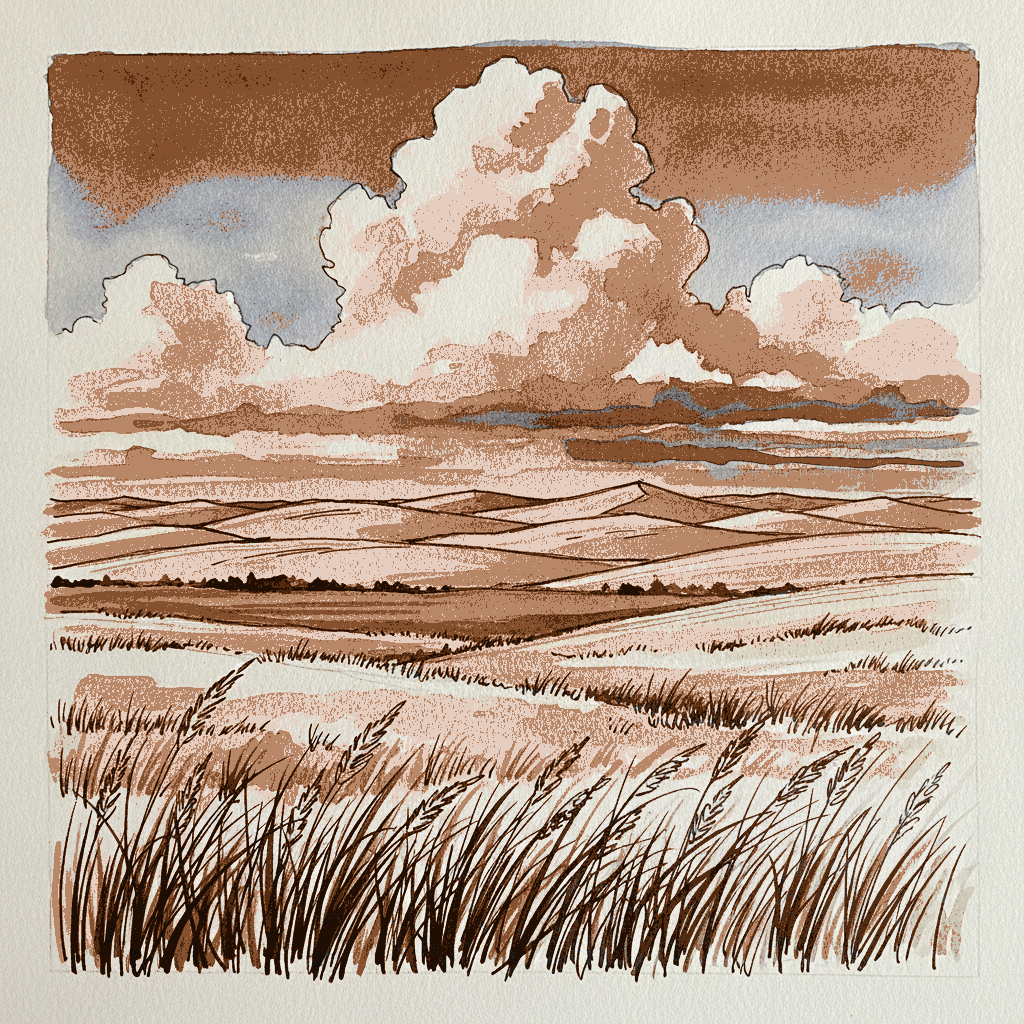
Piece 6 — Midday with cumulus over nodding grass — Sandhills July
Pen + Watercolor · Loose pen and watercolor line-and-wash
Three takes
Focus for this piece
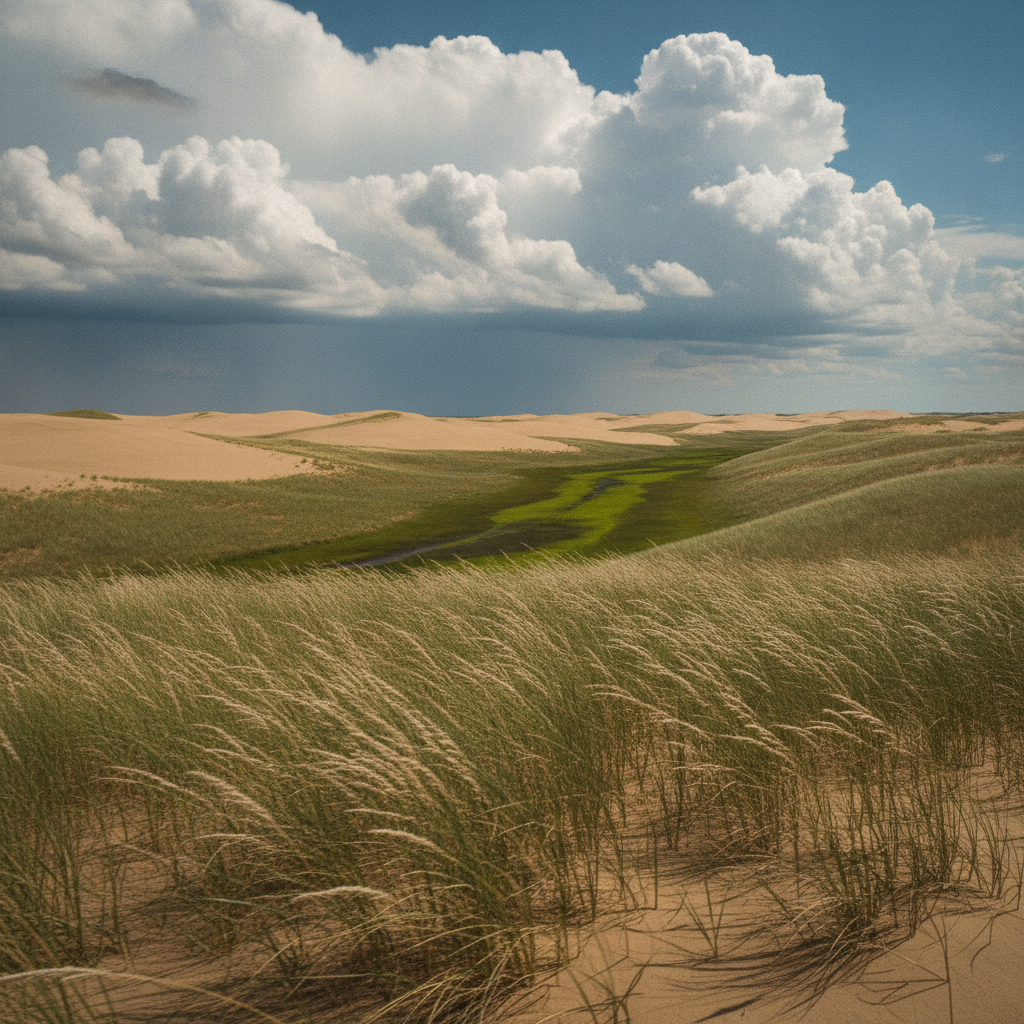
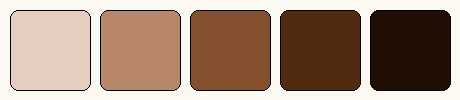
This piece offers a great opportunity to practice differentiating textures and forms by strategically pairing pen and wash. Let watercolor washes do the heavy lifting for the voluminous cumulus clouds and the soft, rolling contours of the dunes, using cool blue shadows to define their shape and depth. Reserve your detailed pen work for the foreground grasses, using loose, varied line weights and upward strokes to capture their delicate, wind-swept movement and silver seed heads. Aim for a distinct contrast between the crisp, energetic lines of the foreground and the broad, atmospheric washes of the midground and sky.
Piece 7 — Pastry chef boxing croissants
Pen + Watercolor · Loose pen and watercolor line-and-wash
Three takes

Focus for this piece
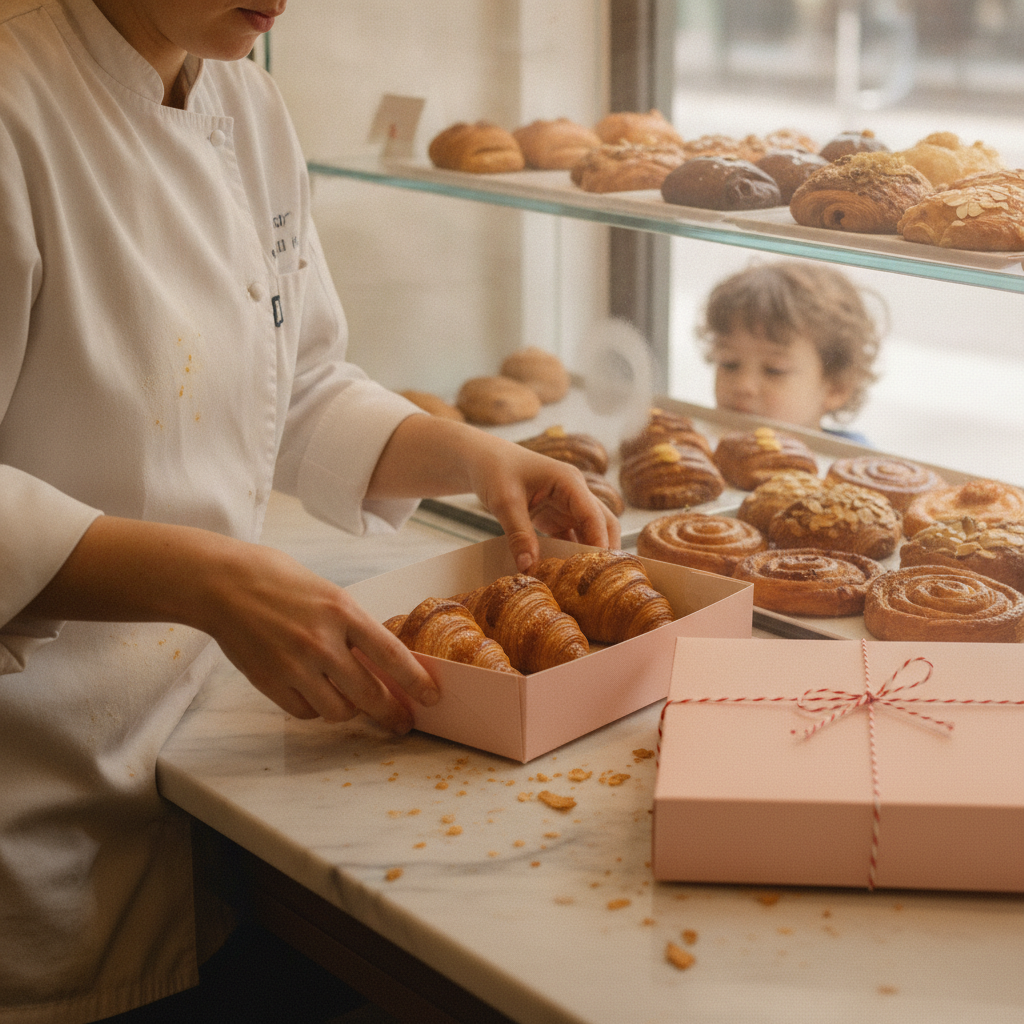
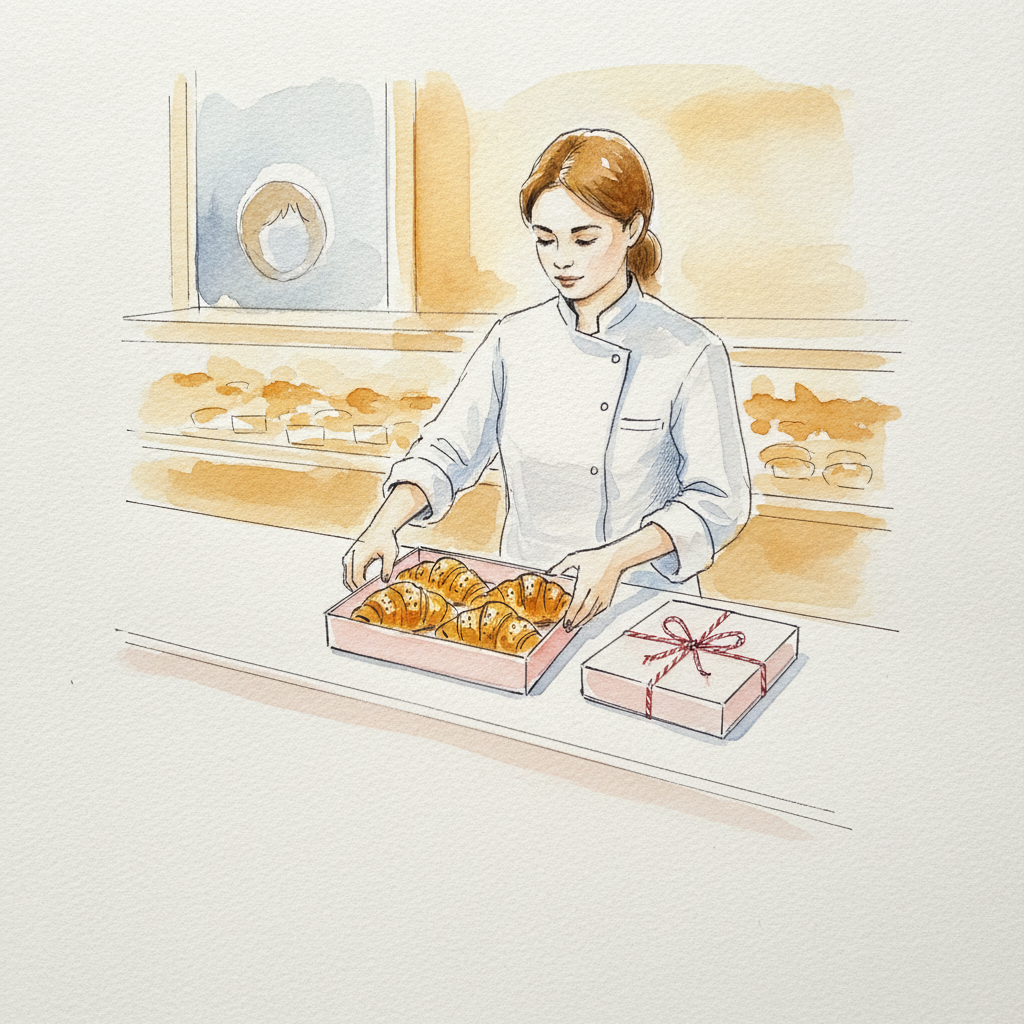
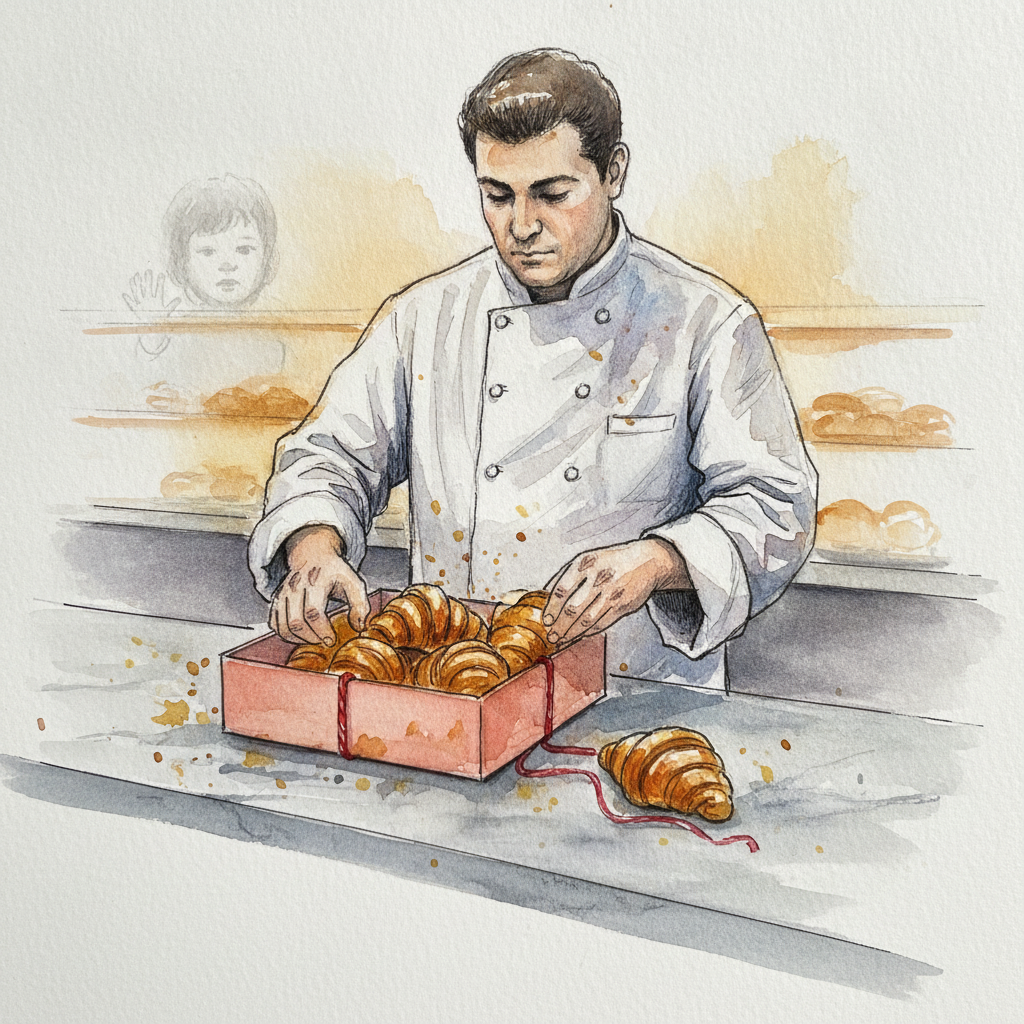
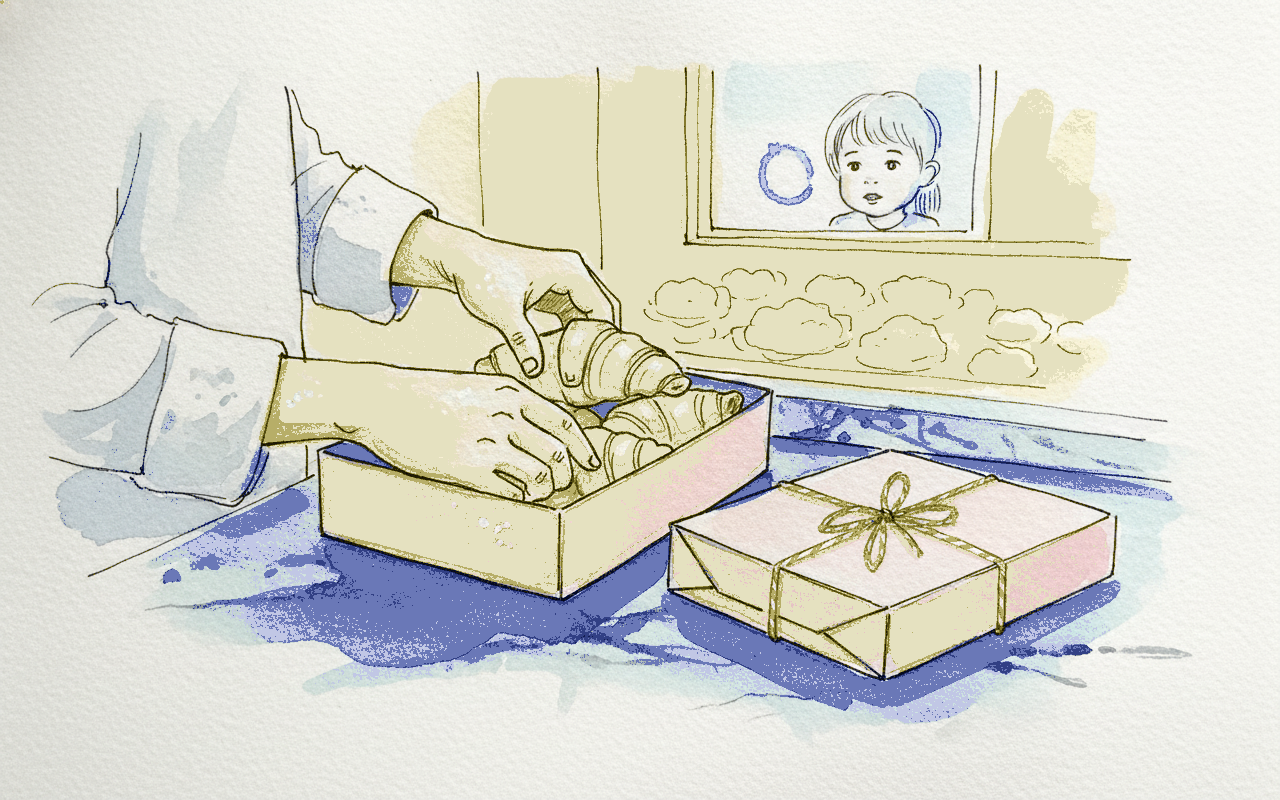
For this piece, focus on using contrasting line weights to define texture: employ crisp, uniform lines for the geometric bakery box and marble counter, but use broken, varied strokes to capture the flaky, delicate nature of the croissants. Practice building luminosity with your washes, layering warm amber and golden tones for the pastries and allowing strategic wet-on-wet passages to create a soft, inviting glow in the background display case. Consider a slightly restrained warm analogous palette to enhance the sense of baked-good richness and warmth throughout the composition.
Piece 8 — Beach Bonfire Picnic
Pen + Watercolor · Loose pen and watercolor line-and-wash
Three takes
Focus for this piece
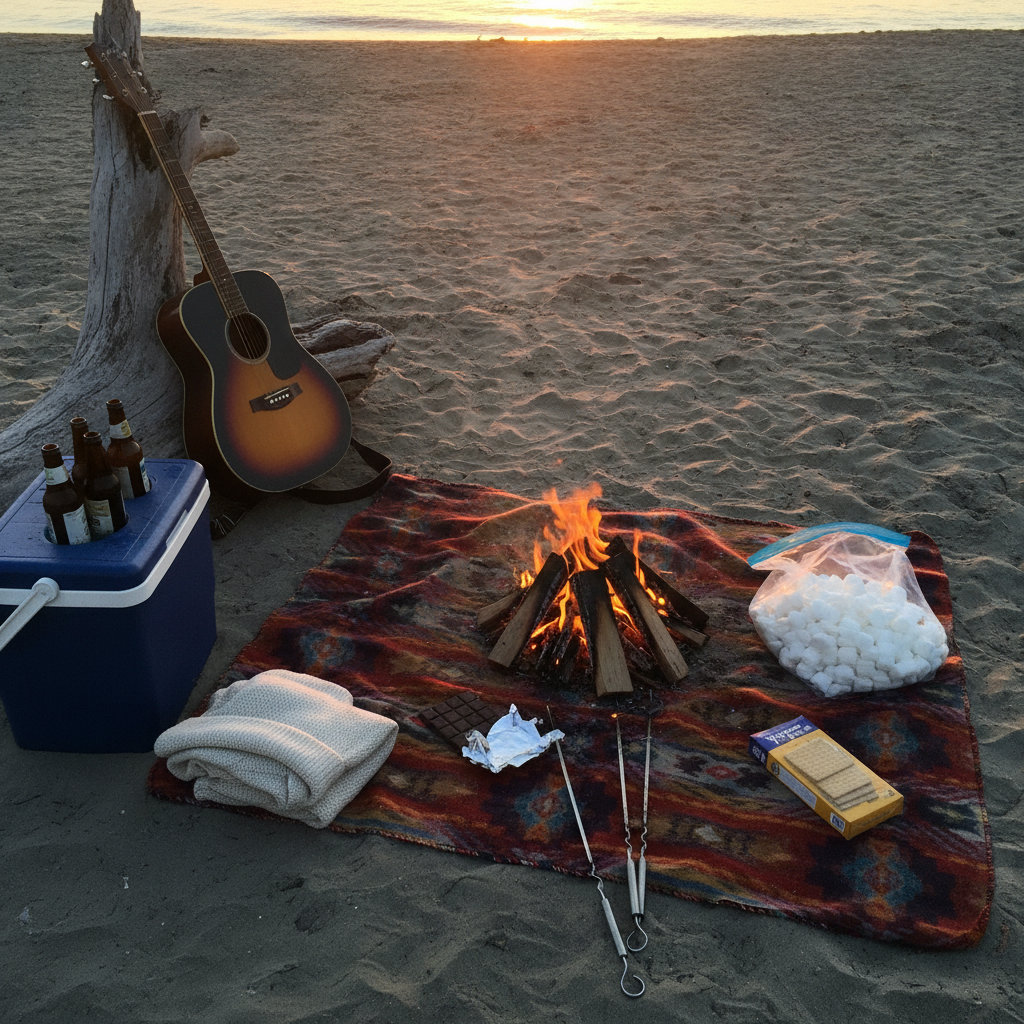
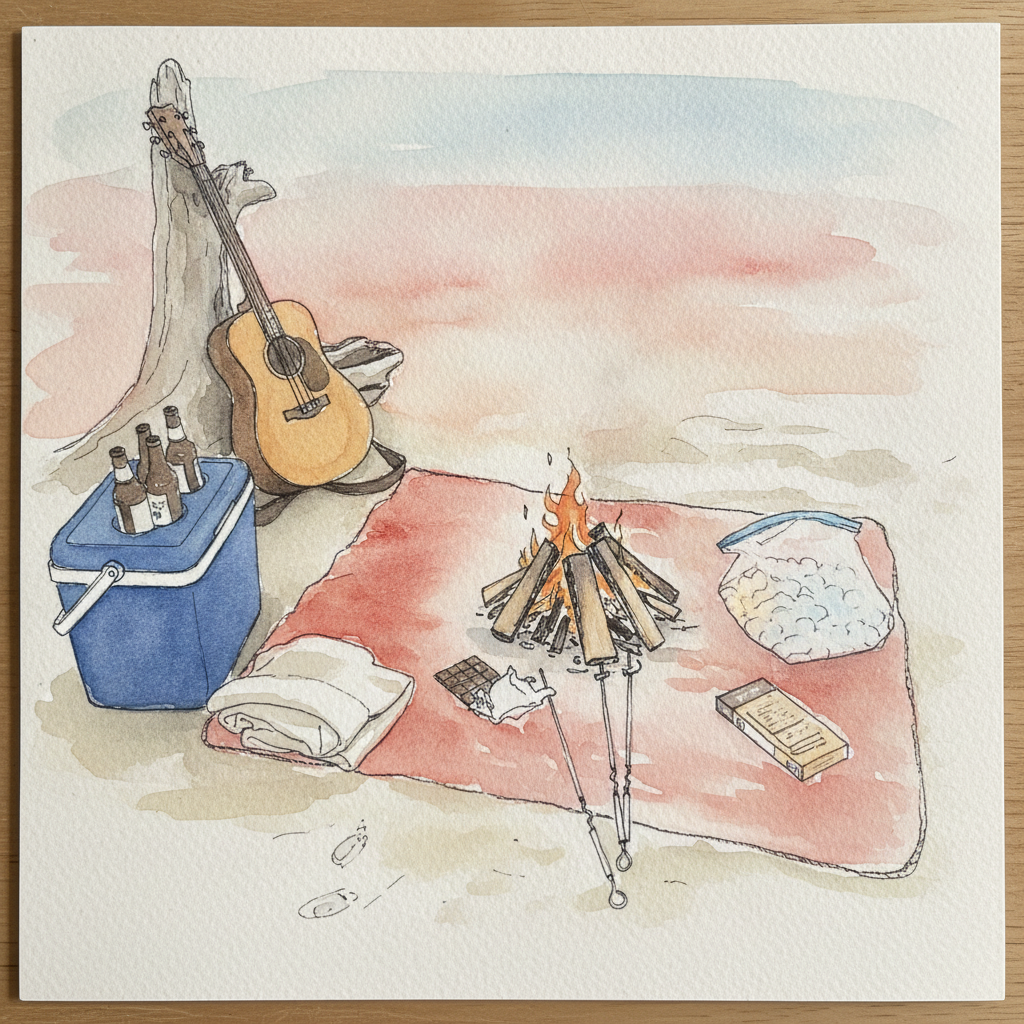
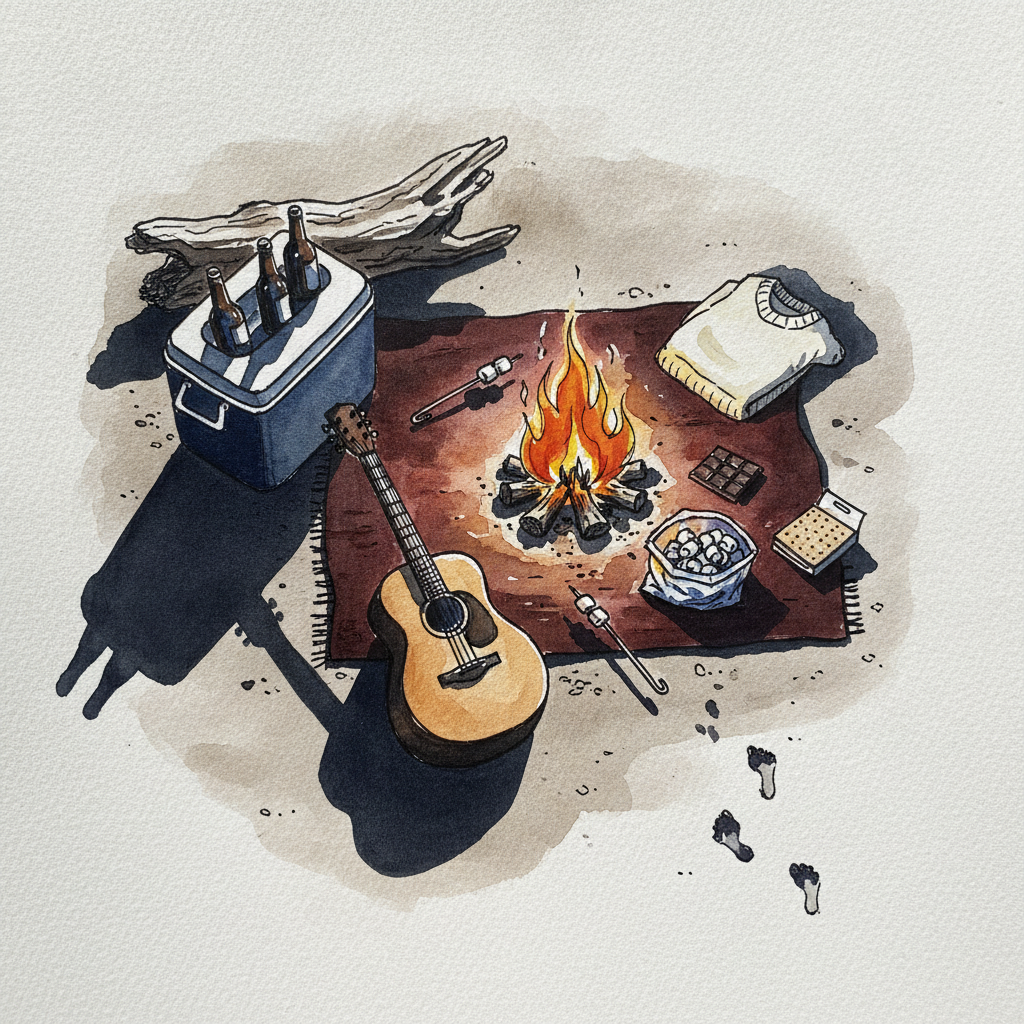
Today's piece is an excellent study in rendering the interplay of warm light sources: the fading evening sun and the bonfire's nascent glow. Concentrate on building atmospheric depth with wet-on-wet washes of warm earth tones, letting them dissolve into the sand and sky to create soft gradations. Use varied pen line weights, making lines crisp and descriptive for objects close to the fire's immediate illumination, but lighter and more suggestive for items receding into shadow or distance. This contrast will help define your focal points and establish a rich evening ambiance.