Savannah, Bourdelle Hercules archer drawing bow, Arch at Pompeii — Arch of Caligula at the Forum end, Hen's nest in the corner of a barn, and more — pen + watercolor for September 13, 2026
AI-generated daily art-practice references for pen and watercolor: Savannah, Bourdelle Hercules archer drawing bow, Arch at Pompeii — Arch of Caligula at the Forum end, Hen's nest in the corner of a barn, Welsh Marches Hills near Hay-on-Wye, Wales, Øresund Bridge, Malmö, Sweden / Copenhagen, Denm…
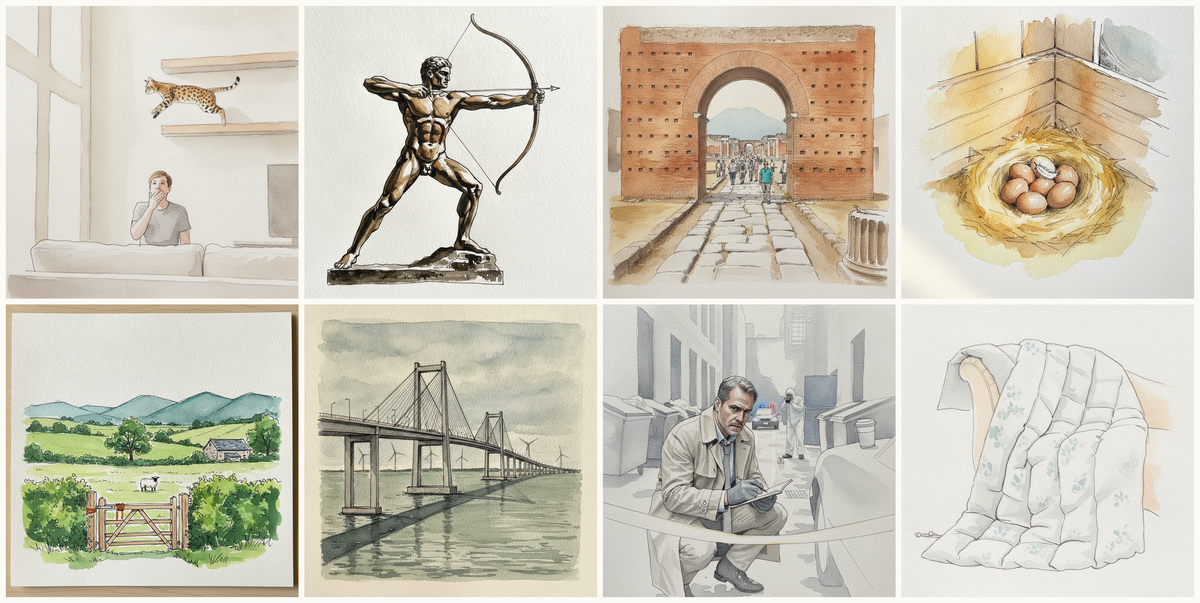
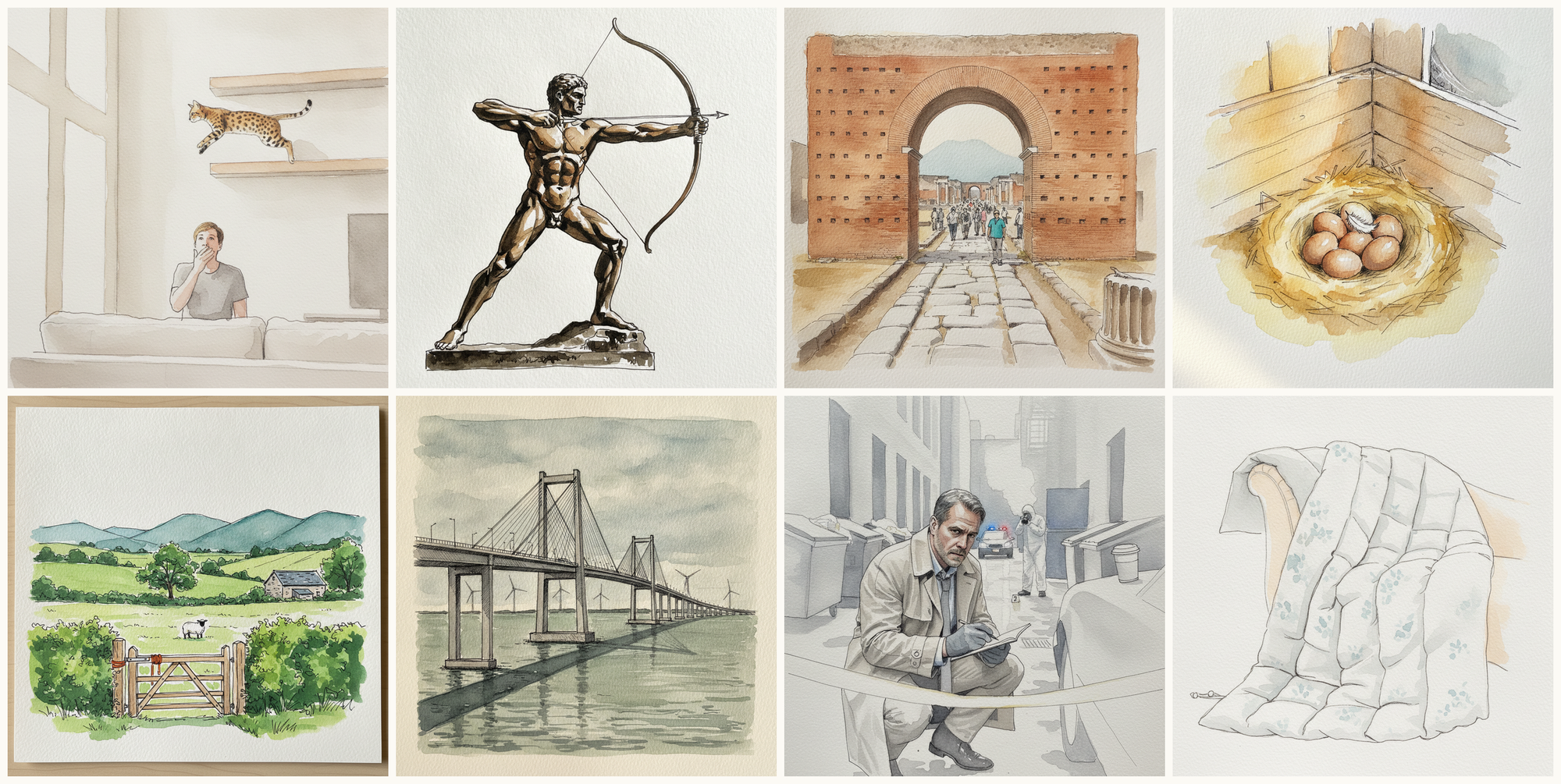
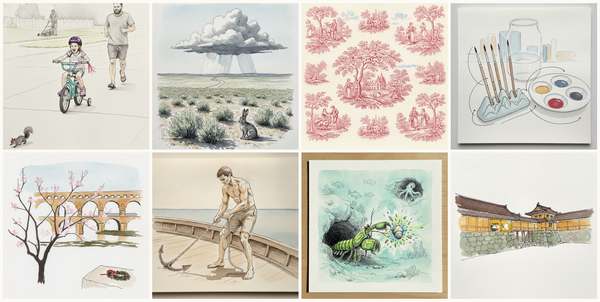
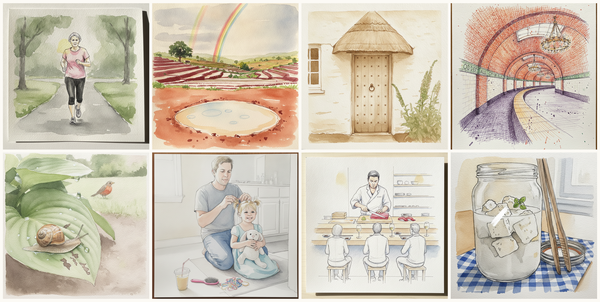
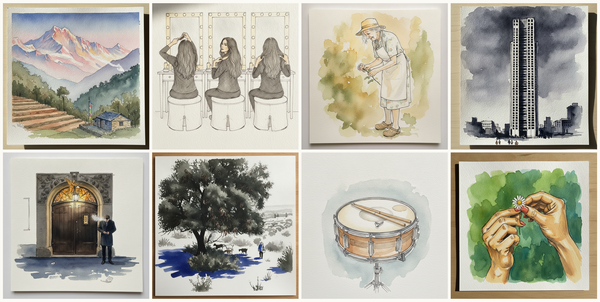
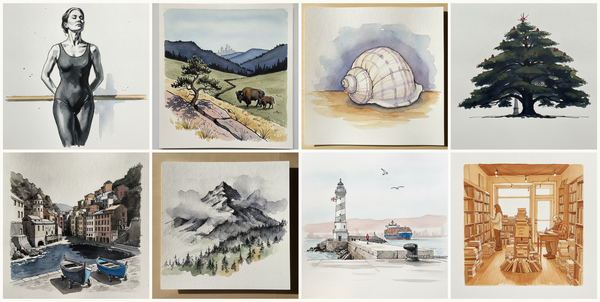
Today's 8 pen-and-watercolor pieces: Savannah, Bourdelle Hercules archer drawing bow, Arch at Pompeii — Arch of Caligula at the Forum end, Hen's nest in the corner of a barn, Welsh Marches Hills near Hay-on-Wye, Wales, Øresund Bridge, Malmö, Sweden / Copenhagen, Denmark, Detective at crime scene, Quilted bedspread over a chaise lounge. Each piece comes with an AI-generated photoreal reference, three AI-generated example artworks in different treatments, and a short focus paragraph naming what to study in this one.
Why these references use AI
This daily series uses AI-generated images as practice prompts, not as finished artwork to copy. Each subject starts with a synthetic photoreal reference generated with Gemini/Nano Banana, then moves into three pen-and-watercolor interpretations of the same subject.
I use AI here because daily art practice needs variety and low friction. Real life can get repetitive, busy, or visually narrow. These generated reference sets make it easier to study bodies, buildings, animals, landscapes, objects, gestures, light, palettes, and compositions that might not show up in an ordinary day.
The goal is not to reproduce any image directly. Treat each set as a starting point for observation and study: choose what interests you, change the framing, simplify the subject, alter the palette, and make your own version.
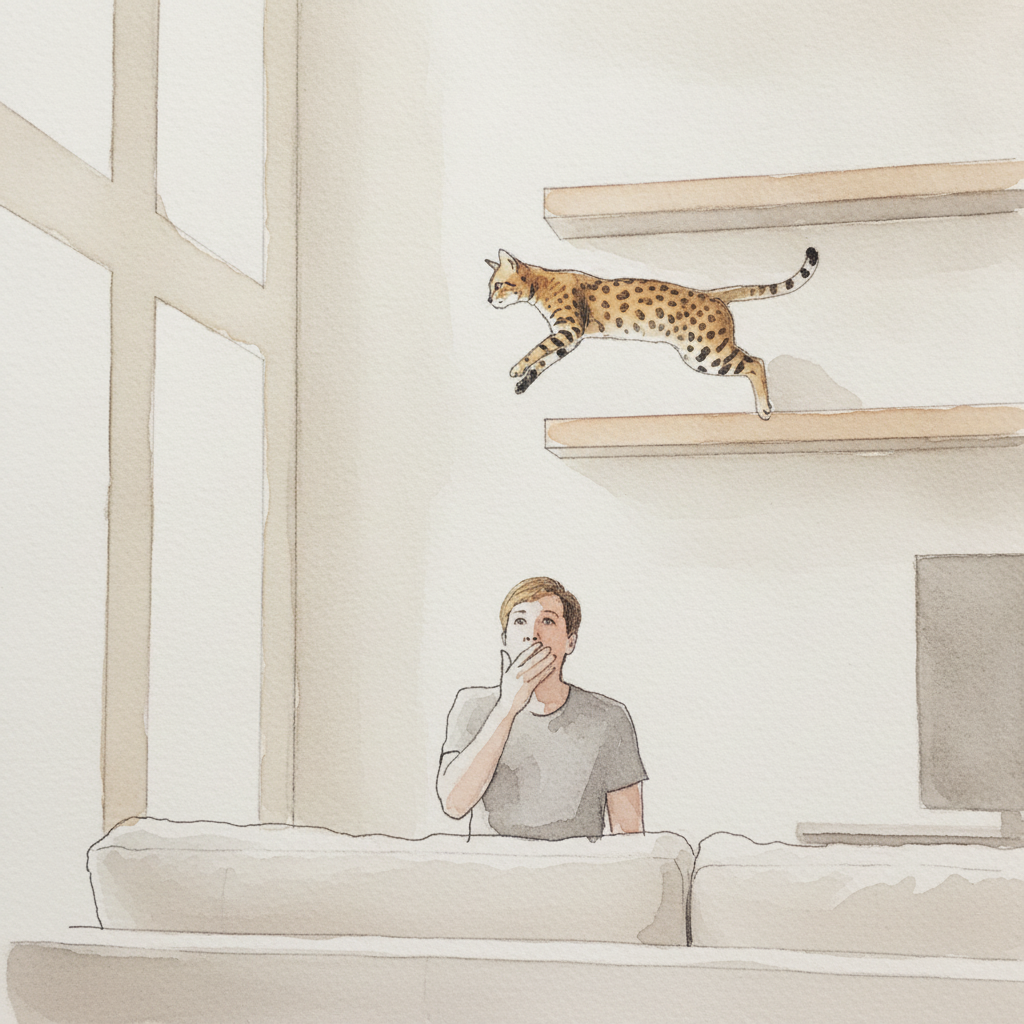
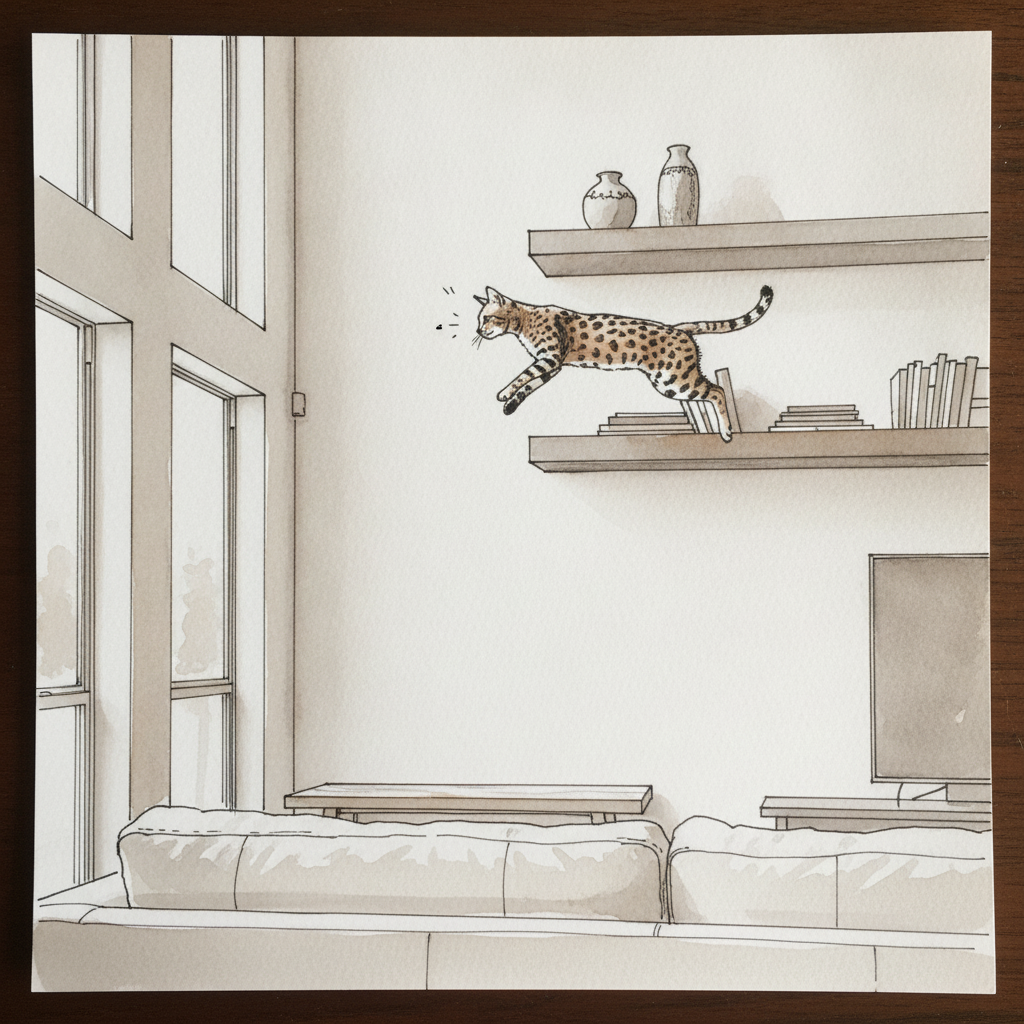
Piece 1 — Savannah
Pen + Watercolor · Loose pen and watercolor line-and-wash

Three takes
Focus for this piece
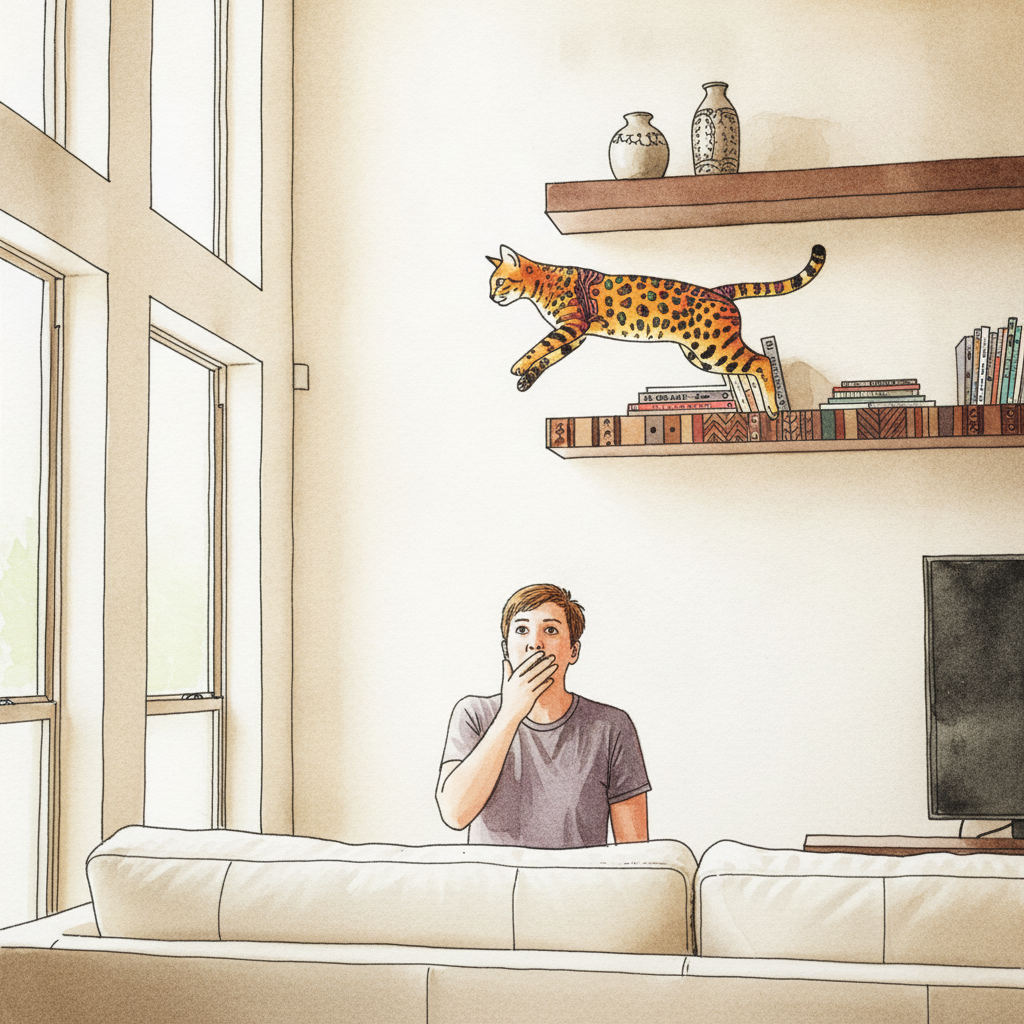
Today, focus on making the Savannah cat's bold black spots define its three-dimensional form. After a base golden wash establishes the body's general volume, use varying waterproof ink line weights to draw the spots as they wrap around the curves of its chest, legs, and wedge-shaped head. This emphasizes that ink isn't just decoration, but a tool to sculpt form and suggest underlying musculature, letting the wash provide the glow. Observe how this approach highlights the feline's unique, leggy structure and dynamic pose.
Piece 2 — Bourdelle Hercules archer drawing bow
Pen + Watercolor · Loose pen and watercolor line-and-wash
Three takes
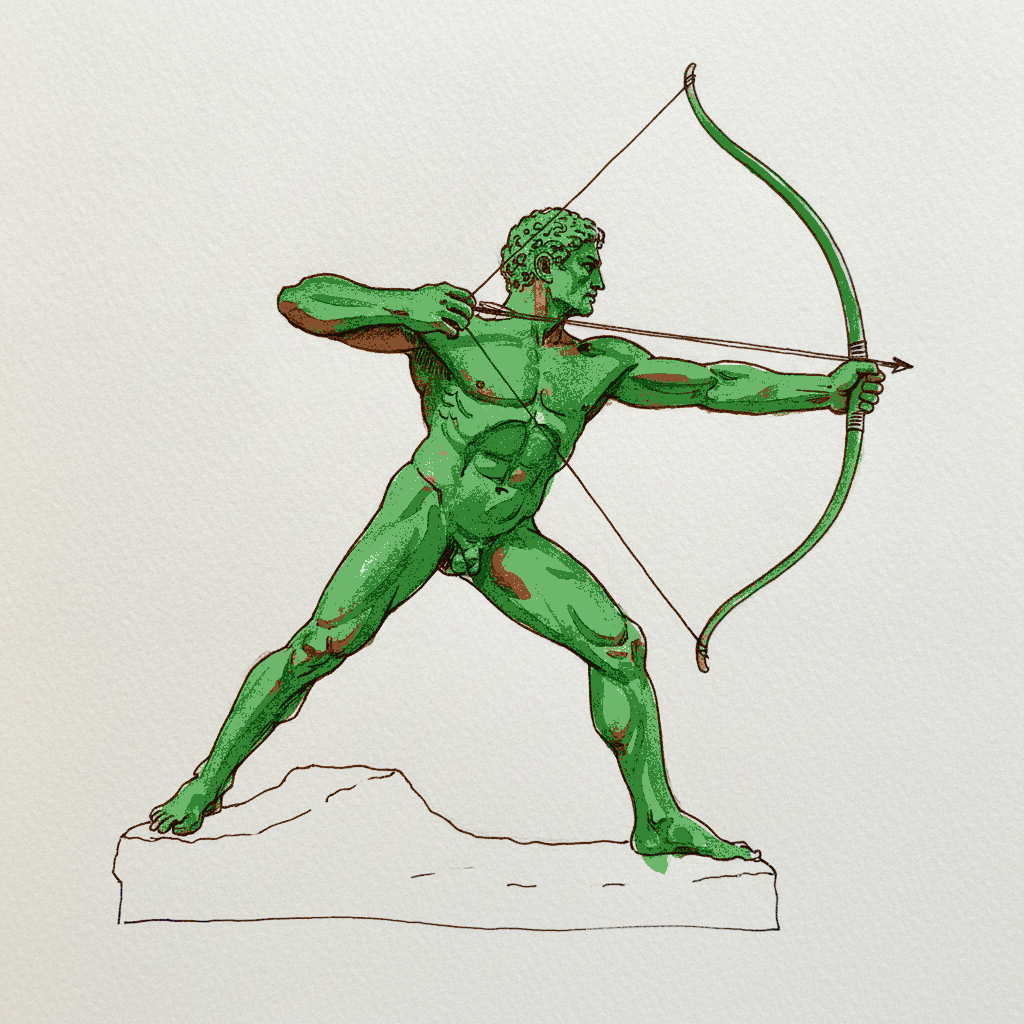

Focus for this piece
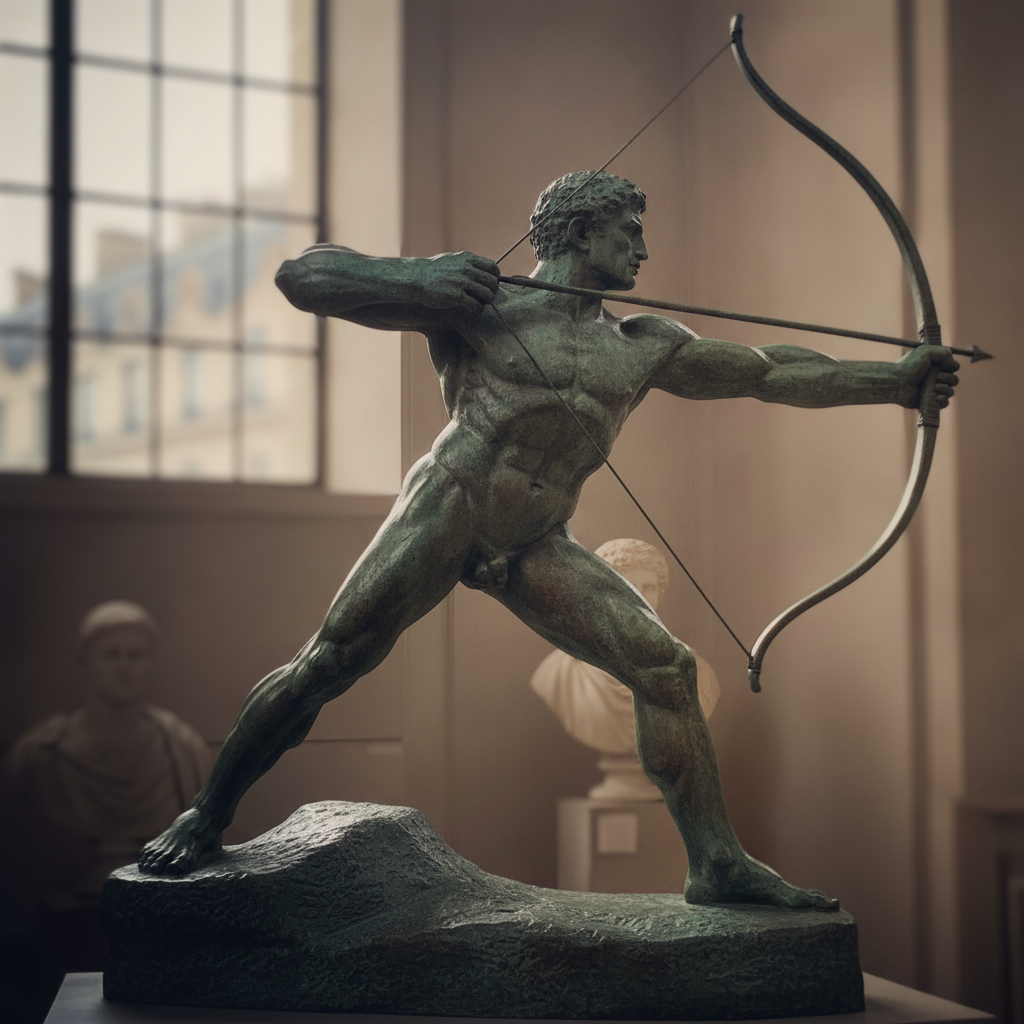
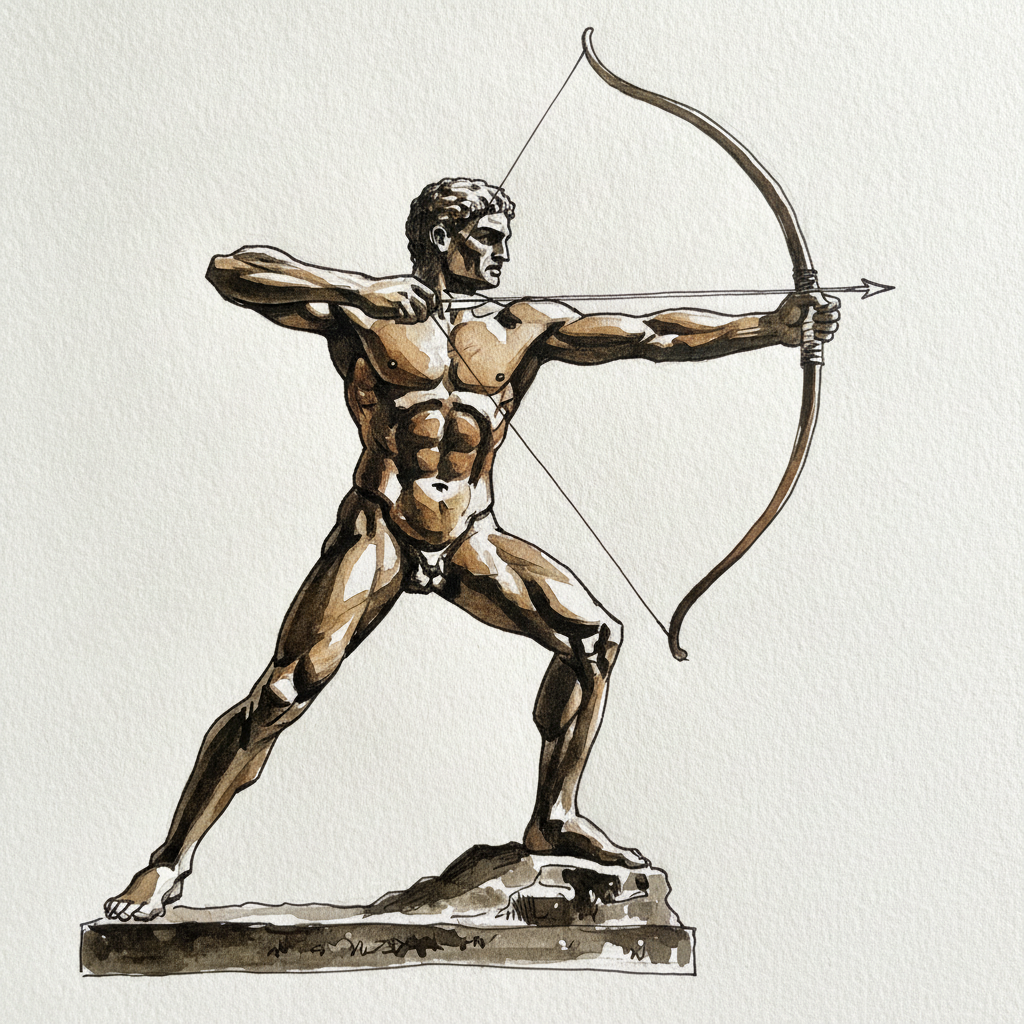
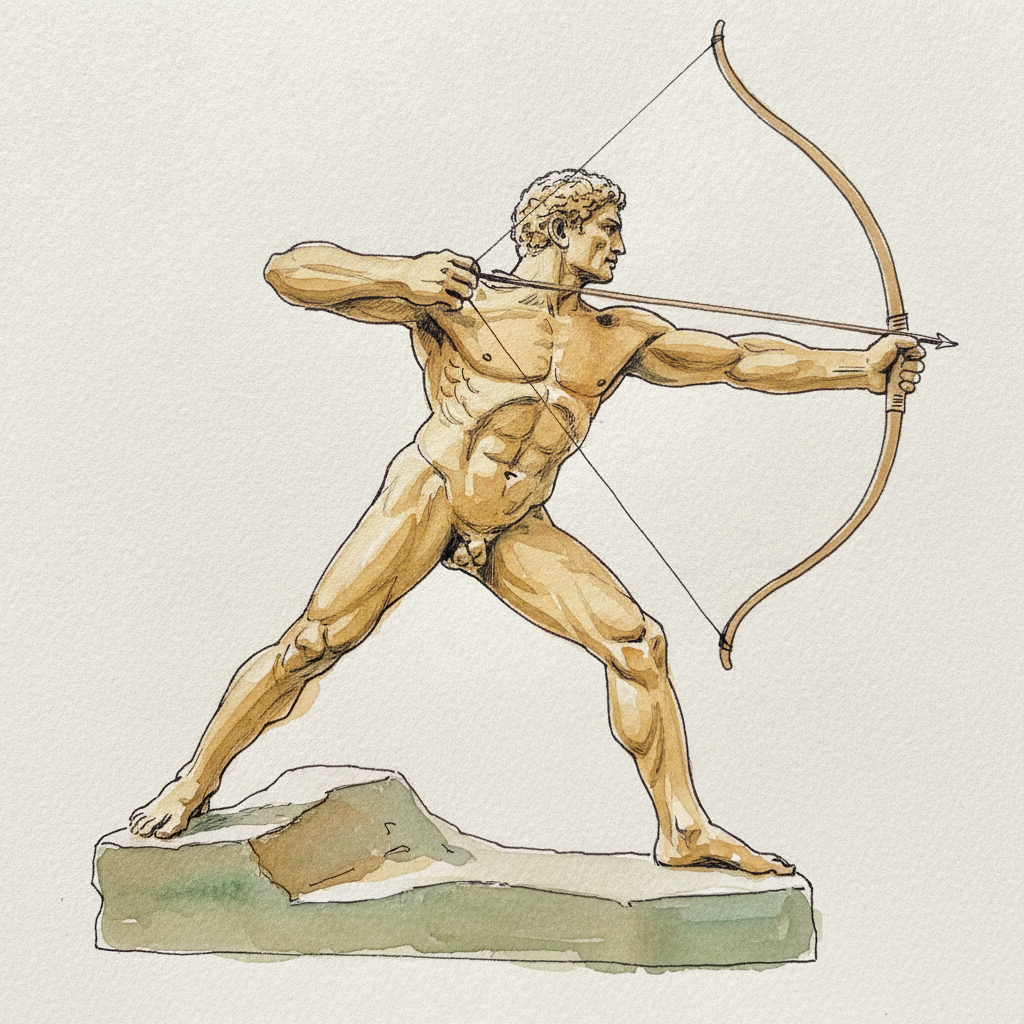
This Bourdelle Hercules is an excellent study for defining powerful, geometric forms and dramatic lighting. Focus on using varied pen lines to articulate the sharp planes of his exaggerated musculature and the strong diagonal of the bow. Then, employ layered washes with a restrained palette of bronze-like earth tones and cool greens to sculpt the heroic volume, letting the watercolor enhance the intense single-source illumination and the statue’s palpable tension.
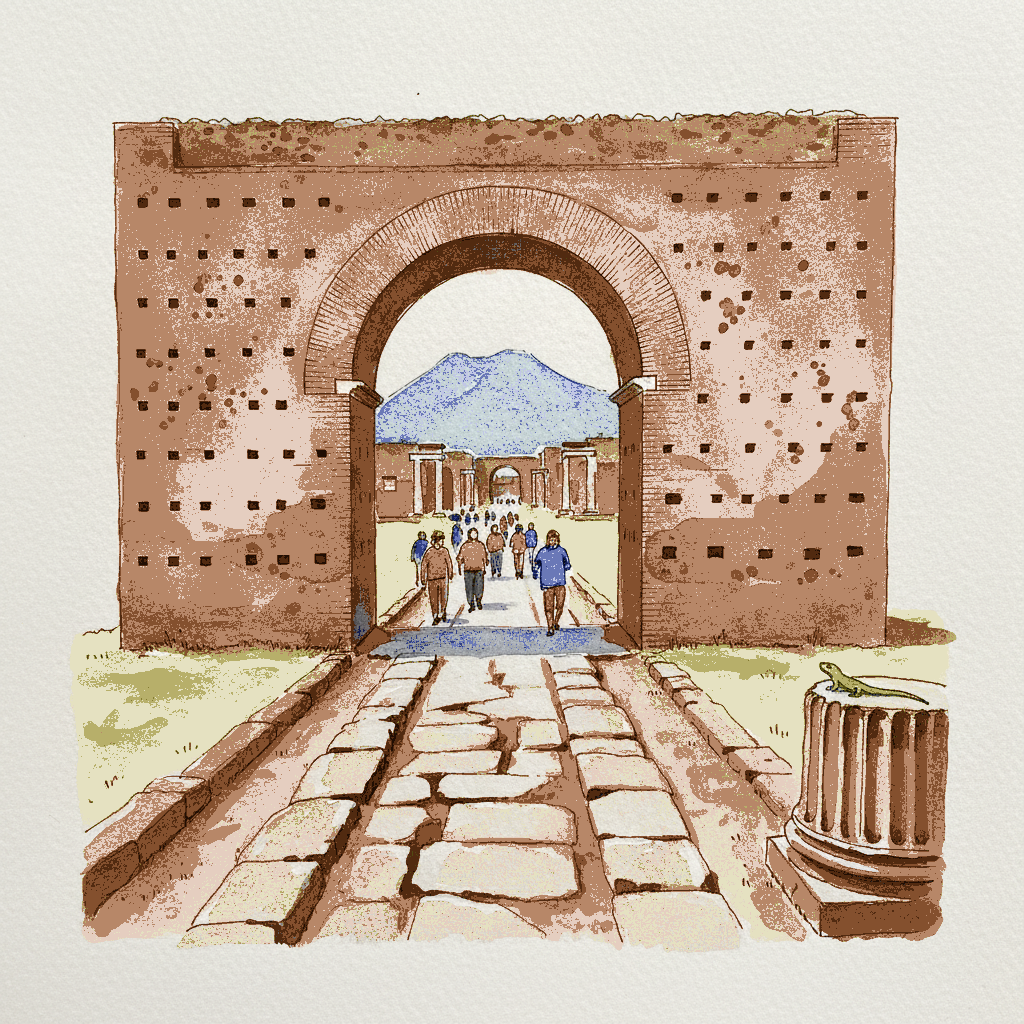
Piece 3 — Arch at Pompeii — Arch of Caligula at the Forum end
Pen + Watercolor · Loose pen and watercolor line-and-wash
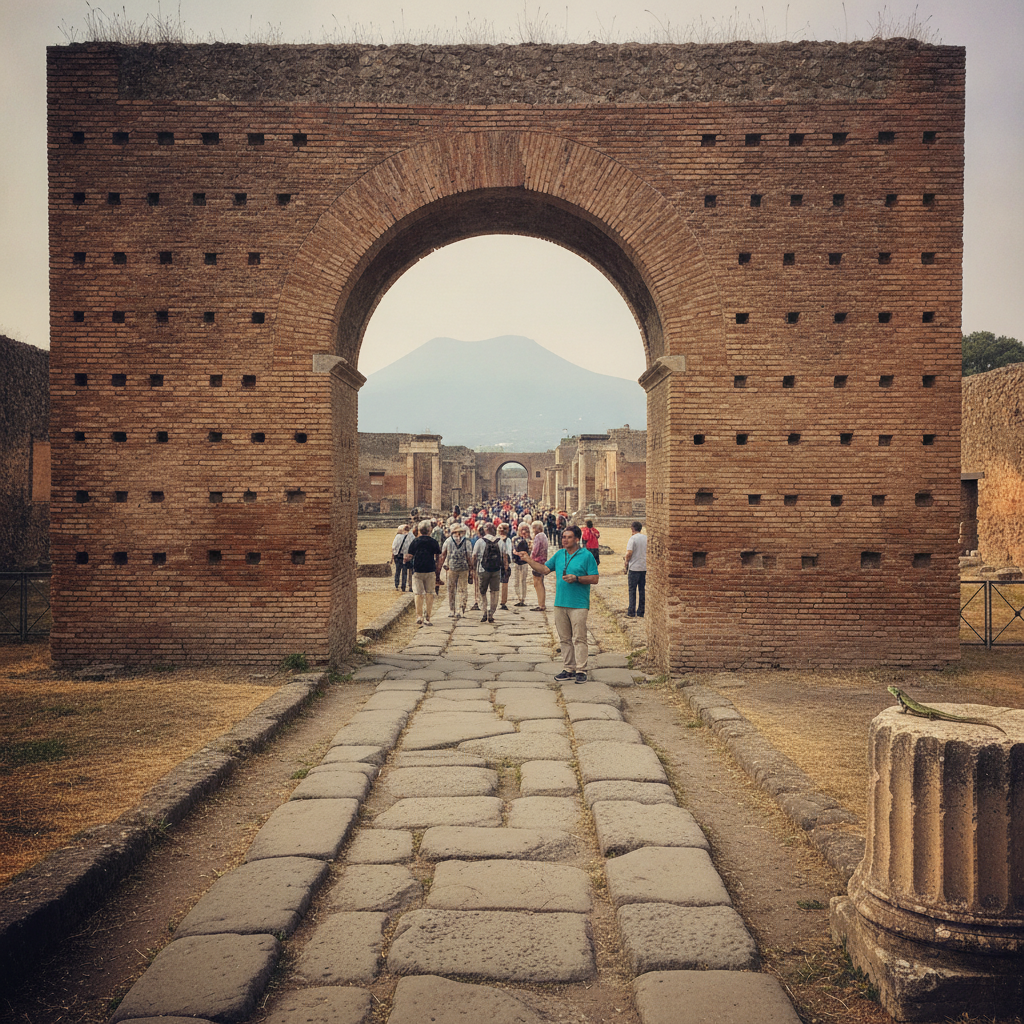
Three takes
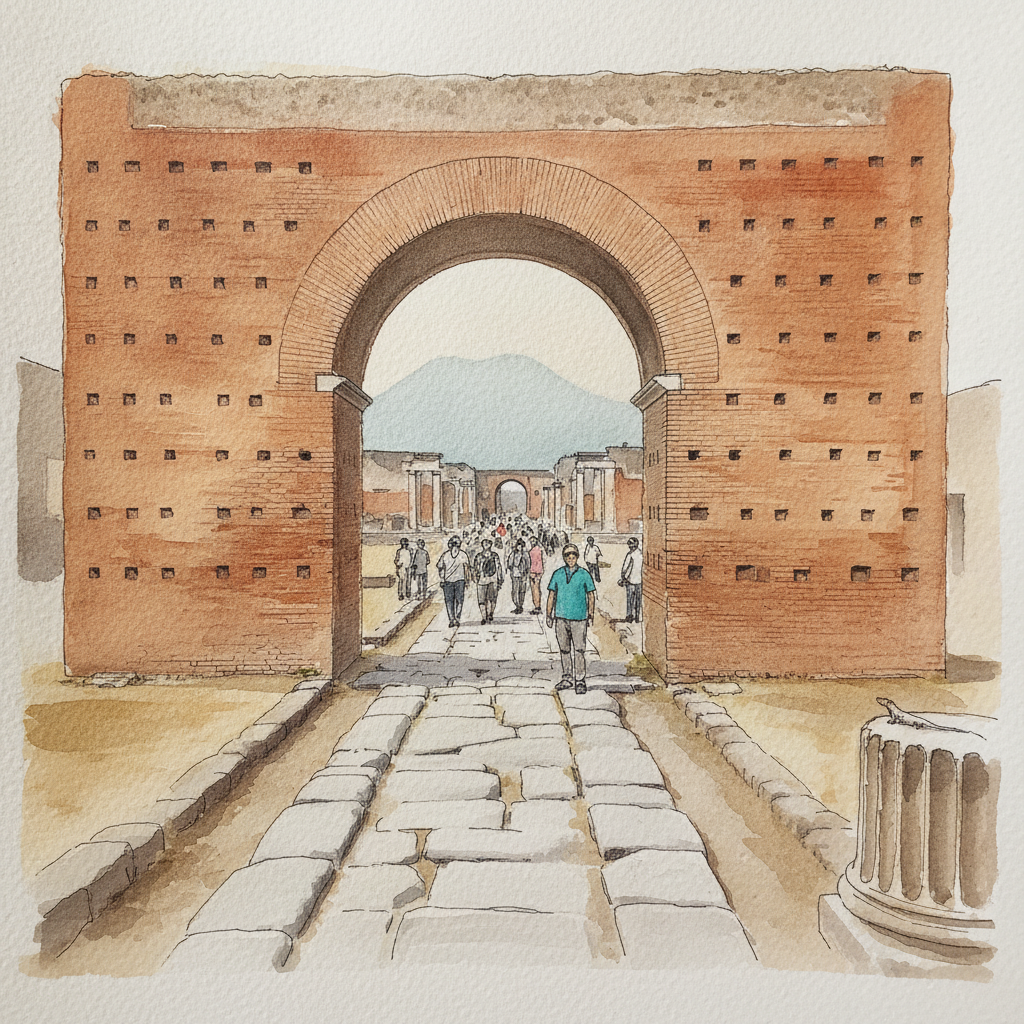
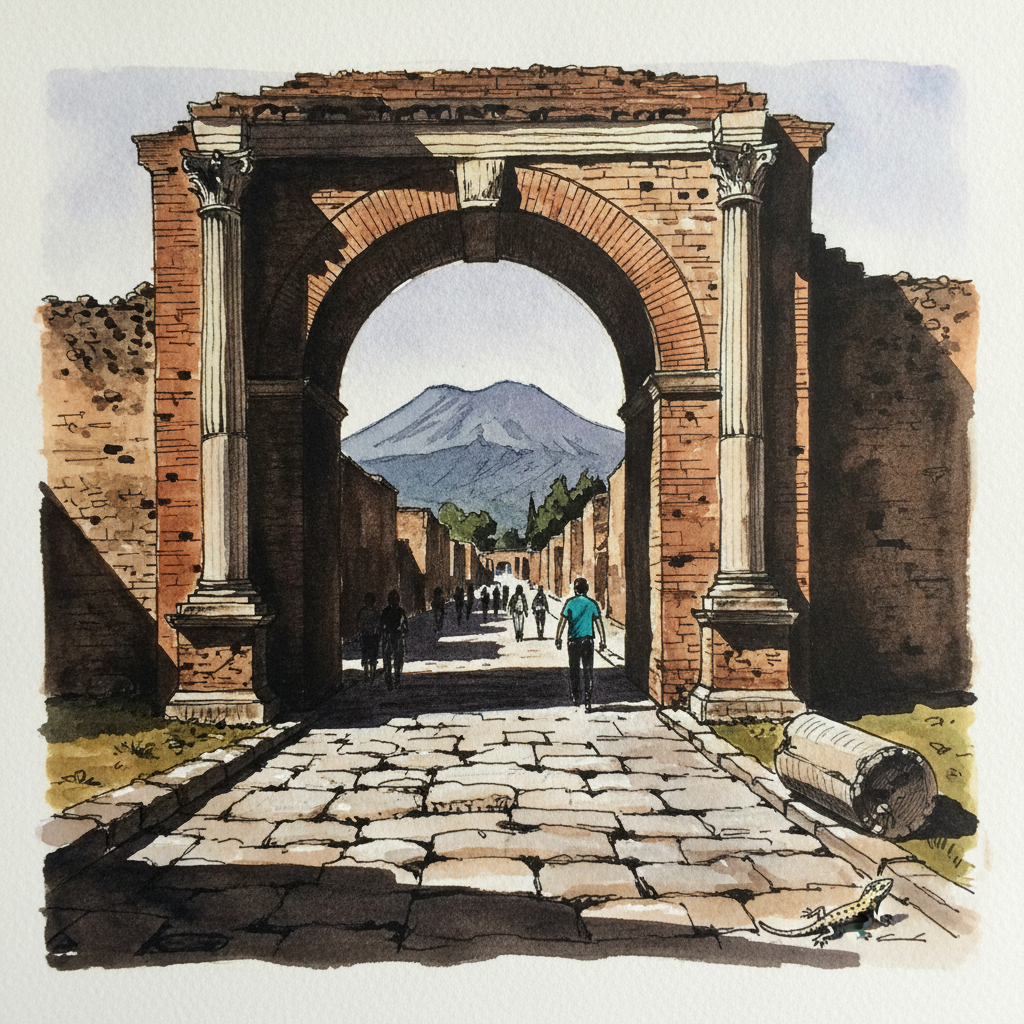

Focus for this piece
This piece offers a strong study in using contrasting techniques to define depth and texture. Focus on employing varied pen work—from the crisp, broken lines delineating the arch's rough brick to the defined grooves of the basalt paving—to establish the solid foreground. Then, use soft, layered washes with a restrained, earthy palette to suggest the hazy atmospheric distance of Vesuvius, allowing the watercolor to breathe life into the scene without obscuring your precise ink framework.
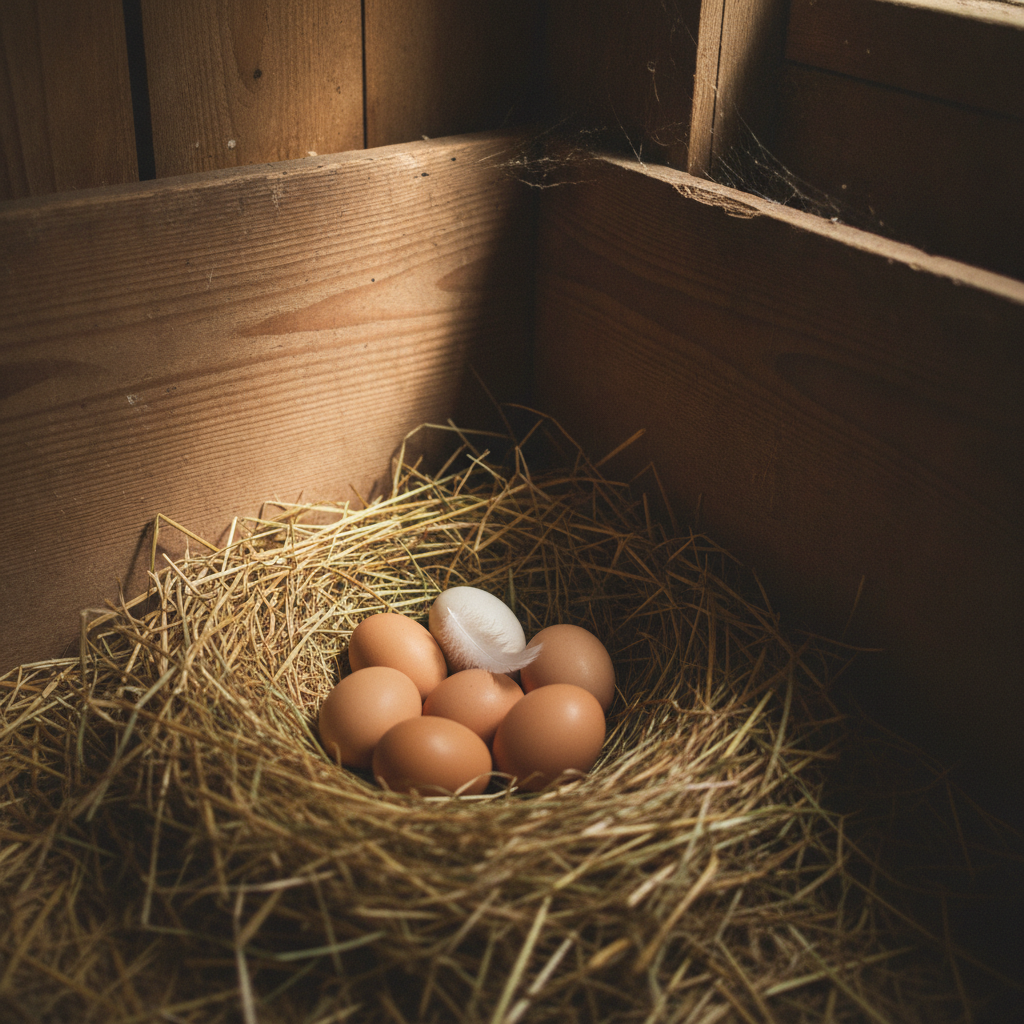
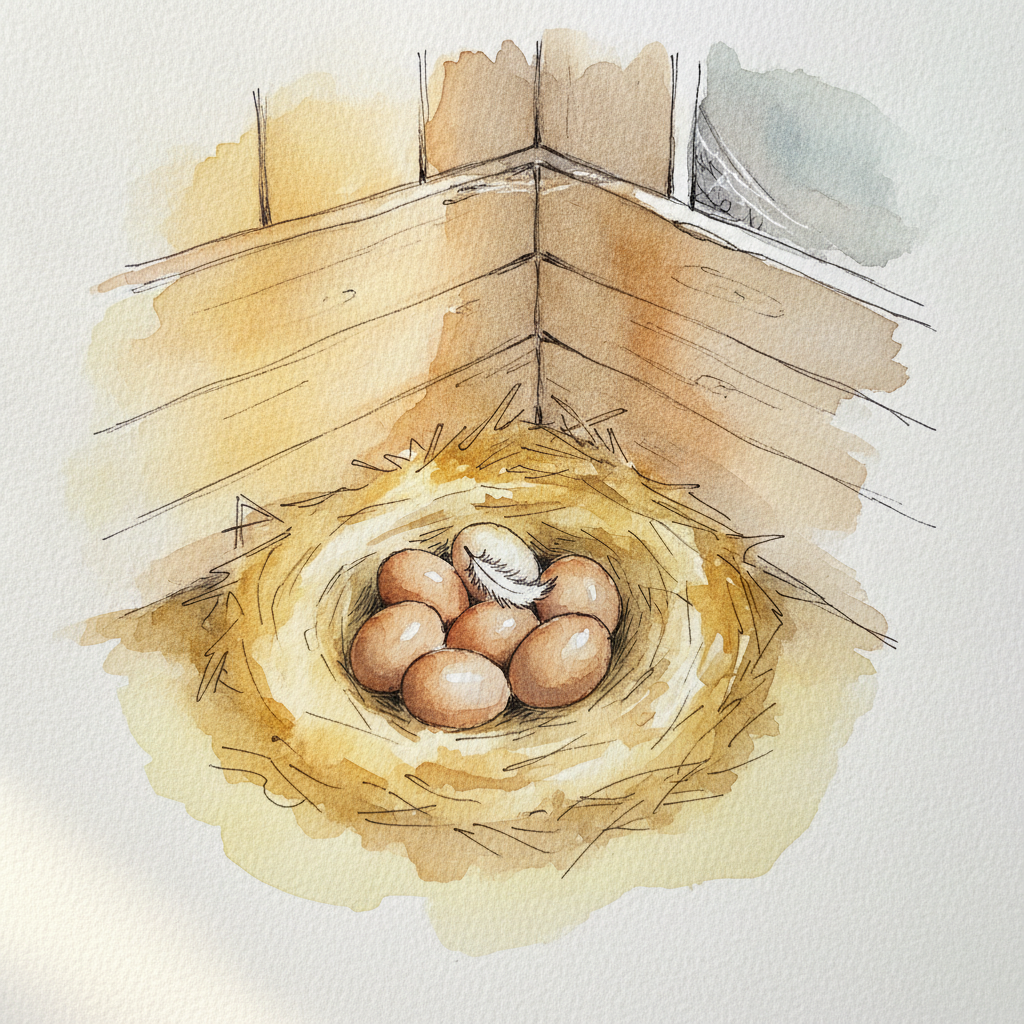
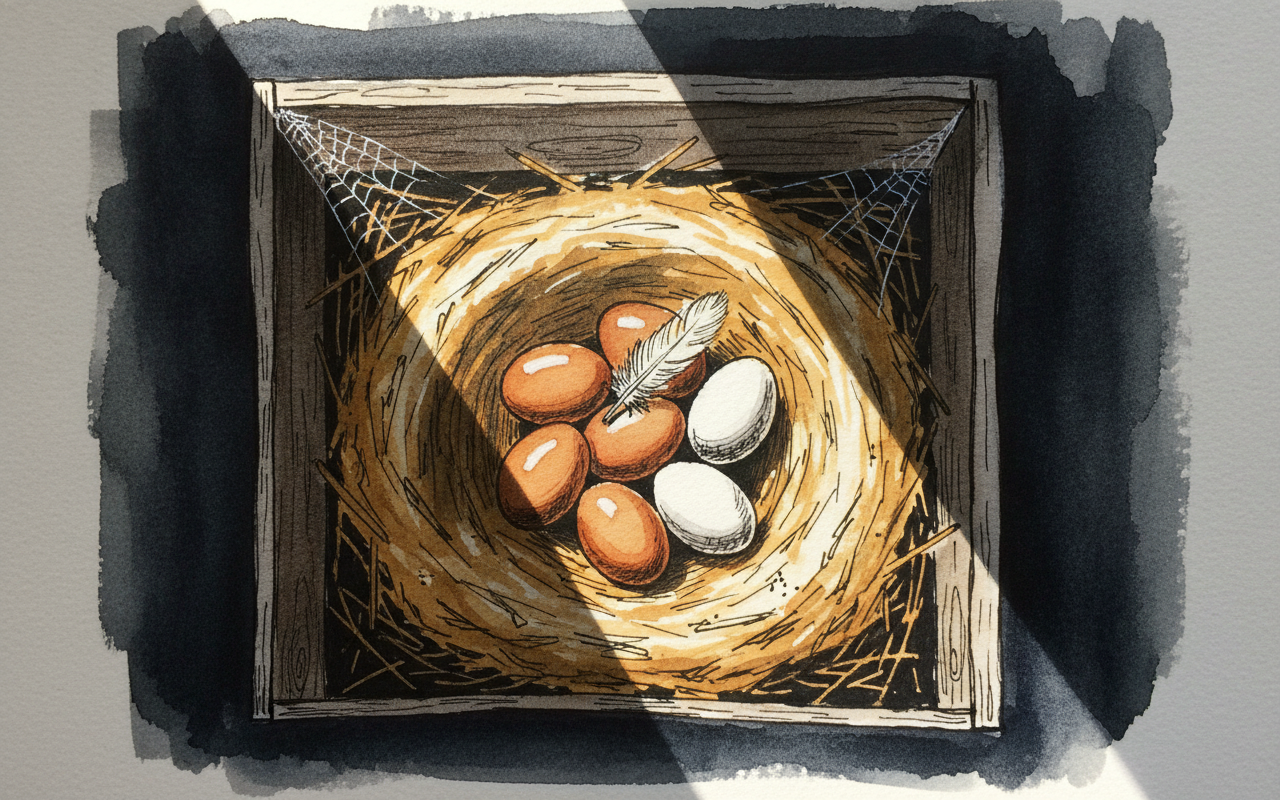
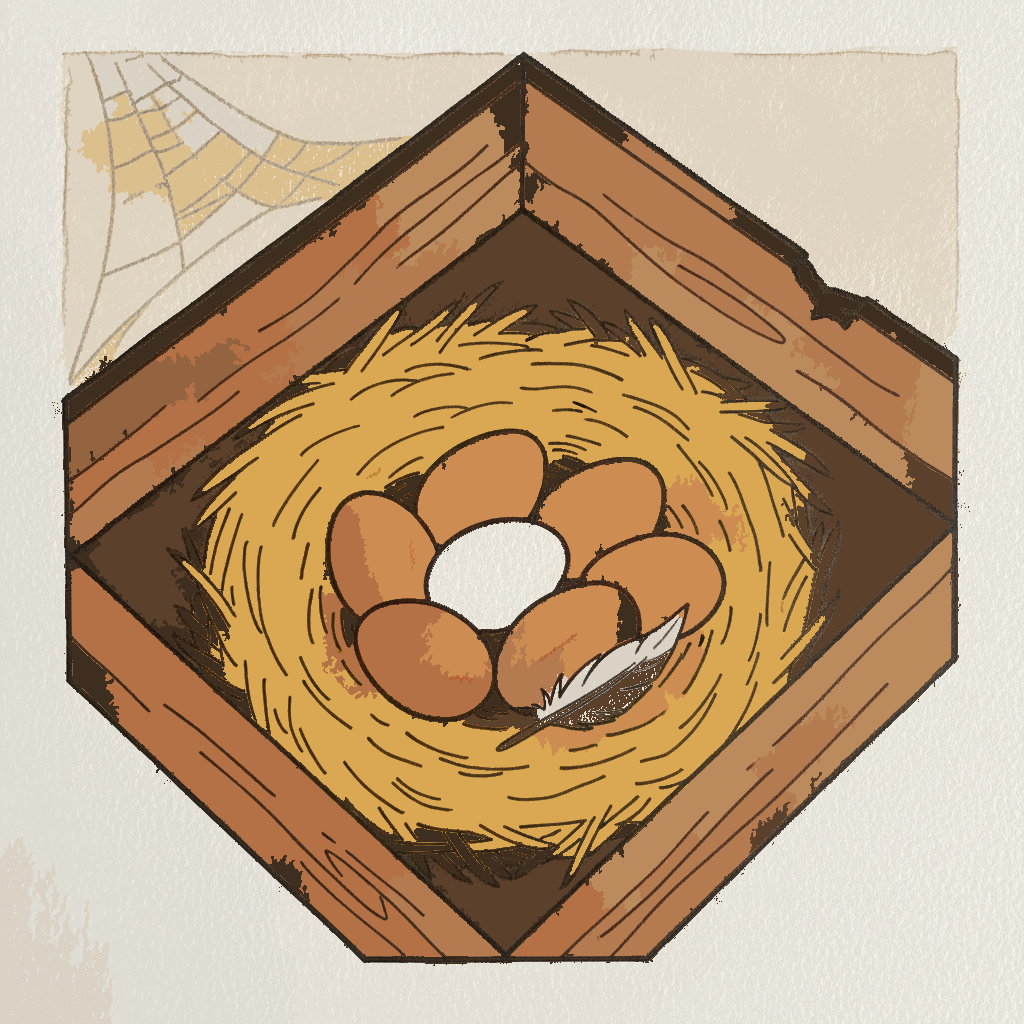
Piece 4 — Hen's nest in the corner of a barn
Pen + Watercolor · Loose pen and watercolor line-and-wash
Three takes
Focus for this piece
This piece offers a compelling study in using strong value contrast to create dramatic lighting and depth. Focus on how a bright, warm wash allows the straw to glow under the shaft of light, pushing the box's far corner into deep shadow with layered, darker washes and minimal line work. Employ a varied pen line: fine and delicate for the cobwebs and feather, but heavier and broken along the splintered edge of the box where light dramatically catches rough texture. This interplay of light, shadow, and specific line weights will define the form and texture of the nest and its surroundings.
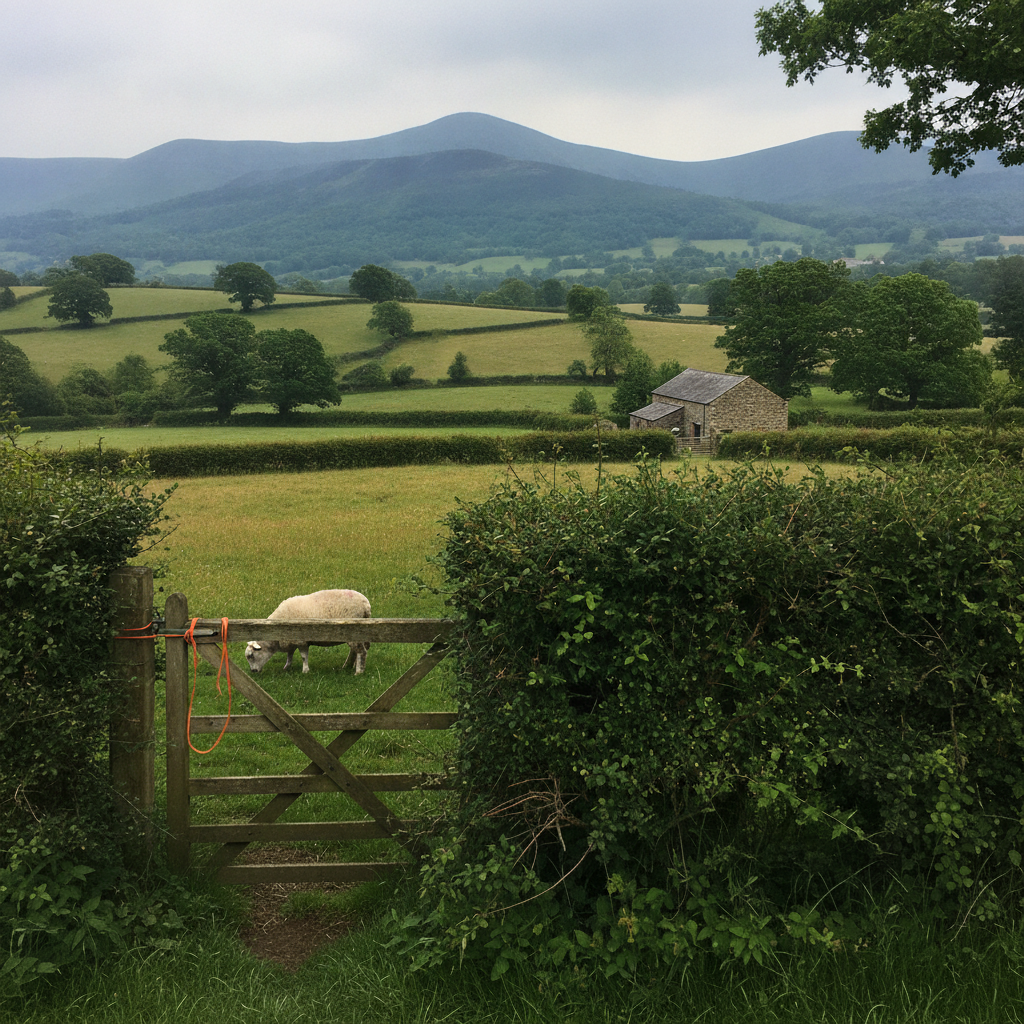
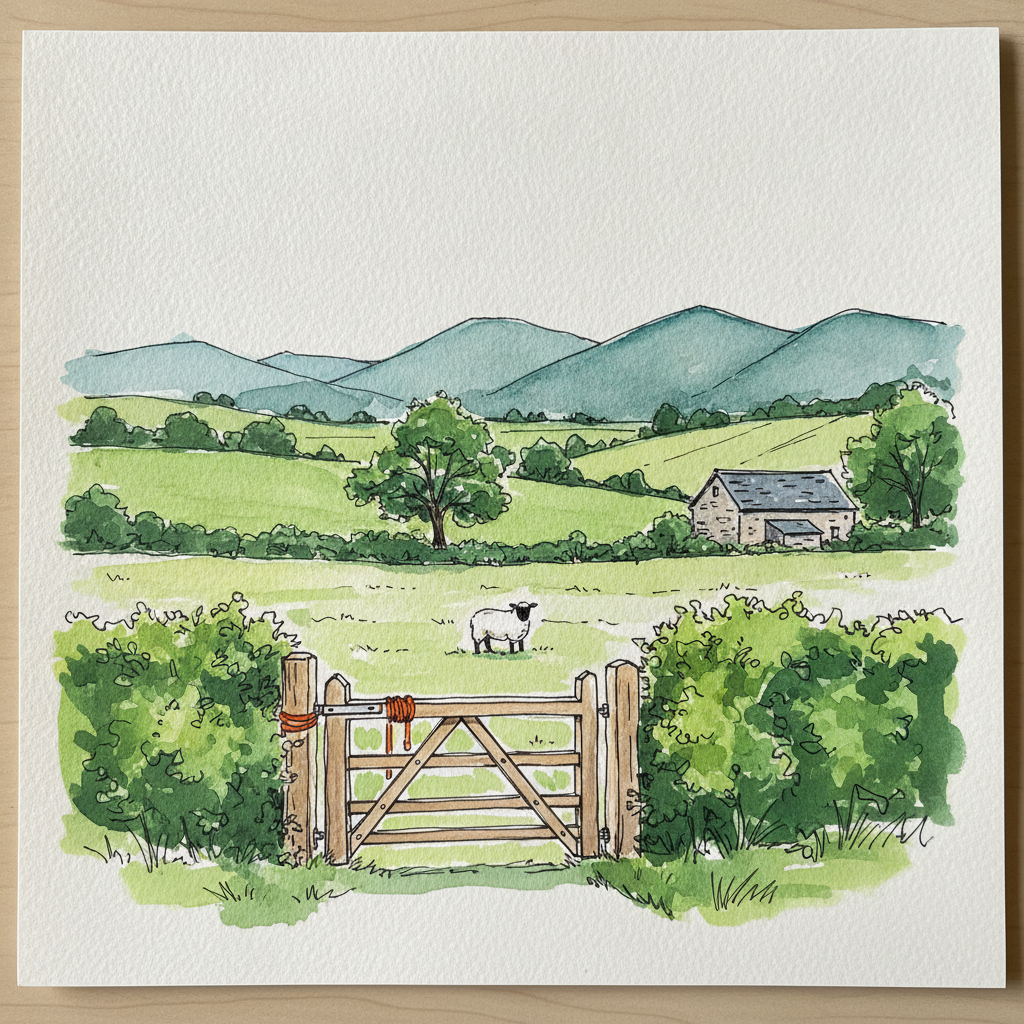
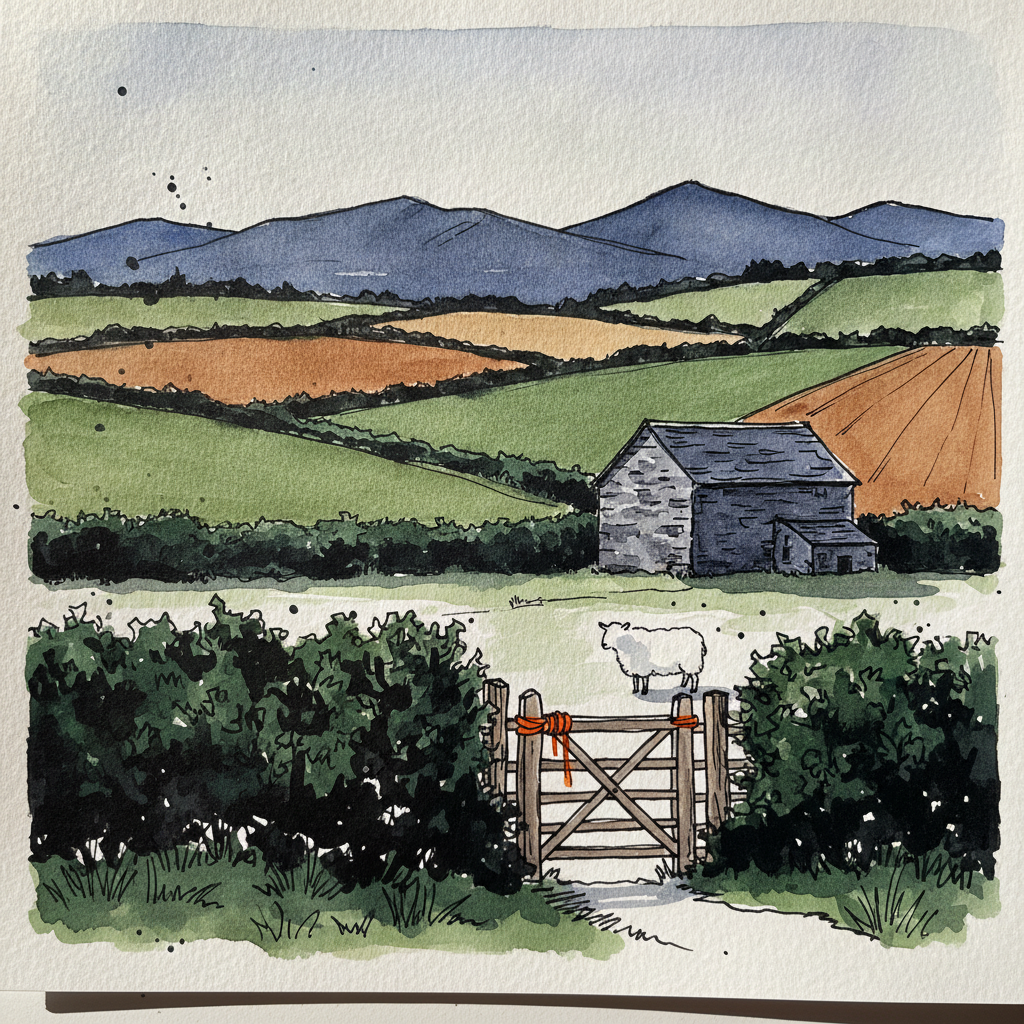
Piece 5 — Welsh Marches Hills near Hay-on-Wye, Wales
Pen + Watercolor · Loose pen and watercolor line-and-wash
Three takes

Focus for this piece
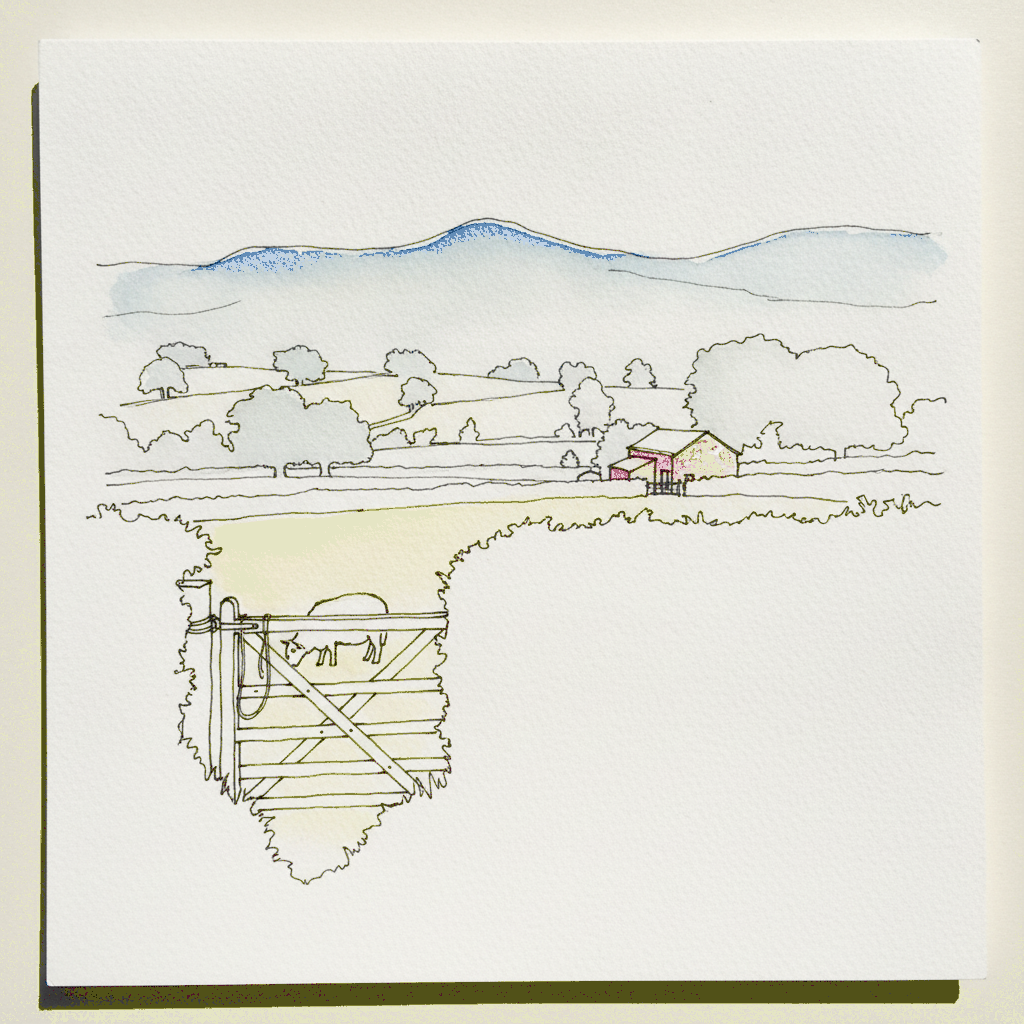
This Welsh Marches scene offers a great study in establishing clear planes of depth through varied line weight and color intensity. Use strong, textured ink lines and rich, localized washes for the foreground hedge and gate, letting the bright orange twine draw the eye. For the middle ground fields and barn, employ softer, less detailed ink work and lighter, muted washes. The distant Black Mountains then call for very subtle washes and only implied, feathery ink lines to convey atmosphere and vast distance.
Piece 6 — Øresund Bridge, Malmö, Sweden / Copenhagen, Denmark
Pen + Watercolor · Loose pen and watercolor line-and-wash
Three takes
Focus for this piece
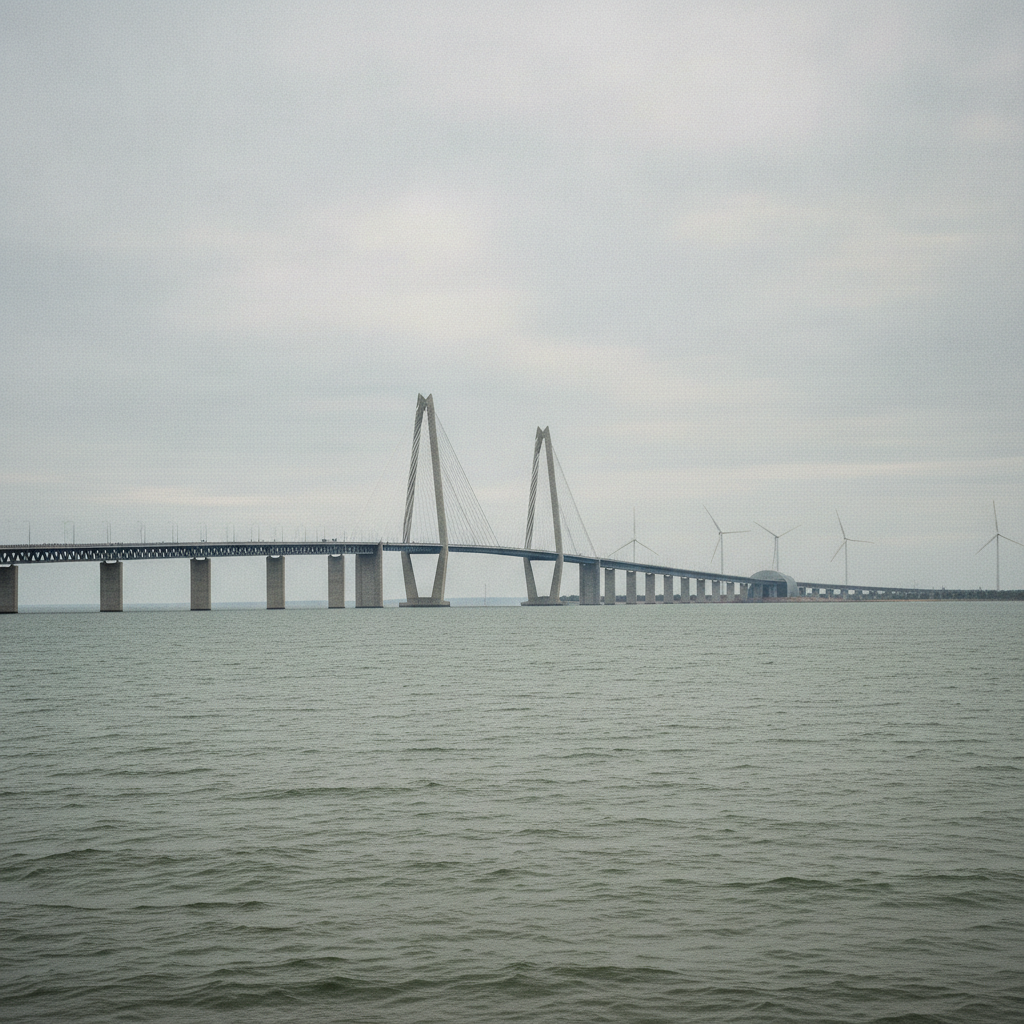
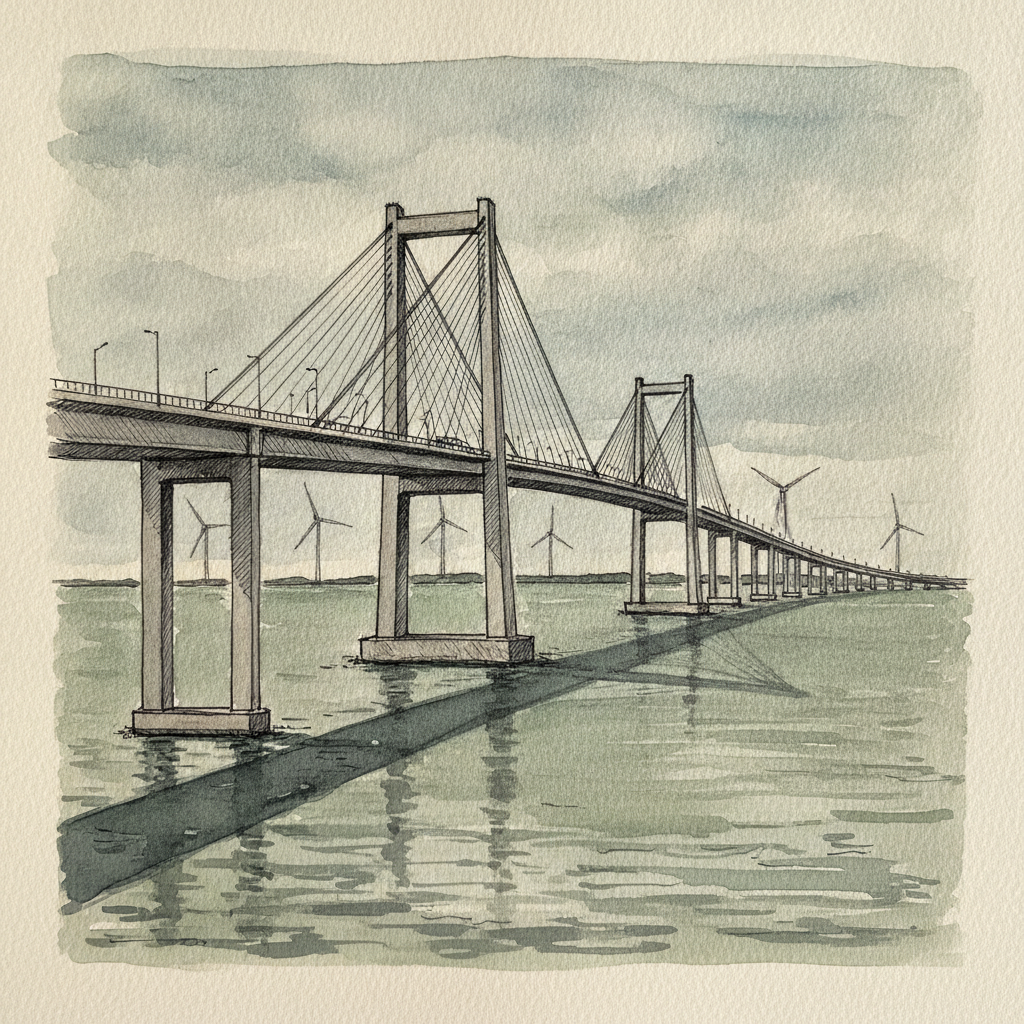
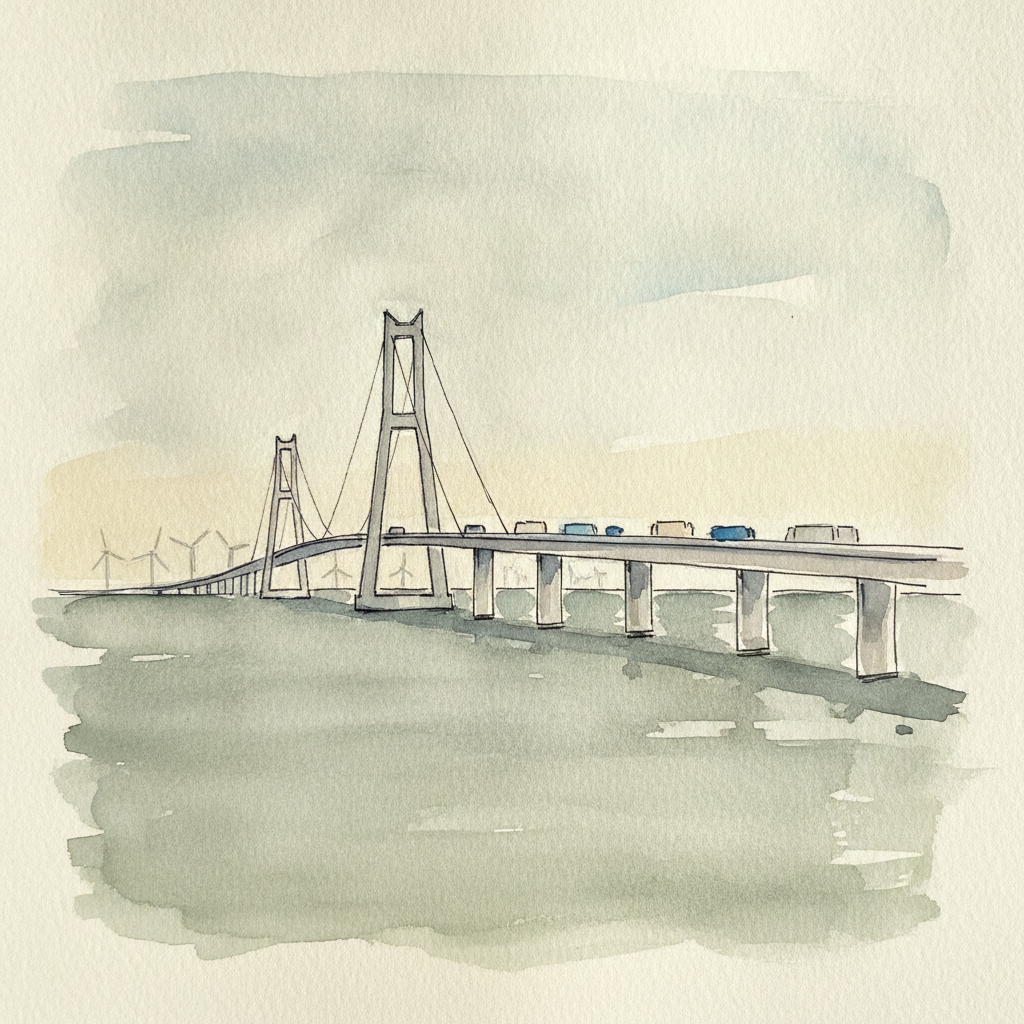
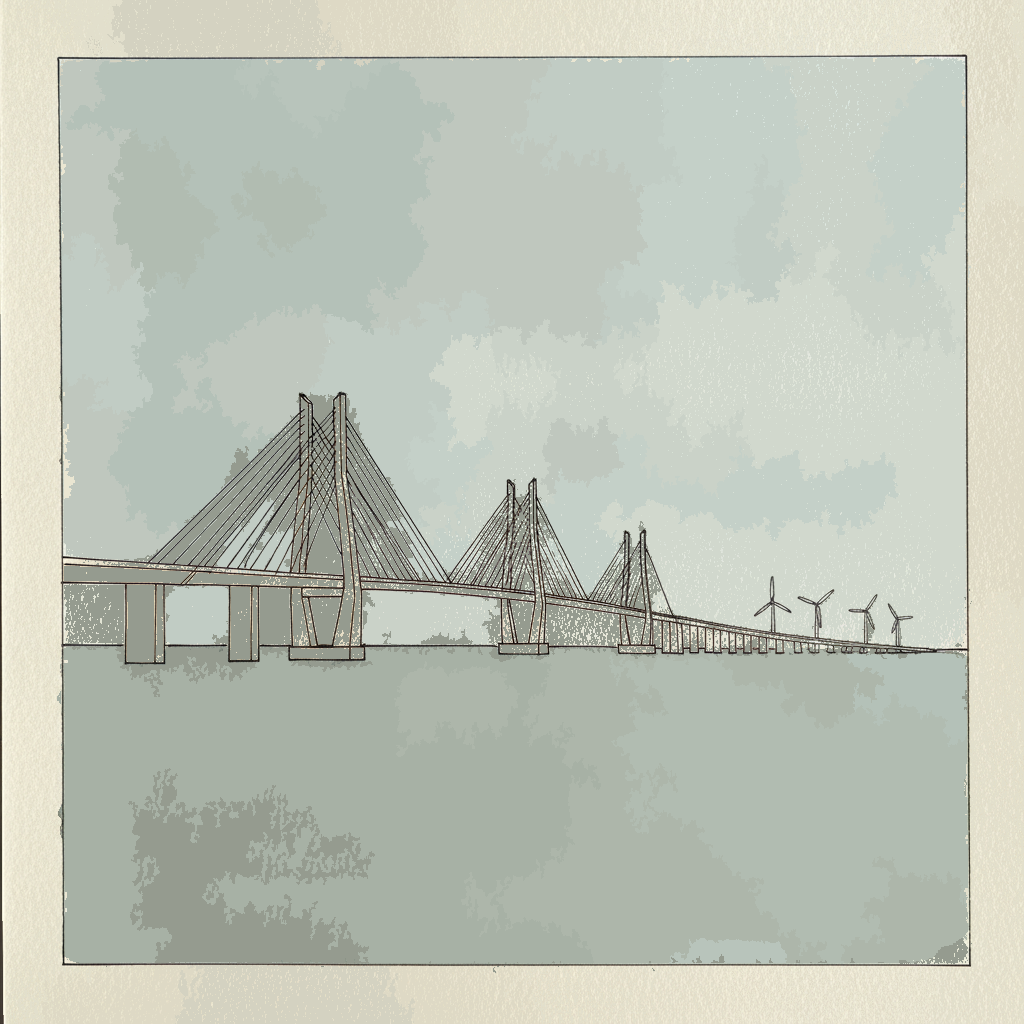
For this piece, focus on how crisp, varied ink lines establish the immense, geometric structure of the bridge's pylons and cables, contrasting sharply with soft, layered washes for the gray-green Baltic water and open sky. Pay close attention to rendering the main span's converging lines with diminishing line weight to convey depth, allowing the washes to suggest subtle atmospheric shifts and distance without blurring the hard edges of the structure.
Piece 7 — Detective at crime scene
Pen + Watercolor · Loose pen and watercolor line-and-wash

Three takes

Focus for this piece
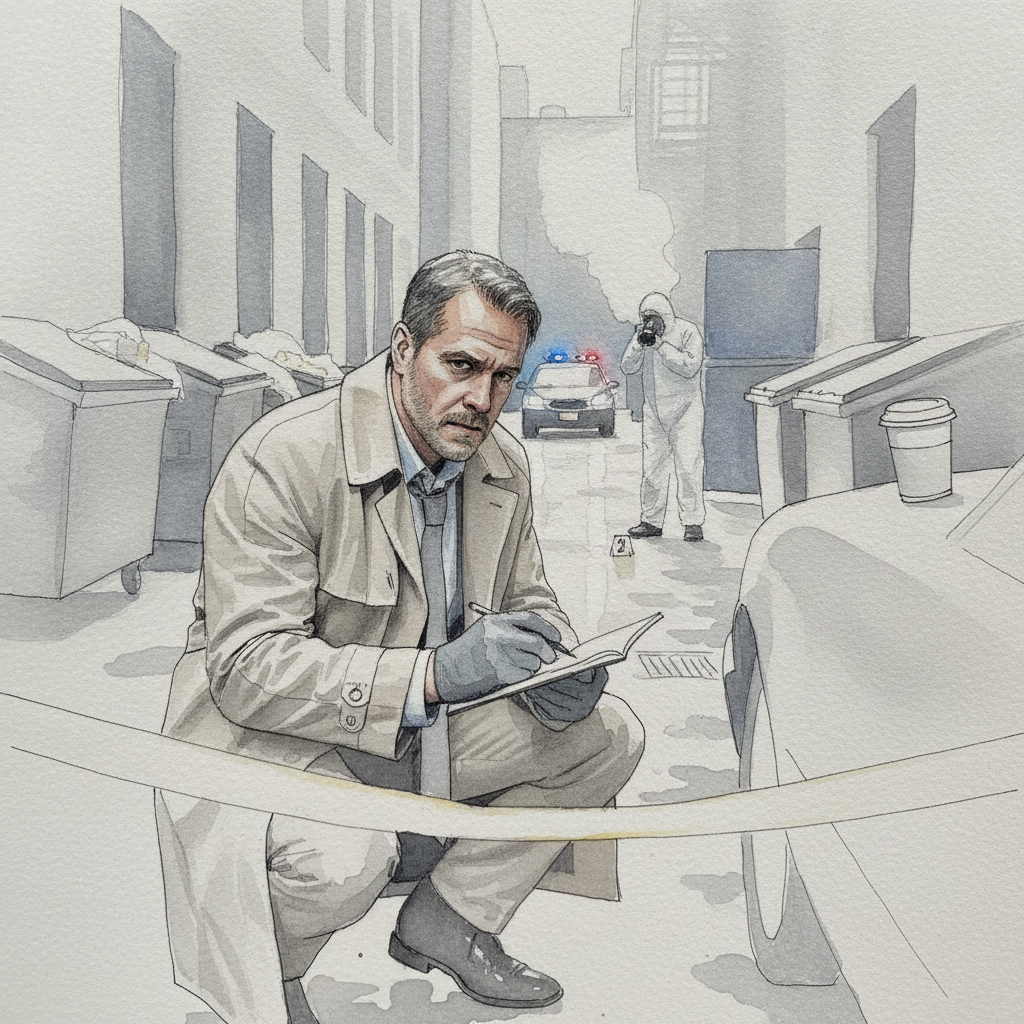
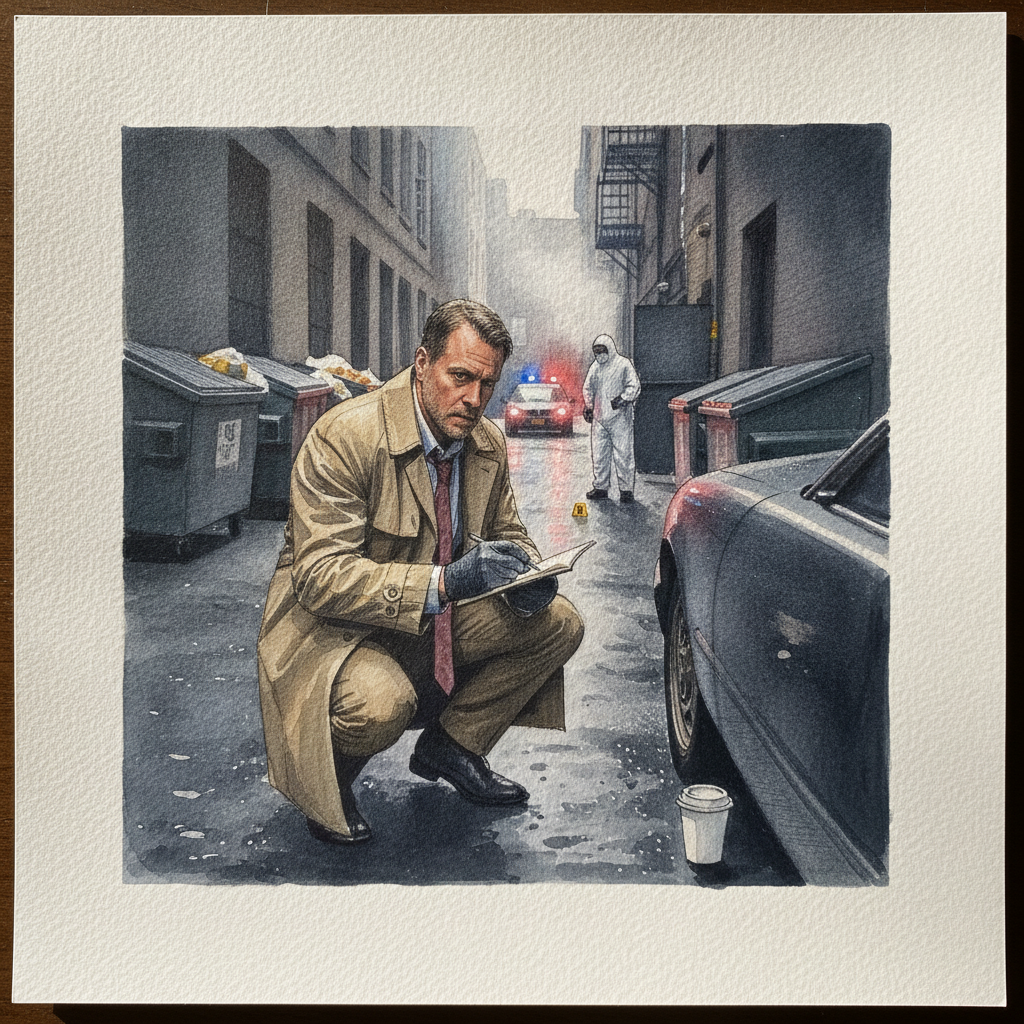
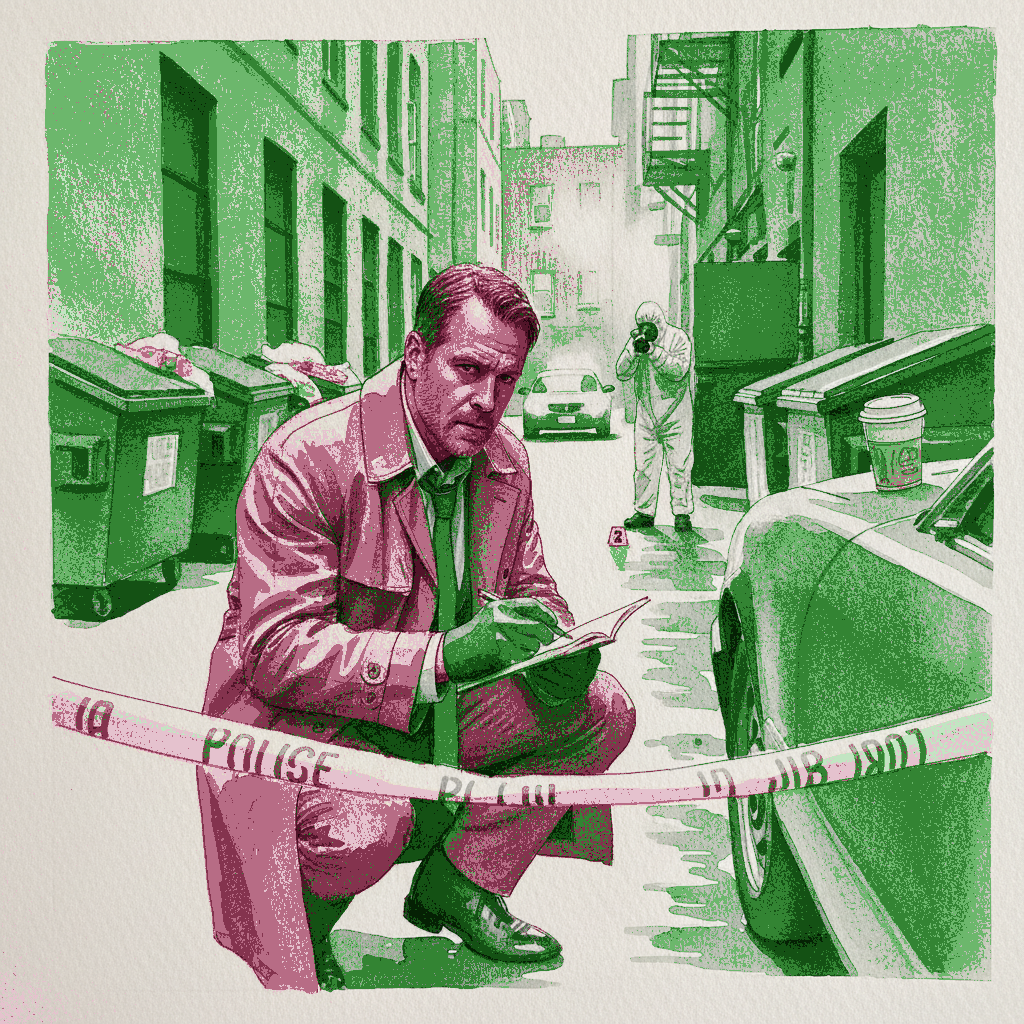
This piece offers an excellent opportunity to practice painting dynamic light reflections on wet surfaces, particularly the sodium-vapor glow and pulsing red/blue car lights. Concentrate on laying down wet-on-wet watercolor washes to capture the luminosity and soft diffusion of these light sources, allowing colors to bleed subtly. Use your pen with deliberate, varied line weights to define only the sharpest edges of objects and the most crucial reflections, such as those on the glistening asphalt. This approach will help you balance watercolor's atmospheric quality with ink's structural clarity in a low-light setting.
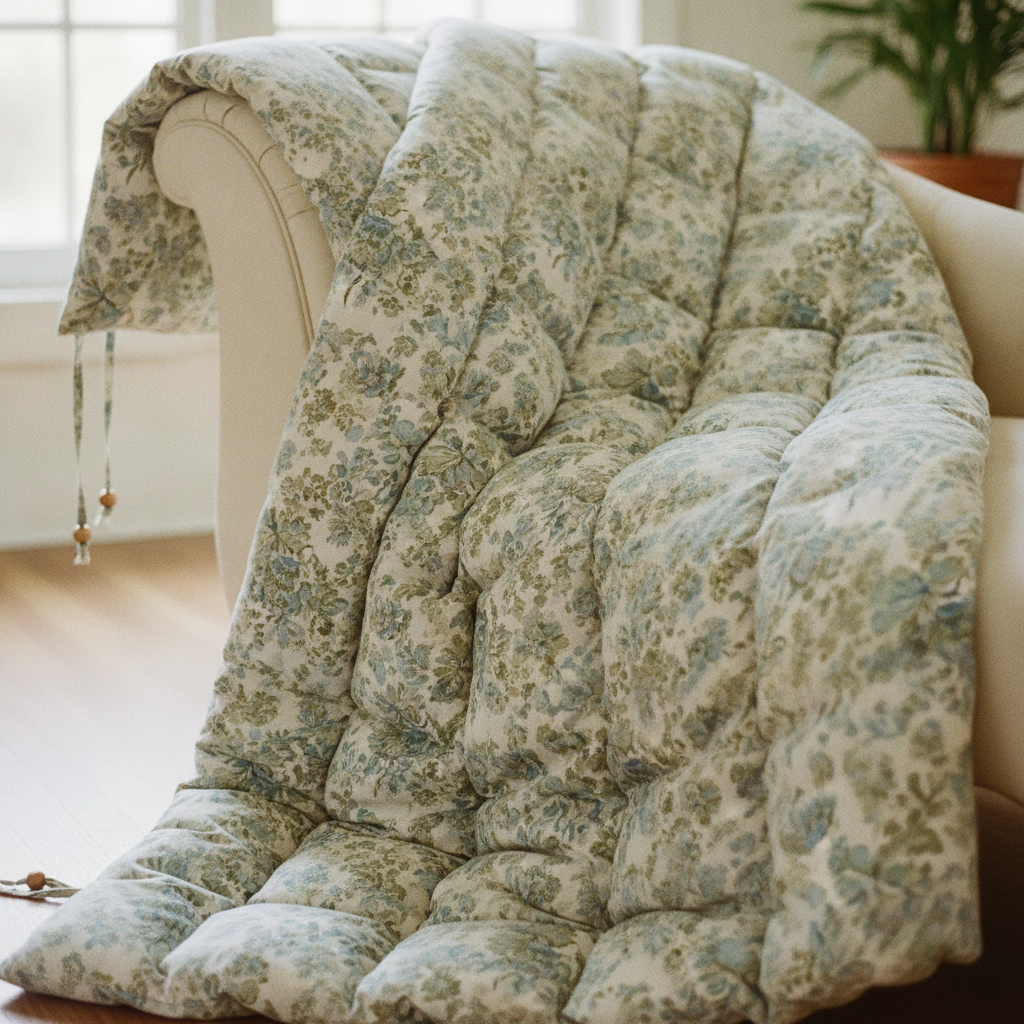
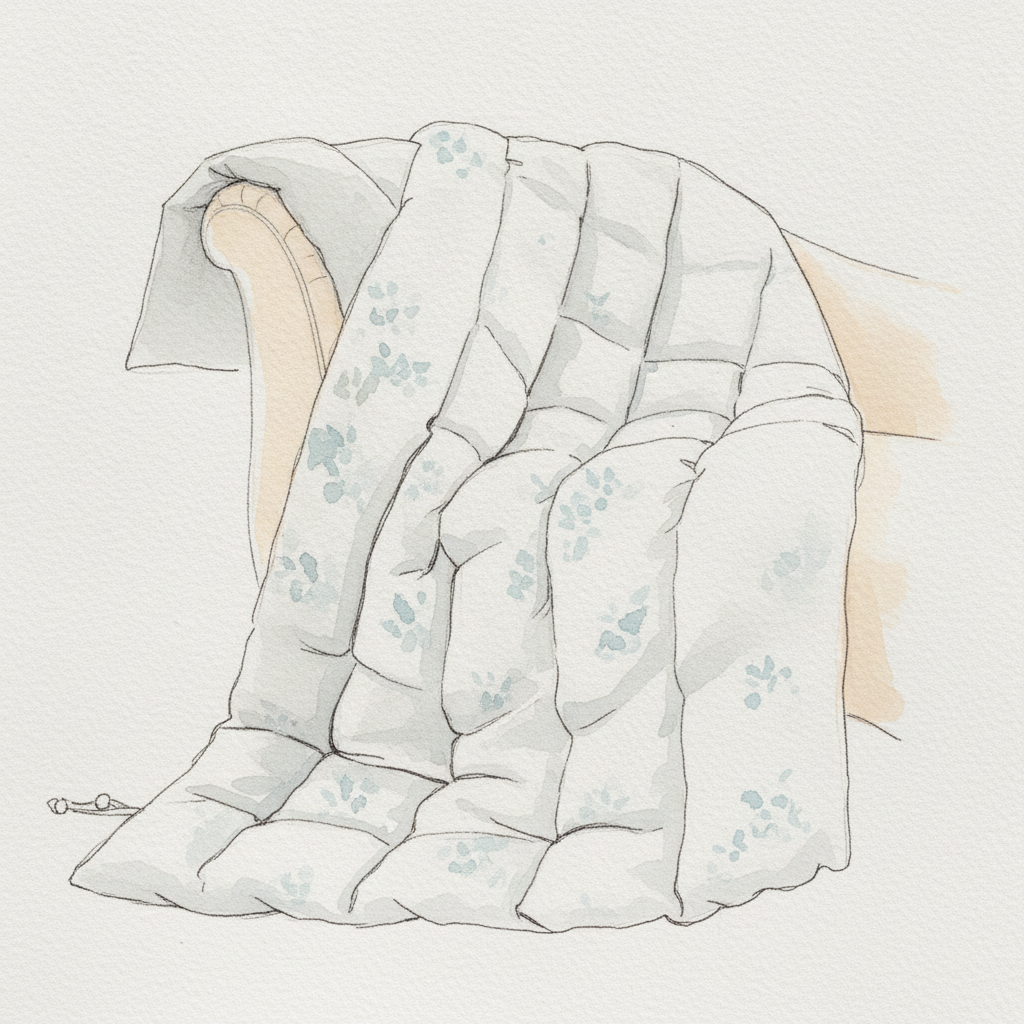
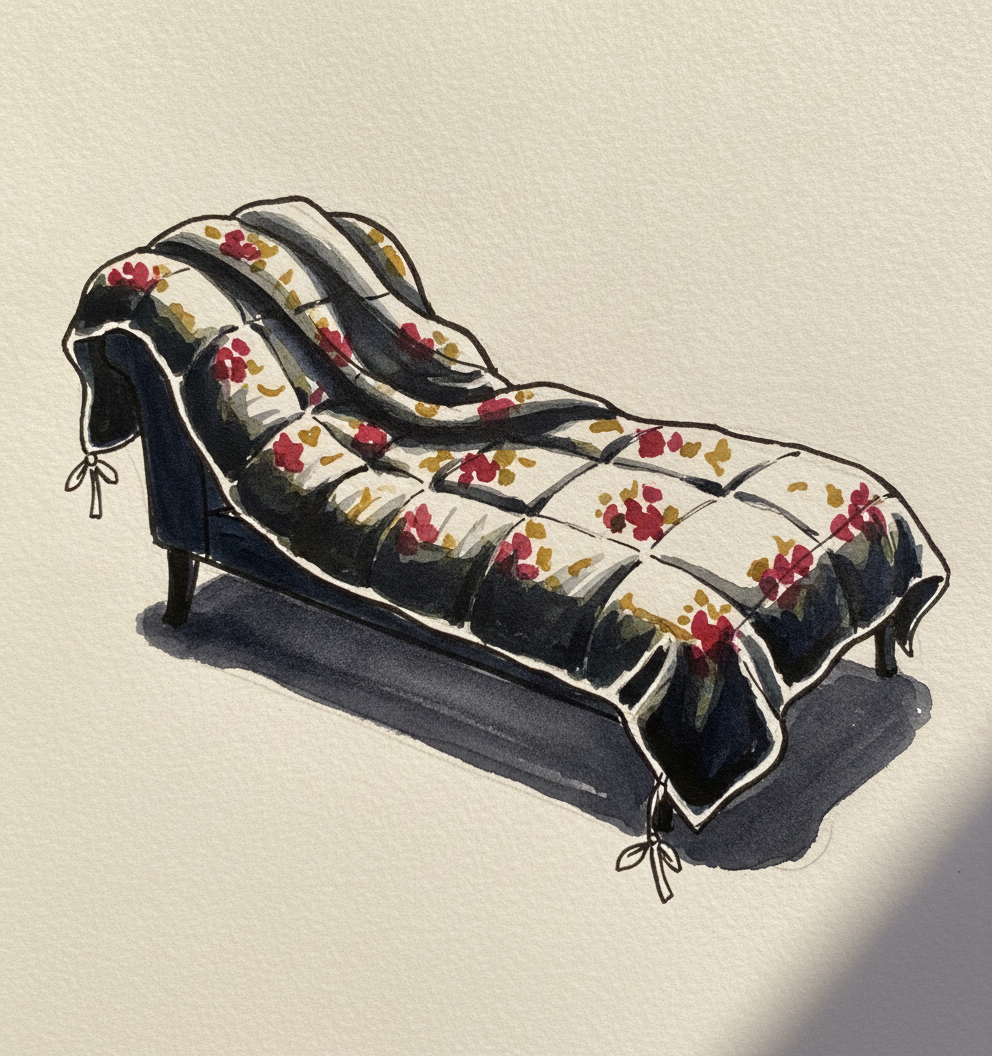
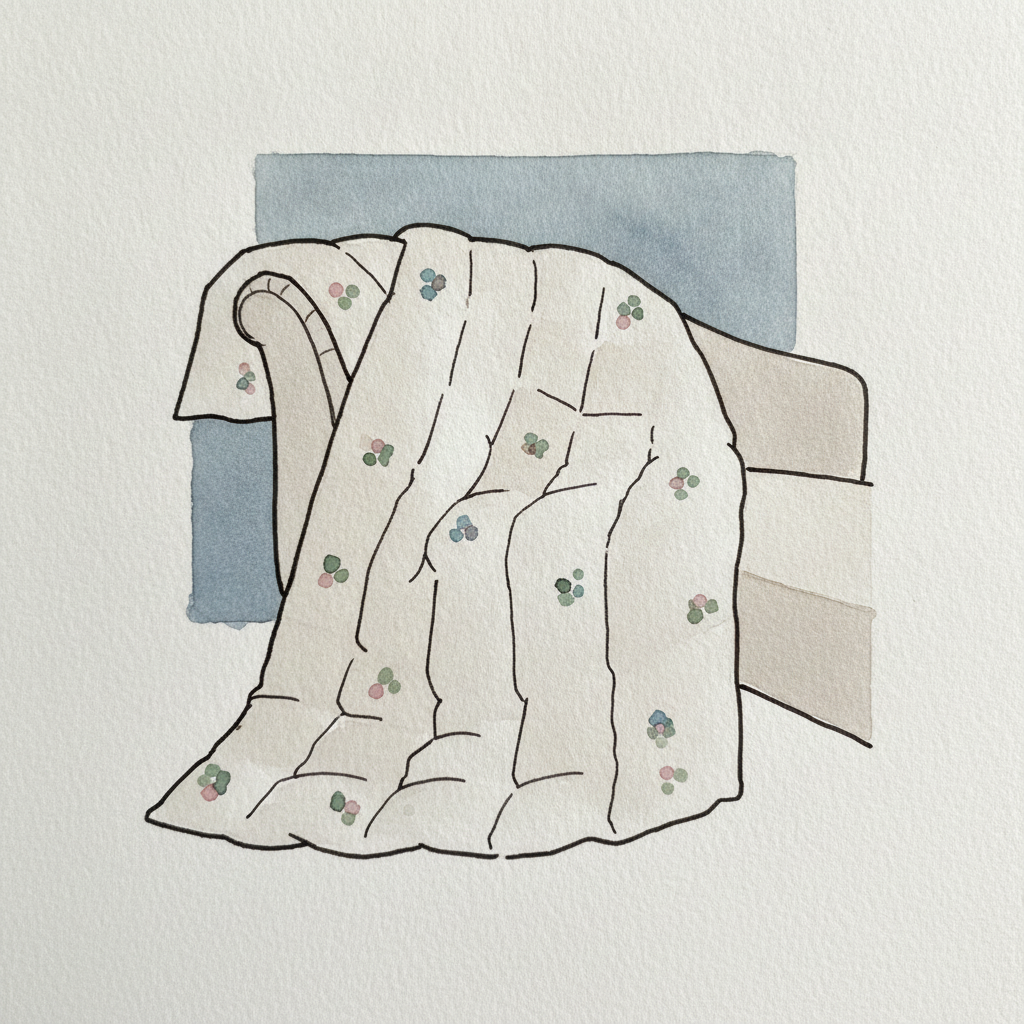
Piece 8 — Quilted bedspread over a chaise lounge
Pen + Watercolor · Loose pen and watercolor line-and-wash
Three takes
Focus for this piece
This piece is ideal for practicing how soft, layered watercolor washes define volume within a strong linear framework. Use a diluted, flowing wash to sculpt the "soft pillow forms" of the quilting, building up gentle transitions that respond to the overhead window light. Then, let your pen lines for the "distorted floral shapes" and "dangling ties" stay light and descriptive, allowing the washes to convey the primary three-dimensionality of the "S-curve drape."