Climbing Gym Mantel Push, Dented Country Mailbox in West Texas, Pentax K1000 worn, Guava, and more — pen + watercolor for September 9, 2026
AI-generated daily art-practice references for pen and watercolor: Climbing Gym Mantel Push, Dented Country Mailbox in West Texas, Pentax K1000 worn, Guava, Tunisian Bardo Mosaic, Tugendhat House, Brno, Czech Republic, Western Australia pear orchard, Australia, Shadow boxing in mirror.
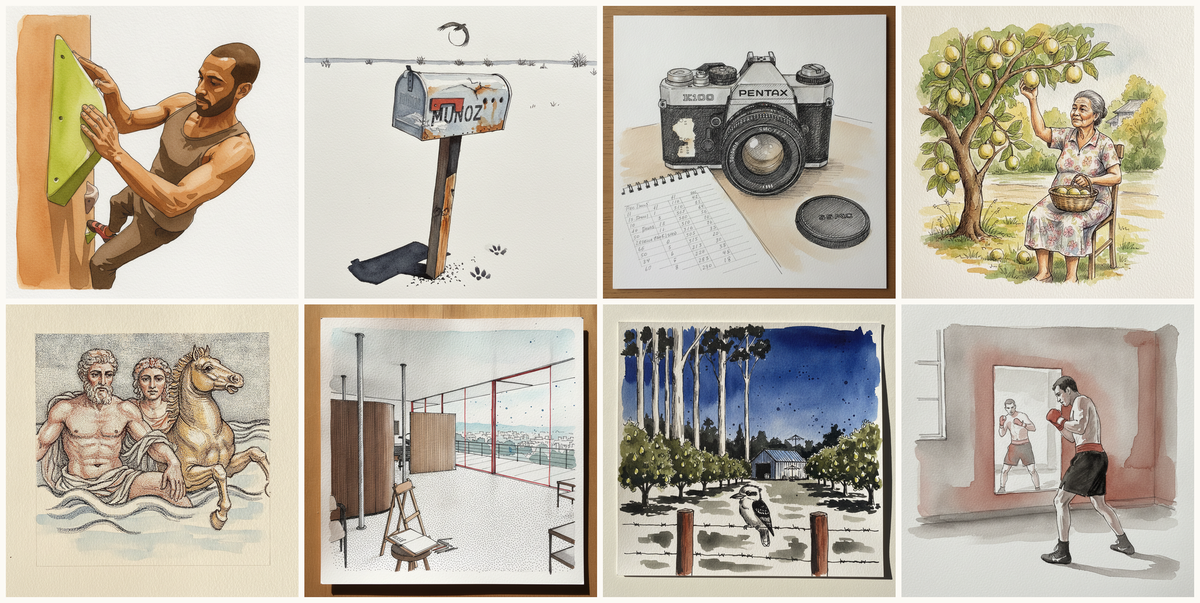
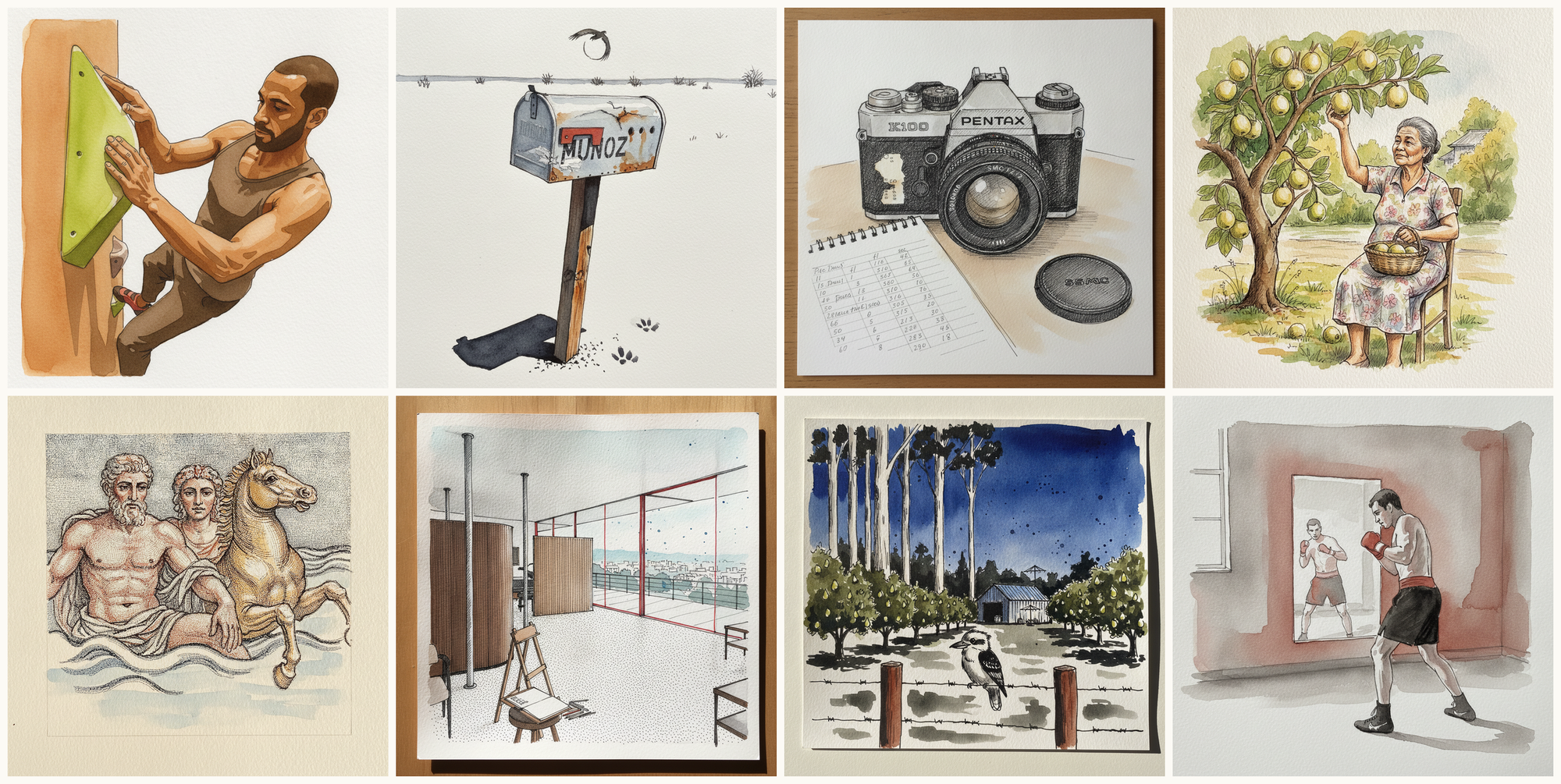
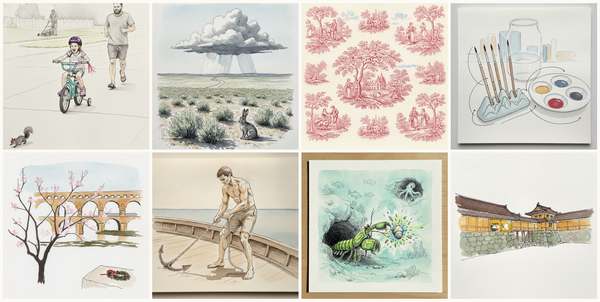
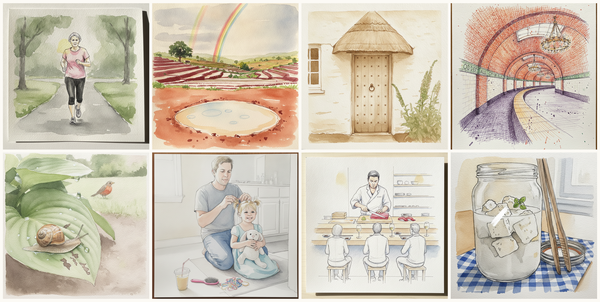
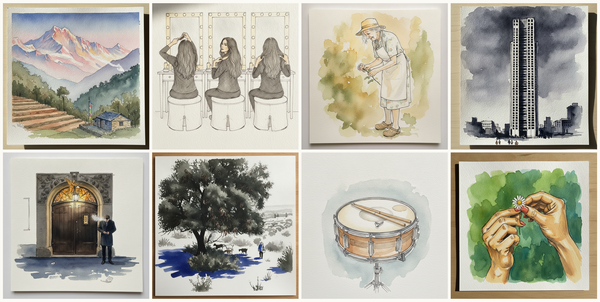
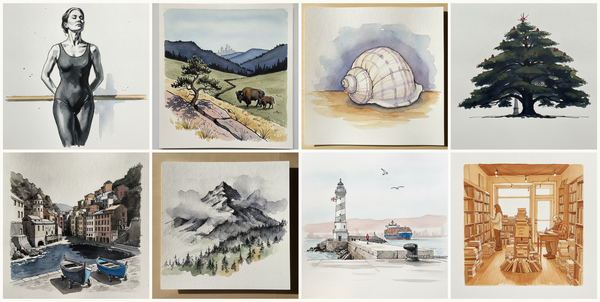
Today's 8 pen-and-watercolor pieces: Climbing Gym Mantel Push, Dented Country Mailbox in West Texas, Pentax K1000 worn, Guava, Tunisian Bardo Mosaic, Tugendhat House, Brno, Czech Republic, Western Australia pear orchard, Australia, Shadow boxing in mirror. Each piece comes with an AI-generated photoreal reference, three AI-generated example artworks in different treatments, and a short focus paragraph naming what to study in this one.
Why these references use AI
This daily series uses AI-generated images as practice prompts, not as finished artwork to copy. Each subject starts with a synthetic photoreal reference generated with Gemini/Nano Banana, then moves into three pen-and-watercolor interpretations of the same subject.
I use AI here because daily art practice needs variety and low friction. Real life can get repetitive, busy, or visually narrow. These generated reference sets make it easier to study bodies, buildings, animals, landscapes, objects, gestures, light, palettes, and compositions that might not show up in an ordinary day.
The goal is not to reproduce any image directly. Treat each set as a starting point for observation and study: choose what interests you, change the framing, simplify the subject, alter the palette, and make your own version.
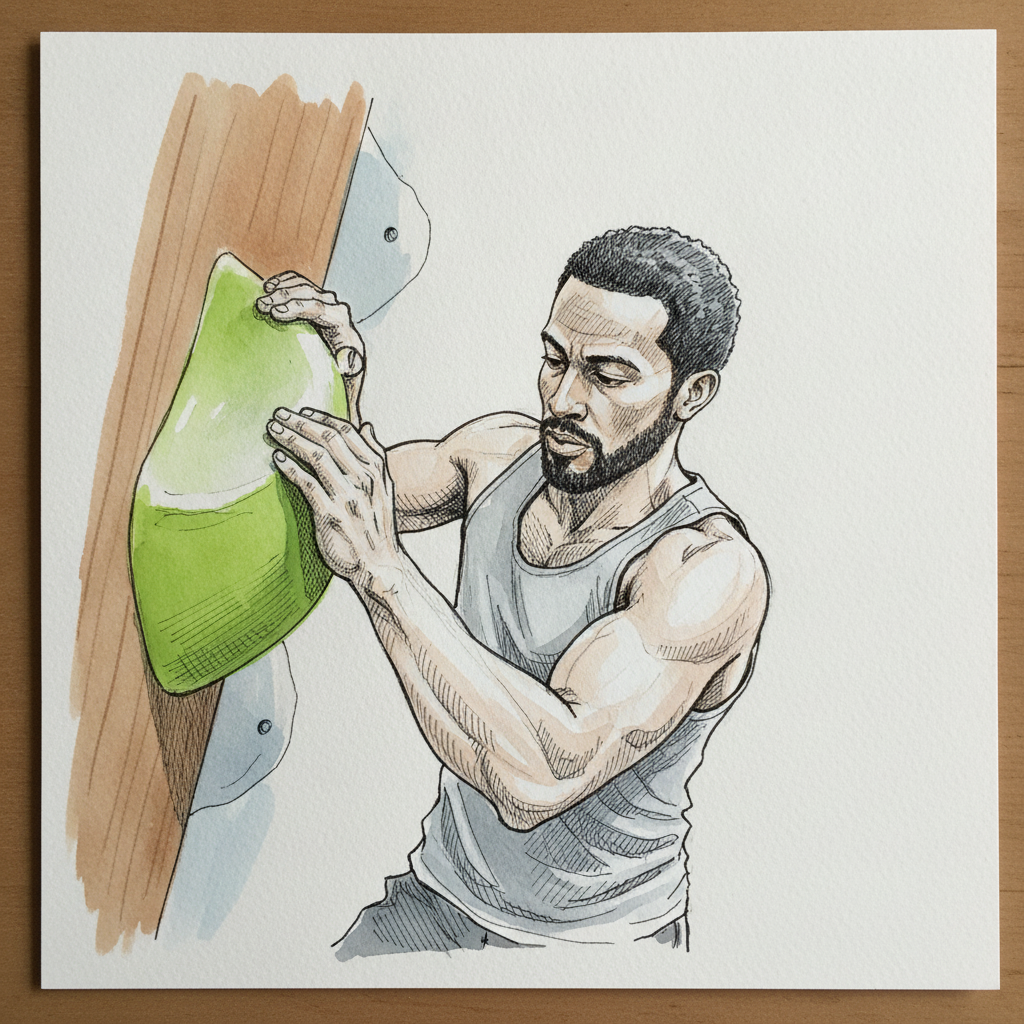
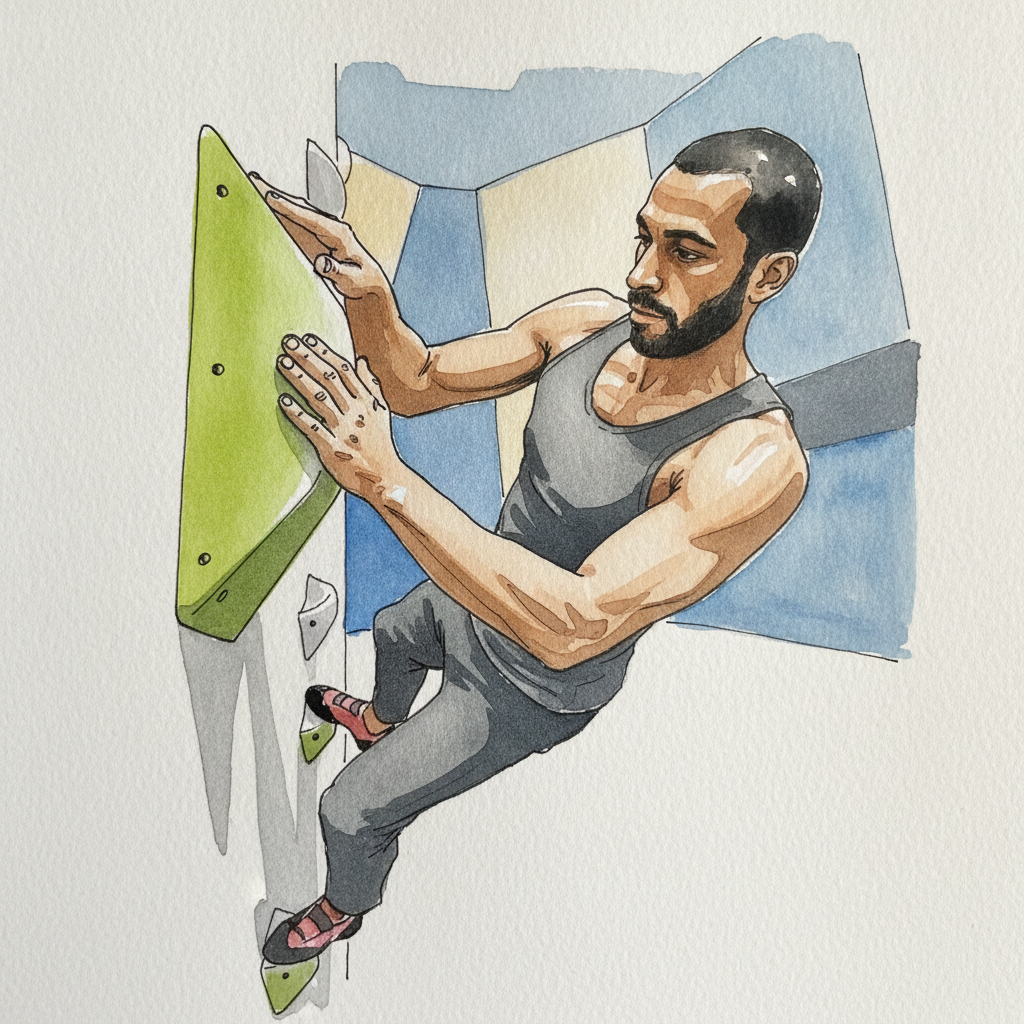
Piece 1 — Climbing Gym Mantel Push
Pen + Watercolor · Loose pen and watercolor line-and-wash
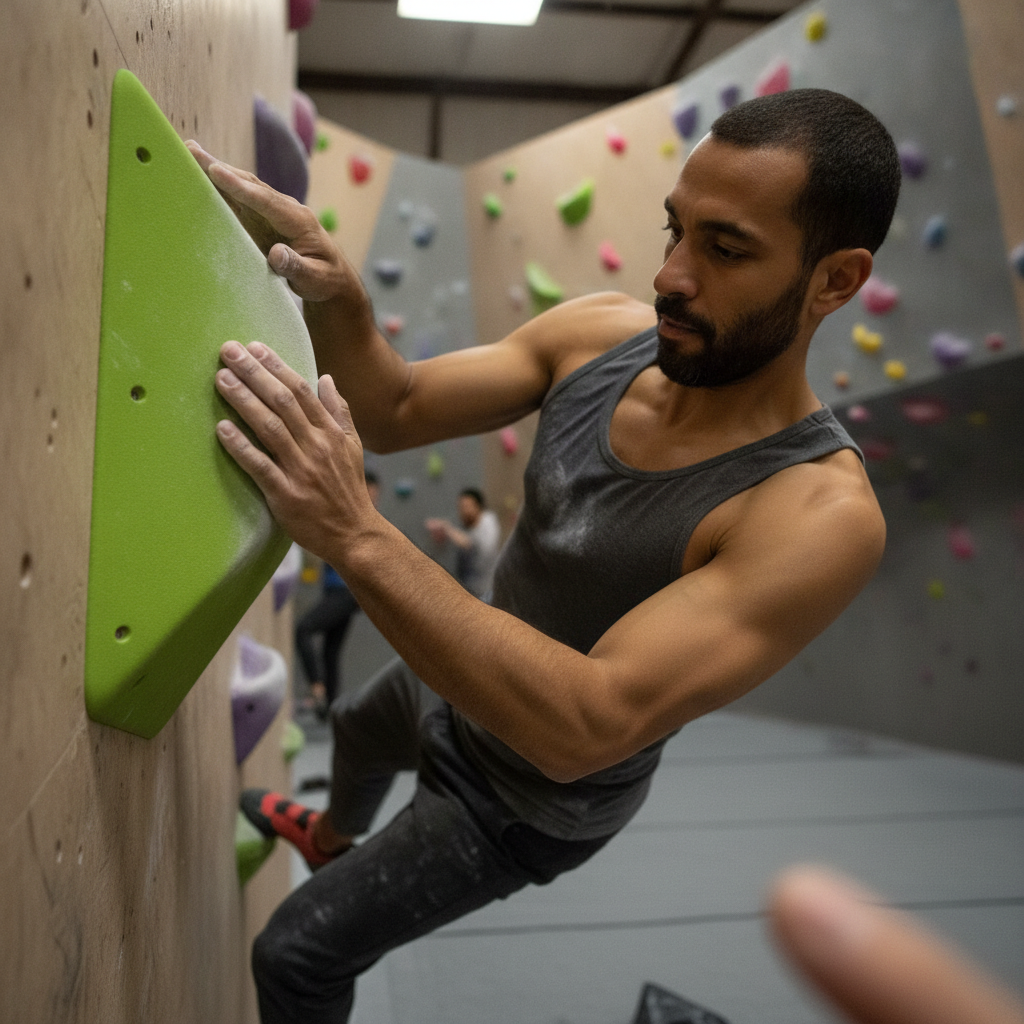
Three takes
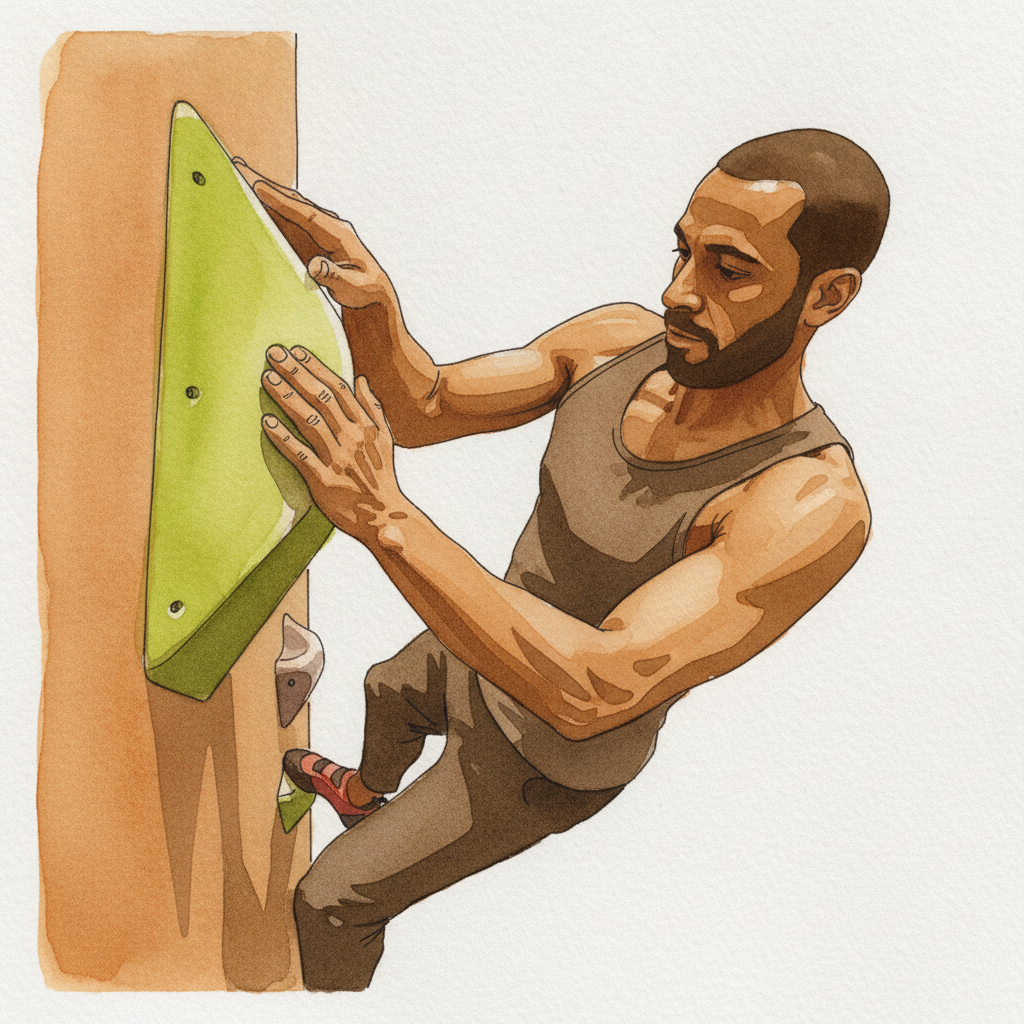
Focus for this piece
This piece offers a compelling study in rendering dramatic overhead lighting on a muscular figure. Focus on using sharp shifts in watercolor value to sculpt the "bright caps and shadowed undersides" of the deltoids and triceps, exaggerating these contrasts to convey tension. Let varied pen lines define the subtle muscle groups, while also using clean washes to establish the vibrant lime green volume as a strong counterpoint to the figure's bronze skin.
Piece 2 — Dented Country Mailbox in West Texas
Pen + Watercolor · Loose pen and watercolor line-and-wash
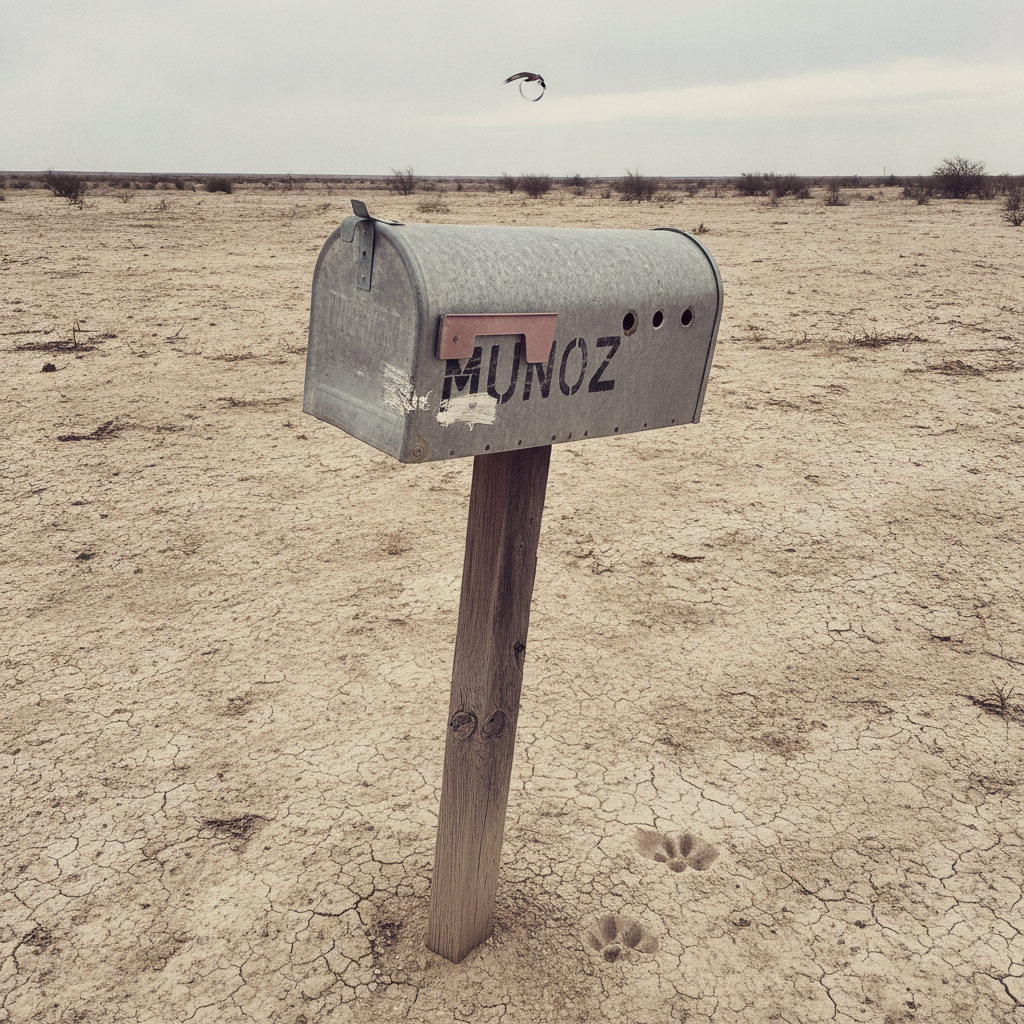
Three takes
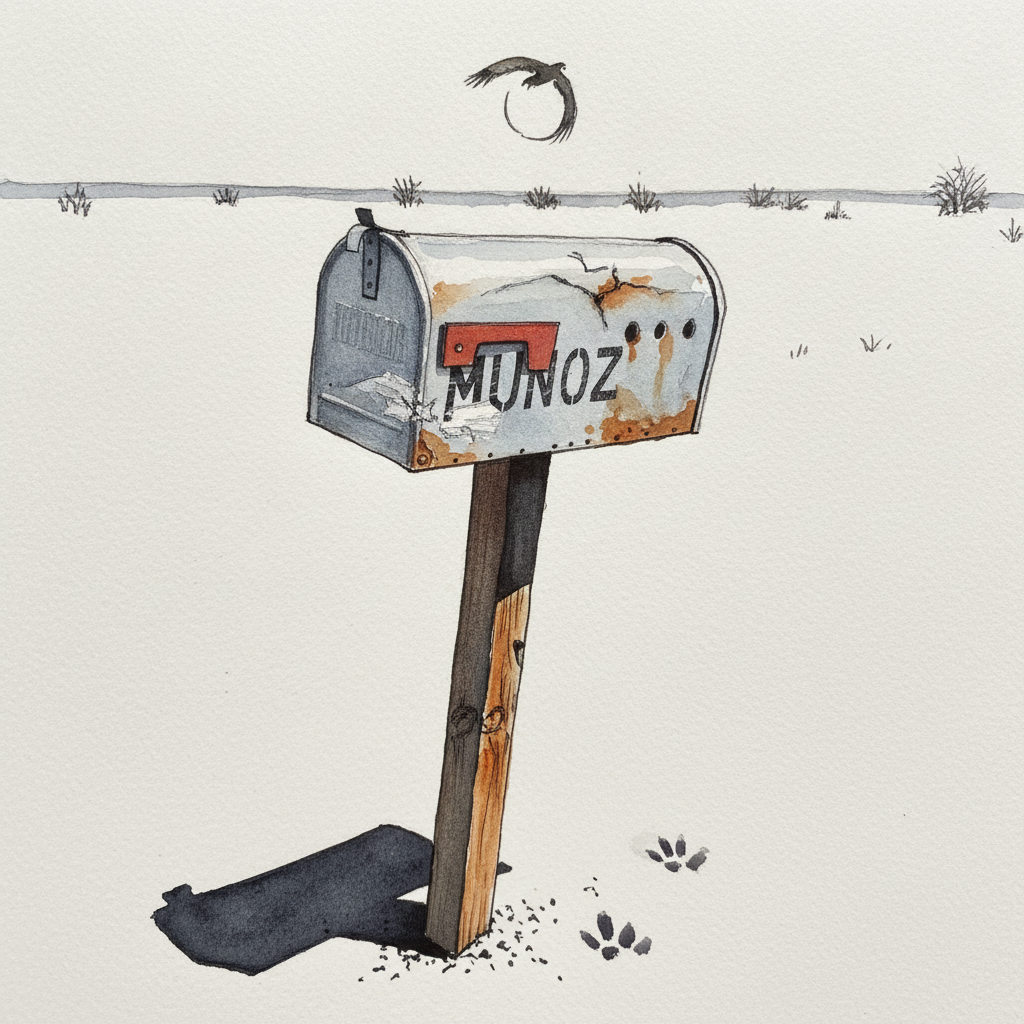
Focus for this piece
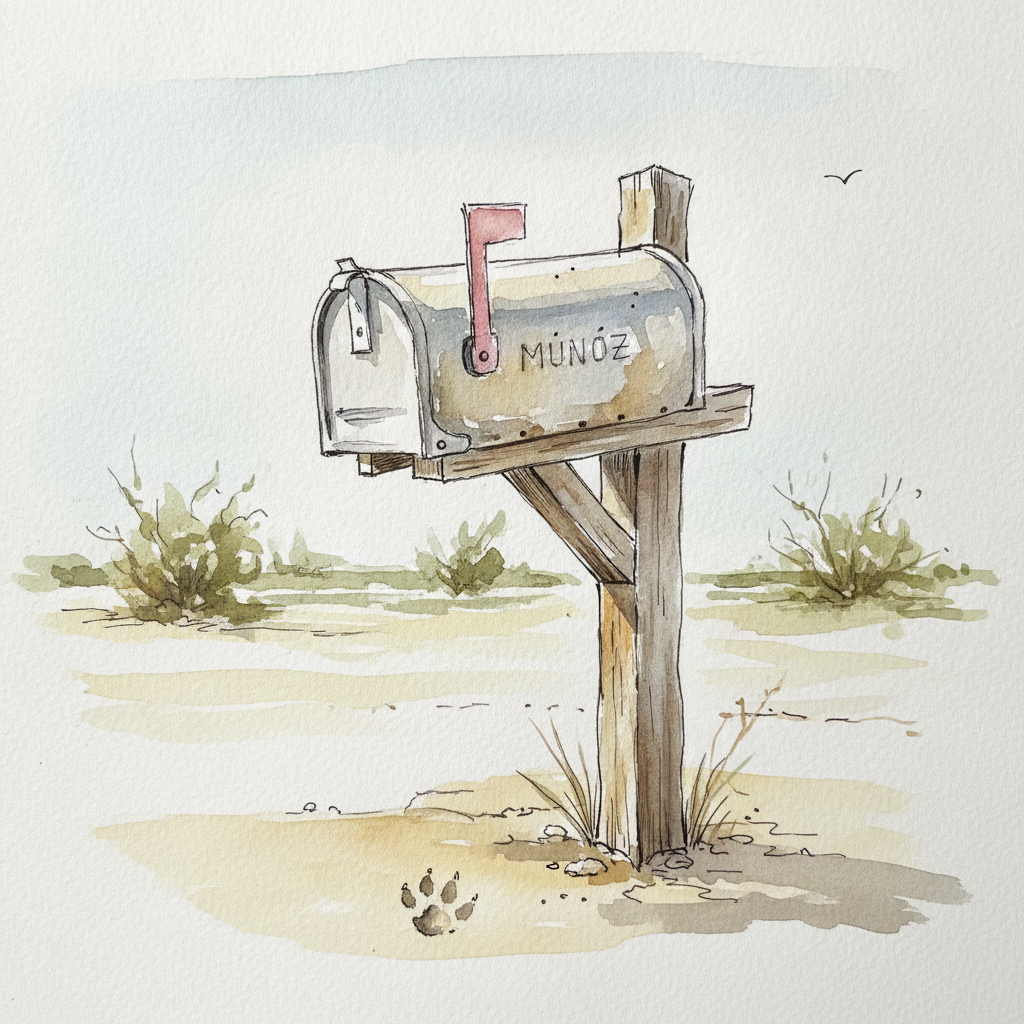
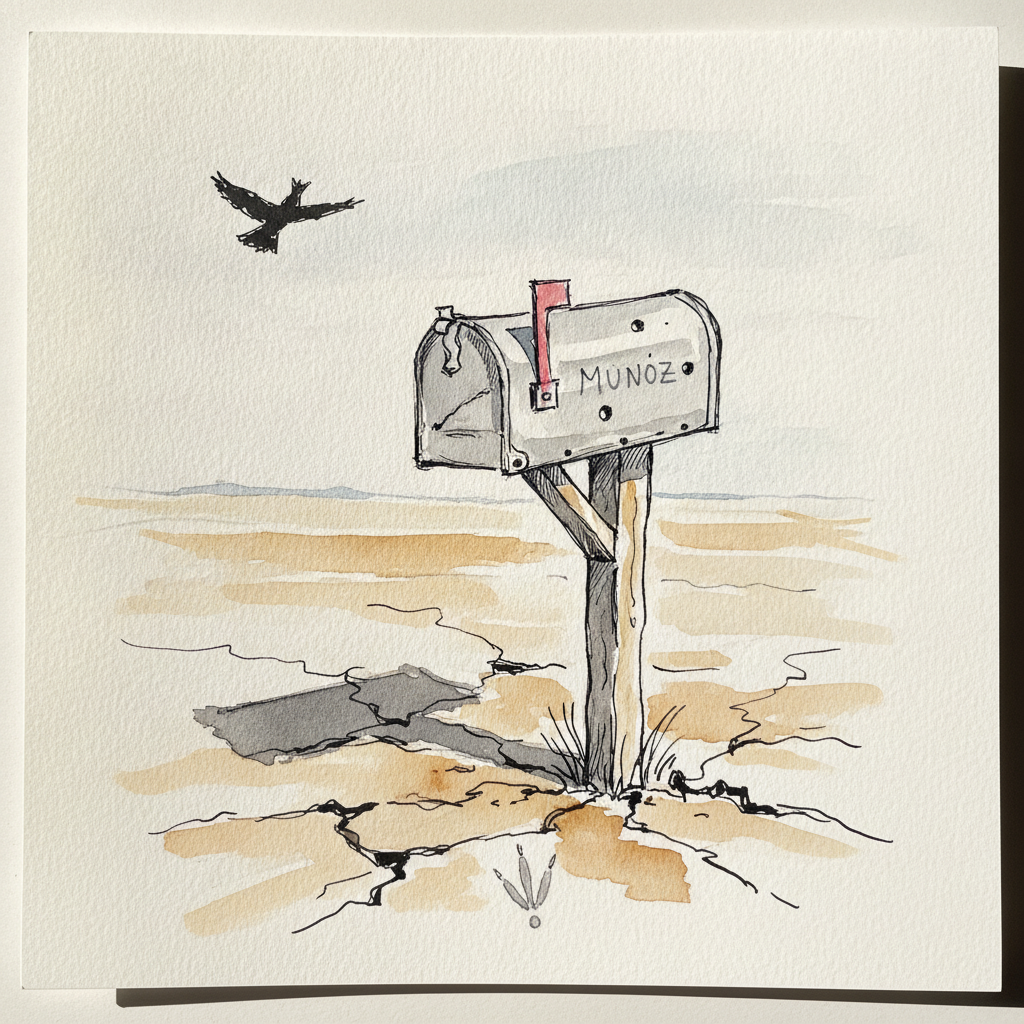
This piece is an excellent study in conveying character through varied line weight and subtle color. Use economical, broken lines to suggest the mailbox's dents and the cracked hardpan earth, contrasting these with fine, crisp lines for details like the bullet holes and the faint 'MUNOZ' stencil. Complement this structure with a restrained palette of muted desert tones, allowing light washes to build the sun-bleached atmosphere and suggest volume.
Piece 3 — Pentax K1000 worn
Pen + Watercolor · Loose pen and watercolor line-and-wash
Three takes
Focus for this piece
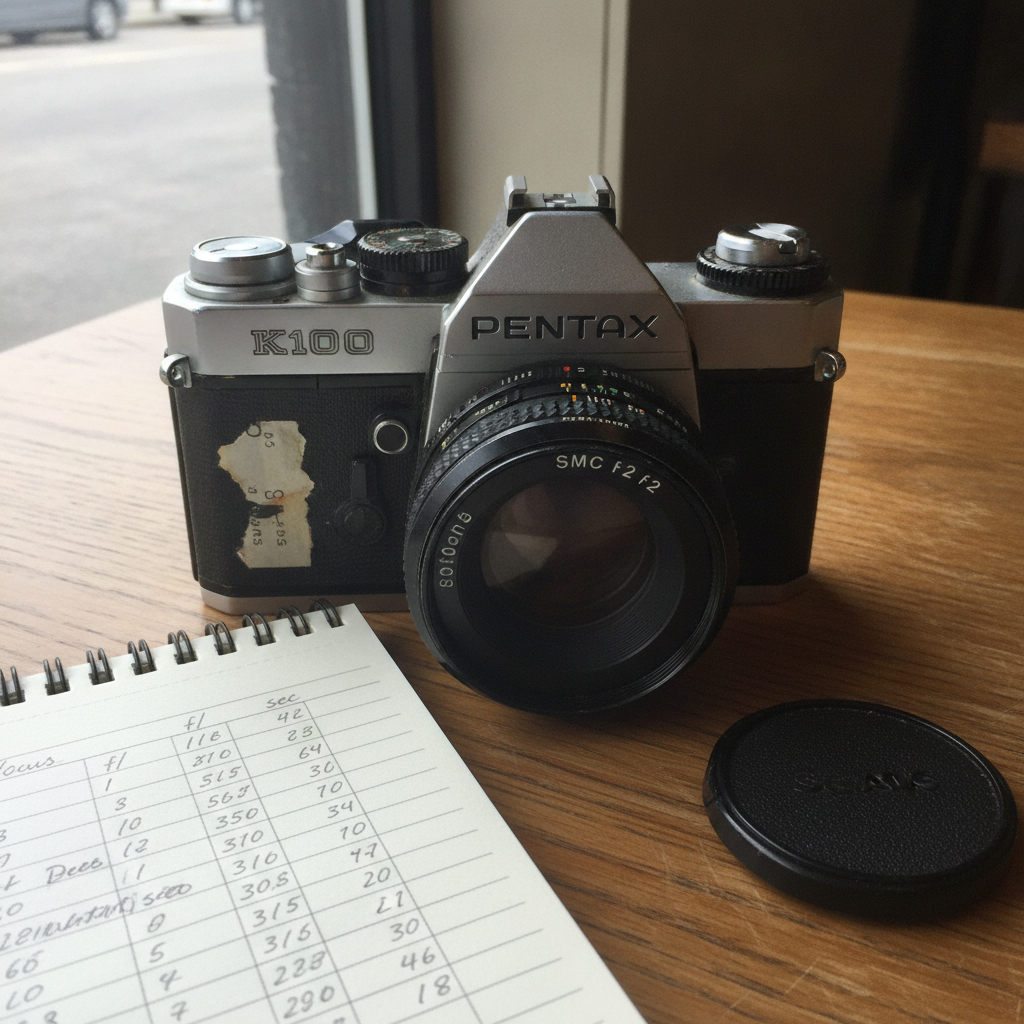
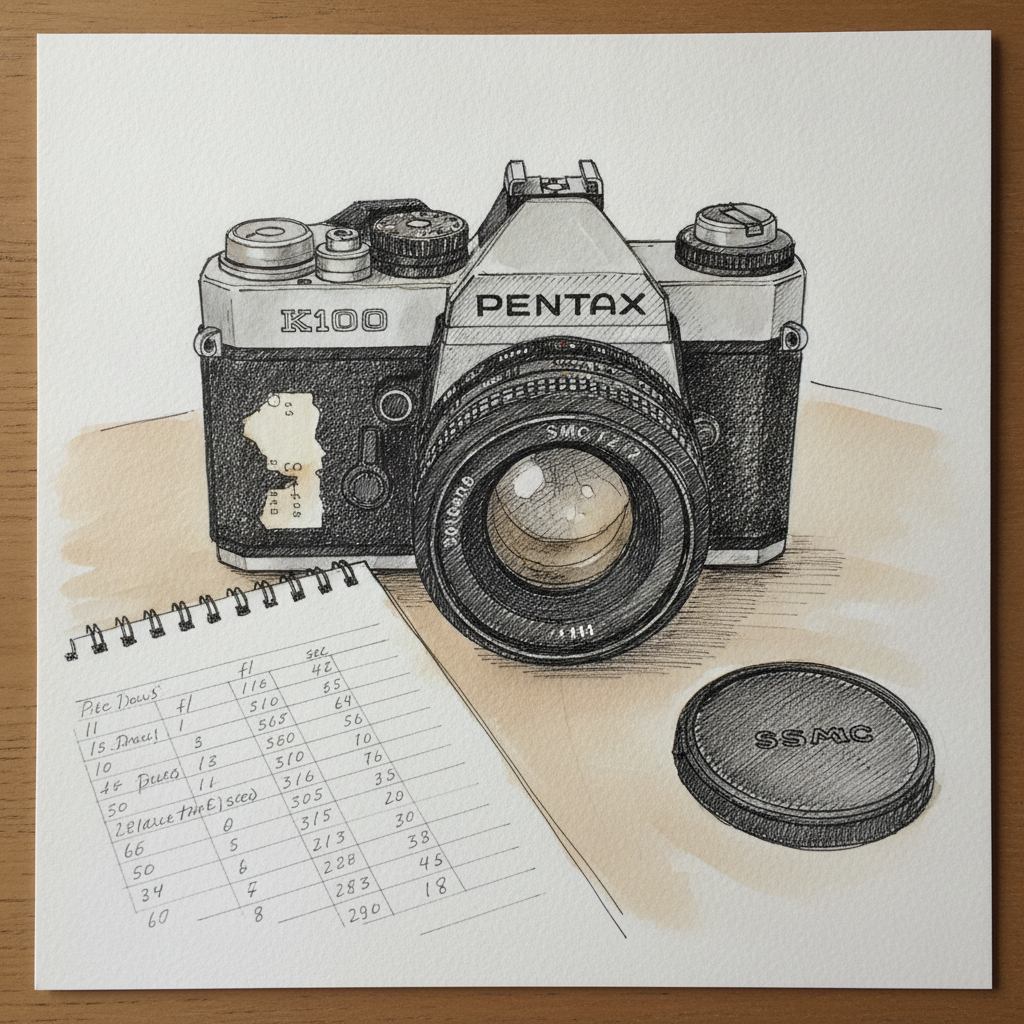
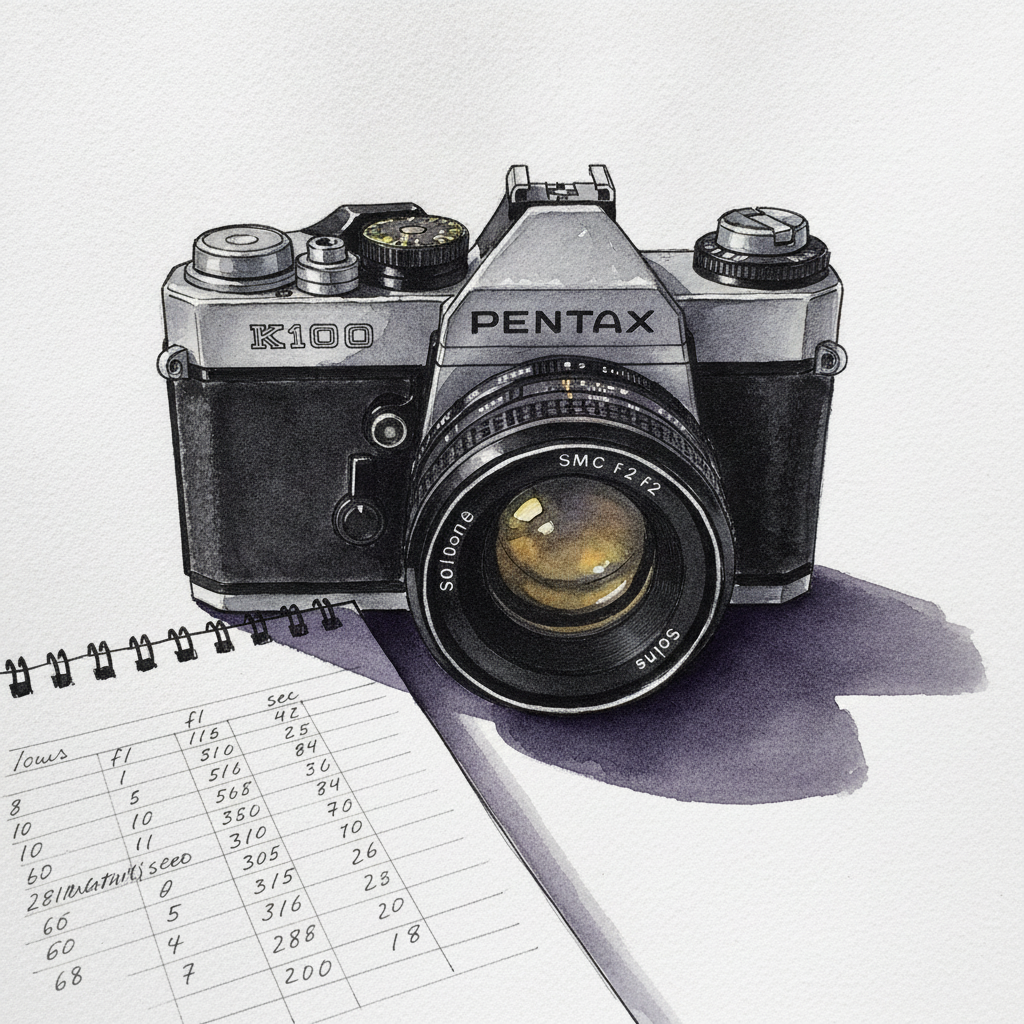
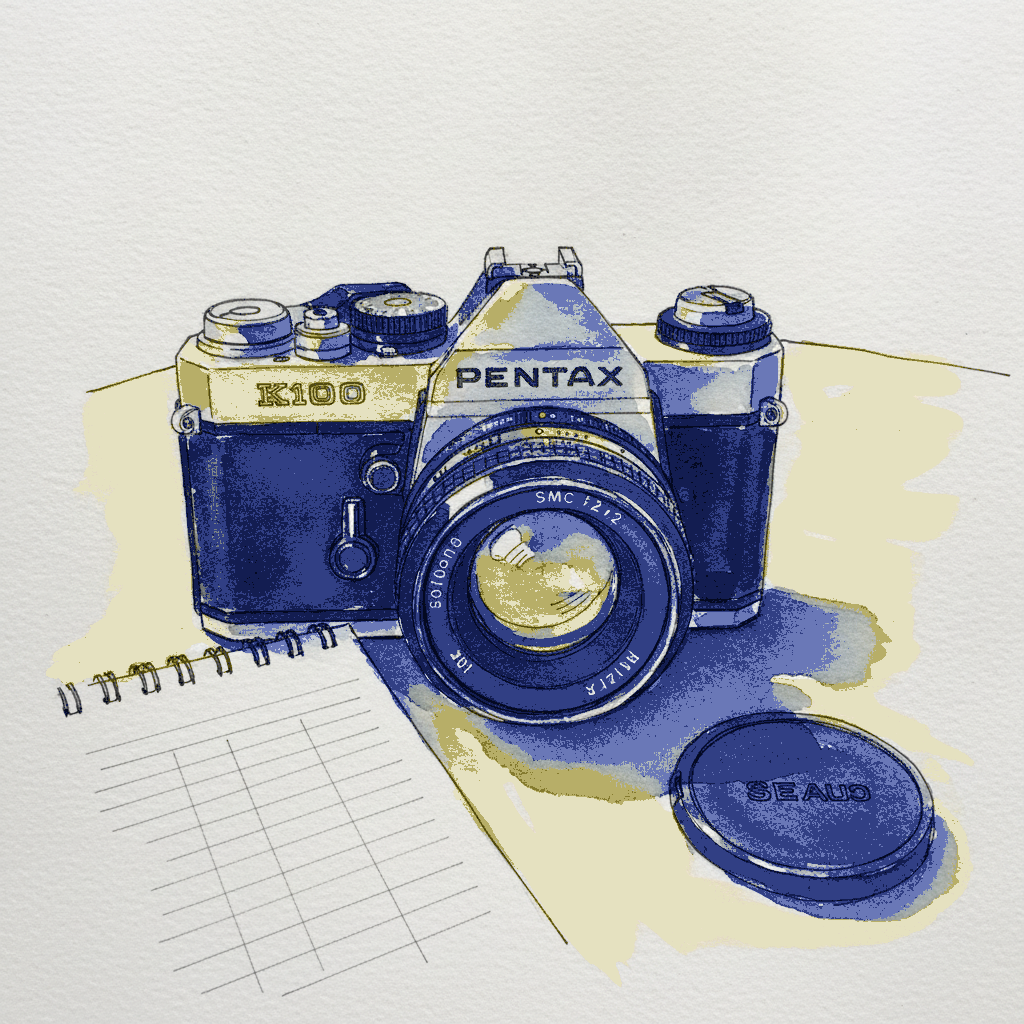
This piece offers an excellent opportunity to study how varied pen line weights and careful watercolor layering can define both precise forms and subtle textures. Use crisp, deliberate lines to establish the camera's sharp geometric structure, while employing finer, broken lines to suggest the worn leatherette, scratched lens cap, and glinting silver corners. Then, build the deep, matte values of the camera body and the delicate reflections on its metallic parts with successive, controlled washes, reserving unpainted areas for the brightest highlights. This will bring both accuracy and a sense of history to your subject.
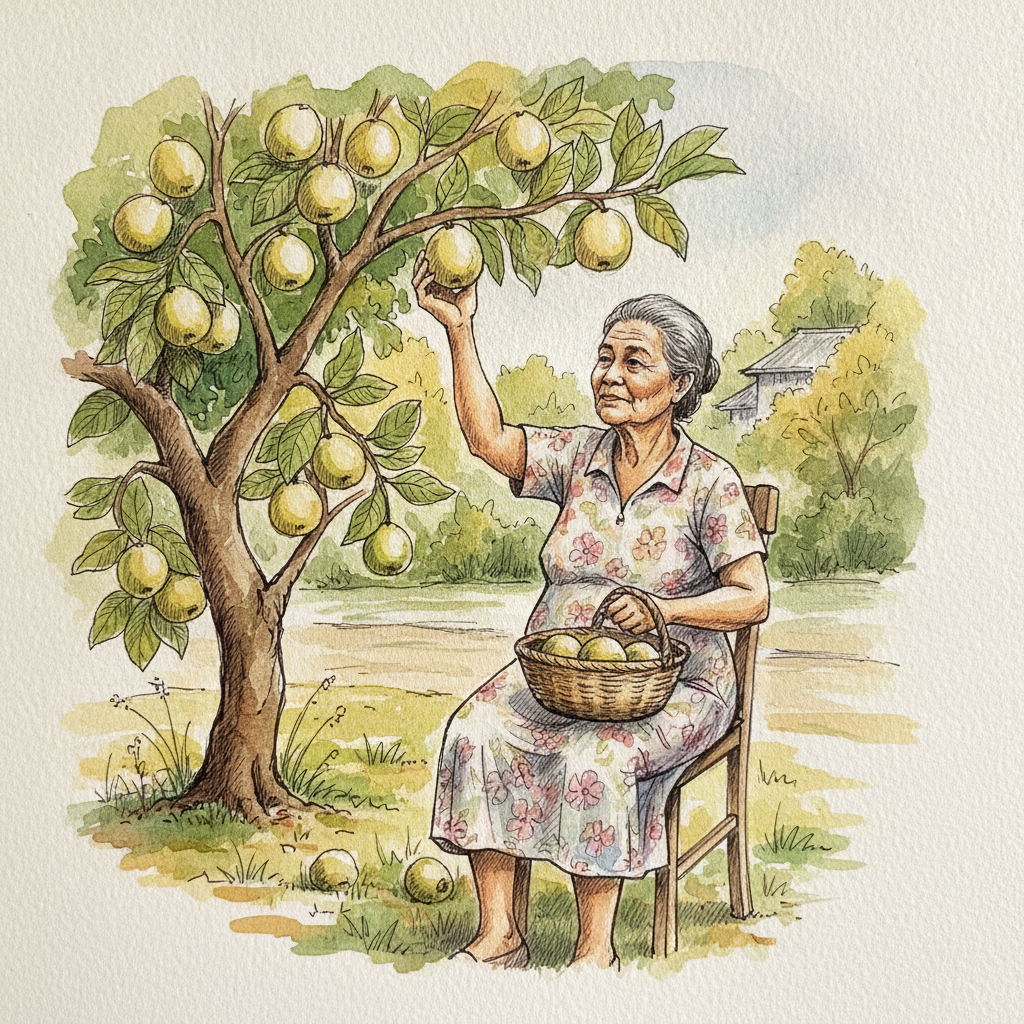
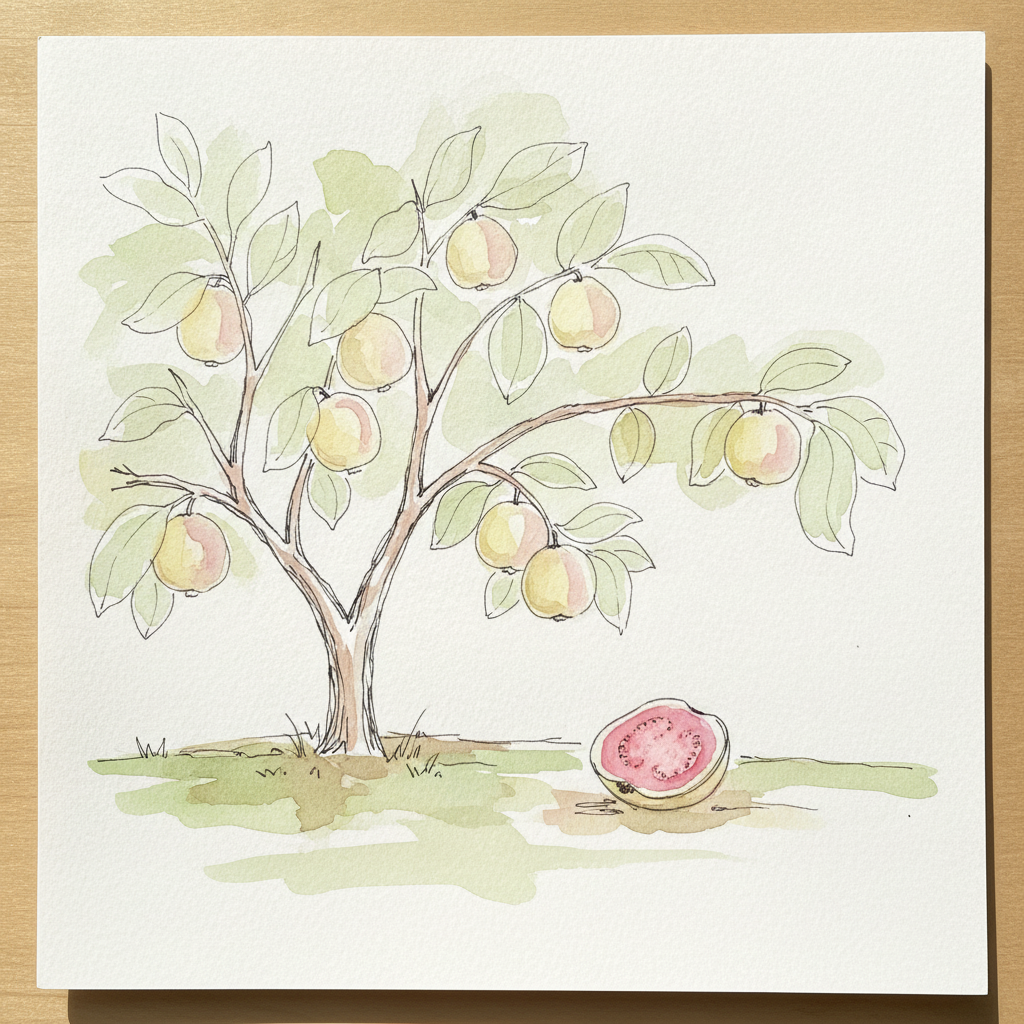
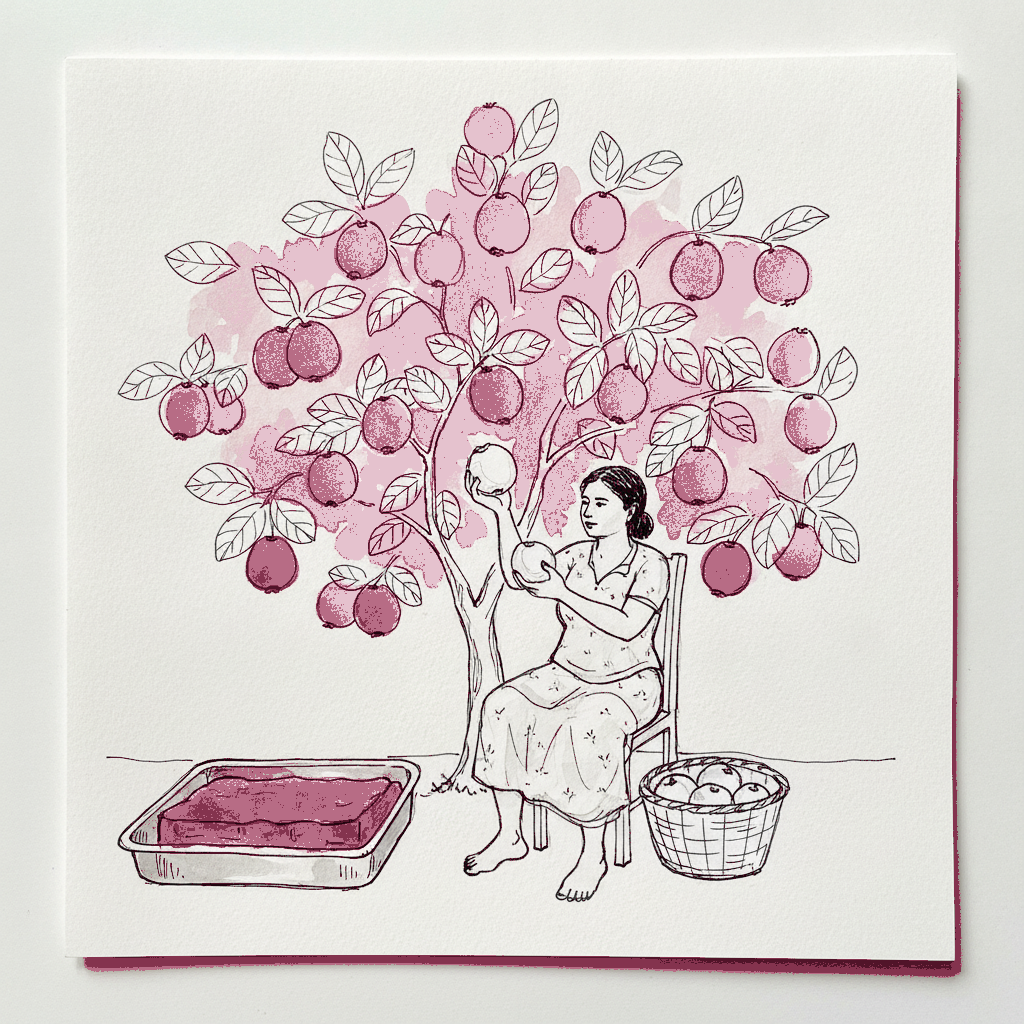
Piece 4 — Guava
Pen + Watercolor · Loose pen and watercolor line-and-wash
Three takes
Focus for this piece
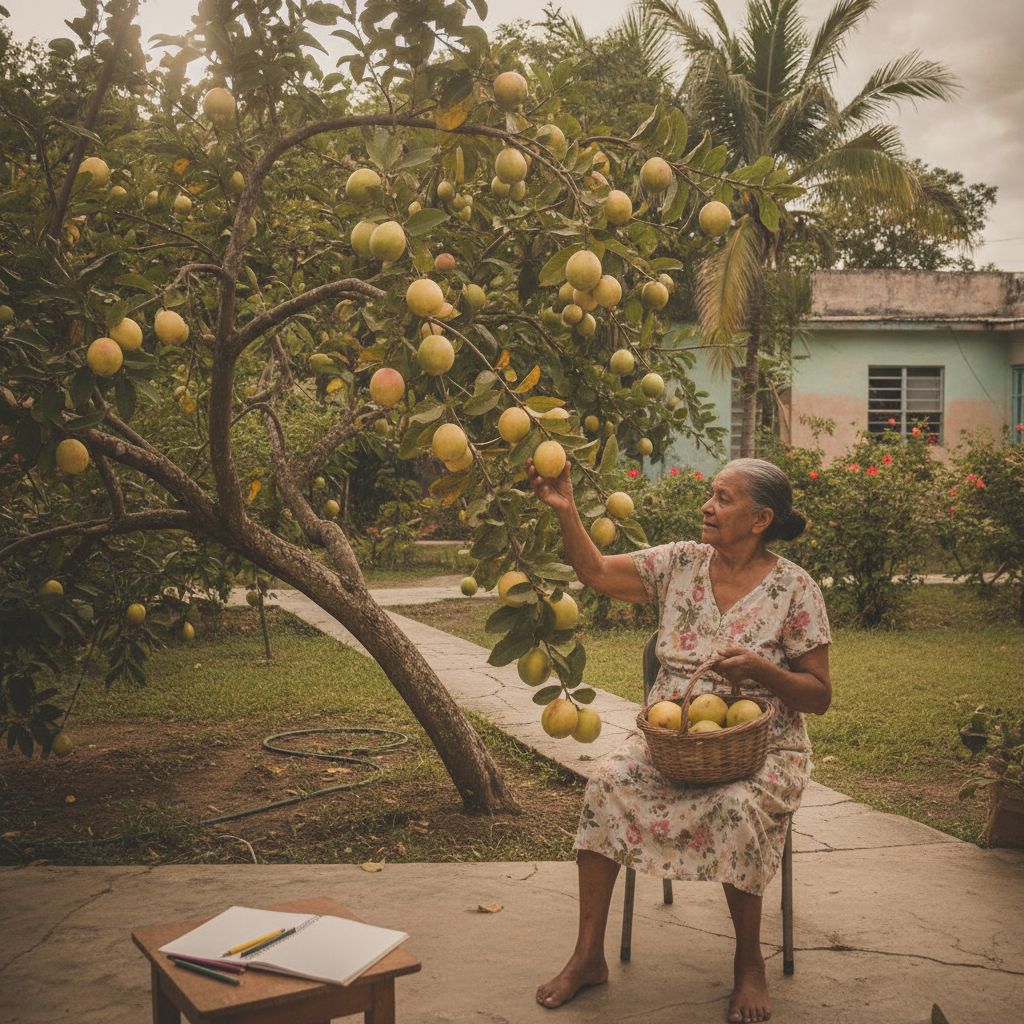
This piece is ideal for studying how to render the organic, rounded forms of the guavas through careful layering. Focus on building volume on these tennis-ball shapes using gentle, wet-on-wet washes of green transitioning to pale yellow, letting your pen lines define the subtle overlaps and crisp edges. Experiment with varying line weights, using a heavier touch for foreground fruits and lighter, broken lines to suggest depth among the clustered forms.
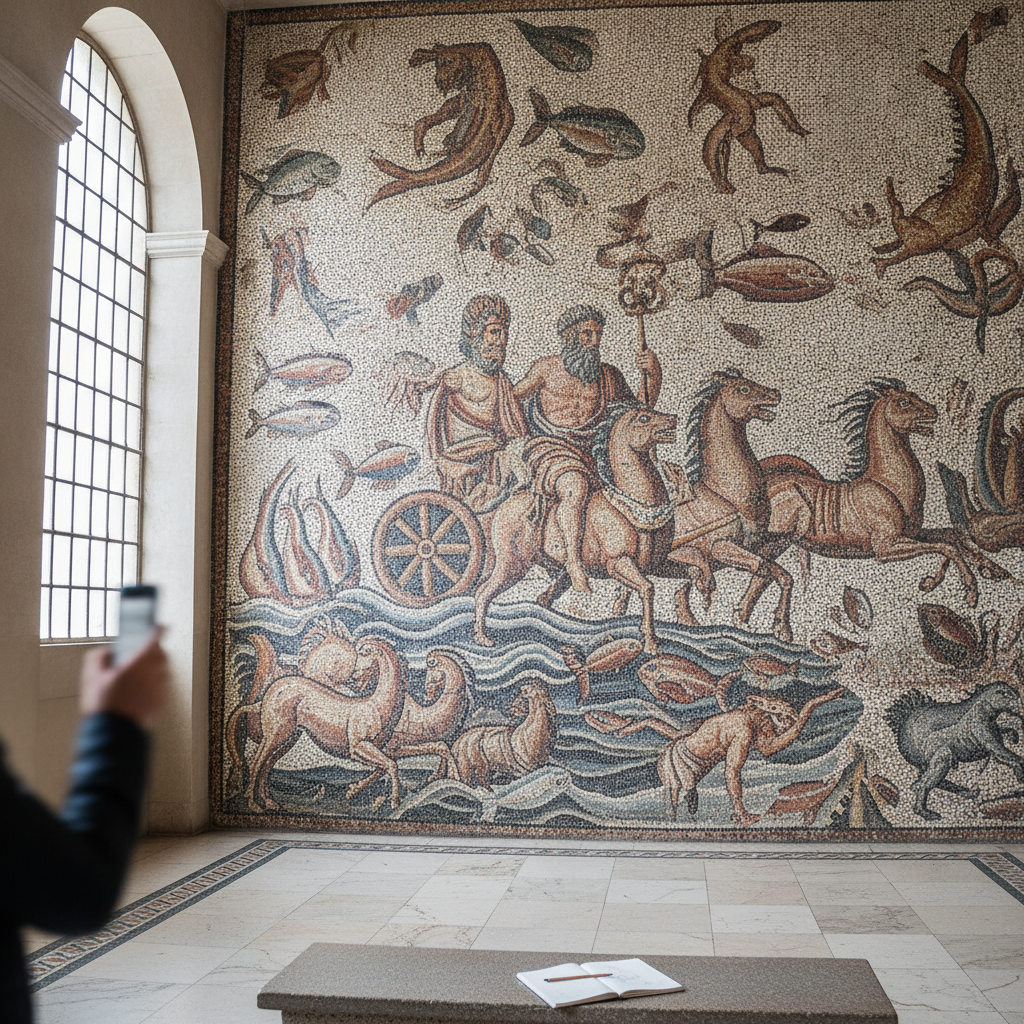
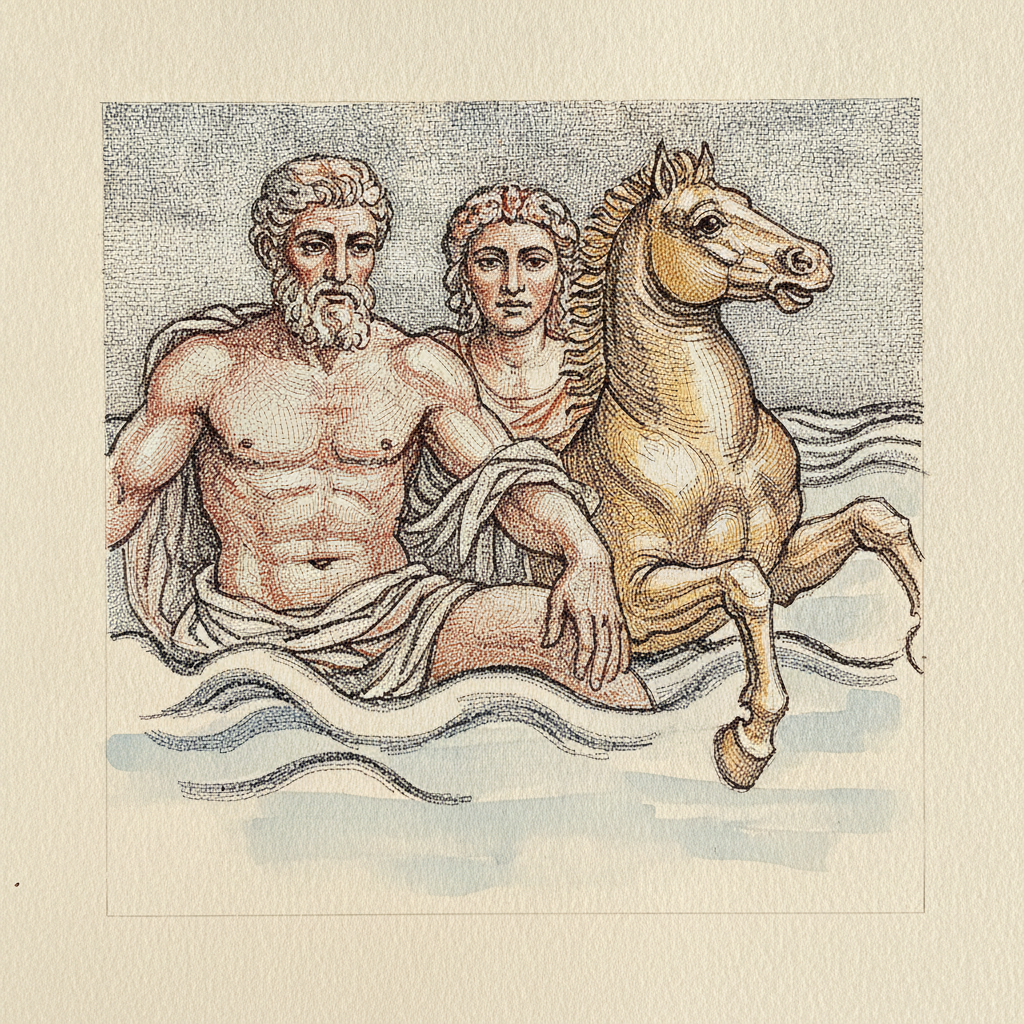
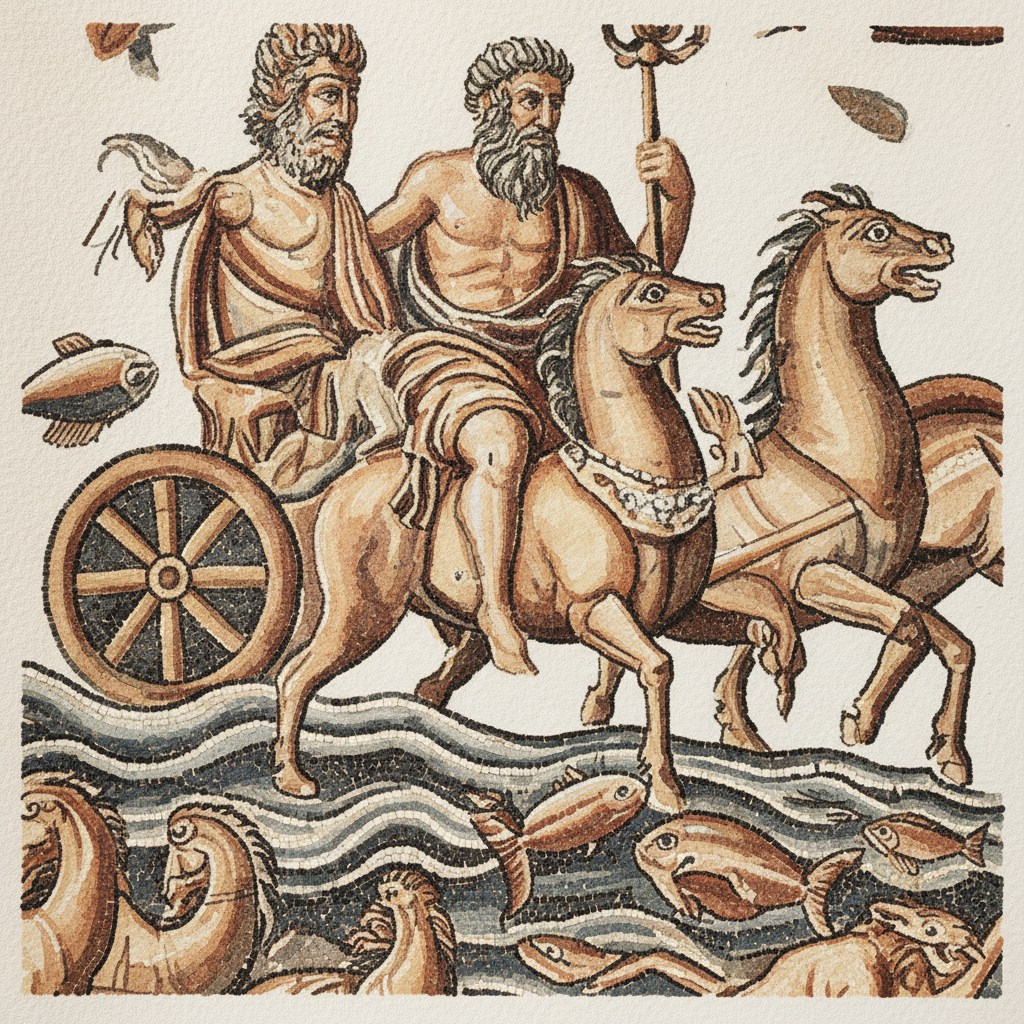
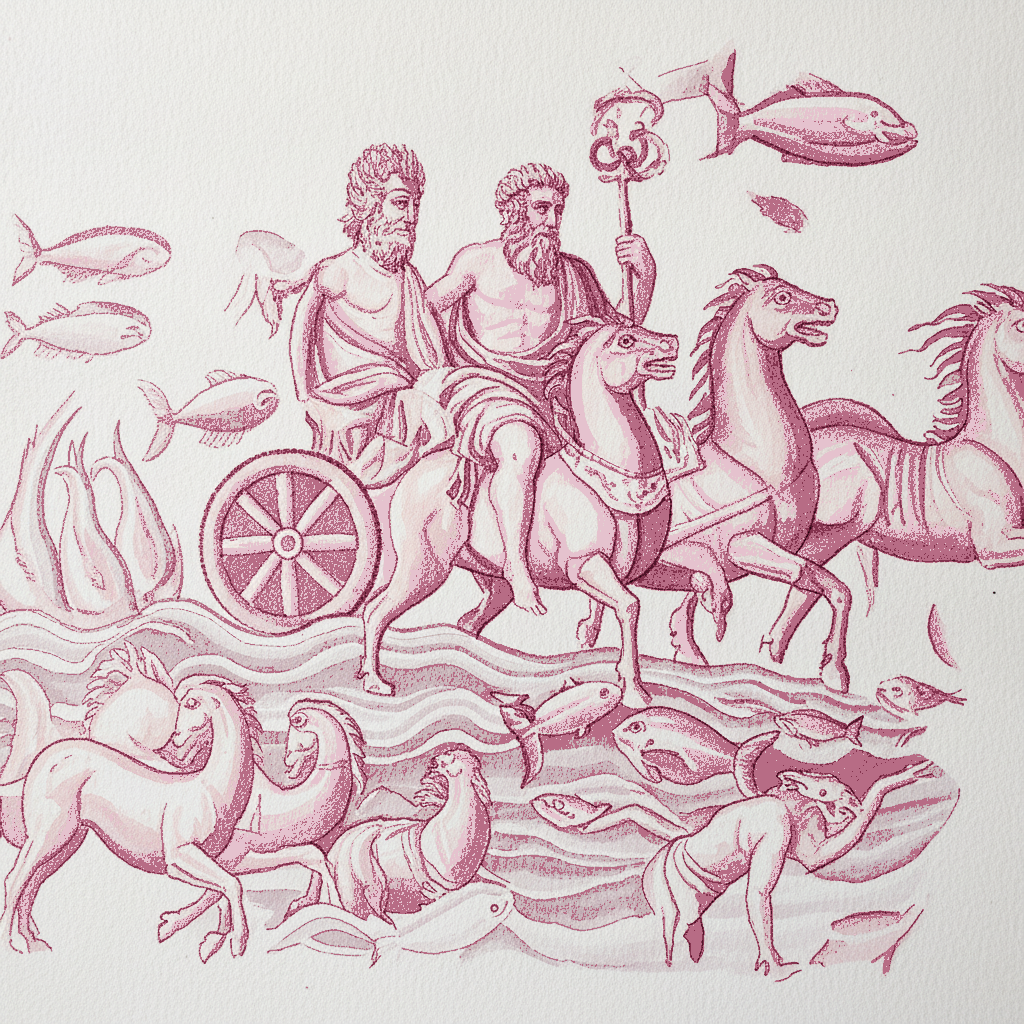
Piece 5 — Tunisian Bardo Mosaic
Pen + Watercolor · Loose pen and watercolor line-and-wash
Three takes
Focus for this piece
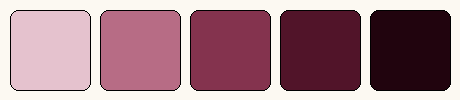
This mosaic provides an excellent study in building form and texture through discrete watercolor touches, where the "pixelation" of individual tesserae is key. Using a fine-tipped brush, focus on placing small, distinct color blocks, letting their adjacency create the illusion of smooth gradients and depth for the mythological scenes. Your pen can establish the strong structural outlines of the figures, with your limited palette of ochre, terracotta, and deep blue filling in the intricate, unblended surface.
Piece 6 — Tugendhat House, Brno, Czech Republic
Pen + Watercolor · Loose pen and watercolor line-and-wash
Three takes
Focus for this piece
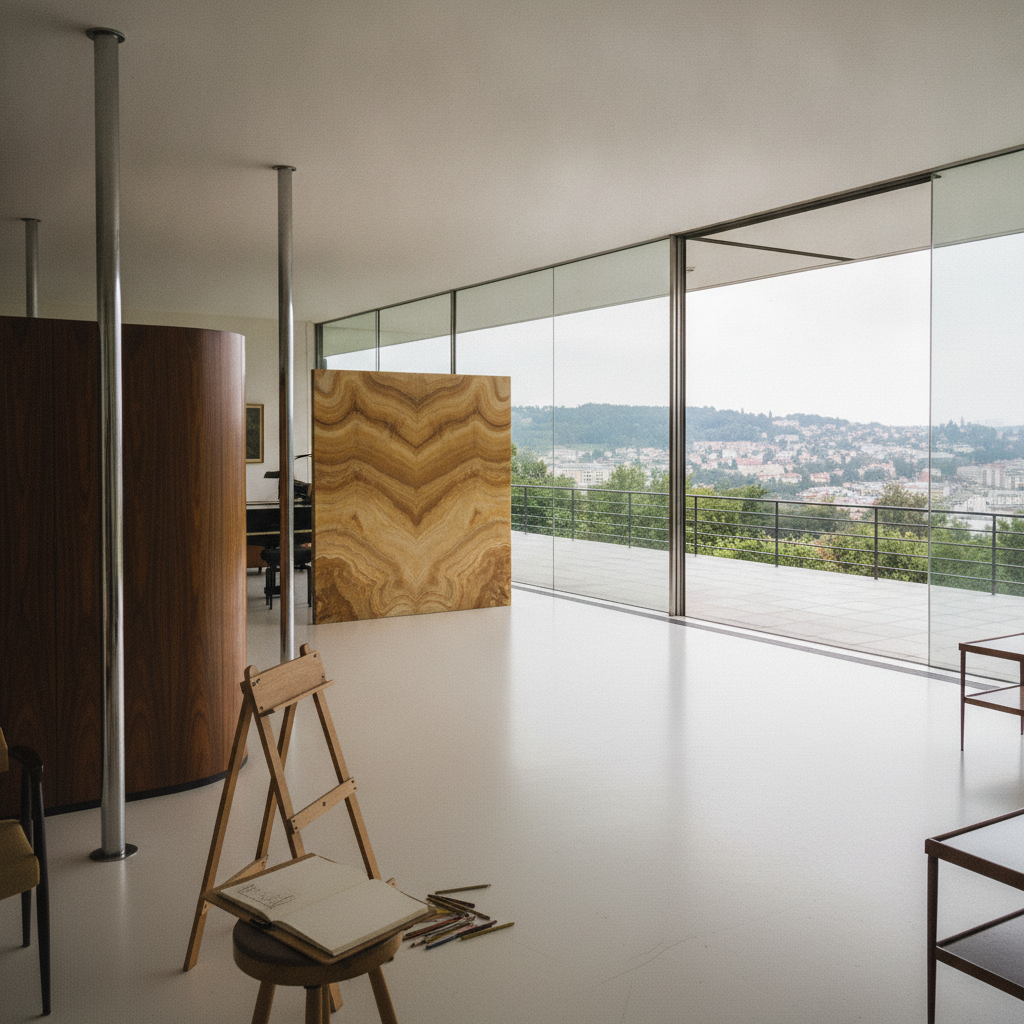
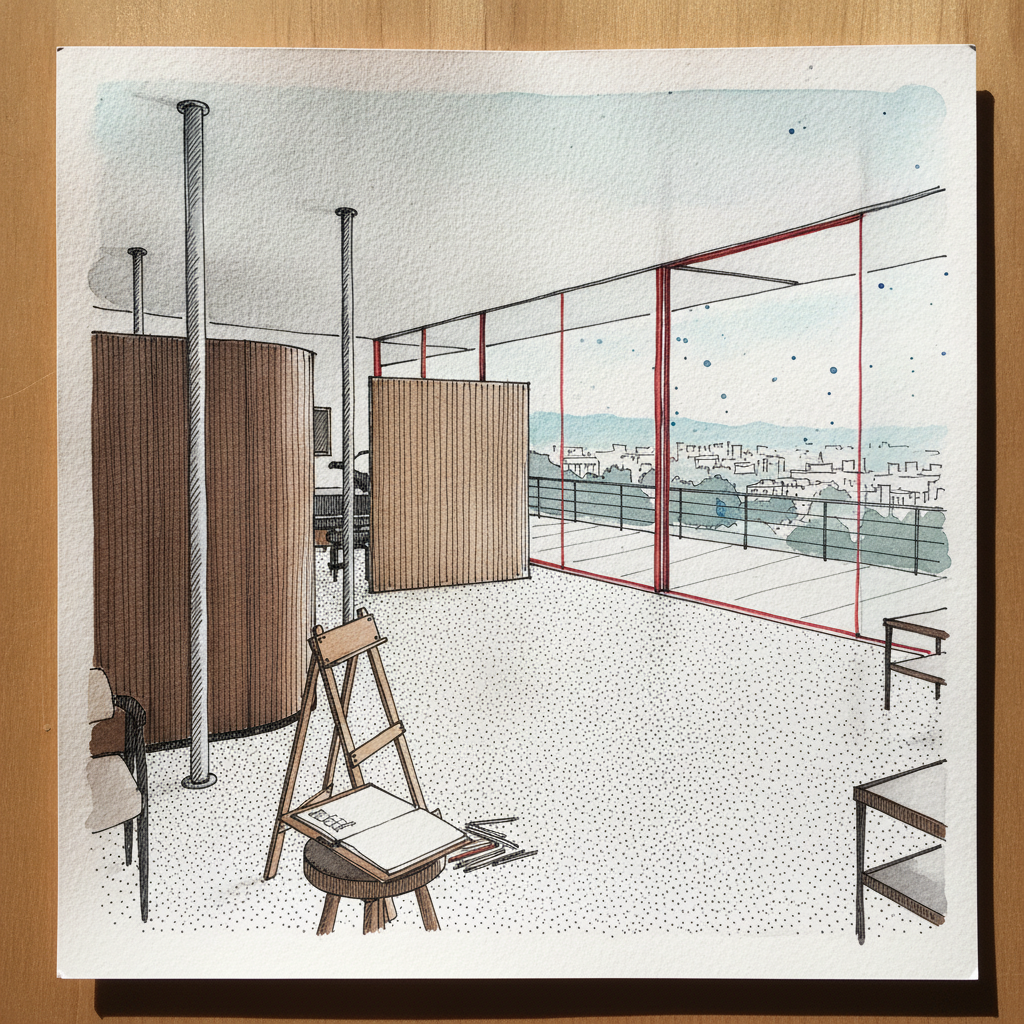
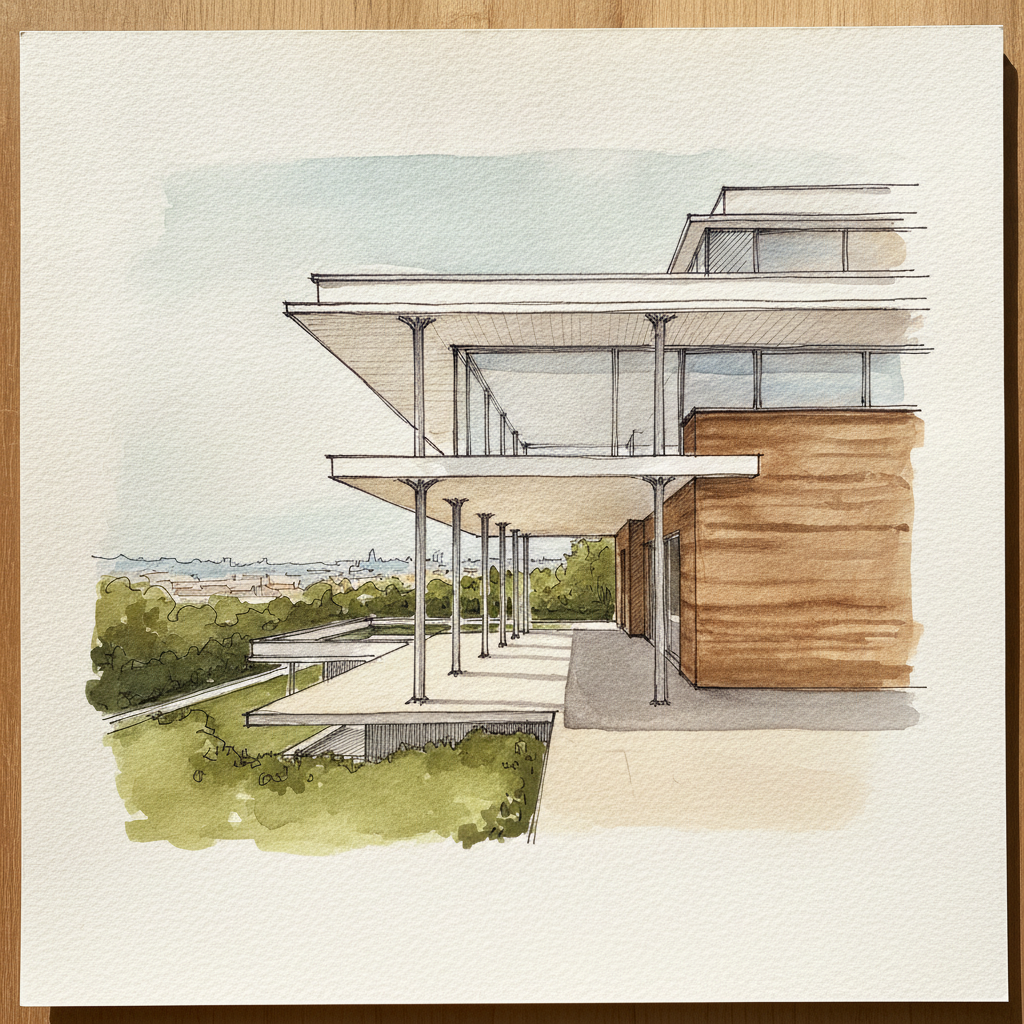
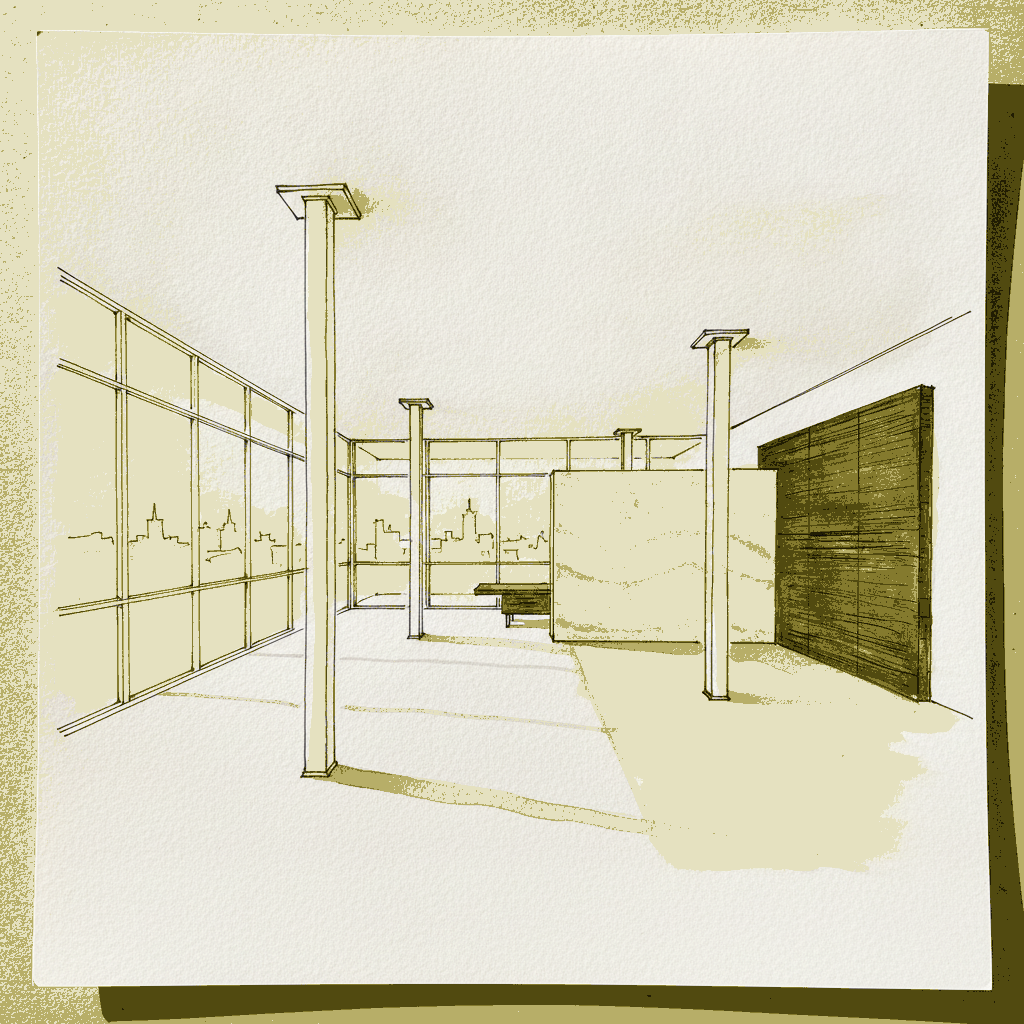
This piece offers an excellent study in using varied line weights and contrasting watercolor washes to define architectural elements and materials. Use crisp, fine pen lines and delicate, cool washes for the expansive glass and gleaming chrome, suggesting transparency and reflection. In contrast, employ slightly bolder lines and richer, warmer washes for the solid onyx and ebony planes to emphasize their texture and weight. This approach will highlight the house's precise structure while capturing its unique interplay of light and substance.
Piece 7 — Western Australia pear orchard, Australia
Pen + Watercolor · Loose pen and watercolor line-and-wash
Three takes
Focus for this piece
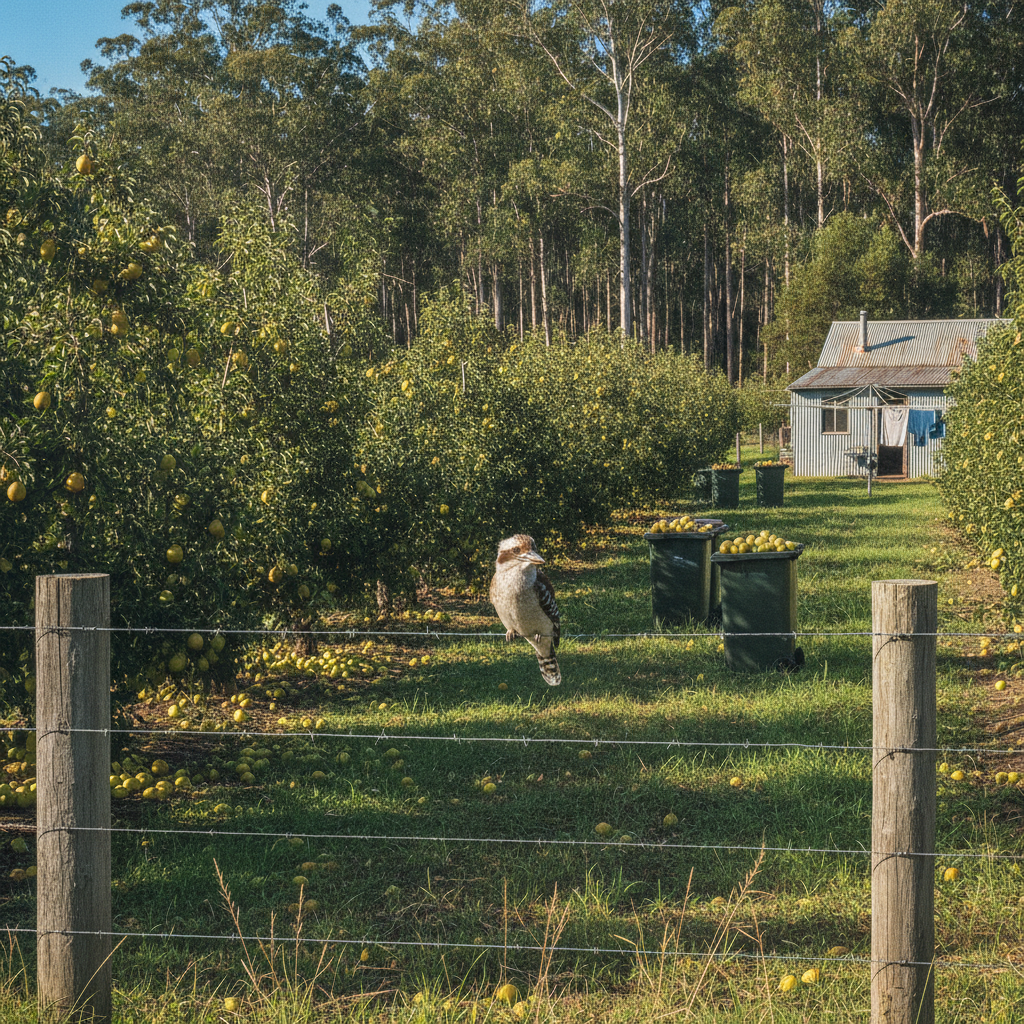
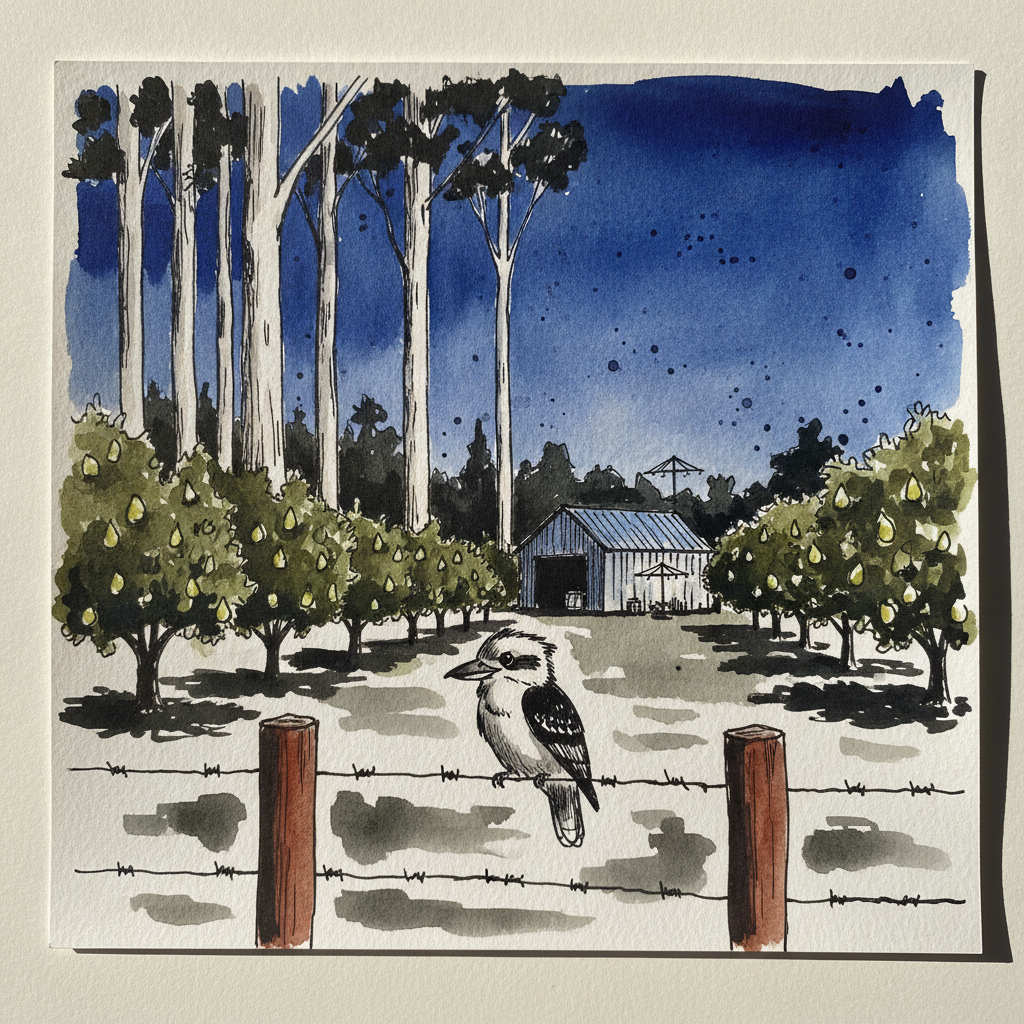
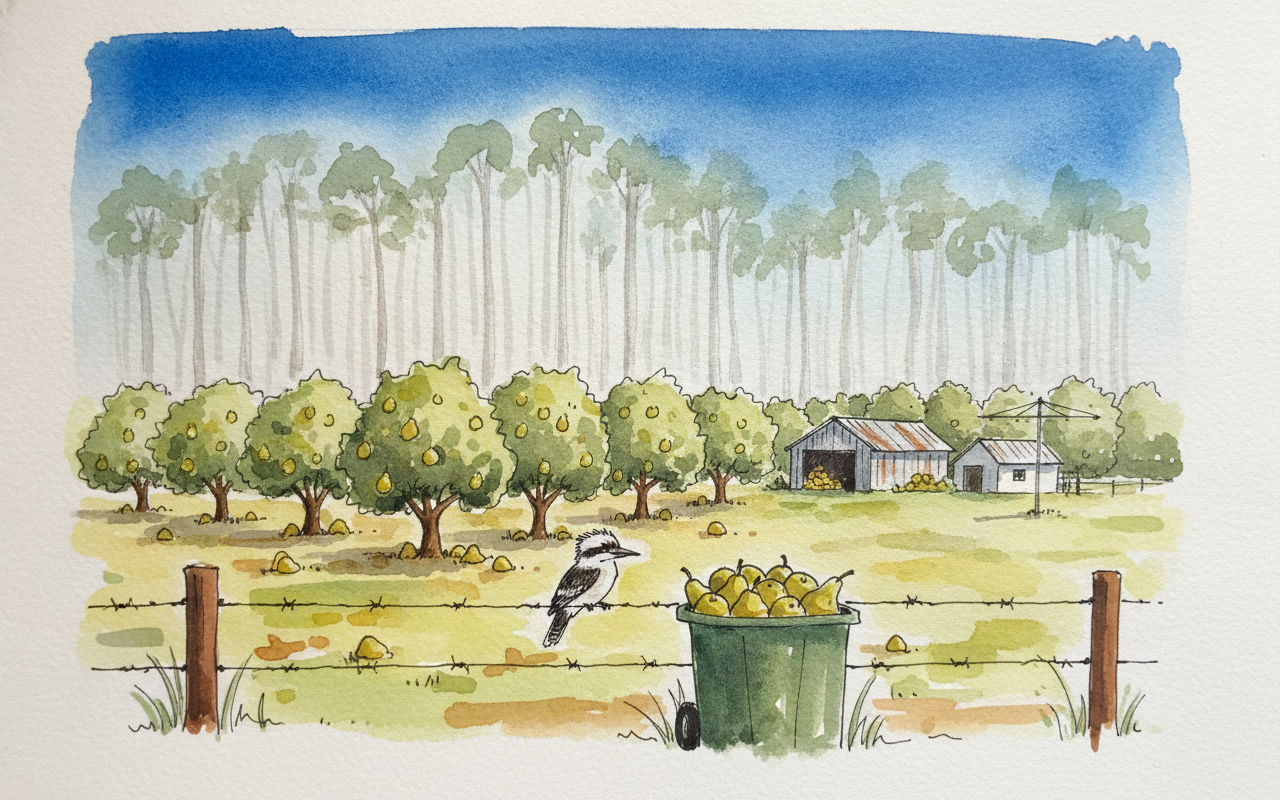
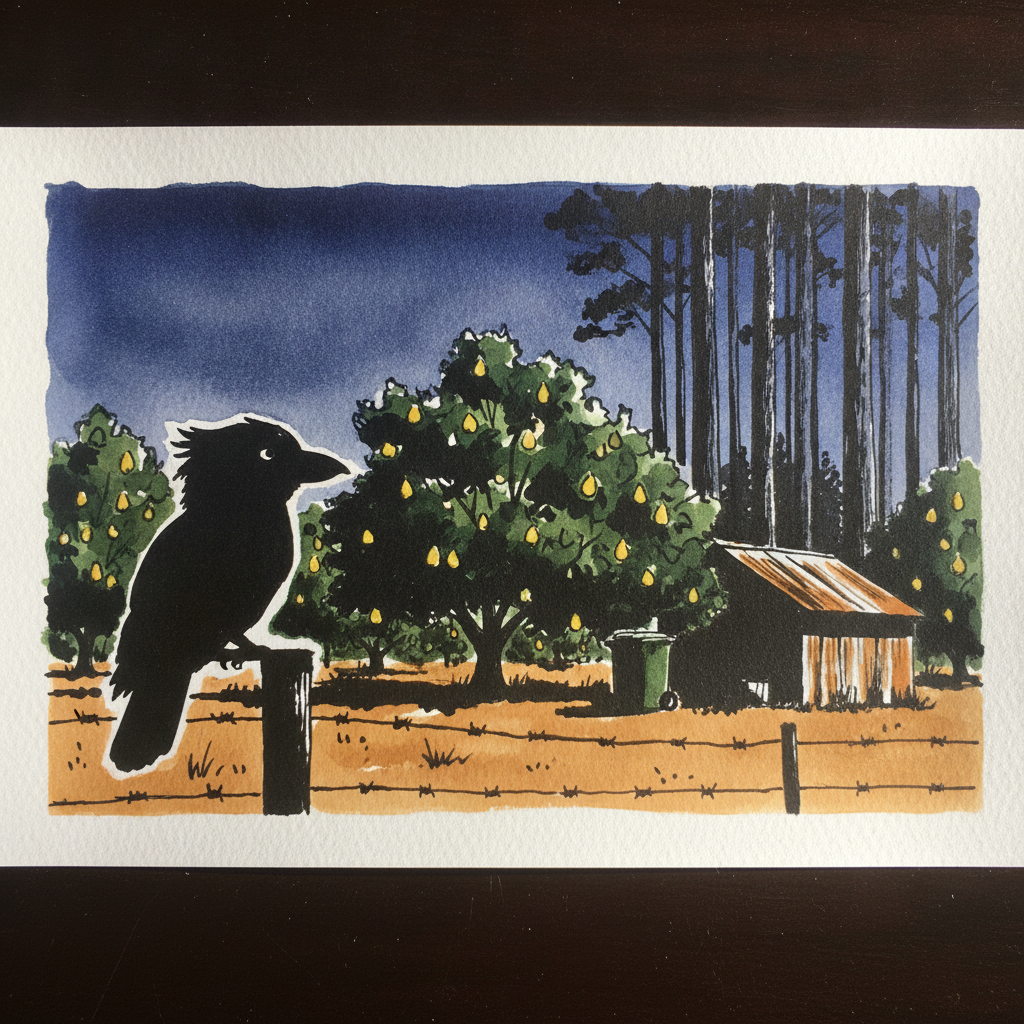
This piece offers an excellent study in establishing deep space by contrasting crisp, detailed foreground elements with atmospheric suggestion. Use varied line weights, making the jarrah fence and perched kookaburra precise and distinct with strong ink work. For the middle-ground pear trees, focus on simplifying their 'open vase' shapes using light, gestural pen lines and expressive washes, allowing their collective form to create rhythm. Finally, practice suggesting the immense height and pale trunks of the distant karri forest with soft, muted washes and minimal line work, letting the deep Southern blue sky define their upper edges.
Piece 8 — Shadow boxing in mirror
Pen + Watercolor · Loose pen and watercolor line-and-wash
Three takes
Focus for this piece
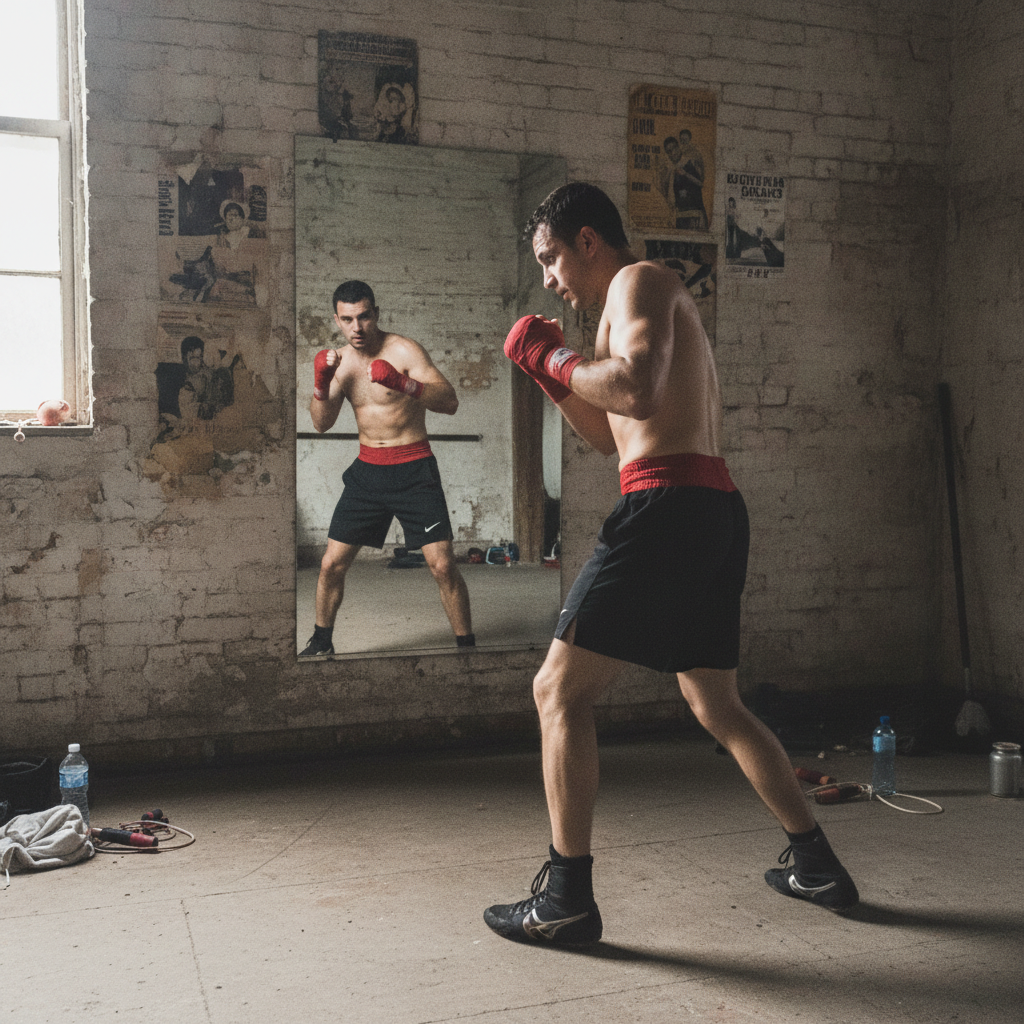
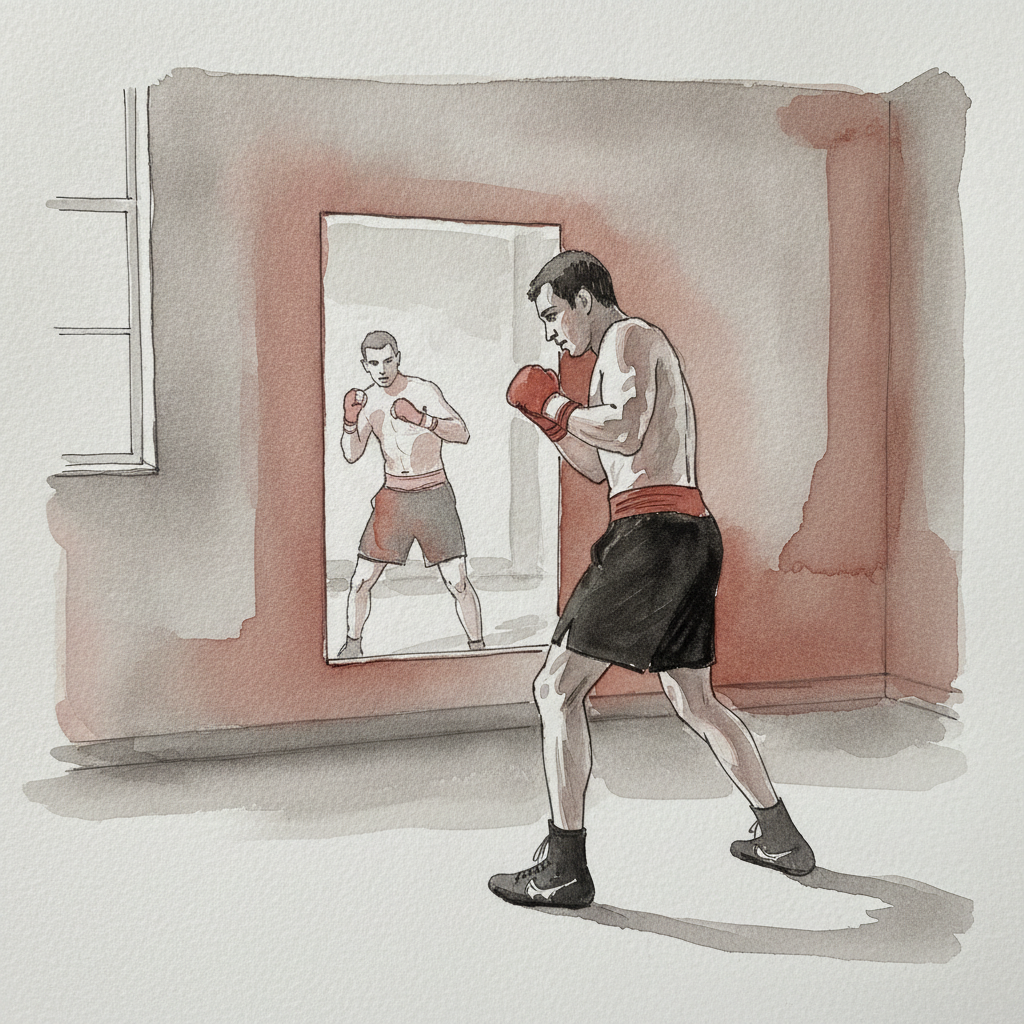
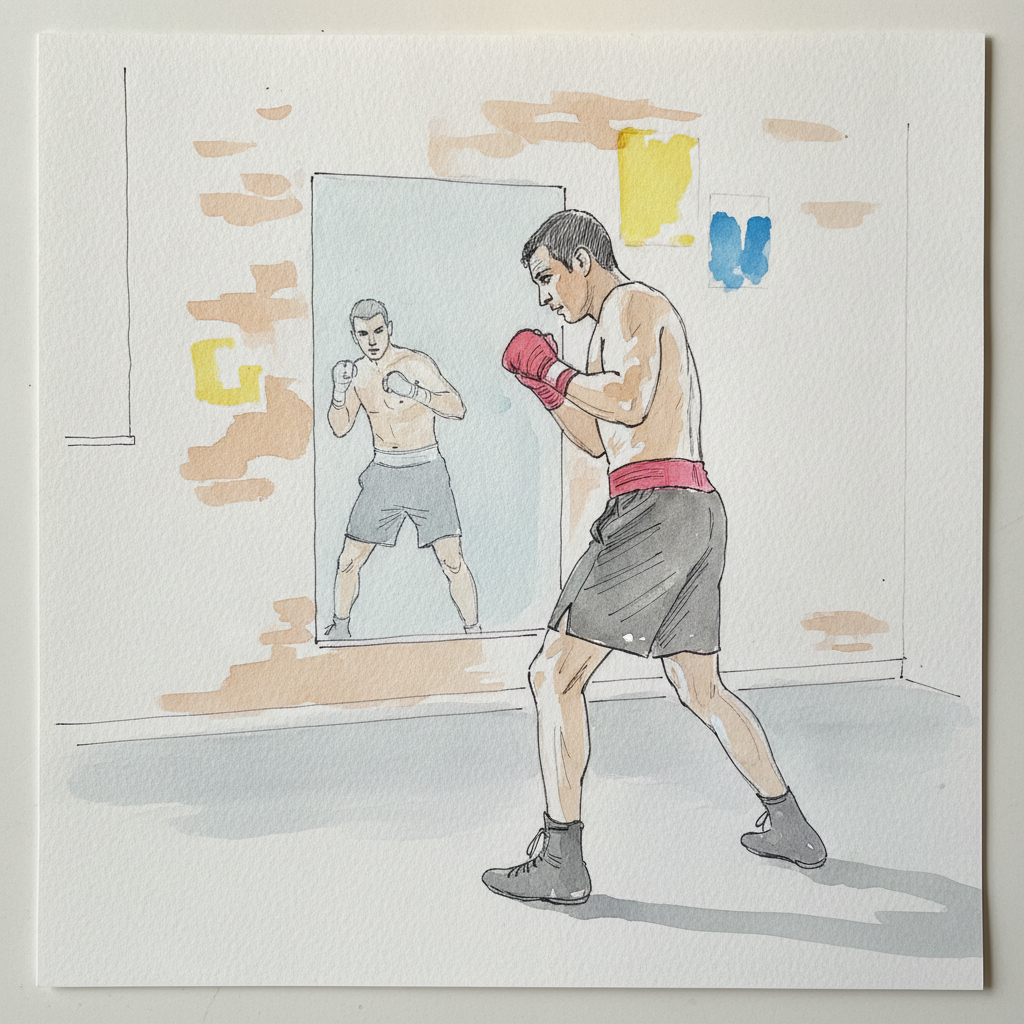
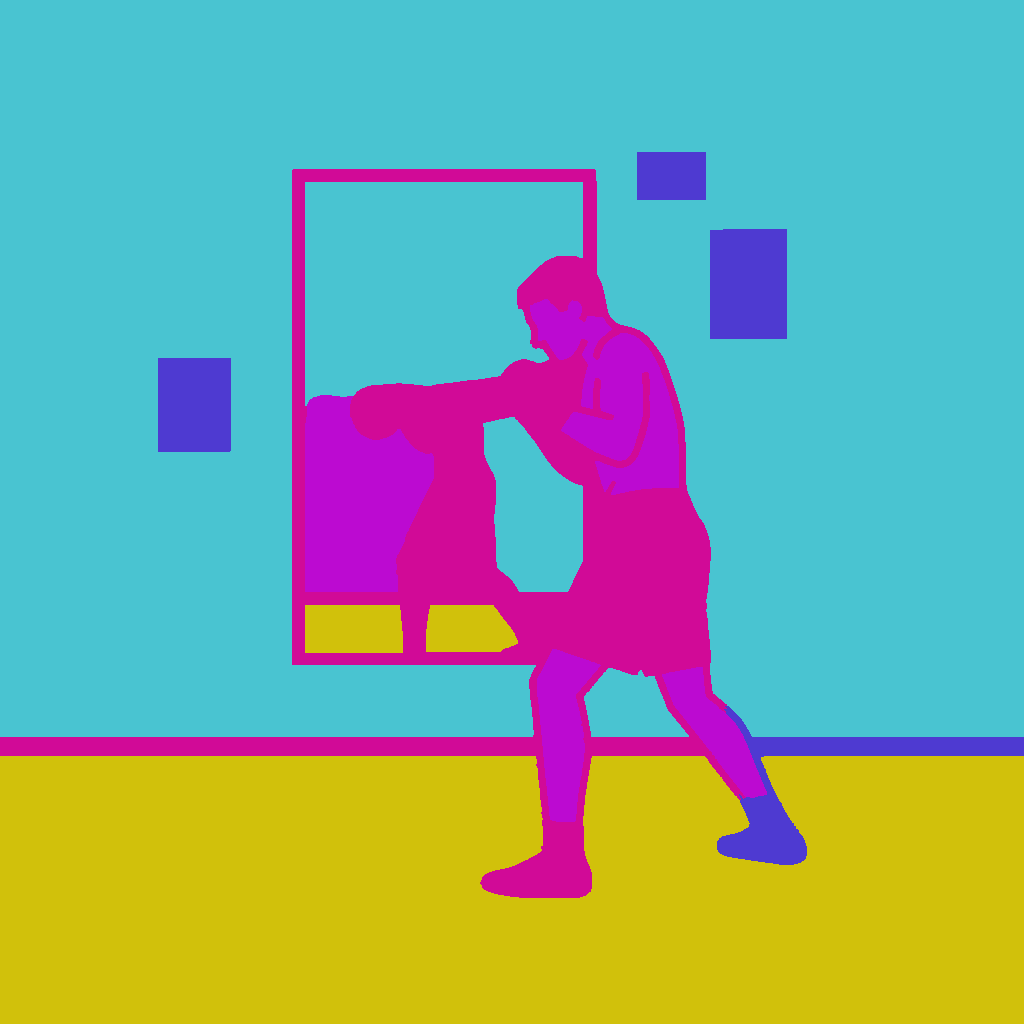
This piece offers an excellent study in distinguishing direct form from its reflection. Use varied line weights—heavier and more confident for the primary figure, and lighter, perhaps broken lines for the mirror image—to separate the real from the reproduced. Complement this by intentionally softening edges and slightly desaturating your washes for the reflection, contrasting it with the sharper structural lines and distinct textures of the brick wall and old posters.