Snow-night torii under a single lantern, Iced Glass with Heavy Condensation, Sichuan limestone karst with bamboo skirt, Shunan, Gray catbird, and more — pen + watercolor for August 18, 2026
AI-generated daily art-practice references for pen and watercolor: Snow-night torii under a single lantern, Iced Glass with Heavy Condensation, Sichuan limestone karst with bamboo skirt, Shunan, Gray catbird, Half-Plow, Ardha Halasana on Chair, Field day with games, Å, Lofoten, Norway, Concert St…
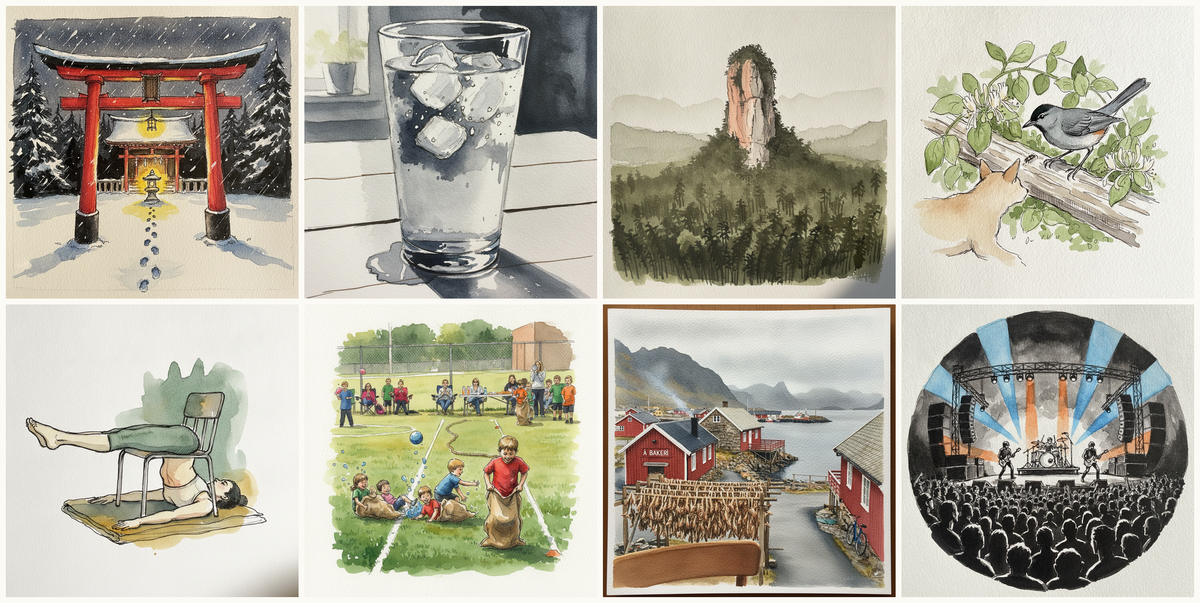
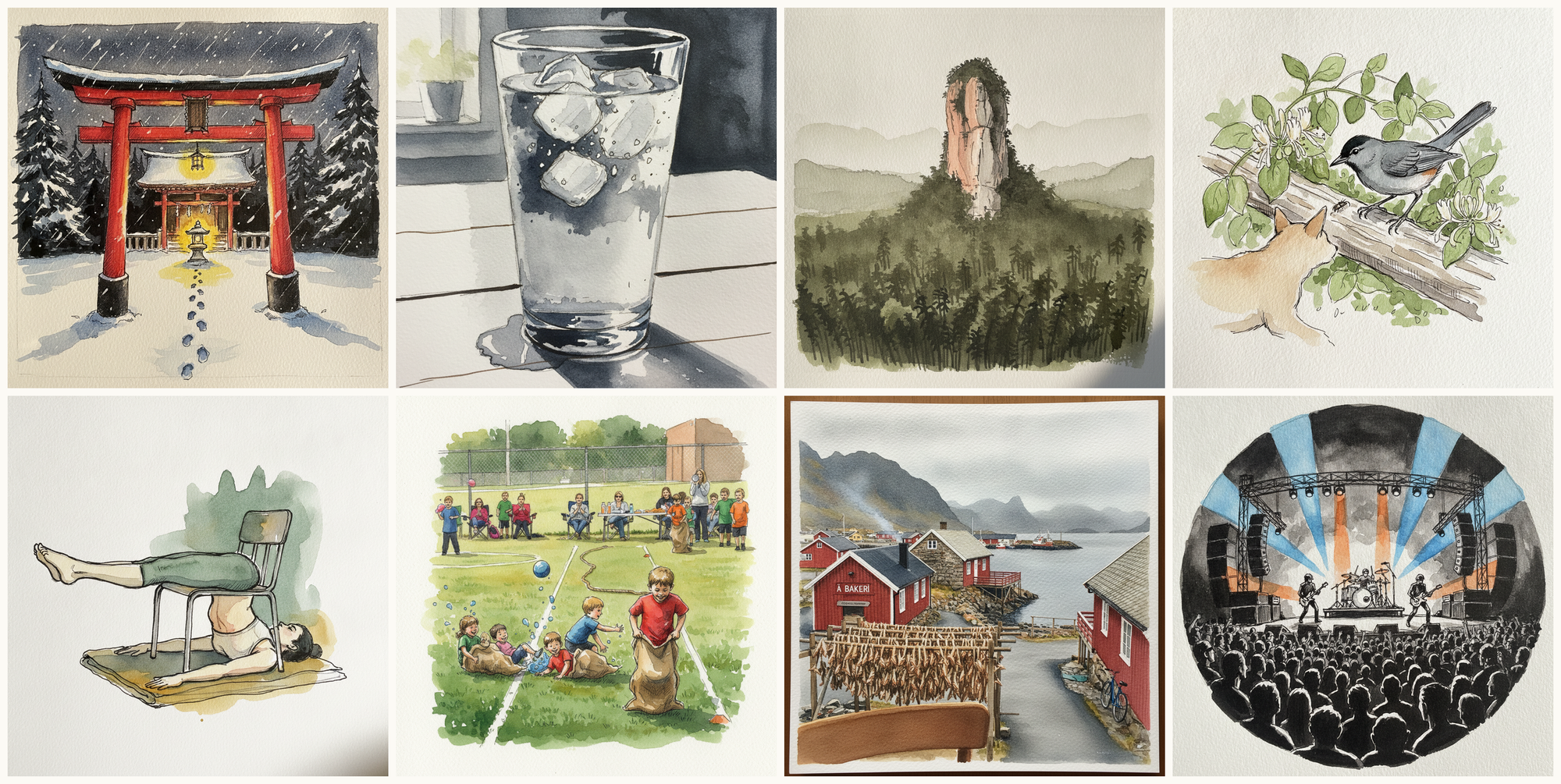
Today's 8 pen-and-watercolor pieces: Snow-night torii under a single lantern, Iced Glass with Heavy Condensation, Sichuan limestone karst with bamboo skirt, Shunan, Gray catbird, Half-Plow, Ardha Halasana on Chair, Field day with games, Å, Lofoten, Norway, Concert Stage View. Each piece comes with an AI-generated photoreal reference, three AI-generated example artworks in different treatments, and a short focus paragraph naming what to study in this one.
Why these references use AI
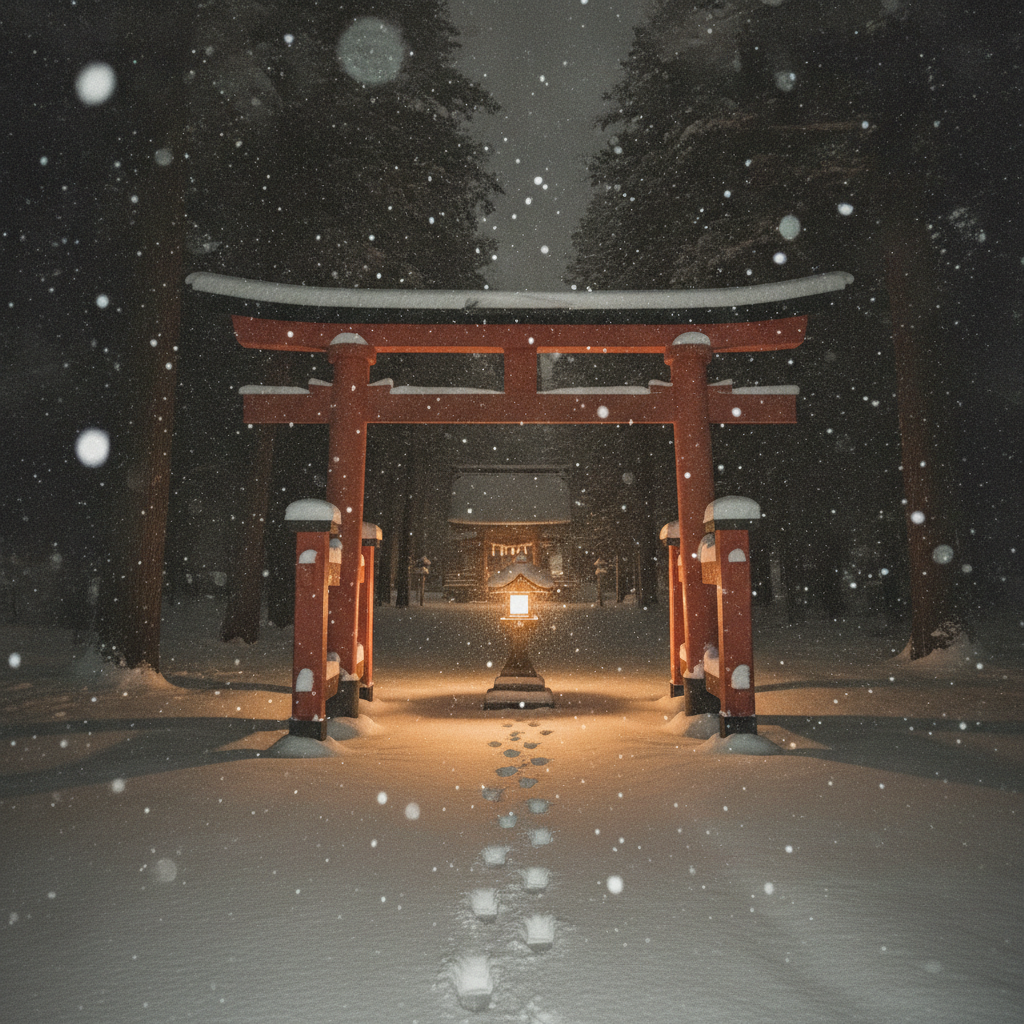
This daily series uses AI-generated images as practice prompts, not as finished artwork to copy. Each subject starts with a synthetic photoreal reference generated with Gemini/Nano Banana, then moves into three pen-and-watercolor interpretations of the same subject.
I use AI here because daily art practice needs variety and low friction. Real life can get repetitive, busy, or visually narrow. These generated reference sets make it easier to study bodies, buildings, animals, landscapes, objects, gestures, light, palettes, and compositions that might not show up in an ordinary day.
The goal is not to reproduce any image directly. Treat each set as a starting point for observation and study: choose what interests you, change the framing, simplify the subject, alter the palette, and make your own version.
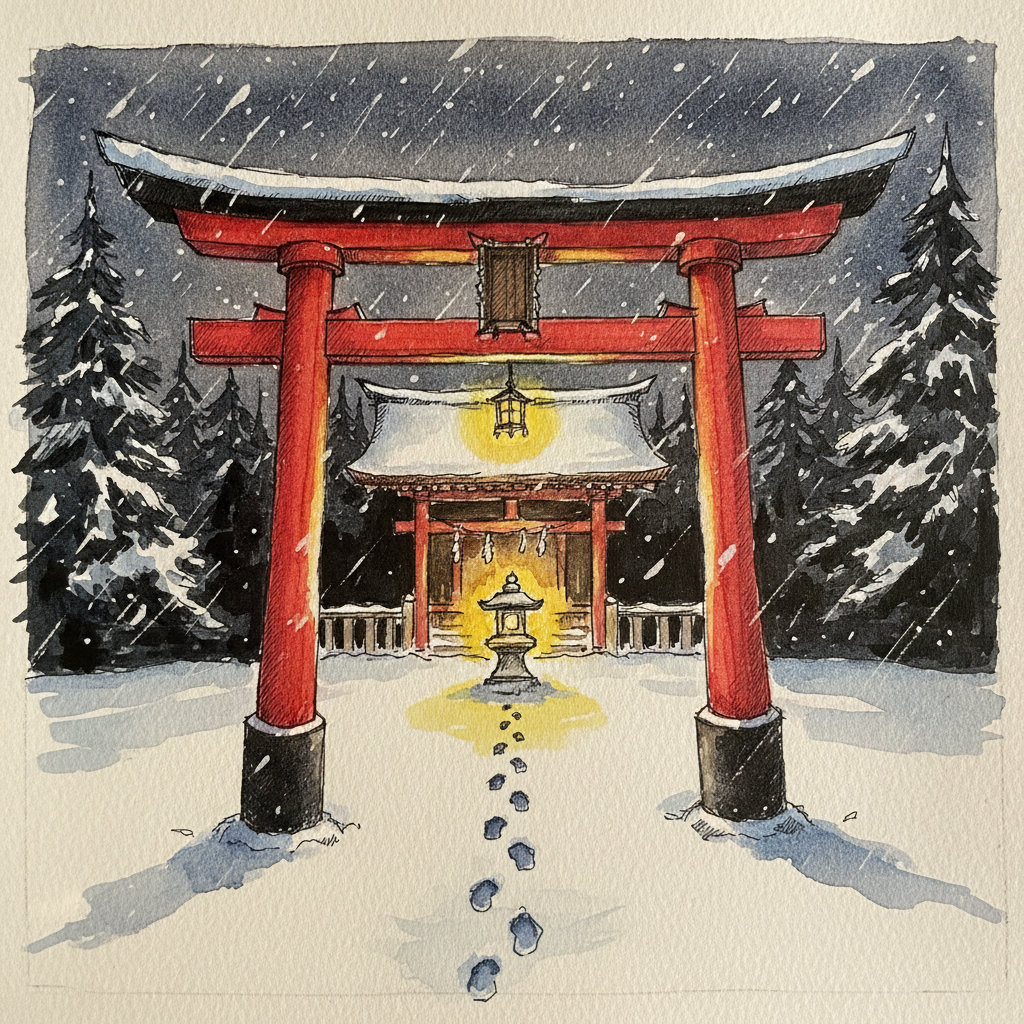
Piece 1 — Snow-night torii under a single lantern
Pen + Watercolor · Loose pen and watercolor line-and-wash
Three takes

Focus for this piece
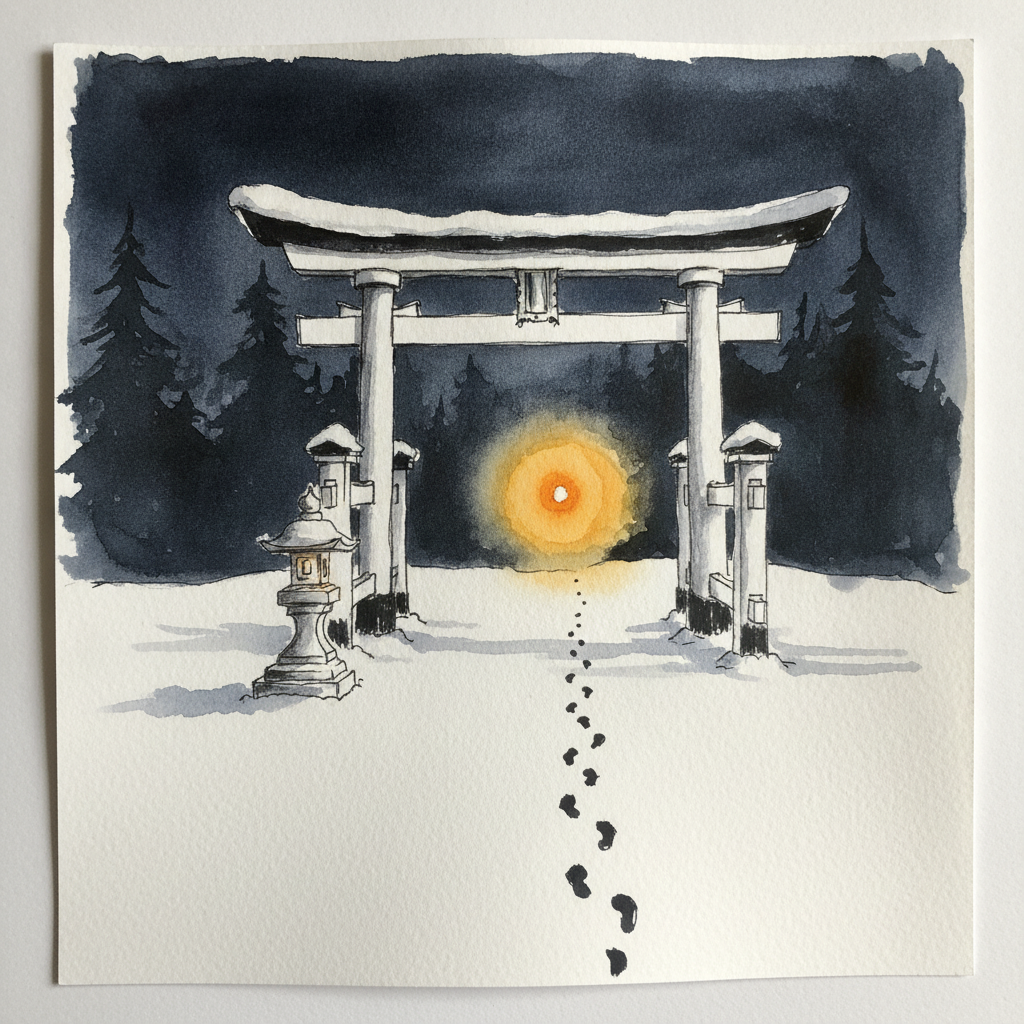
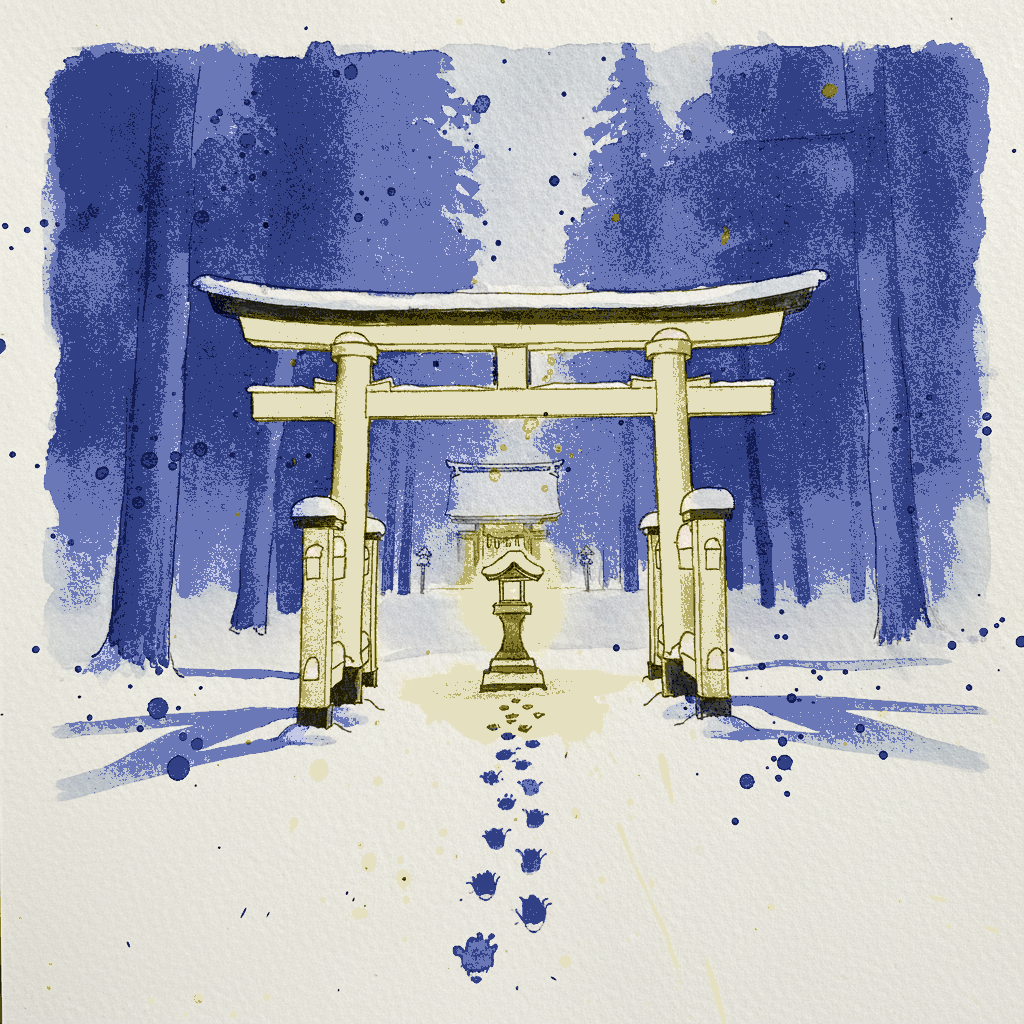
For this snow-night torii, your primary focus is creating a compelling sense of light and atmosphere through stark value contrast and careful warm-cool relationships. Use crisp, deliberate line weights to define the vermilion torii, allowing its structure to stand firm against the soft, cool washes of snow and dark trees. Employ generous wet-on-wet techniques to build the glowing warmth around the lantern, preserving the paper's white for maximum impact on the illuminated snow.
Piece 2 — Iced Glass with Heavy Condensation
Pen + Watercolor · Loose pen and watercolor line-and-wash
Three takes

Focus for this piece
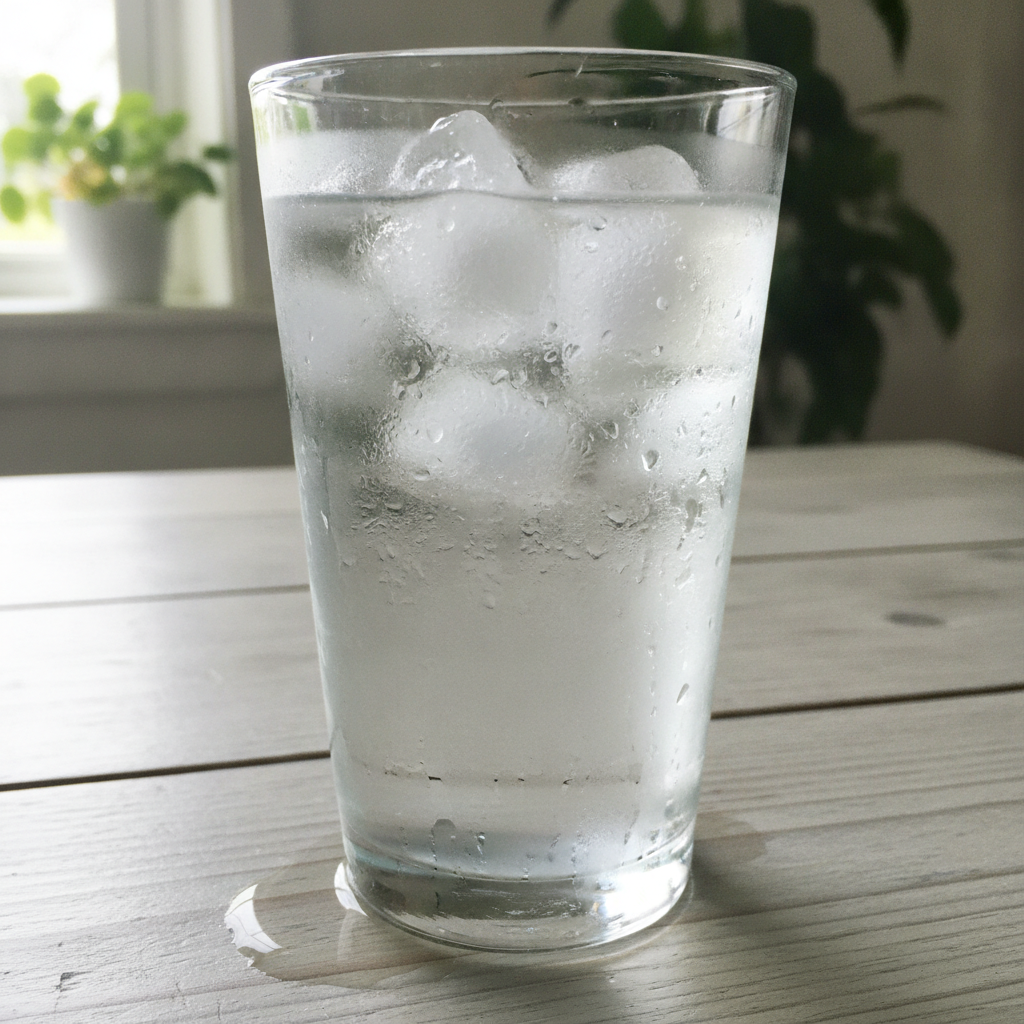
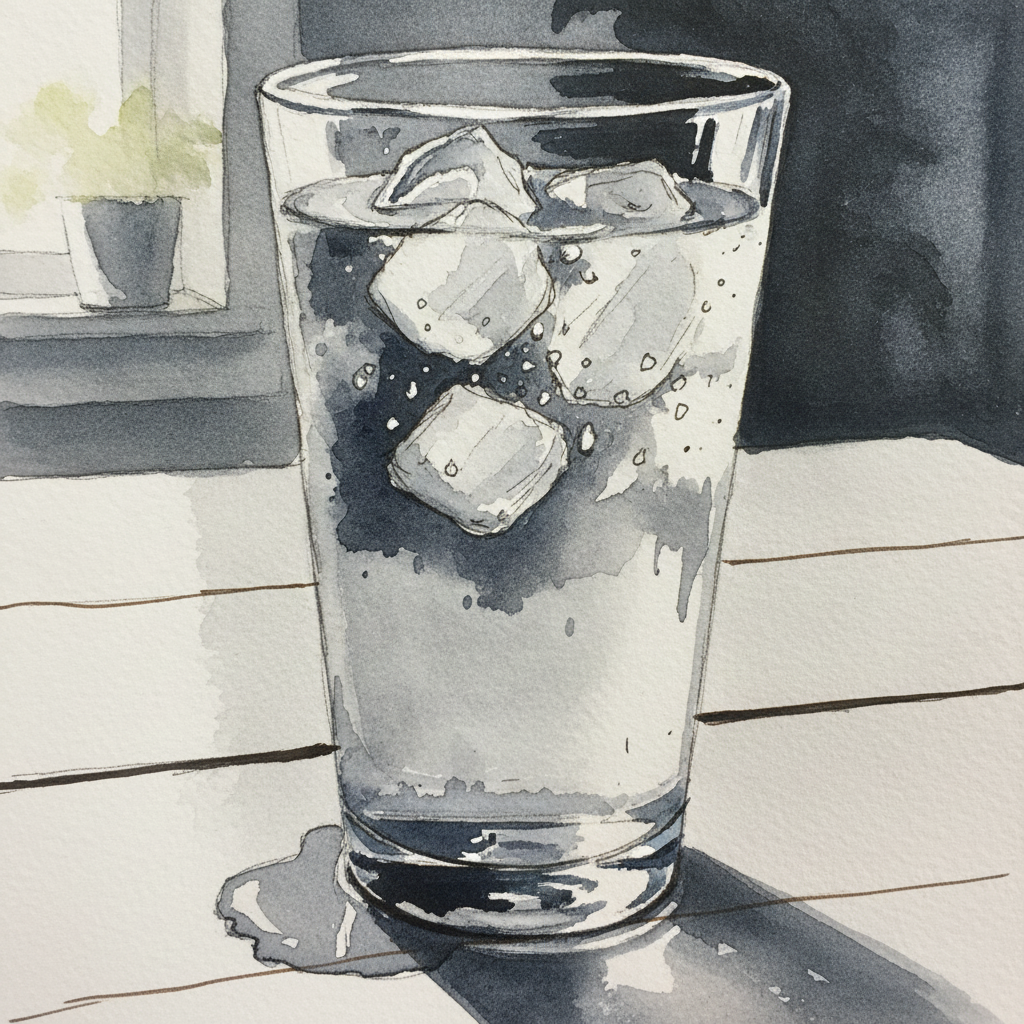
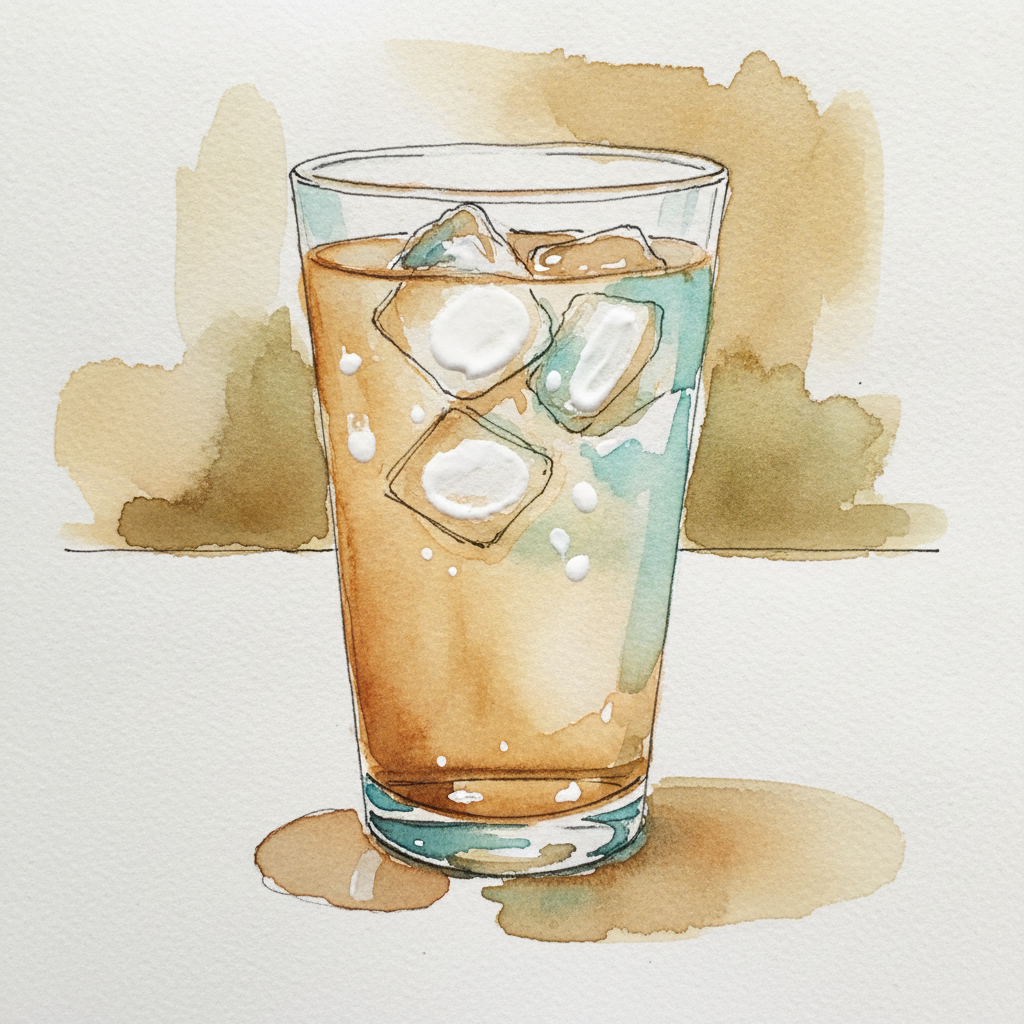
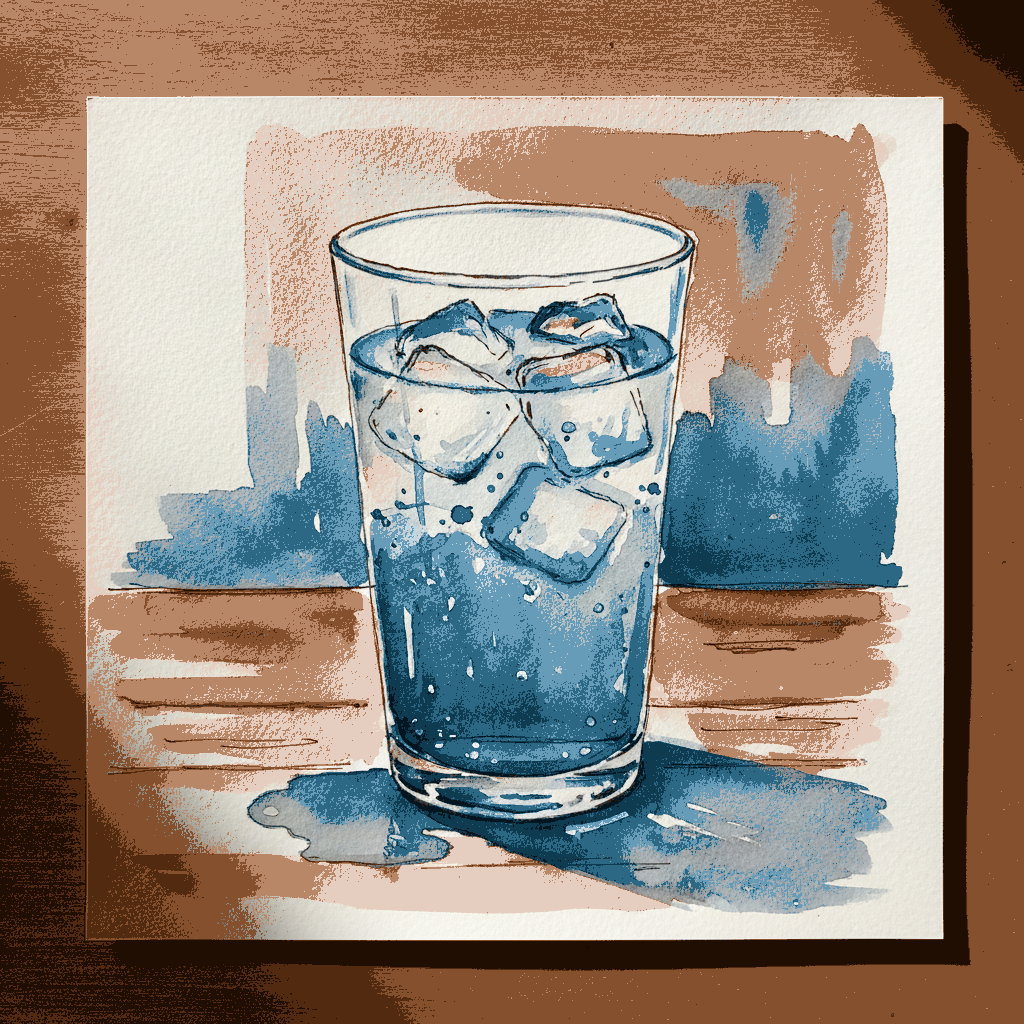
This piece is an excellent study in rendering varied wet textures and transparency by contrasting sharp pen lines with fluid washes. Use precise, varied line weights to delineate the crisp glass rim and the tiny, light-catching condensation beads, suggesting their inverted reflections. Then, employ soft, layered wet-on-wet washes in a restrained cool palette to create the hazy depth of the merged condensation and the subtle reflections in the melt puddle on the warm wood. Focus on making the sharp details of the pen work enhance, not obstruct, the luminous quality of the watercolor.
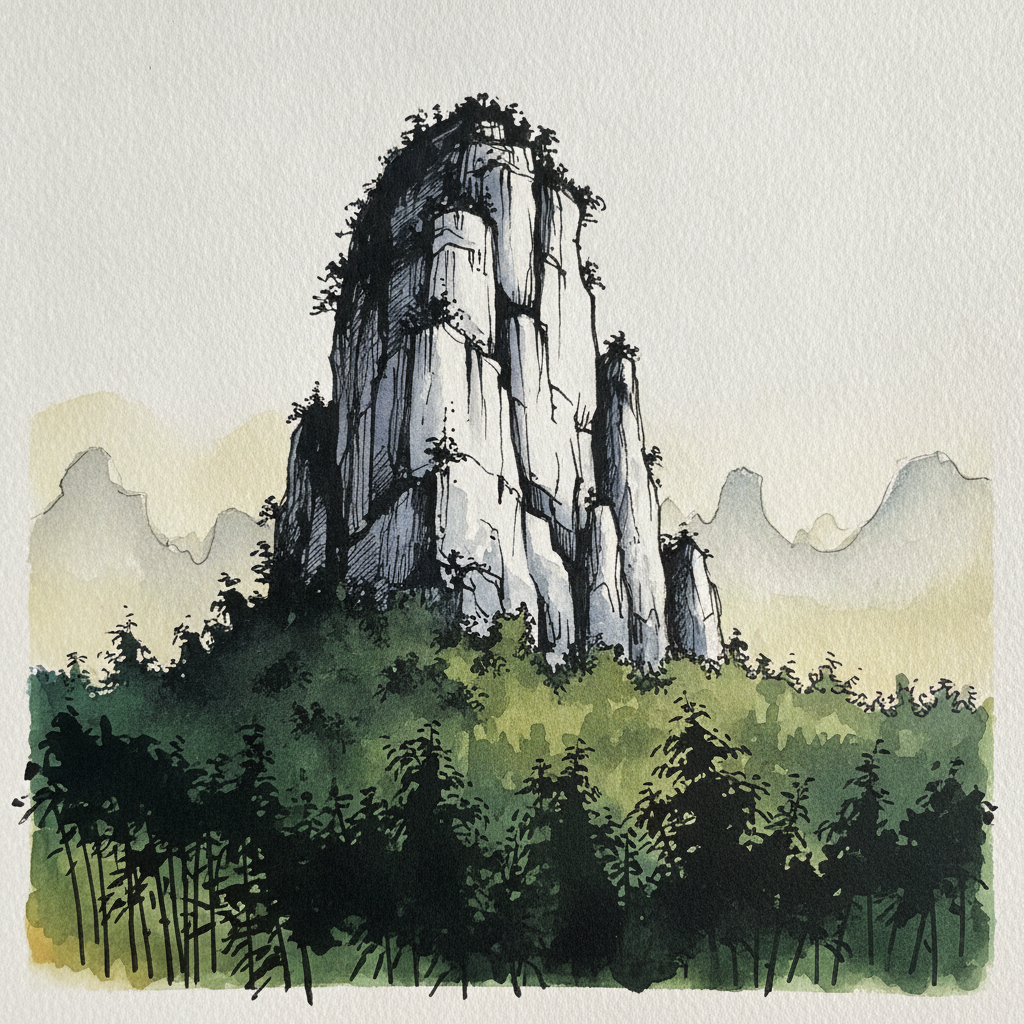
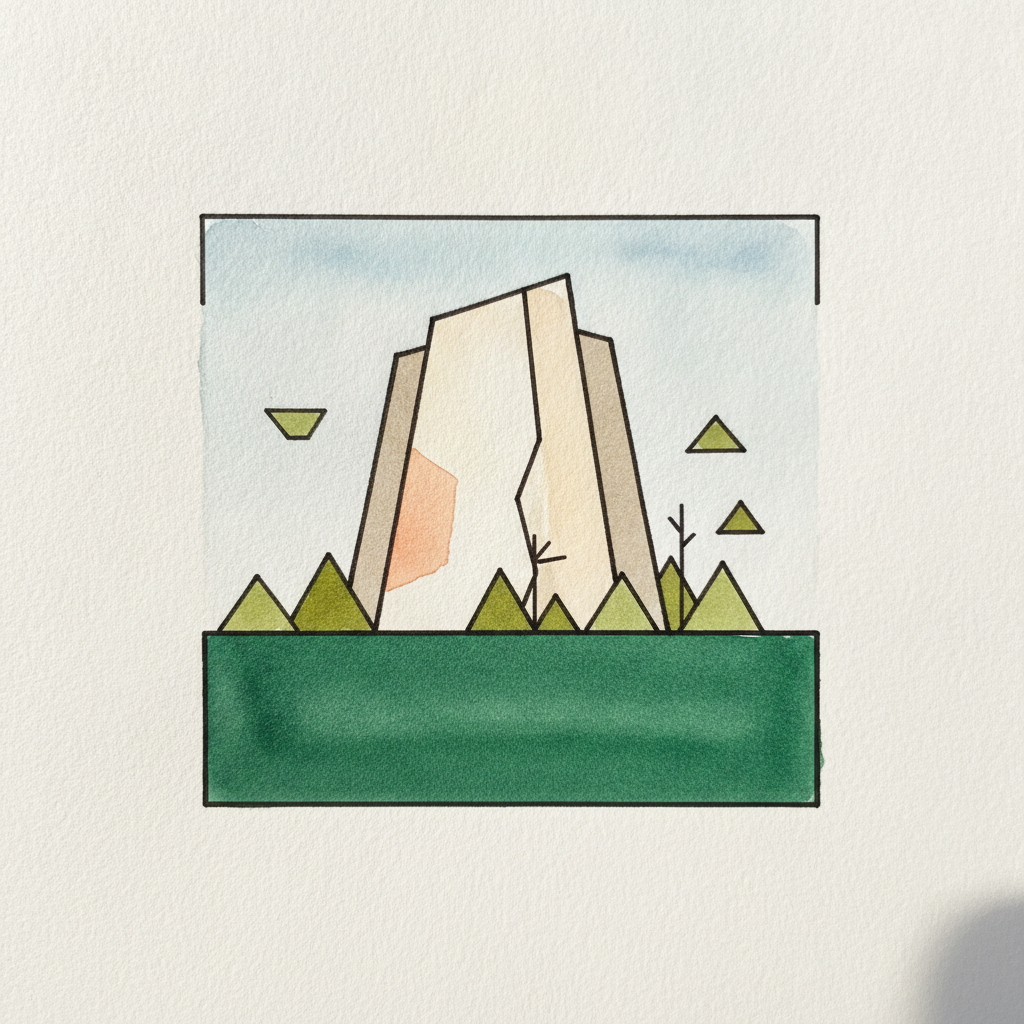
Piece 3 — Sichuan limestone karst with bamboo skirt, Shunan
Pen + Watercolor · Loose pen and watercolor line-and-wash
Three takes
Focus for this piece
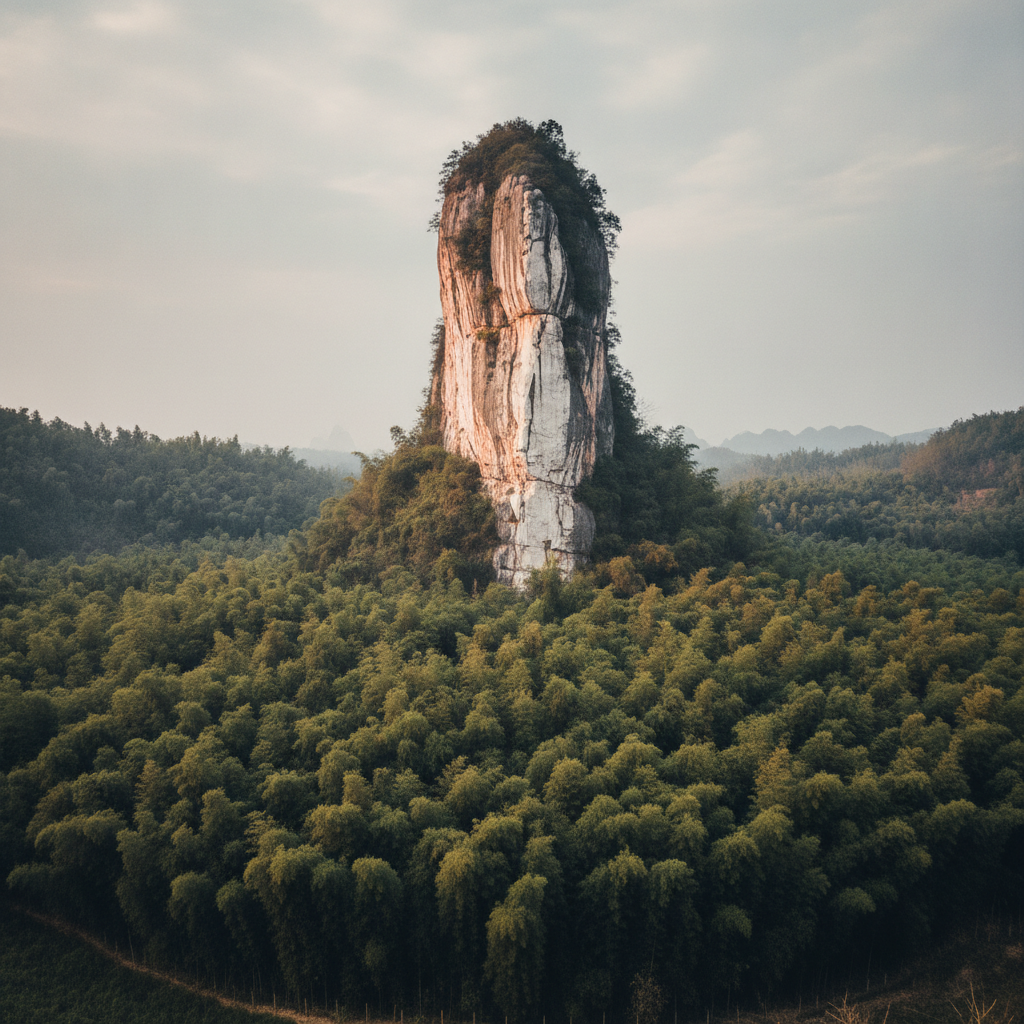
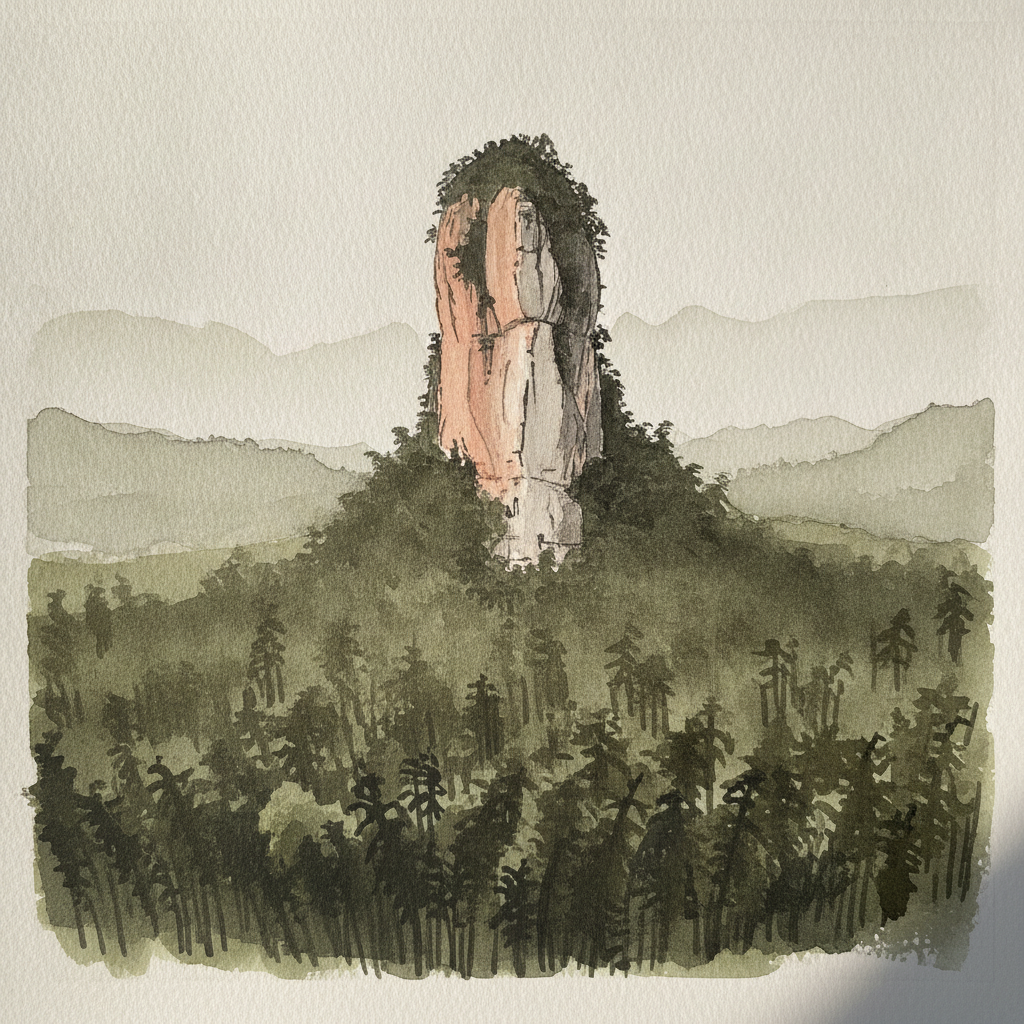
This piece offers a great opportunity to explore the dramatic contrast between sharp, angular forms and soft, organic ones. Focus on using a range of precise, varied line weights to articulate the rugged fissures and abrupt verticality of the karst peak, while employing soft, expansive wet-on-wet washes to build the rolling, atmospheric volume of the surrounding bamboo. Pay close attention to how the late afternoon light warms the stone to pink-orange, creating a compelling temperature contrast against the cooler greens.
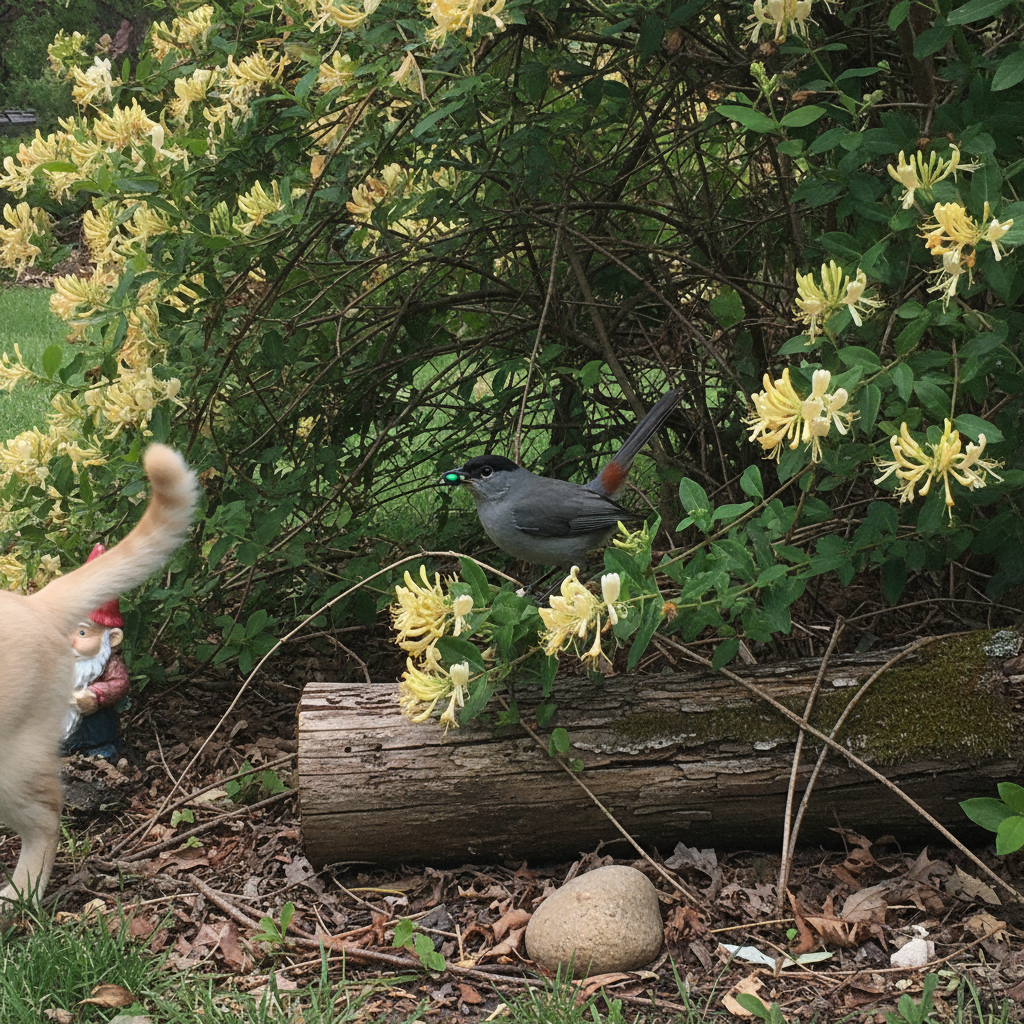
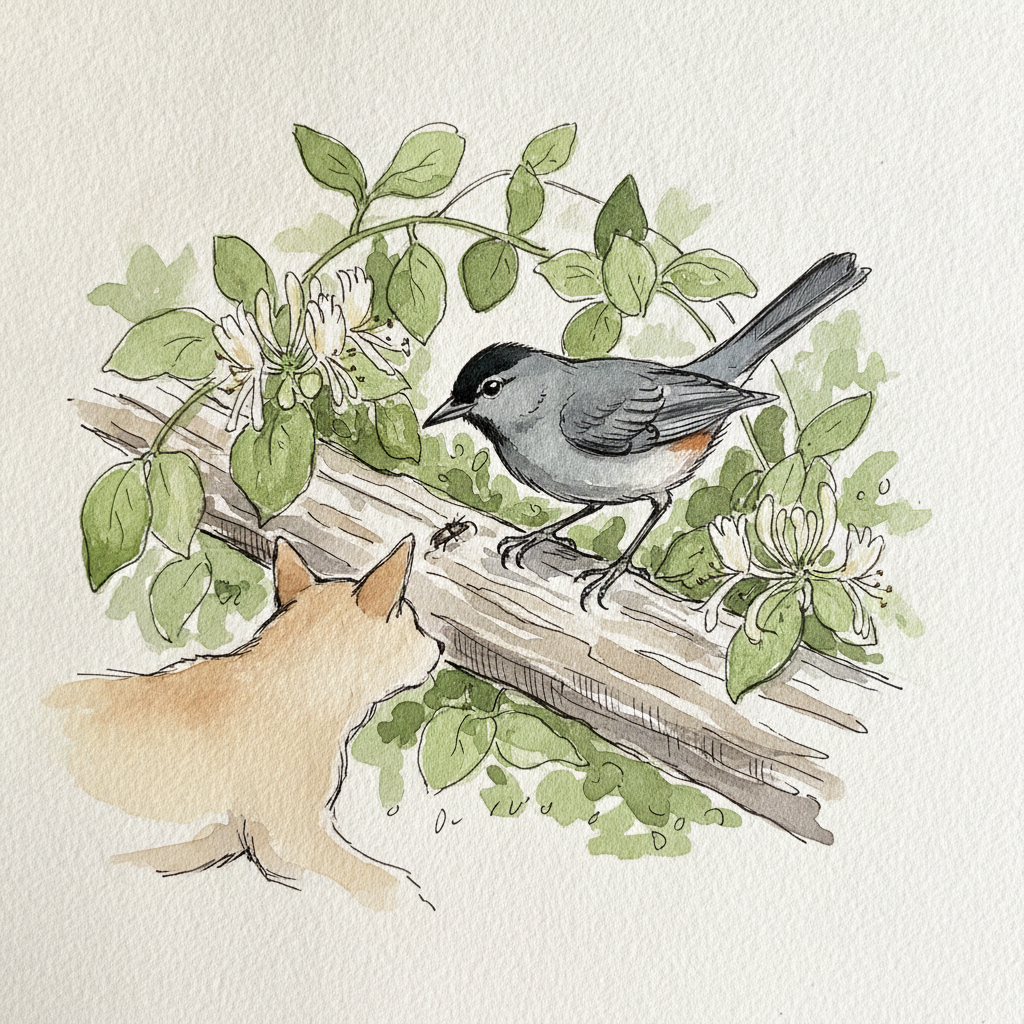
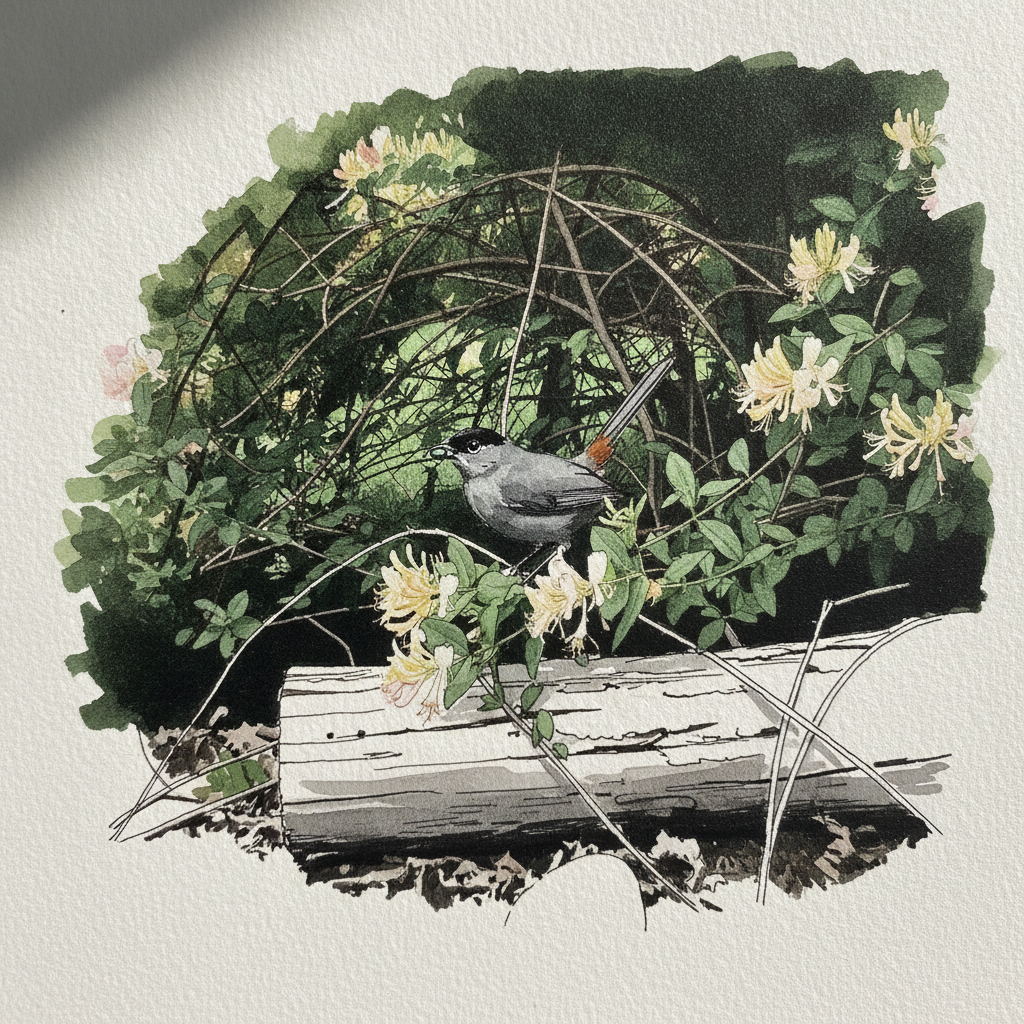
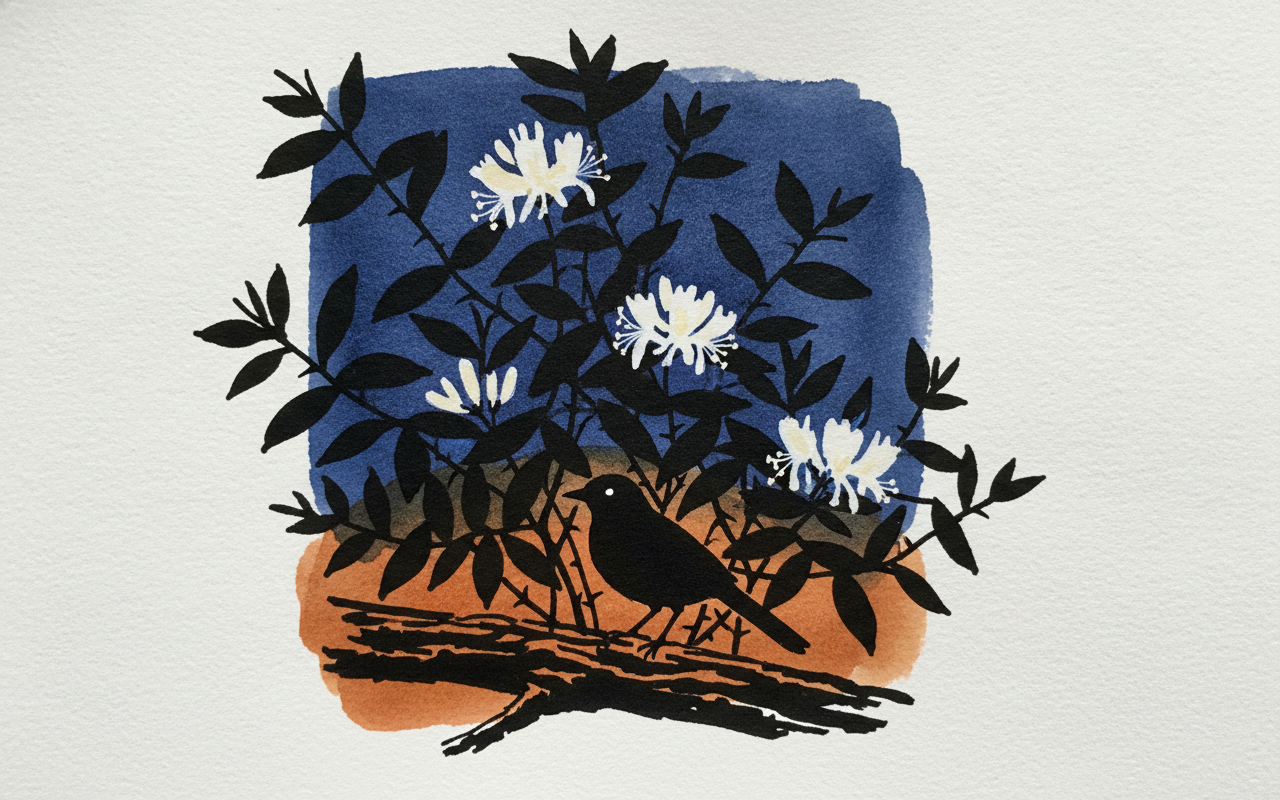
Piece 4 — Gray catbird
Pen + Watercolor · Loose pen and watercolor line-and-wash
Three takes
Focus for this piece
For this catbird emerging from honeysuckle, focus on differentiating textures through varied line work and wash application. Employ light, broken pen lines and soft wet-on-wet washes to capture the tangle's chaotic feel, contrasting them with crisper, continuous lines and more layered, controlled washes to define the bird's smooth body and sharp features. This approach will allow the dynamic bird to stand out while integrating it naturally into its dense, suggestive environment.
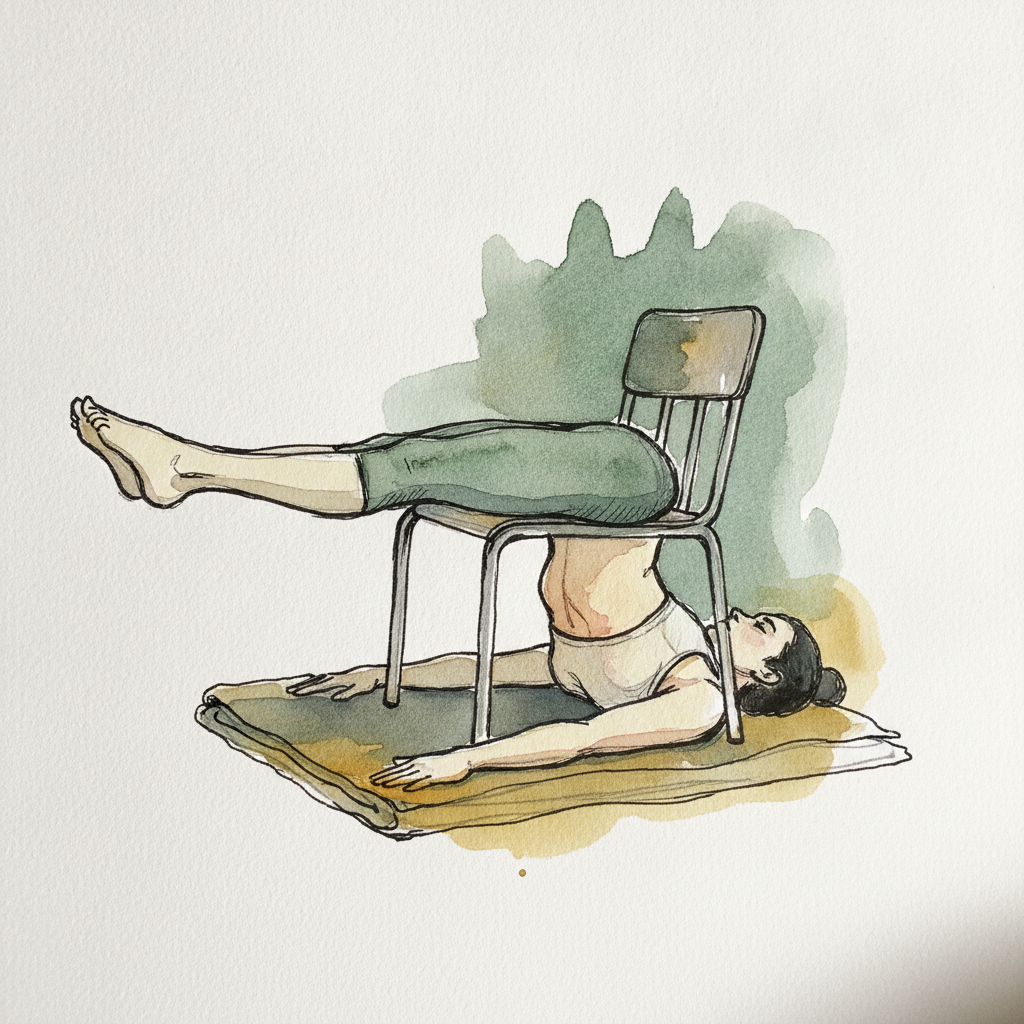
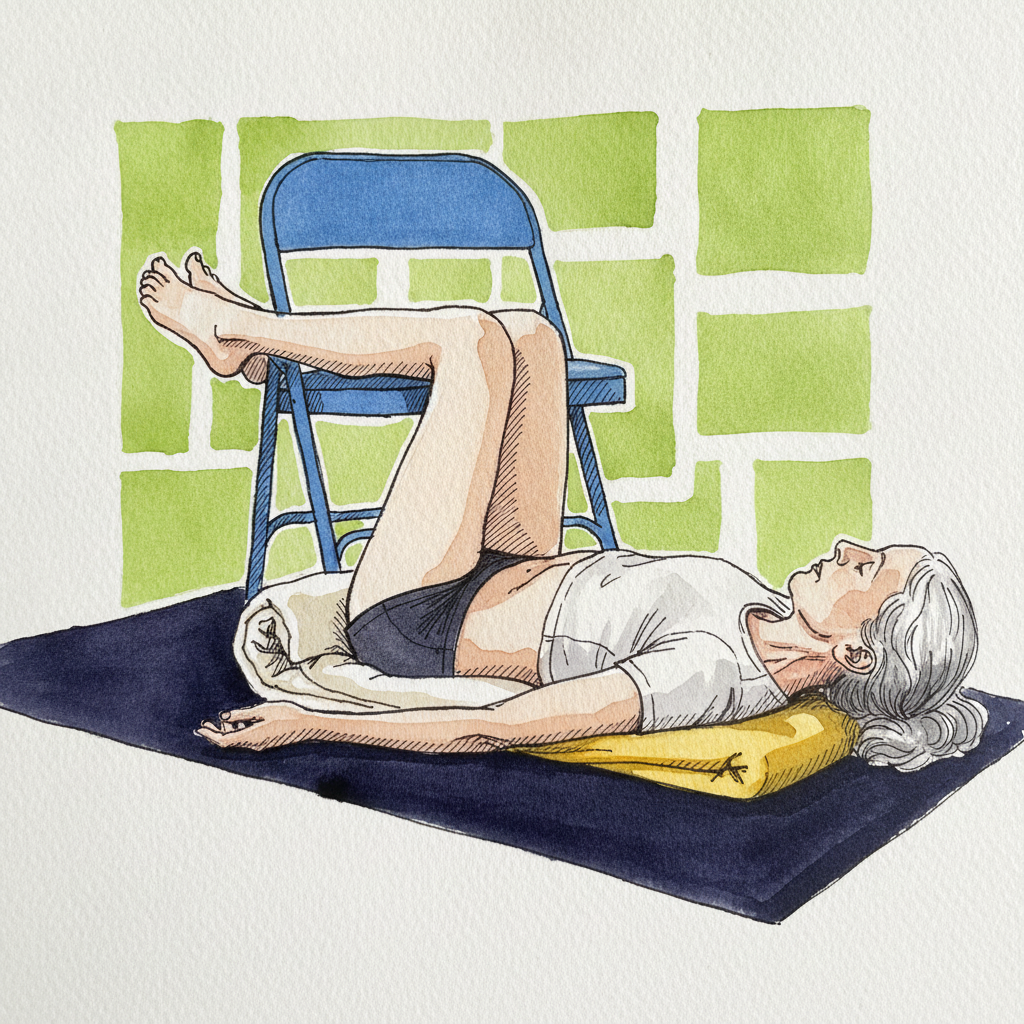
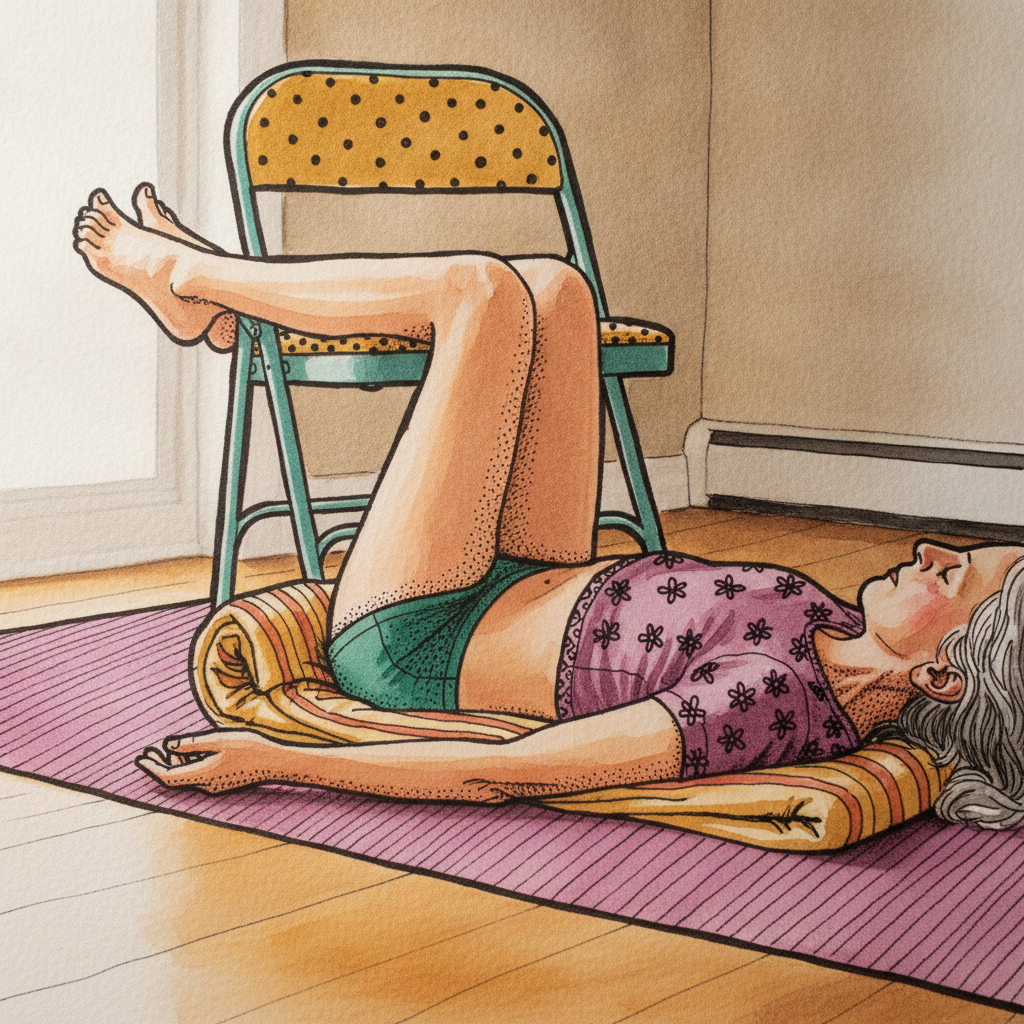
Piece 5 — Half-Plow, Ardha Halasana on Chair
Pen + Watercolor · Loose pen and watercolor line-and-wash

Three takes
Focus for this piece
This piece offers a prime opportunity to practice rendering soft, mature human forms using an economical approach to line and wash. Emphasize light, broken pen lines for the body's contours, letting the watercolor do the heavy lifting in modeling the soft curves of the belly and ribs with subtle, layered washes. Consider a limited, warm palette to enhance the sense of diffused light and restorative calm, avoiding hard edges or strong value contrasts that could stiffen the figure. Focus on the interplay where expressive washes meet and soften minimal linear suggestions.
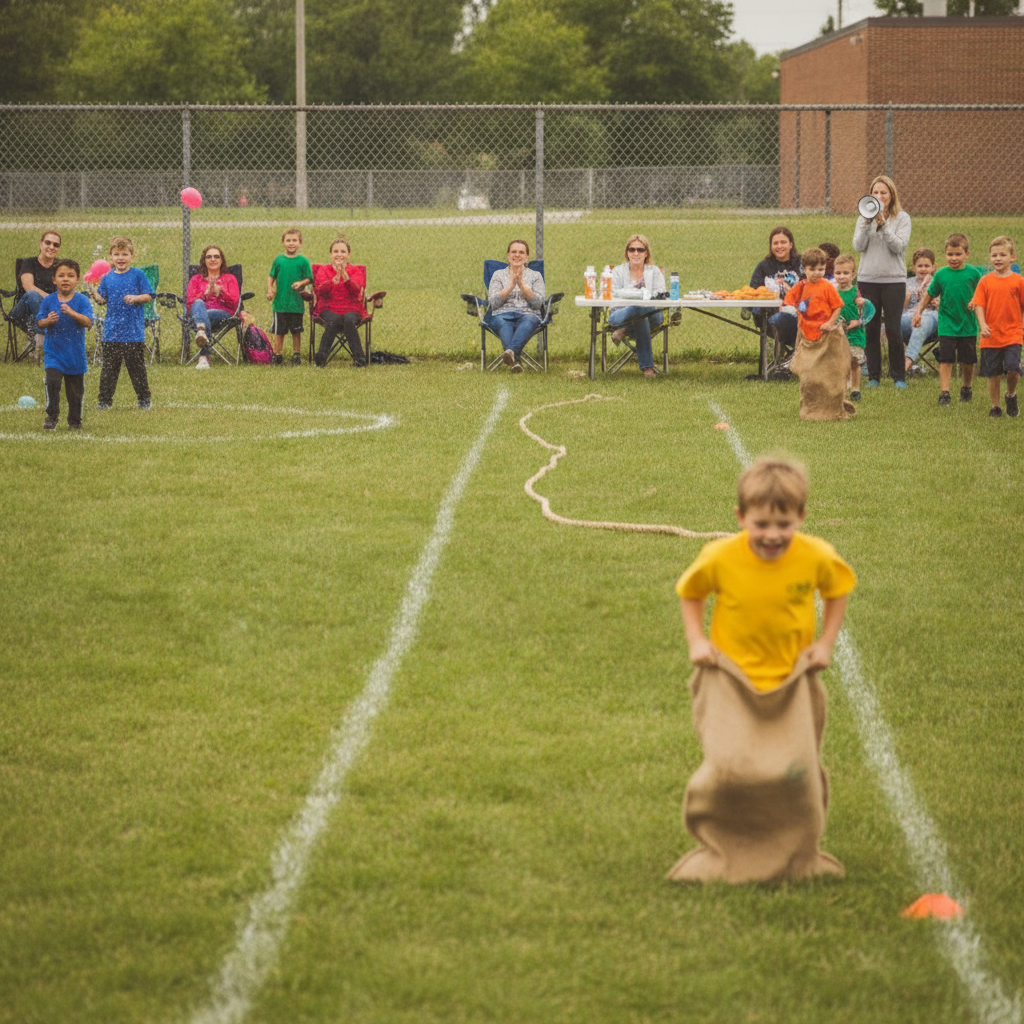
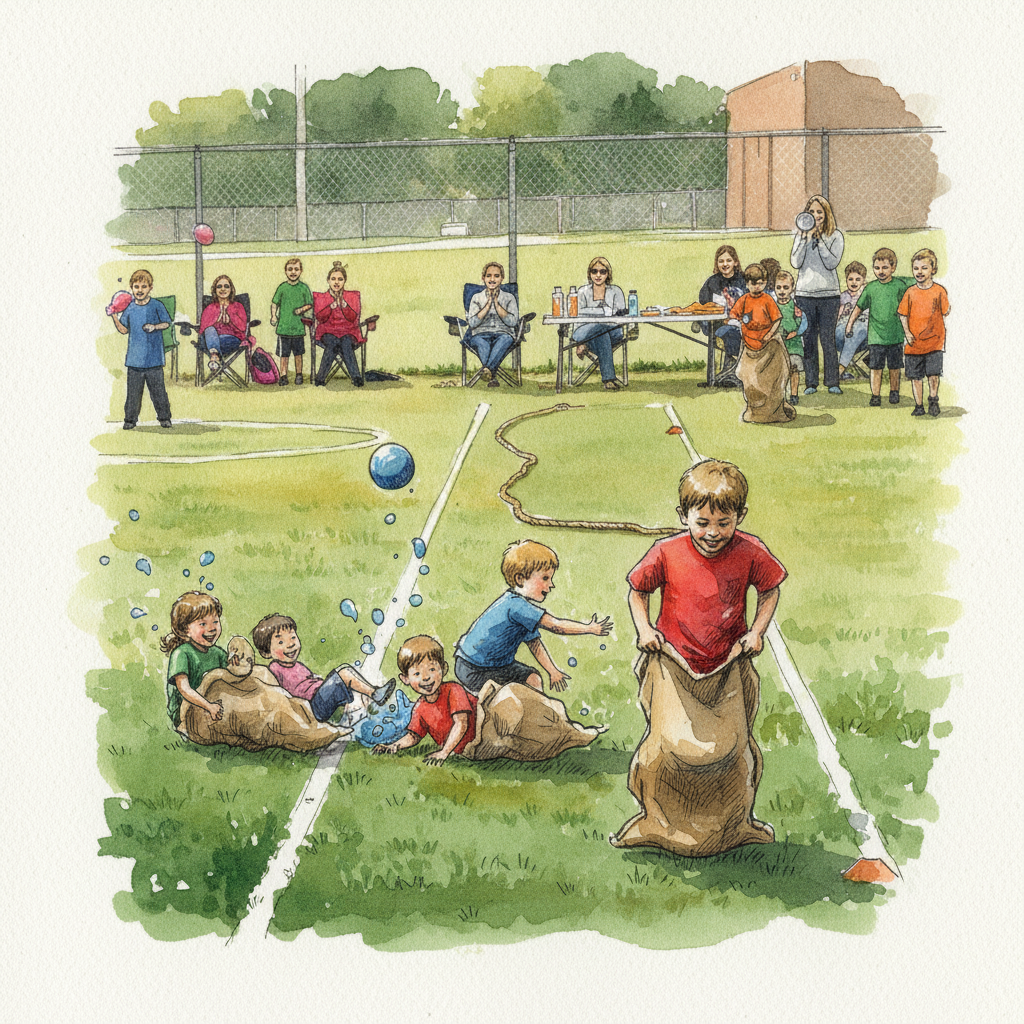
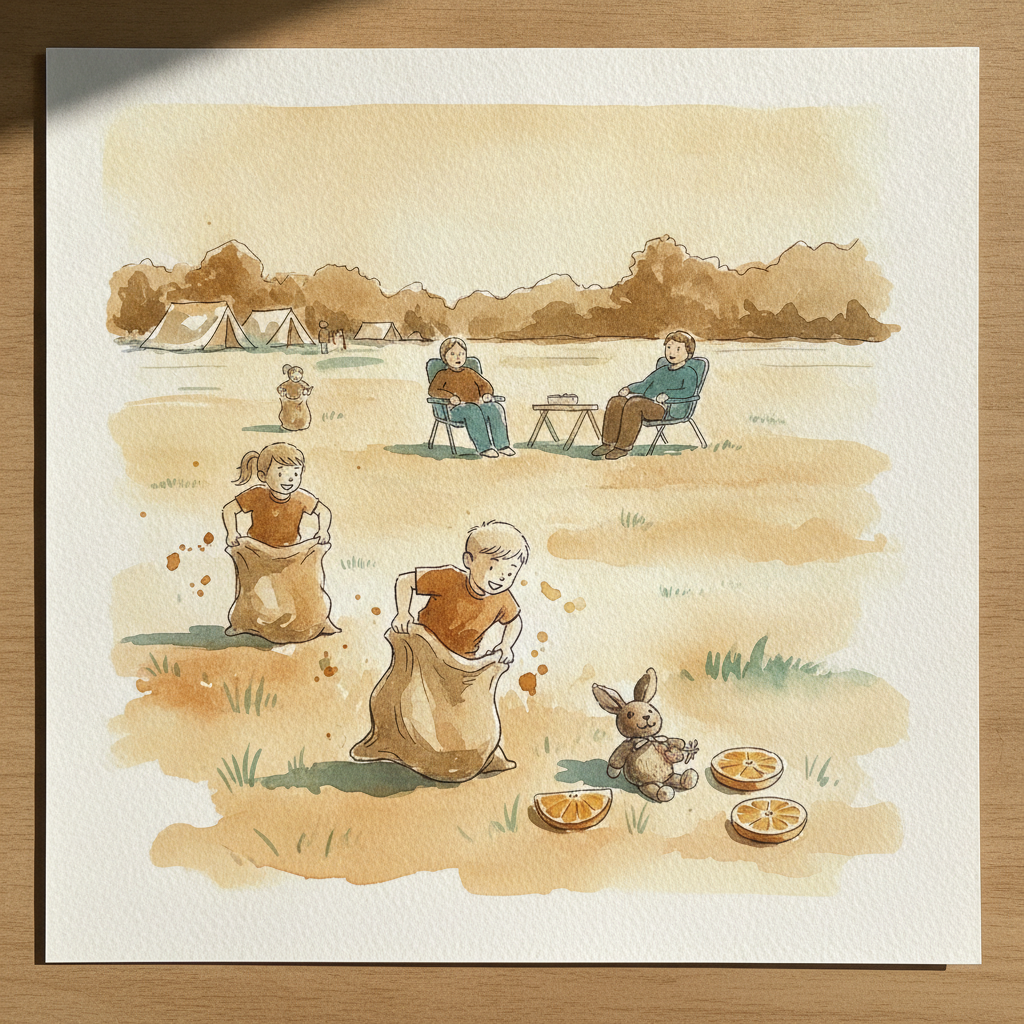
Piece 6 — Field day with games
Pen + Watercolor · Loose pen and watercolor line-and-wash
Three takes
Focus for this piece
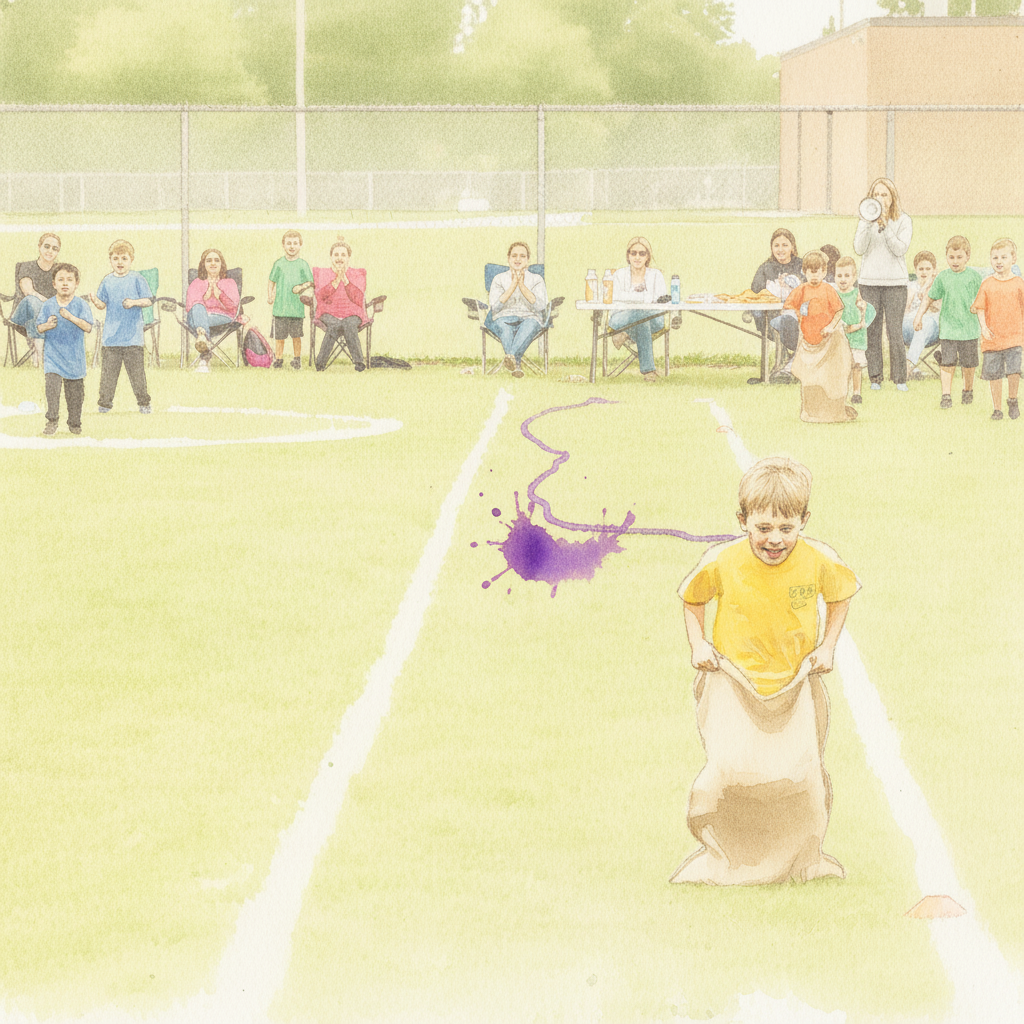
This bustling scene is perfect for exploring how to convey lively motion and depth using economical techniques. Concentrate your pen work on establishing a clear focal point, like the falling boy, with stronger, more descriptive lines, while rendering other figures with lighter, gestural marks to imply activity and distance. For the watercolor, employ a bright, high-key palette and practice wet-into-wet washes for the grassy field and sky, allowing the vibrant, saturated colors of the children's t-shirts to provide energy and direct the eye.
Piece 7 — Å, Lofoten, Norway
Pen + Watercolor · Loose pen and watercolor line-and-wash
Three takes
Focus for this piece
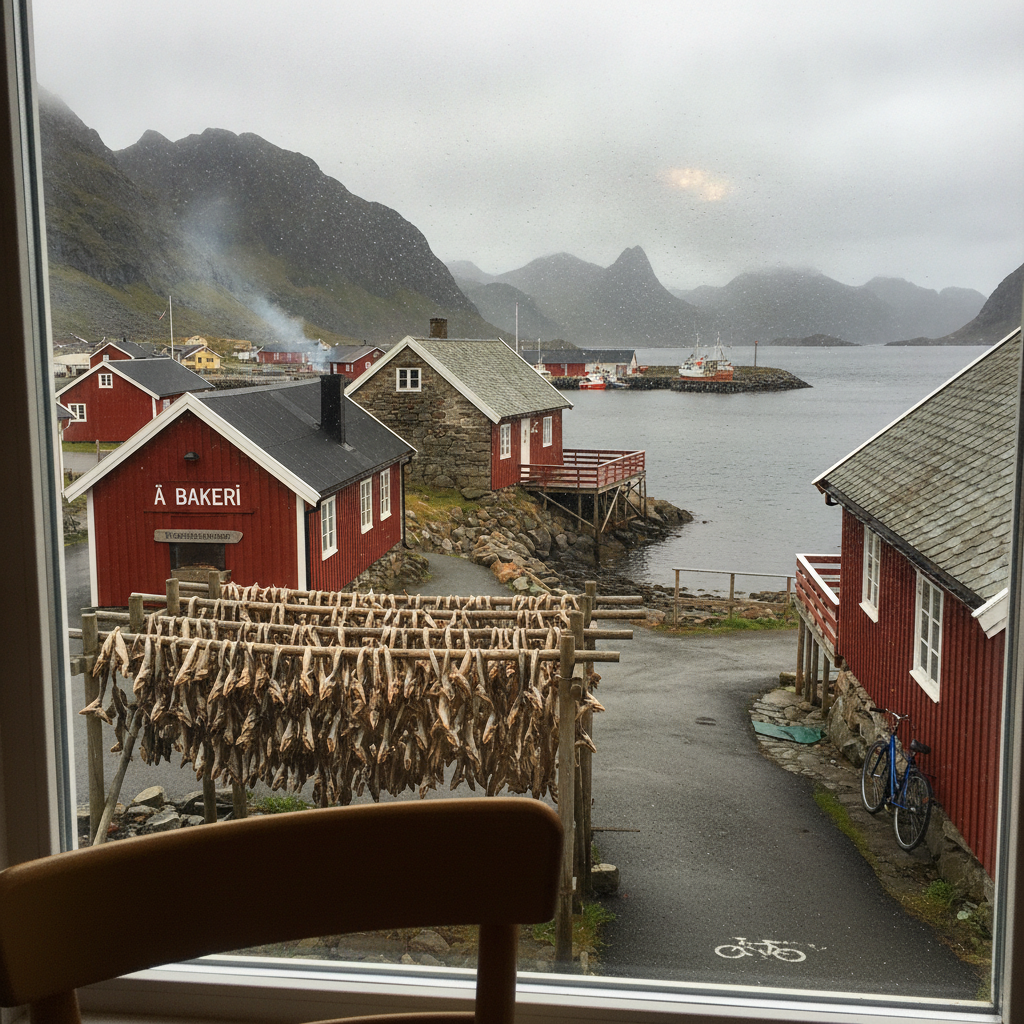
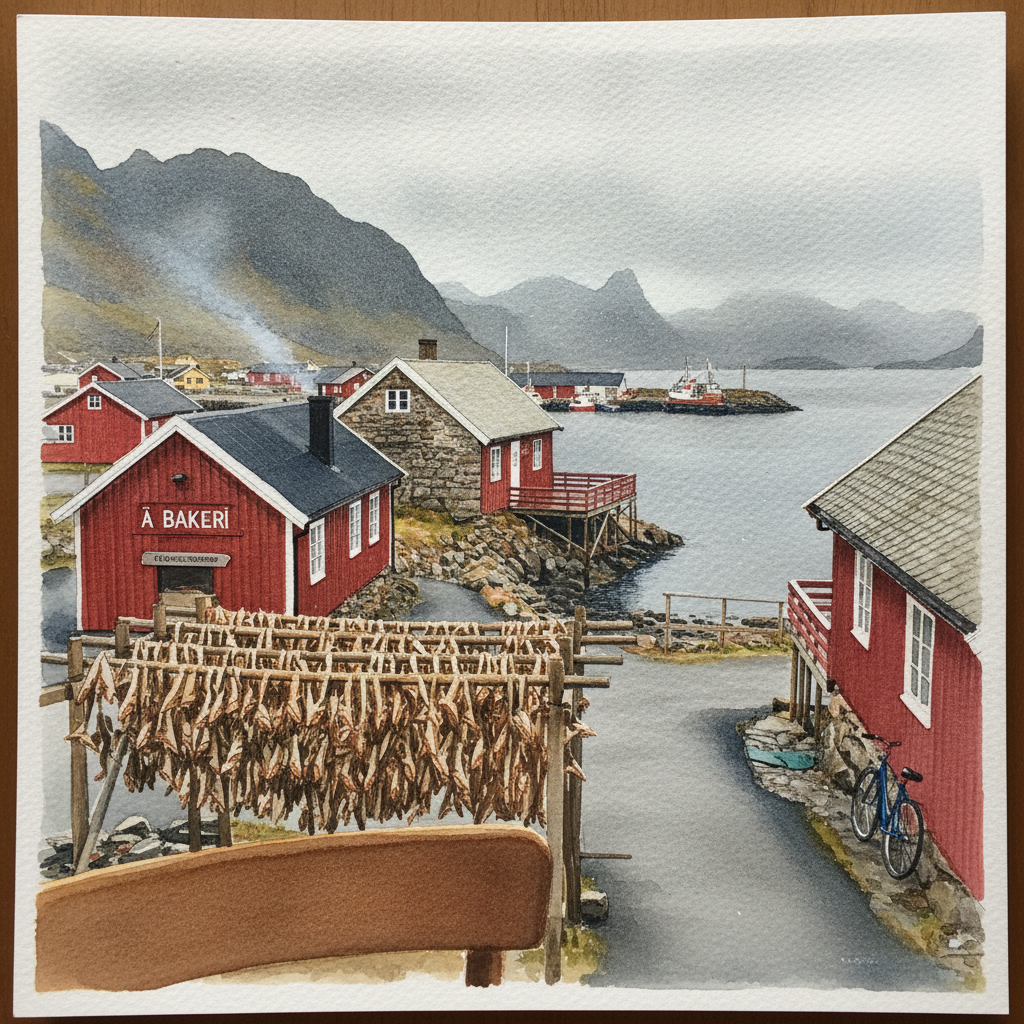
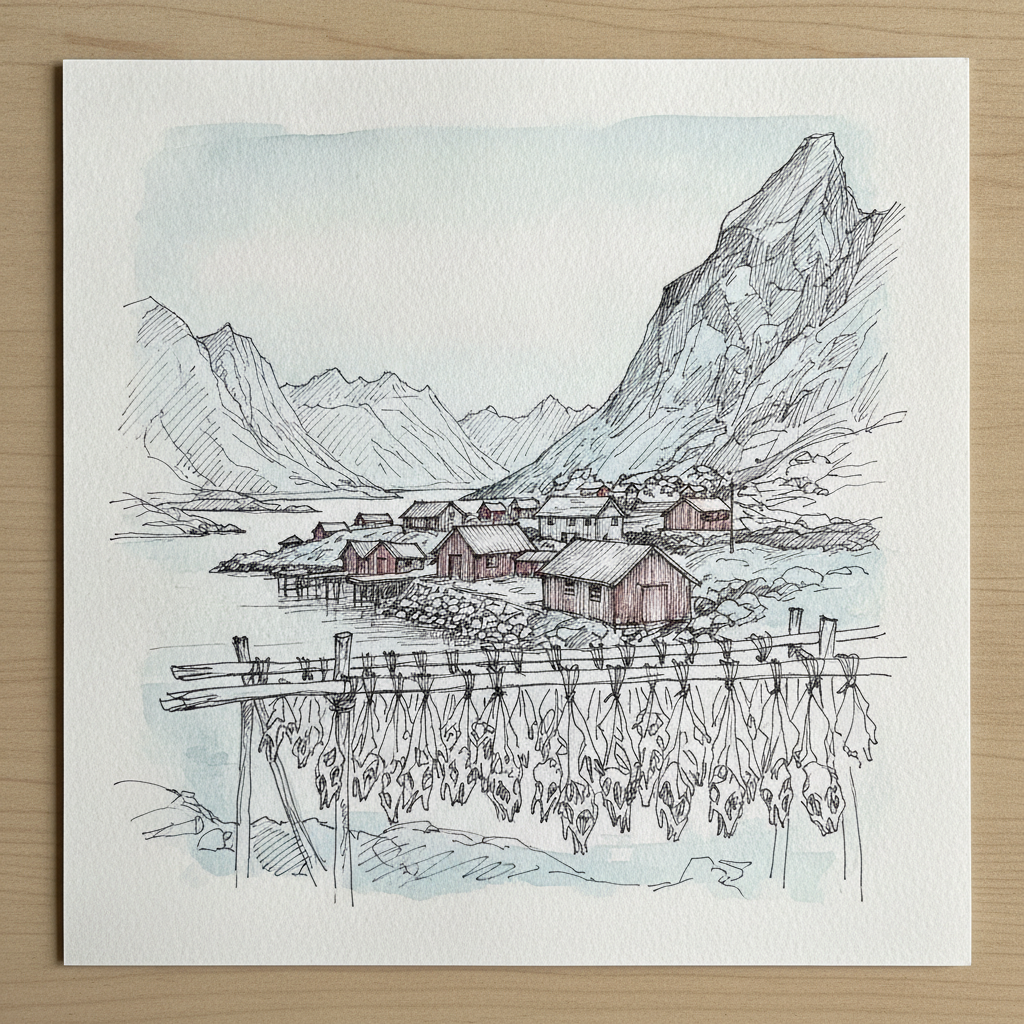
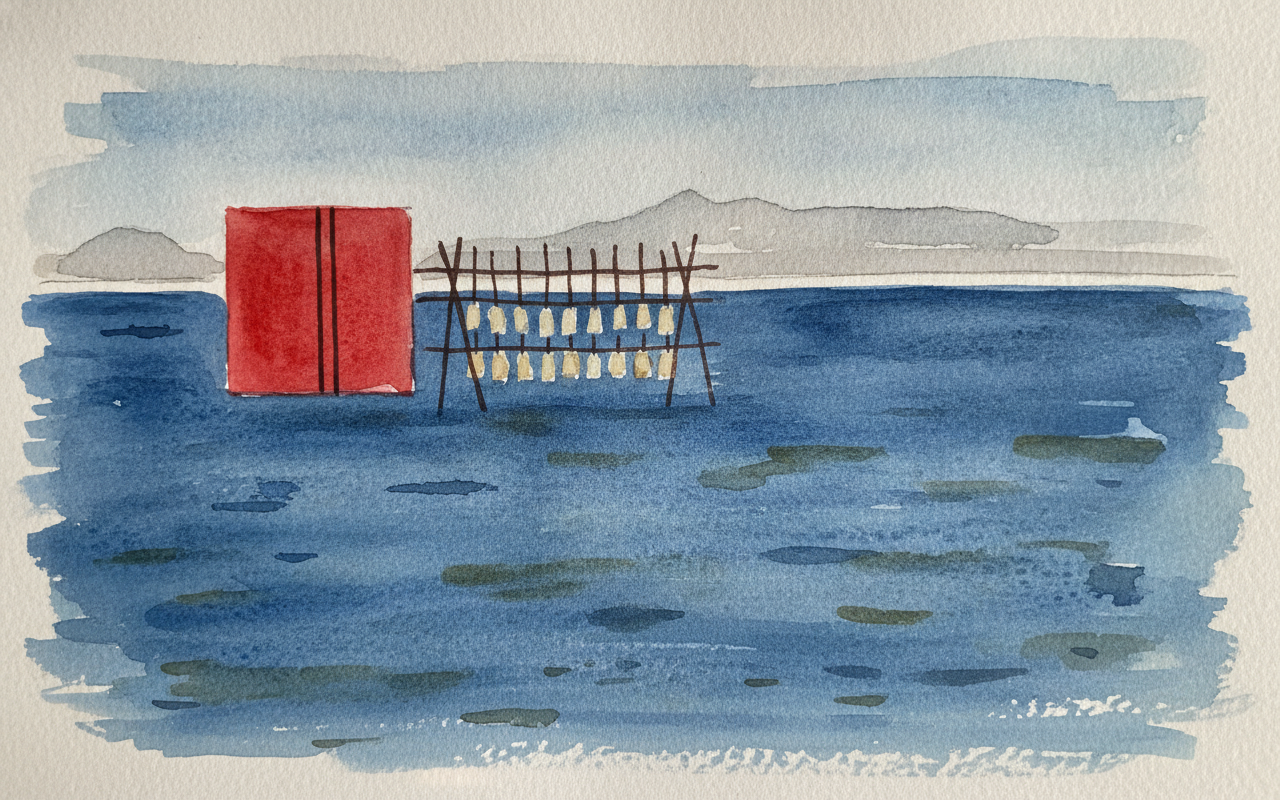
For this Å, Lofoten piece, practice delineating the striking geometric forms of the red rorbuer cabins with strong, confident pen lines to establish structural anchors within your scene. Contrast this with soft, layered wet-on-wet watercolor washes for the expansive water and sky, allowing these areas to convey the region's dramatic atmosphere and light. Pay attention to how the varying clarity of line and wash helps differentiate the crispness of man-made structures from the fluidity of natural elements, while still letting the intricate textures of the drying cod heads emerge as a secondary focal point.
Piece 8 — Concert Stage View
Pen + Watercolor · Loose pen and watercolor line-and-wash
Three takes

Focus for this piece
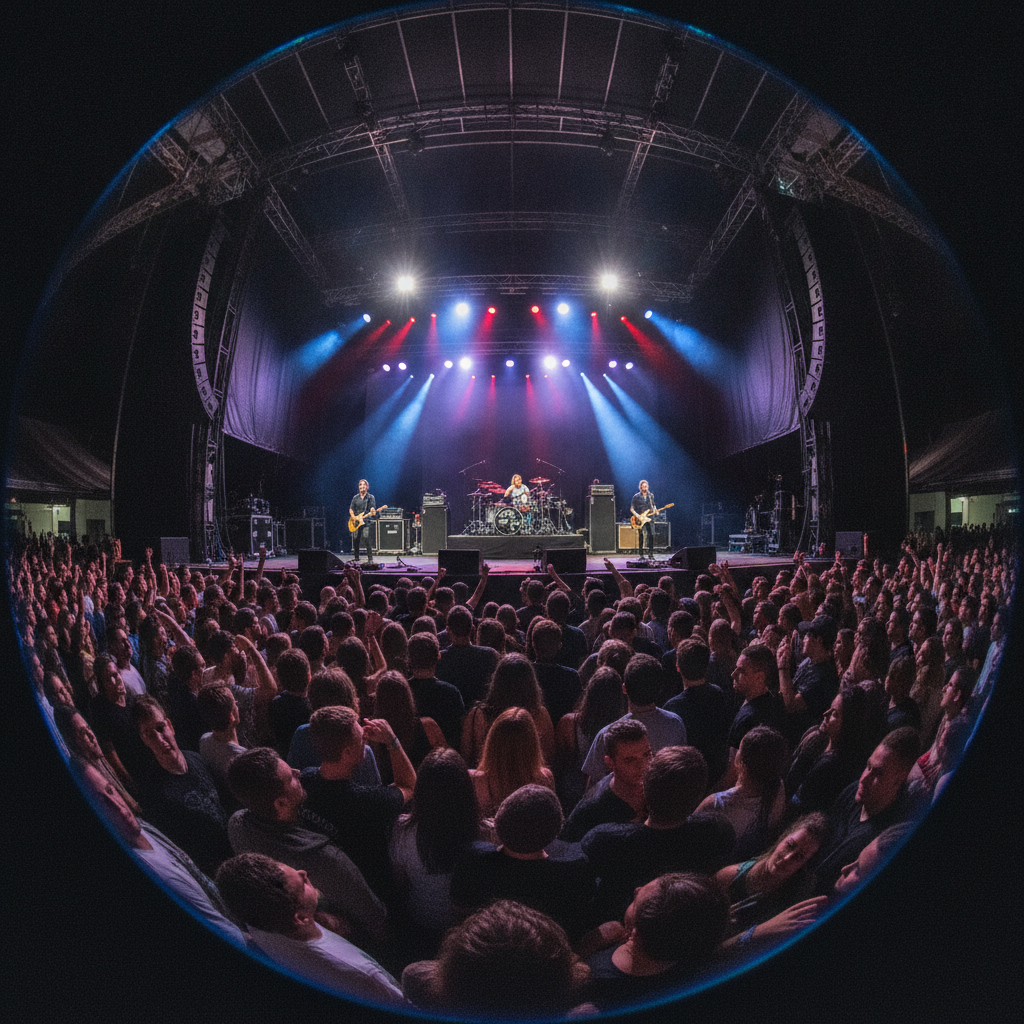
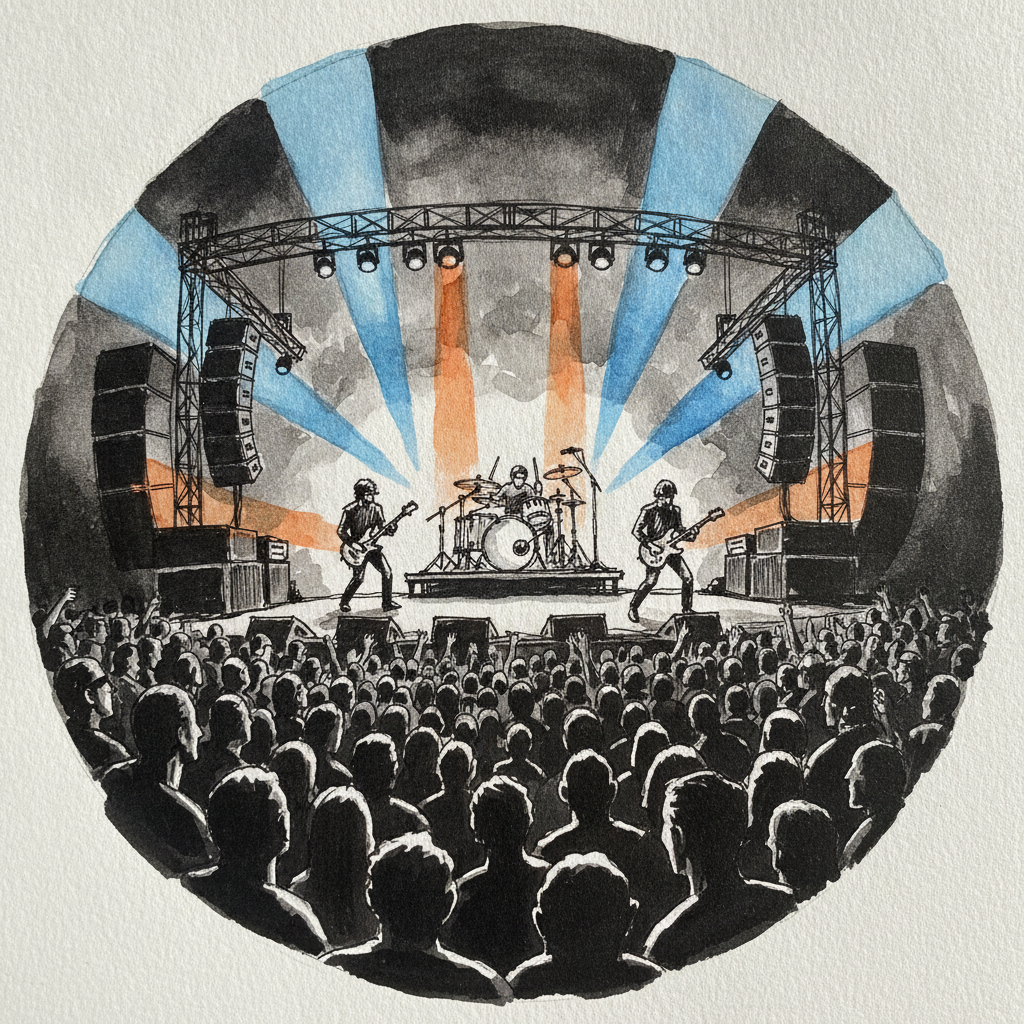
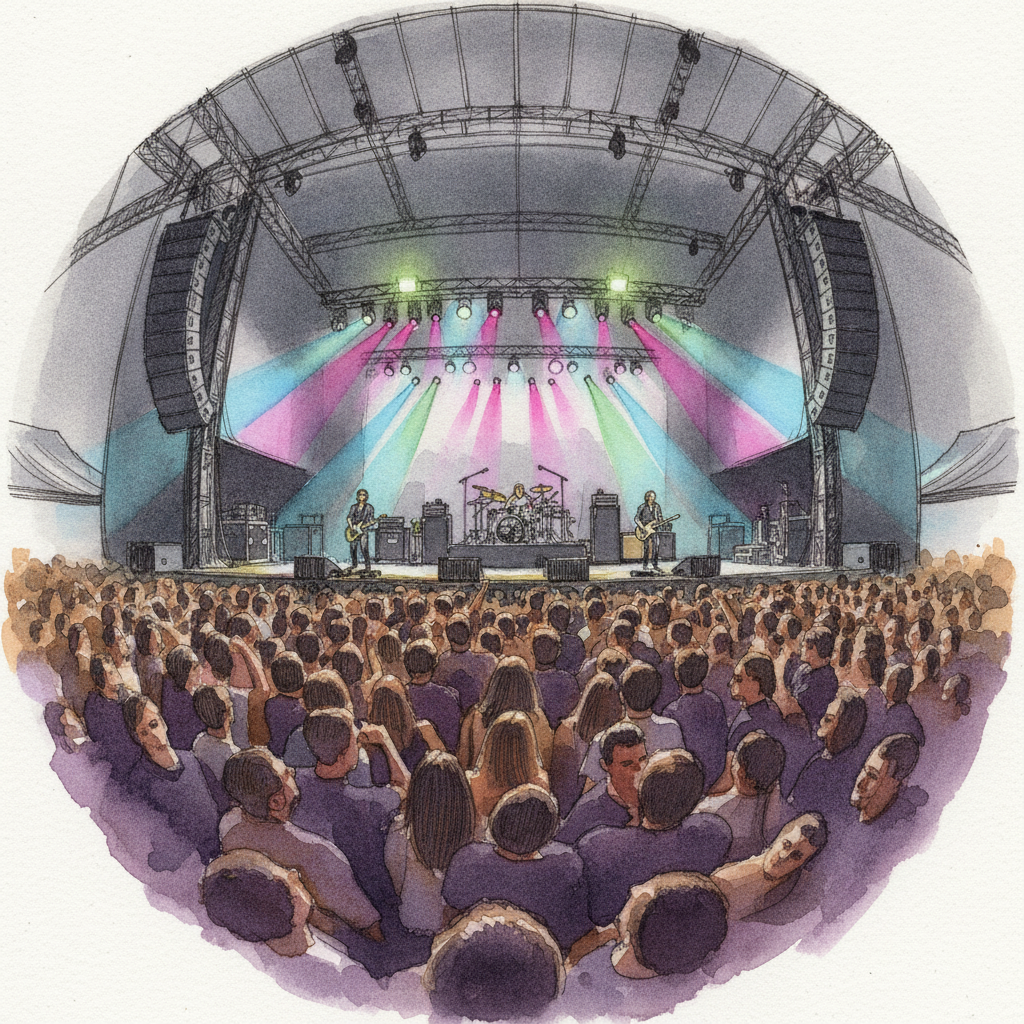
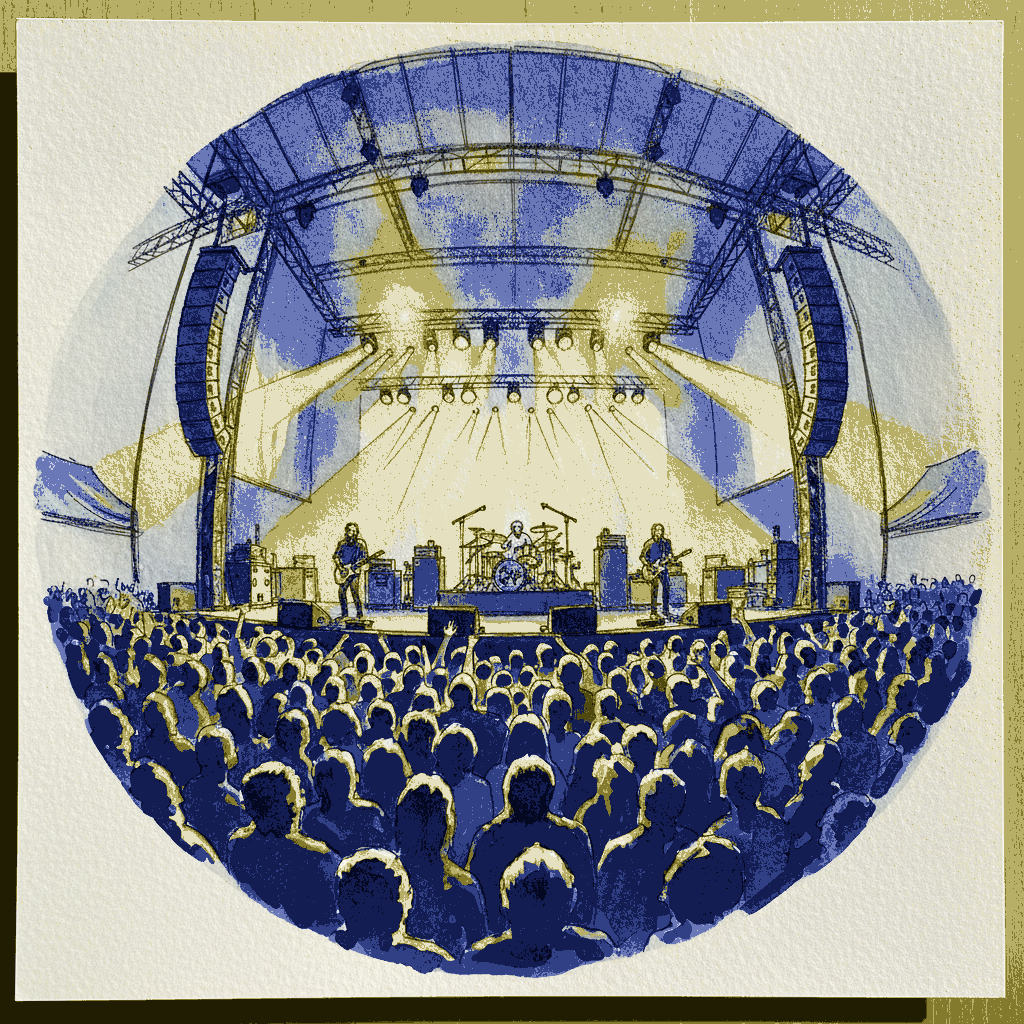
This piece offers a great opportunity to practice depicting dramatic, curved perspective through your ink lines, particularly for the stage and rigging. Concentrate on using varied line weights to firmly establish the drum kit as a central focal point. Then, employ wet-on-wet watercolor washes to convey the blooming concert lights and the immersive, overwhelming atmosphere of the crowd, letting the pigment spread naturally into the curving shapes defined by your ink. This will emphasize how your washes can build volume and light around a strong linear structure.