Lawson cypress (Port Orford cedar), Restorative Legs-Up-the-Wall with Strap, Mosque of Djenné, Mali — Mud Portal at Dusk, Coffee mug with cold dregs, and more — pen + watercolor for August 17, 2026
AI-generated daily art-practice references for pen and watercolor: Lawson cypress (Port Orford cedar), Restorative Legs-Up-the-Wall with Strap, Mosque of Djenné, Mali — Mud Portal at Dusk, Coffee mug with cold dregs, Punaluu black sand turtles, Big Island Hawaii, Person in hammock summer, Middle…
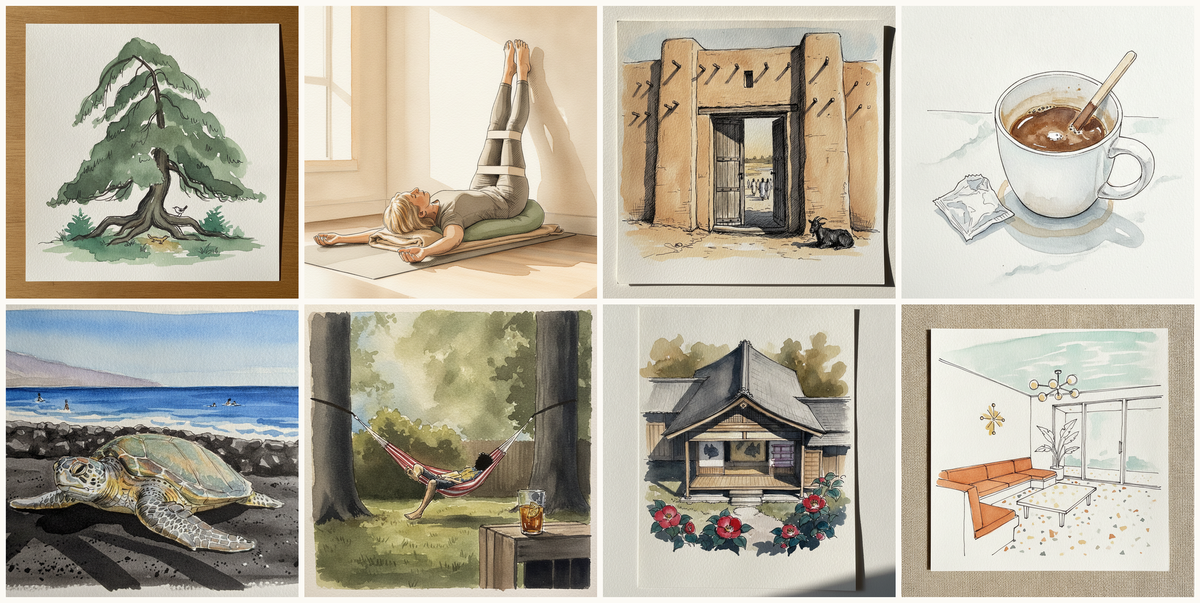
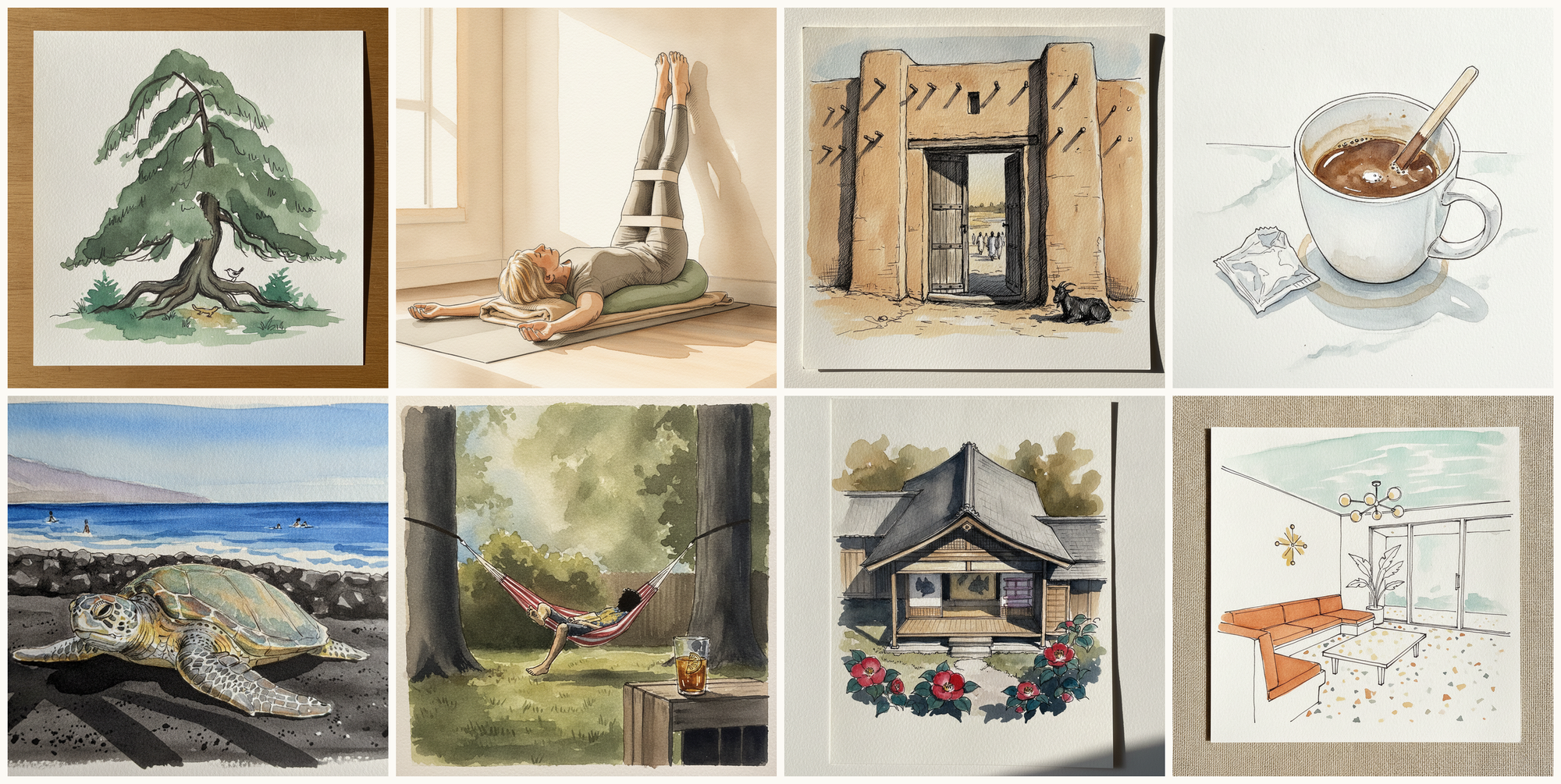
Today's 8 pen-and-watercolor pieces: Lawson cypress (Port Orford cedar), Restorative Legs-Up-the-Wall with Strap, Mosque of Djenné, Mali — Mud Portal at Dusk, Coffee mug with cold dregs, Punaluu black sand turtles, Big Island Hawaii, Person in hammock summer, Middle Villa, Shugakuin Imperial Villa, Kyoto, Japan, Mid-century Palm Springs living room. Each piece comes with an AI-generated photoreal reference, three AI-generated example artworks in different treatments, and a short focus paragraph naming what to study in this one.
Why these references use AI
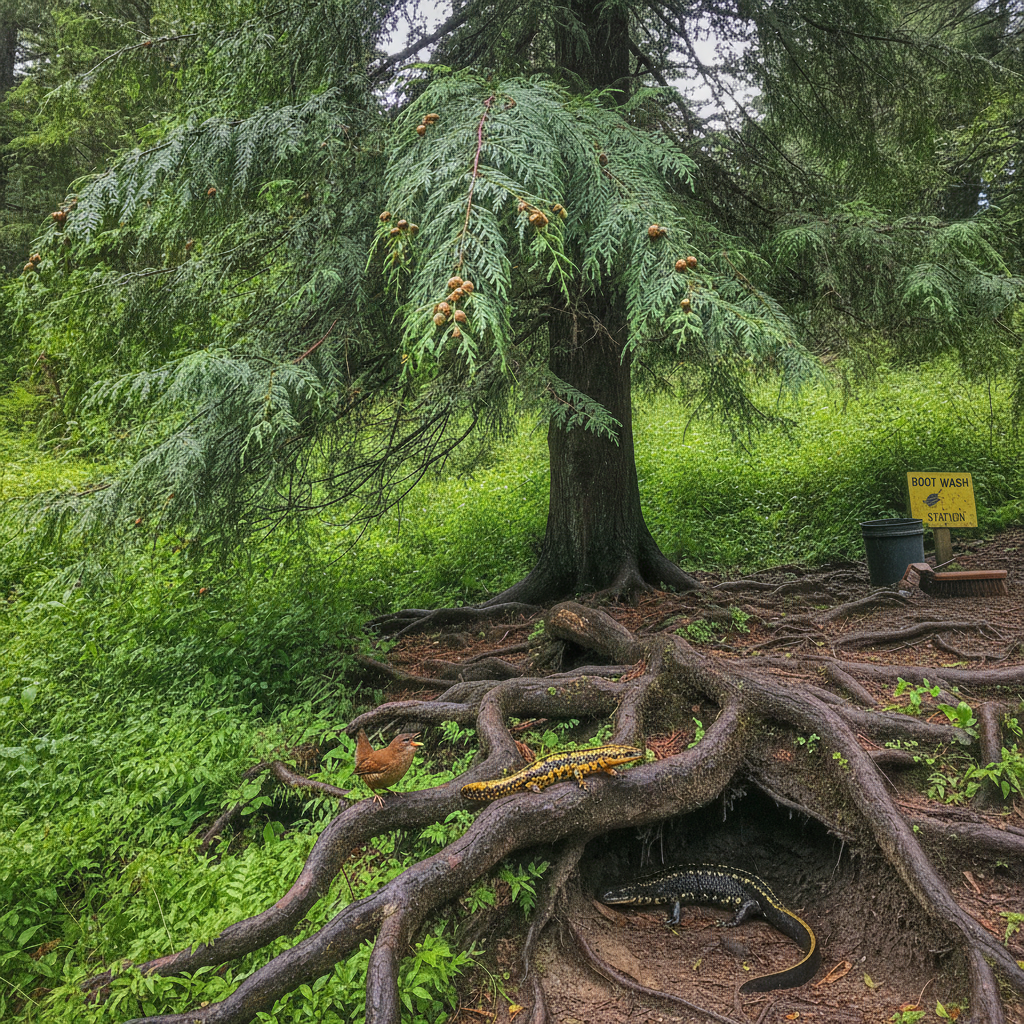
This daily series uses AI-generated images as practice prompts, not as finished artwork to copy. Each subject starts with a synthetic photoreal reference generated with Gemini/Nano Banana, then moves into three pen-and-watercolor interpretations of the same subject.
I use AI here because daily art practice needs variety and low friction. Real life can get repetitive, busy, or visually narrow. These generated reference sets make it easier to study bodies, buildings, animals, landscapes, objects, gestures, light, palettes, and compositions that might not show up in an ordinary day.
The goal is not to reproduce any image directly. Treat each set as a starting point for observation and study: choose what interests you, change the framing, simplify the subject, alter the palette, and make your own version.
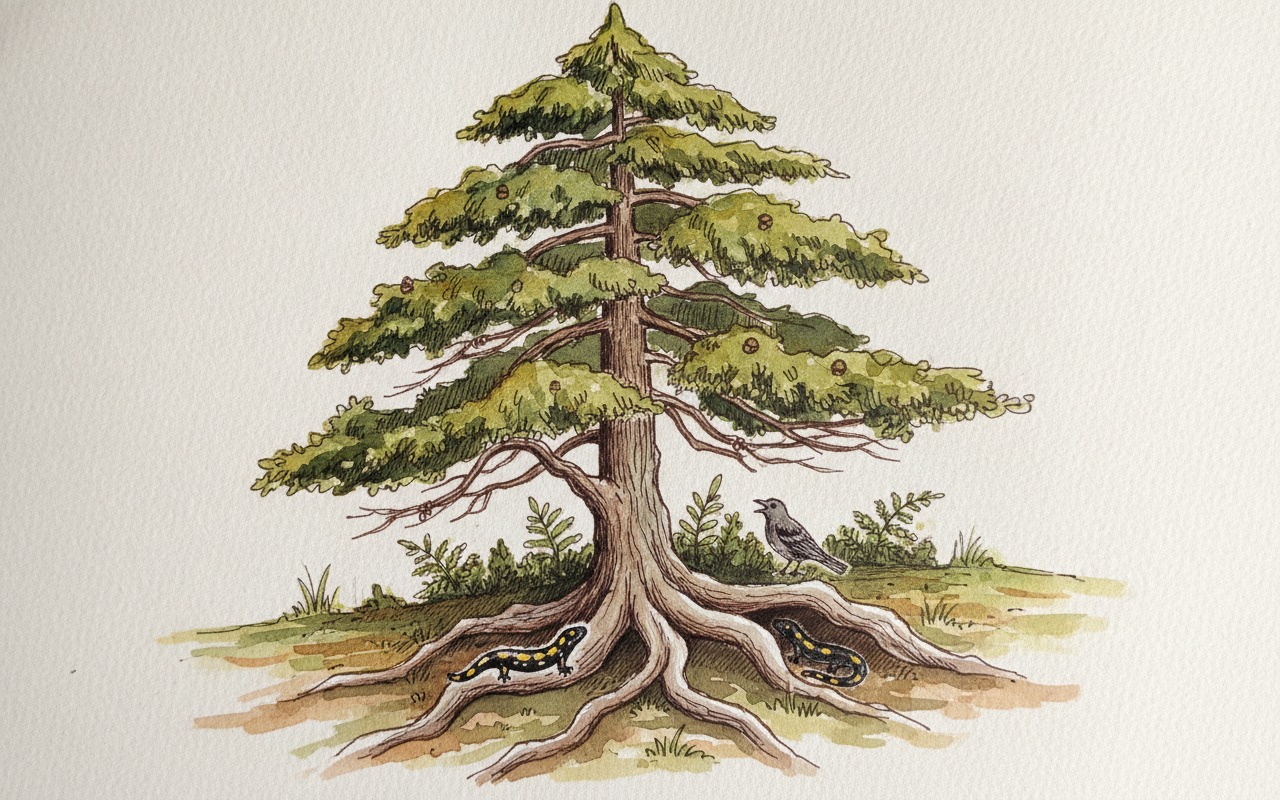
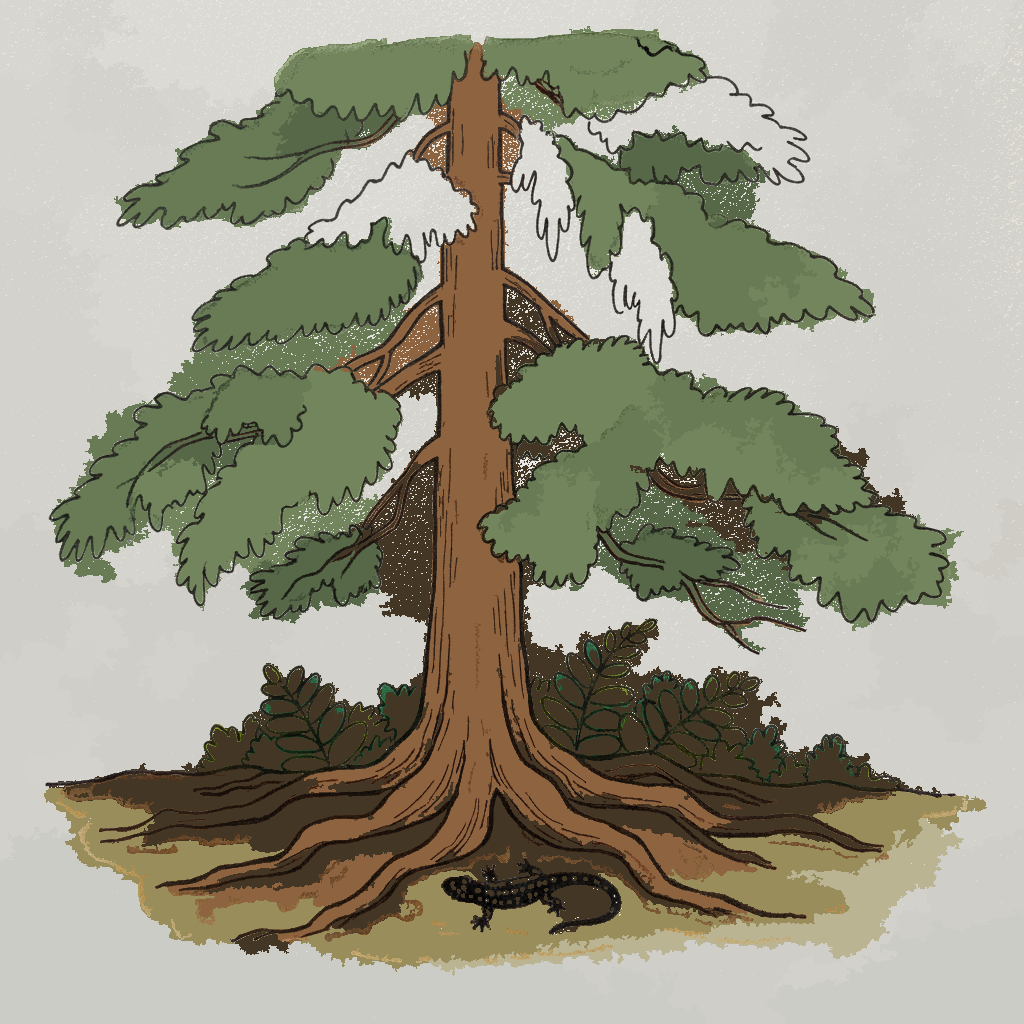
Piece 1 — Lawson cypress (Port Orford cedar)
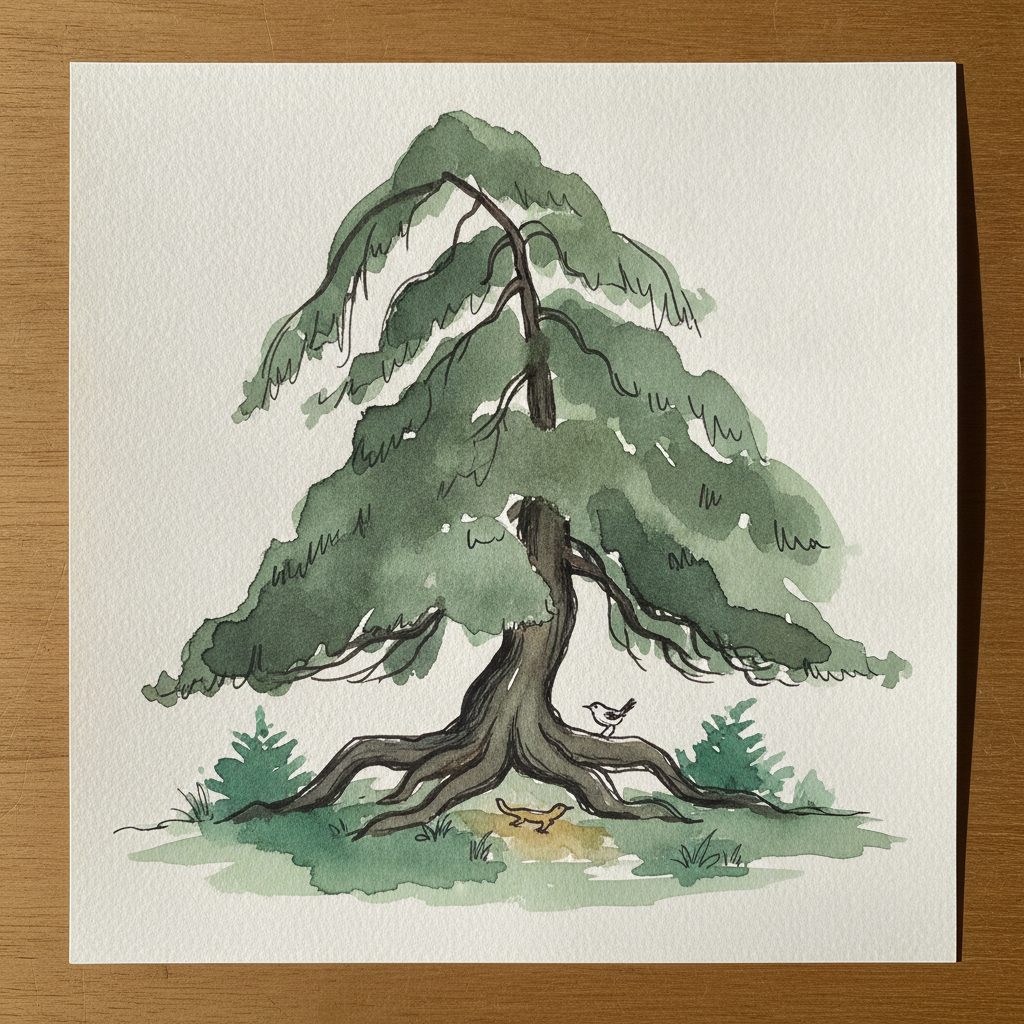
Pen + Watercolor · Loose pen and watercolor line-and-wash
Three takes
Focus for this piece
This piece offers an excellent opportunity to practice balancing delicate line work with soft, layered washes to capture organic forms. Use light, varied pen strokes to define the graceful droop of the cypress leader and the subtle texture of its fine, scale-like leaves, allowing washes to suggest their volume and color. Experiment with wet-into-wet washes for the atmospheric greens of the fern bed and the subtle undulations of the Oregon slope, letting them dry before adding any final, crisp details with your pen.
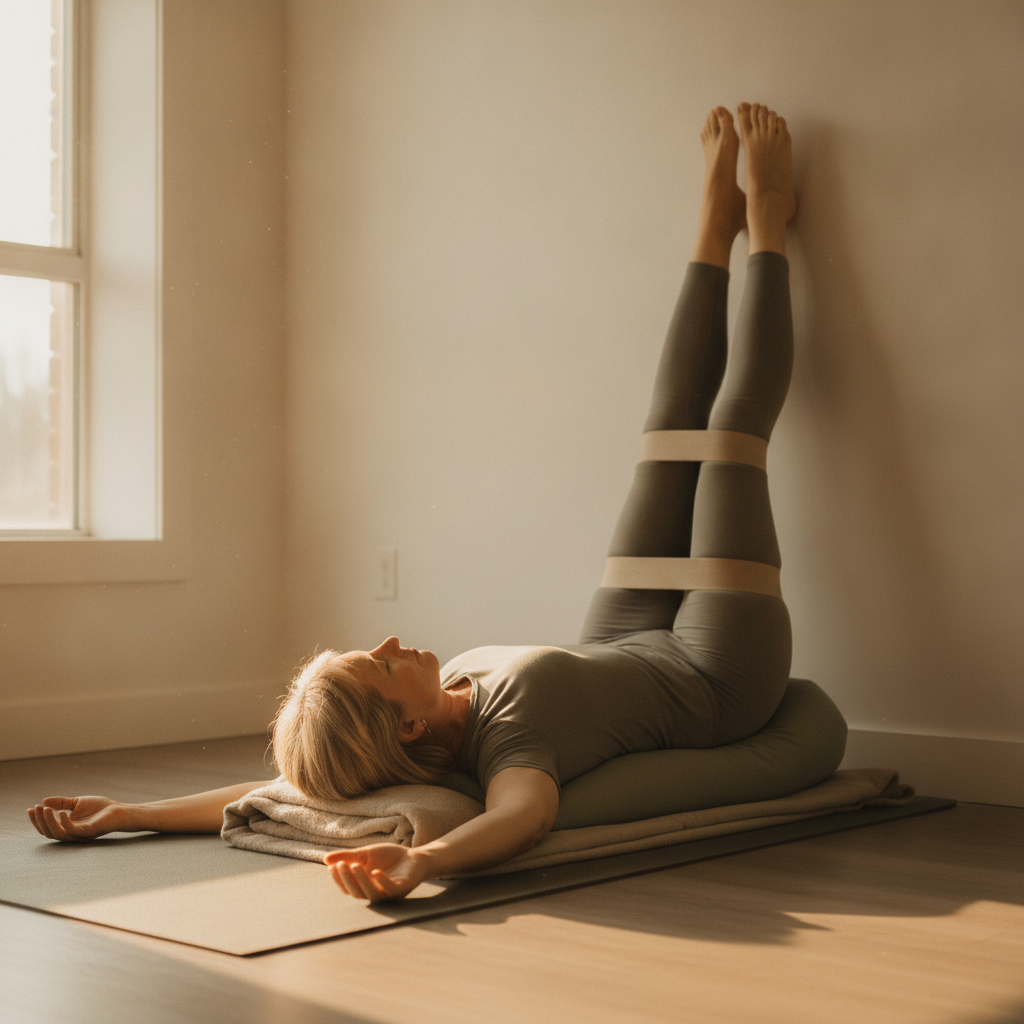
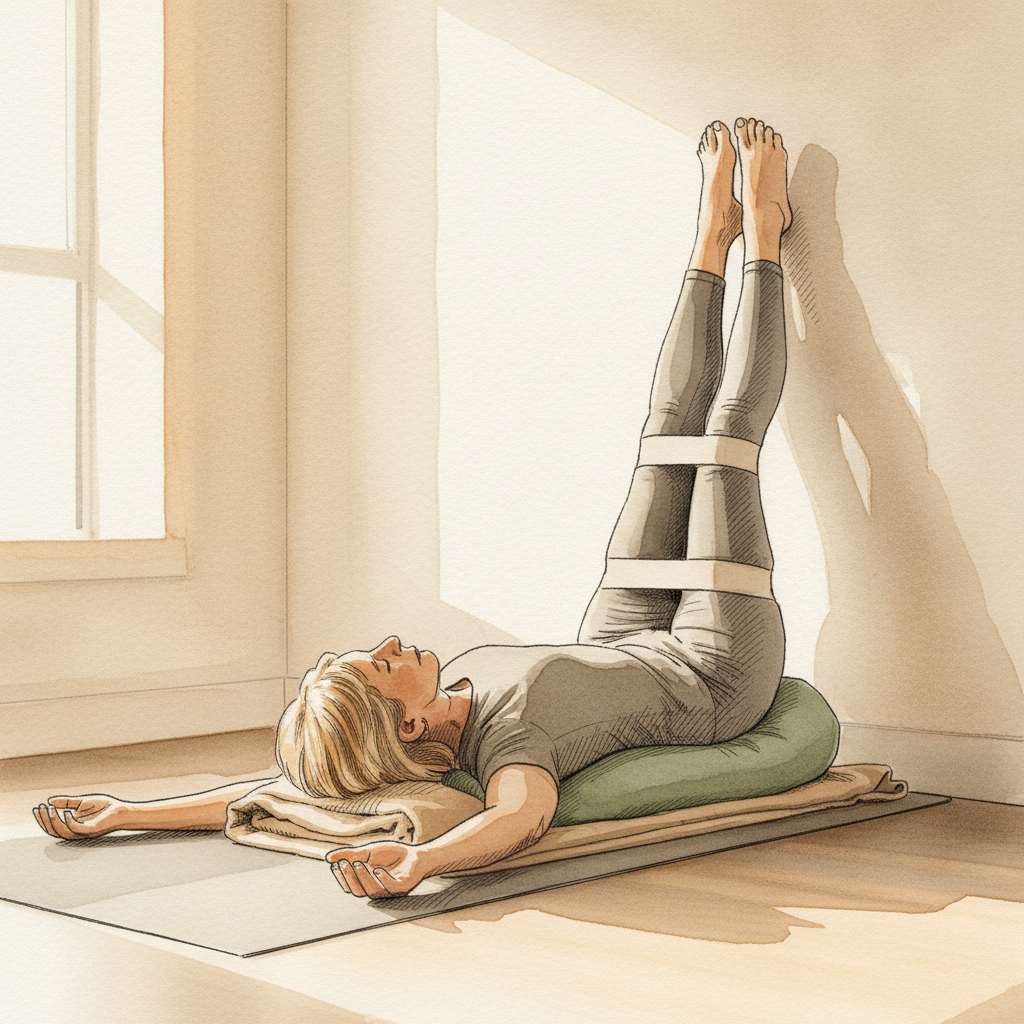
Piece 2 — Restorative Legs-Up-the-Wall with Strap
Pen + Watercolor · Loose pen and watercolor line-and-wash
Three takes
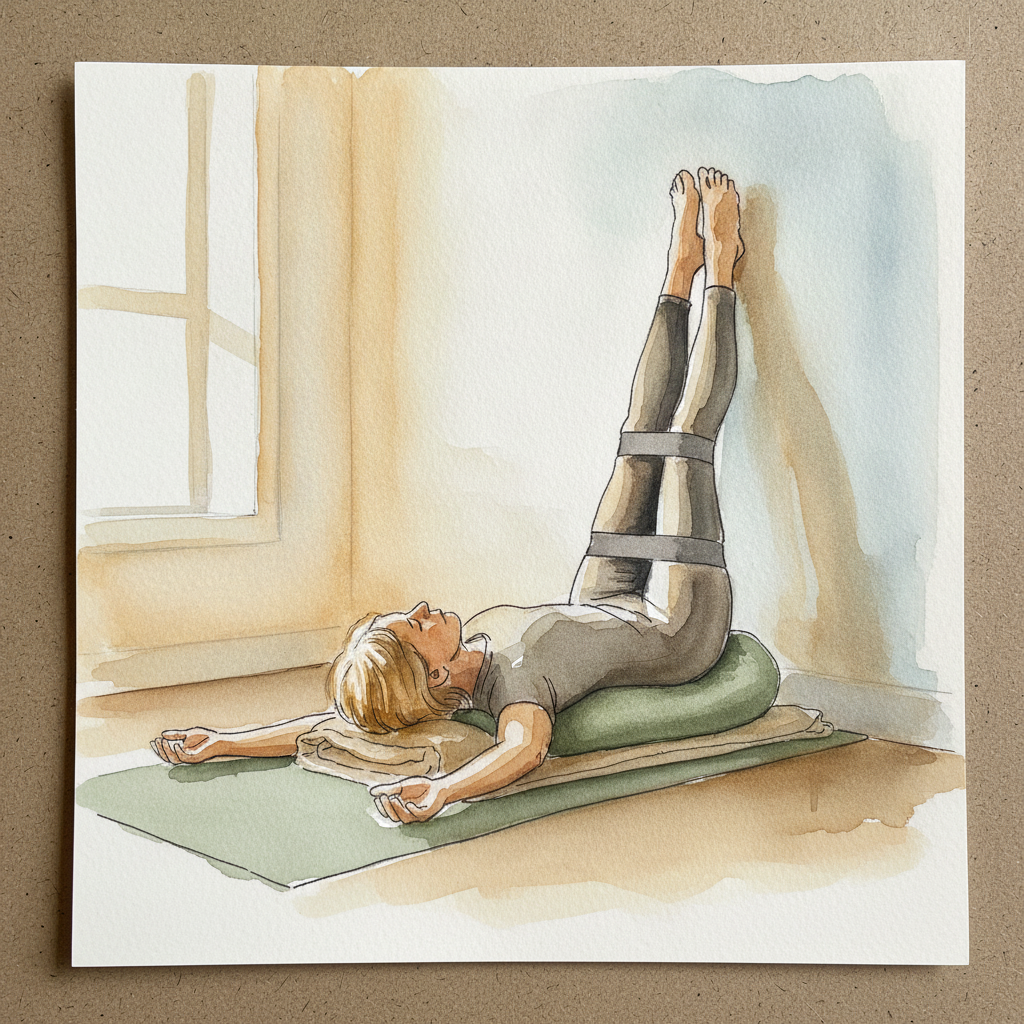
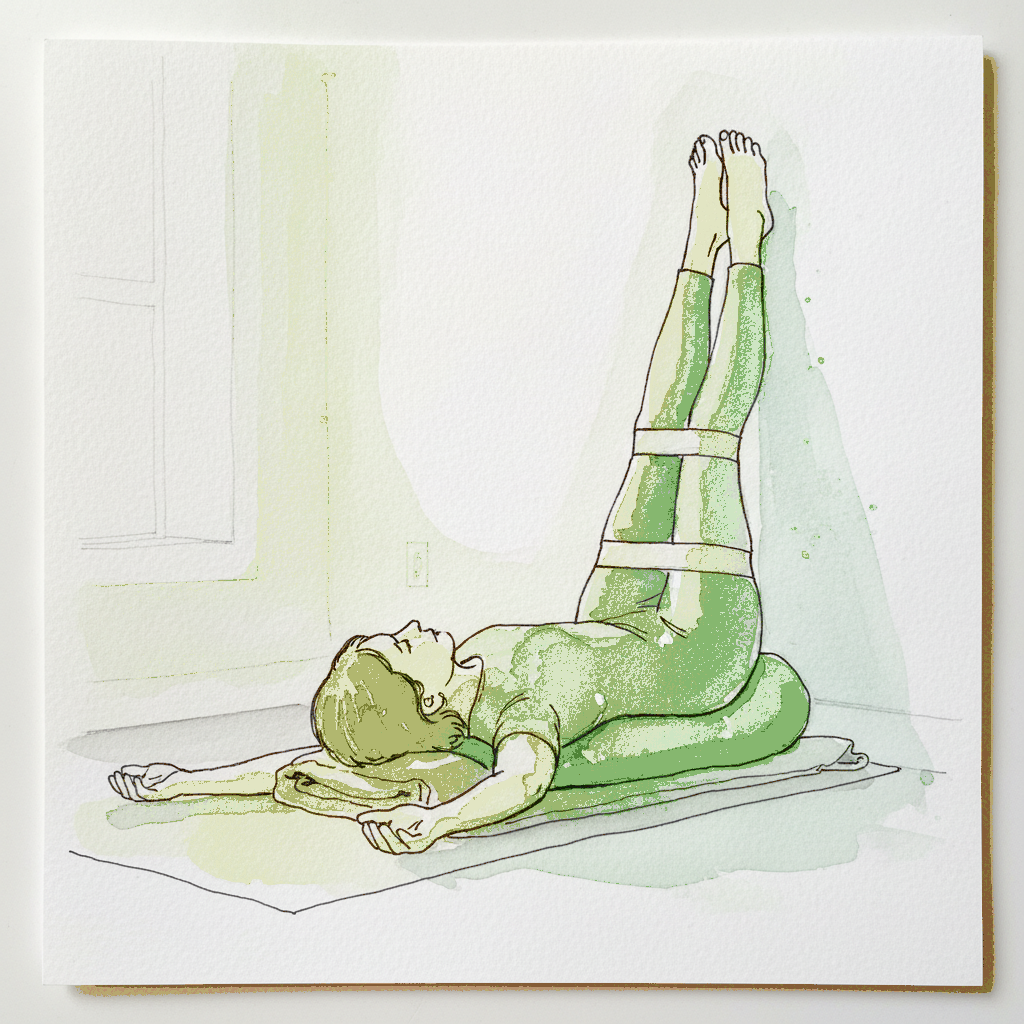

Focus for this piece
This piece is ideal for exploring how minimal, thoughtful line weight can define the soft, relaxed contours of the figure and fabric, allowing the watercolor to suggest the warm, ambient light. Practice using a restricted palette of honey, sage, and warm grey to build atmospheric volume and unify the scene. Focus on emphasizing the subtle "sensory line" that guides the eye through the composition, from open palms to strap-bound legs.
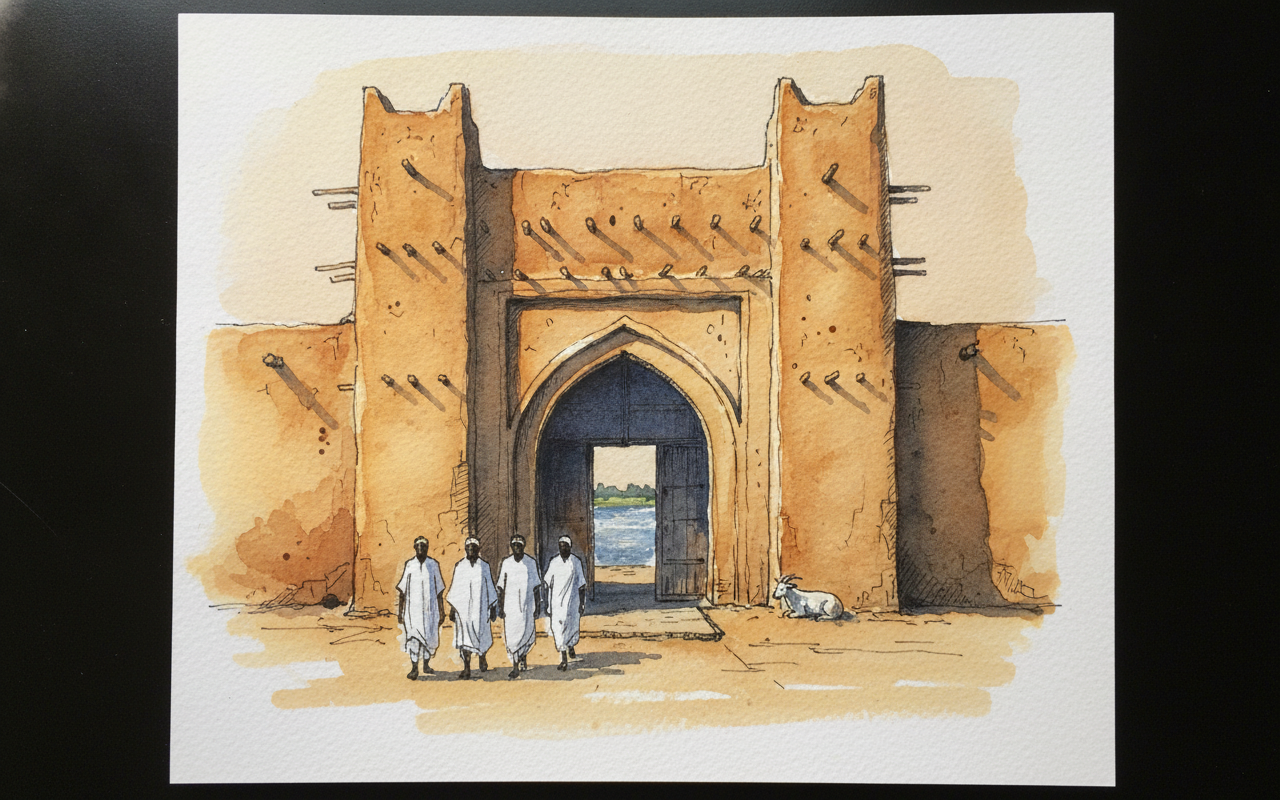
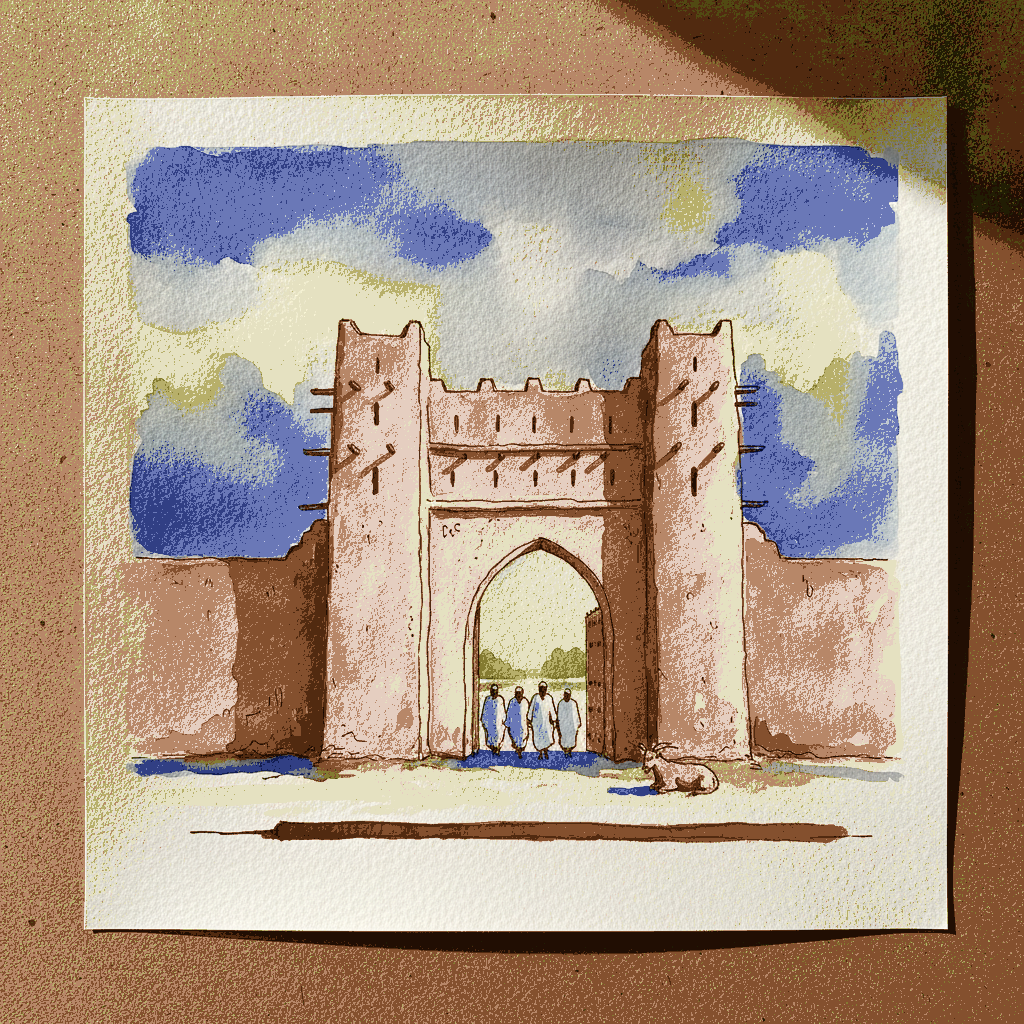
Piece 3 — Mosque of Djenné, Mali — Mud Portal at Dusk
Pen + Watercolor · Loose pen and watercolor line-and-wash
Three takes
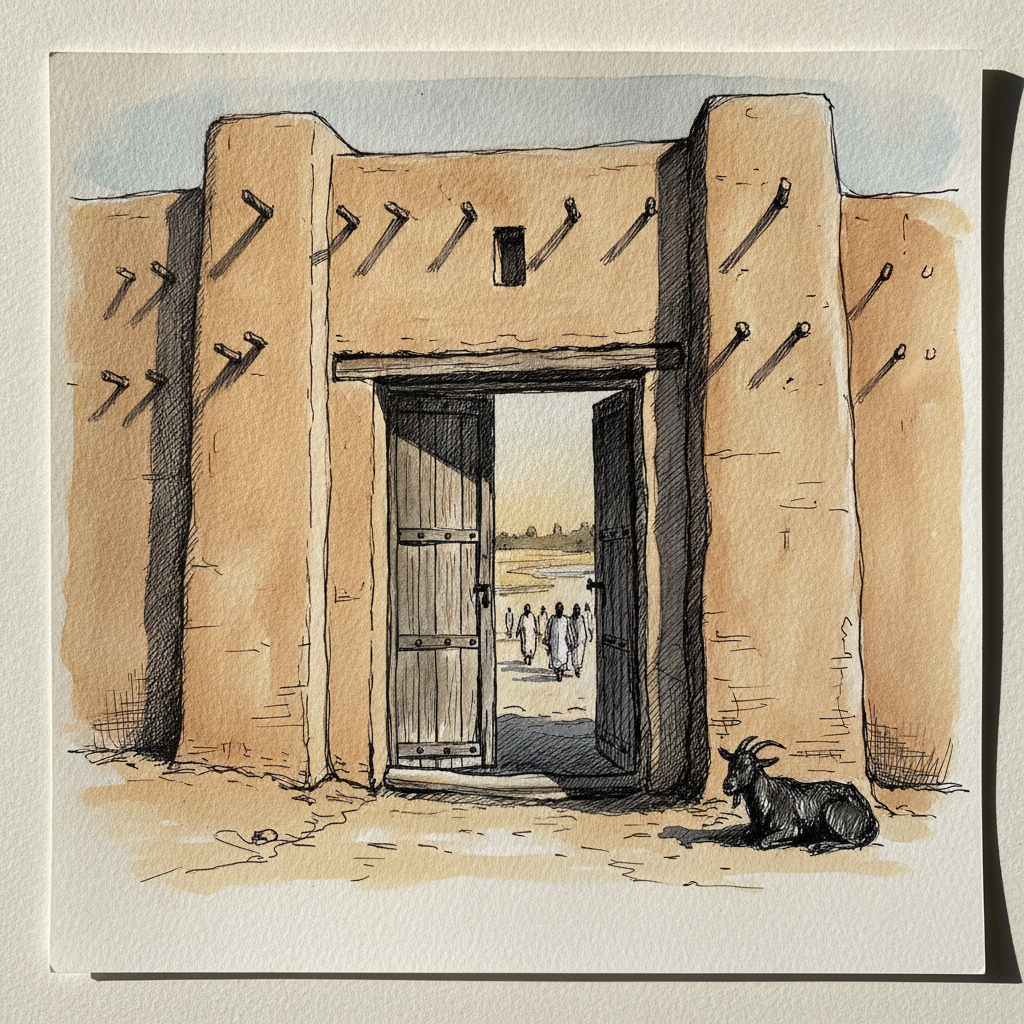

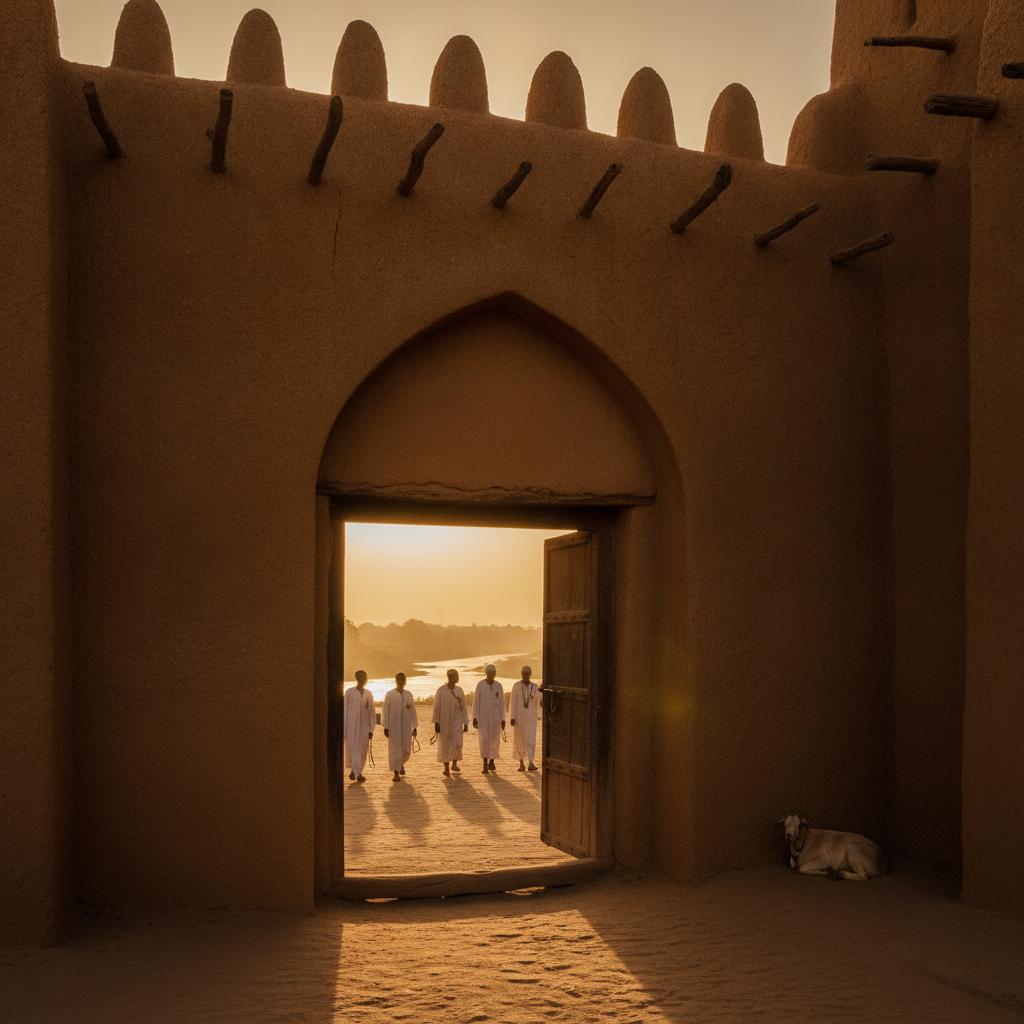
Focus for this piece
This piece is an excellent study in capturing the specific mood of dusk through strong value and temperature contrast, particularly where warm, golden light meets the cool, deep shadows of the portal. Concentrate on building layers of transparent washes for the luminous dust and shifting values of the wall, and employ varied pen lines—from crisp marks for the ironwood threshold to softer, broken strokes that suggest the organic texture and form of the ancient mud architecture and its bristling toron sticks.
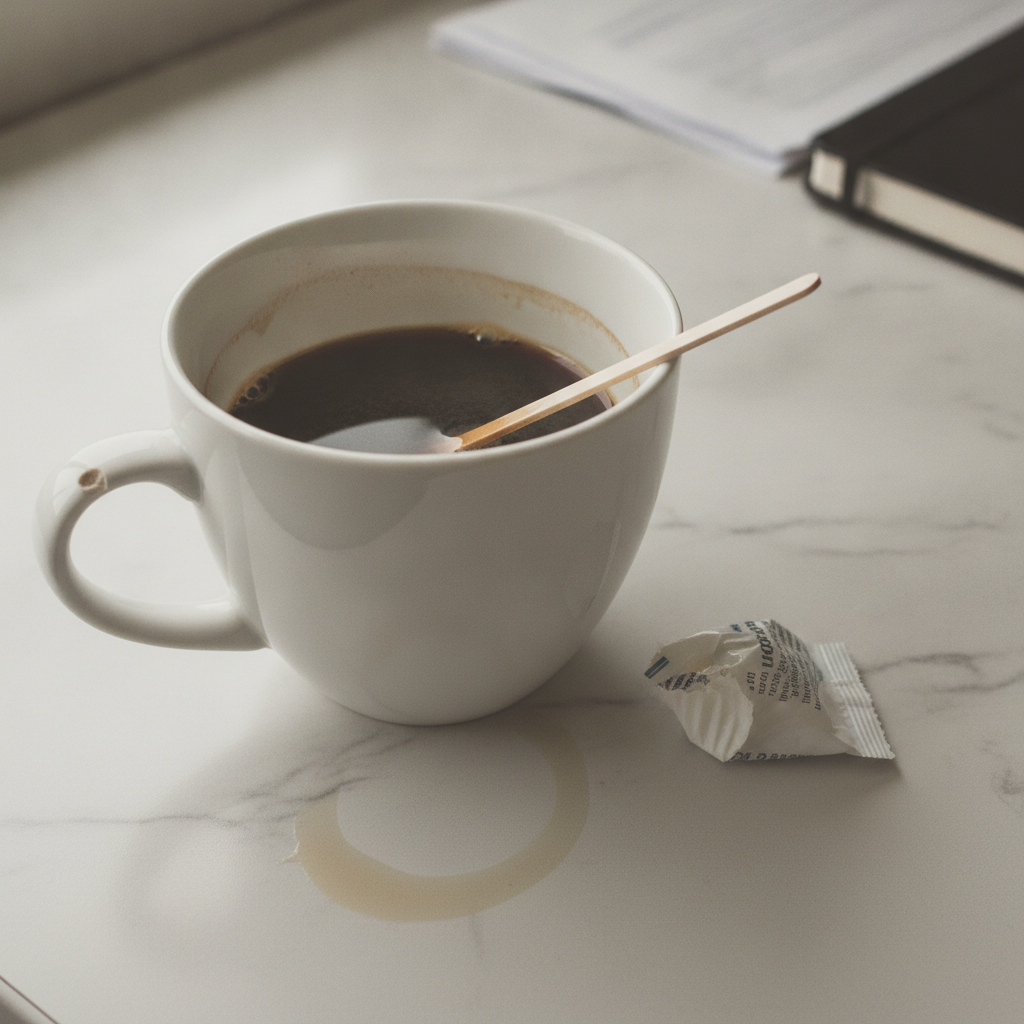
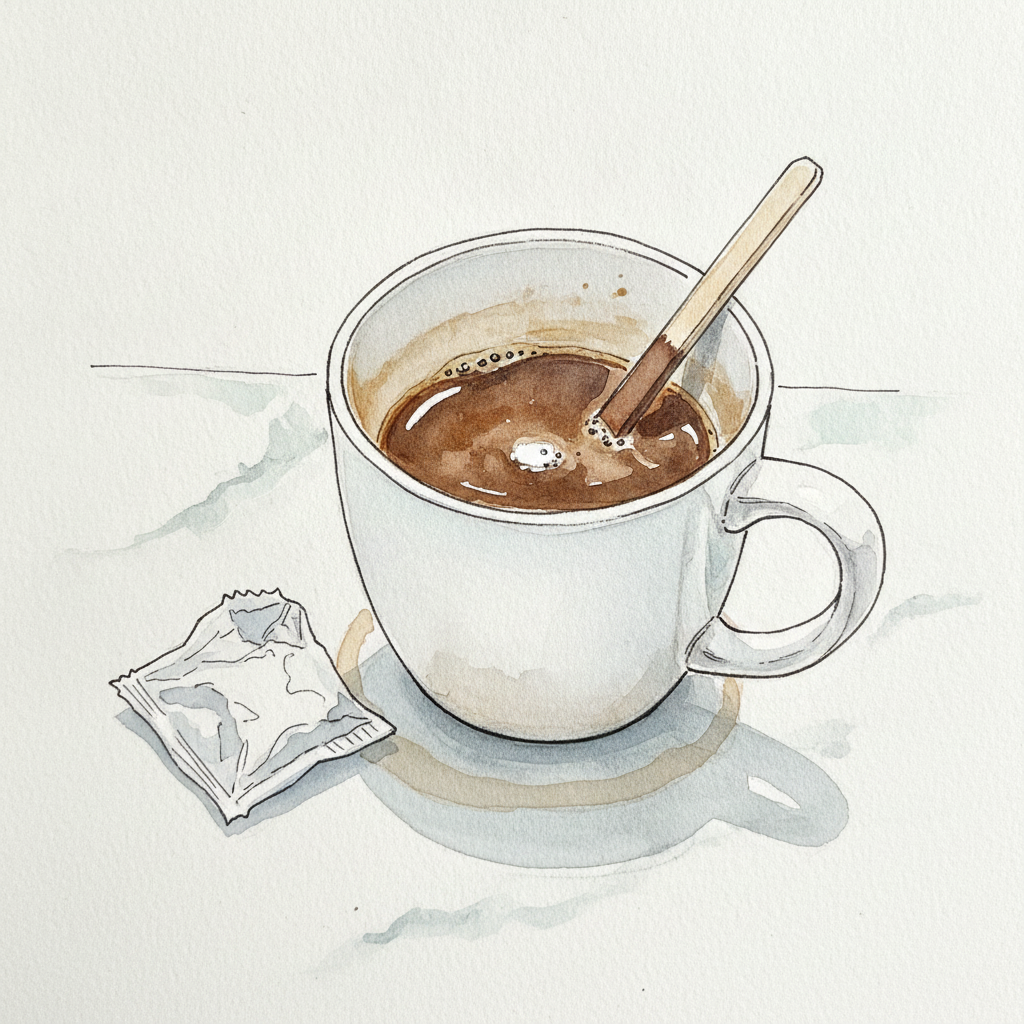
Piece 4 — Coffee mug with cold dregs
Pen + Watercolor · Loose pen and watercolor line-and-wash
Three takes
Focus for this piece
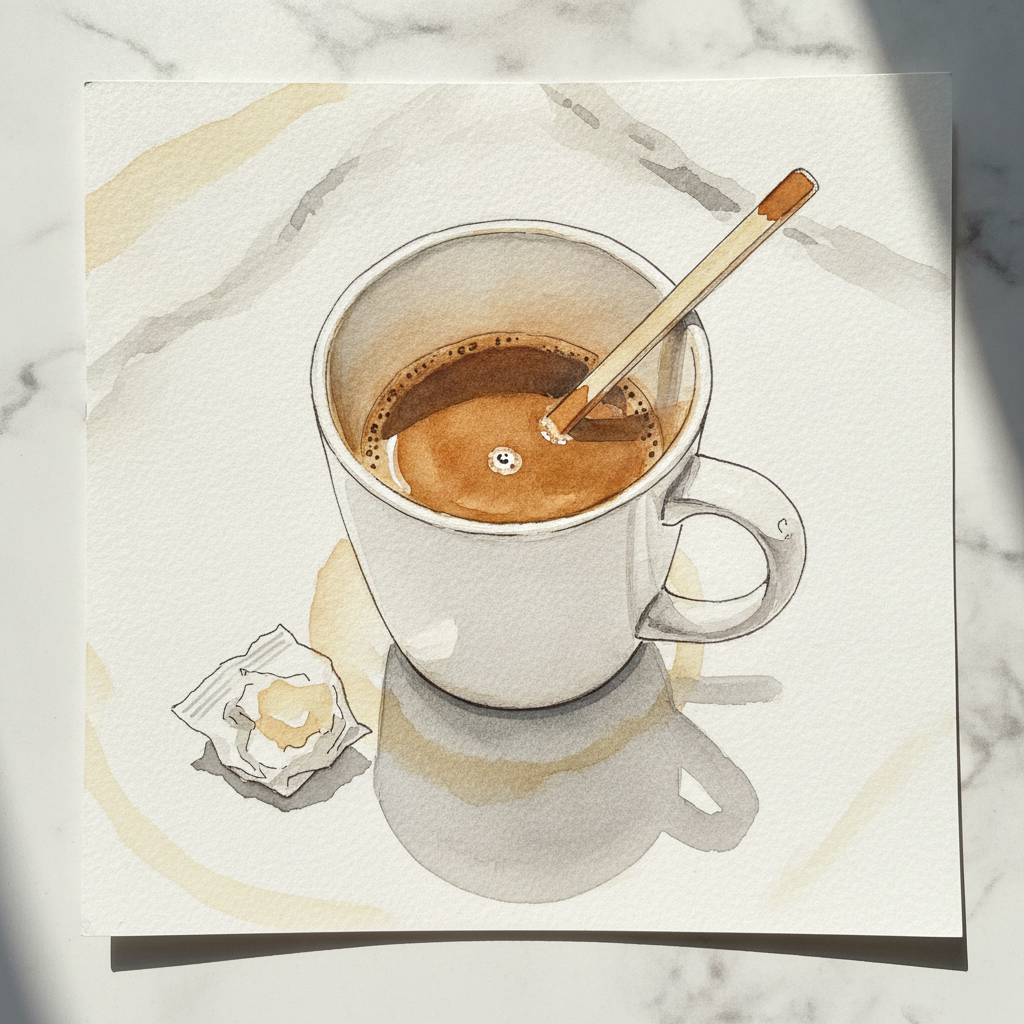
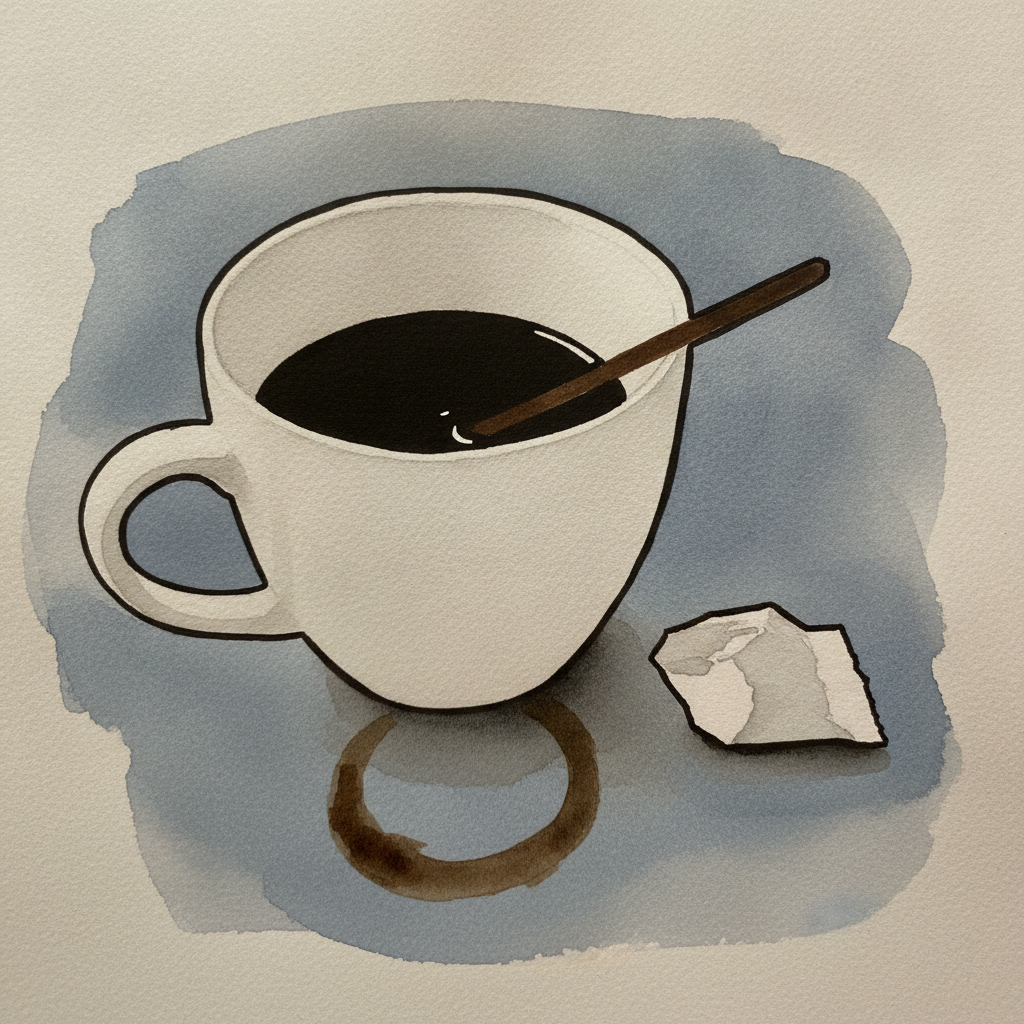
This piece is excellent for exploring how varied line weights and specific wash applications create distinct textures. Use fine, consistent pen lines for the mug's smooth ceramic and the crisp details of the stir stick, then introduce a broken line for the chipped handle and crumpled creamer. Employ a soft, dilute wet-on-wet wash for the desk's subtle marbling and the condensation ring, reserving a flat, darker wash for the coffee dregs, detailed with a small, precise dry brush for the film and bubble.
Piece 5 — Punaluu black sand turtles, Big Island Hawaii
Pen + Watercolor · Loose pen and watercolor line-and-wash

Three takes

Focus for this piece
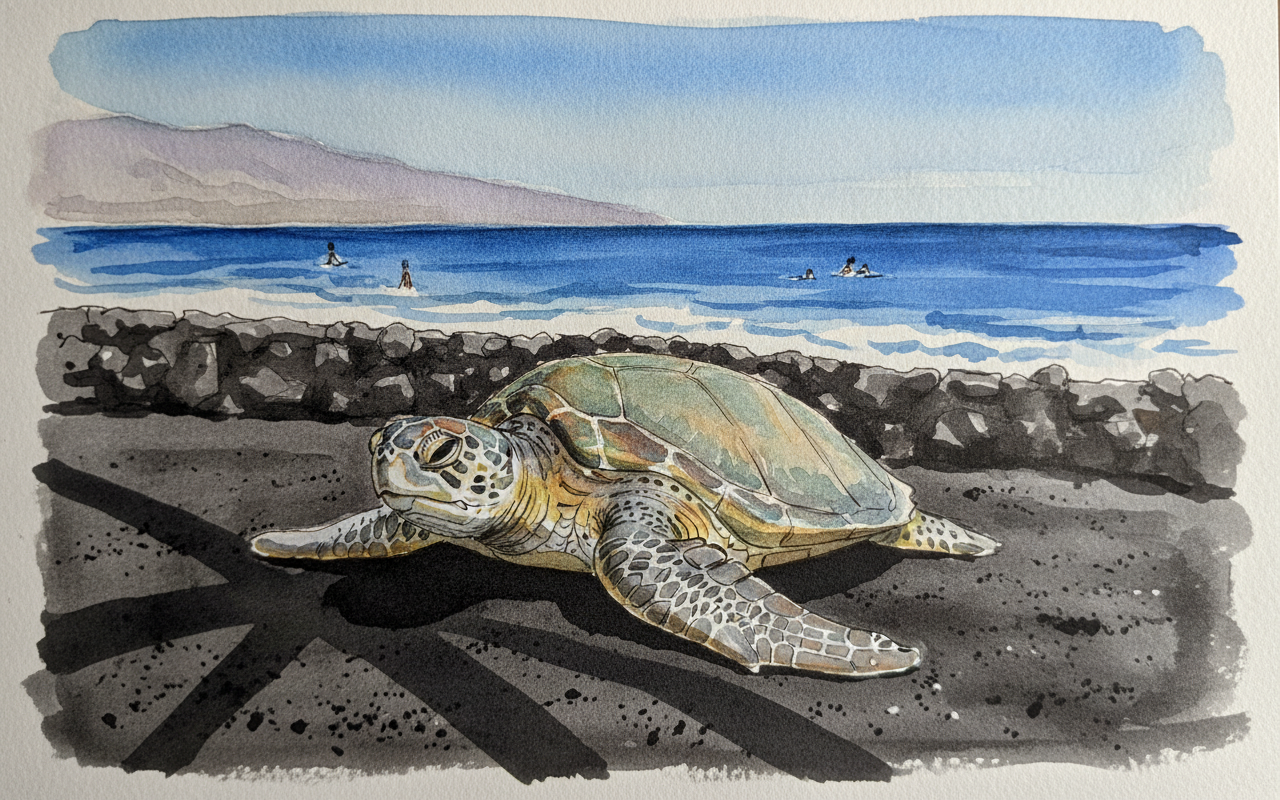
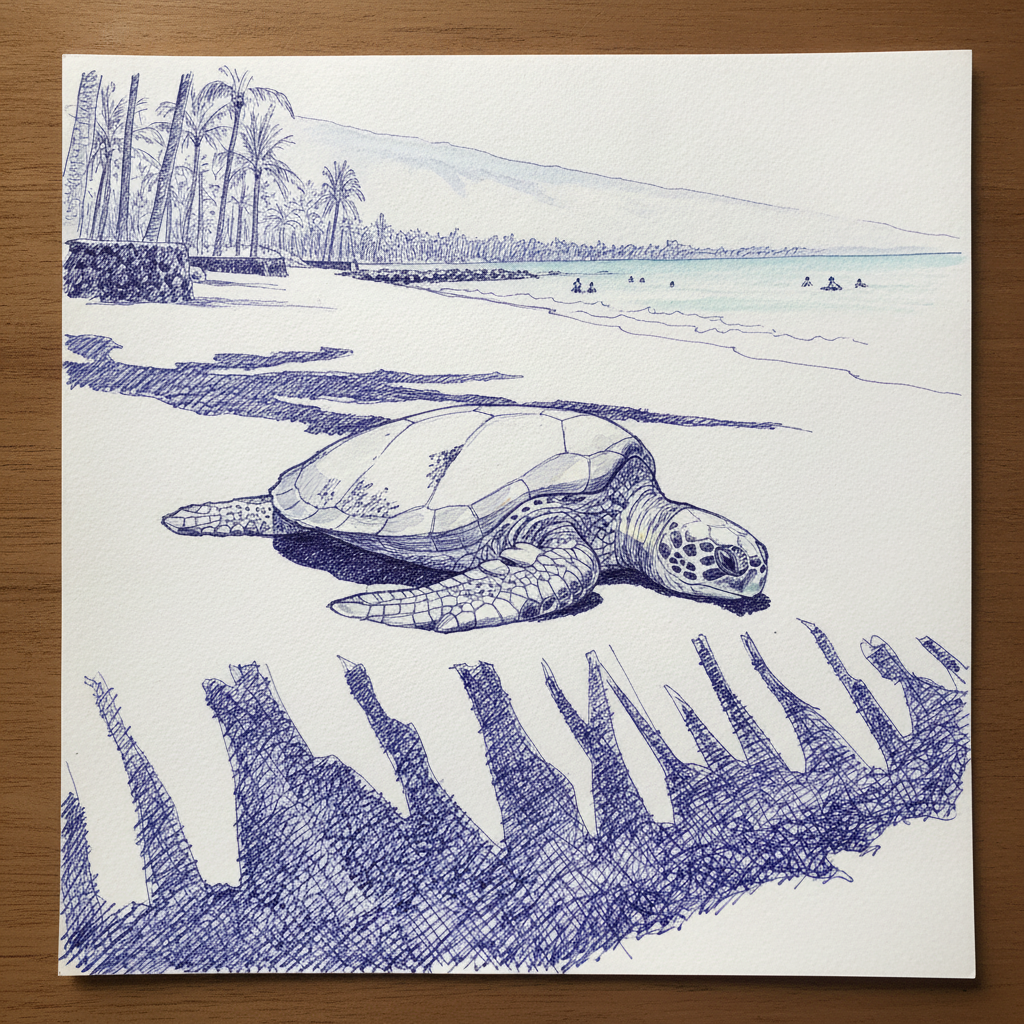
This piece offers an excellent study in managing extreme values, specifically how to depict the glittering black sand and the harsh midday light. Concentrate on using varied watercolor wash saturation to establish the broad tonal range, reserving your darkest, most opaque mixes for the deepest shadows while carefully preserving untouched paper white for highlights. Then, employ fine pen stippling and varied line weight *over* your dried washes to capture the sand's sparkle and the turtle's barnacled shell texture, ensuring the ink provides crisp definition without overwhelming the luminosity.
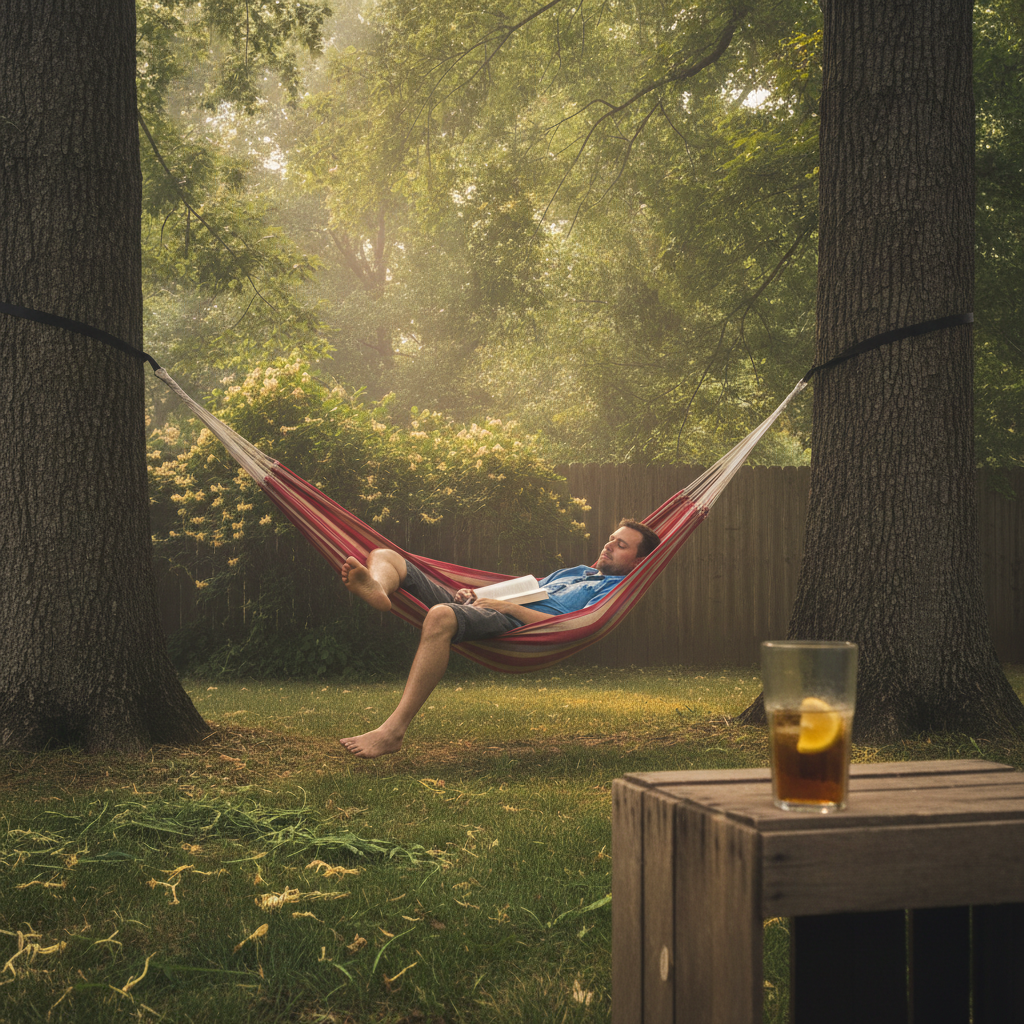
Piece 6 — Person in hammock summer
Pen + Watercolor · Loose pen and watercolor line-and-wash
Three takes
Focus for this piece
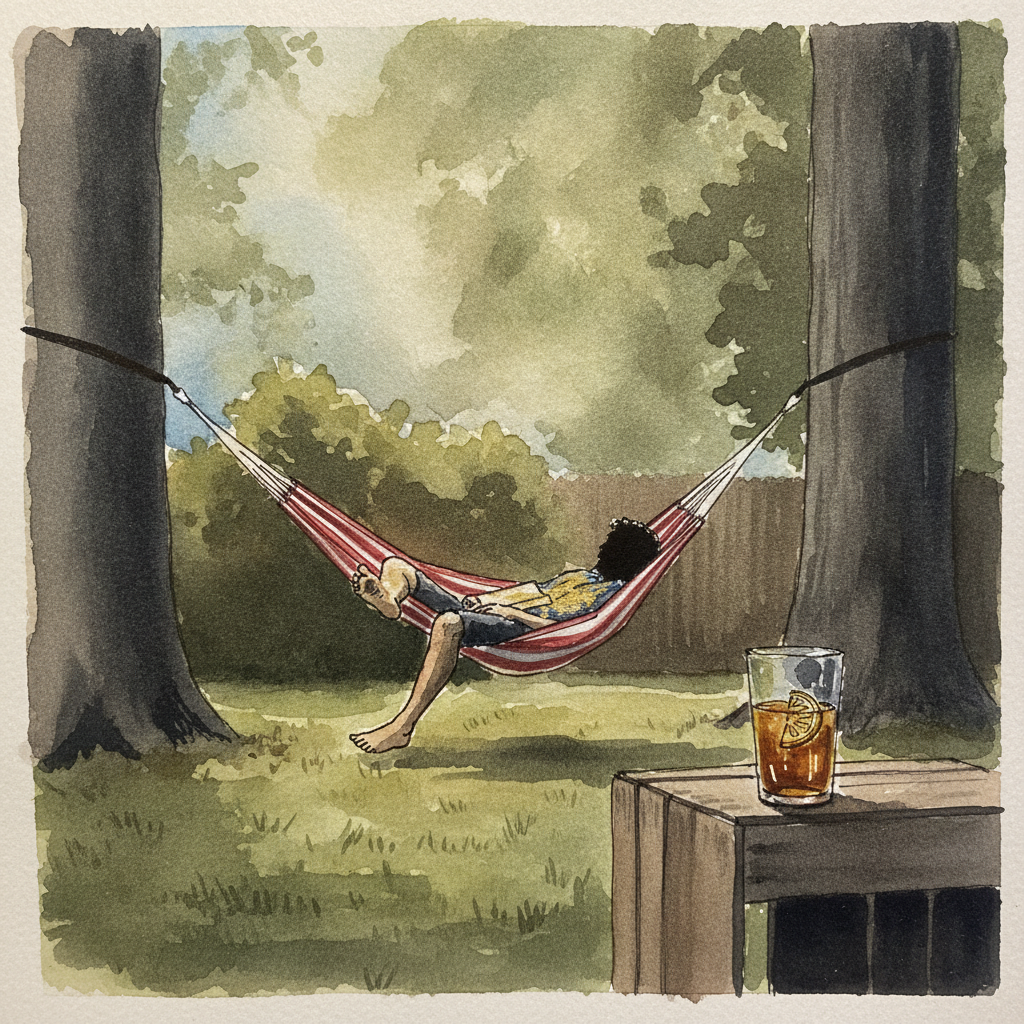
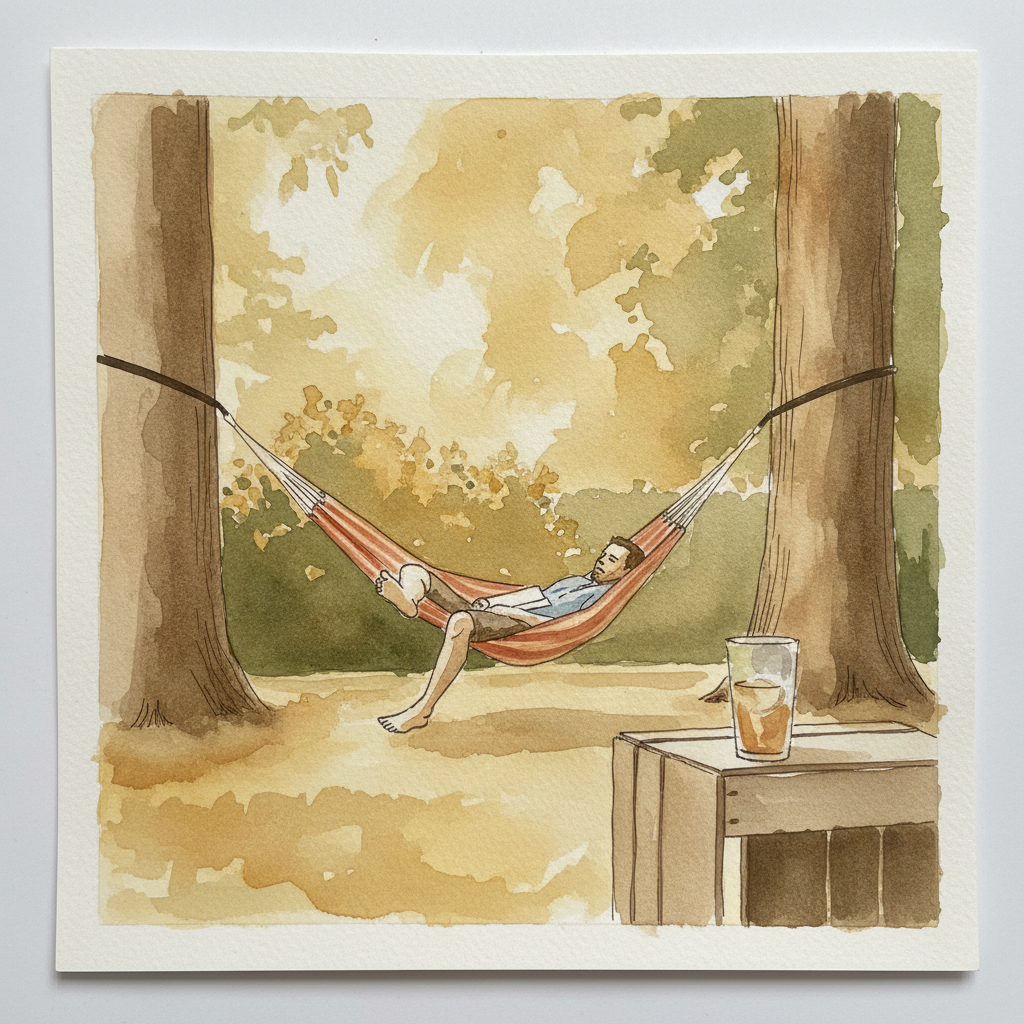
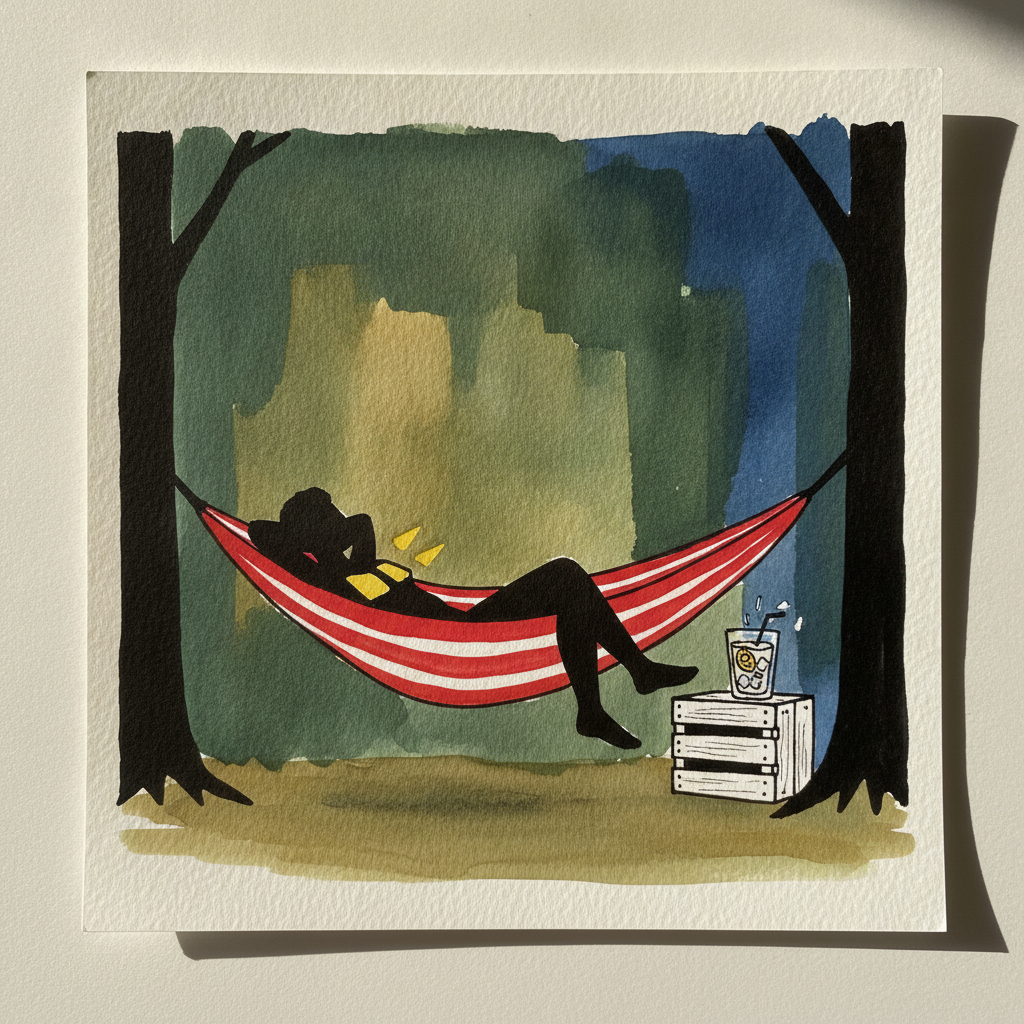
This piece offers an excellent study in rendering dappled sunlight filtering through foliage, creating "gold coins" of light across the scene. Use soft, controlled wet-on-wet washes for the general foliage and the man's shirt to suggest movement, contrasting with sharper, lifted areas or negative painting for the brightest sunlit spots. Pay close attention to varying your pen lines: employ crisp, firm strokes for the hammock's stripes and the iced tea glass, and use lighter, broken lines for the distant leaves and the man's relaxed form. Focus on a warm, limited palette to convey the heavy, summer atmosphere.
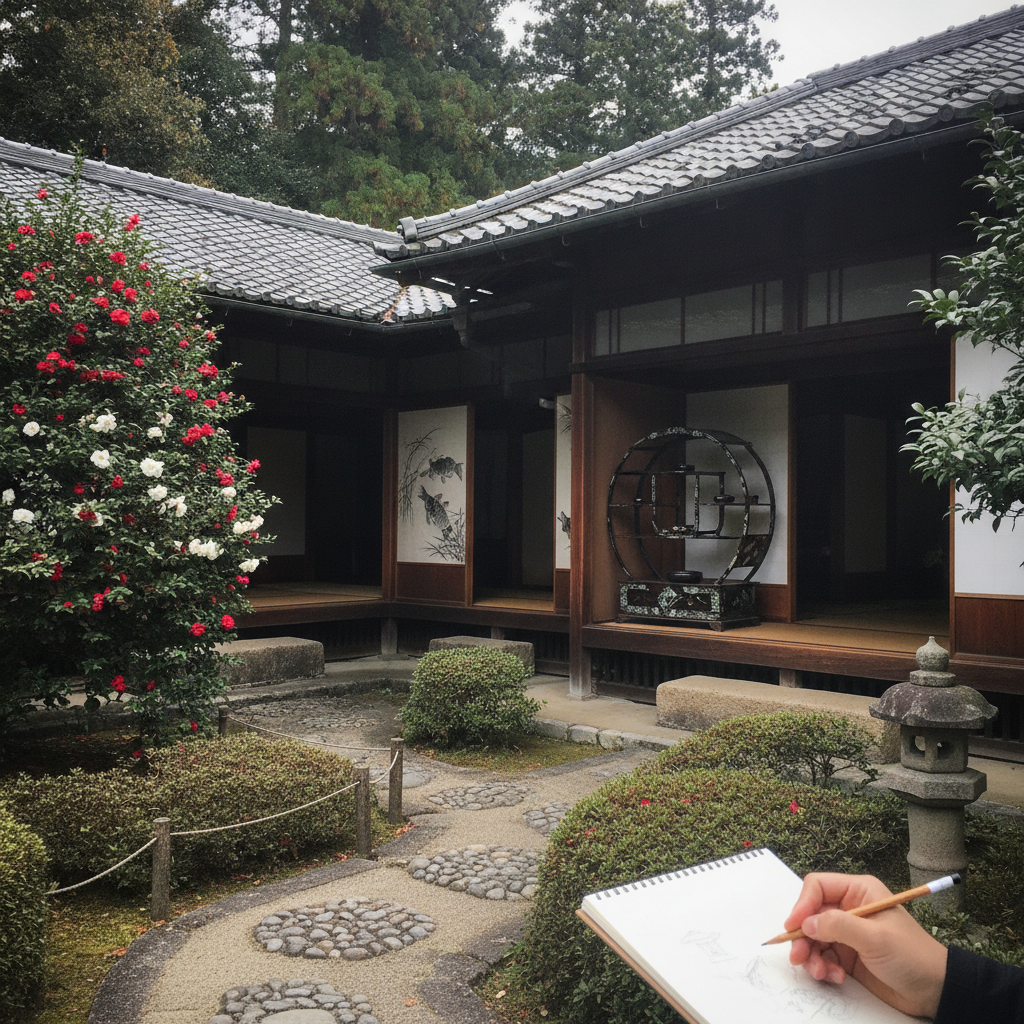
Piece 7 — Middle Villa, Shugakuin Imperial Villa, Kyoto, Japan
Pen + Watercolor · Loose pen and watercolor line-and-wash
Three takes

Focus for this piece
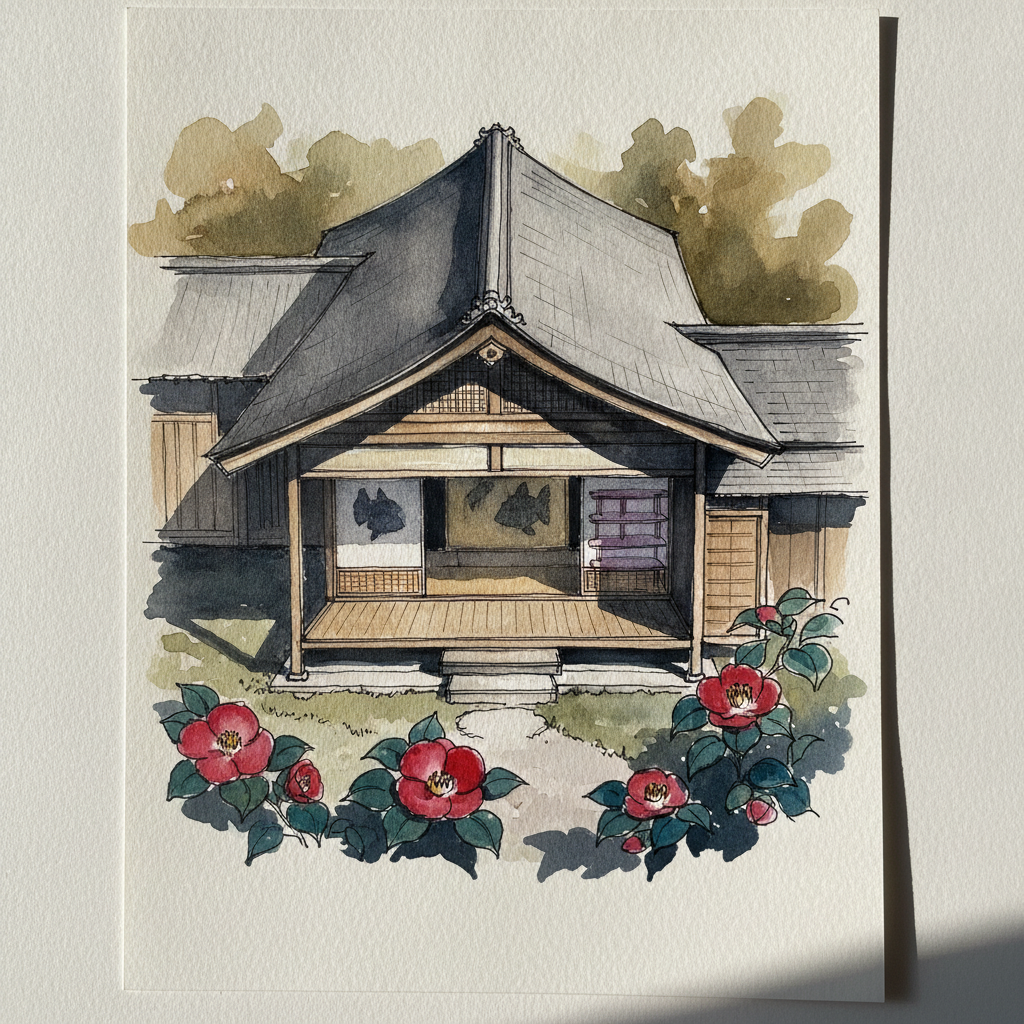
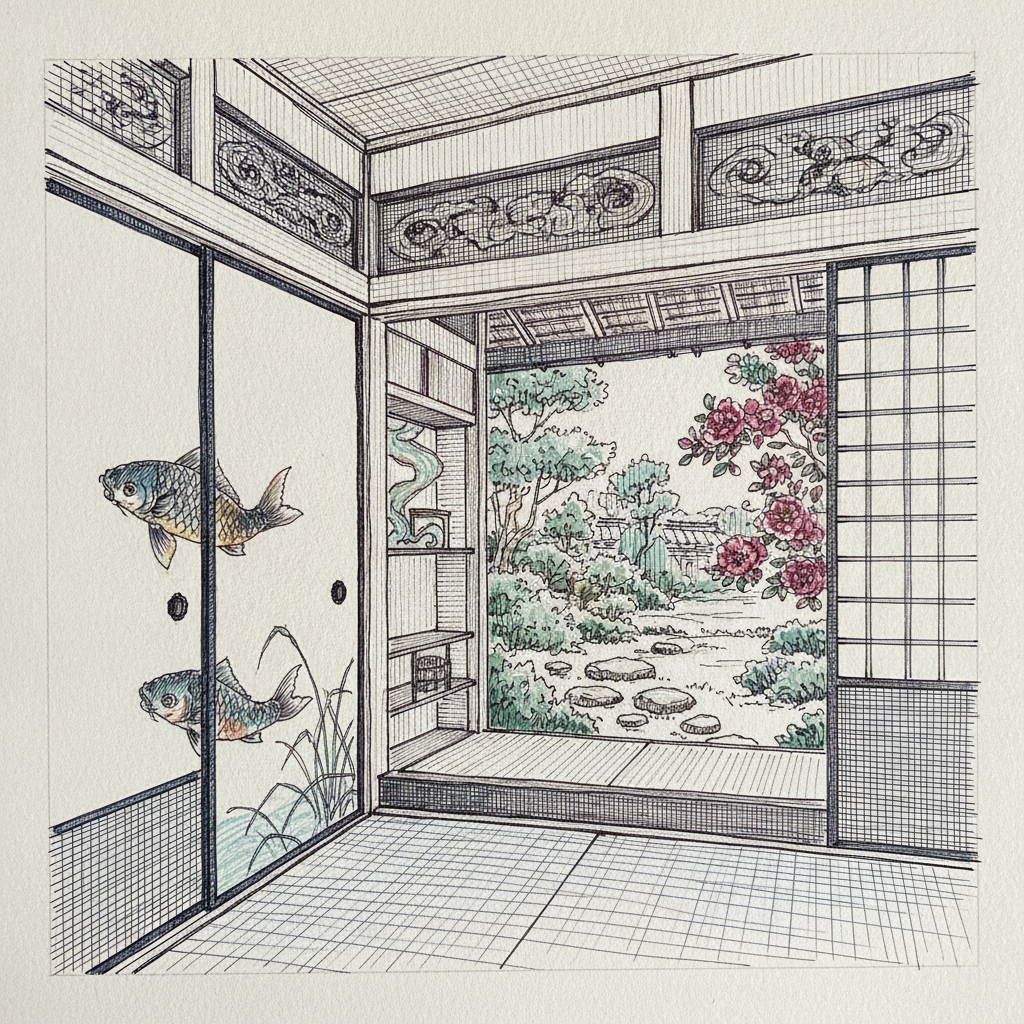
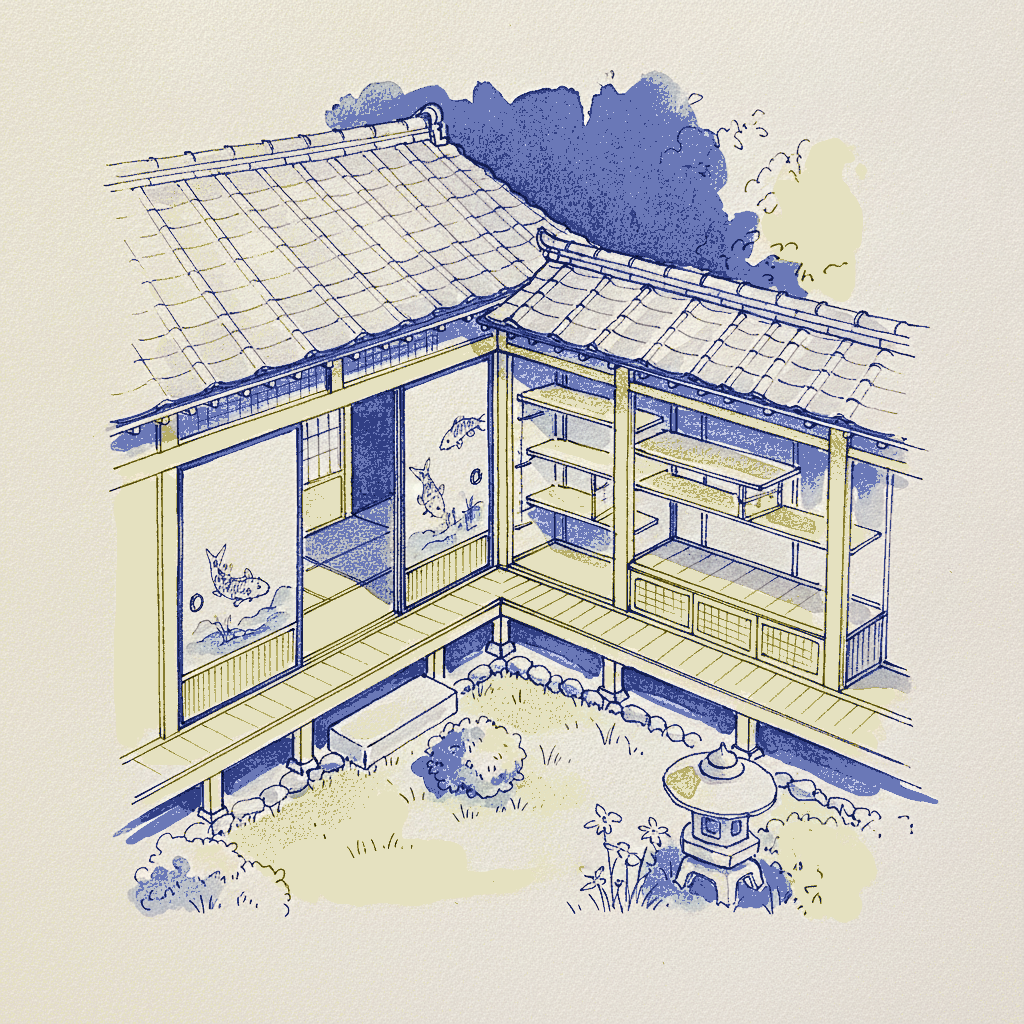
For the Middle Villa, focus on using varied line weights to articulate the architectural details of the Kyakuden and Mist Shelves, allowing these precise ink lines to anchor the composition. Contrast this with delicate, often wet-on-wet watercolor washes for the enclosed garden and camellias, emphasizing the space's "refined intimacy" and softer natural elements. Carefully integrate washes over and around your ink lines to create volume and atmospheric perspective for interior details, like the carp fusuma, while maintaining the crispness of the architecture.
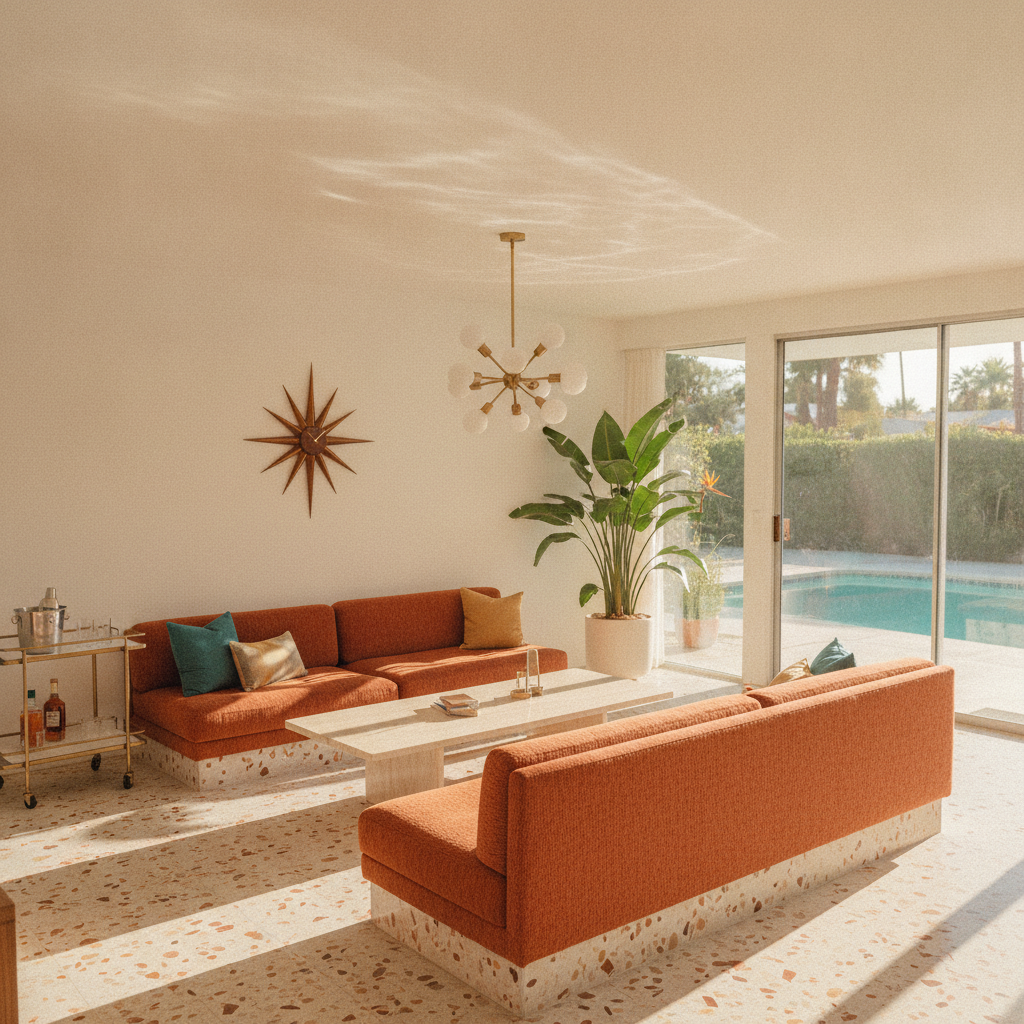
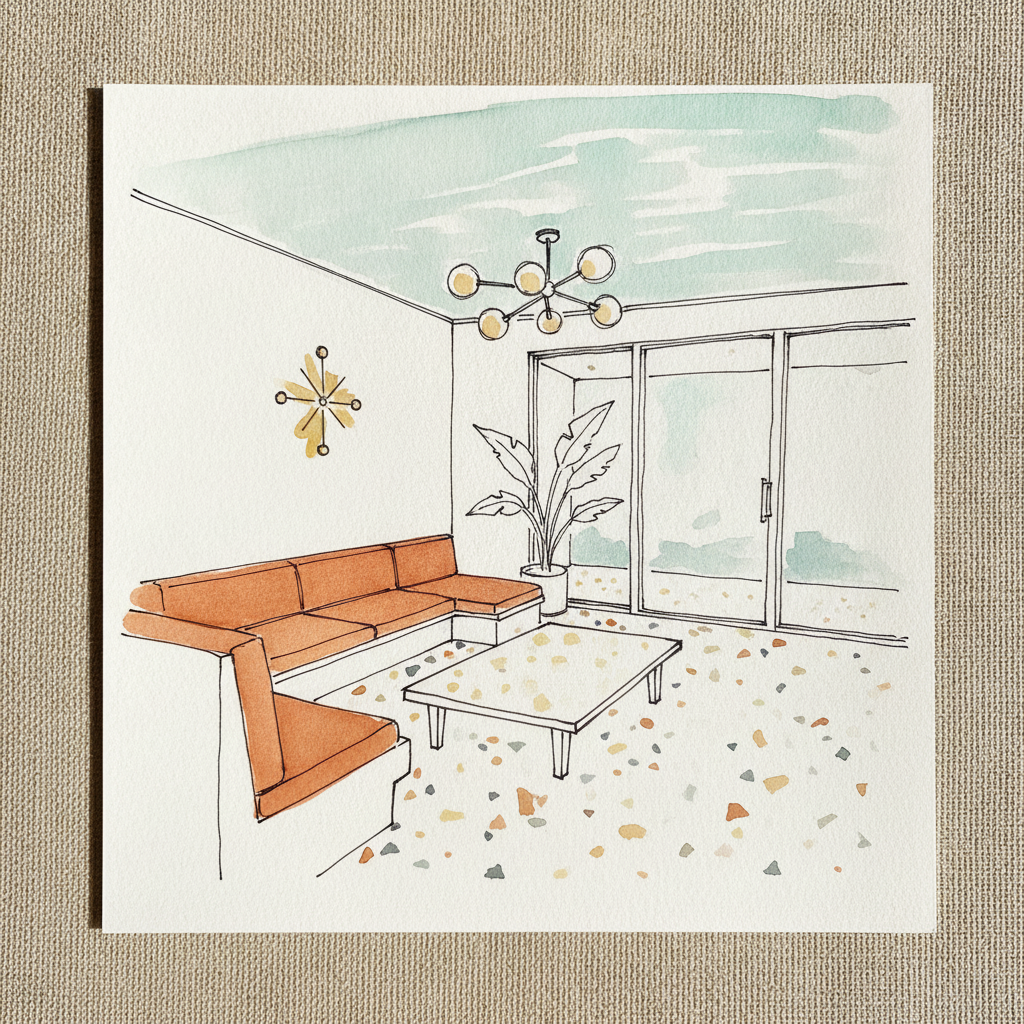
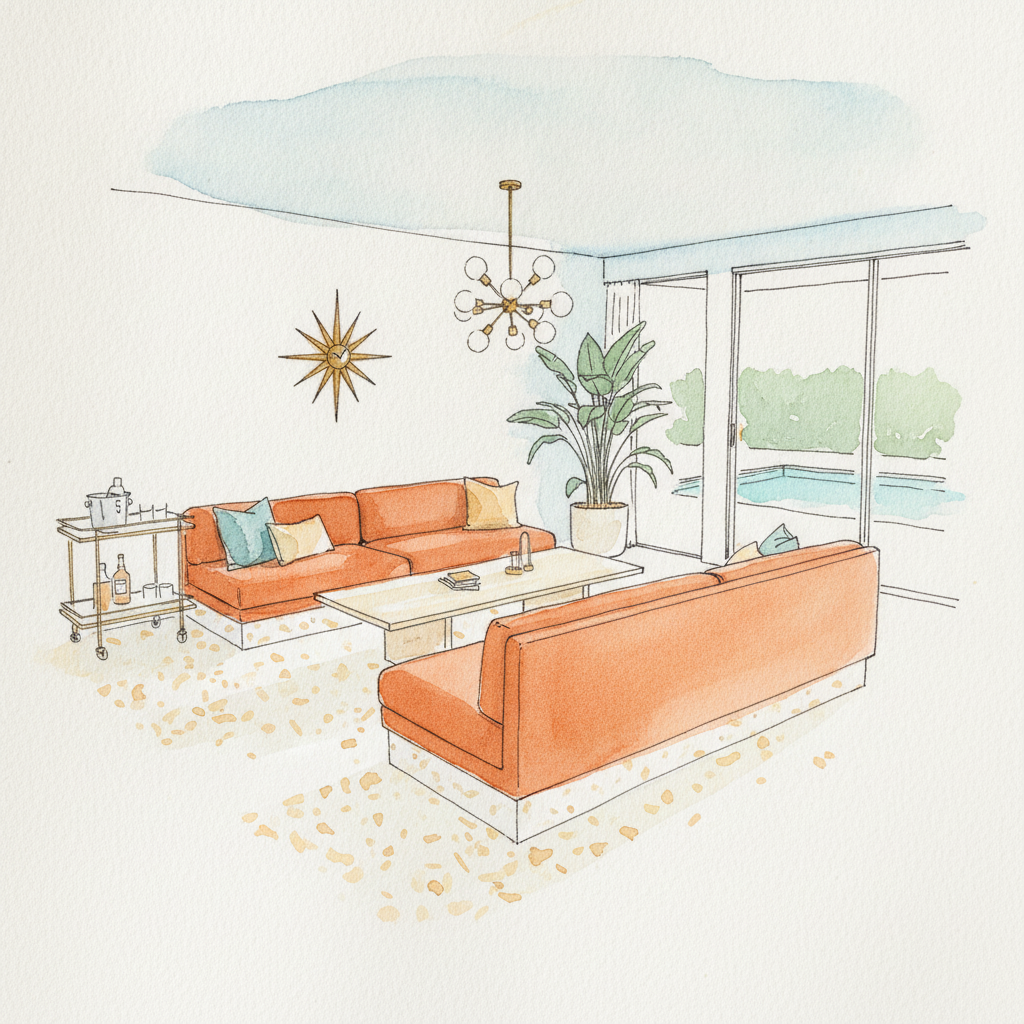
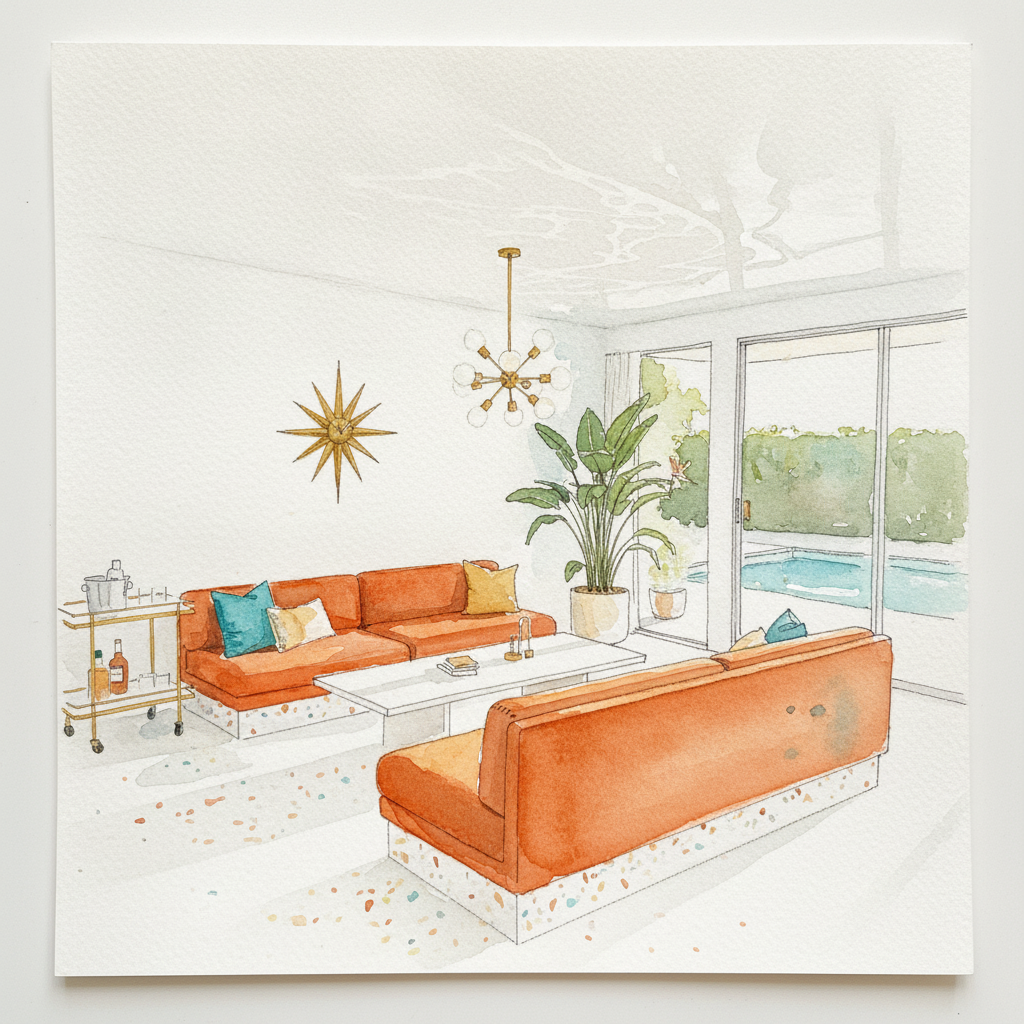
Piece 8 — Mid-century Palm Springs living room
Pen + Watercolor · Loose pen and watercolor line-and-wash
Three takes
Focus for this piece
This piece challenges you to use broad, wet-on-wet washes to capture the transient quality of light, focusing on the slanting desert sun and the subtle, aquatic ripples projected onto the ceiling. Use your pen work to establish the precise mid-century geometric forms—like the conversation pit and sliding glass—with varying line weights that recede or emphasize detail. The key is allowing the expressive watercolor to create atmosphere and depth, while the ink grounds the scene with structural clarity.