Wallace fountain in winter ice, Lemongrass, Bellever, Dartmoor, Person with eye patches, and more — pen + watercolor for August 14, 2026
AI-generated daily art-practice references for pen and watercolor: Wallace fountain in winter ice, Lemongrass, Bellever, Dartmoor, Person with eye patches, Man, late 60s, Black, lean tall build, hand on a tall walking staff, Opera Village Residences, Laongo, Burkina Faso, Elizabethan court gown 1…
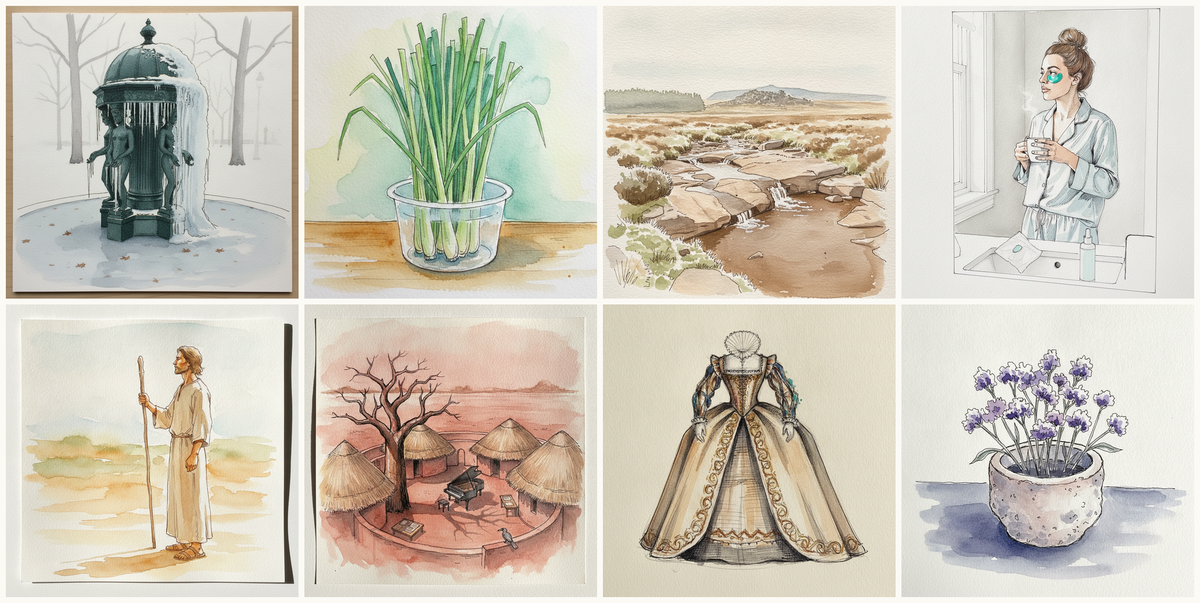
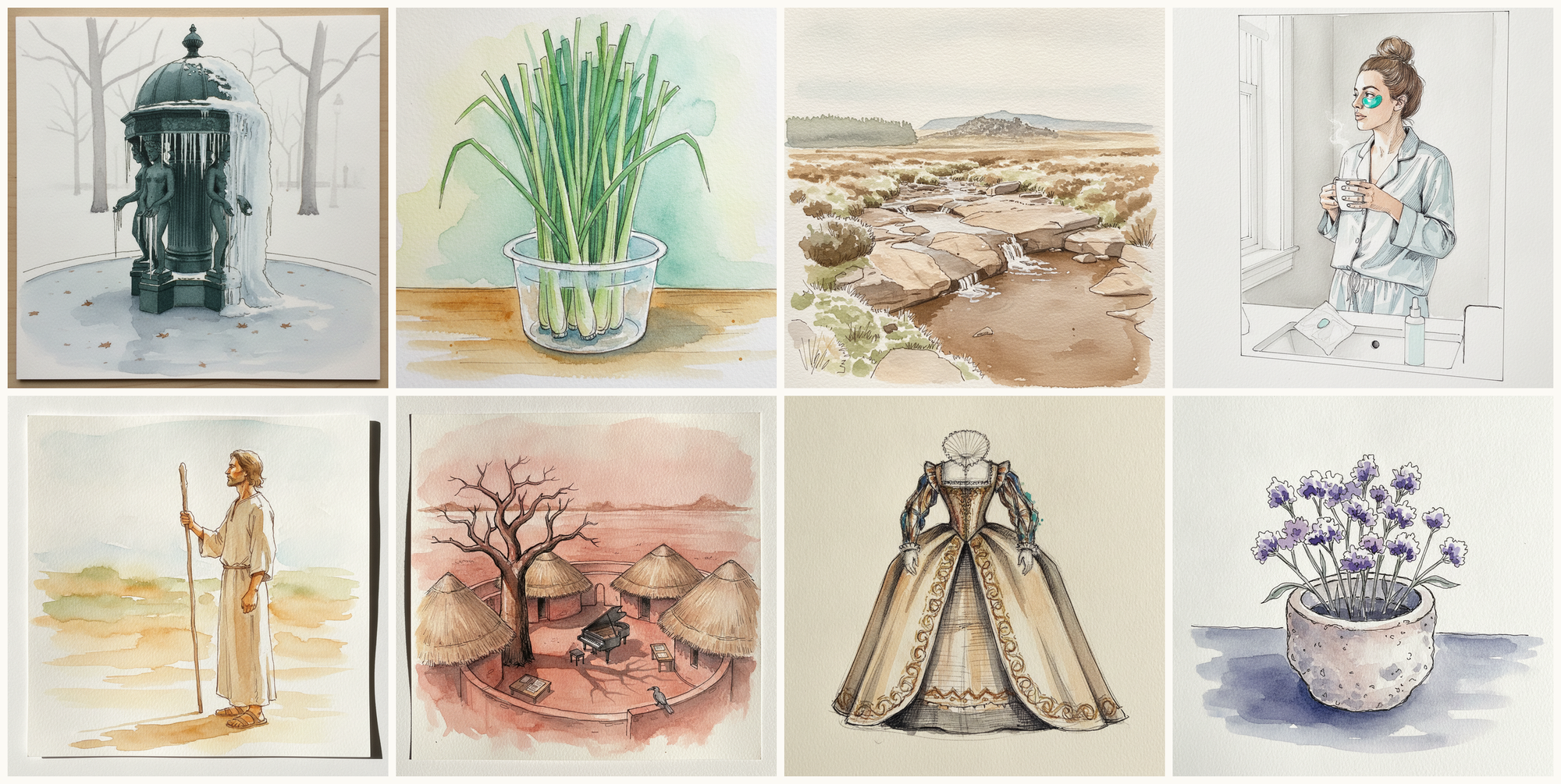
Today's 8 pen-and-watercolor pieces: Wallace fountain in winter ice, Lemongrass, Bellever, Dartmoor, Person with eye patches, Man, late 60s, Black, lean tall build, hand on a tall walking staff, Opera Village Residences, Laongo, Burkina Faso, Elizabethan court gown 1590, Statice in Stone Pot. Each piece comes with an AI-generated photoreal reference, three AI-generated example artworks in different treatments, and a short focus paragraph naming what to study in this one.
Why these references use AI
This daily series uses AI-generated images as practice prompts, not as finished artwork to copy. Each subject starts with a synthetic photoreal reference generated with Gemini/Nano Banana, then moves into three pen-and-watercolor interpretations of the same subject.
I use AI here because daily art practice needs variety and low friction. Real life can get repetitive, busy, or visually narrow. These generated reference sets make it easier to study bodies, buildings, animals, landscapes, objects, gestures, light, palettes, and compositions that might not show up in an ordinary day.
The goal is not to reproduce any image directly. Treat each set as a starting point for observation and study: choose what interests you, change the framing, simplify the subject, alter the palette, and make your own version.
Piece 1 — Wallace fountain in winter ice
Pen + Watercolor · Loose pen and watercolor line-and-wash
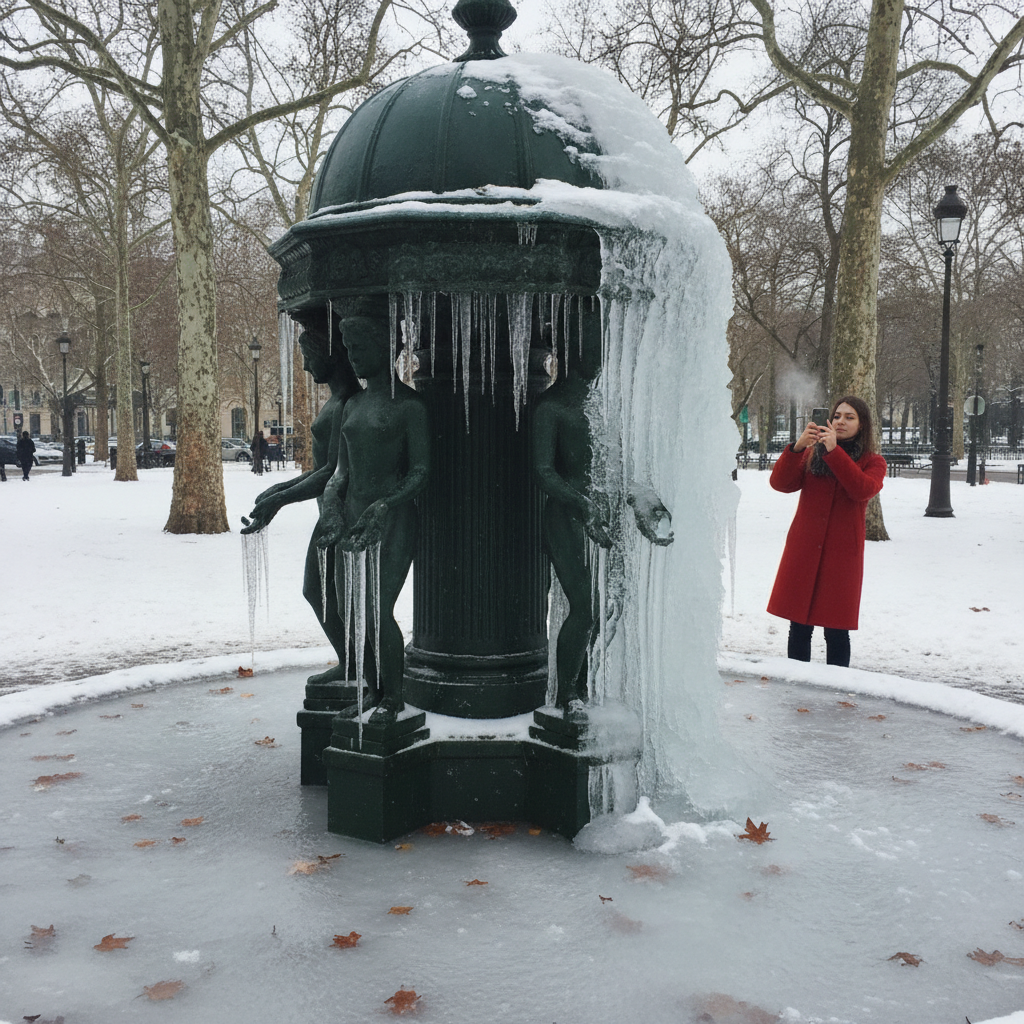
Three takes
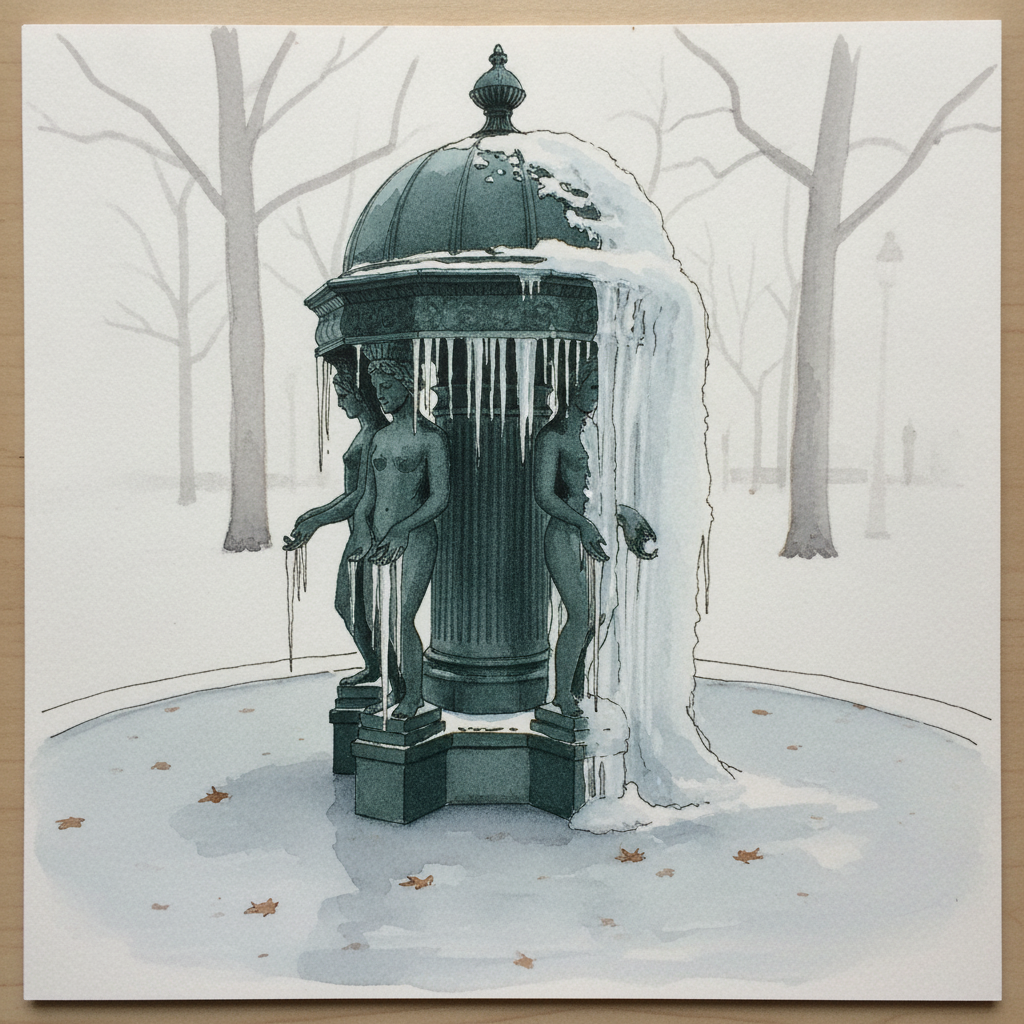
Focus for this piece
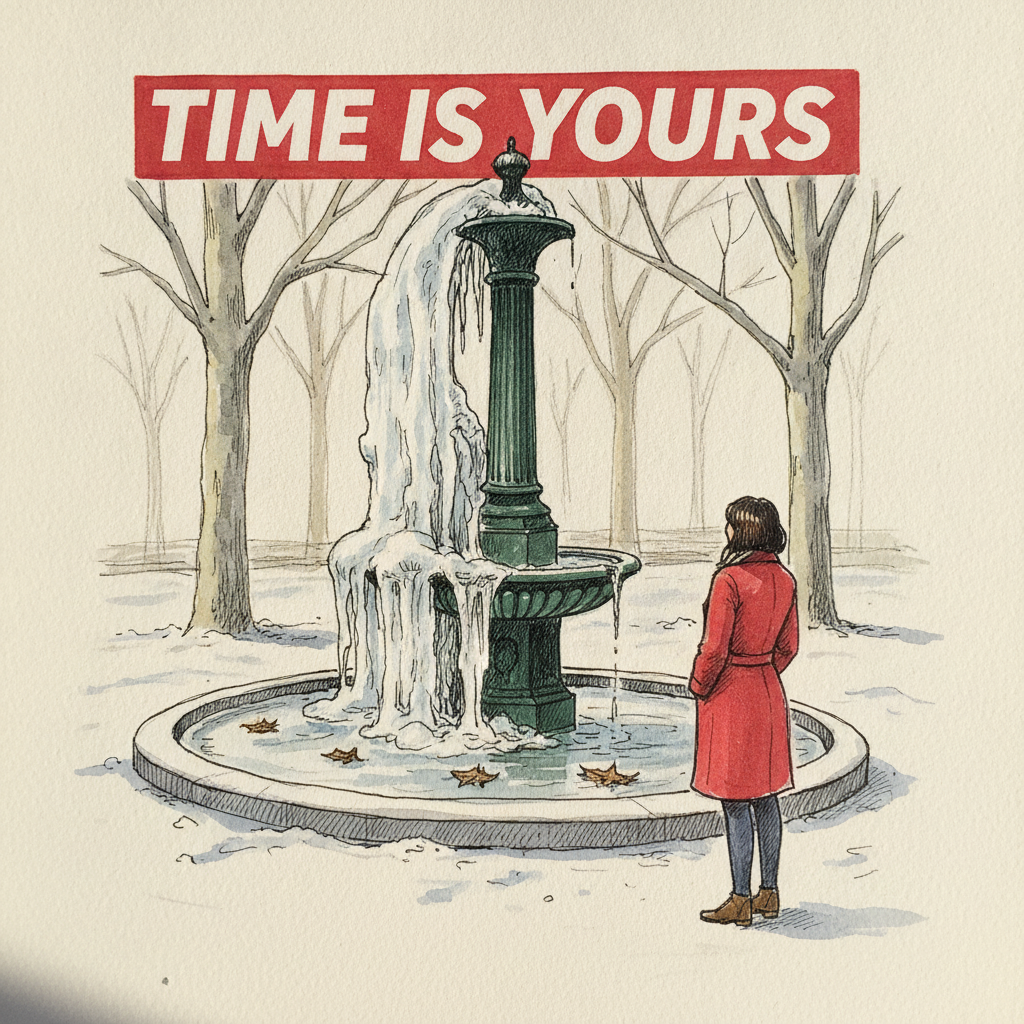
This piece offers a superb opportunity to study strong value contrast and the illusion of transparency. Focus on rendering the dark, almost black cast iron of the fountain with layered washes and definite lines, making the brilliant, glass-clear icicles appear delicate and luminous by relying on negative space and dilute, cool washes. Vary your pen lines significantly, using crisp, heavy strokes for the architectural elements and much lighter, broken lines to suggest the soft edges of new snow and the fragile nature of the ice. This interplay of heavy structure and ephemeral frost creates a dynamic focal point.
Piece 2 — Lemongrass
Pen + Watercolor · Loose pen and watercolor line-and-wash
Three takes

Focus for this piece
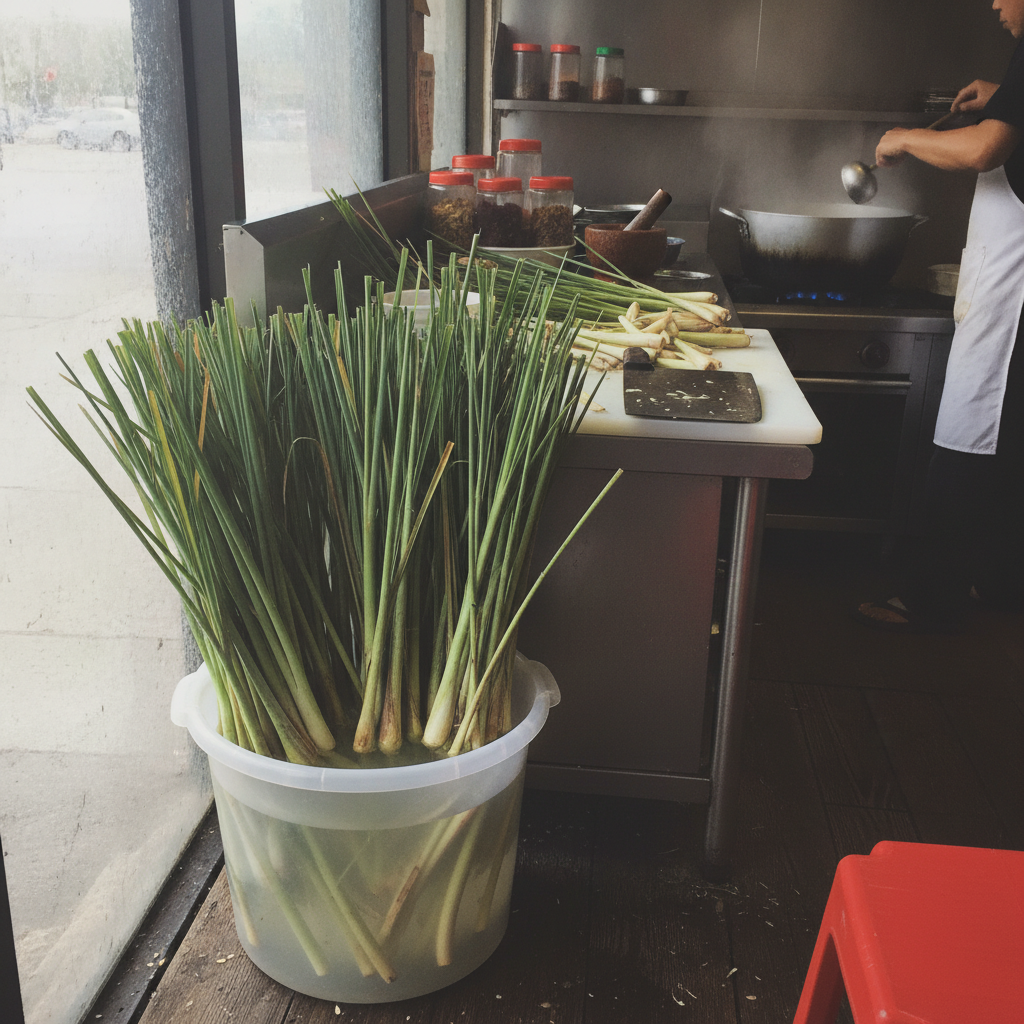
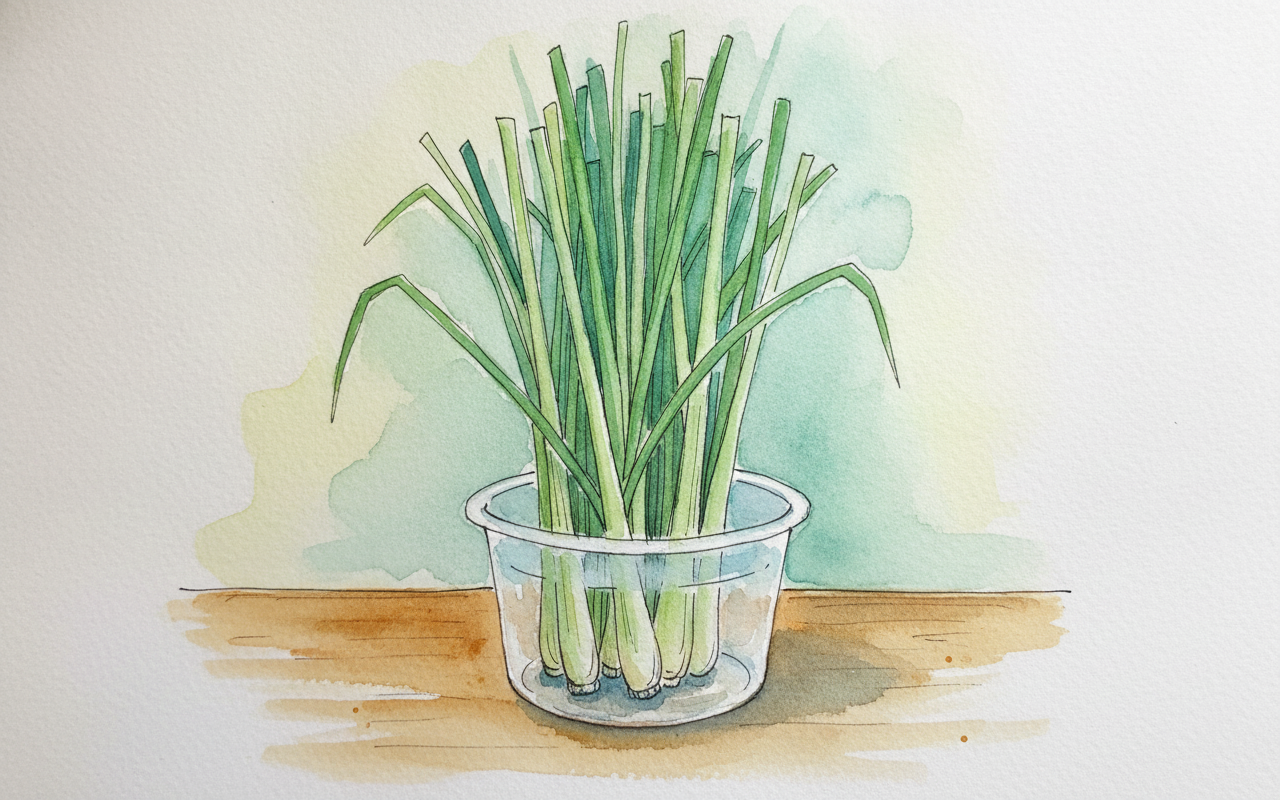
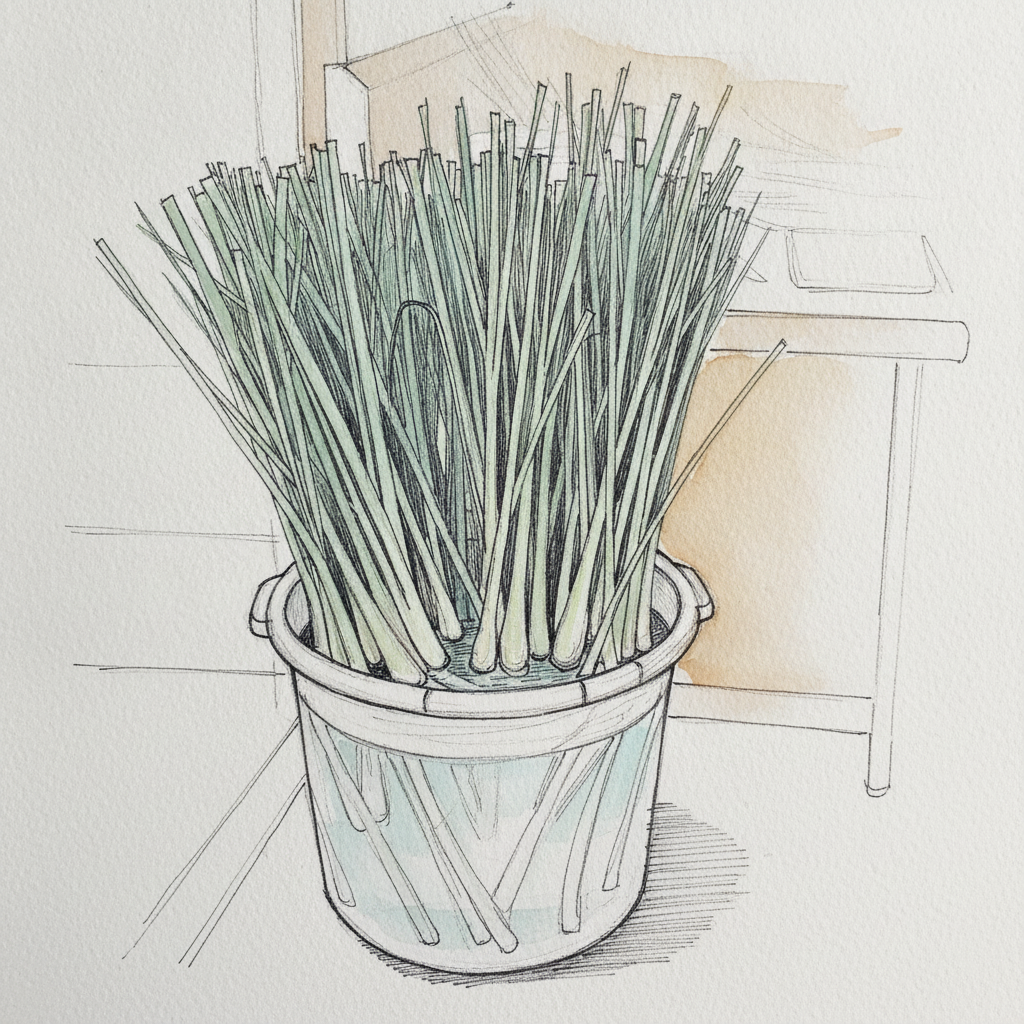
The many individual lemongrass stalks in this bundle offer an excellent study in rendering overlapping organic forms. Use varied, expressive pen lines—thicker for foreground stalks, finer or broken for those receding—to define each distinct element and hint at their fibrous texture. Build up their blue-green volume and depth with several layered washes, letting the wet-on-dry technique create clear boundaries between individual stems while still suggesting a unified clump.
Piece 3 — Bellever, Dartmoor
Pen + Watercolor · Loose pen and watercolor line-and-wash
Three takes

Focus for this piece
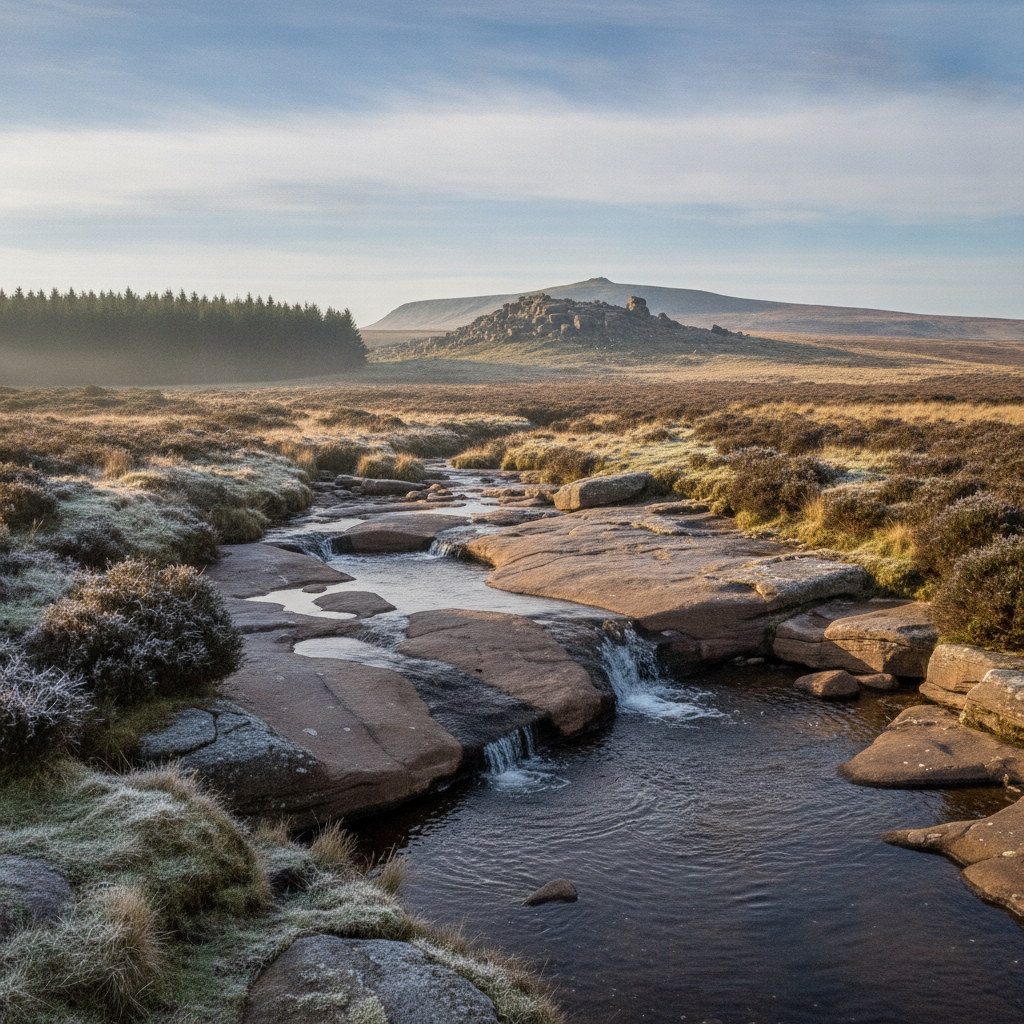
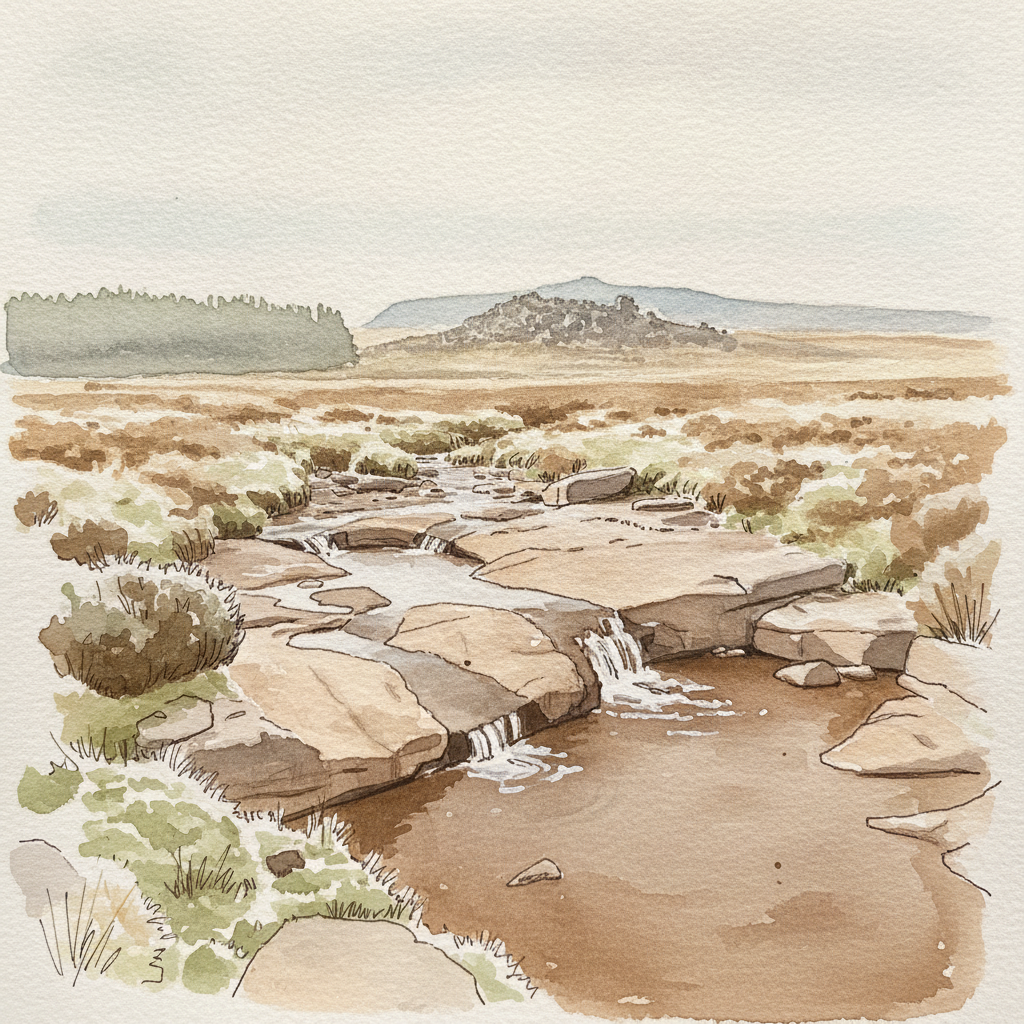
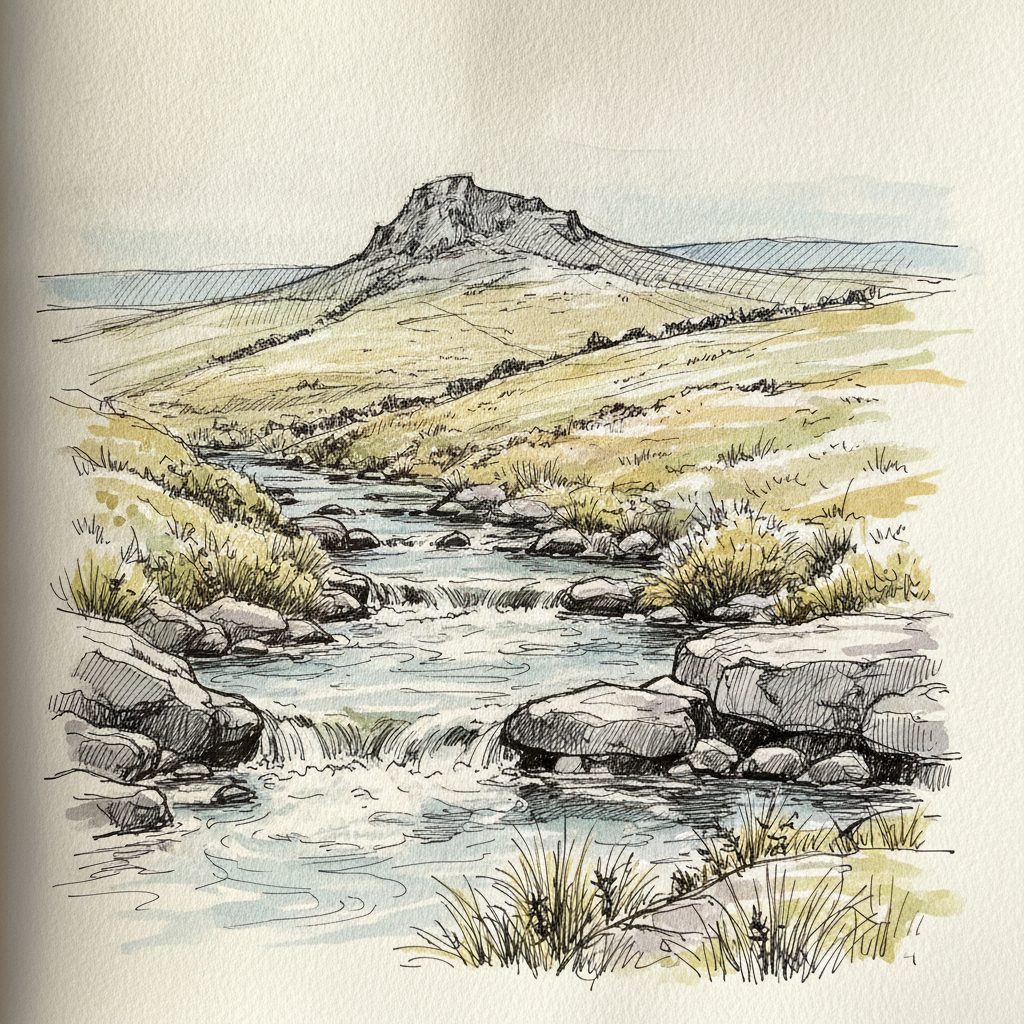
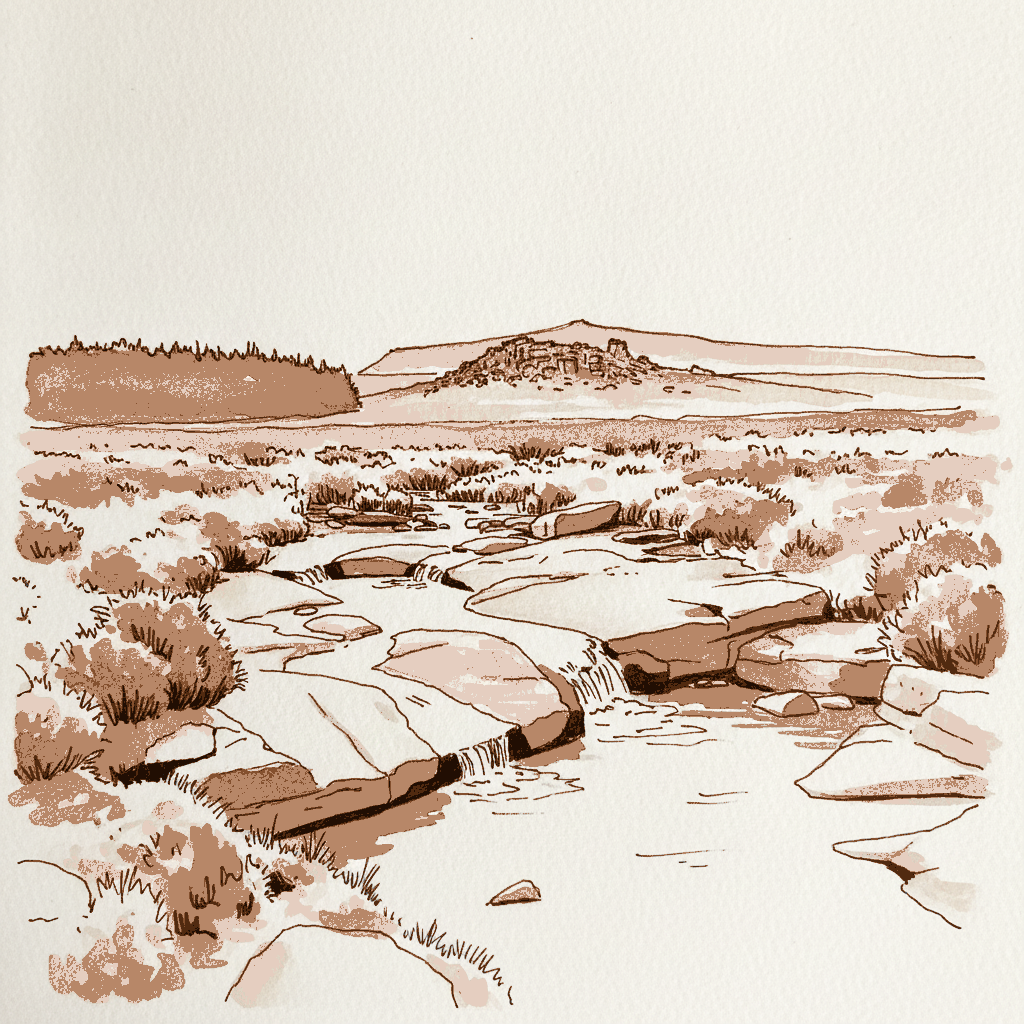
For this Bellever scene, concentrate on using line and wash to establish a sense of depth and varied textures. Employ crisp, irregular pen lines to define the foreground's granite riverbed and gorse, anchoring the composition with strong detail and visual weight. Then, shift to looser, more atmospheric washes for the mid-ground moor and distant ridge, allowing softer lines and diluted color to suggest the expansive landscape under the crisp morning light. Pay attention to how the peat-brown river's clear sections are revealed through careful negative space and light washes over the pen-defined rocks.
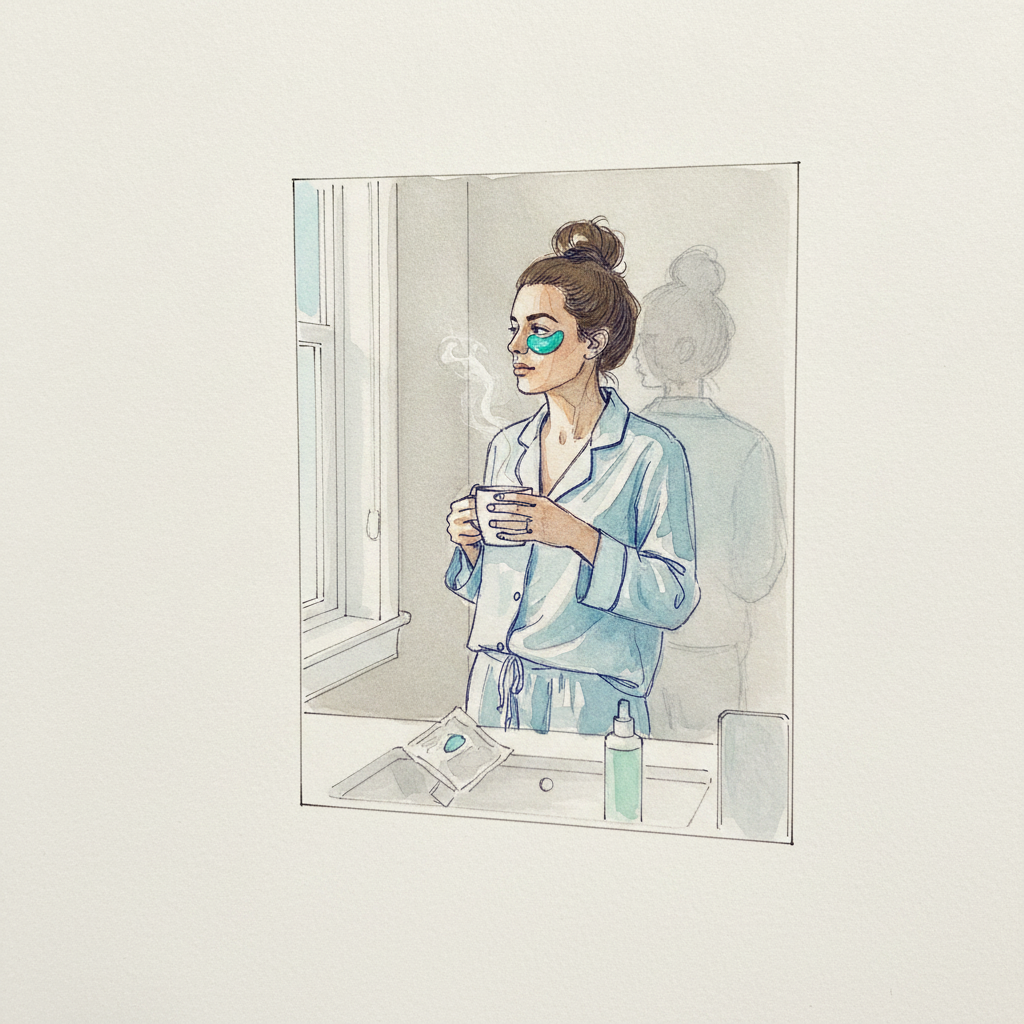
Piece 4 — Person with eye patches
Pen + Watercolor · Loose pen and watercolor line-and-wash
Three takes
Focus for this piece
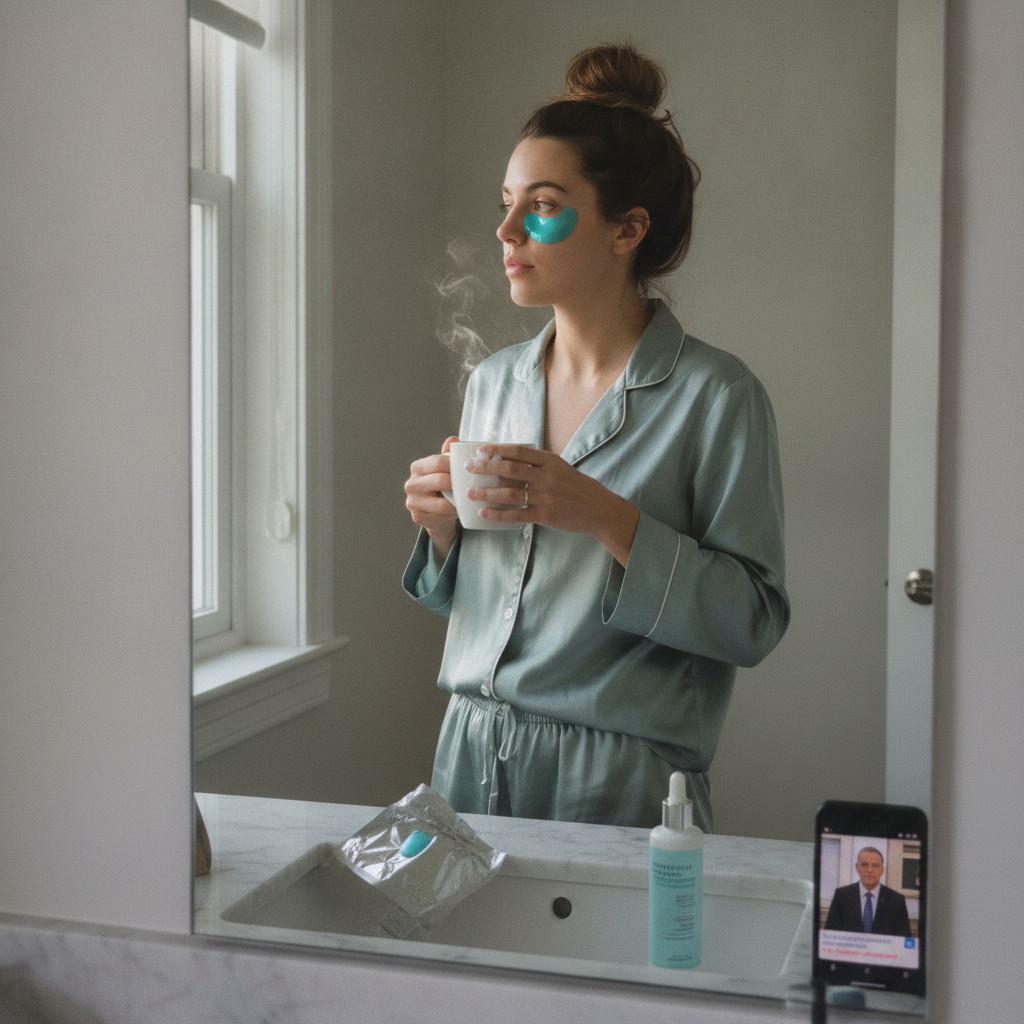
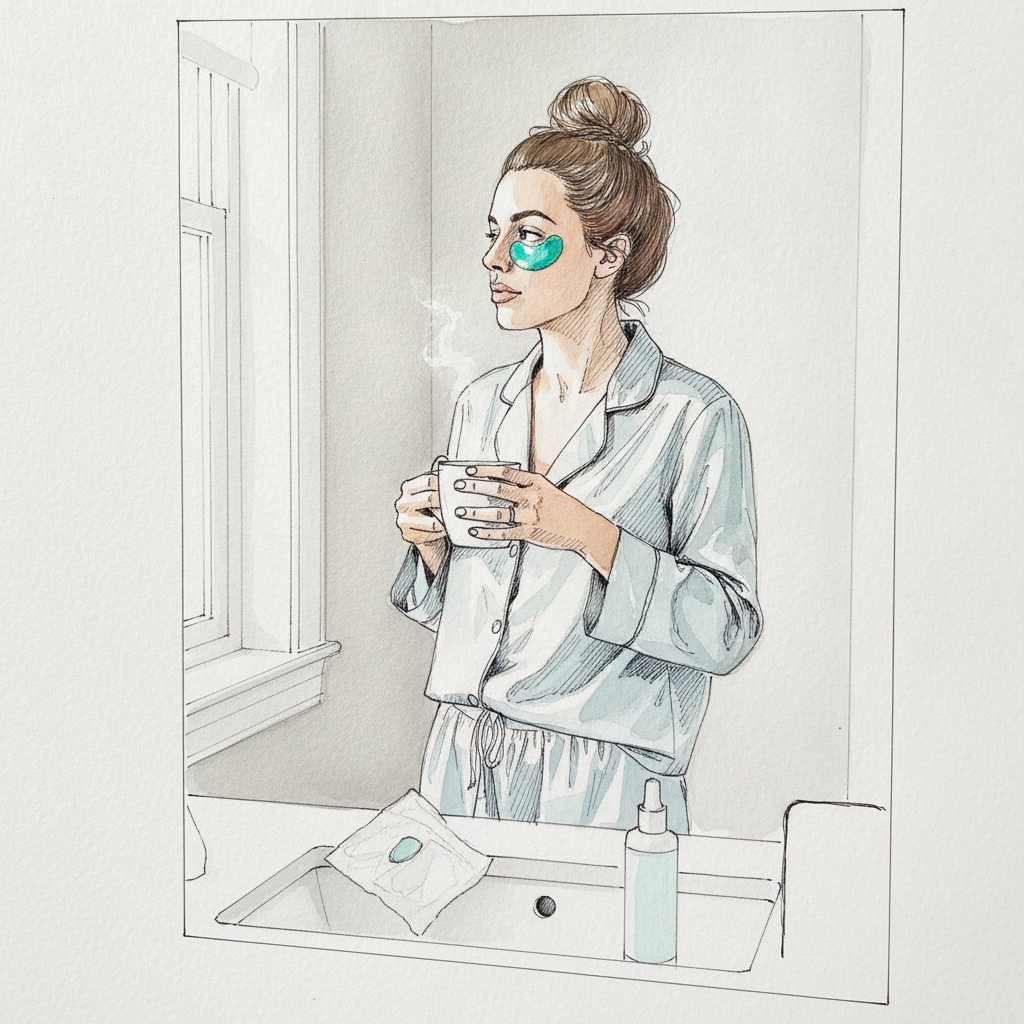
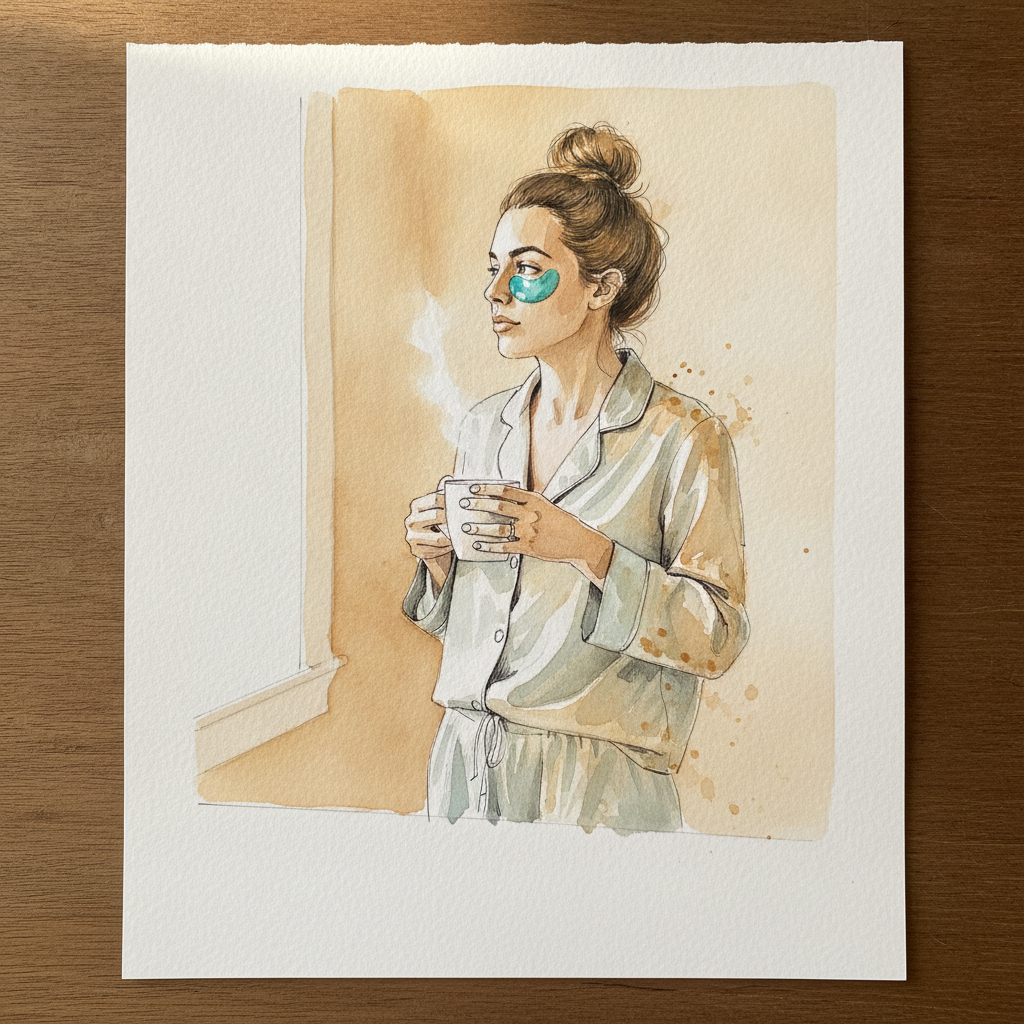
This piece offers a fantastic opportunity to practice rendering diverse reflective surfaces and establishing depth through varied line weights. Focus on differentiating the glossy, curved aqua crescent moons of the eye patches from the softer, more diffuse reflection in the mirror using careful washes and reserved highlights. Employ a cool-dominant palette for the overall bathroom atmosphere, reserving warmer yellows for the morning sun catching the reflection. Use a fine-tip pen for delicate mirror details while bolder lines define the foreground figure.
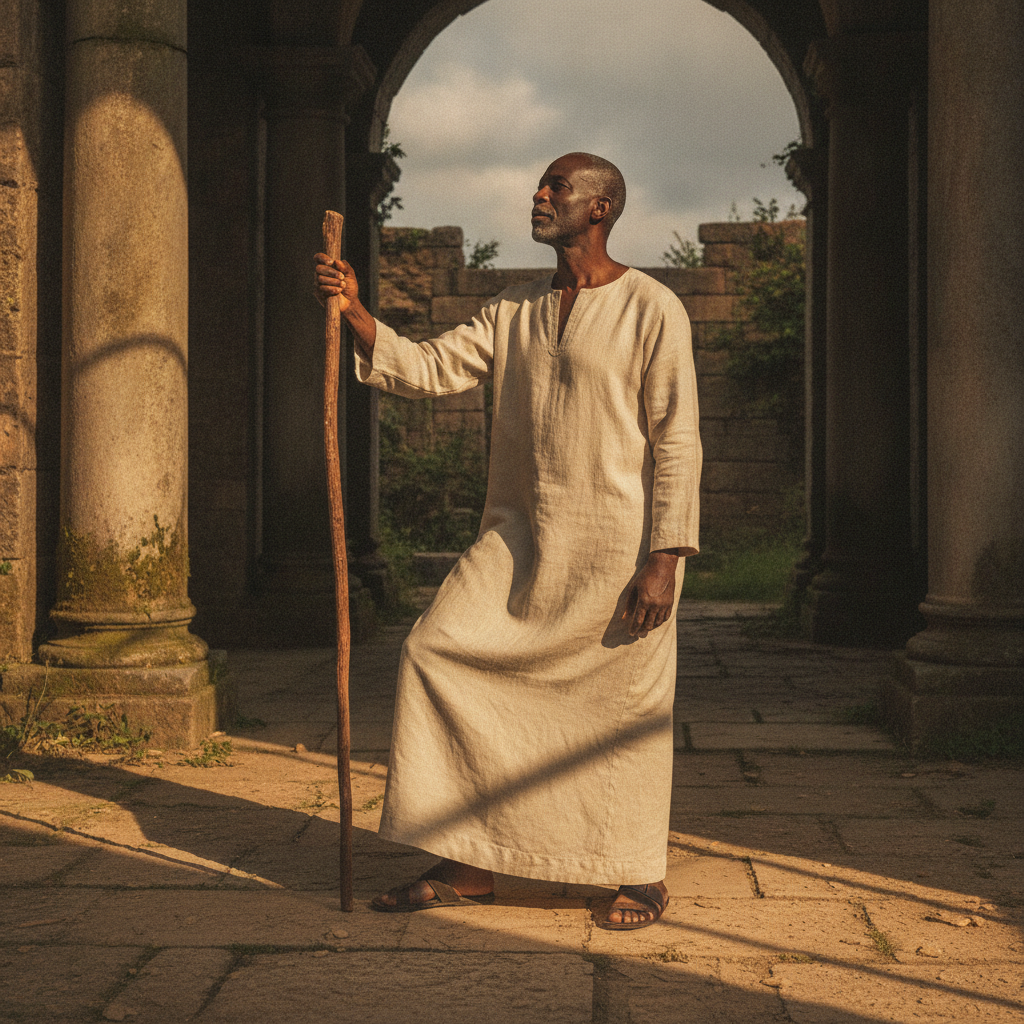
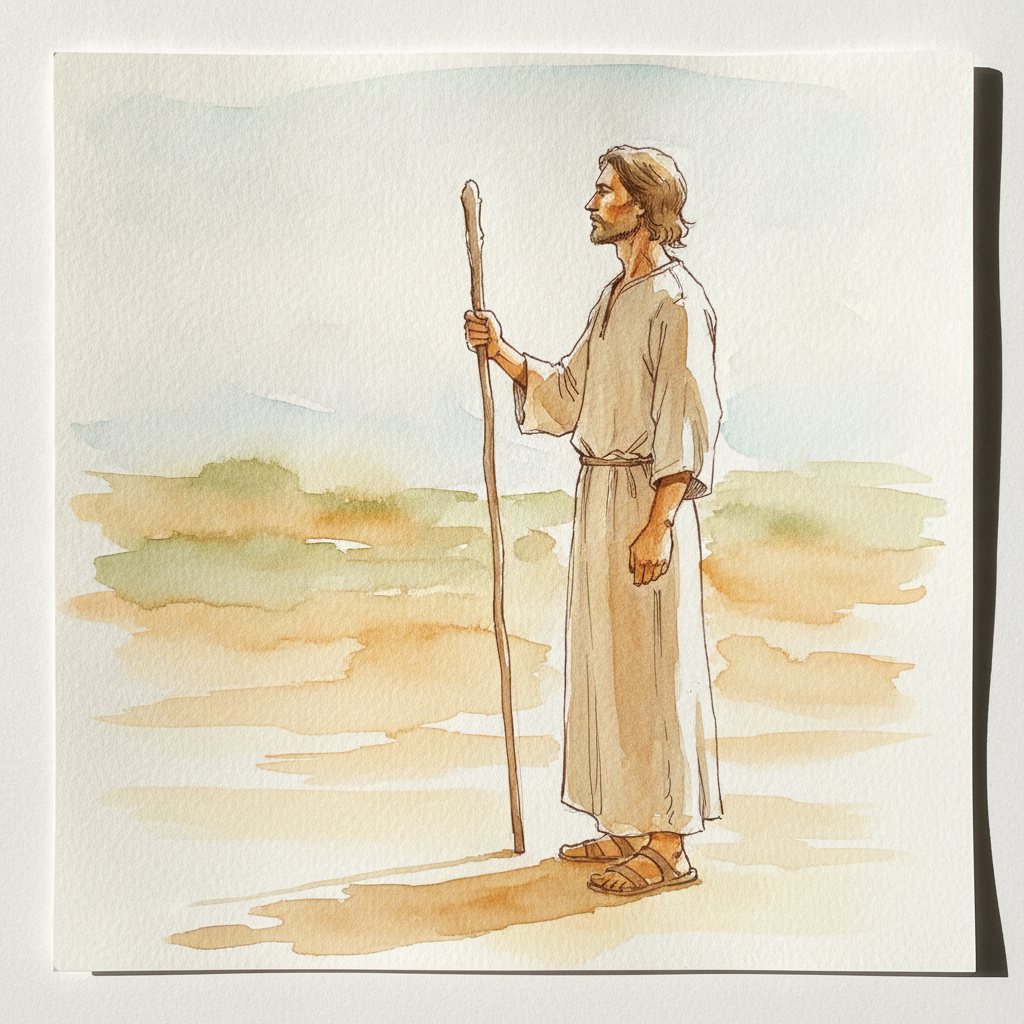
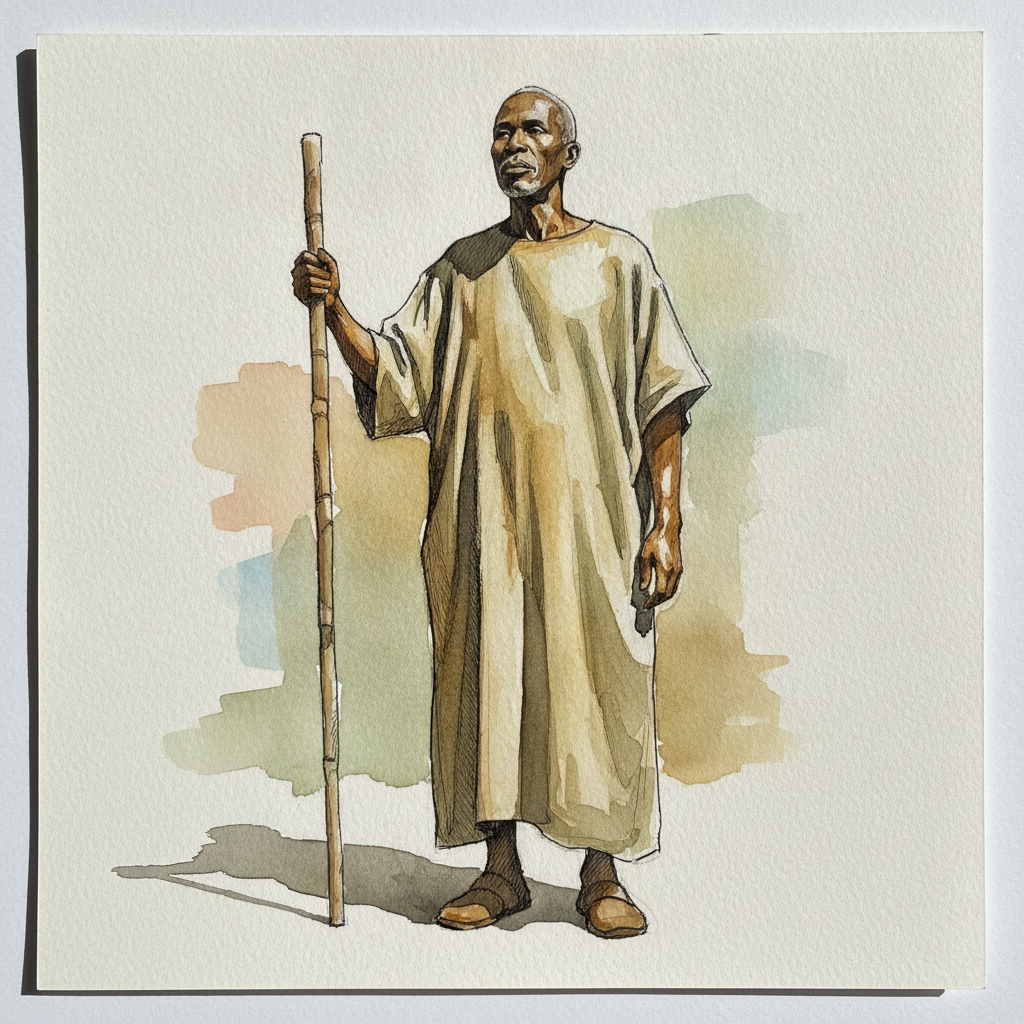
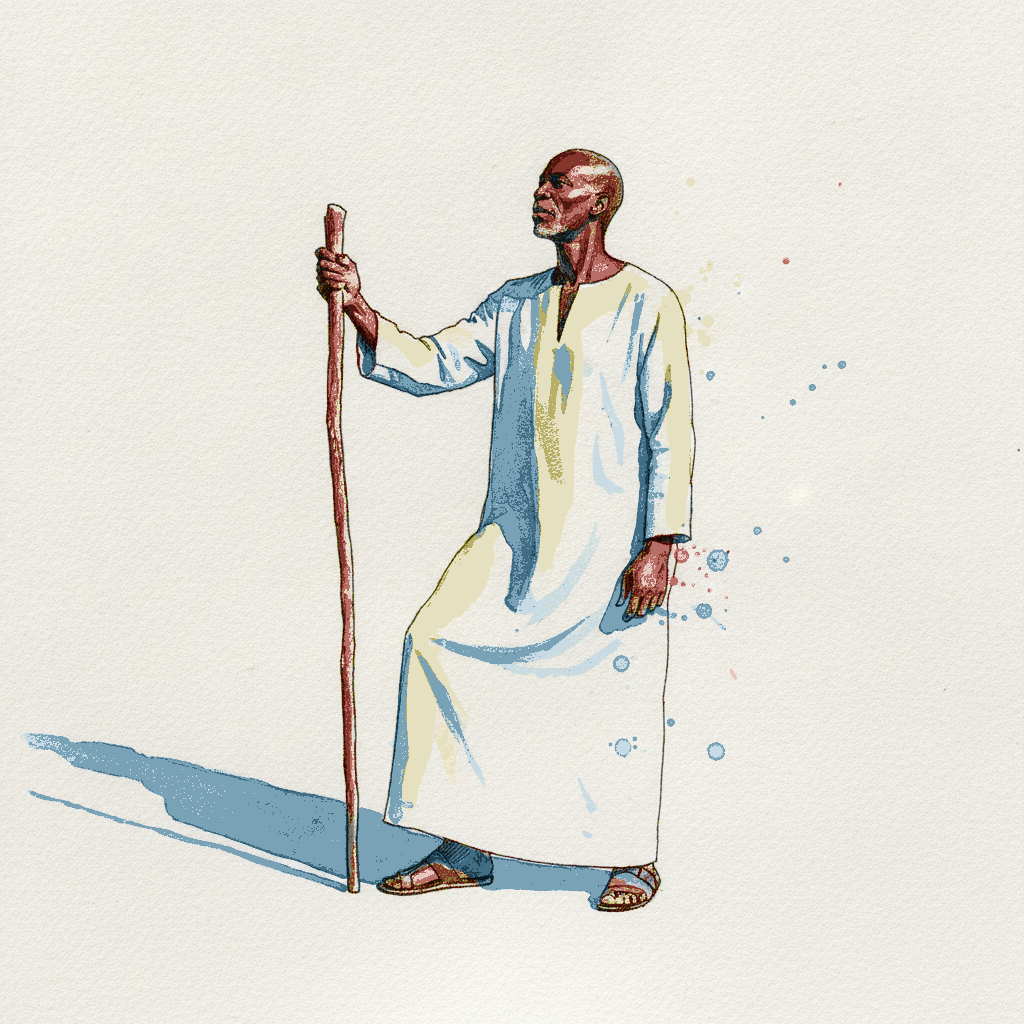
Piece 5 — Man, late 60s, Black, lean tall build, hand on a tall walking staff
Pen + Watercolor · Loose pen and watercolor line-and-wash
Three takes

Focus for this piece
This piece offers an excellent study in using crisp line work to define a subtle contrapposto pose while relying on washes to convey the luminous golden-hour light. Concentrate on varying your pen's line weight to emphasize the figure's lean build and the dynamic weight shift to the staff, then build form on the dark skin with warm, amber washes, ensuring the long staff shadow grounds the composition and defines the light's direction.
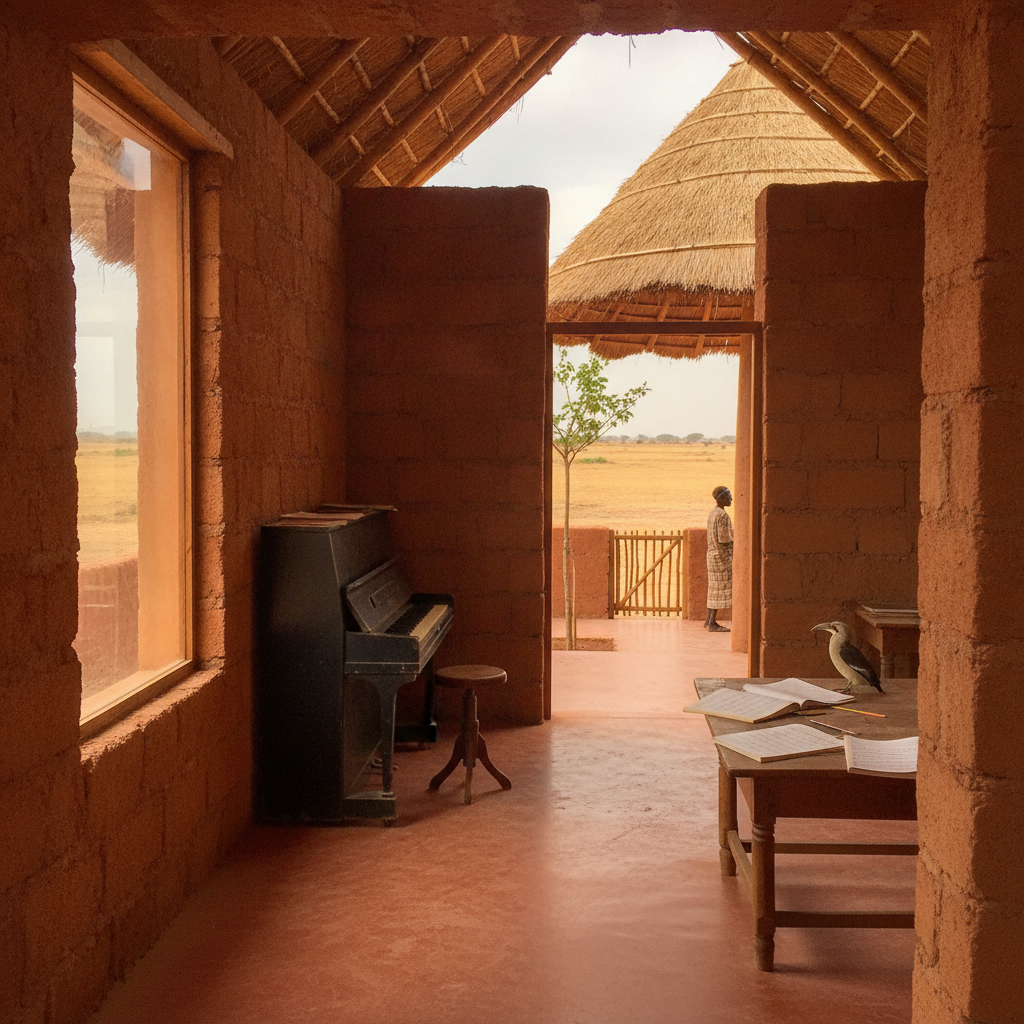
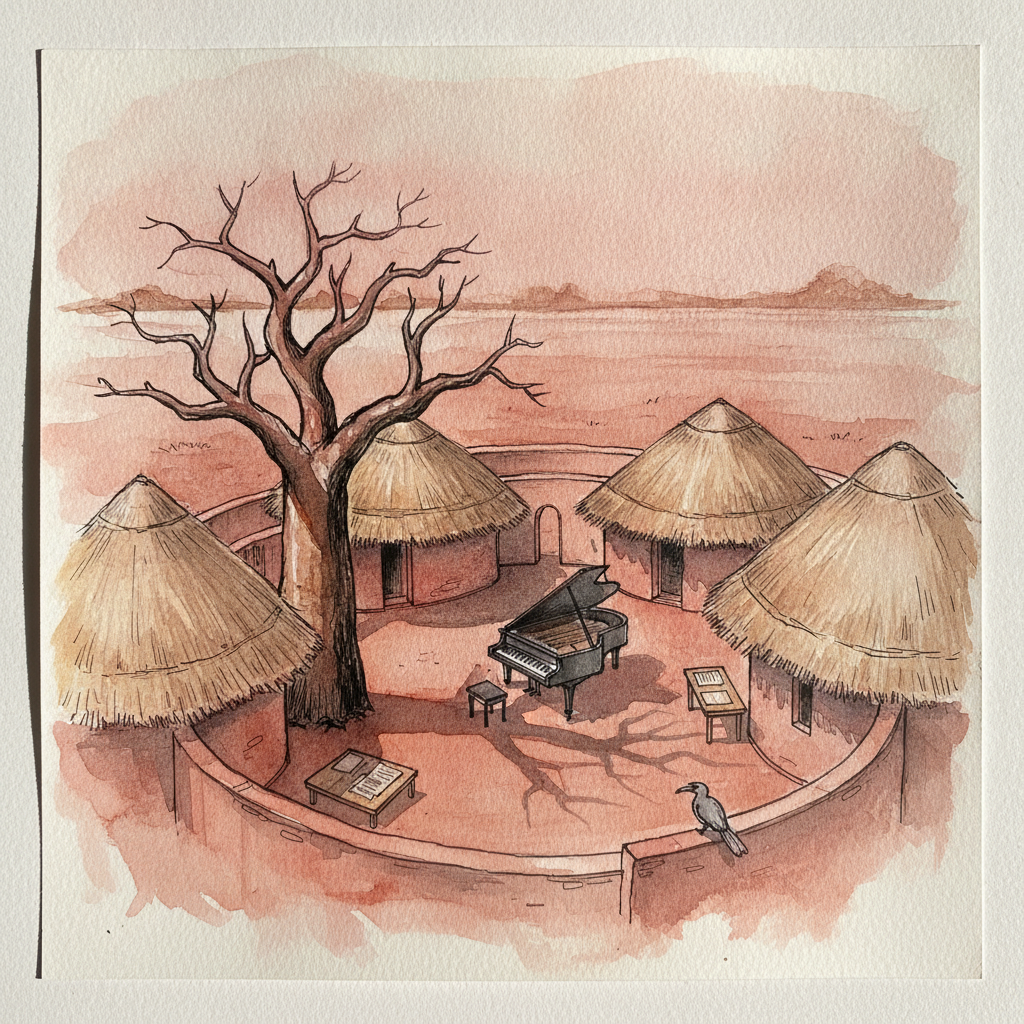
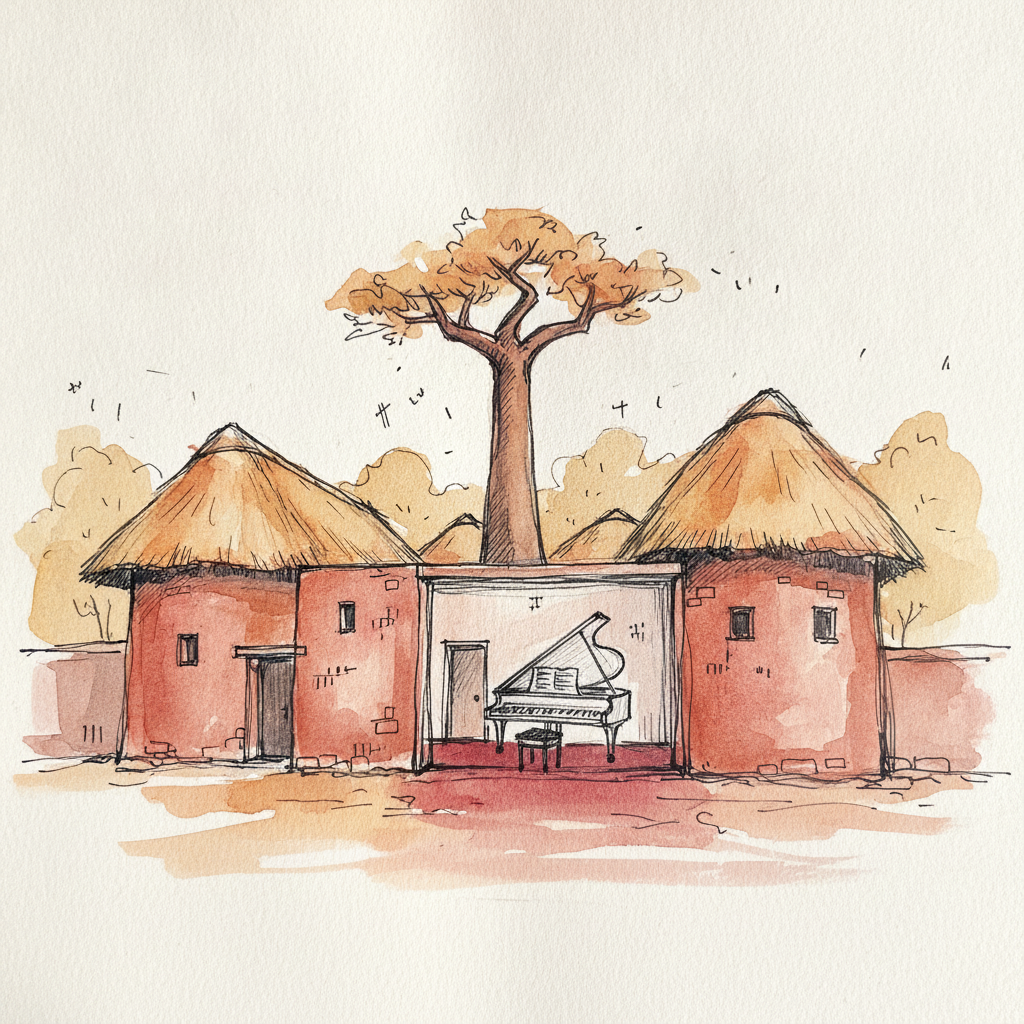
Piece 6 — Opera Village Residences, Laongo, Burkina Faso
Pen + Watercolor · Loose pen and watercolor line-and-wash
Three takes

Focus for this piece
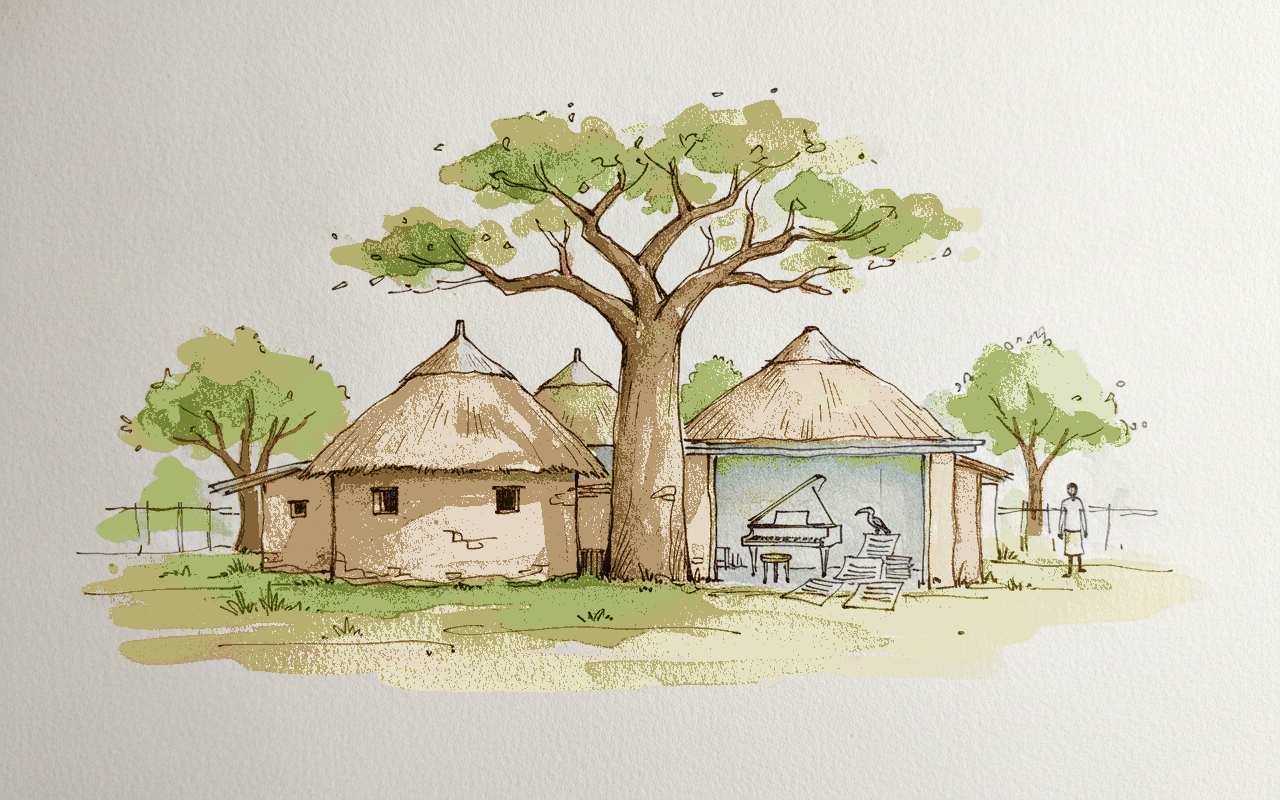
This piece offers an excellent opportunity to practice distinguishing architectural precision from organic textures. Use decisive, varied pen lines to define the sharp edges of the laterite blocks and the rhythmic geometry of the conical thatched roofs. Then, apply layered, earthy washes to render the warmth of the laterite, the softness of the thatch, and the dry expanse of the savanna. Let the watercolor provide atmosphere and texture while the ink anchors the structural clarity of the unique architecture.
Piece 7 — Elizabethan court gown 1590
Pen + Watercolor · Loose pen and watercolor line-and-wash
Three takes

Focus for this piece
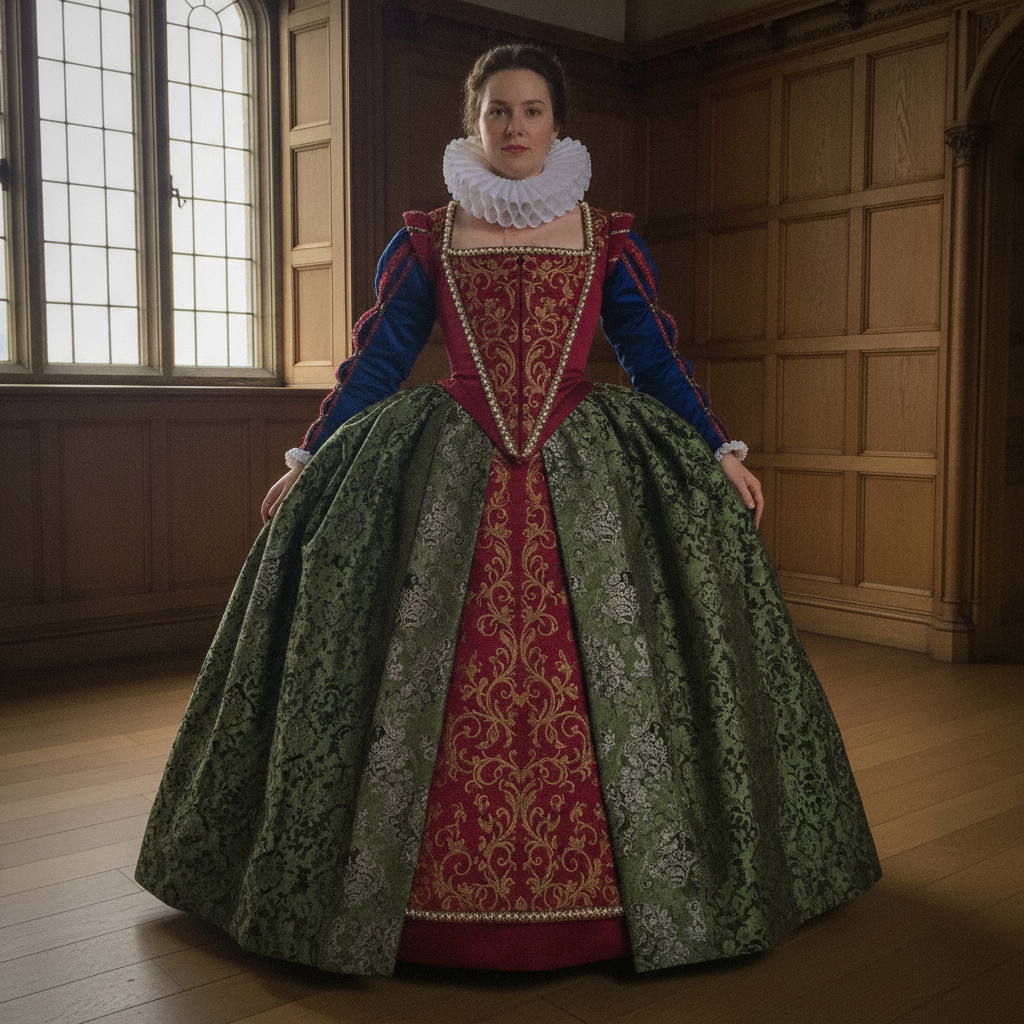
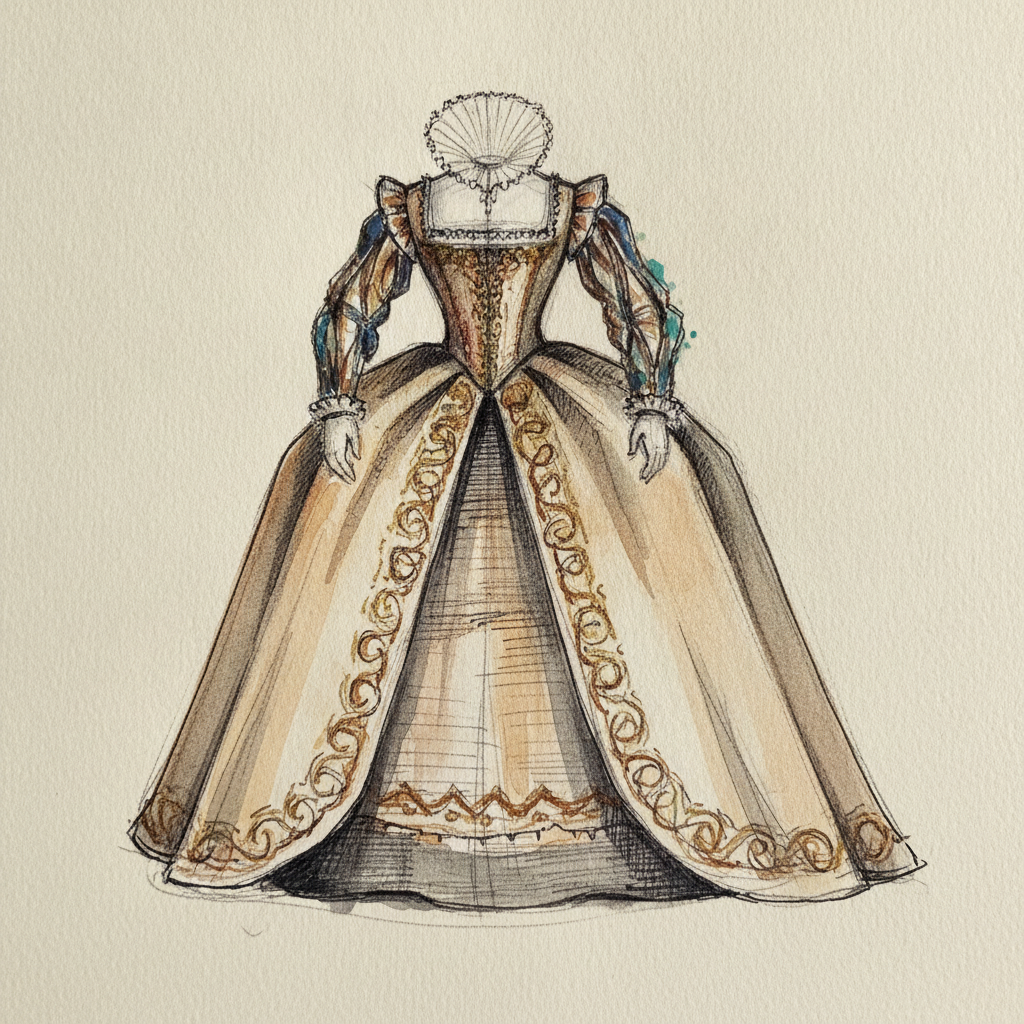
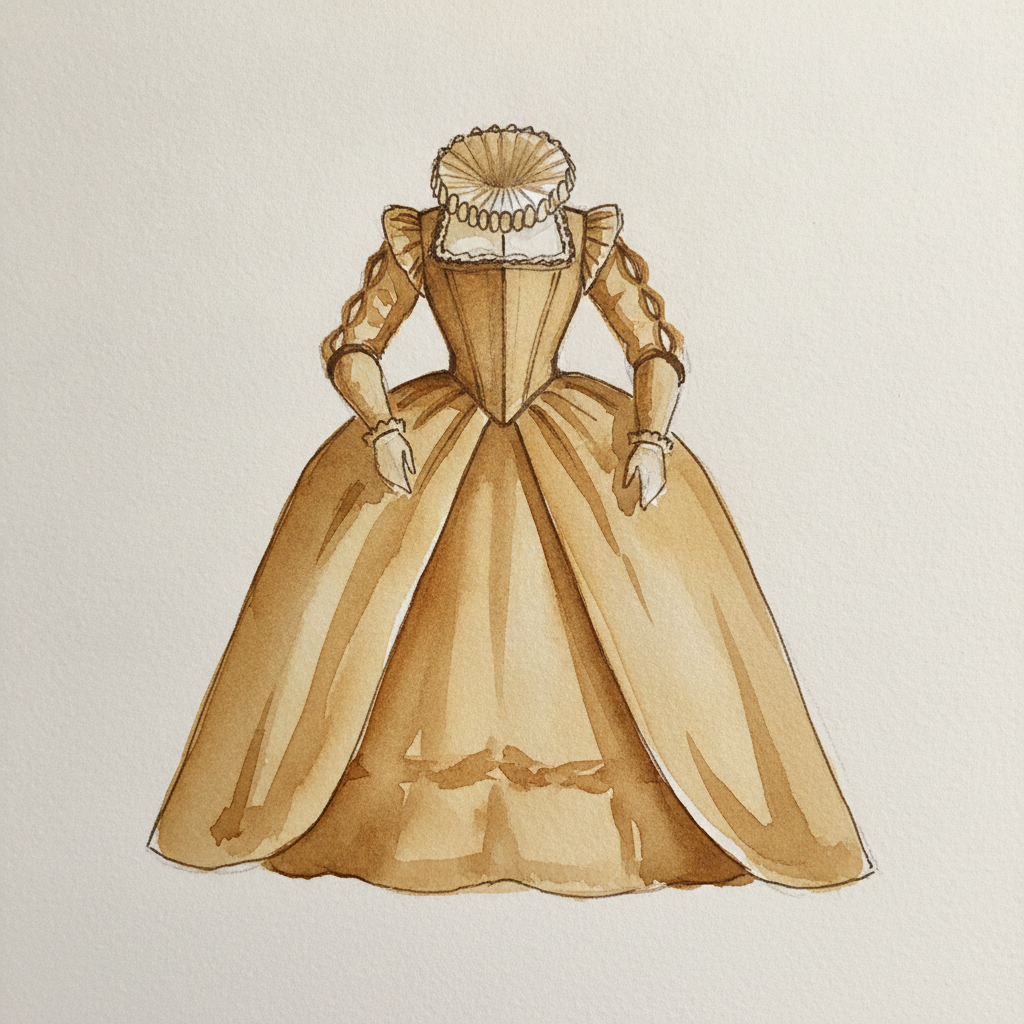
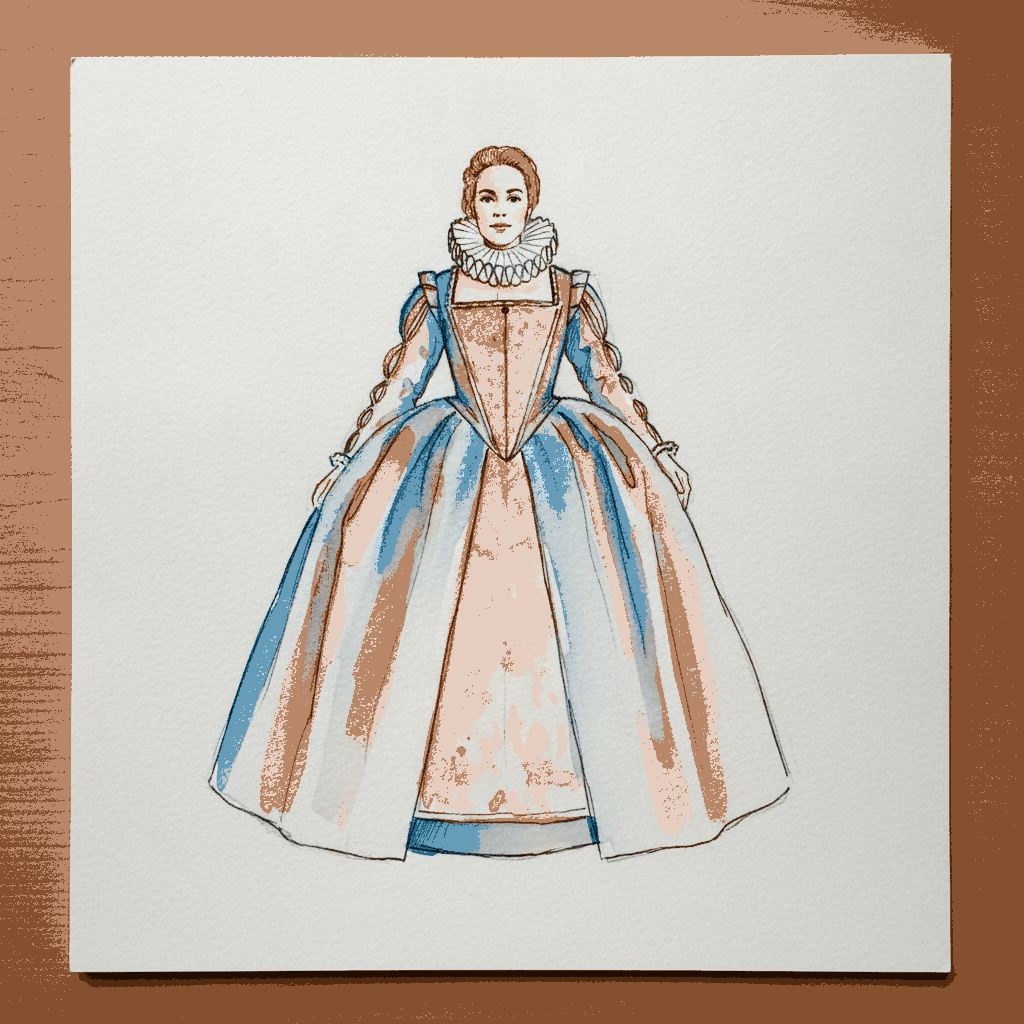
This elaborate gown is a perfect subject for practicing how pen and watercolor work together to convey both rigid structure and opulent texture. Use crisp, unbroken pen lines to delineate the strong, geometric framework of the farthingale and boned bodice, letting broad, flat washes establish their solid volume. Contrast this with lighter, varied line weights for the delicate scrolling goldwork and controlled wet-in-wet washes to capture the soft, layered texture of the goffered ruff.
Piece 8 — Statice in Stone Pot
Pen + Watercolor · Loose pen and watercolor line-and-wash
Three takes
Focus for this piece
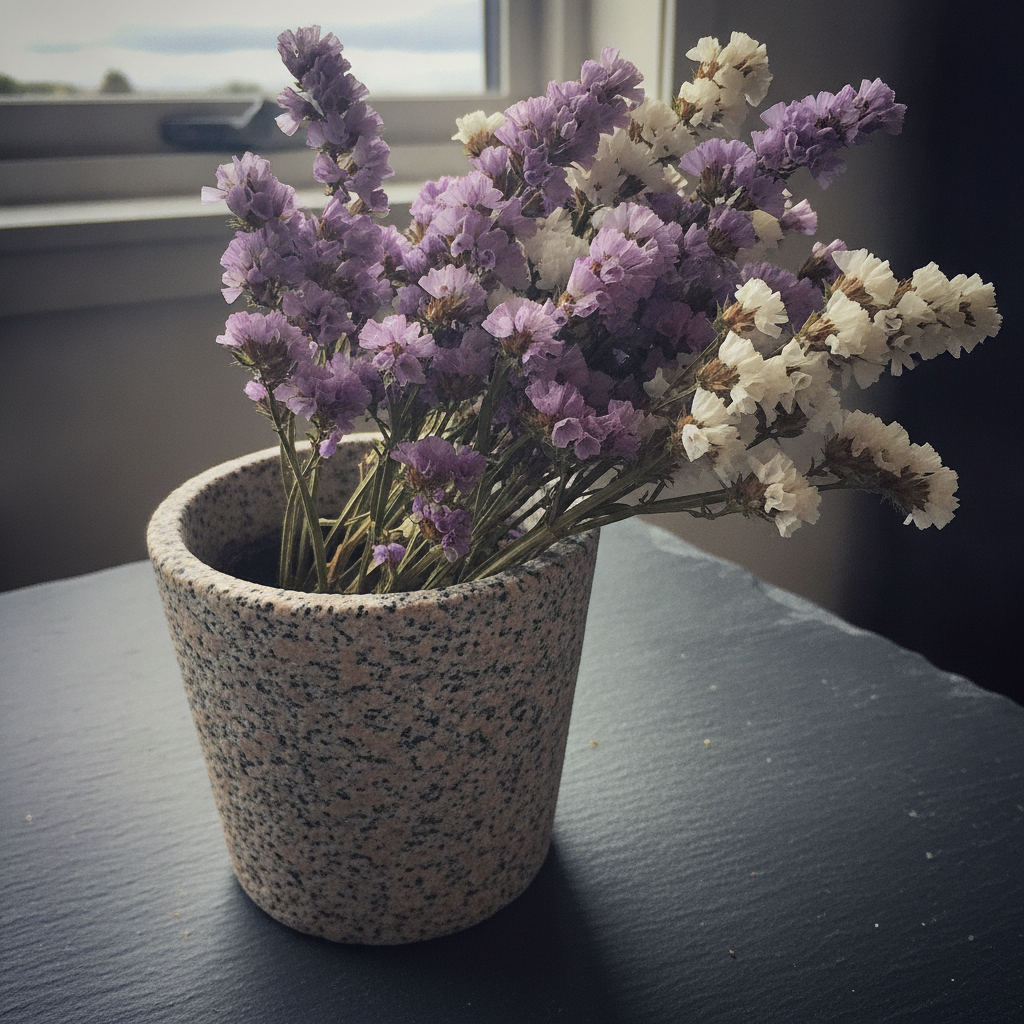
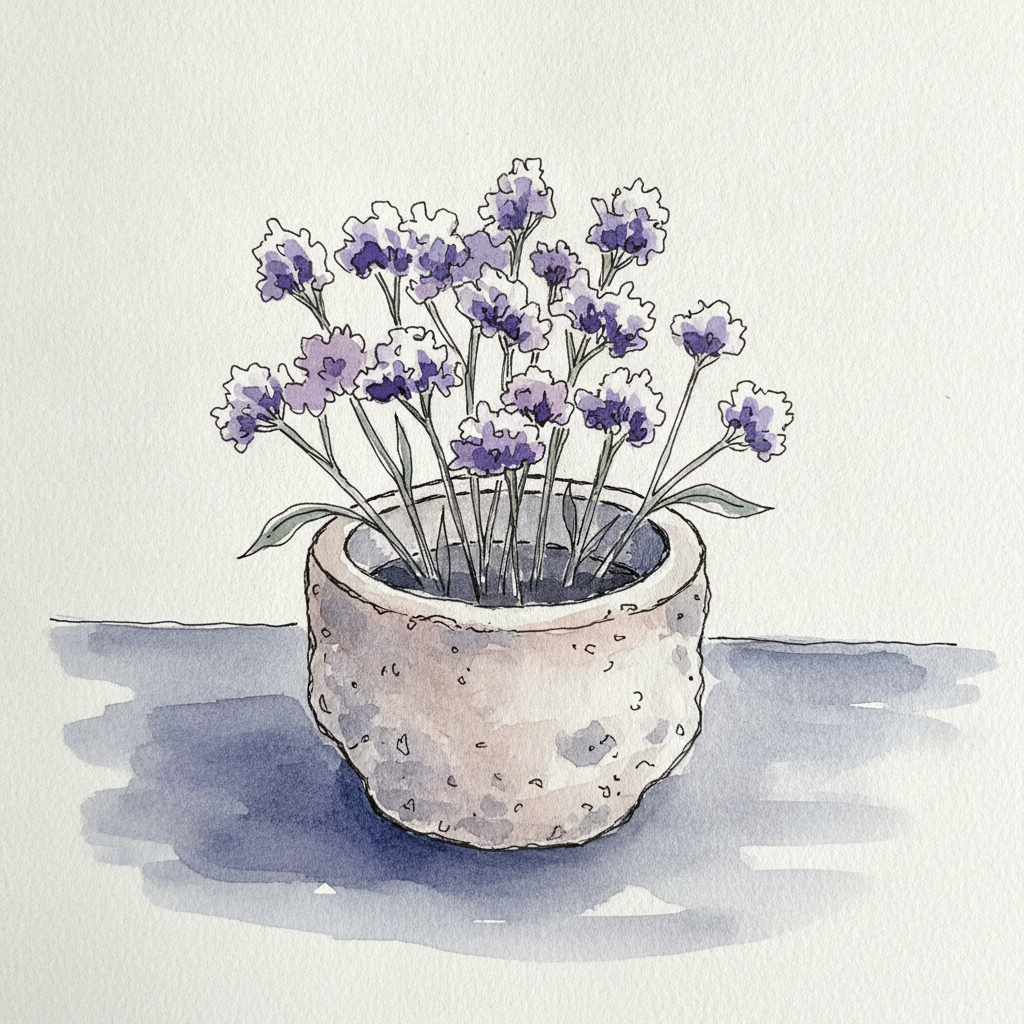
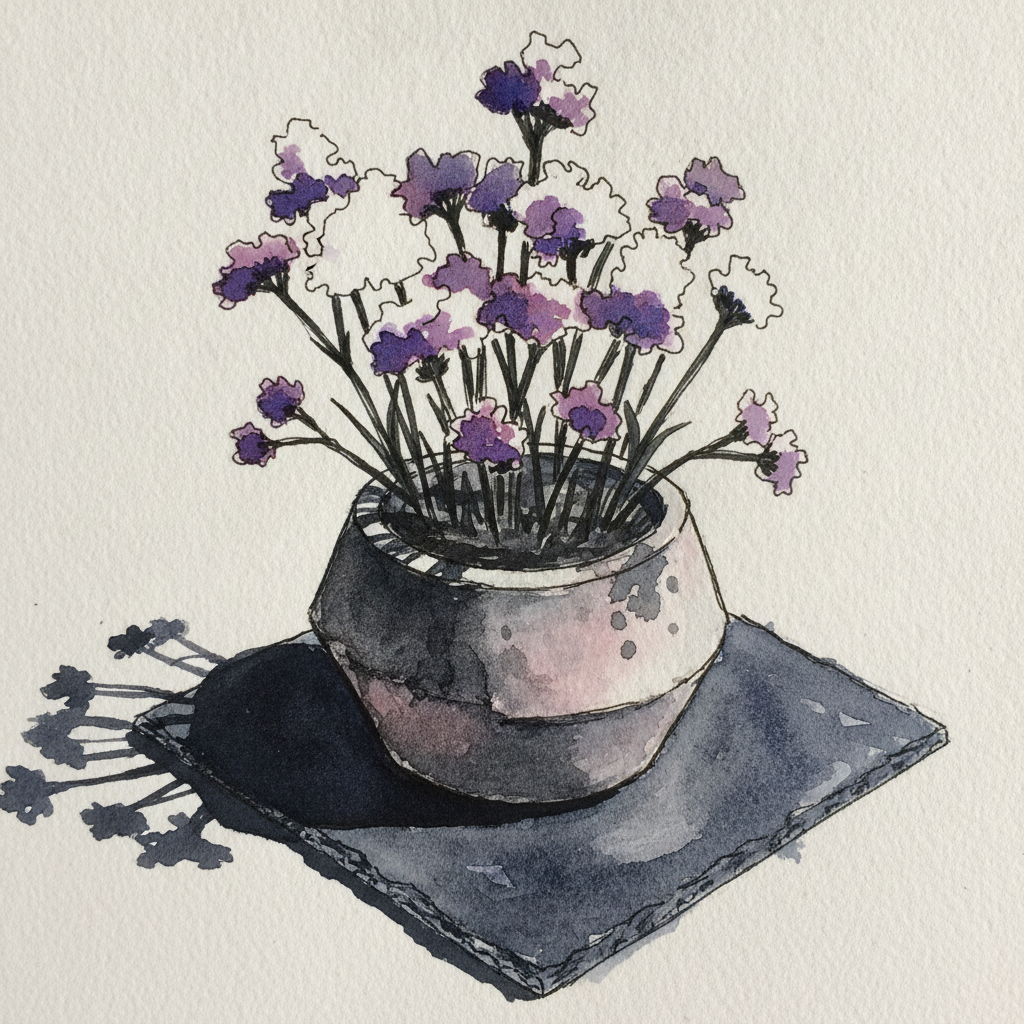
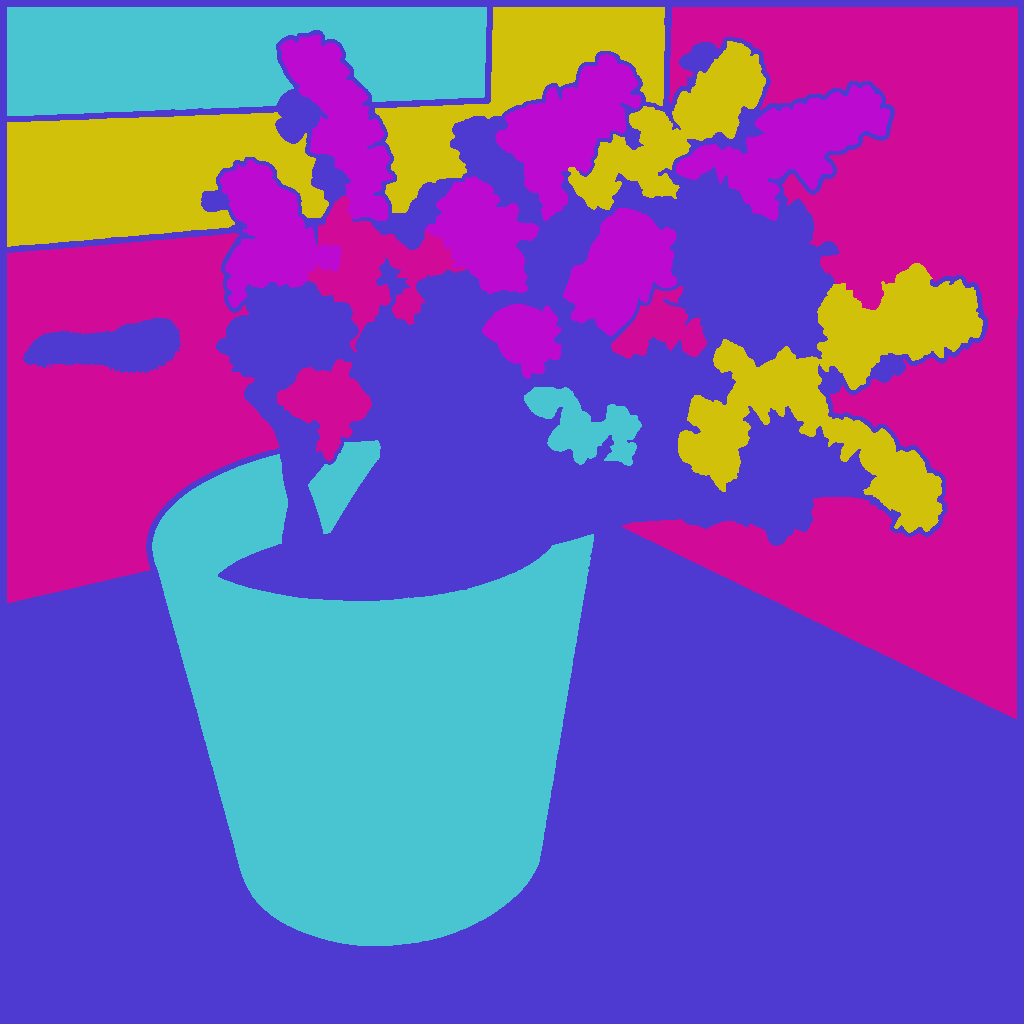
Today's piece offers a focused study in rendering diverse textures through precise line work and controlled washes. Concentrate on using delicate, broken pen lines to define the papery florets and stiff stems, contrasting them with bolder, more erratic strokes for the rough stone pot. Employ subtle dry brush techniques for the granite's texture and use saturated washes for the statice against the muted stone to emphasize the visual contrast between delicate organic forms and solid, inorganic surfaces.