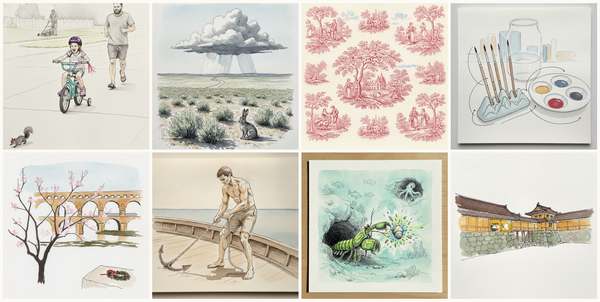
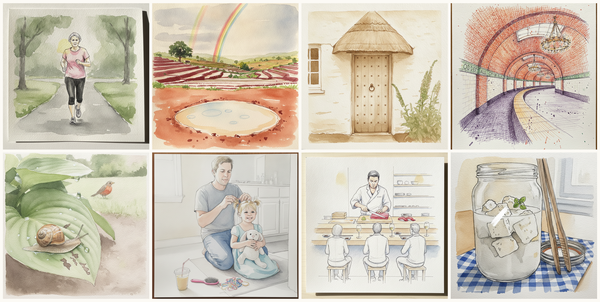
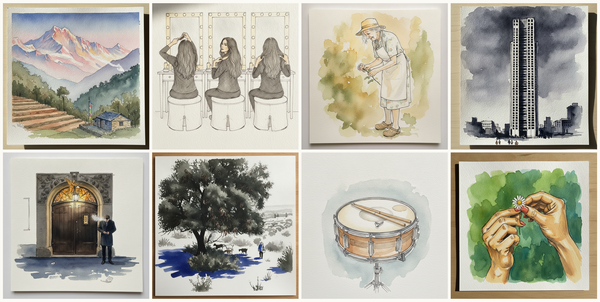
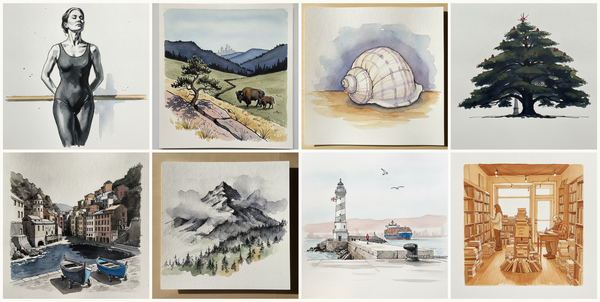
Pont Saint-Bénézet, Avignon, France, Vintage 1950s diner kitchen, Rural Vermont General Store, Maple Season, Crater Lake from Watchman Overlook, Oregon, and more — pen + watercolor for August 13, 2026
AI-generated daily art-practice references for pen and watercolor: Pont Saint-Bénézet, Avignon, France, Vintage 1950s diner kitchen, Rural Vermont General Store, Maple Season, Crater Lake from Watchman Overlook, Oregon, Tree peony, Person eating with dog begging, Mille-crêpe cake slice with twent…
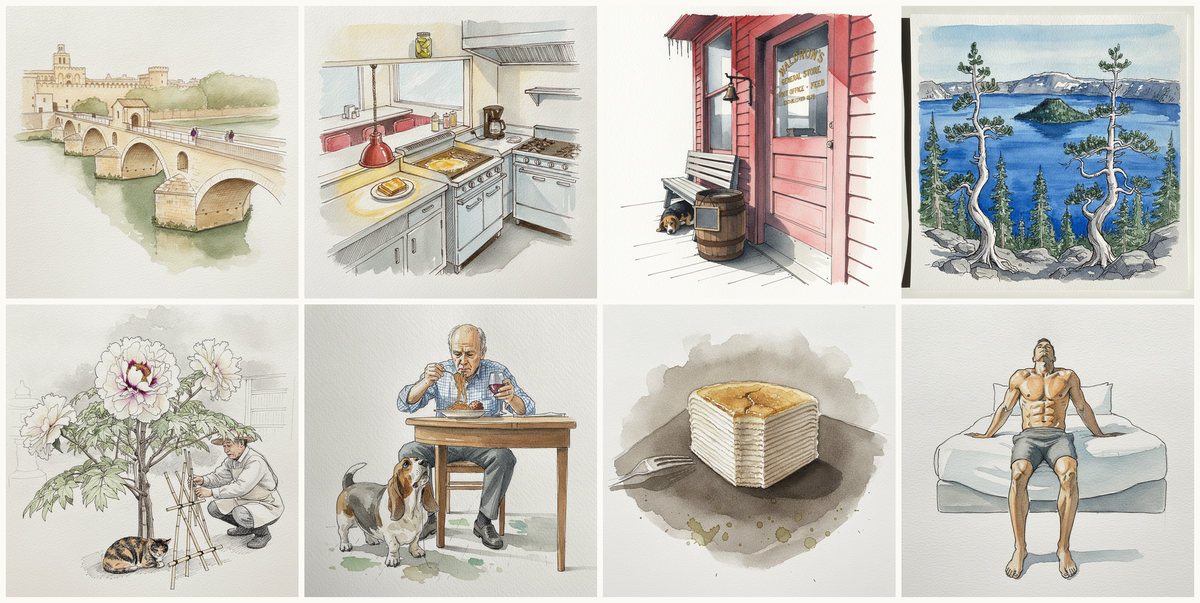
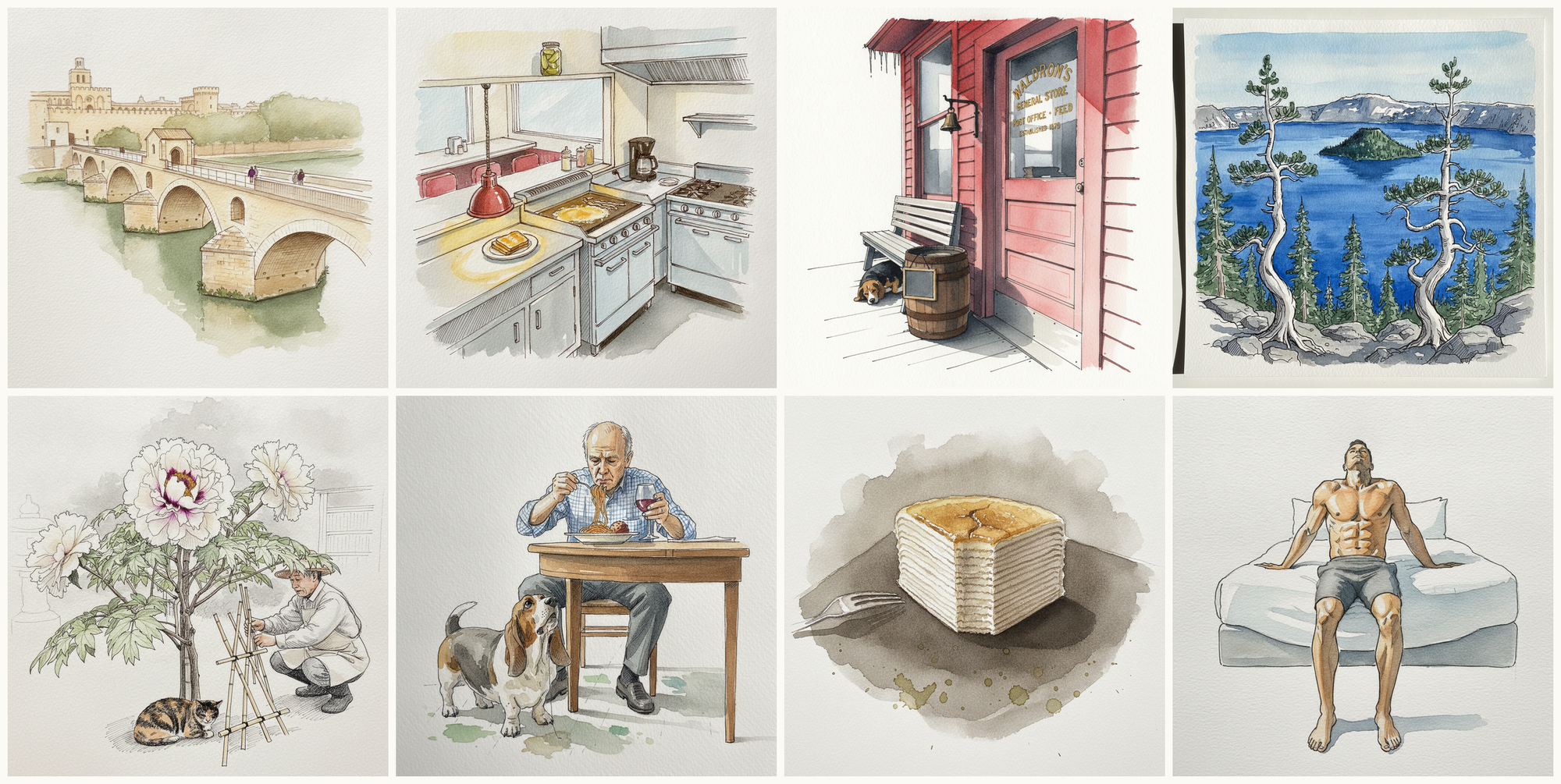
Today's 8 pen-and-watercolor pieces: Pont Saint-Bénézet, Avignon, France, Vintage 1950s diner kitchen, Rural Vermont General Store, Maple Season, Crater Lake from Watchman Overlook, Oregon, Tree peony, Person eating with dog begging, Mille-crêpe cake slice with twenty paper-thin layers, Hotel bed edge, severe recline. Each piece comes with an AI-generated photoreal reference, three AI-generated example artworks in different treatments, and a short focus paragraph naming what to study in this one.
Why these references use AI
This daily series uses AI-generated images as practice prompts, not as finished artwork to copy. Each subject starts with a synthetic photoreal reference generated with Gemini/Nano Banana, then moves into three pen-and-watercolor interpretations of the same subject.
I use AI here because daily art practice needs variety and low friction. Real life can get repetitive, busy, or visually narrow. These generated reference sets make it easier to study bodies, buildings, animals, landscapes, objects, gestures, light, palettes, and compositions that might not show up in an ordinary day.
The goal is not to reproduce any image directly. Treat each set as a starting point for observation and study: choose what interests you, change the framing, simplify the subject, alter the palette, and make your own version.
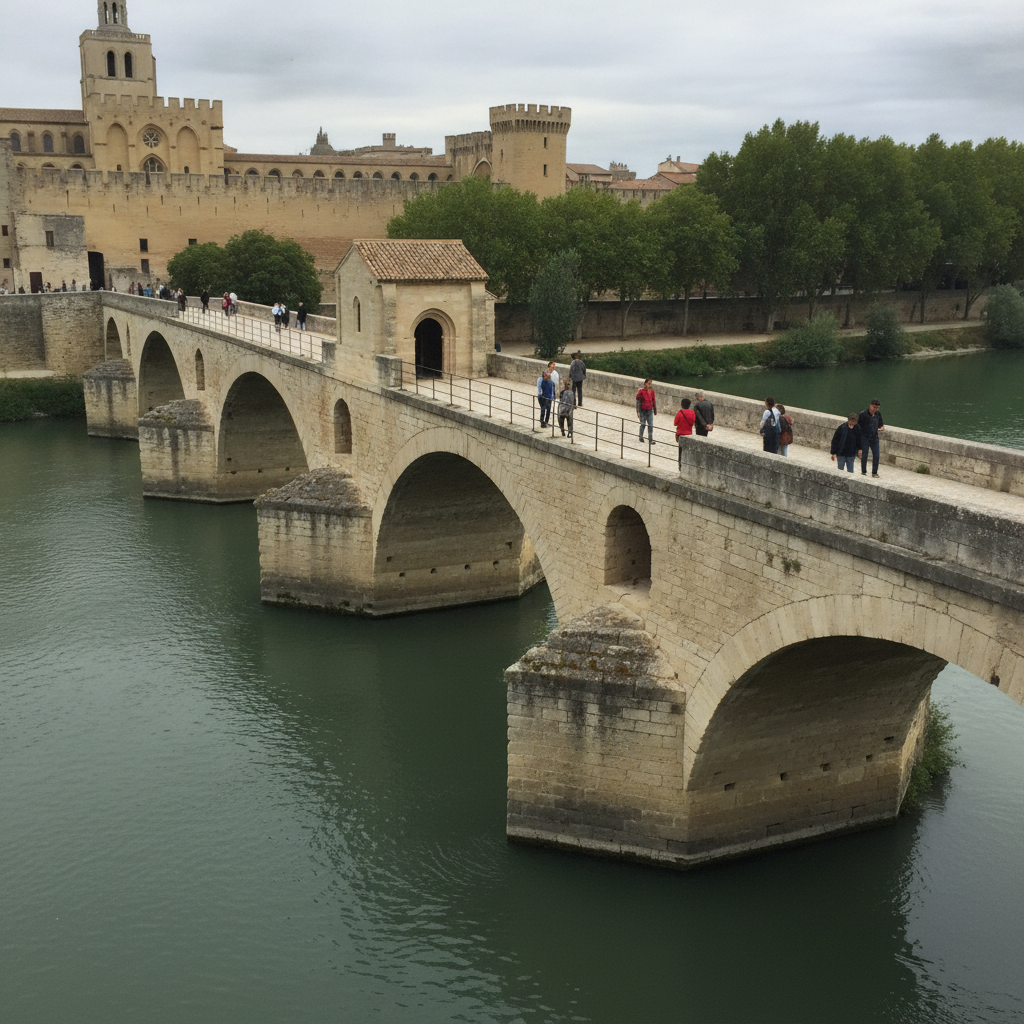
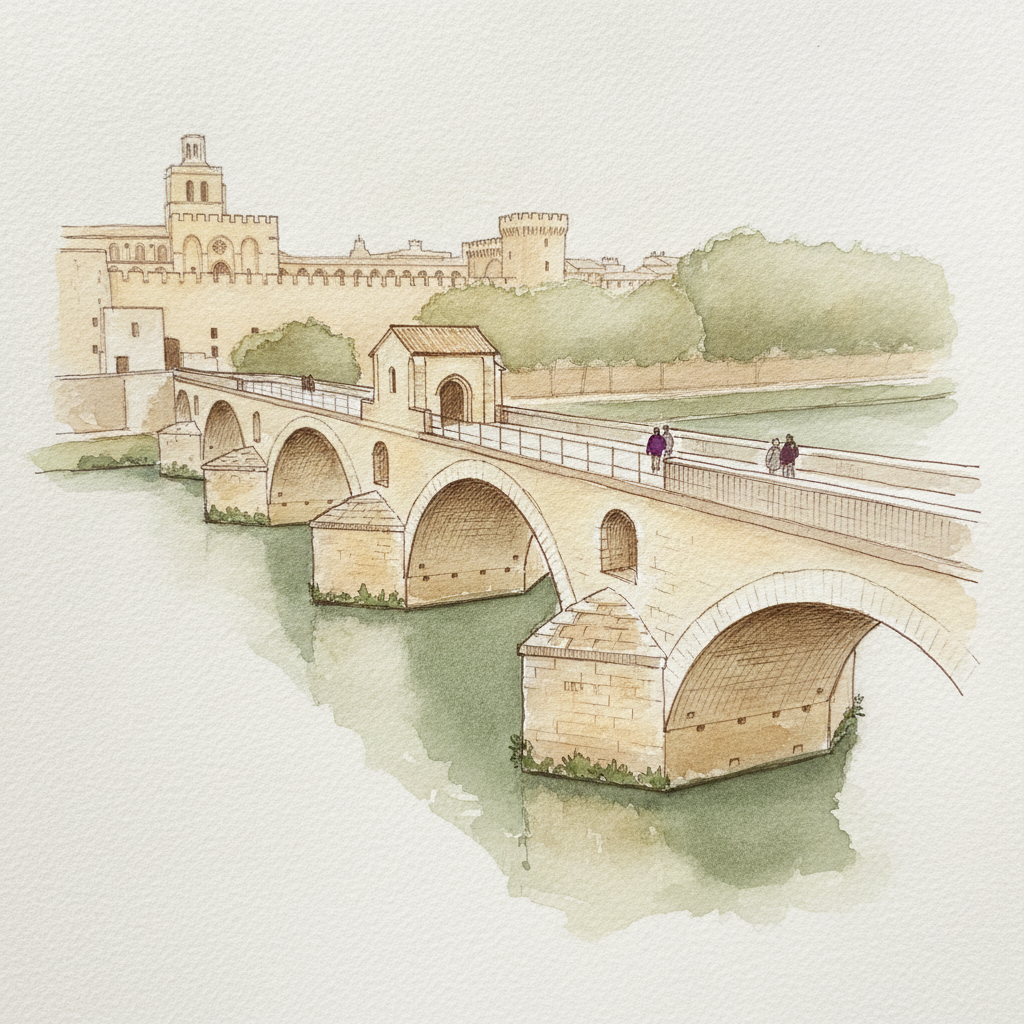
Piece 1 — Pont Saint-Bénézet, Avignon, France
Pen + Watercolor · Loose pen and watercolor line-and-wash
Three takes

Focus for this piece
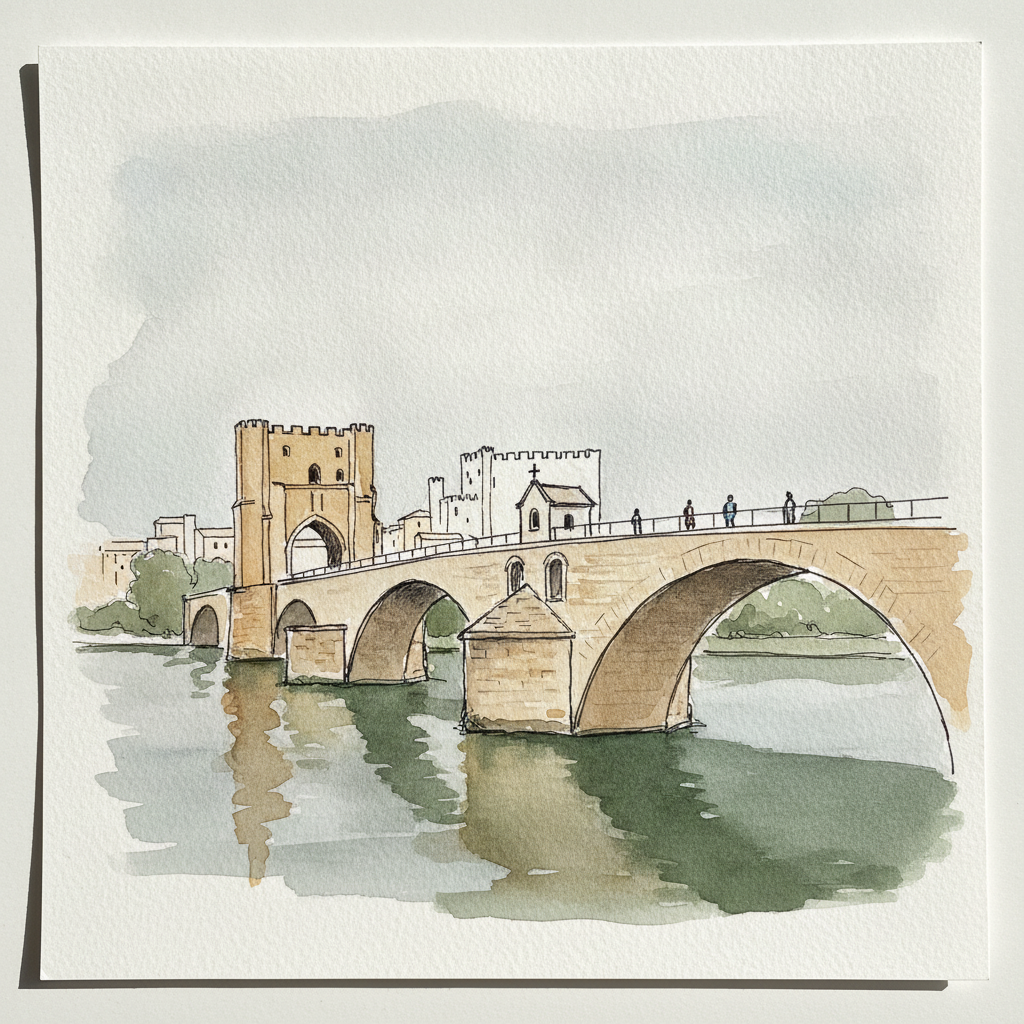
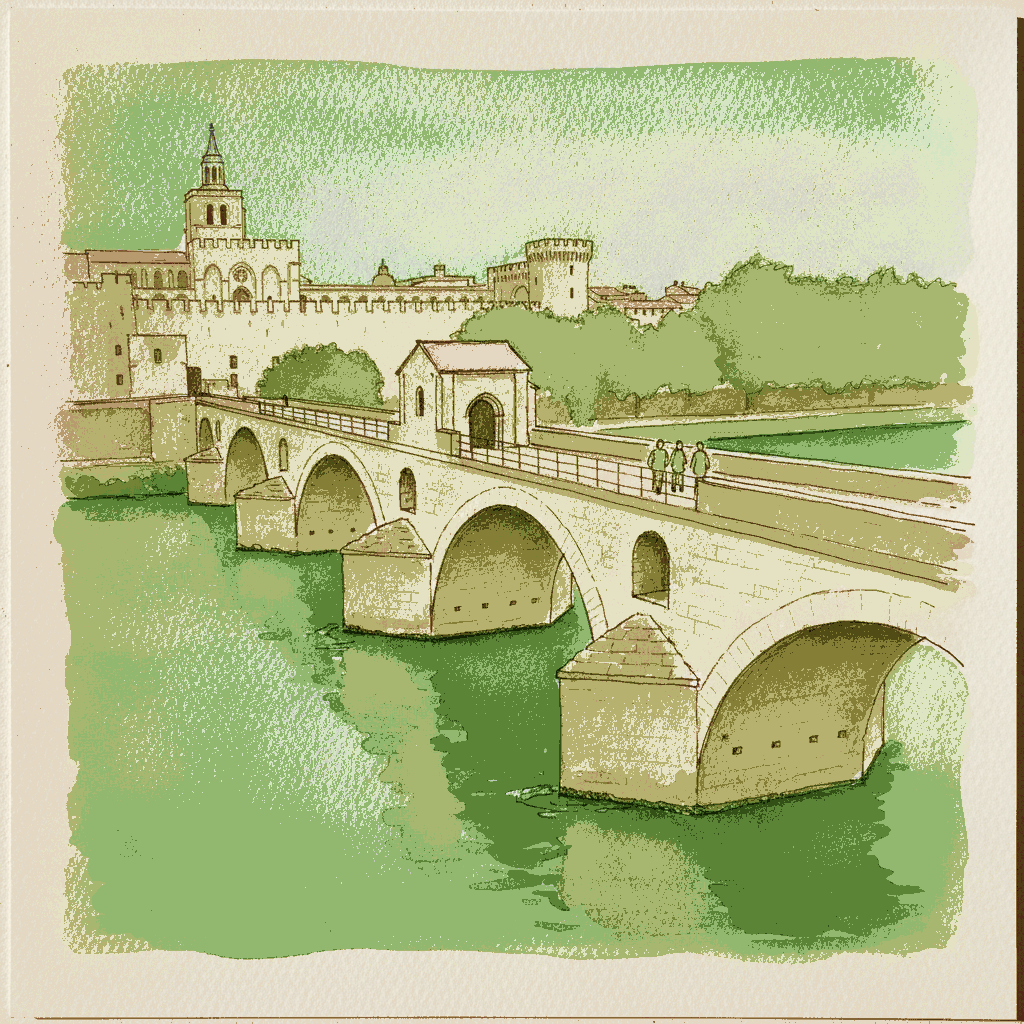
This piece offers an excellent study in contrasting the absolute solidity of architectural forms with the provisional nature of water and sky. Use crisp, deliberate waterproof ink lines to define the ancient Romanesque arches and the chapel's details, anchoring the composition. Then, employ soft, expansive wet-on-wet washes with a limited gray-green and golden palette for the wide Rhône and the distant Palais des Papes, letting the fluid watercolor establish atmospheric perspective and the vastness of the scene.
Piece 2 — Vintage 1950s diner kitchen
Pen + Watercolor · Loose pen and watercolor line-and-wash
Three takes
Focus for this piece
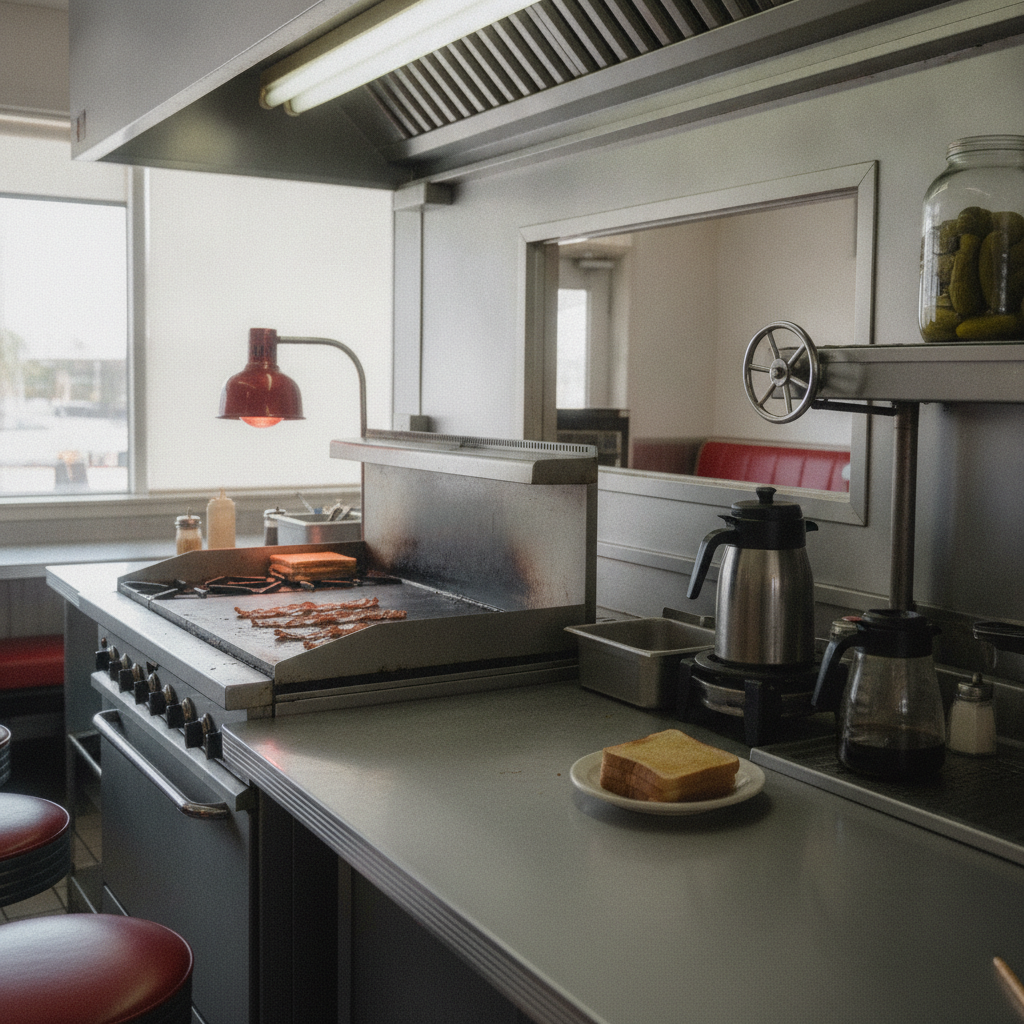
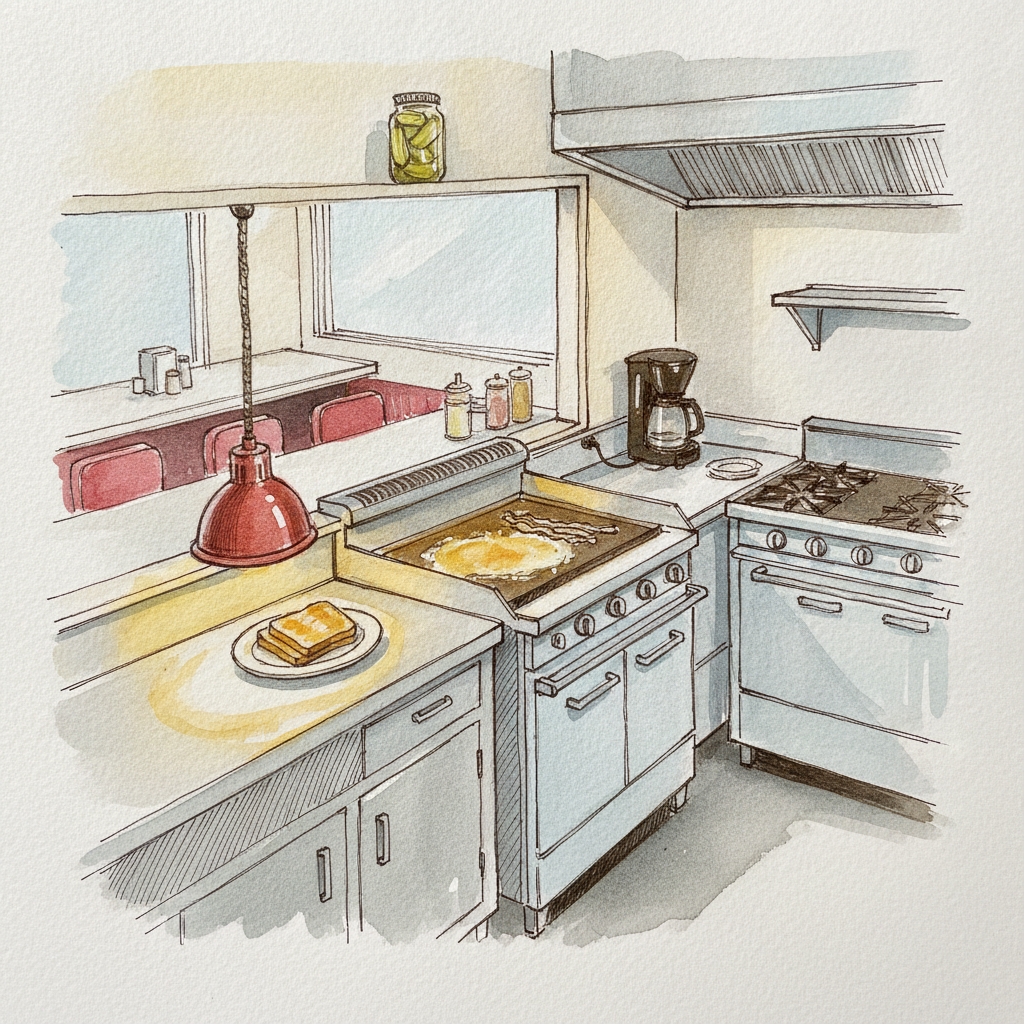
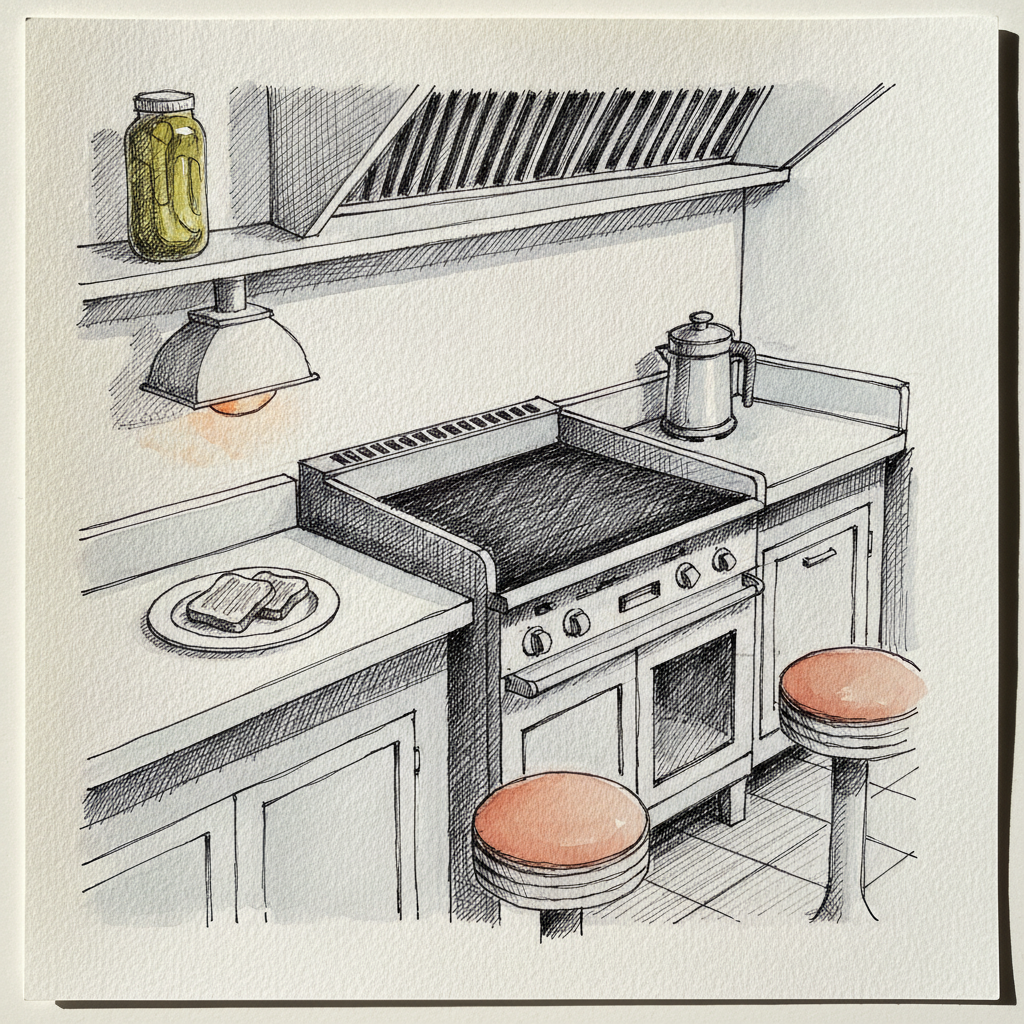
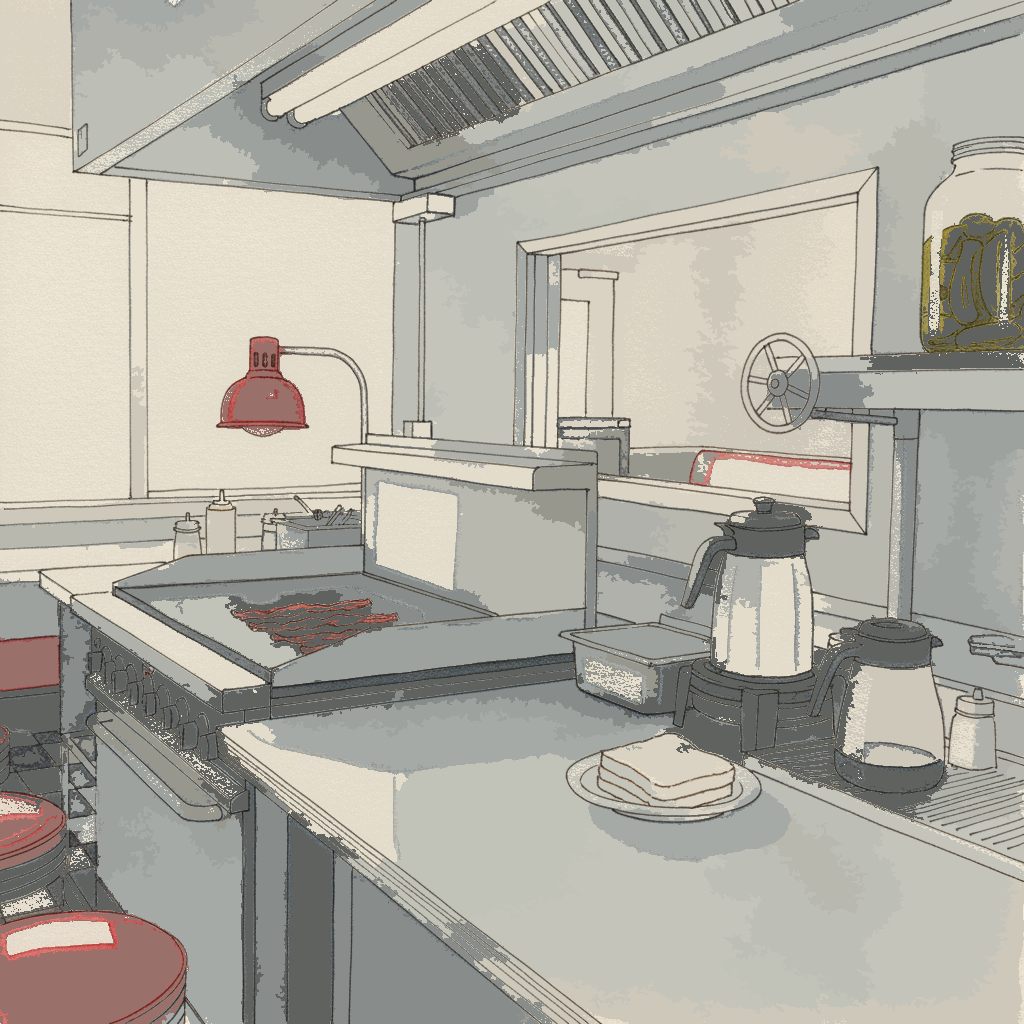
This vintage diner kitchen offers an excellent opportunity to practice depicting reflective surfaces and linear perspective. Focus on establishing the strong parallel lines of the stainless steel counter and pass-through window using your pen, then layer thin washes of cool grays and blues to sculpt the chrome and steel's reflective sheen. Deliberately preserve small areas of white paper to suggest the brightest highlights, letting your ink lines provide the sharp structure beneath.
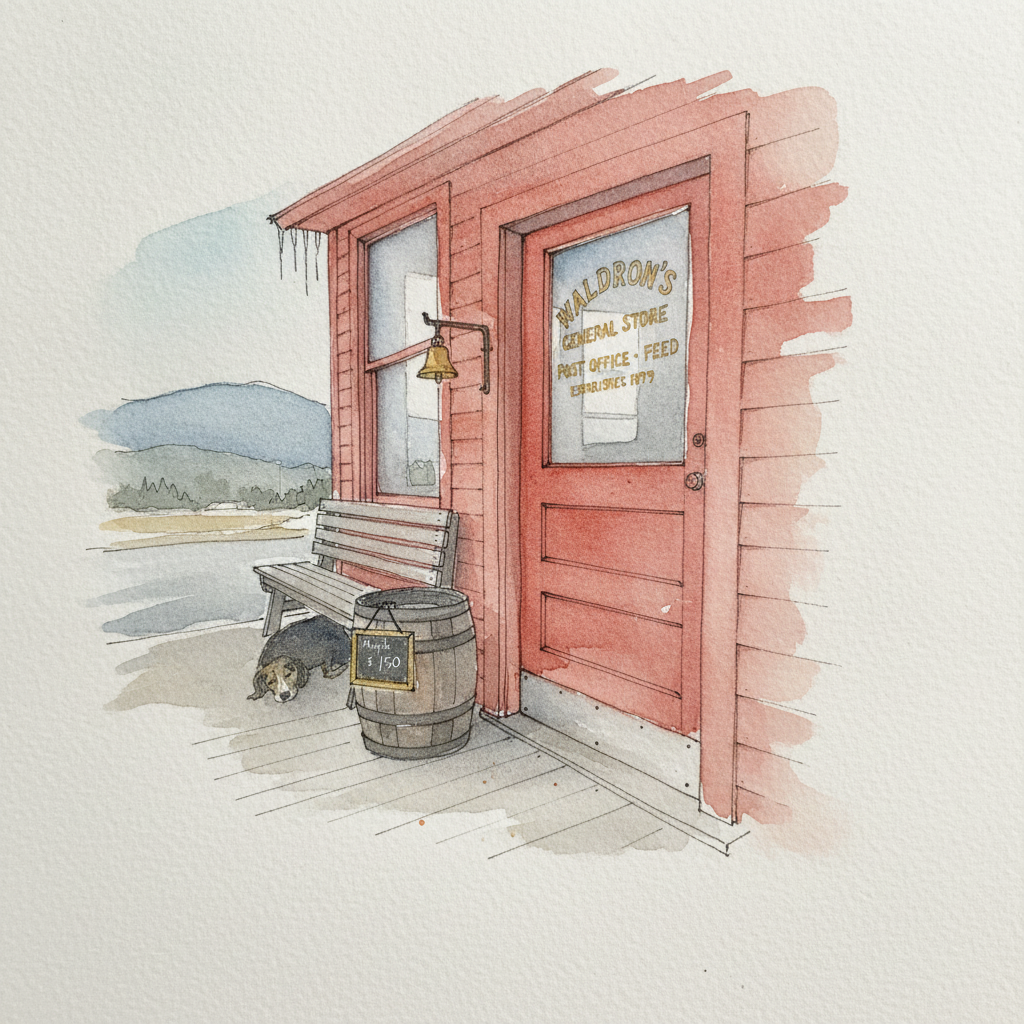
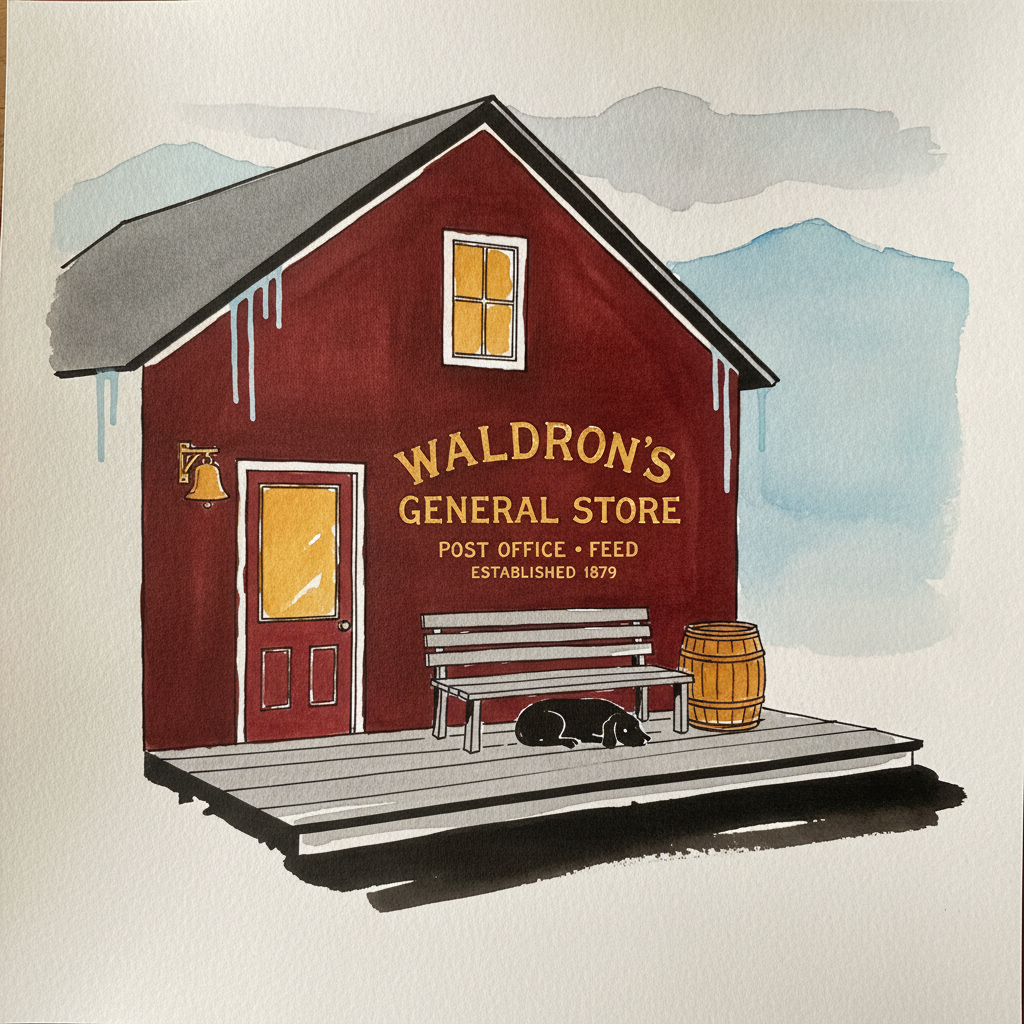
Piece 3 — Rural Vermont General Store, Maple Season
Pen + Watercolor · Loose pen and watercolor line-and-wash
Three takes
Focus for this piece
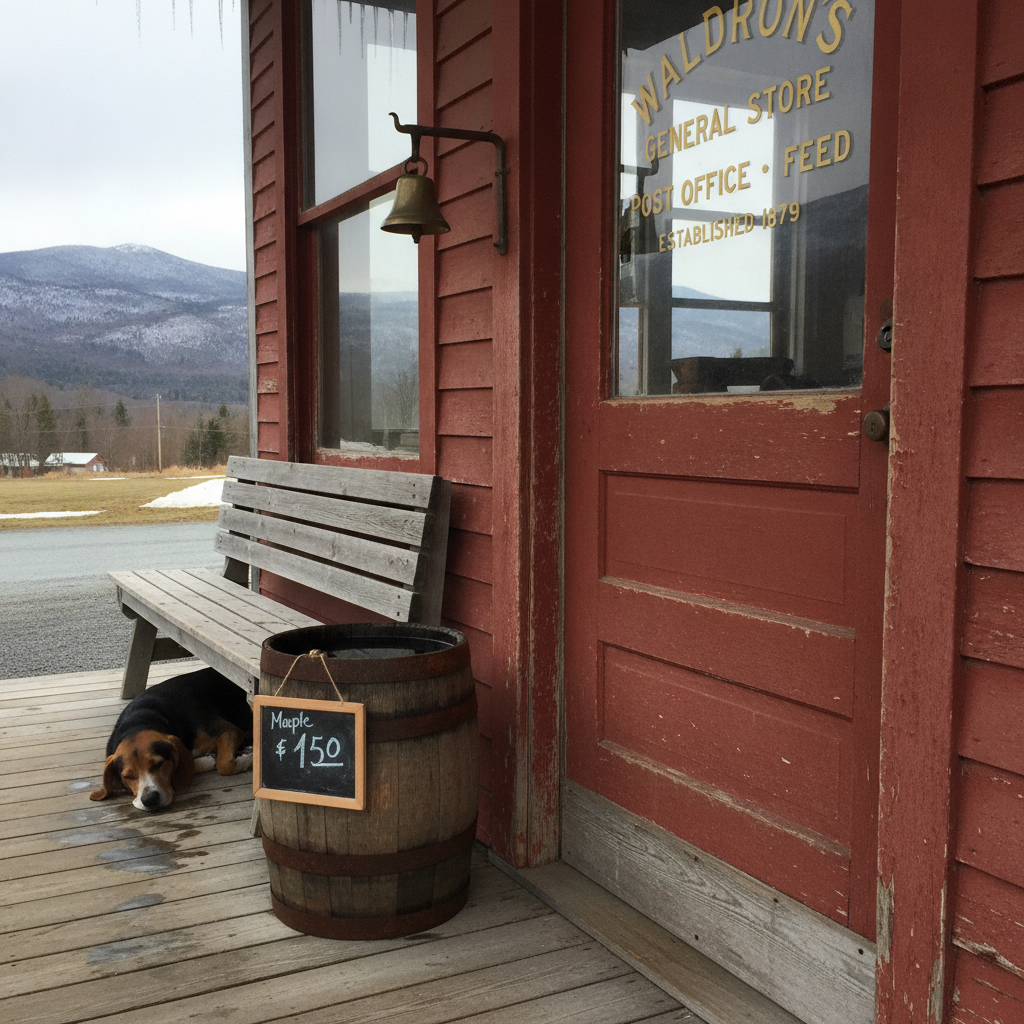
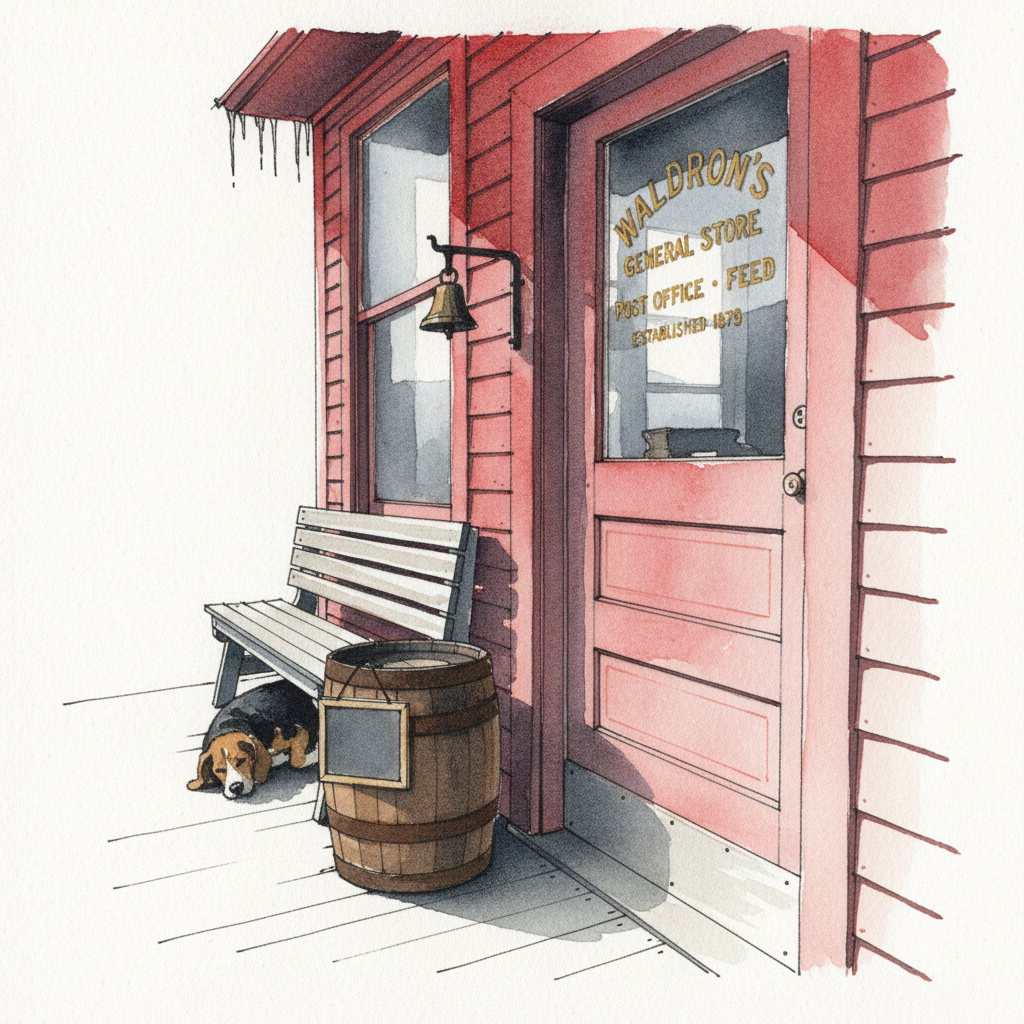
This piece is an excellent study in rendering diverse textures and values within a limited palette. Focus on contrasting line weights—from the precise gold-leaf lettering and forged hook to the varied dry-brush strokes for the silvered porch boards—to define surfaces. Use subtle wet-on-wet washes for the melting snow and distant mountains to achieve atmospheric perspective and softness, letting these softer elements frame the crisper architectural details of the store front.
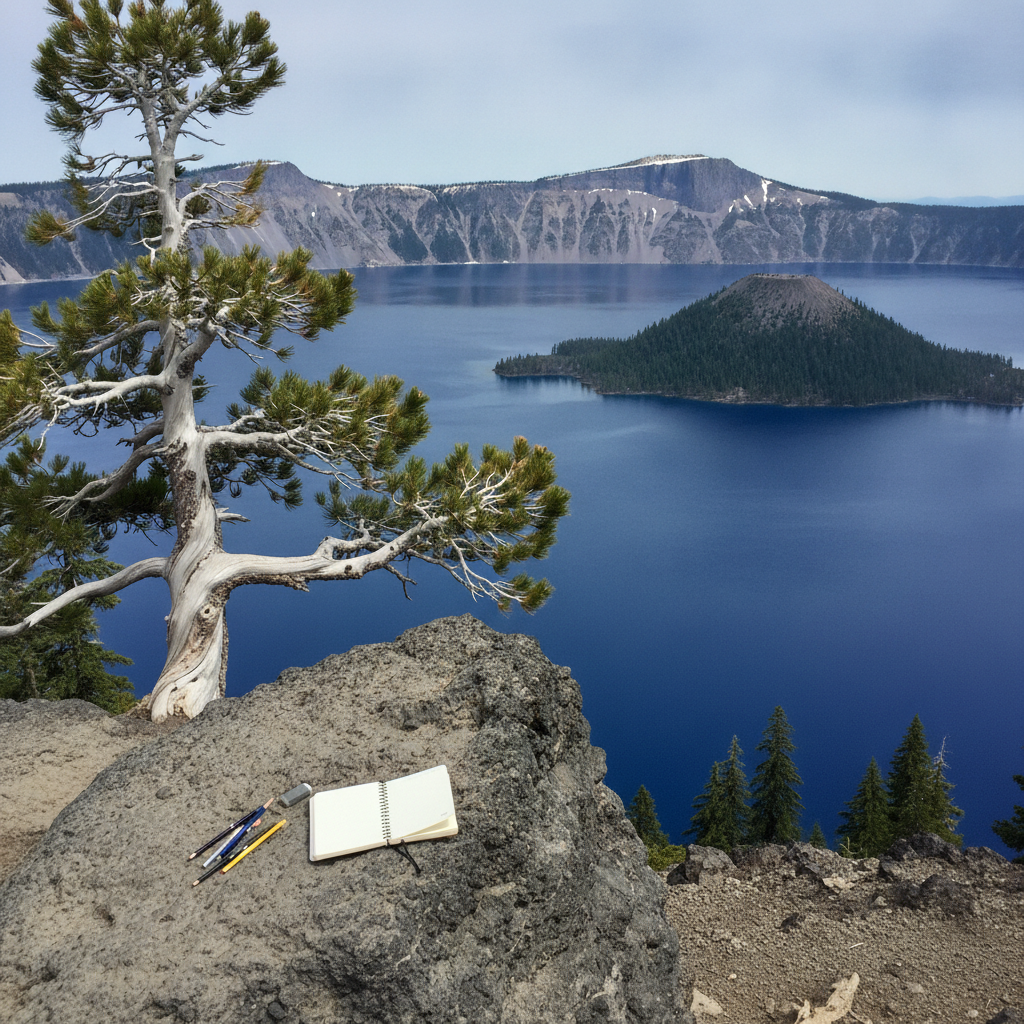
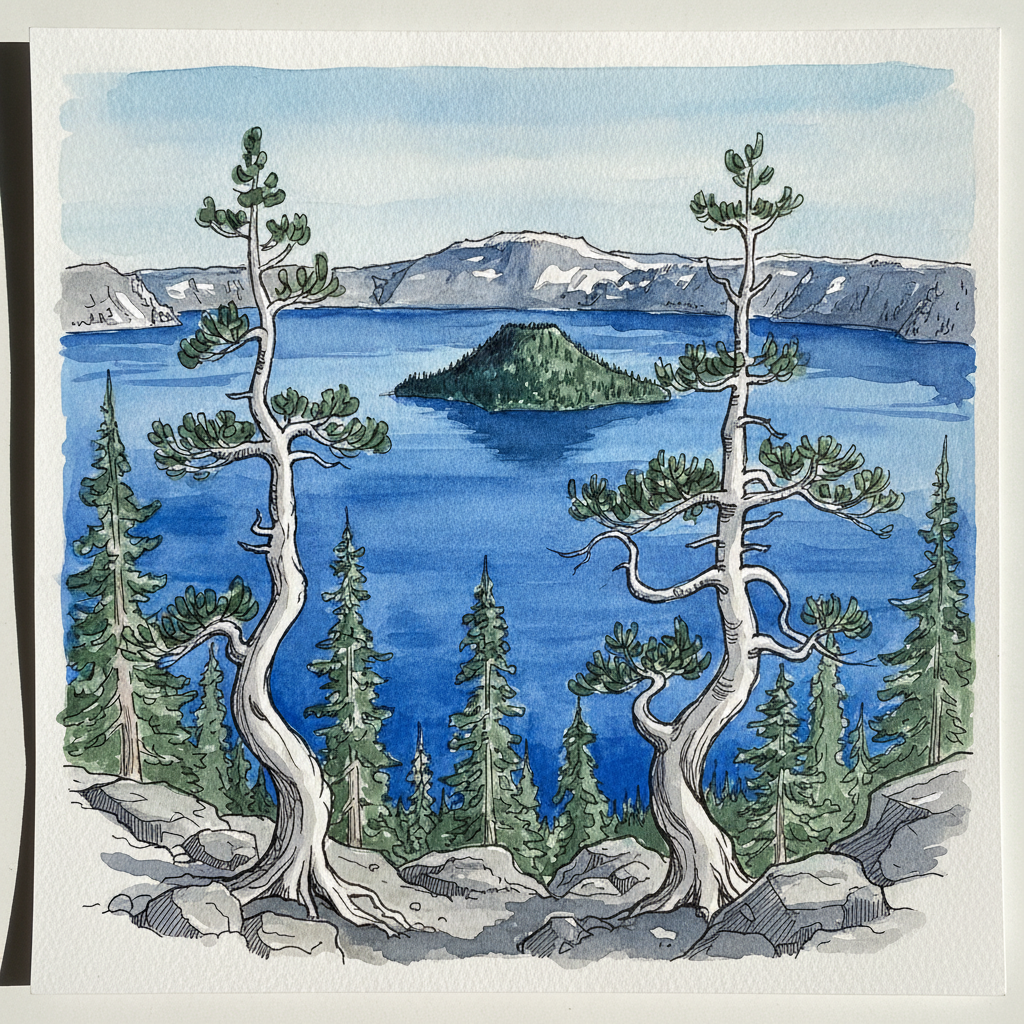
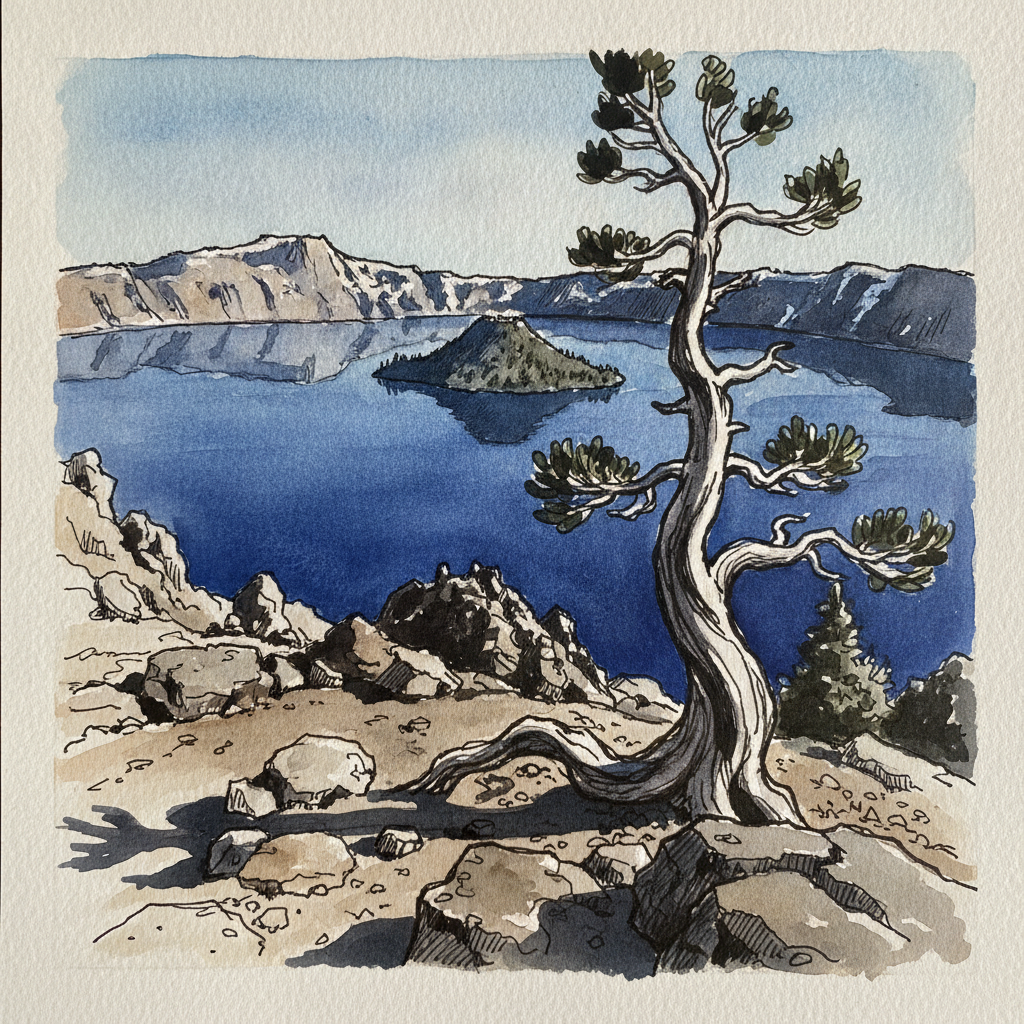
Piece 4 — Crater Lake from Watchman Overlook, Oregon
Pen + Watercolor · Loose pen and watercolor line-and-wash
Three takes

Focus for this piece
This view of Crater Lake offers an excellent study in creating atmospheric depth through the strategic interplay of pen lines and watercolor washes. Emphasize crisp, varied line weights and strong values for the foreground rocks and twisted pines, progressively softening line definition and lightening washes as you move towards Wizard Island and the distant caldera rim. Pay attention to how a limited palette of cool blues and greys can recede convincingly, balanced by the textural detail of the immediate foreground.
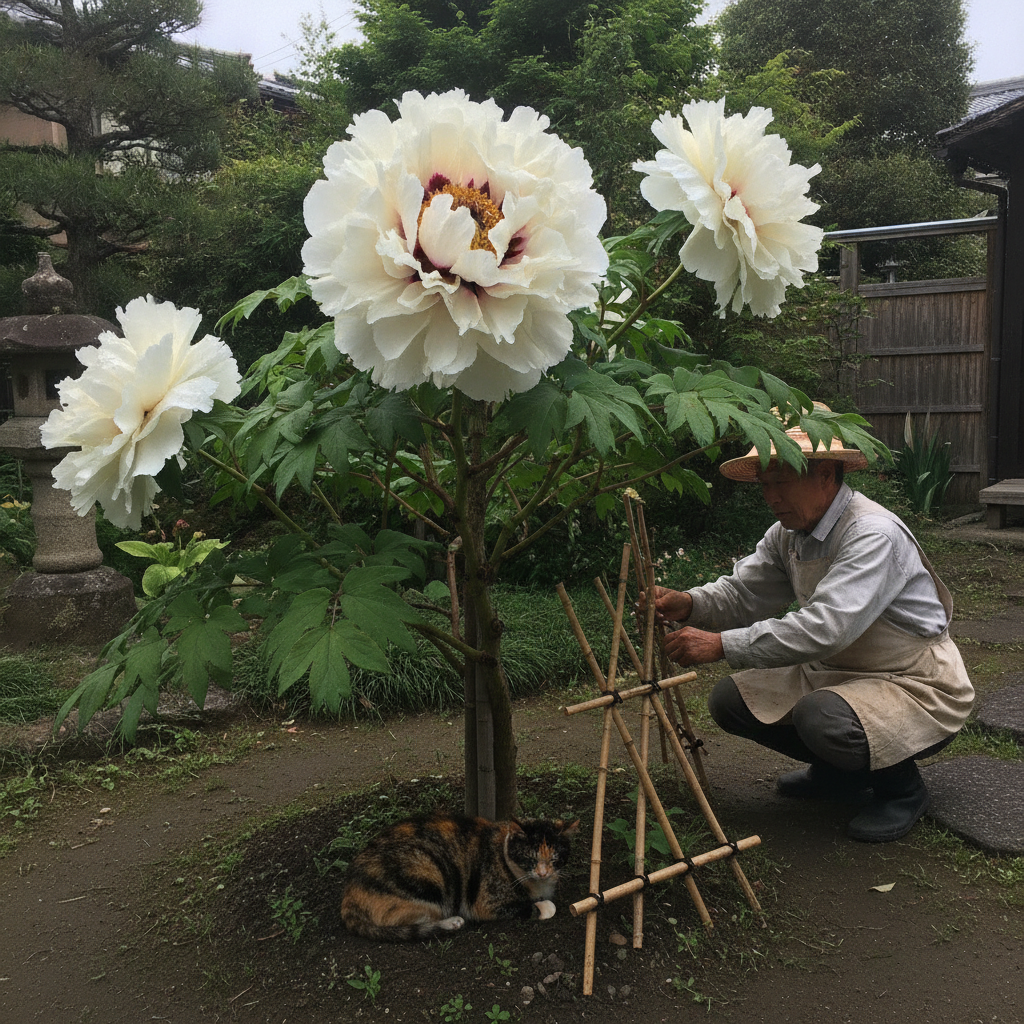
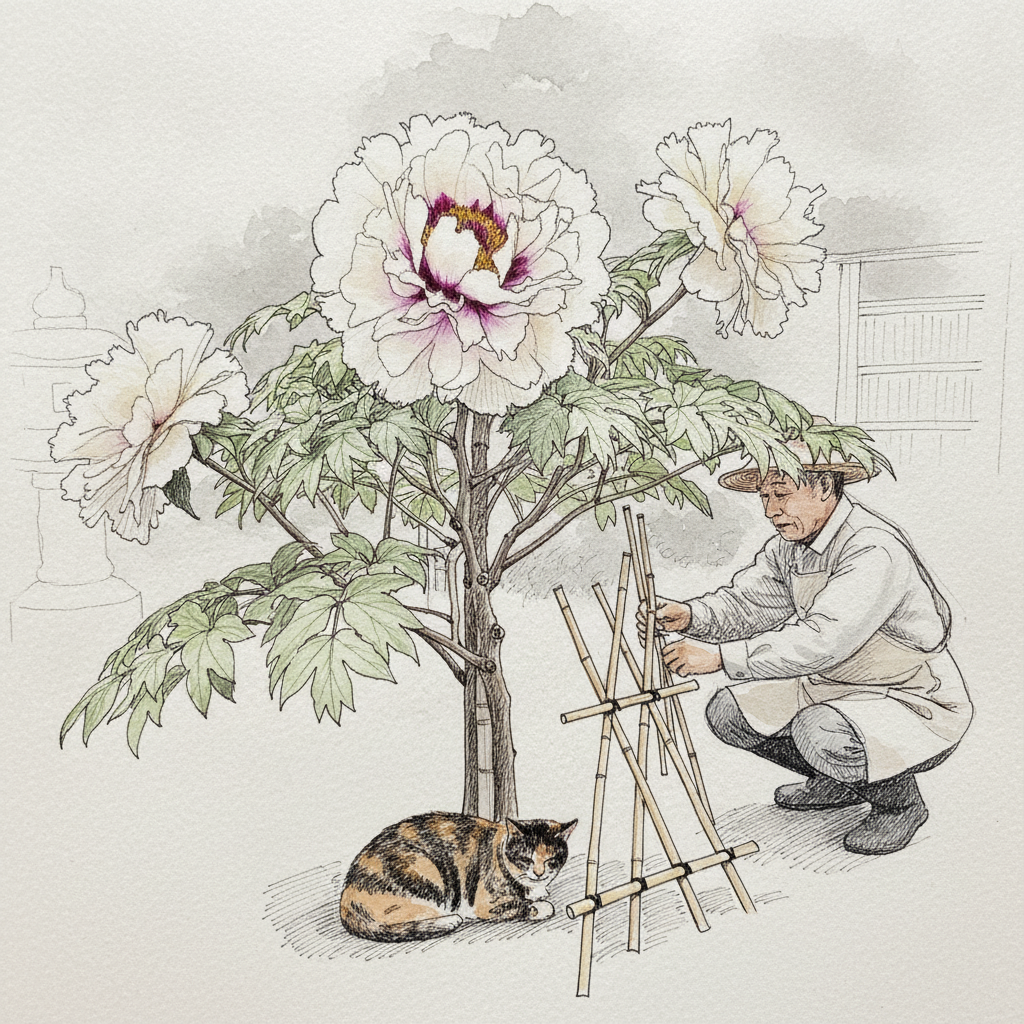
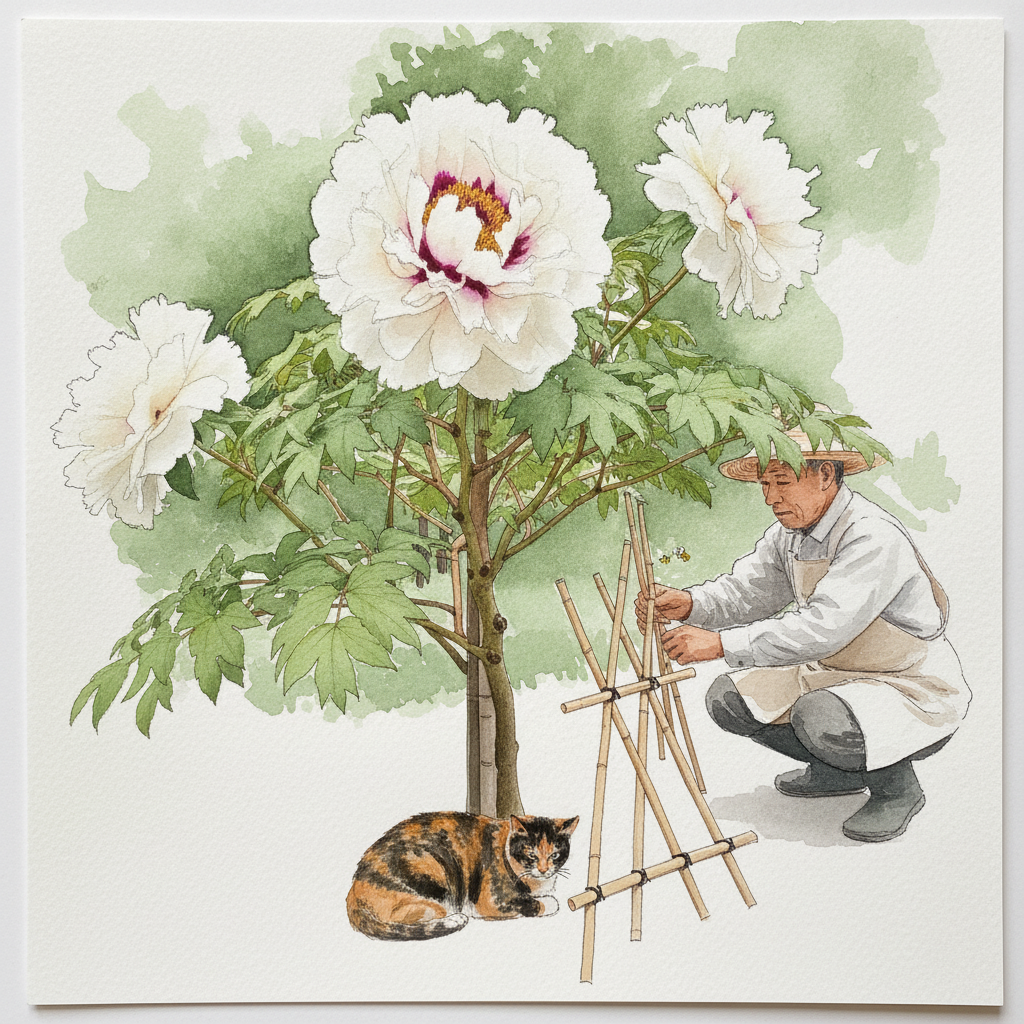
Piece 5 — Tree peony
Pen + Watercolor · Loose pen and watercolor line-and-wash
Three takes
Focus for this piece
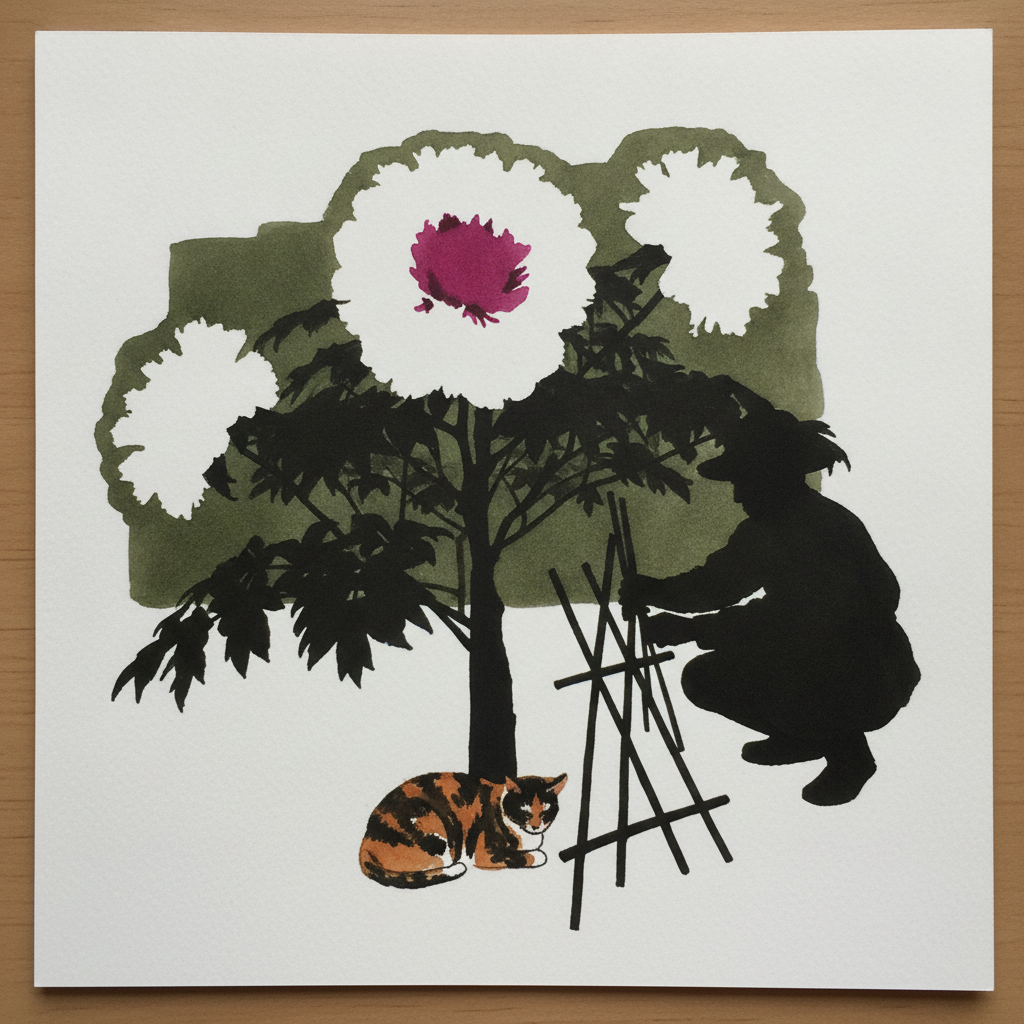
This piece offers excellent practice in rendering a large, luminous white form as the focal point. Use very dilute, cool washes to subtly model the ivory petals, letting the paper's white provide brilliance, and apply the deep magenta blotches with a clean, wet-on-dry brush for intensity. Define the flower's edges and woody stems with a range of pen line weights, using lighter, broken lines for the background foliage and the cat to ensure the peony dominates.
Piece 6 — Person eating with dog begging
Pen + Watercolor · Loose pen and watercolor line-and-wash
Three takes
Focus for this piece
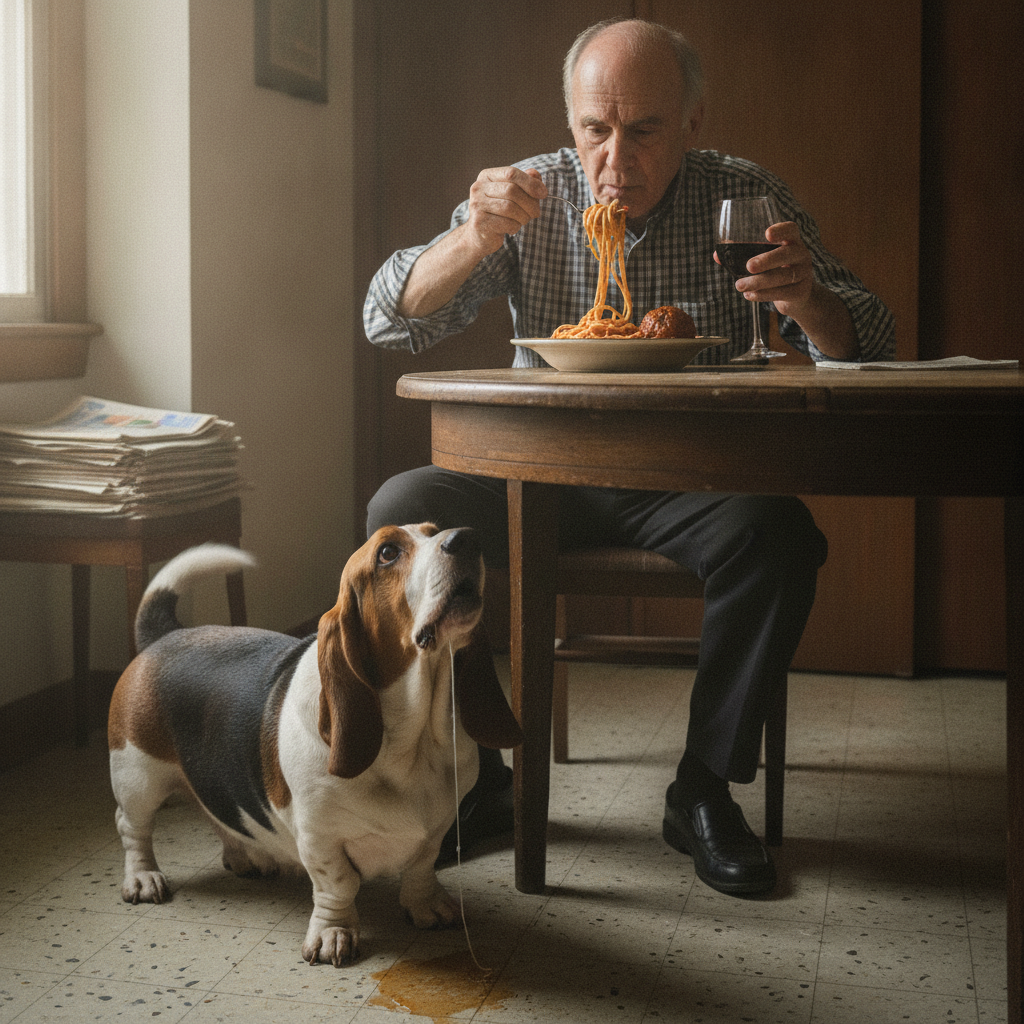
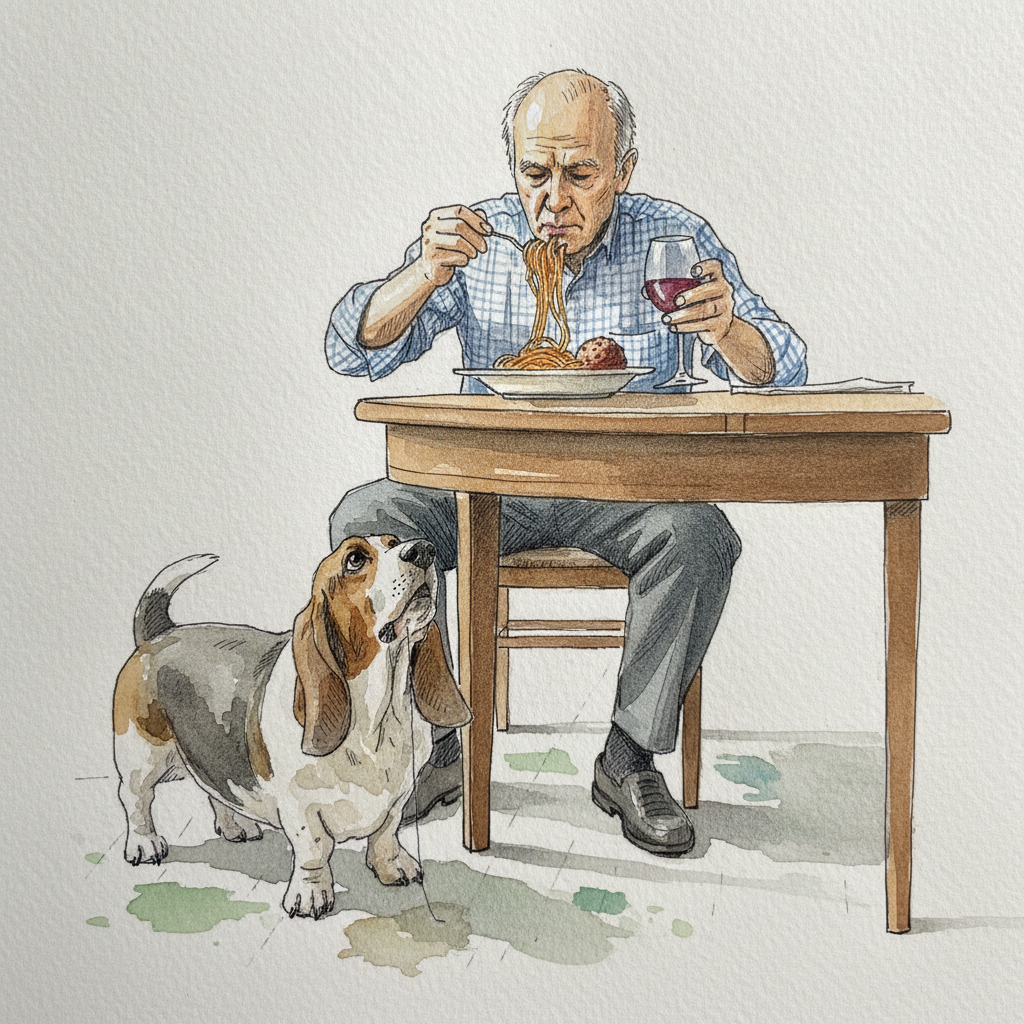
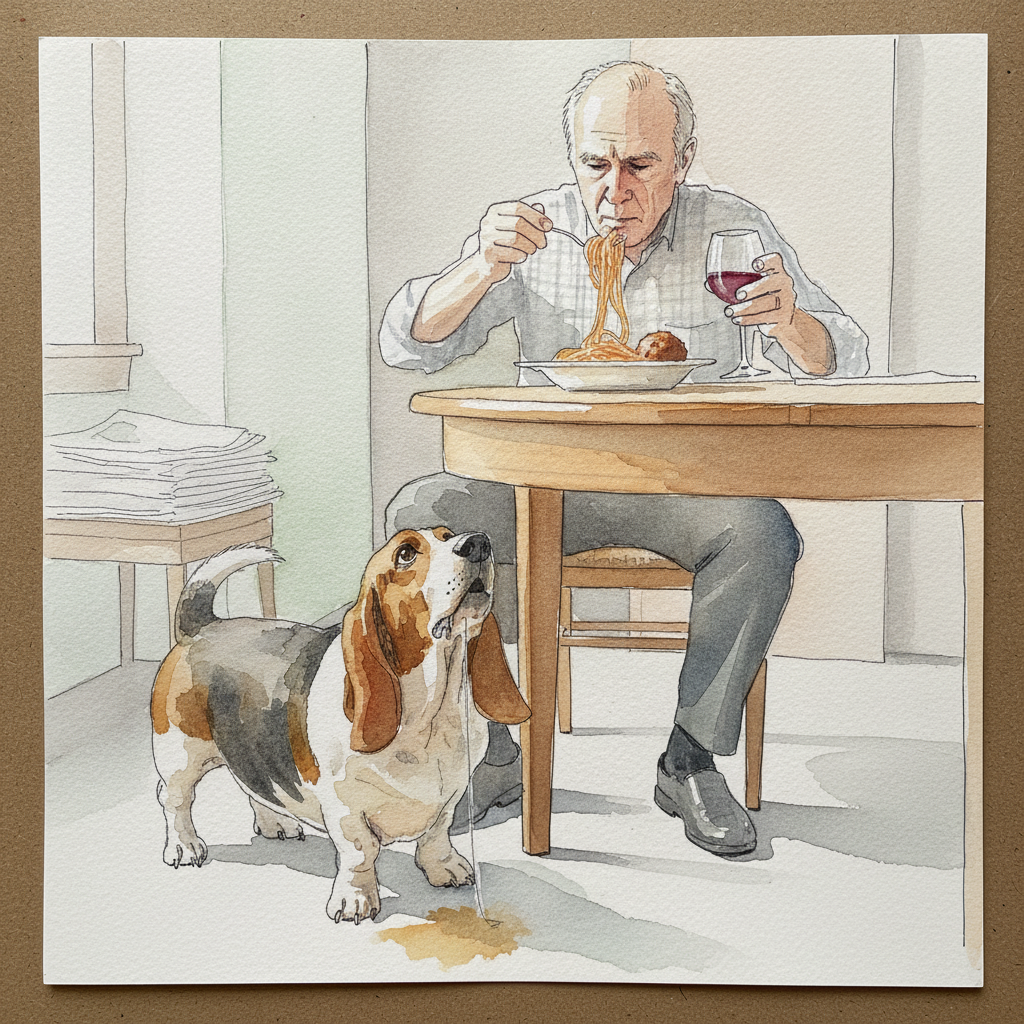
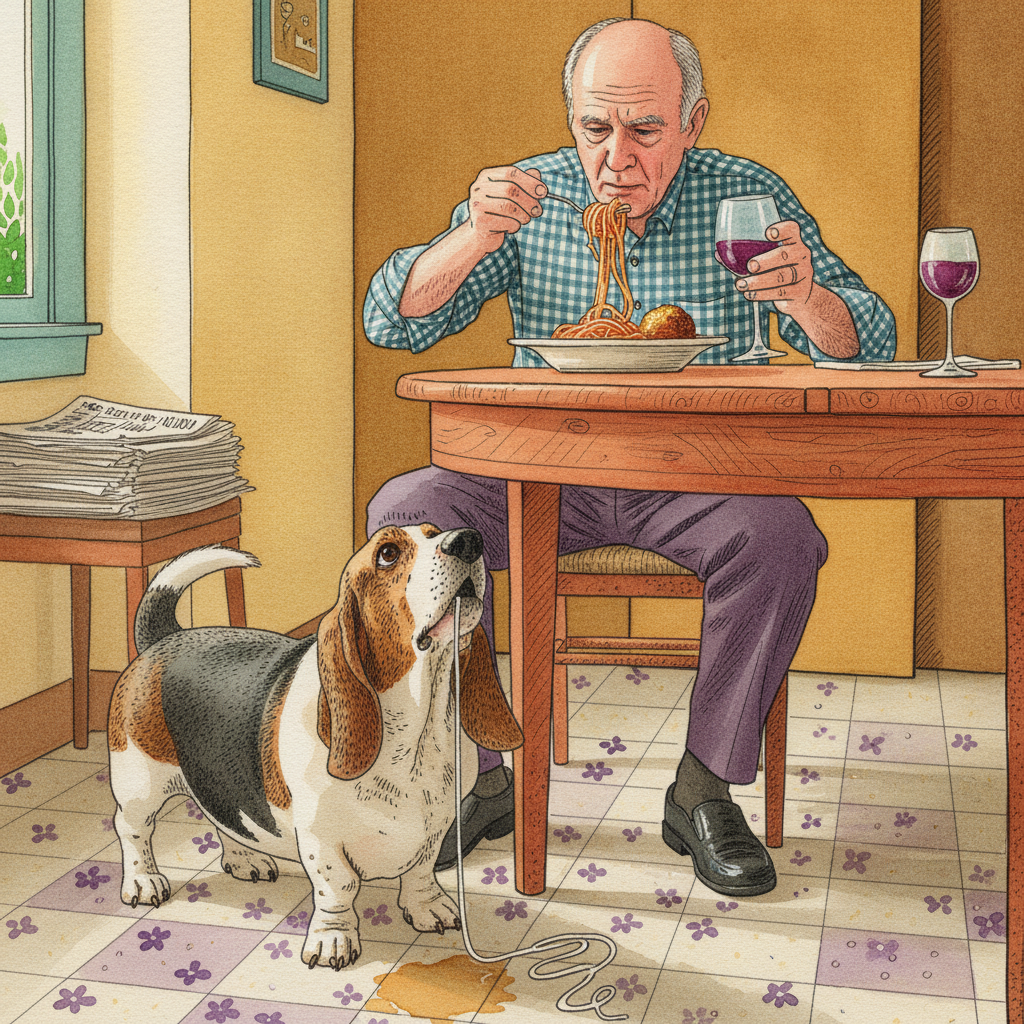
This piece offers a great opportunity to explore how varying pen line weight can differentiate key focal points, such as the delicate spaghetti strands and the basset hound's expressive, droopy face, from the broader forms. Complement this with warm, layered washes, using soft edges to build the cozy kitchen atmosphere and the textures of the dog's fur and the man's clothes. Pay close attention to how the ink provides the necessary structure and crispness, while the watercolor adds volume, warmth, and the overall narrative mood.
Piece 7 — Mille-crêpe cake slice with twenty paper-thin layers
Pen + Watercolor · Loose pen and watercolor line-and-wash
Three takes

Focus for this piece
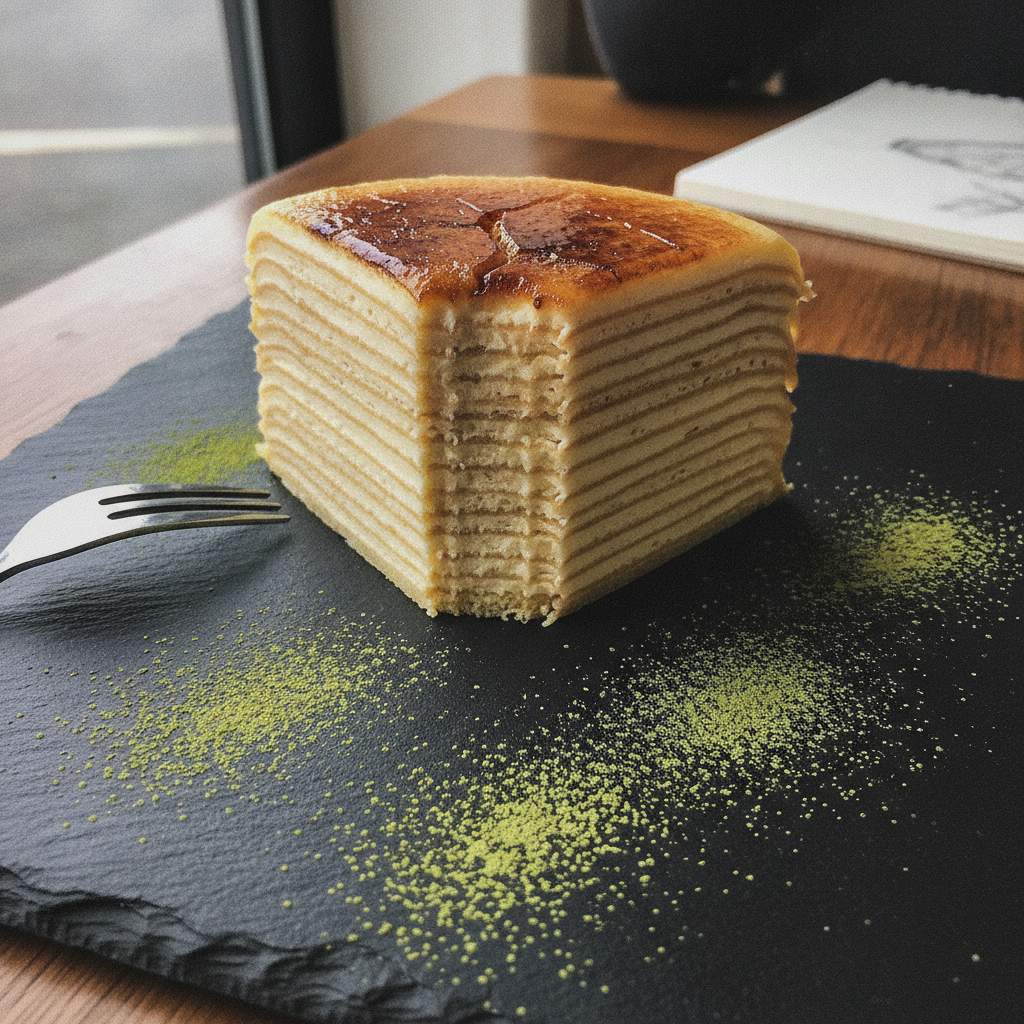
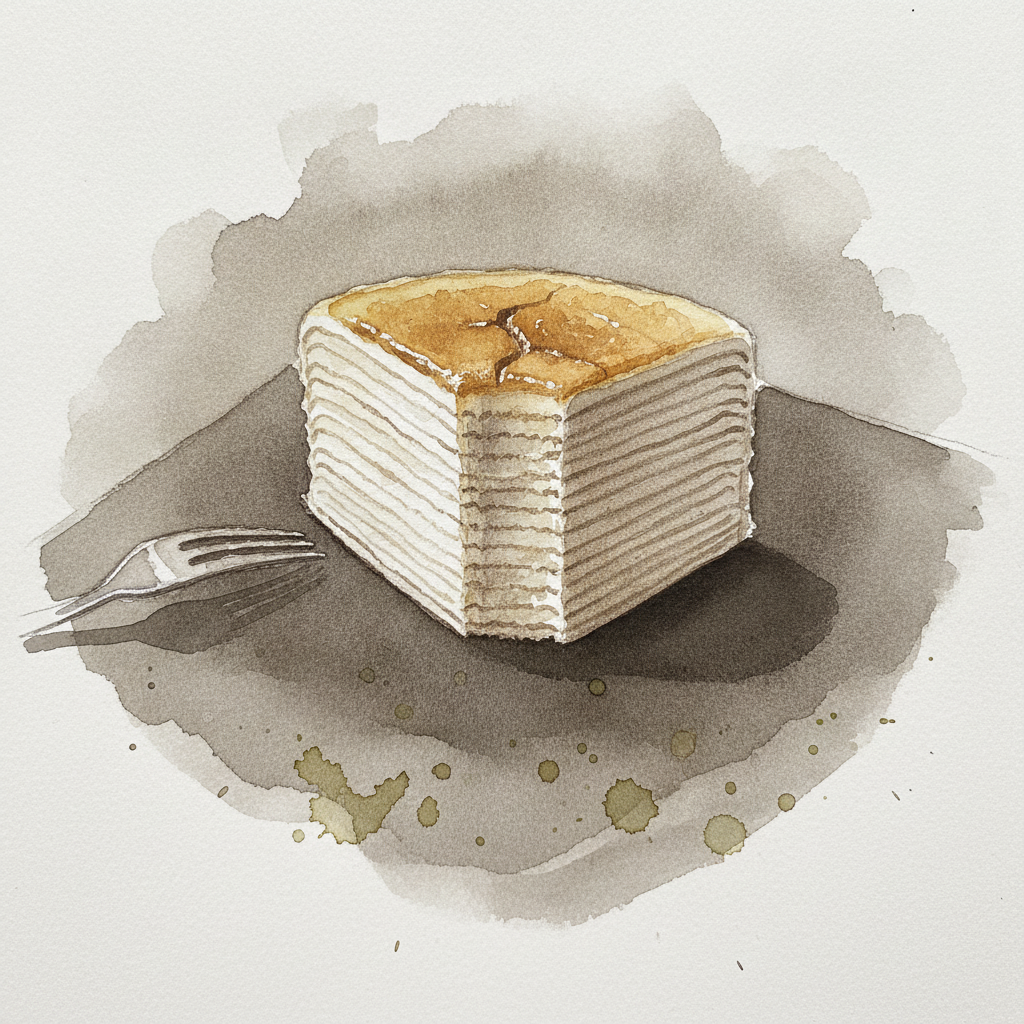
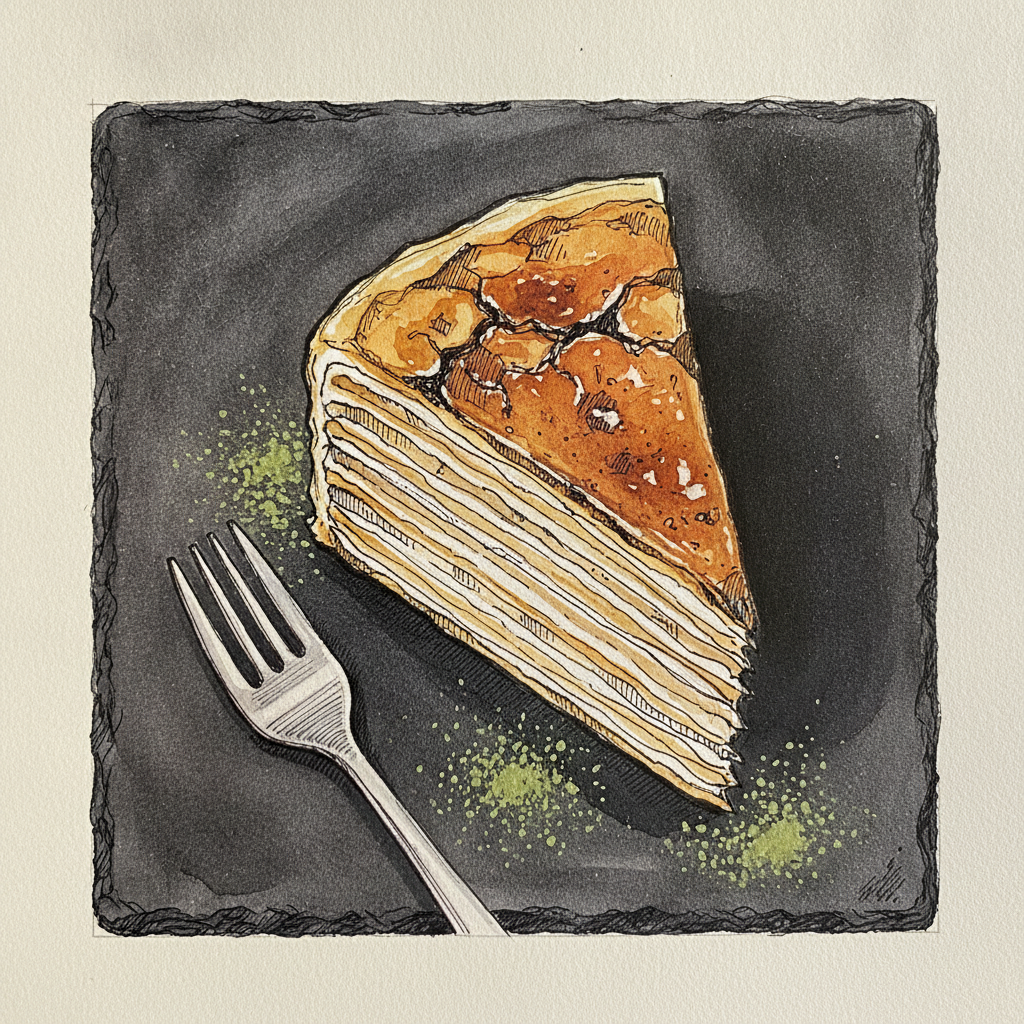
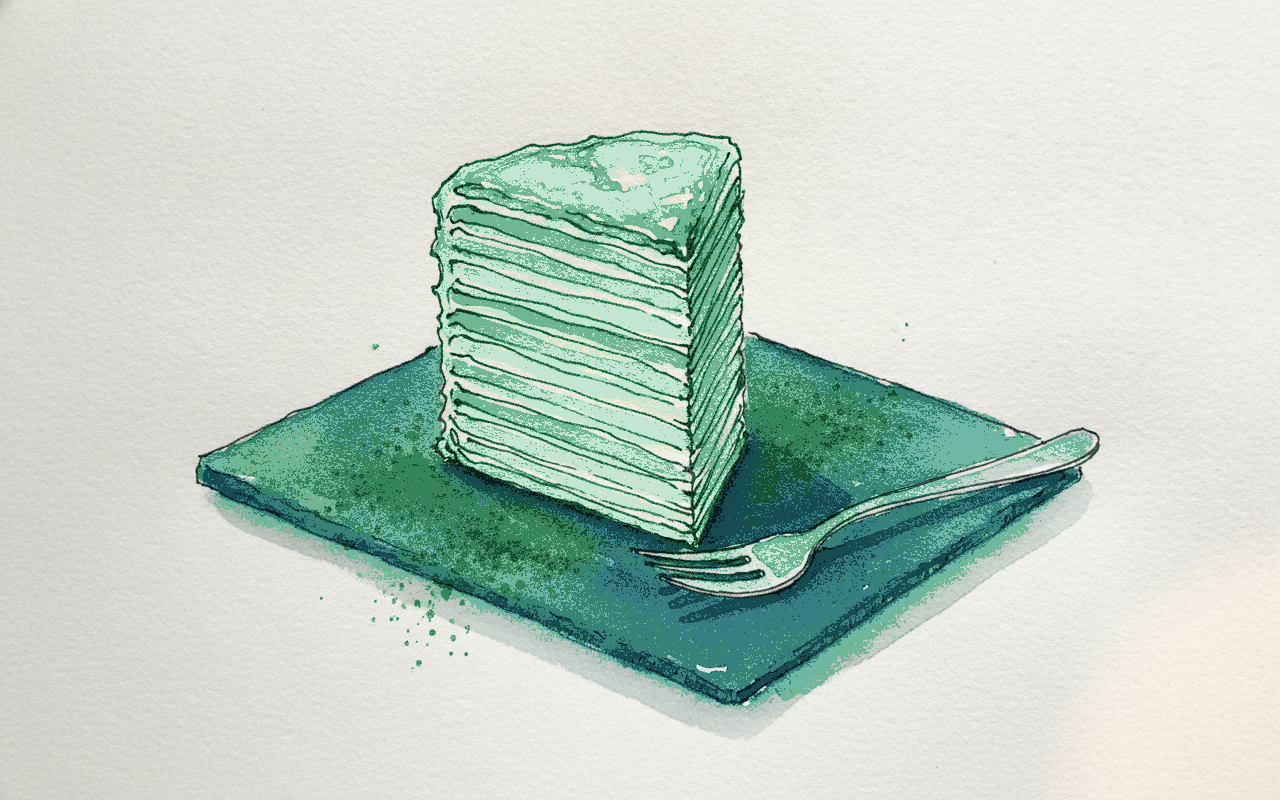
This mille-crêpe slice is an excellent study in rendering fine, repetitive detail and subtle value shifts. Practice distinguishing the twenty paper-thin layers by employing an extremely light, consistent line weight for their edges, letting very dilute, controlled washes define the alternating pale crêpe and ivory cream. Pay attention to how the darker background of the slate and the rougher texture of the bruleed top enhance these delicate contrasts.
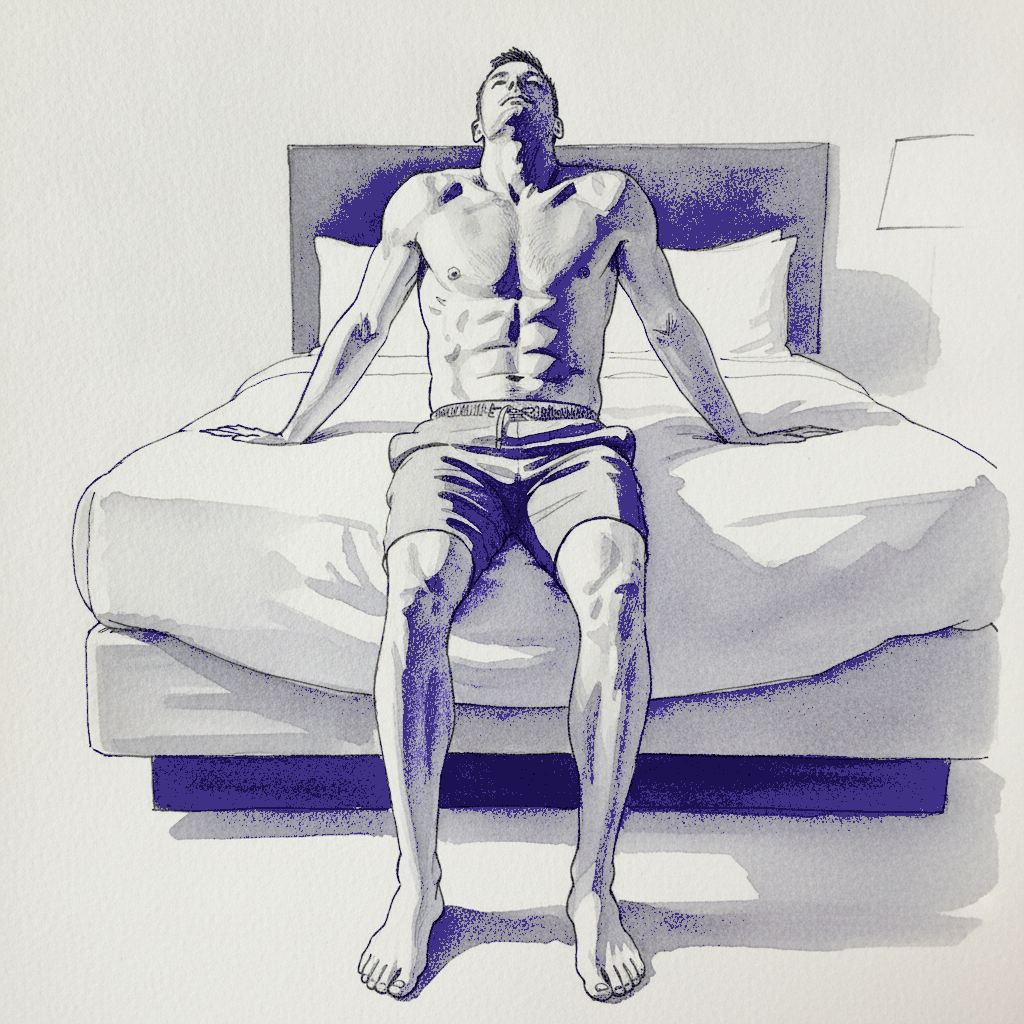
Piece 8 — Hotel bed edge, severe recline
Pen + Watercolor · Loose pen and watercolor line-and-wash
Three takes

Focus for this piece
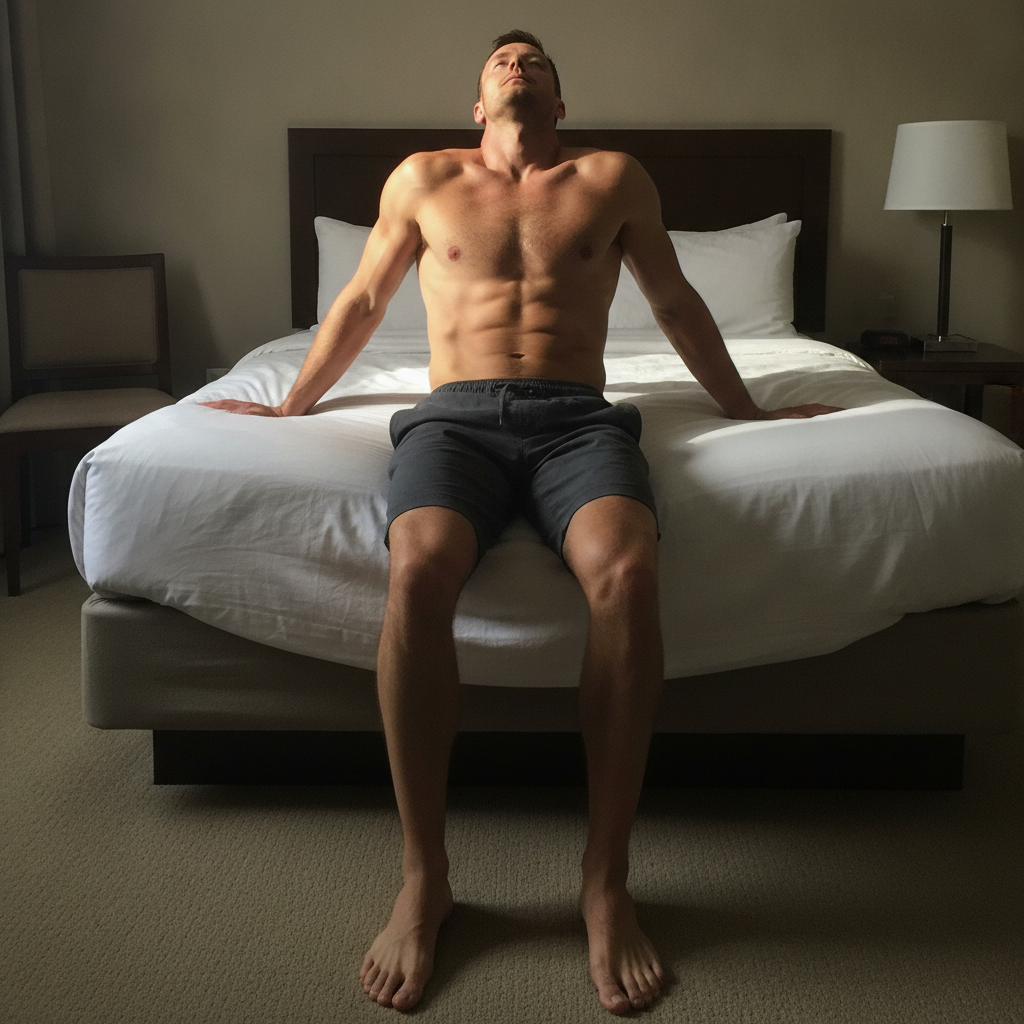
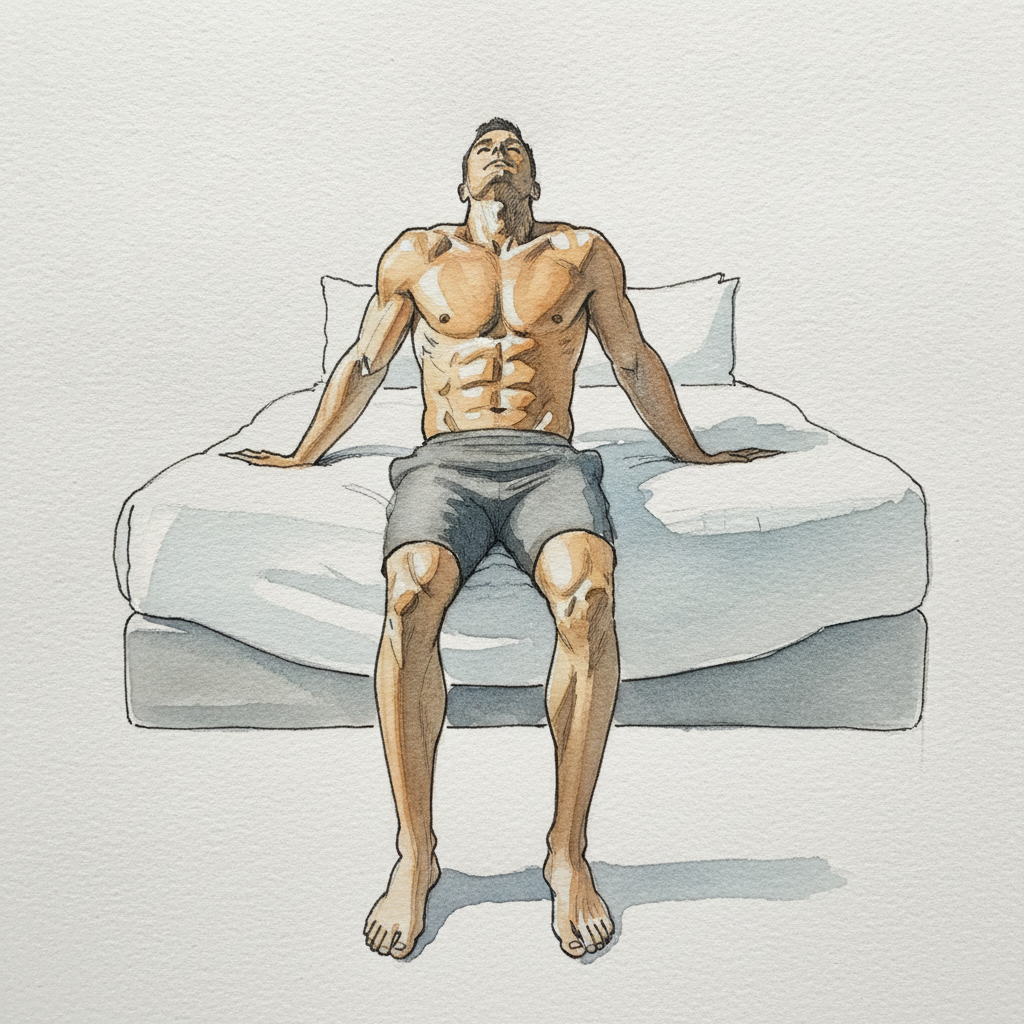
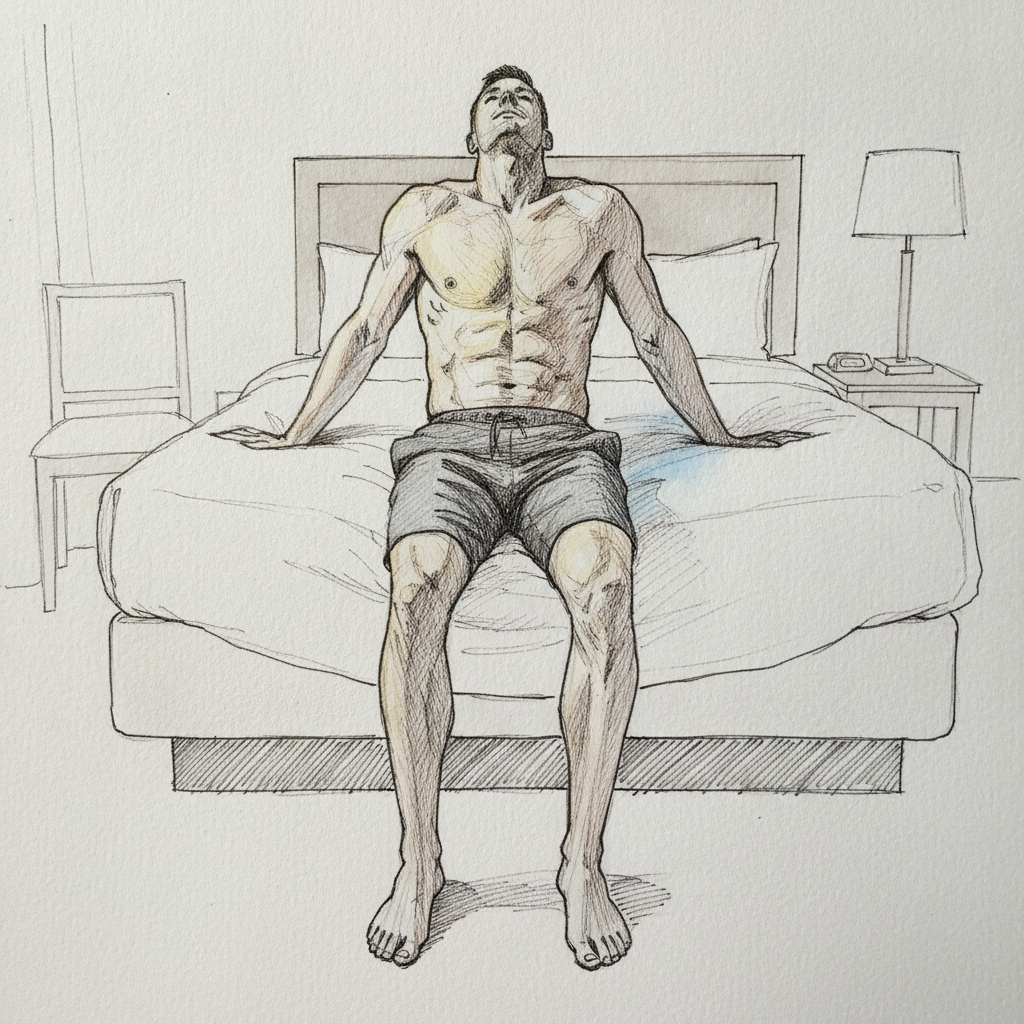
This piece offers a great study in rendering the human form's volume through the interplay of pen lines and temperature-driven watercolor washes. Use varied ink line weights to define the core structural edges of the reclined torso and developed muscles, allowing softer lines for the bedding. Next, build the dramatic warm light and cool shadows across the chest and abdomen with layered washes, emphasizing how the watercolor models form and creates depth where the pen provides structure, rather than just outlining.