The reading slump, Door of a Pole Barn in Iowa, Modern 2024 home office setup, Cape Cod fisherman's living room, and more — pen + watercolor for August 12, 2026
AI-generated daily art-practice references for pen and watercolor: The reading slump, Door of a Pole Barn in Iowa, Modern 2024 home office setup, Cape Cod fisherman's living room, Bassein Fort, Vasai, India, Computer lab in school, Savoy cabbage, Kiyomizu-dera, Kyoto, Japan.
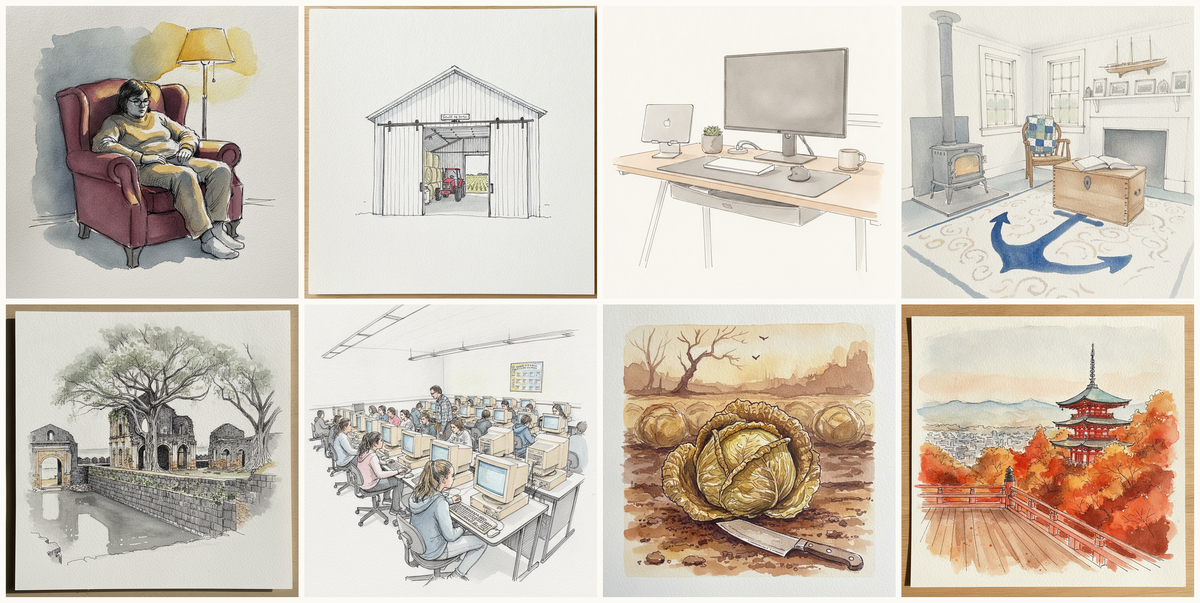
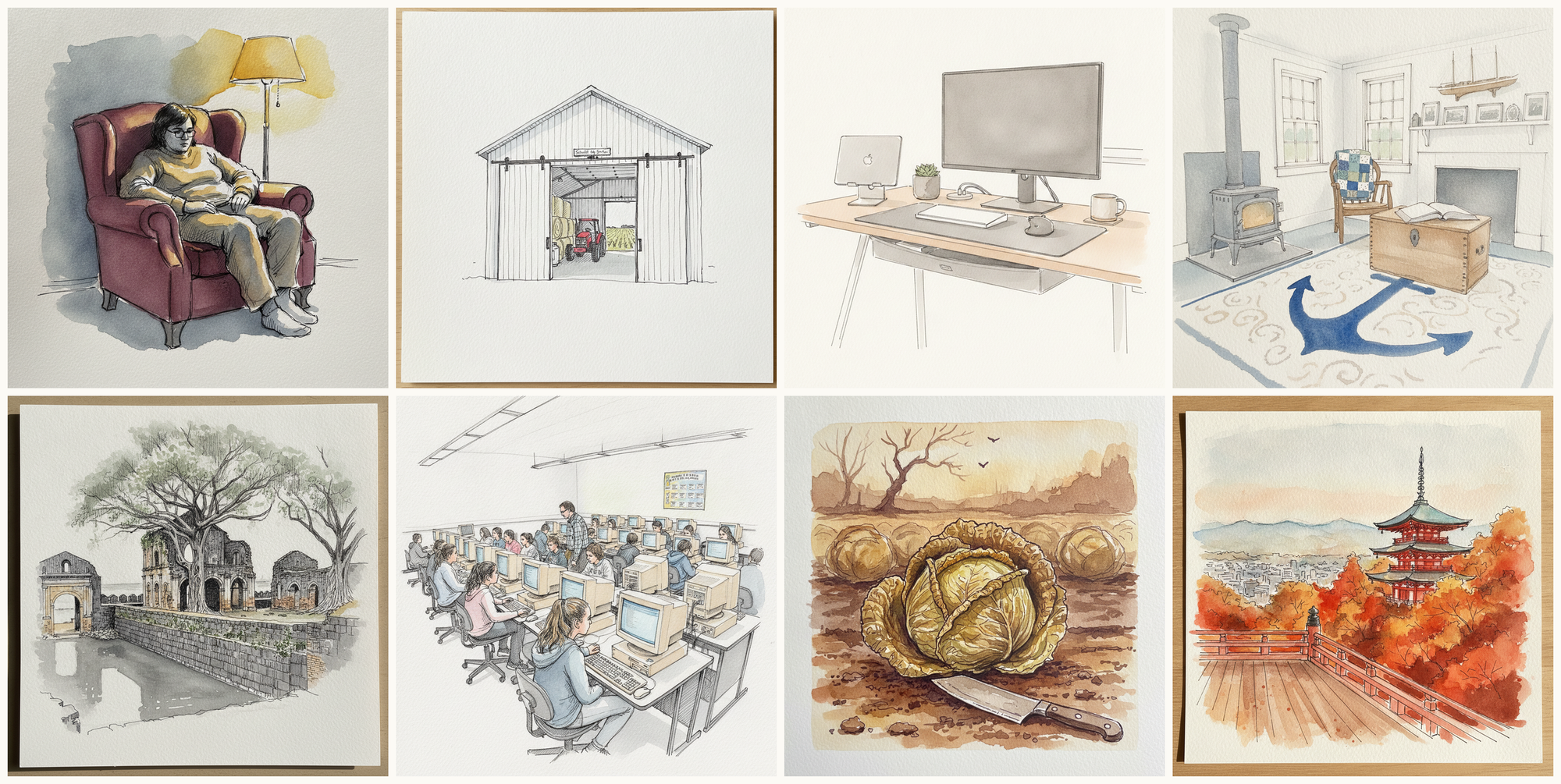
Today's 8 pen-and-watercolor pieces: The reading slump, Door of a Pole Barn in Iowa, Modern 2024 home office setup, Cape Cod fisherman's living room, Bassein Fort, Vasai, India, Computer lab in school, Savoy cabbage, Kiyomizu-dera, Kyoto, Japan. Each piece comes with an AI-generated photoreal reference, three AI-generated example artworks in different treatments, and a short focus paragraph naming what to study in this one.
Why these references use AI
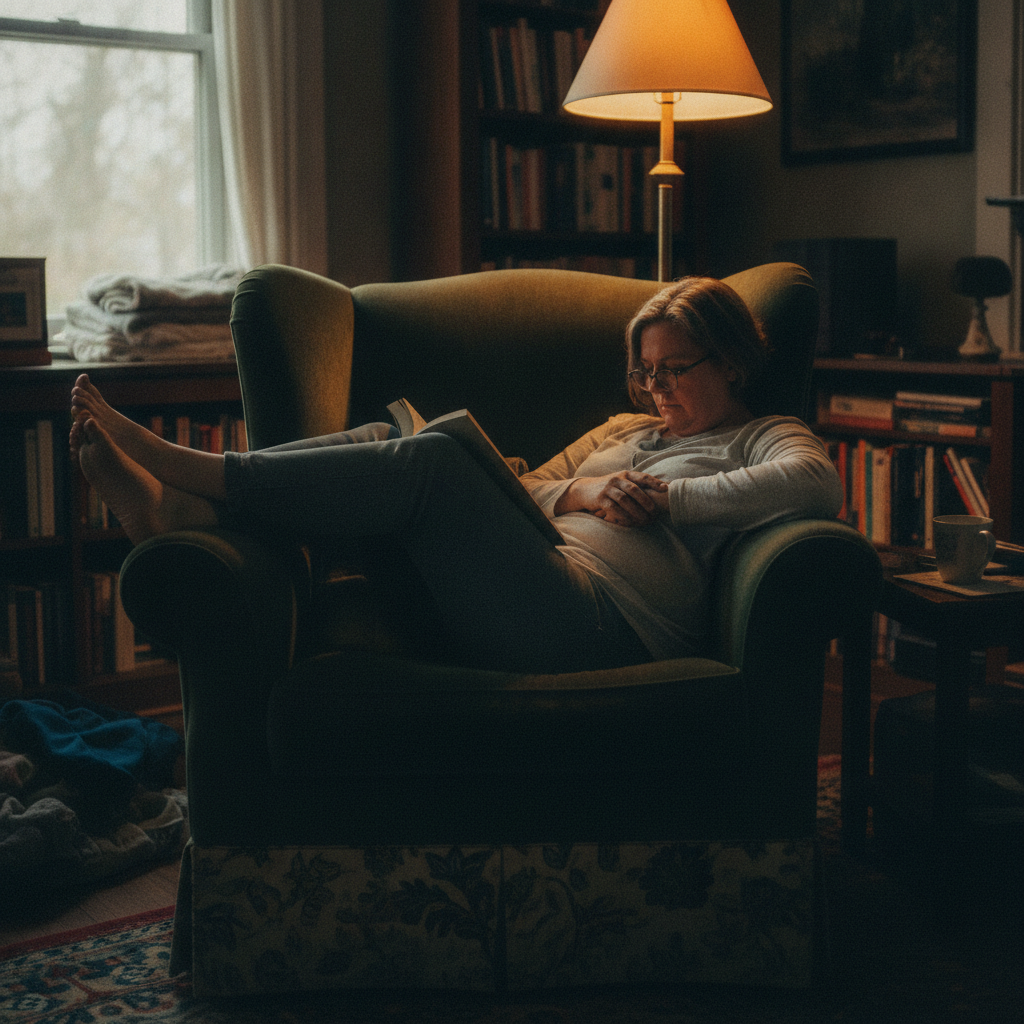
This daily series uses AI-generated images as practice prompts, not as finished artwork to copy. Each subject starts with a synthetic photoreal reference generated with Gemini/Nano Banana, then moves into three pen-and-watercolor interpretations of the same subject.
I use AI here because daily art practice needs variety and low friction. Real life can get repetitive, busy, or visually narrow. These generated reference sets make it easier to study bodies, buildings, animals, landscapes, objects, gestures, light, palettes, and compositions that might not show up in an ordinary day.
The goal is not to reproduce any image directly. Treat each set as a starting point for observation and study: choose what interests you, change the framing, simplify the subject, alter the palette, and make your own version.
Piece 1 — The reading slump
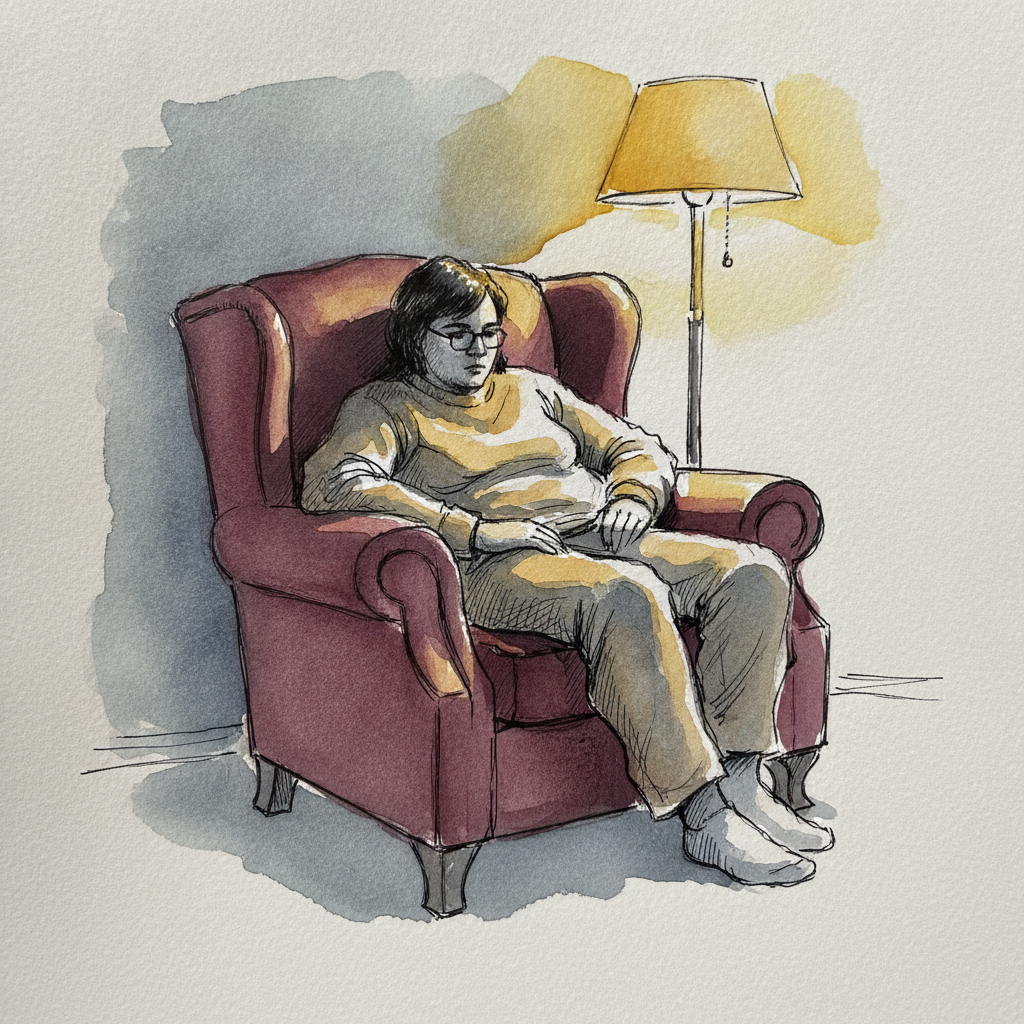
Pen + Watercolor · Loose pen and watercolor line-and-wash
Three takes
Focus for this piece
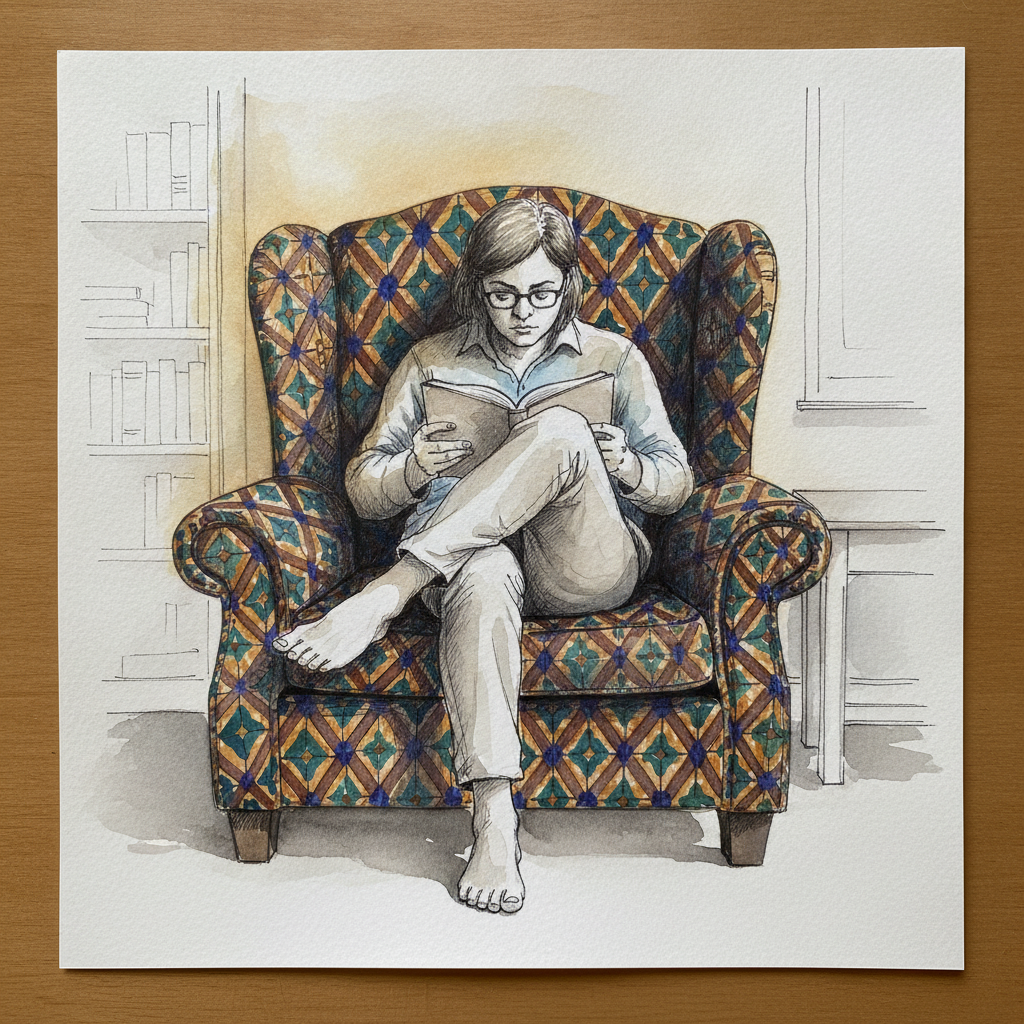
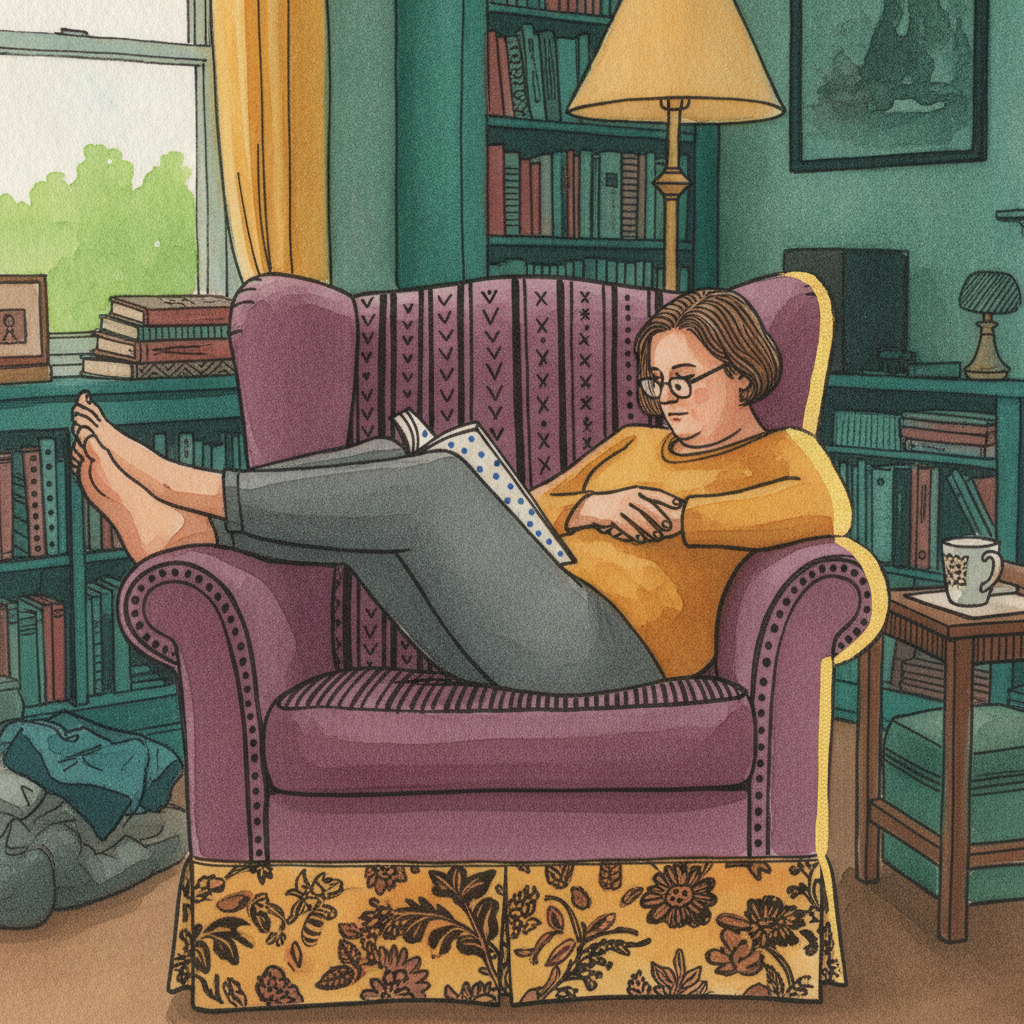
This piece offers an excellent study in conveying soft, absorbed weight through careful value planning and varied edge treatment. Use generous wet-on-wet washes to build the deep shadows of the armchair's silhouette and the subtle volume of the body, allowing watercolor to create soft transitions and the "golden rim light" effect. Your pen lines should then act as selective accents, using a lighter hand and perhaps broken lines around the backlit edges, while applying more confident, descriptive lines only where crisp definition is truly needed, such as the glasses or the brace of the feet.
Piece 2 — Door of a Pole Barn in Iowa
Pen + Watercolor · Loose pen and watercolor line-and-wash
Three takes
Focus for this piece
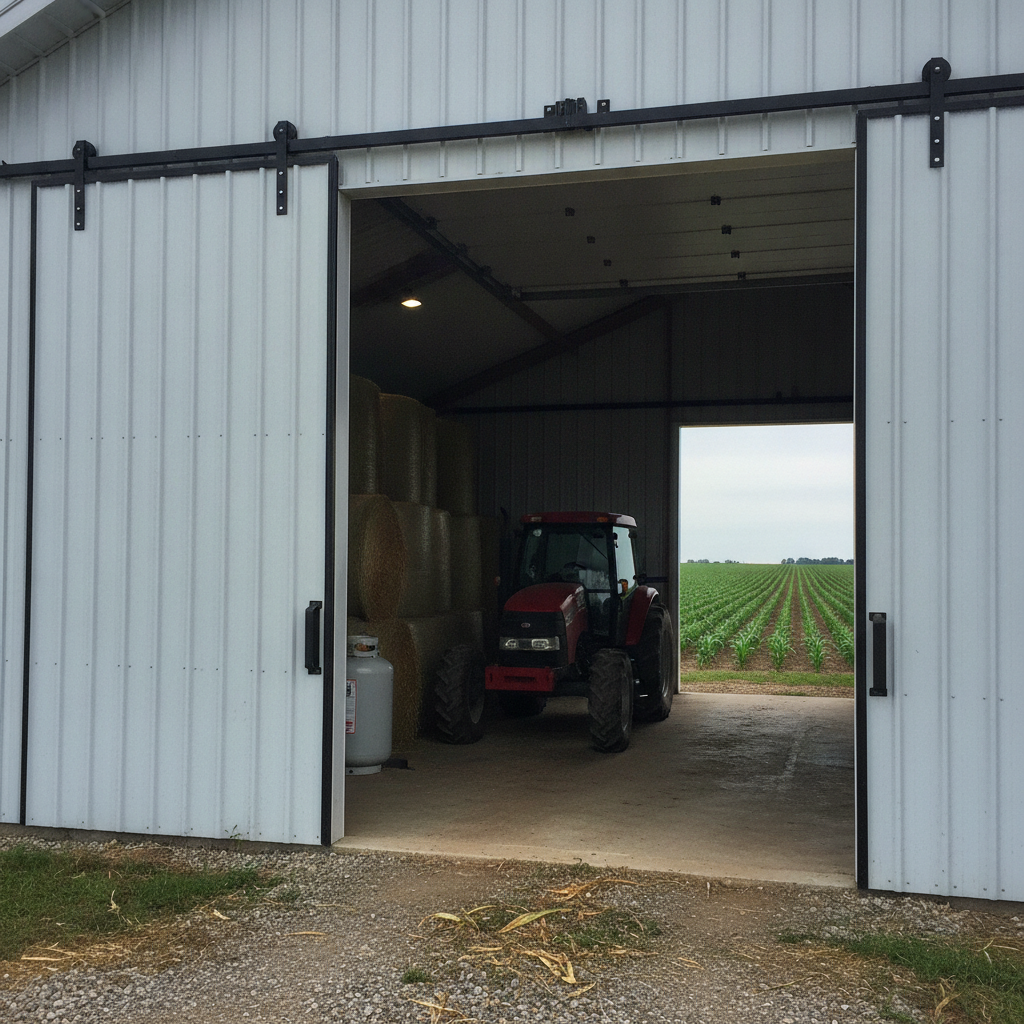
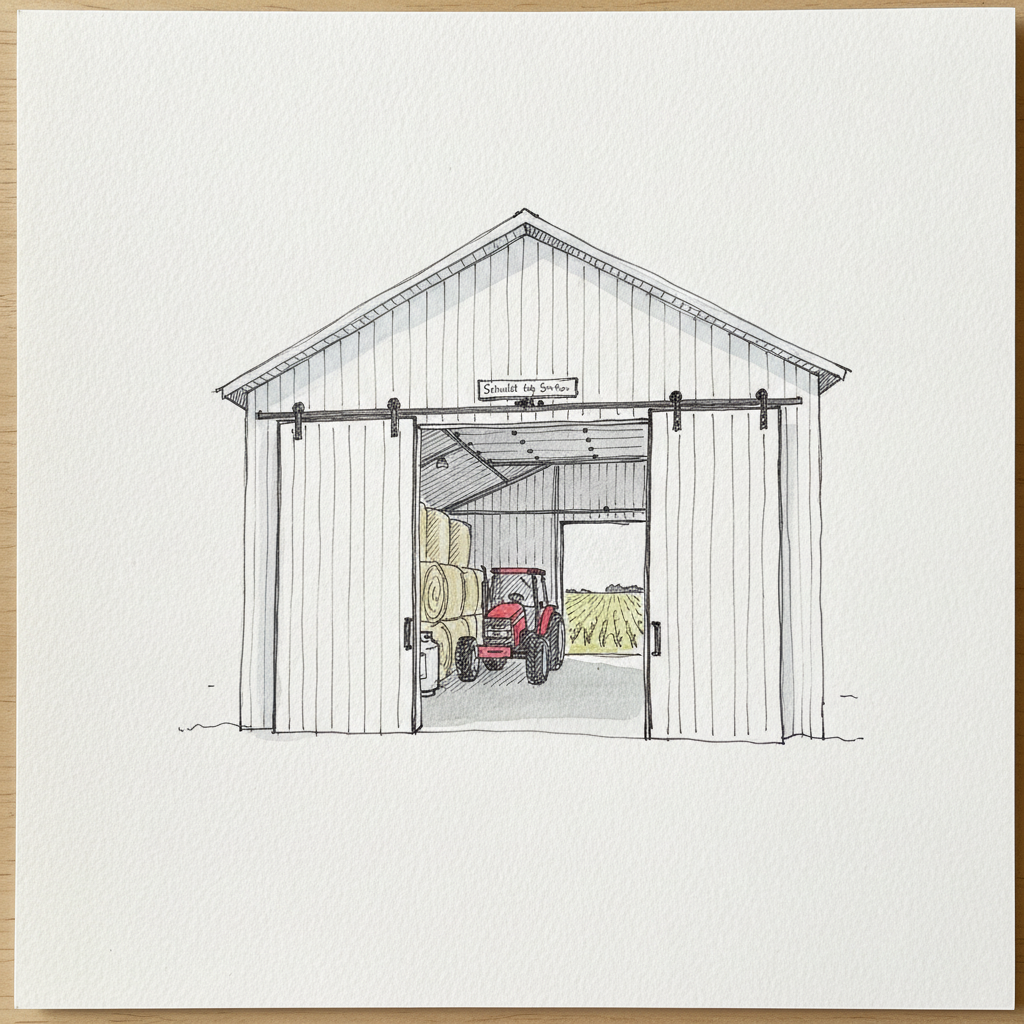
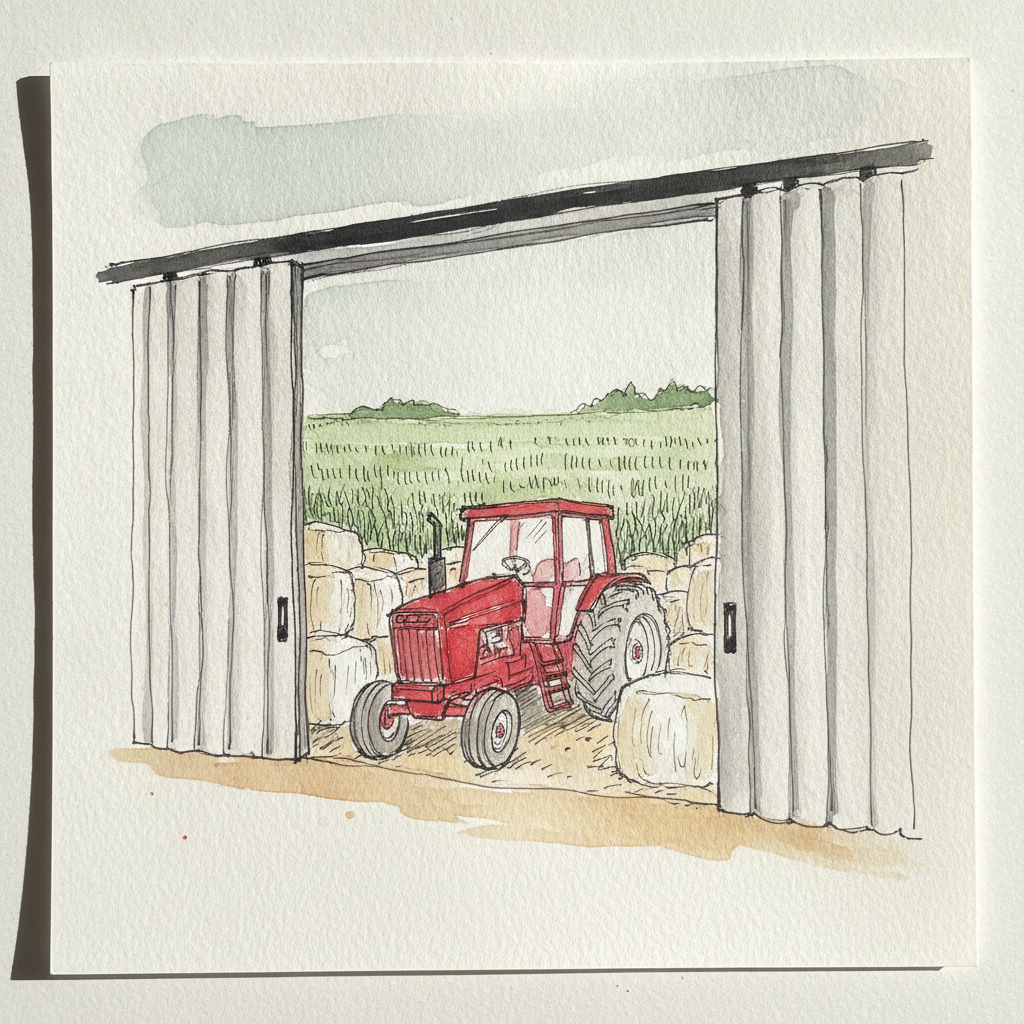
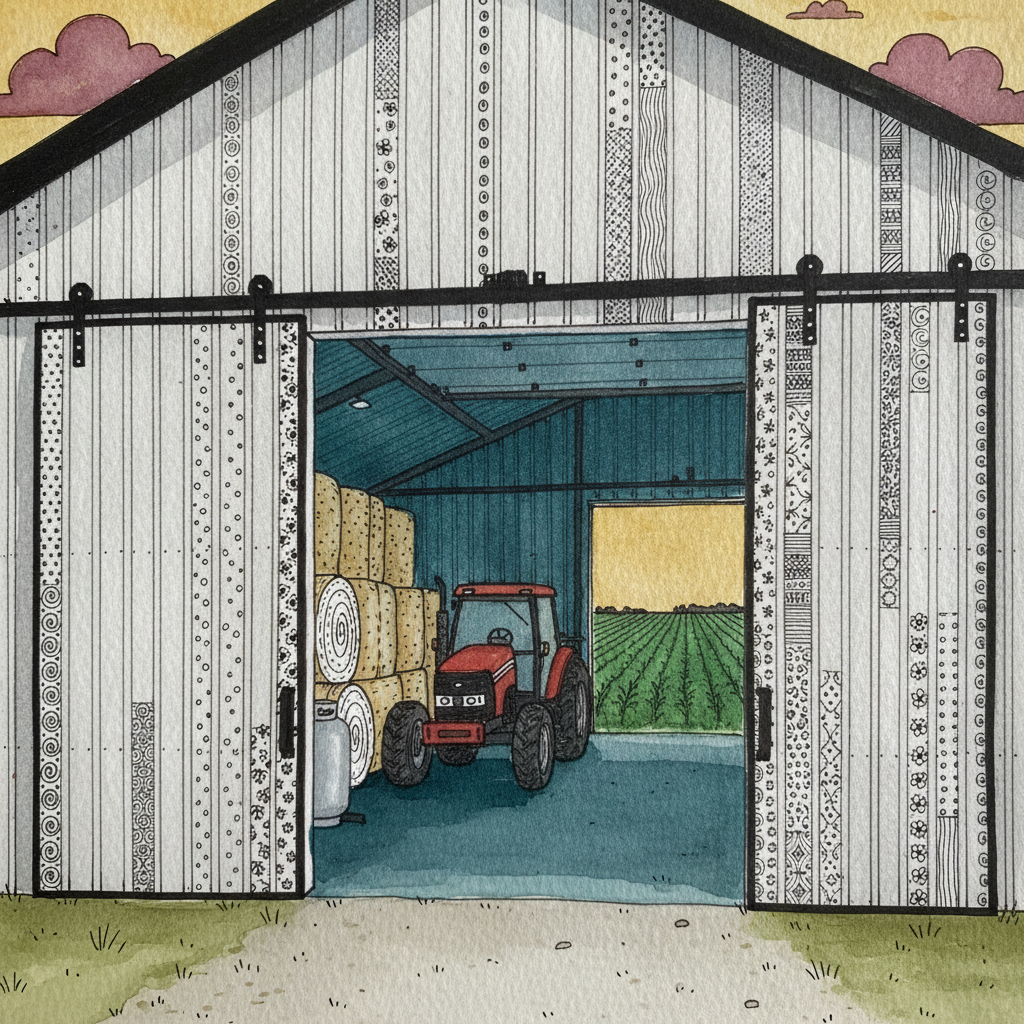
Today's pole barn door is an excellent study in creating depth through contrast and atmospheric perspective. Use crisp, deliberate pen lines and cool, understated washes for the foreground's galvanized steel and heavy hardware to establish the structure. Then, transition to lighter line weights and softer, slightly warmer washes to push the interior tractor, bales, and distant corn rows into the background, effectively framing the farm's activity.
Piece 3 — Modern 2024 home office setup
Pen + Watercolor · Loose pen and watercolor line-and-wash
Three takes


Focus for this piece
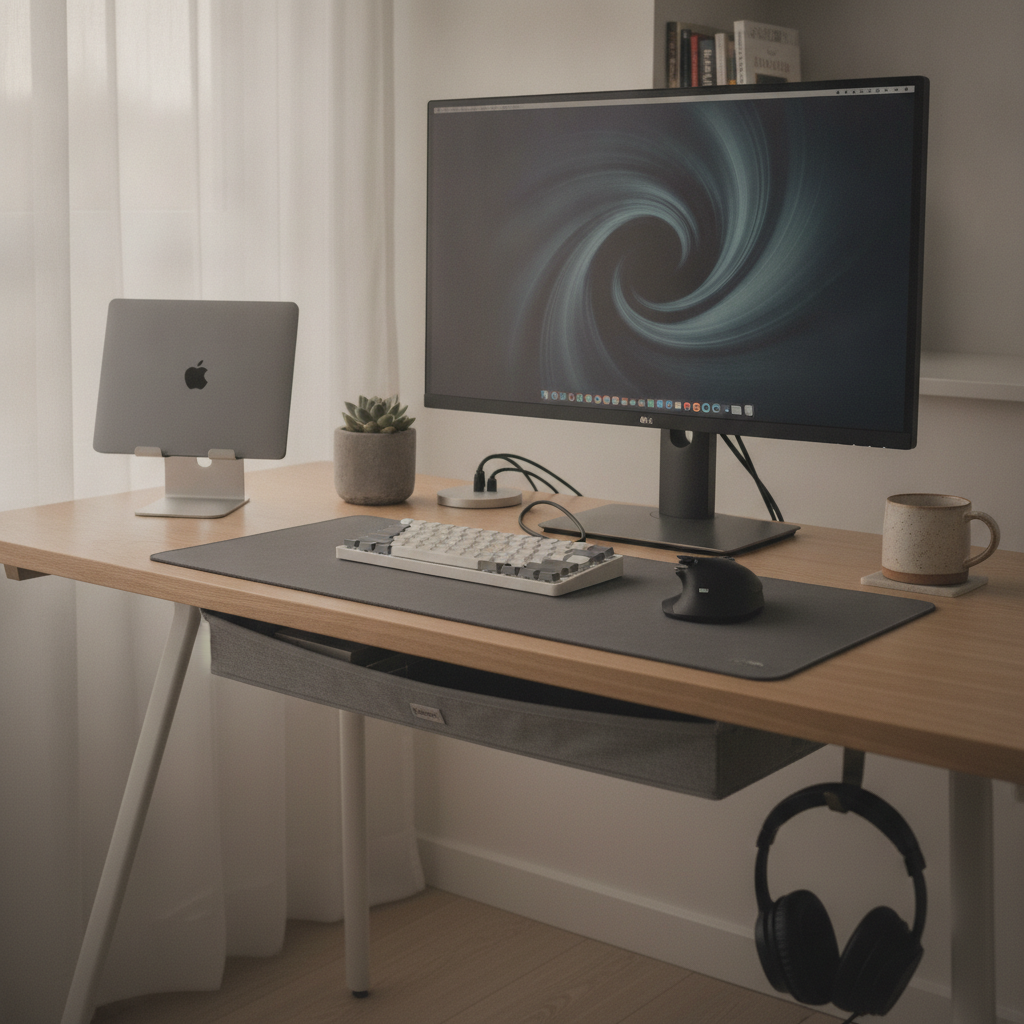
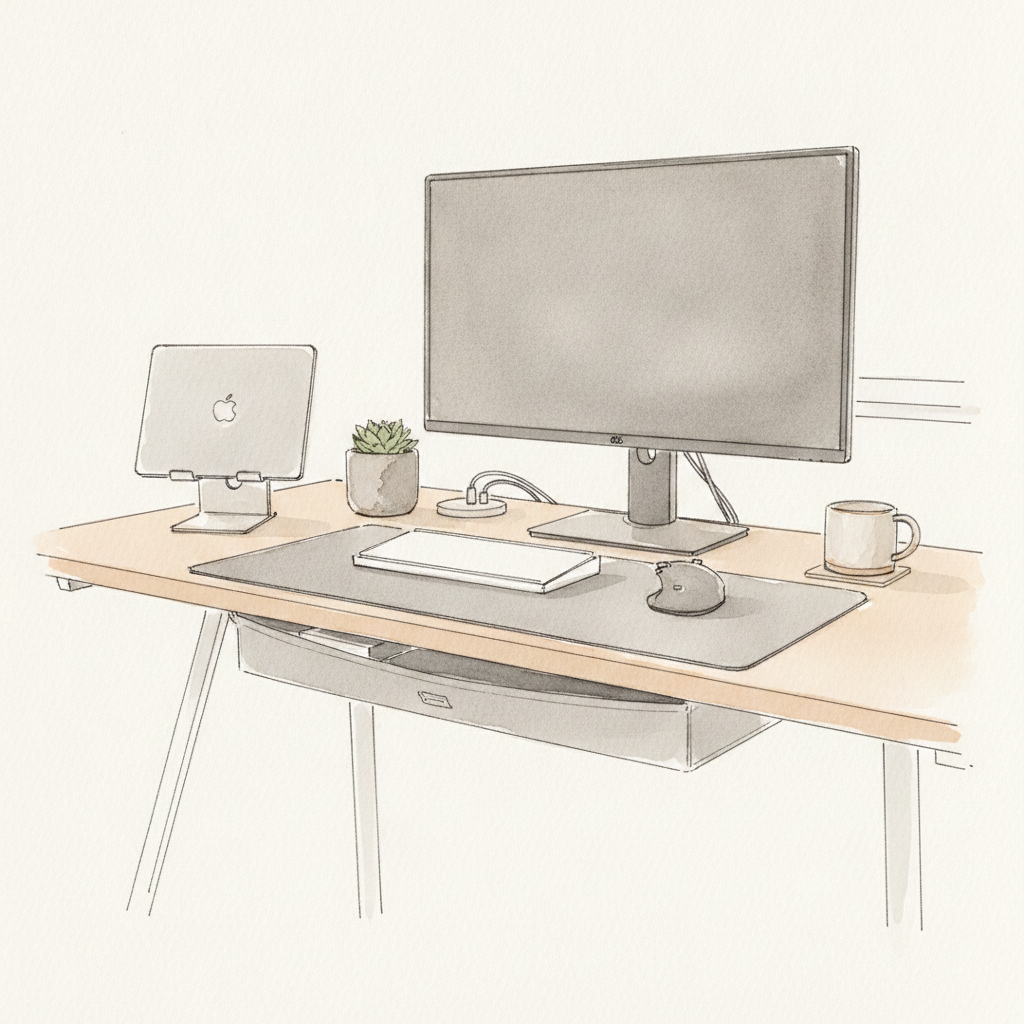
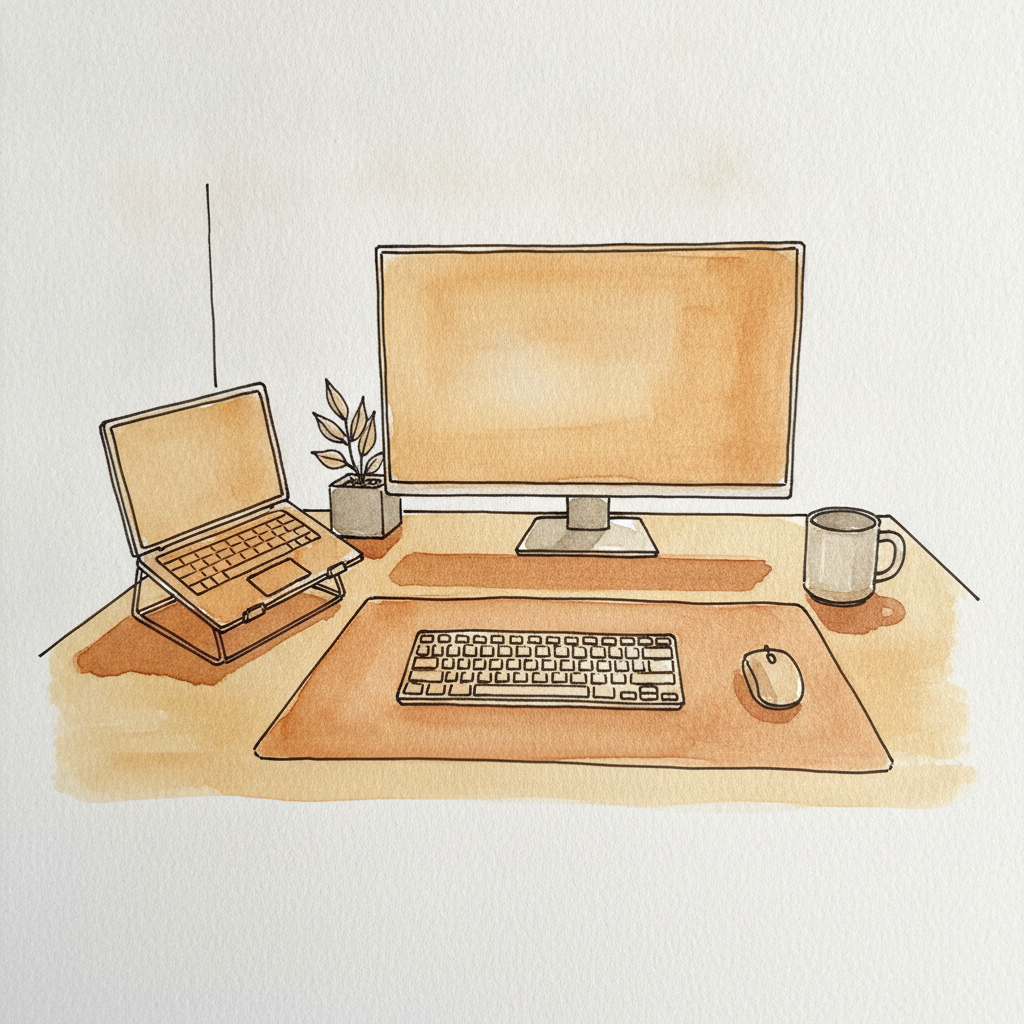
This piece offers an excellent study in balancing crisp pen lines with soft watercolor washes to render a clean, modern aesthetic. Focus on using varied line weights to define the distinct geometric forms of the desk, monitor, and keyboard, emphasizing their hard edges and precise construction. Then, employ controlled wet-on-wet washes and subtle wet-on-dry layering with a limited, analogous palette to capture the muted, even glow of the afternoon light and unify the atmospheric quality without harsh contrasts. Pay close attention to how soft washes can suggest the reflective surfaces and the gentle diffusion of light from the sheer-curtained window.
Piece 4 — Cape Cod fisherman's living room
Pen + Watercolor · Loose pen and watercolor line-and-wash
Three takes
Focus for this piece
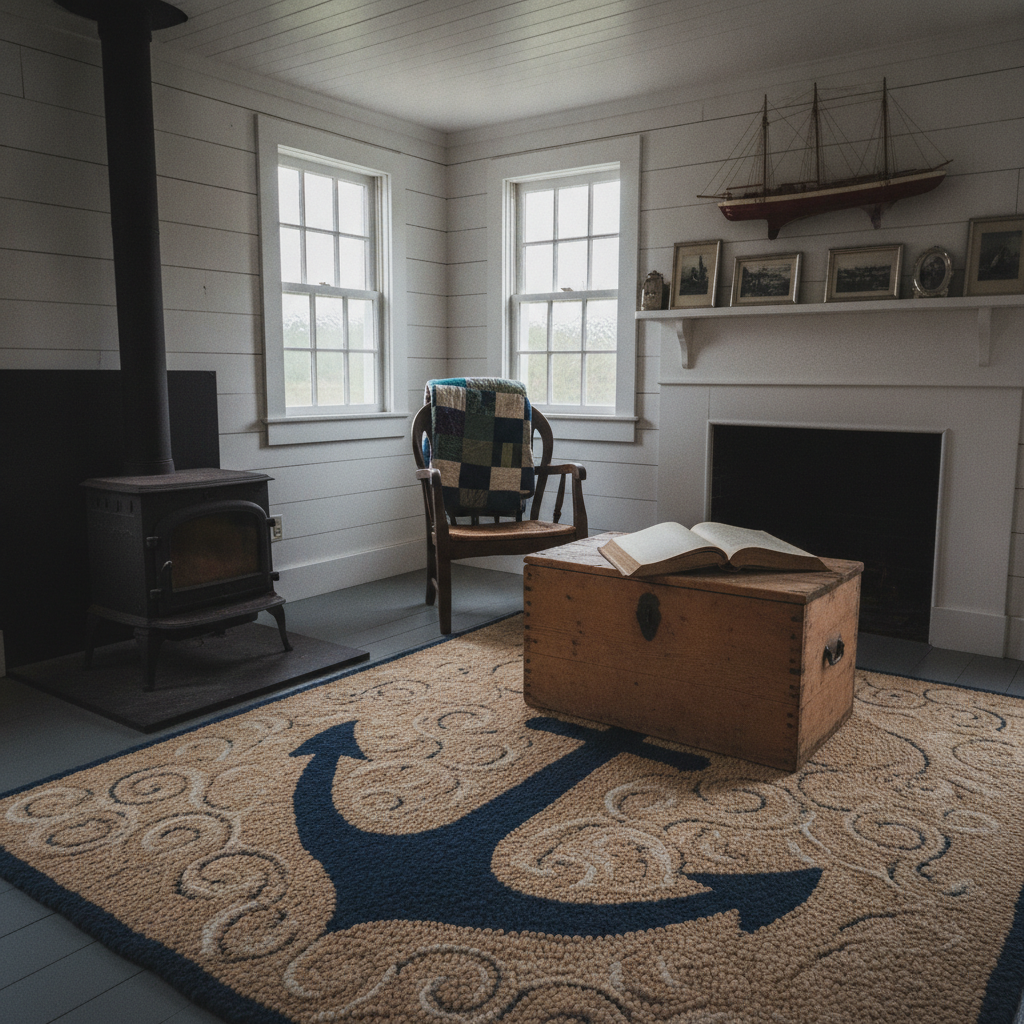
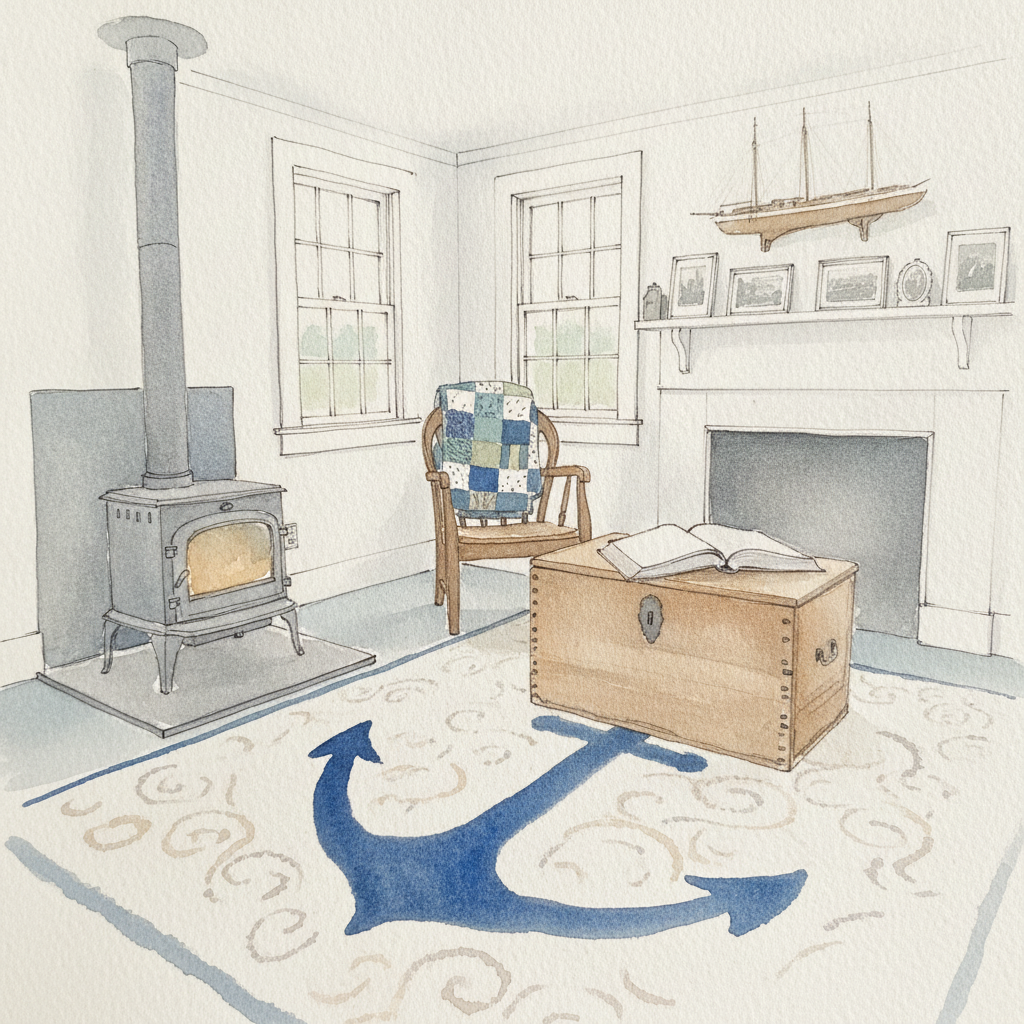
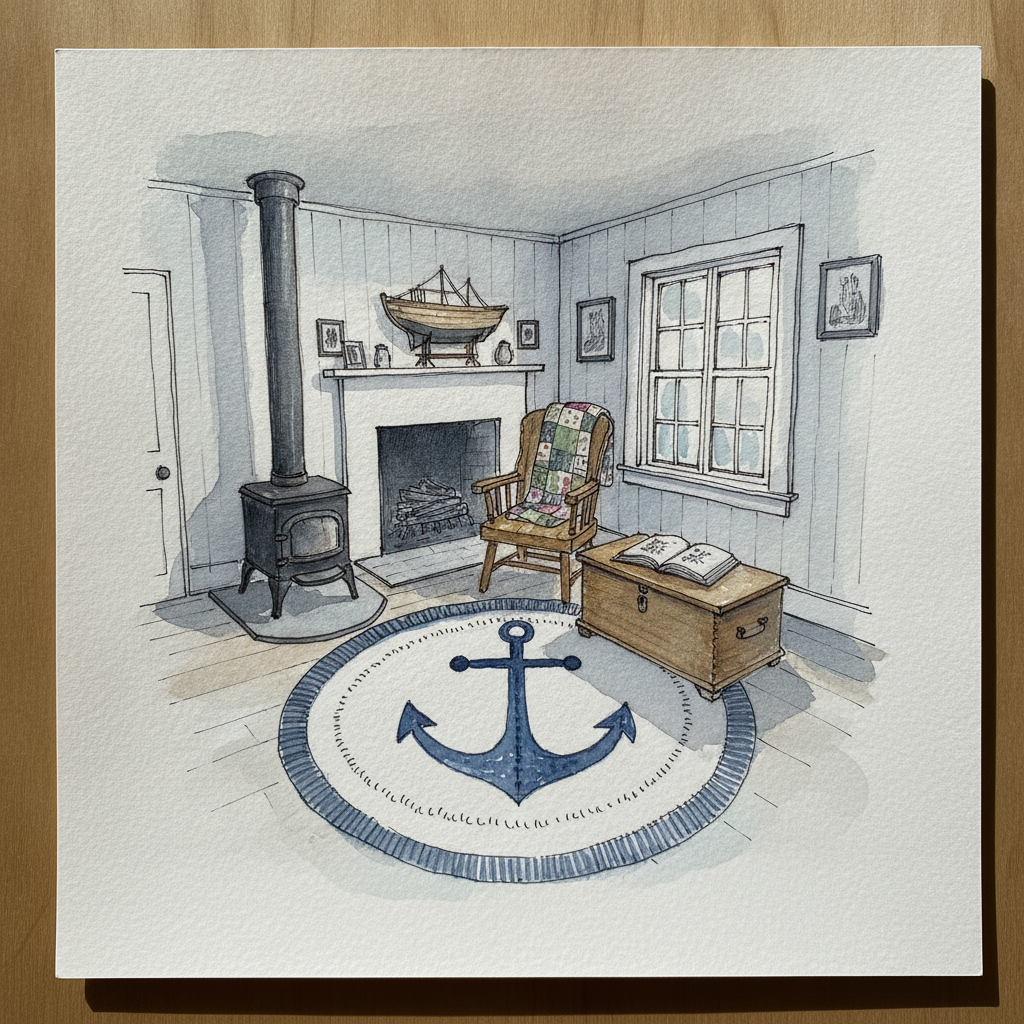
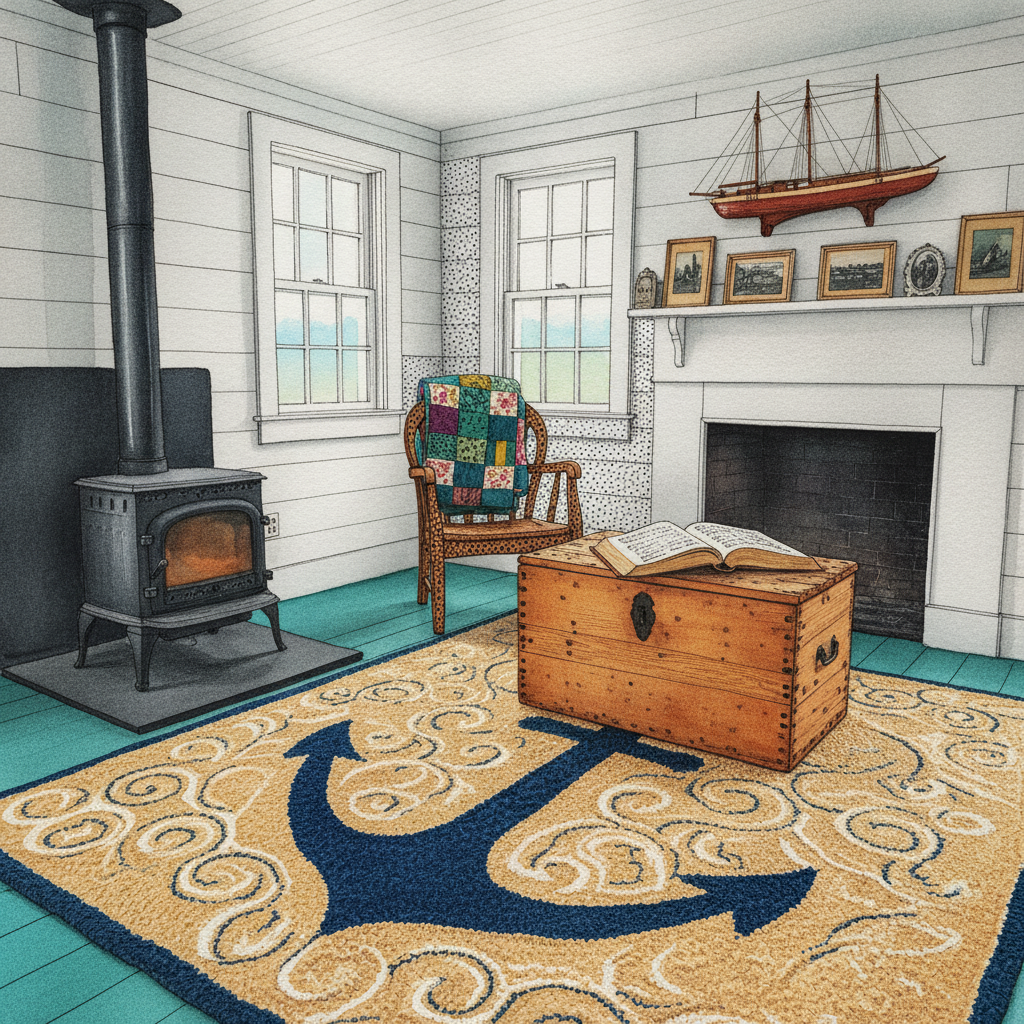
This piece offers a strong opportunity to study how line weight and wash wetness differentiate varied textures and materials within a single scene. Focus on establishing the distinct qualities of the rough hooked rug versus the smooth, cool metal of the pot-bellied stove, using fine, deliberate lines for structure and then carefully controlled wet-on-dry washes to build up their unique surface appearances. Pay close attention to how the soft, cool light from the left illuminates these textures, using atmospheric washes to suggest form and volume without overwhelming the underlying detail.
Piece 5 — Bassein Fort, Vasai, India
Pen + Watercolor · Loose pen and watercolor line-and-wash
Three takes

Focus for this piece
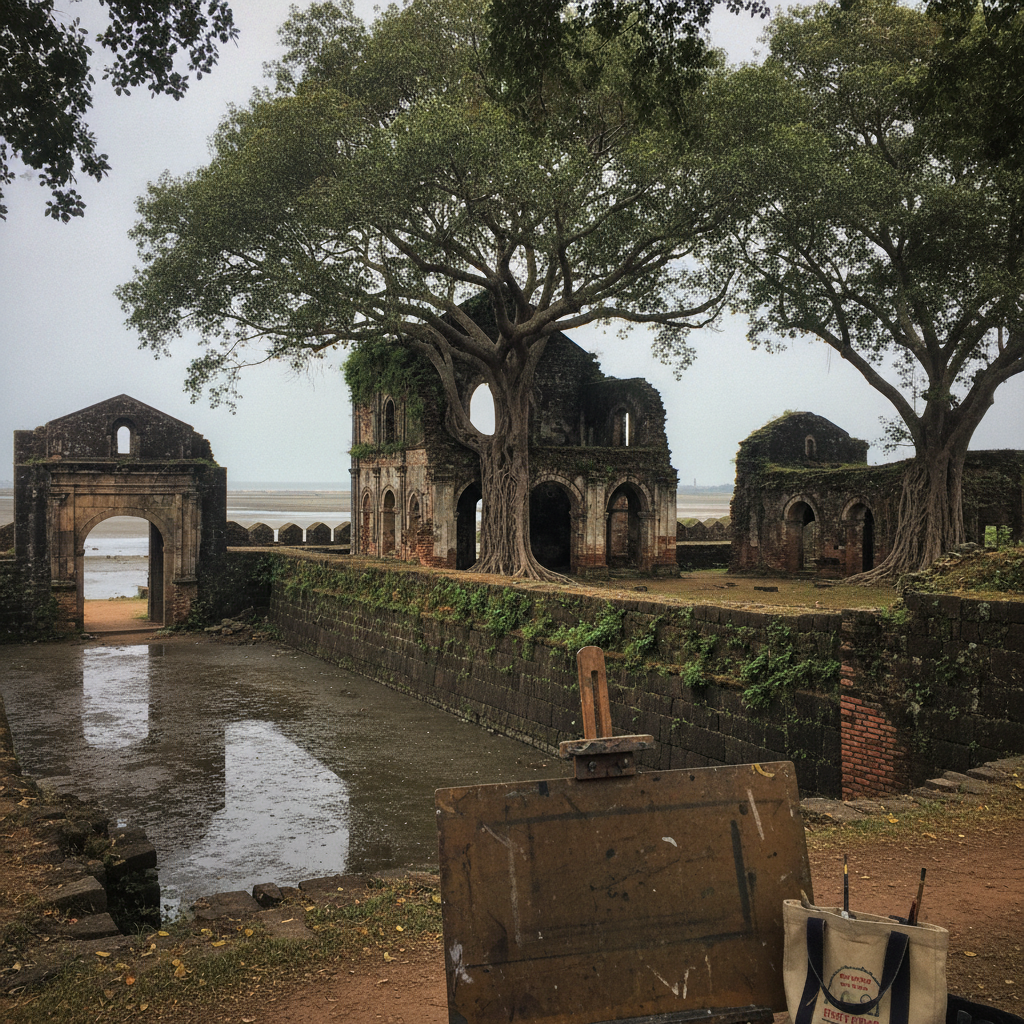
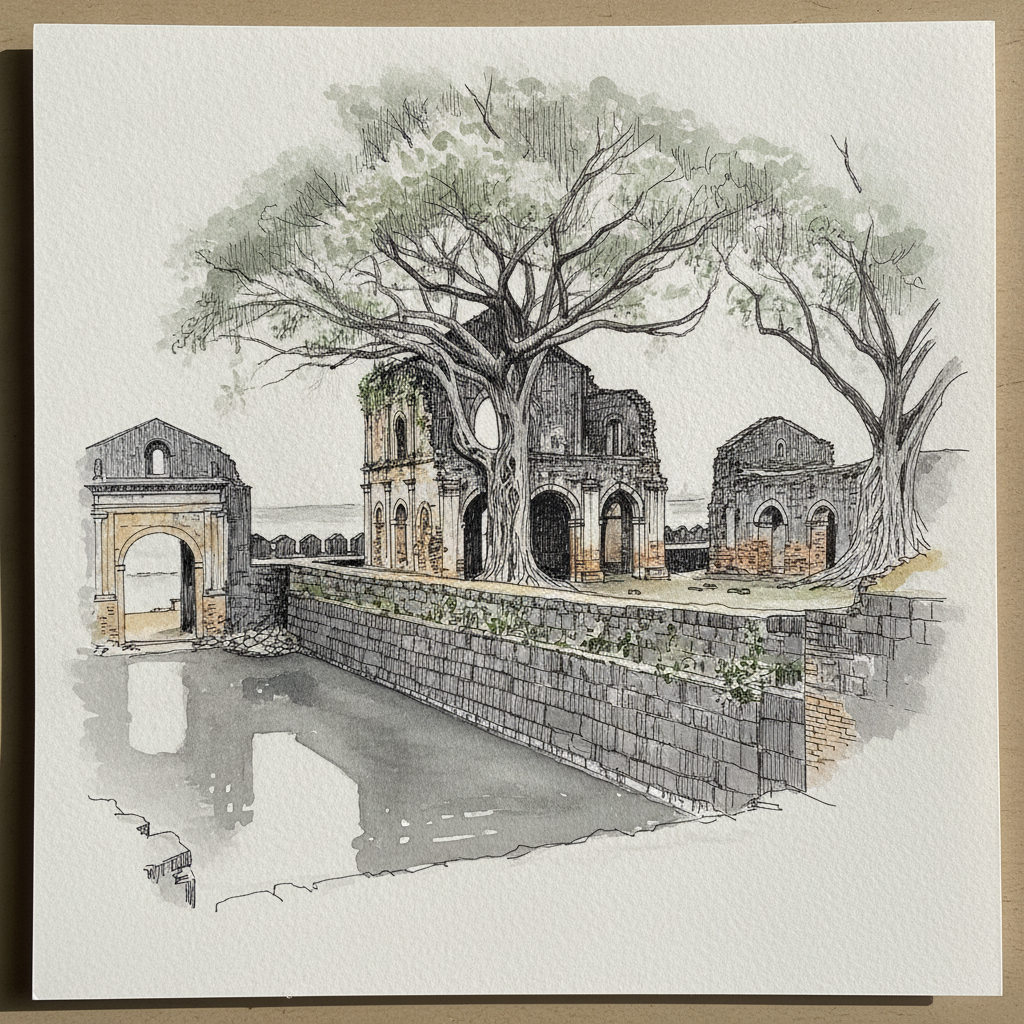
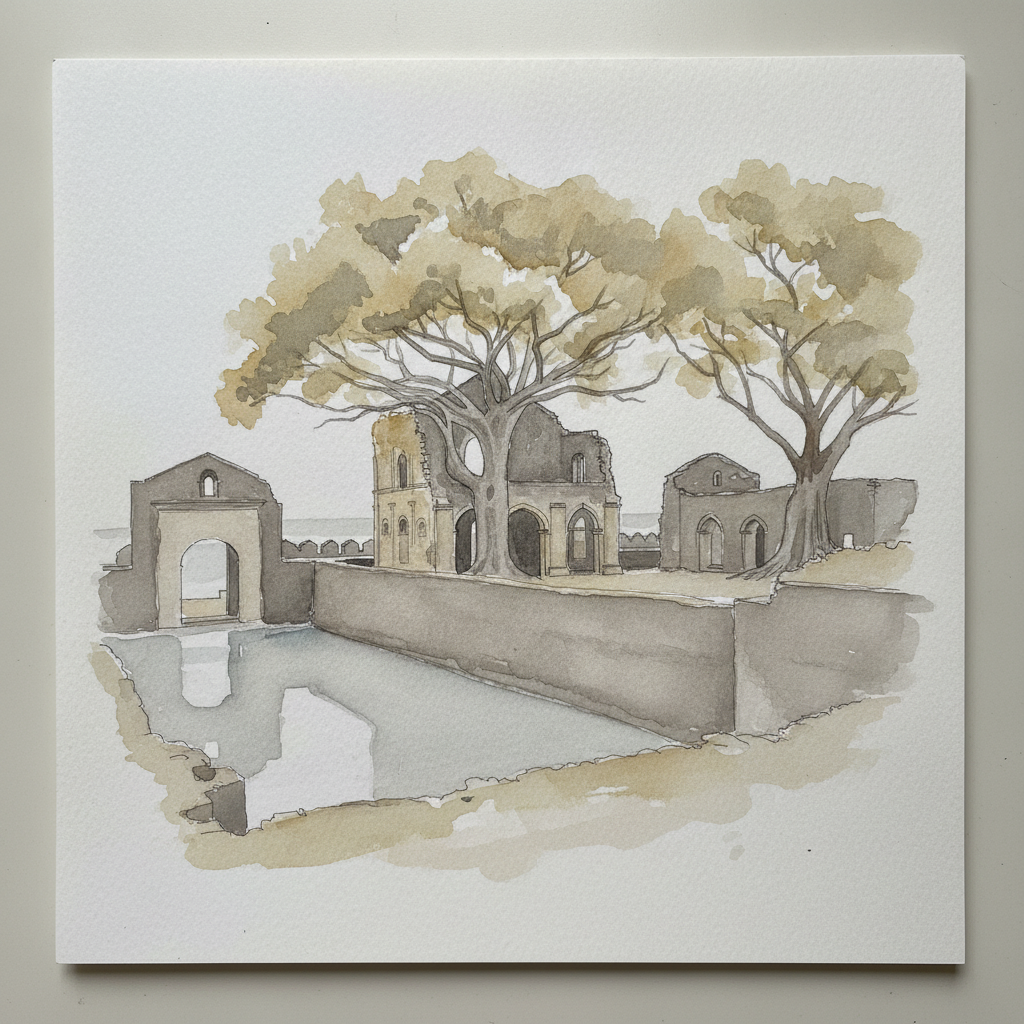
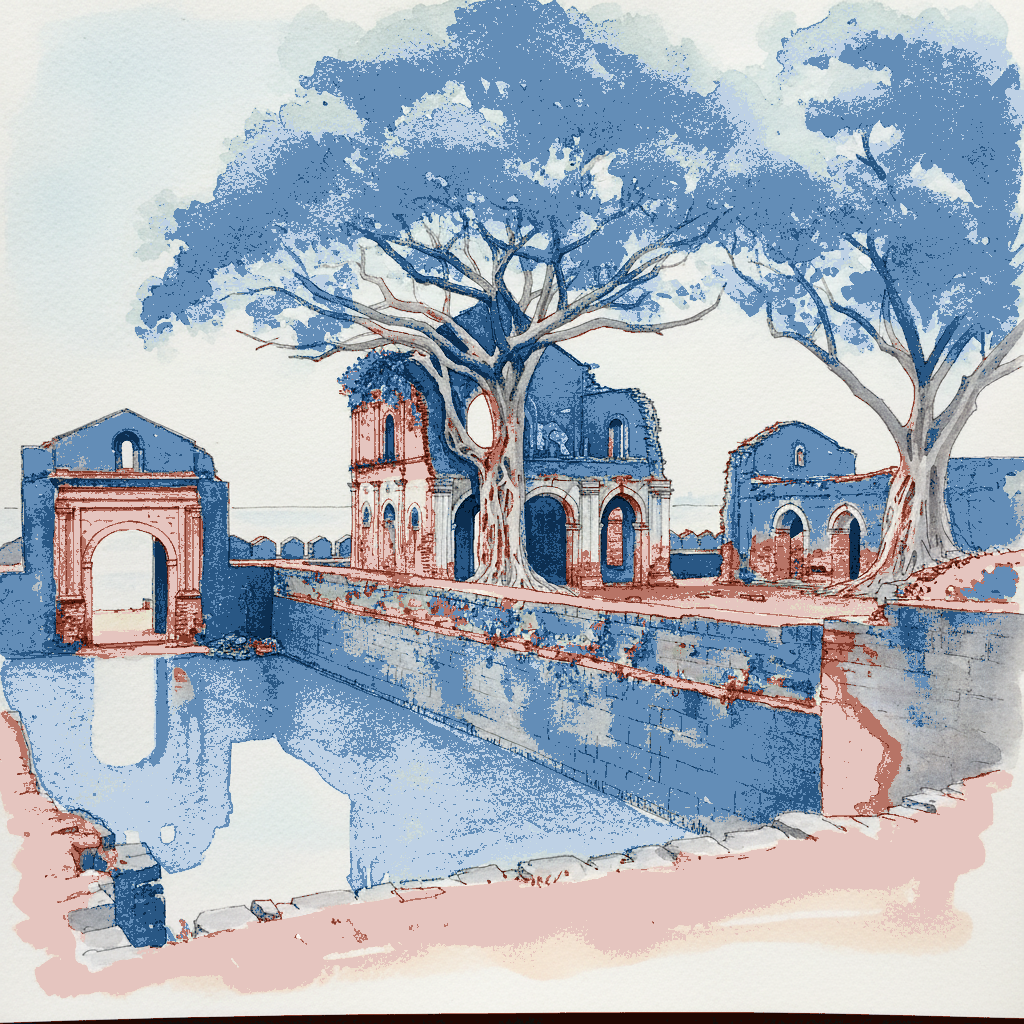
For Bassein Fort, practice distinguishing between man-made decay and natural encroachment through your pen and wash choices. Use crisp, varied line weights to articulate the hard, broken edges of the basalt and laterite walls, letting the ink firmly define their structure. Then, apply soft, varied washes, perhaps using a limited earthy palette, to suggest the banyan trees' volumetric foliage and the salt marsh's fluid textures. This approach allows the ink to provide precise form while the watercolor integrates the ruins into their atmospheric, natural setting.
Piece 6 — Computer lab in school
Pen + Watercolor · Loose pen and watercolor line-and-wash
Three takes
Focus for this piece
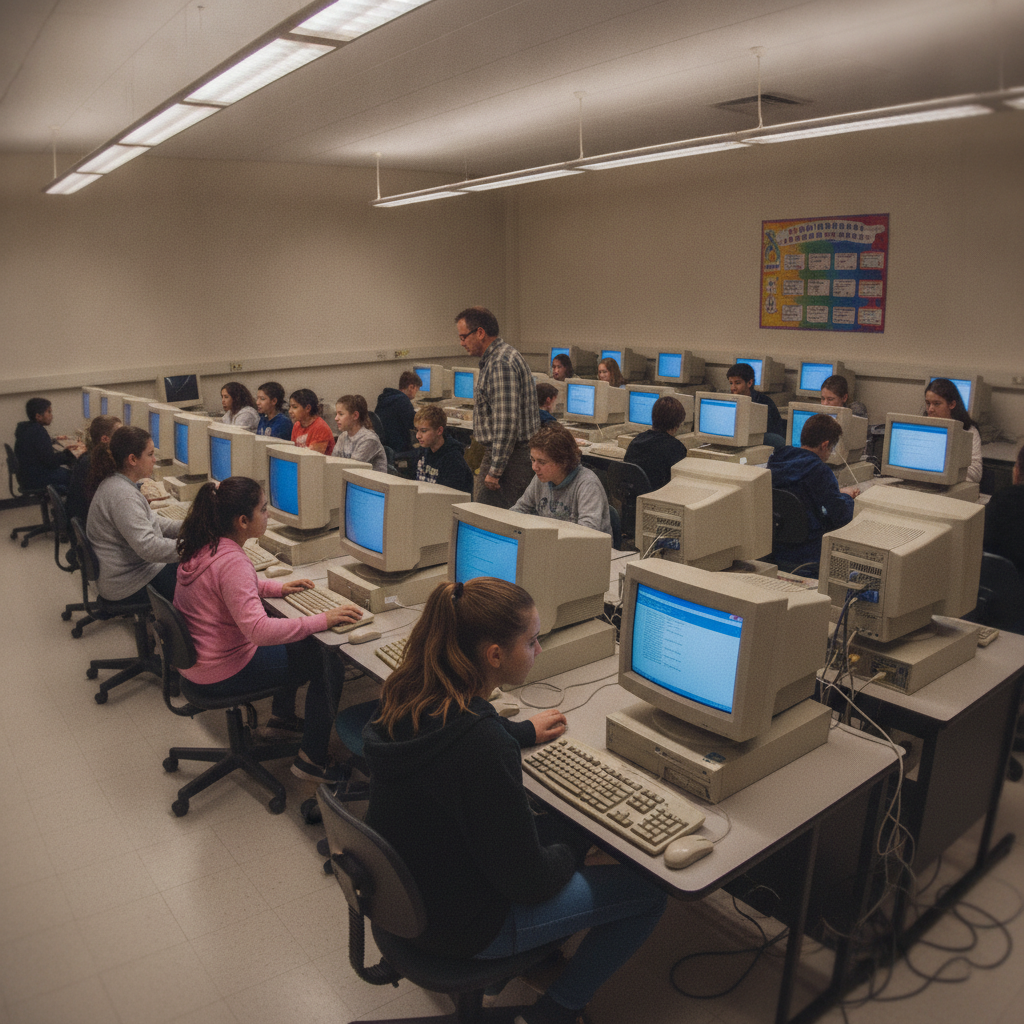
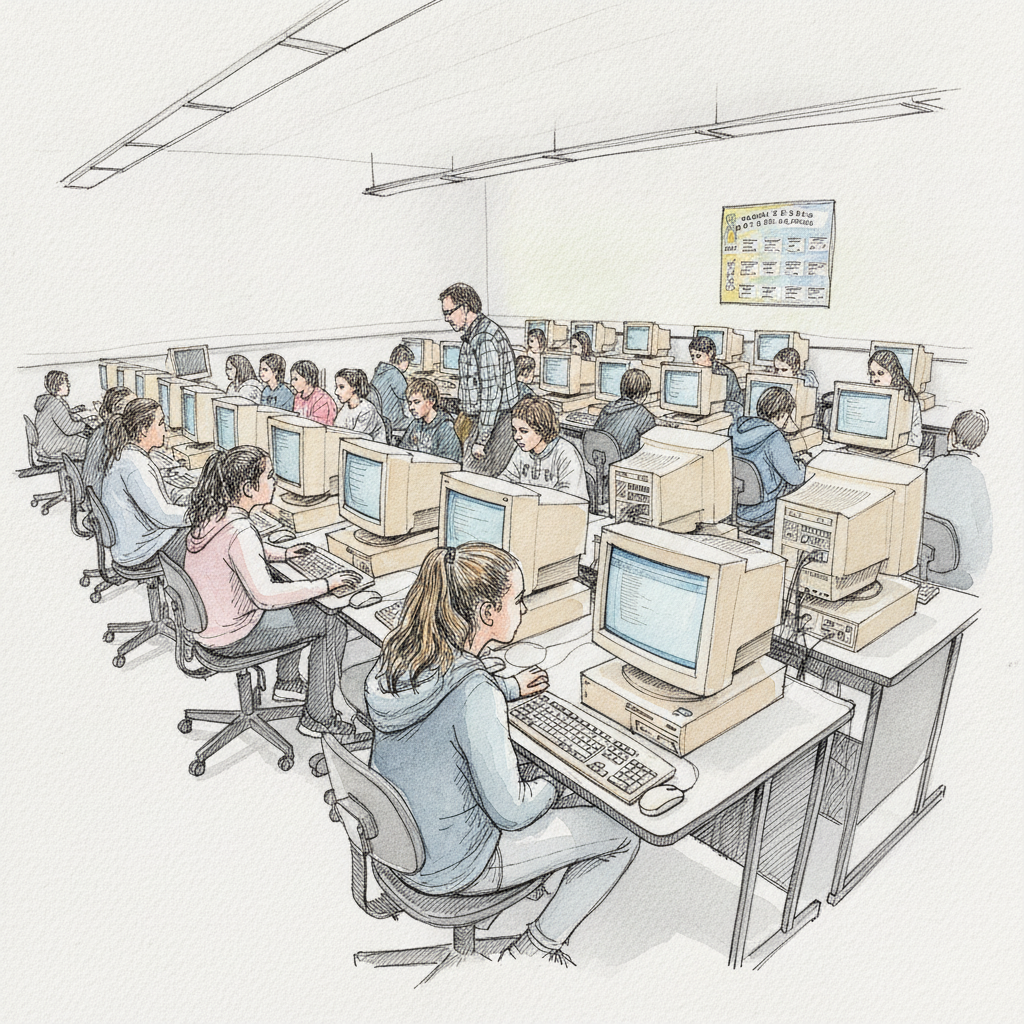
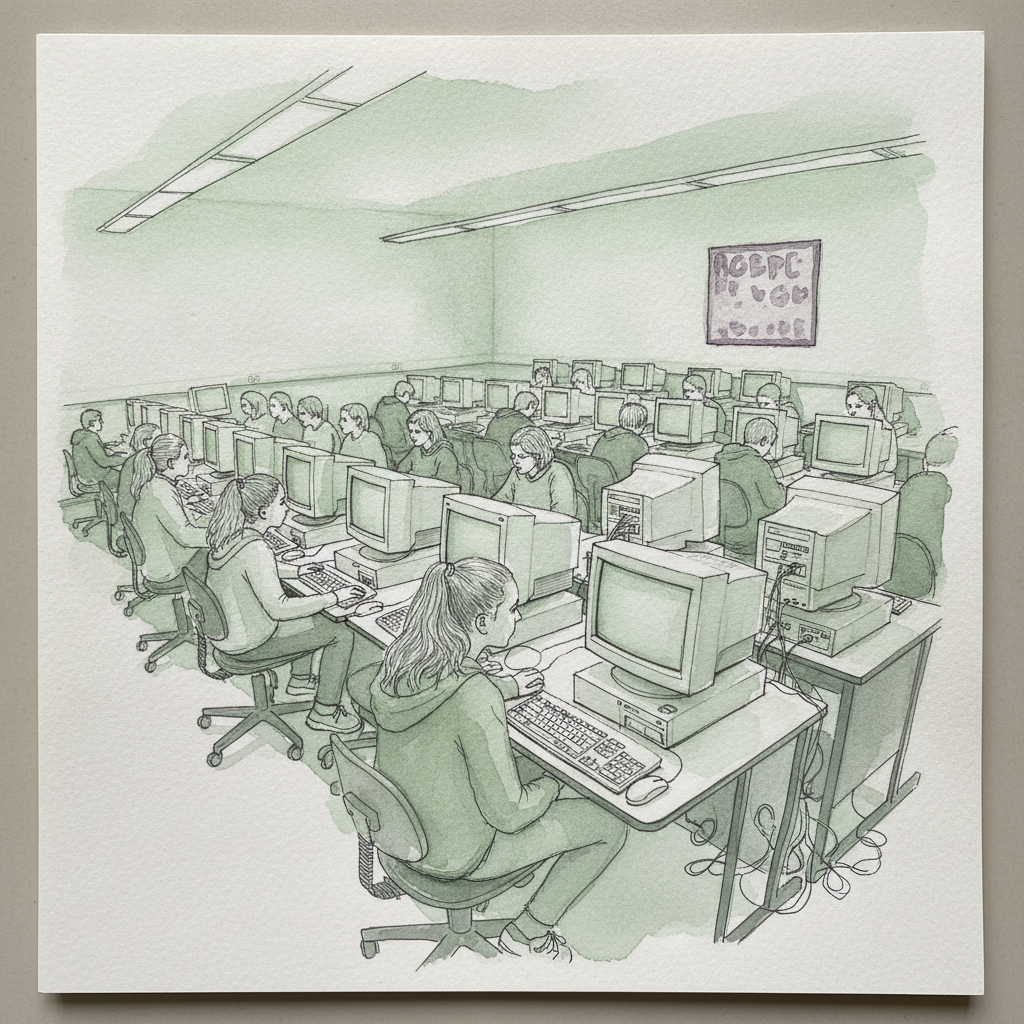
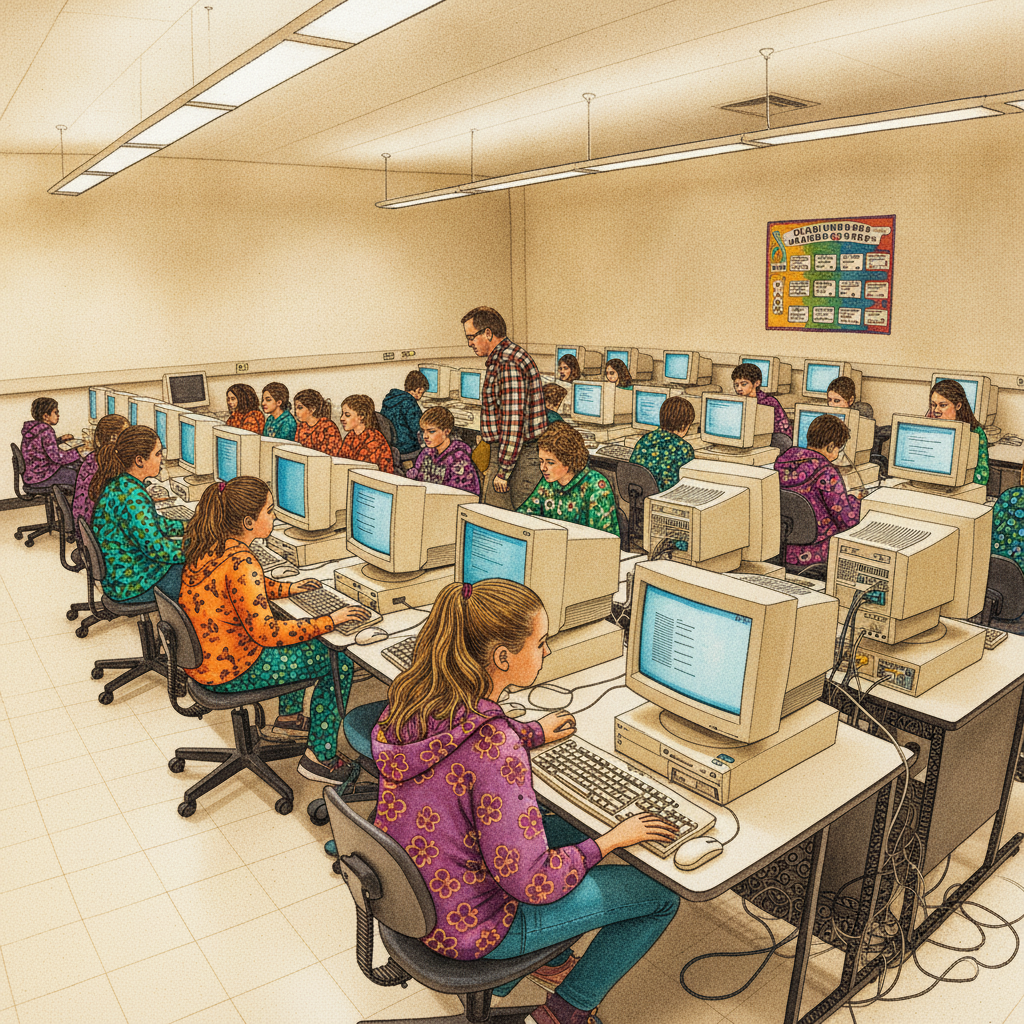
This piece offers a strong exercise in linear perspective, particularly when rendering the repeating rectangular forms of the desks and chunky monitors that recede into the space. Employ varied pen line weights, using heavier lines for foreground elements like the teacher's figure or a nearby keyboard, and lighter strokes for the distant rows of computers and the back wall poster. Let subtle, cool washes define the flickering fluorescent light and the overall room atmosphere, allowing your ink to crisply articulate the intricate details of coiled cables and machine contours.
Piece 7 — Savoy cabbage
Pen + Watercolor · Loose pen and watercolor line-and-wash
Three takes
Focus for this piece
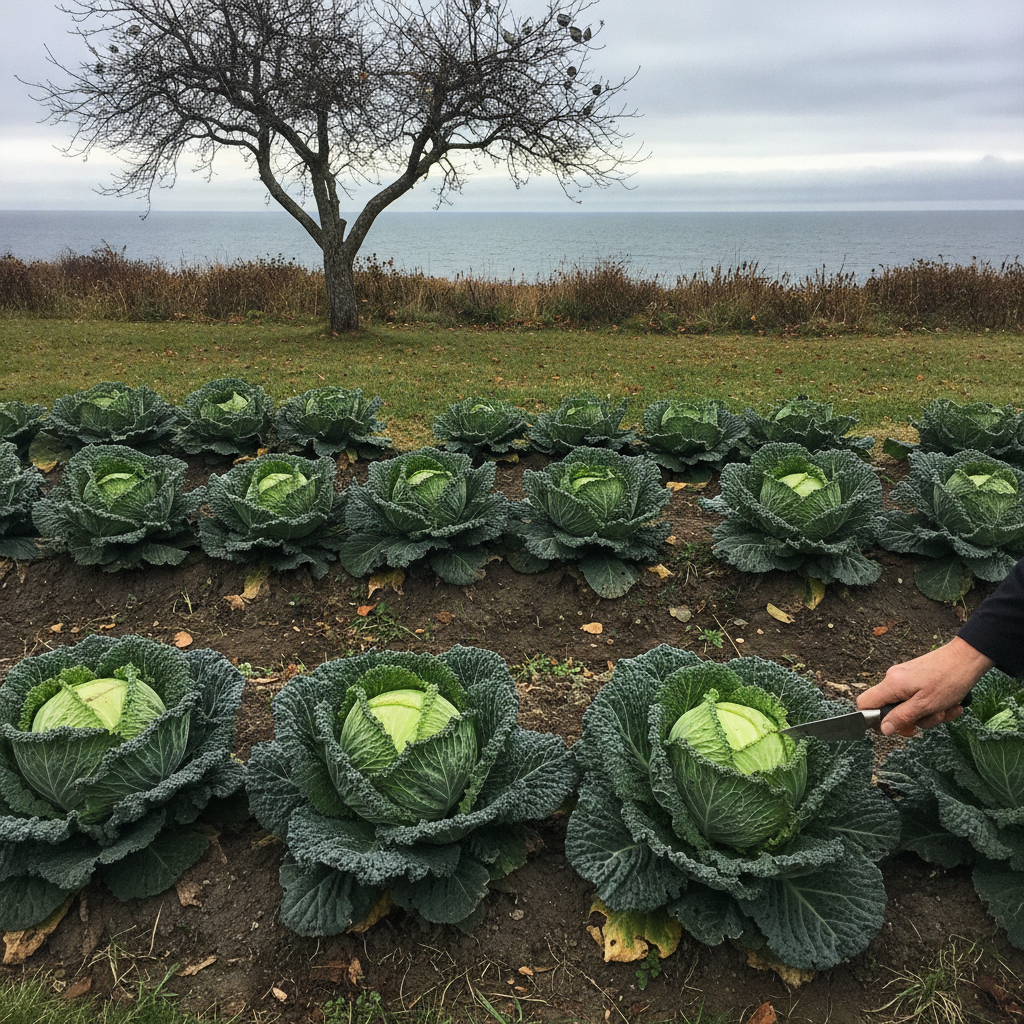
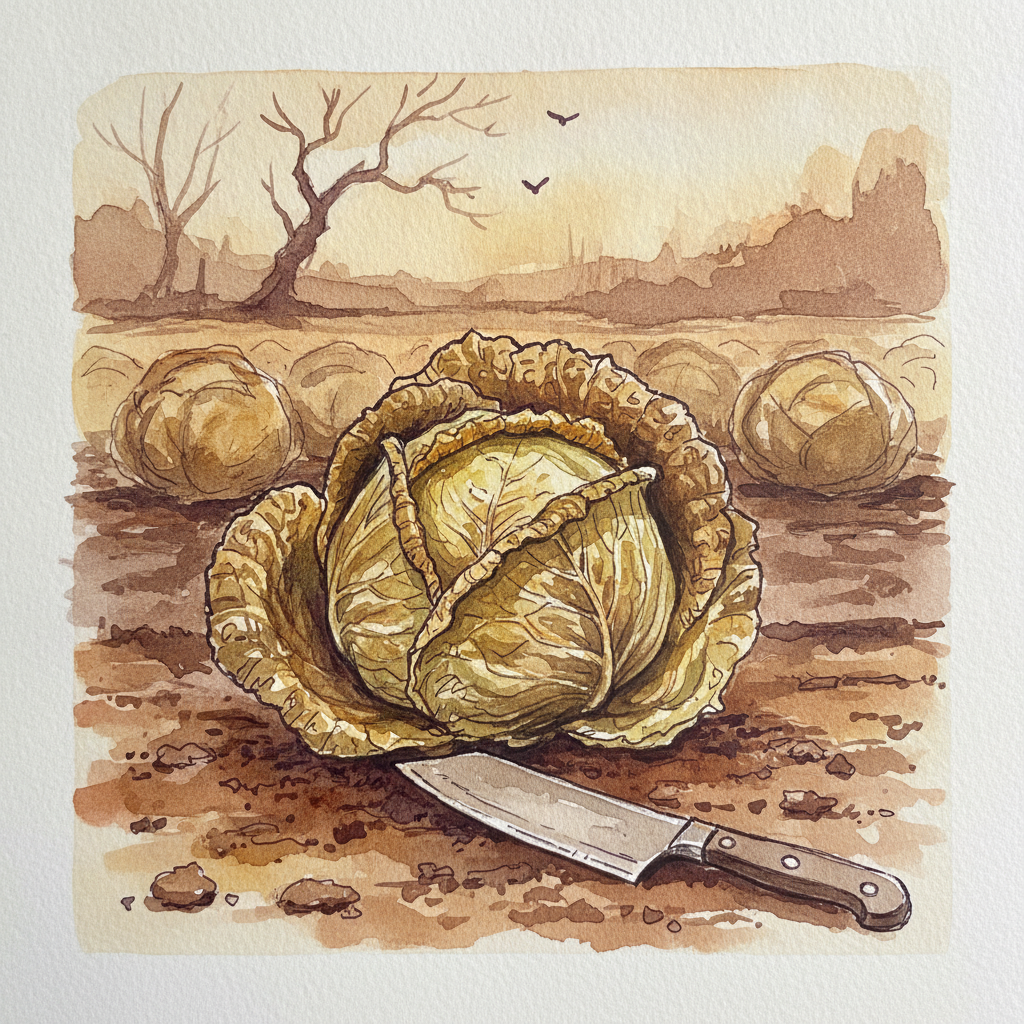
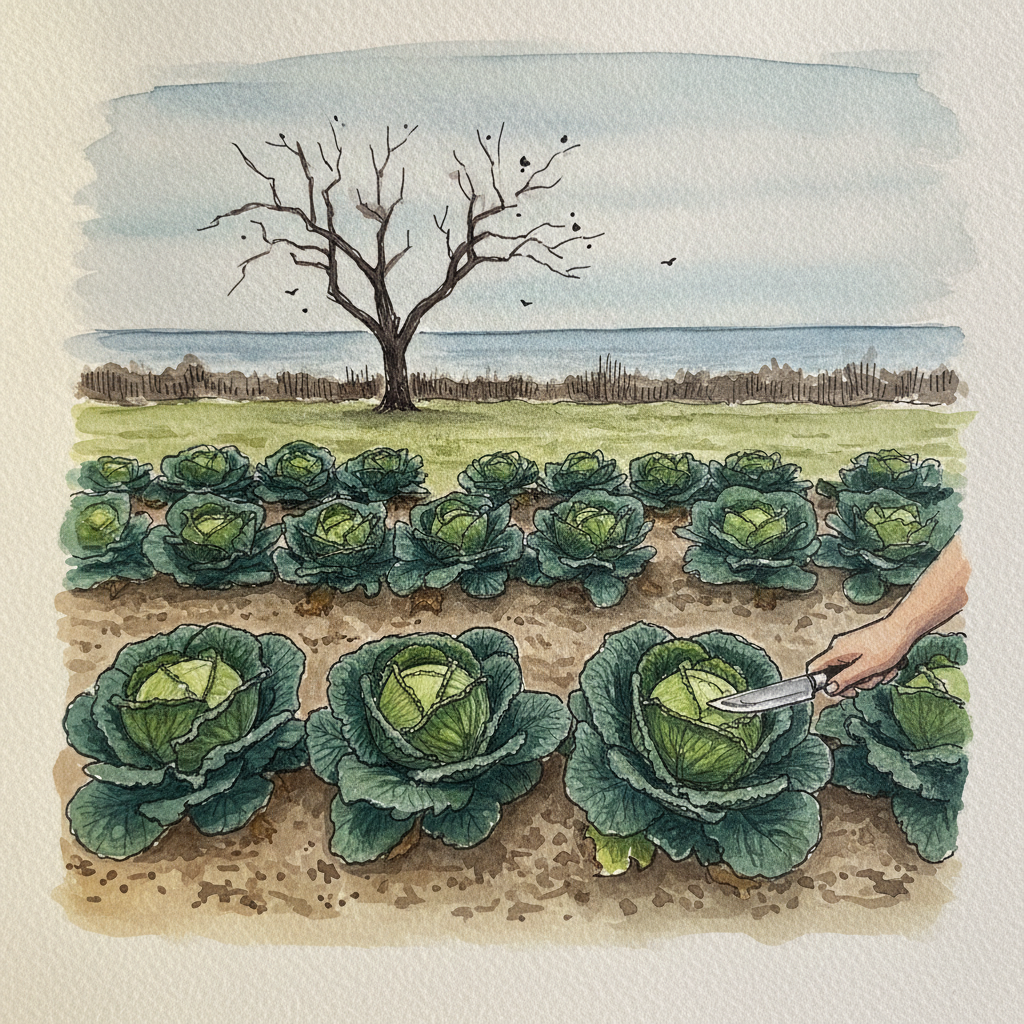
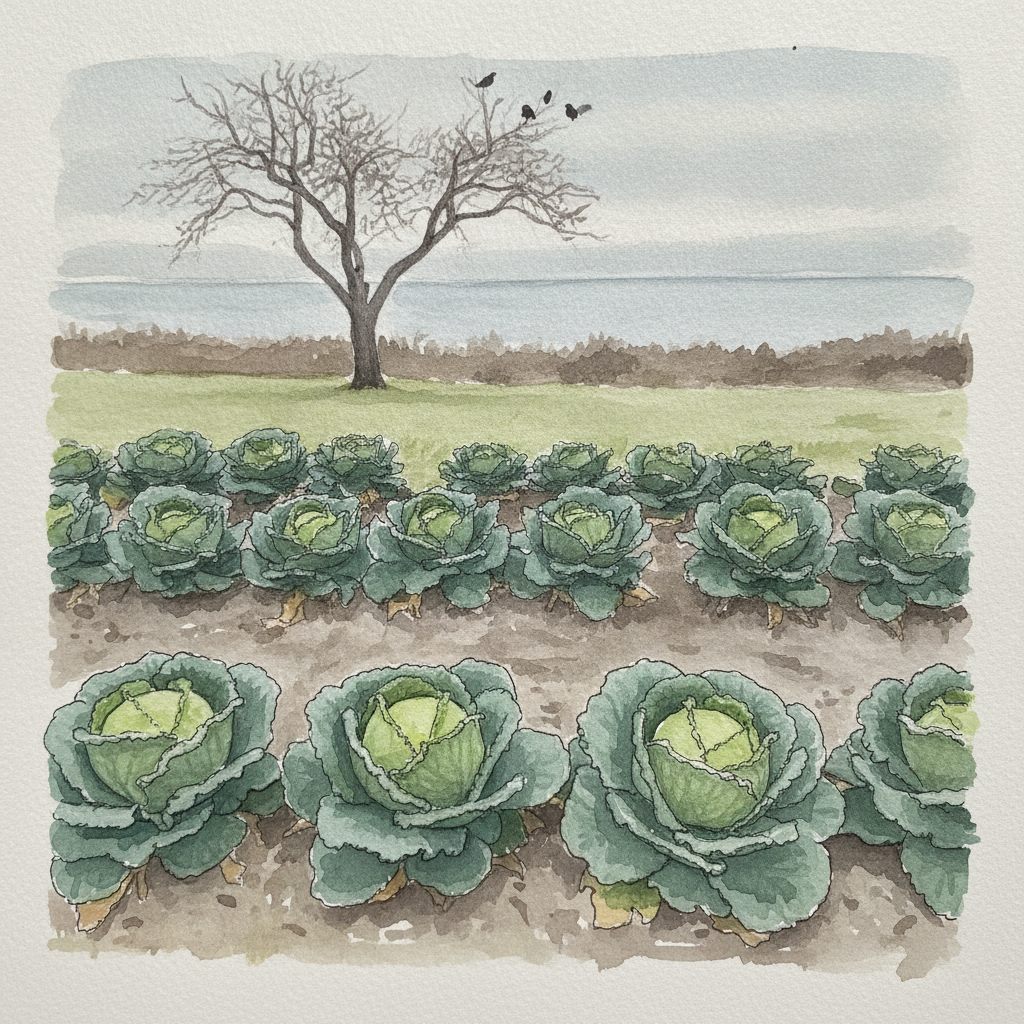
This piece offers a superb opportunity to practice rendering complex organic texture. Use varied pen lines—broken, wavy, and weighted—to define the deep crinkles and overlapping forms of the Savoy cabbage leaves. Subsequently, build the rich, nuanced blue-green hues with successive thin washes, allowing the watercolor to enhance the volume and atmospheric depth already established by your confident ink work. This interplay of crisp line and fluid color will bring the distinct character of the frosted leaves to life.
Piece 8 — Kiyomizu-dera, Kyoto, Japan
Pen + Watercolor · Loose pen and watercolor line-and-wash
Three takes
Focus for this piece
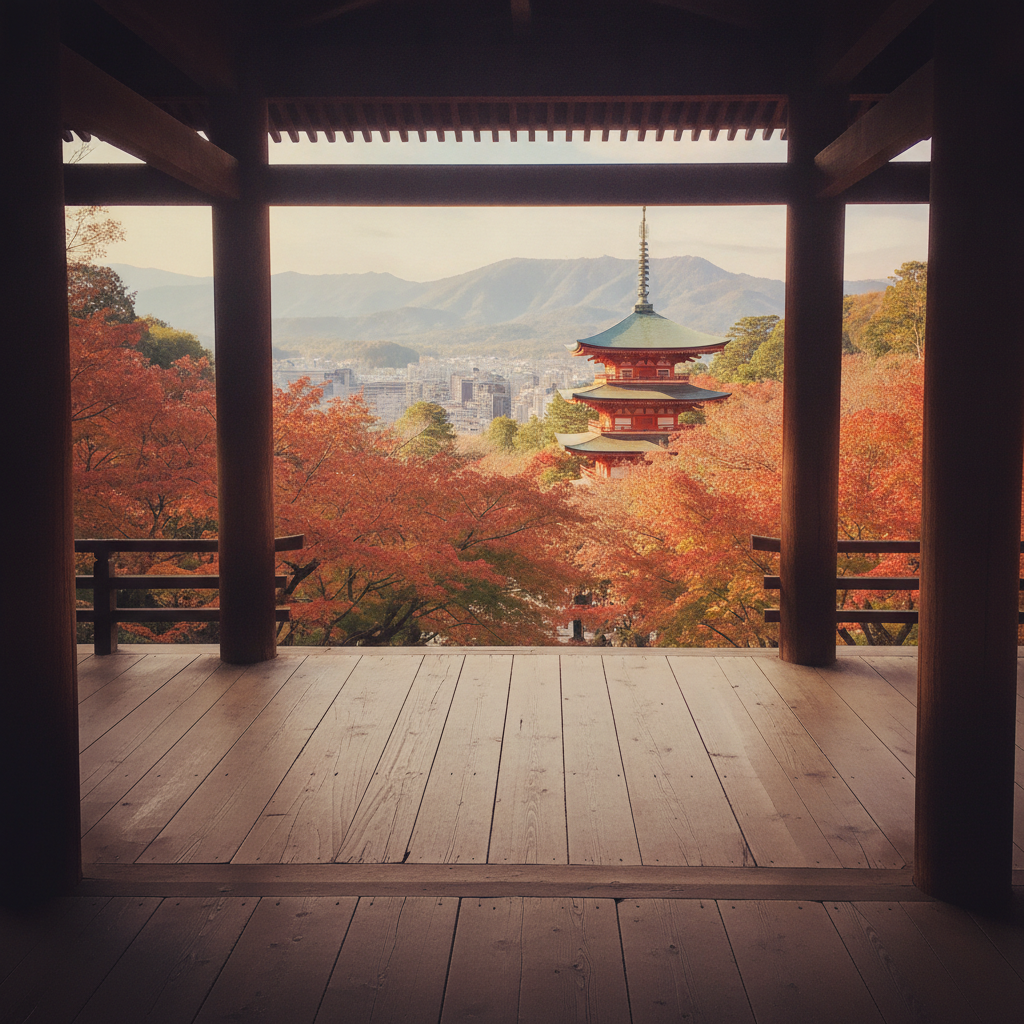
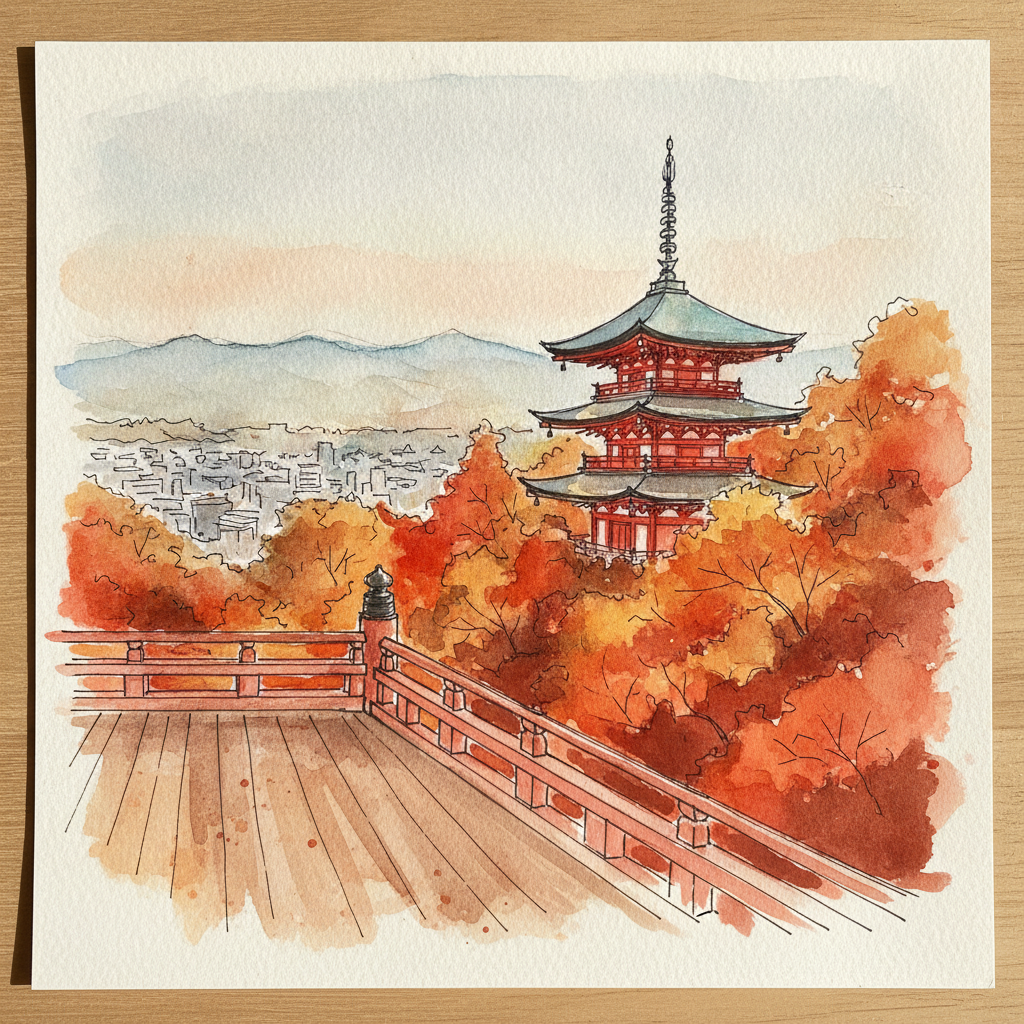
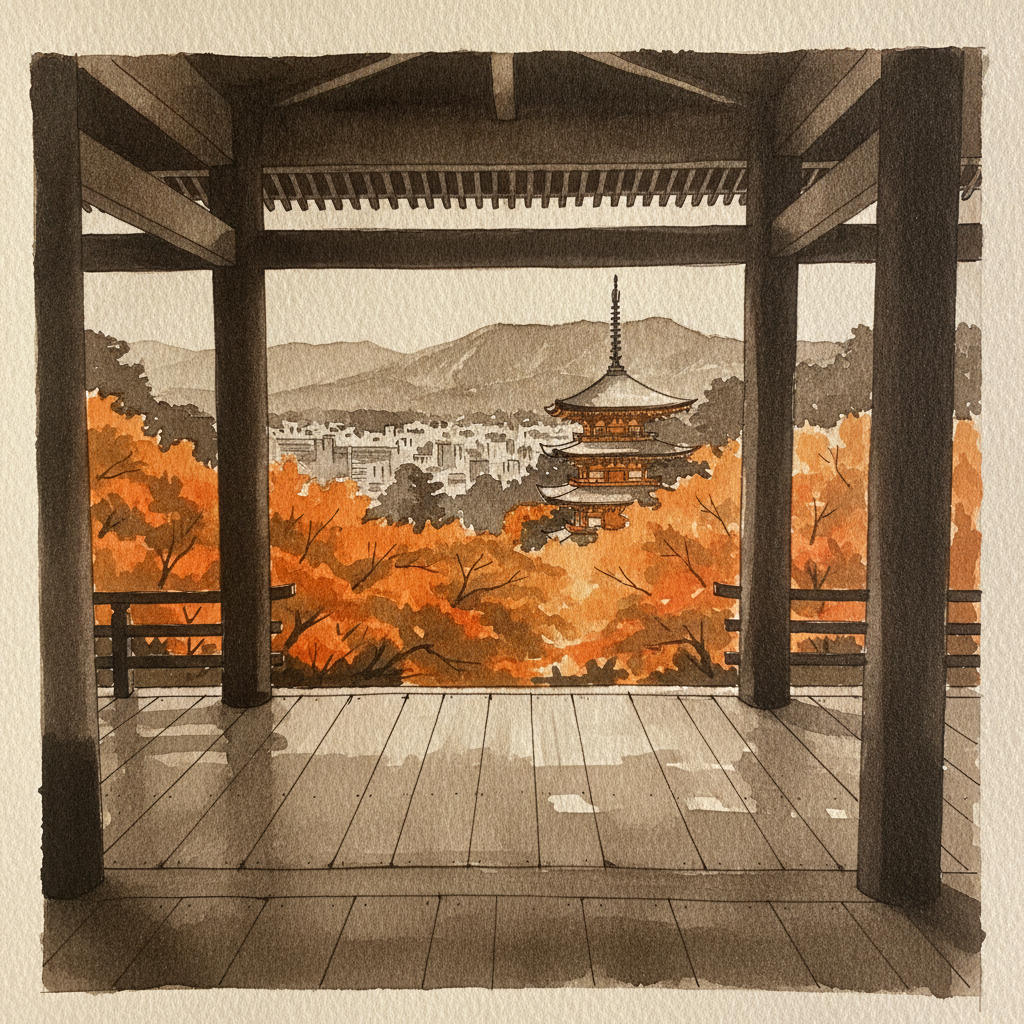
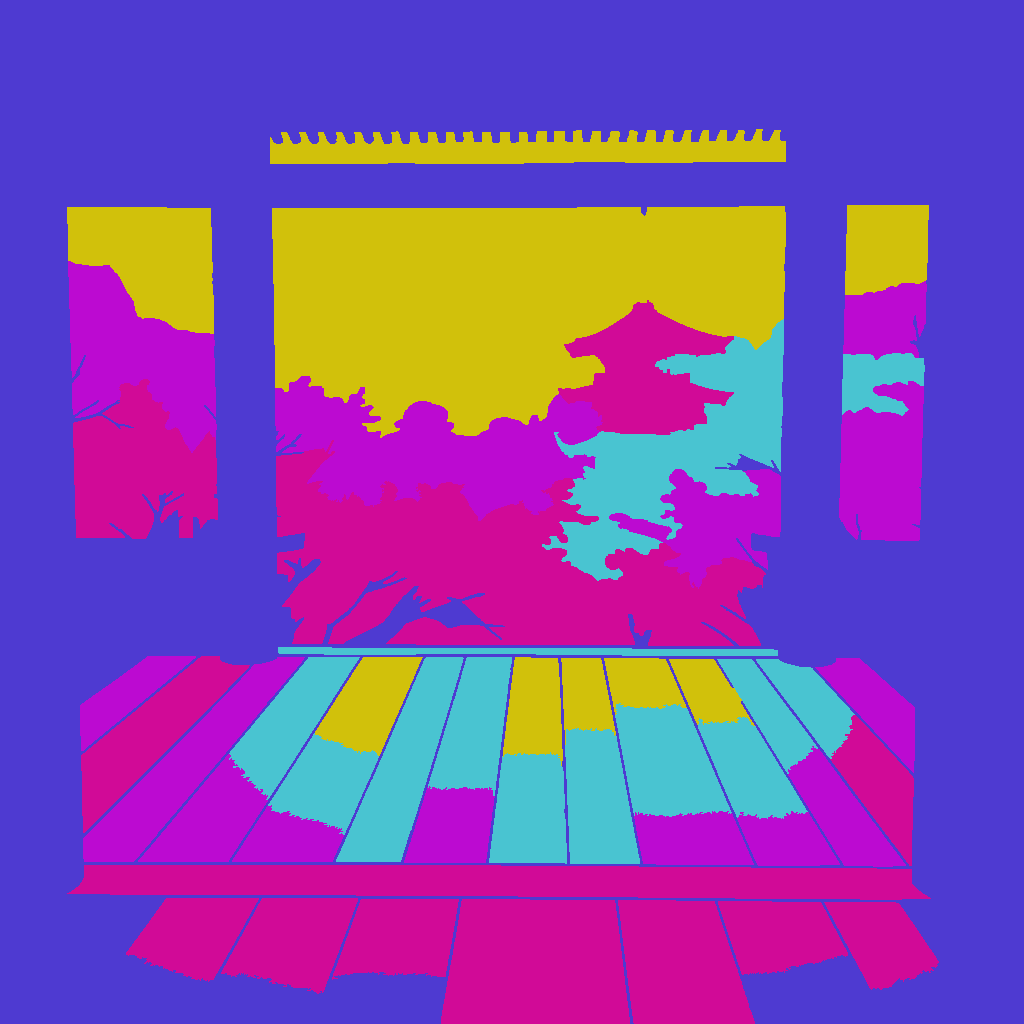
This Kiyomizu-dera scene offers a superb opportunity to practice atmospheric perspective, using distinct line weights and wash saturation to establish depth. Lay down firm, detailed pen lines for the dark, weathered wooden stage in the foreground, then transition to lighter, almost ethereal lines for the distant city and mountains. Use vibrant, wet-on-wet washes of scarlet and orange for the glowing momiji in the middle ground, ensuring the vermilion pagoda stands out crisply through the rich canopy. Finally, employ cooler, desaturated washes for the background to push it back and enhance the sense of vastness.