Library of Birmingham, Birmingham, England, Indian muntjac, Person waking up stretching, Romanian Carpathian Stable, and more — pen + watercolor for August 11, 2026
AI-generated daily art-practice references for pen and watercolor: Library of Birmingham, Birmingham, England, Indian muntjac, Person waking up stretching, Romanian Carpathian Stable, Pumalin Park, Alerce Andino, Chile, Cruise Ship Buffet Hall, Bridge Prep, Hands Behind Head Temple-Side, Cleanup…
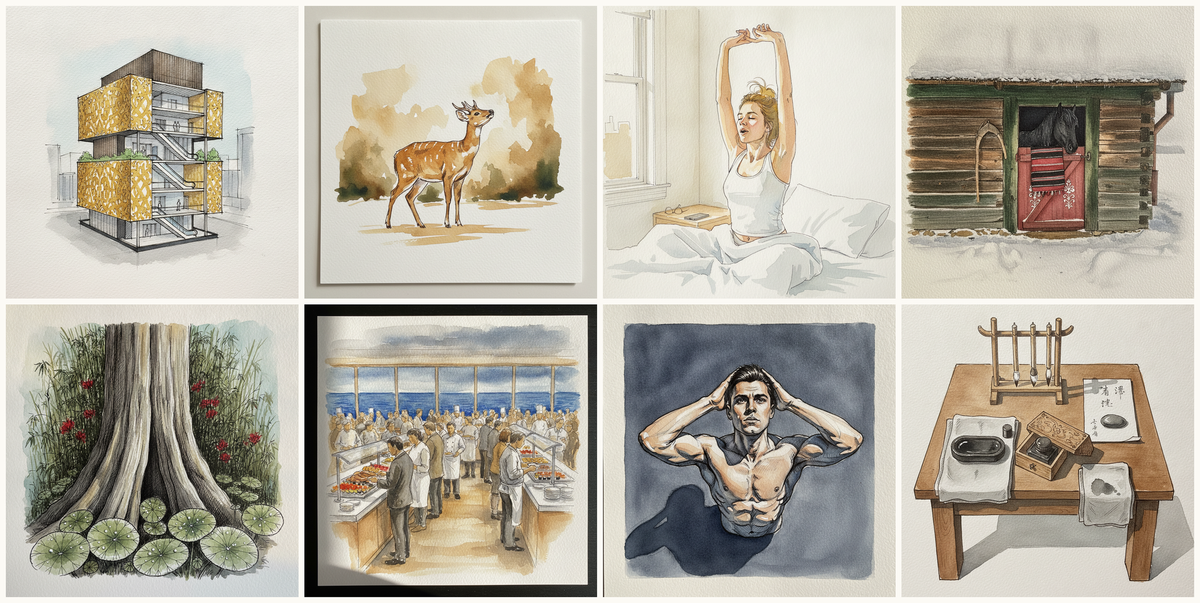
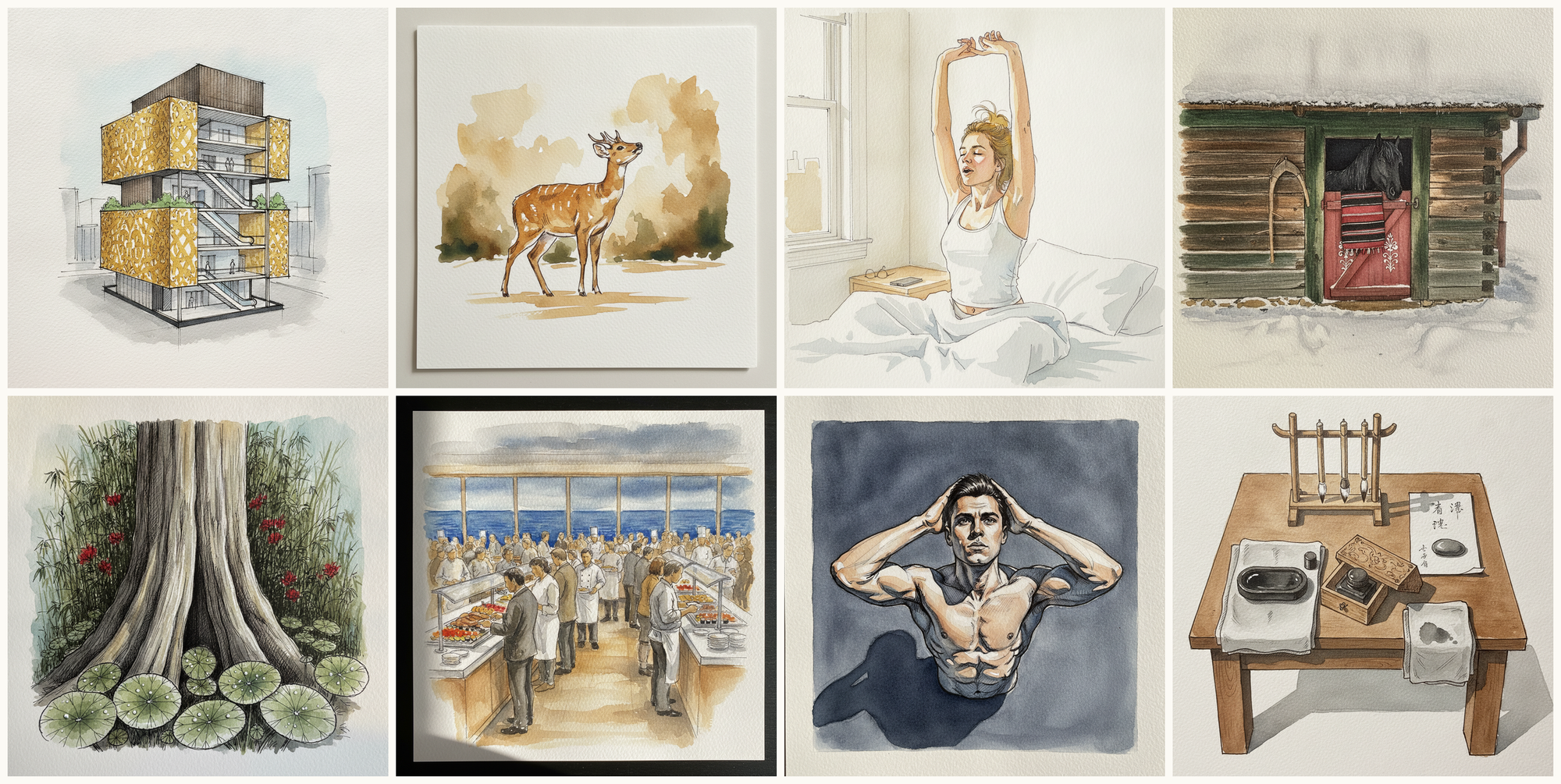
Today's 8 pen-and-watercolor pieces: Library of Birmingham, Birmingham, England, Indian muntjac, Person waking up stretching, Romanian Carpathian Stable, Pumalin Park, Alerce Andino, Chile, Cruise Ship Buffet Hall, Bridge Prep, Hands Behind Head Temple-Side, Cleanup at Day's End. Each piece comes with an AI-generated photoreal reference, three AI-generated example artworks in different treatments, and a short focus paragraph naming what to study in this one.
Why these references use AI
This daily series uses AI-generated images as practice prompts, not as finished artwork to copy. Each subject starts with a synthetic photoreal reference generated with Gemini/Nano Banana, then moves into three pen-and-watercolor interpretations of the same subject.
I use AI here because daily art practice needs variety and low friction. Real life can get repetitive, busy, or visually narrow. These generated reference sets make it easier to study bodies, buildings, animals, landscapes, objects, gestures, light, palettes, and compositions that might not show up in an ordinary day.
The goal is not to reproduce any image directly. Treat each set as a starting point for observation and study: choose what interests you, change the framing, simplify the subject, alter the palette, and make your own version.
Piece 1 — Library of Birmingham, Birmingham, England
Pen + Watercolor · Loose pen and watercolor line-and-wash
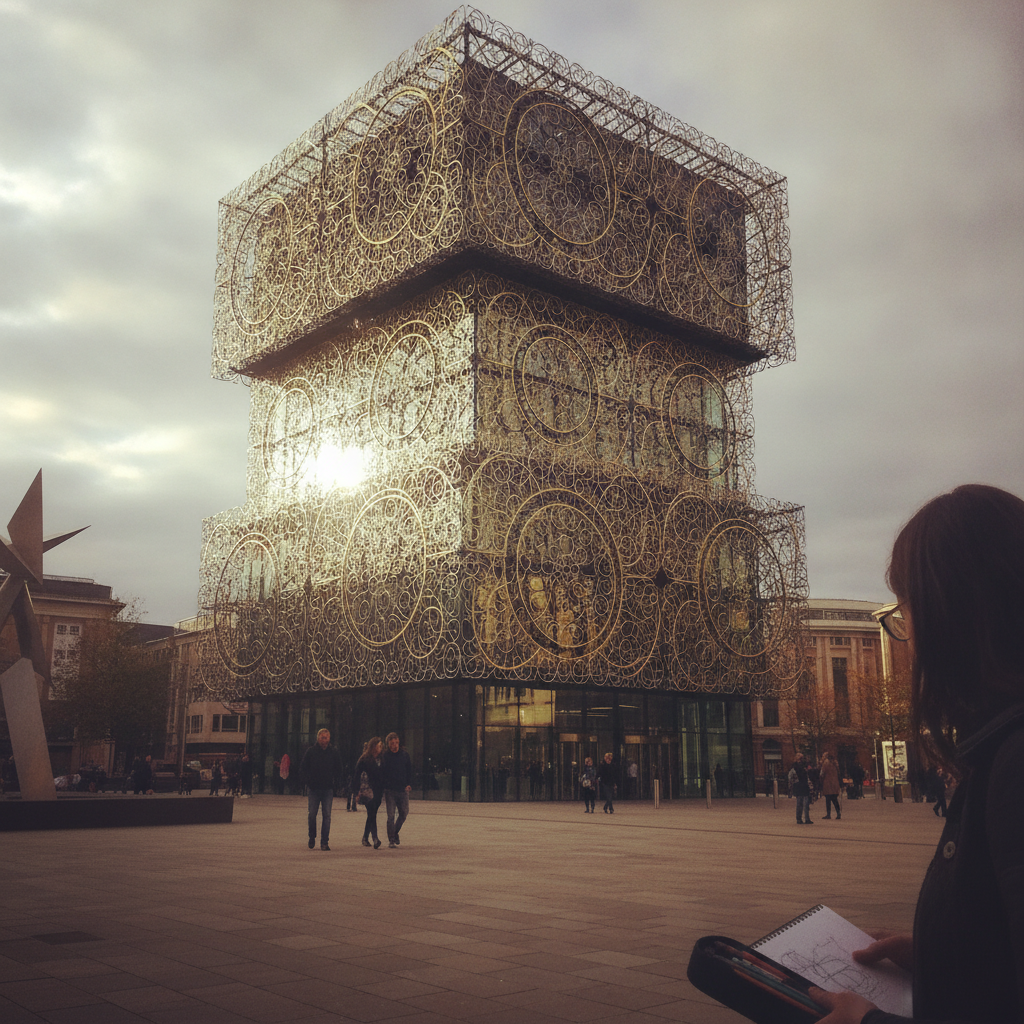
Three takes
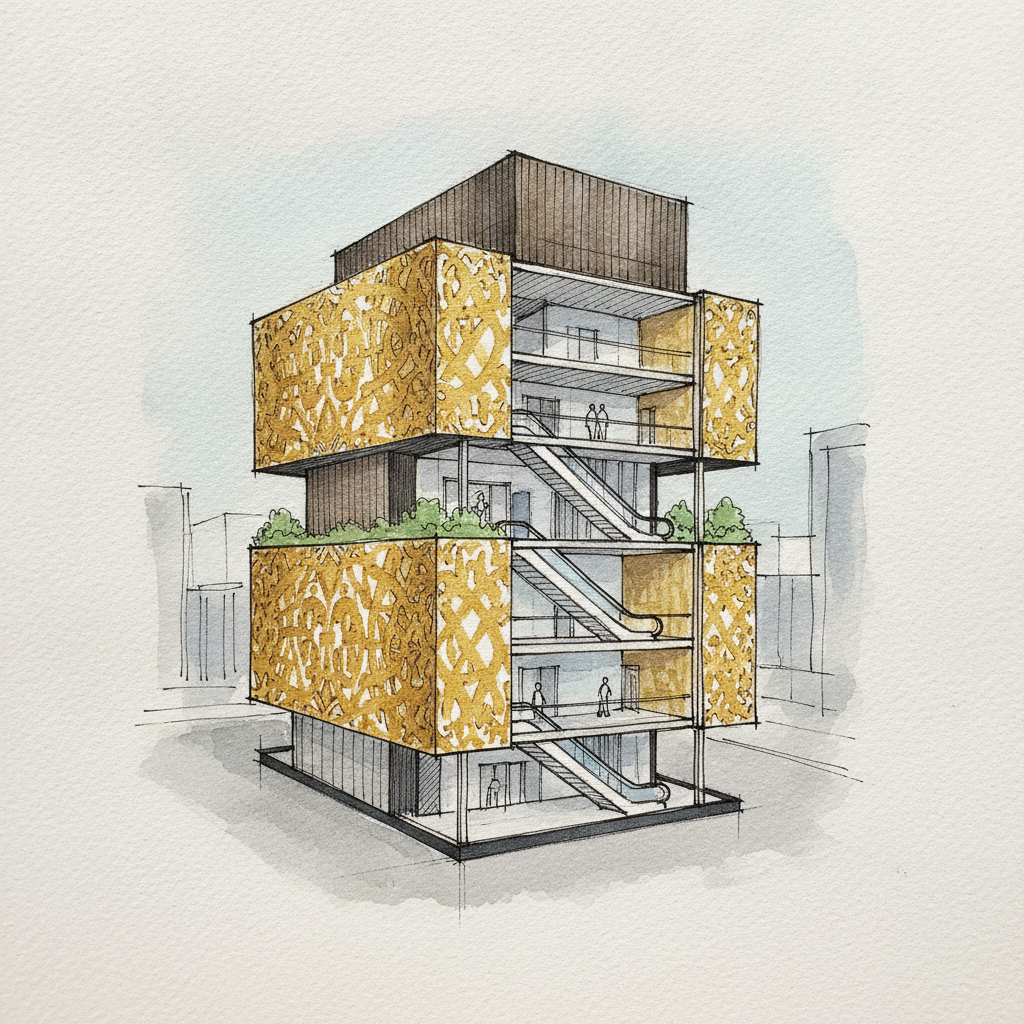
Focus for this piece
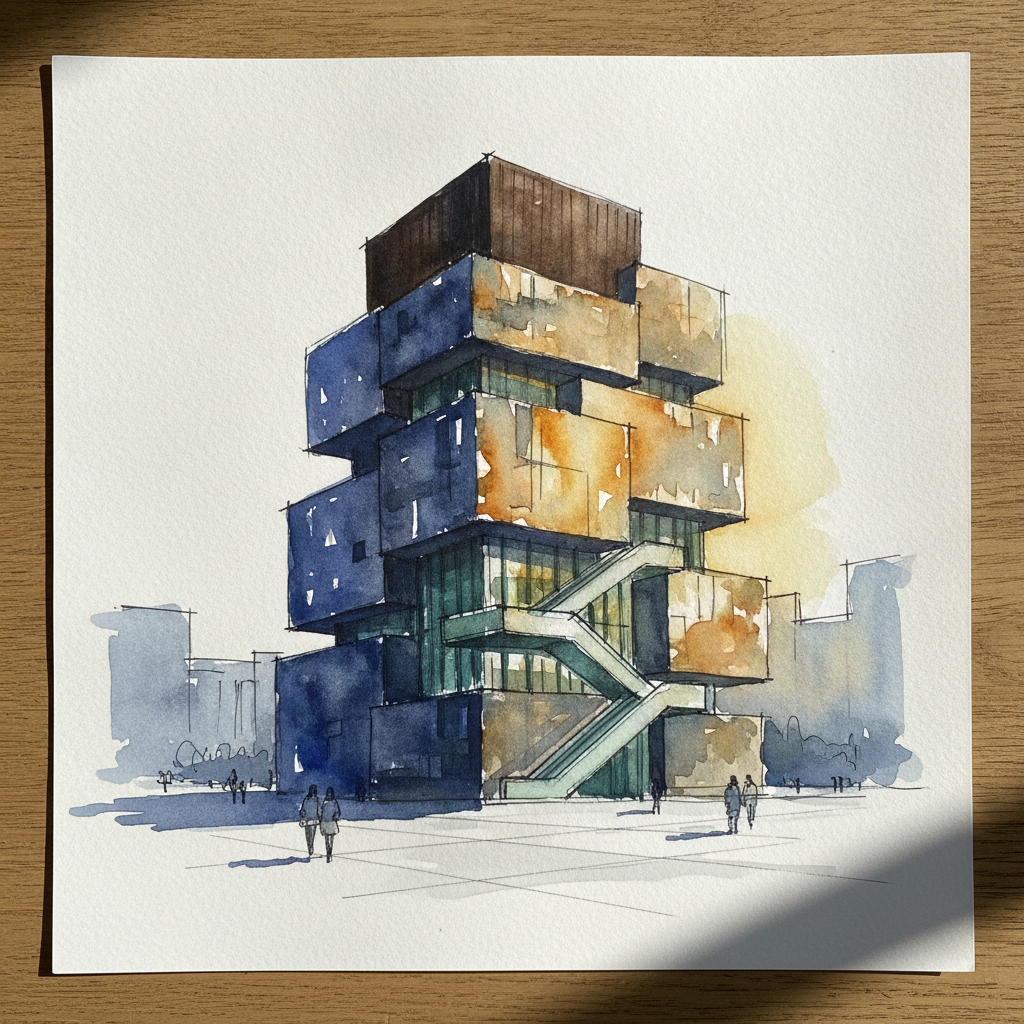
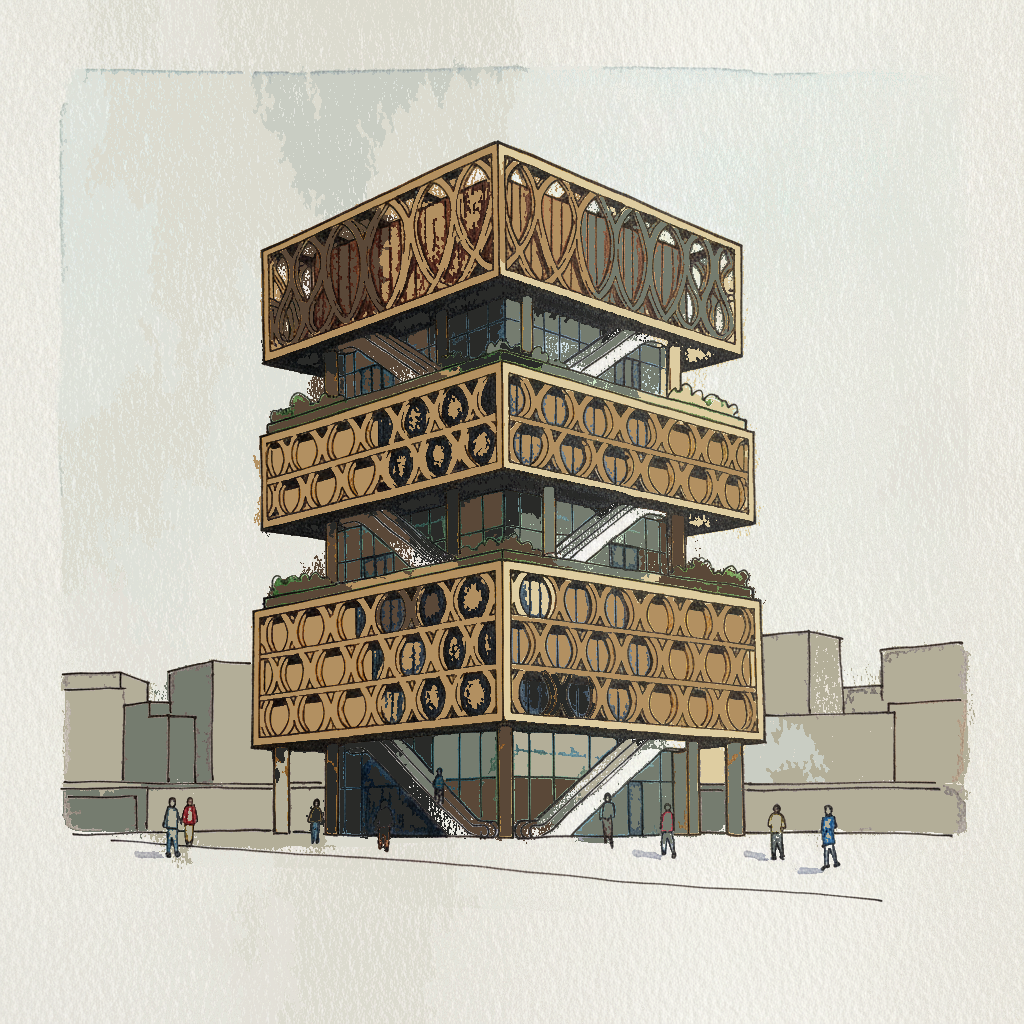
This piece offers an excellent study in balancing strong, architectural structural lines with delicate, intricate decorative details. Focus on using varied line weights—bold, assertive lines for the underlying box forms, and fine, suggestive lines for the complex filigree pattern—then allow judicious gold-toned washes to capture the metallic glint and unify the exterior. Pay attention to how cool washes on the flat planes of the boxes contrast with the warmth of the metallic rings, allowing the ink to define the filigree's texture after the wash has dried.
Piece 2 — Indian muntjac
Pen + Watercolor · Loose pen and watercolor line-and-wash
Three takes
Focus for this piece
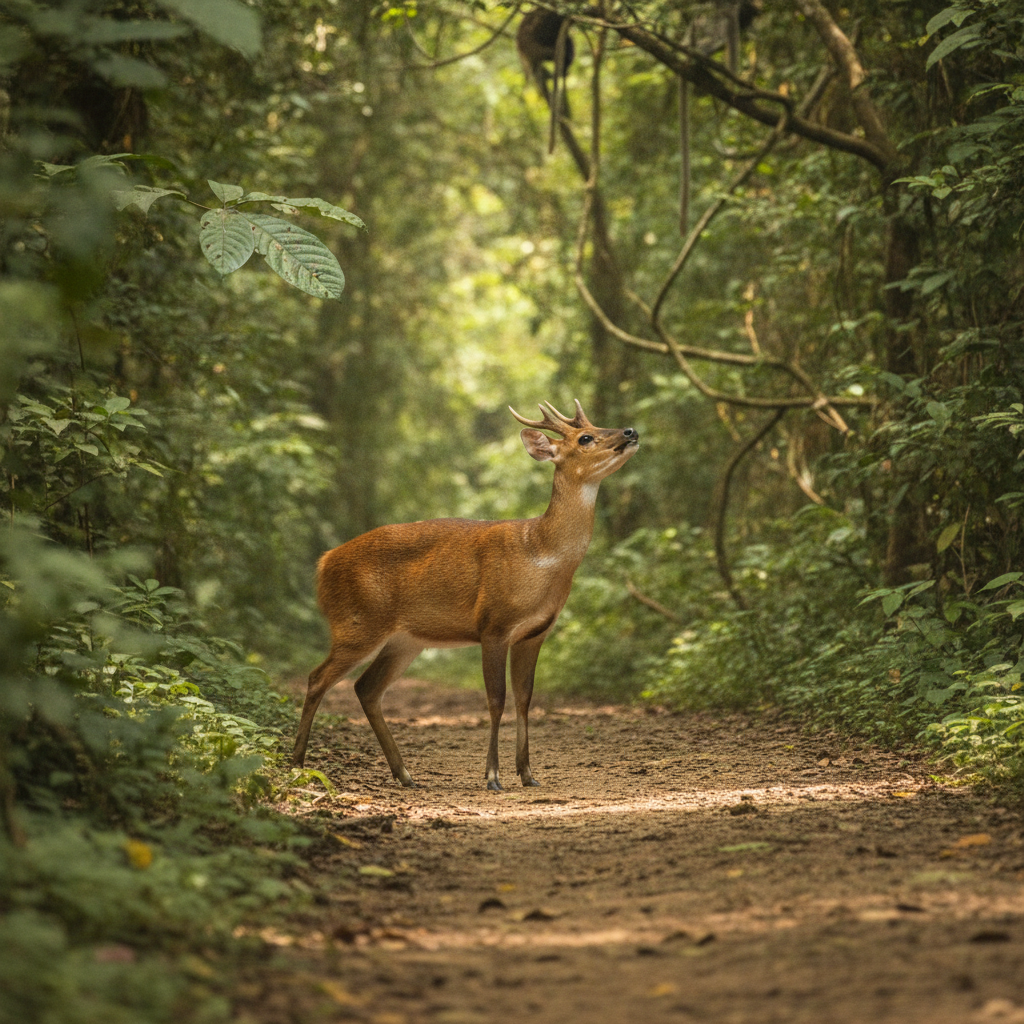
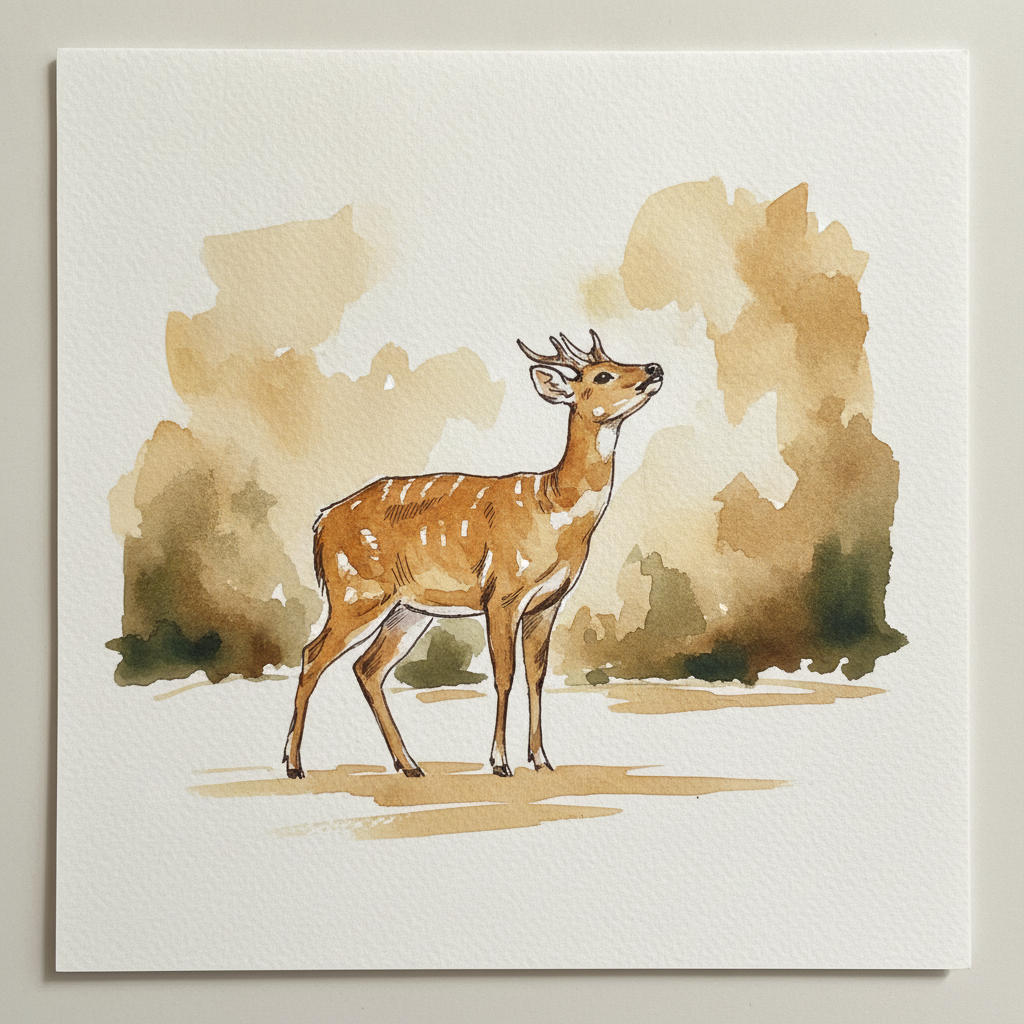
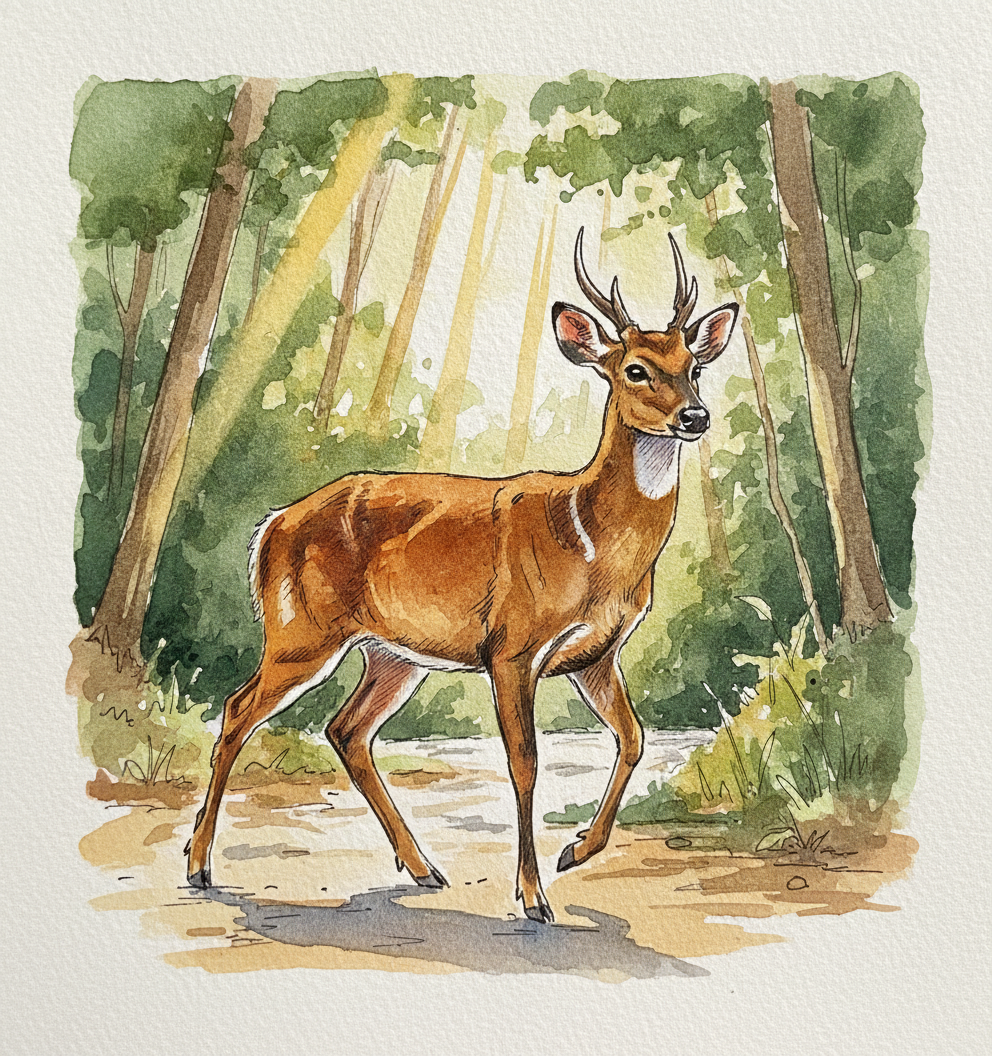
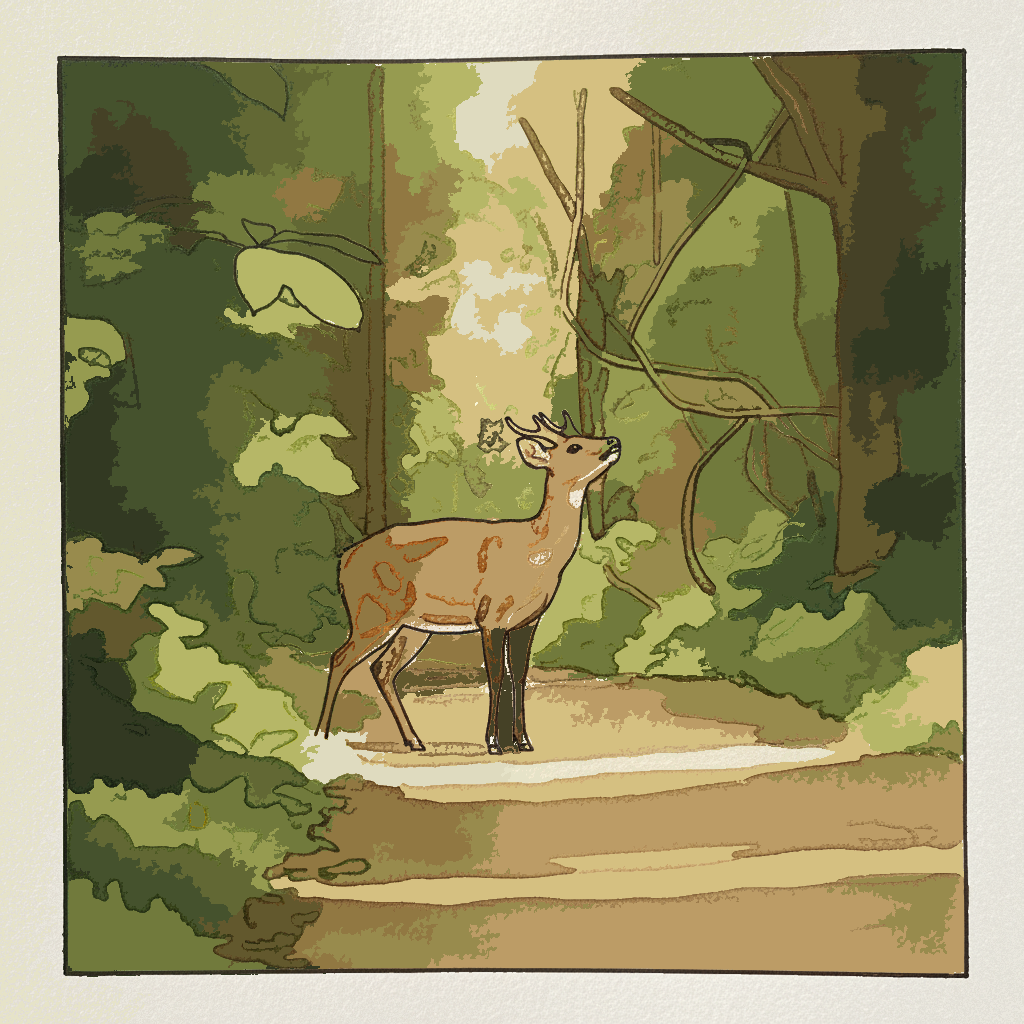
This piece is an excellent study in creating contrast and depth using both line and wash. Use varied line weights to define the muntjac's precise form – sharp and dark for the antlers and tusks, lighter and more broken along its body – to make it stand out against its environment. For the rainforest, practice wet-into-wet washes with a limited green palette to capture the soft, dappled light and atmospheric background. Finally, build the muntjac's fox-fur coat with layered, warm washes, using dryer brushwork to suggest its unique texture.
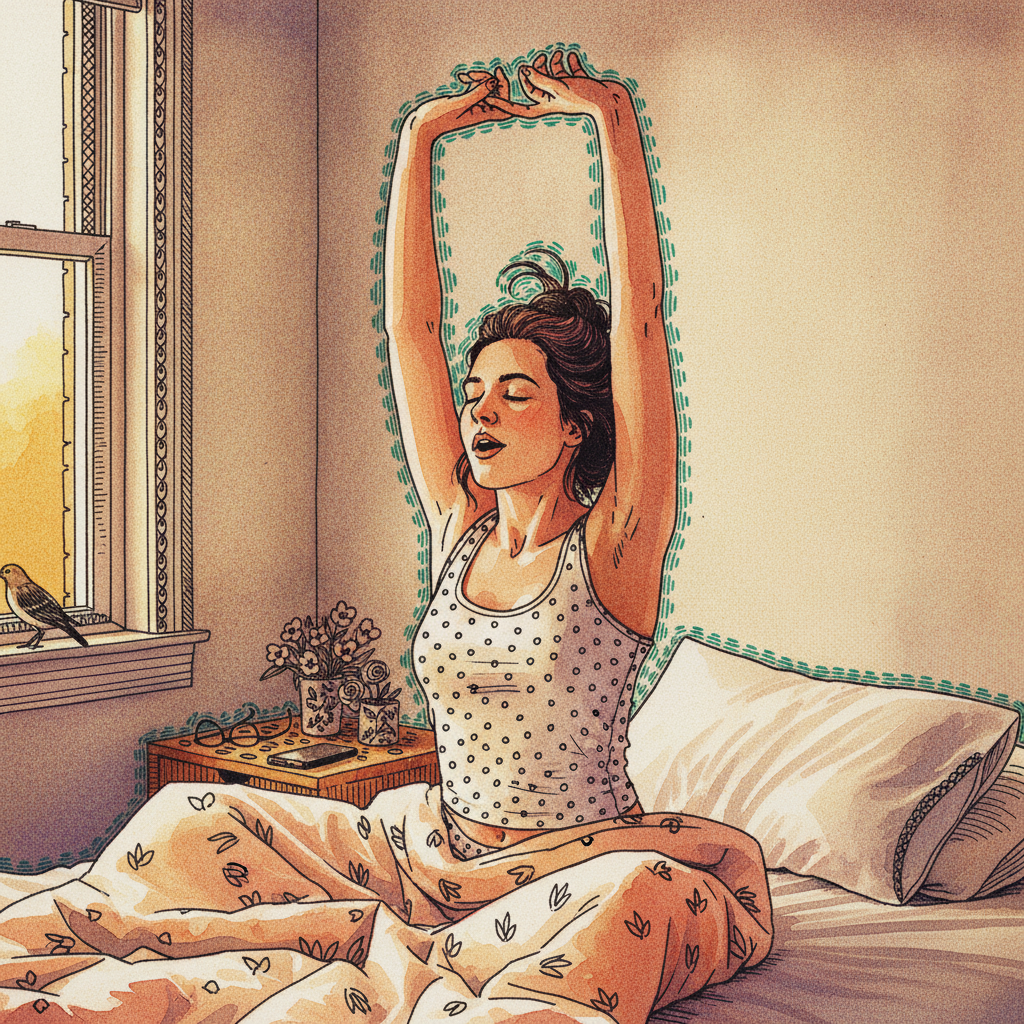
Piece 3 — Person waking up stretching
Pen + Watercolor · Loose pen and watercolor line-and-wash

Three takes
Focus for this piece
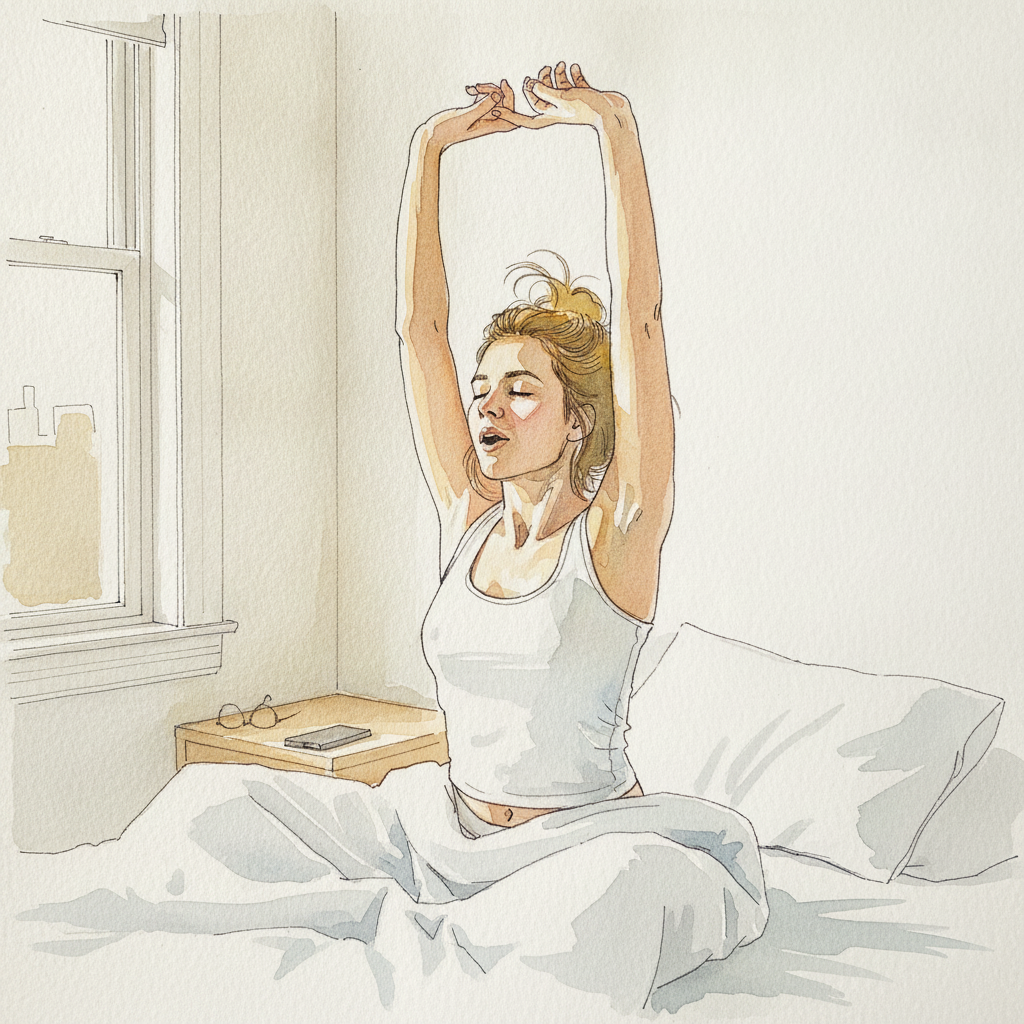
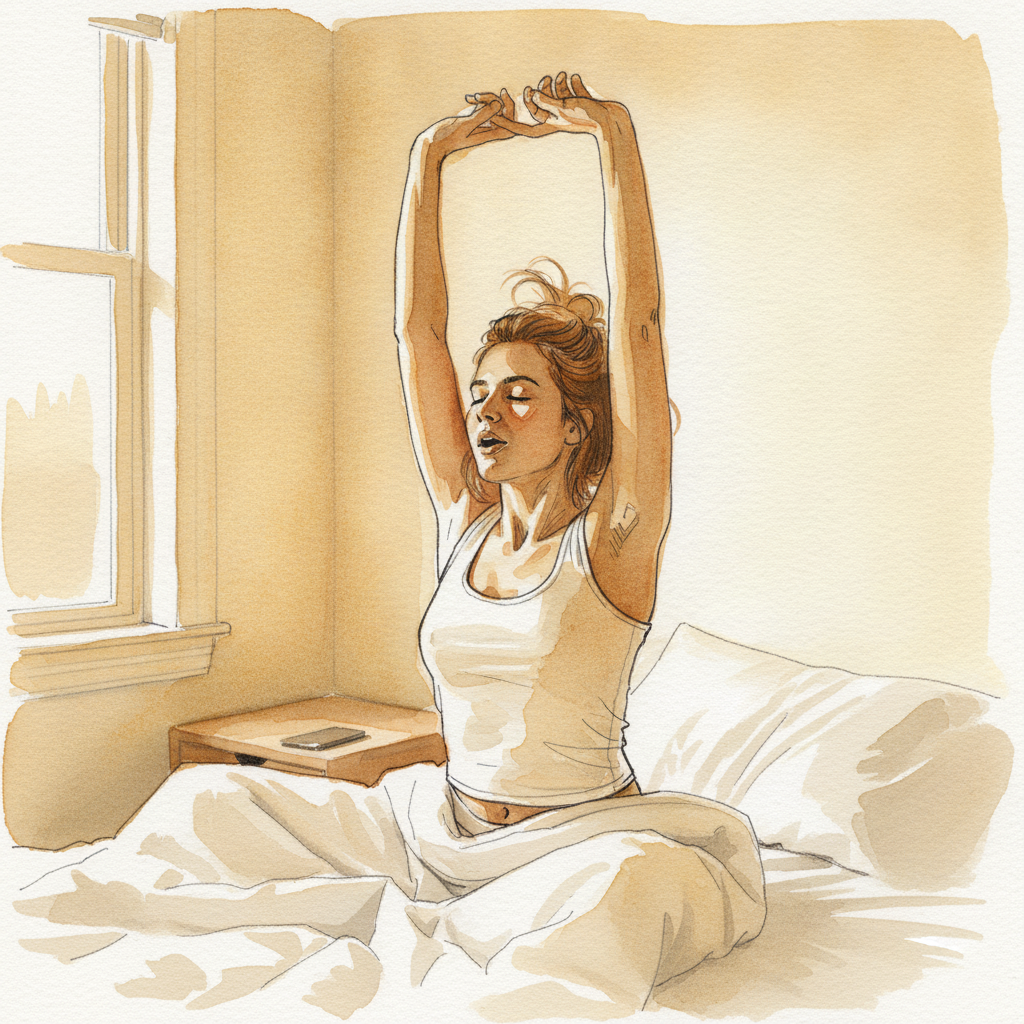
This study is excellent for practicing how to define the human figure's gesture and soft fabric forms using a combination of decisive, varying pen lines and luminous, wet-on-wet watercolor washes. Focus on capturing the elongated arc of the spine and the dynamic tension in the stretched arms with precise ink work. Simultaneously, use warm, overlapping washes—like a pale yellow ochre or cad yellow light—to establish the soft morning light transforming the white sheets, allowing them to bleed into the duvet's shadows. This approach lets the watercolor create atmosphere and volume while the pen maintains structural clarity.
Piece 4 — Romanian Carpathian Stable
Pen + Watercolor · Loose pen and watercolor line-and-wash
Three takes

Focus for this piece
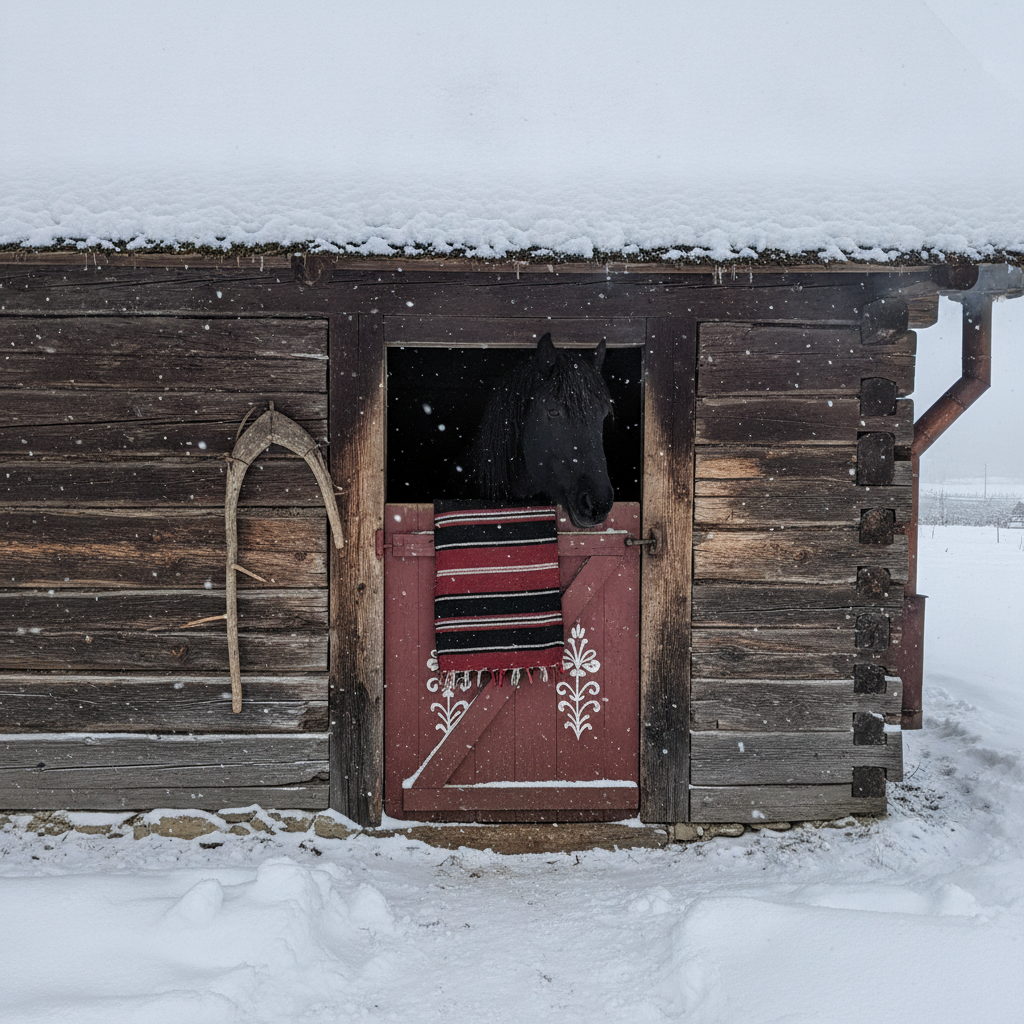
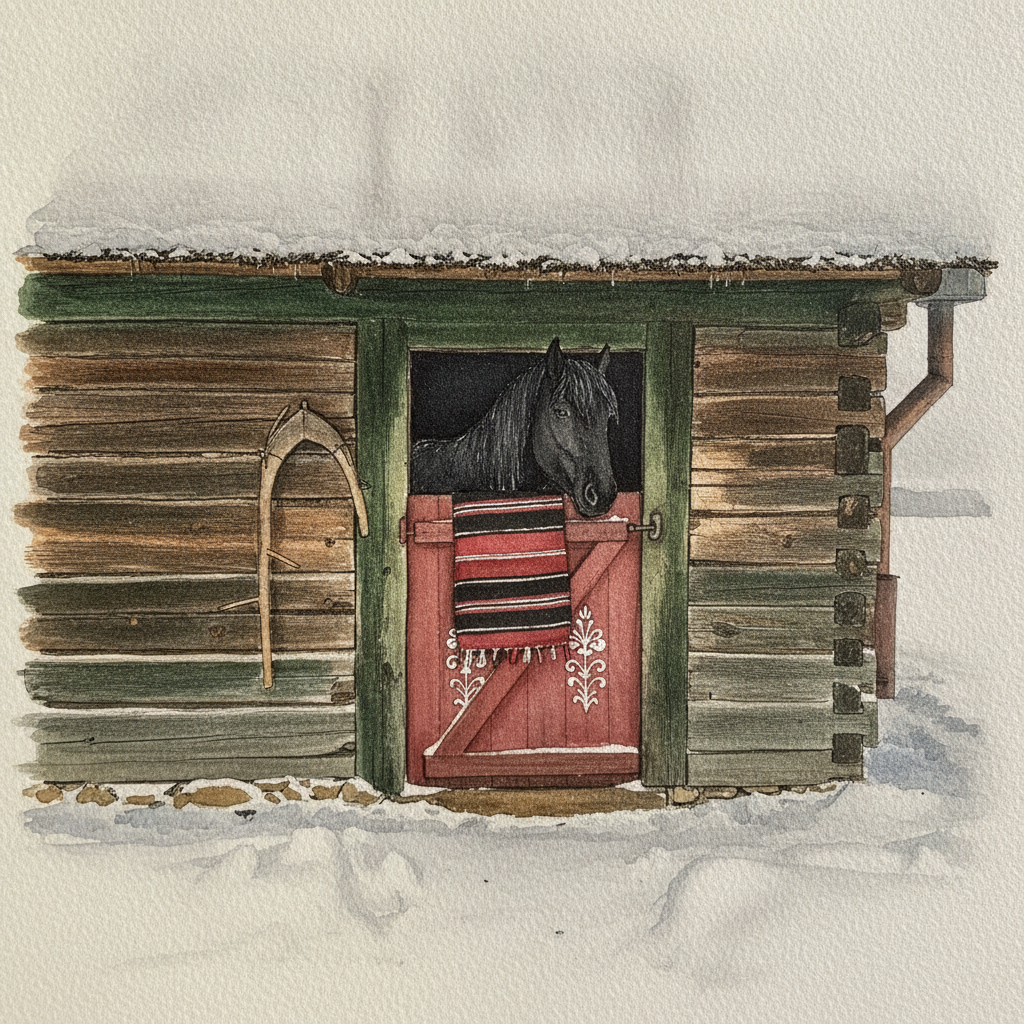
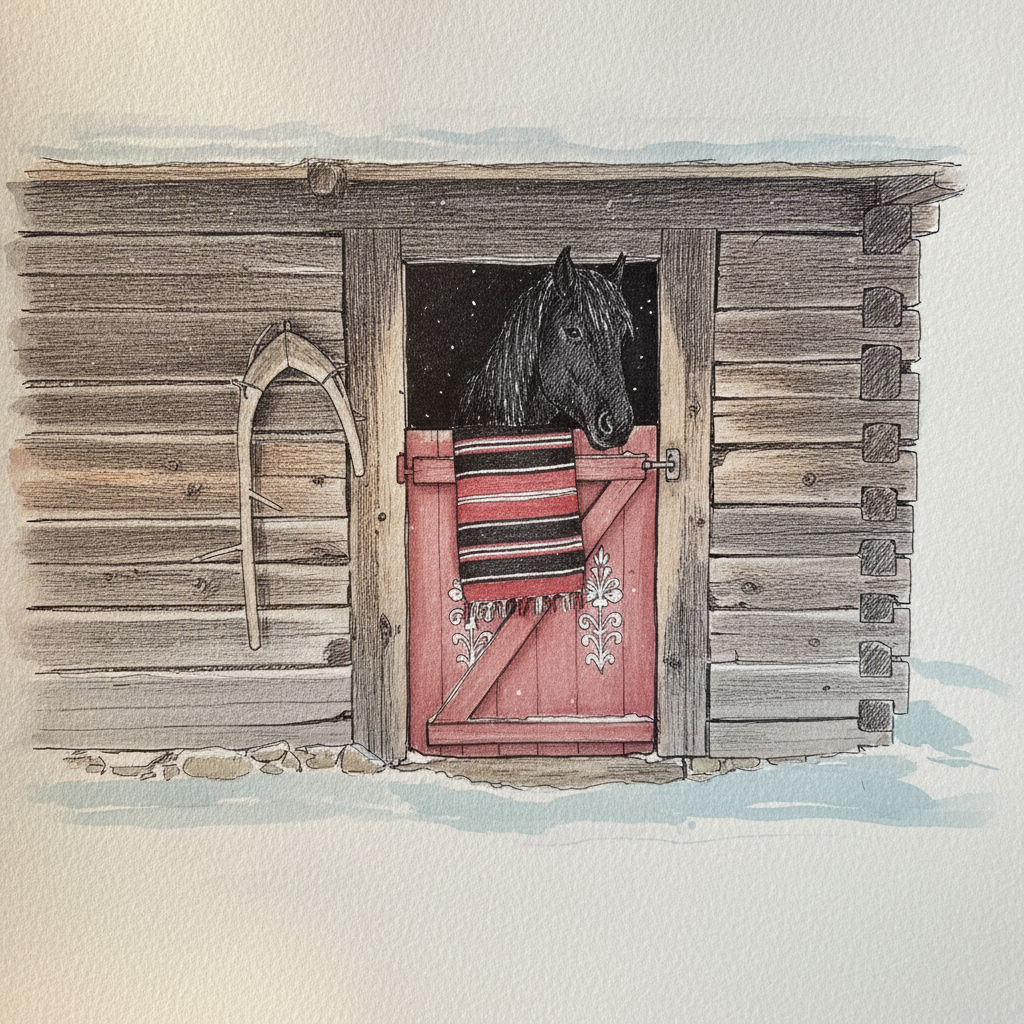
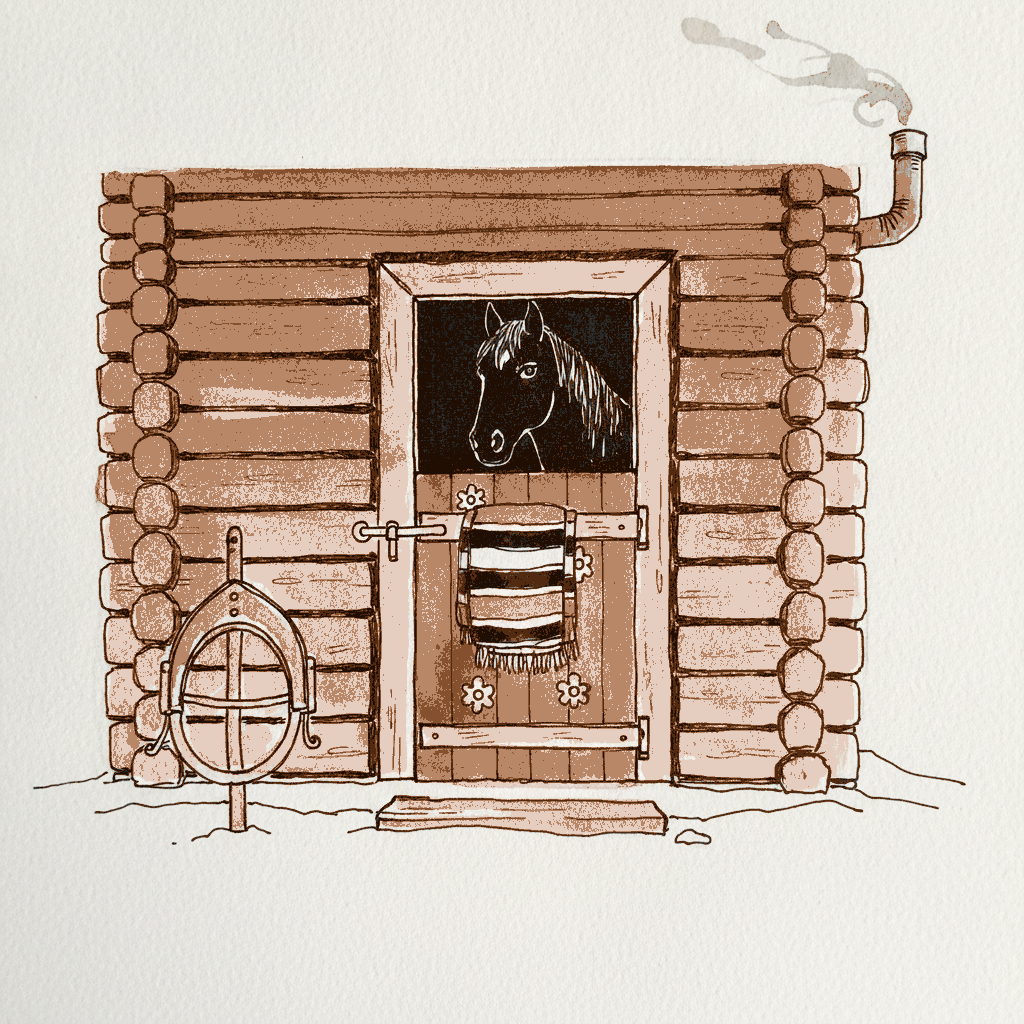
This stable scene is an excellent study in balancing fine detail with broad atmospheric washes. Focus on using crisp, varied pen lines to define the dark, hand-hewn wood textures and the delicate floral motifs on the ox-blood door, reserving looser, wet-on-wet watercolor applications for the soft forms of the horse's winter coat and the undulating banked snow. Pay particular attention to how the deliberate contrast between your sharp ink work and diffused color creates both structure and mood. Allow areas of pure white paper to define the brightest snow, creating a strong value contrast against the dark timber.
Piece 5 — Pumalin Park, Alerce Andino, Chile
Pen + Watercolor · Loose pen and watercolor line-and-wash
Three takes
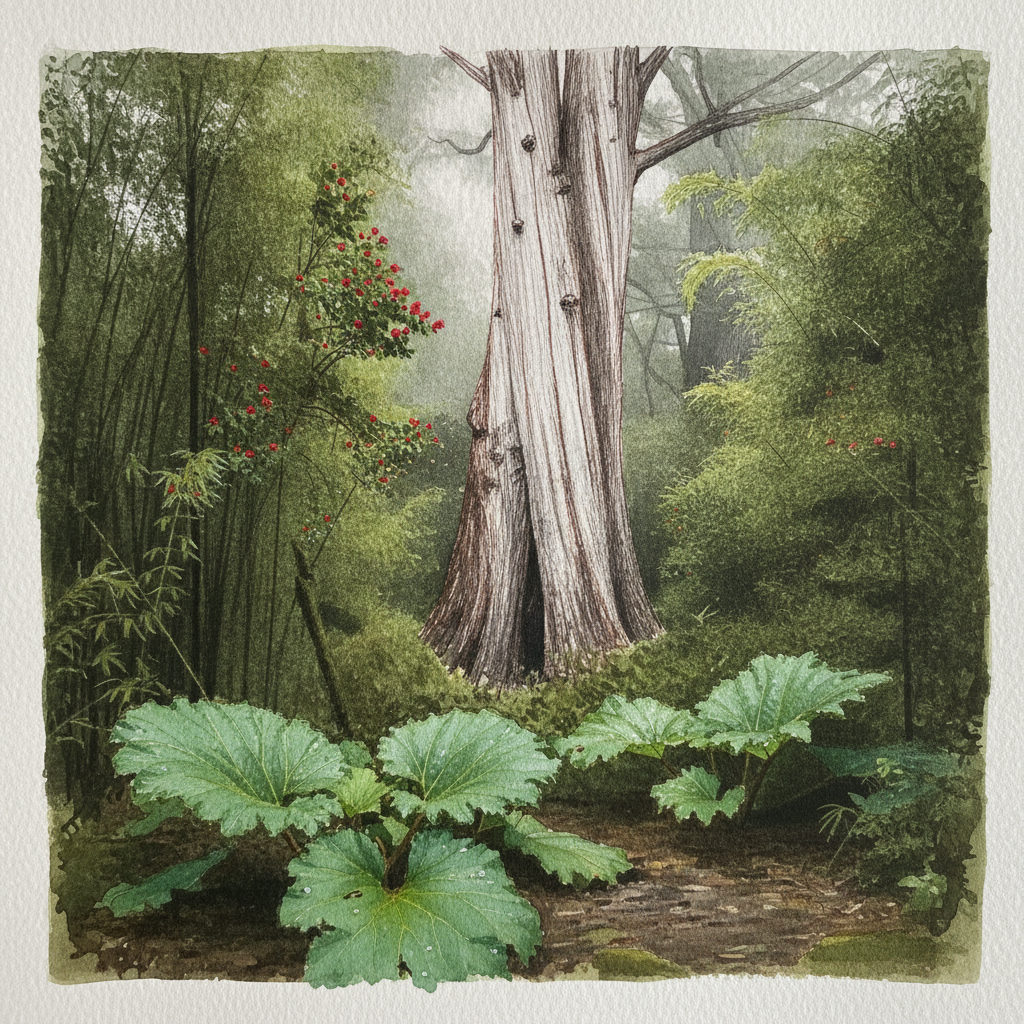
Focus for this piece
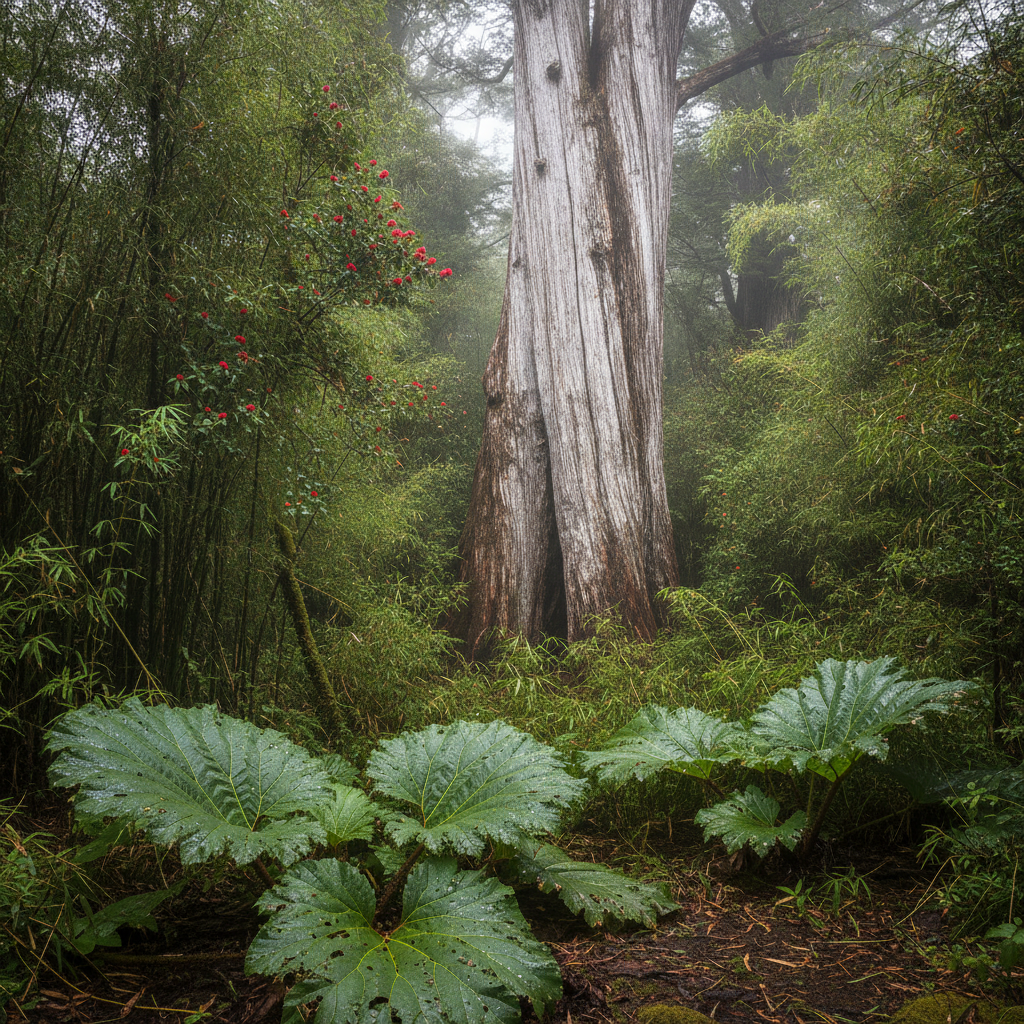
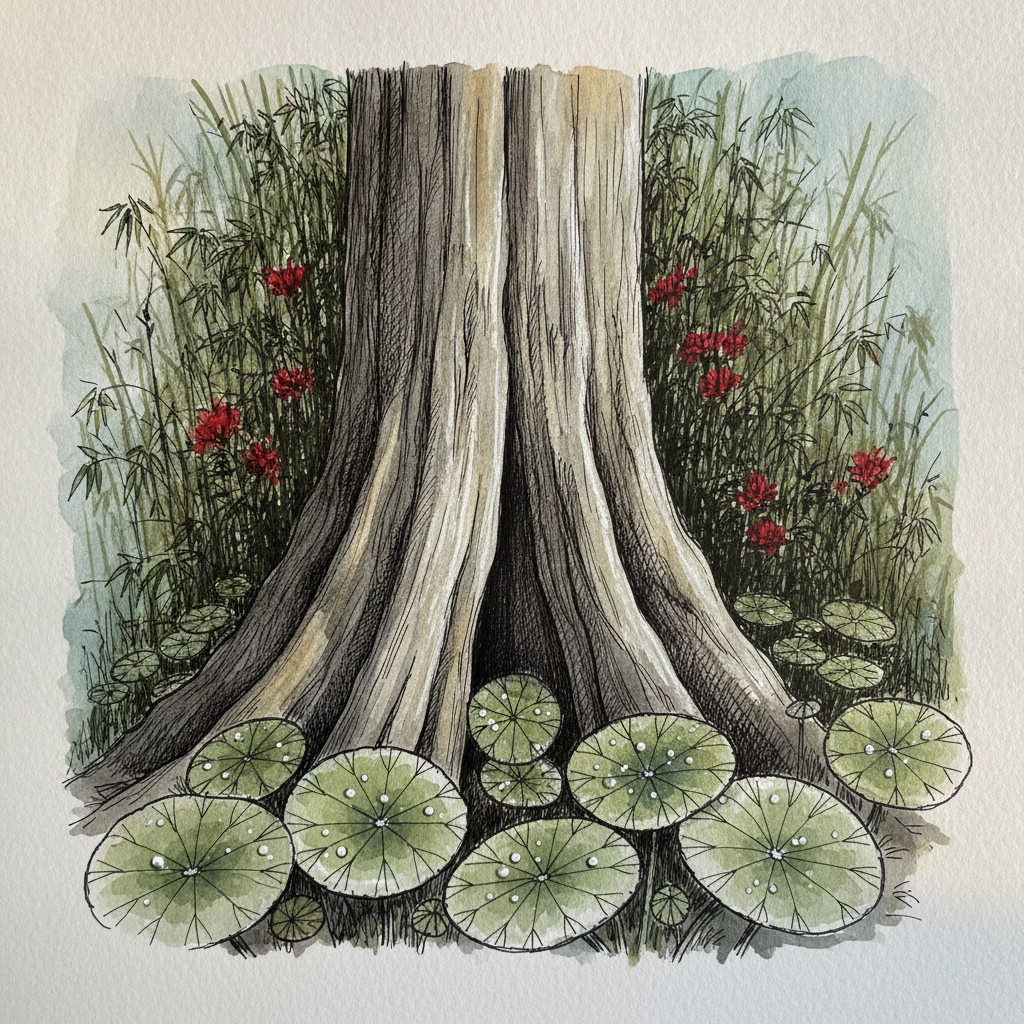
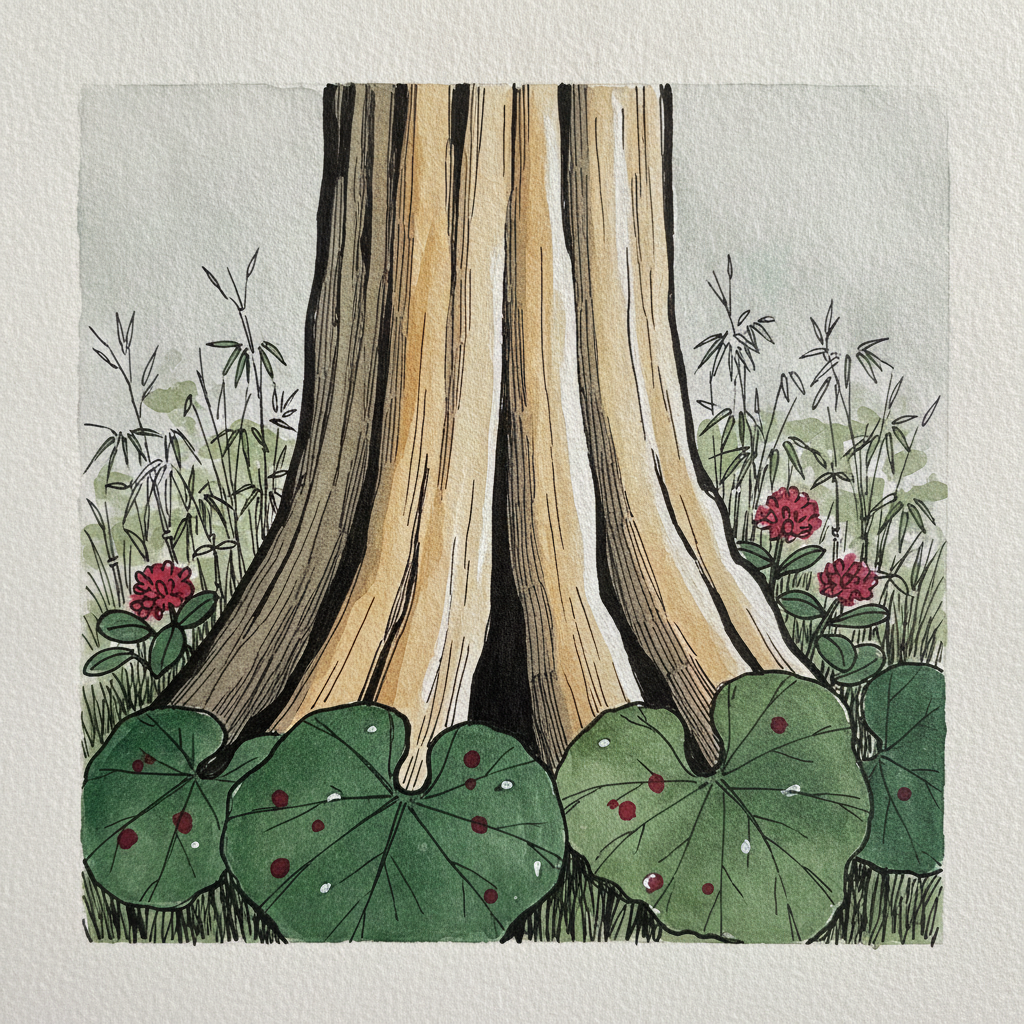
Today, let's hone in on managing the contrast between precise detail and atmospheric softness. Use varied, decisive pen lines to delineate the ancient, fluted texture of the alerce trunk and the distinct forms of the foreground nalca leaves. Then, employ soft, cool washes and minimal, broken ink lines for the misty background bamboo and distant notro, allowing the watercolor to suggest diffused light and receding depth.
Piece 6 — Cruise Ship Buffet Hall
Pen + Watercolor · Loose pen and watercolor line-and-wash
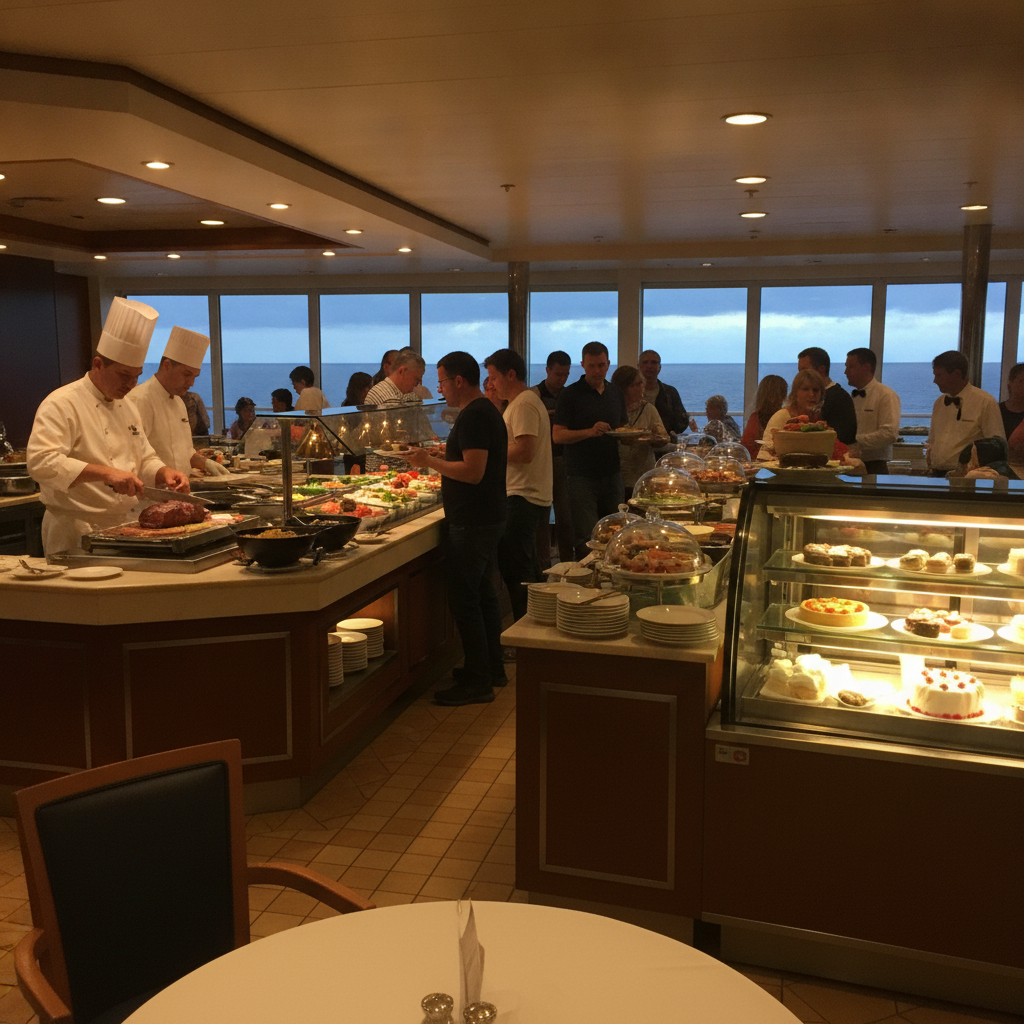
Three takes
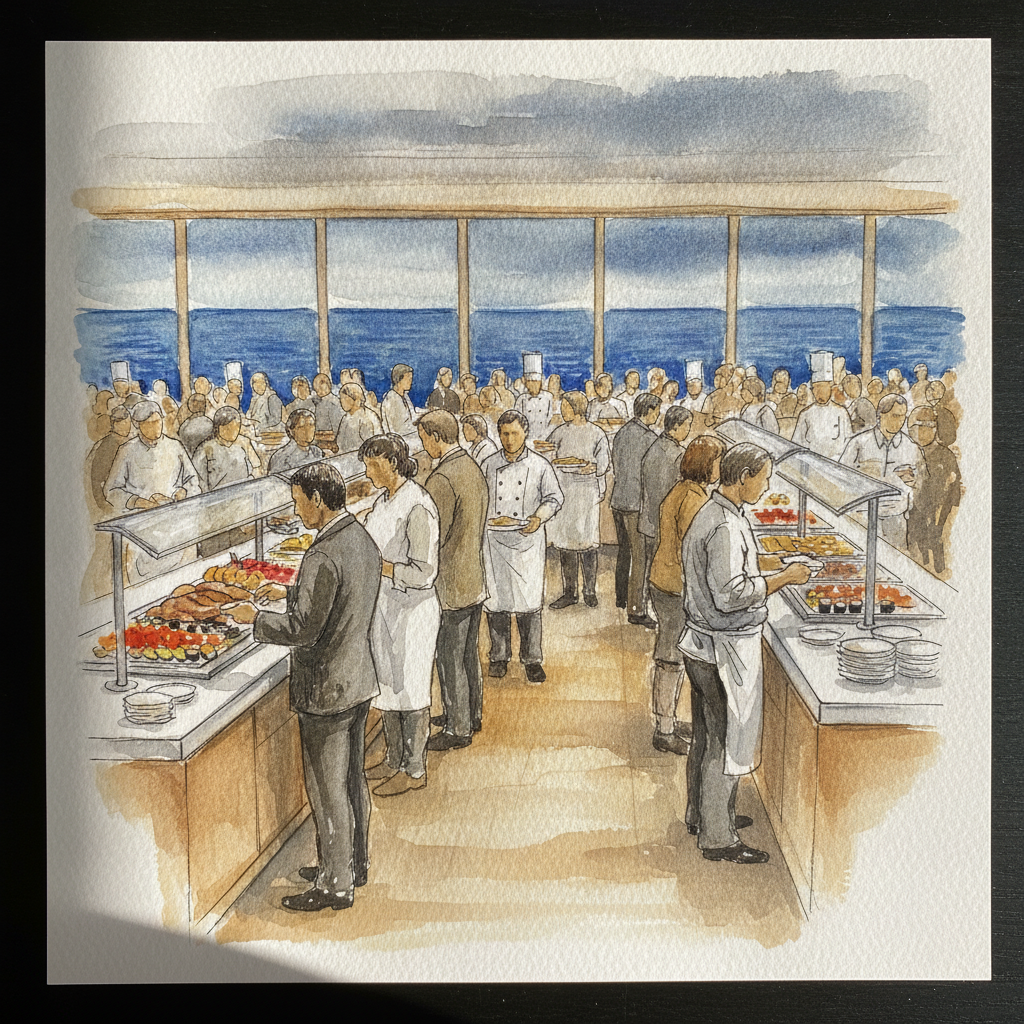
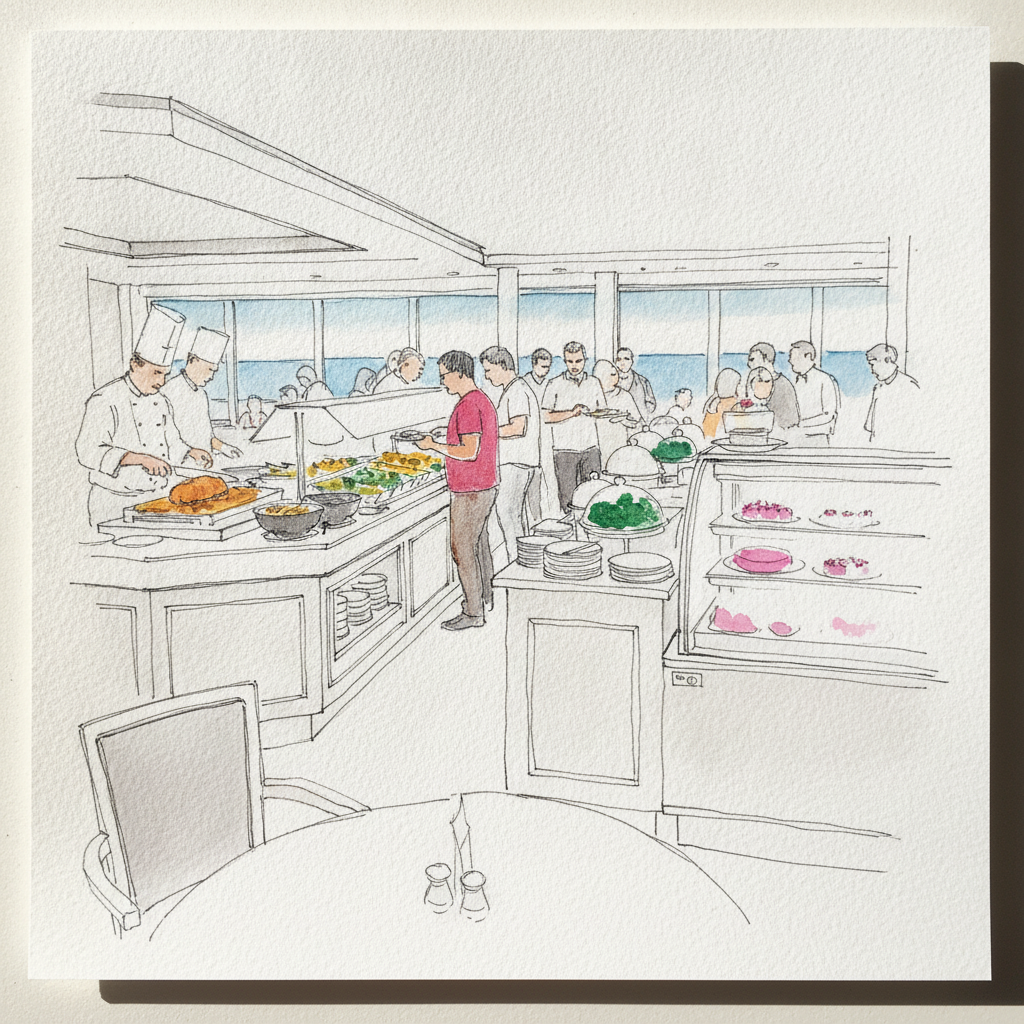
Focus for this piece
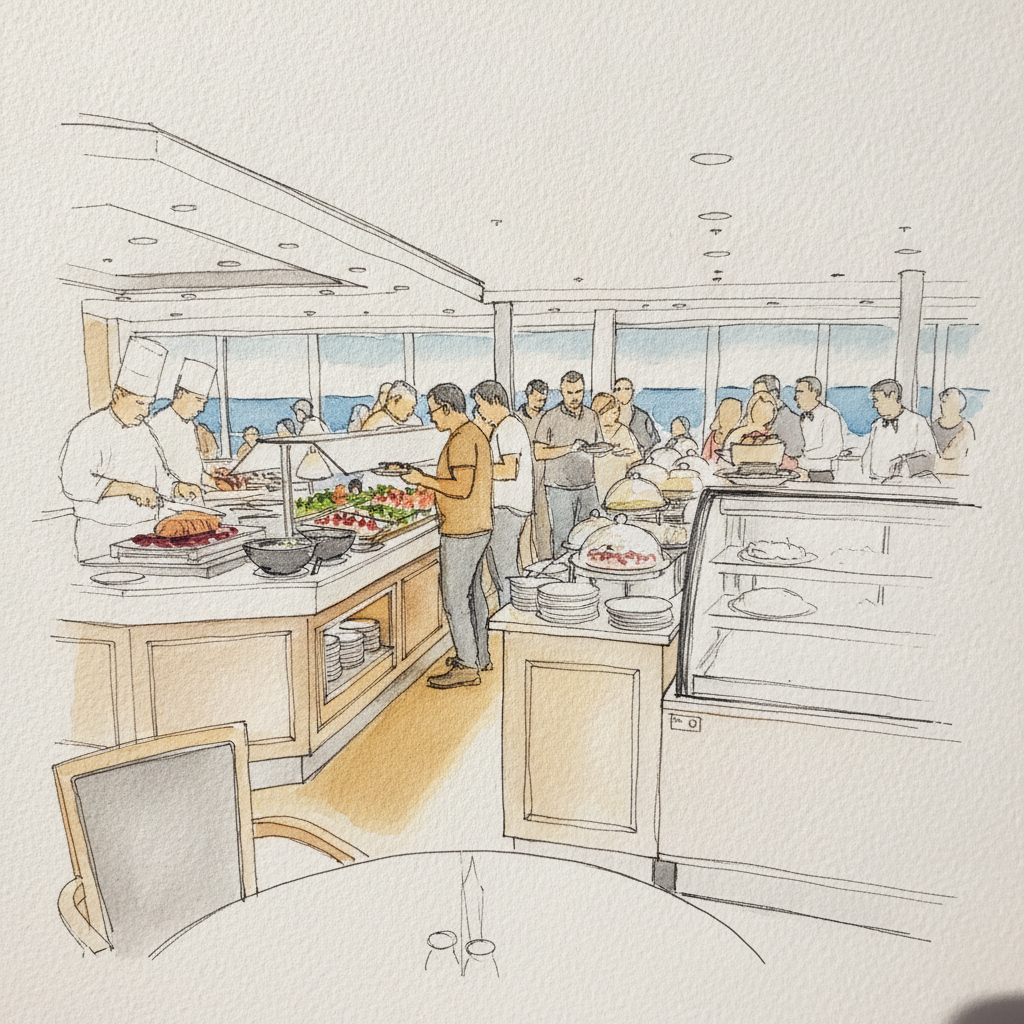
Today's buffet scene is ideal for practicing how to simplify a complex, bustling interior. Focus on using varied pen line weights: heavier lines for your immediate focal points like a carving station or a nearby diner, and increasingly lighter, broken lines to suggest the depth and activity further back. Complement this with broad, warm watercolor washes, applied wet-on-wet, to convey the ambient glow and the movement of the crowd, allowing the paint to suggest forms without requiring every single detail to be inked. Remember to reserve the white of the paper for bright highlights on reflective surfaces like glass cloches or cutlery.
Piece 7 — Bridge Prep, Hands Behind Head Temple-Side
Pen + Watercolor · Loose pen and watercolor line-and-wash

Three takes


Focus for this piece
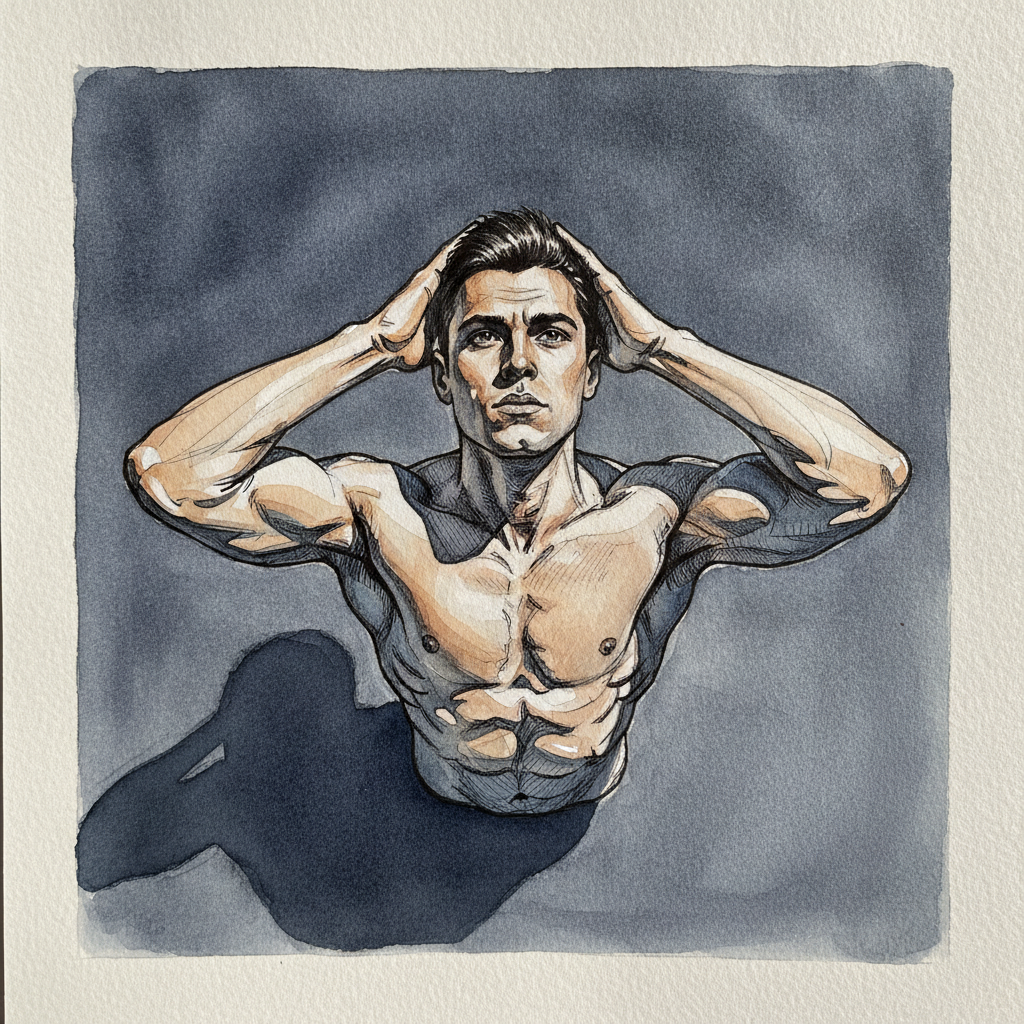
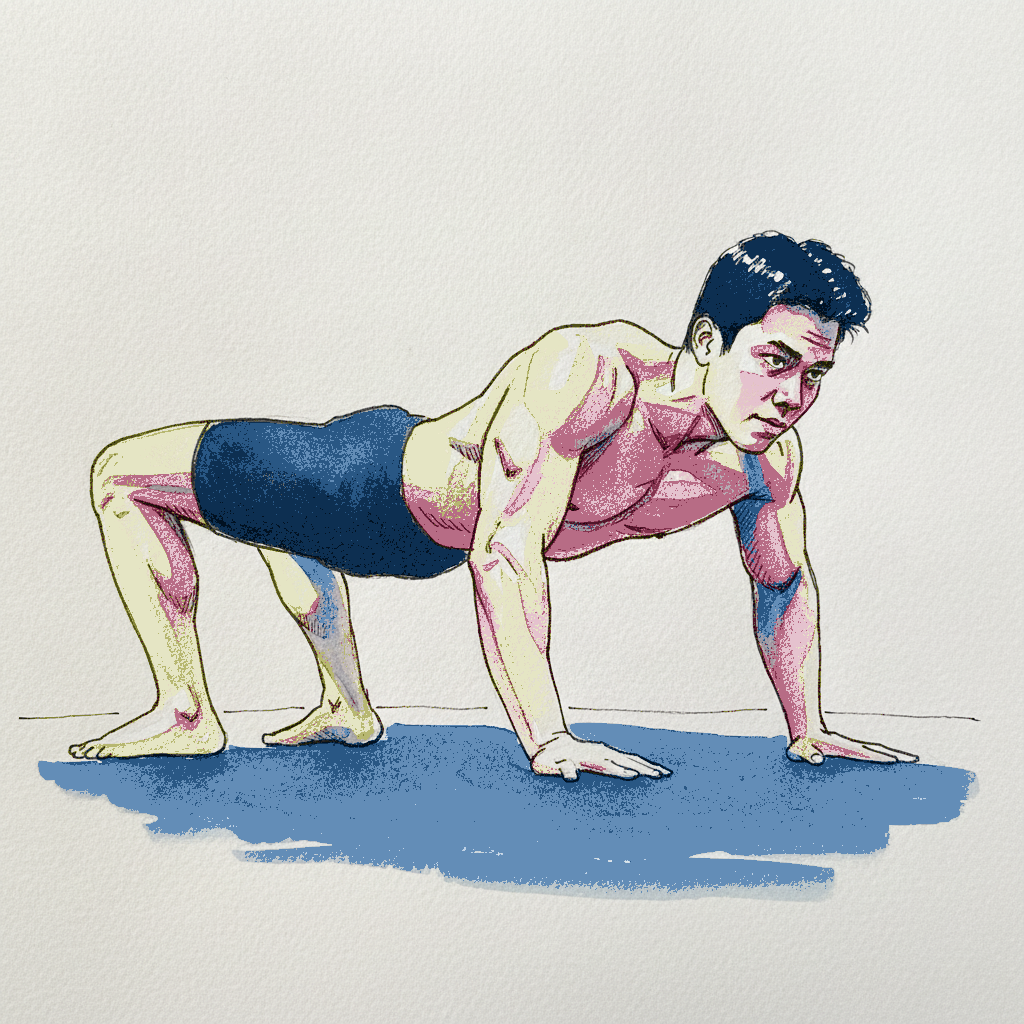
For this piece, concentrate on how varied ink lines can define the strong, foreshortened forms of the physique, particularly in the broad shoulders and engaged triceps. Complement this structure by modeling the volume with cool, even watercolor washes, keeping them light and transparent to capture the fluorescent overhead lighting. Notice how subtle shifts in wash value and soft edges contribute to the sense of depth and tension without obscuring your initial line work.
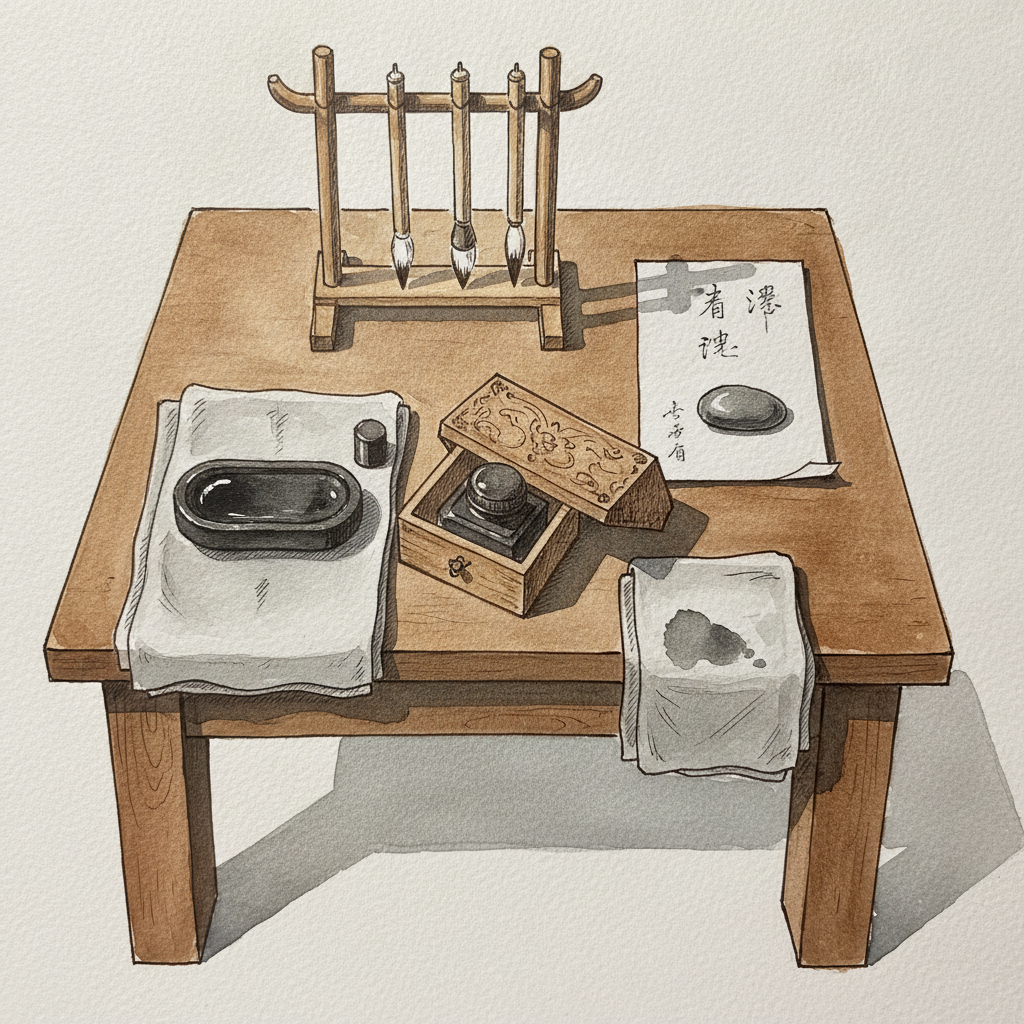
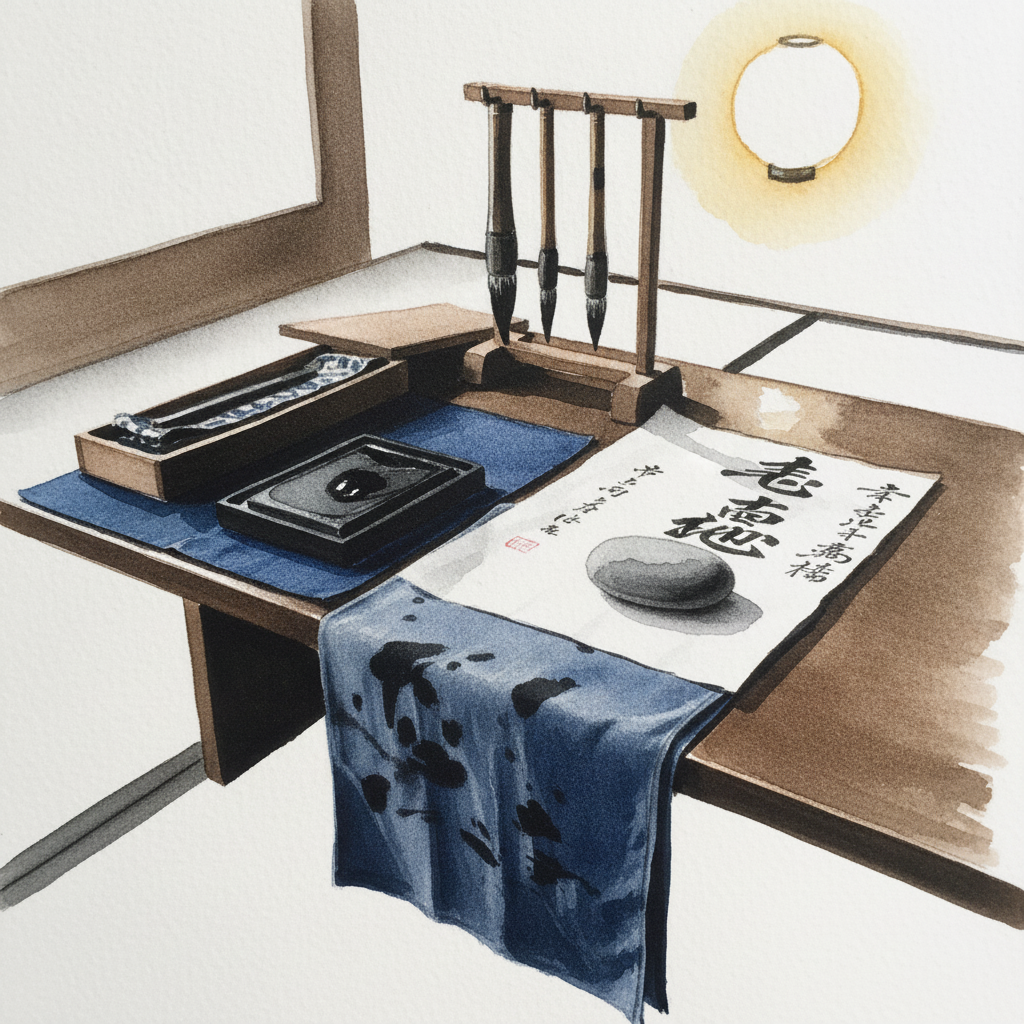
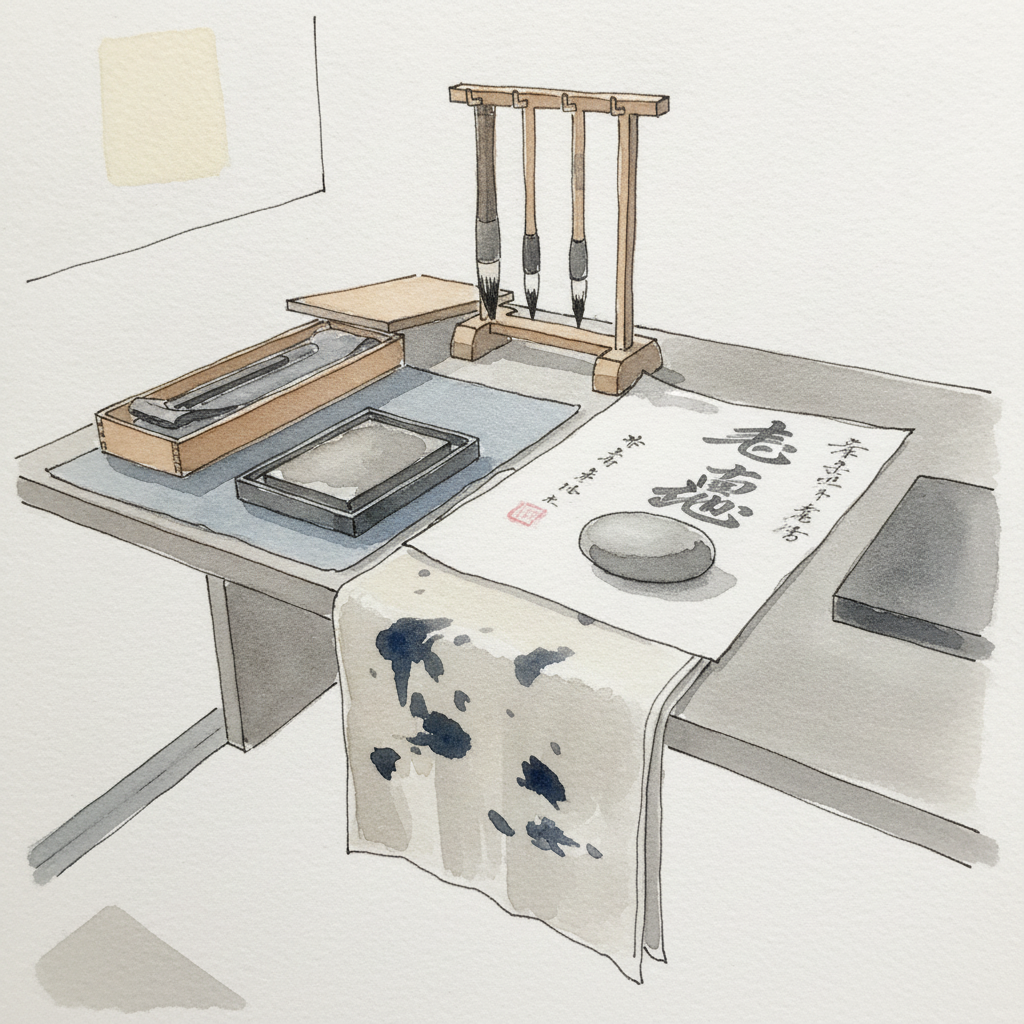
Piece 8 — Cleanup at Day's End
Pen + Watercolor · Loose pen and watercolor line-and-wash
Three takes
Focus for this piece
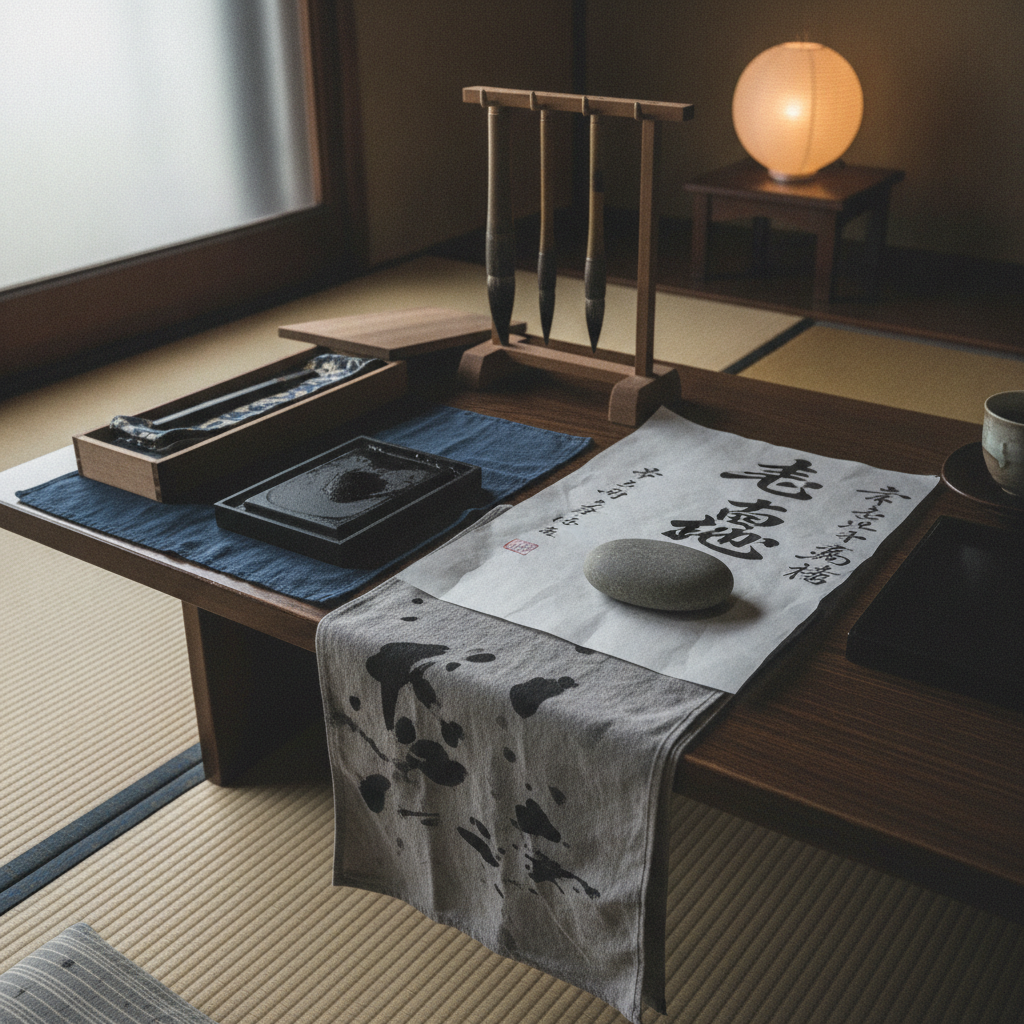
This piece offers an excellent opportunity to practice conveying a quiet, low-light atmosphere through subtle value shifts in your washes. Pay particular attention to how a limited, muted palette and restrained brushwork can differentiate the textures of the smooth stone, paper, and folded cloth. Use fine, descriptive pen lines to define these distinct objects without overpowering the soft watercolor effects, letting the wash primarily build the contemplative mood.