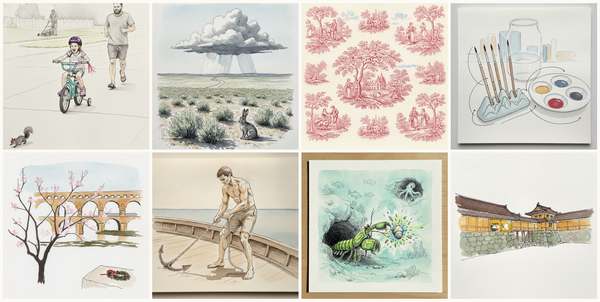
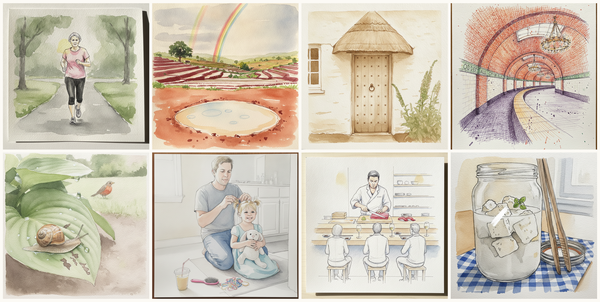
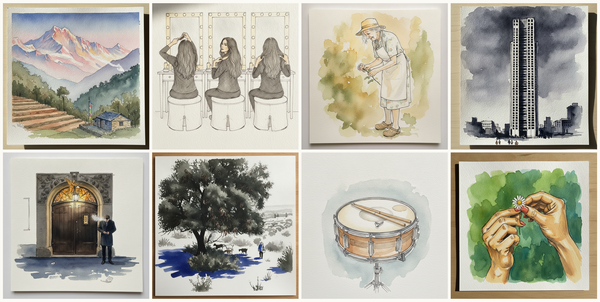
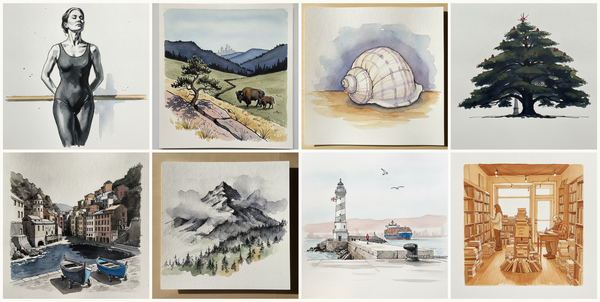
Serengeti dust trail at midday — short-grass plains south of Naabi Hill, Verrazzano-Narrows Bridge, New York, New York, USA, Display Jar of Cinchona Bark, Inside a Greenhouse Dome, and more — pen + watercolor for August 7, 2026
AI-generated daily art-practice references for pen and watercolor: Serengeti dust trail at midday — short-grass plains south of Naabi Hill, Verrazzano-Narrows Bridge, New York, New York, USA, Display Jar of Cinchona Bark, Inside a Greenhouse Dome, Wall Slot in a Vienna Apartment Entryway, Push-up…
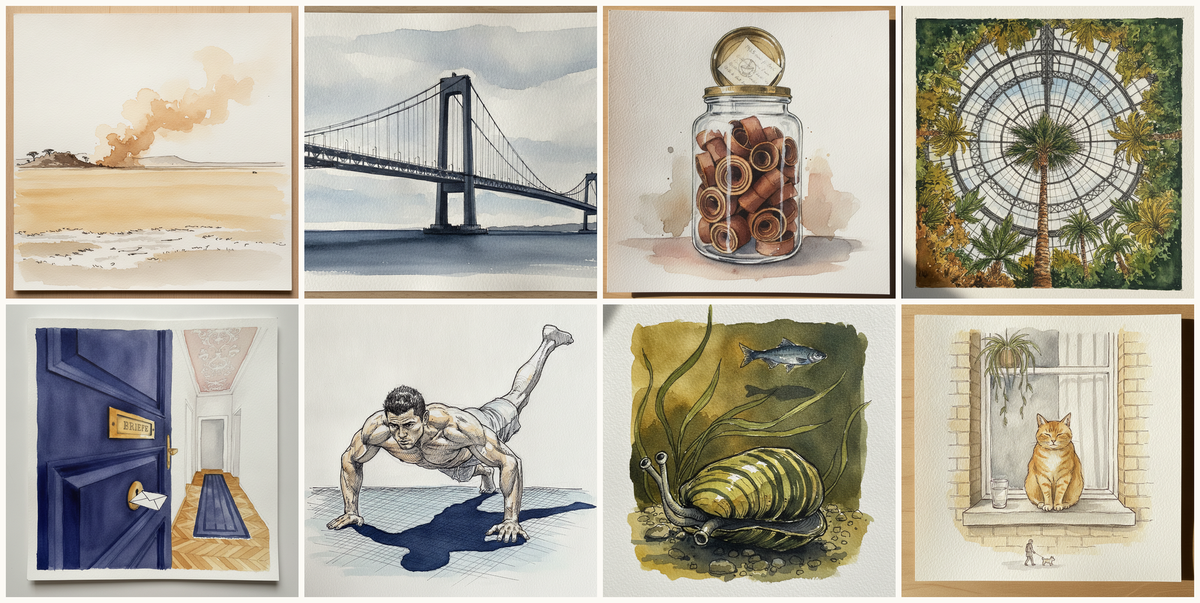
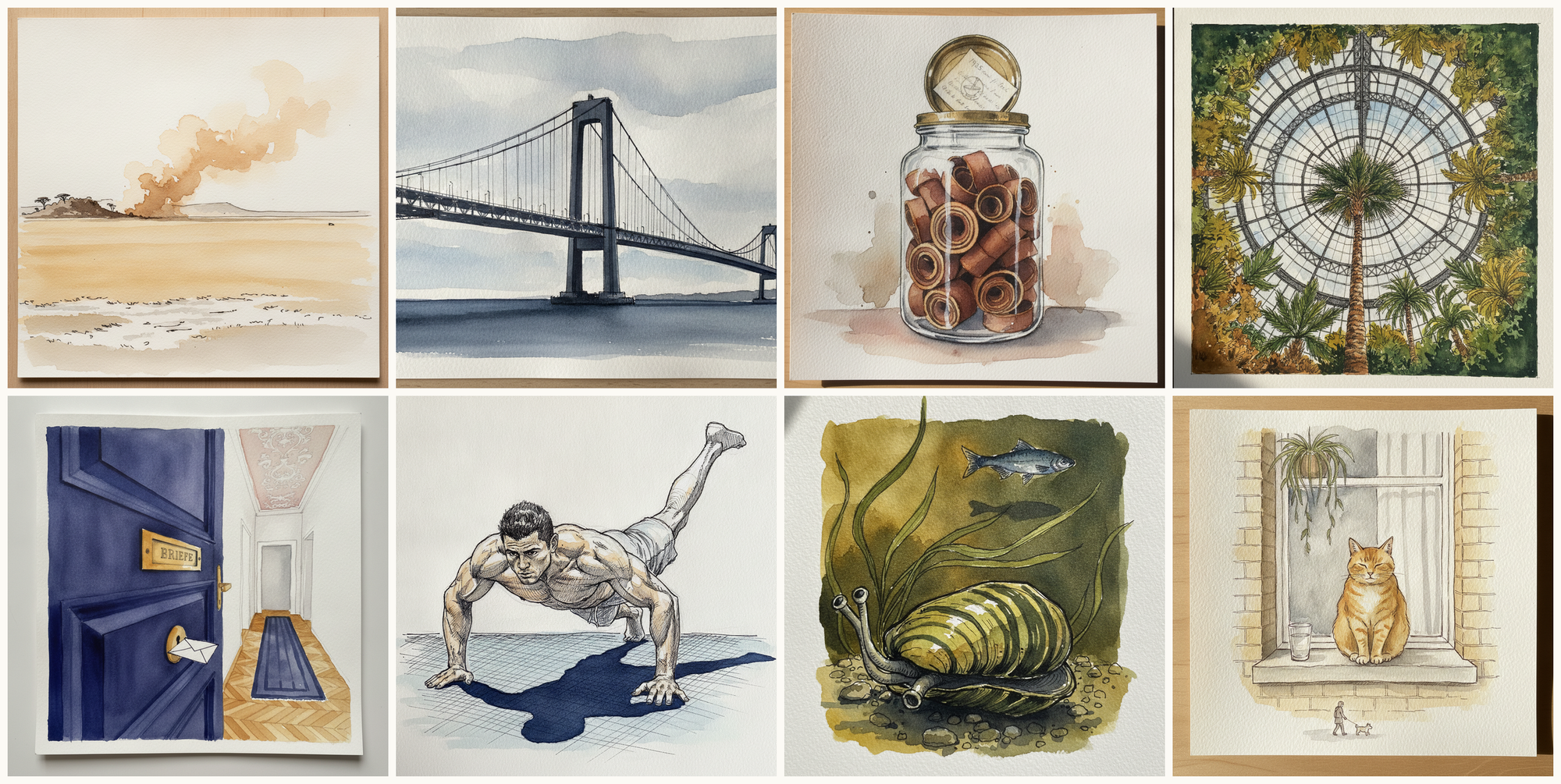
Today's 8 pen-and-watercolor pieces: Serengeti dust trail at midday — short-grass plains south of Naabi Hill, Verrazzano-Narrows Bridge, New York, New York, USA, Display Jar of Cinchona Bark, Inside a Greenhouse Dome, Wall Slot in a Vienna Apartment Entryway, Push-up top, single leg lifted, Painter's mussel, Apartment window with cat watching. Each piece comes with an AI-generated photoreal reference, three AI-generated example artworks in different treatments, and a short focus paragraph naming what to study in this one.
Why these references use AI
This daily series uses AI-generated images as practice prompts, not as finished artwork to copy. Each subject starts with a synthetic photoreal reference generated with Gemini/Nano Banana, then moves into three pen-and-watercolor interpretations of the same subject.
I use AI here because daily art practice needs variety and low friction. Real life can get repetitive, busy, or visually narrow. These generated reference sets make it easier to study bodies, buildings, animals, landscapes, objects, gestures, light, palettes, and compositions that might not show up in an ordinary day.
The goal is not to reproduce any image directly. Treat each set as a starting point for observation and study: choose what interests you, change the framing, simplify the subject, alter the palette, and make your own version.
Piece 1 — Serengeti dust trail at midday — short-grass plains south of Naabi Hill
Pen + Watercolor · Loose pen and watercolor line-and-wash
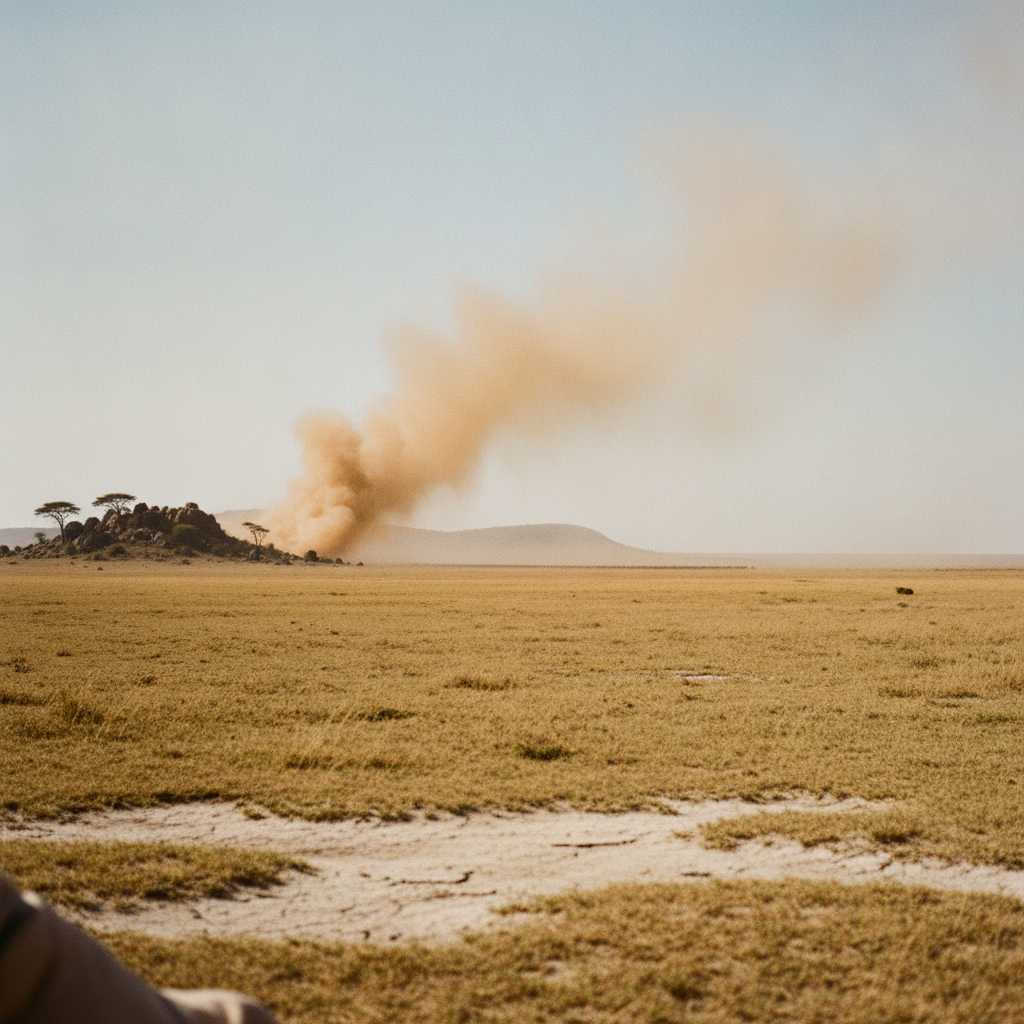
Three takes
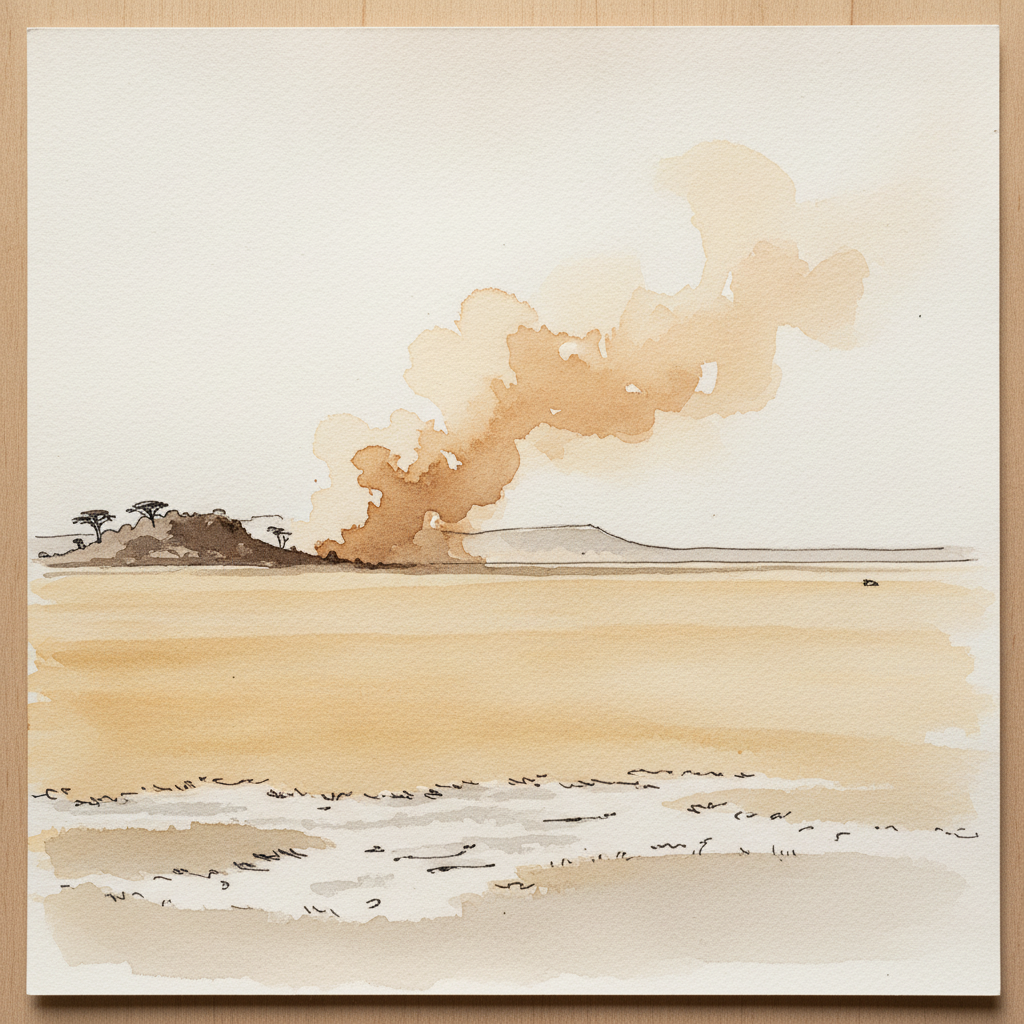
Focus for this piece
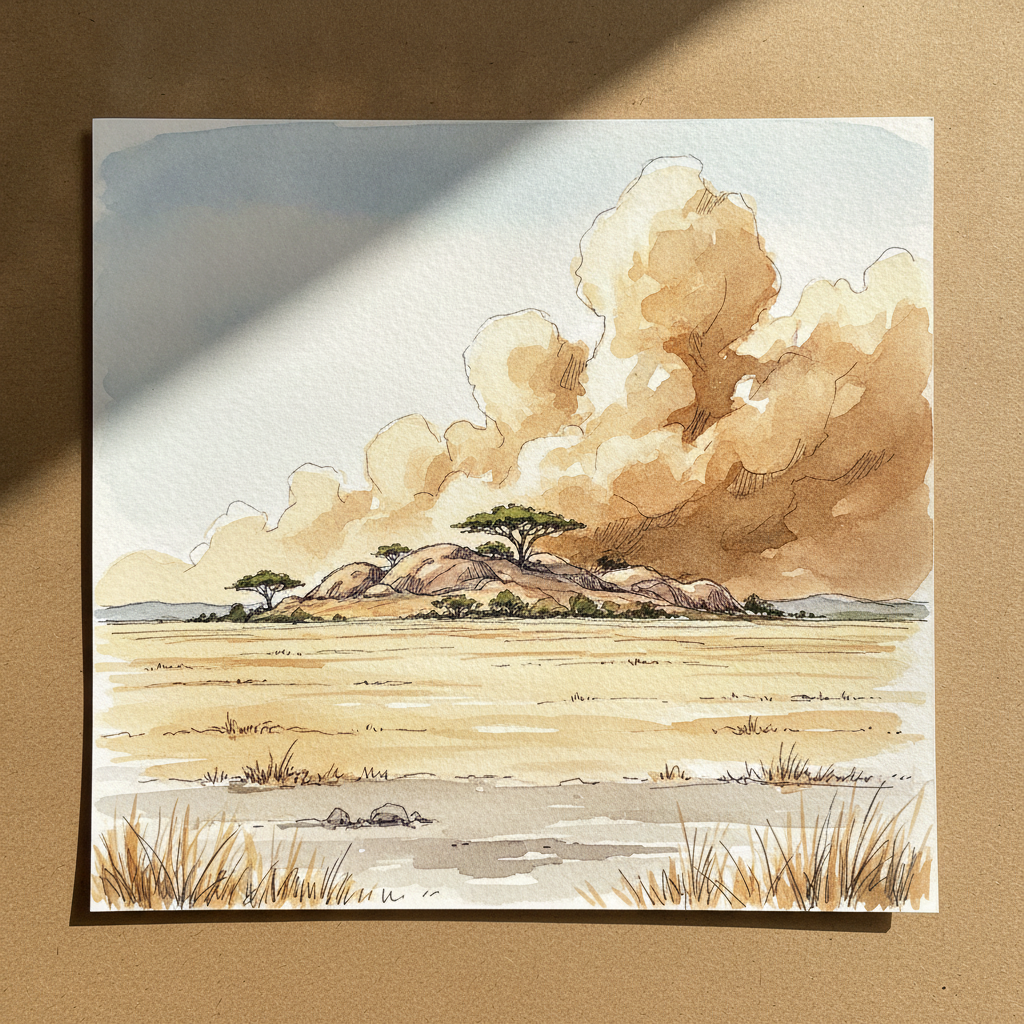
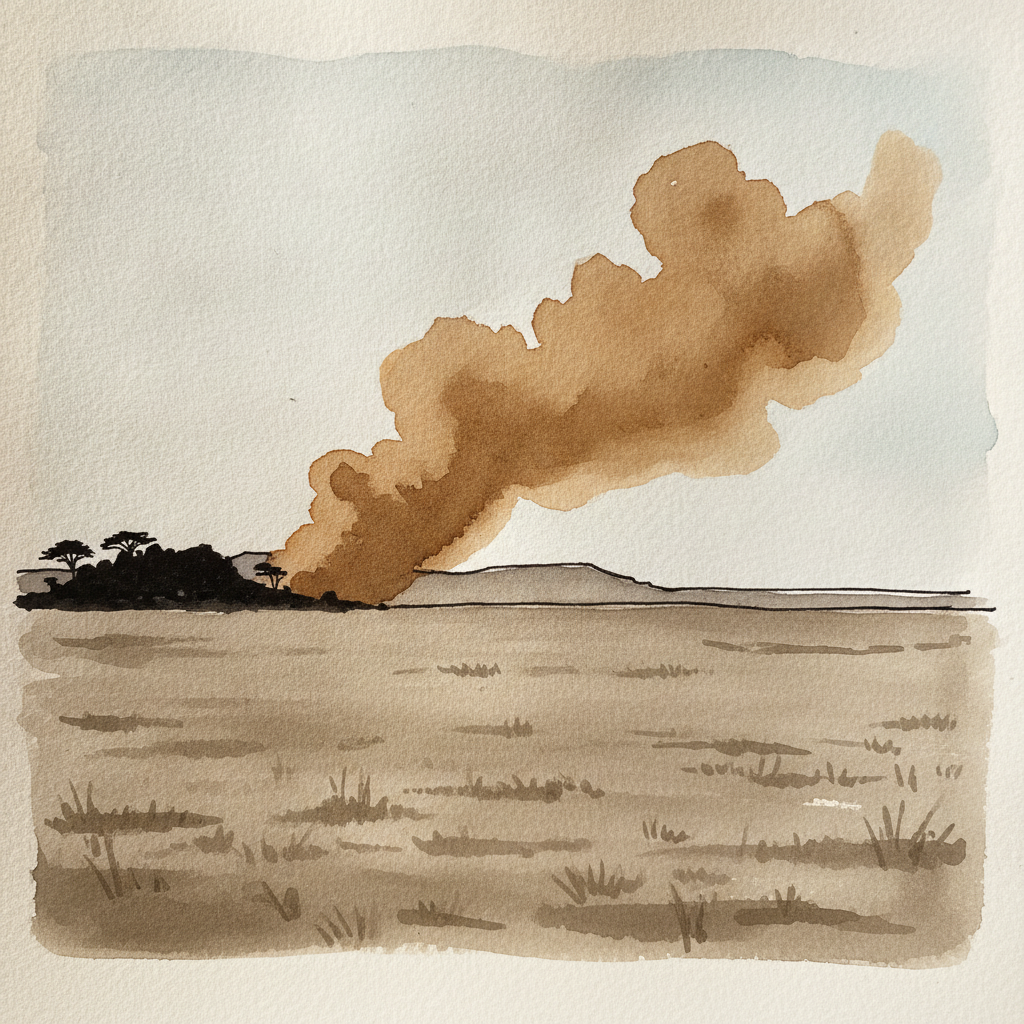
This piece offers a strong study in creating atmospheric depth and a sense of vast space by contrasting soft, blended washes with precise pen work. Focus on creating the expansive sky and the merging dust cloud with large, graded wet-on-wet washes, allowing pale ochre and blue pigments to bleed softly into each other to suggest haze and light. Use finer, broken pen lines and subtle dry brush textures for the foreground grass and distant, sparse details like the Naabi Hill kopje, ensuring the soft edges of the middle-ground dust remain the dominant atmospheric element.
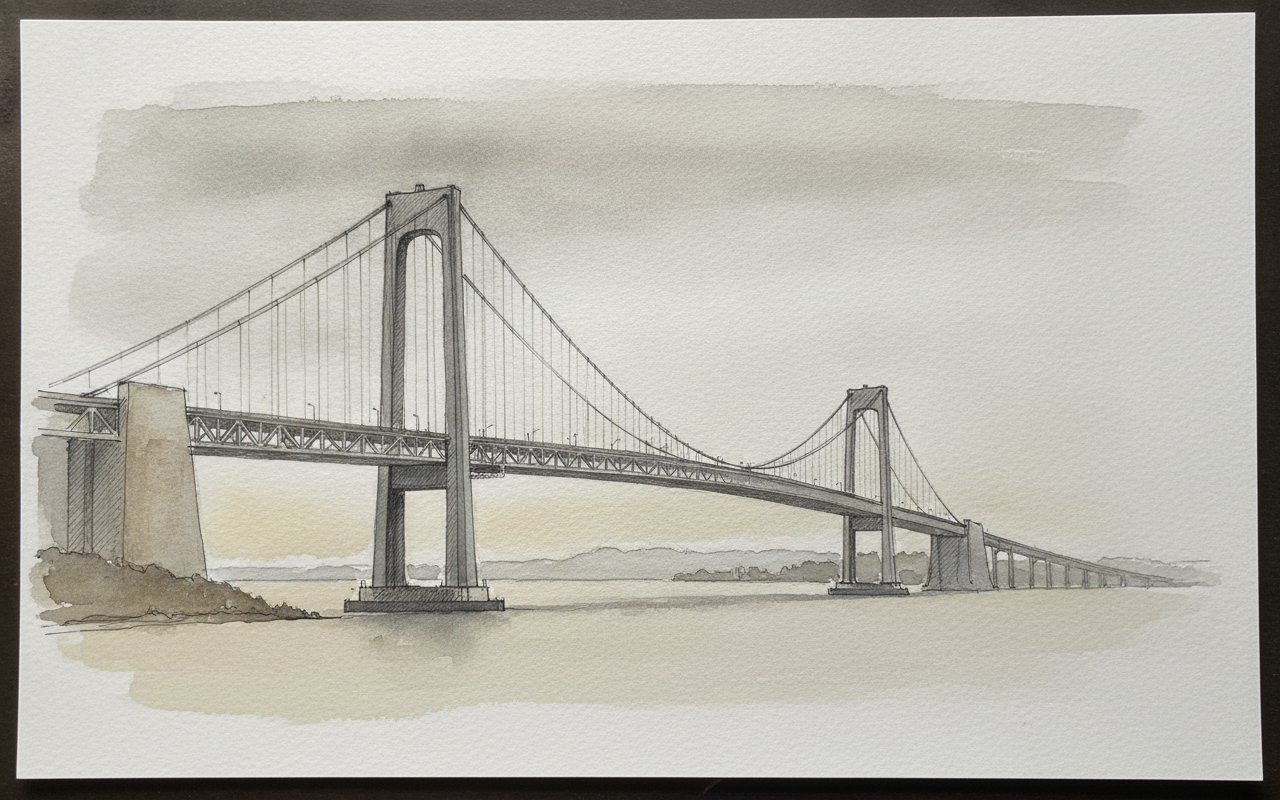
Piece 2 — Verrazzano-Narrows Bridge, New York, New York, USA
Pen + Watercolor · Loose pen and watercolor line-and-wash
Three takes

Focus for this piece
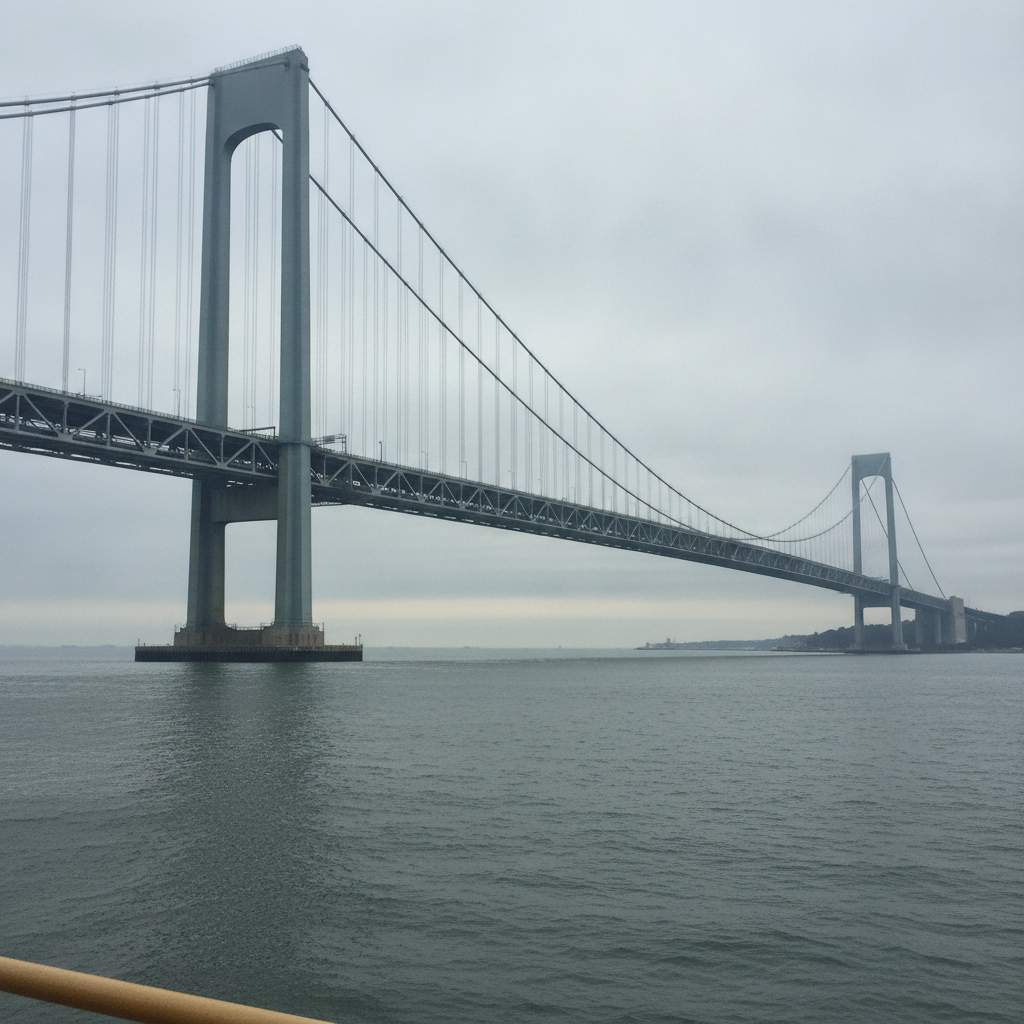
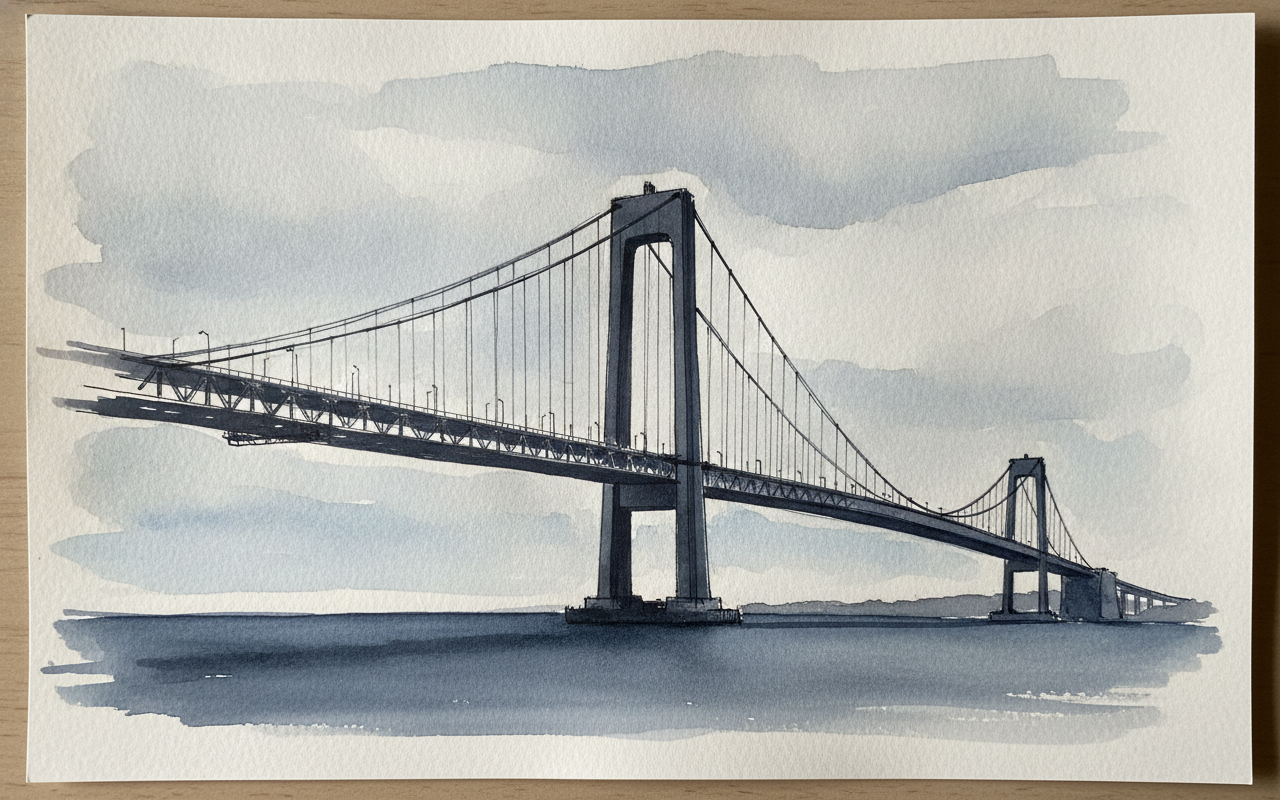
This piece offers a superb opportunity to practice conveying monumental scale and architectural detail through the distinctive strengths of line and wash. Focus on how varying pen line weights—thicker for the massive tower bases and deck, finer for the intricate cable tracery—establishes structural depth. Then, use delicate, layered washes of a restricted palette like Payne's Gray and a muted blue to suggest the atmospheric distance of the Narrows and the open Atlantic, allowing the ink to hold the precise form against the soft environment. Pay close attention to how these two elements combine to articulate both the bridge's absolute form and its grand presence in the vast landscape.
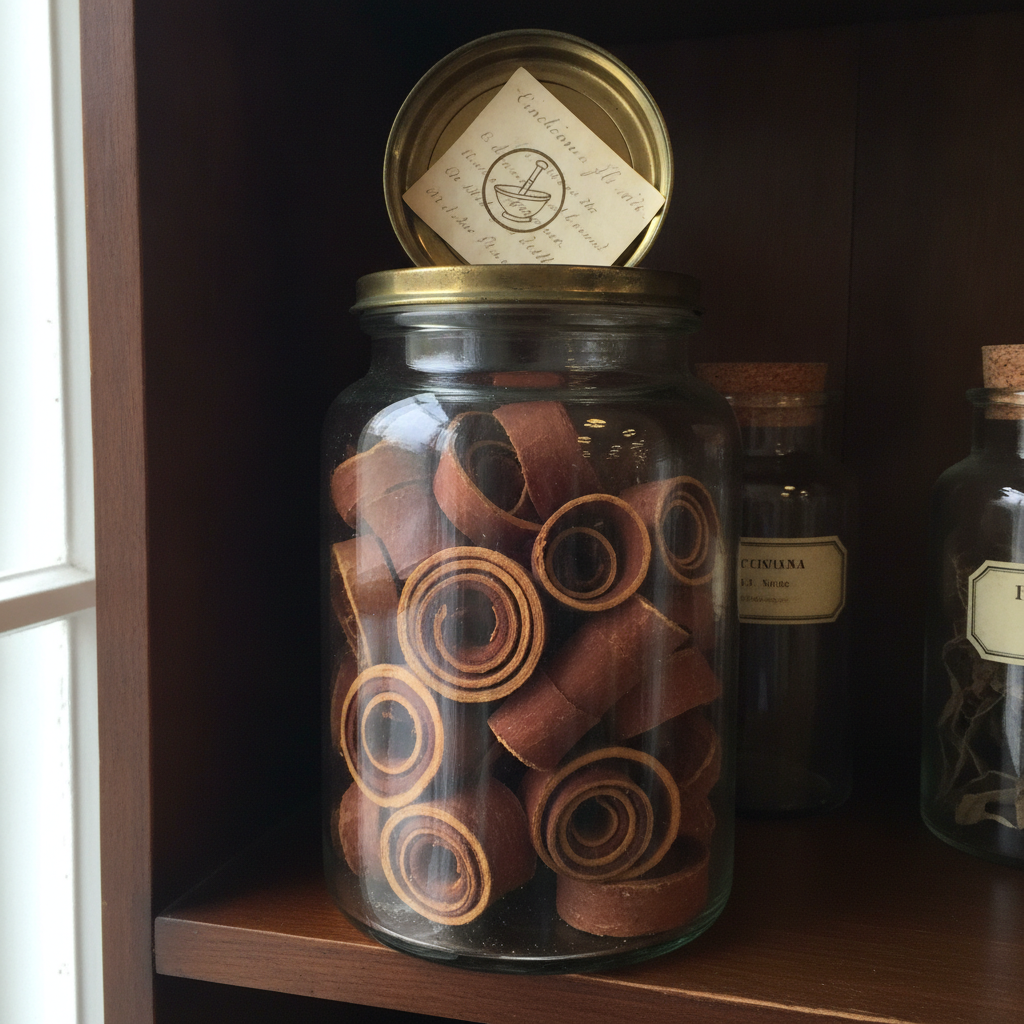
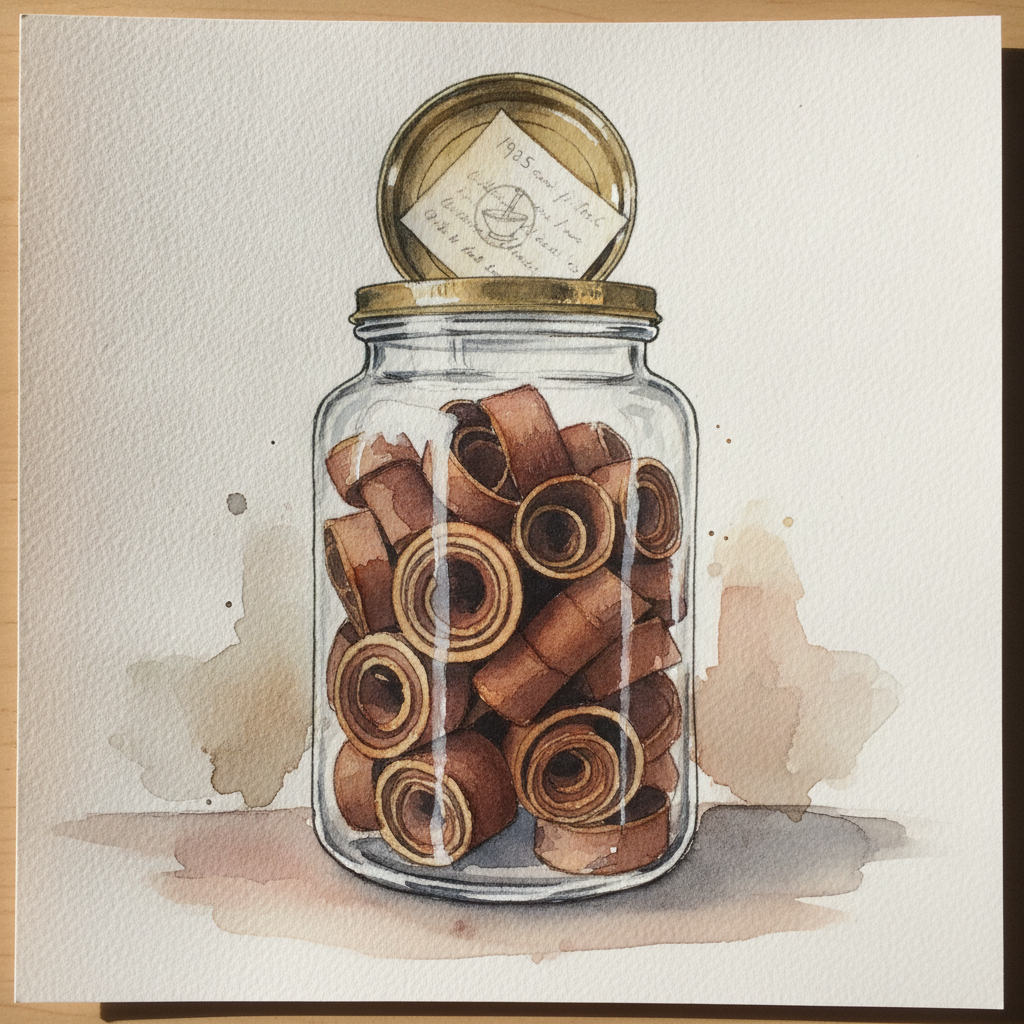
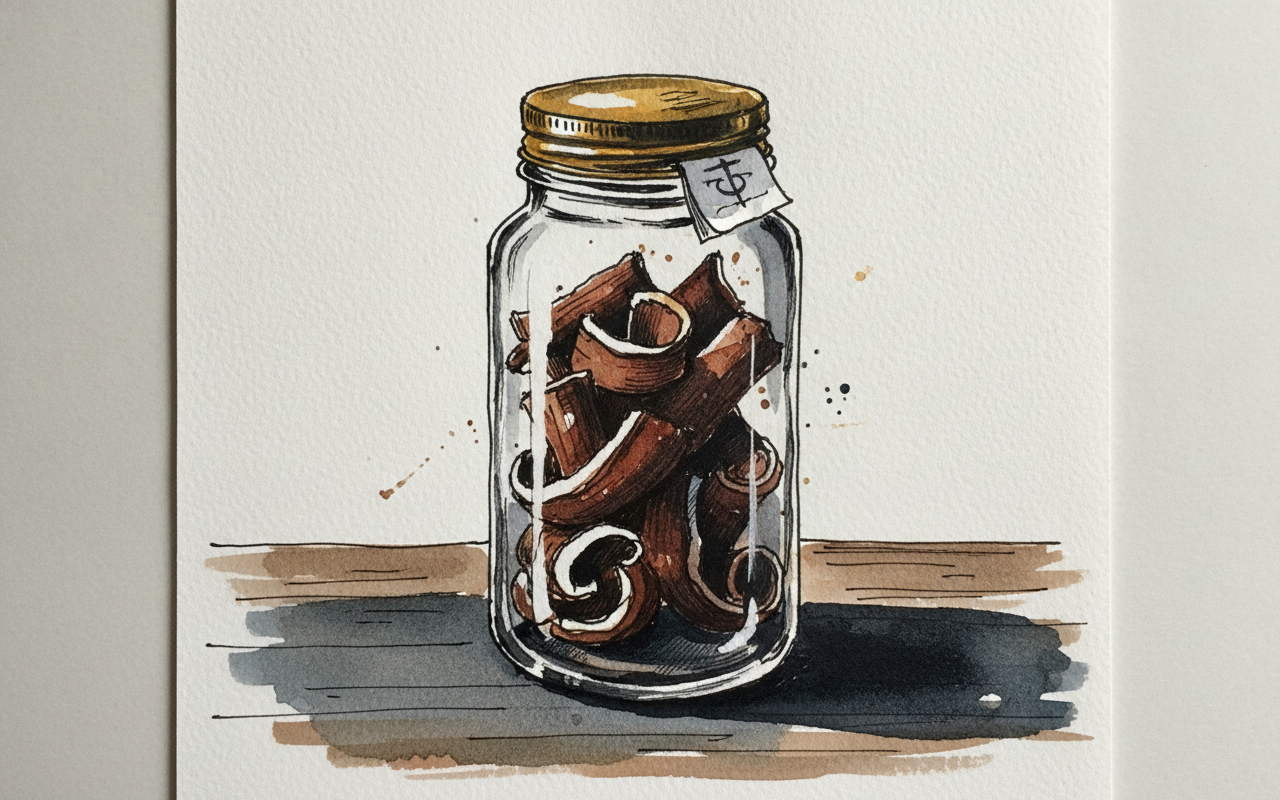
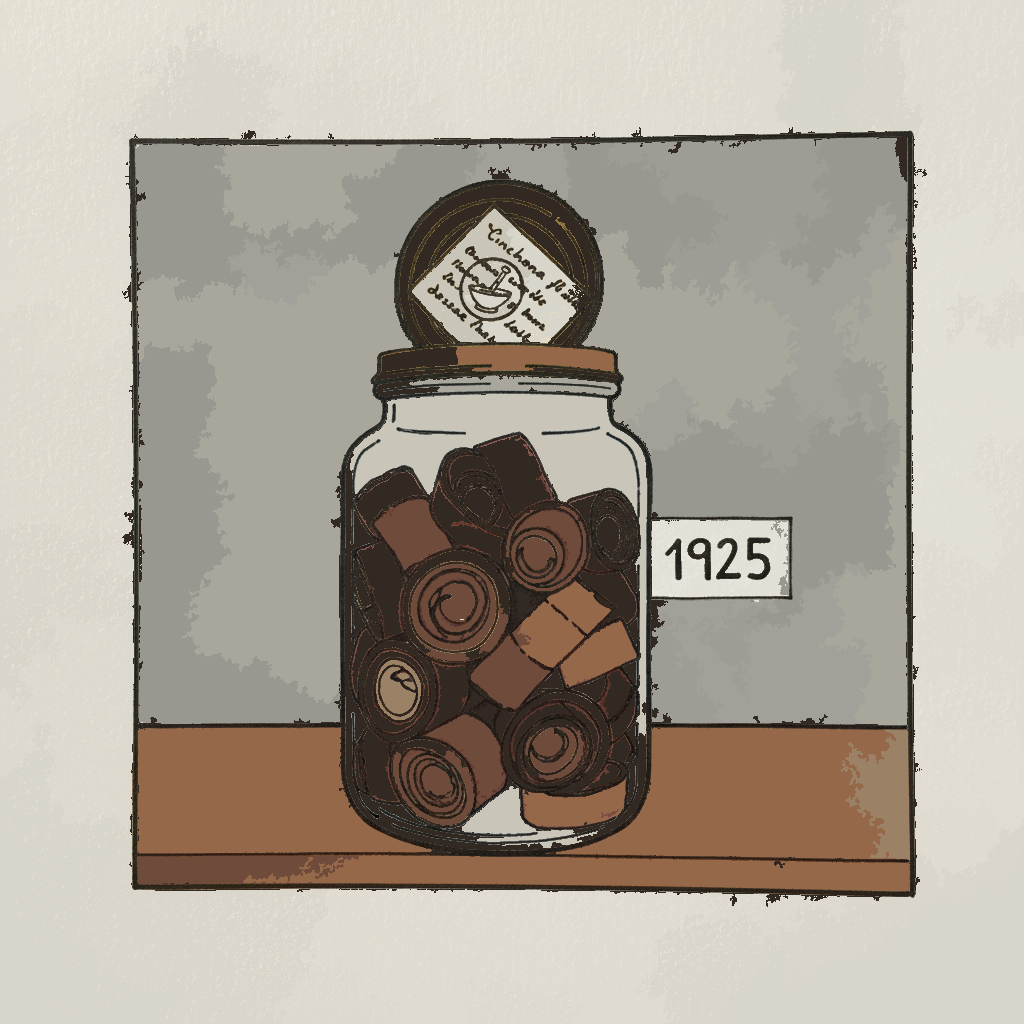
Piece 3 — Display Jar of Cinchona Bark
Pen + Watercolor · Loose pen and watercolor line-and-wash
Three takes
Focus for this piece
This piece is an excellent opportunity to practice rendering diverse textures and forms using a constrained palette under diffuse light. Focus on defining the glass jar's cylindrical volume with delicate, varied pen lines, allowing transparent washes to suggest its subtle reflections without strong contrast. Then, employ a mix of wet-on-wet and dry-brush watercolor to give the organic bark rolls their rough texture and inner glow, integrating precise pen details like the label and brass lid into the softer overall atmosphere.
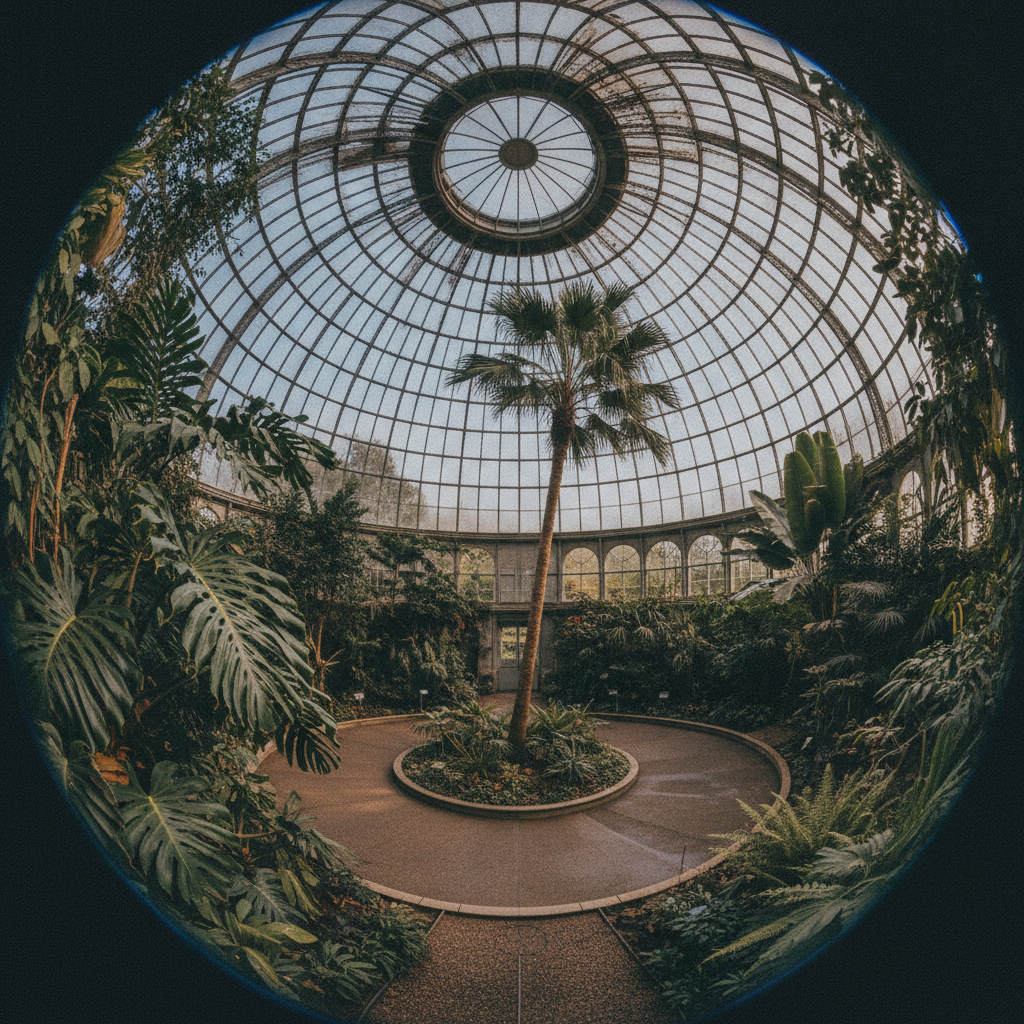
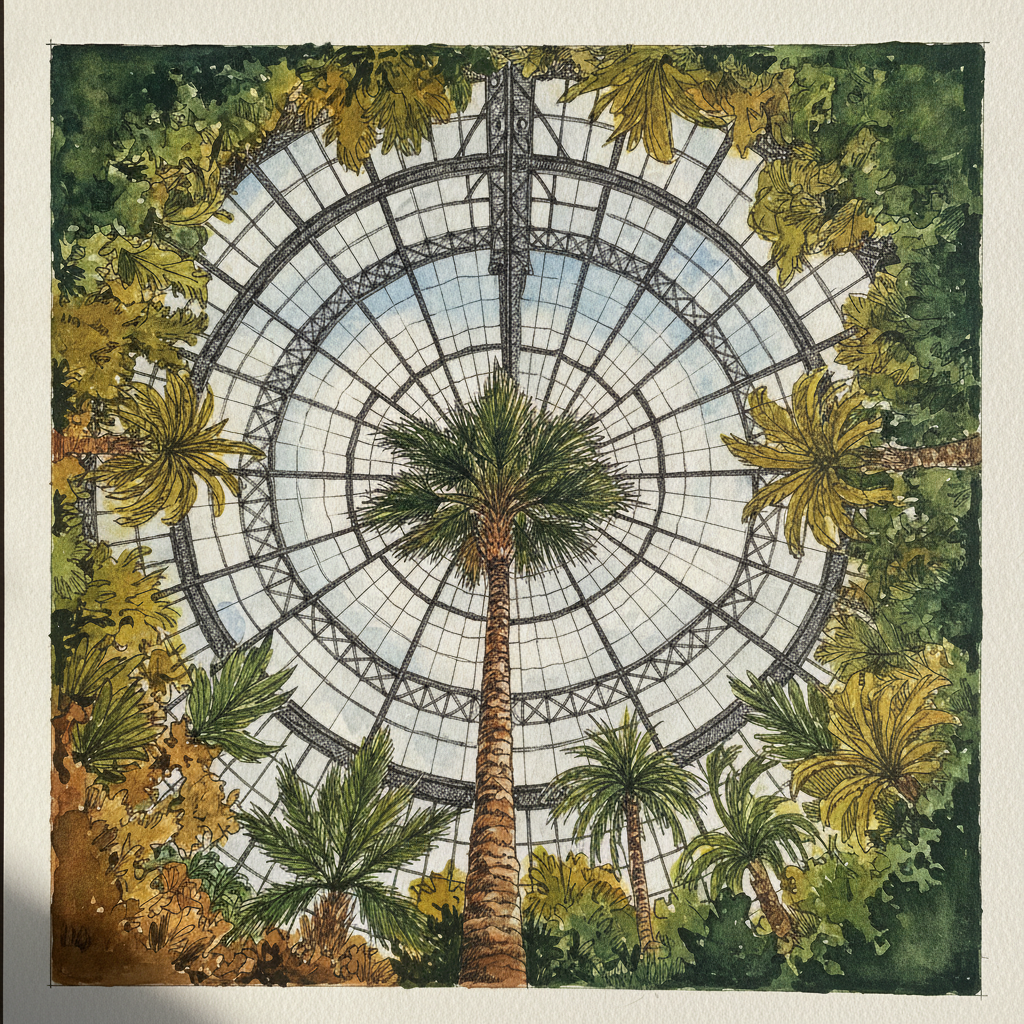
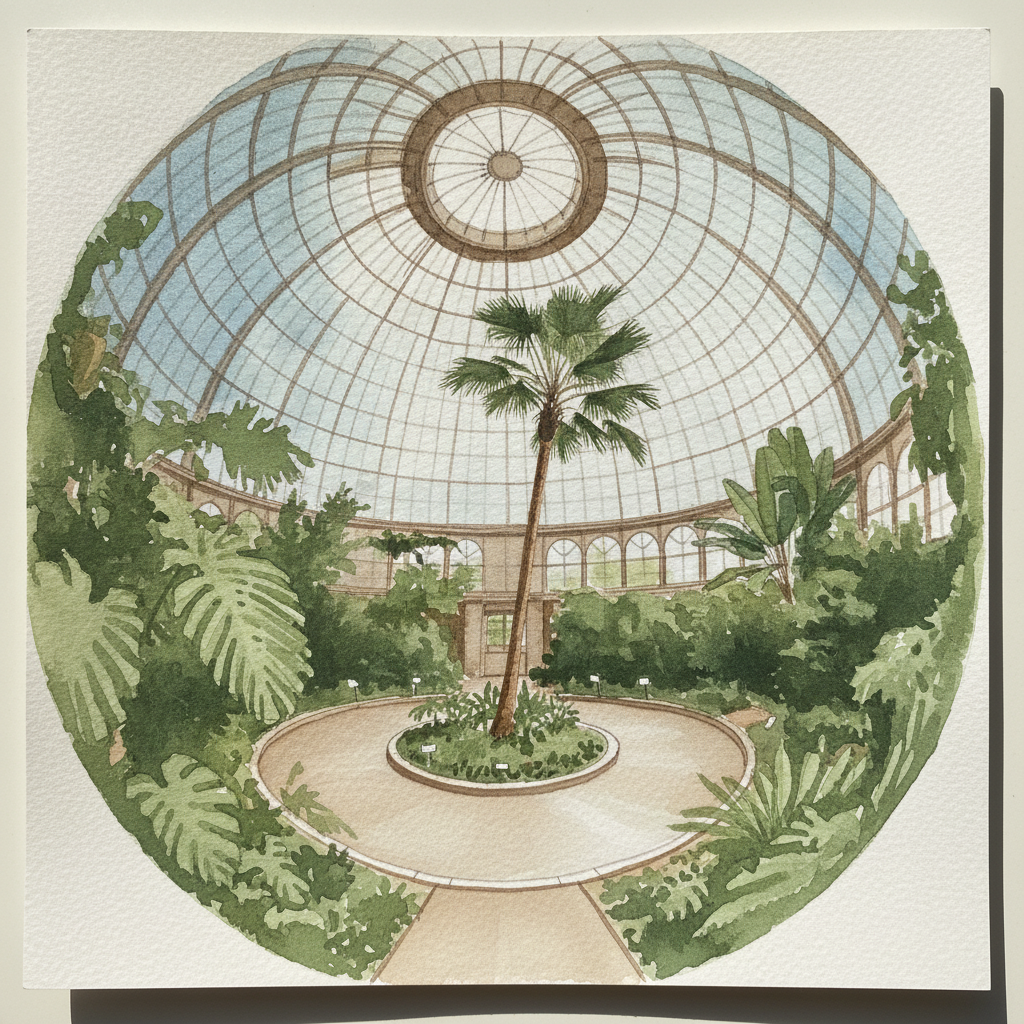
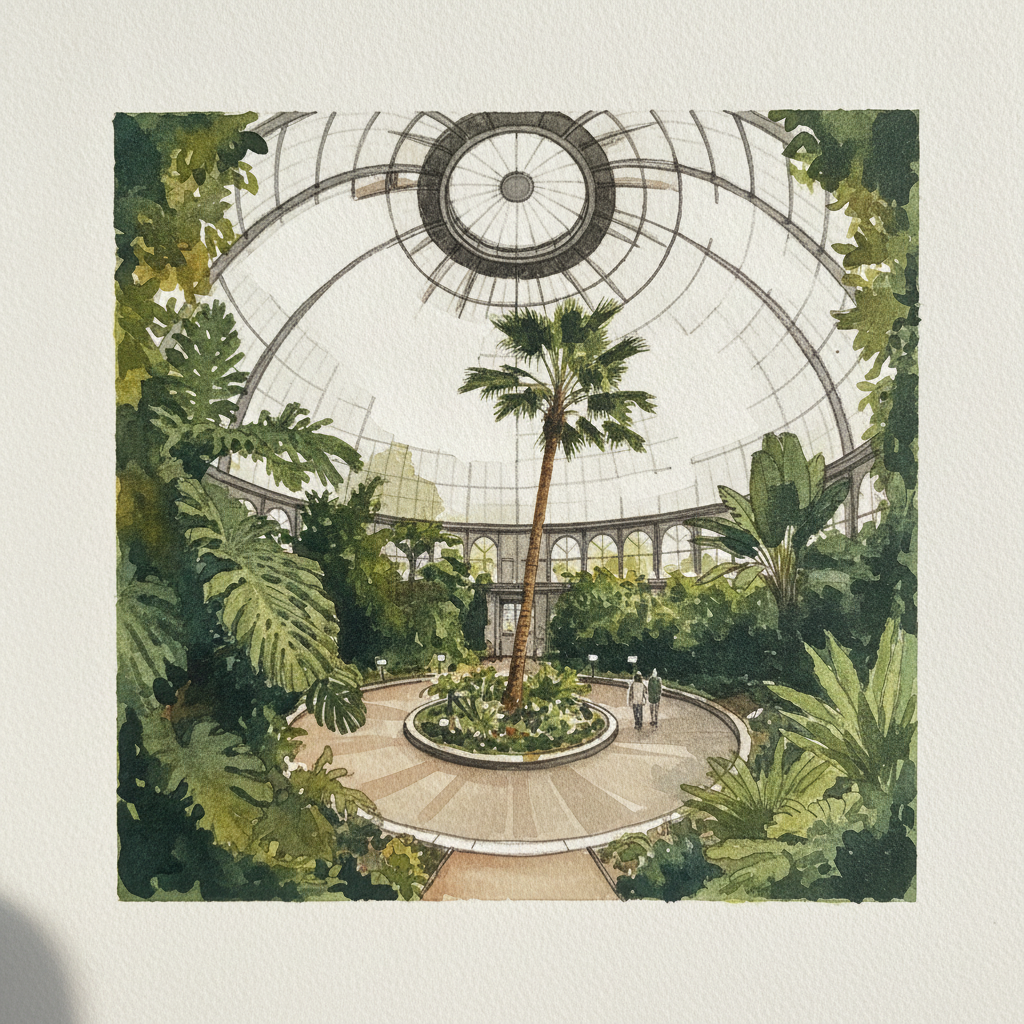
Piece 4 — Inside a Greenhouse Dome
Pen + Watercolor · Loose pen and watercolor line-and-wash
Three takes
Focus for this piece
This piece is ideal for exploring the tension between precise structural details and atmospheric light, essential for capturing the greenhouse's hyperreal, almost-spaceship quality. Use **crisp, varied line weights** to define the complex, curving framework and warped foreground elements, ensuring these lines maintain their integrity with **waterproof ink**. Then, apply **layered, translucent washes** to create the luminous, filtered light and soft, distorted foliage, allowing the watercolor to suggest volume and atmosphere while the pen holds the precise form. Focus on how the **concentric arcs** of the dome are defined by ink, while the light bending through glass is rendered by fluid washes.
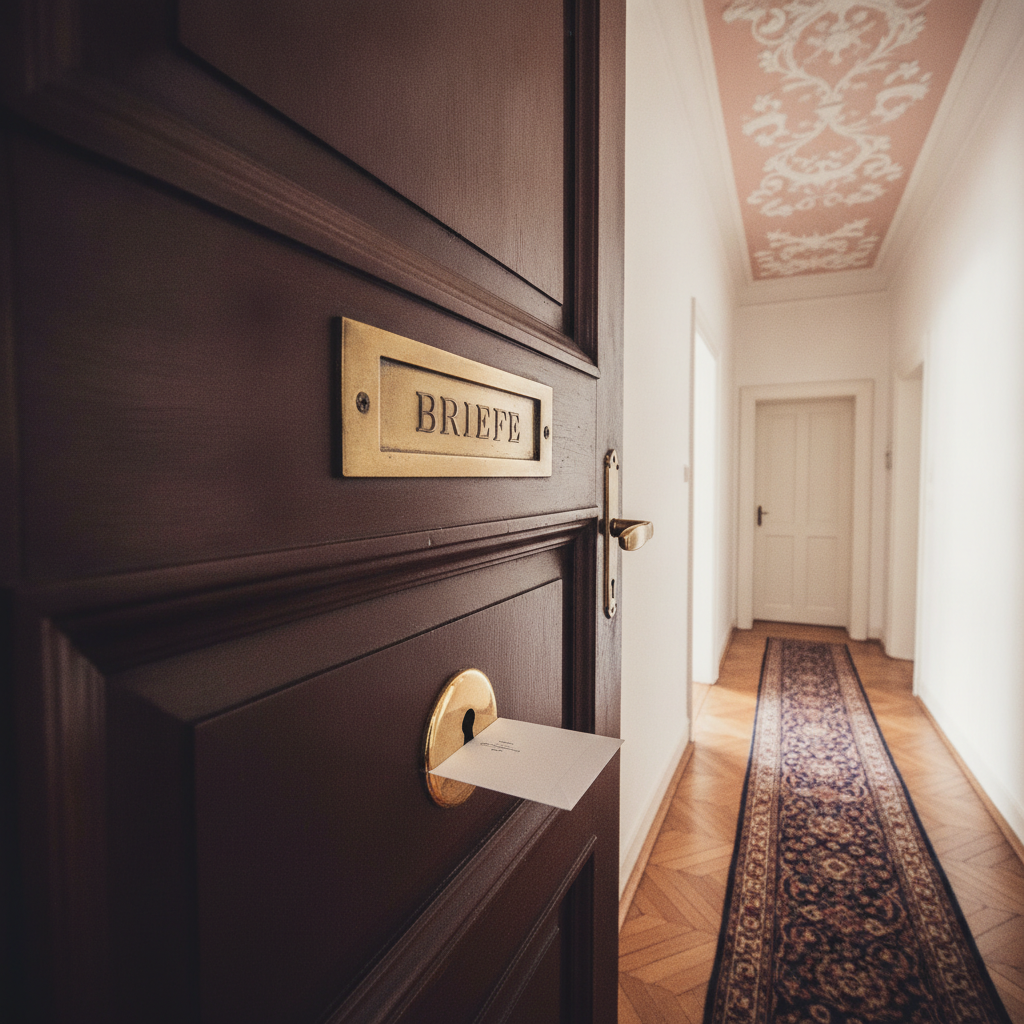
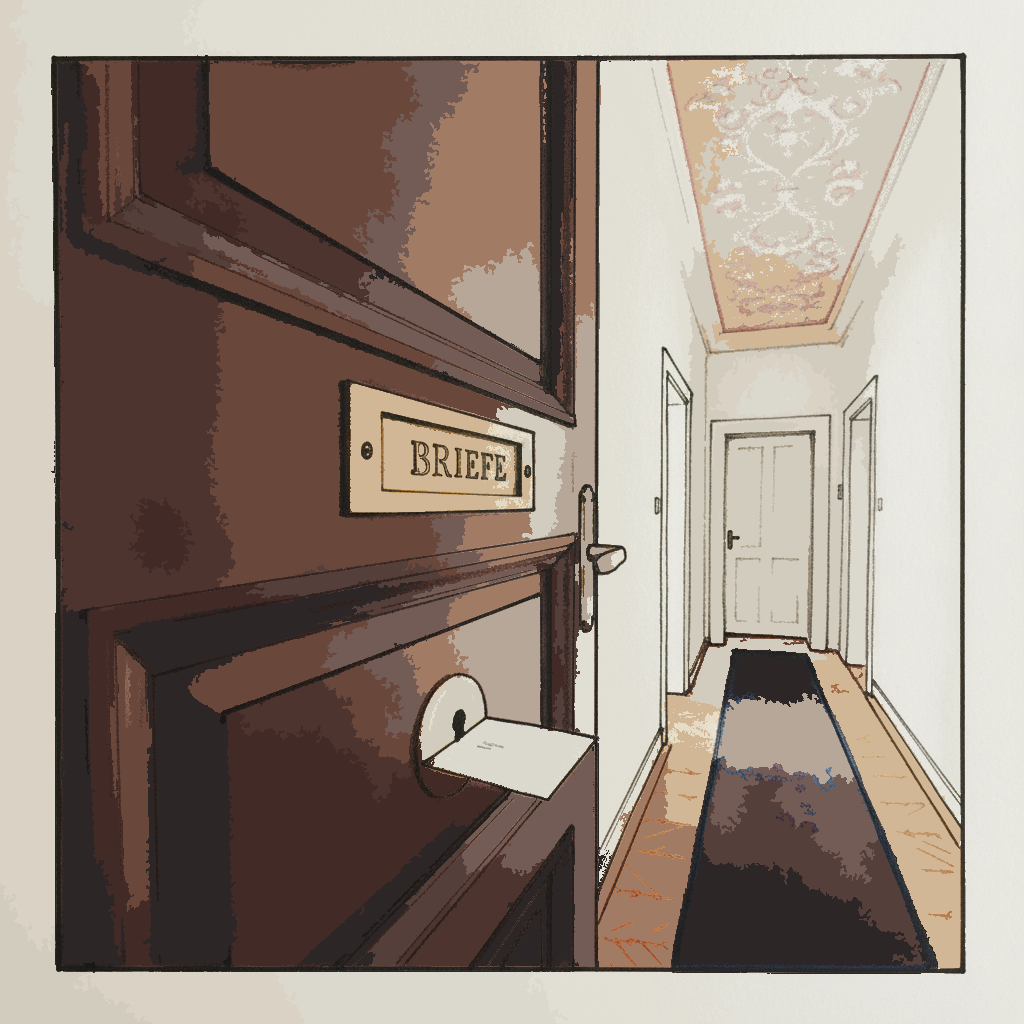
Piece 5 — Wall Slot in a Vienna Apartment Entryway
Pen + Watercolor · Loose pen and watercolor line-and-wash
Three takes
Focus for this piece
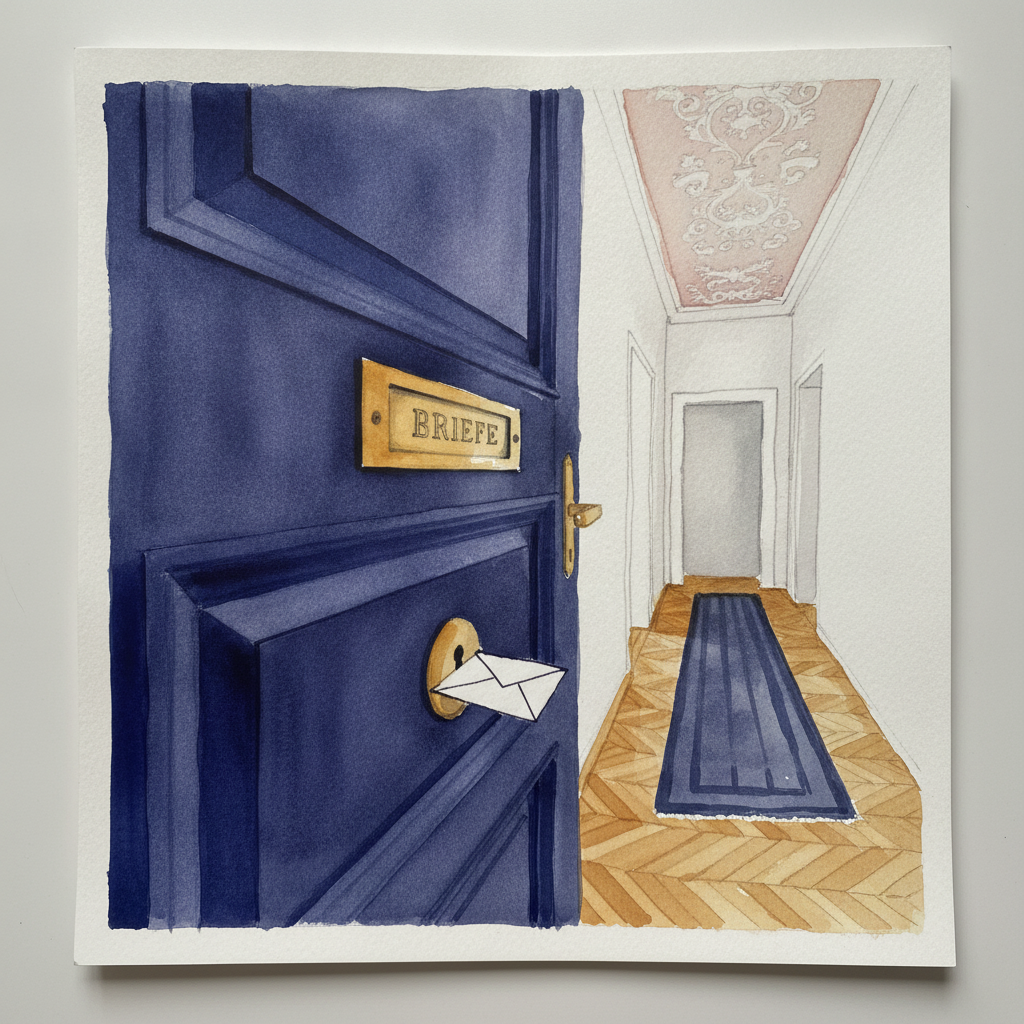
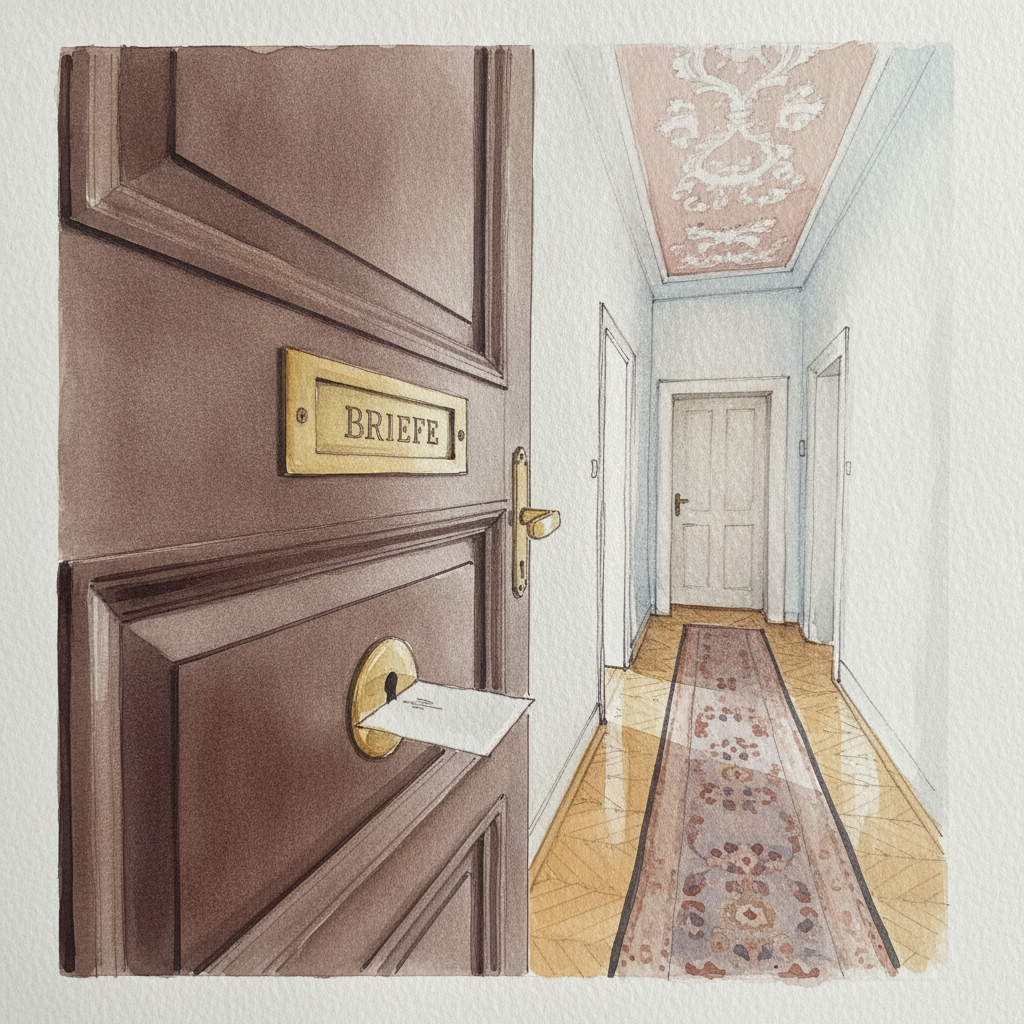
This piece offers a superb opportunity to practice rendering highly contrasting material properties and textures using distinct line and wash techniques. Focus on defining the sharp, reflective gleam of the polished brass mail slot and keyplate with precise, varied line weights, juxtaposed against the deep, absorbent texture and soft shadows of the heavy walnut door. Use deliberate layering of watercolor to build the door's dark value and convey its depth, while allowing finer pen work to articulate the crisp "BRIEFE" engraving and the delicate stucco details on the pale rose ceiling. Pay particular attention to how the interaction of ink and wash can differentiate between hard, smooth surfaces and those with more give and absorption.
Piece 6 — Push-up top, single leg lifted
Pen + Watercolor · Loose pen and watercolor line-and-wash
Three takes
Focus for this piece
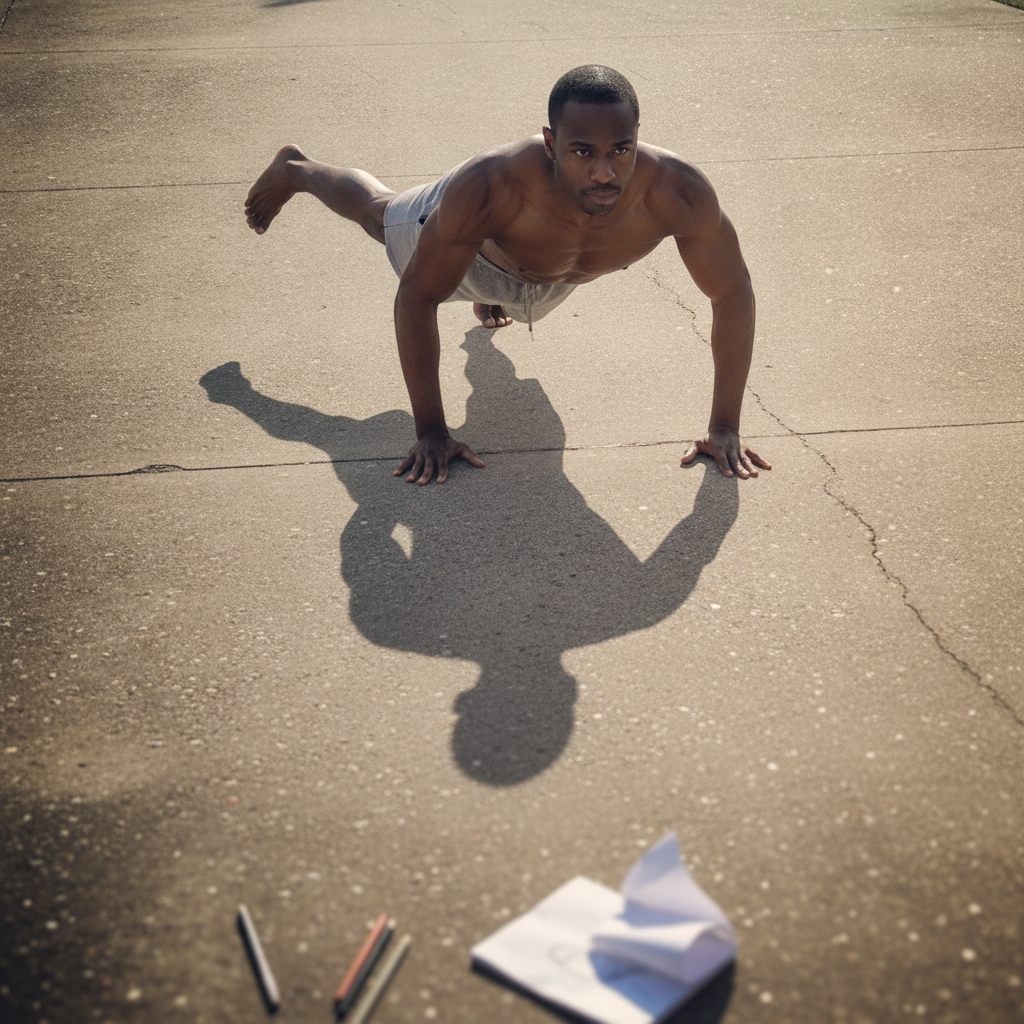
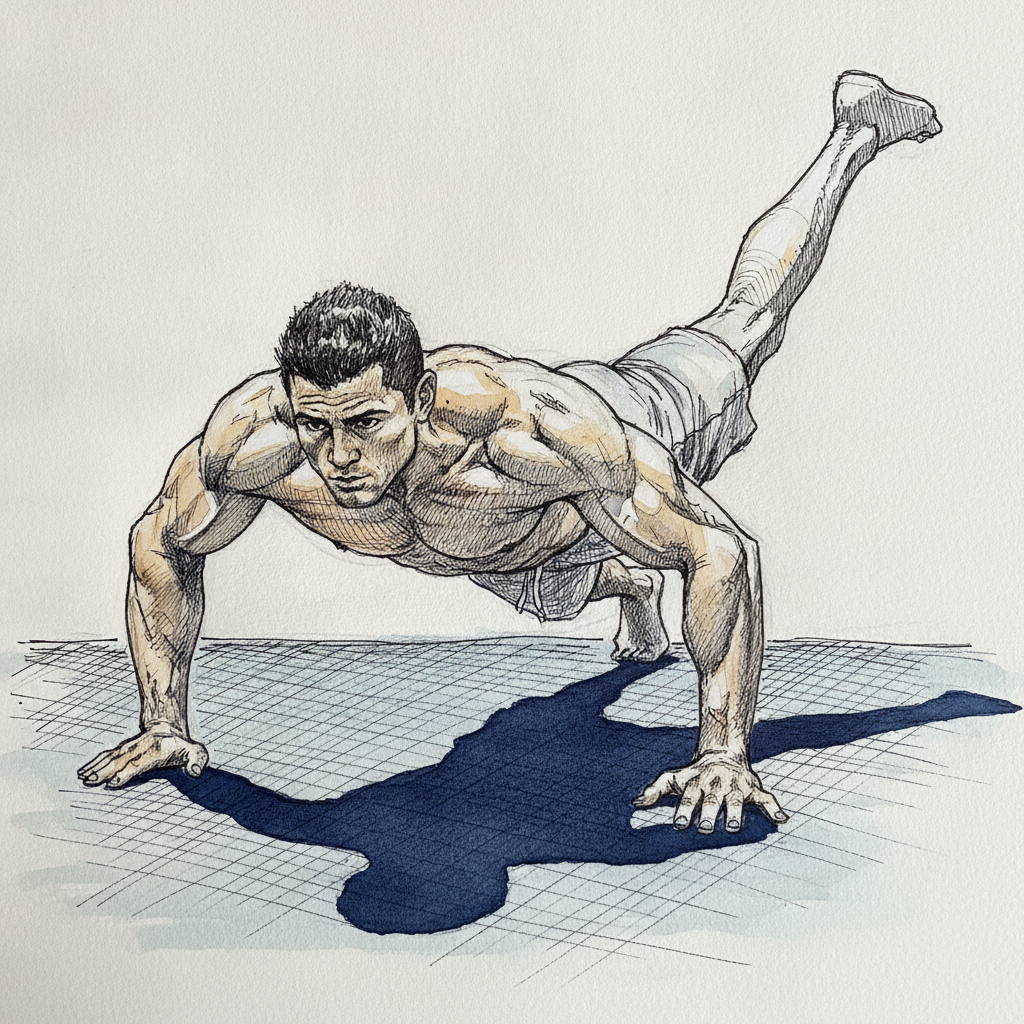
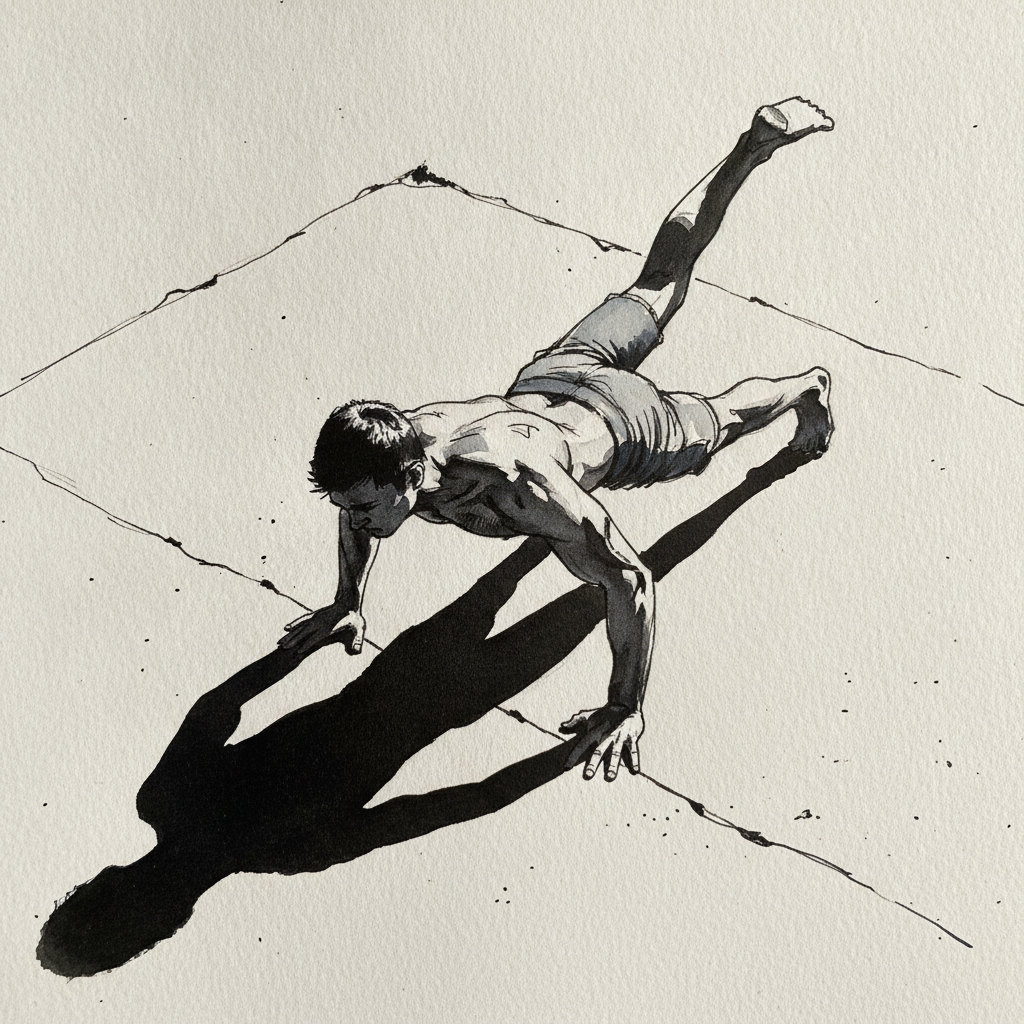
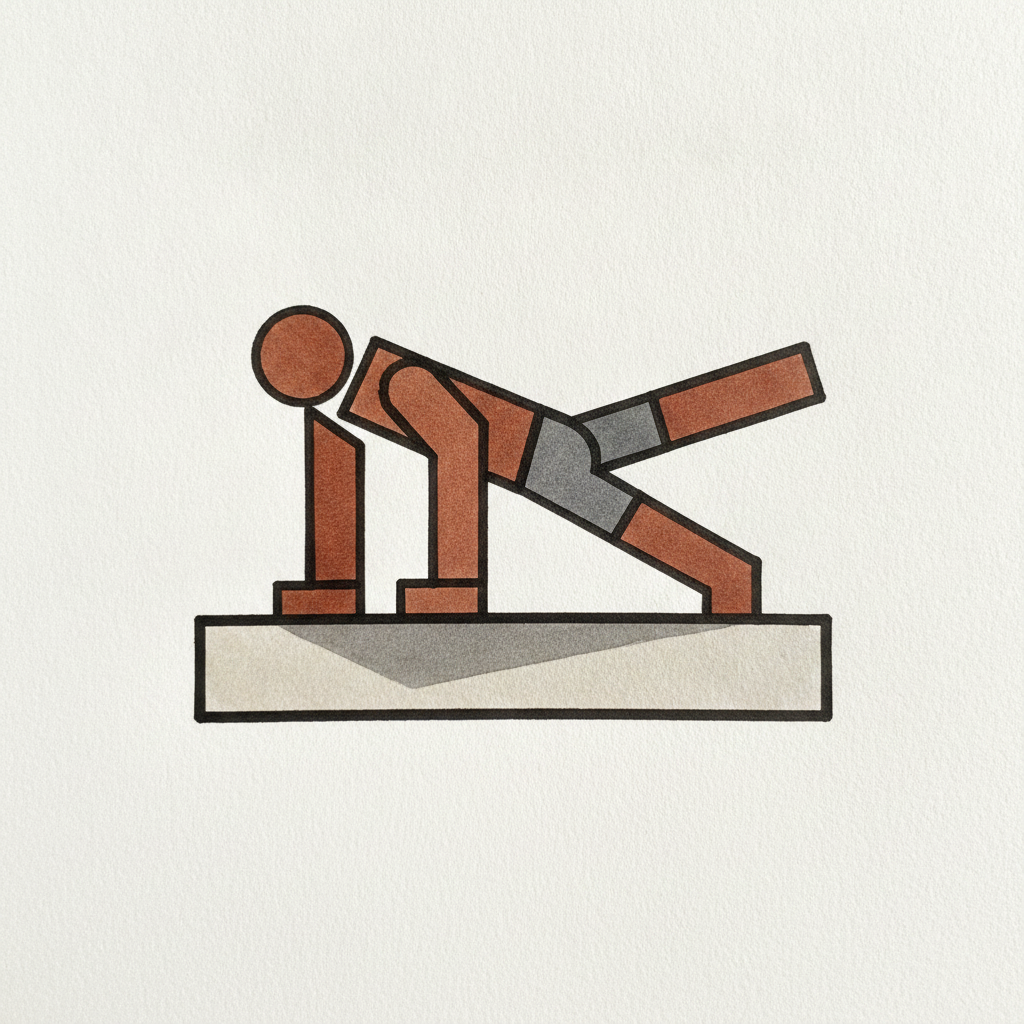
Today, focus on capturing the dynamic counterbalance between the figure’s elevated leg and the strong diagonal of his shadow. Use confident, varied line weights to articulate the figure's lean form, then define the hard-edged shadow with a single, highly pigmented wash. The critical skill here lies in achieving a crisp transition where your ink-defined figure meets the sharp, single-value watercolor of the cast shadow.
Piece 7 — Painter's mussel
Pen + Watercolor · Loose pen and watercolor line-and-wash
Three takes

Focus for this piece
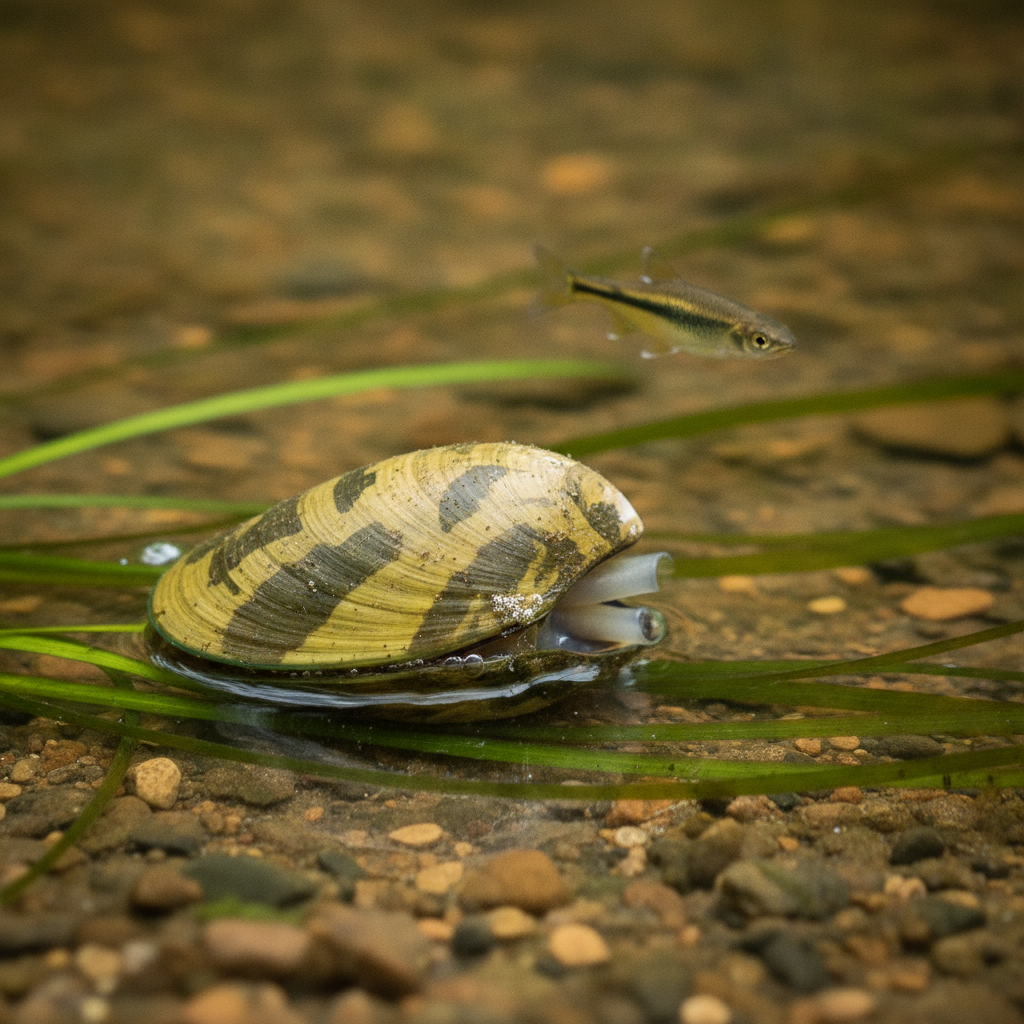
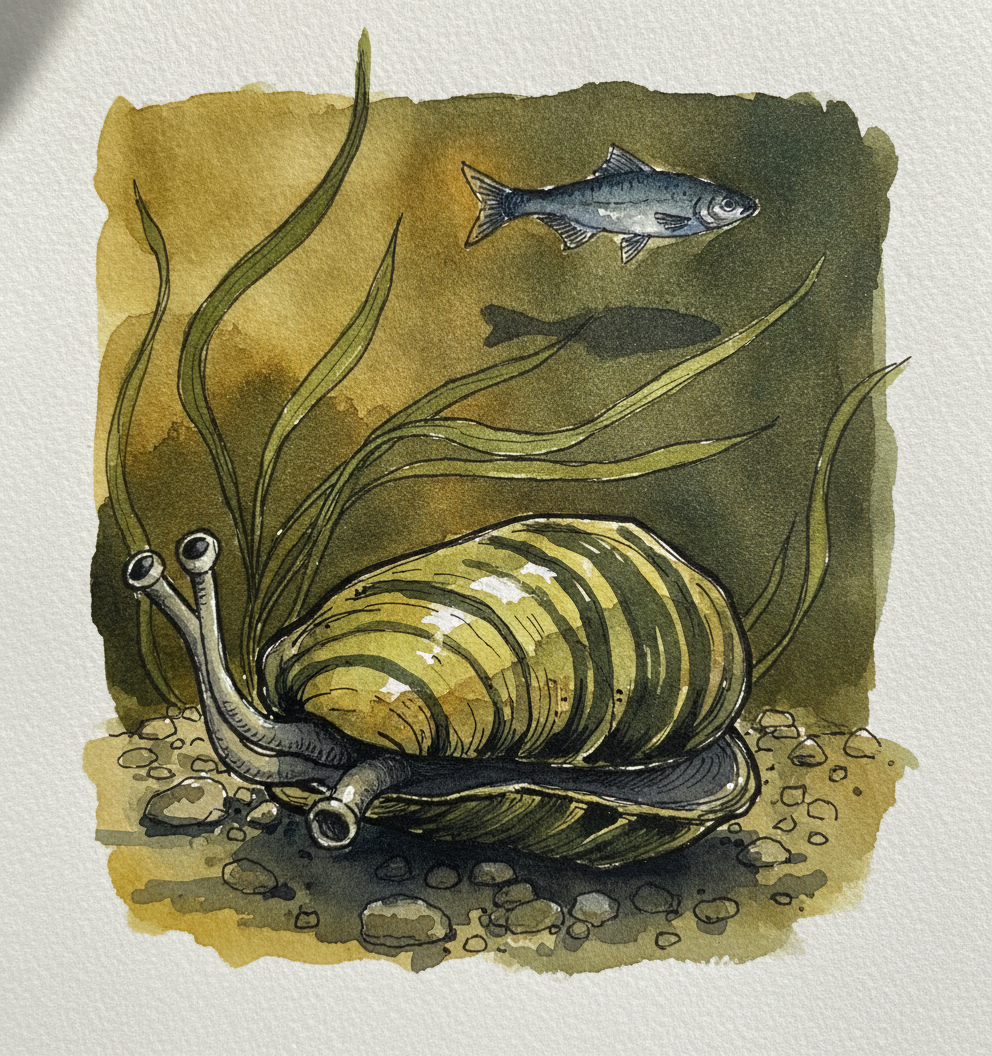
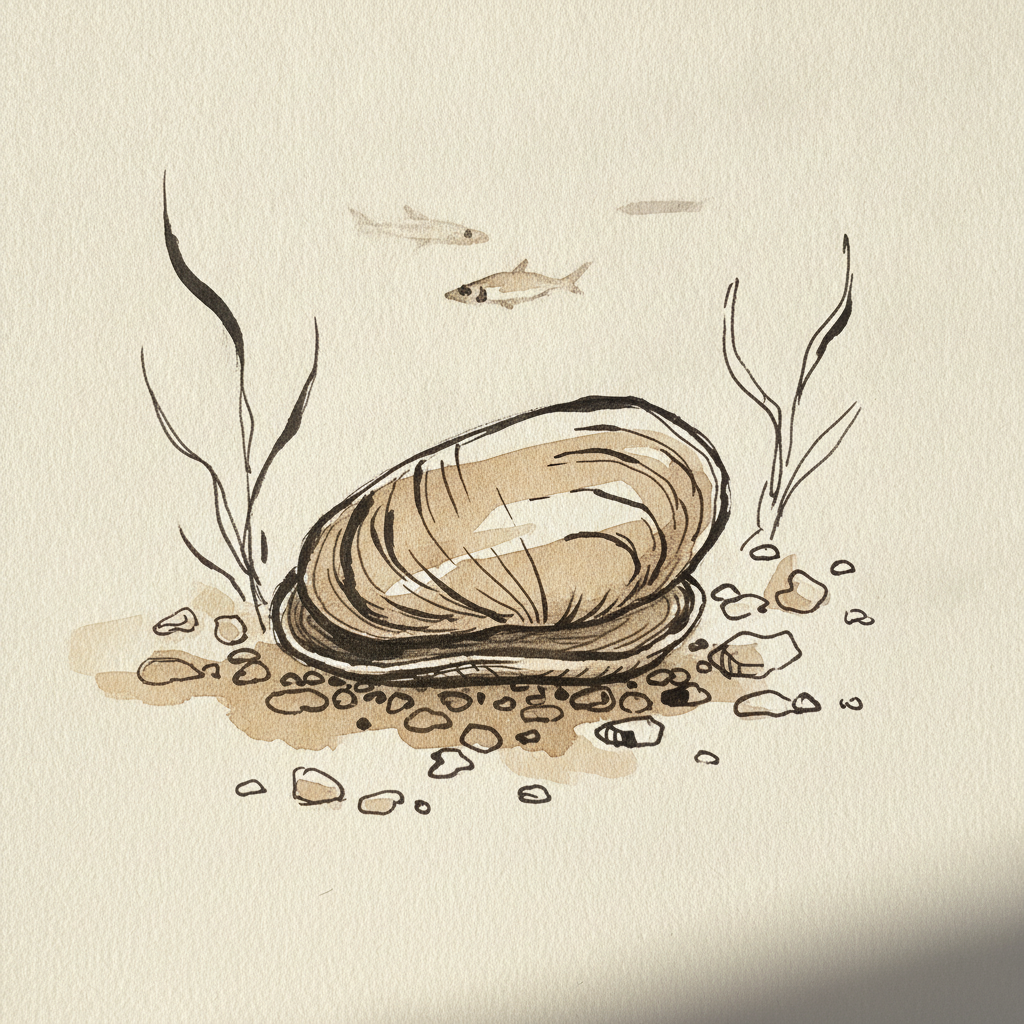
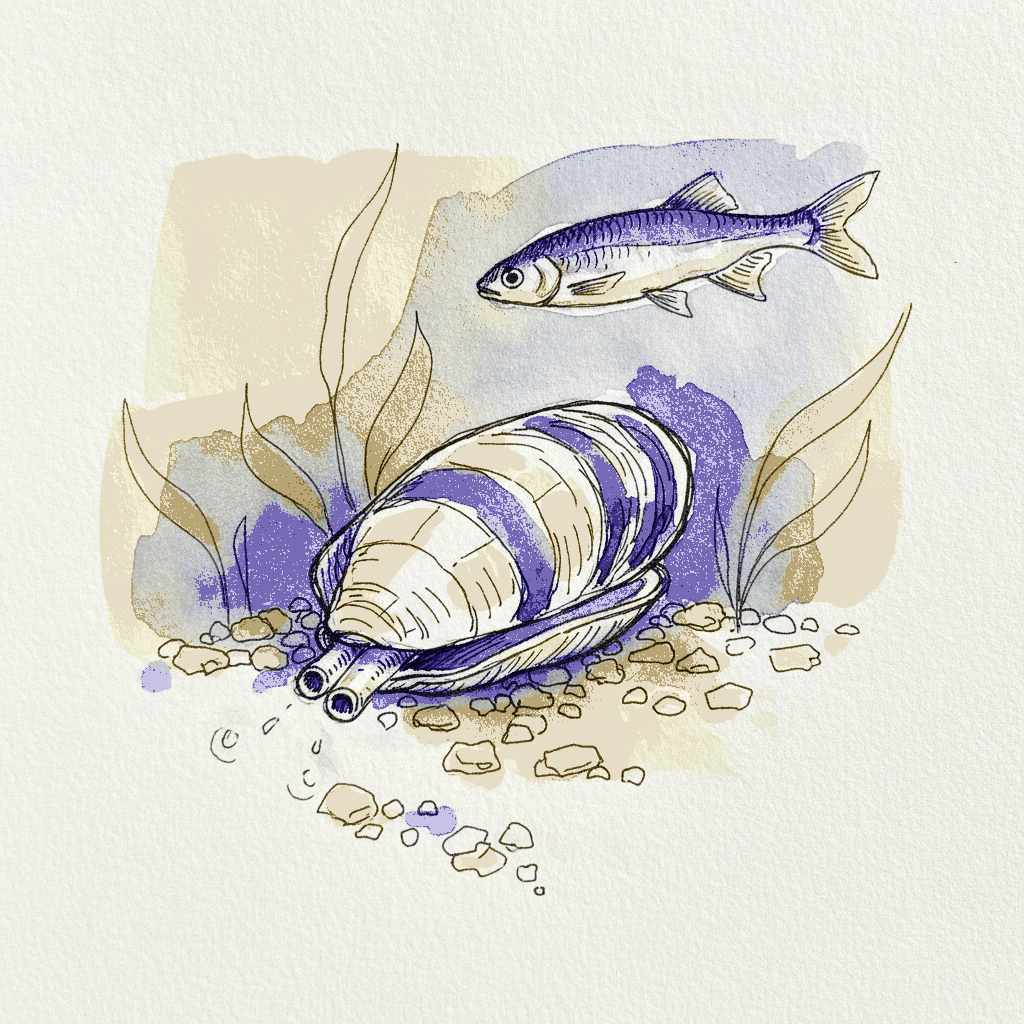
This piece offers a great opportunity to explore how specific watercolor techniques define different textures and guide the eye. Use sharp, fine pen lines and layered washes to emphasize the distinctive "painted" surface of the mussel shell, making it a clear focal point. Contrast this precision with looser, varied washes and suggested line work for the surrounding gravel and the soft, swaying pondweed, focusing on conveying their organic nature through wet-into-wet applications.
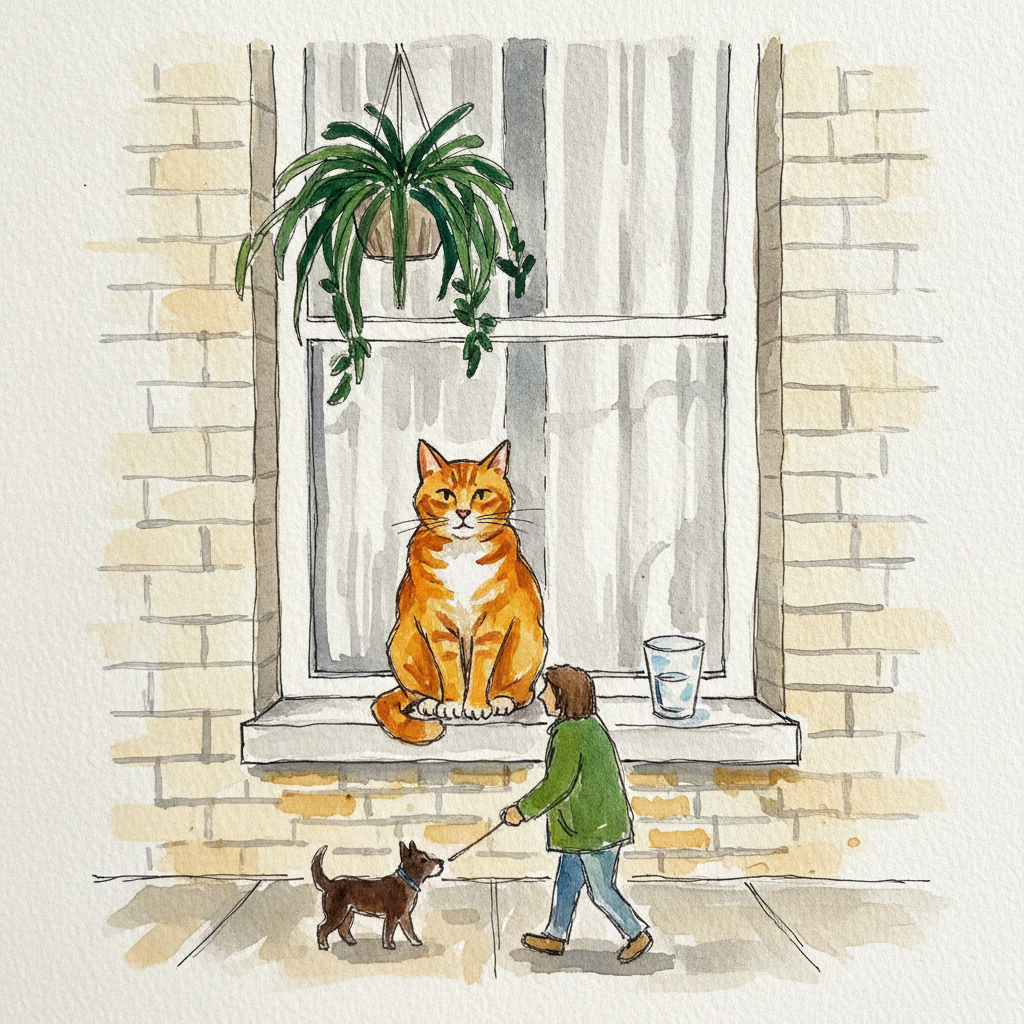
Piece 8 — Apartment window with cat watching
Pen + Watercolor · Loose pen and watercolor line-and-wash
Three takes
Focus for this piece
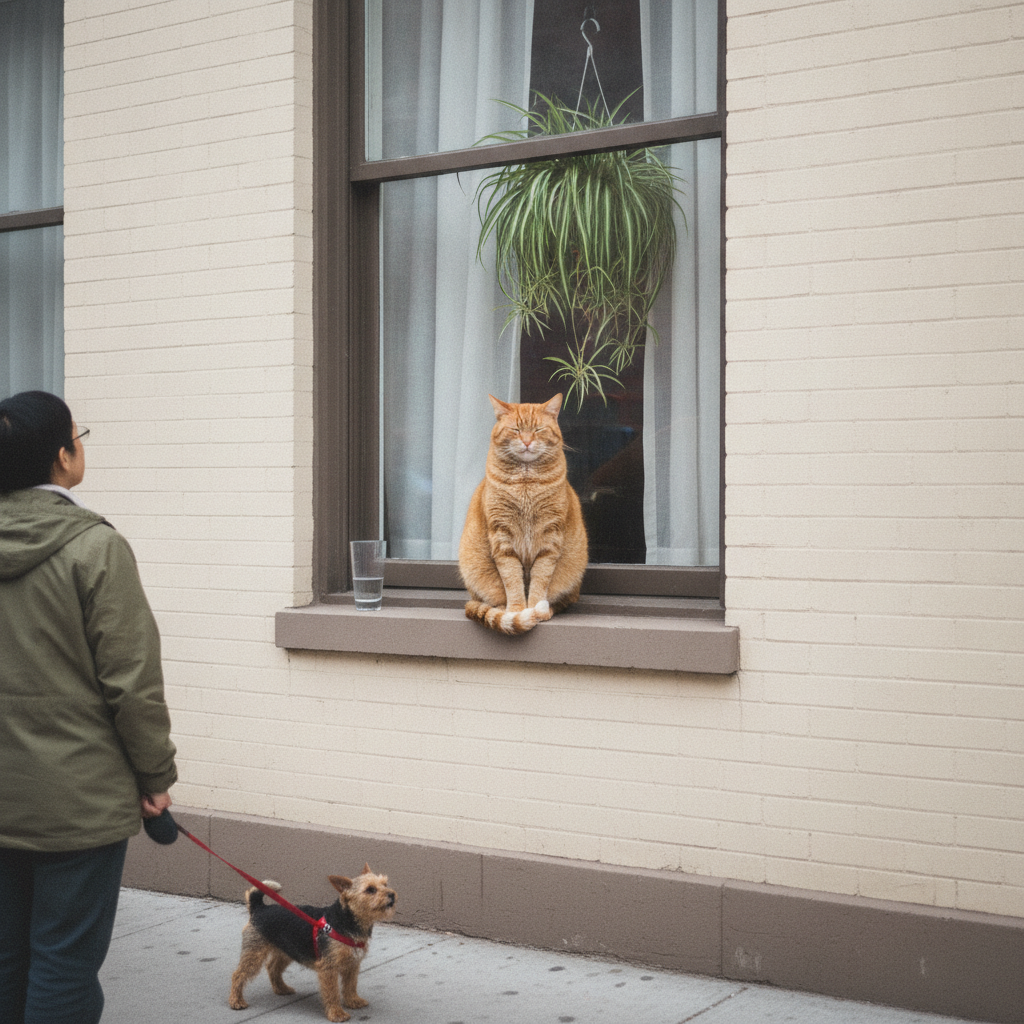
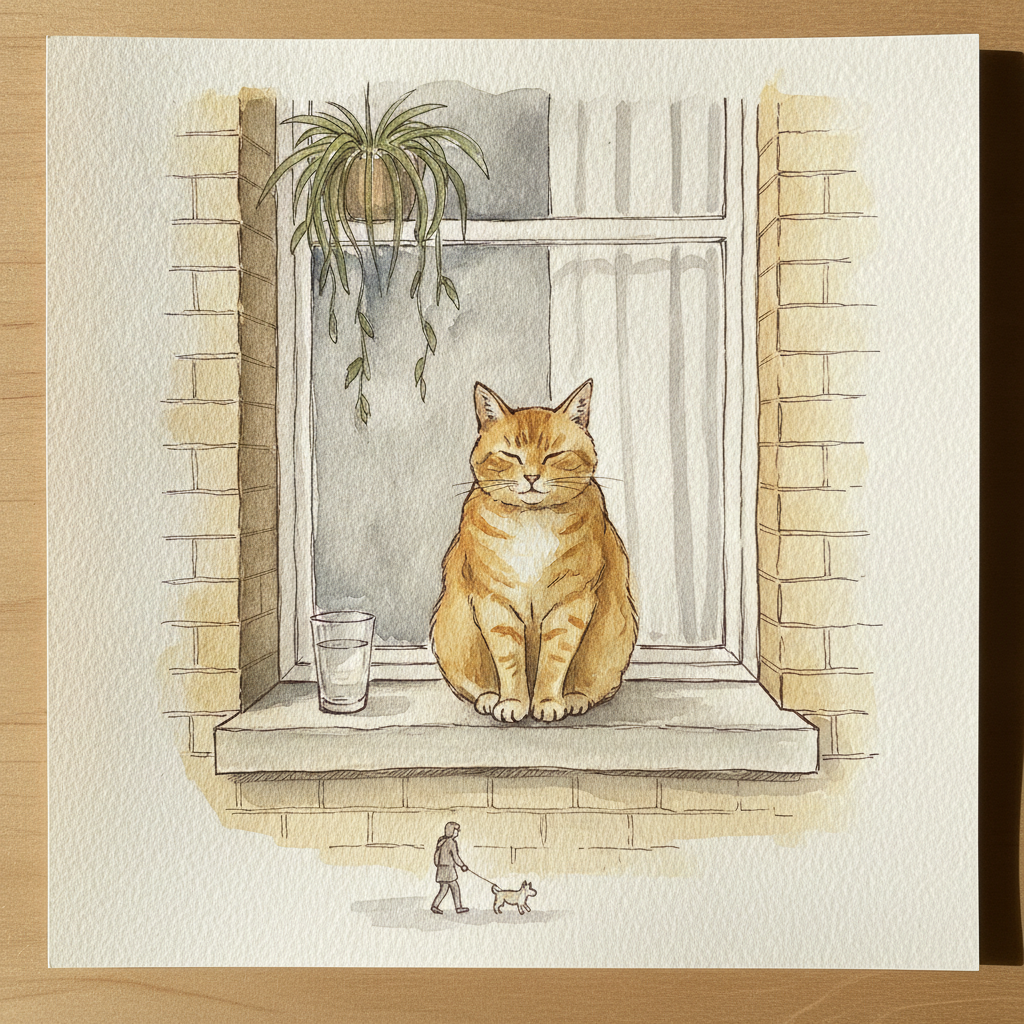
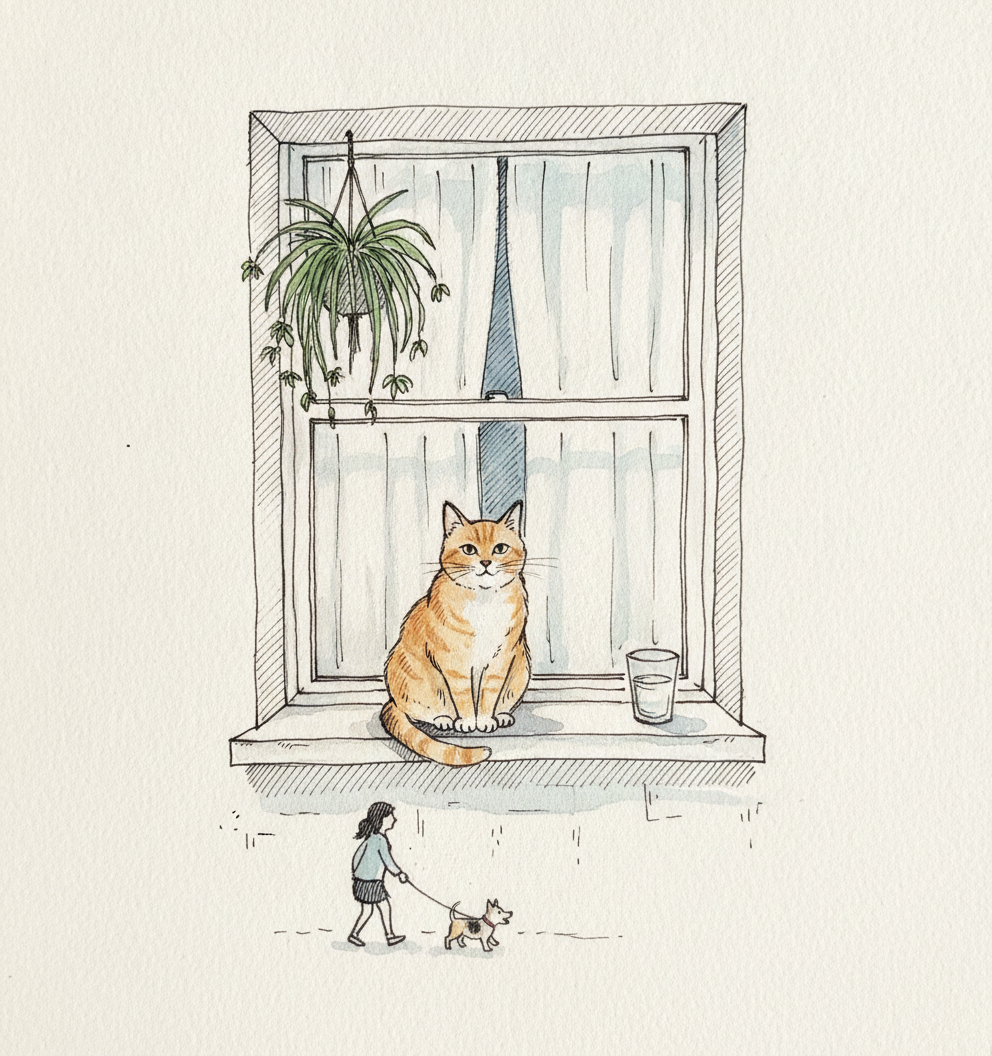
This piece offers a great opportunity to practice establishing a clear focal point by contrasting hard and soft rendering. Use heavier, more defined pen lines and saturated warm washes to highlight the cat's form, while keeping the window frame's brickwork and the trailing plant lighter with delicate ink work and cooler, muted watercolor washes. Focus on capturing the late morning sun with soft, wet-into-wet passages for the sheer curtains and the sunlit sill, allowing these areas to glow with minimal ink definition.