Whipped cream being whipped, Mint leaves in a glass cup with water, Chenille Pile, Pylon Reflected in a Canal, and more — pen + watercolor for August 4, 2026
AI-generated daily art-practice references for pen and watercolor: Whipped cream being whipped, Mint leaves in a glass cup with water, Chenille Pile, Pylon Reflected in a Canal, Borobudur, Magelang, Central Java, Indonesia, Autumn red dwarf-birch with green moss patches, Lapland, September, Lean…
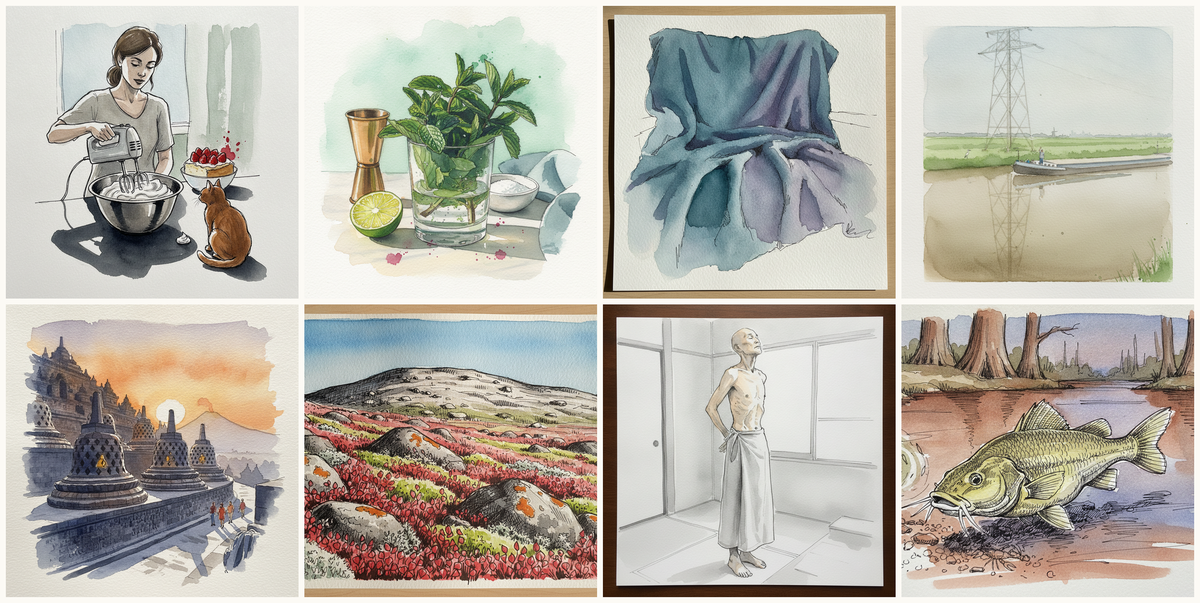
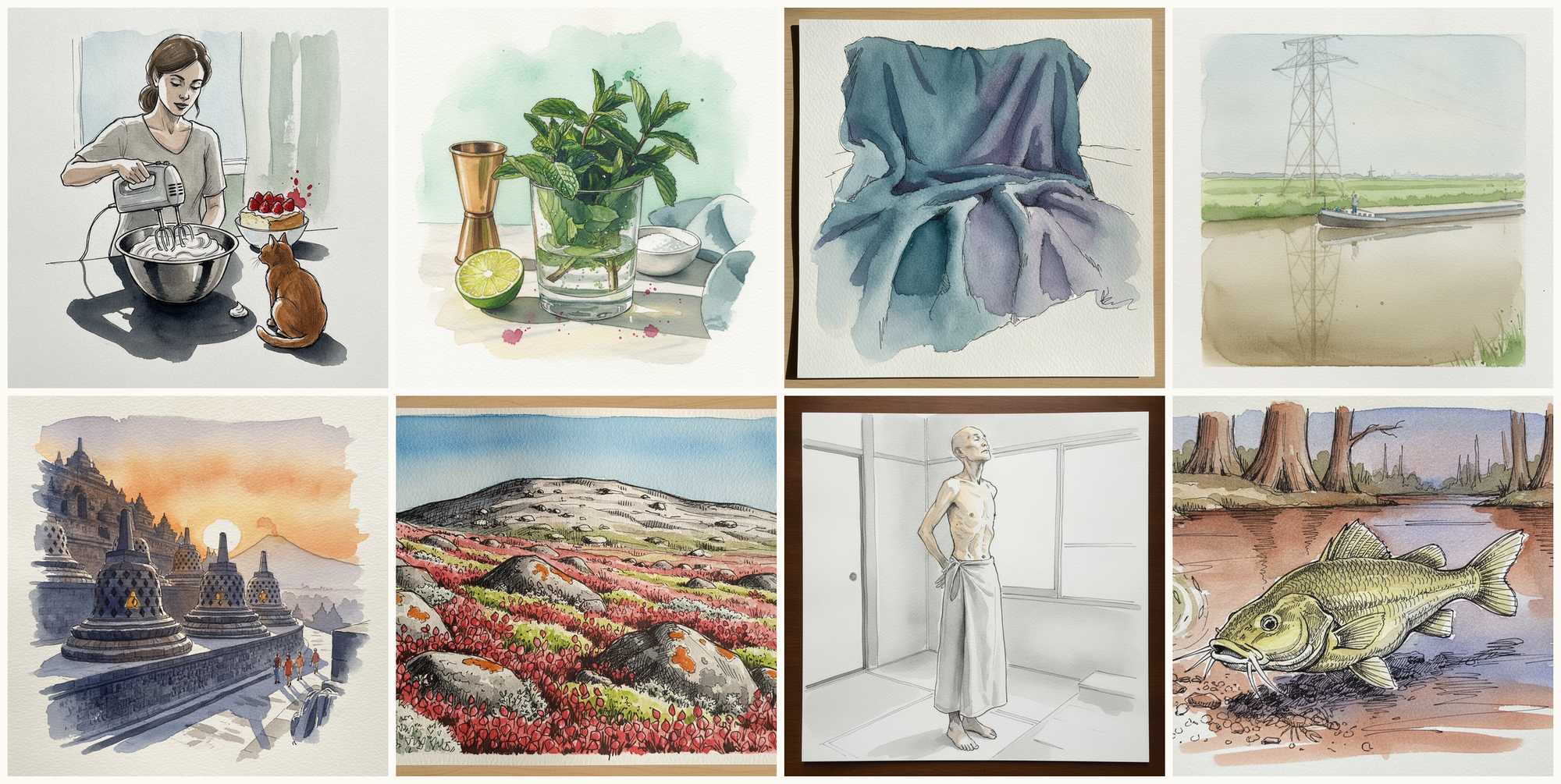
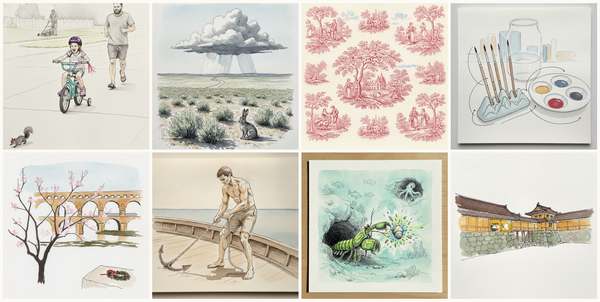
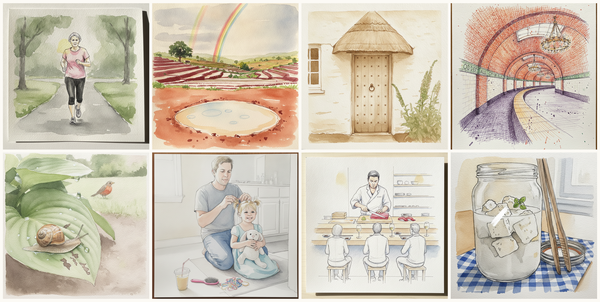
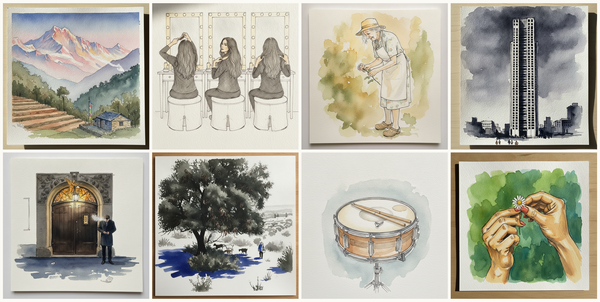
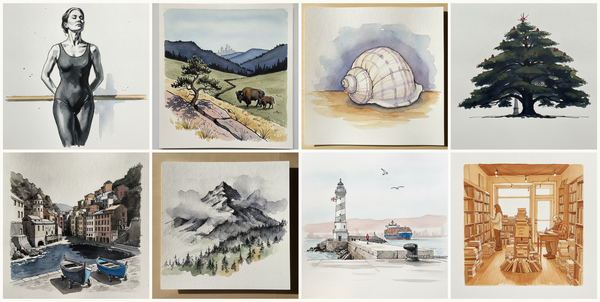
Today's 8 pen-and-watercolor pieces: Whipped cream being whipped, Mint leaves in a glass cup with water, Chenille Pile, Pylon Reflected in a Canal, Borobudur, Magelang, Central Java, Indonesia, Autumn red dwarf-birch with green moss patches, Lapland, September, Lean elderly Japanese man in monastic mild arch, Yellow bullhead. Each piece comes with an AI-generated photoreal reference, three AI-generated example artworks in different treatments, and a short focus paragraph naming what to study in this one.
Why these references use AI
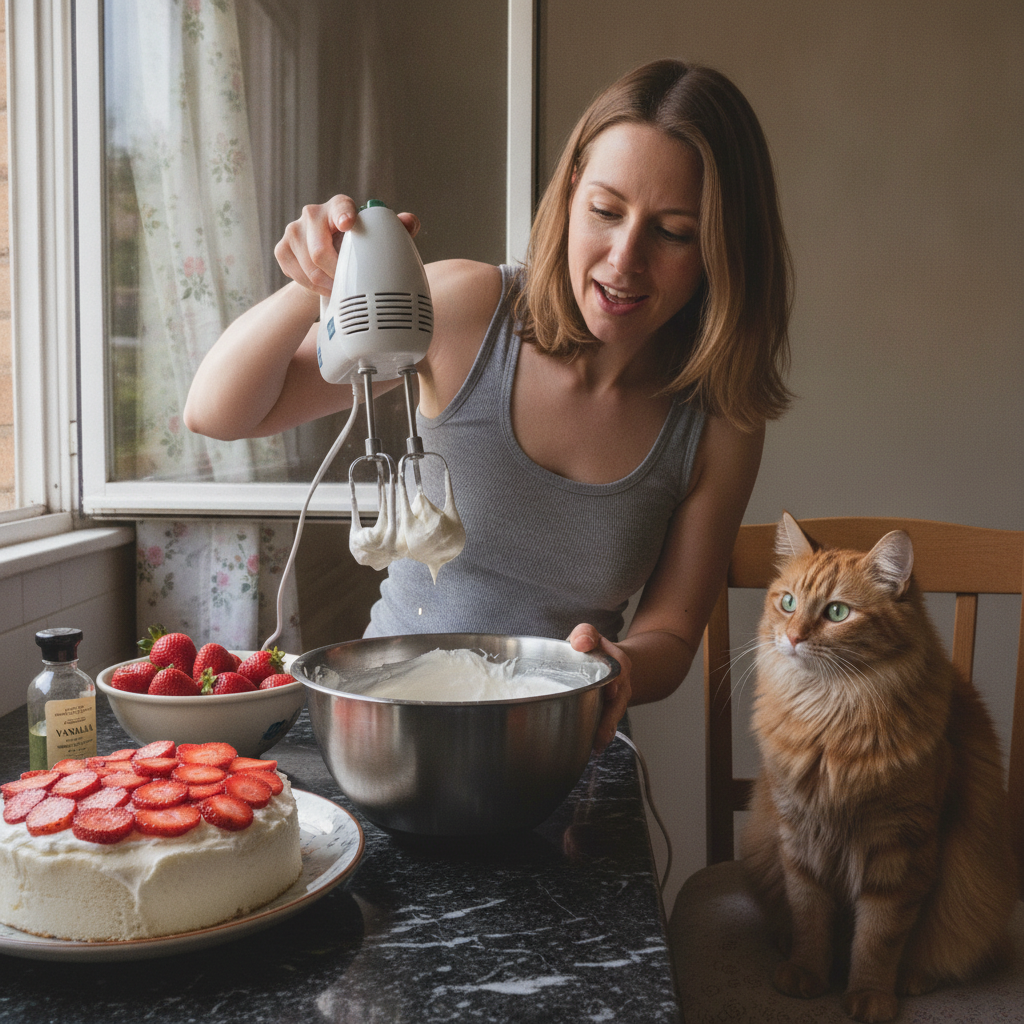
This daily series uses AI-generated images as practice prompts, not as finished artwork to copy. Each subject starts with a synthetic photoreal reference generated with Gemini/Nano Banana, then moves into three pen-and-watercolor interpretations of the same subject.
I use AI here because daily art practice needs variety and low friction. Real life can get repetitive, busy, or visually narrow. These generated reference sets make it easier to study bodies, buildings, animals, landscapes, objects, gestures, light, palettes, and compositions that might not show up in an ordinary day.
The goal is not to reproduce any image directly. Treat each set as a starting point for observation and study: choose what interests you, change the framing, simplify the subject, alter the palette, and make your own version.
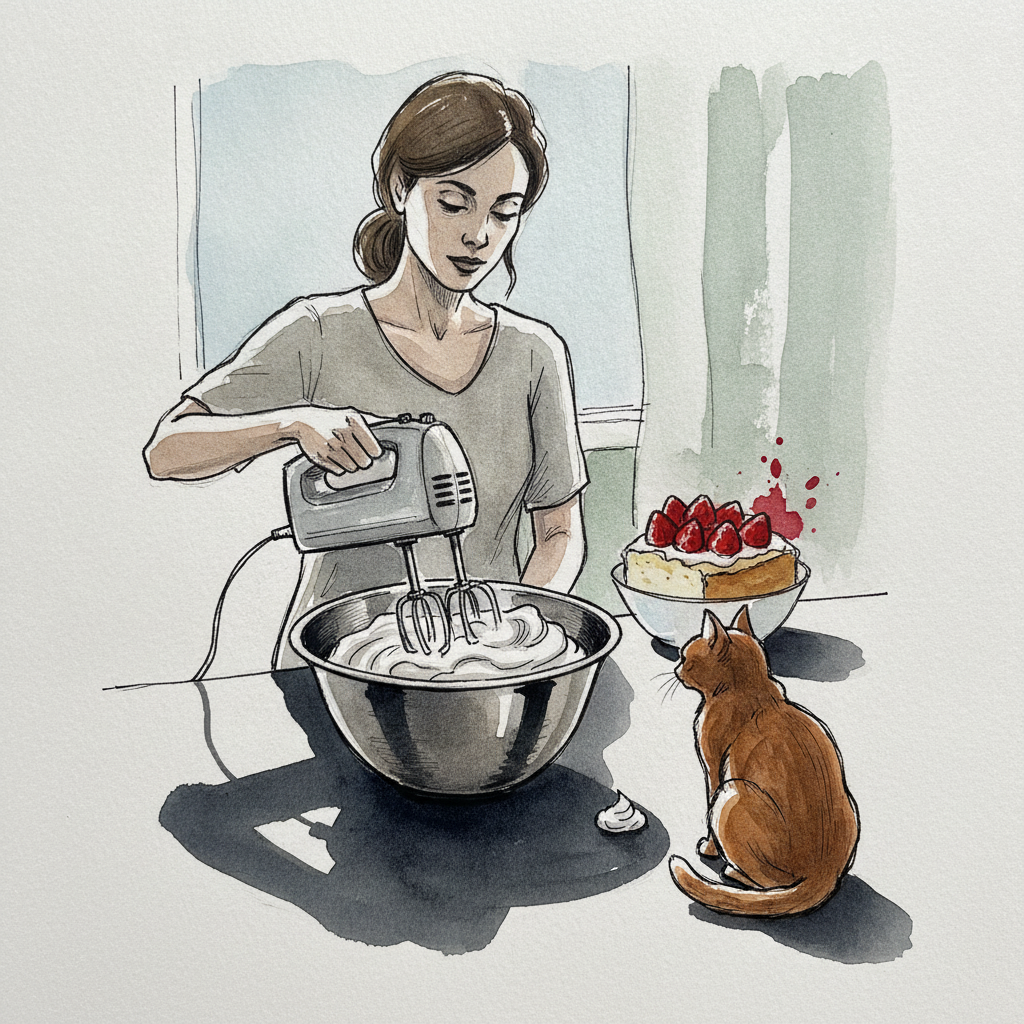
Piece 1 — Whipped cream being whipped
Pen + Watercolor · Loose pen and watercolor line-and-wash
Three takes
Focus for this piece
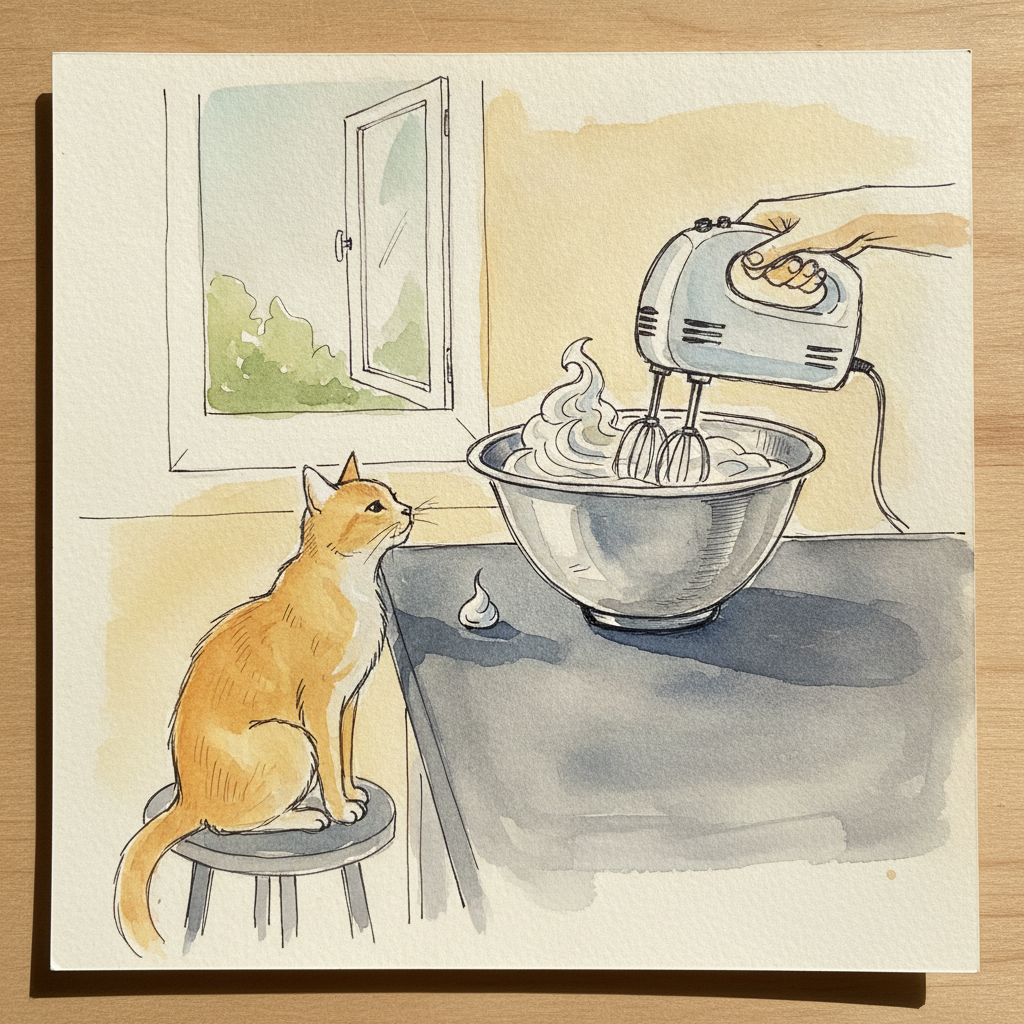
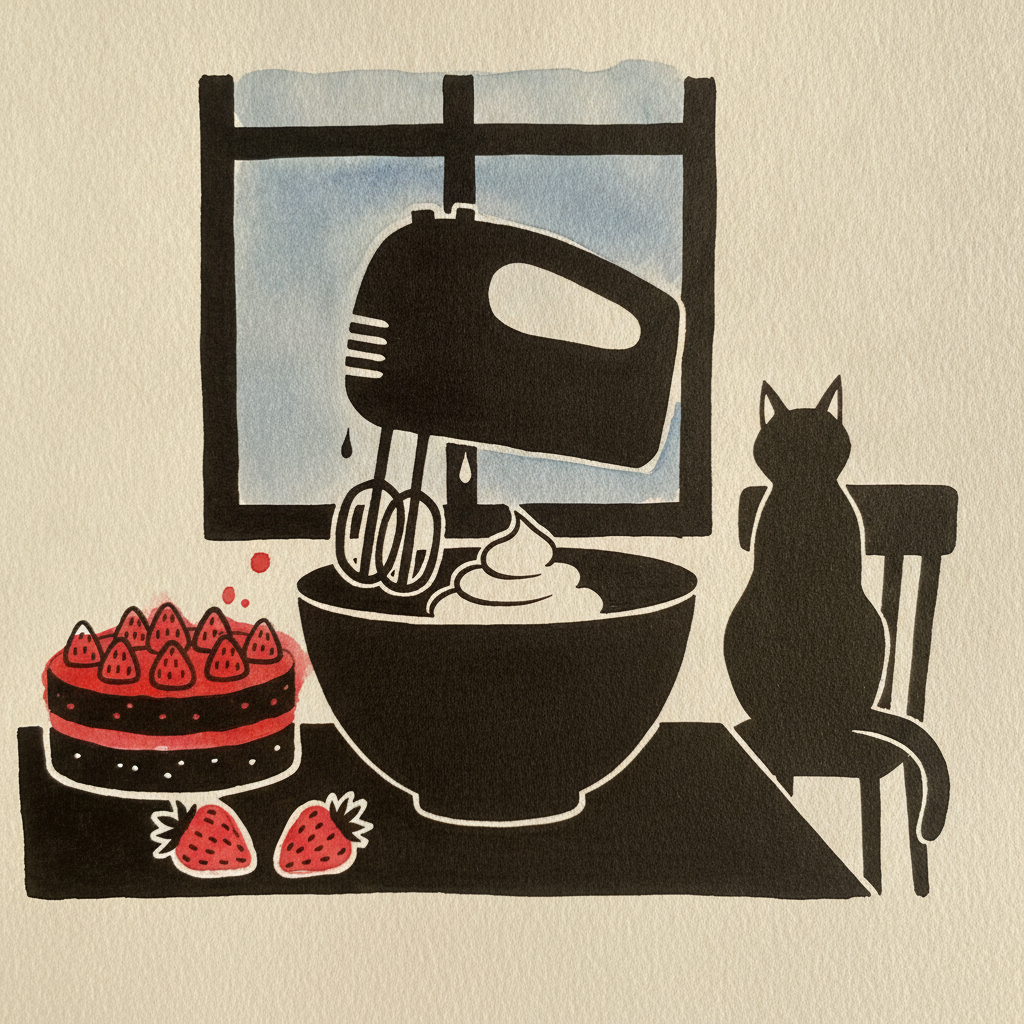
This piece offers a fantastic opportunity to master rendering the delicate, voluminous texture of whipped cream. Focus on using light, transparent watercolor washes with wet-on-wet techniques to build up the cream's soft peaks and curves, while employing very subtle, broken pen lines to hint at structure without hardening its ethereal quality. Observe how retaining significant paper white in the highlights enhances its airy, luminous appearance.
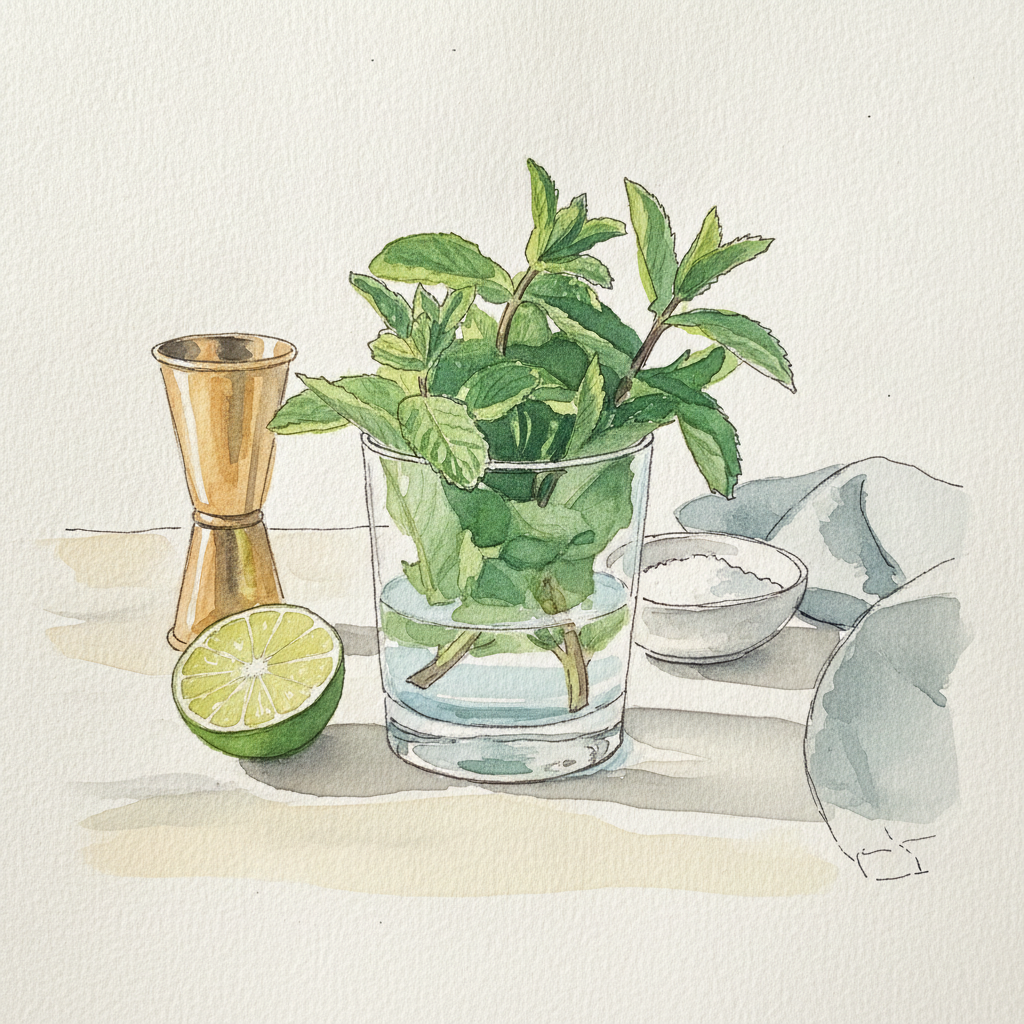
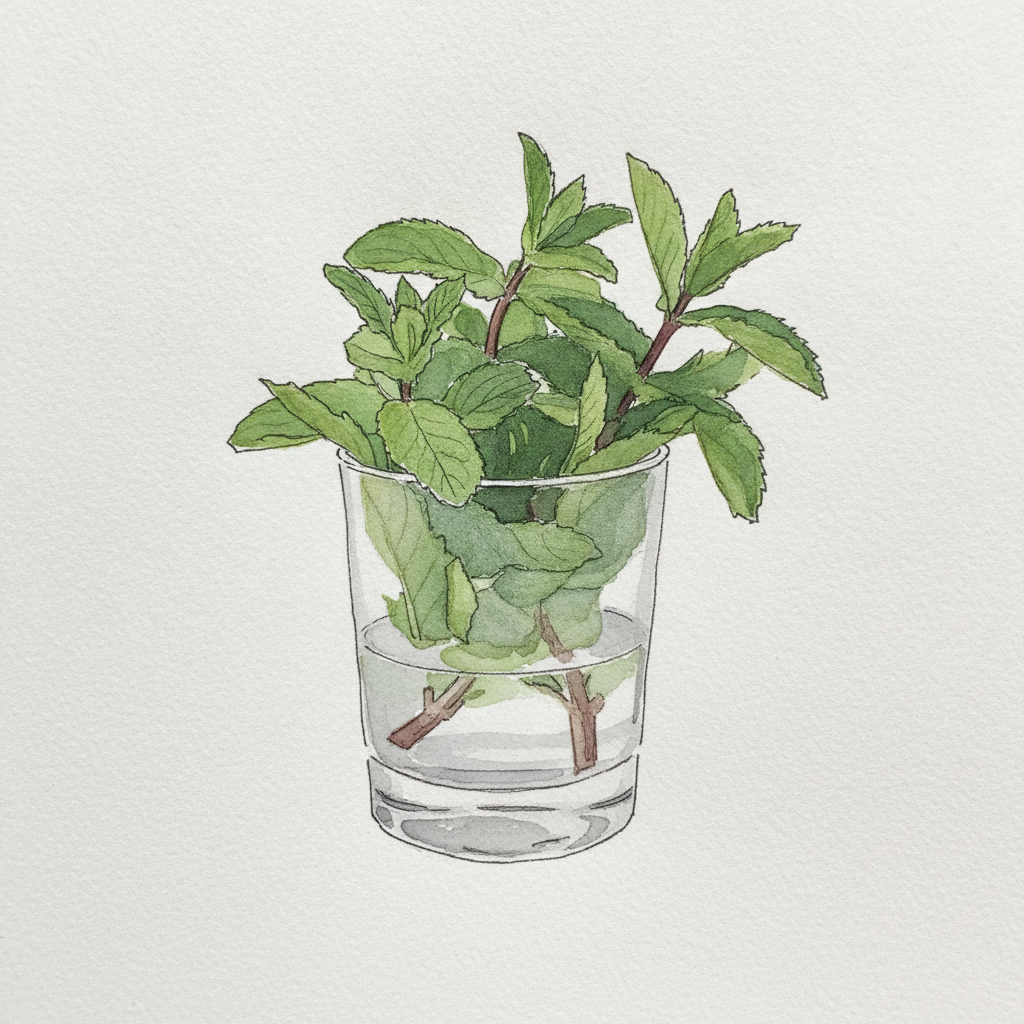
Piece 2 — Mint leaves in a glass cup with water
Pen + Watercolor · Loose pen and watercolor line-and-wash
Three takes
Focus for this piece
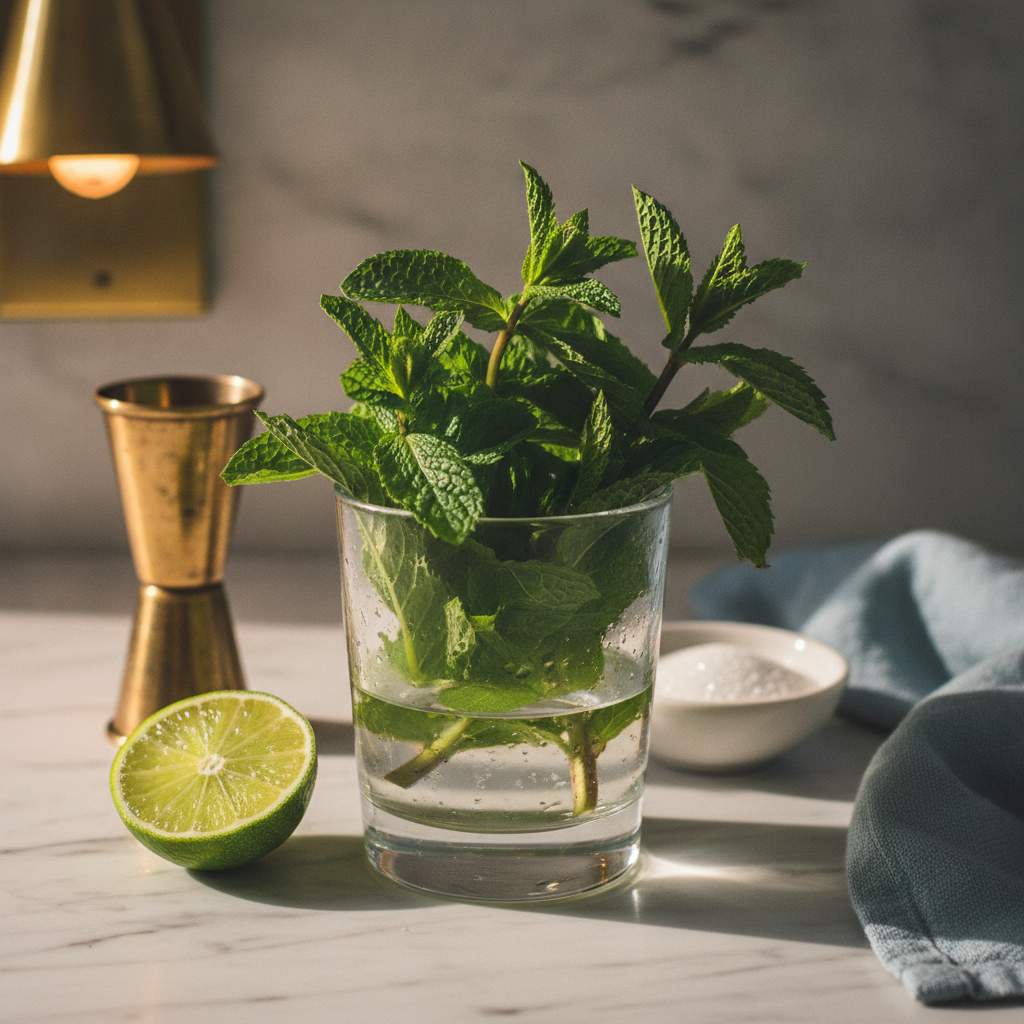
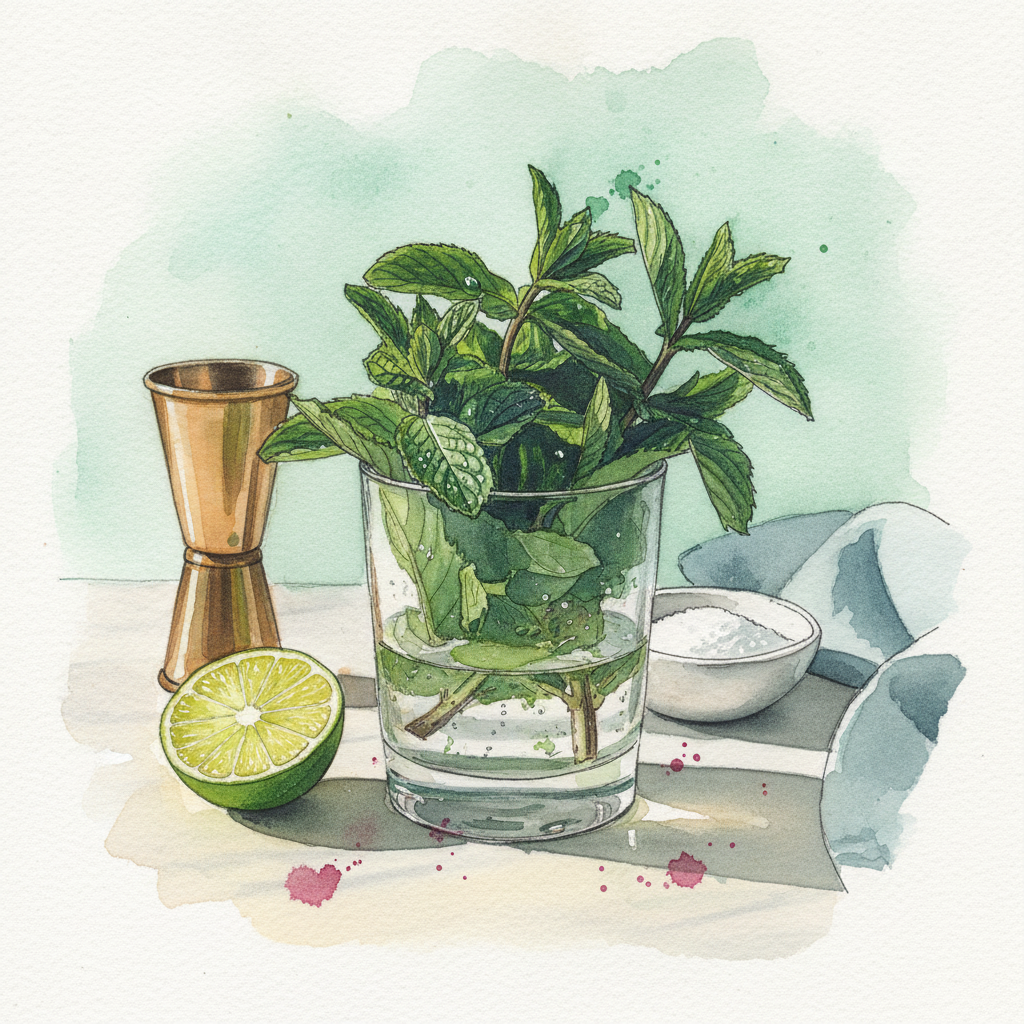
This piece is an excellent study in rendering transparency and reflections, particularly in the glass and water. Use light, broken ink lines to define the glass rim and water level, allowing the forms of the mint and background to show through with minimal structural interference. Then, apply delicate, cool washes to subtly suggest the water's volume and the glass's reflective qualities, paying close attention to the nuanced value shifts within these transparent elements.
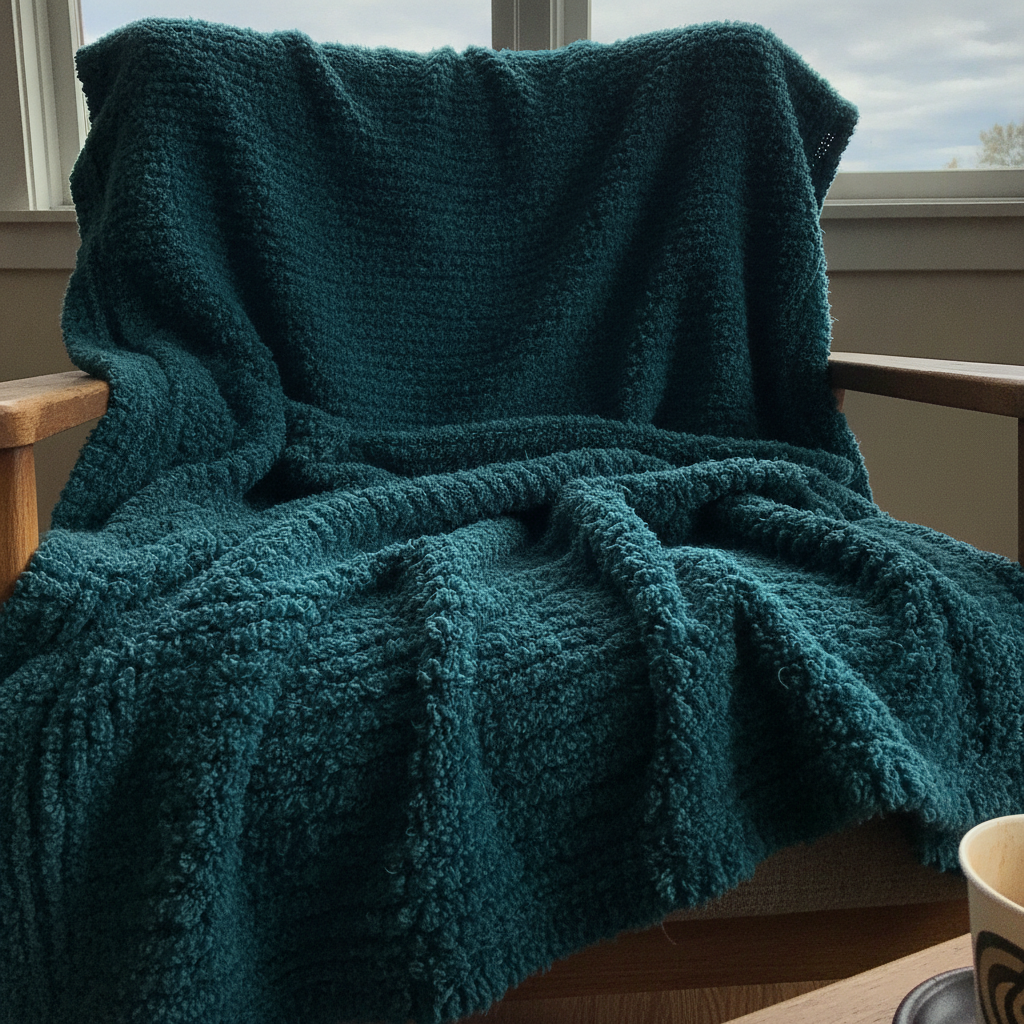
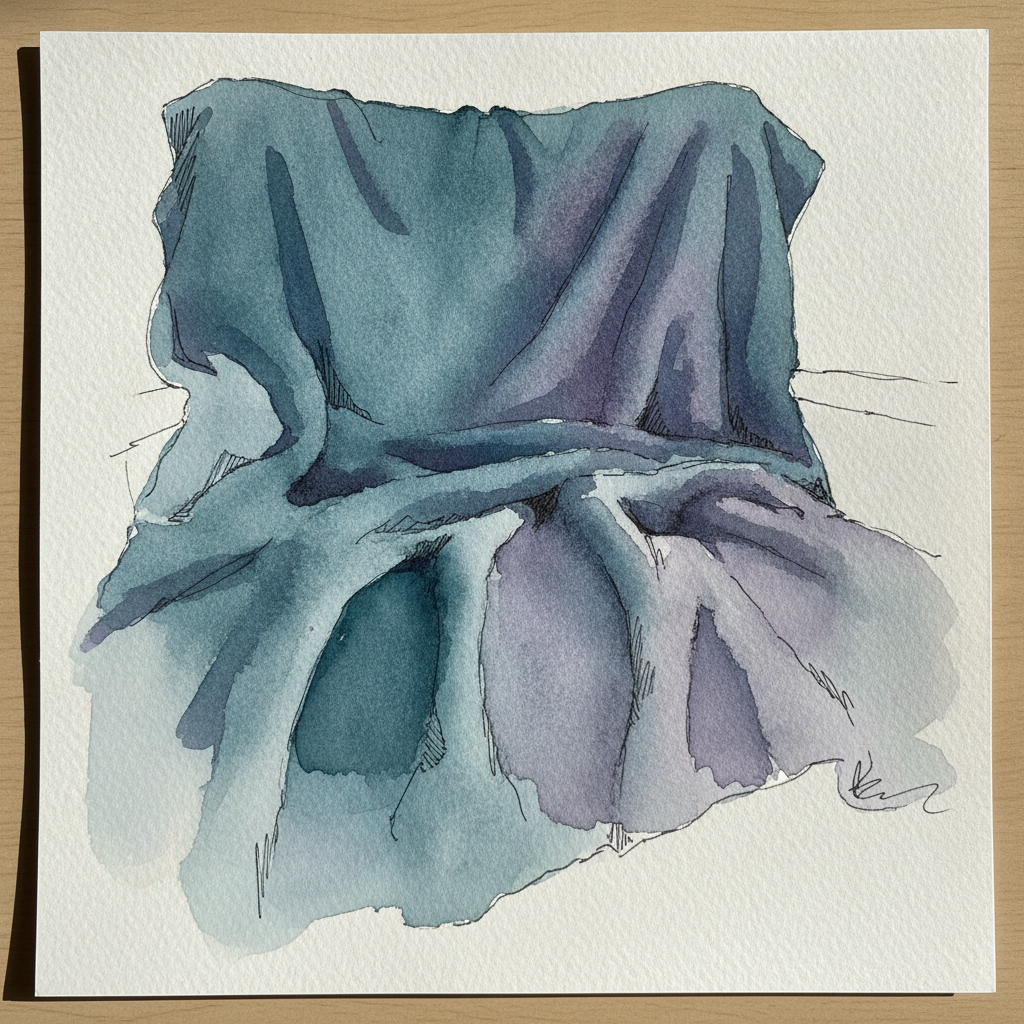
Piece 3 — Chenille Pile
Pen + Watercolor · Loose pen and watercolor line-and-wash
Three takes

Focus for this piece
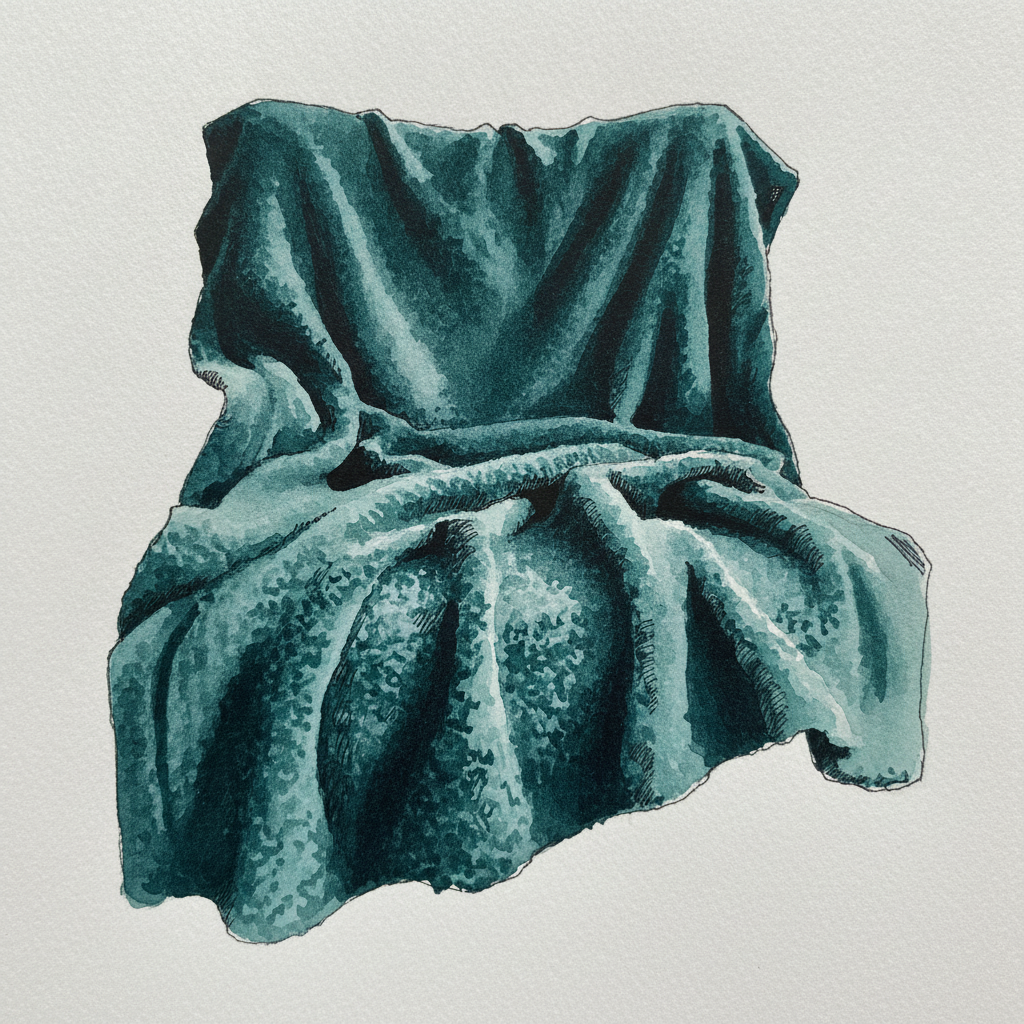
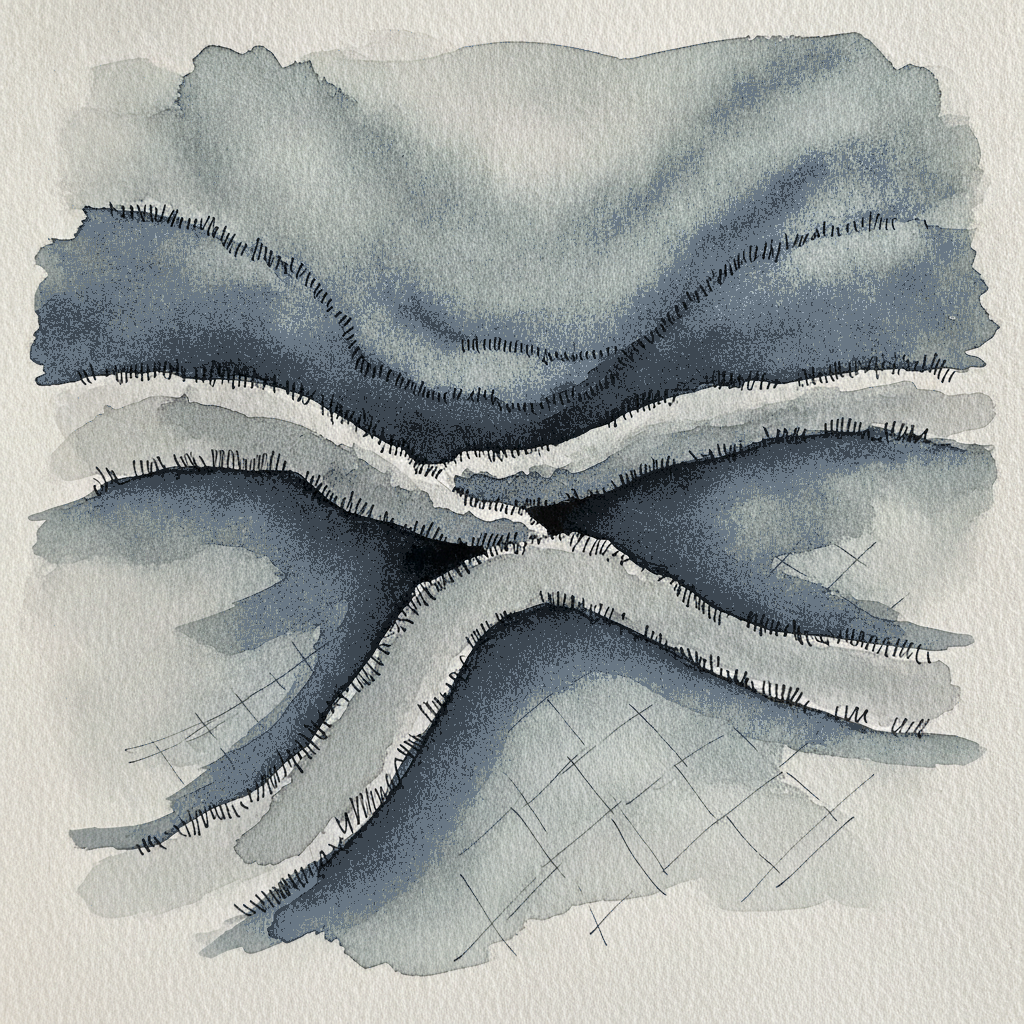
Today's study challenges you to use water-soluble ink to render the fuzzy texture of chenille, allowing lines to soften and bleed into wet washes rather than defining crisp edges. Focus on building the deep teal hue through layered, wet-on-wet watercolor applications with a soft, round brush. Carefully vary line weight and use broken strokes to suggest the individual fibers and underlying weave structure, emphasizing atmospheric softness over hard detail.
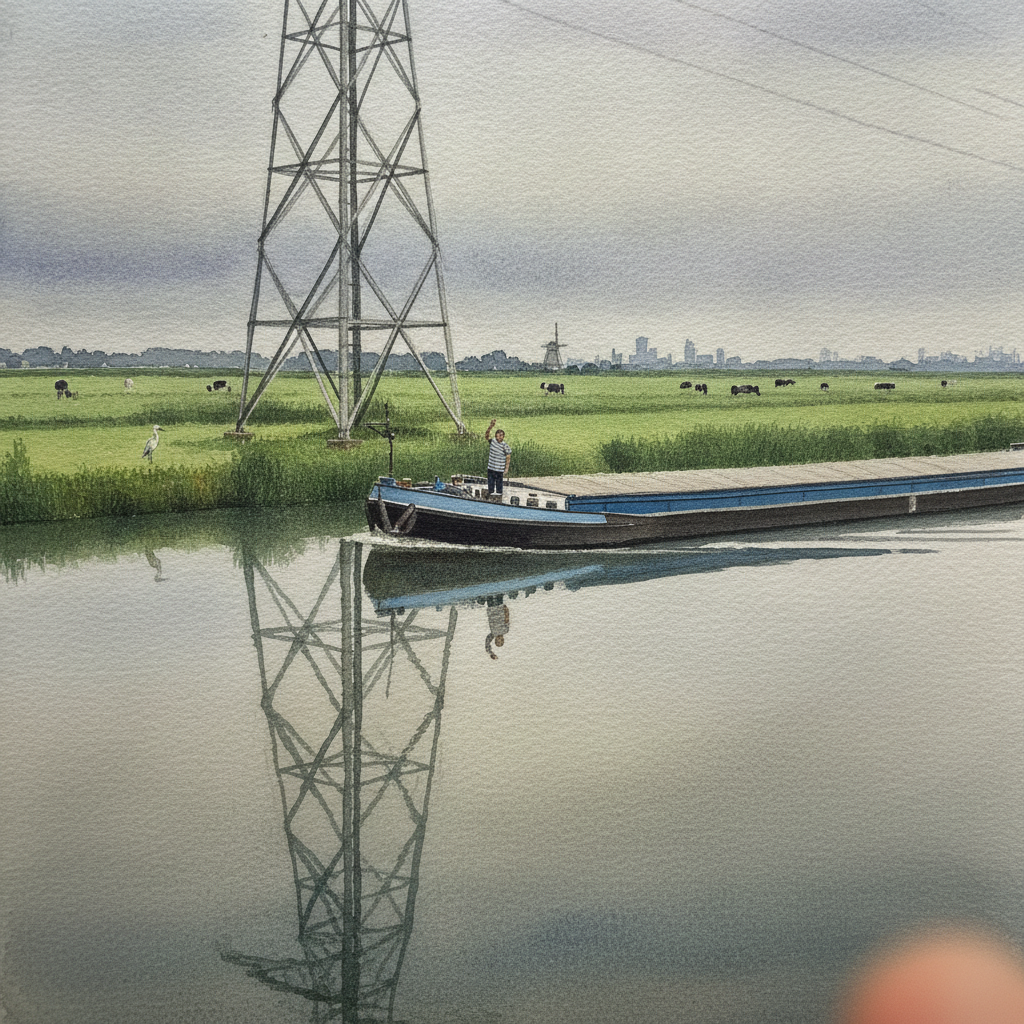
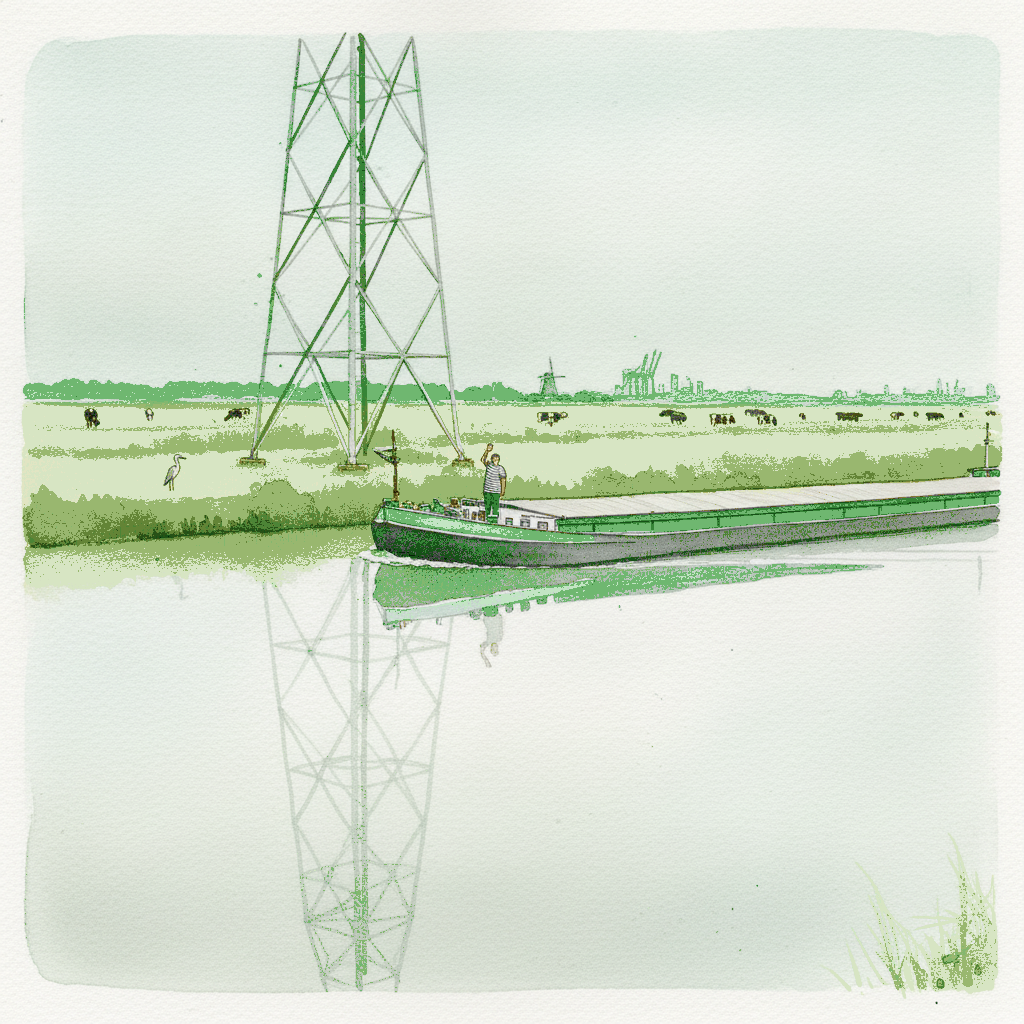
Piece 4 — Pylon Reflected in a Canal
Pen + Watercolor · Loose pen and watercolor line-and-wash
Three takes

Focus for this piece
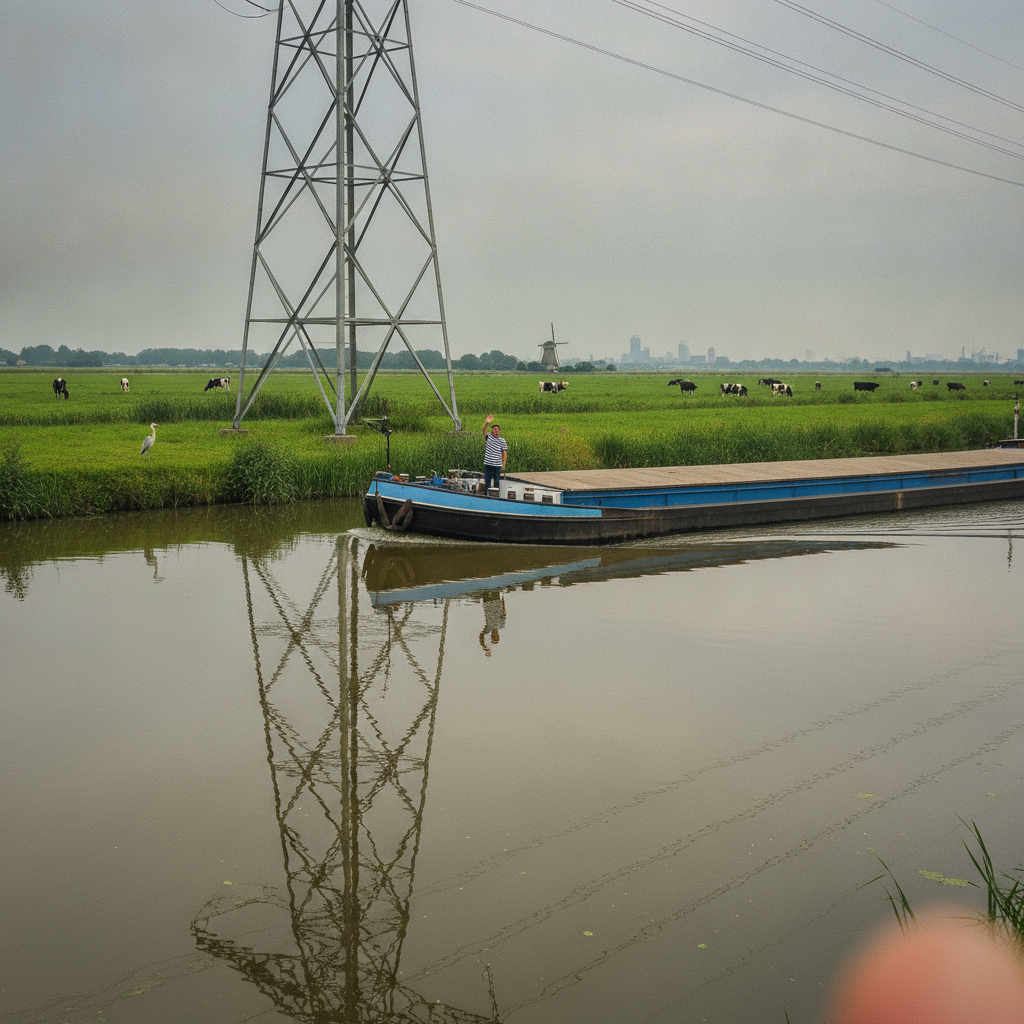
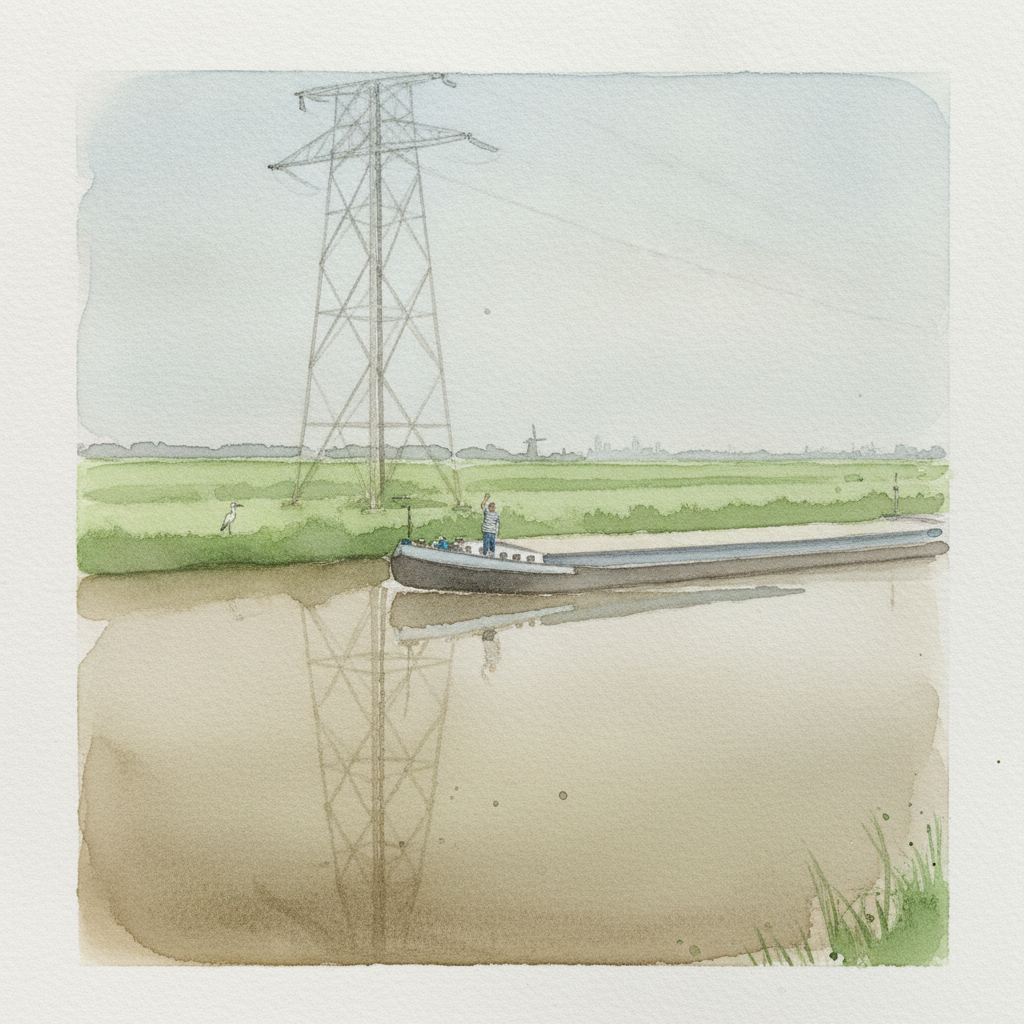
This piece offers an excellent study in contrasting precise linework with fluid washes, specifically for rendering both an intricate lattice structure and its varied reflection. Pay close attention to how a slightly heavier, unwavering line defines the pylon's near elements, while soft wet-on-wet washes capture its still, mirrored form. Then, observe how a few carefully placed, crisp pen strokes can convincingly suggest the sharp angles of the wake breaking that same reflection. Consider a restrained palette of muted greens, browns, and grey-blues to emphasize the atmospheric Dutch light and water.
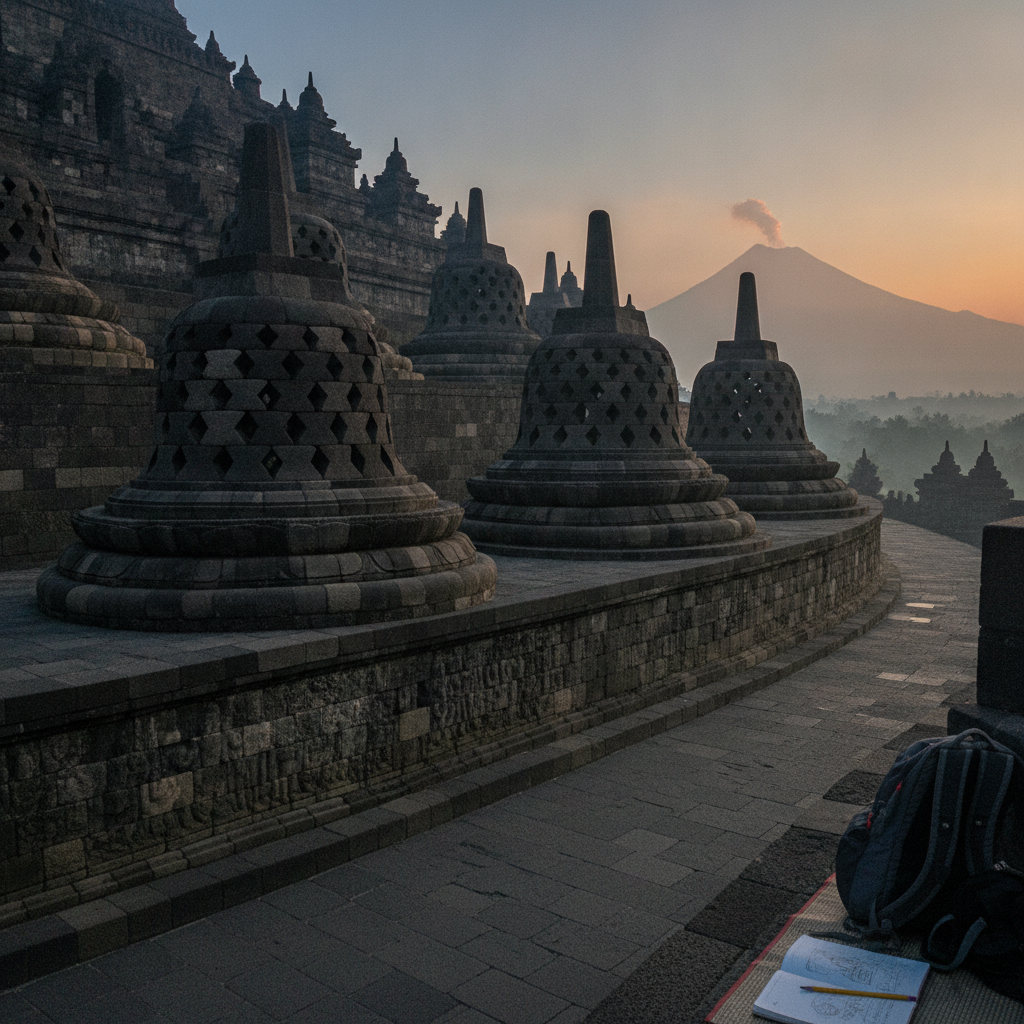
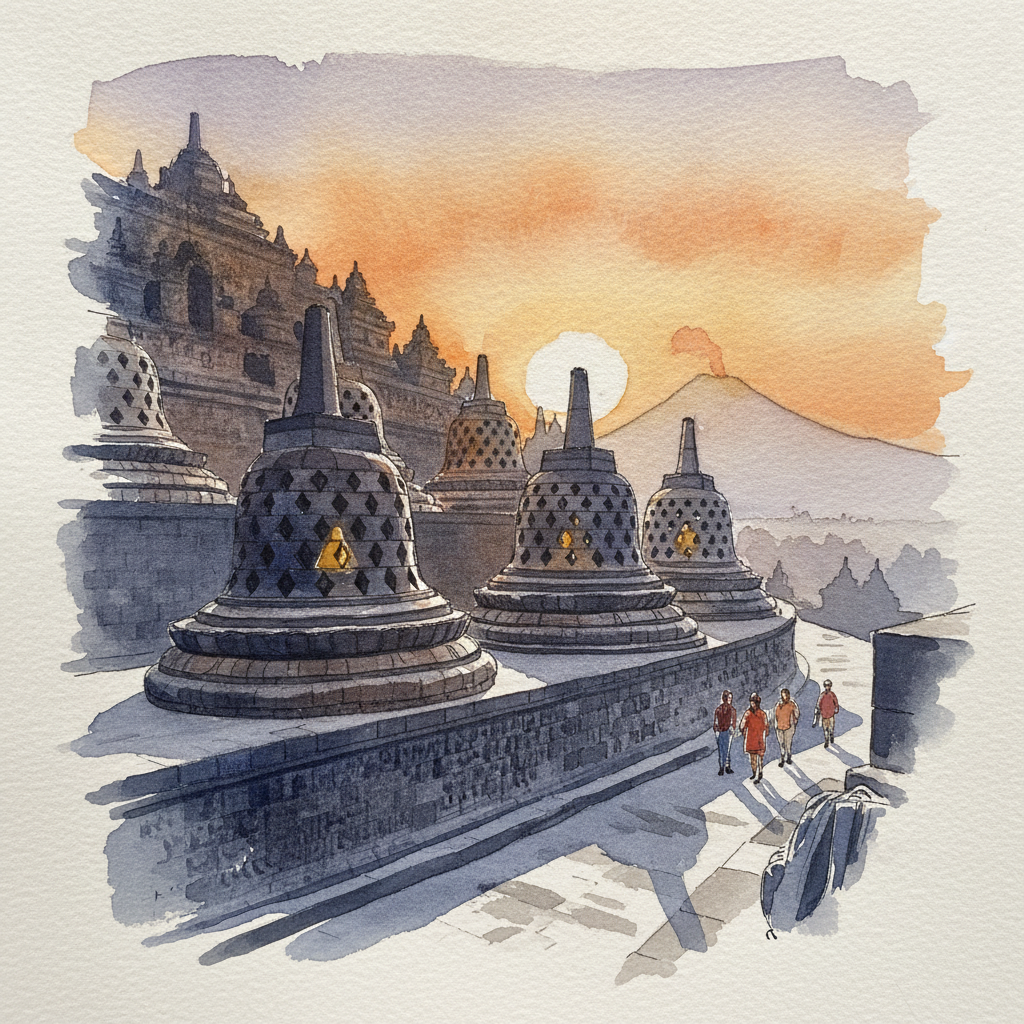
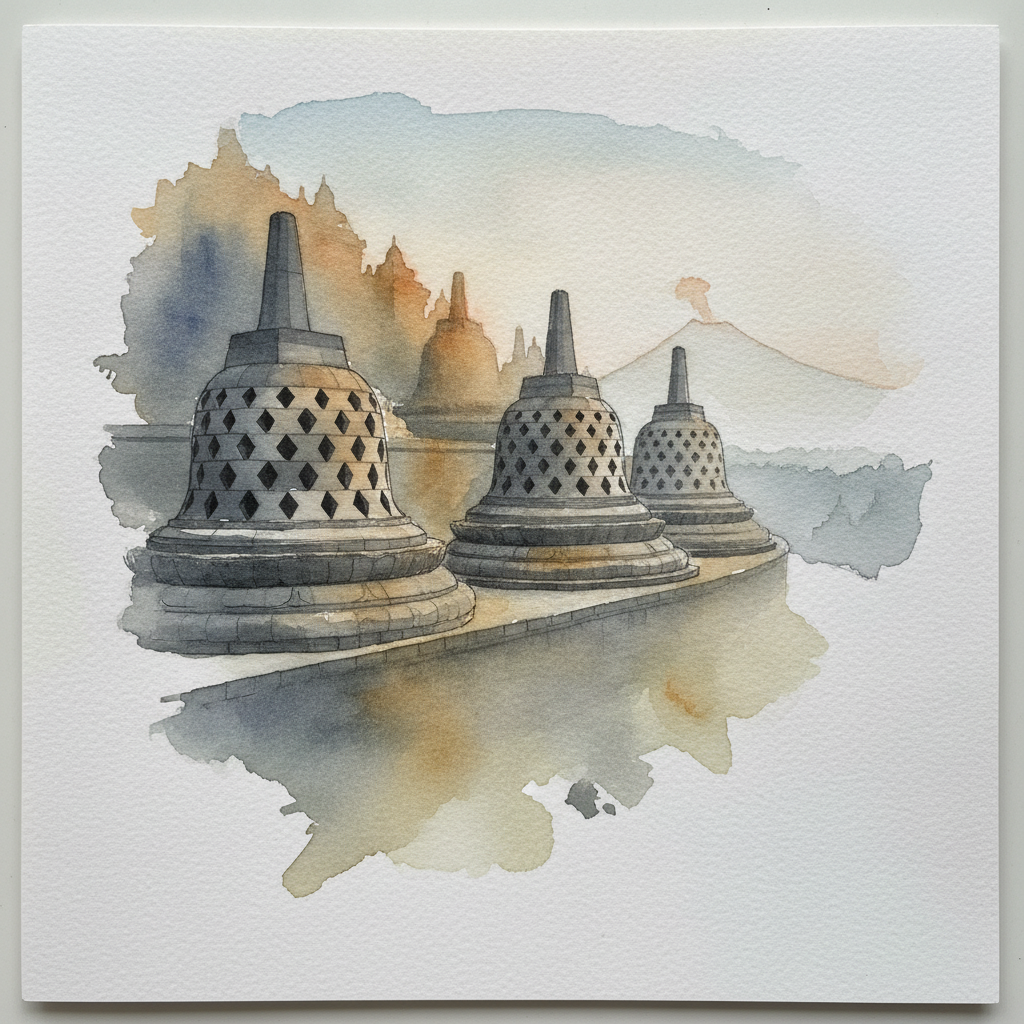
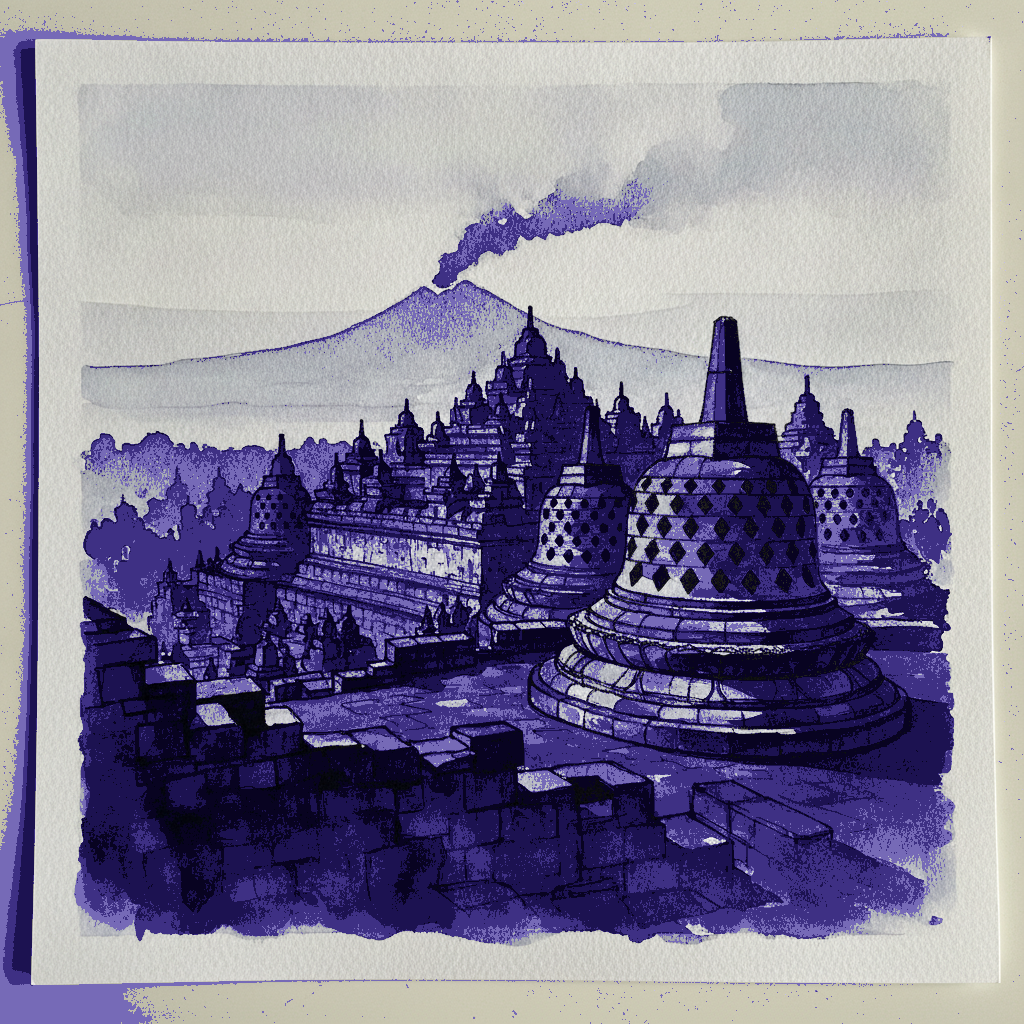
Piece 5 — Borobudur, Magelang, Central Java, Indonesia
Pen + Watercolor · Loose pen and watercolor line-and-wash
Three takes

Focus for this piece
This Borobudur study is ideal for mastering the interplay between defined architectural structure and atmospheric rendering. Practice using a precise range of line weights to delineate the monumental geometry of the stepped terraces and the delicate, repetitive forms of the dagobas. Then, apply a limited, earthy palette of deep washes to capture the dark andesite stone, allowing careful layering to suggest its texture and volume. This approach will help you balance intricate detail, like the thousands of reliefs, with the overall grandeur and the soft backdrop of the smoking Mount Merapi.
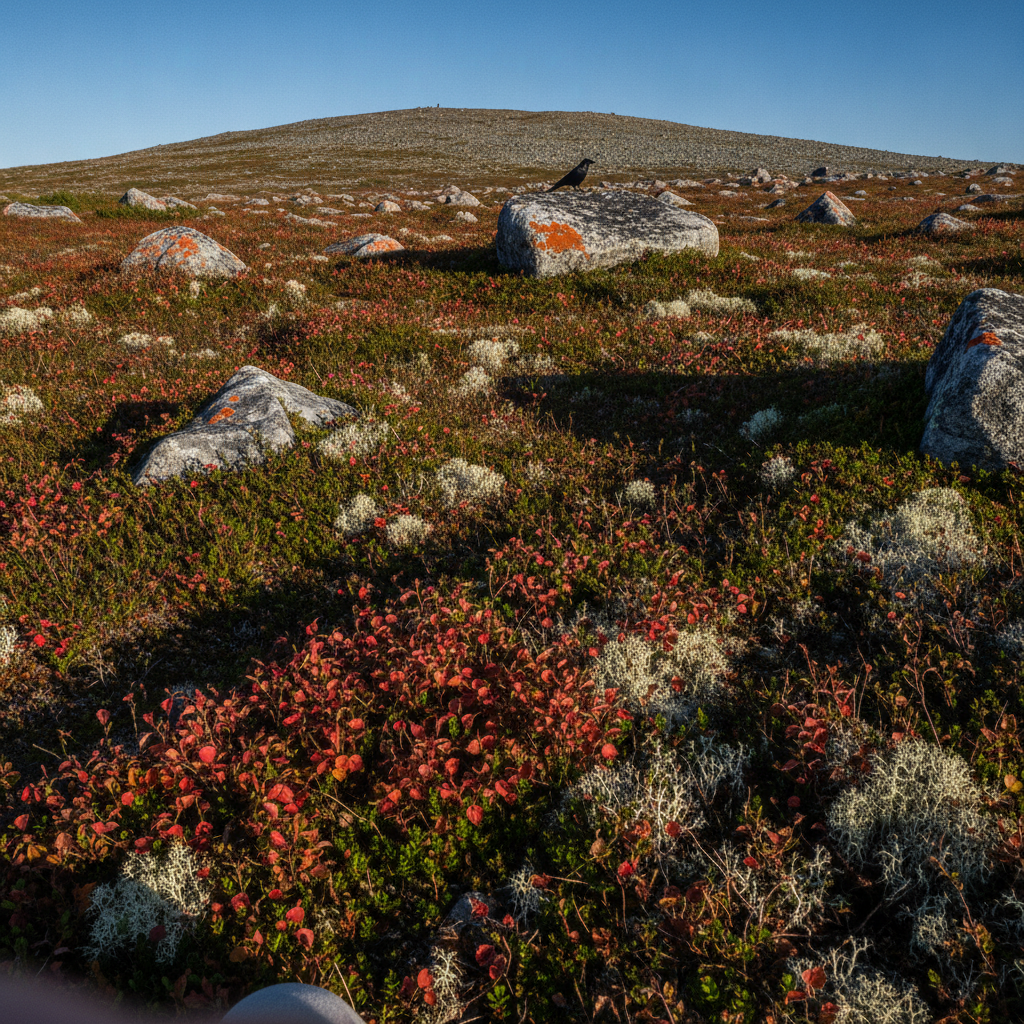
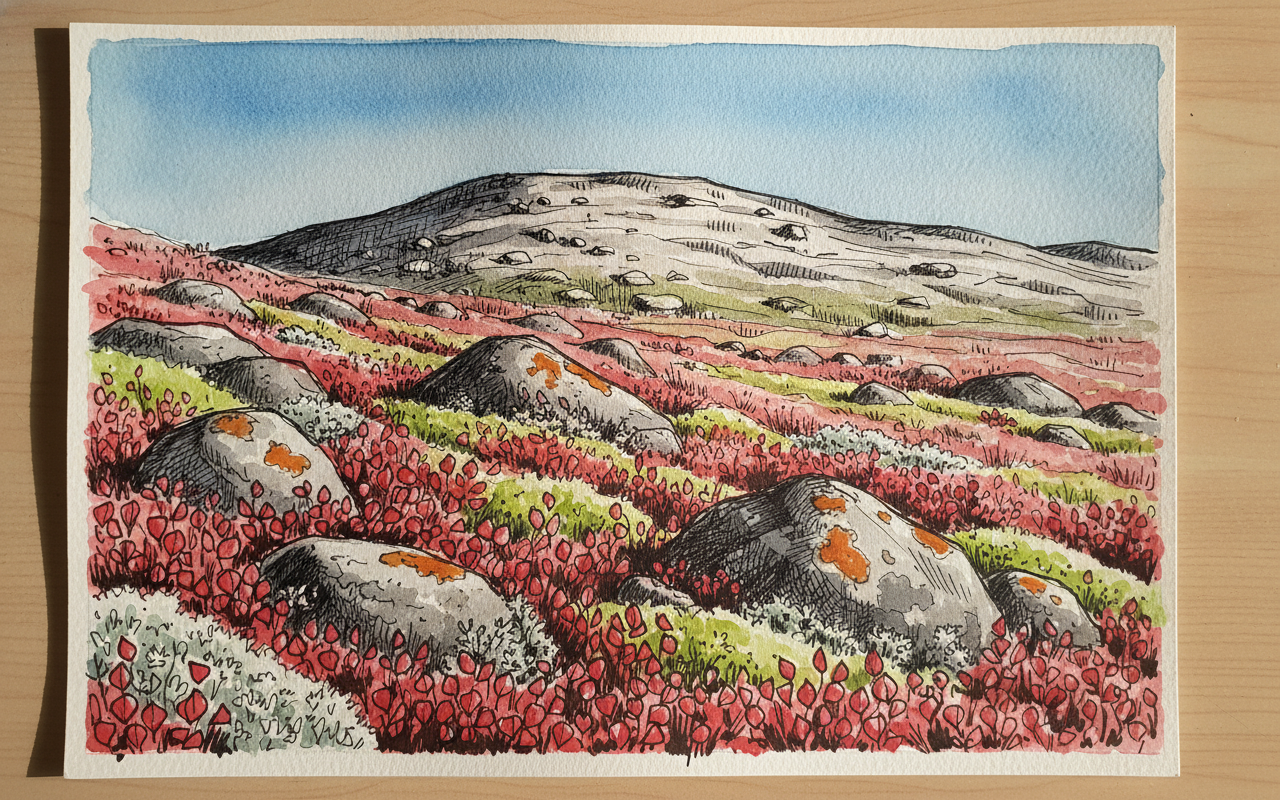
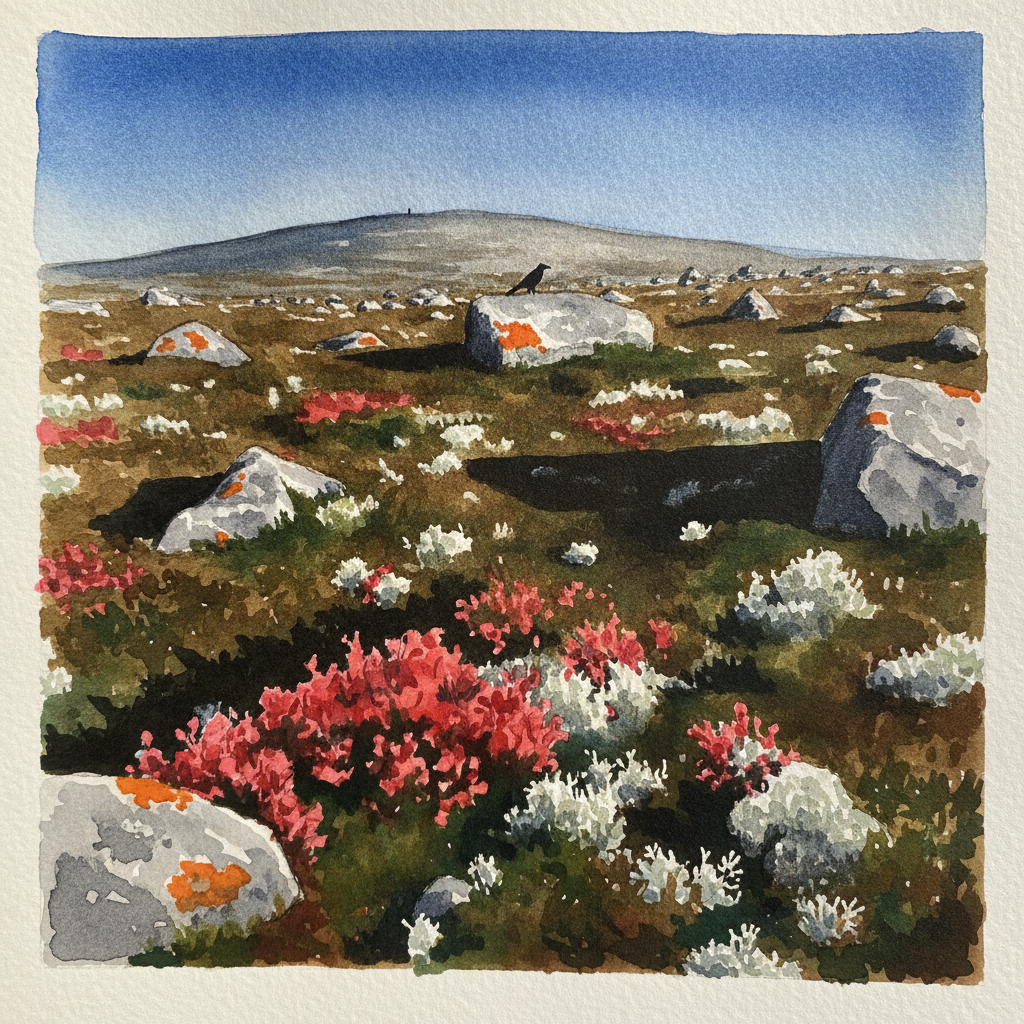
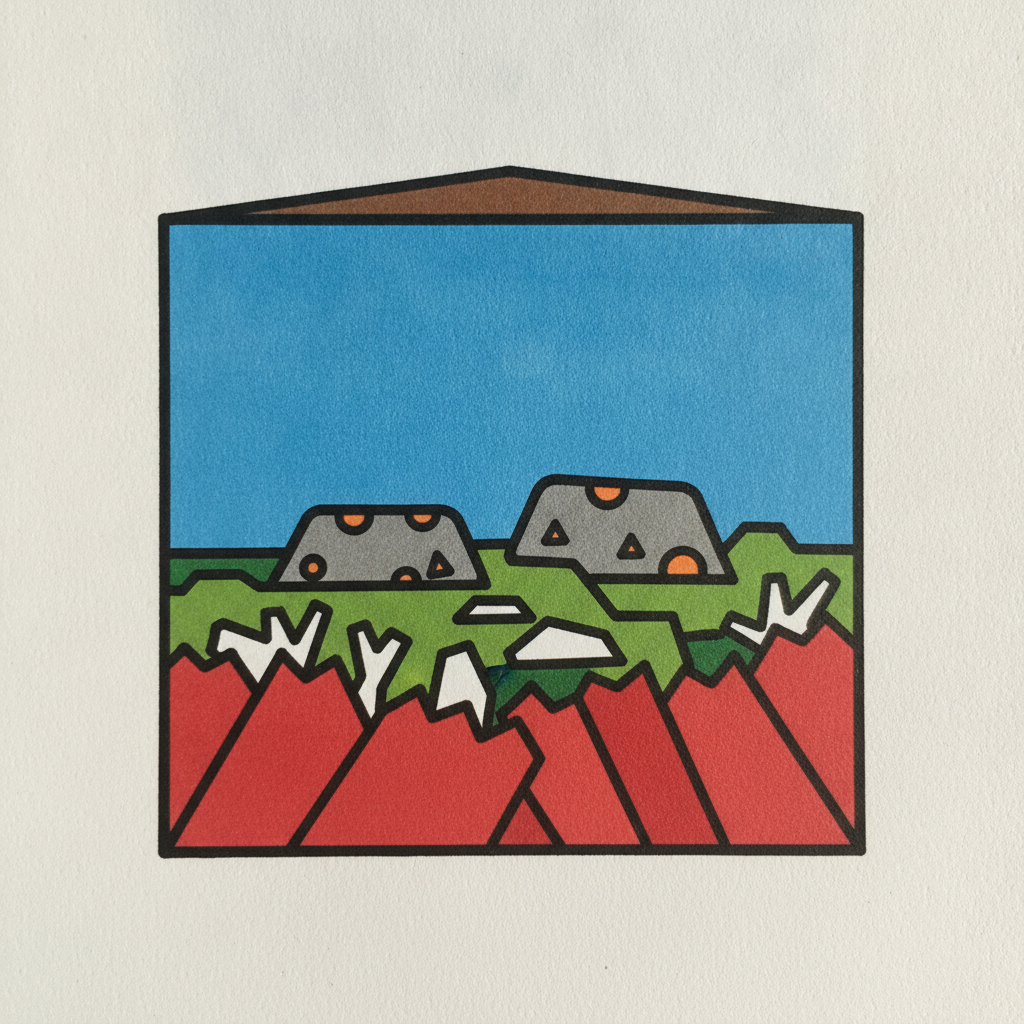
Piece 6 — Autumn red dwarf-birch with green moss patches, Lapland, September
Pen + Watercolor · Loose pen and watercolor line-and-wash
Three takes
Focus for this piece
This piece offers an excellent opportunity to practice rendering intricate foreground detail and achieving vibrant, saturated color at a small scale. Focus on using varied, fine line weights to define the distinct, irregular shapes and textures of the crimson dwarf birch leaves and bright green moss patches. Then, carefully apply small, concentrated washes of pure pigment with a small round brush (like a #4 or #6) to fill these shapes, ensuring each color remains distinct and saturated even as elements sit shoulder-to-shoulder. Pay attention to how the low autumn light illuminates these textures and intensifies the hues.
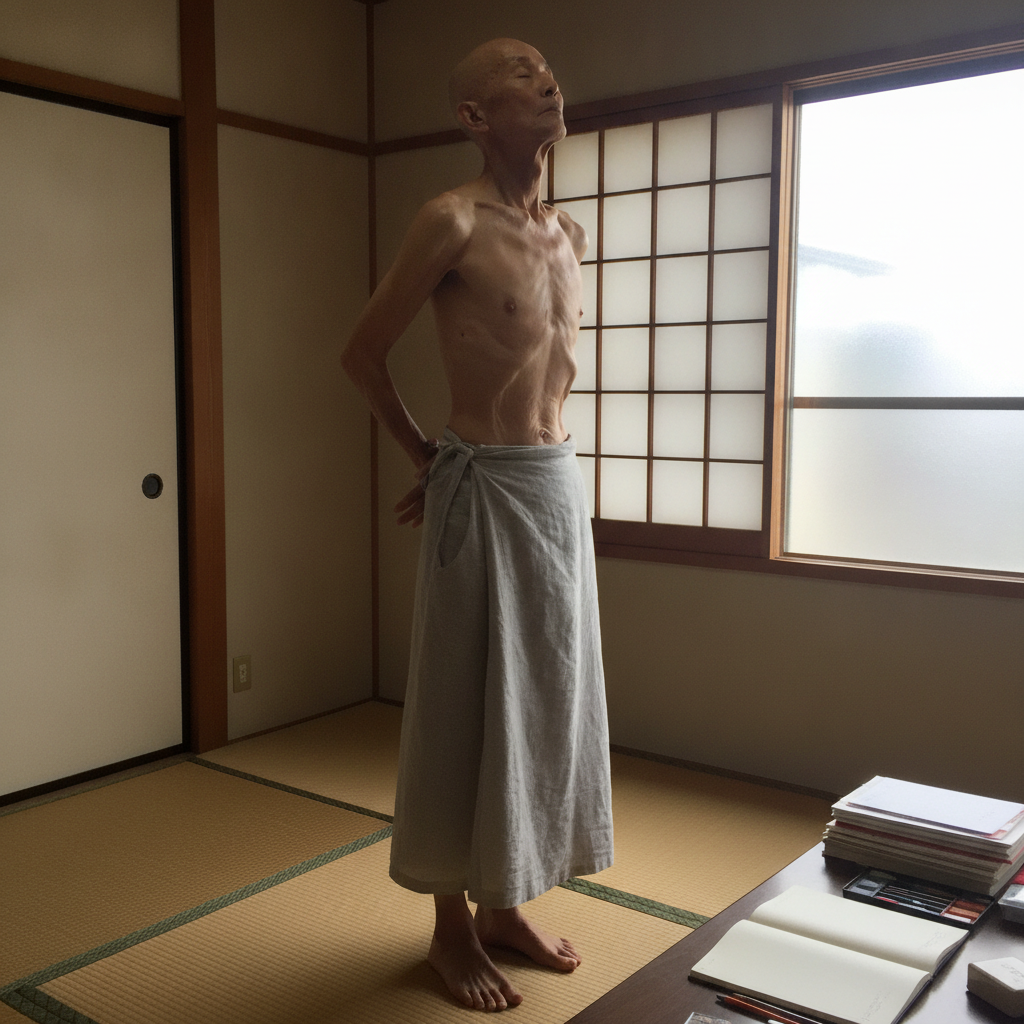
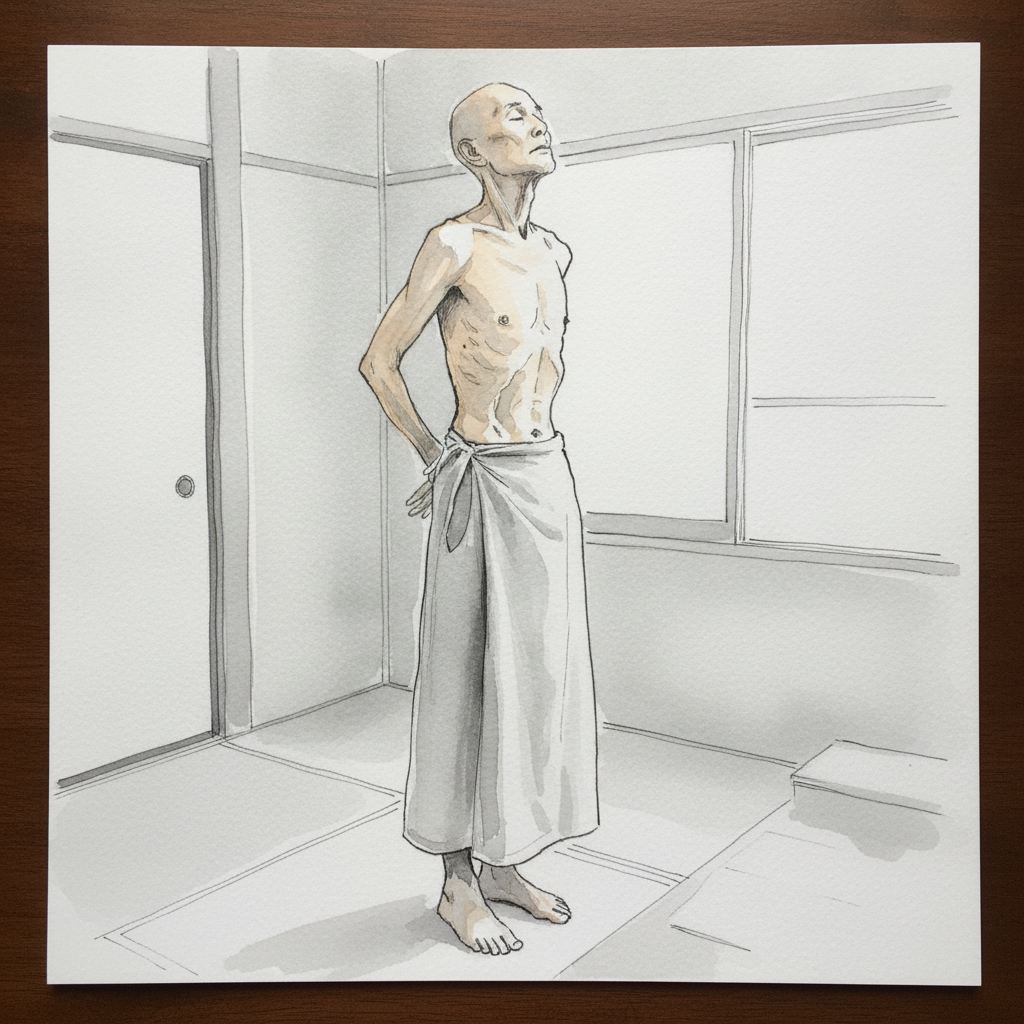
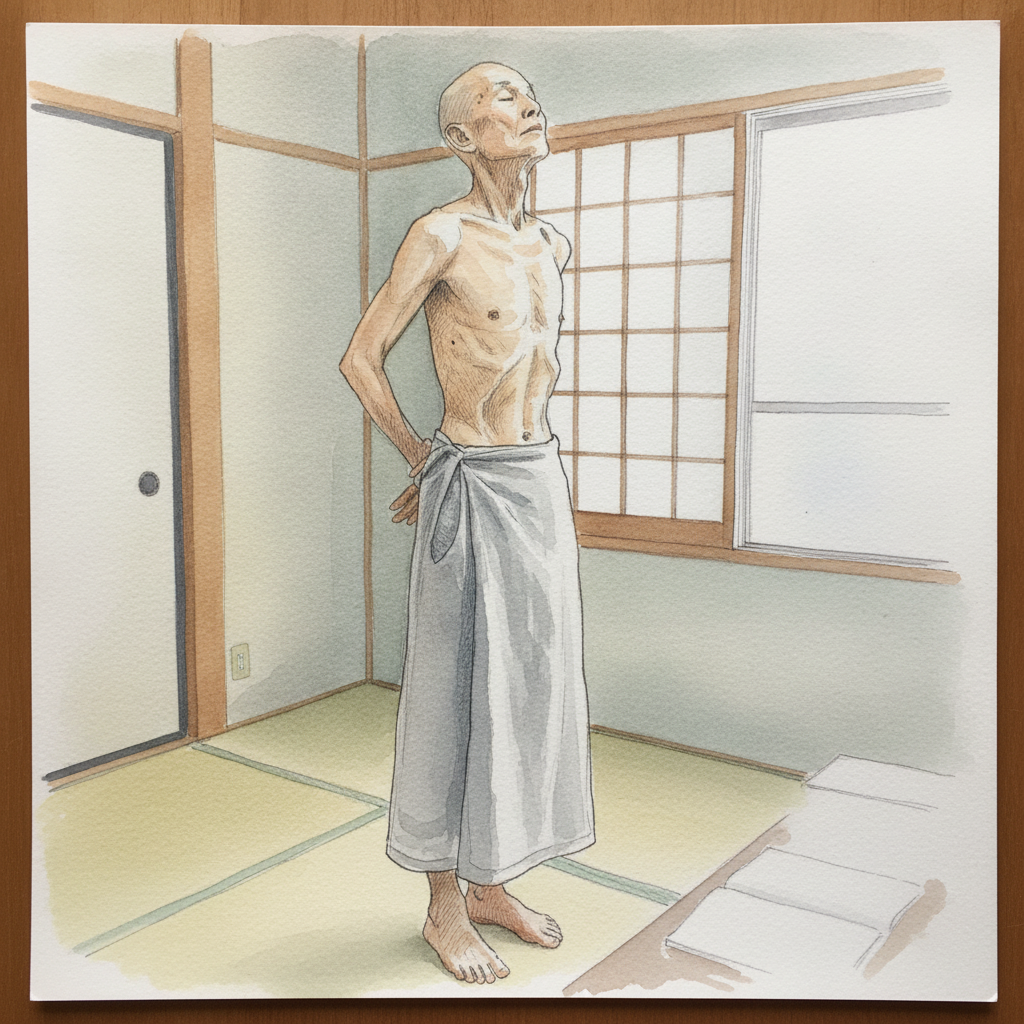
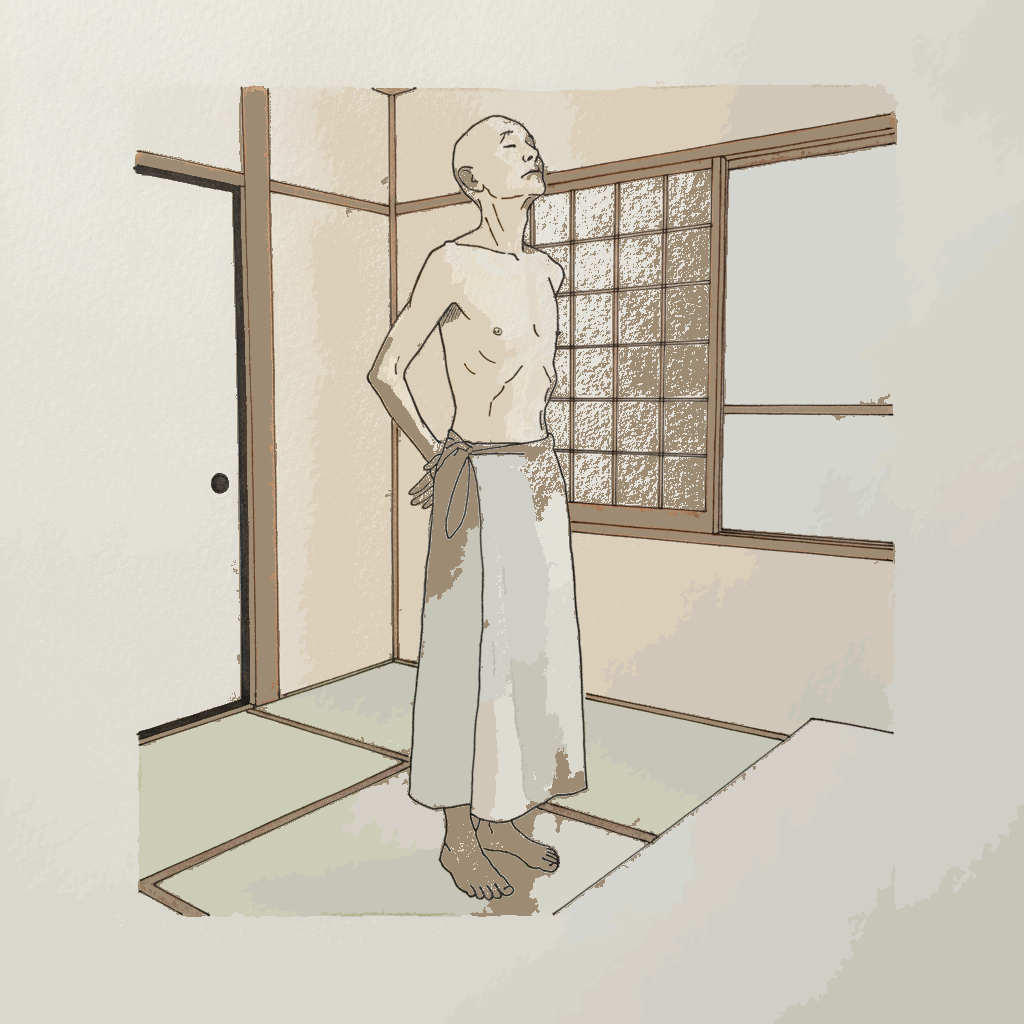
Piece 7 — Lean elderly Japanese man in monastic mild arch
Pen + Watercolor · Loose pen and watercolor line-and-wash
Three takes
Focus for this piece
This piece is a superb study in capturing subtle form and texture under extremely soft light. Focus on building the gentle undulations of the monk's lean physique, particularly the visible ribcage and the long curve of the spine, using several very light, layered washes in a limited, high-key palette, rather than relying on strong shadows. For your pen work, use exceptionally fine, broken lines to suggest the delicate papery quality of the skin and define key anatomical landmarks, ensuring the ink harmonizes with the watercolor's luminous softness.
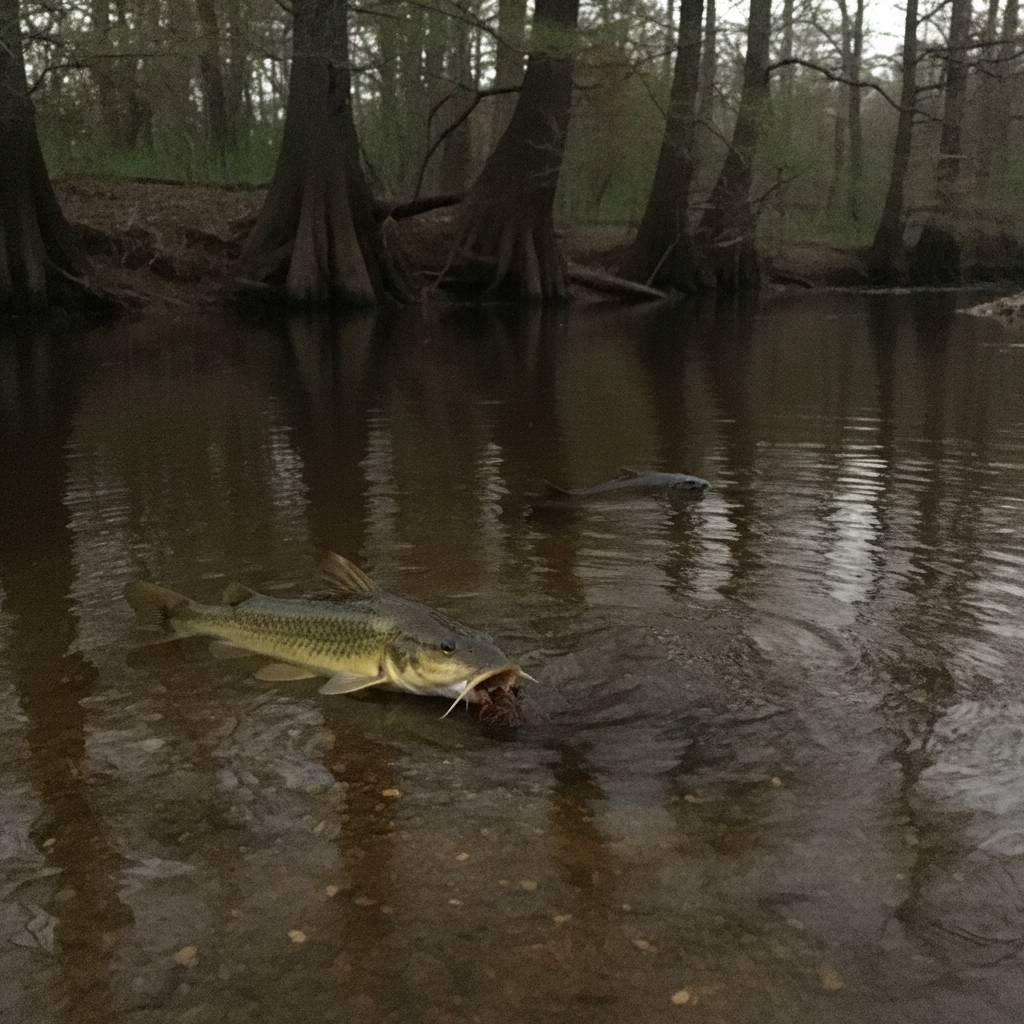
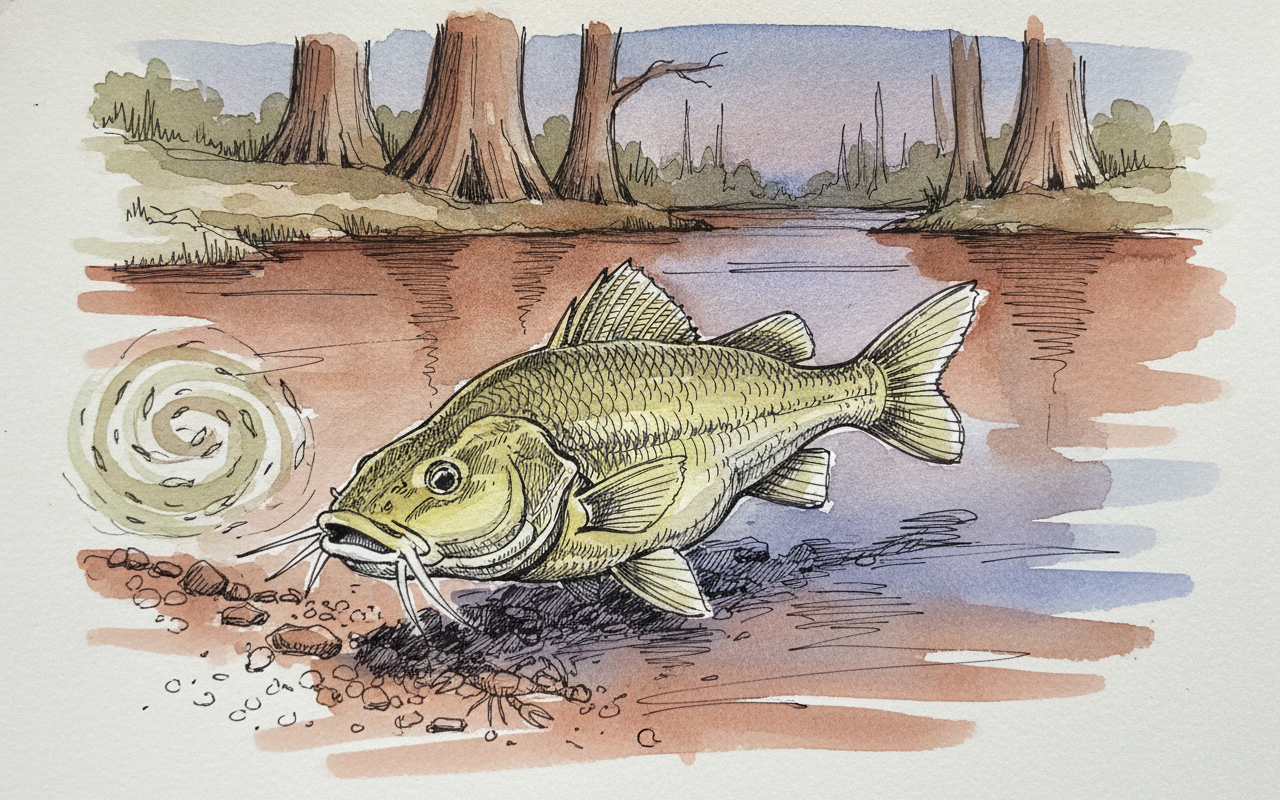
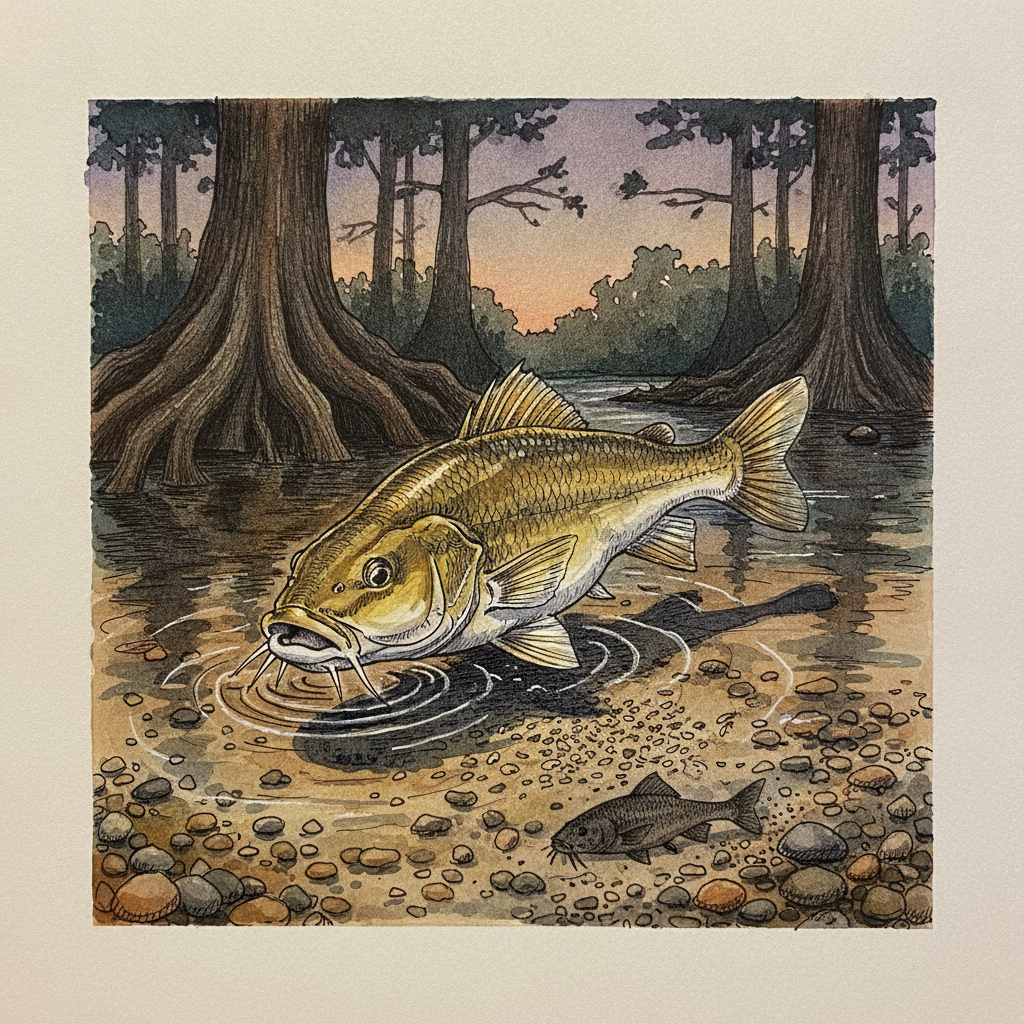
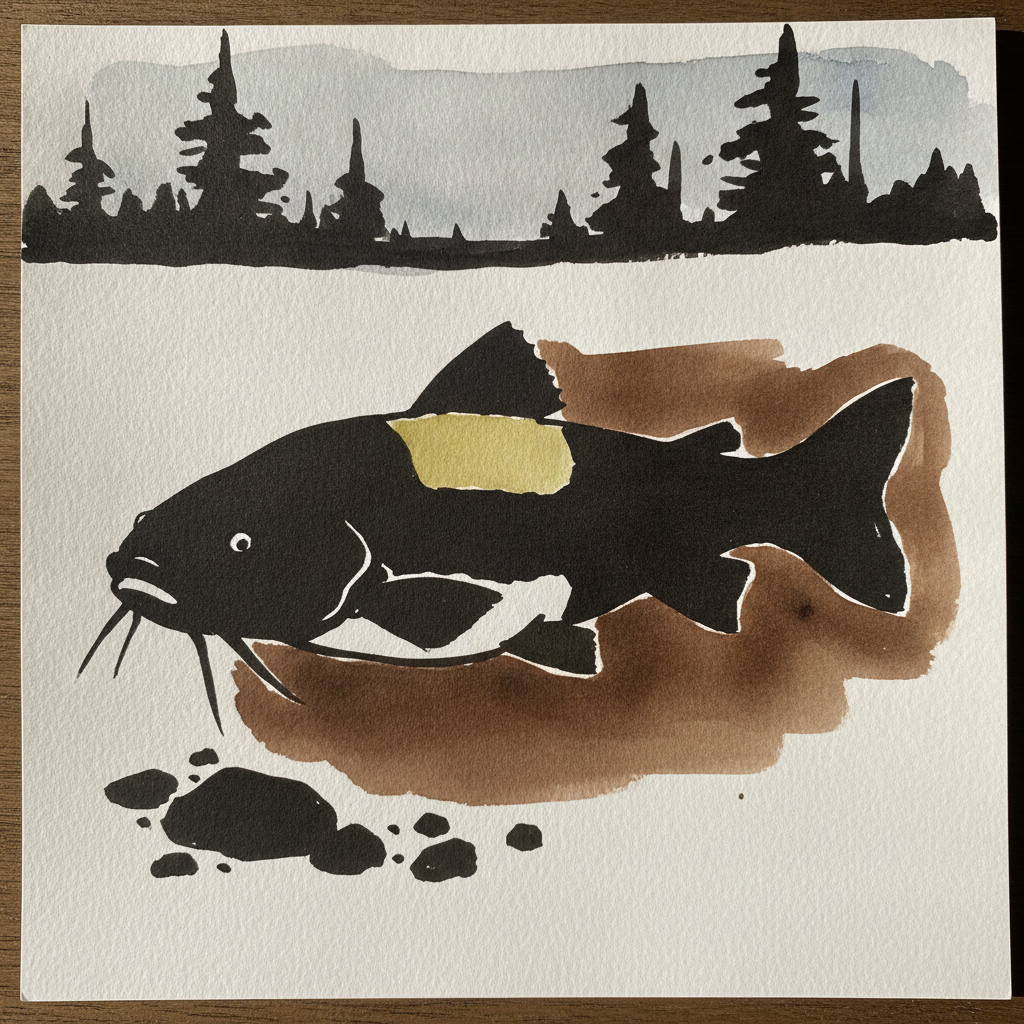
Piece 8 — Yellow bullhead
Pen + Watercolor · Loose pen and watercolor line-and-wash
Three takes
Focus for this piece
This piece offers a great opportunity to explore building atmospheric depth with layered, fluid watercolor washes, particularly focusing on the rich, warm tones of the tannin-stained blackwater at dusk. Experiment with wet-on-wet applications to create soft transitions and reflections, letting the water color itself suggest the slow current and ambient light. Then, use varied, precise ink lines to define the bullhead's distinct form, its white chin barbels, and the delicate fry, allowing these crisp details to emerge from the soft, evocative washes.